The dilemma of Black skin is not biological—it is psychological, historical, and inherited through trauma. A pigment that should signify life, lineage, and divine creativity was weaponized into a mark of subjugation and dehumanization, though scripture never framed hue as inferiority. “I am black, but comely” (Song of Sol. 1:5, KJV).
Slavery altered more than labor systems; it attempted to rewrite identity itself. Black skin became a symbol falsely associated with divine rejection, though the Bible affirms that God formed all mankind intentionally. “The Lord hath made all things for himself” (Prov. 16:4, KJV).
The transatlantic slave trade kidnapped the body, but racism imprisoned the mind. Europeans repainted the theology of beauty with whiteness centered at the altar, planting a spiritual lie that melanated bodies were errors, not divine authorship. Yet God is the original designer. “Thine eyes did see my substance, yet being unperfect” (Psa. 139:16, KJV).
Negativity surrounding Black skin was not seeded in scripture but in propaganda. Colonizers inverted Ham’s lineage in Genesis into a false theology of skin-based curses, though the Bible speaks no such thing. The curse in Genesis was upon Canaan’s servitude, not complexion (Gen. 9:25, KJV).
Africa was the first cradle of human expansion. Ham’s sons—Cush, Mizraim, Put—are founders of African nations (Gen. 10:6, KJV). This means Black presence was at creation, migration, and worship’s dawn, not its aftermath.
Racism engineered theology into hierarchy. Whiteness monopolized the image of God, angels, and salvation, even though scripture gives cosmic freedom in who God calls by name. “Princes shall come out of Egypt; Ethiopia shall soon stretch out her hands unto God” (Psa. 68:31, KJV).
Colorism is racism’s domestic offspring. When a system wounds a nation long enough, the wounded begin competing in hue rather than healing in humanity. But God’s salvation is soul-deep, not skin-deep. “For man looketh on the outward appearance, but the Lord looketh on the heart” (1 Sam. 16:7, KJV).
Dark skin was mislabeled as labor-grade, not beauty-laced. The marketplace economy of slavery placed price tags on phenotype: lighter brought economic advantage, darker brought harsher labor assignment. This distortion still echoes in modern Black cultural psychology.
Black children grew up watching the world praise fairness while punishing richness. This interior conflict creates a dilemma: loving the color you wear while living in a society that still worships the opposite.
Racism convinces Black women that beauty requires editing Blackness itself. From skin bleaching to hair humiliation, the world teaches Black women to apologize for melanin instead of honoring it. Yet scripture reverses the shame of appearance. “He hath made every thing beautiful in his time” (Eccl. 3:11, KJV).
Black men carry the burden of being feared because of their shade and frame. Their complexion was interpreted socially as aggression rather than image-bearer dignity, though the Bible describes strength without equating it to moral corruption. “Be strong and of a good courage” (Josh. 1:9, KJV).
Negativity surrounding Black skin created a spiritual orphaning. Many Blacks converted into religions that used the Bible to comfort them but never used theology to defend their identity’s sacred legitimacy.
Melanin became a theological insecurity rather than a cultural crown. Black skin was reinterpreted into a social problem instead of a sacred narrative of ancestral resilience, divine endurance, and survival.
Scripture affirms that God stands with the suffering and oppressed, not the complexion they are suffering in. “He shall judge the poor of the people, he shall save the children of the needy” (Psa. 72:4, KJV) makes it clear that injustice draws God’s advocacy, not His agreement.
Christianity as preached on plantations tried to pacify revolt while ignoring identity theft. But scripture tells another story: God delivers the oppressed into restored dignity, not silent submission. “Let my people go” (Exo. 5:1, KJV).
Black skin was the canvas on which oppression attempted to permanently paint shame. But the Bible shows that suffering does not rewrite chosenness. “If ye endure chastening, God dealeth with you as sons” (Heb. 12:7, KJV).
Colorism wounded Black women into ranks of attractiveness based on gradients. The dilemma of pigmentation hierarchy taught Black mothers to desire lighter children, reflecting trauma rather than preference.
Racism built entire institutions to oppose Black elevation. Still, scripture promises divine reversal in seasons of suffering. “And the Lord thy God will turn thy captivity… and have compassion upon thee” (Deut. 30:3, KJV).
Black skin is now undergoing reclamation. The dilemma remains, but so does restoration theology. “Be renewed in the spirit of your mind” (Eph. 4:23, KJV) suggests transformation is mental liberation first.
The world tried to make Blackness symbolic of sin, foolishness, servitude, and ugliness. But scripture gives voice to beauty where culture denied it. “I will make mention of Rahab and Babylon to them that know me: behold Philistia, and Tyre, with Ethiopia; this man was born there” (Psa. 87:4, KJV).
The dilemma of Black skin is therefore a theological confrontation: rejecting the doctrine of racial inferiority, dismantling internalized oppression, calling melanin beautiful without apology, and reclaiming skin not as dilemma but testimony.
Black identity was not born in chains, curse, or erasure—it was born under heaven’s architecture, exiled through suffering, yet promised redemption. “For I know the thoughts that I think toward you, saith the Lord, thoughts of peace, and not of evil” (Jer. 29:11, KJV).
The final transformation is from shame to sacred remembrance. The original mark of identity was not color—but creation intent. And creation intent cannot be rewritten by captivity. “The gifts and calling of God are without repentance” (Rom. 11:29, KJV).
References
The Holy Bible, King James Version. (1611). Cambridge University Press. Douglass, F. (1845). Narrative of the Life of Frederick Douglass, an American Slave. Anti-Slavery Office. Hunter, M. (2007). “The Persistent Problem of Colorism.” Sociology Compass, 1(1), 237-254. Walker, A. (1983). In Search of Our Mothers’ Gardens. Harcourt.
The term “brown paper bag test” historically described a colorist practice in which lighter-skinned Black individuals, often those whose skin matched or was lighter than a brown paper bag, were given preferential treatment in social clubs, schools, and employment (Harris, 2015). This arbitrary test codified a hierarchy within the Black community, creating generational legacies that continue to influence perceptions of beauty, social mobility, and cultural capital.
Legacy Influence: Descendants of lighter-skinned families historically benefited from better education, access to resources, and visibility, creating a systemic advantage that persists today.
Media & Representation: Lighter-skinned influencers—celebrities, social media personalities, and public figures—receive more exposure, sponsorships, and opportunities, echoing the historical privileging of “brown paper bag” individuals (Russell, Wilson, & Hall, 2016).
Biblical and Spiritual Lens
Colorist favoritism reflects the human tendency to judge by appearance rather than moral or spiritual worth. Scripture condemns such superficial evaluation:
James 2:1 (KJV):“My brethren, have not the faith of our Lord Jesus Christ, the Lord of glory, with respect of persons.”
Genesis 1:27 (KJV): Affirms all humans are created in God’s image, regardless of skin tone, countering social hierarchies based on complexion.
Wisdom of Solomon 14:12 (Apocrypha): Warns against corrupting judgment with superficial valuation, applicable to both historical colorism and modern influencer culture.
Contemporary Implications
1. Social Media and Influencers
Lighter-skinned influencers dominate Instagram, TikTok, and YouTube, shaping beauty standards and consumer behavior.
Algorithms reinforce this bias, prioritizing images and videos that fit Eurocentric beauty ideals, creating a digital reflection of historical colorism.
2. Hollywood and African Cinema
Casting decisions often favor lighter-skinned actors for lead roles, award campaigns, and international appeal, mirroring the same hierarchy established in the brown paper bag era.
This perpetuates the notion that lighter-skinned descendants are more “marketable,” sidelining equally talented darker-skinned performers.
3. Socioeconomic Outcomes
The visibility and prioritization of lighter influencers correlate with wealth accumulation, sponsorship deals, and global recognition, reinforcing generational privilege tied to skin tone.
Visual & Conceptual Integration
Imagine the Digital Plantation visual, now layered with a “brown paper bag” motif hovering over lighter-skinned influencers, subtly glowing.
Darker-skinned individuals are positioned in semi-shadow or behind algorithmic overlays, symbolizing systemic bias, underrepresentation, and the persistence of historic privilege.
References
Harris, A. P. (2015). Skin tone stratification and social inequality: Historical and contemporary perspectives. Oxford University Press.
Hunter, M. (2007). The persistent problem of colorism: Skin tone, status, and inequality. Sociology Compass, 1(1), 237–254.
Russell, K., Wilson, M., & Hall, R. (2016). The color complex: The politics of skin color in a new millennium. Anchor Books.
Colorism, the preferential treatment of lighter-skinned individuals over darker-skinned individuals within the same racial or ethnic group, is a pervasive social issue in Latin America and the Caribbean. Unlike racism, which typically operates between racial groups, colorism functions within communities, shaping beauty standards, social mobility, and economic opportunities. The colonial history of the region, combined with complex racial hierarchies, has deeply entrenched the preference for lighter skin.
In Brazil, colorism is heavily influenced by the legacy of Portuguese colonization and the transatlantic slave trade. Lighter-skinned Brazilians often enjoy greater social acceptance, higher economic opportunities, and more visibility in media and politics. Darker-skinned individuals, including Afro-Brazilians, frequently face systemic disadvantages in employment, education, and social interactions.
Colombia presents a similar pattern. The country’s stratified society historically valued European ancestry and lighter skin, relegating Afro-Colombians and Indigenous populations to lower socioeconomic positions. Studies reveal that lighter-skinned Colombians are more likely to secure professional jobs and attain higher wages, while darker-skinned individuals face barriers to upward mobility.
In the Dominican Republic, colorism intersects with national identity and postcolonial ideals of beauty. Lighter-skinned Dominicans are often celebrated in media, popular culture, and advertising, reinforcing the association between fair skin and social prestige. Conversely, darker-skinned Dominicans experience marginalization and negative stereotyping.
Puerto Rico’s complex racial and cultural landscape similarly reflects colorist biases. Fair-skinned Puerto Ricans, often of European descent, are frequently afforded higher social status, while Afro-Puerto Ricans may encounter limited opportunities and social discrimination. These disparities extend to politics, media, and employment sectors.
Cuba’s history of colonialism and slavery has contributed to persistent colorist attitudes. Afro-Cubans, particularly those with darker skin, are disproportionately represented in lower-paying jobs and are underrepresented in government and media. Skin color continues to influence social hierarchy, marriage prospects, and access to resources.
Haiti, despite its predominantly Black population, exhibits colorism rooted in French colonial legacy. Lighter-skinned Haitians historically held more economic power and social influence, a dynamic that persists in contemporary society. Colorism affects access to education, professional advancement, and social acceptance.
Mexico demonstrates the entrenchment of colorist ideals in beauty standards, media representation, and social mobility. Lighter-skinned Mexicans, often perceived as more European, are preferred in modeling, television, and advertising. Darker-skinned individuals face subtle and overt discrimination in professional, educational, and social contexts.
In Panama, lighter-skinned citizens are often associated with higher social and economic status. The Afro-Panamanian population, particularly those with darker skin, experiences limited access to professional opportunities, societal marginalization, and biased treatment in various institutions.
Costa Rica and Nicaragua also reflect similar dynamics. European features and lighter skin are socially valued, while Indigenous and Afro-descendant populations with darker skin are disproportionately underrepresented in media, education, and government.
Peru’s complex racial hierarchy demonstrates how colorism intersects with Indigenous and mestizo identities. Lighter-skinned individuals often achieve greater social mobility, while darker-skinned populations face marginalization, limited economic opportunities, and underrepresentation in leadership roles.
Venezuela has historically celebrated lighter skin in media and social elites. Fair-skinned Venezuelans dominate beauty pageants, television, and political representation, whereas Afro-Venezuelans and darker-skinned individuals remain socially and economically disadvantaged.
In Ecuador, lighter skin continues to confer social advantage. Indigenous and Afro-Ecuadorian populations are frequently subject to prejudice, unequal treatment, and limited access to quality education and professional careers.
In Trinidad and Tobago, colorism affects social stratification, particularly among Afro-Caribbean and Indo-Caribbean communities. Lighter-skinned individuals often receive more social recognition, while darker-skinned individuals face systemic barriers in employment, education, and media representation.
Jamaica exhibits similar patterns, with lighter-skinned Jamaicans often celebrated in popular culture and the entertainment industry. Darker-skinned individuals may encounter prejudice, reduced opportunities, and negative stereotyping in society.
In Belize, lighter skin is frequently associated with European ancestry and social privilege. Afro-Belizeans and Indigenous populations with darker skin experience economic and social marginalization, reflecting the colonial influence on racial hierarchy.
In Guyana, colorism affects both Afro-Guyanese and Indo-Guyanese populations. Lighter skin is socially desirable, influencing marriage patterns, professional opportunities, and media representation. Darker-skinned individuals often face systemic bias.
Barbados and other smaller Caribbean nations similarly reflect entrenched colorist attitudes. Lighter-skinned citizens are often privileged in professional advancement, social acceptance, and media visibility, while darker-skinned individuals face systemic discrimination.
Across Latin America and the Caribbean, the media plays a critical role in perpetuating colorism. Television, film, and advertising frequently feature lighter-skinned individuals as idealized beauty standards, reinforcing societal biases and influencing self-perception among darker-skinned populations.
Table: The Impact of Colorism Across Latin America & the Caribbean
Country/Region
Communities Most Affected
Forms of Colorism & Social Impact
Brazil
Afro-Brazilians, Indigenous peoples
Lighter skin linked to higher income, visibility in media, and political representation; darker-skinned Brazilians experience systemic racism and underrepresentation.
Colombia
Afro-Colombians, Indigenous groups
Lighter-skinned Colombians receive better employment and education opportunities; darker skin associated with lower social class.
Dominican Republic
Afro-Dominicans, Haitian descendants
National identity tied to whiteness; darker-skinned Dominicans often face denial of citizenship and discrimination.
Puerto Rico
Afro-Puerto Ricans, mixed-race populations
Lighter skin associated with beauty and privilege; darker-skinned individuals face workplace and media bias.
Cuba
Afro-Cubans, mixed-race citizens
Lighter skin favored in tourism and professional sectors; Afro-Cubans underrepresented in media and politics.
Historical “mulatto elite” dominance; darker-skinned citizens face limited economic opportunities.
Mexico
Indigenous and Afro-Mexican communities
Television and politics dominated by light-skinned Mexicans; darker-skinned citizens face classism and racial stereotyping.
Panama
Afro-Panamanians, Indigenous groups
Colorism intersects with class; lighter-skinned individuals hold most elite and visible positions.
Costa Rica
Afro-Costa Ricans, Indigenous peoples
Darker-skinned individuals experience employment discrimination and limited media presence.
Nicaragua
Afro-Nicaraguans, Indigenous populations
Skin color determines access to education, tourism jobs, and social status.
Peru
Indigenous Andeans, Afro-Peruvians
Lighter-skinned mestizos have better mobility; darker-skinned citizens face political and social exclusion.
Venezuela
Afro-Venezuelans, Indigenous groups
Media and beauty industries glorify light skin; darker-skinned Venezuelans face discrimination and poverty.
Ecuador
Indigenous, Afro-Ecuadorians
Lighter skin equated with modernity and wealth; darker skin seen as backward or poor.
Trinidad & Tobago
Afro-Trinidadians, Indo-Trinidadians
Fair skin often linked to higher desirability and media preference; darker tones marginalized socially.
Jamaica
Afro-Jamaicans
Skin-lightening products normalized; lighter skin considered more beautiful and commercially valuable.
Belize
Afro-Belizeans, Garifuna, Maya
Lighter skin associated with colonial-era privilege; darker-skinned citizens face social bias.
Guyana
Afro-Guyanese, Indo-Guyanese
Colorism influences dating, employment, and social class distinctions.
Barbados
Afro-Barbadians
Lighter skin preferred in entertainment and business leadership; darker skin linked to lower income.
Dominica & St. Lucia
Afro-Caribbean populations
Colorism manifests in beauty pageants and tourism; lighter skin favored for visibility and employment.
Bahamas
Afro-Bahamians
Light-skinned elite families hold social influence; darker-skinned individuals experience class-based prejudice.
Observations
Common Thread: In every country, lighter skin is associated with higher socioeconomic status, beauty, and modernity, while darker skin is often linked to poverty, backwardness, or undesirability — a colonial legacy that still shapes identity and opportunity.
Media’s Role: Regional television, advertisements, and pageantry largely portray fair skin as ideal, reinforcing intergenerational color biases.
Globalization Influence: Western beauty standards continue to affect local perceptions, fueling a growing skin-lightening industry across Latin America and the Caribbean.
Resistance Movements: Recent years have seen Afro-Latino and Indigenous activists push for representation through art, education, and social media — reclaiming pride in darker complexions and African ancestry.
Efforts to address colorism in Latin America and the Caribbean require multifaceted approaches. Education, media representation reform, and public awareness campaigns are essential to challenge entrenched biases, promote inclusivity, and foster a society where individuals are valued regardless of skin tone.
Colorism did not begin as a social preference or a beauty hierarchy. It began as a weapon. The moment enslavers divided African people by skin tone, the seeds of generational fragmentation were planted. This system of racialized favoritism did not emerge from African communities but from the brutality and strategic manipulation of chattel slavery in the Americas. Colorism was engineered to weaken solidarity among enslaved people, to create distrust, to manufacture false hierarchies, and to keep them psychologically controlled.
During slavery, the division between the “house Negro” and the “field Negro” became one of the earliest and most destructive manifestations of colorism. Enslavers created these categories intentionally, assigning different duties, privileges, and punishments based on appearance. Those with lighter skin—often the result of rape, coercion, and abuse by white slaveholders—were more likely to be placed inside the slaveholder’s home. Those with darker skin tones were more frequently relegated to the grueling labor of the fields. This division birthed a social hierarchy that still impacts Black communities today.
To understand the emotional depth of this dilemma, one must examine why certain slaves were placed inside the house. Light-skinned enslaved women were often the victims of sexual abuse. Their proximity to the slaveholder was not privilege; it was violation. Their lighter children became a physical reminder of the violent mixing of oppression and power. Because they resembled the master, they were considered easier to control, more “civilized,” or more acceptable within the home environment.
The field Negro lived under conditions of extraordinary brutality. They labored from sunrise to sunset in scorching heat, cutting sugarcane, picking cotton, or cultivating tobacco. Their bodies bore the scars of whips, chains, and exhaustion. Their work was physically punishing, and their living quarters were typically small, overcrowded cabins with poor sanitation. Yet, despite the harshness of their environment, the field Negro was often seen as mentally and spiritually resilient, unfiltered, and unbroken by proximity to the master’s household.
By contrast, the house Negro was seen as more privileged, but this privilege came with psychological chains. They lived under constant surveillance, forced politeness, and proximity to danger. They had to navigate the emotional volatility of their enslavers, protect their children from being sold, and maintain an appearance of loyalty even while suffering silently. Their clothing, food, and tasks were different—but they were still enslaved, still property, still unfree.
The treatment of each group created emotional fractures that enslavers deliberately exploited. In the house, enslaved people were sometimes given clothing, verbal favors, or lighter workloads—not as kindness, but as manipulation. In the fields, enslaved people viewed those inside with suspicion, believing they were aligned with the master. The house and the field were crafted to be enemies, not allies, and this division became a direct pipeline to colorism.
The purpose of this division was not only physical but psychological. If enslaved people distrusted one another, they would be less likely to organize rebellions, plan escapes, or unite against their oppressors. The slave system relied on internal conflict to maintain external control. The lighter enslaved person, closer to the master’s environment, was conditioned to adopt certain mannerisms, speech patterns, and behaviors that seemed to elevate them in the eyes of the oppressor. The system rewarded assimilation while punishing authenticity.
The darker enslaved person, laboring outdoors, embodied the strength and rawness of African identity. Their deeper skin tone was stigmatized because it symbolized an unbreakable connection to their roots. Slavery punished them more harshly for this. Whipping, backbreaking labor, and deprivation were used to reinforce the lie that darker skin was inferior, dangerous, or less deserving of humane treatment.
The house Negro stereotype later became associated with cooperation with white society, while the field Negro became a symbol of resistance. This dichotomy was famously described by Malcolm X, who used the terms metaphorically to highlight differences in mindset, identity, and resistance within the Black community. These categories still influence how Black people view one another today—through complexion, hair texture, and perceived proximity to whiteness.
Colorism grew as an internalized belief passed down through generations. Lightness became associated with safety, with reduced punishment, with proximity to privilege. Darkness became associated with hardship, danger, and rebellion. These internalized beliefs spread through families, shaping everything from beauty standards to marriage preferences to socioeconomic assumptions.
The legacy of the house-field division deeply influenced Black identity formation. Children born of the master often received special attention not because they were valued, but because they were reminders of the master’s dominance. Their slightly elevated status placed them in the crossfire of envy, resentment, and painful expectations. Meanwhile, darker children were taught strength and survival early because their punishment was more immediate and their labor more severe.
The house Negro often faced psychological trauma that is rarely discussed. They witnessed the master’s private life, endured constant scrutiny, and lived with the threat of sudden violence. They were expected to maintain the household’s emotional balance, sometimes acting as surrogate caregivers, nurses, cooks, or concubines. Their pain was often invisible, dismissed under the myth of “privilege.”
In the fields, pain was more visible. Brutality was public, and suffering was communal. Yet there was also a deep sense of connection, unity, and shared experience. The field Negro carried the collective heartbeat of the community. Their songs, rituals, and traditions preserved African culture in ways the house environment sought to erase.
As the generations progressed, these divisions morphed into color-based discrimination within Black communities. After slavery, lighter-skinned Black people were more likely to be hired, educated, and socially accepted by white institutions. This gave colorism additional fuel, leading to intra-racial discrimination that still shapes identity, relationships, and self-esteem.
The roots of colorism are not accidental—they are engineered. The slave system used complexion as a tool of division, and those wounds did not disappear with emancipation. They became embedded in the social fabric, passed down quietly through families who equated lighter skin with opportunity and darker skin with struggle.
Understanding this history is essential for undoing its damage. The dilemma of colorism is not merely about appearance; it is about identity, trauma, power, and legacy. To heal, Black communities must recognize how deeply slavery shaped perceptions of worth based on skin tone. The field and the house were never natural divisions—they were created by oppression.
Even today, the remnants of these categories influence how people see themselves and each other. Healing begins with confronting the origins of these divisions and refusing to carry forward the hierarchies slavery created. Unifying Black identity requires acknowledging these wounds, rejecting the false narratives of superiority, and reclaiming a collective sense of worth rooted in truth, history, and God’s design.
In Scripture, God declares that all humans bear His image (Genesis 1:27). There was no hierarchy in His creation—only dignity. Recognizing that truth is a crucial step toward dismantling the scars of colorism. The field and the house were systems of bondage, not identity. Understanding their historical purpose allows modern communities to rise above them.
Modern Colorism: A Psychological and Biblical Analysis
Colorism did not end with the plantation; it was modernized, repackaged, and woven into the cultural fabric of the Black experience across the diaspora. Its contemporary expressions can be found in media representation, employment discrimination, dating preferences, beauty standards, and socioeconomic advantages tied to complexion. Although enslavement created the hierarchy, modern institutions continue to reward lighter skin in subtle and measurable ways. In the workforce, research shows that lighter-skinned African Americans often receive higher wages and are perceived as more “professional” compared to darker-skinned counterparts, even with equal qualifications. This reflects the internalized residue of slavery that still shapes perception, value, and opportunity.
Social media has intensified this hierarchy. Filters, photo-editing apps, and beauty algorithms frequently lighten skin, sharpen features, and promote Eurocentric aesthetics as the universal definition of beauty. Colorism becomes normalized in the subconscious because beauty is rewarded with likes, visibility, and digital validation. This reinforcement affects self-esteem, particularly among young girls who internalize the belief that darker skin is a disadvantage to femininity, desirability, or social acceptance. The psychological impact is long-term, deeply emotional, and often unspoken.
Romantic relationships reflect another battleground of colorism. Preferences that appear “personal” are often shaped by societal conditioning. Studies show that both men and women may associate lighter skin with softness, elegance, and femininity, while darker skin is associated with strength, aggression, or hypersexuality. These stereotypes are direct remnants of the slave plantation: the “house” perceived as delicate and desirable, and the “field” viewed as rugged and worn. Though the physical plantation ended, the mental plantation still operates in the subconscious mind.
Women bear the heaviest burden of colorism in modern culture. Beauty is still a form of currency, and society frequently measures worth by appearance. Dark-skinned women often face harsher policing of their tone, attitude, confidence, and femininity. Their beauty is acknowledged reluctantly, conditionally, or only when exoticized. Meanwhile, lighter-skinned women may be celebrated more quickly, assumed to be more approachable or charismatic, and receive privileges that have nothing to do with character. This generational wound shapes sisterhood, self-perception, and community dynamics.
Psychologically, colorism creates identity fractures within the Black community. It produces insecurity in some, superiority in others, and distrust in many. These dynamics weaken unity, creating an internal battleground where people fight over proximity to whiteness instead of reclaiming the richness of their own image. Colorism becomes a device of division, mirroring the same tactics enslavers used to keep the oppressed from rising in collective strength. The trauma persists because systems have not fully dismantled the biases that birthed it.
From a trauma-informed lens, colorism is a form of intergenerational psychological conditioning. The mind learns what it repeatedly sees, and when beauty, intelligence, or success are consistently associated with lighter skin, the subconscious registers this as truth. Healing requires more than awareness—it demands intentional unlearning. Cognitive restructuring, positive representation, cultural education, and community affirmation are necessary steps to breaking the psychological hold of complexion-based hierarchy.
A biblical perspective reveals that colorism is inconsistent with God’s design. Scripture affirms that humanity is made in the image of God, with no hierarchy of value based on physical features. “So God created man in his own image…” (Genesis 1:27, KJV). This means every shade of melanin reflects divine artistry, not a system of worth. The Bible consistently condemns partiality, calling it sin. “But if ye have respect to persons, ye commit sin…” (James 2:9, KJV). Colorism is a form of partiality, a man-made ranking that God never authored.
The Bible also acknowledges the beauty of dark skin. Solomon’s beloved declares, “I am black, but comely…” (Song of Solomon 1:5, KJV), affirming that complexion does not diminish beauty or worth. Yet society reversed this truth, weaponizing skin tone to oppress the very people God adorned with richness and depth. Restoring a biblical perspective allows the community to challenge the lies of colorism with scriptural truth and reclaim identity through God rather than societal perception.
From a spiritual lens, colorism is an attack on purpose. Anything that diminishes self-worth ultimately diminishes potential, confidence, and calling. When people internalize inferiority, they subconsciously limit themselves, shrink before opportunity, or settle for less than what God intended. Colorism becomes not only a social issue but a spiritual barrier to identity and destiny. Healing requires spiritual realignment—seeing oneself not through the gaze of society, but through the eyes of the Creator.
Unity is essential in confronting the residue of the house-versus-field divide. Christ taught that a kingdom divided cannot stand (Mark 3:24–25). The Black community cannot rise while internal fractures persist. Healing colorism requires transparent conversation, generational accountability, and willingness to dismantle inherited mindsets. It also requires celebrating the beauty and diversity of Black skin in all its shades, recognizing each as a reflection of God’s intentional creativity.
Modern colorism will not disappear overnight, but awareness, healing, education, and spiritual grounding create a pathway forward. When the community rejects inherited lies and embraces the fullness of its identity, the plantation in the mind collapses. The descendants of both the “house” and the “field” rise together—not as divided categories, but as one people walking in truth, restored dignity, and renewed understanding.
References
Alexander, M. (2010). The new Jim Crow: Mass incarceration in the age of colorblindness. The New Press.
Billingsley, A., & Caldwell, C. H. (1991). The social roles of Black men and women in the family. Journal of Family Issues, 12(1), 3–25.
Glenn, E. N. (2008). Yearning for lightness: Transnational circuits in the marketing and consumption of skin lighteners. Gender & Society, 22(3), 281–302.
Hunter, M. (2007). The persistent problem of colorism: Skin tone, status, and inequality. Sociology Compass, 1(1), 237–254.
Monk, E. P. (2014). Skin tone stratification among Black Americans, 2001–2003. Social Forces, 92(4), 1313–1337.
Neal, A. M., & Wilson, M. L. (1989). The role of skin color and features in the Black community: Implications for counseling. Journal of Counseling & Development, 67(6), 54–57.
Walker, A. (1982). In search of our mothers’ gardens. Harcourt Brace.
King James Bible. (1769/2023). Cambridge Edition.
Biblical (KJV)
Genesis 1:27 Exodus 1:12 Psalm 139:14 Proverbs 22:2Boyd, T. (2008). The African American experience. Greenwood Press. Hunter, M. (2007). The persistent problem of colorism: Skin tone, status, and inequality. Sociology Compass, 1(1), 237–254. Painter, N. (2023). The history of white people. W. W. Norton. Williamson, J. (1980). New people: Miscegenation and mulattoes in the United States. LSU Press. Wilder, C. S. (2010). In the shadow of slavery: African Americans in New York City, 1626–1863. University of Chicago Press.
Colorism, the system of discrimination that privileges lighter skin tones over darker ones within the same racial or ethnic group, has deep and lasting effects on personal relationships, particularly in the realms of attraction and marriage. Rooted in slavery, colonialism, and Eurocentric beauty ideals, colorism continues to shape how individuals perceive desirability, compatibility, and social status in romantic relationships. These biases not only affect who people date and marry but also reinforce systemic inequities across generations.
Historically, the origins of colorism in America can be traced back to slavery, when lighter-skinned enslaved people—often the offspring of white slave owners and Black women—were given preferential treatment, including less physically demanding work and occasional access to education (Hunter, 2007). This distinction laid the foundation for associating lighter skin with privilege, desirability, and higher social standing. These values, rooted in white supremacy, carried over into post-slavery society and became embedded in ideas of beauty and mate selection.
Attraction, often seen as a deeply personal and subjective experience, is not immune to these social hierarchies. Numerous studies have shown that lighter-skinned individuals are frequently perceived as more attractive, feminine, or masculine in socially acceptable ways (Hill, 2002). In media and popular culture, lighter-skinned Black women are often cast in roles of love interests or wives, while darker-skinned women are more likely to be portrayed as aggressive, hypersexual, or undesirable. These portrayals reinforce biases that influence dating preferences across racial and cultural lines.
For men, colorism influences partner selection by shaping perceptions of status and desirability. Men who select lighter-skinned partners may be viewed as having achieved higher social standing, as these choices align with Eurocentric standards of beauty and social capital (Monk, 2014). Conversely, women with darker skin tones often report being overlooked, rejected, or fetishized in the dating market, facing unique struggles in establishing romantic relationships that validate their worth.
The Influence of Skin Tone on Attraction and Marriage Patterns
Section 1: Dating Preferences by Skin Tone
Skin Tone
Perceived Attractiveness
Dating Market Opportunities
Notes
Light
High
More options, higher social mobility
Often favored in media and social circles (Hunter, 2002)
Medium
Moderate
Moderate options
May face mixed perceptions in social and professional settings
Dark
Lower (due to societal bias)
Fewer options, often fetishized or overlooked
Psychological effects include lower self-esteem, feelings of invisibility (Keith & Herring, 1991)
Section 2: Marriage Patterns by Skin Tone
Skin Tone
Likelihood to Marry
Spouse Socioeconomic Status
Notes
Light
Higher
Often higher SES partners
“Marriage market capital” based on social perceptions (Goldsmith et al., 2007)
Medium
Moderate
Mixed SES partners
Varies by social circle and geographic location
Dark
Lower
Often lower SES partners
Colorism influences social and economic outcomes; may experience delayed marriage or less partner choice
Section 3: Psychological & Spiritual Impacts
Dark-skinned women: Increased risk of low self-esteem, body image dissatisfaction, internalized colorism, and rejection in dating.
Light-skinned women: Higher social capital but may experience imposter syndrome or pressure to maintain image.
Spiritual perspective: KJV Bible emphasizes God looks at the heart, not outward appearance (1 Samuel 16:7).
Community impact: Need for affirmations, media representation, and celebration of all skin tones (#MelaninMagic, #BlackGirlMagic).
Section 4: Key Takeaways
Colorism is a systemic influence shaping dating and marriage patterns.
Light skin often provides social advantages, while dark skin faces bias even in elite or professional circles.
Internalized biases affect self-esteem, relationships, and life choices.
Spiritual and community affirmation are essential tools to counteract colorism.
Marriage patterns reflect the cumulative impact of these biases. Studies have found that lighter-skinned women are more likely to marry, and they tend to marry partners with higher socioeconomic status compared to their darker-skinned counterparts (Goldsmith, Hamilton, & Darity, 2007). These trends suggest that skin tone operates as a form of “marriage market capital,” where lighter-skinned individuals are afforded more opportunities for upward mobility through marriage. For darker-skinned individuals, limited marriage prospects can exacerbate social and economic inequality.
Colorism also affects interracial marriages. Black women with lighter skin tones are statistically more likely to marry outside their race compared to darker-skinned Black women, in part because lighter skin is perceived as more aligned with mainstream beauty ideals (Hunter, 2002). This trend reflects how racialized beauty hierarchies shape romantic choices not only within the Black community but also in broader society.
Case Study 1: Beyoncé and Jay-Z
Beyoncé, often cited as one of the most powerful and admired Black women in the world, is light-skinned with a caramel complexion. Her marriage to Jay-Z, who himself comes from a slightly lighter-skinned African American background, reflects a dynamic where skin tone and status intersect. While their union is also grounded in shared values and artistic collaboration, some scholars note that lighter skin and societal beauty standards likely amplified Beyoncé’s social capital, increasing her visibility, desirability, and access to elite circles (Hunter, 2007).
Case Study 2: Lupita Nyong’o and Relationships
Lupita Nyong’o, a darker-skinned actress who gained international acclaim for her role in 12 Years a Slave, has spoken about facing colorism within Hollywood and dating circles. Her experience highlights how darker-skinned Black women often encounter fetishization or erasure in romantic contexts. Despite her global recognition, societal biases still shape the perception of desirability, illustrating that colorism is not limited to casual dating but extends into perceptions of high-status partners.
Case Study 3: Michael B. Jordan and Dating Preferences
Actor Michael B. Jordan, who is lighter-skinned compared to some of his peers, has often been paired romantically with women in Hollywood who are either lighter-skinned or mixed-race. Media narratives around these pairings frequently emphasize their beauty and perceived “marketability,” underscoring how skin tone remains a silent influencer in high-profile relationships. Such pairings demonstrate colorism’s subtle but persistent influence on attraction even among successful Black individuals.
Psychologically, these patterns create damaging effects on self-esteem and self-worth. Dark-skinned women often internalize rejection as a reflection of their inherent value, leading to feelings of invisibility, unworthiness, or bitterness toward the dating process. Conversely, lighter-skinned women may grapple with imposter syndrome, questioning whether their desirability is based on genuine love or simply their proximity to whiteness. Both experiences reflect the way colorism undermines authentic human connection in relationships.
Spiritually, colorism directly contradicts biblical teachings on love and marriage. Scripture emphasizes that love is not based on outward appearances but on the heart and character: “But the Lord said unto Samuel, Look not on his countenance, or on the height of his stature; because I have refused him: for the Lord seeth not as man seeth; for man looketh on the outward appearance, but the Lord looketh on the heart” (1 Samuel 16:7, KJV). Likewise, Proverbs 31 highlights the value of a virtuous woman over fleeting physical attributes. These verses affirm that God’s standard for attraction and marriage is rooted in righteousness and inner beauty, not skin tone or social status.
To break free from colorism’s hold on attraction and marriage patterns, both individuals and communities must confront their internalized biases. Media must continue diversifying portrayals of love and beauty, ensuring that darker-skinned individuals are celebrated as desirable, worthy partners. Within Black communities, fostering affirmations that embrace the full spectrum of melanin can help dismantle generational hierarchies. Spiritually, returning to God’s standard of love and marriage can provide healing, as couples root their unions not in skin tone but in faith, commitment, and character.
In conclusion, colorism continues to shape attraction and marriage patterns in profound ways, reinforcing inequities and damaging self-perceptions. By acknowledging these influences, embracing self-worth, and prioritizing character and faith, individuals can create relationships that reflect true love, equality, and divine worth.
References
Goldsmith, A. H., Hamilton, D., & Darity, W. (2007). From dark to light: Skin color and wages among African-Americans. Journal of Human Resources, 42(4), 701–738.
Hill, M. E. (2002). Skin color and the perception of attractiveness among African Americans: Does gender make a difference? Social Psychology Quarterly, 65(1), 77–91.
Hunter, M. (2002). If you’re light you’re alright: Light skin color as social capital for women of color. Gender & Society, 16(2), 175–193.
Hunter, M. (2007). The persistent problem of colorism: Skin tone, status, and inequality. Sociology Compass, 1(1), 237–254.
Monk, E. P. (2014). Skin tone stratification among Black Americans, 2001–2003. Social Forces, 92(4), 1313–1337.
The “Barbie Doll Effect” describes the psychological, social, and cultural pressure placed on Black women to conform to an ideal of beauty that was never designed with them in mind. For generations, society upheld Eurocentric features—straight hair, narrow noses, light skin, thin frames—as the universal standard for femininity. Black women, in turn, were expected to mold themselves into this unattainable blueprint just to be seen as worthy, beautiful, or acceptable.
For many Black girls, the first doll they ever received didn’t look like them. Her hair swung in the wind, her eyes were light, her skin was pale, and her beauty was packaged as the “default.” This early conditioning planted seeds: To be beautiful is to be anything but yourself. The Barbie Doll Effect begins in childhood, but its impact often extends well into adulthood.
As Black women grow, society continues to whisper the same message through media, beauty industries, and Hollywood casting: straighten your hair, lighten your complexion, shrink your body, soften your presence, and quiet your voice. The closer you appear to the “Barbie ideal,” the more you are rewarded—professionally, socially, and romantically. The farther you are from it, the more you must fight unseen battles just to be acknowledged.
This creates a crisis of identity. Black women find themselves torn between self-love and societal acceptance, between honoring their ancestry and performing a version of femininity that dismisses their natural essence. This conflict isn’t superficial; it is deeply emotional. It shapes self-esteem, mental health, dating experiences, and even career opportunities.
In contemporary society, the concept of beauty is often dictated by narrow, Eurocentric standards that dominate media, fashion, and entertainment. Among these ideals, the “Barbie Doll Effect” has emerged as a prominent cultural phenomenon, shaping perceptions of attractiveness, self-worth, and femininity, particularly for Black women. This term describes the social and psychological pressures to embody perfection: flawless skin, slender physique, symmetrical features, and overall “marketable” beauty. While Barbie herself is a toy, her symbolic influence transcends playtime, impacting how young girls and women internalize their value.
Unrealistic Beauty and Colorism
For Black women, the Barbie Doll Effect is compounded by colorism—a preference for lighter skin within communities of color, perpetuated by societal and media portrayals. Darker-skinned Black women often face marginalization and exclusion from mainstream representations of beauty. In contrast, women with lighter complexions or features closer to Eurocentric ideals may be elevated, reinforcing internalized hierarchies of attractiveness. This phenomenon fosters self-doubt and a heightened focus on appearance, even as it undermines authentic identity.
Psychological Implications
The constant exposure to unrealistic images can lead to low self-esteem, body dysmorphia, and disordered eating habits. Research indicates that girls who internalize unattainable beauty standards often experience heightened anxiety, depression, and diminished self-worth (Grabe, Ward, & Hyde, 2008). The Barbie Doll Effect also conditions women to equate their value with their appearance, diverting attention from talents, intellect, and personal growth. For Black women navigating systemic bias, these pressures intersect with societal oppression, magnifying the psychological toll.
Media and Representation
Television, film, and social media amplify the Barbie Doll Effect by repeatedly showcasing idealized versions of Black femininity. Celebrities, influencers, and fashion icons are frequently curated to fit a specific aesthetic: smooth skin, exaggerated features, and slim bodies. While some Black women celebrate their beauty and achieve visibility, the overall narrative reinforces a narrow, homogenized ideal, often excluding darker skin tones, natural hair textures, or fuller body types. This limited representation affects how Black women perceive themselves and how society validates their beauty.
Beauty Standards vs. Authenticity
The pressure to conform to these ideals often leads Black women to alter their natural features through skin-lightening, hair straightening, cosmetic surgery, or extreme makeup routines. While personal choice plays a role, the underlying motivation is frequently social approval rather than self-expression. Rejecting the Barbie Doll Effect requires intentional cultivation of self-love, celebrating natural beauty, and fostering spaces where Black women see themselves represented authentically and holistically.
Societal Shifts and Empowerment
Despite pervasive pressures, there is a growing movement of empowerment. Black women are embracing natural hair, diverse body types, and culturally resonant fashion, challenging Eurocentric dominance in beauty standards. Organizations, social media campaigns, and influencers are redefining what beauty looks like, emphasizing resilience, intellect, and heritage alongside appearance. The message is clear: beauty is multifaceted, and self-worth cannot be measured solely by conformity to a doll’s proportions or societal ideals.
Conclusion
The Barbie Doll Effect illustrates the complex interplay between media, societal expectations, and personal identity. For Black women, it highlights the intersection of beauty standards, colorism, and systemic pressures. Breaking free from this effect requires acknowledgment of these pressures, intentional self-celebration, and a cultural shift that embraces diverse forms of beauty. By reclaiming narratives of worth, Black women can transcend superficial ideals and cultivate confidence rooted in authenticity, heritage, and individuality.
The Barbie Doll Effect also perpetuates colorism, where lighter skin is praised and darker skin is scrutinized. It fosters a beauty hierarchy that wounds Black women emotionally, dividing them into categories—“pretty for a dark-skinned girl,” “exotic,” “acceptable,” “too Black,” or “too ethnic.” These labels are weapons, not compliments, and they echo the painful legacy of colonization and slavery.
But despite these pressures, Black women continue to redefine beauty in their own image. From natural hair movements to melanin-positive campaigns, from darker-skinned models on magazine covers to actresses proudly wearing locs on red carpets, Black women are slowly reclaiming visibility and rewriting the standard. The world is watching—and following.
The Barbie Doll Effect is losing its power, not because the world suddenly changed, but because Black women refused to. They refused to shrink themselves to fit narrow beauty boxes. They refused to mask their features, mute their culture, or bleach away their heritage. Instead, they created their own lane—bold, regal, and authentically divine.
Today, the Black woman is not chasing the Barbie ideal; she is the standard. Her features have been copied, commercialized, and coveted. Full lips, curves, coils, melanin—everything once mocked is now monetized. But the true power lies not in being imitated, but in being unapologetically yourself.
The Barbie Doll Effect taught Black women to compare themselves to a plastic fantasy. But this generation is teaching the world that true beauty is not manufactured—it is inherited. It is ancestral. It is complex. It is alive.
Colorism is a pervasive form of discrimination based on skin tone, often manifesting within the same racial or ethnic group. Unlike racism, which typically involves prejudice between different racial groups, colorism operates within groups, favoring lighter skin over darker tones. This phenomenon is deeply rooted in historical, social, and economic contexts, influenced by colonialism, media representation, and societal beauty standards.
Africa
Countries: Nigeria, Ghana, South Africa, Kenya, Egypt, Senegal
Communities affected: Black Africans, Afro-descendants
Across African American communities, colorism has manifested through practices such as the “brown paper bag test,” which historically determined social acceptance based on proximity of one’s skin tone to the light brown color of a paper bag. This practice often dictated access to social clubs, fraternities, and certain professional opportunities. Research indicates that even today, lighter-skinned African Americans tend to receive more favorable media representation, higher salaries, and more professional opportunities than their darker-skinned counterparts.
In Latin American and Hispanic communities, colorism is intricately tied to histories of colonization and racial mixing. Countries like Brazil and Mexico exhibit strong societal preferences for lighter skin, often equating fairer complexions with beauty, social status, and economic mobility. Media representation reinforces these biases, as lighter-skinned actors and models dominate television, film, and advertising, creating aspirational standards that marginalize darker-skinned individuals.
South Asian communities, particularly in India, demonstrate one of the most pronounced forms of colorism. Matrimonial advertisements frequently list fair skin as a desirable trait, reinforcing societal pressure to conform to lighter skin ideals. The skin-lightening industry thrives under these conditions, with products marketed as essential for beauty, social acceptance, and career advancement. This systemic preference has lasting psychological effects on individuals with darker skin tones.
East Asian nations such as Japan and South Korea similarly associate lighter skin with beauty, social privilege, and higher socioeconomic status. Historical norms have linked paler complexions to leisure and wealth, while tanned or darker skin is often connected to outdoor labor and lower social standing. This cultural preference has been amplified by media representation and the booming cosmetic industry, including skin-whitening products targeted at both women and men.
In African nations, colorism is prevalent due to both pre-colonial and colonial influences that elevated lighter skin as a marker of higher social status. Employment opportunities, marriage prospects, and media representation often favor lighter-skinned individuals, while darker-skinned persons may experience systemic disadvantage. The widespread use of skin-lightening products reflects the enduring societal preference for fairer skin.
Middle Eastern communities also demonstrate patterns of colorism, where lighter skin is often associated with beauty, wealth, and prestige. Darker skin, conversely, may be connected to lower socioeconomic status and labor-intensive occupations. Media portrayal of lighter-skinned individuals as idealized standards perpetuates these biases, influencing social perceptions and marriage prospects.
Indigenous populations worldwide frequently face colorism, often associating lighter skin with European ancestry and higher social mobility. Within indigenous communities, individuals with darker skin tones may encounter internalized bias, leading to challenges in education, employment, and social acceptance. Pressure to conform to lighter skin ideals remains a consistent societal influence.
Southeast Asian countries such as the Philippines and Thailand also exhibit colorism, with fair skin symbolizing beauty, prestige, and desirability. Media, advertising, and social interactions reinforce these standards, while darker-skinned individuals are often associated with lower socioeconomic status. The popularity of skin-lightening products in these regions underscores the depth of colorist attitudes.
In the Caribbean, colorism is an enduring issue stemming from colonial hierarchies. Lighter-skinned individuals often receive preferential treatment in social, economic, and cultural contexts. Media representation and beauty standards further reinforce these hierarchies, resulting in persistent disparities in opportunity and social perception.
Native American communities are not immune to colorism. Lighter skin is sometimes associated with European ancestry, higher social standing, and cultural assimilation. Those with darker skin may face discrimination both within indigenous communities and in broader society, affecting their social mobility, self-perception, and access to resources.
Pacific Islander communities, including populations in Hawaii and Polynesia, display colorist preferences linking lighter skin with beauty, leisure, and social advantage. Media representation and local beauty standards often marginalize darker skin tones, influencing individual self-esteem and societal interactions.
Jewish communities, particularly among Ashkenazi populations, sometimes demonstrate colorism based on European ancestry. Lighter skin may be associated with higher social status and social acceptance, while darker-skinned individuals can face subtle and overt discrimination affecting community inclusion and broader societal perception.
Romani communities, often referred to as “Gypsies,” exhibit similar colorist patterns. Lighter skin is linked to higher social status and acceptance, whereas darker-skinned Romani individuals may face both internal and external prejudice, limiting opportunities for social and economic mobility.
Globally, colorism affects employment, education, healthcare, and media representation. Lighter-skinned individuals frequently benefit from preferential treatment in hiring, wage determination, and promotional opportunities. Conversely, darker-skinned individuals may encounter systemic barriers that reinforce cycles of inequality.
Healthcare systems worldwide are not immune to colorism. Darker-skinned patients often face misdiagnoses or delayed treatment due to biases in medical research, diagnostic tools, and healthcare practices. Dermatological care, in particular, has historically been less accurate and effective for darker skin tones, highlighting the pervasive influence of skin color bias.
Psychologically, colorism has profound consequences. Individuals internalizing societal preferences for lighter skin may experience low self-esteem, anxiety, and identity conflicts. These internalized biases can impact mental health, social interactions, and professional aspirations, perpetuating cycles of discrimination and marginalization.
Media and entertainment industries continue to propagate colorist ideals. Films, television, and advertising often feature lighter-skinned actors and models, marginalizing darker-skinned performers. This unequal representation reinforces global beauty standards and shapes societal perceptions of desirability and competence.
Social media platforms have become powerful tools for challenging colorism. Movements promoting diversity and celebrating darker skin have gained traction, allowing individuals to share personal experiences, challenge societal norms, and advocate for inclusive beauty and representation standards.
Efforts to address colorism require a multifaceted approach. Education, media reform, policy changes, and public awareness campaigns can reduce bias and promote acceptance of diverse skin tones. By challenging entrenched prejudices, societies can foster equity, inclusivity, and a more accurate reflection of human diversity.
Region / Country
Communities Affected
Examples of Colorism Impact
Africa: Nigeria, Ghana, South Africa, Kenya, Egypt, Senegal
Black Africans, Afro-descendants
Lighter-skinned individuals often have better marriage prospects, employment opportunities, and media representation; darker-skinned individuals may face discrimination and social marginalization.
Historical “brown paper bag” tests; lighter-skinned African Americans may receive higher wages and more positive media visibility; darker-skinned individuals may face systemic biases in employment, education, and criminal justice.
Latin America & Caribbean: Brazil, Colombia, Dominican Republic, Puerto Rico, Cuba
Preference for lighter skin in beauty standards and media; skin-lightening products widely used; darker-skinned individuals face social and economic disadvantage.
South Asia: India, Pakistan, Bangladesh, Sri Lanka
South Asians, Dalits, tribal groups
Fair skin emphasized in matrimonial ads; thriving skin-lightening industry; darker-skinned individuals often stigmatized socially and economically.
East Asia: China, Japan, South Korea, Taiwan
Han Chinese, Japanese, Koreans, other East Asian ethnic groups
Fair skin linked to beauty, status, and leisure; darker skin associated with outdoor labor; skin-whitening cosmetics highly popular; media favors lighter-skinned actors.
Southeast Asia: Philippines, Thailand, Indonesia, Malaysia, Vietnam
Filipinos, Thais, Malay, Vietnamese, other Southeast Asian groups
Lighter skin linked to beauty and social privilege; darker skin stigmatized as lower class; widespread use of whitening products; media representation favors lighter skin.
Middle East: Saudi Arabia, UAE, Iran, Iraq, Lebanon
Lighter skin associated with beauty, wealth, and social status; darker-skinned migrant workers often face discrimination; skin-lightening products commonly used.
Europe: UK, France, Spain, Germany, Italy
Romani people, African and Asian immigrants, darker-skinned Europeans
Romani and African/Asian communities face prejudice; lighter-skinned individuals often receive social privilege; darker skin linked to marginalization and limited media representation.
Oceania: Australia, New Zealand, Fiji, Papua New Guinea
Indigenous Australians, Pacific Islanders, Maori
Lighter skin associated with higher social acceptance; darker-skinned Indigenous and Pacific Islander communities face systemic discrimination and socioeconomic disparities.
In conclusion, colorism is a global phenomenon with deep historical roots and contemporary consequences. Its impact spans social, economic, psychological, and cultural dimensions, affecting individuals of many racial and ethnic backgrounds. Addressing this pervasive issue requires sustained effort, systemic change, and a collective commitment to valuing all skin tones equally.
Mixed-race refers to individuals whose ancestry comes from more than one racial or ethnic group, often resulting from the blending of genetic lineages across continents such as African, European, Asian, or Indigenous populations. Genetically, mixed-race people inherit a unique combination of alleles from each parent, leading to a wide range of physical features such as skin tone, hair texture, eye color, and facial structure. Because African populations carry the greatest genetic diversity on Earth, mixed-race individuals with African ancestry often show especially varied traits, including undertones in the skin, curl patterns in the hair, and combinations of Afrocentric and Eurocentric features. The expression of these traits is influenced by dominant and recessive genes, polygenic inheritance, and the randomness of genetic recombination, which is why mixed-race siblings can look very different from one another.
Other names for mixed-race include biracial, multiracial, bi-ethnic, multiethnic, racially blended, racially mixed, dual-heritage, interracial, mixed heritage, ethnically mixed, and in older or regional terms, words like mulatto, mestizo, creole, or colored—though many of these older terms are now considered outdated, offensive, or tied to colonial racism and should not be used today. Modern preferred terms are mixed-race, biracial, or multiracial because they respect identity without repeating painful language from slavery and segregation.
Throughout history, the treatment of all Black people—including mixed-race Black individuals—has been shaped by systems built on anti-Blackness and white supremacy. Even when mixed-race people were given certain privileges because of lighter skin or Eurocentric features, they were still classified as Black under the “one-drop rule” in America and still subjected to racism, discrimination, and exclusion. Mixed-race individuals sometimes benefited from proximity to whiteness, but they were never accepted as white and often lived in a fragile position between worlds. Within these systems, all Black people—light or dark, mixed or fully African-descended—were treated as inferior to whiteness, controlled socially, economically, and politically, and denied equal rights.
In modern times, colorism still influences how different Black people are treated. Mixed-race or lighter-skinned individuals may experience social advantages in beauty standards, employment, and representation, while darker-skinned Black people often face harsher discrimination. But all Black people remain targets of systemic racism, regardless of shade or heritage. In short, mixed-race identity may change the shade of one’s experience, but it does not erase the reality of being Black in a society that still struggles with deep-rooted anti-Blackness.
Colorism has long shaped the lived experiences of Black people across the African diaspora, but its impact on mixed-race Black individuals is uniquely complex. At the core of colorism is a deeply rooted social hierarchy built on proximity to whiteness—skin tone, hair texture, and facial features that align more closely with European standards. For mixed-race Black people, this proximity often determines how they are perceived, accepted, or marginalized in both society at large and within Black communities. The legacy of slavery, colonialism, and white supremacy continues to shape these dynamics in ways that profoundly influence identity, mental health, and social positioning.
Mixed-race Black individuals often encounter a peculiar duality: they may be celebrated for embodying certain beauty standards while simultaneously facing exclusion or skepticism about their “authenticity.” This tension forms the backdrop of their psychological experience. When society assigns social value based on skin tone or features, those with lighter skin or more Eurocentric traits frequently experience privileges that may boost external status while quietly eroding internal security and belonging.
The concept of proximity to whiteness is rooted in historical systems that privileged lighter-skinned people for labor, education, and interpersonal treatment. During enslavement, Eurocentric traits were often rewarded, while dark skin became linked to labor-intensive roles and dehumanization. This legacy remains embedded in contemporary institutions, media, and interpersonal relationships. Mixed-race individuals with lighter skin may be treated as more approachable, less threatening, or more desirable by non-Black individuals, reinforcing an internalized sense of conditional acceptance.
Within the Black community, mixed-race people may encounter both privilege and resistance. Lighter skin may bring admiration or elevated social positioning, but it can also provoke suspicion or accusations of cultural detachment. Many experience moments of feeling “not Black enough,” particularly when their physical features align more closely with whiteness. This can create a fractured sense of identity in which belonging is both offered and withheld.
Those with darker skin or more Afrocentric features, even if mixed-race, often face the harsher realities of colorism. They may not receive the same advantages in media portrayal, dating preferences, or workplace respect. Their Blackness becomes hyper-visible, and the social penalties associated with dark skin persist. Being mixed-race does not exempt them from anti-Blackness; in many cases, it magnifies it because they do not receive the protective cover of light-skin privilege.
Psychologically, these dynamics contribute to long-standing conflicts around self-esteem, identity development, and internalized racism. Mixed-race individuals often grapple with a sense of duality, forced to navigate stereotypes, expectations, and judgments from multiple sides. They may feel pressure to identify more strongly with one racial group over another or to “prove” their Blackness through cultural knowledge, speech patterns, or political positions.
Internal conflict intensifies when they recognize the privileges they benefit from while also experiencing the discrimination tied to their Black identity. Some carry guilt for advantages they did not choose, while others carry frustration for disadvantages imposed on them despite their mixed heritage. This creates a fragile internal balance where identity feels fluid, conditional, and at times, contested.
Light-skin privilege operates across several domains—beauty standards, employment opportunities, educational treatment, and social desirability. In media and pop culture, lighter skin is often portrayed as more beautiful, marketable, or universally appealing. This is not accidental; it reflects Eurocentric beauty norms that have dominated global aesthetics. Mixed-race models and actors with Eurocentric traits often rise to visibility more quickly, reinforcing public perception that lighter equals better.
Within the dating world, lighter-skinned mixed-race individuals may be idealized or fetishized. They may be praised for “good hair” or “exotic beauty,” terms rooted in colonial ideologies that define beauty by its distance from African features. Conversely, darker-skinned mixed-race people may struggle to receive the same admiration or may be stereotyped as less refined or less desirable. This creates a painful divide in how beauty is perceived within the same racial category.
The psychological impact of being consistently valued—or devalued—based on appearance is profound. Those praised for their lightness may internalize a sense of superiority, often without realizing that the foundation of that praise is rooted in oppressive systems. Over time, this can manifest as entitlement, insecurity, or anxiety around aging or changes in appearance. For those devalued, the internal wounds often include shame, resentment, or a lifelong struggle to affirm their beauty and humanity outside societal standards.
In Black communities, mixed-race individuals may encounter the painful tension between representation and resentment. Some are uplifted as symbols of elevated status, closer to whiteness, and therefore considered more acceptable or beautiful. Others are accused of being the benefactors of privilege they did not ask for. The community’s relationship to mixed-race people is shaped by historical trauma and the lingering impact of color hierarchy imposed from the outside.
These tensions often reveal themselves in comments about hair, skin tone, and features from childhood onward. A mixed-race child may be praised for having “pretty hair” while a darker sibling is ignored, or the child may be told they are “lucky” to look the way they do. These early messages shape how individuals come to understand themselves and the value placed on their Blackness.
Genetics plays a significant role in the diversity of appearances among mixed-race Black people. The interaction between African, European, and sometimes Indigenous ancestry influences skin tone, hair texture, and facial features. The vast genetic diversity of African populations means that even two dark-skinned parents can produce a range of features, and two light-skinned parents may have children with darker tones. This complexity shows that the racial hierarchy built around physical appearance is socially constructed rather than biologically grounded.
The multigenerational impact of interracial unions and the social messages surrounding them continue to shape how mixed-race individuals perceive themselves. Some navigate life with ease due to their privileges, but others experience profound confusion regarding their place in racial discussions. When whiteness becomes the standard for beauty or acceptance, the implication is clear: proximity to whiteness equals value, and distance from whiteness equals struggle.
In modern society, mixed-race individuals often become the face of diversity in branding, advertising, and entertainment. This selective representation reinforces the idea that lighter-skinned or racially ambiguous individuals are more palatable or digestible to mainstream audiences. While it appears to celebrate diversity, it subtly prioritizes certain phenotypes over others, excluding dark-skinned Black people from equal visibility.
The internalization of these dynamics can create a sense of dissonance. Mixed-race people may feel grateful for certain privileges while also recognizing the painful cost of them. They may feel used as tokens of diversity or pressured to represent multiple communities at once. This can create emotional exhaustion and fragmented identity, particularly when they face invalidation from people who insist they are “too light” or “too Black.”
Proximity to whiteness also influences how mixed-race individuals experience police interactions, professional environments, and social mobility. Those with lighter skin may find they are treated with less suspicion, offered more opportunities, or assumed to be more educated or trustworthy. These privileges shape life outcomes in ways that are often invisible to those who benefit from them.
At the same time, mixed-race people are not shielded from racism. In many cases, they experience it in nuanced or confusing forms—microaggressions, tokenization, or assumptions about their background. These layered experiences often lead to a psychological state known as “racial liminality,” a state of existing between worlds without fully belonging to either.
The esteem granted to light-skinned mixed-race individuals is deeply tied to the colonial beauty hierarchy. European colonizers created a system in which whiteness equaled beauty, purity, and power, while Blackness was portrayed as lesser. These ideologies were internalized across generations, influencing standards of attraction, desirability, and social worth.
Even today, many people subconsciously associate Eurocentric features—thin noses, small lips, loose curls—with beauty. This is not a reflection of intrinsic attractiveness but of historical conditioning. Mixed-race individuals with these traits are often uplifted as the ideal, while those with broader noses, fuller lips, or darker tones face unfair comparison.
The genetic aspect of mixed-race identity adds another layer of complexity. Even siblings can present differently, creating intra-family disparities that mirror broader societal biases. A lighter-skinned child might receive different treatment from relatives, peers, or teachers compared to a darker-skinned sibling, shaping their sense of self-worth from an early age.
The ongoing consequences of colorism and proximity to whiteness can be seen in the workplace, where lighter-skinned mixed-race individuals are often perceived as more professional or marketable. Research has shown that skin tone can predict income, arrest records, and employment opportunities. These disparities illustrate how deeply colorism shapes economic outcomes.
Mixed-race individuals frequently navigate these inequalities with heightened awareness. They may develop a unique form of racial consciousness, recognizing their privileges while also experiencing discrimination. This awareness can create empathy, but it can also create isolation, as few people fully understand the duality of their experience.
In romantic relationships, mixed-race individuals may feel objectified or fetishized. Some people date them to gain proximity to whiteness, while others avoid them due to assumptions about personality, politics, or cultural understanding. These dynamics create emotional challenges in forming genuine, grounded relationships.
Within Black communities, there is often an unspoken tension between embracing mixed-race individuals as part of the collective and critiquing the privileges they receive. This push-and-pull dynamic shapes how many mixed-race people learn to navigate their Blackness—with caution, sensitivity, and an acute understanding of social hierarchy.
Many mixed-race individuals grow up receiving conflicting messages: praised for being lighter, yet questioned for their authenticity. These inconsistencies can form cracks in their self-perception, requiring intentional healing and cultural grounding to overcome.
The privileging of mixed-race beauty has long-term cultural consequences as well. When only certain phenotypes are uplifted, the full spectrum of Black beauty goes uncelebrated. This harms not only darker-skinned individuals but also mixed-race individuals who feel valued for their traits rather than their humanity.
Healing from colorism requires dismantling these hierarchies and embracing the diversity of Black identity. Mixed-race individuals must be allowed to define themselves beyond appearance, and Black communities must be empowered to celebrate all shades and features without reproducing colonial hierarchies.
While mixed-race individuals often sit at the intersection of privilege and discrimination, their experiences highlight the deeper issue: a world conditioned to see whiteness as superior. True liberation comes when Blackness in all its forms is recognized as inherently worthy, beautiful, and powerful.
In the end, proximity to whiteness does not determine value—society does. As awareness grows and voices challenge these hierarchies, mixed-race individuals can reclaim their identity without the burden of historical bias.
Colorism is not simply about appearance; it is about power, history, psychology, and identity. Mixed-race Black individuals continue to navigate this terrain with resilience, complexity, and a deep desire to belong.
Their stories reveal not just the cost of colorism but the possibility of healing when communities confront the truth of their shared history and choose unity over hierarchy.
Ultimately, mixed-race identity is not defined by proximity to whiteness but by personal truth, lived experience, and the rich cultural heritage that shapes who they are beyond society’s expectations
References
Adams, R. E., & Dressler, W. W. (1988). Skin color and social status in the U.S. Sociological Spectrum, 8(4), 415–438.
Banks, T. L. (2000). Colorism: A darker shade of pale. University of California Press.
Bonilla-Silva, E. (2018). Racism without racists: Color-blind racism and the persistence of racial inequality in America (5th ed.). Rowman & Littlefield.
Burke, M. A., & Embrich, R. (2020). Colorism and stratification among siblings. American Sociological Review, 85(2), 255–280.
Crenshaw, K. (1991). Mapping the margins: Intersectionality, identity politics, and violence against women of color. Stanford Law Review, 43(6), 1241–1299.
Daniel, G. R. (2002). More than Black? Multiracial identity and the new racial order. Temple University Press.
Hall, R. E. (2010). An historical analysis of skin color discrimination. Springer.
Harris, C. (1993). Whiteness as property. Harvard Law Review, 106(8), 1707–1791.
Hunter, M. (2005). Race, gender, and the politics of skin tone. Routledge.
Keith, V. M., & Herring, C. (1991). Skin tone and stratification in the Black community. American Journal of Sociology, 97(3), 760–778.
Colorism, defined as the preferential treatment of individuals based on skin tone within the same racial or ethnic group, has long-lasting consequences on the mental health and social identity of Black communities, particularly women. Rooted in slavery and colonialism, colorism has perpetuated hierarchies where lighter skin is seen as closer to whiteness and thus more desirable, while darker skin is marginalized and stigmatized (Hunter, 2007). The psychological effects of this phenomenon continue to shape identity formation, self-esteem, and mental health in profound ways.
One of the most significant psychological effects of colorism is the internalization of beauty standards that privilege lighter skin. From childhood, dark-skinned individuals are often exposed to messages that devalue their appearance, while lighter-skinned individuals are praised or deemed more attractive. This social conditioning fosters self-doubt, low self-esteem, and body image dissatisfaction among darker-skinned individuals (Keith & Herring, 1991). For women especially, media representations reinforce the Eurocentric ideal, which creates a lifelong struggle to reconcile beauty with identity.
Colorism also creates divisions within families and communities, where children of lighter complexion may be favored over their darker-skinned siblings. This intra-racial bias can cause feelings of alienation, resentment, and diminished self-worth, leading to long-term psychological scars (Bryant, 2013). The hierarchy of skin tone within families mirrors the racial caste system of society, intensifying internalized oppression.
Moreover, colorism has deep implications for romantic relationships. Studies show that men often express a preference for lighter-skinned partners, framing them as more socially acceptable, desirable, and even more “feminine” (Hunter, 2002). This places added pressure on dark-skinned women, who often feel overlooked, rejected, or devalued in the dating market. The rejection rooted in colorism can mirror experiences of racial trauma, leading to feelings of invisibility and unworthiness.
Professionally, colorism impacts confidence and career opportunities. Darker-skinned Black individuals often encounter workplace bias, where lighter-skinned colleagues may be perceived as more professional, approachable, or intelligent. This “light-skin privilege” not only creates barriers to advancement but also causes psychological stress, anxiety, and burnout as individuals attempt to “prove” their worth against discriminatory perceptions (Monk, 2014). The emotional toll of constantly fighting against bias contributes to imposter syndrome, depression, and chronic stress.
The psychological effects extend to identity development. Dark-skinned individuals are often pressured to alter their appearance—through skin bleaching, hair straightening, or excessive makeup—to conform to beauty ideals. This identity suppression fosters internalized racism, in which individuals distance themselves from their own Blackness. The long-term consequence is a fractured sense of self, which can create cycles of shame, self-hatred, and generational trauma (Charles, 2003).
Spiritually, colorism also conflicts with biblical teachings on human worth and equality. The King James Version of the Bible reminds us that humanity is “fearfully and wonderfully made” (Psalm 139:14) and that “man looketh on the outward appearance, but the Lord looketh on the heart” (1 Samuel 16:7). The perpetuation of colorism undermines this divine truth, placing societal standards above God’s design for human dignity. For many Black women, faith provides a space to heal from the wounds of colorism by embracing spiritual affirmation that transcends oppressive beauty standards.
Addressing the psychological effects of colorism requires both individual and collective healing. On the individual level, therapy, self-affirmation, and positive representation play vital roles in undoing internalized oppression. On a collective level, Black communities must resist Eurocentric hierarchies by celebrating the full spectrum of Black beauty and dismantling harmful narratives passed through generations. The rise of movements like #MelaninMagic and #BlackGirlMagic represent crucial steps in reclaiming and affirming dark skin as powerful, beautiful, and worthy.
In conclusion, colorism is not simply a matter of preference; it is a form of psychological violence that fractures identity, undermines self-esteem, and perpetuates generational trauma. Healing requires confronting internalized biases, creating spaces of affirmation, and reinforcing the truth that Blackness—in every shade—is inherently valuable. Recognizing the psychological effects of colorism is the first step toward building healthier identities and stronger communities rooted in self-love and divine worth.
References
Bryant, C. (2013). The Impact of Colorism on African American Women’s Self-Perceptions. Journal of Black Studies, 44(7), 775–790.
Charles, C. (2003). Skin bleachers’ representations of skin color in Jamaica. Journal of Cultural Studies, 17(3), 325–346.
Hunter, M. (2002). If you’re light you’re alright: Light skin color as social capital for women of color. Gender & Society, 16(2), 175–193.
Hunter, M. (2007). The persistent problem of colorism: Skin tone, status, and inequality. Sociology Compass, 1(1), 237–254.
Keith, V. M., & Herring, C. (1991). Skin tone and stratification in the Black community. American Journal of Sociology, 97(3), 760–778.
Monk, E. P. (2014). Skin tone stratification among Black Americans, 2001–2003. Social Forces, 92(4), 1313–1337.
Colorism is one of the most quiet yet devastating forces shaping the self-worth of countless Brown and dark-skinned Black girls. It is a wound carried in silence, often inherited before a child even understands language. This system of shade-based hierarchy teaches girls that the deeper their melanin, the more they must fight to be seen, valued, or affirmed. The pain is subtle, but its impact echoes across generations.
From early childhood, many Brown girls absorb social cues that their beauty is conditional. Compliments often drift toward lighter-skinned peers while darker-skinned children hear words coded with pity or backhanded surprise. In playgrounds and classrooms, they learn that beauty is not simply a matter of opinion—it is a currency, unevenly distributed.
These lessons deepen as girls enter adolescence, a stage already marked by insecurity. In these years, beauty becomes entwined with belonging. But for Brown girls, their melanin can become a barrier to social acceptance. They witness the attention others receive—affection, praise, desirability—and begin to question their own worthiness. The silence around their beauty becomes a form of erasure.
Media amplifies these insecurities. Television, film, music videos, and social media frequently showcase lighter complexions as the standard of attractiveness, softness, innocence, or feminine ideal. When representation exists for darker-skinned women, it is too often caricatured, masculinized, or overshadowed by stereotypes. Brown girls internalize these images long before they can verbalize their impact.
Family environments, although meant to nurture, can sometimes reinforce these hierarchies. Casual comments about staying out of the sun, praising lighter relatives, or dismissing darker features as burdens plant seeds of self-doubt. The children who hear these remarks learn to associate their complexion with inadequacy rather than inheritance.
School environments can also intensify the pressure. Peer groups form around beauty trends shaped by mainstream standards, leaving Brown girls to navigate subtle exclusions. When crushes favor lighter companions or boys make teasing remarks about dark skin, the message is clear: some girls are deemed desirable, while others must work harder to be noticed.
Romantic dynamics further complicate the issue. Many Brown girls grow up hearing men boldly declare their preference for “light-skinned women,” often in ways that degrade darker women. These declarations become cultural scripts, encouraging girls to believe that their skin tone reduces their chances for love, admiration, or partnership.
Over time, colorism creates a psychological split within many Brown girls. Outwardly they grow strong, talented, and intelligent. Inwardly they wrestle with a sense of invisibility—feeling unseen, muted, or overshadowed. The emotional labor required to appear confident despite this silent burden can be exhausting.
Social media, while offering community, can also intensify comparison. Filters, trends, and curated beauty aesthetics favor lighter tones and Eurocentric features. Brown girls scrolling through these platforms may find themselves caught between admiration and envy, trying to reconcile their natural beauty with digitally constructed ideals.
In some cultural spaces, lighter skin is linked to opportunity. Whether in entertainment, corporate settings, or social circles, the unspoken assumption persists that lightness equates to professionalism, softness, or superiority. Brown girls learn to question whether their achievements will be recognized or overshadowed by biases beyond their control.
Colorism also impacts self-expression. Some Brown girls hesitate to wear bright colors, bold makeup, or certain hairstyles out of fear of drawing negative attention. They are taught that their beauty requires restraint, while lighter peers are granted freedom to experiment without judgment.
Friendships can become complicated terrain. Brown girls may notice that lighter friends receive favoritism, invitations, or visibility that they do not. While the affection is real, the inequity can create quiet resentment or feelings of inadequacy that are hard to articulate.
In some cases, Brown girls may feel pressure to overachieve academically or professionally to compensate for perceived deficits in beauty or social privilege. Their value becomes tied to performance rather than inherent worth. This perfectionism, though applauded, can mask internal wounds.
Colorism also infiltrates spirituality and identity. Girls raised in faith-based environments may struggle to reconcile divine love with a world that subtly devalues their physical presence. They question why God made them dark if society treats their melanin as an obstacle.
Despite the pain colorism causes, Brown girls possess remarkable resilience. Many develop a deep inner strength, self-awareness, and empathy forged through adversity. They learn to name the systems that harmed them and begin the process of reclaiming their image.
Representation is slowly improving, with more dark-skinned women in media, business, pageantry, and leadership. These images matter. When Brown girls see women who look like them celebrated for their excellence, beauty, and brilliance, a new narrative begins to form—one where their skin becomes a crown, not a curse.
Community healing is essential. Open conversations within families, churches, and social groups can dismantle generational biases. When adults acknowledge past harm and intentionally uplift Brown girls, cycles of insecurity begin to break. Healing starts with honesty.
Self-love, though often spoken as a cliché, becomes revolutionary for Brown girls. Learning to admire their complexion, their features, their heritage, and their presence is an act of defiance against systems built to diminish them. When they embrace their reflection, they reclaim their power.
Sisterhood plays a critical role in restoring confidence. When Brown girls affirm one another—celebrating beauty, talent, uniqueness, and strength—they create safe spaces where melanin is honored, not diminished. These connections reinforce identity and belonging.
Ultimately, colorism breeds self-doubt by convincing Brown girls that they are inferior. But as awareness grows and communities challenge these biases, a new truth emerges: Brown girls are radiant, deserving, worthy, and powerful. Their beauty is not muted—it is magnificent. And when they step into that truth, the silence breaks and confidence rises where insecurity once lived.
References
Bailey, T. (2021). The psychological impact of colorism on Black girls and women. Journal of Black Studies, 52(4), 335–352.
Bryant, M. (2013). Shades of difference: Why skin color matters. Stanford University Press.
Crenshaw, K. (1991). Mapping the margins: Intersectionality, identity politics, and violence against women of color. Stanford Law Review, 43(6), 1241–1299.
Hall, R. E. (2017). The melanin millennium: Skin color as the real global issue. Springer.
Hunter, M. (2007). The persistent problem of colorism: Skin tone, status, and inequality. Sociology Compass, 1(1), 237–254.
Maxwell, M. (2020). Colorism in media and popular culture: The borders of beauty. Routledge.
Monk, E. P. (2015). The cost of color: Skin color, discrimination, and health among African Americans. American Journal of Sociology, 121(2), 396–444.
Russell, K., Wilson, M., & Hall, R. (2000). The color complex: The politics of skin color among African Americans (Revised ed.). Anchor Books.
Thompson, C. (2009). Black beauty: Aesthetics, stylization, politics. Duke University Press.
Walker, A. (1982). If the present looks like the past, what does the future look like? In Search of Our Mothers’ Gardens. Harcourt, Brace, Jovanovich.
Wilder, J., & Cain, C. (2011). Teaching and learning color consciousness in Black families: Exploring family processes and women’s experiences with colorism. Journal of Family Issues, 32(5), 577–604.
Wilder, J., & Perry, S. (2020). Shades of Blackness: The effects of skin tone in the workplace. Sociology of Race and Ethnicity, 6(2), 182–197.
Where faith, history, and truth illuminate the Black experience.

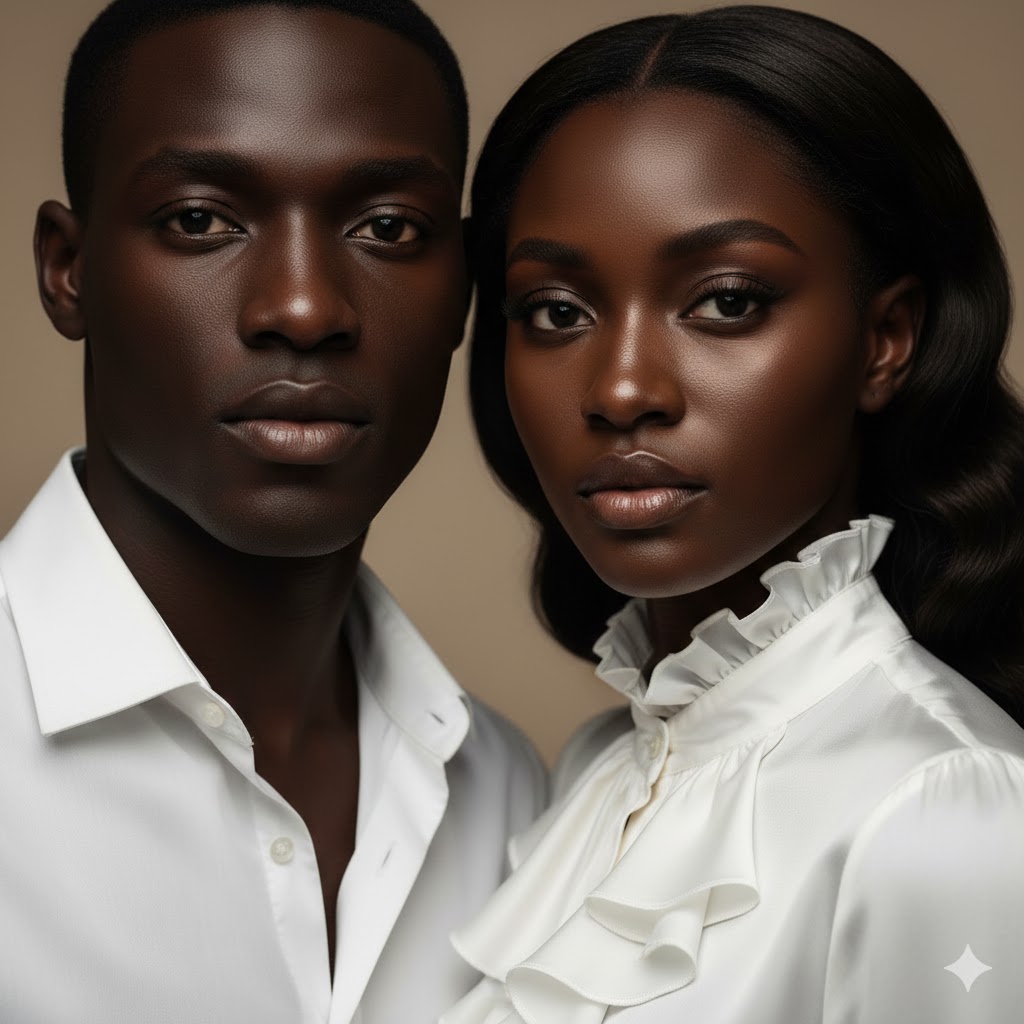
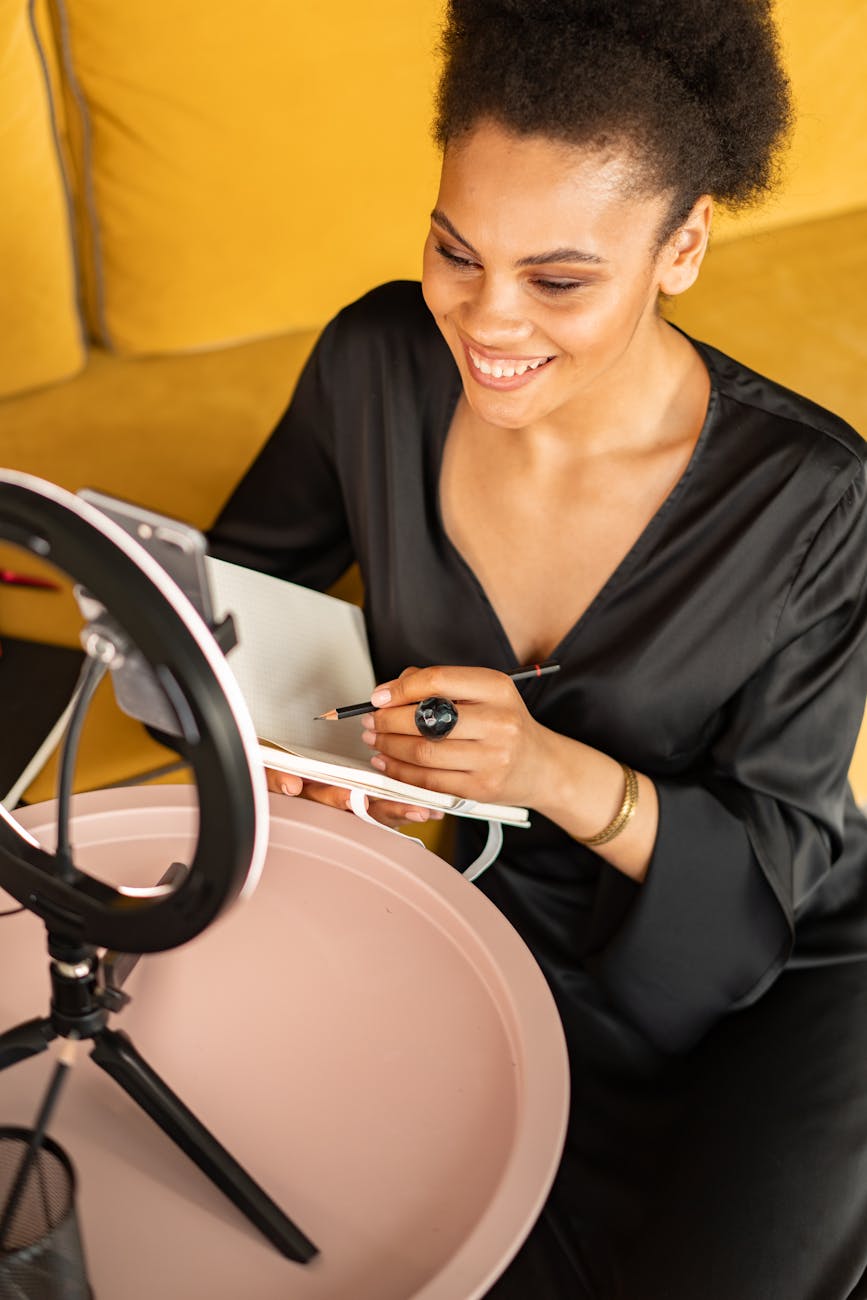
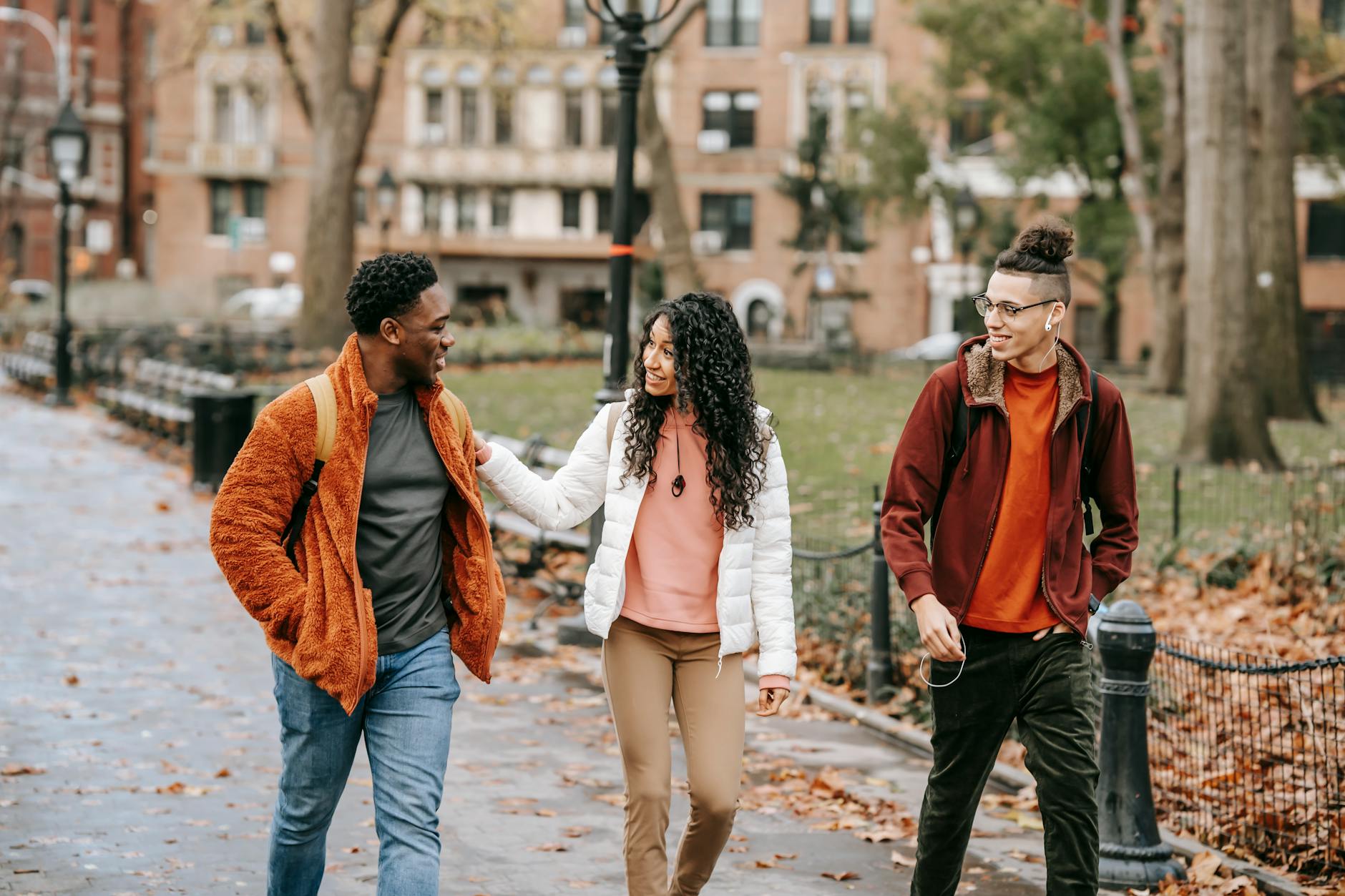
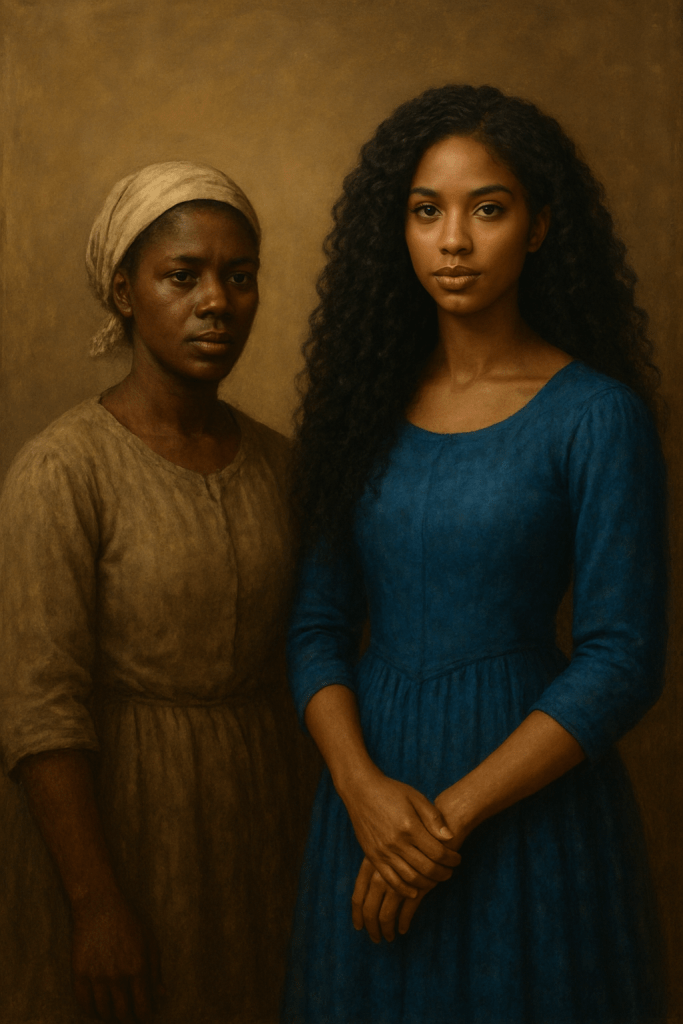
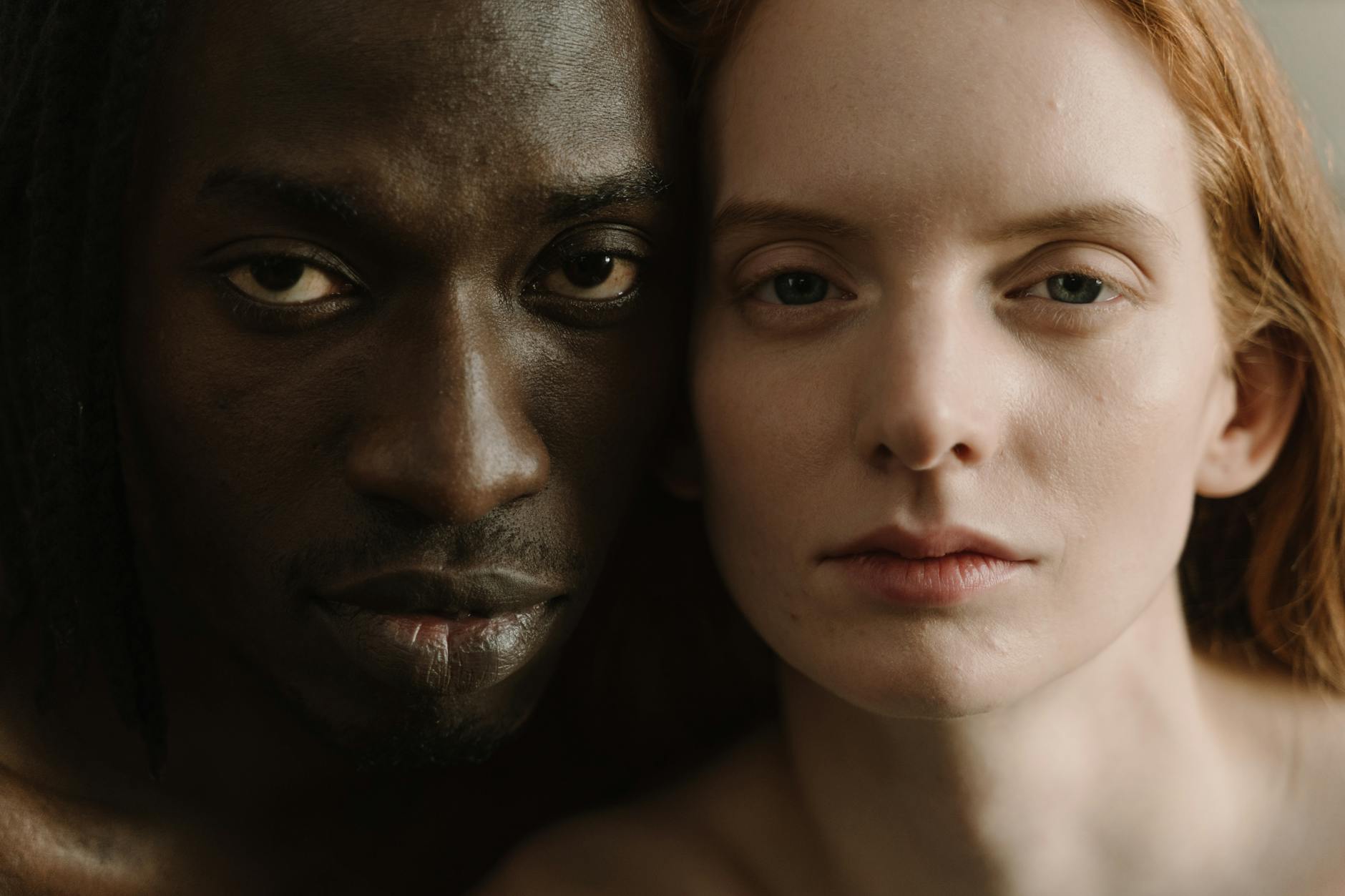
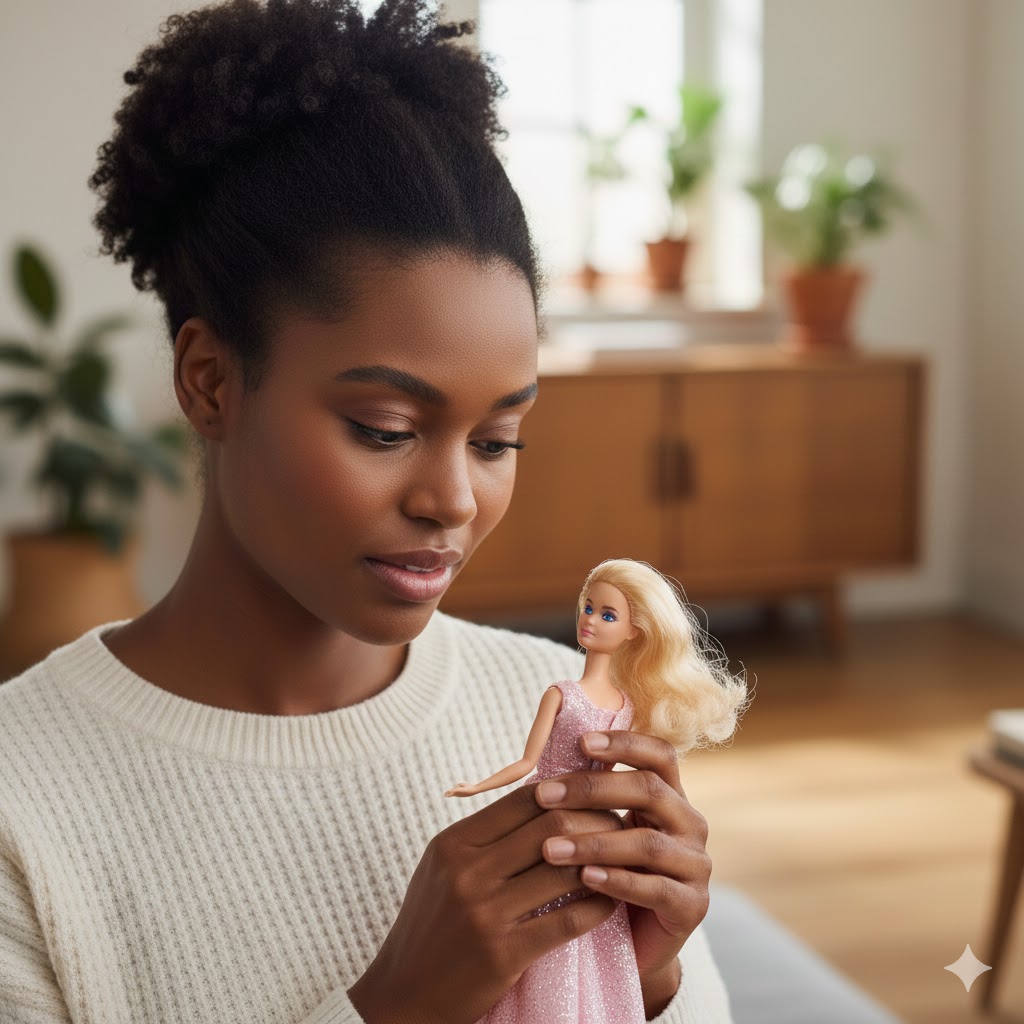
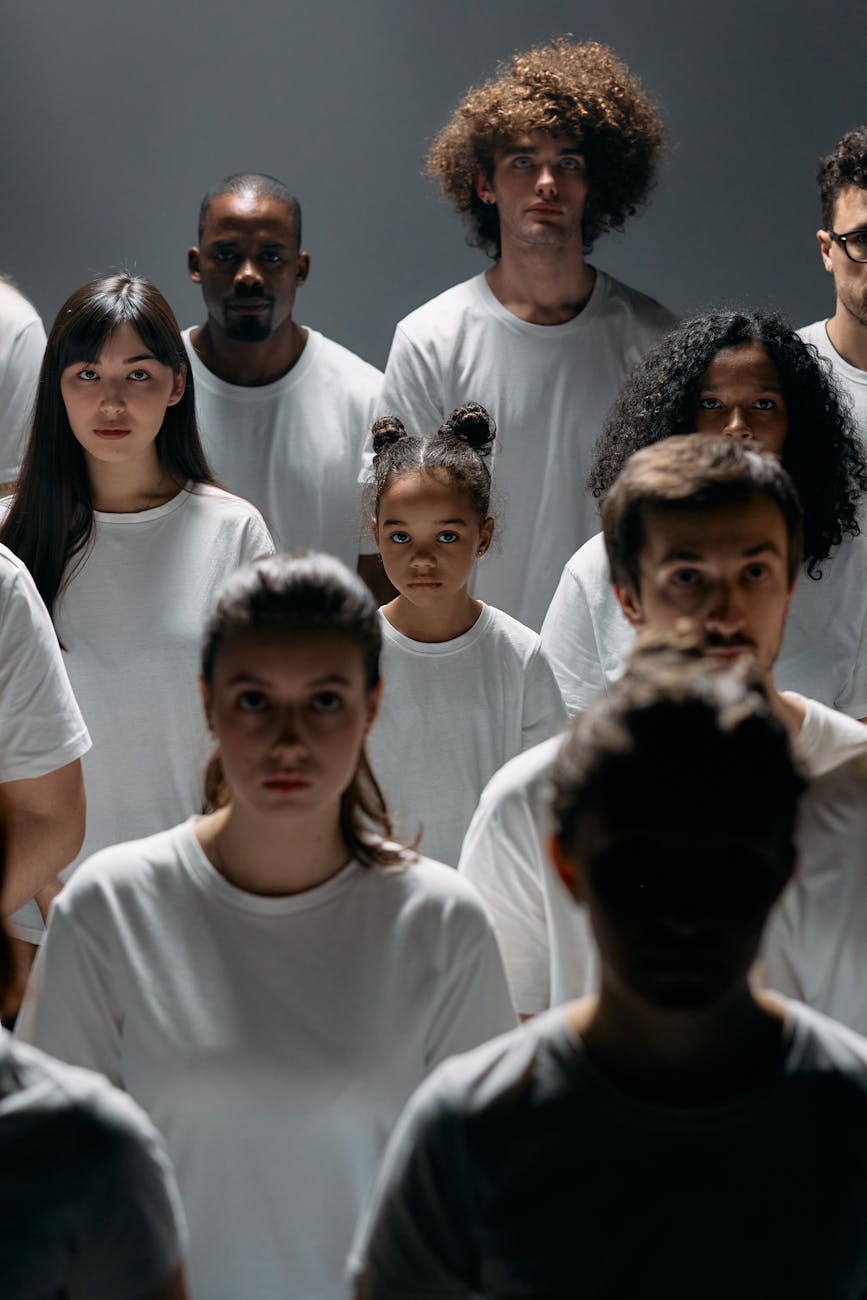
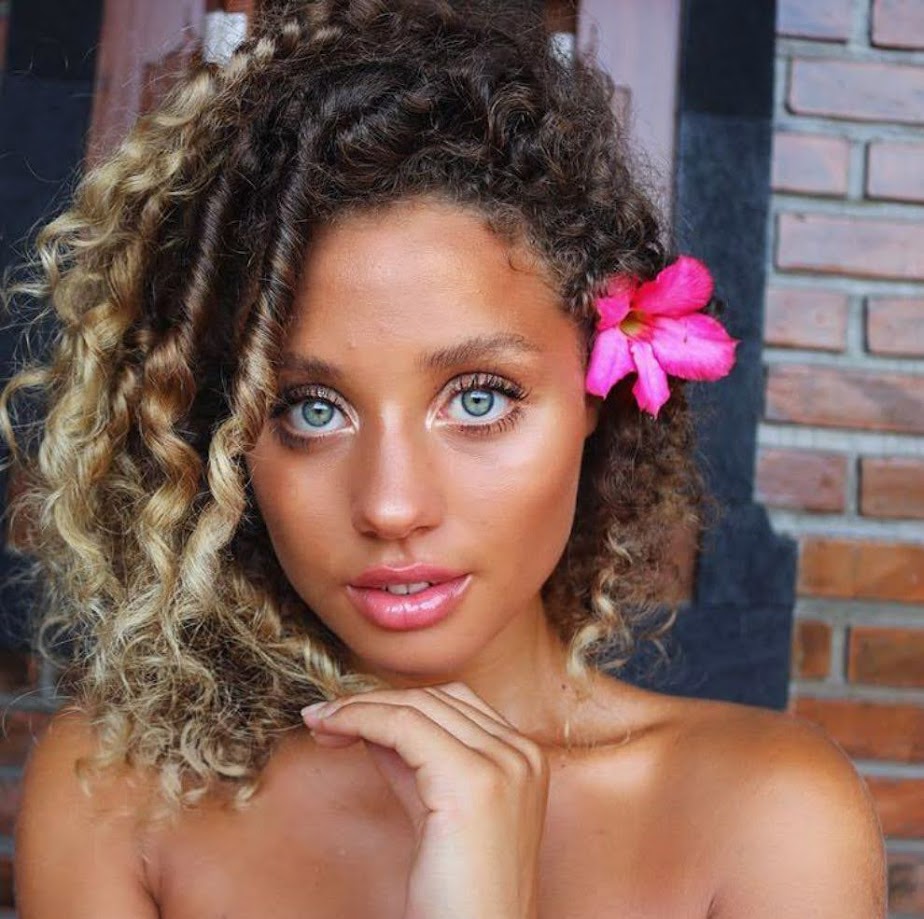

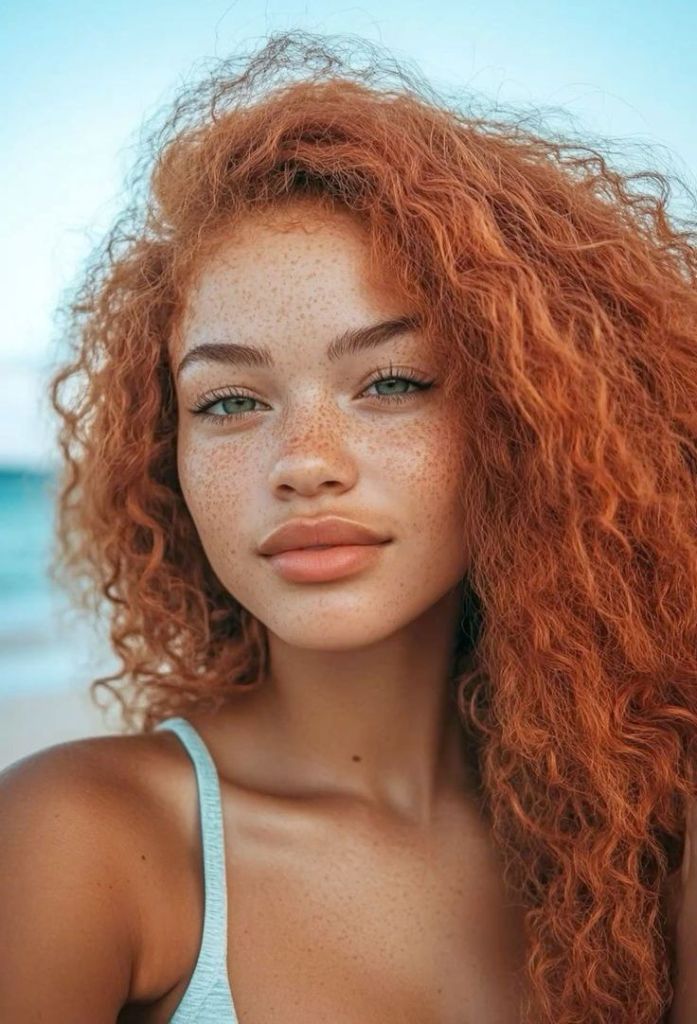

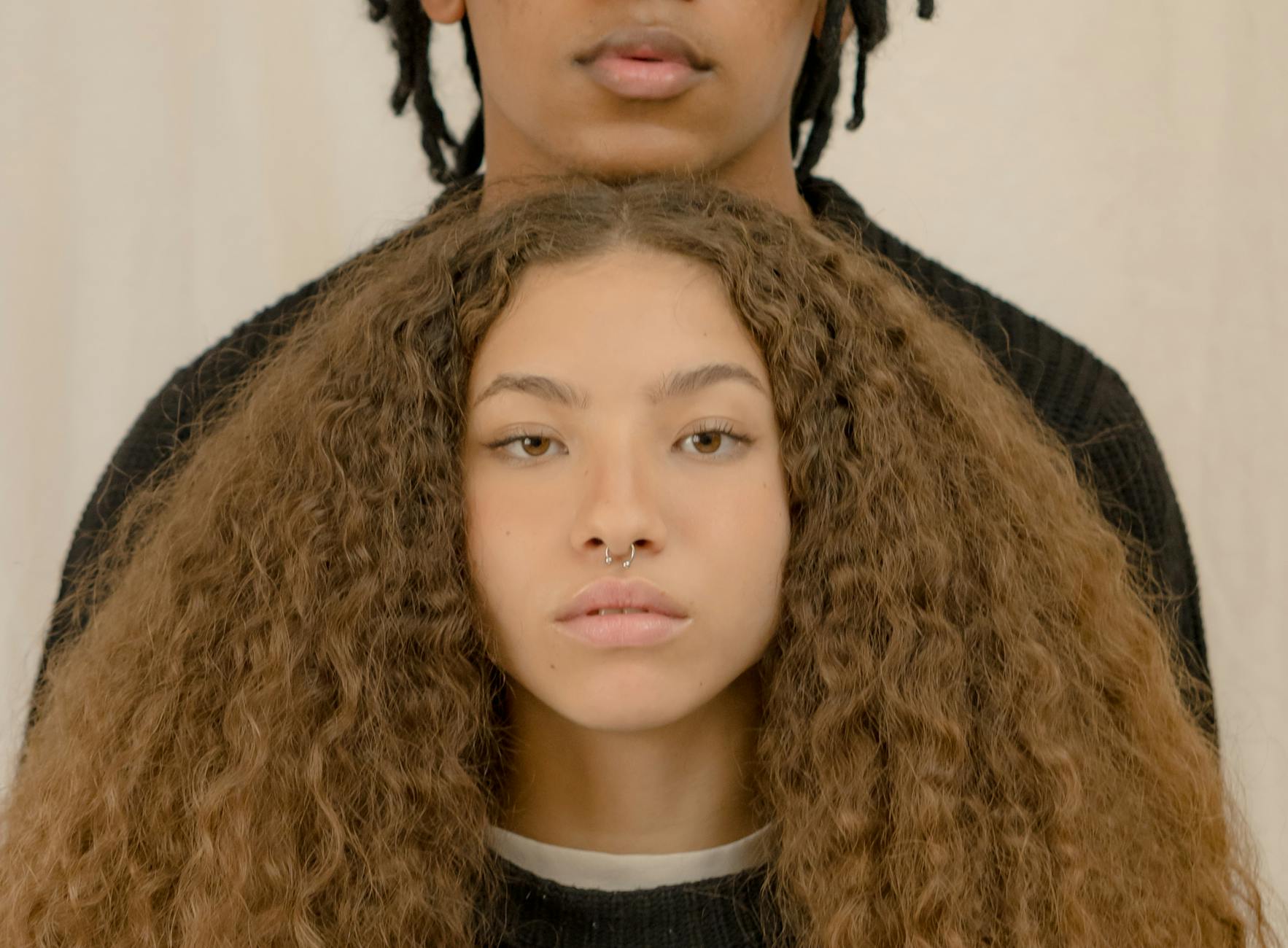
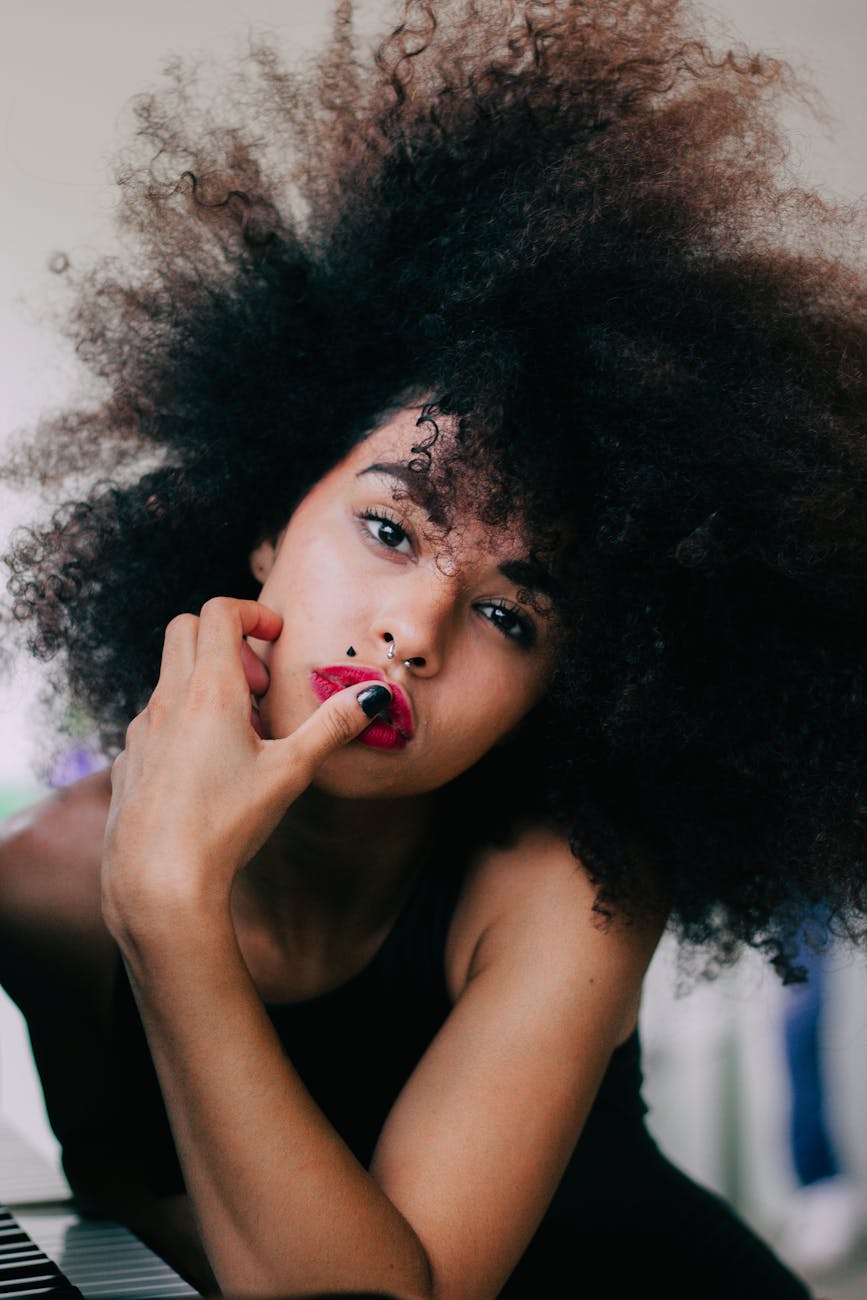
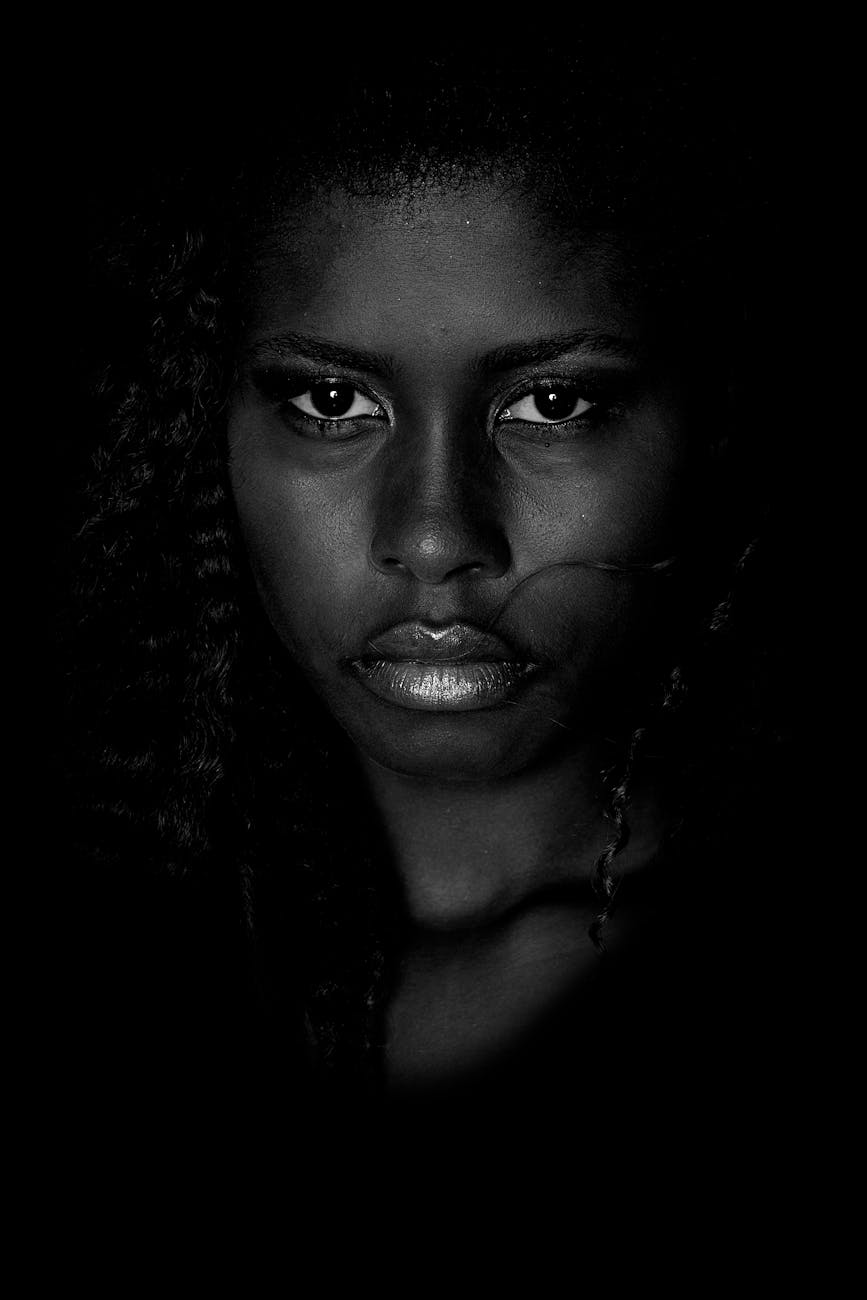
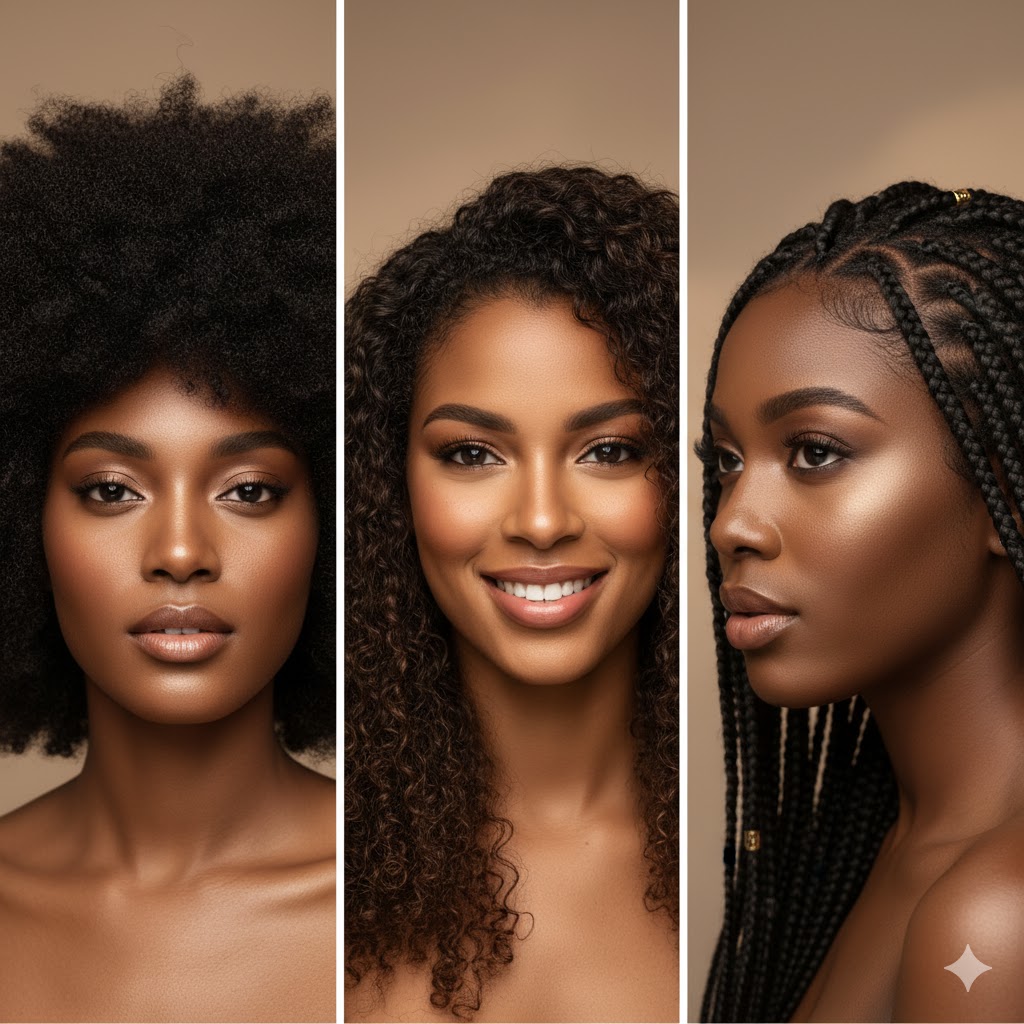
 THE BROWN GIRL DILEMMA