Tag Archives: feminism

The Unseen Black Woman

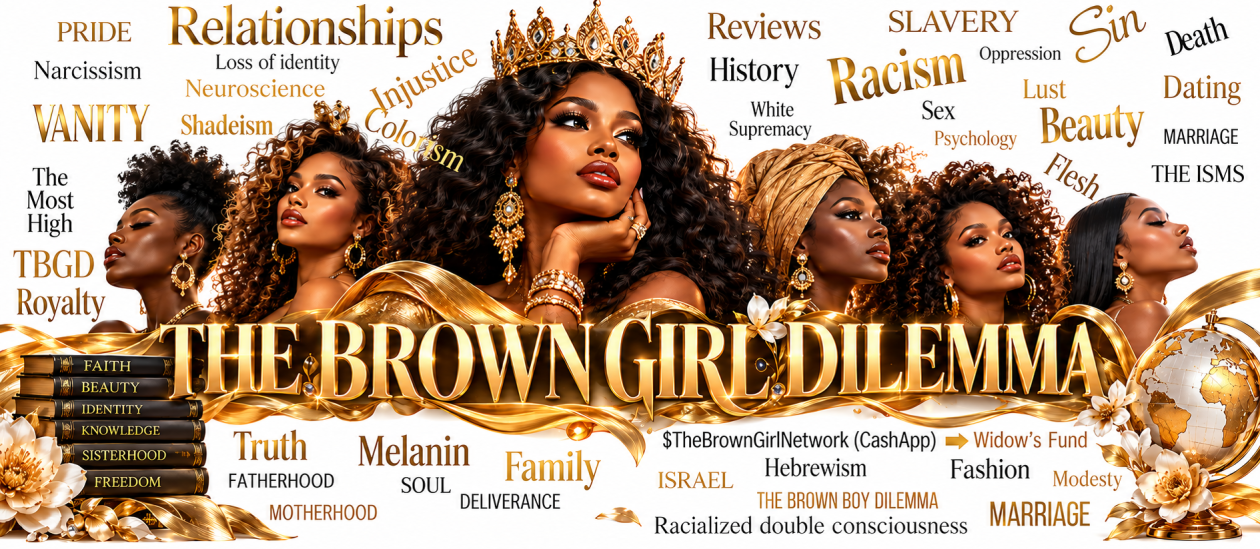
The unseen Black woman lives at the intersection of power and pain, shaped by histories that sought to silence her and a world that often refuses to acknowledge her presence. Her story is one of resilience, complexity, and unshakable dignity—a story too often misinterpreted or completely ignored. From the days of enslavement to contemporary society, the Black woman remains both foundational and marginalized, desired yet devalued, visible only when convenient yet erased when truth is required. She is the cultural womb of nations, and yet she continues to battle the shadows of invisibility.

Historically, Black women have been overlooked and unprotected by social structures that elevate others while dismissing their humanity. During slavery, their labor and bodies were exploited without recognition or care, laying the foundation for stereotypes that still persist today. This invisibility is not accidental but systematically produced through institutions that benefit from her silence. Scholars have long noted that the Black woman is rarely seen as the standard of beauty, intelligence, or femininity in mainstream society, despite her profound contributions (Collins, 2000).

Rejection by other races, particularly within a white-dominated beauty and social hierarchy, has created layers of psychological warfare against the Black woman’s self-worth. Colorism—rooted in colonialism—has placed lighter skin on a pedestal while disregarding darker-skinned women. Media representation has amplified this hierarchy, rewarding proximity to whiteness and punishing features deeply tied to African ancestry. The Black woman’s rejection is not just personal; it is structural, echoing across fashion, film, workplace settings, and even healthcare outcomes.

Yet perhaps even more painful is the rejection she often experiences within her own community. Internalized racism and colorism, taught across generations, have led some Black men and women to subconsciously prefer lighter skin or Eurocentric features. This is not natural or innate—it is learned behavior shaped by centuries of conditioning. Enslavers strategically favored lighter-skinned enslaved people for domestic labor and created hierarchies among the enslaved that persist today. These psychological wounds have evolved but not disappeared.

Despite this, the Black woman’s beauty remains unmatched and deeply rooted in cultural, genetic, and ancestral strength. Her beauty defies narrow Western standards and emerges in endless forms—in tightly coiled hair, deep brown hues, high cheekbones, full lips, and regal posture. Studies on global beauty standards are increasingly recognizing the universality of features traditionally associated with African women, challenging outdated paradigms (Wade, 2017). Black beauty has not only survived exclusion; it has reshaped global culture, influencing art, fashion, language, and music.

The unseen Black woman is the backbone of movements, families, and spiritual communities, often leading without acknowledgment. She nurtured children who weren’t her own during slavery. She pioneered movements for civil rights while others received the spotlight. She protected her community, advocated for justice, and birthed cultural revolutions only to be written out of the narrative. Even today, Black women are the most educated demographic in America yet remain underpaid and under-promoted (NCES, 2022). This contradiction shows a society eager to benefit from her labor but unwilling to reward her leadership.

Her invisibility also appears in modern love dynamics. Many Black women face rejection on dating apps, in media pairings, and in social perceptions. Studies reveal that Black women are the most marginalized demographic in online dating algorithms (Hobbs et al., 2019). The social myth that Black women are “too strong,” “too independent,” or “undesirable” is not only untrue but dehumanizing. These narratives shape how the world interacts with Black women and how Black women learn to navigate relationships, often feeling unseen or undervalued.

But the unseen Black woman is not just a victim of rejection. She is a survivor who has learned to adapt, rebuild, and reimagine herself. She creates communities of healing—sister circles, natural hair movements, maternal health activism, and artistic spaces where she can breathe freely. She redefines beauty on her own terms, crafts new languages of empowerment, and challenges the structures that diminish her. She is not waiting for validation from society because she recognizes her worth internally.

Her spirituality has long been a source of strength. From traditional African religions to Christianity and modern spiritual practices, the Black woman’s connection to the divine has given her clarity and purpose. She understands suffering and redemption not as abstract concepts but lived realities. Her prayers have carried families, her faith has sustained movements, and her moral compass has shaped entire communities.

Black women have also served as cultural innovators, setting trends that the world imitates yet rarely credits. Hairstyles, fashion, vernacular, music, and social movements all bear the imprint of Black womanhood. The global appropriation of Black culture, without acknowledgment or respect, further demonstrates how she can be hyper-visible in influence yet invisible in recognition.

The unseen Black woman continues to face stereotypes—angry, loud, aggressive—labels manufactured to control her. These stereotypes mask her real emotions, preventing her from expressing pain, frustration, or vulnerability. They create barriers in workplaces, where she must work twice as hard while navigating biases that others do not face. They silence her in medical settings, where her pain is dismissed, leading to disproportionate maternal mortality rates.

Yet she persists. She continues to rise in academic fields, corporate leadership, entrepreneurship, and political influence. From Kamala Harris to Viola Davis, from everyday mothers to grassroots organizers, Black women are shaping the future. They are rewriting the narrative in real time, proving that invisibility is not destiny but a condition imposed by others.

Despite rejection from society, Black women remain deeply connected to one another. The solidarity found among Black women is powerful, nurturing, and healing. Within these bonds, they see each other fully. They uplift, affirm, and celebrate what the world ignores. In those circles, the unseen Black woman becomes seen again.

This invisibility has generational roots, but modern generations are actively dismantling it. Social media has allowed Black women to tell their own stories, challenge Eurocentric standards, and build platforms that center their experiences. From beauty influencers to scholars, Black women now control narratives once dictated by others.

The unseen Black woman is learning to rest, prioritize her mental health, and unlearn survival mode. She is healing from generational trauma, redefining femininity, and embracing softness without fear. She is discovering that her worth is inherent, not earned through suffering or sacrifice.

She is also demanding accountability—from media, corporations, governments, healthcare, and within her own communities. Black women are no longer silent about colorism, misogynoir, or the ways they have been mistreated. This new era is one of self-advocacy and bold truth-telling.

The unseen Black woman is not unseen because she lacks brilliance or beauty—she is unseen because society refuses to acknowledge what it cannot control. But she is rising, reclaiming her power, name by name, voice by voice. She carries the legacy of ancestors who walked through fire and still birthed nations. Her story is not one of defeat but victory.

Ultimately, the unseen Black woman is becoming the most visible she has ever been. She is taking her place in history and demanding that the world recognize her. Her resilience, beauty, intellect, and spiritual depth are undeniable. She is no longer waiting to be seen—she is choosing to be seen, loudly and unapologetically. And in doing so, she transforms not only her world but the world around her.

References

Collins, P. H. (2000). Black feminist thought: Knowledge, consciousness, and the politics of empowerment. Routledge.
Hobbs, L., Owen, J., & Gerstenberger, K. (2019). Online dating preferences and racial biases. Journal of Social and Personal Relationships, 36(7), 1992–2013.
National Center for Education Statistics. (2022). Status and trends in the education of racial and ethnic groups.
Wade, L. (2017). Beauty standards and race: A sociocultural analysis. Sociology Compass, 11(6), e12482.

Beyond Stereotypes: The Social and Structural Challenges Affecting Black Women.

“The biggest problem with Black women” is extremely broad, and scholars caution against framing issues in a way that blames an entire group. Most research instead examines systemic challenges and social pressures that disproportionately affect Black women in the United States. These issues are rooted in historical inequalities, structural racism, gender bias, and economic disparities.

Intersectional Discrimination

One of the most widely discussed issues is intersectional discrimination, a concept introduced by legal scholar Kimberlé Crenshaw. Intersectionality explains how Black women often face discrimination that combines both racism and sexism simultaneously. This dual burden can affect employment opportunities, healthcare experiences, legal protections, and social perceptions.


The “Strong Black Woman” Stereotype

Another major concern is the cultural expectation often described as the “Strong Black Woman” stereotype. While strength and resilience are positive qualities, scholars note that this stereotype can pressure Black women to suppress vulnerability, emotional needs, or mental health struggles. The expectation to remain strong in the face of adversity sometimes leads to untreated stress and burnout.


Economic Inequality

Black women are also disproportionately affected by economic inequality. According to data from the U.S. Bureau of Labor Statistics, Black women historically earn less than both white men and white women in the United States. This wage gap reflects broader systemic issues such as occupational segregation, hiring discrimination, and unequal access to high-paying industries.


Health Disparities

Public health research shows significant disparities affecting Black women’s health outcomes. For example, maternal mortality rates among Black women are significantly higher than those of other racial groups. Studies by the Centers for Disease Control and Prevention attribute this disparity to factors including unequal healthcare access, medical bias, and chronic stress related to systemic racism.


Colorism and Beauty Standards

Colorism—the preferential treatment of lighter skin tones within communities of color—also impacts Black women socially and professionally. Darker-skinned women often report facing bias in media representation, employment opportunities, and dating dynamics. These issues are widely examined within sociology and cultural studies.


Media Representation

Black women have historically been portrayed through limited stereotypes in film and television, including tropes such as the “mammy,” the “angry Black woman,” or hypersexualized depictions. Media scholars argue that these portrayals influence public perception and contribute to bias in social institutions.


Educational and Professional Barriers

Despite significant educational achievements—Black women are among the fastest-growing groups earning college degrees—many still face barriers to leadership positions in corporate and political spaces. Structural inequality and workplace bias often limit advancement opportunities.


Relationship and Family Dynamics

Sociologists also examine how historical factors such as mass incarceration, economic inequality, and employment instability affect family structures within Black communities. These broader systemic issues influence relationship dynamics, marriage rates, and household stability.


Mental Health Stigma

Mental health stigma within many communities can discourage individuals from seeking professional help. Black women may feel pressure to maintain emotional strength while dealing with racism, sexism, and economic stressors. This can delay treatment for anxiety, depression, or trauma-related conditions.


Structural Inequality

Ultimately, many scholars argue that the biggest challenges facing Black women are not individual flaws but structural inequalities embedded within social systems. These include disparities in housing, healthcare, employment, and education that developed over centuries of discrimination.


Resilience and Leadership

Despite these challenges, Black women have historically demonstrated remarkable resilience and leadership. Figures such as Harriet Tubman, Ida B. Wells, and Shirley Chisholm played critical roles in social justice movements, civil rights advocacy, and political progress in the United States.


Conclusion

Rather than identifying a single “problem” with Black women, most scholars emphasize examining the structural conditions that shape their experiences. Addressing disparities in healthcare, economic opportunity, education, and representation can help reduce inequalities and support the well-being of Black women in society.


References

Crenshaw, K. (1989). Demarginalizing the intersection of race and sex. University of Chicago Legal Forum.

Collins, P. H. (2000). Black feminist thought: Knowledge, consciousness, and the politics of empowerment. Routledge.

Centers for Disease Control and Prevention. Maternal mortality and racial disparities in the United States.

Jones, C. P. (2000). Levels of racism: A theoretical framework. American Journal of Public Health.

U.S. Bureau of Labor Statistics. (2023). Labor force statistics by race and gender.

The Sexual Economy of Appearance

Appearance operates as a form of currency within modern social life, shaping access to desire, power, and protection. The sexual economy of appearance refers to the system in which physical attractiveness is exchanged for attention, validation, opportunity, and status. This economy is not neutral; it is governed by racialized, gendered, and class-based hierarchies that determine whose bodies are most valued.

Within this economy, beauty functions as capital. Individuals who align with dominant beauty standards are rewarded with romantic abundance, social visibility, and sexual leverage. Those who do not are often rendered invisible or forced to compensate through emotional labor, compliance, or self-sacrifice. Attraction becomes less about mutual connection and more about market positioning.

Gender plays a defining role in how appearance is monetized. Women are socialized to understand their bodies as primary assets, evaluated continuously and publicly. Men, by contrast, are more often judged on status and resources, yet still benefit from partnering with women whose appearance enhances their own social standing.

Race profoundly structures this sexual marketplace. Eurocentric beauty ideals elevate lighter skin, narrower features, and looser hair textures, while darker skin and Afrocentric features are systematically devalued. This hierarchy mirrors colonial and slave-based systems that assigned worth based on proximity to whiteness.

Desire within this system is frequently mistaken for personal preference. In reality, attraction is shaped by repeated cultural messaging that teaches who is “beautiful,” “feminine,” and “worthy.” These lessons are absorbed long before conscious choice, making desire feel natural even when it reproduces inequality.

The sexual economy also governs behavior. Attractive individuals are granted more grace, patience, and forgiveness in romantic interactions. They are pursued rather than required to prove themselves. Less attractive individuals are expected to accept lower standards, tolerate disrespect, or feel grateful for attention.

Social media has intensified this economy by quantifying desirability through likes, followers, and visibility. Appearance now translates directly into economic and sexual capital, rewarding those who conform and punishing those who resist. Algorithms act as gatekeepers, reinforcing existing beauty hierarchies.

Colorism amplifies sexual stratification within marginalized communities. Lighter-skinned women are often perceived as more feminine, approachable, and “wife-worthy,” while darker-skinned women are sexualized, ignored, or cast as less desirable partners. These dynamics fracture intimacy and erode collective self-worth.

Men also navigate this economy, though differently. Physical attractiveness can elevate masculine desirability, yet men are more frequently evaluated on their ability to provide status, protection, or resources. Still, beauty influences whose masculinity is affirmed and whose is questioned.

The moral implications of this economy are significant. When beauty is treated as merit, inequality appears deserved. Sexual success is framed as virtue, while rejection is interpreted as personal failure rather than structural bias.

Resistance begins with naming the system. The sexual economy of appearance thrives on silence and denial. Honest examination disrupts the illusion that attraction exists outside culture, power, and history.

Liberation requires redefining value beyond appearance. Intimacy grounded in mutual respect, shared values, and emotional safety challenges the market logic that reduces people to visual commodities.

Ultimately, dismantling the sexual economy of appearance is not about rejecting beauty but about refusing to let it determine human worth. Desire becomes ethical when it is conscious, reflective, and free from inherited hierarchies.

References

Bourdieu, P. (1986). The forms of capital. In J. Richardson (Ed.), Handbook of theory and research for the sociology of education (pp. 241–258). Greenwood Press.

Collins, P. H. (2004). Black sexual politics: African Americans, gender, and the new racism. Routledge.

Eagly, A. H., Ashmore, R. D., Makhijani, M. G., & Longo, L. C. (1991). What is beautiful is good, but… A meta-analytic review of research on the physical attractiveness stereotype. Psychological Bulletin, 110(1), 109–128.

Hamermesh, D. S. (2011). Beauty pays: Why attractive people are more successful. Princeton University Press.

Hunter, M. (2007). The persistent problem of colorism: Skin tone, status, and inequality. Sociology Compass, 1(1), 237–254.

Illouz, E. (2007). Consuming the romantic utopia: Love and the cultural contradictions of capitalism. University of California Press.

Zelizer, V. A. (2005). The purchase of intimacy. Princeton University Press.

Aesthetics as Inequality: The Rise of Beautyism.

Beautyism, the systematic bias based on physical appearance, functions as a social and economic hierarchy that privileges certain aesthetic traits while marginalizing others. Unlike racism or sexism, beautyism often operates under the guise of “preference” or “merit,” making it less visible yet no less damaging. Cultural norms, media representation, and historical hierarchies have transformed beauty into a form of currency that dictates opportunity, influence, and social value.

The origins of beautyism are deeply entwined with colonialism and European imperialism. Eurocentric standards of beauty were exported globally, creating benchmarks for skin tone, facial features, and body proportions. These norms were framed as universal ideals, elevating certain traits while devaluing others. In effect, beauty became a marker of social hierarchy (Hamermesh & Biddle, 1994).

In professional environments, beautyism manifests as differential treatment in hiring, promotions, and salary. Research demonstrates that attractive individuals are more likely to be hired, perceived as competent, and receive higher wages. These advantages often operate unconsciously, reinforcing inequality in ostensibly meritocratic systems (Hosoda, Stone-Romero, & Coats, 2003).

Beautyism intersects with race, gender, and class, compounding advantage for those whose appearance aligns with dominant cultural norms. Lighter skin, Eurocentric facial features, and specific body types are disproportionately rewarded, while darker skin and Afrocentric features are often penalized. The result is an embedded social hierarchy that favors appearance in ways that mirror historical oppression (Hunter, 2007).

In social interactions, beautyism shapes perceived personality and character. The “halo effect” demonstrates that people attribute positive traits such as intelligence, kindness, and reliability to those deemed attractive. Conversely, individuals judged less attractive are more likely to face skepticism, distrust, or diminished respect (Eagly et al., 1991).

Romantic and relational dynamics are also shaped by beautyism. Culturally preferred features increase desirability, creating inequitable distribution of attention, marriage proposals, and social affirmation. Those outside the beauty hierarchy are frequently marginalized, fetishized, or objectified, reproducing social inequality.

Within families, beautyism can exacerbate favoritism. Children deemed more attractive may receive greater encouragement, resources, and protection, while those judged less appealing experience neglect or lower expectations. These early disparities influence self-esteem, ambition, and life outcomes.

Women face disproportionate consequences of beautyism due to gendered expectations. Societal pressure to conform to beauty norms imposes emotional, financial, and social labor. Women are more harshly judged for aging, body shape, and skin tone, making appearance a persistent determinant of perceived worth.

Media and culture perpetuate beautyism by normalizing narrow aesthetic ideals. Television, film, advertising, and social media consistently privilege certain body types, facial features, and skin tones, while underrepresenting or misrepresenting others. Repetition reinforces internalized bias and shapes public perception (Frisby, 2004).

Psychologically, beautyism contributes to low self-esteem, anxiety, and body dysmorphia. Internalized preference for certain appearances fosters shame and self-policing, disproportionately affecting marginalized groups whose natural features diverge from dominant standards.

Education systems also reflect beauty-based inequities. Attractive students are often perceived as more capable or motivated, receiving more encouragement and leniency. Less attractive students face higher scrutiny and lower expectations, which can impact long-term academic trajectories.

Economic impact of beautyism is measurable. Attractive individuals receive higher compensation, more promotions, and broader social networks. Beauty operates as a form of social and cultural capital, granting opportunities inaccessible to those outside the aesthetic norm (Hamermesh, 2011).

Beautyism functions as social mobility currency. Conformity to idealized aesthetics facilitates entry into elite spaces, mentorship networks, and influential social circles, while deviation can hinder progress, access, and visibility. Appearance thus becomes a gatekeeper for success.

Theologically, beautyism contradicts the principle that worth is determined by the heart rather than outward appearance. Scripture instructs, “Man looketh on the outward appearance, but the Lord looketh on the heart” (1 Samuel 16:7, KJV). Favoritism based on looks violates this divine standard.

Faith communities are not immune. Even where racial or socioeconomic partiality is rejected, appearance-based favoritism subtly influences leadership selection, visibility, and social validation. Spiritual integrity demands that beauty hierarchies be challenged.

Overcoming beautyism requires conscious awareness of bias and its structural implications. Individuals must interrogate personal preferences, institutions must audit policies, and media must diversify representation. Recognition of privilege tied to appearance is crucial for reform.

Internalized beautyism must be addressed to heal its psychological effects. Self-worth should be disentangled from societal standards, and programs emphasizing character, talent, and virtue over appearance can mitigate the impact of bias.

Collective action involves creating equitable environments where appearance does not dictate value or opportunity. Policies and practices must be scrutinized to prevent subtle favoritism based on looks, just as society addresses racial and gender inequities.

Beautyism is a social construct that entrenches inequality. Its dismantling requires intentional cultural, institutional, and personal reform, prioritizing character, skill, and virtue over conformity to aesthetic norms.

Ultimately, addressing beautyism affirms the inherent dignity and worth of all individuals. When societies reject hierarchical valuation based on appearance, they foster environments of justice, inclusion, and human flourishing.


References

The Holy Bible, King James Version. (1611). Various passages.

Hamermesh, D. S., & Biddle, J. E. (1994). Beauty and the labor market. American Economic Review, 84(5), 1174–1194.

Hosoda, M., Stone-Romero, E. F., & Coats, G. (2003). The effects of physical attractiveness on job-related outcomes: A meta-analysis of experimental studies. Personnel Psychology, 56(2), 431–462.

Hunter, M. (2007). The persistent problem of colorism: Skin tone, status, and inequality. Sociology Compass, 1(1), 237–254.

Eagly, A. H., Ashmore, R. D., Makhijani, M. G., & Longo, L. C. (1991). What is beautiful is good, but…: A meta-analytic review of research on the physical attractiveness stereotype. Psychological Bulletin, 110(1), 109–128.

Frisby, C. M. (2004). Does race or gender matter? Effects of media images on self-perception. Journal of Broadcasting & Electronic Media, 48(2), 301–317.

Hamermesh, D. S. (2011). Beauty pays: Why attractive people are more successful. Princeton University Press.

Echoes of Masculinity: The Psychology and Politics of the Manosphere

The evolving digital landscape has given rise to new subcultures that shape how men understand themselves, their identities, and their place in the world. Among these digital communities, the “manosphere” emerges as one of the most influential—yet controversial—phenomena of the 21st century. It is a constellation of blogs, forums, influencers, and ideological hubs that discuss men’s issues, masculinity, dating, politics, and gender relations. Its echo chambers reveal both the anxieties and aspirations of modern men navigating cultural change.

Psychologically, the manosphere reflects a crisis of identity. Men facing economic uncertainty, shifting gender roles, and declining social structures often seek online spaces where their frustrations are validated. Researchers note that these communities appeal to men who feel culturally displaced or socially invisible (Ging, 2019). Many participants express feelings of betrayal, loneliness, or rejection—emotional wounds that make them susceptible to simplistic or extremist solutions.

The manosphere encompasses diverse factions, from moderate men’s rights advocates to more extreme corners like incels, pick-up artists (PUAs), and hyper-traditional patriarchal groups. Each subculture draws from different grievances, yet all share an intense focus on gender power dynamics. The movement’s psychological pull lies in its promise of clarity: clear rules for masculinity, clear villains for male suffering, and clear communities for belonging.

Politically, the manosphere has evolved into a potent force. Its narratives intersect with broader ideological concerns, including nationalism, anti-feminism, and traditionalism. Papadamou et al. (2020) show that these communities can act as radicalization pipelines, funneling disaffected men toward far-right beliefs. This shift reflects how gender identity becomes not only personal but also political—shaping voting behaviors, policy views, and cultural attitudes.

One of the central themes within the manosphere is the concept of male hierarchy. Alpha, beta, and sigma labels create a simplistic taxonomy that reduces masculinity to dominance or detachment. This worldview rejects vulnerability and compassion, reinforcing rigid notions of what a “real man” should be. Psychologists argue that such ideas deepen male distress by discouraging emotional expression and relational connection (Connell & Messerschmidt, 2005).

Platforms within the manosphere also promote transactional understandings of relationships. PUAs and red-pill ideologues often treat intimacy as a competitive marketplace. Women become opponents rather than partners; dating becomes strategy rather than connection. This mindset distorts emotional development and creates cycles of resentment, especially for young men struggling socially or romantically.

Yet it would be inaccurate to assume the manosphere is exclusively harmful. Some spaces focus on mental health, fatherhood, fitness, financial stability, and personal accountability. These communities emphasize resilience, discipline, and healing—traits essential for masculine well-being. However, even positive messages can be overshadowed by adjacent radical voices, making healthy navigation difficult for vulnerable men.

Relationally, the manosphere amplifies gender polarization. Feminists become enemies, women become predators or obstacles, and the idea of partnership becomes suspect. Scholars like Banet-Weiser (2018) emphasize that this adversarial framing fuels broader cultural conflict, turning personal pain into ideological warfare. What begins as emotional grievance often hardens into political identity.

Spiritually and emotionally, the manosphere reveals profound longing—longing for purpose, stability, respect, and connection. Masculine identity today is fragmented: some men cling to traditional roles; others seek entirely new scripts. Without supportive community structures, men turn to online voices to interpret their struggles. The manosphere fills the vacuum left by mentorship, family breakdown, and societal confusion about manhood.

The political implications are significant. Manosphere narratives increasingly influence elections, public discourse, and lawmaking. The rhetoric around “male disenfranchisement” and “feminist overreach” shapes debates about reproductive rights, social services, education, and criminal justice. Politicians have learned to tap into male resentment as a mobilizing force—fusing gender grievance with populist messaging.

Psychologically, the manosphere also reveals the vulnerabilities in modern masculinity. Depression, suicidality, social isolation, and identity instability are recurring themes among participants. Studies show that men drawn to extremist corners often struggle with belonging, trauma, or developmental disruptions (Baele et al., 2019). The manosphere becomes both an outlet for pain and a source of deeper wounds.

The movement’s echo chambers magnify emotional experiences. Algorithms reward outrage, leading men deeper into ideological certainty and relational disconnection. The resulting worldview is often binary: men vs. women, winners vs. losers, dominant vs. submissive. This cognitive rigidity reduces the rich complexity of human experience to a battlefield of oppositions.

At its core, the manosphere is not simply about gender—it is about power. Power over self, power in relationships, and power within society. Its narratives reveal conflict between the desire for agency and the fear of irrelevance. For many men, the manosphere offers a sense of identity when other pathways—family, faith, community—have weakened or disappeared.

However, healthier models of masculinity do exist. Scholars and therapists increasingly promote relational masculinity, which emphasizes emotional intelligence, accountability, compassion, and mutual respect. This model rejects weakness and cruelty, not masculinity itself. It offers a path for men to grow without dehumanizing others.

The challenge moving forward is addressing the underlying wounds that drive men into harmful manosphere spaces. Solutions include mentorship, mental-health support, community engagement, and positive cultural representations of men. When men heal, their ideologies shift. When men feel valued, they no longer need to seek identity in extremity.

Ultimately, “Echoes of Masculinity” reveals that the manosphere is not merely an online trend—it is a psychological landscape and political engine shaped by fear, desire, trauma, and longing. Understanding it requires compassion as much as critique. The future of masculinity depends not on abandoning manhood but on redefining it with responsibility, truth, and emotional depth. When men are offered healthier scripts, the echo chambers lose their power.

References
Baele, S. J., Brace, L., & Coan, T. G. (2019). From “incels” to “saints”: Transitions in online extremist subcultures. Terrorism and Political Violence.
Banet-Weiser, S. (2018). Empowered: Popular Feminism and Popular Misogyny. Duke University Press.
Connell, R. W., & Messerschmidt, J. (2005). Hegemonic masculinity: Rethinking the concept. Gender & Society, 19(6), 829–859.
Ging, D. (2019). Alphas, betas, and incels: The manosphere landscape. Men and Masculinities, 22(4), 638–657.
Papadamou, K., et al. (2020). A large-scale analysis of extremist platforms and radicalization pathways. Proceedings of the International AAAI Conference on Web and Social Media.