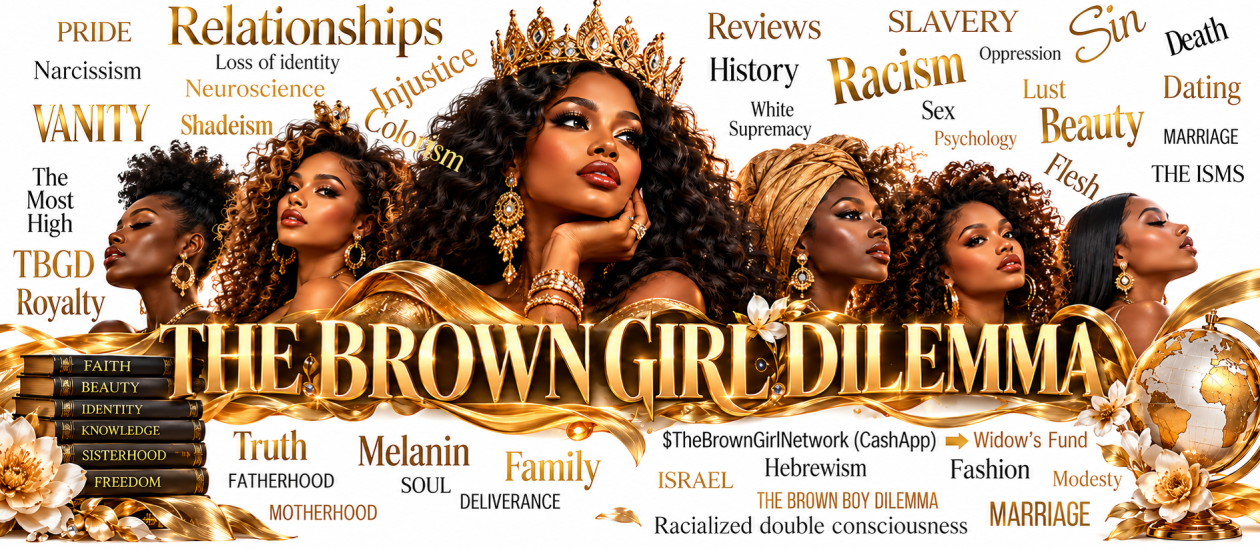
Category Archives: Black Aesthetics

The Inheritance of a Beauty Hierarchy

There is a substantial historical basis for the argument that European colonialism, slavery, and racial hierarchy helped create and institutionalize color-based distinctions among people of African descent. At the same time, the history is more complicated than saying that one group simply invented every instance of prejudice between Black people.

“Colorism” is indeed a relatively modern term for a much older phenomenon: differential treatment based on skin tone or other perceived physical characteristics. Black writer and activist Alice Walker popularized the term in the United States, particularly in her 1982 essay collection In Search of Our Mothers’ Gardens.

What makes the history particularly important is the connection between racial classification and power. During European colonialism and American slavery, systems of racial hierarchy assigned social, legal, and economic meaning to ancestry and physical appearance. In the United States, distinctions involving skin tone developed within slavery and continued afterward through institutions and social practices. Scholars have documented associations between skin tone and status, opportunity, and social treatment within Black communities.

But Black people did not simply wake up one day and decide to dislike one another. People were living inside systems that attached advantages and disadvantages to proximity to whiteness. Those systems could influence perceptions of beauty, intelligence, respectability, employment, marriage, and social status. Over generations, external hierarchies can become internalized and reproduced within the communities subjected to them.

Beauty does not exist in a vacuum. What societies call beautiful is shaped by history, culture, power, economics, media, family, religion, geography, and social experience. People are often taught what beauty supposedly looks like before they are old enough to question where those ideas came from. For Black people, particularly in societies shaped by European colonialism and racial hierarchy, ideas about beauty have often been connected to a much larger history of racial classification. What may appear to be an individual preference can sometimes carry the remnants of a social system that existed long before the individual was born.

The phrase “beauty hierarchy” describes more than someone’s personal attraction to one physical feature over another. A hierarchy exists when certain characteristics become socially elevated while others are diminished. Historically, European standards of beauty have often occupied privileged positions in Western societies, influencing perceptions of skin complexion, hair texture, facial features, body types, and other physical characteristics. The consequences were not merely aesthetic. Physical appearance could become associated with social status, respectability, opportunity, and perceived worth.

The history of racial hierarchy is essential to understanding how these ideas developed. European colonialism and the institution of slavery created systems in which race and physical characteristics could be used to categorize human beings and justify unequal treatment. Over generations, those systems did not remain exclusively in laws and institutions. They could influence cultural attitudes, social relationships, family expectations, and perceptions of attractiveness. Scholars examining colorism have documented connections between skin color, race, inequality, and social status across different societies. (Dixon & Telles, 2017).

This does not mean that every preference for a particular physical characteristic can be traced directly to racism. Human beings have always possessed individual preferences, and standards of beauty vary across cultures and historical periods. The more significant question is what happens when one set of characteristics becomes associated with greater social value while another becomes associated with inferiority. At that point, beauty becomes connected to power. The issue is no longer simply who someone finds attractive; it becomes a question of which bodies society teaches people to admire, reward, protect, or imitate.

Black people inherited these contradictions through generations of racialized social experience. A person could be born into a world in which Blackness was simultaneously an identity to be lived and a category that society had historically devalued. Children could encounter messages about appearance through family conversations, toys, advertisements, television, school environments, magazines, relationships, and everyday interactions. These messages did not necessarily have to be explicitly racist to influence perceptions. Repetition alone can teach people what society appears to consider desirable.

Skin tone became one particularly visible component of this hierarchy. Research by Verna Keith and Cedric Herring found that skin-tone variation among Black Americans was associated with differences in stratification outcomes, including education, occupation, and income, using data from the National Survey of Black Americans. Their findings suggested that darker-skinned Black Americans experienced disadvantages that could not be explained simply by family socioeconomic background or other demographic characteristics.

The existence of such patterns demonstrates why the discussion cannot be reduced to the question of whether one person prefers lighter or darker skin. Individual preference operates within social environments. If a society repeatedly attaches greater status to particular appearances, people grow up encountering those associations. They may accept them, reject them, negotiate them, or reproduce them without consciously understanding their historical origins. In this way, social hierarchies can outlive the institutions that originally helped construct them.

Beauty industries have also participated in this history. Cosmetics, hair products, fashion, photography, and advertising have never simply reflected society; they have also helped shape what consumers are encouraged to desire. Research on Black women and the cosmetics industry demonstrates how the rise of the “Black is Beautiful” movement challenged Eurocentric standards while simultaneously creating new commercial opportunities for companies seeking Black consumers. Beauty can therefore become both a site of resistance and a marketplace.

The Black is Beautiful movement represented a significant cultural challenge to inherited assumptions about Black appearance. During the late 1960s and afterward, Black activists, artists, intellectuals, photographers, musicians, and ordinary people increasingly celebrated dark skin, natural hair, African features, and Black cultural identity. The movement did not simply tell Black people to feel better about themselves. It challenged the underlying assumption that proximity to whiteness was necessary for beauty, dignity, or social legitimacy.

Yet liberation itself can become complicated when people begin searching for a replacement hierarchy. If society once declared lighter skin superior, liberation should not require declaring darker skin superior. If straight hair was once presented as the only acceptable standard, natural hair should not become another compulsory standard. If one facial feature was historically criticized, another should not become mandatory evidence of Black beauty. The goal should not be to reverse the hierarchy. The goal should be to dismantle the idea that human beauty requires a hierarchy in the first place.

This distinction matters because Black people are extraordinarily diverse. Africa is not a single physical type, and the African diaspora does not produce one uniform appearance. Black people possess countless combinations of skin tones, facial structures, hair textures, heights, body types, and other characteristics. Attempting to establish one “correct” Black appearance simply creates another limitation. Black beauty becomes more powerful when its diversity is understood as a defining characteristic rather than a problem that needs to be organized.

Hair offers an especially revealing example. Black hair has historically been subjected to social judgments involving professionalism, attractiveness, respectability, and conformity. Yet Black hair itself encompasses extraordinary creativity and variation. Braids, locs, afros, twists, curls, coils, pressed styles, wigs, extensions, and countless other forms of expression exist within Black communities. The question should not be which style is the most authentically Black. The more meaningful question is whether Black people have the freedom to determine their own presentation without being treated as less respectable because of it.

The same principle applies to facial features. The Black face has frequently been compared against standards that were never designed to represent the full range of African-descended populations. But there is no single Black nose, Black lip shape, Black eye shape, or Black facial structure. Individual faces contain unique combinations of inherited characteristics. Some faces are symmetrical; others are distinctive precisely because of characteristics that do not conform to conventional ideals. Beauty does not require genetic uniformity.

Colorism, then, can be understood as part of a larger story rather than the entire story. The term gives scholars and communities language for discussing differential treatment associated with skin tone, but the historical forces behind such attitudes are older than the terminology itself. Research demonstrates that skin color can intersect with racial inequality and social stratification, while comparative scholarship shows that colorism exists in multiple societies and has developed through different historical pathways. The language may change, but the human consequences of socially ranking appearance deserve continued examination.

There is also a psychological dimension to inherited beauty standards. People develop perceptions of themselves partly through social interaction and cultural feedback. A child who repeatedly sees people who look like her represented as beautiful, intelligent, successful, and worthy receives one kind of message. A child who rarely sees herself represented positively receives another. This does not mean representation determines identity completely, but it can contribute to the environment in which identity develops.

For Black women in particular, beauty can become complicated by the intersection of race and gender. Black women have historically been subjected simultaneously to racial stereotypes and gendered expectations. Contemporary scholarship examining Black women’s body image emphasizes the importance of understanding these experiences within their broader sociocultural context rather than treating them as isolated concerns about appearance. The pressure is therefore not simply to be beautiful, but sometimes to negotiate conflicting expectations about what a Black woman is supposed to look like.

Breaking an inherited hierarchy does not require rejecting beauty. It requires redefining the relationship between beauty and worth. A woman can enjoy makeup without believing that her natural face is inadequate. She can straighten her hair without believing that her natural texture is inferior. She can wear extensions without believing that long hair makes her more feminine. She can appreciate her dark complexion without believing that lighter skin is inherently less beautiful. Freedom exists when aesthetic choices become choices rather than requirements.

Perhaps the most important generation to consider is the next one. Children should not inherit the burden of spending their formative years ranking themselves against one another. A dark-skinned child should not grow up believing that her complexion is something to overcome. A child with tightly coiled hair should not learn that beauty requires changing its texture. A child with features that differ from current trends should not be taught that uniqueness is a defect. The responsibility of adults is not to manufacture a new standard but to give children room to recognize beauty in human diversity.

There is tremendous power in understanding where an idea came from. Once people recognize that certain beauty standards have histories, those standards become easier to question. What once appeared natural can be revealed as cultural. What seemed universal can be recognized as historical. What seemed inevitable can become optional. Education does not require people to reject every conventional beauty preference. It simply gives them the opportunity to determine which preferences genuinely belong to them and which ones they may have inherited without examination.

The inheritance of a beauty hierarchy does not mean that Black people are permanently trapped inside it. Every generation has the opportunity to decide what it will preserve and what it will discard. Cultural inheritance is not a prison. It can be examined, challenged, transformed, and reimagined. Black communities have already demonstrated this through artistic movements, natural-hair movements, literature, photography, fashion, music, scholarship, and countless everyday acts of self-definition.

Perhaps the ultimate goal is not to prove that Black beauty is superior to anyone else’s beauty. That would simply reproduce the logic of ranking human beings according to appearance. The deeper liberation is realizing that Black beauty does not need to defeat another group in order to exist. It does not need comparison to establish its value. It does not need permission from European standards, commercial industries, social media, or anyone else. It can simply be recognized on its own terms.

The inheritance can therefore change. What one generation received as a hierarchy, another can transform into a landscape of possibility. Instead of teaching children that one complexion is more beautiful, teach them that complexion is one part of their identity. Instead of teaching them that one hair texture is superior, teach them that hair can be expressed in many ways. Instead of teaching them that one facial structure represents beauty, teach them to appreciate individuality. Instead of teaching them to rank one another, teach them to recognize one another.

The most profound challenge to a beauty hierarchy may ultimately be very simple: stop measuring human beings against a single standard. Black beauty does not need to be reconstructed from the ground up because it was never absent. What needs reconstruction is the framework through which beauty has been judged. Once that framework becomes broader, more historically conscious, and less dependent upon hierarchy, Black people can inherit something far more valuable than another standard of beauty. They can inherit the freedom to see themselves without asking someone else’s definition to tell them what they are worth.

References

Dixon, A. R., & Telles, E. E. (2017). Skin color and colorism: Global research, concepts, and measurement. Annual Review of Sociology, 43, 405–424.

Keith, V. M., & Herring, C. (1991). Skin tone and stratification in the Black community. American Journal of Sociology, 97(3), 760–778.

Maddox, K. B., & Chase, S. G. (2004). Manipulating subcategory salience: Exploring the link between skin tone and perceptions of Black women. Psychological Science, 15(9), 610–614.

Hunter, M. L. (2005). Race, gender, and the politics of skin tone. Routledge.

Russell-Cole, K., Wilson, M. L., & Hall, R. E. (2013). The color complex: The politics of skin color among African Americans. Harvest.

Baird, C. (2021). “Making Black more beautiful”: Black women and the cosmetics industry in the post-Civil Rights era. Gender & History, 33(3), 821–840.

Crenshaw, K. (1989). Demarginalizing the intersection of race and sex: A Black feminist critique of antidiscrimination doctrine, feminist theory and antiracist politics. University of Chicago Legal Forum, 1989(1), 139–167.

Thompson, M. S., & Keith, V. M. (2001). The Blacker the Berry: Gender, skin tone, self-esteem, and self-efficacy. Gender & Society, 15(3), 336–357.

Wade, T. J., Romano, M., & Blue, L. (2004). The effect of African American skin tone on self-perceptions and evaluations of others. Journal of Black Psychology, 30(4), 472–491.

Willis, L. E., & Todorov, A. (2006). First impressions: Making up your mind after a 100-ms exposure to a face. Psychological Science, 17(7), 592–598.

The Black Male Beauty Crisis

For generations, discussions about beauty, appearance, and body image have predominantly focused on women. Men were often portrayed as comparatively free from the pressures associated with physical attractiveness. Traditional masculinity encouraged men to be valued primarily for their strength, accomplishments, intelligence, financial success, leadership, and ability to provide. Yet this cultural model is changing. Men are increasingly confronted with demanding standards concerning their bodies, faces, hair, clothing, skin, height, musculature, and overall appearance. What was once described primarily as a “women’s issue” has increasingly become a human issue. The modern male beauty crisis reflects a society in which men are learning that their appearance can influence how they are perceived, desired, respected, and even valued.

The concept of male beauty has existed throughout history. Ancient civilizations celebrated particular physical characteristics in men, while classical art frequently portrayed the male body as an ideal of proportion, strength, youth, and physical perfection. What distinguishes the contemporary moment is the sheer volume and frequency of exposure to idealized male bodies. Men can encounter images of muscular athletes, actors, models, influencers, and celebrities throughout virtually every aspect of daily life. Advertising, entertainment, social media, fitness culture, and dating platforms repeatedly communicate visual standards that can make ordinary bodies appear inadequate by comparison.

One of the most powerful expectations placed upon men is muscularity. The contemporary masculine ideal frequently associates a muscular body with discipline, confidence, attractiveness, strength, and sexual desirability. Research has demonstrated that men can experience significant body dissatisfaction when their bodies do not correspond with culturally promoted ideals (Grogan, 2016). The pressure is particularly complicated because men may simultaneously be expected to appear naturally masculine while investing substantial time, money, and effort into constructing that appearance. The result is a contradiction: men are expected to look effortlessly powerful while engaging in highly deliberate forms of body modification.

The muscular ideal can influence how men perceive their own bodies. A man may be objectively healthy and physically fit while still believing that he is too small, insufficiently muscular, or inadequately defined. This phenomenon illustrates the difference between physical health and body satisfaction. A person’s perception of his body does not necessarily correspond to objective measures of fitness or health. When cultural comparison becomes constant, the goal can continually move further away. There is always another degree of muscularity, another physique, another facial feature, or another physical characteristic against which a man can compare himself.

Social media has accelerated these pressures. Platforms centered on images and short-form videos provide men with continuous access to carefully constructed representations of male attractiveness. Fitness influencers display highly developed physiques, models showcase carefully groomed appearances, and celebrities present polished versions of themselves. These images may involve professional photography, lighting, editing, posing, cosmetic treatments, restrictive diets, intense exercise, and other forms of preparation that are invisible to the viewer. Nevertheless, the finished image can become an unconscious standard against which ordinary men judge themselves.

The emergence of filters and digital manipulation has further complicated the situation. Technology can alter facial proportions, skin texture, hairlines, jawlines, body shape, and other characteristics within seconds. When altered images become commonplace, natural human variation can begin to appear defective. A man with ordinary skin may perceive his complexion as problematic because he compares himself with digitally perfected skin. A man with a naturally softer jawline may believe that his face lacks definition. Digital beauty standards therefore create a dangerous illusion: perfection appears ordinary because imperfections have been removed before the audience ever sees them.

Hair represents another significant dimension of male appearance. Hair loss can be particularly emotionally difficult because hair is closely associated with youth, masculinity, and attractiveness in many cultures. Men may experience anxiety about receding hairlines, thinning hair, baldness, gray hair, or facial hair. The growing market for hair restoration, transplantation, styling products, medications, supplements, and cosmetic procedures demonstrates the extent to which male appearance has become commercially significant. Yet hair loss is also a normal biological experience for many men. The cultural problem arises when a natural characteristic is transformed into evidence that a man is somehow less attractive or less masculine.

Facial aesthetics have similarly become increasingly important. The contemporary idealized male face often emphasizes a defined jawline, symmetrical features, clear skin, strong cheekbones, youthful appearance, and particular facial proportions. Social media has popularized concepts such as “facial harmony” and the pursuit of an idealized jawline. Men are increasingly exposed to advertisements and online communities promising methods to improve facial appearance. While grooming and skincare can be positive forms of self-care, the relentless pursuit of facial perfection can transform ordinary human features into perceived defects.

Skincare itself has undergone a significant cultural transformation among men. Men are now increasingly encouraged to use cleansers, moisturizers, exfoliants, sunscreens, serums, anti-aging products, and other cosmetic treatments. There is nothing inherently problematic about men caring for their skin. In fact, appropriate skincare can be beneficial. The concern arises when self-care becomes inseparable from insecurity. The distinction between maintaining healthy skin and believing that one’s natural appearance is unacceptable becomes increasingly important as the beauty market expands.

Aging presents another challenge. Men have historically been granted greater freedom to age visibly than women, but that cultural advantage is changing. Gray hair may once have been interpreted as a sign of wisdom or experience, but younger-looking faces and bodies increasingly dominate advertising, entertainment, and social media. Men are now confronted with anti-aging products, cosmetic procedures, hair treatments, fitness programs, and aesthetic interventions designed to preserve youthfulness. The pressure may be less intense than that experienced by women, but the underlying cultural message is increasingly similar: youth is beautiful, while visible aging should be managed.

The male beauty crisis also intersects with masculinity. Traditional masculinity often discourages men from openly discussing insecurity, vulnerability, or concerns about appearance. A woman expressing anxiety about her appearance may receive sympathy because society recognizes female beauty pressure as legitimate. A man expressing similar concerns may be dismissed as vain, insecure, or superficial. This can create emotional isolation. Men may experience substantial body dissatisfaction while lacking socially acceptable language through which to discuss it. The silence itself can become part of the problem.

Fitness culture can produce another contradiction. Exercise is generally associated with positive physical and psychological outcomes, but an excessive fixation on muscularity can become psychologically harmful. Some men may develop compulsive exercise patterns, extreme dietary behaviors, or an unhealthy preoccupation with body size and muscular definition. Research on muscle dysmorphia describes a condition in which individuals become excessively concerned that they are insufficiently muscular despite having substantial muscularity (Pope et al., 2000). This demonstrates how the pursuit of physical perfection can become disconnected from objective reality.

The entertainment industry contributes significantly to these expectations. Actors portraying superheroes, action heroes, professional athletes, and romantic leads frequently possess physiques that require extraordinary levels of training and preparation. Audiences may see the finished body without witnessing the months of training, specialized nutrition, professional assistance, or genetic advantages that contributed to it. The resulting image can become normalized. When exceptional bodies are repeatedly presented as ordinary, ordinary bodies may begin to feel exceptional only in their perceived inadequacy.

Dating culture can intensify the situation further. On dating applications and social platforms, photographs often become the first point of evaluation. Men may therefore experience appearance-based judgments before their personality, values, intelligence, character, or emotional maturity can be understood. Height, physique, hair, facial features, clothing, and perceived attractiveness can influence initial impressions. Although physical attraction is a legitimate component of romantic relationships, an environment that encourages rapid visual selection can make men feel as though they are competing in an aesthetic marketplace.

Race and culture also influence the male beauty standard. There is no single universal definition of masculine attractiveness. Black men, Asian men, Latino men, white men, and men from other cultural backgrounds can encounter different expectations concerning skin tone, hair, facial structure, body type, height, and masculinity. For Black men in particular, hair and skin can carry cultural meanings extending beyond aesthetics. Hairstyles can communicate identity, history, profession, creativity, and cultural affiliation. Consequently, judgments about male appearance can become intertwined with broader questions concerning race, respectability, identity, and social acceptance.

The economics of male beauty should also be examined. The modern beauty industry increasingly recognizes men as consumers. Clothing, fragrances, skincare, hair products, cosmetic procedures, fitness programs, supplements, grooming services, and aesthetic medicine all compete for male spending. The expansion of the men’s grooming market reflects changing cultural attitudes, but it also raises an important question: Is society encouraging men to care for themselves, or teaching men to become dissatisfied with themselves? There is a meaningful difference. Healthy grooming can enhance confidence, while commercialized insecurity can create an endless cycle of consumption.

The male beauty crisis therefore cannot simply be blamed on men who care about their appearance. Grooming, exercise, fashion, skincare, and personal presentation can represent self-respect, creativity, cultural expression, and confidence. The problem occurs when appearance becomes the foundation of identity. A man should be able to dress well without believing that expensive clothing determines his worth. He should be able to exercise without believing that his body must resemble a professional athlete. He should be able to lose his hair without believing that he has lost his masculinity. He should be able to age without interpreting every wrinkle as a personal failure.

There is also a deeper psychological issue concerning male self-worth. Many men have historically been taught to derive their identity from achievement. If appearance becomes another arena in which achievement is measured, men can begin treating their bodies as projects that must constantly be optimized. The language of productivity can therefore migrate into physical appearance: build more muscle, lose more fat, improve the jawline, grow thicker hair, dress better, look younger, become more attractive. The body becomes another performance metric. This can make the pursuit of beauty exhausting because there is always another perceived deficiency to correct.

A healthier conception of masculinity must therefore allow men to care about appearance without becoming enslaved to it. Men should be able to appreciate beauty while understanding that beauty is only one dimension of human existence. Character, wisdom, compassion, integrity, courage, responsibility, creativity, spirituality, and emotional maturity cannot be measured in a mirror. Physical attractiveness may influence first impressions, but character determines how a person ultimately affects the lives of others. The mature man should not be required to choose between caring for his appearance and developing his inner life; rather, external presentation should remain subordinate to the development of the whole person.

The male beauty crisis ultimately reveals something much larger about contemporary society. Men are increasingly being taught that they, too, must compete for visual approval. The pressure once disproportionately associated with women is expanding across gender lines, creating a culture in which almost everyone can become dissatisfied with some aspect of the body. The commercial system benefits when people believe they are unfinished and must continually purchase improvement. The answer, however, is not to reject beauty. Beauty can be celebrated. Grooming can be enjoyed. Fitness can be pursued. Fashion can be expressive. The essential task is to prevent appearance from becoming a substitute for identity.

A man’s worth cannot be measured by the width of his shoulders, the sharpness of his jaw, the thickness of his hair, the number of muscles visible beneath his shirt, or the number of people who find him physically attractive. Those characteristics may contribute to aesthetic appeal, but they do not define human value. The greatest response to the male beauty crisis may therefore be a broader understanding of what it means to be a man: not merely to look strong, but to possess strength of character; not merely to appear confident, but to develop genuine confidence; not merely to age well physically, but to mature intellectually, emotionally, morally, and spiritually. A beautiful body may command attention, but a beautiful character leaves a legacy.

References

Fardouly, J., & Vartanian, L. R. (2016). Social media and body image concerns: Current research and future directions. Current Opinion in Psychology, 9, 1–5. https://doi.org/10.1016/j.copsyc.2015.09.005

Grogan, S. (2016). Body image: Understanding body dissatisfaction in men, women and children (3rd ed.). Routledge.

Griffiths, S., Murray, S. B., & Mond, J. M. (2016). Embodied masculinity: A qualitative study of the experiences of male body image concern. Journal of Health Psychology, 21(9), 2295–2304.

Leit, R. A., Pope, H. G., Jr., & Gray, J. J. (2001). Cultural expectations of muscularity in men: The evolution of Playgirl centerfolds. International Journal of Eating Disorders, 29(1), 90–93.

Pope, H. G., Jr., Gruber, A. J., Choi, P., Olivardia, R., & Phillips, K. A. (1997). Muscle dysmorphia: An underrecognized form of body dysmorphic disorder. Psychosomatics, 38(6), 548–557.

Pope, H. G., Jr., Phillips, K. A., & Olivardia, R. (2000). The Adonis complex: The secret crisis of male body obsession. Free Press.

Ricciardelli, L. A., & McCabe, M. P. (2004). A biopsychosocial model of disordered eating and the pursuit of muscularity in adolescent boys. Psychological Bulletin, 130(2), 179–205.

Tiggemann, M., & Zaccardo, M. (2018). “Strong is the new skinny”: A content analysis of #fitspiration images on Instagram. Journal of Health Psychology, 23(8), 1003–1011.

The Aesthetic Hierarchy Project: Beauty Standards (Episode 1)

Beauty standards are not innocent preferences; they are social systems of valuation disguised as taste. Across cultures and eras, what is labeled “beautiful” has consistently mirrored power, hierarchy, and access to resources rather than any universal truth about human aesthetics. Beauty is not just seen—it is assigned.

In modern society, beauty operates as a form of soft power that influences social mobility, romantic desirability, and professional opportunity. This creates what scholars describe as an aesthetic economy, where appearance becomes a currency that yields unequal returns depending on how closely one aligns with dominant ideals.

These ideals are not neutral. They are historically constructed through colonialism, media representation, class stratification, and racial hierarchy. Over time, these forces have normalized specific facial features, body types, hair textures, and skin tones as “ideal,” while marginalizing others as deviations.

Within this structure, beauty standards function as a ranking system rather than a spectrum of diversity. This ranking is what can be described as an aesthetic hierarchy—a structured ordering of bodies based on proximity to culturally dominant traits.

The consequences of this hierarchy are deeply psychological. Social comparison processes, as outlined in Social Comparison Theory, shape how individuals internalize perceived beauty rankings and measure their own worth accordingly.

For Black women in particular, these hierarchies are intensified through the legacy of racialization and colorism. Skin tone, hair texture, and facial features become overdetermined markers that are socially interpreted through inherited racial scripts rather than individual identity.

The result is not simply exclusion, but conditional inclusion. Certain features are celebrated only when they approximate Eurocentric norms, while others are hypervisible yet undervalued. This contradiction produces psychological tension and identity fragmentation.

From a structural standpoint, beauty standards are enforced through repetition. Media, advertising, film, and social media platforms continuously circulate narrow representations of desirability until they appear natural. This repetition creates normalization, which is one of the most powerful mechanisms of cultural control.

Even when diversity is introduced into media spaces, it is often curated in limited or symbolic ways. Representation becomes performative rather than transformative, reinforcing the hierarchy while appearing inclusive on the surface.

The concept of intersectionality, developed within Intersectionality Studies, is essential to understanding how beauty standards intersect with race, gender, and class to produce layered experiences of inclusion and exclusion.

In romantic markets, aesthetic hierarchies directly influence perceived desirability. Individuals are often evaluated before they are known, creating a system where appearance shapes access to intimacy, attention, and emotional investment.

This has measurable psychological effects. Studies in implicit bias show that individuals often associate Eurocentric features with competence, trustworthiness, and attractiveness, even when consciously rejecting such beliefs. These biases operate below conscious awareness.

For marginalized groups, this creates a dual consciousness: an awareness of how one sees oneself and an awareness of how one is likely to be seen by others. This tension is emotionally taxing and can influence behavior, self-presentation, and identity formation.

Hair texture politics illustrate this clearly. Natural hair, especially in its unaltered state, has historically been stigmatized in professional and social contexts, while straighter textures are often rewarded with greater acceptance and perceived professionalism.

Skin tone hierarchy is another layer within this system. Lighter skin is frequently privileged within both dominant and intra-community contexts due to historical associations between proximity to whiteness and social advantage. This is not a preference—it is an inherited structure.

Facial feature bias further reinforces the hierarchy. Features associated with European ancestry are often framed as refined or balanced, while others are coded as exaggerated or unconventional. These judgments are culturally learned rather than biologically determined.

The emotional impact of these hierarchies is cumulative. Over time, repeated exposure to preference patterns can influence self-esteem, self-concept, and even relational expectations. Identity becomes negotiated through external validation systems.

However, aesthetic hierarchies are not static. They are being actively challenged through digital media, cultural movements, and global shifts in representation. Platforms that allow self-publishing and self-representation have disrupted traditional gatekeeping structures.

Despite this disruption, resistance does not automatically dismantle hierarchy. In many cases, alternative aesthetics are commodified and reabsorbed into the system, repackaged as trends without dismantling underlying valuation structures.

The commodification of diversity creates a paradox: visibility increases while structural inequality persists. This produces what can be described as aesthetic inclusion without aesthetic equity.

Within diasporic communities, aesthetic hierarchies can also be internalized and reproduced. This does not reflect individual failure but systemic conditioning that operates through repeated exposure and social reinforcement across generations.

Healing from aesthetic hierarchy requires more than representation; it requires the deconstruction of valuation itself. This involves challenging the assumption that beauty must be ranked, measured, or compared in order to have meaning.

From a psychological perspective, interventions must address both conscious beliefs and unconscious associations. Implicit bias training, media literacy, and cultural re-education are all necessary but insufficient without structural change.

At a cultural level, redefining beauty requires expanding the symbolic language used to describe human appearance. Moving away from hierarchies toward plurality allows for recognition without ranking.

This shift also requires emotional unlearning. Many individuals must detach self-worth from external aesthetic validation systems that have been reinforced since childhood through media and social feedback.

The truth is that beauty standards are not reflections of truth but reflections of power. They tell us less about what is beautiful and more about who has historically had the authority to define it.

To confront aesthetic hierarchy is therefore to confront cultural authority itself. It is to ask who gets to decide value, visibility, and desirability in a society shaped by unequal histories.

This is not merely an intellectual exercise but an emotional and spiritual one. Because aesthetic hierarchies do not only shape how people are seen—they shape how people see themselves.

Ultimately, dismantling aesthetic hierarchy requires both critique and creation. It requires exposing the system while also building new frameworks of seeing that are not dependent on comparison or domination.

The first step is recognition. Once the hierarchy is seen clearly, it can no longer operate invisibly. And once it is no longer invisible, it becomes contestable.

This is where Episode 1 begins—not with answers, but with exposure. Because what is normalized must first be named before it can ever be transformed.


References

Crenshaw, K. (1989). Demarginalizing the intersection of race and sex. University of Chicago Legal Forum, 139–167.

Fanon, F. (1952). Black skin, white masks. Grove Press.

Fiske, S. T. (1998). Stereotyping, prejudice, and discrimination. In Handbook of social psychology. McGraw-Hill.

Hall, S. (1997). Representation: Cultural representations and signifying practices. Sage.

Hunter, M. (2007). The persistent problem of colorism. Sociology Compass, 1(1), 237–254. https://doi.org/10.1111/j.1751-9020.2007.00006.x

Jones, T. R. (2000). Shades of brown: The law of skin color. Duke Law Journal, 49(6), 1487–1557.

Russell-Cole, K., Wilson, M., & Hall, R. E. (2013). The color complex. Anchor Books.

Tajfel, H., & Turner, J. C. (1979). An integrative theory of intergroup conflict. In The social psychology of intergroup relations. Brooks/Cole.

I Am Dripping in Melanin: A Celebration of Black Beauty

I am Dripping Melanin, I am Black

I am dripping in melanin, I am Black—
not as shadow, but as truth returning to itself,
As midnight learning it was never the absence of light,
But it’s own kind of brilliance unfolding, fearless and free.

I am the echo of ancient drums in modern streets,
the memory of kingdoms written in skin and spirit,
where gold does not outshine me—
it simply reflects what I have always been.

I am Black like the rich earth after rain,
fertile with stories waiting to bloom,
like rivers that remember every shore they have touched,
carrying generations of strength within their current.

I am not a question.
I am an answer shaped by resilience,
by faith that outlived oppression,
by joy that refused to surrender,
by beauty that never needed permission to exist.

I am dripping in melanin—
and every drop is a testimony,
every shade a masterpiece,
Every heartbeat a reminder
that I was created with purpose.

I stand in dignity.
I walk in grace.
I wear my Blackness with honor.

I am dripping in melanin.

I am Black.

To be “dripping in melanin” is more than a popular phrase—it is a declaration of identity, resilience, and unapologetic beauty. Behind those four words lies a story spanning thousands of years, from the cradle of civilization to the present day. It is a story of science, history, culture, faith, and a people whose beauty has endured despite centuries of misunderstanding and oppression.

The phrase “I am dripping in melanin” has evolved into far more than a popular expression across social media. It has become a declaration of confidence, identity, resilience, and cultural pride among millions of Black people around the world. In societies where Eurocentric beauty standards have historically dominated perceptions of attractiveness, intelligence, and social worth, embracing melanin represents an intentional rejection of centuries of prejudice. To proclaim that one is “dripping in melanin” is not merely to acknowledge skin pigmentation; it is to celebrate ancestry, affirm humanity, and recognize a beauty that has endured despite historical attempts to diminish it. Black beauty is not a trend nor a political slogan. It is an enduring reality rooted in biology, history, culture, spirituality, and the remarkable diversity of the African diaspora.

Melanin is a naturally occurring biological pigment produced by specialized cells known as melanocytes. It determines the color of human skin, hair, and eyes while serving important physiological functions, including protecting the skin from ultraviolet (UV) radiation. Individuals with higher concentrations of eumelanin generally possess darker skin tones, which provide increased natural protection against sun-induced DNA damage. Scientific research demonstrates that melanin represents an evolutionary adaptation to environmental conditions rather than an indicator of intellectual ability, character, or human value. Every human being possesses melanin, although the quantity and distribution vary according to genetics and ancestral geographic origins. Understanding melanin scientifically helps dismantle centuries of racial myths that falsely linked skin color to human worth.

Long before colonialism reshaped global perceptions of race, African civilizations celebrated beauty through rich cultural traditions that honored diverse complexions, hairstyles, adornments, and physical features. Ancient civilizations such as Kemet (ancient Egypt), Nubia, Kush, Mali, Songhai, Great Zimbabwe, and Ethiopia cultivated sophisticated standards of aesthetics that reflected dignity, prosperity, spirituality, and communal identity. Dark skin was neither stigmatized nor considered inferior within these societies. Instead, beauty was understood holistically through character, wisdom, family lineage, health, craftsmanship, and spiritual devotion. These civilizations remind the modern world that Black beauty has always possessed intrinsic value independent of Western validation.

The transatlantic slave trade fundamentally altered global attitudes toward Blackness. Between the fifteenth and nineteenth centuries, millions of Africans were forcibly removed from their homelands, stripped of their languages, cultures, and identities, and subjected to brutal systems of enslavement throughout the Americas. To justify slavery morally and economically, pseudoscientific theories emerged that portrayed Africans as intellectually, morally, and aesthetically inferior. Skin color became weaponized as a visible marker used to rationalize exploitation and inequality. The degradation of Black beauty became an intentional mechanism of oppression designed to reinforce systems of racial hierarchy whose consequences continue to influence contemporary societies.

Colorism emerged as one of slavery’s enduring legacies. Unlike racism, which operates between racial groups, colorism refers to preferential treatment based upon variations in skin tone within the same racial or ethnic community. During slavery, lighter-skinned enslaved individuals often received different labor assignments or social privileges due to their proximity to European ancestry, while darker-skinned individuals frequently endured harsher conditions. Although these divisions were artificially constructed, they created generational wounds that continue to shape beauty standards, employment opportunities, marriage preferences, media representation, and self-esteem in many communities today. Recognizing colorism allows society to confront internalized biases that persist long after slavery formally ended.

For many dark-skinned women, beauty has often required navigating contradictory cultural messages. On one hand, fashion campaigns, entertainment industries, and advertising have increasingly embraced diversity. On the other hand, many women continue to encounter subtle and overt forms of discrimination based solely upon complexion. Comments suggesting that dark skin is “too strong,” “too masculine,” or “less feminine” reinforce damaging stereotypes unsupported by biological or psychological evidence. Yet countless women have transformed these experiences into powerful movements of affirmation by celebrating natural skin tones, textured hair, and authentic expressions of Black identity. Their visibility has inspired younger generations to embrace rather than conceal their natural appearance.

The psychology of representation demonstrates why positive images matter profoundly. Human beings develop aspects of self-esteem through social comparison, cultural narratives, and repeated exposure to images reflecting beauty and success. When children consistently observe individuals who resemble themselves occupying positions of excellence, leadership, creativity, and dignity, they are more likely to internalize positive beliefs regarding their own potential. Conversely, the absence of representation may contribute to diminished self-worth and identity confusion. Increasing visibility of dark-skinned models, scholars, professionals, artists, and entrepreneurs therefore carries significance beyond aesthetics; it contributes to healthier psychological development and broader societal inclusion.

Modern social movements celebrating melanin have expanded beyond appearance to encompass heritage and historical consciousness. Wearing natural hairstyles, African-inspired clothing, protective styles, and traditional jewelry often symbolizes cultural continuity rather than mere fashion. Expressions such as “melanin magic” and “dripping in melanin” communicate confidence born from historical resilience. These affirmations challenge narratives that once encouraged Black individuals to minimize or alter their natural features in pursuit of social acceptance. Instead, they invite communities to recognize beauty as something rooted in authenticity rather than conformity.

Black beauty also encompasses extraordinary diversity. Africa contains the greatest genetic diversity of any continent, resulting in remarkable variation in complexion, facial structure, hair texture, eye color, and body composition among populations. The African diaspora further reflects centuries of migration, adaptation, and cultural exchange throughout the Caribbean, North America, South America, Europe, and beyond. There is no single Black aesthetic. Rather, Black beauty exists across a magnificent spectrum of shades, features, and traditions, each contributing to the richness of humanity. Appreciating this diversity challenges simplistic stereotypes and affirms the uniqueness of every individual.

Ultimately, declaring “I am dripping in melanin” represents far more than admiration for physical appearance. It is an affirmation that beauty cannot be defined solely by dominant cultural standards nor confined to superficial measurements. It acknowledges ancestors who endured unimaginable hardships while preserving dignity, creativity, and hope for future generations. Every shade of brown and every expression of Black identity tells a story of survival, adaptation, faith, and achievement. To celebrate melanin is to celebrate life itself—a testament that despite centuries of oppression, Black beauty continues to flourish with grace, brilliance, and unwavering strength.

The global beauty industry has undergone a remarkable transformation during the twenty-first century. For decades, advertisements overwhelmingly promoted lighter skin, straighter hair, and facial features that aligned with Eurocentric ideals. Today, however, many brands have begun recognizing the commercial and cultural importance of representing diverse populations. While significant progress has been made, representation remains uneven, particularly for dark-skinned women whose complexions have historically been underrepresented in mainstream fashion and cosmetics. The increasing visibility of models, actresses, scholars, and entrepreneurs with deep brown skin demonstrates that beauty standards are evolving, although continued advocacy remains necessary to ensure authentic and lasting inclusion.

Social media has become one of the most influential platforms for redefining Black beauty. Unlike traditional media, digital platforms allow individuals to tell their own stories without relying on gatekeepers. Hashtags celebrating melanin, natural hair, and Black excellence have created virtual communities where millions share photographs, personal experiences, educational content, and messages of encouragement. These online movements have challenged long-standing stereotypes while fostering pride among younger generations who increasingly see reflections of themselves represented positively across digital spaces. Although social media can perpetuate unrealistic beauty expectations, it has also become a powerful instrument for cultural affirmation and collective empowerment.

Photography has likewise played a transformative role in celebrating melanin. Advances in camera technology and lighting techniques have improved the ability to accurately capture the richness and depth of darker skin tones. Historically, photographic equipment was often calibrated primarily for lighter complexions, resulting in images that failed to represent darker skin faithfully. Today, photographers, filmmakers, and artists intentionally emphasize lighting, color balance, and composition that honor the warmth, luminosity, and complexity of melanin-rich skin. These artistic developments reinforce the understanding that Black beauty deserves to be portrayed with the same care, excellence, and intentionality afforded to every other complexion.

The celebration of melanin also extends to Black men, whose experiences with racial identity, masculinity, and appearance have often been overlooked. Black men frequently confront stereotypes portraying them as intimidating, aggressive, or emotionally detached. Such misconceptions have profound social and psychological consequences. Celebrating melanin among Black men means affirming their humanity, emotional depth, intelligence, compassion, and leadership. It encourages a broader understanding of masculinity that values integrity, wisdom, family, creativity, and service rather than limiting identity to harmful societal caricatures. Black beauty encompasses strength without sacrificing tenderness and confidence without abandoning humility.

Education remains one of the most effective tools for dismantling misconceptions surrounding race and skin color. Scientific consensus overwhelmingly confirms that race is a social construct rather than a rigid biological classification. Human genetic variation exists on a continuum, with greater diversity often found within populations than between them. Skin pigmentation represents one of many adaptive traits shaped by environmental pressures over thousands of years. Recognizing these scientific realities helps dispel myths that have historically associated physical appearance with intelligence, morality, or human value. Knowledge serves as a powerful antidote to prejudice because it replaces misinformation with evidence grounded in rigorous research.

Psychological healing is equally important in celebrating Black beauty. Centuries of discrimination have contributed to internalized beliefs that can negatively affect self-esteem, body image, and personal identity. Healing requires more than changing external representation; it involves reshaping internal narratives. Families, educators, faith communities, and mental health professionals all play critical roles in affirming the dignity of Black children and adults. Encouraging positive self-perception, celebrating cultural heritage, and addressing the emotional consequences of racism and colorism foster resilience that extends across generations. Confidence rooted in truth becomes a lasting foundation that external criticism cannot easily erode.

For many people of faith, the celebration of melanin also carries profound spiritual significance. The opening chapter of the Bible declares that every human being is created in the image of God (Genesis 1:26–27, KJV). This foundational teaching affirms the inherent dignity, worth, and equality of all people regardless of ethnicity or complexion. Scripture consistently emphasizes that God looks upon the heart rather than outward appearance (1 Samuel 16:7, KJV). These passages challenge any ideology that assigns greater value to one skin tone over another. Within this theological framework, celebrating Black beauty is not an act of superiority but an acknowledgment of divine craftsmanship expressed through human diversity.

Black beauty has influenced virtually every dimension of global culture. From music, literature, and visual art to fashion, athletics, science, and education, individuals of African descent have shaped the world’s cultural landscape in extraordinary ways. The elegance of traditional African textiles, the innovation of Black designers, the expressive richness of Black music, and the achievements of Black scholars collectively testify to the enduring creativity of the African diaspora. Beauty, therefore, cannot be separated from contribution. The celebration of melanin also celebrates intellectual excellence, artistic innovation, perseverance, and cultural resilience that continue to enrich societies across the globe.

Looking toward the future, younger generations possess an unprecedented opportunity to redefine beauty according to principles of authenticity rather than exclusion. As classrooms, workplaces, media, and communities become increasingly diverse, conversations surrounding identity continue to evolve. True progress will not be measured solely by the number of dark-skinned faces appearing in advertisements but by the extent to which every individual experiences equal dignity, opportunity, and respect. Celebrating melanin should inspire deeper commitments to justice, compassion, education, and mutual understanding. Beauty reaches its fullest expression when it is accompanied by character, wisdom, and love for one’s neighbor.

To declare, “I am dripping in melanin,” is ultimately to speak a language of affirmation that transcends appearance. It is a celebration of history without being imprisoned by it, an acknowledgment of pain without surrendering to it, and an embrace of beauty that has survived centuries of misunderstanding and misrepresentation. Every shade of Black skin tells a story written through resilience, perseverance, creativity, faith, and hope. Melanin is more than a biological pigment—it has become a symbol of identity reclaimed and dignity restored. In celebrating Black beauty, we celebrate the extraordinary diversity of humanity itself, recognizing that every complexion reflects the remarkable artistry of our shared Creator. Black beauty has always existed. Today, it is being seen, appreciated, and celebrated with renewed confidence. Indeed, to be “dripping in melanin” is to stand unapologetically in the fullness of one’s identity, honoring both ancestral legacy and future generations with grace, strength, and enduring pride.

This article reflects research and commentary on cultural and social identity topics.

© The Brown Girl Dilemma

If this work has informed or inspired you, please consider supporting it so we can continue researching, writing, and sharing these stories.

CashApp: $thebrowngirlnetwork


References

American Academy of Dermatology. (2023). Skin pigmentation and melanin. https://www.aad.org

American Psychological Association. (2023). Self-esteem, identity, and representation. https://www.apa.org

Byrd, A. D., & Tharps, L. L. (2014). Hair story: Untangling the roots of Black hair in America (2nd ed.). St. Martin’s Press.

Hunter, M. L. (2007). The persistent problem of colorism: Skin tone, status, and inequality. Sociology Compass, 1(1), 237–254.

Keith, V. M., & Herring, C. (1991). Skin tone and stratification in the Black community. American Journal of Sociology, 97(3), 760–778.

The Color Complex. (2013). Anchor Books.

National Museum of African American History and Culture. (n.d.). Race, identity, and the African American experience.

Smithsonian Institution. (n.d.). African civilizations and the African diaspora.

The Holy Bible, King James Version. (1611/1769). Genesis 1:26–27; 1 Samuel 16:7; Psalm 139:14.

United Nations Educational, Scientific and Cultural Organization. (1950). The race question. UNESCO.

Skin Tone Stratification and the Internalization of Beauty Ideology in Black Communities

“Black beauty exists across a rich spectrum of skin tones, features, and identities. Colorism may have created divisions, but dignity, resilience, and self-acceptance remind us that beauty was never meant to be measured by proximity to any single standard.”

Skin tone stratification, commonly referred to as colorism, remains one of the most enduring social dynamics affecting Black communities across the globe. Unlike racism, which originates from discrimination between racial groups, colorism operates within racial and ethnic groups, privileging lighter skin tones while disadvantaging darker complexions. This hierarchy has influenced perceptions of beauty, intelligence, social status, and desirability for centuries, leaving profound psychological and social consequences.

The roots of skin tone stratification can be traced to systems of slavery and colonialism. During the transatlantic slave trade and colonial eras, lighter-skinned individuals were often granted preferential treatment due to their proximity to European ancestry. These distinctions created social divisions that survived long after legal slavery and colonial rule ended, embedding color-based hierarchies into many societies.

Within the Americas, the Caribbean, Africa, and Europe, lighter skin frequently became associated with privilege and access. Colonial administrations, social institutions, and economic systems reinforced these preferences through employment opportunities, educational access, and social mobility. Over time, these external structures became internalized cultural norms.

The concept of beauty itself became deeply entangled with Eurocentric standards. Features associated with European populations—including lighter skin, narrower noses, and straighter hair textures—were often elevated as ideals of attractiveness. Consequently, many Black individuals grew up receiving implicit and explicit messages that certain physical traits were more valuable than others.

Media representation played a significant role in reinforcing these beliefs. Historically, film, television, advertising, and fashion industries disproportionately showcased lighter-skinned Black women and men as symbols of beauty and success. Darker-skinned individuals were often underrepresented or portrayed through stereotypes that diminished their complexity and humanity.

The internalization of beauty ideology occurs when individuals absorb societal standards and apply them to themselves and others. Repeated exposure to color-based preferences can shape self-esteem, self-perception, and interpersonal relationships. Many individuals unconsciously adopt beliefs that lighter skin confers greater attractiveness, intelligence, or social worth.

For Black women, colorism often intersects with sexism, creating unique challenges. Research has shown that lighter-skinned women are frequently perceived as more feminine, approachable, and conventionally attractive according to dominant cultural standards. These perceptions can influence dating experiences, employment opportunities, and social acceptance.

Dark-skinned Black women, meanwhile, often confront stereotypes that portray them as less desirable or overly masculine. Such harmful assumptions have no scientific basis, yet they persist because of historical narratives and media imagery. These stereotypes contribute to emotional distress and can negatively affect identity formation.

Black men are not immune to colorism. Studies suggest that skin tone can influence perceptions of attractiveness, trustworthiness, and socioeconomic status among men as well. While the effects may manifest differently than they do for women, color-based biases continue to shape social interactions and opportunities.

The beauty industry has historically profited from color-based insecurities. Skin-lightening products have generated billions of dollars globally, reflecting the widespread influence of colorism. Marketing campaigns often exploit societal pressures by suggesting that lighter skin is synonymous with confidence, success, and desirability.

Psychologists note that colorism can contribute to internalized oppression. Internalized oppression occurs when members of marginalized groups accept negative societal messages about their own characteristics. Over time, these beliefs may influence personal choices, self-worth, and perceptions of others within the same community.

The effects of skin tone stratification can be observed in social networks and relationship patterns. Some individuals consciously or unconsciously associate lighter skin with social prestige, leading to preferential treatment in friendships, romantic relationships, and professional environments. These preferences often reflect broader societal conditioning rather than genuine personal inclination.

Educational settings are not exempt from these dynamics. Research has documented instances in which teachers and peers perceive lighter-skinned students more favorably than their darker-skinned counterparts. Such perceptions can influence expectations, disciplinary outcomes, and academic opportunities.

Social media has introduced both challenges and opportunities regarding beauty ideology. On one hand, digital platforms often amplify narrow beauty standards through filters, editing tools, and algorithm-driven content. On the other hand, social media has empowered darker-skinned creators, models, and influencers to celebrate diverse forms of Black beauty and challenge longstanding biases.

The growing visibility of dark-skinned public figures has helped reshape beauty narratives. Women such as Lupita Nyong’o have openly discussed colorism and the importance of representation. Their success has challenged assumptions that beauty and achievement are tied to proximity to Eurocentric features.

Representation alone, however, cannot fully dismantle deeply rooted ideologies. Meaningful change requires critical examination of the historical forces that created color hierarchies in the first place. Communities must confront uncomfortable truths about how colonial values continue to influence contemporary perceptions of beauty.

Families play an important role in shaping attitudes toward skin tone. Positive affirmations, cultural education, and intentional celebration of diverse appearances can help children develop healthy self-esteem. Conversely, color-based comments made within families may reinforce harmful biases that persist into adulthood.

Educational institutions, faith communities, and cultural organizations also have opportunities to address colorism through dialogue and awareness. By teaching accurate historical context and promoting inclusive representations of beauty, these institutions can help dismantle longstanding prejudices.

The celebration of Black beauty in all its diversity represents an important step toward healing. Black communities encompass an extraordinary spectrum of skin tones, facial features, hair textures, and cultural expressions. Recognizing this diversity challenges artificial hierarchies and affirms the inherent worth of every individual.

Ultimately, skin tone stratification is not merely a matter of appearance; it reflects broader questions about identity, history, power, and self-worth. Overcoming the internalization of beauty ideology requires intentional effort, historical understanding, and collective commitment to affirming the dignity and beauty of all Black people. When beauty is no longer measured by proximity to whiteness but by the richness of human diversity, communities can move closer to genuine liberation and self-acceptance.

If this work has informed or inspired you, please consider supporting it so we can continue researching, writing, and sharing these stories.

CashApp: $thebrowngirlnetwork

References

Adhikari, K., et al. (2019). A genome-wide association study identifies multiple loci for variation in human ear morphology. Nature Communications, 10(1), 1–12.

Banks, I. (2000). Hair Matters: Beauty, Power, and Black Women’s Consciousness. New York University Press.

Bryant, S. L. (2013). The beauty ideal: The effects of European standards of beauty on Black women. Columbia Social Work Review, 11(1), 80–91.

Hall, R. E. (2018). The Melanin Millennium: Skin Color as 21st Century International Discourse. Springer.

Hunter, M. (2007). The persistent problem of colorism: Skin tone, status, and inequality. Sociology Compass, 1(1), 237–254.

Keith, V. M., & Herring, C. (1991). Skin tone and stratification in the Black community. American Journal of Sociology, 97(3), 760–778.

Russell, K., Wilson, M., & Hall, R. (1992). The Color Complex: The Politics of Skin Color Among African Americans. Harcourt Brace Jovanovich.

Thompson, M. S., & Keith, V. M. (2001). The blacker the berry: Gender, skin tone, self-esteem, and self-efficacy. Gender & Society, 15(3), 336–357.

Walker, A. (1983). In Search of Our Mothers’ Gardens: Womanist Prose. Harcourt Brace Jovanovich.

Wilder, J. (2015). Color Stories: Black Women and Colorism in the 21st Century. Temple University Press.

The Epistemology of Beauty Bias: Knowledge, Perception, and Racialized Aesthetics

Group of five people discussing a framed portrait and books on culture and identity

Beauty is often described as subjective, yet societies consistently produce patterns of attraction, admiration, and exclusion that reveal deeper structures of knowledge. The epistemology of beauty bias examines how individuals come to know, interpret, and value physical appearance. Rather than being purely personal preferences, beauty standards are frequently shaped by historical narratives, cultural conditioning, media representation, and systems of power.

Epistemology, the philosophical study of knowledge, asks how beliefs are formed and justified. Applied to beauty, it explores why certain facial features, skin tones, body types, and hair textures become associated with desirability while others are marginalized. These judgments are rarely neutral. They emerge through repeated exposure to cultural messages that define what is considered attractive, respectable, or socially valuable.

Beauty bias operates through learned perception. Individuals absorb standards from childhood through family interactions, educational institutions, entertainment media, and peer groups. Over time, these standards become so familiar that they appear natural rather than socially constructed.

Scholars have demonstrated that beauty often functions as a form of social capital. Attractive individuals frequently receive advantages in employment, education, relationships, and legal outcomes. This phenomenon, sometimes called the “halo effect,” allows physical appearance to influence judgments about intelligence, morality, competence, and trustworthiness (Langlois et al., 2000).

Within racialized societies, beauty standards become intertwined with race. Features associated with dominant groups are often elevated as universal ideals, while features associated with marginalized groups are devalued. This process creates a hierarchy in which aesthetic judgments reinforce broader social inequalities.

Historically, colonialism played a significant role in shaping global beauty standards. European expansion exported not only political and economic systems but also cultural ideals regarding skin color, facial features, and hair texture. Colonized populations were frequently encouraged to adopt European standards as symbols of civilization and status (Fanon, 1952/2008).

The legacy of colonial aesthetics remains visible today. Across many regions of the world, lighter skin continues to be associated with social mobility, beauty, and privilege. The persistence of skin-lightening industries reflects the enduring influence of these historical hierarchies.

Colorism represents one of the clearest examples of racialized beauty bias. Unlike racism, which operates between racial groups, colorism functions within racial communities by privileging lighter skin over darker skin. Research consistently shows that lighter-skinned individuals often receive social advantages in employment, media representation, and marriage markets (Hunter, 2007).

For Black women, beauty standards have often been shaped by contradictory expectations. Eurocentric features may be celebrated, while distinctly African features are marginalized. These contradictions create psychological pressures that affect identity formation and self-esteem.

Media representation serves as a powerful mechanism for transmitting beauty knowledge. Television, film, advertising, and social media repeatedly present particular faces and bodies as desirable. Repetition creates familiarity, and familiarity can become mistaken for objective truth.

The rise of digital media has expanded both representation and surveillance. While social platforms provide opportunities for diverse beauty narratives, they also intensify comparison and scrutiny. Algorithms often amplify existing biases by rewarding images that align with dominant aesthetic norms.

Beauty bias is not solely visual. It also shapes assumptions about character. Studies indicate that individuals perceived as attractive are often considered more competent, honest, and socially skilled, even when no evidence supports such conclusions (Dion et al., 1972).

These perceptions reveal that beauty functions as a form of knowledge production. People do not merely see appearance; they interpret it through socially learned frameworks. Physical traits become symbols carrying meanings that extend far beyond biology.

Racialized aesthetics influence educational experiences as well. Students whose appearance aligns with dominant beauty standards may receive more positive attention from teachers and peers. Such experiences can affect confidence, participation, and academic outcomes.

In professional environments, appearance often influences hiring decisions and workplace evaluations. Grooming standards, dress codes, and expectations regarding hair texture frequently reflect cultural assumptions rooted in dominant norms rather than objective requirements.

Black women’s hair has become a significant site of aesthetic regulation. Natural hairstyles have historically been labeled unprofessional or undesirable, reflecting broader efforts to police expressions of Black identity. Recent legal reforms addressing hair discrimination highlight the social significance of these issues.

The epistemology of beauty bias also involves language. Terms such as “exotic,” “professional,” “clean-cut,” and “refined” often carry hidden racial meanings. Such language disguises aesthetic preferences as objective assessments.

Beauty standards affect interpersonal relationships. Romantic attraction is shaped by both personal experience and cultural narratives. When societies repeatedly associate beauty with specific racial features, those associations can influence dating preferences and perceptions of desirability.

Research on implicit bias suggests that individuals may unconsciously favor faces that resemble dominant beauty ideals. These preferences often operate below conscious awareness, making them difficult to identify and challenge (Greenwald & Banaji, 1995).

The globalization of media has intensified the spread of standardized beauty norms. Images produced in one region can rapidly influence perceptions across the world, creating unprecedented cultural convergence around particular aesthetic ideals.

At the same time, resistance movements have emerged to challenge exclusionary standards. Natural hair movements, body positivity campaigns, and dark-skin advocacy initiatives seek to broaden public understandings of beauty and representation.

The celebration of Black beauty has deep historical roots. Long before colonialism, African societies developed diverse aesthetic traditions that valued various skin tones, hairstyles, adornments, and body forms. These traditions challenge the assumption that contemporary Western standards are universal.

Intersectionality provides an important framework for understanding beauty bias. Gender, race, class, age, and ability intersect to shape how individuals experience aesthetic judgment. Black women often encounter forms of bias that cannot be understood through race or gender alone (Crenshaw, 1989).

Beauty standards also influence mental health. Chronic exposure to exclusionary ideals can contribute to anxiety, depression, body dissatisfaction, and reduced self-esteem. These effects are particularly pronounced among individuals whose features are underrepresented in dominant media.

Educational initiatives can help address beauty bias by encouraging critical media literacy. Understanding how aesthetic standards are constructed enables individuals to question assumptions that might otherwise appear natural.

The philosophy of beauty itself remains contested. Some scholars argue that beauty reflects universal human preferences, while others emphasize the profound influence of culture and history. Most contemporary research suggests that both biological and social factors contribute to aesthetic judgments.

The racialization of beauty demonstrates that appearance is never merely physical. Visual characteristics acquire social meanings through historical processes that connect aesthetics to power, identity, and inequality.

Recognizing beauty bias does not require denying personal preferences. Rather, it involves examining how those preferences are shaped by broader cultural forces and questioning whether they reflect genuine individual choice or inherited social assumptions.

A more inclusive understanding of beauty requires expanding representation, challenging stereotypes, and acknowledging the diversity of human appearance. Such efforts can help reduce the inequalities that emerge when aesthetic standards become mechanisms of social exclusion.

Ultimately, the epistemology of beauty bias reveals that perceptions of attractiveness are not simply reflections of what people see. They are products of what societies teach individuals to see, value, and believe. Understanding this process is essential for creating cultures in which beauty is recognized in its many forms rather than confined to narrow and historically constructed ideals.


From Admiration to Exclusion: A Critical Race Analysis of Aesthetic Contradictions

Critical Race Theory argues that racism is embedded within social institutions and cultural practices rather than existing solely as individual prejudice. Beauty standards provide a compelling example of this dynamic. Features associated with Black culture are often admired when detached from Black people themselves, yet stigmatized when embodied by Black individuals.

Fashion, music, and entertainment industries frequently celebrate fuller lips, curvier body shapes, and hairstyles rooted in African traditions. However, Black women possessing these same features have historically faced discrimination, ridicule, and exclusion. This contradiction reveals how aesthetics can be commodified while the people associated with them remain marginalized.

The selective celebration of Black features reflects broader patterns of cultural appropriation. Traits become desirable only when reframed through dominant cultural lenses. As a result, admiration does not necessarily translate into equality or acceptance.

These contradictions expose the racial politics of beauty. They demonstrate that aesthetic value is often determined not merely by physical characteristics but by the social identities attached to those characteristics.

A critical race analysis reveals that true inclusion requires more than representation. It demands dismantling the structures that separate the appreciation of Black aesthetics from respect for Black humanity.


The Ontology of Black Feminine Beauty in Hierarchical Visual Cultures

Ontology concerns the nature of existence and being. Applied to beauty, it asks what beauty is and how it exists within social reality. Black feminine beauty occupies a unique position within visual cultures structured by racial hierarchies.

Historically, Black women have been represented through stereotypes that distort their complexity and humanity. These representations often reduce individuals to symbols rather than recognizing them as fully realized persons. Such distortions influence how beauty itself is understood.

Despite these challenges, Black feminine beauty possesses an ontological richness rooted in cultural heritage, resilience, creativity, and identity. Beauty is not merely an external appearance but an expression of lived experience and selfhood.

Hierarchical visual cultures frequently attempt to rank bodies according to proximity to dominant standards. Yet Black feminine beauty consistently challenges these rankings by demonstrating alternative forms of elegance, strength, and aesthetic expression.

Understanding the ontology of Black feminine beauty requires moving beyond comparison and hierarchy. It involves recognizing beauty as an intrinsic aspect of human dignity rather than a status granted by dominant cultural institutions.


Emotional Labor and Aesthetic Surveillance in Dark-Skinned Womanhood

Dark-skinned women often navigate environments characterized by heightened aesthetic surveillance. Their appearance may be scrutinized more intensely than that of others, creating pressures that extend beyond ordinary concerns about attractiveness.

Emotional labor emerges when individuals must manage their feelings and behavior in response to these expectations. Dark-skinned women may feel compelled to constantly demonstrate confidence, professionalism, or approachability in order to counter negative stereotypes.

This surveillance occurs in workplaces, educational institutions, social settings, and digital spaces. Hair texture, skin tone, clothing choices, and facial expressions can become subjects of disproportionate attention and evaluation.

The cumulative effect of constant scrutiny can be psychologically exhausting. Researchers have linked experiences of colorism and appearance-based discrimination to increased stress, anxiety, and emotional burden (Keith & Herring, 1991).

Recognizing aesthetic surveillance as a social issue rather than an individual problem shifts responsibility from those being judged to the systems that perpetuate unequal standards. Such recognition is an important step toward creating environments where dark-skinned women can exist without the burden of continual aesthetic evaluation.

References

Crenshaw, K. (1989). Demarginalizing the intersection of race and sex. University of Chicago Legal Forum, 1989(1), 139–167.

Dion, K., Berscheid, E., & Walster, E. (1972). What is beautiful is good. Journal of Personality and Social Psychology, 24(3), 285–290.

Fanon, F. (2008). Black skin, white masks. Grove Press. (Original work published 1952).

Greenwald, A. G., & Banaji, M. R. (1995). Implicit social cognition. Psychological Review, 102(1), 4–27.

Hunter, M. (2007). The persistent problem of colorism. Sociology Compass, 1(1), 237–254.

Keith, V. M., & Herring, C. (1991). Skin tone and stratification in the Black community. American Journal of Sociology, 97(3), 760–778.

Langlois, J. H., Kalakanis, L., Rubenstein, A. J., Larson, A., Hallam, M., & Smoot, M. (2000). Maxims or myths of beauty? A meta-analytic review. Psychological Bulletin, 126(3), 390–423.

Decolonizing Beauty: Black Aesthetics as Resistance and Revelation.

Black aesthetics cannot be reduced to appearance alone; it is a multidimensional framework that encompasses history, identity, resistance, and cultural expression. Rooted in the lived experiences of people of African descent, Black aesthetics reflects both the trauma of displacement and the resilience of cultural preservation.

Historically, African societies possessed diverse and sophisticated aesthetic systems long before European contact. From intricate hairstyles to symbolic body adornment, beauty was deeply tied to spirituality, status, and communal identity rather than conformity to a singular standard (Thompson, 1984).

The disruption of these systems began with the transatlantic slave trade, where African bodies were stripped of cultural markers and redefined within a racialized hierarchy. Enslaved individuals were denied the ability to express their aesthetic traditions, and their physical features were recast as inferior within European frameworks.

This imposed hierarchy did not merely affect perception; it reshaped identity. Blackness became associated with lack, absence, and deviation from an imposed norm. As a result, aesthetics became a site of psychological and cultural struggle, where appearance was politicized and policed.

Despite these conditions, Black communities continuously recreated beauty through resistance. Hairstyles, fashion, music, and language became tools of cultural survival. The act of maintaining or reinventing aesthetic traditions was itself a form of defiance against erasure.

The 20th century marked a significant turning point with movements such as the Harlem Renaissance, where Black artists and intellectuals redefined beauty on their own terms. Figures like Langston Hughes and Zora Neale Hurston celebrated Black identity through literature and art, challenging dominant narratives.

Later, the Black is Beautiful movement of the 1960s and 1970s further advanced this reclamation. Natural hair, darker skin tones, and African-inspired fashion were embraced as symbols of pride rather than shame. This movement directly confronted Eurocentric beauty standards and offered alternative frameworks of attractiveness.

Black aesthetics also operates as a language of symbolism. For example, hairstyles such as braids and locs carry historical and cultural significance, often representing lineage, resistance, and identity. These forms are not merely stylistic—they are communicative.

In contemporary society, Black aesthetics continues to influence global culture in profound ways. From fashion to music to visual art, elements originating in Black communities are often adopted and mainstreamed. Yet, this influence is frequently detached from its cultural origins, raising questions about appropriation and recognition.

Social media has amplified both visibility and tension. On one hand, it has created space for diverse representations of Black beauty. On the other, it has also enabled the commodification of Black features without acknowledging their historical context.

Colorism remains a critical issue within discussions of Black aesthetics. The privileging of lighter skin tones within and outside Black communities reflects the lingering impact of colonial hierarchies. This internal stratification complicates the broader reclamation of beauty.

Gender also shapes the experience of Black aesthetics. Black women, in particular, navigate intersecting expectations related to race, femininity, and beauty. Their bodies are often subjected to both hypervisibility and invisibility, depending on context.

At the same time, Black masculinity is aestheticized in ways that can be both empowering and limiting. Traits associated with strength and physicality are often emphasized, sometimes overshadowing emotional and intellectual dimensions.

The global influence of Black aesthetics is undeniable. Music genres such as hip-hop and R&B, as well as fashion trends rooted in Black culture, have reshaped mainstream aesthetics worldwide. This influence demonstrates the creative power embedded within Black communities.

However, influence does not always translate into equity. The same features that are celebrated on non-Black bodies are often stigmatized on Black individuals. This contradiction highlights the ongoing tension between admiration and discrimination.

Scholars argue that Black aesthetics must be understood as both artistic expression and political statement. It challenges dominant narratives while offering alternative visions of beauty and identity (Mercer, 1987).

Education and representation are key to advancing this discourse. By centering Black voices and experiences, it becomes possible to move beyond superficial engagement and toward a deeper understanding of cultural significance.

Importantly, Black aesthetics is not monolithic. It encompasses a wide range of expressions influenced by geography, history, and individual creativity. Recognizing this diversity prevents the oversimplification of Black identity.

As conversations around diversity and inclusion continue to evolve, Black aesthetics remains central to redefining global beauty standards. It invites a shift from exclusion to multiplicity, from hierarchy to appreciation.

Ultimately, Black aesthetics is an ongoing process of reclamation. It reasserts the value of features, traditions, and identities that were historically devalued, transforming them into sources of pride and empowerment.

In doing so, it not only reshapes how beauty is perceived but also how identity is understood. Black aesthetics stands as both a testament to resilience and a blueprint for a more inclusive vision of humanity.


References

Mercer, K. (1987). Black hair/style politics. New Formations, 3, 33–54.

Thompson, R. F. (1984). Flash of the spirit: African and Afro-American art and philosophy. Random House.

Byrd, A. D., & Tharps, L. L. (2014). Hair story: Untangling the roots of Black hair in America. St. Martin’s Press.

Hall, S. (1997). Representation: Cultural representations and signifying practices. Sage.

Tate, S. A. (2009). Black beauty: Aesthetics, stylization, politics. Routledge.

Walker, S. (2007). Style and status: Selling beauty to African American women, 1920–1975. University Press of Kentucky.