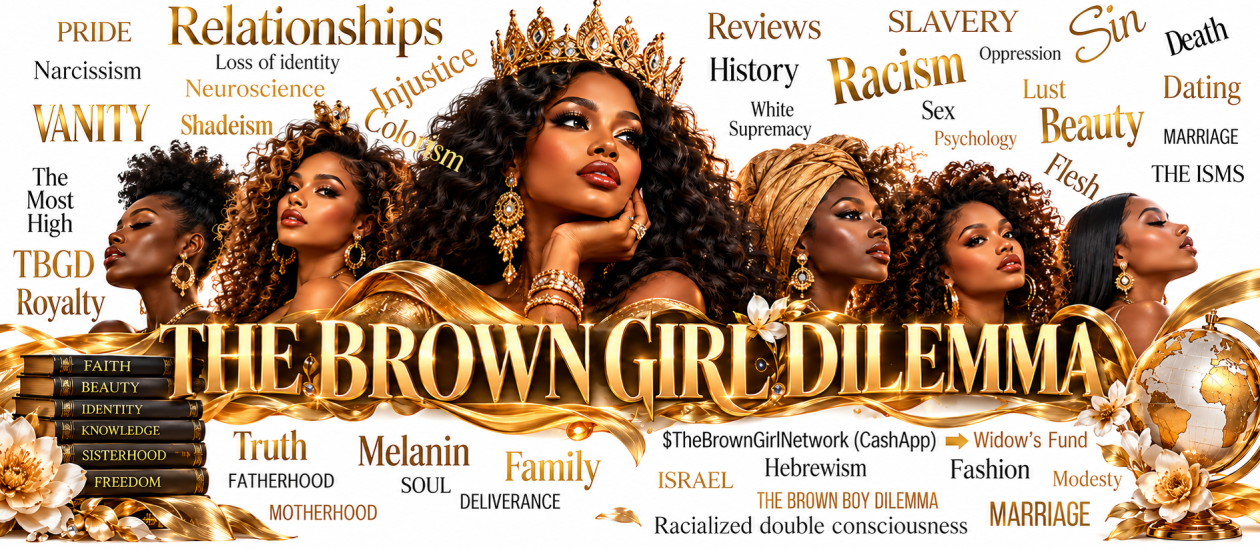


Girl therapy begins with understanding that beauty is not merely skin deep; it is deeply intertwined with psychology, culture, and power. The politics of beauty are about who defines attractiveness, whose standards dominate, and how those standards influence self-worth. Women are socialized to internalize these ideals, often at great personal and psychological cost.
Beauty standards are historically and culturally constructed. Eurocentric features—lighter skin, straight hair, narrow noses, and thinner bodies—have long been positioned as ideals, marginalizing Black, Indigenous, and other women of color. These standards are reinforced by media, fashion, film, and social networks, creating a hierarchy of desirability.
Psychology shows that exposure to unattainable beauty ideals is linked to body dissatisfaction, low self-esteem, and disordered eating. Social comparison theory explains this process: individuals constantly evaluate themselves against others, particularly in domains that are socially valued, such as appearance (Festinger, 1954). Women often experience this comparison as a chronic stressor, undermining self-worth.
Colorism compounds these pressures. Studies indicate that within Black communities, lighter-skinned women often receive social and economic advantages, further reinforcing internalized hierarchies of beauty (Hunter, 2007). This systemic bias teaches darker-skinned women that their natural beauty is less valid, creating emotional trauma from an early age.
Media representation shapes how women view themselves. Advertising, films, and social media curate selective images, often digitally enhanced, promoting a homogenized standard of beauty. Women exposed to these images report increased body dissatisfaction, anxiety, and depression (Grabe, Ward, & Hyde, 2008). This is particularly pronounced among adolescent girls, who are highly susceptible to internalizing societal messages.
Celebrity culture amplifies these standards. Women often idolize public figures whose looks are celebrated as aspirational. While admiration can inspire, it can also reinforce unrealistic self-expectations, particularly when the majority of celebrated figures fit narrow racial and body norms. The pressure to emulate these ideals can lead to psychological distress and compulsive behaviors.
Beauty is often commodified. Corporations profit from insecurities, marketing products that promise transformation, perfection, or social acceptance. Skin-lightening creams, cosmetic surgery, and diet programs exploit women’s vulnerabilities, positioning beauty as a purchasable commodity rather than an inherent value. This economic dimension further politicizes appearance.
The intersection of race, gender, and beauty creates unique challenges for Black women. They must navigate mainstream beauty standards while reconciling pride in their natural features. Historically, Black women have been hypersexualized, exoticized, or rendered invisible, complicating self-perception and identity formation (hooks, 1992).
Psychology emphasizes the importance of self-concept and internal validation. When women measure their value against external standards, their self-worth becomes contingent, fragile, and manipulable. Cognitive-behavioral approaches encourage reframing these internalized messages, promoting self-compassion and realistic self-assessment (Neff, 2003).
The concept of self-objectification explains how women internalize societal evaluation. Self-objectification occurs when women perceive their bodies primarily as objects to be looked at rather than autonomous, whole selves. This mindset correlates with increased anxiety, body shame, and disordered eating (Fredrickson & Roberts, 1997).
Social media platforms intensify appearance pressures. Constant exposure to curated, filtered, and idealized images creates a perpetual cycle of comparison. Psychological studies demonstrate that heavy social media use predicts higher rates of body dissatisfaction, low self-esteem, and depressive symptoms among young women (Fardouly et al., 2015).
Beauty standards influence professional opportunities and social mobility. Research shows that women deemed conventionally attractive often receive higher salaries, more promotions, and preferential treatment in hiring, reinforcing the belief that physical appearance correlates with success (Hamermesh & Biddle, 1994). This structural inequality underlines the political nature of beauty.
The pressure to conform can have severe physical consequences. Dieting, excessive exercise, and cosmetic procedures, undertaken to align with cultural norms, can lead to long-term health issues, including metabolic disorders, hormonal imbalance, and psychological disorders. The pursuit of beauty is rarely neutral; it carries real costs.
Education about media literacy and beauty standards is essential. Women who critically analyze media messages are better able to resist internalizing unrealistic ideals. Awareness empowers women to differentiate between manufactured standards and authentic self-expression, fostering resilience and self-worth (Levine & Murnen, 2009).
Cultural movements that celebrate diverse beauty challenge dominant narratives. Campaigns highlighting natural hair, body positivity, and inclusive representation provide counter-narratives, empowering women to reclaim their bodies and identities. These movements are both psychological interventions and sociopolitical acts.
Spiritual and faith-based perspectives also offer frameworks for self-worth beyond appearance. Scriptures affirm inherent value and beauty as divine gifts, encouraging women to anchor their identity in character and purpose rather than societal approval (Psalm 139:14, KJV). Integrating faith with psychology can provide holistic support.
Therapeutic strategies focus on reconstructing self-esteem independent of appearance. Techniques include cognitive restructuring, mindfulness, self-compassion practices, and group therapy. Therapy helps women disentangle their self-worth from external validation, fostering a more stable, internalized sense of value.
Peer support is critical. Sharing experiences in safe spaces allows women to validate one another’s feelings, dismantle internalized biases, and collectively resist oppressive beauty standards. Community provides accountability and encouragement for self-acceptance.
Ultimately, resisting the politics of beauty is both personal and political. Women reclaim autonomy by recognizing their inherent value, rejecting impossible ideals, and cultivating internal validation. Self-worth becomes a conscious practice, informed by knowledge, reflection, and empowerment.
Girl therapy teaches that beauty should serve self-expression, not oppression. By combining psychological insight, cultural critique, and spiritual affirmation, women can navigate the pressures of appearance with resilience, compassion, and clarity. Self-worth is not granted by society; it is claimed, nurtured, and defended.
References
Fardouly, J., Diedrichs, P. C., Vartanian, L. R., & Halliwell, E. (2015). Social comparisons on social media: The impact of Facebook on young women’s body image concerns and mood. Body Image, 13, 38–45. https://doi.org/10.1016/j.bodyim.2014.12.003
Festinger, L. (1954). A theory of social comparison processes. Human Relations, 7(2), 117–140. https://doi.org/10.1177/001872675400700202
Fredrickson, B. L., & Roberts, T. A. (1997). Objectification theory: Toward understanding women’s lived experiences and mental health risks. Psychology of Women Quarterly, 21(2), 173–206. https://doi.org/10.1111/j.1471-6402.1997.tb00108.x
Grabe, S., Ward, L. M., & Hyde, J. S. (2008). The role of the media in body image concerns among women: A meta-analysis of experimental and correlational studies. Psychological Bulletin, 134(3), 460–476. https://doi.org/10.1037/0033-2909.134.3.460
Hamermesh, D. S., & Biddle, J. E. (1994). Beauty and the labor market. American Economic Review, 84(5), 1174–1194.
hooks, b. (1992). Black looks: Race and representation. South End Press.
Hunter, M. L. (2007). The persistent problem of colorism: Skin tone, status, and inequality. Sociology Compass, 1(1), 237–254. https://doi.org/10.1111/j.1751-9020.2007.00006.x
Levine, M. P., & Murnen, S. K. (2009). “Everybody knows that mass media are/are not [pick one] a cause of eating disorders”: A critical review of the evidence for a causal link between media, negative body image, and disordered eating in females. Journal of Social and Clinical Psychology, 28(1), 9–42. https://doi.org/10.1521/jscp.2009.28.1.9
Neff, K. D. (2003). Self-compassion: An alternative conceptualization of a healthy attitude toward oneself. Self and Identity, 2(2), 85–101. https://doi.org/10.1080/15298860309032
The Holy Bible, King James Version. (1611/2017). Cambridge University Press. Psalm 139:14.
Discover more from THE BROWN GIRL DILEMMA
Subscribe to get the latest posts sent to your email.