Tag Archives: women

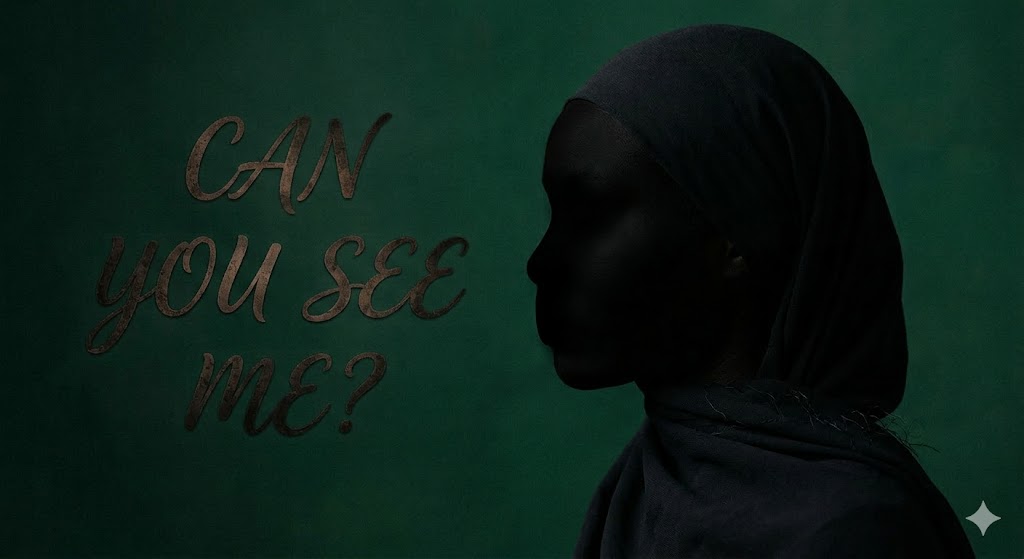
The Unseen Black Woman

The unseen Black woman lives at the intersection of power and pain, shaped by histories that sought to silence her and a world that often refuses to acknowledge her presence. Her story is one of resilience, complexity, and unshakable dignity—a story too often misinterpreted or completely ignored. From the days of enslavement to contemporary society, the Black woman remains both foundational and marginalized, desired yet devalued, visible only when convenient yet erased when truth is required. She is the cultural womb of nations, and yet she continues to battle the shadows of invisibility.

Historically, Black women have been overlooked and unprotected by social structures that elevate others while dismissing their humanity. During slavery, their labor and bodies were exploited without recognition or care, laying the foundation for stereotypes that still persist today. This invisibility is not accidental but systematically produced through institutions that benefit from her silence. Scholars have long noted that the Black woman is rarely seen as the standard of beauty, intelligence, or femininity in mainstream society, despite her profound contributions (Collins, 2000).

Rejection by other races, particularly within a white-dominated beauty and social hierarchy, has created layers of psychological warfare against the Black woman’s self-worth. Colorism—rooted in colonialism—has placed lighter skin on a pedestal while disregarding darker-skinned women. Media representation has amplified this hierarchy, rewarding proximity to whiteness and punishing features deeply tied to African ancestry. The Black woman’s rejection is not just personal; it is structural, echoing across fashion, film, workplace settings, and even healthcare outcomes.

Yet perhaps even more painful is the rejection she often experiences within her own community. Internalized racism and colorism, taught across generations, have led some Black men and women to subconsciously prefer lighter skin or Eurocentric features. This is not natural or innate—it is learned behavior shaped by centuries of conditioning. Enslavers strategically favored lighter-skinned enslaved people for domestic labor and created hierarchies among the enslaved that persist today. These psychological wounds have evolved but not disappeared.

Despite this, the Black woman’s beauty remains unmatched and deeply rooted in cultural, genetic, and ancestral strength. Her beauty defies narrow Western standards and emerges in endless forms—in tightly coiled hair, deep brown hues, high cheekbones, full lips, and regal posture. Studies on global beauty standards are increasingly recognizing the universality of features traditionally associated with African women, challenging outdated paradigms (Wade, 2017). Black beauty has not only survived exclusion; it has reshaped global culture, influencing art, fashion, language, and music.

The unseen Black woman is the backbone of movements, families, and spiritual communities, often leading without acknowledgment. She nurtured children who weren’t her own during slavery. She pioneered movements for civil rights while others received the spotlight. She protected her community, advocated for justice, and birthed cultural revolutions only to be written out of the narrative. Even today, Black women are the most educated demographic in America yet remain underpaid and under-promoted (NCES, 2022). This contradiction shows a society eager to benefit from her labor but unwilling to reward her leadership.

Her invisibility also appears in modern love dynamics. Many Black women face rejection on dating apps, in media pairings, and in social perceptions. Studies reveal that Black women are the most marginalized demographic in online dating algorithms (Hobbs et al., 2019). The social myth that Black women are “too strong,” “too independent,” or “undesirable” is not only untrue but dehumanizing. These narratives shape how the world interacts with Black women and how Black women learn to navigate relationships, often feeling unseen or undervalued.

But the unseen Black woman is not just a victim of rejection. She is a survivor who has learned to adapt, rebuild, and reimagine herself. She creates communities of healing—sister circles, natural hair movements, maternal health activism, and artistic spaces where she can breathe freely. She redefines beauty on her own terms, crafts new languages of empowerment, and challenges the structures that diminish her. She is not waiting for validation from society because she recognizes her worth internally.

Her spirituality has long been a source of strength. From traditional African religions to Christianity and modern spiritual practices, the Black woman’s connection to the divine has given her clarity and purpose. She understands suffering and redemption not as abstract concepts but lived realities. Her prayers have carried families, her faith has sustained movements, and her moral compass has shaped entire communities.

Black women have also served as cultural innovators, setting trends that the world imitates yet rarely credits. Hairstyles, fashion, vernacular, music, and social movements all bear the imprint of Black womanhood. The global appropriation of Black culture, without acknowledgment or respect, further demonstrates how she can be hyper-visible in influence yet invisible in recognition.

The unseen Black woman continues to face stereotypes—angry, loud, aggressive—labels manufactured to control her. These stereotypes mask her real emotions, preventing her from expressing pain, frustration, or vulnerability. They create barriers in workplaces, where she must work twice as hard while navigating biases that others do not face. They silence her in medical settings, where her pain is dismissed, leading to disproportionate maternal mortality rates.

Yet she persists. She continues to rise in academic fields, corporate leadership, entrepreneurship, and political influence. From Kamala Harris to Viola Davis, from everyday mothers to grassroots organizers, Black women are shaping the future. They are rewriting the narrative in real time, proving that invisibility is not destiny but a condition imposed by others.

Despite rejection from society, Black women remain deeply connected to one another. The solidarity found among Black women is powerful, nurturing, and healing. Within these bonds, they see each other fully. They uplift, affirm, and celebrate what the world ignores. In those circles, the unseen Black woman becomes seen again.

This invisibility has generational roots, but modern generations are actively dismantling it. Social media has allowed Black women to tell their own stories, challenge Eurocentric standards, and build platforms that center their experiences. From beauty influencers to scholars, Black women now control narratives once dictated by others.

The unseen Black woman is learning to rest, prioritize her mental health, and unlearn survival mode. She is healing from generational trauma, redefining femininity, and embracing softness without fear. She is discovering that her worth is inherent, not earned through suffering or sacrifice.

She is also demanding accountability—from media, corporations, governments, healthcare, and within her own communities. Black women are no longer silent about colorism, misogynoir, or the ways they have been mistreated. This new era is one of self-advocacy and bold truth-telling.

The unseen Black woman is not unseen because she lacks brilliance or beauty—she is unseen because society refuses to acknowledge what it cannot control. But she is rising, reclaiming her power, name by name, voice by voice. She carries the legacy of ancestors who walked through fire and still birthed nations. Her story is not one of defeat but victory.

Ultimately, the unseen Black woman is becoming the most visible she has ever been. She is taking her place in history and demanding that the world recognize her. Her resilience, beauty, intellect, and spiritual depth are undeniable. She is no longer waiting to be seen—she is choosing to be seen, loudly and unapologetically. And in doing so, she transforms not only her world but the world around her.

References

Collins, P. H. (2000). Black feminist thought: Knowledge, consciousness, and the politics of empowerment. Routledge.
Hobbs, L., Owen, J., & Gerstenberger, K. (2019). Online dating preferences and racial biases. Journal of Social and Personal Relationships, 36(7), 1992–2013.
National Center for Education Statistics. (2022). Status and trends in the education of racial and ethnic groups.
Wade, L. (2017). Beauty standards and race: A sociocultural analysis. Sociology Compass, 11(6), e12482.
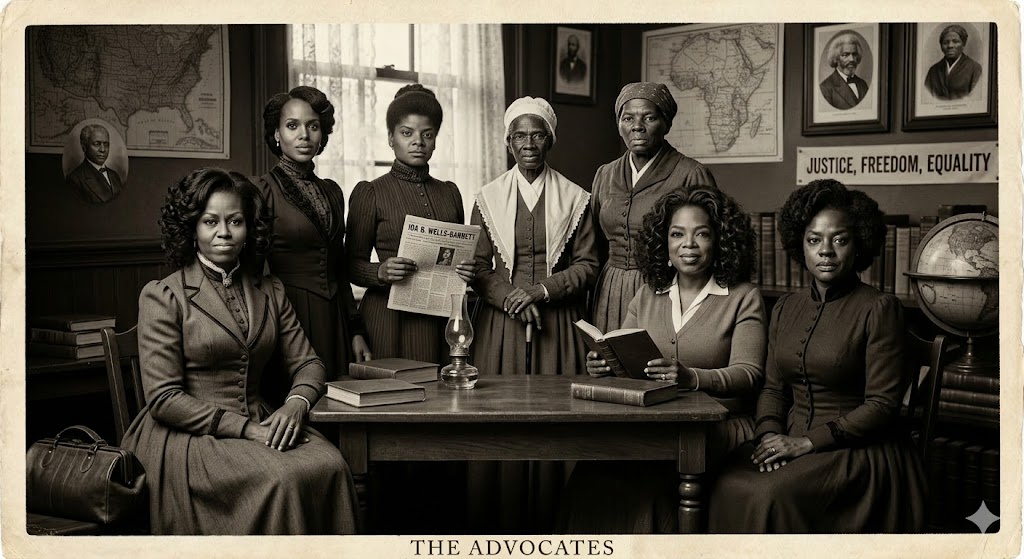
Unseen, Uncelebrated, Unstoppable: Dark-Skinned Women Who Changed Everything.

Dark-skinned women have long shaped history, art, culture, and politics, yet their contributions are often overlooked or undervalued. These women embody resilience, brilliance, and transformative power that defy societal limitations.

Harriet Tubman is one of the most iconic figures in American history. Born into slavery, she risked her life repeatedly to lead enslaved people to freedom via the Underground Railroad. Her courage and strategic brilliance exemplify the profound impact of dark-skinned women on the fight for justice.

Ida B. Wells transformed journalism and activism by exposing lynching and systemic racial violence. Through her fearless reporting, she challenged entrenched social norms and advocated for civil rights long before the modern civil rights movement.

Sojourner Truth, born into slavery, became a compelling orator and activist for abolition and women’s rights. Her speech “Ain’t I a Woman?” continues to inspire generations, illustrating the intersection of race and gender in advocacy.

Michelle Obama redefined the role of First Lady, advocating for education, health, and empowerment for young women. Her public presence and initiatives have had global influence, elevating the visibility and authority of Black women in leadership.

Viola Davis has reshaped Hollywood’s understanding of talent and representation. Her Emmy, Tony, and Academy Awards highlight not only her personal achievements but also the need for equitable opportunities for women of color in the entertainment industry.

Lupita Nyong’o’s Oscar-winning performance in 12 Years a Slave brought grace, strength, and visibility to dark-skinned actresses worldwide. Beyond acting, she challenges beauty standards and inspires young women to embrace their natural skin.

Angela Davis, a scholar and activist, has dedicated her life to fighting for civil rights, prison reform, and gender equality. Her fearless advocacy demonstrates the intellectual and moral leadership of Black women in public discourse.

Toni Morrison used literature to give voice to Black experiences and histories. Through novels like Beloved and The Bluest Eye, she illuminated the struggles and triumphs of dark-skinned women, creating a legacy of empowerment through storytelling.

Maya Angelou, a poet, singer, and activist, intertwined artistry and advocacy. Her work celebrated Black identity, resilience, and self-expression, leaving an enduring cultural imprint on generations of readers and performers.

Serena Williams transformed sports and broke racial and gender barriers in tennis. Her dominance on the court and influence off it showcase the resilience and versatility of dark-skinned women excelling in highly visible arenas.

Shirley Chisholm broke political barriers as the first Black woman elected to Congress and the first to run for a major party presidential nomination. Her courage inspired countless women to pursue leadership roles.

Oprah Winfrey’s rise from poverty to global influence demonstrates the transformative power of determination and vision. Her philanthropy and media presence have created platforms for countless underrepresented voices.

Madam C.J. Walker became the first self-made female millionaire in the U.S., creating economic opportunities and challenging social barriers for Black women in the early 20th century.

Mae Jemison, the first Black woman in space, shattered barriers in STEM and exploration, inspiring generations of girls to pursue careers in science and technology.

Zora Neale Hurston preserved African American folklore and heritage through literature and anthropology, elevating cultural narratives often ignored in mainstream history.

Coretta Scott King continued her husband’s civil rights work, advocating for equality, peace, and justice. Her leadership exemplifies the often unseen roles women play in movements for societal transformation.

Alice Walker, author of The Color Purple, illuminated the lived experiences of Black women, addressing trauma, resilience, and empowerment, shaping contemporary conversations around race and gender.

Ella Baker’s grassroots activism was pivotal in the civil rights movement, emphasizing collective leadership and community empowerment over personal recognition.

Shonda Rhimes revolutionized television by centering Black female characters in mainstream media, creating cultural influence and changing industry standards for representation.

Audre Lorde, a poet and activist, challenged oppression through her writing, encouraging Black women to embrace their voices and assert their identities unapologetically.

Angela Rye’s political commentary and advocacy work amplify marginalized voices, highlighting the continued need for equity and justice in modern society.

Kerry Washington blends artistry and activism, using her platform to engage in civic causes while portraying multidimensional Black women in film and television.

Ruby Dee’s career as an actress and activist highlighted the intersection of artistry and social advocacy, reflecting a lifelong dedication to both craft and justice.

Maya Rudolph, through comedy and performance, brings intelligence, cultural commentary, and visibility to dark-skinned women in entertainment, expanding the narrative of influence.

These women, past and present, demonstrate the unstoppable force of dark-skinned women in shaping history, culture, and society. Their achievements remind us that leadership, talent, and courage are not defined by visibility but by impact.

By celebrating their stories, society acknowledges not only their individual achievements but also the broader legacy of dark-skinned women who continue to inspire and transform the world.

Through their lives, we see a pattern: resilience, brilliance, and the ability to break barriers are hallmarks of dark-skinned women. Their impact is profound, enduring, and unstoppable.

The ongoing work of highlighting, recognizing, and celebrating these women is essential to rewriting narratives and empowering future generations. Their stories remind us that greatness often emerges in spite of societal neglect.

The legacies of these extraordinary women prove that being unseen or uncelebrated does not diminish influence. Their courage, intellect, and creativity continue to change the world in every sphere.

Ultimately, dark-skinned women have always been drivers of progress. By learning from and amplifying their stories, we ensure that their transformative power is recognized, celebrated, and passed on to inspire the leaders of tomorrow.


References

The Holy Bible, King James Version. (1611).

Clinton, C. (2004). Harriet Tubman: The Road to Freedom. Little, Brown.

Obama, M. (2018). Becoming. Crown Publishing Group.

Davis, V. (Interviews and speeches). Various sources.

Nyong’o, L. (Interviews, various). Media coverage and awards.

Walker, A. (1982). The Color Purple. Harcourt.

Angelou, M. (1993). Phenomenal Woman: Four Poems Celebrating Women. Random House.

Hooks, B. (1992). Black Looks: Race and Representation. South End Press.

Gates, H. L., Jr. (2019). Stony the Road: Reconstruction, White Supremacy, and the Rise of Jim Crow. Penguin Press.

Winfrey, O. (2007). The Wisdom of Sundays. Flatiron Books.

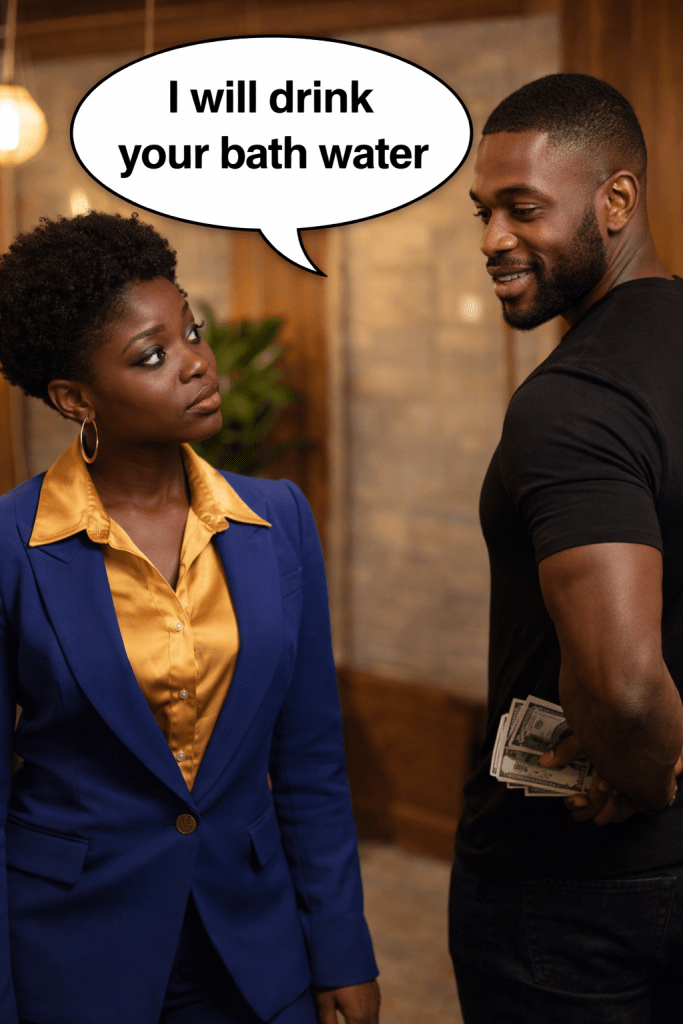
Boy Bye Series: When Words Are Cheap, and Standards Are Priceless.

He told her that he would drink her bath water, but would not buy her a stick of gum.

The phrase “boy bye” has evolved into a culturally resonant expression within modern dating discourse, particularly among Black women. Popularized in mainstream culture through media, music, and social platforms, the phrase signifies a decisive rejection of disrespect, inconsistency, or low-value behavior. It is not merely slang but a boundary-setting declaration rooted in self-worth and discernment.

At its core, “boy bye” reflects a refusal to entertain men who offer empty words without tangible actions. In the context of relationships, this phrase becomes especially powerful when addressing men who present themselves as affectionate, attentive, or even obsessed, yet fail to demonstrate basic responsibility or provision.

The scenario in which a man claims, “I would drink your bath water,” while simultaneously refusing to buy something as insignificant as a stick of gum, illustrates a deeper contradiction. It exposes a performative form of affection—one rooted in exaggerated language rather than genuine care or investment.

This type of behavior aligns with what many describe as “cheap men”—individuals who are emotionally expressive but financially and materially unwilling to contribute. While emotional expression is valuable, it becomes hollow when not paired with consistent action, particularly in relationships where mutual support is expected.

Historically and culturally, the concept of men as providers has been a foundational aspect of many societies. Within the Black community, this role has been shaped by both cultural values and systemic barriers. While modern relationships may redefine roles, the expectation of effort, responsibility, and contribution remains essential.

A man who consistently expects a woman to pay for everything while offering little in return disrupts the balance of reciprocity. This dynamic can lead to emotional exhaustion, financial strain, and a sense of being undervalued. It is not simply about money but about intention and effort.

The “boy bye” mindset encourages women to recognize these patterns early and disengage before deeper emotional or financial investment occurs. It is a form of self-protection that prioritizes dignity over potential.

Equally important is the principle of no sex before marriage, which for many women is both a spiritual conviction and a strategic boundary. This standard can serve as a filter, revealing men who are genuinely interested in commitment versus those motivated by temporary gratification.

Men who are unwilling to invest but eager to receive often expose themselves through inconsistency. They may speak in grand, romantic terms, yet avoid even minimal acts of provision or responsibility. This disconnect is a key indicator of misaligned intentions.

Another category addressed in this discussion is the “fake wealthy” man—individuals who project an image of success through appearance, social media, or exaggerated claims, but lack the financial stability or discipline to sustain that image. These men often prioritize impressing others over building genuine substance.

The desire to impress can manifest in flashy behavior, name-dropping, or performative generosity in public settings, while privately avoiding meaningful responsibility. This inconsistency is often a red flag that should not be ignored.

Understanding the difference between genuine provision and performative gestures is critical. True provision is consistent, intentional, and aligned with long-term stability, whereas performative behavior is sporadic and designed for appearance rather than substance.

The phrase “boy bye” ultimately represents a reclaiming of power. It allows women to walk away without guilt, recognizing that not every connection deserves endurance or patience. Discernment becomes a form of empowerment.

In today’s dating landscape, where social media often blurs the line between reality and performance, maintaining clear standards is more important than ever. Women are increasingly vocal about their expectations, challenging narratives that normalize imbalance.

At the same time, this conversation is not about demonizing men but about encouraging accountability and authenticity. Healthy relationships are built on mutual respect, effort, and shared values—not manipulation or illusion.

For women navigating these dynamics, practical strategies can be invaluable. Recognizing patterns early, setting boundaries, and trusting intuition are key components of avoiding exploitative relationships.

Ten Tips to Stay Away from These Men

Pay attention to actions, not just words. Consistency reveals character more than promises ever will.

Avoid men who resist basic generosity while expecting access to your time, energy, or body.

Be cautious of exaggerated compliments that are not matched by real effort.

Observe how he handles money—irresponsibility or stinginess are both red flags.

Do not ignore early signs of imbalance; what begins small often grows over time.

Maintain your standards regarding intimacy and commitment without compromise.

Watch for inconsistencies between his public image and private behavior.

Trust your intuition when something feels performative or insincere.

Surround yourself with wise counsel—friends or mentors who can offer perspective.

Be willing to walk away quickly; “boy bye” is most powerful when used early.

Ultimately, the “Boy Bye Series” is about more than rejecting low-effort men—it is about affirming self-worth, embracing discernment, and refusing to settle for less than what aligns with one’s values. It is a declaration that words without substance are not enough, and that true connection requires both intention and action.

References

Collins, P. H. (2000). Black Feminist Thought: Knowledge, Consciousness, and the Politics of Empowerment. Routledge.

hooks, b. (2000). All About Love: New Visions. William Morrow.

Stanley, S. M., Rhoades, G. K., & Markman, H. J. (2006). Sliding versus deciding: Inertia and the premarital cohabitation effect. Family Relations, 55(4), 499–509.

Thomas, K. M., Witherspoon, K. M., & Speight, S. L. (2004). Toward the development of the stereotypic roles for Black women scale. Journal of Black Psychology, 30(3), 426–442.

Aesthetics as Inequality: The Rise of Beautyism.

Beautyism, the systematic bias based on physical appearance, functions as a social and economic hierarchy that privileges certain aesthetic traits while marginalizing others. Unlike racism or sexism, beautyism often operates under the guise of “preference” or “merit,” making it less visible yet no less damaging. Cultural norms, media representation, and historical hierarchies have transformed beauty into a form of currency that dictates opportunity, influence, and social value.

The origins of beautyism are deeply entwined with colonialism and European imperialism. Eurocentric standards of beauty were exported globally, creating benchmarks for skin tone, facial features, and body proportions. These norms were framed as universal ideals, elevating certain traits while devaluing others. In effect, beauty became a marker of social hierarchy (Hamermesh & Biddle, 1994).

In professional environments, beautyism manifests as differential treatment in hiring, promotions, and salary. Research demonstrates that attractive individuals are more likely to be hired, perceived as competent, and receive higher wages. These advantages often operate unconsciously, reinforcing inequality in ostensibly meritocratic systems (Hosoda, Stone-Romero, & Coats, 2003).

Beautyism intersects with race, gender, and class, compounding advantage for those whose appearance aligns with dominant cultural norms. Lighter skin, Eurocentric facial features, and specific body types are disproportionately rewarded, while darker skin and Afrocentric features are often penalized. The result is an embedded social hierarchy that favors appearance in ways that mirror historical oppression (Hunter, 2007).

In social interactions, beautyism shapes perceived personality and character. The “halo effect” demonstrates that people attribute positive traits such as intelligence, kindness, and reliability to those deemed attractive. Conversely, individuals judged less attractive are more likely to face skepticism, distrust, or diminished respect (Eagly et al., 1991).

Romantic and relational dynamics are also shaped by beautyism. Culturally preferred features increase desirability, creating inequitable distribution of attention, marriage proposals, and social affirmation. Those outside the beauty hierarchy are frequently marginalized, fetishized, or objectified, reproducing social inequality.

Within families, beautyism can exacerbate favoritism. Children deemed more attractive may receive greater encouragement, resources, and protection, while those judged less appealing experience neglect or lower expectations. These early disparities influence self-esteem, ambition, and life outcomes.

Women face disproportionate consequences of beautyism due to gendered expectations. Societal pressure to conform to beauty norms imposes emotional, financial, and social labor. Women are more harshly judged for aging, body shape, and skin tone, making appearance a persistent determinant of perceived worth.

Media and culture perpetuate beautyism by normalizing narrow aesthetic ideals. Television, film, advertising, and social media consistently privilege certain body types, facial features, and skin tones, while underrepresenting or misrepresenting others. Repetition reinforces internalized bias and shapes public perception (Frisby, 2004).

Psychologically, beautyism contributes to low self-esteem, anxiety, and body dysmorphia. Internalized preference for certain appearances fosters shame and self-policing, disproportionately affecting marginalized groups whose natural features diverge from dominant standards.

Education systems also reflect beauty-based inequities. Attractive students are often perceived as more capable or motivated, receiving more encouragement and leniency. Less attractive students face higher scrutiny and lower expectations, which can impact long-term academic trajectories.

Economic impact of beautyism is measurable. Attractive individuals receive higher compensation, more promotions, and broader social networks. Beauty operates as a form of social and cultural capital, granting opportunities inaccessible to those outside the aesthetic norm (Hamermesh, 2011).

Beautyism functions as social mobility currency. Conformity to idealized aesthetics facilitates entry into elite spaces, mentorship networks, and influential social circles, while deviation can hinder progress, access, and visibility. Appearance thus becomes a gatekeeper for success.

Theologically, beautyism contradicts the principle that worth is determined by the heart rather than outward appearance. Scripture instructs, “Man looketh on the outward appearance, but the Lord looketh on the heart” (1 Samuel 16:7, KJV). Favoritism based on looks violates this divine standard.

Faith communities are not immune. Even where racial or socioeconomic partiality is rejected, appearance-based favoritism subtly influences leadership selection, visibility, and social validation. Spiritual integrity demands that beauty hierarchies be challenged.

Overcoming beautyism requires conscious awareness of bias and its structural implications. Individuals must interrogate personal preferences, institutions must audit policies, and media must diversify representation. Recognition of privilege tied to appearance is crucial for reform.

Internalized beautyism must be addressed to heal its psychological effects. Self-worth should be disentangled from societal standards, and programs emphasizing character, talent, and virtue over appearance can mitigate the impact of bias.

Collective action involves creating equitable environments where appearance does not dictate value or opportunity. Policies and practices must be scrutinized to prevent subtle favoritism based on looks, just as society addresses racial and gender inequities.

Beautyism is a social construct that entrenches inequality. Its dismantling requires intentional cultural, institutional, and personal reform, prioritizing character, skill, and virtue over conformity to aesthetic norms.

Ultimately, addressing beautyism affirms the inherent dignity and worth of all individuals. When societies reject hierarchical valuation based on appearance, they foster environments of justice, inclusion, and human flourishing.


References

The Holy Bible, King James Version. (1611). Various passages.

Hamermesh, D. S., & Biddle, J. E. (1994). Beauty and the labor market. American Economic Review, 84(5), 1174–1194.

Hosoda, M., Stone-Romero, E. F., & Coats, G. (2003). The effects of physical attractiveness on job-related outcomes: A meta-analysis of experimental studies. Personnel Psychology, 56(2), 431–462.

Hunter, M. (2007). The persistent problem of colorism: Skin tone, status, and inequality. Sociology Compass, 1(1), 237–254.

Eagly, A. H., Ashmore, R. D., Makhijani, M. G., & Longo, L. C. (1991). What is beautiful is good, but…: A meta-analytic review of research on the physical attractiveness stereotype. Psychological Bulletin, 110(1), 109–128.

Frisby, C. M. (2004). Does race or gender matter? Effects of media images on self-perception. Journal of Broadcasting & Electronic Media, 48(2), 301–317.

Hamermesh, D. S. (2011). Beauty pays: Why attractive people are more successful. Princeton University Press.

The Black Woman: The Barbie Doll Effect

The “Barbie Doll Effect” describes the psychological, social, and cultural pressure placed on Black women to conform to an ideal of beauty that was never designed with them in mind. For generations, society upheld Eurocentric features—straight hair, narrow noses, light skin, thin frames—as the universal standard for femininity. Black women, in turn, were expected to mold themselves into this unattainable blueprint just to be seen as worthy, beautiful, or acceptable.

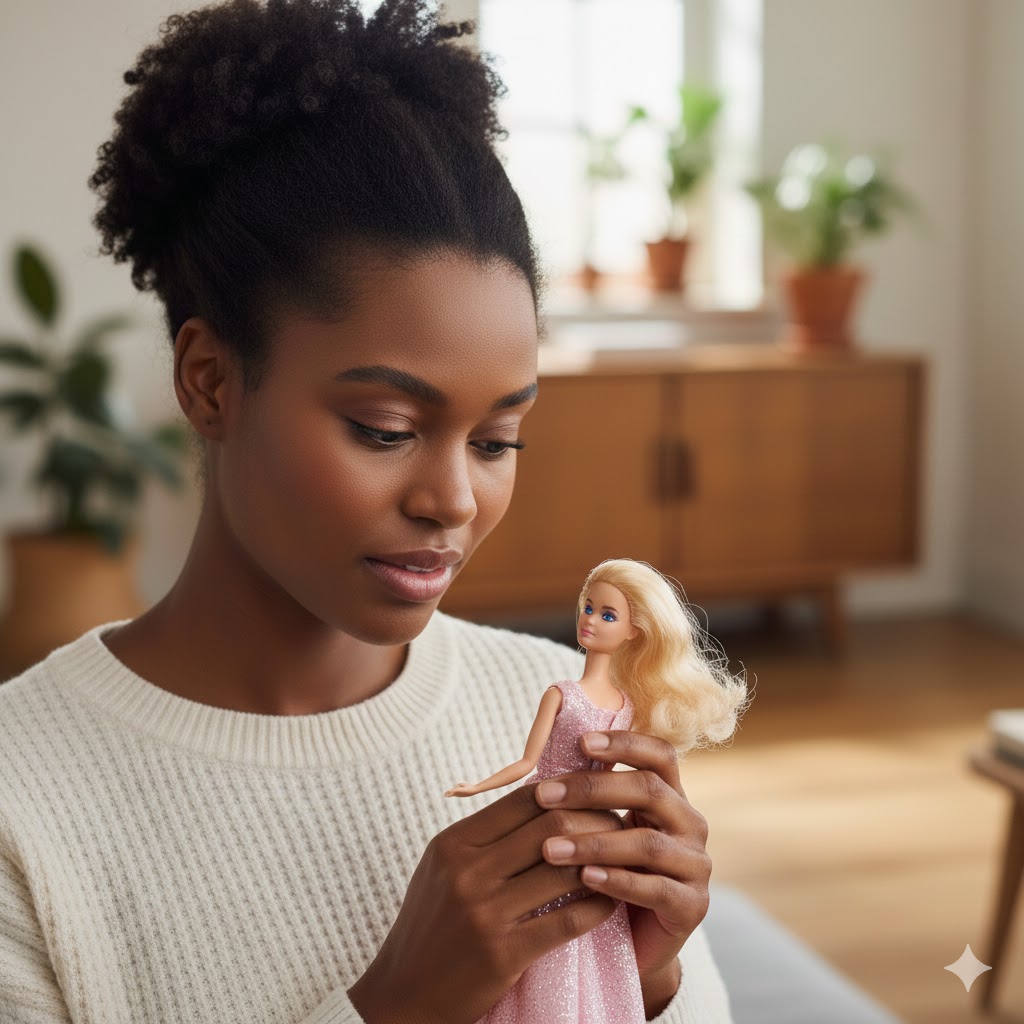
For many Black girls, the first doll they ever received didn’t look like them. Her hair swung in the wind, her eyes were light, her skin was pale, and her beauty was packaged as the “default.” This early conditioning planted seeds: To be beautiful is to be anything but yourself. The Barbie Doll Effect begins in childhood, but its impact often extends well into adulthood.

As Black women grow, society continues to whisper the same message through media, beauty industries, and Hollywood casting: straighten your hair, lighten your complexion, shrink your body, soften your presence, and quiet your voice. The closer you appear to the “Barbie ideal,” the more you are rewarded—professionally, socially, and romantically. The farther you are from it, the more you must fight unseen battles just to be acknowledged.

This creates a crisis of identity. Black women find themselves torn between self-love and societal acceptance, between honoring their ancestry and performing a version of femininity that dismisses their natural essence. This conflict isn’t superficial; it is deeply emotional. It shapes self-esteem, mental health, dating experiences, and even career opportunities.

In contemporary society, the concept of beauty is often dictated by narrow, Eurocentric standards that dominate media, fashion, and entertainment. Among these ideals, the “Barbie Doll Effect” has emerged as a prominent cultural phenomenon, shaping perceptions of attractiveness, self-worth, and femininity, particularly for Black women. This term describes the social and psychological pressures to embody perfection: flawless skin, slender physique, symmetrical features, and overall “marketable” beauty. While Barbie herself is a toy, her symbolic influence transcends playtime, impacting how young girls and women internalize their value.

Unrealistic Beauty and Colorism

For Black women, the Barbie Doll Effect is compounded by colorism—a preference for lighter skin within communities of color, perpetuated by societal and media portrayals. Darker-skinned Black women often face marginalization and exclusion from mainstream representations of beauty. In contrast, women with lighter complexions or features closer to Eurocentric ideals may be elevated, reinforcing internalized hierarchies of attractiveness. This phenomenon fosters self-doubt and a heightened focus on appearance, even as it undermines authentic identity.

Psychological Implications

The constant exposure to unrealistic images can lead to low self-esteem, body dysmorphia, and disordered eating habits. Research indicates that girls who internalize unattainable beauty standards often experience heightened anxiety, depression, and diminished self-worth (Grabe, Ward, & Hyde, 2008). The Barbie Doll Effect also conditions women to equate their value with their appearance, diverting attention from talents, intellect, and personal growth. For Black women navigating systemic bias, these pressures intersect with societal oppression, magnifying the psychological toll.

Media and Representation

Television, film, and social media amplify the Barbie Doll Effect by repeatedly showcasing idealized versions of Black femininity. Celebrities, influencers, and fashion icons are frequently curated to fit a specific aesthetic: smooth skin, exaggerated features, and slim bodies. While some Black women celebrate their beauty and achieve visibility, the overall narrative reinforces a narrow, homogenized ideal, often excluding darker skin tones, natural hair textures, or fuller body types. This limited representation affects how Black women perceive themselves and how society validates their beauty.

Beauty Standards vs. Authenticity

The pressure to conform to these ideals often leads Black women to alter their natural features through skin-lightening, hair straightening, cosmetic surgery, or extreme makeup routines. While personal choice plays a role, the underlying motivation is frequently social approval rather than self-expression. Rejecting the Barbie Doll Effect requires intentional cultivation of self-love, celebrating natural beauty, and fostering spaces where Black women see themselves represented authentically and holistically.

Societal Shifts and Empowerment

Despite pervasive pressures, there is a growing movement of empowerment. Black women are embracing natural hair, diverse body types, and culturally resonant fashion, challenging Eurocentric dominance in beauty standards. Organizations, social media campaigns, and influencers are redefining what beauty looks like, emphasizing resilience, intellect, and heritage alongside appearance. The message is clear: beauty is multifaceted, and self-worth cannot be measured solely by conformity to a doll’s proportions or societal ideals.

Conclusion

The Barbie Doll Effect illustrates the complex interplay between media, societal expectations, and personal identity. For Black women, it highlights the intersection of beauty standards, colorism, and systemic pressures. Breaking free from this effect requires acknowledgment of these pressures, intentional self-celebration, and a cultural shift that embraces diverse forms of beauty. By reclaiming narratives of worth, Black women can transcend superficial ideals and cultivate confidence rooted in authenticity, heritage, and individuality.

The Barbie Doll Effect also perpetuates colorism, where lighter skin is praised and darker skin is scrutinized. It fosters a beauty hierarchy that wounds Black women emotionally, dividing them into categories—“pretty for a dark-skinned girl,” “exotic,” “acceptable,” “too Black,” or “too ethnic.” These labels are weapons, not compliments, and they echo the painful legacy of colonization and slavery.

But despite these pressures, Black women continue to redefine beauty in their own image. From natural hair movements to melanin-positive campaigns, from darker-skinned models on magazine covers to actresses proudly wearing locs on red carpets, Black women are slowly reclaiming visibility and rewriting the standard. The world is watching—and following.

The Barbie Doll Effect is losing its power, not because the world suddenly changed, but because Black women refused to. They refused to shrink themselves to fit narrow beauty boxes. They refused to mask their features, mute their culture, or bleach away their heritage. Instead, they created their own lane—bold, regal, and authentically divine.

Today, the Black woman is not chasing the Barbie ideal; she is the standard. Her features have been copied, commercialized, and coveted. Full lips, curves, coils, melanin—everything once mocked is now monetized. But the true power lies not in being imitated, but in being unapologetically yourself.

The Barbie Doll Effect taught Black women to compare themselves to a plastic fantasy. But this generation is teaching the world that true beauty is not manufactured—it is inherited. It is ancestral. It is complex. It is alive.

The Black woman is not a doll—she is a blueprint.

Inside the Manosphere: Masculinity, Trauma, and the Search for Identity

The term manosphere has become a cultural phenomenon—an online constellation of blogs, influencers, podcasts, and forums where men gather to discuss masculinity, identity, relationships, and power. Yet beneath the surface lies a complex psychological, sociological, and spiritual reality that shapes how modern men interpret themselves and the world. The manosphere is not just a digital community; it is a mirror reflecting the anxieties, wounds, and aspirations of men living in a rapidly changing society.

The rise of the manosphere must be understood within the context of shifting gender norms. As traditional roles blur, many men experience a destabilization of identity. For some, this space becomes a refuge—a place to voice concerns without judgment. For others, it becomes a breeding ground for bitterness, resentment, and hyper-individualism. The manosphere is therefore not monolithic; it is a spectrum ranging from healthy male self-improvement to toxic ideologies anchored in misogyny.

Central to the manosphere’s appeal is the hunger for meaning. Many men feel isolated in a world that rarely encourages emotional vulnerability. With rates of male depression, loneliness, and suicide rising, online male communities often claim to fill a void left by absent fathers, fragmented families, or a culture that repeatedly tells men to “man up” rather than to heal. In this sense, the manosphere often functions as an informal form of brotherhood.

However, the manosphere also includes extremist factions that weaponize men’s pain. These groups—such as incels, red pill purists, and certain hyper-nationalistic voices—convert insecurity into ideology. Their narratives often blame women, feminism, or multiculturalism for men’s frustrations, redirecting personal wounds toward collective resentment. These narratives thrive because they offer simple explanations for complex emotional realities.

The manosphere also capitalizes on the modern marketplace of attention. Influencers monetize male insecurity through coaching programs, dating strategies, and lifestyle brands. While some provide legitimate guidance on discipline, fitness, or financial literacy, others exploit men’s vulnerabilities by offering overly simplistic narratives about dominance, submission, and sexual entitlement.

Spiritually, the manosphere reflects a crisis of masculine purpose. Historically, men found identity through covenant relationships, community, and responsibility. Today’s manosphere often promotes a detached masculinity rooted in self-gratification rather than service. In contrast to biblical manhood—which emphasizes love, stewardship, and sacrificial leadership—the manosphere frequently exalts power over humility and conquest over character.

At the same time, not all digital male spaces are destructive. Some men’s groups foster healthy dialogue about accountability, emotional intelligence, mentorship, and healing generational trauma. These spaces acknowledge the reality of male pain without blaming entire genders. They encourage growth, integrity, and brotherhood rooted in compassion rather than competition.

The manosphere’s obsession with dating dynamics reveals deeper issues about relational insecurity. Many voices teach men to view women as adversaries, prizes, or objects to be manipulated. This dehumanizing approach reflects a broader cultural problem: a lack of emotional maturity. Healthy relationships require empathy, communication, and mutual respect—qualities often dismissed in more toxic corners of the manosphere.

The manosphere also intersects with race. Black men, for instance, navigate not only gender expectations but also historical trauma, systemic oppression, and racial stereotypes. As a result, the Black manosphere often includes discussions about legacy, survival, and spiritual identity that differ from mainstream narratives. Yet even within Black communities, the influence of misogynoir can distort relationships by aligning with harmful patriarchal patterns.

In many ways, the manosphere is a symptom of fractured families. Men who grow up without stable male role models often seek identity in digital substitutes. This creates a vacuum where influencers become father figures—guiding millions not through covenant, wisdom, or lived experience, but through charisma and algorithmic popularity.

Economically, many men feel powerless in a world where career stability and financial certainty are no longer guaranteed. The manosphere taps into this anxiety by promising shortcuts to wealth, success, and dominance. Yet these promises often oversimplify the realities of socioeconomic stress.

The manosphere also thrives because society rarely provides safe spaces for male vulnerability. When emotional expression is stigmatized, unresolved trauma festers. Digital communities then become an outlet for suppressed anger. The problem is not that men seek refuge online—it is that many find the wrong voices at the wrong time.

Intellectually, the manosphere promotes a pseudo-scientific worldview that blends evolutionary psychology with selective data. Arguments about “male hierarchy,” “female hypergamy,” or “alpha archetypes” often ignore the nuance and complexity of real human behavior. These narratives appeal because they make relational struggles feel predictable and controllable.

Politically, the manosphere intersects with anti-feminist movements, conservative nationalism, and reactionary ideologies. These movements often exploit men’s grievances to recruit supporters and reinforce polarized worldviews. As a result, the manosphere becomes not only a gendered space but a political tool.

Yet the manosphere’s existence also reveals society’s failure to support men holistically. Schools often lack male mentors. Churches struggle to engage young men effectively. The workforce increasingly rewards skills traditionally associated with collaboration rather than physical labor. Without guidance, many men turn to digital communities for identity formation.

The spiritual danger of the manosphere lies in its distortion of leadership. True leadership is rooted in accountability, humility, and service. Yet manosphere leaders often promote dominance without responsibility, authority without empathy, and influence without moral grounding. This produces men who are emotionally underdeveloped yet psychologically inflated.

Still, the manosphere reveals that men desire structure, meaning, and purpose. When guided by healthy principles, male communities can produce resilience, discipline, and brotherhood. The solution is not to eliminate male spaces but to reform them—to infuse them with wisdom, character, and compassion.

A redeemed version of the manosphere would prioritize healing trauma, improving emotional intelligence, strengthening families, and encouraging men to embrace both strength and tenderness. Rather than targeting women, it would call men to grow into the fullness of their divine and human potential.

Ultimately, the manosphere is a mirror of modern manhood—its wounds, its fears, its hopes, and its confusion. It reveals how desperately men need guidance, fathering, community, and a purpose higher than ego. What men choose to do with this space will determine whether the manosphere becomes a force for healing or a playground for dysfunction.


References

Bailey, J., & Noman, R. (2020). Digital masculinity and online identity formation. Journal of Cyber Psychology, 12(3), 145–162.

Connell, R. W. (2005). Masculinities (2nd ed.). University of California Press.

Ging, D. (2019). Alphas, betas, and incels: The manosphere as a transnational online masculinity ecosystem. Men and Masculinities, 22(4), 638–657.

Kimmel, M. (2017). Angry white men: American masculinity at the end of an era. Nation Books.

Marwick, A., & Lewis, R. (2020). Media manipulation and online radicalization within the manosphere. Internet Studies Review, 8(1), 55–78.

Wilson, S. (2021). Broken boys to hardened men: Male vulnerability in digital subcultures. Journal of Social Psychology, 161(2), 240–256.

Bridging the Gap: Black Men, Black Women, and the Future of Us.

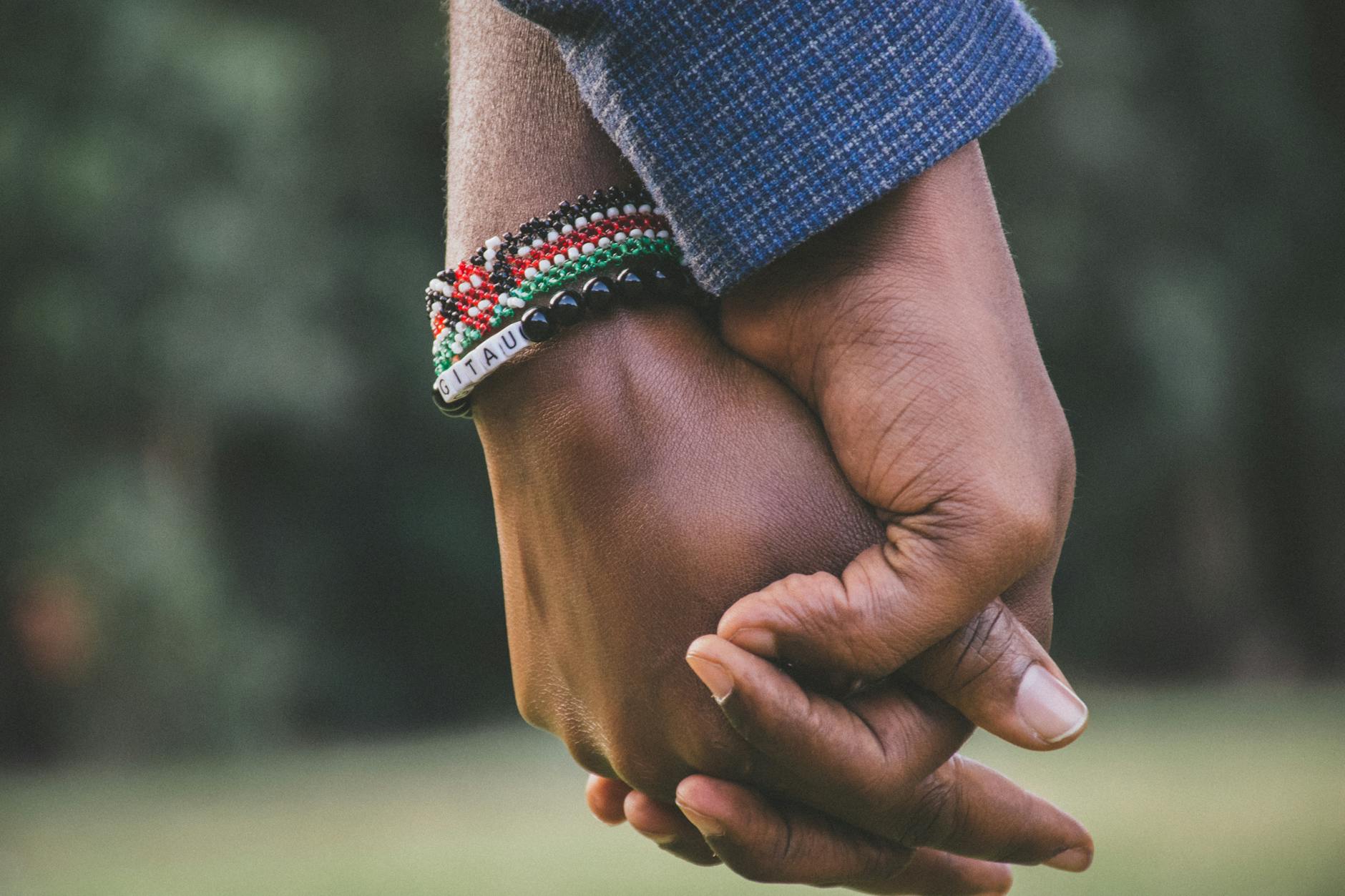
Photo by Git Stephen Gitau on Pexels.com

There was a time when the bond between Black men and Black women was sacred—a spiritual connection born of shared struggle and mutual survival. That love endured whips, chains, and systems designed to destroy it. Yet in the 21st century, something has shifted. The gap between Black men and Black women has widened—not only in relationships but in trust, understanding, and unity. To bridge this divide, we must return to the essence of who we are: divine reflections of one another, created not to compete, but to complete.

The fractures we see today are not natural; they are historical. During slavery, families were torn apart, and gender roles were deliberately distorted. Enslaved men were stripped of authority, while women were forced to become protectors in a world without protection. These traumas did not vanish with emancipation—they evolved. The seeds of mistrust planted in those centuries still bear fruit in modern relationships. Healing begins when we acknowledge that this division was orchestrated, not ordained.

In the aftermath of oppression, both Black men and women learned survival differently. Men often internalized stoicism, strength, and pride as their armor. Women carried resilience, independence, and emotional labor as theirs. These traits, though admirable, can clash when survival becomes competition. The challenge is to transform survival into synergy—learning to stand together instead of standing apart.

Media narratives have deepened this divide. The strong Black woman is portrayed as unyielding, and the Black man as either absent or inadequate. These depictions erode intimacy and reinforce stereotypes that pit us against one another. Bridging the gap requires dismantling these lies and telling our own stories—stories of love, leadership, and partnership that reflect truth rather than trauma.

Spiritually, we must remember that the first covenant between man and woman came from God, not society. “And the LORD God said, It is not good that the man should be alone; I will make him an help meet for him” (Genesis 2:18, KJV). The divine blueprint was never adversarial—it was complementary. Black men and women must return to this sacred design, understanding that our differences are not weapons but gifts meant to balance creation.

Economically, division weakens us. A fractured household means fractured wealth, fractured legacy, and fractured community. When Black men and women unite in financial vision and discipline, they rebuild the foundations of prosperity that systemic inequality has long denied. Love is not only emotional—it is also economic warfare against generational poverty.

Psychologically, bridging the gap requires healing from internalized wounds. Black men must confront the pain of emasculation, abandonment, and unmet emotional needs. Black women must release the burden of over-functioning and reclaim the freedom to be soft without fear of exploitation. Healing is not a gendered task—it is a collective responsibility.

Communication is the bridge between understanding and unity. Too often, we speak at each other instead of to each other. Thriving Black love demands emotional literacy—the courage to express needs without shame and to listen without judgment. In this space, honesty becomes healing, and empathy becomes power.

Forgiveness must also take center stage. Centuries of division cannot be undone without mercy. Black women must forgive the wounds inflicted by absent fathers and broken promises. Black men must forgive the mistrust born from survivalism and pain. Only then can love flow freely without the chains of resentment.

Faith provides the framework for rebuilding. When God is at the center, love becomes covenant, not chaos. Ephesians 5:25 reminds, “Husbands, love your wives, even as Christ also loved the church.” And Proverbs 31:11 declares, “The heart of her husband doth safely trust in her.” In this divine order, mutual honor replaces competition. It is through obedience to God’s design that reconciliation begins.

Bridging the gap also requires re-education. The next generation must see love modeled, not just preached. They must witness men leading with humility and women submitting with strength—not out of control, but out of covenant. When our children grow up seeing harmony instead of hostility, they inherit the vision of unity we once lost.

Community accountability plays a crucial role. Our music, media, and conversations must reflect restoration rather than rivalry. The glorification of hyper-individualism and toxic independence has bred division. We must celebrate interdependence—the power of “we” over “me.” True progress is collective.

Historically, movements like the Civil Rights era thrived because of unity between Black men and women. Coretta Scott King, Fannie Lou Hamer, Malcolm X, and Martin Luther King Jr. modeled what partnership looked like under pressure. Their shared mission produced progress because love was not merely romantic—it was revolutionary.

Culturally, we must redefine beauty and masculinity within our context. The world teaches Black women to idolize Eurocentric standards and Black men to suppress emotion. Bridging the gap requires affirming each other as divine reflections of God’s image—where dark skin, natural hair, and Black strength are celebrated, not criticized.

Emotionally, thriving relationships demand patience. We must unlearn the urgency of temporary pleasure and relearn the endurance of covenant love. It takes time to rebuild trust that centuries have broken. But every conversation, every act of kindness, every prayer whispered together is a stone laid in the bridge toward wholeness.

Socially, we must also protect our unions from the systems that profit from our disunity. Mass incarceration, poverty, and gender warfare are tools of control. When we love intentionally, we disrupt those systems. Every healthy Black relationship becomes a protest against oppression and a prophecy of restoration.

Theologically, our reconciliation mirrors God’s redemptive love. Just as Christ reconciled humanity to Himself through grace, so must we reconcile to one another through humility. Love is not about dominance—it is about divine reflection. The Black man and woman together reveal the full spectrum of God’s creative power.

Ultimately, bridging the gap is not about returning to the past—it is about building a future. It is about transforming our pain into purpose, our competition into cooperation, and our division into destiny. It is the work of generations, but it begins with two people who choose to try again.

The future of us depends on our ability to love beyond our wounds. When the Black man sees the Black woman not as his adversary but as his ally, and when the Black woman sees the Black man not as her threat but as her protector, the restoration of Eden begins anew. The gap narrows, the bridge forms, and together—we rise.

References

  • The Holy Bible, King James Version (Genesis 2:18; Ephesians 5:25; Proverbs 31:11).
  • hooks, b. (2004). We Real Cool: Black Men and Masculinity. Routledge.
  • Baldwin, J. (1962). The Fire Next Time. Dial Press.
  • Akbar, N. (1996). Know Thyself. Mind Productions.
  • Hill Collins, P. (2000). Black Feminist Thought. Routledge.
  • Boyd-Franklin, N. (2003). Black Families in Therapy. Guilford Press.
  • West, C. (1993). Race Matters. Beacon Press.
  • Davis, A. (1981). Women, Race, & Class. Random House.

Judged by the Flesh: The Hidden Cost of Lookism.

In a world that increasingly prioritizes aesthetics, lookism—discrimination based on physical appearance—has emerged as a subtle yet powerful social ill. Unlike overt forms of prejudice, lookism operates quietly, influencing hiring practices, social interactions, and access to opportunities. Society often equates attractiveness with competence, likability, and even moral character, creating systemic advantages for those deemed “good-looking” and profound disadvantages for those who do not meet conventional beauty standards (Langlois et al., 2000).

The roots of lookism are both cultural and biological. Evolutionary psychology suggests humans have historically relied on physical cues to assess health, fertility, and social dominance. Yet, while some preference for symmetry or health markers may have biological origins, contemporary standards are deeply cultural, shaped by media, fashion, and globalized beauty ideals. This creates a hierarchy where certain facial features, body types, and skin tones are valorized, while others are marginalized.

Research consistently shows that physical appearance influences professional outcomes. Attractive individuals are more likely to be hired, earn higher salaries, and receive positive performance evaluations, regardless of skill or experience. This phenomenon, sometimes called “beauty premium,” highlights the insidious economic consequences of lookism. Those who fall outside idealized beauty norms experience not only diminished opportunities but also the psychological burden of feeling undervalued or invisible (Hamermesh & Biddle, 1994).

Lookism intersects with race, gender, and class, compounding disadvantage. For example, women of color often face both racialized and beauty-based discrimination, navigating a society that celebrates Eurocentric features as ideal. Black women, in particular, contend with colorism, hair politics, and features historically stigmatized, intensifying the harm of lookism within their communities and society at large.

Social media has intensified lookism by elevating curated images and digital standards of beauty. Platforms like Instagram and TikTok prioritize visual appeal, rewarding those with aesthetically pleasing appearances while marginalizing others. This “algorithmic bias” perpetuates unrealistic beauty ideals, fostering low self-esteem, body dysmorphia, and a relentless comparison culture (Fardouly et al., 2015).

Lookism also operates in interpersonal relationships. Attractive individuals often receive more attention, affection, and social favor, while those deemed less attractive are frequently dismissed, underestimated, or socially excluded. This bias extends beyond conscious prejudice; implicit cognition studies reveal that humans subconsciously associate beauty with positive traits such as intelligence, morality, and sociability (Dion et al., 1972).

Educational environments are not immune. Teachers may unknowingly favor attractive students, granting them more attention, encouragement, or leniency. This early bias can shape self-perception and academic outcomes, reinforcing societal inequities and perpetuating cycles of privilege and marginalization (Ritts et al., 1992).

The psychological toll of lookism is significant. Individuals who are judged harshly for their appearance are at increased risk of depression, anxiety, and social withdrawal. Persistent exposure to appearance-based discrimination erodes self-worth and fosters internalized bias, where individuals adopt society’s negative judgments as personal truths. These effects are particularly acute during adolescence, when identity and self-esteem are most malleable.

Lookism’s influence extends to healthcare. Research demonstrates that patients perceived as attractive are more likely to receive attentive care, quicker diagnoses, and greater empathy from healthcare providers, whereas those considered unattractive may experience neglect or misdiagnosis. Such disparities reflect the deep, often unconscious, ways physical appearance shapes life outcomes (Hamermesh & Biddle, 1994).

Media representation reinforces lookism through selective portrayal. Television, film, and advertising disproportionately feature individuals who conform to narrow standards of beauty, marginalizing diverse bodies, skin tones, and facial features. These representations not only validate societal bias but also communicate implicit messages about worth, desirability, and success.

Even in romantic relationships, lookism exerts influence. Cultural narratives and dating algorithms often prioritize conventional attractiveness, reinforcing the notion that beauty is synonymous with value. This commodification of physical appearance can overshadow qualities like character, intellect, and emotional compatibility, perpetuating superficial standards of partnership.

Workplace lookism has legal and ethical implications. Although anti-discrimination laws protect against race, gender, and age biases, physical appearance is not universally protected, leaving “appearance discrimination” largely unchecked. Employees who deviate from conventional attractiveness norms face subtle penalties—missed promotions, social exclusion, or biased performance evaluations.

Despite its pervasive nature, interventions against lookism are possible. Awareness campaigns, diversity initiatives, and inclusive media representation can challenge ingrained perceptions of beauty. Organizations that prioritize skill, character, and diversity over appearance foster equitable opportunities and reduce the hidden costs of aesthetic bias.

Cultural critique also plays a role in mitigating lookism. Scholars and activists have highlighted the intersectionality of appearance-based bias with race, gender, and socioeconomic status, emphasizing the need to dismantle systems that equate beauty with virtue or competence. These critiques encourage society to value individuals holistically rather than superficially.

Psychological resilience can counteract the personal effects of lookism. Encouraging self-compassion, emphasizing skill development, and cultivating communities that value diverse appearances help mitigate the internalization of appearance-based discrimination. Programs that celebrate body positivity and aesthetic diversity have shown positive effects on self-esteem and mental health outcomes.

Historically, beauty standards have been mutable, illustrating that what is considered attractive is socially constructed rather than inherent. Renaissance, Victorian, and modern ideals vary dramatically, underscoring the arbitrary nature of lookism and the potential for cultural change. Understanding this fluidity empowers individuals to question and resist oppressive aesthetic norms.

Social media literacy is increasingly critical. Users must recognize curated imagery, filters, and digital enhancements as non-representative of reality. Educating young people on the mechanics of social media influence can reduce the internalization of unattainable beauty ideals and mitigate the mental health consequences of lookism.

It is also essential to address intra-community lookism, such as colorism or hair politics, which reinforce discriminatory hierarchies within marginalized groups. These forms of appearance-based bias perpetuate inequality and hinder collective empowerment, demonstrating that the effects of lookism are both broad and intimate.

Finally, combating lookism requires systemic change alongside personal resilience. Policies promoting inclusion, media representation of diverse appearances, and education that challenges aesthetic hierarchies are crucial for reducing the hidden costs of judging by the flesh. Without intentional action, society risks perpetuating inequities that undermine social cohesion, self-worth, and justice.

In conclusion, lookism is a pervasive, often invisible form of discrimination that shapes opportunities, relationships, and self-perception. Recognizing its impact and implementing cultural, institutional, and individual interventions are essential steps toward a more equitable society. As society becomes increasingly conscious of bias in all forms, addressing lookism is critical for cultivating justice, dignity, and authentic human value.

References

  • Dion, K., Berscheid, E., & Walster, E. (1972). What is beautiful is good. Journal of Personality and Social Psychology, 24(3), 285–290.
  • Fardouly, J., Diedrichs, P. C., Vartanian, L. R., & Halliwell, E. (2015). Social comparisons on social media: The impact of Facebook on young women’s body image concerns and mood. Body Image, 13, 38–45.
  • Hamermesh, D. S., & Biddle, J. E. (1994). Beauty and the labor market. American Economic Review, 84(5), 1174–1194.
  • Langlois, J. H., Kalakanis, L., Rubenstein, A. J., Larson, A., Hallam, M., & Smoot, M. (2000). Maxims or myths of beauty? A meta-analytic and theoretical review. Psychological Bulletin, 126(3), 390–423.
  • Ritts, V., Patterson, M., & Tubbs, M. (1992). Expectations, impressions, and judgments of physically attractive students: A review. Review of Educational Research, 62(4), 413–426.

The Cost of Being Beautiful: Exploitation, Validation, and Visibility.

This photograph is the property of its respective owner. No copyright infringement intended.

Beauty has long been a currency in human society—admired, desired, and exploited. For women, especially women of color, beauty has functioned both as power and prison. The cost of being beautiful extends beyond vanity; it is the psychological, emotional, and even spiritual toll exacted by a world that defines worth through appearance. Beauty becomes both an asset and a liability, offering validation but demanding visibility on terms not of one’s own making.

From childhood, individuals—particularly girls—are taught that beauty opens doors. Compliments, attention, and social privileges reinforce a belief that attractiveness equates to value. Yet, this same system exploits that very beauty, commodifying it through media, marketing, and male desire. The pursuit of beauty thus becomes a performance sustained by approval, not authenticity (Wolf, 1991).

In modern culture, beauty is no longer natural—it is manufactured. Billions are spent annually on cosmetics, plastic surgery, and digital enhancement. Social media platforms like Instagram and TikTok amplify this obsession, turning faces and bodies into brands. The line between identity and image blurs, leaving many women trapped between their true selves and the perfected versions projected online (Gill, 2007).

Beauty’s validation often comes through the male gaze. Women are socialized to see themselves as objects of desire rather than subjects of their own narratives. This gaze not only dictates standards but defines visibility—who is seen, who is desirable, and who is invisible. To be beautiful is to be watched; to be watched is to be controlled (Mulvey, 1975).

For Black women, beauty carries a distinct complexity. Eurocentric standards historically excluded them from being perceived as beautiful, relegating them to stereotypes of strength or hypersexuality. The struggle for validation becomes an act of resistance—a reclaiming of aesthetics, identity, and self-worth against centuries of misrepresentation (Hooks, 1992).

The beauty industry profits from insecurity. Advertisements subtly tell women they are never enough—never young enough, thin enough, light enough. This manufactured dissatisfaction fuels perpetual consumption. Beauty, in capitalist culture, is not about empowerment but about profit, built upon cycles of comparison and competition (Bordo, 2003).

Exploitation hides beneath the surface of glamour. Models, influencers, and entertainers often face objectification disguised as opportunity. Their visibility is contingent upon maintaining desirability, which can breed anxiety, eating disorders, and burnout. The emotional labor of beauty—the pressure to be flawless at all times—is invisible yet exhausting.

In the realm of Hollywood and fashion, women of color face the dual burden of representation and tokenism. Their inclusion often serves as aesthetic diversity rather than genuine equity. The “exotic” label objectifies rather than honors their heritage, turning cultural identity into spectacle (Craig, 2002).

Historically, beauty has also been weaponized as social currency. During slavery and segregation, lighter-skinned Black women were often favored in domestic work or entertainment, reinforcing colorism within the community. Beauty became not only personal but political—a marker of proximity to whiteness and privilege (Hunter, 2005).

Psychologically, the constant pursuit of beauty erodes self-esteem. When identity becomes contingent on appearance, the individual lives under the tyranny of external validation. This fragile self-worth can fracture when youth fades or trends shift, revealing the emptiness behind conditional love and approval.

Religiously and spiritually, beauty holds deeper implications. Scripture reminds us that “favor is deceitful, and beauty is vain” (Proverbs 31:30, KJV). True beauty, in divine terms, is moral and internal, not material. Yet society reverses this order, idolizing outward appearance and neglecting inner substance—a form of modern idolatry masked as self-care.

The commodification of beauty also intersects with racial capitalism. Global markets exploit African, Asian, and Latin American women’s bodies through skin-lightening products, hair extensions, and Eurocentric fashion ideals. What is marketed as “choice” often conceals economic coercion and cultural colonization (Glenn, 2008).

Visibility, while often framed as empowerment, carries its own cost. Women in the public eye face surveillance and criticism that erode privacy and authenticity. The more visible a woman becomes, the less control she has over how she is seen. Visibility thus becomes exposure—a light that illuminates and burns simultaneously.

In relationships, beauty can distort power dynamics. Attractive women may receive attention but not respect; love offered for appearance rather than character is shallow and fleeting. Men conditioned by visual culture may desire beauty but fear its autonomy, leading to control, jealousy, or emotional abuse (Fredrickson & Roberts, 1997).

The digital age amplifies these dynamics. Filters, edits, and algorithms dictate what is beautiful, rewarding conformity and punishing difference. The result is a homogenized global aesthetic where individuality is lost. Even empowerment movements risk becoming commodified slogans that sell beauty under the guise of “self-love.”

Yet, beauty is not inherently evil—it is divine when redefined. When women reclaim beauty as expression rather than validation, it transforms from exploitation to empowerment. True beauty becomes a mirror of spirit, creativity, and cultural identity. It ceases to be about approval and becomes an act of liberation.

Cultural redefinition requires dismantling Eurocentric beauty norms and celebrating diversity of complexion, texture, and form. Movements such as “Black Girl Magic” and natural hair advocacy challenge oppressive aesthetics, restoring pride to what was once marginalized. Beauty, reimagined through cultural authenticity, becomes resistance and restoration.

The cost of being beautiful can only be paid back through truth—by acknowledging the pain behind the polish. Women must reclaim the narrative of beauty, detaching it from consumption and control. Beauty must once again serve humanity, not hierarchy.

Ultimately, beauty’s truest form lies in freedom: the freedom to exist beyond the gaze, to define oneself without permission, and to embody a worth that no mirror can measure. When beauty ceases to be a burden and becomes a birthright, visibility transforms into vision—and validation becomes self-love.


References

Bordo, S. (2003). Unbearable weight: Feminism, Western culture, and the body. University of California Press.

Craig, M. L. (2002). Ain’t I a beauty queen? Black women, beauty, and the politics of race. Oxford University Press.

Fredrickson, B. L., & Roberts, T.-A. (1997). Objectification theory: Toward understanding women’s lived experiences and mental health risks. Psychology of Women Quarterly, 21(2), 173–206.

Gill, R. (2007). Gender and the media. Polity Press.

Glenn, E. N. (2008). Yearning for lightness: Transnational circuits in the marketing and consumption of skin lighteners. Gender & Society, 22(3), 281–302.

Hooks, B. (1992). Black looks: Race and representation. South End Press.

Hunter, M. (2005). Race, gender, and the politics of skin tone. Routledge.

Mulvey, L. (1975). Visual pleasure and narrative cinema. Screen, 16(3), 6–18.

Wolf, N. (1991). The beauty myth: How images of beauty are used against women. HarperCollins.

50 Hard Truths I Learned from Men and Coaching Women.

Photo by August de Richelieu on Pexels.com

Over years of personal observation, counseling, and coaching women, I have discovered patterns in male behavior that are both sobering and enlightening. These truths have been affirmed through conversation, heartbreak, coaching sessions, and prayer. Men and women often speak different emotional languages, yet there are recurring realities that, once understood, empower women to make wiser relational decisions. These insights are not meant to vilify men but to bring clarity. As Jesus said in John 8:32 (KJV), “And ye shall know the truth, and the truth shall make you free.”


50 Hard Truths

1. Men know what they want early.
Within the first few conversations, most men have decided whether they see you as wife material, girlfriend material, or simply someone they want to sleep with (Finkel et al., 2013).

2. Men lie — often to protect your feelings or their access.
Many men will tell women what they want to hear to avoid conflict or rejection. Proverbs 12:22 (KJV) says, “Lying lips are abomination to the Lord.”

3. Men love to pursue.
Most men are naturally wired for pursuit. When women chase, it can kill attraction (Baumeister & Vohs, 2004).

4. If he wants you, he will make time.
Men show priority by action, not words. If he’s too busy, he likely isn’t interested enough.

5. Men compartmentalize emotions.
Unlike women, men can separate physical intimacy from emotional connection, which can lead to heartbreak if women confuse sex for love.

6. Men respect what they work for.
If everything is given too easily — attention, intimacy, commitment — many men lose respect (Cloud & Townsend, 2002).

7. Men are visual.
Appearance strongly influences men’s attraction, but this does not mean compromising modesty or self-respect. 1 Timothy 2:9 (KJV) reminds women to “adorn themselves in modest apparel.”

8. Men fear rejection deeply.
This is why some hesitate to approach or commit — their ego and self-worth are at stake.

9. Men appreciate feminine energy.
Softness, kindness, and gentleness often inspire them to lead, love, and provide (1 Peter 3:4, KJV).

10. Some men confuse lust for love.
Lust is immediate and selfish; love is patient and self-sacrificial (1 Corinthians 13:4-7, KJV).

11. Men will test boundaries.
If a woman doesn’t hold her standards, some men will push for more than she is willing to give.

12. A man’s character is revealed by consistency.
Watch what he does over time, not just what he says.

13. Men are solution-oriented.
They often want to fix problems rather than just listen, which can frustrate women who seek empathy.

14. Some men enjoy the chase, not the catch.
Once they’ve “won,” interest can fade if they were motivated by conquest rather than connection.

15. Men are territorial.
Even casual partners may display jealousy if they see another man interested — this is not always love but ego.

16. Men often marry when ready, not when in love.
Timing and readiness often determine whether he commits (Glenn & Marquardt, 2001).

17. Men can be intimidated by strong women.
Some fear being emasculated or made to feel unnecessary.

18. A man’s friends reveal his character.
“Be not deceived: evil communications corrupt good manners” (1 Corinthians 15:33, KJV).

19. Men communicate through actions.
If his words and actions don’t match, believe the actions.

20. Men crave respect even more than love.
Ephesians 5:33 (KJV) instructs wives to respect their husbands — it fuels their masculinity.

21. Men love admiration.
Praise from a woman makes a man feel valued and motivated.

22. Some men will waste your time.
If he isn’t serious, he may keep you as an option while seeking someone else.

23. Men struggle with emotional vulnerability.
Cultural conditioning teaches them to hide feelings, which can lead to emotional distance.

24. Men like to feel needed.
When a woman is completely self-sufficient, some men feel unnecessary and withdraw.

25. Men have fragile egos.
Criticism can wound deeply, even if unintended.

26. Some men don’t want commitment — ever.
No amount of convincing will change a man who has no intention of marrying.

27. Men can sense desperation.
Neediness can push them away; confidence is magnetic.

28. Men are not mind readers.
Clear communication is necessary; unspoken expectations lead to disappointment.

29. Men notice emotional security.
Women who manage their emotions attract men seeking peace, not chaos.

30. Men are affected by past hurts.
Heartbreak or betrayal can make them cautious or even avoidant in future relationships.

31. Men love peace.
A contentious spirit in the home drives them away (Proverbs 21:19, KJV).

32. Men will follow a woman’s lead morally.
If she sets a standard of purity, some men will respect and follow it.

33. Men crave physical intimacy in marriage.
Sex is a primary way they feel loved (1 Corinthians 7:3-5, KJV).

34. Men notice loyalty.
A woman who defends him in public but corrects him privately gains trust.

35. Men value submission when mutual respect exists.
Submission is not weakness but order (Ephesians 5:22-24, KJV).

36. Men appreciate support in their purpose.
Helping him fulfill his calling makes him feel partnered, not opposed.

37. Men don’t always process as fast as women.
Patience is often required in decision-making.

38. Some men only want access, not responsibility.
They may pursue intimacy without intention to provide, protect, or commit.

39. Men will compete for a high-value woman.
Healthy competition makes them step up their efforts.

40. Men often fear failure.
If they cannot provide, they may avoid serious relationships.

41. Men appreciate women who inspire them to grow.
Challenge can be healthy if done with respect and encouragement.

42. Men respect women who respect themselves.
Boundaries communicate worth.

43. Men are not perfect leaders.
They need grace as they grow into their role.

44. Men sometimes marry for convenience.
Not every marriage is based on deep love — some are practical decisions.

45. Men value freedom.
Over-controlling or smothering behavior can drive them away.

46. Men notice femininity.
Grace, softness, and warmth inspire them to be masculine.

47. Men are drawn to peace over drama.
The “strong, loud, independent” trope can repel if it communicates combativeness.

48. Men are not projects.
Trying to “fix” a man rarely works and can breed resentment.

49. Men need accountability.
Good men surround themselves with mentors or brothers who sharpen them (Proverbs 27:17, KJV).

50. Men appreciate women who let them lead — but still have a voice.
Partnership is healthiest when both contribute to decision-making.


Conclusion

These 50 hard truths are not meant to discourage women but to equip them. Understanding male psychology, spiritual order, and human nature allows women to discern intentions and protect their hearts. Proverbs 4:7 (KJV) reminds us, “Wisdom is the principal thing; therefore get wisdom: and with all thy getting get understanding.” Knowing these truths helps women make informed choices, set godly standards, and pursue relationships that reflect God’s design for love, respect, and unity.


References

  • Baumeister, R. F., & Vohs, K. D. (2004). Sexual economics: Sex as female resource for social exchange in heterosexual interactions. Personality and Social Psychology Review, 8(4), 339-363.
  • Cloud, H., & Townsend, J. (2002). Boundaries in dating. Zondervan.
  • Finkel, E. J., Eastwick, P. W., & Matthews, J. (2013). Speed-dating as an invaluable tool for studying romantic attraction: A methodological primer. Personal Relationships, 14(1), 149–166.
  • Glenn, N. D., & Marquardt, E. (2001). Hooking up, hanging out, and hoping for Mr. Right. Institute for American Values.
  • Holy Bible, King James Version.