Tag Archives: Skin color

Color-Coated Casting in the Entertainment and Fashion Industries.

Color-coated casting—commonly understood as colorism within media industries—remains one of the most insidious and underexamined forms of discrimination affecting Black entertainers. It operates not through outright exclusion alone, but through selective inclusion, where lighter skin is consistently privileged over darker skin within the same racial group. This hierarchy shapes who is seen, who is celebrated, and ultimately, who is remembered.

The origins of colorism in entertainment can be traced to the historical aftermath of slavery and colonialism, where proximity to whiteness was associated with privilege, safety, and access. During early American theater and film, Black representation was either absent or distorted through caricature. As Black actors slowly entered the industry, lighter-skinned individuals were often chosen because they aligned more closely with Eurocentric ideals of beauty and acceptability.

By the Golden Age of Hollywood, these biases had become institutionalized. Studios, largely controlled by white executives, curated an image of Blackness that was palatable to white audiences. This meant casting individuals who visually softened racial difference—lighter skin, looser curls, and more “ambiguous” features—while excluding darker-skinned actors from leading roles.

Color-coated casting has had a profound impact on the fashion industry, where models of darker skin tones have historically been underrepresented or relegated to niche categories such as “ethnic” or “urban.” Runways, magazine covers, and high-profile campaigns have favored lighter-skinned or biracial models, who are perceived as more commercially viable or “relatable” to global audiences. This preference not only limits opportunities for darker-skinned models but also reinforces narrow beauty standards that equate desirability with proximity to whiteness. Even when darker-skinned models are featured, they are often styled, photographed, or digitally lightened to align with these Eurocentric aesthetics, sending the implicit message that darker tones are less acceptable. Iconic Black models such as Naomi Campbell and Alek Wek have challenged these norms, yet the industry continues to grapple with systemic bias, showing that talent alone is not enough to overcome deeply entrenched colorism. This practice affects not only careers but also the perception of beauty in society at large, shaping cultural ideals and influencing consumer preferences.

The practice persists today under the guise of “marketability.” Industry decision-makers often argue that lighter-skinned actors have broader appeal, particularly in international markets. This economic justification masks a deeper issue: the continued prioritization of whiteness as the universal standard.

The experiences of Lupita Nyong’o powerfully illustrate this reality. Before her rise to global acclaim, she has spoken openly about being told she was “too dark” for television. Even after winning an Academy Award, she encountered a narrow range of roles, many of which were rooted in historical trauma rather than contemporary complexity.

Similarly, Halle Berry, despite becoming the first Black woman to win the Academy Award for Best Actress, has acknowledged the persistent lack of substantial roles for Black women. Her success did not dismantle the system; rather, it exposed how rare such breakthroughs are.

Actresses like Viola Davis have also addressed colorism directly, noting that darker-skinned women must often work twice as hard for half the recognition. Davis has spoken about how her appearance influenced the types of roles she was offered, often being cast in characters defined by struggle rather than desirability.

In contrast, lighter-skinned or racially ambiguous actresses such as Zendaya and Zoë Saldana have frequently been positioned as the “face” of diversity. While their success is valid, it also reflects the industry’s preference for representations of Blackness that align more closely with Eurocentric aesthetics.

Colorism extends beyond film into the fashion industry, where beauty standards are even more rigid. Darker-skinned models have historically been underrepresented on runways, in advertising campaigns, and on magazine covers. When they are included, they are often styled in ways that exoticize rather than normalize their beauty.

There have also been documented cases where the skin tones of Black celebrities, including Beyoncé, were digitally altered in post-production to appear lighter. This practice reinforces harmful messages about which shades of Blackness are considered acceptable or aspirational.

For Black men, colorism manifests differently but remains equally impactful. Darker-skinned male actors are often typecast into roles that emphasize physicality, aggression, or hardship, while lighter-skinned men are more likely to be portrayed as romantic leads or emotionally complex characters.

Actors such as Idris Elba have broken through some of these barriers, yet even his career reflects a pattern where recognition often comes with roles that emphasize strength and intensity rather than vulnerability or softness.

In sports, the effects of colorism are visible in media representation and endorsement deals. Lighter-skinned athletes are frequently marketed as more relatable or marketable, while darker-skinned athletes are reduced to their physical abilities. This dynamic perpetuates stereotypes that extend far beyond the playing field.

The responsibility for color-coated casting lies in multiple layers of power. Studio executives, casting directors, fashion editors, and brand managers all contribute to maintaining these standards. However, these decisions are also influenced by broader societal biases that have been conditioned over centuries.

Media ownership plays a critical role. When decision-making power is concentrated among individuals who benefit from existing hierarchies, there is little incentive to challenge them. This lack of diversity behind the scenes directly impacts the diversity seen on screen and on runways.

Audience conditioning is another factor. Generations of viewers have been exposed to narrow representations of beauty, leading to internalized preferences that reinforce industry practices. This creates a feedback loop where demand and supply continuously validate one another.

Importantly, colorism is not solely imposed from outside the Black community. It can also be perpetuated internally, as historical conditioning has influenced perceptions of beauty and worth within the community itself. This internalization complicates efforts to dismantle the system.

Despite these challenges, resistance has emerged. Movements advocating for darker-skinned representation have gained momentum, and more creators are intentionally casting actors who reflect the full spectrum of Black identity.

Actresses, models, and public figures are increasingly using their platforms to challenge beauty norms and demand equitable treatment. Their voices have sparked critical conversations about inclusion, authenticity, and representation.

However, progress remains uneven. While there are more opportunities than in previous decades, systemic change has been slow, and colorism continues to shape casting decisions in subtle yet significant ways.

Ultimately, color-coated casting is not just about who gets hired—it is about whose stories are told, whose beauty is validated, and whose humanity is fully recognized. Until the industry confronts its biases at both structural and cultural levels, true equity will remain out of reach.

References (APA Style)

Berry, H. (2002). Academy Award acceptance speech and subsequent interviews on representation.

Davis, V. (2016). Emmy acceptance speech and interviews on race and colorism in Hollywood.

Hunter, M. (2007). The persistent problem of colorism: Skin tone, status, and inequality. Sociology Compass, 1(1), 237–254.

Nyong’o, L. (2014). Speech at Essence Black Women in Hollywood Luncheon.

Norwood, K. J. (2015). Color matters: Skin tone bias and the myth of a postracial America. Routledge.

Thompson, M. S., & Keith, V. M. (2001). The blacker the berry: Gender, skin tone, self-esteem, and self-efficacy. Gender & Society, 15(3), 336–357.

Wilder, J. (2015). Color stories: Black women and colorism in the 21st century. Temple University Press.
The Brown Standard

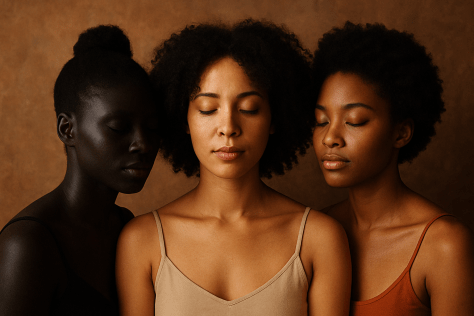
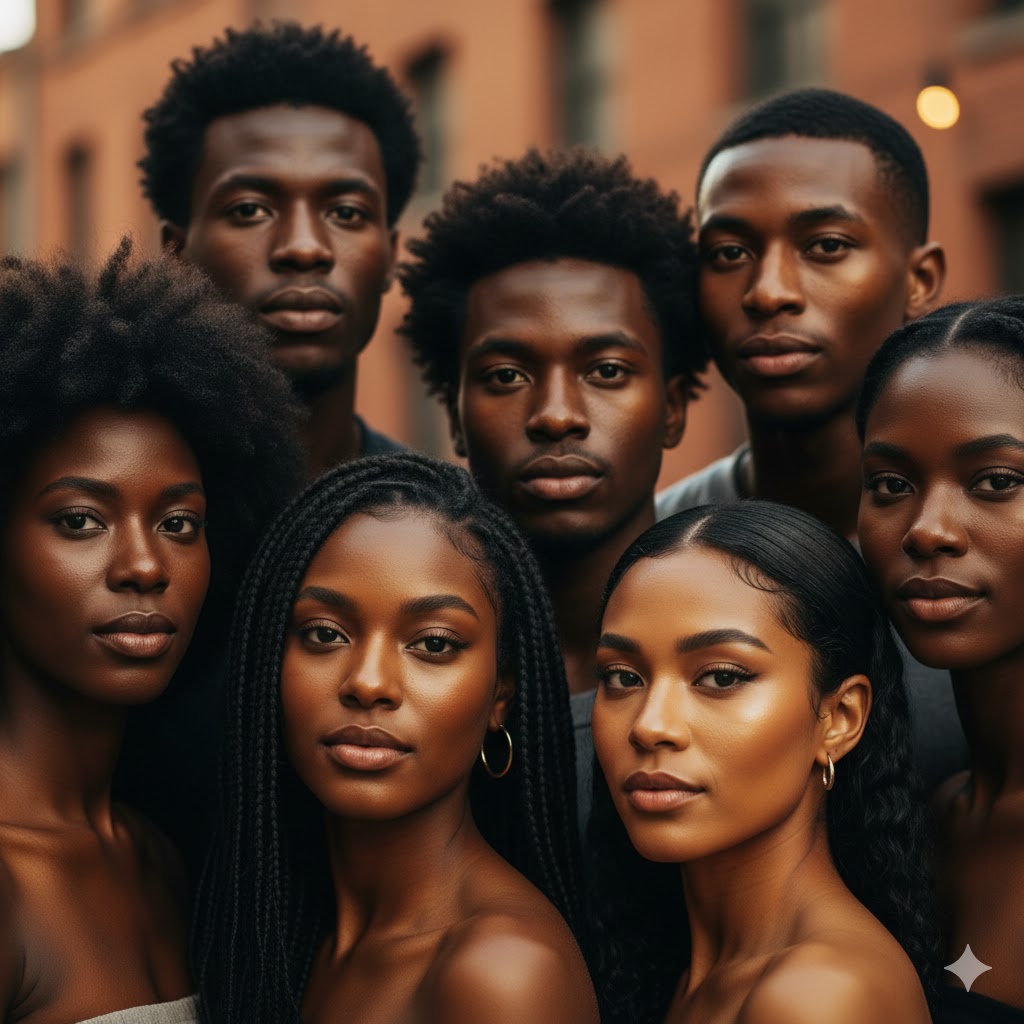
The Brown Standard of beauty is a celebration of melanin-rich aesthetics, cultural heritage, and racial pride. It challenges Eurocentric beauty ideals by centering features historically marginalized yet deeply valued within Black and brown communities. From the warmth of light sun-kissed skin to the richness of deep chocolate tones, from big expressive eyes to small delicate ones, from broad noses to narrow bridges, and from full lips to more subtle contours, the Brown Standard honors the diversity of features shaped by ancestry, environment, and lineage. Hair textures—curly, coily, wooly, and naturally sun-kissed fros—are celebrated as both aesthetic markers and cultural symbols. This standard recognizes beauty not merely as symmetry or proportion but as an embodiment of heritage, identity, and lived experience.

Historically, African civilizations revered features now central to the Brown Standard. Sculptures, carvings, and paintings depict broad noses, full lips, and textured hair as signs of dignity, strength, and nobility. Beauty was intertwined with status, spirituality, and communal values rather than arbitrary or externally imposed standards. As Asante (2003) emphasizes, African societies understood aesthetics as a reflection of balance, harmony, and moral character.

Colorism, however, complicates the Brown Standard. Hunter (2007) observes that lighter skin tones have historically received greater social recognition and privilege, even within communities of color. The Brown Standard emerges as both a reclamation and a counter-narrative: it affirms that beauty exists across the spectrum of melanin-rich skin and that features long devalued by colonial and Eurocentric influence are inherently beautiful.

Socially, the Brown Standard functions as a form of aesthetic capital (Bourdieu, 1986). Individuals embodying these traits often gain visibility, credibility, and social deference within their communities. Big eyes, full lips, and textured hair can signal health, vitality, and cultural alignment. Yet, the standard is not prescriptive; it celebrates diversity and the individuality of melanin-rich features rather than enforcing conformity to a single template.

Psychologically, embracing the Brown Standard enhances self-esteem and cultural pride. Dion, Berscheid, and Walster (1972) demonstrate that perceptions of attractiveness influence assumptions about intelligence, kindness, and capability. In communities honoring the Brown Standard, individuals experience affirmation of their worth, resisting the internalized bias imposed by Eurocentric ideals.

Hair remains one of the most visible markers of the Brown Standard. Natural curls, coils, and fros are celebrated as symbols of authenticity, heritage, and resistance to assimilation. The reclamation of natural hair in recent decades represents both a personal and collective assertion of identity, challenging discriminatory practices in professional, educational, and social contexts (Rhode, 2010).

Facial features such as big eyes and full lips carry expressive power, conveying emotion, vitality, and presence. Broad noses and high cheekbones reflect ancestral lineage and are markers of cultural pride. Each feature contributes to a holistic aesthetic that communicates identity, resilience, and historical continuity.

The Brown Standard also acknowledges the interplay of skin tone and environmental influence. Sun-kissed tones, freckles, and variations in melanin distribution are celebrated as markers of natural beauty rather than flaws. This inclusivity fosters recognition of the wide range of expressions within melanin-rich populations.

Colorism continues to influence access to social and economic opportunities. Hamermesh (2011) notes that lighter-skinned individuals often receive favorable treatment, higher wages, and greater social mobility. The Brown Standard, by affirming the beauty of darker tones, challenges systemic bias and encourages broader societal recognition of diverse aesthetics.

Media representation plays a pivotal role in shaping the Brown Standard. For decades, Eurocentric models dominated television, film, and advertising. However, contemporary Black and brown media increasingly feature melanin-rich beauty in its varied forms, highlighting curly hair, full lips, and diverse skin tones. Representation affirms identity, validates aesthetic preference, and reshapes cultural perceptions.

The spiritual dimension of beauty within the Brown Standard cannot be overlooked. Biblical teachings emphasize that true worth lies in character, integrity, and divine favor rather than external appearance (1 Samuel 16:7). Yet, celebrating the beauty inherent in melanin-rich features aligns with a recognition of God’s creativity and the sacredness of His diverse creation.

Education and cultural discourse are essential to sustaining the Brown Standard. Schools, media, and community institutions can teach the history of Black aesthetics, the social consequences of colorism, and the value of melanin-rich features. Knowledge of ancestral beauty practices reinforces cultural pride and counters internalized bias.

The Brown Standard also intersects with gender. Women, in particular, face societal pressure to conform to Eurocentric ideals, yet embracing features aligned with the Brown Standard fosters empowerment and self-affirmation. Men similarly navigate expectations around masculinity and attractiveness, and recognition of ancestral features enhances confidence and social authority.

Psychologically, the affirmation of the Brown Standard combats feelings of invisibility or inadequacy. When communities celebrate features like sun-kissed fros, curly hair, and full lips, individuals internalize a sense of worth that resists systemic prejudice. This recognition contributes to mental health, social cohesion, and identity formation.

Culturally, the Brown Standard affirms continuity with African and diasporic heritage. Hairstyles, skin tones, and facial features function as living markers of lineage, connecting contemporary individuals to historical identity and ancestral pride. It celebrates the multiplicity of Black and brown beauty without imposing rigid conformity.

Colorism and the fetishization of lighter skin within global contexts reveal the ongoing struggle for equitable recognition. The Brown Standard challenges these hierarchies by emphasizing the legitimacy, attractiveness, and dignity of darker tones. It asserts that all expressions of melanin-rich beauty are valid, desirable, and worthy of visibility.

The Brown Standard also engages with intersectional identity. Skin tone, hair texture, facial features, and body shape intersect with culture, socioeconomic status, and historical context to influence how individuals are perceived. Recognition of this complexity ensures that the Brown Standard honors diversity rather than enforcing a narrow ideal.

Media, fashion, and beauty industries are beginning to reflect the Brown Standard more faithfully. Campaigns featuring a wide spectrum of skin tones, natural hair textures, and facial features expand societal understanding of beauty, affirming that aesthetics rooted in ancestry and melanin are compelling and desirable.

Ultimately, the Brown Standard is not merely a set of physical prerequisites but a holistic framework of cultural pride, identity, and self-affirmation. It celebrates the wide spectrum of melanin-rich skin, curly and wooly hair, big and small eyes, broad and narrow noses, and full or subtle lips. It is a standard grounded in ancestry, history, and lived experience, challenging Eurocentric hierarchies while elevating the dignity and visibility of Black and brown bodies.

In conclusion, the Brown Standard represents the intersection of history, culture, and aesthetics. It affirms the beauty inherent in diversity, the power of melanin-rich features, and the importance of honoring ancestral lineage. By embracing this standard, individuals and communities reclaim identity, resist colorism, and celebrate the unique and radiant expressions of Black and brown beauty.


References

Anderson, T. L., Grunert, C., Katz, A., & Lovascio, S. (2010). Aesthetic capital: A research review on beauty perks and penalties. Sociology Compass, 4(8), 564–575. https://doi.org/10.1111/j.1751-9020.2010.00312.x

Asante, M. K. (2003). The history of Africa: The quest for eternal harmony. Routledge.

Bourdieu, P. (1986). The forms of capital. In J. Richardson (Ed.), Handbook of theory and research for the sociology of education (pp. 241–258). Greenwood Press.

Dion, K., Berscheid, E., & Walster, E. (1972). What is beautiful is good. Journal of Personality and Social Psychology, 24(3), 285–290.

Eagly, A. H., Ashmore, R. D., Makhijani, M. G., & Longo, L. C. (1991). What is beautiful is good, but… A meta-analytic review. Psychological Bulletin, 110(1), 109–128.

Feingold, A. (1992). Good-looking people are not what we think. Psychological Bulletin, 111(2), 304–341.

Hunter, M. (2007). The persistent problem of colorism: Skin tone, status, and inequality. Sociology Compass, 1(1), 237–254. https://doi.org/10.1111/j.1751-9020.2007.00006.x

Langlois, J. H., et al. (2000). Maxims or myths of beauty? Psychological Bulletin, 126(3), 390–423.

Rhode, D. L. (2010). The beauty bias: The injustice of appearance in life and law. Oxford University Press.

Wilson, T. D. (2002). Strangers to ourselves: Discovering the adaptive unconscious. Harvard University Press.

Gafney, W. (2017). Womanist midrash: A reintroduction to the women of the Torah and the Throne. Westminster John Knox Press.

Mirror Talk: Loving Your Reflection, Embracing Your Shade.


Soft as morning coffee, kissed by sun’s first light,
Café au lait skin, glowing in gentle delight.
Warmth in every tone, a story in every hue,
I see myself fully, radiant, strong, and true.

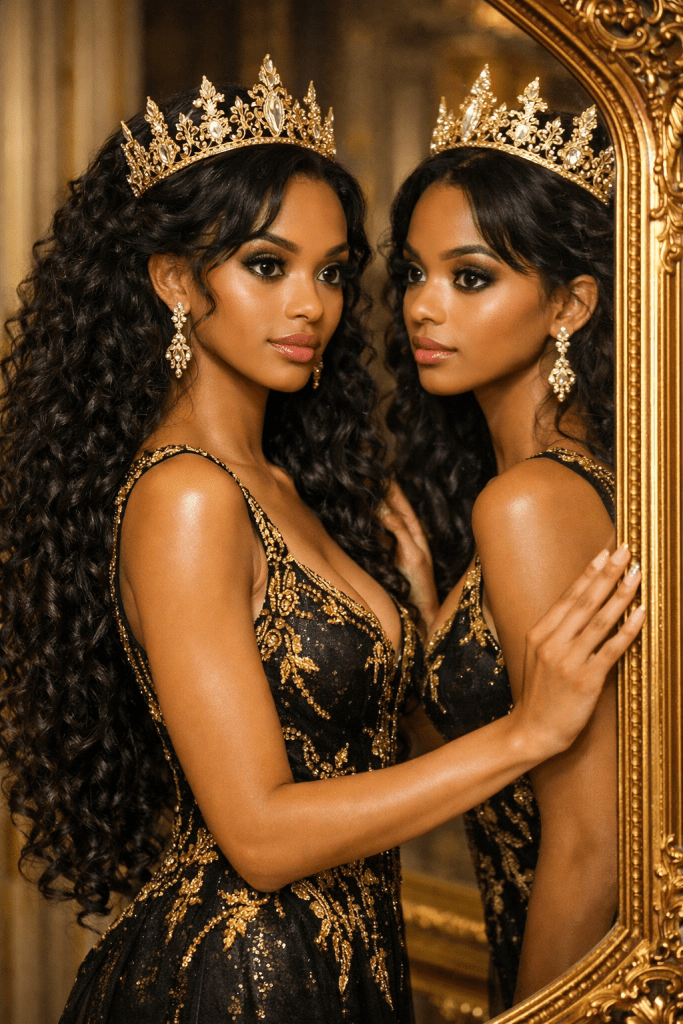
When I stand before the mirror, I do more than glance—I honor my reflection. My light café au lait skin, a gentle blend of cream and caramel, carries with it a history, a lineage, and a story of resilience. It is a tone that bridges generations, connecting the legacy of ancestors with the life I am creating today.

Loving one’s reflection is an act of courage. Society often dictates rigid beauty standards, making some tones feel invisible or undervalued. But each shade of brown, including mine, holds its own power. Every hue is a testament to strength, identity, and self-worth. My reflection reminds me that I am not defined by external expectations, but by the pride I claim in my own skin.

Self-love begins in these intimate moments before the mirror—tracing the contours of the face, noticing subtle variations in tone, acknowledging every unique feature. In doing so, I practice gratitude: gratitude for my heritage, for my light café au lait shade, and for the beauty of being authentically me.

There is also a spiritual dimension to this affirmation. Scripture celebrates the beauty of skin in all its melanin-rich glory (Song of Solomon 1:5 KJV: “I am black, but comely, O ye daughters of Jerusalem”). While my shade may be lighter, it is no less beautiful, no less sacred, no less worthy of love. To embrace it fully is to honor divine creation.

In embracing my reflection, I also embrace confidence and empowerment. My shade is a story, a symbol of warmth, resilience, and light. Loving this skin strengthens how I move through the world, how I speak, and how I dream. It is a quiet rebellion against comparison, a declaration of self-worth, and a celebration of identity.

Mirror talk is an act of reclamation. When I look at my reflection, I see potential, strength, and history woven into every inch of my being. Loving my light café au lait skin is more than affirmation—it is empowerment, self-recognition, and gratitude.

To anyone learning to embrace their shade: let your reflection speak to you. Celebrate your tone, your story, your heritage. Every shade holds power, and every reflection deserves love.


Reference

  • The Holy Bible, King James Version. (1611). Song of Solomon 1:5.

The Color of Success: Melanin, Skin Tone, and Social Perception in Black Communities.

This photograph is the property of its respective owner. No copyright infringement intended.

Skin tone has long been a significant factor in shaping social dynamics within Black communities. The phenomenon of colorism—discrimination based on skin tone—has profound implications for individuals’ experiences and opportunities. This paper explores how melanin levels influence social perceptions, opportunities, and interpersonal relationships among Black individuals.Verywell Mind


Historical Context of Colorism

Colorism has roots in colonial and slavery-era ideologies that privileged lighter skin as a marker of European ancestry and higher social status. Practices like the “brown paper bag test” in Black social institutions exemplify how these biases were institutionalized within the community. Such historical precedents have perpetuated a hierarchy of skin tones, influencing societal perceptions and interactions.Verywell Mind+1Wikipedia


Skin Tone and Social Perception

Research indicates that lighter-skinned Black individuals often receive preferential treatment in various social contexts. For instance, studies have shown that lighter-skinned Black women tend to have advantages in employment and educational settings. Conversely, darker-skinned individuals may face biases that affect their social mobility and access to resources.


Psychosocial Impact of Colorism

The internalization of colorist ideals can lead to significant psychological effects. Darker-skinned individuals may experience lower self-esteem and increased susceptibility to mental health issues due to societal devaluation. Conversely, lighter-skinned individuals might grapple with identity conflicts and the pressure to conform to Eurocentric beauty standards.


Colorism in Media and Representation

Media portrayals often reinforce colorist biases by favoring lighter-skinned actors and models, thereby marginalizing darker-skinned individuals. This lack of representation can perpetuate stereotypes and limit opportunities for darker-skinned Black individuals in the entertainment industry.


Case Studies:

Colorism, the preferential treatment of lighter skin within Black communities, impacts both public figures and everyday individuals, shaping perceptions, opportunities, and self-esteem. A powerful example is Academy Award-winning actress Lupita Nyong’o, who has openly discussed her experiences growing up in Kenya with dark skin. From a young age, Nyong’o internalized societal and community biases, praying for lighter skin and believing that it would make her more beautiful and accepted. Her perspective began to shift when she encountered role models such as supermodel Alek Wek, whose prominence in the fashion industry challenged Eurocentric beauty standards. Nyong’o’s rise to global acclaim through films like 12 Years a Slave (2013) and Black Panther (2018) not only validated her personal worth but also sent a powerful message to dark-skinned individuals worldwide. She further leveraged her platform to advocate against skin bleaching and promote self-acceptance through her children’s book Sulwe (2019), providing younger generations with tools to resist internalized colorism and embrace their natural beauty.

Similarly, colorism deeply affects the daily lives of non-celebrities, as illustrated by the experiences of Maya Thompson, a 27-year-old African American woman from Atlanta. Growing up in a predominantly Black neighborhood, Thompson observed that lighter-skinned peers often received praise and attention from teachers and community members, while darker-skinned students, including herself, faced stereotypes associating their complexion with negative traits. These early experiences contributed to self-consciousness and internalized bias. As an adult, Thompson encountered subtle forms of colorism in professional settings, noticing that lighter-skinned colleagues were more likely to be promoted and treated favorably by clients. The psychological toll of these biases led her to pursue therapy and participate in mentorship and community programs designed to combat colorism and build self-esteem. By engaging in cultural initiatives celebrating darker skin tones and advocating for inclusive representation, Thompson gradually reclaimed her sense of identity and confidence.

Together, the experiences of Nyong’o and Thompson demonstrate the pervasive and multifaceted nature of colorism. While Nyong’o’s celebrity status provides visibility that can inspire broad societal change, Thompson’s story highlights the everyday psychological, social, and professional challenges faced by countless dark-skinned individuals. Both narratives underscore the importance of representation, mentorship, community support, and self-acceptance in confronting colorist attitudes and fostering resilience within Black communities.

Economic Implications of Skin Tone

Skin tone can influence economic opportunities and outcomes. Lighter-skinned individuals may have better job prospects and higher salaries, while darker-skinned individuals might face discrimination that hinders their economic advancement. These disparities contribute to the broader socioeconomic inequalities within Black communities.


Combating Colorism: Strategies and Initiatives

Efforts to address colorism include promoting diverse representation in media, implementing anti-discrimination policies, and fostering community dialogues about the impact of skin tone biases. Educational programs that challenge colorist attitudes and celebrate all shades of Blackness are essential in dismantling these ingrained prejudices.Verywell Mind


Conclusion

Colorism remains a pervasive issue within Black communities, affecting various aspects of life, from personal relationships to professional opportunities. Addressing colorism requires a multifaceted approach that includes education, representation, and systemic change. By confronting these biases, society can move towards greater equity and inclusivity for all Black individuals, regardless of skin tone.


References

  1. Assari, S., & Caldwell, C. H. (2022). How Skin Tone Influences Relationships Between Discrimination and Health: A Study of Black Adolescents. PMC. Retrieved from https://pmc.ncbi.nlm.nih.gov/articles/PMC9683503/
  2. Maddox, K. B., & Gray, S. A. (2002). Cognitive Representations of Black Americans: Re-examining the Role of Skin Tone. Personality and Social Psychology Bulletin, 28(2), 250-259.
  3. Hall, R. E. (2010). An Historical Analysis of Skin Color Discrimination. Journal of Black Studies, 40(1), 5-24.
  4. Dixon, T. L. (2017). Racism in the United States: Implications for Media Representation. Journal of Social Issues, 73(1), 1-17.
  5. Hall, R. E. (1995). Dark Skin and the Cultural Ideal of Masculinity. Journal of African American Studies, 1(3), 37-62.
  6. Hall, R. E. (1992). Bias Among African Americans Regarding Skin Color: Implications for Social Work Practice. Research on Social Work Practice, 2(4), 479-486.
  7. Hall, R. E. (2010). An Historical Analysis of Skin Color Discrimination. Journal of Black Studies, 40(1), 5-24.
  8. Hall, R. E. (1995). Dark Skin and the Cultural Ideal of Masculinity. Journal of African American Studies, 1(3), 37-62.
  9. Hall, R. E. (1992). Bias Among African Americans Regarding Skin Color: Implications for Social Work Practice. Research on Social Work Practice, 2(4), 479-486.
  10. Hall, R. E. (2010). An Historical Analysis of Skin Color Discrimination. Journal of Black Studies, 40(1), 5-24.

Essence. (2014, March 4). Lupita Nyong’o’s inspiring speech on beauty that everyone should hear. Retrieved from https://www.essence.com

Nyong’o, L. (2019). Sulwe. New York: Simon & Schuster Books for Young Readers.

Hall, R. E. (2010). An historical analysis of skin color discrimination. Journal of Black Studies, 40(1), 5–24.

Hunter, M. (2007). The persistent problem of colorism: Skin tone, status, and inequality. Sociology Compass, 1(1), 237–254.

  • Essence. (2014, March 4). Lupita Nyong’o’s inspiring speech on beauty that everyone should hear. Retrieved from https://www.essence.com
  • Nyong’o, L. (2019). Sulwe. New York: Simon & Schuster Books for Young Readers.
  • Keith, V., & Herring, C. (1991). Skin tone and stratification in the Black community. American Journal of Sociology, 97(3), 760–778.
  • Glenn, E. N. (2009). Yearning for lightness: Transnational circuits in the marketing and consumption of skin lighteners. Gender & Society, 23(3), 281–302.

Melanin: The Golden Fleece

This photograph is the property of its respective owner. No copyright infringement intended.

Melanin has long been viewed through a social, aesthetic, and at times oppressive lens, yet beneath surface narratives lies profound biological, historical, and spiritual significance. Melanin is not merely pigment—it is a biochemical treasure, a molecular shield, and a marker of resilience. To speak of melanin is to enter a conversation about identity, memory, divinity, and survival.

Biologically, melanin is a natural polymer responsible for skin, hair, and eye color. It exists in eumelanin, pheomelanin, and neuromelanin forms, each with precise biological functions (Simon et al., 2009). Eumelanin produces rich brown and black hues, functioning as the body’s natural armor against ultraviolet radiation. Those richly endowed with melanin possess enhanced protection from sun damage and oxidative stress.

The molecular properties of melanin have led many scholars and thinkers to call it a biochemical jewel. It absorbs and transforms light, protects DNA, neutralizes free radicals, and supports cellular stability (Hill, 1992). It is a biological blessing—an evolutionary adaptation honed to thrive under intense sunlight. In this way, melanin becomes symbolic of ancestral endurance in equatorial regions, where ancient civilizations flourished.

Neuromelanin—found in the brain—invites deeper conversation. It is concentrated in regions associated with movement, memory, and emotional regulation (Zecca et al., 2008). The presence of melanin in neural structures has fueled scientific curiosity and cultural pride. Though still under study, neuromelanin may play a role in neurological health, stress resilience, and cognitive processes.

The historical framing of melanin diverges sharply from its biological brilliance. Colonial narratives weaponized skin tone, divorcing melanin from its scientific majesty. People with higher melanin content were cast into artificial hierarchies designed to devalue their humanity and legacy. Yet the very trait used to marginalize Black people is one of nature’s greatest evolutionary triumphs.

Melanin’s perceived mystical value predates colonial discourse. Ancient African civilizations viewed dark skin as a sign of divine power, lineage, and sacred connection to the sun. In Kemet (Egypt), the term Khem symbolized Blackness, fertility, and sacred life (Diop, 1974). To be melanated was to be spiritually potent and cosmically aligned.

Thus arises the metaphor of melanin as “the Golden Fleece.” In Greek mythology, the Golden Fleece symbolized royalty, cosmic blessing, and divine right. To liken melanin to the Golden Fleece is to reclaim the narrative—it is a crown, not a curse. This metaphor challenges societies to re-evaluate the value systems that commodified white aesthetics and vilified Black embodiment.

Spiritually, melanin carries a symbolic weight in Black consciousness movements. The Bible proclaims, “I am black, but comely” (Song of Solomon 1:5, KJV), affirming beauty and dignity in dark skin. Scripture often references dark skin in contexts of royalty, ancestral lineage, and divine intimacy. Spiritual identity and physical identity intertwine.

Social narratives around melanin continue to evolve. The reclamation of Black beauty, culture, and identity represents a collective unshackling from Eurocentric paradigms. Melanin becomes not simply a biological trait, but a cultural banner—a reminder of ancestral legacy and global influence. It is an emblem of survival in systems designed to erase it.

Psychologically, embracing melanin strengthens self-concept and mental resilience. When individuals internalize pride in their natural features—skin, hair, facial structure—they reclaim agency from colorist and racist conditioning (Banks, 2010). The mind becomes liberated when the body is no longer viewed as inferior.

Colorism remains a lingering shadow over melanin discourse. Preference for lighter skin persists globally, rooted in colonial history and social stratification. Yet the global shift toward celebrating dark skin disrupts this narrative, signaling a cultural renaissance. The body becomes a site of revolution and rebirth.

Social media contributes to this awakening. While it has perpetuated beauty hierarchies, it has also become a platform for melanated celebration. Campaigns honoring dark skin tones challenge historical erasure and elevate diverse aesthetics. Visibility becomes liberation.

Scientifically, melanin may hold future technological and medical promise. Research explores melanin’s potential in radiation shielding, bioelectronics, and regenerative medicine (Kim et al., 2019). The same pigment marginalized socially may become a key to future innovation. Such irony underscores the disconnect between perception and reality.

Economically, “melanin markets” emerge in beauty and media spaces. The world profits from Black style, culture, and features even as Black bodies fight for recognition and safety. To claim melanin’s value is to demand equity, representation, and ownership in industries enriched by Black aesthetics.

The spiritual dimension remains profound. Melanin symbolizes creation, depth, and cosmic mystery. It evokes earth, night, and universe—the fertile darkness from which life emerges. In Genesis, creation begins in darkness before light. Darkness is not absence; it is origin.

To honor melanin is not to elevate one group above another, but to correct historical lies. It is a restoration of dignity and truth. Melanin becomes metaphor, biology, legacy, and prophecy—a reminder that identity is both physical and sacred.

The Golden Fleece metaphor anchors melanin as treasure, not because others lack value, but because Blackness has been historically undervalued. To value melanin is to heal collective wounds and uplift future generations. The world flourishes when every hue is honored.

Ultimately, melanin embodies resilience and radiance. It reflects sunlight, history, struggle, and triumph. Those who carry it inherit a story of survival and sacredness. Melanin is memory written into flesh.

To know melanin is to honor the past and walk boldly into the future. It is a science, a symbol, and a song. It is the Golden Fleece—rare, royal, radiant.


References

Banks, K. H. (2010). African American college students’ experiences with racial discrimination and the role of racism socialization. Journal of Applied Social Psychology, 40(6).
Diop, C. A. (1974). The African origin of civilization: Myth or reality. Lawrence Hill Books.
Hill, H. Z. (1992). The function of melanin or six blind people examine an elephant. BioEssays, 14(1).
Kim, Y. J., et al. (2019). Melanin’s applications in bioelectronics and medicine. Biomaterials, 214.
Simon, J. D., Peles, D., & Wakamatsu, K. (2009). Current challenges in understanding melanogenesis. Pigment Cell & Melanoma Research, 22(5).
Zecca, L., et al. (2008). The role of neuromelanin in neurological disorders. Journal of Neural Transmission, 115(11).

The Brown Girl Mirror: Reflecting Beyond Skin Tone. #thebrowngirldilemma

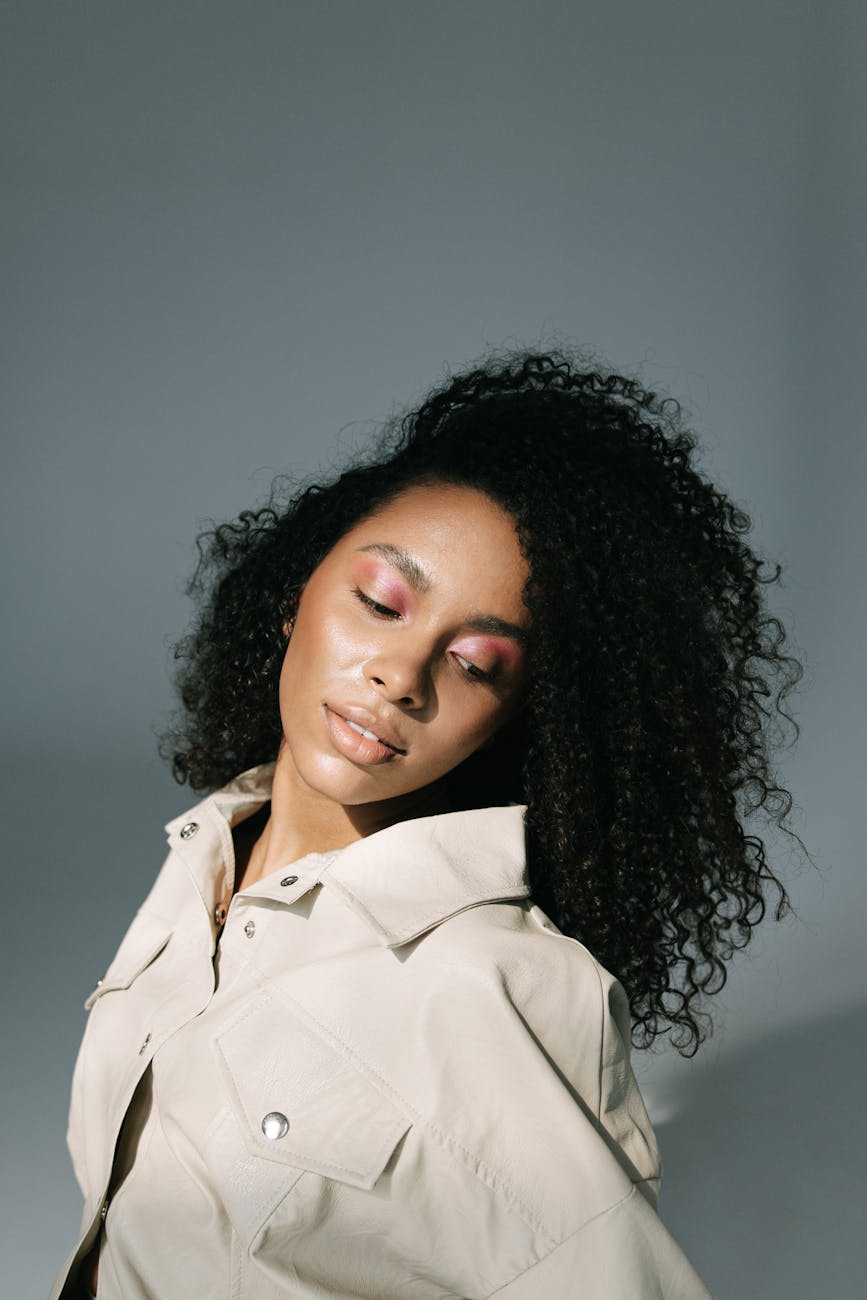
Photo by Jumos Imagery on Pexels.com

For Brown girls, the mirror often reflects more than mere physical appearance—it becomes a site where identity, culture, and societal bias converge. From childhood, many experience implicit and explicit messages that equate beauty, success, and value with lighter skin and Eurocentric features. These pressures can distort self-perception, creating internalized bias, low self-esteem, and a sense of invisibility. Reflecting beyond skin tone requires reframing identity, affirming cultural heritage, and cultivating resilience in the face of persistent colorism (Hunter, 2007).

Media representation significantly shapes how Brown girls see themselves. Television, film, fashion, and social media often privilege lighter-skinned women, marginalizing darker complexions and culturally distinct features. Celebrities like Yara Shahidi, Salli Richardson, and Mari Morrow illustrate the social preference for lighter skin, while Lupita Nyong’o, Issa Rae, and Kenya Moore challenge these norms by embracing melanin-rich beauty. Exposure to authentic representation reinforces self-worth and validates features historically underrepresented, allowing Brown girls to see the full spectrum of beauty as attainable and admirable (Byrd & Tharps, 2014).

Education and mentorship act as mirrors of potential rather than skin tone. Programs such as Black Girls CODE, Girls Who Code, and culturally responsive leadership initiatives provide tangible tools for academic, creative, and professional growth. Mentorship offers guidance, modeling resilience and achievement while validating identity beyond societal preference. By engaging in spaces where talent, intellect, and character are valued over complexion, Brown girls internalize a sense of worth that extends beyond visual aesthetics (Banks, 2015).

Cultural affirmation strengthens this reframing. Celebrating African and diasporic history, art, and heritage provides context for identity and instills pride in natural features, hair textures, and skin tone. Community programs, workshops, and storytelling sessions allow Brown girls to explore their ancestry, express creativity, and reclaim narratives that colonialism and colorism historically undermined. Such practices cultivate internal confidence and counteract negative social messaging (Hunter, 2007).

The psychological dimension of reflecting beyond skin tone is critical. Social comparison theory explains how exposure to biased societal standards can erode self-esteem, but conscious self-reflection, journaling, and affirmations help Brown girls develop resilience. Recognizing intrinsic value, talents, and unique contributions allows them to define beauty and success on personal and culturally affirming terms rather than external validation (Festinger, 1954; Fardouly et al., 2015).

Faith offers a transformative perspective in navigating these challenges. Proverbs 31:30 (KJV) emphasizes, “Favour is deceitful, and beauty is vain: but a woman that feareth the LORD, she shall be praised.” Spiritual grounding encourages Brown girls to measure self-worth by character, virtue, and divine purpose rather than societal metrics. Faith-based reflection provides a mirror for the soul, fostering enduring confidence and resilience that transcend external judgment.

Practical strategies complement spiritual and cultural reflection. Embracing personal style, skincare, natural hair, wellness routines, and creative expression empowers Brown girls to celebrate their bodies while reinforcing self-love. These actions serve as outward affirmations of pride in heritage and identity, integrating aesthetics with authenticity, self-respect, and personal agency.

In conclusion, the Brown girl mirror extends beyond skin tone to reflect identity, resilience, talent, and spirituality. By engaging media critically, participating in mentorship and educational programs, celebrating cultural heritage, and grounding self-worth in faith, Brown girls can navigate colorism and societal bias while cultivating holistic self-esteem. Reflecting beyond skin tone allows them to claim agency, embrace authentic beauty, and inspire future generations to define value and radiance on their own terms.


References

Banks, J. A. (2015). Cultural diversity and education: Foundations, curriculum, and teaching. Routledge.

Byrd, A. D., & Tharps, L. L. (2014). Hair Story: Untangling the Roots of Black Hair in America. St. Martin’s Press.

Fardouly, J., Diedrichs, P. C., Vartanian, L. R., & Halliwell, E. (2015). Social comparisons on social media: The impact of Facebook on young women’s body image concerns and mood. Body Image, 13, 38–45.

Festinger, L. (1954). A theory of social comparison processes. Human Relations, 7(2), 117–140.

Hunter, M. (2007). The persistent problem of colorism: Skin tone, status, and inequality. Sociology Compass, 1(1), 237–254.

Skin Positivity Movements: Lessons from Social Media Campaigns.

Photo by Antonius Ferret on Pexels.com

Skin positivity movements have emerged as powerful platforms challenging entrenched beauty standards, particularly colorism, Eurocentric ideals, and discrimination against darker skin tones. Social media has amplified these movements, allowing marginalized voices to share personal narratives, celebrate melanin-rich skin, and cultivate self-acceptance. For Black women and other people of color, these campaigns provide empowerment, community, and a corrective lens on mainstream beauty narratives.

Historically, dark-skinned individuals have faced systemic marginalization in media, advertising, and professional spaces. Lighter skin has often been associated with attractiveness, wealth, and social mobility, while darker skin has been stigmatized (Hunter, 2007). Skin positivity movements directly confront these prejudices by affirming the beauty and worth of melanin-rich skin.

Hashtags such as #MelaninMagic, #DarkSkinIsBeautiful, and #BlackGirlMagic have created digital communities where participants share photographs, testimonials, and affirmations celebrating natural skin tones. Influencers and everyday users alike post content highlighting the beauty, versatility, and cultural significance of dark skin, transforming personal empowerment into collective advocacy.

These campaigns do more than celebrate aesthetics; they challenge social biases. By promoting diverse representation, they combat colorism, foster pride, and provide educational resources about the historical roots of skin-based discrimination. Campaigns often pair visual content with messages encouraging self-love, confidence, and resilience in the face of societal pressure.

Psychologically, engagement with skin positivity content has measurable benefits. Research indicates that seeing representation of darker skin in media reduces internalized colorism, enhances self-esteem, and encourages positive body image (Tiggemann & Slater, 2014). For Black women, the affirmation of their natural skin tones counters years of societal messaging that devalued their beauty.

Celebrities have played an influential role in amplifying skin positivity. Figures like Lupita Nyong’o, Viola Davis, and Janelle Monáe use social media to showcase their natural beauty, often discussing experiences of bias and self-acceptance. Their visibility reinforces that dark skin is not only acceptable but celebrated and aspirational, challenging long-standing industry standards.

Social media campaigns also highlight the intersection of skin positivity with other movements, such as natural hair acceptance and cultural empowerment. By linking beauty affirmation with cultural pride, these movements encourage holistic self-respect, including respect for hair texture, heritage, and identity.

Skin Positivity Movements: Key Lessons from Social Media Campaigns

1. Celebrate Melanin-Rich Skin

  • Highlight your natural skin tone with pride.
  • Use hashtags like #MelaninMagic, #DarkSkinIsBeautiful, #BlackGirlMagic.
  • Share photos and stories affirming beauty in darker skin.

2. Engage with Positive Communities

  • Follow influencers and creators who celebrate Black beauty (e.g., Lupita Nyong’o, Jackie Aina, Janelle Monáe).
  • Participate in online groups or forums that promote self-acceptance.
  • Offer support and encouragement to others.

3. Educate and Advocate

  • Share posts about the history of colorism and skin bias.
  • Explain the cultural significance of melanin-rich skin.
  • Promote understanding through storytelling and awareness campaigns.

4. Counter Negative Messaging

  • Avoid accounts or content that perpetuate colorism or Eurocentric beauty ideals.
  • Use social media intentionally to boost confidence rather than compare.
  • Affirm your worth daily: “I am fearfully and wonderfully made” (Psalm 139:14, KJV).

5. Combine with Holistic Self-Care

  • Protect and nurture your skin with healthy routines.
  • Embrace natural hair textures alongside skin positivity.
  • Engage in spiritual and mental wellness practices for overall empowerment.

6. Amplify Voices

  • Support brands, creators, and campaigns that honor Black beauty.
  • Share inspirational stories of dark-skinned women breaking barriers.
  • Promote visibility in media, fashion, and professional spaces.

Visual Design Notes

  • Color Palette: Deep browns, golds, warm tones to reflect melanin-rich skin.
  • Icons: Camera for selfies/posts, heart for support, book for education, shield for self-care.
  • Layout: 6 key lessons, each with an icon, short description, and hashtag or Bible verse.
  • Header Quote: “I am fearfully and wonderfully made” – Psalm 139:14 (KJV).

From a spiritual perspective, skin positivity aligns with the biblical principle that all humans are fearfully and wonderfully made. “I will praise thee; for I am fearfully and wonderfully made: marvellous are thy works; and that my soul knoweth right well” (Psalm 139:14, KJV). Recognizing and celebrating God-given features counters societal pressure to conform to externally imposed standards.

Lessons from these campaigns include the importance of visibility, community support, and intentional storytelling. By consistently elevating narratives that celebrate melanin-rich skin, social media campaigns foster empowerment, challenge discriminatory norms, and cultivate resilience among marginalized groups.

In conclusion, skin positivity movements on social media have transformed the discourse around beauty, representation, and identity. By centering darker skin tones, these campaigns challenge colorism, promote self-acceptance, and foster collective empowerment. For Black women and other marginalized populations, the lessons of these movements underscore the transformative power of representation, affirmation, and community in cultivating confidence and reshaping societal norms.


References

  • Hunter, M. (2007). The persistent problem of colorism: Skin tone, status, and inequality. Sociology Compass, 1(1), 237–254.
  • Tiggemann, M., & Slater, A. (2014). NetGirls: The Internet, Facebook, and body image concern in adolescent girls. International Journal of Eating Disorders, 47(6), 630–643.
  • Thompson, C. (2019). Black Hair: Art, Style, and Culture. Bloomsbury Academic.
  • The Holy Bible, King James Version.

The Hue Complex

The Hue Complex is more than a matter of color; it is a condition of the soul shaped by centuries of conditioning. It is the silent division within the Black community, where shades of brown become social currency and beauty is measured not by character but by complexion. This phenomenon, born from colonialism and nurtured by white supremacy, continues to infiltrate families, friendships, and faith communities, leaving behind a trail of fractured identities and quiet resentments.

The roots of the Hue Complex trace back to the plantation, where skin tone determined proximity to privilege. Light-skinned enslaved Africans, often the children of their oppressors, were granted limited access to education, domestic labor, or marginal comfort—while darker-skinned individuals were condemned to the fields. This systematic stratification planted seeds of psychological division that outlived the physical chains of slavery. Generations later, those same hierarchies echo in boardrooms, classrooms, and even pews.

Colorism became the unspoken language of belonging and exclusion. Lighter skin, associated with refinement and desirability, became a silent passport to perceived opportunity, while darker skin was stigmatized as inferior, aggressive, or undesirable. This distorted lens, internalized and repeated, fractured Black unity. The Hue Complex, therefore, is not simply external oppression—it is the internalization of racial hierarchy that turns community against itself.

In families, this complex often shows up subtly. Grandmothers call one grandchild “high yellow” and another “pretty chocolate,” unaware that both compliments are loaded with comparison. Schoolgirls whisper about whose skin “glows” more, while boys casually describe their preference for “redbones.” What may seem harmless becomes harmful, teaching young hearts that worth is conditional and shade-dependent. The cycle continues because the lie has been normalized.

Spiritually, the Hue Complex contradicts the very essence of divine creation. Scripture declares that all humankind was made in the image of God (Genesis 1:27, KJV). Yet colonial theology distorted that truth, promoting a Eurocentric image of divinity—pale, narrow, and exclusive. The result was a subconscious association between whiteness and holiness, and between darkness and sin. This spiritual miseducation continues to shape how many perceive God and themselves.

Psychologically, colorism fuels low self-esteem, identity confusion, and even depression. Dark-skinned women often report feeling overlooked in love and employment, while light-skinned women express guilt and alienation from their community. Both suffer under the same oppressive system, though in different ways. The Hue Complex thus operates as a two-edged sword—cutting both directions and leaving scars that bleed silently.

Media perpetuates this imbalance. In films, music videos, and advertisements, lighter-skinned individuals are often cast as the romantic lead, while darker tones are relegated to supporting or antagonistic roles. Even within Black entertainment, the preference persists, shaping the subconscious of global audiences. It teaches viewers, subtly yet consistently, that to be lighter is to be lovable, and to be darker is to be tolerated.

The solution to the Hue Complex begins with confrontation. It demands honest conversations about bias, confession of internal prejudice, and unlearning of generational myths. It requires elders to stop repeating phrases that pit shades against one another and parents to raise children who celebrate their skin as sacred. Healing begins where silence ends. As James 5:16 (KJV) says, “Confess your faults one to another… that ye may be healed.”

The Church, too, must confront its role. True ministry cannot ignore the psychological residue of slavery and colonialism. Pastors and leaders must teach that divine image is not color-coded. Christ was not European; His message transcends complexion. By re-centering theology in historical and cultural truth, the Church can help dismantle the Hue Complex and restore dignity to all shades of Blackness.

Culturally, the reclamation of melanin is already underway. Movements like “Black Girl Magic” and “Melanin Poppin” serve as affirmations of beauty long denied. Yet even within these affirmations, vigilance is needed to ensure inclusivity. True liberation celebrates the full spectrum—from the deepest ebony to the fairest brown—without hierarchy or exclusion. Unity, not uniformity, is the goal.

Socially, education and representation must intersect. When dark-skinned women are celebrated on magazine covers, in film, and in leadership, cultural equilibrium begins to form. When light-skinned women stand against colorism rather than benefit from it, solidarity becomes possible. Each shade has a role to play in dismantling the system that once defined them.

Emotionally, healing the Hue Complex means reclaiming the right to love oneself without apology. It means standing before the mirror and declaring, “I am fearfully and wonderfully made” (Psalm 139:14, KJV). It means understanding that one’s hue is not happenstance but heritage—each tone a reflection of God’s intentional design.

Historically, it requires acknowledgment that colorism is not self-created but systemically imposed. The Hue Complex is the residue of colonization—a social poison meant to divide and conquer. Recognizing its origin empowers the community to rewrite the narrative, transforming shame into pride and competition into kinship.

The ultimate revelation is that the Hue Complex cannot survive where love reigns. Love, in its truest biblical form, “beareth all things, believeth all things, hopeth all things, endureth all things” (1 Corinthians 13:7, KJV). It does not compare, compete, or categorize. In divine love, every hue is holy, every shade is sacred, and every soul is seen.

When the Hue Complex is dismantled, the community becomes whole again. Blackness, in all its radiant variations, stands as testimony to divine artistry and ancestral strength. What once divided now unites; what once caused shame now inspires pride. The complex dissolves, and in its place rises a truth long suppressed—that the hues of Blackness are not hierarchies but harmonies, each singing a different note of the same beautiful song.

References

  • The Holy Bible, King James Version. (1611).
  • Banks, T. A. (2019). Colorism and the politics of beauty. Journal of Black Studies, 50(3), 243–261.
  • Hunter, M. (2007). The persistent problem of colorism: Skin tone, status, and inequality. Sociology Compass, 1(1), 237–254.
  • Walker-Barnes, C. (2020). Too heavy a yoke: Black women and the burden of strength. Cascade Books.
  • Russell, K., Wilson, M., & Hall, R. (2013). The color complex: The politics of skin color in a new millennium. Anchor Books.
  • West, C. (1993). Race matters. Beacon Press.

The Spectrum of Brown: Beauty Beyond One Shade.

Photo by Ivan Samkov on Pexels.com

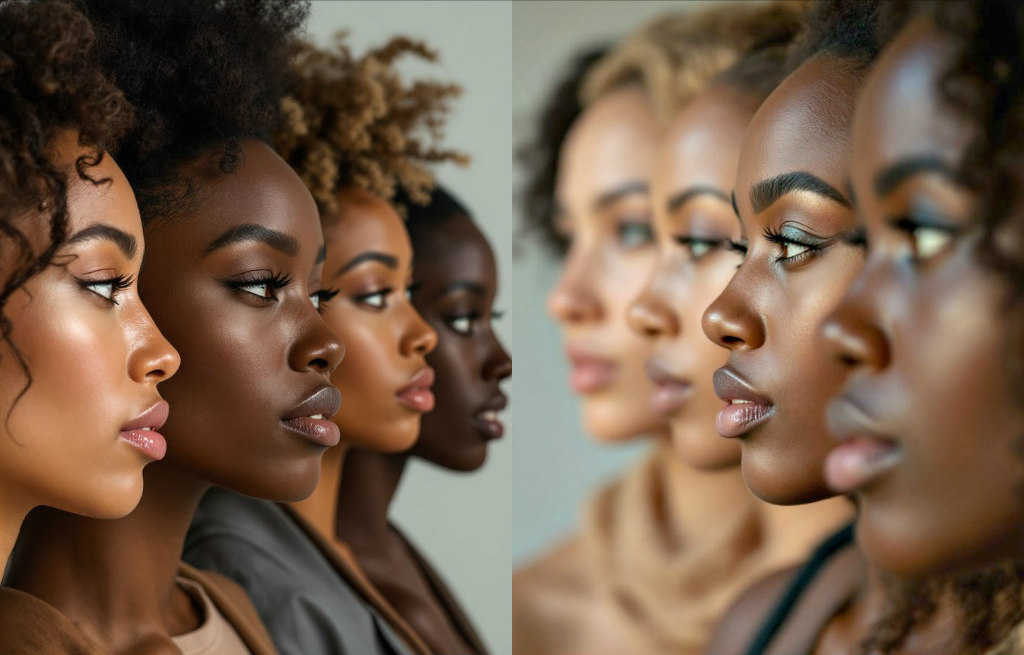
Beauty is not a singular concept, and brown skin is far from a monolith. Across the globe, brown skin spans a rich spectrum—from deep chocolate and espresso tones to caramel, honey, and light café au lait shades. Each tone carries its own radiance, history, and cultural significance. Celebrating the diversity within brown skin is essential for dismantling colorism, embracing heritage, and redefining beauty standards.

Understanding the Diversity

The range of brown skin is shaped by genetics, ancestry, and environmental factors. Deep brown tones often carry a legacy of resilience and survival, while lighter brown shades reflect diverse diasporic histories. Recognizing this spectrum is not just about aesthetics—it is about understanding the stories, cultures, and identities embedded within each shade.

Challenging Colorism

Historically, lighter brown skin has been privileged in media and society, marginalizing darker tones and perpetuating internalized bias (Hunter, 2007). By celebrating the full spectrum, communities can challenge these biases and foster pride in every shade. Representation matters: when all shades of brown are visible in fashion, media, and beauty industries, individuals feel seen, validated, and empowered.

Influencers and Representation

Celebrities and influencers are reshaping perceptions of brown beauty. Figures like Lupita Nyong’o (deep brown), Tracee Ellis Ross (medium brown), and Zendaya (light brown) demonstrate that glamour, elegance, and confidence exist across the entire spectrum. Their visibility challenges narrow beauty ideals and provides role models for young girls and women navigating societal pressures.

Psychological Impact

Celebrating diverse brown skin tones positively impacts self-esteem and identity. Research shows that when individuals see their shade represented positively, it enhances confidence and reduces internalized colorism (Russell, Wilson, & Hall, 1992). Embracing diversity within brown skin encourages individuals to value their unique appearance rather than conforming to imposed standards.

Cultural Significance

Every shade of brown reflects a unique cultural and historical narrative. From African and Caribbean heritage to South Asian and Middle Eastern lineages, brown skin embodies resilience, creativity, and ancestral pride. Recognizing and celebrating this spectrum honors cultural roots while asserting that beauty is multifaceted and inclusive.

Conclusion

Brown skin is a spectrum, not a single shade. Every tone—from the deepest espresso to the lightest caramel—is beautiful, powerful, and worthy of recognition. By embracing the diversity within brown skin, communities challenge societal bias, celebrate heritage, and redefine beauty. True appreciation lies in recognizing that every shade tells a story, carries a legacy, and embodies brilliance beyond comparison.


References

  • Hunter, M. (2007). The Persistent Problem of Colorism: Skin Tone, Status, and Inequality. Sociology Compass, 1(1), 237–254.
  • Russell, K., Wilson, M., & Hall, R. E. (1992). The Color Complex: The Politics of Skin Color in a New Millennium. Anchor Books.

Beauty: Is it your Skin Color or your Facial Features that make you beautiful?

These photographs are the property of their respective owners. No copyright infringement intended.

I was oblivious to skin color. People always told me I was beautiful, and I always believed it was my features and not my light café-au-lait skin tone. Growing up, beauty seemed more about the symmetry of one’s face, the way one’s eyes aligned, or how one’s smile illuminated a room. But as I matured and began to understand the social and psychological layers of race and aesthetics, I realized that the question of beauty—particularly for people of African descent—was neither simple nor purely biological. It was a complex interplay between genetics, societal conditioning, colonization, and personal perception.

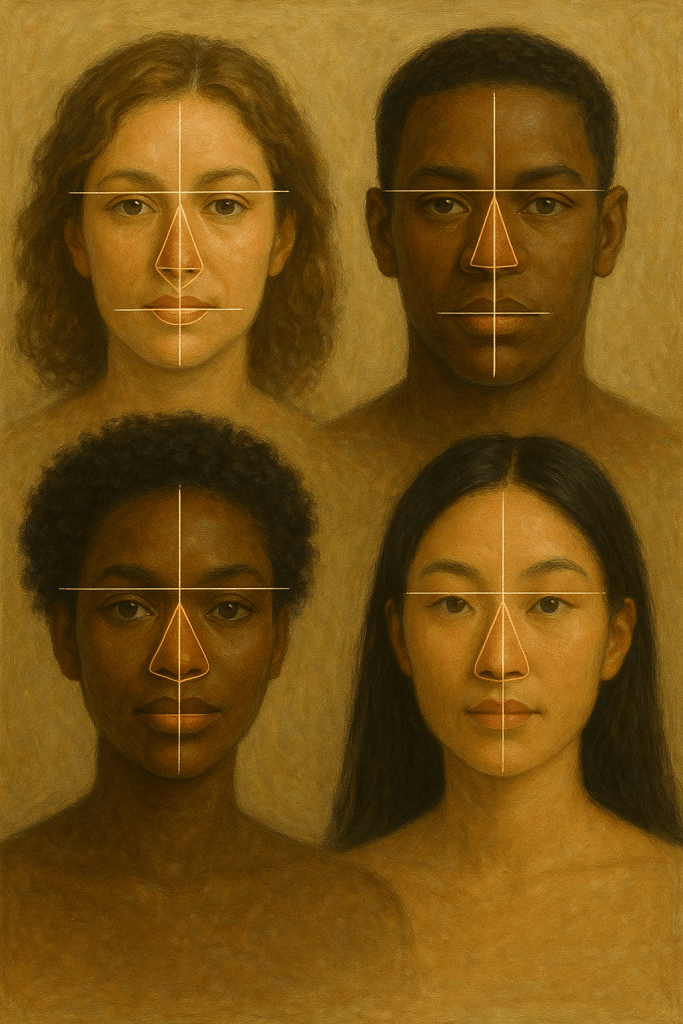
The science of beauty has long sought to define attractiveness through objective measurements. The Marquardt facial mask, developed by Dr. Stephen Marquardt, is one such tool that uses the golden ratio (phi, approximately 1.618) to map ideal facial proportions (Marquardt, 2002). This mathematical construct suggests that beauty lies in balance and symmetry. Yet, while symmetry contributes to perceived attractiveness across cultures (Rhodes, 2006), it cannot fully explain why certain faces—like Halle Berry’s or Idris Elba’s—transcend mathematical formulas to captivate the world.

Genetically, facial features are an orchestra of inherited traits determined by the complex interactions of multiple genes (Jones & Little, 2012). Skin tone, lip shape, and eye spacing are phenotypic expressions influenced by ancestral environments. For instance, fuller lips and broader noses evolved as adaptive features in warmer climates, aiding in temperature regulation (Jablonski & Chaplin, 2000). Yet colonialism rebranded these traits as “undesirable,” constructing Eurocentric beauty standards that favored narrow noses, thin lips, and lighter skin.

This colonial gaze reshaped entire generations’ perception of beauty. During and after slavery, the closer one’s appearance aligned with European features, the more “beautiful” or “acceptable” one was considered. This false hierarchy of aesthetics—rooted in power and racial politics—continues to shape modern beauty ideals, especially in the global media (Hunter, 2005). Thus, many women and men of color wrestle with a dual consciousness: one that recognizes their innate beauty while subconsciously measuring it against Western standards.

When we look at Halle Berry, we see a blend of symmetry, balance, and soft femininity that aligns with global ideals of beauty. Yet what makes her distinct is her expressive eyes, proportionate bone structure, and emotive presence—traits that transcend complexion. Lupita Nyong’o, in contrast, represents a radical reclamation of deep-toned beauty. Her skin radiates with depth and grace, and her high cheekbones and luminous eyes challenge Eurocentric molds, celebrating the richness of African features as equally divine.

Vanessa L. Williams’s beauty carries a classical appeal—a combination of facial symmetry, expressive eyes, and harmony of proportions. Her presence in the entertainment industry during the 1980s broke barriers, representing both elegance and controversy in a time when America still struggled to accept a Black woman crowned “Miss America.” Her beauty was seen through both admiration and prejudice—a reflection of how colorism complicates acceptance even within communities of color.

Among men, Shemar Moore’s charm lies in his smooth facial symmetry, strong jawline, and warm, approachable smile—qualities that align with scientific definitions of attractiveness. Yet, Idris Elba’s beauty feels more elemental. His deep-set eyes, strong features, and commanding presence convey power, charisma, and confidence. His allure, like Lupita’s, resists Eurocentricity; it draws instead on ancestral strength and authenticity.

But what about those whose features don’t fit the “mask”? Beauty in the human experience is not only mathematical but also psychological and cultural. Studies show that individuals are more likely to find faces from their own ethnic group more attractive due to familiarity and cultural exposure (Little et al., 2011). Thus, what one finds beautiful often depends on one’s cultural conditioning, not universal law.

Beauty is, therefore, both objective and subjective. Science can measure facial harmony, but culture shapes what harmony looks like. Western beauty often celebrates sharpness—defined cheekbones, narrow noses—while African aesthetics celebrate fullness, balance, and expression. These differing ideals are not hierarchies but reflections of varied cultural philosophies about life and identity.

The psychological phenomenon of “beauty bias” reinforces societal privilege for those deemed more attractive. This bias influences job prospects, relationships, and self-esteem (Langlois et al., 2000). For people of color, beauty bias intersects with colorism, leading to internalized hierarchies where lighter skin and Eurocentric features are unconsciously prioritized. This is why even those confident in their looks may still feel their beauty questioned by social norms.

Colonization didn’t only enslave bodies—it colonized aesthetics. From missionary schools to Hollywood casting rooms, the European ideal of beauty became synonymous with civilization, purity, and desirability. African features, once revered within indigenous societies as markers of lineage and strength, were ridiculed and suppressed. The result was centuries of aesthetic erasure that many are only now beginning to reverse.

The return to natural hair, deeper skin tones in media, and diverse representation mark a cultural renaissance. This redefinition of beauty reconnects the diaspora to its authentic self. It celebrates faces like Lupita’s not as exceptions but as exemplars of divine variation. It honors dark skin not as “different” but as glorious.

Still, one must ask: if beauty is in the eye of the beholder, who is holding the mirror? Media corporations, advertisers, and colonial institutions have long acted as the beholders, dictating taste and value. But the shift toward self-definition—especially among Black creators, photographers, and scholars—marks a new chapter in aesthetic sovereignty.

Scientifically, certain features—clear skin, bilateral symmetry, facial averageness—are universally preferred because they signal health and genetic fitness (Perrett et al., 1999). However, features like high cheekbones, full lips, or wide noses can be just as aesthetically pleasing when embraced through a culturally affirming lens. The issue is not the feature itself but the framework through which it’s judged.

In psychological terms, humans are drawn to faces that mirror their identity. This “familiarity principle” (Zajonc, 1968) explains why beauty can never be entirely objective. It is influenced by cultural memory and social environment. Thus, the perception of beauty among African-descended peoples carries historical trauma—beauty has been both weaponized and denied.

Genetics, then, provides the blueprint, but society writes the interpretation. One person’s admiration of Halle Berry’s elegance or Lupita’s radiance is not merely about structure—it’s about what those faces symbolize. They represent visibility, validation, and the defiance of centuries of aesthetic marginalization.

To be beautiful in a colonized world is to exist in resistance. Each melanated face, each natural curl, each unapologetic feature, is an act of restoration—reclaiming what history attempted to distort. Beauty, in this sense, becomes a form of protest and prophecy, not vanity.

When I reflect on my own journey, I realize that what I believed to be “just my features” was shaped by more than DNA—it was shaped by social constructs, ancestral memories, and cultural expectations. My beauty was never just mine; it was inherited from generations who carried grace through oppression and dignity through erasure.

So, is it your skin color or your features that make you beautiful? The answer is both—and neither. True beauty transcends the surface. It lives in the harmony of authenticity, confidence, and self-recognition. It is not measured by the golden ratio but by the light you emit when you embrace who you truly are.


References
Hunter, M. L. (2005). Race, gender, and the politics of skin tone. Routledge.
Jablonski, N. G., & Chaplin, G. (2000). The evolution of human skin coloration. Journal of Human Evolution, 39(1), 57–106.
Jones, B. C., & Little, A. C. (2012). The role of facial attractiveness in mate choice. Trends in Cognitive Sciences, 16(1), 33–38.
Langlois, J. H., et al. (2000). Maxims or myths of beauty? A meta-analytic and theoretical review. Psychological Bulletin, 126(3), 390–423.
Little, A. C., Jones, B. C., & DeBruine, L. M. (2011). Facial attractiveness: Evolutionary based research. Philosophical Transactions of the Royal Society B, 366(1571), 1638–1659.
Marquardt, S. (2002). The golden ratio: The beauty mask and the science of human aesthetics. Marquardt Beauty Analysis.
Perrett, D. I., et al. (1999). Symmetry and human facial attractiveness. Evolution and Human Behavior, 20(5), 295–307.
Rhodes, G. (2006). The evolutionary psychology of facial beauty. Annual Review of Psychology, 57, 199–226.
Zajonc, R. B. (1968). Attitudinal effects of mere exposure. Journal of Personality and Social Psychology, 9(2p2), 1–27.