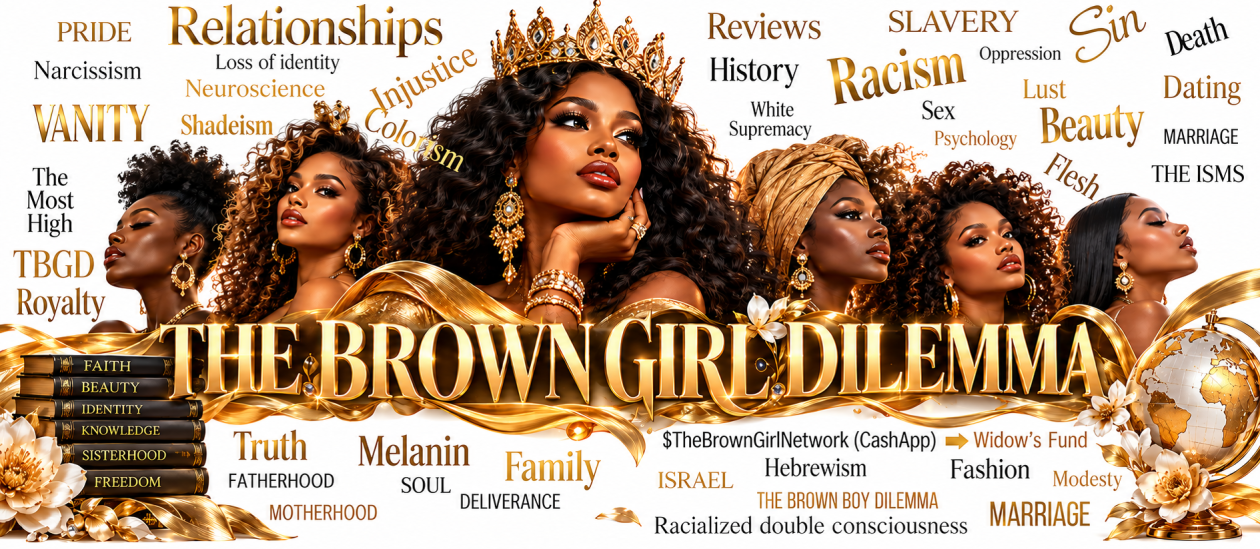
Color has always carried meaning in human societies, but within the Black community, skin tone has often been assigned value in ways that fracture unity and distort identity. Long after colonialism and slavery formally ended, their psychological residue remains embedded in how Black bodies are perceived, ranked, and treated—sometimes by those who share the same ancestry. Shadeism, or colorism within a racial group, represents one of the most enduring legacies of racial hierarchy.
The origins of shadeism can be traced directly to European colonialism and the transatlantic slave trade. Enslavers constructed a racial caste system in which proximity to whiteness—through lighter skin, looser hair texture, or mixed ancestry—was rewarded with perceived superiority. This artificial hierarchy was designed to divide, control, and weaken enslaved populations.
During slavery, lighter-skinned enslaved people were often assigned domestic labor, while darker-skinned individuals were forced into harsher fieldwork. These divisions were not accidental; they were strategic. By privileging one group over another, enslavers reduced the likelihood of collective resistance and fostered internalized competition.
After emancipation, these hierarchies did not disappear—they evolved. Social institutions such as education, employment, housing, and entertainment continued to favor lighter skin. Access to opportunity became subtly tied to complexion, reinforcing the message that darker skin was less desirable or less capable.
Within Black communities, this conditioning manifested in everyday language and social practices. Phrases that praised light skin or mocked dark skin normalized bias from childhood. These narratives shaped self-perception, romantic desirability, and even family dynamics, embedding shadeism into cultural memory.
Media representation has played a powerful role in sustaining these divisions. For decades, lighter-skinned Black individuals were disproportionately showcased as symbols of beauty, success, and sophistication. Darker skin was often associated with aggression, poverty, or invisibility.
This imbalance affected how Black women, in particular, were perceived and valued. Studies consistently show that darker-skinned Black women face harsher judgments in employment, sentencing, and interpersonal relationships. Their experiences reflect the intersection of racism, sexism, and shadeism.
Men are not immune to shadeism either. Darker-skinned Black men are often stereotyped as threatening or hyper-aggressive, while lighter-skinned men may be perceived as more approachable or intelligent. These perceptions shape outcomes in policing, education, and employment.
Psychologically, shadeism produces deep internal conflict. When individuals absorb messages that their natural appearance is inferior, self-esteem suffers. Internalized color bias can manifest as self-hatred, identity confusion, or the desire to distance oneself from Blackness altogether.
Shadeism also fractures communal solidarity. When skin tone becomes a measure of worth, collective progress is undermined. Communities divided against themselves are easier to exploit economically, politically, and socially.
Biblically, shadeism contradicts foundational principles of human equality. Scripture teaches that God is “no respecter of persons” (Acts 10:34, KJV) and that all humanity is created in the image of God (Genesis 1:27, KJV). Ranking skin tone violates divine design.
The persistence of shadeism reveals how deeply colonial ideologies penetrated the psyche. Even generations removed from slavery, the echoes of imposed hierarchy remain. Deconstructing shadeism requires intentional unlearning and historical honesty.
Education plays a critical role in dismantling color bias. Teaching accurate Black history, African civilizations, and pre-colonial beauty standards helps reframe Blackness outside a Eurocentric lens. Knowledge restores dignity.
Representation also matters. When media, leadership, and art reflect the full spectrum of Black skin tones, it disrupts long-standing narratives. Visibility affirms worth and expands the definition of beauty and excellence.
Conversations about shadeism must be honest and uncomfortable. Silence protects the status quo. Healing begins when communities acknowledge harm without defensiveness or denial.
Parents and elders hold particular responsibility. Children learn bias early. Affirming all shades of Blackness in language, discipline, and praise interrupts generational transmission of color prejudice.
Addressing shadeism also requires confronting economic and structural inequities. Color bias influences hiring, promotion, and income disparities. Justice demands both cultural and institutional reform.
Healing from shadeism is not about reversing hierarchies or elevating one shade over another. It is about rejecting the hierarchy altogether. Liberation is found in unity, not comparison.
Ultimately, color lines within our own skin are neither natural nor inevitable. They were drawn deliberately and can be erased intentionally. Recognizing this truth is the first step toward collective healing.
When Black communities dismantle shadeism, they reclaim stolen narratives of beauty, worth, and belonging. In honoring every shade, we honor our ancestors, ourselves, and future generations.
Colorism operates not only as a social structure but as a lived, embodied experience that shapes how Black women perceive themselves and are perceived by others. It is a hierarchy of skin tone preference that privileges lighter complexions while often marginalizing darker skin within and outside Black communities. From a phenomenological perspective, colorism is not abstract; it is felt through daily encounters, social feedback, and internalized meaning-making.
At the level of lived experience, Black feminine identity is frequently negotiated through the body as a visible signifier. Skin tone becomes more than biology—it becomes social currency, shaping access to affirmation, desirability, and opportunity. The body, in this sense, is read before the person is known, creating a pre-reflective social categorization.
Phenomenology emphasizes how reality appears through consciousness, and for many Black women, consciousness is shaped early by differential treatment based on complexion. This includes childhood experiences of praise or exclusion, often tied to proximity to Eurocentric beauty standards. These early encounters become sedimented memories that inform identity development.
In social settings, lighter-skinned Black women may be granted unspoken advantages such as increased attention, perceived softness, or assumed attractiveness aligned with dominant beauty norms. Meanwhile, darker-skinned Black women often report experiences of invisibility or hypervisibility depending on context, creating a tension between being seen and being fully recognized.
These dynamics are not merely interpersonal; they are structural. Historical legacies of slavery and colonialism constructed hierarchies that associated proximity to whiteness with privilege. This system continues to echo in media representation, employment outcomes, and romantic desirability hierarchies.
The embodied nature of colorism means that it is experienced emotionally as well as socially. Feelings of self-doubt, comparison, or hyper-awareness of skin tone can emerge in everyday interactions. The body becomes a site of both pride and surveillance, where identity is constantly being interpreted by others.
Black feminine identity, therefore, is often formed in dialogue with these external evaluations. Women learn to anticipate how they will be received based on complexion, shaping behavior, presentation, and self-expression. This anticipatory awareness reflects what phenomenologists describe as “being-for-others,” where identity is mediated through perceived gaze.
In romantic contexts, colorism can influence perceived desirability, often privileging lighter skin within certain cultural environments. This can create emotional stratification within dating experiences, where attractiveness is not only personal but socially coded. Such coding affects self-esteem and relational trust.
Media representations further reinforce these hierarchies by disproportionately featuring lighter-skinned women in roles associated with beauty, success, and desirability. Although progress has been made in representation, disparities remain in visibility, narrative complexity, and aesthetic framing.
Conversely, darker-skinned Black women have historically been stereotyped or underrepresented, though they have also been central figures in resistance, cultural production, and redefinition of beauty standards. This resistance challenges dominant narratives and reclaims aesthetic authority.
From a phenomenological standpoint, internalization becomes a key mechanism. Individuals may absorb societal valuations and begin to see themselves through the lens of hierarchy, even when consciously rejecting it. This creates internal tension between lived pride and learned comparison.
Colorism also affects interpersonal dynamics among Black women themselves, sometimes producing subtle competition or distancing. However, it is important not to reduce this to interpersonal conflict alone, as it is rooted in broader systemic conditioning rather than individual intent.
Within families, colorism can manifest through preferential treatment or commentary about complexion, hair texture, or features. These familial messages are especially powerful because they are received in formative environments where identity is still developing.
Educational and professional environments are not immune. Studies have shown that appearance-based bias can influence perceptions of professionalism, intelligence, and leadership potential. These biases often intersect with race and gender, compounding inequities.
Despite these constraints, Black women continuously engage in practices of self-definition that resist imposed hierarchies. This includes cultural movements that celebrate natural hair, diverse skin tones, and Afrocentric aesthetics. These acts are both personal and political.
Embodiment in this context includes how Black women occupy space, carry themselves, and assert presence in environments that may not affirm them. This embodied resistance transforms the body from a site of judgment into a site of agency.
Importantly, phenomenology also acknowledges subjectivity, meaning that experiences of colorism are not uniform. Class, geography, generational differences, and cultural context shape how colorism is experienced and interpreted. There is no single Black feminine experience, but rather a spectrum of lived realities.
Healing from colorism often involves deconstructing internalized hierarchies and reconstructing self-perception through affirming communities, education, and representation. This process is gradual and deeply personal, involving both cognitive and emotional reorientation.
Ultimately, colorism reveals how power operates through perception itself. It is not only about external treatment but about how the world is seen and felt through the body. Understanding it phenomenologically allows for a deeper grasp of how identity is shaped at the intersection of history, embodiment, and consciousness.
By naming and analyzing these structures, Black women’s experiences are not reduced to pain alone but are recognized as sites of meaning-making, resilience, and redefinition. In this way, phenomenology offers a language for both critique and reclamation of Black feminine identity within colorist hierarchies.
If this work has informed or inspired you, please consider supporting it so we can continue researching, writing, and sharing these stories.
Colorism—the preferential treatment of individuals with lighter skin tones over those with darker complexions within the same racial or ethnic group—remains one of the most pervasive yet understudied forms of social inequality in Black communities. While racism operates across racial boundaries, colorism functions internally, shaping perceptions of beauty, intelligence, morality, femininity, masculinity, and socioeconomic worth. Rooted in centuries of colonialism, slavery, and Eurocentric cultural dominance, colorism continues to influence media representation, educational opportunities, employment outcomes, romantic relationships, and psychological well-being. Contemporary beauty standards often elevate lighter skin, straighter hair, and Eurocentric facial features while marginalizing darker complexions and Afrocentric phenotypes. This hierarchy has profound implications for identity development, self-esteem, and community cohesion. Understanding colorism requires an interdisciplinary approach that integrates psychology, sociology, anthropology, history, and cultural studies. Examining its origins and consequences provides critical insight into how beauty standards are socially constructed rather than biologically determined and how these standards continue to shape the lived experiences of women of color.
The Psychology of Skin Tone Bias in Society
The psychology of skin tone bias is deeply rooted in cognitive processes involving social categorization, implicit bias, and learned associations. Human beings naturally categorize visual information, but cultural conditioning determines the values attached to those categories. From early childhood, individuals begin associating lighter skin with attractiveness, intelligence, purity, and higher social status because these messages are repeatedly reinforced through family interactions, media representations, educational materials, and societal institutions.
Psychologists describe these automatic preferences as implicit biases—unconscious attitudes that influence perception and behavior even among individuals who consciously reject prejudice. Repeated exposure to cultural narratives that idealize lighter skin conditions the brain to associate fairness with positive characteristics, while darker skin becomes subconsciously linked to negative stereotypes. These cognitive shortcuts influence hiring decisions, educational expectations, interpersonal relationships, and judgments of competence without conscious awareness.
Evolutionary psychology has occasionally been cited to explain preferences for symmetry and indicators of health, but empirical evidence demonstrates that preferences for skin tone vary dramatically across cultures and historical periods. Therefore, modern preferences for lighter skin cannot be explained biologically alone. Instead, they are primarily products of historical systems of power that rewarded proximity to whiteness.
Social identity theory further explains that individuals derive self-worth from group membership. Within racially marginalized populations, hierarchies based on complexion create internal stratification, encouraging comparisons among members of the same racial group. Consequently, darker-skinned individuals often experience diminished social validation, while lighter-skinned individuals may receive unearned social advantages.
Psychological research has shown that repeated exposure to discriminatory experiences produces chronic stress, anxiety, depression, and identity conflict among darker-skinned women. This phenomenon illustrates how external beauty standards become internal psychological realities that shape self-perception throughout life.
Why Lighter Skin Is Often Favored in Beauty Culture
The preference for lighter skin within contemporary beauty culture reflects centuries of colonial influence, economic hierarchy, and global media dominance. During European colonial expansion, whiteness became associated with civilization, wealth, education, and political authority. These associations became institutionalized through slavery, segregation, and colonial governance, creating beauty hierarchies that persist today.
Within American slavery, lighter-skinned enslaved individuals frequently received preferential treatment through domestic labor assignments, educational opportunities, and, in some cases, greater access to freedom. Although these privileges emerged from oppressive systems rather than genuine equality, they nevertheless reinforced perceptions that lighter skin possessed greater social value.
The global beauty industry continues to reinforce these historical narratives. Advertising campaigns, cosmetics, fashion magazines, television programming, and digital media consistently feature women whose appearances align more closely with Eurocentric standards. Even when Black women are represented, those selected often possess lighter complexions, narrower noses, looser curl patterns, and facial features that conform to dominant Western ideals.
Social learning theory explains that repeated exposure to these representations teaches individuals which appearances receive admiration and reward. Over time, cultural preferences become normalized and accepted as objective standards of beauty despite their historical origins.
The popularity of skin-lightening products across Africa, Asia, Latin America, and the Caribbean further illustrates the global reach of colorism. The World Health Organization has documented widespread use of potentially harmful bleaching products, reflecting the economic and psychological pressures associated with achieving lighter skin.
Digital media intensifies these dynamics through beauty filters, photo editing, and algorithms that frequently privilege lighter complexions. These technologies reinforce narrow ideals that disproportionately disadvantage darker-skinned women while perpetuating unrealistic standards of attractiveness.
How Colorism Impacts Self-Esteem in Women of Color
Self-esteem develops largely through social feedback, making beauty standards particularly influential during childhood and adolescence. For many women of color, repeated experiences of colorism communicate that darker skin is less desirable, less feminine, and less worthy of admiration. These messages become internalized, shaping self-concept long before individuals possess the critical thinking skills necessary to challenge societal norms.
Research consistently demonstrates that darker-skinned Black women report higher levels of appearance-related anxiety, body dissatisfaction, and depressive symptoms compared to their lighter-skinned peers. These outcomes reflect cumulative experiences of exclusion rather than inherent psychological vulnerability.
Intersectionality further complicates these experiences. Women navigate multiple systems of discrimination simultaneously, including racism, sexism, and colorism. Kimberlé Crenshaw’s framework emphasizes that these intersecting identities produce unique forms of marginalization that cannot be understood independently.
Romantic relationships often become another arena where colorism influences self-worth. Studies indicate that lighter-skinned women frequently receive greater attention within dating markets, while darker-skinned women report feeling overlooked or stereotyped. These experiences reinforce perceptions that attractiveness is contingent upon proximity to whiteness.
Educational settings also contribute to identity development. Teachers, classmates, and institutional practices may unconsciously favor lighter-skinned students through differential expectations and social treatment. Such experiences accumulate over time, influencing confidence, leadership development, and academic engagement.
However, growing movements celebrating melanin-rich beauty have begun challenging these narratives. Social media campaigns, natural hair movements, inclusive fashion industries, and Black-owned beauty brands increasingly affirm darker skin as beautiful, worthy, and culturally significant. These counter-narratives foster resilience and promote healthier identity formation among younger generations.
The Social Roots of Skin Tone Preference and Beauty Ideals
Beauty standards are not biologically fixed but socially constructed through historical processes involving power, economics, and cultural transmission. Skin tone preferences emerged from systems that linked whiteness to authority, wealth, and privilege while associating darker skin with labor, inferiority, and social exclusion.
Pierre Bourdieu’s concept of cultural capital provides a useful framework for understanding these dynamics. Characteristics valued by dominant social groups become forms of symbolic capital that provide social advantages. Within many societies, lighter skin functions as cultural capital, granting greater access to employment, media visibility, marriage opportunities, and social prestige.
Family socialization often reinforces these preferences across generations. Children may hear comments praising lighter skin, discouraging sun exposure, or encouraging marriages that “lighten the family.” Although frequently expressed without malicious intent, these messages contribute to the intergenerational transmission of colorist beliefs.
Economic systems likewise reinforce beauty hierarchies. Industries profit from products promising lighter skin, straighter hair, and Eurocentric aesthetics. Marketing campaigns frequently exploit insecurities created by historical discrimination, transforming psychological distress into a commercial opportunity.
Mass media remains one of the most influential mechanisms shaping beauty ideals. Television, film, advertising, and fashion repeatedly establish visual norms that define attractiveness according to Eurocentric features. Despite recent improvements in representation, darker-skinned women remain underrepresented or stereotypically portrayed across many entertainment industries.
Globalization has extended Western beauty standards worldwide, creating similar patterns of colorism across continents. Consequently, colorism is not solely an American phenomenon but a transnational system influenced by colonial history, economic globalization, and media convergence.
Nevertheless, cultural resistance continues to grow. Academic scholarship, artistic expression, grassroots activism, and community education increasingly challenge the assumptions underlying colorism. Celebrations of diverse Black beauty, historical awareness, and media representation contribute to reshaping collective understandings of attractiveness, dignity, and identity.
If this work has informed or inspired you, please consider supporting it so we can continue researching, writing, and sharing these stories.
Colorism represents one of the most enduring legacies of colonialism and racial hierarchy within Black communities and across the global African diaspora. Its influence extends beyond appearance, affecting psychological health, educational opportunities, employment, interpersonal relationships, and identity formation. Beauty standards that privilege lighter skin are neither natural nor inevitable; they are products of historical systems that rewarded proximity to whiteness while marginalizing darker complexions. Understanding the psychological mechanisms, historical origins, and social structures sustaining colorism provides an essential foundation for dismantling these inequities. As scholarship, media representation, and community advocacy continue to celebrate the full spectrum of Black beauty, opportunities emerge to replace exclusionary ideals with more inclusive standards that affirm dignity, diversity, and human worth. Ultimately, confronting colorism requires not only changing individual attitudes but transforming the cultural institutions that define beauty itself.
References
Awad, G. H., Norwood, C., Taylor, D. S., Martinez, M., McClain, S., Jones, B., Holman, A., & Chapman-Hilliard, C. (2015). Beauty and body image concerns among African American college women. Journal of Black Psychology, 41(6), 540–564.
Bourdieu, P. (1984). Distinction: A social critique of the judgement of taste. Harvard University Press.
Crenshaw, K. (1989). Demarginalizing the intersection of race and sex. University of Chicago Legal Forum, 1989(1), 139–167.
Hall, R. E. (2018). The bleaching syndrome: African Americans’ response to cultural domination vis-à-vis skin color. Routledge.
Hunter, M. (2007). The persistent problem of colorism. Sociology Compass, 1(1), 237–254.
Keith, V. M., & Herring, C. (1991). Skin tone and stratification in the Black community. American Journal of Sociology, 97(3), 760–778.
Maddox, K. B. (2004). Perspectives on racial phenotypicality bias. Personality and Social Psychology Review, 8(4), 383–401.
Norwood, K. J. (2015). Color matters: Skin tone bias and the myth of a postracial America. Routledge.
Rondilla, J. L., & Spickard, P. (2007). Is lighter better? Skin-tone discrimination among Asian Americans. Rowman & Littlefield.
World Health Organization. (2011). Mercury in skin lightening products. WHO.
Colorism, Identity, and the Invisible Divide Within Communities
“Not every wound comes from outside. Some of the deepest scars are carried within communities, passed from one generation to another through preferences, assumptions, and silent hierarchies. The shade gap is not merely about skin color; it is about the social meanings attached to skin color and the opportunities, perceptions, and experiences that follow.”
Colorism refers to the preferential treatment of individuals with lighter skin tones and the marginalization of those with darker skin tones within the same racial or ethnic group. Unlike racism, which operates between racial categories, colorism functions within them. The phenomenon has shaped social experiences across the African diaspora, Asia, Latin America, the Caribbean, and many other regions of the world.
The term “shade gap” describes the social distance created by color-based preferences and biases. It reflects disparities in treatment, representation, opportunity, and perception that emerge based on skin tone. Although often less visible than overt racism, colorism can exert a profound influence on self-esteem, relationships, educational outcomes, and economic mobility.
Historically, colorism developed through systems of slavery, colonialism, and racial stratification. In many societies, lighter skin became associated with privilege, power, wealth, and proximity to ruling classes. These associations persisted long after formal systems of oppression ended, becoming embedded within cultural norms and social institutions.
During the era of slavery in the Americas, lighter-skinned enslaved individuals were often assigned different labor roles than darker-skinned enslaved people. While all enslaved individuals suffered under the institution of slavery, distinctions based on complexion sometimes created social divisions that continued across generations. These historical patterns helped establish color hierarchies that remain influential today.
Research consistently shows that skin tone can influence socioeconomic outcomes. Studies have found that lighter-skinned individuals within the same racial group often experience advantages in income, employment opportunities, educational attainment, and social mobility. These disparities suggest that colorism operates as a form of social stratification independent of race itself.
Media representation has played a significant role in reinforcing the shade gap. For decades, film, television, advertising, and fashion industries frequently elevated lighter-skinned individuals as symbols of beauty, sophistication, and desirability. Darker-skinned individuals often received less visibility or were portrayed through limited stereotypes that failed to capture the full diversity of human experience.
The beauty industry has historically benefited from color-based preferences. Around the world, skin-lightening products have generated billions of dollars in sales. These products often capitalize on cultural messages suggesting that lighter skin is more attractive, successful, or socially acceptable. Such messaging can reinforce harmful insecurities and perpetuate color-based hierarchies.
For many dark-skinned women, colorism intersects with both race and gender. They may face discrimination not only from broader society but also from within their own communities. Research indicates that darker-skinned women are often subjected to stereotypes regarding attractiveness, femininity, professionalism, and social desirability that lighter-skinned women may encounter less frequently.
Dark-skinned men are also affected by colorism, although their experiences may differ. Studies suggest that darker skin can influence perceptions of aggression, criminality, intelligence, and trustworthiness. These stereotypes can affect interactions with employers, educators, law enforcement, and the broader public.
Colorism often begins in childhood. Children quickly absorb messages about beauty, value, and status from family members, peers, media, and educational environments. Comments about complexion—whether positive or negative—can shape self-perception long before individuals fully understand the social structures influencing those judgments.
The psychological consequences of colorism can be substantial. Individuals who repeatedly encounter color-based discrimination may experience lower self-esteem, increased anxiety, body image concerns, and feelings of exclusion. Over time, these experiences can influence identity formation and emotional well-being.
Colorism can also affect dating and marriage patterns. Numerous studies have documented preferences for lighter skin in romantic contexts across multiple cultures. These preferences are often reinforced by media representations and cultural narratives that equate lighter complexions with beauty, status, and desirability.
Social media has created both challenges and opportunities regarding colorism. On one hand, digital platforms can amplify narrow beauty standards through filters, editing tools, and curated imagery. On the other hand, social media has provided space for darker-skinned individuals to celebrate their identities, challenge stereotypes, and build supportive communities that promote self-acceptance.
The shade gap is often maintained through subtle language. Phrases such as “good hair,” “fair-skinned beauty,” “light and lovely,” or comments about complexion being an advantage can communicate value judgments even when no harm is intended. Language shapes perception, and repeated messages contribute to cultural norms over time.
Addressing colorism requires acknowledging its existence without creating further division. Honest conversations about color-based bias can help communities examine inherited beliefs and challenge assumptions that may have gone unquestioned for generations. Awareness is often the first step toward meaningful change.
Educational institutions play an important role in reducing color-based prejudice. Teaching accurate histories of colonialism, slavery, and racial hierarchy helps individuals understand how color preferences emerged. Such knowledge can empower future generations to reject harmful narratives and embrace more inclusive definitions of beauty and worth.
Representation matters because visibility influences perception. When darker-skinned individuals are portrayed as leaders, professionals, scholars, heroes, and symbols of beauty, cultural assumptions begin to shift. Diverse representation broadens public understanding and challenges longstanding stereotypes.
From a faith-based perspective, colorism contradicts principles of human dignity and equality. Scripture consistently teaches that human beings are created by God and possess inherent worth that transcends physical appearance. The value of a person is rooted in character, conduct, and spiritual identity rather than complexion.
The shade gap ultimately reflects a broader human tendency to assign meaning to physical differences. While societies have often attached status and privilege to certain appearances, these distinctions are socially constructed rather than morally justified. Skin tone is a biological variation, not a measure of intelligence, virtue, beauty, or potential.
As communities continue to confront issues of race, identity, and representation, addressing colorism remains essential. Closing the shade gap requires challenging inherited biases, promoting diverse representation, fostering self-acceptance, and affirming the dignity of all people. True progress occurs when individuals are evaluated not by the shade of their skin but by the content of their character, the quality of their actions, and the fullness of their humanity.
If this work has informed or inspired you, please consider supporting it so we can continue researching, writing, and sharing these stories.
Bond, S., & Cash, T. F. (1992). Black beauty: Skin color and body images among African American college women. Journal of Applied Social Psychology, 22(11), 874–888. https://doi.org/10.1111/j.1559-1816.1992.tb00930.x
Hall, R. E. (2018). The bleaching syndrome: African Americans’ response to cultural domination vis-à-vis skin color. Routledge.
Keith, V. M., & Herring, C. (1991). Skin tone and stratification in the Black community. American Journal of Sociology, 97(3), 760–778. https://doi.org/10.1086/229819
Monk, E. P. (2014). Skin tone stratification among Black Americans, 2001–2003. Social Forces, 92(4), 1313–1337. https://doi.org/10.1093/sf/sou007
Norwood, K. J. (2015). Color matters: Skin tone bias and the myth of a post-racial America. Routledge.
Russell-Cole, K., Wilson, M., & Hall, R. (2013). The color complex: The politics of skin color among African Americans. Anchor Books.
Thompson, M. S., & Keith, V. M. (2001). The blacker the berry: Gender, skin tone, self-esteem, and self-efficacy. Gender & Society, 15(3), 336–357. https://doi.org/10.1177/089124301015003002
Walker, A. (1983). In search of our mothers’ gardens: Womanist prose. Harcourt Brace Jovanovich.
“Colorism is not about race alone—it is about the social value assigned to skin tone. Across continents, cultures, and generations, people have experienced privilege or discrimination based on the shade of their skin. This image celebrates the beauty, dignity, and humanity found in every complexion.”
This photo is the property of its respective owner.
Colorism is a form of discrimination in which individuals are treated differently based on the shade or tone of their skin, often within the same racial or ethnic group. While racism operates between groups, colorism frequently operates within groups, creating hierarchies that privilege lighter skin and marginalize darker skin. This phenomenon has shaped societies across continents for centuries and continues to influence social, economic, political, and cultural outcomes worldwide (Hunter, 2007).
This photo is the property of its respective owner.
The term “colorism” was popularized by author and activist Alice Walker, who described it as prejudicial or preferential treatment of people based solely on the color of their skin. Walker recognized that discrimination did not only occur between races but also within communities, where lighter complexions were often associated with greater beauty, intelligence, and social value.
Colorism is not limited to one country, culture, or ethnic group. It is a global social system that has appeared in Africa, Asia, Europe, Latin America, the Caribbean, the Middle East, and North America. Although its manifestations differ across societies, the common thread is the assignment of greater status and opportunity to individuals with lighter skin tones.
Historically, colorism emerged through a combination of class structures, colonialism, slavery, conquest, and social stratification. In many societies, lighter skin became associated with wealth because elites worked indoors while laborers worked outdoors. Over time, skin tone became a visible marker of social status and privilege.
European colonial expansion intensified colorism throughout much of the world. Colonial powers frequently established social hierarchies that favored individuals who more closely resembled European features and skin tones. These systems often remained embedded in institutions long after colonial rule ended (Glenn, 2008).
In the United States, colorism developed alongside slavery and segregation. During slavery, lighter-skinned enslaved individuals were sometimes assigned different labor roles than darker-skinned individuals. Although all enslaved people faced oppression, these distinctions contributed to long-lasting social divisions that persisted after emancipation.
Research consistently shows that lighter-skinned individuals often experience advantages in employment, income, education, and marriage opportunities compared to darker-skinned individuals within the same racial groups (Keith & Herring, 1991). These disparities illustrate how colorism functions as a structural issue rather than merely a matter of personal preference.
Throughout Latin America, colorism has been shaped by centuries of racial mixing and colonial caste systems. In many countries, lighter skin remains associated with higher socioeconomic status, while darker skin is frequently linked to poverty and marginalization. These patterns can still be observed in media representation, politics, and business leadership.
In the Caribbean, colonial histories created complex social hierarchies based on skin tone, ancestry, and class. Even after independence, many Caribbean societies continued to grapple with preferences for lighter skin and Eurocentric beauty standards.
Across Africa, colorism exists despite the continent’s rich diversity of skin tones. Colonial rule, global media influence, and imported beauty standards have contributed to perceptions that lighter skin is more desirable or socially advantageous in certain contexts (Glenn, 2008).
In countries such as Nigeria, Ghana, South Africa, and Kenya, discussions about skin-lightening products have become central to debates about self-image, identity, and public health. The widespread use of bleaching products reflects the economic and social pressures associated with colorism.
South Asia provides one of the most visible examples of colorism’s global reach. In countries such as India, Pakistan, Bangladesh, and Sri Lanka, lighter skin has historically been associated with beauty, marriageability, and social prestige. These attitudes have fueled a large skin-lightening industry worth billions of dollars annually.
In East Asia, lighter skin has often been associated with refinement, wealth, and status for centuries. Historical ideals that predate European colonialism were later reinforced by global beauty industries and media portrayals that emphasized fair complexions.
Colorism also affects Indigenous populations throughout the world. In many countries, Indigenous communities with darker skin tones have experienced discrimination not only from dominant racial groups but also within broader social hierarchies that privilege lighter appearances.
The beauty industry has played a significant role in maintaining colorist standards. Advertising campaigns frequently promote products designed to lighten skin, presenting fairness as a pathway to confidence, attractiveness, and success. Such messaging reinforces harmful assumptions about worth and beauty.
Media representation is another powerful driver of colorism. Film, television, magazines, and social media often provide disproportionate visibility to lighter-skinned individuals. This imbalance can shape public perceptions and influence how people evaluate themselves and others (Hall, 2018).
Children often internalize colorist messages at a young age. Studies suggest that exposure to societal preferences for lighter skin can affect self-esteem, identity development, and perceptions of attractiveness among children and adolescents (Thompson & Keith, 2001).
The psychological consequences of colorism can be profound. Individuals who experience discrimination based on skin tone may face increased risks of anxiety, depression, social withdrawal, and diminished self-worth. These effects can accumulate over time and influence multiple aspects of life.
Colorism also affects dating and marriage patterns. Across numerous societies, lighter skin is frequently portrayed as more desirable in romantic contexts. These preferences can shape partner selection and contribute to unequal treatment in relationships.
Employment discrimination linked to skin tone has been documented in multiple countries. Research indicates that lighter-skinned applicants may be perceived as more professional, trustworthy, or competent, even when qualifications are identical (Hunter, 2007).
Political representation can also be influenced by colorism. In some societies, lighter-skinned individuals are disproportionately represented in positions of power, leadership, and public visibility. This imbalance reinforces existing social hierarchies.
The economic costs of colorism extend beyond individual experiences. When talent and opportunity are distributed according to appearance rather than merit, societies lose valuable human potential and weaken social cohesion.
Globalization has both challenged and reinforced colorism. On one hand, increased awareness of diversity has encouraged broader conversations about inclusion and representation. On the other hand, global beauty standards continue to circulate through media platforms and consumer industries.
Social media has become a battleground in discussions about colorism. While online spaces can perpetuate appearance-based biases, they have also provided platforms for activists, scholars, and creators to challenge harmful stereotypes and celebrate darker skin tones.
Movements promoting diversity and representation have increased public awareness of colorism. Campaigns celebrating dark skin, natural beauty, and cultural identity have encouraged individuals to reject narrow beauty standards and embrace authenticity.
Educational institutions play a critical role in addressing colorism. Teaching accurate histories of colonialism, race, and social inequality can help students understand how colorist attitudes developed and why they persist.
Public policy can also contribute to reducing colorism. Governments can regulate harmful cosmetic products, promote equitable hiring practices, and support media initiatives that reflect diverse populations more accurately.
Businesses have a responsibility to challenge colorism through inclusive marketing and fair employment practices. Companies that embrace diversity in advertising and leadership help reshape societal expectations and broaden definitions of beauty and success.
Families and communities influence how colorism is transmitted across generations. Conversations that affirm the value of all skin tones can help counteract harmful messages and foster healthier self-images among young people.
Religious and ethical traditions often emphasize human dignity and equality. These principles can serve as powerful foundations for challenging colorism and promoting respect across differences in appearance.
Ultimately, colorism is not simply a personal preference or aesthetic issue; it is a global social system that affects opportunities, relationships, self-perception, and social structures across virtually every region of the world. Understanding its historical roots and contemporary consequences is essential for building more equitable societies. Progress requires honest dialogue, education, representation, and a commitment to recognizing the inherent worth of every human being regardless of skin tone.
If this work has informed or inspired you, please consider supporting it so we can continue researching, writing, and sharing these stories.
Glenn, E. N. (2008). Yearning for lightness: Transnational circuits in the marketing and consumption of skin lighteners. Gender & Society, 22(3), 281–302.
Hall, R. E. (2018). The bleaching syndrome: African Americans’ response to cultural domination vis-à-vis skin color. Routledge.
Hunter, M. (2007). The persistent problem of colorism: Skin tone, status, and inequality. Sociology Compass, 1(1), 237–254.
Keith, V. M., & Herring, C. (1991). Skin tone and stratification in the Black community. American Journal of Sociology, 97(3), 760–778.
Thompson, M. S., & Keith, V. M. (2001). The blacker the berry: Gender, skin tone, self-esteem, and self-efficacy. Gender & Society, 15(3), 336–357.
Walker, A. (1983). In search of our mothers’ gardens: Womanist prose. Harcourt Brace Jovanovich.
Colorism in Africa is a complex social phenomenon rooted in historical hierarchies, colonial influence, global beauty standards, and internalized perceptions of skin tone. It refers to the preferential treatment or prejudice directed toward individuals based on the lightness or darkness of their skin, often within the same racial or ethnic group. While often discussed in diaspora contexts, colorism is also deeply embedded in many African societies due to centuries of external and internal social conditioning.
Historically, pre-colonial African societies were diverse in their systems of identity, often emphasizing ethnicity, lineage, and community roles rather than skin tone. However, with the arrival of European colonial powers, racial classification systems were imposed that elevated lighter skin as closer to European identity and civilization. This created long-lasting hierarchies that continue to shape social perceptions today.
Colonial administrations frequently positioned lighter-skinned Africans in administrative roles, reinforcing the idea that proximity to whiteness equated to intelligence, trustworthiness, or authority. Over time, these structures contributed to internalized biases that persisted even after independence across many African nations.
In countries such as South Africa, Nigeria, and Senegal, colorism manifests in media representation, employment opportunities, and marriage preferences. Lighter-skinned individuals are often overrepresented in advertising, television, and fashion industries, reinforcing narrow beauty ideals that marginalize darker-skinned populations.
The beauty industry has played a significant role in perpetuating colorism across the continent. Skin-lightening products are widely marketed and consumed, sometimes under dangerous chemical conditions. Studies have shown that these products are often associated with health risks such as skin damage, kidney complications, and long-term dermatological issues (WHO, 2019).
Media representation further reinforces these dynamics by consistently promoting lighter-skinned models as the standard of beauty. This phenomenon has been criticized by African scholars and activists who argue that such portrayals distort cultural self-image and contribute to psychological harm among young women.
In the entertainment industry, colorism influences casting decisions and visibility. Actresses with lighter complexions are often more likely to receive leading roles, while darker-skinned women may be relegated to supporting or stereotypical characters. This imbalance reinforces systemic inequality within creative industries.
Social perceptions of marriage and desirability are also influenced by colorism. In some communities, lighter skin is associated with higher social status or perceived attractiveness, shaping relationship dynamics and family expectations. These beliefs are not universal but are present in varying degrees across different regions.
Education systems can also reflect subtle forms of colorism through bias in peer interactions and teacher expectations. Research suggests that children with darker skin tones may experience different treatment in classroom settings, which can influence self-esteem and academic confidence over time.
Religious and cultural narratives have sometimes been misinterpreted or misused to reinforce colorist ideas. However, most African spiritual traditions emphasize character, lineage, and moral integrity rather than skin tone, highlighting a disconnect between cultural values and modern social biases.
The psychological effects of colorism are significant, contributing to issues such as identity conflict, self-esteem challenges, and internalized discrimination. Mental health professionals increasingly recognize colorism as a factor in emotional well-being, particularly among adolescents and young adults.
Despite these challenges, resistance movements against colorism are growing across Africa. Activists, artists, and public figures are challenging Eurocentric beauty standards and promoting dark-skinned pride and cultural authenticity through media campaigns and grassroots initiatives.
The rise of African fashion industries has also contributed to reshaping beauty standards. Designers increasingly feature models of diverse skin tones, hair textures, and body types, helping to normalize broader representations of African identity.
Digital platforms have amplified conversations about colorism, allowing younger generations to critique harmful narratives and share personal experiences. Social media has become a powerful tool for awareness and cultural redefinition.
Academic research continues to explore colorism as a multidimensional issue linked to colonial history, globalization, and socioeconomic inequality. Scholars emphasize that addressing colorism requires both structural change and cultural transformation (Hunter, 2007).
Government and policy responses remain limited but are gradually emerging. Some countries have begun regulating skin-bleaching products and launching public health campaigns to address their dangers and discourage use.
International organizations such as the World Health Organization have also raised concerns about the widespread use of harmful skin-lightening substances, particularly in regions where regulatory enforcement is weak (WHO, 2019).
Colorism also intersects with class, as lighter skin is sometimes (though not always) associated with higher socioeconomic status due to historical privilege and access to resources. This intersection complicates efforts to address inequality, as it blends appearance with economic perception.
Education and cultural reorientation are essential in combating colorism. Teaching inclusive African history and promoting diverse representations of beauty can help dismantle long-standing biases and empower younger generations.
In conclusion, colorism in Africa is not merely a beauty preference but a deeply rooted social issue shaped by history, economics, media, and identity politics. Addressing it requires a holistic approach that includes education, policy reform, media accountability, and cultural empowerment.
Hunter, M. (2007). The persistent problem of colorism: Skin tone, status, and inequality. Sociology Compass, 1(1), 237–254.
World Health Organization. (2019). Skin lightening products and health risks. WHO Press.
Fanon, F. (1967). Black skin, white masks. Grove Press.
Glenn, E. N. (2008). Yearning for lightness: Transnational circuits in the marketing and consumption of skin lighteners. Gender & Society, 22(3), 281–302.
Keith, V. M., & Monroe, C. R. (2016). Colorism: Conceptualizing the role of skin tone in racial stratification.
Skin color has long functioned as more than a biological trait; it operates as a social signal shaped by history, power, and cultural conditioning. Across societies, perceptions of attractiveness are not merely individual preferences but reflections of broader systems that assign value to certain physical characteristics over others.
From a biological standpoint, human variation in skin tone is an adaptive response to environmental conditions, particularly ultraviolet radiation (Jablonski & Chaplin, 2010). However, the meanings attached to these variations are entirely social. The elevation or devaluation of certain skin tones has less to do with innate attraction and more to do with constructed hierarchies.
In many societies, particularly those influenced by European colonialism, lighter skin has historically been associated with privilege, refinement, and desirability. This association was reinforced during periods of slavery and colonial rule, where whiteness symbolized power and access, while darker skin was linked to labor and subjugation.
During the transatlantic slave trade, enslaved Africans were often stratified based on skin tone, with lighter-skinned individuals sometimes receiving preferential treatment. These divisions were not incidental—they were tools of control that created internalized hierarchies within oppressed communities (Russell, Wilson, & Hall, 1992).
The legacy of these systems persists today in the form of colorism, a phenomenon in which individuals with lighter skin tones are often perceived as more attractive, competent, or socially acceptable than their darker-skinned counterparts. This bias operates both externally and within communities of color.
Psychological research supports the idea that repeated exposure shapes perception. When lighter skin is consistently portrayed as beautiful in media, advertising, and film, individuals begin to internalize these associations, often unconsciously (Hunter, 2005). This creates a feedback loop where representation reinforces preference.
Media plays a central role in this process. For decades, global beauty standards have been dominated by Eurocentric features, including fair skin, straight hair, and narrow facial structures. These standards have been exported worldwide, influencing perceptions even in regions with predominantly darker populations.
Interestingly, cross-cultural studies reveal that preferences for skin tone are not universal. In some African and Pacific Island cultures, darker skin has historically been associated with health, strength, and authenticity. This demonstrates that attractiveness is not fixed but culturally relative (Maddox & Gray, 2002).
Colorism also intersects with gender in complex ways. Women, in particular, are often judged more harshly based on appearance, making skin tone a significant factor in social and romantic desirability. Lighter-skinned women are frequently overrepresented in media, reinforcing narrow ideals of femininity.
Men are not immune to these dynamics, but the standards often manifest differently. For men, darker skin may sometimes be associated with strength or masculinity, yet lighter skin can still confer advantages in professional and social contexts, illustrating the multifaceted nature of color-based bias.
The economic implications of skin tone bias are well documented. Studies have shown that lighter-skinned individuals often experience higher income levels, better employment opportunities, and greater social mobility. These disparities further reinforce perceptions of attractiveness by linking beauty with success.
Social media has both challenged and perpetuated these standards. On one hand, it has allowed for greater representation and visibility of diverse beauty. On the other, filters, algorithms, and influencer culture can still prioritize Eurocentric features, subtly maintaining existing hierarchies.
The concept of “pretty privilege” often overlaps with colorism. Individuals who align more closely with dominant beauty standards—including lighter skin—may receive more positive social interactions, which can influence self-esteem and reinforce perceived attractiveness.
Attraction itself is partly neurological. The brain tends to favor familiarity, meaning that what we see most often becomes what we perceive as normal or desirable. This helps explain why exposure to diverse representations can gradually shift beauty standards over time.
Efforts to deconstruct colorism have gained momentum in recent years. Movements promoting natural beauty, melanin positivity, and inclusive representation aim to challenge long-standing biases and expand definitions of attractiveness.
Education also plays a crucial role. Understanding the historical roots of color-based preferences allows individuals to critically examine their own perceptions and question whether they are truly personal or socially conditioned.
Importantly, acknowledging the impact of skin color on attractiveness does not mean invalidating individual preferences. Rather, it invites deeper reflection on how those preferences are formed and how they may be influenced by systemic factors.
Scholars argue that dismantling colorism requires both structural and cultural change. This includes diversifying media representation, addressing economic inequalities, and fostering environments where all skin tones are equally valued (Tate, 2009).
Ultimately, attractiveness should not be confined to a narrow spectrum dictated by historical power structures. Human beauty is inherently diverse, and any hierarchy that suggests otherwise is a product of social construction rather than objective truth.
As societies continue to evolve, there is growing potential to redefine beauty in more inclusive and equitable ways. By challenging inherited biases and embracing diversity, the perception of attractiveness can become more reflective of humanity as a whole.
References
Hunter, M. (2005). Race, gender, and the politics of skin tone. Annual Review of Sociology, 31, 237–261.
Jablonski, N. G., & Chaplin, G. (2010). Human skin pigmentation as an adaptation to UV radiation. Proceedings of the National Academy of Sciences, 107(Supplement 2), 8962–8968.
Maddox, K. B., & Gray, S. A. (2002). Cognitive representations of Black Americans: Reexploring the role of skin tone. Personality and Social Psychology Review, 6(3), 250–259.
Russell, K., Wilson, M., & Hall, R. E. (1992). The color complex: The politics of skin color among African Americans. Anchor Books.
Tate, S. A. (2009). Black beauty: Aesthetics, stylization, politics. Routledge.
Shade-based discrimination in India, often referred to as colorism or “shade-ism,” is a deeply embedded social hierarchy that privileges lighter skin over darker complexions within the same racial and ethnic group. Unlike racism, which operates between different racial categories, colorism functions internally, shaping perceptions of beauty, worth, social mobility, and even morality. In the Indian context, fairness has historically been associated with purity, desirability, and higher social status, while darker skin has been unfairly linked to inferiority and marginalization.
The origins of colorism in India are complex and multifaceted, rooted in ancient social stratification, colonial influence, and cultural symbolism. The caste system, though not originally based solely on skin color, became intertwined with notions of purity and hierarchy, which were later visually interpreted through complexion. The arrival of European colonial powers, particularly the British, intensified these perceptions by reinforcing white supremacy and associating power, education, and prestige with lighter skin (Glenn, 2008). Over time, fairness became aspirational, not only socially but economically.
Religious and cultural narratives have also contributed to this phenomenon. While many Hindu deities, such as Krishna and Draupadi, are described as dark-skinned, later artistic representations often depicted them with lighter complexions. This visual reinterpretation subtly reinforced the idea that divinity and beauty align with fairness, reshaping cultural standards over generations.
Colorism significantly affects individuals’ lived experiences, beginning in early childhood. Darker-skinned children are often subjected to teasing, exclusion, and lower expectations, which can lead to diminished self-esteem and internalized bias. Educational and professional opportunities may also be influenced by appearance, as lighter-skinned individuals are frequently perceived as more competent or presentable.
In the realm of marriage, colorism is particularly pronounced. Matrimonial advertisements commonly include phrases such as “fair bride wanted,” explicitly prioritizing skin tone as a key criterion for suitability. Families often place immense pressure on women to maintain or achieve lighter skin to enhance their marriage prospects. This commodification of complexion reduces women’s worth to their physical appearance, reinforcing patriarchal and colorist standards simultaneously.
The economic implications of shade-ism are evident in the booming market for skin-lightening products. India is one of the largest consumers of fairness creams, with brands historically promoting the idea that lighter skin leads to success, confidence, and romantic fulfillment. Products such as Fair & Lovely (now rebranded as Glow & Lovely) have played a significant role in perpetuating these ideals. Advertisements often depict dark-skinned individuals as unsuccessful or unhappy until they achieve a lighter complexion, thereby normalizing and commercializing color bias.
The psychological toll of such messaging cannot be overstated. Continuous exposure to colorist narratives fosters self-rejection and identity conflict among darker-skinned individuals. This internalized oppression can manifest as anxiety, depression, and a persistent sense of inadequacy, particularly among women who bear the brunt of beauty standards.
In the Indian film industry, commonly known as Bollywood, colorism is highly visible. Casting practices have historically favored lighter-skinned actors, often sidelining darker-skinned talent regardless of skill. Makeup techniques and lighting are frequently used to lighten actors’ appearances, further reinforcing narrow beauty ideals.
Several prominent Bollywood figures have benefited from Eurocentric features, including lighter skin and, in some cases, lighter eyes. Among women, actresses such as Katrina Kaif, Kareena Kapoor, Alia Bhatt, and Anushka Sharma have often been celebrated within beauty standards that align with fairness. Their success is multifactorial, involving talent, opportunity, and industry networks, yet their appearance aligns with the dominant aesthetic preference.
Similarly, male actors such as Hrithik Roshan, known for his light eyes and complexion, Ranbir Kapoor, and Shahid Kapoor have often embodied the industry’s preferred look. While darker-skinned actors like Nawazuddin Siddiqui and Bipasha Basu have achieved success, they remain exceptions rather than the norm, often typecast into specific roles.
The preference for fairness extends beyond casting to endorsement deals, magazine covers, and advertising campaigns. Lighter-skinned celebrities are more likely to secure lucrative brand partnerships, further amplifying their visibility and reinforcing the association between fairness and success.
Colorism also intersects with class and globalization. Urban, affluent populations may have greater access to skin-lightening treatments, including dermatological procedures, which perpetuate the cycle of privilege. Meanwhile, global media continues to export Eurocentric beauty standards, influencing local perceptions and aspirations.
Addressing shade-ism requires both structural and cultural transformation. Media representation plays a critical role; increasing visibility of darker-skinned individuals in positive, diverse roles can challenge entrenched stereotypes. Campaigns that celebrate melanin-rich beauty and authenticity are essential in reshaping public consciousness.
Educational initiatives are equally important. Incorporating discussions on colorism into school curricula can foster critical awareness from an early age, helping to dismantle bias before it becomes internalized. Families also play a crucial role in affirming children’s self-worth, irrespective of appearance.
Policy and regulation can further support change. Restrictions on misleading advertising for skin-lightening products, as well as promoting ethical marketing practices, can reduce the propagation of harmful narratives. India has already taken steps in this direction, with guidelines discouraging discriminatory content in advertisements.
From a psychological perspective, healing from colorism involves reclaiming identity and redefining beauty. This process requires both individual and collective effort, including community support, representation, and access to mental health resources.
Globally, movements advocating for inclusivity and diversity have begun to challenge colorism, yet progress remains uneven. Social media has emerged as a powerful tool for activism, allowing individuals to share their experiences and celebrate diverse forms of beauty.
Ultimately, dismantling shade-ism in India demands a reorientation of values—away from superficial metrics of worth and toward a more holistic understanding of human dignity. Beauty must be decoupled from hierarchy and redefined as diverse, dynamic, and inclusive.
In conclusion, shade-ism in India is a deeply rooted social issue shaped by history, culture, and economic forces. Its impact permeates personal identity, relationships, and professional opportunities, particularly within industries like Bollywood. While change is underway, sustained effort across media, education, and policy is necessary to create a society where individuals are valued not for the shade of their skin, but for the substance of their character.
References
Glenn, E. N. (2008). Yearning for lightness: Transnational circuits in the marketing and consumption of skin lighteners. Gender & Society, 22(3), 281–302. https://doi.org/10.1177/0891243208316089
Parameswaran, R., & Cardoza, K. (2009). Melanin on the margins: Advertising and the cultural politics of fair/light/white beauty in India. Journalism & Communication Monographs, 11(3), 213–274.
The Holy Bible, King James Version. (1769/2017). Cambridge University Press.
Color-coated casting—commonly understood as colorism within media industries—remains one of the most insidious and underexamined forms of discrimination affecting Black entertainers. It operates not through outright exclusion alone, but through selective inclusion, where lighter skin is consistently privileged over darker skin within the same racial group. This hierarchy shapes who is seen, who is celebrated, and ultimately, who is remembered.
The origins of colorism in entertainment can be traced to the historical aftermath of slavery and colonialism, where proximity to whiteness was associated with privilege, safety, and access. During early American theater and film, Black representation was either absent or distorted through caricature. As Black actors slowly entered the industry, lighter-skinned individuals were often chosen because they aligned more closely with Eurocentric ideals of beauty and acceptability.
By the Golden Age of Hollywood, these biases had become institutionalized. Studios, largely controlled by white executives, curated an image of Blackness that was palatable to white audiences. This meant casting individuals who visually softened racial difference—lighter skin, looser curls, and more “ambiguous” features—while excluding darker-skinned actors from leading roles.
Color-coated casting has had a profound impact on the fashion industry, where models of darker skin tones have historically been underrepresented or relegated to niche categories such as “ethnic” or “urban.” Runways, magazine covers, and high-profile campaigns have favored lighter-skinned or biracial models, who are perceived as more commercially viable or “relatable” to global audiences. This preference not only limits opportunities for darker-skinned models but also reinforces narrow beauty standards that equate desirability with proximity to whiteness. Even when darker-skinned models are featured, they are often styled, photographed, or digitally lightened to align with these Eurocentric aesthetics, sending the implicit message that darker tones are less acceptable. Iconic Black models such as Naomi Campbell and Alek Wek have challenged these norms, yet the industry continues to grapple with systemic bias, showing that talent alone is not enough to overcome deeply entrenched colorism. This practice affects not only careers but also the perception of beauty in society at large, shaping cultural ideals and influencing consumer preferences.
The practice persists today under the guise of “marketability.” Industry decision-makers often argue that lighter-skinned actors have broader appeal, particularly in international markets. This economic justification masks a deeper issue: the continued prioritization of whiteness as the universal standard.
The experiences of Lupita Nyong’o powerfully illustrate this reality. Before her rise to global acclaim, she has spoken openly about being told she was “too dark” for television. Even after winning an Academy Award, she encountered a narrow range of roles, many of which were rooted in historical trauma rather than contemporary complexity.
Similarly, Halle Berry, despite becoming the first Black woman to win the Academy Award for Best Actress, has acknowledged the persistent lack of substantial roles for Black women. Her success did not dismantle the system; rather, it exposed how rare such breakthroughs are.
Actresses like Viola Davis have also addressed colorism directly, noting that darker-skinned women must often work twice as hard for half the recognition. Davis has spoken about how her appearance influenced the types of roles she was offered, often being cast in characters defined by struggle rather than desirability.
In contrast, lighter-skinned or racially ambiguous actresses such as Zendaya and Zoë Saldana have frequently been positioned as the “face” of diversity. While their success is valid, it also reflects the industry’s preference for representations of Blackness that align more closely with Eurocentric aesthetics.
Colorism extends beyond film into the fashion industry, where beauty standards are even more rigid. Darker-skinned models have historically been underrepresented on runways, in advertising campaigns, and on magazine covers. When they are included, they are often styled in ways that exoticize rather than normalize their beauty.
There have also been documented cases where the skin tones of Black celebrities, including Beyoncé, were digitally altered in post-production to appear lighter. This practice reinforces harmful messages about which shades of Blackness are considered acceptable or aspirational.
For Black men, colorism manifests differently but remains equally impactful. Darker-skinned male actors are often typecast into roles that emphasize physicality, aggression, or hardship, while lighter-skinned men are more likely to be portrayed as romantic leads or emotionally complex characters.
Actors such as Idris Elba have broken through some of these barriers, yet even his career reflects a pattern where recognition often comes with roles that emphasize strength and intensity rather than vulnerability or softness.
In sports, the effects of colorism are visible in media representation and endorsement deals. Lighter-skinned athletes are frequently marketed as more relatable or marketable, while darker-skinned athletes are reduced to their physical abilities. This dynamic perpetuates stereotypes that extend far beyond the playing field.
The responsibility for color-coated casting lies in multiple layers of power. Studio executives, casting directors, fashion editors, and brand managers all contribute to maintaining these standards. However, these decisions are also influenced by broader societal biases that have been conditioned over centuries.
Media ownership plays a critical role. When decision-making power is concentrated among individuals who benefit from existing hierarchies, there is little incentive to challenge them. This lack of diversity behind the scenes directly impacts the diversity seen on screen and on runways.
Audience conditioning is another factor. Generations of viewers have been exposed to narrow representations of beauty, leading to internalized preferences that reinforce industry practices. This creates a feedback loop where demand and supply continuously validate one another.
Importantly, colorism is not solely imposed from outside the Black community. It can also be perpetuated internally, as historical conditioning has influenced perceptions of beauty and worth within the community itself. This internalization complicates efforts to dismantle the system.
Despite these challenges, resistance has emerged. Movements advocating for darker-skinned representation have gained momentum, and more creators are intentionally casting actors who reflect the full spectrum of Black identity.
Actresses, models, and public figures are increasingly using their platforms to challenge beauty norms and demand equitable treatment. Their voices have sparked critical conversations about inclusion, authenticity, and representation.
However, progress remains uneven. While there are more opportunities than in previous decades, systemic change has been slow, and colorism continues to shape casting decisions in subtle yet significant ways.
Ultimately, color-coated casting is not just about who gets hired—it is about whose stories are told, whose beauty is validated, and whose humanity is fully recognized. Until the industry confronts its biases at both structural and cultural levels, true equity will remain out of reach.
References (APA Style)
Berry, H. (2002). Academy Award acceptance speech and subsequent interviews on representation.
Davis, V. (2016). Emmy acceptance speech and interviews on race and colorism in Hollywood.
Hunter, M. (2007). The persistent problem of colorism: Skin tone, status, and inequality. Sociology Compass, 1(1), 237–254.
Nyong’o, L. (2014). Speech at Essence Black Women in Hollywood Luncheon.
Norwood, K. J. (2015). Color matters: Skin tone bias and the myth of a postracial America. Routledge.
Thompson, M. S., & Keith, V. M. (2001). The blacker the berry: Gender, skin tone, self-esteem, and self-efficacy. Gender & Society, 15(3), 336–357.
Wilder, J. (2015). Color stories: Black women and colorism in the 21st century. Temple University Press.
Where faith, history, and truth illuminate the Black experience.