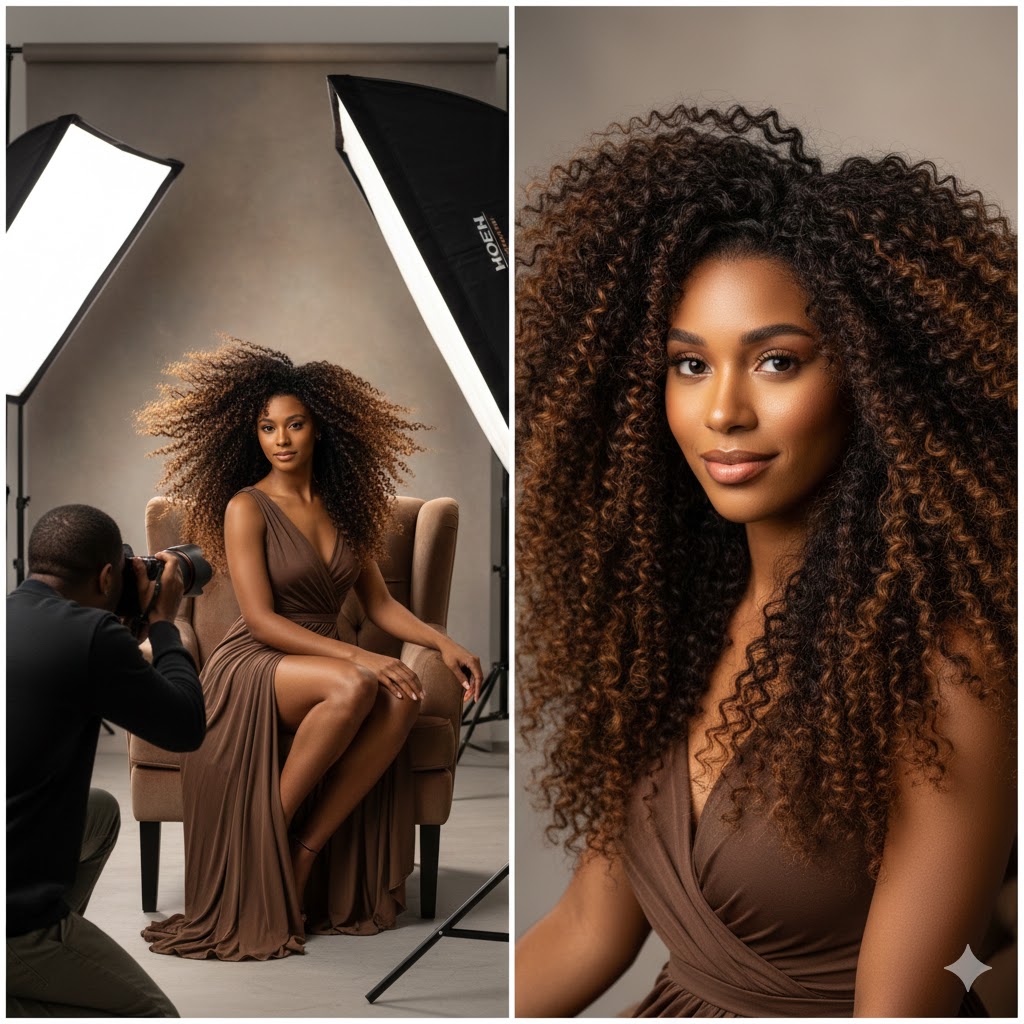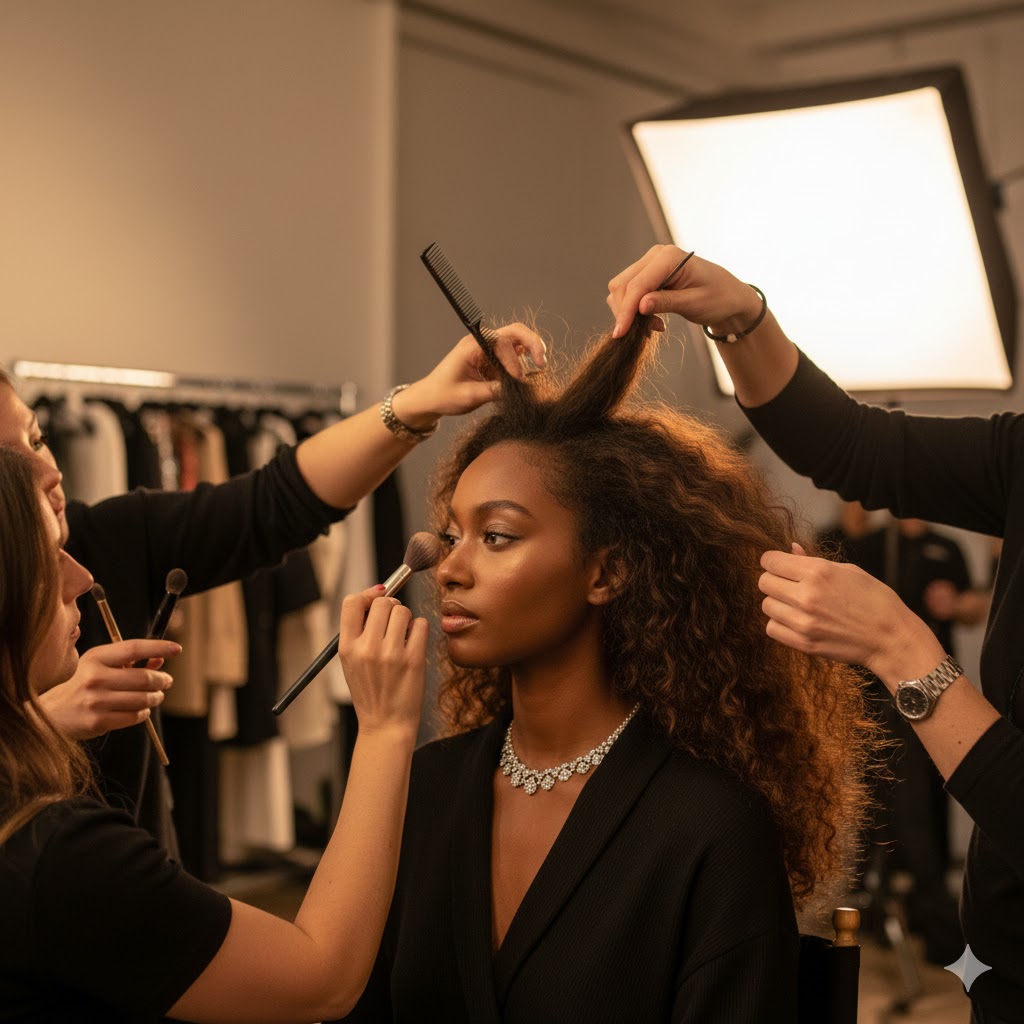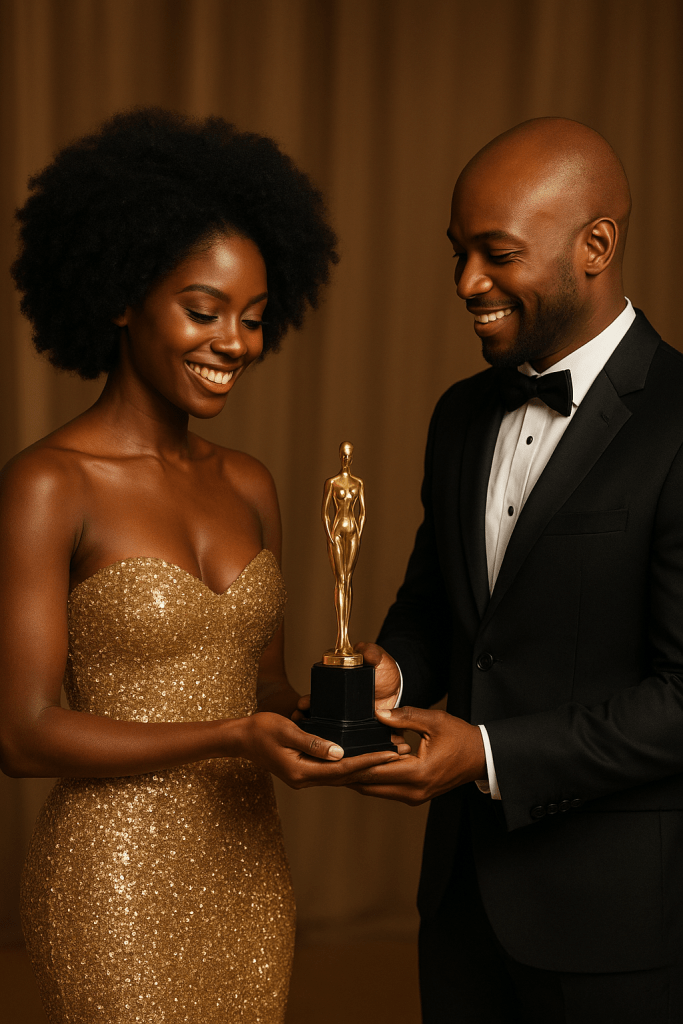
Tag Archives: looks

The Male Files: Looks vs. Personality — The Battle Between Flesh and Spirit.

In the modern world, men are often accused of being shallow, drawn first and foremost to physical appearance rather than personality. While this stereotype carries truth, the reasons behind it run deeper than vanity. Men are visually wired. From a biological standpoint, the male brain responds quickly to physical stimuli; it is a built-in survival mechanism designed for attraction, reproduction, and the continuation of the species. Yet, the spiritual man operates under a higher calling. The tension between what men see and what they value defines much of the internal conflict in today’s dating culture.

Society tells men that beauty equals worth. From music videos to advertisements, the female form has been commodified and marketed as the ultimate prize. A man’s status is often measured by the attractiveness of the woman he can “get.” This cultural conditioning fuels ego rather than intimacy. Many men pursue beauty not because they love it, but because they crave validation. It becomes a trophy to cover insecurity, not a reflection of true connection.

Biblically, however, man was created to discern beyond the surface. Proverbs 31:30 (KJV) reminds us, “Favour is deceitful, and beauty is vain: but a woman that feareth the Lord, she shall be praised.” Godly men are called to see character, not just curves. True beauty, in the eyes of a godly man, is rooted in virtue, kindness, and spiritual alignment—not in Instagram filters or waist-to-hip ratios.

Worldly men, on the other hand, often chase the image of perfection without understanding its emptiness. The “perfect 10” they desire is rarely about companionship—it’s about conquest. The lust of the flesh blinds the spirit, and in trying to fulfill a fantasy, many men lose their purpose. First John 2:16 (KJV) warns, “For all that is in the world, the lust of the flesh, and the lust of the eyes, and the pride of life, is not of the Father.” The worldly man is driven by impulse; the godly man is led by vision.

Interestingly, many men who demand “perfection” from women are themselves far from perfect. They want a fit, flawless partner while neglecting their own health, appearance, and spiritual discipline. This hypocrisy stems from ego insecurity—the desire to possess beauty as a way to elevate one’s own self-esteem. In psychology, this is called compensatory desire—when a person overvalues traits in others to make up for their own perceived inadequacies.

At its root, this obsession is not about women—it’s about male identity. The modern man has been raised in a culture that equates manhood with dominance, sexual access, and external success. When that is stripped away, many men feel powerless. So, they chase beauty to regain control, mistaking admiration for affirmation. But the truth is, external validation can never heal internal wounds.

A godly man, however, views attraction through the lens of purpose. He recognizes that a wife is not a status symbol but a partner in destiny. Genesis 2:18 (KJV) says, “It is not good that the man should be alone; I will make him an help meet for him.” This implies alignment, not aesthetic. God designed women to complement a man’s calling, not to decorate his ego. A woman’s beauty, therefore, should inspire responsibility, not lust.

Men who walk by the flesh often find themselves unsatisfied. No matter how beautiful the woman, the excitement fades if there is no emotional or spiritual connection. Proverbs 27:20 (KJV) declares, “Hell and destruction are never full; so the eyes of man are never satisfied.” This is why even men who “have it all” continue to wander—because their desires are rooted in emptiness, not wholeness.

True masculinity requires discipline. The ability to admire beauty without idolizing it separates a man of faith from a man of flesh. Lust feeds on fantasy; love grows from foundation. A man who cannot govern his eyes will never govern his home. Matthew 6:22 (KJV) says, “The light of the body is the eye.” What a man focuses on determines the direction of his soul.

In truth, many men were never taught what to look for in a wife. They learned from rap videos, social media, and locker room talk instead of from Scripture and wisdom. The world glorifies quantity over quality, teaching men to chase pleasure rather than purpose. But a godly man seeks more. He seeks peace over passion, loyalty over lust, and substance over spectacle.

The “perfect 10” mentality is also a reflection of comparison culture. Men, like women, are influenced by social media’s curated illusions. Scrolling through endless images of beauty creates unrealistic expectations, making average women seem “less than.” Yet these filtered fantasies are not real—they are projections of desire, not demonstrations of character. In chasing illusion, men lose appreciation for authenticity.

From a spiritual perspective, this obsession with physical perfection mirrors idolatry. When a man places more value on appearance than on godly character, he dethrones God as the source of beauty. The Bible teaches that the fear of the Lord is the beginning of wisdom (Proverbs 9:10 KJV). Therefore, discernment—not desire—should guide his heart.

Moreover, the male ego often equates attraction with achievement. To be seen with a beautiful woman boosts a man’s social standing among other men. But such validation is hollow. It creates relationships based on appearance rather than depth. When life’s trials come—and they always do—beauty alone cannot sustain love.

A godly man recognizes that real attraction grows with intimacy, respect, and shared faith. When a woman prays with him, encourages his purpose, and walks in integrity, her beauty multiplies in his eyes. Physical beauty fades, but spiritual beauty endures. First Peter 3:4 (KJV) describes this kind of woman as one with “the ornament of a meek and quiet spirit, which is in the sight of God of great price.”

Worldly men measure worth by what they can see; godly men measure it by what they can build. The worldly man asks, “How does she make me look?” The godly man asks, “How can we glorify God together?” The difference lies in maturity, not masculinity. One pursues pleasure; the other pursues purpose.

When men learn to lead with discernment, they break the cycle of superficial love. They begin to see women not as possessions but as partners. They understand that true attraction begins in the spirit, not the skin. This is the transformation the modern male psyche desperately needs—to evolve from consumerism to covenant.

In the end, the greatest beauty a man can find in a woman is peace. Proverbs 18:22 (KJV) declares, “Whoso findeth a wife findeth a good thing, and obtaineth favour of the Lord.” That “good thing” is not defined by her looks but by her godliness. For beauty catches the eye, but virtue captures the soul.


References

Holy Bible, King James Version. (n.d.). Bible Gateway. https://www.biblegateway.com

Cloud, H., & Townsend, J. (2018). Boundaries in Dating: How Healthy Choices Grow Healthy Relationships. Zondervan.

Eldredge, J. (2001). Wild at Heart: Discovering the Secret of a Man’s Soul. Thomas Nelson.

Lewis, C. S. (1942). The Screwtape Letters. Geoffrey Bles.

Piper, J. (1993). Desiring God: Meditations of a Christian Hedonist. Multnomah Press.

Black Men, Beautiful by Divine Design

Black men are beautiful by divine design, not as a reaction to oppression but as an original truth rooted in creation itself. From the first formation of humanity, Scripture affirms that mankind was made in the image and likeness of God, carrying dignity, purpose, and beauty that cannot be erased by history or hatred (Genesis 1:26–27, KJV). Black male beauty is therefore not merely aesthetic; it is theological, intentional, and sacred.

The beauty of Black men is expressed through strength and softness existing in harmony. Muscular frames, broad shoulders, and commanding posture often reflect physical power, yet the deeper beauty lies in restraint, wisdom, and emotional depth. Biblical masculinity never divorces strength from gentleness, as Christ Himself embodied both authority and compassion (Matthew 11:29, KJV).

Melanin itself stands as a biological testimony of divine wisdom. Scientifically, melanin provides protection against ultraviolet radiation and contributes to skin resilience, reflecting adaptation and intentional design (Jablonski, 2012). What society has often devalued, creation reveals as functional, protective, and beautiful.

Black men’s facial diversity—strong jawlines, full lips, wide or narrow noses, deep-set or expressive eyes—reflects a vast genetic inheritance rooted in Africa, the cradle of humanity. Genetics confirms that African populations possess the greatest genetic diversity on Earth, making Black features foundational rather than derivative (Tishkoff et al., 2009).

Hair textures among Black men, from tight coils and full afros to locs and curls, represent cultural memory and biological brilliance. Coiled hair conserves moisture and protects the scalp in warm climates, further revealing form following function (Jablonski & Chaplin, 2010). What was once policed and stigmatized is now being reclaimed as a crown.

Scripture consistently affirms that beauty is not accidental but crafted. Psalm 139 declares that human beings are “fearfully and wonderfully made,” language that applies fully to Black men whose bodies and identities have been historically attacked (Psalm 139:14, KJV). Divine craftsmanship cannot be undone by social distortion.

Historically, Black male beauty was intentionally suppressed during slavery and colonialism. European racial hierarchies sought to redefine beauty through whiteness to justify domination, portraying Black men as hyperphysical but subhuman (Fanon, 1952). This distortion was never truth—it was strategy.

Despite this, Black men have continually embodied dignity under pressure. From enslaved fathers protecting their families in spirit, to freedom fighters, scholars, artists, and builders, Black men have reflected a beauty rooted in perseverance and moral courage. Such beauty aligns with biblical endurance refined through trial (James 1:12, KJV).

The physical presence of Black men often communicates authority even in silence. This presence, frequently misinterpreted as threat, is in fact a reflection of bearing—what Scripture might call countenance. When Moses descended from Sinai, his face shone with divine encounter, reminding us that presence can be mistaken when observers lack understanding (Exodus 34:29, KJV).

Black male beauty is also relational. A man’s ability to love, lead, protect, and nurture reflects God’s design for masculine stewardship. Biblical manhood emphasizes responsibility and sacrificial love, not domination (Ephesians 5:25, KJV). In this, Black men mirror divine order.

In contemporary media, the reclamation of Black male beauty challenges centuries of distortion. When Black men are depicted as intellectual, tender, fashionable, faithful, and emotionally whole, the narrative shifts toward truth. Representation becomes a corrective lens rather than a superficial trend.

Psychologically, affirming Black male beauty is essential for healing. Studies show that internalized racism negatively impacts self-concept and mental health among Black men (Williams & Mohammed, 2009). Reclaiming beauty is therefore an act of restoration, not vanity.

Spiritually, beauty is linked to purpose. The Most High does nothing without intention, and Black men exist as vessels of divine assignment. Their appearance, voice, and physicality are part of how they move through the world and fulfill calling (Jeremiah 1:5, KJV).

The biblical narrative includes men of dark complexion and strength, such as the Shulammite’s beloved, described with admiration and desire in the Song of Solomon. The language of attraction and admiration in Scripture affirms that Blackness and beauty are not opposites (Song of Solomon 5:10–11, KJV).

Black men’s beauty also lives in discipline—how they carry themselves, speak with wisdom, and develop mastery in skill and craft. Proverbs teaches that skill brings a man before greatness, reinforcing that excellence itself is attractive and honorable (Proverbs 22:29, KJV).

Athleticism, often emphasized in Black male bodies, should be understood as one expression of embodied intelligence, not the limit of Black potential. The same bodies that run, lift, and endure also think, create, heal, and lead. Divine design never restricts purpose to one dimension.

Fatherhood reveals another layer of beauty. When Black men nurture children, guide families, and restore generational foundations, they reflect God as Father. This image is especially powerful in a society shaped by intentional family disruption (Malachi 4:6, KJV).

Cultural style—how Black men dress, groom, and adorn themselves—functions as visual theology. From tailored suits to casual streetwear, style communicates identity, self-respect, and cultural continuity. Even Scripture acknowledges garments as expressions of honor and position (Genesis 41:42, KJV).

Black men’s voices carry resonance, rhythm, and authority, shaped by both ancestry and lived experience. Whether preaching, teaching, singing, or speaking truth in everyday spaces, their voices reflect breath given by God Himself (Genesis 2:7, KJV).

Ultimately, declaring Black men “beautiful by divine design” is an act of truth-telling. It resists false narratives, restores dignity, and aligns with both Scripture and science. Beauty, in this sense, is not subjective—it is ordained.

When Black men see themselves as God sees them, beauty becomes a foundation for wholeness, responsibility, and righteous living. To affirm their beauty is to affirm God’s craftsmanship, wisdom, and sovereignty. What God has designed beautifully, no system has the authority to redefine.


References

Fanon, F. (1952). Black skin, white masks. Grove Press.

Jablonski, N. G. (2012). Living color: The biological and social meaning of skin color. University of California Press.

Jablonski, N. G., & Chaplin, G. (2010). Human skin pigmentation as an adaptation to UV radiation. Proceedings of the National Academy of Sciences, 107(Supplement 2), 8962–8968.

Tishkoff, S. A., et al. (2009). The genetic structure and history of Africans and African Americans. Science, 324(5930), 1035–1044.

Williams, D. R., & Mohammed, S. A. (2009). Discrimination and racial disparities in health. Journal of Behavioral Medicine, 32(1), 20–47.

The Holy Bible, King James Version. (1611/2017). Cambridge University Press.

When Favor Follows the Face

Favor has never been a neutral force in societies structured by hierarchy. In racialized systems, favor often follows the face—specifically, the faces that most closely resemble those in power. This phenomenon is not accidental; it is the historical residue of slavery, colonialism, and white supremacy, where appearance became a proxy for worth, trust, and access.

During chattel slavery, physical features were weaponized as social currency. Lighter skin, looser hair textures, and Eurocentric features were frequently rewarded with proximity to the slaveholder’s household, less physically punishing labor, and, at times, conditional protection. This “favor” was not benevolence but strategy, designed to manage labor and suppress resistance through division.

The appearance-based distribution of privilege created artificial hierarchies among the enslaved. Those whose faces mirrored whiteness were often perceived—by enslavers and later by society—as more intelligent, more trustworthy, and more civilized. This perception embedded itself into legal, religious, and cultural frameworks that survived emancipation.

Favor following the face extended beyond slavery into postbellum America and colonial societies across the globe. Education, employment, housing, and marriage markets quietly reproduced these hierarchies. Lightness of skin and proximity to whiteness continued to function as silent credentials, opening doors that remained closed to darker-skinned people with equal or greater merit.

Crucially, this favor was conditional and unstable. Proximity to whiteness did not grant equality; it merely granted temporary advantage within an unequal system. Those favored were never fully accepted and could be discarded at any moment. Favor was not freedom—it was leverage.

The internalization of this logic within Black communities gave rise to colorism. Generations taught to associate opportunity with certain features began to replicate those preferences unconsciously. Compliments, assumptions of competence, and romantic desirability often tracked skin tone rather than character or capability.

Psychologically, favor following the face distorted identity formation. Those who benefited were burdened with suspicion, guilt, or pressure to prove loyalty, while those denied favor internalized rejection as personal deficiency rather than systemic bias. Both outcomes fractured communal trust.

Modern institutions continue to reflect these patterns. Research consistently shows that lighter-skinned individuals experience better outcomes in hiring, sentencing, education, and media representation. The face still functions as a résumé before words are spoken or actions observed.

The Media has been one of the most powerful reinforcers of facial favor. Casting, beauty standards, and advertising elevate a narrow range of Black features as aspirational while marginalizing others. These visual hierarchies normalize inequality under the guise of preference.

Favoring following the face also obscures structural injustice. When success is attributed to “looking right,” systems are absolved of accountability. Inequality appears natural, inevitable, or deserved rather than engineered.

From a moral and historical standpoint, favor rooted in appearance is a continuation of plantation logic. It rewards resemblance to power rather than integrity, labor, or righteousness. Such favor is incompatible with justice because it is not earned; it is inherited through trauma.

Healing requires unlearning what slavery taught about faces. It demands recognizing that perceived advantage is not proof of superiority, and lack of favor is not evidence of failure. Both are symptoms of a system that ranked humanity by phenotype.

True equity emerges when favor follows character, wisdom, and righteousness rather than facial proximity to dominance. This shift requires intentional resistance—personally, culturally, and institutionally—to centuries of conditioning.

When favor no longer follows the face, communities move closer to restoration. Dignity is returned to those long denied it, and relationships are rebuilt on truth rather than illusion. Only then can the legacy of visual hierarchy finally be dismantled.


References

Berlin, I. (1998). Many thousands gone: The first two centuries of slavery in North America. Harvard University Press.

Davis, A. Y. (1981). Women, race, & class. Random House.

Du Bois, W. E. B. (1903). The souls of Black folk. A. C. McClurg & Co.

Fanon, F. (1952). Black skin, white masks. Éditions du Seuil.

Hunter, M. (2007). The persistent problem of colorism: Skin tone, status, and inequality. Sociology Compass, 1(1), 237–254. https://doi.org/10.1111/j.1751-9020.2007.00006.x

Jordan, W. D. (1968). White over Black: American attitudes toward the Negro, 1550–1812. University of North Carolina Press.

Spillers, H. J. (1987). Mama’s baby, papa’s maybe: An American grammar book. Diacritics, 17(2), 65–81.

Wilkerson, I. (2020). Caste: The origins of our discontents. Random House.

Beauty on Display

Beauty is more than what meets the eye; it is the careful orchestration of presence, poise, and expression. It is the art of revealing oneself to the world, not merely to be seen, but to be felt, admired, and remembered. Displaying beauty requires intention, awareness, and confidence, creating a lasting impression beyond physical appearance.

In fashion, beauty is curated. Each choice—from color to silhouette—tells a story. A flowing dress against the sunset, a sharp suit at a gala, or a minimalist ensemble at a gallery; each display communicates identity, taste, and mood. The world of aesthetics is deeply intertwined with self-expression, and the act of display becomes an extension of the self.

Hairstyles, skin care, and grooming are equally vital in this exhibition of beauty. A carefully styled hairdo or radiant skin reflects discipline, self-respect, and cultural pride. In many communities, hair is a crown—a statement of individuality and heritage. When displayed thoughtfully, it becomes both a personal and collective symbol of identity.

Body language is another subtle yet powerful medium of display. Graceful gestures, posture, and the way one carries themselves amplify beauty. Confidence cannot be masked; it radiates, capturing attention naturally. Those who master the silent language of movement communicate elegance, even without uttering a word.

Beauty is also a dance of contrasts. Symmetry meets asymmetry, simplicity meets complexity, and light meets shadow. Displaying beauty is about balancing these elements, making the ordinary extraordinary. The human eye is drawn to harmony, but also intrigued by uniqueness that defies expectation.

Cultural heritage heavily influences the standards and forms of display. Traditional attire, ceremonial garb, and artistic ornamentation reveal histories and ancestral pride. When a woman in Ankara fabric steps into a room or a man dons a Kente cloth, the display is a narrative, connecting past and present in one visual statement.

In art, beauty of display transcends the physical. Paintings, sculptures, and performances capture emotion, philosophy, and spirit. The display of a piece of art evokes a visceral reaction, just as human presentation does. Both demand attention and appreciation, bridging aesthetic pleasure with intellectual engagement.

The digital age has transformed how beauty is displayed. Social media platforms allow for curated aesthetics, but also invite scrutiny. The balance between authenticity and performance becomes a challenge, as each image or post is both a declaration and a judgment. Here, beauty of display is as much about narrative as it is about appearance.

Beauty also intersects with purpose. A smile that comforts, eyes that express empathy, or gestures that uplift—these are intangible forms of display. True beauty engages others, leaving them feeling seen and valued. In this sense, display becomes an act of generosity rather than vanity.

Accessories and adornments are extensions of display. Jewelry, scarves, hats, and even shoes are deliberate choices that punctuate personal style. They offer glimpses into taste, creativity, and confidence. Just as a brushstroke completes a painting, these details complete the visual narrative of an individual.

Seasonal changes offer new canvases for display. Colors of autumn, the freshness of spring, or the crisp elegance of winter attire provide opportunities to adapt and evolve one’s aesthetic. Observing nature’s beauty inspires personal display, reminding us that beauty is ever-changing yet enduring.

Light plays a critical role in showcasing beauty. Natural sunlight, candlelight, and soft ambient illumination reveal textures and tones differently, enhancing visual impact. Photographers and painters understand this; so too do those who display themselves thoughtfully. Light can elevate, soften, or dramatize beauty.

Confidence amplifies display more than makeup or fashion ever could. The individual who walks into a room with assurance commands attention effortlessly. This type of beauty is magnetic because it emanates from inner strength rather than external validation. It is timeless and universally admired.

Beauty of display is not limited to youth or conventional standards. Age brings depth, experience, and narrative to the aesthetic. A woman with silver hair styled elegantly or a man with weathered hands and a confident gaze shows that beauty evolves and deepens over time. Display, in this context, is wisdom embodied.

Scent is another invisible yet potent medium. Perfume, essential oils, or natural body aroma complement visual display, creating a multisensory experience. People remember fragrance long after appearances fade, highlighting the holistic nature of beauty and its power to linger.

Public spaces serve as stages for beauty. Street style, everyday gestures, or casual elegance reveal artistry in the mundane. Observing a crowd becomes an appreciation of human creativity, diversity, and expression. Beauty thrives when shared, not confined to galleries or fashion runways.

Storytelling enhances display. The narratives behind clothing, art, or gestures imbue them with significance. A hand-stitched garment, a meaningful accessory, or a deliberate choice of pose tells observers who we are, where we come from, and what we value. Display becomes storytelling without words.

Even restraint can define beauty. Minimalism, subtlety, and understated elegance often create stronger impressions than extravagance. The art of doing less, yet saying more, demonstrates sophistication and intentionality. Beauty, when restrained, invites contemplation and respect.

Symmetry, proportion, and balance remain foundational to beauty. These principles, rooted in mathematics and nature, resonate universally. Whether in the human form, architecture, or visual composition, balance is reassuring, harmonious, and deeply pleasing. Display aligned with these principles often feels effortless.

Ultimately, the beauty of display is a conversation between the self and the world. It invites engagement, admiration, and reflection. When done authentically, it communicates confidence, creativity, and character. True display of beauty transcends vanity; it becomes a celebration of life, identity, and presence.

References

  1. Stanford Encyclopedia of Philosophy. (2024). Beauty.
  2. Santayana, G. (1896). The Sense of Beauty: Being the Outlines of Aesthetic Theory.
    • A foundational work in aesthetics, especially on “form” and “expression.” Wikipedia+1
  3. Hogarth, W. (1753). The Analysis of Beauty.
    • Introduces the “Line of Beauty” (serpentine S-curve) and discusses visual beauty, movement, and grace. Wikipedia
  4. Hegel, G. W. F.Lectures on Aesthetics (discussed in secondary source).
  5. Hume, D. (in his essays “Of the Standard of Taste” and “Of Tragedy”).
    • Emphasizes the role of “taste” and shared human nature in aesthetic judgments. Plato
  6. Perlovsky, L. (2010). Beauty and Art: Cognitive Function, Evolution, and Mathematical Models of the Mind.
    • A cognitive-science/mathematical model of beauty; argues aesthetic emotions are rooted in cognition and evolution. arXiv
  7. Perlovsky, L. (2010). Physics of the Mind: Concepts, Emotions, Language, Cognition, Consciousness, Beauty, Music, and Symbolic Culture.
    • Explores how beauty is related to cognition, consciousness, and symbolic culture. arXiv
  8. Jiang, B., & de Rijke, C. (2021). Structural Beauty: A Structure‑based Approach to Quantifying the Beauty of an Image.
    • Proposes a more “objective” model of beauty based on structure, hierarchy, and mathematical coherence. arXiv
  9. Rusnak, A. M. (2025). Representing Beauty: Towards a Participatory but Objective Latent Aesthetics.
    • Modern work that examines how beauty might be represented in machine learning / neural networks, bridging subjective experience and objective form. arXiv
  10. Cambridge Scholars.Aesthetics of Presence.
    • Focus on “presence” in performance and how the beholder’s attention / awareness is central in experiencing beauty. Cambridge Scholars Publishing
  11. Friedenberg, J. (2020). Understanding Aesthetics, Creativity, and the Arts: An Interdisciplinary Approach.
    • A modern interdisciplinary textbook combining philosophy, psychology, and art theory. PhilPapers
  12. Stanford Encyclopedia of Philosophy. (2024). The Concept of the Aesthetic.
  13. Studia Gilsoniana. (2018). Theories of Beauty in Western Culture.
    • Scholarly article about metaphysical conceptions of beauty, the problem of ugliness, and historical perspectives. Biblioteka Nauki

Eurocentric Beauty Standards VS Black Beauty Standards: The Brown Girl Dilemma

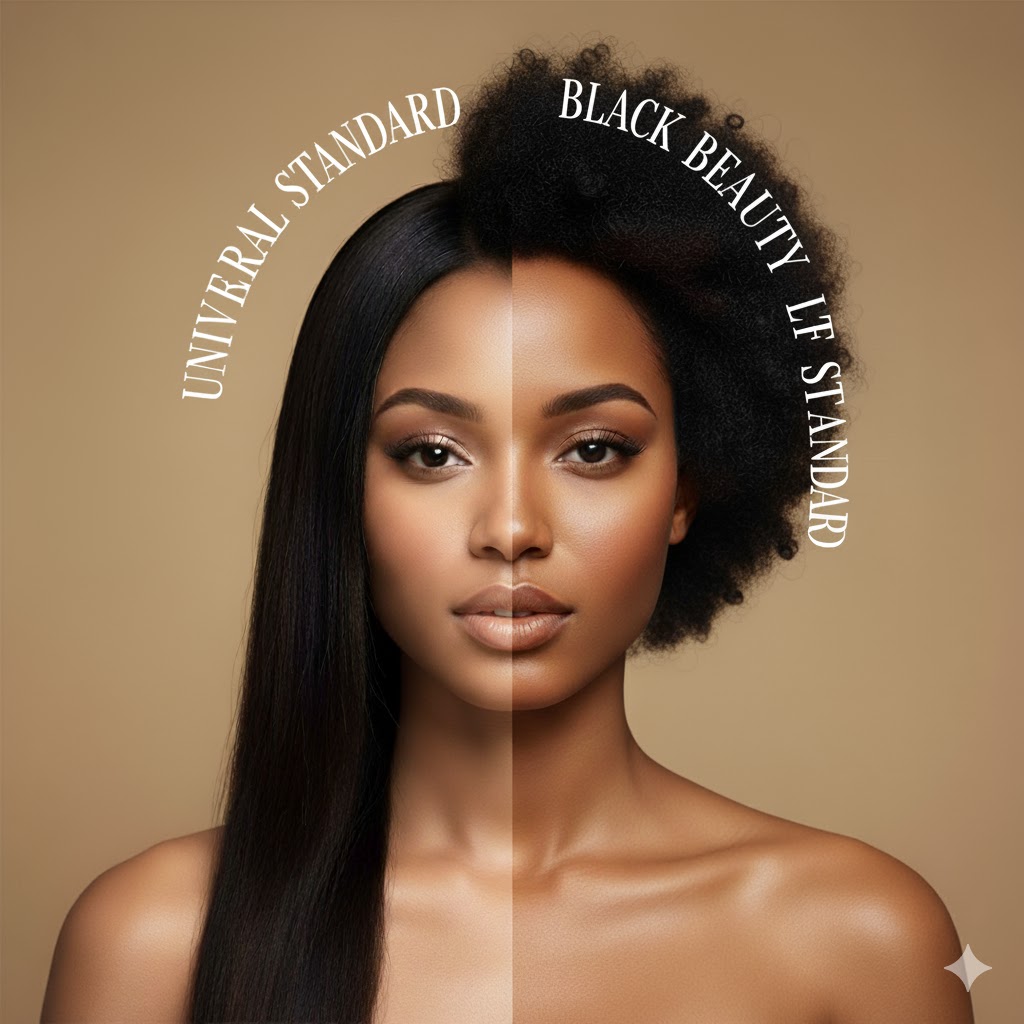
Eurocentric beauty standards have shaped global perceptions of attractiveness for centuries, creating a hierarchy that places whiteness at the top and all other features beneath it. For Black women—especially Brown-skinned and dark-skinned women—this hierarchy produces a dilemma that is both personal and generational. It affects identity, self-esteem, desirability, and even spiritual understanding of self-worth. This essay explores the history and psychology behind Eurocentric ideals—straight hair, light skin, narrow features, blue eyes—and contrasts them with the richness, diversity, and inherent value of Black beauty.

The Origins of Eurocentric Beauty Hierarchy

Eurocentric standards were born from colonialism, slavery, and racial pseudoscience. European colonizers declared their own features—pale skin, straight or wavy hair, slim noses, and light eyes—as “civilized,” “pure,” and “superior.” These traits became the global benchmark, not because they were inherently beautiful, but because they were associated with power, wealth, and dominance. Whiteness became the symbol of privilege.

Slavery and Color Hierarchies

During the transatlantic slave trade, enslaved Africans with lighter skin—often the product of sexual violence—were given preferential treatment. They worked in the house, wore better clothing, and at times received literacy or skilled labor training. This created the “house slave vs. field slave” hierarchy, embedding colorism deep into Black communities. Light skin became associated with safety, access, and acceptance—survival benefits. These dynamics later morphed into social preferences that still influence dating, media, and institutional biases today.

The Psychological Impact of Whiteness as the Default

Psychologists describe Eurocentric beauty standards as a “dominant cultural schema” (hooks, 1992). When one group controls media, education, and social narratives, their features become normalized as the ideal. This creates aesthetic assimilation pressure—the subconscious push to emulate the dominant group to gain approval, opportunity, and perceived worth.

The Brown Girl Dilemma

For Brown-skinned and dark-skinned girls, the psychological conflict is acute. They are often raised to love themselves spiritually, yet conditioned socially to see their features as less desirable. This creates cognitive dissonance:

  • “Why don’t I look like the women celebrated on TV?”
  • “Why is lighter skin described as beautiful, classy, or desirable?”
  • “Why do I feel too dark or too ‘ethnic’?”
    This tension affects self-esteem, dating prospects, opportunities, and even how young girls see their own reflection.

Hair: A Battleground for Identity

Straight hair has long been praised because it aligns closest to Eurocentric ideals. During Jim Crow and segregation, straightened or pressed hair was viewed as a means to “fit in” and reduce racial discrimination. The psychological message?
Natural coils = unprofessional, wild, unkempt
Straight hair = polished, acceptable, beautiful
This created internalized anti-Blackness, where girls learned that their natural features needed altering to be worthy.

Light Eyes and Light Skin as Social Capital

Blue or light eyes and pale skin carried symbolic power because they aligned with whiteness. The lighter a Black woman appeared, the closer she seemed to whiteness—and the more approval she gained from dominant society. Studies show that lighter-skinned Black women historically received better job opportunities, social mobility, and media representation (Hunter, 2007).
This ingrained the belief that beauty equals proximity to whiteness.

Media Reinforcement

For decades, magazines, movies, and fashion campaigns prioritized white women and lighter-skinned Black women. Black girls grew up with very few images that reflected their features, resulting in what some psychologists call identity starvation. Without representation, children struggle to form healthy self-esteem because they cannot see themselves as beautiful.

Colonial Psychology: The Beauty of the Conquered vs. the Conqueror

Colonialism taught the world that the conqueror’s traits were superior. European missionaries, scientists, and artists depicted African features as “primitive” or “animalistic.” Pseudoscientific works like those by Carl Linnaeus and Johann Blumenbach ranked races by beauty, placing Europeans at the top and Africans at the bottom. This scientific racism became the foundation for beauty discrimination.

Internalized Colorism in Black Communities

Over time, these external hierarchies became internal practices:

  • Favoring lighter-skinned women in family praise
  • Associating dark skin with aggression or masculinity
  • Assuming lighter skin equals innocence or refinement
    This internalization is generational trauma passed down from slavery.

Beauty as a Form of Resistance

The natural hair movement, melanin pride culture, and the resurgence of African aesthetics are forms of rebellion against Eurocentric standards. Black women have reclaimed what was once degraded—afros, braids, dark skin, wide noses, full lips—and declared them beautiful.

The Rise of Black Beauty Consciousness

Black beauty is diverse, rich, and multidimensional. Full lips, melanated skin, textured hair, and Afrocentric features are globally admired today—not because beauty standards changed by chance, but because Black women demanded visibility. “Black girl magic” is not a trend—it is a declaration of self-worth.

The Brown Girl’s Healing Journey

Healing from beauty-based trauma requires unlearning internalized biases. It means teaching young girls that their worth is not tied to proximity to whiteness. It means uplifting dark-skinned beauty publicly and consistently. It means dismantling old scripts tied to slavery’s residue.

Biblical Reflection

In Scripture, beauty is never defined by skin tone or European features. Instead, God calls His people beautiful, chosen, and precious.
“I will praise thee; for I am fearfully and wonderfully made” (Psalm 139:14, KJV).
Black women must reclaim this truth as identity—not as aspiration.

Reframing the Standard

Beauty standards are not neutral—they are political. They reflect power structures. To uplift Black beauty, society must redefine beauty in a way that centers inclusivity, diversity, and historical truth.

Colorism in Dating and Relationships

Studies show that lighter-skinned Black women are more likely to be preferred in dating apps and social settings because of centuries-old conditioning (Wilder, 2015). This creates insecurity among Brown girls who feel overshadowed. The imbalance is not personal—it is systemic.

Economic Value of Eurocentric Features

Mainstream industries profit from insecurity:

  • Skin-lightening creams
  • Straightening treatments
  • Colored contact lenses
    These industries make billions by selling whiteness as a product. The psychology: create insecurity → sell the solution.

Breaking the Cycle

Educators, parents, churches, and media creators must consciously highlight Afrocentric beauty. Brown girls need consistent affirmation—visual and verbal.

Honoring the Brown-Skinned Woman

Brown and dark-skinned beauty is unique, powerful, and breathtaking. The richness of melanin, the depth of brown skin tones, the strength of textured hair—all represent spiritual, genetic, and ancestral beauty.

The Future of Beauty

The beauty world is shifting, but the work is ongoing. True transformation requires dismantling the psychological chains inherited from colonialism and slavery. Brown girls deserve to grow up knowing they are enough as they are.

Conclusion

Eurocentric beauty standards are artificial constructs rooted in historical oppression, not truth. Black beauty—rich, diverse, and divine—stands in opposition to centuries of enforced inferiority. The Brown Girl Dilemma can be healed through representation, affirmation, education, and spiritual grounding. Black women must continue rewriting the narrative, reclaiming the beauty that was always theirs.


References

  • hooks, bell. Black Looks: Race and Representation. South End Press, 1992.
  • Hunter, M. (2007). “The Persistent Problem of Colorism.” Sociology Compass.
  • Wilder, J. (2015). Color Stories: Black Women and Colorism in the 21st Century.
  • Russell, K., Wilson, M., & Hall, R. (2013). The Color Complex: The Politics of Skin Color in a New Millennium.
  • Tate, S. (2009). Black Beauty: Aesthetics, Stylization, Politics.
  • Psalm 139:14 (KJV).

Beauty Is in the Eyes of the Beholder

Beauty has fascinated philosophers, scientists, and artists for centuries, yet it remains one of the most complex and debated concepts in human experience. When someone says, “Beauty is in the eyes of the beholder,” they acknowledge that what we find attractive is not universal. Two people can look at the same face—Brad Pitt, Denzel Washington, Aishwarya Rai Bachchan, or Kim Kardashian—and have completely different reactions. Some may see perfection, while others feel no attraction at all. This divergence raises a profound question: how can one object or person produce such opposite interpretations?

Human perception of beauty emerges from the interplay between biology, culture, psychology, and personal experience. While some elements of attractiveness are rooted in genetic preferences for health, symmetry, or fertility, these biological cues do not act alone. They are filtered through upbringing, environment, history, and learned values. Thus, beauty can be both subjective and objective at the same time—anchored in natural instincts yet shaped by social forces.

Beauty becomes subjective because each person’s mind interprets stimuli differently. The brain does not merely record what the eyes see; it interprets, edits, analyzes, and assigns meaning. Experiences from childhood, cultural exposure, family influences, societal ideals, and even personal insecurities shape how we judge attractiveness. Two people standing side-by-side may share the same visual input but generate entirely different emotional responses.

Opposing views arise because people possess individual histories that influence how they categorize beauty. Someone raised in a family that praises lighter skin may grow up prioritizing those features, while another who grows up surrounded by deep-toned beauty may find richness in melanin to be the ultimate ideal. In this sense, environment acts like a lens that shapes the raw genetic instincts built into us.

While some individuals find global icons like Brad Pitt or Aishwarya Rai incredibly attractive, others may not respond emotionally to their features. This does not diminish the beauty of the individual; it highlights the complexity of perception. Attraction depends not only on the features themselves but also on how a person’s brain interprets those features in relation to memories, associations, and internal biases.

Childhood plays a powerful role in shaping what we find attractive. Children absorb subtle messages from parents, television, social media, and peers. They observe which faces receive praise, who is considered desirable, and how beauty is talked about. These early impressions become mental templates—what psychologists call “imprinting”—that influence adult preferences. A child repeatedly exposed to a certain beauty ideal is more likely to absorb that ideal subconsciously.

Genetics contributes to attraction by shaping innate preferences. Humans across cultures tend to favor certain biological cues such as facial symmetry, clear skin, proportional features, and expressions of health. These cues signal good genes, fertility, and survival advantages. For example, symmetry suggests developmental stability, while clear skin signals health. However, genetics does not dictate which specific faces each person finds beautiful; it merely provides a blueprint for general tendencies.

Beauty is subjective because perception relies on neural pathways formed over time. The brain creates shortcuts known as heuristics to interpret attractiveness quickly. These heuristics depend heavily on exposure, conditioning, and familiarity. What one person recognizes as beautiful, another may interpret differently based on the mental filters they’ve developed. In other words, beauty is partly a reflection of the beholder’s inner world.

It is true that everyone who looks at you views you differently. Each observer applies their own criteria, experiences, social conditioning, and emotional states to the image before them. You do not appear the same to all people because people do not possess identical mental frameworks. Every face becomes a personal puzzle that each mind solves in its own way.

Opinions of beauty are formed through a mixture of biological impulses and cognitive associations. The brain’s reward pathway, especially the release of dopamine, influences how strongly we react to certain features. If a particular face or feature activates positive associations—perhaps it resembles a loved one or cultural icon—the viewer experiences attraction. If it triggers negative or unfamiliar associations, attraction diminishes.

Many of our thoughts about beauty originate from early exposure. Family shapes our initial ideals when we are young. Culture adds another layer by reinforcing images, standards, and expectations through media and tradition. Religion and community can shift perceptions by emphasizing modesty, purity, strength, or specific gender roles. These influences blend into a personal algorithm that defines what each person considers beautiful.

The subjectivity of beauty is amplified by social comparison. People learn to categorize faces through repeated exposure, and these categories evolve with societal values. When society celebrates a certain celebrity, body type, hairstyle, or skin tone, our understanding of beauty shifts along with it. Over time, these societal shifts influence how individuals form preferences.

In addition, personal experiences shape perception. A person who associates a specific facial type with a negative memory may feel aversion, even if that facial type is widely considered attractive. Conversely, someone who has positive emotional experiences associated with certain features may find those features beautiful regardless of societal standards.

Cultural diversity plays a tremendous role in shaping beauty standards. What is ideal in one society may be average or even unappealing in another. For example, some cultures prize fuller figures, while others emphasize slimness. Some value high cheekbones, while others prioritize softer features. Beauty does not exist in a vacuum—it is embedded in cultural narratives.

Genetics also influences how we perceive beauty through evolutionary psychology. Humans are drawn to cues that historically increased the likelihood of survival and reproduction. For example, certain facial ratios—like the distance between the eyes and mouth—are universally preferred because they signal youthfulness and health. Yet these universal preferences do not override cultural and personal variation.

Beauty appears subjective because the brain reacts not only to physical features but also to emotional meaning. A face can become more attractive to someone they love, admire, or trust, while it can become less attractive if associated with negative experiences. Attraction is not static; it evolves depending on emotional context.

Our reactions to beauty also stem from cognitive biases. Familiarity bias makes us favor what we already know. Similarity bias makes us find people more attractive if they resemble us or our loved ones. Novelty bias can make unfamiliar beauty thrilling or intimidating, depending on a person’s personality and past experiences.

Beauty can shift over time because the mind is adaptable. As people experience different cultures, travel, relationships, and life changes, their perceptions of beauty expand. What one considered unattractive years earlier may become appealing as they mature or as societal standards evolve.

Psychology suggests that beauty perception is linked to identity. People often gravitate toward beauty that validates their sense of self—culturally, racially, spiritually, or emotionally. Thus, beauty becomes a mirror reflecting not only the object being viewed but also the inner state of the viewer.

Opposing views on beauty are also influenced by environment and exposure. Someone raised in an environment where natural hair, melanated skin, or certain facial features were celebrated will grow up with different ideals than someone surrounded by Eurocentric standards. Beauty is a reflection of cultural conditioning.

Subjectivity in beauty is further shaped by emotional connection. A person may find someone more attractive after learning about their personality, kindness, or intelligence. Conversely, someone physically beautiful may become unattractive if their behavior is cruel. The emotional dimension modifies the visual perception.

Another contributor to beauty’s subjectivity is personal insecurity. People often project their desires, fears, or self-judgments onto their perception of others. A person insecure about their own appearance may judge beauty more harshly, while someone confident or emotionally balanced may find beauty in a wider range of faces.

Opinions about beauty also depend on social trends. Celebrities, influencers, and media continually reshape what is considered desirable. As trends evolve—from voluptuous bodies to slim waists, from tanned skin to porcelain tones—public preferences shift with them. Beauty becomes a moving target.

The neurological basis of attraction reveals that the brain rewards patterns it finds aesthetically pleasing. These patterns may include facial symmetry, proportionality, and the golden ratio. Yet the brain’s reward center can be trained to find new patterns beautiful with enough exposure.

Beauty remains subjective because no two people share identical life experiences. The emotional, genetic, cultural, and psychological ingredients that form a person’s preferences are unique. Thus, beauty varies as widely as personalities, languages, and worldviews.

The idea that everyone sees you differently is grounded in neuroscience. Each person’s brain processes visual stimuli through unique connections formed over the years. Thus, you exist in many forms—thirty people see thirty different versions of you, shaped by their internal narratives.

Ultimately, the subjectivity of beauty emphasizes the diversity of human experience. What one person finds breathtaking, another may overlook. This diversity enriches the human story, preventing beauty from becoming a rigid or uniform standard.

Beauty is both personal and universal. It is rooted in biology but refined by culture, shaped by childhood, altered by experience, and influenced by personality. This interplay ensures that no definition of beauty is final or absolute.

Our thoughts about beauty arise from a combination of instinct and experience. While evolutionary biology gives us a framework, the mind colors perception through memory, emotion, and environment. Therefore, beauty remains one of the most personal judgments a human can make.

In the end, beauty’s subjectivity is what makes it powerful. It reminds us that attraction is not a science to be perfected but a reflection of the beholder’s inner world. Beauty lives in perception, memory, culture, genetics, and soul. It is as varied and precious as the people who define it.

References

Bzdok, D., Langner, R., Schilbach, L., Jakobs, O., Roski, C., Caspers, S., … Eickhoff, S. B. (2011). Neural correlates of emotional valence judgments: A functional MRI meta-analysis. NeuroImage, 54(3), 2233–2244.

Darwin, C. (1871). The descent of man, and selection in relation to sex. London: John Murray.

DeBruine, L. M., & Jones, B. C. (2017). Face preferences. In Encyclopedia of evolutionary psychological science (pp. 1–12). Springer.

Etcoff, N. (1999). Survival of the prettiest: The science of beauty. Anchor Books.

Grammer, K., Fink, B, Møller, A. P., & Thornhill, R. (2003). Darwinian aesthetics: Sexual selection and the biology of beauty. Biological Reviews, 78(3), 385–407.

Jones, B. C., DeBruine, L. M., Little, A. C., & Feinberg, D. R. (2007). Social transmission of face preferences among humans. Proceedings of the Royal Society B, 274(1611), 899–903.

Langlois, J. H., Kalakanis, L., Rubenstein, A. J., Larson, A., Hallam, M., & Smoot, M. (2000). Maxims or myths of beauty? A meta-analytic and theoretical review. Psychological Bulletin, 126(3), 390–423.

Little, A. C., Jones, B. C., & DeBruine, L. M. (2011). Facial attractiveness: evolutionary based research. Philosophical Transactions of the Royal Society B, 366(1571), 1638–1659.

Rhodes, G. (2006). The evolutionary psychology of facial beauty. Annual Review of Psychology, 57, 199–226.

Said, C. P., & Todorov, A. (2011). A statistical model of facial attractiveness. Psychological Science, 22(9), 1183–1190.

Thornhill, R., & Gangestad, S. W. (1999). Facial attractiveness. Trends in Cognitive Sciences, 3(12), 452–460.

Zebrowitz, L. A. (1997). Reading faces: Window to the soul? Westview Press.

Face Value

Faces are the silent storytellers of human experience. Before a word is spoken, a glance, a smile, or a frown conveys personality, mood, and intention. Our brains are wired to interpret these cues almost instantaneously, a process critical for social interaction and survival (Willis & Todorov, 2006).

The concept of “face value” goes beyond superficial beauty. It encompasses perceived trustworthiness, competence, and warmth—all traits inferred from facial features and expressions (Oosterhof & Todorov, 2016). These judgments shape our social interactions in subtle but powerful ways.

First impressions are formed remarkably quickly. Studies show that exposure to a face for as little as 100 milliseconds is sufficient for observers to make consistent judgments about traits such as dominance and friendliness (Willis & Todorov, 2006). The rapidity of these impressions underscores the influence of visual cues on human behavior.

Facial symmetry is often associated with attractiveness and perceived health. Symmetrical features signal genetic quality, which has evolutionary roots in mate selection (Zebrowitz & Montepare, 2008). Yet symmetry alone is insufficient; expression and context shape perception as much as physical proportions.

The eyes are central to social communication. Eye contact conveys attention, engagement, and emotional openness. A steady gaze can project confidence, while avoidance may indicate discomfort or deception (Hietanen, 2018). These cues operate on both conscious and subconscious levels.

Microexpressions, fleeting facial movements lasting only a fraction of a second, reveal emotions that words may attempt to hide. Observing these subtle cues can help decode sincerity, embarrassment, or hostility (Hehman, Stolier, Keller, & Freeman, 2018).

Faces are processed along social dimensions such as trustworthiness, competence, and dominance. These dimensions are consistent across cultures, suggesting that certain facial cues universally convey social meaning (Todorov, Said, Engell, & Oosterhof, 2008).

Cultural norms influence the interpretation of facial expressions. While some expressions are universally understood, subtleties in gaze, eyebrow movement, and lip tension can carry different meanings in distinct cultural contexts (Matsumoto & Hwang, 2017).

Perceived trustworthiness is critical in both personal and professional interactions. Faces judged as more trustworthy are associated with greater cooperation in economic games and higher social influence (Little, Burriss, Jones, & Roberts, 2011). This demonstrates the functional importance of first impressions.

Dominance and leadership are also inferred from facial cues. Features such as jawline strength, brow prominence, and eye gaze influence perceptions of authority and competence (Todorov, 2017). These judgments can affect hiring decisions, voting behavior, and social hierarchies.

Emotional expression adds nuance to facial perception. Smiles increase perceived warmth and likability, while anger or frowns can signal threat or dissatisfaction (Adams & Kleck, 2005). Subtlety matters: exaggerated expressions may be dismissed as insincere.

Facial features interact with context to shape impressions. A neutral expression may appear approachable in one setting and stern in another. Lighting, posture, and background all modulate the social signal conveyed by a face (Conty & Grèzes, 2017).

The face is also a medium for identity and self-expression. Hairstyles, makeup, and adornments complement natural features and communicate personality, creativity, and cultural affiliation (Hehman & Freeman, 2023). This layering of cues enriches the social message of the face.

Perceptions of competence from faces can influence real-world outcomes. Politicians, educators, and executives with “competent-looking” faces often enjoy advantages in elections, negotiations, and leadership selection (Oosterhof & Todorov, 2016). First impressions extend far beyond casual encounters.

Faces can signal health and vitality. Skin clarity, eye brightness, and facial tone contribute to judgments of attractiveness and robustness (Zebrowitz & Montepare, 2008). These cues are processed automatically and often unconsciously.

Digital communication challenges traditional facial perception. Video calls preserve many cues, but text and emoji can only approximate the subtleties of expression. Despite this, people still infer personality traits based on avatars and profile images (Rule & Ambady, 2008).

Children develop sensitivity to facial cues early. Infants can discriminate between emotional expressions and respond to gaze direction, indicating that face-based social evaluation is innate and foundational for human interaction (Hehman et al., 2018).

Biases in facial judgment are persistent. People may stereotype or make assumptions based on facial features, which can perpetuate inequality in social and professional contexts (Todorov, 2017). Awareness of these biases is essential for fair decision-making.

Facial perception evolves with experience and social learning. Repeated interactions refine the accuracy of judgments, allowing observers to distinguish between superficial cues and genuine personality traits (Hehman & Freeman, 2023).

Ultimately, “face value” reflects a complex interplay of biology, psychology, and culture. Faces convey emotion, intention, and identity, shaping human relationships in profound ways. Understanding this silent language enhances empathy, communication, and social insight (Zebrowitz & Montepare, 2008).


References

  • Adams, R. B., & Kleck, R. E. (2005). Effects of direct and averted gaze on the perception of facially expressed emotion. Emotion, 5(1), 3–11.
  • Conty, L., & Grèzes, J. (2017). Eye contact effects on social preference and face recognition in normal ageing and in Alzheimer’s disease. Psychological Research. https://doi.org/10.1007/s00426-017-0955-6
  • Hehman, E., Stolier, R. M., Keller, M. C., & Freeman, J. B. (2018). The conceptual structure of face impressions. PNAS, 115(50), 12703–12708. https://doi.org/10.1073/pnas.1806764115
  • Hehman, E., & Freeman, J. B. (2023). The observer’s lens: The impact of personality traits and gaze on facial impression inferences. Electronics, 17(3), 17. https://doi.org/10.3390/electronics17030017
  • Hietanen, J. K. (2018). Affective eye contact: An integrative review. Frontiers in Psychology, 9, 1587. https://doi.org/10.3389/fpsyg.2018.01587
  • Little, A. C., Burriss, R. P., Jones, B. C., & Roberts, S. C. (2011). Facial appearance affects trustworthiness judgments of anonymous partners in an investment game. Evolution and Human Behavior, 32(6), 361–366.
  • Matsumoto, D., & Hwang, H. C. (2017). Cultural bases of nonverbal communication. In APA Handbook of Nonverbal Communication (pp. …). American Psychological Association.
  • Oosterhof, N. N., & Todorov, A. (2016). Personality at face value: Facial appearance predicts self and other personality judgments among strangers and spouses. Psychological Science, 27(5), 605–618. https://doi.org/10.1177/0956797616638655
  • Rule, N. O., & Ambady, N. (2008). First impressions of the face: predicting success. Social and Personality Psychology Compass, 2(3), 1498–1517.
  • Todorov, A. (2017). Face Value: The Irresistible Influence of First Impressions. Princeton University Press.
  • Todorov, A., Said, C. P., Engell, A. D., & Oosterhof, N. N. (2008). Understanding evaluation of faces on social dimensions. Trends in Cognitive Sciences, 12(12), 455–460.
  • Willis, J., & Todorov, A. (2006). First impressions: Making up your mind after a 100-ms exposure to a face. Psychological Science, 17(7), 592–598.
  • Zebrowitz, L. A., & Montepare, J. M. (2008). Social psychological face perception: Why appearance matters. Social and Personality Psychology Compass, 2(3), 1497–1517.

The Look that Speaks

A look can say more than words ever could. Eyes, facial expressions, and subtle gestures communicate emotion, intent, and personality in ways that language often cannot. The power of a look lies in its immediacy and universality, transcending barriers of culture, language, and time.

From a smile that radiates warmth to a gaze that commands attention, the look is a form of silent storytelling. It conveys mood, confidence, and vulnerability simultaneously, allowing others to perceive the depth of one’s inner world without uttering a single word.

In human interaction, the eyes are central. Eye contact fosters trust, connection, and engagement. A sustained gaze can signal interest or intimacy, while avoidance may indicate discomfort or disinterest. The subtle dynamics of eye movement reveal emotional nuance and psychological state.

Facial microexpressions—brief, involuntary facial movements—reveal emotions that words may attempt to mask. A fleeting frown, raised eyebrow, or tightened lip communicates unspoken feelings, offering insight into sincerity, tension, or curiosity. The observant can “read” these silent signals to understand deeper truths.

The look can be a weapon or a shield. In social settings, it can intimidate, assert dominance, or deflect attention. The confident glance of a leader or performer projects authority and poise, commanding respect before a word is spoken. Conversely, a guarded gaze can maintain privacy, revealing little while still engaging others.

Cultural differences shape the interpretation of looks. In some societies, direct eye contact conveys honesty and confidence; in others, it may be considered disrespectful. Understanding these nuances is critical, as the meaning of a look is both biological and socially constructed.

In art and photography, the gaze is a powerful tool. A subject’s look toward or away from the camera can evoke emotion, tell a story, or create intimacy. Portraits such as those by Dorothea Lange or Annie Leibovitz capture the essence of human experience through the eyes, transcending context and time.

Fashion and styling amplify the message of a look. A striking outfit, carefully chosen colors, and deliberate posture complement the face, enhancing the visual story conveyed through expression. The ensemble becomes an extension of the gaze, giving it context and personality.

The power of the look extends to romantic connection. A glance can ignite attraction, communicate desire, or deepen intimacy. Shared eye contact in a moment of silence creates connection that words could dilute, establishing trust and emotional resonance between individuals.

Nonverbal communication is not limited to humans. Animals also convey emotion and intent through gaze and posture. Observing this behavior enhances understanding of instinctive communication, empathy, and shared emotional experience across species.

Confidence transforms a look. Individuals who carry themselves with assurance project clarity and presence through subtle expressions. The confident look conveys self-awareness and purpose, attracting attention naturally and commanding respect without explicit assertion.

A look can convey storytelling. Writers and filmmakers use characters’ expressions to reveal inner thoughts, tension, or narrative progression. A fleeting glance, a frown, or a soft smile can speak volumes about character, motivation, and relational dynamics.

In professional environments, the look is strategic. Negotiators, leaders, and educators use gaze and expression to influence, motivate, or calm. Understanding and controlling one’s nonverbal cues is as crucial as mastering spoken language, offering insight into influence and persuasion.

Emotional intelligence enhances the effectiveness of a look. Recognizing the signals of others’ expressions allows empathetic responses, deepening connection and understanding. The look becomes a dialogue, silent yet potent, between observer and observed.

The power of a look is amplified by context. Lighting, background, posture, and environment shape perception. A glance in a dimly lit room carries different weight than the same look under harsh lighting, demonstrating that expression interacts dynamically with setting.

Social media has redefined the way looks are displayed and interpreted. Selfies, videos, and curated images allow for deliberate expression of emotion and personality. The digital gaze invites engagement, interpretation, and feedback from a global audience.

Historical portraiture demonstrates that the look has always been a form of communication. From Renaissance paintings to royal photography, artists captured the essence of individuals through expression, revealing character, status, and emotional depth for posterity.

The subtlety of a look requires attention. Observers attuned to nuances perceive sincerity, deception, or passion that may elude casual notice. Cultivating this attentiveness enriches interpersonal relationships and deepens appreciation for the expressive power of the human face.

Beauty enhances but does not define the power of a look. While aesthetics can draw attention, it is the combination of authenticity, emotion, and intent that communicates meaning. A genuine glance carries more resonance than one crafted solely for appearance.

Ultimately, the look that speaks is a bridge between inner experience and outward expression. It conveys emotion, intention, and identity, transcending language while inviting connection. Mastering the art of expressive gaze is an enduring human skill, essential for communication, creativity, and intimacy.

References

  • Graham, R., & LaBar, K. S. (2012). Neurocognitive mechanisms of gaze‑expression interactions in face processing and social attention. Neuropsychologia, 50(5), 553–566. https://doi.org/10.1016/j.neuropsychologia.2012.01.019 PMC
  • Hietanen, J. K. (2018). Affective eye contact: An integrative review. Frontiers in Psychology, 9, Article 1587. https://doi.org/10.3389/fpsyg.2018.01587 PMC
  • Cañigueral, R., & Hamilton, A. F. de C. (2019). The role of eye gaze during natural social interactions in typical and autistic people. Frontiers in Psychology, 10, Article 560. https://doi.org/10.3389/fpsyg.2019.00560 Frontiers
  • Kleinke, C. L. (1986). Gaze and eye contact: A research review. Psychological Bulletin, 100(1), 78–100. https://doi.org/10.1037/0033-2909.100.1.78 Scinito
  • Adams, R. B., & Kleck, R. E. (2005). Effects of direct and averted gaze on the perception of facially expressed emotion. Emotion, 5(1), 3–11. (Discussed / built on in newer work.)
  • Liu, Y., Teng, F., Zhou, Z., & Fu, G. (2021). Emotional gaze: The effects of gaze direction on the perception of facial emotions. Frontiers in Psychology, 12, Article 684357. https://doi.org/10.3389/fpsyg.2021.684357 Frontiers
  • Conty, L., & Grèzes, J. (2017). Eye contact effects on social preference and face recognition in normal ageing and in Alzheimer’s disease. Psychological Research. https://doi.org/10.1007/s00426-017-0955-6 SpringerLink
  • Manusov, V., & (Ed.). (2016). APA Handbook of Nonverbal Communication. American Psychological Association. WorldCat
  • Argyle, M., & Cook, M. (1976). Gaze and mutual gaze. Cambridge University Press. (Classic work on gaze and social interaction — related to cultural studies.)
  • Matsumoto, D., & Hwang, H. C. (2017). Cultural bases of nonverbal communication. In APA Handbook of Nonverbal Communication (pp. …). American Psychological Association. WorldCat

The Outside Edit

The Outside Edit is the process of consciously refining and curating one’s external appearance to project identity, confidence, and intention. It is an intersection of fashion, grooming, posture, and nonverbal cues, communicating messages that words alone cannot.

Appearance is a silent language. The choices we make about clothing, accessories, and hairstyle speak volumes about our personality, mood, and social status (Andrade, Morais, & Soares de Lima, 2024). These visual cues shape first impressions and influence how others perceive competence and trustworthiness.

Grooming and hygiene are foundational to the Outside Edit. Clean, well-maintained hair, skin, and nails signal self-respect and discipline. Even minor details, like polished shoes or neat attire, can alter perceptions of credibility and professionalism (Sollerhed & Bringsén, 2023).

Color psychology plays a vital role in external presentation. Warm colors often convey approachability and energy, while cool colors suggest calm and professionalism. Understanding these subtle influences allows for strategic self-presentation (Kim & Sullivan, 2019).

Accessories and embellishments enhance personality expression. Jewelry, watches, handbags, and eyewear provide additional layers to a visual narrative, reinforcing individuality while complementing broader style choices.

Posture and body language are integral components of the Outside Edit. A confident stance, open gestures, and deliberate movement communicate self-assurance and engagement, while slouching or fidgeting can diminish perceived authority (Gorbatov, Khapova, & Lysova, 2018).

Fashion trends intersect with personal style, but the Outside Edit prioritizes individuality. Incorporating trends selectively ensures that presentation aligns with authentic identity rather than conformity to external pressures.

Cultural identity is expressed through clothing, accessories, and hairstyles. Traditional garments and symbolic motifs communicate heritage, values, and personal narrative, creating a bridge between ancestral roots and contemporary expression (Lieven, 2022).

Professional environments demand a calibrated Outside Edit. Leaders, educators, and public figures carefully curate visual cues to inspire trust, credibility, and influence. Their appearance often precedes verbal communication, reinforcing authority (Gorbatov et al., 2018).

Social media amplifies the reach and impact of visual presentation. Curated profiles, photographs, and videos allow individuals to control their image and convey intentional narratives to global audiences (Kim & Sullivan, 2019).

The Outside Edit extends beyond fashion; it encompasses nonverbal expression. Facial expression, eye contact, and microexpressions complement attire, creating a holistic impression of authenticity and emotional intelligence (Hietanen, 2018).

Lighting, setting, and environment influence how the Outside Edit is perceived. Subtle changes in illumination or backdrop can enhance or diminish colors, textures, and overall presence, affecting first impressions (Sollerhed & Bringsén, 2023).

Confidence is a key multiplier of the Outside Edit. Individuals who embody self-assurance convey competence and charisma, drawing attention naturally and creating a sense of presence that transcends appearance alone (Gorbatov et al., 2018).

Minimalism and restraint are powerful tools. Strategic simplicity in clothing, accessories, and styling communicates elegance, thoughtfulness, and sophistication, allowing the observer to focus on the essence of the individual (Andrade et al., 2024).

Facial grooming, skincare, and makeup are tools to highlight unique features rather than mask identity. Thoughtful presentation enhances natural beauty and communicates intentionality, reinforcing authenticity (Kim & Sullivan, 2019).

Visual storytelling is central to the Outside Edit. Each element of appearance—from color to texture to proportion—contributes to the narrative one presents to the world, creating a coherent, intentional persona (Lieven, 2022).

Adaptability allows the Outside Edit to respond to context. Social events, professional settings, and creative spaces require nuanced variations in presentation, demonstrating awareness and versatility (Gorbatov et al., 2018).

Art, photography, and media celebrate the Outside Edit as a form of expression. Iconic portraits and fashion editorials showcase how style, poise, and visual curation convey narrative, emotion, and identity (Kim & Sullivan, 2019).

Psychological research underscores the impact of appearance on perception. People make rapid judgments about competence, warmth, and status based on visual cues, highlighting the strategic importance of self-presentation (Andrade et al., 2024).

Ultimately, the Outside Edit is a deliberate, mindful practice. It integrates style, grooming, posture, and expression to communicate authenticity, creativity, and intention, shaping both perception and self-confidence in meaningful ways (Sollerhed & Bringsén, 2023).


References

  • Andrade, B., Morais, R., & Soares de Lima, E. (2024). The personality of visual elements: A framework for the development of visual identity based on brand personality dimensions. The International Journal of Visual Design, 18(1), 67–98.
  • Gorbatov, S., Khapova, S. N., & Lysova, E. I. (2018). Personal branding: Interdisciplinary systematic review and research agenda. Frontiers in Psychology, 9, 2238. https://doi.org/10.3389/fpsyg.2018.02238
  • Hietanen, J. K. (2018). Affective eye contact: An integrative review. Frontiers in Psychology, 9, 1587. https://doi.org/10.3389/fpsyg.2018.01587
  • Kim, Y.-K., & Sullivan, P. (2019). Emotional branding speaks to consumers’ heart: The case of fashion brands. Fashion and Textiles, 6, Article 2. https://doi.org/10.1186/s40691‑018‑0164‑y
  • Lieven, T. (2022). How behavioral branding affects brand equity. Frontiers in Psychology, 13. https://doi.org/10.3389/fpsyg.2022.904736
  • Sollerhed, A.-C., & Bringsén, Å. (2023). Appearance between professionalism and work‑related stress among marketing employees. Work, 75(4), 1231–1242. https://doi.org/10.3233/WOR-220307

Judged by the Flesh: The Hidden Cost of Lookism.

In a world that increasingly prioritizes aesthetics, lookism—discrimination based on physical appearance—has emerged as a subtle yet powerful social ill. Unlike overt forms of prejudice, lookism operates quietly, influencing hiring practices, social interactions, and access to opportunities. Society often equates attractiveness with competence, likability, and even moral character, creating systemic advantages for those deemed “good-looking” and profound disadvantages for those who do not meet conventional beauty standards (Langlois et al., 2000).

The roots of lookism are both cultural and biological. Evolutionary psychology suggests humans have historically relied on physical cues to assess health, fertility, and social dominance. Yet, while some preference for symmetry or health markers may have biological origins, contemporary standards are deeply cultural, shaped by media, fashion, and globalized beauty ideals. This creates a hierarchy where certain facial features, body types, and skin tones are valorized, while others are marginalized.

Research consistently shows that physical appearance influences professional outcomes. Attractive individuals are more likely to be hired, earn higher salaries, and receive positive performance evaluations, regardless of skill or experience. This phenomenon, sometimes called “beauty premium,” highlights the insidious economic consequences of lookism. Those who fall outside idealized beauty norms experience not only diminished opportunities but also the psychological burden of feeling undervalued or invisible (Hamermesh & Biddle, 1994).

Lookism intersects with race, gender, and class, compounding disadvantage. For example, women of color often face both racialized and beauty-based discrimination, navigating a society that celebrates Eurocentric features as ideal. Black women, in particular, contend with colorism, hair politics, and features historically stigmatized, intensifying the harm of lookism within their communities and society at large.

Social media has intensified lookism by elevating curated images and digital standards of beauty. Platforms like Instagram and TikTok prioritize visual appeal, rewarding those with aesthetically pleasing appearances while marginalizing others. This “algorithmic bias” perpetuates unrealistic beauty ideals, fostering low self-esteem, body dysmorphia, and a relentless comparison culture (Fardouly et al., 2015).

Lookism also operates in interpersonal relationships. Attractive individuals often receive more attention, affection, and social favor, while those deemed less attractive are frequently dismissed, underestimated, or socially excluded. This bias extends beyond conscious prejudice; implicit cognition studies reveal that humans subconsciously associate beauty with positive traits such as intelligence, morality, and sociability (Dion et al., 1972).

Educational environments are not immune. Teachers may unknowingly favor attractive students, granting them more attention, encouragement, or leniency. This early bias can shape self-perception and academic outcomes, reinforcing societal inequities and perpetuating cycles of privilege and marginalization (Ritts et al., 1992).

The psychological toll of lookism is significant. Individuals who are judged harshly for their appearance are at increased risk of depression, anxiety, and social withdrawal. Persistent exposure to appearance-based discrimination erodes self-worth and fosters internalized bias, where individuals adopt society’s negative judgments as personal truths. These effects are particularly acute during adolescence, when identity and self-esteem are most malleable.

Lookism’s influence extends to healthcare. Research demonstrates that patients perceived as attractive are more likely to receive attentive care, quicker diagnoses, and greater empathy from healthcare providers, whereas those considered unattractive may experience neglect or misdiagnosis. Such disparities reflect the deep, often unconscious, ways physical appearance shapes life outcomes (Hamermesh & Biddle, 1994).

Media representation reinforces lookism through selective portrayal. Television, film, and advertising disproportionately feature individuals who conform to narrow standards of beauty, marginalizing diverse bodies, skin tones, and facial features. These representations not only validate societal bias but also communicate implicit messages about worth, desirability, and success.

Even in romantic relationships, lookism exerts influence. Cultural narratives and dating algorithms often prioritize conventional attractiveness, reinforcing the notion that beauty is synonymous with value. This commodification of physical appearance can overshadow qualities like character, intellect, and emotional compatibility, perpetuating superficial standards of partnership.

Workplace lookism has legal and ethical implications. Although anti-discrimination laws protect against race, gender, and age biases, physical appearance is not universally protected, leaving “appearance discrimination” largely unchecked. Employees who deviate from conventional attractiveness norms face subtle penalties—missed promotions, social exclusion, or biased performance evaluations.

Despite its pervasive nature, interventions against lookism are possible. Awareness campaigns, diversity initiatives, and inclusive media representation can challenge ingrained perceptions of beauty. Organizations that prioritize skill, character, and diversity over appearance foster equitable opportunities and reduce the hidden costs of aesthetic bias.

Cultural critique also plays a role in mitigating lookism. Scholars and activists have highlighted the intersectionality of appearance-based bias with race, gender, and socioeconomic status, emphasizing the need to dismantle systems that equate beauty with virtue or competence. These critiques encourage society to value individuals holistically rather than superficially.

Psychological resilience can counteract the personal effects of lookism. Encouraging self-compassion, emphasizing skill development, and cultivating communities that value diverse appearances help mitigate the internalization of appearance-based discrimination. Programs that celebrate body positivity and aesthetic diversity have shown positive effects on self-esteem and mental health outcomes.

Historically, beauty standards have been mutable, illustrating that what is considered attractive is socially constructed rather than inherent. Renaissance, Victorian, and modern ideals vary dramatically, underscoring the arbitrary nature of lookism and the potential for cultural change. Understanding this fluidity empowers individuals to question and resist oppressive aesthetic norms.

Social media literacy is increasingly critical. Users must recognize curated imagery, filters, and digital enhancements as non-representative of reality. Educating young people on the mechanics of social media influence can reduce the internalization of unattainable beauty ideals and mitigate the mental health consequences of lookism.

It is also essential to address intra-community lookism, such as colorism or hair politics, which reinforce discriminatory hierarchies within marginalized groups. These forms of appearance-based bias perpetuate inequality and hinder collective empowerment, demonstrating that the effects of lookism are both broad and intimate.

Finally, combating lookism requires systemic change alongside personal resilience. Policies promoting inclusion, media representation of diverse appearances, and education that challenges aesthetic hierarchies are crucial for reducing the hidden costs of judging by the flesh. Without intentional action, society risks perpetuating inequities that undermine social cohesion, self-worth, and justice.

In conclusion, lookism is a pervasive, often invisible form of discrimination that shapes opportunities, relationships, and self-perception. Recognizing its impact and implementing cultural, institutional, and individual interventions are essential steps toward a more equitable society. As society becomes increasingly conscious of bias in all forms, addressing lookism is critical for cultivating justice, dignity, and authentic human value.

References

  • Dion, K., Berscheid, E., & Walster, E. (1972). What is beautiful is good. Journal of Personality and Social Psychology, 24(3), 285–290.
  • Fardouly, J., Diedrichs, P. C., Vartanian, L. R., & Halliwell, E. (2015). Social comparisons on social media: The impact of Facebook on young women’s body image concerns and mood. Body Image, 13, 38–45.
  • Hamermesh, D. S., & Biddle, J. E. (1994). Beauty and the labor market. American Economic Review, 84(5), 1174–1194.
  • Langlois, J. H., Kalakanis, L., Rubenstein, A. J., Larson, A., Hallam, M., & Smoot, M. (2000). Maxims or myths of beauty? A meta-analytic and theoretical review. Psychological Bulletin, 126(3), 390–423.
  • Ritts, V., Patterson, M., & Tubbs, M. (1992). Expectations, impressions, and judgments of physically attractive students: A review. Review of Educational Research, 62(4), 413–426.