Tag Archives: Beauty

Good-Looking Black People and Representation.

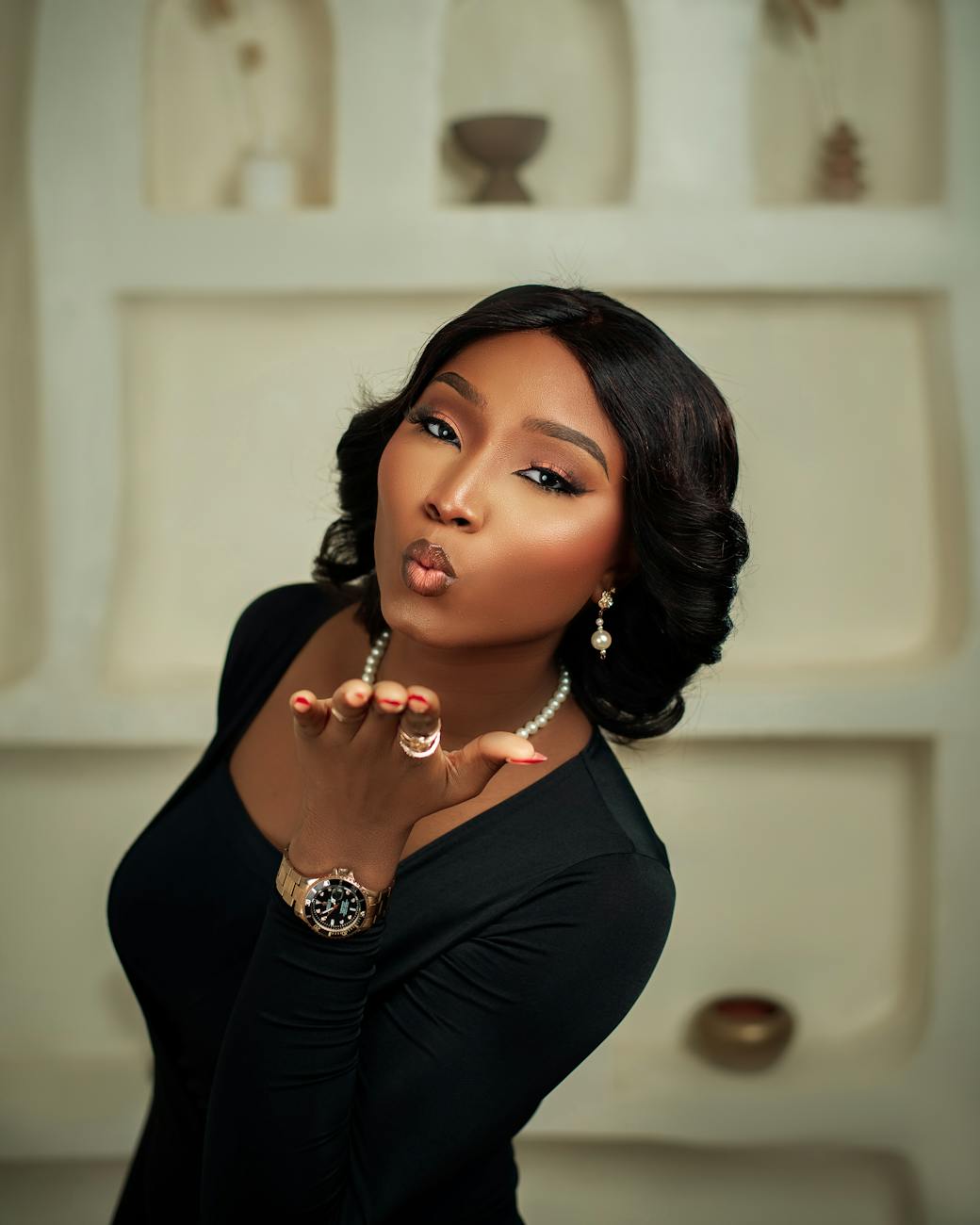
Photo by Chinedu Offor on Pexels.com

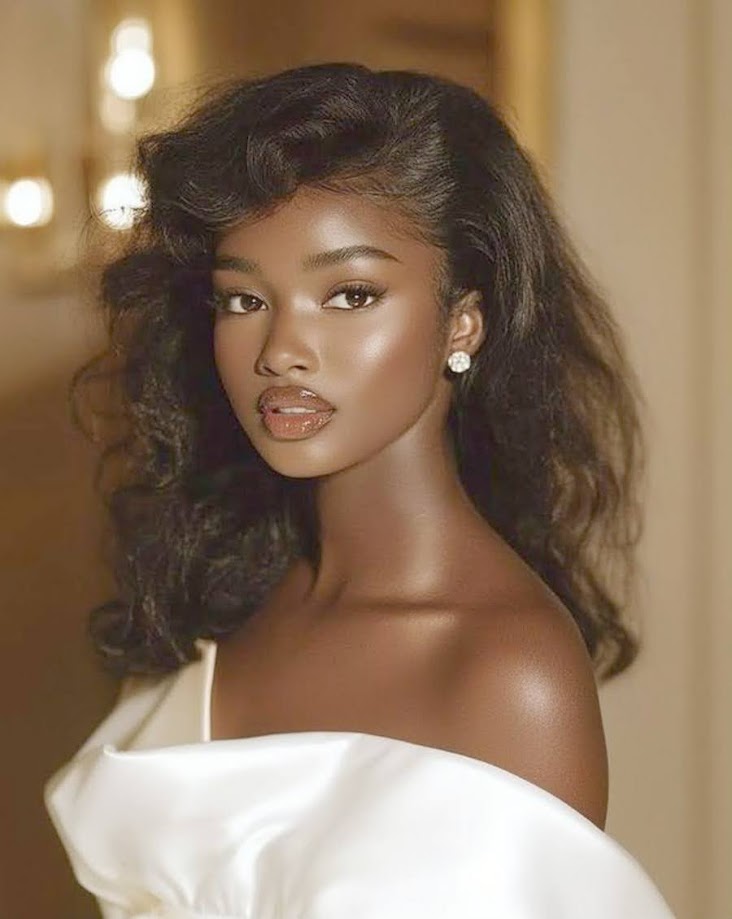
The concept of beauty has always been shaped by cultural narratives, economic power, and historical context. When we discuss good-looking Black people, we are not merely speaking about aesthetics but about visibility, identity, and resistance. The image of Black beauty has long been distorted by Western ideals that equate attractiveness with proximity to whiteness. Yet, in the twenty-first century, representation of beautiful Black people in media, art, and fashion is reshaping how the world perceives Blackness itself (hooks, 1992).

Historically, Eurocentric beauty standards dominated global consciousness, positioning straight hair, lighter skin, and narrow facial features as the epitome of beauty. This framework marginalized darker-skinned people, especially Black individuals whose features deviated from these ideals. The absence of Black beauty in mainstream culture contributed to generations of internalized inferiority and self-rejection (Craig, 2006).

In response, the visibility of good-looking Black people in popular media has become an act of reclamation. Every time a dark-skinned model, actor, or influencer graces the cover of a magazine or headlines a major campaign, it challenges the longstanding myth that beauty belongs exclusively to whiteness. Representation, in this sense, is not about vanity—it is about validation and empowerment.

The struggle for representation began long before modern media. During the Harlem Renaissance, artists and intellectuals like Langston Hughes and Zora Neale Hurston celebrated Black beauty as divine and dignified, countering racist depictions that dehumanized African features. Their work laid the foundation for a cultural revolution that continues to this day (Lewis, 1997).

In contemporary culture, figures such as Lupita Nyong’o, Halle Berry, and Idris Elba have redefined the parameters of beauty. Lupita’s global rise, particularly after her Oscar win, symbolized the triumph of authentic Black beauty in a world accustomed to Eurocentric images. Her dark skin and natural hair became revolutionary symbols of pride, challenging the narrative that darker tones are less desirable (Tate, 2009).

Yet, representation is not simply about presence—it is also about the context of that presence. Too often, the visibility of good-looking Black people is tokenized, reduced to diversity quotas rather than genuine inclusion. When Black beauty is commercialized without cultural understanding, it risks becoming aesthetic appropriation rather than affirmation (Russell, Wilson, & Hall, 2013).

Fashion and film industries have both played complex roles in this transformation. The modeling world, once dominated by Eurocentric ideals, is gradually opening space for diverse complexions and textures. Icons like Naomi Campbell, Tyra Banks, and more recently Adut Akech and Duckie Thot, have proven that African beauty is not niche—it is universal. Their success transcends race and challenges global beauty hierarchies.

In cinema, Black actors have long battled typecasting. Good-looking Black men, for instance, have been portrayed either as hypersexualized threats or desexualized side characters. Similarly, beautiful Black women were often cast as maids, temptresses, or comic relief. The emergence of multifaceted, empowered roles for Black leads marks progress in dismantling these harmful stereotypes (Bogle, 2016).

Television and streaming media have become powerful tools for this cultural shift. Shows like Insecure, Black Panther, and Queen Sugar have showcased Black beauty in its full range—dark and light, natural and polished, urban and regal. The celebration of melanin on screen resonates deeply with audiences who finally see reflections of themselves that are dignified, complex, and desirable.

However, the fight for authentic representation remains ongoing. Even within the Black community, colorism continues to dictate which forms of beauty are celebrated. Lighter-skinned individuals often receive more media visibility, perpetuating internal hierarchies that mirror colonial ideologies (Hunter, 2005). True representation must embrace all shades, hair textures, and body types—not just those that align with marketable ideals.

Social media has become both a battlefield and a beacon. Platforms like Instagram and TikTok amplify diverse expressions of beauty, giving power back to individuals. Hashtags like #BlackIsBeautiful and #MelaninMagic have become movements, celebrating features once ridiculed. Yet, digital spaces also reproduce biases—filters that lighten skin or algorithms that prioritize Eurocentric faces show that the algorithm itself can be an instrument of oppression (Noble, 2018).

Representation is also spiritual. When Black people embrace their God-given appearance, they honor divine intention. Psalm 139:14 declares, “I will praise thee; for I am fearfully and wonderfully made.” This affirmation transcends aesthetics—it reclaims identity as sacred. To see oneself as beautiful, despite centuries of indoctrination, is an act of faith and liberation.

Moreover, Black beauty challenges the notion that attractiveness is static. It evolves through rhythm, resilience, and resistance. From the sculpted cheekbones of African queens to the modern artistry of Afrofuturism, beauty becomes both heritage and prophecy. The good-looking Black person is not merely admired but remembered as a symbol of survival and power (Asante, 2003).

The conversation about beauty also extends to masculinity. Good-looking Black men have had to navigate stereotypes of aggression and hypermasculinity. Figures like Idris Elba, Chadwick Boseman, and Shemar Moore have reshaped this image, merging strength with sophistication and sensitivity. Their visibility encourages young Black men to see beauty not as vanity, but as confidence rooted in self-respect.

In literature and music, the aesthetics of Blackness continue to inspire global admiration. Artists like Erykah Badu, Jill Scott, and Kendrick Lamar weave visual and lyrical narratives that celebrate Black beauty as divine expression. Their work rejects artificial conformity, instead embracing Afrocentric identity as a source of creative power.

The representation of good-looking Black people matters because visibility is validation. For centuries, Black faces were excluded from billboards, film screens, and fashion spreads. Today, each appearance—whether in a global campaign or a local classroom—challenges the world to see beauty beyond prejudice. It tells every young Black child that their reflection is enough.

Still, the work is unfinished. The beauty industry must continue to diversify leadership and decision-making. Representation cannot stop at faces—it must include the voices and visions behind the camera, the designers behind the clothes, and the editors behind the magazines. Equity in representation requires structural change, not symbolic gestures.

Ultimately, good-looking Black people embody more than visual appeal—they represent resilience, divinity, and depth. Their beauty tells a story of overcoming centuries of erasure and reclaiming the narrative of worth. Each smile, each portrait, each performance becomes a testimony that Black is not just beautiful—it is essential.

As Galatians 3:28 reminds us, “There is neither Jew nor Greek, bond nor free, male nor female: for ye are all one in Christ Jesus.” Beauty, therefore, is not a hierarchy but a harmony. When representation reflects this truth, humanity itself becomes more whole.

The recognition of good-looking Black people is not about validation from others but liberation from false standards. It is the realization that every shade, texture, and feature reflects divine creativity. When Black beauty stands unapologetically in the light, it does more than inspire—it transforms the very definition of beauty itself.


References

Asante, M. K. (2003). Afrocentricity: The Theory of Social Change. African American Images.
Bogle, D. (2016). Toms, Coons, Mulattoes, Mammies, and Bucks: An Interpretive History of Blacks in American Films. Bloomsbury Publishing.
Craig, M. L. (2006). Race, beauty, and the tangled knot of a guilty pleasure. Feminist Theory, 7(2), 159–177.
hooks, b. (1992). Black Looks: Race and Representation. South End Press.
Hunter, M. L. (2005). Race, Gender, and the Politics of Skin Tone. Routledge.
Lewis, D. L. (1997). When Harlem Was in Vogue. Penguin Books.
Noble, S. U. (2018). Algorithms of Oppression: How Search Engines Reinforce Racism. NYU Press.
Russell, K., Wilson, M., & Hall, R. (2013). The Color Complex (Revised): The Politics of Skin Color Among African Americans. Anchor.
Tate, S. A. (2009). Black Beauty: Aesthetics, Stylization, Politics. Ashgate Publishing.
The Holy Bible, King James Version (KJV). (1611).
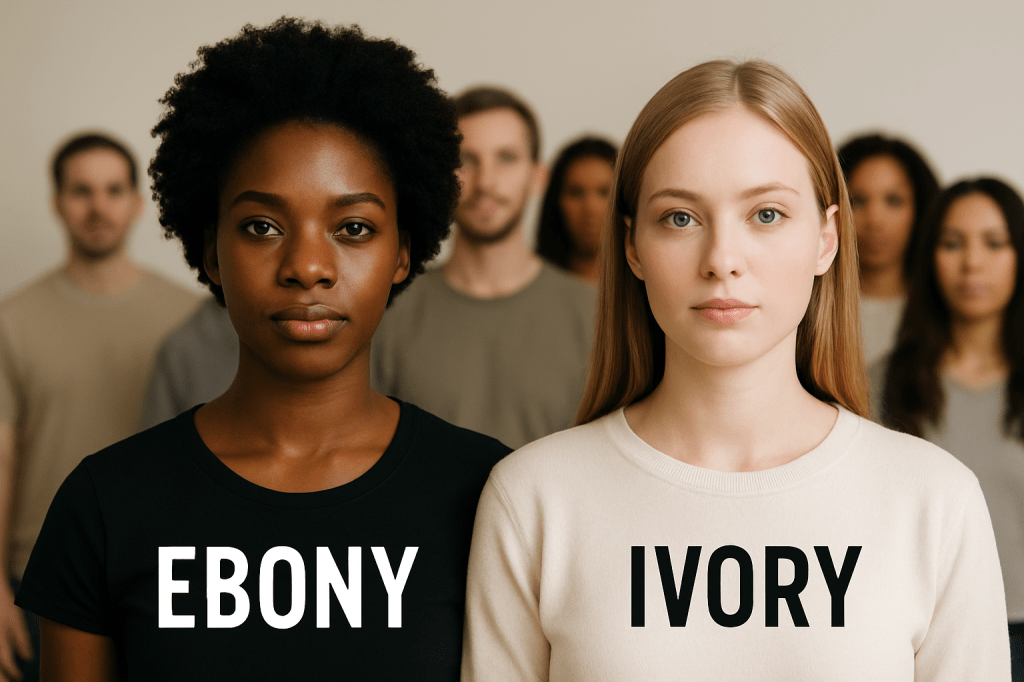
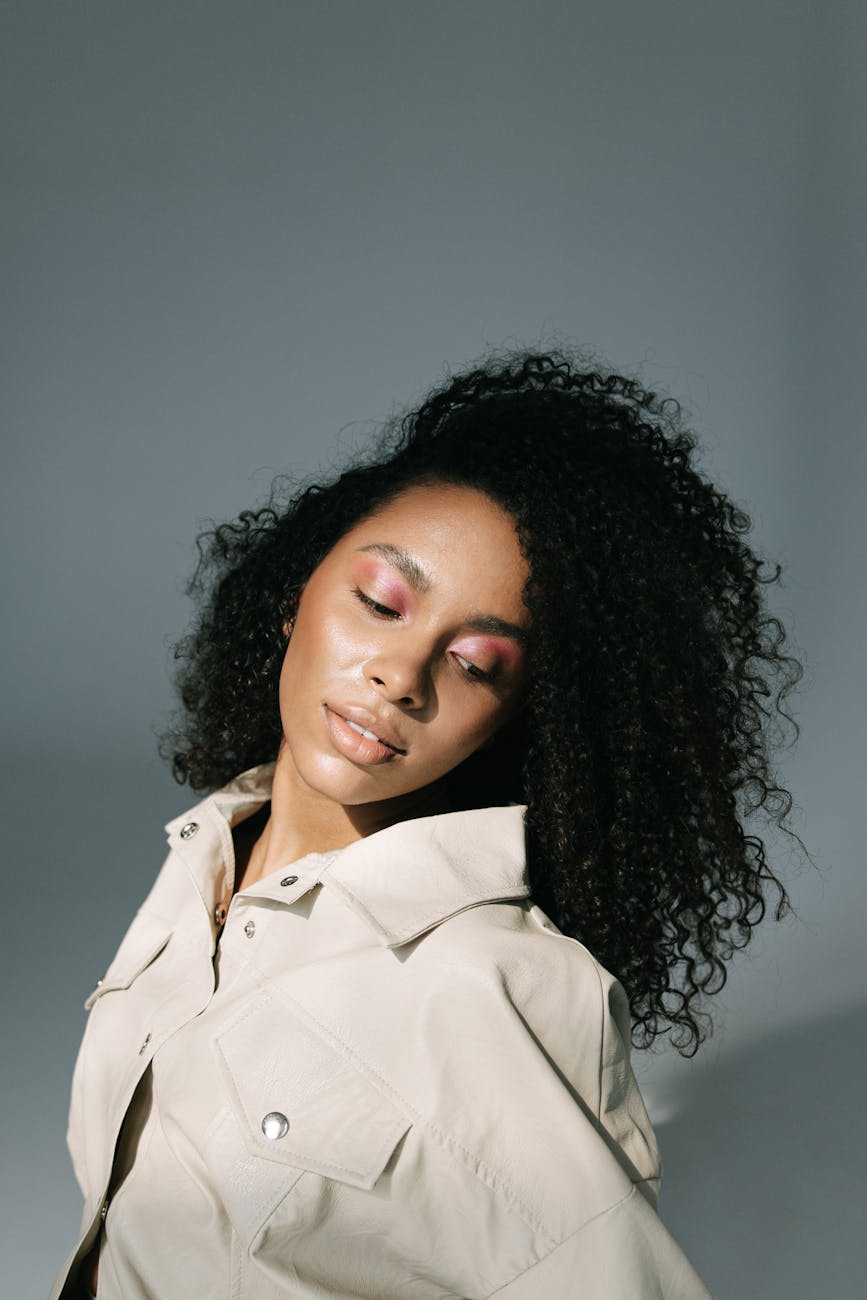
Ebony and Ivory: Two Shades, One Standard of Beauty.

From the dawn of civilization, beauty has been both a mirror and a weapon—reflecting ideals shaped by power and privilege, and wielded to define worth within social hierarchies. Within the globalized gaze of modernity, the politics of skin color continue to influence how femininity and desirability are perceived, especially among women of African descent. The notion of “Ebony and Ivory” evokes more than just color; it symbolizes the ongoing dialogue between light and dark, between acceptance and exclusion, and between the internalized and externalized standards of beauty that shape identity (hooks, 1992).

The idea of “two shades, one standard” captures the paradox of colorism: the simultaneous elevation and devaluation of Blackness within the same racial group. While “ivory” tones have historically been exalted as closer to Western ideals, “ebony” skin has often been marginalized, caricatured, or fetishized. Both ends of the spectrum, however, are measured against the same Eurocentric barometer that privileges whiteness as the ultimate aesthetic reference (Hunter, 2005).

This phenomenon, deeply rooted in colonialism, reveals how beauty became a tool of control. During the transatlantic slave trade, lighter-skinned enslaved individuals were often granted domestic positions and social proximity to white power structures, breeding intra-racial hierarchies that persist today. These legacies still echo in media representation, where lighter skin is frequently coded as “refined,” while darker tones are portrayed as “exotic” or “primitive” (Craig, 2006).

For many women of color, navigating these coded perceptions can be exhausting. The “brown girl dilemma” emerges when one feels too dark to be celebrated and too light to be considered authentically Black. This liminal existence is both a burden and a revelation—proof that beauty, as defined by Western constructs, remains an unattainable illusion that fractures rather than unites.

Beauty standards, much like colonial borders, were imposed rather than chosen. From the powdered faces of the Victorian era to the filtered glow of Instagram, the valuation of lightness has remained a constant aesthetic undercurrent. Yet, even within African and Afro-diasporic communities, this colonial inheritance continues to dictate preferences in partners, media icons, and even professional opportunities (Glenn, 2008).

In popular culture, colorism is often masked by phrases like “preference” or “type.” However, these preferences are rarely organic—they are sociologically constructed through centuries of imagery that equate lightness with purity and success, and darkness with defiance and struggle. The entertainment industry’s casting choices often reinforce these biases, rewarding lighter skin with visibility while relegating darker complexions to supporting or stereotypical roles (Russell, Wilson, & Hall, 2013).

This bias extends beyond film and television. In the global beauty market, skin-lightening creams generate billions annually, a grim testament to the internalization of Eurocentric ideals (Glenn, 2008). The psychological effects of such products are profound, suggesting that beauty is not only skin-deep but soul-deep, affecting one’s perception of self-worth and belonging.

For Black women, beauty is an act of survival. To adorn oneself becomes an assertion of existence in a world that often demands invisibility. From the regal hairstyles of precolonial Africa to the natural hair movement, Black women have continuously redefined and reclaimed their beauty on their own terms (Byrd & Tharps, 2014).

Yet, this reclamation is not without struggle. Within the Black community itself, hierarchies persist. The glorification of lighter women as more “marriageable” or “acceptable” continues to fracture solidarity. It is an unspoken inheritance of slavery’s psychological residue, perpetuated by both men and women who unconsciously valorize proximity to whiteness.

The darker-skinned woman often bears the weight of invisibility and hypervisibility simultaneously—ignored in spaces of admiration, yet scrutinized as the embodiment of resistance or rebellion. This double-bind mirrors W.E.B. Du Bois’ concept of “double consciousness,” wherein one is forced to see oneself through the lens of a world that refuses full recognition (Du Bois, 1903).

Light-skinned women, conversely, navigate their own complexities. While society may privilege them aesthetically, they are often accused of benefiting from colorism or being “not Black enough.” Thus, both ebony and ivory tones bear distinct forms of cultural alienation, tied together by an oppressive standard neither created (Monk, 2014).

In this context, beauty becomes not celebration but negotiation. Every compliment, every criticism, every casting call, and every social media post reinforces the invisible hierarchy of shade. The struggle is not between dark and light, but against the system that pits them against each other.

Media representation plays a critical role in dismantling or reinforcing these divides. When dark-skinned actresses like Lupita Nyong’o or Viola Davis are celebrated, it signals progress—but also exposes how rare such representation remains. Likewise, the inclusion of mixed-race models in campaigns may appear inclusive, yet often centers features still aligned with Eurocentric beauty (Tate, 2009).

To heal from this color divide, we must first acknowledge that beauty is not a monolith. It is plural, diverse, and spiritually rooted. In the biblical sense, humanity was created “in the image of God” (Genesis 1:27, KJV), meaning all shades reflect divine artistry. The rejection of any hue is, therefore, a rejection of the Creator’s design.

Moreover, Proverbs 31:30 reminds us that “favor is deceitful, and beauty is vain: but a woman that feareth the Lord, she shall be praised.” This verse redirects the gaze from the external to the eternal, urging women to seek validation not from comparison but from divine purpose.

Ebony and ivory are not opposites but complements, each contributing to the symphony of creation. Just as piano keys of contrasting colors produce harmony, so too can diverse complexions coexist in mutual admiration and respect. The beauty of one does not diminish the beauty of the other; together, they reveal the fullness of God’s palette.

True beauty transcends complexion—it emanates from character, compassion, and conviction. In a world obsessed with appearances, spiritual and cultural consciousness must redefine the standard. Beauty should not divide but dignify, not exclude but exalt.

To love one’s shade is to reclaim agency over identity. When Black women, in all their hues, embrace their reflection without apology, they dismantle centuries of aesthetic oppression. “Ebony and Ivory” then becomes more than a contrast—it becomes a covenant of self-acceptance and collective healing.

As we move forward, let beauty be measured not by shade but by soul. For when light and dark come together, they create balance, harmony, and wholeness—the true reflection of divine beauty.


References

Byrd, A. D., & Tharps, L. L. (2014). Hair Story: Untangling the Roots of Black Hair in America. St. Martin’s Press.
Craig, M. L. (2006). Race, beauty, and the tangled knot of a guilty pleasure. Feminist Theory, 7(2), 159–177.
Du Bois, W. E. B. (1903). The Souls of Black Folk. Chicago: A.C. McClurg.
Glenn, E. N. (2008). Yearning for lightness: Transnational circuits in the marketing and consumption of skin lighteners. Gender & Society, 22(3), 281–302.
hooks, b. (1992). Black Looks: Race and Representation. South End Press.
Hunter, M. L. (2005). Race, gender, and the politics of skin tone. Routledge.
Monk, E. P. (2014). Skin tone stratification among Black Americans, 2001–2003. Social Psychology Quarterly, 77(4), 360–379.
Russell, K., Wilson, M., & Hall, R. (2013). The Color Complex (Revised): The Politics of Skin Color Among African Americans. Anchor.
Tate, S. A. (2009). Black Beauty: Aesthetics, Stylization, Politics. Ashgate Publishing.
The Holy Bible, King James Version (KJV). (1611).
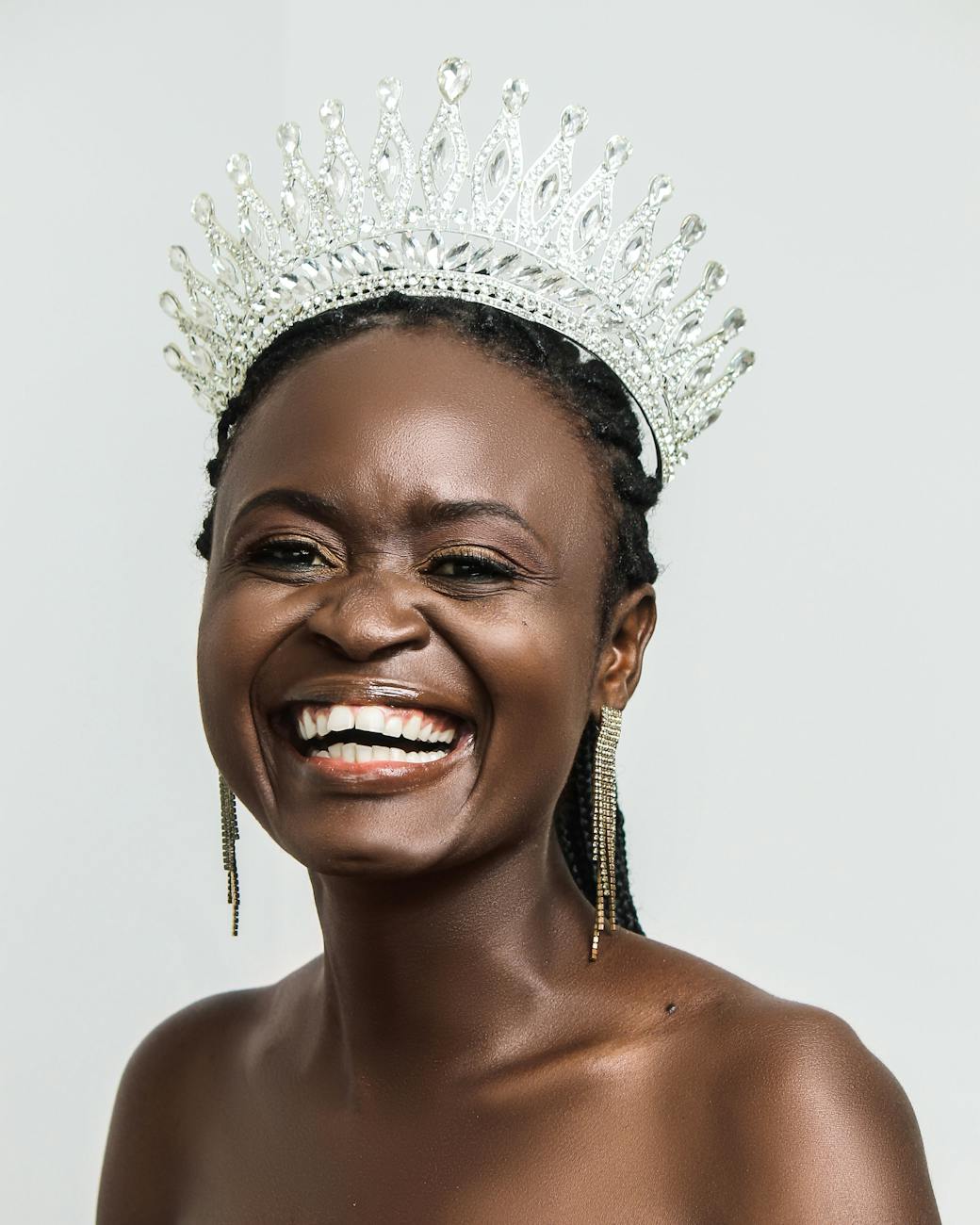
The Spectrum of Brown: Beauty Beyond One Shade.

Photo by Ivan Samkov on Pexels.com

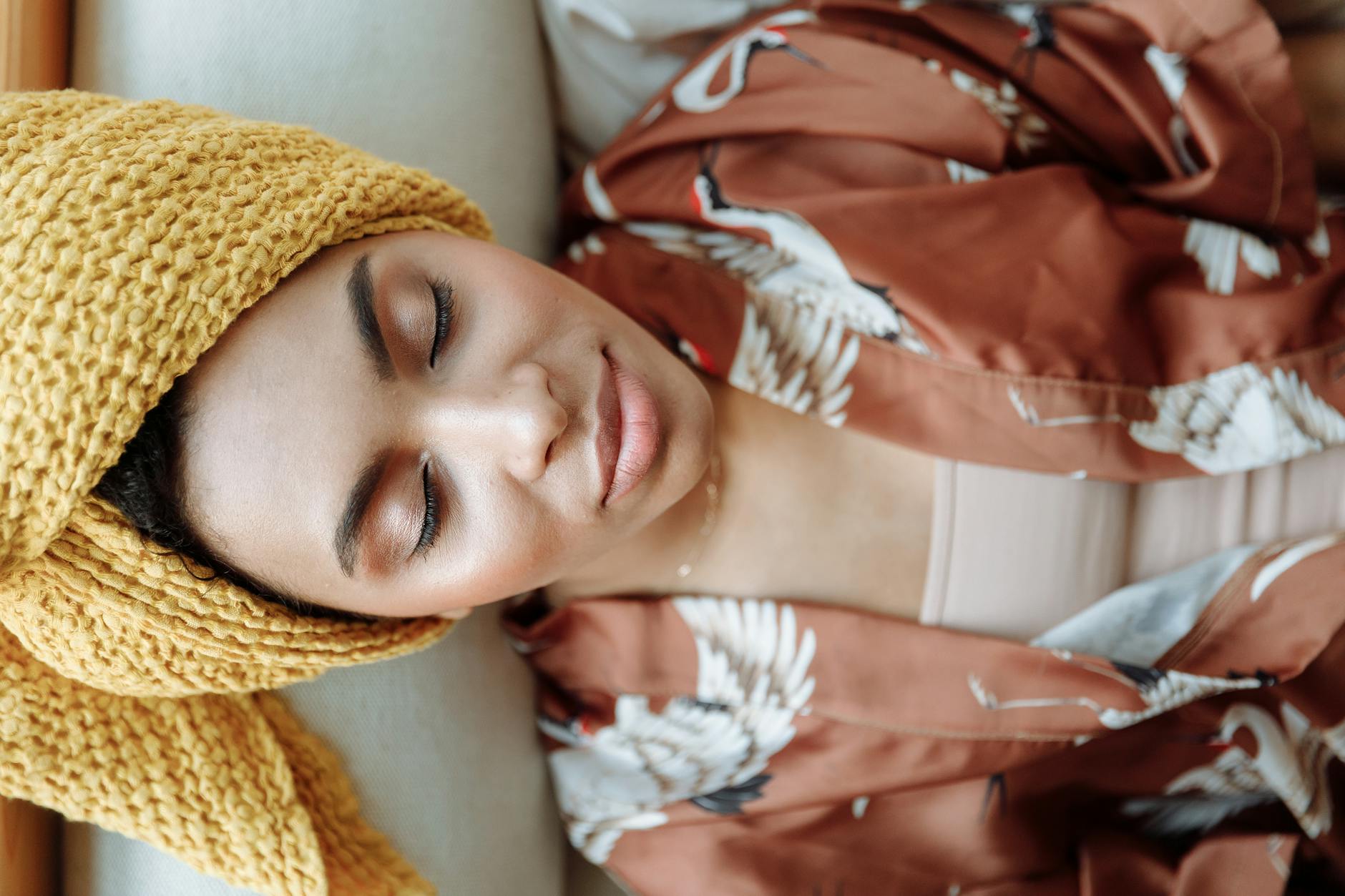
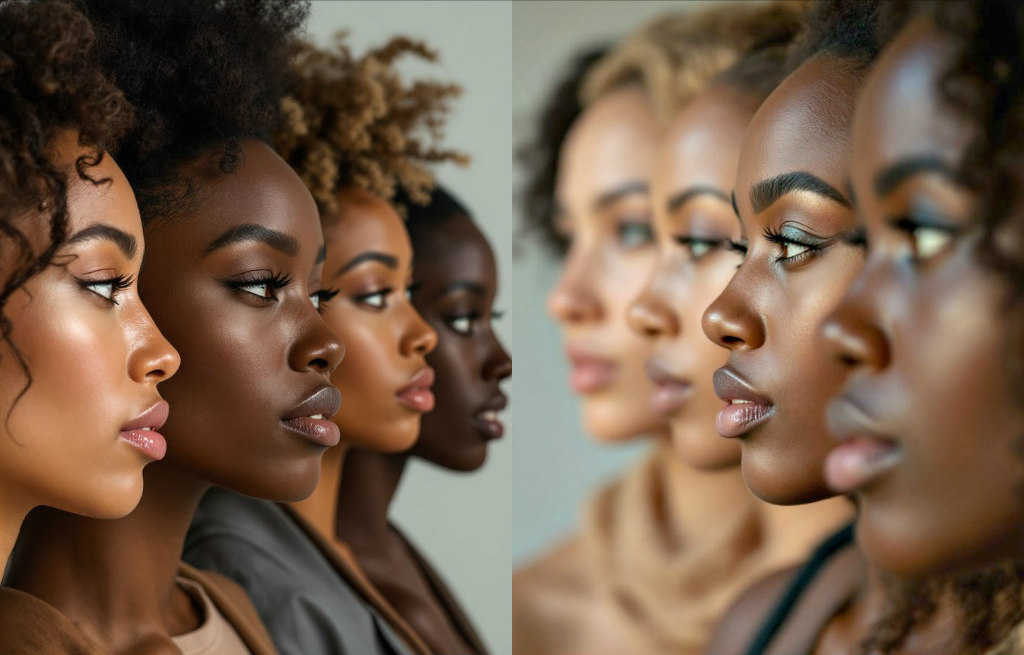
Beauty is not a singular concept, and brown skin is far from a monolith. Across the globe, brown skin spans a rich spectrum—from deep chocolate and espresso tones to caramel, honey, and light café au lait shades. Each tone carries its own radiance, history, and cultural significance. Celebrating the diversity within brown skin is essential for dismantling colorism, embracing heritage, and redefining beauty standards.

Understanding the Diversity

The range of brown skin is shaped by genetics, ancestry, and environmental factors. Deep brown tones often carry a legacy of resilience and survival, while lighter brown shades reflect diverse diasporic histories. Recognizing this spectrum is not just about aesthetics—it is about understanding the stories, cultures, and identities embedded within each shade.

Challenging Colorism

Historically, lighter brown skin has been privileged in media and society, marginalizing darker tones and perpetuating internalized bias (Hunter, 2007). By celebrating the full spectrum, communities can challenge these biases and foster pride in every shade. Representation matters: when all shades of brown are visible in fashion, media, and beauty industries, individuals feel seen, validated, and empowered.

Influencers and Representation

Celebrities and influencers are reshaping perceptions of brown beauty. Figures like Lupita Nyong’o (deep brown), Tracee Ellis Ross (medium brown), and Zendaya (light brown) demonstrate that glamour, elegance, and confidence exist across the entire spectrum. Their visibility challenges narrow beauty ideals and provides role models for young girls and women navigating societal pressures.

Psychological Impact

Celebrating diverse brown skin tones positively impacts self-esteem and identity. Research shows that when individuals see their shade represented positively, it enhances confidence and reduces internalized colorism (Russell, Wilson, & Hall, 1992). Embracing diversity within brown skin encourages individuals to value their unique appearance rather than conforming to imposed standards.

Cultural Significance

Every shade of brown reflects a unique cultural and historical narrative. From African and Caribbean heritage to South Asian and Middle Eastern lineages, brown skin embodies resilience, creativity, and ancestral pride. Recognizing and celebrating this spectrum honors cultural roots while asserting that beauty is multifaceted and inclusive.

Conclusion

Brown skin is a spectrum, not a single shade. Every tone—from the deepest espresso to the lightest caramel—is beautiful, powerful, and worthy of recognition. By embracing the diversity within brown skin, communities challenge societal bias, celebrate heritage, and redefine beauty. True appreciation lies in recognizing that every shade tells a story, carries a legacy, and embodies brilliance beyond comparison.


References

  • Hunter, M. (2007). The Persistent Problem of Colorism: Skin Tone, Status, and Inequality. Sociology Compass, 1(1), 237–254.
  • Russell, K., Wilson, M., & Hall, R. E. (1992). The Color Complex: The Politics of Skin Color in a New Millennium. Anchor Books.

Brown Skin, Heavy Crown: The Weight of Representation. #TheBrownGirlDilemma

Photo by Antu00f3nio Ribeiro on Pexels.com

Representation is never neutral. For brown-skinned women, every appearance in media, politics, or public life carries symbolic weight far beyond personal identity. Their faces, bodies, and voices are scrutinized not only as individuals but as representatives of entire communities. The phrase “heavy is the head that wears the crown” captures the pressure of leadership, but for women with brown skin, the crown is not always given—it is fought for, earned against bias, and carried under the burden of societal expectations. This essay explores the weight of representation as it relates to brown women across history, psychology, spirituality, and modern media.

The Historical Crown of Brown Womanhood

The weight of representation begins in history. During slavery and colonization, brown-skinned women were stripped of agency and forced into stereotypical roles: the Mammy, the Jezebel, or the Sapphire. Each caricature denied complexity and dignity while shaping how society viewed brown women (Collins, 2000). To step outside those imposed roles was an act of defiance. Representation, therefore, has always been both a battlefield and a crown.

The Burden of Stereotypes

Even today, brown women in leadership, artistry, or public life face the double bind of being visible yet misrepresented. Michelle Obama, for instance, was celebrated as a First Lady but also subjected to racist caricatures questioning her femininity and beauty. Such experiences reveal how representation is not simply a platform for influence but also a site of heavy scrutiny, where one misstep can be weaponized against an entire group.

The Crown of Visibility

Visibility is both gift and burden. On one hand, representation in media and politics disrupts centuries of invisibility; on the other hand, it pressures brown women to embody perfection. Stars like Viola Davis, Issa Rae, and Lupita Nyong’o have expanded the palette of beauty and identity, yet they also carry the responsibility of “getting it right” for those who see themselves in their faces. The crown becomes heavy when one person must stand in for millions.

Psychological Toll of Representation

The psychological impact of representation cannot be underestimated. Studies show that underrepresentation or misrepresentation negatively affects self-esteem and identity formation among Black and brown girls (Ward, 2004). Conversely, positive representation can foster empowerment and resilience. Yet when representation is limited to tokenism, the crown becomes a trap, forcing women to embody ideals rather than authentic selves.

Media and the Beauty Hierarchy

Media often constructs a hierarchy of beauty that privileges light skin and Eurocentric features, leaving brown-skinned women at the margins. Even within Black media, colorism can determine who becomes a cover model or leading lady. The crown of representation is heavy when it is given only conditionally—when beauty, desirability, or relatability must first pass through a Eurocentric filter.

Representation in Politics and Leadership

In political life, brown women carry the additional burden of respectability. Figures like Shirley Chisholm, Kamala Harris, and Ayanna Pressley symbolize progress, but their crowns come with heavy costs: navigating racism, sexism, and colorism simultaneously. Their presence is not merely personal achievement but proof of possibility for future generations. Yet every critique they endure is magnified as commentary on the capability of all brown women.

The Spiritual Dimensions of Representation

The crown also carries spiritual significance. In biblical texts, crowns often symbolize both victory and responsibility. James 1:12 promises a “crown of life” to those who endure trials. For brown women, enduring societal trials of bias and exclusion parallels this spiritual crown-bearing. Their representation becomes a living testimony of perseverance, embodying Proverbs 31 strength while challenging worldly definitions of beauty and worth.

The Crown as Double Burden

Representation often forces brown women to live in two worlds. They must embody authenticity for their communities while also navigating the expectations of dominant culture. This dual burden is mentally exhausting, leading to what psychologists term “code-switching fatigue” (Jones & Shorter-Gooden, 2003). The crown is not only heavy but sometimes crushing.

Resistance Through Representation

Despite the burden, representation also fuels resistance. Campaigns like #BlackGirlMagic and #MelaninPoppin challenge dominant narratives by celebrating brown skin as regal and divine. These movements reclaim the crown as a symbol of heritage and pride rather than a weight of scrutiny. Representation becomes not just survival but revolution.

The Global Crown of Brownness

The weight of representation extends globally. In South Asia, the Middle East, and Latin America, brown-skinned women confront similar struggles of colorism and bias. The multibillion-dollar skin-lightening industry testifies to the global reach of these ideals (Glenn, 2008). The crown of brownness, then, is a shared global inheritance, both heavy with oppression and radiant with resilience.

Hair, Fashion, and Aesthetic Crowns

For brown women, representation is also policed through aesthetics. Hairstyles, clothing, and bodily expressions become battlegrounds of respectability. When Zendaya wore locs to the Oscars, she was praised by some but mocked by others. Each choice becomes symbolic, turning personal expression into public discourse. The crown of aesthetics is thus both a celebration and a cage.

Representation and the Next Generation

Young brown girls often look to role models for cues on beauty and possibility. When they see themselves reflected in positive ways, they learn to wear their crowns proudly. But when absence or distortion dominates, they inherit insecurity. Representation is not only about the present but about shaping future generations who must decide whether their crowns will be hidden or exalted.

The Theology of Crown-Bearing

From a theological perspective, the weight of representation echoes Christ’s crown of thorns. His crown symbolized both suffering and redemption. Likewise, the brown woman’s crown is carried through struggle but also testifies to divine strength. Psalm 8:5 declares that humanity is “crowned with glory and honor.” For brown women, embracing this truth dismantles external hierarchies and affirms a God-given identity beyond societal bias.

Collective Crowns and Community

Representation becomes lighter when crowns are shared collectively. The burden eases when brown women see diverse portrayals that allow for multiplicity rather than singular perfection. Community platforms, literature, and grassroots movements democratize representation so that no single woman bears the weight of symbolizing all.

Representation as Healing

Positive representation also functions as healing. When brown women are celebrated for their beauty, intelligence, and humanity, it counters centuries of erasure. Representation thus becomes restorative, mending psychological scars left by bias and validating identities that have long been marginalized.

Representation and Resistance to White Supremacy

Ultimately, the crown is heavy because it resists white supremacy. To wear brown skin proudly in a world that devalues it is a political act. Each time a brown woman ascends to visibility—whether in a film, a boardroom, or a pulpit—she disrupts narratives that suggest her inferiority. Representation is therefore not symbolic alone but revolutionary in its impact.

The Crown as Calling

Rather than a burden alone, the crown of representation can be reframed as a calling. To embody strength, intelligence, and grace while confronting bias reflects a prophetic role. Brown women stand as cultural and spiritual witnesses, bearing crowns that point to possibilities of justice and equality.

Toward Lighter Crowns

The goal of representation should not be to perpetuate heavy crowns but to create a world where no one woman carries the weight of all. Diversifying media, dismantling colorism, and affirming brown beauty at every level can redistribute the symbolic crown. In such a world, brown women are free to be human, not merely representatives.

Conclusion

Brown skin carries a heavy crown, but it also shines with unmatched radiance. Representation, while burdened with scrutiny, also births transformation, resistance, and pride. The task before us is to lighten the weight by ensuring that brown women no longer stand alone as symbols but thrive as individuals celebrated in their fullness. The crown is heavy, yes, but it is also sacred—a reminder that within brown skin lies the strength to endure, inspire, and redefine what beauty and leadership mean for generations to come.


References

  • Collins, P. H. (2000). Black feminist thought: Knowledge, consciousness, and the politics of empowerment. Routledge.
  • Glenn, E. N. (2008). Yearning for lightness: Transnational circuits in the marketing and consumption of skin lighteners. Gender & Society, 22(3), 281–302.
  • Jones, C., & Shorter-Gooden, K. (2003). Shifting: The double lives of Black women in America. HarperCollins.
  • Ward, L. M. (2004). Wading through the stereotypes: Positive and negative associations between media use and Black adolescents’ conceptions of self. Developmental Psychology, 40(2), 284–294.
  • The Holy Bible, King James Version.

The Cost of Being Beautiful: Exploitation, Validation, and Visibility.

This photograph is the property of its respective owner. No copyright infringement intended.

Beauty has long been a currency in human society—admired, desired, and exploited. For women, especially women of color, beauty has functioned both as power and prison. The cost of being beautiful extends beyond vanity; it is the psychological, emotional, and even spiritual toll exacted by a world that defines worth through appearance. Beauty becomes both an asset and a liability, offering validation but demanding visibility on terms not of one’s own making.

From childhood, individuals—particularly girls—are taught that beauty opens doors. Compliments, attention, and social privileges reinforce a belief that attractiveness equates to value. Yet, this same system exploits that very beauty, commodifying it through media, marketing, and male desire. The pursuit of beauty thus becomes a performance sustained by approval, not authenticity (Wolf, 1991).

In modern culture, beauty is no longer natural—it is manufactured. Billions are spent annually on cosmetics, plastic surgery, and digital enhancement. Social media platforms like Instagram and TikTok amplify this obsession, turning faces and bodies into brands. The line between identity and image blurs, leaving many women trapped between their true selves and the perfected versions projected online (Gill, 2007).

Beauty’s validation often comes through the male gaze. Women are socialized to see themselves as objects of desire rather than subjects of their own narratives. This gaze not only dictates standards but defines visibility—who is seen, who is desirable, and who is invisible. To be beautiful is to be watched; to be watched is to be controlled (Mulvey, 1975).

For Black women, beauty carries a distinct complexity. Eurocentric standards historically excluded them from being perceived as beautiful, relegating them to stereotypes of strength or hypersexuality. The struggle for validation becomes an act of resistance—a reclaiming of aesthetics, identity, and self-worth against centuries of misrepresentation (Hooks, 1992).

The beauty industry profits from insecurity. Advertisements subtly tell women they are never enough—never young enough, thin enough, light enough. This manufactured dissatisfaction fuels perpetual consumption. Beauty, in capitalist culture, is not about empowerment but about profit, built upon cycles of comparison and competition (Bordo, 2003).

Exploitation hides beneath the surface of glamour. Models, influencers, and entertainers often face objectification disguised as opportunity. Their visibility is contingent upon maintaining desirability, which can breed anxiety, eating disorders, and burnout. The emotional labor of beauty—the pressure to be flawless at all times—is invisible yet exhausting.

In the realm of Hollywood and fashion, women of color face the dual burden of representation and tokenism. Their inclusion often serves as aesthetic diversity rather than genuine equity. The “exotic” label objectifies rather than honors their heritage, turning cultural identity into spectacle (Craig, 2002).

Historically, beauty has also been weaponized as social currency. During slavery and segregation, lighter-skinned Black women were often favored in domestic work or entertainment, reinforcing colorism within the community. Beauty became not only personal but political—a marker of proximity to whiteness and privilege (Hunter, 2005).

Psychologically, the constant pursuit of beauty erodes self-esteem. When identity becomes contingent on appearance, the individual lives under the tyranny of external validation. This fragile self-worth can fracture when youth fades or trends shift, revealing the emptiness behind conditional love and approval.

Religiously and spiritually, beauty holds deeper implications. Scripture reminds us that “favor is deceitful, and beauty is vain” (Proverbs 31:30, KJV). True beauty, in divine terms, is moral and internal, not material. Yet society reverses this order, idolizing outward appearance and neglecting inner substance—a form of modern idolatry masked as self-care.

The commodification of beauty also intersects with racial capitalism. Global markets exploit African, Asian, and Latin American women’s bodies through skin-lightening products, hair extensions, and Eurocentric fashion ideals. What is marketed as “choice” often conceals economic coercion and cultural colonization (Glenn, 2008).

Visibility, while often framed as empowerment, carries its own cost. Women in the public eye face surveillance and criticism that erode privacy and authenticity. The more visible a woman becomes, the less control she has over how she is seen. Visibility thus becomes exposure—a light that illuminates and burns simultaneously.

In relationships, beauty can distort power dynamics. Attractive women may receive attention but not respect; love offered for appearance rather than character is shallow and fleeting. Men conditioned by visual culture may desire beauty but fear its autonomy, leading to control, jealousy, or emotional abuse (Fredrickson & Roberts, 1997).

The digital age amplifies these dynamics. Filters, edits, and algorithms dictate what is beautiful, rewarding conformity and punishing difference. The result is a homogenized global aesthetic where individuality is lost. Even empowerment movements risk becoming commodified slogans that sell beauty under the guise of “self-love.”

Yet, beauty is not inherently evil—it is divine when redefined. When women reclaim beauty as expression rather than validation, it transforms from exploitation to empowerment. True beauty becomes a mirror of spirit, creativity, and cultural identity. It ceases to be about approval and becomes an act of liberation.

Cultural redefinition requires dismantling Eurocentric beauty norms and celebrating diversity of complexion, texture, and form. Movements such as “Black Girl Magic” and natural hair advocacy challenge oppressive aesthetics, restoring pride to what was once marginalized. Beauty, reimagined through cultural authenticity, becomes resistance and restoration.

The cost of being beautiful can only be paid back through truth—by acknowledging the pain behind the polish. Women must reclaim the narrative of beauty, detaching it from consumption and control. Beauty must once again serve humanity, not hierarchy.

Ultimately, beauty’s truest form lies in freedom: the freedom to exist beyond the gaze, to define oneself without permission, and to embody a worth that no mirror can measure. When beauty ceases to be a burden and becomes a birthright, visibility transforms into vision—and validation becomes self-love.


References

Bordo, S. (2003). Unbearable weight: Feminism, Western culture, and the body. University of California Press.

Craig, M. L. (2002). Ain’t I a beauty queen? Black women, beauty, and the politics of race. Oxford University Press.

Fredrickson, B. L., & Roberts, T.-A. (1997). Objectification theory: Toward understanding women’s lived experiences and mental health risks. Psychology of Women Quarterly, 21(2), 173–206.

Gill, R. (2007). Gender and the media. Polity Press.

Glenn, E. N. (2008). Yearning for lightness: Transnational circuits in the marketing and consumption of skin lighteners. Gender & Society, 22(3), 281–302.

Hooks, B. (1992). Black looks: Race and representation. South End Press.

Hunter, M. (2005). Race, gender, and the politics of skin tone. Routledge.

Mulvey, L. (1975). Visual pleasure and narrative cinema. Screen, 16(3), 6–18.

Wolf, N. (1991). The beauty myth: How images of beauty are used against women. HarperCollins.

Complexion Confessions: The Psychology of Skin and Self-Perception.

Photo by Thirdman on Pexels.com

The psychology of complexion is not only skin-deep—it is embedded in the consciousness of how individuals see themselves and how the world sees them. Skin color, often perceived as a biological characteristic, has become one of the most psychologically charged markers of identity. Within Black and brown communities, complexion functions as both a mirror and a memory, shaping self-esteem, belonging, and even spirituality. Beneath the melanin lies a narrative of struggle and survival that stretches across continents and centuries.

Self-perception begins with the gaze—the way others reflect our image back to us. For people of African descent, this gaze has historically been distorted by colonialism, slavery, and media representations that privilege whiteness. The colonized mind was taught to view dark skin as a deficiency rather than divinity. Consequently, psychological trauma became intertwined with beauty and identity. When one’s reflection is filtered through systems of racial bias, self-perception becomes an act of resistance rather than vanity.

From early childhood, messages about beauty and worth are absorbed subconsciously. Studies reveal that Black children often internalize negative associations with darker skin tones due to social conditioning and lack of positive representation (Clark & Clark, 1947). This phenomenon, known as internalized colorism, impacts not only how individuals feel about themselves but also how they navigate social hierarchies. The skin becomes a psychological boundary—one that dictates access to opportunity, love, and acceptance.

In the post-slavery era, the politics of pigmentation became an unspoken hierarchy. Lighter skin was associated with privilege, education, and refinement, while darker skin was unjustly linked to labor and inferiority. This psychological conditioning created divisions within Black communities that persist today. These hierarchies were reinforced through institutions, social clubs, and even churches that practiced exclusion based on complexion. The result was a fractured identity where one’s skin tone determined perceived value.

Modern psychology describes this phenomenon as “color-based identity threat”—a condition where individuals feel judged or limited by their skin tone. The internal dialogue that emerges is complex: “Am I enough?” “Am I too dark?” “Am I too light to belong?” This psychological tension erodes self-worth and feeds cycles of comparison and insecurity. The media amplifies this through Eurocentric beauty standards, subtly teaching that proximity to whiteness equals success.

Yet, the human psyche yearns for balance between external validation and internal truth. The journey toward self-acceptance begins when one acknowledges how deeply these biases have been ingrained. For many, healing requires unlearning centuries of propaganda. It means challenging the myth that beauty exists on a spectrum where darkness is deficiency. It is the rediscovery of divine design within melanin—the acceptance that God’s artistry is diverse, deliberate, and dignified.

The concept of the “color complex,” explored by Hall (1995), refers to the internal conflict experienced by individuals navigating the psychological effects of colorism. This conflict is often inherited through family dynamics, where elders unconsciously pass down preferences or prejudices about skin tone. Generations of children have grown up hearing phrases like “stay out of the sun” or “you’re pretty for a dark girl,” which reinforce conditional acceptance. These seemingly harmless comments plant seeds of lifelong insecurity.

Social media has both challenged and perpetuated these issues. Platforms like Instagram and TikTok have created new spaces for visibility, yet they often reward Eurocentric beauty algorithms—favoring lighter skin and straighter features. Filters, lighting, and editing tools have become digital manifestations of colorism, allowing users to “lighten” themselves subconsciously to meet online beauty expectations. In this sense, the psychology of complexion has evolved but not disappeared—it has been rebranded for the digital age.

Conversely, movements such as #MelaninMagic and #BlackIsBeautiful have helped counteract these damaging narratives. They provide communal validation for shades once deemed undesirable. When individuals post unfiltered photos celebrating their dark skin, they engage in a psychological rebellion. The act of self-celebration becomes a therapeutic ritual—a public affirmation that dismantles centuries of silent shame. Representation, therefore, becomes a psychological lifeline.

Faith and spirituality also play crucial roles in reshaping self-perception. When people rediscover themselves through the lens of divine creation, they transcend colonial beauty paradigms. The Bible declares, “I will praise thee; for I am fearfully and wonderfully made” (Psalm 139:14, KJV). For many, this scripture is not merely poetic—it is liberating. It restores the belief that their reflection mirrors God’s intention, not society’s distortion. Such theological validation heals both the heart and the mirror.

Psychologists argue that self-perception is inseparable from social context. The human brain seeks affirmation through patterns of belonging. When entire societies reward lighter skin with privilege, darker-skinned individuals must work twice as hard to maintain self-esteem. This creates a psychological paradox: the desire to belong to a world that often rejects one’s appearance. Overcoming this paradox requires redefining beauty not as conformity but as authenticity.

In educational environments, the psychology of complexion manifests in subtle ways. Teachers, peers, and institutions often display implicit bias—praising lighter-skinned students as “well-spoken” or “articulate,” while darker-skinned peers are unfairly labeled as aggressive or defiant. These microaggressions compound over time, shaping academic identity and confidence. Awareness training and representation within curricula can disrupt these biases, allowing students to see their reflection in both literature and leadership.

The entertainment industry remains a powerful force in shaping collective self-perception. When casting directors consistently favor light-skinned actors for romantic or heroic roles, they reinforce harmful hierarchies. Darker-skinned characters are too often relegated to secondary or suffering positions. Each image broadcast on screen becomes a psychological suggestion, subtly influencing what audiences—and even children—deem desirable. Representation, therefore, is not just cultural but clinical in its effect on the psyche.

In relationships, complexion can unconsciously influence attraction and compatibility. Psychological studies show that colorism affects dating patterns, with lighter skin often being perceived as more socially desirable (Burke, 2018). This reflects a deeper conditioning rather than genuine preference. True love requires deconstructing these inherited biases—learning to see beyond hue into the humanity of the heart. Healing from color-based attraction biases demands vulnerability, awareness, and spiritual renewal.

Therapeutic approaches to colorism emphasize self-compassion and cognitive reframing. Cognitive-behavioral therapy (CBT) helps individuals challenge distorted beliefs about their appearance. By replacing self-critical thoughts with affirming truths, people begin to detach their worth from external validation. Healing from colorism is not merely emotional—it is neurological. Each new thought of self-acceptance rewires the brain toward liberation.

Art, poetry, and storytelling remain powerful vehicles for healing the complexion psyche. When artists depict melanin as sacred and strong, they reconstruct cultural consciousness. Visual representations of dark beauty remind communities of their inherent value. This cultural reimagining is more than aesthetic—it is psychological warfare against centuries of whitewashed imagery. Beauty, in this sense, becomes a political and spiritual reclamation.

At the community level, intergenerational dialogues are vital. Grandmothers, mothers, and daughters must speak truth to the color narratives passed down. Conversations about self-worth and complexion must occur openly, replacing shame with understanding. When families affirm diverse shades within their lineage, they plant seeds of wholeness. Each word of affirmation dismantles a lie once whispered by oppression.

The psychology of skin is not only about individual healing but collective transformation. When communities reject colorism, they dismantle an invisible hierarchy that has long divided them. Education, art, faith, and activism converge to create a new psychological narrative—one that honors melanin as majesty, not margin. Beneath the surface of every shade lies a shared resilience, a history of divine endurance.

Ultimately, self-perception becomes the final frontier of freedom. When individuals look into the mirror and see not shame but strength, not comparison but creation, they fulfill the psychological prophecy of liberation. Skin becomes no longer a site of struggle but of sovereignty. The mind and the mirror align, revealing that true beauty is not in shade but in self-recognition.

To confess the truth of complexion is to reclaim the right to define oneself. The psychology of skin is the story of rebirth—of learning to see with healed eyes and love with healed hearts. When the spirit governs the perception of the flesh, the reflection becomes holy. Self-perception, then, is no longer a battleground but a blessing—a declaration that every hue of humanity is a reflection of divine artistry.


References

Burke, M. (2018). Colorism and romantic relationships: Perceptions of beauty and desirability. Journal of Black Psychology, 44(5), 399–417. https://doi.org/10.1177/0095798418763212

Clark, K. B., & Clark, M. P. (1947). Racial identification and preference in Negro children. In T. M. Newcomb & E. L. Hartley (Eds.), Readings in social psychology (pp. 169–178). Holt.

Hall, R. E. (1995). The bleaching syndrome: African Americans’ response to cultural domination vis-à-vis skin color. Journal of Black Studies, 26(2), 172–184. https://doi.org/10.1177/002193479502600203

Hunter, M. (2007). The persistent problem of colorism: Skin tone, status, and inequality. Sociology Compass, 1(1), 237–254. https://doi.org/10.1111/j.1751-9020.2007.00006.x

Thompson, C. (2019). Skin deep: The psychological impact of colorism in modern society. Cultural Psychology Review, 12(3), 214–231. https://doi.org/10.1080/21507619.2019.1678913

Wilkerson, I. (2020). Caste: The origins of our discontents. Random House.

Beauty: Is it your Skin Color or your Facial Features that make you beautiful?

These photographs are the property of their respective owners. No copyright infringement intended.

I was oblivious to skin color. People always told me I was beautiful, and I always believed it was my features and not my light café-au-lait skin tone. Growing up, beauty seemed more about the symmetry of one’s face, the way one’s eyes aligned, or how one’s smile illuminated a room. But as I matured and began to understand the social and psychological layers of race and aesthetics, I realized that the question of beauty—particularly for people of African descent—was neither simple nor purely biological. It was a complex interplay between genetics, societal conditioning, colonization, and personal perception.

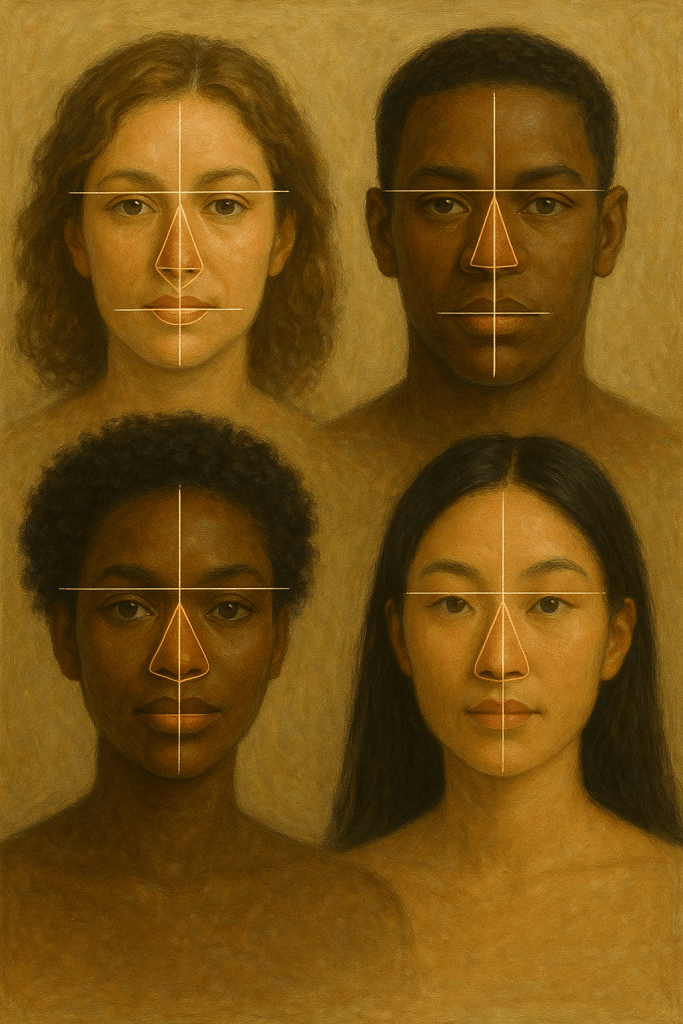
The science of beauty has long sought to define attractiveness through objective measurements. The Marquardt facial mask, developed by Dr. Stephen Marquardt, is one such tool that uses the golden ratio (phi, approximately 1.618) to map ideal facial proportions (Marquardt, 2002). This mathematical construct suggests that beauty lies in balance and symmetry. Yet, while symmetry contributes to perceived attractiveness across cultures (Rhodes, 2006), it cannot fully explain why certain faces—like Halle Berry’s or Idris Elba’s—transcend mathematical formulas to captivate the world.

Genetically, facial features are an orchestra of inherited traits determined by the complex interactions of multiple genes (Jones & Little, 2012). Skin tone, lip shape, and eye spacing are phenotypic expressions influenced by ancestral environments. For instance, fuller lips and broader noses evolved as adaptive features in warmer climates, aiding in temperature regulation (Jablonski & Chaplin, 2000). Yet colonialism rebranded these traits as “undesirable,” constructing Eurocentric beauty standards that favored narrow noses, thin lips, and lighter skin.

This colonial gaze reshaped entire generations’ perception of beauty. During and after slavery, the closer one’s appearance aligned with European features, the more “beautiful” or “acceptable” one was considered. This false hierarchy of aesthetics—rooted in power and racial politics—continues to shape modern beauty ideals, especially in the global media (Hunter, 2005). Thus, many women and men of color wrestle with a dual consciousness: one that recognizes their innate beauty while subconsciously measuring it against Western standards.

When we look at Halle Berry, we see a blend of symmetry, balance, and soft femininity that aligns with global ideals of beauty. Yet what makes her distinct is her expressive eyes, proportionate bone structure, and emotive presence—traits that transcend complexion. Lupita Nyong’o, in contrast, represents a radical reclamation of deep-toned beauty. Her skin radiates with depth and grace, and her high cheekbones and luminous eyes challenge Eurocentric molds, celebrating the richness of African features as equally divine.

Vanessa L. Williams’s beauty carries a classical appeal—a combination of facial symmetry, expressive eyes, and harmony of proportions. Her presence in the entertainment industry during the 1980s broke barriers, representing both elegance and controversy in a time when America still struggled to accept a Black woman crowned “Miss America.” Her beauty was seen through both admiration and prejudice—a reflection of how colorism complicates acceptance even within communities of color.

Among men, Shemar Moore’s charm lies in his smooth facial symmetry, strong jawline, and warm, approachable smile—qualities that align with scientific definitions of attractiveness. Yet, Idris Elba’s beauty feels more elemental. His deep-set eyes, strong features, and commanding presence convey power, charisma, and confidence. His allure, like Lupita’s, resists Eurocentricity; it draws instead on ancestral strength and authenticity.

But what about those whose features don’t fit the “mask”? Beauty in the human experience is not only mathematical but also psychological and cultural. Studies show that individuals are more likely to find faces from their own ethnic group more attractive due to familiarity and cultural exposure (Little et al., 2011). Thus, what one finds beautiful often depends on one’s cultural conditioning, not universal law.

Beauty is, therefore, both objective and subjective. Science can measure facial harmony, but culture shapes what harmony looks like. Western beauty often celebrates sharpness—defined cheekbones, narrow noses—while African aesthetics celebrate fullness, balance, and expression. These differing ideals are not hierarchies but reflections of varied cultural philosophies about life and identity.

The psychological phenomenon of “beauty bias” reinforces societal privilege for those deemed more attractive. This bias influences job prospects, relationships, and self-esteem (Langlois et al., 2000). For people of color, beauty bias intersects with colorism, leading to internalized hierarchies where lighter skin and Eurocentric features are unconsciously prioritized. This is why even those confident in their looks may still feel their beauty questioned by social norms.

Colonization didn’t only enslave bodies—it colonized aesthetics. From missionary schools to Hollywood casting rooms, the European ideal of beauty became synonymous with civilization, purity, and desirability. African features, once revered within indigenous societies as markers of lineage and strength, were ridiculed and suppressed. The result was centuries of aesthetic erasure that many are only now beginning to reverse.

The return to natural hair, deeper skin tones in media, and diverse representation mark a cultural renaissance. This redefinition of beauty reconnects the diaspora to its authentic self. It celebrates faces like Lupita’s not as exceptions but as exemplars of divine variation. It honors dark skin not as “different” but as glorious.

Still, one must ask: if beauty is in the eye of the beholder, who is holding the mirror? Media corporations, advertisers, and colonial institutions have long acted as the beholders, dictating taste and value. But the shift toward self-definition—especially among Black creators, photographers, and scholars—marks a new chapter in aesthetic sovereignty.

Scientifically, certain features—clear skin, bilateral symmetry, facial averageness—are universally preferred because they signal health and genetic fitness (Perrett et al., 1999). However, features like high cheekbones, full lips, or wide noses can be just as aesthetically pleasing when embraced through a culturally affirming lens. The issue is not the feature itself but the framework through which it’s judged.

In psychological terms, humans are drawn to faces that mirror their identity. This “familiarity principle” (Zajonc, 1968) explains why beauty can never be entirely objective. It is influenced by cultural memory and social environment. Thus, the perception of beauty among African-descended peoples carries historical trauma—beauty has been both weaponized and denied.

Genetics, then, provides the blueprint, but society writes the interpretation. One person’s admiration of Halle Berry’s elegance or Lupita’s radiance is not merely about structure—it’s about what those faces symbolize. They represent visibility, validation, and the defiance of centuries of aesthetic marginalization.

To be beautiful in a colonized world is to exist in resistance. Each melanated face, each natural curl, each unapologetic feature, is an act of restoration—reclaiming what history attempted to distort. Beauty, in this sense, becomes a form of protest and prophecy, not vanity.

When I reflect on my own journey, I realize that what I believed to be “just my features” was shaped by more than DNA—it was shaped by social constructs, ancestral memories, and cultural expectations. My beauty was never just mine; it was inherited from generations who carried grace through oppression and dignity through erasure.

So, is it your skin color or your features that make you beautiful? The answer is both—and neither. True beauty transcends the surface. It lives in the harmony of authenticity, confidence, and self-recognition. It is not measured by the golden ratio but by the light you emit when you embrace who you truly are.


References
Hunter, M. L. (2005). Race, gender, and the politics of skin tone. Routledge.
Jablonski, N. G., & Chaplin, G. (2000). The evolution of human skin coloration. Journal of Human Evolution, 39(1), 57–106.
Jones, B. C., & Little, A. C. (2012). The role of facial attractiveness in mate choice. Trends in Cognitive Sciences, 16(1), 33–38.
Langlois, J. H., et al. (2000). Maxims or myths of beauty? A meta-analytic and theoretical review. Psychological Bulletin, 126(3), 390–423.
Little, A. C., Jones, B. C., & DeBruine, L. M. (2011). Facial attractiveness: Evolutionary based research. Philosophical Transactions of the Royal Society B, 366(1571), 1638–1659.
Marquardt, S. (2002). The golden ratio: The beauty mask and the science of human aesthetics. Marquardt Beauty Analysis.
Perrett, D. I., et al. (1999). Symmetry and human facial attractiveness. Evolution and Human Behavior, 20(5), 295–307.
Rhodes, G. (2006). The evolutionary psychology of facial beauty. Annual Review of Psychology, 57, 199–226.
Zajonc, R. B. (1968). Attitudinal effects of mere exposure. Journal of Personality and Social Psychology, 9(2p2), 1–27.

Modern Trailblazers: Redefining Beauty Standards.

Photo by BULE on Pexels.com

In the modern age, beauty has become a site of both revolution and reclamation. Historically bound by Eurocentric ideals that prioritized whiteness, thinness, and symmetry, today’s beauty landscape has been reshaped by a diverse chorus of voices refusing to conform. Black women, Indigenous creators, trans icons, and differently-abled influencers have emerged as cultural architects, redefining what it means to be beautiful through self-expression and authenticity. The revolution is not merely aesthetic—it is psychological, cultural, and political.

The 21st century has witnessed a radical shift from representation to ownership. Where earlier generations sought inclusion within existing frameworks, modern trailblazers are creating entirely new paradigms. Platforms like TikTok and Instagram have decentralized beauty hierarchies, giving rise to grassroots visibility. Figures such as Lupita Nyong’o, Adut Akech, and Alek Wek stand as embodiments of natural beauty, resilience, and unapologetic African identity. Their presence challenges the historical erasure of darker skin tones from mainstream beauty campaigns.

The reclamation of melanin-rich beauty is not accidental—it is intentional resistance. For centuries, colonialism and media imperialism conflated whiteness with virtue and civilization. Today, the celebration of dark skin tones represents a healing of generational trauma. It affirms that beauty, once defined externally, now belongs to those who were denied it. Through art, photography, and film, a new narrative has emerged—one that celebrates skin not as shade but as legacy.

Moreover, modern beauty trailblazers recognize that authenticity transcends aesthetics. The global push for natural hair representation is a powerful illustration of this. Movements such as #BlackGirlMagic and #TeamNatural have become sociocultural phenomena. They have not only redefined beauty for women of African descent but also established political solidarity rooted in self-acceptance. Natural hair, in this context, is both crown and protest.

The expansion of beauty definitions extends beyond race. Individuals like Winnie Harlow, who embraces her vitiligo. In doing so, they remind the world that beauty is not an exclusionary category; it is a human experience.

At the heart of this transformation lies the concept of visibility. Representation is more than a visual act; it is a psychological affirmation that one belongs. When young people see themselves mirrored in campaigns and media, it restores confidence eroded by centuries of misrepresentation. As philosopher Frantz Fanon noted, “To be seen is to exist.” Today’s beauty trailblazers embody that visibility as liberation.

Beauty influencers have become cultural philosophers of their own era. Through social media, voices such as Jackie Aina and Nyma Tang dissect colorism, cultural appropriation, and tokenism with academic precision and personal vulnerability. Their work bridges activism and aesthetics, dismantling beauty myths from within the very industries that once excluded them.

Inclusivity, however, is not merely about representation—it is about equity. Modern trailblazers are now entering corporate spaces, launching their own brands, and reshaping production norms. Rihanna’s Fenty Beauty revolutionized the cosmetics industry by introducing 40+ foundation shades, a simple yet profound act that exposed the systemic neglect of darker skin tones. Fenty became more than a brand; it became a blueprint for inclusion.

Similarly, Pat McGrath, often hailed as the most influential makeup artist in the world, has used her platform to merge high fashion and multiculturalism. Her artistry reveals that beauty, when liberated from narrow archetypes, becomes art itself. She continues to mentor and open doors for the next generation of global creatives who understand that diversity is not a trend—it is the truth.

The global South is now asserting its own aesthetic sovereignty. African, Caribbean, and Latinx designers are fusing traditional artistry with modern expression. Runways in Lagos, Accra, and São Paulo now rival those of Paris and Milan, redefining fashion geography. These movements signal that the future of beauty will be multipolar and multicultural.

At the intersection of technology and beauty lies another shift: digital self-representation. Filters, AI, and virtual influencers raise critical ethical questions. While these tools can democratize creativity, they also risk reinforcing unrealistic standards. Modern trailblazers navigate this paradox by promoting digital transparency and self-awareness amidst algorithmic distortion.

Beauty is also being redefined through academia and science. Genetic diversity is now understood as the true foundation of human beauty. Traits once deemed “undesirable” are increasingly recognized as markers of resilience and adaptation. The blending of cultures and lineages has produced what anthropologists call “aesthetic hybridity,” an evolution that mirrors humanity’s interconnectedness.

In this sense, modern beauty trailblazers are not anomalies—they are evolutionary symbols. They represent a species reclaiming its visual and spiritual wholeness after centuries of fragmentation. Beauty, once a weapon of division, is becoming a language of unity.

Yet, the work remains unfinished. Systems of patriarchy, racism, and capitalism continue to exploit beauty for profit. Thus, redefinition must be coupled with reformation. True progress means dismantling not only exclusionary ideals but also the economic structures that sustain them.

Education plays a central role in this transformation. By teaching young people media literacy, critical thinking, and self-love, society equips them to resist harmful comparisons and internalized inferiority. Beauty education, when rooted in empowerment, can become a form of social justice.

As this evolution continues, one truth becomes evident: beauty is not something to be achieved—it is something to be remembered. It is the echo of divine design, the harmony of individuality and purpose. The modern trailblazers of beauty are not inventing something new; they are restoring something ancient—authenticity.

Ultimately, the redefinition of beauty is a return to self. It is a collective mirror where every face, every shade, and every form finds reflection. The modern trailblazers remind us that beauty is power, and power, when wielded with love, transforms not only the image but the world itself.


References

Aina, J. (2020). The new face of beauty activism: Representation in the digital age. Journal of Media Studies, 14(3), 45–58.

Fanon, F. (1952). Black skin, white masks. Grove Press.

hooks, b. (1992). Black looks: Race and representation. South End Press.

McGrath, P. (2019). Artistry and identity in global fashion. Vogue Archives Journal, 27(2), 112–129.

Nyong’o, L. (2014). Dark beauty and the global imagination. Cultural Identity Review, 8(1), 9–18.

Rihanna. (2017). Fenty Beauty: The revolution of inclusion. LVMH Archives.

Tang, N. (2022). Colorism and cosmetic culture in the 21st century. Beauty and Society Quarterly, 11(2), 56–73.

Wek, A. (2015). My story: From refugee to runway. HarperCollins.

Zollman, K., & Thakur, M. (2020). Decolonizing aesthetics: The global beauty renaissance. Journal of Cultural Studies, 19(4), 203–221.


    Post-Slavery Beauty: The Evolution of the Brown Woman’s Image.

    Photo by Fotoboy on Pexels.com

    The legacy of slavery in the Americas left an indelible mark not only on the socio-economic status of Black people but also on the perception of beauty within Black communities. For the brown-skinned woman, this history produced a complex interplay of identity, aesthetics, and social hierarchies that continues to influence modern conceptions of attractiveness, desirability, and self-worth. The post-slavery era, spanning Reconstruction, the Jim Crow period, and the civil rights movement, marked a profound shift in how brown women were represented and how they navigated the legacy of European beauty standards imposed during enslavement.

    Historical Context and Color Hierarchies

    During slavery, enslaved women were often valued primarily for labor or reproductive potential, yet even within these oppressive systems, colorism emerged as a potent force. Lighter-skinned women, often the offspring of European men and enslaved African women, were afforded relative privileges, such as domestic work instead of field labor, access to education, or social proximity to white families. This intra-community stratification created early foundations for a hierarchy of beauty based on skin tone and European features (Hunter, 2007).

    The Post-Emancipation Image

    After emancipation, brown women began asserting new forms of identity and beauty, yet they were constrained by persistent Eurocentric ideals in media, fashion, and literature. Images in magazines, film, and advertisements rarely celebrated the natural features of brown-skinned women. Instead, the cultural imagination valorized whiteness, straight hair, lighter eyes, and delicate features, leaving brown women in a liminal space of desirability—a spectrum neither fully embraced by white standards nor entirely centered within Black communities (Russell, 2012).

    Colorism and Social Mobility

    Post-slavery America saw colorism intensify as a social determinant. Brown women were often perceived as more “marketable” in professional and social arenas due to their proximity to whiteness, creating a duality of privilege and pressure. The “paper bag test,” prevalent in Black social institutions, reinforced the preference for lighter skin within African American society itself (Thompson, 2009). Consequently, beauty became both a site of opportunity and of internalized oppression, shaping the brown woman’s self-perception and her social navigation strategies.

    Media Representations and the Entertainment Industry

    The 20th century brought more public visibility to brown women, particularly in film, television, and music. Stars such as Dorothy Dandridge, Lena Horne, and later Vanessa Williams and Halle Berry, exemplified a brown beauty that was palatable to mainstream audiences. These women negotiated a delicate balance: embracing their Black identity while often conforming to Eurocentric standards of hair, makeup, and body shape (Coleman, 2014). The entertainment industry, though providing representation, also cemented narrow ideals of brown beauty—slender noses, smooth skin, and straightened hair—further complicating the evolution of self-image among brown women.

    The Brown Woman and Resistance

    Despite systemic pressures, brown women resisted marginalization by reclaiming their aesthetics. From the Harlem Renaissance to contemporary movements such as natural hair advocacy and the celebration of melanin-rich beauty, brown women have asserted agency over their representation. Artistic, literary, and political spaces became platforms to challenge stereotypes, celebrate diversity within the spectrum of brown skin, and redefine standards of beauty on their own terms (Banks, 2000).

    Intersectionality and Modern Implications

    Modern scholarship on the brown woman’s image underscores the intersectionality of race, gender, and class. Brown women continue to navigate a world that valorizes whiteness and lightness, yet the increasing visibility of diverse Black aesthetics in social media, fashion, and film challenges historical hierarchies. Movements such as #MelaninMagic and campaigns highlighting dark-skinned models broaden the public imagination of beauty and invite brown women to embrace the totality of their heritage and features (Patton, 2010).

    Conclusion

    The post-slavery evolution of the brown woman’s image reflects a narrative of resilience, adaptation, and reclamation. From the imposed hierarchies of slavery and colorism to the contemporary celebration of melanin and Afrocentric aesthetics, brown women have negotiated identity and beauty in ways that resist historical oppression while asserting pride and individuality. The journey of the brown woman is not merely about surviving imposed standards but transforming them—creating a legacy of empowerment and redefining what beauty means within and beyond the Black community.

    References

    • Banks, I. (2000). Hair Matters: Beauty, Power, and Black Women’s Consciousness. New York: NYU Press.
    • Coleman, R. (2014). Fashioning Blackness: Clothing, Race, and Identity in American Culture. Routledge.
    • Hunter, M. (2007). The persistent problem of colorism: Skin tone, status, and inequality. Sociology Compass, 1(1), 237–254.
    • Patton, T. O. (2010). Beauty and Black Identity: African American Women’s Experiences and Aesthetics. Praeger.
    • Russell, K. (2012). Color Me Beautiful: African American Women and the Politics of Skin Color. University of North Carolina Press.
    • Thompson, M. (2009). Shades of Privilege: The Social Construction of Color and Identity in Black America. University of Illinois Press.

    The Illusion of Beauty: When Aesthetics Overshadows Authenticity.

    Photo by Anna Tarazevich on Pexels.com

    Beauty, once seen as an emblem of divine order and natural harmony, has increasingly become a cultural illusion—a projection shaped by capitalism, social hierarchies, and the psychological pursuit of validation. In modern society, the notion of beauty has been commercialized and standardized, evolving from an expression of individuality into a form of currency that dictates value and belonging. This illusion operates within a framework where aesthetics overshadow authenticity, leading to a crisis of self-perception that affects both personal identity and collective consciousness.

    The power of beauty lies in its ability to shape reality. Historically, philosophers like Plato associated beauty with truth and moral goodness, suggesting that what is beautiful must also be virtuous (Plato, Phaedrus). Yet, contemporary consumer culture has subverted this ideal, commodifying beauty as an external achievement rather than an internal virtue. Social media platforms and advertising industries perpetuate this distortion, using digitally altered images and algorithmic preferences to define what is desirable. The result is a global aesthetic homogenization that erases cultural diversity and authenticity.

    Psychologically, the pursuit of beauty has become intertwined with self-worth. Studies have shown that individuals who perceive themselves as less attractive often experience lower self-esteem and increased social anxiety (Cash, 2004). This correlation reveals how beauty, though seemingly superficial, deeply influences mental health. The illusion of beauty thrives in this psychological vulnerability, offering temporary validation through appearance while undermining genuine self-acceptance and individuality.

    For women and men alike, the pressure to conform to beauty standards creates a double bind. On one hand, conformity offers social rewards—admiration, attention, and perceived success. On the other, it reinforces systemic oppression, particularly for marginalized groups whose natural features deviate from Eurocentric ideals. Scholars such as hooks (1992) argue that this aesthetic hierarchy is an extension of colonialism, where whiteness becomes the dominant visual narrative of beauty. Thus, the illusion of beauty is not merely personal but political.

    This dynamic is especially pronounced in the Black community, where colorism and texturism have long been tools of division. The privileging of lighter skin and European features within beauty culture has caused internalized self-rejection and a cycle of identity distortion (Russell, Wilson, & Hall, 1992). As a result, authenticity becomes a radical act of resistance. Embracing natural hair, melanin-rich skin, and ancestral features challenges the illusion and reclaims beauty as truth, not imitation.

    From a sociological standpoint, the illusion of beauty is reinforced by capitalist structures that profit from insecurity. The global beauty industry, valued at over $500 billion, thrives on the perpetuation of dissatisfaction (Nash, 2019). Through constant marketing, it conditions consumers to believe that beauty is achievable only through products, surgeries, and external transformation. Authenticity, therefore, becomes unmarketable—a threat to industries built on self-doubt.

    Philosopher Jean Baudrillard (1994) conceptualized this phenomenon as a form of hyperreality—a state in which representations replace reality. In this context, beauty ceases to reflect natural aesthetics and becomes a simulation. The “ideal” face and body are not real but digitally engineered composites, giving rise to a world where imitation precedes existence. As a result, individuals chase an unattainable ideal, losing connection with their authentic selves.

    This detachment manifests not only in physical appearance but in emotional and relational authenticity. People begin to curate their personalities as meticulously as their faces, crafting identities for digital consumption. Authentic human connection diminishes as appearance becomes the primary metric of worth. The illusion of beauty, therefore, erodes both the individual psyche and the social fabric, replacing empathy with envy and presence with performance.

    The obsession with aesthetics also influences professional and social mobility. Studies reveal that attractiveness can affect hiring decisions, salary levels, and even judicial outcomes (Langlois et al., 2000). This “beauty premium” reinforces inequality, privileging those who fit normative standards while marginalizing others. When beauty dictates opportunity, authenticity becomes a liability—punished rather than praised.

    In art and media, the illusion of beauty has silenced diversity of expression. Models, actors, and influencers who conform to dominant beauty norms are celebrated, while those who embody natural variation are often tokenized or excluded. This selective visibility perpetuates the myth that beauty is exclusive rather than inclusive, fostering a culture of sameness rather than individuality.

    The spiritual dimension of this illusion is equally significant. In many faith traditions, including Christianity, beauty was once understood as an emanation of divine truth—“the beauty of holiness” (Psalm 96:9, KJV). Yet, when aesthetics replace spiritual substance, beauty becomes idolatrous. The worship of external form over inner character reflects a moral inversion where appearance outweighs virtue. This pseudo-spirituality mirrors narcissism, as individuals elevate the self-image above the soul.

    Psychologically, this illusion breeds perfectionism and self-objectification. Narcissistic culture thrives on appearance, encouraging people to view themselves and others as commodities. According to psychologist Malkin (2015), narcissism in modern society often emerges from insecurity rather than grandiosity—individuals seek beauty as a means to mask inadequacy. The result is emotional fragility hidden beneath polished surfaces.

    For many, breaking free from the illusion requires an intentional process of deconstruction—unlearning false ideals and reestablishing a sense of inner truth. This process often involves self-compassion, therapy, and cultural reeducation. It challenges individuals to ask: What does it mean to be beautiful beyond what can be seen?

    Educational and media reform play essential roles in restoring authenticity. When schools and cultural institutions promote diverse representations of beauty, they expand the collective imagination. Visibility of all skin tones, body types, and cultural aesthetics restores the link between authenticity and worth. Representation becomes not just symbolic but healing.

    The illusion of beauty can also be resisted through art and storytelling. Artists and writers who portray beauty in its raw, unfiltered forms remind society of the power of imperfection. Authentic beauty carries emotional resonance because it reflects truth, not fabrication. This approach humanizes rather than idolizes.

    Moreover, authenticity aligns with psychological well-being. Research shows that individuals who live authentically experience greater self-esteem and lower anxiety (Kernis & Goldman, 2006). By rejecting the illusion, they reclaim agency over self-definition and relationships. Authenticity becomes a psychological safeguard against the emptiness of performance-based identity.

    Communities that cultivate authenticity also experience greater social cohesion. When people value character, creativity, and spirit over aesthetics, collective relationships strengthen. The illusion of beauty isolates; authenticity connects. This distinction has profound implications for how societies build empathy, belonging, and peace.

    Ultimately, beauty should not be destroyed but redeemed. The challenge is not to reject aesthetics but to restore their connection to truth. When beauty serves authenticity, it becomes an instrument of healing rather than deception. It reflects the inner light that transcends surface form—a light that cannot be bought, filtered, or faked.

    To dismantle the illusion of beauty is to liberate the human spirit. It invites individuals and societies to rediscover the sacred in the real—to find grace not in perfection but in presence. Only then can beauty regain its original purpose: to reveal, not to conceal, the truth of who we are.


    References

    Baudrillard, J. (1994). Simulacra and Simulation. University of Michigan Press.
    Cash, T. F. (2004). Body Image: Past, Present, and Future. Body Image, 1(1), 1–5.
    hooks, b. (1992). Black Looks: Race and Representation. South End Press.
    Kernis, M. H., & Goldman, B. M. (2006). A Multicomponent Conceptualization of Authenticity: Theory and Research. Advances in Experimental Social Psychology, 38, 283–357.
    Langlois, J. H., et al. (2000). Maxims or Myths of Beauty? A Meta-Analytic and Theoretical Review. Psychological Bulletin, 126(3), 390–423.
    Malkin, C. (2015). Rethinking Narcissism: The Secret to Recognizing and Coping with Narcissists. HarperCollins.
    Nash, J. C. (2019). Black Feminism Reimagined: After Intersectionality. Duke University Press.
    Plato. (370 BCE). Phaedrus. In The Dialogues of Plato.
    Russell, K., Wilson, M., & Hall, R. E. (1992). The Color Complex: The Politics of Skin Color Among African Americans. Anchor Books.