Category Archives: racism

The Black Panther Party: Misunderstood Militancy and Community Empowerment

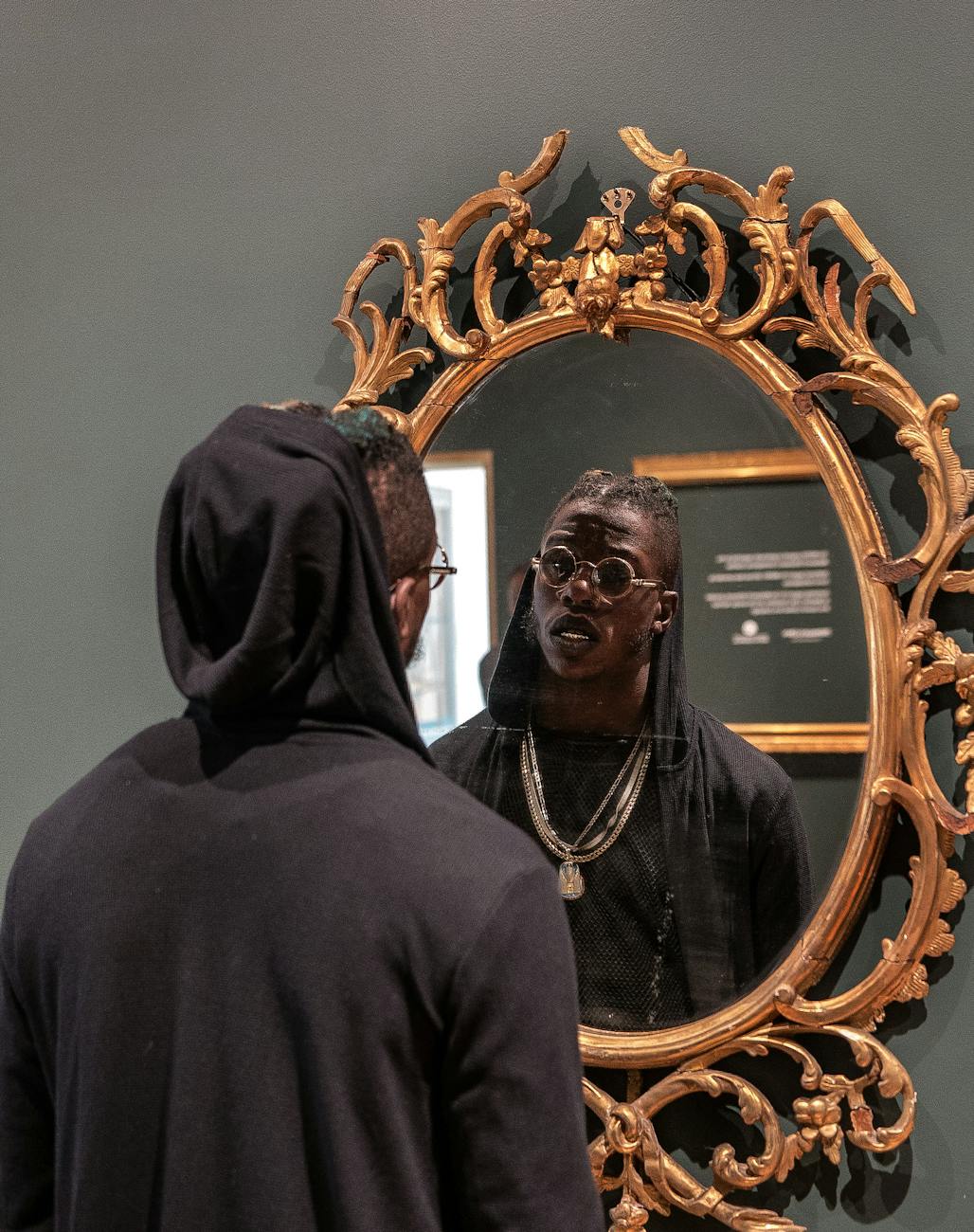
Photo by PNW Production on Pexels.com

The Black Panther Party (BPP), founded in October 1966 in Oakland, California, by Huey P. Newton and Bobby Seale, emerged as one of the most influential yet misunderstood Black liberation movements of the 20th century. Rooted in a philosophy of self-defense, the Party was a response to police brutality, systemic racism, and economic inequality. While critics labeled them a hate group, their primary mission was to protect and uplift the Black community, not to incite racial hatred. The BPP’s adoption of black clothing, leather jackets, and berets symbolized both unity and resistance, representing a visual statement against oppression rather than an embrace of violence.

Were They a Hate Group?

Labeling the BPP a hate group is inaccurate. They were motivated by anti-injustice, not hatred of white people. Instead, they demanded accountability for systemic oppression. That said, the FBI, under J. Edgar Hoover, dubbed them “the greatest threat to the internal security of the country” and launched COINTELPRO, a covert sabotage campaign involving surveillance, false charges, and infiltration intended to “neutralize” the BPP Wikipedia+1BlackPast.orgNPR.

The founders, Huey Newton and Bobby Seale, were both politically active students inspired by the teachings of Malcolm X, Frantz Fanon, and other revolutionary thinkers. Newton, born in Monroe, Louisiana, in 1942, moved to Oakland as a child and later studied law at Merritt College, where he met Seale. Seale, born in Dallas, Texas, in 1936, was an Air Force veteran and activist who believed in Black self-determination. Together, they developed the Ten-Point Program, which called for freedom, full employment, decent housing, education that exposed the true history of Black people, and an end to police brutality.

The BPP established over 60 community programs, including free breakfast programs for children, health clinics, and educational initiatives. These programs addressed systemic neglect and provided vital resources to underserved Black neighborhoods. However, their armed patrols to monitor police activities and their revolutionary rhetoric drew intense attention from law enforcement. The FBI, under J. Edgar Hoover, deemed the Panthers the “greatest threat to the internal security of the country” and initiated the COINTELPRO (Counter Intelligence Program) to infiltrate, disrupt, and dismantle the movement. This campaign included surveillance, infiltration, false arrests, and targeted violence against members.

Fred Hampton, one of the most charismatic BPP leaders, rose to prominence in Chicago for his coalition-building efforts across racial lines. Born in 1948, Hampton became known for his “Rainbow Coalition,” uniting Black, Latino, and poor white communities. His leadership was cut short when he was killed in a 1969 FBI-coordinated police raid at the age of 21. Huey Newton’s trajectory was also deeply marked by the struggle; after multiple arrests, exile in Cuba, and internal party conflicts, Newton eventually returned to Oakland but was killed in 1989.

Fred Hampton and the Fate of Revolution

Fred Hampton, chair of the Chicago chapter, exemplified community-driven Black Power. In 1968, he organized a “Rainbow Coalition” of diverse marginalized groups—Panthers, Puerto Rican Young Lords, and white Appalachian activists—building solidarity across racial lines BlackPast.orgBiography.

However, FBI infiltration (via informant William O’Neal) led to a lethal police raid on December 4, 1969, in which Hampton and fellow Panther Mark Clark were killed while sleeping. The raid exposed official misconduct and ultimately led to a $1.85 million civil settlement against the government for violating civil rights BlackPast.org+1BiographyWikipediaNational Archives.

The Black Panthers were often accused of being anti-white, but their mission targeted injustice, not individuals based on race. They collaborated with various progressive groups, including white allies who supported anti-racist causes. While some members had interracial relationships, including marriages to white women, the movement’s focus remained centered on dismantling systemic oppression. Martin Luther King Jr. and Malcolm X had differing relationships to the Panthers’ ideology—King generally supported nonviolence, while Malcolm X’s earlier advocacy for armed self-defense influenced Panther philosophy.

Public perception of the Black Panthers was polarized—mainstream media often depicted them as violent extremists, while Black communities saw them as defenders and providers. FBI files, now public, confirm the extent of government efforts to neutralize the Panthers through misinformation, surveillance, and assassination. Although the original BPP disbanded in the early 1980s, splinter groups and modern movements continue to draw inspiration from their principles, adapting their mission to today’s struggles against police violence and racial inequality.

Conclusion: Legacy & Present Impact

The Black Panther Party emerged as a revolutionary force rooted in self-defense, community service, and radical political ideology. Far from being a hate group, it sought justice for Black communities through social programs and public resistance. Targeted by COINTELPRO and law enforcement, leaders like Huey Newton and Fred Hampton made enduring impacts, even in death. Their legacy—fierce, complex, and instructive—remains vital to understanding resistance, governance, and identity.

After federal assaults and internal decline, the Party dissolved by 1982 WikipediaNational Archives. Today, the legacy of the Panthers continues through:

  • Panther cubs: children like Fred Hampton Jr. carry forward the spirit, though many also bear emotional and social burdens from surveillance and activism The Guardian.
  • Cultural resurgence: Films like Judas and the Black Messiah and series like The Big Cigar have reignited interest in their story TIME+1.

While some people question if members married outside race—there’s no notable record. The Black Panther name and uniforms (black clothing) symbolized solidarity, militancy, and Black pride, embracing African roots and resistance.


References

  • Bloom, J., & Martin, W. E. (2016). Black against empire: The history and politics of the Black Panther Party. University of California Press.
  • Federal Bureau of Investigation. (1976). COINTELPRO: The counterintelligence program against the Black Panther Party. U.S. Government Printing Office.
  • Hampton, F. (2009). The Assassination of Fred Hampton: How the FBI and the Chicago Police Murdered a Black Panther. Lawrence Hill Books.
  • Newton, H. P. (1973). Revolutionary suicide. Harcourt Brace Jovanovich.
  • Seale, B. (1991). Seize the time: The story of the Black Panther Party and Huey P. Newton. Black Classic Press.
  • Williams, J. P. (2013). “The Black Panther Party and Black self-defense.” Journal of African American History, 98(1), 48–71.

Britannica – Black Panther Party origin & founders Encyclopedia Britannica+1

HISTORY.com – Party formation, programs, decline HISTORY

Wikipedia – Details on ideology & FBI targeting Wikipedia+1

BlackPast.org & Biography.com – Fred Hampton biography and assassination BlackPast.orgBiography

National Archives – BPP records and description National Archives

Time & Apple TV+ – Huey Newton escape story (The Big Cigar) TIME+1

The Guardian – Panther cubs’ legacy The Guardian
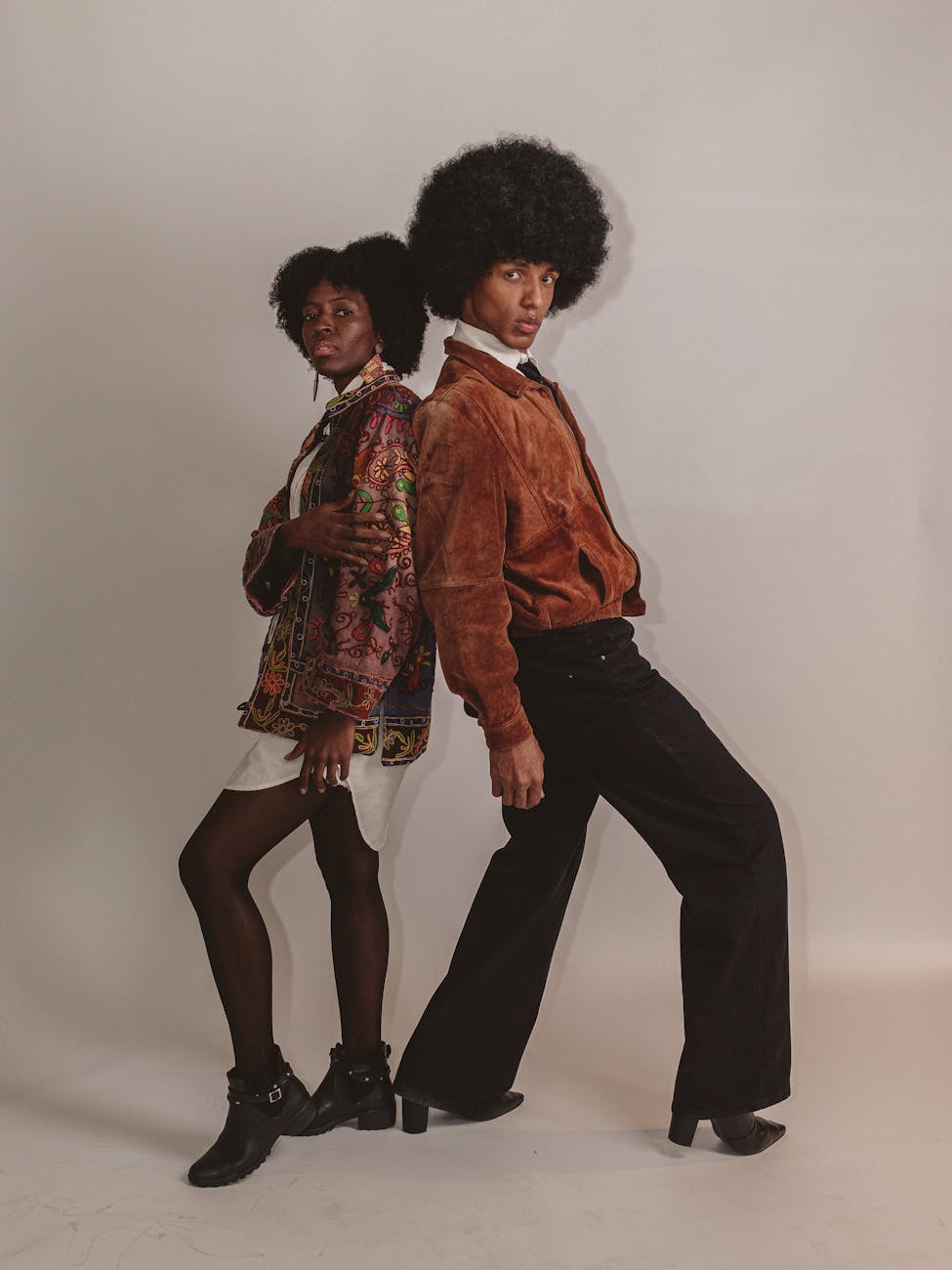
Brown Girl VS Brown Boy: The Trials That Both Black Women and Men Share.

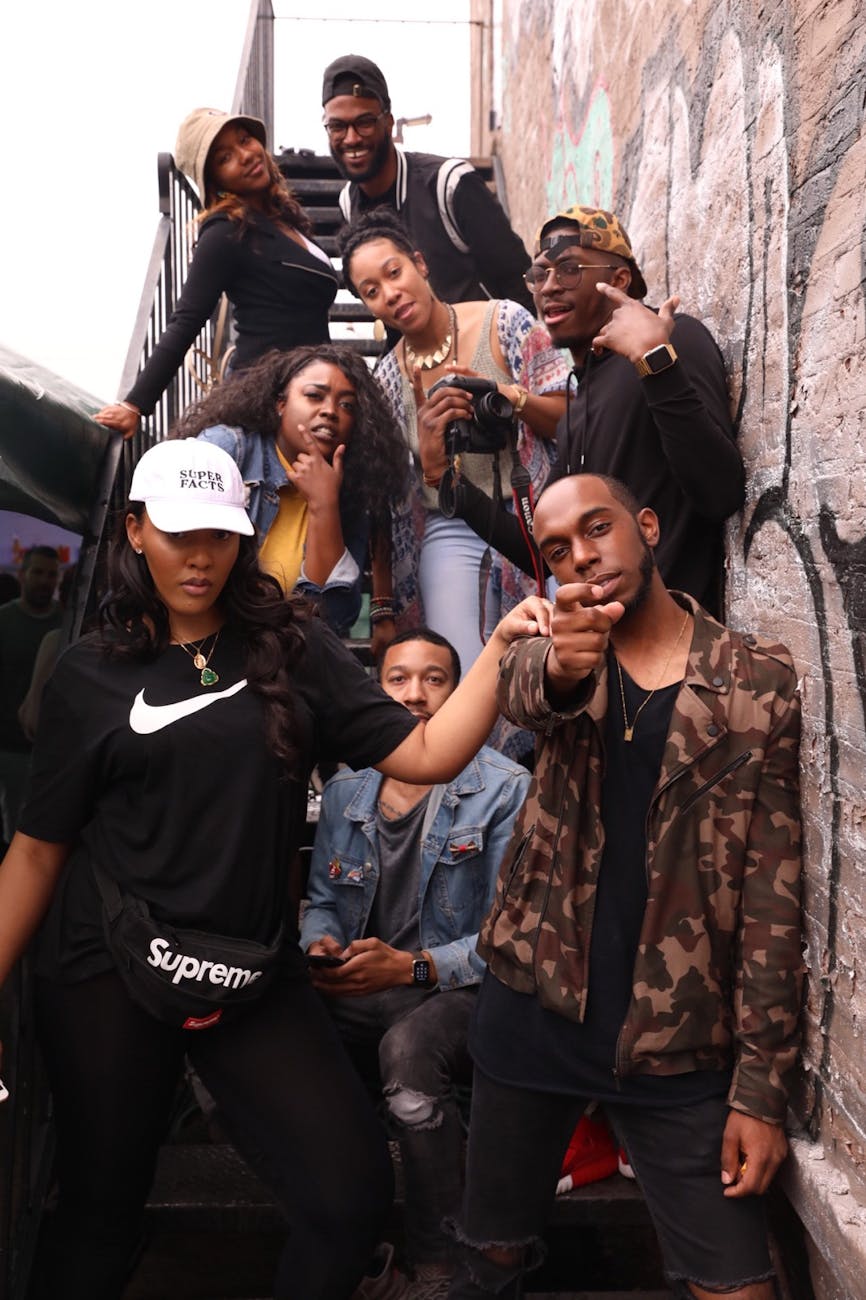
Photo by Alexandre Canteiro on Pexels.com

The narrative of the Brown Girl and the Brown Boy is a testimony of shared endurance and resilience across centuries of oppression. While each carries unique burdens shaped by gender, their struggles intertwine within the same framework of racism, systemic inequality, and cultural misrepresentation. The Brown Boy carries the burden of criminalization. From childhood, he is labeled as a threat, his innocence quickly stripped away by the gaze of a society that fears his melanin. He is often over-policed, over-disciplined, and prematurely marked as deviant. This early criminalization sets the stage for a life in which opportunity is constrained, where his existence is seen as something to be managed rather than celebrated. The Brown Girl, in turn, bears the weight of invisibility and hypervisibility at once. Her body is policed, her skin tone scrutinized, and her hair politicized. She is told she must work twice as hard to be seen, yet when she asserts herself, she is cast as angry or difficult. Her womanhood is too often undervalued, her femininity questioned, and her contributions overlooked. Invisibility denies her credit, while hypervisibility subjects her to surveillance.

Historical Roots of Struggle
The struggles of the Brown Girl and Brown Boy are rooted in slavery, where African men and women were simultaneously dehumanized, exploited, and stripped of their personhood. Enslaved men were depicted as dangerous brutes, while enslaved women were hypersexualized or forced into maternal roles without agency. This legacy persists today in stereotypes that continue to shape societal perceptions. The plantation created a blueprint for systemic oppression that both Black men and women still resist.

The Brown Boy is burdened by criminalization. From his youth, society sees him not as a child but as a potential threat. He is over-policed, over-disciplined, and prematurely marked as deviant. This reflects Deuteronomy 28:50 (KJV): “A nation of fierce countenance, which shall not regard the person of the old, nor shew favour to the young.” His innocence is stolen by systemic suspicion, his manhood molded in the shadow of fear.

The Brown Girl’s struggle is invisibility and hypervisibility at once. She is unseen in her brilliance yet overexposed in her body. Her skin, hair, and tone are politicized, making her both target and spectacle. The scriptures foretell this devaluation: “Thy sons and thy daughters shall be given unto another people, and thine eyes shall look, and fail with longing for them all the day long” (Deuteronomy 28:32, KJV). The world covets her beauty but denies her humanity.

Representation and Misrepresentation
Representation has always been a double-edged sword. For the Brown Boy, media often frames him as a criminal or athlete, denying the full spectrum of his humanity. For the Brown Girl, the media either erases her altogether or confines her to caricatures such as the “mammy,” “jezebel,” or “angry Black woman.” Both experience the suffocation of misrepresentation, where society refuses to see them as complex individuals.

Educational Barriers and Discipline
Education becomes a battlefield. Research shows that Black boys are disproportionately suspended and criminalized in classrooms, labeled as “problematic” rather than nurtured (Ferguson, 2000). Black girls, while often excelling academically, face their own policing: their natural hair is deemed “unprofessional,” their assertiveness mistaken for defiance, and their bodies sexualized even in youth. Both genders wrestle with an education system that undermines their potential.

Economic Inequalities
The Brown Boy often confronts systemic barriers to employment and financial stability, including discriminatory hiring practices and wage gaps. Meanwhile, the Brown Girl—despite being the most educated demographic in the U.S.—earns less than both her Black male counterparts and white women. This intersection of racism and sexism is a double bind, yet both find themselves navigating economic structures designed to exploit rather than uplift.

Colorism’s Dividing Line
Colorism deepens the trials of both. Brown Boys may be perceived as more threatening the darker their complexion, while Brown Girls may be considered less desirable. This internalized bias stems from colonial legacies that equated light skin with superiority. Both men and women endure the psychological scars of a hierarchy that measures their worth through proximity to whiteness.

Psychological Weathering
The term “weathering” describes the cumulative effect of systemic oppression on Black bodies, leading to premature aging and health decline (Geronimus, 1992). The Brown Boy often carries the weight of being seen as a target, leading to chronic stress. The Brown Girl shoulders the burden of caretaking, respectability politics, and constant scrutiny. Together, they endure the slow erosion of health by racism’s daily toll.

Police Violence and State Control
For Brown Boys, encounters with police often turn deadly. Mass incarceration and racial profiling remain defining realities. For Brown Girls, vulnerability takes other forms—sexual violence, neglect in medical care, and dismissal in the justice system. Both genders are ensnared in different arms of the same carceral state, one that polices their existence.

Body Politics
The body becomes a site of battle. Black men are hyper-masculinized, their physiques fetishized yet criminalized. Black women’s bodies are policed, objectified, and appropriated—praised when on non-Black women yet ridiculed when naturally theirs. Both genders face dehumanization through the gaze of others.

Faith and Resilience
Despite these struggles, faith traditions have long served as a refuge. From the hush harbors of slavery to today’s Black churches, scripture reminds the Brown Girl and Brown Boy of their worth: “I will praise thee; for I am fearfully and wonderfully made” (Psalm 139:14, KJV). Both draw strength from a spiritual lineage that affirms beauty, dignity, and resilience against a world that denies them.

Love and Partnership
Romantic and communal relationships are also affected by oppression. The stressors of unemployment, incarceration, and societal division often strain bonds between Black men and women. Yet, when the Brown Girl and Brown Boy commit to healing together, their love becomes an act of resistance, a sanctuary in a hostile world.

Cultural Expression
Music, art, and literature serve as outlets of survival. From jazz and hip-hop to spoken word and Afrofuturism, the Brown Girl and Brown Boy reclaim narratives and create new worlds. Through cultural production, they not only resist but also affirm their brilliance.

Generational Trauma
Trauma is not only personal but generational. Children inherit the burdens of systemic oppression, witnessing the struggles of their parents. The Brown Girl and Brown Boy often carry wounds passed down from ancestors who endured slavery, Jim Crow, and structural racism. Healing requires breaking these cycles while honoring ancestral resilience.

The Burden of Exceptionalism
Both genders often feel the pressure to be “twice as good” in order to be deemed worthy. This burden of exceptionalism leaves little room for error or rest. The Brown Boy is expected to defy the odds and avoid stereotypes, while the Brown Girl must embody strength without vulnerability. Both pay the psychological cost of being denied simple humanity.

Resistance in Activism
Black women and men have stood side by side in movements for freedom, from abolition to civil rights to Black Lives Matter. The Brown Girl and Brown Boy recognize that liberation is bound together, for one cannot be free without the other. Their shared activism is a testimony of collective endurance and vision.

Beauty and Affirmation
In a world that tells them otherwise, both must learn to see their beauty. The Brown Girl reclaims her natural hair, dark skin, and full features as symbols of pride. The Brown Boy embraces his strength, his melanin, and his presence as affirmations of worth. Beauty, once defined against them, becomes theirs to define.

Mental Health Struggles
The stigma of mental health persists in Black communities, where seeking therapy is sometimes discouraged. Yet, both men and women battle depression, anxiety, and PTSD from systemic oppression. The Brown Girl and Brown Boy must learn to embrace healing spaces without shame.

Solidarity and Division
Oppression sometimes pits them against each other, but solidarity is essential. The Brown Girl and Brown Boy must recognize that patriarchy and sexism wound as deeply as racism, and healing requires accountability, empathy, and mutual uplift. Their strength lies in unity, not division.

The Role of Media and Social Platforms
In the digital era, social media becomes both a battleground and a platform for empowerment. Hashtags like #BlackGirlMagic and #BlackBoyJoy counter negative narratives. Yet, both also endure online harassment and colorist commentary. The virtual space mirrors the real-world struggle for validation.

Conclusion: Trials, Triumphs, and Togetherness
The story of the Brown Girl and Brown Boy is not a story of defeat but of resilience. Though their trials differ in form, they intersect in meaning. Both endure systemic oppression, cultural erasure, and personal struggles—but both also embody brilliance, creativity, and faith. Their shared journey calls for solidarity, healing, and love. Together, the Brown Girl and Brown Boy prove that resilience runs deep in their skin, their spirit, and their story.


📚 References

  • Ferguson, A. A. (2000). Bad Boys: Public Schools in the Making of Black Masculinity. University of Michigan Press.
  • Geronimus, A. T. (1992). The weathering hypothesis and the health of African-American women and men: Implications for reproductive strategies and policy analysis. Milbank Quarterly, 70(2), 335–365.
  • hooks, b. (1981). Ain’t I a Woman: Black Women and Feminism. South End Press.
  • Du Bois, W. E. B. (1903). The Souls of Black Folk. Chicago: A. C. McClurg & Co.

Dilemma: Color Bias

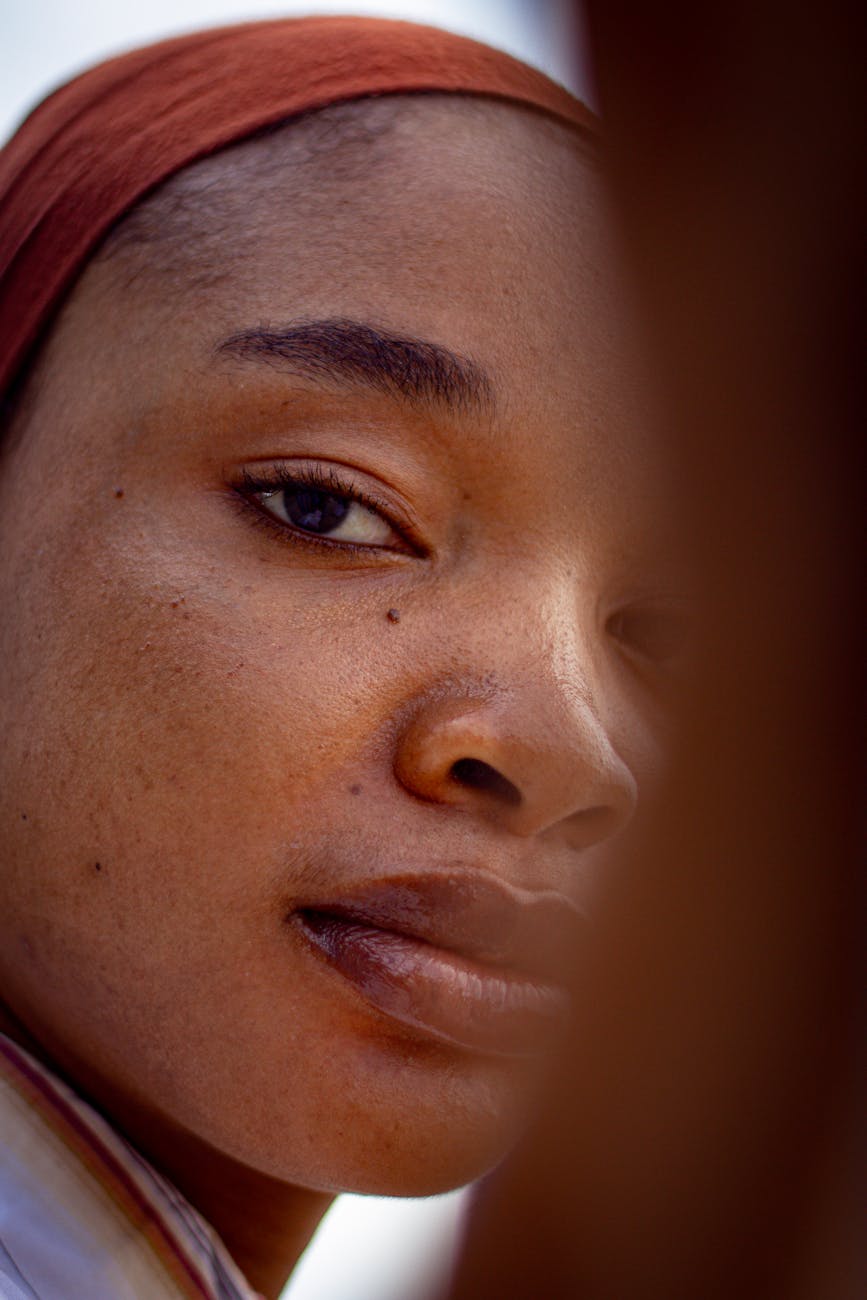
Photo by Nicole Berro on Pexels.com

Color bias, often called colorism, is the social preference for lighter skin tones within racial or ethnic groups. Unlike racism, which functions across different races, color bias operates within a community, shaping hierarchies of privilege, beauty, and worthiness according to complexion. Rooted in slavery, colonialism, and Eurocentric ideals, color bias has lasting effects on how people are valued and treated. It creates divisions among those who share the same ancestry, undermining unity and reinforcing oppression from within (Hunter, 2007).

Historically, color bias took root during the transatlantic slave trade and colonial rule. Lighter-skinned enslaved Africans, often born of European masters, were given positions as house servants, while darker-skinned individuals were confined to harsher field labor (Keith & Herring, 1991). This division fostered the perception that lighter skin represented refinement, intelligence, and proximity to whiteness, while darker skin was stigmatized as less desirable. These beliefs were passed through generations, embedding shade hierarchies into social and cultural structures long after the abolition of slavery.

In modern contexts, color bias continues to shape opportunity and representation. Lighter-skinned individuals are often favored in entertainment, media, and professional spaces. Globally, skin-lightening industries thrive, promising upward mobility and beauty to those who conform to lighter ideals (Glenn, 2008). Within families, children with lighter complexions may be praised as “beautiful” or “lucky,” while darker-skinned children face teasing or stigma, creating internalized wounds. Even in casual language, terms like “high yellow” or “redbone” highlight how complexion is tied to perceived social value.

Color bias also significantly impacts relationships, marriage, and family dynamics. Research shows that lighter-skinned women are often perceived as more desirable for marriage, while darker-skinned women face higher levels of rejection, bias, and stereotypes (Hunter, 1998). Men with darker skin may also be labeled as more threatening or less “respectable,” influencing dating choices and family expectations. These biases affect mate selection, with some families encouraging unions with lighter-skinned partners to “improve” the family lineage. Such practices reflect not only internalized racism but also the lingering scars of slavery and colonialism.

The Bible challenges such distortions of human worth. Song of Solomon 1:5 (KJV) declares: “I am black, but comely, O ye daughters of Jerusalem.” This verse affirms the beauty of dark skin, countering cultural stigmas. Furthermore, 1 Samuel 16:7 (KJV) reminds believers that God judges by the heart, not appearance. Favoritism in love, marriage, or family based on complexion stands against the divine standard of equality. Acts 17:26 (KJV) further emphasizes that God “hath made of one blood all nations of men,” revealing that complexion-based hierarchies are human inventions, not divine truths.

Psychologically, color bias is sustained through internalized racism and implicit bias. Internalized racism leads individuals to adopt the belief that lighter features are more attractive or valuable, even when such beliefs harm their own identity (Speight, 2007). Implicit bias operates unconsciously, shaping decisions about who is considered attractive, professional, or marriage-worthy. These biases infiltrate dating preferences, hiring choices, and even parental expectations, perpetuating cycles of inequality. Addressing these issues requires intentional reflection, awareness, and healing.

Ultimately, overcoming color bias demands both spiritual and psychological renewal. Spiritually, believers are called to “be not conformed to this world: but be ye transformed by the renewing of your mind” (Romans 12:2, KJV). Psychologically, education, representation, and open dialogue are necessary to dismantle implicit biases and heal generational wounds. Communities must affirm that every shade of melanin is a reflection of God’s creativity, equally worthy of love, respect, and dignity. By uniting faith and knowledge, families and societies can break the grip of color bias and build relationships rooted in genuine character rather than complexion.


References

  • Glenn, E. N. (2008). Yearning for lightness: Transnational circuits in the marketing and consumption of skin lighteners. Gender & Society, 22(3), 281–302.
  • Hunter, M. (1998). Colorstruck: Skin color stratification in the lives of African American women. Sociological Inquiry, 68(4), 517–535.
  • Hunter, M. (2007). The persistent problem of colorism: Skin tone, status, and inequality. Sociology Compass, 1(1), 237-254.
  • Keith, V. M., & Herring, C. (1991). Skin tone and stratification in the Black community. American Journal of Sociology, 97(3), 760–778.
  • Speight, S. L. (2007). Internalized racism: One more piece of the puzzle. The Counseling Psychologist, 35(1), 126–134.
  • The Holy Bible, King James Version.

Dilemma: Self-Hatred

The Psychological Legacy of Slavery and Color Bias.

Photo by Shanice McKenzie on Pexels.com

Self-hatred among Black people has deep historical roots, particularly stemming from the trauma of slavery and centuries of systemic oppression. This internalized disdain manifests in attitudes toward one’s skin, hair, and cultural features, and continues to affect Black people today. Psychologists identify self-hatred as a form of internalized oppression, where victims adopt the negative beliefs and stereotypes imposed by dominant groups (Welsing, 1991). Biblically, this contrasts with God’s perspective: “But the Lord said unto Samuel, Look not on his countenance, or on the height of his stature; for the Lord seeth not as man seeth; for man looketh on the outward appearance, but the Lord looketh on the heart” (1 Samuel 16:7, KJV).

Historical Roots: Slavery and Colorism

During slavery, lighter-skinned slaves—often children of European masters—were given preferential treatment, while darker-skinned individuals faced harsher labor and punishment. This created a color hierarchy within enslaved communities, instilling notions of inferiority based on skin tone. Hair texture was also stigmatized, and European beauty ideals were valorized. These historical realities laid the foundation for psychological wounds that persist across generations.

Psychological Effects

Self-hatred manifests as low self-esteem, anxiety, depression, and identity conflict. Psychologists note that internalized racism can result in imposter syndrome, social withdrawal, and preference for Eurocentric features (Hunter, 2007). Black girls and women may feel pressured to straighten hair, lighten skin, or alter features to fit societal ideals. The stress of trying to conform externally often exacerbates internal conflict and mental health challenges.

Contemporary Implications

Today, Black people still face discrimination in employment, education, and media representation. Lookism and lightism—preference for lighter skin and straighter hair—affect hiring decisions, casting in media, and social interactions. Colorism perpetuates inequality even within communities of color, while mainstream media continues to glorify Eurocentric beauty standards. The KJV Bible reminds believers to find value in spiritual and moral integrity rather than external appearance (1 Peter 3:3-4, KJV).

Self-Hatred Healing Guide: Overcoming the Legacy of Slavery and Colorism

1. Daily Affirmations and Spiritual Grounding

  • “I am fearfully and wonderfully made” (Psalm 139:14, KJV).
  • “God sees the heart; my worth is in Him, not in society’s standards” (1 Samuel 16:7, KJV).
  • “My skin, hair, and features are beautiful and reflect God’s design.”

Practice: Repeat affirmations daily, write them in a journal, or post them where you see them regularly.


2. Cultural Pride and Representation

  • Celebrate African, Caribbean, or Black American heritage.
  • Engage with media that showcases Black beauty, culture, and achievements.
  • Support Black-owned businesses, authors, artists, and creators to reinforce cultural pride.

3. Media Literacy

  • Critically evaluate mainstream media for Eurocentric beauty standards.
  • Avoid content that perpetuates negative stereotypes or color bias.
  • Share and promote diverse representation that affirms dark and brown-skinned beauty.

4. Mental Health and Therapy

  • Seek therapy with professionals trained in racial trauma and colorism.
  • Journaling: Write thoughts, experiences, and victories to externalize and process internalized biases.
  • Cognitive restructuring: Challenge negative self-talk and replace it with truth-based affirmations rooted in spirituality and personal value.

5. Faith and Spiritual Practices

  • Pray daily for self-acceptance, healing, and guidance.
  • Meditate on Scriptures emphasizing inner beauty and God’s perspective:
    • 1 Samuel 16:7: God values the heart, not outward appearance.
    • Psalm 139:14: Each person is wonderfully made.
  • Use fasting, worship, and fellowship to strengthen spiritual resilience and emotional health.

6. Practical Beauty and Self-Care

  • Embrace natural hair textures, skin tones, and facial features.
  • Experiment with self-expression through fashion, makeup, and hairstyles that celebrate identity rather than conform to Eurocentric norms.
  • Develop a self-care routine that nurtures mental, physical, and emotional well-being.

7. Community and Mentorship

  • Join groups or networks that celebrate Black identity and provide emotional support.
  • Seek mentorship from Black leaders, activists, and professionals who model confidence and self-love.
  • Share experiences with peers to normalize challenges and reinforce empowerment.

8. Action Steps

  1. Begin each day with affirmations and prayer.
  2. Limit exposure to harmful media messages.
  3. Participate in cultural and community events that celebrate Black heritage.
  4. Engage in therapy, journaling, or spiritual counseling.
  5. Mentor or guide younger Black individuals to foster self-love and cultural pride.

Strategies for Change

  • Cultural Affirmation: Celebrate Black features, hairstyles, and skin tones in media, education, and community spaces.
  • Education: Teach the history of slavery, colorism, and its psychological effects to promote awareness.
  • Therapy and Counseling: Encourage mental health support focused on racial trauma and self-worth.
  • Faith-Based Empowerment: Scripture and spiritual practice can restore confidence and identity in God’s eyes (Psalm 139:14, KJV).

Role of White Society

White society can help dismantle systemic biases by:

  • Confronting and correcting discriminatory policies in workplaces, schools, and media.
  • Promoting diverse representation in leadership and media.
  • Supporting initiatives that celebrate Black culture rather than co-opt or erase it.
  • Recognizing the historical roots of self-hatred and advocating for reparative justice.

References

Biblical References (KJV)

  • 1 Samuel 16:7
  • 1 Peter 3:3-4
  • Psalm 139:14

Psychology & Sociology References

  • Welsing, F. C. (1991). The Isis Papers: The Keys to the Colors. Third World Press.
  • Hunter, M. L. (2007). The Persistent Problem of Colorism: Skin Tone, Status, and Inequality. Sociology Compass, 1(1), 237–254.
  • Clark, R., & Clark, K. (1947). Racial Identification and Preference in Negro Children. Journal of Negro Education, 16(3), 169–176.

The Most Hated People: Black People

Photo by nappy on Pexels.com

Throughout history, Black people have endured hatred, oppression, and marginalization on a global scale. This phenomenon is not merely social or political; it has deep spiritual and psychological roots. The Bible, particularly the King James Version, offers insight into why Black people have been hated, how God allows this suffering, and how the forces of darkness exploit it. Understanding these dynamics is essential for empowerment, resilience, and spiritual victory.


Biblical Foundations: Why Black People Are Hated

The hatred toward Black people is hinted at in Scripture as a form of prophetic suffering. Deuteronomy 28:37 states, “And thou shalt become an astonishment, a proverb, and a byword among all nations whither the LORD shall lead thee” (KJV). The Israelites, often linked biblically to Black Africans through E1b1a haplogroups and historical migrations, were marked for suffering as a consequence of God’s covenant and the lessons of obedience. This hatred, though painful, serves as a tool in God’s providential plan to teach, refine, and ultimately elevate His people spiritually.

Scripture also warns of the spiritual adversary behind oppression: “Be sober, be vigilant; because your adversary the devil, as a roaring lion, walketh about, seeking whom he may devour” (1 Peter 5:8, KJV). The devil manipulates human sin and societal prejudice to sow division, hatred, and despair, targeting Black people as part of a larger plan to weaken God’s chosen people.


Psychological Dimensions of Hatred

From a psychological perspective, the hatred of Black people is rooted in fear, envy, and the need for domination. Social psychology explains this as in-group/out-group bias, scapegoating, and internalized superiority complexes. Historical trauma, such as slavery and colonization, reinforced narratives that dehumanized Black people, creating generational cycles of oppression. Modern psychology identifies implicit bias, colorism, and structural racism as extensions of these long-standing prejudices, perpetuated unconsciously in societies worldwide.

The psychological impact of being hated manifests as internalized oppression, lowered self-esteem, and hyper-vigilance. Yet the Bible offers resilience strategies: “Fear thou not; for I am with thee: be not dismayed; for I am thy God” (Isaiah 41:10, KJV). Faith, identity in God, and historical consciousness serve as buffers against the toxic effects of hatred.


The Role of the Devil

Satan’s involvement in the hatred of Black people cannot be understated. He works to divide, oppress, and distort identity. As John 10:10 warns, “The thief cometh not, but for to steal, and to kill, and to destroy” (KJV). By promoting false narratives, enslavement, and systemic oppression, the devil aims to suppress Black excellence, spiritual awareness, and societal influence. Recognizing this spiritual warfare is critical to understanding that hatred is not merely human sin but also a tool of darkness.


The Meaning of Blackness

Blackness is more than skin color; it represents resilience, divine heritage, and a reflection of God’s creative diversity. Psalm 139:14 states, “I will praise thee; for I am fearfully and wonderfully made” (KJV). Black identity, therefore, is sacred and intentional. Historically, Black people have been leaders, prophets, and nation-builders, and their cultural and spiritual contributions reflect God’s favor and purpose, even when society hates them.


How to Overcome Hatred

Overcoming hatred requires a combination of spiritual, psychological, and practical strategies:

  1. Faith in God’s Sovereignty: Trusting that God can turn suffering into blessing (Genesis 50:20).
  2. Community and Mentorship: Strengthening ties within Black communities to resist isolation and despair.
  3. Education and Awareness: Learning history, understanding systemic oppression, and reclaiming identity.
  4. Spiritual Warfare: Prayer, fasting, and studying Scripture to resist the devil’s schemes (Ephesians 6:11-12).

How Black People Can Deal with Hatred

Dealing with hatred requires resilience, wisdom, and spiritual discernment:

  • Identity Affirmation: Embrace biblical and historical truths about heritage.
  • Psychological Healing: Engage in therapy, counseling, or group support to process generational trauma.
  • Advocacy and Leadership: Transform experiences of hatred into activism, mentorship, and leadership.
  • Forgiveness and Wisdom: Maintain a biblical posture of righteousness without compromising self-respect (Romans 12:17-21).

Conclusion

The hatred of Black people is both a historical and spiritual reality, sanctioned at times in Scripture for refinement, exploited by human sin, and magnified by Satan’s schemes. Yet Blackness carries divine meaning, and God equips His people to overcome hatred through faith, resilience, and wisdom. Understanding the interplay of biblical principles, psychological realities, and spiritual warfare empowers Black individuals and communities to thrive despite oppression. The journey from suffering to victory is both personal and communal, guided by Scripture, history, and divine purpose.


References

Biblical References (KJV)

  • Deuteronomy 28:37
  • 1 Peter 5:8
  • Isaiah 41:10
  • John 10:10
  • Psalm 139:14
  • Genesis 50:20
  • Ephesians 6:11-12
  • Romans 12:17-21

Secondary Sources
Fanon, F. (1967). Black Skin, White Masks. Grove Press.

Grier, W. H., & Cobbs, P. M. (1968). Black Rage. Basic Books.

Harris, S. (2015). The Psychological Effects of Racism on African Americans. American Psychological Association.

West, C. (1993). Race Matters. Beacon Press.

The Strategic Plots Against Black Women

Biblical Warnings and Psychological Realities

Photo by TRIPLE LENS PHOTOGRAPHY on Pexels.com

Throughout history, Black women have faced systemic plots designed to diminish their worth, distort their identity, and weaken their families. These strategies are not new; they echo the biblical pattern of oppression against God’s chosen people. Psalm 83:3 (KJV) declares, “They have taken crafty counsel against thy people, and consulted against thy hidden ones.” Black women, as the backbone of their families and communities, have often been targeted in these “crafty counsels” through slavery, media portrayals, institutional racism, and cultural stereotypes. Psychology reveals that such constant attacks on identity create long-term generational trauma, eroding self-worth while forcing resilience.

One of the most persistent plots against Black women is the distortion of beauty and femininity. Western society has historically elevated Eurocentric beauty standards, pressuring Black women to alter their natural hair, skin, or bodies to fit into systems of acceptance. 1 Peter 3:3–4 (KJV) reminds women that true beauty is “not that outward adorning…but the hidden man of the heart.” Yet psychologically, being excluded from dominant standards of beauty leads to internalized racism, body dysmorphia, and feelings of inferiority. By undervaluing natural Black beauty, society strategically undermines confidence and creates divisions within the community.

Another plot is the economic and familial destabilization of Black women. During slavery and Jim Crow, systemic efforts separated families and denied Black men the ability to provide, leaving women overburdened. Today, mass incarceration and discriminatory job markets continue this cycle. Scripture acknowledges the weight placed on women, noting in Lamentations 5:3 (KJV), “We are orphans and fatherless, our mothers are as widows.” Psychologically, this creates stress disorders, burnout, and the “strong Black woman” stereotype, where Black women are expected to endure excessive hardship without support. While resilience is admirable, the expectation of endless sacrifice without healing is itself a form of oppression.

Media representation forms another powerful plot, shaping how the world perceives Black women. The Jezebel stereotype hypersexualizes them, the Sapphire caricature portrays them as angry, and the Mammy image reduces them to servitude. These portrayals, rooted in slavery, persist in modern entertainment and social media. Proverbs 11:22 (KJV) warns, “As a jewel of gold in a swine’s snout, so is a fair woman which is without discretion.” These stereotypes strip away the dignity of Black women, making them objects of ridicule or desire rather than full human beings. Psychologically, constant negative imagery fosters stereotype threat, where Black women feel pressured to disprove false narratives at the expense of authenticity and peace.

Furthermore, the educational and health care systems reveal systemic neglect. Black women experience higher maternal mortality rates, are often dismissed in medical settings, and face biased disciplinary practices in schools. Hosea 4:6 (KJV) laments, “My people are destroyed for lack of knowledge.” Denial of proper care and knowledge is a modern-day plot that not only harms Black women physically but also perpetuates mistrust in institutions. From a psychological lens, such neglect leads to chronic stress, mistrust of authority, and intergenerational health disparities.

Quick Guide: 10 Strategic Plots Against Black Women

Biblical Truths and Psychological Insights

  1. Distortion of Beauty Standards
  • 1 Peter 3:3–4 (KJV) – True beauty is inward, not outward.
  • Eurocentric ideals pressure Black women to alter hair, skin, and body, leading to internalized racism and body-image struggles.
  1. Hypersexualization (Jezebel Stereotype)
  • Proverbs 11:22 (KJV) – Beauty without discretion is devalued.
  • Media reduces Black women to sexual objects, fostering harmful stereotypes and damaging self-worth.
  1. Angry Black Woman (Sapphire Stereotype)
  • James 1:19 (KJV) – Be “slow to wrath.”
  • Stereotyping Black women as hostile discourages authentic emotional expression and silences their voices.
  1. The Mammy Narrative
  • Ecclesiastes 3:7 (KJV) – There is a time to serve, and a time to keep silence.
  • Black women are reduced to caretakers for others, neglecting their own well-being.
  1. Economic Oppression
  • Lamentations 5:3 (KJV) – Families broken, mothers burdened.
  • Wage gaps, job discrimination, and economic instability place undue weight on Black women.
  1. Family Destabilization
  • Malachi 4:6 (KJV) – Turning hearts of fathers to children is key.
  • Mass incarceration and systemic barriers remove fathers, forcing women into overextended roles.
  1. Medical Neglect
  • Hosea 4:6 (KJV) – Lack of knowledge destroys.
  • Black women face high maternal mortality and medical dismissal, creating mistrust in healthcare systems.
  1. Educational Bias
  • Proverbs 4:7 (KJV) – Wisdom is the principal thing.
  • Black girls are disproportionately disciplined, stunting academic confidence and opportunity.
  1. Psychological Burden of “Strong Black Woman” Myth
  • Matthew 11:28 (KJV) – “Come unto me… and I will give you rest.”
  • Society expects Black women to endure without rest, leading to burnout, stress, and mental health struggles.
  1. Erasure of Spiritual and Cultural Identity
  • Psalm 83:3 (KJV) – Enemies take “crafty counsel against thy hidden ones.”
  • Black women’s Hebraic, African, and cultural roots are suppressed, disconnecting them from identity and heritage.

In conclusion, the strategic plots against Black women are both historical and ongoing, rooted in systemic oppression, distorted imagery, and institutional neglect. Yet, the Bible affirms their worth, resilience, and divine role in God’s plan. Proverbs 31:25 (KJV) declares, “Strength and honour are her clothing; and she shall rejoice in time to come.” Psychology confirms that reclaiming identity, healing trauma, and nurturing self-worth are essential strategies of resistance. Recognizing these plots equips Black women and their communities to resist deception, reclaim beauty, and walk in the power and dignity given by God.


📚 References

  • The Holy Bible, King James Version.
  • Collins, P. H. (2000). Black feminist thought: Knowledge, consciousness, and the politics of empowerment. Routledge.
  • hooks, b. (1992). Black looks: Race and representation. South End Press.
  • Steele, C. M. (1997). A threat in the air: How stereotypes shape intellectual identity and performance. American Psychologist, 52(6), 613–629.

Dealing with Online Hate and Colorist Comments.

Photo by Photo By: Kaboompics.com on Pexels.com

The rise of digital communication has transformed the ways people interact, creating opportunities for connection but also exposing individuals to unprecedented levels of scrutiny and hostility. For Black women and Brown women, online hate often intersects with colorism, a pervasive form of discrimination that privileges lighter skin while demeaning darker complexions. Social media platforms, while enabling self-expression and visibility, also amplify negative commentary that can affect confidence, self-esteem, and mental health. Understanding how to navigate online hate and colorist remarks is critical for personal empowerment and psychological resilience.

Understanding Online Hate and Colorism

Online hate refers to targeted harassment, bullying, or disparagement directed at individuals based on identity, appearance, or beliefs. Colorism, specifically, is a form of bias in which individuals are judged or discriminated against based on the lightness or darkness of their skin. Historically rooted in colonialism, slavery, and Eurocentric beauty standards, colorism continues to manifest in social, professional, and digital spaces. Online platforms often magnify these prejudices, as anonymity and virality allow harmful commentary to spread widely and rapidly (Hunter, 2007).

Psychological Impact

Research indicates that exposure to online hate can lead to anxiety, depression, and reduced self-esteem. For Black and Brown women, colorist remarks carry the added burden of internalized bias, where societal preferences for lighter skin are absorbed and reflected in self-perception (Williams & Lewis, 2019). Social comparison theory explains how constant exposure to idealized images online—many of which favor lighter-skinned individuals—can exacerbate feelings of inadequacy or self-doubt (Festinger, 1954). The combined impact of online hate and colorist commentary thus threatens both emotional well-being and identity affirmation.

Strategies for Resilience

Dealing with online hate requires a combination of psychological resilience, practical digital strategies, and cultural affirmation. One effective approach is curating one’s digital space: blocking, muting, or reporting abusive users can reduce exposure to harmful commentary. Another strategy is to practice critical engagement, recognizing that negative remarks often reflect the biases, insecurities, or ignorance of the commenter rather than objective truth. Developing this perspective helps preserve self-worth and prevents internalization of hate.

Affirming Identity and Cultural Pride

Countering colorist commentary involves cultivating self-acceptance and celebrating melanin-rich skin. Public figures and influencers such as Lupita Nyong’o, Adut Akech, and Rashida Strober have used social media to promote skin positivity, modeling confidence and pride in darker complexions. Affirmation of cultural identity and acknowledgment of historical resilience reinforce confidence and create psychological resistance to hate. Faith and spiritual grounding can also provide strength. Scriptures like Psalm 139:14 (KJV): “I will praise thee; for I am fearfully and wonderfully made: marvellous are thy works; and that my soul knoweth right well” offer a reminder of inherent worth beyond societal or online judgments.

Leveraging Community Support

Community support is vital in mitigating the effects of online hate. Online and offline networks—friends, family, social groups, and digital communities—can provide validation, encouragement, and strategies for coping. Engaging in spaces that celebrate diversity and reject colorist ideals allows individuals to witness alternative narratives and receive affirmation. Online movements such as #MelaninPoppin and #DarkSkinIsBeautiful exemplify how collective advocacy and visibility can combat hate while fostering pride.

Transforming Pain into Empowerment

Experiences with online hate and colorism can also be reframed as opportunities for empowerment. Advocacy, content creation, and public speaking allow Black and Brown women to challenge biases, educate others, and redefine beauty standards. By converting negative encounters into activism or artistic expression, individuals reclaim agency over their narratives, transforming experiences of hate into tools for social change.

10 Steps to Handle Online Hate and Colorist Comments

  1. Curate Your Digital Space – Use platform tools to block, mute, or report abusive accounts to minimize exposure to harmful content.
  2. Practice Critical Engagement – Recognize that online hate reflects the insecurities or biases of others, not your worth. Avoid internalizing negative comments.
  3. Affirm Your Identity – Remind yourself of your unique beauty and worth. Engage with content that celebrates melanin-rich skin, cultural heritage, and achievements.
  4. Leverage Role Models – Follow and learn from Black women influencers and public figures, such as Lupita Nyong’o, Adut Akech, and Rashida Strober, who promote confidence and self-acceptance.
  5. Engage Supportive Communities – Participate in online and offline networks that uplift Black and Brown women. Hashtags like #MelaninPoppin or #DarkSkinIsBeautiful foster solidarity and validation.
  6. Document and Reflect – Keep a journal of positive affirmations or moments of personal growth to counteract negativity. Reflection strengthens resilience over time.
  7. Practice Self-Care – Prioritize mental health through mindfulness, exercise, meditation, or counseling. Protecting emotional well-being is essential for sustaining confidence.
  8. Respond Strategically (or Not at All) – Decide whether to engage with comments. Sometimes, silence or a measured response preserves your energy better than confrontation.
  9. Educate When Possible – Transform encounters with ignorance into teachable moments by addressing misconceptions thoughtfully, when safe and productive.
  10. Transform Pain into Empowerment – Channel negative experiences into advocacy, creative projects, or community work, turning personal challenges into platforms for positive change.

Conclusion

Online hate and colorist comments pose significant psychological and social challenges for Black and Brown women, affecting self-esteem, identity, and emotional well-being. However, through strategies such as curating digital spaces, practicing critical engagement, affirming cultural identity, seeking community support, and converting negative experiences into empowerment, women can navigate these challenges with resilience and agency. Ultimately, responding to online hate requires both personal fortitude and collective affirmation, ensuring that confidence and identity remain intact despite societal and digital pressures.


References

  • Festinger, L. (1954). A theory of social comparison processes. Human Relations, 7(2), 117–140.
  • Hunter, M. (2007). The persistent problem of colorism: Skin tone, status, and inequality. Sociology Compass, 1(1), 237–254.
  • Williams, R., & Lewis, T. (2019). Colorism and self-perception among African American women: Psychological impacts and coping mechanisms. Journal of Black Psychology, 45(5), 417–439.

The Slave Files: Whipped Peter (Gordon)

The Scourged Back

Chains that bound, yet could not break
A spirit strong, though flesh did ache.
Scarred and beaten, marked by pain,
He rose to freedom, hope his gain.

Whipped by cruelty, yet never bent,
A testament to courage, resilient.
From fields of sorrow to Union’s call,
Peter’s courage outshines it all.

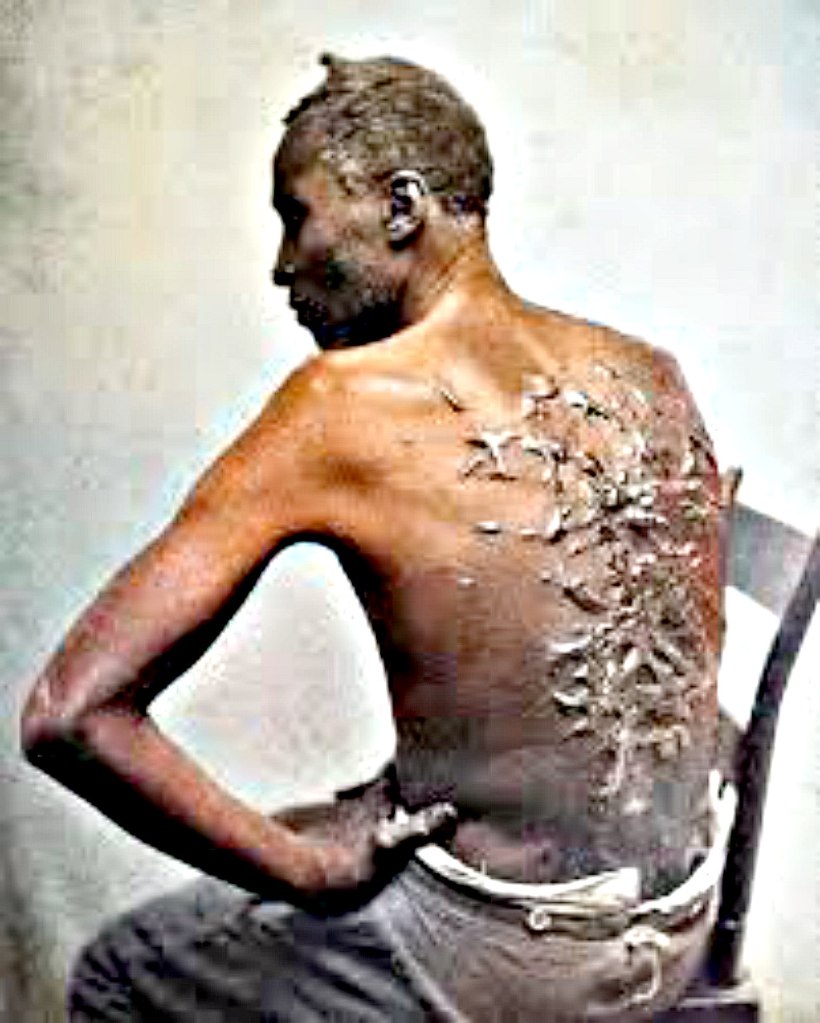
Photo Credit: McPherson & Oliver. This photograph is the property of its respective owner.

Peter, also known as “Whipped Peter” or “Gordon,” was an enslaved African American man born around 1820–1825; some accounts report his birth around 1850 in Georgia. He was sold to a 3,000-acre plantation in Louisiana owned by Captain John Lyons. In late October 1862, after an altercation with his overseer, Peter was subjected to a brutal whipping that left deep, permanent scars across his back. The overseer reportedly applied salt to the wounds, a common and excruciating practice known as “salting,” intended to inflict maximum pain and humiliation.

Despite this horrific treatment, Peter survived and, in March 1863, escaped the plantation. Using onions to mask his scent from bloodhounds, he reached Union lines near Baton Rouge, Louisiana. There, photographers McPherson & Oliver captured his scarred back, producing the image known as “The Scourged Back.” This photograph circulated widely in abolitionist publications and became a poignant testament to the brutality of slavery, galvanizing public opinion against the institution.

In March 1863, Peter escaped from the plantation, covering his scent with onions to evade bloodhounds. After a perilous journey, he reached Union lines near Baton Rouge, Louisiana, where he was photographed by McPherson & Oliver, revealing the extent of his injuries. The resulting image, known as “The Scourged Back,” was widely circulated and became a poignant testament to the brutality of slavery . Following his escape, Peter enlisted in the Union Army and served in the U.S. Colored Troops, where he continued to contribute to the fight for freedom and justice. While his exact service details remain unclear, his story galvanized anti-slavery sentiments and highlighted the resilience and humanity of enslaved individuals. His story endures as a symbol of resilience, courage, and the unbreakable human spirit, reminding future generations of both the horrors of slavery and the strength required to survive and claim one’s freedom.


References for Further Reading

Hair, Politics, and Respectability: The Crown We Never Asked For

Hair has never been “just hair” for Black people. In societies shaped by colonialism and racism, Black hair—especially its natural textures—has been politicized, stigmatized, and controlled. The title Hair, Politics, and Respectability: The Crown We Never Asked For captures this tension: while hair is a natural inheritance, it has become a symbol of identity, resistance, and discrimination. From biblical reflections to modern psychology, the struggle over Black hair reveals both the resilience of a people and the weight of systemic oppression.


Hair and Politics: Why Texture Became a Battleground

During slavery, Black hair was ridiculed as “woolly,” “unkempt,” or “inferior” compared to European textures. Enslaved women were often forced to cover their hair with scarves, stripping them of cultural expression. In the twentieth century, straightening became associated with “respectability,” as Eurocentric beauty standards were used to determine professionalism, employability, and social acceptance (Byrd & Tharps, 2014). Hair became political because it signified whether one conformed to dominant norms or resisted them.

Even today, workplace and school policies ban natural styles such as locs, afros, and braids, framing them as “unprofessional.” This reveals how deeply Eurocentric aesthetics are embedded in institutional power structures. Black hair is not bad—it is the perception of it, shaped by systemic racism, that weaponizes it against Black people.


Media Examples of Hair Discrimination

  • Gabrielle Union (2019): The actress revealed that she was criticized on America’s Got Talent for her hairstyles being “too Black” for mainstream audiences.
  • Zendaya (2015): At the Oscars, a TV host insulted her locs, suggesting they made her smell like “weed or patchouli oil,” perpetuating stereotypes about natural Black hair.
  • Ayanna Pressley (2020): The U.S. Congresswoman openly discussed the politics of her hair after revealing her alopecia, highlighting the burden Black women face regarding appearance.
  • Students Nationwide: Numerous cases have emerged of Black children suspended or excluded from schools for wearing natural hairstyles—demonstrating how hair policing begins in childhood.

These examples show that hair is treated not as personal expression but as a battleground of social acceptance.


Why Is Black Hair Considered “Bad”?

  1. Colonial Legacies: European colonizers ranked African features as inferior to justify slavery and subjugation. Hair texture became part of this false hierarchy.
  2. Respectability Politics: Within Black communities, straightened hair was sometimes encouraged as a survival strategy, signaling assimilation to reduce discrimination.
  3. Media Reinforcement: Advertisements and entertainment long centered straight hair as the default “beautiful,” erasing the diversity of Black textures.
  4. Psychological Control: By stigmatizing natural hair, systems of power sought to strip Black people of cultural pride and self-love.

Psychological Dimensions of Hair Politics

Hair discrimination carries profound psychological effects. Research shows that Black women who feel pressure to conform to Eurocentric hairstyles report higher stress levels, body image struggles, and identity conflict (Robinson, 2011). Natural hair movements—such as the resurgence of afros in the 1970s and the current embrace of locs, twists, and braids—function as acts of resistance and self-acceptance. For Black children, representation is vital: being punished for natural hair fosters shame and internalized racism, while affirmation builds resilience and pride.


Biblical Reflections on Hair and Identity

The Bible addresses hair as both symbolic and spiritual.

  • Glory and Crown: “But if a woman have long hair, it is a glory to her: for her hair is given her for a covering” (1 Corinthians 11:15, KJV). Here, Paul acknowledges hair as a natural crown of dignity.
  • Consecration: In Numbers 6:5, Nazirites such as Samson were commanded not to cut their hair as a sign of holiness and covenant with God. This shows that hair was more than appearance—it was identity and consecration.
  • Diversity in Creation: Scripture affirms that humanity is “fearfully and wonderfully made” (Psalm 139:14). Black hair textures, in all their variety, are part of God’s intentional design, not a flaw.

These biblical insights reject the notion that natural hair is “bad.” Instead, hair is a crown—sometimes even a sacred symbol of identity and strength.


Toward Liberation: Reclaiming the Crown

To break free from the burden of hair politics, society must dismantle Eurocentric beauty hierarchies and embrace inclusivity. Policies such as the CROWN Act (Creating a Respectful and Open World for Natural Hair) in the U.S. represent legal recognition of this struggle. On a personal and cultural level, embracing natural hair affirms resilience: a refusal to bow to imposed norms. For Black women and men, reclaiming their hair is reclaiming their God-given identity, their psychological well-being, and their cultural pride.


Conclusion

Hair, Politics, and Respectability: The Crown We Never Asked For underscores that Black hair has been politicized against its wearers, weaponized as a marker of inferiority. Yet, both psychology and scripture affirm that Black hair is beautiful, intentional, and sacred. It is not a flaw to be corrected but a crown to be celebrated. In embracing their natural hair, Black people reject imposed shame and walk boldly in resilience, dignity, and divine purpose.


References

  • Byrd, A., & Tharps, L. L. (2014). Hair story: Untangling the roots of Black hair in America. St. Martin’s Press.
  • Robinson, C. (2011). Hair as race: Why “good hair” may be bad for Black females. Howard Journal of Communications, 22(4), 358–376.
  • The Holy Bible, King James Version.

The Black Doll Experiment: Exposing the Psychological Cost of Racism.

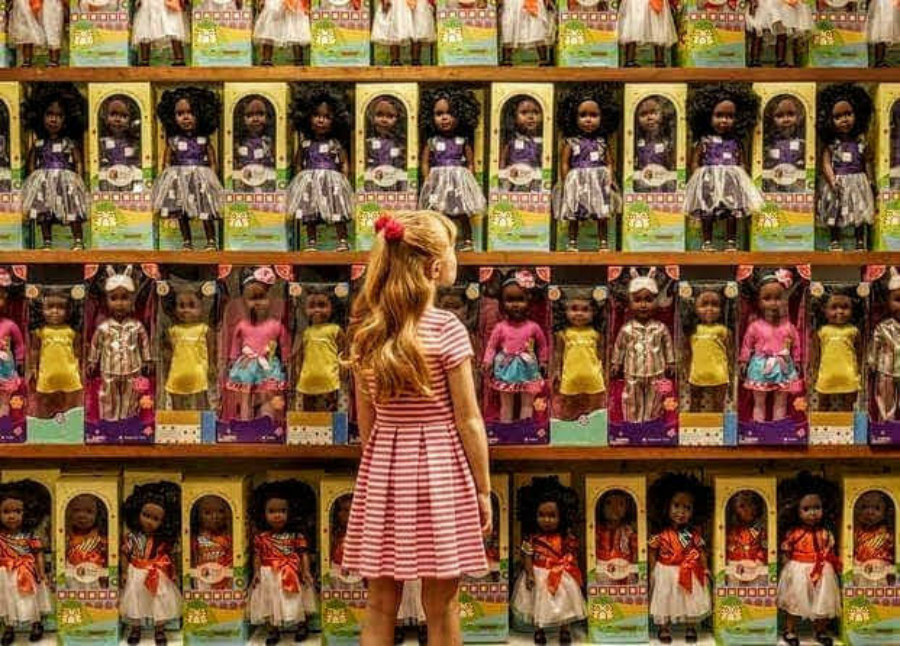
The Black Doll Experiment was a landmark psychological study conducted in the 1940s by husband-and-wife psychologists Dr. Kenneth Clark and Dr. Mamie Clark. It aimed to investigate how segregation and systemic racism affected the self-perception and identity of Black children in the United States. Using simple tools—dolls of different skin colors—the Clarks revealed profound truths about the psychological damage inflicted by racism and white supremacy.

In the experiment, Black children aged three to seven were shown four dolls: two with white skin and two with Black skin. The children were asked a series of questions such as: “Which doll is the nice doll?” “Which doll is the bad doll?” “Which doll looks like you?” The overwhelming majority of children preferred the white dolls, attributing positive traits like “good” and “pretty” to them, while associating the Black dolls with “bad” and “ugly.” Even when asked to identify the doll that looked like them, many Black children reluctantly pointed to the Black doll, often with visible discomfort or sadness (Clark & Clark, 1947).

The lesson learned was painfully clear: segregation and systemic racism had instilled in Black children a sense of inferiority and self-rejection. The study demonstrated how social structures, media, and education reinforced the idea that whiteness was superior and Blackness undesirable. This internalized racism was not innate but learned—a result of constant exposure to discriminatory norms, limited representation, and exclusion from full citizenship in America.

The message behind the experiment was that segregation harmed not only material opportunities for Black people but also their very sense of self-worth and identity. By showing the psychological scars of racism on the youngest and most innocent members of society, the Clarks challenged the moral legitimacy of Jim Crow laws.

The outcome of the Black Doll Experiment was historic. It was used as evidence in the landmark 1954 Supreme Court case Brown v. Board of Education, which declared racial segregation in public schools unconstitutional. Chief Justice Earl Warren cited the Clarks’ research to show that segregation created “a sense of inferiority” that affected Black children’s motivation to learn. Thus, the experiment played a direct role in dismantling legalized segregation in education and advancing the Civil Rights Movement.

Those involved included Dr. Kenneth Clark, who later became the first Black president of the American Psychological Association (APA), and Dr. Mamie Clark, who was instrumental in both designing the methodology and analyzing the psychological meaning of the children’s responses. Together, they bridged psychology and social justice, showing how science could serve as a tool of liberation.

The results underscored the deep psychological wounds racism inflicted on Black children, highlighting the urgent need for systemic reform. While the dolls revealed self-hatred, the greater solution lay in dismantling segregation, challenging racist stereotypes, and affirming Black identity through representation, culture, and education.

The solution proposed—then and now—was not only to desegregate schools but also to affirm the beauty, intelligence, and worth of Black children. This includes strengthening cultural pride, promoting positive Black imagery, and dismantling systemic barriers that reinforce inferiority complexes. In the words of Psalm 139:14 (KJV), “I will praise thee; for I am fearfully and wonderfully made.” The Clarks’ experiment was thus both a warning and a call to action: the liberation of Black people requires not just political freedom but also psychological healing.

References

  • Clark, K. B., & Clark, M. P. (1947). Racial identification and preference in Negro children. In E. L. Hartley (Ed.), Readings in Social Psychology (pp. 169–178). New York: Holt.
  • Brown v. Board of Education, 347 U.S. 483 (1954).
  • Russell, K. K., Wilson, M., & Hall, R. (1992). The Color Complex: The Politics of Skin Color Among African Americans. Anchor.
  • KJV Bible, Psalm 139:14.