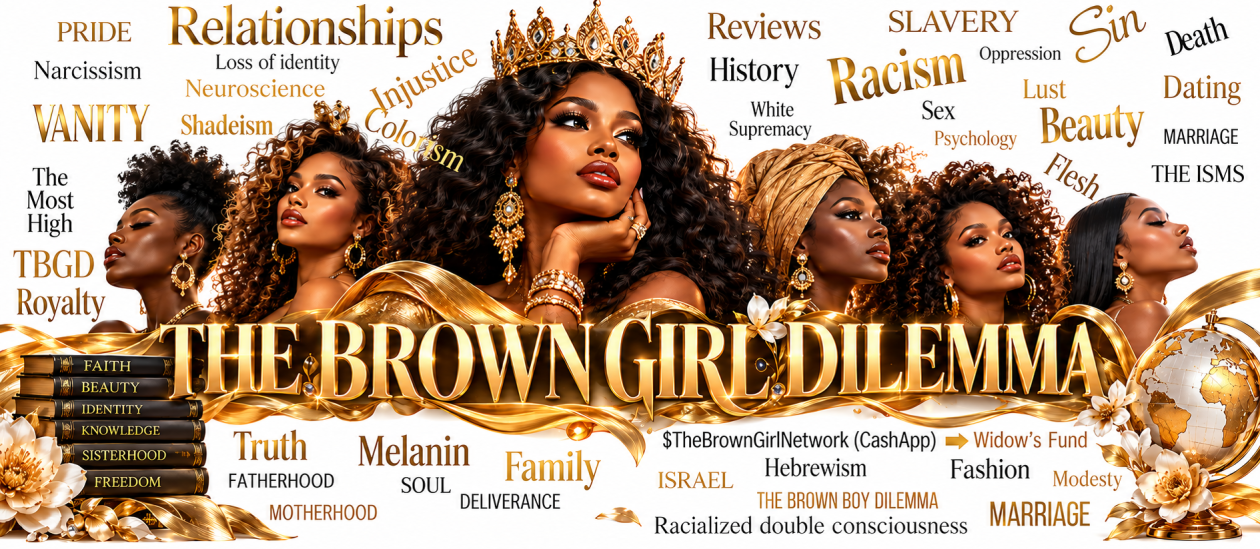

Systemic erasure is the deliberate or unconscious removal of a people’s identity, history, humanity, and contributions from public memory, institutions, education, economics, and culture. For Black people throughout the diaspora, systemic erasure has functioned as both a psychological and political weapon. It is not merely the absence of representation; it is the active suppression of truth. From slavery to segregation to modern media narratives, Black existence has often been filtered through distorted lenses that minimize suffering while appropriating culture and labor.
The history of the transatlantic slave trade represents one of the greatest examples of systemic erasure in human history. Millions of Africans were stripped of their names, languages, tribal identities, spiritual systems, and familial connections upon arrival in the Americas. Enslavers intentionally severed cultural continuity because identity creates resistance and unity. According to UNESCO, the slave trade permanently altered the social and demographic structures of Africa and the Americas while embedding racial hierarchies into global systems.
Systemic erasure also manifests through education. Across generations, many school systems minimized Black achievements while centering Eurocentric narratives as universal history. African civilizations such as Mali, Songhai, Kush, and Kemet were often ignored or briefly mentioned despite their immense contributions to mathematics, astronomy, architecture, medicine, and philosophy. The accomplishments of figures like Mansa Musa and Imhotep are frequently absent from mainstream curricula, contributing to a false perception that Black history began with slavery.
Media representation has further deepened systemic erasure. Black people have historically been portrayed through stereotypes rooted in criminality, hypersexualization, aggression, or inferiority. These portrayals shape public perception and influence hiring, policing, education, and social interactions. Research in media psychology demonstrates that repetitive negative imagery can influence unconscious bias and reinforce discriminatory attitudes toward marginalized communities.
The criminal justice system reflects another dimension of erasure. Mass incarceration disproportionately affects Black communities, often removing fathers, mothers, and young people from households and communities for extended periods. Scholars such as Michelle Alexander have argued that modern incarceration systems mirror aspects of racial control established during the post-slavery era. Through felony disenfranchisement and social stigma, millions are effectively erased from political and economic participation.
Economic erasure is equally destructive. Black communities in the United States have historically faced discriminatory housing policies, redlining, employment exclusion, banking inequities, and unequal access to generational wealth. Even after legal segregation ended, systemic barriers continued to limit economic mobility. According to the Federal Reserve, the racial wealth gap remains substantial, with Black families possessing significantly less median wealth than White families due to centuries of accumulated inequality.
The erasure of Black women deserves particular attention. Black women have often carried the dual burden of racism and sexism while receiving limited protection or acknowledgment. Their labor, intellect, and beauty have frequently been exploited without proper recognition. Figures such as Henrietta Lacks contributed unknowingly to scientific breakthroughs, yet their humanity was often overlooked by institutions benefiting from their sacrifices.
Colorism operates as a subtle form of internalized erasure within Black communities and broader society. Darker-skinned individuals frequently encounter harsher discrimination in employment, media visibility, and beauty standards. Colonial systems elevated Eurocentric features while devaluing African phenotypes, causing generations to internalize feelings of inferiority. The psychological impact of colorism continues to affect self-esteem, dating, employment, and social acceptance worldwide.
Religion has also been used both as a source of liberation and erasure. During slavery, portions of scripture were manipulated to justify oppression and obedience while suppressing narratives of liberation, justice, and equality. Yet many Black communities found resilience through faith, spirituals, and biblical hope. The scriptures became both a refuge and a revolutionary language against oppression.
Systemic erasure affects language and cultural expression. African American Vernacular English, African spiritual traditions, hairstyles, music, and fashion have often been mocked when associated with Black people, yet celebrated when adopted by mainstream culture. This contradiction reveals how society frequently desires Black creativity while rejecting Black humanity. Cultural appropriation profits from Black innovation without addressing the inequalities Black communities endure.
The entertainment industry demonstrates this paradox clearly. Black artists have shaped global music, dance, fashion, and language across genres such as jazz, gospel, blues, hip-hop, rhythm and blues, and rock and roll. Artists like Donny Hathaway, Nina Simone, and Whitney Houston transformed music history, yet Black artists have historically received unequal ownership, compensation, and institutional recognition.
Political erasure occurs when Black voices are suppressed through voter suppression, gerrymandering, intimidation, or unequal representation. Throughout American history, Black citizens fought tirelessly for voting rights despite violence and systemic resistance. The struggle for political participation reflects a broader battle for visibility, humanity, and civic dignity.
Healthcare disparities further expose systemic inequities. Black communities often experience higher maternal mortality rates, lower access to quality healthcare, and medical bias. Historical abuses such as the Tuskegee Syphilis Study created generational mistrust toward medical institutions. Even today, research shows that racial bias in healthcare contributes to unequal treatment outcomes and preventable suffering.
Psychological erasure is perhaps one of the deepest wounds. Constant exposure to societal messages suggesting inferiority can affect self-worth, mental health, identity formation, and aspirations. Psychologists have explored how racial trauma passes through generations, influencing both conscious and unconscious behavior. The effects of systemic racism are not limited to economics or politics; they also shape emotional and spiritual well-being.
Social media has created both challenges and opportunities regarding erasure. On one hand, algorithms and online harassment can amplify racism and misinformation. On the other hand, digital platforms have allowed Black creators, educators, activists, and historians to reclaim narratives and share truths previously ignored by mainstream institutions. Grassroots movements have used technology to expose injustice and organize globally.
The preservation of Black history remains essential in combating systemic erasure. Museums, Historically Black Colleges and Universities, independent scholars, churches, artists, and community organizations continue working to document stories that dominant systems have ignored. Institutions such as the Smithsonian Institution and the National Museum of African American History and Culture have become critical spaces for historical preservation and education.
Black literature has long resisted erasure by preserving truth through storytelling. Writers such as James Baldwin, Toni Morrison, and Maya Angelou confronted racism, identity, trauma, and resilience with profound honesty. Their works challenged dominant narratives and restored dignity to experiences frequently marginalized by mainstream society.
Faith communities within the Black diaspora have historically served as centers of resistance, healing, and cultural survival. Churches and spiritual gatherings provided education, economic support, activism, and emotional refuge during some of the darkest periods of oppression. Spiritual resilience became a source of endurance when legal and political systems failed to protect Black humanity.
Combating systemic erasure requires more than symbolic gestures or temporary outrage. It demands institutional accountability, equitable education, economic investment, media responsibility, and historical honesty. True justice involves acknowledging both historical and contemporary systems that continue to marginalize Black communities globally.
Despite centuries of oppression, Black communities across the diaspora have continued to create beauty, innovation, scholarship, faith, art, and resilience. Survival itself becomes an act of defiance against systems designed to erase identity and humanity. The ongoing pursuit of truth, dignity, and justice reflects not weakness, but extraordinary endurance rooted in culture, memory, spirituality, and collective strength.
References
Alexander, M. (2010). The New Jim Crow: Mass incarceration in the age of colorblindness. The New Press.
Angelou, M. (1969). I know why the caged bird sings. Random House.
Baldwin, J. (1963). The fire next time. Dial Press.
Federal Reserve. (2023). Survey of consumer finances. Board of Governors of the Federal Reserve System.
Morrison, T. (1987). Beloved. Alfred A. Knopf.
UNESCO. (2024). Slave Route Project. United Nations Educational, Scientific and Cultural Organization.
Williams, D. R., & Mohammed, S. A. (2013). Racism and health I: Pathways and scientific evidence. American Behavioral Scientist, 57(8), 1152–1173.
Woodson, C. G. (1933). The mis-education of the Negro. Associated Publishers.


