
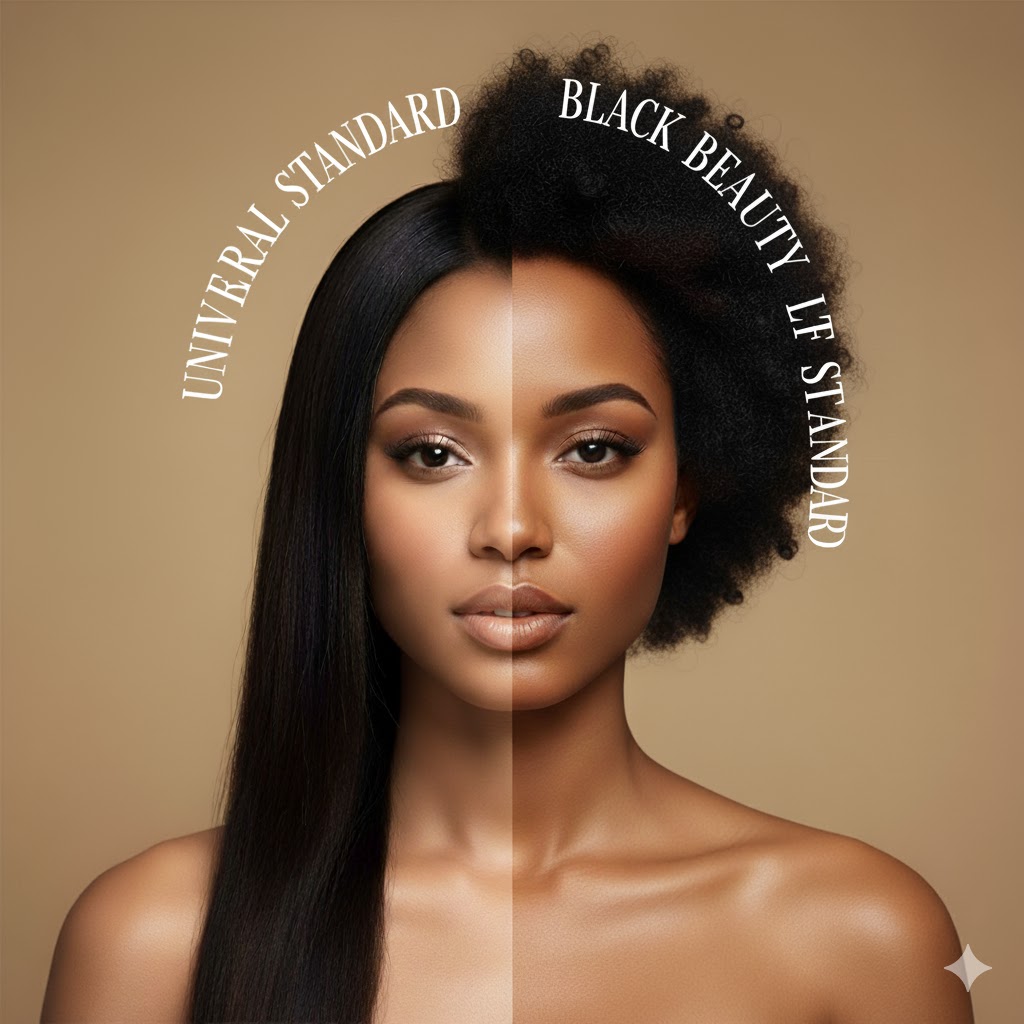
Eurocentric beauty standards have shaped global perceptions of attractiveness for centuries, creating a hierarchy that places whiteness at the top and all other features beneath it. For Black women—especially Brown-skinned and dark-skinned women—this hierarchy produces a dilemma that is both personal and generational. It affects identity, self-esteem, desirability, and even spiritual understanding of self-worth. This essay explores the history and psychology behind Eurocentric ideals—straight hair, light skin, narrow features, blue eyes—and contrasts them with the richness, diversity, and inherent value of Black beauty.
The Origins of Eurocentric Beauty Hierarchy
Eurocentric standards were born from colonialism, slavery, and racial pseudoscience. European colonizers declared their own features—pale skin, straight or wavy hair, slim noses, and light eyes—as “civilized,” “pure,” and “superior.” These traits became the global benchmark, not because they were inherently beautiful, but because they were associated with power, wealth, and dominance. Whiteness became the symbol of privilege.
Slavery and Color Hierarchies
During the transatlantic slave trade, enslaved Africans with lighter skin—often the product of sexual violence—were given preferential treatment. They worked in the house, wore better clothing, and at times received literacy or skilled labor training. This created the “house slave vs. field slave” hierarchy, embedding colorism deep into Black communities. Light skin became associated with safety, access, and acceptance—survival benefits. These dynamics later morphed into social preferences that still influence dating, media, and institutional biases today.
The Psychological Impact of Whiteness as the Default
Psychologists describe Eurocentric beauty standards as a “dominant cultural schema” (hooks, 1992). When one group controls media, education, and social narratives, their features become normalized as the ideal. This creates aesthetic assimilation pressure—the subconscious push to emulate the dominant group to gain approval, opportunity, and perceived worth.
The Brown Girl Dilemma
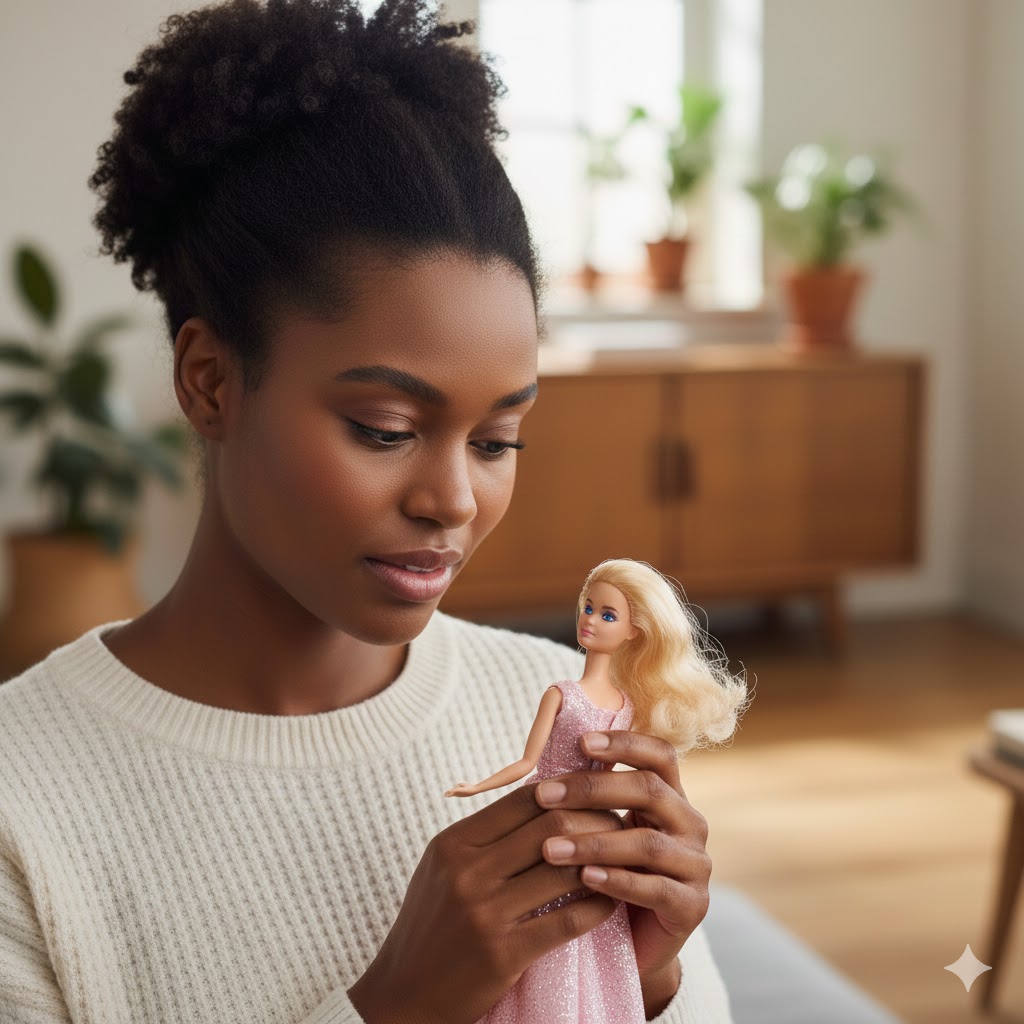
For Brown-skinned and dark-skinned girls, the psychological conflict is acute. They are often raised to love themselves spiritually, yet conditioned socially to see their features as less desirable. This creates cognitive dissonance:
- “Why don’t I look like the women celebrated on TV?”
- “Why is lighter skin described as beautiful, classy, or desirable?”
- “Why do I feel too dark or too ‘ethnic’?”
This tension affects self-esteem, dating prospects, opportunities, and even how young girls see their own reflection.
Hair: A Battleground for Identity
Straight hair has long been praised because it aligns closest to Eurocentric ideals. During Jim Crow and segregation, straightened or pressed hair was viewed as a means to “fit in” and reduce racial discrimination. The psychological message?
Natural coils = unprofessional, wild, unkempt
Straight hair = polished, acceptable, beautiful
This created internalized anti-Blackness, where girls learned that their natural features needed altering to be worthy.
Light Eyes and Light Skin as Social Capital
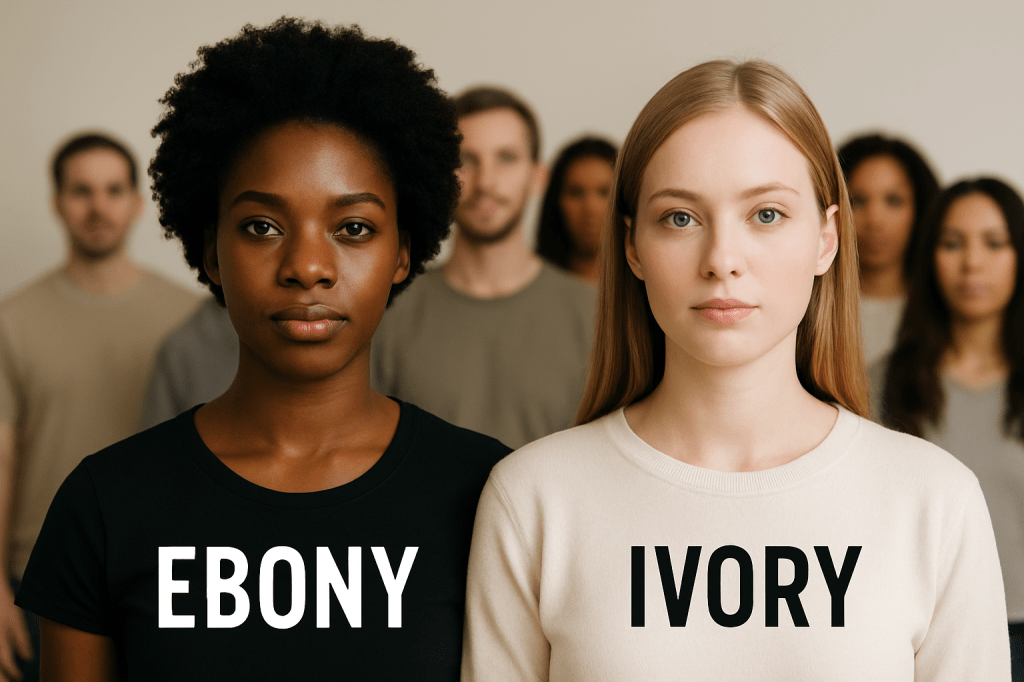
Blue or light eyes and pale skin carried symbolic power because they aligned with whiteness. The lighter a Black woman appeared, the closer she seemed to whiteness—and the more approval she gained from dominant society. Studies show that lighter-skinned Black women historically received better job opportunities, social mobility, and media representation (Hunter, 2007).
This ingrained the belief that beauty equals proximity to whiteness.
Media Reinforcement
For decades, magazines, movies, and fashion campaigns prioritized white women and lighter-skinned Black women. Black girls grew up with very few images that reflected their features, resulting in what some psychologists call identity starvation. Without representation, children struggle to form healthy self-esteem because they cannot see themselves as beautiful.
Colonial Psychology: The Beauty of the Conquered vs. the Conqueror
Colonialism taught the world that the conqueror’s traits were superior. European missionaries, scientists, and artists depicted African features as “primitive” or “animalistic.” Pseudoscientific works like those by Carl Linnaeus and Johann Blumenbach ranked races by beauty, placing Europeans at the top and Africans at the bottom. This scientific racism became the foundation for beauty discrimination.
Internalized Colorism in Black Communities
Over time, these external hierarchies became internal practices:
- Favoring lighter-skinned women in family praise
- Associating dark skin with aggression or masculinity
- Assuming lighter skin equals innocence or refinement
This internalization is generational trauma passed down from slavery.
Beauty as a Form of Resistance
The natural hair movement, melanin pride culture, and the resurgence of African aesthetics are forms of rebellion against Eurocentric standards. Black women have reclaimed what was once degraded—afros, braids, dark skin, wide noses, full lips—and declared them beautiful.
The Rise of Black Beauty Consciousness
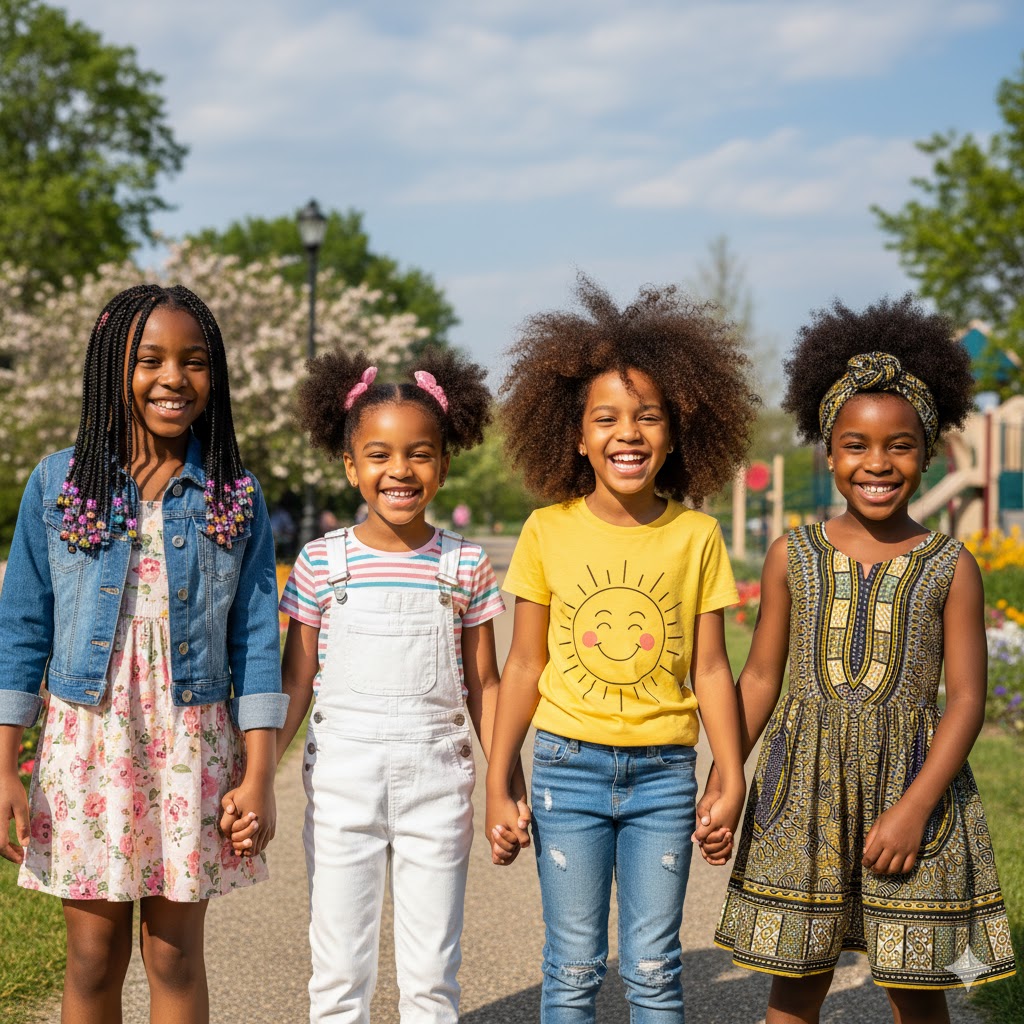
Black beauty is diverse, rich, and multidimensional. Full lips, melanated skin, textured hair, and Afrocentric features are globally admired today—not because beauty standards changed by chance, but because Black women demanded visibility. “Black girl magic” is not a trend—it is a declaration of self-worth.
The Brown Girl’s Healing Journey
Healing from beauty-based trauma requires unlearning internalized biases. It means teaching young girls that their worth is not tied to proximity to whiteness. It means uplifting dark-skinned beauty publicly and consistently. It means dismantling old scripts tied to slavery’s residue.
Biblical Reflection
In Scripture, beauty is never defined by skin tone or European features. Instead, God calls His people beautiful, chosen, and precious.
“I will praise thee; for I am fearfully and wonderfully made” (Psalm 139:14, KJV).
Black women must reclaim this truth as identity—not as aspiration.
Reframing the Standard
Beauty standards are not neutral—they are political. They reflect power structures. To uplift Black beauty, society must redefine beauty in a way that centers inclusivity, diversity, and historical truth.
Colorism in Dating and Relationships
Studies show that lighter-skinned Black women are more likely to be preferred in dating apps and social settings because of centuries-old conditioning (Wilder, 2015). This creates insecurity among Brown girls who feel overshadowed. The imbalance is not personal—it is systemic.
Economic Value of Eurocentric Features
Mainstream industries profit from insecurity:
- Skin-lightening creams
- Straightening treatments
- Colored contact lenses
These industries make billions by selling whiteness as a product. The psychology: create insecurity → sell the solution.
Breaking the Cycle
Educators, parents, churches, and media creators must consciously highlight Afrocentric beauty. Brown girls need consistent affirmation—visual and verbal.
Honoring the Brown-Skinned Woman
Brown and dark-skinned beauty is unique, powerful, and breathtaking. The richness of melanin, the depth of brown skin tones, the strength of textured hair—all represent spiritual, genetic, and ancestral beauty.
The Future of Beauty
The beauty world is shifting, but the work is ongoing. True transformation requires dismantling the psychological chains inherited from colonialism and slavery. Brown girls deserve to grow up knowing they are enough as they are.
Conclusion
Eurocentric beauty standards are artificial constructs rooted in historical oppression, not truth. Black beauty—rich, diverse, and divine—stands in opposition to centuries of enforced inferiority. The Brown Girl Dilemma can be healed through representation, affirmation, education, and spiritual grounding. Black women must continue rewriting the narrative, reclaiming the beauty that was always theirs.
References
- hooks, bell. Black Looks: Race and Representation. South End Press, 1992.
- Hunter, M. (2007). “The Persistent Problem of Colorism.” Sociology Compass.
- Wilder, J. (2015). Color Stories: Black Women and Colorism in the 21st Century.
- Russell, K., Wilson, M., & Hall, R. (2013). The Color Complex: The Politics of Skin Color in a New Millennium.
- Tate, S. (2009). Black Beauty: Aesthetics, Stylization, Politics.
- Psalm 139:14 (KJV).
 THE BROWN GIRL DILEMMA