
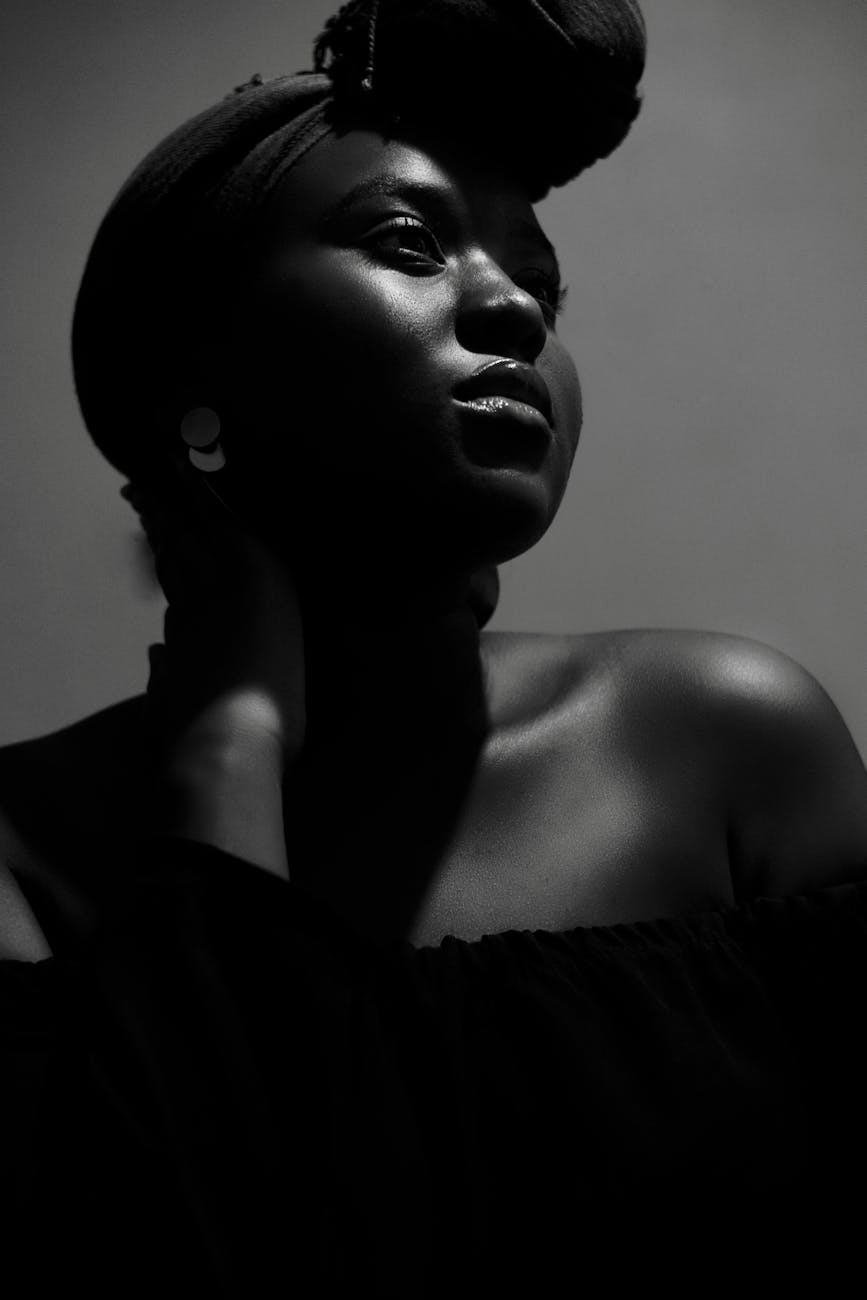
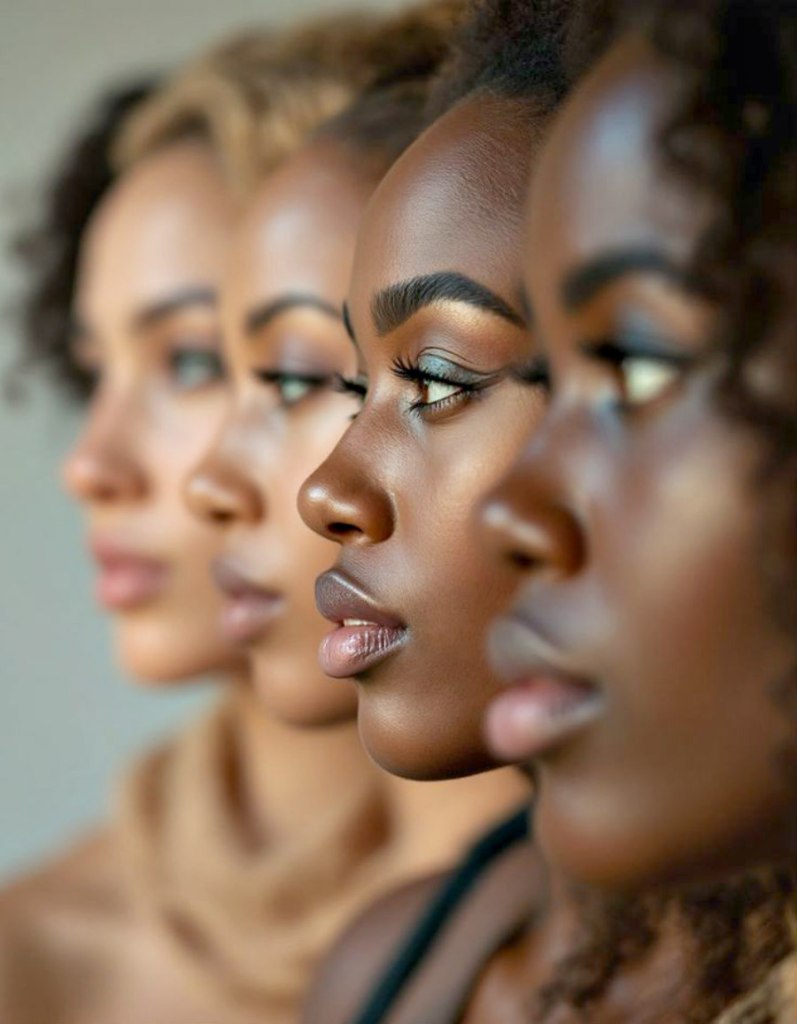
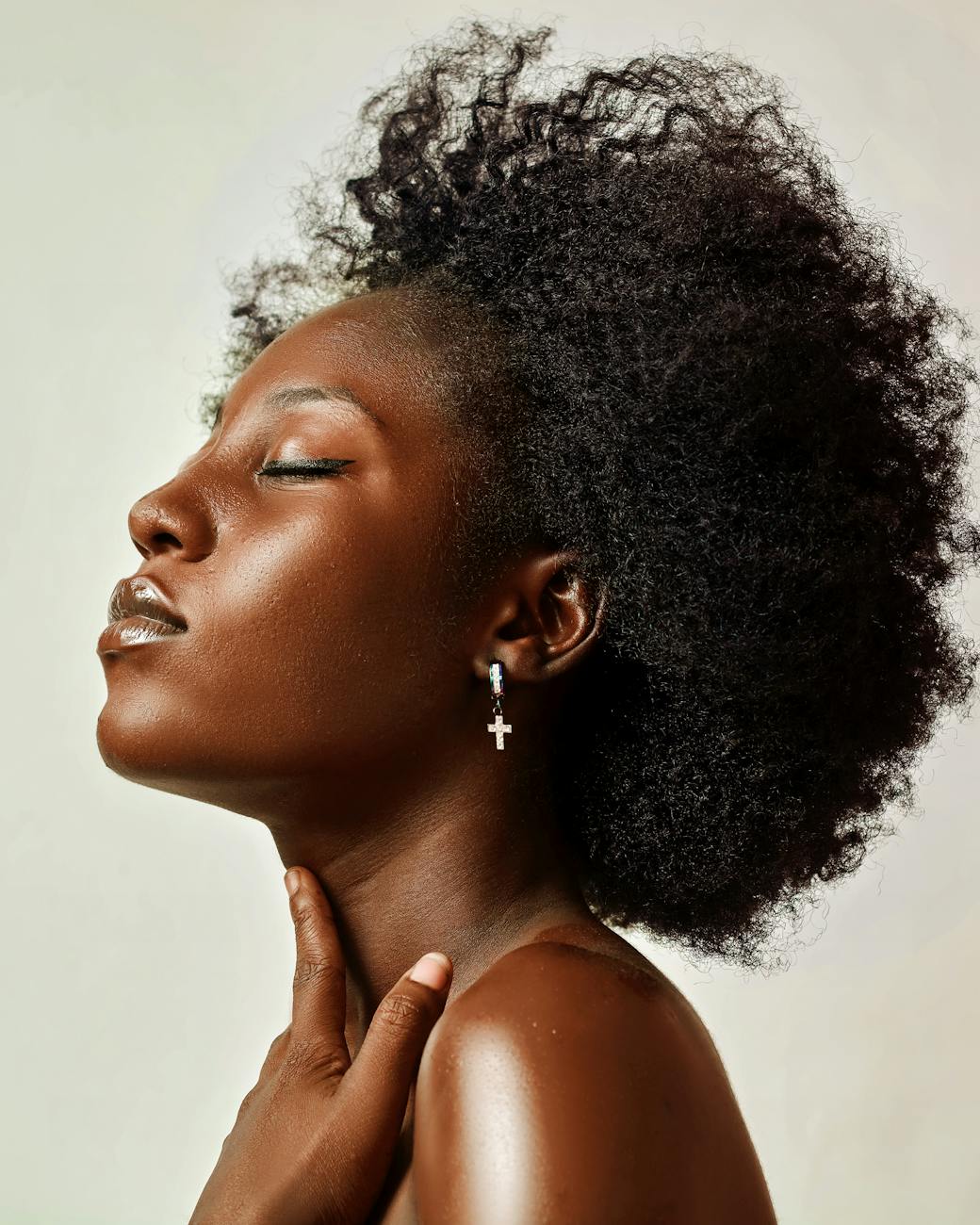
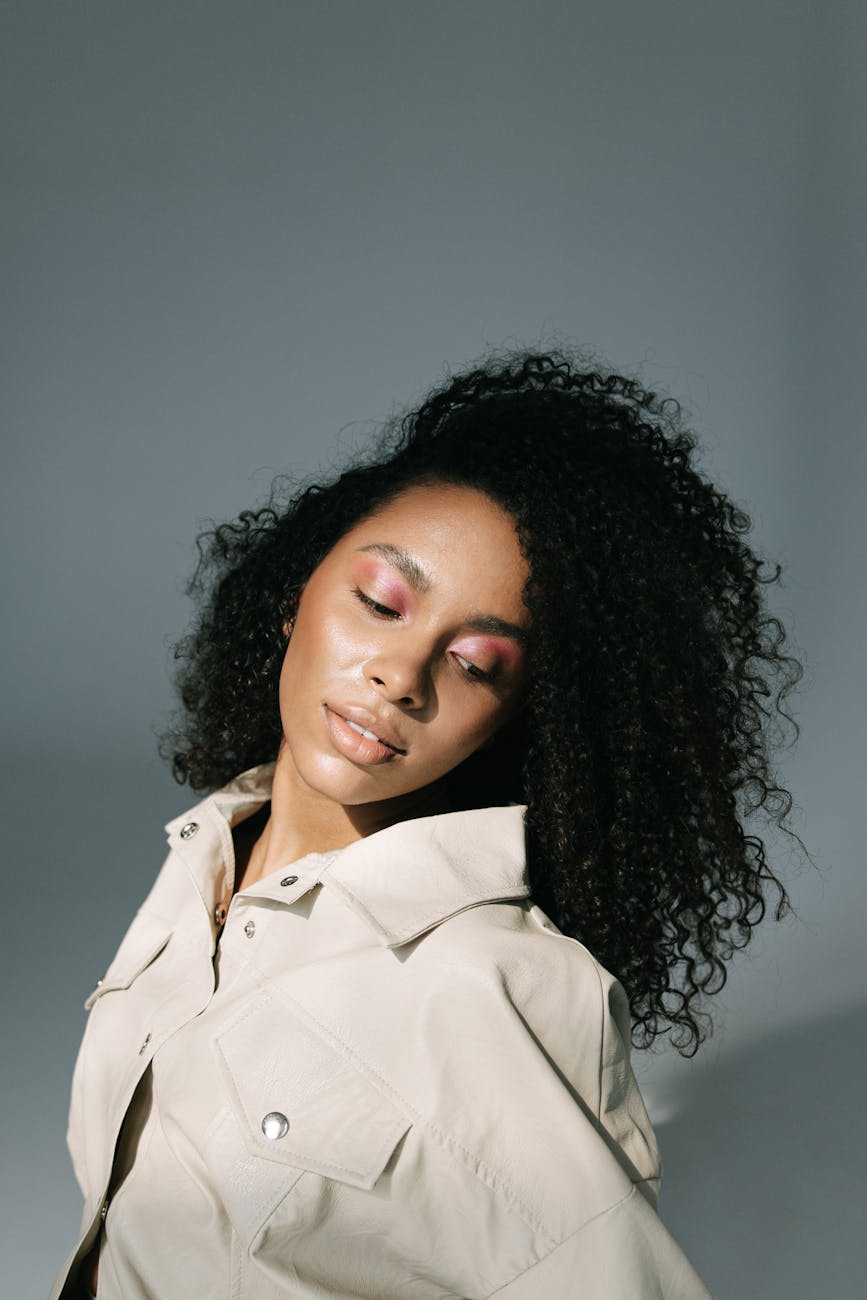
Brown skin has always carried a meaning that transcends the surface. In a world structured around whiteness as the dominant social, cultural, and economic standard, brown girls are both a threat and a testimony. Their very presence challenges hierarchies of beauty, power, and worth. Unlike invisibility or erasure, their skin is something that cannot be ignored. It is marked, politicized, and constantly in conversation with systems designed to uphold whiteness as the default. This tension defines the lived experience of the “brown girl dilemma.”
The Construction of Whiteness as Standard
Whiteness functions not merely as a racial category but as an invisible yardstick against which all others are measured. In Eurocentric societies, beauty standards idealize pale skin, straight hair, and narrow features, rendering darker skin tones as deviations (Hooks, 1992). Brown girls are raised in a world where whiteness is positioned as the default image of femininity and desirability, forcing them into a constant negotiation between self-love and societal rejection.
The Colonial Inheritance of Skin Politics
The privileging of whiteness is not accidental; it is the result of colonial history. Colonizers created color hierarchies to maintain control, privileging lighter skin as closer to European ideals while casting darker skin as inferior. This legacy persists globally, from Latin America to South Asia to the African diaspora, where skin-lightening industries thrive. Brown girls, carrying the deep hues of ancestry, inherit not only beauty but also the burden of colonial prejudice.
Hyper-Visibility of Brown Skin
Despite attempts to marginalize them, brown girls’ skin is inescapable to the world around them. It is fetishized in music, commodified in fashion, and policed in schools and workplaces. Curly hair, full lips, and curves—once mocked—are now profitable when marketed on non-brown bodies. This hyper-visibility is not affirmation but appropriation, where features of brown girls are celebrated only when detached from the bodies that carry them.
Invisibility in Institutions
Yet, paradoxically, while their skin is hyper-visible, their humanity is often invisible. Brown women are underrepresented in media, overlooked in corporate leadership, and ignored in policymaking. The very skin that cannot be ignored becomes the justification for exclusion: too dark, too ethnic, too “other” to belong. This institutional invisibility reflects what Du Bois (1903) called “double consciousness,” the constant tension between self-perception and how one is perceived under whiteness.
The Burden of Representation
Because brown skin is so visible, brown girls often carry the weight of representation. In classrooms, workplaces, or public platforms, they are expected to “speak for all” or embody a flawless image. Mistakes are magnified, success is tokenized, and mediocrity is not an option. Their skin, already politicized, makes them symbols before they are seen as individuals. This burden creates both exhaustion and resilience.
The Psychology of Skin and Self-Worth
Psychologically, growing up in a world of whiteness shapes how brown girls see themselves. Studies reveal that children of color often internalize colorist messages, associating lighter skin with intelligence, beauty, and social acceptance (Russell, Wilson, & Hall, 1992). The result is an identity negotiation where brown girls must learn to reclaim the skin that society teaches them to devalue. Self-love becomes not merely emotional but political—a radical act of survival.
Scriptural Counter-Narratives
While society diminishes brown skin, scripture affirms it. In the Song of Solomon 1:5, the woman declares, “I am black, but comely, O ye daughters of Jerusalem.” This verse resists cultural stigmas, affirming that darkness is not deficiency but beauty. Similarly, Psalm 139 reminds every believer that they are “fearfully and wonderfully made.” For brown girls, these verses act as counter-narratives, dismantling whiteness as the sole standard of worth.
Cultural Resistance through Beauty Movements
The rise of natural hair movements, melanin-positive campaigns, and brown-skinned influencers represents a collective resistance against whiteness. Hashtags such as #MelaninMagic and #BlackGirlJoy reframe brown skin as divine, radiant, and unignorable. These movements not only celebrate aesthetic diversity but also dismantle internalized shame, allowing brown girls to embrace the very skin once weaponized against them.
Global Dimensions of Brownness
The struggle of brown girls extends beyond U.S. borders. In India, dark-skinned women face exclusion from marriage markets; in Brazil, Afro-descendant women face racialized violence; in Africa, skin bleaching is normalized as a ticket to opportunity. These global dimensions highlight that the issue is not isolated but systemic—brown skin is a global site of struggle against the idol of whiteness.
Liberation through Self-Definition
Ultimately, the skin they cannot ignore becomes the skin that redefines itself. Liberation for brown girls lies not in seeking approval from a world of whiteness but in reclaiming the power of their skin as heritage, beauty, and resistance. Each affirmation of melanin, each refusal to conform to Eurocentric standards, is a declaration: brown skin is not marginal, it is central.
Conclusion
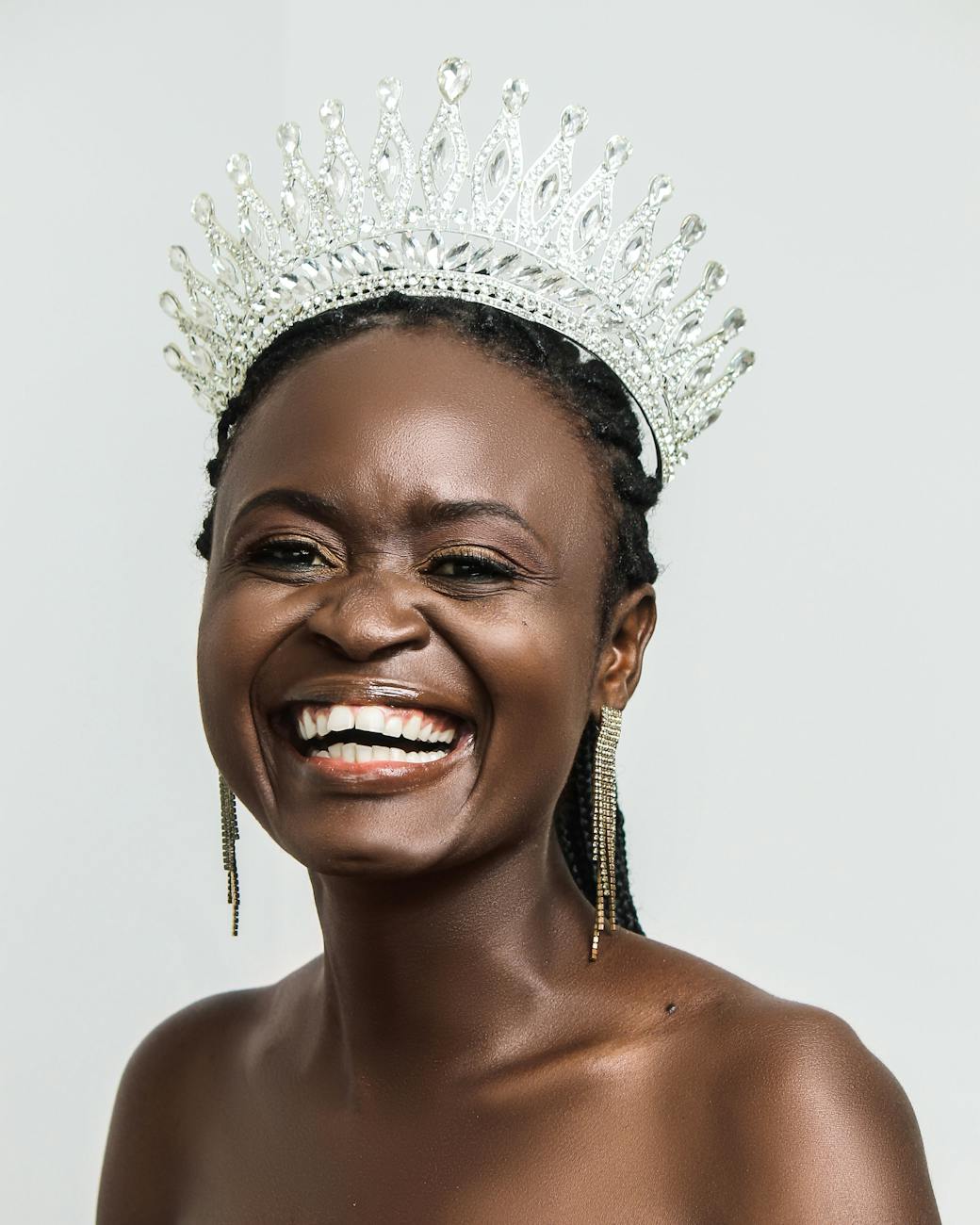
In a world where whiteness dominates, brown girls live with the paradox of being unignorable yet unvalued. Their skin is the canvas upon which colonial legacies, beauty standards, and societal fears are projected. Yet, that same skin holds resilience, beauty, and divinity that whiteness cannot erase. To live in brown skin is to bear a heavy inheritance, but also to embody an undeniable truth: the skin they cannot ignore will always speak, resist, and shine.
References
- Collins, P. H. (2000). Black feminist thought: Knowledge, consciousness, and the politics of empowerment. Routledge.
- Du Bois, W. E. B. (1903). The souls of Black folk. A.C. McClurg & Co.
- Hooks, B. (1992). Black looks: Race and representation. South End Press.
- Russell, K., Wilson, M., & Hall, R. (1992). The color complex: The politics of skin color among African Americans. Harcourt Brace Jovanovich.
- The Holy Bible, King James Version.
 THE BROWN GIRL DILEMMA