Category Archives: Beauty

Beauty and the Beast Within: Reconciling Image and Identity in Men.

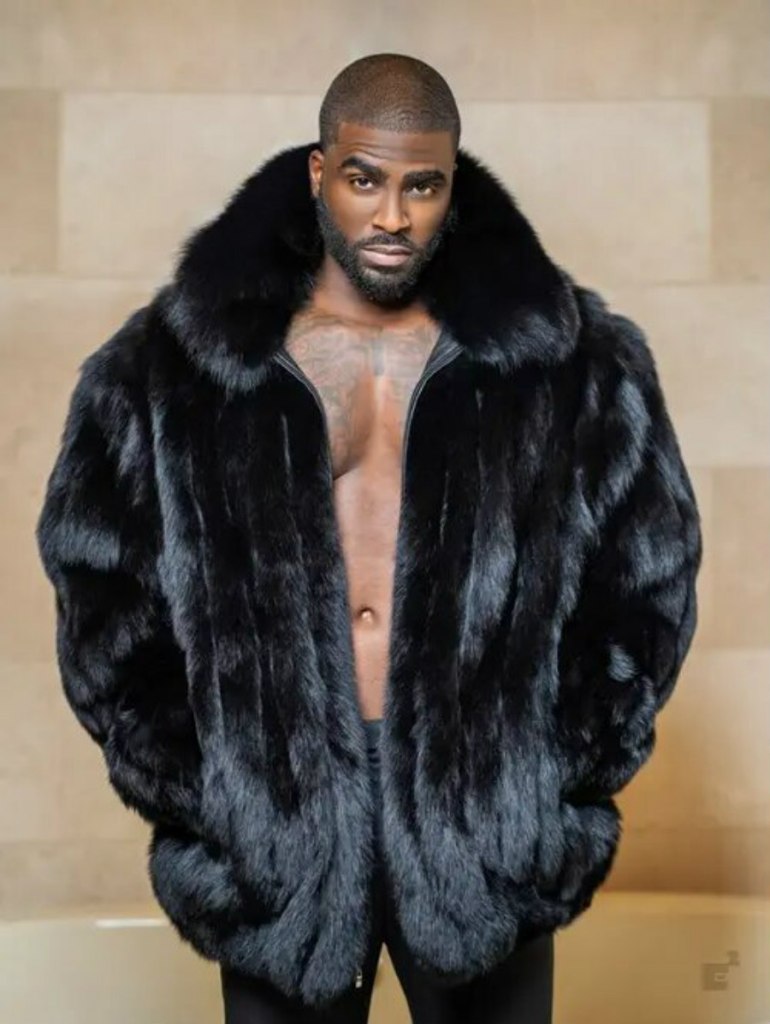
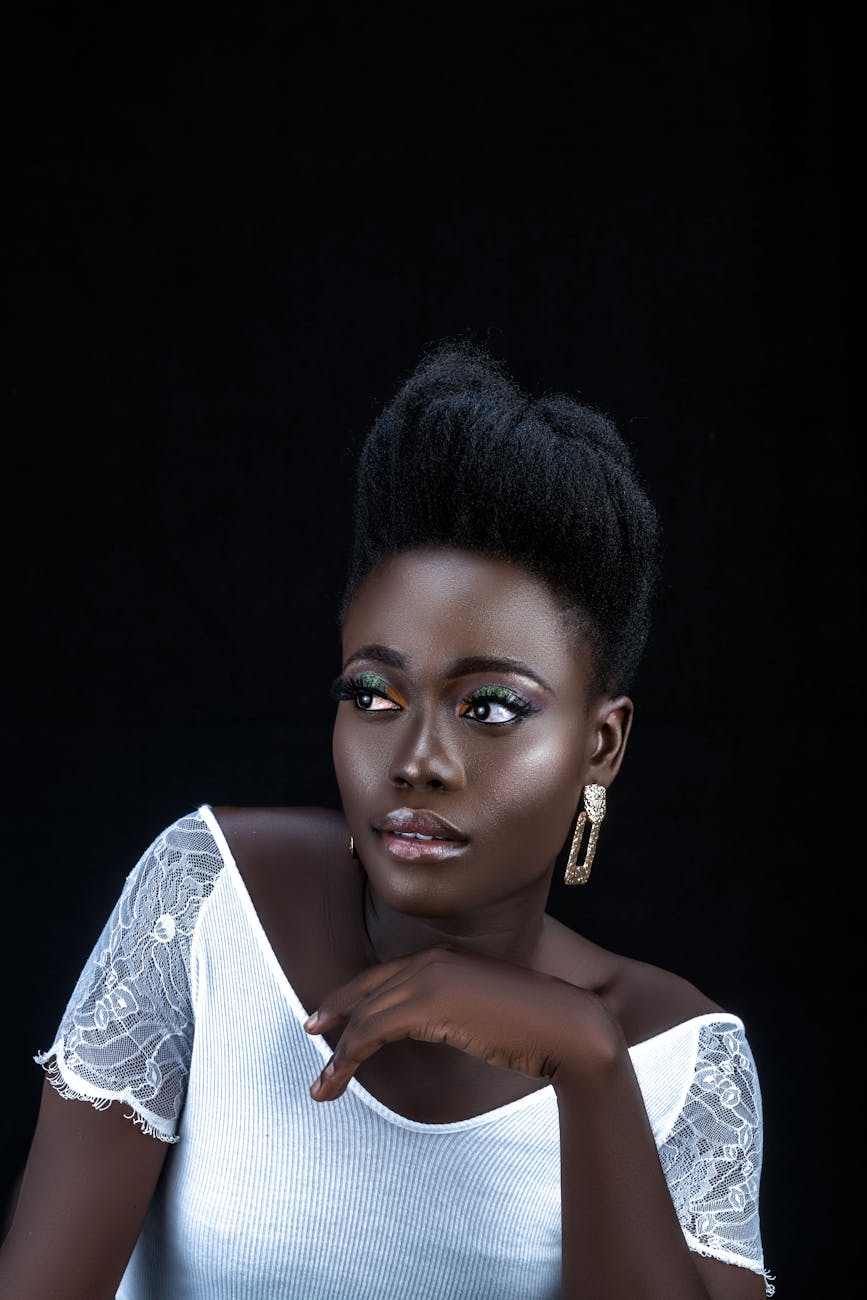
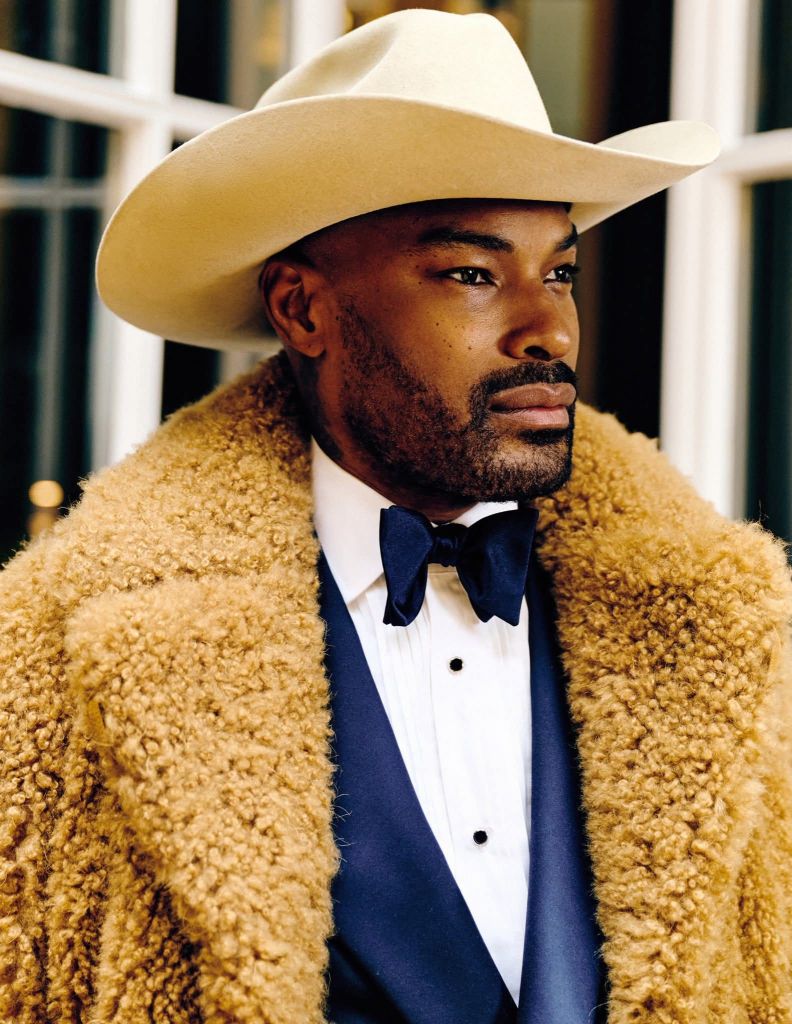
Photo Credit: Monte Ellis

Beauty and strength have long been seen as incompatible virtues in men. The “beautiful man” must walk a fine line between confidence and perceived vanity, while the “beast” within him—the primal, instinctive, and unrefined—lurks beneath the polished surface. The tension between these two forces—image and identity—defines the modern masculine experience. To be both admired and authentic, powerful yet tender, is the paradox at the heart of every man who strives to reconcile the external image with the internal truth.

In ancient times, beauty in men was not merely aesthetic—it was moral. The Greeks saw physical beauty (kalos) as a reflection of inner goodness (agathos). A well-formed body symbolized discipline, virtue, and harmony. Yet even then, the line between admiration and arrogance was thin. Narcissus, the mythic figure who fell in love with his reflection, serves as a cautionary tale about self-obsession. His beauty became his undoing, revealing the beast within: the hunger for validation that consumes self-awareness.

As centuries passed, ideals of male beauty shifted from divine symmetry to rugged endurance. The warrior replaced the sculpted god, and the ability to endure pain became more valued than aesthetic grace. The male body was no longer for worship but for labor and war. Yet even in these transformations, beauty persisted as a haunting standard—an invisible expectation shaping how men perceived themselves and were perceived by others.

The Renaissance revived the aesthetic fascination with male form, yet this time, beauty was imbued with humanity. Michelangelo’s David and da Vinci’s anatomical sketches suggested that beauty and intellect could coexist. Man was both beast and divine architect—a thinking creature whose body told the story of his soul. But beneath this artistic idealization lay a profound anxiety: if beauty could be measured, then so could worth.

In modernity, this anxiety has intensified under the gaze of media. The rise of Hollywood, fashion, and digital culture has sculpted men as living statues once more—objects of gaze and desire. The “beast” within now manifests not as savagery, but as silent insecurity. The beautiful man must constantly perform his image—maintaining fitness, style, and charisma—to remain relevant. His mirror becomes a battleground between authenticity and perfection.

Social media magnifies this struggle, transforming self-presentation into survival. The male influencer or actor curates his “brand” as carefully as a sculptor polishes marble. He is expected to appear both approachable and ideal, masculine yet emotionally intelligent. This duality—half human, half projection—echoes the myth of the beast: a creature misunderstood, craving connection but hidden behind his own exterior.

Psychologists have noted that this phenomenon contributes to rising rates of male body dysmorphia and emotional suppression. Men are socialized to deny vulnerability even as they chase unattainable ideals (Bordo, 1999). The more they sculpt the external, the more the internal self fractures. Beauty becomes armor, and the beast within grows restless—yearning to be seen, not just looked at.

The reconciliation of image and identity requires the courage to confront the beast—to acknowledge imperfection as integral to manhood. True transformation begins when the man ceases to perform and begins to reveal. Like the fairytale of Beauty and the Beast, redemption occurs not through the destruction of the beast but through the acceptance of his humanity. It is the gaze of compassion, not criticism, that restores his true form.

This metaphor extends to race as well. The Black man’s beauty, for instance, has historically been framed through lenses of hypermasculinity or exoticism. Western culture often commodifies his physique while silencing his emotions. To be both beautiful and Black is to wrestle with the distortion of gaze—where admiration often coexists with fear and fetishization (hooks, 2004). The reconciliation of image and identity here becomes both personal and political: to reclaim the right to define beauty on one’s own terms.

Faith offers another dimension to this reconciliation. Scripture reminds us that man was “fearfully and wonderfully made” (Psalm 139:14, KJV), not as an aesthetic boast but as a declaration of divine intention. The true image of manhood lies not in muscular perfection but in moral reflection—the ability to mirror the Creator through love, integrity, and purpose. Beauty without righteousness is vanity; strength without compassion is beastliness.

Philosopher Alexander Nehamas (2007) wrote that beauty is “a promise of happiness.” Yet that promise often deceives, leading men to chase admiration rather than wholeness. The modern man’s liberation begins when he breaks the mirror and uses the shards to see himself from multiple angles—not as a flawless image, but as a complete being.

Art and psychology converge on this truth: the beast within is not evil but exiled. It is the raw self, stripped of performance, that hungers for authenticity. When integrated, it restores balance between the physical and spiritual, the admired and the authentic.

Thus, the reconciliation of image and identity is not a process of destruction but integration. To embrace both beauty and beast is to acknowledge that the chisel that shapes us also wounds us. The scars, the imperfections, and the humanity beneath the surface are not flaws—they are fingerprints of experience.

The beautiful man who makes peace with his inner beast ceases to live for the camera or the crowd. He becomes art in motion—a living testament that beauty is not the absence of struggle but the mastery of it. His reflection no longer enslaves him; it testifies of his becoming.

In a world obsessed with surfaces, to be real is revolutionary. To be beautiful and broken, seen and sincere, is divine. The man who reconciles his image with his identity becomes more than a face or physique—he becomes whole. And in his wholeness, he reflects not the ideal, but the eternal.

References

Bordo, S. (1999). The male body: A new look at men in public and in private. Farrar, Straus and Giroux.

hooks, b. (2004). We real cool: Black men and masculinity. Routledge.

Kimmel, M. (2017). Angry white men: American masculinity at the end of an era. Nation Books.

Mulvey, L. (1975). Visual pleasure and narrative cinema. Screen, 16(3), 6–18.

Nehamas, A. (2007). Only a promise of happiness: The place of beauty in a world of art. Princeton University Press.

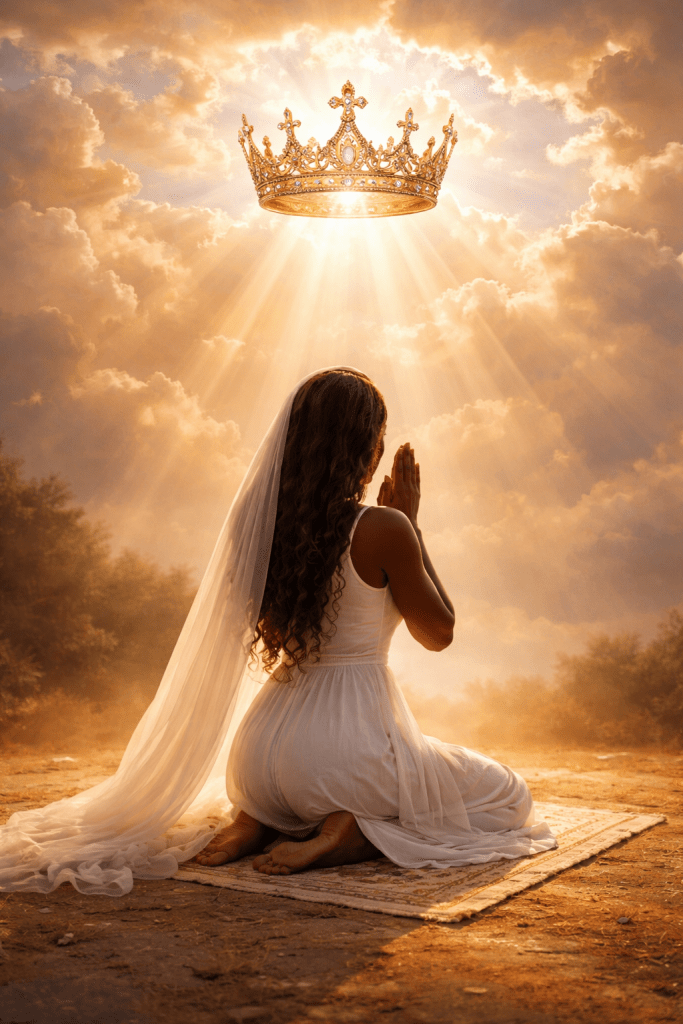
Crowned Before the World Touched Her

She was crowned before the world touched her, before language named her skin, before systems decided her worth. Her existence was intentional, authored by God and formed in divine wisdom, not accident or afterthought. Long before society imposed hierarchies, she bore dignity by design (Psalm 139:14, KJV).

The crown she carried was not fashioned of gold, but of purpose. It rested quietly in her spirit, unseen yet immovable. The world would later try to convince her that crowns are earned through suffering, but Scripture reveals that she was crowned at creation (Genesis 1:27, KJV).

Before the gaze of empire found her, she belonged wholly to God. Her identity was not a reaction to oppression but a reflection of divine image. This truth disrupts narratives that define Black womanhood through pain alone.

The world touched her with names that were never hers. It called her excessive, aggressive, invisible, or unworthy, projecting fear and desire onto her body. Yet none of these labels altered the crown she was given before words were weaponized (Isaiah 62:3, KJV).

Colonial beauty standards attempted to dethrone her by redefining beauty through whiteness. Hair, skin, and features became sites of contestation. But Scripture never outsourced beauty to empire; God declared His work “very good” before colonizers existed (Genesis 1:31, KJV).

She learned early that the world polices what it cannot control. Her body became public property in narrative, law, and image. Still, her crown remained untouched, because it was not placed by human hands.

The Bible is filled with women who were crowned before circumstances hardened them. Hagar was seen in the wilderness before society erased her (Genesis 16:13, KJV). Her encounter affirms that divine recognition precedes social rejection.

Like Esther, she was prepared in secret before being revealed in public. Her season of refinement was not punishment, but positioning. The crown comes before the calling, not after the trial (Esther 2:17, KJV).

The world taught her to armor herself, mistaking hardness for strength. Yet God honors softness guarded by wisdom. Meekness, in Scripture, is not weakness but disciplined power (Matthew 5:5, KJV).

She was told survival was her highest calling. But God called her to dominion, stewardship, and rest. Her worth was never dependent on endurance alone (Genesis 1:28, KJV).

The crown signifies authority over self before authority over circumstance. It is a reminder that she governs her mind, body, and spirit under God’s sovereignty. No system can rule what God has already crowned.

Her crown also represents inheritance. She did not begin in lack but in legacy. What was stolen historically does not erase what was granted eternally (Joel 2:25–26, KJV).

The world touched her through trauma, but trauma did not author her. Scripture makes clear that suffering is an experience, not an identity (Romans 8:18, KJV).

Spiritual warfare often targets crowned heads first. When identity is attacked, it is because destiny is present. The enemy never assaults what has no value (Ephesians 6:12, KJV).

To be crowned before the world touched her means she does not need validation from structures that were designed to exploit her. Her worth is pre-social and pre-political.

Her restoration is not about becoming something new, but remembering what she was before distortion. Repentance, healing, and self-love are acts of remembrance.

God crowns not to decorate, but to commission. The crown signals responsibility, vision, and alignment with heaven. She carries not ego, but assignment (Psalm 8:5, KJV).

In reclaiming her crown, she disrupts narratives of deficiency. She stands as evidence that Black womanhood is not an exception to divine favor, but an expression of it.

She is not crowned because she survived. She survived because she was crowned. That order matters.

Crowned before the world touched her, she walks not in apology, but in authority—restored, rooted, and radiant in the knowledge that God finished His work before the world began its lies.


References (KJV)

Genesis 1:27, 28, 31
Genesis 16:13
Esther 2:17
Psalm 8:5
Psalm 139:14
Isaiah 62:3
Matthew 5:5
Joel 2:25–26
Romans 8:18
Ephesians 6:12

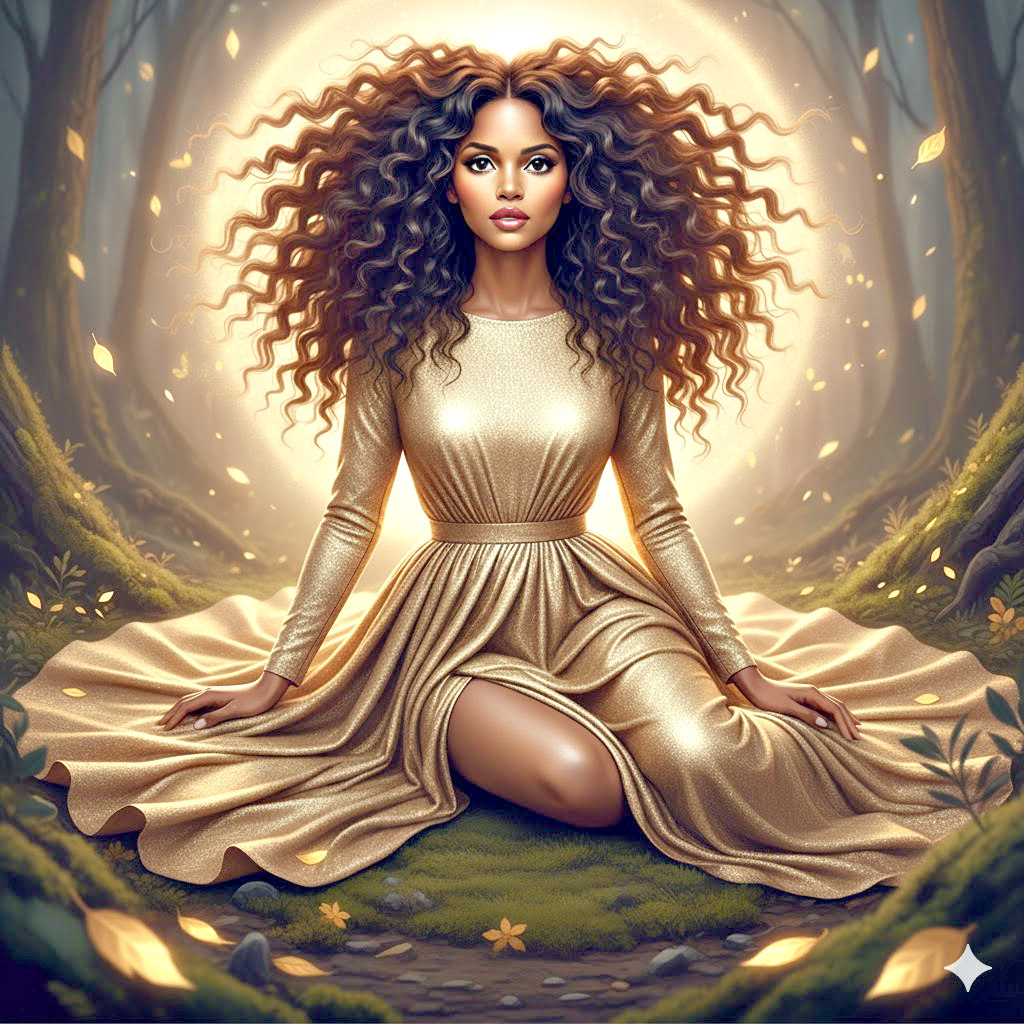
Galaxies of Gold Presents: The World’s Most Beautiful Woman, a visual phenomenon – A Black Woman’s Story.

A memoir written by © Scientist Arieyah Naseek

She makes beauty envious, and perfection wants to commit suicide.

Golden Café Au Lait is the color of her skin. “Beauty” is her name, christened by an African king who once declared that her birth name simply would not do. To him, she was the embodiment of perfection and beauty, the woman who defines what divine beauty could look like in human form. From that day forward, she was known only as Beauty, the woman whose very presence seemed regal yet ethereal, human yet divine. From the time she was a child, the world seemed to pause when she entered a room. Beauty’s aura filled every room, commanding attention without uttering a word. Her light golden skin shimmered like polished bronze infused with honeyed sunlight, and her presence drew admiration as naturally as flowers turn toward the sun.

By adolescence, photographers and artists vied for the chance to capture her likeness. They said her skin tone was “liquid light caramel,” a hue that defied description and reflected every ray of light. She was only sixteen when she appeared in her first major advertising campaign in Germany. The image—a portrait of her smiling softly against a gold backdrop—was sold around the world, inspiring a generation of young Black girls to see beauty reflected in their own skin for the first time.

Everywhere she went, people stared. In college, professors remembered her face before her name. Boys competed for her attention as if her affection were a trophy. Even when she spoke with depth and intelligence, the conversation always circled back to her looks. “You could be a model,” they’d say—never realizing she already was. Her image had graced global billboards, her likeness immortalized in ad campaigns that declared her “the most beautiful woman on earth.”

Her face became both a blessing and a burden. When she entered a room, all eyes gravitated toward her. Teachers remembered her beauty before her brilliance. Classmates praised her appearance but never asked about her dreams. Men admired her, women studied her, and somewhere in between, Beauty lost the comfort of simply being herself.

Her family, especially her grandmother and aunt, adored her beauty and never hesitated to remind her of it. “You’re our precious jewel,” her grandmother would say, smoothing Beauty’s hair. “God must’ve taken His time with you.” Beauty would smile but quietly wonder if being admired meant being understood. Her aunt always stated that she had that kind of beauty that could knock a man to his knees.

There was a time when she became almost protective of her appearance—guarded about who touched her, half-jokingly insisting she didn’t want anyone’s skin to “rub off” on her. It wasn’t arrogance but armor. She had learned how beauty could invite both praise and envy, love and projection. People either worshipped her or resented her—few ever simply saw her.

The men around her had placed her on pedestals and showered her with gifts. Jewelry, flowers, promises—affection often disguised as possession. Later in life came the grander gestures: extravagant marriage proposals and gifts.

Beauty became an international model. Her image adorned billboards around the world. She became the face of the Black Diamond. Yet, even as the world praised her, she remained deeply grounded. When reporters asked what made her beautiful, she often smiled and said, “I am simply who my Creator designed me to be—nothing more, nothing less.”

Even as her modeling career soared—her likeness becoming known to the world—Beauty carried that ache. She could pose for hours, mastering every angle, yet behind the lens, she wondered if anyone cared who she was when the camera stopped clicking. People spoke about her beauty as though it existed separately from her soul.

Behind the flawless photos and radiant smiles was a woman quietly questioning: Is this all they see?

Yet the more people praised her beauty, the more Beauty learned to shrink herself. She noticed how other women tensed around her, how conversations would shift, laughter turn brittle, and compliments become comparisons. So she began to downplay her glow—wearing looser clothes, softening her speech, dimming her confidence—just to make others feel comfortable in her presence. What the world called a blessing often felt like a burden she had to manage carefully.

Beauty’s beauty was not only admired—it was studied. Photographers, sculptors, and scientists alike sought to capture her essence, though many admitted that no lens could ever fully translate the magnitude of her allure. Her face appeared on billboards across continents, representing extraordinary beauty, grace, luxury, and timeless splendor. She was not simply a model; she was a symbol—a vision of Black femininity both celebrated and contested.

For her, beauty was both a crown and a cage. She loved God, studied His Word, and lived by faith, yet the world continued to measure her by her reflection instead of her revelation. No matter how much she achieved—degrees, philanthropy, ministry work—people always returned to her modeling days as though they defined her entirely. It was as if her face spoke louder than her voice.

Her complexion, a rare golden café au lait tone, became her signature, along with her large, mesmerizing eyes, which have a mirror effect to them, small nose, and full lips. Some described it as sunlight kissing caramel; others said it was a color that could only exist in dreams. A male friend said that her beauty is like a sunset. But beyond the admiration lay whispers—jealousy, envy, and critique. Beauty’s rise to the public eye became a mirror reflecting society’s long, complicated relationship with color and beauty within the Black diaspora.

Women were envious of Beauty. She often felt the weight of her own appearance, learning early that her beauty, though praised, was also isolating. “I had to learn to downplay myself,” she once confided in an interview. “Sometimes I’d hide behind plain clothes, no makeup, just to make others feel comfortable.” Her light skin was both her blessing and her burden.

People often said that her success came easily because of her skin tone. “She got this or that because she’s light,” they whispered, reducing her years of effort to the shade of her skin. Yet, even under such scrutiny, Beauty carried herself with humility. She made it her mission to celebrate darker-skinned women, reminding them that their melanin was not a disadvantage but a divine hue in its own right.

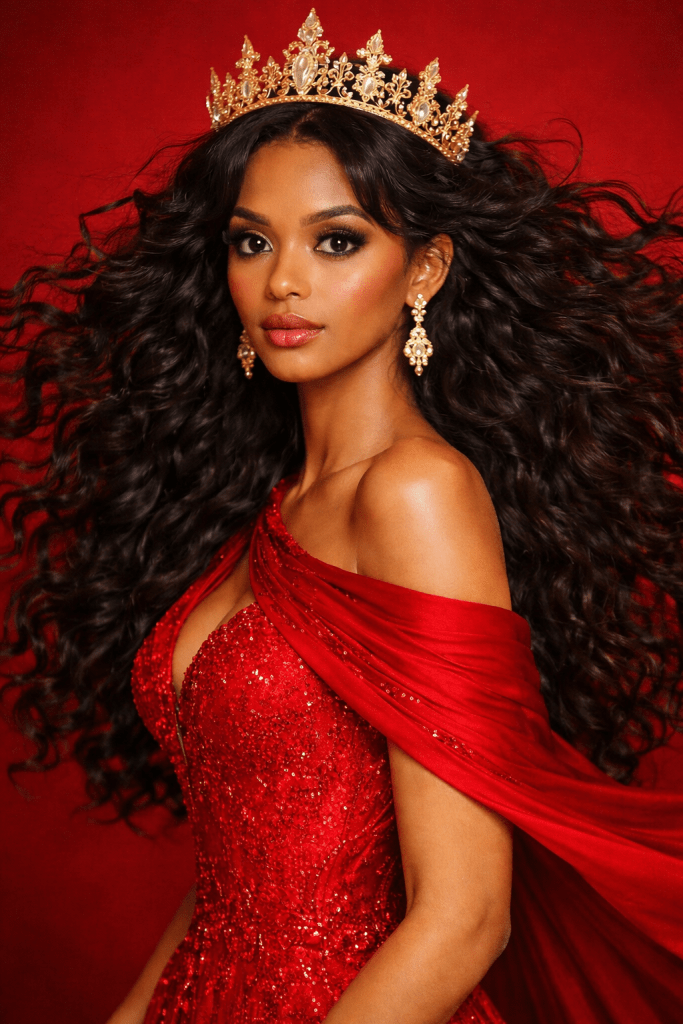
In one of her most iconic speeches after being crowned Miss Ultimate Beauty, she addressed the audience directly: “Beauty does not belong to a single shade. Every complexion comes from God.” The crowd erupted in applause, not because of her ethereal face, but because of her truth.

Her reign as Miss Ultimate Beauty made global headlines. Everyone clamored to work with her, seeing in Beauty a living canvas of light and depth. Yet amid the attention, she remained grounded—returning often to her roots in the United States, where she visited schools to mentor young girls about confidence and inner worth.

A group of Scientists and a famous film director, captivated by her ethereal features, began production on a documentary series titled Beauty about her and The Science of Beauty. They described her beauty as “so spectacular she looks unreal—a genetic masterpiece, a visual phenomenon.” The documentary, already in development, aimed to explore not just her life but also the science, art, and sociology behind human attraction. The Documentary Series set to be released in 2028 or 2029.

Beauty’s face became synonymous with the title of “the most beautiful woman in the world” and “Genetic Masterpiece.” She has the kind of beauty that transcends time, evoking comparisons to the great black beauties of this world, yet distinctly her own—look, extraordinary, astonishing, rare, unique, unparalleled, regal, and radiant. Her dark coal curls danced in the wind like liquid fire while cascading down her back like sheets of molasses, and her eyes—large, expressive, hypnotic, piercing, and filled with quiet wisdom—invited the world to see beyond the surface.

Her gold gown, worn at a world foundation gala, became legendary. The fabric rippled like sunlight on water, modest yet magnetic. No skin was exposed, yet all eyes were on her. The designer later confessed, “It wasn’t the dress that shone—it was Beauty herself.”

But Beauty knew beauty was never enough. She wrestled with loneliness, aware that admiration often lacked understanding. “People love what they see,” she said, “but they rarely ask who I am beneath the gold.” Her journals, later published in a book, revealed her deepest dilemmas and her wish to be valued for her soul as much as her beauty or skin.

In private moments, Beauty admitted she sometimes wished to be ordinary—to walk into a room without the echo of awe or envy following her. Yet destiny would not allow her anonymity; she was born to be seen.

Her story became the heart of global conversations about colorism and representation. Scholars cited her as a living paradox—a woman praised for beauty that both challenged and reinforced societal bias. Her beauty sparked debates in articles, classrooms, and beauty forums worldwide.

When asked about her thoughts on colorism, Beauty said, “Lightness does not make me better, darkness does not make you lesser. We are all tones of God’s imagination.” Her words inspired campaigns that began redefining beauty standards across Africa and the diaspora.

Her influence extended beyond modeling. Beauty launched a foundation supporting young women of all complexions in creative industries. She funded scholarships for photographers and artists to challenge color bias through their work.

Years later, at a major art exhibition in Africa, her portrait was unveiled—a depiction of her draped in gold and crowned with sunlight. The Gold Standard of Beauty. Critics called it “The Eighth Wonder of the Modern World.” It wasn’t vanity; it was legacy.

In interviews, she reflected, “If I’m to be remembered, let it not be for my face, but for the love I inspired in those who once doubted their reflection and my love and devotion to the Most High God of Israel.”

Beauty’s name became immortalized, not as an object of beauty, but as a force of healing in the ongoing dialogue of identity and self-worth. Her beauty—golden, astonishing, glowing, godlike—became less about appearance and more about awakening.

In every photo, in every glimmer of light touching her light cafe au lait skin, Beauty’s message remains—beauty is not what you see; this is temporal. True beauty comes from within, and only the things you do for Christ will last.

As her faith deepened, Beauty began to see her reflection differently. The same face that once burdened her became a vessel of purpose. She no longer viewed her features as random genetics but as a deliberate brushstroke from a divine Artist. Genesis 1:27 reminded her: “So God created man in his own image.” That meant her beauty was not hers to idolize or to fear—it was His signature on her soul.

She began to use her platform to speak about inner worth, teaching young women that outward beauty without spiritual grounding is like perfume on an empty bottle—sweet for a moment, but fading fast. Her favorite verse, Proverbs 31:30, became her mantra: “Favour is deceitful, and beauty is vain: but a woman that feareth the Lord, she shall be praised.”

Through faith, Beauty learned to laugh at the irony of her journey—that the woman called “The 8th Wonder of the World” was never truly seeking wonder at all. She was seeking wisdom. And she found it in Christ, who taught her that beauty is not what the world sees, but what Heaven recognizes.

Now, as she walks in purpose, her glow feels different. Her presence unsettles the superficial and awakens the meaningful. It’s not the shimmer of camera lights but the radiance of peace. She is still breathtaking, but not because of her symmetry—because of her spirit. Her beauty no longer introduces her; her light does.

In Beauty’s story, we see that beauty is neither a curse nor a crown—it is temporal. When surrendered to God, even the most admired woman learns that the truest form of grace is not in being seen, but in being sanctified.

Written by © Scientist Arieyah Naseek

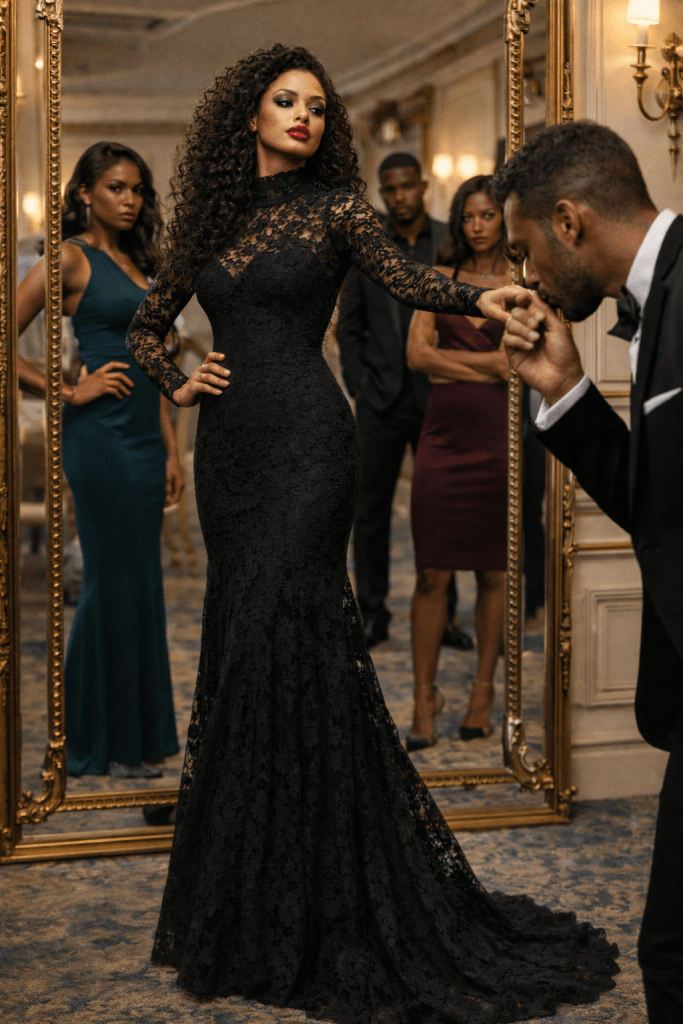
It is Okay to be “The Most Beautiful Woman in the Room” but are you making everyone else sick with it? Beverly says….

Beauty has always carried social power. From ancient civilizations to modern digital culture, physical attractiveness has functioned as a form of symbolic capital—something that grants attention, access, and influence. To be the most beautiful woman in the room is not inherently wrong; in fact, it can be a gift. The problem arises not from beauty itself, but from how it is performed, weaponized, or used to dominate social space.

Psychological research consistently shows that attractive individuals receive preferential treatment in hiring, education, and social relationships—a phenomenon known as the “halo effect.” Beauty is often unconsciously equated with intelligence, kindness, and competence. This distortion creates a power imbalance before a single word is spoken.

When a woman becomes aware of this power, she faces a choice: will she carry her beauty with humility, or with entitlement? Arrogance emerges when beauty shifts from being a trait to being an identity—when self-worth becomes entirely anchored in how one is seen rather than who one is.

Arrogance with beauty often manifests subtly. It appears in body language, tone, dismissiveness, constant comparison, or the need to dominate attention. It is not loud narcissism alone; it is a quiet assumption of superiority that others can feel immediately.

For other women in the room, this dynamic can generate insecurity, competition, and emotional fatigue. Social comparison theory explains that people evaluate themselves relative to others, especially in appearance-based environments. When one woman positions herself as the standard, others are forced into a hierarchy they never consented to.

Jealousy is not always petty—it is often psychological pain produced by unequal social valuation. When beauty is flaunted rather than shared, it can create a climate of silent hostility, where women feel diminished simply by proximity.

Men, meanwhile, respond differently. Beauty can trigger sexualization, fantasy, and projection. Research in evolutionary psychology suggests that physical attractiveness activates reward circuits in the brain similar to drugs or gambling. Lustful attention is not neutral; it changes social energy in a room.

When a woman consciously or unconsciously cultivates male desire as validation, she may enjoy attention without realizing its ripple effects. Conversations shift. Boundaries blur. Other women become invisible. Men become performative. The social space becomes eroticized rather than communal.

Over time, this environment becomes emotionally toxic. People do not feel seen; they feel measured. The most beautiful woman becomes the emotional sun around which everyone else must orbit.

This is where beauty becomes harmful—not because it exists, but because it consumes relational space. It monopolizes attention, distorts dynamics, and subtly communicates: “I matter more than you.”

The irony is that true beauty is expansive, not extractive. It makes others feel comfortable, uplifted, and safe. Arrogant beauty makes others feel smaller, anxious, or invisible.

Narcissism research shows that individuals who rely heavily on external validation often lack stable self-esteem. The need to be admired becomes addictive. Beauty becomes a performance that must be maintained at all costs—through comparison, competition, and dominance.

This is why some beautiful people leave others feeling drained. They are not just attractive; they are emotionally demanding. They require constant affirmation, attention, and deference.

Social environments thrive on reciprocity. When one person absorbs all the light, others are forced into shadow. Over time, resentment replaces admiration.

Even the beautiful woman herself becomes trapped. Her value becomes conditional. Aging, weight change, or shifting attention threatens her identity. What once felt like power becomes fragility.

The most dangerous illusion is believing that beauty makes one better than others. Attractiveness is not virtue. It is not wisdom. It is not moral superiority. It is a biological lottery shaped by genetics, culture, and social bias.

Humility is what redeems beauty. A woman who knows she is beautiful but does not need to prove it becomes magnetic without harm. She does not compete; she collaborates. She does not dominate; she invites.

Beauty with humility creates safety. It allows other women to exist without fear of comparison. It allows men to engage without objectification. It restores balance to the social field.

The real question is not “Am I the most beautiful woman in the room?” but “How do people feel when I enter the room?” Do they feel tense or at ease? Smaller or affirmed? Observed or welcomed?

It is okay to be beautiful. It is not okay to make others sick with it. Beauty should be a gift to the room, not a threat to it. When beauty becomes a mirror instead of a spotlight—reflecting humanity rather than demanding worship—it finally becomes what it was always meant to be: connection, not control.


References

Buss, D. M. (2019). Evolutionary psychology: The new science of the mind (6th ed.). Routledge.

Cash, T. F., & Smolak, L. (2011). Body image: A handbook of science, practice, and prevention (2nd ed.). Guilford Press.

Festinger, L. (1954). A theory of social comparison processes. Human Relations, 7(2), 117–140.

Hamermesh, D. S. (2011). Beauty pays: Why attractive people are more successful. Princeton University Press.

Langlois, J. H., et al. (2000). Maxims or myths of beauty? A meta-analytic and theoretical review. Psychological Bulletin, 126(3), 390–423.

Twenge, J. M., & Campbell, W. K. (2009). The narcissism epidemic: Living in the age of entitlement. Free Press.

Tate, S. A. (2009). Black beauty: Aesthetics, stylization, politics. Ashgate.

Vohs, K. D., et al. (2014). Objectification and self-objectification. Current Directions in Psychological Science, 23(6), 416–420.

How Beautiful You Want to Be? Irene says..

Beauty has never been a fixed concept; it is a moving reflection of culture, history, power, and identity. Across civilizations, the human desire to enhance appearance has been deeply connected to ritual, status, spirituality, and self-expression. Makeup, in particular, is not merely cosmetic—it is historical evidence of how societies have defined femininity, attraction, and worth. Yet alongside the long tradition of adornment exists an equally powerful ideal: natural beauty, the belief that one’s unaltered features already hold intrinsic value.

The earliest recorded use of makeup dates back over 6,000 years to ancient Egypt. Both men and women applied kohl around the eyes not only for aesthetic reasons, but also for spiritual and medical purposes, believing it protected against evil spirits and eye infections. Makeup in this era symbolized divinity, health, and social class, with queens such as Cleopatra using pigments derived from minerals, insects, and plants to signify royal status.

In ancient Greece and Rome, beauty standards became increasingly tied to class and gender. Pale skin was associated with wealth and leisure, while women used white lead and chalk to lighten their complexions—often at great physical cost. Rouge, derived from berries and wine, was used to color lips and cheeks, reinforcing the idea that beauty required alteration, even at the expense of health.

During the Middle Ages, Christian doctrine discouraged overt cosmetic use, equating beauty enhancement with vanity and moral corruption. However, subtle practices persisted—women plucked hairlines, used herbal tonics, and relied on symbolic clothing and jewelry to express femininity within socially acceptable limits.

The Renaissance revived cosmetic culture, particularly among European aristocracy. Queen Elizabeth I popularized the “mask of youth,” using lead-based powders to achieve an artificially flawless pale complexion. Beauty became synonymous with power, status, and artificial perfection, further separating aesthetic ideals from biological reality.

The modern cosmetics industry emerged in the late 19th and early 20th centuries with the rise of mass production, advertising, and celebrity culture. Brands such as Max Factor, Revlon, and Estée Lauder transformed makeup into a global business, linking beauty with consumerism and identity. Hollywood, fashion magazines, and later social media solidified unattainable beauty standards rooted in youth, symmetry, and Eurocentric features.

Yet alongside this commercial expansion came resistance. The natural beauty movement, particularly within feminist and Black cultural traditions, challenged the idea that worth must be painted, contoured, or filtered. Natural beauty emphasizes authenticity, health, and self-acceptance over modification. It argues that beauty is not something to be constructed, but something to be recognized.

For Black women especially, natural beauty has political meaning. In a world that historically devalued dark skin, textured hair, and non-European features, choosing natural presentation became an act of cultural affirmation. The natural hair movement, Afrocentric aesthetics, and body positivity campaigns represent a reclamation of beauty from colonial and capitalist definitions.

Ultimately, the question “How beautiful do you want to be?” is not about cosmetics—it is about power. It asks whether beauty is something to chase or something to claim. Makeup can be art, armor, or expression, but it should never replace self-worth. True beauty lies not in how much one alters the face, but in how deeply one accepts it.


References

Bordo, S. (2003). Unbearable weight: Feminism, Western culture, and the body. University of California Press.

Byrne-Davis, L. M. T., et al. (2020). Appearance ideals and body image. Current Opinion in Psychology, 36, 9–14.

Corson, R. (2004). Fashions in makeup: From ancient to modern times. Peter Owen.

Davis, A. (2015). Women, culture, and politics. Vintage Books.

Jones, G. (2011). Beauty imagined: A history of the global beauty industry. Oxford University Press.

Peiss, K. (2011). Hope in a jar: The making of America’s beauty culture. University of Pennsylvania Press.

Tate, S. A. (2009). Black beauty: Aesthetics, stylization, politics. Ashgate.

What Are You Mixed With? – And Other Microaggressions of Erasure.

A man said to me, “You are the most beautiful woman I have seen. What are you mixed with? You can’t be all Black.” His words were meant to be a compliment, but they struck me like a backhanded slap. In that moment, my identity was reduced to a puzzle he wanted to solve, as though my beauty could not possibly exist within the fullness of Blackness. This is a story many Black women know too well — where admiration becomes interrogation, and affirmation becomes erasure.

“What are you mixed with?” may sound like a harmless question, but it carries a heavy undertone that many Black people instantly recognize. It suggests that their beauty, intellect, or talent must have come from something other than being fully Black. It is rarely asked of white individuals, nor of those whose racial identity matches a dominant group. For Black people, it becomes a subtle interrogation, implying that their very existence must be explained, categorized, or justified.

This question is one of many racial microaggressions — brief and commonplace verbal, behavioral, or environmental slights that communicate hostile, derogatory, or negative racial messages (Sue et al., 2007). Microaggressions are often delivered without malicious intent, yet their cumulative effect on mental health and identity can be significant. Questions about “mixed heritage” often leave the recipient feeling exoticized, tokenized, or “othered,” as if they are a curiosity to be solved.

Historically, this curiosity is rooted in colonial thinking. During slavery, white slaveholders meticulously catalogued the racial percentages of enslaved people — mulatto, quadroon, octoroon — to determine their value and social status (Williamson, 1980). This obsession with blood quantum was less about ancestry and more about control, categorizing Black people in order to decide who would remain enslaved and who might pass into freedom. The modern fascination with “mixedness” is a residue of that system, where proximity to whiteness was privileged and fetishized.

Colorism — the preference for lighter skin within and outside the Black community — is closely tied to this microaggression. Light skin has historically been associated with privilege, beauty, and desirability, while darker skin was demonized (Hunter, 2007). Asking “What are you mixed with?” when someone is light-skinned reinforces the idea that beauty or acceptability is tied to whiteness or foreign ancestry.

Celebrities often face this question publicly. Meghan Markle, the Duchess of Sussex, has shared that her biracial identity was constantly questioned, with people asking, “What are you?” as if they needed to categorize her before interacting (Winfrey, 2021). Zendaya has spoken openly about colorism, acknowledging that her lighter skin tone gives her access and opportunity denied to darker-skinned actresses, and she intentionally uses her platform to amplify those voices (Robinson, 2018).

This constant questioning can have psychological effects. Repeated microaggressions are linked to racial battle fatigue — a state of mental, emotional, and physical exhaustion caused by navigating racism daily (Smith et al., 2011). Being asked about one’s racial makeup forces a person to confront how others perceive them, which can trigger feelings of alienation or anxiety.

Spiritually, these questions can also conflict with the truth of God’s creation. Psalm 139:14 (KJV) affirms, “I will praise thee; for I am fearfully and wonderfully made: marvellous are thy works.” The implication that Blackness must be “mixed with something” to be beautiful denies the inherent dignity God has placed in every person, including those with deep melanin-rich skin and African features.

Microaggressions of erasure go beyond just “What are you mixed with?” They include statements like “You’re pretty for a dark-skinned girl,” “You talk white,” or “I don’t see color.” While they may be meant as compliments, they actually diminish identity. They praise the individual for fitting into a standard that denies their full cultural and racial reality.

The phrase “I don’t see color” is another common erasure tactic. It attempts to signal equality but ultimately refuses to acknowledge the existence of systemic racism and the lived experiences of Black people. As Neville et al. (2013) argue, colorblindness allows racial inequalities to persist because it discourages the recognition of injustice.

“What are you mixed with?” can also sexualize and exoticize. In some cases, it is asked not out of genuine curiosity but as a way to turn identity into a fantasy or a fetish. This is particularly true for women of color, whose bodies and features have been hypersexualized throughout history (Collins, 2004). This type of questioning reduces a person to their perceived racial “ingredients” rather than honoring them as a whole being.

W.E.B. Du Bois (1903) described the phenomenon of double-consciousness — the sense of always looking at oneself through the eyes of others. For many Black people, being constantly asked about their racial makeup deepens this double-consciousness, forcing them to perform or explain their identity to make others comfortable.

Some who ask “What are you mixed with?” may genuinely mean no harm. For them, it is a way to make conversation or express admiration. But intent does not erase impact. Microaggressions accumulate over time, becoming heavy burdens that affect how Black people move through the world — whether they feel accepted, whether they feel seen, whether they feel safe.

Biblically, diversity is not something to erase or explain away. Revelation 7:9 (KJV) describes a heavenly vision where “all nations, and kindreds, and people, and tongues” stand together before God. This suggests that ethnicity and identity are preserved and celebrated in eternity. To erase Blackness or reduce it to a mixture is to work against divine design.

Representation in media has begun to challenge these erasures. Campaigns like #BlackGirlMagic, #MelaninPoppin, and the natural hair movement have helped normalize the beauty of African features and dark skin. Seeing darker-skinned models, actors, and influencers celebrated for their beauty disrupts the idea that only “mixed” or “exotic” Black people are worthy of admiration.

Healing from the harm of these microaggressions requires education. Non-Black individuals must learn the history of racial classification, colorism, and why these questions are not benign. They must understand that curiosity should never come at the cost of someone else’s dignity.

Black individuals, meanwhile, can reclaim their narrative by affirming their identity openly and unapologetically. This may include correcting someone who asks “What are you mixed with?” by simply saying, “I’m Black — and that’s enough.” Such responses help shift the cultural expectation that Blackness must be explained or justified.

The Erasure Complex and Other Microaggressions of Erasure

The Erasure Complex is the cumulative psychological, social, and spiritual effect of living in a world where Blackness is constantly questioned, redefined, and made to prove its legitimacy. It is not merely about blatant racism but about the small, repeated messages that suggest Black identity is insufficient, unattractive, or incomplete unless modified by proximity to whiteness.

One of the most common forms of erasure is the question, “What are you mixed with?” It might sound curious or flattering, but for Black people, it can feel like an accusation — as though beauty, intelligence, or grace cannot come from African roots alone. These moments communicate that being fully Black is something to be doubted, pitied, or corrected.

Microaggressions like this have deep historical roots. In slavery and Jim Crow America, racial classification was an obsession. Words like mulatto, quadroon, and octoroon were invented to measure bloodlines and determine status, privileges, and restrictions (Williamson, 1980). Even freedom could hinge on whether a person could pass for white. That system created a generational wound — a belief that lighter skin or “mixed blood” was better, safer, more desirable.

The Erasure Complex is not limited to questions of ancestry. It also shows up in phrases like, “You talk white,” “You’re pretty for a dark-skinned girl,” or “I don’t see color.” Each of these statements subtly removes part of a Black person’s identity. They praise the individual for being an exception to a negative stereotype while reinforcing the stereotype itself.

Celebrities often experience these erasures publicly. Lupita Nyong’o, for example, has spoken about being told as a child that dark skin was not beautiful and how she longed to be lighter (Nyong’o, 2014). Zendaya, who is biracial, has acknowledged that her lighter skin gives her privilege and access that darker-skinned actresses are denied (Robinson, 2018). Both testimonies expose how deeply embedded these beauty hierarchies remain.

Psychologically, constant microaggressions accumulate to create racial battle fatigue — mental and emotional exhaustion caused by having to navigate these slights daily (Smith et al., 2011). They can lead to anxiety, hypervigilance, and internalized racism, where Black individuals begin to question their own worth and beauty.

Spiritually, the Erasure Complex challenges the truth of creation. Genesis 1:27 (KJV) reminds us, “So God created man in his own image.” To imply that Blackness is insufficient is to deny the fullness of God’s artistry. Psalm 139:14 (KJV) further affirms, “I will praise thee; for I am fearfully and wonderfully made.” There is no divine error in deep melanin, broad noses, full lips, or coiled hair — they are reflections of God’s intentional design.

Colorblind rhetoric, though often well-meaning, also contributes to erasure. When someone says, “I don’t see color,” they deny a person’s racial reality and the systemic oppression tied to it. As Neville et al. (2013) argue, this type of “colorblindness” allows racism to persist because it refuses to name or confront it.

The Erasure Complex also intersects with the policing of Black hair. When Black women wear natural hair, braids, or locs, they may face questions like, “When are you going to do something with your hair?” — implying that the way it naturally grows is wrong. The Crown Act (2022) was passed in several U.S. states precisely to stop discrimination based on natural hairstyles, which reveals just how institutionalized this erasure can be.

Even in religious spaces, erasure can be present. Some churches have historically promoted Eurocentric aesthetics as “holy” or “presentable,” leaving little room for African expression in hair, dress, or worship styles. This creates an unspoken pressure to assimilate rather than to celebrate the diversity that Revelation 7:9 describes, where “all nations, and kindreds, and people, and tongues” are represented before God’s throne.

Media representation is slowly challenging the Erasure Complex. Campaigns like #BlackGirlMagic, #MelaninPoppin, and films like Black Panther have shifted cultural narratives by celebrating the beauty, brilliance, and power of Blackness without dilution. These moments are important not just as entertainment but as acts of cultural restoration.

However, healing is not just about seeing representation. It is also about internal work — rejecting internalized racism and embracing the full spectrum of Black identity. This may mean responding to “What are you mixed with?” by saying unapologetically, “I’m Black — fully, beautifully Black.” Such responses resist the subtle suggestion that Blackness must be explained away.

Education is essential for those outside the community as well. Non-Black individuals must understand why these questions and statements are harmful, even if they are said with good intentions. Learning the history of racial classification, colorism, and microaggressions can equip people to affirm Black identity rather than interrogate it.

The Erasure Complex also thrives in silence. When microaggressions occur, those who witness them have an opportunity to speak up. Being an ally means interrupting erasure when it happens — affirming the dignity of Blackness in public and private spaces.

W.E.B. Du Bois’ concept of double-consciousness remains relevant here. Many Black people navigate the tension of how they see themselves versus how the world sees them (Du Bois, 1903). Erasure compounds that tension, forcing them to constantly explain, defend, and validate their identity. Healing this wound requires both cultural change and self-acceptance.

The ultimate goal is not just to stop erasure but to replace it with affirmation. Isaiah 61:3 (KJV) speaks of God giving His people “beauty for ashes.” For a people whose identity has been systematically erased and distorted, reclaiming Blackness as beautiful, holy, and worthy is a divine act of restoration.

In conclusion, the Erasure Complex is a powerful framework for understanding the subtle but deeply wounding ways that Black identity is questioned and diminished. Microaggressions like “What are you mixed with?” are not simply curiosities — they are echoes of a racial caste system designed to value proximity to whiteness. By naming this dynamic, addressing its historical roots, and affirming the fullness of Blackness, we can dismantle the systems of erasure and move toward wholeness and liberation.


Our communities also have a role to play. Too often, respectability politics within religious spaces have privileged lighter-skinned or Eurocentric beauty standards. By teaching that all skin tones reflect God’s image, churches can help dismantle internalized racism and affirm the beauty of Black identity.

In conclusion, “What are you mixed with?” is not just a casual question — it is a microaggression that reflects centuries of racial hierarchy and erasure. By recognizing its historical roots, addressing its psychological impact, and responding with pride and education, we can move toward a world where Blackness does not need an asterisk, an apology, or an explanation.


References

  • Collins, P. H. (2004). Black sexual politics: African Americans, gender, and the new racism. Routledge.
  • Du Bois, W. E. B. (1903). The souls of Black folk. A.C. McClurg & Co.
  • Hunter, M. (2007). The persistent problem of colorism: Skin tone, status, and inequality. Sociology Compass, 1(1), 237–254.
  • Neville, H. A., Awad, G. H., Brooks, J. E., Flores, M. P., & Bluemel, J. (2013). Color-blind racial ideology: Theory, training, and measurement implications in psychology. American Psychologist, 68(6), 455–466.
  • Robinson, J. (2018, September 4). Zendaya talks about colorism, privilege, and responsibility. Marie Claire.
  • Smith, W. A., Allen, W. R., & Danley, L. L. (2011). “Assume the position… you fit the description”: Psychosocial experiences and racial battle fatigue among African American male college students. American Behavioral Scientist, 51(4), 551–578.
  • Sue, D. W., Capodilupo, C. M., Torino, G. C., Bucceri, J. M., Holder, A. M. B., Nadal, K. L., & Esquilin, M. (2007). Racial microaggressions in everyday life: Implications for clinical practice. American Psychologist, 62(4), 271–286.
  • Williamson, J. (1980). New people: Miscegenation and mulattoes in the United States. Free Press.
  • Winfrey, O. (2021, March 7). Oprah with Meghan and Harry: A CBS primetime special. CBS.

Exotic, But Not Enough: The Politics of Being Seen as ‘Special’

Yet the same specialness that elevates you is often twisted by society into a form of exoticization. To be called “special” because of your Black features is a double-edged sword. It acknowledges beauty but simultaneously separates it from normalcy, making Blackness an object of curiosity rather than a standard to be celebrated on its own terms. This is the politics of being seen as “special” — a liminal space where admiration borders on objectification.

Exoticization has historical roots in the Western gaze. During the colonial period, Africans, especially women, were depicted in art, literature, and anthropology as inherently different — mysterious, seductive, and often hypersexualized. This framing positioned them as objects to be observed and studied rather than fully human, a narrative that persists subtly in contemporary media (Collins, 2004).

In modern society, Black women are frequently described as “exotic” or “unique,” language that seems complimentary but carries implicit othering. To be called exotic is to signal that one is different from the default, which in most Western societies is white. The praise is thus conditional — it only holds value when compared against a Eurocentric standard of beauty.

Being seen as “special” also comes with the invisible burden of performance. Black women are expected to embody this exotic appeal without deviating from societal fantasies. There is pressure to maintain a polished, curated appearance that aligns with someone else’s imagination of “Black beauty,” rather than an authentic self-expression.

Celebrities frequently exemplify this dynamic. Halle Berry, for example, has discussed how her mixed heritage led Hollywood to view her as exotic, opening doors while simultaneously pigeonholing her into roles that emphasized her difference (Berry, 2014). Similarly, Lupita Nyong’o’s rise to prominence was celebrated as a disruption to beauty norms, yet even her acclaim was framed around rarity, the “exceptional” Black woman, rather than the normalization of Black beauty in everyday life.

Exotic, But Not Enough: The Cost of Being the Exceptional Black Woman

I remember the first time I was called “exotic.” I was fourteen, standing in a bookstore, and a man approached me. “You’re beautiful,” he said, “so exotic… I’ve never seen anyone like you.” At that moment, I felt both elevated and invisible. Elevated, because someone recognized my beauty; invisible, because my Blackness was reduced to an adjective, something rare to be admired but never fully understood. That tension — being celebrated and erased at the same time — is the daily reality for so many Black women.

Being called “special” or “exceptional” carries a hidden price. Society frames Black women’s beauty as unusual, as if it exists outside the norm, something that can only be understood through the lens of novelty or difference. This is not admiration without consequence — it is a subtle form of objectification, a lens that separates Black women from ordinariness and imposes expectations of perfection.

Historically, this pattern is rooted in colonial and slave-era ideologies. African women were depicted as mysterious, sensual, and inherently different in European art, literature, and pseudo-science. Their bodies were studied, catalogued, and exoticized, creating a template that continues to influence how Black women are perceived today (Collins, 2004). The message was clear: Black beauty is not the default; it is a spectacle.

In school, this dynamic plays out in classrooms and playgrounds. Girls who are “special” for their looks or mixed heritage often receive attention from teachers and peers, but this attention is conditional. Compliments often carry comparisons — lighter skin, straighter hair, narrower noses — that suggest their beauty is exceptional only when aligned with whiteness. Meanwhile, darker-skinned girls learn that their natural beauty is ordinary, overlooked, or even undesirable.

Celebrities are not immune. Halle Berry has shared that Hollywood initially labeled her as “exotic,” a distinction that opened doors but also confined her to a narrow set of roles emphasizing her difference (Berry, 2014). Lupita Nyong’o’s rise to fame was celebrated as the “exceptional” Black woman, her deep skin and natural features framed as rare, beautiful anomalies. While inspiring, this narrative implies that Black women are only remarkable when they are unusual.

The psychological cost of being seen as exceptional is significant. Black women often internalize the pressure to maintain perfection — flawless skin, a curvaceous figure, impeccable hair — because deviation threatens the fantasy that others have projected onto them. The result is chronic stress, hypervigilance, and anxiety, all in the service of fulfilling someone else’s idea of “special” (Hunter, 2007).

Social media intensifies this effect. On platforms like Instagram, Black women are often celebrated for their rarity — lighter skin, unique hair textures, or particular facial features. While visibility can be empowering, it reinforces a standard where only certain traits are elevated. Many women scroll through feeds feeling both admired and inadequate, unsure if they are enough outside the curated lens of online admiration (Mercer, 2018).

Exoticization frequently intersects with fetishization. Compliments can morph into sexualized attention, where a Black woman’s features are admired but her personhood is overlooked. This transformation of admiration into desire strips agency and places the burden of appeal on her shoulders (Collins, 2004). Being special in this context is not empowering — it is performative and conditional.

Church and faith communities are not exempt. Black women are sometimes told that only Eurocentric features are “presentable” or “holy,” perpetuating an internalized belief that divine beauty aligns with whiteness. This conflicts with scripture, which consistently affirms that God created humanity in His own image (Genesis 1:27, KJV) and that every individual is fearfully and wonderfully made (Psalm 139:14, KJV).

The internalization of these messages leads many Black women to police their own bodies. We straighten our hair, lighten our skin, and sculpt our features to meet expectations. In doing so, we become complicit in a system that values difference over ordinariness and admiration over authenticity. The exceptional Black woman becomes a curated performance rather than a natural, living identity.

Family and community often provide the first lessons in resilience. Older women teach younger women that beauty is not about rarity but about the fullness of who you are. This guidance is essential, reminding girls that they do not need to be exotic to be worthy — that their value is inherent, not contingent on being unusual or extraordinary.

Friendships can complicate the experience. Peer comparisons — “She’s so exotic” or “She’s prettier because she’s mixed” — reinforce hierarchies within the Black community, creating tension and jealousy. The social cost of being “special” is alienation, as admiration from outsiders can distance women from their peers.

Romantic relationships are another arena where this politics plays out. Some men fetishize Black women’s difference, praising them for traits they perceive as rare, while overlooking their personality, intellect, and agency. Being “special” in this context is conditional love — valued for appearance but not always for selfhood.

Education and mentorship are crucial tools for countering the pressure of exceptionalism. Teaching Black girls to see their beauty as inherent, not exceptional, helps dismantle internalized hierarchies and builds self-esteem. Celebrating everyday Blackness — ordinary yet divine — restores balance in a world that constantly tells women they are extraordinary only in comparison to others.

Representation in media must go beyond the exceptional. Stories that normalize Black beauty in all its forms — dark, light, natural, straight, curly — reinforce that Blackness is not a spectacle but a standard. Films, advertisements, and TV shows that showcase everyday beauty help young women internalize a healthy sense of self.

The Erasure Complex compounds the cost of being exceptional. When Black women are admired for being different, it subtly suggests that being fully Black is not enough. The gaze that elevates them simultaneously erases the vast diversity of Black identity, reinforcing conditional admiration rather than universal recognition.

Spiritual grounding offers a counterbalance. Recognizing that one’s beauty and worth are divinely ordained, rather than societally validated, shifts the focus from external approval to intrinsic value. Psalm 139:14 (KJV) reminds us that we are “fearfully and wonderfully made” — unique, yes, but whole and worthy in our natural state.

Community solidarity also heals. By celebrating Black women collectively rather than selectively, society can dismantle the hierarchy of exoticization. From hair and skin to intellect and talent, the normalization of Black excellence fosters a sense of belonging rather than isolation.

Ultimately, being seen as “special” is both an honor and a burden. While it can affirm one’s beauty, it can also confine, objectify, and pressure. True empowerment comes from rejecting conditional admiration, embracing one’s authentic self, and affirming that Blackness — in all its forms — is a universal standard of beauty, not an exception.

In conclusion, the cost of being the exceptional Black woman is real, spanning psychological, social, and spiritual domains. Recognition should not require rarity, admiration should not demand objectification, and beauty should not depend on being extraordinary. To be authentically Black, fully human, and unapologetically oneself is to claim a power and dignity that no external gaze can define. You are special — not because you are rare, but because you are divinely complete.

The psychology of being labeled “special” is complex. While admiration can boost self-esteem, it often comes with heightened scrutiny. Every flaw is amplified because deviation from the constructed standard risks breaking the illusion of perfection that exoticization demands. This creates an internalized pressure to maintain a level of beauty that is unsustainable and emotionally taxing (Hunter, 2007).

Social media amplifies this paradox. Platforms like Instagram and TikTok showcase Black women’s beauty as a form of currency, often highlighting traits that conform to Eurocentric beauty ideals — lighter skin, narrower noses, straighter hair. Even when celebrating natural features, the algorithms often elevate only those deemed “unusual” or “rare,” reinforcing the narrative of being exceptional rather than normal (Mercer, 2018).

Exoticization is closely linked to fetishization, where Black women’s features are sexualized and objectified. The concept of the “exotic woman” transforms admiration into desire, but it strips agency from the individual. Her identity is commodified, admired for how it appeals to someone else rather than for her intrinsic worth or personhood (Collins, 2004).

This pressure is not only external but internalized. Many Black women grow up absorbing messages about what it means to be beautiful, often measuring themselves against a standard that views them as inherently unusual. Internalized colorism and beauty hierarchy become self-policing mechanisms that complicate self-love and identity formation (Hunter, 2007).

In contrast, biblical scripture offers a standard that transcends societal constructs. Genesis 1:27 (KJV) affirms that “God created man in his own image,” which implies that beauty and worth are divinely ordained, not dependent on human hierarchy. Psalm 139:14 (KJV) reinforces this, reminding believers that they are “fearfully and wonderfully made,” with beauty and worth inherent, not contingent on external validation.

The social consequences of being seen as “special” are also significant. Exceptionalism often isolates Black women from their peers, creating distance in communities where solidarity is needed. To be admired primarily for being rare or different can undermine authentic connection, reinforcing the notion that one’s value lies in their difference rather than their humanity.

Exoticization also perpetuates a colorist hierarchy. Lighter-skinned or mixed-race women are often labeled “special,” while darker-skinned women are either ignored or othered differently. This conditional admiration fragments the community, subtly teaching that some forms of Blackness are more palatable or worthy of attention than others (Hunter, 2007).

In the workplace, this dynamic can shape opportunities. Women seen as “exotic” may be promoted for image-based reasons rather than competence, or conversely, pigeonholed into roles that exploit their appearance. Their skills and intellect are overshadowed by the constant framing of their bodies and faces as objects of fascination (Collins, 2004).

Education and mentorship can help counteract these effects. Teaching Black girls that their beauty is both ordinary and extraordinary simultaneously — that they are “special” because they are authentically themselves — can dismantle the internalized pressure to perform for admiration. Celebrating everyday Black beauty as the norm rather than the exception is crucial for mental health and self-acceptance.

Representation matters. Media that portrays Black women in a range of roles, skin tones, and expressions — not only the rare or unusual — helps normalize Black beauty and dismantle exoticization. Films, TV, and advertisements that celebrate Black women for their achievements, intellect, and character, alongside their appearance, provide a more holistic framework for identity (Mercer, 2018).

The politics of being seen as “special” are therefore multifaceted — psychological, cultural, historical, and spiritual. While admiration may feel empowering, it is inseparable from centuries of racialized viewing that objectifies difference. Recognizing this dynamic is the first step toward reclaiming agency over identity.

Ultimately, true empowerment comes from rejecting the conditional praise of the exotic gaze and embracing the full spectrum of Blackness without apology. Being special is not about meeting someone else’s standard or fascination; it is about owning one’s inherent worth and beauty as ordained by God.

In conclusion, the label of “special” carries both admiration and erasure. To be exoticized is to be elevated and confined simultaneously. By understanding the historical and psychological underpinnings of this phenomenon, celebrating authentic Black beauty, and fostering spaces that normalize rather than fetishize, Black women can reclaim the power of their visage. Your FACE is divine, your identity complete, and your beauty is not a curiosity — it is a standard unto itself.


References

  • Berry, H. (2014). Halle Berry interviews on Hollywood and racial identity. Essence Magazine.
  • Collins, P. H. (2004). Black sexual politics: African Americans, gender, and the new racism. Routledge.
  • Hunter, M. (2007). The persistent problem of colorism: Skin tone, status, and inequality. Sociology Compass, 1(1), 237–254.
  • Mercer, K. (2018). Representing Blackness in media: Social media, visibility, and authenticity. Routledge.
  • Genesis 1:27, KJV.
  • Psalm 139:14, KJV.

Shades of Power: Celebrating the Beauty of Brown Skin. #Shadesofglory

This photograph is the property of its respective owner.

Brown skin has long been a symbol of resilience, beauty, and cultural heritage. Across the African diaspora, it embodies a spectrum of history, identity, and pride, reflecting both ancestral lineage and lived experiences. From deep mahogany to honey tones, brown skin carries with it a narrative of survival, creativity, and empowerment. Its beauty is not merely aesthetic; it is political, cultural, and psychological—a declaration of self-worth in a world that has often devalued it.

The Science and Psychology of Melanin

Melanin, the pigment responsible for brown skin, offers more than visual appeal. Scientifically, it provides protection against ultraviolet rays, reducing risks of certain skin cancers while preserving youthful skin. Psychologically, research shows that people with higher melanin levels may experience a unique sense of identity formation, pride, and cultural belonging (Hunter, 2007). Yet, this very characteristic has been historically targeted through colorism, slavery, and systemic oppression, positioning brown skin at the intersection of beauty and societal prejudice.

Historical Reverence and Cultural Representation

Globally, brown skin has inspired admiration and reverence. In ancient African civilizations such as Nubia and Mali, darker skin was celebrated as a symbol of divine ancestry and nobility (Diop, 1974). Today, figures like Naomi Campbell, Adut Akech, and Morris Chestnut exemplify the global recognition of melanated beauty, blending talent, poise, and representation. Across art, literature, and media, brown skin has become both a canvas and a statement—asserting the legitimacy of Black excellence and aesthetic power.

Shades and Diversity

Brown skin is not monolithic. The spectrum includes deep espresso, warm caramel, golden bronze, and light almond tones. Each shade reflects complex genetic histories, from Sub-Saharan Africa to the Caribbean and Latin America. This diversity is a reminder of the richness within Black communities and challenges narrow standards of beauty that have historically marginalized darker tones. Embracing these variations strengthens cultural identity and encourages a more inclusive understanding of beauty.

The Biblical Perspective

Scripturally, beauty is celebrated in the context of God’s creation. The Bible emphasizes the intrinsic value of human beings, often referencing the beauty of skin and complexion as part of divine craftsmanship (Song of Solomon 1:5 KJV: “I am black, but comely, O ye daughters of Jerusalem”). Such affirmations counter societal devaluation, reminding communities of the inherent dignity and power embedded in melanin-rich skin.

Colorism and Societal Challenges

Despite its beauty, brown skin faces societal bias and systemic discrimination. Colorism, rooted in colonialism and slavery, perpetuates hierarchies within communities and cultures. Darker shades are often unjustly associated with negative stereotypes, affecting self-esteem, opportunities, and social perception. Addressing these challenges requires education, representation, and the celebration of all shades as inherently valuable.

Empowerment Through Representation

Representation matters. The rise of Black influencers, entrepreneurs, and creatives has shifted narratives around brown skin. By showcasing the diversity of melanated beauty in fashion, media, and leadership, these figures challenge entrenched biases and inspire younger generations. They redefine beauty not as a narrow, Eurocentric standard but as an expansive, inclusive celebration of identity.

The Spectrum of Power: Celebrating the Shades of Brown Skin

Brown skin comes in a stunning variety of hues, each with its own story, beauty, and cultural significance. By exploring these shades, we celebrate both the science of melanin and the lived experiences of those who wear it with pride.

1. Deep Espresso
Deep espresso skin embodies richness and resilience. It often carries historical significance, reflecting ancestry rooted in Sub-Saharan Africa.
Notable Figures: Lupita Nyong’o, Viola Davis, Idris Elba
Why it’s powerful: Deep tones challenge societal biases, offering a bold declaration of beauty that defies Eurocentric standards.

2. Rich Chocolate
Warm and velvety, chocolate tones are both elegant and versatile, often celebrated in media and fashion.
Notable Figures: Naomi Campbell, Morris Chestnut, Gabrielle Union
Why it’s powerful: These shades are often associated with sophistication and strength, embodying a balance of natural beauty and global recognition.

3. Caramel Glow
Caramel skin carries a golden warmth that radiates vibrancy and energy. Its luminous undertones are often highlighted in photography and fashion.
Notable Figures: Beyoncé, Zendaya, Kerry Washington
Why it’s powerful: Caramel skin bridges communities across the diaspora, symbolizing adaptability, visibility, and modern beauty.

4. Honey Bronze
Honey bronze represents a lighter, sun-kissed hue that glows with health and vitality. It reflects diversity within Black communities and mixed heritage.
Notable Figures: Rihanna, Janelle Monáe, Adut Akech
Why it’s powerful: This shade exemplifies versatility and creativity, highlighting the wide spectrum of melanin-rich skin tones.

5. Almond Radiance
Soft almond tones are subtle yet captivating, often perceived as delicate but deeply rooted in cultural pride.
Notable Figures: Tracee Ellis Ross, Lupita Tsimba, Issa Rae
Why it’s powerful: Almond skin celebrates understated beauty and reminds us that every tone deserves recognition and admiration.

Why Celebrating All Shades Matters

Every shade of brown tells a story of ancestry, survival, and empowerment. In a world that often favors lighter skin, showcasing the full spectrum combats colorism and affirms self-worth. It reminds communities that melanin is a crown, not a limitation.

Science and Spirituality

Melanin provides physical protection, while brown skin embodies spiritual and cultural significance. Biblically, dark and brown skin has been celebrated as comely and honorable (Song of Solomon 1:5 KJV). By embracing these hues, people of the diaspora reclaim pride, confidence, and legacy.

Conclusion

“Shades of Power” is more than a celebration—it is a reclamation. Brown skin embodies resilience, legacy, and excellence. Its diverse hues reflect history, science, and culture, affirming that beauty transcends societal limitations. By embracing, representing, and celebrating the richness of brown skin, communities empower themselves and reshape the world’s understanding of aesthetic, cultural, and spiritual worth. From deep espresso to almond radiance, brown skin is more than a shade—it’s a statement. Each tone is a testament to heritage, resilience, and beauty. Celebrating the spectrum empowers individuals, strengthens communities, and reshapes the global narrative about Black excellence and aesthetics..


References

  • Diop, C. A. (1974). The African Origin of Civilization: Myth or Reality. Chicago: Lawrence Hill Books.
  • Hunter, M. (2007). The Persistent Problem of Colorism: Skin Tone, Status, and Inequality. Sociology Compass, 1(1), 237–254.
  • The Holy Bible, King James Version. (1611). Song of Solomon 1:5.

Pretty Privilege Series: The Shade Hierarchy — Breaking Free from the Color Caste System.

Photo by King Cyril Kalu on Pexels.com

Colorism, often described as prejudice or discrimination based on skin tone, creates a hierarchy within the Black community that values lighter skin over darker shades. This “shade hierarchy” functions like an internal caste system, influencing beauty standards, social acceptance, and economic opportunities (Hunter, 2007).

The origins of this hierarchy are deeply entwined with colonialism and slavery. European colonizers created a system where proximity to whiteness equaled privilege. Lighter-skinned enslaved Africans were often assigned domestic work and given preferential treatment, while darker-skinned individuals labored in the fields, cementing a perception that lighter skin was inherently superior (Williams, 1987).

Media and pop culture perpetuated these notions over centuries. Hollywood films frequently cast light-skinned Black women in romantic or leading roles while relegating darker-skinned women to subservient, villainous, or hypersexualized stereotypes. This not only shaped public perception but also influenced self-image among Black women (Bogle, 2016).

The psychological impact of the shade hierarchy is profound. Dark-skinned individuals often experience lower self-esteem, body image dissatisfaction, and internalized racism. Being told, explicitly or implicitly, that one’s skin is “too dark” to be desirable produces lasting trauma (Hill, 2002).

Dating preferences also reveal the pervasiveness of this hierarchy. Studies show that lighter-skinned Black women are often perceived as more attractive and desirable for relationships, while darker-skinned women are marginalized in the dating market (Wilder, 2010). Men’s internalization of colorist standards reinforces systemic bias.

Colorism extends into education and professional opportunities. Research demonstrates that darker-skinned Black men and women earn less than lighter-skinned peers, even when controlling for education and experience. This colorism wage gap mirrors the historical privileging of lighter skin (Goldsmith, Hamilton, & Darity, 2006).

Schools are microcosms where colorism manifests early. Dark-skinned children are often subject to teasing, social exclusion, or disproportionate disciplinary actions. This reinforces societal hierarchies and internalized biases before adulthood (Monk, 2014).

Family and community can either reinforce or challenge the shade hierarchy. Favoring lighter-skinned relatives in compliments, marriage prospects, or inheritance decisions perpetuates the caste system. Conversely, affirming all shades equally fosters resilience and pride in melanin-rich identities (Russell, Wilson, & Hall, 2013).

Language plays a crucial role in perpetuating colorism. Terms like “redbone,” “high yellow,” and backhanded compliments such as “pretty for a dark-skinned girl” normalize hierarchy and shape self-perception. Challenging and changing this language is essential for liberation (Charles, 2003).

Social media has emerged as both a challenge and a solution. While platforms sometimes reinforce colorism through algorithmic biases and influencer culture, they also provide spaces for celebrating dark-skinned beauty, such as #MelaninPoppin and #DarkSkinIsBeautiful campaigns. These initiatives help counter harmful narratives and create visible representation.

Religious and spiritual frameworks can aid in dismantling the shade hierarchy. Scriptures such as Song of Solomon 1:5 — “I am black, but comely” — affirm that melanin is not a flaw but a feature worthy of pride. Church communities can preach against favoritism and celebrate beauty in all skin tones (James 2:1-4).

Media literacy is another tool. Teaching children and adults to critically assess representations in television, film, and advertising reduces the internalization of harmful beauty norms. Awareness of how light-skinned individuals are often elevated helps viewers resist accepting a biased standard unconsciously.

Empowerment programs targeting youth can directly counter colorism. Workshops that teach self-esteem, beauty appreciation, and historical knowledge about African ancestry encourage young people to embrace their skin tone with pride (Hall, 1992).

Feminist scholars emphasize that dismantling the shade hierarchy is not just about aesthetics; it is about power. Colorism intersects with sexism and racism, creating compounded oppression for dark-skinned women. Addressing these structural inequalities is critical for holistic liberation (Hunter, 2007).

Representation in professional and artistic spaces also matters. Featuring dark-skinned Black men and women in leadership roles, creative industries, and political office challenges societal hierarchies and normalizes their presence in positions of influence.

Black men’s participation is key in dismantling the hierarchy. By affirming dark-skinned women as desirable partners, celebrating them publicly, and rejecting societal pressure to prefer lighter skin, men can help erode internalized colorist standards in the community (Harris, 2015).

Economic interventions are also necessary. Organizations should prioritize diversity in hiring and promotion, ensuring that darker-skinned candidates are not overlooked due to unconscious bias. Equitable opportunities disrupt the cycle of privilege attached to lighter skin.

Education and mentorship programs should include historical context about colorism and practical strategies for resistance. Teaching children about African history, melanin-rich heroes, and cultural pride counteracts centuries of negative messaging about dark skin (Smedley, 1999).

Personal reflection and therapy can help individuals confront internalized colorism. Journaling, counseling, and group discussions offer spaces to unlearn harmful messages and rebuild self-worth, allowing people to embrace their natural complexion fully.

Breaking free from the color caste system requires sustained effort across generations. By challenging social norms, affirming diverse beauty, and creating supportive spaces, the Black community can replace hierarchical thinking with pride, dignity, and unity.


References

  • Bogle, D. (2016). Toms, Coons, Mulattoes, Mammies, and Bucks: An Interpretive History of Blacks in American Films. Bloomsbury.
  • Charles, C. (2003). Skin Bleaching, Self-Hate, and Black Identity in Jamaica. Journal of Black Studies, 33(6), 711–728.
  • Goldsmith, A., Hamilton, D., & Darity, W. (2006). Shades of Discrimination: Skin Tone and Wages. American Economic Review, 96(2), 242–245.
  • Hall, R. E. (1992). Bias Among African Americans Regarding Skin Color: Implications for Social Work Practice. Research on Social Work Practice, 2(4), 479–486.
  • Harris, A. (2015). The Influence of Fathers on the Self-Esteem of African American Daughters. Journal of Black Psychology, 41(3), 257–276.
  • Hunter, M. (2007). The Persistent Problem of Colorism: Skin Tone, Status, and Inequality. Sociology Compass, 1(1), 237–254.
  • Monk, E. P. (2014). Skin Tone Stratification among Black Americans, 2001–2003. Social Forces, 92(4), 1313–1337.
  • Russell, K., Wilson, M., & Hall, R. (2013). The Color Complex: The Politics of Skin Color Among African Americans. Anchor Books.
  • Smedley, A. (1999). Race in North America: Origin and Evolution of a Worldview. Westview Press.
  • Williams, E. (1987). Capitalism and Slavery. UNC Press.
  • Wilder, J. (2010). Revisiting “Color Names and Color Notions”: A Contemporary Examination of the Language and Attitudes of Skin Color among Young Black Women. Journal of Black Studies, 41(1), 184–206.

Celebrity Spotlight: Tyson Beckford

Tyson Beckford: The Face That Redefined Male Beauty and Broke Fashion’s Color Line

Photo Credit: Ralph Lauren.

In the world of fashion, where beauty is often dictated by narrow Eurocentric standards, Tyson Beckford emerged as a seismic shift — a face that did not merely model clothes, but redefined what male beauty could look like on a global stage. With his luminous skin, symmetrical features, and effortless masculine presence, Beckford embodied a rare fusion of classical handsomeness and cultural distinction. His beauty was not manufactured; it was ancestral, carrying the genetic poetry of Afro-Caribbean and Chinese-Jamaican heritage, rendered through bone structure, gaze, and physical poise.

What made Beckford extraordinary was not simply that he was handsome, but that his beauty was disruptive. At a time when Black male models were largely marginalized or confined to niche markets, Beckford’s image entered the highest temples of fashion — Polo Ralph Lauren, Vogue, GQ, and global billboards — without dilution or apology. He was not presented as an exception to Black beauty, but as its embodiment: regal, sensual, and universally aspirational. In doing so, Tyson Beckford did not just become a supermodel; he became a cultural symbol of aesthetic liberation.

Tyson Craig Beckford (born December 19, 1970) is a Jamaican-Panamanian American model, actor, and television personality best known for his iconic work as a Ralph Lauren Polo model. He is widely regarded as one of the most successful male supermodels in fashion history and is often credited as being the first Black male supermodel to achieve global prominence in a field historically dominated by white models.

Beckford was born in the Bronx, New York City, to a Jamaican mother, Hillary Dixon Hall, and a Panamanian father, Lloyd Beckford, who himself was of Jamaican and Chinese-Jamaican descent. His mixed Afro-Asian heritage contributes to his distinctive and striking features, which helped set him apart in the modeling world.

Shortly after his birth, his family moved back to Jamaica, where Beckford spent the first seven years of his life before returning to the United States and eventually settling in Rochester, New York. He attended and graduated from Pittsford Mendon High School, where classmates sometimes teased him about his looks before his later success.

Beckford’s entry into modeling was not planned. In 1992, he was approached in Manhattan’s Washington Square Park by editor Erik Lauren Counsel from The Source magazine, who invited him to pose for a style piece — a moment that launched his modeling career.

In 1993, his big break came when Ralph Lauren signed him to front its Polo line of men’s sportswear. The campaign quickly drew international attention and made Beckford a recognizable face in fashion, effectively breaking racial barriers in the industry by placing a Black male model at the center of a major luxury brand campaign.

Beckford’s looks — a blend of Jamaican, Panamanian and Chinese ancestry — were seen as exotic and striking in the early 1990s modeling scene. His features, symmetry, and presence helped him stand out among peers, leading to extensive editorial and advertising work.

Early in his career, Beckford worked with top photographers such as Herb Ritts and Bruce Weber, and appeared on the covers and in the pages of leading fashion magazines including Vogue, GQ, Essence, and Details.

This photograph is the property of its respective owner. No copyright infringement intended.

His success with Ralph Lauren and the broader fashion world was rapid. In 1995, VH1 named Beckford “Model of the Year,” and People magazine listed him as one of the “50 Most Beautiful People in the World.” He was also ranked number 38 on VH1’s “40 Hottest Hotties of the ’90s.”

Beyond fashion campaigns and editorials, Beckford expanded into television. He hosted both seasons of Bravo’s Make Me a Supermodel and appeared on reality and entertainment programs. He also judged and mentored models in international versions of the show.

Beckford has spoken openly about the challenges he faced in the industry, including instances of racism and limited diversity. In interviews, he has described fashion as “very racist” at times, critiquing runway casting that excluded Black, Latino, and Asian models and calling for broader inclusivity.

In addition to modeling, Beckford has acted in films including Into the Blue and appeared in music videos such as Britney Spears’ “Toxic,” further cementing his place in pop culture.

On the personal side, Beckford has a son, Jordan Beckford, born in 1998 from a relationship with stylist April Roomet.

He was briefly married to Berniece Julien in 2009, though the marriage ended the same year.

Beckford’s journey from a young man with humble beginnings — including brushes with street life — to one of fashion’s most recognizable male figures illustrates both personal resilience and transformational opportunity. According to Beckford, his late brother Patrick played a crucial role in encouraging him to pursue a legitimate path rather than the dangerous lifestyle that surrounded him in youth.

Despite his success, Beckford has acknowledged that the fashion industry still has room to grow in terms of diversity and representation, emphasizing the importance of including models from a wide range of racial and ethnic backgrounds.

Over three decades after his Polo breakthrough, Beckford continues to influence fashion and representation. In 2025, he honored his legacy with a custom Ralph Lauren ensemble at the Met Gala, celebrating the brand and his role in breaking boundaries in modeling.

Today, Beckford is not only remembered as a face of ’90s fashion but also as a pioneer who helped broaden the visibility of Black and multiracial models in high fashion.


References

Beckford, T. (n.d.). Tyson Beckford biography. Wikipedia. Retrieved from
https://en.wikipedia.org/wiki/Tyson_Beckford

BET Staff. (2016). Tyson Beckford says fashion is the most racist industry. BET. Retrieved from
https://www.bet.com/article/9pem2t/tyson-beckford-says-fashion-is-most-racist-business

Bellazon. (n.d.). Tyson Beckford modeling career profile. Bellazon Model Database. Retrieved from
https://www.bellazon.com/main/topic/5426-tyson-beckford/

People Magazine. (2024). Tyson Beckford explains how he almost avenged his brother’s murder. People. Retrieved from
https://people.com/tyson-beckford-explains-how-he-almost-avenged-his-brothers-murder-8716980

People Magazine. (2025). Tyson Beckford honors his 90s Ralph Lauren Polo campaign at the Met Gala. People. Retrieved from
https://people.com/met-gala-2025-tyson-beckford-honors-his-90s-ralph-lauren-polo-campaign-sharp-tuxedo-exclusive-details-11727831

IMDb. (n.d.). Tyson Beckford – trivia and personal life. Internet Movie Database. Retrieved from
https://www.imdb.com/name/nm0004734/

Arogundade, B. (n.d.). Tyson Beckford: ethnicity, heritage and background. Arogundade Fashion Archive. Retrieved from
https://www.arogundade.com/tyson-beckford-model-his-chinese-asian-ethnicity-nationality-his-mother-parents-family-biography-bio.html

VH1. (1995). Model of the Year Awards Archive. VH1 Networks. Retrieved from
https://www.vh1.com

Ralph Lauren. (n.d.). Polo Ralph Lauren advertising campaigns archive. Ralph Lauren Corporate. Retrieved from
https://corporate.ralphlauren.com