The sitcom sweetheart who grew into grace, resilience, and grown-woman reinvention.
This photograph is the property of its respective owner.
Jennifer Freeman represents a distinctive era of early 2000s Black television—where youthful beauty, comedic timing, and cultural relatability converged. With her soft features, almond-shaped eyes, and girl-next-door charm, Freeman quickly became one of the most recognizable young faces on prime-time Black sitcom television. Yet her story, like many child-to-adult stars, reflects both the glow of early fame and the complexities of personal growth under public scrutiny.
Born October 20, 1985, in Los Angeles, California, Freeman began acting at a young age, appearing in television series such as 7th Heaven and Even Stevens before landing her breakout role. Her defining career moment came in 2001 when she was cast as Claire Kyle on My Wife and Kids, starring opposite Damon Wayans and Tisha Campbell. As the stylish and often mischievous teenage daughter in the Kyle household, Freeman embodied the modern Black teen navigating family, identity, and humor. Her performance blended sass with innocence, making her a fan favorite and helping solidify the show’s place in early-2000s sitcom history.
After My Wife and Kids, Freeman transitioned into film and independent projects, including roles in You Got Served and Johnson Family Vacation. Though her mainstream visibility fluctuated, she remained active in television movies and urban cinema, gradually reintroducing herself to audiences as an adult actress.
This photograph is the property of its respective owner.
In 2022, Freeman joined the cast of The Black Hamptons, a drama series created by Carl Weber and streamed on BET+. The series explores generational wealth, class tension, and power struggles within an affluent Black coastal community. Freeman’s involvement marked a significant return to ensemble television, aligning her with contemporary narratives centered on Black prosperity and elite social circles. The show situates her within a more mature, dramatic space, contrasting sharply with her teenage sitcom origins.
Freeman’s personal life has also intersected with her public narrative. In 2009, she married former NBA player Earl Watson. The marriage ended in 2010 amid publicized allegations of domestic conflict, leading to a highly scrutinized divorce. Freeman later spoke about the emotional challenges of the relationship and her spiritual journey toward healing and self-restoration. The experience reframed her public image—from youthful sitcom star to a woman navigating trauma, faith, and personal rebuilding. Her openness about growth and accountability contributed to a broader cultural conversation about domestic relationships and emotional resilience.
While Freeman has not amassed a large collection of mainstream awards, her cultural recognition stems from generational impact. My Wife and Kids remains syndicated and streamed, continuously introducing her to new audiences. Within Black pop culture, she is often remembered as one of the quintessential “It Girls” of the early 2000s—an era when Black family sitcoms were central to network programming.
Jennifer Freeman’s legacy rests in evolution. She transitioned from teen star to adult actress, from public marital controversy to spiritual transparency, from sitcom daughter to dramatic ensemble player. Her story reflects not simply fame, but endurance—an arc familiar to many women in Hollywood who must reinvent themselves while the world watches.
References
BET+. (2022). The Black Hamptons series information.
Physical beauty, though often celebrated as a gift, has proven to be one of the most deceptive forms of power in human history. Society’s fixation on external appearance has created a hierarchy that equates attractiveness with moral worth, intelligence, and capability. However, this illusion blinds individuals to the deeper truths of human character. The ancient philosopher Plato warned of this in Phaedrus, teaching that beauty can inspire virtue or lead to moral corruption depending on how it is perceived and pursued (Plato, trans. 2002).
The tendency to overvalue beauty, known as the “halo effect,” has been extensively documented in psychology. According to Dion, Berscheid, and Walster (1972), physically attractive individuals are often presumed to possess positive personality traits such as kindness and honesty, even without evidence. This cognitive bias influences hiring practices, romantic relationships, and social trust. Yet such assumptions often collapse when beauty is separated from integrity.
Historically, beauty has also been weaponized as a form of manipulation and deception. In biblical narratives, figures such as Delilah and Jezebel used physical allure to sway powerful men and alter political outcomes (Judges 16:4–22; 1 Kings 21). These stories serve as moral parables that external attraction, when divorced from righteousness, can lead to destruction. The same is true in modern times, where seductive appearances are often exploited in advertising, media, and politics.
The media plays a significant role in sustaining the illusion of beauty as truth. From Hollywood films to social media influencers, appearance has become a currency of influence. Naomi Wolf (1991) argued in The Beauty Myth that beauty functions as a political weapon, maintaining control over women by convincing them that worth is conditional upon youth and physical perfection. This has created a generation of individuals chasing illusions, mistaking image for identity.
Furthermore, beauty can foster narcissism and moral decay when it becomes an idol of self-worship. The apostle Paul warned of those who are “lovers of their own selves” and “boasters” (2 Timothy 3:2, KJV), suggesting that an obsession with outward perfection reflects spiritual emptiness. Modern psychology echoes this sentiment, linking excessive concern with appearance to narcissistic personality traits (Campbell & Foster, 2007).
Physical beauty also distorts social justice by granting unearned privilege. Attractive individuals often receive lighter criminal sentences, better job opportunities, and greater trust from others—a phenomenon known as “lookism” (Hamermesh & Biddle, 1994). Such bias reflects the moral blindness of a culture that values aesthetics over ethics.
In relationships, physical attraction can cloud discernment. Proverbs 31:30 (KJV) reminds us that “favour is deceitful, and beauty is vain: but a woman that feareth the Lord, she shall be praised.” True beauty lies in moral and spiritual substance, not fleeting physical form. Yet many pursue partners based on appearance alone, only to find that emotional instability or selfishness ruins what seemed ideal.
The allure of beauty also conceals the pain of those who possess it. Attractive people often face objectification and unrealistic expectations. Many celebrities have spoken of feeling trapped by their looks, treated as commodities rather than human beings. Marilyn Monroe, one of the most celebrated beauties of the 20th century, famously lamented that people saw her as a fantasy, not as a person (Banner, 2011).
Moreover, beauty can isolate rather than empower. Those perceived as beautiful are often distrusted by peers of the same gender, or envied to the point of social exclusion (Cash, 1990). Thus, the privilege of attractiveness can paradoxically create loneliness, as one becomes a projection of others’ desires rather than a participant in genuine connection.
In spiritual contexts, beauty is meant to reflect divine harmony rather than human vanity. The book of Psalms declares that the Lord “shall beautify the meek with salvation” (Psalm 149:4, KJV), signifying that true beauty emerges from humility and godliness. Yet modern society reverses this order—worshipping the creation rather than the Creator (Romans 1:25). This inversion leads to moral disorientation and loss of sacred identity.
The deception of beauty is also evident in global culture, where Eurocentric ideals dominate aesthetic standards. Colonial history promoted light skin, straight hair, and Euro-featured symmetry as the universal symbols of attractiveness, marginalizing non-European identities (Hunter, 2007). Such conditioning distorts self-worth among people of color, perpetuating colorism and internalized racism.
Furthermore, beauty’s deception extends to consumerism. The cosmetic and fashion industries profit billions annually by selling insecurity. Advertising convinces individuals that happiness is attainable through external modification—whether through plastic surgery, designer brands, or digital filters. This creates a perpetual cycle of dissatisfaction (Tiggemann & Slater, 2014).
Theologically, physical beauty without moral grounding is likened to a “whited sepulchre,” appearing clean outside but full of corruption within (Matthew 23:27, KJV). This biblical metaphor captures the essence of aesthetic deception—beauty that conceals moral decay. When a culture prioritizes appearance over virtue, it inevitably declines in spiritual discernment.
Beauty’s ephemeral nature also makes it unreliable. Time, illness, and circumstance inevitably alter physical form. Ecclesiastes 3:11 teaches that God “hath made every thing beautiful in his time,” implying that beauty is transient and contextual, not absolute. To anchor one’s identity in the temporal body is to build on sand rather than stone.
Even in art and literature, beauty has been both muse and menace. The story of Dorian Gray in Oscar Wilde’s novel symbolizes the soul’s corruption beneath a flawless exterior. Wilde’s allegory exposes the danger of elevating beauty over morality—a warning still relevant in an age dominated by filtered perfection.
Scientific studies have shown that the brain’s pleasure centers respond to symmetry and proportionality (Rhodes, 2006), yet these biological preferences can be manipulated by media saturation. What begins as an instinctive appreciation for order can evolve into obsession when culture defines beauty narrowly.
The moral cost of this deception is profound. When society rewards appearance over virtue, character formation is neglected. The result is a generation trained to curate images rather than cultivate inner values. The Prophet Samuel’s declaration still stands true: “Man looketh on the outward appearance, but the Lord looketh on the heart” (1 Samuel 16:7, KJV).
In conclusion, physical beauty, though alluring, is a fragile and misleading measure of worth. Its seduction lies in its ability to disguise emptiness with charm. True wisdom requires seeing beyond the surface—to discern substance beneath shine, integrity behind image, and divinity within imperfection. When humanity learns to value inner virtue over external allure, it will finally see beauty as it was meant to be: a reflection of the soul, not a deception of the flesh.
References
Banner, L. W. (2011). Marilyn: The Passion and the Paradox. Bloomsbury. Campbell, W. K., & Foster, C. A. (2007). The narcissism epidemic: Living in the age of entitlement. Psychological Inquiry, 18(3), 197–215. Cash, T. F. (1990). The psychology of physical appearance: Aesthetics, attributes, and images. Body Image Research, 9(2), 51–80. Dion, K., Berscheid, E., & Walster, E. (1972). What is beautiful is good. Journal of Personality and Social Psychology, 24(3), 285–290. Hamermesh, D. S., & Biddle, J. E. (1994). Beauty and the labor market. American Economic Review, 84(5), 1174–1194. Hunter, M. (2007). The persistent problem of colorism: Skin tone, status, and inequality. Sociology Compass, 1(1), 237–254. Plato. (2002). Phaedrus (C. J. Rowe, Trans.). Penguin Classics. Rhodes, G. (2006). The evolutionary psychology of facial beauty. Annual Review of Psychology, 57, 199–226. Tiggemann, M., & Slater, A. (2014). NetGirls: The Internet, Facebook, and body image concern in adolescent girls. International Journal of Eating Disorders, 47(6), 630–643. Wolf, N. (1991). The Beauty Myth: How Images of Beauty Are Used Against Women. HarperCollins.
Colorism, the preferential treatment of lighter skin over darker tones within the same racial or ethnic group, remains one of the most persistent and insidious social issues in the world today. While many assume racism is the only barrier to equality, colorism operates subtly within communities, shaping perceptions of beauty, value, and worth. In the 21st century, beauty standards continue to be influenced by colonial history, media representation, and internalized biases that favor light skin as a marker of status and desirability.
Historically, colorism emerged during slavery and colonization when lighter skin was associated with proximity to whiteness and privilege. In many societies, lighter-skinned individuals were granted better jobs, education, and marriage prospects. This hierarchy, deeply rooted in systemic racism, was intentionally designed to divide and control populations. Even after the abolition of slavery, this ideology persisted, mutating into cultural preferences and unspoken norms.
In modern beauty industries, colorism manifests through the marketing of skin-lightening products, selective casting in film and fashion, and the underrepresentation of darker-skinned models and actresses. Major beauty campaigns often celebrate “diversity” yet center women with fairer complexions, looser curls, and Eurocentric features. This sends a message that beauty is conditional — that dark skin is beautiful only when it is softened, filtered, or lightened.
Social media has amplified both progress and prejudice in beauty standards. Platforms like Instagram and TikTok have allowed people of all skin tones to share their beauty, but they also perpetuate colorism through filters, lighting tricks, and algorithms that favor lighter complexions. Even within hashtags like #BlackGirlMagic or #MelaninQueen, lighter-skinned women often receive more visibility and engagement, reinforcing subtle hierarchies of attractiveness.
The psychological effects of colorism are profound. Studies show that darker-skinned individuals, especially women, often experience lower self-esteem, body dysmorphia, and social exclusion. Children are not immune — research indicates that skin tone bias can shape identity formation as early as preschool age. This conditioning creates long-term emotional scars and perpetuates cycles of insecurity and comparison.
Colorism is not confined to the Black community. In South Asia, particularly in India, Pakistan, and Bangladesh, fair skin remains a standard of beauty, reinforced by billion-dollar industries that promote whitening creams. Similarly, in East Asia, lighter skin is linked to purity and class, while in Latin America and the Caribbean, the colonial legacy has deeply influenced racial hierarchies. The global pervasiveness of colorism demonstrates that it is not merely a personal bias but a cultural institution.
In Western media, the lack of representation for dark-skinned women has long been a concern. Only recently have actresses like Lupita Nyong’o, Viola Davis, and Michaela Coel begun to reshape global perceptions of dark beauty. Their visibility challenges the Eurocentric narrative and offers a counterbalance to the longstanding idolization of light skin in Hollywood and fashion.
Yet, even within the Black community, internalized colorism persists. Lighter-skinned individuals are often stereotyped as more attractive or “refined,” while darker-skinned individuals may be perceived as “intimidating” or “less approachable.” These perceptions, though unspoken, influence everything from dating preferences to employment opportunities.
The music and entertainment industries have historically reinforced colorism. From casting light-skinned women as love interests in music videos to promoting rappers and singers who conform to Eurocentric beauty ideals, the industry perpetuates an uneven playing field. Artists like Beyoncé, Rihanna, and Nicki Minaj have faced both privilege and criticism related to their lighter complexions, while darker artists have had to fight for mainstream acceptance.
Education and awareness are crucial in dismantling colorism. Conversations about skin tone bias must extend beyond racial lines, addressing how colonization and white supremacy created this hierarchy. Schools, churches, and families play vital roles in teaching young people that beauty is not measured by lightness but by confidence, character, and identity.
The natural hair movement and the rise of melanin-positive campaigns have made significant progress in redefining beauty standards. Movements celebrating darker complexions have created new spaces of empowerment, allowing Black women to embrace their skin without shame. However, the persistence of bleaching products and aesthetic surgeries reveals that society still struggles with internalized inferiority.
Social justice movements like Black Lives Matter have also brought renewed attention to colorism’s impact on justice and equality. Studies show that darker-skinned individuals often receive harsher sentences in the criminal justice system and face higher unemployment rates. These inequalities prove that colorism extends far beyond vanity — it has material, life-altering consequences.
In Africa, colorism has also taken root despite being a continent of diverse melanin tones. The popularity of skin-bleaching products in countries like Nigeria, Ghana, and South Africa demonstrates how colonial legacies have reshaped beauty ideals. Many people associate lighter skin with success, education, and marriageability — a mindset that reflects centuries of psychological conditioning.
In Latin America, nations like Brazil, the Dominican Republic, and Cuba grapple with racial hierarchies rooted in colonization and slavery. Media in these regions continues to favor mestizo or light-skinned actors, while Afro-Latino communities struggle for recognition and representation. Colorism thus remains intertwined with both classism and racism.
Men are not exempt from colorism. Darker-skinned men often face stereotypes of aggression or hypermasculinity, while lighter-skinned men are seen as more desirable or “safe.” These stereotypes influence romantic dynamics, casting choices, and even perceptions of intelligence and professionalism.
The cosmetics industry plays a dual role in both perpetuating and challenging colorism. Brands like Fenty Beauty, founded by Rihanna, have revolutionized makeup inclusivity by offering wide shade ranges. Yet many global companies continue to promote “brightening” and “whitening” products, especially in non-Western markets, highlighting the tension between progress and profit.
Faith-based perspectives can also challenge colorism. Biblical teachings, for example, emphasize that all people are made in God’s image, regardless of complexion. Scriptures like Song of Solomon 1:5 (“I am black, but comely”) affirm dark beauty and dignity. The spiritual lens reframes beauty as divine creation rather than social hierarchy.
Ultimately, colorism is still a problem because it remains embedded in cultural consciousness. It has evolved, becoming less overt yet equally harmful. Whether through biased algorithms, selective admiration, or self-loathing industries, colorism continues to define who gets to be seen as “beautiful.”
Healing from colorism requires both unlearning and reimagining. It demands honest conversations, media accountability, and collective empowerment. True beauty celebrates all shades as reflections of human diversity — radiant, equal, and worthy of love. Until society dismantles its fixation with lightness, colorism will persist as an invisible barrier to self-acceptance and unity.
References
Bailey, M. (2018). Misogynoir transformed: Black women’s digital resistance. New York University Press. Glenn, E. N. (2009). Shades of difference: Why skin color matters. Stanford University Press. Hunter, M. (2007). The persistent problem of colorism: Skin tone, status, and inequality. Sociology Compass, 1(1), 237–254. Russell, K., Wilson, M., & Hall, R. (2013). The color complex: The politics of skin color in a new millennium. Anchor Books. Tharps, L. L. (2016). Same family, different colors: Confronting colorism in America’s diverse families. Beacon Press. Wilder, J. (2015). Color stories: Black women and colorism in the 21st century. Praeger.
This photograph is the property of its respective owners. No copyright infringement intended
There are the light-skin and the dark-skin battles, but what about the beauties who stand in the middle? The brown-skinned woman often finds herself overlooked in discourses of colorism, as society tends to highlight either the lighter-skinned “acceptable” beauty or the darker-skinned woman who has become a symbol of resilience and resistance. Yet women like Nia Long, Sanaa Lathan, Regina Hall, Regina King, and Gabrielle Union embody a milk chocolate or dark caramel hue that represents a vast population of Black women whose struggles and triumphs within color politics deserve closer attention. These women symbolize the “in-between” battle, caught in a racialized beauty hierarchy that often denies them full recognition, even as they embody both elegance and resilience.
The politics of skin tone within the Black community are not new. Historically, slavery introduced a hierarchy in which lighter skin was associated with privilege, while darker skin was associated with field labor and hardship (Hunter, 2007). Brown-skinned women were often placed ambiguously within this dynamic, neither deemed “light enough” for preferential treatment nor “dark enough” to embody radical cultural pride. This liminal positioning has created a unique psychological and cultural battle for brown-skinned women, one that continues in modern media and social interaction.
The biblical record acknowledges the beauty of darker hues. In Song of Solomon 1:5 (KJV), the Shulamite woman declares, “I am black, but comely, O ye daughters of Jerusalem.” This passage not only affirms dark and brown skin as beautiful, but also challenges cultural stigmas that denigrate melanin-rich hues. For the brown-skinned woman, such scriptural validation becomes a source of strength when society questions her worth or diminishes her presence within the spectrum of desirability.
Psychology affirms that colorism can create deep wounds in identity formation. According to Hill (2002), intra-racial skin tone bias affects self-esteem, peer acceptance, and perceived attractiveness. Brown-skinned women often feel invisible, struggling with the pressure to compete against both lighter-skinned women who are elevated as “ideal” and darker-skinned women who are celebrated in the context of social justice movements. This sense of invisibility has been termed the “middle battle” of skin tone politics.
Celebrities like Gabrielle Union often use their platforms to articulate this struggle. Union has spoken candidly about her experiences navigating Hollywood, where casting directors sometimes overlook her for roles favoring lighter or darker actresses (Union, 2017). Similarly, Nia Long’s career has thrived, yet she is often remembered more for her relatability than as a cultural “standard of beauty,” highlighting how the brown-skinned woman is subtly typecast as “safe” but not necessarily the pinnacle of desirability.
This cultural coding connects to psychological theories of “relative deprivation,” where individuals perceive their worth not in isolation, but in relation to others (Runciman, 1966). Brown-skinned women often feel “stuck” in comparison, not fully celebrated in either camp. This phenomenon contributes to stress, anxiety, and strained self-concept, particularly in formative years of adolescence when appearance is tied to identity.
The issue also emerges in romantic preferences. Research shows that within Black dating patterns, lighter-skinned women are often perceived as more attractive or marriageable (Keith & Herring, 1991). Conversely, darker-skinned women are sometimes eroticized as exotic or “strong.” Brown-skinned women, positioned in between, may be stereotyped as “average” or overlooked. This contributes to feelings of displacement within the Black female collective.
Yet brown-skinned women embody a rich cultural beauty that cannot be ignored. Regina King’s award-winning acting, coupled with her political voice, reflects strength and poise. Sanaa Lathan’s roles often portray a relatable, girl-next-door character who bridges relatability with sensuality. These women serve as cultural icons of balance, occupying the middle ground between two extremes.
The “brown-skinned battle” is therefore not simply about aesthetics—it is also about identity, belonging, and representation. Psychology suggests that when individuals feel excluded from representation, their sense of social worth diminishes (Tajfel & Turner, 1986). Representation matters, and the under-discussion of brown-skinned women in colorism discourse perpetuates their invisibility.
The Bible continually affirms equality in God’s creation. Genesis 1:27 (KJV) proclaims, “So God created man in his own image.” This truth dismantles hierarchical thinking that places one hue above another. From a theological perspective, brown skin—like all shades—is a manifestation of divine artistry. The struggle of brown-skinned women, therefore, is not a reflection of God’s truth, but of man-made systems of prejudice.
Historically, the “brown battle” appeared in African American literature as well. Writers like Zora Neale Hurston and Alice Walker often explored nuances of complexion within Black womanhood. Hurston’s characters frequently embodied the brown-skin aesthetic, neither elevated to the pedestal of “light” privilege nor anchored fully in the rhetoric of “dark” pride. This reflects the long-standing ambiguity attached to brown hues in cultural imagination.
Hollywood has played a role in perpetuating the divide. Spike Lee’s School Daze (1988) illustrated colorism tensions between light- and dark-skinned women, but brown-skinned women were largely blended into the ensemble, rarely positioned as the central debate. This absence mirrors broader social silences surrounding their struggles.
Psychologically, such invisibility parallels the concept of “liminality,” where individuals exist on the threshold of categories but belong fully to neither (Turner, 1969). Brown-skinned women embody this liminality—caught between extremes, always present but rarely spotlighted.
The brown battle is also spiritual. In a society that continually asks brown-skinned women to define themselves in relation to others, the biblical call is to find identity in Christ. Romans 8:16-17 (KJV) affirms that believers are “heirs of God, and joint-heirs with Christ.” This inheritance transcends complexion hierarchies, grounding worth in divine kinship rather than human prejudice.
Nevertheless, practical strategies are necessary for healing. Psychology highlights the importance of “self-affirmation” practices, where individuals reframe narratives of exclusion by affirming intrinsic worth (Steele, 1988). For brown-skinned women, cultivating spaces of affirmation—whether through literature, sisterhood, or faith—becomes a radical act of self-preservation.
Cultural icons like Lauryn Hill, whose song “Brown Skin Lady” (1996) celebrated the richness of mid-tones, demonstrate the need for artistic affirmation. Such affirmations counter societal messages that overlook brown beauty, restoring dignity to the middle ground.
The generational impact of colorism must also be considered. Brown-skinned girls often inherit subtle messaging about their worth, sometimes hearing remarks that they are “not light enough” or “not dark enough.” These remarks shape their self-perception well into adulthood, underscoring the need for intentional cultural and spiritual interventions.
The brown-skinned battle, therefore, calls for both scholarly acknowledgment and spiritual restoration. It is not enough to focus only on light-skin privilege or dark-skin pride—brown-skinned women must be centered in the dialogue. Their beauty, resilience, and complexity embody a truth that society must embrace.
Ultimately, the middle ground is not a place of lack, but of balance. The milk chocolate and caramel hues reflect harmony, warmth, and depth. Brown-skinned women, from Nia Long to Regina King, remind us that beauty is not confined to extremes but flourishes most richly in the spectrum’s center. In affirming them, we affirm the fullness of Blackness and dismantle the false hierarchies that divide us.
References
Hill, M. E. (2002). Skin color and the perception of attractiveness among African Americans: Does gender make a difference? Social Psychology Quarterly, 65(1), 77–91.
Hunter, M. (2007). The persistent problem of colorism: Skin tone, status, and inequality. Sociology Compass, 1(1), 237–254.
Keith, V. M., & Herring, C. (1991). Skin tone and stratification in the Black community. American Journal of Sociology, 97(3), 760–778.
Runciman, W. G. (1966). Relative deprivation and social justice. University of California Press.
Steele, C. M. (1988). The psychology of self-affirmation: Sustaining the integrity of the self. Advances in Experimental Social Psychology, 21, 261–302.
Tajfel, H., & Turner, J. (1986). The social identity theory of intergroup behavior. In S. Worchel & L. W. Austin (Eds.), Psychology of intergroup relations (pp. 7–24). Nelson-Hall.
Turner, V. (1969). The ritual process: Structure and anti-structure. Aldine.
Union, G. (2017). We’re going to need more wine: Stories that are funny, complicated, and true. Dey Street Books.
This photograph is the property of its respective owner. No copyright Infringement intended.
Beauty has always been contested ground, a terrain where power, culture, and identity collide. For people of African descent, the question of beauty is deeply entangled with histories of slavery, colonialism, and white supremacy. The privileging of light skin and Eurocentric features has long marginalized darker-skinned men and women, creating a hierarchy within the Black community itself. “Pretty privilege” is often granted selectively, leaving the richness of Blackness fragmented instead of embraced in its fullness.
The phrase Beauty Without Borders calls us to dismantle these false boundaries. It challenges the lie that only certain shades, hair textures, or facial features are beautiful, while others are devalued. God created the “full spectrum of Blackness,” from the deepest ebony to the lightest brown, from tight coils to loose curls, each carrying divine intention. Scripture affirms, “I will praise thee; for I am fearfully and wonderfully made” (Psalm 139:14, KJV). Any system that denies this truth is a distortion of God’s design.
Historically, pretty privilege in the Black community is a colonial residue. During slavery, lighter-skinned enslaved people were often given roles inside the house, while darker-skinned people were forced to labor in the fields. This artificial division sowed seeds of mistrust and envy that still linger. What began as a tool of control has evolved into a system of internalized bias that shapes dating, employment, and self-esteem.
Psychology recognizes the damaging impact of colorism. Research shows that darker-skinned individuals often face harsher judgments, fewer opportunities, and lower levels of perceived attractiveness compared to lighter-skinned peers (Hunter, 2007). These biases function even within communities of color, revealing how deeply internalized oppression becomes. Beauty, once a gift of identity, is turned into a weapon of division.
At the heart of pretty privilege is authenticity lost. When Blackness is reduced to a narrow ideal, the wide heritage of African beauty is erased. The straightened hair, bleached skin, or surgically altered features testify to a world that demands conformity to white aesthetics. Yet, “Can the Ethiopian change his skin, or the leopard his spots?” (Jeremiah 13:23, KJV). God did not make a mistake in creating Blackness. To deny one’s natural self is to deny a portion of His craftsmanship.
The restoration of Black beauty requires breaking free from envy and competition. Too often, darker-skinned women are told they are “less desirable,” while lighter-skinned women are accused of being “privileged frauds.” Both are victims of the same oppressive system. Instead of fighting each other, the call is to unite, affirming that “the eye cannot say unto the hand, I have no need of thee” (1 Corinthians 12:21, KJV). All shades and textures are essential to the wholeness of Black identity.
Black men also suffer under pretty privilege. Those with darker complexions are often stereotyped as dangerous or hyper-masculine, while lighter-skinned men may be viewed as “softer” or less authentic. These caricatures rob men of individuality and humanity. True liberation allows every man to embrace his God-given identity without the burden of imposed stereotypes.
Another layer is media representation. The entertainment industry frequently elevates a single “acceptable” type of Black beauty, often lighter and closer to European standards. This limited visibility reinforces the idea that only one look is marketable. The body of Christ, however, rejects such favoritism: “But if ye have respect to persons, ye commit sin” (James 2:9, KJV). Favoring one shade over another is a spiritual as well as cultural injustice.
Pretty privilege also intersects with economic systems. Beauty standards often dictate who is hired, promoted, or endorsed. Studies show that skin tone can influence income levels, with lighter-skinned individuals sometimes earning more than darker-skinned peers with similar qualifications (Monk, 2014). In this sense, beauty bias becomes structural racism in disguise.
Theological reflection reveals a deeper wound. When people internalize the belief that only certain forms of Blackness are valuable, they align more with Pharaoh than with God. Pharaoh sought to oppress, to divide, and to strip identity. God, by contrast, affirms freedom, dignity, and beauty. The Song of Solomon reminds us of the beloved who declares: “I am black, but comely” (Song of Solomon 1:5, KJV). Her words reject shame and affirm worth.
Restoring beauty without borders requires healing from envy. Jealousy fuels division, making one sister resent another’s complexion or one brother mock another’s features. But envy corrodes love. Scripture warns: “Wrath is cruel, and anger is outrageous; but who is able to stand before envy?” (Proverbs 27:4, KJV). The fight is not with each other but with the system that taught us to hate ourselves.
It also requires courage to stand against assimilation. To wear natural hair in a workplace, to reject skin-lightening creams, or to affirm dark skin in a culture that worships lightness is a radical act. This courage reflects the biblical call to resist conformity: “Be not conformed to this world: but be ye transformed by the renewing of your mind” (Romans 12:2, KJV).
Education plays a role in this restoration. Children must be taught from a young age that their beauty is not conditional. Dolls, storybooks, and media must reflect the full range of Blackness. Without this affirmation, young girls and boys may grow up doubting their worth, seeking validation in destructive ways.
Community is equally vital. A supportive community celebrates every shade, affirms natural beauty, and challenges colorist jokes or biases. Churches especially have a responsibility to dismantle these patterns, modeling inclusivity and love. After all, the kingdom of God is not divided by shade but united by spirit.
Psychology teaches that affirmations and representation can rewire negative beliefs. Exposure to diverse images of beauty can disrupt the internalized hierarchy of skin tone (Burke, 2019). This aligns with Scripture’s command to renew the mind, for transformation begins with thought.
In practice, restoring beauty without borders means celebrating African features globally. Broad noses, full lips, kinky hair, and dark skin should not only be accepted but exalted as beautiful. These features tell stories of resilience, heritage, and divine artistry. They are markers of identity, not liabilities.
The movement also calls for accountability in industries that perpetuate bias. Fashion, film, and advertising must be challenged to widen their representation. Token inclusion is not enough. Full restoration means full spectrum visibility.
Ultimately, pretty privilege is dismantled not just by redefining beauty but by grounding it in God’s truth. “Man looketh on the outward appearance, but the Lord looketh on the heart” (1 Samuel 16:7, KJV). True beauty radiates from character, integrity, and love. External features, no matter how celebrated or scorned, are only temporary.
The vision of Beauty Without Borders is both cultural and spiritual. It is a call to honor the artistry of God in the Black body. It is a challenge to uproot envy, favoritism, and bias. And it is a promise that restoration comes when we see each other fully, without restriction.
When the spectrum of Blackness is embraced, the community heals. Daughters will grow up knowing they are beautiful as they are. Sons will walk without the burden of stereotypes. And the entire community will reflect the glory of a God who makes no mistakes.
In this way, beauty without borders is not just a concept but a prophetic vision. It restores dignity, dismantles lies, and brings honor back to the full spectrum of Blackness—a beauty that was always complete in God’s eyes.
References
Burke, M. (2019). Colorism and the Politics of Skin Tone in the Black Community. Sociology Compass, 13(6), e12693.
Hunter, M. (2007). The Persistent Problem of Colorism: Skin Tone, Status, and Inequality. Sociology Compass, 1(1), 237–254.
Monk, E. P. (2014). Skin Tone Stratification among Black Americans, 2001–2003. Social Forces, 92(4), 1313–1337.
The experience of being dark-skinned carries a unique and often painful history that intersects with colonialism, racism, and internalized colorism. While lighter-skinned individuals historically benefited from proximity to whiteness, dark-skinned individuals often bore the brunt of systemic oppression, both from the outside world and within their own communities (Hunter, 2007). The narrative of dark skin has been shaped by centuries of stereotypes portraying it as undesirable, inferior, or threatening, creating a long-lasting psychological and social wound.
During the transatlantic slave trade, darker-skinned Africans were often subjected to the harshest labor. They were placed in the fields, working from sunrise to sunset, enduring grueling conditions. This division between “field slaves” and “house slaves” not only created social stratification within enslaved populations but also reinforced the idea that dark skin was associated with physical toil and subjugation (Williams, 1987).
Colonial propaganda deepened these associations by depicting dark skin as savage and uncivilized. European colonizers crafted pseudoscientific racial hierarchies in which darker skin was seen as a marker of primitivism. These ideas were spread globally through education, religion, and media, becoming ingrained in colonized societies and influencing beauty ideals for generations (Smedley, 1999).
The psychological toll of this history is profound. Dark-skinned children often face teasing and bullying from a young age, even within their own racial group. Terms like “blick,” “charcoal,” or “tar baby” have historically been used as insults, shaping children’s self-esteem and leading to what researchers call color-based trauma (Wilder, 2010). This trauma can result in internalized self-hate and a lifelong struggle to embrace one’s own beauty.
In the early 20th century, darker-skinned African Americans were excluded from certain social clubs, churches, and sororities that required passing the “paper bag test.” These exclusions further marginalized dark-skinned individuals, denying them access to elite Black spaces and perpetuating class and color divides (Russell, Wilson, & Hall, 2013).
In Hollywood and the entertainment industry, darker-skinned actors and actresses were often given subservient, villainous, or hypersexualized roles. The “mammy,” “brute,” and “jezebel” stereotypes became staples in film, associating dark skin with servitude, aggression, and moral looseness (Bogle, 2016). This limited representation reinforced negative societal perceptions and deprived darker-skinned individuals of complex, heroic portrayals.
Music videos, fashion magazines, and advertising have historically elevated lighter-skinned models while sidelining their darker counterparts. Even in hip-hop culture, where Blackness is celebrated, the phrase “redbone” became synonymous with desirable women, leaving dark-skinned women out of the narrative or objectified as exotic rarities (Neal, 2013).
The economic cost of being dark-skinned is measurable. Research shows that darker-skinned Black men and women often receive lower wages, harsher prison sentences, and fewer job opportunities than lighter-skinned peers with similar qualifications (Goldsmith, Hamilton, & Darity, 2006). This phenomenon, known as colorism wage disparity, shows that discrimination operates on a spectrum, not just a binary of Black and white.
Dark-skinned women in particular face what sociologists call “double discrimination”—experiencing both racism and colorism, and often sexism as well. This triple burden affects dating, hiring, and representation in ways that make their fight for recognition uniquely challenging (Hill, 2002).
Psychologically, the message that “lighter is better” leads some dark-skinned individuals to attempt to lighten their skin using bleaching creams. This dangerous practice is still common in parts of Africa, the Caribbean, and Asia, and is marketed as a way to achieve success and beauty (Charles, 2003). The very existence of a multibillion-dollar skin-lightening industry demonstrates how deep this bias runs.
Biblically, dark skin is not a curse but part of God’s design. Passages like Song of Solomon 1:5 (“I am black, but comely…”) celebrate dark beauty, reminding believers that melanin is not a mark of shame but of divine artistry. Scripture affirms that all are created in God’s image (Genesis 1:27), directly opposing the colonial lie that whiteness equates to godliness.
Dark-skinned men often face criminalization in ways that lighter-skinned men do not. Studies show they are more likely to be perceived as threatening, face higher rates of police brutality, and receive harsher punishments for the same crimes (Monk, 2014). This contributes to overrepresentation in prisons and a cycle of generational trauma.
In romantic relationships, dark-skinned women often face exclusion. Social experiments reveal that dating apps and social spaces show a bias toward lighter-skinned Black women, while darker-skinned women are frequently ranked as the least desirable group (Wilder, 2010). This leads to pain, frustration, and a struggle for self-worth in the context of intimacy and partnership.
Popular culture has slowly begun to challenge these narratives. The rise of actresses like Lupita Nyong’o, Danai Gurira, and Viola Davis has shifted the beauty conversation, showing the world that dark-skinned women can be glamorous, powerful, and leading ladies. Lupita’s Oscar-winning performance and her vocal advocacy for dark-skinned representation have been particularly transformative (Tate, 2016).
The natural hair movement and hashtags like #MelaninPoppin have helped reframe dark skin as a symbol of pride and resilience. Social media has created a platform where dark-skinned influencers and activists can celebrate their beauty without waiting for mainstream approval.
Despite these strides, the work is far from over. Dark-skinned children still report feeling excluded in classrooms, underrepresented in dolls and storybooks, and pressured to aspire to lighter ideals of beauty. Representation in media and education must continue to evolve to normalize and affirm all shades of Blackness.
Healing from the dark history of being dark-skinned requires both systemic and personal change. Communities must confront internalized colorism, reject harmful jokes and language, and uplift dark-skinned individuals in leadership, media, and relationships.
Spiritually, the process of healing calls for a renewal of the mind (Romans 12:2). Believers must learn to see beauty as God sees it—beyond colonial standards and rooted in dignity. Churches can play a role by affirming Black beauty from the pulpit and resisting Eurocentric portrayals of holiness.
Ultimately, the dark history of being dark-skinned is a story of survival and defiance. Despite centuries of marginalization, dark-skinned people have continued to create culture, lead movements, and inspire revolutions. The future demands that we not only acknowledge the pain but also celebrate the power of melanin as part of our collective liberation.
References
Bogle, D. (2016). Toms, Coons, Mulattoes, Mammies, and Bucks: An Interpretive History of Blacks in American Films. Bloomsbury.
Charles, C. (2003). Skin Bleaching, Self-Hate, and Black Identity in Jamaica. Journal of Black Studies, 33(6), 711–728.
Goldsmith, A., Hamilton, D., & Darity, W. (2006). Shades of Discrimination: Skin Tone and Wages. American Economic Review, 96(2), 242–245.
Hall, R. E. (1992). Bias Among African Americans Regarding Skin Color: Implications for Social Work Practice. Research on Social Work Practice, 2(4), 479–486.
Hill, M. (2002). Skin Color and the Perception of Attractiveness Among African Americans. Social Psychology Quarterly, 65(1), 77–91.
Hunter, M. (2007). The Persistent Problem of Colorism: Skin Tone, Status, and Inequality. Sociology Compass, 1(1), 237–254.
Monk, E. P. (2014). Skin Tone Stratification among Black Americans, 2001–2003. Social Forces, 92(4), 1313–1337.
Neal, M. A. (2013). What the Music Said: Black Popular Music and Black Public Culture. Routledge.
Russell, K., Wilson, M., & Hall, R. (2013). The Color Complex: The Politics of Skin Color Among African Americans. Anchor Books.
Smedley, A. (1999). Race in North America: Origin and Evolution of a Worldview. Westview Press.
Tate, S. (2016). Black Beauty: Aesthetics, Stylization, Politics. Routledge.
Wilder, J. (2010). Revisiting “Color Names and Color Notions”: A Contemporary Examination of the Language and Attitudes of Skin Color among Young Black Women. Journal of Black Studies, 41(1), 184–206.
Williams, E. (1987). Capitalism and Slavery. UNC Press.
The concept of “pretty privilege” is often tied to Eurocentric beauty standards, where lighter skin is unconsciously, and sometimes consciously, elevated above darker complexions. In the Black community, this privilege traces back to the historical context of colonization and slavery. Being light-skinned often meant proximity to whiteness, and by extension, to power, resources, and favor. This historical backdrop created a social hierarchy that continues to influence Black experiences and perceptions of beauty today (Hunter, 2007).
During the transatlantic slave trade, many light-skinned children were the offspring of enslaved African women and their European masters. These children were frequently given preferential treatment—sometimes educated, occasionally freed, and often placed in domestic roles rather than forced into field labor (Williams, 1987). This division sowed discord between darker and lighter enslaved Africans, setting the stage for intraracial tension that persists to this day.
The privileges of lighter skin became institutionalized during slavery and Reconstruction. Light-skinned Black people often formed elite social clubs, fraternities, and sororities that were closed to darker-skinned individuals. These groups developed a “paper bag test,” which only allowed members whose skin was lighter than a brown paper bag (Russell, Wilson, & Hall, 2013). This practice not only excluded darker-skinned individuals but also perpetuated an internalized belief that lighter meant better.
In the early 20th century, colorism influenced career opportunities for Black entertainers. Many early Black actors and actresses in Hollywood were light-skinned because they were considered more “palatable” to white audiences. Actresses like Lena Horne openly discussed how Hollywood would cast her as an exotic beauty but deny roles to darker-skinned women who were equally talented (Horne, 1965). This further reinforced the idea that lighter skin was a ticket to visibility and success.
Music history reflects a similar pattern. Jazz clubs in the Harlem Renaissance often hired “high yellow” performers, favoring those who had more European features. Billie Holiday and other artists faced discrimination based on skin tone, shaping the narrative of who could be considered beautiful and worthy of fame. This stratification reinforced a hierarchy even within the cultural spaces designed to uplift African Americans (Neal, 2013).
Psychologically, light-skinned privilege has been a double-edged sword. While it offered access to education, jobs, and status in certain contexts, it also came with suspicion and accusations of betrayal from within the Black community. Lighter-skinned individuals were sometimes perceived as “not Black enough,” straddling the line between two worlds but never fully accepted in either (Hall, 1992).
Post-slavery, light-skinned individuals often became the leaders of the Black elite. This phenomenon can be seen in the development of HBCUs, where early presidents and administrators were disproportionately lighter-skinned. This was not simply coincidence—it reflected the biases of the time, as lighter-skinned leaders were seen as more acceptable to white donors and society at large (Brown, 2005).
The dark history of being light-skinned also intersects with colorism in romantic relationships. Studies show that lighter-skinned women are often perceived as more attractive, desirable, and “marriageable” (Wilder, 2010). This dynamic has led to social tensions, with darker-skinned women sometimes excluded from spaces of desirability and intimacy.
Black men have historically been pressured, subtly or overtly, to choose lighter-skinned partners as a way to “improve the race”—a concept rooted in both colonialism and eugenics. This phrase reflected a misguided belief that lighter offspring would face fewer barriers in a racist society, inadvertently perpetuating the cycle of color preference (Maddox & Gray, 2002).
The media plays a critical role in continuing the privilege of light skin. Magazine covers, music videos, and advertisements have overwhelmingly featured light-skinned Black women as the standard of beauty. Today, celebrities like Beyoncé, Zendaya, and Meghan Markle are frequently celebrated as representations of “Black excellence,” but their acceptance often comes in part because their lighter complexions are perceived as more universal or “marketable.” In contrast, actresses like Lupita Nyong’o and Viola Davis have had to fight for recognition, proving that darker-skinned women can embody beauty and sophistication.
Biblically, this issue can be framed as a distortion of God’s creation. Scripture reminds believers that all people are “fearfully and wonderfully made” (Psalm 139:14, KJV). Elevating one skin tone over another disrupts the divine equality intended by the Creator. Such preferences echo James 2:9, which warns that showing partiality is sin. Colorism thus becomes not only a social issue but also a moral and spiritual one.
Despite its privileges, being light-skinned has also meant being fetishized. Light-skinned women, in particular, have been hypersexualized, seen as exotic, and used as a bridge between Blackness and whiteness in the American imagination. This exoticism places a burden on light-skinned women to constantly validate their Black identity while resisting objectification (Bryant, 2017).
The “tragic mulatto” stereotype, popularized in literature and film, portrays light-skinned individuals as doomed to suffer because of their mixed heritage. This trope further complicates the psychology of being light-skinned, suggesting that privilege comes at the cost of belonging and peace (Bogle, 2016).
Economic data reveals that lighter-skinned Black individuals still earn more on average than darker-skinned peers, even when education and experience are held constant (Goldsmith, Hamilton, & Darity, 2006). This statistic highlights that light-skinned privilege remains an active force in contemporary society, not just a relic of the past.
Nevertheless, the “privilege” is not without its psychological price. Many light-skinned individuals express guilt over benefits they did not ask for but still receive. This creates an internal struggle, where identity becomes fraught with questions of authenticity and complicity (Monk, 2014).
Conversations about pretty privilege must also address skin bleaching, a dangerous practice that underscores the global preference for lighter skin. In Africa, celebrities like Dencia have been criticized for promoting skin-lightening creams, while artists like Burna Boy have openly condemned the practice, calling for pride in natural melanin. This shows the tension between profit and empowerment (Charles, 2003).
Today, the natural hair movement and campaigns like #MelaninPoppin and #BlackGirlMagic have sought to reclaim and celebrate darker skin tones, challenging centuries-old hierarchies. Lupita Nyong’o’s children’s book Sulwe is an example of using art to teach young girls that dark skin is beautiful and worthy of love (Tate, 2016).
Education is key to deconstructing these hierarchies. When Black history is taught in its fullness—including the painful legacies of colorism—communities can begin to heal. Documentaries like Dark Girls and Light Girls have opened dialogue around these issues, allowing space for honesty and empathy.
Ultimately, the dark history of being light-skinned calls for a return to valuing all Blackness equally. Healing will require repentance for internalized biases and an intentional effort to dismantle the false hierarchies that have divided the community for centuries. Only then can pretty privilege lose its power and allow for true equity and solidarity among all shades of Blackness.
References
Bogle, D. (2016). Toms, Coons, Mulattoes, Mammies, and Bucks: An Interpretive History of Blacks in American Films. Bloomsbury.
Brown, N. (2005). The Brown Paper Bag Test: The History of Colorism in America. Routledge.
Bryant, C. (2017). Fetishization and Identity: Mixed Race Women in Popular Culture. Journal of Black Studies, 48(3), 215–229.
Charles, C. (2003). Skin Bleaching, Self-Hate, and Black Identity in Jamaica. Journal of Black Studies, 33(6), 711–728.
Goldsmith, A., Hamilton, D., & Darity, W. (2006). Shades of Discrimination: Skin Tone and Wages. American Economic Review, 96(2), 242–245.
Hall, R. E. (1992). Bias Among African Americans Regarding Skin Color: Implications for Social Work Practice. Research on Social Work Practice, 2(4), 479–486.
Hill, M. (2002). Skin Color and the Perception of Attractiveness Among African Americans. Social Psychology Quarterly, 65(1), 77–91.
Horne, L. (1965). In Person: Lena Horne. Stein and Day.
Hunter, M. (2007). The Persistent Problem of Colorism: Skin Tone, Status, and Inequality. Sociology Compass, 1(1), 237–254.
Maddox, K., & Gray, S. (2002). Cognitive Representations of Black Americans: Reexploring the Role of Skin Tone. Personality and Social Psychology Bulletin, 28(2), 250–259.
Monk, E. P. (2014). Skin Tone Stratification among Black Americans, 2001–2003. Social Forces, 92(4), 1313–1337.
Neal, M. A. (2013). What the Music Said: Black Popular Music and Black Public Culture. Routledge.
Russell, K., Wilson, M., & Hall, R. (2013). The Color Complex: The Politics of Skin Color Among African Americans. Anchor Books.
Tate, S. (2016). Black Beauty: Aesthetics, Stylization, Politics. Routledge.
Wilder, J. (2010). Revisiting “Color Names and Color Notions”: A Contemporary Examination of the Language and Attitudes of Skin Color among Young Black Women. Journal of Black Studies, 41(1), 184–206.
Williams, E. (1987). Capitalism and Slavery. UNC Press.
Beauty is one of the most powerful social currencies, yet it has been weaponized against Black women for centuries. Society has dictated what is considered beautiful, often elevating Eurocentric features as the standard while degrading African aesthetics.
From slavery onward, Black bodies were dehumanized, exoticized, and stripped of dignity. Enslaved women were compared to animals, their hair labeled “woolly” and their features mocked (White, 2012). The colonizers’ standard of beauty placed whiteness as the ideal — pale skin, thin noses, and straight hair became the aspirational model. This early propaganda created a deep generational wound, convincing many Black women that their natural state was inferior.
Scripture reminds us that all creation is made in God’s image (Genesis 1:27, KJV). The denigration of Black beauty is therefore not just a social injustice but a spiritual assault — an attempt to distort the Creator’s handiwork and cause people to despise what God called “very good” (Genesis 1:31, KJV).
Psychology supports this understanding, noting that beauty ideals strongly influence self-esteem and identity formation (Cash & Pruzinsky, 2002). When a community is repeatedly told they are ugly, unworthy, or undesirable, it fosters internalized racism, self-hatred, and colorism. Black girls often grow up wishing to look like the models in magazines, who historically were overwhelmingly white.
The con game becomes clear when we see how the beauty industry profits from this insecurity. Billions of dollars are spent annually by Black women on hair relaxers, skin-lightening creams, and wigs designed to mimic Eurocentric features (Hunter, 2011). The market is built on the false premise that Black women must “fix” themselves to be acceptable.
Straight hair became a symbol of respectability during the early 20th century. Madam C.J. Walker, while celebrated for empowering Black women economically, also sold products that encouraged them to conform to Eurocentric ideals. Sociologists argue that this was a survival strategy — assimilating to dominant beauty norms in order to access jobs, education, and social mobility (Gill, 2010).
Colorism — the preference for lighter skin — further divided the Black community. During slavery, lighter-skinned enslaved people were often favored and given domestic work, while darker-skinned people labored in the fields. This legacy persists, with research showing lighter-skinned Black women still receive better treatment in dating, hiring, and media representation (Wilder, 2010).
Scripture, however, affirms the beauty of melanin-rich skin. The Shulamite woman in Song of Solomon boldly declares, “I am black, but comely” (Song of Solomon 1:5, KJV). Her words push back against shame and affirm that dark skin is beautiful and worthy of celebration.
In recent decades, Black celebrities and activists have fought back against this con game. Icons like Nina Simone, Lauryn Hill, Lupita Nyong’o, Viola Davis, and Michaela Coel have publicly affirmed natural hair, dark skin, and African features. Lupita Nyong’o’s speech at Essence’s Black Women in Hollywood awards described learning to see her dark skin as beautiful — a testimony that inspired a generation.
The natural hair movement is one of the most powerful acts of resistance. Black women worldwide have embraced afros, locs, braids, and twists as symbols of cultural pride. This movement rejects the lie that straight hair is “better” and instead celebrates hair in its God-given form. Laws like the CROWN Act (Creating a Respectful and Open Workplace for Natural Hair) are dismantling workplace discrimination against natural styles.
Social media has also amplified representation. Influencers and content creators showcase Black beauty in all its shades, from the deepest ebony to the fairest brown, proving that beauty is not monolithic. This democratization of media allows Black women to define beauty on their own terms rather than through Eurocentric gatekeepers.
Psychologists warn, however, that dismantling centuries of programming takes time. Internalized racism and colorism can linger even within progressive spaces. Healing requires intentional unlearning, affirmations, and re-exposure to positive images of Blackness (Hall, 2010).
Biblically, the call is to renew the mind. Romans 12:2 (KJV) commands believers not to conform to the world but to be transformed by the renewing of the mind. This applies to rejecting false beauty standards and embracing God’s definition of worth. Beauty becomes an inner quality, as 1 Peter 3:3-4 reminds us: “Whose adorning let it not be that outward adorning… but let it be the hidden man of the heart.”
Black women are also reclaiming beauty in fashion and pageantry. The historic moment when Zozibini Tunzi of South Africa won Miss Universe 2019, wearing her natural hair challenged decades of Eurocentric pageant norms. She stated, “I grew up in a world where a woman who looks like me… was never considered beautiful.” Her victory was a global affirmation that the standard is shifting.
Despite these advances, the beauty con game continues through subtle pressures. Media algorithms still over-represent lighter-skinned models. Cosmetic companies still push skin-whitening creams in African and Asian markets. These realities remind us that liberation is an ongoing struggle.
The followers of Christ have a responsibility to participate in this healing by teaching that every shade of melanin reflects the creativity of God. Psalm 139:14 (KJV) declares, “I will praise thee; for I am fearfully and wonderfully made.” Teaching this truth to young girls builds resilience against media lies.
Psychology shows that positive representation can rewire self-perception. Exposure to affirming images of Black beauty has been linked to improved self-esteem and body satisfaction (Frisby, 2004). Representation is not superficial — it is a tool of psychological liberation.
Another critical step is economic empowerment. Supporting Black-owned beauty brands allows women to invest in products that celebrate, not erase, their natural beauty. This shift keeps wealth circulating in the community and challenges global conglomerates that exploit insecurities.
Parents, educators, and mentors must be intentional about teaching children to love their natural features early. Displaying books, dolls, and media with diverse representations of Black beauty helps inoculate children against the lie that they must look different to be worthy.
It is also important to resist idolizing beauty altogether. Proverbs 31:30 (KJV) reminds us, “Favour is deceitful, and beauty is vain: but a woman that feareth the LORD, she shall be praised.” True empowerment comes when beauty is seen as one part of identity, not the sum total of worth.
Healing from the beauty con game is both personal and collective. It requires rejecting lies, affirming truth, and celebrating every expression of African identity. It means speaking life into one another, reminding sisters that they are wonderfully made and worthy of honor.
Ultimately, God has the final word on beauty. His word teaches that we are His workmanship (Ephesians 2:10, KJV). Every curl, coil, and shade of melanin was intentionally designed. Restoring Black women’s self-image is not merely a social project — it is a spiritual act of reclaiming what God has declared good.
References
Cash, T. F., & Pruzinsky, T. (2002). Body image: A handbook of theory, research, and clinical practice. Guilford Press.
Frisby, C. M. (2004). Does race matter? Effects of idealized images on African American women’s perceptions of body esteem. Journal of Black Studies, 34(3), 323–347.
Gill, T. M. (2010). Beauty shop politics: African American women’s activism in the beauty industry. University of Illinois Press.
Hall, R. E. (2010). The melanin millennium: Skin color as 21st century international discourse. Springer.
Hunter, M. (2011). Buying racial capital: Skin-bleaching and cosmetic surgery in a globalized world. Journal of Pan African Studies, 4(4), 142–164.
White, D. G. (2012). Ar’n’t I a Woman?: Female slaves in the plantation South. W.W. Norton & Company.
This photograph is the property of its respective owner. No copyright infringement intended.
Melanin is more than pigment; it is a living testament of ancestry, survival, and culture. In societies shaped by slavery, colonialism, and systemic white supremacy, skin tone has been weaponized as a marker of value, beauty, and social mobility. For Black people, colorism — the preferential treatment of lighter skin over darker skin — is a persistent psychological burden that affects identity, self-esteem, and opportunities. Understanding this phenomenon requires examining its historical roots, psychological mechanisms, and strategies for healing.
During slavery, skin tone was a tool of division. Lighter-skinned enslaved individuals were often assigned domestic work inside the master’s house, while darker-skinned Africans labored in the fields. This hierarchy, dictated by proximity to whiteness, created a lasting psychological imprint of internalized oppression (Hunter, 2007). Being lighter was subtly equated with safety, status, and relative privilege.
Colorism persisted after emancipation. Institutions such as Black fraternities, churches, and social clubs sometimes implemented color-based exclusions, exemplified by the “brown paper bag test.” This internalized hierarchy caused a psychological rift within the Black community, as self-worth became linked to skin tone rather than character or talent.
Research confirms the mental health consequences of colorism. Darker-skinned individuals often report lower self-esteem, depressive symptoms, and higher anxiety compared to lighter-skinned peers (Monk, 2014). Early exposure to color preference, as demonstrated in Clark and Clark’s (1947) famous doll studies, showed that Black children internalized societal biases favoring lighter skin, demonstrating that colorism affects identity from childhood.
Media and popular culture continue to reinforce Eurocentric beauty standards. Lighter-skinned actors, models, and influencers are often celebrated, while darker-skinned individuals are marginalized or stereotyped. The underrepresentation of dark skin in media contributes to a sense of invisibility and inadequacy.
The psychology of colorism also affects interpersonal relationships. Studies have shown that lighter-skinned Black women often receive more favorable treatment in dating, employment, and social networks compared to darker-skinned women, a pattern that mirrors historical social hierarchies (Hunter, 2007). Men too experience bias, though differently, often being hypersexualized or criminalized based on skin tone.
The global skin-lightening industry illustrates how deep this issue runs. Products promising “fairer” skin are marketed as pathways to success, attractiveness, and social acceptance. Many consumers engage in dangerous bleaching practices, risking long-term health issues to conform to beauty norms imposed by colonial histories (Charles, 2011).
Colorism can also foster divisions within families and communities. Lighter-skinned individuals may be unconsciously favored, creating tension and jealousy. Psychological theories suggest that this intra-group discrimination exacerbates feelings of inadequacy among darker-skinned individuals (Hunter, 2007).
On a spiritual level, colorism challenges the understanding of divine design. Psalm 139:14 (KJV) declares, “I will praise thee; for I am fearfully and wonderfully made.” Every shade of melanin reflects intentionality and purpose. Internalizing this truth is crucial to healing identity wounds caused by centuries of bias.
Social identity theory offers insight into these dynamics. People categorize themselves and others into groups, which can lead to in-group favoritism and out-group bias. Within the Black community, lighter skin can create a perceived “in-group” of privilege, leaving darker-skinned members feeling marginalized (Tajfel & Turner, 1979).
Psychologists have identified the phenomenon of “colorism stress,” where individuals experience chronic stress due to color-based discrimination. This stress can manifest as anxiety, depression, or identity confusion, impacting academic performance, professional success, and interpersonal relationships (Monk, 2014).
Addressing colorism requires interventions at multiple levels. Psychologically, therapy and counseling can help individuals unpack internalized bias and reclaim self-worth. Group support programs, mentorship, and discussion circles provide safe spaces to challenge color hierarchies and affirm dark skin as beautiful.
Culturally, representation matters. Media, literature, and fashion should celebrate all shades of Blackness. Highlighting dark-skinned leaders, role models, and celebrities combats stereotypes and reinforces positive identity formation.
Educational interventions are also vital. Teaching children about the history of colorism, its roots in slavery and colonialism, and the value of all skin tones can prevent internalized bias from forming in the first place (Hunter, 2007).
Faith-based communities can play a transformative role. Scriptures that affirm God’s intentional creation (Genesis 1:27, Psalm 139:14, KJV) offer a theological counter-narrative to societal bias. Spiritual teaching and community reinforcement of dignity and worth can buffer the psychological impact of colorism.
Interpersonal strategies are also important. Black men and women can practice solidarity and advocacy within their communities, intentionally uplifting those who are darker-skinned. Proverbs 31:8-9 (KJV) reminds believers to speak up for the oppressed and defend the vulnerable.
Self-affirmation practices have psychological benefits. Encouraging young Black people to celebrate their natural skin tone, hairstyles, and features can mitigate the harmful effects of internalized bias. Social media campaigns that normalize dark skin and challenge Eurocentric beauty norms are proving effective.
Mentorship is key for breaking cycles of self-rejection. Older Black adults who embrace their identity can model confidence for younger generations, teaching pride in melanin and heritage. Titus 2:2,6 (KJV) emphasizes the importance of teaching younger members of the community to be sober, sound-minded, and grounded.
Public policy can help combat structural colorism. Anti-discrimination laws, equitable hiring practices, and inclusive beauty standards in advertising reduce systemic bias, giving all shades of Black individuals equal opportunities in professional and social spheres.
Intersectionality must also be considered. Colorism interacts with gender, class, and geography to shape experiences uniquely. Dark-skinned women often face compounded biases, whereas lighter-skinned men may experience complex privileges and burdens simultaneously.
The psychology of skin tone ultimately intersects with identity, opportunity, and spiritual well-being. Healing requires intentional cultural, psychological, and spiritual work to dismantle centuries-old hierarchies and affirm the worth of all Black people, regardless of shade.
In conclusion, melanin should never be a measure of value. Understanding the psychology of skin tone — its historical roots, mental health impacts, and spiritual implications — is essential for reclaiming identity and dignity. By combining therapy, mentorship, representation, spiritual guidance, and advocacy, the Black community can move toward unity, pride, and healing.
References (APA)
Charles, C. A. D. (2011). Skin bleaching, self-hate, and black identity in Jamaica. Journal of Black Studies, 42(1), 43–61. https://doi.org/10.1177/0021934710386749
Clark, K., & Clark, M. (1947). Racial identification and preference in Negro children. Journal of Negro Education, 16(3), 169–175.
Monk, E. P. (2014). The color of punishment: African Americans, skin tone, and the criminal justice system. Sociological Inquiry, 84(3), 401–430. https://doi.org/10.1111/soin.12053
Tajfel, H., & Turner, J. C. (1979). An integrative theory of intergroup conflict. In W. G. Austin & S. Worchel (Eds.), The social psychology of intergroup relations (pp. 33–47). Brooks/Cole.
The Holy Bible, King James Version. (1611). Thomas Nelson.
In an era when Hollywood rarely celebrated Black beauty, Jayne Kennedy emerged like a vision— radiant, regal, and revolutionary. With her luminous bronze complexion, captivating smile, and eyes that reflected both warmth and wisdom, she redefined what glamour could look like in America. Jayne wasn’t merely beautiful; she was a lovely vision in motion—graceful as a dancer, poised as royalty, and powerful as a pioneer. As one of the first Black women to host a national sports broadcast, model and secured endorsement deals. Appearing on magazine covers and starring in film and television, she shattered barriers with elegance and determination. Her beauty carried more than aesthetic appeal—it carried purpose, destiny, and representation.
This photograph is the property of its respective owner.
Kennedy’s career was a masterclass in versatility. From Miss Ohio USA to The NFL Today, and from her acting roles in Body and Soul and The Muthers to her fitness empire that inspired a generation, she embodied excellence with integrity. Yet beyond the spotlight, Jayne’s faith, family devotion, and philanthropic spirit reflected an inner beauty as dazzling as her outer glow. She became a symbol of beauty and empowerment for Black women who saw themselves finally reflected in grace, style, and strength. Decades later, her influence still reverberates—proof that true beauty never fades; it evolves, enlightens, and endures.
Jayne Kennedy Overton epitomized the ideal of Black beauty during the 1970s and 1980s. With her rich caramel skin, flawless facial symmetry, and long, silky hair, she became the poster child for the most beautiful Black woman of her era. Her striking appearance made her the envy of many women and the object of desire for countless men. Alongside Billy Dee Williams, she was among the most desired figures of her time, captivating audiences with her elegance and grace.
Born Jayne Harrison on October 27, 1951, in Washington, D.C., she was one of six children raised by Herbert and Virginia Harrison. Her parents instilled in her the values of ambition, humility, and resilience. In high school, she excelled academically and socially, serving as vice president of her sophomore class and president of her junior class. Her beauty and poise led her to be crowned Miss Ohio USA in 1970, making her the first African American woman to hold the title. She went on to compete in the Miss USA pageant, finishing in the top ten.
Her pageant success opened doors to a flourishing career in entertainment. She began as a dancer on “Rowan & Martin’s Laugh-In” and later joined “The Dean Martin Show” as a singer and dancer. Throughout the 1970s, she appeared in various television shows, including “The Six Million Dollar Man,” “Sanford and Son,” and “Starsky & Hutch.” Her film credits include “Group Marriage” (1973), “Let’s Do It Again” (1975), and “Body and Soul” (1981), for which she won the NAACP Image Award for Outstanding Actress in a Motion Picture.
In the late 1970s, Kennedy made history by becoming the first African American woman to host “The NFL Today” on CBS, breaking significant racial barriers in sports broadcasting. She later hosted “Greatest Sports Legends,” interviewing luminaries like Kareem Abdul-Jabbar and Johnny Unitas. Her presence in the sports world was groundbreaking, paving the way for future generations of Black women in media.
Beyond acting and broadcasting, Kennedy ventured into fitness with the release of her own exercise video, “Love Your Body,” in 1983. The video emphasized self-love and body positivity, encouraging viewers to appreciate their bodies and maintain physical health. She also became the face of Coca-Cola’s Tab soda and Jovan Musk perfume, further solidifying her status as a cultural icon.
Kennedy’s personal life was marked by both challenges and triumphs. She married actor Leon Isaac Kennedy in 1971, and the couple had a tumultuous relationship that ended in divorce in 1982. In 1985, she married actor Bill Overton in a small ceremony in Bermuda. Together, they have four children: daughters Savannah Re, Kopper Joi, and Zaire Ollyea, and Overton’s daughter from a previous relationship, Cheyenne. Despite facing health challenges, including a battle with endometriosis, Kennedy has remained a devoted mother and wife, balancing her family life with her professional endeavors.
Throughout her career, Kennedy faced the complexities of being a Black woman in Hollywood, often encountering limited roles and opportunities. However, she used her platform to advocate for diversity and representation in media. She has been involved in various charitable causes, including co-hosting “The Lou Rawls Parade of Stars” in 1986, which raised $10 million for The United Negro College Fund, and serving as a keynote speaker at the Evanston Martin Luther King celebration in 1987.
This photograph is the property of its respective owner.
Kennedy’s beauty was not only physical but also radiated from her confidence, intelligence, and compassion. She once stated, “One of the most significant is to be acknowledged as a woman of elegance, femininity, and grace. None of which has anything to do with the way you look.” This perspective underscores her belief that true beauty encompasses more than just appearance.
Her legacy continues to inspire, and she remains a beloved figure in the entertainment industry. In recent years, she has been active in various projects and continues to engage with her audience through social media platforms. Her enduring influence serves as a testament to her talent, resilience, and the timeless allure that captivated a generation.
In recent years, Jayne Kennedy released her inspiring memoir, Plain Jayne, a reflective journey through her extraordinary life. The book chronicles her humble beginnings in Ohio, her rise through the world of beauty pageants—including her crowning as Miss Ohio USA—and her groundbreaking transition into entertainment and sports broadcasting. Through candid storytelling, Kennedy reveals the determination, faith, and resilience that shaped her into the trailblazing icon she is today.
Jayne Kennedy’s story is not merely one of fame—it is a symphony of faith, elegance, and endurance. From the quiet streets of Ohio to the dazzling lights of Hollywood, she moved with the poise of a queen and the heart of a servant, turning obstacles into stepping stones and criticism into conviction. Her beauty opened doors, but her character kept them open for others. Plain Jayne is more than a memoir—it is a mirror reflecting the strength, dignity, and divine grace of a woman who refused to be defined by limitations. Today, Jayne Kennedy’s light still shimmers across generations, reminding us that true beauty is eternal—it is the glow of purpose, courage, and the unyielding belief that you were born to shine.



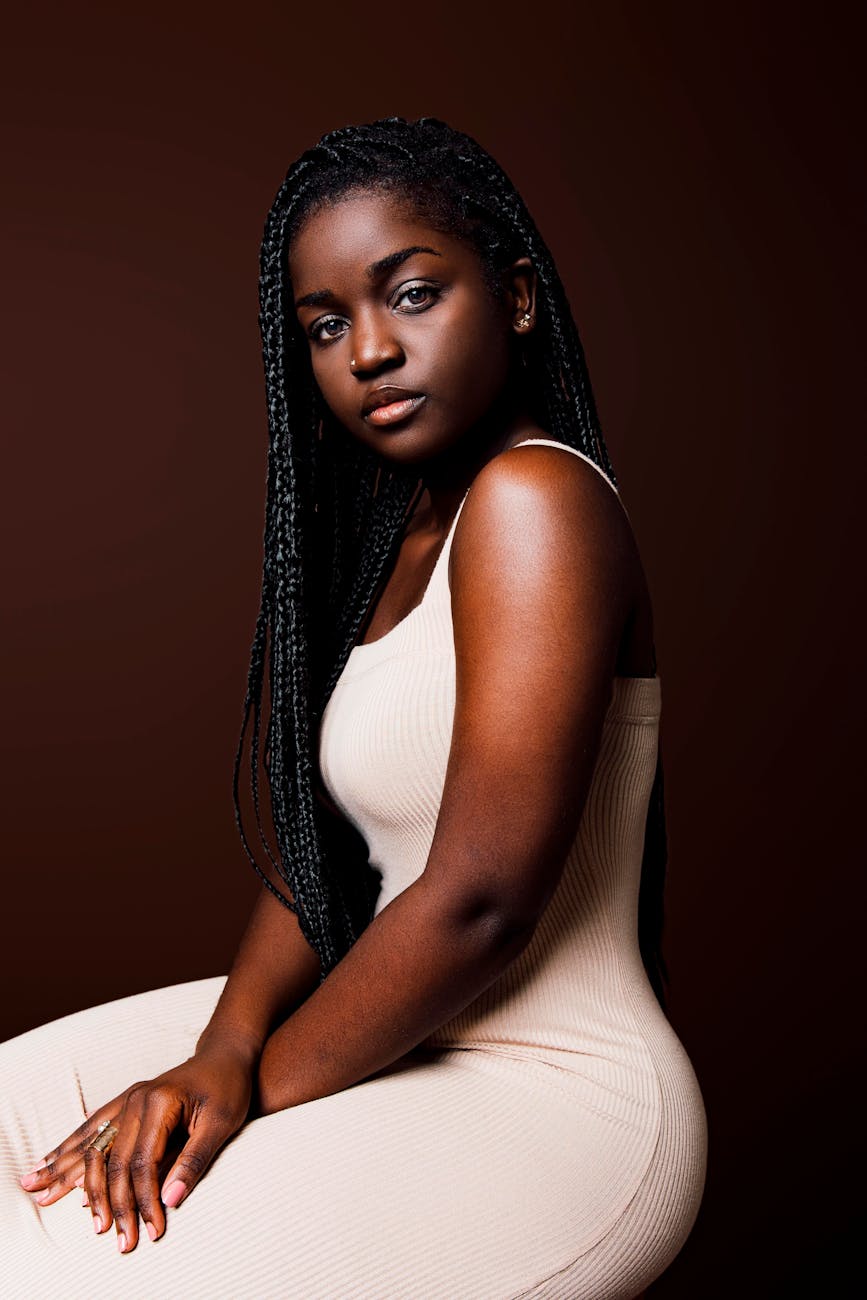
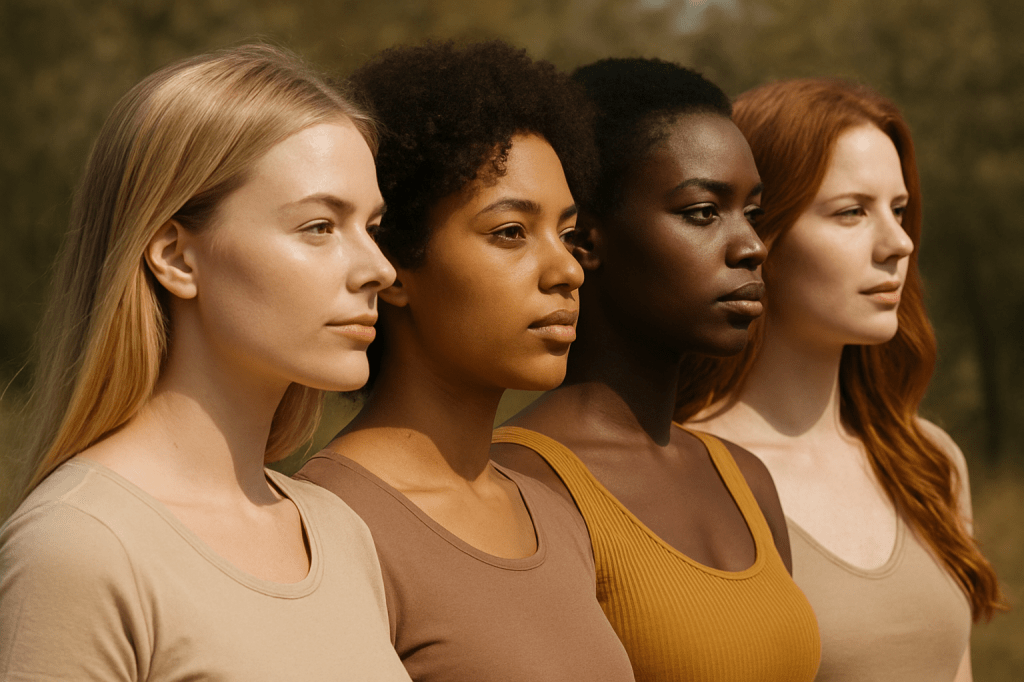
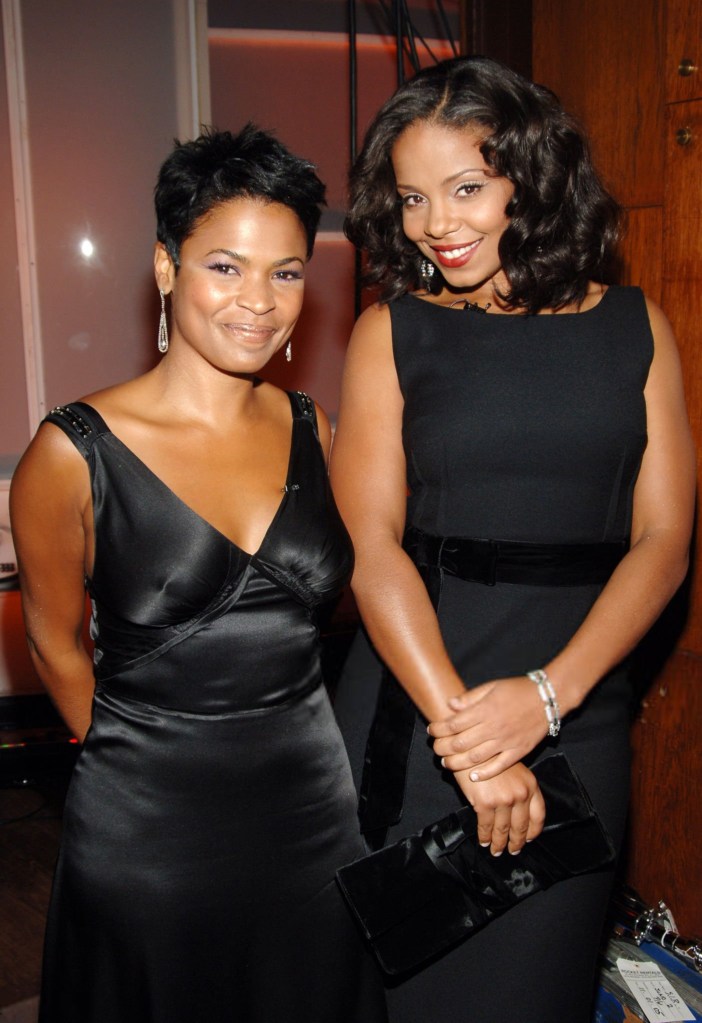
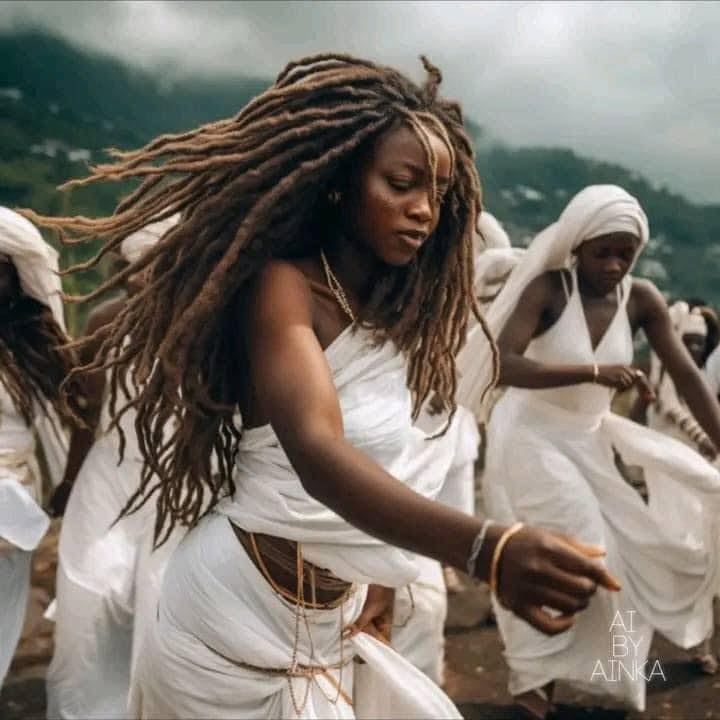
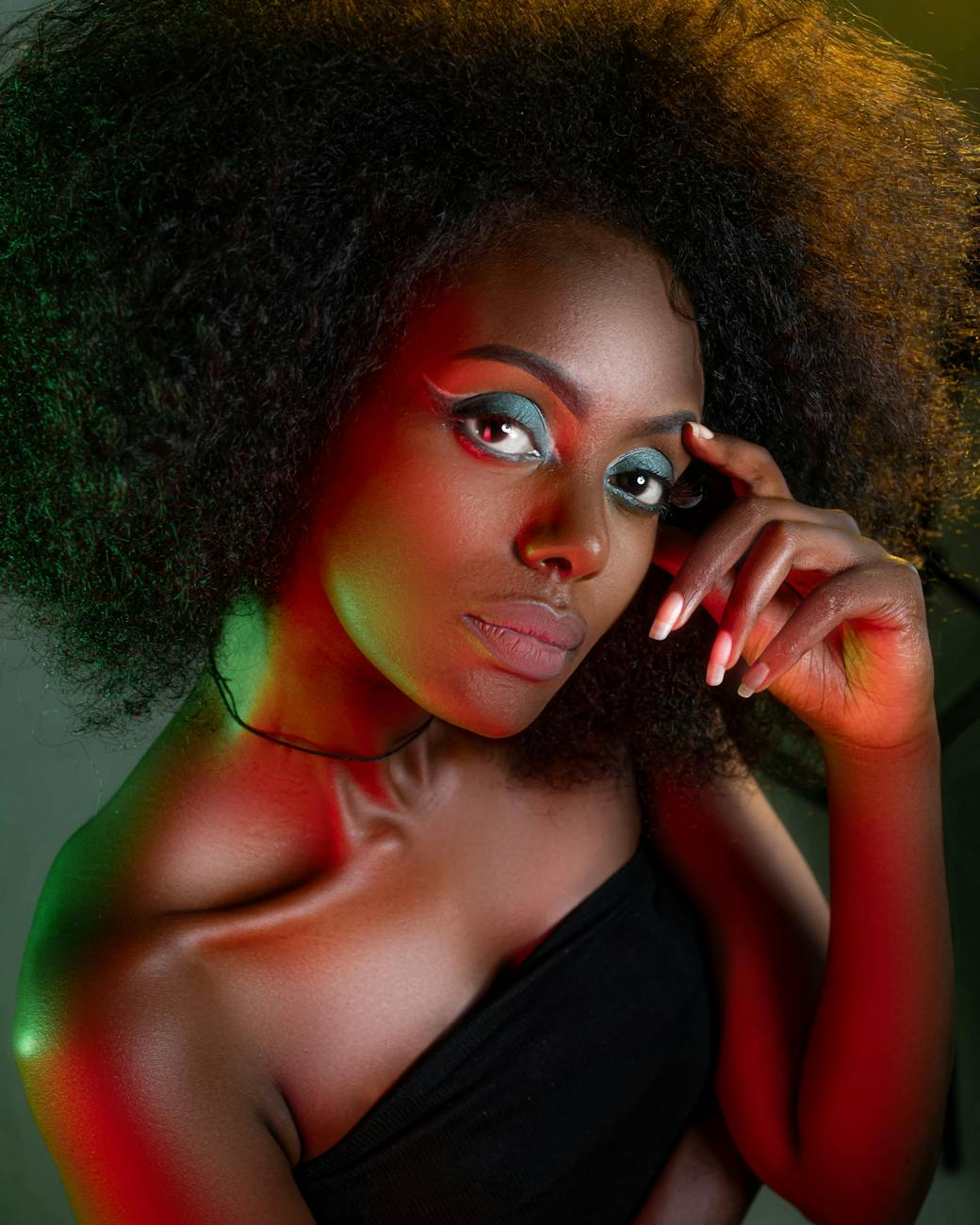
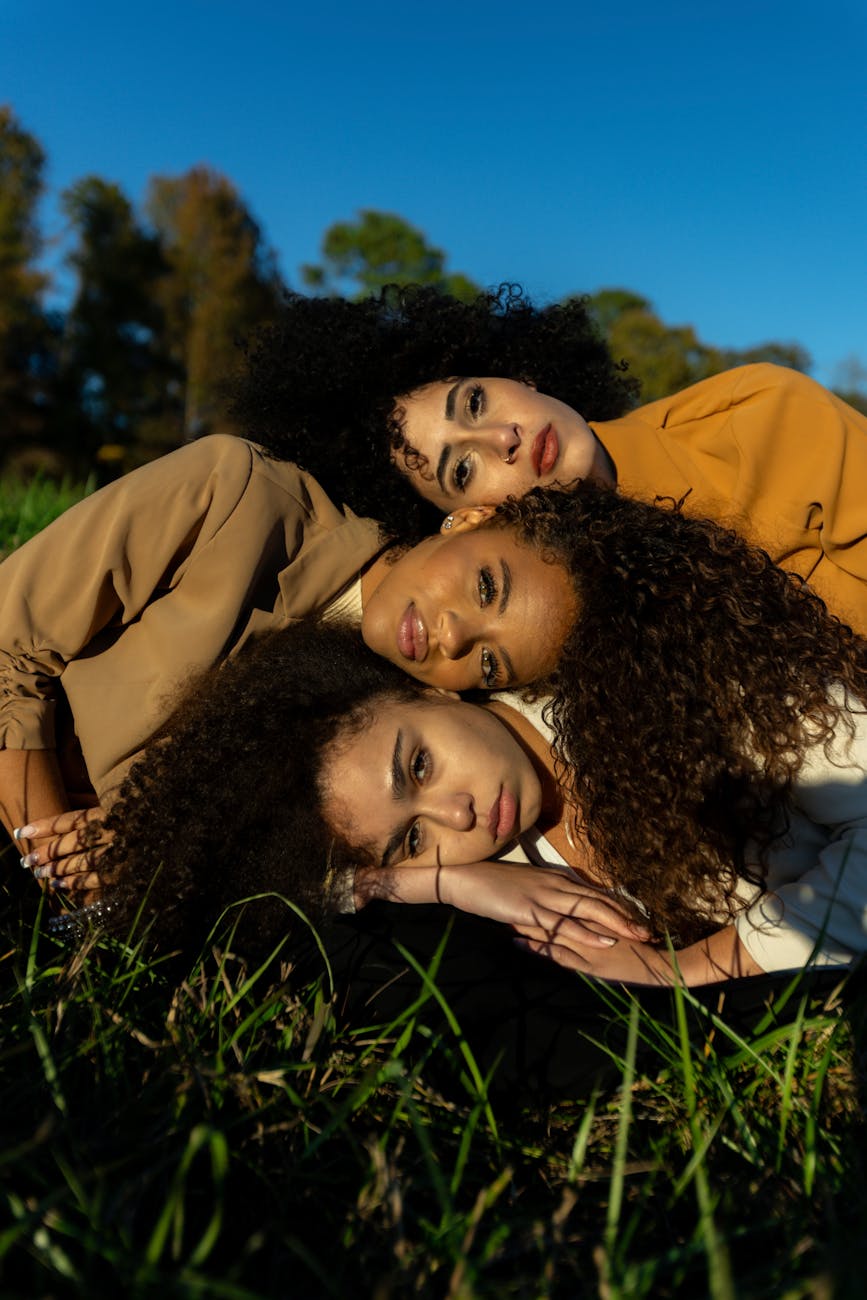
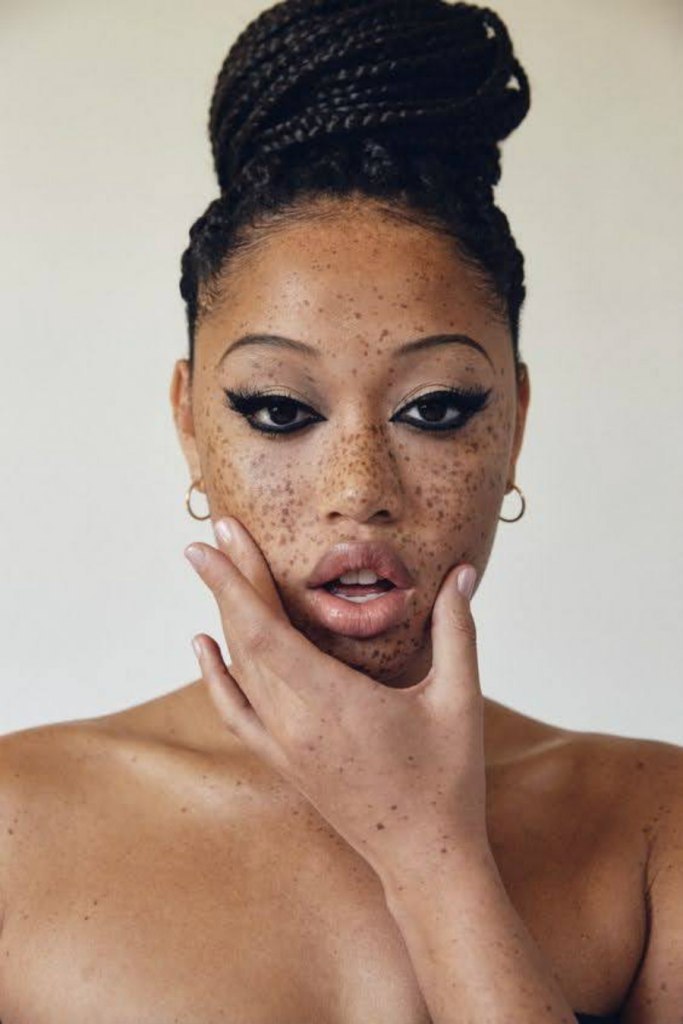
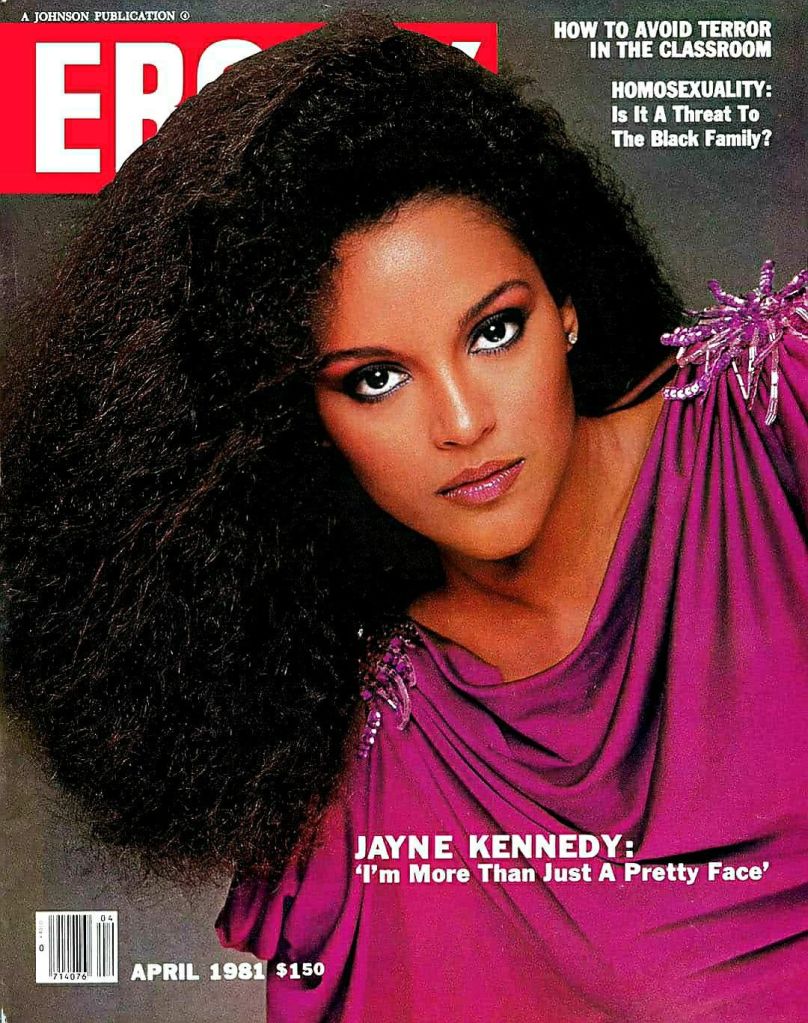
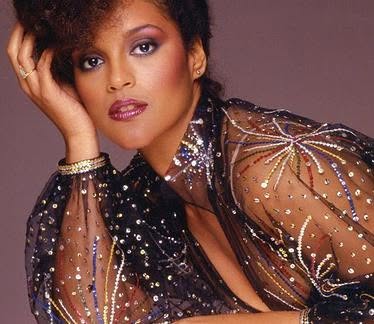
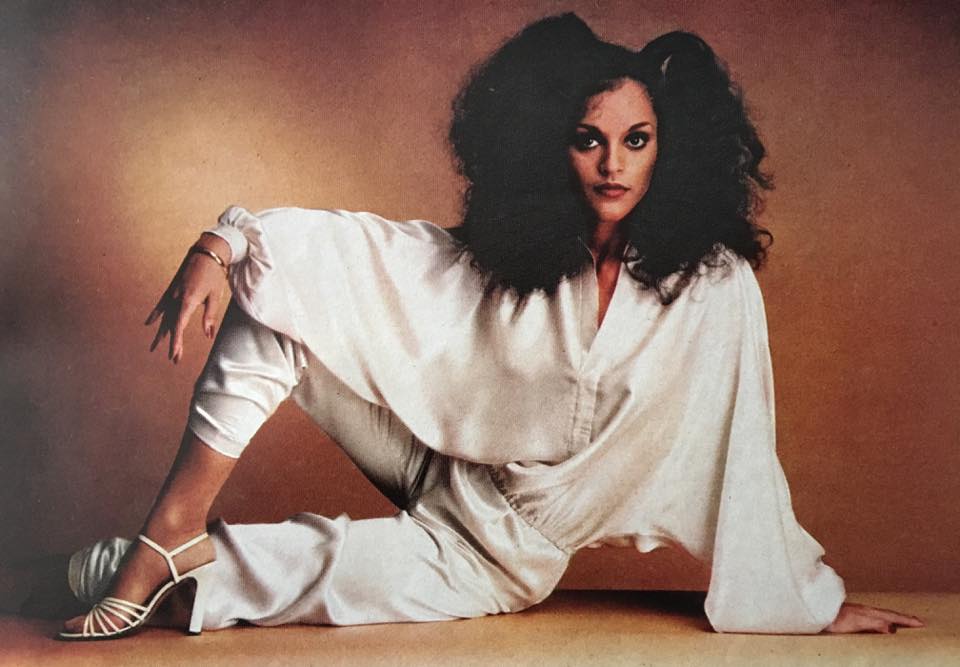
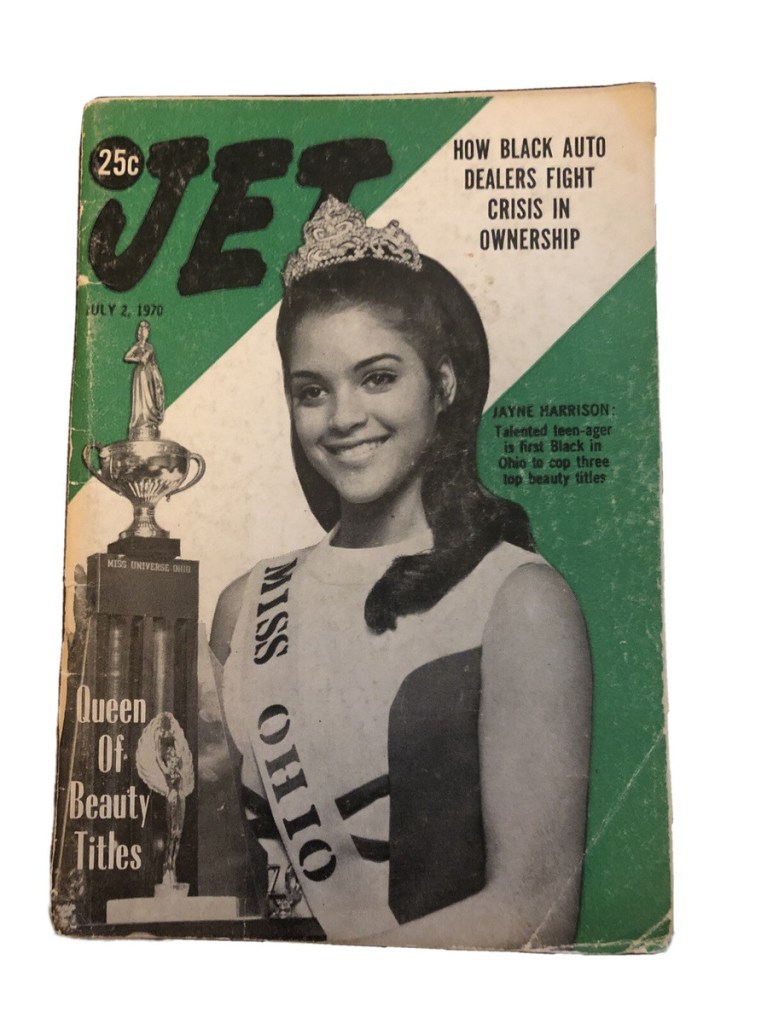
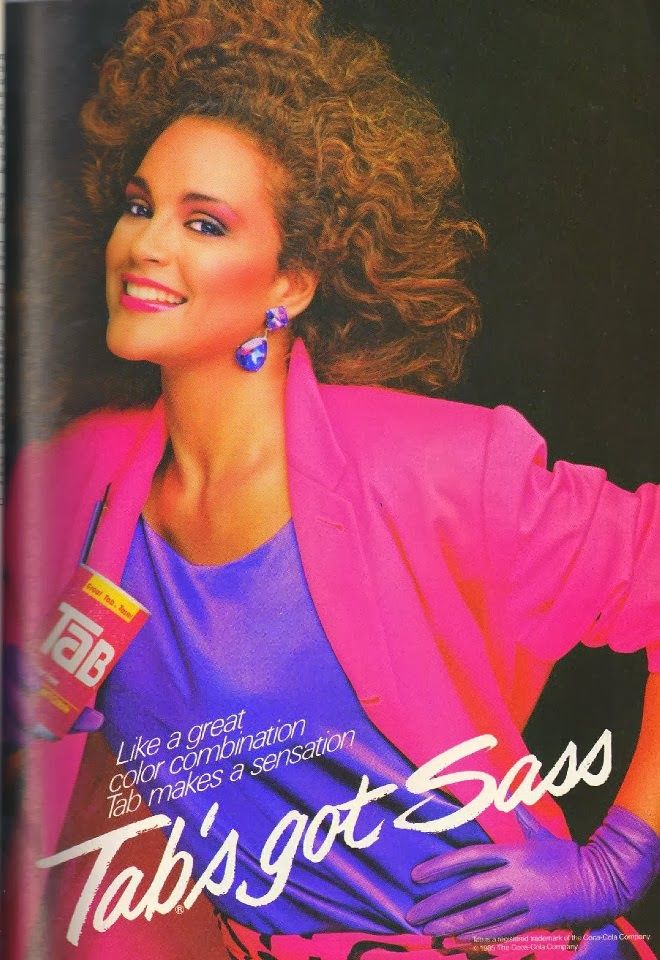
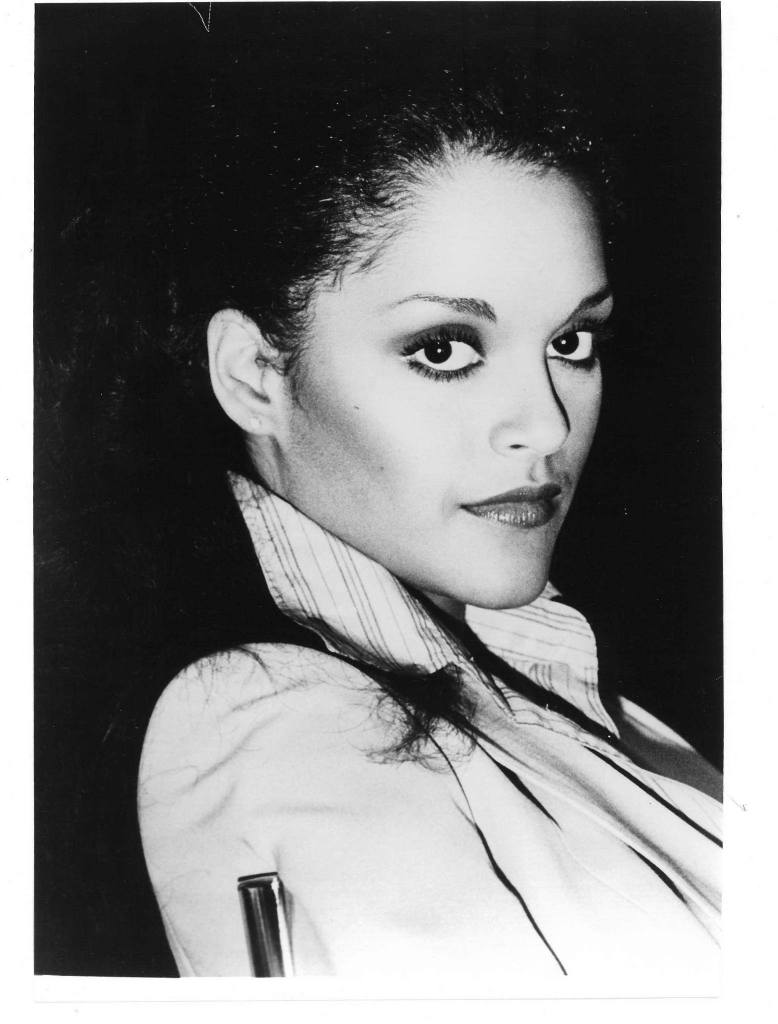
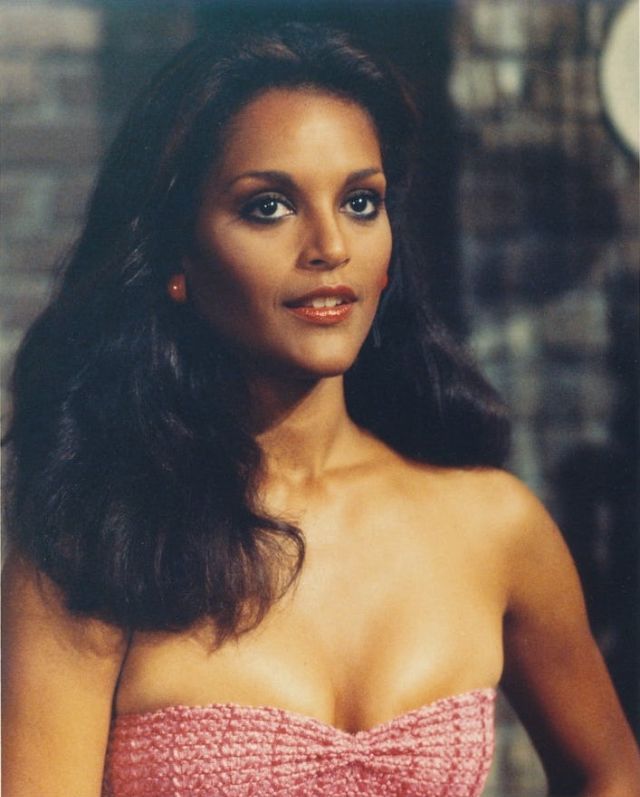
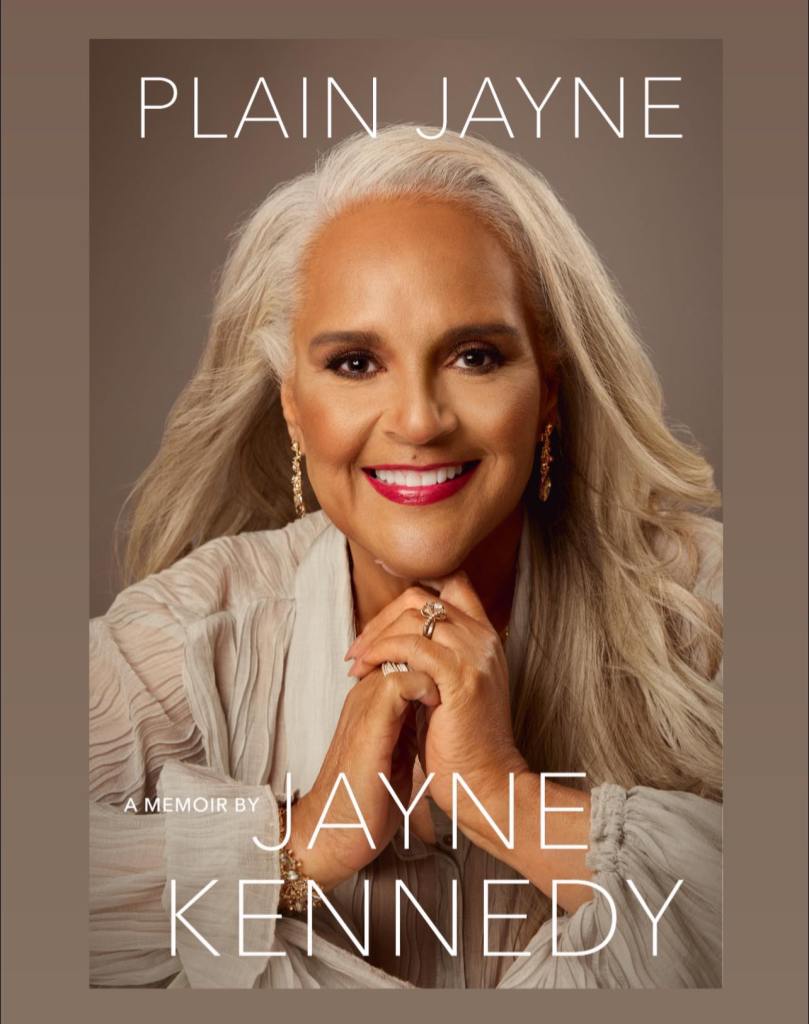
 THE BROWN GIRL DILEMMA