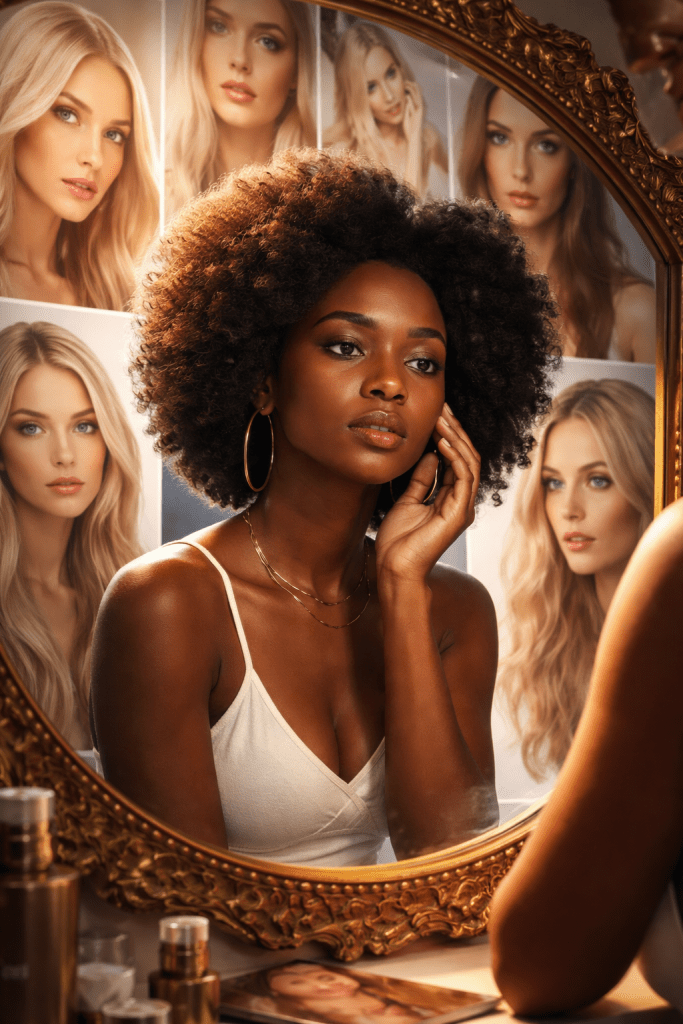
Black people in the United States and around the world have long contended with beauty ideals that place white, Eurocentric features at the top of a global hierarchy. These standards influence perceptions of skin, hair, facial structure, and desirability — shaping how individuals see themselves and each other. This phenomenon, when adopted within marginalized groups, is often referred to as internalized whiteness or internalized racism.
Internalized whiteness emerges when dominant cultural norms — rooted in white supremacy — become so embedded that they influence individuals’ self-value and self-image. This includes prioritizing lighter skin, straight hair, narrower noses, and thinner lips — traits historically associated with whiteness — over features more common among Black people.
At its core, internalized whiteness is not simply a matter of preference. It is a psychological and social legacy of historical oppression and exclusion — the aftermath of centuries in which European features were valorized while African features were devalued. This dynamic can play out within Black communities themselves, manifesting in preferences that mimic wider societal biases.
Research in psychology has found that internalized endorsement of Eurocentric beauty standards is associated with negative psychological outcomes for Black women, including increased anxiety and depression. This illustrates how deeply these aesthetic norms can penetrate individual self-worth.
Much of this beauty hierarchy has historical roots in colonialism and slavery. During slavery in the United States and Europe’s colonial enterprises globally, lighter skin was sometimes associated with proximity to enslaved persons’ masters or privileges — creating a rudimentary hierarchy of skin tone. This early color hierarchy evolved into modern colorism, where lighter skin and Eurocentric physical traits are socially rewarded.
Colorism — discrimination based on skin tone — is shaped by these beauty standards and operates both between and within racial groups. Studies have shown that within Black communities, lighter skin is often associated with social advantages, while darker skin correlates with disadvantage in socioeconomic status, relationships, and self-esteem.
This internalized ranking contributes to phenomena such as Black mothers complimenting mixed-race children for being “cute” while overlooking the beauty of darker-skinned children. Embedded beauty hierarchies can lead to intracommunity bias that privileges proximity to whiteness — a painful echo of larger societal values.
Internalized whiteness also shapes dating ideals. Within many Black communities, lighter or Eurocentric features are often perceived as more desirable. Researchers have documented how colorism can influence romantic relationships, with lighter-skinned individuals sometimes given preferential social attention or perceived as more attractive.
This dynamic is reinforced by media portrayals that celebrate Eurocentric standards. Television, film, and social media often highlight lighter skin and straighter hair as ideals of attractiveness, while darker skin and natural hair textures are marginalized or exoticized.
The entertainment industry itself reflects these norms. Colorism has long affected casting decisions, where lighter or Eurocentric Black actors may receive more visibility or roles reinforcing beauty ideals closer to whiteness. This can subtly encourage audiences to associate desirability with a closer resemblance to white aesthetics.
Prominent individuals have spoken about their own struggles with internalized beauty norms. Actor Taye Diggs has shared that he experienced self-esteem issues due to his dark skin during his youth and that seeing a dark-skinned model like Tyson Beckford celebrated for his looks helped shift his self-perception.
Diggs recounted that after seeing such representation, he felt more pride in his appearance — illustrating how affirming depictions can counteract internalized negative values.
Despite these pressures, there is a long tradition of movements that push back against internalized whiteness. The “Black Is Beautiful” movement, for example, explicitly affirmed the beauty of all African features and encouraged pride in Black identity and aesthetics.
Nonetheless, everyday social interactions continue to reflect internalized standards. Many within Black communities witness attitudes where darker skin or kinkier hair is overlooked or undervalued — sometimes even compared unfavorably to lighter skin or straighter hair. These preferences can create tension between generations and within peer groups.
Colorism also affects self-image in deeper ways. Adolescent Black girls who internalize beauty norms tied to whiteness often show lower body esteem and self-confidence, especially when media representations seldom reflect their own appearance.
The internalized gaze — the tendency to view oneself and one’s group through the lens of dominant Eurocentric ideals — is a psychological burden that can shape life choices, aspirations, and identity development.
Black individuals may also project these norms onto others. Stories of Black men and women expressing preferences for lighter-skinned or mixed partners indicate that societal beauty hierarchies persist even within marginalized groups. These patterns often reflect deeper social conditioning rather than genuine individual aesthetics.
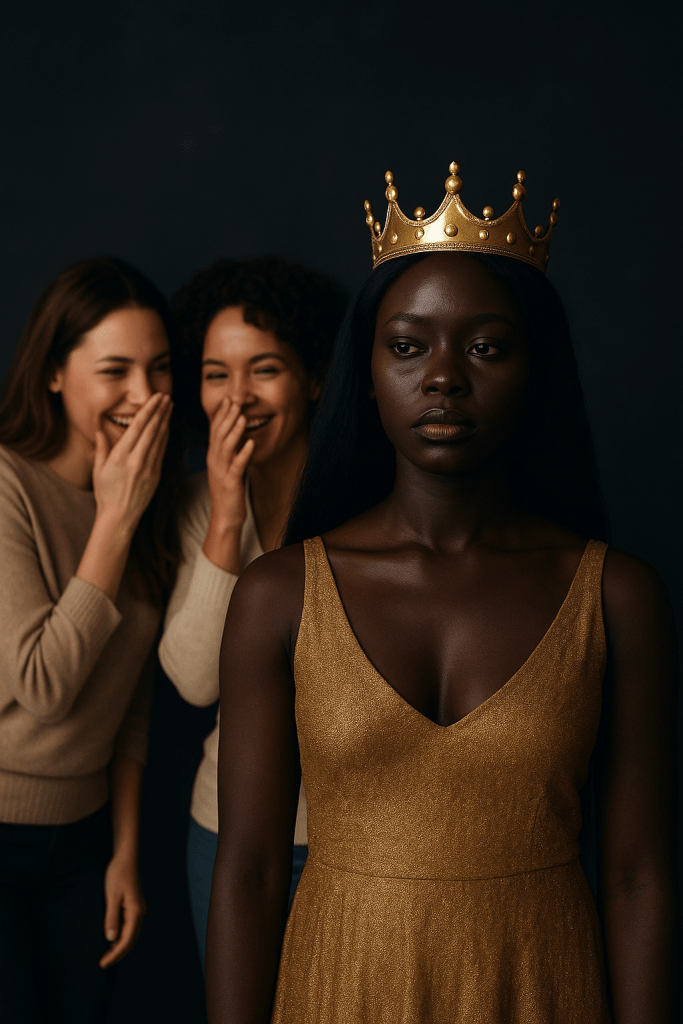
For some, these preferences result in Black-on-Black criticism — for example, targeting darker-skinned individuals for perceived unattractiveness. Such intragroup conflict reflects the broader influence of external beauty standards internalized over time.
Within families, these dynamics can influence how children are treated and perceived. Some Black parents may unconsciously praise lighter or mixed-heritage children more frequently, reinforcing beauty standards rooted in whiteness.
However, research suggests that strong racial identity and cultural affirmation can mitigate the psychological effects of internalized whiteness. Black feminist consciousness and pride in African aesthetics have been linked to better body satisfaction and resilience against beauty ideals imposed by dominant culture.
Colorism and internalized whiteness do not only affect women. Men in Black communities may also internalize beauty hierarchies, influencing their preferences in partners and perceptions of themselves. These internalized biases can contribute to harmful social norms around desirability and masculinity.
Despite the deep roots of these issues, many in the Black community are actively resisting internalized beauty standards. Grassroots movements, cultural affirmations of natural hair care, skin tone diversity celebrations, and educational campaigns all challenge the notion that whiteness equals beauty.
Social media has become a space for Black creators to celebrate Afrocentric features, natural hair textures, and darker skin tones — offering counter-narratives to historical beauty hierarchies.
These cultural shifts are important because representation matters. Seeing diverse Black beauty celebrated publicly can weaken the internalized gaze and make space for fuller self-acceptance.
Fostering dialogue within families and communities about these issues can help dismantle internalized beauty standards. Education about the historical origins of these preferences can reveal how deeply they are rooted in systemic inequities, not biological superiority.
Ultimately, internalized whiteness and the reverence for Eurocentric features represent not an inherent flaw within Black people but the lingering psychological impact of centuries of racial domination and cultural marginalization.
Embracing Black aesthetics — in all their diversity — is part of the healing process. It involves reclaiming beauty definitions and affirming that Black features, skin tones, and hair textures are not only valid but inherently beautiful.
By understanding and challenging the internalized gaze, individuals and communities can move toward greater self-acceptance and collective pride.
Breaking free from these internalized hierarchies is not just a cultural shift — it’s a step toward racial justice and psychological liberation.
Williams, T. R., Sanders, S. M., Bass, J. E., Tookes-Williams, K., Popplewell, R., Hooper, V., & Garcia-Aguilera, C. (2025). Investigating the effects of racial identity on the relationship between Black women’s endorsement of Eurocentric beauty standards and psychological health. Women & Therapy.https://www.tandfonline.com/doi/full/10.1080/02703149.2025.2515013?utm_source=chatgpt.com
The conversation around beauty in the Black community is incomplete without examining the “light-skinned illusion”—the socially constructed belief that lighter skin inherently equals greater beauty, value, and opportunity. This illusion was not born organically; it was engineered by systems of racial domination, refined through centuries of media messaging, and internalized in ways that continue to shape identity, desirability, and self-worth. To understand its power is to confront both history and the psychological imprint of colonial beauty standards.
Light skin in the African diaspora carries a unique duality. On one hand, it is placed on a pedestal in many societal contexts. On the other, it often carries the burden of resentment, suspicion, and stereotype within the community. This paradox sits at the intersection of privilege and pain, advantage and alienation. The illusion promises elevation, yet it often delivers conflict and confusion.
The roots of the light-skinned illusion trace back to slavery, where proximity to whiteness became synonymous with proximity to power. Lighter-skinned enslaved people—often born of violence and exploitation—were sometimes afforded different labor roles, better clothing, or limited education. These differences were not gifts; they were control mechanisms designed to divide Black unity and reinforce white supremacy. Beauty became racial hierarchy in physical form.
Colonialism extended these ideologies globally. Across Africa, the Caribbean, and the Americas, skin bleaching industries flourished because European aesthetics were marketed as the pinnacle of desirability and modernity. Lighter skin was framed not only as beautiful, but as aspirational—a passport to social mobility. It became beauty not by nature, but by propaganda.
Modern media continued the cycle. For decades, lighter-skinned actresses, models, and entertainers were promoted as the preferred face of Black beauty. Hollywood offered glamour to the light-skinned woman while offering caricature or invisibility to her darker-skinned sister. Magazine covers, music videos, and advertising reinforced the notion: lighter was safer, marketable, and more palatable to mainstream audiences.
Yet the illusion has a cost. The light-skinned woman is often reduced to symbol rather than self. Society expects her to embody a fantasy of softness, delicate femininity, and non-threatening Blackness. When she asserts identity beyond these constraints, she is judged more harshly, as though she is breaking a contract she never signed. The pedestal becomes a cage.
Within the Black community, she may find her beauty questioned as unearned, her achievements dismissed as byproducts of complexion privilege. Genuine talent or character may be overshadowed by assumptions that she “has it easier.” The illusion creates resentment—not because of who she is, but because of what history made her skin represent. She often stands at the crossroad of envy, desire, and historical trauma.
Relationships add another layer. Some men idolize light skin not out of love, but out of internalized hierarchy. Others avoid dating light-skinned women out of fear of stereotype or backlash. In both extremes, she becomes object rather than individual. True intimacy requires seeing her beyond complexion—but the illusion blinds many.
Psychologically, the light-skinned woman may battle identity confusion—simultaneously envied and distrusted, desired yet doubted. She may feel pressure to prove her Blackness, perform humility, or apologize for advantages she did not ask for. Beauty becomes labor, not liberation. And while she benefits from the illusion, she also suffers from it.
Spiritually, this tension reflects humanity’s broken vision. Scripture warns against judging by appearance: “For man looketh on the outward appearance, but the Lord looketh on the heart” (1 Samuel 16:7, KJV). God does not elevate one shade of melanin over another. It is mankind that builds hierarchies where Heaven has none. The illusion is not divine design; it is human distortion.
In truth, the light-skinned woman’s beauty is real—but it is not a superior category. Her radiance is simply one expression of a wide and wondrous Black spectrum. When culture elevates her above others, it dishonors not only dark-skinned women, but the fullness of God’s creation. Beauty, in its truest form, is variety without hierarchy.
The light-skinned illusion harms dark-skinned women through exclusion, but it also harms light-skinned women through expectation. It demands that she embody perfection, gentleness, and gratitude for privileges she may not feel she possesses. It robs her of complexity, humanity, and sometimes community.
Breaking this illusion does not require diminishing light-skinned beauty—it requires dethroning it. The goal is not reverse hierarchy but liberation from hierarchy altogether. To recognize all beauty as valid without ranking it is to heal the wound left by oppression.
Healing begins with truth-telling. It means acknowledging colorism without hostility, privilege without guilt, and pain without blame. It asks the light-skinned woman to stand in sisterhood—not defensively, but consciously. And it asks the community to see her not as symbol, but as soul.
Culturally, we are witnessing a shift. Dark-skinned beauty is receiving overdue celebration. Afrocentric features are embraced. Natural hair crowns run proudly and unapologetically. This evolution does not erase the illusion yet, but it destabilizes it. New generations breathe freer.
Still, true liberation requires vigilance. Systems do not dissolve without intention. We must continually interrogate our language, attraction patterns, media consumption, and subconscious biases. Beauty must become communal dignity, not competitive economy.
The light-skinned woman, when rooted in self-awareness and humility, becomes part of the solution. She models grace by affirming others’ beauty without feeling diminished. She rejects pedestal identity and embraces purpose identity. Her beauty becomes a bridge, not a barrier.
Ultimately, the illusion crumbles when we embrace divine truth: that melanin is miracle in every shade. No hue of brown is accidental. Each tone reflects a facet of sacred design. When the community remembers this, beauty ceases to divide and begins to restore.
For the light-skinned woman, freedom comes not in denying privilege, nor in carrying shame, but in embracing identity that transcends complexion. She is not illusion; she is creation. And her power lies not in being preferred, but in choosing to stand with, not above, her sisters.
References
Hunter, M. (2002). “If you’re light you’re alright”: Light skin color as social capital for women of color. Gender & Society, 16(2), 175–193.
Russell, K., Wilson, M., & Hall, R. (2013). The color complex: The politics of skin color in a new millennium. Anchor Books.
Wilder, C. S. (2015). Ebony and ivy: Race, slavery, and the troubled history of America’s universities. Bloomsbury.
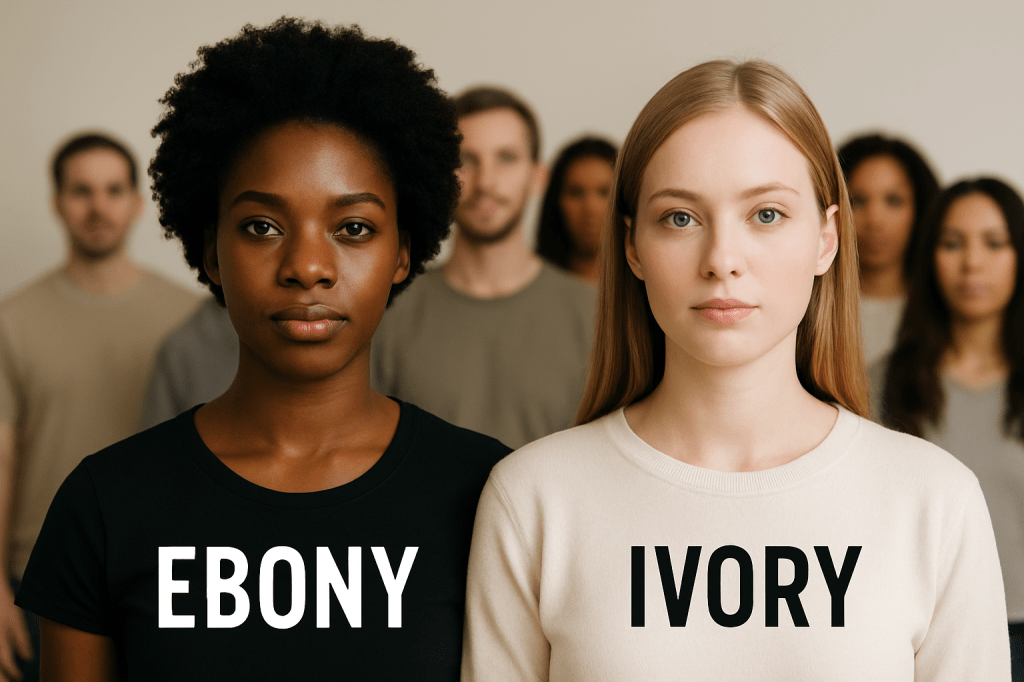
From the dawn of civilization, beauty has been both a mirror and a weapon—reflecting ideals shaped by power and privilege, and wielded to define worth within social hierarchies. Within the globalized gaze of modernity, the politics of skin color continue to influence how femininity and desirability are perceived, especially among women of African descent. The notion of “Ebony and Ivory” evokes more than just color; it symbolizes the ongoing dialogue between light and dark, between acceptance and exclusion, and between the internalized and externalized standards of beauty that shape identity (hooks, 1992).
The idea of “two shades, one standard” captures the paradox of colorism: the simultaneous elevation and devaluation of Blackness within the same racial group. While “ivory” tones have historically been exalted as closer to Western ideals, “ebony” skin has often been marginalized, caricatured, or fetishized. Both ends of the spectrum, however, are measured against the same Eurocentric barometer that privileges whiteness as the ultimate aesthetic reference (Hunter, 2005).
This phenomenon, deeply rooted in colonialism, reveals how beauty became a tool of control. During the transatlantic slave trade, lighter-skinned enslaved individuals were often granted domestic positions and social proximity to white power structures, breeding intra-racial hierarchies that persist today. These legacies still echo in media representation, where lighter skin is frequently coded as “refined,” while darker tones are portrayed as “exotic” or “primitive” (Craig, 2006).
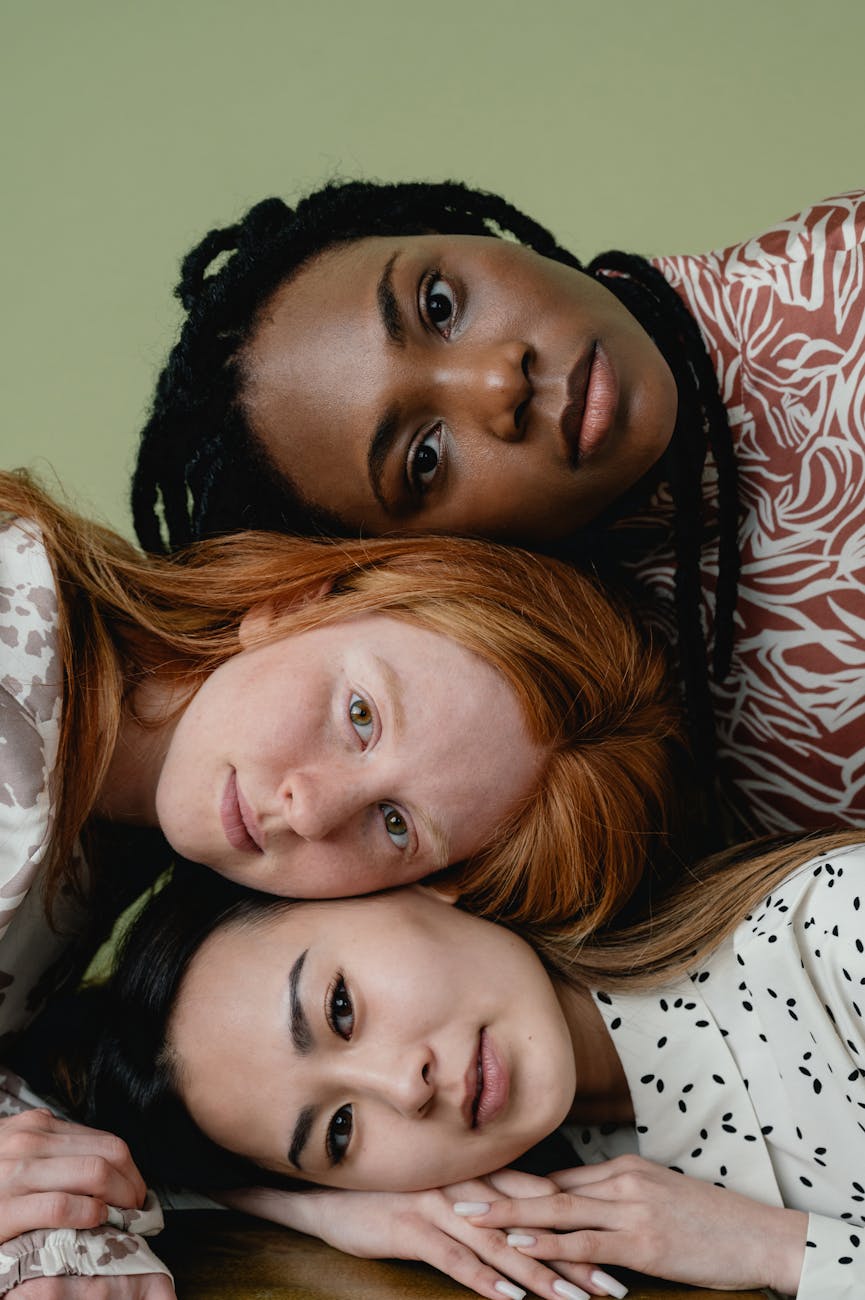
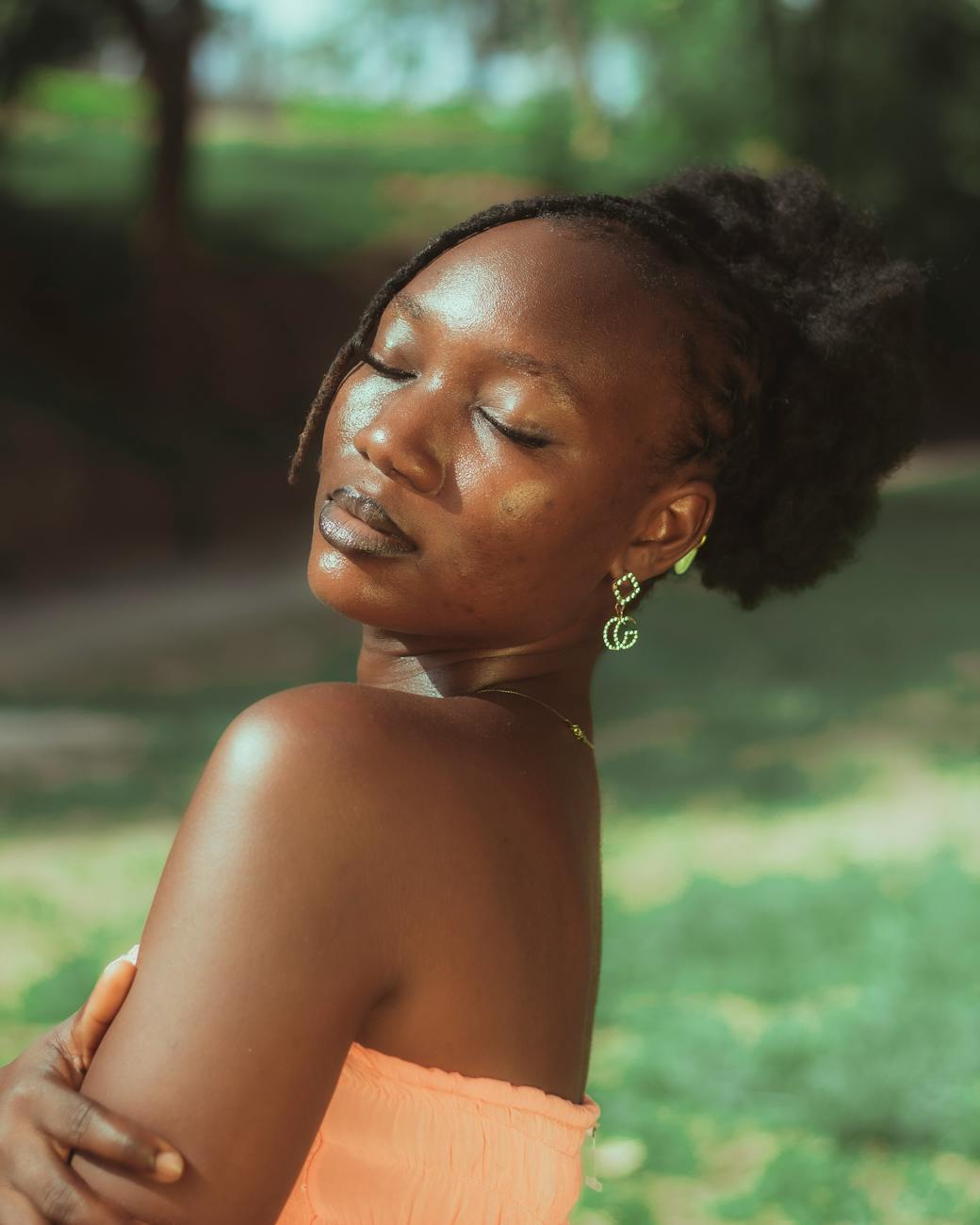
For many women of color, navigating these coded perceptions can be exhausting. The “brown girl dilemma” emerges when one feels too dark to be celebrated and too light to be considered authentically Black. This liminal existence is both a burden and a revelation—proof that beauty, as defined by Western constructs, remains an unattainable illusion that fractures rather than unites.
Beauty standards, much like colonial borders, were imposed rather than chosen. From the powdered faces of the Victorian era to the filtered glow of Instagram, the valuation of lightness has remained a constant aesthetic undercurrent. Yet, even within African and Afro-diasporic communities, this colonial inheritance continues to dictate preferences in partners, media icons, and even professional opportunities (Glenn, 2008).
In popular culture, colorism is often masked by phrases like “preference” or “type.” However, these preferences are rarely organic—they are sociologically constructed through centuries of imagery that equate lightness with purity and success, and darkness with defiance and struggle. The entertainment industry’s casting choices often reinforce these biases, rewarding lighter skin with visibility while relegating darker complexions to supporting or stereotypical roles (Russell, Wilson, & Hall, 2013).
This bias extends beyond film and television. In the global beauty market, skin-lightening creams generate billions annually, a grim testament to the internalization of Eurocentric ideals (Glenn, 2008). The psychological effects of such products are profound, suggesting that beauty is not only skin-deep but soul-deep, affecting one’s perception of self-worth and belonging.
For Black women, beauty is an act of survival. To adorn oneself becomes an assertion of existence in a world that often demands invisibility. From the regal hairstyles of precolonial Africa to the natural hair movement, Black women have continuously redefined and reclaimed their beauty on their own terms (Byrd & Tharps, 2014).
Yet, this reclamation is not without struggle. Within the Black community itself, hierarchies persist. The glorification of lighter women as more “marriageable” or “acceptable” continues to fracture solidarity. It is an unspoken inheritance of slavery’s psychological residue, perpetuated by both men and women who unconsciously valorize proximity to whiteness.
The darker-skinned woman often bears the weight of invisibility and hypervisibility simultaneously—ignored in spaces of admiration, yet scrutinized as the embodiment of resistance or rebellion. This double-bind mirrors W.E.B. Du Bois’ concept of “double consciousness,” wherein one is forced to see oneself through the lens of a world that refuses full recognition (Du Bois, 1903).
Light-skinned women, conversely, navigate their own complexities. While society may privilege them aesthetically, they are often accused of benefiting from colorism or being “not Black enough.” Thus, both ebony and ivory tones bear distinct forms of cultural alienation, tied together by an oppressive standard neither created (Monk, 2014).
In this context, beauty becomes not celebration but negotiation. Every compliment, every criticism, every casting call, and every social media post reinforces the invisible hierarchy of shade. The struggle is not between dark and light, but against the system that pits them against each other.
Media representation plays a critical role in dismantling or reinforcing these divides. When dark-skinned actresses like Lupita Nyong’o or Viola Davis are celebrated, it signals progress—but also exposes how rare such representation remains. Likewise, the inclusion of mixed-race models in campaigns may appear inclusive, yet often centers features still aligned with Eurocentric beauty (Tate, 2009).
To heal from this color divide, we must first acknowledge that beauty is not a monolith. It is plural, diverse, and spiritually rooted. In the biblical sense, humanity was created “in the image of God” (Genesis 1:27, KJV), meaning all shades reflect divine artistry. The rejection of any hue is, therefore, a rejection of the Creator’s design.
Moreover, Proverbs 31:30 reminds us that “favor is deceitful, and beauty is vain: but a woman that feareth the Lord, she shall be praised.” This verse redirects the gaze from the external to the eternal, urging women to seek validation not from comparison but from divine purpose.
Ebony and ivory are not opposites but complements, each contributing to the symphony of creation. Just as piano keys of contrasting colors produce harmony, so too can diverse complexions coexist in mutual admiration and respect. The beauty of one does not diminish the beauty of the other; together, they reveal the fullness of God’s palette.
True beauty transcends complexion—it emanates from character, compassion, and conviction. In a world obsessed with appearances, spiritual and cultural consciousness must redefine the standard. Beauty should not divide but dignify, not exclude but exalt.
To love one’s shade is to reclaim agency over identity. When Black women, in all their hues, embrace their reflection without apology, they dismantle centuries of aesthetic oppression. “Ebony and Ivory” then becomes more than a contrast—it becomes a covenant of self-acceptance and collective healing.
As we move forward, let beauty be measured not by shade but by soul. For when light and dark come together, they create balance, harmony, and wholeness—the true reflection of divine beauty.
References
Byrd, A. D., & Tharps, L. L. (2014). Hair Story: Untangling the Roots of Black Hair in America. St. Martin’s Press. Craig, M. L. (2006). Race, beauty, and the tangled knot of a guilty pleasure. Feminist Theory, 7(2), 159–177. Du Bois, W. E. B. (1903). The Souls of Black Folk. Chicago: A.C. McClurg. Glenn, E. N. (2008). Yearning for lightness: Transnational circuits in the marketing and consumption of skin lighteners. Gender & Society, 22(3), 281–302. hooks, b. (1992). Black Looks: Race and Representation. South End Press. Hunter, M. L. (2005). Race, gender, and the politics of skin tone. Routledge. Monk, E. P. (2014). Skin tone stratification among Black Americans, 2001–2003. Social Psychology Quarterly, 77(4), 360–379. Russell, K., Wilson, M., & Hall, R. (2013). The Color Complex (Revised): The Politics of Skin Color Among African Americans. Anchor. Tate, S. A. (2009). Black Beauty: Aesthetics, Stylization, Politics. Ashgate Publishing. The Holy Bible, King James Version (KJV). (1611).
Beauty is one of the most powerful social currencies across cultures. Yet, it is not universal in practice. What is often called the “universal standard of beauty” tends to reflect Eurocentric ideals—light skin, straight or loosely wavy hair, slim but not too thin figures, sharp noses, and symmetry rooted in Western canons. By contrast, the “Black standard of beauty” celebrates features like deep melanin, textured hair, fuller lips, wider hips, and natural curves—features historically marginalized yet increasingly recognized as both beautiful and powerful. The tension between these two standards creates both cultural conflicts and psychological struggles, especially for women navigating global and racialized definitions of beauty.
The universal standard is heavily influenced by colonial history, globalized media, and Western power structures. Fashion runways, Hollywood, and advertising have long promoted whiteness and European features as the ideal. This creates a narrow box for women worldwide, making lightness of skin and straightness of hair aspirational. The problem is not simply preference but the fact that these standards are presented as “neutral” or “natural,” when in reality they are culturally specific and historically constructed.
In contrast, the Black standard of beauty emerges from African heritage, cultural pride, and the resilience of communities resisting erasure. Features like natural hair, darker complexions, broad noses, and fuller bodies reflect an embrace of authenticity and connection to ancestry. While this standard has not always been celebrated in mainstream culture, movements like Black is Beautiful, Black Girl Magic, and the natural hair revolution have shifted the cultural landscape, creating new appreciation for traits once ridiculed or suppressed.
The problem with universal standards is that they often erase diversity. By elevating one aesthetic above all others, they invalidate the beauty of women who do not conform. Black women, in particular, face colorism, hair discrimination, and media exclusion, leading to lower self-esteem, body image struggles, and even the desire for surgical alterations to “fit in.” The psychological toll is compounded by constant comparisons, where Black beauty is deemed desirable only when exoticized or appropriated.
The Black standard, however, also faces challenges. Within Black communities, colorism and texturism can replicate the very hierarchies imposed by Eurocentric ideals. For instance, lighter-skinned Black women or those with looser curls may be celebrated more readily, leaving darker-skinned women with kinkier textures marginalized even within their own cultural space. Thus, the Black standard of beauty, though liberating, is not free from internal tensions.
Psychology helps explain why the universal standard is so dominant. Humans are naturally drawn to symmetry, proportionality, and what evolutionary psychology calls “averageness.” Yet, culture shapes the interpretation of these features. For example, fuller lips may be universally attractive from a biological standpoint, but in Western contexts, they were historically devalued when associated with Blackness. When white celebrities adopt these features—through surgery or makeup—they suddenly become fashionable. This reveals that the problem is not biology but cultural bias.
So, which standard is better? From a cultural and ethical standpoint, the Black standard of beauty is healthier because it embraces diversity, authenticity, and ancestral pride. The universal standard, by contrast, operates under the illusion of neutrality while enforcing a narrow, exclusionary ideal. However, both standards have their flaws. The truest “universal” standard would recognize and celebrate multiple expressions of beauty, free from hierarchy and colonial residue.
The contrast between Charlize Theron and Kenya Moore illustrates these competing standards. Charlize Theron, a South African-born white actress, embodies the Eurocentric ideal: light skin, blonde hair, sharp facial structure, tall and slender physique. Kenya Moore, an American actress, model, and former Miss USA, embodies the Black standard: rich melanin, high cheekbones, full lips, almond-shaped eyes, and natural curves. Both women are undeniably beautiful, but society’s gaze often places them differently.
Psychologically, Theron represents what Western culture has historically defined as “timeless” beauty—symmetry, slenderness, and lightness. She fits seamlessly into Hollywood’s Eurocentric mold and is often cast as elegant, glamorous, or refined. Kenya Moore, while celebrated in Black communities and crowned in pageantry, faces the double bind of being exoticized by some and dismissed by others because her beauty falls outside Western defaults.
When comparing their features, Charlize’s sharp jawline, narrow nose, and fair skin align with universal standards. Kenya’s full lips, brown skin, hourglass figure, and thick hair align with Black standards. Both share high cheekbones and symmetry, which psychology identifies as universally appealing. However, society esteems Theron more highly because she reflects the Eurocentric beauty hierarchy that dominates mainstream culture.
This hierarchy is evident in global branding. Theron is a face for luxury brands like Dior, while Moore’s opportunities are more culturally specific, tied to Black entertainment or niche markets. This reveals how beauty standards translate directly into economic capital and visibility. Theron benefits from a system that rewards Eurocentric features, while Moore must navigate a world where her beauty is simultaneously celebrated and contested.
Yet, in cultural spaces that embrace Black identity, Kenya Moore’s beauty reigns supreme. Pageants like Miss USA crowned her not only for her physical features but also for her confidence and charisma. In Black communities, her melanin, curves, and boldness embody aspirational beauty. Here, Moore’s beauty challenges universal standards and affirms the richness of the Black aesthetic.
The problem, then, is not that one woman is more beautiful than the other but that society attaches higher value to whiteness. This creates a distorted lens where Theron is elevated globally while Moore is compartmentalized. Psychology calls this halo effect—positive qualities are attributed to those who fit dominant beauty standards, giving them advantages in career, relationships, and social status.
Ultimately, beauty should not be a competition between standards but an expansion of them. The universal standard must evolve to truly include the Black standard, recognizing that beauty is not singular but plural. If society continues to privilege one aesthetic over another, it perpetuates inequality and denies humanity the richness of diversity.
Beauty Standards Comparison Chart
Category
Universal (Eurocentric) Standard of Beauty
Black Standard of Beauty
Skin Tone
Light, fair, porcelain, often associated with “purity” and elegance.
Deep melanin, radiant dark or brown skin, celebrated as strength, richness, and natural glow.
Hair
Straight, wavy, or silky blonde/brunette textures. Long and smooth styles valued.
Kinky, coily, curly, locs, or natural Afro textures. Volume, versatility, and protective styles celebrated.
Kenya Moore, Lupita Nyong’o, Angela Bassett, Kelly Rowland.
Example: Charlize Theron vs. Kenya Moore
Charlize Theron: Represents Eurocentric ideals—blonde, fair-skinned, sharp jawline, tall and slim. Universally marketed as elegant and glamorous, especially in luxury beauty industries.
Kenya Moore: Represents the Black standard—rich brown complexion, high cheekbones, full lips, voluminous hair, and curvaceous figure. Celebrated in Black spaces as stunning, but less globally esteemed due to systemic beauty hierarchies.
In conclusion, Charlize Theron and Kenya Moore are both stunning examples of beauty, but the esteem they receive reflects systemic bias rather than objective truth. The universal standard favors Theron, while the Black standard affirms Moore. True liberation comes when both women can be equally celebrated without hierarchy, proving that beauty, like humanity, is multifaceted and boundless.
📖 References
Etcoff, N. (1999). Survival of the prettiest: The science of beauty. Anchor Books.
Hunter, M. L. (2007). The persistent problem of colorism: Skin tone, status, and inequality. Sociology Compass, 1(1), 237–254.
Jones, T. (2000). Shades of brown: The law of skin color. Duke Law Journal, 49(6), 1487–1557.
The Holy Bible, King James Version. (1769/2017). Cambridge University Press.
Beauty has always been more than appearance; it is a cultural, genetic, and historical narrative that reflects the dynamics of power, resilience, and identity. For Black women, beauty is not only inherited in their features but also shaped by the resistance against imposed ideals. While global beauty standards have often been defined through Eurocentric frameworks, Black women embody a resilient beauty that transcends cultural erasure and genetic marginalization. Their faces, marked by distinct phenotypic traits, carry histories of ancestry, struggle, and triumph.
Genetics and the Foundations of Black Beauty
Black women’s beauty is deeply rooted in genetics. Phenotypic traits such as fuller lips, broader noses, higher melanin levels, and diverse hair textures are the result of evolutionary adaptations to Africa’s climate and geography. Melanin, for example, not only provides skin richness but also serves as a biological shield against UV radiation, signifying health and resilience (Jablonski & Chaplin, 2010). These genetic traits—once denigrated under colonial ideologies—are increasingly celebrated in global beauty industries, though often commodified without acknowledgment of their origins.
Historical Erasure and Eurocentric Standards
From enslavement to the twentieth century, Eurocentric standards of beauty dominated global narratives. Straight hair, narrow noses, and lighter skin tones were positioned as the “ideal,” relegating Black women’s natural features to stereotypes of “savagery” or “unfemininity” (Hooks, 1992). This erasure was psychological as well as cultural, creating generational struggles with self-perception and identity. The global beauty market reinforced this hierarchy, with skin-lightening products, hair relaxers, and cosmetic surgeries marketed heavily to women of African descent.
The Resilience of Representation
Despite these challenges, Black women have redefined beauty on their own terms. Figures such as Naomi Campbell, Lupita Nyong’o, and Alek Wek have challenged the narrow global beauty standard by celebrating features historically deemed undesirable. Wek’s presence in the fashion industry in the 1990s, for instance, disrupted ideals of European symmetry and championed the elegance of dark skin and Sudanese features. Their influence shows that representation matters: it not only validates natural features but also reshapes cultural perceptions of what is beautiful.
The Globalization of Black Beauty
The twenty-first century has seen a gradual shift in how beauty is defined globally. Social media platforms amplify diverse aesthetics, and Black women are at the forefront of these movements. Hashtags such as #BlackGirlMagic and #MelaninPoppin serve as cultural affirmations, celebrating resilience through self-love and visibility. However, this global recognition exists in tension with appropriation. Features such as fuller lips, curvier body shapes, and braided hairstyles—once stigmatized on Black women—are now monetized when worn by non-Black influencers and celebrities, highlighting ongoing inequities.
Psychological Dimensions of Beauty and Identity
The resilience of Black women’s beauty also has a psychological dimension. Studies in racial identity show that positive self-perception among Black women correlates with higher levels of resilience, community engagement, and well-being (Thomas et al., 2008). In resisting harmful stereotypes, embracing natural hair movements, and reclaiming African aesthetics, Black women enact resilience not just in appearance but in spirit. This process becomes both personal and collective: a refusal to be confined by imposed ideals and a reaffirmation of ancestral pride.
Beauty as a Site of Power and Liberation
Beauty, for Black women, is inseparable from power. Wearing natural hairstyles, rejecting skin-lightening practices, or embracing African-inspired fashion becomes an act of resistance. These choices challenge colonial legacies and affirm that beauty is not a universal standard but a cultural expression rooted in history. In this sense, beauty becomes liberation—a way of reclaiming agency and dignity in a world that has historically denied it.
Toward an Inclusive Beauty Standard
The conversation around global beauty standards is slowly shifting from exclusivity to inclusivity. However, true progress requires more than token representation. It demands structural changes within the fashion, film, and cosmetic industries to honor Black women’s contributions and dismantle systemic biases. Only then can the global beauty standard reflect the true diversity of human genetics and cultural expression.
Conclusion
The faces of Black women tell stories of resilience, genetics, and beauty that defy narrow definitions. Their features are not deviations from a standard but reflections of humanity’s diversity and adaptability. In embracing their heritage and reclaiming their beauty, Black women continue to reshape global narratives. Ultimately, their resilience demonstrates that beauty is not imposed—it is lived, embodied, and celebrated across generations.
References
Hooks, B. (1992). Black looks: Race and representation. South End Press.
Jablonski, N. G., & Chaplin, G. (2010). Human skin pigmentation as an adaptation to UV radiation. Proceedings of the National Academy of Sciences, 107(Supplement 2), 8962–8968.
Thomas, A. J., Hacker, J. D., & Hoxha, D. (2008). Gendered racial identity of Black young women. Sex Roles, 59(5-6), 417–428.
Beauty has always been more than skin deep—it is a social and political weapon, a cultural compass, and a reflection of power. For centuries, white beauty standards have dominated global narratives, shaping how attractiveness is measured, marketed, and internalized. This dominance was not accidental; it was a strategic result of colonization, slavery, media influence, and Eurocentric propaganda. Understanding the history of white beauty standards is essential to dismantling them, reclaiming our rightful place, and restoring the global recognition of Black beauty as a standard in itself.
The History of White Beauty Standards
White beauty standards emerged in the context of European imperial expansion. During the transatlantic slave trade and colonial periods, physical features such as pale skin, straight hair, narrow noses, and thin lips were elevated as the “ideal” in contrast to African features, which were dehumanized and stigmatized (Craig, 2002). Pseudoscience such as scientific racism and eugenics reinforced these ideals by associating Eurocentric features with intelligence, morality, and civility, while labeling African features as primitive. The Victorian era further cemented whiteness as a marker of social class and purity, with literature, paintings, and later Hollywood films perpetuating the image of the delicate, fair-skinned woman as the ultimate beauty.
Why This History Matters
Knowing this history is critical because beauty standards shape economies, mental health, and identity. Eurocentric ideals have historically limited economic opportunities for Black individuals through discriminatory hiring practices based on hair texture and skin tone (Hunter, 2007). They have influenced self-esteem, especially in children, leading to colorism, self-hate, and harmful practices like skin bleaching and hair straightening (Russell, Wilson, & Hall, 2013). Without an understanding of how these standards were weaponized, efforts to redefine beauty risk becoming superficial trends rather than a deep cultural revolution.
The Resilience and Evolution of Black Beauty
Despite centuries of erasure, Black beauty has survived through cultural pride, artistic expression, and resistance movements. The Harlem Renaissance celebrated dark skin and African aesthetics in the 1920s. The Black Power Movement of the 1960s popularized natural hair as a political statement, encapsulated in the slogan “Black is Beautiful.” Today, the natural hair movement, increased representation in media, and global celebration of melanin-rich skin continue the fight against Eurocentric definitions of beauty (Byrd & Tharps, 2014).
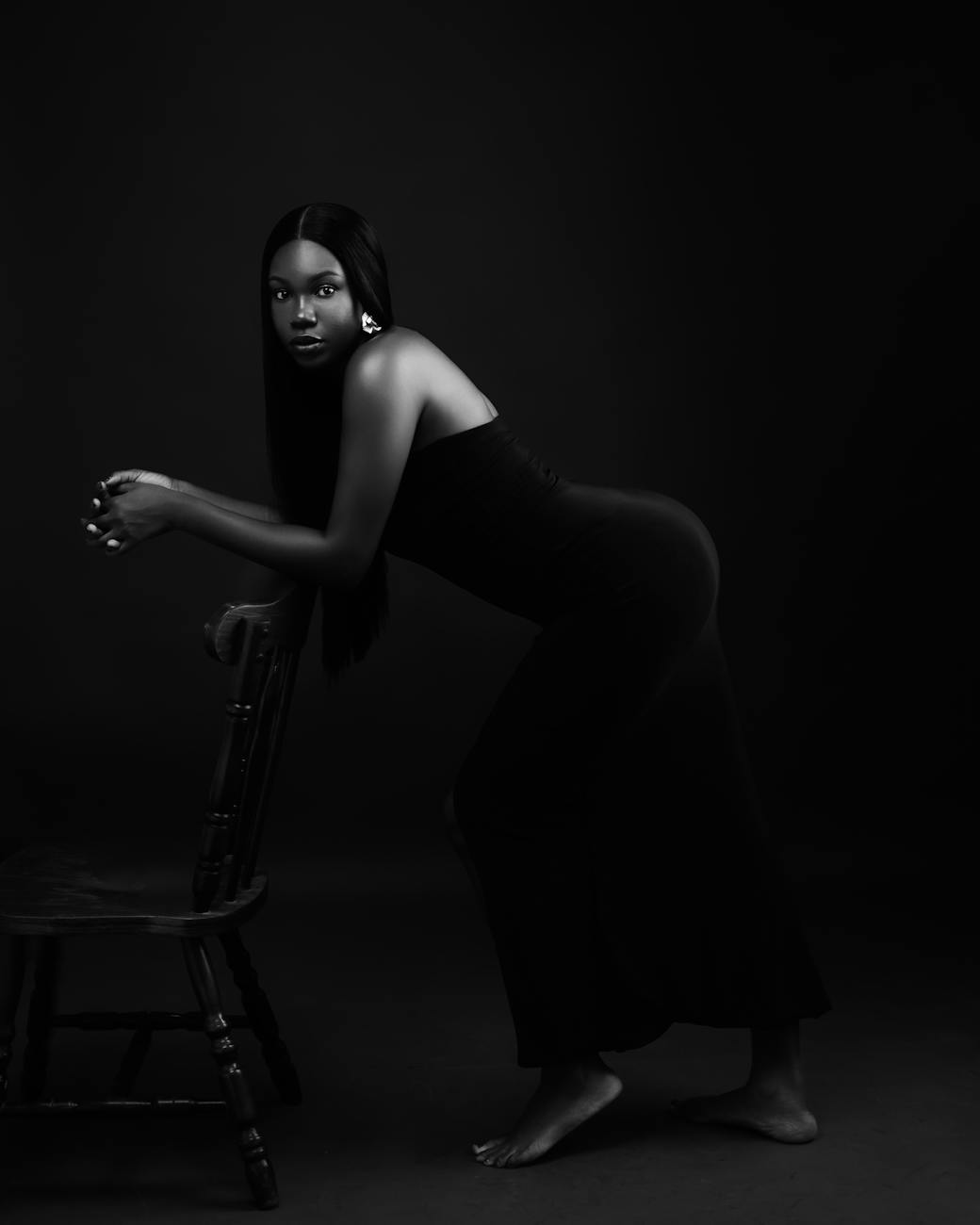
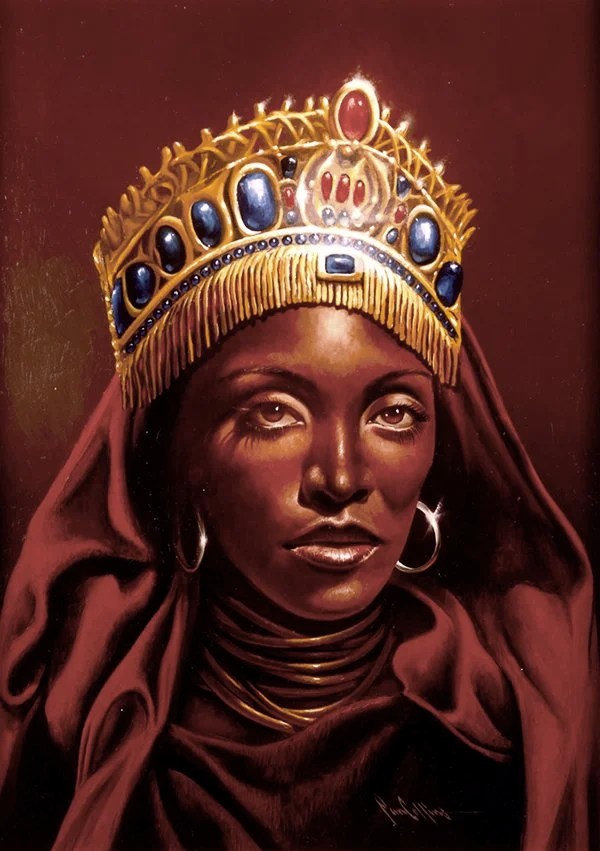
This photograph is the property of its respective owner.
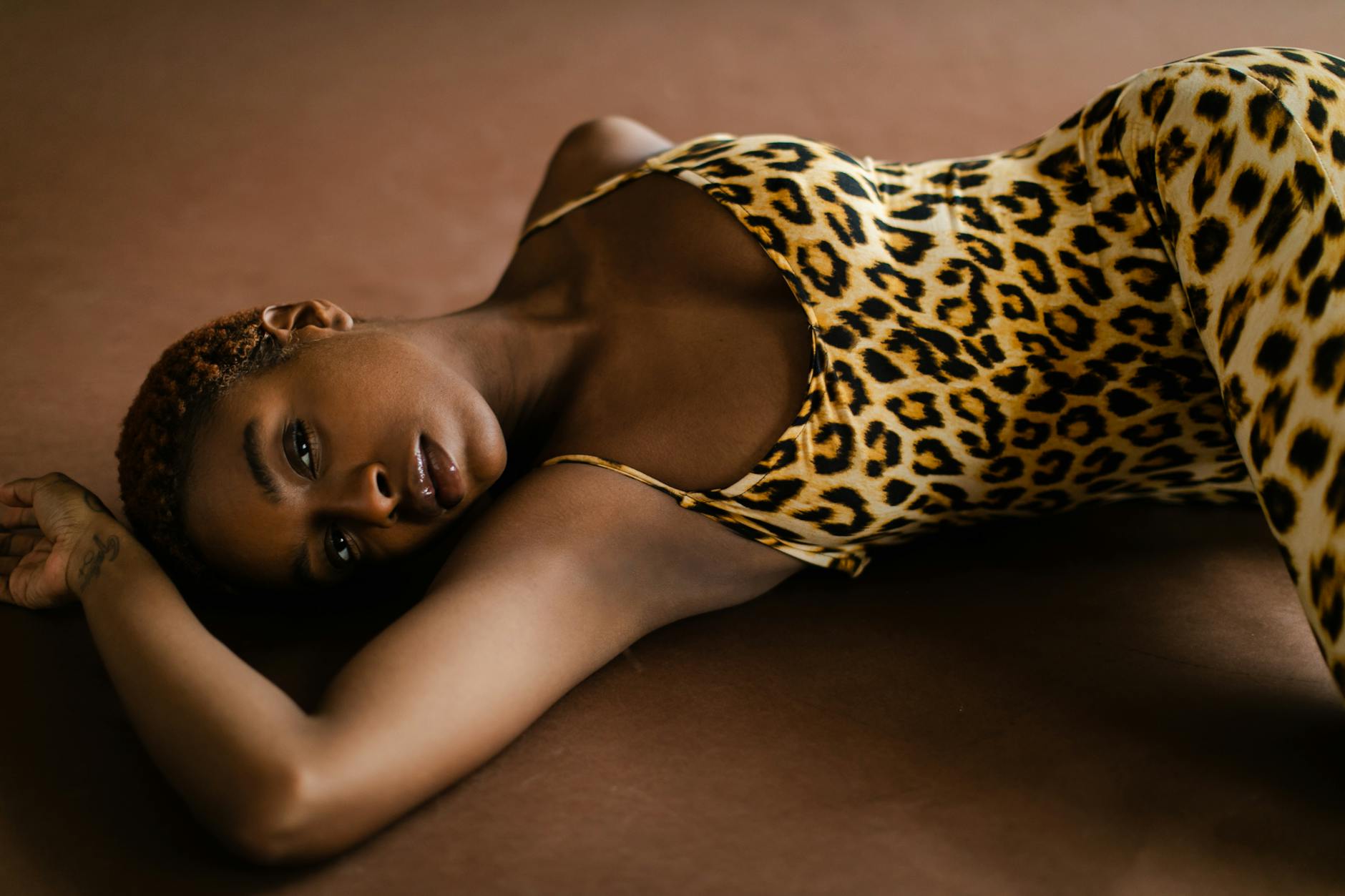
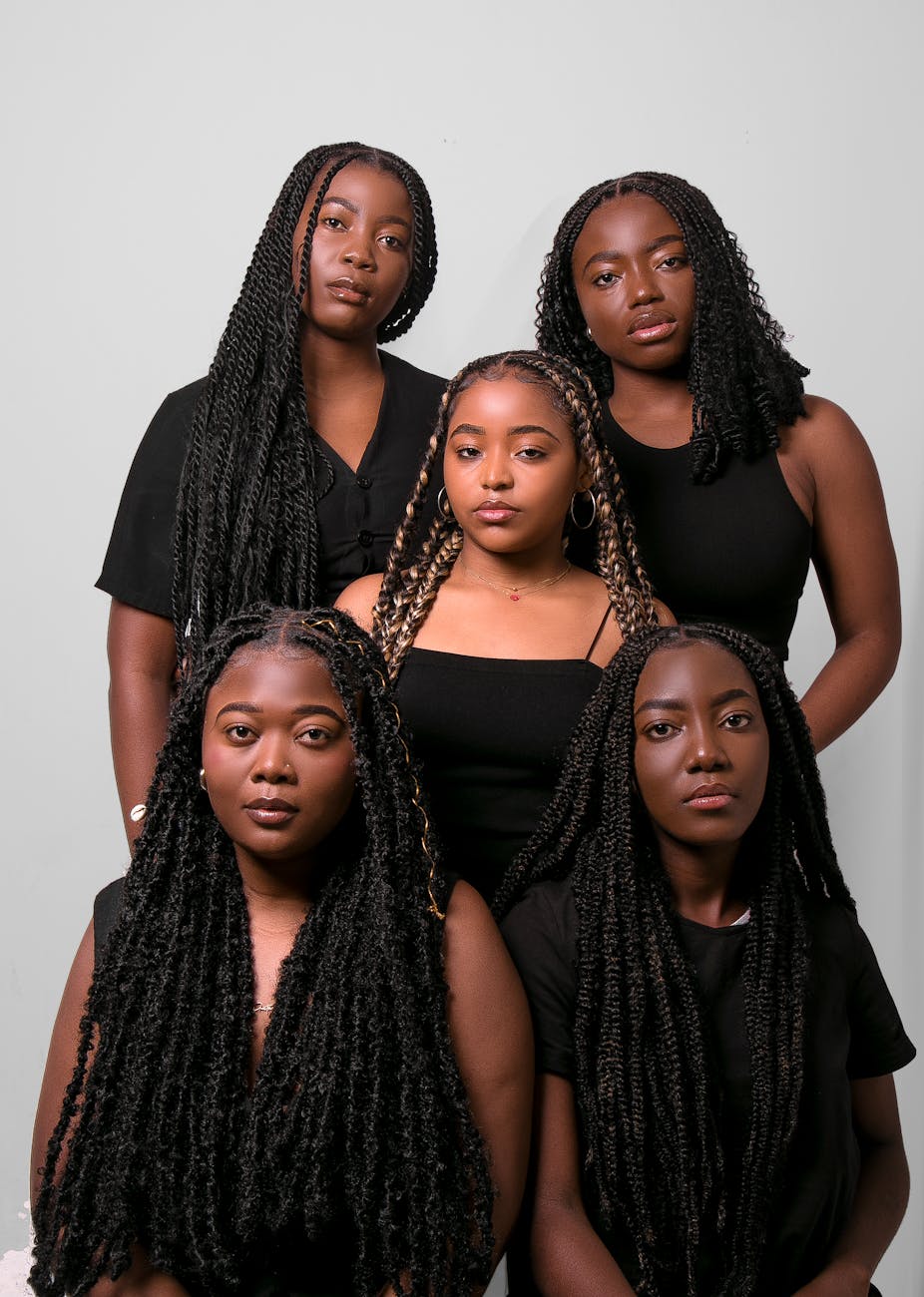
This photograph is the property of its respective owner.
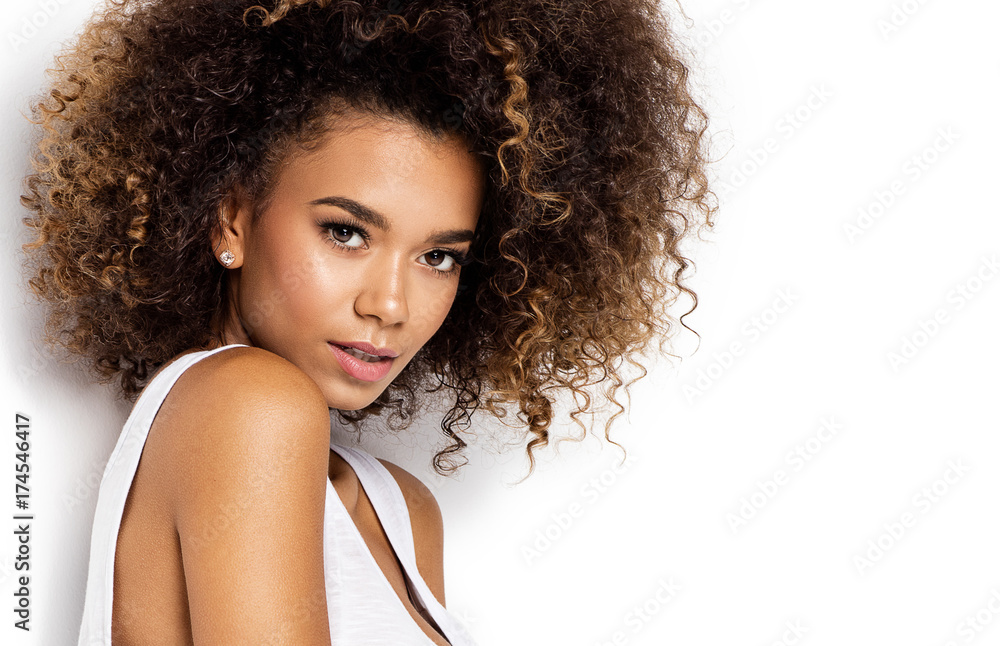
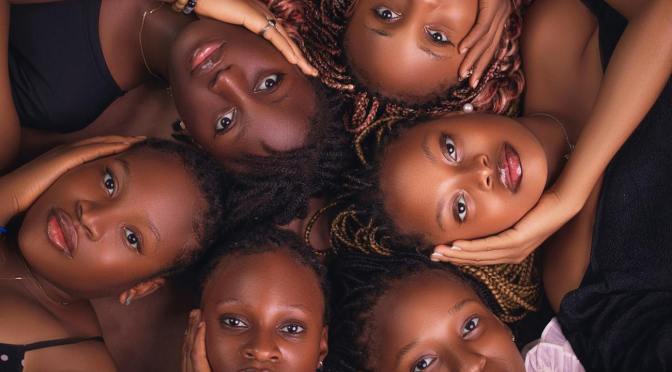
This photograph/artwork is the property of its respective owner.
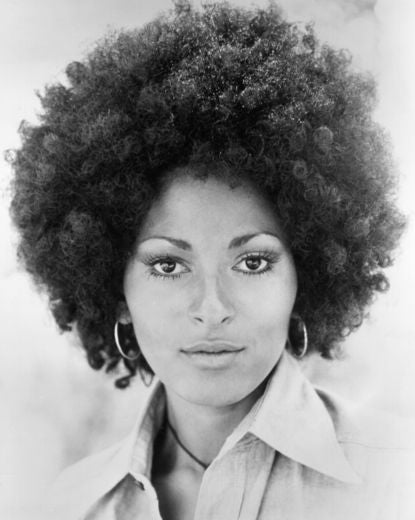
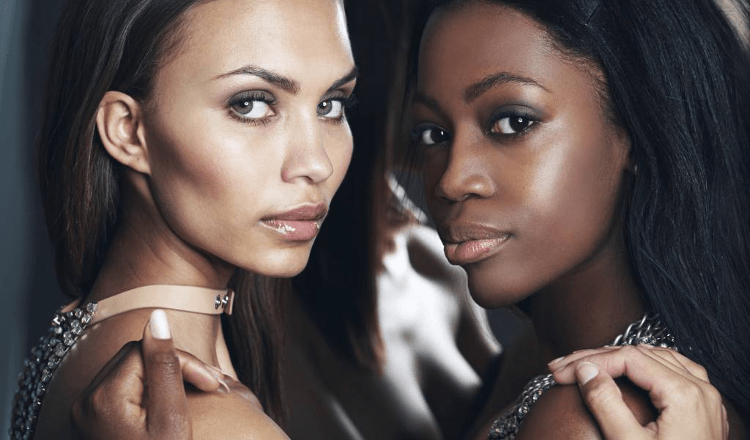
This photograph is the property of its respective owner.
Here’s a richly diverse edge image carousel capturing the elegance and allure that embody celebrated Black beauty—portraits evoke radiance, Afrocentric grace, and timeless poise.
The World’s Most Beautiful Black Women in Entertainment.
Contemporary Global Icons:
Halle Berry – Arguably the most beautiful woman in the world. A timeless beauty who has mesmerized men since the 1990s, known for her short-cropped hair.
Nathalie Emmanuel – Known for her radiant smile and pretty face.
Rihanna – Her girlish charm, cafe au lait complexion, and a cosmetic company to boot, she redefines what is considered beautiful.
LupitaNyong’o – Her resplendent skin and captivating natural beauty make her a standout in film.
African Royalty & Beauty Queens:
Anok Yai – A South Sudanese-born model whose groundbreaking achievements include opening Prada’s runway and advocating against colorism, making her one of fashion’s most influential figures. oceanonlinenews.comBeauty News
Zozibini Tunzi – Miss Universe 2019 from South Africa, celebrated for redefining beauty standards and representing African elegance on the global stage. Wikipedia
Chidinma Adetshina – Crowned Miss Universe Nigeria and first runner-up at Miss Universe 2024, her beauty and resilience inspire. Beauty News
Tshego Gaelae – Mrs. World 2025 winner from South Africa, blending legal expertise with beauty and leadership in her community. Wikipedia
Nomzamo Mbatha – South African actress and humanitarian whose radiant presence and advocacy work have made her an international beauty and cultural ambassador. top 10 on 10
Other Admirable Talents:
Gabrielle Union – Renowned for her consistency in beauty, charisma, and advocacy for inclusivity. Lifestyle Net Worth
Megalyn Echikunwoke – An actress whose elegance and authentic presence make her stand out both on-screen and off. Lifestyle Net Worth
Paige Hurd – Young, radiant, and charismatic, this rising star is making her mark through both talent and beauty. Lifestyle Net Worth
Jourdan Dunn – A groundbreaking British model recognized for her fierce runway presence and landmark modeling achievements. The Trend Spotter
Viola Davis – A beauty rooted in strength, emotion, and integrity, rising to monumental acclaim through soulful performances. The Trend SpotterVanity Fair
What Black Actors Say About Beauty
While direct quotes from Black actors about other Black women may not always circulate widely, the spirit of admiration is evident through actions and commendations:
Kenya Moore, former Miss USA, shared with students that her win helped challenge beauty norms, teaching kids the importance of intelligence, confidence, and Black beauty beyond appearance. People.com
Though not celebrity quotes, Leslie Jones delivered powerful commentary on Saturday Night Live, using humor to confront painful truths around Black beauty and stereotypes, highlighting the need for recognition and empathy. TIME
Summary Table: A Snapshot of Celebrated Black Beauty
Name
Notability
Halle Berry
Iconic actress and timeless beauty
Nathalie Emmanuel
Radiant presence from Game of Thrones
Rihanna
Beauty-plus-influence through her brands
Keke Palmer
Youthful energy and natural charisma
Anok Yai
Runway game-changer and inclusivity advocate
Zozibini Tunzi
Miss Universe who redefined beauty standards
Chidinma Adetshina
Nigerian queen rising beyond pageantry
Tshego Gaelae
Mrs. World merging beauty with accomplishment
Nomzamo Mbatha
Actress & humanitarian with global impact
Gabrielle Union
Radiant advocate for representation
Megalyn Echikunwoke
Elegant and authentic on-screen presence
Paige Hurd
Youthful rising beauty
Jourdan Dunn
Legendary British model and industry trailblazer
Viola Davis
Depth, beauty, and emotional authenticity
How We Reclaim Our Position as the World’s Beauty Standard
Reclaiming the crown requires three steps: cultural ownership, global visibility, and systemic change.
Cultural Ownership – Embracing African features as desirable, not “different,” and rejecting beauty practices that harm natural attributes.
Global Visibility – Amplifying Black beauty through fashion, film, art, and social media on a worldwide scale, without apology or dilution.
Systemic Change – Fighting for anti-discrimination laws (such as the CROWN Act) that protect natural hair and skin tone diversity in schools and workplaces.
When we redefine beauty for ourselves and project it unapologetically, the world must adjust its gaze.
Conclusion
The reclamation of Black beauty is not a passing aesthetic trend—it is a restoration of historical truth. Before colonialism, African beauty standards shaped much of the ancient world, from Nubian queens to Ethiopian royalty admired for their dark skin, elaborate hairstyles, and regal presence. By understanding the origins of white beauty standards and actively rejecting them, Black people can once again stand at the center of the world’s definition of beauty—not as imitators of an imposed ideal, but as the original blueprint.
References
Byrd, A., & Tharps, L. L. (2014). Hair Story: Untangling the Roots of Black Hair in America. St. Martin’s Press.
Craig, M. L. (2002). Ain’t I a Beauty Queen? Black Women, Beauty, and the Politics of Race. Oxford University Press.
Hunter, M. L. (2007). The Persistent Problem of Colorism: Skin Tone, Status, and Inequality. Sociology Compass, 1(1), 237–254.
Russell, K., Wilson, M., & Hall, R. E. (2013). The Color Complex: The Politics of Skin Color in a New Millennium. Anchor Books.
Featurism is a form of discrimination based on the preference for certain facial features over others, often rooted in Eurocentric beauty standards. Coined by author and scholar Dr. Chika Okeke-Agulu, featurism refers specifically to how people—especially within racially marginalized communities—are treated based on how closely their features align with dominant ideals of attractiveness. In the context of the Black community, this means that features like smaller noses, lighter eyes, finer bone structures, and looser hair textures are often favored over broader noses, tightly coiled hair, and darker skin tones.
Featurism overlaps with colorism and texturism, but it is distinct in its focus on facial characteristics. This discrimination often occurs intraracially, meaning that Black people themselves may prefer, praise, or uplift individuals who embody more “European” features while subtly or overtly devaluing others who possess typically African traits.
How Featurism Affects the Black Community
Featurism reinforces internalized racism and perpetuates low self-esteem, especially in Black children and women. The media, family, school, and even dating preferences often communicate the message that “certain Black looks” are more desirable than others. For example, a Black woman with a slim nose and curly, looser-textured hair may be seen as more attractive or “marketable” than one with a wide nose, fuller cheeks, or tightly coiled hair.
This hierarchical valuing of features can:
Impact mental health, leading to anxiety, shame, and body dysmorphia.
Influence economic opportunities, especially in entertainment, modeling, and corporate environments.
Undermine community solidarity, creating divisions between those who “look more African” and those who are perceived as “closer to white.”
The Universal Standard of Beauty
Historically, the so-called universal standard of beauty has been built on Eurocentric ideals: light skin, straight or loosely curled hair, small noses, large eyes, and symmetrical facial structure. This standard was exported globally through colonialism, media imperialism, and Western consumerism.
As a result, features such as:
Big eyes
Small or narrow noses
Full but controlled lips
Smooth, light or olive-toned skin
…have become globally preferred. Even in non-European cultures, beauty standards have been shaped to reflect these traits. For example, in Asia and Latin America, skin-lightening and nose-narrowing are multi-billion-dollar industries.
Quotes on Featurism and Beauty
Audre Lorde: “If I didn’t define myself for myself, I would be crunched into other people’s fantasies for me and eaten alive.”
Lupita Nyong’o: “I remember a time when I too felt unbeautiful. I put on the TV and only saw pale skin. I got teased and taunted about my night-shaded skin… And my one prayer to God was that I would wake up lighter-skinned.”
Dr. Yaba Blay: “We have internalized these standards of beauty to the point that we police each other and ourselves. That’s the tragedy of featurism and colorism.”
When Was the Term Featurism Introduced?
The term featurism gained popularity through cultural critics and writers in the early 2000s, although it had been discussed implicitly in literature and sociology for decades. Scholar Chika Okeke-Agulu and writer Michaela Angela Davis were among the early voices to articulate it explicitly in relation to Black identity and intraracial discrimination. More recently, featurism has been analyzed alongside terms like “texturism” and “colorism” as part of a broader critique of anti-Black beauty hierarchies.
Are Wider Noses and Fuller Lips Undesirable?
While wider noses and fuller lips are traditionally African features and should be celebrated, they have been historically stigmatized in Western and colonial societies. Black people were often caricatured in minstrel shows, cartoons, and racist scientific journals as having “animalistic” or “primitive” traits, particularly wide noses and big lips.
Yet, ironically, in the modern beauty market, these features have been appropriated and commercialized. Full lips, for instance, are now in high demand—thanks in part to cosmetic enhancements and social media trends. However, when these features appear on Black people, they are still frequently subjected to ridicule, while the same traits on non-Black individuals are praised.
This double standard further illustrates the power dynamics of race and beauty: it’s not the feature itself, but who is wearing it.
How Were Black People Conditioned to Think White Features Are Superior?
The belief in the superiority of white features is a byproduct of colonialism, slavery, and white supremacy. Enslaved Africans were taught—through violence, religion, and visual culture—that whiteness was synonymous with purity, intelligence, and power, while Blackness symbolized sin, ugliness, and inferiority.
In post-slavery society, these beliefs were perpetuated by:
European beauty ads and magazines
Hollywood and media portrayals of beauty
Intergenerational trauma and colorist family dynamics
Colonial education systems that promoted Eurocentric aesthetics and erased African identities
Conclusion: Toward a Reclamation of African Beauty
Featurism is not just about beauty—it’s about power. The ability to define what is “beautiful” is inseparable from cultural dominance. As the Black community continues to reclaim its voice, hair, skin, and heritage, it must also decolonize its ideas about what features are beautiful. African features are not a curse to be erased, but a legacy to be honored.
Celebrating broad noses, full lips, tightly coiled hair, and rich melanin is not just an act of self-love—it is an act of resistance against a system that once tried to erase us.
References
Blay, Y. (2011). (1)ne Drop: Shifting the Lens on Race. BLACKprint Press.
Lorde, A. (1984). Sister Outsider: Essays and Speeches. Crossing Press.
Nyong’o, L. (2014). Speech at the Essence Black Women in Hollywood Luncheon.
Pilgrim, D. (2012). The Brute Caricature. Jim Crow Museum of Racist Memorabilia. Ferris State University.
Tate, S. A. (2009). Black Beauty: Aesthetics, Stylization, Politics. Ashgate.
Okeke-Agulu, C. (2005). Postcolonial Modernism: Art and Decolonization in Twentieth-Century Nigeria. Duke University Press.
The Complexion Divide: A Critical Examination of Colorism, Beauty, and Identity.
Colorism, a term coined by Pulitzer Prize–winning author Alice Walker in 1982, refers to the “prejudicial or preferential treatment of same-race people based solely on their color” (Walker, 1983). Unlike racism, which is structured around differences between racial groups, colorism operates within racial and ethnic communities, privileging lighter skin tones while marginalizing those with darker complexions. It is a form of internalized oppression born from the intersection of white supremacy and colonial ideology.
This photograph is the property of its respective owner.
While racism categorizes people by race, colorism creates a hierarchy within that categorization, wherein lighter skin becomes a form of social capital. The effects are deeply psychological, affecting self-worth, community relationships, beauty standards, and life opportunities. It is most deeply felt in communities historically subjected to colonial rule, enslavement, and media misrepresentation—including the Black diaspora.
Colorism privileges individuals with lighter skin, Eurocentric features, and straighter hair textures, often at the expense of darker-skinned individuals, particularly women. It is a global phenomenon—seen in the popularity of skin-lightening creams in Africa and Asia, the media underrepresentation of dark-skinned women, and internalized inferiority within Black and brown communities.
The Beauty Hierarchy and Eurocentric Standards
The universal standard of beauty, reinforced by colonialism, mass media, and white supremacy, promotes a Eurocentric ideal—fair skin, narrow noses, thin lips, and a slim yet curvaceous figure. These characteristics are often seen as aspirational, while Afrocentric features—broad noses, full lips, tightly coiled hair—are marginalized. Scientific racism and eugenics in the 19th and 20th centuries played critical roles in establishing this false standard of human aesthetics (Painter, 2010).
This beauty hierarchy persists today in the form of Hollywood casting, magazine covers, beauty pageants, and advertising, where lighter-skinned Black women (e.g., Beyoncé, Zendaya, Halle Berry, and Yara Shahidi) are more prominently featured than their darker-skinned peers, such as Lupita Nyong’o or Viola Davis—though the latter have also achieved visibility through activism and counter-cultural movements.
Psychological and Biblical Implications
Psychologically, colorism fosters internalized oppression, body dysmorphia, low self-esteem, and even disordered eating. Women and girls not deemed “beautiful” by Eurocentric standards often feel invisible or undesirable. Society trains them, through media propaganda, to seek validation through external approval—what psychologists call externalized locus of control.
Biblically, this phenomenon contradicts the teachings of Scripture, which affirms that “man looks at the outward appearance, but the Lord looks at the heart” (1 Samuel 16:7, NKJV). The Bible consistently emphasizes inner character over physical beauty (Proverbs 31:30). Moreover, the elevation of one group over another due to appearance or social class mirrors the sin of partiality, which Scripture condemns (James 2:1-9).
Beauty and the Racial Caste: From Nazi Aryanism to American Colorism
The Nazi Aryan ideal, rooted in pseudoscientific racial theories, promoted the concept of the Nordic master race. This racial doctrine, advanced by figures like Alfred Rosenberg, claimed that Aryans (Northern Europeans) were biologically and morally superior. Such ideologies influenced not only Germany but also global race and beauty perceptions, legitimizing discrimination against people of color and reinforcing whiteness as the pinnacle of humanity.
These ideologies helped shape a global racial beauty hierarchy, where the following order often dominates:
White (European, Aryan)
East Asian (with fair skin)
South Asian (light-skinned)
Latinx (light mestizo)
Middle Eastern (light Arab)
Black (light-skinned)
Black (dark-skinned)
This hierarchy is evident in fashion industries, marriage markets, and social media algorithms that favor Eurocentric features and lighter complexions.
The Science of Dark Skin and Its Strength
Biologically, melanin—the pigment that gives skin its dark color—offers natural protection against UV radiation and decreases the risk of skin cancer (Jablonski & Chaplin, 2000). Far from being a disadvantage, dark skin is an adaptive advantage in equatorial climates. Despite this, it has been wrongly associated with inferiority, laziness, or criminality—myths perpetuated by colonial narratives and media biases.
In the Black community, colorism fosters division, resentment, and competition. It informs dating preferences, hiring decisions, and self-worth. Lighter-skinned individuals may receive more opportunities, while darker-skinned individuals report higher instances of discrimination—even within their own racial group (Keith & Herring, 1991).
This reality is a byproduct of slavery, where enslaved Africans were divided and assigned labor based on color. Today, this manifests in preferences for lighter-skinned partners, the rejection of natural hair, and increased rates of skin bleaching.
Solutions: Psychological and Spiritual Healing
To overcome colorism and its caste-based roots, several interventions are necessary:
Psychological: Encourage media literacy, affirm diverse representations of beauty, promote healing spaces for racial identity development, and reject comparison culture.
Spiritual: Reconnect with Scripture, which affirms that all are “fearfully and wonderfully made” (Psalm 139:14). Reject the idolatry of beauty and uphold justice and equality.
The Church, educators, and media gatekeepers must challenge false narratives and elevate voices and images that reflect the full spectrum of human dignity.
Colorism and the racial caste system are global cancers rooted in historical oppression and perpetuated through beauty myths and social structures. They distort how people see themselves and others, particularly within communities of color. To rise above the “isms”, we must engage in intentional truth-telling, healing, and cultural reformation that affirms all people—regardless of hue—as made in the image of God.
Historical Origins of Colorism and the Colonial Legacy
Colorism has deep roots in the transatlantic slave trade and European colonization. During American slavery, enslaved Africans were divided by complexion: lighter-skinned individuals—often the result of forced sexual relations between slave owners and enslaved women—were frequently assigned domestic duties in the “Big House,” while darker-skinned individuals labored in the fields under harsher conditions. This division reinforced the idea that proximity to whiteness equated to privilege and desirability.
These divisions sowed seeds of internal conflict, jealousy, and disunity within the Black community—a legacy that remains today. Light skin became associated with intelligence, civility, and beauty, while dark skin was linked to ignorance, brutishness, and unattractiveness. These narratives were not just social—they were weaponized tools of control under the umbrella of white supremacy.
Colorism vs. Racism: A Distinct Yet Interrelated Dynamic
While racism is discrimination based on perceived racial identity—often institutional and systemic—colorism is intra-racial and operates at a more intimate, psychological level. It reflects an acceptance of racial hierarchies within one’s own group, often unknowingly perpetuated by those subjected to racial subjugation themselves.
he concept of a racial caste system reflects a deeply entrenched global hierarchy that privileges certain racial and phenotypic features—especially those associated with whiteness—while marginalizing others. This system, particularly within the realms of beauty and social value, historically elevates the white woman as the apex of aesthetic ideals. Her image—fair skin, narrow features, and light hair—has become the global prototype of beauty, reinforced relentlessly through media, colonial legacies, and socio-political structures.
Defining the Caste System and Its Color-Based Foundations
The caste system, originally associated with South Asia, particularly India, is a rigid social stratification structure that historically defined individuals by their birth status, often linked to ritual purity and occupation. During the collapse of the Mughal Empire and under British colonial rule, caste identities were hardened and institutionalized. The British Raj, from 1860–1920, codified caste divisions through their administration, privileging upper-caste elites with education and jobs while relegating the lower castes to subjugated roles. This stratification aligned with skin tone hierarchies, where lighter skin tones were associated with higher caste status and moral superiority (Deshpande, 2010).
This Indian model of caste-based discrimination found parallels across the globe. During American slavery, enslaved Africans were divided by shade: light-skinned Blacks, often children of slave masters, were assigned more favorable tasks (such as domestic work), while dark-skinned Africans were confined to harsh field labor. This intra-racial division sowed seeds of colorism that persist today (Hunter, 2007).
Colorism privileges individuals with lighter skin, Eurocentric features, and straighter hair textures, often at the expense of darker-skinned individuals, particularly women. It is a global phenomenon—seen in the popularity of skin-lightening creams in Africa and Asia, the media underrepresentation of dark-skinned women, and internalized inferiority within Black and brown communities.
The Beauty Hierarchy and Eurocentric Standards
The universal standard of beauty, reinforced by colonialism, mass media, and white supremacy, promotes a Eurocentric ideal—fair skin, narrow noses, thin lips, and a slim yet curvaceous figure. These characteristics are often seen as aspirational, while Afrocentric features—broad noses, full lips, tightly coiled hair—are marginalized. Scientific racism and eugenics in the 19th and 20th centuries played critical roles in establishing this false standard of human aesthetics (Painter, 2010).
This beauty hierarchy persists today in the form of Hollywood casting, magazine covers, beauty pageants, and advertising, where lighter-skinned Black women (e.g., Beyoncé, Zendaya, Halle Bailey, Yara Shahidi) are more prominently featured than their darker-skinned peers, such as Lupita Nyong’o or Viola Davis—though the latter have also achieved visibility through activism and counter-cultural movements.
Beauty and the Racial Caste: From Nazi Aryanism to American Colorism
The Nazi Aryan ideal, rooted in pseudoscientific racial theories, promoted the concept of the Nordic master race. This racial doctrine, advanced by figures like Alfred Rosenberg, claimed that Aryans (Northern Europeans) were biologically and morally superior. Such ideologies influenced not only Germany but also global race and beauty perceptions, legitimizing discrimination against people of color and reinforcing whiteness as the pinnacle of humanity.
These ideologies helped shape a global racial beauty hierarchy, where the following order often dominates:
White (European, Aryan)
East Asian (with fair skin)
South Asian (light-skinned)
Latinx (light mestizo)
Middle Eastern (light Arab)
Black (light-skinned)
Black (dark-skinned)
This hierarchy is evident in fashion industries, marriage markets, and social media algorithms that favor Eurocentric features and lighter complexions.
The Science of Dark Skin and Its Strength
Biologically, melanin—the pigment that gives skin its dark color—offers natural protection against UV radiation and decreases the risk of skin cancer (Jablonski & Chaplin, 2000). Far from being a disadvantage, dark skin is an adaptive advantage in equatorial climates. Despite this, it has been wrongly associated with inferiority, laziness, or criminality—myths perpetuated by colonial narratives and media biases.
Impact on the Black Community
In the Black community, colorism fosters division, resentment, and competition. It informs dating preferences, hiring decisions, and self-worth. Lighter-skinned individuals may receive more opportunities, while darker-skinned individuals report higher instances of discrimination—even within their own racial group (Keith & Herring, 1991).
This reality is a byproduct of slavery, where enslaved Africans were divided and assigned labor based on color. Today, this manifests in preferences for lighter-skinned partners, the rejection of natural hair, and increased rates of skin bleaching.
Solutions: Psychological and Spiritual Healing
To overcome colorism and its caste-based roots, several interventions are necessary:
Psychological: Encourage media literacy, affirm diverse representations of beauty, promote healing spaces for racial identity development, and reject comparison culture.
Spiritual: Reconnect with Scripture, which affirms that all are “fearfully and wonderfully made” (Psalm 139:14). Reject the idolatry of beauty and uphold justice and equality.
The Church, educators, and media gatekeepers must challenge false narratives and elevate voices and images that reflect the full spectrum of human dignity.
Colorism and the racial caste system are global cancers rooted in historical oppression and perpetuated through beauty myths and social structures. They distort how people see themselves and others, particularly within communities of color. To rise above the “isms”, we must engage in intentional truth-telling, healing, and cultural reformation that affirms all people—regardless of hue—as made in the image of God.
Why Is Light Skin Viewed as More Attractive? The Colonial Beauty Ideal
The elevation of light skin is a product of a Eurocentric beauty paradigm established through colonial education, media, and social norms. Historically, European features—fair skin, straight hair, slender noses, and light eyes—have been projected as the universal standard of beauty. This construct is reinforced in fashion, television, film, and social media, creating a globalized aesthetic ideal.
Black women and girls across the world are pressured to conform to this standard—often resulting in skin lightening, hair straightening, cosmetic surgery, and disordered eating. These are not merely beauty preferences; they are survival strategies in a world where desirability often equates to social and economic access.
The Psychological and Spiritual Toll of Colorism
The psychological damage caused by colorism includes:
Low self-esteem and body image issues
Internalized self-hatred
Disrupted identity formation in youth
Color-based bullying, often beginning in childhood
Discrimination in dating, employment, and education
From a biblical perspective, colorism contradicts the foundational truth that all people are made in the image of God (Genesis 1:27). The Bible affirms diversity in creation, and nowhere does it prescribe skin tone as a standard of righteousness, beauty, or worth. Proverbs 31:30 reminds us:
“Charm is deceitful and beauty is vain, but a woman who fears the Lord is to be praised.”
Media and the “Invisible” Woman: The Silencing of Darker Beauty
The media has long perpetuated the myth that beauty is white, slim, and symmetrical. Women who do not meet this standard—especially dark-skinned Black women—often face erasure. Who sees “the woman that nobody sees”? The one ignored in public, overlooked in dating, absent from billboards? This invisibility is one of the most painful consequences of colorism.
Black Beauty and Global Icons
Despite centuries of marginalization, many Black figures have shattered conventional beauty standards and redefined what it means to be beautiful:
Lupita Nyong’o – Oscar-winning actress and vocal advocate against colorism
Viola Davis – Emmy and Oscar winner, known for her powerful presence and authenticity
Gabrielle Union – Actress and author who has challenged Hollywood’s narrow beauty ideals
Naomi Campbell – One of the first Black supermodels to dominate high fashion
Kelly Rowland – Often overshadowed in her early career, she has embraced and celebrated her dark complexion
Jodie Turner-Smith, Michaela Coel, Danai Gurira, and Teyonah Parris – All represent a bold, proud, and deeply Black beauty that confronts Eurocentric norms
These women are not only physically stunning—they reflect strength, intelligence, and spiritual depth.
The Science Behind Dark Skin: A Gift Misunderstood
Scientifically, melanin—the pigment responsible for darker skin—provides protection against ultraviolet radiation. It reduces the risk of sunburn, skin cancer, and slows the aging process. Far from being a deficiency, dark skin is a biological adaptation of excellence, rooted in the geography and climate of ancestral homelands.
✨ Mark Twain on Dark Skin and Zulu Beauty
In Following the Equator (1897), Mark Twain offers a striking meditation on the appearance of South African Zulu tribesmen:
Twain continues with a vivid contrast of white and dark complexions:
“Nearly all black and brown skins are beautiful, but a beautiful white skin is rare.… The advantage is with the Zulu… he starts with a beautiful complexion, and it will last him through.”Full Text Archive+7TheOriginalBlackWoman+7Learning India+7
These passages reveal Twain’s admiration for deeply melanin-rich skin tones and his critique of pale complexions, which, he argues, require constant artificial maintenance.
📖 Contextual Significance
Twain’s reflections emerge from his global travels, where he observed beauty in cultures often marginalized by Western standards. He contrasted the effortless radiance of dark-skinned individuals with the fragile, impermanent beauty of many white complexions, noting how the latter often appear unhealthy or artificial in contrast to naturally rich melanin hues. Mark Twain Classic LiteratureFull Text ArchiveTheOriginalBlackWoman
🧪 Insights and Implications
Theme
Explanation
Beauty & Hierarchy
Twain challenges Eurocentric beauty ideals by elevating darker skin as naturally durable and aesthetically superior.
Cultural Critique
He implicitly critiques a global beauty infrastructure reliant on cosmetics, bleaching, and artificial enhancements.
Psychological Affirmation
His language affirms the inherent dignity, grace, and resilience of dark-skinned individuals—a rare stance in his era.
Recognize each human as fearfully and wonderfully made (Psalm 139:14)
Dismantle idols of beauty and embrace godly character as the true mark of worth
Celebrate diversity as God’s creative intention, not as a flaw to be corrected
Psychological and Community Solutions:
Media representation: Promote diverse portrayals of Blackness in media and advertising
Education: Teach children the beauty of melanin, natural hair, and African features early
Therapy and support groups: Address color-based trauma in safe, healing environments
Parenting practices: Encourage affirmation in families, especially for dark-skinned children
Conclusion: From Shame to Sovereignty
Colorism is a byproduct of colonial violence and white supremacy that has taken root in the hearts and minds of oppressed peoples. But it is not unbreakable. Through truth, education, and faith, the lies about Blackness—especially dark-skinned Black womanhood—can be uprooted.
The question remains: Is light skin better than dark skin? No. It is a false dichotomy—a deception. Beauty is not found in hue, but in the harmony of soul, spirit, and strength. When we rise above the shade-based lies that divide us, we rediscover the inherent power of being beautifully, unapologetically Black.
REFERENCES:
Deshpande, A. (2010). The Grammar of Caste: Economic Discrimination in Contemporary India. Oxford University Press.
Hunter, M. (2007). The Persistent Problem of Colorism: Skin Tone, Status, and Inequality. Sociology Compass, 1(1), 237–254.
Jablonski, N. G., & Chaplin, G. (2000). The evolution of human skin coloration. Journal of Human Evolution, 39(1), 57–106.
Keith, V. M., & Herring, C. (1991). Skin Tone and Stratification in the Black Community. American Journal of Sociology, 97(3), 760–778.
Walker, A. (1982). In Search of Our Mothers’ Gardens: Womanist Prose.
Hunter, M. (2005). Race, Gender, and the Politics of Skin Tone. Routledge.
Russell, K., Wilson, M., & Hall, R. (1992). The Color Complex: The Politics of Skin Color Among African Americans. Anchor Books.
Thompson, C. (2009). Black Women, Beauty, and Hair as a Matter of Being. Women’s Studies.
The Holy Bible, KJV. Genesis 1:27; Psalm 139:14; Proverbs 31:30.
Twain, M. (1894). Following the Equator: A Journey Around the World.
Where faith, history, and truth illuminate the Black experience.


 THE BROWN GIRL DILEMMA