Black history is the story of a people who were enslaved, resisted, survived, built civilizations, transformed nations, preserved faith, and continue to struggle for full human dignity in a world shaped by their forced labor and spiritual resilience.
Black history is not merely a record of past suffering, but a critical lens through which modern systems of power, identity, race, and inequality can be understood. To ask questions about Black history is to interrogate the foundations of Western civilization, colonial expansion, capitalism, and the psychological construction of race. These questions do not only concern Black people; they expose how the modern world was built and at whose expense.
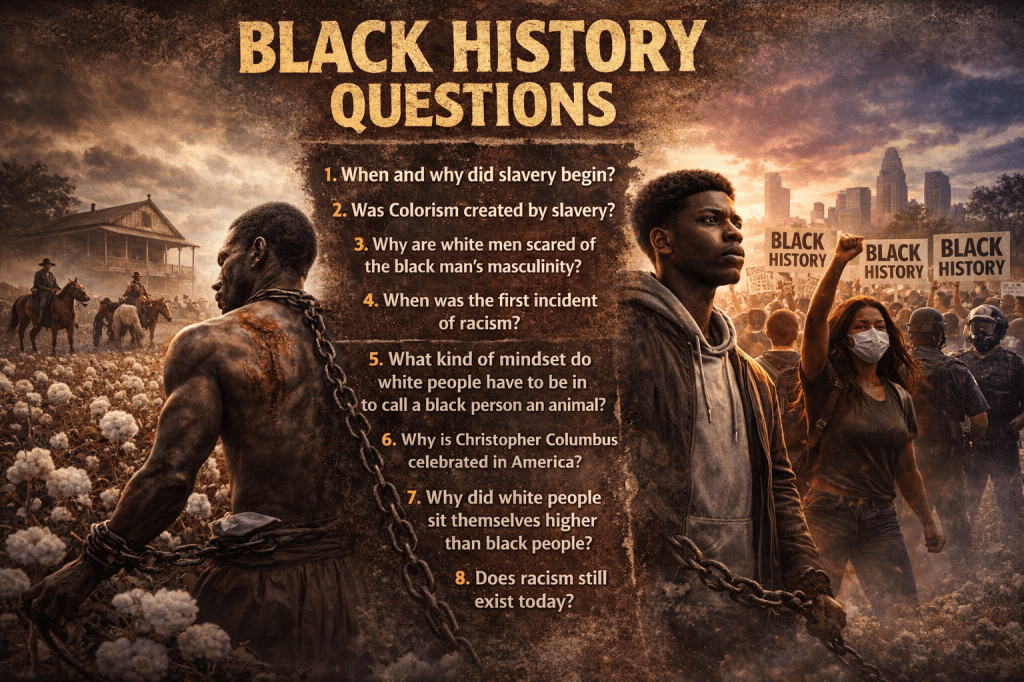
One of the most fundamental questions is: When and why did slavery begin? While systems of servitude existed in ancient societies, racialized chattel slavery as practiced in the Americas began in the 15th century with European colonial expansion. This form of slavery was unique because it permanently dehumanized Africans based on race and transformed human beings into inheritable property for economic profit (Williams, 1944).
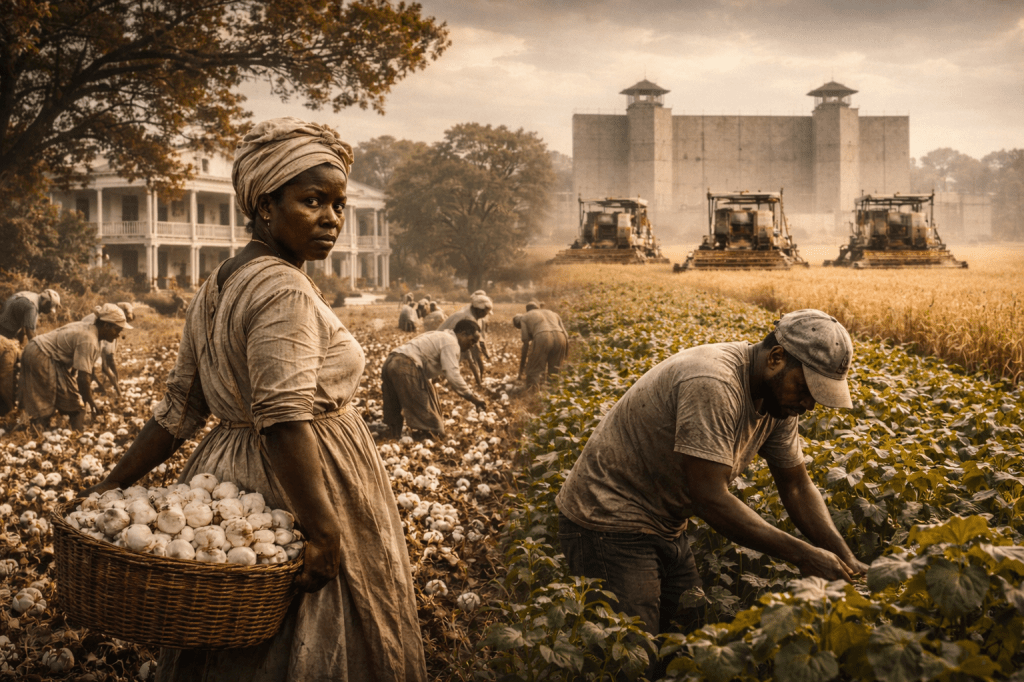
Slavery expanded primarily to meet the labor demands of European empires. The rise of sugar, cotton, and tobacco plantations required massive labor forces, and Africans were targeted because they were perceived as physically resilient, culturally unfamiliar, and politically vulnerable due to Africa’s lack of unified global military power at the time (Rodney, 1972).
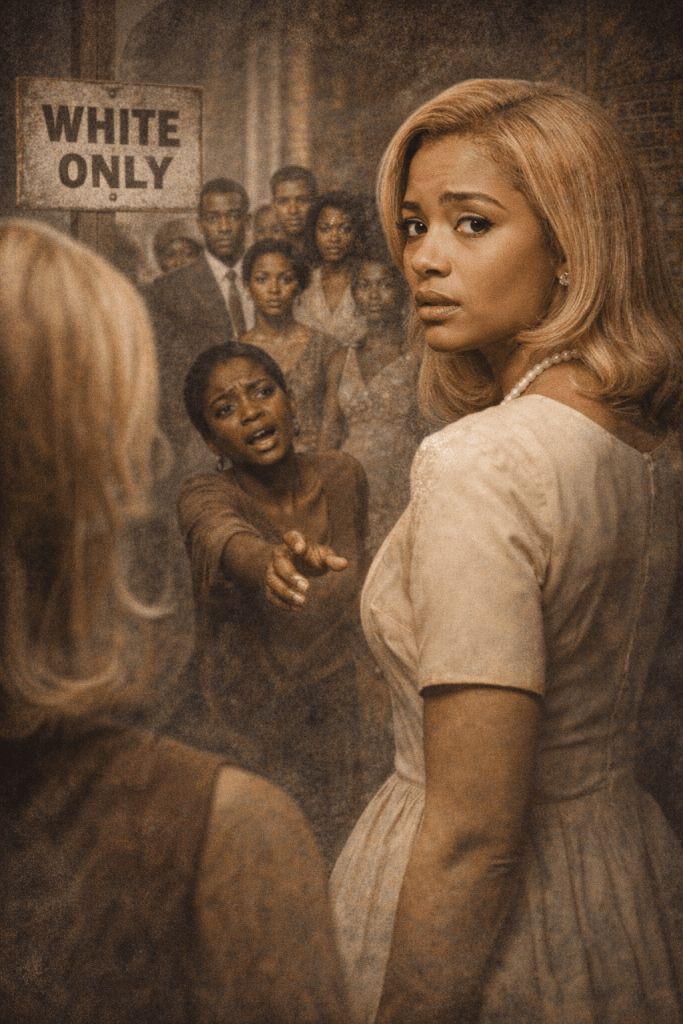
Another important question is: Was colorism created by slavery? While color hierarchies existed in some societies before European contact, modern global colorism was systematized through slavery. Lighter-skinned enslaved people were often favored, given domestic roles, and granted marginal privileges, creating internal racial stratification that persists today (Hunter, 2007).
Colorism functioned as a psychological extension of white supremacy. It trained Black people to associate proximity to whiteness with value, safety, and humanity, while equating darker skin with inferiority and criminality. This internalized hierarchy continues to shape beauty standards, dating preferences, employment outcomes, and media representation.
A more controversial but critical question is: Why are white men historically threatened by Black male masculinity? Sociologically, Black masculinity has been framed as dangerous because it challenges white male dominance in systems built on racial and patriarchal hierarchy (hooks, 2004). The myth of the hypersexual, aggressive Black man was constructed to justify control, surveillance, and violence.
This fear was not biological but political. The Black male body symbolized physical strength, reproductive power, and resistance to domination. During slavery, lynching, and segregation, Black men were portrayed as sexual predators to justify their castration, imprisonment, and execution (Alexander, 2010).
Another core question is: When was the first incident of racism? Racism as a structured ideology emerged during European colonialism in the 15th and 16th centuries. Before this, societies practiced tribalism and ethnocentrism, but not race-based biological hierarchy (Smedley & Smedley, 2005).
Modern racism required pseudoscience. European thinkers classified humans into racial categories and assigned moral and intellectual traits to physical features. This gave slavery a “scientific” justification and made inequality appear natural rather than political.
This leads to the disturbing question: What kind of mindset allows someone to call a Black person an animal? Psychologically, this requires dehumanization. Dehumanization occurs when one group denies the full humanity of another, allowing cruelty without guilt (Fanon, 1967).
Colonial ideology trained Europeans to see Africans as subhuman, primitive, and savage. This worldview was necessary to resolve the moral contradiction of Christian societies committing mass enslavement, rape, and murder while claiming moral superiority.
Another major question is: Why is Christopher Columbus celebrated in America? Columbus represents the myth of “discovery,” which erases Indigenous genocide and African enslavement. He is celebrated not because of moral achievement, but because he symbolizes European expansion and empire (Zinn, 2003).
Columbus initiated systems of conquest, forced labor, sexual violence, and mass death across the Americas. His celebration reflects how dominant societies preserve heroic narratives while suppressing historical trauma.
This raises another question: Why did white people place themselves above Black people? The answer lies in power. Whiteness was invented as a social category to unify Europeans across class lines and justify colonial domination (Allen, 1994).
Race became a political tool. By creating a racial hierarchy, elites ensured that poor whites identified with their race rather than their economic exploitation, preserving systems of inequality through psychological allegiance.
A central modern question is: Does racism still exist today? Racism absolutely exists, but it has evolved. Instead of explicit segregation, it now operates through institutions such as housing, education, policing, healthcare, and the criminal justice system (Bonilla-Silva, 2018).
Racism is now coded into algorithms, zoning laws, school funding, and media narratives. It functions less through open hatred and more through structural inequality and systemic bias.
Another question is: Is racism individual or systemic? While individuals can be racist, racism is primarily systemic. It is embedded in laws, policies, and historical patterns that continue to produce unequal outcomes regardless of personal intent (Feagin, 2013).
Systemic racism means one does not need to “hate” Black people to benefit from racial privilege. The system itself distributes resources and opportunities unevenly.
A related question is: How did slavery shape capitalism? Capitalism was built on enslaved labor. The wealth of Europe and America emerged directly from plantation economies and global trade networks fueled by African exploitation (Beckert, 2014).
Banks, insurance companies, universities, and corporations all profited from slavery. Modern wealth inequality cannot be understood without this historical foundation.
Another question is: What role did religion play in slavery? Christianity was used to justify enslavement through distorted interpretations of scripture. Enslavers taught obedience, submission, and divine hierarchy to maintain control.
However, Black people reinterpreted Christianity as liberation theology. Biblical stories like Exodus became metaphors for escape, resistance, and divine justice (Cone, 1997).
This leads to: Why is Black faith so central to survival? The Black church provided psychological refuge, political organization, cultural continuity, and communal identity during centuries of oppression.
Faith became a tool not of submission, but of resistance. It allowed Black people to envision dignity beyond the material conditions imposed upon them.
Another key question is: How did Jim Crow replace slavery? After emancipation, systems like sharecropping, convict leasing, and segregation maintained economic control over Black labor (Blackmon, 2008).
Slavery did not end; it transformed. Control shifted from plantations to prisons, courts, and labor markets.
This raises: How does mass incarceration relate to slavery? The U.S. prison system disproportionately targets Black men, continuing patterns of forced labor and social control through criminalization (Alexander, 2010).
The 13th Amendment abolished slavery “except as punishment for a crime,” legally preserving coerced labor under incarceration.
Another question is: What is historical trauma? Historical trauma refers to psychological wounds passed across generations through collective memory, stress, and social conditions (Brave Heart, 2003).
Trauma is transmitted not only culturally, but biologically through epigenetics, shaping stress responses and health outcomes.
This leads to: Why do disparities persist in education and health? Black communities face underfunded schools, medical neglect, environmental racism, and economic exclusion rooted in historical policy decisions.
These disparities are not accidental; they are the predictable outcomes of centuries of structural inequality.
Another question is: What is the racial wealth gap? The average white family holds nearly ten times more wealth than the average Black family, primarily due to inheritance, home ownership, and historical exclusion from economic opportunity (Oliver & Shapiro, 2006).
Wealth is intergenerational. Slavery prevented Black people from accumulating capital for over 250 years.
This brings up: Are reparations justified? Reparations are not charity but restitution. They address stolen labor, land, and life through economic, educational, and institutional repair (Coates, 2014).
Reparations acknowledge that historical injustice created present inequality.
Another question is: How has the media shaped Black identity? The media often portrays Black people as criminals, athletes, entertainers, or victims, limiting the public imagination of Black humanity.
Representation affects self-esteem, opportunity, and public policy.
This leads to: What is internalized racism? Internalized racism occurs when marginalized people absorb negative stereotypes about themselves and their group.
It manifests through self-hatred, colorism, assimilation, and cultural erasure.
Another question is: What is Black excellence? Black excellence is not wealth or celebrity alone; it is resilience, creativity, spiritual depth, community building, and survival against impossible odds.
Black excellence exists in families, churches, classrooms, and neighborhoods, not just in elite spaces.
What is Black History Month, and why was it created?
Black History Month was created to recognize the historical contributions of Black people who were excluded from mainstream history. It began as “Negro History Week” in 1926 and became a month in 1976.
Who was Carter G. Woodson?
Carter G. Woodson was a historian who founded Black History Month. He believed Black people must know their history to understand their identity, power, and humanity.
What were the goals of the Civil Rights Movement?
To end legal segregation, secure voting rights, dismantle racial discrimination, and achieve full citizenship and equality under the law.
What was the Emancipation Proclamation?
An 1863 executive order by Abraham Lincoln declared enslaved people free in Confederate states. It weakened slavery but did not fully end it.
How did the transatlantic slave trade shape the modern world?
It built Western wealth, capitalism, and global racial hierarchies through forced African labor.
Major African empires?
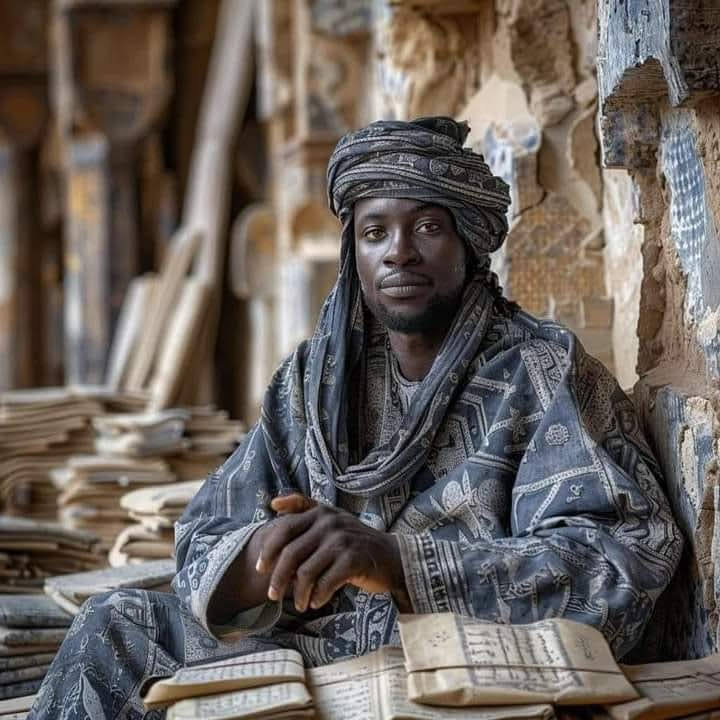
Ghana, Mali, Songhai, Egypt, Kush, Axum—highly advanced in trade, education, architecture, and governance.
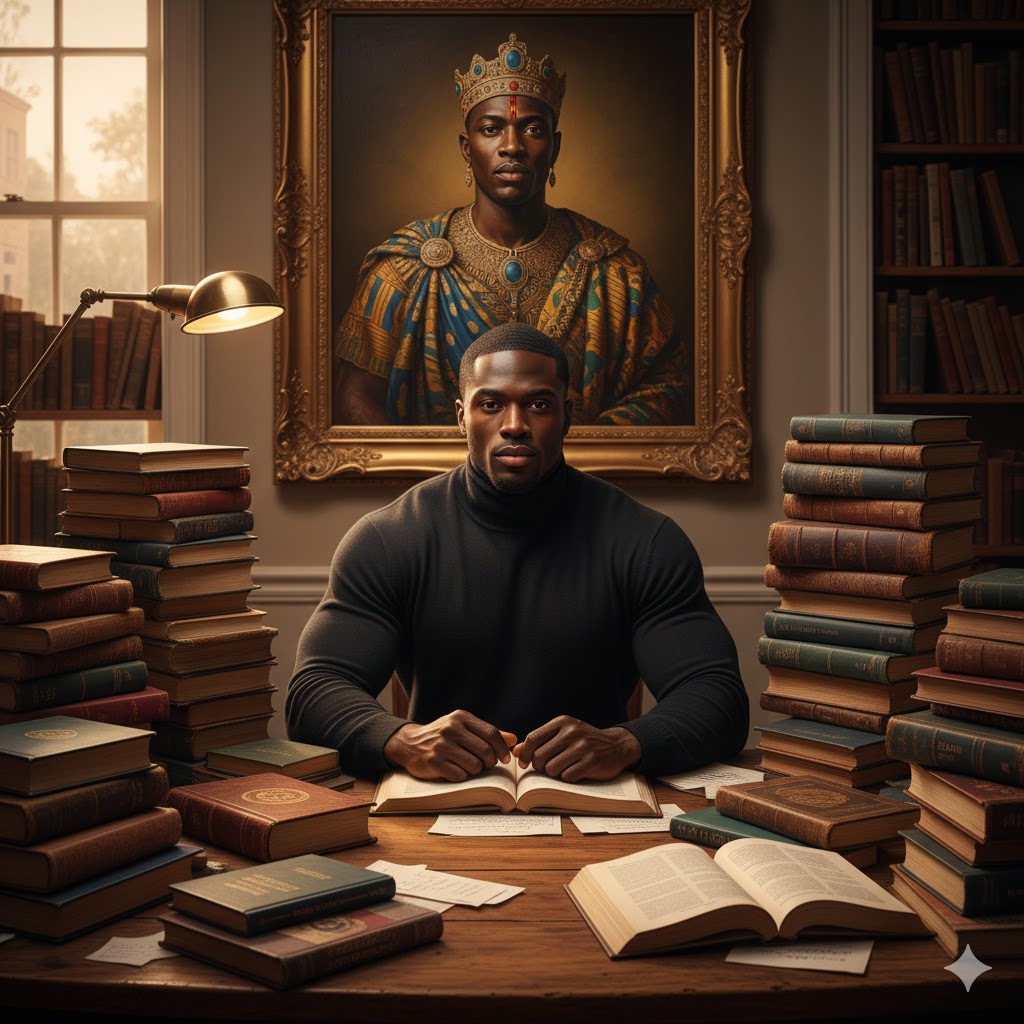
Who was Mansa Musa?The
Emperor of Mali, the wealthiest person in recorded history, whose empire controlled the global gold trade.
How did Africans govern themselves?
Through complex political systems: kingdoms, councils of elders, city-states, and federations.
African contributions to science?
Mathematics, astronomy, medicine, metallurgy, architecture, and writing systems.
African spirituality’s influence?
It shaped diasporic religions like Vodun, Santería, Candomblé, and Black Christianity.
Conditions of slavery?
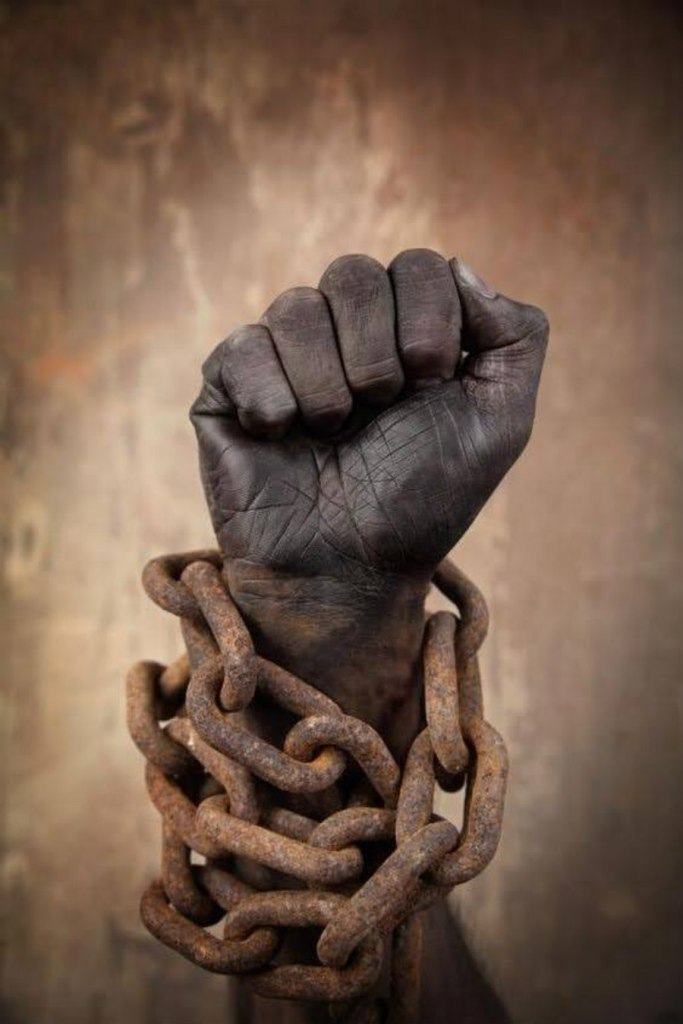
Forced labor, family separation, sexual violence, no legal rights, and psychological terror.
Forms of resistance?
Revolts, escapes, sabotage, spirituals, maroon communities, and education.
Who were Turner, Tubman, and Vesey?
Leaders of armed rebellion, underground resistance, and liberation.
Religion’s role?
Provided hope, coded messages, and survival theology.
Impact on families?
Destroyed kinship structures but created resilient communal bonds.
What was Reconstruction?
Post-slavery rebuilding period, where Black people gained rights briefly.
Why did it fail?
White supremacist violence, political betrayal, economic sabotage.
Jim Crow laws?
Legal racial segregation and disenfranchisement.
Plessy v. Ferguson?
Legalized segregation under “separate but equal.”
Great Migration?
Mass Black movement from South to North for safety and jobs.
Lynching?
Racial terror to enforce white dominance.
MLK vs Malcolm X?
MLK: nonviolence and integration.
Malcolm: self-defense and Black nationalism.
Role of women?
Core organizers, strategists, fundraisers, and leaders.
Black Panther Party?
Revolutionary group focused on self-defense, food programs, and education.
COINTELPRO?
FBI program to destroy Black leadership.
Voting Rights Act?
Outlawed voter suppression.
Colorism?
Preference for lighter skin due to colonial beauty standards.
Double consciousness?
Living with both Black identity and white societal gaze.
Media representation?
Shapes self-worth and public perception.
Internalized racism?
Absorbing negative beliefs about one’s own race.
Hip-hop?
Political voice of marginalized youth.
Racial wealth gap?
Result of slavery, segregation, and housing discrimination.
Redlining?
Banks denied loans to Black neighborhoods.
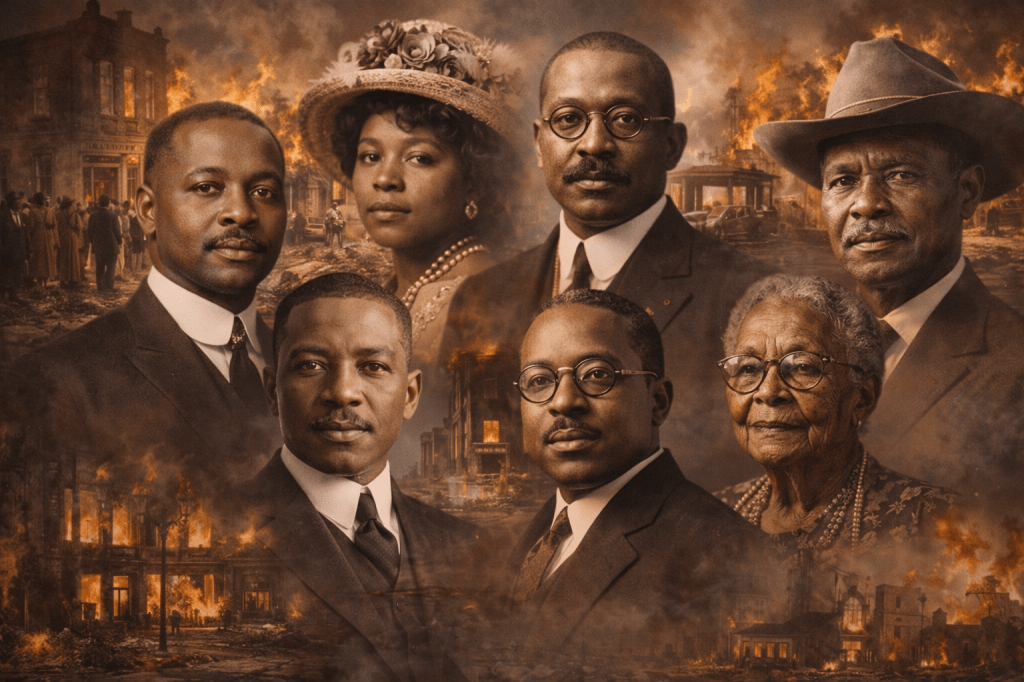
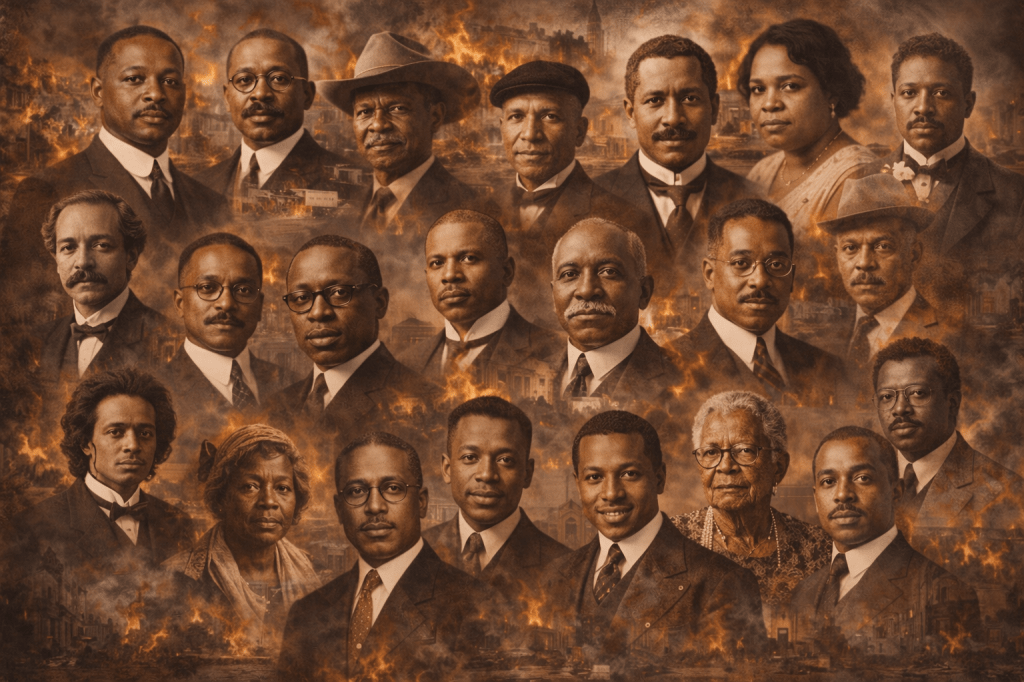
Black Wall Street?
Prosperous Black business district destroyed by racial massacre.
Mass incarceration?
Modern extension of racial control.
School-to-prison pipeline?
Criminalization of Black youth through education system.
Black women’s role?
Foundational leaders in all justice movements.
Key figures?
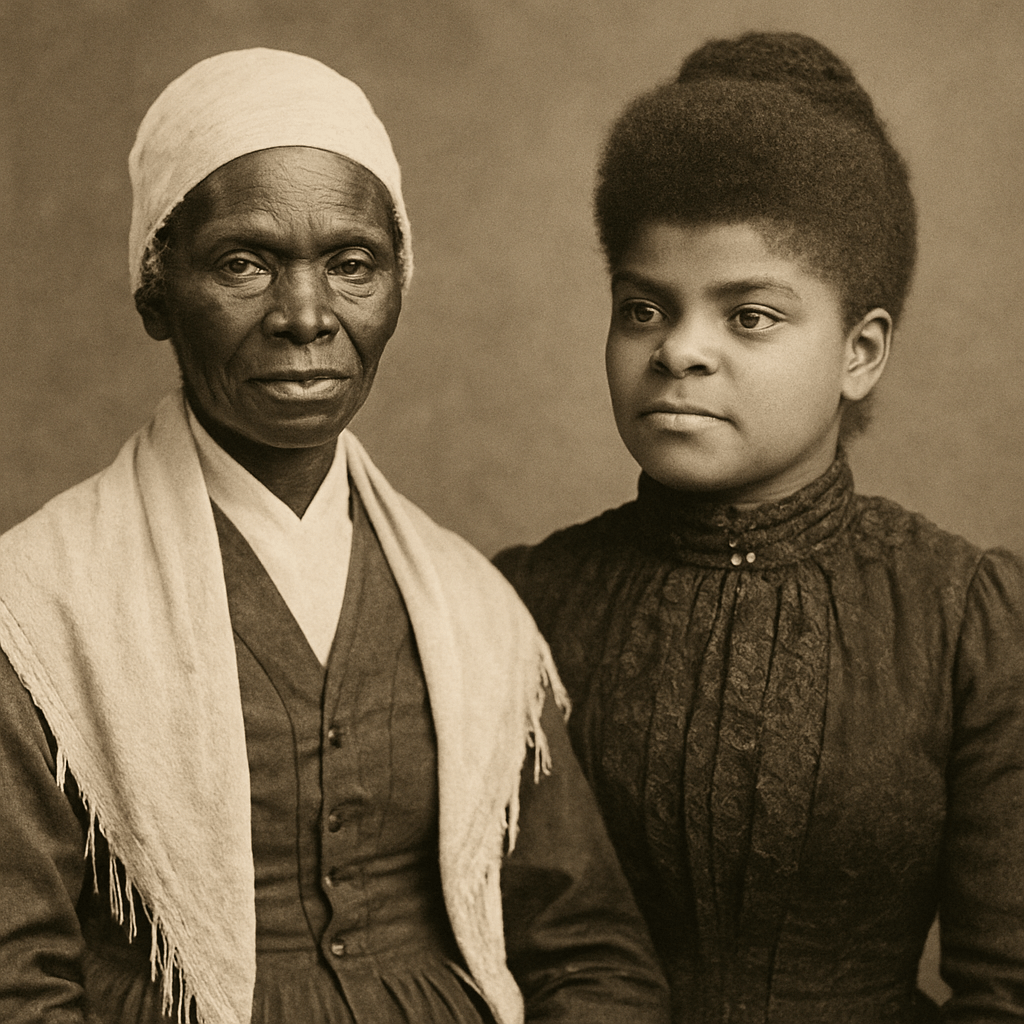
Sojourner Truth, Ida B. Wells, Angela Davis, Fannie Lou Hamer.
Intersectionality?
Overlapping racism and sexism.
Black motherhood?
Historically exploited, now culturally politicized.
Church role?
Spiritual backbone and organizers.
U.S. vs global?
Different histories, same racial hierarchy.
Pan-Africanism?
Global Black unity.
Garvey and Nkrumah?
Leaders of Black nationalism and African independence.
Colonialism’s impact?
Economic extraction, political instability.
Haitian Revolution?
First successful slave revolution in history.
Christianity as oppression and liberation?
Used to justify slavery but also inspire resistance.
Black church’s role?
Political center and liberation hub.
Deuteronomy 28?
Parallels of exile, curses, and survival.
Spirituals?
Encoded escape routes and hope.
Liberation theology?
God sides with the oppressed.
Is racism individual or systemic?
Systemic—embedded in laws and institutions.
Reparations?
Moral and economic response to historical theft.
National identity?
America cannot face the truth without rewriting itself.
Historical trauma?
Passed through culture, biology, and psychology.
Post-Civil Rights freedom?
Legal rights without economic justice.
What would enslaved Africans say?
Remember us. Finish the fight.
Black excellence beyond wealth?
Spiritual integrity, family, and knowledge.
True liberation?
Mental, economic, and spiritual freedom.
Silenced history?
African civilizations, resistance leaders, and global revolutions.
Future generations?
Must know history to avoid repeating bondage.
Finally, the most profound question is: What does true liberation mean? Liberation is not simply legal equality, but psychological freedom, economic justice, spiritual healing, and cultural self-definition.
True freedom requires dismantling the systems that created racial hierarchy, not merely integrating into them.
Black history, therefore, is not a side narrative. It is the central story of modern civilization. To study Black history is to confront the moral foundations of the world itself.
References
Alexander, M. (2010). The New Jim Crow: Mass Incarceration in the Age of Colorblindness. New Press.
Allen, T. W. (1994). The Invention of the White Race. Verso.
Beckert, S. (2014). Empire of Cotton: A Global History. Knopf.
Blackmon, D. A. (2008). Slavery by Another Name. Anchor.
Bonilla-Silva, E. (2018). Racism Without Racists. Rowman & Littlefield.
Brave Heart, M. Y. H. (2003). The historical trauma response. Journal of Psychoactive Drugs, 35(1), 7–13.
Coates, T. (2014). The case for reparations. The Atlantic.
Cone, J. H. (1997). God of the Oppressed. Orbis Books.
Fanon, F. (1967). Black Skin, White Masks. Grove Press.
Feagin, J. (2013). Systemic Racism. Routledge.
hooks, b. (2004). We Real Cool: Black Men and Masculinity. Routledge.
Hunter, M. (2007). The persistent problem of colorism. Sociology Compass, 1(1), 237–254.
Oliver, M. L., & Shapiro, T. M. (2006). Black Wealth/White Wealth. Routledge.
Rodney, W. (1972). How Europe Underdeveloped Africa. Bogle-L’Ouverture.
Smedley, A., & Smedley, B. D. (2005). Race as biology is fiction. American Psychologist, 60(1), 16–26.
Williams, E. (1944). Capitalism and Slavery. University of North Carolina Press.
Zinn, H. (2003). A People’s History of the United States. HarperCollins.

 THE BROWN GIRL DILEMMA