Tag Archives: queen

A Queen Worthy of the Crown

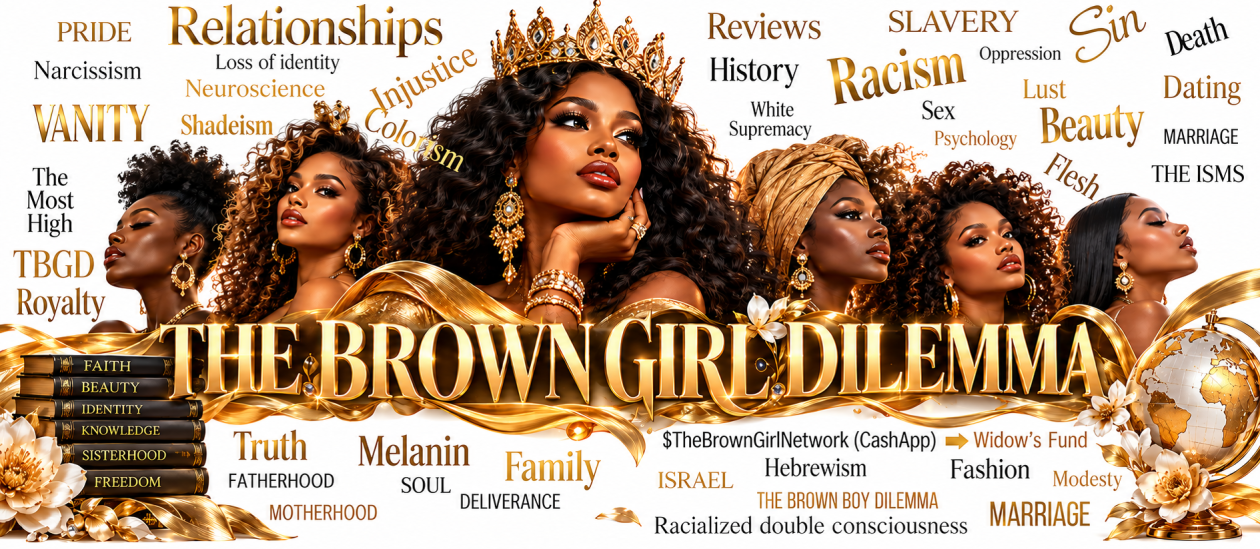
A queen worthy of the crown is not merely defined by outward beauty, status, or admiration from others; rather, her true identity is rooted in her relationship with God. Throughout Scripture, the imagery of crowns symbolizes honor, righteousness, and divine reward bestowed upon those who walk faithfully with the Lord. The spiritual crown is not earned through worldly prestige but through obedience, humility, and devotion to God. For the woman who desires to be a queen in God’s kingdom, the journey begins not with a man but with the King of Kings, whose guidance shapes her character and purpose.

The Bible teaches that believers will one day receive crowns as a reward for faithful living. The apostle Paul wrote that a “crown of righteousness” is laid up for those who love the appearing of Christ. This crown represents victory over sin, perseverance in faith, and steadfast commitment to God’s calling. Therefore, the woman who prepares herself spiritually is not merely preparing for earthly recognition but for eternal honor before God.

To be a queen in the kingdom of God requires a mindset that transcends cultural definitions of femininity. Society often encourages women to seek validation through relationships, social status, or physical appearance. However, a queen with God understands that her identity is secured in divine purpose. She sees herself as a daughter of the Most High, carrying dignity, wisdom, and grace in every aspect of her life.

Central to this identity is what may be called the “princess mentality.” This does not imply entitlement or arrogance, but rather a sacred awareness of one’s value before God. A princess mentality encourages a woman to treat herself with honor, protect her purity, and refuse environments that compromise her spiritual integrity. She understands that the way she carries herself reflects the kingdom she represents.

Seeking God daily is foundational to the life of a spiritual queen. Through prayer, meditation on Scripture, and worship, she cultivates intimacy with the Lord. This relationship becomes the source of her wisdom, strength, and peace. Rather than chasing worldly validation, she seeks the approval of God, knowing that divine affirmation surpasses human applause.

Fasting and prayer are also powerful disciplines that shape the heart of a queen. Biblical fasting is not simply abstaining from food but a spiritual practice that humbles the soul and sharpens spiritual sensitivity. Through fasting, a woman learns dependence upon God and gains clarity about her calling, relationships, and future direction.

Walking with God requires consistency and discipline. A queen worthy of the crown understands that spiritual maturity develops over time through obedience. She studies the Word, listens to the guidance of the Holy Spirit, and seeks wisdom from godly mentors. In doing so, she grows in character and becomes a reflection of divine wisdom.

Within God’s kingdom, queenship is closely tied to service and humility. Jesus Himself taught that greatness in the kingdom is measured by the willingness to serve others. A spiritual queen therefore uses her gifts to uplift her family, community, and church. Her influence is not domineering but nurturing, reflecting the compassionate nature of Christ.

Scripture offers a profound portrait of the virtuous woman in Proverbs 31. This woman is industrious, wise, compassionate, and deeply devoted to God. She manages her household with diligence, speaks with wisdom, and is clothed with strength and honor. Her worth is described as being far above rubies, emphasizing the rarity and value of such character.

Purity is another cornerstone of a queen’s spiritual preparation. The Bible encourages believers to honor God with their bodies and maintain holiness in their relationships. A woman committed to God guards her heart, understanding that intimacy is sacred and designed to flourish within the covenant of marriage.

Keeping oneself for marriage reflects both faith and patience. In a culture that often trivializes commitment, the woman who waits demonstrates profound trust in God’s timing. She recognizes that her body and heart are precious gifts, and she chooses to honor God by preserving them for a covenant relationship.

Waiting on God, however, does not mean living passively. During seasons of singleness, the queen continues to grow spiritually, intellectually, and emotionally. She invests in her purpose, builds meaningful relationships, and develops her talents. Her life remains fruitful even while she awaits the partner God may provide.

The Bible often emphasizes that a godly man finds a virtuous woman rather than the other way around. This principle suggests that the woman focuses primarily on becoming who God has called her to be. When the time is right, the godly king will recognize her character, faith, and dignity.

In the meantime, her devotion belongs first to the King of Kings. Christ becomes the center of her life, guiding her decisions and shaping her identity. Through this spiritual union, she experiences fulfillment that transcends romantic relationships.

Commitment to God also protects a woman from unhealthy relationships. When her standards are shaped by Scripture, she learns to discern character rather than charm. She values integrity, faith, and spiritual leadership above superficial attraction.

A queen worthy of the crown cultivates inner beauty. The apostle Peter wrote that the hidden person of the heart, characterized by a gentle and quiet spirit, is precious in the sight of God. Such beauty does not fade with time but grows stronger through faith and maturity.

Humility also defines the character of a spiritual queen. She recognizes that her gifts, beauty, and opportunities come from God’s grace. Rather than boasting, she expresses gratitude and uses her blessings to serve others.

Faith is essential during seasons of waiting and preparation. At times, a woman may feel overlooked or misunderstood, yet faith reminds her that God’s plans unfold according to divine wisdom. The crown prepared for her life will arrive in God’s perfect timing.

Ultimately, the promise of wearing a crown extends beyond earthly relationships. The faithful believer anticipates the eternal crown given by Christ to those who remain steadfast. This spiritual reward symbolizes victory, righteousness, and eternal fellowship with God.

Therefore, a queen worthy of the crown lives with purpose, purity, and devotion. She honors herself as a daughter of God, seeks the Lord through prayer and fasting, walks in wisdom, and patiently waits for God’s direction. Above all, she remains committed to the King of Kings, knowing that true royalty begins with a heart surrendered to God.

References

The Holy Bible, King James Version.
Clinton, J. R. (2012). The Making of a Leader. NavPress.
Foster, R. (2018). Celebration of Discipline: The Path to Spiritual Growth. HarperOne.
Stanley, C. (2010). How to Listen to God. Thomas Nelson.
Willard, D. (2014). The Spirit of the Disciplines. HarperOne.

Black History: Queen Charlotte of Mecklenburg-Strelitz – The First Black Queen of England.

Queen Charlotte of Mecklenburg-Strelitz remains one of the most fascinating and contested figures in European royal history, particularly within discussions of Black presence in premodern Europe. While often portrayed in traditional British narratives as a conventional white European queen, growing historical scholarship and portrait analysis suggest that Charlotte may have been Britain’s first biracial monarch, with documented African ancestry embedded within her royal lineage.

Queen Charlotte of Mecklenburg-Strelitz was born in 1744 in the German duchy of Mecklenburg-Strelitz, a small but politically significant principality within the Holy Roman Empire. She married King George III of Great Britain in 1761 at the age of seventeen and immediately became Queen Consort of Great Britain and Ireland, later also Queen of Hanover.

Charlotte was the daughter of Duke Charles Louis Frederick of Mecklenburg-Strelitz and Princess Elisabeth Albertine of Saxe-Hildburghausen. Her family belonged to the minor German nobility, but through intermarriage with Iberian royal houses, her bloodline extended into Portuguese and Moorish ancestry. It is this lineage that forms the basis of arguments for her African heritage.

The strongest historical claim regarding Charlotte’s African ancestry comes from her descent from Margarita de Castro y Sousa, a noblewoman of the Portuguese royal court. Margarita herself was a descendant of King Afonso III of Portugal and Madragana, a Moorish woman described in historical documents as having African features and Muslim heritage. Through this line, Queen Charlotte inherited traceable African ancestry approximately fifteen generations back.

Portuguese royal records and genealogical studies show that Madragana was referred to as a “Moor” — a term used in medieval Europe for North African and sub-Saharan Africans, especially Muslims of African descent. This makes Charlotte genetically biracial by historical definition, even if diluted through centuries of intermarriage.

What makes Queen Charlotte particularly unique is not only her lineage, but how she was visually represented. Several contemporary portraits painted during her lifetime depict her with visibly African facial features: a broad nose, full lips, darker complexion, and tightly curled hair. Artists such as Allan Ramsay and Sir Thomas Lawrence painted Charlotte in ways that differed significantly from the idealized European beauty standards of the time.

Allan Ramsay, a known abolitionist, intentionally emphasized Charlotte’s African traits in his royal portraits. This was a political act, as Ramsay believed art could challenge white supremacist ideologies by showing Black presence in elite European spaces. His portraits stand in contrast to later revisions that whitened her appearance.

British society during the 18th century was deeply racialized, yet paradoxically fascinated by Blackness. While enslaved Africans existed in England, the presence of a biracial queen was never publicly acknowledged or celebrated. Instead, her African ancestry was quietly ignored, softened, or erased in official royal discourse.

Queen Charlotte herself never publicly claimed African identity, which would have been politically impossible in a monarchy built on white European supremacy. Her legitimacy depended on assimilation, not racial visibility. Thus, her Black ancestry existed as an unspoken truth hidden within aristocratic genealogy.

Despite this silence, many contemporaries commented on her appearance. Some British courtiers privately referred to her as having a “mulatto face,” while foreign diplomats described her features as “unusual for a German princess.” These coded racial descriptions reveal that her difference was noticed, even if never openly discussed.

Charlotte gave birth to fifteen children, making her the matriarch of modern European royal bloodlines. Through her descendants, African ancestry entered nearly every royal house in Europe, including the current British monarchy. This fact alone radically challenges the myth of racial purity in European royalty.

Her influence extended beyond race into culture, education, and abolitionist politics. She was a patron of Black composers, supported the education of poor children, and advocated for anti-slavery reforms through private influence on King George III.

Queen Charlotte’s story disrupts the dominant narrative that Black history exists only in Africa or the Americas. Her existence proves that Africans and their descendants have always been embedded in European power structures, even at the highest levels of monarchy.

Modern historians increasingly recognize Charlotte as a symbol of erased Black presence in European history. Her whitening in textbooks and portraits reflects a broader pattern of historical revisionism designed to maintain white exclusivity in narratives of power.

The popular television series Bridgerton did not invent the idea of a Black Queen Charlotte — it revived a truth long buried by racial politics. While dramatized, the concept is grounded in legitimate historical research.

Queen Charlotte stands today as a powerful reminder that Black history is not marginal, peripheral, or modern. It is ancient, royal, and deeply woven into the foundations of Western civilization itself.


References

Adams, G. (2019). The Queen’s Hidden Heritage: African Ancestry in the British Royal Family. Journal of Black Studies, 50(3), 234–251.

Ramsay, A. (1762–1780). Royal Portraits of Queen Charlotte. Royal Collection Trust.

Oliveira, M. (2008). Moorish Lineages in the Portuguese Royal House. Lisbon Historical Review.

Fryer, P. (1984). Staying Power: The History of Black People in Britain. Pluto Press.

Jeffries, S. (2018). “Was Queen Charlotte Black? The Real History Behind Bridgerton.” The Guardian.

BBC History. (2020). Queen Charlotte: Britain’s First Black Queen? British Broadcasting Corporation.

Royal Collection Trust. (2021). Queen Charlotte of Mecklenburg-Strelitz: Portraits and Legacy.

🌀 Queens, Doves, and Wolves: Understanding the Differences Between Alpha, Beta, and Sigma Females.

Photo by Anna Shvets on Pexels.com

Alpha = Power in dominance.

Beta = Power in cooperation.

Sigma = Power in independence.

In modern social psychology and popular culture, women are often categorized into personality archetypes—Alpha, Beta, and Sigma. These classifications help explain patterns of behavior, decision-making, and relational dynamics in both personal and professional contexts. Each archetype exhibits unique strengths, weaknesses, and psychological traits that shape how women lead, interact, and perceive themselves and others.

🔹 Alpha Female (The Queen)

  • Strengths: Natural leader, assertive, ambitious, confident, thrives in visibility and competition.
  • Weaknesses: Can be domineering, intimidating, or overly status-driven. May struggle with vulnerability.
  • Core Trait: Power through dominance.

🔹 Beta Female (The Dove)

  • Strengths: Cooperative, empathetic, supportive, peacekeeping, values stability and relationships.
  • Weaknesses: Can lack assertiveness, overly dependent on approval, avoids conflict even when necessary.
  • Core Trait: Power through harmony.

🔹 Sigma Female (The Wolf)

  • Strengths: Independent, self-sufficient, mysterious, adaptable, quietly influential, deeply empathetic but selective.
  • Weaknesses: Misunderstood, intimidating to others, may isolate herself, can struggle with trusting others.
  • Core Trait: Power through independence.

✨✨✨✨✨✨✨

  • The Alpha Female leads with dominance and authority.
  • The Beta Female nurtures through cooperation and support.
  • The Sigma Female thrives in solitude, outside hierarchies, and commands respect through quiet strength.

Origins of the Archetypes

The concept of Alpha and Beta hierarchies originates from mid-20th-century studies of social animals, particularly wolf packs (Schenkel, 1947; Mech, 1970). Alphas were seen as dominant leaders, while Betas were subordinate followers. The Sigma archetype is a modern addition, popularized in online culture and self-development literature in the 2010s, describing women who operate independently outside traditional hierarchies.

Core Definition of Alpha Female

The Alpha female is a natural leader. She thrives on visibility, authority, and achievement. Confident and assertive, she excels in competitive environments and often assumes the role of decision-maker in both professional and social contexts. Her presence commands attention, and she actively influences outcomes rather than waiting for circumstances to shape her path.

Strengths of Alpha Females

Alphas are ambitious, resilient, and strategic. Their assertiveness enables them to lead teams, negotiate effectively, and pursue ambitious goals. Socially, they inspire confidence and loyalty in others through their vision and decisiveness. These qualities often make them role models and trailblazers.

Weaknesses of Alpha Females

The Alpha’s dominance can manifest as domineering or intimidating behavior. At times, she may struggle with vulnerability or overemphasize control and status. In relationships, her assertiveness can overwhelm partners or peers who are less comfortable with confrontation.

Core Definition of Beta Female

The Beta female is supportive, cooperative, and relationship-oriented. She values harmony, approval, and stability in both personal and professional spheres. Betas excel in nurturing roles and often prioritize group cohesion over individual dominance. Their strength lies in emotional intelligence and adaptability in social situations.

Strengths of Beta Females

Betas are empathetic, patient, and dependable. They create environments of trust and safety, excel at mediation, and often serve as the emotional backbone in families or teams. Their ability to collaborate makes them effective in cooperative projects and long-term partnerships.

Weaknesses of Beta Females

Beta females may struggle with assertiveness and self-advocacy. Their desire for approval can lead to dependence on others’ opinions and difficulty in setting boundaries. They may avoid necessary conflicts, resulting in personal dissatisfaction or exploitation by more dominant personalities.

Core Definition of Sigma Female

The Sigma female is independent, self-sufficient, and thrives outside traditional social hierarchies. Unlike the Alpha, she does not seek dominance, and unlike the Beta, she does not seek approval. Sigma females are often introverted, adaptable, and deeply introspective. Their influence comes from competence and authenticity rather than authority or conformity.

Strengths of Sigma Females

Sigma females possess resilience, adaptability, and strategic intelligence. Their quiet confidence inspires respect without requiring validation. They are highly empathetic but selective in relationships, offering profound support to those who earn their trust. Their independence allows them to navigate challenges without relying on group dynamics.

Weaknesses of Sigma Females

The Sigma’s preference for solitude can lead to isolation or misunderstandings. They may be perceived as aloof, intimidating, or emotionally distant. Trusting others can be challenging, and their high standards often make forming close relationships difficult.

Sigma vs. Alpha vs. Beta: Behavioral Comparison

  • Alphas lead through visibility and dominance.
  • Betas lead through cooperation and emotional support.
  • Sigmas lead through self-mastery and authenticity.
    This distinction reflects differences in motivation, social strategy, and relational orientation (Eastwick et al., 2014).

🔺 Comparison Chart: Alpha vs. Beta vs. Sigma Female

TraitAlpha Female 🦁Beta Female 🕊️Sigma Female 🐺
Core IdentityDominant leader, thrives on visibility and control.Supportive, nurturing, seeks harmony and security.Independent, self-sufficient, thrives outside hierarchies.
Social RoleCommands attention, often the “queen bee.”Follower or peacemaker in groups.Loner or quiet influencer, moves in and out of social spaces by choice.
MotivationRecognition, power, status.Stability, approval, belonging.Freedom, authenticity, personal growth.
Leadership StyleDirect, commanding, assertive.Supportive, cooperative, avoids conflict.Subtle, influential, leads by example, not force.
Confidence SourceExternal validation, dominance in group.Approval and affirmation from others.Internal self-trust, discipline, and autonomy.
EmpathyCan be high but secondary to ambition.Very high, often prioritizes others over self.Deep, quiet empathy—authentic but selective.
ToleranceTolerates followers but not rivals.Tolerates much, often avoids confrontation.Does not tolerate manipulation, dishonesty, or disrespect.
Romantic AttractionAttracted to high-status, powerful men.Attracted to protective, stable partners.Attracted to strong, emotionally intelligent men (often Stoic or Sigma males).
View of IndependenceLeads groups but thrives within them.Relies on group approval and security.Fully independent, comfortable alone, thrives in solitude.
Perception by MenPowerful, sometimes intimidating but desirable.Gentle, approachable, less threatening.Mysterious, magnetic, often intimidating because of her self-sufficiency.
Archetypal SymbolThe Lioness 🦁The Dove 🕊️The Lone Wolf 🐺

Psychological Traits

From a psychological perspective, Sigma females often score high in autonomy, self-efficacy, and introspective intelligence (Bandura, 1997; Deci & Ryan, 1985). Alphas score higher in dominance and assertiveness, while Betas excel in agreeableness and conscientiousness (Costa & McCrae, 1992). Understanding these traits allows women to identify their archetype and leverage their strengths.

Social Perception

Men and peers often perceive Sigma females as mysterious and magnetic. While Alphas are seen as commanding and Betas as approachable, Sigmas provoke curiosity due to their independence and emotional depth. Their confidence without neediness can challenge traditional social expectations.

Romantic Dynamics

Sigma females are attracted to partners who respect independence and demonstrate emotional intelligence. Stoic or Sigma males are particularly compatible due to shared values of self-sufficiency and authenticity. Alphas often pursue dominant men, while Betas seek stability and reassurance.

Professional and Personal Implications

Understanding these archetypes allows women to navigate workplace and social dynamics effectively. Alphas thrive in leadership-heavy roles, Betas excel in collaborative settings, and Sigmas often innovate quietly, influencing through expertise rather than visibility.

Identifying Your Archetype

Women can identify as Sigma if they value autonomy, embrace solitude, maintain strong boundaries, and influence without seeking validation. Self-reflection, personality assessments, and observation of relational patterns can help clarify one’s archetype.

Modern Cultural Relevance

The rise of the Sigma female reflects shifts toward valuing independence, authenticity, and female empowerment beyond traditional hierarchies. She symbolizes resilience, critical thinking, and emotional intelligence in a society that often prioritizes extroversion and dominance.

Conclusion

Alpha, Beta, and Sigma females represent distinct archetypes, each with strengths, weaknesses, and social strategies. While Alphas lead with visibility, Betas lead with harmony, and Sigmas lead with autonomy. Recognizing these differences allows women to understand their behavior, maximize potential, and cultivate meaningful relationships while honoring their authentic selves.

Final Reflection

The Sigma female embodies the modern paradigm of self-determined womanhood. By integrating psychological insight, social awareness, and cultural understanding, she represents a balanced, empowered approach to life—leading quietly, thinking independently, and living authentically.


References

  • Bandura, A. (1997). Self-efficacy: The exercise of control. New York: W.H. Freeman.
  • Costa, P. T., & McCrae, R. R. (1992). Revised NEO Personality Inventory (NEO PI-R) and NEO Five-Factor Inventory (NEO-FFI) professional manual. Psychological Assessment Resources.
  • Deci, E. L., & Ryan, R. M. (1985). Intrinsic motivation and self-determination in human behavior. Springer Science & Business Media.
  • Eastwick, P. W., Eagly, A. H., Finkel, E. J., & Johnson, S. E. (2014). Implicit and explicit preferences for physical attractiveness in a partner. Personality and Social Psychology Bulletin, 40(9), 1081–1093.
  • Mech, D. (1970). The Wolf: The Ecology and Behavior of an Endangered Species. University of Minnesota Press.
  • Schenkel, R. (1947). Ausdrucks-Studien an Wölfen. Behaviour, 1(1), 81–129.

Girl Talk Series: How to Act like A Queen

This photograph is the property of its respective owner. No copyright infringement intended.

Ladies, a “Queen” is more than a title—it is an attitude, a way of life, and a reflection of Godly womanhood. She carries herself with grace, confidence, and wisdom, understanding that true authority comes not from dominance but from character, self-respect, and alignment with God’s principles. To act like a Queen is to embrace purpose, dignity, and influence in every aspect of life.

Self-Respect is Non-Negotiable. A Queen knows her worth is intrinsic, given by God, not defined by others’ opinions. Psalm 139:14 (KJV) reminds us, “I will praise thee; for I am fearfully and wonderfully made: marvellous are thy works; and that my soul knoweth right well.” She refuses to accept disrespect, manipulation, or devaluation, maintaining her boundaries firmly yet gracefully.

Confidence Without Arrogance. A Queen walks in quiet assurance. She does not boast or seek validation through social media or public approval. Proverbs 31:25 (KJV) says, “Strength and honour are her clothing; and she shall rejoice in time to come.” Her confidence stems from self-awareness, preparation, and spiritual grounding, not superficial praise.

Grace and Poise in Every Situation. Acting like a Queen involves composure, even under pressure. She remains calm, speaks thoughtfully, and makes decisions with wisdom. Proverbs 16:24 (KJV) teaches, “Pleasant words are as a honeycomb, sweet to the soul, and health to the bones.” Her words uplift, inspire, and command respect without harshness.

Cultivate Knowledge and Wisdom. A Queen values intellect as much as beauty. She reads, learns, and seeks understanding. She is discerning in her choices, relationships, and words. Proverbs 4:7 (KJV) advises, “Wisdom is the principal thing; therefore get wisdom: and with all thy getting get understanding.” Knowledge empowers her to navigate life strategically and honorably.

Spiritual Alignment is Essential. A Queen walks in faith, prioritizing her relationship with God. She prays, studies Scripture, and aligns her life with His principles. Her decisions, demeanor, and priorities reflect God’s guidance. Matthew 6:33 (KJV) reminds her to “seek ye first the kingdom of God, and his righteousness; and all these things shall be added unto you.” Spiritual grounding amplifies her presence and influence.

Elegance in Appearance and Behavior. While physical beauty is fleeting, a Queen understands the power of presentation. Her clothing, posture, and style reflect self-respect and dignity. 1 Samuel 16:7 (KJV) teaches, “Man looketh on the outward appearance, but the Lord looketh on the heart.” True elegance balances external presentation with internal virtue.

Emotional Intelligence is a Mark of Royalty. A Queen manages emotions wisely, responding rather than reacting. She practices empathy, forgiveness, and patience, understanding that her composure influences her environment and relationships. James 1:19 (KJV) instructs, “Wherefore, my beloved brethren, let every man be swift to hear, slow to speak, slow to wrath.” Emotional mastery distinguishes her from those ruled by impulse.

Set Standards, Not Settlements. A Queen does not compromise her values or settle for less than God intends. She is selective in relationships, friendships, and opportunities, ensuring alignment with her principles. 2 Corinthians 6:14 (KJV) warns, “Be ye not unequally yoked together with unbelievers,” teaching discernment in partnerships.

Leadership Through Influence, Not Force. A Queen leads by example, inspiring others through integrity, service, and vision. She uplifts those around her without diminishing anyone else. Proverbs 31:26 (KJV) says, “She openeth her mouth with wisdom; and in her tongue is the law of kindness.” Her authority is earned through respect and consistency.

Financial Wisdom and Independence. Acting like a Queen involves stewardship of resources. She manages money wisely, invests in her future, and avoids unnecessary debt. Proverbs 31:16 (KJV) depicts a virtuous woman who considers a field and buys it; her financial acumen secures her household and personal empowerment.

Self-Care is Sacred. A Queen prioritizes her health—physically, emotionally, and spiritually. She understands that caring for herself enhances her ability to serve others and maintain her influence. 1 Corinthians 6:19–20 (KJV) teaches that her body is the temple of the Holy Spirit, to be honored and preserved.

Community and Mentorship. A Queen uplifts other women and builds a network of support. She mentors, encourages, and shares wisdom, recognizing that collective empowerment strengthens the entire sisterhood. Ecclesiastes 4:9–10 (KJV) affirms that “two are better than one; because they have a good reward for their labour.”

Maintain Integrity and Honesty. A Queen speaks truth, keeps her promises, and acts consistently with her values. Her reputation is her crown. Proverbs 10:9 (KJV) notes, “He that walketh uprightly walketh surely: but he that perverteth his ways shall be known.” Integrity is the cornerstone of her influence.

Patience and Perseverance. A Queen understands that life is a journey of growth and testing. She endures trials with faith, emerging stronger and wiser. Romans 5:3–4 (KJV) teaches, “Tribulation worketh patience; and patience, experience; and experience, hope.” She knows that time cultivates wisdom and legacy.

Celebrate Achievements, Big and Small. A Queen acknowledges her growth, victories, and efforts, cultivating gratitude and confidence. Psalm 20:4 (KJV) says, “Grant thee according to thine own heart, and fulfil all thy counsel.” Celebration nurtures joy and reinforces her sense of worth.

Maintain Boundaries with Grace. She knows when to say no, avoiding toxic relationships or environments. Boundaries protect her peace, purpose, and influence. Proverbs 4:23 (KJV) teaches, “Keep thy heart with all diligence; for out of it are the issues of life.” Guarding her heart ensures she leads with clarity and strength.

Act with Courage and Boldness. A Queen faces challenges with faith, not fear. She is willing to step into leadership, speak up, and stand for truth, reflecting God’s empowerment in her life. Joshua 1:9 (KJV) commands, “Be strong and of a good courage; be not afraid, neither be thou dismayed: for the Lord thy God is with thee whithersoever thou goest.”

Legacy Minded. A Queen lives not only for herself but for generations to come. Her decisions, influence, and values shape the future. Proverbs 31:28 (KJV) affirms, “Her children arise up, and call her blessed; her husband also, and he praiseth her.” She invests in legacy through character, wisdom, and example.

In Conclusion. To act like a Queen is to embody dignity, wisdom, and divine purpose. It is a conscious practice of self-respect, faith, emotional intelligence, and influence. A Queen’s life reflects God’s design for womanhood, inspiring others while walking in strength, grace, and purpose. Her crown is her character, her scepter is her wisdom, and her throne is the life she leads with integrity and love.


KJV Bible References

  • Genesis 2:24, KJV
  • Psalm 139:14; 20:4, KJV
  • Proverbs 4:7, 4:23, 10:9, 16:24, 31:25–28, KJV
  • Ecclesiastes 4:9–12, KJV
  • 1 Corinthians 6:19–20; 7:3–4, KJV
  • James 1:19, KJV
  • Matthew 6:33, KJV
  • 2 Corinthians 6:14, KJV
  • Romans 5:3–4, KJV
  • Joshua 1:9, KJV
  • Ephesians 4:2–3, KJV