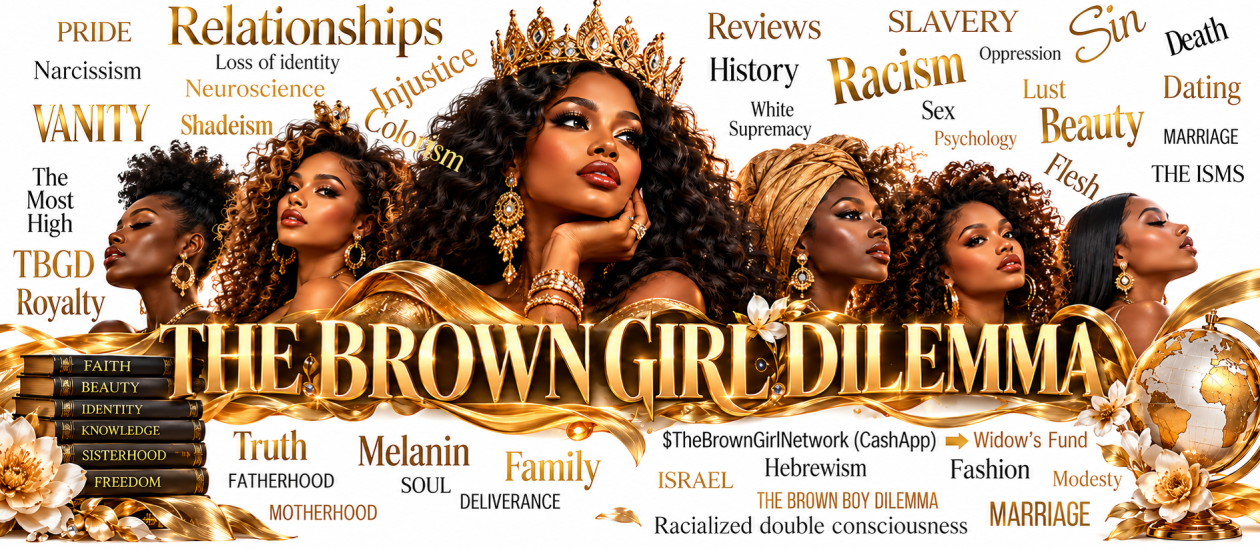


Hair has long held deep cultural and emotional meaning within Black women’s experiences, shaping identity in ways that go far beyond aesthetics. It is not simply a matter of style, but a reflection of history, self-expression, and personal dignity. For many Black women, hair becomes a visible symbol of both individuality and collective cultural memory.
From early childhood, many learn that their natural hair texture may be interpreted through different social lenses. These interpretations can influence self-esteem, shaping how they see themselves in relation to beauty standards that are often external rather than internally defined. Over time, hair becomes tied to confidence, acceptance, and belonging.
In many environments, Black women navigate complex expectations regarding how their hair should look in professional, academic, and social spaces. These expectations can create internal conflict between authenticity and conformity. The decision to wear natural styles, straightened hair, braids, or protective styles often carries layers of meaning beyond personal preference.
Hair also serves as a form of storytelling. It can reflect heritage, creativity, and resilience. Styles such as braids, locs, twists, and afros carry cultural significance that connects present identity to ancestral traditions. In this way, hair becomes a living expression of history.
At the same time, societal messaging about “professionalism” and “beauty standards” has historically influenced how Black women perceive their natural hair. These messages can create pressure to alter or suppress natural textures in order to meet external expectations. This tension can impact self-image and confidence over time.
However, there has also been a powerful cultural shift toward embracing natural hair. Movements centered on self-acceptance and cultural pride have encouraged Black women to reclaim their natural textures. This reclamation is often described not only as a beauty choice but as a form of empowerment.

Social media has played a significant role in this transformation. Platforms have allowed Black women to share their hair journeys, celebrate natural styles, and build communities of encouragement. These digital spaces have helped normalize a wider range of beauty expressions.
Despite progress, challenges remain. Colorism, texture bias, and workplace expectations continue to influence how hair is perceived in different environments. These factors contribute to ongoing conversations about equity, representation, and self-definition.
Hair care itself is often a deeply personal and nurturing practice. For many, it becomes a ritual that fosters connection to self. The process of caring for natural hair can encourage patience, self-awareness, and acceptance.
Family and community influence also shape hair identity. Lessons passed down through generations often carry both practical knowledge and cultural meaning. These teachings can influence how Black women relate to their hair throughout their lives.
The emotional relationship with hair can shift over time. What may begin as insecurity in youth can evolve into pride and confidence in adulthood. This transformation often reflects broader journeys of self-acceptance and identity development.
Representation in media continues to play a significant role in shaping perceptions. When diverse hair textures are visible in positive and affirming ways, it helps broaden societal definitions of beauty. This visibility contributes to healthier self-perception among younger generations.
Ultimately, hair is not just an external feature but a deeply symbolic part of identity. For Black women, it often carries layers of cultural meaning, emotional experience, and personal expression that extend far beyond appearance. It becomes a living reflection of history, resilience, and individuality.
“Good Hair vs Bad Hair”: How Language Shapes Identity and Self-Esteem

The terms “good hair” and “bad hair” have long existed within cultural conversations, particularly in relation to Black communities. These phrases carry historical weight and continue to influence how individuals perceive beauty, identity, and self-worth. Language plays a powerful role in shaping internal beliefs about physical appearance.
Historically, these terms emerged from social hierarchies that prioritized certain hair textures over others. Straighter hair textures were often labeled as “good,” while tighter curls and coily textures were unfairly labeled as “bad.” These classifications were never rooted in biology but in social bias and constructed beauty standards.
Over time, these labels became internalized in some communities, influencing self-perception from an early age. Children exposed to these ideas may begin to associate their natural hair texture with value or lack thereof. This internalization can impact confidence and identity development.
The psychological effects of such language are significant. When individuals repeatedly hear their natural features described negatively, it can lead to diminished self-esteem and identity conflict. These effects may persist into adulthood, shaping choices related to hair styling and self-expression.

Language not only reflects culture but also reinforces it. When terms like “good hair” and “bad hair” are used casually, they perpetuate underlying assumptions about beauty hierarchy. These assumptions influence how people see themselves and others.
Media representation has historically reinforced these ideas by favoring certain hair textures in mainstream beauty standards. However, increasing representation of diverse hair types has begun to challenge and redefine these narratives. Visibility plays a crucial role in reshaping perception.
Education and awareness have also contributed to changing conversations around hair. As more people learn about the cultural and historical origins of these terms, there is a growing rejection of the idea that natural hair can be categorized as inherently good or bad.
Psychologically, identity is deeply influenced by repetition and reinforcement. When positive language replaces negative labeling, self-perception begins to shift. Affirming language around natural hair can support healthier self-esteem and identity development.
Community dialogue has been essential in challenging harmful terminology. Conversations within families, schools, and cultural spaces have helped reframe hair as a neutral and expressive feature rather than a measure of worth. These discussions continue to evolve.
The natural hair movement has played a major role in dismantling these outdated concepts. By encouraging people to embrace their natural textures, it challenges the idea that beauty must conform to a narrow standard. This movement has contributed to broader cultural change.
Despite progress, remnants of these ideas still exist in subtle ways. Comments, jokes, and assumptions can still reinforce outdated beliefs about hair. Addressing these patterns requires ongoing awareness and intentional language use.
Self-esteem is closely tied to how individuals are described and perceived by others. Positive reinforcement and affirming language can significantly improve confidence and identity stability. This is particularly important during formative years.
Reclaiming language is part of the process of cultural healing. By rejecting harmful labels and embracing inclusive language, communities can reshape narratives around beauty and identity. This shift supports healthier self-perception across generations.
Ultimately, the words used to describe hair carry more weight than they may seem. They influence identity, self-esteem, and cultural understanding in profound ways. Changing the language is an essential step toward changing perception.
If this work has informed or inspired you, please consider supporting it so we can continue researching, writing, and sharing these stories.
CashApp: $thebrowngirlnetwork
Make a one-time donation
Make a monthly donation
Make a yearly donation
Choose an amount
Or enter a custom amount
Your contribution is appreciated.
Your contribution is appreciated.
Your contribution is appreciated.
References
- Banks, I. (2000). Hair matters: Beauty, power, and Black women’s consciousness. NYU Press.
- Byrd, A. D., & Tharps, L. L. (2014). Hair story: Untangling the roots of Black hair in America. St. Martin’s Press.
- Clark, R., & Clark, K. B. (1947). Racial identification and preference in Black children. Journal of Negro Education.
- Craig, M. L. (2002). Ain’t I a beauty queen? Black women, beauty, and the politics of race. Oxford University Press.
- hooks, b. (1992). Black looks: Race and representation. South End Press.
- Robinson, C. J. (2011). Good hair: The cultural politics of Black hair. University of Michigan Press.
- Sue, D. W., & Sue, D. (2016). Counseling the culturally diverse: Theory and practice. Wiley.
- Tajfel, H., & Turner, J. C. (1986). The social identity theory of intergroup behavior. Psychology Press.
Discover more from THE BROWN GIRL DILEMMA
Subscribe to get the latest posts sent to your email.