Tag Archives: psychology

Colorism in the Black Male Experience.

Photo by Ivan Samkov on Pexels.com

Cultural and Societal Expectations

  • Black Women: Colorism often ties directly to beauty standards, desirability, and marriage prospects. Lighter-skinned women are often idealized in media and society, which can affect self-esteem, social mobility, and romantic relationships. Darker-skinned women may face social marginalization and pressure to alter their appearance.
  • Black Men: Colorism is less about beauty in the traditional sense and more tied to perceptions of masculinity, competence, and threat. Lighter-skinned Black men are sometimes perceived as more intelligent, professional, or “safe,” while darker-skinned men may be stereotyped as aggressive, criminal, or hyper-masculine.

2. Stereotypes and Biases

  • Women: Dark skin is often linked to negative beauty stereotypes (“unattractive,” “too ethnic”), while lighter skin is associated with success, refinement, and desirability.
  • Men: Dark skin often amplifies negative societal stereotypes about violence or criminality. Light skin can be an advantage in professional or social contexts, but less connected to romantic desirability compared to women.

3. Psychological Impact

  • Women: Colorism can deeply affect self-esteem, body image, and social inclusion. It can also drive internalized biases against darker-skinned women within Black communities.
  • Men: Colorism influences self-perception, career advancement, and social treatment. Darker-skinned men may experience stress, hyper-vigilance, or feelings of marginalization due to persistent stereotyping.

4. Media Representation

  • Women: Light-skinned actresses, models, and influencers dominate mainstream beauty representation, reinforcing a preference for lighter skin.
  • Men: Media often depicts darker-skinned men in roles associated with aggression or criminality, while lighter-skinned men are more likely to appear as professionals, romantic leads, or “safe” characters.

5. Community Dynamics

  • Women: Colorism can create divisions within families and communities around marriage, social acceptance, or status.
  • Men: It can influence professional networking, mentorship opportunities, and perceptions of leadership or credibility.

In short, colorism is gendered: for Black women, it centers more on beauty and social desirability; for Black men, it centers more on perceived competence, threat, and social legitimacy. The psychological and social consequences differ, but both experiences stem from the same racialized hierarchy that elevates proximity to whiteness.

Historical-Political Lens

Colorism among Black males has roots in colonialism and slavery. European slaveholders often favored lighter-skinned enslaved people, sometimes assigning them less physically demanding work or placing them in supervisory roles. This created a hierarchy based on skin tone, privileging proximity to whiteness even within oppressed populations (Hunter, 2007).

The privileging of lighter skin reinforced systemic oppression. Lighter-skinned men could access slightly better opportunities, while darker-skinned men were subjected to the harshest labor, social marginalization, and heightened surveillance. These historical conditions cemented color-based hierarchies within Black communities, influencing perceptions of competence, value, and masculinity.

Stereotypes of dark-skinned Black men as aggressive or criminal were reinforced through legal and social structures, from the criminalization of African men during slavery to discriminatory policing in the Jim Crow and post-Civil Rights era. These biases persist in contemporary law enforcement and criminal justice systems.

The political and social consequences of these hierarchies continue to shape the experiences of Black men today. From employment discrimination to media representation, historical colorism has become institutionalized, producing lasting psychological and economic disparities.


Psychological-Social Lens

Colorism affects Black men’s self-concept and social interactions. Darker-skinned men often experience internalized stigma, leading to reduced self-esteem, hypervigilance, and stress (Pyke, 2010). Lighter-skinned men, by contrast, may receive social or professional advantages, sometimes creating tension or rivalry within the community.

Stereotypes linking dark skin with aggression or criminality amplify these psychological burdens. Black males may feel pressure to overcompensate through displays of toughness, financial success, or physical presence, influencing behavior and emotional health.

Colorism also impacts relationships and dating. Social preferences often favor lighter-skinned men for perceived attractiveness, status, or “safety,” which can strain intimacy, self-worth, and community cohesion. These biases are internalized across generations, shaping cultural perceptions of masculinity and value.

Peer, family, and community feedback further reinforce color-based hierarchies. Praise for lighter-skinned males and criticism of darker-skinned males perpetuate internalized bias, creating cycles of comparison, resentment, or self-doubt.


Faith-Based Lens

Faith and spirituality offer a counter-narrative to colorism. Scripture affirms that God values all individuals equally, regardless of skin tone: “So God created man in his own image… male and female created he them” (Genesis 1:27, KJV). Skin tone is never a measure of worth, character, or divine favor.

Churches and religious communities have historically played a role in reinforcing dignity among Black men, offering mentorship, moral guidance, and communal support. Faith-based teachings provide a psychological anchor, encouraging self-worth beyond societal perceptions or superficial hierarchies.

Colorism can also be addressed through spiritual principles such as unity, love, and service. Scripture emphasizes that true leadership and respect arise from character, integrity, and obedience to God rather than appearance or social privilege (1 Samuel 16:7, KJV).

Faith encourages reconciliation with self and community. By grounding identity in divine truth rather than social hierarchies, Black men can resist internalized biases, affirm their intrinsic worth, and cultivate resilience against culturally imposed standards of value.


Contemporary Lens

Today, colorism manifests in media representation, employment, and social interactions. Darker-skinned Black men are more likely to be portrayed in films, TV, and news as threatening, criminal, or hypermasculine, while lighter-skinned men are more often cast as professionals, leaders, or romantic interests.

Social media amplifies colorism by highlighting beauty, status, and perceived desirability. Influencers and public figures with lighter skin may receive disproportionate attention or engagement, reinforcing implicit hierarchies. This shapes self-perception and social aspirations within Black male communities.

Economic opportunities are also influenced by colorism. Studies show that lighter-skinned individuals often receive higher wages, more promotions, and better professional opportunities, while darker-skinned men experience bias in hiring and workplace treatment (Herring et al., 2004).

Even within Black communities, colorism persists. Light-skinned men may be afforded greater social mobility, leadership opportunities, or romantic desirability. Darker-skinned men face stereotypes, microaggressions, and implicit social penalties, perpetuating cycles of inequity.


Restorative Lens

Healing from colorism involves addressing both personal and systemic dimensions. Education about historical roots helps Black men understand that color-based hierarchies were imposed and are socially constructed, not reflections of inherent worth.

Community-based mentorship and dialogue are crucial for reducing internalized bias. By celebrating diverse skin tones, modeling positive behaviors, and affirming value beyond appearance, communities can counteract the psychological effects of colorism.

Faith and spiritual grounding support restoration. Emphasizing identity in God’s image and rejecting societal hierarchies provides resilience against internalized and externalized oppression. Churches and faith-based programs can nurture pride, self-respect, and communal solidarity.

Policy reform and representation also matter. Advocating for equitable hiring, media inclusivity, and leadership opportunities reduces systemic reinforcement of color-based hierarchies. Social structures must be reshaped to affirm that worth and competence are unrelated to skin tone.

Ultimately, addressing colorism among Black males requires a holistic approach. Combining historical awareness, psychological support, spiritual affirmation, community solidarity, and systemic reform empowers Black men to resist imposed hierarchies, reclaim identity, and foster self-respect.


📖 References

  • Hunter, M. (2007). The persistent problem of colorism: Skin tone, status, and inequality. Sociology Compass, 1(1), 237–254.
  • Herring, C., Keith, V., & Horton, C. (2004). Skin deep: How race and complexion matter in the “color-blind” era. Politics & Society, 32(1), 111–146.
  • Pyke, K. D. (2010). What is internalized racial oppression and why don’t we study it? Sociological Perspectives, 53(4), 551–572.
  • Holy Bible, King James Version.

The Psychology of the Black Male.

Photo by Ketut Subiyanto on Pexels.com

The psychology of the Black male cannot be fully understood without examining the intersection of historical oppression, systemic inequality, social conditioning, and cultural identity. From the trauma of slavery to the pressures of modern society, Black men navigate a world that has historically sought to define, limit, and dehumanize them. Understanding these psychological dynamics requires a multidimensional approach, including historical, social, and spiritual perspectives.

Historical and Structural Influences

Historically, Black men have been subjected to the dehumanizing effects of slavery, segregation, and systemic racism. Enslaved African men were stripped of autonomy, forced into labor, and often separated from family, disrupting traditional social and familial roles. Post-emancipation, Jim Crow laws, discriminatory policing, and economic exclusion continued to restrict mobility and opportunity, embedding systemic barriers that impact psychological development. These historical injustices contribute to collective trauma, influencing identity formation and social behavior across generations (Wilson, 2012).

Stereotypes of Black men as inherently violent, hypersexual, or aggressive are rooted in historical attempts to justify oppression. Such representations, perpetuated in media, literature, and law, have created social pressures that affect self-perception, interpersonal relationships, and community dynamics. The psychological impact of these stereotypes includes heightened stress, internalized stigma, and the burden of disproving society’s assumptions.

Identity and Socialization

Socialization plays a critical role in shaping the psychology of Black males. From childhood, boys are taught to navigate a world where race influences expectations, interactions, and opportunities. They often face dual pressures: conforming to societal stereotypes while striving to embrace authentic self-expression. This tension can lead to identity conflicts, self-doubt, and hypervigilance in social contexts (Cross, 1991).

Family and community environments also shape resilience and coping strategies. Mentorship, positive role models, and community engagement provide protective factors that support psychological well-being. Conversely, the absence of stable male figures or exposure to systemic marginalization can exacerbate feelings of isolation, anger, or hopelessness.

Mental Health and Emotional Expression

Black men face unique challenges regarding mental health and emotional expression. Cultural norms, historical trauma, and societal expectations often discourage vulnerability, creating a stigma around seeking help. Depression, anxiety, and stress may manifest in externalizing behaviors such as aggression or withdrawal. Encouraging healthy emotional expression, access to culturally competent counseling, and community-based support systems are essential for psychological wellness.

The chronic stress associated with systemic racism—termed “racial battle fatigue” (Smith, 2004)—has tangible physical and mental health consequences. Experiencing discrimination, microaggressions, or bias consistently triggers psychological and physiological stress responses, leading to increased risks of cardiovascular disease, depression, and other health disparities.

Cultural and Spiritual Dimensions

Culture and spirituality are powerful sources of resilience for Black males. Strong connections to heritage, community, and faith traditions provide coping mechanisms and affirm identity. Religious institutions, music, and cultural rituals serve as spaces for psychological restoration, social support, and personal growth. Scripture reinforces dignity and purpose: “Be strong and of a good courage, fear not, nor be afraid of them: for the LORD thy God, he it is that doth go with thee” (Deuteronomy 31:6, KJV).

Afrocentric psychological frameworks emphasize the importance of collective identity, cultural pride, and historical consciousness. Recognizing the legacy of resilience in African and diasporic traditions can buffer against internalized oppression and foster a sense of purpose and belonging.

Contemporary Pressures

Modern Black men navigate a complex landscape of social, economic, and cultural pressures. Media representations, systemic inequities, and community expectations intersect with personal aspirations, shaping behavior, self-esteem, and relational dynamics. Economic challenges, disproportionate incarceration rates, and educational disparities amplify stress and affect life trajectories. Simultaneously, positive representations of Black men in business, politics, arts, and sports offer aspirational models that reinforce psychological resilience.

Toward Healing and Empowerment

Addressing the psychological needs of Black males requires holistic interventions. Community-based programs, culturally competent therapy, mentorship initiatives, and educational empowerment can mitigate historical and systemic challenges. Encouraging emotional literacy, healthy coping strategies, and spiritual grounding fosters well-being. Importantly, societal transformation to dismantle systemic racism and challenge harmful stereotypes is essential for long-term psychological health.

Understanding the psychology of the Black male is not solely about identifying challenges but also highlighting resilience, creativity, and leadership. Black men have historically navigated oppression while cultivating cultural richness, intellectual achievement, and spiritual depth. By examining both the pressures and the strengths, society can support healthier identities, relationships, and life outcomes.

Historical-Political Lens

The psychology of the Black male is deeply influenced by historical and political contexts. From the transatlantic slave trade to modern systemic oppression, Black men have faced dehumanization, exploitation, and marginalization. Enslaved African men were forcibly removed from their families, denied autonomy, and subjected to brutal labor, disrupting traditional social and familial roles. These historical conditions created intergenerational trauma, shaping the collective psychological experience of Black men in the diaspora (Wilson, 2012).

Colonialism and slavery were codified through political structures, laws, and economic systems designed to maintain control over Black populations. Jim Crow laws, segregation, and discriminatory policing limited opportunities for education, economic advancement, and social mobility. These systems not only constrained material success but also imposed psychological burdens, reinforcing feelings of inferiority and social invisibility.

Stereotypes of Black men as violent, hypersexual, or aggressive have roots in these historical systems. Such depictions served to justify oppression and criminalization while shaping public perception and policy. The internalization of these stereotypes has had lasting effects on self-identity, behavior, and community dynamics.

Despite these structural challenges, Black men have demonstrated resilience. Historically, they built communities, nurtured families under oppressive conditions, and preserved cultural heritage. The persistence of survival and creativity amid systemic adversity illustrates a psychological strength that transcends historical trauma.


Psychological-Social Lens

The psychological impact of systemic oppression manifests in identity formation, socialization, and mental health. Black males often navigate dual pressures: resisting stereotypes while striving to assert authentic selfhood. Internalized racism and societal expectations can create tension, self-doubt, and hypervigilance in both social and professional contexts (Cross, 1991).

Colorism compounds these pressures, influencing social hierarchies within Black communities. Darker-skinned men may experience marginalization, while lighter-skinned men might face pressure to conform to Eurocentric ideals. These dynamics affect self-esteem, social mobility, and relational patterns.

Mental health challenges among Black men are shaped by cultural and systemic factors. Stigma around vulnerability often discourages seeking therapy or support. Depression, anxiety, and stress may manifest in externalizing behaviors such as anger or withdrawal. Addressing these challenges requires culturally competent mental health care that acknowledges historical trauma and systemic inequities.

Peer, family, and community relationships serve as protective factors. Positive mentorship, role modeling, and social support help mitigate the negative effects of external and internalized pressures, fostering resilience, self-confidence, and a sense of belonging.


Faith-Based Lens

Spirituality has historically been central to the psychological well-being of Black men. Faith offers a framework for understanding suffering, resilience, and purpose. Biblical teachings affirm intrinsic worth and provide guidance for navigating oppression: “Be strong and of a good courage, fear not, nor be afraid of them: for the LORD thy God, he it is that doth go with thee” (Deuteronomy 31:6, KJV).

The church has historically functioned as both sanctuary and community center. Religious institutions provided education, mentorship, and leadership opportunities, serving as critical spaces for psychological and social development. Through faith, Black men cultivated hope, moral grounding, and resilience despite systemic marginalization.

Scripture emphasizes the importance of character over societal labels: “Ye are not in the flesh, but in the Spirit, if so be that the Spirit of God dwell in you” (Romans 8:9, KJV). By grounding identity in spiritual truths rather than external stereotypes, Black men can reclaim self-worth and purpose.

Faith also offers mechanisms for coping with historical trauma. Prayer, meditation, and community worship provide emotional regulation, social support, and affirmation of personal value, reinforcing psychological resilience and cultural continuity.


Contemporary Lens

Modern Black men navigate a landscape shaped by systemic inequities, social media, and cultural pressures. Disproportionate incarceration rates, educational disparities, and employment discrimination perpetuate historical patterns of oppression, impacting mental health and self-concept.

Media representations continue to shape public perception and internalized identity. Stereotypical depictions of Black men as criminals or hypermasculine reinforce societal bias, creating pressure to conform to or resist these narrow narratives. Conversely, positive portrayals in sports, business, arts, and media provide aspirational models that affirm identity and potential.

Social media is both empowering and challenging. Platforms can amplify voices, create networks of support, and promote cultural pride, yet they also perpetuate unrealistic standards of masculinity and success. The pressure to perform, achieve, or project a curated image can exacerbate stress, self-doubt, and competition.

Contemporary capitalism further complicates psychological experiences. Material success is often conflated with personal value, creating additional pressure to achieve in a system historically designed to limit access. The intersection of race, economics, and social perception remains a critical factor in understanding the modern psychology of Black men.


Restorative Lens

Healing and empowerment require holistic strategies that address historical, social, and personal dimensions. Community-based programs, mentorship initiatives, and culturally competent therapy are essential for fostering resilience and self-efficacy among Black men.

Education is a vital tool for liberation. Understanding the historical roots of oppression allows Black men to contextualize challenges, resist internalized narratives, and reclaim agency over identity. Knowledge of African heritage, diasporic history, and cultural contributions strengthens pride and belonging.

Spiritual grounding and faith-based support remain critical. By affirming intrinsic value and providing coping strategies for trauma, spirituality reinforces psychological health and resilience. Faith communities can serve as anchors for identity, leadership, and collective empowerment.

Restoration also involves confronting societal inequities. Advocacy, policy reform, and community mobilization address structural barriers, creating environments where Black men can thrive. Holistic approaches combine mental health, cultural affirmation, spiritual grounding, and social reform to nurture empowered, resilient individuals.

Ultimately, understanding the psychology of the Black male requires balancing acknowledgment of systemic oppression with recognition of resilience, creativity, and leadership. Black men have historically navigated adversity while cultivating cultural richness, moral depth, and personal strength. Supporting psychological well-being involves honoring this legacy, addressing contemporary challenges, and promoting environments that affirm identity, purpose, and potential.


📖 References

  • Cross, W. E. (1991). Shades of Black: Diversity in African-American identity. Temple University Press.
  • Smith, W. A. (2004). Racial battle fatigue: Psychology and the Black male experience. Journal of Negro Education, 73(3), 266–278.
  • Wilson, W. J. (2012). The truly disadvantaged: The inner city, the underclass, and public policy. University of Chicago Press.

Cross, W. E. (1991). Shades of Black: Diversity in African-American identity. Temple University Press.

  • Smith, W. A. (2004). Racial battle fatigue: Psychology and the Black male experience. Journal of Negro Education, 73(3), 266–278.
  • Wilson, W. J. (2012). The truly disadvantaged: The inner city, the underclass, and public policy. University of Chicago Press.
  • Holy Bible, King James Version.

Unapologetic Blackness

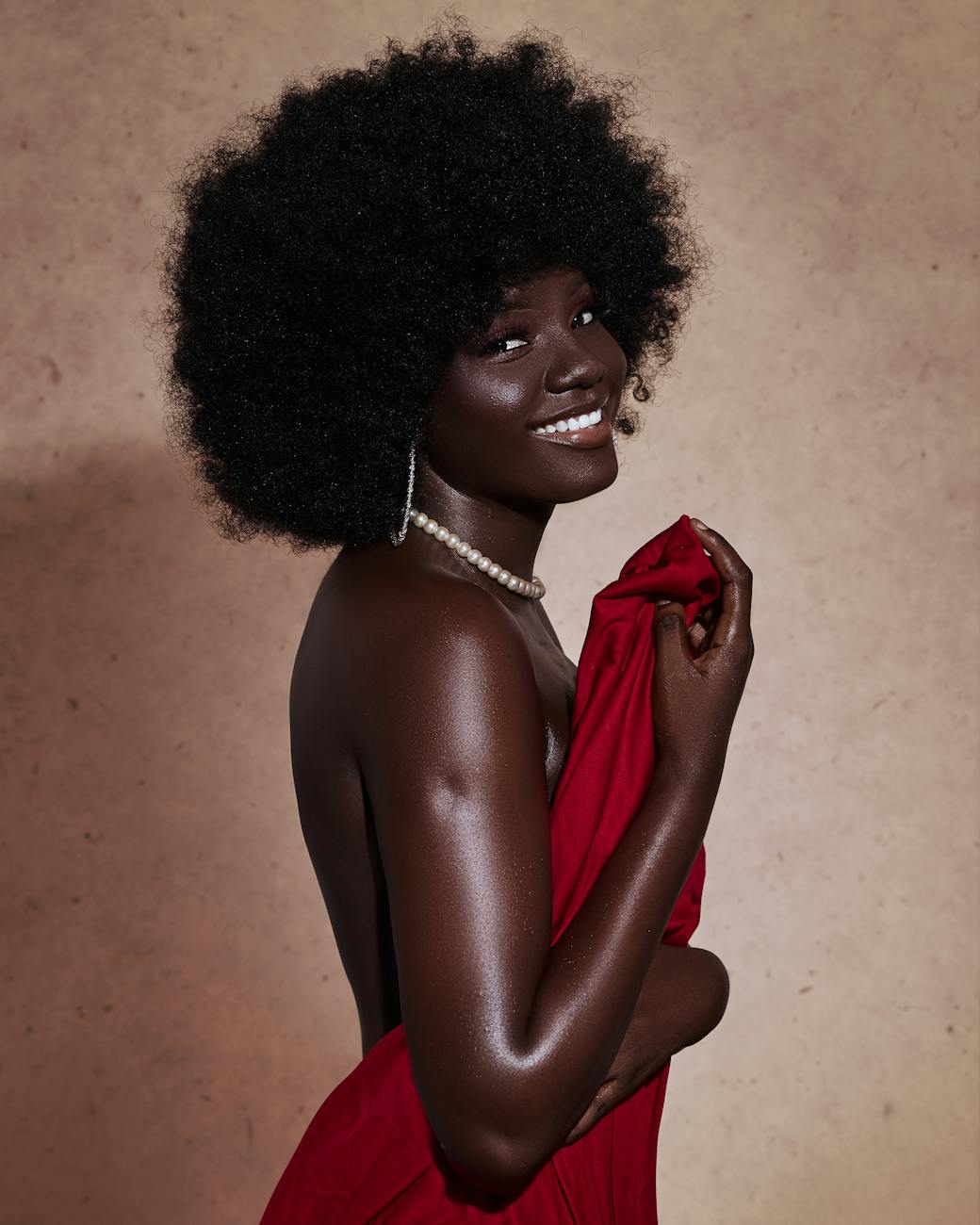
This photograph is the property of its respective owners. No copyright infringement intended.

Unapologetic Blackness is the affirmation of Black identity, culture, and dignity without shame, compromise, or the need for validation from dominant cultural narratives. To be unapologetically Black is to embrace one’s heritage, history, and uniqueness with confidence, while resisting the systems of racism, colorism, and assimilation that attempt to diminish or erase Blackness. It is both a cultural and spiritual declaration of self-worth, resilience, and God-given identity.

At its core, unapologetic Blackness is about living authentically as a Black person without shrinking in spaces where whiteness is centered or where stereotypes attempt to dictate how Black people should behave. It means refusing to apologize for natural hair, darker skin tones, African heritage, vernacular, or cultural expression. As Psalm 139:14 (KJV) reminds us, “I will praise thee; for I am fearfully and wonderfully made.” Blackness is not something to erase—it is part of God’s intentional creation.

Living Unapologetically Black
Living this out requires self-love, cultural pride, and resistance to societal pressures of assimilation. It means celebrating natural hairstyles, speaking boldly about injustice, supporting Black-owned businesses, and affirming Black excellence in academics, arts, science, and faith. It is also about spiritual resilience—seeing oneself as part of God’s chosen work in history. Deuteronomy 7:6 (KJV) declares, “For thou art an holy people unto the LORD thy God: the LORD thy God hath chosen thee to be a special people unto himself, above all people that are upon the face of the earth.”

Examples of Unapologetic Blackness
Examples can be found in leaders like Malcolm X and Angela Davis, who resisted systems of oppression; in artists like Nina Simone, who used music as protest; and in everyday Black women and men who choose authenticity in hostile environments. Unapologetic Blackness also appears in cultural movements such as Black Lives Matter, Afrocentric fashion, or natural hair advocacy, all of which assert the beauty and value of Blackness on its own terms.

The Psychology of Black People
Psychologically, Black people have endured centuries of systemic trauma from slavery, segregation, and racism. Yet, they have also demonstrated profound resilience, developing adaptive coping mechanisms through community, faith, music, and storytelling (Akbar, 1984). Being unapologetically Black helps undo the psychological damage of internalized racism by affirming identity rather than hiding it. In psychological terms, it promotes positive racial identity development and strengthens mental health.

Societal and Global Effects
Globally, unapologetic Blackness challenges anti-Blackness that exists across nations. In Latin America, India, and parts of Asia, anti-Blackness manifests in colorism and discrimination against African-descended people. When Black individuals and communities live unapologetically, they shift global consciousness, proving that Blackness is not a deficit but a strength. This creates ripple effects in representation, policy, and social justice movements worldwide.

The Psychological Impact of Being Unapologetically Black
The psychological impact is liberating. Black individuals who embrace their identity often experience higher self-esteem, stronger community bonds, and reduced anxiety related to assimilation pressures. Conversely, denying or suppressing Black identity can cause internal conflict and psychological distress. Romans 12:2 (KJV) reminds believers not to be “conformed to this world” but to be transformed by God’s truth—a principle that aligns with resisting oppressive systems.

Black people are special not only because of cultural richness, creativity, and resilience but also because of their historical and biblical significance. Many scholars connect the African diaspora to biblical Israelite heritage, emphasizing endurance through suffering and deliverance by God’s hand. In addition, the global influence of Black culture—in music, fashion, language, and art—shows the unique contribution of Black people to humanity as a whole.

Conclusion: What It Means to Be Unapologetically Black
To be unapologetically Black means to live in the fullness of one’s God-given identity, refusing to allow racism, colonialism, or assimilation to dictate worth. It is about celebrating melanin, honoring ancestral struggles, embracing cultural roots, and walking boldly in faith. As Galatians 5:1 (KJV) declares, “Stand fast therefore in the liberty wherewith Christ hath made us free, and be not entangled again with the yoke of bondage.” Unapologetic Blackness is freedom—spiritual, psychological, and cultural. It is both a declaration of survival and a proclamation of divine purpose.


References

  • Akbar, N. (1984). Africentric Social Sciences for Human Liberation. Journal of Black Studies.
  • Hunter, M. (2007). The Persistent Problem of Colorism: Skin Tone, Status, and Inequality. Sociology Compass.
  • The Holy Bible, King James Version (KJV).

🚫 Never Accept These 5 Things from People 🚫

Photo by cottonbro studio on Pexels.com

In life, we must learn that boundaries are not selfish—they are sacred. Allowing the wrong energy, words, or people into your spirit can derail the destiny the Most High has for you. The Bible declares in Proverbs 4:23 (KJV), “Keep thy heart with all diligence; for out of it are the issues of life.” Protecting your heart begins with refusing to accept certain behaviors and mindsets from those around you.

One of the most dangerous things you can accept from people is the lie that you are not enough. Negative voices that belittle your worth plant seeds of doubt in your identity. Psychology refers to this as “internalized criticism,” where repeated exposure to belittling words shapes how you see yourself. Yet God’s Word affirms that you are “fearfully and wonderfully made” (Psalm 139:14, KJV). When someone insists you are inadequate, remember that they are projecting their own insecurities onto you.

🚫 5 Things You Should Never Accept 🚫

  • Words or people that say you are not enough
    You are fearfully and wonderfully made (Psalm 139:14, KJV).
  • Negative people and constant negativity
    Evil communications corrupt good manners (1 Corinthians 15:33, KJV).
  • Disrespect, criticism without love, or dishonor
    In honour preferring one another (Romans 12:10, KJV).
  • Exploitation, dishonesty, or abuse in any form
    Lying lips are abomination to the Lord (Proverbs 12:22, KJV).
  • People who hinder your growth or mock your faith
    Enlarge the place of thy tent… spare not (Isaiah 54:2, KJV).

Takeaway: Protect your heart, set boundaries, and never settle for less than the dignity and honor God created you for.

You must also guard against negative people who constantly drain your spirit. Negativity spreads like poison; being around it long enough will affect your mindset and faith. 1 Corinthians 15:33 (KJV) warns, “Be not deceived: evil communications corrupt good manners.” Psychology confirms this truth, teaching that emotions are contagious. If you continually absorb someone’s negativity, it will cloud your perspective and choke your joy.

Another thing you should never accept is disrespect. Words and actions that belittle, mock, or dishonor you are not love—they are abuse in disguise. The Bible makes it clear that you are worthy of honor and respect. Romans 12:10 (KJV) says, “Be kindly affectioned one to another with brotherly love; in honour preferring one another.” Psychology notes that consistent disrespect erodes self-esteem and may lead to anxiety or depression if left unchallenged.

Do not tolerate people who exploit you. Manipulators use charm, guilt, or pressure to get what they want, often at your expense. This is not love—it is control. In Judges 16, Samson was destroyed because he tolerated Delilah’s manipulation. Similarly, psychology warns that tolerating exploitation creates unhealthy cycles of codependency. Protect your energy and recognize the difference between giving and being used.

Never accept dishonesty in any form. Lies, half-truths, and hidden agendas destroy trust, which is the foundation of every healthy relationship. The Bible is clear: “Lying lips are abomination to the Lord” (Proverbs 12:22, KJV). Psychologists affirm that dishonesty undermines emotional safety and stability. Without truth, intimacy cannot exist.

Avoid those who constantly criticize without offering constructive feedback. Constructive feedback may sharpen you, but chronic criticism destroys you. Proverbs 27:17 (KJV) says, “Iron sharpeneth iron; so a man sharpeneth the countenance of his friend.” A true friend corrects with love, not cruelty. Psychologically, destructive criticism creates self-doubt and can trigger perfectionism or fear of failure.

Do not accept one-sided relationships. Love, friendship, and respect must flow both ways. The Bible emphasizes mutual support: “Two are better than one… for if they fall, the one will lift up his fellow” (Ecclesiastes 4:9-10, KJV). A relationship where you are always giving but never receiving will leave you empty. Psychology refers to this as “imbalanced reciprocity,” which often leads to burnout and resentment.

Refuse to accept people who mock or belittle your faith. Your relationship with God is the foundation of your life, and those who ridicule it dishonor not just you but the Most High. Matthew 10:33 (KJV) warns, “But whosoever shall deny me before men, him will I also deny before my Father.” Psychology also notes that spiritual invalidation can lead to guilt, shame, and confusion about your beliefs. Surround yourself with those who encourage your walk with God.

You must never accept being someone’s backup plan. You are not an option—you are a chosen vessel. Jeremiah 29:11 (KJV) declares, “For I know the thoughts that I think toward you… thoughts of peace, and not of evil, to give you an expected end.” Psychologically, accepting a role as second best diminishes your sense of worth and creates patterns of settling for less than you deserve.

Do not accept relationships without accountability. People who refuse correction or reject responsibility for their actions will never change. Proverbs 9:8 (KJV) says, “Reprove not a scorner, lest he hate thee: rebuke a wise man, and he will love thee.” Psychology warns that those without accountability often blame-shift and manipulate to avoid consequences. A healthy relationship requires humility, not arrogance.

You should never accept abuse in any form—physical, emotional, verbal, or spiritual. Abuse is not love. 2 Timothy 3:2-3 (KJV) describes abusers as “lovers of their own selves… without natural affection, trucebreakers, false accusers, incontinent, fierce, despisers of those that are good.” Psychology highlights that abuse leads to trauma, which can take years to heal. Walking away is not weakness—it is wisdom.

Refuse to accept people who discourage your growth. Those who fear your potential will try to keep you small. Yet Isaiah 54:2 (KJV) declares, “Enlarge the place of thy tent… spare not, lengthen thy cords, and strengthen thy stakes.” Psychology affirms that supportive environments are essential for growth, while stifling ones breed stagnation. True love celebrates your progress, not hinders it.

Never accept people who do not value your time. Wasted time is wasted life. Ephesians 5:16 (KJV) says, “Redeeming the time, because the days are evil.” Psychology emphasizes that people who disregard your time show a lack of respect for your boundaries. Protect your schedule, your energy, and your destiny.

In conclusion, your life is too precious to accept toxicity disguised as love or friendship. Set boundaries rooted in Scripture and wisdom, and you will preserve your peace. The Most High has called you to a life of abundance, not bondage. Choose relationships that honor your worth, feed your spirit, and help you grow closer to Him.


References

  • The Holy Bible, King James Version (KJV)
  • Cloud, H., & Townsend, J. (2017). Boundaries: When to Say Yes, How to Say No to Take Control of Your Life. Zondervan.
  • Chapman, G. (2015). The Five Love Languages. Northfield Publishing.
  • Goleman, D. (2006). Emotional Intelligence. Bantam.
  • Peterson, C. (2006). A Primer in Positive Psychology. Oxford University Press.

The Golden Ratio of Melanin: The Science of Black Beauty. #thescienceofblackbeauty

Photo by Iyke Ibeh on Pexels.com

Black beauty is a concept far deeper than surface appearance. It is the convergence of science, history, and spirit, revealing how genetics, cultural expression, and aesthetic principles work together to create radiance. To speak of the “golden ratio of melanin” is to acknowledge that Black beauty embodies symmetry, biological adaptation, and cultural meaning. This essay explores the anatomy of Black beauty through genetics, symmetry, cultural aesthetics, and identity, uncovering the scientific and symbolic foundations of its radiance.

Evolutionary Foundations of Black Beauty

The human body is a record of adaptation, and African-descended peoples carry evolutionary traits that reflect millennia of survival in diverse climates. Deeply pigmented skin, rich in eumelanin, developed as protection against ultraviolet radiation, safeguarding folate and reproductive health while allowing adequate vitamin D synthesis (Jablonski & Chaplin, 2010). This evolutionary brilliance demonstrates that beauty is inseparable from function and survival.

The Science of Melanin

Melanin, the pigment responsible for skin, hair, and eye color, holds both biological and symbolic power. Biologically, it provides a shield against UV damage and oxidative stress. Symbolically, it has become a marker of identity and pride, as phrases such as “melanin magic” reclaim the beauty once devalued by colonial systems. The “golden ratio of melanin” metaphorically expresses the balance between biological adaptation and aesthetic radiance embedded in Black bodies.

Facial Symmetry and Aesthetics

Scientific studies show that facial symmetry often influences perceptions of beauty (Little et al., 2011). Yet Black beauty complicates this narrative. While symmetry is biologically associated with health and reproductive fitness, the diversity of African facial structures—from high cheekbones to broad noses—illustrates that beauty cannot be reduced to symmetry alone. The unique harmony of features within African-descended populations reflects both genetic depth and aesthetic variety beyond Eurocentric measures.

Genetics and Diversity

Africa is the most genetically diverse continent, containing the origins of humanity itself (Tishkoff et al., 2009). This genetic variation produces an extraordinary range of phenotypes: skin tones from deep ebony to golden bronze, hair textures from tightly coiled to wavy, and eye colors that include rare shades of amber or green. Such diversity underscores that Black beauty is not singular but multifaceted, shaped by genetic inheritance and expressed across continents and diasporas.

The Psychology of Black Beauty

The psychology of beauty is inseparable from systems of power. For centuries, Eurocentric ideals defined beauty in ways that excluded African features, leading to internalized racism and colorism within Black communities (Hunter, 2007). Yet psychological resilience emerged through cultural movements that reframed beauty. From the “Black is Beautiful” movement to today’s natural hair renaissance, psychology demonstrates that Black beauty is not merely seen but also consciously reclaimed as self-affirmation.

The Cultural Expression of Beauty

Culture shapes how beauty is performed and perceived. Hairstyles, adornment, and fashion within African and diasporic traditions are more than aesthetic—they are carriers of memory, resistance, and identity. Cornrows, locs, and Afro hairstyles, once stigmatized, now stand as global fashion statements while retaining cultural significance (Byrd & Tharps, 2014). Thus, Black beauty is not static but evolves with cultural shifts, asserting both individuality and community.

Historical Erasure and Resistance

Colonialism and slavery systematically devalued Black beauty, portraying African features as inferior while elevating Eurocentric standards. Enslaved Africans were stripped of adornments yet found ways to preserve identity, such as braiding hair with hidden codes for survival. This history demonstrates that beauty was never trivial but a form of cultural survival and resistance against dehumanization.

Representation and Media

Representation in media profoundly influences global perceptions of beauty. For much of history, darker skin and African features were either excluded or caricatured. Yet figures like Cicely Tyson, Naomi Campbell, and Lupita Nyong’o have redefined representation, bringing diverse expressions of Black beauty to global platforms (Craig, 2006). Rihanna’s Fenty Beauty further revolutionized the cosmetics industry by centering inclusivity, making darker shades visible and celebrated in ways previously unseen.

The Aesthetics of Proportion

The “golden ratio,” a mathematical principle often associated with ideal beauty, raises questions about universal aesthetics. While some studies suggest that facial proportions linked to the golden ratio are perceived as attractive, such measures often privilege European features (Pallett et al., 2010). Black beauty challenges and expands this framework, demonstrating that harmony and proportion can be expressed in multiple ways that transcend narrow mathematical formulas.

Identity and Self-Perception

Beauty is inseparable from identity. For Black people, affirming beauty has long been an act of self-definition against imposed inferiority. Identity formation involves embracing melanin, natural features, and cultural aesthetics as sources of pride rather than shame. This reclamation is both personal and collective, as communities cultivate beauty standards that reflect African heritage rather than colonial imposition.

Spiritual Dimensions of Beauty

Scripture affirms that true beauty is rooted in spirit rather than external adornment: “Whose adorning let it not be that outward adorning… but the hidden man of the heart” (1 Peter 3:3–4, KJV). For Black communities, whose external beauty was historically denied, spiritual beauty became a foundation of dignity and resilience. Thus, Black beauty radiates not only through skin and hair but through faith, endurance, and inner strength.

Global Influence of Black Aesthetics

Today, Black aesthetics shape global culture in profound ways. From hip-hop fashion to Afrocentric hairstyles on runways, African-descended styles influence mainstream trends worldwide. Yet appropriation remains a challenge, as Black cultural expression is often commodified without honoring its origins (Patton, 2006). Despite this, the global admiration of Black beauty underscores its undeniable power to shape aesthetics on a universal scale.

Resilience as Radiance

At its core, Black beauty is radiant because it has endured. It has survived slavery, colonialism, and systemic erasure, yet continues to redefine standards on its own terms. This resilience transforms beauty from mere appearance into testimony. Black beauty is not fragile—it is forged in fire, radiant because it resisted dehumanization and emerged with power intact.

Conclusion

The anatomy of Black beauty encompasses genetics, symmetry, and identity, but extends beyond science into culture, psychology, and spirit. It is the golden ratio of melanin: a perfect balance of biological brilliance, cultural resistance, and aesthetic radiance. To study the science of Black beauty is to affirm that it is foundational to humanity, diverse in expression, and sacred in meaning. Black beauty is not just seen—it is lived, survived, and celebrated as resilience made radiant.


References

  • Byrd, A., & Tharps, L. (2014). Hair story: Untangling the roots of Black hair in America. St. Martin’s Press.
  • Craig, M. L. (2006). Race, beauty, and the tangled knot of a guilty pleasure. Feminist Theory, 7(2), 159–177.
  • Hunter, M. (2007). The persistent problem of colorism: Skin tone, status, and inequality. Sociology Compass, 1(1), 237–254.
  • Jablonski, N. G., & Chaplin, G. (2010). Human skin pigmentation as an adaptation to UV radiation. Proceedings of the National Academy of Sciences, 107(Suppl 2), 8962–8968.
  • Little, A. C., Jones, B. C., & DeBruine, L. M. (2011). Facial attractiveness: Evolutionary based research. Philosophical Transactions of the Royal Society B: Biological Sciences, 366(1571), 1638–1659.
  • Pallett, P. M., Link, S., & Lee, K. (2010). New “golden” ratios for facial beauty. Vision Research, 50(2), 149–154.
  • Patton, T. O. (2006). Hey girl, am I more than my hair? African American women and their struggles with beauty, body image, and hair. NWSA Journal, 18(2), 24–51.
  • Robins, A. H. (2009). Biological perspectives on human pigmentation. Cambridge University Press.
  • Tishkoff, S. A., et al. (2009). The genetic structure and history of Africans and African Americans. Science, 324(5930), 1035–1044.

The Science of Black Beauty: Evolution, Psychology, and Representation.

Photo by Abel Kayode on Pexels.com

Black beauty is a multidimensional construct shaped by biology, cultural history, and sociopolitical forces. Unlike mainstream Eurocentric beauty standards, which often reduce attractiveness to narrow features, Black beauty encompasses genetic diversity, evolutionary resilience, and cultural expression. To understand it requires an interdisciplinary lens—examining the evolutionary science of melanin, the psychological impacts of beauty ideals, and the representation of Black aesthetics in society.

Evolutionary Foundations of Black Beauty

From an evolutionary perspective, darker skin pigmentation is a result of natural selection. Melanin, particularly eumelanin, provides protection against ultraviolet (UV) radiation while preserving folate reserves essential for reproduction (Jablonski & Chaplin, 2010). Features common within populations of African descent, such as fuller lips, broader noses, and tightly coiled hair, are not merely aesthetic traits but adaptive markers designed for survival in hot and variable climates (Robins, 2009). These traits, once stigmatized under colonial rule, reflect a scientific truth: Black beauty is evolutionarily advantageous, biologically diverse, and deeply tied to human survival.

Psychological Dimensions of Black Beauty

Psychology reveals how beauty standards affect identity and self-esteem. Eurocentric ideals historically marginalized Black features, creating internalized biases and what Fanon (1967) described as a “racial epidermal schema.” The preference for lighter skin—colorism—illustrates how systemic racism infiltrates concepts of beauty (Hunter, 2007). Conversely, the natural hair movement and celebration of melanin-rich skin highlight the psychological liberation that comes from embracing authentic Black beauty. Self-acceptance, in this context, becomes both a personal act of healing and a political statement.

Representation and Cultural Visibility

Representation of Black beauty in media has historically oscillated between invisibility and exoticization. Early depictions often reinforced stereotypes, while mainstream fashion and entertainment industries celebrated only a limited spectrum of Black aesthetics (Craig, 2006). Today, however, global icons like Lupita Nyong’o, Viola Davis, and Naomi Campbell expand representation by embodying diverse shades, textures, and body types. Social media platforms also empower everyday voices, allowing new narratives to challenge Eurocentric dominance and redefine beauty on global terms.

Intersection of Science and Culture

The study of Black beauty requires bridging scientific objectivity with cultural subjectivity. Facial symmetry, the golden ratio, and evolutionary psychology offer biological explanations for attractiveness (Little et al., 2011). Yet, beauty is also socially constructed, shaped by history, politics, and resistance. For Black communities, beauty is more than appearance—it is identity, resilience, and cultural pride.

Conclusion

The science of Black beauty cannot be divorced from its history of misrepresentation and resistance. Evolutionary biology highlights its adaptive strength; psychology reveals its role in identity formation; and representation underscores its sociopolitical weight. To honor Black beauty is to affirm both its scientific roots and its cultural power, recognizing it as central to human diversity and dignity.


References

  • Craig, M. L. (2006). Race, beauty, and the tangled knot of a guilty pleasure. Feminist Theory, 7(2), 159–177.
  • Fanon, F. (1967). Black skin, white masks. Grove Press.
  • Hunter, M. (2007). The persistent problem of colorism: Skin tone, status, and inequality. Sociology Compass, 1(1), 237–254.
  • Jablonski, N. G., & Chaplin, G. (2010). Human skin pigmentation as an adaptation to UV radiation. Proceedings of the National Academy of Sciences, 107(Supplement 2), 8962–8968.
  • Little, A. C., Jones, B. C., & DeBruine, L. M. (2011). Facial attractiveness: Evolutionary based research. Philosophical Transactions of the Royal Society B: Biological Sciences, 366(1571), 1638–1659.
  • Robins, A. H. (2009). Biological perspectives on human pigmentation. Cambridge University Press.

The Psychology of Shade: Self-Worth in the Brown Girl Journey. #thebrowngirldilemma

Photo by Anchau on Pexels.com

Shade is more than a color on the spectrum of skin—it is a lived experience that shapes identity, opportunity, and self-worth. For the brown girl, navigating her journey often means negotiating the psychological weight of how her shade is read by the world. Colorism, both within and outside of the Black community, functions as a hierarchy of value, where lighter shades are privileged and darker shades are dismissed or devalued (Hunter, 2007). This creates a paradox of belonging: the brown girl is simultaneously celebrated for her uniqueness yet pressured to alter or deny her shade to gain acceptance.

Psychologically, this manifests in what scholars call internalized colorism, where individuals measure their self-worth against Eurocentric standards of beauty and success (Keith & Herring, 1991). Brown girls may wrestle with questions of desirability—Am I too dark to be beautiful? Too brown to be chosen?—echoing wounds that stem from centuries of colonial trauma. Such questions erode self-esteem, linking complexion to perceived social status and opportunity. This is evident in studies showing that darker-skinned women often earn less, face higher discrimination in dating markets, and experience greater stigmatization in professional spaces (Hersch, 2008).

Yet, the psychology of shade is not solely one of burden. It is also one of resilience. Brown girls develop what psychologists call racial socialization—strategies passed down through family and community that affirm their identity, instill cultural pride, and resist internalized oppression (Hughes et al., 2006). For example, Black mothers often teach their daughters affirmations of melanin beauty, linking shade to cultural strength and divine uniqueness. This nurtures resilience, allowing brown girls to push back against narratives of inferiority.

Faith also plays a crucial role in shaping the psychology of shade. The biblical reminder that “I am fearfully and wonderfully made” (Psalm 139:14, KJV) serves as a spiritual antidote to colorist lies. In the Song of Solomon, the Shulamite woman boldly declares, “I am black, but comely” (Song of Solomon 1:5, KJV), a verse that directly challenges the stigma attached to darker complexion. By rooting self-worth in divine creation rather than societal validation, the brown girl journey becomes one of liberation rather than limitation.

Media representation also influences the psychology of shade. Historically, darker-skinned women were cast in roles that reinforced stereotypes of servitude, aggression, or invisibility. Today, increasing visibility of brown-skinned actresses, models, and influencers signals a shift in cultural narratives. When Lupita Nyong’o won an Academy Award, she used her platform to speak directly to young girls with darker skin, affirming their beauty and worth. Such moments have a profound psychological impact, expanding the mirror of possibility for future generations.

Still, the scars of colorism persist. In global contexts, from South Asia to Latin America, skin-lightening creams remain billion-dollar industries (Tate, 2016), underscoring how shade continues to dictate perceived value. For the brown girl, resisting this global obsession with lightness is a radical act of self-love. It is choosing to see her shade not as a deficit but as a divine inheritance.

Ultimately, the psychology of shade reveals both the wounds and the wisdom of the brown girl journey. The struggle with self-worth is real, shaped by centuries of systemic bias. Yet, through faith, cultural pride, and resistance, brown girls transform shade from a site of shame into a source of strength. In embracing her skin, the brown girl affirms not only herself but also generations before her who were told to hide their brilliance.

Her journey declares that shade is not something to overcome but something to honor. The psychology of shade, therefore, becomes a psychology of sovereignty—choosing to define beauty, worth, and identity on her own terms.


References

  • Hersch, J. (2008). Profiling the new immigrant worker: The effects of skin color and height. Journal of Labor Economics, 26(2), 345–386.
  • Hughes, D., Rodriguez, J., Smith, E. P., Johnson, D. J., Stevenson, H. C., & Spicer, P. (2006). Parents’ ethnic-racial socialization practices: A review of research and directions for future study. Developmental Psychology, 42(5), 747–770.
  • Hunter, M. (2007). The persistent problem of colorism: Skin tone, status, and inequality. Sociology Compass, 1(1), 237–254.
  • Keith, V. M., & Herring, C. (1991). Skin tone and stratification in the Black community. American Journal of Sociology, 97(3), 760–778.
  • Tate, S. (2016). Skin Bleaching in Black and Brown Communities: Connected to Colorism and Colonialism. Palgrave Macmillan.
  • The Holy Bible, King James Version.

Between Loyalty and Liberation: Family Ties in the Brown Girl Journey.

Photo by August de Richelieu on Pexels.com

For many Brown girls, family is both a source of strength and a site of struggle. The tension between loyalty to one’s family and the yearning for liberation defines much of the Brown girl’s journey. Loyalty demands respect for elders, preservation of tradition, and protection of family reputation. Liberation, however, calls for self-discovery, freedom from oppressive patterns, and the courage to break generational cycles. This tension, while deeply personal, is also cultural and historical, rooted in centuries of survival strategies passed down in Brown families.

From a psychological perspective, this conflict can be understood through family systems theory, which explains how family dynamics shape individual behavior (Bowen, 1978). A Brown girl raised in a home where obedience is highly valued may internalize guilt when seeking independence, even in healthy forms. She may fear that pursuing her own path—whether in education, relationships, or faith—signals betrayal of her family. Such dynamics often leave her torn between self-sacrifice and self-fulfillment, making the process of individuation more emotionally taxing than for those not burdened with cultural and historical trauma.

Biblically, this struggle is not unfamiliar. Jesus Himself acknowledged the cost of discipleship in relation to family loyalty: “He that loveth father or mother more than me is not worthy of me” (Matthew 10:37, KJV). This verse illustrates that ultimate allegiance belongs to God, not human bonds. Yet the Bible also commands honor for parents (Exodus 20:12). Thus, the Brown girl’s journey reflects a spiritual paradox: to be loyal without being bound, to honor without being hindered, and to love family while still prioritizing her divine calling.

In many Brown families, loyalty is often intertwined with silence. Children are taught to “protect the family” by not disclosing internal struggles, even when facing abuse, dysfunction, or generational cycles of pain. Psychology labels this as enmeshment, where boundaries between individuals are blurred and family identity overshadows personal identity (Minuchin, 1974). While intended to preserve unity, enmeshment stifles growth and can prevent healing. For the Brown girl, liberation means learning to break silence without dishonor—naming pain, seeking help, and choosing transparency as a form of truth-telling.

This struggle is compounded by cultural expectations. Brown daughters are often expected to carry more responsibility, from caring for younger siblings to supporting aging parents. Such roles, while noble, can breed resentment when they eclipse personal aspirations. Many Brown girls internalize the belief that self-care is selfish, a mindset reinforced by intergenerational survival narratives. Yet psychology affirms that self-care is essential for breaking cycles of burnout and dysfunction. Scripture echoes this principle: “Love thy neighbour as thyself” (Mark 12:31, KJV). Self-love is not rebellion but a biblical requirement.

At the same time, loyalty is not without its power. Family ties have historically been a foundation of resilience for Brown communities. Enslaved and oppressed people relied on kinship bonds for survival, protection, and cultural preservation. Grandmothers passing down oral traditions, fathers mentoring sons and daughters, and siblings sharing burdens demonstrate the strength found in loyalty. The challenge, however, lies in ensuring that this loyalty nurtures rather than confines, liberates rather than imprisons.

Breaking free from destructive family patterns does not mean abandoning family. Instead, it means redefining loyalty in a way that honors both heritage and healing. Psychology emphasizes the importance of differentiation—the ability to maintain connection while asserting individuality (Bowen, 1978). Spiritually, liberation is found in Christ, who came “to set at liberty them that are bruised” (Luke 4:18, KJV). For the Brown girl, this liberation is not merely personal but generational, creating new legacies of wholeness.

Ultimately, the Brown girl journey between loyalty and liberation is a sacred balancing act. It requires courage to resist unhealthy cycles while still cherishing family bonds. It demands wisdom to know when silence protects and when it harms. And it calls for faith to believe that loyalty to God first will enable her to walk in true liberation. By holding both loyalty and liberation together, the Brown girl creates a testimony of resilience, honoring her roots while spreading her wings.


References

  • Bowen, M. (1978). Family therapy in clinical practice. Jason Aronson.
  • Minuchin, S. (1974). Families and family therapy. Harvard University Press.
  • The Holy Bible, King James Version.

Signs of Online Dating Scams

Photo by Artem Podrez on Pexels.com

In today’s digital age, online dating has opened new opportunities for connection but also increased the risk of deception. Online dating scams occur when individuals pretend to seek love or friendship while actually aiming to exploit others financially or emotionally. These scams often prey on trust, loneliness, and the desire for companionship, making it essential to recognize their warning signs.

One major sign of an online dating scam is excessive flattery and rushed intimacy. Scammers often shower targets with compliments and declarations of love early in the interaction. This tactic, known in psychology as love bombing, is designed to lower defenses and create emotional dependency (Hernandez, 2019). The Bible warns against smooth words and false promises: “For they that are such serve not our Lord Jesus Christ, but their own belly; and by good words and fair speeches deceive the hearts of the simple” (Romans 16:18, KJV).

Another red flag is avoidance of in-person meetings or video calls. Scammers typically make excuses for why they cannot meet face-to-face, citing work, distance, or emergencies. Psychologically, this taps into cognitive dissonance—the victim continues to believe the scammer’s story because they have already invested emotionally. Scripture reminds believers to test what is true: “Beloved, believe not every spirit, but try the spirits whether they are of God” (1 John 4:1, KJV). In the same way, one must test the authenticity of online relationships.

Financial requests are perhaps the clearest sign of a scam. These may come in the form of sudden medical emergencies, travel expenses, or investments. Research shows that scammers use emotional manipulation to override logical thinking, often inducing guilt or urgency (Button et al., 2014). The Bible gives wisdom in Proverbs 14:15 (KJV): “The simple believeth every word: but the prudent man looketh well to his going.” Prudence requires caution, especially with money matters.

Another psychological sign is isolation tactics. Scammers often discourage their targets from confiding in friends or family about the relationship, fearing outside voices will expose their lies. This mirrors abusive relationship patterns where isolation strengthens control. The Bible cautions against secrecy and deception, affirming instead: “He that walketh uprightly walketh surely: but he that perverteth his ways shall be known” (Proverbs 10:9, KJV).

Victims of online dating scams often experience deep emotional harm, shame, and financial loss. Psychologists note that scammers exploit attachment needs and create illusions of future togetherness to maintain control (Rege, 2009). Recovery requires not only financial awareness but also emotional healing, supported by community and faith. Believers are encouraged to lean on God for discernment and restoration: “If any of you lack wisdom, let him ask of God, that giveth to all men liberally” (James 1:5, KJV).

🛑 Checklist: Signs of Online Dating Scams

1. Too Much, Too Fast

  • They declare love or deep affection very quickly.
  • They overwhelm you with compliments and promises.
  • Psychology: “Love bombing” creates emotional dependency.
  • Bible: “For they that are such… by good words and fair speeches deceive the hearts of the simple.” (Romans 16:18, KJV)

2. Avoids Face-to-Face Proof

  • They refuse video calls, send old or stolen photos, or make excuses not to meet.
  • Psychology: This fuels cognitive dissonance—you trust them despite missing evidence.
  • Bible: “Beloved, believe not every spirit, but try the spirits whether they are of God.” (1 John 4:1, KJV)

3. Financial Requests

  • They ask for money for “emergencies,” travel, business, or medical needs.
  • They often create urgency (“I need it now!”).
  • Psychology: Exploits guilt and compassion.
  • Bible: “The simple believeth every word: but the prudent man looketh well to his going.” (Proverbs 14:15, KJV)

4. Isolation from Family & Friends

  • They tell you to keep your relationship a secret.
  • They discourage you from asking others’ opinions.
  • Psychology: A common manipulation tactic to prevent exposure.
  • Bible: “He that walketh uprightly walketh surely: but he that perverteth his ways shall be known.” (Proverbs 10:9, KJV)

5. Inconsistent Stories

  • Their background doesn’t add up (job, family, travel, etc.).
  • They may avoid direct answers or change details often.
  • Psychology: Lying under pressure reveals deception.
  • Bible: “Lying lips are abomination to the Lord: but they that deal truly are his delight.” (Proverbs 12:22, KJV)

6. Too Good to Be True

  • They appear “perfect”—handsome/beautiful, successful, but “just can’t find love.”
  • Psychology: Scammers create ideal personas to trap victims.
  • Bible: “Satan himself is transformed into an angel of light.” (2 Corinthians 11:14, KJV)

Practical Step: If you notice 2 or more of these signs, pause the relationship, verify their identity, and seek counsel from trusted friends, family, or your faith community before moving forward.

In conclusion, online dating scams thrive on emotional manipulation, secrecy, and exploitation. The signs include rushed intimacy, avoidance of real contact, financial requests, and isolation tactics. Both psychology and scripture emphasize discernment, prudence, and testing of motives. By applying biblical wisdom and psychological awareness, individuals can protect themselves from deception and pursue relationships grounded in truth and sincerity.


References

  • Button, M., Nicholls, C. M., Kerr, J., & Owen, R. (2014). Online frauds: Learning from victims why they fall for scams. Journal of Criminology, 2014, 1–10.
  • Hernandez, E. (2019). Love bombing: The psychology of manipulation in relationships. Journal of Social Psychology, 159(6), 768–782.
  • Rege, A. (2009). What’s love got to do with it? Exploring online dating scams and identity fraud. International Journal of Cyber Criminology, 3(2), 494–512.
  • The Holy Bible, King James Version.

Things You Never Do for a Narcissist

Photo by thorl5 on Pexels.com

Narcissism is one of the most damaging personality traits a person can encounter, both in personal relationships and in spiritual life. Psychology defines narcissism as an inflated sense of self-importance and a deep need for admiration, often accompanied by a lack of empathy (APA, 2013). The Bible, however, warns of the same spirit long before psychology named it: “For men shall be lovers of their own selves, covetous, boasters, proud…” (2 Timothy 3:2, KJV). This essay will explore what narcissism is, the types identified by psychology, biblical parallels, and why boundaries are essential when dealing with narcissistic individuals.


What is Narcissism?

Narcissism originates from the Greek myth of Narcissus, who became so obsessed with his reflection that he wasted away by the water’s edge. Psychologically, this reflects an excessive preoccupation with the self. Spiritually, it represents pride, vanity, and rebellion against humility. The Bible speaks clearly: “God resisteth the proud, but giveth grace unto the humble” (James 4:6, KJV).

Modern psychology considers narcissism to exist on a spectrum, from healthy self-esteem to pathological narcissism. While a measure of self-confidence is necessary for functioning, narcissistic personality disorder (NPD) is destructive, leaving behind broken relationships, emotional abuse, and cycles of manipulation (Campbell & Miller, 2011).


Types of Narcissism

  1. Grandiose (Overt) Narcissism
    • Traits: arrogance, entitlement, exploitation of others, constant demand for admiration.
    • Biblical example: King Nebuchadnezzar, who exalted himself until God humbled him (Daniel 4:30-33).
    • Scripture: “Pride goeth before destruction, and an haughty spirit before a fall” (Proverbs 16:18, KJV).
  2. Vulnerable (Covert) Narcissism
    • Traits: insecurity, hypersensitivity, passive-aggression, resentment when unrecognized.
    • Biblical example: King Saul, whose insecurity about David’s success drove him to jealousy and rage (1 Samuel 18:8-9).
    • Scripture: “Wrath is cruel, and anger is outrageous; but who is able to stand before envy?” (Proverbs 27:4, KJV).
  3. Malignant Narcissism
    • Traits: a combination of narcissism, antisocial behavior, aggression, and paranoia; often destructive without remorse.
    • Biblical example: Herod the Great, who killed even his own family to maintain power (Matthew 2:16).
    • Scripture: “The heart is deceitful above all things, and desperately wicked: who can know it?” (Jeremiah 17:9, KJV).
  4. Communal Narcissism
    • Traits: portraying oneself as moral, spiritual, or selfless for admiration, while lacking genuine humility.
    • Biblical example: The Pharisees, who performed good deeds publicly to be praised rather than to serve God (Matthew 23:5).
    • Scripture: “Woe unto you… for ye are like unto whited sepulchres, which indeed appear beautiful outward, but are within full of dead men’s bones” (Matthew 23:27, KJV).

Things You Never Do for a Narcissist

Dealing with narcissists requires wisdom, boundaries, and discernment. Both psychology and scripture caution against enabling their behavior.

  • Never sacrifice your identity for their approval.
    • Narcissists often erode self-worth. Yet the Bible reminds us: “I will praise thee; for I am fearfully and wonderfully made” (Psalm 139:14, KJV).
  • Never excuse or enable their sin.
    • Justifying manipulation keeps the cycle alive. Proverbs 17:15 says: “He that justifieth the wicked, and he that condemneth the just, even they both are abomination to the Lord.”
  • Never place them above God.
    • Idolatry of people is dangerous, especially when they demand devotion. Exodus 20:3 declares: “Thou shalt have no other gods before me.”
  • Never expect reciprocity.
    • Narcissists give conditionally, always expecting return. Jesus, however, taught sacrificial love: “It is more blessed to give than to receive” (Acts 20:35, KJV).
  • Never remain in bondage to their control.
    • Psychology calls this “narcissistic abuse syndrome,” where victims internalize blame and fear. The Bible affirms liberty: “Stand fast therefore in the liberty wherewith Christ hath made us free” (Galatians 5:1, KJV).

Psychology and Scripture in Agreement

While psychology explains narcissism as a personality disorder rooted in insecurity and developmental wounds, the Bible diagnoses it as pride and rebellion against God. Both perspectives converge on the same truth: unchecked narcissism destroys relationships, exploits the vulnerable, and leads to personal downfall.


Top 10 Things You Never Do for a Narcissist

1. Never Sacrifice Your Identity to Please Them

  • Narcissists will try to reshape you into what benefits them.
  • Scripture: “Be not conformed to this world: but be ye transformed by the renewing of your mind” (Romans 12:2, KJV).
  • Psychology Insight: Maintaining your authentic self is key to resisting narcissistic control.

2. Never Excuse or Justify Their Sinful Behavior

  • They will rationalize manipulation, lying, or arrogance. Don’t become their enabler.
  • Scripture: “He that justifieth the wicked… even they both are abomination to the Lord” (Proverbs 17:15, KJV).
  • Psychology Insight: Excusing abuse creates a cycle of reinforcement and deepens narcissistic traits.

3. Never Expect Empathy or Reciprocity

  • Narcissists struggle to give genuine compassion.
  • Scripture: “The merciful man doeth good to his own soul: but he that is cruel troubleth his own flesh” (Proverbs 11:17, KJV).
  • Psychology Insight: Expecting reciprocity sets you up for disappointment and further emotional harm.

4. Never Place Them Above God

  • Their need for worship can turn into idolatry.
  • Scripture: “Thou shalt have no other gods before me” (Exodus 20:3, KJV).
  • Psychology Insight: Elevating someone unhealthy above your faith and values creates spiritual and emotional bondage.

5. Never Believe Their False Narratives About You

  • Narcissists project their flaws onto others through gaslighting.
  • Scripture: “Ye shall know the truth, and the truth shall make you free” (John 8:32, KJV).
  • Psychology Insight: Recognize projection for what it is—self-defense mechanisms, not truth.

6. Never Stay Silent About Abuse

  • Silence only empowers control.
  • Scripture: “Open thy mouth for the dumb in the cause of all such as are appointed to destruction” (Proverbs 31:8, KJV).
  • Psychology Insight: Speaking up and seeking support are vital steps in breaking free from narcissistic abuse.

7. Never Rely on Them for Validation

  • They withhold affirmation to control your self-worth.
  • Scripture: “I will praise thee; for I am fearfully and wonderfully made” (Psalm 139:14, KJV).
  • Psychology Insight: Build self-esteem through healthy relationships and inner healing, not their approval.

8. Never Think You Can Change Them

  • Many hope love or patience will transform a narcissist.
  • Scripture: “Can the Ethiopian change his skin, or the leopard his spots? then may ye also do good, that are accustomed to do evil” (Jeremiah 13:23, KJV).
  • Psychology Insight: True change requires deep self-awareness and therapy—something narcissists rarely pursue.

9. Never Stay in Constant Conflict

  • Narcissists thrive on drama and control through chaos.
  • Scripture: “It is an honour for a man to cease from strife: but every fool will be meddling” (Proverbs 20:3, KJV).
  • Psychology Insight: Refusing to engage in endless arguments protects your peace and mental health.

10. Never Forget to Guard Your Soul and Boundaries

  • Boundaries are not selfish; they are protective.
  • Scripture: “Keep thy heart with all diligence; for out of it are the issues of life” (Proverbs 4:23, KJV).
  • Psychology Insight: Boundaries prevent exploitation and create space for healing and freedom.

Summary: Both psychology and the Bible agree—narcissists thrive on control, manipulation, and pride. Your job is to safeguard your identity, maintain boundaries, and place God above all human relationships.

Conclusion

To deal with narcissists wisely, one must neither enable nor idolize them. Instead, the believer is called to humility, discernment, and boundary-setting. Psychology provides strategies for self-protection, while the Bible provides the spiritual foundation to resist manipulation. Ultimately, healing comes through recognizing one’s identity in Christ and refusing to be enslaved by the destructive patterns of narcissistic people.


References

  • American Psychiatric Association. (2013). Diagnostic and statistical manual of mental disorders (5th ed.). Washington, DC: Author.
  • Campbell, W. K., & Miller, J. D. (2011). The handbook of narcissism and narcissistic personality disorder: Theoretical approaches, empirical findings, and treatments. Hoboken, NJ: Wiley.
  • Holy Bible, King James Version.