Tag Archives: pretty privilege

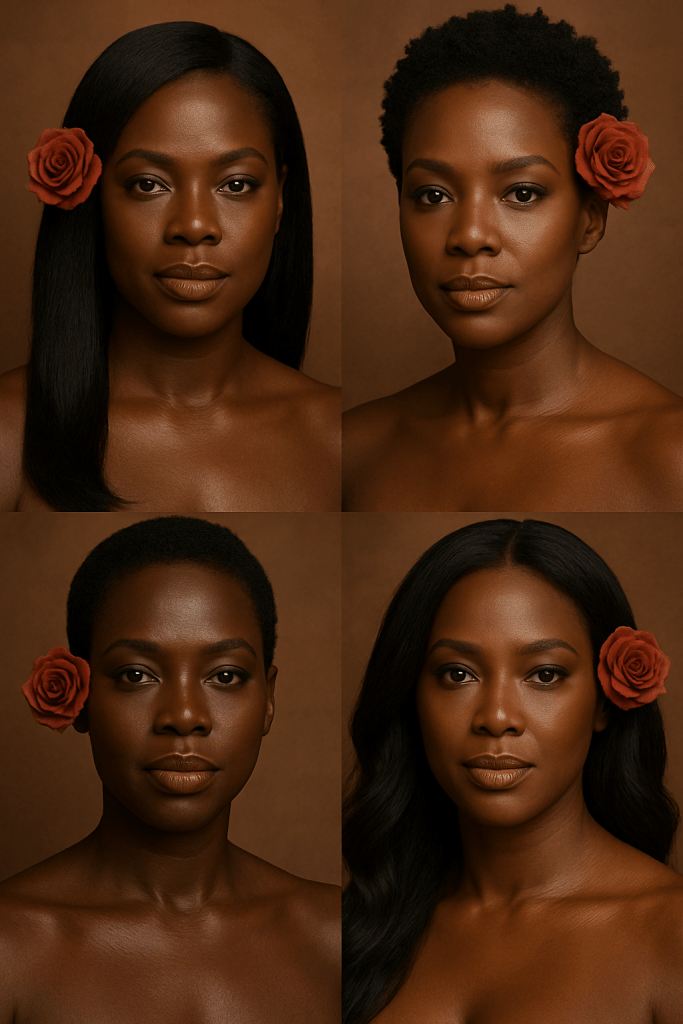
Pretty Privilege Series: The Weight of Hue — How Skin Tone Still Shapes Our Lives.

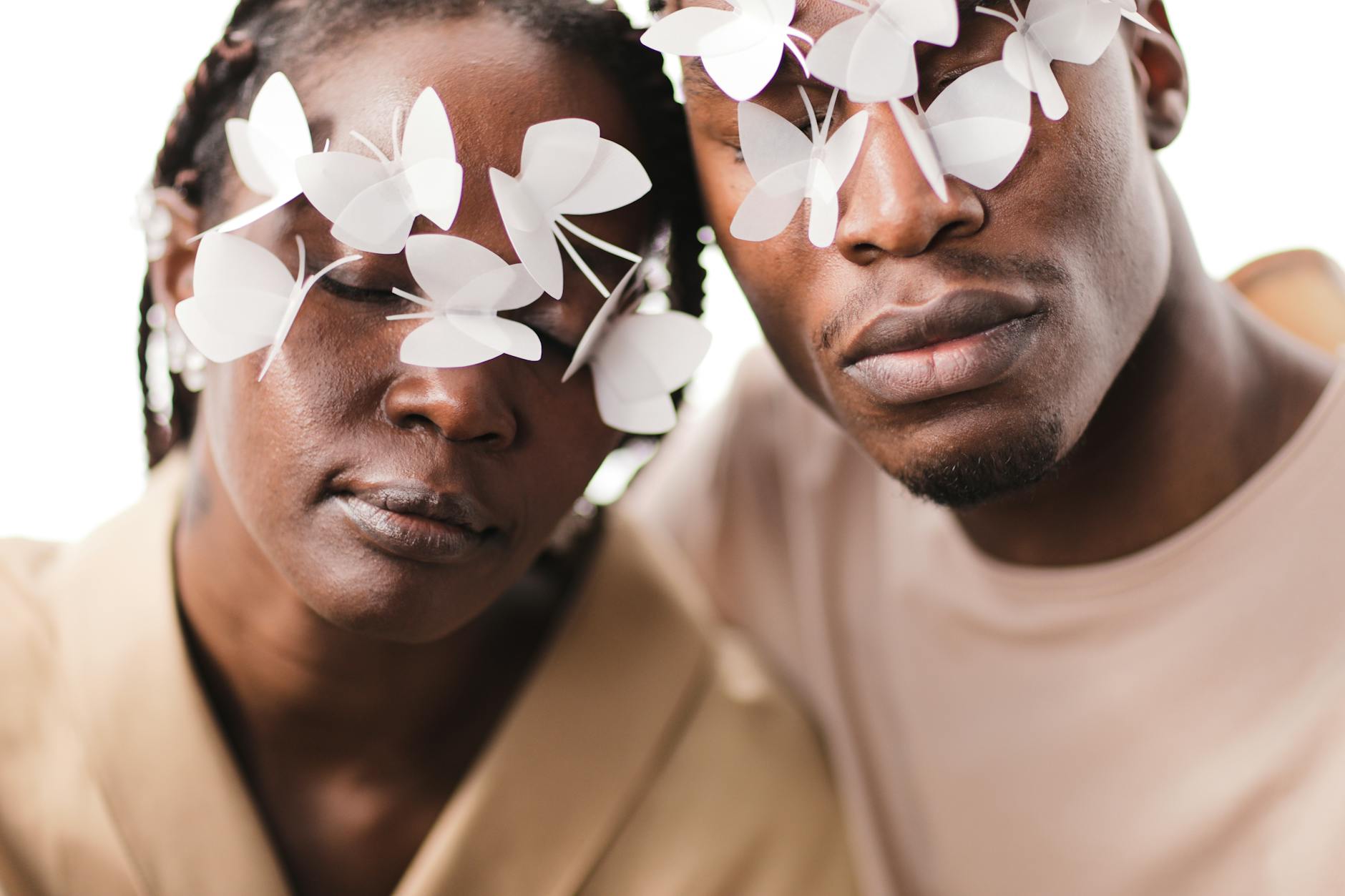
Photo by cottonbro studio on Pexels.com

Colorism continues to shape the lives of Black people across the globe, creating a hierarchy where lighter skin is often valued above darker skin. This hierarchy influences perceptions of beauty, social status, economic opportunity, and even self-worth (Hunter, 2007).

The roots of colorism are deeply historical. During slavery and colonization, lighter-skinned Africans were often given preferential treatment, assigned domestic roles, and sometimes even granted freedom, while darker-skinned Africans labored in the fields and were systematically dehumanized. These practices embedded the association of lightness with privilege (Williams, 1987).

The media has perpetuated this bias for generations. Hollywood films, advertisements, and television shows historically cast lighter-skinned Black actors in leading, romantic, and heroic roles, while darker-skinned actors were relegated to secondary or villainous roles. Such representation shapes public perception and influences the self-esteem of viewers (Bogle, 2016).

The psychological effects of colorism are profound. Darker-skinned individuals often report higher rates of depression, lower self-esteem, and feelings of inadequacy compared to their lighter-skinned peers. Internalized messages about beauty and desirability can create lifelong struggles with identity and confidence (Hill, 2002).

Colorism also affects romantic relationships. Studies indicate that lighter-skinned women and men are often preferred as partners, while darker-skinned individuals face marginalization. These biases are rooted in historical hierarchies that equate proximity to whiteness with social desirability (Wilder, 2010).

In the workplace, colorism manifests in income and promotion disparities. Research shows that darker-skinned Black men and women often earn less than their lighter-skinned counterparts, even with equivalent qualifications and experience. This shade-based wage gap highlights ongoing systemic inequities (Goldsmith, Hamilton, & Darity, 2006).

Schools are microcosms where colorism begins early. Dark-skinned children are more likely to face teasing, social exclusion, or harsher disciplinary measures. These early experiences shape their academic performance and social confidence (Monk, 2014).

Family and community attitudes play a significant role in either perpetuating or challenging colorism. Compliments that favor lighter skin, such as “You’re pretty for a dark-skinned girl,” reinforce hierarchy, while affirmations of all shades foster resilience and self-love (Russell, Wilson, & Hall, 2013).

Language and terminology also reinforce hierarchy. Terms like “high yellow,” “redbone,” and “chocolate” often carry implicit judgments. Changing this language is a necessary step in dismantling social biases and cultivating inclusive beauty standards (Charles, 2003).

Social media has become a double-edged sword. While it can perpetuate light-skinned beauty ideals, movements such as #MelaninPoppin and #DarkSkinIsBeautiful celebrate deep-skinned beauty and provide visibility to those historically marginalized. These campaigns foster community pride and affirmation.

Religious and spiritual frameworks can help counteract internalized bias. Scriptures like Song of Solomon 1:5 — “I am black, but comely” — affirm that dark skin is beautiful and worthy of celebration. Churches can encourage young women and men to see all shades as reflections of God’s design (James 2:1-4).

Media literacy programs are essential tools for combating the weight of hue. Teaching children and adults to critically evaluate film, television, and advertising helps them resist internalizing harmful colorist norms and fosters appreciation for a wider range of beauty standards.

Empowerment programs targeting youth help counteract the negative effects of colorism. Workshops, mentorship, and historical education about African ancestry instill pride in melanin-rich skin and encourage healthy self-perception (Hall, 1992).

Feminist scholars argue that colorism intersects with sexism and racism, amplifying the oppression of dark-skinned women. Addressing this intersectionality is crucial for holistic liberation and equity within the Black community (Hunter, 2007).

Representation matters not only for women but for men as well. Dark-skinned Black men face societal prejudice that can affect perceptions of attractiveness, trustworthiness, and professional capability. Affirming men of all shades helps dismantle hierarchical standards that harm the entire community.

Black fathers and male mentors have a critical role. By affirming dark-skinned daughters, nieces, and younger women in their communities, men can actively challenge societal preferences for lighter skin and foster confidence in the next generation (Harris, 2015).

Economic and professional equity initiatives are equally important. Organizations must address unconscious bias in hiring, promotions, and pay scales to ensure that darker-skinned individuals are not disadvantaged due to complexion. Equitable policies disrupt systemic inequalities rooted in colorism.

Education about the historical and cultural origins of colorism provides tools for resistance. Teaching children about African leaders, inventors, and cultural figures with dark skin fosters pride and counters centuries of negative messaging (Smedley, 1999).

Therapeutic interventions, including counseling and support groups, can help individuals address internalized colorism. Healing requires acknowledging past trauma, challenging negative beliefs, and embracing one’s natural complexion.

Breaking the shade hierarchy is a lifelong process that requires conscious effort, education, and representation. By affirming beauty across all skin tones, fostering inclusive media, and challenging biases, the Black community can reduce the weight of hue and empower future generations.


References

  • Bogle, D. (2016). Toms, Coons, Mulattoes, Mammies, and Bucks: An Interpretive History of Blacks in American Films. Bloomsbury.
  • Charles, C. (2003). Skin Bleaching, Self-Hate, and Black Identity in Jamaica. Journal of Black Studies, 33(6), 711–728.
  • Goldsmith, A., Hamilton, D., & Darity, W. (2006). Shades of Discrimination: Skin Tone and Wages. American Economic Review, 96(2), 242–245.
  • Hall, R. E. (1992). Bias Among African Americans Regarding Skin Color: Implications for Social Work Practice. Research on Social Work Practice, 2(4), 479–486.
  • Harris, A. (2015). The Influence of Fathers on the Self-Esteem of African American Daughters. Journal of Black Psychology, 41(3), 257–276.
  • Hill, M. (2002). Skin Color and the Perception of Attractiveness Among African Americans. Social Psychology Quarterly, 65(1), 77–91.
  • Hunter, M. (2007). The Persistent Problem of Colorism: Skin Tone, Status, and Inequality. Sociology Compass, 1(1), 237–254.
  • Monk, E. P. (2014). Skin Tone Stratification among Black Americans, 2001–2003. Social Forces, 92(4), 1313–1337.
  • Russell, K., Wilson, M., & Hall, R. (2013). The Color Complex: The Politics of Skin Color Among African Americans. Anchor Books.
  • Smedley, A. (1999). Race in North America: Origin and Evolution of a Worldview. Westview Press.
  • Williams, E. (1987). Capitalism and Slavery. UNC Press.
  • Wilder, J. (2010). Revisiting “Color Names and Color Notions”: A Contemporary Examination of the Language and Attitudes of Skin Color among Young Black Women. Journal of Black Studies, 41(1), 184–206.
Man Looketh on the Outward Appearance

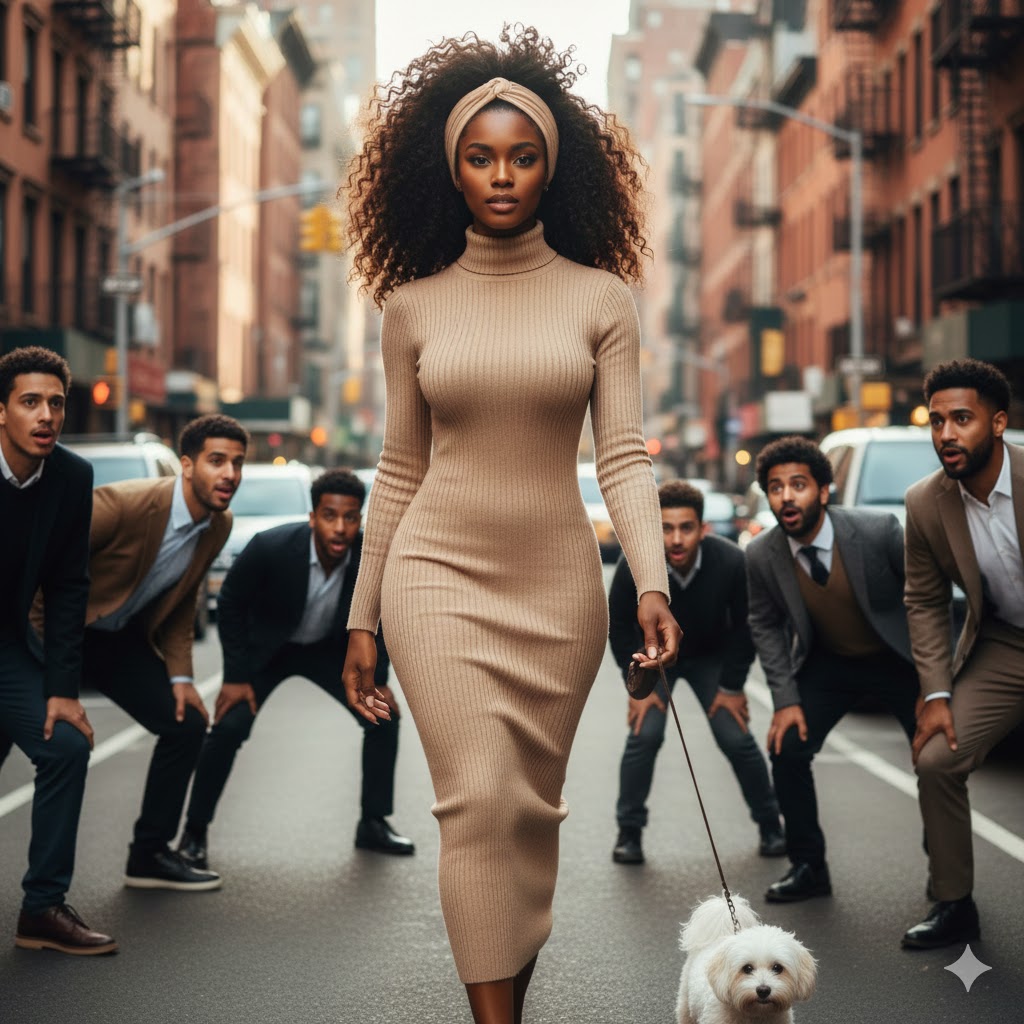
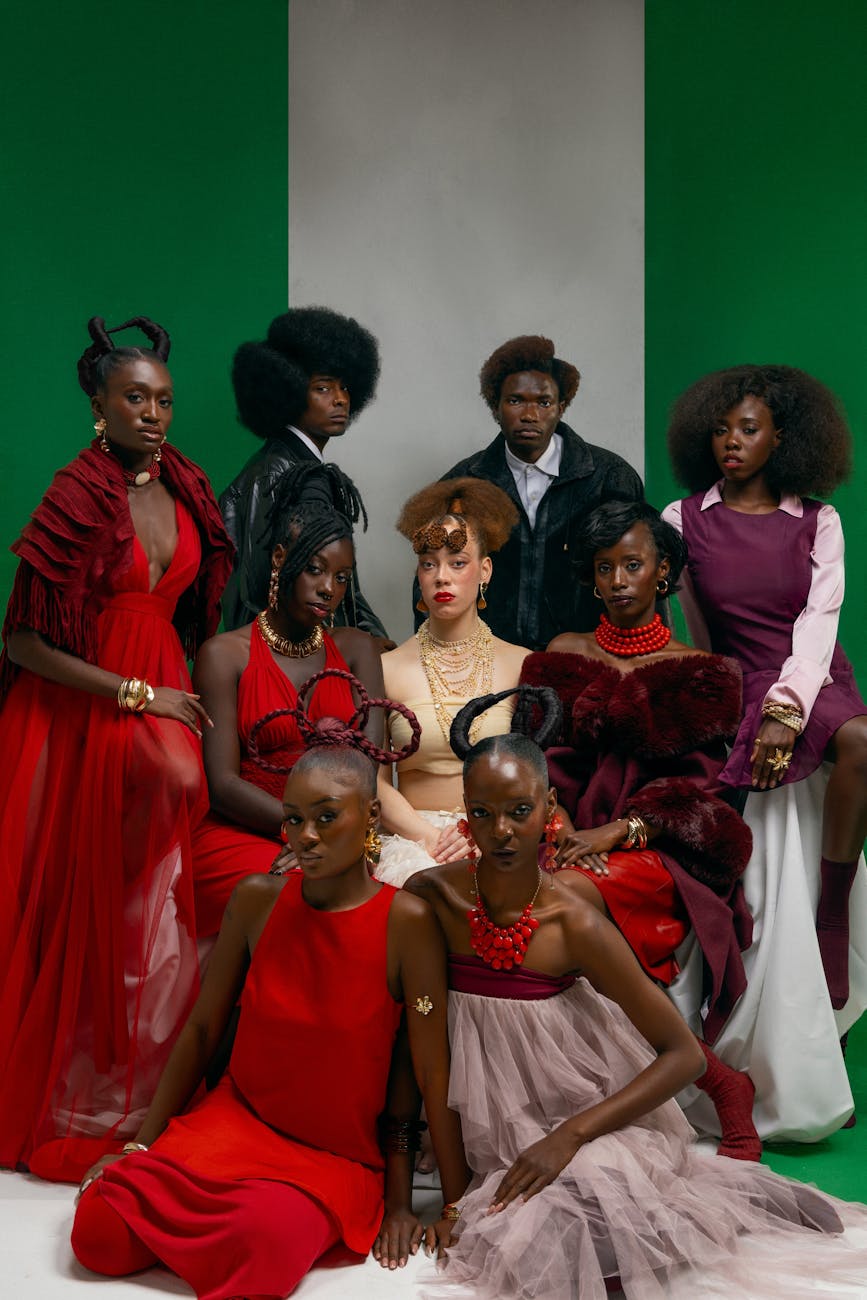
Human society has long been captivated by physical appearance, often allowing external beauty to shape judgment, social status, and opportunity. While aesthetic appeal can inspire admiration, it frequently fosters bias, favoritism, and misjudgment, obscuring true character. This tendency aligns with the biblical observation that humans often prioritize outward appearance over the qualities of the heart (1 Samuel 16:7, KJV).

The “halo effect” in psychology illustrates this phenomenon: attractive individuals are often perceived as possessing positive traits such as intelligence, honesty, and competence, regardless of their actual qualities (Dion, Berscheid, & Walster, 1972). Conversely, individuals considered less attractive may face prejudice, exclusion, or undervaluation.

Societal standards of beauty are culturally and historically contingent, often reflecting power structures and reinforcing social hierarchies (Wolf, 1991). In Western societies, Eurocentric features are frequently idealized, affecting the opportunities and treatment afforded to those who conform to these norms.

The Bible highlights the limitations of human judgment. 1 Samuel 16:7 (KJV) states: “But the Lord said unto Samuel, Look not on his countenance, or on the height of his stature; because I have refused him: for the Lord seeth not as man seeth; for man looketh on the outward appearance, but the Lord looketh on the heart.” This passage emphasizes the moral imperative to discern character beyond superficial traits.

Pretty privilege, a modern manifestation of appearance-based bias, provides tangible social and economic advantages to those deemed attractive (Langlois et al., 2000). Such privilege can influence employment, education, legal outcomes, and relational dynamics, demonstrating the profound real-world consequences of aesthetic judgment.

Cultural and media influences reinforce the emphasis on outward appearance. Advertising, film, and social media platforms promote idealized images of beauty, normalizing narrow standards and perpetuating social hierarchies based on aesthetics (Marwick, 2017; Noble, 2018).

Colorism further complicates the valuation of appearance, particularly for Black individuals. Lighter-skinned individuals are often favored in social and professional contexts, while darker-skinned individuals may experience bias or marginalization, illustrating how outward appearance intersects with racialized hierarchies (Hunter, 2007).

In professional settings, attractive employees frequently experience faster promotions, higher pay, and favorable evaluations, whereas those not meeting aesthetic norms may face subtle or overt discrimination (Hosoda, Stone-Romero, & Coats, 2003). These patterns underscore the structural influence of appearance in human society.

The psychological impact of being judged primarily by appearance is significant. Individuals may develop low self-esteem, anxiety, or social withdrawal when they perceive themselves as unattractive or devalued based on superficial traits (Langlois et al., 2000). Conversely, those advantaged by beauty may struggle with entitlement or overreliance on appearance for social validation.

Religious and ethical teachings encourage evaluating individuals based on virtue, character, and moral integrity. Proverbs 31:30 (KJV) declares: “Favor is deceitful, and beauty is vain: but a woman that feareth the Lord, she shall be praised.” True worth transcends aesthetic appeal, prioritizing internal qualities recognized by God.

The social consequences of focusing on outward appearance include distorted relationships, unjust hierarchies, and superficial assessments of merit. Favoritism and prejudice based on looks undermine fairness and relational depth.

Psychological interventions, such as awareness of implicit biases and deliberate evaluation of character, can mitigate the influence of appearance-based judgment (Eagly et al., 1991). Cultivating empathy and discernment encourages more equitable treatment and aligns human evaluation with divine principles.

Digital culture intensifies the scrutiny of physical appearance. Social media platforms amplify visual evaluation, rewarding attractiveness with likes, followers, and engagement metrics, which can reinforce self-worth and societal valuation based on appearance (Noble, 2018).

In educational contexts, students deemed attractive often receive more positive attention, encouragement, and social support, whereas less attractive students may be overlooked or underestimated. These dynamics illustrate the early socialization of appearance-based bias (Langlois et al., 2000).

The commodification of beauty in consumer culture further entrenches its influence. Cosmetics, fashion, and wellness industries profit by promoting appearance as central to social and economic value (Wolf, 1991).

Leadership and mentorship must consciously counteract the emphasis on outward appearance. Evaluating individuals based on skills, integrity, and character fosters fairness, reduces bias, and aligns with ethical and spiritual standards.

Intersectional approaches are essential to understanding how appearance-based judgment interacts with race, gender, age, and socioeconomic status. Marginalized groups often experience compounded disadvantages related to aesthetic bias (Hunter, 2007).

Ultimately, the biblical admonition reminds believers to resist superficial judgments. Aligning human assessment with God’s perspective—valuing the heart over outward appearance—encourages justice, humility, and discernment.

In conclusion, while society often privileges outward beauty, the moral and spiritual imperative is to look beyond the flesh, evaluating individuals by character, virtue, and integrity. Recognizing and mitigating appearance-based bias fosters ethical, equitable, and spiritually aligned communities.

References

Dion, K., Berscheid, E., & Walster, E. (1972). What is beautiful is good. Journal of Personality and Social Psychology, 24(3), 285–290.

Eagly, A. H., Ashmore, R. D., Makhijani, M. G., & Longo, L. C. (1991). What is beautiful is good, but…: A meta-analytic review of research on the physical attractiveness stereotype. Psychological Bulletin, 110(1), 109–128.

Hosoda, M., Stone-Romero, E. F., & Coats, G. (2003). The effects of physical attractiveness on job-related outcomes: A meta-analysis of experimental studies. Personnel Psychology, 56(2), 431–462.

Hunter, M. (2007). The persistent problem of colorism: Skin tone, status, and inequality. Sociology Compass, 1(1), 237–254.

Langlois, J. H., Kalakanis, L., Rubenstein, A. J., Larson, A., Hallam, M., & Smoot, M. (2000). Maxims or myths of beauty? A meta-analytic and theoretical review. Psychological Bulletin, 126(3), 390–423.

Marwick, A. (2017). Status update: Celebrity, publicity, and branding in the social media age. Yale University Press.

Noble, S. U. (2018). Algorithms of oppression: How search engines reinforce racism. NYU Press.

Wolf, N. (1991). The beauty myth: How images of beauty are used against women. HarperCollins.

Holy Bible, King James Version (KJV). 1 Samuel 16:7; Proverbs 31:30.

Pretty Privilege Series: Melanin Wars — Fighting for Equality Within Our Own Community.

Photo by Omotayo Samuel on Pexels.com

The history of colorism and shade hierarchies within the Black community reveals deep wounds that continue to shape identity, beauty standards, and opportunities. What some scholars call “melanin wars” are battles fought not against external forces of white supremacy alone, but within our own communities. These struggles reflect centuries of colonialism and slavery, where proximity to whiteness translated into privilege, and darker skin became stigmatized (Hunter, 2007).

Pretty privilege operates along this color spectrum, granting advantages to those with lighter skin tones while imposing disadvantages on those with darker complexions. This privilege manifests in dating, marriage prospects, media representation, and professional advancement. The cost is not just individual insecurity, but a collective fracture that keeps us divided rather than united.

During slavery, lighter-skinned Black people, often the children of enslaved women and white slaveholders, were sometimes afforded “house” roles rather than field labor. Though still enslaved, their perceived closeness to whiteness created hierarchies within Black life itself (Russell, Wilson, & Hall, 1992). These divisions laid the foundation for intra-racial tensions that persist centuries later.

The term “melanin wars” is symbolic of the psychological battles that occur when skin shade becomes the basis for worth. Dark-skinned individuals often report being seen as less attractive, less employable, and less trustworthy compared to lighter-skinned counterparts. Research by Keith and Herring (1991) confirms that skin tone has a measurable impact on socioeconomic outcomes, showing lighter-skinned African Americans tend to have higher incomes and educational attainment.

In the realm of beauty, these wars play out with devastating consequences. Lighter-skinned women are often upheld as the ideal, while darker-skinned women are objectified or marginalized. The phrase “pretty for a dark-skinned girl” encapsulates this bias. Such language reinforces the belief that beauty and melanin are at odds, perpetuating harm that seeps into self-esteem and soul.

For Black men, the melanin wars also hold weight. Darker-skinned men are more likely to be perceived as dangerous or aggressive, while lighter-skinned men may be considered less threatening. These stereotypes shape encounters with law enforcement, workplace dynamics, and even interpersonal relationships (Maddox & Gray, 2002).

These internal battles are not only social but spiritual. Genesis 1:31 (KJV) declares, “And God saw everything that he had made, and, behold, it was very good.” Yet, when communities internalize shade hierarchies, they deny the goodness of God’s creation. Melanin wars, at their root, represent a spiritual attack on identity and unity.

One of the greatest costs of this battle is disunity. Instead of standing together against systemic racism, communities fracture over internal shade differences. Galatians 5:15 (KJV) warns, “But if ye bite and devour one another, take heed that ye be not consumed one of another.” The melanin wars are a distraction that consumes energy which could be used to fight real systems of oppression.

Media representation intensifies the wars. Television, film, and music industries disproportionately cast lighter-skinned individuals in leading or romantic roles, while darker-skinned individuals are often relegated to side characters or villains. This symbolic violence reinforces the idea that worth and desirability are tied to complexion.

Families are not immune to the effects of shade hierarchies. Parents may, knowingly or unknowingly, favor lighter-skinned children, praising them more openly or assuming they will have an easier life. Such favoritism breeds resentment and insecurity, creating trauma that carries into adulthood.

Economically, the melanin wars are exploited by billion-dollar industries such as skin bleaching. In nations across Africa, the Caribbean, and Asia, skin-lightening creams promise social mobility and desirability, at the cost of physical and psychological health (Charles, 2003). The demand for these products reflects the global reach of colorism.

Theologically, the melanin wars are contrary to the vision of the kingdom of God. Revelation 7:9 (KJV) envisions a redeemed community of “all nations, and kindreds, and people, and tongues” united before God’s throne. Shade distinctions hold no eternal relevance in God’s presence, reminding us that human hierarchies are temporary and unjust.

Fighting for equality within our community requires first acknowledging the wounds. Denial only deepens harm, but truth opens the door to healing. John 8:32 (KJV) proclaims, “And ye shall know the truth, and the truth shall make you free.” Recognizing the structures of colorism is the first step toward freedom.

Education is critical in dismantling these hierarchies. By teaching children about the history of colorism, the beauty of all skin tones, and their identity as image-bearers of God, we equip future generations to resist these lies. Proverbs 22:6 (KJV) reminds us, “Train up a child in the way he should go: and when he is old, he will not depart from it.”

Healing also requires media accountability. By demanding diverse representation across shades, communities can push industries to portray the full spectrum of Black beauty. This shift is not just cosmetic but cultural, shaping how young people see themselves and others.

Unity is perhaps the most powerful weapon against melanin wars. When communities intentionally uplift one another, celebrate all shades, and refuse to participate in divisive practices, the chains of colorism weaken. As Ecclesiastes 4:12 (KJV) declares, “And if one prevail against him, two shall withstand him; and a threefold cord is not quickly broken.”

Mentorship also plays a role in healing. When darker-skinned individuals see role models who are thriving in faith, leadership, and influence, it counters narratives of inferiority. Representation in leadership, academia, ministry, and business reshapes expectations of worth and potential.

Spiritually, prayer and the renewing of the mind are essential. Romans 12:2 (KJV) commands, “Be ye transformed by the renewing of your mind.” Breaking free from melanin wars requires deliverance from toxic thought patterns and the embrace of biblical truths about identity.

The fight for equality within our community is ultimately a fight for the soul. Melanin wars wound the heart, divide the body, and distort the image of God. But healing is possible through truth, unity, and love. By confronting the cost of shade and dismantling its privileges, the community can move toward wholeness.

In the end, melanin is not a curse but a crown. The wars we fight against each other can be transformed into victories of solidarity if we choose love over envy, affirmation over insecurity, and unity over division. Equality within the community begins when we refuse to let shade determine worth, and instead, embrace the divine truth that every complexion is a reflection of God’s beauty.


References

  • Charles, C. A. D. (2003). Skin bleachers’ representations of skin color in Jamaica. Journal of Black Studies, 33(6), 711–728.
  • Hunter, M. (2007). The persistent problem of colorism: Skin tone, status, and inequality. Sociology Compass, 1(1), 237–254.
  • Keith, V. M., & Herring, C. (1991). Skin tone and stratification in the Black community. American Journal of Sociology, 97(3), 760–778.
  • Maddox, K. B., & Gray, S. A. (2002). Cognitive representations of Black Americans: Reexploring the role of skin tone. Personality and Social Psychology Bulletin, 28(2), 250–259.
  • Russell, K., Wilson, M., & Hall, R. (1992). The Color Complex: The Politics of Skin Color Among African Americans. Anchor Books.
  • The Holy Bible, King James Version.

Beauty Series: Pretty Privilege

Pretty privilege refers to the unearned social advantages granted to individuals who are perceived as physically attractive. These advantages operate subtly yet powerfully, shaping how people are treated in workplaces, relationships, legal systems, and everyday interactions. Beauty, though often framed as subjective, functions as a social currency with measurable outcomes.

From early childhood, attractive individuals are often assumed to possess positive traits such as intelligence, kindness, and competence. Psychologists refer to this as the “halo effect,” where one favorable characteristic influences the perception of unrelated qualities. As a result, beauty becomes conflated with worth.

Pretty privilege affects economic outcomes in profound ways. Studies consistently show that attractive people earn higher wages, receive more promotions, and are evaluated more favorably in hiring processes. This advantage persists even when qualifications are equal, revealing beauty as a silent determinant of success.

In contrast, those deemed unattractive often face bias that mirrors other forms of discrimination. “Ugly” women, in particular, are more harshly judged, penalized for aging, weight, facial features, or nonconformity to beauty standards. Their competence is questioned, their femininity policed, and their presence minimized.

For women, beauty functions as both a blessing and a burden. Attractive women may receive preferential treatment, yet they are also sexualized, objectified, and dismissed as intellectually inferior. Their achievements are often attributed to appearance rather than effort or skill, creating a double bind.

Men experience pretty privilege differently. Attractive men are often perceived as leaders, trustworthy, and confident, while unattractive men are stereotyped as incompetent, socially awkward, or threatening. Masculinity is closely tied to appearance, height, and facial structure, influencing dating and professional opportunities.

Romantic relationships magnify the effects of pretty privilege. Attractive individuals have larger dating pools, more options, and greater forgiveness for negative behavior. Meanwhile, unattractive individuals are often expected to compensate through humor, resources, or emotional labor to be considered worthy of partnership.

Media plays a central role in reinforcing beauty hierarchies. Films, television, and advertising overwhelmingly center attractive bodies as protagonists while assigning unattractive characters to comic relief, villains, or moral lessons. These portrayals teach society who deserves love, power, and happiness.

Beauty standards are not neutral; they are racialized, gendered, and class-based. Eurocentric features, youth, thinness, and able-bodiedness dominate ideals of attractiveness, disproportionately disadvantaging Black women, dark-skinned individuals, disabled people, and those who do not conform to narrow norms.

Colorism intersects with pretty privilege in devastating ways. Lighter skin, looser hair textures, and finer features are often rewarded within and outside Black communities, creating internal hierarchies that replicate white supremacist beauty ideals. This compounds harm for darker-skinned women labeled as “less feminine” or “unattractive.”

The psychological toll of beauty bias is significant. Those consistently marginalized for their appearance experience lower self-esteem, depression, anxiety, and social withdrawal. Chronic rejection teaches people to internalize societal judgments, mistaking bias for personal failure.

Ugly women are often denied empathy. Their pain is minimized, their loneliness mocked, and their standards questioned. Society treats its desire for love as an entitlement while framing attractive people’s desires as natural and justified.

Men who lack conventional attractiveness may also suffer in silence. Cultural expectations discourage emotional expression, leaving them isolated when facing romantic rejection or social exclusion. Their struggles are often dismissed as personal inadequacy rather than structural bias.

Pretty privilege also distorts morality. Attractive individuals are more likely to receive lighter prison sentences, more lenient discipline in schools, and greater benefit of the doubt in conflicts. Beauty becomes confused with goodness, while unattractiveness is associated with guilt or deviance.

In religious and ethical frameworks, this bias reveals a deeper moral failure. Scripture repeatedly warns against judging by outward appearance, emphasizing that true worth lies in character and righteousness rather than form. Yet modern society continues to elevate the external over the internal.

Social media has intensified beauty-based stratification. Algorithms reward conventionally attractive faces with visibility and validation, while others remain unseen. Filters and cosmetic procedures further normalize artificial perfection, raising the cost of being considered acceptable.

Pretty privilege creates resentment and division, not because beauty exists, but because fairness does not. When society refuses to acknowledge this bias, those harmed are gaslit into silence while beneficiaries are told their success is purely merit-based.

Challenging pretty privilege requires cultural honesty. It demands recognizing beauty bias as real, measurable, and unjust. It also requires expanding representations of worth, desire, and competence beyond narrow aesthetic ideals.

Education, media reform, and ethical leadership can help disrupt these patterns. When children see diverse faces valued equally, when workplaces audit appearance bias, and when communities affirm dignity over desirability, healing begins.

Ultimately, beauty is not sinful, but the worship of it is. When appearance determines access to humanity, love, and opportunity, society commits a quiet injustice. True equity begins when people are valued not for how they look, but for who they are.


References

Dion, K., Berscheid, E., & Walster, E. (1972). What is beautiful is good. Journal of Personality and Social Psychology, 24(3), 285–290.

Eagly, A. H., Ashmore, R. D., Makhijani, M. G., & Longo, L. C. (1991). What is beautiful is good, but… Psychological Bulletin, 110(1), 109–128.

Hamermesh, D. S. (2011). Beauty pays: Why attractive people are more successful. Princeton University Press.

Hunter, M. (2007). The persistent problem of colorism. Sociology Compass, 1(1), 237–254.

Langlois, J. H., et al. (2000). Maxims or myths of beauty? Psychological Bulletin, 126(3), 390–423.

Rhode, D. L. (2010). The beauty bias: The injustice of appearance in life and law. Oxford University Press.

The Holy Bible, King James Version. (1611/1987). Cambridge University Press. (1 Samuel 16:7)

Tiggemann, M. (2011). Sociocultural perspectives on body image. Journal of Social Issues, 67(4), 601–616.

Pretty Privilege Series: The Shade Hierarchy — Breaking Free from the Color Caste System.

Photo by King Cyril Kalu on Pexels.com

Colorism, often described as prejudice or discrimination based on skin tone, creates a hierarchy within the Black community that values lighter skin over darker shades. This “shade hierarchy” functions like an internal caste system, influencing beauty standards, social acceptance, and economic opportunities (Hunter, 2007).

The origins of this hierarchy are deeply entwined with colonialism and slavery. European colonizers created a system where proximity to whiteness equaled privilege. Lighter-skinned enslaved Africans were often assigned domestic work and given preferential treatment, while darker-skinned individuals labored in the fields, cementing a perception that lighter skin was inherently superior (Williams, 1987).

Media and pop culture perpetuated these notions over centuries. Hollywood films frequently cast light-skinned Black women in romantic or leading roles while relegating darker-skinned women to subservient, villainous, or hypersexualized stereotypes. This not only shaped public perception but also influenced self-image among Black women (Bogle, 2016).

The psychological impact of the shade hierarchy is profound. Dark-skinned individuals often experience lower self-esteem, body image dissatisfaction, and internalized racism. Being told, explicitly or implicitly, that one’s skin is “too dark” to be desirable produces lasting trauma (Hill, 2002).

Dating preferences also reveal the pervasiveness of this hierarchy. Studies show that lighter-skinned Black women are often perceived as more attractive and desirable for relationships, while darker-skinned women are marginalized in the dating market (Wilder, 2010). Men’s internalization of colorist standards reinforces systemic bias.

Colorism extends into education and professional opportunities. Research demonstrates that darker-skinned Black men and women earn less than lighter-skinned peers, even when controlling for education and experience. This colorism wage gap mirrors the historical privileging of lighter skin (Goldsmith, Hamilton, & Darity, 2006).

Schools are microcosms where colorism manifests early. Dark-skinned children are often subject to teasing, social exclusion, or disproportionate disciplinary actions. This reinforces societal hierarchies and internalized biases before adulthood (Monk, 2014).

Family and community can either reinforce or challenge the shade hierarchy. Favoring lighter-skinned relatives in compliments, marriage prospects, or inheritance decisions perpetuates the caste system. Conversely, affirming all shades equally fosters resilience and pride in melanin-rich identities (Russell, Wilson, & Hall, 2013).

Language plays a crucial role in perpetuating colorism. Terms like “redbone,” “high yellow,” and backhanded compliments such as “pretty for a dark-skinned girl” normalize hierarchy and shape self-perception. Challenging and changing this language is essential for liberation (Charles, 2003).

Social media has emerged as both a challenge and a solution. While platforms sometimes reinforce colorism through algorithmic biases and influencer culture, they also provide spaces for celebrating dark-skinned beauty, such as #MelaninPoppin and #DarkSkinIsBeautiful campaigns. These initiatives help counter harmful narratives and create visible representation.

Religious and spiritual frameworks can aid in dismantling the shade hierarchy. Scriptures such as Song of Solomon 1:5 — “I am black, but comely” — affirm that melanin is not a flaw but a feature worthy of pride. Church communities can preach against favoritism and celebrate beauty in all skin tones (James 2:1-4).

Media literacy is another tool. Teaching children and adults to critically assess representations in television, film, and advertising reduces the internalization of harmful beauty norms. Awareness of how light-skinned individuals are often elevated helps viewers resist accepting a biased standard unconsciously.

Empowerment programs targeting youth can directly counter colorism. Workshops that teach self-esteem, beauty appreciation, and historical knowledge about African ancestry encourage young people to embrace their skin tone with pride (Hall, 1992).

Feminist scholars emphasize that dismantling the shade hierarchy is not just about aesthetics; it is about power. Colorism intersects with sexism and racism, creating compounded oppression for dark-skinned women. Addressing these structural inequalities is critical for holistic liberation (Hunter, 2007).

Representation in professional and artistic spaces also matters. Featuring dark-skinned Black men and women in leadership roles, creative industries, and political office challenges societal hierarchies and normalizes their presence in positions of influence.

Black men’s participation is key in dismantling the hierarchy. By affirming dark-skinned women as desirable partners, celebrating them publicly, and rejecting societal pressure to prefer lighter skin, men can help erode internalized colorist standards in the community (Harris, 2015).

Economic interventions are also necessary. Organizations should prioritize diversity in hiring and promotion, ensuring that darker-skinned candidates are not overlooked due to unconscious bias. Equitable opportunities disrupt the cycle of privilege attached to lighter skin.

Education and mentorship programs should include historical context about colorism and practical strategies for resistance. Teaching children about African history, melanin-rich heroes, and cultural pride counteracts centuries of negative messaging about dark skin (Smedley, 1999).

Personal reflection and therapy can help individuals confront internalized colorism. Journaling, counseling, and group discussions offer spaces to unlearn harmful messages and rebuild self-worth, allowing people to embrace their natural complexion fully.

Breaking free from the color caste system requires sustained effort across generations. By challenging social norms, affirming diverse beauty, and creating supportive spaces, the Black community can replace hierarchical thinking with pride, dignity, and unity.


References

  • Bogle, D. (2016). Toms, Coons, Mulattoes, Mammies, and Bucks: An Interpretive History of Blacks in American Films. Bloomsbury.
  • Charles, C. (2003). Skin Bleaching, Self-Hate, and Black Identity in Jamaica. Journal of Black Studies, 33(6), 711–728.
  • Goldsmith, A., Hamilton, D., & Darity, W. (2006). Shades of Discrimination: Skin Tone and Wages. American Economic Review, 96(2), 242–245.
  • Hall, R. E. (1992). Bias Among African Americans Regarding Skin Color: Implications for Social Work Practice. Research on Social Work Practice, 2(4), 479–486.
  • Harris, A. (2015). The Influence of Fathers on the Self-Esteem of African American Daughters. Journal of Black Psychology, 41(3), 257–276.
  • Hunter, M. (2007). The Persistent Problem of Colorism: Skin Tone, Status, and Inequality. Sociology Compass, 1(1), 237–254.
  • Monk, E. P. (2014). Skin Tone Stratification among Black Americans, 2001–2003. Social Forces, 92(4), 1313–1337.
  • Russell, K., Wilson, M., & Hall, R. (2013). The Color Complex: The Politics of Skin Color Among African Americans. Anchor Books.
  • Smedley, A. (1999). Race in North America: Origin and Evolution of a Worldview. Westview Press.
  • Williams, E. (1987). Capitalism and Slavery. UNC Press.
  • Wilder, J. (2010). Revisiting “Color Names and Color Notions”: A Contemporary Examination of the Language and Attitudes of Skin Color among Young Black Women. Journal of Black Studies, 41(1), 184–206.
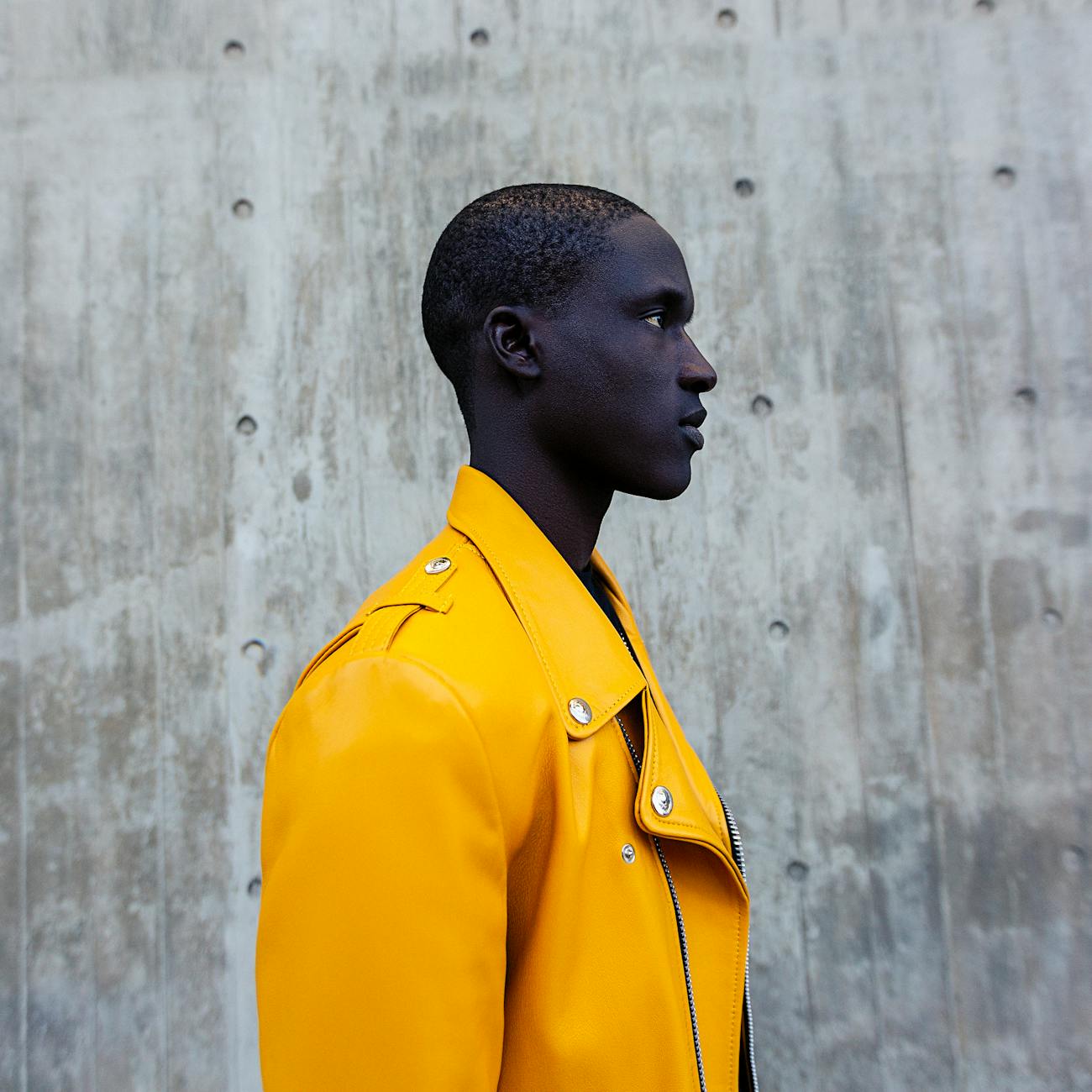
Pretty Privilege Series: Brothers at the Frontline — Black Men’s Role in Dismantling Colorism.

Photo by Mika Borgia on Pexels.com

Colorism is not just a women’s issue — it is a community issue. Black men, in particular, play a critical role in shaping beauty standards, especially through dating choices, music, and cultural influence. To dismantle colorism, Black men must become allies and active participants in affirming dark-skinned women’s dignity and worth.

Historically, colorism was reinforced by systems that divided enslaved Black people based on skin tone. Lighter-skinned Black men and women were given preferential treatment, creating hierarchies that still influence dating and marriage patterns today (Hunter, 2007). Black men must examine how much of their preferences are rooted in this colonial history.

Many Black men have admitted to being told from a young age that lighter-skinned girls were more desirable. This conditioning is not merely personal taste but cultural programming that associates lightness with refinement and status (Wilder, 2010).

Rap lyrics and hip-hop culture have often glorified “redbones” or “yellow bones,” reinforcing the idea that lighter-skinned women are the ultimate prize. When influential Black men elevate only one type of beauty, it reinforces harmful hierarchies for the entire community (Neal, 2013).

The first step for Black men is introspection. Asking “Why do I find this skin tone more attractive?” can uncover unconscious biases. Recognizing that preferences can be shaped by media, colonialism, and white supremacy is essential to choosing love freely and without inherited prejudice.

Public affirmation matters. When Black men openly celebrate their dark-skinned wives, daughters, and partners, they send a powerful message to younger boys and the community at large. NBA player LeBron James, for example, often praises his dark-skinned wife Savannah publicly, providing representation that counters stereotypes.

Music artists can also be powerful agents of change. Kendrick Lamar famously rapped, “I want a real woman, not a Barbie doll” and has celebrated darker-skinned women in his videos. More male artists following suit would normalize seeing dark-skinned women as desirable and worthy of love songs.

Black fathers hold special influence. The way a father talks to his daughter about her beauty can shape her self-esteem for life. Fathers must affirm their daughters’ skin as beautiful, compliment them without comparing them to lighter peers, and teach them to embrace their natural hair and features (Harris, 2015).

Mentorship is another key area. Young Black boys must be taught early that beauty is not determined by proximity to whiteness. When mentors and role models praise women of all shades — especially darker-skinned women — they help undo cycles of internalized bias.

In barbershops and male-dominated spaces, colorist jokes and comments must be challenged. Black men can change the tone of conversation by refusing to laugh at insults aimed at dark-skinned women and calling out backhanded compliments like “She’s pretty for a dark-skinned girl.”

In families, brothers and male cousins can be protective allies. Instead of teasing their sisters or female relatives for being “too dark,” they can encourage them, compliment them, and shut down colorist remarks from others.

Spiritual leadership from Black men can be transformative. When pastors and male church leaders preach against favoritism (James 2:1-4) and affirm that every shade of Black skin reflects God’s image, they restore dignity to the women in their congregations.

Economically, Black male entrepreneurs, photographers, and designers can hire, feature, and celebrate dark-skinned women in their projects. This provides both representation and opportunity, counteracting decades of exclusion in business and media.

Black male directors, writers, and filmmakers must also tell stories that feature dark-skinned women as love interests and heroines. Barry Jenkins’ If Beale Street Could Talk and Ryan Coogler’s Black Panther are examples of films that present darker-skinned women with elegance and depth.

Men must also hold one another accountable in dating spaces. If a friend refuses to date dark-skinned women because they are “too ghetto” or “too masculine,” brothers must challenge those stereotypes and ask where those ideas originated.

Educating sons is critical. Parents can show their boys positive images of dark-skinned women in books, movies, and history lessons. When boys grow up seeing dark-skinned beauty celebrated, they are less likely to perpetuate colorism in adulthood.

Social media is another battleground. Black men with platforms should use them to uplift women of all shades, rather than fueling comparison or tearing down darker-skinned women. Positive representation online can reach millions of people and shift public perception.

Breaking cycles of colorism also means embracing healthy masculinity. When men heal from their own traumas, they stop projecting insecurities onto women by trying to control or police their appearance based on Eurocentric ideals.

Ultimately, Black men’s voices carry weight. When they reject colorism publicly, privately, and in relationships, they help dismantle a system that has harmed Black women for centuries. They become co-builders of a community where every shade is celebrated.

The fight against colorism is not just about aesthetics — it is about restoring unity, love, and respect between Black men and women. When Black men lead with intention, they can help rewrite beauty standards and leave a healthier legacy for generations to come.


References

  • Harris, A. (2015). The Influence of Fathers on the Self-Esteem of African American Daughters. Journal of Black Psychology, 41(3), 257–276.
  • Hunter, M. (2007). The Persistent Problem of Colorism: Skin Tone, Status, and Inequality. Sociology Compass, 1(1), 237–254.
  • Neal, M. A. (2013). What the Music Said: Black Popular Music and Black Public Culture. Routledge.
  • Wilder, J. (2010). Revisiting “Color Names and Color Notions”: A Contemporary Examination of the Language and Attitudes of Skin Color among Young Black Women. Journal of Black Studies, 41(1), 184–206.
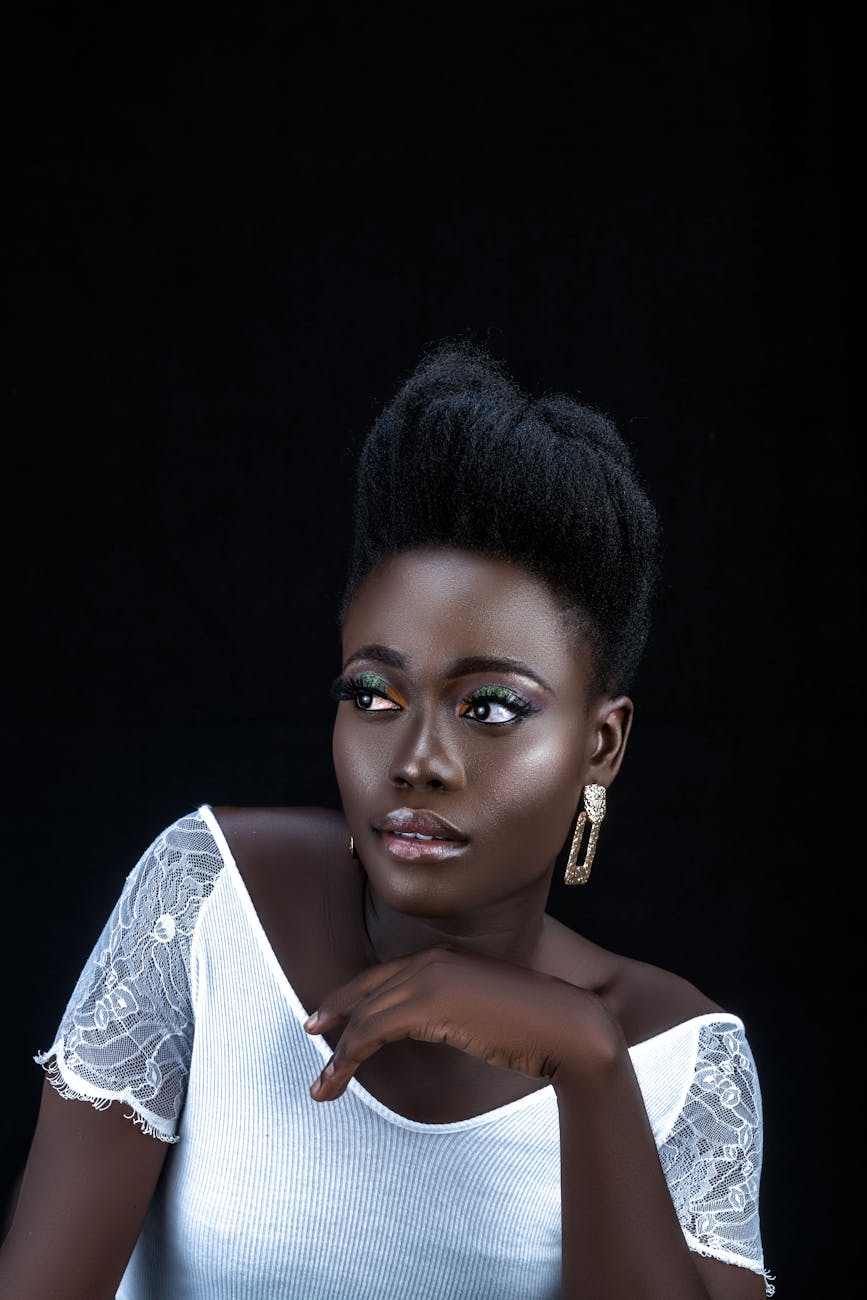
Pretty Privilege Series: Undoing the Light Trap — Love, Liberation, and Color Truths.

Photo by cottonbro studio on Pexels.com

Pretty privilege is often discussed as an invisible advantage, yet within Black communities it carries a distinct and painful history rooted in colorism, colonial aesthetics, and racial hierarchy. The “light trap” refers to the social conditioning that equates proximity to whiteness—lighter skin, looser hair textures, narrower features—with value, safety, and desirability. This trap has shaped how love is distributed, how protection is granted, and how worth is measured.

Colorism did not emerge organically within Black societies; it was engineered through slavery and colonial rule. European powers imposed racial stratification systems that rewarded lighter-skinned enslaved people with marginal privileges, creating internal divisions that persist generations later. These divisions were not accidental but strategic, designed to fracture unity and reinforce dominance.

Within this system, beauty became currency. Lighter skin functioned as symbolic capital, granting access to social mobility, romantic desirability, and even perceived intelligence. Darker skin, by contrast, was associated with labor, invisibility, and punishment. These associations embedded themselves into collective psychology, passing quietly from parent to child, community to community.

The light trap distorts love by attaching affection to appearance rather than character. Romantic preferences are often framed as “personal taste,” yet taste itself is socially constructed. When lighter skin is consistently preferred, rewarded, and praised, desire becomes less about choice and more about conditioning.

For many dark-skinned women, love is experienced not as abundance but as audition. They are taught—implicitly and explicitly—that they must compensate for their skin tone with perfection, silence, or service. This burden creates emotional fatigue and reinforces the false belief that love must be earned through suffering.

Men are not immune to the light trap. Black men are socialized to equate lighter partners with status, success, and validation, mirroring the values of a society that already devalues Blackness. This dynamic harms men as well, narrowing their emotional range and disconnecting them from authentic attraction rooted in shared struggle and truth.

Media plays a central role in maintaining pretty privilege. Film, television, advertising, and social media overwhelmingly center lighter-skinned Black women as romantic leads, beauty icons, and symbols of femininity. Dark-skinned women, when included, are often relegated to stereotypes or supporting roles that affirm marginality.

These representations do more than entertain; they educate. They teach children who is worthy of love and who must wait. They instruct society on whose pain matters and whose is invisible. Over time, repeated images harden into “common sense,” making bias appear natural rather than manufactured.

Undoing the light trap requires naming it. Silence protects systems of harm. When colorism is dismissed as divisive or exaggerated, the wound deepens. Truth-telling is not betrayal; it is repair. Liberation begins where honesty is allowed to breathe.

Love, in its truest form, is incompatible with hierarchy. It cannot thrive where one shade is exalted and another is endured. A liberated vision of love honors the full spectrum of Black beauty without ranking, comparison, or apology. It sees dark skin not as an obstacle but as inheritance.

Healing also requires confronting internalized bias. Many people carry unconscious preferences shaped by years of exposure to colorist messaging. Acknowledging these biases is not an admission of evil but a commitment to growth. What is learned can be unlearned.

Community accountability is essential. Families, churches, schools, and cultural institutions must reject colorist language and practices. Casual jokes, backhanded compliments, and “good hair” narratives are not harmless; they are ideological tools that reinforce inequality.

The light trap also intersects with economics. Studies show that lighter-skinned individuals often receive higher wages, lighter sentences, and more favorable evaluations. These outcomes reinforce the illusion that lightness equals competence, while darkness signals deficiency.

Spiritual traditions have not been exempt from color bias. Imagery that associates light with goodness and dark with evil has been misused to justify racial hierarchies. Reclaiming spiritual language requires separating metaphor from misapplication and affirming that Blackness is not a curse but a creation.

Liberation demands new narratives. Stories that center dark-skinned women as loved, chosen, protected, and celebrated disrupt generations of conditioning. These narratives do not erase light-skinned experiences but refuse to place them on a pedestal.

Men who choose liberation must interrogate what they have been taught to desire. Love rooted in healing rather than status frees both partners from performance. It allows relationships to be spaces of refuge rather than reenactments of oppression.

For women, undoing the light trap means reclaiming self-definition. Worth is not granted by proximity to lightness or male approval. It is inherent, unmovable, and ancestral. Confidence grounded in truth is an act of resistance.

Collective healing will not be instant. Colorism is deeply woven into social fabric, reinforced by institutions and incentives. Yet every conscious choice, every honest conversation, weakens the trap’s hold.

The goal is not to reverse hierarchy but to abolish it. Liberation is not dark skin replacing light skin at the top; it is the dismantling of the ladder itself. Beauty without hierarchy restores humanity to everyone.

Undoing the light trap is ultimately about love—love that is truthful, expansive, and just. When Black communities choose truth over comfort and liberation over illusion, love becomes less about appearance and more about alignment, dignity, and shared freedom.

References

Adams, T. L., & Fuller, D. B. (2006). The words have changed but the ideology remains the same: Misogynistic lyrics in rap music. Journal of Black Studies, 36(6), 938–957.

Hunter, M. (2007). The persistent problem of colorism: Skin tone, status, and inequality. Sociology Compass, 1(1), 237–254.

Hunter, M. (2011). Buying racial capital: Skin-bleaching and cosmetic surgery in a globalized world. Journal of Pan African Studies, 4(4), 142–164.

Russell, K. Y., Wilson, M., & Hall, R. E. (2013). The color complex: The politics of skin color among African Americans. Anchor Books.

Thompson, V. S., & Keith, V. M. (2001). The blacker the berry: Gender, skin tone, self-esteem, and self-efficacy. Gender & Society, 15(3), 336–357.

Wilder, J. (2010). Revisiting “color names and color notions”: A contemporary examination of the language and attitudes of skin color among young Black women. Journal of Black Studies, 41(1), 184–206.
Pretty Privilege Series: The Cost of Shade — How Colorism Shapes Our Souls.

Photo by Stan Photography on Pexels.com

Colorism, though often overshadowed by the broader category of racism, remains one of the most insidious realities within the Black community and beyond. It is the practice of favoring lighter skin over darker skin, a hierarchy that has its roots in slavery, colonialism, and Eurocentric beauty standards. The cost of shade is not merely social; it is psychological, emotional, spiritual, and generational. It shapes not just how others see us, but also how we see ourselves.

At the root of colorism lies the ideology of white supremacy. During slavery, lighter-skinned enslaved people were often given preferential treatment, sometimes allowed into the house while darker-skinned individuals were forced to toil in the fields. This early division planted seeds of mistrust, competition, and insecurity that still bear bitter fruit today (Hunter, 2007). These historical scars are carried forward, morphing into modern struggles with beauty standards, relationships, and self-worth.

Pretty privilege is not neutral; it operates within the politics of shade. Those with lighter skin tones are often perceived as more desirable, more approachable, and even more intelligent, while darker-skinned individuals frequently face rejection, stereotypes, and invisibility. The cost of this dynamic is that entire generations internalize harmful lies about their own God-given beauty.

The soul suffers under these dynamics because they fracture identity. When young Black children grow up hearing insults about dark skin or praises for lighter complexions, their spirit is silently bruised. Proverbs 18:21 (KJV) reminds us that, “Death and life are in the power of the tongue.” Words about shade, whether degrading or elevating, carry life-altering weight.

In relationships, colorism often dictates who is considered “dateable” or “marriage material.” Studies show that lighter-skinned women are more likely to be married than their darker-skinned counterparts, even when controlling for education and income (Hamilton et al., 2009). This creates not only personal pain but also division within the community, reducing love to a hierarchy of hue rather than a covenant of hearts.

Men, too, suffer under the burden of shade. Dark-skinned men are often stereotyped as aggressive or threatening, while lighter-skinned men may be seen as more approachable or refined. These biased perceptions impact everything from employment opportunities to social mobility. The cost of shade is not limited to romance—it seeps into economics, justice, and everyday life.

Spiritually, colorism is a distortion of God’s design. Scripture declares in Genesis 1:27 (KJV), “So God created man in his own image, in the image of God created he him.” When one shade of skin is elevated above another, it denies the truth that every complexion reflects the Creator’s artistry. The soul is damaged when beauty is measured by proximity to whiteness rather than proximity to holiness.

The cost of shade is also evident in media and representation. Films, music videos, and advertisements often prioritize lighter-skinned Black women, perpetuating a narrow definition of beauty. This “paper bag test” mentality, once literal in Black social organizations, has been rebranded for a global stage, infiltrating screens and shaping the subconscious of millions.

Colorism also creates fractures between women themselves. Instead of building solidarity, competition emerges. Lighter-skinned women may feel objectified while darker-skinned women may feel overlooked, creating a cycle of envy, bitterness, and mistrust. Galatians 5:26 (KJV) warns us, “Let us not be desirous of vain glory, provoking one another, envying one another.” The cost of shade is the erosion of sisterhood.

Within families, colorism can be especially painful. Parents, knowingly or unknowingly, may praise the lighter-skinned child more, while overlooking the darker-skinned sibling. These internalized preferences perpetuate generational trauma, leading children to equate their worth with the shade of their skin rather than the substance of their character.

The church, too, has not been exempt. Though the gospel declares freedom and equality, biases regarding skin tone often infiltrate congregations, from leadership selection to who is deemed “presentable.” This contradiction grieves the Spirit, for Acts 10:34 (KJV) proclaims, “Of a truth I perceive that God is no respecter of persons.”

One of the greatest costs of shade is the distortion of love. When people pursue relationships based on complexion rather than compatibility in Christ, marriages falter, and families suffer. The cost of shade here is not just cosmetic—it is covenantal.

For many, overcoming colorism requires intentional healing. This healing begins with recognizing its roots, naming its effects, and choosing to reject its lies. John 8:32 (KJV) promises, “And ye shall know the truth, and the truth shall make you free.” Freedom from shade-based hierarchies requires embracing God’s truth about beauty.

Healing also comes through representation. When darker-skinned individuals are celebrated in media, art, and leadership, stereotypes are dismantled. Every image of beauty that embraces the full spectrum of melanin is an act of resistance against the cost of shade.

Education is also essential. Teaching children the truth about their heritage, beauty, and biblical identity equips them to resist the lies of colorism. Proverbs 22:6 (KJV) commands, “Train up a child in the way he should go: and when he is old, he will not depart from it.”

The cost of shade must also be addressed collectively. As a community, we must reject divisive practices and affirm all shades as reflections of God’s handiwork. Unity dismantles privilege, and love uproots prejudice.

Globally, the issue of skin-lightening industries reveals the financial cost of shade. Billions are spent annually on bleaching creams, a testament to the deep insecurity colorism breeds (Charles, 2003). These products not only damage skin but also reinforce self-hatred.

But the greatest hope lies in God’s promise of restoration. Revelation 7:9 (KJV) describes a vision of heaven where “a great multitude, which no man could number, of all nations, and kindreds, and people, and tongues, stood before the throne.” In that eternal gathering, shade holds no cost—only souls covered in the glory of God.

Ultimately, the cost of shade is too high to continue paying. It robs us of peace, divides families, distorts love, and warps identity. But the gospel calls us to something greater: freedom, equality, and wholeness in Christ. In Him, every shade is sacred.


References

  • Charles, C. A. D. (2003). Skin bleachers’ representations of skin color in Jamaica. Journal of Black Studies, 33(6), 711–728.
  • Hamilton, D., Goldsmith, A., & Darity, W. (2009). Shedding “light” on marriage: The influence of skin shade on marriage for Black females. Journal of Economic Behavior & Organization, 72(1), 30–50.
  • Hunter, M. (2007). The persistent problem of colorism: Skin tone, status, and inequality. Sociology Compass, 1(1), 237–254.
  • The Holy Bible, King James Version.

Pretty Privilege Series: Breaking the Mirror — Dismantling Colorism and Rewriting Beauty Standards

Photo by nomso obiano on Pexels.com

Colorism is not just a social issue; it is a deeply entrenched system that shapes how people perceive themselves and others. To dismantle it, we must not only expose its roots but actively work to uproot them from every layer of society — family, education, media, and faith communities.

The first step in dismantling colorism is to acknowledge that it exists. Too often, when dark-skinned women speak about their experiences, they are dismissed as “being too sensitive” or “imagining things.” Public acknowledgment validates their pain and makes space for honest dialogue (Hunter, 2007).

Families play a critical role in perpetuating or breaking cycles of colorism. Parents must avoid comments that favor lighter skin tones — phrases like “stay out of the sun” or “you’re too dark to wear that color” can harm children’s self-image. Instead, families should affirm melanin-rich skin as beautiful, worthy, and God-given (Psalm 139:14).

Representation in toys, books, and cartoons is equally crucial. Giving children dolls, storybooks, and characters that reflect a range of skin tones helps normalize beauty diversity early on. The popularity of dark-skinned Barbie dolls and children’s books like Sulwe by Lupita Nyong’o are helping to rewrite what “beautiful” looks like for a new generation.

Schools can be powerful agents of change. Anti-bias education should include lessons about colorism — not just racism — so that children understand why comments about skin tone can be harmful. Curriculum that highlights dark-skinned historical figures, inventors, and leaders helps students appreciate Blackness as a source of strength, not shame (Monk, 2014).

Media companies hold tremendous influence. Producers, casting directors, and advertisers must continue to broaden representation by featuring dark-skinned women in leading roles, fashion campaigns, and beauty commercials without making their complexion the “plot point.” Diversity should feel natural, not tokenized (Tate, 2016).

Music and pop culture also have a responsibility. Lyrics that glorify light skin at the expense of dark skin should be challenged. Artists can use their platforms to celebrate deeper melanin rather than perpetuate harmful hierarchies. This shift is already underway with songs like Beyoncé’s Brown Skin Girl, which honors dark-skinned beauty unapologetically.

Faith communities have a unique opportunity to restore dignity. Pastors and spiritual leaders can preach sermons that affirm all shades of Blackness, reminding congregations that partiality is sin (James 2:1-4). Churches can also host workshops for young girls about identity, self-worth, and biblical beauty.

Healing also requires confronting internalized bias. Adults who grew up hearing colorist comments must examine how those messages shaped their thinking. Therapy, journaling, and support groups can help individuals unlearn harmful beliefs and stop passing them down to the next generation (Hall, 1992).

Community mentorship programs can make a difference by pairing young girls with confident, accomplished dark-skinned women who model self-acceptance. Representation at a personal level — not just on screens — gives young people a tangible example to follow.

Social media campaigns like #MelaninPoppin and #DarkSkinGirlsDeserve continue to create spaces where Black women celebrate each other. These online movements should be amplified, encouraging women to share their stories, selfies, and success without fear of ridicule or fetishization.

Beauty companies must go beyond token inclusion. Creating inclusive shade ranges is important, but so is equitable marketing. Ads should show dark-skinned women in glamorous, aspirational ways, not just as a diversity checkbox. Representation should be consistent and global, not seasonal or trend-based.

Fashion magazines and runway shows should continue featuring models like Duckie Thot, Adut Akech, and Anok Yai in editorial spreads that highlight their natural skin. Seeing dark-skinned women gracing covers helps undo decades of invisibility in fashion media.

Colorism must also be addressed among men, as they often perpetuate dating preferences rooted in shade hierarchy. Open forums, barbershop talks, and men’s groups can challenge harmful narratives about what makes a woman “wifey material” and encourage men to value character over complexion.

Economic equity must be part of the conversation. Research shows that darker-skinned women face wage disparities compared to their lighter-skinned peers (Goldsmith, Hamilton, & Darity, 2006). Advocating for fair pay, promotions, and leadership opportunities ensures that beauty bias does not hinder professional growth.

Educational media like documentaries, podcasts, and panel discussions should explore colorism’s global impact — from Africa to the Caribbean to the U.S. This helps people see that it’s not just a “Black American” issue but a global phenomenon shaped by colonization and Eurocentric standards (Smedley, 1999).

Men and women of lighter complexions can become allies by acknowledging their privilege and refusing to benefit from systems that pit them against darker-skinned peers. Solidarity, not silence, is necessary for dismantling colorism’s power.

On a personal level, individuals can speak up when they hear colorist jokes or backhanded compliments like “pretty for a dark-skinned girl.” Silence allows harmful narratives to persist. Correcting these comments with gentleness and education can shift group dynamics over time.

Breaking the mirror of colorism is a lifelong process. It requires consistent work, intentional language, and bold representation. When society stops seeing dark skin as a barrier and starts seeing it as a blessing, true beauty equity will emerge.

Ultimately, dismantling colorism is not just about affirming appearance — it is about restoring identity, dignity, and worth to those who have been told they are less than. Rewriting beauty standards is an act of justice and healing that benefits the entire community, creating a world where every shade is celebrated as a masterpiece of divine design.


References

  • Goldsmith, A., Hamilton, D., & Darity, W. (2006). Shades of Discrimination: Skin Tone and Wages. American Economic Review, 96(2), 242–245.
  • Hall, R. E. (1992). Bias Among African Americans Regarding Skin Color: Implications for Social Work Practice. Research on Social Work Practice, 2(4), 479–486.
  • Hunter, M. (2007). The Persistent Problem of Colorism: Skin Tone, Status, and Inequality. Sociology Compass, 1(1), 237–254.
  • Monk, E. P. (2014). Skin Tone Stratification among Black Americans, 2001–2003. Social Forces, 92(4), 1313–1337.
  • Smedley, A. (1999). Race in North America: Origin and Evolution of a Worldview. Westview Press.
  • Tate, S. (2016). Black Beauty: Aesthetics, Stylization, Politics. Routledge.

Pretty Privilege Series: Faces of the Sun — Celebrating the Deepest Shades of Us.

Beauty has always been both a mirror and a weapon—reflecting societal values while often wounding those who fall outside its narrow definitions. The phenomenon known as pretty privilege reveals how beauty grants unspoken advantages, yet historically, this privilege has excluded darker-skinned individuals, especially within the Black community. In this installment, “Faces of the Sun,” we turn toward the light that has too often been dimmed—celebrating the deepest, richest complexions as the living embodiment of radiance, history, and divine artistry.

The term “Faces of the Sun” symbolizes more than melanin; it signifies resilience, warmth, and illumination born from struggle. The sun does not discriminate—it shines equally, yet some societies have long taught people to seek its opposite. In many cultures, including those shaped by colonial influence, dark skin was unjustly stigmatized while lightness became the aesthetic ideal (Hunter, 2007). This bias—rooted in colorism—still permeates beauty industries, employment opportunities, and social hierarchies today.

For centuries, enslaved Africans and their descendants were taught that proximity to whiteness equated to superiority. Light skin was rewarded; darker complexions were marginalized. This internalized system of value manipulation fractured collective identity (Russell, Wilson, & Hall, 2013). Yet, against all odds, the darkest hues endured, retaining the ancestral glow of the first people—the original faces of the sun.

To understand the beauty of dark skin, one must first unlearn Eurocentric paradigms of beauty that prioritize symmetry and fairness as universal standards. In truth, African beauty has always been multidimensional—defined by strength, spirit, and natural brilliance. Anthropologists note that the deep pigmentation found in African populations is an evolutionary masterpiece, perfectly adapted to protect against ultraviolet radiation (Jablonski & Chaplin, 2000). The melanin that once symbolized “less than” is, scientifically, a shield of life.

This scientific truth carries profound cultural and spiritual implications. The same melanin that protects the body also metaphorically protects identity, grounding it in ancestry and divinity. Within many African cosmologies, the sun is a sacred source of life. To call dark-skinned people “faces of the sun” is to affirm that their complexions are celestial—not accidental. It is to remind them that they carry within them the warmth, depth, and eternal glow of creation itself.

Modern media, however, continues to struggle with accurate representation. While there has been progress—through figures like Lupita Nyong’o, Viola Davis, and Duckie Thot—dark-skinned women and men still face underrepresentation or tokenization. Nyong’o (2014) once described her journey to self-acceptance as a process of “learning to see beauty where it had not been taught.” Her words echo a broader cultural awakening that beauty is not defined by the dominant gaze but reclaimed by those once unseen.

Social media has been instrumental in reshaping beauty narratives. Movements like #MelaninPoppin and #BlackGirlMagic have become affirmations of identity and resistance. These digital spaces serve as modern-day salons of empowerment, where dark-skinned individuals can finally see themselves reflected with dignity and admiration (Hobson, 2018).

Yet, the celebration of melanin must not merely be a trend; it must be an enduring cultural correction. Too often, society commodifies Black beauty while ignoring Black pain. It sells the “aesthetic” but not the struggle. The Faces of the Sun series challenges this hypocrisy by centering the full humanity behind the beauty—the intellect, spirituality, and power embedded in every deep shade.

For men, the experience of colorism is often overlooked but equally profound. Dark-skinned Black men are sometimes fetishized as symbols of masculinity and virility while simultaneously criminalized in social perception (Monk, 2014). This duality reveals how colorism not only shapes attraction but also social justice outcomes, influencing employment, sentencing, and media portrayals. The path to healing requires both genders to unlearn these destructive binaries.

Psychologically, internalized colorism affects self-esteem, dating preferences, and even family dynamics. Studies show that darker-skinned individuals report higher instances of discrimination from both white and nonwhite peers (Keith & Herring, 1991). Healing begins with naming these experiences and dismantling the shame attached to skin tone. The mind must be decolonized before the mirror can truly reflect beauty.

Spiritually, celebrating the deepest shades is an act of restoration. In scripture, the Song of Solomon proclaims, “I am black, but comely” (Song of Solomon 1:5, KJV)—a poetic affirmation of divine beauty long before Western constructs defined worth. The “but” in that verse was not an apology; it was a declaration of mystery and majesty, a proclamation that darkness is as sacred as light.

Artists and photographers who celebrate deep skin tones are participating in a form of cultural reclamation. Through careful lighting and composition, they capture how dark skin interacts with illumination—absorbing and reflecting it with unmatched depth. This interplay of light and shadow becomes a metaphor for resilience: the darker the hue, the more it thrives in the brilliance of the sun.

Cinematically, we are witnessing a renaissance in the portrayal of deep-toned characters. Films like Black Panther (2018) and The Woman King (2022) have redefined representation, highlighting beauty, power, and leadership within African diasporic narratives. These works not only entertain but reeducate the collective imagination about what heroism and beauty look like when liberated from whitewashed ideals.

Fashion, too, has begun to embrace the richness of melanin. Designers like Hanifa, Pyer Moss, and LaQuan Smith intentionally feature models with deeper complexions, challenging industries long dominated by Eurocentric aesthetics. This rebalancing is not simply inclusion—it is justice in fabric form.

Still, the work is far from done. Representation cannot end on runways or screens; it must reach classrooms, boardrooms, and pulpits. The next generation must grow up seeing dark skin as divine design, not deviation. Education and media literacy are vital tools in dismantling colorist conditioning and restoring collective dignity.

The celebration of deep shades also invites global unity. Across the diaspora—from Sudan to Jamaica to Atlanta—our varied tones tell stories of migration, resilience, and rebirth. Each hue is a historical archive, holding ancestral wisdom that no bleaching cream or algorithm can erase.

By honoring “faces of the sun,” we acknowledge that beauty was never lost—it was merely unrecognized. When dark skin is illuminated correctly, the world witnesses the art of survival and the poetry of existence written in human form. This illumination is both literal and symbolic: a reminder that true radiance comes from embracing one’s God-given tone, not conforming to someone else’s lens.

In celebrating the deepest shades among us, we resist erasure and affirm life itself. Every melanin-rich face carries the memory of the beginning, when humanity first emerged under African skies. To be dark is not to be shadowed—it is to be kissed by the origin of light. The sun does not apologize for shining, and neither should we.

Ultimately, Pretty Privilege: Faces of the Sun is not just a visual or cultural movement; it is a theological and psychological restoration. It reclaims what colonization and capitalism once devalued—the inherent holiness of Blackness. It reminds us that we are not merely beautiful because we are seen, but because we are of the sun.


References

  • Hobson, J. (2018). The Black body in Hollywood: Visual culture and race politics. Routledge.
  • Hunter, M. L. (2007). The persistent problem of colorism: Skin tone, status, and inequality. Sociology Compass, 1(1), 237–254.
  • Jablonski, N. G., & Chaplin, G. (2000). The evolution of human skin coloration. Journal of Human Evolution, 39(1), 57–106.
  • Keith, V. M., & Herring, C. (1991). Skin tone and stratification in the Black community. American Journal of Sociology, 97(3), 760–778.
  • Monk, E. P. (2014). Skin tone stratification among Black Americans, 2001–2003. Social Forces, 92(4), 1313–1337.
  • Nyong’o, L. (2014). Essence Magazine Interview: Lupita Nyong’o on embracing her beauty. Essence.
  • Russell, K., Wilson, M., & Hall, R. (2013). The color complex: The politics of skin color among African Americans. Anchor Books.