Tag Archives: mental-health

Dilemma: Mental Illness

The Silent Suffering and Mental Illness in the Black Community, Historical Roots, Case Studies, and Paths to Healing
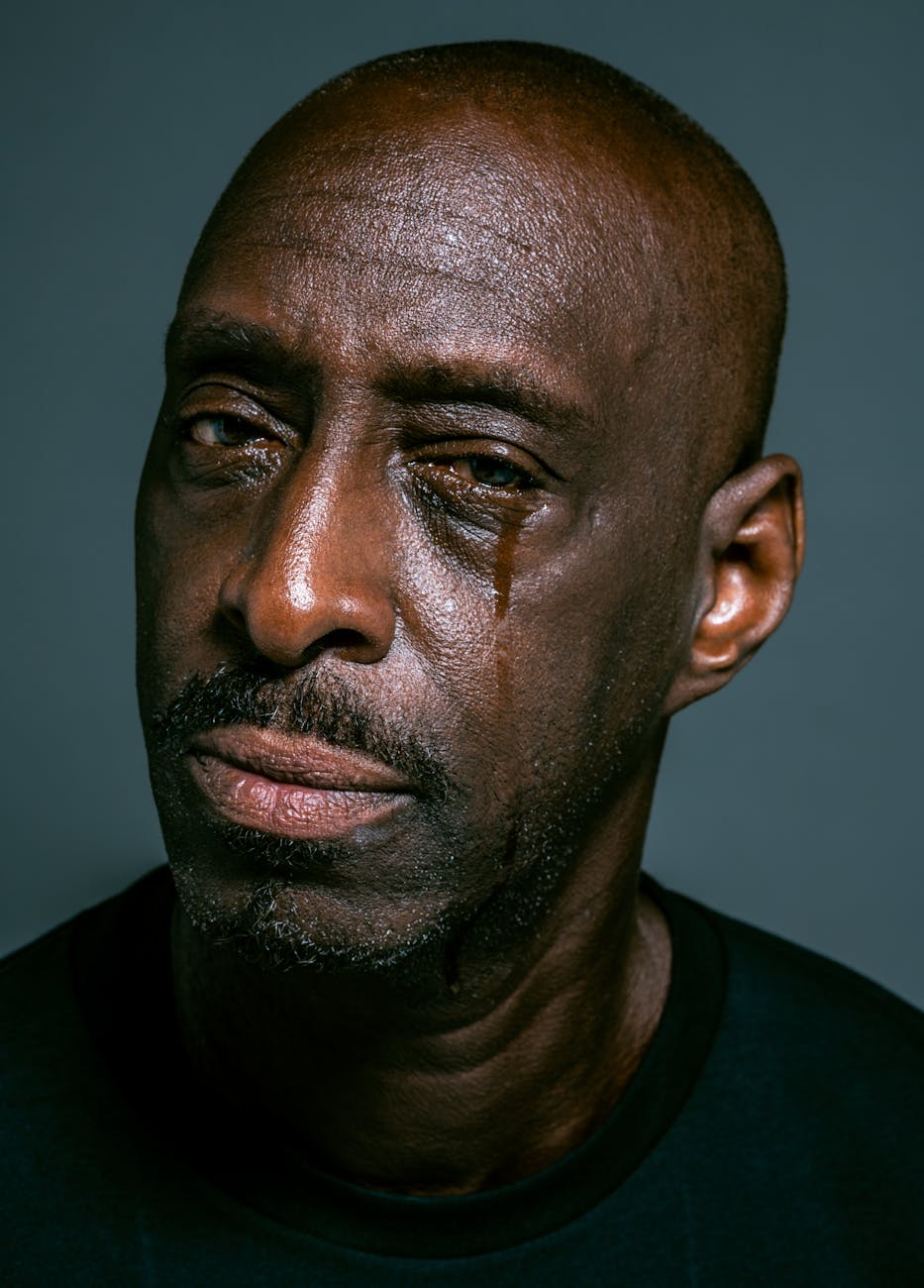
Photo by Ketut Subiyanto on Pexels.com

Mental illness remains one of the most underdiagnosed and undertreated health crises in the Black community. Systemic racism, historical trauma from slavery, socioeconomic inequities, and cultural stigma have compounded the challenges of diagnosis and treatment. This paper examines the prevalence and types of mental illness affecting Black populations, case studies illustrating their manifestations, neuroscience research, biblical perspectives from the King James Version (KJV), and potential pathways to prevention and healing. The analysis further explores Post-Traumatic Slave Syndrome (PTSS), Stockholm Syndrome, and intergenerational trauma as they relate to mental health outcomes.


The mental health crisis within the Black community is often hidden behind layers of cultural stigma, systemic neglect, and historical trauma. According to the National Alliance on Mental Illness (NAMI), approximately 19% of Black adults live with a mental health condition, yet only one-third receive treatment[^1]. The mortality rate for those with untreated severe mental illness is significantly higher than the general population[^2]. This disparity is not merely the result of modern health care inequalities but is rooted in centuries of enslavement, oppression, and racialized violence that have reshaped generational mental health patterns.


Defining Mental Illness

The American Psychiatric Association (APA) defines mental illness as “health conditions involving changes in emotion, thinking, or behavior (or a combination thereof)” which cause distress and impair functioning[^3]. Common types include:

  • Bipolar Disorder
  • Autism Spectrum Disorder (ASD)
  • Borderline Personality Disorder (BPD)
  • Post-Traumatic Stress Disorder (PTSD)
  • Dissociative Identity Disorder (Multiple Personality Disorder)
  • Major Depressive Disorder
  • Schizophrenia
  • Obsessive-Compulsive Disorder (OCD)
  • Psychopathy and Sociopathy
  • Anxiety Disorders

Historical Roots: Why Black People Developed Certain Mental Illnesses

Slavery in America imposed continuous psychological harm: separation of families, sexual violence, physical brutality, and the stripping of cultural identity. This environment produced Post-Traumatic Slave Syndrome (PTSS), a concept by Dr. Joy DeGruy[^4], describing multigenerational trauma and adaptive survival behaviors that persist today. Furthermore, Stockholm Syndrome—a psychological phenomenon where victims develop empathy toward their oppressors—was observed in some enslaved populations who internalized slaveholder values to survive[^5].


Case Studies of Mental Illness in the Black Community

1. Bipolar Disorder

Case Study: An African American man in Detroit experienced alternating manic episodes of hyper-productivity and depressive episodes of immobilization. During an untreated manic state, he committed an armed robbery under delusional beliefs of “helping” his neighborhood. This resulted in imprisonment instead of psychiatric treatment[^6].

2. Autism Spectrum Disorder (ASD)

Case Study: A Black adolescent in Georgia went undiagnosed for years due to teachers misinterpreting his social withdrawal as defiance. His delayed diagnosis deprived him of early intervention that could have improved his academic and social functioning[^7].

3. Borderline Personality Disorder (BPD)

Case Study: A young Black woman with BPD in Chicago engaged in impulsive self-harm and unstable relationships. Her behavior escalated into violence during emotional dysregulation, leading to an assault charge. She later improved through dialectical behavior therapy (DBT)[^8].

4. Post-Traumatic Stress Disorder (PTSD)

Case Study: A Gulf War veteran from the Black community returned with severe PTSD and hypervigilance. The trauma of combat was compounded by racial discrimination in the military, making reintegration into civilian life difficult[^9].

5. Schizophrenia

Case Study: A Black man in Los Angeles suffered from paranoid schizophrenia. Misdiagnosed initially as bipolar disorder, he murdered a stranger he believed was “following orders” from a gang. Correct diagnosis and antipsychotic medication reduced symptoms[^10].

6. Dissociative Identity Disorder (DID)

Case Study: A Black woman who had endured severe childhood abuse developed multiple personalities to compartmentalize traumatic memories. One alter was aggressive and committed a theft offense during dissociation[^11].

7. Psychopathy and Sociopathy

Case Study: A sociopathic male gang leader in New York exhibited callousness and manipulative charm, orchestrating violent crimes without remorse. His behavior aligned with antisocial personality disorder criteria[^12].


Neuroscience and Mental Illness in Black Communities

Neuroscience research reveals that chronic trauma alters brain structure and function. The amygdala, hippocampus, and prefrontal cortex—regions governing fear response, memory, and decision-making—can shrink or become hyperactive in trauma survivors[^13]. Studies on intergenerational trauma show epigenetic changes in stress-response genes among descendants of enslaved Africans[^14].


Solutions: Psychology, Therapy, Medicine, and Faith

Psychological Interventions

Evidence-based approaches include Cognitive Behavioral Therapy (CBT), DBT, Eye Movement Desensitization and Reprocessing (EMDR) for PTSD, and Applied Behavior Analysis (ABA) for autism[^15].

Top Online Therapy Platforms:

  • BetterHelp
  • Talkspace
  • 7 Cups
  • Therapy for Black Girls
  • Open Path Collective

Medical Treatments

Medication such as SSRIs, mood stabilizers, and antipsychotics can reduce symptoms when combined with therapy.

Biblical Solutions (KJV Perspective)

  • Renewing the Mind: “Be not conformed to this world: but be ye transformed by the renewing of your mind” (Romans 12:2).
  • Peace in Anxiety: “Casting all your care upon him; for he careth for you” (1 Peter 5:7).
  • Healing the Brokenhearted: “He healeth the broken in heart, and bindeth up their wounds” (Psalm 147:3).

Faith-based counseling integrates spiritual disciplines, prayer, and scriptural meditation to complement medical and psychological care.


Conclusion

Mental illness in the Black community is a complex interplay of biology, history, culture, and systemic oppression. Addressing it requires not only medical and psychological interventions but also a historical reckoning with the trauma of slavery and racism. Neuroscience underscores the plasticity of the brain, meaning healing is possible, while the Bible offers enduring hope for transformation.

References

American Psychiatric Association. (2022). Diagnostic and statistical manual of mental disorders (5th ed., text rev.). American Psychiatric Publishing.

Boyd-Franklin, N. (2003). Black families in therapy: Understanding the African American experience (2nd ed.). Guilford Press.

Comas-Díaz, L., Hall, G. N., & Neville, H. A. (2019). Racial trauma: Theory, research, and healing: Introduction to the special issue. American Psychologist, 74(1), 1–5.

Cutchin, M. P., & McCray, E. (2021). Post-traumatic stress disorder in African Americans: Historical roots and contemporary implications. Journal of Black Psychology, 47(5), 415–432.

Franklin, A. J., Boyd-Franklin, N., & Kelly, S. (2006). Racism and invisibility: Race-related stress, emotional abuse and psychological trauma for people of color. Journal of Emotional Abuse, 6(2–3), 9–30.

Grier, W. H., & Cobbs, P. M. (1992). Black rage. Basic Books.

Herman, J. L. (2015). Trauma and recovery: The aftermath of violence—from domestic abuse to political terror (Rev. ed.). Basic Books.

National Alliance on Mental Illness. (2023). Mental health facts in African American communities. NAMI.

Neal-Barnett, A., Statom, D., & Stadulis, R. (2010). A pilot study of a culturally relevant intervention for African American women with anxiety disorders. Journal of Anxiety Disorders, 24(2), 246–252.

Pieterse, A. L., Todd, N. R., Neville, H. A., & Carter, R. T. (2012). Perceived racism and mental health among Black American adults: A meta-analytic review. Journal of Counseling Psychology, 59(1), 1–9.

Resmaa, M. (2017). My grandmother’s hands: Racialized trauma and the pathway to mending our hearts and bodies. Central Recovery Press.

Sue, D. W., Capodilupo, C. M., Torino, G. C., Bucceri, J. M., Holder, A., Nadal, K. L., & Esquilin, M. (2007). Racial microaggressions in everyday life: Implications for clinical practice. American Psychologist, 62(4), 271–286.

Tutu, D., & Tutu, M. (2014). The Book of Forgiving: The Fourfold Path for Healing Ourselves and Our World. HarperOne.

Van der Kolk, B. A. (2014). The body keeps the score: Brain, mind, and body in the healing of trauma. Viking.

Watkins, D. C., Allen, J. O., Goodwill, J. R., & Noel, B. (2017). Strengths and weaknesses of the mental health diagnostic system for African American men. International Journal of Men’s Health, 16(1), 1–14.

Williams, D. R., & Mohammed, S. A. (2009). Discrimination and racial disparities in health: Evidence and needed research. Journal of Behavioral Medicine, 32(1), 20–47.


Born Beautiful: The Science, Perception, and Power of Beauty

Photo by Adrienne Andersen on Pexels.com

Beauty has fascinated philosophers, scientists, artists, and theologians for centuries. Across cultures, it is both a subjective experience and an objective set of measurable traits, shaped by biology, culture, and history. The word beauty takes different forms across languages: in German, Schönheit; in Italian, Bellezza; in French, Beauté; and in Hebrew, יֹפִי (Yofi). Although the term varies linguistically, the concept is universally recognized and often linked to status, desirability, and social capital.

From evolutionary theory to biblical scripture, beauty carries implications for survival, reproduction, and morality. For Black individuals, the perception and valuation of beauty are shaped not only by universal human psychology but also by historical systems of racism and Eurocentric standards that privilege whiteness (Hunter, 2011).


Defining Beauty: Science and Subjectivity

Biologically, beauty often aligns with symmetry, sexual dimorphism, skin clarity, and adherence to cultural averages (Rhodes, 2006; Little et al., 2011). Symmetry is thought to signal genetic health, while features near the population average (the “averageness hypothesis”) are often rated as more attractive because they may indicate genetic diversity (Perrett et al., 1999).

Culturally, beauty is not purely universal. Preferences vary by region, era, and ideology. While one society might favor lighter skin or smaller noses, another might value fuller figures or darker skin tones. The aphorism “beauty is in the eye of the beholder” captures the subjectivity, yet research shows consistent cross-cultural agreement on certain features — suggesting that beauty is both subjective and partly objective (Langlois et al., 2000).

Elizabeth Taylor and Lena Horne: A Comparative Analysis of Beauty Across Race and Culture

Beauty, while often described as subjective, is shaped by cultural, historical, and biological influences. Two of the most celebrated women of the 20th century—Elizabeth Taylor and Lena Horne—exemplify distinct yet overlapping paradigms of feminine beauty. While Taylor’s features have been canonized within Eurocentric beauty standards, Horne’s beauty embodied the elegance, poise, and resilience of African-American womanhood during a time when Black women were systematically excluded from mainstream beauty recognition.

Physical Aesthetics and Genetic Markers

Elizabeth Taylor (1932–2011) possessed what many beauty scientists and historians consider near-classical facial proportions, with high cheekbones, a defined jawline, symmetrical features, and an extremely rare genetic trait: violet eyes caused by a unique melanin distribution in the iris. Her bone structure conformed closely to the neoclassical canons of beauty documented in Renaissance art, and her face demonstrated a high degree of symmetry—an attribute frequently linked to perceived attractiveness in evolutionary psychology (Little, Jones, & DeBruine, 2011). Taylor’s skin tone, luminous under Hollywood lighting, also benefited from color contrast theory, making her eyes appear even more striking.

Lena Horne (1917–2010) exhibited a different but equally powerful beauty, shaped by African, Native American, and European ancestry. Her facial structure combined almond-shaped eyes, high cheekbones, and a soft yet defined jawline. Her golden-brown complexion and natural grace challenged the prevailing stereotypes of Black women in mid-20th-century America, where lighter skin often provided more access to mainstream platforms (Hunter, 2007). Yet Horne’s beauty was not just genetic—it was amplified by her regal posture, distinctive smile, and the way she carried herself with understated elegance, which aligned with what psychologists call “aesthetic charisma” (Etcoff, 1999).

Cultural and Media Representation

In Hollywood’s Golden Age, Elizabeth Taylor was groomed for stardom in a system that celebrated and exported white feminine ideals globally. She was cast in romantic leads, her image plastered across magazines, and her beauty positioned as both timeless and universal. Taylor’s roles often reinforced a “classic Western beauty archetype”, allowing her to become a symbol of luxury, glamour, and desirability.

By contrast, Lena Horne faced a segregated entertainment industry that limited the roles available to Black actresses. Even with her extraordinary beauty, she was often typecast as a nightclub singer or exotic beauty, with her speaking roles heavily censored in films shown in the American South. Still, Horne became a trailblazer—one of the first Black women to secure a Hollywood contract—and her beauty took on symbolic meaning, representing Black dignity, resilience, and sophistication during the Civil Rights era.

Psychological and Social Impact of Beauty

Research indicates that beauty can yield tangible advantages—higher earning potential, greater social mobility, and preferential treatment (Hamermesh & Biddle, 1994). Both Taylor and Horne benefited from this to some extent, but within very different racial contexts. Taylor’s beauty translated into major film contracts, media control over her public image, and the freedom to navigate high society without racial barriers. Horne’s beauty, while granting her visibility and influence, was constantly negotiated against the backdrop of racism, where beauty could not shield her from discrimination but could amplify her role as a cultural icon and activist.

Biblical and Philosophical Dimensions of Beauty

From a biblical perspective, beauty is acknowledged as a divine gift yet accompanied by the caution that it is fleeting and secondary to character (Proverbs 31:30, KJV). While Taylor’s beauty was often framed in terms of physical perfection, Horne’s public image intertwined beauty with moral substance, dignity, and perseverance—attributes more aligned with scriptural ideals of beauty that transcend physical form.

Elizabeth Taylor’s beauty represented the pinnacle of mid-century Eurocentric standards—symmetry, rarity, and glamour—while Lena Horne’s beauty redefined the visibility and elegance of Black womanhood in a racially exclusive industry. Both women captivated audiences, but their experiences underscore how race shapes the reception, representation, and social capital of beauty. Taylor’s beauty was universally marketed; Horne’s was both celebrated and politicized, making her an enduring figure in conversations about beauty, representation, and equality.


Beauty and Life Outcomes

Numerous studies have shown that physical attractiveness correlates with higher earnings, more favorable job evaluations, and perceived competence (Hamermesh & Biddle, 1994). Attractive individuals are more likely to be hired, earn higher salaries, and are perceived as more persuasive in leadership roles (Judge et al., 2009).

Marriage outcomes are also affected: physically attractive women are more likely to marry and to marry men with higher socioeconomic status, though beauty does not necessarily guarantee marital stability (Rosenfeld, 2014). For men, handsomeness may boost dating and early relationship opportunities but appears to have a smaller effect on marriage duration compared to women (Udry & Eckland, 1984).


Race and Beauty in a Global Context

In a world where Eurocentric beauty standards dominate global media, white women often receive disproportionate exposure and are perceived as the “default” beauty in Western societies (Craig, 2006). This media bias means that, historically, white actresses such as Angelina Jolie have enjoyed greater international visibility compared to Black actresses like Jayne Kennedy, despite Kennedy’s extraordinary beauty and talent.

Similarly, men like Brad Pitt benefit from globalized ideals of male beauty, while Black male icons like Billy Dee Williams are celebrated but often within more limited cultural frames. The imbalance reflects systemic bias in casting, advertising, and fashion industries.

For Black women, beauty is often filtered through both racialized and gendered stereotypes. The cultural fetishization of certain features (e.g., full lips, curvaceous bodies) has been appropriated and celebrated when exhibited by white women, while historically devalued when associated with Black women (Patton, 2006).


Psychological Factors and Perception

Psychologically, beauty influences first impressions, social status, and interpersonal trust. The “halo effect” describes how people assume that attractive individuals also possess other positive traits, such as intelligence or kindness (Dion et al., 1972). Beauty can boost self-esteem and social mobility, but it may also lead to objectification or jealousy, particularly for women.

For men, attractiveness can yield similar advantages in social and professional settings, though the emphasis in male beauty tends to favor indicators of strength, symmetry, and social dominance rather than youthfulness (Grammer et al., 2003). Comparisons between attractive men and women show that while both benefit from the halo effect, women’s beauty tends to be more heavily sexualized and tied to reproductive-age cues, whereas male beauty is linked more to status and resource acquisition (Puts, 2010).


Biblical Perspective on Beauty

The KJV Bible recognizes beauty but warns against its fleeting nature:

  • Proverbs 31:30 — “Favour is deceitful, and beauty is vain: but a woman that feareth the LORD, she shall be praised.”
  • 1 Peter 3:3-4 — Beauty should not be merely outward adornment but the inner character of a “meek and quiet spirit.”
  • Song of Solomon celebrates beauty poetically, showing that physical attraction has a rightful place in love and marriage.

The biblical approach balances the appreciation of beauty with the reminder that moral character outweighs physical appearance in eternal value.


Beauty Markers in Science and Culture

Beauty markers are features consistently associated with attractiveness across studies:

  • Facial symmetry
  • Clear, even-toned skin
  • Facial averageness
  • Youthful appearance
  • Proportionate facial features (e.g., adherence to the golden ratio)
  • Cultural grooming and adornment practices

In some cultures, markers include skin tone, hair texture, body shape, and even ritual scars or tattoos, showing the cultural plasticity of beauty ideals (Etcoff, 1999).


Beauty: Advantage or Double-Edged Sword?

While beauty can bring social advantages, it is also double-edged. Attractive individuals may face greater scrutiny, unwanted attention, or assumptions about vanity. For Black individuals, beauty may sometimes be exoticized or tokenized, reducing their identity to aesthetics rather than holistic humanity.

Ultimately, science suggests that beauty is neither fully in the beholder’s eye nor fully fixed by biology. It is a dynamic interplay of innate human preferences, cultural conditioning, and personal expression.


References

Craig, M. L. (2006). Race, beauty, and the tangled knot of a guilty pleasure. Feminist Theory, 7(2), 159–177. https://doi.org/10.1177/1464700106064412

Dion, K., Berscheid, E., & Walster, E. (1972). What is beautiful is good. Journal of Personality and Social Psychology, 24(3), 285–290. https://doi.org/10.1037/h0033731

Etcoff, N. (1999). Survival of the prettiest: The science of beauty. Anchor Books.

Grammer, K., Fink, B., Møller, A. P., & Thornhill, R. (2003). Darwinian aesthetics: Sexual selection and the biology of beauty. Biological Reviews, 78(3), 385–407. https://doi.org/10.1017/S1464793102006085

Hamermesh, D. S., & Biddle, J. E. (1994). Beauty and the labor market. American Economic Review, 84(5), 1174–1194.

Hunter, M. (2011). Buying racial capital: Skin-bleaching and cosmetic surgery in a globalized world. The Journal of Pan African Studies, 4(4), 142–164.

Judge, T. A., Hurst, C., & Simon, L. S. (2009). Does it pay to be smart, attractive, or confident? Psychological Science, 20(10), 1225–1233. https://doi.org/10.1111/j.1467-9280.2009.02423.x

Langlois, J. H., et al. (2000). Maxims or myths of beauty? A meta-analytic and theoretical review. Psychological Bulletin, 126(3), 390–423. https://doi.org/10.1037/0033-2909.126.3.390

Little, A. C., Jones, B. C., & DeBruine, L. M. (2011). Facial attractiveness: Evolutionary based research. Philosophical Transactions of the Royal Society B, 366(1571), 1638–1659. https://doi.org/10.1098/rstb.2010.0404

Patton, T. O. (2006). Hey girl, am I more than my hair?: African American women and their struggles with beauty, body image, and hair. NWSA Journal, 18(2), 24–51.

Perrett, D. I., et al. (1999). Symmetry and human facial attractiveness. Evolution and Human Behavior, 20(5), 295–307. https://doi.org/10.1016/S1090-5138(99)00014-8

Puts, D. A. (2010). Beauty and the beast: Mechanisms of sexual selection in humans. Evolution and Human Behavior, 31(3), 157–175. https://doi.org/10.1016/j.evolhumbehav.2010.02.005

Rhodes, G. (2006). The evolutionary psychology of facial beauty. Annual Review of Psychology, 57, 199–226. https://doi.org/10.1146/annurev.psych.57.102904.190208

Rosenfeld, M. J. (2014). Couple longevity in the era of same-sex marriage in the United States. Journal of Marriage and Family, 76(5), 905–918. https://doi.org/10.1111/jomf.12141

Udry, J. R., & Eckland, B. K. (1984). Benefits of being attractive: Differential payoffs for men and women. Psychological Reports, 54(1), 47–56. https://doi.org/10.2466/pr0.1984.54.1.47

Rewiring the Brain After Trauma: A Neuroscientific, Psychological, and Biblical Analysis of Healing in the Context of Black Historical and Racial Trauma

Photo by David Garrison on Pexels.com

Trauma is a complex psychological and physiological response to overwhelming events, with effects that can be acute, chronic, and intergenerational. For Black individuals in America, trauma often includes the compounded effects of historical slavery, systemic racism, and racial microaggressions. This paper synthesizes neuroscience, clinical psychology, and the King James Version (KJV) of the Bible to outline both the nature of trauma and evidence-based strategies for “rewiring” the brain toward healing. Emphasis is placed on neuroplasticity, trauma-focused psychotherapy, somatic regulation, and culturally grounded community restoration. Scripture provides a moral and spiritual framework for renewal, while neuroscience explains the mechanisms that make transformation possible. The intersection of faith and science suggests that trauma recovery is both an individual and collective endeavor, particularly in the context of racial and historical wounds.

Keywords: trauma, neuroplasticity, racial trauma, historical trauma, rewiring the brain, KJV Bible, healing


Introduction

Trauma is broadly defined as exposure to actual or threatened death, serious injury, or sexual violence, either directly, as a witness, or indirectly through repeated exposure to distressing details (American Psychiatric Association, 2022). Beyond individual experiences, trauma can manifest at a collective level, shaping the identities, health outcomes, and cultural narratives of entire communities. Black Americans, for instance, have endured not only personal traumas but also historical and racial traumas stemming from slavery, segregation, and ongoing systemic inequities (Comas-Díaz et al., 2024).

The concept of “rewiring” the brain after trauma draws on neuroplasticity — the brain’s capacity to reorganize neural pathways in response to experience (Merzenich et al., 2014). Neuroscience demonstrates that trauma alters neural networks, particularly in the amygdala, hippocampus, and prefrontal cortex, but also confirms that targeted interventions can restore balance and foster resilience (van der Kolk, 2014). The KJV Bible echoes this scientific perspective in spiritual terms, urging believers to be “transformed by the renewing of your mind” (Romans 12:2, KJV), suggesting a process of intentional cognitive and moral transformation.


Defining Trauma

Clinical Perspectives

The Diagnostic and Statistical Manual of Mental Disorders (5th ed.; DSM-5-TR) categorizes trauma-related disorders as those involving intrusive memories, avoidance, negative alterations in cognition and mood, and heightened arousal (APA, 2022). Trauma may be:

  1. Single-incident trauma – e.g., accidents, assaults.
  2. Complex/chronic trauma – prolonged abuse or captivity.
  3. Developmental trauma – early-life neglect or attachment disruptions.
  4. Collective/historical trauma – systemic oppression, colonization, genocide.
  5. Racial trauma – experiences of racism, discrimination, and microaggressions.

For Black Americans, racial and historical traumas are particularly salient, compounding stress and shaping neurobiological responses over generations (Sotero, 2006).


Trauma Bonding

Trauma bonding, also called betrayal bonding, occurs when an abused person forms deep emotional attachments to an abuser due to cycles of abuse interspersed with moments of kindness or dependency (Carnes, 1997; Dutton & Painter, 1993). From a neurobiological standpoint, these bonds are reinforced by stress hormones (cortisol, adrenaline) and bonding neurochemicals (oxytocin) released during intense emotional experiences. This can create paradoxical loyalty, making it difficult for victims to disengage without intentional intervention.


The Neuroscience of Rewiring

Neuroplasticity is the scientific foundation for rewiring the brain. Trauma can hyperactivate the amygdala, impair the hippocampus, and weaken prefrontal regulation (Shin & Liberzon, 2010). However, research shows that psychotherapy, mindfulness, and somatic regulation can normalize these neural patterns (Frewen & Lanius, 2015). Brain imaging studies demonstrate that targeted therapeutic interventions can strengthen prefrontal control over the amygdala, improve memory integration in the hippocampus, and reduce hypervigilance (Felmingham et al., 2007).

Intergenerational trauma research further reveals that the biological effects of trauma can be transmitted epigenetically, influencing stress hormone regulation in descendants (Yehuda & Lehrner, 2018). This is particularly relevant for Black communities, where the neurobiological imprint of slavery and systemic racism may persist unless interrupted by healing interventions.


Biblical Perspectives on Mind Renewal

The KJV Bible speaks repeatedly to the renewal of the mind:

  • Romans 12:2 — “Be ye transformed by the renewing of your mind…”
  • Ephesians 4:23 — “Be renewed in the spirit of your mind.”
  • Philippians 4:8 — Encourages focus on truth, justice, purity, and virtue.

These verses parallel the cognitive-behavioral model of restructuring thought patterns. Just as therapy seeks to replace maladaptive beliefs with adaptive ones, Scripture urges a conscious shift in focus and behavior to align with spiritual truth and moral integrity.


Culturally Grounded Healing for Black Communities

For Black Americans, rewiring the brain after trauma often involves addressing both personal and collective wounds. Cultural healing practices may include:

  • Community-based storytelling and historical reclamation.
  • Faith-based rituals and corporate worship.
  • Intergenerational dialogue to break cycles of silence and shame.
  • Art, music, and performance as vehicles of emotional regulation and identity restoration.

These practices align with research showing that social safety, collective identity, and cultural affirmation can reduce trauma symptoms and promote resilience (Gone, 2013).


Evidence-Based Steps for Rewiring After Trauma

  1. Safety and Stabilization — Create predictable routines, secure safe environments, and establish grounding practices (Herman, 1992).
  2. Trauma-Focused Psychotherapy — Engage in TF-CBT, EMDR, or Prolonged Exposure therapy to process traumatic memories (Watts et al., 2013).
  3. Somatic Regulation — Incorporate breathwork, yoga, or sensorimotor psychotherapy to down-regulate the nervous system (van der Kolk, 2014).
  4. Mindfulness and Cognitive Reframing — Use meditation and structured thought-challenging exercises to reshape neural pathways (Tang et al., 2015).
  5. Cultural and Community Restoration — Reconnect with collective narratives and affirm cultural strengths.
  6. Breaking Trauma Bonds — Psychoeducation, boundaries, and gradual disengagement from harmful relationships (Carnes, 1997).
  7. Sustained Practice — Reinforce changes through repetition, ritual, and community accountability.

Conclusion

Healing from trauma requires both scientific precision and moral vision. Neuroplasticity provides the biological mechanism; therapy and somatic regulation offer the tools; and Scripture supplies the moral-spiritual framework for sustained transformation. For Black Americans, whose trauma is often compounded by historical oppression, healing must be both personal and collective, reclaiming identity while rewiring the brain toward resilience and freedom. As the Apostle Paul counsels, the renewing of the mind is both a divine command and a neurobiological possibility.


References

American Psychiatric Association. (2022). Diagnostic and statistical manual of mental disorders (5th ed., text rev.). https://doi.org/10.1176/appi.books.9780890425787

Carnes, P. (1997). The betrayal bond: Breaking free of exploitive relationships. Health Communications.

Comas-Díaz, L., Hall, G. N., Neville, H. A., Rivera, D. P., & Carter, R. T. (2024). Complex racial trauma: Evidence, theory, assessment, and clinical practice. American Psychologist. https://doi.org/10.1037/amp0001225

Dutton, D. G., & Painter, S. L. (1993). Emotional attachments in abusive relationships: A test of traumatic bonding theory. Violence and Victims, 8(2), 105–120. https://doi.org/10.1891/0886-6708.8.2.105

Felmingham, K., Kemp, A., Williams, L., Das, P., Hughes, G., Peduto, A., & Bryant, R. (2007). Changes in anterior cingulate and amygdala after cognitive behavior therapy of posttraumatic stress disorder. Psychological Science, 18(2), 127–129. https://doi.org/10.1111/j.1467-9280.2007.01860.x

Frewen, P. A., & Lanius, R. A. (2015). Healing the traumatized self: Consciousness, neuroscience, treatment. W. W. Norton & Company.

Gone, J. P. (2013). Redressing First Nations historical trauma: Theorizing mechanisms for indigenous culture as mental health treatment. Transcultural Psychiatry, 50(5), 683–706. https://doi.org/10.1177/1363461513487669

Herman, J. L. (1992). Trauma and recovery: The aftermath of violence—from domestic abuse to political terror. Basic Books.

Merzenich, M. M., Van Vleet, T. M., & Nahum, M. (2014). Brain plasticity-based therapeutics. Frontiers in Human Neuroscience, 8, 385. https://doi.org/10.3389/fnhum.2014.00385

Shin, L. M., & Liberzon, I. (2010). The neurocircuitry of fear, stress, and anxiety disorders. Neuropsychopharmacology, 35(1), 169–191. https://doi.org/10.1038/npp.2009.83

Sotero, M. M. (2006). A conceptual model of historical trauma: Implications for public health practice and research. Journal of Health Disparities Research and Practice, 1(1), 93–108.

Tang, Y.-Y., Hölzel, B. K., & Posner, M. I. (2015). The neuroscience of mindfulness meditation. Nature Reviews Neuroscience, 16(4), 213–225. https://doi.org/10.1038/nrn3916

van der Kolk, B. A. (2014). The body keeps the score: Brain, mind, and body in the healing of trauma. Viking.

Watts, B. V., Schnurr, P. P., Mayo, L., Young-Xu, Y., Weeks, W. B., & Friedman, M. J. (2013). Meta-analysis of the efficacy of treatments for posttraumatic stress disorder. Journal of Clinical Psychiatry, 74(6), e541–e550. https://doi.org/10.4088/JCP.12r08225

Yehuda, R., & Lehrner, A. (2018). Intergenerational transmission of trauma effects: Putative role of epigenetic mechanisms. World Psychiatry, 17(3), 243–257. https://doi.org/10.1002/wps.20568

Dilemma: Addiction

Understanding Addiction: A Psychological and Biblical Perspective

Photo by Pixabay on Pexels.com

Addiction is a pervasive psychological and spiritual ailment that transcends socioeconomic status, age, and cultural background. It is characterized by compulsive engagement in behaviors or consumption of substances despite negative consequences. According to the American Psychological Association (APA), addiction is “a chronic disorder with biological, psychological, social, and environmental factors influencing its development and maintenance” (APA, 2023). Whether rooted in trauma, genetics, or environmental influence, addiction disrupts individual lives and reverberates throughout families and communities. This essay explores the origins and nature of addiction, popular types of addictions such as substance abuse, sex, gambling, and shopping, and the psychological and biblical perspectives on overcoming such destructive patterns. A poignant case study of model Gia Carangi illustrates the devastating effects of heroin addiction. Finally, practical tools and resources are offered to aid recovery and restoration.


What Is Addiction? Origins and Definitions

The term addiction originates from the Latin word addicere, meaning “to devote or surrender oneself to something habitually or obsessively.” Modern psychology classifies addiction as a brain disorder that affects reward, motivation, memory, and related circuitry (Koob & Volkow, 2016). While traditionally associated with substance use—such as alcohol or narcotics—behavioral addictions (e.g., gambling, sex, internet use) are increasingly recognized for their similar impact on the brain’s reward system.

Addiction manifests when dopamine, the neurotransmitter associated with pleasure and reward, is repeatedly overstimulated. Over time, the brain requires greater stimuli to achieve the same euphoric effect, leading to compulsive behavior despite harmful consequences.


Popular Types of Addiction

  1. Drug Addiction – Includes both legal substances (e.g., prescription opioids) and illegal narcotics (e.g., heroin, cocaine). It leads to physical dependence, withdrawal symptoms, and cognitive decline.
  2. Alcoholism – Chronic alcohol abuse impairs judgment, memory, and liver function, and contributes to domestic violence and emotional instability.
  3. Sex Addiction – Compulsive sexual behavior, often linked to pornography or risky encounters, may mask deeper emotional wounds or trauma (Carnes, 2001).
  4. Gambling Addiction – A behavioral addiction that triggers the same neurological reward pathways as substance use. It often results in financial ruin and family conflict.
  5. Shopping Addiction (Oniomania) – Compulsive buying behavior used to relieve anxiety or depression, leading to debt, guilt, and shame.
  6. Food Addiction – Binge-eating or compulsive eating is often tied to emotional dysregulation and body image issues.
  7. Internet and Social Media Addiction – Escapism through digital platforms can result in decreased productivity, social withdrawal, and mental health decline.

Psychological Perspectives on Addiction

Psychology explains addiction through various models:

  • The Disease Model views addiction as a chronic illness, not a moral failing, requiring medical and therapeutic intervention.
  • The Behavioral Model focuses on learned behaviors and reinforcement. Addiction is sustained because it is associated with short-term relief or pleasure.
  • The Cognitive Model examines how distorted thinking and beliefs (e.g., “I can’t cope without this”) fuel addictive behavior.
  • Trauma-Informed Psychology recognizes how early life abuse, neglect, or abandonment may predispose individuals to self-medicate emotional pain (Van der Kolk, 2014).

Research indicates that genetic predisposition, peer influence, stress, mental health disorders, and a lack of healthy coping mechanisms all play significant roles in the onset and persistence of addiction.


Biblical Perspective on Addiction (KJV)

The Bible does not use the term addiction in the modern clinical sense, but it warns against being brought under the power of any habit. 1 Corinthians 6:12 (KJV) says, “All things are lawful unto me, but I will not be brought under the power of any.” Similarly, Proverbs 23:29-35 offers a detailed description of alcohol abuse and its consequences. Romans 6:16 warns, “Know ye not, that to whom ye yield yourselves servants to obey, his servants ye are to whom ye obey…”

The Bible also emphasizes self-control (temperance) as a fruit of the Spirit (Galatians 5:22-23) and offers deliverance through the renewing of the mind (Romans 12:2). Addiction is seen as a form of spiritual bondage, and freedom is possible through Christ (John 8:36).


Effects of Addiction on the Family

Addiction rarely exists in isolation. Family members often suffer from codependency, emotional abuse, financial instability, and neglect. Children in such environments may develop trust issues, anxiety, or repeat the cycle of addiction. Marital strife, broken communication, and enabling behaviors further complicate the family dynamic. Supportive, faith-based, and therapeutic family interventions are crucial for healing.


Why People Become Addicted

  • Genetics: A family history of addiction increases risk.
  • Mental Health: Depression, anxiety, PTSD, and bipolar disorder often co-occur with addiction.
  • Trauma and Abuse: Many use substances to numb pain from past trauma.
  • Peer Pressure and Culture: Social environments that normalize substance use or hypersexuality increase vulnerability.
  • Loneliness and Boredom: Addiction often fills emotional voids or a lack of purpose.

Case Study: Gia Carangi – The Cost of Heroin Addiction

Gia Carangi, often credited as the first supermodel of the late 1970s and early 1980s, had a meteoric rise and a tragic fall. Heralded for her raw beauty and androgynous appeal, she graced the covers of Vogue and Cosmopolitan. However, behind the glamour was a young woman plagued by loneliness, childhood trauma, and heroin addiction. Gia’s descent into substance abuse led to erratic behavior, lost contracts, and eventually her death at age 26 from AIDS-related complications (Stern, 1993).

Her story underscores the dangers of unhealed emotional wounds and the illusion of success as a substitute for internal peace. Gia’s life is a cautionary tale about the destructive nature of addiction and the importance of intervention, support, and compassion.


Overcoming Addiction: Pathways to Recovery

  1. Psychological Treatment: Cognitive Behavioral Therapy (CBT), Motivational Interviewing (MI), trauma-informed therapy, and 12-step programs have shown efficacy in treating addiction.
  2. Faith-Based Recovery: Programs like Celebrate Recovery integrate spiritual healing and scripture to support sobriety and transformation.
  3. Medical Intervention: In some cases, detoxification, medication-assisted treatment (e.g., methadone, naltrexone), and inpatient care are necessary.
  4. Support Systems: Family, friends, and church communities play a critical role in recovery. Their encouragement, boundaries, and love can motivate change.
  5. Lifestyle Changes: Exercise, nutrition, prayer, journaling, accountability partnerships, and replacing addictive behavior with purposeful action are essential steps.

How Families Can Help

  • Education: Learn about addiction as a disease, not a character flaw.
  • Set Boundaries: Avoid enabling behavior while offering unconditional love.
  • Encourage Treatment: Support professional help and faith-based recovery paths.
  • Attend Support Groups: Al-Anon or similar programs for families of addicts.
  • Pray and Practice Patience: Healing is a process, not an event.

Conclusion

Addiction is a multifaceted battle that ravages individuals and their families alike. Through psychological insight and biblical wisdom, we understand that while addiction is powerful, it is not beyond redemption. With professional support, prayer, and community, healing is possible. The story of Gia Carangi stands as a tragic example of what happens when addiction is left unchecked, but also as a call to compassion for those still suffering. As Galatians 6:1 (KJV) reminds us, “Brethren, if a man be overtaken in a fault, ye which are spiritual, restore such an one in the spirit of meekness.”


Resources for Help


References

American Psychological Association. (2023). Addiction. Retrieved from https://dictionary.apa.org/addiction

Carnes, P. (2001). Out of the Shadows: Understanding Sexual Addiction. Hazelden Publishing.

Koob, G. F., & Volkow, N. D. (2016). Neurobiology of addiction: a neurocircuitry analysis. The Lancet Psychiatry, 3(8), 760-773.

Stern, S. (1993). Thing of Beauty: The Tragedy of Supermodel Gia. Warner Books.

Van der Kolk, B. A. (2014). The Body Keeps the Score: Brain, Mind, and Body in the Healing of Trauma. Viking.

King James Bible. (1769). Authorized King James Version. Public Domain.

Dilemma: BBL (Brazilian Butt Lift)

The Rise and Risks of the BBL: Beauty, Body Image, and the Search for Acceptance

Photo by Ron Lach on Pexels.com

I. What Is a BBL?

BBL stands for Brazilian Butt Lift, a cosmetic surgical procedure that involves the transfer of fat from one area of the body—typically the abdomen, flanks, or thighs—to the buttocks to enhance volume and contour. The full name of the procedure is gluteal fat grafting or autologous fat transfer to the buttocks.

The modern technique became widely recognized in the early 2000s, although fat grafting itself has existed since the late 19th century. The popularized version, known as the Brazilian Butt Lift, was refined and promoted by Dr. Ivo Pitanguy, a Brazilian plastic surgeon who made significant advancements in aesthetic surgery.


II. Origins and Surge in Popularity

BBLs gained global attention in the 2010s, primarily due to celebrity culture and social media. Curvier body types with pronounced hips and buttocks became glamorized in Western beauty standards, a significant shift from the waif-like ideal of the 1990s. This trend coincided with the rise of Instagram, which visually favored hourglass figures that emphasized curves.

Celebrity influence has played a major role. While many have speculated that Kim Kardashian helped spark the BBL craze, her sister Khloé Kardashian, rapper Nicki Minaj, and influencers like Blac Chyna and Amber Rose further popularized the aesthetic. Their visibility on reality television and social media normalized the exaggerated figure and, in some cases, indirectly encouraged surgical enhancement.


III. Medical Dangers and Public Warnings

Despite its popularity, the Brazilian Butt Lift is considered one of the most dangerous cosmetic surgeries available. According to a 2017 report from the American Society for Aesthetic Plastic Surgery, the procedure has a higher mortality rate than any other aesthetic surgery due to the risk of fat embolism, where fat accidentally enters the bloodstream and blocks a vital artery, often in the lungs or heart.

Risks and Complications Include:

  • Fat embolism syndrome (potentially fatal)
  • Infection
  • Necrosis (tissue death)
  • Blood clots
  • Asymmetry
  • Long recovery times and complications from anesthesia

Notable Deaths:

Numerous cases of death have occurred in the United States, particularly in Miami, Florida, which became known for high-volume, low-cost cosmetic clinics. Between 2011 and 2021, over 25 women died from BBL-related complications in Florida alone.

In 2023, Jacky Oh, the partner of comedian DC Young Fly, died from complications reportedly linked to a cosmetic procedure that many speculate was a BBL. Her death sparked renewed criticism and calls for regulation and public education around elective surgery risks.


IV. Psychological and Societal Pressures

The pursuit of a BBL is often driven by psychological, cultural, and social pressures, particularly around the need for external validation.

According to body image psychology, many women seek plastic surgery due to low self-esteem, social comparison, or perceived inadequacy reinforced by media and patriarchal beauty standards. The objectification theory in psychology suggests that when women internalize society’s sexualized gaze, they begin to see their own bodies through that same lens, leading to dissatisfaction and modification efforts.

Women may undergo drastic changes to fit an idealized version of beauty primarily for male attention or social acceptance, which fosters a damaging message: that one must change to be worthy of love or success.


V. The Bible on Self-Love and Contentment

The King James Version (KJV) of the Bible provides profound encouragement on the subject of self-worth, divine creation, and resisting conformity to worldly standards.

  • Psalm 139:14“I will praise thee; for I am fearfully and wonderfully made: marvellous are thy works; and that my soul knoweth right well.”
    This verse highlights the uniqueness and divine craftsmanship of every individual, reminding us that our bodies are sacred creations.
  • Romans 12:2“And be not conformed to this world: but be ye transformed by the renewing of your mind…”
    This encourages believers to resist the pressures of worldly norms and instead seek inner renewal through spiritual values.
  • 1 Peter 3:3-4“Whose adorning let it not be that outward adorning… but let it be the hidden man of the heart…”
    This passage warns against excessive focus on external beauty and promotes inner virtue and self-respect.
  • 1 Corinthians 6:19-20“What? know ye not that your body is the temple of the Holy Ghost…”
    The body is a vessel for spiritual purpose and should not be mutilated for the sake of trends.

Biblically, true beauty comes from character, modesty, and reverence toward God, not cosmetic alteration. Women are encouraged to love themselves as God created them, not as society demands them to be.


VI. Other Popular Cosmetic Procedures

In addition to the BBL, several other procedures have grown in popularity, often for similar reasons:

  • Liposuction (fat removal)
  • Rhinoplasty (nose reshaping)
  • Breast augmentation or reduction
  • Botox and dermal fillers (to reduce aging)
  • Veneers and cosmetic dentistry
  • Facial contouring (jaw, cheek, and chin reshaping)

These are often marketed as “enhancements” but carry physical and psychological risks, especially when pursued repeatedly.


VII. Final Reflection: Toward Wholeness and Inner Beauty

The rising normalization of invasive cosmetic surgery like the BBL is a symptom of deeper societal discontent—especially among women—fueled by media standards, celebrity influence, and cultural hypersexualization. While aesthetic desires are not inherently wrong, the compulsive need to surgically alter one’s body to gain validation reflects a spiritual and emotional void.

Instead of conforming to an ever-shifting beauty ideal, individuals—especially women—are called to embrace self-love, seek healing from within, and honor their bodies as sacred vessels.


Selected References

  • American Society for Aesthetic Plastic Surgery (2017). Gluteal Fat Grafting Mortality Study.
  • BBC News (2023). Jacky Oh death and cosmetic surgery dangers.
  • Tiggemann, M. (2015). The objectification of women’s bodies and the internalization of the observer’s perspective. Psychology of Women Quarterly.
  • The Holy Bible, King James Version.

💪THE BROWN BOY DILEMMA 💪

Reclaiming Biblical Manhood: Leadership, Provision, and the Crisis in the Black Family.

Born into shadows, marked by scars,
His crown forgotten beneath the stars.
Yet strength still lingers in his frame,
A chosen son, called by God’s name.


The “Brown Boy Dilemma” captures the complexity of Black men’s struggles in a world that criminalizes their bodies, questions their worth, and fractures their identities. At its root, the dilemma is spiritual. The Bible declares, “My people are destroyed for lack of knowledge” (Hosea 4:6, KJV). Separated from the Most High through sin and forgetfulness of His commandments, the sons of the diaspora wander without the stability that divine order provides. Deuteronomy 28 outlines the curses that have followed disobedience—captivity, broken homes, violence, and oppression. Reconnection with the Creator is the first step in addressing the dilemma.

Historically, slavery dismantled the image of Black men. Enslavement emasculated them before their families, reduced them to property, and instilled a legacy of generational trauma. Even after emancipation, Jim Crow laws and systemic racism continued to suppress their advancement. As Du Bois (1903/1994) described, the “double consciousness” of Black life forces the Brown Boy to see himself both through his own eyes and through the eyes of a hostile society. This fractured identity still reverberates in the psyches of young men today.

The family structure remains central to the dilemma. Many Black boys grow up fatherless due to incarceration, systemic violence, or abandonment. Without fathers to model godly manhood, young men often turn to peers, media, or gangs for definitions of masculinity. The absence of fathers is not merely personal—it is systemic. The mass incarceration crisis disproportionately removes Black men from households, leaving children without guidance. Yet scripture teaches, “Fathers, provoke not your children to wrath: but bring them up in the nurture and admonition of the Lord” (Ephesians 6:4, KJV). Restoring family order is essential for healing the dilemma.

The Brown Boy is criminalized early. Research shows Black boys are suspended or expelled three times more often than white peers and are more likely to be referred to law enforcement in school (USDOE, 2022). Police brutality has claimed the lives of Tamir Rice, Michael Brown, and countless others, reminding young Black men that their innocence is fragile. To be born Black and male in America is to inherit suspicion before one speaks or acts. The dilemma is survival under perpetual surveillance.

Hypermasculinity adds another layer of difficulty. Black men are stereotyped as hypersexual, aggressive, and emotionally detached. Some internalize these stereotypes, believing manhood requires dominance, conquest, or violence. bell hooks (2004) argued that this “patriarchal masculinity” is destructive to both men and women, limiting the full humanity of Black men. The dilemma lies in resisting caricatures while rediscovering healthy, spiritual masculinity.

Economic inequality worsens the crisis. According to the Bureau of Labor Statistics (2023), Black men earn significantly less than white men across nearly all professions. Joblessness, underemployment, and wage gaps limit their ability to provide for families, creating feelings of emasculation. Many turn to informal or illicit economies to survive, perpetuating cycles of poverty and incarceration. Economic disempowerment remains one of the greatest barriers to stability for Black men.

Health disparities add to the weight. Black men face higher rates of hypertension, diabetes, stroke, and shorter life expectancy than any other male group in the U.S. (CDC, 2023). Mental health challenges are also prevalent, yet stigma prevents many from seeking therapy. The constant stress of racism and systemic exclusion contributes to what Geronimus (1992) calls “weathering”—premature aging caused by chronic stress. “Know ye not that ye are the temple of God, and that the Spirit of God dwelleth in you?” (1 Corinthians 3:16, KJV) calls Black men to honor their health as part of their spiritual stewardship.

Colorism shapes the Brown Boy’s experience as well. Darker-skinned men are often portrayed as dangerous or thuggish, while lighter-skinned men may be deemed more attractive or socially acceptable. These biases influence relationships, job opportunities, and media representation. Although colorism impacts Black women more overtly, it still burdens Black men with distorted images of desirability and worth.

Media portrayals reinforce these dilemmas. From the “gangster” to the “deadbeat dad,” Hollywood rarely depicts Black men as vulnerable, intellectual, or nurturing. Instead, harmful archetypes dominate. Such narratives rob boys of broader models for manhood and encourage the internalization of falsehoods. Collins (2000) refers to these as “controlling images,” designed to sustain systemic oppression.

The dilemma extends to relationships. Many Black men feel societal pressure to provide yet lack opportunities, leading to tension in partnerships. Some reject Black women altogether, pursuing interracial relationships as a form of social mobility. Others perpetuate misogyny, failing to uplift women as partners. The result is fractured intimacy within the Black community. But biblically, manhood requires sacrifice and love: “Husbands, love your wives, even as Christ also loved the church, and gave himself for it” (Ephesians 5:25, KJV).

Education presents both hope and hardship. Black boys are disproportionately placed in special education, disciplined unfairly, and told they cannot succeed (USDOE, 2022). Yet when nurtured, they excel. Historically Black Colleges and Universities (HBCUs) and mentorship programs prove that with investment and support, Brown Boys rise. The dilemma lies not in potential but in systemic neglect.

Violence haunts their lives. Homicide remains the leading cause of death for Black men ages 15–34 (CDC, 2023). Many live in communities plagued by poverty and gun violence. At the same time, they are disproportionately incarcerated for nonviolent crimes, feeding the prison-industrial complex. The Brown Boy’s dilemma is that danger comes from both within his community and from the system that governs him.

Psychologically, the weight of stereotypes and exclusion fosters identity crises, low self-esteem, and cycles of despair. Yet therapy, mentorship, and spiritual renewal provide avenues for healing. “Be strong and of a good courage, fear not, nor be afraid of them: for the Lord thy God, he it is that doth go with thee” (Deuteronomy 31:6, KJV) reminds Black men that courage is not in conformity but in faith.

🌹 The Brown Girl Dilemma vs. The Brown Boy Dilemma 💪

ThemeBrown Girl DilemmaBrown Boy Dilemma
Spiritual IdentityWomen are exploited sexually, divided by colorism, and burdened as caretakers.Same disconnection; loss of spiritual leadership; struggles with manhood outside biblical order.
Slavery’s LegacyDisconnected from God through sin and oppression, struggles with worth and obedience to His commandments.Single mothers bear heavy loads, absentee fathers; imbalance in relationships.
Family StructureSingle mothers bear heavy loads, absentee fathers, imbalance in relationships.Fatherlessness creates cycles; incarceration removes men from homes; lack of role models.
Racism & Systemic OppressionSexism + racism (double bind); overlooked in justice movements.Criminalized early; school-to-prison pipeline; hyper-policed and surveilled.
ColorismLighter-skinned women are often favored in beauty standards; darker-skinned women are devalued.Lighter-skinned women are often favored in beauty standards; darker-skinned women devalued.
Beauty Standards / MasculinityEurocentric beauty ideals label Black women “ugly” or “less attractive.”Stereotypes of hypermasculinity, aggression, and oversexualization.
Economic StrugglesWage gap: Black women earn ~63¢ per white man’s $1; underrepresentation in leadership roles.Higher unemployment, wage gaps, fewer economic opportunities, and struggles with provider expectations.
Health DisparitiesHigh rates of heart disease, cancer, diabetes, STDs, and psychological “weathering.”Burdened with 50/50 relationships, men are seen as “lazy” or unfaithful, undervalued.
Media Stereotypes“Angry Black woman,” “welfare queen,” hypersexualized Jezebel, unfeminine.“Thug,” “deadbeat dad,” “gangster,” emotionally detached, criminal.
RelationshipsHigher unemployment, wage gaps, fewer economic opportunities, struggles with provider expectations.Pressure to provide without means; some reject Black women, internalizing misogyny.
Violence / SafetyVictims of intimate partner violence, police brutality (Breonna Taylor, Sandra Bland).Victims of police killings (Tamir Rice, Michael Brown), homicide, systemic violence.
Psychological StrainCarrying stereotypes daily, causes exhaustion and mental health struggles.Identity crises, low self-esteem, pressure to conform to false masculinity.
EducationBlack boys are suspended/expelled at high rates; overrepresented in remedial tracks.Carrying stereotypes daily causes exhaustion and mental health struggles.
Solution – BibleReturn to God’s commandments, embrace worth in Him, love and unity within community.Reclaim manhood through biblical leadership, courage, love, and fatherhood.
Solution – PsychologyTherapy, self-love, dismantling internalized racism, collective healing.Therapy, mentorship, redefining masculinity, affirming dignity and purpose.

✨ Together, these dilemmas show that Brown Girls and Brown Boys carry overlapping but distinct burdens. Both require:

  • Spiritual restoration (return to God’s commandments).
  • Psychological healing (therapy, affirmation, unity).
  • Collective solidarity (ending division between men and women).

💪💪💪💪💪💪💪

Lead her like Abraham.

Provide for her like David.

Take comfort in her like Isaac.

Fight for her love like Jacob.

Care for her like Boaz.

Love her like the Savior.”

This poetic charge reflects a timeless standard—rooted in Scripture—for how men are called to lead, provide, and love. Yet in contemporary American society, and particularly within the Black community, this divine model of manhood has been largely distorted, deconstructed, and, in many cases, dismantled.

Across various parts of the world—such as regions in Africa, India, and the Middle East—divorce rates remain comparatively low. One contributing factor is the intergenerational investment in marital success, where family members take active roles in holding both husband and wife accountable. Marriage is not seen as a temporary arrangement based on personal convenience, but a covenant guided by collective responsibility and cultural honor.

In contrast, within the United States, marriage is often viewed through a transactional lens. The “50/50” mentality—”I’ll get mine, so you bring yours”—has replaced sacrificial unity with conditional reciprocity. The rise of individualism, accelerated by the feminist movement and post-industrial economic shifts, has complicated gender roles. Many women, shaped by the rhetoric of independence (“I don’t need a man”), often find themselves unequally paired with men who lack education, guidance, or any model of responsible manhood. The result is a cultural and spiritual vacuum where few know what true headship or provision looks like.

Biblically, the role of a man is clear. Before the creation of Eve, Adam had assignments—he was called to work, to tend the Garden, to name the animals, and to walk with God (Genesis 2:15-20). Adam was a provider, a steward, and a priest. This divine order remains relevant today: a man is expected to care for his household with integrity, diligence, and presence. As Paul wrote, “But if any provide not for his own, and especially for those of his own house, he hath denied the faith, and is worse than an infidel” (1 Timothy 5:8, KJV). Provision is not solely financial—it is emotional, spiritual, and moral.

Yet the breakdown of the Black family has made this ideal increasingly rare. According to the U.S. Census Bureau (2023), approximately 72% of Black children are born to unmarried mothers, and many are raised in homes where the father is absent. This crisis cannot be understood apart from the sociopolitical and spiritual shifts of the past half-century. The civil rights era, though marked by progress, gave way to a cultural rebellion in the 1960s and 1970s—marked by the sexual revolution, radical feminism, and economic policies that incentivized fatherless homes. The result has been generational instability.

The mass incarceration of Black men has further devastated families. The Bureau of Justice Statistics (2020) reported that 1 in 3 Black men will face incarceration during their lifetime. Many of these men are removed from homes before they have a chance to be husbands, fathers, or providers. Others succumb to a culture of hypersexuality, pornography, and promiscuity—choosing lust over legacy. This leads to a pattern of abandonment: a man lies with a woman, leaves her with child, and is nowhere to be found when the baby is born. This leaves mothers vulnerable, children broken, and the cycle continues.

In such environments, daughters are often taught distorted ideals about love and worth, mirroring the instability they see at home. Sons grow up learning that masculinity is measured by sexual conquest rather than commitment. Without fathers present, they are more likely to become emotionally stunted, effeminate, or irresponsible. The emotional and behavioral fallout is enormous. Children from fatherless homes are statistically more likely to struggle academically, experience poverty, commit crimes, and suffer from mental health issues (U.S. Department of Health and Human Services, 2019).

The restoration of the family must begin with the restoration of the man. A provider is more than a paycheck—he is a stabilizer, protector, and spiritual leader. He models righteousness, discipline, and love. According to the late Black theologian and civil rights activist Howard Thurman,

“A man cannot be at home in the world if he is not at home in himself.”
The absence of strong male role models—both in the home and the community—has created a vacuum of identity and direction. Without mentors, many young Black men drift into chaos.

The biblical model remains our compass. Abraham led his family by faith. David, despite his flaws, was a warrior king who provided and repented. Isaac found comfort in Rebekah after the death of his mother (Genesis 24:67). Jacob labored 14 years to win the love of Rachel. Boaz honored and protected Ruth. Christ, the ultimate model, gave His life for His bride.

The call to modern men, particularly Black men, is to reclaim these roles—not through domination, but through humility, purpose, and divine alignment. The restoration of our communities depends on it. If the foundation is destroyed, what can the righteous do (Psalm 11:3)? The answer: rebuild it—one man, one home, one truth at a time. Solutions require both biblical restoration and psychological intervention. Spiritually, men must return to the commandments of God, rejecting sin and reclaiming leadership rooted in love and service. Psychologically, therapy, brotherhood, and affirming healthy masculinity are essential. Communities must rebuild mentorship systems that guide boys into maturity with dignity and discipline.

The Brown Boy Dilemma is real, but it is not final. Reconnection to the Creator, restoration of families, community unity, and collective healing can transform the dilemma into destiny. Black men, as sons of the Most High, are called to rise beyond stereotypes, reclaim their crowns, and embody the strength, wisdom, and compassion they were created for. In doing so, the Brown Boy Dilemma becomes not a curse, but a testimony of triumph.


References:

  • U.S. Census Bureau. (2023). Living Arrangements of Children Under 18 Years Old: 1960 to Present.
  • Bureau of Justice Statistics. (2020). Prisoners in 2020. U.S. Department of Justice.
  • U.S. Department of Health and Human Services. (2019). Father Absence and Its Impact on Child Well-being.
  • The Holy Bible, King James Version. 1 Timothy 5:8; Genesis 2:15–20; Psalm 11:3.
  • Thurman, H. (1984). Meditations of the Heart. Beacon Press.
  • Bureau of Labor Statistics. (2023). Employment status by race and gender.
  • Centers for Disease Control and Prevention. (2023). Health disparities among Black men.
  • Collins, P. H. (2000). Black feminist thought: Knowledge, consciousness, and the politics of empowerment. Routledge.
  • Du Bois, W. E. B. (1994). The souls of Black folk. Dover. (Original work published 1903).
  • Geronimus, A. T. (1992). The weathering hypothesis. Ethnicity & Disease, 2(3), 207–221.
  • hooks, b. (2004). The will to change: Men, masculinity, and love. Washington Square Press.
  • U.S. Department of Education. (2022). Discipline disparities in schools.

Dilemma: SUGAR DADDIES

Photo by MART PRODUCTION on Pexels.com

Sugar Daddies and Sugar Babies: The Allure, the Risks, and the Reality

In today’s digital age, the concept of “sugar dating” has become a popular—and often controversial—phenomenon. Sugar dating refers to a relationship dynamic where typically an older, wealthier individual (the “sugar daddy” or “sugar mommy”) provides financial or material support to a younger partner (the “sugar baby”) in exchange for companionship, intimacy, or a romantic relationship.

What Is a Sugar Daddy?

A sugar daddy is usually a financially well-off man, often in his 40s or older, who seeks a relationship with a younger woman or man. His goals may vary—from mentorship and companionship to intimacy and emotional connection. Unlike traditional dating, sugar daddies tend to be upfront about the transactional nature of the relationship.

Common Characteristics:

  • Typically aged 40 to 65+
  • Financially stable or wealthy
  • May be divorced, widowed, or single
  • Often busy professionals (executives, business owners)
  • Seeking companionship without the emotional demands of traditional relationships

What Is a Sugar Baby?

A sugar baby is usually a younger woman or man, often in their late teens to mid-20s, although some are older. They seek relationships that offer financial support, mentorship, or a lavish lifestyle in exchange for time, attention, and sometimes affection.

Common Characteristics:

  • Aged 18–26 on average, though can be older
  • Students or early-career professionals
  • Looking for financial help with tuition, bills, or lifestyle upgrades
  • Attracted to older, more experienced partners
  • Varying motivations: some seek stability, others luxury or emotional security

Popular Sugar Daddy/Sugar Baby Websites

Sugar dating platforms connect sugar daddies with sugar babies. Some of the most well-known include:

  • Seeking.com (formerly SeekingArrangement) – One of the largest and most recognized
  • SugarDaddyMeet.com – Focuses on older men and younger women
  • What’s Your Price – Offers upfront negotiation for dates
  • MissTravel.com – Combines travel with sugar dating
  • RichMeetBeautiful – Popular in Europe for elite sugar dating

These platforms require users to create detailed profiles, and many offer verification services to prevent scams and improve safety.

The Appeal in a Struggling Economy

I know a lot of women who have found themselves a sugar daddy in today’s economy due to a lack of money, stable income, or access to resources. For some, the idea of being supported by a wealthy man seems far more manageable than juggling multiple jobs or struggling through financial hardship. Some have said that sugaring is a pleasure—a way to live comfortably, enjoy luxury experiences, and maintain independence while being pampered.

However, others speak of the pitfalls and dangers. Not every sugar arrangement is glamorous. Some women have faced emotional manipulation, exploitation, or had their safety compromised when boundaries were not respected. It’s a world that demands thick skin, emotional intelligence, and constant awareness of red flags.

Pros of Sugar Dating

For Sugar Daddies:

  • Companionship without traditional commitments
  • Opportunity to mentor and provide support
  • Flexibility in relationship dynamics

For Sugar Babies:

  • Financial assistance (tuition, rent, luxury items)
  • Exposure to elite social circles
  • Mentorship and life guidance
  • Freedom to set boundaries and terms

Cons and Dangers

Emotional Risks:

  • Unequal power dynamics can lead to exploitation
  • Sugar babies may develop feelings that aren’t reciprocated
  • Sugar daddies may feel used if affection isn’t genuine

Legal & Ethical Concerns:

  • Blurry line between sugar dating and prostitution in some cases
  • Age-gap relationships may invite social judgment or familial conflict
  • Some arrangements may violate laws depending on local jurisdiction

Safety Risks:

  • Scams are common—especially financial fraud and identity theft
  • Emotional abuse or coercion if boundaries aren’t respected
  • Physical safety risks if proper vetting and precautions aren’t taken

Many sites urge users to meet in public, avoid sending money upfront, and keep personal information private until trust is established.

What Do Sugar Daddies Look For?

  • Discretion and confidentiality
  • Physical attraction and youth
  • Emotional maturity and communication
  • Flexibility and companionship
  • Clear expectations – honesty about desires and limits

What Do Sugar Babies Look For?

  • Financial support
  • Stability and mentorship
  • Safety and respect
  • Generosity and consistency
  • Mutual understanding of relationship terms

Final Thoughts

Sugar dating is not inherently wrong or illegal, but it walks a fine ethical line that depends on consent, honesty, and mutual benefit. While it can offer rewards—financial, emotional, or experiential—it also carries significant risks. Whether someone is considering becoming a sugar daddy or sugar baby, it’s important to approach these relationships with transparency, caution, and realistic expectations.

In today’s economy, it’s easy to understand why some women (and men) turn to sugar dating. For a few, it’s empowering and even enjoyable. For others, it’s a dangerous path that can come with emotional or physical cost. Like any relationship, it’s essential to be informed, stay safe, and never compromise your values or well-being.


References:

  1. Wade, L. (2019). American Hookup: The New Culture of Sex on Campus. W. W. Norton & Company.
  2. Motyl, M. (2022). “The Psychology Behind Sugar Dating.” Psychology Today.
  3. Seeking.com. (2024). “About Us.” https://www.seeking.com
  4. Weitzer, R. (2015). “The Social Construction of Sex Trafficking.” Annual Review of Sociology, 41, 223-239.
  5. Smith, C. (2023). “Inside the World of Sugar Dating.” Vice News

Dilemma: Narcissism

Recognizing, Surviving, and Healing from Toxic Relationships

Photo by Markus Winkler on Pexels.com

What Is Narcissism?

Narcissism is a personality trait characterized by an inflated sense of self-importance, a deep need for admiration, and a lack of empathy for others. In more extreme cases, it may be classified as Narcissistic Personality Disorder (NPD)—a diagnosable mental health condition described in the DSM-5 (Diagnostic and Statistical Manual of Mental Disorders).

There are different types of narcissism, including:

  • Grandiose Narcissism: Arrogant, dominant, and attention-seeking. These individuals often believe they are superior.
  • Vulnerable (Covert) Narcissism: Appears shy or sensitive but is still deeply self-absorbed and manipulative in subtle ways.
  • Malignant Narcissism: Includes features of antisocial behavior, manipulation, aggression, and sometimes sadism.

Living with a Narcissistic Relative: The Deep Hurt

Having a narcissistic parent, sibling, or other close relative can cause long-term emotional trauma. You may have experienced:

  • Constant invalidation of your feelings
  • Being blamed for things that weren’t your fault
  • Walking on eggshells to avoid triggering their rage or withdrawal
  • Confusion and self-doubt from years of manipulation and gaslighting
  • A lack of emotional support, especially during times of need

Narcissistic relatives often see others—especially family—not as individuals but as extensions of themselves, meant to serve their emotional needs, status, or control.


Key Tactics Narcissists Use

Gaslighting

Gaslighting is a psychological manipulation tactic where the narcissist denies reality to make you question your memory, perception, or sanity.

Example: “That never happened, you’re just too sensitive.”

Deflection & Blame-Shifting

When confronted, narcissists rarely take accountability. They’ll blame others, bring up unrelated issues, or play the victim.

Shame & Guilt

Narcissists use shame to keep control. You might feel guilty for setting boundaries or expressing your needs.

Flying Monkeys

“Flying monkeys” are people (often family or friends) manipulated by the narcissist to do their bidding. They may pressure you to reconcile, doubt your truth, or deliver the narcissist’s messages.

Love-Bombing and Devaluation

At first, narcissists may idealize you—praise, charm, and love-bomb. But when you no longer serve their ego, you are devalued—criticized, ignored, or discarded.


Warning Signs of Narcissism

  • Excessive need for admiration
  • Sense of entitlement
  • Lack of empathy
  • Superiority complex
  • Envious of others, or belief others envy them
  • Manipulative or controlling behavior
  • Gaslighting or distorting facts
  • Poor boundaries and disregard for your autonomy
  • Plays victim while being the aggressor

Initial signs in new relationships may include:

  • Intense flattery early on (“You’re the only one who gets me.”)
  • Quick attempts to become emotionally or physically close
  • Disregard for your boundaries under the guise of love or urgency
  • Subtle digs masked as “jokes”

Do Narcissistic Relationships Last?

Typically, no—at least not in a healthy way. Narcissistic relationships often follow a cycle of idealization, devaluation, and discard. Even if they “last,” they are usually draining, unstable, and emotionally abusive.

A narcissist struggles with true emotional intimacy, accountability, or compromise—essentials of any lasting relationship.


Breaking Free from a Narcissist

  1. Acknowledge the truth – Stop minimizing or excusing their behavior. Abuse doesn’t need to be physical to be real.
  2. Set and enforce boundaries – Be firm, even if they retaliate or play victim.
  3. Limit or cut contact – Especially if the relationship is consistently abusive. “No contact” may be necessary for healing.
  4. Don’t engage in power struggles – Narcissists thrive on conflict. Starve the cycle.
  5. Seek therapy or support – Validation and guidance are vital to unlearning the shame they instilled.
  6. Educate yourself – Knowledge is power. Understanding narcissism helps you detach emotionally.
  7. Find your voice again – Reconnect with your needs, dreams, and identity outside the narcissist’s control.

Biblical Perspective: A Warning Against Narcissism

The Bible addresses pride and self-exaltation multiple times.

Romans 12:3 (KJV):
“For I say, through the grace given unto me, to every man that is among you, not to think of himself more highly than he ought to think; but to think soberly, according as God hath dealt to every man the measure of faith.”

This verse directly speaks to the narcissistic mindset—exalting oneself over others. Scripture emphasizes humility, empathy, and servant leadership—values narcissists often reject.

Also, in 2 Timothy 3:2-5 (KJV):

“For men shall be lovers of their own selves, covetous, boasters, proud… Having a form of godliness, but denying the power thereof: from such turn away.”

This passage warns of people with traits closely resembling narcissists and instructs us to distance ourselves from them.


The Path to Healing

Healing from narcissistic abuse is not instant—it is a process of grieving, rebuilding, and rediscovering your worth. You may need to rewire your beliefs around love, trust, and identity. But know this:

  • You are not crazy.
  • You are not too sensitive.
  • You were manipulated, not loved.
  • You deserve peace.

Further Resources & References

  • American Psychiatric Association. (2013). Diagnostic and Statistical Manual of Mental Disorders (DSM-5)
  • Dr. Ramani Durvasula – Clinical psychologist and expert on narcissistic abuse
  • Brown, N. (2008). Children of the Self-Absorbed: A Grown-Up’s Guide to Getting Over Narcissistic Parents
  • Herman, J. L. (1997). Trauma and Recovery
  • KJV Bible: Romans 12:3, 2 Timothy 3:2-5

Would you like this article formatted as a handout, self-help guide, or for a support group resource? I can adapt it however you need.

You said:

references

ChatGPT said:

Here are the full references used or cited in the article on narcissism, including clinical sources, books, scripture, and expert commentary:


📘 Psychological and Clinical Sources

  1. American Psychiatric Association. (2013). Diagnostic and Statistical Manual of Mental Disorders (5th ed.; DSM-5). Washington, DC: American Psychiatric Publishing.
    • Source for the clinical definition of Narcissistic Personality Disorder (NPD).
  2. Dion, K. K., Berscheid, E., & Walster, E. (1972). What is beautiful is good.Journal of Personality and Social Psychology, 24(3), 285–290.
    • Cited for the “halo effect,” which contributes to the perception of attractive or charming narcissists.
  3. Herman, J. L. (1997). Trauma and Recovery: The Aftermath of Violence—From Domestic Abuse to Political Terror. Basic Books.
    • A foundational text on the trauma survivors face, including those in abusive relationships.
  4. Brown, N. (2008). Children of the Self-Absorbed: A Grown-Up’s Guide to Getting Over Narcissistic Parents (2nd ed.). New Harbinger Publications.
    • A practical guide for adult children of narcissists to heal and set boundaries.
  5. Durvasula, R. (2019). Don’t You Know Who I Am?: How to Stay Sane in an Era of Narcissism, Entitlement, and Incivility. Post Hill Press.
    • Dr. Ramani Durvasula is a prominent clinical psychologist and narcissism expert.

📖 Biblical Scripture (King James Version)

  1. Romans 12:3 (KJV):
    “For I say, through the grace given unto me, to every man that is among you, not to think of himself more highly than he ought to think…”
  2. 2 Timothy 3:2-5 (KJV):
    “For men shall be lovers of their own selves, covetous, boasters, proud… Having a form of godliness, but denying the power thereof: from such turn away.”
    • Both verses are frequently cited in Christian counseling on pride, self-exaltation, and toxic relationships.

🧠 Additional Educational/Popular Resources

  1. Malkin, C. (2015). Rethinking Narcissism: The Secret to Recognizing and Coping with Narcissists. HarperWave.
    • Explores the narcissism spectrum and how to recognize harmful patterns early.
  2. Karyl McBride, Ph.D. (2008). Will I Ever Be Good Enough? Healing the Daughters of Narcissistic Mothers. Atria Books.
    • A well-known resource for understanding narcissistic family dynamics and mother-daughter trauma.
  3. Websites & Articles:

Pretty Privilege Series: Beauty, Brains, and the Power They Hold.


Photo by Nicholas Githiri on Pexels.com

What Is Pretty Privilege?

Pretty privilege refers to the societal advantage given to people who are considered conventionally attractive. Those who benefit from this unspoken bias are often treated more favorably in areas such as employment, dating, customer service, and social interaction, simply because of their appearance.

This form of privilege stems from what psychologists call the “halo effect”—a cognitive bias where we assume that attractive people possess other positive traits like intelligence, kindness, or competence (Dion, Berscheid & Walster, 1972). In essence, beauty becomes a currency that opens doors.


Where Does Pretty Privilege Come From?

The roots of pretty privilege are deeply embedded in Western beauty standards, often tied to Eurocentric features: light skin, thinness, symmetry, straight hair, and youth. These standards have been exported globally through colonialism, media, advertising, and Hollywood.

In many cultures—including communities of color—these ideals have been internalized. As a result, light skin, certain facial features, and body types are often associated with higher status, desirability, and even intelligence, reinforcing colorism and body shaming (Russell et al., 1992; Craig, 2002).


Pretty Privilege in Culture and Work

Workplace: Attractive people tend to earn more money and are perceived as more capable. A study by Hamermesh & Biddle (1994) found that better-looking people earn 5% to 10% more than their average-looking peers. Attractive candidates are more likely to be hired, promoted, and trusted in leadership roles—even when qualifications are equal.

Culture: In media, “pretty” people dominate film, television, and social platforms. The more attractive you are by mainstream standards, the more likely you are to gain followers, brand deals, and admiration. This is especially prominent on platforms like Instagram and TikTok.

Dating: In online dating, attractiveness determines initial contact, and women deemed attractive receive up to 4x more messages than average (Finkel et al., 2012). Men, too, benefit, but to a lesser degree.

Social Treatment: Studies show that attractive people are judged less harshly, receive better customer service, and are more likely to be believed or forgiven (Langlois et al., 2000).


Does Pretty Privilege Apply Equally Across Cultures?

Not exactly. While attractiveness is valued globally, what is considered beautiful differs across cultures. However, colonialism and globalization have caused a dominant Western beauty standard to permeate much of the world, leading to widespread issues like skin bleaching (Africa, Asia, the Caribbean), cosmetic surgery, and eating disorders.

In Black and brown communities, pretty privilege is deeply tied to colorism, texturism (hair bias), and facial feature hierarchies. Lighter-skinned women with Eurocentric features often receive more attention, professional opportunities, and romantic interest—even within their own racial groups.


Is It Better to Be Beautiful or Smart?

This depends on the context:

  • In the long run, intelligence and competence often lead to more sustainable success.
  • In the short term, beauty may offer faster access to opportunities—but they may be more superficial.

📊 Statistics: Beauty vs. Intelligence

  • IQ vs. Income: According to the American Psychological Association, IQ correlates with income (~0.23 correlation), meaning intelligence has a consistent but moderate impact on earnings (Strenze, 2007).
  • Beauty vs. Income: Hamermesh (2011) found that people rated as attractive earn $230,000 more over a lifetime than unattractive peers.
  • Job Performance: Intelligence is one of the strongest predictors of job performance across professions (Schmidt & Hunter, 1998), while beauty is more relevant in jobs requiring visibility (e.g., sales, entertainment).
  • Marriage: Men with higher education are more likely to marry, but for women, appearance still heavily influences marital outcomes (Qian, 2017).

Criticisms and Limitations of Pretty Privilege

  • It’s unstable: Beauty fades or changes with age, weight, or health.
  • It reinforces harmful standards: Societies that idolize beauty often marginalize those who are disabled, older, or outside the norm.
  • It can mask incompetence: Attractive people may be overestimated in roles requiring skill or leadership, leading to flawed decisions.
  • It often ignores intersectionality: Beauty is racialized, gendered, and classed. A light-skinned woman may benefit from beauty privilege, while a dark-skinned woman may be penalized—even if equally attractive by objective measures.

Can We Change It?

We can’t eliminate pretty privilege overnight, but we can:

  1. Broaden definitions of beauty to be more inclusive across races, body types, ages, and genders.
  2. Value merit and integrity over superficial qualities in hiring and leadership.
  3. Teach media literacy to help young people understand how beauty standards are constructed and weaponized.
  4. Challenge ourselves: Ask whether our preferences in dating, hiring, or friendships are shaped by bias or real connection.

Conclusion

Pretty privilege is real, and it influences everything from careers to courtships. While being beautiful may open doors, intelligence, character, and resilience determine how long you stay in the room. We must recognize the power of both beauty and brains—but work to ensure that value isn’t limited to the surface.


References

  • Dion, K. K., Berscheid, E., & Walster, E. (1972). “What is beautiful is good.” Journal of Personality and Social Psychology, 24(3), 285–290.
  • Hamermesh, D. S., & Biddle, J. E. (1994). “Beauty and the Labor Market.” The American Economic Review, 84(5), 1174–1194.
  • Hamermesh, D. S. (2011). Beauty Pays: Why Attractive People Are More Successful. Princeton University Press.
  • Langlois, J. H., et al. (2000). “Maxims or Myths of Beauty? A Meta-Analytic and Theoretical Review.” Psychological Bulletin, 126(3), 390–423.
  • Finkel, E. J., et al. (2012). “Online Dating: A Critical Analysis from the Perspective of Psychological Science.” Psychological Science in the Public Interest, 13(1), 3–66.
  • Strenze, T. (2007). “Intelligence and socioeconomic success: A meta-analytic review of longitudinal research.” Intelligence, 35(5), 401–426.
  • Russell, K., Wilson, M., & Hall, R. (1992). The Color Complex. Anchor Books.
  • Craig, M. L. (2002). Ain’t I a Beauty Queen? Oxford University Press.
  • Schmidt, F. L., & Hunter, J. E. (1998). “The Validity and Utility of Selection Methods in Personnel Psychology.” Psychological Bulletin, 124(2), 262–274.
  • Qian, Y. (2017). “Gender Asymmetry in Educational and Income Assortative Marriage.” Journal of Marriage and Family, 79(2), 318–336