Tag Archives: melanin

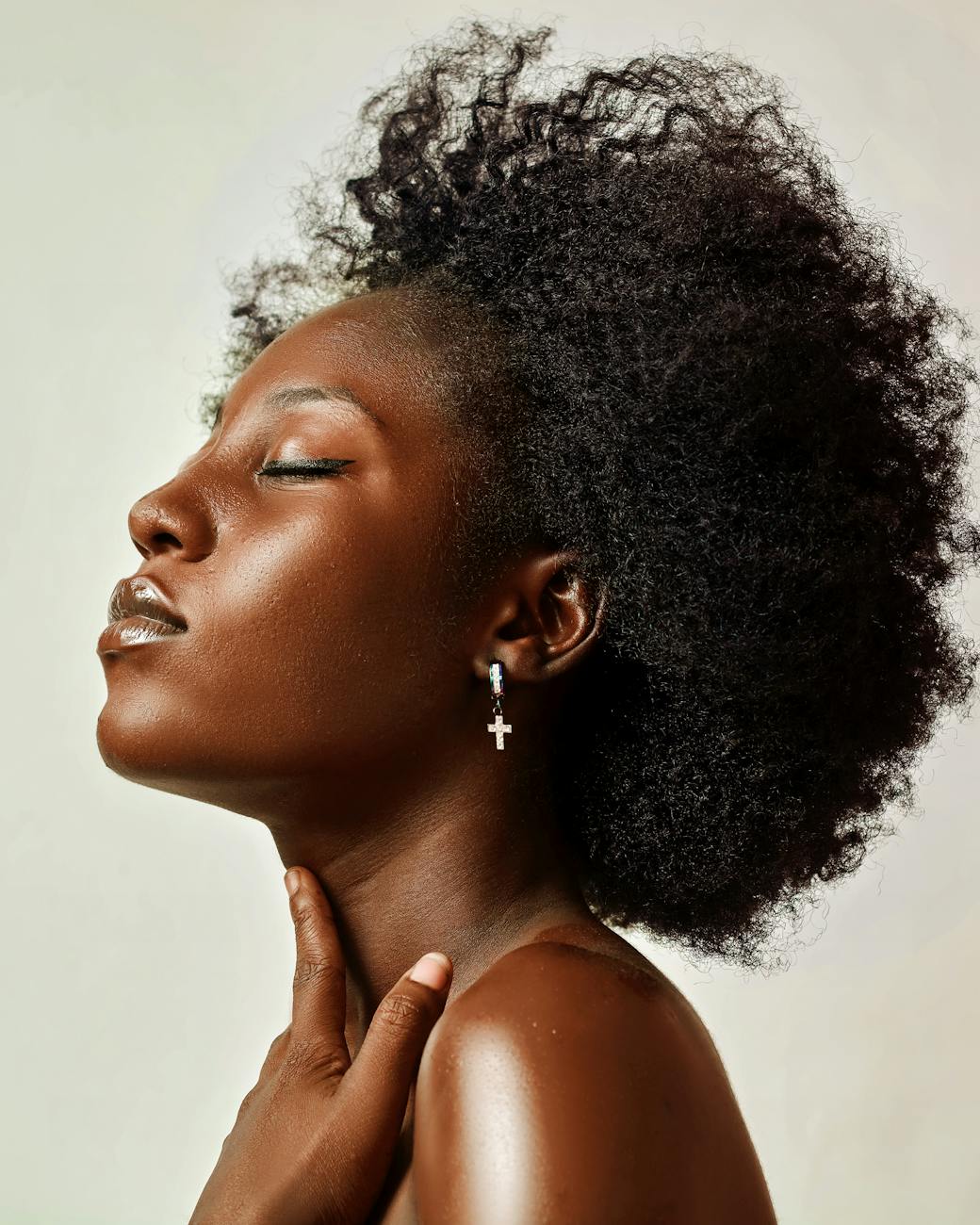
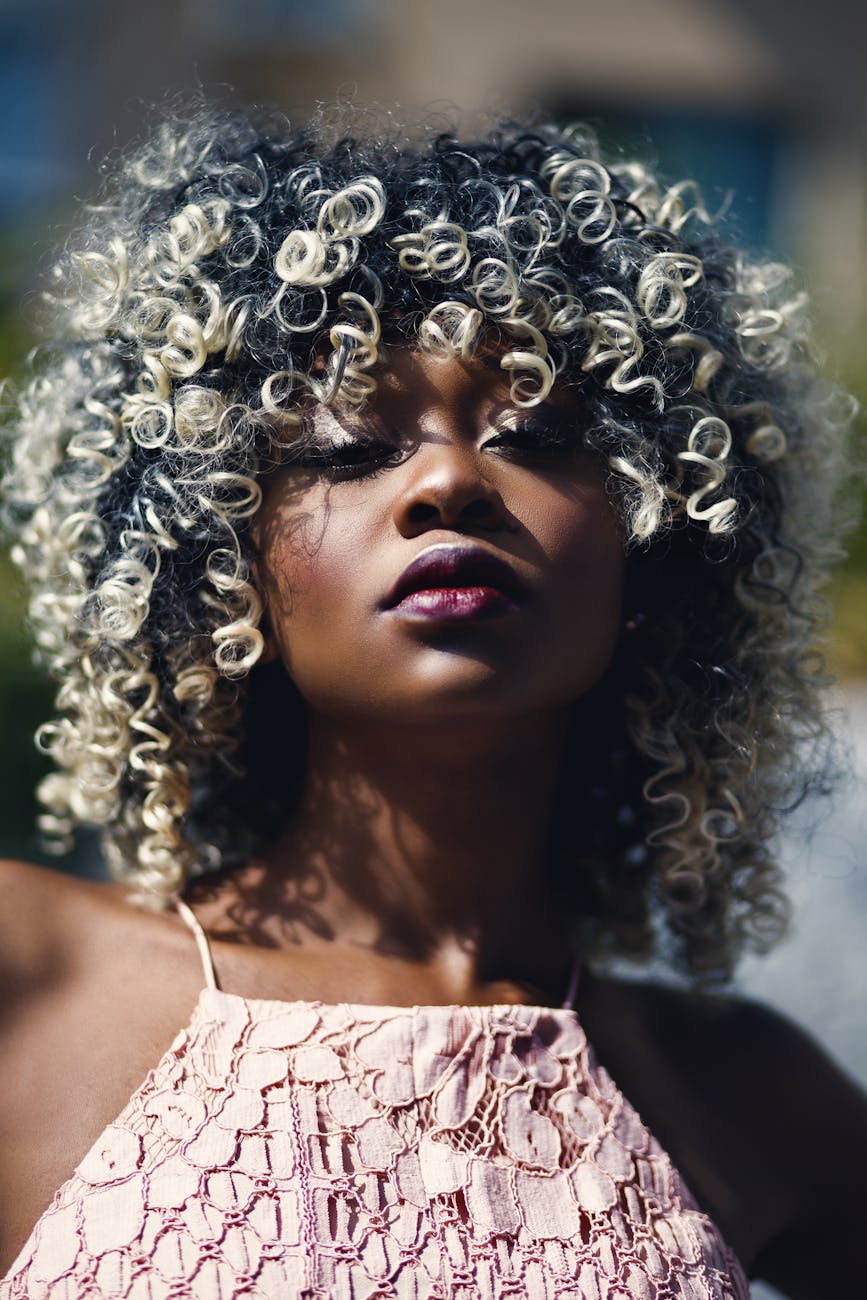
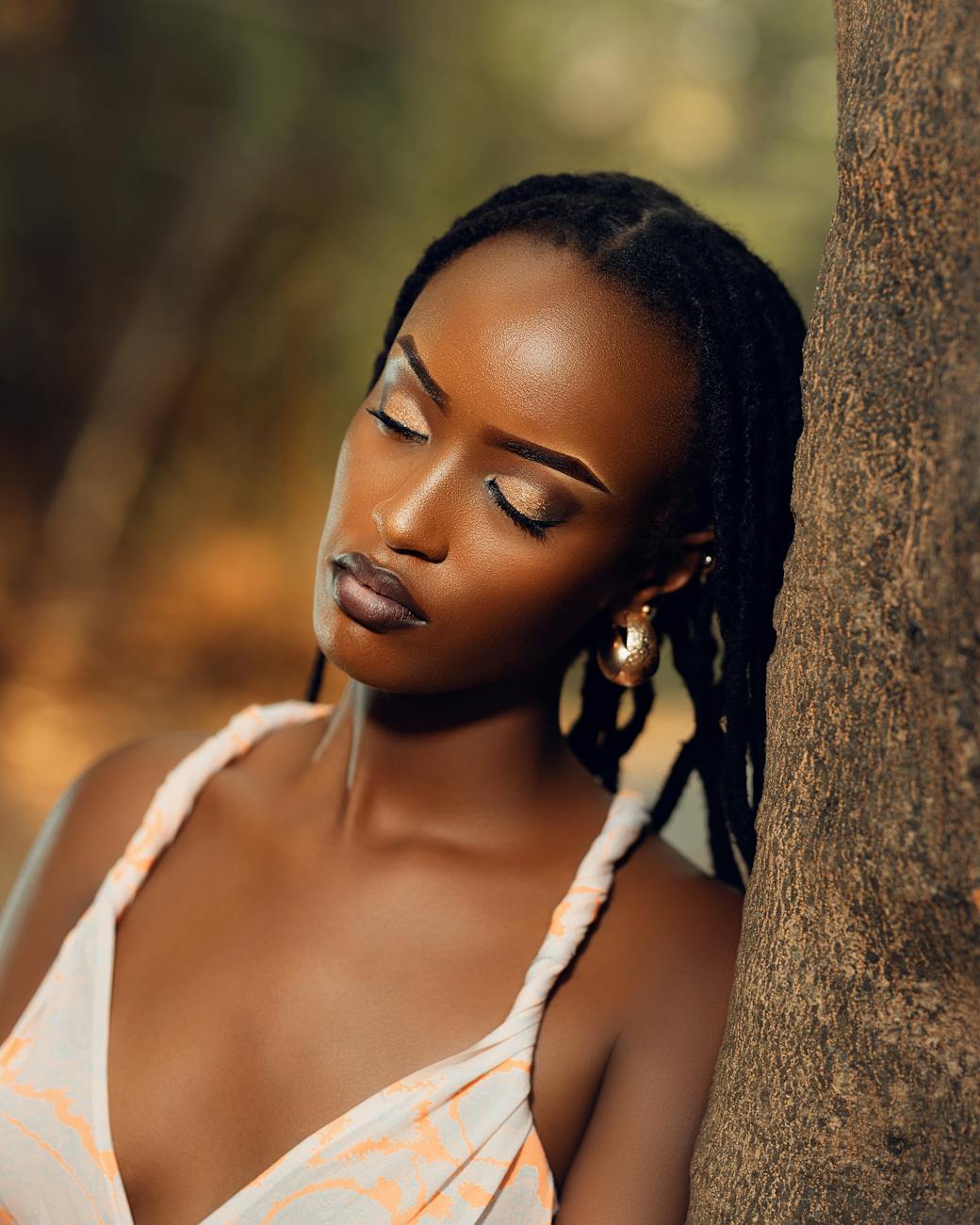
Pretty Privilege Series: Faces of the Sun — Celebrating the Deepest Shades of Us.

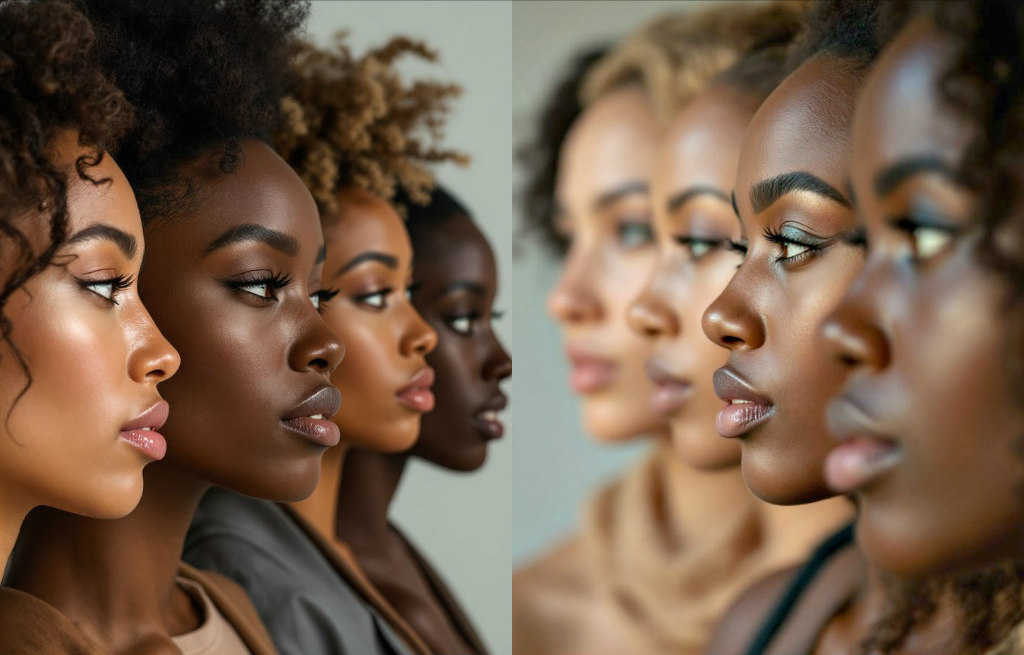
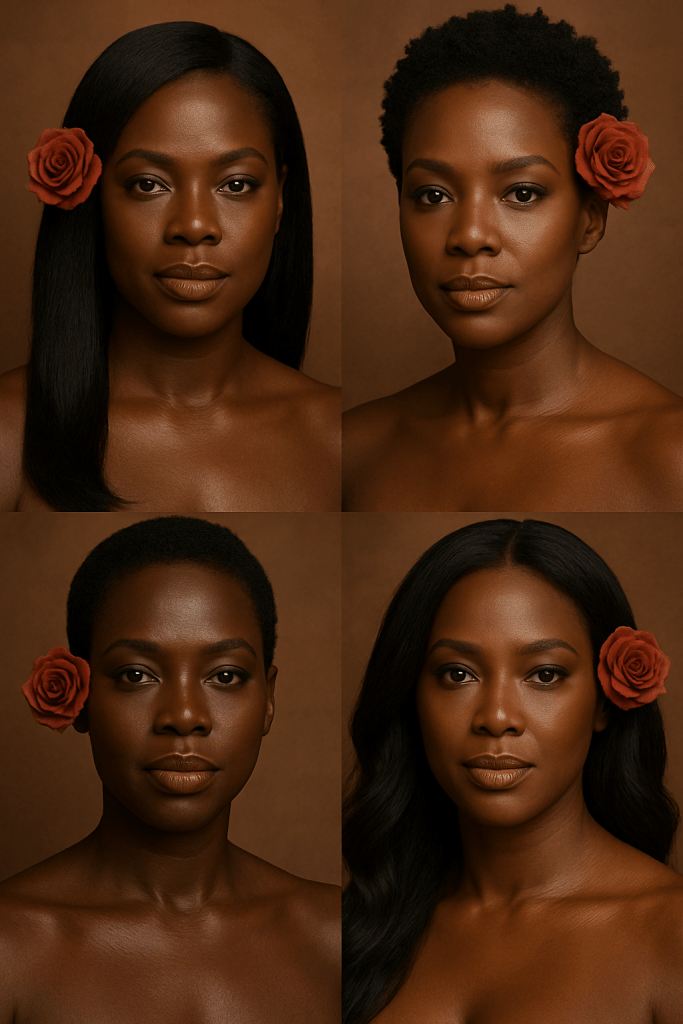
Beauty has always been both a mirror and a weapon—reflecting societal values while often wounding those who fall outside its narrow definitions. The phenomenon known as pretty privilege reveals how beauty grants unspoken advantages, yet historically, this privilege has excluded darker-skinned individuals, especially within the Black community. In this installment, “Faces of the Sun,” we turn toward the light that has too often been dimmed—celebrating the deepest, richest complexions as the living embodiment of radiance, history, and divine artistry.

The term “Faces of the Sun” symbolizes more than melanin; it signifies resilience, warmth, and illumination born from struggle. The sun does not discriminate—it shines equally, yet some societies have long taught people to seek its opposite. In many cultures, including those shaped by colonial influence, dark skin was unjustly stigmatized while lightness became the aesthetic ideal (Hunter, 2007). This bias—rooted in colorism—still permeates beauty industries, employment opportunities, and social hierarchies today.

For centuries, enslaved Africans and their descendants were taught that proximity to whiteness equated to superiority. Light skin was rewarded; darker complexions were marginalized. This internalized system of value manipulation fractured collective identity (Russell, Wilson, & Hall, 2013). Yet, against all odds, the darkest hues endured, retaining the ancestral glow of the first people—the original faces of the sun.

To understand the beauty of dark skin, one must first unlearn Eurocentric paradigms of beauty that prioritize symmetry and fairness as universal standards. In truth, African beauty has always been multidimensional—defined by strength, spirit, and natural brilliance. Anthropologists note that the deep pigmentation found in African populations is an evolutionary masterpiece, perfectly adapted to protect against ultraviolet radiation (Jablonski & Chaplin, 2000). The melanin that once symbolized “less than” is, scientifically, a shield of life.

This scientific truth carries profound cultural and spiritual implications. The same melanin that protects the body also metaphorically protects identity, grounding it in ancestry and divinity. Within many African cosmologies, the sun is a sacred source of life. To call dark-skinned people “faces of the sun” is to affirm that their complexions are celestial—not accidental. It is to remind them that they carry within them the warmth, depth, and eternal glow of creation itself.

Modern media, however, continues to struggle with accurate representation. While there has been progress—through figures like Lupita Nyong’o, Viola Davis, and Duckie Thot—dark-skinned women and men still face underrepresentation or tokenization. Nyong’o (2014) once described her journey to self-acceptance as a process of “learning to see beauty where it had not been taught.” Her words echo a broader cultural awakening that beauty is not defined by the dominant gaze but reclaimed by those once unseen.

Social media has been instrumental in reshaping beauty narratives. Movements like #MelaninPoppin and #BlackGirlMagic have become affirmations of identity and resistance. These digital spaces serve as modern-day salons of empowerment, where dark-skinned individuals can finally see themselves reflected with dignity and admiration (Hobson, 2018).

Yet, the celebration of melanin must not merely be a trend; it must be an enduring cultural correction. Too often, society commodifies Black beauty while ignoring Black pain. It sells the “aesthetic” but not the struggle. The Faces of the Sun series challenges this hypocrisy by centering the full humanity behind the beauty—the intellect, spirituality, and power embedded in every deep shade.

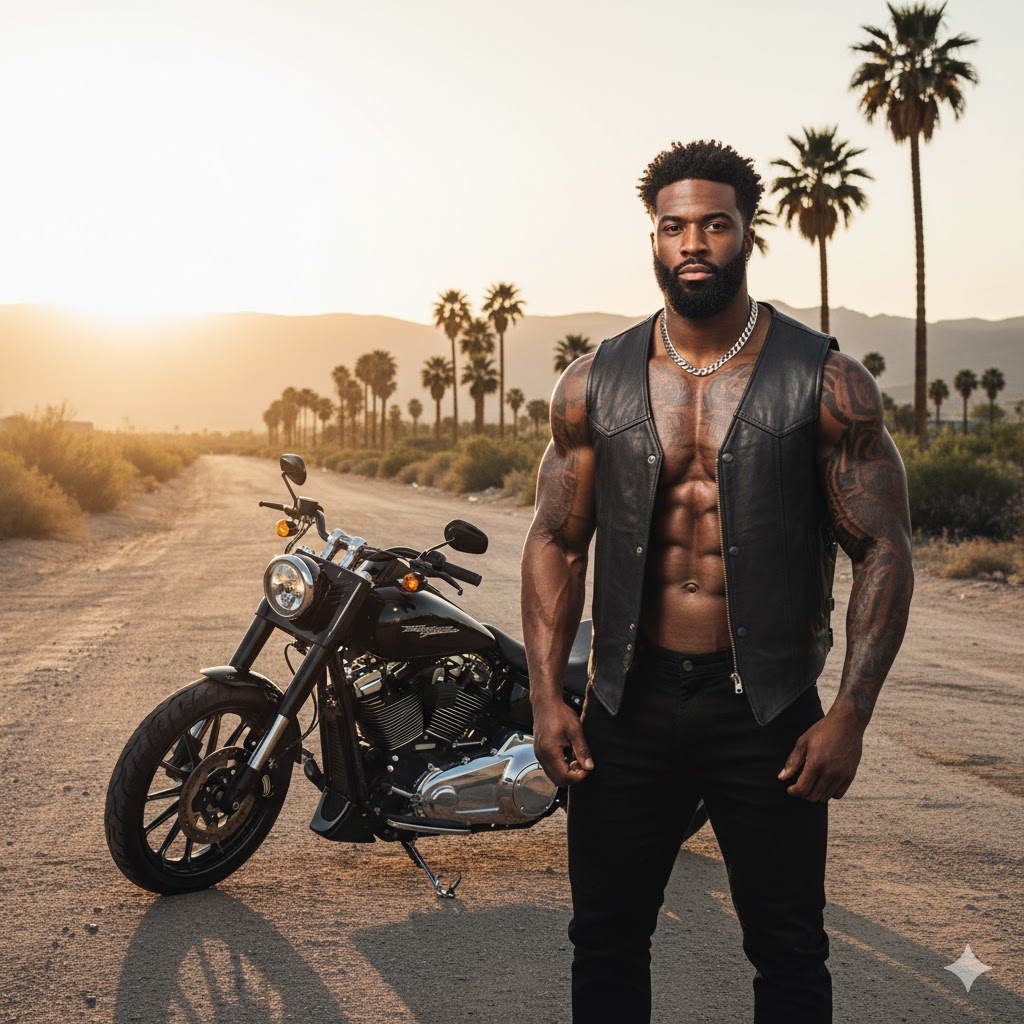
For men, the experience of colorism is often overlooked but equally profound. Dark-skinned Black men are sometimes fetishized as symbols of masculinity and virility while simultaneously criminalized in social perception (Monk, 2014). This duality reveals how colorism not only shapes attraction but also social justice outcomes, influencing employment, sentencing, and media portrayals. The path to healing requires both genders to unlearn these destructive binaries.

Psychologically, internalized colorism affects self-esteem, dating preferences, and even family dynamics. Studies show that darker-skinned individuals report higher instances of discrimination from both white and nonwhite peers (Keith & Herring, 1991). Healing begins with naming these experiences and dismantling the shame attached to skin tone. The mind must be decolonized before the mirror can truly reflect beauty.

Spiritually, celebrating the deepest shades is an act of restoration. In scripture, the Song of Solomon proclaims, “I am black, but comely” (Song of Solomon 1:5, KJV)—a poetic affirmation of divine beauty long before Western constructs defined worth. The “but” in that verse was not an apology; it was a declaration of mystery and majesty, a proclamation that darkness is as sacred as light.

Artists and photographers who celebrate deep skin tones are participating in a form of cultural reclamation. Through careful lighting and composition, they capture how dark skin interacts with illumination—absorbing and reflecting it with unmatched depth. This interplay of light and shadow becomes a metaphor for resilience: the darker the hue, the more it thrives in the brilliance of the sun.

Cinematically, we are witnessing a renaissance in the portrayal of deep-toned characters. Films like Black Panther (2018) and The Woman King (2022) have redefined representation, highlighting beauty, power, and leadership within African diasporic narratives. These works not only entertain but reeducate the collective imagination about what heroism and beauty look like when liberated from whitewashed ideals.

Fashion, too, has begun to embrace the richness of melanin. Designers like Hanifa, Pyer Moss, and LaQuan Smith intentionally feature models with deeper complexions, challenging industries long dominated by Eurocentric aesthetics. This rebalancing is not simply inclusion—it is justice in fabric form.

Still, the work is far from done. Representation cannot end on runways or screens; it must reach classrooms, boardrooms, and pulpits. The next generation must grow up seeing dark skin as divine design, not deviation. Education and media literacy are vital tools in dismantling colorist conditioning and restoring collective dignity.

The celebration of deep shades also invites global unity. Across the diaspora—from Sudan to Jamaica to Atlanta—our varied tones tell stories of migration, resilience, and rebirth. Each hue is a historical archive, holding ancestral wisdom that no bleaching cream or algorithm can erase.

By honoring “faces of the sun,” we acknowledge that beauty was never lost—it was merely unrecognized. When dark skin is illuminated correctly, the world witnesses the art of survival and the poetry of existence written in human form. This illumination is both literal and symbolic: a reminder that true radiance comes from embracing one’s God-given tone, not conforming to someone else’s lens.

In celebrating the deepest shades among us, we resist erasure and affirm life itself. Every melanin-rich face carries the memory of the beginning, when humanity first emerged under African skies. To be dark is not to be shadowed—it is to be kissed by the origin of light. The sun does not apologize for shining, and neither should we.

Ultimately, Pretty Privilege: Faces of the Sun is not just a visual or cultural movement; it is a theological and psychological restoration. It reclaims what colonization and capitalism once devalued—the inherent holiness of Blackness. It reminds us that we are not merely beautiful because we are seen, but because we are of the sun.


References

  • Hobson, J. (2018). The Black body in Hollywood: Visual culture and race politics. Routledge.
  • Hunter, M. L. (2007). The persistent problem of colorism: Skin tone, status, and inequality. Sociology Compass, 1(1), 237–254.
  • Jablonski, N. G., & Chaplin, G. (2000). The evolution of human skin coloration. Journal of Human Evolution, 39(1), 57–106.
  • Keith, V. M., & Herring, C. (1991). Skin tone and stratification in the Black community. American Journal of Sociology, 97(3), 760–778.
  • Monk, E. P. (2014). Skin tone stratification among Black Americans, 2001–2003. Social Forces, 92(4), 1313–1337.
  • Nyong’o, L. (2014). Essence Magazine Interview: Lupita Nyong’o on embracing her beauty. Essence.
  • Russell, K., Wilson, M., & Hall, R. (2013). The color complex: The politics of skin color among African Americans. Anchor Books.
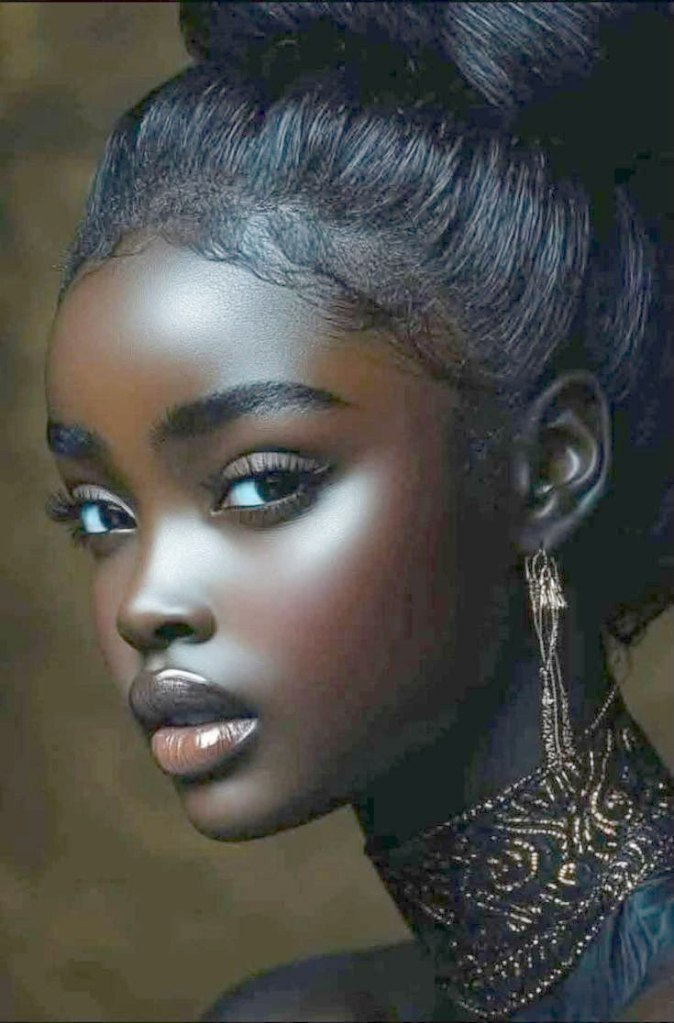
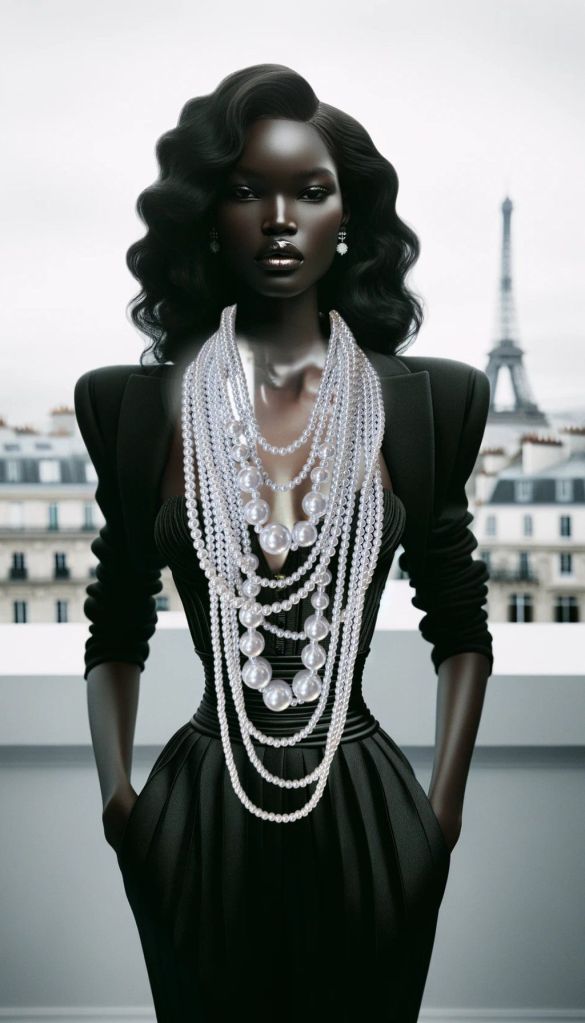
Melanin and Magnificence: Redefining Beauty through a Black Lens.

This photograph is the property of its respective owner. No copyright infringement intended.

Beauty has long been defined through Eurocentric standards that valorize lighter skin, straight hair, and European facial features, marginalizing the diverse aesthetics inherent to African-descended peoples. Yet, in recent decades, there has been a resurgence of cultural pride that positions melanin—not as a marker of difference or inferiority—but as a symbol of magnificence, resilience, and heritage. This essay explores how Black communities are redefining beauty, reclaiming agency over self-image, and challenging the historical legacies of colonial aesthetics (Banks, 2019; Hunter, 2007).

This photograph is the property of its respective owner. No copyright infringement intended.

Historical Marginalization of Black Features
The privileging of European aesthetics originates in colonialism and the transatlantic slave trade, which systematically devalued African physical features. Skin tone hierarchies, hair texture biases, and facial feature preferences were not merely social preferences but tools of oppression, used to enforce racialized social stratification (Painter, 2010). Literature, early photography, and art often depicted lighter-skinned individuals with Eurocentric features as “civilized” or “desirable,” while darker-skinned individuals were framed as “other,” reinforcing internalized notions of inadequacy (Hall, 1997).

Psychological Implications of Eurocentric Standards
Internalization of Eurocentric beauty ideals has deep psychological consequences for Black communities. Studies show that colorism—favoring lighter skin over darker—affects self-esteem, social mobility, and mental health (Hunter, 2007). Children exposed to media that elevates European features may develop implicit biases against their own natural traits, associating their darker skin, full lips, or textured hair with undesirability or incompetence (Jones, 2018). This internalized bias contributes to identity conflict and social anxiety, perpetuating the very hierarchies these standards sought to enforce.

The Role of Media and Popular Culture
Modern media continues to reflect and reinforce Eurocentric beauty norms. Film, fashion, and advertising often present European features as aspirational, subtly pressuring Black individuals to conform through hair straightening, skin lightening, or cosmetic alteration (Hunter, 2011). Social media amplifies this effect, with algorithmic promotion frequently privileging lighter-skinned, Eurocentric beauty, generating both admiration and self-critique among viewers. Yet, these platforms also offer spaces for resistance and representation.

Reclaiming Beauty Through a Black Lens
Resistance to Eurocentric standards has been growing. Movements celebrating natural hair, darker skin tones, and Afrocentric aesthetics actively redefine beauty through a Black lens. Campaigns like #BlackGirlMagic and #MelaninPoppin celebrate traits historically marginalized, fostering psychological resilience, cultural pride, and communal affirmation (Thompson, 2020). Black-owned media outlets, fashion brands, and artistic platforms contribute to a paradigm shift that centers Blackness as inherently beautiful, powerful, and diverse.

The Significance of Melanin
Melanin—the pigment that gives skin its color—has become a symbol of magnificence, resilience, and heritage. Beyond its biological function, melanin represents historical survival against oppression, a legacy of strength, and an aesthetic of authenticity. Celebrating melanin challenges centuries of devaluation and reframes Black beauty not as an imitation of European ideals but as a unique, dignified, and powerful standard in its own right (Banks, 2019).

Global and Cultural Impact
Redefining beauty through a Black lens has implications beyond individual self-perception. It challenges global beauty industries to diversify representation, prompts policymakers to address hair and skin discrimination, and inspires cross-cultural appreciation of African aesthetics. The reclamation of beauty is both personal and political, confronting colonial legacies while fostering pride and inclusion in contemporary society (Hunter, 2011).

Conclusion
Melanin and magnificence are not merely aesthetic concepts—they are acts of reclamation, resistance, and empowerment. By redefining beauty through a Black lens, communities can dismantle centuries-old hierarchies that devalued their features and assert the inherent dignity, elegance, and diversity of Blackness. The celebration of melanin is a cultural, psychological, and spiritual affirmation: a declaration that Black beauty is magnificent, sovereign, and unassailable.

References

  • Banks, I. (2019). Hair matters: Beauty, power, and Black women’s identity. NYU Press.
  • Hall, S. (1997). Representation: Cultural representations and signifying practices. Sage.
  • Hunter, M. L. (2007). The persistent problem of colorism: Skin tone, status, and inequality. Sociology Compass, 1(1), 237–254.
  • Hunter, M. L. (2011). Race, gender, and the politics of skin tone. Routledge.
  • Jones, A. (2018). Colorism and psychological effects in youth. Journal of Black Psychology, 44(2), 123–145.
  • Painter, N. I. (2010). The history of White people. W. W. Norton & Company.
  • Thompson, C. (2020). Afrocentric beauty and social media activism. Cultural Studies Review, 26(3), 55–74.

Chains of Complexion: How History Shaped the Modern Brown Identity.

This photograph is the property of its respective owner. No copyright infringement intended.

Color is more than skin deep—it is history etched into flesh. Every shade of brown tells a story of migration, enslavement, colonization, and resistance. The complexion of the African diaspora is both a map and a mirror, reflecting the global journey of a people who endured fragmentation yet remained whole in spirit. To understand the modern brown identity, one must first confront the historical chains that bound it—chains not only of iron but of ideology.

The origins of color-based hierarchy began with colonization. As European empires expanded, they encountered people with darker skin across Africa, Asia, and the Americas. Instead of celebrating difference, they weaponized it. Color became the currency of control—an outward symbol of who was to rule and who was to serve. The darker the hue, the lower the worth assigned. Thus, the global structure of colorism was born—not from truth, but from the convenience of power.

In the transatlantic slave trade, complexion became both identifier and punishment. Enslaved Africans were categorized by skin tone—those with lighter complexions, often the offspring of white masters and Black mothers, were sometimes granted minor privileges within the plantation hierarchy. This created an internalized schism within the enslaved community, one that would persist for centuries: the illusion that proximity to whiteness meant elevation.

The colonial powers extended this pigmentocracy beyond the Americas. In India, the British reinforced pre-existing caste notions through their preference for lighter skin. In the Caribbean, Spanish and French colonizers created entire systems of racial classification—mulatto, quadroon, octoroon—each reflecting how deeply skin tone was tied to social mobility. The hierarchy of color became global, shaping not just how others saw us, but how we saw ourselves.

Psychologically, this division created generational trauma. People of color internalized shame toward their own reflection. Light skin became aspiration; dark skin became condemnation. This self-hatred was nurtured through education, religion, and beauty standards that praised the pale while vilifying the deep brown. The chains of complexion were mental as much as material.

Even after emancipation, the residue of these systems lingered. In post-slavery America, organizations like the “Blue Vein Societies” admitted only those whose skin was light enough to reveal blue veins beneath. Meanwhile, darker-skinned individuals faced exclusion not only from white spaces but from within their own communities. Colorism became an invisible whip that outlasted the plantation.

The entertainment and beauty industries deepened this divide. For decades, Hollywood and advertising glorified lighter-skinned Black actors and models as the standard of beauty. The “brown paper bag test” haunted social circles, while bleaching creams became symbols of internalized oppression. The damage was generational—entire lineages raised to equate lightness with desirability and darkness with deficiency.

Yet, despite this oppression, resistance rose. The Black Power Movement of the 1960s ignited a revolution of self-love. Phrases like “Black is Beautiful” challenged centuries of conditioning. Dark-skinned men and women began to see themselves as embodiments of royal lineage rather than colonial inferiority. The celebration of afros, natural features, and brown skin was not vanity—it was vindication.

The legacy of colorism, however, remains. Today, social media exposes how deeply color bias persists even among people of African descent. Lighter tones often receive more visibility and validation, while darker tones are marginalized or fetishized. The struggle is no longer about survival alone—it is about recognition and restoration. The modern brown identity must therefore wrestle with both pride and pain.

Historically, the Bible has been misused to justify racial hierarchies. European colonizers reimagined biblical figures as white, erasing their Afro-Asiatic origins. This spiritual bleaching further detached brown people from divine identity. But scripture tells another story—one of people from lands “black as the tents of Kedar” (Song of Solomon 1:5, KJV). Reclaiming that truth is central to healing the psychological scars of color-based oppression.

Sociologically, the “brown identity” today exists as both unity and complexity. Across the globe, people of African, Latin, Indigenous, and South Asian descent share the struggle against colorism. The brown identity is no longer regional—it is diasporic. It symbolizes the shared inheritance of colonial trauma and the collective awakening to self-worth.

Culturally, music, film, and literature have become tools of reclamation. Artists like Nina Simone, Toni Morrison, and Kendrick Lamar have used their platforms to affirm the depth and beauty of brownness. Through art, the brown identity becomes more than skin—it becomes song, rhythm, and revolution. It speaks to both the pain of being unseen and the power of being undeniable.

Psychologically, decolonizing beauty remains the next frontier. It requires that we dismantle the subconscious hierarchies implanted by colonialism. That means redefining professionalism, beauty, and intelligence beyond Eurocentric standards. It means teaching children that melanin is not a mark of shame but a medal of divine craftsmanship. Healing begins when brown becomes holy again.

Spiritually, melanin carries symbolism that transcends science. It absorbs light, transforms energy, and protects life. In that sense, it mirrors the spiritual essence of the brown-skinned people—absorbing pain, transforming it into art, faith, and resilience. The ability to survive centuries of oppression while radiating strength is itself a form of divine alchemy.

The future of the brown identity depends on solidarity. Bridging the internal divides between light and dark, between Afro-Latino and African American, between African and Caribbean, is crucial. The enemy was never one another—it was the system that taught us to distrust our own reflection. True liberation means seeing beauty in every shade of our spectrum.

Education plays a vital role in this transformation. Schools must teach the real history of how complexion was politicized. When young people learn that colorism was engineered to divide and conquer, they gain the power to reject it. Knowledge becomes liberation; truth becomes therapy.

Economically, representation still matters. When brands, corporations, and media campaigns embrace all shades of brown authentically—not tokenistically—they contribute to cultural healing. Every dark-skinned model, every brown-skinned CEO, every melanated hero on screen chips away at centuries of erasure. Visibility becomes victory.

Ultimately, the modern brown identity is an act of reclamation. It is the conscious decision to love the skin that history taught us to hate. It is choosing pride over pain, unity over division, and truth over imitation. It is the realization that every shade of brown carries the fingerprint of God and the legacy of survival.

The chains of complexion may have shaped our past, but they do not define our future. Today’s brown identity stands as both memory and movement—a declaration that what was once weaponized can now be worshiped. In embracing our full spectrum, we unshackle not just our image but our spirit. The brown identity, once bound by hierarchy, now rises as heritage—unbroken, unashamed, and undeniably divine.

References

  • The Holy Bible, King James Version (Song of Solomon 1:5).
  • hooks, b. (1992). Black Looks: Race and Representation. South End Press.
  • Russell, K., Wilson, M., & Hall, R. (1992). The Color Complex: The Politics of Skin Color Among African Americans. Doubleday.
  • Hall, S. (1997). Representation: Cultural Representations and Signifying Practices. Sage.
  • Davis, A. (1981). Women, Race, & Class. Random House.
  • Hill Collins, P. (2000). Black Feminist Thought. Routledge.
  • Morrison, T. (1992). Playing in the Dark: Whiteness and the Literary Imagination. Vintage.
  • Tate, S. (2009). Black Beauty: Aesthetics, Stylization, Politics. Routledge.
  • Craig, M. L. (2002). Ain’t I a Beauty Queen?: Black Women, Beauty, and the Politics of Race. Oxford University Press.
  • West, C. (1993). Race Matters. Beacon Press.

Echoes of Brown: Truths Untold

Photo by Fortune Comfort on Pexels.com

Brown skin carries the history of empires, the memory of chains, and the rhythm of survival. It is a tone that has been both romanticized and ridiculed, embraced and erased. Within its hue lies a story of resilience and rejection, of being seen too much and not enough. To be brown in a world obsessed with polarities—light or dark, good or bad—is to live in the space between admiration and invisibility. It is to echo the voices of ancestors whose worth was often measured by shade rather than soul.

The shade of brown has long been a canvas for projection. In colonial eyes, it was a signifier of “almost,” a liminal identity neither exalted nor despised, but tolerated. This ideology carved its way into modern consciousness, fragmenting self-perception among people of color. The brown individual became both bridge and battleground, carrying the psychological weight of representation while yearning for acceptance without conditions.

Media portrayal reinforces these complexities, often privileging the “safe brown”—the tone that fits diversity’s aesthetic without challenging Eurocentric comfort. Lighter-brown figures are elevated as symbols of progress, while darker tones are shadowed in narratives of struggle or aggression. Such portrayals perpetuate a hierarchy of hue that seeps into social and romantic relationships, employment, and even self-worth.

Colorism, born from colonialism and nurtured by capitalism, is not merely a preference—it is a power structure. It dictates opportunity and desirability in subtle ways. The echoes of “fairness” creams and “brightening” filters reveal an inherited inferiority complex, repackaged as beauty culture. The brown woman, for instance, is told she must lighten to be loved or darken to be “authentic”—a paradoxical performance of identity.

Yet, brown skin tells a truth that transcends bias. It reflects the earth, the sun, and the sacred balance of melanin—a divine calibration that connects all people of African descent to the elements of creation. Its variations are a testament to geography and genetics, from the copper tones of the Sahara to the deep siennas of the Congo. Each shade narrates migration, adaptation, and endurance.

For men, brownness holds another story—one of strength misread as threat, masculinity misinterpreted as menace. The brown man is often trapped in a visual stereotype, seen as protector but seldom protected, desired yet dehumanized. His shade becomes armor and target, beauty and burden all at once.

Social psychology reveals how shade bias impacts self-esteem and group dynamics within Black and Brown communities (Hunter, 2007). Studies show lighter-skinned individuals often receive preferential treatment in employment, education, and dating contexts (Keith & Herring, 1991). This internalized division fractures collective progress, perpetuating a colonial residue that whispers: “lighter is better.”

But the truth untold is that brownness, in all its forms, is not a deficit—it is divine design. It absorbs light, endures heat, and radiates richness. It tells the story of adaptation, survival, and sacred symmetry. In its deepest form, it mirrors the soil that sustains life—the very ground from which humanity rose.

When brown bodies are honored, not compared, healing begins. Art, film, and literature are reclaiming this narrative—elevating figures like Lupita Nyong’o, Viola Davis, and Mahershala Ali, whose presence challenges the false hierarchy of hue. Their beauty is not a rebellion; it is restoration.

In theology, melanin has even been interpreted as a symbol of divine favor—a natural armor against the sun’s intensity, reminding humanity of its Edenic origins (Gibson, 2020). Within this lens, brown skin becomes not merely aesthetic but sacred. It is pigment with purpose.

The echoes of brown extend into language and love. Terms like “caramel,” “mocha,” and “chocolate” have evolved from euphemisms of shame into declarations of pride. But linguistic liberation must be matched by systemic change—policies that confront bias in casting, hiring, and education.

The classroom, too, must echo truth. Children should see their shades reflected in textbooks and heroes. Representation at a young age shapes belonging. When a brown child sees beauty in her reflection, she learns to resist the world’s distortion.

Culturally, the reclamation of brownness is an act of revolution. It demands that the world see beyond hue to humanity. The “brown girl” and “brown boy” narratives circulating on social media are more than hashtags—they are healing spaces where individuals redefine worth and community through affirmation.

Economically, colorism’s influence remains potent in advertising and employment. The global skin-lightening industry, projected to surpass $20 billion by 2030, profits from pain (Statista, 2024). The darker the shade, the more the market suggests correction—a colonial lie turned commercial empire.

Psychologically, internalized shadeism manifests in subtle ways—self-doubt, social comparison, and selective pride. Healing requires both personal and communal reclamation: therapy, storytelling, and faith-based restoration.

Spiritually, the color brown carries symbolic weight across cultures—representing grounding, humility, and balance. In biblical interpretation, it evokes the imagery of dust and clay—the essence of creation itself (Genesis 2:7, KJV). Humanity was molded from earth, not ivory; thus, brown is the color of origin.

As society evolves, the challenge is not to erase color but to embrace its full spectrum. Diversity must go beyond token representation to dismantle structural bias. True equity honors every shade as sacred, not strategic.

Ultimately, the untold truth of brown is that it holds the blueprint of beauty and belonging. Its richness cannot be measured by comparison, for it is the color of history and hope intertwined. The echo of brown is not an apology—it is an anthem.

References

Gibson, T. (2020). The Melanin Mandate: Faith, Science, and the Theology of Skin. Journal of African Biblical Studies, 12(3), 45–58.
Hunter, M. L. (2007). The persistent problem of colorism: Skin tone, status, and inequality. Sociology Compass, 1(1), 237–254.
Keith, V. M., & Herring, C. (1991). Skin tone and stratification in the Black community. American Journal of Sociology, 97(3), 760–778.
Statista. (2024). Global skin lightening products market size from 2020 to 2030. Statista Research Department.

The Science of Black Masculinity — skull structure, melanin physiology, and ancestral power.

Black masculinity exists at the nexus of biology, psychology, and ancestral memory. While society often tries to flatten Black manhood into stereotypes—either hyper-aggressive or broken—scholarship and science reveal a far richer, dignified, and evolutionarily purposeful reality. Biological design, ancestral environments, and spiritual legacy together form a multidimensional model of strength, resilience, and divine identity.

Evolutionary anthropology demonstrates that ancestral African populations developed phenotypes shaped by millions of years in equatorial environments. Higher bone density, robust musculature, and facial structure associated with ancestral African lineages reflect adaptation to intense physical demands and climatic conditions. Powerful mandibles, pronounced zygomatic arches, broader nasal passages, and strong orbital rims supported survival in heat, physical exertion, and resistance to environmental pathogens (Boyd & Silk, 2021). These features, rather than being stigmatized, represent evolutionary excellence.

Facial structure in African-descended men often displays high cheekbones, deep-set eyes, defined brow ridges, and strong mandibles. These characteristics are associated in anthropology with warrior morphology: the ability to chew fibrous foods, protect facial structure under physical force, and maintain respiratory efficiency in hot climates (Lieberman, 2011). What media sometimes distorts as “threatening” is, in truth, evidence of ancestral adaptation and power.

Melanin physiology also plays a central role. Eumelanin, the dominant pigment in African populations, protects DNA from ultraviolet radiation, reduces oxidative stress, and enhances immune defense (Yamaguchi & Hearing, 2014). Beyond physical protection, melanin has been the subject of spiritual and symbolic interpretation in African and diasporic cultures, connecting biological function to metaphysical significance. While science acknowledges melanin’s biochemical role, cultural memory acknowledges it as a sign of divine selection and earthly royalty.

Neuromelanin—located in the brain’s substantia nigra—plays a role in cognitive processing, motor function, and stress response regulation. While all humans possess neuromelanin, research shows variability in distribution and concentration influenced by ancestry (Zecca et al., 2008). This has led some scholars and cultural thinkers to explore how neurological adaptation and stress resistance shaped African-descended populations’ resilience through historical trauma.

Black muscle composition often includes higher proportions of fast-twitch fibers, reflecting evolutionary specialization in explosive strength, sprinting, and physical stamina (Ama et al., 1986). These traits supported hunting, evasion, and battle—skills central to ancestral survival and tribal protection. Modern athletic excellence echoes ancient warrior lineage, though society frequently exploits this ability without honoring its roots in divine design and cultural stewardship.

Black masculinity also carries a spiritual archetype of protector and provider rooted in African kingdoms and biblical lineage. From Zulu impi warriors to West African empire generals to Hebrew patriarchs, masculine identity was defined by guardianship, leadership, and moral responsibility. Scripture reinforces this sacred authority, declaring, “Ye are gods; and all of you are children of the most High” (Psalm 82:6, KJV). Biological strength and divine calling intersect here—physical excellence as temple and instrument of God’s purpose.

Psychological research notes that masculinity in African-descended men frequently emphasizes community loyalty, emotional guardedness born from generational trauma, and profound spiritual grounding (Akbar, 1996). Black men often navigate a dual battle: the fight to embody ancestral strength and the struggle against systems that pathologize that strength. This creates unique resilience, endurance, and inner discipline.

Ancestral power—carried through epigenetic inheritance—reflects survival across slavery, colonization, and oppression. Epigenetic studies show trauma can encode resilience and biological adaptation across generations (Yehuda et al., 2016). Black masculinity thus embodies both inherited scars and inherited strength—evidence of God’s preservation and ancestral memory.

Cultural archetypes of Black kingship—Shaka, Menelik, Mansa Musa—establish aesthetics of leadership rather than dominance, honor rather than brutality. Biblical ancestry deepens this archetype: Davidic courage, Joseph-like purity, Boaz-like covering, and Christ-like sacrificial love become models for righteous Black manhood. True strength is not predatory—it is protective, disciplined, and spiritually anchored.

Modern media often attempts to weaponize biology against Black men, reducing warrior features into criminal suggestions. Yet when placed within evolutionary, historical, and theological context, these same features represent strength, intelligence, resilience, and chosen identity. Storytelling must reclaim—not just defend—Black masculine biology as evidence of divine craftsmanship.

In essence, the science of Black masculinity is a study in sacred design: bone that remembers battle, melanin that absorbs the sun like a blessing, muscles crafted for movement and survival, hearts forged through generational fire, and spirits anchored in ancient covenant. Black male embodiment is not simply genetic architecture—it is a living archive of God’s breath, ancestral warfare, and cosmic intention.

To honor Black masculine biology is to honor creation. To understand ancestral strength is to understand divine engineering. To embrace Black masculine identity fully is to reclaim a throne history attempted to topple—but God preserved through body, mind, and spirit.


References

Akbar, N. (1996). Breaking the chains of psychological slavery. Mind Productions.
Ama, P. F., Simoneau, J. A., Boulay, M. R., Serresse, O., Thériault, G., & Bouchard, C. (1986). Skeletal muscle characteristics in sedentary Black and Caucasian males. European Journal of Applied Physiology, 55(5), 389–395.
Boyd, R., & Silk, J. (2021). How humans evolved (9th ed.). W. W. Norton.
Lieberman, D. (2011). The evolution of the human head. Harvard University Press.
Yamaguchi, Y., & Hearing, V. J. (2014). Melanocytes and melanosomes: Physiology, pharmacology, and pathology. Annual Review of Pharmacology and Toxicology, 54, 297–323.
Yehuda, R. et al. (2016). Holocaust exposure induced intergenerational effects on FKBP5 methylation. Biological Psychiatry, 80(5), 372–380.
Zecca, L. et al. (2008). The role of iron and neuromelanin in Parkinson’s disease. Progress in Neurobiology, 84(3), 227–239.

Gold in the Flesh: The Science of Melanated Brilliance.

Photo by Godisable Jacob on Pexels.com

Melanin has long been reduced to a pigment, flattened and misunderstood through colonial science and racial hierarchy. Yet, modern biology, evolutionary anthropology, neurology, and biophysics all reveal a far deeper truth: melanin is not merely color — it is a biochemical masterpiece, a neuroprotective agent, an evolutionary inheritance, and a molecular signature of adaptation, intelligence, and survival. When theologians, geneticists, and cultural historians encounter melanin, they see evidence of both divine intentionality and ancestral brilliance encoded in Black flesh.

Melanin: A Biochemical Crown

Melanin refers to a group of biopolymers — primarily eumelanin and pheomelanin — that protect cellular structures from ultraviolet radiation, oxidative stress, and DNA damage (Solano, 2020). Eumelanin, the dominant form in darker-skinned populations, acts as a natural biochemical shield and antioxidant, absorbing harmful radiation and neutralizing free radicals (Hoogduijn, 2021).

Unlike artificial sunscreens, melanin operates simultaneously as:

  • A photoprotectant
  • A free radical scavenger
  • A DNA protector
  • A biological signaler affecting neural development

Its multifunctionality is singular in nature — no synthetic polymer matches its breadth of protective power.

Evolutionary Brilliance

Human origins trace to melanated ancestors in Africa. High eumelanin concentration evolved as a survival adaptation against intense UV radiation (Jablonski & Chaplin, 2013). This evolutionary presence signifies not primitiveness, but optimal biological design — engineered for heat regulation, UV protection, and vitamin balance.

Melanin was civilization’s original armor — not a mark of inferiority, but proof of humanity’s first and finest engineering.

Melanin and Neurology

Melanin extends beyond skin. Neuromelanin, concentrated in the brain’s substantia nigra and locus coeruleus, plays essential neurological roles (Zecca et al., 2017). These regions impact:

  • Movement and motor control
  • Emotion and stress regulation
  • Executive decision-making
  • Reward and motivation pathways

Dysfunction or loss of neuromelanin is associated with conditions such as Parkinson’s disease (Sulzer et al., 2018). Thus, melanin is not merely surface — it is deeply neural, cognitive, and emotional.

Melanated Skin: The Divine Architecture

Melanin’s complexity leads some scholars to describe it in spiritual language — as a “living molecule” capable of absorbing, transforming, and redistributing energy. Biophysically, melanin absorbs far-infrared, ultraviolet, and visible light, converting it into metabolic energy, a process similar to photosynthesis (García-Celma et al., 2019). This energetic conductivity evokes ancient understandings of the body as a temple of divine light.

Scripture echoes this sacred embodiment:

“I am black, but comely…” (Song of Solomon 1:5, KJV)

Here, Blackness is not deficiency — it is beauty, dignity, and divine inheritance.

Melanin, Culture, and Survival

Beyond biology, melanin carries psychosocial weight. Blackness, once weaponized as a mark of subjugation, has emerged as a symbol of resilience, resistance, and renaissance. The study of melanin intersects with psychology — particularly internalized inferiority and Eurocentric beauty norms — yet modern neurodiversity and identity studies champion melanated embodiment as power.

Black skin has been:

  • Criminalized
  • Exoticized
  • Feared
  • Desired
  • Resisted
  • Worshipped
  • Revived

To be melanated is to carry history in the flesh — pain and majesty intertwined.

Cultural Radiance

Black skin is a visual poem — absorbing light and reflecting depth. It is the aesthetic foundation of civilizations from Kush to Mali, the artistic muse for architecture, textiles, sculpture, and rhythm. Melanin holds memory — ancestral memory — whispering the brilliance of peoples who mapped the stars, engineered pyramids, advanced mathematics, and birthed language long before Europe woke from its tribal infancy.

To study melanin is to study civilizational origin and excellence.

Conclusion

Melanin is not merely pigment. It is:

  • Biological intelligence
  • Neurochemical sophistication
  • Evolutionary mastery
  • Spiritual inheritance
  • Cultural radiance
  • Historical testimony

It is gold in the flesh, crafted by Creator and nature, weaponized by oppressors, and reborn through scholarship, identity, and pride. Melanated brilliance is not myth — it is science, history, and faith converging.

Black skin does not just reflect greatness —
it remembers it.


References

  • García-Celma, J. J., et al. (2019). Biophysical properties of melanin and energy transduction. Journal of Photochemistry and Photobiology, 199, 123–130.
  • Hoogduijn, M. J. (2021). Melanin and its role in skin physiology. International Journal of Molecular Sciences, 22(9), 4352.
  • Jablonski, N. G., & Chaplin, G. (2013). Human skin pigmentation as an adaptation to UV radiation. Proceedings of the National Academy of Sciences, 110(Supplement 2), 17662–17669.
  • Solano, F. (2020). Melanin and melanogenesis: Recent advances in melanocyte biology and function. International Journal of Molecular Sciences, 21(20), 7584.
  • Sulzer, D., et al. (2018). Neuromelanin: Functions and mechanisms. Journal of Neurochemistry, 146(3), 165–181.
  • Zecca, L., et al. (2017). The role of neuromelanin in neurodegenerative diseases. Frontiers in Aging Neuroscience, 9, 1–12.

Media, Money, and Melanin: How Culture Shapes Perception.

Photo by Oladimeji Ajegbile on Pexels.com

Media is one of the most powerful forces in shaping societal perceptions of beauty, success, and desirability, and it often reinforces colorism, especially against Brown and Black women. Representation is tightly linked to economics, as visibility in advertising, television, film, and digital platforms directly correlates with financial opportunity. The intersection of media and money amplifies certain standards of beauty—typically lighter skin, Eurocentric features, and straight hair—while marginalizing darker-skinned individuals (Hunter, 2007).

The economic incentives of media shape perception by privileging images that attract attention, engagement, and revenue. Brands often market beauty products, clothing, and lifestyles that align with Eurocentric ideals, perpetuating narrow standards that exclude Brown-skinned and dark-skinned women. Television shows, films, and music videos frequently cast lighter-skinned actors and models, signaling societal value and desirability while creating a visual hierarchy rooted in complexion (Byrd & Tharps, 2014).

Digital media accelerates these patterns through algorithmic amplification. Platforms like Instagram, TikTok, and YouTube favor images that generate high engagement, often reinforcing Eurocentric aesthetics. Influencers with lighter skin tend to gain broader visibility, while darker-skinned users may receive less exposure. These algorithmic biases replicate historical colorist hierarchies, merging cultural perception with financial reward, and demonstrating how melanin becomes both a marker of identity and a determinant of social and economic value (Fardouly et al., 2015).

However, counter-narratives are emerging. Movements like #BlackGirlMagic, #UnapologeticallyBlack, and #MelaninPoppin celebrate darker complexions, natural hair textures, and culturally distinct features. These campaigns challenge traditional media standards while creating market demand for products, representation, and content that reflect authentic diversity. Brands are beginning to invest in campaigns featuring dark-skinned women, demonstrating that cultural affirmation and economic value can align.

Media also influences self-perception. Continuous exposure to lighter-skinned ideals fosters comparison and internalized bias, which can impact confidence, self-esteem, and career ambition. Psychological studies show that individuals who consume media lacking representation of their skin tone and features often experience diminished self-worth (Festinger, 1954). Providing positive, diverse portrayals allows Brown girls to see themselves in aspirational roles, countering centuries of exclusion.

Cultural context further shapes these dynamics. The historical legacy of colonialism and slavery has ingrained Eurocentric beauty standards within global media. Skin tone hierarchy, hair texture preference, and facial feature bias are all culturally mediated constructs that persist through advertising, film, and music. Recognizing the economic and cultural forces behind these standards equips communities to challenge bias and demand authentic representation (Hunter, 2007).

Faith and ethical perspective provide guidance in navigating these pressures. Proverbs 31:30 (KJV) reminds, “Favour is deceitful, and beauty is vain: but a woman that feareth the LORD, she shall be praised.” True value transcends media-driven metrics of desirability and economic reward. By rooting self-worth in character and faith, Brown girls can navigate the influence of media while preserving confidence and authenticity.

In conclusion, the interplay of media, money, and melanin shapes perception in profound ways, influencing societal beauty standards, financial opportunity, and self-esteem. While historical and algorithmic biases have favored lighter-skinned ideals, emerging cultural movements, diverse representation, and conscious media consumption provide avenues for empowerment. Recognizing the economics behind visibility enables Brown girls to understand both the influence of media and their power to redefine perception, asserting their worth in all spheres of life.


Exoticized and Erased: Brown Girls in Global Pop Culture

Brown girls occupy a complicated space in global pop culture, often simultaneously exoticized and erased. While their features, skin tone, and cultural markers are fetishized in music, fashion, and film, their full humanity, voices, and stories are frequently overlooked. This duality—being celebrated for appearance yet marginalized in representation—creates unique challenges for self-perception, identity formation, and societal inclusion (Hunter, 2007).

Exoticization occurs when Brown girls are portrayed as “other,” framed as alluring, mysterious, or hypersexualized, rather than as individuals with diverse talents, ambitions, and personalities. Fashion editorials, music videos, and film often employ tropes that commodify brownness for visual appeal, catering to a Eurocentric or Western gaze. While these portrayals provide visibility, they reduce complex identities to aesthetic consumption, reinforcing limited narratives about desirability and cultural value (Byrd & Tharps, 2014).

Erasure manifests when Brown girls are absent from leading roles, influential positions, and decision-making spaces in media and culture. Hollywood, global advertising, and international modeling frequently favor lighter-skinned actors and models, marginalizing darker-skinned or ethnically ambiguous performers. This absence diminishes representation, leaving Brown girls without aspirational figures in mainstream media while reinforcing colorist hierarchies and internalized bias (Hunter, 2007).

Celebrity culture both reflects and challenges these dynamics. Figures like Lupita Nyong’o, Issa Rae, and Priyanka Chopra have broken barriers, using visibility to showcase talent and authentic cultural identity. Lupita Nyong’o’s red carpet appearances celebrate her dark, radiant skin and African heritage, while Issa Rae’s work in media emphasizes narratives of Black life that are rarely centered globally. These successes demonstrate that Brown girls can redefine cultural perception when given opportunity, platform, and recognition.

Digital platforms provide new avenues to combat exoticization and erasure. Social media campaigns like #BrownSkinGirls and #UnapologeticallyBrown allow young women to claim narratives of beauty, talent, and intellect. User-generated content democratizes representation, enabling Brown girls to showcase their artistry, voice, and personal style beyond the limitations imposed by traditional media. This visibility challenges global audiences to recognize and value their full humanity.

The psychological impact of exoticization and erasure is significant. Internalizing limited portrayals can produce self-doubt, low self-esteem, and identity confusion. Conversely, positive representation strengthens resilience, cultural pride, and confidence. Exposure to authentic role models, media literacy education, and supportive community networks enables Brown girls to navigate cultural pressures while embracing their identity fully (Festinger, 1954).

Spiritual grounding also offers a corrective lens. As Proverbs 31:30 (KJV) states, “Favour is deceitful, and beauty is vain: but a woman that feareth the LORD, she shall be praised.” True recognition is not contingent on exoticization, social validation, or media presence. Anchoring identity in character, virtue, and faith equips Brown girls to value themselves beyond global narratives that often distort or minimize their significance.

In conclusion, Brown girls face the dual challenge of being exoticized yet erased in global pop culture. While these forces can distort self-perception, digital platforms, celebrity advocacy, and cultural affirmation provide tools to reclaim identity and celebrate authentic beauty. By resisting reductive narratives and embracing representation, Brown girls can assert agency, redefine cultural standards, and inspire a future in which their presence, talent, and beauty are fully recognized and celebrated.


References

Byrd, A. D., & Tharps, L. L. (2014). Hair Story: Untangling the Roots of Black Hair in America. St. Martin’s Press.

Fardouly, J., Diedrichs, P. C., Vartanian, L. R., & Halliwell, E. (2015). Social comparisons on social media: The impact of Facebook on young women’s body image concerns and mood. Body Image, 13, 38–45.

Festinger, L. (1954). A theory of social comparison processes. Human Relations, 7(2), 117–140.

Hunter, M. (2007). The persistent problem of colorism: Skin tone, status, and inequality. Sociology Compass, 1(1), 237–254.

Whispers of Melanin: A Brown Girl Confession.

Photo by K Studios on Pexels.com

There is a quiet story that lives beneath my skin, one painted in shades of bronze and buried beneath years of misunderstanding. I have carried this melanin like both a crown and a curse—an inheritance too heavy to celebrate without apology. In the mirror, I see generations of women who learned to whisper their beauty instead of shouting it. This is my confession: that I am still learning to love the color I was told to hide.

I was born the color of dusk, where the day meets the night and light begins to soften. My mother’s hands, darker than mine, held both love and warning. “Stay out of the sun,” she would say, not out of vanity but survival. For her, color was protection and punishment, memory and mark. Her words carried the echo of centuries when darker skin meant harder labor and harsher judgment. She wanted me safe, even if it meant small.

As a girl, I envied light. The girls with honey skin and loose curls were called “pretty” before they even spoke. Teachers smiled longer at them. Boys looked longer too. I learned early that my reflection came with footnotes—beautiful for a dark girl, smart but intimidating. Compliments became backhanded blessings that taught me my worth depended on proximity to something else.

My skin, rich and warm, began to feel like an apology I never owed. I remember standing under fluorescent lights in a department store, trying on foundation shades that stopped two tones before me. I laughed to hide the sting. Beauty, it seemed, had a boundary, and I was standing just outside of it.

Colorism does not always scream; sometimes it sighs. It hides in the way cameras wash out brown tones, in casting calls that demand “racially ambiguous,” in the way a family photo subtly favors the fair. It’s in the whispered advice to “marry light,” to “improve the bloodline,” as if love were a ladder out of darkness.

But I have come to realize that my color is not a flaw in the palette of creation—it is the very hue of resilience. My skin remembers the sun of my ancestors, the soil of kingdoms before captivity. Within every cell of melanin lives a story of survival, brilliance, and divine intention. This brown is not burden; it is blueprint.

Still, confession means honesty, and honesty means I have wept over this skin. I have prayed for lighter mornings, wondered if the world would love me more if I were less of me. I have worn long sleeves in summer and smiled at jokes that bruised me. There were seasons I wanted invisibility more than visibility, peace more than pride.

There is a peculiar exhaustion that comes from constantly explaining your beauty. From having to convince the world that your darkness does not need redemption. From seeing your shade turned into a trend when it decorates others but remains a stigma when it clothes you.

Yet healing began in the mirror. The day I stopped comparing, stopped apologizing, stopped shrinking into palatable shades of brown, I met myself anew. I looked at my reflection not as something to correct but as a miracle. My melanin is the poetry of creation—God’s intentional brushstroke against the backdrop of existence.

In learning to love my skin, I began to reclaim language. I stopped calling it “dark” as if it were a warning. I began to call it sun-kissed, bronzed by divine fire, rooted in earth. Words matter. They shape the self before the world ever does.

There is also joy in being brown—a quiet, grounded joy. The way sunlight deepens into me, the way my skin gleams like copper and cocoa, the way strangers see strength in my stride. I have learned that this hue holds power: the power to absorb light and reflect it stronger.

Culturally, being brown is more than complexion; it is history embodied. It connects me to the diaspora, to women who carried water, wisdom, and worlds within them. It ties me to India’s spices, Africa’s soil, the Caribbean’s rhythm, and the American South’s sorrow songs. My melanin is global—it is the map of migration, memory, and majesty.

Yet colorism remains an unspoken war among sisters. We compare, compete, and sometimes wound each other with the same weapons used against us. The healing must begin within us—when we stop measuring worth by shade and start celebrating every tone as a note in our shared harmony.

Psychologically, loving brown skin in a world that profits from insecurity is rebellion. It means unlearning centuries of propaganda that sold bleach in bottles and shame in magazines. It means confronting the colonial ghosts that still whisper in beauty aisles and boardrooms. It is both radical and restorative to say, I am enough as I am.

Spiritually, my melanin feels sacred. It reminds me that I was formed from dust and destined for light. Scripture says, “I am fearfully and wonderfully made” (Psalm 139:14, KJV), and I believe that includes every shade of brown, every curl and kink, every feature the world once mocked. The divine does not make errors in pigment.

This confession is also a love letter—to every brown girl who has been told she was too dark to dream or too visible to belong. To the girls who hid from cameras or edited their photos until their skin forgot its truth. To the women who are rediscovering their beauty after years of silence. You are the color of endurance, the reflection of sun and soil, the embodiment of balance.

Brown is not less; it is more—more ancient, more layered, more luminous. It holds the past and the promise. It does not fade; it deepens. To be brown is to carry the world’s warmth in your skin and to shine even when unseen.

My confession ends where my healing begins: I no longer whisper my beauty. I let it echo. I let it speak in the language of confidence and softness, in the rhythm of self-acceptance. My melanin no longer hides—it radiates. I am the daughter of dusk and dawn, and I no longer apologize for the color of my becoming.

References

hooks, b. (1992). Black looks: Race and representation. South End Press.

Fanon, F. (1952). Black skin, white masks. Grove Press.

Hunter, M. (2007). The persistent problem of colorism: Skin tone, status, and inequality. Sociology Compass, 1(1), 237–254.

Russell, K., Wilson, M., & Hall, R. (1992). The color complex: The politics of skin color among African Americans. Anchor Books.
Tate, S. A. (2016). Black beauty: Aesthetics, stylization, politics. Routledge.

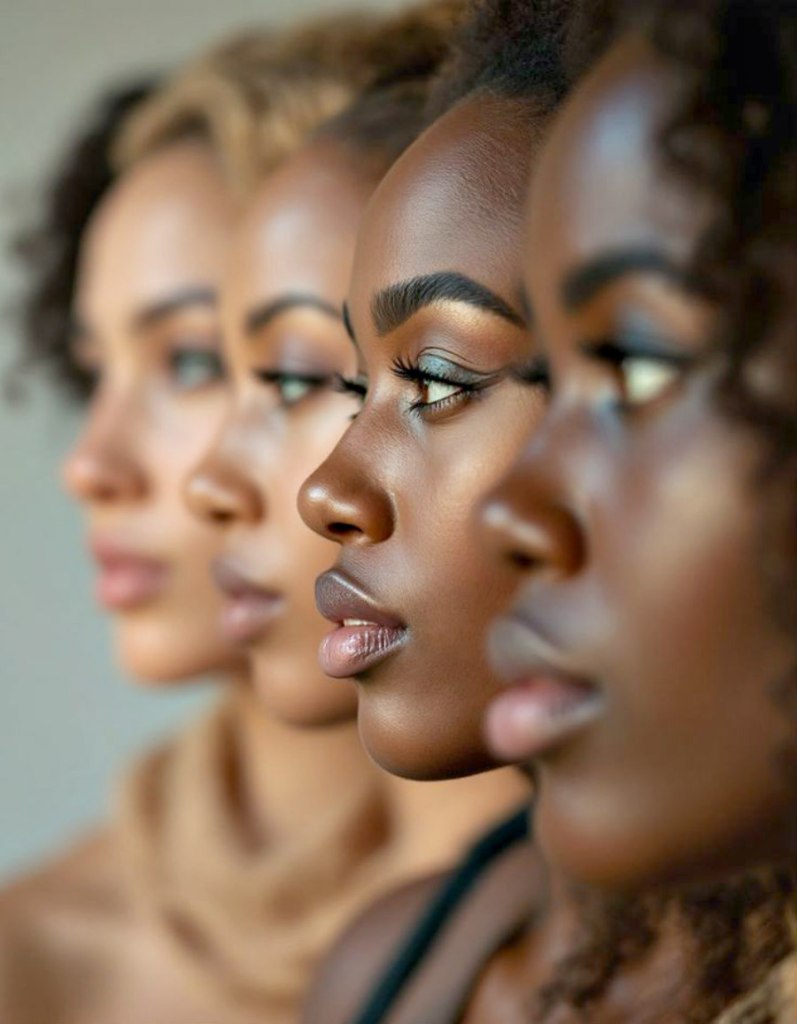
Beauty: Is it your Skin Color or your Facial Features that make you beautiful?

These photographs are the property of their respective owners. No copyright infringement intended.

I was oblivious to skin color. People always told me I was beautiful, and I always believed it was my features and not my light café-au-lait skin tone. Growing up, beauty seemed more about the symmetry of one’s face, the way one’s eyes aligned, or how one’s smile illuminated a room. But as I matured and began to understand the social and psychological layers of race and aesthetics, I realized that the question of beauty—particularly for people of African descent—was neither simple nor purely biological. It was a complex interplay between genetics, societal conditioning, colonization, and personal perception.

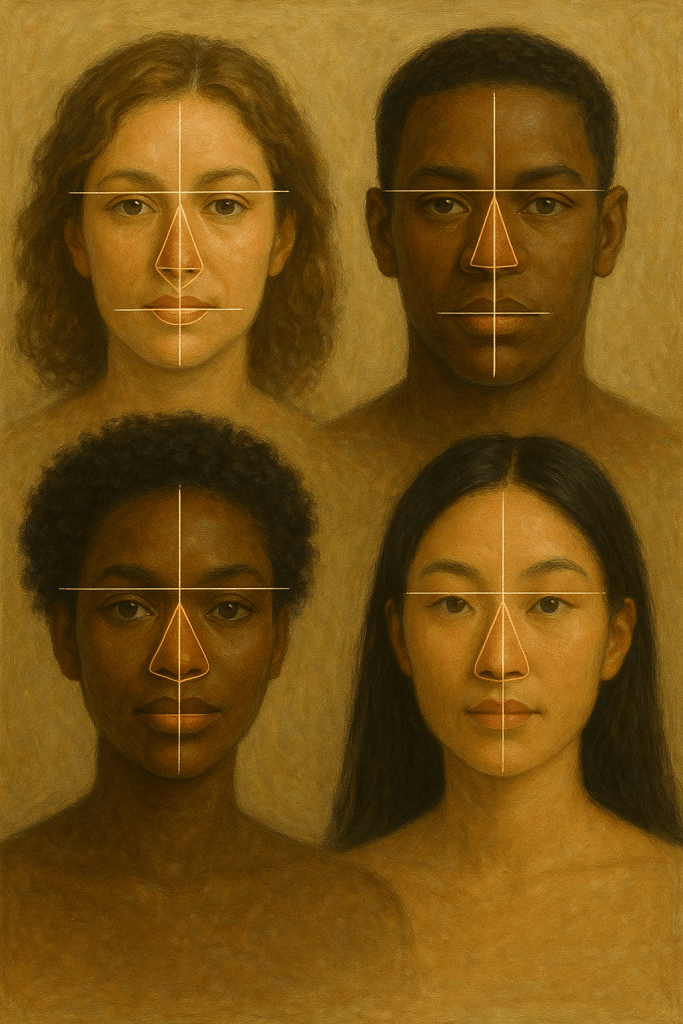
The science of beauty has long sought to define attractiveness through objective measurements. The Marquardt facial mask, developed by Dr. Stephen Marquardt, is one such tool that uses the golden ratio (phi, approximately 1.618) to map ideal facial proportions (Marquardt, 2002). This mathematical construct suggests that beauty lies in balance and symmetry. Yet, while symmetry contributes to perceived attractiveness across cultures (Rhodes, 2006), it cannot fully explain why certain faces—like Halle Berry’s or Idris Elba’s—transcend mathematical formulas to captivate the world.

Genetically, facial features are an orchestra of inherited traits determined by the complex interactions of multiple genes (Jones & Little, 2012). Skin tone, lip shape, and eye spacing are phenotypic expressions influenced by ancestral environments. For instance, fuller lips and broader noses evolved as adaptive features in warmer climates, aiding in temperature regulation (Jablonski & Chaplin, 2000). Yet colonialism rebranded these traits as “undesirable,” constructing Eurocentric beauty standards that favored narrow noses, thin lips, and lighter skin.

This colonial gaze reshaped entire generations’ perception of beauty. During and after slavery, the closer one’s appearance aligned with European features, the more “beautiful” or “acceptable” one was considered. This false hierarchy of aesthetics—rooted in power and racial politics—continues to shape modern beauty ideals, especially in the global media (Hunter, 2005). Thus, many women and men of color wrestle with a dual consciousness: one that recognizes their innate beauty while subconsciously measuring it against Western standards.

When we look at Halle Berry, we see a blend of symmetry, balance, and soft femininity that aligns with global ideals of beauty. Yet what makes her distinct is her expressive eyes, proportionate bone structure, and emotive presence—traits that transcend complexion. Lupita Nyong’o, in contrast, represents a radical reclamation of deep-toned beauty. Her skin radiates with depth and grace, and her high cheekbones and luminous eyes challenge Eurocentric molds, celebrating the richness of African features as equally divine.

Vanessa L. Williams’s beauty carries a classical appeal—a combination of facial symmetry, expressive eyes, and harmony of proportions. Her presence in the entertainment industry during the 1980s broke barriers, representing both elegance and controversy in a time when America still struggled to accept a Black woman crowned “Miss America.” Her beauty was seen through both admiration and prejudice—a reflection of how colorism complicates acceptance even within communities of color.

Among men, Shemar Moore’s charm lies in his smooth facial symmetry, strong jawline, and warm, approachable smile—qualities that align with scientific definitions of attractiveness. Yet, Idris Elba’s beauty feels more elemental. His deep-set eyes, strong features, and commanding presence convey power, charisma, and confidence. His allure, like Lupita’s, resists Eurocentricity; it draws instead on ancestral strength and authenticity.

But what about those whose features don’t fit the “mask”? Beauty in the human experience is not only mathematical but also psychological and cultural. Studies show that individuals are more likely to find faces from their own ethnic group more attractive due to familiarity and cultural exposure (Little et al., 2011). Thus, what one finds beautiful often depends on one’s cultural conditioning, not universal law.

Beauty is, therefore, both objective and subjective. Science can measure facial harmony, but culture shapes what harmony looks like. Western beauty often celebrates sharpness—defined cheekbones, narrow noses—while African aesthetics celebrate fullness, balance, and expression. These differing ideals are not hierarchies but reflections of varied cultural philosophies about life and identity.

The psychological phenomenon of “beauty bias” reinforces societal privilege for those deemed more attractive. This bias influences job prospects, relationships, and self-esteem (Langlois et al., 2000). For people of color, beauty bias intersects with colorism, leading to internalized hierarchies where lighter skin and Eurocentric features are unconsciously prioritized. This is why even those confident in their looks may still feel their beauty questioned by social norms.

Colonization didn’t only enslave bodies—it colonized aesthetics. From missionary schools to Hollywood casting rooms, the European ideal of beauty became synonymous with civilization, purity, and desirability. African features, once revered within indigenous societies as markers of lineage and strength, were ridiculed and suppressed. The result was centuries of aesthetic erasure that many are only now beginning to reverse.

The return to natural hair, deeper skin tones in media, and diverse representation mark a cultural renaissance. This redefinition of beauty reconnects the diaspora to its authentic self. It celebrates faces like Lupita’s not as exceptions but as exemplars of divine variation. It honors dark skin not as “different” but as glorious.

Still, one must ask: if beauty is in the eye of the beholder, who is holding the mirror? Media corporations, advertisers, and colonial institutions have long acted as the beholders, dictating taste and value. But the shift toward self-definition—especially among Black creators, photographers, and scholars—marks a new chapter in aesthetic sovereignty.

Scientifically, certain features—clear skin, bilateral symmetry, facial averageness—are universally preferred because they signal health and genetic fitness (Perrett et al., 1999). However, features like high cheekbones, full lips, or wide noses can be just as aesthetically pleasing when embraced through a culturally affirming lens. The issue is not the feature itself but the framework through which it’s judged.

In psychological terms, humans are drawn to faces that mirror their identity. This “familiarity principle” (Zajonc, 1968) explains why beauty can never be entirely objective. It is influenced by cultural memory and social environment. Thus, the perception of beauty among African-descended peoples carries historical trauma—beauty has been both weaponized and denied.

Genetics, then, provides the blueprint, but society writes the interpretation. One person’s admiration of Halle Berry’s elegance or Lupita’s radiance is not merely about structure—it’s about what those faces symbolize. They represent visibility, validation, and the defiance of centuries of aesthetic marginalization.

To be beautiful in a colonized world is to exist in resistance. Each melanated face, each natural curl, each unapologetic feature, is an act of restoration—reclaiming what history attempted to distort. Beauty, in this sense, becomes a form of protest and prophecy, not vanity.

When I reflect on my own journey, I realize that what I believed to be “just my features” was shaped by more than DNA—it was shaped by social constructs, ancestral memories, and cultural expectations. My beauty was never just mine; it was inherited from generations who carried grace through oppression and dignity through erasure.

So, is it your skin color or your features that make you beautiful? The answer is both—and neither. True beauty transcends the surface. It lives in the harmony of authenticity, confidence, and self-recognition. It is not measured by the golden ratio but by the light you emit when you embrace who you truly are.


References
Hunter, M. L. (2005). Race, gender, and the politics of skin tone. Routledge.
Jablonski, N. G., & Chaplin, G. (2000). The evolution of human skin coloration. Journal of Human Evolution, 39(1), 57–106.
Jones, B. C., & Little, A. C. (2012). The role of facial attractiveness in mate choice. Trends in Cognitive Sciences, 16(1), 33–38.
Langlois, J. H., et al. (2000). Maxims or myths of beauty? A meta-analytic and theoretical review. Psychological Bulletin, 126(3), 390–423.
Little, A. C., Jones, B. C., & DeBruine, L. M. (2011). Facial attractiveness: Evolutionary based research. Philosophical Transactions of the Royal Society B, 366(1571), 1638–1659.
Marquardt, S. (2002). The golden ratio: The beauty mask and the science of human aesthetics. Marquardt Beauty Analysis.
Perrett, D. I., et al. (1999). Symmetry and human facial attractiveness. Evolution and Human Behavior, 20(5), 295–307.
Rhodes, G. (2006). The evolutionary psychology of facial beauty. Annual Review of Psychology, 57, 199–226.
Zajonc, R. B. (1968). Attitudinal effects of mere exposure. Journal of Personality and Social Psychology, 9(2p2), 1–27.

In the Middle: The Brown-Skinned Battle

This photograph is the property of its respective owners. No copyright infringement intended

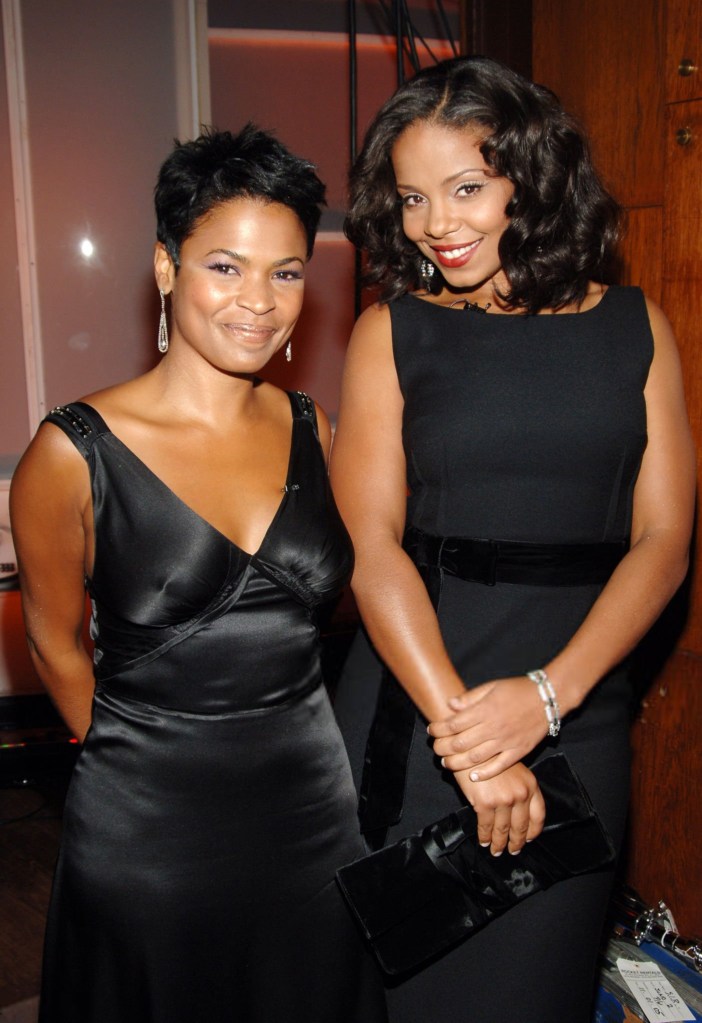
There are the light-skin and the dark-skin battles, but what about the beauties who stand in the middle? The brown-skinned woman often finds herself overlooked in discourses of colorism, as society tends to highlight either the lighter-skinned “acceptable” beauty or the darker-skinned woman who has become a symbol of resilience and resistance. Yet women like Nia Long, Sanaa Lathan, Regina Hall, Regina King, and Gabrielle Union embody a milk chocolate or dark caramel hue that represents a vast population of Black women whose struggles and triumphs within color politics deserve closer attention. These women symbolize the “in-between” battle, caught in a racialized beauty hierarchy that often denies them full recognition, even as they embody both elegance and resilience.

The politics of skin tone within the Black community are not new. Historically, slavery introduced a hierarchy in which lighter skin was associated with privilege, while darker skin was associated with field labor and hardship (Hunter, 2007). Brown-skinned women were often placed ambiguously within this dynamic, neither deemed “light enough” for preferential treatment nor “dark enough” to embody radical cultural pride. This liminal positioning has created a unique psychological and cultural battle for brown-skinned women, one that continues in modern media and social interaction.

The biblical record acknowledges the beauty of darker hues. In Song of Solomon 1:5 (KJV), the Shulamite woman declares, “I am black, but comely, O ye daughters of Jerusalem.” This passage not only affirms dark and brown skin as beautiful, but also challenges cultural stigmas that denigrate melanin-rich hues. For the brown-skinned woman, such scriptural validation becomes a source of strength when society questions her worth or diminishes her presence within the spectrum of desirability.

Psychology affirms that colorism can create deep wounds in identity formation. According to Hill (2002), intra-racial skin tone bias affects self-esteem, peer acceptance, and perceived attractiveness. Brown-skinned women often feel invisible, struggling with the pressure to compete against both lighter-skinned women who are elevated as “ideal” and darker-skinned women who are celebrated in the context of social justice movements. This sense of invisibility has been termed the “middle battle” of skin tone politics.

Celebrities like Gabrielle Union often use their platforms to articulate this struggle. Union has spoken candidly about her experiences navigating Hollywood, where casting directors sometimes overlook her for roles favoring lighter or darker actresses (Union, 2017). Similarly, Nia Long’s career has thrived, yet she is often remembered more for her relatability than as a cultural “standard of beauty,” highlighting how the brown-skinned woman is subtly typecast as “safe” but not necessarily the pinnacle of desirability.

This cultural coding connects to psychological theories of “relative deprivation,” where individuals perceive their worth not in isolation, but in relation to others (Runciman, 1966). Brown-skinned women often feel “stuck” in comparison, not fully celebrated in either camp. This phenomenon contributes to stress, anxiety, and strained self-concept, particularly in formative years of adolescence when appearance is tied to identity.

The issue also emerges in romantic preferences. Research shows that within Black dating patterns, lighter-skinned women are often perceived as more attractive or marriageable (Keith & Herring, 1991). Conversely, darker-skinned women are sometimes eroticized as exotic or “strong.” Brown-skinned women, positioned in between, may be stereotyped as “average” or overlooked. This contributes to feelings of displacement within the Black female collective.

Yet brown-skinned women embody a rich cultural beauty that cannot be ignored. Regina King’s award-winning acting, coupled with her political voice, reflects strength and poise. Sanaa Lathan’s roles often portray a relatable, girl-next-door character who bridges relatability with sensuality. These women serve as cultural icons of balance, occupying the middle ground between two extremes.

The “brown-skinned battle” is therefore not simply about aesthetics—it is also about identity, belonging, and representation. Psychology suggests that when individuals feel excluded from representation, their sense of social worth diminishes (Tajfel & Turner, 1986). Representation matters, and the under-discussion of brown-skinned women in colorism discourse perpetuates their invisibility.

The Bible continually affirms equality in God’s creation. Genesis 1:27 (KJV) proclaims, “So God created man in his own image.” This truth dismantles hierarchical thinking that places one hue above another. From a theological perspective, brown skin—like all shades—is a manifestation of divine artistry. The struggle of brown-skinned women, therefore, is not a reflection of God’s truth, but of man-made systems of prejudice.

Historically, the “brown battle” appeared in African American literature as well. Writers like Zora Neale Hurston and Alice Walker often explored nuances of complexion within Black womanhood. Hurston’s characters frequently embodied the brown-skin aesthetic, neither elevated to the pedestal of “light” privilege nor anchored fully in the rhetoric of “dark” pride. This reflects the long-standing ambiguity attached to brown hues in cultural imagination.

Hollywood has played a role in perpetuating the divide. Spike Lee’s School Daze (1988) illustrated colorism tensions between light- and dark-skinned women, but brown-skinned women were largely blended into the ensemble, rarely positioned as the central debate. This absence mirrors broader social silences surrounding their struggles.

Psychologically, such invisibility parallels the concept of “liminality,” where individuals exist on the threshold of categories but belong fully to neither (Turner, 1969). Brown-skinned women embody this liminality—caught between extremes, always present but rarely spotlighted.

The brown battle is also spiritual. In a society that continually asks brown-skinned women to define themselves in relation to others, the biblical call is to find identity in Christ. Romans 8:16-17 (KJV) affirms that believers are “heirs of God, and joint-heirs with Christ.” This inheritance transcends complexion hierarchies, grounding worth in divine kinship rather than human prejudice.

Nevertheless, practical strategies are necessary for healing. Psychology highlights the importance of “self-affirmation” practices, where individuals reframe narratives of exclusion by affirming intrinsic worth (Steele, 1988). For brown-skinned women, cultivating spaces of affirmation—whether through literature, sisterhood, or faith—becomes a radical act of self-preservation.

Cultural icons like Lauryn Hill, whose song “Brown Skin Lady” (1996) celebrated the richness of mid-tones, demonstrate the need for artistic affirmation. Such affirmations counter societal messages that overlook brown beauty, restoring dignity to the middle ground.

The generational impact of colorism must also be considered. Brown-skinned girls often inherit subtle messaging about their worth, sometimes hearing remarks that they are “not light enough” or “not dark enough.” These remarks shape their self-perception well into adulthood, underscoring the need for intentional cultural and spiritual interventions.

The brown-skinned battle, therefore, calls for both scholarly acknowledgment and spiritual restoration. It is not enough to focus only on light-skin privilege or dark-skin pride—brown-skinned women must be centered in the dialogue. Their beauty, resilience, and complexity embody a truth that society must embrace.

Ultimately, the middle ground is not a place of lack, but of balance. The milk chocolate and caramel hues reflect harmony, warmth, and depth. Brown-skinned women, from Nia Long to Regina King, remind us that beauty is not confined to extremes but flourishes most richly in the spectrum’s center. In affirming them, we affirm the fullness of Blackness and dismantle the false hierarchies that divide us.


References

  • Hill, M. E. (2002). Skin color and the perception of attractiveness among African Americans: Does gender make a difference? Social Psychology Quarterly, 65(1), 77–91.
  • Hunter, M. (2007). The persistent problem of colorism: Skin tone, status, and inequality. Sociology Compass, 1(1), 237–254.
  • Keith, V. M., & Herring, C. (1991). Skin tone and stratification in the Black community. American Journal of Sociology, 97(3), 760–778.
  • Runciman, W. G. (1966). Relative deprivation and social justice. University of California Press.
  • Steele, C. M. (1988). The psychology of self-affirmation: Sustaining the integrity of the self. Advances in Experimental Social Psychology, 21, 261–302.
  • Tajfel, H., & Turner, J. (1986). The social identity theory of intergroup behavior. In S. Worchel & L. W. Austin (Eds.), Psychology of intergroup relations (pp. 7–24). Nelson-Hall.
  • Turner, V. (1969). The ritual process: Structure and anti-structure. Aldine.
  • Union, G. (2017). We’re going to need more wine: Stories that are funny, complicated, and true. Dey Street Books.
  • The Holy Bible, King James Version.