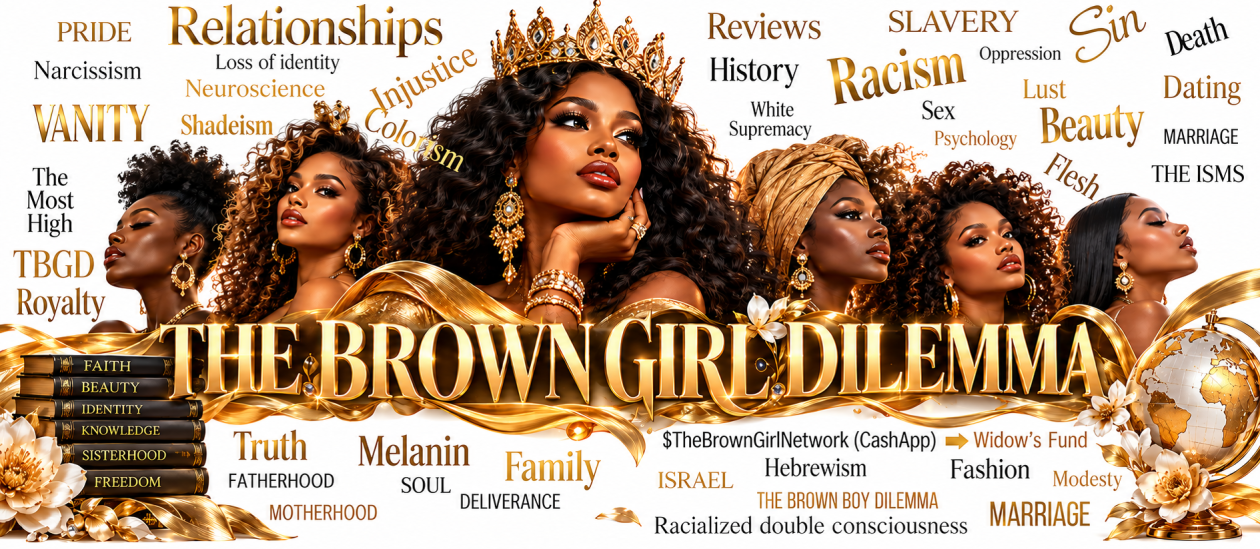
The “dark skin dilemma” refers to the complex social, psychological, and cultural pressures experienced by individuals with darker skin tones within color-conscious societies. It is not a biological issue, but a socially constructed hierarchy shaped by historical, economic, and media-driven standards of beauty and value.
At its core, the dilemma is rooted in colorism, a system that privileges lighter skin over darker skin within the same racial or ethnic group. This hierarchy has been documented across multiple societies, including the United States, Latin America, the Caribbean, South Asia, and parts of Africa.
Colorism operates as an internalized extension of racial stratification, where phenotype becomes a proxy for perceived intelligence, attractiveness, and social worth. This creates unequal psychological burdens for darker-skinned individuals.
In social psychology, repeated exposure to biased beauty standards can lead to internalized colorism, where individuals unconsciously absorb societal preferences and begin to evaluate themselves through the same distorted lens.
This internalization can affect self-esteem, identity formation, and interpersonal relationships. Research shows that perceived skin tone bias is correlated with variations in self-concept clarity and body image satisfaction.
Historically, colonial systems reinforced color hierarchies by associating proximity to whiteness with power, education, and economic opportunity. These structures left long-term cultural imprints that continue to influence modern perceptions of beauty and status.
In the United States, studies in sociology and psychology have documented that skin tone can influence educational outcomes, income levels, and even sentencing disparities within the justice system.
Media representation plays a critical role in shaping beauty standards. Lighter-skinned individuals are often overrepresented in film, advertising, and fashion, reinforcing a narrow aesthetic ideal.
This lack of representation contributes to what scholars describe as “symbolic invisibility,” where darker-skinned individuals are underseen or misrepresented in dominant cultural narratives.
From a psychological perspective, repeated exposure to underrepresentation can contribute to stereotype threat, identity strain, and reduced self-efficacy among affected populations.
However, darker-skinned identity also carries strong cultural resilience and pride traditions, particularly within Black communities, where movements such as Black is Beautiful have challenged dominant aesthetic hierarchies.
These movements emphasize the reclamation of identity and the rejection of externally imposed beauty standards. They also highlight the importance of cultural affirmation in psychological well-being.
Within intragroup dynamics, colorism can create tension in social and romantic contexts, influencing perceptions of attractiveness and desirability even among people of the same racial group.
Social comparison theory helps explain how individuals evaluate themselves relative to others within their group, sometimes reinforcing harmful hierarchies based on shade rather than shared identity.
Attachment and self-esteem research suggests that early experiences of affirmation or rejection based on appearance can significantly shape adult relational confidence and self-worth.
In some cases, individuals may develop compensatory behaviors such as overachievement, perfectionism, or hyper-independence as adaptive responses to perceived bias.
Intersectionality theory, introduced by Kimberlé Crenshaw, provides a framework for understanding how race, gender, class, and skin tone intersect to shape lived experience.
For darker-skinned women in particular, studies show compounded pressures related to both racialized and gendered beauty expectations, often intensifying social scrutiny.
For darker-skinned men, stereotypes may influence perceptions of threat, masculinity, or desirability, affecting social and professional interactions differently but still significantly.
Despite these challenges, there is a growing global shift toward broader representation and celebration of diverse skin tones in media, fashion, and cultural discourse.
Ultimately, the dark skin dilemma is not about skin itself, but about systems of meaning assigned to skin within unequal social structures. Understanding it requires both psychological insight and historical awareness.
If this work has informed or inspired you, please consider supporting it so we can continue researching, writing, and sharing these stories.
“The meanings attached to skin color are not born in nature—they are constructed through history, culture, media, and power. The semiotics of melanin reveals how visual symbols shape perceptions of beauty, identity, and human worth.”
Melanin is a biological pigment responsible for the coloration of human skin, hair, and eyes, yet its social significance extends far beyond biology. Throughout history, societies have assigned symbolic meanings to skin color, transforming a natural genetic trait into a cultural marker laden with assumptions about beauty, intelligence, morality, and social value. The study of these meanings falls within the field of semiotics, the analysis of signs and symbols and how they produce meaning within society.
Semiotics teaches that objects and characteristics do not inherently possess social meaning. Rather, meaning is constructed through cultural narratives, institutions, and repeated representations. Skin color functions as a visual sign that societies interpret according to historical and ideological frameworks. Consequently, melanin has often become a canvas upon which broader struggles over power and identity are projected.
Visual culture plays a central role in this process. Images, films, advertisements, paintings, magazines, and digital media repeatedly communicate messages about who is considered attractive, successful, trustworthy, or worthy of admiration. These visual messages shape collective perceptions, often operating beneath conscious awareness.
Historically, European colonial expansion profoundly influenced the symbolic meaning attached to skin color. Colonial systems frequently positioned whiteness as a signifier of civilization, authority, and progress while associating darker skin with inferiority and servitude. These narratives became embedded within legal systems, educational institutions, and cultural production.
The transatlantic slave trade further institutionalized visual hierarchies. Enslaved Africans were stripped of their humanity through ideologies that used physical appearance as a justification for exploitation. Skin color became not merely a descriptor but a political symbol employed to rationalize inequality and domination.
Within this framework, melanin was transformed into a social marker that carried consequences for access to resources and opportunities. The visible nature of skin color made it an immediate signifier through which individuals were categorized and evaluated. Such classifications often determined social standing, economic prospects, and legal rights.
Semiotic theorists argue that repeated representations create cultural myths. A myth is not necessarily false but rather a story that becomes accepted as natural or inevitable. For centuries, visual culture promoted myths linking lighter skin with virtue, intelligence, refinement, and beauty. Through repetition, these associations came to appear normal despite lacking any scientific basis.
The beauty industry has been a powerful site for the construction of these myths. Advertising campaigns frequently centered lighter skin, European facial features, and specific hair textures as aspirational ideals. These visual cues communicated messages about desirability and social acceptance, influencing generations of consumers.
Cinema and television have similarly contributed to symbolic hierarchies. Characters portrayed as romantic leads, heroes, professionals, or members of elite social classes have often reflected narrow beauty standards. Such portrayals shape public perceptions by repeatedly linking particular appearances with success and worth.
For Black communities, these visual narratives have had complex consequences. Colorism emerged as a system in which varying skin tones became associated with differing levels of social privilege. Although rooted in broader racial hierarchies, colorism functions within communities by assigning symbolic value to proximity to dominant aesthetic norms.
The internalization of visual messages can profoundly affect self-perception. Individuals who rarely see themselves positively represented may struggle with feelings of inadequacy or exclusion. Conversely, consistent positive representation can strengthen self-esteem and reinforce a sense of belonging and dignity.
The rise of social media has intensified the influence of visual culture. Digital platforms allow images to circulate globally within seconds, amplifying both harmful stereotypes and empowering counter-narratives. Algorithms often reward content aligned with prevailing beauty standards, yet they also provide space for marginalized voices to challenge those standards.
Photography has become a particularly important medium in the reclamation of Black identity. Contemporary photographers increasingly celebrate darker skin tones, natural hair textures, and Afrocentric aesthetics. These artistic interventions challenge historical visual hierarchies and expand the range of images considered beautiful and worthy of admiration.
Fashion has likewise become a site of resistance and transformation. Designers, models, and creatives have sought to redefine beauty by foregrounding diversity and authenticity. Through visual representation, they contest the notion that worth is tied to conformity with Eurocentric standards.
The symbolic power of melanin is also evident in language. Expressions such as “fair,” “light,” and “dark” often carry cultural associations extending beyond literal color descriptions. These linguistic patterns reinforce visual codes that shape how people interpret and evaluate physical appearance.
Psychological research demonstrates that repeated exposure to visual stereotypes can influence unconscious biases. Individuals may unknowingly associate certain appearances with competence, trustworthiness, or attractiveness. Such biases can affect decisions in education, employment, healthcare, and interpersonal relationships.
The construction of worth through visual signs ultimately reflects broader systems of power. Those who control cultural institutions often influence which images are circulated, celebrated, and normalized. Visual culture, therefore, becomes a battleground where competing narratives about identity and value are negotiated.
Recent movements emphasizing representation and inclusion have challenged longstanding assumptions about beauty and worth. Greater visibility of diverse skin tones, facial features, and cultural expressions has helped disrupt traditional hierarchies. These efforts demonstrate that visual culture is not fixed but continually evolving.
The study of melanin through a semiotic lens reveals that skin color itself possesses no inherent social meaning. The meanings attached to it are products of historical processes, cultural narratives, and institutional power. Understanding this distinction is essential for dismantling systems of bias and inequality.
Ultimately, the semiotics of melanin illustrates how visual culture shapes human perceptions of value and belonging. By critically examining the images, symbols, and narratives that surround us, societies can move toward a more inclusive understanding of beauty, dignity, and human worth. In doing so, melanin can be appreciated not as a marker of hierarchy but as one expression of humanity’s remarkable diversity.
For generations, many Brown girls have been taught that strength is measured by endurance, sacrifice, and carrying burdens without complaint. While resilience is admirable, it should not come at the expense of peace, tenderness, and joy. Brown girls deserve lives filled with rest, healthy love, emotional safety, and opportunities to flourish. Healing begins when a woman realizes she is worthy of softness, not just survival.
Relearning Beauty in a Broken World
The world often defines beauty through narrow standards that fail to reflect the richness of Brown skin and diverse features. As a result, many Brown girls spend years questioning their worth and appearance. Healing requires rejecting societal distortions and embracing beauty as something that transcends trends and external validation. True beauty emerges when a woman sees herself through the eyes of her Creator rather than the opinions of a broken world.
Unlearning the Lies About Dark Skin
Colorism has left deep wounds within communities and cultures across the globe. Many dark-skinned girls grow up hearing messages that subtly or directly suggest they are less desirable, less feminine, or less beautiful. These lies have no foundation in truth and must be actively dismantled. Dark skin is not a flaw to overcome; it is a reflection of divine artistry, history, and strength.
Becoming Her Without Permission
Many women wait for approval before stepping into their full potential. They seek validation from family, friends, society, or romantic partners before embracing their gifts and identity. Healing the Brown girl within means understanding that her purpose does not require anyone’s permission. She can grow, evolve, dream, and become the woman she was created to be without waiting for acceptance from others.
Brown Girl, Rest
Rest is not laziness; it is a sacred necessity. Too often, Brown women are praised only when they are working, giving, and sacrificing. Yet the mind, body, and spirit require restoration to remain healthy and whole. Learning to rest without guilt is one of the most powerful acts of self-love a Brown girl can practice.
The Return of the Soft Brown Girl
Many Brown girls have developed hard exteriors as a response to disappointment, rejection, and adversity. While these defenses may have provided temporary protection, they can also hinder emotional intimacy and healing. The return of the soft Brown girl is not weakness but courage. It is the willingness to remain kind, hopeful, and open-hearted despite life’s challenges.
She Was Never the Problem
Many Brown women spend years believing they are the reason relationships failed, opportunities were denied, or acceptance was withheld. This burden of self-blame can become deeply rooted in the psyche. Healing begins when she recognizes that many of the wounds she carries were inflicted by systems, prejudices, and circumstances beyond her control. She was never the problem; she was navigating a world that often failed to see her value.
Reclaiming Femininity After Survival Mode
Survival mode teaches women to suppress vulnerability and focus solely on endurance. While these skills may be necessary during difficult seasons, they can disconnect a woman from her femininity. Reclaiming femininity involves embracing creativity, nurturing qualities, grace, and emotional expression. It is a journey back to wholeness after years of merely surviving.
Brown Skin, Sacred Soul
Brown skin tells a story of ancestry, perseverance, and beauty. It reflects generations of people who overcame immense obstacles while preserving culture and identity. Yet beneath the skin lies an equally sacred soul deserving of care and protection. Healing occurs when a woman honors both her external beauty and her inner spiritual worth.
Brown Girl, Trust in God
Faith provides an anchor during seasons of uncertainty and pain. When rejection, disappointment, and insecurity threaten to overwhelm the heart, trust in God offers stability and hope. The Brown girl who places her confidence in the Most High learns that her identity is not determined by public opinion but by divine purpose. Through faith, she discovers that she is loved, chosen, and never forgotten.
Healing the Father Wound
Many Brown girls carry silent wounds caused by absent, distant, or emotionally unavailable fathers. These experiences can shape self-esteem, relationships, and perceptions of worth. Healing begins by acknowledging the pain rather than hiding it. Through faith, counseling, community, and self-reflection, women can learn that the absence of earthly affirmation does not diminish their value.
Learning to Love the Girl in the Mirror
Self-love is often misunderstood as vanity, but true self-love is rooted in acceptance and gratitude. It means appreciating one’s strengths while extending grace to imperfections. For many Brown girls, the mirror has been a source of criticism rather than compassion. Healing transforms the mirror into a place of affirmation rather than judgment.
Breaking Generational Cycles
Some wounds are inherited through generations of hardship, trauma, and survival. Brown girls may unknowingly carry fears, beliefs, and emotional patterns passed down from those who came before them. Healing requires intentional examination of these cycles and the courage to create healthier paths forward. By breaking harmful patterns, a woman not only frees herself but also future generations.
Finding Safety in Authenticity
Many women learn to wear masks to gain acceptance or avoid rejection. They become who others expect them to be rather than embracing their true selves. Healing the Brown girl within means removing those masks and living authentically. Freedom comes when a woman realizes she does not need to perform to be worthy of love.
The Power of Sisterhood
Healthy relationships among women provide support, encouragement, and accountability. Brown girls flourish when surrounded by people who celebrate rather than compete with them. Sisterhood creates spaces where wounds can be acknowledged and victories can be shared. Healing often accelerates when women uplift one another through genuine community.
Redefining Strength
Strength is often associated with toughness and emotional suppression. Yet true strength also includes vulnerability, honesty, and the willingness to seek help when needed. Brown girls do not have to carry every burden alone to prove their resilience. Sometimes strength is found in surrendering pain and allowing others to help carry the load.
Letting Go of Comparison
Comparison steals joy and distorts self-perception. In an age of social media and constant visibility, many Brown girls find themselves measuring their lives against unrealistic standards. Healing requires recognizing that every woman has her own unique journey and purpose. Peace comes when comparison is replaced with gratitude and self-acceptance.
Embracing Joy Without Guilt
Many women become so accustomed to struggle that joy feels unfamiliar or undeserved. Yet joy is not a reward reserved for a select few; it is a gift available to all. Brown girls deserve moments of laughter, celebration, and delight. Embracing joy is an act of healing that reminds the heart it is meant to thrive, not merely endure.
Walking in Divine Confidence
Confidence rooted in appearance, status, or external validation can easily be shaken. Divine confidence, however, is anchored in knowing one’s worth before God. Brown girls who cultivate this confidence become less dependent on approval from others. They walk through life with a quiet assurance that cannot be taken away by criticism or rejection.
The Brown Girl Within Is Worth Healing
The healing journey is not always linear, and there will be moments of progress as well as setbacks. Yet every step toward wholeness matters. The Brown girl within deserves compassion, patience, and restoration. As she heals, she discovers that she was never broken beyond repair—she was always worthy of love, healing, and grace.
References
Beauboeuf-Lafontant, T. (2009). Behind the mask of the strong Black woman: Voice and the embodiment of a costly performance. Temple University Press.
hooks, b. (2001). All about love: New visions. William Morrow.
Thomas, A. J., Witherspoon, K. M., & Speight, S. L. (2004). Gendered racism, psychological distress, and coping styles of African American women. Cultural Diversity and Ethnic Minority Psychology, 10(3), 307–314.
Walker, A. (1983). In search of our mothers’ gardens: Womanist prose. Harcourt Brace Jovanovich.
West, C. M. (1995). Mammy, Sapphire, and Jezebel: Historical images of Black women and their implications for psychotherapy. Psychotherapy: Theory, Research, Practice, Training, 32(3), 458–466.
Woodson, C. G. (1933/2018). The mis-education of the Negro. Black Classic Press.
For many brown-skinned women, healing begins with acknowledging wounds that have often been ignored, minimized, or misunderstood. These wounds may stem from colorism, rejection, abandonment, or societal messages that suggest beauty and worth are measured by proximity to Eurocentric standards. Such experiences can leave deep emotional scars that affect self-esteem and identity.
True healing requires more than external validation; it requires inner restoration. Scripture reminds believers that God is close to the brokenhearted and heals those who are crushed in spirit (Psalm 147:3, KJV). Healing begins when a woman recognizes that her value was established by God long before society attempted to define it.
Brown Girl, God Sees You
Many brown girls grow up feeling invisible despite being surrounded by people. Their talents, intelligence, kindness, and beauty may be overlooked while attention is given to others who fit conventional standards. This invisibility can create loneliness and self-doubt.
Yet God specializes in seeing those whom society overlooks. Throughout Scripture, He called, protected, and elevated individuals who were dismissed by others. Brown women can find comfort in knowing that the Creator of heaven and earth sees every tear, every struggle, and every silent prayer.
The Spiritual Restoration of Brown Women
Spiritual restoration involves reconnecting with God after seasons of pain, disappointment, or confusion. It is the process of allowing divine truth to replace false narratives that have shaped one’s identity. Through prayer, worship, and Scripture, the heart begins to heal.
Restoration does not erase past wounds, but it transforms them into testimonies. Brown women who embrace God’s promises often discover renewed confidence, purpose, and peace. Their restoration becomes evidence of God’s faithfulness.
Softness Is Sacred
Modern culture often forces women, especially Black and brown women, into survival mode. Constantly having to be strong can make vulnerability feel unsafe. Over time, emotional armor becomes a necessity rather than a choice.
However, softness is not weakness. Gentleness, compassion, tenderness, and grace are divine qualities that reflect God’s character. A woman can be resilient while still embracing her softness, and that balance is sacred.
Rebuilding the Brown Girl Spirit
Life’s hardships can weaken the spirit, causing feelings of exhaustion and hopelessness. Rebuilding requires intentional care of the mind, body, and soul. It involves setting healthy boundaries and reconnecting with sources of joy.
Spiritual practices such as prayer and meditation on Scripture help strengthen the inner person. As confidence grows, the brown girl spirit becomes resilient once again. What was once broken begins to flourish.
Chosen, Even in a World of Rejection
Rejection is one of the most painful human experiences. Whether it comes from family, peers, relationships, or society, it can create lasting wounds that affect self-worth. Many women spend years trying to earn acceptance.
Yet Scripture teaches that believers are chosen by God (1 Peter 2:9, KJV). Divine selection is not based on appearance, popularity, or social status. God’s choice provides security even when human acceptance is absent.
Healing the Father Wound
The father wound refers to emotional pain caused by an absent, neglectful, or unhealthy relationship with one’s father. Such wounds can influence self-esteem, trust, and future relationships. Many women carry this burden silently.
Healing occurs when individuals recognize that earthly fathers are imperfect while God is the perfect Father. Through faith, counseling, and self-reflection, women can begin to separate their experiences with human fathers from their relationship with God.
Brown Girls and the Search for Divine Love
Every human heart longs to be loved. Brown women are no exception, yet many navigate societal messages that challenge their sense of desirability and worth. This search for love can sometimes lead to unhealthy relationships.
Divine love offers a different foundation. God’s love is unconditional, steadfast, and unchanging. When women understand this truth, they become less dependent on external validation and more secure in their identity.
Her Spirit Needed Rest
Many women spend years carrying emotional burdens without realizing the toll it takes on their well-being. Constant caregiving, work responsibilities, and social pressures can lead to spiritual exhaustion. The soul begins to feel weary.
Jesus invited the weary to find rest in Him (Matthew 11:28, KJV). Rest is not laziness; it is a necessary component of healing. Through rest, the spirit is renewed and strengthened.
The Brown Girl Prayer
Prayer serves as a lifeline between humanity and God. It allows women to express fears, hopes, frustrations, and gratitude openly before the Creator. Prayer creates space for honesty and healing.
The brown girl prayer is one of faith and resilience. It asks God for strength, wisdom, protection, and restoration. Through prayer, burdens become lighter and hope becomes stronger.
Returning to Yourself
Pain often causes people to lose touch with their authentic selves. Years of trying to meet others’ expectations can create confusion about identity. Many women forget who they are beneath the roles they play.
Returning to oneself involves rediscovering gifts, passions, and personal values. It is a journey of self-awareness rooted in God’s truth. Through this process, confidence and authenticity emerge.
Brown Skin, Holy Soul
Physical appearance is only one aspect of human identity. While society frequently focuses on external beauty, Scripture emphasizes the condition of the heart. True beauty flows from within.
Brown skin reflects the diversity of God’s creation, while a holy soul reflects His transforming power. Together they create a testimony of both physical and spiritual beauty. This combination deserves celebration and respect.
God Never Called Her Ugly
Many women have internalized harmful labels imposed by society. Negative comments, colorism, bullying, and rejection can shape self-perception for years. Such experiences create emotional wounds that linger.
Yet nowhere in Scripture does God define a person by worldly beauty standards. Instead, He emphasizes character, faith, and inner beauty (1 Samuel 16:7, KJV). God’s perspective offers freedom from destructive labels.
Healing After Emotional Neglect
Emotional neglect occurs when a person’s emotional needs are consistently ignored or dismissed. Unlike physical wounds, emotional neglect is often invisible. Its effects can include loneliness, anxiety, and low self-worth.
Healing begins by acknowledging what was missing. Supportive relationships, counseling, and spiritual growth can help individuals rebuild emotional health. Recovery is possible even after years of neglect.
The Sacred Feminine and the Brown Woman
The sacred feminine can be understood as the God-given qualities of nurturing, wisdom, compassion, and strength found within women. These qualities reflect aspects of God’s care and creativity. They are not weaknesses but gifts.
Brown women have historically demonstrated extraordinary resilience while maintaining these qualities. Their contributions to families, communities, and faith traditions reveal profound strength. Honoring these attributes is essential.
Relearning Love Through Grace
Painful experiences can distort one’s understanding of love. Betrayal, abandonment, and disappointment often create fear and mistrust. Many women struggle to believe they deserve healthy relationships.
Grace offers a new perspective. God’s grace teaches that love is not earned through perfection but received as a gift. Through grace, women can relearn what healthy love looks like.
Protected by Purpose
Purpose provides direction during difficult seasons. When women understand that their lives have meaning, challenges become opportunities for growth rather than reasons for despair. Purpose strengthens resilience.
God’s plans often unfold through unexpected circumstances. Even painful experiences can contribute to a greater calling. Purpose becomes a shield against hopelessness.
She Was Always Enough
Many women spend years striving for approval. They pursue beauty, achievement, relationships, or recognition in hopes of feeling worthy. Yet satisfaction often remains elusive.
The truth is that worth is not earned through performance. Every individual possesses inherent value because they are created in God’s image. Recognizing this truth can transform self-perception.
Breaking Generational Pain
Generational pain refers to patterns of trauma, dysfunction, or unhealthy behaviors passed from one generation to another. These cycles often affect families for decades. Breaking them requires courage and intentionality.
Healing begins when individuals choose a different path. Through faith, education, counseling, and community support, generational wounds can be interrupted. New legacies can be created.
Walking in Confidence
Confidence rooted in faith differs from arrogance. It comes from understanding one’s identity and purpose rather than seeking superiority over others. Such confidence remains steady even during adversity.
Brown women who embrace their God-given worth often discover greater freedom. They become less influenced by criticism and more focused on fulfilling their calling. Confidence becomes an expression of faith.
Beauty Beyond Comparison
Comparison is one of the greatest enemies of self-esteem. Social media and cultural standards encourage constant evaluation of appearance and success. This habit often leads to dissatisfaction.
True beauty cannot be measured by comparison. Every woman possesses unique qualities that reflect God’s creativity. Embracing individuality promotes healthier self-worth.
The Power of Self-Compassion
Many women extend kindness to others while being harsh toward themselves. Self-criticism often becomes a daily habit. Over time, this mindset undermines emotional well-being.
Self-compassion involves treating oneself with patience and grace. It recognizes that mistakes and imperfections are part of the human experience. This practice supports healing and resilience.
Finding Strength in Community
Isolation often intensifies emotional struggles. Community provides encouragement, accountability, and support during difficult times. Healthy relationships foster growth and healing.
For brown women, supportive communities can counteract experiences of exclusion and rejection. Shared experiences create understanding and connection. Together, healing becomes more attainable.
Embracing God’s Timing
Impatience can lead to frustration when healing seems slow. Many women desire immediate answers and quick resolutions. Yet personal growth often unfolds gradually.
God’s timing teaches patience and trust. While waiting may be difficult, it often prepares individuals for future blessings. Faith sustains hope during the process.
Letting Go of Shame
Shame convinces individuals that they are fundamentally flawed. Unlike guilt, which focuses on behavior, shame attacks identity. It creates barriers to healing and connection.
God’s grace offers freedom from shame. Through forgiveness and acceptance, women can release burdens that no longer serve them. This freedom creates space for growth.
Learning to Receive Love
Receiving love can be difficult for those who have experienced rejection. Many become suspicious of kindness or fear vulnerability. This response is understandable but limiting.
Healthy love requires openness and trust. As healing progresses, women often become more comfortable receiving affection and support. This shift enriches relationships.
Faith in the Midst of Doubt
Faith does not eliminate questions or uncertainty. Many believers experience seasons of doubt. Such experiences are a natural part of spiritual growth.
The key is continuing to seek God despite uncertainty. Honest prayer and reflection strengthen faith over time. Doubt can ultimately deepen spiritual understanding.
The Courage to Heal
Healing requires bravery. It involves confronting painful memories, acknowledging wounds, and embracing change. This process is rarely easy.
Yet courage grows with each step forward. Women who commit to healing often discover strength they never knew they possessed. Their journey inspires others.
Reclaiming Joy
Pain can rob individuals of joy and enthusiasm for life. Over time, survival becomes the primary focus. Joy feels distant and unfamiliar.
Reclaiming joy involves intentionally creating space for gratitude, laughter, and meaningful experiences. Joy is not denial of hardship but recognition of blessings amid challenges.
A Crown of Dignity
Dignity is the recognition of one’s inherent worth and value. It cannot be granted or removed by society. Every human being possesses dignity because they bear God’s image.
Brown women who embrace their dignity refuse to define themselves by stereotypes or limitations. They carry themselves with confidence and grace. Their dignity reflects divine truth.
Trusting the Journey
Life rarely unfolds according to expectations. Unexpected detours can create disappointment and confusion. Many women question whether their struggles have meaning.
Faith encourages trust in God’s guidance. Even difficult seasons contribute to personal growth and spiritual maturity. The journey itself becomes transformative.
The Gift of Forgiveness
Forgiveness is often misunderstood as excusing harmful behavior. In reality, it is the decision to release resentment and pursue healing. Forgiveness benefits the person who forgives.
While forgiveness may take time, it creates emotional freedom. It allows individuals to move forward without being controlled by past hurts. This process supports long-term well-being.
Walking in Wisdom
Wisdom involves applying knowledge with discernment and understanding. It develops through experience, reflection, and spiritual growth. Wise decisions often protect against unnecessary pain.
Scripture encourages believers to seek wisdom from God (James 1:5, KJV). Women who pursue wisdom gain clarity and confidence. Their choices become more intentional.
Becoming Whole Again
Trauma and hardship can leave individuals feeling fragmented. Parts of themselves may seem lost or disconnected. Healing involves integrating these pieces into a cohesive identity.
Wholeness does not mean perfection. It means living authentically while embracing both strengths and vulnerabilities. Through God’s grace, restoration becomes possible.
Living as a Daughter of the Most High
The identity of being God’s daughter carries profound significance. It affirms belonging, purpose, and worth independent of worldly standards. This identity provides security.
When women embrace this truth, they walk differently. Their confidence is rooted in divine love rather than human approval. They live as daughters of the Most High.
Conclusion
The journey of healing for brown women is deeply personal, yet universally meaningful. Through faith, self-compassion, community, and spiritual restoration, wounds can become testimonies and pain can become purpose. Every brown woman deserves to know that she is seen, valued, loved, and created with intention by God.
References
The Holy Bible, King James Version. (1769/2017). Cambridge University Press.
Cloud, H., & Townsend, J. (2017). Boundaries: When to say yes, how to say no to take control of your life. Zondervan.
McMinn, M. R. (2011). Psychology, theology, and spirituality in Christian counseling. Tyndale House.
Pargament, K. I. (2013). Spiritually integrated psychotherapy: Understanding and addressing the sacred. Guilford Press.
Walker, A. (1983). In search of our mothers’ gardens: Womanist prose. Harcourt Brace Jovanovich.
hooks, b. (2001). All about love: New visions. William Morrow.
Thomas, A. J., Witherspoon, K. M., & Speight, S. L. (2004). Toward the development of the stereotypic roles for Black women scale. Journal of Black Psychology, 30(3), 426–442.
Cross, W. E., Jr. (1991). Shades of Black: Diversity in African-American identity. Temple University Press.
Frankl, V. E. (2006). Man’s search for meaning. Beacon Press.
Brown, B. (2012). Daring greatly: How the courage to be vulnerable transforms the way we live, love, parent, and lead. Gotham Books.
The Genetics of Black People: Melanated Skin, Sun-Kissed, Coily to Curly Hair, and distinctive physical attributes.
The genetics of people of African descent reveal the deep biological wisdom and adaptability of the human body as designed by God. Human diversity is not accidental; it is purposeful. Genesis 1:31 (KJV) records that after creation, “God saw every thing that he had made, and, behold, it was very good.” The dark skin, coiled hair, and strong physiques common among people of African ancestry are not inferior traits—they are divine adaptations perfectly suited for life in sun-rich, equatorial regions.
A Genetic and Anatomical Study of Aesthetic Diversity
1. Visual Phenomenon
The physical beauty of Black people represents a remarkable convergence of genetics, environmental adaptation, and divine artistry. Across the African diaspora, the diversity of features — from richly melanated skin to varied facial forms and body proportions — illustrates humanity’s deepest genetic heritage. Far from a single phenotype, Black beauty encompasses an expansive genetic spectrum that underlines both biological strength and aesthetic harmony.
2. The Foundation of Beauty: Genetic Variation
Africa is the genetic cradle of humanity, containing the greatest genetic diversity on Earth (Tishkoff et al., 2009). This means that African-descended populations exhibit more variation in facial features, skin tone, hair type, and body morphology than any other group. Such diversity refutes the myth of racial uniformity and instead reveals that the African genome is the wellspring of human physical variation.
3. Melanin: The Crown of Skin
Melanin is not merely pigment; it is a multifunctional biopolymer with photoprotective and antioxidant properties (Jablonski & Chaplin, 2010). The rich eumelanin of Black skin scatters light evenly, producing a smooth, luminous surface tone admired in art and aesthetics. Scientifically, this deep coloration provides balance, symmetry, and youthful radiance by resisting photoaging and ultraviolet damage far longer than lighter skin (Bradshaw et al., 2018).
4. The Aesthetic Geometry of Facial Features
Research in facial anthropology identifies beauty through symmetry, proportion, and distinctiveness. Many African-descended faces exhibit strong midfacial projection, full lips, prominent cheekbones, and broad nasal structures adapted for humid tropical climates. These traits are not only functional but aesthetically powerful, creating what scholars call “dynamic symmetry” — a natural balance between boldness and softness (Rhodes, 2006).
5. The Lips: Expression and Balance
Full lips, common among African populations, are a distinctive hallmark of Black beauty. In aesthetic science, lip fullness enhances facial harmony by increasing balance between the lower and upper third of the face (Farkas et al., 2005). This natural proportion contributes to expressions of vitality, sensuality, and emotional depth often celebrated in art and portraiture across cultures.
6. The Nose: Adaptation and Identity
The shape of the African nose, often broader with a wider nasal base, evolved to humidify and cool inhaled air in warm climates (Noback et al., 2011). Modern aesthetic medicine increasingly recognizes the beauty of these features, rejecting outdated Eurocentric ideals and emphasizing diversity as the new global standard of attractiveness.
7. Eyes and Periorbital Features
Black eyes often appear larger and more almond-shaped due to the relationship between the brow ridge and orbital depth. This creates a vivid contrast between the sclera (white of the eye) and iris, accentuating emotional expression. Additionally, the rich pigmentation surrounding the eyes helps resist wrinkling and fine lines, maintaining youthful appearance longer (Taylor, 2002).
8. Hair Texture: A Crown of Adaptation
African hair is characterized by tightly coiled or helical strands resulting from an elliptical follicle shape. This unique structure provides natural UV protection and thermal regulation by reducing scalp exposure to sunlight and allowing ventilation (Khumalo et al., 2000). Beyond its biological function, African hair is a cultural art form — a canvas of identity, creativity, and resilience.
9. Skin Texture and Elasticity
Melanin-rich skin has a tighter dermal collagen network, giving it superior elasticity and slower visible aging. This structure reduces susceptibility to wrinkles, sagging, and uneven pigmentation, leading dermatologists to note that darker skin maintains youthful resilience decades longer than lighter skin (Taylor, 2002). The texture of African skin reflects health, strength, and natural radiance.
10. The Golden Ratio and African Features
While the ancient “golden ratio” (1:1.618) has been used to measure beauty in European art, African facial structures often exhibit harmonious asymmetry, giving them unique dynamism and individuality. Modern aesthetic theory recognizes that beauty is not fixed by Eurocentric ratios but expressed through cultural context, vitality, and authenticity (Little et al., 2011).
11. Body Proportion and Musculoskeletal Strength
The human body adapts to geography. African-descended populations often have longer limbs relative to torso length — an evolutionary adaptation that enhances heat dissipation in tropical climates (Ruff, 1994). This proportion gives an elegant and athletic silhouette, with naturally defined muscle tone due to denser bone and connective tissue structure.
12. The Curvature of Form
Curvaceous body types commonly seen in African women have biological roots in gluteofemoral fat storage, which supports fertility and childbirth (Singh, 1993). This natural morphology has been idealized across civilizations, from ancient Nubian and Kushite art to modern media, symbolizing health, abundance, and femininity.
13. Male Physical Structure
African men frequently exhibit broader shoulders, narrower waists, and higher muscle-to-fat ratios, traits influenced by testosterone sensitivity and environmental selection (Wells, 2012). These features produce a strong, defined form associated with power and vitality — a hallmark of masculine beauty celebrated across cultures.
14. Diversity Within the Diaspora
The African diaspora reveals how migration and mixing shaped variation: Ethiopian and Somali populations often show fine features and lighter brown skin; West Africans typically display deep eumelanin and compact muscularity; Southern Africans exhibit intermediate phenotypes. Each variation underscores the adaptability and complexity of African genetic expression.
15. The Radiance of Melanin Under Light
Under natural sunlight, eumelanin reflects deep bronze, mahogany, or bluish undertones depending on light angle. Optical studies show that melanin’s refractive properties produce a multidimensional sheen that synthetic tanning cannot replicate (Anderson et al., 2019). This “living color” effect contributes to the unique visual depth of Black skin.
16. Aesthetic Psychology of Black Beauty
Psychologically, the perception of beauty is shaped by familiarity and media representation. Eurocentric bias historically marginalized African features, but cross-cultural studies show that exposure and education shift preferences toward diversity (Perrett et al., 1994). As representation increases, global appreciation for Black beauty expands.
17. Aging Gracefully
Scientific dermatology confirms that African-descended individuals experience slower collagen breakdown and lower photoaging rates, maintaining facial volume and texture with age (Taylor, 2002). This natural longevity of beauty defies cosmetic stereotypes and affirms the biological strength inherent in melanin-rich skin.
18. The Voice and Resonance
Beyond external appearance, Black beauty also manifests through the voice. Deeper chest resonance and vocal richness are linked to craniofacial and thoracic morphology (Hollien & Shipp, 1972). This produces a warm, full sound associated with musicality and emotional power, reinforcing aesthetic harmony across senses.
19. The Smile
Higher bone density and thicker enamel contribute to the luminous smile often associated with Black individuals. The contrast between white enamel and deep skin tone accentuates brightness, creating one of the most striking natural features in human aesthetics (Price et al., 2008).
20. The Science of Attraction
Attraction involves multiple cues—facial symmetry, skin texture, scent, and movement. Research shows that these traits are perceived cross-culturally as indicators of health and fertility (Grammer et al., 2003). The balanced synthesis of these qualities in African phenotypes supports the evolutionary and aesthetic claim that Black beauty is both ancient and enduring.
21. Historical Appreciation
From the Nubian queens of Kush to Yoruba sculptural art, African beauty has been immortalized in stone, gold, and poetry. These depictions emphasize full features, regal posture, and radiant skin as expressions of divinity and nobility—centuries before Western art recognized such traits as ideals.
22. The Evolution of Global Standards
In recent decades, the aesthetic industry has begun to acknowledge African features in fashion, film, and advertising. Models such as Alek Wek, Lupita Nyong’o, and Duckie Thot have redefined global perceptions of beauty, demonstrating the elegance of natural melanin, afro-textured hair, and African bone structure.
23. The Harmony of Function and Beauty
Each African trait—melanin, hair coil, limb length, or nose breadth—developed through natural selection for function, yet together they compose a harmonious aesthetic. Beauty, in biological terms, arises from adaptive success; the very features that ensured survival in harsh environments also produce visual balance and grace.
24. Modern Genetics and Beauty Diversity
Genomic research reveals that genes influencing skin color, facial form, and hair type are polygenic—shaped by hundreds of genetic variations (Crawford et al., 2017). This means beauty cannot be reduced to a single standard but exists across a spectrum of inherited and environmental expressions.
The physical beauty of Black people reflects both genetic mastery and divine intentionality. From the molecular resilience of melanin to the architectural symmetry of the face and body, Black aesthetics represent the most complete expression of human diversity. Scientific evidence and cultural history converge on a single truth: Black beauty is not only natural—it is foundational to the human story itself.
Melanin: The Divine Shield
Melanin is the pigment responsible for the color of skin, hair, and eyes. Biochemically, it is produced by specialized cells called melanocytes, which synthesize melanin from the amino acid tyrosine through the enzyme tyrosinase. The more active the melanocytes, the darker the skin tone.
There are two primary forms of melanin: eumelanin (brown/black) and pheomelanin (red/yellow). Black people have a higher concentration of eumelanin, which provides superior protection from ultraviolet (UV) radiation. This high melanin content acts as a natural sunscreen, absorbing and dispersing harmful UV rays that can cause DNA mutations and skin cancer (Jablonski & Chaplin, 2010).
Spiritually, melanin reflects divine design. Psalm 139:14 (KJV) says, “I will praise thee; for I am fearfully and wonderfully made.” Scientifically, melanin is also a powerful antioxidant and free-radical scavenger, protecting the skin from premature aging and environmental toxins. This remarkable molecule even plays roles in neurological function and DNA repair, making it essential to human survival.
Sunlight and Vitamin D Synthesis
While dark skin protects against UV damage, it also regulates vitamin D production. The body synthesizes vitamin D when sunlight converts 7-dehydrocholesterol in the skin into cholecalciferol (vitamin D3). Because melanin filters UV rays, darker skin requires more sunlight to produce sufficient vitamin D compared to lighter skin (Hagenau et al., 2009).
This genetic balance evolved as an adaptive response to intense equatorial sunlight in Africa. In regions with lower UV exposure, lighter skin evolved to ensure adequate vitamin D synthesis. This process exemplifies adaptive evolution—not superiority or inferiority, but diversity for survival.
From a theological perspective, sunlight symbolizes divine revelation and vitality. Malachi 4:2 (KJV) calls Christ “the Sun of righteousness” who brings healing. Just as sunlight nourishes the body, the Spirit nourishes the soul.
Hair: Crown of Strength and Protection
The tightly coiled hair common among people of African descent is another evolutionary and genetic adaptation. The kinky or woolly texture creates a buffer zone between the scalp and direct sunlight, allowing air circulation and reducing heat retention. This natural design helps maintain a cooler body temperature in hot climates (Randall, 2008).
Microscopically, African hair has a flattened elliptical shaft, while European and Asian hair tends to be rounder. This structure affects curl pattern and density. The hair’s texture, density, and sebum distribution evolved to provide thermal regulation and protection against the sun’s rays.
In ancient African societies, hair also carried deep cultural and spiritual symbolism—signifying tribe, status, and connection to ancestry. Biblically, hair is associated with strength and covenant. Judges 16:17 (KJV) records that Samson’s strength was linked to his hair, showing that even physical traits can represent spiritual realities.
Body Structure and Musculoskeletal Adaptation
Genetic variation among Black populations also influences body structure. Studies show that people of sub-Saharan African ancestry often have denser bones, longer limb-to-torso ratios, and higher muscle mass than other groups (Wells, 2012). These traits are not random—they are adaptations to warmer climates where longer limbs promote efficient heat dissipation (Allen’s Rule).
In contrast, populations from colder regions evolved shorter, stockier builds to conserve heat. Thus, body morphology reflects environmental adaptation guided by natural selection over thousands of years.
Additionally, African-descended populations often display high fast-twitch muscle fiber composition, contributing to explosive strength and athletic performance (Tanner & Gore, 2012). However, this is not a universal trait—it varies within populations, emphasizing that diversity within Africa exceeds that of any other continent.
The Science of Melanin Beyond Color
Beyond pigmentation, melanin has neurochemical and bioelectrical properties. It exists in the brain, inner ear, and adrenal glands, where it helps regulate hormone balance, stress response, and neural communication. Researchers have found melanin concentrated in the substantia nigra, a brain region critical for movement control (Zecca et al., 2008). Its depletion is associated with Parkinson’s disease.
This indicates that melanin may play broader physiological roles than commonly understood. It is a multifunctional molecule tied to both physical protection and neural health—a biological metaphor for resilience and divine complexity.
Theological Meaning of Human Variation
The differences among human populations are not racial hierarchies but divine diversity. Acts 17:26 (KJV) declares, “And hath made of one blood all nations of men for to dwell on all the face of the earth.” Science now affirms that humans share over 99.9% identical DNA (Collins, 2006). The small variations responsible for skin tone, hair, and facial features are minor adaptations to climate, not indicators of separate species.
The false racial doctrines of the 18th and 19th centuries, which claimed Black inferiority, were based on pseudoscience and prejudice. Modern genetics refutes this entirely. The oldest DNA lineages—such as Y-DNA haplogroup E1B1A and mitochondrial haplogroup L—originate in Africa, confirming that all humanity descends from African ancestors.
.
Black Excellence in Genetic Diversity
Africa is the genetic cradle of humanity. It holds the greatest human genetic diversity on Earth. This diversity means that two Africans from different regions can be more genetically distinct from each other than a European and an Asian person (Tishkoff et al., 2009). This disproves the myth of racial uniformity and demonstrates the richness of African genetic heritage.
Resilience Through Biology and Faith
The genetics of Black people tell a story of resilience, adaptation, and divine design. Every trait—from melanin to muscle—reflects God’s foresight in equipping humanity for survival and flourishing. What society has called “difference” is in truth evidence of God’s creativity.
Scripture reminds us that the human body is God’s temple (1 Corinthians 6:19–20, KJV). Respecting the body’s design—including its color, structure, and uniqueness—is an act of worship. The features of Black people—dark skin, strong bodies, and textured hair—carry the fingerprint of divine craftsmanship.
Psychological and Cultural Implications
Understanding the genetics of Black people also heals identity. Centuries of colonialism, slavery, and colorism distorted perceptions of beauty and worth. Reclaiming the truth of genetic excellence restores dignity. Psychology teaches that identity and self-concept are formed through reflection and affirmation. When individuals recognize their biological and spiritual worth, it produces confidence and wholeness.
Biblically, Song of Solomon 1:5 (KJV) affirms, “I am black, but comely, O ye daughters of Jerusalem.” This verse celebrates both divine beauty and cultural pride—a reminder that melanin is not a curse but a crown.
The physical beauty of Black people is a profound reflection of biological diversity, adaptive evolution, and genetic excellence. Across the African diaspora, traits such as rich melanin pigmentation, coiled hair textures, full lips, and sculpted bone structure are not only markers of aesthetic distinction but also adaptive traits shaped by centuries of environmental, evolutionary, and cultural forces. These features represent the oldest lineage of humanity, as all modern humans trace their ancestry to Africa (Stringer, 2016).
Melanin: The Divine Pigment of Protection
Melanin, the pigment responsible for skin, eye, and hair color, is one of the most biologically significant aspects of African beauty. Eumelanin, the dominant form in Black populations, provides a deep brown to black hue that acts as a natural barrier against ultraviolet (UV) radiation. Scientific studies show that higher melanin levels protect against DNA damage, premature aging, and certain cancers (Jablonski & Chaplin, 2010). This pigment is also biochemically tied to dopamine and neuromelanin, suggesting a link between pigmentation and neurological processes—highlighting melanin as both protective and powerful at the cellular level (Herron et al., 2020).
Skin: The Radiance of Resilience
The smooth, even tone of deeply pigmented skin has an inherent luster often described as radiant or glowing. This appearance results from the unique way eumelanin absorbs and reflects light. Dermatological studies have noted that darker skin tends to retain elasticity longer and shows fewer wrinkles due to greater collagen density and protection from UV-induced damage (Taylor, 2002). These attributes not only contribute to beauty but to the longevity of youthful appearance.
Hair: The Science of Coils and Curls
The tightly coiled texture of African hair is an evolutionary marvel. Genetically, the shape of hair follicles determines curl pattern—elliptical follicles in Black populations produce tightly coiled strands. These coils act as a thermoregulation system, allowing airflow to the scalp while shielding it from the intense equatorial sun (Loussouarn et al., 2007). Beyond function, the diverse range of textures—from soft spirals to dense coils—serves as a canvas for cultural identity, creativity, and resilience. The aesthetic diversity of African hair has influenced global beauty standards, redefining texture as a marker of individuality.
Facial Features: Harmony and Strength
African facial morphology often displays prominent cheekbones, fuller lips, and broader nasal bridges. These traits, far from arbitrary, are adaptive responses to environmental pressures. For instance, broader noses facilitate humid air intake in tropical climates, while high cheekbones enhance symmetry and definition (Frost, 2001). Anthropologists have noted that these features align with the universal principles of facial harmony and proportion, often associated with beauty across all ethnic groups.
Eyes: Depth, Soul, and Expression
The dark, melanin-rich irises of many Black individuals provide a unique depth of color that appears reflective and luminous. Melanin in the eyes protects against glare and UV exposure, but also creates a visually captivating richness. The whites of the eyes, in contrast, heighten expressiveness—a feature that evolutionary psychologists associate with emotional communication and attraction (Todorov et al., 2008).
Body Structure: Power, Grace, and Proportion
Anthropometric studies highlight that African-descended populations often possess higher bone density, muscle mass, and balanced limb-to-torso ratios (Wagner & Heyward, 2000). These characteristics contribute to athletic performance and graceful movement. The curvature of the spine, hip structure, and gluteal development seen in many Black women has been historically misinterpreted through colonial and racialized lenses; however, these traits are evolutionary expressions of fertility, strength, and biomechanical balance (Morris, 2007).
Symmetry and Genetic Fitness
Facial and bodily symmetry are key markers of genetic fitness and perceived beauty across cultures. Research has shown that many African phenotypes exhibit strong bilateral symmetry, which is subconsciously associated with health and vitality (Little et al., 2008). The balance of facial features in African populations reflects both genetic stability and adaptive evolution.
Color Diversity: The Spectrum of Beauty
Black beauty encompasses a remarkable spectrum of skin tones—from deep ebony to golden bronze. This variation results from genetic polymorphisms in the MC1R and SLC24A5 genes (Lamason et al., 2005). The diversity within African pigmentation represents both ancient lineage and modern intermixing, symbolizing the most complex and beautiful expression of human variation.
Aesthetic Anthropology: Reclaiming the Narrative
Historically, Eurocentric bias distorted the scientific narrative of African beauty, associating darker features with inferiority. Contemporary anthropology, however, recognizes these same traits as the foundation of human evolution. As humanity’s first form, the Black phenotype embodies the template of beauty, strength, and adaptation.
The Science of Beauty and the Power of Presence
Black beauty is a celebration of the rich diversity of Black features, skin tones, hair textures, and cultural heritage. I
Scientific studies define beauty through measurable principles such as facial symmetry, skin smoothness, golden ratio proportions, and sexual dimorphism (Rhodes, 2006). Yet in Black beauty, science meets soul. The rich pigmentation of melanin deepens hue and texture, acting as both protection and adornment. The diversity of phenotypes—broad noses, full lips, high cheekbones, almond-shaped eyes—reflects adaptive genius sculpted by thousands of years of evolution in Africa (Jablonski, 2010). These features, so long misrepresented by Eurocentric standards, are now rightfully recognized as the blueprint of human beauty.
The Psychology of Attraction
Psychologically, attraction to these figures operates through mirror neurons and emotional contagion—humans respond to beauty that evokes familiarity, vitality, and confidence (Zeki, 2009). Black beauty triggers deep aesthetic recognition, rooted in the human brain’s earliest imprints of form, color, and light. The radiance of melanin, the rhythm of movement, and the harmony of proportion all activate the primal sense of connection that defines true beauty.
Cultural Redemption and Representation
For centuries, Black features were demonized by colonial pseudoscience. Yet these same features now define global beauty standards in fashion, music, and film. The rise of these celebrities symbolizes not just personal success, but the restoration of the African aesthetic as the original and enduring measure of human allure.
Biblical Reflection
The King James Bible describes beauty as divine craftsmanship: “Thou art all fair, my love; there is no spot in thee” (Song of Solomon 4:7, KJV). This verse resonates powerfully with the physical and spiritual beauty of the African people—crafted with intention, adorned with melanin, and crowned with resilience.
From your deep-toned skin color to masculine or feminine perfection, charisma, and regal refinement, to modern magnetism, the physical beauty of Black people represents far more than appearance—it is a living testament to ancestry, evolution, and divine artistry. Science can measure your symmetry, psychology can explain their appeal, but only spirit can define the power behind it. Black beauty is not a trend; it is humanity’s original mirror, reflecting the Creator’s own imagination.
Conclusion
The genetics of Black people represent an intersection of science and spirituality—proof that human diversity is purposeful. Melanin, hair, and body structure are not accidents but evidence of God’s intelligent design. Science may describe these adaptations in terms of biology and evolution, but Scripture reveals their sacred origin in creation. The physical beauty of Black people is neither incidental nor superficial—it is encoded in the human blueprint. Melanin-rich skin, coiled hair, symmetrical features, and strong physiques are the products of divine design and genetic refinement over millennia. Modern science only affirms what ancient wisdom and scripture have long proclaimed: “I will praise thee; for I am fearfully and wonderfully made” (Psalm 139:14, KJV).
To understand the Black body is to understand God’s creativity in motion—a balance of strength, protection, and beauty forged under the African sun.
References
Collins, F. S. (2006). The Language of God: A Scientist Presents Evidence for Belief. Free Press.
Hagenau, T., Vest, R., Gissel, C., & Vitamin D Council. (2009). Vitamin D and Health: The Missing Sunshine.American Journal of Clinical Nutrition, 90(5), 1226–1231.
Jablonski, N. G., & Chaplin, G. (2010). Human skin pigmentation as an adaptation to UV radiation.Proceedings of the National Academy of Sciences, 107(S2), 8962–8968.
Randall, V. A. (2008). Androgens and hair growth.Clinical Endocrinology, 63(2), 163–178.
Tanner, R., & Gore, C. (2012). Physiological Tests for Elite Athletes. Human Kinetics.
Tishkoff, S. A., et al. (2009). The genetic structure and history of Africans and African Americans.Science, 324(5930), 1035–1044.
Wells, J. C. K. (2012). Ecogeographical associations between climate and human body composition: Analyses based on anthropometry and skinfolds.American Journal of Physical Anthropology, 147(2), 169–186.
Zecca, L., et al. (2008). The role of neuromelanin in human brain aging and Parkinson’s disease.Journal of Neural Transmission, 115(10), 1383–1395.*
Anderson, R. R. et al. (2019). Melanin optics and photobiology. Journal of Investigative Dermatology, 139(6), 1265–1272.
Bradshaw, C. et al. (2018). UV protection and melanin biology. Journal of Photochemistry and Photobiology B: Biology, 178, 211–218.
Crawford, N. G. et al. (2017). Loci associated with skin pigmentation identified in African populations. Science, 358(6365), eaan8433.
Farkas, L. G. et al. (2005). Anthropometric facial proportions in different ethnic groups. Aesthetic Plastic Surgery, 29(2), 116–121.
Grammer, K. et al. (2003). Darwinian aesthetics: sexual selection and the biology of beauty. Biological Reviews, 78(3), 385–407.
Hollien, H., & Shipp, T. (1972). Speaking fundamental frequency and chronologic age in males. Journal of Speech and Hearing Research, 15(1), 155–159.
Jablonski, N. G., & Chaplin, G. (2010). Human skin pigmentation as an adaptation to UV radiation. Proceedings of the National Academy of Sciences, 107(Suppl 2), 8962–8968.
Khumalo, N. P. et al. (2000). African hair morphology: Clinical and structural characteristics. Journal of the American Academy of Dermatology, 43(5), 814–820.
Little, A. C., et al. (2011). Facial attractiveness: evolutionary based research. Philosophical Transactions of the Royal Society B, 366(1571), 1638–1659.
Noback, M. L. et al. (2011). Climate-related variation of the human nose shape. American Journal of Physical Anthropology, 145(4), 599–614.
Perrett, D. I. et al. (1994). Facial shape and judgments of female attractiveness. Nature, 368(6468), 239–242.
Price, R. et al. (2008). Dental aesthetics and facial symmetry. Dental Clinics of North America, 52(2), 265–278.
Rhodes, G. (2006). The evolutionary psychology of facial beauty. Annual Review of Psychology, 57, 199–226.
Ruff, C. B. (1994). Morphological adaptation to climate in modern and fossil humans. Yearbook of Physical Anthropology, 37, 65–107.
Singh, D. (1993). Adaptive significance of female physical attractiveness: Role of waist-to-hip ratio. Journal of Personality and Social Psychology, 65(2), 293–307.
Taylor, S. C. (2002). Skin of color: biology, structure, and function. Journal of the American Academy of Dermatology, 46(2), S41–S62.
Black love is royal. It is a throne shared between two hearts, a crown forged by struggle and faith. When we speak of Black relationships, we are not merely speaking of dating or marriage—we are speaking of dynasties. Sacred melanin is not just pigment; it is an inheritance, a divine signature stamped on the skin, reminding us that we descend from kings and queens who once ruled nations and shaped civilizations.
From the banks of the Nile to the palaces of Mali, African kings and queens demonstrated that love and partnership were central to the stability of kingdoms. Consider Queen Nefertiti and Pharaoh Akhenaten, who ruled Egypt together in the 14th century BCE. Their artistic depictions show them side by side, ruling as partners rather than monarch and subordinate (Tyldesley, 1998). This is the kind of balance our modern relationships must strive toward—leadership in unity, not competition.
In West Africa, Mansa Musa of Mali was known not only for his legendary wealth but for his faith and generosity. His pilgrimage to Mecca in 1324 demonstrated a devotion to God that inspired his people (Levtzion, 2000). Imagine the type of woman who shared that vision, who supported his journey, and who ruled beside him. The romance of Black kings and queens is not simply passionate—it is purposeful.
Queen Nzinga of Ndongo and Matamba in Angola exemplifies strength and loyalty. She was a fierce military strategist who resisted Portuguese colonization in the 1600s. While history often focuses on her political brilliance, she was also a nurturer, fighting not only for land but for the freedom of her people (Heywood, 2017). Her story reminds Black women today that their love and leadership can protect entire generations.
Sacred melanin carries with it an ancestral memory of dignity. This memory has been challenged by colonization, enslavement, and systemic oppression, but it cannot be erased. Psychologists note that cultural identity is a source of resilience for Black couples, strengthening their bond in the face of racism (Utsey et al., 2002). When Black kings and queens love one another well, they fortify their lineage against despair.
Biblically, this romance is holy. Song of Solomon celebrates the love between a man and a woman with words that could easily describe Black skin: “I am black, but comely” (Song of Solomon 1:5, KJV). This is not a text of shame, but of pride. God celebrates melanin, and in doing so affirms the beauty of Black love.
Psychologically, Black couples must heal from the wounds of history—family separation during slavery, mass incarceration, and internalized oppression that sometimes turns them against one another. Therapy, prayer, and intentional communication help partners move beyond survival into thriving love (hooks, 2001).
Sacred melanin is also about building legacies. Just as the dynasties of ancient Kush and Ethiopia built monuments that still stand today, Black couples can build businesses, ministries, and family traditions that last for generations. This turns romance into a generational blessing.
Media representation plays a vital role in restoring this royal image. When films like The Woman King or Black Panther showcase powerful Black kings and queens, they remind us that our relationships are not meant to be small or invisible. They are meant to inspire and lead.
The romance of Black kings and queens also challenges hypersexualized portrayals of Black love. True intimacy is not just physical—it is spiritual and intellectual. Kings and queens sharpen each other’s minds, hold each other accountable, and push one another toward greatness.
Forgiveness is a royal virtue. Kingdoms have fallen because rulers could not reconcile differences. Similarly, Black couples must cultivate forgiveness to prevent bitterness from overthrowing their love. Matthew 18:21–22 reminds us that forgiveness must be continual, seventy times seven if necessary.
Sacred melanin is also communal. In traditional African societies, marriage was not just between two people—it was between two families, two clans, two legacies. Today, Black couples can reclaim this by seeking community, mentorship, and accountability, turning their love story into a model for others.
Prayer crowns the relationship with divine covering. Kings and queens of faith understand that their love is not their own—it belongs to God. Ecclesiastes 4:12 reminds us that “a threefold cord is not quickly broken.” When God is invited into Black love, it becomes unshakable.
Ultimately, the romance of Black kings and queens is a redemption story. It is about reclaiming stolen crowns, restoring broken thrones, and rewriting the narrative of Black relationships in a society that has tried to dismantle them. Sacred melanin is the ink with which this new story is written.
The future of Black love is royal. When Black kings and queens choose each other, honor each other, and build together, they reestablish a lineage of power, beauty, and hope. The crown is not just worn—it is shared. And in that shared reign, entire generations rise. 👑🏾🤎
References
Heywood, L. M. (2017). Njinga of Angola: Africa’s warrior queen. Harvard University Press.
hooks, b. (2001). All about love: New visions. William Morrow Paperbacks.
Levtzion, N. (2000). Ancient Ghana and Mali. Africana Publishing.
Tyldesley, J. (1998). Nefertiti: Egypt’s sun queen. Viking.
Utsey, S. O., Chae, M. H., Brown, C. F., & Kelly, D. (2002). Effect of ethnic group membership on ethnic identity, race-related stress, and quality of life. Cultural Diversity & Ethnic Minority Psychology, 8(4), 366–377.
Melanin is more than a pigment—it is a divine code of creation, an earthly reflection of heavenly design. From the dust of the ground, man was formed, rich in carbon and life-giving elements (Genesis 2:7, KJV). That same carbon, the foundation of all organic matter, is the essence from which melanin is derived. In its simplest form, melanin is the biological signature of the Most High’s creativity, a chemical of light and protection intricately woven into the DNA of His chosen people.
Melanin is found in every living organism, from plants that absorb sunlight to the skin that shields the human body. It is both earthly and celestial, bridging the physical and the spiritual. Scientists recognize that melanin is carbon-based and conductive, meaning it has the capacity to absorb, store, and transmit light energy. In divine understanding, this points to the spiritual truth that melanin-rich beings are attuned to both the physical sun and the spiritual Son. “Then shall the righteous shine forth as the sun in the kingdom of their Father” (Matthew 13:43, KJV).
The beauty of melanin lies not only in its function but in its symbolism. It represents resilience, adaptability, and divine favor. It allows darker skin to endure heat, sunlight, and exposure while maintaining strength and vitality. Melanin is a protective covering—just as God covers His people. “For thou, Lord, wilt bless the righteous; with favour wilt thou compass him as with a shield” (Psalm 5:12, KJV).
Melanin gives the skin its depth and richness, the hair its texture, and the eyes their warmth. It is the divine dye of creation, the ink in which the story of life is written. Every shade of brown and black carries a fingerprint of heaven’s artistry. This is why, in ancient cultures, dark skin was not seen as a curse but as a blessing—a symbol of strength, fertility, and divine connection.
Carbon, the element from which melanin is formed, is the building block of life. It is present in every star, every plant, and every living being. When Genesis tells us that man was formed from the dust, it speaks scientifically to this truth—carbon dust gives life. Spiritually, this means that the origin of humanity is deeply rooted in blackness, in divine matter that absorbs and radiates light.
Melanin is more than color; it is intelligence. It interacts with light, sound, and even emotion. It is found in the brain, the nervous system, and the eyes, influencing perception, creativity, and spiritual sensitivity. The pineal gland, rich in melanin, is often called the “seat of the soul.” This connection reminds us that God designed melanin not only to protect the body but to enhance divine consciousness.
When Scripture says, “Ye are the light of the world” (Matthew 5:14, KJV), it is both metaphor and mystery. Light interacts with melanin in a unique way—it is absorbed, transformed, and re-emitted. Spiritually, this symbolizes how those rich in melanin absorb divine revelation and reflect it through wisdom, rhythm, creativity, and resilience. The light within shines through the skin that was designed to capture it.
Melanin carries a deep ancestral connection. It binds generations through blood and identity. This divine element is why many Black and brown people share physical strength, musical rhythm, and spiritual awareness—it is a heritage encoded by God. “I have said, Ye are gods; and all of you are children of the most High” (Psalm 82:6, KJV). Melanin is not just science—it is sacred inheritance.
Throughout history, the beauty of melanin has been misunderstood and even demonized. Colonial and Eurocentric systems labeled dark skin as inferior, not because it was less, but because it was divine. To devalue melanin was to suppress power, to sever identity from origin. Yet, no system can erase what God has ordained. “What therefore God hath joined together, let not man put asunder” (Mark 10:9, KJV).
When a brown or black body absorbs sunlight, it is not merely a biological process—it is communion with creation. Vitamin D synthesis is only part of the miracle. The deeper truth is that melanin transforms light into life, much like faith transforms suffering into strength. The skin of the righteous carries the same energy as the soil that births new life.
Melanin reminds us that beauty is divine diversity. The Creator did not make the world in one tone or texture. He painted the earth in gradients—from the dark soil to golden sands, from deep forests to bright skies. Each hue reveals His majesty. Just as the heavens declare His glory (Psalm 19:1, KJV), so too does melanin declare the craftsmanship of His hands.
Spiritually, melanin is symbolic of mystery and wisdom. “He made darkness his secret place” (Psalm 18:11, KJV). Within that darkness lies the potential for creation, revelation, and rebirth. Melanin embodies that divine darkness—the sacred unknown where all things are formed before they are revealed. It is not absence of light; it is fullness of potential.
Carbon’s atomic number is six, the same number representing mankind in the Bible (Genesis 1:27, KJV). This parallel is not coincidence—it is divine alignment. Both carbon and humanity are reflections of balance between heaven and earth. The Creator used this element to construct life, showing that blackness and divinity coexist as part of His eternal design.
Those with abundant melanin are uniquely equipped to withstand natural and spiritual heat. Just as the Hebrew boys in the fiery furnace were not burned (Daniel 3:27, KJV), the melanated body endures heat and hardship with grace. This physical truth mirrors a spiritual one—the darker the struggle, the brighter the resilience.
Melanin is also tied to rhythm, emotion, and expression. It gives warmth to music, movement, and speech. It allows the soul to be felt in sound and seen in art. This is why the creativity of the African diaspora carries a power that resonates across cultures—it is divine energy made visible. The Most High placed His breath in His people, and that breath sings through melanin.
When the world teaches that beauty is pale, straight, and narrow, remember that God’s beauty is infinite. The glow of melanin under sunlight is a sermon in itself—it preaches of balance, adaptation, and holiness. The same God who colored the sunset, the soil, and the stars also colored you. “And God saw every thing that he had made, and, behold, it was very good” (Genesis 1:31, KJV).
In a world that profits from insecurity, embracing melanin is an act of spiritual warfare. Loving your skin, your hair, your features, is reclaiming what God declared good. It is restoration of truth and rejection of colonized lies. To affirm melanin is to affirm creation.
Brown and black skin glows because it reflects both the earth below and the heavens above. It carries a frequency of light that cannot be dulled. When you understand that your very cells carry divine code, you begin to walk in confidence, purpose, and reverence. You are not just beautiful—you are evidence of God’s infinite intelligence.
Beauty of melanin is beauty of truth. It is science and spirit in harmony, matter and meaning united. It reminds the world that the Most High paints in every shade, that life begins in darkness before light is revealed. The next time you look at your skin, remember: you carry the dust of creation, the glow of divinity, and the breath of eternity.
References Holy Bible, King James Version. Genesis 1:27; Genesis 1:31; Genesis 2:7; Matthew 13:43; Psalm 5:12; Psalm 18:11; Psalm 19:1; Psalm 82:6; Matthew 5:14; Mark 10:9; Daniel 3:27.
Brown skin has long been a subject of admiration, misunderstanding, critique, and celebration across cultures and historical periods. Within many societies, skin tone has been assigned meaning far beyond biology, often tied to social hierarchy, beauty standards, and identity formation. Yet from a theological and anthropological perspective, skin pigmentation is not merely aesthetic but a reflection of adaptation, geography, and genetic diversity. The complexity of melanin becomes a reminder that human variation is not accidental but part of a broader design embedded in creation itself (Jablonski & Chaplin, 2010).
In many ancient traditions, darker skin was associated with strength, vitality, and connection to the earth. African civilizations such as Kemet (ancient Egypt) depicted dark and brown-skinned peoples in their art as kings, queens, warriors, and scholars. These depictions challenge later colonial narratives that positioned lighter skin as superior. Archaeological and iconographic evidence reveals a civilization that celebrated phenotypic diversity within its own populations (Diop, 1989).
From a biological standpoint, melanin serves protective functions, including shielding the skin from ultraviolet radiation and contributing to vitamin D regulation. This scientific reality reframes brown skin not as a deficit but as an adaptive advantage in equatorial climates. Modern evolutionary biology emphasizes that human skin tones evolved in response to environmental demands, not hierarchical value systems (Jablonski & Chaplin, 2010).
However, social constructions of race have often distorted these biological truths. Colonialism and transatlantic slavery imposed color hierarchies that associated lighter skin with privilege and darker skin with labor and subjugation. These ideologies have had lasting psychological and cultural impacts, particularly in Black communities worldwide. Scholars have identified these systems as foundational to colorism, a form of internalized discrimination based on skin tone gradation (Hunter, 2007).
Within psychological literature, colorism has been linked to self-esteem outcomes, identity development, and social mobility. Studies indicate that individuals with darker skin tones often face more frequent discrimination and bias in employment, education, and media representation. These disparities demonstrate that beauty standards are not neutral but socially constructed systems of valuation (Maddox & Gray, 2002).
Despite these challenges, brown skin has also been reclaimed as a symbol of pride, resistance, and cultural affirmation. Movements such as “Black is Beautiful” in the 1960s and contemporary social media advocacy have worked to dismantle Eurocentric beauty ideals. This reclamation process is not only aesthetic but deeply psychological, restoring dignity and visibility to historically marginalized identities.
In theological discourse, many faith traditions affirm that human beings are created intentionally and reflect divine craftsmanship. Within a biblical framework, humanity is described as “fearfully and wonderfully made,” suggesting intrinsic worth beyond external appearance (Psalm 139:14, KJV). This verse has been widely interpreted as affirming human dignity regardless of phenotype.
Some scholars within Hebraic and Africana theological perspectives argue that biblical narratives include diverse representations of humanity that reflect ancient Near Eastern populations. While interpretations vary, the central theological theme remains consistent: human value is rooted in divine creation rather than external classification systems.
Cultural representations of brown skin in art, music, and media have historically oscillated between invisibility and hypervisibility. When represented, darker-skinned individuals have often been stereotyped or limited in narrative complexity. Yet contemporary media has increasingly showcased darker-skinned actors, models, and leaders in multifaceted roles, signaling gradual shifts in representation norms.
Psychologically, representation plays a critical role in identity formation. Developmental research suggests that individuals who see themselves positively reflected in media and cultural institutions tend to develop stronger self-concept and resilience. Conversely, absence or distortion of representation can contribute to identity conflict and internalized bias.
Brown skin also carries symbolic meaning in many diasporic communities, representing resilience through historical trauma. The transatlantic slave trade, segregation, and systemic discrimination created conditions where Black identity had to be continuously reconstructed and defended. In this context, skin color becomes not just biological but historical memory embodied.
At the same time, intra-community dynamics around skin tone reveal the persistence of color-based stratification. Colorism within Black communities reflects the internalization of broader societal hierarchies. Addressing this issue requires both cultural critique and healing practices that affirm all shades of Blackness equally.
Sociologically, beauty standards are deeply influenced by media industries, global capitalism, and historical power structures. Lighter skin tones have often been privileged in advertising and entertainment industries, reinforcing globalized ideals of desirability. However, shifts in consumer awareness and cultural activism are challenging these norms.
The rise of natural hair movements, inclusive fashion campaigns, and darker-skinned representation in film and television reflects a broader cultural redefinition of beauty. These changes are not merely cosmetic but reflect evolving consciousness around identity, worth, and visibility.
From a philosophical standpoint, the concept of “divine design” suggests intentionality behind human diversity. While interpretations differ across metaphysical systems, many frameworks agree that variation is meaningful rather than accidental. In this view, brown skin is not a deviation from beauty but an expression of it.
In literature and poetry, brown skin has often been described through metaphors of earth, gold, and sacredness. These symbolic associations reflect attempts to reclaim language that has historically been used to marginalize darker skin tones. Language itself becomes a site of resistance and redefinition.
Education systems also play a role in shaping perceptions of beauty and identity. Curricula that exclude or minimize contributions of African and diasporic civilizations contribute to cultural invisibility. Inclusive education that highlights global history fosters a more balanced understanding of human achievement.
In psychological healing practices, affirmations and narrative therapy are often used to counteract internalized negative beliefs about skin color. These approaches emphasize rewriting personal and collective narratives to support self-worth and identity integration.
Ultimately, brown skin as “divine design” can be understood as both a biological reality and a symbolic affirmation. It bridges science, spirituality, history, and culture into a unified recognition of human worth. Across disciplines, the conclusion remains consistent: human beauty is not monolithic but multidimensional.
The ongoing task of society is not to assign value to skin tones but to dismantle systems that have done so unjustly. Through scholarship, art, theology, and activism, a more inclusive understanding of beauty continues to emerge—one that recognizes brown skin not as exception, but as essence of human diversity.
References
Diop, C. A. (1989). Civilization or barbarism: An authentic anthropology. Lawrence Hill Books.
Hunter, M. (2007). The persistent problem of colorism: Skin tone, status, and inequality. Sociology Compass, 1(1), 237–254.
Jablonski, N. G., & Chaplin, G. (2010). Human skin pigmentation as an adaptation to UV radiation. Proceedings of the National Academy of Sciences, 107(Supplement 2), 8962–8968.
Maddox, K. B., & Gray, S. A. (2002). Cognitive representations of Black Americans: Reexploring the role of skin tone. Personality and Social Psychology Bulletin, 28(2), 250–259.
Holy Bible, King James Version. (1769). Psalm 139:14.
This photograph is the property of its respective owner. No copyright infringement intended.
The melanated man stands as a living work of art—his skin, a divine canvas painted with the richness of creation itself. His complexion radiates not merely as a shade but as a story—one of survival, legacy, and divine design. From the deep umber tones of the African continent to the bronzed hues of the diaspora, his beauty transcends Eurocentric measures. It embodies a spiritual essence—rooted in history, shaped by adversity, and crowned with resilience. Ebony elegance is not just about aesthetics; it is the manifestation of majesty, power, and grace inherited from generations of kings, prophets, and warriors.
The melanated man’s beauty has long been misunderstood and misrepresented. Western societies, shaped by colonial standards, often devalued dark skin while glorifying pale complexions. This deliberate distortion disconnected the Black man from his natural identity and divine reflection. Yet, even in the face of systematic erasure, the beauty of his being has endured. His features—broad nose, full lips, coiled hair, and deep-set eyes—tell the story of ancestral endurance. His physical form defies the lies of inferiority and reclaims the narrative of excellence.
To speak of ebony elegance is to acknowledge divine craftsmanship. Genesis 1:27 (KJV) declares that “God created man in his own image.” The melanated man, therefore, bears the imprint of the Creator in both his spirit and his skin. His melanin is not a curse—it is a crown. Scientifically, melanin is a biological miracle: it protects against ultraviolet radiation, slows aging, and enhances physical vitality (Montague, 1942). Spiritually, it represents divine protection and illumination—the very presence of light contained within darkness.
Throughout history, the melanated male form has inspired awe. In ancient Kemet (Egypt), sculptures of Pharaohs displayed perfectly balanced proportions, symbolizing strength and divinity. The Nubian kings of Kush, draped in gold and linen, ruled with dignity and wisdom. Their presence reflected an understanding of beauty that was both masculine and sacred. This legacy continued throughout African kingdoms, where beauty and strength were inseparable qualities of leadership. The modern Black man, whether he realizes it or not, inherits this lineage of nobility.
Yet, the modern world often distorts that image. In media and pop culture, the Black man’s beauty is commodified or caricatured. His physique is desired, but his humanity dismissed. He is hypersexualized, fetishized, and simultaneously feared. The same society that praises his athletic build often criminalizes his body when clothed in everyday life. This paradox reduces him to an aesthetic without acknowledging his intellect, emotion, or spirituality. His beauty, therefore, becomes both admired and punished.
To reclaim his majesty, the melanated man must first recognize his worth beyond social validation. His elegance is not found in comparison to others but in alignment with purpose. Psalm 8:5 (KJV) affirms, “For thou hast made him a little lower than the angels, and hast crowned him with glory and honour.” The melanated man’s elegance lies in this divine truth—that he is not defined by the world’s gaze but by God’s anointing. His dignity exists independent of societal approval.
The psychological impact of beauty denial cannot be ignored. Studies have shown that repeated exposure to negative racial stereotypes affects self-esteem, body image, and identity (Clark & Clark, 1947). Many Black men internalize these messages, associating their features with undesirability or danger. Healing begins when they embrace self-love rooted in cultural and spiritual truth. Affirming one’s own reflection becomes an act of resistance—a declaration that “I am enough.”
The artistry of the melanated man extends beyond physical form. It encompasses his movement, voice, intellect, and energy. Whether he walks into a room or speaks truth with conviction, there is a rhythm to his being—a cadence shaped by centuries of survival. His baritone voice carries the authority of ancestors who prayed, fought, and built nations. His posture, whether standing in humility or pride, radiates quiet power. Ebony elegance is the harmony of soul and structure.
Within the context of colorism, the melanated man faces a dual struggle—against external bias and internalized shame. Lighter skin tones have historically been associated with privilege, creating divisions within the Black community itself. But as the world begins to reawaken to the beauty of deeper hues, a celebration of melanin as majesty emerges. Campaigns, art, and fashion now spotlight the dark-skinned male as the embodiment of regality, reversing centuries of marginalization.
In literature and visual art, the Black male form is regaining its sacred narrative. Artists like Kehinde Wiley and writers such as Ta-Nehisi Coates explore the intersection of beauty, masculinity, and Black identity. Wiley’s portraits present Black men as royal figures—draped in patterns and light—challenging the Eurocentric canon. This cultural shift reclaims visibility not as tokenism but as truth: the Black man is beautiful because he always has been.
Spiritual beauty complements physical grace. The melanated man’s heart, when grounded in integrity and love, radiates a beauty no mirror can contain. Proverbs 20:29 (KJV) says, “The glory of young men is their strength: and the beauty of old men is the gray head.” This verse captures the full spectrum of male beauty—from youthful vigor to wise maturity. The melanated man embodies both the virility of his youth and the wisdom of his endurance.
Society’s reawakening to the beauty of Black men also brings new challenges. The temptation of vanity or external validation can shift focus from substance to style. True ebony elegance, however, is not about ego—it is about balance. It harmonizes humility with confidence, power with gentleness. When a man understands his beauty as service—reflecting God’s image through his character—he transcends superficiality.
Fashion and art industries now celebrate darker skin tones more openly, yet this inclusion must not be confused with liberation. True representation requires structural change—ensuring that beauty narratives are written, directed, and owned by melanated voices. The beauty of the Black man must no longer be filtered through colonial lenses but told through his own story, his own light, his own rhythm.
Emotionally, the melanated man’s beauty deepens when he learns to love openly. Society has long taught him that vulnerability is weakness, but true strength lies in empathy. A man unafraid to express love, to protect without oppression, to lead with tenderness—this is the highest form of elegance. It is what Christ embodied: a balance of power and peace.
The physical attributes of the melanated man—his skin tone, muscle structure, and presence—represent both aesthetic brilliance and ancestral resilience. His very body carries memory—of labor, of struggle, of triumph. His walk tells a story; his smile breaks centuries of silence. To appreciate his beauty is to honor the journey of those who came before him and the legacy he carries forward.
In a society obsessed with artificiality, the melanated man’s natural form is revolutionary. His hair defies gravity, his complexion absorbs light yet shines with warmth, and his strength coexists with softness. His essence cannot be replicated by imitation—it is authenticity in motion. Every shade of melanin, from deep ebony to bronze, is a symphony of creation’s finest tones.
Ebony elegance is not a fashion statement—it is a philosophy. It teaches that true beauty is wholeness: the alignment of spirit, mind, and body. It reminds the world that Blackness is not a trend but a testimony. When the melanated man accepts his reflection as sacred, he reclaims his place in divine order—as protector, creator, and reflection of glory.
Ultimately, the majesty of the melanated man lies in his resilience. Despite centuries of dehumanization, he stands tall—shoulders squared, eyes lifted toward destiny. He is not a victim of history but a vessel of heritage. His beauty cannot be confined by social constructs because it was authored by the Creator Himself. His elegance is eternal.
In conclusion, Ebony Handsomeness: The Majesty of the Melanated Man is a tribute to divine artistry. His beauty is not measured by the gaze of others but by the light that emanates from within. His melanin tells a story of creation, struggle, and triumph—a living testament to God’s perfection. When he walks in his truth, he embodies the poetry of existence itself: dark, radiant, and infinitely regal.
References
Clark, K., & Clark, M. (1947). Racial Identification and Preference in Negro Children. Journal of Negro Education, 19(3), 341–350. hooks, b. (2004). We Real Cool: Black Men and Masculinity. Routledge. Montague, A. (1942). Man’s Most Dangerous Myth: The Fallacy of Race. Columbia University Press. Wiley, K. (2018). Kehinde Wiley: A New Republic. Brooklyn Museum. Coates, T. (2015). Between the World and Me. Spiegel & Grau. Biblical references: Genesis 1:27 (KJV); Psalm 8:5 (KJV); Proverbs 20:29 (KJV).
Where faith, history, and truth illuminate the Black experience.