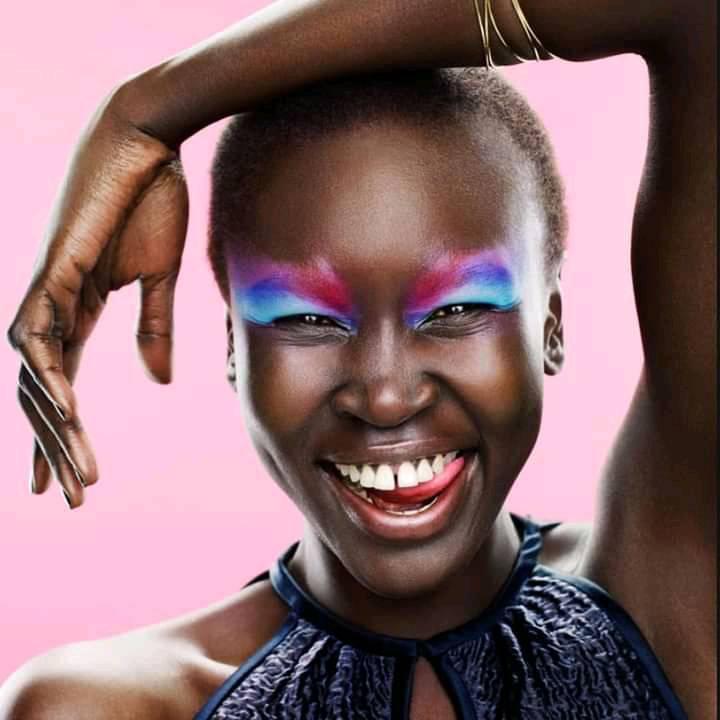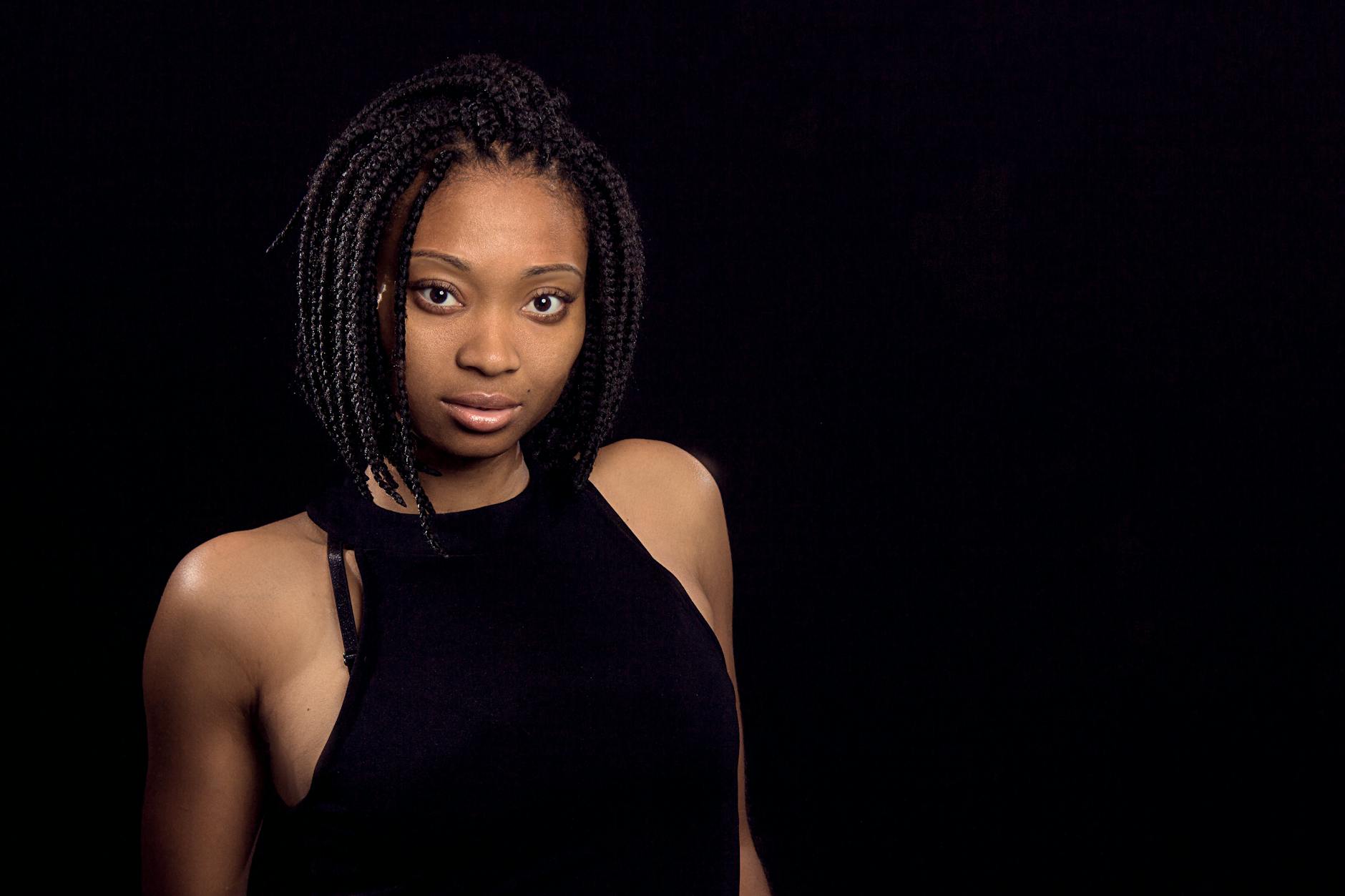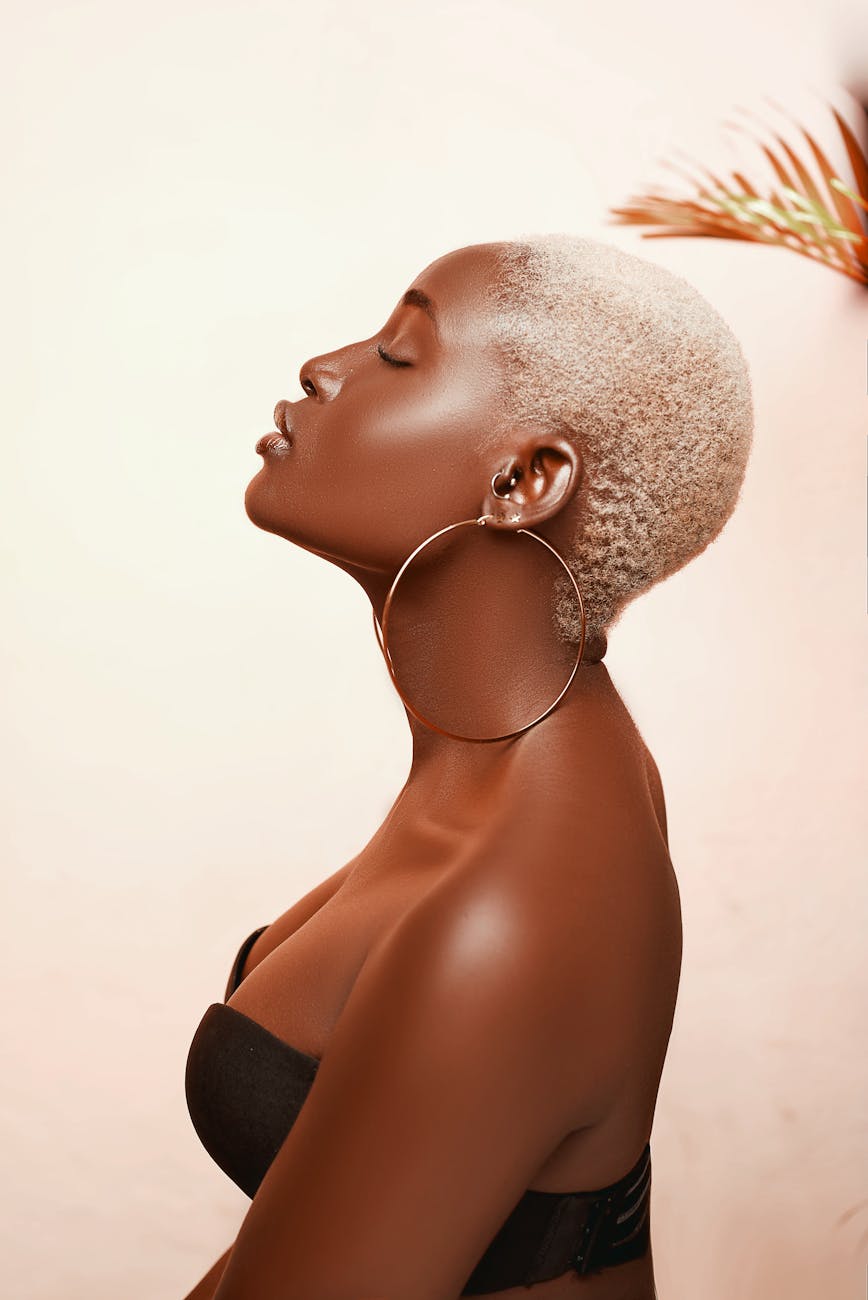
Tag Archives: melanin

The Skin Equation: Value, Beauty, and Bias. #thebrownpeopledilemma

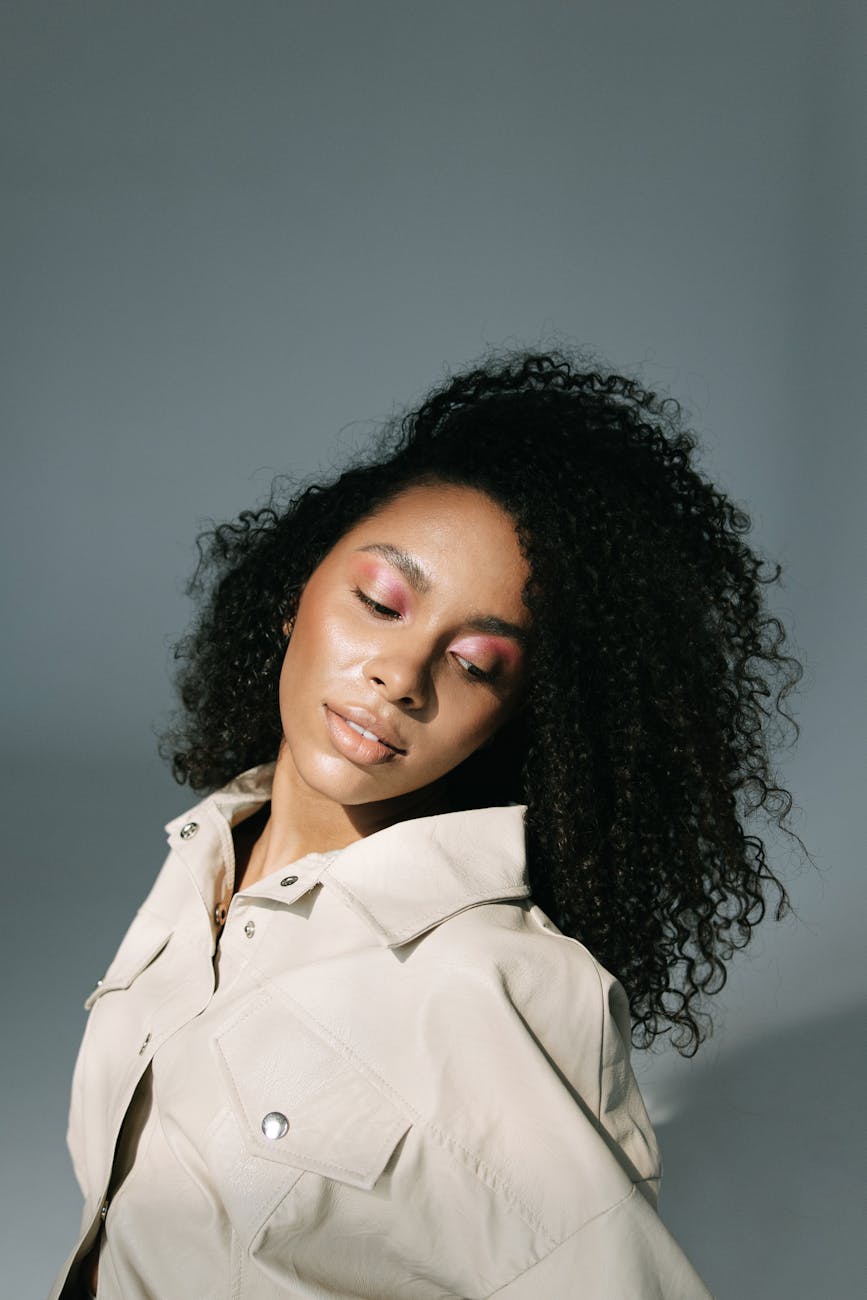
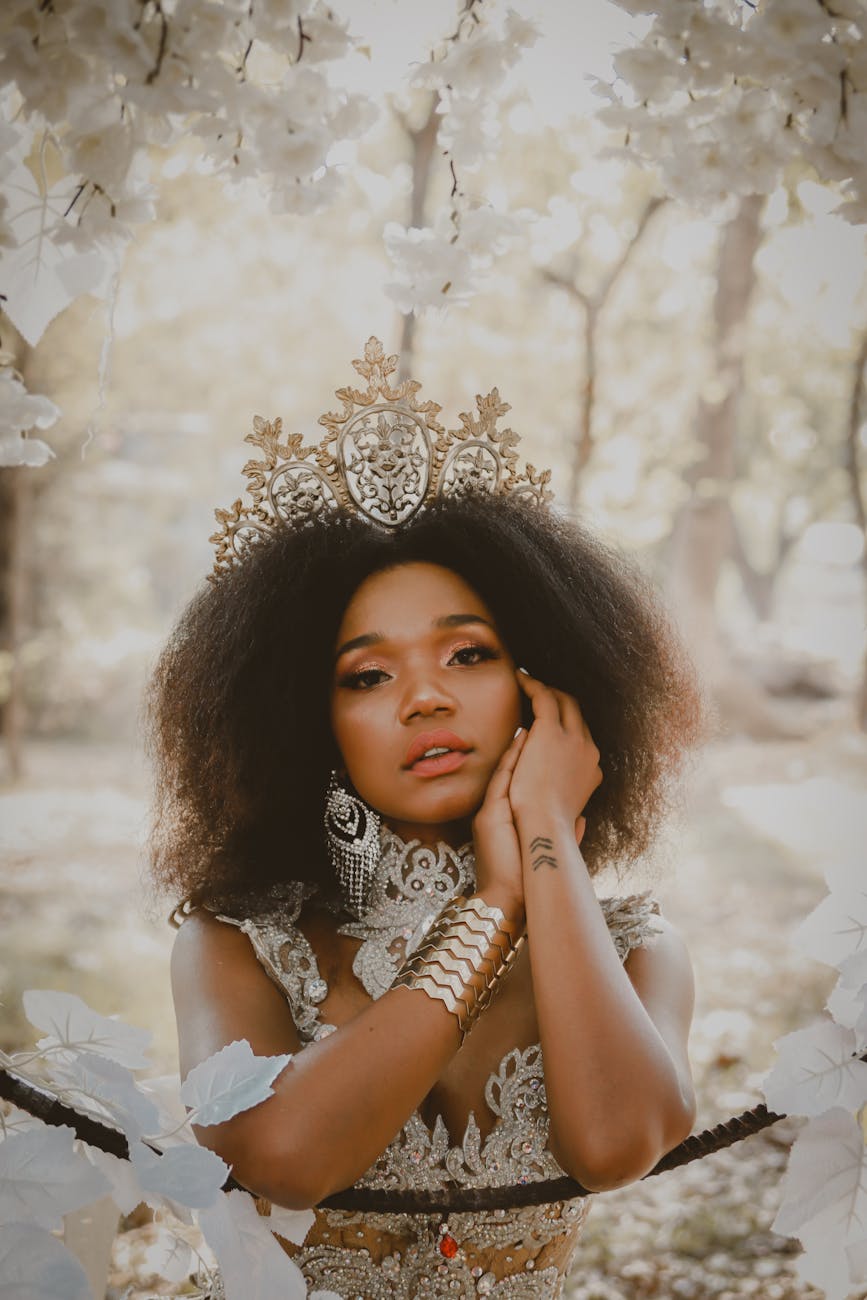
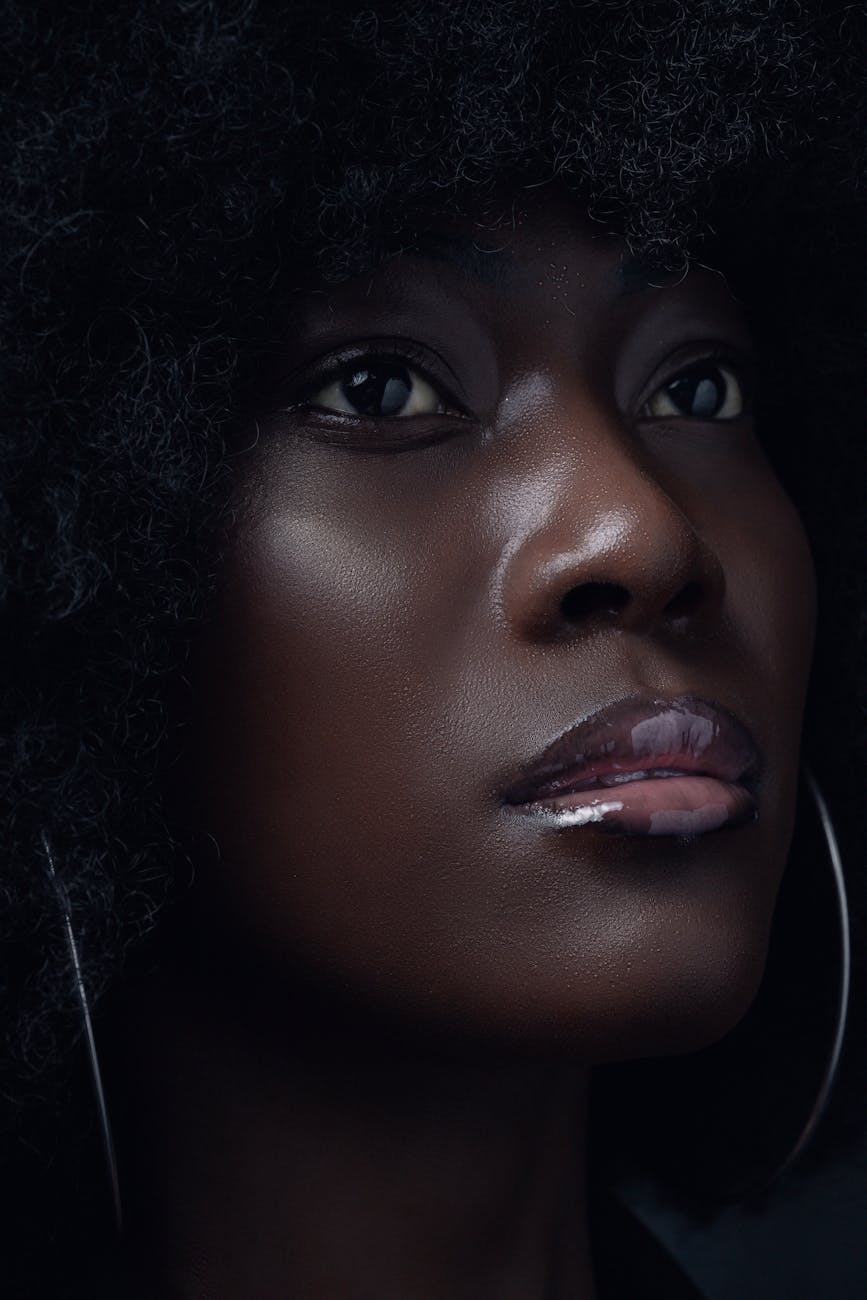
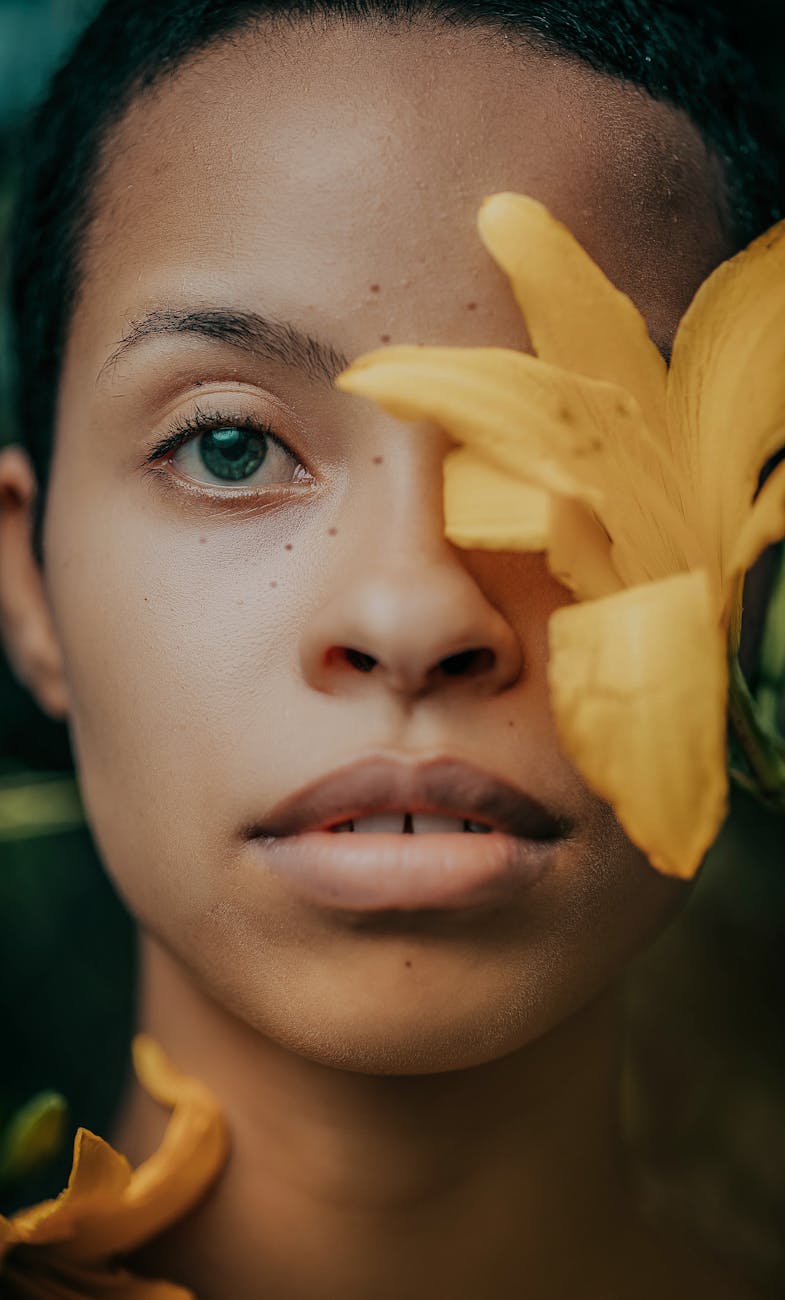
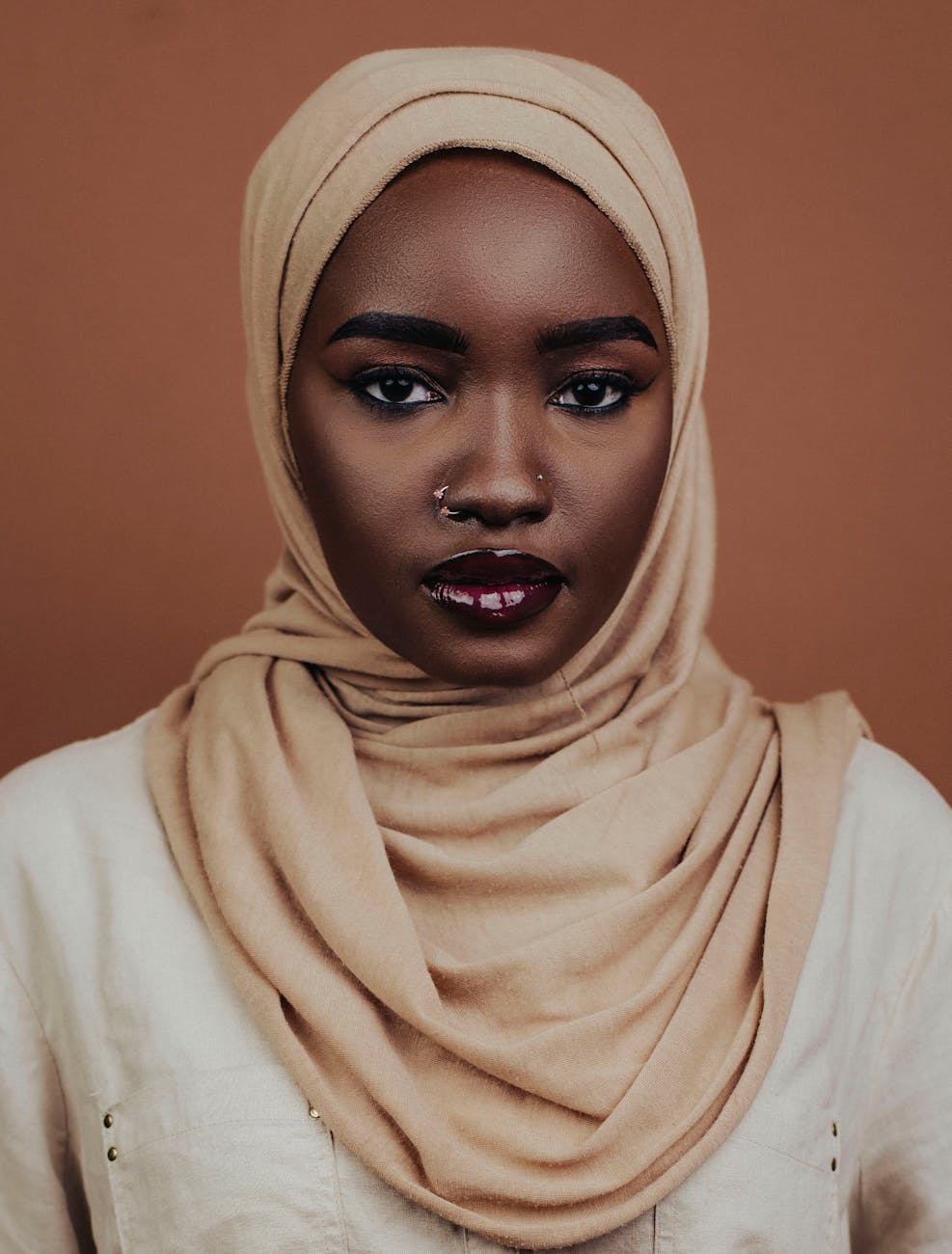
Photo by Bolaji Balogun on Pexels.com

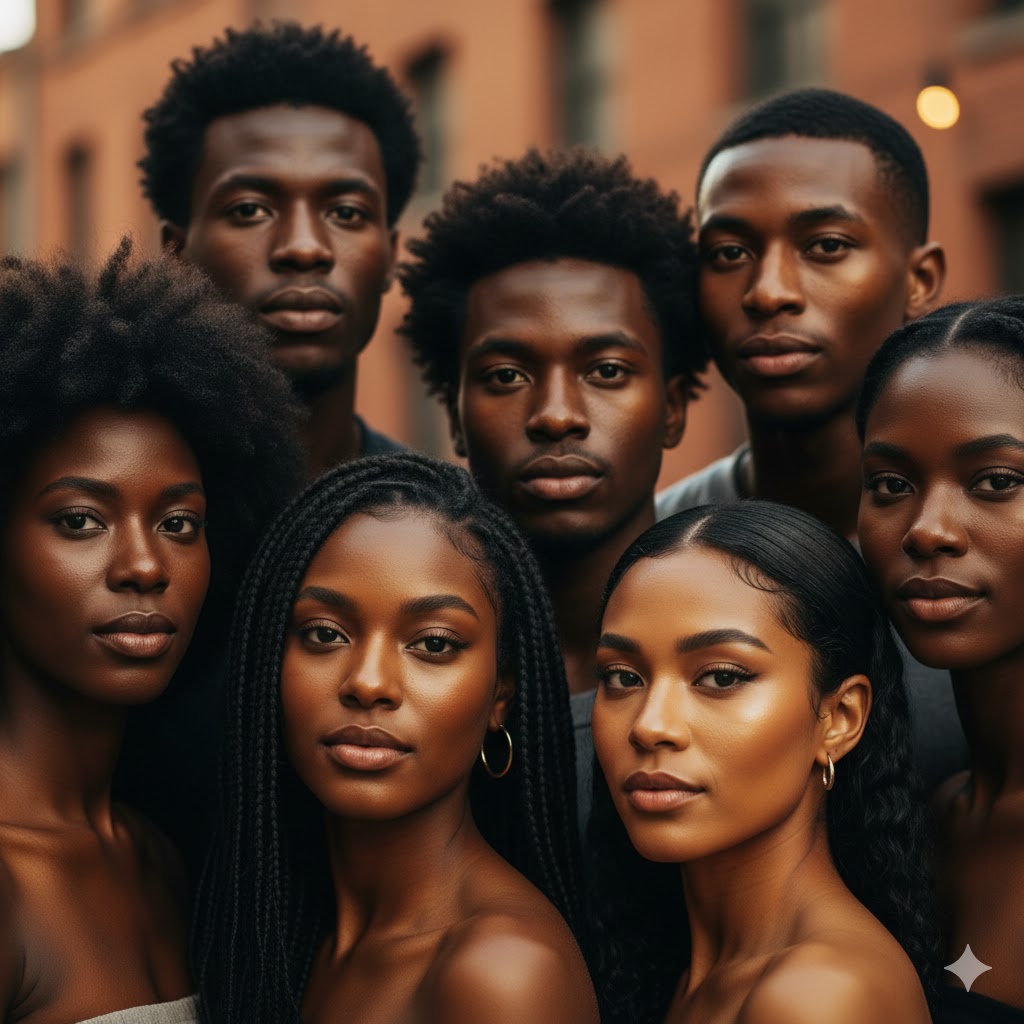
The politics of skin color remains one of the most enduring social hierarchies across the world. Within the spectrum of human diversity, the color of one’s skin has historically functioned as a social equation — determining beauty, value, and belonging. This “skin equation” reflects not only aesthetic preferences but also deep-rooted power dynamics forged through colonialism, slavery, and systemic racism. In modern times, it continues to shape how people of color, particularly within the African diaspora, perceive themselves and others.

Skin tone has become a social currency, an unspoken determinant of privilege and opportunity. In post-slavery societies, lighter skin was often associated with freedom, education, and proximity to whiteness — while darker skin became stigmatized as a visual marker of servitude and inferiority (Hunter, 2007). This hierarchy birthed what is now known as colorism, a phenomenon that exists both within and outside of racial boundaries, influencing social mobility, media representation, and romantic desirability.

Beauty standards, largely shaped by Eurocentric ideals, perpetuate the marginalization of darker complexions. Historically, the Western world’s definition of beauty has been tethered to lightness — straight hair, thin noses, and pale skin. These features were systemically glorified in art, advertising, and cinema, creating a global aesthetic code that devalued African features. As a result, many individuals internalized color-based bias, linking lighter skin with attractiveness and success.

This internalized bias, as theorized by Frantz Fanon in Black Skin, White Masks (1952), results in psychological fragmentation. The colonized subject learns to desire the oppressor’s image, wearing a metaphorical “white mask” in pursuit of acceptance. Fanon’s analysis highlights that colorism is not merely an aesthetic issue but a form of psychological violence, teaching the oppressed to despise their reflection.

In the Americas, color hierarchies were institutionalized through systems like the “one-drop rule” and the “mulatto caste,” where mixed-race individuals were placed above darker-skinned Africans. This practice reinforced racial purity ideologies and divided the Black community along pigment lines. Even after emancipation, these divisions persisted — visible in employment discrimination, political leadership, and media representation (Russell, Wilson, & Hall, 1992).

The entertainment industry further amplifies the bias of the skin equation. Light-skinned actors and models are often cast as romantic leads or beauty icons, while darker-skinned individuals are relegated to roles of servitude or aggression. This pattern, sometimes called “color-coded casting,” communicates to audiences that lightness equates to worthiness and desirability. It becomes a subconscious pedagogy — teaching viewers which shades deserve empathy and admiration.

However, the rise of digital media has sparked a counter-narrative. Movements like #MelaninMagic and #BlackGirlMagic have redefined beauty through the celebration of dark skin tones. Social media platforms have allowed creators to subvert Eurocentric imagery by showcasing diverse complexions in their natural splendor. This reclamation of aesthetic autonomy represents a cultural resistance — an act of rewriting the visual narrative of beauty.

The “skin equation” also extends to economics. In numerous studies, lighter-skinned individuals have been shown to earn higher wages, receive shorter prison sentences, and be perceived as more intelligent or trustworthy than their darker-skinned peers (Maddox & Gray, 2002). These disparities indicate that colorism functions as an economic bias as much as a cultural one.

In the realm of dating and marriage, skin tone continues to influence desirability politics. Research shows that lighter skin correlates with perceptions of femininity and gentleness in women, and with professionalism and status in men. These notions, deeply entrenched in colonial logic, sustain social hierarchies even within intra-racial relationships.

Globally, skin lightening remains a billion-dollar industry, particularly in regions like Africa, Asia, and the Caribbean. The marketing of bleaching products often implies that success, romance, and prestige are achievable through lightness. Such campaigns perpetuate a colonial beauty mindset — convincing the consumer that transformation toward whiteness equals empowerment, when in truth it is an extension of self-erasure (Glenn, 2008).

Colorism’s impact on identity development is particularly harmful among children and adolescents. Studies reveal that darker-skinned children often face more bullying and internalized shame, resulting in lower self-esteem (Wilder, 2010). This early conditioning establishes a lifelong struggle between self-acceptance and societal rejection, producing adults who must heal from inherited bias.

Religious and spiritual imagery has also played a role in reinforcing skin hierarchies. The portrayal of divine figures as white — from angels to Christ — encoded whiteness as holiness and blackness as sinfulness. This theological distortion produced what some scholars call “pigment theology,” where color became synonymous with morality (Cone, 1970). Such images continue to shape subconscious associations of purity and impurity.

In African and Caribbean contexts, the colonial past lingers in linguistic and cultural symbols that favor lightness — phrases like “fair and lovely” or “bright and clean” carry subtle biases. In these societies, color becomes both a marker of postcolonial trauma and an indicator of social aspiration. The residue of empire thus lives on in the language of beauty and respectability.

Despite these systemic issues, the reclamation of dark skin as divine and regal has gained momentum in recent decades. Artists, theologians, and activists have sought to reframe Blackness as sacred — connecting it to African spirituality, biblical lineage, and ancestral royalty. This reimagining restores balance to the skin equation by asserting that melanin is not a curse but a crown.

From a psychological perspective, the deconstruction of colorism requires reprogramming collective self-image. Healing involves education, representation, and the dismantling of media-driven hierarchies. When people of all shades see themselves reflected positively in culture, they begin to rewrite the equation of value and beauty from within.

Sociologically, the persistence of colorism reveals how racism mutates over time. As overt racial segregation wanes, colorism operates subtly — maintaining inequality through aesthetics rather than legislation. This covert discrimination is harder to detect but equally destructive to communal unity.

Educational reform also plays a role in dismantling the skin equation. Curriculums that include African civilizations, Black inventors, and darker-skinned beauty icons broaden the definition of excellence. When children learn to associate dark skin with intelligence, creativity, and leadership, they internalize empowerment rather than shame.

The media’s future lies in the intentional elevation of diverse skin tones — in fashion campaigns, film casting, and advertising. Representation must move beyond tokenism toward genuine inclusivity, celebrating the full range of human hues. Only through visual equity can we begin to repair centuries of aesthetic injustice.

Ultimately, the “skin equation” reflects a collective moral test. It challenges societies to confront the hidden mathematics of bias that equate whiteness with worth and darkness with deficiency. The dismantling of this formula is both a spiritual and cultural act — requiring truth, love, and liberation. When we learn to see beauty not as a spectrum of shade but as a manifestation of soul, the equation balances at last.


References

Cone, J. H. (1970). A Black theology of liberation. Orbis Books.

Fanon, F. (1952). Black skin, white masks. Grove Press.

Glenn, E. N. (2008). Yearning for lightness: Transnational circuits in the marketing and consumption of skin lighteners. Gender & Society, 22(3), 281–302.

Hunter, M. (2007). The persistent problem of colorism: Skin tone, status, and inequality. Sociology Compass, 1(1), 237–254.

Maddox, K. B., & Gray, S. A. (2002). Cognitive representations of Black Americans: Reexploring the role of skin tone. Personality and Social Psychology Bulletin, 28(2), 250–259.

Russell, K., Wilson, M., & Hall, R. (1992). The color complex: The politics of skin color among African Americans. Anchor Books.

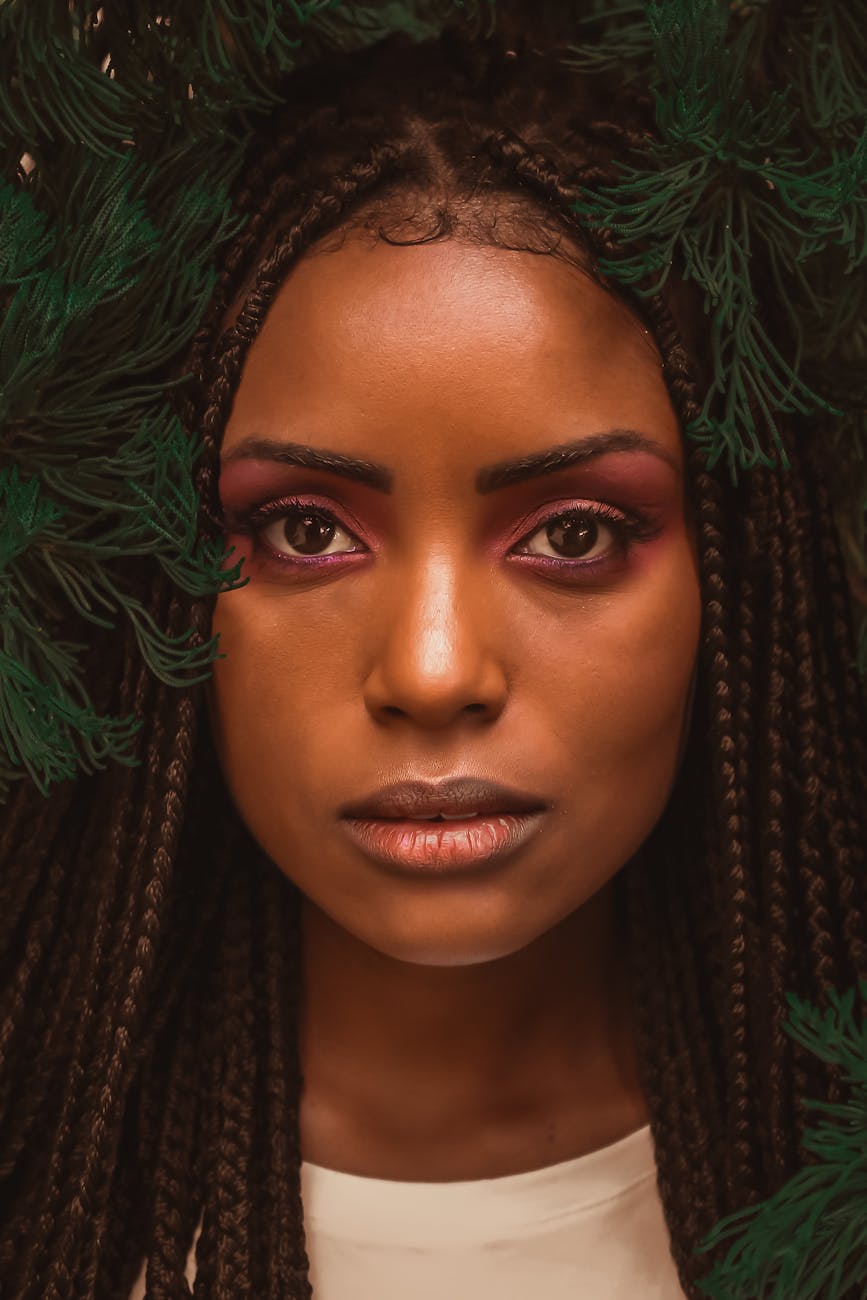
When Melanin Isn’t Enough

Photo by Daryl Johnson on Pexels.com

To be cloaked in melanin is to carry the history of a people, the beauty of creation, and the strength of survival. Yet for many, that sacred covering has not always guaranteed belonging, protection, or peace. When Melanin Isn’t Enough explores the painful paradox of being richly pigmented in a world that celebrates Black culture but resists Black humanity. It is a confession and a lament—a recognition that melanin, though powerful, cannot shield the heart from systems designed to wound it.

Melanin was meant to be glory. It is the pigment that absorbs sunlight and turns it into strength, a biological brilliance that protects, preserves, and radiates. Yet society, poisoned by racism and colonial beauty ideals, has turned that divine gift into a social marker of inferiority. For centuries, Blackness has been commodified and criminalized—embraced when fashionable, erased when inconvenient. The contradiction leaves many asking: if my skin carries the sun, why must I still fight to prove my worth under its light?

The struggle begins early. In classrooms and playgrounds, darker-skinned children often face ridicule, while lighter tones are subtly praised. These small moments plant seeds of self-doubt that blossom into lifelong insecurities. The child learns that melanin is both identity and liability, and the world’s mixed messages fracture the soul. “Am I too dark to be loved? Too Black to be accepted?” These questions echo long after childhood, haunting the adult who must unlearn the lies planted in innocence.

For the Black woman, melanin becomes both armor and target. She is admired when her features fit aesthetic trends, but dismissed when her authenticity challenges Eurocentric comfort. Her beauty is borrowed by fashion and filtered by media, yet she is often denied the credit for the culture she creates. When melanin isn’t enough, her humanity becomes conditional—validated only when it entertains or conforms.

The Black man, too, feels this contradiction deeply. His melanin, symbolizing ancestral might, is perceived through a lens of fear. His strength becomes threat; his presence, politicized. No matter how articulate, accomplished, or gentle he becomes, his skin too often writes his story before he speaks. He must navigate the exhausting tightrope between pride and safety, power and perception.

Melanin should have been a bridge of unity, but within the Black community, it sometimes becomes a border. Colorism, born from colonial residue, divides sisters and brothers into categories of worth. Light-skinned privilege and dark-skinned pain intersect in cycles of jealousy, guilt, and misunderstanding. This internal division weakens collective power, fulfilling the enemy’s agenda of disunity. Scripture warns, “Every kingdom divided against itself is brought to desolation” (Matthew 12:25, KJV). Healing requires honest reckoning with these inherited wounds.

Spiritually, when melanin isn’t enough, it is because the war is not of flesh but of perception. The world has misnamed Blackness—calling divine what is pale and calling inferior what is holy. Yet the Word declares, “I am fearfully and wonderfully made” (Psalm 139:14, KJV). The Creator, who formed man from the dust of the ground, did not err in His design. Melanin was God’s intentional artistry, not a cosmic afterthought. The error lies not in the pigment but in the gaze that refuses to see it as divine.

The emotional toll of that misperception is immense. Many who are richly melanated still feel unseen—rejected in corporate spaces, romantic relationships, and even faith communities. Society consumes the aesthetic of Blackness but denies its depth. From music to fashion to slang, melanin is celebrated in fragments while its full humanity is ignored. The world wants Black culture without Black people.

In this tension, faith becomes refuge. The believer learns that divine validation transcends social opinion. The Bible reminds us in 1 Samuel 16:7 that “man looketh on the outward appearance, but the Lord looketh on the heart.” When melanin isn’t enough to earn human acceptance, grace becomes the garment that restores identity. The faithful must remember that worth is not measured by shade or status, but by spiritual alignment.

History reveals that melanin alone did not save our ancestors from oppression—but their faith did sustain them. Enslaved Africans sang songs of deliverance even while bound, trusting a God who saw their pain beyond their pigmentation. Their melanin was their mark of identity, but their endurance was their proof of divinity. It reminds us that liberation is both physical and spiritual; the chains on the body can break faster than the chains on the mind.

Modernity presents a new kind of bondage—the bondage of performance. Blackness has become commodified, reduced to trends and tokens. Melanin-rich influencers are celebrated online, but the same society often neglects justice for the oppressed. Aesthetic appreciation without moral accountability is hollow. When melanin becomes a brand instead of a birthright, identity becomes performance rather than truth.

Healing begins with revelation. Melanin is enough—when seen through the eyes of God. It is enough when rooted in purpose, not performance. But it cannot bear the full burden of validation in a world still blind to its worth. The solution lies in balance: to love the skin without idolizing it, to embrace heritage without becoming enslaved to it, and to seek wholeness that begins within.

Community restoration depends on collective healing. When melanin-rich people affirm one another across shades and experiences, they dismantle centuries of divide-and-rule. Love becomes the new language of liberation. “Above all these things put on charity, which is the bond of perfectness” (Colossians 3:14, KJV). Only love—divine and communal—can make melanin more than enough.

Ultimately, When Melanin Isn’t Enough is a call to transcend pigment politics and embrace spiritual purpose. Melanin may be our covering, but it is not our completion. Our identity is not limited to skin but rooted in spirit. We are more than color—we are covenant. More than beautiful—we are chosen. The world may not always recognize that truth, but Heaven already has.

References

  • The Holy Bible, King James Version. (1611).
  • Banks, T. A. (2019). Colorism and the politics of beauty. Journal of Black Studies, 50(3), 243–261.
  • Hunter, M. (2007). The persistent problem of colorism: Skin tone, status, and inequality. Sociology Compass, 1(1), 237–254.
  • Walker-Barnes, C. (2020). Too heavy a yoke: Black women and the burden of strength. Cascade Books.
  • hooks, b. (1992). Black looks: Race and representation. South End Press.
  • West, C. (1993). Race matters. Beacon Press.

The Brown Girl Dilemma Anthology

Essays on Identity, Faith, and Resilience

Photo by Matheus Henrin on Pexels.com

Introduction: Naming the Dilemma

The story of the brown girl has too often been told by others—distorted by colonial narratives, diminished by Eurocentric beauty standards, and overshadowed by the structures of white supremacy. To be a brown girl is to exist at the crossroads of invisibility and hyper-visibility, of longing and defiance, of burden and brilliance. Yet, it is also to carry within one’s skin, history, and faith an unshakable strength.

This anthology, The Brown Girl Dilemma, weaves together eight reflections that explore the psychological, theological, and cultural experiences of brown girls. Each essay unpacks a layer of her reality: her struggles, her triumphs, her beauty, her biases, her faith, and her crown. Together, they paint a portrait of resilience and hope, testifying that the brown girl’s story is not merely one of survival but of victory.


Beyond the Mirror: Unpacking the Brown Girl Dilemma

Photo by Mwabonje Ringa on Pexels.com

The mirror often reflects not only one’s face but also the stories society has told about it. For brown girls, the mirror has been a site of battle. From childhood, they have been fed images that elevate whiteness as the pinnacle of beauty while positioning melanin as a flaw (Hunter, 2007). Yet beyond the mirror lies the truth: the brown girl is not a mistake but a masterpiece, fearfully and wonderfully made (Psalm 139:14, KJV). Her dilemma, therefore, is not inherent in her skin but imposed by cultural lies. The work of unpacking begins when she refuses to internalize the distortion, reclaiming the mirror as a site of affirmation rather than shame.


Beauty, Bias, and the Brown Girl Battle

Photo by Megwara Favour on Pexels.com

Beauty is not neutral. It is shaped by bias, wielded as a weapon, and coded into systems that privilege certain shades over others. Colorism—bias within communities of color that favors lighter skin tones—continues to affect employment, marriage prospects, and social mobility (Monk, 2014). The brown girl’s battle is not against her reflection but against these structures of exclusion. Yet resilience emerges when she embraces her natural beauty as sacred. Like the Shulamite woman of Song of Solomon, she can boldly declare: “I am black, but comely” (Song of Solomon 1:5, KJV). Her beauty becomes both resistance and revolution.


Sacred Shades: A Theological Look at the Brown Girl Dilemma

Photo by Ivan Samkov on Pexels.com

Scripture affirms the diversity of creation: “And God saw everything that he had made, and, behold, it was very good” (Genesis 1:31, KJV). Her melanin is no accident—it is sacred. Yet theology has been misused, with distorted readings of texts like the “curse of Ham” weaponized to justify slavery and racism (Goldenberg, 2003). A theological re-examination reveals that the brown girl is not cursed but chosen, not marginalized but mighty. Her shades are not blemishes but blessings, woven intentionally into the divine tapestry.


Brown Skin, Heavy Crown: The Weight of Representation

Photo by John Ray Ebora on Pexels.com

Representation is both privilege and burden. The brown girl often carries the pressure of being “the first,” “the only,” or “the token” in schools, workplaces, and media. Research on “tokenism” highlights the psychological toll of being isolated in professional settings (Kanter, 1977). Her crown is heavy because she is asked to stand not just for herself but for her entire community. Yet within this weight lies an opportunity: her very presence disrupts narratives of exclusion. Like Queen Esther, she steps into spaces of power “for such a time as this” (Esther 4:14, KJV), bearing her crown with dignity even when it feels crushing.


Invisible Yet Hyper-Visible: The Brown Girl Paradox

Photo by Jonatan Galvis on Pexels.com

The brown girl’s life is marked by paradox. In many contexts, she is invisible—overlooked in promotions, underrepresented in media, and silenced in public discourse (Collins, 2000). Yet in others, she is hyper-visible—her body fetishized, her features policed, her presence scrutinized. This double-bind echoes W.E.B. Du Bois’ (1903/1994) notion of “double consciousness.” Psychology confirms the strain of such contradictions (Harris-Perry, 2011), but it also testifies to the adaptability born from them. The brown girl learns to navigate invisibility and visibility with wisdom, asserting her presence in spaces that once denied her.


The Skin They Can’t Ignore: Brown Girls in a World of Whiteness

Photo by Bave Pictures on Pexels.com

Despite centuries of erasure, the brown girl’s skin refuses to disappear. From the runways of fashion to the classrooms of academia, from pulpits to parliaments, brown girls are reshaping global narratives (Craig, 2021). Their melanin is a marker of survival, a testimony to ancestors who endured and resisted. The world of whiteness may attempt to silence them, but their skin speaks—a language of resilience, beauty, and truth.


From Colorism to Confidence: Redefining the Brown Girl Dilemma

Photo by Andrea Piacquadio on Pexels.com

The journey from colorism to confidence is neither linear nor easy, but it is necessary. Healing begins when the brown girl rejects society’s scales of worth and embraces her own. Confidence does not erase the pain of exclusion, but it transforms it into power. With each affirmation, each step of self-love, she dismantles the very dilemma that once sought to define her. Psychology shows that affirming racial identity correlates with higher self-esteem and resilience (Sellers et al., 1998). The narrative shifts: she is no longer trapped in the binary of lighter versus darker but liberated in the fullness of her identity.


Shades of Struggle, Shades of Strength: The Brown Girl Experience

Photo by Lucas Pezeta on Pexels.com

The brown girl experience is a tapestry woven with both pain and power. Struggles with racism, sexism, and colorism are undeniable, but so is the strength cultivated through them. History remembers the voices of brown women who transformed struggle into legacy—Sojourner Truth, Audre Lorde, Maya Angelou, and countless unnamed others. Their resilience becomes inheritance, passed down to new generations of brown girls who rise stronger than those before them. Their lives declare that struggle and strength are not opposites but companions.


Conclusion: Rewriting the Dilemma

Photo by Darksight Image on Pexels.com

The brown girl dilemma is not an unsolvable riddle—it is a story in the process of being rewritten. Each essay in this anthology testifies to a different dimension of her truth: beauty, bias, theology, representation, paradox, visibility, confidence, and resilience. Together, they reveal that the dilemma was never truly hers but society’s.

The final word belongs to the brown girl herself. She is more than the reflection in the mirror, more than the burden of bias, more than the paradox of presence. She is sacred, crowned, resilient, and radiant. She is a daughter of the Most High, created in His image, carrying both the weight of her history and the brilliance of her destiny. And in her story, we find not only the struggle of brown girls but the strength of all humanity.


References

Collins, P. H. (2000). Black feminist thought: Knowledge, consciousness, and the politics of empowerment. Routledge.

Craig, M. L. (2021). Ain’t I a beauty queen?: Black women, beauty, and the politics of race. Oxford University Press.

Du Bois, W. E. B. (1994). The souls of Black folk. Dover Publications. (Original work published 1903)

Goldenberg, D. M. (2003). The curse of Ham: Race and slavery in early Judaism, Christianity, and Islam. Princeton University Press.

Harris-Perry, M. V. (2011). Sister citizen: Shame, stereotypes, and Black women in America. Yale University Press.

Hunter, M. (2007). The persistent problem of colorism: Skin tone, status, and inequality. Sociology Compass, 1(1), 237–254. https://doi.org/10.1111/j.1751-9020.2007.00006.x

Kanter, R. M. (1977). Men and women of the corporation. Basic Books.

Monk, E. P. (2014). Skin tone stratification among Black Americans, 2001–2003. Social Forces, 92(4), 1313–1337. https://doi.org/10.1093/sf/sou007

Sellers, R. M., Caldwell, C. H., Schmeelk-Cone, K. H., & Zimmerman, M. A. (1998). Racial identity, racial discrimination, perceived stress, and psychological well-being among African American young adults. Journal of Health and Social Behavior, 39(3), 302–314. https://doi.org/10.2307/2676348

The Holy Bible, King James Version.

Skin Deep Secrets: Confessions of a Brown Woman.

This photograph is the property of its respective owner. No copyright infringement intended.

In a world where skin tone often determines social acceptance, professional opportunity, and even perceived beauty, the “brown woman” stands at the crossroads of identity and judgment. Her complexion is both her armor and her battlefield, a silent storyteller of ancestral roots, resilience, and rejection. Yet beneath the surface lies a profound narrative of self-discovery — the confessions of a woman learning to love the skin she’s been taught to hide.

Colorism, a byproduct of colonialism and slavery, remains an insidious force in modern society. While racism distinguishes between races, colorism divides within them, privileging lighter complexions and marginalizing darker tones. The brown woman, often caught between societal ideals and her true self, is forced to reconcile with internalized hierarchies of shade and desirability.

In beauty culture, brown skin is often commodified — praised when exoticized yet criticized when authentic. The media portrays it as “sun-kissed,” “mocha,” or “golden,” terms that sanitize Blackness and dilute cultural identity. The brown woman’s skin becomes a marketing strategy rather than a manifestation of divine creation. Her image is reshaped not to celebrate her but to fit neatly into Eurocentric standards of beauty.

Growing up, many brown girls are told to “stay out of the sun” or “use this cream to lighten your skin.” These comments, passed down through generations, become psychological chains. They create a self-image dependent on proximity to whiteness. What begins as casual advice becomes an internalized inferiority complex, teaching young women to see themselves as “almost enough,” but never fully beautiful.

For many, this painful legacy begins at home. Families unconsciously perpetuate colorism through praise and criticism rooted in shade. “You’re pretty for a dark girl,” a common backhanded compliment, suggests that beauty is exceptional when found in darker tones. Such words wound deeply, shaping how brown women view themselves and others.

The entertainment industry reinforces these wounds. Light-skinned actresses and models often receive more roles, endorsements, and visibility. Meanwhile, brown women are relegated to the margins, portrayed as side characters, helpers, or symbols of struggle rather than elegance. The camera’s gaze has long been biased, framing beauty through a colonial lens.

In music videos, advertisements, and fashion campaigns, the ideal woman often resembles a hybrid — ethnically ambiguous yet close enough to whiteness to be universally marketable. This aesthetic erases brown women who reflect the majority of the global population, especially within the African diaspora, South Asia, and Latin America.

But amidst these systemic structures, the brown woman has begun reclaiming her power. Social media has become both her platform and her protest. Movements like #MelaninMagic and #BrownSkinGirl have amplified voices once silenced. Through self-photography, digital storytelling, and community building, women of color are redefining the narrative.

Still, empowerment comes with complexity. Online validation can be double-edged, reinforcing beauty hierarchies based on features, filters, and follower counts. The brown woman must navigate between self-love and digital performance, questioning whether the praise she receives is genuine or conditional.

Behind every confident selfie lies years of unlearning. It takes courage to stand before the mirror and see beauty rather than burden. It takes faith to reject billion-dollar industries built on bleaching creams and color-correcting foundations. To love brown skin is a political act — a rebellion against centuries of imposed shame.

The confessions of a brown woman are not only about pain; they are about survival. They are stories whispered in dressing rooms, sung in poetry, and written in journals — testaments to endurance and grace. Each confession is a declaration that says, “I am enough as I am.”

Brown women often discover that their beauty lies not in comparison but in contrast. Their tones mirror the earth, the cocoa bean, the sun at dusk — elements of nature itself. They are the shades of continuity, the living tapestry of humanity.

Education plays a crucial role in dismantling colorism. Teaching children about historical oppression, media literacy, and representation cultivates self-acceptance. When young brown girls see women like Lupita Nyong’o, Viola Davis, or Mindy Kaling celebrated for their achievements, it reshapes the standard of beauty for future generations.

Faith also anchors this transformation. Many brown women turn to spirituality to heal internalized wounds. Biblical affirmations such as “I am fearfully and wonderfully made” (Psalm 139:14, KJV) remind them that divine creation does not discriminate by shade. Their melanin is sacred, not shameful.

The global beauty market is slowly shifting. Brands are beginning to expand shade ranges and highlight diverse models, though often for profit rather than principle. True progress will come when darker skin is normalized, not exoticized — when representation reflects authenticity, not tokenism.

Yet the struggle continues. The brown woman’s journey toward self-acceptance is not linear but layered — a process of peeling back colonial residue to uncover divine identity. She learns that her worth cannot be defined by tone, trends, or validation, but by truth.

Her confession ends not in bitterness but in rebirth. She realizes that her melanin holds memory of sun, soil, ancestors, and God’s artistry. The very skin she once prayed to lighten now glows with confidence and consciousness.

The brown woman, once silenced, now speaks boldly. Her skin tells stories of resilience, rebellion, and revelation. She is no longer asking for recognition — she commands it. Her beauty is not skin-deep; it is soul-deep.

References

Ali, S. (2021). Colorism: The social and psychological impact of shadeism. Oxford University Press.
Hunter, M. (2017). Race, gender, and the politics of skin tone. Routledge.
Nyong’o, L. (2014). Lupita Nyong’o’s speech on beauty and self-acceptance. Essence Magazine.
Russell, K., Wilson, M., & Hall, R. (2013). The color complex: The politics of skin color among African Americans (2nd ed.). Anchor Books.
Walker, A. (1983). In search of our mothers’ gardens: Womanist prose. Harcourt.
Wilder, J. (2015). Color stories: Black women and colorism in the 21st century. Praeger.

The Melanin Manuscripts

The Melanin Manuscripts begin with a truth older than nations: that Blackness is not an accident but an inheritance. It is a coded brilliance written by the Creator Himself, woven into the skin of a people who have shaped the world with intellect, beauty, resilience, and spiritual depth. These manuscripts are not bound in leather but in lineage, carried in memory, DNA, culture, and faith. They tell a story the world tried to bury, yet like seeds planted deep, the story rose again.

In these manuscripts, melanin becomes both metaphor and miracle. Scientifically, melanin protects, preserves, and sustains life. Spiritually, it symbolizes endurance—an outward sign of an inward strength developed through centuries of struggle and triumph. This duality makes Blackness both biological and sacred, a mark of identity that connects descendants of Africa to ancient civilizations, sacred texts, and future generations.

The first chapter of the Melanin Manuscripts stretches back to African antiquity, where knowledge, philosophy, and mathematics flourished. Civilizations like Kush, Axum, Kemet, and Mali wrote history long before Europe learned to read it. Their scholars studied the stars, their architects built wonders, and their communities thrived through systems that valued family, spirituality, and communal strength. This ancient brilliance forms the prologue of Black identity, reminding the world that African contributions are foundational, not peripheral.

The manuscripts turn their pages to the era of the transatlantic slave trade, where the brilliance of melanin came under assault. Millions of men, women, and children were forced into captivity, their bodies commodified and their identities stripped. Yet even in chains, their holiness could not be erased. The manuscripts record that their survival was not luck but divine intervention, a testament to a God who heard their cries and preserved their descendancy.

Embedded in these pages is the spiritual power of the enslaved. They found in Scripture the God of Exodus—the One who breaks chains and lifts oppressed people into promise. They turned fields into sanctuaries, sorrow into songs, and nights of terror into mornings of hope. Their hymns carried coded messages of freedom, their prayers sustained their souls, and their faith ignited movements that would one day shake nations. These entries in the manuscripts shine with spiritual fire.

The Melanin Manuscripts record the intellectual genius of Black pioneers. Inventors like Garrett Morgan, scientists like George Washington Carver, educators like Mary McLeod Bethune, and physicians like Dr. Charles Drew wrote new chapters through innovation. Their brilliance overturned stereotypes and carved space for Black excellence in disciplines where doors had long been locked. Their achievements were not mere victories—each was a reclamation of stolen dignity.

The manuscripts also honor the warriors and liberators whose courage reshaped history. Nat Turner, Queen Nzinga, Toussaint Louverture, Harriet Tubman, and Ida B. Wells appear in their pages like prophets and generals. They waged war against systems built to crush them, insisting that freedom was non-negotiable. Their stories reveal a pattern: wherever oppression rose, resistance rose higher.

No manuscript would be complete without the artistry of Black culture. From spirituals to jazz, from gospel to hip-hop, from poetry to modern cinema, the creative power of a people who endured unthinkable pain gave birth to some of the world’s most influential art forms. These artistic chapters demonstrate that beauty, rhythm, and innovation arise naturally from melanin-rich souls who turn trauma into triumph and silence into symphonies.

The modern chapters of the Melanin Manuscripts reflect a global diaspora still rising. Scholars, activists, creators, and thinkers continue to shape conversations about identity, justice, leadership, and liberation. Their voices echo across continents, tying together Africa, the Caribbean, Europe, and the Americas. The global Black experience remains interconnected, bound by shared memory and ancestral strength.

These manuscripts reveal that melanin is more than pigment—it is a legacy. In a world that attempted to define Black people by struggle alone, these documents reclaim identity as powerful, intellectual, spiritual, and dignified. They argue that a people who built civilizations, survived enslavement, and transformed every society they touched cannot be reduced to stereotypes or oversight.

The Melanin Manuscripts affirm that Blackness is a story of survival, but also of sovereignty. It is not only about suffering; it is about strategy, leadership, beauty, and brilliance. It is the story of a people who refuse to disappear, who bloom in deserts, who rise from ashes, and who turn oppression into opportunity. This resilience is not accidental—it is inherited.

The manuscripts speak of family, of mothers whose hands held together entire bloodlines, and fathers who fought silently to protect their children’s futures. These domestic chapters reveal that survival often happens in private spaces long before it is visible in public records. Their sacrifices, though unrecorded, are written in the margins of these sacred archives.

The Melanin Manuscripts highlight the spiritual dimension of Black identity. Biblical connections to ancient African nations, the presence of Ethiopian and Cushite peoples in Scripture, and the prophetic resilience of a people familiar with exile and restoration make Black identity deeply intertwined with sacred text. This theological lineage strengthens the manuscripts’ authority.

Within these pages lies a call to remembrance. To forget the brilliance of Black history is to forget the sacredness of survival. To ignore the manuscripts is to lose part of the world’s greatest story of endurance, innovation, and faith. These documents demand reverence because they are written with the ink of ancestors and the blood of martyrs.

They also offer a call to future generations: continue writing. Every Black child becomes a new page in this divine anthology. Every achievement becomes a new chapter. Every act of courage, creativity, scholarship, or leadership expands the text. The manuscripts will never be complete because the story is still unfolding.

The Melanin Manuscripts are also testimonies. They testify that no system can erase God’s imprint on a people. They testify that truth surfaces even when buried. They testify that melanin, in all its richness, reflects not only beauty but a blueprint for resilience and royalty. These truths echo across generations.

Ultimately, these manuscripts remind the world that Black history is more than a subject—it is a sacred scroll. It is scripture written through lived experience, a holy archive that blends anthropology, theology, science, and poetry. It is the record of a people who endured the impossible and still shine like gold refined in fire.

The Melanin Manuscripts end where they began—with identity. A proud, powerful, God-ordained identity that no one can diminish. And so long as the manuscripts exist in memory, culture, and bloodline, Black brilliance will continue to rise, generation after generation, as both testimony and triumph.

References:
Psalm 68:31 (KJV); Jeremiah 30:10; Genesis 10:6–12; Gates, H. L. The African Americans: Many Rivers to Cross; Asante, M. K. The History of Africa; Diop, C. A. The African Origin of Civilization; Franklin, J. H. From Slavery to Freedom; Raboteau, A. Slave Religion; Oluadah Equiano, The Interesting Narrative; Davis, A. Women, Race & Class.

Pretty Privilege Series: Melanin Wars — Fighting for Equality Within Our Own Community.

Photo by Omotayo Samuel on Pexels.com

The history of colorism and shade hierarchies within the Black community reveals deep wounds that continue to shape identity, beauty standards, and opportunities. What some scholars call “melanin wars” are battles fought not against external forces of white supremacy alone, but within our own communities. These struggles reflect centuries of colonialism and slavery, where proximity to whiteness translated into privilege, and darker skin became stigmatized (Hunter, 2007).

Pretty privilege operates along this color spectrum, granting advantages to those with lighter skin tones while imposing disadvantages on those with darker complexions. This privilege manifests in dating, marriage prospects, media representation, and professional advancement. The cost is not just individual insecurity, but a collective fracture that keeps us divided rather than united.

During slavery, lighter-skinned Black people, often the children of enslaved women and white slaveholders, were sometimes afforded “house” roles rather than field labor. Though still enslaved, their perceived closeness to whiteness created hierarchies within Black life itself (Russell, Wilson, & Hall, 1992). These divisions laid the foundation for intra-racial tensions that persist centuries later.

The term “melanin wars” is symbolic of the psychological battles that occur when skin shade becomes the basis for worth. Dark-skinned individuals often report being seen as less attractive, less employable, and less trustworthy compared to lighter-skinned counterparts. Research by Keith and Herring (1991) confirms that skin tone has a measurable impact on socioeconomic outcomes, showing lighter-skinned African Americans tend to have higher incomes and educational attainment.

In the realm of beauty, these wars play out with devastating consequences. Lighter-skinned women are often upheld as the ideal, while darker-skinned women are objectified or marginalized. The phrase “pretty for a dark-skinned girl” encapsulates this bias. Such language reinforces the belief that beauty and melanin are at odds, perpetuating harm that seeps into self-esteem and soul.

For Black men, the melanin wars also hold weight. Darker-skinned men are more likely to be perceived as dangerous or aggressive, while lighter-skinned men may be considered less threatening. These stereotypes shape encounters with law enforcement, workplace dynamics, and even interpersonal relationships (Maddox & Gray, 2002).

These internal battles are not only social but spiritual. Genesis 1:31 (KJV) declares, “And God saw everything that he had made, and, behold, it was very good.” Yet, when communities internalize shade hierarchies, they deny the goodness of God’s creation. Melanin wars, at their root, represent a spiritual attack on identity and unity.

One of the greatest costs of this battle is disunity. Instead of standing together against systemic racism, communities fracture over internal shade differences. Galatians 5:15 (KJV) warns, “But if ye bite and devour one another, take heed that ye be not consumed one of another.” The melanin wars are a distraction that consumes energy which could be used to fight real systems of oppression.

Media representation intensifies the wars. Television, film, and music industries disproportionately cast lighter-skinned individuals in leading or romantic roles, while darker-skinned individuals are often relegated to side characters or villains. This symbolic violence reinforces the idea that worth and desirability are tied to complexion.

Families are not immune to the effects of shade hierarchies. Parents may, knowingly or unknowingly, favor lighter-skinned children, praising them more openly or assuming they will have an easier life. Such favoritism breeds resentment and insecurity, creating trauma that carries into adulthood.

Economically, the melanin wars are exploited by billion-dollar industries such as skin bleaching. In nations across Africa, the Caribbean, and Asia, skin-lightening creams promise social mobility and desirability, at the cost of physical and psychological health (Charles, 2003). The demand for these products reflects the global reach of colorism.

Theologically, the melanin wars are contrary to the vision of the kingdom of God. Revelation 7:9 (KJV) envisions a redeemed community of “all nations, and kindreds, and people, and tongues” united before God’s throne. Shade distinctions hold no eternal relevance in God’s presence, reminding us that human hierarchies are temporary and unjust.

Fighting for equality within our community requires first acknowledging the wounds. Denial only deepens harm, but truth opens the door to healing. John 8:32 (KJV) proclaims, “And ye shall know the truth, and the truth shall make you free.” Recognizing the structures of colorism is the first step toward freedom.

Education is critical in dismantling these hierarchies. By teaching children about the history of colorism, the beauty of all skin tones, and their identity as image-bearers of God, we equip future generations to resist these lies. Proverbs 22:6 (KJV) reminds us, “Train up a child in the way he should go: and when he is old, he will not depart from it.”

Healing also requires media accountability. By demanding diverse representation across shades, communities can push industries to portray the full spectrum of Black beauty. This shift is not just cosmetic but cultural, shaping how young people see themselves and others.

Unity is perhaps the most powerful weapon against melanin wars. When communities intentionally uplift one another, celebrate all shades, and refuse to participate in divisive practices, the chains of colorism weaken. As Ecclesiastes 4:12 (KJV) declares, “And if one prevail against him, two shall withstand him; and a threefold cord is not quickly broken.”

Mentorship also plays a role in healing. When darker-skinned individuals see role models who are thriving in faith, leadership, and influence, it counters narratives of inferiority. Representation in leadership, academia, ministry, and business reshapes expectations of worth and potential.

Spiritually, prayer and the renewing of the mind are essential. Romans 12:2 (KJV) commands, “Be ye transformed by the renewing of your mind.” Breaking free from melanin wars requires deliverance from toxic thought patterns and the embrace of biblical truths about identity.

The fight for equality within our community is ultimately a fight for the soul. Melanin wars wound the heart, divide the body, and distort the image of God. But healing is possible through truth, unity, and love. By confronting the cost of shade and dismantling its privileges, the community can move toward wholeness.

In the end, melanin is not a curse but a crown. The wars we fight against each other can be transformed into victories of solidarity if we choose love over envy, affirmation over insecurity, and unity over division. Equality within the community begins when we refuse to let shade determine worth, and instead, embrace the divine truth that every complexion is a reflection of God’s beauty.


References

  • Charles, C. A. D. (2003). Skin bleachers’ representations of skin color in Jamaica. Journal of Black Studies, 33(6), 711–728.
  • Hunter, M. (2007). The persistent problem of colorism: Skin tone, status, and inequality. Sociology Compass, 1(1), 237–254.
  • Keith, V. M., & Herring, C. (1991). Skin tone and stratification in the Black community. American Journal of Sociology, 97(3), 760–778.
  • Maddox, K. B., & Gray, S. A. (2002). Cognitive representations of Black Americans: Reexploring the role of skin tone. Personality and Social Psychology Bulletin, 28(2), 250–259.
  • Russell, K., Wilson, M., & Hall, R. (1992). The Color Complex: The Politics of Skin Color Among African Americans. Anchor Books.
  • The Holy Bible, King James Version.

The Brown Standard

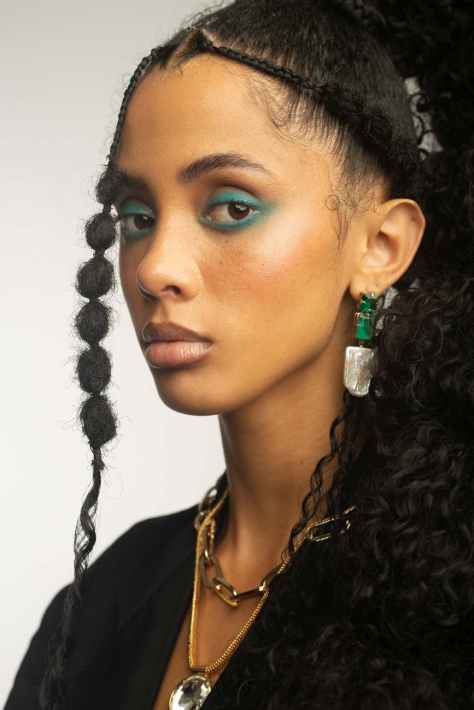
The Brown Standard of beauty is a celebration of melanin-rich aesthetics, cultural heritage, and racial pride. It challenges Eurocentric beauty ideals by centering features historically marginalized yet deeply valued within Black and brown communities. From the warmth of light sun-kissed skin to the richness of deep chocolate tones, from big expressive eyes to small delicate ones, from broad noses to narrow bridges, and from full lips to more subtle contours, the Brown Standard honors the diversity of features shaped by ancestry, environment, and lineage. Hair textures—curly, coily, wooly, and naturally sun-kissed fros—are celebrated as both aesthetic markers and cultural symbols. This standard recognizes beauty not merely as symmetry or proportion but as an embodiment of heritage, identity, and lived experience.

Historically, African civilizations revered features now central to the Brown Standard. Sculptures, carvings, and paintings depict broad noses, full lips, and textured hair as signs of dignity, strength, and nobility. Beauty was intertwined with status, spirituality, and communal values rather than arbitrary or externally imposed standards. As Asante (2003) emphasizes, African societies understood aesthetics as a reflection of balance, harmony, and moral character.

Colorism, however, complicates the Brown Standard. Hunter (2007) observes that lighter skin tones have historically received greater social recognition and privilege, even within communities of color. The Brown Standard emerges as both a reclamation and a counter-narrative: it affirms that beauty exists across the spectrum of melanin-rich skin and that features long devalued by colonial and Eurocentric influence are inherently beautiful.

Socially, the Brown Standard functions as a form of aesthetic capital (Bourdieu, 1986). Individuals embodying these traits often gain visibility, credibility, and social deference within their communities. Big eyes, full lips, and textured hair can signal health, vitality, and cultural alignment. Yet, the standard is not prescriptive; it celebrates diversity and the individuality of melanin-rich features rather than enforcing conformity to a single template.

Psychologically, embracing the Brown Standard enhances self-esteem and cultural pride. Dion, Berscheid, and Walster (1972) demonstrate that perceptions of attractiveness influence assumptions about intelligence, kindness, and capability. In communities honoring the Brown Standard, individuals experience affirmation of their worth, resisting the internalized bias imposed by Eurocentric ideals.

Hair remains one of the most visible markers of the Brown Standard. Natural curls, coils, and fros are celebrated as symbols of authenticity, heritage, and resistance to assimilation. The reclamation of natural hair in recent decades represents both a personal and collective assertion of identity, challenging discriminatory practices in professional, educational, and social contexts (Rhode, 2010).

Facial features such as big eyes and full lips carry expressive power, conveying emotion, vitality, and presence. Broad noses and high cheekbones reflect ancestral lineage and are markers of cultural pride. Each feature contributes to a holistic aesthetic that communicates identity, resilience, and historical continuity.

The Brown Standard also acknowledges the interplay of skin tone and environmental influence. Sun-kissed tones, freckles, and variations in melanin distribution are celebrated as markers of natural beauty rather than flaws. This inclusivity fosters recognition of the wide range of expressions within melanin-rich populations.

Colorism continues to influence access to social and economic opportunities. Hamermesh (2011) notes that lighter-skinned individuals often receive favorable treatment, higher wages, and greater social mobility. The Brown Standard, by affirming the beauty of darker tones, challenges systemic bias and encourages broader societal recognition of diverse aesthetics.

Media representation plays a pivotal role in shaping the Brown Standard. For decades, Eurocentric models dominated television, film, and advertising. However, contemporary Black and brown media increasingly feature melanin-rich beauty in its varied forms, highlighting curly hair, full lips, and diverse skin tones. Representation affirms identity, validates aesthetic preference, and reshapes cultural perceptions.

The spiritual dimension of beauty within the Brown Standard cannot be overlooked. Biblical teachings emphasize that true worth lies in character, integrity, and divine favor rather than external appearance (1 Samuel 16:7). Yet, celebrating the beauty inherent in melanin-rich features aligns with a recognition of God’s creativity and the sacredness of His diverse creation.

Education and cultural discourse are essential to sustaining the Brown Standard. Schools, media, and community institutions can teach the history of Black aesthetics, the social consequences of colorism, and the value of melanin-rich features. Knowledge of ancestral beauty practices reinforces cultural pride and counters internalized bias.

The Brown Standard also intersects with gender. Women, in particular, face societal pressure to conform to Eurocentric ideals, yet embracing features aligned with the Brown Standard fosters empowerment and self-affirmation. Men similarly navigate expectations around masculinity and attractiveness, and recognition of ancestral features enhances confidence and social authority.

Psychologically, the affirmation of the Brown Standard combats feelings of invisibility or inadequacy. When communities celebrate features like sun-kissed fros, curly hair, and full lips, individuals internalize a sense of worth that resists systemic prejudice. This recognition contributes to mental health, social cohesion, and identity formation.

Culturally, the Brown Standard affirms continuity with African and diasporic heritage. Hairstyles, skin tones, and facial features function as living markers of lineage, connecting contemporary individuals to historical identity and ancestral pride. It celebrates the multiplicity of Black and brown beauty without imposing rigid conformity.

Colorism and the fetishization of lighter skin within global contexts reveal the ongoing struggle for equitable recognition. The Brown Standard challenges these hierarchies by emphasizing the legitimacy, attractiveness, and dignity of darker tones. It asserts that all expressions of melanin-rich beauty are valid, desirable, and worthy of visibility.

The Brown Standard also engages with intersectional identity. Skin tone, hair texture, facial features, and body shape intersect with culture, socioeconomic status, and historical context to influence how individuals are perceived. Recognition of this complexity ensures that the Brown Standard honors diversity rather than enforcing a narrow ideal.

Media, fashion, and beauty industries are beginning to reflect the Brown Standard more faithfully. Campaigns featuring a wide spectrum of skin tones, natural hair textures, and facial features expand societal understanding of beauty, affirming that aesthetics rooted in ancestry and melanin are compelling and desirable.

Ultimately, the Brown Standard is not merely a set of physical prerequisites but a holistic framework of cultural pride, identity, and self-affirmation. It celebrates the wide spectrum of melanin-rich skin, curly and wooly hair, big and small eyes, broad and narrow noses, and full or subtle lips. It is a standard grounded in ancestry, history, and lived experience, challenging Eurocentric hierarchies while elevating the dignity and visibility of Black and brown bodies.

In conclusion, the Brown Standard represents the intersection of history, culture, and aesthetics. It affirms the beauty inherent in diversity, the power of melanin-rich features, and the importance of honoring ancestral lineage. By embracing this standard, individuals and communities reclaim identity, resist colorism, and celebrate the unique and radiant expressions of Black and brown beauty.


References

Anderson, T. L., Grunert, C., Katz, A., & Lovascio, S. (2010). Aesthetic capital: A research review on beauty perks and penalties. Sociology Compass, 4(8), 564–575. https://doi.org/10.1111/j.1751-9020.2010.00312.x

Asante, M. K. (2003). The history of Africa: The quest for eternal harmony. Routledge.

Bourdieu, P. (1986). The forms of capital. In J. Richardson (Ed.), Handbook of theory and research for the sociology of education (pp. 241–258). Greenwood Press.

Dion, K., Berscheid, E., & Walster, E. (1972). What is beautiful is good. Journal of Personality and Social Psychology, 24(3), 285–290.

Eagly, A. H., Ashmore, R. D., Makhijani, M. G., & Longo, L. C. (1991). What is beautiful is good, but… A meta-analytic review. Psychological Bulletin, 110(1), 109–128.

Feingold, A. (1992). Good-looking people are not what we think. Psychological Bulletin, 111(2), 304–341.

Hunter, M. (2007). The persistent problem of colorism: Skin tone, status, and inequality. Sociology Compass, 1(1), 237–254. https://doi.org/10.1111/j.1751-9020.2007.00006.x

Langlois, J. H., et al. (2000). Maxims or myths of beauty? Psychological Bulletin, 126(3), 390–423.

Rhode, D. L. (2010). The beauty bias: The injustice of appearance in life and law. Oxford University Press.

Wilson, T. D. (2002). Strangers to ourselves: Discovering the adaptive unconscious. Harvard University Press.

Gafney, W. (2017). Womanist midrash: A reintroduction to the women of the Torah and the Throne. Westminster John Knox Press.

🌺 Colored Girls: The Beauty and The Brains 🌺

Photo by Fernanda Simu00f5es on Pexels.com

The term “colored girls” historically referred to Black women, often during eras of segregation and inequality. Though originally used as a label of exclusion, it has been reclaimed to celebrate the beauty, intellect, and resilience of women of African descent. The Bible affirms this dignity, saying, “I am black, but comely” (Song of Solomon 1:5, KJV). This declaration turns what society once treated as inferior into a statement of divine pride and purpose.

Black women have always been pillars of strength, intellect, and creativity. They have excelled in education, becoming one of the fastest-growing demographics in higher education enrollment (NCES, 2022). Proverbs 31:26 (KJV) perfectly describes this brilliance: “She openeth her mouth with wisdom; and in her tongue is the law of kindness.” From classrooms to boardrooms, colored girls are showing that their intelligence is as radiant as their physical beauty.

Psychologists argue that Black women’s determination is partly shaped by generations of survival under oppression. These challenges have forged a strong sense of identity and agency (Collins, 2000). Resilience, often called “the superwoman schema,” is both a blessing and a challenge — a source of strength but also a weight that requires rest and balance.

Culturally, the beauty of colored girls is celebrated worldwide. From our glowing melanin to our full lips, textured hair, and diverse body shapes, Black women are natural trendsetters. Global beauty markets have responded with bronzers, lip plumpers, and hairstyles inspired by Black women’s natural features. Psalm 139:14 (KJV) reminds us: “I will praise thee; for I am fearfully and wonderfully made.”

Psychology and science confirm why Black beauty is so striking. Facial symmetry, often associated with genetic health, is highly represented in African phenotypes (Little et al., 2011). Fuller lips, higher cheekbones, and wider-set eyes are viewed as youthful and attractive across cultures. Melanin provides natural photoprotection, slowing skin aging and giving Black women a radiant glow well into later life (Taylor, 2020). These biological features make colored girls admired around the globe.

This admiration has sometimes led to cultural appropriation, where others mimic the aesthetics of colored girls without acknowledging the history or struggles that come with them (Russell et al., 2013). Despite this, Black women continue to lead the way in music, fashion, art, and pop culture, influencing trends and shaping global beauty standards.

Examples abound of Black women who have shattered stereotypes. Michelle Obama, the first African American First Lady, is a symbol of grace, intelligence, and poise. Her advocacy for education, health, and empowerment of girls worldwide embodies the “brains” of colored girls. Her book Becoming became a bestseller, inspiring millions with her journey.

Maya Angelou is another powerful example. As a poet, writer, and activist, her work gave voice to generations of Black women. Her words “Still I rise” resonate with the resilience of colored girls everywhere. Her life demonstrates that beauty is not just physical but intellectual and spiritual.

In the realm of sports, Serena Williams exemplifies strength, discipline, and excellence. She not only dominated tennis but also challenged narrow definitions of femininity and beauty in athletics. Her journey shows that colored girls are multifaceted — strong competitors and nurturing mothers, unapologetically themselves.

Entertainment also celebrates the beauty and brains of colored girls. Viola Davis, an award-winning actress, uses her platform to tell authentic Black stories and advocate for diversity in Hollywood. Lupita Nyong’o, with her dark skin celebrated on magazine covers, shifted global beauty narratives and encouraged young Black girls to embrace their natural beauty.

Spiritual leadership is another area where Black women shine. Throughout history, they have been prayer warriors, deaconesses, and gospel singers who carried the church through trials. Their faith is not just for survival but for thriving. 1 Peter 3:3–4 (KJV) reminds us that true beauty is “the hidden man of the heart… even the ornament of a meek and quiet spirit.”

Psychologically, their strength has sometimes been romanticized as if they must always be strong. This expectation can lead to stress and emotional exhaustion. Mental health professionals now emphasize that Black women need safe spaces to rest and heal, reclaiming the right to be soft and cared for. Jesus’ words “Come unto me, all ye that labour and are heavy laden, and I will give you rest” (Matthew 11:28, KJV) remind them that strength also means knowing when to lay burdens down.

Globally, colored girls are admired not only for their beauty but also for their intellect and leadership. Nobel Prize winner Toni Morrison transformed literature by centering Black voices. Chimamanda Ngozi Adichie challenges global audiences to rethink feminism and identity through her books and speeches. These women embody beauty with depth and intellect that changes culture.

Even in STEM, women like Dr. Mae Jemison, the first Black woman in space, prove that colored girls literally reach for the stars. Their contributions remind the world that brains and beauty are not mutually exclusive — they coexist powerfully.

In everyday life, colored girls continue to set trends, educate communities, raise leaders, and stand on the frontlines of justice movements. They are the heartbeat of neighborhoods and the backbone of families, carrying forward legacies of survival and triumph.

In conclusion, “colored girls” are indeed the beauty and the brains — fearfully and wonderfully made, leaders in intellect, trailblazers in culture, and examples of strength and faith. The world may try to imitate their features, but it can never duplicate the soul, resilience, and brilliance that define them.


References

  • Collins, P. H. (2000). Black feminist thought: Knowledge, consciousness, and the politics of empowerment. Routledge.
  • Little, A. C., Jones, B. C., & DeBruine, L. M. (2011). Facial attractiveness: Evolutionary based research. Philosophical Transactions of the Royal Society B: Biological Sciences, 366(1571), 1638–1659.
  • National Center for Education Statistics (NCES). (2022). Status and trends in the education of racial and ethnic groups. U.S. Department of Education.
  • Russell, K., Wilson, M., & Hall, R. (2013). The color complex: The politics of skin color among African Americans. Anchor Books.
  • Taylor, S. (2020). Advances in understanding of skin of color. Journal of the American Academy of Dermatology, 82(1), 157–166.
  • The Holy Bible, King James Version.

The Ebony Dolls: Alek Wek

Sudanese Supermodel and Icon of Unconventional Beauty

This photograph is the property of its respective owner. No copyright infringement intended.

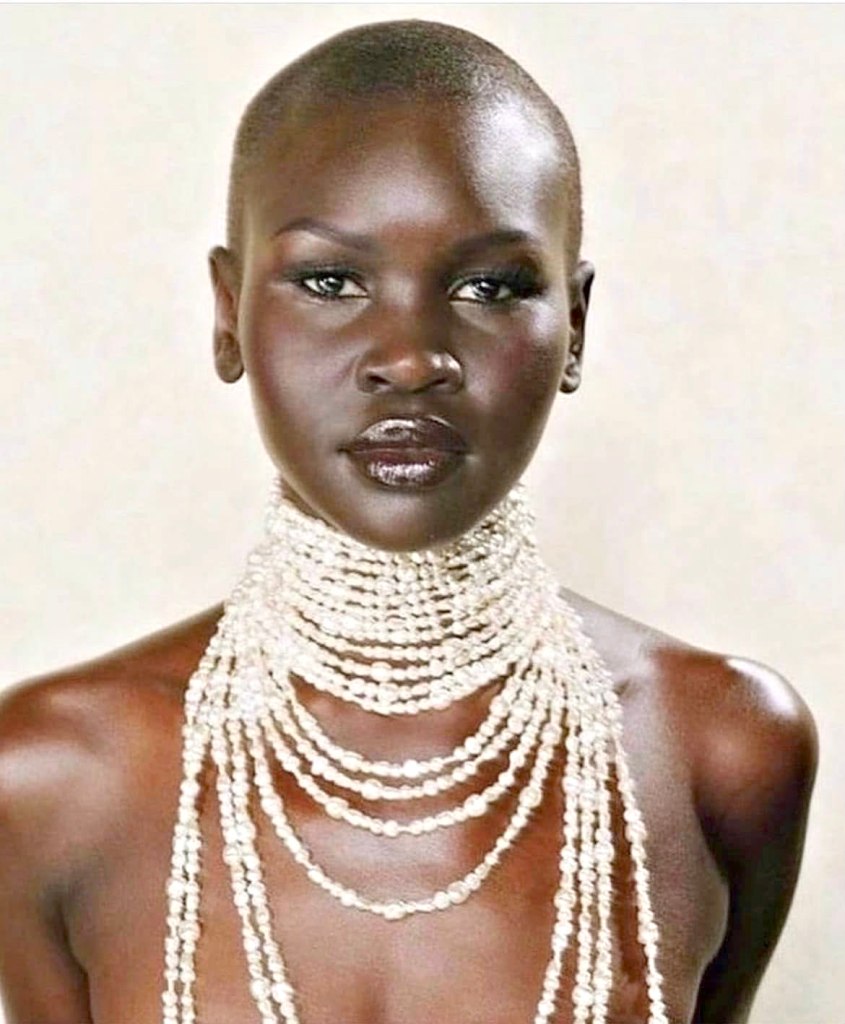
Alek Wek is a Sudanese-British supermodel and cultural icon whose emergence in the global fashion industry transformed dominant conceptions of beauty, race, and representation. Born on April 16, 1977, in Wau, South Sudan, Wek became one of the first African models to achieve international supermodel status in the late 1990s, celebrated not for conformity to Western standards but for her distinctly African features and richly melanated skin.

Wek’s early life was shaped by political violence and displacement. During the Second Sudanese Civil War, her family fled to London as refugees when she was 14 years old. This experience of forced migration profoundly shaped her worldview and later humanitarian advocacy, grounding her public identity in resilience and survival.

She was discovered in 1995 at an outdoor market in Crystal Palace, London, by a modeling scout from Models 1 agency. At the time, Wek had no prior connection to fashion and did not fit the conventional industry image of beauty. Her height, deep ebony skin, shaved head, and Nilotic facial features were considered “unmarketable” by traditional standards—yet these exact traits would soon redefine global beauty culture.

Wek’s breakthrough came in 1996 when she appeared in the iconic Calvin Klein Obsession fragrance campaign, photographed by Steven Meisel. The campaign was revolutionary, positioning a dark-skinned African woman at the center of a luxury brand’s visual identity. This marked one of the first times a Sudanese model was presented as the global face of high fashion.

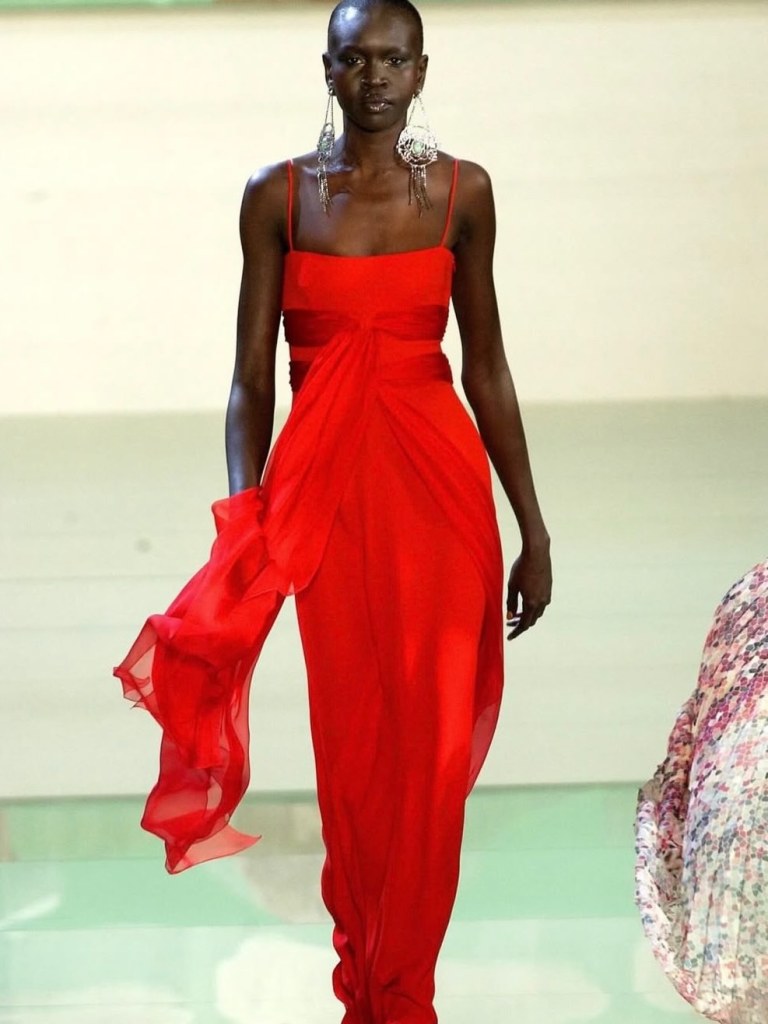
Her runway career quickly flourished, with appearances for elite designers including Chanel, Jean Paul Gaultier, Moschino, Givenchy, Donna Karan, Valentino, and Victoria’s Secret. She graced the covers of Vogue, Elle, Harper’s Bazaar, Allure, and i-D, becoming one of the most visible Black models of her generation.

Alek Wek is particularly celebrated for her “unconventional beauty,” a term often used to describe her departure from Eurocentric norms. Her elongated limbs, high cheekbones, almond eyes, sculptural facial structure, and shaved head embodied an Afrocentric aesthetic that was rarely elevated in Western fashion prior to her rise.

Her rich ebony dark skin became her most radical form of beauty capital. In an industry long dominated by lighter skin tones and racial assimilation, Wek’s melanation symbolized a form of aesthetic resistance. She did not soften her African features to fit Western ideals—she forced Western ideals to expand.

This photograph is the property of its respective owner. No copyright infringement intended.

Wek’s impact extended beyond modeling into cultural politics. She became a symbol of racial pride, particularly for dark-skinned Black women and African girls who had rarely seen themselves reflected in elite beauty spaces. Her visibility disrupted global color hierarchies and helped normalize deeply melanated beauty.

In 1997, Alek Wek was named MTV’s Model of the Year, and in 1998 she won Elle Magazine’s Model of the Year Award. These recognitions confirmed her status as not just a novelty, but a dominant fashion force.

She also transitioned into acting, appearing in films such as The Four Feathers (2002), further expanding her influence into global media representation. Her presence on screen continued the work of decolonizing visual narratives of African women.

Alek Wek has no publicly known husband and has remained largely private about her romantic life. She does not have children. Her public identity has been centered more on cultural leadership, advocacy, and representation than on traditional celebrity domestic narratives.

In 2013, Wek was appointed a UNHCR Goodwill Ambassador, using her refugee experience to advocate for displaced people worldwide. She has worked extensively with the United Nations, raising awareness about refugee rights, humanitarian aid, and African development.

Wek’s humanitarian mission aligns with her broader legacy: using beauty as a tool for social consciousness rather than commercial consumption. She reframes modeling as a platform for ethical visibility rather than mere spectacle.

In cultural theory, Alek Wek represents what scholars describe as “decolonial beauty.” Her image dismantles colonial hierarchies that positioned African features as inferior or primitive. Instead, she embodies African aesthetics as classical, regal, and sovereign.

As an “Ebony Doll,” Alek Wek symbolizes the highest form of Black feminine archetype—not sexualized, not exoticized, but monumental. The term here reflects a symbolic elevation: beauty that is iconic, ancestral, and spiritually grounded.

This photograph is the property of its respective owner. No copyright infringement intended.

Her shaved head became a signature aesthetic, challenging Eurocentric femininity that equates beauty with long hair and softness. Wek’s minimalism emphasized bone structure, skin, and presence, redefining femininity through strength and abstraction.

She is celebrated in academic, fashion, and cultural spaces as a pioneer of Afrocentric representation. Designers, photographers, and scholars frequently cite her as the model who made space for later figures like Nyakim Gatwech, Duckie Thot, Adut Akech, and Anok Yai.

Alek Wek’s legacy lies not in trend, but in transformation. She did not simply enter the fashion system—she altered its symbolic architecture.

Ultimately, Alek Wek is an Ebony Doll because she embodies what had long been denied: the idea that African features, dark skin, and refugee identity are not marginal, but magnificent. Her beauty is not decorative—it is historical.

She stands as a living monument to Black aesthetics, African resilience, and the global redefinition of what beauty means.


References

Wek, A. (2015). Alek: From Sudanese refugee to international supermodel. HarperCollins.

UNHCR. (2013). Goodwill Ambassador: Alek Wek biography. United Nations High Commissioner for Refugees.

Calvin Klein. (1996). Obsession fragrance campaign featuring Alek Wek.

Elle Magazine. (1998). Model of the Year Awards.

Banks, I. (2015). Black bodies in fashion: Representation and resistance. Fashion Theory, 19(3), 267–289.

Hunter, M. (2007). The persistent problem of colorism. Sociology Compass, 1(1), 237–254.

Bourdieu, P. (1986). The forms of capital. In J. Richardson (Ed.), Handbook of theory and research for the sociology of education (pp. 241–258). Greenwood.

Crenshaw, K. (1991). Mapping the margins: Intersectionality and identity politics. Stanford Law Review, 43(6), 1241–1299.

Entwistle, J. (2009). The aesthetic economy of fashion: Models and symbolic capital. Berg.

Living in the Middle Hue

Photo by Dellon Thomas on Pexels.com

To live in the middle hue is to exist in a space that is simultaneously visible and invisible. Brown-skinned women occupy a unique position within the color spectrum of Black beauty, standing between the lighter complexions that society often privileges and the darker complexions that increasingly symbolize resistance and resilience. This positioning creates a distinctive lived experience marked by tension, invisibility, and resilience.

Historically, colorism has shaped the trajectory of Black identity in profound ways. During slavery, skin tone was a marker of social hierarchy, with lighter-skinned individuals often placed in domestic roles and darker-skinned individuals subjected to field labor (Hunter, 2007). Brown-skinned women often stood somewhere in between, navigating ambiguous roles that reflected neither full privilege nor complete marginalization.

The legacy of these hierarchies remains. Contemporary psychology shows that skin tone significantly influences perceptions of attractiveness, intelligence, and competence (Hill, 2002). Brown-skinned women frequently find themselves overlooked, as if their shade renders them “neutral”—not exalted, not despised, but quietly ignored. This invisibility defines much of the “middle hue” experience.

Celebrities like Gabrielle Union, Nia Long, Sanaa Lathan, and Regina King exemplify this dynamic. Each has built a successful career, yet their complexions have not been consistently framed as cultural standards of beauty. Instead, they are remembered for talent, relatability, or resilience—qualities that, while admirable, subtly reflect society’s tendency to place brown-skinned women in the background rather than at the center.

The Bible offers an antidote to these hierarchies. Song of Solomon 1:5 (KJV) declares: “I am black, but comely, O ye daughters of Jerusalem.” The Shulamite’s affirmation reminds us that all shades of melanin, including the middle hues, are divinely beautiful. God’s design resists society’s categories, declaring beauty where humanity places division.

The psychological toll of colorism cannot be ignored. Social identity theory suggests that individuals derive worth from group belonging (Tajfel & Turner, 1986). When brown-skinned women are neither fully included in the praise of light skin nor in the pride of dark skin, they experience a fractured sense of belonging, resulting in anxiety, insecurity, and disconnection.

This fractured identity is especially pronounced in adolescence. Many young brown-skinned girls grow up hearing remarks such as, “You’re not light enough to be pretty” or “You’re not dark enough to be bold.” These microaggressions plant seeds of confusion and create internal struggles with identity. Living in the middle hue becomes a quiet battle for self-worth.

Romantic dynamics further illustrate this struggle. Research demonstrates that skin tone plays a role in partner preference and marriage patterns (Keith & Herring, 1991). Light-skinned women are often idealized as “trophy wives,” while dark-skinned women are increasingly celebrated for embodying cultural pride. Brown-skinned women, however, are frequently relegated to the “safe” or “average” category, reinforcing the pain of invisibility.

Yet, living in the middle hue also fosters resilience. Brown-skinned women often cultivate strength in navigating spaces that fail to affirm them. Celebrities like Regina King demonstrate this resilience, using their influence to expand representation and redefine what beauty, leadership, and artistry look like for women in the middle hue.

In popular culture, the erasure of brown skin persists. Spike Lee’s School Daze highlighted the tension between light and dark, but women of middle hues were largely sidelined, reflecting society’s reluctance to acknowledge their struggle. The middle hue continues to be minimized, even when discussions of colorism are at the forefront.

Anthropology describes this as liminality—existing on thresholds without belonging fully to either category (Turner, 1969). Brown-skinned women embody this liminal state, straddling two poles but never fully claimed by either. Living in the middle hue is, therefore, a cultural limbo marked by complexity and nuance.

Theologically, this liminality contradicts God’s design. Genesis 1:27 (KJV) affirms, “So God created man in his own image.” This declaration dismantles any human-created hierarchies. In God’s view, brown skin is not “middle” or secondary—it is equally part of His image, carrying the fullness of divine artistry.

Healing begins when brown-skinned women embrace this truth. Spiritual grounding reminds them that they are “fearfully and wonderfully made” (Psalm 139:14, KJV). Psychology echoes this, emphasizing that self-affirmation practices empower marginalized groups to resist internalized bias (Steele, 1988). Living in the middle hue can shift from invisibility to empowerment when women affirm their worth daily.

Representation in media is essential for healing. When brown-skinned women are centered as protagonists, love interests, and cultural icons, they redefine the narrative. Icons like Gabrielle Union, who has spoken openly about her experiences, help dismantle the silence surrounding the middle hue.

Intergenerational affirmation also plays a critical role. Brown-skinned mothers and mentors must teach young girls that their skin tone is not a compromise but a crown. Affirmation at home combats the cultural messages that reinforce invisibility, ensuring that the next generation lives confidently in their middle hue.

Community is another vital tool. Sisterhood spaces, where women affirm one another regardless of complexion, dismantle color hierarchies. Ecclesiastes 4:9-10 (KJV) emphasizes the power of support: “For if they fall, the one will lift up his fellow.” Healing requires unity, not competition, across the spectrum of Black womanhood.

The middle hue also represents balance. Brown skin carries the warmth of light tones and the richness of dark ones, embodying a harmony that reflects cultural wholeness. Rather than existing as a compromise, the middle hue symbolizes the blending of beauty across the spectrum.

Ultimately, living in the middle hue is both a challenge and an opportunity. The challenge lies in navigating invisibility, stereotypes, and comparison. The opportunity lies in embracing resilience, balance, and divine affirmation. Brown-skinned women represent a richness that society must learn to celebrate, not sideline.

In the end, living in the middle hue is not about being “in between”—it is about standing in fullness. Brown-skinned women are not halfway to beauty, nor shadows of extremes. They are radiant in their own right, carrying the glory of divine creation. When this truth is embraced, the blues of invisibility give way to the joy of affirmation.


References

  • Hill, M. E. (2002). Skin color and the perception of attractiveness among African Americans: Does gender make a difference? Social Psychology Quarterly, 65(1), 77–91.
  • Hunter, M. (2007). The persistent problem of colorism: Skin tone, status, and inequality. Sociology Compass, 1(1), 237–254.
  • Keith, V. M., & Herring, C. (1991). Skin tone and stratification in the Black community. American Journal of Sociology, 97(3), 760–778.
  • Steele, C. M. (1988). The psychology of self-affirmation: Sustaining the integrity of the self. Advances in Experimental Social Psychology, 21, 261–302.
  • Tajfel, H., & Turner, J. (1986). The social identity theory of intergroup behavior. In S. Worchel & L. W. Austin (Eds.), Psychology of intergroup relations (pp. 7–24). Nelson-Hall.
  • Turner, V. (1969). The ritual process: Structure and anti-structure. Aldine.
  • The Holy Bible, King James Version.