Tag Archives: lifestyle

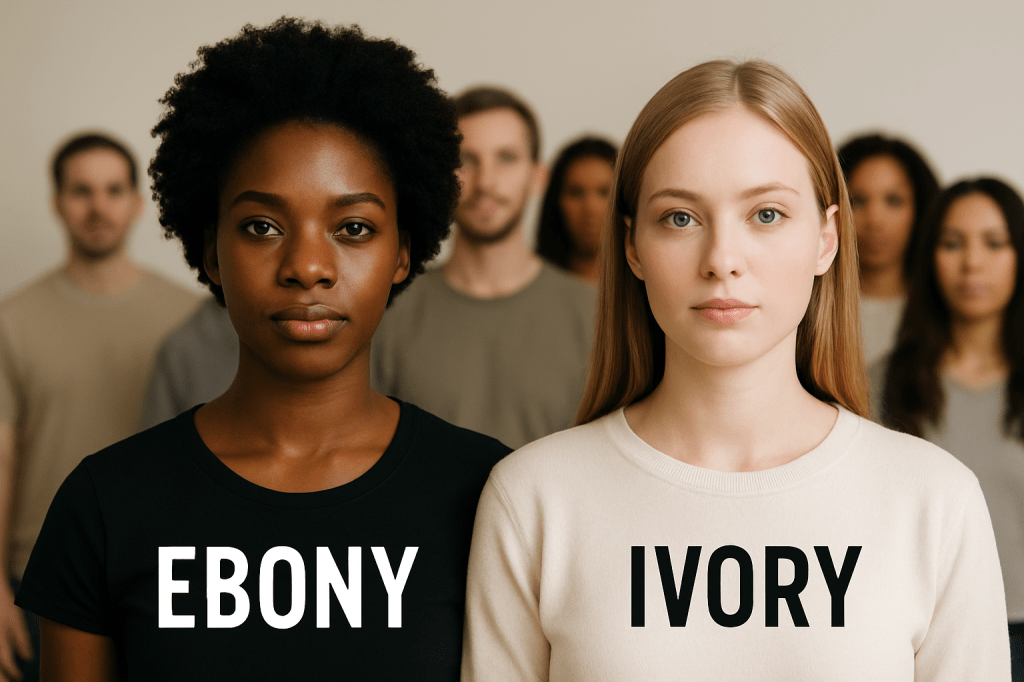
Ebony and Ivory: Two Shades, One Standard of Beauty.

From the dawn of civilization, beauty has been both a mirror and a weapon—reflecting ideals shaped by power and privilege, and wielded to define worth within social hierarchies. Within the globalized gaze of modernity, the politics of skin color continue to influence how femininity and desirability are perceived, especially among women of African descent. The notion of “Ebony and Ivory” evokes more than just color; it symbolizes the ongoing dialogue between light and dark, between acceptance and exclusion, and between the internalized and externalized standards of beauty that shape identity (hooks, 1992).

The idea of “two shades, one standard” captures the paradox of colorism: the simultaneous elevation and devaluation of Blackness within the same racial group. While “ivory” tones have historically been exalted as closer to Western ideals, “ebony” skin has often been marginalized, caricatured, or fetishized. Both ends of the spectrum, however, are measured against the same Eurocentric barometer that privileges whiteness as the ultimate aesthetic reference (Hunter, 2005).

This phenomenon, deeply rooted in colonialism, reveals how beauty became a tool of control. During the transatlantic slave trade, lighter-skinned enslaved individuals were often granted domestic positions and social proximity to white power structures, breeding intra-racial hierarchies that persist today. These legacies still echo in media representation, where lighter skin is frequently coded as “refined,” while darker tones are portrayed as “exotic” or “primitive” (Craig, 2006).

For many women of color, navigating these coded perceptions can be exhausting. The “brown girl dilemma” emerges when one feels too dark to be celebrated and too light to be considered authentically Black. This liminal existence is both a burden and a revelation—proof that beauty, as defined by Western constructs, remains an unattainable illusion that fractures rather than unites.

Beauty standards, much like colonial borders, were imposed rather than chosen. From the powdered faces of the Victorian era to the filtered glow of Instagram, the valuation of lightness has remained a constant aesthetic undercurrent. Yet, even within African and Afro-diasporic communities, this colonial inheritance continues to dictate preferences in partners, media icons, and even professional opportunities (Glenn, 2008).

In popular culture, colorism is often masked by phrases like “preference” or “type.” However, these preferences are rarely organic—they are sociologically constructed through centuries of imagery that equate lightness with purity and success, and darkness with defiance and struggle. The entertainment industry’s casting choices often reinforce these biases, rewarding lighter skin with visibility while relegating darker complexions to supporting or stereotypical roles (Russell, Wilson, & Hall, 2013).

This bias extends beyond film and television. In the global beauty market, skin-lightening creams generate billions annually, a grim testament to the internalization of Eurocentric ideals (Glenn, 2008). The psychological effects of such products are profound, suggesting that beauty is not only skin-deep but soul-deep, affecting one’s perception of self-worth and belonging.

For Black women, beauty is an act of survival. To adorn oneself becomes an assertion of existence in a world that often demands invisibility. From the regal hairstyles of precolonial Africa to the natural hair movement, Black women have continuously redefined and reclaimed their beauty on their own terms (Byrd & Tharps, 2014).

Yet, this reclamation is not without struggle. Within the Black community itself, hierarchies persist. The glorification of lighter women as more “marriageable” or “acceptable” continues to fracture solidarity. It is an unspoken inheritance of slavery’s psychological residue, perpetuated by both men and women who unconsciously valorize proximity to whiteness.

The darker-skinned woman often bears the weight of invisibility and hypervisibility simultaneously—ignored in spaces of admiration, yet scrutinized as the embodiment of resistance or rebellion. This double-bind mirrors W.E.B. Du Bois’ concept of “double consciousness,” wherein one is forced to see oneself through the lens of a world that refuses full recognition (Du Bois, 1903).

Light-skinned women, conversely, navigate their own complexities. While society may privilege them aesthetically, they are often accused of benefiting from colorism or being “not Black enough.” Thus, both ebony and ivory tones bear distinct forms of cultural alienation, tied together by an oppressive standard neither created (Monk, 2014).

In this context, beauty becomes not celebration but negotiation. Every compliment, every criticism, every casting call, and every social media post reinforces the invisible hierarchy of shade. The struggle is not between dark and light, but against the system that pits them against each other.

Media representation plays a critical role in dismantling or reinforcing these divides. When dark-skinned actresses like Lupita Nyong’o or Viola Davis are celebrated, it signals progress—but also exposes how rare such representation remains. Likewise, the inclusion of mixed-race models in campaigns may appear inclusive, yet often centers features still aligned with Eurocentric beauty (Tate, 2009).

To heal from this color divide, we must first acknowledge that beauty is not a monolith. It is plural, diverse, and spiritually rooted. In the biblical sense, humanity was created “in the image of God” (Genesis 1:27, KJV), meaning all shades reflect divine artistry. The rejection of any hue is, therefore, a rejection of the Creator’s design.

Moreover, Proverbs 31:30 reminds us that “favor is deceitful, and beauty is vain: but a woman that feareth the Lord, she shall be praised.” This verse redirects the gaze from the external to the eternal, urging women to seek validation not from comparison but from divine purpose.

Ebony and ivory are not opposites but complements, each contributing to the symphony of creation. Just as piano keys of contrasting colors produce harmony, so too can diverse complexions coexist in mutual admiration and respect. The beauty of one does not diminish the beauty of the other; together, they reveal the fullness of God’s palette.

True beauty transcends complexion—it emanates from character, compassion, and conviction. In a world obsessed with appearances, spiritual and cultural consciousness must redefine the standard. Beauty should not divide but dignify, not exclude but exalt.

To love one’s shade is to reclaim agency over identity. When Black women, in all their hues, embrace their reflection without apology, they dismantle centuries of aesthetic oppression. “Ebony and Ivory” then becomes more than a contrast—it becomes a covenant of self-acceptance and collective healing.

As we move forward, let beauty be measured not by shade but by soul. For when light and dark come together, they create balance, harmony, and wholeness—the true reflection of divine beauty.


References

Byrd, A. D., & Tharps, L. L. (2014). Hair Story: Untangling the Roots of Black Hair in America. St. Martin’s Press.
Craig, M. L. (2006). Race, beauty, and the tangled knot of a guilty pleasure. Feminist Theory, 7(2), 159–177.
Du Bois, W. E. B. (1903). The Souls of Black Folk. Chicago: A.C. McClurg.
Glenn, E. N. (2008). Yearning for lightness: Transnational circuits in the marketing and consumption of skin lighteners. Gender & Society, 22(3), 281–302.
hooks, b. (1992). Black Looks: Race and Representation. South End Press.
Hunter, M. L. (2005). Race, gender, and the politics of skin tone. Routledge.
Monk, E. P. (2014). Skin tone stratification among Black Americans, 2001–2003. Social Psychology Quarterly, 77(4), 360–379.
Russell, K., Wilson, M., & Hall, R. (2013). The Color Complex (Revised): The Politics of Skin Color Among African Americans. Anchor.
Tate, S. A. (2009). Black Beauty: Aesthetics, Stylization, Politics. Ashgate Publishing.
The Holy Bible, King James Version (KJV). (1611).
The Cost of Being Beautiful: Exploitation, Validation, and Visibility.

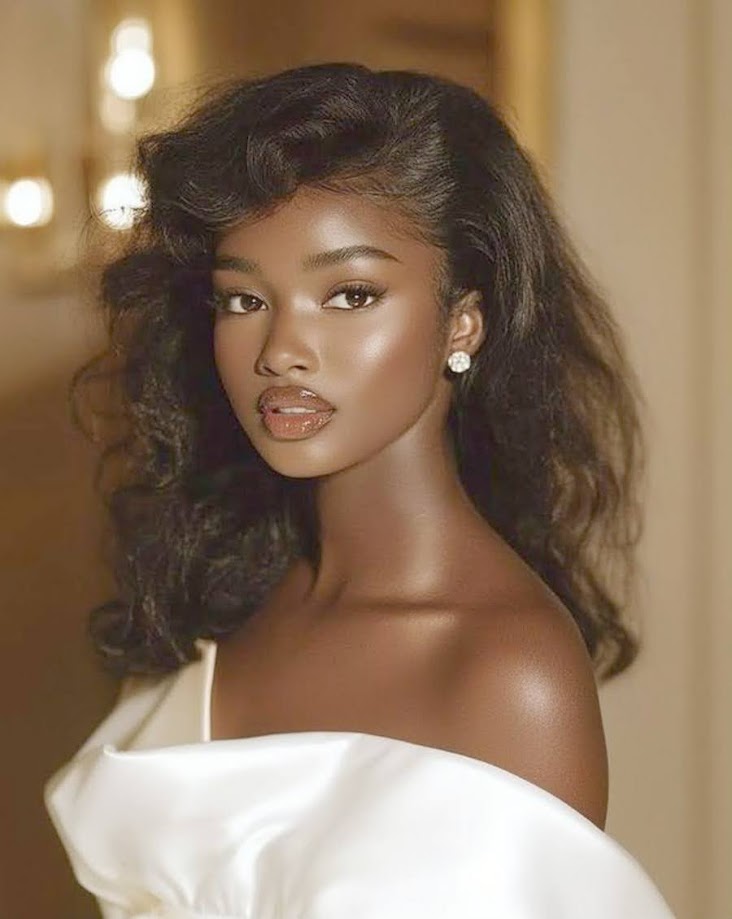
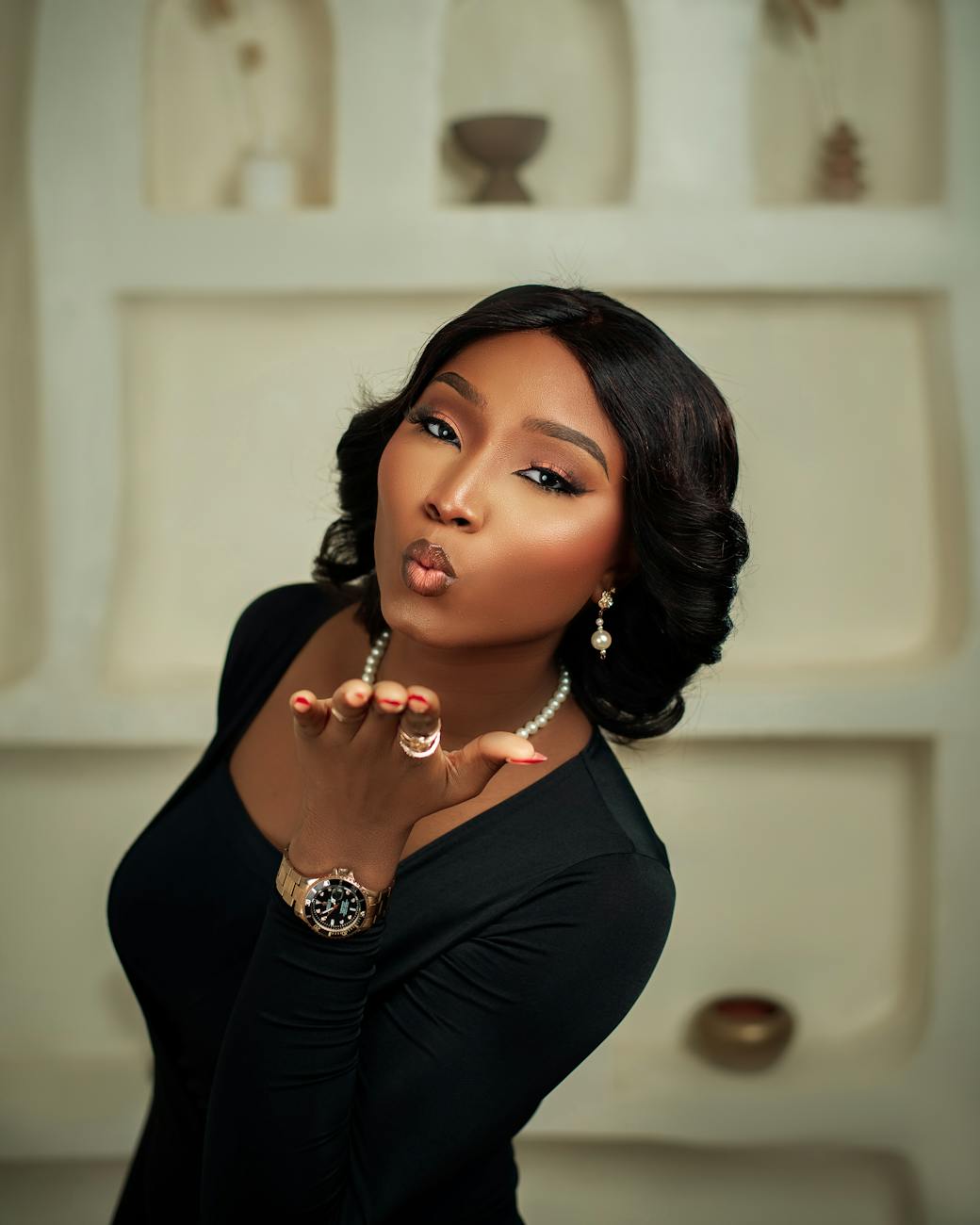
This photograph is the property of its respective owner. No copyright infringement intended.

Beauty has long been a currency in human society—admired, desired, and exploited. For women, especially women of color, beauty has functioned both as power and prison. The cost of being beautiful extends beyond vanity; it is the psychological, emotional, and even spiritual toll exacted by a world that defines worth through appearance. Beauty becomes both an asset and a liability, offering validation but demanding visibility on terms not of one’s own making.

From childhood, individuals—particularly girls—are taught that beauty opens doors. Compliments, attention, and social privileges reinforce a belief that attractiveness equates to value. Yet, this same system exploits that very beauty, commodifying it through media, marketing, and male desire. The pursuit of beauty thus becomes a performance sustained by approval, not authenticity (Wolf, 1991).

In modern culture, beauty is no longer natural—it is manufactured. Billions are spent annually on cosmetics, plastic surgery, and digital enhancement. Social media platforms like Instagram and TikTok amplify this obsession, turning faces and bodies into brands. The line between identity and image blurs, leaving many women trapped between their true selves and the perfected versions projected online (Gill, 2007).

Beauty’s validation often comes through the male gaze. Women are socialized to see themselves as objects of desire rather than subjects of their own narratives. This gaze not only dictates standards but defines visibility—who is seen, who is desirable, and who is invisible. To be beautiful is to be watched; to be watched is to be controlled (Mulvey, 1975).

For Black women, beauty carries a distinct complexity. Eurocentric standards historically excluded them from being perceived as beautiful, relegating them to stereotypes of strength or hypersexuality. The struggle for validation becomes an act of resistance—a reclaiming of aesthetics, identity, and self-worth against centuries of misrepresentation (Hooks, 1992).

The beauty industry profits from insecurity. Advertisements subtly tell women they are never enough—never young enough, thin enough, light enough. This manufactured dissatisfaction fuels perpetual consumption. Beauty, in capitalist culture, is not about empowerment but about profit, built upon cycles of comparison and competition (Bordo, 2003).

Exploitation hides beneath the surface of glamour. Models, influencers, and entertainers often face objectification disguised as opportunity. Their visibility is contingent upon maintaining desirability, which can breed anxiety, eating disorders, and burnout. The emotional labor of beauty—the pressure to be flawless at all times—is invisible yet exhausting.

In the realm of Hollywood and fashion, women of color face the dual burden of representation and tokenism. Their inclusion often serves as aesthetic diversity rather than genuine equity. The “exotic” label objectifies rather than honors their heritage, turning cultural identity into spectacle (Craig, 2002).

Historically, beauty has also been weaponized as social currency. During slavery and segregation, lighter-skinned Black women were often favored in domestic work or entertainment, reinforcing colorism within the community. Beauty became not only personal but political—a marker of proximity to whiteness and privilege (Hunter, 2005).

Psychologically, the constant pursuit of beauty erodes self-esteem. When identity becomes contingent on appearance, the individual lives under the tyranny of external validation. This fragile self-worth can fracture when youth fades or trends shift, revealing the emptiness behind conditional love and approval.

Religiously and spiritually, beauty holds deeper implications. Scripture reminds us that “favor is deceitful, and beauty is vain” (Proverbs 31:30, KJV). True beauty, in divine terms, is moral and internal, not material. Yet society reverses this order, idolizing outward appearance and neglecting inner substance—a form of modern idolatry masked as self-care.

The commodification of beauty also intersects with racial capitalism. Global markets exploit African, Asian, and Latin American women’s bodies through skin-lightening products, hair extensions, and Eurocentric fashion ideals. What is marketed as “choice” often conceals economic coercion and cultural colonization (Glenn, 2008).

Visibility, while often framed as empowerment, carries its own cost. Women in the public eye face surveillance and criticism that erode privacy and authenticity. The more visible a woman becomes, the less control she has over how she is seen. Visibility thus becomes exposure—a light that illuminates and burns simultaneously.

In relationships, beauty can distort power dynamics. Attractive women may receive attention but not respect; love offered for appearance rather than character is shallow and fleeting. Men conditioned by visual culture may desire beauty but fear its autonomy, leading to control, jealousy, or emotional abuse (Fredrickson & Roberts, 1997).

The digital age amplifies these dynamics. Filters, edits, and algorithms dictate what is beautiful, rewarding conformity and punishing difference. The result is a homogenized global aesthetic where individuality is lost. Even empowerment movements risk becoming commodified slogans that sell beauty under the guise of “self-love.”

Yet, beauty is not inherently evil—it is divine when redefined. When women reclaim beauty as expression rather than validation, it transforms from exploitation to empowerment. True beauty becomes a mirror of spirit, creativity, and cultural identity. It ceases to be about approval and becomes an act of liberation.

Cultural redefinition requires dismantling Eurocentric beauty norms and celebrating diversity of complexion, texture, and form. Movements such as “Black Girl Magic” and natural hair advocacy challenge oppressive aesthetics, restoring pride to what was once marginalized. Beauty, reimagined through cultural authenticity, becomes resistance and restoration.

The cost of being beautiful can only be paid back through truth—by acknowledging the pain behind the polish. Women must reclaim the narrative of beauty, detaching it from consumption and control. Beauty must once again serve humanity, not hierarchy.

Ultimately, beauty’s truest form lies in freedom: the freedom to exist beyond the gaze, to define oneself without permission, and to embody a worth that no mirror can measure. When beauty ceases to be a burden and becomes a birthright, visibility transforms into vision—and validation becomes self-love.


References

Bordo, S. (2003). Unbearable weight: Feminism, Western culture, and the body. University of California Press.

Craig, M. L. (2002). Ain’t I a beauty queen? Black women, beauty, and the politics of race. Oxford University Press.

Fredrickson, B. L., & Roberts, T.-A. (1997). Objectification theory: Toward understanding women’s lived experiences and mental health risks. Psychology of Women Quarterly, 21(2), 173–206.

Gill, R. (2007). Gender and the media. Polity Press.

Glenn, E. N. (2008). Yearning for lightness: Transnational circuits in the marketing and consumption of skin lighteners. Gender & Society, 22(3), 281–302.

Hooks, B. (1992). Black looks: Race and representation. South End Press.

Hunter, M. (2005). Race, gender, and the politics of skin tone. Routledge.

Mulvey, L. (1975). Visual pleasure and narrative cinema. Screen, 16(3), 6–18.

Wolf, N. (1991). The beauty myth: How images of beauty are used against women. HarperCollins.

Modern Trailblazers: Redefining Beauty Standards.

Photo by BULE on Pexels.com

In the modern age, beauty has become a site of both revolution and reclamation. Historically bound by Eurocentric ideals that prioritized whiteness, thinness, and symmetry, today’s beauty landscape has been reshaped by a diverse chorus of voices refusing to conform. Black women, Indigenous creators, trans icons, and differently-abled influencers have emerged as cultural architects, redefining what it means to be beautiful through self-expression and authenticity. The revolution is not merely aesthetic—it is psychological, cultural, and political.

The 21st century has witnessed a radical shift from representation to ownership. Where earlier generations sought inclusion within existing frameworks, modern trailblazers are creating entirely new paradigms. Platforms like TikTok and Instagram have decentralized beauty hierarchies, giving rise to grassroots visibility. Figures such as Lupita Nyong’o, Adut Akech, and Alek Wek stand as embodiments of natural beauty, resilience, and unapologetic African identity. Their presence challenges the historical erasure of darker skin tones from mainstream beauty campaigns.

The reclamation of melanin-rich beauty is not accidental—it is intentional resistance. For centuries, colonialism and media imperialism conflated whiteness with virtue and civilization. Today, the celebration of dark skin tones represents a healing of generational trauma. It affirms that beauty, once defined externally, now belongs to those who were denied it. Through art, photography, and film, a new narrative has emerged—one that celebrates skin not as shade but as legacy.

Moreover, modern beauty trailblazers recognize that authenticity transcends aesthetics. The global push for natural hair representation is a powerful illustration of this. Movements such as #BlackGirlMagic and #TeamNatural have become sociocultural phenomena. They have not only redefined beauty for women of African descent but also established political solidarity rooted in self-acceptance. Natural hair, in this context, is both crown and protest.

The expansion of beauty definitions extends beyond race. Individuals like Winnie Harlow, who embraces her vitiligo. In doing so, they remind the world that beauty is not an exclusionary category; it is a human experience.

At the heart of this transformation lies the concept of visibility. Representation is more than a visual act; it is a psychological affirmation that one belongs. When young people see themselves mirrored in campaigns and media, it restores confidence eroded by centuries of misrepresentation. As philosopher Frantz Fanon noted, “To be seen is to exist.” Today’s beauty trailblazers embody that visibility as liberation.

Beauty influencers have become cultural philosophers of their own era. Through social media, voices such as Jackie Aina and Nyma Tang dissect colorism, cultural appropriation, and tokenism with academic precision and personal vulnerability. Their work bridges activism and aesthetics, dismantling beauty myths from within the very industries that once excluded them.

Inclusivity, however, is not merely about representation—it is about equity. Modern trailblazers are now entering corporate spaces, launching their own brands, and reshaping production norms. Rihanna’s Fenty Beauty revolutionized the cosmetics industry by introducing 40+ foundation shades, a simple yet profound act that exposed the systemic neglect of darker skin tones. Fenty became more than a brand; it became a blueprint for inclusion.

Similarly, Pat McGrath, often hailed as the most influential makeup artist in the world, has used her platform to merge high fashion and multiculturalism. Her artistry reveals that beauty, when liberated from narrow archetypes, becomes art itself. She continues to mentor and open doors for the next generation of global creatives who understand that diversity is not a trend—it is the truth.

The global South is now asserting its own aesthetic sovereignty. African, Caribbean, and Latinx designers are fusing traditional artistry with modern expression. Runways in Lagos, Accra, and São Paulo now rival those of Paris and Milan, redefining fashion geography. These movements signal that the future of beauty will be multipolar and multicultural.

At the intersection of technology and beauty lies another shift: digital self-representation. Filters, AI, and virtual influencers raise critical ethical questions. While these tools can democratize creativity, they also risk reinforcing unrealistic standards. Modern trailblazers navigate this paradox by promoting digital transparency and self-awareness amidst algorithmic distortion.

Beauty is also being redefined through academia and science. Genetic diversity is now understood as the true foundation of human beauty. Traits once deemed “undesirable” are increasingly recognized as markers of resilience and adaptation. The blending of cultures and lineages has produced what anthropologists call “aesthetic hybridity,” an evolution that mirrors humanity’s interconnectedness.

In this sense, modern beauty trailblazers are not anomalies—they are evolutionary symbols. They represent a species reclaiming its visual and spiritual wholeness after centuries of fragmentation. Beauty, once a weapon of division, is becoming a language of unity.

Yet, the work remains unfinished. Systems of patriarchy, racism, and capitalism continue to exploit beauty for profit. Thus, redefinition must be coupled with reformation. True progress means dismantling not only exclusionary ideals but also the economic structures that sustain them.

Education plays a central role in this transformation. By teaching young people media literacy, critical thinking, and self-love, society equips them to resist harmful comparisons and internalized inferiority. Beauty education, when rooted in empowerment, can become a form of social justice.

As this evolution continues, one truth becomes evident: beauty is not something to be achieved—it is something to be remembered. It is the echo of divine design, the harmony of individuality and purpose. The modern trailblazers of beauty are not inventing something new; they are restoring something ancient—authenticity.

Ultimately, the redefinition of beauty is a return to self. It is a collective mirror where every face, every shade, and every form finds reflection. The modern trailblazers remind us that beauty is power, and power, when wielded with love, transforms not only the image but the world itself.


References

Aina, J. (2020). The new face of beauty activism: Representation in the digital age. Journal of Media Studies, 14(3), 45–58.

Fanon, F. (1952). Black skin, white masks. Grove Press.

hooks, b. (1992). Black looks: Race and representation. South End Press.

McGrath, P. (2019). Artistry and identity in global fashion. Vogue Archives Journal, 27(2), 112–129.

Nyong’o, L. (2014). Dark beauty and the global imagination. Cultural Identity Review, 8(1), 9–18.

Rihanna. (2017). Fenty Beauty: The revolution of inclusion. LVMH Archives.

Tang, N. (2022). Colorism and cosmetic culture in the 21st century. Beauty and Society Quarterly, 11(2), 56–73.

Wek, A. (2015). My story: From refugee to runway. HarperCollins.

Zollman, K., & Thakur, M. (2020). Decolonizing aesthetics: The global beauty renaissance. Journal of Cultural Studies, 19(4), 203–221.


    Shades of Struggle, Shades of Strength: The Brown Girl Experience. #TheBrownGirlDilemma

    Photo by nappy on Pexels.com

    The lived experience of brown-skinned women is defined by a complex interplay of struggle and resilience. Across cultures and histories, brown girls navigate spaces that often undervalue or misrepresent their beauty, intellect, and worth. Yet, within these struggles lies extraordinary strength—a capacity to endure, redefine identity, and assert agency. “Shades of Struggle, Shades of Strength” captures this duality, recognizing both the oppression brown girls face and the power they embody in resisting it.

    Historical Roots of the Brown Girl Experience

    The challenges brown girls face are deeply rooted in history. Colonialism, slavery, and European conquest imposed hierarchies that privileged whiteness while marginalizing darker skin tones (Hunter, 2007). In the Americas, lighter-skinned enslaved women were often given preferential treatment over darker-skinned women, establishing a system of internalized hierarchy. These legacies persist, influencing perceptions of beauty, competence, and social worth for brown-skinned women today.

    Colorism as a Source of Struggle

    Colorism—the preferential treatment of lighter skin over darker tones—is central to the brown girl experience. It manifests in education, employment, media, and social relationships. Brown girls often internalize these biases, navigating self-esteem challenges and societal pressure to conform to Eurocentric ideals of beauty. Understanding colorism as both systemic and internalized is key to unpacking the struggles brown girls face.

    Stereotypes and Hyper-Visibility

    Brown girls are frequently subject to stereotypes that shape societal expectations. They are hyper-visible in media as objects of sexualization, exoticism, or anger, while simultaneously underrepresented in positions of power and influence (Collins, 2000). This duality creates tension: their bodies and identities are scrutinized, yet their voices and talents are marginalized.

    Media Representation and Its Limitations

    Media plays a pivotal role in the brown girl experience. Television, film, and advertising have historically favored lighter-skinned women, marginalizing darker skin tones and perpetuating narrow standards of beauty. Even when brown girls are represented, tokenism and stereotype reinforce limitations rather than authentic affirmation. Visibility without empowerment compounds the struggle rather than alleviates it.

    Family and Community Pressures

    Family and community expectations further complicate the brown girl experience. Cultural norms often elevate lighter skin as more desirable in social, professional, and marital contexts. Brown girls grow up navigating these pressures, balancing cultural identity with the desire for acceptance, which can create internal conflict and self-doubt.

    Educational and Professional Challenges

    In academic and professional spheres, brown girls may experience marginalization, tokenism, or bias based on skin tone. Their contributions may be undervalued, and their presence scrutinized more intensely than peers. These experiences foster resilience, as brown girls learn to navigate systems of exclusion while asserting their competence and authority.

    Spiritual Foundations of Strength

    Faith and spirituality provide a counterbalance to societal bias. Biblical texts affirm the inherent value of brown skin and character. In Song of Solomon 1:5, the woman declares, “I am black, but comely” (KJV), asserting that beauty is not contingent on skin tone. Psalm 139:14 reinforces that all humans are “fearfully and wonderfully made,” offering spiritual grounding that nurtures confidence and strength.

    Cultural Expression as Empowerment

    Brown girls draw strength from cultural heritage, including language, art, music, and traditions. Expressing identity through these channels affirms value and counters narratives that marginalize or diminish their experiences. Cultural pride becomes a source of resilience, transforming struggle into a celebration of identity.

    Intersectionality and Compounded Struggles

    The brown girl experience is shaped by intersecting systems of oppression, including race, gender, and class. Darker-skinned girls often encounter compounded challenges in navigating educational access, employment opportunities, and social mobility. Recognizing intersectionality is crucial to understanding the full scope of struggles and strategies for empowerment.

    Representation as a Tool of Resistance

    Representation, when authentic, becomes a powerful tool for resistance. Brown girls who see themselves reflected in media, politics, and leadership roles are inspired to embrace their identity and challenge societal expectations. Figures such as Lupita Nyong’o, Issa Rae, and Michelle Obama exemplify how visibility can transform struggle into a source of collective strength.

    Mental Health and Resilience

    The psychological toll of colorism, discrimination, and societal bias is significant. Brown girls often experience anxiety, depression, and identity conflicts due to persistent scrutiny and marginalization (Monk, 2014). Developing resilience requires both personal strategies—such as mentorship and self-affirmation—and systemic changes in representation and opportunity.

    Hair and Aesthetic Politics

    Hair, skin, and body aesthetics are central to the brown girl experience. Natural hair movements, melanin-positive campaigns, and diverse beauty standards challenge restrictive norms, allowing girls to reclaim their physical identity. Strength emerges when brown girls embrace features historically devalued or stigmatized, turning aesthetics into affirmation rather than limitation.

    Mentorship and Community Support

    Mentorship and supportive communities provide essential reinforcement. Guidance from older women, peer networks, and cultural organizations empowers brown girls to navigate systemic challenges and build confidence. Community affirmation counters isolation, transforming struggle into shared resilience.

    Activism and Advocacy

    Engagement in social justice and advocacy further strengthens brown girls. By challenging colorism, bias, and misrepresentation, they assert agency and create pathways for future generations. Advocacy transforms personal struggle into collective action, amplifying voices historically silenced.

    Education and Awareness

    Education about historical oppression, colorism, and social hierarchies equips brown girls with knowledge and context. Awareness fosters critical thinking and empowers girls to resist internalized biases, cultivate self-worth, and redefine standards of beauty and success on their own terms.

    Digital Spaces and Empowerment

    Social media provides platforms for empowerment, storytelling, and connection. Campaigns like #MelaninMagic, #BrownSkinGirlMagic, and #BlackGirlJoy enable girls to celebrate identity, share experiences, and form supportive networks. Digital visibility transforms struggle into collective affirmation and reinforces resilience.

    Family Narratives and Generational Healing

    Intergenerational narratives influence the brown girl experience. Families that acknowledge colorism, celebrate brown skin, and affirm cultural heritage contribute to healing cycles of internalized bias. Generational affirmation strengthens identity and fosters enduring confidence.

    Spiritual Practice and Identity Formation

    Spiritual practice reinforces confidence and resilience. Prayer, meditation, and engagement with scriptural affirmation nurture self-worth and counter societal pressures. Spiritual grounding enables brown girls to navigate struggle with perspective, purpose, and clarity.

    Toward Holistic Confidence

    Confidence emerges from a combination of self-awareness, community support, cultural affirmation, and spiritual grounding. By addressing both systemic and personal dimensions of the brown girl dilemma, girls can transform struggle into strength, reclaiming identity and agency.

    Conclusion: Celebrating Shades of Strength

    The brown girl experience is defined by both struggle and resilience. While colorism, bias, and societal pressure create challenges, brown girls embody strength in resistance, representation, and reclamation of identity. By embracing heritage, cultivating confidence, and asserting agency, brown girls redefine the narrative: they are not victims of society’s standards but architects of their own empowerment, turning shades of struggle into enduring shades of strength.


    References

    • Collins, P. H. (2000). Black feminist thought: Knowledge, consciousness, and the politics of empowerment. Routledge.
    • Hunter, M. (2007). The persistent problem of colorism: Skin tone, status, and inequality. Sociology Compass, 1(1), 237–254.
    • Monk, E. P. (2014). Skin tone stratification among Black Americans, 2001–2003. Social Forces, 92(4), 1313–1337.
    • Thompson, C. (1996). Black women, beauty, and hair as a matter of being. Women’s Studies, 25(6), 667–678.
    • The Holy Bible, King James Version.

    Colorism in the Black Diaspora: Comparing Black Males and Black Females.

    Photo by Bave Pictures on Pexels.com

    Historical-Political Lens

    Colorism in the Black diaspora emerged as a direct consequence of colonialism and slavery. European colonizers and slaveholders favored lighter-skinned individuals, often granting them slightly better treatment, opportunities, or status. This created a hierarchy within Black communities that elevated proximity to whiteness.

    For Black women, colorism historically affected beauty, marriage prospects, and social acceptance. Lighter-skinned women were more likely to be considered attractive and were sometimes granted preferential treatment within social and domestic hierarchies.

    For Black men, the impact of colorism was less about beauty and more about perceived competence, masculinity, and threat. Lighter-skinned men were occasionally afforded better economic or social opportunities, while darker-skinned men were disproportionately subjected to hard labor, criminalization, and surveillance.

    These historical hierarchies persisted into post-slavery eras. Jim Crow laws, discriminatory labor practices, and educational restrictions reinforced color-based disparities for both men and women, embedding systemic inequities across generations.


    Psychological-Social Lens

    Psychologically, colorism affects self-esteem, identity formation, and social interactions. For Black women, lighter skin often translates into greater social validation, while darker skin may be associated with marginalization, rejection, or internalized stigma (Hunter, 2007).

    Black men, by contrast, experience psychological pressure from stereotypes linking dark skin to aggression, criminality, or hypermasculinity. These perceptions influence self-concept, behavior, and relational dynamics. Darker-skinned men may overcompensate with displays of toughness, achievement, or hyper-masculine behavior to counteract bias.

    Colorism also shapes intra-community dynamics. Among women, lighter skin is often associated with higher social desirability, romantic attention, and leadership visibility. Among men, lighter skin can confer perceived intelligence, professional credibility, and safety, while darker skin can create social obstacles and relational challenges.

    Internalized colorism is common across genders, but the manifestations differ. Women internalize societal beauty standards, affecting body image and desirability, while men internalize expectations around masculinity, competence, and social threat.


    Faith-Based Lens

    Faith and spirituality provide a counter-narrative to colorism for both Black men and women. Scripture affirms that worth and identity are not defined by skin tone: “So God created man in his own image… male and female created he them” (Genesis 1:27, KJV).

    For Black women, faith encourages self-worth beyond beauty and societal judgment, affirming intrinsic dignity. For Black men, faith emphasizes character, integrity, and purpose beyond external stereotypes of skin tone or perceived threat.

    Churches historically offered both genders mentorship, support, and social capital. Spiritual communities affirmed resilience and value while fostering cultural pride. Religious teachings highlight unity, love, and equality, offering guidance to counteract internalized biases and societal hierarchies (1 Samuel 16:7, KJV).


    Contemporary Lens

    Today, colorism manifests differently in media, social spaces, and professional contexts for men and women.

    • Women: Lighter-skinned Black women dominate mainstream beauty representation. Darker-skinned women often face underrepresentation, bias in modeling, media, and advertising, and scrutiny over appearance. Social media amplifies these disparities, where lighter skin may garner more attention, likes, and opportunities.
    • Men: Darker-skinned Black men are often stereotyped in media as threatening or hyper-masculine, while lighter-skinned men are portrayed as professionals, leaders, or romantic leads. Social media reinforces these disparities, influencing self-perception, relational dynamics, and professional opportunities.

    Economic consequences are also gendered. For women, lighter skin may influence marriage markets, social desirability, and cultural capital. For men, lighter skin can facilitate employment, promotions, and leadership visibility, while darker skin may exacerbate scrutiny or discrimination.


    Restorative Lens

    Addressing colorism requires multi-layered strategies for both genders. Education about historical roots helps individuals understand the socially constructed nature of color hierarchies. This awareness reduces internalized bias and fosters critical engagement with societal pressures.

    Community-based initiatives are essential. Mentorship, dialogue, and representation can empower Black men and women to resist harmful stereotypes. Celebrating diversity in skin tone within families, neighborhoods, and media strengthens communal identity and psychological resilience.

    Faith and spiritual grounding provide restoration. For both men and women, affirming worth in God’s eyes counters societal hierarchies and promotes self-acceptance. Spiritual teachings highlight unity, equality, and service as measures of value beyond appearance.

    Policy interventions and systemic reform are also critical. Media representation, equitable employment practices, and leadership inclusion reduce institutionalized color-based bias. Social structures must be reimagined to affirm competence, beauty, and leadership irrespective of skin tone.

    Culturally, reclamation of heritage is vital. Afrocentric education, historical awareness, and pride in African features help both men and women resist assimilation pressures and internalized colorism.

    Ultimately, while colorism affects Black men and women differently—beauty and desirability for women, competence and threat perception for men—the root causes and consequences are interconnected. Both genders experience psychological, social, and structural impacts, and solutions must address both personal and systemic dimensions.

    omainBlack FemalesBlack Males
    Historical ImpactLighter-skinned women were often privileged in domestic or social roles; darker-skinned women faced marginalization.Lighter-skinned men occasionally received slightly better labor or social opportunities; darker-skinned men were subjected to harsher labor and criminalization.
    Beauty & AppearanceSkin tone heavily tied to perceived attractiveness, social desirability, and marriage prospects.Less emphasis on beauty; skin tone influences perceived masculinity, competence, and threat.
    StereotypesDark skin associated with “unattractive,” “less desirable,” or “too ethnic.”Dark skin linked to aggression, hypermasculinity, and criminality; lighter skin associated with intelligence, safety, and professionalism.
    Psychological ImpactInternalized colorism affects self-esteem, body image, and social validation.Internalized colorism affects self-concept, behavior, and social positioning; may lead to hypervigilance or overcompensation.
    Media RepresentationLighter-skinned women dominate mainstream media, modeling, and advertising; darker-skinned women underrepresented.Darker-skinned men portrayed as threatening or hypermasculine; lighter-skinned men shown as leaders, professionals, or romantic leads.
    Economic & Social MobilityLighter-skinned women may have advantages in social capital and visibility; darker-skinned women face bias in beauty industries and social spheres.Lighter-skinned men have better access to employment, promotions, and leadership opportunities; darker-skinned men face workplace bias and social suspicion.
    Community DynamicsColorism can cause competition, rivalry, or exclusion based on skin tone.Colorism can influence perceptions of authority, respect, and social acceptance within communities.
    Restorative PathwaysCultural affirmation, historical education, media representation, spiritual grounding, and mentorship.Cultural affirmation, historical education, media representation, spiritual grounding, mentorship, and advocacy for systemic reform.

    By combining historical awareness, psychological support, spiritual grounding, community affirmation, and systemic change, Black communities can dismantle color-based hierarchies and cultivate environments of equity, dignity, and pride.


    📖 References

    • Hunter, M. (2007). The persistent problem of colorism: Skin tone, status, and inequality. Sociology Compass, 1(1), 237–254.
    • Herring, C., Keith, V., & Horton, C. (2004). Skin deep: How race and complexion matter in the “color-blind” era. Politics & Society, 32(1), 111–146.
    • Pyke, K. D. (2010). What is internalized racial oppression and why don’t we study it? Sociological Perspectives, 53(4), 551–572.
    • Holy Bible, King James Version.

    Curves, Coils, and Culture: Redefining Black Female Aesthetics.

    Photo by RDNE Stock project on Pexels.com

    The beauty of Black women has historically been contested, critiqued, and commodified through the lens of Eurocentric standards. Features such as full lips, natural hair textures, and curvaceous bodies have often been marginalized, while lighter skin, straighter hair, and slender bodies were celebrated. This has created a complex cultural tension where Black women must navigate self-perception, societal validation, and internalized bias. Redefining Black female aesthetics involves reclaiming cultural pride, challenging narrow standards, and celebrating the diversity inherent in African-descended bodies.

    Curves and body shape have long been markers of both cultural identity and contested beauty ideals. Anthropological research shows that in many African societies, curvaceous bodies were historically associated with fertility, strength, and social desirability (Gravlee, 2009). In contrast, Westernized media often valorized thinness, creating a dissonance for Black women who were expected to conform to ideals that excluded natural forms. Recognizing the cultural significance of curves restores aesthetic legitimacy to bodies that have been devalued by colonial and media narratives.

    Hair texture, or “coils,” has similarly been politicized. Natural Black hair—whether tightly coiled, kinky, or wavy—has historically been stigmatized in professional, educational, and social contexts (Byrd & Tharps, 2014). Recent movements such as #NaturalHair and #BlackGirlMagic have reframed natural hair as a symbol of cultural pride, personal identity, and resilience. Embracing natural textures not only challenges Eurocentric beauty standards but also asserts agency over self-expression and self-acceptance.

    Facial features also play a significant role in redefining aesthetics. Full lips, broad noses, and high cheekbones are often celebrated within African-descended communities for their unique beauty, yet historically devalued by mainstream culture. By centering these features in media representation, campaigns, and artistic expression, Black women reclaim visual narratives that affirm their inherent beauty (Hunter, 2007). These traits, coupled with the natural diversity of eye shapes and skin tones, create a holistic framework for appreciating Black female aesthetics beyond reductive stereotypes.

    Psychologically, embracing curves, coils, and distinct features strengthens self-esteem and identity formation. Social comparison theory explains that repeated exposure to media portraying a narrow standard of beauty can lower self-worth (Festinger, 1954). Conversely, visibility of diverse Black beauty—through celebrities, social media influencers, and community representation—promotes positive self-concept, resilience, and empowerment. Testimonials from public figures like Lupita Nyong’o, Tracee Ellis Ross, and Janelle Monáe highlight the transformative power of celebrating authentic features in shaping confidence and cultural pride.

    Spiritual insight further enriches this conversation. Proverbs 31:30 (KJV) emphasizes, “Favour is deceitful, and beauty is vain: but a woman that feareth the LORD, she shall be praised.” While aesthetics hold social and psychological significance, ultimate value is anchored in character, faith, and virtue. Redefining Black female beauty involves harmonizing cultural pride with spiritual grounding, recognizing that divine design surpasses societal metrics of attractiveness.

    In conclusion, the aesthetics of Black women—curves, coils, and unique facial features—represent both cultural heritage and individual empowerment. Challenging Eurocentric norms, reclaiming natural textures and body forms, and celebrating authentic features allow Black women to define beauty on their own terms. This redefinition intersects psychology, culture, and spirituality, providing a holistic framework that affirms identity, fosters confidence, and celebrates the divine artistry inherent in every woman of African descent.


    References

    Byrd, A. D., & Tharps, L. L. (2014). Hair Story: Untangling the Roots of Black Hair in America. New York, NY: St. Martin’s Press.

    Festinger, L. (1954). A theory of social comparison processes. Human Relations, 7(2), 117–140.

    Gravlee, C. C. (2009). How race becomes biology: Embodiment of social inequality. American Journal of Physical Anthropology, 139(1), 47–57.

    Hunter, M. (2007). The persistent problem of colorism: Skin tone, status, and inequality. Sociology Compass, 1(1), 237–254.

    The Ebony Dolls: Yvonne Okoro

    This photograph is the property of its respective owners. No copyright infringement intended.

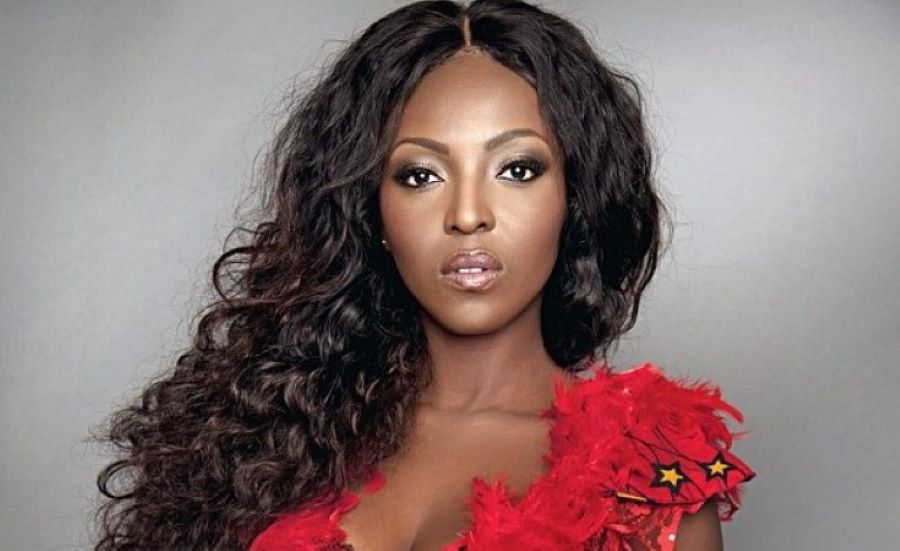
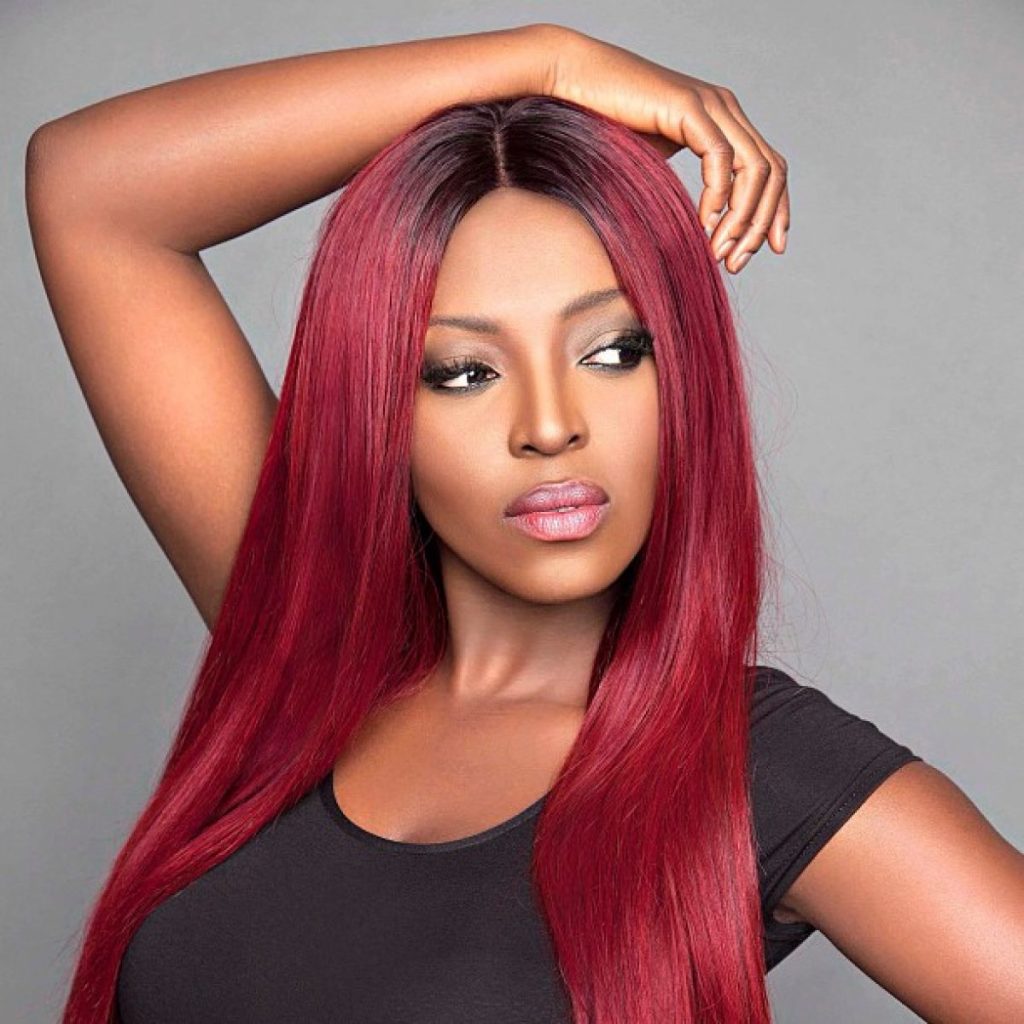
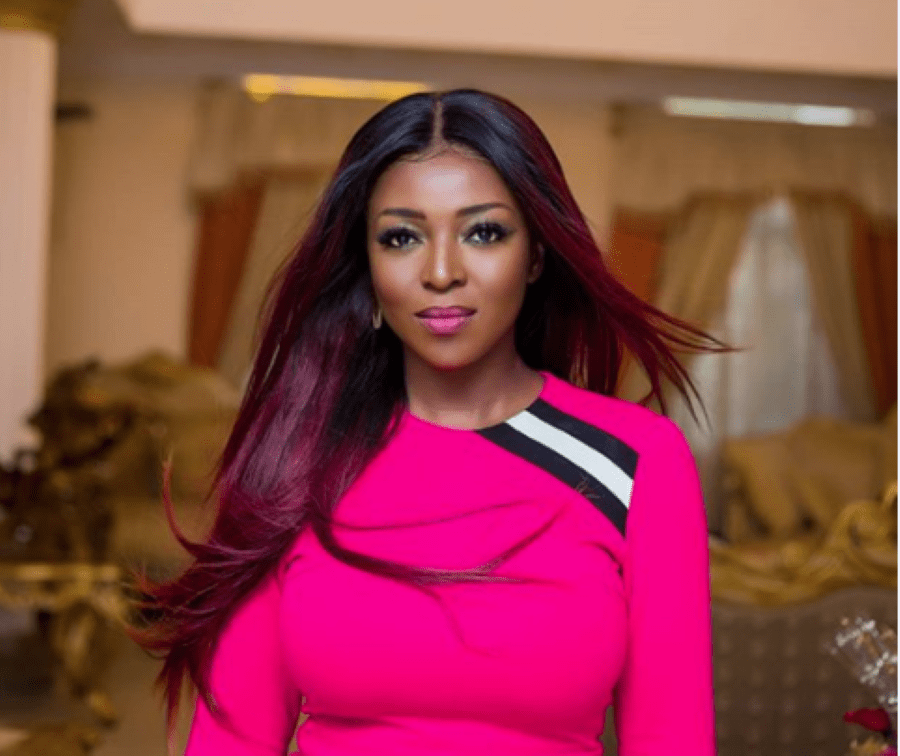
    In the constellation of African cinema, Yvonne Okoro shines with a rare brilliance that fuses sophistication, intelligence, and undeniable beauty. With her flawless bronze-ebony complexion, luminous almond-shaped eyes, and refined features framed by a radiant smile, she is often admired for her doll-like allure—a blend of African richness and European elegance. Beyond her physical charm, Okoro’s poise, confidence, and versatility have positioned her among the most respected actresses in both Ghana’s Ghallywood and Nigeria’s Nollywood film industries. She is a modern African woman who balances glamour with grit, embodying excellence both on and off the screen.

    Born Chinyere Yvonne Okoro on November 25, 1984, in Tamale, Ghana, she comes from a mixed heritage that beautifully reflects the unity of West Africa—her father is Nigerian (from Abia State, Igbo), and her mother is Ghanaian. This cultural blend enriched her worldview and artistic expression, allowing her to connect with audiences across two major entertainment industries. From a young age, Yvonne demonstrated a passion for performance, often participating in school plays and local talent showcases that revealed her natural charisma and expressiveness.

    Yvonne Okoro’s educational journey is as impressive as her acting career. She attended Achimota Preparatory School and Lincoln Community School before earning her Bachelor of Arts in English and Linguistics from the University of Ghana, Legon. She later pursued further studies in France at the Université de Nantes, where she deepened her understanding of communication and modern languages—skills that would later enhance her presence in international cinema.

    This photograph is the property of its respective owners. No copyright infringement intended.

    Her acting debut came with a supporting role in the Ghanaian film Sticking to the Promise (2002). However, her major breakthrough came when she transitioned into Nollywood, starring in Beyoncé: The President’s Daughter (2006) alongside Nadia Buari and Van Vicker. Her beauty, eloquence, and natural on-screen chemistry with her co-stars captured the attention of filmmakers and audiences alike. Soon, she became a fixture in both Ghanaian and Nigerian film productions, a rare feat achieved by only a handful of actresses.

    Over the years, Yvonne Okoro has built an impressive filmography, with notable works including The Game (2010), Contract (2012), Single Six (2011), Rebecca (2016), and Ghana Must Go (2016)—a romantic comedy she also produced. Her role in Contract, opposite Hlomla Dandala, earned her the Best Actress Award at the Ghana Movie Awards and an Africa Magic Viewers’ Choice Award (AMVCA) nomination. The film’s critical success established her as one of the leading ladies of African cinema, capable of blending humor, depth, and authenticity with magnetic beauty.

    Yvonne Okoro’s contributions extend beyond acting; she is also a film producer and entrepreneur, using her platform to promote quality storytelling in Africa. Her production company, Desamour Company Limited, has produced several films that highlight African culture, love, and social issues. Through this, she has provided opportunities for emerging talents, especially women in film, fostering growth and creativity in the industry.

    This photograph is the property of its respective owners. No copyright infringement intended.

    Her grace and intelligence have also made her a favorite for brand endorsements, having represented beauty and fashion brands that mirror her elegance. She is frequently listed among the most beautiful and influential actresses in Africa, celebrated for her radiant skin, well-defined features, and polished style that bridges modern glamour and cultural authenticity.

    In addition to her professional achievements, Yvonne Okoro’s personal life reflects humility and purpose. Despite her fame, she remains grounded and family-oriented, often crediting her parents for instilling discipline and confidence. Her close relationship with her siblings—particularly her sister, Roseline Okoro, who also ventured into acting—highlights her belief in family unity and shared success.

    Throughout her career, Yvonne has earned numerous accolades, including the Best Actress of the Year (2010) at the Ghana Movie Awards, the Achievement Award at the City People Entertainment Awards in Nigeria, and recognition at the Africa International Film Festival (AFRIFF). Her dedication to excellence has made her one of the highest-paid actresses in Ghana and Nollywood, respected for both her beauty and her business acumen.

    Ultimately, Yvonne Okoro represents the epitome of modern African femininity—educated, talented, and unapologetically elegant. Her soft-spoken confidence, luminous ebony glow, and striking intellect set her apart as not merely a star, but a symbol of pan-African pride and excellence. As one of the Ebony Dolls of African cinema, she continues to inspire young women to dream beyond boundaries while embracing their heritage and divine beauty.


    References

    • Africa Magic. (2023). Yvonne Okoro: The Actress Who Bridges Ghana and Nollywood. MultiChoice Africa.
    • Ghana Web. (2022). Profile of Yvonne Okoro: From Beauty to Brilliance.
    • Pulse Ghana. (2023). Top 10 Highest-Paid Actresses in Ghana and Nigeria.
    • The Guardian Nigeria. (2021). Yvonne Okoro: The Pan-African Face of Modern Cinema.
    • IMDb. (2024). Yvonne Okoro Biography and Filmography.
    • Modern Ghana. (2022). Yvonne Okoro: The Glamorous Ghanaian-Nigerian Star Redefining African Film.

    How to Become a Brand Ambassador?

    Photo by Godisable Jacob on Pexels.com

    In today’s digital marketplace, brand ambassadors have become essential in shaping consumer perceptions and driving brand loyalty. A brand ambassador is an individual who represents, endorses, and promotes a company’s products or services, often leveraging personal influence to increase visibility and trust (Keller, 2013). With the rise of social media, ambassadors have become a central marketing strategy, bridging the gap between businesses and consumers through authentic representation.

    Understanding the Role of a Brand Ambassador

    A brand ambassador is more than a spokesperson—they embody the values, image, and culture of a brand. Ambassadors often create content, attend events, and interact with communities to increase brand awareness and credibility (Freberg, Graham, McGaughey, & Freberg, 2011). Unlike traditional advertising, ambassadors provide relatable and humanized promotion, which enhances consumer trust.

    Step-by-Step Guide: How to Become a Brand Ambassador

    1. Define Your Personal Brand

    • Identify your niche (fashion, fitness, beauty, tech, lifestyle, etc.).
    • Highlight your unique values, personality, and style.
    • Keep your message consistent across all platforms.

    📌 Tip: Ask yourself—what do I want to be known for?


    2. Build and Strengthen Your Online Presence

    • Choose 1–2 main platforms (Instagram, TikTok, YouTube, LinkedIn).
    • Post high-quality content consistently (photos, videos, reels, blogs).
    • Engage with your audience—reply to comments, start conversations, run polls.

    📌 Tip: Engagement rate matters more than follower count.


    3. Create Authentic Content

    • Share lifestyle posts that naturally include your favorite brands.
    • Tell stories instead of just advertising—authenticity builds trust.
    • Showcase your creativity (unboxings, tutorials, “day in the life,” reviews).

    📌 Tip: Brands notice when you already support them without being paid.


    4. Grow Your Network

    • Tag brands in your posts.
    • Use hashtags strategically.
    • Collaborate with other influencers or ambassadors.
    • Attend local events, trade shows, and networking opportunities.

    📌 Tip: Relationships matter—brands scout through social engagement.


    5. Reach Out to Brands

    • Create a professional media kit (bio, audience demographics, engagement stats, sample posts).
    • Send polite pitches to brands you love.
    • Sign up for influencer/ambassador platforms like AspireIQ, BrandSnob, or Influenster.

    📌 Tip: Start with smaller or local brands before approaching global ones.


    6. Be Professional and Reliable

    • Meet deadlines for sponsored posts.
    • Follow brand guidelines (logos, hashtags, tag requirements).
    • Stay respectful and ethical online—brands look for positive reputations.

    📌 Tip: Treat this like a job, not just free products.


    7. Measure and Show Results

    • Track engagement (likes, shares, saves, comments, link clicks).
    • Share insights with brands to prove your value.
    • Use analytics tools (Instagram Insights, TikTok Analytics, Google Analytics).

    📌 Tip: Brands are more likely to rehire ambassadors who show measurable results.


    8. Stay Authentic and Evolve

    • Never promote products you don’t believe in—audiences can sense inauthenticity.
    • Keep learning new marketing trends.
    • Grow with your audience and diversify your content.

    📌 Tip: Authentic ambassadors get the longest partnerships.


    Quick Checklist:

    • Personal brand defined
    • Social media optimized
    • Consistent, authentic content
    • Active networking and collaborations
    • Professional media kit created
    • Pitches sent to brands
    • Track results and improve
    • Long-term authenticity maintained

    Building a Strong Personal Brand

    The first step toward becoming a brand ambassador is cultivating a strong personal brand. Personal branding involves crafting a consistent and authentic identity that highlights one’s unique strengths, style, and values (Montoya & Vandehey, 2002). Individuals must showcase professionalism, creativity, and relatability across their platforms, as companies often seek ambassadors whose personal image aligns with their brand’s mission.

    Developing an Online Presence

    A strong online presence is crucial. Social media platforms such as Instagram, TikTok, and YouTube serve as vital spaces for showcasing content, growing an audience, and demonstrating influence (Djafarova & Trofimenko, 2019). Engagement is more valuable than sheer follower count, as brands look for ambassadors who can foster genuine connections with audiences. Consistency in posting, storytelling, and interaction helps build credibility and visibility.

    Networking and Brand Partnerships

    Networking plays a critical role in becoming a brand ambassador. Attending industry events, engaging with companies online, and collaborating with other influencers can open doors to partnerships. Many brands scout potential ambassadors by monitoring individuals who already support and promote their products authentically (Schau & Gilly, 2003). Thus, aspiring ambassadors should organically incorporate their favorite brands into content before seeking official partnerships.

    Brand Ambassador vs. Spokesmodel

    1. Definition & Role

    • Brand Ambassador
      • A long-term representative who embodies the brand’s values and lifestyle.
      • Promotes the brand across multiple platforms (social media, events, personal networks).
      • Focuses on building relationships and creating authentic engagement.
    • Spokesmodel
      • A hired face or personality used in advertisements, campaigns, or promotional events.
      • Represents the brand in a professional, sometimes short-term contract.
      • Focuses on appearance, presentation, and scripted brand messaging.

    2. Relationship with the Brand

    • Brand Ambassador → Often has an ongoing partnership. They become part of the brand identity and may use the product in daily life.
    • Spokesmodel → Usually hired for specific campaigns, commercials, or events. The relationship is transactional and tied to image/appearance.

    3. Marketing Approach

    • Brand Ambassador → Relies on authenticity, word-of-mouth marketing, and personal influence. Often leverages social media to connect with followers.
    • Spokesmodel → Relies on visual appeal, professionalism, and advertising campaigns (TV, print, digital).

    4. Skills & Requirements

    • Brand Ambassador
      • Strong social media presence.
      • Relatable personality and communication skills.
      • Ability to engage communities and foster trust.
    • Spokesmodel
      • Photogenic and camera-ready presence.
      • Modeling or public speaking skills.
      • Ability to represent the brand’s desired look and voice.

    5. Example

    • Brand Ambassador → Serena Williams partnering with Nike not only to model apparel but to embody strength, resilience, and excellence in women’s sports.
    • Spokesmodel → Tyra Banks modeling for CoverGirl ads—serving as the face of a beauty campaign without ongoing lifestyle integration.

    In short:

    • A brand ambassador promotes a brand authentically and long-term, often through lifestyle and social media influence.
    • A spokesmodel is a professional “face” of the brand for ads or campaigns, usually short-term and more image-focused.

    Professionalism and Longevity

    Sustaining a career as a brand ambassador requires professionalism, reliability, and adaptability. Ambassadors must meet deadlines, maintain ethical standards, and continuously evolve with trends in digital marketing (Khamis, Ang, & Welling, 2017). Those who maintain authenticity while delivering measurable impact often establish long-term relationships with companies, enhancing both personal and brand credibility.

    Conclusion

    Becoming a brand ambassador is a journey that requires authenticity, consistency, and professionalism. By building a strong personal brand, developing a digital presence, and fostering genuine relationships with both audiences and companies, individuals can position themselves as valuable assets in today’s marketing landscape. As businesses increasingly rely on personal influence over traditional advertising, opportunities for aspiring ambassadors continue to expand.


    References

    • Djafarova, E., & Trofimenko, O. (2019). ‘Instafamous’–credibility and self-presentation of micro-celebrities on social media. Information, Communication & Society, 22(10), 1432-1446.
    • Freberg, K., Graham, K., McGaughey, K., & Freberg, L. A. (2011). Who are the social media influencers? A study of public perceptions of personality. Public Relations Review, 37(1), 90-92.
    • Keller, K. L. (2013). Strategic Brand Management: Building, Measuring, and Managing Brand Equity. Pearson.
    • Khamis, S., Ang, L., & Welling, R. (2017). Self-branding, ‘micro-celebrity’ and the rise of Social Media Influencers. Celebrity Studies, 8(2), 191-208.
    • Montoya, P., & Vandehey, T. (2002). The Brand Called You: Make Your Business Stand Out in a Crowded Marketplace. McGraw Hill.
    • Schau, H. J., & Gilly, M. C. (2003). We are what we post? Self‐presentation in personal web space. Journal of Consumer Research, 30(3), 385-404.

    Dark Skin, Light Skin: Understanding Shades of Brown.

    Skin color is more than a biological trait; it is a social, cultural, and historical marker. Among people of African descent, the spectrum of brown skin encompasses a wide array of shades, each carrying unique significance in terms of identity, beauty, and social perception. The differences between dark skin and light skin are often perceived not only visually but also psychologically and socially, shaping how individuals are treated, how they see themselves, and how society values them. To understand shades of brown, one must consider genetics, history, psychology, and cultural representation.

    Genetic and Biological Foundations

    Human skin color is determined primarily by melanin, the pigment produced by melanocytes. Darker skin contains higher levels of eumelanin, which provides more protection against ultraviolet (UV) radiation. Lighter brown skin contains less eumelanin, resulting in greater sensitivity to UV exposure (Jablonski & Chaplin, 2000). These variations occur naturally across populations due to evolutionary adaptation to geographic and environmental conditions. In African and African-descended populations, this genetic diversity produces a rich spectrum of brown skin—from deep ebony to caramel and honey tones.

    Cultural Significance of Skin Tone

    Shades of brown have been imbued with cultural meaning throughout history. In many African societies, dark skin is celebrated as a sign of strength, vitality, and connection to ancestry. Conversely, during and after slavery in the Americas, lighter skin was often associated with proximity to whiteness, privilege, and social mobility (Hunter, 2005). This historical privileging of light skin laid the foundation for colorism—the practice of favoring lighter-skinned individuals over darker-skinned ones within communities of color.

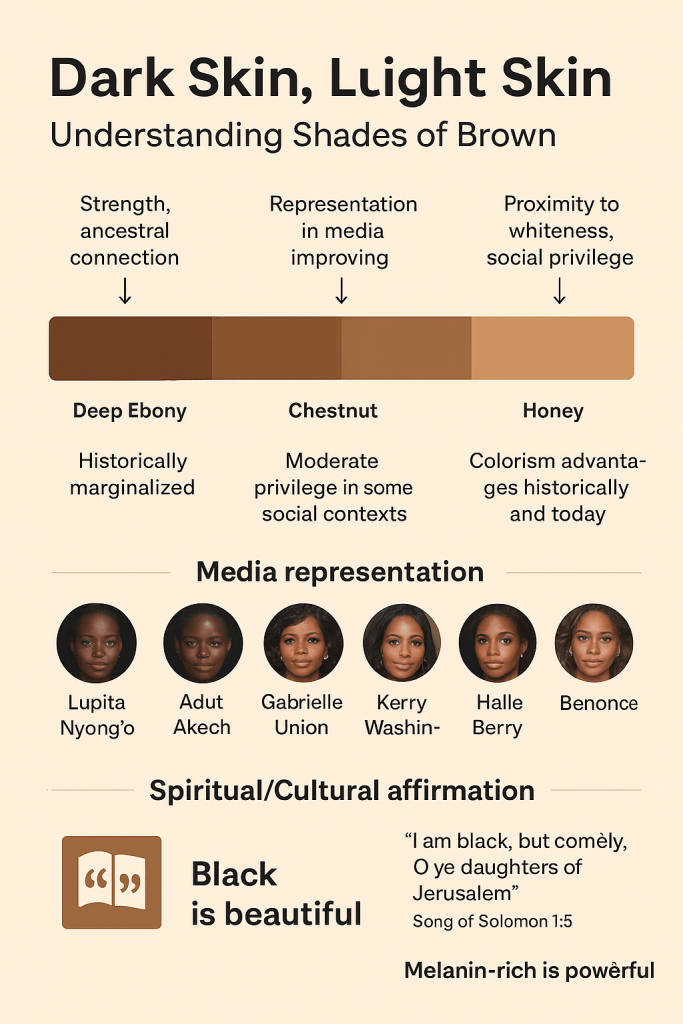
    Examples of celebrities/models for each tone:

    • Dark Brown: Lupita Nyong’o, Adut Akech, Viola Davis.
    • Medium Brown: Gabrielle Union, Kerry Washington.
    • Light Brown: Halle Berry, Zendaya, Beyoncé.

    Colorism and Social Hierarchy

    Colorism is a direct legacy of slavery and colonialism. Enslaved light-skinned Africans often received preferential treatment, while darker-skinned individuals were relegated to harsher labor. These social hierarchies persisted into the 20th century, influencing marriage, employment, and media representation. Research shows that lighter-skinned African Americans often enjoy advantages in education, income, and perceptions of attractiveness, demonstrating the lingering psychological and structural effects of colorism (Hill, 2002).

    Psychological Impacts

    Skin tone can affect self-esteem, social interactions, and identity formation. Dark-skinned individuals may experience negative stereotypes, including assumptions about aggression, laziness, or undesirability, while light-skinned individuals may face internal and external pressure to conform to Eurocentric beauty standards (Fanon, 2008). These dynamics contribute to a spectrum of internalized perceptions of beauty and self-worth, influencing choices about hair, clothing, and cosmetic practices.

    Shades of Brown in Media Representation

    Media representation continues to reflect and shape perceptions of brown skin. Historically, lighter-skinned actors and models were prioritized in film, television, and advertising, reinforcing the desirability of proximity to whiteness. Dark-skinned individuals were underrepresented or cast in secondary roles, perpetuating stereotypes (Hunter, 2005). Today, movements such as #MelaninPoppin and #BlackGirlMagic seek to celebrate all shades of brown, providing positive visibility for darker-skinned individuals and challenging entrenched biases.

    Celebrities as Icons of Melanin Diversity

    Public figures have played a key role in redefining beauty standards across the spectrum of brown skin. Adut Akech, Lupita Nyong’o, and Viola Davis celebrate deep ebony skin, while actresses like Halle Berry and Zendaya represent lighter shades of brown. By showcasing a range of skin tones, these women challenge narrow conceptions of beauty and affirm that Blackness is not monolithic but diverse and vibrant.

    The Bible and Affirmation of Dark Skin

    Scripture affirms the beauty and worth of dark-skinned individuals. Song of Solomon 1:5 (KJV) states, “I am black, but comely, O ye daughters of Jerusalem,” validating the inherent beauty of darker tones. Such affirmations counteract centuries of imposed inferiority and colorist ideologies, offering spiritual grounding for self-acceptance and pride in one’s natural skin.

    The Global Perspective

    Shades of brown carry significance beyond African-descended populations in the Americas. Across Latin America, the Caribbean, and Africa, skin tone influences social hierarchy, marriage prospects, and economic opportunities. In India and Southeast Asia, similar dynamics exist, with lighter skin often preferred in media and marriage markets. These global patterns reveal that the social value assigned to skin tone is historically contingent and culturally transmitted rather than biologically inherent.

    Skin Tone and Hair Texture

    Skin tone often intersects with hair texture in shaping beauty standards. Darker-skinned individuals with tightly coiled hair historically faced compounded biases in professional and social settings. Lighter-skinned individuals with looser curls or straighter hair were more likely to align with Eurocentric aesthetics, reinforcing hierarchies within African-descended communities. Movements celebrating natural hair, such as the CROWN Act in the U.S., have challenged these biases and promoted acceptance of diverse expressions of Black beauty.

    Colorism in Family and Relationships

    Colorism also manifests in interpersonal relationships. Studies indicate that lighter-skinned individuals may experience preferential treatment in dating, marriage, and family dynamics. In some cases, families internalize societal biases, encouraging lighter-skinned children to pursue social advantages associated with proximity to whiteness. This perpetuates generational cycles of color-based prejudice, highlighting the social power of skin tone beyond personal preference.

    Psychological Resilience

    Despite systemic pressures, many dark-skinned individuals cultivate resilience and pride. Awareness of historical oppression, cultural affirmation, and spiritual grounding contribute to self-confidence and community solidarity. Social campaigns and media representation increasingly highlight the value and beauty of darker tones, fostering empowerment and collective affirmation.

    Intersectionality: Race, Gender, and Skin Tone

    Shades of brown are experienced differently depending on gender. Dark-skinned women often face compounded bias, with stereotypes intersecting with sexism, while men encounter expectations tied to hypermasculinity and athleticism. Intersectional analysis shows that skin tone cannot be separated from broader structures of racial and gendered inequality, emphasizing the need for nuanced understanding.

    Beauty Standards and Economic Implications

    Skin tone affects economic outcomes. Studies reveal that lighter-skinned individuals are often favored in hiring, promotions, and media representation. Cosmetic industries exploit these perceptions, marketing skin-lightening products and hair-straightening treatments as pathways to social and professional success. Understanding shades of brown therefore requires attention to both cultural meaning and material consequences.

    Spiritual and Cultural Affirmation

    Faith and cultural traditions offer avenues for affirming the beauty of all shades of brown. African proverbs, folklore, and religious texts celebrate melanin-rich skin as a symbol of vitality, heritage, and divine design. These affirmations provide psychological and spiritual reinforcement against societal biases.

    Conclusion

    Shades of brown are not merely aesthetic; they are markers of identity, history, and social dynamics. Dark skin and light skin among African-descended populations carry complex cultural meanings shaped by slavery, colonization, and media representation. Understanding these shades requires attention to biology, psychology, culture, and spirituality. By affirming the beauty of all tones—from deep ebony to caramel and honey—society can challenge colorism, celebrate diversity, and restore dignity to what has long been marginalized. As Song of Solomon 1:5 reminds us, “I am black, but comely,” all shades of brown are inherently worthy of recognition and celebration.


    References

    Fanon, F. (2008). Black skin, white masks. Grove Press. (Original work published 1952)

    Hill, M. E. (2002). Skin color and the perception of attractiveness among African Americans: Does gender make a difference? Social Psychology Quarterly, 65(1), 77–91.

    Hunter, M. (2005). Race, gender, and the politics of skin tone. Routledge.

    Jablonski, N. G., & Chaplin, G. (2000). The evolution of human skin coloration. Journal of Human Evolution, 39(1), 57–106.

    Influencers Who Redefine Black Beauty

    In an era dominated by social media, influencers have emerged as powerful agents shaping beauty standards, representation, and cultural narratives. For Black women, who have historically faced underrepresentation and colorist biases in mainstream media, influencers play a critical role in redefining beauty by celebrating diversity, melanin-rich skin tones, natural hair textures, and authentic self-expression. These digital leaders challenge Eurocentric ideals and cultivate a sense of pride, confidence, and empowerment among their audiences.

    Historically, beauty standards in Western media have marginalized Black women, often equating light skin, straight hair, and European features with desirability and success. Dark-skinned women with natural hair textures were frequently excluded from modeling, advertising, and entertainment opportunities (Hunter, 2007). The rise of social media has provided platforms for influencers to bypass traditional gatekeepers and present authentic representations of Black beauty to a global audience.

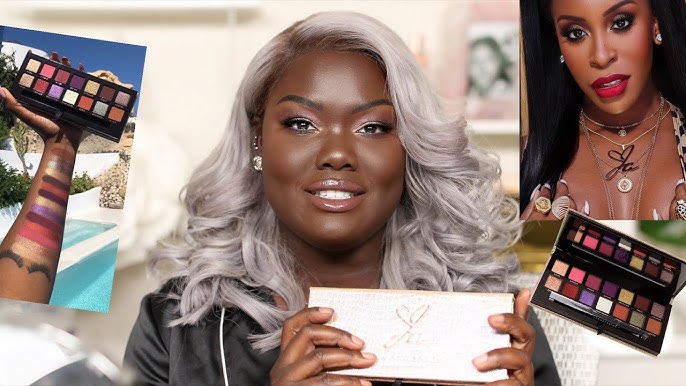
    Influencers such as Jackie Aina, Nyma Tang, and Patrice Williams have leveraged platforms like Instagram, YouTube, and TikTok to advocate for inclusive beauty. Jackie Aina, for instance, highlights the lack of foundation shades for dark-skinned women and collaborates with brands to ensure products serve diverse skin tones. Nyma Tang’s #TheDarkestShadeChallenge brought attention to the exclusion of deep shades in cosmetic lines, fostering industry-wide change and highlighting the power of social media activism.

    These influencers do more than promote products; they challenge entrenched narratives. They share personal stories, address colorism, and provide tutorials that celebrate natural hair, protective styling, and makeup techniques tailored to darker skin. Their platforms serve as educational spaces where followers learn self-care, self-expression, and confidence-building strategies grounded in authenticity rather than conformity.

    Top Influencers Redefining Black Beauty

    1. Jackie Aina

    • Platform: YouTube, Instagram
    • Contribution: Advocates for inclusive makeup shades; collaborates with brands to expand dark-skinned options.
    • Impact: Increased industry awareness; millions of followers inspired to embrace their melanin.

    2. Nyma Tang

    • Platform: YouTube, Instagram
    • Contribution: #TheDarkestShadeChallenge highlighting exclusion of deep foundation shades.
    • Impact: Prompted brands to expand shade ranges; educated audiences on colorism in beauty.

    3. Patrice Williams

    • Platform: Instagram, Twitter
    • Contribution: Celebrates natural hair textures and dark-skinned beauty; creates content affirming self-confidence.
    • Impact: Reinforces pride in authentic Black beauty; provides tutorials and inspiration.

    4. Nabela Noor

    • Platform: TikTok, Instagram
    • Contribution: Promotes self-love and inclusivity in makeup and fashion.
    • Impact: Encourages body positivity and cultural pride for women of all skin tones.

    5. Nyomi Smart

    • Platform: Instagram, YouTube
    • Contribution: Beauty influencer focusing on skincare and makeup for deeper skin tones.
    • Impact: Challenges beauty stereotypes; advocates for representation in media and brands.

    Key Themes Highlighted by Influencers

    • Celebration of melanin-rich skin and natural hair.
    • Awareness of colorism and media biases.
    • Advocacy for inclusive beauty products.
    • Promotion of self-love, confidence, and authenticity.
    • Education about historical and cultural context of Black beauty.

    Visual Design Notes

    • Color Palette: Rich browns, golds, and warm tones to reflect melanin-rich skin.
    • Icons: Hair, lipstick, makeup brushes, and Instagram/YouTube logos.
    • Layout: 5 influencer profiles with photos or icons, brief description, and impact summary.
    • Header Quote: “Fearfully and wonderfully made” – Psalm 139:14 (KJV).

    The psychology behind influencer impact is significant. Seeing relatable role models who reflect one’s own skin tone and features can enhance self-esteem, reduce internalized colorism, and foster positive body image (Tiggemann & Slater, 2014). For Black women, representation matters; influencers who embrace their natural features provide validation that has long been denied by mainstream media.

    In addition to individual influencers, movements like #MelaninMagic and #BlackGirlMagic celebrate dark-skinned beauty collectively, encouraging followers to embrace their melanin and reject societal pressures to conform to Eurocentric standards. These campaigns also emphasize community support, cultural pride, and resilience, reinforcing positive identity formation.

    Social media influencers also engage with brands to promote inclusivity in product development. Their advocacy ensures that makeup, skincare, and haircare products cater to diverse skin tones and hair textures, fostering systemic change in industries that have historically marginalized Black consumers. This intersection of activism and entrepreneurship demonstrates that redefining beauty is both cultural and commercial.

    Biblically, embracing one’s natural beauty aligns with principles of self-respect and honoring the body God has given. “I will praise thee; for I am fearfully and wonderfully made: marvellous are thy works; and that my soul knoweth right well” (Psalm 139:14, KJV). Recognizing and celebrating one’s God-given features counters societal pressure to conform to externally imposed beauty standards.

    Furthermore, influencers encourage critical thinking about media consumption. By highlighting Photoshop, filters, and unrealistic standards, they teach followers to question idealized images and focus on holistic self-worth rather than superficial perfection. This advocacy combines digital literacy, cultural pride, and personal empowerment, demonstrating the multifaceted role of Black beauty influencers in contemporary society.

    In conclusion, influencers who redefine Black beauty are transforming how society perceives melanin-rich skin, natural hair, and diverse facial features. Through representation, activism, and education, they challenge Eurocentric norms, promote self-confidence, and create inclusive spaces for Black women to celebrate their authentic selves. By leveraging social media platforms, these influencers empower audiences to embrace their uniqueness, reject harmful stereotypes, and redefine beauty on their own terms.


    References

    • Hunter, M. (2007). The persistent problem of colorism: Skin tone, status, and inequality. Sociology Compass, 1(1), 237–254.
    • Tiggemann, M., & Slater, A. (2014). NetGirls: The Internet, Facebook, and body image concern in adolescent girls. International Journal of Eating Disorders, 47(6), 630–643.
    • The Holy Bible, King James Version.
    • Thompson, C. (2019). Black Hair: Art, Style, and Culture. Bloomsbury Academic.