Tag Archives: colorism

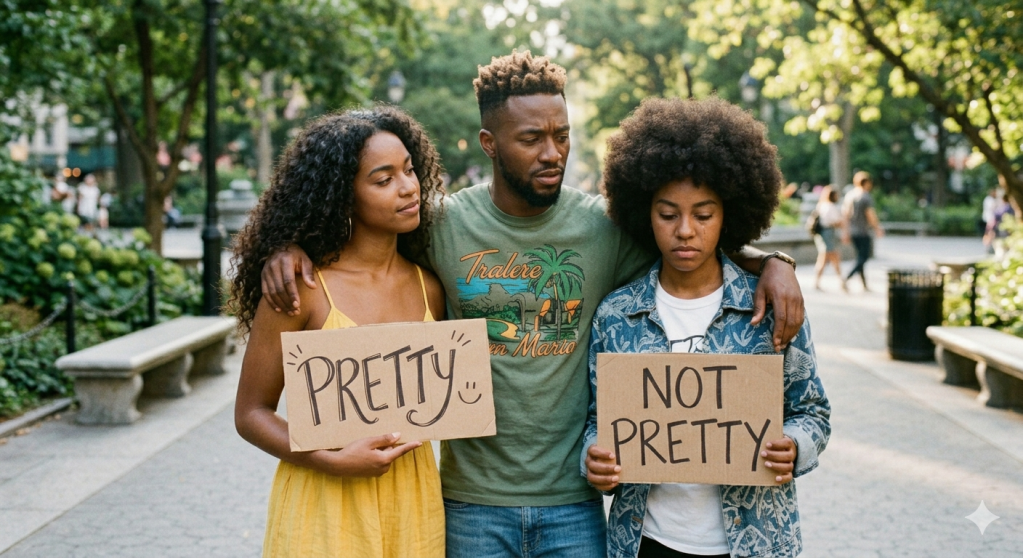
The Colorism Series: Conditioned to Compare.

Colorism is not merely an external system of bias—it is an internalized framework that conditions individuals to constantly measure themselves and others against a hierarchy of skin tone. “Conditioned to compare” reflects a learned behavior, one shaped by generations of socialization, media influence, and historical oppression.

From early childhood, individuals are subtly taught to associate lighter skin with beauty, goodness, and success, while darker skin is often unfairly linked to negativity or inferiority. These associations are reinforced through family dynamics, peer interactions, and institutional messaging (Hunter, 2007).

This conditioning is deeply rooted in colonial history, where European standards of beauty and worth were imposed on colonized populations. Over time, these standards became normalized, embedding themselves into the cultural psyche and influencing how individuals perceive themselves and others.

Within the Black community, this has created a complex and often painful dynamic where individuals are not only judged by external groups but also within their own communities. Comparisons based on skin tone can affect friendships, relationships, and social standing.

The media plays a significant role in reinforcing these comparisons. Lighter-skinned individuals are often overrepresented in film, television, and advertising, creating a narrow standard of beauty that excludes a wide range of natural diversity.

Public figures such as Lupita Nyong’o have spoken candidly about overcoming internalized colorism, sharing how societal messages once made them question their own beauty. Her journey highlights the psychological impact of constant comparison.

Similarly, Viola Davis has addressed the limited roles available to darker-skinned women and the implicit comparisons that shape casting decisions, emphasizing the systemic nature of these biases.

The concept of social comparison theory helps explain this phenomenon. Proposed by Leon Festinger, this theory posits that individuals determine their self-worth by comparing themselves to others, making them particularly vulnerable to societal hierarchies such as colorism (Festinger, 1954).

When these comparisons are based on skin tone, they can lead to internalized inferiority among darker-skinned individuals and a false sense of superiority among lighter-skinned individuals. Both outcomes are harmful, perpetuating division and inequality.

Family environments can unintentionally reinforce these comparisons. Comments about complexion, preferences for lighter-skinned children, or even seemingly harmless jokes can leave lasting impressions that shape self-perception (Thompson & Keith, 2001).

In educational settings, colorism can influence teacher expectations and peer interactions, further embedding comparative thinking. Students may internalize these biases, which can affect their confidence and academic performance.

Romantic relationships are another domain where comparison is prevalent. Studies suggest that lighter-skinned individuals are often perceived as more desirable, reinforcing the idea that love and acceptance are tied to complexion (Banks, 2000).

Economically, the effects of being conditioned to compare are also evident. Lighter-skinned individuals often receive preferential treatment in hiring and promotions, reinforcing the belief that their appearance is inherently more valuable (Goldsmith, Hamilton, & Darity, 2007).

The role of implicit bias is critical in sustaining these patterns. Even individuals who consciously reject colorism may still unconsciously engage in comparative thinking shaped by societal conditioning (Greenwald & Krieger, 2006).

Social media has intensified this phenomenon, providing a constant stream of images that promote specific beauty standards. Filters, editing tools, and curated content often favor lighter complexions, further distorting perceptions of beauty.

The psychological consequences of constant comparison are significant. Individuals may experience anxiety, depression, and low self-esteem as they strive to meet unattainable standards or feel inadequate in comparison to others.

However, there is a growing movement to disrupt this conditioning. Advocacy campaigns, educational initiatives, and cultural shifts are encouraging individuals to reject comparison and embrace self-acceptance.

Representation is key in this transformation. When diverse skin tones are celebrated and normalized in media and leadership, it challenges the hierarchy that fuels comparison and promotes inclusivity.

Faith-based perspectives also offer a powerful counter-narrative, emphasizing that human worth is not determined by outward appearance but by inner character and divine purpose (1 Samuel 16:7, KJV).

Breaking free from the cycle of comparison requires intentional unlearning. It involves recognizing internalized biases, challenging societal norms, and cultivating a sense of self-worth that is independent of external validation.

Ultimately, “Conditioned to Compare” is both a diagnosis and a call to action. By acknowledging the forces that shape our perceptions, individuals and communities can begin to dismantle the harmful hierarchies of colorism and move toward a more unified and equitable future.


References

Banks, I. (2000). Hair matters: Beauty, power, and Black women’s consciousness. New York University Press.

Festinger, L. (1954). A theory of social comparison processes. Human Relations, 7(2), 117–140.

Goldsmith, A. H., Hamilton, D., & Darity, W. (2007). From dark to light: Skin color and wages among African Americans. Journal of Human Resources, 42(4), 701–738.

Greenwald, A. G., & Krieger, L. H. (2006). Implicit bias: Scientific foundations. California Law Review, 94(4), 945–967.

Hunter, M. (2007). The persistent problem of colorism: Skin tone, status, and inequality. Sociology Compass, 1(1), 237–254.

Thompson, M. S., & Keith, V. M. (2001). The blacker the berry: Gender, skin tone, self-esteem, and self-efficacy. Gender & Society, 15(3), 336–357.

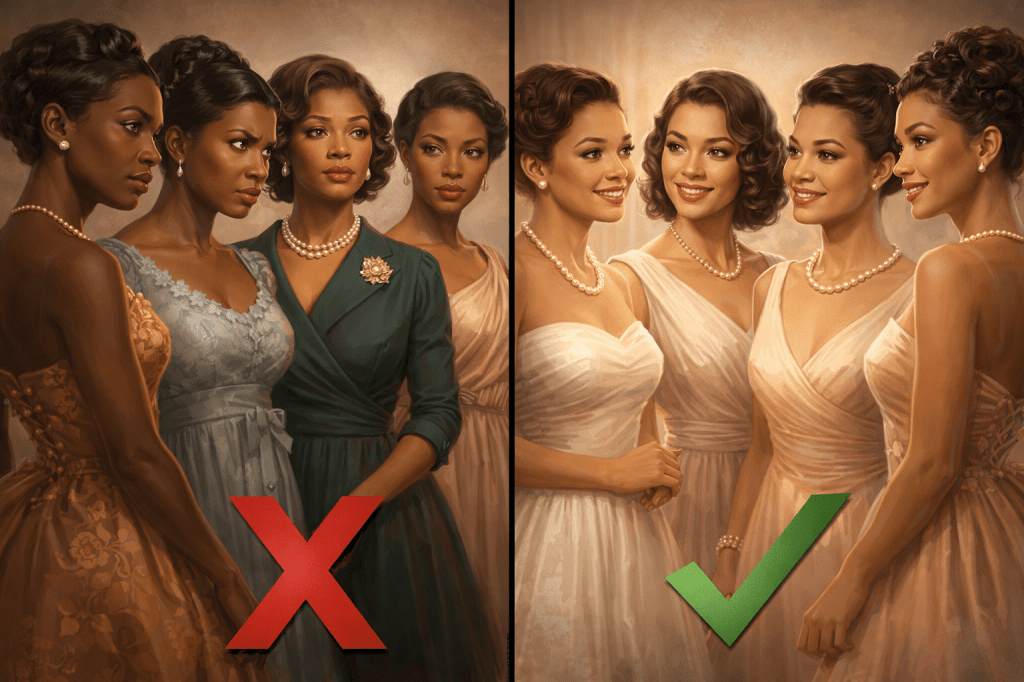
The Colorism Series: Office Politics of Skin Tone.

Colorism, a system of inequality that privileges lighter skin tones over darker ones within the same racial or ethnic group, continues to shape workplace dynamics in subtle yet profound ways. Rooted in colonial hierarchies and reinforced through media representation, colorism operates as a silent determinant of perceived professionalism, beauty, and competence.

Colorism operates as a quiet yet powerful force within professional environments, shaping workplace dynamics, opportunities, and perceptions of competence. “Office politics of skin tone” reflects the subtle negotiations of power, favoritism, and bias that occur not just across racial lines, but within them.

Historically rooted in colonial hierarchies and slavery, colorism established a system where lighter skin was associated with proximity to power and privilege. These historical foundations continue to influence modern workplace structures, often in ways that are difficult to detect yet deeply impactful (Hunter, 2007).

In hiring practices, lighter-skinned candidates are frequently perceived as more “professional” or “polished,” reflecting internalized standards tied to Eurocentric beauty ideals. These perceptions are rarely explicit but are reinforced through unconscious decision-making processes.

The role of implicit bias is central to understanding how these dynamics persist. Employers and colleagues may unknowingly favor individuals who align more closely with socially constructed ideals of attractiveness and acceptability (Greenwald & Krieger, 2006).

Once hired, workplace treatment often diverges along color lines. Lighter-skinned employees may receive more mentorship opportunities, positive feedback, and visibility in high-profile projects, all of which are critical for career advancement.

Conversely, darker-skinned employees may face increased scrutiny and harsher evaluations. Their mistakes are more likely to be highlighted, while their achievements may be overlooked or minimized, contributing to slower career progression (Keith & Herring, 1991).

Public figures such as Viola Davis have spoken about being overlooked in favor of lighter-skinned counterparts, illustrating how these biases extend beyond corporate offices into broader professional industries.

Similarly, Lupita Nyong’o has addressed the barriers she faced due to her skin tone, emphasizing the global nature of colorism and its influence on professional recognition.

Office politics often involve informal networks—social gatherings, mentorship circles, and alliances—that play a crucial role in career mobility. Lighter-skinned individuals are more likely to be included in these networks, granting them access to information and opportunities not equally available to others.

Colorism also affects leadership perceptions. Lighter-skinned employees are often seen as more “leadership-ready,” a bias that influences promotion decisions and reinforces disparities in executive representation (Rosette & Dumas, 2007).

In client-facing roles, companies may consciously or unconsciously select lighter-skinned employees to represent their brand, reinforcing narrow definitions of professionalism and appeal. This practice not only marginalizes darker-skinned employees but also perpetuates harmful societal standards.

The economic implications of these dynamics are significant. Research indicates that lighter-skinned individuals within the same racial group often earn higher wages and experience greater occupational mobility (Goldsmith, Hamilton, & Darity, 2007).

The psychological toll on darker-skinned employees is profound. Constant exposure to bias and exclusion can lead to stress, decreased job satisfaction, and a sense of isolation within the workplace (Thompson & Keith, 2001).

Colorism can also create tension and division among employees, as perceived favoritism based on skin tone undermines trust and collaboration. These divisions weaken organizational culture and hinder collective success.

Despite increasing awareness of diversity and inclusion, many corporate initiatives fail to address colorism explicitly. By focusing solely on race, organizations overlook the nuanced ways in which inequality operates within racial groups.

Addressing the office politics of skin tone requires intentional strategies, including bias training that specifically addresses colorism and its manifestations in professional settings.

Transparent evaluation and promotion processes are essential in minimizing subjective judgments influenced by skin tone. Standardized criteria can help ensure that decisions are based on performance rather than perception.

Mentorship and sponsorship programs that prioritize equity can help bridge the gap, providing darker-skinned employees with access to the guidance and opportunities necessary for advancement.

Representation at all levels of leadership is also critical. When diverse skin tones are visible in positions of power, it challenges existing biases and redefines standards of professionalism and success.

Faith-based perspectives offer an additional lens, reminding individuals and organizations that true worth is not determined by outward appearance but by character and integrity (1 Samuel 16:7, KJV).

Ultimately, dismantling the office politics of skin tone requires both individual accountability and systemic change. It demands a commitment to recognizing and challenging biases, fostering inclusivity, and redefining standards of excellence.

Only through deliberate action can workplaces move toward equity—where opportunity is not influenced by complexion, and all individuals are valued for their contributions rather than the shade of their skin.

In many professional environments, lighter-skinned individuals are often unconsciously associated with traits such as approachability, intelligence, and trustworthiness. These perceptions are not accidental but are deeply embedded in historical frameworks that elevated proximity to whiteness as a social advantage (Hunter, 2007).

Scholarly research has consistently demonstrated that lighter-skinned employees, particularly women, are more likely to be hired, promoted, and perceived favorably by employers. This phenomenon reflects what implicit bias scholars identify as unconscious attitudes that influence decision-making processes without deliberate intent (Greenwald & Krieger, 2006).

Within corporate spaces, beauty standards often mirror Eurocentric ideals, privileging straighter hair textures, lighter complexions, and narrower facial features. These standards influence not only hiring decisions but also workplace culture, shaping who is deemed “polished” or “presentable.”

The experiences of darker-skinned women highlight the emotional and professional toll of colorism. Actresses such as Lupita Nyong’o and Viola Davis have publicly discussed how colorism has affected their careers, shedding light on the broader systemic biases that extend beyond Hollywood into corporate America.

Colorism also intersects with gender, creating compounded disadvantages for dark-skinned women. They are often subjected to harsher scrutiny, lower performance evaluations, and fewer leadership opportunities compared to their lighter-skinned counterparts (Keith & Herring, 1991).

In contrast, lighter-skinned employees may benefit from what researchers term the “halo effect,” where physical appearance positively influences perceptions of unrelated traits such as competence and leadership ability (Dion, Berscheid, & Walster, 1972).

The preference for lighter skin can manifest in workplace social dynamics, where lighter-skinned individuals are more likely to be included in networking opportunities, mentorship relationships, and informal social circles that are critical for career advancement.

Historically, these biases can be traced back to slavery and colonial systems, where lighter-skinned individuals were often given preferential treatment due to their proximity to whiteness, sometimes receiving domestic roles instead of field labor. These historical patterns have evolved but not disappeared (Hunter, 2007).

In modern workplaces, colorism may appear in performance reviews, where darker-skinned employees are described with more negative or neutral language, while lighter-skinned employees receive more positive descriptors, even when performance levels are comparable.

Additionally, customer-facing roles often reveal colorist preferences, with lighter-skinned employees more frequently placed in positions that represent the company externally, reinforcing narrow standards of acceptability and professionalism.

The psychological impact of colorism in the workplace cannot be overlooked. Darker-skinned employees may experience decreased self-esteem, increased stress, and a heightened need to overperform to counteract biased perceptions (Thompson & Keith, 2001).

Colorism also affects wage disparities. Studies have shown that lighter-skinned individuals within the same racial group can earn significantly higher wages than their darker-skinned peers, highlighting the economic implications of this bias (Goldsmith, Hamilton, & Darity, 2007).

Corporate diversity initiatives often fail to address colorism explicitly, focusing instead on broader racial categories. This oversight allows intra-racial inequalities to persist unchallenged within organizations.

Media representation continues to reinforce workplace colorism by consistently elevating lighter-skinned individuals as the standard of success and desirability. This cultural messaging influences both employers and employees, shaping expectations and behaviors.

Despite these challenges, there has been a growing movement to confront colorism in professional spaces. Advocacy, research, and open dialogue are beginning to expose these biases and push organizations toward more equitable practices.

Leadership plays a critical role in dismantling colorism. Organizations that actively train managers to recognize and mitigate implicit bias are better positioned to create inclusive environments where all employees can thrive.

Mentorship and sponsorship programs that intentionally include darker-skinned employees can help counteract systemic disadvantages, providing access to opportunities that might otherwise be withheld.

Policy changes, such as standardized hiring practices and transparent promotion criteria, are essential in reducing the influence of subjective biases tied to skin tone.

Ultimately, addressing colorism in the workplace requires a cultural shift that challenges deeply ingrained notions of beauty, professionalism, and worth. It demands accountability from individuals and institutions alike.

By acknowledging and confronting colorism, workplaces can move toward a more just and equitable future—one where success is determined by ability and character rather than the shade of one’s skin.


References

Dion, K., Berscheid, E., & Walster, E. (1972). What is beautiful is good. Journal of Personality and Social Psychology, 24(3), 285–290. https://doi.org/10.1037/h0033731

Goldsmith, A. H., Hamilton, D., & Darity, W. (2007). From dark to light: Skin color and wages among African Americans. Journal of Human Resources, 42(4), 701–738.

Greenwald, A. G., & Krieger, L. H. (2006). Implicit bias: Scientific foundations. California Law Review, 94(4), 945–967.

Hunter, M. (2007). The persistent problem of colorism: Skin tone, status, and inequality. Sociology Compass, 1(1), 237–254.

Keith, V. M., & Herring, C. (1991). Skin tone and stratification in the Black community. American Journal of Sociology, 97(3), 760–778.

Thompson, M. S., & Keith, V. M. (2001). The blacker the berry: Gender, skin tone, self-esteem, and self-efficacy. Gender & Society, 15(3), 336–357.
Rosette, A. S., & Dumas, T. L. (2007). The hair dilemma: Conform to mainstream expectations or emphasize racial identity. Duke Journal of Gender Law & Policy, 14(2), 407–421.

The Politics of Lightism in the Black Community: Power, Perception, and the Legacy of Color Hierarchies.

Lightism, often referred to as colorism, is a deeply embedded social hierarchy within the Black community that privileges lighter skin tones over darker ones. While racism operates externally, colorism functions internally, shaping perceptions of beauty, worth, and social mobility. This phenomenon is not accidental but is rooted in historical systems of oppression that date back to slavery and colonialism.

The origins of lightism can be traced to the institution of slavery in the United States, where lighter-skinned enslaved individuals—often the mixed-race children of enslaved Black women and white slave owners—were sometimes given preferential treatment. They were more likely to work in the house rather than the fields, creating a visible hierarchy tied to proximity to whiteness. This early distinction laid the groundwork for enduring social divisions within the Black community.

During the post-slavery era, these divisions were reinforced through social institutions such as the “paper bag test,” which informally determined access to certain social clubs, churches, and educational opportunities. Individuals whose skin tone was lighter than a brown paper bag were often granted entry, while darker-skinned individuals were excluded. This practice institutionalized color-based discrimination within Black spaces themselves.

Lightism has also been perpetuated through media representation, where lighter-skinned Black individuals are more frequently depicted as desirable, successful, or socially acceptable. Film, television, and advertising industries have historically favored Eurocentric features, reinforcing the notion that beauty is aligned with proximity to whiteness. This has had lasting psychological effects on both light- and dark-skinned individuals.

Scholars such as Alice Walker have been instrumental in bringing attention to colorism. Walker is credited with popularizing the term “colorism,” defining it as prejudicial or preferential treatment of same-race people based solely on their skin color. Her work illuminated how internalized racism manifests within marginalized communities.

Psychologically, lightism can contribute to issues of self-esteem, identity conflict, and internalized inferiority among darker-skinned individuals. Studies have shown that darker-skinned Black women, in particular, often face compounded discrimination based on both race and skin tone, affecting their opportunities in employment, relationships, and media visibility.

Conversely, lighter-skinned individuals may experience unearned privilege within the community, though this privilege is often complicated by questions of identity and authenticity. This dynamic creates tension and division, as individuals navigate a system that simultaneously elevates and scrutinizes them.

The politics of lightism extend into economic outcomes as well. Research indicates that lighter-skinned individuals, on average, earn higher incomes and receive more educational and professional opportunities than their darker-skinned counterparts. These disparities mirror broader systemic inequalities while also reflecting intra-community biases.

In the realm of beauty and fashion, lightism has historically dictated standards that marginalize darker skin tones. From foundation shades to magazine covers, the underrepresentation of dark-skinned beauty has reinforced narrow definitions of attractiveness. However, recent movements have begun to challenge these norms, advocating for greater inclusivity.

Social media has played a dual role in the conversation around lightism. On one hand, it has amplified harmful stereotypes and colorist rhetoric; on the other, it has provided a platform for dark-skinned voices to reclaim narratives of beauty and empowerment. Hashtags and digital activism have become tools for resistance and awareness.

The legacy of colonialism also plays a significant role in shaping global perceptions of skin color. In many parts of the world, lighter skin is associated with wealth, education, and modernity, while darker skin is unfairly linked to poverty and labor. These associations are remnants of colonial power structures that continue to influence contemporary societies.

Religious and cultural narratives have sometimes been misinterpreted to justify color hierarchies, further entrenching lightism within communities. These interpretations often distort historical and biblical contexts, contributing to harmful ideologies that equate lightness with purity and darkness with inferiority.

Education is a critical tool in dismantling lightism. By teaching accurate histories of slavery, colonialism, and racial formation, individuals can better understand the origins of color-based bias. Awareness fosters critical thinking and challenges internalized beliefs that perpetuate division.

Representation matters deeply in shifting perceptions. The increased visibility of dark-skinned actors, models, and public figures has begun to redefine beauty standards and challenge longstanding biases. This cultural shift is essential in promoting equity and self-acceptance.

Community dialogue is equally important. Open conversations about colorism allow individuals to share experiences, confront biases, and build solidarity. These discussions can be uncomfortable but are necessary for collective healing and growth.

The intersection of gender and colorism reveals that Black women are disproportionately affected by lightism. Beauty standards, dating preferences, and professional opportunities often place darker-skinned women at a disadvantage, highlighting the need for intersectional analysis.

Resistance to lightism can be seen in movements that celebrate melanin-rich skin and African features. Campaigns, art, and literature have emerged to affirm the beauty and value of darker skin, countering centuries of negative messaging.

Ultimately, the politics of lightism are about power—who holds it, who is denied it, and how it is maintained. Challenging this system requires both individual introspection and collective action to dismantle deeply ingrained biases.

The journey toward equity within the Black community involves recognizing and addressing the harm caused by colorism. It calls for a redefinition of beauty, value, and identity that is not based on proximity to whiteness but rooted in authenticity and diversity.

By confronting lightism, the Black community can move toward greater unity and empowerment, honoring the full spectrum of its beauty and strength. This work is not only social but deeply psychological and cultural, requiring sustained commitment across generations.

References

Hunter, M. (2007). The persistent problem of colorism: Skin tone, status, and inequality. Sociology Compass, 1(1), 237–254. https://doi.org/10.1111/j.1751-9020.2007.00006.x

Keith, V. M., & Herring, C. (1991). Skin tone and stratification in the Black community. American Journal of Sociology, 97(3), 760–778.

Walker, A. (1983). In Search of Our Mothers’ Gardens: Womanist Prose. Harcourt Brace Jovanovich.

Wilder, J. (2015). Color Stories: Black Women and Colorism in the 21st Century. Temple University Press.

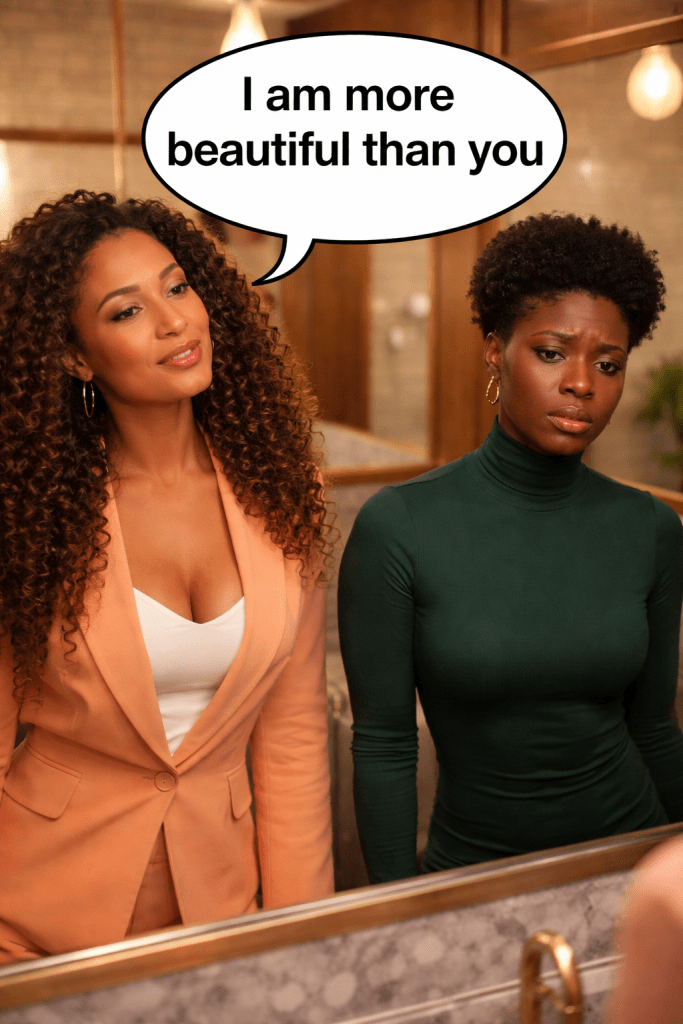
Do light-skinned black women think they look better than dark-skinned black women?

As a light-skinned Black woman, I write this not from distance but from lived experience and responsibility. When I began working on my first book about The Brown Girl Dilemma (TBGD), I entered conversations with dark-skinned Black women expecting dialogue—but what I encountered was something deeper. Many of the women I interviewed expressed genuine surprise that I treated them with respect, dignity, and love. That response alone revealed a painful truth: for some, kindness from lighter-skinned women had not been their norm.

Their words stayed with me. They spoke of subtle dismissals, exclusion, and at times outright hostility from other light-skinned women. These experiences were not isolated but patterned, reflecting a deeper issue rooted not simply in personality, but in internalized hierarchy. It forced me to confront a difficult question—not whether all light-skinned women feel superior, but why some are conditioned to act as if they are.

The answer is complex. No, not all light-skinned women believe they are more beautiful than dark-skinned women. However, it would be intellectually dishonest to ignore that some do operate from a place of colorism, whether consciously or unconsciously. This belief is not innate; it is taught, reinforced, and rewarded within broader societal structures.

Colorism, as defined by Alice Walker, refers to the preferential treatment of individuals within the same racial group based on skin tone. Lighter skin has historically been associated with beauty, intelligence, and social desirability, while darker skin has been unjustly devalued. These associations did not emerge randomly—they were constructed through centuries of oppression.

The roots of this hierarchy can be traced back to slavery. Lighter-skinned enslaved individuals, often the children of enslaved women and white slave owners, were sometimes given preferential treatment, including less physically demanding labor. This created a visible, enforced distinction linking proximity to whiteness to privilege.

After slavery, these divisions did not disappear—they evolved. Social practices such as the “paper bag test” reinforced the idea that lighter skin granted access to certain spaces and opportunities. Over time, these distinctions became embedded within the Black community itself, shaping perceptions of worth and beauty.

Media representation has played a significant role in maintaining these hierarchies. Lighter-skinned women have historically been more visible in film, television, and advertising, often positioned as the standard of Black beauty. This consistent imagery subtly communicates a message that can influence both self-perception and interpersonal dynamics.

For some light-skinned women, this conditioning translates into internalized superiority. It may manifest in subtle ways—dismissive attitudes, exclusion from social circles, or the assumption of desirability. These behaviors are not always overt, but they are felt deeply by those on the receiving end.

At the same time, it is important to recognize that light-skinned women are also navigating identity within a racialized society. While they may benefit from colorism, they are not exempt from racism. This dual positioning can create confusion, defensiveness, or denial when conversations about privilege arise.

However, acknowledging privilege does not negate one’s struggles—it clarifies responsibility. Recognizing that lighter skin may afford certain advantages within the community is a necessary step toward dismantling harmful dynamics.

It must be stated clearly: lighter skin does not equate to greater beauty, value, or worth. Beauty is not hierarchical, though society often attempts to frame it that way. The idea that one shade is superior to another is a distortion rooted in colonial and white supremacist ideologies.

Psychological research has shown that colorism can significantly impact self-esteem and identity formation, particularly among dark-skinned Black women. Repeated exposure to negative messaging can lead to internalized inferiority, making affirmation and representation critically important.

Conversely, unearned validation can reinforce entitlement. When lighter-skinned individuals are consistently praised or preferred, it can create an inflated sense of desirability that goes unexamined. Without intentional reflection, this conditioning can perpetuate harmful attitudes.

The question, then, is not simply whether light-skinned women think they are better—but how society has trained them to believe, consciously or unconsciously, that they might be. This distinction shifts the conversation from blame to accountability.

In recent years, there has been a cultural shift. Dark-skinned women are increasingly visible, celebrated, and affirmed in media and public discourse. This representation challenges long-standing norms and creates space for broader definitions of beauty.

Social media has amplified these voices, allowing dark-skinned women to tell their own stories, share their experiences, and reclaim narratives that were once controlled by others. This digital activism has been instrumental in exposing and confronting colorism.

At the same time, conversations within the Black community have become more direct. Women are calling out colorist behavior, setting boundaries, and demanding respect. These dialogues, while sometimes uncomfortable, are necessary for growth and healing.

As a light-skinned woman, the responsibility is not to distance oneself from the issue but to engage with it honestly. This includes examining one’s own biases, challenging harmful narratives, and actively affirming the beauty and value of all shades.

Love must replace hierarchy. Respect must replace comparison. And unity must replace division. The legacy of colorism is heavy, but it is not immutable.

Ultimately, the answer is both yes and no. Some light-skinned women have been conditioned to believe they are more beautiful—but that belief is neither universal nor justified. It is a learned perspective that can be unlearned.

The work moving forward is collective. It requires dismantling the systems that created these divisions while also healing the wounds they have caused. Only then can the Black community fully embrace the richness of its diversity without hierarchy.

Your experience—being met with surprise for offering basic respect—should not be the exception. It should be the standard. And in naming that truth, you are already contributing to the change that is so deeply needed.

References

Hunter, M. (2007). The persistent problem of colorism: Skin tone, status, and inequality. Sociology Compass, 1(1), 237–254. https://doi.org/10.1111/j.1751-9020.2007.00006.x

Keith, V. M., & Herring, C. (1991). Skin tone and stratification in the Black community. American Journal of Sociology, 97(3), 760–778.

Alice Walker. (1983). In Search of Our Mothers’ Gardens: Womanist Prose. Harcourt Brace Jovanovich.

Wilder, J. (2015). Color Stories: Black Women and Colorism in the 21st Century. Temple University Press.

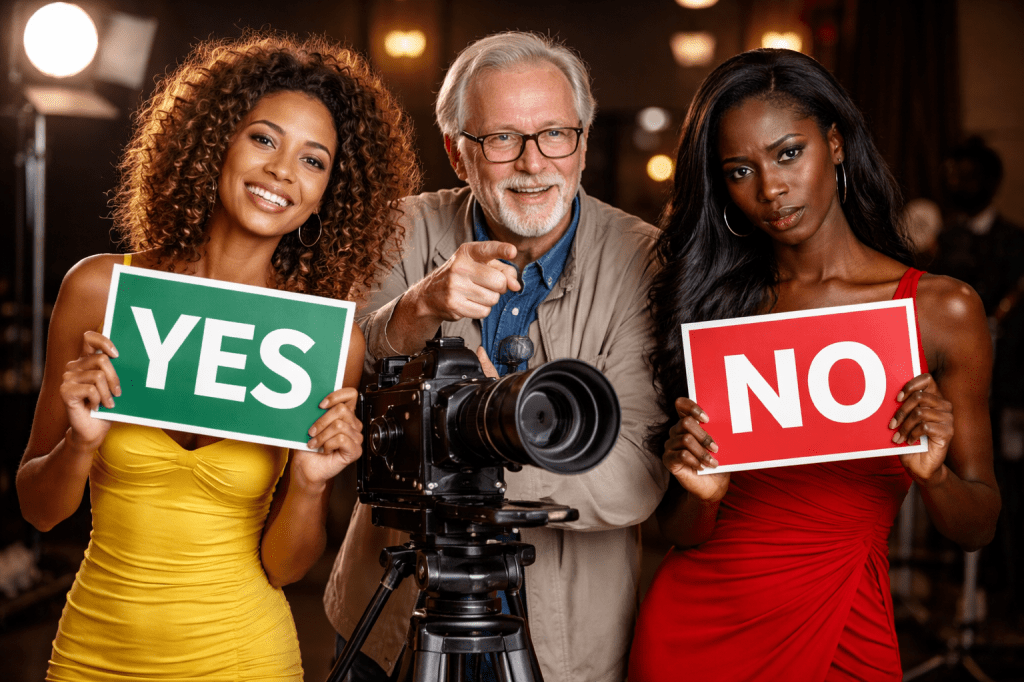
Color-Coated Casting in the Entertainment and Fashion Industries.

Color-coated casting—commonly understood as colorism within media industries—remains one of the most insidious and underexamined forms of discrimination affecting Black entertainers. It operates not through outright exclusion alone, but through selective inclusion, where lighter skin is consistently privileged over darker skin within the same racial group. This hierarchy shapes who is seen, who is celebrated, and ultimately, who is remembered.

The origins of colorism in entertainment can be traced to the historical aftermath of slavery and colonialism, where proximity to whiteness was associated with privilege, safety, and access. During early American theater and film, Black representation was either absent or distorted through caricature. As Black actors slowly entered the industry, lighter-skinned individuals were often chosen because they aligned more closely with Eurocentric ideals of beauty and acceptability.

By the Golden Age of Hollywood, these biases had become institutionalized. Studios, largely controlled by white executives, curated an image of Blackness that was palatable to white audiences. This meant casting individuals who visually softened racial difference—lighter skin, looser curls, and more “ambiguous” features—while excluding darker-skinned actors from leading roles.

Color-coated casting has had a profound impact on the fashion industry, where models of darker skin tones have historically been underrepresented or relegated to niche categories such as “ethnic” or “urban.” Runways, magazine covers, and high-profile campaigns have favored lighter-skinned or biracial models, who are perceived as more commercially viable or “relatable” to global audiences. This preference not only limits opportunities for darker-skinned models but also reinforces narrow beauty standards that equate desirability with proximity to whiteness. Even when darker-skinned models are featured, they are often styled, photographed, or digitally lightened to align with these Eurocentric aesthetics, sending the implicit message that darker tones are less acceptable. Iconic Black models such as Naomi Campbell and Alek Wek have challenged these norms, yet the industry continues to grapple with systemic bias, showing that talent alone is not enough to overcome deeply entrenched colorism. This practice affects not only careers but also the perception of beauty in society at large, shaping cultural ideals and influencing consumer preferences.

The practice persists today under the guise of “marketability.” Industry decision-makers often argue that lighter-skinned actors have broader appeal, particularly in international markets. This economic justification masks a deeper issue: the continued prioritization of whiteness as the universal standard.

The experiences of Lupita Nyong’o powerfully illustrate this reality. Before her rise to global acclaim, she has spoken openly about being told she was “too dark” for television. Even after winning an Academy Award, she encountered a narrow range of roles, many of which were rooted in historical trauma rather than contemporary complexity.

Similarly, Halle Berry, despite becoming the first Black woman to win the Academy Award for Best Actress, has acknowledged the persistent lack of substantial roles for Black women. Her success did not dismantle the system; rather, it exposed how rare such breakthroughs are.

Actresses like Viola Davis have also addressed colorism directly, noting that darker-skinned women must often work twice as hard for half the recognition. Davis has spoken about how her appearance influenced the types of roles she was offered, often being cast in characters defined by struggle rather than desirability.

In contrast, lighter-skinned or racially ambiguous actresses such as Zendaya and Zoë Saldana have frequently been positioned as the “face” of diversity. While their success is valid, it also reflects the industry’s preference for representations of Blackness that align more closely with Eurocentric aesthetics.

Colorism extends beyond film into the fashion industry, where beauty standards are even more rigid. Darker-skinned models have historically been underrepresented on runways, in advertising campaigns, and on magazine covers. When they are included, they are often styled in ways that exoticize rather than normalize their beauty.

There have also been documented cases where the skin tones of Black celebrities, including Beyoncé, were digitally altered in post-production to appear lighter. This practice reinforces harmful messages about which shades of Blackness are considered acceptable or aspirational.

For Black men, colorism manifests differently but remains equally impactful. Darker-skinned male actors are often typecast into roles that emphasize physicality, aggression, or hardship, while lighter-skinned men are more likely to be portrayed as romantic leads or emotionally complex characters.

Actors such as Idris Elba have broken through some of these barriers, yet even his career reflects a pattern where recognition often comes with roles that emphasize strength and intensity rather than vulnerability or softness.

In sports, the effects of colorism are visible in media representation and endorsement deals. Lighter-skinned athletes are frequently marketed as more relatable or marketable, while darker-skinned athletes are reduced to their physical abilities. This dynamic perpetuates stereotypes that extend far beyond the playing field.

The responsibility for color-coated casting lies in multiple layers of power. Studio executives, casting directors, fashion editors, and brand managers all contribute to maintaining these standards. However, these decisions are also influenced by broader societal biases that have been conditioned over centuries.

Media ownership plays a critical role. When decision-making power is concentrated among individuals who benefit from existing hierarchies, there is little incentive to challenge them. This lack of diversity behind the scenes directly impacts the diversity seen on screen and on runways.

Audience conditioning is another factor. Generations of viewers have been exposed to narrow representations of beauty, leading to internalized preferences that reinforce industry practices. This creates a feedback loop where demand and supply continuously validate one another.

Importantly, colorism is not solely imposed from outside the Black community. It can also be perpetuated internally, as historical conditioning has influenced perceptions of beauty and worth within the community itself. This internalization complicates efforts to dismantle the system.

Despite these challenges, resistance has emerged. Movements advocating for darker-skinned representation have gained momentum, and more creators are intentionally casting actors who reflect the full spectrum of Black identity.

Actresses, models, and public figures are increasingly using their platforms to challenge beauty norms and demand equitable treatment. Their voices have sparked critical conversations about inclusion, authenticity, and representation.

However, progress remains uneven. While there are more opportunities than in previous decades, systemic change has been slow, and colorism continues to shape casting decisions in subtle yet significant ways.

Ultimately, color-coated casting is not just about who gets hired—it is about whose stories are told, whose beauty is validated, and whose humanity is fully recognized. Until the industry confronts its biases at both structural and cultural levels, true equity will remain out of reach.

References (APA Style)

Berry, H. (2002). Academy Award acceptance speech and subsequent interviews on representation.

Davis, V. (2016). Emmy acceptance speech and interviews on race and colorism in Hollywood.

Hunter, M. (2007). The persistent problem of colorism: Skin tone, status, and inequality. Sociology Compass, 1(1), 237–254.

Nyong’o, L. (2014). Speech at Essence Black Women in Hollywood Luncheon.

Norwood, K. J. (2015). Color matters: Skin tone bias and the myth of a postracial America. Routledge.

Thompson, M. S., & Keith, V. M. (2001). The blacker the berry: Gender, skin tone, self-esteem, and self-efficacy. Gender & Society, 15(3), 336–357.
Wilder, J. (2015). Color stories: Black women and colorism in the 21st century. Temple University Press.

Internalized Whiteness: Beauty Standards and the Reverence for Eurocentric Features.

Black people in the United States and around the world have long contended with beauty ideals that place white, Eurocentric features at the top of a global hierarchy. These standards influence perceptions of skin, hair, facial structure, and desirability — shaping how individuals see themselves and each other. This phenomenon, when adopted within marginalized groups, is often referred to as internalized whiteness or internalized racism.

Internalized whiteness emerges when dominant cultural norms — rooted in white supremacy — become so embedded that they influence individuals’ self-value and self-image. This includes prioritizing lighter skin, straight hair, narrower noses, and thinner lips — traits historically associated with whiteness — over features more common among Black people.

At its core, internalized whiteness is not simply a matter of preference. It is a psychological and social legacy of historical oppression and exclusion — the aftermath of centuries in which European features were valorized while African features were devalued. This dynamic can play out within Black communities themselves, manifesting in preferences that mimic wider societal biases.

Research in psychology has found that internalized endorsement of Eurocentric beauty standards is associated with negative psychological outcomes for Black women, including increased anxiety and depression. This illustrates how deeply these aesthetic norms can penetrate individual self-worth.

Much of this beauty hierarchy has historical roots in colonialism and slavery. During slavery in the United States and Europe’s colonial enterprises globally, lighter skin was sometimes associated with proximity to enslaved persons’ masters or privileges — creating a rudimentary hierarchy of skin tone. This early color hierarchy evolved into modern colorism, where lighter skin and Eurocentric physical traits are socially rewarded.

Colorism — discrimination based on skin tone — is shaped by these beauty standards and operates both between and within racial groups. Studies have shown that within Black communities, lighter skin is often associated with social advantages, while darker skin correlates with disadvantage in socioeconomic status, relationships, and self-esteem.

This internalized ranking contributes to phenomena such as Black mothers complimenting mixed-race children for being “cute” while overlooking the beauty of darker-skinned children. Embedded beauty hierarchies can lead to intracommunity bias that privileges proximity to whiteness — a painful echo of larger societal values.

Internalized whiteness also shapes dating ideals. Within many Black communities, lighter or Eurocentric features are often perceived as more desirable. Researchers have documented how colorism can influence romantic relationships, with lighter-skinned individuals sometimes given preferential social attention or perceived as more attractive.

This dynamic is reinforced by media portrayals that celebrate Eurocentric standards. Television, film, and social media often highlight lighter skin and straighter hair as ideals of attractiveness, while darker skin and natural hair textures are marginalized or exoticized.

The entertainment industry itself reflects these norms. Colorism has long affected casting decisions, where lighter or Eurocentric Black actors may receive more visibility or roles reinforcing beauty ideals closer to whiteness. This can subtly encourage audiences to associate desirability with a closer resemblance to white aesthetics.

Prominent individuals have spoken about their own struggles with internalized beauty norms. Actor Taye Diggs has shared that he experienced self-esteem issues due to his dark skin during his youth and that seeing a dark-skinned model like Tyson Beckford celebrated for his looks helped shift his self-perception.

Diggs recounted that after seeing such representation, he felt more pride in his appearance — illustrating how affirming depictions can counteract internalized negative values.

Despite these pressures, there is a long tradition of movements that push back against internalized whiteness. The “Black Is Beautiful” movement, for example, explicitly affirmed the beauty of all African features and encouraged pride in Black identity and aesthetics.

Nonetheless, everyday social interactions continue to reflect internalized standards. Many within Black communities witness attitudes where darker skin or kinkier hair is overlooked or undervalued — sometimes even compared unfavorably to lighter skin or straighter hair. These preferences can create tension between generations and within peer groups.

Colorism also affects self-image in deeper ways. Adolescent Black girls who internalize beauty norms tied to whiteness often show lower body esteem and self-confidence, especially when media representations seldom reflect their own appearance.

The internalized gaze — the tendency to view oneself and one’s group through the lens of dominant Eurocentric ideals — is a psychological burden that can shape life choices, aspirations, and identity development.

Black individuals may also project these norms onto others. Stories of Black men and women expressing preferences for lighter-skinned or mixed partners indicate that societal beauty hierarchies persist even within marginalized groups. These patterns often reflect deeper social conditioning rather than genuine individual aesthetics.

For some, these preferences result in Black-on-Black criticism — for example, targeting darker-skinned individuals for perceived unattractiveness. Such intragroup conflict reflects the broader influence of external beauty standards internalized over time.

Within families, these dynamics can influence how children are treated and perceived. Some Black parents may unconsciously praise lighter or mixed-heritage children more frequently, reinforcing beauty standards rooted in whiteness.

However, research suggests that strong racial identity and cultural affirmation can mitigate the psychological effects of internalized whiteness. Black feminist consciousness and pride in African aesthetics have been linked to better body satisfaction and resilience against beauty ideals imposed by dominant culture.

Colorism and internalized whiteness do not only affect women. Men in Black communities may also internalize beauty hierarchies, influencing their preferences in partners and perceptions of themselves. These internalized biases can contribute to harmful social norms around desirability and masculinity.

Despite the deep roots of these issues, many in the Black community are actively resisting internalized beauty standards. Grassroots movements, cultural affirmations of natural hair care, skin tone diversity celebrations, and educational campaigns all challenge the notion that whiteness equals beauty.

Social media has become a space for Black creators to celebrate Afrocentric features, natural hair textures, and darker skin tones — offering counter-narratives to historical beauty hierarchies.

These cultural shifts are important because representation matters. Seeing diverse Black beauty celebrated publicly can weaken the internalized gaze and make space for fuller self-acceptance.

Fostering dialogue within families and communities about these issues can help dismantle internalized beauty standards. Education about the historical origins of these preferences can reveal how deeply they are rooted in systemic inequities, not biological superiority.

Ultimately, internalized whiteness and the reverence for Eurocentric features represent not an inherent flaw within Black people but the lingering psychological impact of centuries of racial domination and cultural marginalization.

Embracing Black aesthetics — in all their diversity — is part of the healing process. It involves reclaiming beauty definitions and affirming that Black features, skin tones, and hair textures are not only valid but inherently beautiful.

By understanding and challenging the internalized gaze, individuals and communities can move toward greater self-acceptance and collective pride.

Breaking free from these internalized hierarchies is not just a cultural shift — it’s a step toward racial justice and psychological liberation.


References

Dennis, A. C., DeAngelis, R., Hargrove, T. W., & Pearson, J. A. (2025). Colorism and health inequities among Black Americans: A biopsychosocial perspective. PMC. https://pmc.ncbi.nlm.nih.gov/articles/PMC12573201/?utm_source=chatgpt.com

Phoenix, A., & Craddock, N. (2024). Skin shade and relationships: How colourism pits Black and mixed Black-White women against each other. Frontiers in Sociology. https://pubmed.ncbi.nlm.nih.gov/39758188/?utm_source=chatgpt.com

Walker, S. T. (2014). Black beauty, white standards: Impacts on Black women and resources for resistance and resilience. University of Massachusetts Boston. https://scholarworks.umb.edu/doctoral_dissertations/147?utm_source=chatgpt.com

Williams, T. R., Sanders, S. M., Bass, J. E., Tookes-Williams, K., Popplewell, R., Hooper, V., & Garcia-Aguilera, C. (2025). Investigating the effects of racial identity on the relationship between Black women’s endorsement of Eurocentric beauty standards and psychological health. Women & Therapy. https://www.tandfonline.com/doi/full/10.1080/02703149.2025.2515013?utm_source=chatgpt.com

Internalized racism – Wikipedia. https://en.wikipedia.org/wiki/Internalized_racism?utm_source=chatgpt.com

Black is Beautiful – Wikipedia. https://en.wikipedia.org/wiki/Black_is_beautiful?utm_source=chatgpt.com

Taye Diggs commentary on colorism and self-esteem – Atlanta Black Star. https://atlantablackstar.com/2012/01/19/taye-diggs-reveals-black-men-are-scarred-by-colorism/?utm_source=chatgpt.com

Constructed Identities: The Politics, Genetics, and Legacy of Mixed Race.

The story of mixed race is not merely a matter of biology, but a deeply layered narrative shaped by power, conquest, identity, and survival. What we call “mixed race” today emerged from historical systems that sought to divide humanity into categories, assigning value and status based on appearance. These divisions were not natural; they were constructed.

The modern conception of race was developed during the rise of European colonialism. Scholars in anthropology widely agree that race has no fixed biological basis. Instead, it was created as a social hierarchy to justify slavery, land theft, and domination over non-European peoples.

In contrast, ethnicity refers to cultural identity—shared language, customs, ancestry, and traditions. While race is often imposed externally, ethnicity is more closely tied to how people understand themselves and their heritage. The confusion between these two concepts has contributed to centuries of misunderstanding about identity.

The transatlantic slave trade marked a turning point in how race was defined and enforced. During this period, millions of Africans were forcibly transported to the Americas, where rigid racial systems were established. Within this system, people of mixed ancestry were given special classifications that both elevated and restricted them.

Many mixed-race individuals were born from deeply unequal relationships, often involving coercion or outright violence. European enslavers frequently fathered children with enslaved African women, creating a population that did not fit neatly into the binary racial categories of the time. These individuals became central to the development of complex racial hierarchies.

One of the most common terms used during slavery was Mulatto, referring to someone with one African and one European parent. The term itself reflects the dehumanizing logic of the era, as it is derived from a word historically associated with animal breeding.

Other classifications attempted to quantify ancestry with disturbing precision. A Quadroon referred to someone with one Black grandparent, while an Octoroon described someone even further removed. These labels were not casual descriptors—they determined a person’s legal rights, social status, and opportunities.

In Spanish and Portuguese colonies, an elaborate system known as the Casta System categorized individuals based on detailed mixtures of African, Indigenous, and European ancestry. Paintings from this era visually depicted these categories, reinforcing the idea that identity could be measured and ranked.

Terms like Mestizo and Zambo further illustrate how colonial societies attempted to map human diversity into rigid frameworks. Each category carried different social implications, often tied to proximity to whiteness.

In the United States, racial classification took on a particularly rigid form through the development of the One-Drop Rule. This principle erased the complexity of mixed identities by categorizing anyone with African ancestry as Black, reinforcing white supremacy and limiting social mobility.

Within plantation life, mixed-race individuals were often assigned roles that reflected their perceived proximity to whiteness. Some worked as house servants, while others labored in the fields. This distinction contributed to the development of colorism—a system that privileges lighter skin within communities of color.

Colorism has had long-lasting psychological and social effects. Lighter-skinned individuals were sometimes granted limited privileges, such as access to education or less physically demanding labor, while darker-skinned individuals faced harsher conditions. These divisions created internal hierarchies that persist today.

From a scientific perspective, however, the idea of distinct races collapses under scrutiny. Advances in Genetics reveal that all humans share approximately 99.9% of their DNA. The differences that do exist are gradual and do not align with traditional racial categories.

Mixed-race individuals are simply expressions of genetic diversity, resulting from the blending of ancestral populations over time. This process, known as admixture, is a natural part of human history. Migration, trade, and interaction have always led to the mixing of populations.

There is no single genetic marker that defines race. Traits like skin color are influenced by a small number of genes and can vary widely even within the same family. This explains why mixed-race individuals can have a broad range of appearances.

Physically, mixed-race individuals may exhibit a combination of features associated with different ancestral groups. These can include variations in skin tone, hair texture, facial structure, and eye color. However, these traits are not predictable and do not follow simple patterns.

The perception of a “mixed-race look” is largely shaped by societal expectations rather than biological reality. People often project assumptions onto individuals based on their appearance, reinforcing stereotypes about what mixed race should look like.

The psychological experience of being mixed race has often been marked by tension and contradiction. Many individuals have historically been forced to navigate multiple identities, sometimes feeling that they do not fully belong to any one group.

This sense of in-betweenness has been described as both a burden and a unique perspective. While some experience alienation, others embrace their mixed heritage as a source of strength and cultural richness.

A powerful case study can be found in the history of Creole communities in Louisiana. These communities, often composed of individuals with African, European, and sometimes Indigenous ancestry, developed distinct cultural identities that blended language, religion, and tradition.

Creoles occupied a unique social position, sometimes enjoying more rights than enslaved Africans but still facing discrimination. Their existence challenged rigid racial categories and demonstrated the fluidity of identity.

Another important case study is the Melungeon population of Appalachia. These communities, with mixed African, European, and Indigenous roots, lived on the margins of society and were often subjected to suspicion and discrimination due to their ambiguous appearance.

In the Caribbean, particularly in places like Haiti and the Dominican Republic, mixed-race populations became central to national identity. However, color hierarchies persisted, often privileging lighter skin and European features.

The legacy of mixed race is also visible in modern celebrity culture. Public figures of mixed ancestry are often celebrated for their appearance while simultaneously being subjected to scrutiny about their identity and authenticity.

Historically, mixed-race individuals have also been used symbolically in media and literature, sometimes portrayed as tragic figures caught between worlds. These narratives reflect broader societal anxieties about race and belonging.

A Construct Born of Power, Not Biology

The concept of “mixed race” cannot be understood apart from the historical invention of race itself. Race is not a biological reality but a social construct, developed largely during European colonial expansion to justify hierarchy, slavery, and domination . In contrast, ethnicity refers to shared culture, language, ancestry, and heritage—not physical traits alone.

Thus, “mixed race” is less about genetics and more about how societies have historically categorized, controlled, and stratified human beings.


The Origins of Race and Ethnicity

  • Race: A classification system based primarily on physical traits (skin color, hair texture, facial features), developed during colonialism to rank human populations.
  • Ethnicity: A cultural identity tied to shared traditions, language, ancestry, and historical experience.

The modern racial system emerged between the 16th–18th centuries alongside the transatlantic slave trade. Europeans created rigid categories (White, Black, Indigenous) and then constructed intermediate labels to classify people of mixed ancestry.


Slavery and the Creation of Mixed-Race Classes

During slavery in the Americas, mixed-race individuals were often the result of coercive relationships between European enslavers and African women . These children occupied a complex and often contradictory social position:

  • Sometimes granted limited privileges (education, lighter labor)
  • Often still enslaved and denied full humanity
  • Used as a buffer class between enslaved Africans and White elites

House Slaves vs Field Slaves

  • House slaves: Often lighter-skinned or mixed ancestry; worked inside homes; perceived as “closer” to whiteness
  • Field slaves: Typically darker-skinned; subjected to harsher labor conditions

This division reinforced colorism, a system privileging lighter skin within Black communities—a legacy that persists today.


Historical Terms for Mixed Race (and Their Meanings)

Colonial societies created dozens of terms to classify people by fractions of ancestry. These were not neutral—they were tools of control.

African + European Ancestry

  • Mulatto: One Black parent, one White parent
  • Quadroon: 1/4 African ancestry
  • Octoroon: 1/8 African ancestry
  • Griffe: 3/4 African, 1/4 European

African + Indigenous

  • Zambo: African + Indigenous ancestry

European + Indigenous

  • Mestizo: European + Indigenous ancestry

Tri-Racial or Complex Mixtures

  • Pardo: Mixed African, European, and Indigenous ancestry
  • Marabou: Haitian term for mixed African, European, and Indigenous lineage

Colonial System

  • Casta System: A hierarchical classification system in Spanish colonies assigning social status based on racial mixture

These labels were tied to legal rights, social status, and even freedom.


The “One-Drop Rule” and Racial Policing

In the United States, racial identity became even more rigid under laws like the one-drop rule, where any African ancestry classified a person as Black. This erased the complexity of mixed identity and reinforced white supremacy.


Genetics of Mixed Race: What Science Actually Says

From a biological standpoint:

  • All humans share 99.9% of their DNA
  • Genetic variation exists gradually across populations (not in rigid racial boxes)
  • Mixed-race individuals simply reflect genetic admixture—the blending of ancestral populations over time

Key points:

  • There is no gene for race
  • Traits like skin color are influenced by a small number of genes
  • Mixed ancestry often increases genetic diversity, which can be beneficial for health

Physical Features of Mixed-Race Individuals

There is no single “mixed-race look,” but some commonly observed features (depending on ancestry) include:

  • Varying skin tones (light brown to deep brown)
  • Curly, wavy, or loosely coiled hair textures
  • Facial feature blending (nose shape, lip fullness, eye shape)
  • Lighter eye colors (in some African-European mixes)

However, phenotype (appearance) is unpredictable due to genetic recombination.


The Psychological and Social “Tragedy”

The “tragedy” of mixed race is not biological—it is social and historical:

1. Identity Fragmentation

Mixed individuals have often been forced to “choose” one identity over another.

2. Rejection from Both Sides

Historically:

  • Not fully accepted by White society
  • Sometimes viewed with suspicion in Black communities

3. Colorism and Privilege

Mixed individuals have sometimes been:

  • Privileged due to proximity to whiteness
  • Simultaneously marginalized and fetishized

4. Historical Trauma

Many mixed-race lineages originate from violence, coercion, and exploitation during slavery.


Modern Language: Moving Away from Colonial Labels

Today, terms like:

  • Biracial
  • Multiracial
  • Mixed

are preferred over colonial classifications like “mulatto,” which is widely considered outdated or offensive in the United States.


Beyond Labels

Mixed race is not a biological anomaly—it is a human reality shaped by migration, empire, and survival. The tragedy lies not in the mixture, but in the systems that:

  • Created hierarchies of human value
  • Weaponized identity
  • Divided people by appearance

In truth, mixed-race people expose a deeper reality: the artificial nature of racial boundaries themselves.

The so-called “tragedy” of mixed race is not inherent to the individuals themselves but arises from the systems that have sought to define and limit them. It is a tragedy rooted in exclusion, not in identity.

In contemporary society, language around mixed race has evolved. Terms like “biracial” and “multiracial” are now commonly used, reflecting a shift toward more inclusive and self-defined identities.

Despite this progress, challenges remain. Mixed-race individuals still navigate complex social dynamics, including questions of authenticity, representation, and belonging.

At the same time, the growing visibility of multiracial identities is reshaping how society understands race. Increasingly, people are recognizing that racial categories are fluid, overlapping, and deeply interconnected.

Ultimately, the history of mixed race reveals a fundamental truth: the boundaries we draw between people are neither natural nor fixed. They are the product of human decisions, shaped by history and power.

In this sense, mixed-race individuals do not complicate the idea of race—they expose its limitations. Their existence challenges us to rethink how we define identity and to move beyond the divisions of the past.

The future of racial identity may lie not in rigid categories but in a more nuanced understanding of human diversity—one that acknowledges both our shared humanity and the richness of our differences.


References

Encyclopaedia Britannica. (2026). Mulatto.
Encyclopaedia Britannica. (2026). Race (human classification).
Pew Research Center. (2015). Multiracial in America: Proud, diverse, and growing in numbers.
Omi, M., & Winant, H. (2015). Racial Formation in the United States. Routledge.
Smedley, A., & Smedley, B. D. (2005). Race as biology is fiction, racism as a social problem is real. American Psychologist, 60(1), 16–26.
Marks, J. (2010). Ten Facts about Human Variation. In Biological Anthropology.
Nash, G. B. (1992). Forbidden Love: The Secret History of Mixed-Race America.
Davis, F. J. (2001). Who Is Black? One Nation’s Definition. Penn State Press.
Hollinger, D. A. (2003). Amalgamation and hypodescent. Journal of American History, 89(4), 1363–1390.

The Brown Girl Dilemma: #teamlightskin #teamdarkskin — The Loss of Identity

Photo by kings ent shot on Pexels.com

The conversation around skin tone in the Black community has long been fraught with pain, division, and misunderstanding. The rise of social media hashtags such as #teamlightskin and #teamdarkskin has amplified old wounds under the guise of humor, preference, and cultural pride. Yet beneath these digital expressions lies a centuries-old dilemma—the fragmentation of identity for brown-skinned women navigating the intersections of race, gender, and colorism. This dilemma is not simply about complexion; it is about the loss of identity and the ongoing negotiation of worth in societies shaped by white supremacy and internalized oppression.

Historically, the preference for lighter skin among Black populations is rooted in the legacy of slavery and colonialism. Enslaved Africans with lighter skin were often granted privileges, sometimes working inside homes while darker-skinned individuals endured harsher field labor (Hunter, 2007). These divisions created an internal hierarchy that continues to reverberate in modern times. For the brown girl—often caught in the middle of these divisions—her identity becomes fractured, leaving her struggling to find where she belongs.

The hashtags #teamlightskin and #teamdarkskin perpetuate these divisions by forcing women to align with one category or another. While intended by some as playful banter, they reinforce harmful binaries that pit Black women against each other. For brown girls, who do not neatly fit into either category, these labels become restrictive. They are reminded constantly that their beauty, desirability, and even value are measured not only against whiteness but also within a racialized color hierarchy.

This loss of identity manifests in social, psychological, and relational ways. Psychologically, colorism has been linked to decreased self-esteem, internalized shame, and identity confusion (Keith & Herring, 1991). Brown girls often feel they are “not light enough” to benefit from color privilege and “not dark enough” to claim solidarity with darker-skinned peers. This creates a liminal space of invisibility where their identity feels erased.

In social contexts, these divisions play out in dating preferences, media representation, and peer dynamics. Research has shown that lighter-skinned women are more likely to be idealized in media portrayals and considered more desirable in dating (Monk, 2014). Meanwhile, darker-skinned women are often subject to stereotypes of strength or undesirability. Brown-skinned women, suspended between these polarities, often face erasure—their stories and representations diminished because they do not fit neatly into either category.

Culturally, these divisions are exacerbated by music, entertainment, and social media. Hip-hop lyrics frequently highlight “redbones” or “yellow bones,” reinforcing the desirability of light-skinned women (Stephens & Few, 2007). At the same time, movements celebrating dark-skinned beauty, such as #melaninpoppin, emphasize resistance to colorist standards but can still inadvertently leave brown girls feeling sidelined. This cultural polarization means that the brown girl is constantly negotiating her place in conversations about beauty, desirability, and identity.

Theologically, this dilemma represents a distortion of God’s creation. Scripture affirms that humanity was created in the image of God (Genesis 1:27), and Acts 17:26 (KJV) reminds us that God “hath made of one blood all nations of men.” Yet colorism corrupts this truth, dividing sisters against each other and breeding insecurity. Instead of celebrating diversity in melanin as divine artistry, the #teamlightskin vs. #teamdarkskin divide reduces identity to shade categories that deny the fullness of Black womanhood.

Brown girls often internalize these divisions as pressure to prove themselves. Some attempt to emphasize their lightness in certain contexts while downplaying it in others, depending on the cultural capital of the moment. Others lean toward embracing dark-skinned solidarity to escape accusations of privilege, only to feel dismissed by those who view them as not “dark enough.” This constant shifting creates identity fatigue and emotional exhaustion.

At the heart of this dilemma is the colonial mentality that equates proximity to whiteness with value. Frantz Fanon (1952/2008) argued that colonized people often internalize the desire to embody whiteness, whether through skin tone, hair texture, or cultural assimilation. Brown girls navigating this reality often feel caught between rejecting whiteness and not fully being embraced by Black communities divided by color lines. Their loss of identity, then, is both imposed by society and perpetuated within the community itself.

The effects of this dilemma are intergenerational. Mothers, grandmothers, and peers pass down explicit and implicit messages about skin tone, often reinforcing preferences rooted in colonial history (Russell et al., 2013). Brown girls grow up hearing phrases like “stay out of the sun” or “you’re lucky you’re not too dark,” which embed colorist logic into their sense of self. This inheritance ensures that the dilemma persists across generations unless intentionally confronted and dismantled.

Mental health consequences for brown girls cannot be overlooked. Research links experiences of colorism with depression, body dysmorphia, and even disordered eating (Thompson & Keith, 2001). The constant scrutiny of their skin tone and the pressure to fit into light or dark categories leave brown girls without a stable sense of self. This crisis of identity reflects the trauma of cultural erasure and the weight of impossible beauty standards.

Education and media representation play critical roles in either reinforcing or challenging this dilemma. When classrooms, textbooks, and films predominantly showcase lighter-skinned or Eurocentric standards of beauty, brown girls internalize the message that they are less visible and less valued. Conversely, inclusive representation that highlights the full spectrum of Black beauty can provide affirmation and belonging.

Social media, while often amplifying divisions, can also be harnessed to dismantle them. Hashtags that celebrate all shades of melanin, such as #BrownSkinGirl popularized by Beyoncé, can offer visibility and affirmation to brown girls who otherwise feel invisible. Yet these movements must move beyond aesthetics to address the deeper psychological and structural roots of colorism.

Breaking free from the brown girl dilemma requires intentional identity reconstruction. This means redefining beauty and worth beyond color hierarchies, rooting identity in culture, heritage, and divine value rather than arbitrary shade categories. It also requires challenging internalized colonial logic and choosing solidarity across the Black spectrum rather than competition.

Churches, schools, and families must be proactive in teaching young girls the truth of their worth. Biblical texts such as Psalm 139:14 affirm that we are “fearfully and wonderfully made.” Such affirmations, when reinforced in community, help brown girls resist the lies of colorism. Mentorship programs and intergenerational conversations can also equip them to navigate identity struggles with resilience and pride.

Communal healing also depends on dismantling the false binaries of light and dark. The reality is that Black identity is not monolithic but expansive, encompassing a wide range of shades, textures, and experiences. Celebrating this diversity rather than segmenting it is crucial for rebuilding collective identity. As Audre Lorde (1984) argued, difference should be a source of strength rather than division.

Ultimately, the brown girl dilemma symbolizes a broader cultural crisis—the fragmentation of identity under oppressive systems. By confronting colorism, rejecting shade hierarchies, and affirming every shade of Black beauty, communities can restore what has been lost. The brown girl, no longer forced to choose between #teamlightskin or #teamdarkskin, can embrace her full identity without compromise.

In conclusion, the hashtags #teamlightskin and #teamdarkskin reveal the persistence of colorism in digital spaces but also highlight the urgent need for healing. The brown girl dilemma underscores the psychological, social, and spiritual costs of dividing identity along shade lines. Only through intentional cultural, educational, and spiritual transformation can the loss of identity be restored, allowing brown girls—and all Black women—to flourish in their full humanity.


References

  • Fanon, F. (2008). Black skin, white masks. Grove Press. (Original work published 1952)
  • Hunter, M. (2007). The persistent problem of colorism: Skin tone, status, and inequality. Sociology Compass, 1(1), 237–254.
  • Keith, V. M., & Herring, C. (1991). Skin tone and stratification in the Black community. American Journal of Sociology, 97(3), 760–778.
  • Lorde, A. (1984). Sister outsider: Essays and speeches. Crossing Press.
  • Monk, E. P. (2014). Skin tone stratification among Black Americans, 2001–2003. Social Forces, 92(4), 1313–1337.
  • Russell, K., Wilson, M., & Hall, R. (2013). The color complex: The politics of skin color among African Americans. Anchor Books.
  • Stephens, D. P., & Few, A. L. (2007). Hip hop honey or video ho: African American preadolescents’ understanding of female sexual scripts in hip hop culture. Sexuality & Culture, 11(4), 48–69.
  • Thompson, M. S., & Keith, V. M. (2001). The Blacker the berry: Gender, skin tone, self-esteem, and self-efficacy. Gender & Society, 15(3), 336–357.
Light Enough to Love, Dark Enough to Hate.

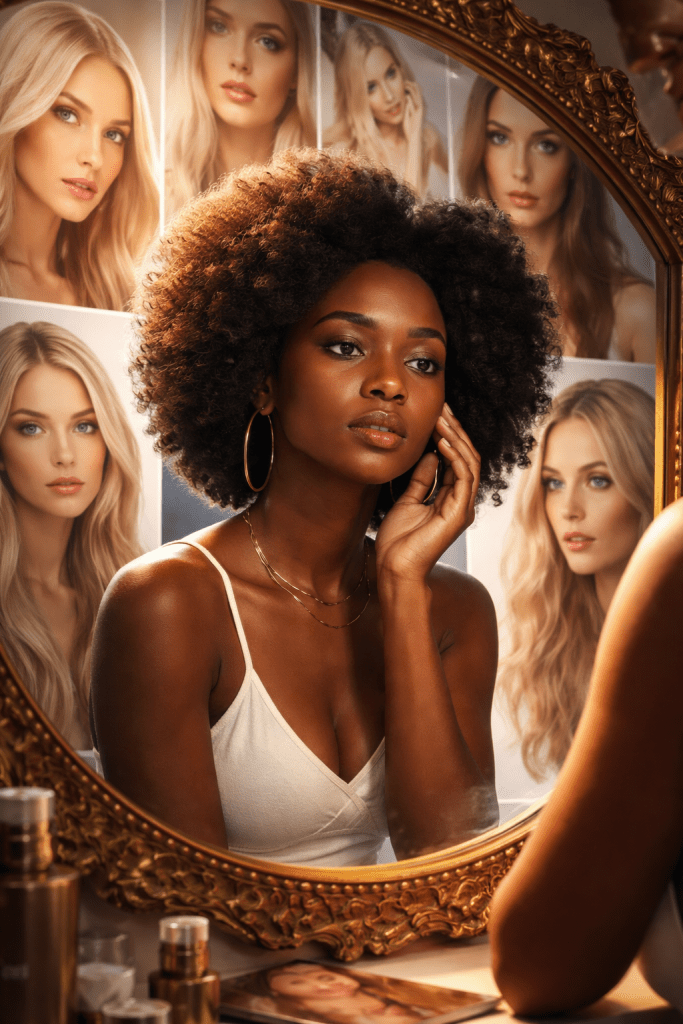
Colorism, the preferential treatment of lighter skin tones within communities of color, is a deeply rooted social phenomenon that emerged from colonialism and slavery. It reflects a hierarchy imposed by systems of white supremacy, where proximity to whiteness determined social status, safety, and opportunity. Within the Black community, this stratification produced complex psychological and social consequences that continue to shape relationships, identity, and perceptions of beauty. The phrase “light enough to love, dark enough to hate” captures the painful duality experienced by many Black women navigating these inherited hierarchies.

From the perspective of a light-skinned girl, the privileges of colorism are often subtle but unmistakable. Growing up, she may have noticed that teachers describe her as “pretty,” “approachable,” or “exotic,” labels that quietly elevate her within beauty standards shaped by Eurocentric ideals. Her lighter complexion becomes a form of social currency, though one she did not consciously seek. She may sense admiration from some and suspicion from others, realizing that her skin tone carries historical meaning beyond her own identity.

At the same time, the light-skinned girl may encounter the uneasy knowledge that her perceived advantages come at the expense of others who share her racial heritage. Compliments about her complexion may be framed in contrast to darker skin, reinforcing a hierarchy she did not create but is nonetheless implicated in. Statements such as “You’re pretty for a Black girl” or “Your skin is the perfect shade” subtly reinforce a narrative that beauty and worth are measured against proximity to whiteness.

The dark-skinned girl experiences a markedly different reality. Her childhood memories may include comments that diminish her beauty or question her desirability. She hears comparisons between her complexion and lighter peers, sometimes from strangers, sometimes from within her own community. These comments accumulate over time, shaping her self-perception and reminding her that her natural features exist within a social hierarchy she never consented to.

For the dark-skinned girl, colorism often manifests as exclusion in subtle and overt ways. In school, she may notice that lighter-skinned girls are more frequently chosen for performances, pageants, or leadership roles. In media representations, women who resemble her may appear less frequently or be cast in stereotypical roles. The cumulative effect is a quiet but persistent message: darker skin is less desirable.

Friendships between light-skinned and dark-skinned girls are often shaped by these unspoken dynamics. While genuine affection may exist, societal biases sometimes create tension or misunderstanding. The light-skinned girl may struggle to recognize the privileges associated with her complexion, while the dark-skinned girl may carry the emotional burden of comparison.

In some cases, colorism creates divisions that undermine solidarity. Dark-skinned girls may feel overshadowed by the social attention given to their lighter counterparts, while light-skinned girls may feel unfairly blamed for advantages they did not intentionally pursue. These tensions reflect the lingering effects of historical systems that deliberately fractured Black communities.

To understand the origins of colorism, one must return to the institution of slavery in the Americas. Enslaved Africans were subjected to brutal systems designed to maximize labor and control. Within this system, European enslavers frequently granted preferential treatment to enslaved individuals with lighter skin, many of whom were the mixed-race children of sexual exploitation by slaveholders.

These lighter-skinned enslaved individuals were sometimes assigned domestic roles within the slaveholder’s household, while darker-skinned individuals were forced into field labor under harsher conditions. Although both groups remained enslaved and oppressed, the distinction created a visible hierarchy based on complexion.

This division served a strategic purpose. By granting marginal privileges to lighter-skinned individuals, slaveholders reinforced internal divisions among enslaved people. The hierarchy discouraged unity and resistance by fostering competition and resentment within the enslaved population.

The trauma of these divisions did not disappear after emancipation. Instead, they evolved into social practices that continued to privilege lighter skin within Black communities. One of the most infamous manifestations of this legacy was the “brown paper bag test,” an informal practice used by certain social clubs, churches, and organizations in the late nineteenth and early twentieth centuries.

The brown paper bag test involved comparing a person’s skin tone to the color of a brown paper bag. Individuals whose complexions were darker than the bag were often excluded from certain social spaces. While not universally practiced, the test symbolized the internalization of color hierarchies rooted in slavery.

For the light-skinned girl, learning about this history can evoke feelings of discomfort and guilt. She may realize that her acceptance in certain spaces historically depended on a hierarchy that excluded others who looked like her own family members. This awareness complicates her understanding of privilege and belonging.

For the dark-skinned girl, the history of colorism confirms experiences she has long felt but struggled to articulate. The social patterns she encounters are not isolated incidents but part of a centuries-old structure of inequality. Recognizing this history can be both validating and painful.

White supremacy played a central role in constructing these hierarchies. European colonizers established racial classifications that placed whiteness at the top and Blackness at the bottom. Within this system, lighter skin among Black populations was perceived as evidence of proximity to whiteness and therefore treated as more valuable.

These beliefs were reinforced through media, education, and cultural narratives that celebrated Eurocentric features such as lighter skin, straight hair, and narrow facial structures. Over time, these standards influenced perceptions of beauty and desirability across societies shaped by colonial history.

In the United States, colorism also intersected with economic opportunity. Historically, lighter-skinned Black individuals were sometimes granted greater access to education and professional employment due to discriminatory hiring practices that favored those perceived as more “acceptable” to white institutions.

The light-skinned girl may grow up hearing relatives describe her complexion as an advantage in navigating the world. These comments may be intended as encouragement but carry implicit recognition of systemic bias. She learns that her skin tone may influence how others perceive her intelligence, professionalism, or beauty.

Meanwhile, the dark-skinned girl may receive messages encouraging her to compensate for perceived disadvantages. She may be told to work harder, dress more carefully, or present herself in ways that challenge stereotypes associated with darker skin. These expectations place additional burdens on her self-presentation.

Within friendships, these dynamics can create complicated emotional landscapes. The dark-skinned girl may feel invisible when attention consistently gravitates toward her lighter friend. The light-skinned girl may struggle with feelings of defensiveness or confusion when confronted with discussions about privilege.

Despite these tensions, many friendships endure through honest conversations and mutual empathy. When both individuals acknowledge the historical forces shaping their experiences, they can develop a deeper understanding and solidarity. These dialogues challenge the divisions that colorism was designed to create.

Media representation plays a significant role in perpetuating or dismantling colorism. Historically, film, television, and advertising have disproportionately featured lighter-skinned actresses as symbols of beauty and desirability. Darker-skinned women have often been marginalized or cast in limited roles.

However, recent decades have seen increasing recognition of the need for diverse representation. Celebrated figures such as Lupita Nyong’o have openly discussed the impact of colorism and advocated for broader definitions of beauty. Their visibility challenges longstanding biases.

The psychological effects of colorism can be profound. Studies in social psychology demonstrate that repeated exposure to negative messages about skin tone can influence self-esteem, identity formation, and interpersonal relationships. These effects can persist across generations.

For the light-skinned girl, confronting colorism may involve examining how society rewards her appearance while simultaneously objectifying it. She may struggle to separate genuine appreciation from biases rooted in historical inequality.

For the dark-skinned girl, resistance often involves reclaiming narratives about beauty and worth. Movements celebrating dark skin, natural hair, and African features have emerged as powerful cultural responses to centuries of marginalization.

Healing from colorism requires both individual reflection and structural change. Communities must confront the ways in which inherited biases influence social interactions, beauty standards, and opportunities. Education about history plays a crucial role in this process.

Friendships between women of different skin tones can become spaces of healing when grounded in honesty and compassion. By acknowledging the historical roots of colorism, individuals can dismantle the assumptions that once divided them.

Ultimately, the legacy of colorism reminds us that systems of oppression often extend beyond the boundaries of race into internal hierarchies within marginalized communities. These divisions were deliberately constructed to weaken collective resistance.

The phrase “light enough to love, dark enough to hate” encapsulates a painful contradiction within societies shaped by colonial history. Yet understanding this legacy also opens the possibility of transformation.

By rejecting color hierarchies and affirming the beauty of every shade, communities can challenge the narratives imposed by centuries of oppression. In doing so, they move toward a future where identity is no longer measured against the distorted standards of the past.


References

Hunter, M. (2007). The persistent problem of colorism: Skin tone, status, and inequality. Sociology Compass, 1(1), 237–254. https://doi.org/10.1111/j.1751-9020.2007.00006.x

Keith, V. M., & Herring, C. (1991). Skin tone and stratification in the Black community. American Journal of Sociology, 97(3), 760–778. https://doi.org/10.1086/229819

Russell, K., Wilson, M., & Hall, R. (1992). The color complex: The politics of skin color among African Americans. New York, NY: Harcourt Brace Jovanovich.

Walker, A. (1983). If the present looks like the past, what does the future look like? In search of our mothers’ gardens: Womanist prose. San Diego, CA: Harcourt Brace Jovanovich.

Wilder, J. (2015). Color stories: Black women and colorism in the 21st century. New York, NY: Routledge.

Passing Series: The Secret History of Howard University.

Founded in 1867 in Washington, D.C., Howard University emerged in the immediate aftermath of the American Civil War as one of the most important institutions dedicated to educating formerly enslaved African Americans. Established with the support of the Freedmen’s Bureau and named after Union General Oliver Otis Howard, the university was created to provide intellectual opportunity for newly emancipated Black citizens who had long been denied access to formal education under slavery.

The early mission of Howard University was expansive and ambitious. It was not simply a school but a symbol of racial uplift and reconstruction. The institution admitted students regardless of race or gender—an unusually progressive policy for the nineteenth century. In its earliest years, Howard enrolled formerly enslaved individuals, free Black people, and a small number of white students who believed in the cause of Reconstruction and education for all.

Within this diverse student body, a visible presence emerged that reflected one of the most complicated legacies of American slavery: mixed-race students. Many students at Howard in the late nineteenth century were individuals historically described by society as “mulatto,” meaning people of mixed African and European ancestry. Their existence was tied directly to the violent social realities of slavery, during which enslaved Black women were frequently subjected to sexual exploitation by slaveholders and other white men.

The legacy of these unions produced generations of mixed-race individuals whose appearance sometimes reflected European ancestry in ways that complicated America’s rigid racial categories. At Howard University, this reality was visible among students whose skin tones, hair textures, and facial features ranged across the full spectrum of the African diaspora. Some students appeared unmistakably African, while others possessed features that could allow them to move within white society unnoticed.

During the late nineteenth and early twentieth centuries, racial classification in the United States was governed by the ideology that later became known as the “one-drop rule.” Under this social doctrine, any individual with even a trace of African ancestry was legally considered Black. This legal and cultural definition meant that individuals who looked white could still be classified as Black if their ancestry was known.

The phrase “legally Black” thus emerged as a defining element of American racial identity. It referred to individuals who, under law or social recognition, were categorized as Black regardless of their physical appearance. This concept was reinforced through segregation laws, marriage restrictions, and social customs designed to maintain a rigid racial hierarchy that privileged whiteness.

For some light-skinned African Americans during the late nineteenth and early twentieth centuries, the ability to visually pass as white created a complicated social dilemma. Passing—meaning living as a white person despite Black ancestry—offered access to opportunities otherwise denied under segregation. Employment, housing, safety, and social mobility were often significantly easier to obtain for those perceived as white.

Howard University became a unique intellectual space where these realities were openly discussed among students and faculty. While the institution celebrated Black identity and advancement, it also housed students who could, if they chose, disappear into white society. This tension between racial pride and social survival reflected the broader contradictions of American racial life.

One story frequently discussed in early twentieth-century accounts involves a Howard student reportedly named Johnson, who attended the university during the early 1900s. Johnson’s appearance was so light that he could easily move within white spaces without suspicion. His classmates were aware of this ability, and his presence highlighted the paradox of racial identity during the Jim Crow era.

Johnson’s situation was not unique. Many students at Howard and other historically Black colleges possessed complex family histories shaped by generations of interracial ancestry. Some came from communities where mixed heritage was common, particularly in regions where slavery had produced significant populations of people of blended African and European descent.

In the early twentieth century, the ability to look white carried tangible advantages. Doors in employment, education, and housing frequently opened more readily to individuals whose appearance aligned with white norms. In a segregated society, whiteness functioned as a form of social capital, determining access to resources and protection from discrimination.

However, the decision to pass for white often came with profound psychological and emotional consequences. Individuals who crossed the color line frequently had to sever ties with family members and communities who were legally and socially classified as Black. The act of passing, therefore, required a form of identity erasure to maintain the illusion of whiteness.

Within Howard University, debates about identity, race, and loyalty sometimes surfaced among students. For many, the institution represented a sanctuary where Black intellect, culture, and leadership could flourish. To leave that community and enter white society as an impostor could be viewed as a betrayal of collective struggle.

At the same time, the pressures of racism were immense. The early twentieth century was a period marked by strict segregation laws, racial violence, and limited economic opportunity for African Americans. For some individuals who could visually blend into white society, passing appeared to offer a path toward security and upward mobility.

The broader history of mixed-race people in America cannot be separated from the institution of slavery. Throughout the eighteenth and nineteenth centuries, large populations of people of mixed African and European ancestry emerged across the South and in urban centers. Their existence challenged rigid racial categories while simultaneously reinforcing the hierarchy that privileged whiteness.

Institutions like Howard University became intellectual centers where these histories were examined and debated. Scholars and students explored the complex genealogies that connected African Americans to multiple continents, multiple cultures, and multiple historical experiences.

In this environment, Howard cultivated a new generation of Black thinkers who would later challenge racial inequality across the United States. The university produced influential scholars, lawyers, doctors, and activists who shaped the twentieth-century struggle for civil rights and social justice.

The presence of mixed-race students within Howard also contributed to broader discussions about colorism—the preferential treatment often given to lighter-skinned individuals within both white and Black communities. These conversations forced students to confront how slavery had embedded racial hierarchy not only in law but also in social perception.

Looking white during the Jim Crow era, therefore, carried both privilege and peril. While lighter skin sometimes opened doors, it could also create suspicion, isolation, and internal conflict about belonging. Identity became a negotiation between appearance, ancestry, and community loyalty.

Ultimately, the story of passing and mixed heritage at Howard University reflects the larger contradictions of American racial history. The institution stood as a beacon of Black advancement while simultaneously revealing how fluid and socially constructed racial categories could be.

Today, Howard University remains one of the most prestigious historically Black universities in the United States. Its early history—shaped by Reconstruction, slavery’s legacy, and complex racial identities—offers a powerful lens through which to understand the enduring impact of race, color, and identity in American society.


References

Andrews, W. L. (2019). The Oxford handbook of African American citizenship, 1865–present. Oxford University Press.

Foner, E. (1988). Reconstruction: America’s unfinished revolution, 1863–1877. Harper & Row.

Graham, H. D. (1990). The civil rights era: Origins and development of national policy, 1960–1972. Oxford University Press.

Hobbs, A. (2014). A chosen exile: A history of racial passing in American life. Harvard University Press.

Logan, R. W. (1980). Howard University: The first hundred years, 1867–1967. New York University Press.

Nash, G. B. (1999). Forbidden love: The hidden history of mixed-race America. Henry Holt.

Painter, N. I. (2010). The history of white people. W. W. Norton.

Williams, H. A. (2005). Self-taught: African American education in slavery and freedom. University of North Carolina Press.