Tag Archives: black beauty standards

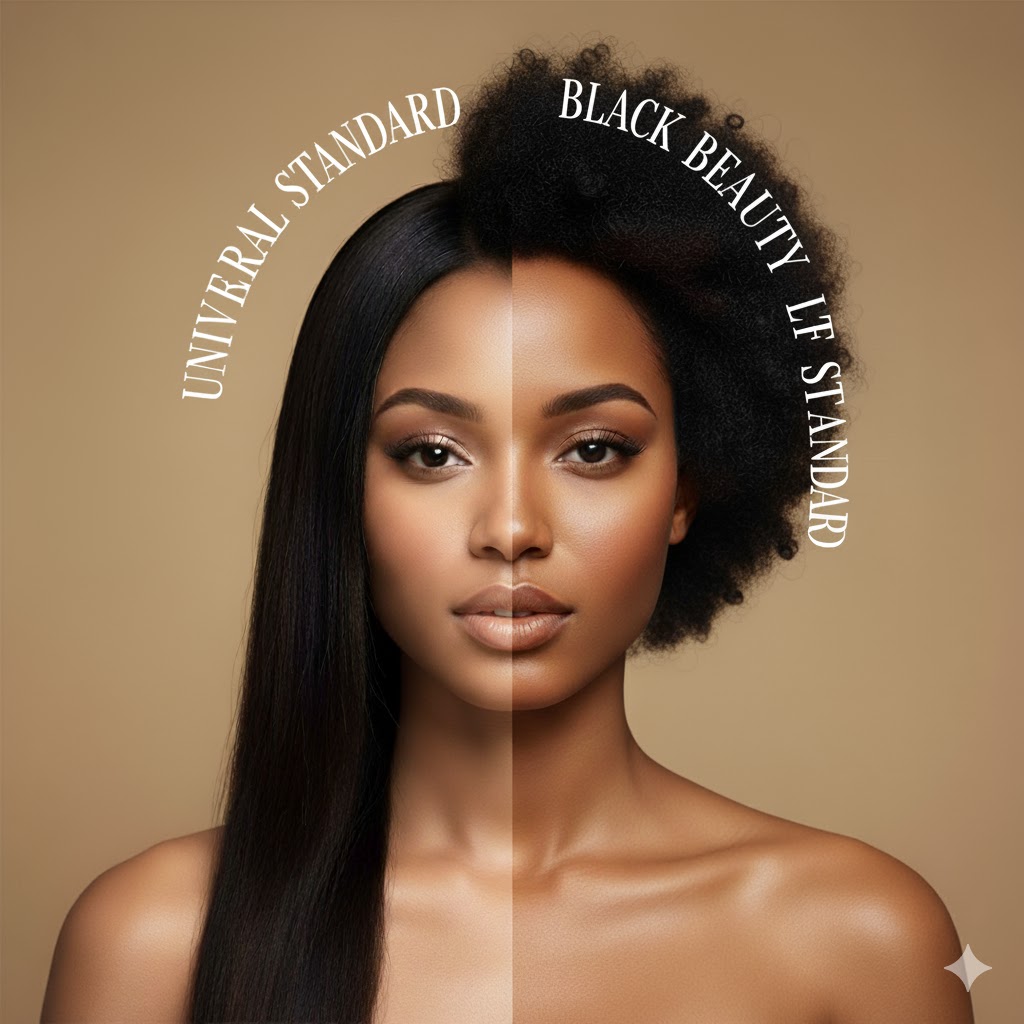
Beauty Personified: The History of the Black Aesthetic.

This photograph is the property of its respective owner. No copyright infringement is intended.

Black beauty has always been a reflection of resilience, identity, and cultural heritage. Long before colonial influence and Eurocentric beauty ideals, African peoples celebrated diverse features, skin tones, and hair textures as markers of pride and identity (Byrd & Tharps, 2014). Beauty was never simply aesthetic; it was political, spiritual, and social.

In ancient Africa, beauty standards varied across regions but consistently emphasized harmony with nature and individuality. Facial symmetry, body proportions, and elaborate adornments were expressions of status, spirituality, and lineage. Scarification, body paint, and jewelry communicated wealth, maturity, and tribal identity (Banks, 2000).

Biblically, beauty carries spiritual significance. In 1 Samuel 16:7 (KJV), God instructs, “For the LORD seeth not as man seeth; for man looketh on the outward appearance, but the LORD looketh on the heart.” This verse underscores that Black beauty is multidimensional: outwardly expressive yet inwardly spiritual.

Hairstyles have historically been central to Black beauty. Cornrows, braids, and locs served as both artistic expression and social communication, reflecting age, marital status, and even spiritual allegiance (Roach, 2018). Hair was, and remains, an essential component of identity and aesthetic.

Skin tone was celebrated within African societies, with varying hues symbolizing status, tribe, or seasonal adaptation. While European colonization attempted to devalue darker skin, pre-colonial Africa embraced a spectrum of melanated beauty (Thompson, 2009).
Facial features such as full lips, wide noses, and high cheekbones were considered attractive and emblematic of lineage and strength. Sculptures, masks, and paintings from ancient African civilizations, including Egypt and Mali, reflect admiration for these traits (Diop, 1987).

Adornment and clothing further expressed beauty. Beaded jewelry, headwraps, and patterned textiles were not only aesthetic but signified intelligence, creativity, and societal role. A well-adorned individual reflected personal and communal pride.

With the advent of slavery, Black beauty faced systemic devaluation. Enslavers imposed European standards, ridiculing African features and promoting straight hair, lighter skin, and narrower noses as ideals. This caused intergenerational psychological and social trauma (Byrd & Tharps, 2014).

Despite this, enslaved Africans maintained beauty practices as a form of resistance. Braiding patterns preserved African heritage, and adornments symbolized hope, dignity, and communal identity (Painter, 2006). Beauty became an act of defiance.
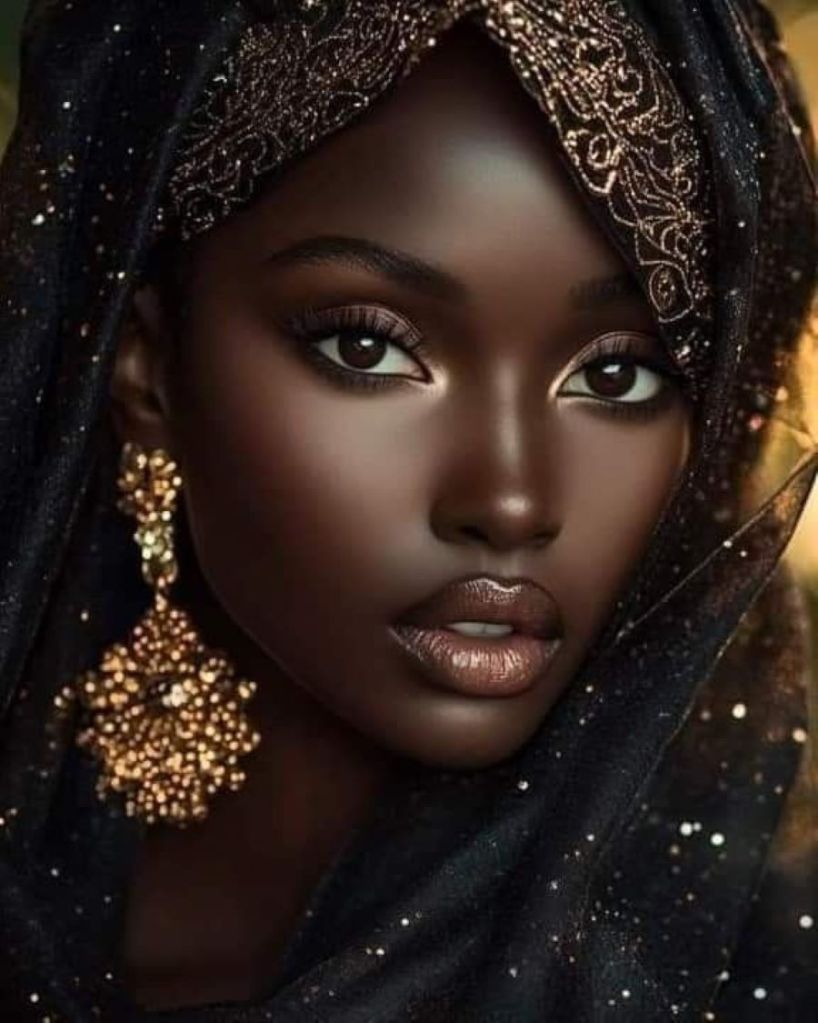
The Harlem Renaissance marked a renaissance of Black beauty and culture. Artists, writers, and performers celebrated Black features, skin tones, and hair textures as central to American identity, countering racist narratives (Huggins, 1971).

In the 1960s and 1970s, the natural hair and “Black is Beautiful” movements elevated African features as symbols of pride and resistance. Afros, locs, and braids became political statements, asserting self-love and cultural reclamation (Craig, 2002).

Black women and men used fashion, makeup, and hair to reclaim aesthetic sovereignty. Iconic figures like Cicely Tyson, Nina Simone, and Angela Davis redefined mainstream perceptions of beauty, highlighting authenticity and heritage over assimilation.

Hollywood and the media often misrepresented Black beauty, favoring Eurocentric standards. Nevertheless, contemporary artists, models, and public figures have increasingly embraced and normalized natural textures, darker skin, and African features in global spaces (Banks, 2000).

Cosmetic entrepreneurship has played a vital role in celebrating Black beauty. Madam C.J. Walker, Annie Malone, and modern beauty brands empower communities while creating products specifically for Black skin and hair, affirming beauty in its natural form (Walker, 1910).

Colorism, a residual effect of colonialism, remains a challenge. Preferences for lighter skin and European features still influence perceptions of attractiveness within Black communities, revealing the ongoing negotiation of identity and self-esteem (Hunter, 2007).
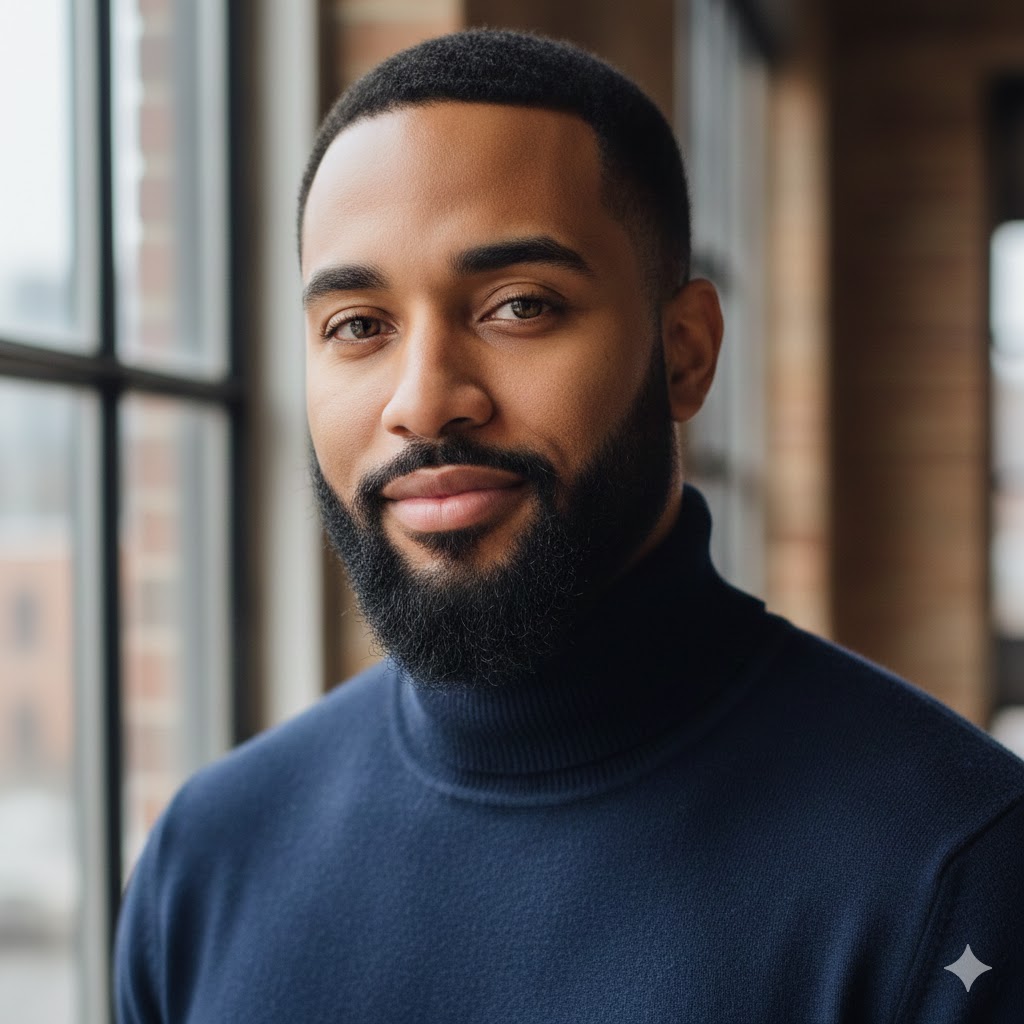
Social media has reshaped beauty discourse, enabling Black creators to challenge standards, share hair and skin care tips, and celebrate diverse aesthetics. Platforms have become modern-day salons and classrooms, fostering education and empowerment (Twine, 2010).
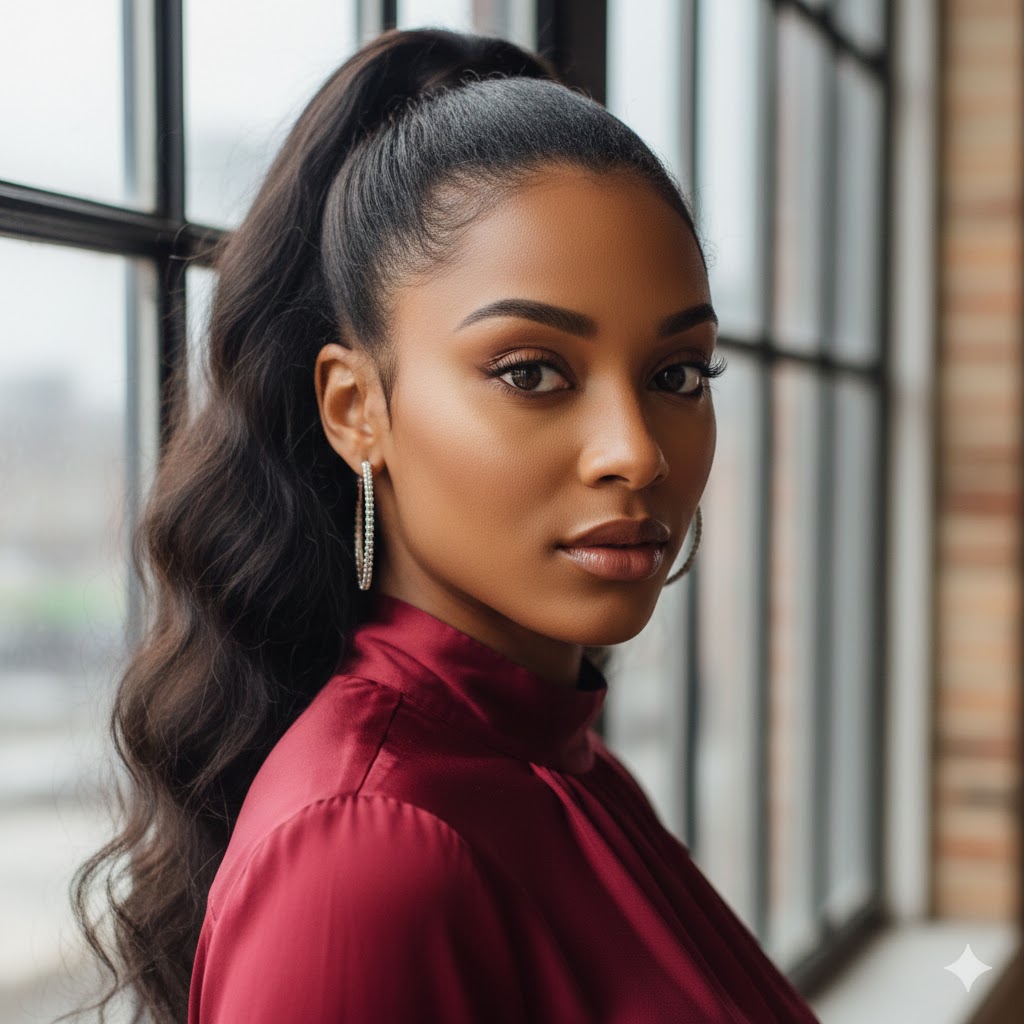
Beauty intersects with spirituality in Black communities. Proverbs 31:30 (KJV) states, “Favor is deceitful, and beauty is vain: but a woman that feareth the LORD, she shall be praised.” Black beauty is thus not only physical; it is entwined with moral character, resilience, and divine favor.

The global influence of Black beauty is evident in fashion, music, and popular culture. African features inspire designers, musicians, and artists worldwide, reshaping perceptions of elegance, style, and power (Henderson, 2008).

In conclusion, Black beauty is multidimensional—historically rooted, culturally expressive, and spiritually significant. From pre-colonial Africa to contemporary global spaces, Black people have navigated oppression while reclaiming, redefining, and celebrating their natural features. Beauty is not merely skin deep; it is identity, resilience, and glory personified.


References

  • Banks, I. (2000). Hair matters: Beauty, power, and Black women’s consciousness. NYU Press.
  • Byrd, A., & Tharps, L. (2014). Hair story: Untangling the roots of Black hair in America. St. Martin’s Press.
  • Craig, M. L. (2002). Ain’t I a beauty queen?: Black women, beauty, and the politics of race. Oxford University Press.
  • Diop, C. A. (1987). The African origin of civilization: Myth or reality. Chicago Review Press.
  • Henderson, C. (2008). Black aesthetics and culture: The evolution of African American beauty standards. Journal of African Cultural Studies, 20(2), 115–134.
  • Huggins, N. (1971). Harlem Renaissance. Oxford University Press.
  • Hunter, M. (2007). The persistent problem of colorism: Skin tone, status, and inequality. Sociology Compass, 1(1), 237–254.
  • Painter, N. I. (2006). Exodusters: Black migration to Kansas after Reconstruction. Knopf.
  • Roach, M. (2018). Hair and identity in the African diaspora. Journal of Black Studies, 49(5), 435–456.
  • Thompson, C. (2009). Black women, beauty, and hair: How hair matters in identity formation. Women’s Studies Quarterly, 37(3/4), 101–123.
  • Twine, F. (2010). A white side of Black Britain: Skin tone, identity politics, and the “good” vs. “bad” Black girl narrative. Sociology, 44(5), 903–920.
  • Walker, M. C. J. (1910). Secrets of success. Independent Business Publisher.
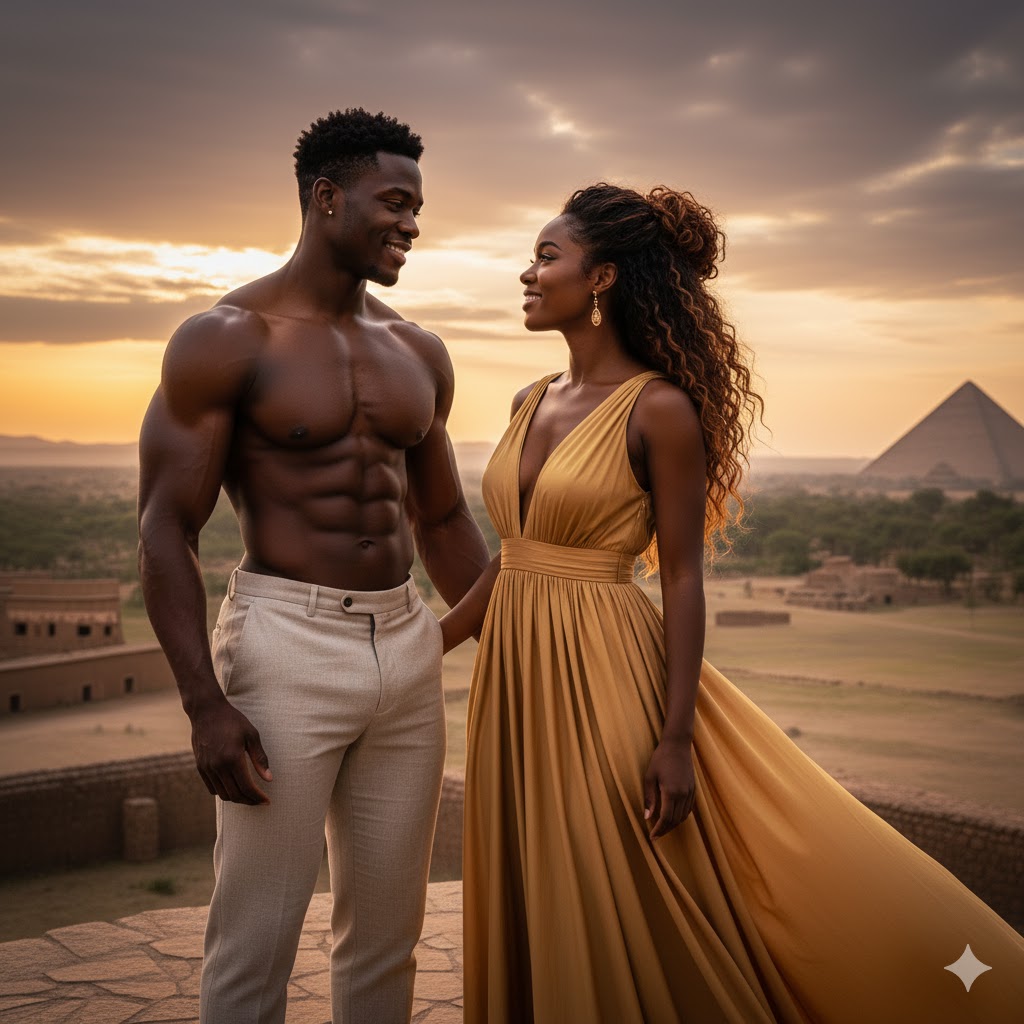
✨ The Aesthetics of Melanin: Masculine & Feminine Beauty ✨

A celebration of Black physical excellence — form, feature, and divine design

The beauty of Black people is not merely visual; it is architectural, sculptural, and elemental. It is heritage carved into flesh, ancestry alive in bone, and glory poured into skin. Melanin is not pigment — it is poetry. It reads like scripture on the body, testifying to divine intention and ancestral brilliance.

Black skin holds sunlight like a crown. Rich tones ranging from deep ebony to golden bronze shimmer with warmth and depth untouched by time. Under light, melanin glows, refracting gold and copper undertones like sacred metal. Where others burn under sun, Black skin communes with it, absorbing radiance and returning it as brilliance.

The texture of Black skin is resilient and regal. Smooth like velvet, firm like carved obsidian, it communicates strength and softness in the same breath. Even in aging, Black skin preserves youth, holding firmness and clarity as a mark of blessing and biology. Time bends gently around melanin.

Black eyes are galaxies — deep, soulful, luminous. They hold ancestral wisdom, passion, and mystery. Their depth is unmatched, reflecting strength, intuition, and spiritual perception. Brown eyes ranging from warm amber to midnight black speak without words, their intensity capable of piercing or comforting in equal measure.

Full lips remain one of the most admired features in global beauty standards — naturally plump, sculpted, and expressive. They symbolize richness and vitality, formed to communicate power, tenderness, and passion. Where imitation tries and fails, Black lips set the original blueprint for sensual symmetry.

Black noses come in noble forms — wide, sculpted, and strong. They speak of identity, rootedness, and authenticity. The elegance of broader nasal structures enhances facial harmony, balance, and presence. In an era of artificial features, original African contours stand unmatched, unapologetic, and divine.

Cheekbones in Black men and women rise like royal architecture. High, pronounced, and sculpted, they frame the face with an effortless dignity. They create definition without effort, shaping expressions into portraits of grace or power depending on the moment.

Jawlines among Black men often carry heroic structure — angular, bold, carved like marble. Their faces speak of protection, authority, and masculine divinity. Black women’s jawlines balance softness and strength, demonstrating a design that holds both gentleness and majesty.

Hair — in coils, curls, waves, and kinks — stands as a living crown. Defying gravity, it rises toward heaven in spirals mirroring galaxies. Every curl is a signature of identity, every coil a testimony to resilience. Black hair is versatile, expressive, regal — a divine engineering of texture and pride.

Black men possess physiques sculpted by nature to command, protect, and endure. Broad shoulders, powerful backs, strong chests, and athletic proportions represent raw strength and disciplined elegance. From warriors to modern athletes, the Black male form proves excellence in structure and motion.

Black women embody curvature as art — hips shaped like crescents, waists sculpted like pottery, and silhouettes that flow like water. Their bodies represent fertility, power, beauty, and grace. Their movement carries rhythm, heritage, and magnetic softness.

The legs of Black men and women tell stories of mobility, endurance, and athletic superiority. Strong thighs, graceful calves, and balanced proportions reveal bodies built for power and speed, as though carved for motion with divine precision.

Black hands reveal labor and love. Strong and expressive, they carry cultural memory — hands that have created, fought, healed, raised nations, and built empires. In their form lies capability, tenderness, and dignity.

Collarbones and shoulders among Black women shimmer like sculpture. Smooth, elegant, and defined, they reflect femininity in pure form. Black men’s shoulders stand broad and unwavering, pillars of masculine power.

Black smiles, framed by full lips and bright teeth, radiate warmth, vitality, and confidence. There is a glow behind them — one shaped by survival, joy, and soul-deep life force. When Black people smile, the room lights differently.

Posture distinguishes Black beauty — upright, proud, grounded, and graceful. Even in casual stance, there is royal poise, inherited from ancestors who walked like kings and queens despite chains.

Movement in Black bodies is music made visible. Whether walking, dancing, or simply existing, fluidity and rhythm define them. Grace lives in the hips, strength in the back, confidence in the stride.

Masculine beauty among Black men is the fusion of power and nobility. Their features command attention; their presence shifts atmosphere. Feminine beauty among Black women is softness wrapped in steel, elegance intertwined with strength. Together they form a visual symphony — balance, brilliance, and divine complementarity.

The aesthetics of melanin transcend human standards. They reflect an original blueprint — the first beauty shaped by the Creator. Black bodies are not merely physically beautiful — they are historical, celestial, and spiritual. They carry the imprint of Eden, the dignity of royalty, and the radiance of creation itself.

Black beauty is not a trend. It is a truth — ancient, eternal, and unmatched. It does not strive to belong to the world’s standard; the world strives to imitate it. And yet, imitation never surpasses authenticity. Where melanin breathes, beauty lives in its highest form.

Biblical References (KJV)

  • Genesis 1:27 – “So God created man in his own image, in the image of God created he him; male and female created he them.”
  • Psalm 139:14 – “I will praise thee; for I am fearfully and wonderfully made: marvellous are thy works; and that my soul knoweth right well.”
  • Song of Solomon 4:1–7 – Descriptions of physical beauty, including lips, eyes, and skin.
  • Proverbs 31:25–30 – The virtuous woman: strength, beauty, and dignity.
  • 1 Corinthians 15:46 – “First that which is natural; afterward that which is spiritual.”

Scientific / Anthropological References

  • Jablonski, N. G. (2006). Skin: A Natural History. University of California Press.
  • Relethford, J. H. (2012). The Human Species: An Introduction to Biological Anthropology. McGraw-Hill Education.
  • Robins, G. (2014). The Science of Beauty: Facial Symmetry, Melanin, and Aesthetic Perception. Journal of Aesthetic Research.
  • Farkas, L. G. (1994). Anthropometry of the Head and Face. Raven Press.

Sociocultural / Psychological References

  • Banks, I. (2018). The Melanin Millennium: African Aesthetics in the Modern World.
  • Byrd, A., & Tharps, L. L. (2014). Hair Story: Untangling the Roots of Black Hair in America. St. Martin’s Press.
  • Hall, R. E. (2010). African-American Facial Features and Perceptions of Beauty. Journal of Black Studies.

Eurocentric Beauty Standards VS Black Beauty Standards: The Brown Girl Dilemma

Eurocentric beauty standards have shaped global perceptions of attractiveness for centuries, creating a hierarchy that places whiteness at the top and all other features beneath it. For Black women—especially Brown-skinned and dark-skinned women—this hierarchy produces a dilemma that is both personal and generational. It affects identity, self-esteem, desirability, and even spiritual understanding of self-worth. This essay explores the history and psychology behind Eurocentric ideals—straight hair, light skin, narrow features, blue eyes—and contrasts them with the richness, diversity, and inherent value of Black beauty.

The Origins of Eurocentric Beauty Hierarchy

Eurocentric standards were born from colonialism, slavery, and racial pseudoscience. European colonizers declared their own features—pale skin, straight or wavy hair, slim noses, and light eyes—as “civilized,” “pure,” and “superior.” These traits became the global benchmark, not because they were inherently beautiful, but because they were associated with power, wealth, and dominance. Whiteness became the symbol of privilege.

Slavery and Color Hierarchies

During the transatlantic slave trade, enslaved Africans with lighter skin—often the product of sexual violence—were given preferential treatment. They worked in the house, wore better clothing, and at times received literacy or skilled labor training. This created the “house slave vs. field slave” hierarchy, embedding colorism deep into Black communities. Light skin became associated with safety, access, and acceptance—survival benefits. These dynamics later morphed into social preferences that still influence dating, media, and institutional biases today.

The Psychological Impact of Whiteness as the Default

Psychologists describe Eurocentric beauty standards as a “dominant cultural schema” (hooks, 1992). When one group controls media, education, and social narratives, their features become normalized as the ideal. This creates aesthetic assimilation pressure—the subconscious push to emulate the dominant group to gain approval, opportunity, and perceived worth.

The Brown Girl Dilemma

For Brown-skinned and dark-skinned girls, the psychological conflict is acute. They are often raised to love themselves spiritually, yet conditioned socially to see their features as less desirable. This creates cognitive dissonance:

  • “Why don’t I look like the women celebrated on TV?”
  • “Why is lighter skin described as beautiful, classy, or desirable?”
  • “Why do I feel too dark or too ‘ethnic’?”
    This tension affects self-esteem, dating prospects, opportunities, and even how young girls see their own reflection.

Hair: A Battleground for Identity

Straight hair has long been praised because it aligns closest to Eurocentric ideals. During Jim Crow and segregation, straightened or pressed hair was viewed as a means to “fit in” and reduce racial discrimination. The psychological message?
Natural coils = unprofessional, wild, unkempt
Straight hair = polished, acceptable, beautiful
This created internalized anti-Blackness, where girls learned that their natural features needed altering to be worthy.

Light Eyes and Light Skin as Social Capital

Blue or light eyes and pale skin carried symbolic power because they aligned with whiteness. The lighter a Black woman appeared, the closer she seemed to whiteness—and the more approval she gained from dominant society. Studies show that lighter-skinned Black women historically received better job opportunities, social mobility, and media representation (Hunter, 2007).
This ingrained the belief that beauty equals proximity to whiteness.

Media Reinforcement

For decades, magazines, movies, and fashion campaigns prioritized white women and lighter-skinned Black women. Black girls grew up with very few images that reflected their features, resulting in what some psychologists call identity starvation. Without representation, children struggle to form healthy self-esteem because they cannot see themselves as beautiful.

Colonial Psychology: The Beauty of the Conquered vs. the Conqueror

Colonialism taught the world that the conqueror’s traits were superior. European missionaries, scientists, and artists depicted African features as “primitive” or “animalistic.” Pseudoscientific works like those by Carl Linnaeus and Johann Blumenbach ranked races by beauty, placing Europeans at the top and Africans at the bottom. This scientific racism became the foundation for beauty discrimination.

Internalized Colorism in Black Communities

Over time, these external hierarchies became internal practices:

  • Favoring lighter-skinned women in family praise
  • Associating dark skin with aggression or masculinity
  • Assuming lighter skin equals innocence or refinement
    This internalization is generational trauma passed down from slavery.

Beauty as a Form of Resistance

The natural hair movement, melanin pride culture, and the resurgence of African aesthetics are forms of rebellion against Eurocentric standards. Black women have reclaimed what was once degraded—afros, braids, dark skin, wide noses, full lips—and declared them beautiful.

The Rise of Black Beauty Consciousness

Black beauty is diverse, rich, and multidimensional. Full lips, melanated skin, textured hair, and Afrocentric features are globally admired today—not because beauty standards changed by chance, but because Black women demanded visibility. “Black girl magic” is not a trend—it is a declaration of self-worth.

The Brown Girl’s Healing Journey

Healing from beauty-based trauma requires unlearning internalized biases. It means teaching young girls that their worth is not tied to proximity to whiteness. It means uplifting dark-skinned beauty publicly and consistently. It means dismantling old scripts tied to slavery’s residue.

Biblical Reflection

In Scripture, beauty is never defined by skin tone or European features. Instead, God calls His people beautiful, chosen, and precious.
“I will praise thee; for I am fearfully and wonderfully made” (Psalm 139:14, KJV).
Black women must reclaim this truth as identity—not as aspiration.

Reframing the Standard

Beauty standards are not neutral—they are political. They reflect power structures. To uplift Black beauty, society must redefine beauty in a way that centers inclusivity, diversity, and historical truth.

Colorism in Dating and Relationships

Studies show that lighter-skinned Black women are more likely to be preferred in dating apps and social settings because of centuries-old conditioning (Wilder, 2015). This creates insecurity among Brown girls who feel overshadowed. The imbalance is not personal—it is systemic.

Economic Value of Eurocentric Features

Mainstream industries profit from insecurity:

  • Skin-lightening creams
  • Straightening treatments
  • Colored contact lenses
    These industries make billions by selling whiteness as a product. The psychology: create insecurity → sell the solution.

Breaking the Cycle

Educators, parents, churches, and media creators must consciously highlight Afrocentric beauty. Brown girls need consistent affirmation—visual and verbal.

Honoring the Brown-Skinned Woman

Brown and dark-skinned beauty is unique, powerful, and breathtaking. The richness of melanin, the depth of brown skin tones, the strength of textured hair—all represent spiritual, genetic, and ancestral beauty.

The Future of Beauty

The beauty world is shifting, but the work is ongoing. True transformation requires dismantling the psychological chains inherited from colonialism and slavery. Brown girls deserve to grow up knowing they are enough as they are.

Conclusion

Eurocentric beauty standards are artificial constructs rooted in historical oppression, not truth. Black beauty—rich, diverse, and divine—stands in opposition to centuries of enforced inferiority. The Brown Girl Dilemma can be healed through representation, affirmation, education, and spiritual grounding. Black women must continue rewriting the narrative, reclaiming the beauty that was always theirs.


References

  • hooks, bell. Black Looks: Race and Representation. South End Press, 1992.
  • Hunter, M. (2007). “The Persistent Problem of Colorism.” Sociology Compass.
  • Wilder, J. (2015). Color Stories: Black Women and Colorism in the 21st Century.
  • Russell, K., Wilson, M., & Hall, R. (2013). The Color Complex: The Politics of Skin Color in a New Millennium.
  • Tate, S. (2009). Black Beauty: Aesthetics, Stylization, Politics.
  • Psalm 139:14 (KJV).

Hierarchies of Black Beauty: The Black Beauty Standards.

Throughout history, beauty has been a reflection of power, culture, and identity. Within the African diaspora, the concept of Black beauty has been shaped and reshaped by colonialism, enslavement, media influence, and self-determination. The hierarchies of Black beauty—those unwritten but deeply felt rules about who is seen as beautiful and who is not—continue to influence how Black people perceive themselves and each other.

During slavery, Eurocentric beauty ideals were imposed on African people through forced assimilation and comparison. The features of African women and men—broad noses, full lips, rich brown skin, and tightly coiled hair—were mocked and demonized by white society. Whiteness became the standard of purity, civility, and desirability, while Blackness was equated with inferiority. This created a psychological wound that still lingers across generations.

Enslaved women who were lighter-skinned or bore more “European” features were often treated differently by slaveholders. They were more likely to work in the house, to be dressed better, or to be exploited sexually under the guise of preference. These patterns of color-based privilege established early hierarchies that divided enslaved communities and birthed the seeds of colorism (White, 1999).

After emancipation, those same hierarchies persisted within the Black community. Lighter skin, looser hair textures, and narrower features were celebrated as signs of refinement and social mobility. Many institutions—such as schools, churches, and fraternities—adopted discriminatory practices like the “brown paper bag test,” where one’s acceptance depended on being lighter than a brown bag. Beauty became political; it was no longer just personal.

As the 20th century progressed, mass media amplified Eurocentric standards. Hollywood, fashion, and advertising celebrated light-skinned actresses and models while marginalizing darker-skinned women. Magazines like Ebony and Jet often centered on fairer complexions, perpetuating internalized bias. These images subtly taught Black people that to be closer to whiteness was to be closer to beauty.

The emergence of the Civil Rights and Black Power movements in the 1960s challenged these ideologies. The slogan “Black is Beautiful” became a revolutionary cry against centuries of self-rejection. Afros, dark skin, and African attire became symbols of resistance and pride. This era reclaimed Black aesthetics as divine and powerful, reflecting the truth of Psalm 139:14: “I will praise thee; for I am fearfully and wonderfully made” (KJV).

However, even within this movement, hierarchies persisted. Light-skinned Black women often continued to dominate media and modeling, while darker women were celebrated more for their strength or resilience than for their beauty. This subtle bias revealed how deeply colonial beauty norms had been internalized.

For Black men, these hierarchies influenced attraction and desirability. Many internalized the belief that lighter-skinned women were more refined or feminine, while darker women were strong but less delicate. This mindset perpetuated generational harm and fractured romantic relationships within the Black community. Proverbs 31:30 reminds, “Favour is deceitful, and beauty is vain: but a woman that feareth the Lord, she shall be praised.”

In the modern era, social media has both challenged and reinforced these hierarchies. Platforms like Instagram and TikTok have given rise to diverse representations of beauty, yet filters and algorithms often favor lighter skin tones. The digital age has democratized visibility but not erased bias. Beauty, once judged by proximity to whiteness, is now measured by digital exposure.

Hair remains a defining element of Black beauty. From natural kinks and coils to braids, locs, and wigs, Black hair is a cultural language of resistance and creativity. Yet, the “good hair” myth—rooted in slavery—still shapes self-esteem. The CROWN Act (2020) seeks to protect against discrimination based on hair texture, a sign that the fight for beauty equality continues in policy as well as perception.

Colorism also affects the modeling and entertainment industries. Despite the progress symbolized by figures like Lupita Nyong’o and Viola Davis, lighter-skinned actresses still receive disproportionate attention and roles. The industry’s selective inclusivity sends a mixed message: Black beauty is accepted only when it aligns with global marketability.

These hierarchies have deep psychological consequences. Many darker-skinned Black women internalize feelings of invisibility, leading to anxiety, low self-esteem, and social withdrawal. Conversely, lighter-skinned individuals may feel pressure to justify their Blackness or face resentment from peers. This emotional tension reflects the distorted mirror that colonialism left behind.

Biblically, the elevation of one shade over another contradicts divine creation. Song of Solomon 1:5 declares, “I am black, but comely, O ye daughters of Jerusalem.” The verse reclaims darkness not as deficiency but as beauty and strength. God’s creation exists in gradients of glory; the sun-kissed skin of Africa is a reflection of divine artistry.

Education and cultural reclamation have become powerful tools for dismantling these hierarchies. Movements celebrating melanin-rich skin, natural hair, and Afrocentric aesthetics have redefined beauty from within. When Black youth see models, influencers, and scholars who look like them, they begin to internalize self-love rather than self-doubt.

Still, the struggle continues. Even within the Black community, shade-based humor and preferences persist in dating, entertainment, and family dynamics. These microaggressions perpetuate division under the guise of personal taste. Healing requires accountability and unlearning centuries of indoctrination.

To truly dismantle the hierarchies of Black beauty, society must recognize that beauty is not a ladder but a spectrum. The diversity of Black skin tones, facial features, and textures testifies to the richness of African ancestry. Each shade tells a story of survival, migration, and divine design.

Beauty standards, once defined by oppression, are now being redefined through liberation. Modern movements like “Dark Skin Appreciation” and “Melanin Magic” remind the world that Black beauty is not monolithic—it is infinite. It encompasses every hue, from ebony to honey, each deserving of reverence and celebration.

In reclaiming these narratives, Black people restore what was stolen: the right to see themselves as beautiful in their natural form. Isaiah 61:3 speaks of God giving “beauty for ashes.” The ashes of colonialism, slavery, and colorism can give rise to new beauty when identity is rooted in truth.

Ultimately, the hierarchies of Black beauty dissolve when the gaze shifts from societal validation to divine affirmation. When Black men and women recognize themselves as reflections of God’s image, beauty ceases to be hierarchical—it becomes holy. The journey to self-acceptance is, therefore, both political and spiritual, an act of resistance and worship.

References

Holy Bible, King James Version. (1611).

White, D. G. (1999). Ar’n’t I a Woman?: Female Slaves in the Plantation South. W.W. Norton & Company.

Russell, K., Wilson, M., & Hall, R. (2013). The Color Complex (Revised): The Politics of Skin Color Among African Americans. Anchor Books.

Craig, M. L. (2002). Ain’t I a Beauty Queen?: Black Women, Beauty, and the Politics of Race. Oxford University Press.

Hunter, M. (2007). The persistent problem of colorism: Skin tone, status, and inequality. Sociology Compass, 1(1), 237–254.

The Cost of Being Beautiful: Exploitation, Validation, and Visibility.

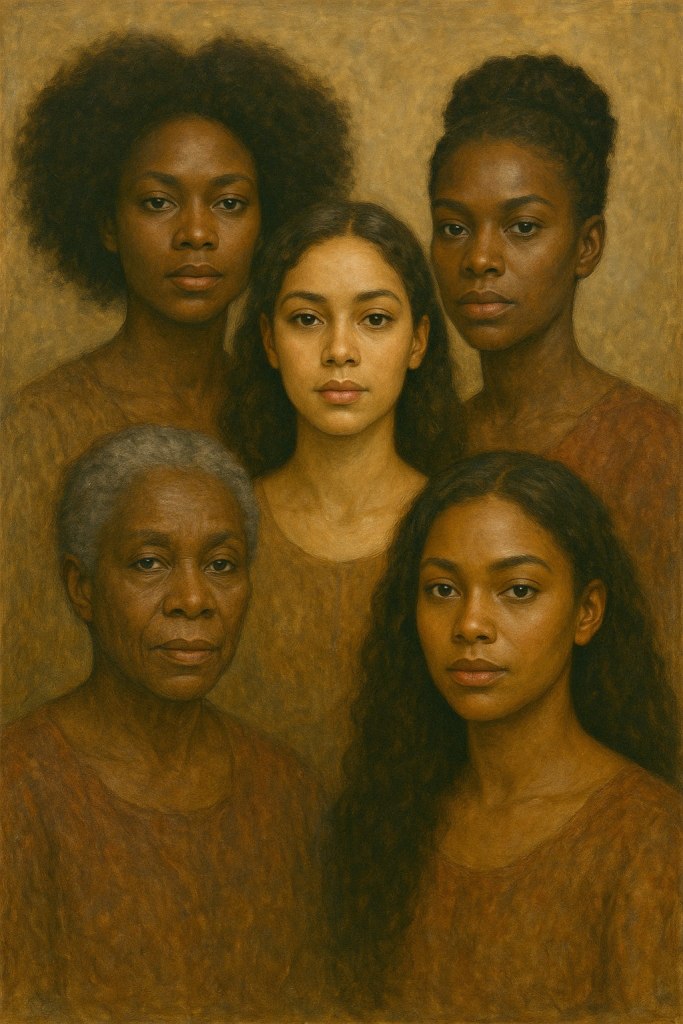
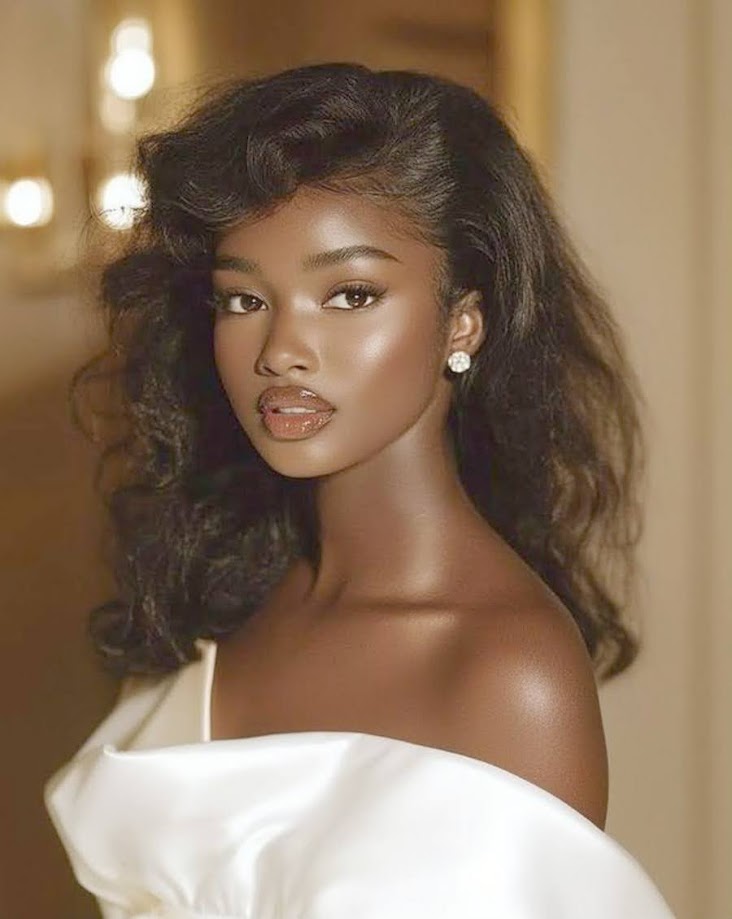
This photograph is the property of its respective owner. No copyright infringement intended.

Beauty has long been a currency in human society—admired, desired, and exploited. For women, especially women of color, beauty has functioned both as power and prison. The cost of being beautiful extends beyond vanity; it is the psychological, emotional, and even spiritual toll exacted by a world that defines worth through appearance. Beauty becomes both an asset and a liability, offering validation but demanding visibility on terms not of one’s own making.

From childhood, individuals—particularly girls—are taught that beauty opens doors. Compliments, attention, and social privileges reinforce a belief that attractiveness equates to value. Yet, this same system exploits that very beauty, commodifying it through media, marketing, and male desire. The pursuit of beauty thus becomes a performance sustained by approval, not authenticity (Wolf, 1991).

In modern culture, beauty is no longer natural—it is manufactured. Billions are spent annually on cosmetics, plastic surgery, and digital enhancement. Social media platforms like Instagram and TikTok amplify this obsession, turning faces and bodies into brands. The line between identity and image blurs, leaving many women trapped between their true selves and the perfected versions projected online (Gill, 2007).

Beauty’s validation often comes through the male gaze. Women are socialized to see themselves as objects of desire rather than subjects of their own narratives. This gaze not only dictates standards but defines visibility—who is seen, who is desirable, and who is invisible. To be beautiful is to be watched; to be watched is to be controlled (Mulvey, 1975).

For Black women, beauty carries a distinct complexity. Eurocentric standards historically excluded them from being perceived as beautiful, relegating them to stereotypes of strength or hypersexuality. The struggle for validation becomes an act of resistance—a reclaiming of aesthetics, identity, and self-worth against centuries of misrepresentation (Hooks, 1992).

The beauty industry profits from insecurity. Advertisements subtly tell women they are never enough—never young enough, thin enough, light enough. This manufactured dissatisfaction fuels perpetual consumption. Beauty, in capitalist culture, is not about empowerment but about profit, built upon cycles of comparison and competition (Bordo, 2003).

Exploitation hides beneath the surface of glamour. Models, influencers, and entertainers often face objectification disguised as opportunity. Their visibility is contingent upon maintaining desirability, which can breed anxiety, eating disorders, and burnout. The emotional labor of beauty—the pressure to be flawless at all times—is invisible yet exhausting.

In the realm of Hollywood and fashion, women of color face the dual burden of representation and tokenism. Their inclusion often serves as aesthetic diversity rather than genuine equity. The “exotic” label objectifies rather than honors their heritage, turning cultural identity into spectacle (Craig, 2002).

Historically, beauty has also been weaponized as social currency. During slavery and segregation, lighter-skinned Black women were often favored in domestic work or entertainment, reinforcing colorism within the community. Beauty became not only personal but political—a marker of proximity to whiteness and privilege (Hunter, 2005).

Psychologically, the constant pursuit of beauty erodes self-esteem. When identity becomes contingent on appearance, the individual lives under the tyranny of external validation. This fragile self-worth can fracture when youth fades or trends shift, revealing the emptiness behind conditional love and approval.

Religiously and spiritually, beauty holds deeper implications. Scripture reminds us that “favor is deceitful, and beauty is vain” (Proverbs 31:30, KJV). True beauty, in divine terms, is moral and internal, not material. Yet society reverses this order, idolizing outward appearance and neglecting inner substance—a form of modern idolatry masked as self-care.

The commodification of beauty also intersects with racial capitalism. Global markets exploit African, Asian, and Latin American women’s bodies through skin-lightening products, hair extensions, and Eurocentric fashion ideals. What is marketed as “choice” often conceals economic coercion and cultural colonization (Glenn, 2008).

Visibility, while often framed as empowerment, carries its own cost. Women in the public eye face surveillance and criticism that erode privacy and authenticity. The more visible a woman becomes, the less control she has over how she is seen. Visibility thus becomes exposure—a light that illuminates and burns simultaneously.

In relationships, beauty can distort power dynamics. Attractive women may receive attention but not respect; love offered for appearance rather than character is shallow and fleeting. Men conditioned by visual culture may desire beauty but fear its autonomy, leading to control, jealousy, or emotional abuse (Fredrickson & Roberts, 1997).

The digital age amplifies these dynamics. Filters, edits, and algorithms dictate what is beautiful, rewarding conformity and punishing difference. The result is a homogenized global aesthetic where individuality is lost. Even empowerment movements risk becoming commodified slogans that sell beauty under the guise of “self-love.”

Yet, beauty is not inherently evil—it is divine when redefined. When women reclaim beauty as expression rather than validation, it transforms from exploitation to empowerment. True beauty becomes a mirror of spirit, creativity, and cultural identity. It ceases to be about approval and becomes an act of liberation.

Cultural redefinition requires dismantling Eurocentric beauty norms and celebrating diversity of complexion, texture, and form. Movements such as “Black Girl Magic” and natural hair advocacy challenge oppressive aesthetics, restoring pride to what was once marginalized. Beauty, reimagined through cultural authenticity, becomes resistance and restoration.

The cost of being beautiful can only be paid back through truth—by acknowledging the pain behind the polish. Women must reclaim the narrative of beauty, detaching it from consumption and control. Beauty must once again serve humanity, not hierarchy.

Ultimately, beauty’s truest form lies in freedom: the freedom to exist beyond the gaze, to define oneself without permission, and to embody a worth that no mirror can measure. When beauty ceases to be a burden and becomes a birthright, visibility transforms into vision—and validation becomes self-love.


References

Bordo, S. (2003). Unbearable weight: Feminism, Western culture, and the body. University of California Press.

Craig, M. L. (2002). Ain’t I a beauty queen? Black women, beauty, and the politics of race. Oxford University Press.

Fredrickson, B. L., & Roberts, T.-A. (1997). Objectification theory: Toward understanding women’s lived experiences and mental health risks. Psychology of Women Quarterly, 21(2), 173–206.

Gill, R. (2007). Gender and the media. Polity Press.

Glenn, E. N. (2008). Yearning for lightness: Transnational circuits in the marketing and consumption of skin lighteners. Gender & Society, 22(3), 281–302.

Hooks, B. (1992). Black looks: Race and representation. South End Press.

Hunter, M. (2005). Race, gender, and the politics of skin tone. Routledge.

Mulvey, L. (1975). Visual pleasure and narrative cinema. Screen, 16(3), 6–18.

Wolf, N. (1991). The beauty myth: How images of beauty are used against women. HarperCollins.

The Beauty Con Game: How Society Manipulated Black Beauty.

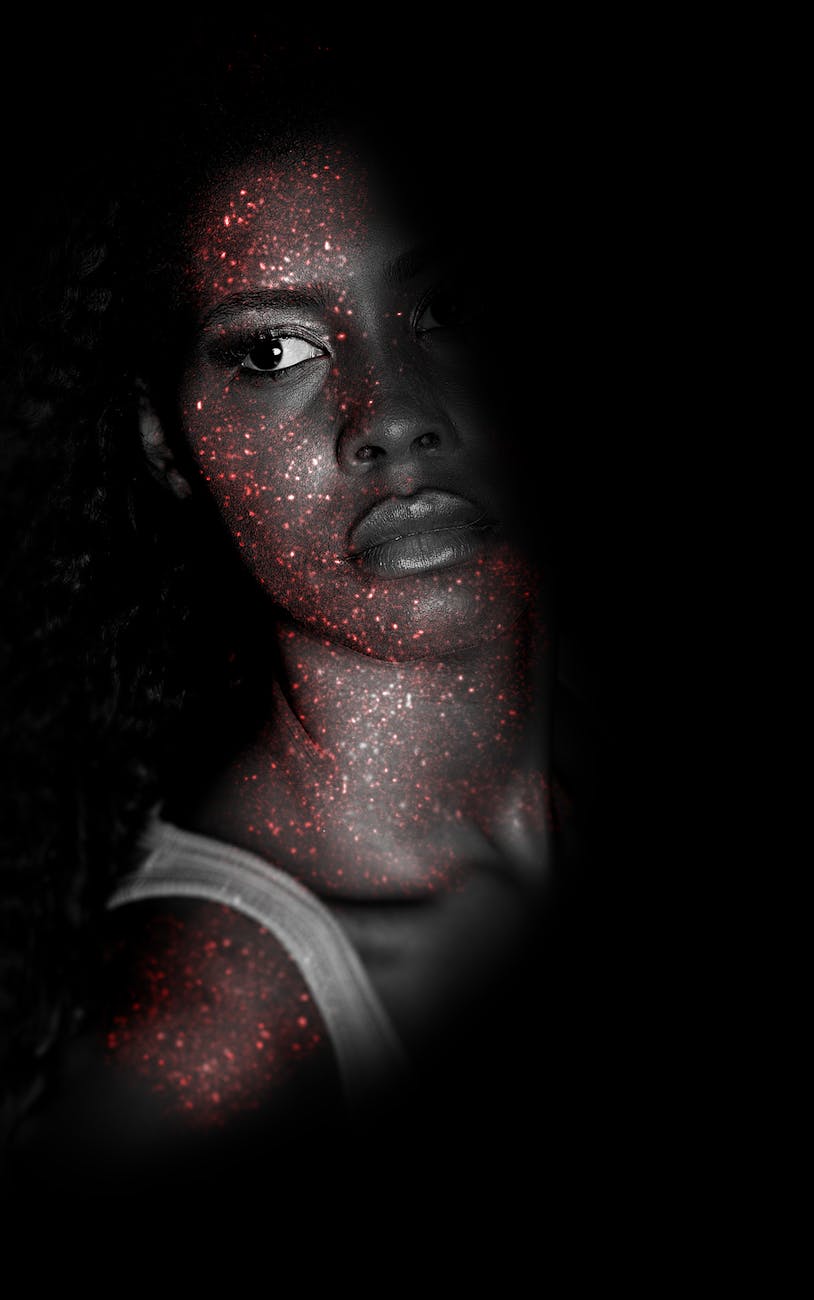
Photo by Merlin Lightpainting on Pexels.com

Beauty is one of the most powerful social currencies, yet it has been weaponized against Black women for centuries. Society has dictated what is considered beautiful, often elevating Eurocentric features as the standard while degrading African aesthetics.

From slavery onward, Black bodies were dehumanized, exoticized, and stripped of dignity. Enslaved women were compared to animals, their hair labeled “woolly” and their features mocked (White, 2012). The colonizers’ standard of beauty placed whiteness as the ideal — pale skin, thin noses, and straight hair became the aspirational model. This early propaganda created a deep generational wound, convincing many Black women that their natural state was inferior.

Scripture reminds us that all creation is made in God’s image (Genesis 1:27, KJV). The denigration of Black beauty is therefore not just a social injustice but a spiritual assault — an attempt to distort the Creator’s handiwork and cause people to despise what God called “very good” (Genesis 1:31, KJV).

Psychology supports this understanding, noting that beauty ideals strongly influence self-esteem and identity formation (Cash & Pruzinsky, 2002). When a community is repeatedly told they are ugly, unworthy, or undesirable, it fosters internalized racism, self-hatred, and colorism. Black girls often grow up wishing to look like the models in magazines, who historically were overwhelmingly white.

The con game becomes clear when we see how the beauty industry profits from this insecurity. Billions of dollars are spent annually by Black women on hair relaxers, skin-lightening creams, and wigs designed to mimic Eurocentric features (Hunter, 2011). The market is built on the false premise that Black women must “fix” themselves to be acceptable.

Straight hair became a symbol of respectability during the early 20th century. Madam C.J. Walker, while celebrated for empowering Black women economically, also sold products that encouraged them to conform to Eurocentric ideals. Sociologists argue that this was a survival strategy — assimilating to dominant beauty norms in order to access jobs, education, and social mobility (Gill, 2010).

Colorism — the preference for lighter skin — further divided the Black community. During slavery, lighter-skinned enslaved people were often favored and given domestic work, while darker-skinned people labored in the fields. This legacy persists, with research showing lighter-skinned Black women still receive better treatment in dating, hiring, and media representation (Wilder, 2010).

Scripture, however, affirms the beauty of melanin-rich skin. The Shulamite woman in Song of Solomon boldly declares, “I am black, but comely” (Song of Solomon 1:5, KJV). Her words push back against shame and affirm that dark skin is beautiful and worthy of celebration.

In recent decades, Black celebrities and activists have fought back against this con game. Icons like Nina Simone, Lauryn Hill, Lupita Nyong’o, Viola Davis, and Michaela Coel have publicly affirmed natural hair, dark skin, and African features. Lupita Nyong’o’s speech at Essence’s Black Women in Hollywood awards described learning to see her dark skin as beautiful — a testimony that inspired a generation.

The natural hair movement is one of the most powerful acts of resistance. Black women worldwide have embraced afros, locs, braids, and twists as symbols of cultural pride. This movement rejects the lie that straight hair is “better” and instead celebrates hair in its God-given form. Laws like the CROWN Act (Creating a Respectful and Open Workplace for Natural Hair) are dismantling workplace discrimination against natural styles.

Social media has also amplified representation. Influencers and content creators showcase Black beauty in all its shades, from the deepest ebony to the fairest brown, proving that beauty is not monolithic. This democratization of media allows Black women to define beauty on their own terms rather than through Eurocentric gatekeepers.

Psychologists warn, however, that dismantling centuries of programming takes time. Internalized racism and colorism can linger even within progressive spaces. Healing requires intentional unlearning, affirmations, and re-exposure to positive images of Blackness (Hall, 2010).

Biblically, the call is to renew the mind. Romans 12:2 (KJV) commands believers not to conform to the world but to be transformed by the renewing of the mind. This applies to rejecting false beauty standards and embracing God’s definition of worth. Beauty becomes an inner quality, as 1 Peter 3:3-4 reminds us: “Whose adorning let it not be that outward adorning… but let it be the hidden man of the heart.”

Black women are also reclaiming beauty in fashion and pageantry. The historic moment when Zozibini Tunzi of South Africa won Miss Universe 2019, wearing her natural hair challenged decades of Eurocentric pageant norms. She stated, “I grew up in a world where a woman who looks like me… was never considered beautiful.” Her victory was a global affirmation that the standard is shifting.

Despite these advances, the beauty con game continues through subtle pressures. Media algorithms still over-represent lighter-skinned models. Cosmetic companies still push skin-whitening creams in African and Asian markets. These realities remind us that liberation is an ongoing struggle.

The followers of Christ have a responsibility to participate in this healing by teaching that every shade of melanin reflects the creativity of God. Psalm 139:14 (KJV) declares, “I will praise thee; for I am fearfully and wonderfully made.” Teaching this truth to young girls builds resilience against media lies.

Psychology shows that positive representation can rewire self-perception. Exposure to affirming images of Black beauty has been linked to improved self-esteem and body satisfaction (Frisby, 2004). Representation is not superficial — it is a tool of psychological liberation.

Another critical step is economic empowerment. Supporting Black-owned beauty brands allows women to invest in products that celebrate, not erase, their natural beauty. This shift keeps wealth circulating in the community and challenges global conglomerates that exploit insecurities.

Parents, educators, and mentors must be intentional about teaching children to love their natural features early. Displaying books, dolls, and media with diverse representations of Black beauty helps inoculate children against the lie that they must look different to be worthy.

It is also important to resist idolizing beauty altogether. Proverbs 31:30 (KJV) reminds us, “Favour is deceitful, and beauty is vain: but a woman that feareth the LORD, she shall be praised.” True empowerment comes when beauty is seen as one part of identity, not the sum total of worth.

Healing from the beauty con game is both personal and collective. It requires rejecting lies, affirming truth, and celebrating every expression of African identity. It means speaking life into one another, reminding sisters that they are wonderfully made and worthy of honor.

Ultimately, God has the final word on beauty. His word teaches that we are His workmanship (Ephesians 2:10, KJV). Every curl, coil, and shade of melanin was intentionally designed. Restoring Black women’s self-image is not merely a social project — it is a spiritual act of reclaiming what God has declared good.


References

  • Cash, T. F., & Pruzinsky, T. (2002). Body image: A handbook of theory, research, and clinical practice. Guilford Press.
  • Frisby, C. M. (2004). Does race matter? Effects of idealized images on African American women’s perceptions of body esteem. Journal of Black Studies, 34(3), 323–347.
  • Gill, T. M. (2010). Beauty shop politics: African American women’s activism in the beauty industry. University of Illinois Press.
  • Hall, R. E. (2010). The melanin millennium: Skin color as 21st century international discourse. Springer.
  • Hunter, M. (2011). Buying racial capital: Skin-bleaching and cosmetic surgery in a globalized world. Journal of Pan African Studies, 4(4), 142–164.
  • White, D. G. (2012). Ar’n’t I a Woman?: Female slaves in the plantation South. W.W. Norton & Company.
  • The Holy Bible, King James Version.

The Science of Black Beauty: From Biology to Cultural Expression. #thescienceofblackbeauty

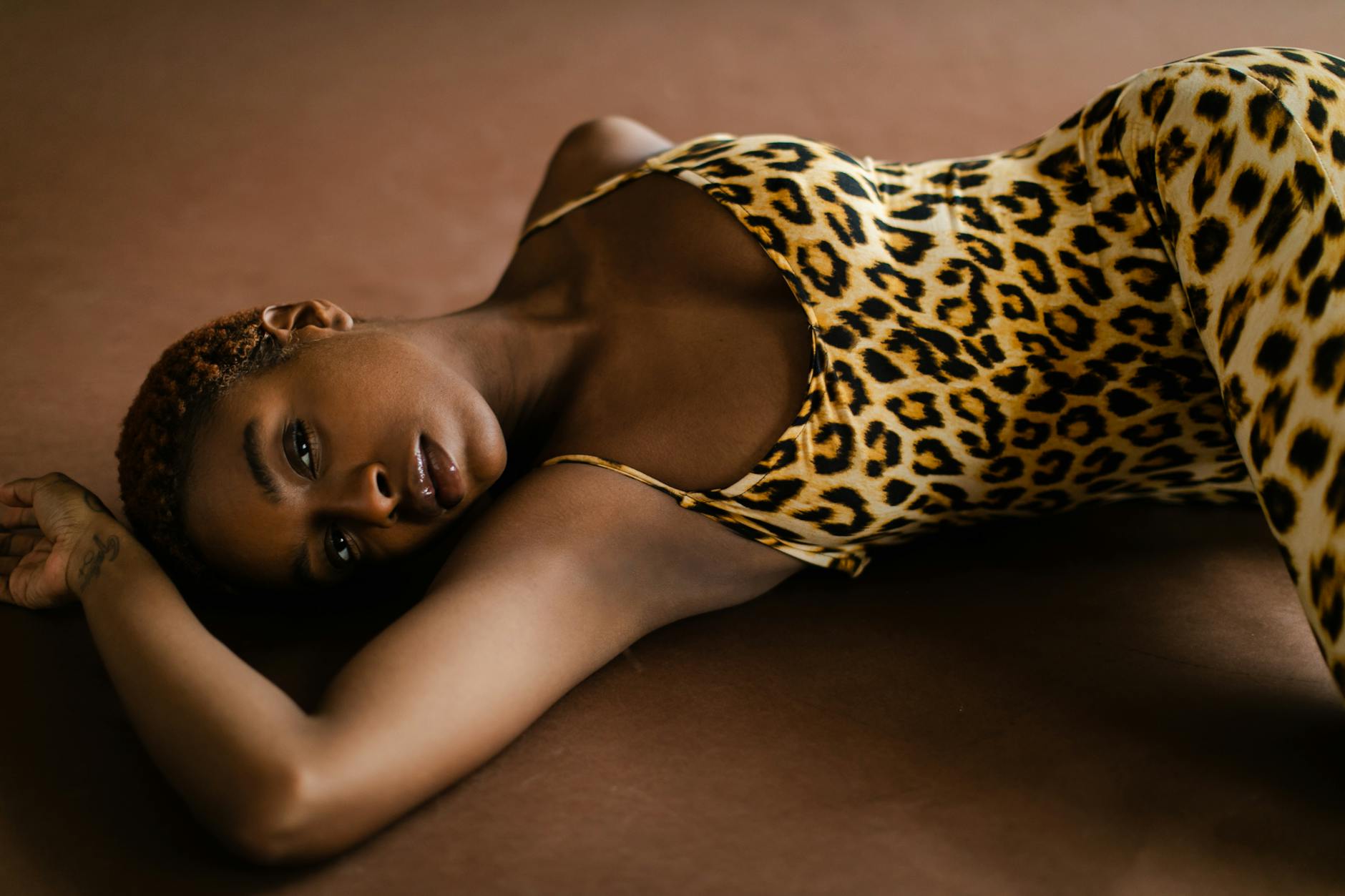
Photo by snazzy Photography on Pexels.com

Black beauty is a multifaceted phenomenon shaped by evolution, history, psychology, and cultural representation. It is both a biological inheritance and a cultural expression, a story of resilience inscribed in the body and articulated through identity and artistry. To examine the science of Black beauty is to recognize how biology and culture work together to produce a radiance that has endured despite systemic erasure and oppression.

From a biological standpoint, the features associated with African ancestry are the products of adaptation and survival. Melanin-rich skin evolved to protect against harmful ultraviolet rays, preserving essential nutrients like folate while allowing for sufficient vitamin D synthesis (Jablonski & Chaplin, 2010). Similarly, tightly coiled hair acts as a natural regulator, shielding the scalp from heat while allowing airflow for cooling (Robins, 2009). These traits, often marginalized in Western standards, reflect evolutionary brilliance and resilience.

Facial diversity within African-descended populations further illustrates this complexity. Broader nasal passages facilitate air regulation in warmer climates, while fuller lips and diverse bone structures reveal the genetic depth of African populations, which are the most genetically varied in the world (Tishkoff et al., 2009). This diversity highlights that Black beauty cannot be confined to a single standard, but instead exists as a spectrum of biological expressions foundational to humanity itself.

Psychology, however, reveals how beauty is experienced and judged in society. For centuries, Eurocentric standards have distorted perceptions of beauty, leading to colorism, hair discrimination, and internalized racism within Black communities (Hunter, 2007). Such biases caused lasting psychological harm, shaping how individuals viewed themselves. Yet movements such as “Black is Beautiful” and the natural hair renaissance have countered these narratives, reframing beauty as pride in melanin, hair texture, and African aesthetics (Byrd & Tharps, 2014).

Cultural representation plays a powerful role in this redefinition. Historically, Black people were excluded from mainstream beauty imagery or depicted through degrading stereotypes. Icons like Cicely Tyson and Angela Davis challenged these norms by embracing natural hair and Afrocentric styles that carried political meaning. In the 21st century, Lupita Nyong’o and Rihanna’s Fenty Beauty expanded global beauty standards, affirming darker skin tones and inclusive cosmetics as worthy of admiration (Tate, 2009). Representation thus shifts beauty from marginalization to empowerment.

Historically, beauty within Black communities has also functioned as survival and resistance. Enslaved Africans braided hair not only as an aesthetic practice but also as a means of preserving cultural memory and transmitting coded messages for liberation (Byrd & Tharps, 2014). In these contexts, beauty was never superficial but deeply tied to resilience, dignity, and the struggle for freedom. This historical reality underscores how Black beauty is inseparable from cultural expression and survival.

Spiritually, beauty is defined by values deeper than the physical. Biblical scripture emphasizes inner beauty: “Whose adorning let it not be that outward adorning… but the hidden man of the heart” (1 Peter 3:3–4, KJV). For Black people, whose beauty was historically devalued, spiritual strength and inner radiance provided a foundation for self-worth and endurance. Thus, Black beauty extends beyond the surface, embodying faith, character, and the divine imprint of creation.

In conclusion, the science of Black beauty reveals it as both biological and cultural. Evolution crafted traits that ensured survival, while cultural expression transformed those traits into symbols of pride, identity, and resistance. From biology to psychology, from history to spirituality, Black beauty reflects resilience and radiance. It is a testimony not only to adaptation but also to the enduring power of a people who continue to shape global definitions of what it means to be beautiful.


References

  • Byrd, A., & Tharps, L. (2014). Hair story: Untangling the roots of Black hair in America. St. Martin’s Press.
  • Hunter, M. (2007). The persistent problem of colorism: Skin tone, status, and inequality. Sociology Compass, 1(1), 237–254.
  • Jablonski, N. G., & Chaplin, G. (2010). Human skin pigmentation as an adaptation to UV radiation. Proceedings of the National Academy of Sciences, 107(Suppl 2), 8962–8968.
  • Robins, A. H. (2009). Biological perspectives on human pigmentation. Cambridge University Press.
  • Tate, S. A. (2009). Black beauty: Aesthetics, stylization, politics. Ashgate.
  • Tishkoff, S. A., et al. (2009). The genetic structure and history of Africans and African Americans. Science, 324(5930), 1035–1044.

Unveiling Radiance: The Science Behind Black Beauty. #thescienccofblackbeauty

Photo by 3Motional Studio on Pexels.com

Black beauty is a phenomenon that transcends aesthetics, reaching into the realms of biology, psychology, culture, and spirituality. To unveil its radiance is to uncover the evolutionary genius of African traits, the resilience of a people who have endured systemic oppression, and the redefinition of beauty as an act of resistance. Far from being superficial, Black beauty embodies survival, identity, and the sacred dignity of heritage.

From a biological perspective, the features most associated with Black beauty—melanin-rich skin, coiled hair textures, and distinctive facial structures—carry deep evolutionary significance. Dark skin, rich in eumelanin, evolved as protection against harmful ultraviolet rays, while preserving vital nutrients like folate necessary for reproduction (Jablonski & Chaplin, 2010). Similarly, coiled hair functions as a natural insulator, protecting the scalp from heat while aiding in cooling, a design of resilience rooted in Africa’s climate (Robins, 2009). These features reveal that beauty is more than appearance—it is a story of adaptation and survival.

Psychology offers another lens into Black beauty. For centuries, Eurocentric ideals distorted global standards, leading to colorism and the devaluation of African features (Hunter, 2007). Internalized racism caused many to struggle with self-esteem, as seen in studies where Black children favored white dolls over Black dolls. Yet resilience emerged through movements such as “Black is Beautiful,” which reshaped psychological frameworks by affirming melanin, natural hair, and cultural aesthetics (Byrd & Tharps, 2014). In this way, beauty became a psychological anchor of identity and empowerment.

Culturally, representation plays a powerful role in shaping perceptions of beauty. Historically, Black women and men were excluded from mainstream imagery or reduced to stereotypes. However, pioneers like Cicely Tyson and Angela Davis disrupted these patterns by embracing natural styles that carried political meaning. In the modern era, global icons such as Lupita Nyong’o and Rihanna’s Fenty Beauty have expanded definitions of beauty, affirming darker complexions and diverse aesthetics as not only acceptable but aspirational (Tate, 2009). Representation thus transforms beauty from exclusion to celebration.

Black beauty is also inseparable from the politics of survival. During slavery, African women braided hair not only for style but also as cultural memory and, at times, as coded maps for escape (Byrd & Tharps, 2014). Beauty, in this context, was not frivolous but functional, a tool of survival and cultural preservation. This historical resilience underscores that beauty for Black communities is never just cosmetic—it is intertwined with dignity, memory, and liberation.

Spiritually, beauty is rooted in values deeper than appearance. The Bible teaches that true beauty lies within: “Whose adorning let it not be that outward adorning…but the hidden man of the heart” (1 Peter 3:3–4, KJV). For Black people, whose external beauty was often devalued by oppressive systems, inner radiance and spiritual strength became central to survival. Thus, Black beauty is not only seen in skin and hair, but also in character, resilience, and unwavering faith.

In contemporary society, Black aesthetics influence global fashion, music, and art. From natural hairstyles to melanin-positive campaigns, African-descended communities are reclaiming and redefining beauty on their own terms. Yet challenges remain, as colorism and Eurocentric bias persist in media and industries (Patton, 2006). Still, the global celebration of melanin and the mainstreaming of diverse beauty standards signal progress toward broader acceptance.

Ultimately, the science behind Black beauty reveals a truth greater than aesthetics: beauty is resilience, adaptation, and radiance born of struggle and survival. It is biological brilliance, psychological strength, cultural memory, and spiritual dignity combined. To unveil this radiance is to affirm that Black beauty is not only valid—it is foundational to humanity, a sacred testimony to the power of survival, identity, and divine design.


References

  • Byrd, A., & Tharps, L. (2014). Hair story: Untangling the roots of Black hair in America. St. Martin’s Press.
  • Hunter, M. (2007). The persistent problem of colorism: Skin tone, status, and inequality. Sociology Compass, 1(1), 237–254.
  • Jablonski, N. G., & Chaplin, G. (2010). Human skin pigmentation as an adaptation to UV radiation. Proceedings of the National Academy of Sciences, 107(Suppl 2), 8962–8968.
  • Patton, T. O. (2006). Hey girl, am I more than my hair? African American women and their struggles with beauty, body image, and hair. NWSA Journal, 18(2), 24–51.
  • Robins, A. H. (2009). Biological perspectives on human pigmentation. Cambridge University Press.
  • Tate, S. A. (2009). Black beauty: Aesthetics, stylization, politics. Ashgate.

👑🤎 Reclaiming the Crown 🤎👑

Photo by Arianna Jadu00e9 on Pexels.com

The Evolution of Black Beauty Standards

Beauty has always been more than skin deep—it is a social and political weapon, a cultural compass, and a reflection of power. For centuries, white beauty standards have dominated global narratives, shaping how attractiveness is measured, marketed, and internalized. This dominance was not accidental; it was a strategic result of colonization, slavery, media influence, and Eurocentric propaganda. Understanding the history of white beauty standards is essential to dismantling them, reclaiming our rightful place, and restoring the global recognition of Black beauty as a standard in itself.


The History of White Beauty Standards

White beauty standards emerged in the context of European imperial expansion. During the transatlantic slave trade and colonial periods, physical features such as pale skin, straight hair, narrow noses, and thin lips were elevated as the “ideal” in contrast to African features, which were dehumanized and stigmatized (Craig, 2002). Pseudoscience such as scientific racism and eugenics reinforced these ideals by associating Eurocentric features with intelligence, morality, and civility, while labeling African features as primitive. The Victorian era further cemented whiteness as a marker of social class and purity, with literature, paintings, and later Hollywood films perpetuating the image of the delicate, fair-skinned woman as the ultimate beauty.


Why This History Matters

Knowing this history is critical because beauty standards shape economies, mental health, and identity. Eurocentric ideals have historically limited economic opportunities for Black individuals through discriminatory hiring practices based on hair texture and skin tone (Hunter, 2007). They have influenced self-esteem, especially in children, leading to colorism, self-hate, and harmful practices like skin bleaching and hair straightening (Russell, Wilson, & Hall, 2013). Without an understanding of how these standards were weaponized, efforts to redefine beauty risk becoming superficial trends rather than a deep cultural revolution.


The Resilience and Evolution of Black Beauty

Despite centuries of erasure, Black beauty has survived through cultural pride, artistic expression, and resistance movements. The Harlem Renaissance celebrated dark skin and African aesthetics in the 1920s. The Black Power Movement of the 1960s popularized natural hair as a political statement, encapsulated in the slogan “Black is Beautiful.” Today, the natural hair movement, increased representation in media, and global celebration of melanin-rich skin continue the fight against Eurocentric definitions of beauty (Byrd & Tharps, 2014).

https://as1.ftcdn.net/jpg/01/74/54/64/1000_F_174546417_vxqxs3GKGjFHIDnNpkxrMwh0ceHPMaK8.jpg
This photograph is the property of its respective owner.
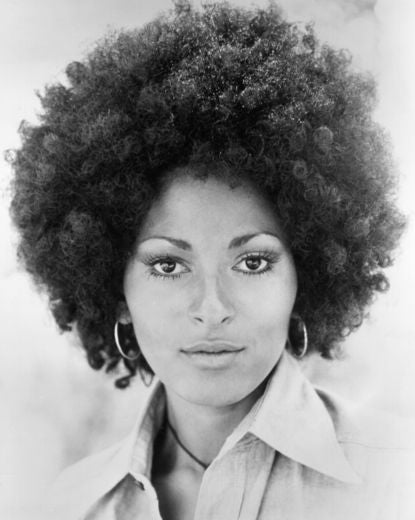
https://www.essence.com/wp-content/uploads/2010/03/images/2010/03/376521-pam_grier.jpg
This photograph is the property of its respective owner.
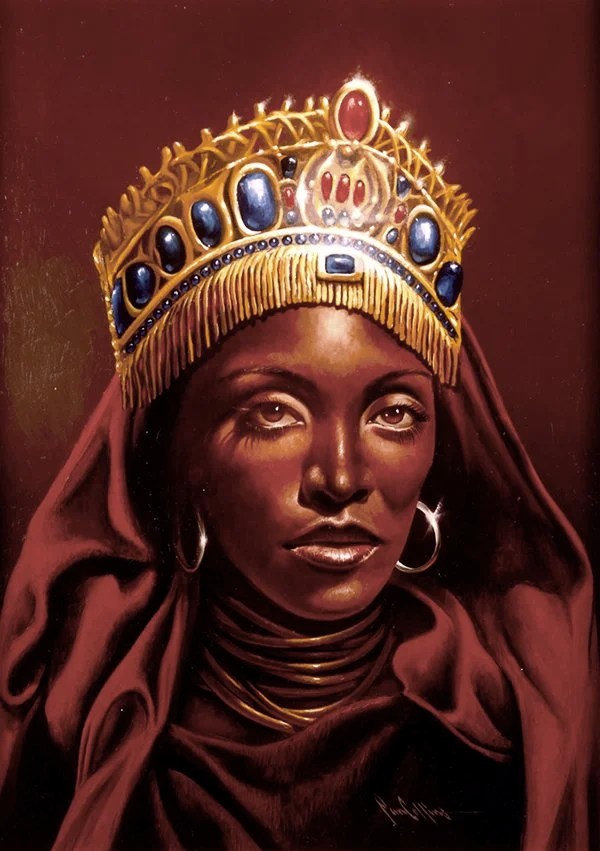
https://the-brown-girl-dilemma.com/wp-content/uploads/2025/08/7d6d7-12bqueen2bof2bsheba2bby2bpaul2bcollins.webp
This photograph/artwork is the property of its respective owner.
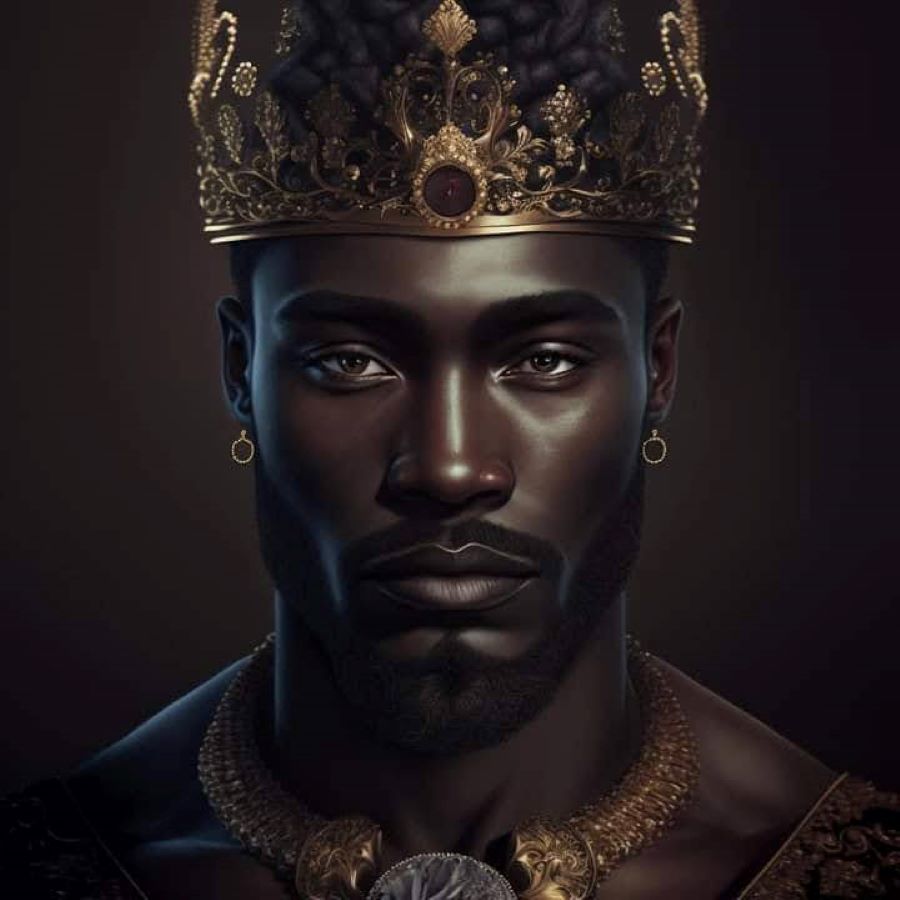
https://i.pinimg.com/1200x/ab/62/95/ab62959d7fee3669efd67362c838da82.jpg
This photograph is the property of its respective owner.

Here’s a richly diverse edge image carousel capturing the elegance and allure that embody celebrated Black beauty—portraits evoke radiance, Afrocentric grace, and timeless poise.


The World’s Most Beautiful Black Women in Entertainment.

Contemporary Global Icons:

  • Halle Berry – Arguably the most beautiful woman in the world. A timeless beauty who has mesmerized men since the 1990s, known for her short-cropped hair.
  • Nathalie Emmanuel – Known for her radiant smile and pretty face.
  • Rihanna – Her girlish charm, cafe au lait complexion, and a cosmetic company to boot, she redefines what is considered beautiful.
  • Lupita Nyong’o – Her resplendent skin and captivating natural beauty make her a standout in film.

African Royalty & Beauty Queens:

  • Anok Yai – A South Sudanese-born model whose groundbreaking achievements include opening Prada’s runway and advocating against colorism, making her one of fashion’s most influential figures. oceanonlinenews.comBeauty News
  • Zozibini Tunzi – Miss Universe 2019 from South Africa, celebrated for redefining beauty standards and representing African elegance on the global stage. Wikipedia
  • Chidinma Adetshina – Crowned Miss Universe Nigeria and first runner-up at Miss Universe 2024, her beauty and resilience inspire. Beauty News
  • Tshego Gaelae – Mrs. World 2025 winner from South Africa, blending legal expertise with beauty and leadership in her community. Wikipedia
  • Nomzamo Mbatha – South African actress and humanitarian whose radiant presence and advocacy work have made her an international beauty and cultural ambassador. top 10 on 10

Other Admirable Talents:

  • Gabrielle Union – Renowned for her consistency in beauty, charisma, and advocacy for inclusivity. Lifestyle Net Worth
  • Megalyn Echikunwoke – An actress whose elegance and authentic presence make her stand out both on-screen and off. Lifestyle Net Worth
  • Paige Hurd – Young, radiant, and charismatic, this rising star is making her mark through both talent and beauty. Lifestyle Net Worth
  • Jourdan Dunn – A groundbreaking British model recognized for her fierce runway presence and landmark modeling achievements. The Trend Spotter
  • Viola Davis – A beauty rooted in strength, emotion, and integrity, rising to monumental acclaim through soulful performances. The Trend SpotterVanity Fair

What Black Actors Say About Beauty

While direct quotes from Black actors about other Black women may not always circulate widely, the spirit of admiration is evident through actions and commendations:

  • Kenya Moore, former Miss USA, shared with students that her win helped challenge beauty norms, teaching kids the importance of intelligence, confidence, and Black beauty beyond appearance. People.com
  • Though not celebrity quotes, Leslie Jones delivered powerful commentary on Saturday Night Live, using humor to confront painful truths around Black beauty and stereotypes, highlighting the need for recognition and empathy. TIME

Summary Table: A Snapshot of Celebrated Black Beauty

NameNotability
Halle BerryIconic actress and timeless beauty
Nathalie EmmanuelRadiant presence from Game of Thrones
RihannaBeauty-plus-influence through her brands
Keke PalmerYouthful energy and natural charisma
Anok YaiRunway game-changer and inclusivity advocate
Zozibini TunziMiss Universe who redefined beauty standards
Chidinma AdetshinaNigerian queen rising beyond pageantry
Tshego GaelaeMrs. World merging beauty with accomplishment
Nomzamo MbathaActress & humanitarian with global impact
Gabrielle UnionRadiant advocate for representation
Megalyn EchikunwokeElegant and authentic on-screen presence
Paige HurdYouthful rising beauty
Jourdan DunnLegendary British model and industry trailblazer
Viola DavisDepth, beauty, and emotional authenticity

How We Reclaim Our Position as the World’s Beauty Standard

Reclaiming the crown requires three steps: cultural ownership, global visibility, and systemic change.

  1. Cultural Ownership – Embracing African features as desirable, not “different,” and rejecting beauty practices that harm natural attributes.
  2. Global Visibility – Amplifying Black beauty through fashion, film, art, and social media on a worldwide scale, without apology or dilution.
  3. Systemic Change – Fighting for anti-discrimination laws (such as the CROWN Act) that protect natural hair and skin tone diversity in schools and workplaces.

When we redefine beauty for ourselves and project it unapologetically, the world must adjust its gaze.


Conclusion

The reclamation of Black beauty is not a passing aesthetic trend—it is a restoration of historical truth. Before colonialism, African beauty standards shaped much of the ancient world, from Nubian queens to Ethiopian royalty admired for their dark skin, elaborate hairstyles, and regal presence. By understanding the origins of white beauty standards and actively rejecting them, Black people can once again stand at the center of the world’s definition of beauty—not as imitators of an imposed ideal, but as the original blueprint.

References

  • Byrd, A., & Tharps, L. L. (2014). Hair Story: Untangling the Roots of Black Hair in America. St. Martin’s Press.
  • Craig, M. L. (2002). Ain’t I a Beauty Queen? Black Women, Beauty, and the Politics of Race. Oxford University Press.
  • Hunter, M. L. (2007). The Persistent Problem of Colorism: Skin Tone, Status, and Inequality. Sociology Compass, 1(1), 237–254.
  • Russell, K., Wilson, M., & Hall, R. E. (2013). The Color Complex: The Politics of Skin Color in a New Millennium. Anchor Books.