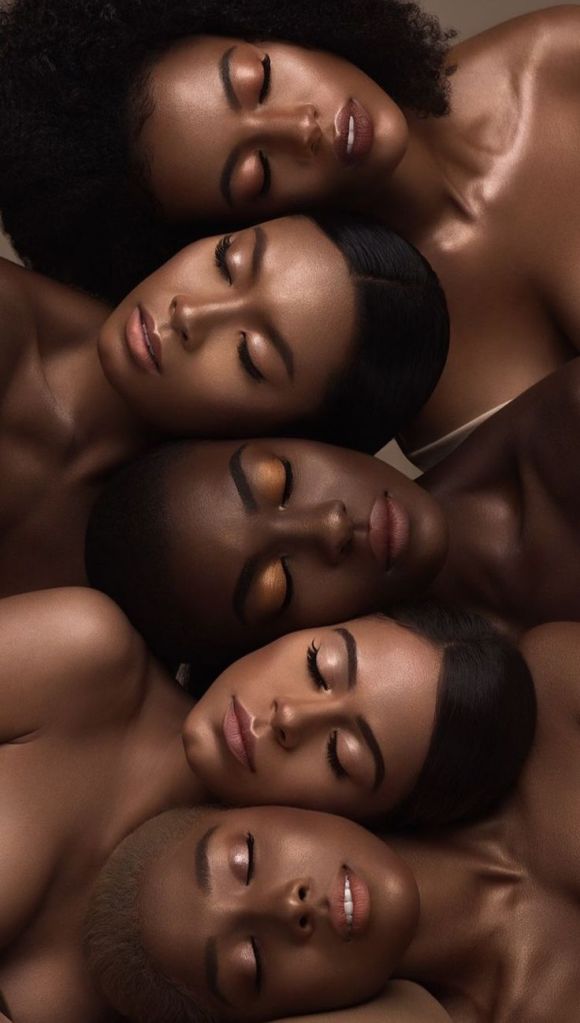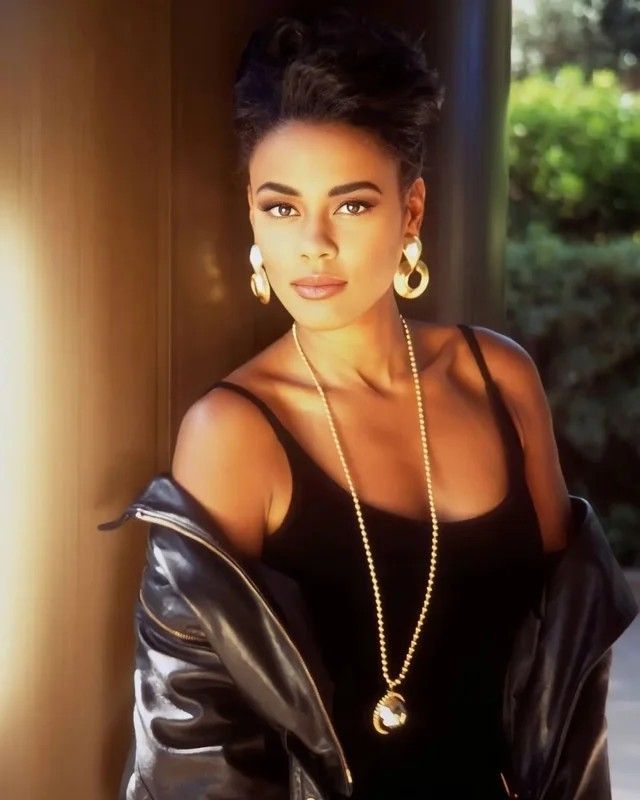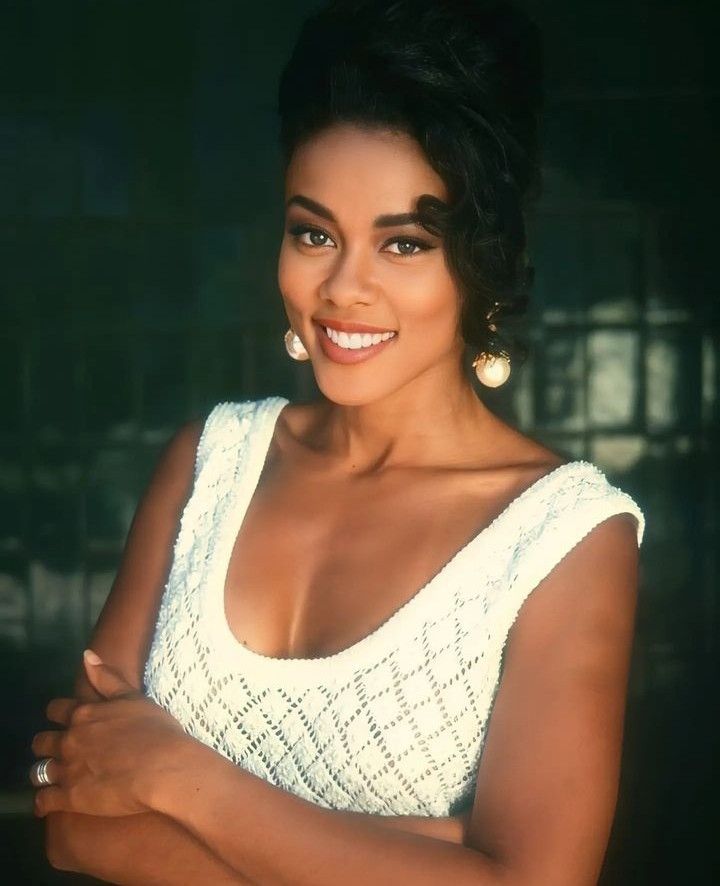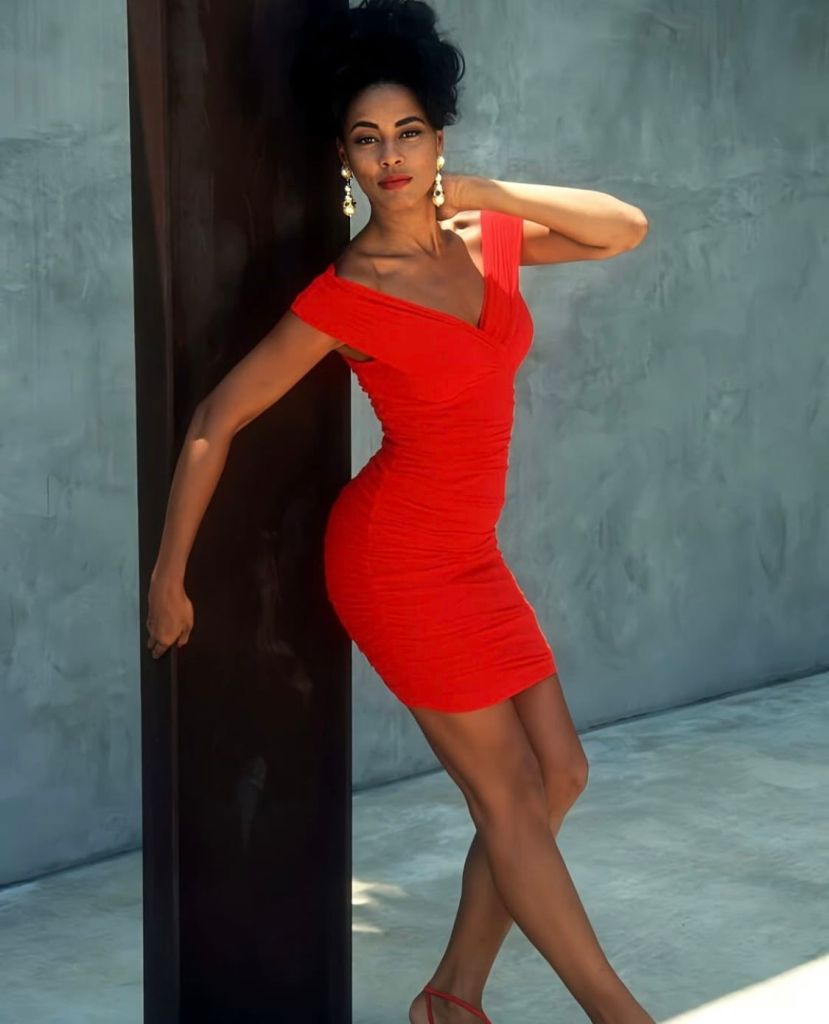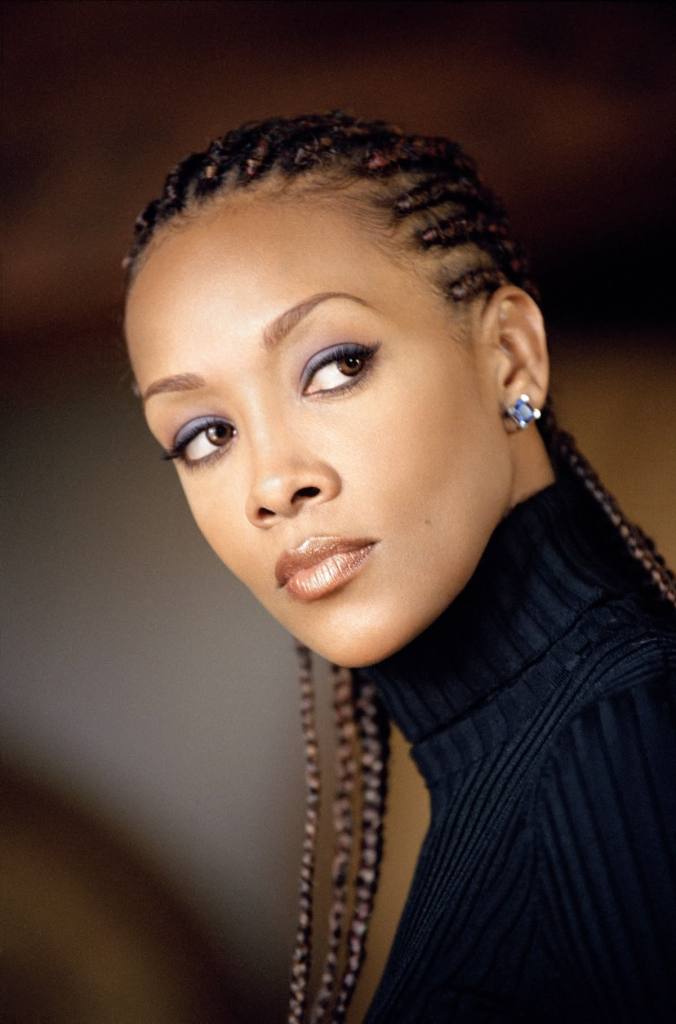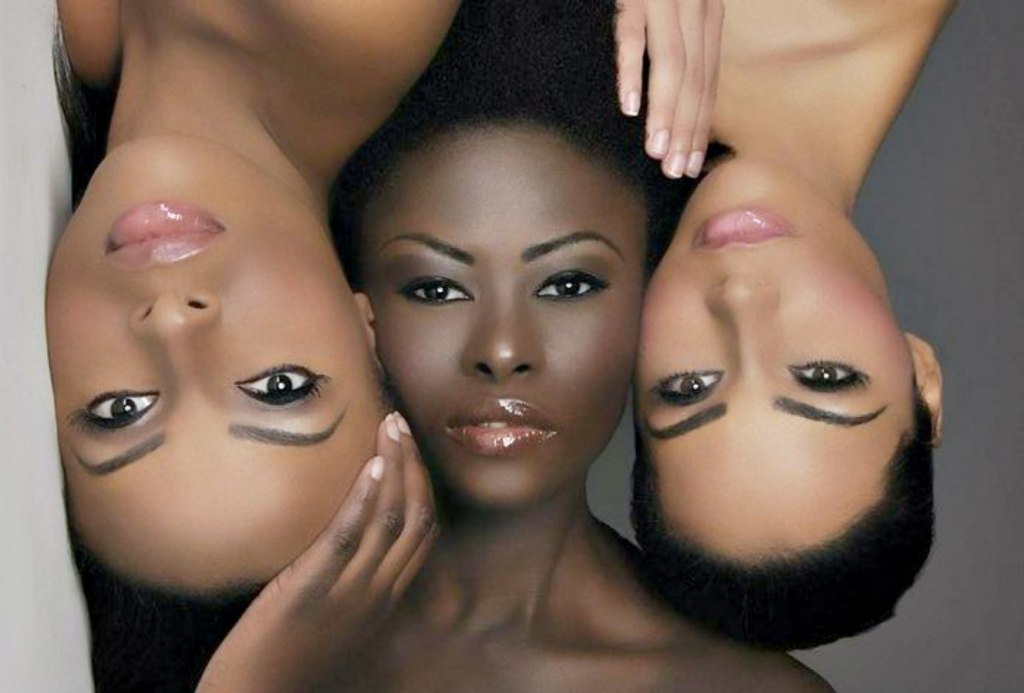
Tag Archives: Beauty

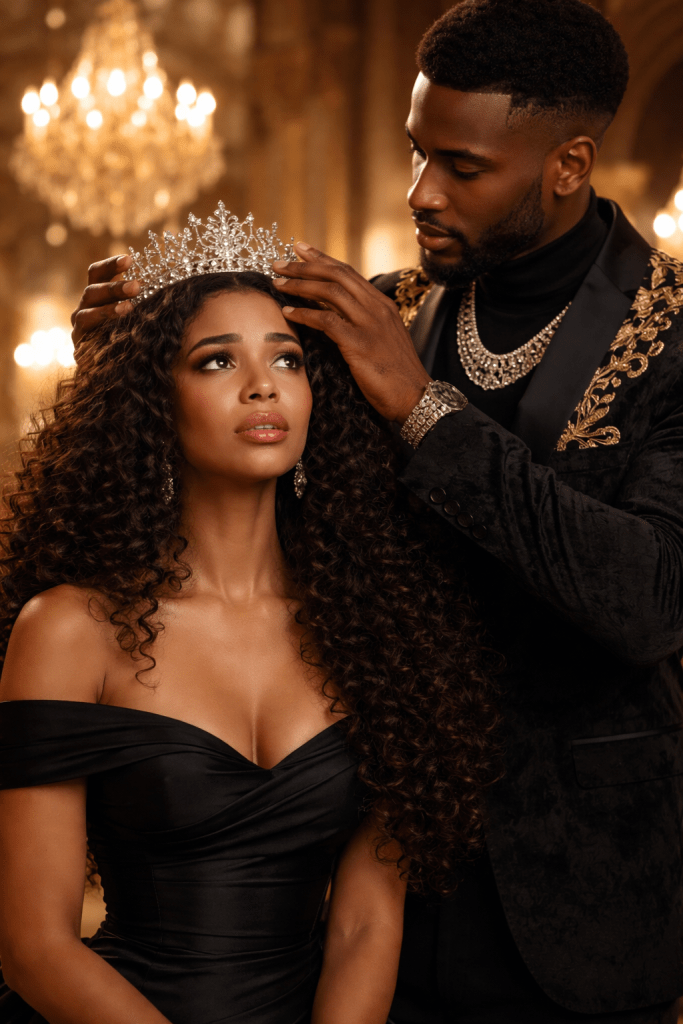
A Queen Worthy of the Crown

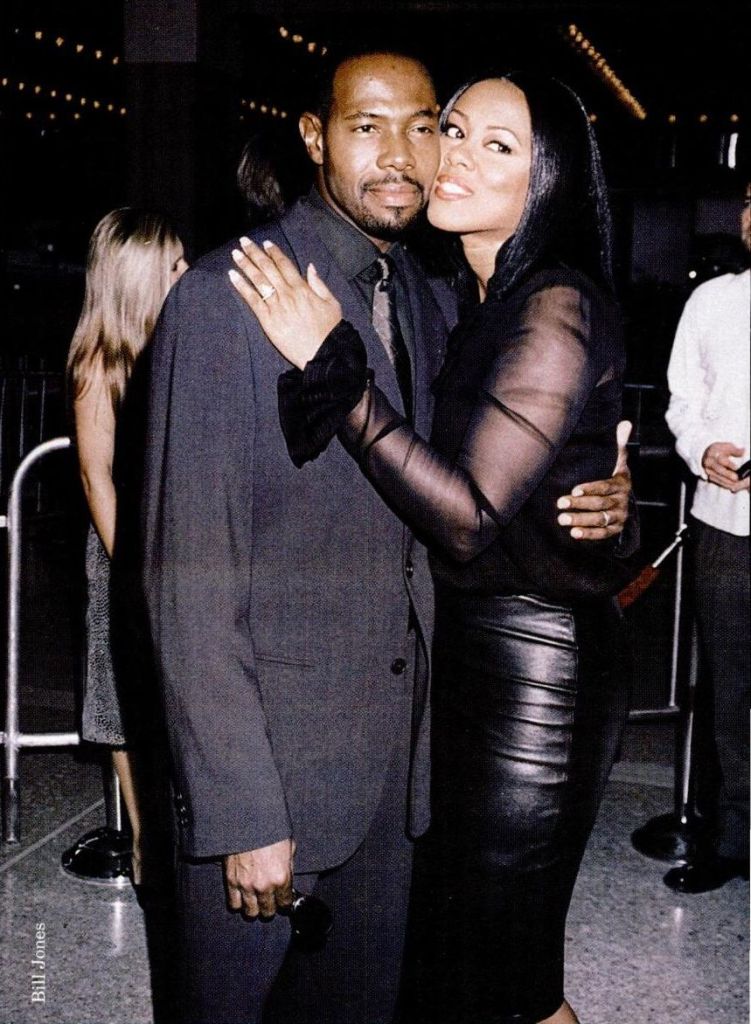
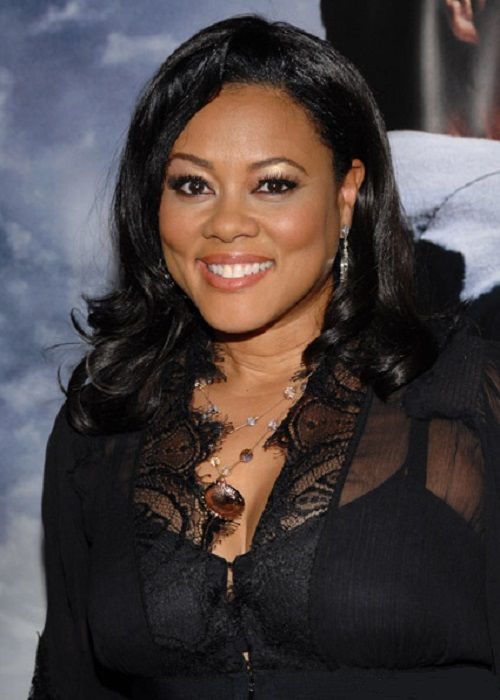
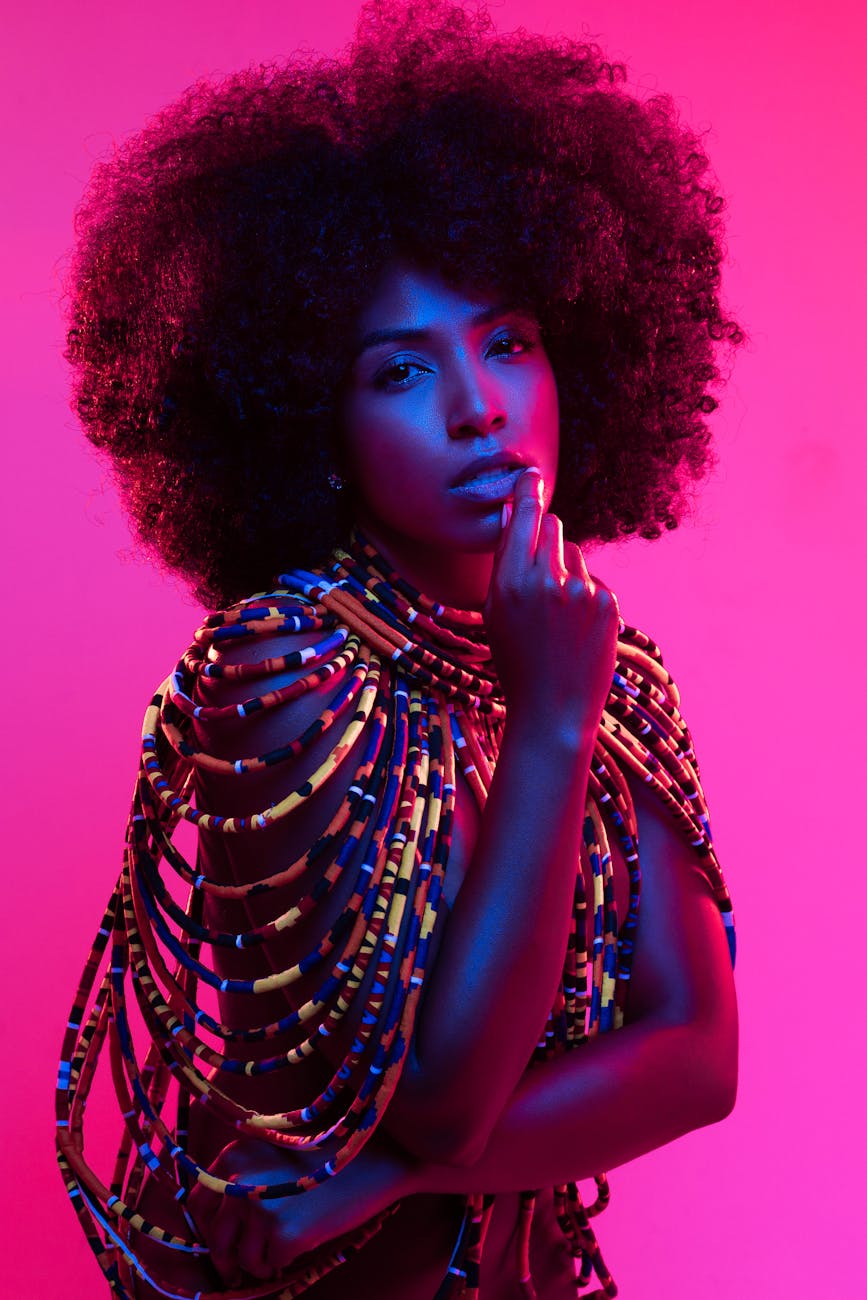
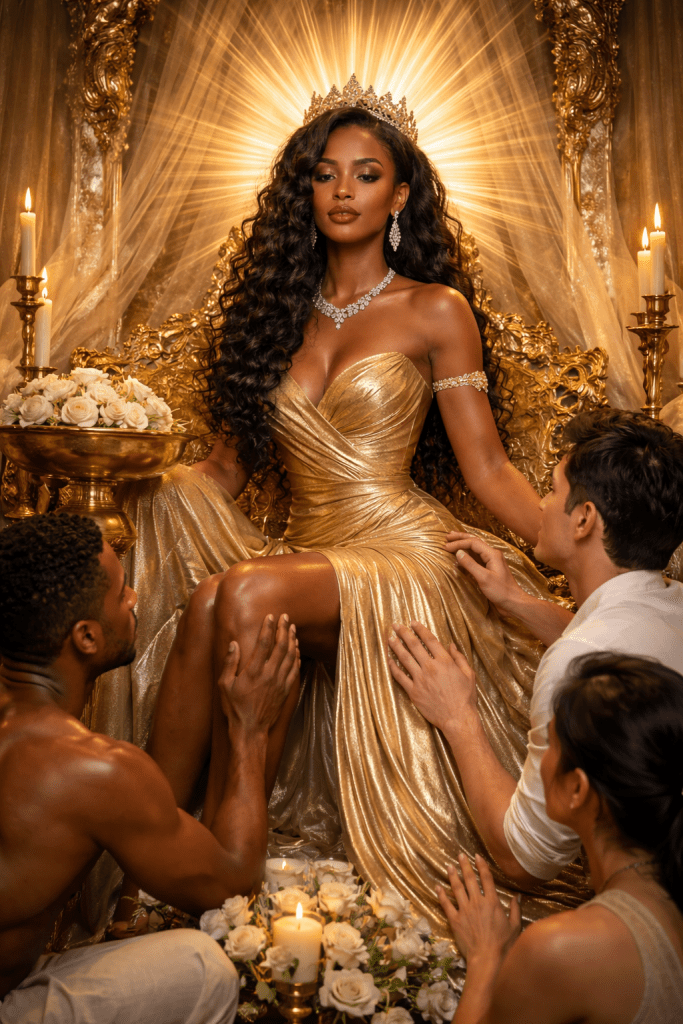
A queen worthy of the crown is not merely defined by outward beauty, status, or admiration from others; rather, her true identity is rooted in her relationship with God. Throughout Scripture, the imagery of crowns symbolizes honor, righteousness, and divine reward bestowed upon those who walk faithfully with the Lord. The spiritual crown is not earned through worldly prestige but through obedience, humility, and devotion to God. For the woman who desires to be a queen in God’s kingdom, the journey begins not with a man but with the King of Kings, whose guidance shapes her character and purpose.

The Bible teaches that believers will one day receive crowns as a reward for faithful living. The apostle Paul wrote that a “crown of righteousness” is laid up for those who love the appearing of Christ. This crown represents victory over sin, perseverance in faith, and steadfast commitment to God’s calling. Therefore, the woman who prepares herself spiritually is not merely preparing for earthly recognition but for eternal honor before God.

To be a queen in the kingdom of God requires a mindset that transcends cultural definitions of femininity. Society often encourages women to seek validation through relationships, social status, or physical appearance. However, a queen with God understands that her identity is secured in divine purpose. She sees herself as a daughter of the Most High, carrying dignity, wisdom, and grace in every aspect of her life.

Central to this identity is what may be called the “princess mentality.” This does not imply entitlement or arrogance, but rather a sacred awareness of one’s value before God. A princess mentality encourages a woman to treat herself with honor, protect her purity, and refuse environments that compromise her spiritual integrity. She understands that the way she carries herself reflects the kingdom she represents.

Seeking God daily is foundational to the life of a spiritual queen. Through prayer, meditation on Scripture, and worship, she cultivates intimacy with the Lord. This relationship becomes the source of her wisdom, strength, and peace. Rather than chasing worldly validation, she seeks the approval of God, knowing that divine affirmation surpasses human applause.

Fasting and prayer are also powerful disciplines that shape the heart of a queen. Biblical fasting is not simply abstaining from food but a spiritual practice that humbles the soul and sharpens spiritual sensitivity. Through fasting, a woman learns dependence upon God and gains clarity about her calling, relationships, and future direction.

Walking with God requires consistency and discipline. A queen worthy of the crown understands that spiritual maturity develops over time through obedience. She studies the Word, listens to the guidance of the Holy Spirit, and seeks wisdom from godly mentors. In doing so, she grows in character and becomes a reflection of divine wisdom.

Within God’s kingdom, queenship is closely tied to service and humility. Jesus Himself taught that greatness in the kingdom is measured by the willingness to serve others. A spiritual queen therefore uses her gifts to uplift her family, community, and church. Her influence is not domineering but nurturing, reflecting the compassionate nature of Christ.

Scripture offers a profound portrait of the virtuous woman in Proverbs 31. This woman is industrious, wise, compassionate, and deeply devoted to God. She manages her household with diligence, speaks with wisdom, and is clothed with strength and honor. Her worth is described as being far above rubies, emphasizing the rarity and value of such character.

Purity is another cornerstone of a queen’s spiritual preparation. The Bible encourages believers to honor God with their bodies and maintain holiness in their relationships. A woman committed to God guards her heart, understanding that intimacy is sacred and designed to flourish within the covenant of marriage.

Keeping oneself for marriage reflects both faith and patience. In a culture that often trivializes commitment, the woman who waits demonstrates profound trust in God’s timing. She recognizes that her body and heart are precious gifts, and she chooses to honor God by preserving them for a covenant relationship.

Waiting on God, however, does not mean living passively. During seasons of singleness, the queen continues to grow spiritually, intellectually, and emotionally. She invests in her purpose, builds meaningful relationships, and develops her talents. Her life remains fruitful even while she awaits the partner God may provide.

The Bible often emphasizes that a godly man finds a virtuous woman rather than the other way around. This principle suggests that the woman focuses primarily on becoming who God has called her to be. When the time is right, the godly king will recognize her character, faith, and dignity.

In the meantime, her devotion belongs first to the King of Kings. Christ becomes the center of her life, guiding her decisions and shaping her identity. Through this spiritual union, she experiences fulfillment that transcends romantic relationships.

Commitment to God also protects a woman from unhealthy relationships. When her standards are shaped by Scripture, she learns to discern character rather than charm. She values integrity, faith, and spiritual leadership above superficial attraction.

A queen worthy of the crown cultivates inner beauty. The apostle Peter wrote that the hidden person of the heart, characterized by a gentle and quiet spirit, is precious in the sight of God. Such beauty does not fade with time but grows stronger through faith and maturity.

Humility also defines the character of a spiritual queen. She recognizes that her gifts, beauty, and opportunities come from God’s grace. Rather than boasting, she expresses gratitude and uses her blessings to serve others.

Faith is essential during seasons of waiting and preparation. At times, a woman may feel overlooked or misunderstood, yet faith reminds her that God’s plans unfold according to divine wisdom. The crown prepared for her life will arrive in God’s perfect timing.

Ultimately, the promise of wearing a crown extends beyond earthly relationships. The faithful believer anticipates the eternal crown given by Christ to those who remain steadfast. This spiritual reward symbolizes victory, righteousness, and eternal fellowship with God.

Therefore, a queen worthy of the crown lives with purpose, purity, and devotion. She honors herself as a daughter of God, seeks the Lord through prayer and fasting, walks in wisdom, and patiently waits for God’s direction. Above all, she remains committed to the King of Kings, knowing that true royalty begins with a heart surrendered to God.

References

The Holy Bible, King James Version.
Clinton, J. R. (2012). The Making of a Leader. NavPress.
Foster, R. (2018). Celebration of Discipline: The Path to Spiritual Growth. HarperOne.
Stanley, C. (2010). How to Listen to God. Thomas Nelson.
Willard, D. (2014). The Spirit of the Disciplines. HarperOne.


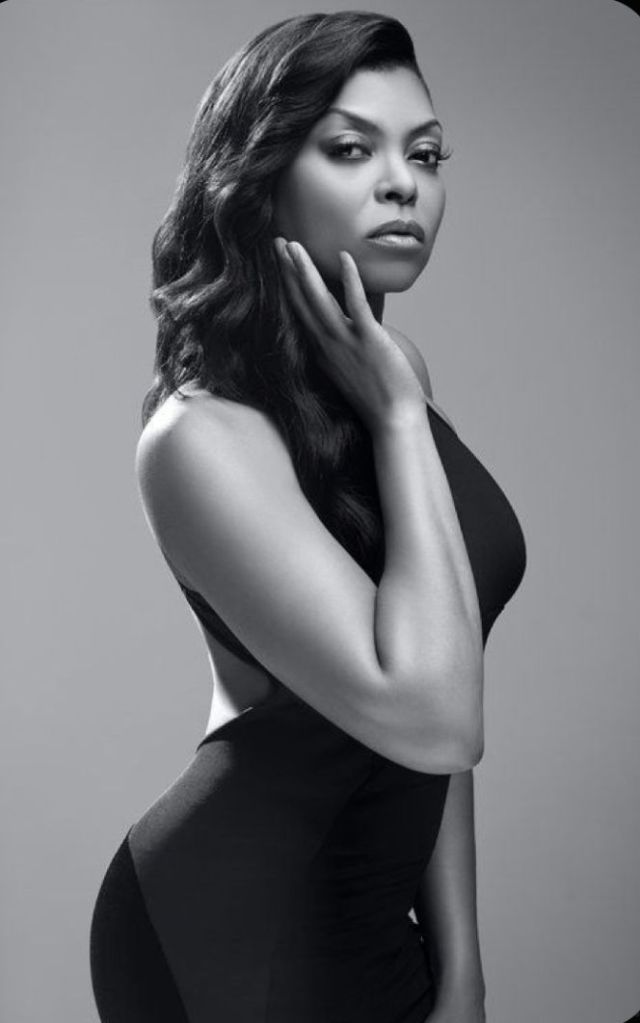
The “It Girl” Series: Taraji P. Henson

A magnetic presence with expressive eyes and a face that tells stories—Taraji P. Henson embodies charisma, beauty, and the undeniable allure of the screen.

This photograph is the property of its respective owners

Taraji P. Henson was born on September 11, 1970, in Washington, D.C., and raised in a close-knit family that encouraged her artistic ambitions. She developed a passion for acting early on, which led her to Howard University, where she earned a Bachelor of Fine Arts degree. Henson began her career with small television roles, including appearances on Smart Guy and Ally McBeal, but her breakout came with the film Baby Boy (2001), in which she portrayed Yvette, a character both complex and compelling. This role showcased her range as an actress and her ability to convey depth, emotion, and resilience.

Over the years, Henson has become a fixture in Hollywood, celebrated for her versatility and fearless approach to acting. She gained widespread acclaim for her portrayal of Cookie Lyon in the hit series Empire (2015–2020), earning a Golden Globe Award for Best Actress. This role highlighted not only her talent but also her ability to dominate the screen with presence, emotion, and authenticity. Henson has also been an outspoken advocate for gender equity and fair pay in the entertainment industry, reinforcing her reputation as a strong, independent voice in Hollywood.

Her filmography spans a wide range of genres, showcasing her remarkable versatility. She appeared in The Curious Case of Benjamin Button (2008), Hustle & Flow (2005), Proud Mary (2018), and Good Deeds (2012) alongside Idris Elba, as well as Hidden Figures (2016) and Hustle (2022). From historical dramas to action thrillers, Henson consistently delivers nuanced, compelling performances. In addition to live-action roles, she has lent her voice to animated projects and participated in brand endorsements, solidifying her influence beyond the screen. Henson’s expressive face, radiant skin, and commanding presence allow her to communicate power, vulnerability, and charisma without uttering a single word—a hallmark of an “It Girl.”

This photograph is the property of its respective owners

In her personal life, Henson has been married once and is the mother of a son, Marcel. She has shared her experiences navigating motherhood, fame, and career with honesty and grace, offering inspiration to many. On set, she has cultivated deep professional relationships and often speaks highly of her co-stars, reflecting her collaborative spirit. Her beauty is distinctive, transcending traditional Hollywood standards, with features that are celebrated for their expressiveness, symmetry, and strength.

This photograph is the property of its respective owners

What makes Taraji P. Henson an undeniable “It Girl” is the way she commands attention both on and off screen. Her expressive eyes and emotive facial expressions allow her to convey complex emotions effortlessly, captivating audiences with every glance. She combines raw talent with a fearless authenticity, embracing roles that challenge norms and showcase her versatility. Beyond acting, her confident presence, bold fashion choices, and outspoken advocacy for women’s rights and fair pay amplify her cultural influence, making her a role model as well as a star. Taraji’s allure is not just in her beauty—it is in her charisma, intelligence, and unapologetic individuality, qualities that make her both relatable and aspirational, securing her place as one of Hollywood’s most magnetic figures.

References:

  1. Taraji P. Henson Biography. (2023). Biography.com. https://www.biography.com/actor/taraji-p-henson
  2. Golden Globe Awards 2016 Winners. (2016). GoldenGlobes.com. https://www.goldenglobes.com/winners-nominees/2016
  3. Hipes, P. (2021). Taraji P. Henson Talks Empire, Advocacy & Hollywood. Deadline. https://deadline.com/2021/01/taraji-p-henson-interview-empire-1234667890/
  4. Taraji P. Henson Filmography. (2023). IMDb. https://www.imdb.com/name/nm0375296/

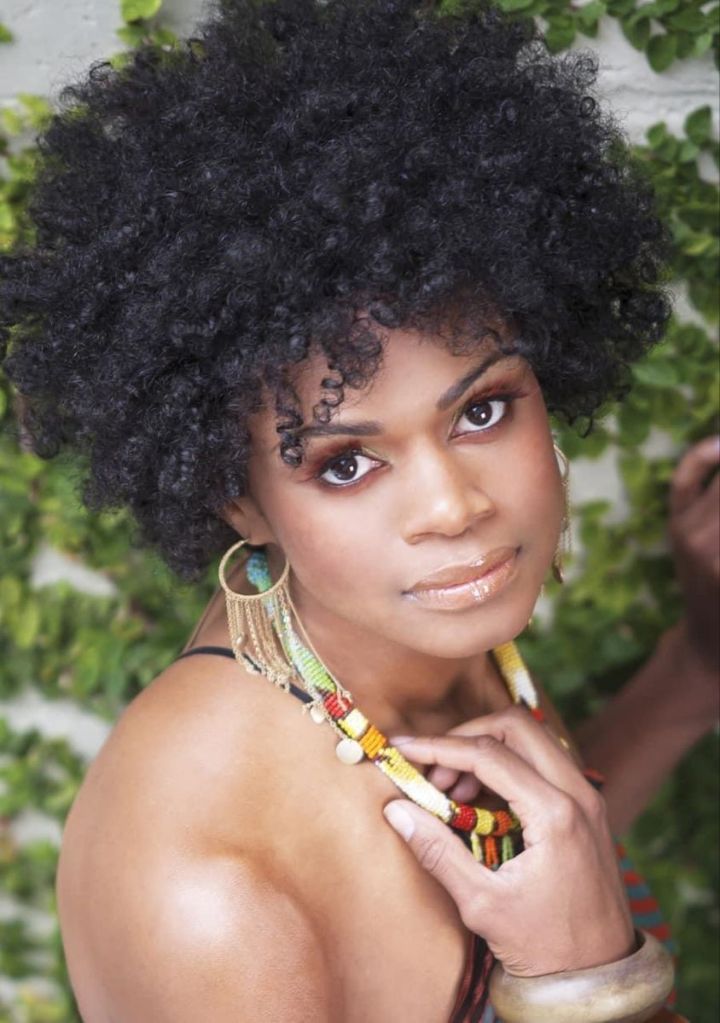
The “It Girl” Series: Kimberly Elise

Piercing, expressive eyes and a commanding screen presence—Kimberly Elise blends beauty with depth, talent, and the rare quiet power of a young Cicely Tyson.

This photograph is the property of its respective owner.

Kimberly Elise Trammel was born on April 17, 1967, in Minneapolis, Minnesota, and raised with a deep love for performance and storytelling. She earned a B.A. in Communications from the University of Minnesota before pursuing her acting career in Los Angeles. Elise’s natural talent, intense presence, and distinctively expressive eyes quickly set her apart in dramatic roles. She made her feature‑film debut in the crime action classic Set It Off (1996), portraying Tisean “T.T.” Williams with emotional intensity and strength.

Elise’s career is marked by nuanced, layered performances in films that explore struggle, resilience, and redemption. She appeared in Beloved (1998), John Q (2002), The Manchurian Candidate (2004), Diary of a Mad Black Woman (2005), Woman Thou Art Loosed (2004), Pride (2007), The Great Debaters (2007), For Colored Girls (2010), Dope (2015), Almost Christmas (2016), Death Wish (2018), and Ad Astra (2019).

Her collaborations with Denzel Washington—John Q, The Manchurian Candidate, and The Great Debaters—are particularly notable. Elise has described working with Washington as a professional joy, emphasizing that he is intensely focused, generous in his preparation, and deeply committed to family and craft—qualities she shares as a performer. Elise’s repeated casting opposite him and the respect evident in industry discussions reflect a mutual professional regard and creative rapport.

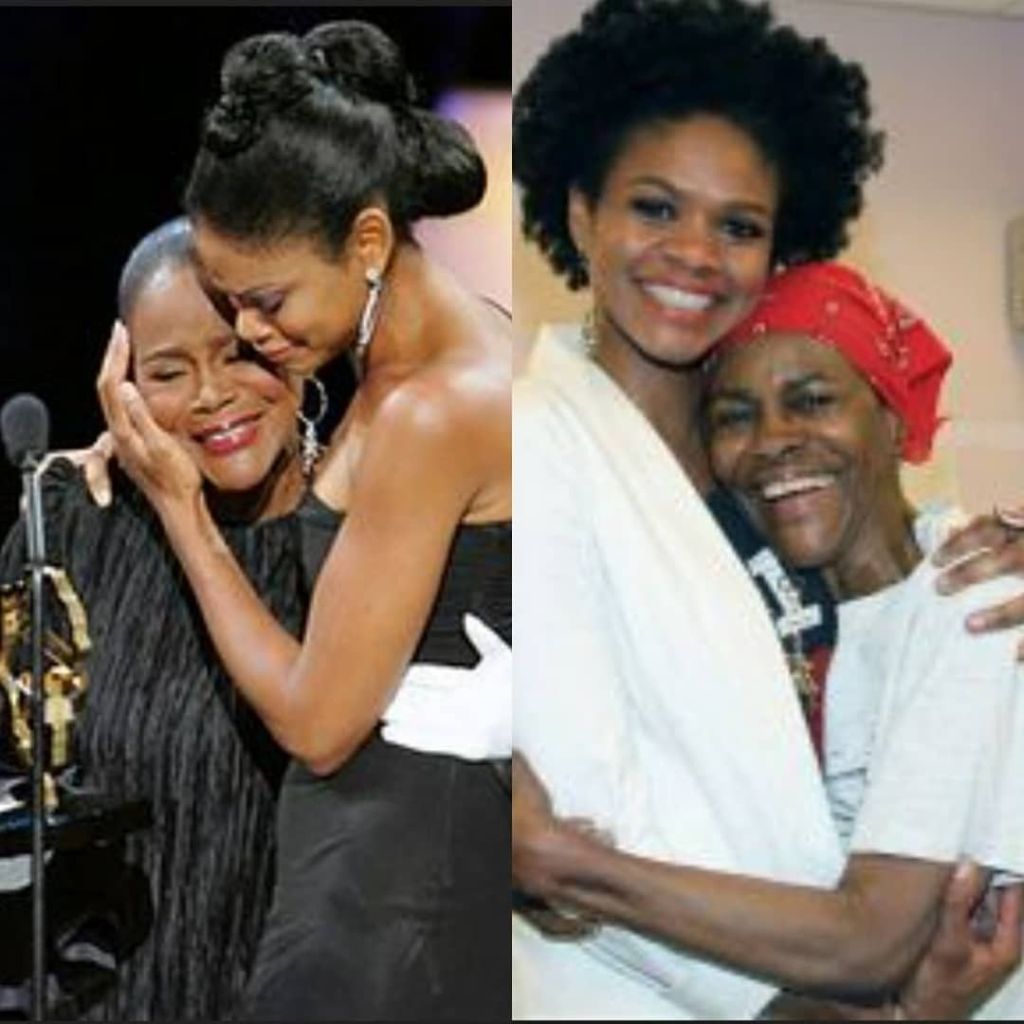
These photographs are the property of their respective owners.

Elise’s expressive, piercing eyes are a hallmark of her acting style: they convey internal life, pain, strength, and transformation without a single line of dialogue. Her presence has drawn comparisons to a young Cicely Tyson, not only for her physical resemblance but for the depth and dignity she brings to every role.

In her personal life, Kimberly Elise was first married to Maurice Oldham (April 21, 1989 – September 29, 2005), with whom she has two daughters, AjaBleu Oldham and Butterfly Rose Oldham. She later married George E. McCrary on August 23, 2023.

Elise’s work has earned critical recognition and industry honors. Early in her career, she won Best Supporting Actress at the 19th Annual CableACE Awards for The Ditchdigger’s Daughters (1997). She also received Independent Spirit Award and NAACP Image Award nominations for Woman Thou Art Loosed (2004), won NAACP Image Awards for Diary of a Mad Black Woman and other projects, and has been celebrated for her powerful contributions to film and television that center Black women’s stories.

Kimberly Elise embodies the qualities of an “It Girl” through a blend of confidence, emotional intelligence, and acting prowess. Her beauty is not superficial but expressive and commanding, rooted in her ability to convey truth through subtle gestures and deep emotional resonance. Whether portraying everyday struggles or extraordinary resilience, Elise’s work resonates with authenticity, intelligence, and grace—making her one of Hollywood’s most compelling and enduring talents.

References:

  1. Kimberly Elise. (2024). IMDb. https://www.imdb.com/name/nm0253708/biography/
  2. Kimberly Elise Filmography. (2024). Fandango. https://www.fandango.com/people/kimberly-elise-197874/film-credits
  3. Kimberly Elise Movies & TV Shows. (2024). Rotten Tomatoes. https://www.rottentomatoes.com/celebrity/kimberly_elise
  4. Kimberly Elise: The Perfect Pairing. (2020). Essence. https://www.essence.com/news/kimberly-elise-the-perfect-pairing/
  5. Actress Kimberly Elise on Working with Denzel Washington. (2013). TheGrio. https://thegrio.com/2013/05/31/actress-kimberly-elise-talks-being-denzel-washingtons-work-wife
  6. Kimberly Elise: Giving Voice to Voiceless. (2018). Chicago Sun‑Times. https://chicago.suntimes.com/2018/4/13/18398979/kimberly-elise-giving-voice-to-voiceless-on-road-to-black-hollywood-royalty
  7. NAACP Image Awards: Past Winners. (2023). NAACP.org. https://naacpimageawards.net/past-winners/

The Male Files: A Black Man’s Kryptonite – A Black Woman’s Beauty

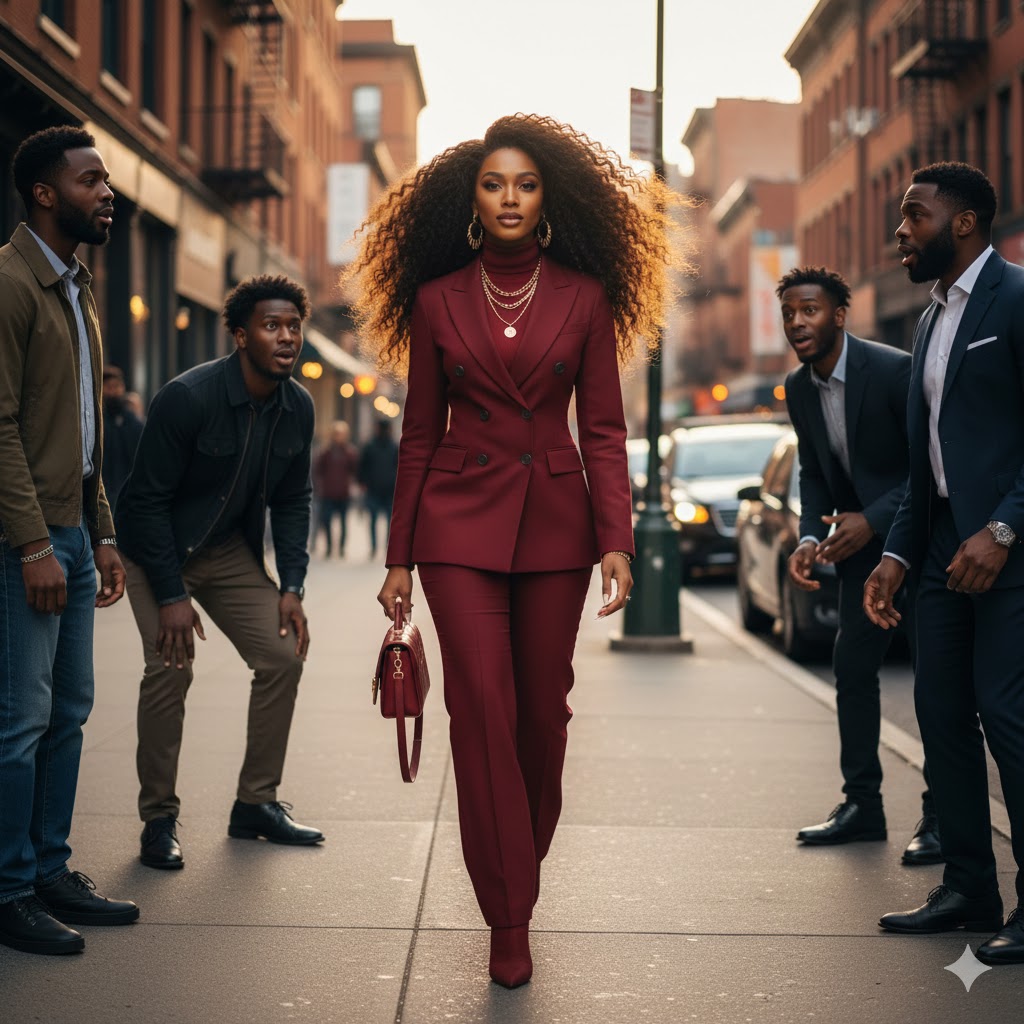
Beauty has long been recognized as a potent force in human interaction. For many men, especially in the Black community, a woman’s beauty can act almost like kryptonite, eliciting admiration, attention, and sometimes compromised judgment. Understanding this dynamic is crucial for both men and women in navigating relationships with clarity and purpose.

When a woman is exceptionally beautiful, men often go out of their way to please her. Gifts, attention, and favors can flow more readily, as men feel compelled to demonstrate worthiness in the presence of physical attraction. In some cases, a man may prioritize her desires, sometimes even bending his principles to earn approval or affection.

It is common for beauty to create disproportionate influence. The “whole paycheck” metaphor illustrates that men may invest significant resources—time, energy, money—into a woman whose appeal commands their attention. While generosity is virtuous, disproportionate devotion driven by superficial attraction can misalign priorities and expose vulnerabilities.

Men respond differently depending on their values and spiritual grounding. A man guided by God seeks to honor the woman while maintaining integrity, balance, and personal accountability. He recognizes beauty, yet does not allow physical appearance to overshadow spiritual, emotional, or intellectual compatibility.

Attraction is indeed important. Physical appeal often initiates interest, fosters desire, and creates intimacy. However, attraction alone is insufficient for long-term relational stability. Godly men look beyond mere beauty, seeking qualities like character, wisdom, faith, and compatibility. Proverbs 31 describes the virtuous woman as more valuable than rubies, emphasizing substance over superficiality.

Beautiful women often receive heightened attention, yet a godly man is careful to navigate admiration without succumbing to lustful intent. 1 Corinthians 6:18–20 reminds men to flee fornication and honor God with their bodies, highlighting that desire must be tempered by discipline and reverence.

The influence of beauty can sometimes obscure true intentions. Men may act charitably, make promises, or overextend themselves to impress a woman, revealing that unchecked attraction can be both a motivator and a vulnerability. Awareness of this dynamic is essential for both sexes.

While beauty can captivate, godly men prioritize alignment with God’s will. A woman’s faith, humility, wisdom, and moral character weigh more than her looks. Spiritual and emotional depth sustains relationships in ways that physical attraction alone cannot.

Men often measure potential long-term compatibility by observing how a woman treats others, her approach to life, and her capacity for self-discipline. Beauty may open the door, but character sustains the connection. A woman who exercises grace, patience, and integrity appeals more profoundly than appearance alone.

A beautiful woman can influence decisions subtly or overtly. Men may defer to her preferences, indulge her desires, or even compromise their principles to maintain favor. This dynamic illustrates the power of beauty but also serves as a cautionary tale: influence must be mutual and grounded in respect.

Attraction motivates men to provide and protect. Financial support, acts of service, and demonstrations of care are often heightened in the presence of beauty. While provision is virtuous, the underlying intent must align with integrity, not obsession or coercion.

Godly men seek partnership, not possession. True desire is to cultivate mutual growth, foster respect, and build a life aligned with spiritual principles. They understand that beauty is fleeting, yet faithfulness, wisdom, and godly character endure.

Beauty can amplify a woman’s voice, making her opinions more persuasive or influential. Men often respond to this heightened presence by listening attentively, adjusting behaviors, or seeking approval. This dynamic requires both awareness and accountability, ensuring that attraction does not compromise discernment.

In intimate contexts, godly men exercise self-control. They recognize the temptation that beauty presents but act with restraint, valuing purity, commitment, and spiritual alignment. Waiting for marriage to consummate a relationship exemplifies this principle, safeguarding emotional and spiritual integrity.

Men also observe whether beauty is accompanied by humility. Confidence is attractive, but arrogance can be a deterrent. A godly man values a woman who is aware of her beauty but remains grounded, kind, and considerate toward others.

Physical attractiveness can open doors to opportunities and attention, yet a discerning man seeks to understand the heart. Proverbs 31:30 emphasizes that charm is fleeting, but a woman who fears the Lord is to be praised. True admiration involves respect for both outer and inner qualities.

Men sometimes overestimate the power of beauty, believing it can solve relational or emotional challenges. A godly man recognizes that beauty is a blessing, but relational health is sustained through communication, shared values, and spiritual alignment.

The influence of beauty extends to social perception. Men may elevate a beautiful woman in their minds, attributing qualities or assuming compatibility based on appearance. Godly discernment, prayer, and reflection help ensure that attraction does not cloud judgment.

Ultimately, a black man’s kryptonite—beauty—must be navigated with wisdom. Godly men admire, respect, and honor beauty without surrendering integrity. They provide, encourage, and protect, but never at the expense of principle or spiritual alignment.

Beauty is powerful, yet it is not the ultimate measure of a woman’s worth. A godly man seeks alignment with God’s will, values virtue above physical appearance, and understands that lasting partnership is built on faith, trust, and shared purpose. True love embraces both admiration for the external and reverence for the soul.

References

The Holy Bible, King James Version.

Proverbs 31:10–31
1 Corinthians 6:18–20
1 Timothy 5:8
Proverbs 3:5–6
Ephesians 5:25–33
Galatians 5:22–23

Psychology Today. (2016). Why physical attractiveness influences behavior.

Twenge, J. M., & Campbell, W. K. (2009). The Narcissism Epidemic: Living in the Age of Entitlement. Free Press.

Anderson, E. (2012). The Social Dynamics of Black Male Attraction. Oxford University Press.

Skin Deep Secrets: Confessions of a Brown Woman.

This photograph is the property of its respective owner. No copyright infringement intended.

In a world where skin tone often determines social acceptance, professional opportunity, and even perceived beauty, the “brown woman” stands at the crossroads of identity and judgment. Her complexion is both her armor and her battlefield, a silent storyteller of ancestral roots, resilience, and rejection. Yet beneath the surface lies a profound narrative of self-discovery — the confessions of a woman learning to love the skin she’s been taught to hide.

Colorism, a byproduct of colonialism and slavery, remains an insidious force in modern society. While racism distinguishes between races, colorism divides within them, privileging lighter complexions and marginalizing darker tones. The brown woman, often caught between societal ideals and her true self, is forced to reconcile with internalized hierarchies of shade and desirability.

In beauty culture, brown skin is often commodified — praised when exoticized yet criticized when authentic. The media portrays it as “sun-kissed,” “mocha,” or “golden,” terms that sanitize Blackness and dilute cultural identity. The brown woman’s skin becomes a marketing strategy rather than a manifestation of divine creation. Her image is reshaped not to celebrate her but to fit neatly into Eurocentric standards of beauty.

Growing up, many brown girls are told to “stay out of the sun” or “use this cream to lighten your skin.” These comments, passed down through generations, become psychological chains. They create a self-image dependent on proximity to whiteness. What begins as casual advice becomes an internalized inferiority complex, teaching young women to see themselves as “almost enough,” but never fully beautiful.

For many, this painful legacy begins at home. Families unconsciously perpetuate colorism through praise and criticism rooted in shade. “You’re pretty for a dark girl,” a common backhanded compliment, suggests that beauty is exceptional when found in darker tones. Such words wound deeply, shaping how brown women view themselves and others.

The entertainment industry reinforces these wounds. Light-skinned actresses and models often receive more roles, endorsements, and visibility. Meanwhile, brown women are relegated to the margins, portrayed as side characters, helpers, or symbols of struggle rather than elegance. The camera’s gaze has long been biased, framing beauty through a colonial lens.

In music videos, advertisements, and fashion campaigns, the ideal woman often resembles a hybrid — ethnically ambiguous yet close enough to whiteness to be universally marketable. This aesthetic erases brown women who reflect the majority of the global population, especially within the African diaspora, South Asia, and Latin America.

But amidst these systemic structures, the brown woman has begun reclaiming her power. Social media has become both her platform and her protest. Movements like #MelaninMagic and #BrownSkinGirl have amplified voices once silenced. Through self-photography, digital storytelling, and community building, women of color are redefining the narrative.

Still, empowerment comes with complexity. Online validation can be double-edged, reinforcing beauty hierarchies based on features, filters, and follower counts. The brown woman must navigate between self-love and digital performance, questioning whether the praise she receives is genuine or conditional.

Behind every confident selfie lies years of unlearning. It takes courage to stand before the mirror and see beauty rather than burden. It takes faith to reject billion-dollar industries built on bleaching creams and color-correcting foundations. To love brown skin is a political act — a rebellion against centuries of imposed shame.

The confessions of a brown woman are not only about pain; they are about survival. They are stories whispered in dressing rooms, sung in poetry, and written in journals — testaments to endurance and grace. Each confession is a declaration that says, “I am enough as I am.”

Brown women often discover that their beauty lies not in comparison but in contrast. Their tones mirror the earth, the cocoa bean, the sun at dusk — elements of nature itself. They are the shades of continuity, the living tapestry of humanity.

Education plays a crucial role in dismantling colorism. Teaching children about historical oppression, media literacy, and representation cultivates self-acceptance. When young brown girls see women like Lupita Nyong’o, Viola Davis, or Mindy Kaling celebrated for their achievements, it reshapes the standard of beauty for future generations.

Faith also anchors this transformation. Many brown women turn to spirituality to heal internalized wounds. Biblical affirmations such as “I am fearfully and wonderfully made” (Psalm 139:14, KJV) remind them that divine creation does not discriminate by shade. Their melanin is sacred, not shameful.

The global beauty market is slowly shifting. Brands are beginning to expand shade ranges and highlight diverse models, though often for profit rather than principle. True progress will come when darker skin is normalized, not exoticized — when representation reflects authenticity, not tokenism.

Yet the struggle continues. The brown woman’s journey toward self-acceptance is not linear but layered — a process of peeling back colonial residue to uncover divine identity. She learns that her worth cannot be defined by tone, trends, or validation, but by truth.

Her confession ends not in bitterness but in rebirth. She realizes that her melanin holds memory of sun, soil, ancestors, and God’s artistry. The very skin she once prayed to lighten now glows with confidence and consciousness.

The brown woman, once silenced, now speaks boldly. Her skin tells stories of resilience, rebellion, and revelation. She is no longer asking for recognition — she commands it. Her beauty is not skin-deep; it is soul-deep.

References

Ali, S. (2021). Colorism: The social and psychological impact of shadeism. Oxford University Press.
Hunter, M. (2017). Race, gender, and the politics of skin tone. Routledge.
Nyong’o, L. (2014). Lupita Nyong’o’s speech on beauty and self-acceptance. Essence Magazine.
Russell, K., Wilson, M., & Hall, R. (2013). The color complex: The politics of skin color among African Americans (2nd ed.). Anchor Books.
Walker, A. (1983). In search of our mothers’ gardens: Womanist prose. Harcourt.
Wilder, J. (2015). Color stories: Black women and colorism in the 21st century. Praeger.

The Ebony Dolls: Lela Rochon

From Sunshine to silver-screen sophistication, Lela Rochon remains the glow that never fades.

Photo Credit: Barry King

There are women in Hollywood who shine — and then there are women who glow. Lela Rochon has long embodied a radiance that transcends screen presence. With luminous brown skin, softly sculpted cheeks, and a smile that carries both sweetness and strength, Rochon represents a generation of Black actresses whose beauty was undeniable and whose talent demanded recognition. In the canon of cinematic elegance, she belongs unmistakably among The Ebony Dolls — women whose image, grace, and cultural impact reshaped how Black beauty was seen on screen.

Born Lela Rochon Staples on April 17, 1964, in Los Angeles, California, she was raised in a culturally rich household that supported her artistic ambitions. She attended California State University, Dominguez Hills, earning a degree in broadcasting and journalism — a foundation that sharpened her poise and public presence. Before film stardom, Rochon appeared in commercials and music videos during the 1980s, slowly carving out space in an industry that often marginalized darker-skinned actresses.

Photo Credit: Barry King

Her early film appearances included roles in Breakin’ 2: Electric Boogaloo (1984) and television guest spots throughout the decade. But it was her comedic turn in Harlem Nights that introduced her to mainstream audiences. Playing the warm-hearted and spirited “Sunshine,” opposite icons like Eddie Murphy and Richard Pryor, Rochon radiated softness and sensual charm. Sunshine was not merely a love interest — she was tenderness in a harsh world, a woman whose vulnerability gave emotional depth to a male-dominated narrative. From that moment, her nickname “Sunshine” became culturally embedded.

The 1990s marked her ascension into leading-lady status. In Waiting to Exhale, directed by Forest Whitaker and adapted from the novel, Rochon portrayed Robin Stokes, an ambitious, sensual, and emotionally complex character. Alongside Whitney Houston, Angela Bassett, and Loretta Devine, she helped redefine Black female friendship on screen. The film became a cultural milestone, presenting professional Black women as layered, desirable, and flawed — yet powerful.

This photograph is the property of its respective owner.

Her performance in Why Do Fools Fall in Love showcased another dimension of her talent. As singer-songwriter Darlene Love, Rochon embodied classic glamour, evoking the golden era of R&B femininity. That same year, she appeared in The Players Club, directed by Ice Cube, portraying a veteran dancer who navigates power, survival, and womanhood in an exploitative industry. Her performance was dignified and nuanced, offering depth where stereotypes often prevailed.

Television became another platform for her enduring presence. Rochon appeared in numerous series over the years, including roles in Family Business and its spinoff Family Business: New Orleans, continuing to demonstrate her versatility and longevity in an evolving industry. These later roles affirmed her staying power — not as a nostalgic figure, but as an active, working actress.

This photograph is the property of its respective owner.

Lela Rochon was first married to dancer and actor Adolfo Quiñones, who was widely known by his stage name Shabba Doo, a pioneering figure in the West Coast break-dancing movement and a star of the film Breakin’. He was a member of the legendary street dance group The Lockers, and his appearance in Breakin’ helped popularize breakdancing in mainstream cinema during the 1980s. The couple married on December 12, 1982. Their marriage lasted approximately five years before the couple divorced in 1987. Later, she married film director Antoine Fuqua in 1999. The couple has two children. Their marriage faced public challenges when media reports surfaced regarding Fuqua’s infidelity. Throughout that ordeal, Rochon maintained dignified silence — embodying resilience rather than spectacle. In an era of oversharing, her discretion communicated strength. She chose privacy over performance, grace over public retaliation.

This composure adds to her legacy as a “strong Black woman,” though that phrase often carries burdens. Rochon’s strength is not loud; it is anchored. It is seen in her career longevity, her maternal devotion, her refusal to be reduced to scandal, and her unwavering elegance amid adversity.

Physically, Rochon represents a standard of Black beauty that defied Hollywood’s narrow casting norms of the late 20th century. Her rich brown complexion, full cheeks, soft eyes, and curvaceous silhouette celebrated natural Black femininity at a time when Eurocentric aesthetics dominated mainstream media. She did not dilute herself for acceptance. She appeared fully embodied — warm, sensual, confident.

Her awards and recognitions include nominations from the NAACP Image Awards and acclaim from Black film critics circles for her ensemble performances. While she may not possess a trophy shelf overflowing with Oscars, her cultural impact transcends hardware. She helped anchor an era of Black romantic cinema that centered women’s desires, friendships, and interior lives.

This photograph is the property of its respective owner.

So why is Lela Rochon an Ebony Doll?

Because Ebony Dolls are not merely beautiful women.
They are cinematic symbols.
They are aesthetic milestones.
They are women whose image defined an era of Black glamour.

Rochon belongs in this series because she represents the archetype of the 1990s Black leading lady — soft yet resilient, sensual yet intelligent, vulnerable yet composed. She stands in a lineage of actresses who expanded the range of Black womanhood onscreen, insisting on complexity over caricature.

Sunshine from Harlem Nights.
Robin from Waiting to Exhale.
Darlene Love.
The veteran survivor.
The wife.
The mother.
The woman.

Lela Rochon is not just remembered.
She is revered.

And in the gallery of The Ebony Dolls, her portrait glows warmly — timeless, dignified, and beautifully Black.


References

Aftab, K. (2019). Waiting to Exhale: Revisiting a cultural classic. Film Quarterly Review.

Bogle, D. (2016). Toms, coons, mulattoes, mammies, and bucks: An interpretive history of Blacks in American films (Updated ed.). Bloomsbury Academic.

IMDb. (n.d.). Lela Rochon filmography. Retrieved from https://www.imdb.com

NAACP Image Awards. (n.d.). Nominees and archives. Retrieved from https://naacpimageawards.net

Whitaker, F. (Director). (1995). Waiting to Exhale [Film]. 20th Century Fox.

Murphy, E. (Director). (1989). Harlem Nights [Film]. Paramount Pictures.

Gregory Nava, G. (Director). (1998). Why Do Fools Fall in Love [Film]. Warner Bros.

Cube, I. (Director). (1998). The Players Club [Film]. New Line Cinema.

BET+. (2018–present). Family Business [Television series].

BET+. (2025). Family Business: New Orleans [Television series].

Grace Over Glamour: Biblical Lessons on True Beauty in the Age of Eurocentric Pressure.

Photo by JEFERSON GOMES on Pexels.com

The idea of beauty in Western society has long been framed through Eurocentric ideals—fair skin, straight hair, narrow noses, and thin bodies. These standards, rooted in colonialism and white supremacy, continue to shape global perceptions of attractiveness, particularly among women of African descent. For many, the journey toward self-love has required unlearning the belief that divine beauty can only exist through proximity to whiteness.

The Bible reminds us that God’s measure of beauty is vastly different from the world’s. In 1 Samuel 16:7 (KJV), it is written, “For the Lord seeth not as man seeth; for man looketh on the outward appearance, but the Lord looketh on the heart.” This verse dismantles the social hierarchies of appearance that have long privileged Eurocentric features over the diverse expressions of God’s creation.

For centuries, Eurocentric ideals have been weaponized against Black and brown women, creating hierarchies within our own communities. The effects of colorism—favoring lighter skin tones and Euro-featured appearances—echo the psychological scars of slavery and colonization. These systems conditioned people of color to internalize shame about their features, skin, and hair, distorting the divine image within them.

The Apostle Peter’s admonition in 1 Peter 3:3–4 urges believers not to depend on outward adornment but to cultivate “the hidden man of the heart,” which is “of great price” in the sight of God. Yet, modern media continues to bombard women with images that glorify glamour over grace, leading many to chase validation through aesthetics rather than spiritual wholeness.

The global beauty industry profits from insecurity—especially among Black women—by marketing products that promise transformation toward Eurocentric ideals: skin-lightening creams, hair-straightening chemicals, and surgeries to alter African features. These pressures exploit spiritual and emotional wounds, turning self-hate into profit.

In Proverbs 31:30, it is written, “Favour is deceitful, and beauty is vain: but a woman that feareth the Lord, she shall be praised.” This passage reorients the definition of beauty away from social approval and toward godly reverence. The fear of the Lord, not the favor of man, is the foundation of true worth.

Biblical womanhood celebrates strength, dignity, and wisdom. Figures like Deborah, Esther, and Ruth illustrate that influence comes not from appearance but from purpose, courage, and obedience to God’s will. Deborah’s leadership was not enhanced by her beauty but by her discernment and faithfulness—qualities society rarely uplifts in women of color.

Eurocentric pressures have also distorted the psychology of beauty among men, shaping whom they view as desirable. Many have unconsciously absorbed colonial value systems, equating whiteness with purity and status. This internalized bias fractures relationships within the Black community and deepens gender divides.

For Black women, reclaiming divine beauty is an act of spiritual warfare. It requires rejecting false idols of appearance and replacing them with God’s truth. Psalm 139:14 affirms, “I will praise thee; for I am fearfully and wonderfully made.” Each coil, curve, and complexion is intentional, sacred, and reflective of the Creator’s artistry.

Natural hair, once stigmatized under Eurocentric standards, has become a powerful expression of identity and resistance. Wearing one’s natural texture is not merely aesthetic; it is theological. It affirms that God’s design needs no correction to be beautiful or professional.

The pursuit of glamour often masks deeper wounds—feelings of inadequacy, rejection, and alienation. Healing begins with spiritual renewal. Romans 12:2 calls believers to “be not conformed to this world, but be ye transformed by the renewing of your mind.” Freedom from Eurocentric validation starts with changing one’s thoughts about worth and divine design.

Black women’s beauty carries ancestral resonance. It tells stories of survival, innovation, and resilience under systems that sought to erase their humanity. To embrace this beauty is to honor those who came before—women who wore their grace under oppression, who embodied elegance without privilege or praise.

The Church must also confront its complicity in Eurocentric standards. Too often, depictions of biblical figures in Western art portray whitened versions of Christ, Mary, and the Israelites, reinforcing harmful beauty hierarchies. Reclaiming the Hebraic and Afro-Asiatic roots of Scripture restores both historical truth and cultural dignity.

Spiritual beauty is the fruit of the Spirit—love, joy, peace, patience, kindness, goodness, faithfulness, gentleness, and self-control (Galatians 5:22–23). These are qualities that outlast time, status, and fashion. They illuminate the soul in ways that no cosmetic can replicate.

In modern culture, social media amplifies vanity and comparison. Yet, platforms can also be used to affirm the diverse beauty of Black and brown people worldwide. Sharing images that celebrate melanin, natural hair, and authentic features creates digital ministry—testifying to the magnificence of God’s varied creation.

The myth of Eurocentric beauty is powerful because it promises belonging. But true belonging comes from identity in Christ, not conformity to oppressive ideals. When one’s self-worth is anchored in divine truth, glamour loses its grip. Grace becomes the new standard.

For mothers and mentors, modeling self-acceptance is sacred work. Every time a woman chooses authenticity over assimilation, she teaches the next generation to see holiness in their reflection. That spiritual inheritance dismantles centuries of distortion.

Grace over glamour means living with purpose, humility, and gratitude. It is to embody a light that radiates from within—one that cannot be dimmed by prejudice or societal expectation. It is beauty refined by faith, not defined by fashion.

In the end, beauty is not a competition but a calling. To reflect God’s image in all shades, shapes, and textures is an act of worship. The Eurocentric lens may distort, but grace restores clarity—revealing the sacred truth that all God’s creations are “very good” (Genesis 1:31).


References (APA 7th Edition):

  • The Holy Bible, King James Version.
  • Banks, I. (2000). Hair matters: Beauty, power, and Black women’s consciousness. New York University Press.
  • Craig, M. L. (2006). Race, beauty, and the tangled knot of a guilty pleasure. Feminist Theory, 7(2), 159–177.
  • hooks, b. (1992). Black looks: Race and representation. South End Press.
  • Tate, S. A. (2009). Black beauty: Aesthetics, stylization, politics. Ashgate.
  • Wolf, N. (1991). The beauty myth: How images of beauty are used against women. HarperCollins.
  • Wilder, J. (2015). Color stories: Black women and colorism in the 21st century. Praeger.

Beauty Series: When Beauty Becomes a False God.

In contemporary culture, beauty is often elevated to a form of worship. When physical appearance becomes the primary measure of worth, it transforms from an attribute into an idol. Beauty, when prioritized above character, wisdom, and spiritual integrity, can lead individuals to pursue self-glorification rather than meaningful purpose.

The concept of beauty sins arises when aesthetic appeal is used to manipulate, dominate, or deceive. Physical attractiveness becomes a tool for social leverage, economic advantage, or personal validation. Instead of serving as a reflection of God’s creation, beauty is exploited for personal gain.

One manifestation of beauty sins is vanity, where individuals obsess over their appearance to the exclusion of other virtues. Time, resources, and energy are devoted to maintaining an image, often leaving spiritual and emotional development neglected. Scripture warns against such preoccupation, emphasizing that the heart matters more than outward appearance (1 Samuel 16:7, KJV).

Pride is a natural companion to vanity. Those considered beautiful may develop a sense of superiority over others, believing that their worth is inherent and unquestionable. Pride in beauty can alienate friends, distort relationships, and foster isolation. Proverbs 16:18 warns, “Pride goeth before destruction, and a haughty spirit before a fall.”

Idolatry occurs when beauty becomes a false god. Just as the Israelites were admonished to worship God alone, modern idolization of appearance displaces the Creator with the created. Physical attractiveness, in this sense, becomes the ultimate authority, demanding attention, admiration, and devotion.

Beauty sins often involve manipulation. People may use their looks to influence others, secure favors, or gain wealth. Relationships founded on appearance rather than authenticity create dependency, mistrust, and moral compromise. This transactional use of beauty distorts human connection and diminishes both parties.

Narcissism is reinforced by beauty worship. Constant affirmation of appearance can cultivate grandiose self-perception, entitlement, and lack of empathy. Psychological research links excessive focus on looks with narcissistic traits, relational difficulties, and identity fragility.

Plastic surgery and cosmetic enhancement, while sometimes empowering, can become instruments of beauty sins when pursued obsessively or to attain societal approval. Dependence on altering one’s body to secure validation reflects a misplaced sense of worth.

The objectification of self and others is central to beauty sins. Treating the body as a commodity or evaluating individuals primarily on appearance reduces human beings to instruments of visual pleasure or social capital, undermining dignity and moral responsibility.

Social media exacerbates beauty sins. Platforms reward aesthetic performance, encouraging comparison, competition, and self-surveillance. Likes and follower counts become proxies for value, perpetuating insecurity and superficiality even among those deemed conventionally attractive.

Beauty sins often generate envy and resentment. Admiration for physical attractiveness can provoke jealousy, rivalry, and social tension. Cultural emphasis on beauty stratifies communities, creating hierarchies that are arbitrary and destructive.

The spiritual consequences of beauty sins are profound. When individuals place beauty at the center of their identity, they risk spiritual stagnation, misaligned priorities, and moral compromise. True worth becomes dependent on external perception rather than God’s affirmation.

Scripture repeatedly emphasizes the transient nature of beauty. “Favor is deceitful, and beauty is vain” (Proverbs 31:30, KJV). Relying on appearance for validation leads to instability, as youth fades and physical traits inevitably change.

The misuse of beauty also impacts relational dynamics. Romantic, professional, and social interactions can be tainted by superficiality. Those worship for appearance may struggle to form deep, authentic connections, while admirers may be misled into valuing aesthetics over substance.

Overcoming beauty sins requires self-awareness. Recognizing when attraction becomes idolatry allows individuals to realign priorities. Reflection, accountability, and spiritual guidance help maintain beauty in its proper context.

Humility is critical. Understanding that physical appearance is a temporary, God-given trait, rather than an ultimate source of authority or worth, counters pride and vanity. Humble individuals appreciate beauty without making it central to identity.

Discipline complements humility. Limiting obsessive focus on appearance, reducing time on comparison, and prioritizing inner growth redirect attention from external validation to lasting virtues.

Service and empathy provide a counterbalance. By using influence for good rather than self-glorification, individuals shift from self-centered beauty worship to contributing positively to others’ lives. Beauty becomes a tool, not a god.

Faith-based reflection reinforces proper perspective. Prayer, scripture study, and spiritual mentorship help individuals value moral character and divine purpose above temporal aesthetics. True beauty aligns with inner virtue and godly character.

Ultimately, when beauty becomes a false god, it enslaves rather than elevates. Recognition, admiration, and material advantage cannot replace spiritual fulfillment, moral integrity, or authentic human connection. Overcoming beauty sins restores balance and aligns identity with higher principles.

Beauty, when rightly ordered, celebrates creation rather than creating a hierarchy of worth. It can be enjoyed without idolatry, admired without exploitation, and expressed without manipulation. True liberation comes when beauty serves purpose rather than commands devotion.

References

Fredrickson, B. L., & Roberts, T. A. (1997). Objectification theory: Toward understanding women’s lived experiences and mental health risks. Psychology of Women Quarterly, 21(2), 173–206.

Calogero, R. M., Tantleff-Dunn, S., & Thompson, J. K. (2011). Self-objectification in women: Causes, consequences, and counteractions. American Psychological Association.

Twenge, J. M., & Campbell, W. K. (2009). The narcissism epidemic: Living in the age of entitlement. Free Press.

Langlois, J. H., Kalakanis, L., Rubenstein, A. J., Larson, A., Hallam, M., & Smoot, M. (2000). Maxims or myths of beauty? A meta-analytic and theoretical review. Psychological Bulletin, 126(3), 390–423.

Eagly, A. H., Ashmore, R. D., Makhijani, M. G., & Longo, L. C. (1991). What is beautiful is good, but… A meta-analytic review of research on the physical attractiveness stereotype. Psychological Bulletin, 110(1), 109–128.

Hunter, M. (2007). The persistent problem of colorism: Skin tone, status, and inequality. Sociology Compass, 1(1), 237–254.

The “It Girl” Series: Vivica A. Fox

The 90s bombshell who turned blockbuster beauty into enduring Black Hollywood power.

This photograph is the property of its respective owner.

In the pantheon of Black Hollywood glamour, few women have embodied resilience, sensuality, and business acumen quite like Vivica A. Fox. With her radiant smile, honey-brown complexion, and unmistakable screen presence, Fox emerged in the 1990s as one of the definitive “It Girls” of her era. She was not merely beautiful—she was bankable. At a time when Hollywood often limited roles for Black actresses, Fox carved out a space where glamour met grit, and vulnerability met strength.

Born July 30, 1964, in South Bend, Indiana, and raised in Indianapolis, Fox earned a degree in social sciences from Golden West College before pursuing acting. Her early career included soap operas such as Days of Our Lives and Generations, where she honed the discipline and stamina required in the entertainment industry. These formative years shaped her work ethic and prepared her for the breakout that would redefine her trajectory.

This photograph is the property of its respective owner.

Fox’s ascension to mainstream fame arrived with her role as Jasmine Dubrow in Independence Day (1996). Acting alongside Will Smith, she portrayed a devoted girlfriend and single mother navigating apocalyptic chaos. The film grossed over $800 million worldwide, cementing Fox as a recognizable face in blockbuster cinema. That same year, she starred opposite Jada Pinkett Smith and Queen Latifah in Set It Off, a cultural landmark that remains one of the most significant portrayals of Black female antiheroes in American film history. Her performance as Frankie Sutton—loyal, fierce, and tragically vulnerable—demonstrated dramatic range and emotional depth.

This photograph is the property of its respective owner.

Throughout the late 1990s and early 2000s, Fox became synonymous with box office consistency and romantic allure. She starred in Soul Food, a film adaptation of the television series’ precursor, highlighting Black family dynamics, and appeared in Why Do Fools Fall in Love, portraying Elizabeth Waters opposite Halle Berry. Fox also displayed comedic brilliance in Booty Call and dramatic intensity in Kill Bill: Vol. 1, directed by Quentin Tarantino. As Vernita Green (Copperhead), she embodied physical power and maternal complexity, proving she could dominate action cinema alongside global stars.

In the 2010s, Vivica A. Fox strategically expanded her brand through a prolific partnership with Lifetime, becoming one of the network’s most recognizable leading ladies and executive producers. She headlined and produced multiple entries in the popular thriller franchise commonly known as “The Wrong” series—including titles such as The Wrong Roommate and The Wrong Fiancé—which centered on suspense-driven narratives involving deception, obsession, and betrayal. In 2020, Fox solidified her relationship with Lifetime and its parent company, A+E Networks, by signing a first-look development and producing deal. The agreement positioned her to both star in and executive produce original films for the network, effectively transitioning her from on-screen talent to creative architect. This deal underscored her business acumen, granting her expanded influence over storytelling while ensuring sustained visibility in a competitive industry.

Beyond acting, Fox evolved into a producer and entrepreneur, founding Foxy Brown Productions. She later became a staple of television, starring in and producing projects for networks such as Lifetime, often portraying sophisticated, high-powered women. Her longevity in the industry reflects not only talent but adaptability—an essential attribute for Black actresses navigating Hollywood’s shifting landscape.

Culturally, Fox’s beauty represented the quintessential “All-American” glamour filtered through a distinctly Black aesthetic. Her softly arched brows, almond-shaped eyes, and luminous skin tone positioned her within mainstream beauty discourse at a time when representation was limited. Yet her appeal transcended aesthetics. She carried herself with confidence, humor, and unapologetic femininity, influencing a generation of actresses and audiences alike.

Vivica A. Fox is an “It Girl” not because of fleeting popularity, but because of sustained visibility, cultural impact, and professional endurance. She represents the archetype of the 1990s Black Hollywood starlet who matured into a mogul—gracefully, strategically, and unapologetically. In a world that often sidelines women as they age, Fox has maintained relevance, embodying elegance and resilience.

Her legacy is one of survival and success. She is not simply remembered for her roles; she is remembered for her presence—bold, beautiful, and enduring.


References

Bogle, D. (2016). Toms, Coons, Mulattoes, Mammies, and Bucks: An interpretive history of Blacks in American films (Updated ed.). Bloomsbury Academic.

Guerrero, E. (1993). Framing Blackness: The African American image in film. Temple University Press.

IMDb. (n.d.). Vivica A. Fox. Retrieved from https://www.imdb.com

Mask, M. (2009). Divas on screen: Black women in American film. University of Illinois Press.

A+E Networks. (2020). Vivica A. Fox signs first-look development deal with Lifetime. Press release.

Deadline. (2020). Vivica A. Fox inks first-look deal with Lifetime.

IMDb. (n.d.). Vivica A. Fox filmography. Retrieved from https://www.imdb.com

Lifetime. (n.d.). Original movies featuring Vivica A. Fox. Retrieved from https://www.mylifetime.com

The Plantation Palette: How Colorism Was Painted Into Our DNA.

Colorism is not simply a social construct—it is a historical wound written into the subconscious of the African diaspora. It is the shadow of slavery that lingers in how we perceive beauty, worth, and belonging. The plantation, once a site of brutal labor and exploitation, became the first workshop where shades of brown were turned into symbols of hierarchy. Within its cruel order, skin color was not just biology—it became social destiny.

The origins of colorism in the Americas lie in the cruel logic of white supremacy. During slavery, the European masters created a false dichotomy between “house slaves” and “field slaves.” Those with lighter complexions, often the offspring of rape and coercion by white men, were assigned domestic work and treated marginally better. Darker-skinned Africans, whose features reflected their full heritage, were confined to the fields. This system cultivated resentment, insecurity, and self-hatred—ingredients that would harden into generational trauma.

On the plantation, color became code. It signified proximity to whiteness and, therefore, proximity to privilege. The masters engineered this system deliberately, knowing that internal division among the enslaved would ensure control. This was psychological warfare disguised as social order. What began as survival-based favoritism evolved into a culture of comparative value, one that still haunts descendants today.

This plantation palette—the gradation of complexion from light to dark—became the foundation of a pigment hierarchy that endured long after slavery’s abolition. Freedmen’s societies, post-slavery fraternities, and even churches sometimes practiced exclusion based on complexion. The “paper bag test,” requiring one’s skin to be lighter than a brown paper bag, institutionalized colorism within Black spaces. The oppressor’s palette became the people’s poison.

In a cruel twist of history, this bias was internalized. Enslaved and freed Black communities began to mirror the hierarchies imposed upon them. The lighter the skin, the closer one appeared to the master class. The darker the tone, the further one was deemed from beauty, intelligence, and refinement. It was not merely prejudice—it was the plantation’s psychological residue replicated in every generation.

Science and pseudo-genetics in the 19th and 20th centuries gave colorism false legitimacy. Phrenologists and eugenicists claimed that lighter skin signified evolutionary advancement, while darker tones represented savagery. These racist pseudosciences seeped into textbooks, media, and art. Even after slavery, the plantation’s palette painted the world’s perception of Blackness in gradients of acceptance and rejection.

The entertainment industry perpetuated this pigment hierarchy. Early Hollywood refused to cast dark-skinned Black actors in leading roles, preferring “passing” or lighter-toned performers who could fit Eurocentric ideals. In music, Motown executives polished their artists’ images to appeal to white audiences, often selecting those whose skin was “marketable.” The plantation’s palette had evolved from whip to camera, from overseer to director’s chair.

In beauty culture, skin bleaching became a global epidemic. From the Caribbean to Africa to South Asia, the false promise of lighter skin as a ticket to success spread like a virus. Colonialism exported colorism as cultural infection, linking “fairness” to purity and status. Advertisements equating lightness with virtue were not new—they were modern echoes of the plantation’s visual code.

Psychologically, colorism is a form of inherited trauma. Epigenetic studies suggest that stress and oppression can influence gene expression across generations (Yehuda & Bierer, 2009). While color preference itself is cultural, the social stress tied to darker skin—exclusion, discrimination, invisibility—can shape self-perception at a cellular level. Thus, colorism is not merely learned; it is embodied.

The plantation painted identity with a cruel precision: lightness equaled potential, darkness equaled labor. This message infiltrated the bloodstream of the diaspora, turning self-recognition into self-negotiation. Every time a child is told they are “too dark” or “too light,” the plantation speaks again. Its brushstrokes still stain the canvas of our collective consciousness.

However, the story of the plantation palette is also one of resistance. Black communities have long challenged these hierarchies through cultural affirmation. The Harlem Renaissance, the Negritude Movement, and the Black Arts Movement reclaimed the beauty of darkness as divine. Writers like Langston Hughes and Aimé Césaire shattered the myth of inferiority by celebrating melanin as majesty.

Spiritually, the lie of colorism collapses under divine truth. Scripture declares, “I will praise thee; for I am fearfully and wonderfully made” (Psalm 139:14, KJV). The Creator did not craft shades of humanity to rank them, but to reflect His boundless creativity. Melanin is not a mistake—it is a masterpiece. To reclaim our beauty is to reclaim the truth of divine intention.

Sociologically, colorism continues to influence education, employment, and dating patterns. Studies show that lighter-skinned individuals often receive higher income, lighter sentencing, and more favorable treatment in professional and romantic contexts (Hochschild & Weaver, 2007). The plantation may be gone, but its paint still dries unevenly across modern institutions.

Media representation remains a battleground. When dark-skinned women like Lupita Nyong’o, Viola Davis, and Danai Gurira rise to prominence, they challenge centuries of aesthetic bias. Their visibility restores balance to the narrative, reminding the world that beauty does not fade with depth—it deepens. The plantation palette can be repainted when darker hues are centered, celebrated, and seen.

Education is one of the most powerful solvents against colorism. Teaching young people the origins of complexion bias empowers them to unlearn it. When students understand that colorism was manufactured to divide, they begin to heal. Knowledge restores agency; truth restores dignity. The palette can be reclaimed through re-education.

In the realm of relationships, colorism continues to distort love. Preferences shaped by colonial beauty ideals still define desirability in the modern age. Healing requires that both men and women confront these biases honestly—understanding that love conditioned by shade is not love at all, but indoctrination. Liberation begins with reprogramming affection to mirror authenticity.

Culturally, art has always been the great redeemer. Black painters, photographers, and filmmakers are repainting the narrative, giving dark skin the glory it was denied. Through rich tones, shadows, and light, they rewrite the visual language of worth. Every portrait of a dark-skinned figure bathed in golden light is an act of rebellion against the plantation palette.

Economically, industries that profit from color bias must be held accountable. The global skin-lightening market, projected to surpass $12 billion, thrives on the insecurity of colonized beauty ideals (Statista, 2023). Dismantling colorism means dismantling the profit systems built upon it. Freedom is not just emotional—it is financial.

Ultimately, the plantation palette reminds us that identity has been painted, but it can also be repainted. Each generation holds the brush. When we celebrate every shade of brown as sacred, we undo the work of centuries. Our skin becomes testimony, not tragedy. Our reflection becomes revolution.

Colorism was painted into our DNA through trauma, but through truth, it can be washed clean. The time has come to reclaim our palette—to turn shame into pride, division into unity, and pain into art. What was once used to divide us will now define us as divine. We are not products of the plantation; we are the pigments of paradise, unchained and unashamed.

References

  • The Holy Bible, King James Version (Psalm 139:14).
  • Hochschild, J. L., & Weaver, V. (2007). The Skin Color Paradox and the American Racial Order. Social Forces, 86(2), 643–670.
  • Yehuda, R., & Bierer, L. M. (2009). The Relevance of Epigenetics to PTSD: Implications for the DSM-V. Journal of Traumatic Stress, 22(5), 427–434.
  • hooks, b. (1992). Black Looks: Race and Representation. South End Press.
  • Russell, K., Wilson, M., & Hall, R. (1992). The Color Complex: The Politics of Skin Color Among African Americans. Doubleday.
  • Morrison, T. (1992). Playing in the Dark: Whiteness and the Literary Imagination. Vintage.
  • Tate, S. (2009). Black Beauty: Aesthetics, Stylization, Politics. Routledge.
  • Craig, M. L. (2002). Ain’t I a Beauty Queen?: Black Women, Beauty, and the Politics of Race. Oxford University Press.
  • Hall, S. (1997). Representation: Cultural Representations and Signifying Practices. Sage.
  • Davis, A. (1981). Women, Race, & Class. Random House.