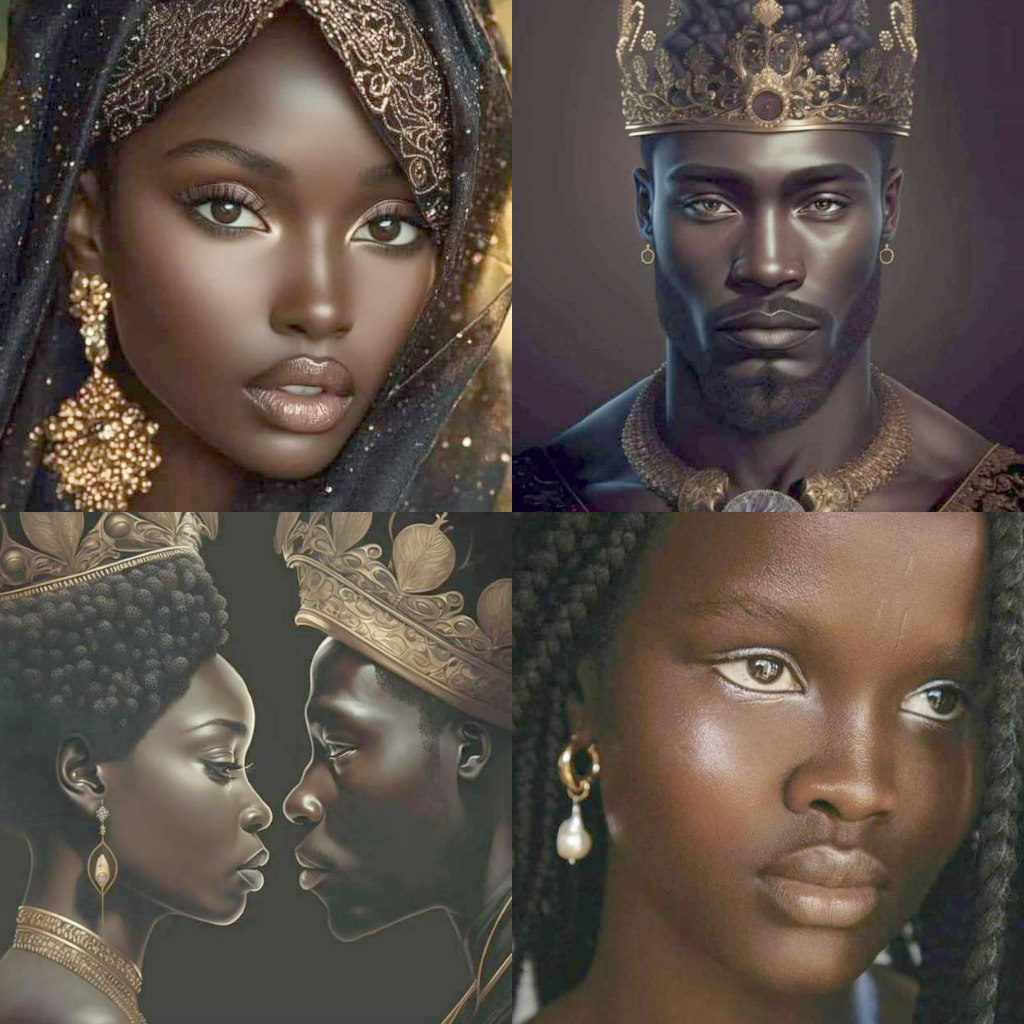
Category Archives: the most beautiful faces in the world

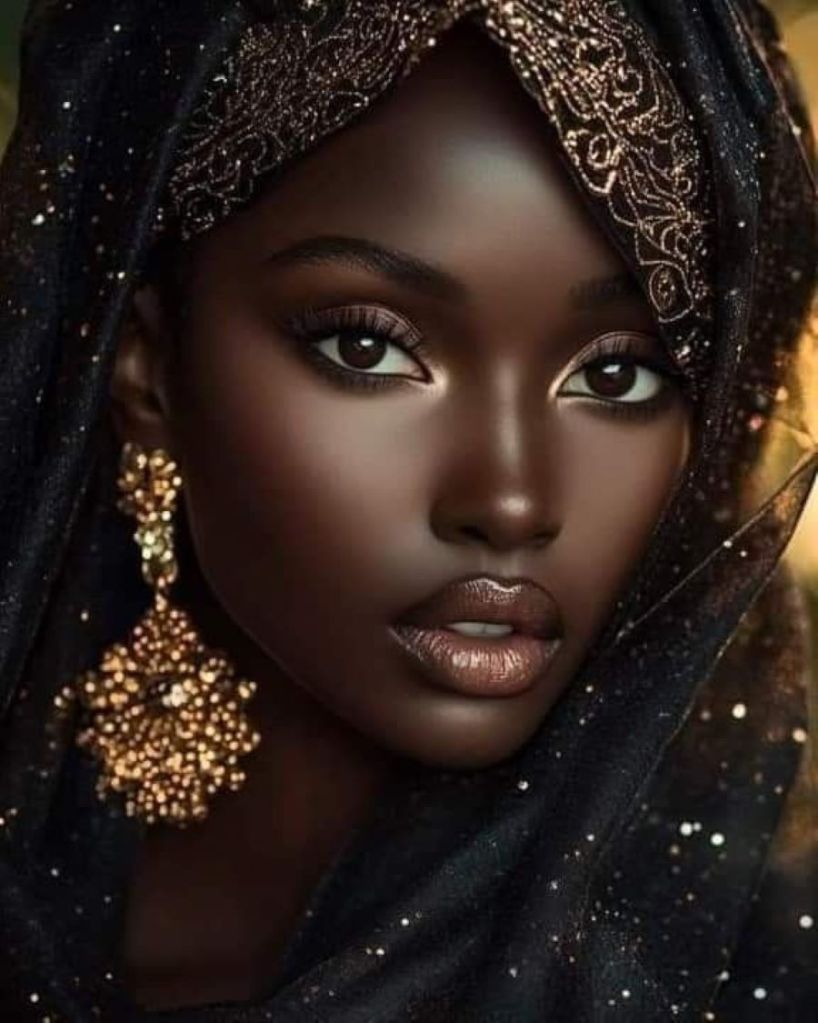
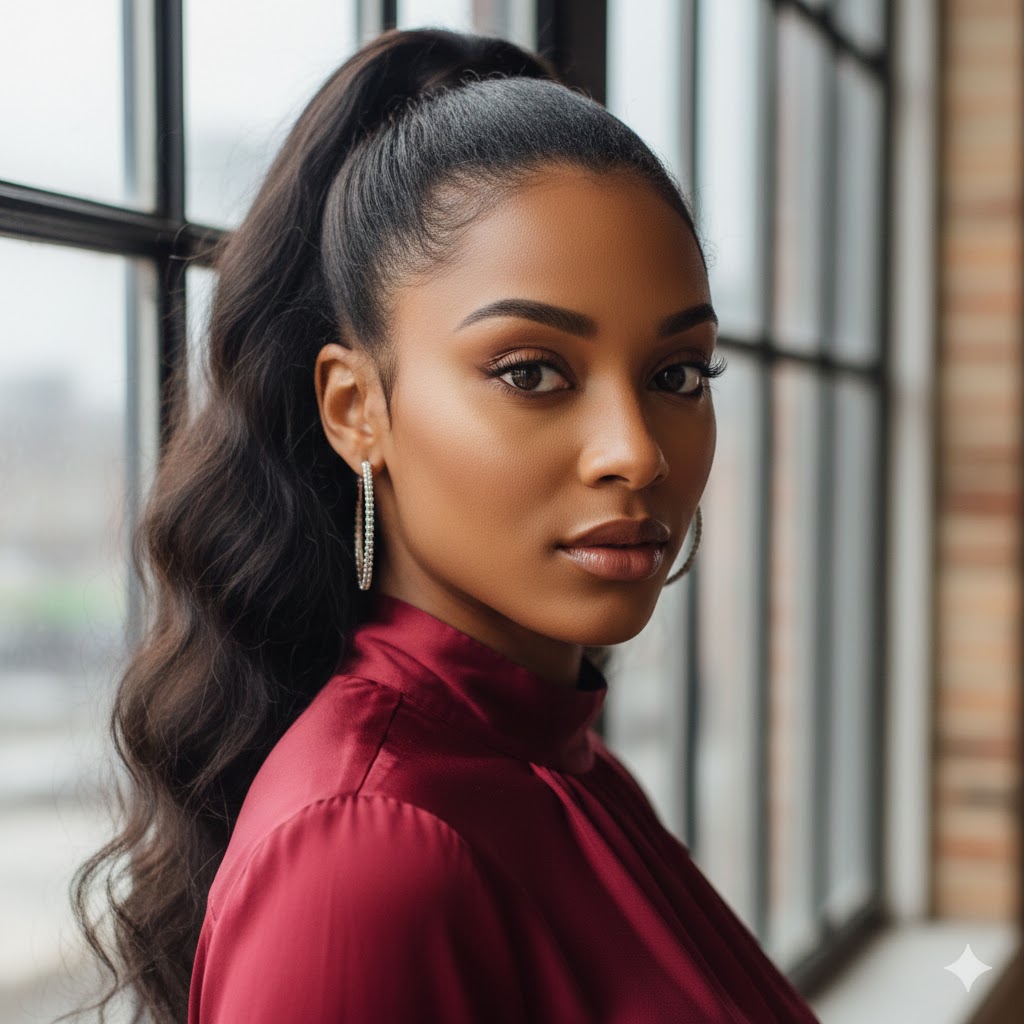
Global Reflections: How Women Around the World See Black Women.

This photograph is the property of its respective owner. No copyright infringement intended.

The perceptions of Black women around the world are diverse and complex, shaped by history, culture, media, and personal experiences. While generalizations are never universal, patterns emerge in how Black women are viewed globally. Here’s a nuanced overview:


Beauty and Physical Features

Globally, Black women are often admired for their distinctive beauty—dark skin, natural hair textures, curvaceous figures, and bold features. In many African and Caribbean countries, this beauty is celebrated as a connection to heritage and identity.

However, Eurocentric beauty standards prevalent in Western media often marginalize these traits, promoting lighter skin, straighter hair, and thinner bodies as the “ideal.” This has led to colorism both within and outside Black communities, where lighter-skinned women may be more widely accepted or idealized in certain societies (Hunter, 2007; Rooks, 2021).


Strength and Resilience

Across cultures, Black women are frequently recognized for their resilience. Historical struggles with slavery, colonialism, systemic racism, and sexism have cultivated an image of Black women as strong, resourceful, and independent. Many women worldwide see Black women as role models of endurance and courage, though this sometimes becomes a stereotype that overlooks vulnerability and emotional needs (Collins, 2000).


Intelligence and Leadership

Black women are increasingly acknowledged for their brilliance, creativity, and leadership. From scholars, politicians, and entrepreneurs to artists and activists, women globally recognize Black women as innovators and change-makers. Still, racial and gender biases sometimes undermine or overlook their accomplishments, particularly in predominantly white or male-dominated spaces.


Cultural Influence

Black women have immense influence in music, fashion, and popular culture worldwide. From Beyoncé and Lupita Nyong’o to Rihanna and Naomi Campbell, women globally admire Black women’s style, artistry, and confidence. In many regions, this cultural impact elevates Black women as trendsetters and symbols of empowerment.


Stereotypes and Misconceptions

Unfortunately, global perceptions are not always positive. Common stereotypes persist: the “angry Black woman,” the hypersexualized Black woman, or the overly strong and independent figure who needs no support. Such narratives are perpetuated by media, literature, and historical bias, often overshadowing the nuanced realities of Black women’s experiences (West, 1995).


Intersection of Race and Gender

Women around the world understand that Black women navigate both racism and sexism, making their experiences unique. In multicultural settings, Black women are often lauded for their strength, yet simultaneously face discrimination that challenges their professional, social, and personal lives.


Admiration and Solidarity

Many women, especially women of color, express admiration for Black women’s courage, beauty, and achievements. There is a growing movement of global solidarity, celebrating Black womanhood through media, literature, and social campaigns like #BlackGirlMagic, which highlights the brilliance, resilience, and creativity of Black women.

Global Voices on Black Womanhood

Africa

  • Perception: Black women are celebrated for their beauty, heritage, and cultural pride. Natural hair, traditional attire, and skin tone are often embraced as symbols of identity.
  • Quote: “In my community, a woman’s strength and ability to hold family and society together is admired. Her beauty is in her resilience and her wisdom.” – Nigerian woman, Lagos.
  • Observation: African societies often value community-oriented leadership and motherhood, with Black women seen as pillars of family and social structure.

Caribbean

  • Perception: Black women are recognized for confidence, style, and creative expression. Their bodies, music, and fashion sense are celebrated globally.
  • Quote: “Black women here are queens. We have rhythm, grace, and strength in everything we do.” – Jamaican woman, Kingston.
  • Observation: Caribbean women often emphasize self-expression through dance, music, and art, reinforcing the global influence of Black culture.

United States

  • Perception: Black women are admired for resilience and achievements in education, politics, and culture. Yet, stereotypes like the “angry Black woman” or hypersexualization persist.
  • Quote: “We are often seen as strong, but people forget we need support too. Our strength doesn’t make us invincible.” – African American woman, Atlanta.
  • Observation: Movements like #BlackGirlMagic and campaigns celebrating Black women’s accomplishments highlight empowerment and counter negative stereotypes.

Europe

  • Perception: Black women are increasingly recognized for beauty and cultural contribution, but they often face systemic racism and exoticization.
  • Quote: “People admire our fashion and skin tone, but sometimes it feels like they only see us as different, not equal.” – British woman of African descent, London.
  • Observation: European societies tend to appreciate aesthetic traits but often struggle with fully valuing Black women’s intellect, leadership, and humanity.

Latin America

  • Perception: Black women’s beauty is celebrated in some regions, but colorism is highly prevalent, favoring lighter skin and European features.
  • Quote: “Our dark skin is beautiful, but society still values lighter women more. It’s a constant struggle for recognition.” – Afro-Brazilian woman, Salvador.
  • Observation: While Afro-Latin culture embraces African roots, historical legacies of colonialism and slavery influence societal perceptions and opportunities for dark-skinned women.

Asia

  • Perception: Black women are admired for fashion, confidence, and cultural uniqueness but are often exoticized or misunderstood.
  • Quote: “They think we are mysterious or strong, but they rarely understand the depth of our experiences.” – Black woman in Japan.
  • Observation: Media representation of Black women is limited, leading to fascination with physical traits rather than acknowledgment of intellect or character.

Global Trends

  • Admiration: Across the world, Black women are increasingly celebrated for beauty, creativity, resilience, and leadership.
  • Challenges: Persistent stereotypes, colorism, exoticization, and structural inequalities remain.
  • Empowerment Movements: #BlackGirlMagic, Afrofuturism, natural hair movements, and global social campaigns amplify Black women’s voices, accomplishments, and culture.

Summary Insight:
Women globally recognize Black women as strong, beautiful, and influential, yet societal biases affect perception and opportunities. Celebrations of culture, resilience, and achievement are growing, empowering Black women to reclaim narratives and redefine global beauty, leadership, and identity standards.


References

Collins, P. H. (2000). Black feminist thought: Knowledge, consciousness, and the politics of empowerment (2nd ed.). New York, NY: Routledge.

Hunter, M. L. (2007). The persistent problem of colorism: Skin tone, status, and inequality. Sociology Compass, 1(1), 237–254. https://doi.org/10.1111/j.1751-9020.2007.00006.x

Rooks, N. (2021). Hair politics: Beauty, culture, and Black identity. New York, NY: Beacon Press.

West, C. M. (1995). Mammy, Sapphire, and Jezebel: Historical images of Black women and their implications for psychotherapy. Psychotherapy: Theory, Research, Practice, Training, 32(3), 458–466. https://doi.org/10.1037/0033-3204.32.3.458

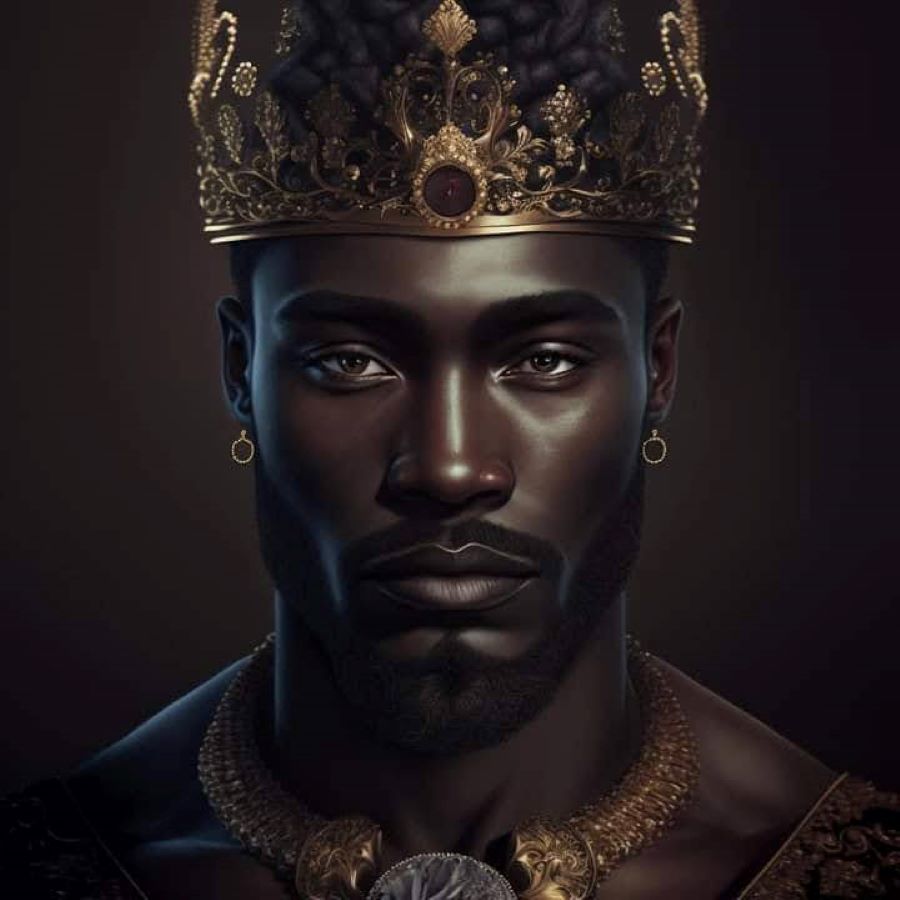
Black Men, Beautiful by Divine Design

Black men are beautiful by divine design, not as a reaction to oppression but as an original truth rooted in creation itself. From the first formation of humanity, Scripture affirms that mankind was made in the image and likeness of God, carrying dignity, purpose, and beauty that cannot be erased by history or hatred (Genesis 1:26–27, KJV). Black male beauty is therefore not merely aesthetic; it is theological, intentional, and sacred.

The beauty of Black men is expressed through strength and softness existing in harmony. Muscular frames, broad shoulders, and commanding posture often reflect physical power, yet the deeper beauty lies in restraint, wisdom, and emotional depth. Biblical masculinity never divorces strength from gentleness, as Christ Himself embodied both authority and compassion (Matthew 11:29, KJV).

Melanin itself stands as a biological testimony of divine wisdom. Scientifically, melanin provides protection against ultraviolet radiation and contributes to skin resilience, reflecting adaptation and intentional design (Jablonski, 2012). What society has often devalued, creation reveals as functional, protective, and beautiful.

Black men’s facial diversity—strong jawlines, full lips, wide or narrow noses, deep-set or expressive eyes—reflects a vast genetic inheritance rooted in Africa, the cradle of humanity. Genetics confirms that African populations possess the greatest genetic diversity on Earth, making Black features foundational rather than derivative (Tishkoff et al., 2009).

Hair textures among Black men, from tight coils and full afros to locs and curls, represent cultural memory and biological brilliance. Coiled hair conserves moisture and protects the scalp in warm climates, further revealing form following function (Jablonski & Chaplin, 2010). What was once policed and stigmatized is now being reclaimed as a crown.

Scripture consistently affirms that beauty is not accidental but crafted. Psalm 139 declares that human beings are “fearfully and wonderfully made,” language that applies fully to Black men whose bodies and identities have been historically attacked (Psalm 139:14, KJV). Divine craftsmanship cannot be undone by social distortion.

Historically, Black male beauty was intentionally suppressed during slavery and colonialism. European racial hierarchies sought to redefine beauty through whiteness to justify domination, portraying Black men as hyperphysical but subhuman (Fanon, 1952). This distortion was never truth—it was strategy.

Despite this, Black men have continually embodied dignity under pressure. From enslaved fathers protecting their families in spirit, to freedom fighters, scholars, artists, and builders, Black men have reflected a beauty rooted in perseverance and moral courage. Such beauty aligns with biblical endurance refined through trial (James 1:12, KJV).

The physical presence of Black men often communicates authority even in silence. This presence, frequently misinterpreted as threat, is in fact a reflection of bearing—what Scripture might call countenance. When Moses descended from Sinai, his face shone with divine encounter, reminding us that presence can be mistaken when observers lack understanding (Exodus 34:29, KJV).

Black male beauty is also relational. A man’s ability to love, lead, protect, and nurture reflects God’s design for masculine stewardship. Biblical manhood emphasizes responsibility and sacrificial love, not domination (Ephesians 5:25, KJV). In this, Black men mirror divine order.

In contemporary media, the reclamation of Black male beauty challenges centuries of distortion. When Black men are depicted as intellectual, tender, fashionable, faithful, and emotionally whole, the narrative shifts toward truth. Representation becomes a corrective lens rather than a superficial trend.

Psychologically, affirming Black male beauty is essential for healing. Studies show that internalized racism negatively impacts self-concept and mental health among Black men (Williams & Mohammed, 2009). Reclaiming beauty is therefore an act of restoration, not vanity.

Spiritually, beauty is linked to purpose. The Most High does nothing without intention, and Black men exist as vessels of divine assignment. Their appearance, voice, and physicality are part of how they move through the world and fulfill calling (Jeremiah 1:5, KJV).

The biblical narrative includes men of dark complexion and strength, such as the Shulammite’s beloved, described with admiration and desire in the Song of Solomon. The language of attraction and admiration in Scripture affirms that Blackness and beauty are not opposites (Song of Solomon 5:10–11, KJV).

Black men’s beauty also lives in discipline—how they carry themselves, speak with wisdom, and develop mastery in skill and craft. Proverbs teaches that skill brings a man before greatness, reinforcing that excellence itself is attractive and honorable (Proverbs 22:29, KJV).

Athleticism, often emphasized in Black male bodies, should be understood as one expression of embodied intelligence, not the limit of Black potential. The same bodies that run, lift, and endure also think, create, heal, and lead. Divine design never restricts purpose to one dimension.

Fatherhood reveals another layer of beauty. When Black men nurture children, guide families, and restore generational foundations, they reflect God as Father. This image is especially powerful in a society shaped by intentional family disruption (Malachi 4:6, KJV).

Cultural style—how Black men dress, groom, and adorn themselves—functions as visual theology. From tailored suits to casual streetwear, style communicates identity, self-respect, and cultural continuity. Even Scripture acknowledges garments as expressions of honor and position (Genesis 41:42, KJV).

Black men’s voices carry resonance, rhythm, and authority, shaped by both ancestry and lived experience. Whether preaching, teaching, singing, or speaking truth in everyday spaces, their voices reflect breath given by God Himself (Genesis 2:7, KJV).

Ultimately, declaring Black men “beautiful by divine design” is an act of truth-telling. It resists false narratives, restores dignity, and aligns with both Scripture and science. Beauty, in this sense, is not subjective—it is ordained.

When Black men see themselves as God sees them, beauty becomes a foundation for wholeness, responsibility, and righteous living. To affirm their beauty is to affirm God’s craftsmanship, wisdom, and sovereignty. What God has designed beautifully, no system has the authority to redefine.


References

Fanon, F. (1952). Black skin, white masks. Grove Press.

Jablonski, N. G. (2012). Living color: The biological and social meaning of skin color. University of California Press.

Jablonski, N. G., & Chaplin, G. (2010). Human skin pigmentation as an adaptation to UV radiation. Proceedings of the National Academy of Sciences, 107(Supplement 2), 8962–8968.

Tishkoff, S. A., et al. (2009). The genetic structure and history of Africans and African Americans. Science, 324(5930), 1035–1044.

Williams, D. R., & Mohammed, S. A. (2009). Discrimination and racial disparities in health. Journal of Behavioral Medicine, 32(1), 20–47.

The Holy Bible, King James Version. (1611/2017). Cambridge University Press.

Beauty Personified: The History of the Black Aesthetic.

This photograph is the property of its respective owner. No copyright infringement is intended.

Black beauty has always been a reflection of resilience, identity, and cultural heritage. Long before colonial influence and Eurocentric beauty ideals, African peoples celebrated diverse features, skin tones, and hair textures as markers of pride and identity (Byrd & Tharps, 2014). Beauty was never simply aesthetic; it was political, spiritual, and social.

In ancient Africa, beauty standards varied across regions but consistently emphasized harmony with nature and individuality. Facial symmetry, body proportions, and elaborate adornments were expressions of status, spirituality, and lineage. Scarification, body paint, and jewelry communicated wealth, maturity, and tribal identity (Banks, 2000).

Biblically, beauty carries spiritual significance. In 1 Samuel 16:7 (KJV), God instructs, “For the LORD seeth not as man seeth; for man looketh on the outward appearance, but the LORD looketh on the heart.” This verse underscores that Black beauty is multidimensional: outwardly expressive yet inwardly spiritual.

Hairstyles have historically been central to Black beauty. Cornrows, braids, and locs served as both artistic expression and social communication, reflecting age, marital status, and even spiritual allegiance (Roach, 2018). Hair was, and remains, an essential component of identity and aesthetic.

Skin tone was celebrated within African societies, with varying hues symbolizing status, tribe, or seasonal adaptation. While European colonization attempted to devalue darker skin, pre-colonial Africa embraced a spectrum of melanated beauty (Thompson, 2009).

Facial features such as full lips, wide noses, and high cheekbones were considered attractive and emblematic of lineage and strength. Sculptures, masks, and paintings from ancient African civilizations, including Egypt and Mali, reflect admiration for these traits (Diop, 1987).

Adornment and clothing further expressed beauty. Beaded jewelry, headwraps, and patterned textiles were not only aesthetic but signified intelligence, creativity, and societal role. A well-adorned individual reflected personal and communal pride.

With the advent of slavery, Black beauty faced systemic devaluation. Enslavers imposed European standards, ridiculing African features and promoting straight hair, lighter skin, and narrower noses as ideals. This caused intergenerational psychological and social trauma (Byrd & Tharps, 2014).

Despite this, enslaved Africans maintained beauty practices as a form of resistance. Braiding patterns preserved African heritage, and adornments symbolized hope, dignity, and communal identity (Painter, 2006). Beauty became an act of defiance.

The Harlem Renaissance marked a renaissance of Black beauty and culture. Artists, writers, and performers celebrated Black features, skin tones, and hair textures as central to American identity, countering racist narratives (Huggins, 1971).

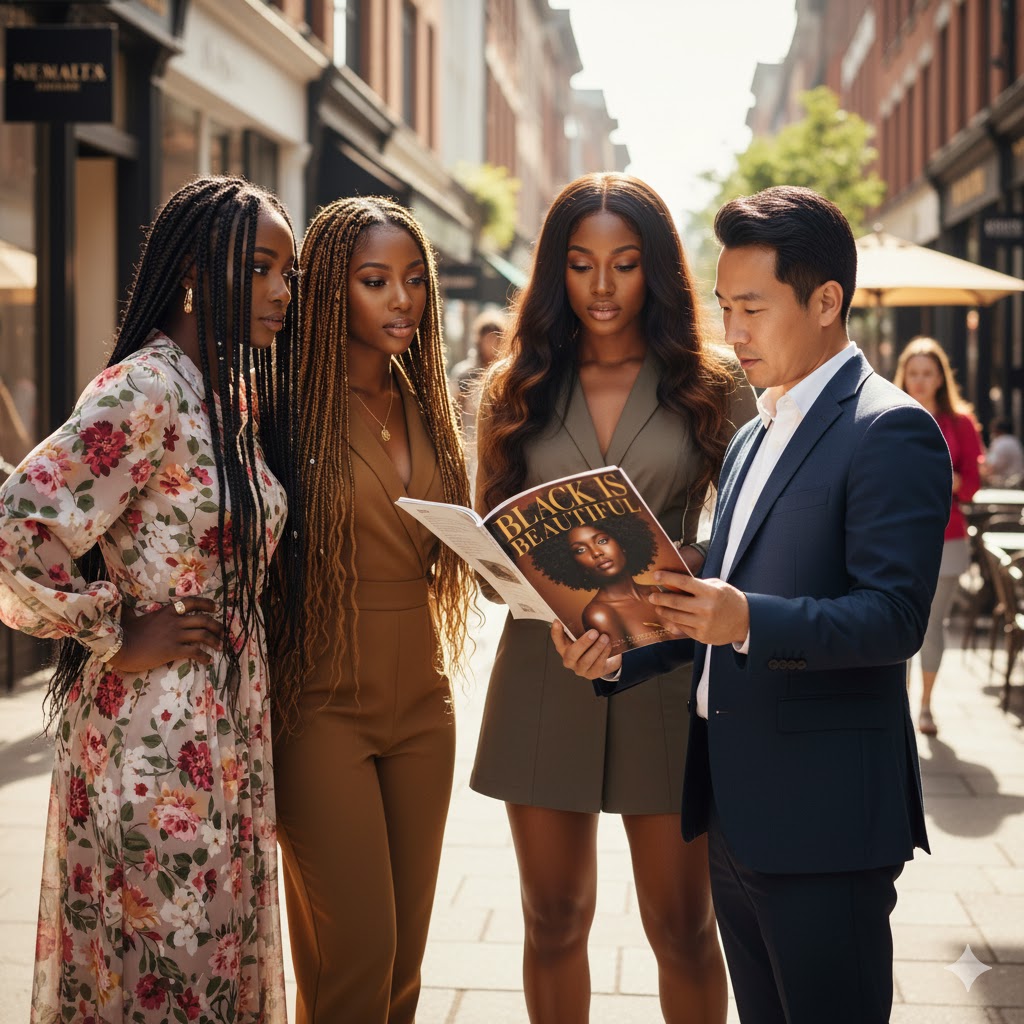
In the 1960s and 1970s, the natural hair and “Black is Beautiful” movements elevated African features as symbols of pride and resistance. Afros, locs, and braids became political statements, asserting self-love and cultural reclamation (Craig, 2002).

Black women and men used fashion, makeup, and hair to reclaim aesthetic sovereignty. Iconic figures like Cicely Tyson, Nina Simone, and Angela Davis redefined mainstream perceptions of beauty, highlighting authenticity and heritage over assimilation.

Hollywood and the media often misrepresented Black beauty, favoring Eurocentric standards. Nevertheless, contemporary artists, models, and public figures have increasingly embraced and normalized natural textures, darker skin, and African features in global spaces (Banks, 2000).

Cosmetic entrepreneurship has played a vital role in celebrating Black beauty. Madam C.J. Walker, Annie Malone, and modern beauty brands empower communities while creating products specifically for Black skin and hair, affirming beauty in its natural form (Walker, 1910).

Colorism, a residual effect of colonialism, remains a challenge. Preferences for lighter skin and European features still influence perceptions of attractiveness within Black communities, revealing the ongoing negotiation of identity and self-esteem (Hunter, 2007).

Social media has reshaped beauty discourse, enabling Black creators to challenge standards, share hair and skin care tips, and celebrate diverse aesthetics. Platforms have become modern-day salons and classrooms, fostering education and empowerment (Twine, 2010).

Beauty intersects with spirituality in Black communities. Proverbs 31:30 (KJV) states, “Favor is deceitful, and beauty is vain: but a woman that feareth the LORD, she shall be praised.” Black beauty is thus not only physical; it is entwined with moral character, resilience, and divine favor.

The global influence of Black beauty is evident in fashion, music, and popular culture. African features inspire designers, musicians, and artists worldwide, reshaping perceptions of elegance, style, and power (Henderson, 2008).

In conclusion, Black beauty is multidimensional—historically rooted, culturally expressive, and spiritually significant. From pre-colonial Africa to contemporary global spaces, Black people have navigated oppression while reclaiming, redefining, and celebrating their natural features. Beauty is not merely skin deep; it is identity, resilience, and glory personified.


References

  • Banks, I. (2000). Hair matters: Beauty, power, and Black women’s consciousness. NYU Press.
  • Byrd, A., & Tharps, L. (2014). Hair story: Untangling the roots of Black hair in America. St. Martin’s Press.
  • Craig, M. L. (2002). Ain’t I a beauty queen?: Black women, beauty, and the politics of race. Oxford University Press.
  • Diop, C. A. (1987). The African origin of civilization: Myth or reality. Chicago Review Press.
  • Henderson, C. (2008). Black aesthetics and culture: The evolution of African American beauty standards. Journal of African Cultural Studies, 20(2), 115–134.
  • Huggins, N. (1971). Harlem Renaissance. Oxford University Press.
  • Hunter, M. (2007). The persistent problem of colorism: Skin tone, status, and inequality. Sociology Compass, 1(1), 237–254.
  • Painter, N. I. (2006). Exodusters: Black migration to Kansas after Reconstruction. Knopf.
  • Roach, M. (2018). Hair and identity in the African diaspora. Journal of Black Studies, 49(5), 435–456.
  • Thompson, C. (2009). Black women, beauty, and hair: How hair matters in identity formation. Women’s Studies Quarterly, 37(3/4), 101–123.
  • Twine, F. (2010). A white side of Black Britain: Skin tone, identity politics, and the “good” vs. “bad” Black girl narrative. Sociology, 44(5), 903–920.
  • Walker, M. C. J. (1910). Secrets of success. Independent Business Publisher.

The Global Allure: What Makes Black Women Beautiful? #blackbeauty

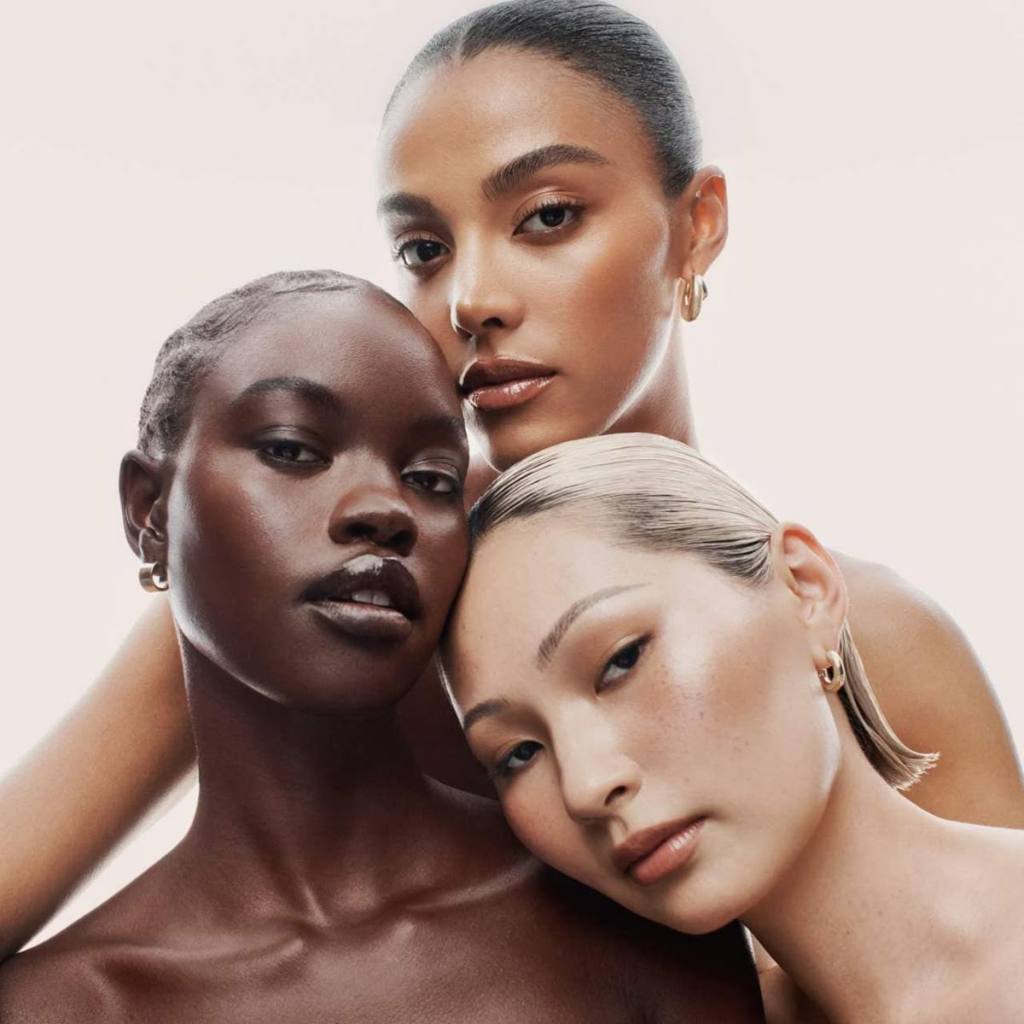
Beauty is often described as both universal and culturally specific, yet when it comes to Black women, their beauty holds a transcendent quality that blends strength, heritage, and physical distinctiveness. Across history and continents, the attributes of Black women’s appearance have not only been celebrated within their own communities but also mimicked and admired around the world. From their radiant skin tones to their sculpted bone structures and captivating eyes, Black women embody an aesthetic that challenges and redefines global standards of beauty.

One of the most celebrated attributes of Black women is their skin tone. Ranging from deep ebony to warm café au lait, their melanin-rich complexions are often associated with vitality, health, and timeless youthfulness (Russell, Wilson, & Hall, 2013). In fact, many cosmetic brands now attempt to market products that replicate the “glow” of melanin. Another defining feature is the diversity of facial structures—high cheekbones, expressive almond-shaped eyes, and full lips—which create a sense of balance and harmony that aligns with principles of facial symmetry often linked to attractiveness (Little et al., 2011).

Globally, women of other races have long sought to mimic elements of Black women’s physicality. In the West, the pursuit of full lips has become one of the most obvious examples, with lip fillers and cosmetic procedures inspired by the natural beauty of Black women. Additionally, curvaceous body types—once marginalized—are now celebrated, with emphasis on rounded hips, narrow waists, and toned figures, reflecting the global fascination with Black women’s natural silhouettes (Patton, 2006). Hairstyles, too, have been widely imitated, with braids, twists, and natural textures moving from cultural tradition to global fashion trends.

Around the world, the admiration often focuses on both face and body, though in different contexts. Western beauty markets tend to idolize Black women’s curves, while fashion and modeling industries highlight their striking facial features and versatility in style. This dual admiration underscores the holistic nature of Black beauty—embodying both power and delicacy, sensuality and elegance.

Hollywood has offered a stage where the beauty of Black women has shone in diverse ways. Consider Lupita Nyong’o, whose deep, luminous skin and regal bone structure epitomize classic African beauty; her features challenge Eurocentric ideals while affirming natural radiance. Kenya Moore, celebrated for her pageant-winning beauty, combines high cheekbones with a radiant smile that exudes confidence and allure. Halle Berry, often hailed as one of the most beautiful women in the world, blends striking hazel eyes, a delicate nose, and flawless symmetry, making her a symbol of crossover appeal.

Nia Long embodies girl-next-door charm with soulful eyes and a glowing complexion, while Gabrielle Union is admired for her timeless smile and smooth, youthful skin that seems untouched by time. Vanessa L. Williams, the first Black Miss America, captivated audiences with her green-blue eyes and luminous skin, offering a rare blend of features that challenged stereotypical norms of beauty. Salli Richardson dazzles with her elegant bone structure and silky complexion, while Stacey Dash became a 90s icon with her doll-like features and expressive eyes.

Completing this constellation of Hollywood beauty are Sanaa Lathan, with her soft yet commanding features and effortlessly natural look, and Sandra Justice, a model and actress whose statuesque frame and bold facial features reflect both strength and sophistication. Together, these women demonstrate the range of Black beauty, from delicate to striking, natural to glamorous, affirming that there is no single definition—only a celebration of diversity.

Ultimately, the beauty of Black women lies not only in their physical appearance but in the way their features embody history, resilience, and cultural pride. Their influence is seen in the global beauty industry, fashion runways, and popular culture, where elements of Black aesthetics are both imitated and celebrated. As the world continues to expand its definitions of beauty, Black women remain at the forefront—timeless, trendsetting, and undeniably powerful.


References

Little, A. C., Jones, B. C., & DeBruine, L. M. (2011). Facial attractiveness: Evolutionary based research. Philosophical Transactions of the Royal Society B: Biological Sciences, 366(1571), 1638–1659.

Patton, T. O. (2006). Hey girl, am I more than my hair?: African American women and their struggles with beauty, body image, and hair. NWSA Journal, 18(2), 24–51.

Russell, K., Wilson, M., & Hall, R. (2013). The Color Complex: The Politics of Skin Color in a New Millennium. Anchor.

The Aesthetic of Black Beauty: Genetics, Psychology, and Divine Design.

Black beauty is not a single expression but a spectrum of genetic diversity that manifests in facial features, body composition, skin tone, hair texture, and overall presence. From African roots to diasporic populations across the globe, these features convey strength, resilience, and divine artistry. Understanding this beauty requires an exploration of genetics, psychology, history, and spirituality.

Melanin-rich skin is one of the most defining features of Black beauty. High melanin content provides natural protection against ultraviolet radiation, contributes to a radiant glow, and displays a spectrum of shades from deep ebony to golden brown. The Bible celebrates skin as a divine creation: “Thou art all fair, my love; there is no spot in thee” (Song of Solomon 4:7, KJV). This scripture underscores the inherent perfection of pigmentation.

Facial structure in Black populations varies widely but often includes high cheekbones, broad noses, and full lips, reflecting African and Egyptian ancestry. These features have evolved over millennia to adapt to environmental factors, providing functional benefits such as enhanced oxygenation and protection from the sun. Anthropologists note that these structures also contribute to facial symmetry, a key element of perceived beauty (Rhodes, 2006).

The eyes, often large and expressive, are framed by naturally arched brows and long eyelashes. Psychologically, eye contact conveys dominance, confidence, and emotional depth. “The eyes of the LORD are in every place, beholding the evil and the good” (Proverbs 15:3, KJV) reminds us that vision, both literal and figurative, carries spiritual significance.

Nose shapes within the Black diaspora range from wide and rounded to straight and sculpted, reflecting genetic variation and admixture. Broad noses historically helped with humid climates and enhanced nasal airflow. Full lips, often prominent, serve not only as markers of identity but are aesthetically celebrated in global beauty paradigms.

Hair is one of the most versatile and culturally significant features. Excessively curly or coiled hair, typical in many African-descended populations, reflects high genetic diversity in hair follicle shape (Powell et al., 2012). Hair texture has symbolic importance: it represents ancestry, resilience, and adaptability. In the Bible, hair often signifies strength and identity, as in Samson’s story (Judges 16:17, KJV).

The jawline and chin provide structural strength and character. Strong jawlines in Black populations are often linked to evolutionary pressures for durability and facial symmetry. This contributes to psychological perceptions of leadership, power, and assertiveness (Little et al., 2011).

Skin elasticity and body composition vary, with many Black populations exhibiting mesomorphic or athletic builds. Muscle density, bone strength, and proportionality have both functional and aesthetic implications, highlighting physical resilience and adaptability. Scripture recognizes the body as God’s creation: “I praise thee; for I am fearfully and wonderfully made” (Psalm 139:14, KJV).

Neck and shoulder structures contribute to posture and perceived presence. Broad shoulders and muscular necks convey strength and authority, signaling both evolutionary fitness and cultural ideals of masculinity.

Hand and finger morphology, often graceful yet strong, plays roles in artistry, physical labor, and nonverbal communication. In African cultures, hands are celebrated for their expressive and functional capacities, bridging work and identity.

Torso structure varies across African and diasporic populations. A well-proportioned torso, often associated with endurance and physical capability, is both aesthetically admired and functionally advantageous. The body becomes a living testament to evolutionary adaptation and divine engineering.

Legs and lower body features display powerful musculature and athleticism, reflective of both lifestyle and genetic adaptation. Longer limbs relative to the torso, common in certain African populations, facilitate agility and endurance. Psychologically, these features contribute to perceptions of vitality and grace.

Visual “Feature Map” of Black Beauty

1. Skin Tone (Melanin Spectrum)

  • Deep ebony
  • Brown
  • Golden caramel
  • Tan/olive
    (Illustrates melanin diversity and natural protection)

2. Hair Texture

  • Coily / kinky (Type 4)
  • Curly (Type 3)
  • Wavy (Type 2)
    (Shows versatility and genetic variation across African and diasporic populations)

3. Facial Features

  • High cheekbones
  • Broad to medium noses
  • Full lips
  • Almond-shaped or rounded eyes
  • Defined jawline and chin
    (Highlights evolutionary adaptation, aesthetic symmetry, and Egyptian influence)

4. Body Proportions

  • Mesomorphic build (muscular, athletic)
  • Broad shoulders, strong neck
  • Proportional torso
  • Long, strong legs
    (Represents strength, endurance, and functional beauty)

5. Cultural and Historical Notes

  • Egyptian elongation of faces and noses
  • African sculpted features
  • Diaspora adaptations across Caribbean, Americas, and Europe

6. Psychological & Spiritual Layer

  • Confidence and presence linked to symmetry
  • Expressive eyes signaling emotional depth
  • Biblical affirmation: Psalm 139:13-14 (KJV)

Genetic diversity across the African continent explains the variation in features globally. From the Nilotic peoples of East Africa to West African populations and Egyptian descendants, phenotypes differ due to historical migration, environmental adaptation, and admixture. Melanin-rich skin, hair texture, and facial structure are markers of evolutionary resilience and aesthetic value.

Egyptian features, often admired historically and across cultures, include elongated faces, almond-shaped eyes, and slender noses. Art and sculpture from ancient Egypt preserve these features, which influenced Mediterranean and African aesthetics. The spread of Egyptian traits across Africa reflects both migration and intermixing of populations.

Beyond physiology, the psychology of Black beauty is tied to self-perception and societal validation. Internalized biases from colonialism and slavery have historically devalued African features, creating psychological stress and colorism. Embracing ancestral aesthetics restores dignity and affirms identity (Hunter, 2007).

Cultural adornments, including hair styling, body art, and jewelry, enhance perceived beauty while preserving heritage. Hairstyles such as braids, locs, and twists are both aesthetic expressions and cultural statements, linking identity to ancestry.

The symmetry of facial features plays a key role in attractiveness. Across populations, symmetrical faces are psychologically associated with health, genetic fitness, and beauty. African-descended populations often display facial symmetry enhanced by pronounced features, which contributes to aesthetic appeal (Rhodes, 2006).

Height and overall proportions vary widely, yet commonality lies in the harmony of features. Balanced proportions, combined with melanin-rich skin and expressive facial characteristics, create a sense of visual coherence and presence.

Eyes and facial expression are central to perceived beauty. Expressiveness conveys emotion, intelligence, and social engagement. Psychological studies show that expressive eyes increase interpersonal attraction and perceived trustworthiness.

Ultimately, Black beauty reflects a combination of genetics, evolutionary adaptation, cultural heritage, and divine design. As the Bible reminds us, each individual is crafted with intentionality and wonder: “Thou hast possessed my reins: thou hast covered me in my mother’s womb. I will praise thee; for I am fearfully and wonderfully made” (Psalm 139:13-14, KJV). Recognizing, celebrating, and understanding these features fosters pride, identity, and self-worth across the diaspora.


References

Clark, K., & Clark, M. (1947). Racial identification and preference in Negro children. Journal of Negro Education, 16(3), 169–175.

Hunter, M. (2007). The persistent problem of colorism: Skin tone, status, and inequality. Sociology Compass, 1(1), 237–254. https://doi.org/10.1111/j.1751-9020.2007.00006.x

Little, A. C., Jones, B. C., & DeBruine, L. M. (2011). Facial attractiveness: Evolutionary based research. Philosophical Transactions of the Royal Society B: Biological Sciences, 366(1571), 1638–1659. https://doi.org/10.1098/rstb.2010.0404

Powell, B., Shriver, M. D., & Parra, E. J. (2012). Genetic variation and the evolution of African hair texture. American Journal of Physical Anthropology, 149(1), 1–14. https://doi.org/10.1002/ajpa.22195

Rhodes, G. (2006). The evolutionary psychology of facial beauty. Annual Review of Psychology, 57, 199–226. https://doi.org/10.1146/annurev.psych.57.102904.190208

The Holy Bible, King James Version. (1611). Thomas Nelson.

The Ebony Dolls: Lupita Nyong’o

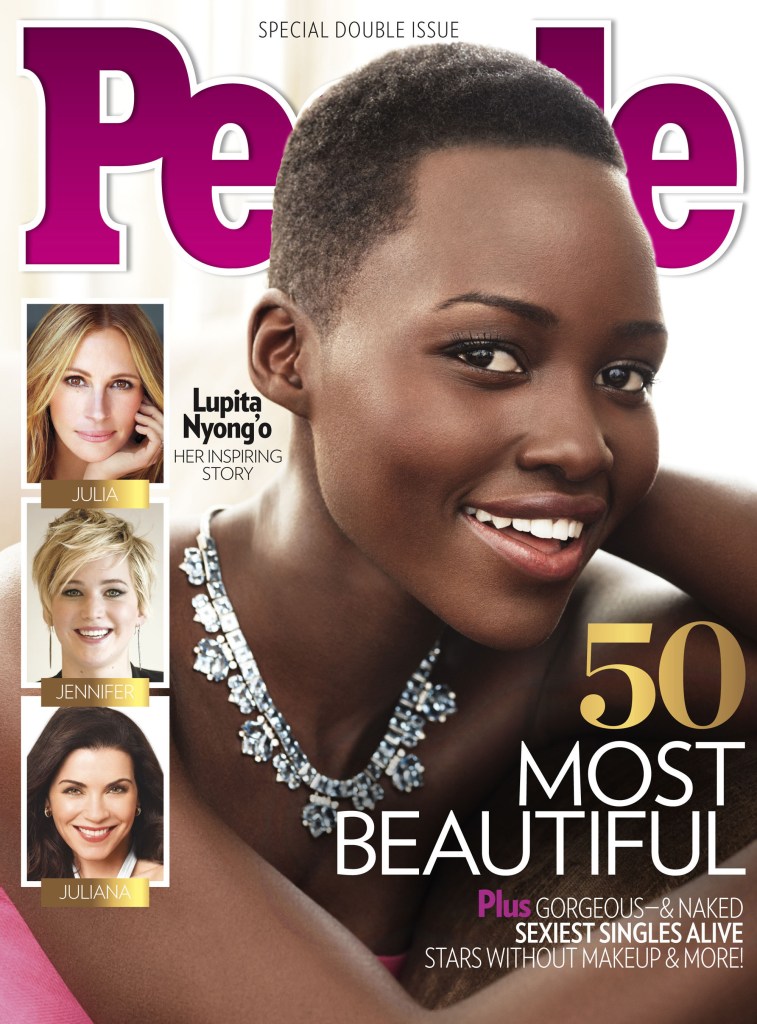
The Ebony Doll, who redefined Beauty, is a melanated masterpiece and one of the most beautiful women on the planet.

Creator: People | Credit: AP

In a world where beauty standards have long been defined by Eurocentric ideals, the majestic beauty of Lupita Nyong’o emerged as a stunning and revolutionary figure who redefined global perceptions of beauty. With her rich, radiant chocolate skin, statuesque features, and undeniable elegance, Nyong’o stands as a powerful symbol of melanin excellence. Her presence in Hollywood and global fashion has not only elevated the aesthetic appreciation of darker-skinned women but has also created a cultural shift that challenges outdated and oppressive beauty norms. Ranked a near-perfect 10 by science (www.theperfecthumanface.com), Nyong’o is more than just beautiful—she is an embodiment of grace, intellect, and ancestral glory.

Born on March 1, 1983, in Mexico City to Kenyan parents and raised in Nairobi, Kenya, Lupita is a proud representative of the Luo ethnic group. She is the daughter of Peter Anyang’ Nyong’o, a renowned Kenyan politician and university professor. Her upbringing was immersed in culture, intellect, and activism, and this foundation would later shape her perspective as an artist. Lupita holds a Master of Fine Arts in Acting from the prestigious Yale School of Drama, where she honed her craft with a deep sense of discipline and passion.

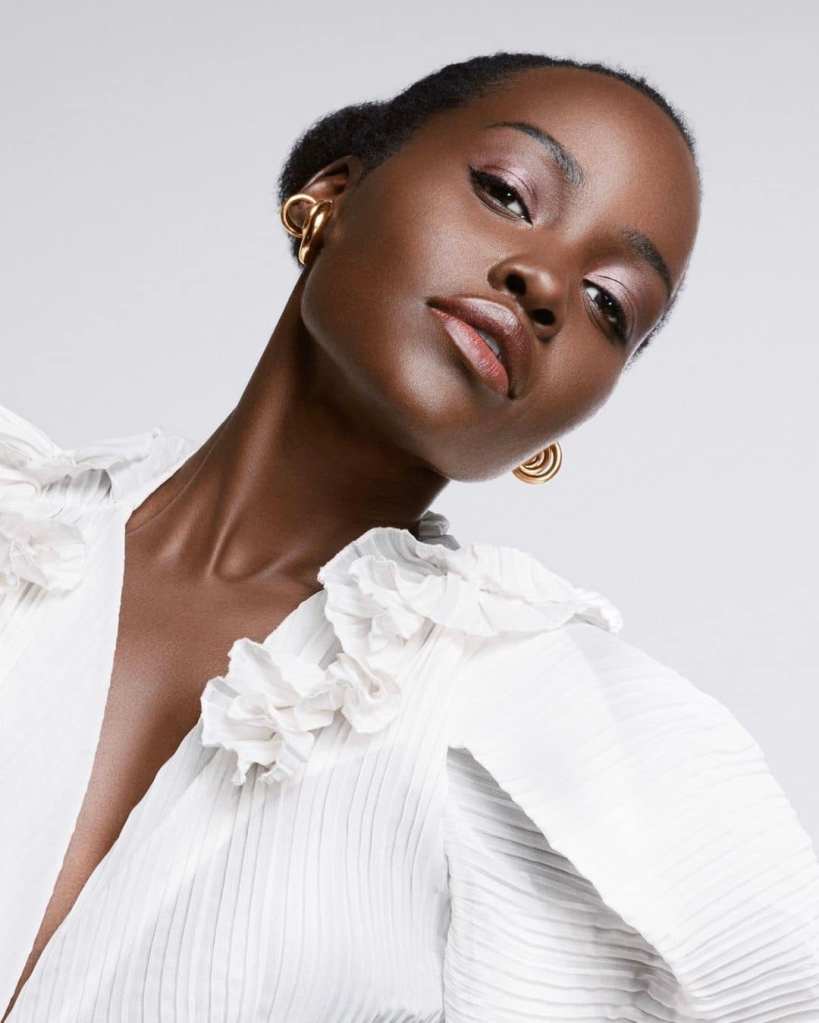
Lancome Paris

Lupita’s career soared when she delivered a powerful performance as Patsey in the 2013 historical drama 12 Years a Slave, directed by Steve McQueen. Her role, marked by depth and raw emotion, earned her the Academy Award for Best Supporting Actress—making her the first Kenyan and the sixth Black woman in history to receive this honor. Following her Oscar win, Nyong’o became an international sensation, starring in critically acclaimed films such as Black Panther, Us, and Queen of Katwe. Her roles consistently highlight the strength, vulnerability, and complexity of Black characters, making her a champion of representation in Hollywood.

What sets Lupita apart is not merely her acting talent but her ability to embody the fullness of Black womanhood with poise and dignity. In 2014, she was named “The Most Beautiful Woman in the World” by People Magazine—a title that shattered the long-standing exclusivity of beauty in mainstream media. Her image adorned billboards and magazine covers, and her dark skin tone became a canvas of celebration rather than concealment. She proudly embraced her African heritage, stating, “My complexion is beautiful. I am enough as I am.” Her statement, though simple, resonated deeply with Black women and girls around the world who rarely saw themselves reflected in global beauty narratives.

Nyong’o has become a symbol of Black beauty, winning numerous awards, including the NAACP Image Award, the BET Award, and recognition from Essence, Time, and Elle magazines. She also made history as the first Black woman to serve as a global ambassador for Lancôme, a role that challenged the cosmetics industry to acknowledge and cater to diverse skin tones. Through her advocacy and image, Lupita has redefined what the universal standard of beauty looks like, asserting that beauty is not confined to one hue, texture, or origin.

This photograph is the property of its respective owner. No copyright infringement intended.

Black men across the globe have publicly celebrated Lupita’s beauty. Quotes from admirers online include, “Lupita Nyong’o is the kind of beauty that makes you pause, reflect, and thank God for melanin,” and “She doesn’t just walk into a room—she redefines it.” Her beauty is not only admired but revered, not merely for its aesthetic quality but for what it symbolizes: resilience, royalty, and cultural pride.

Lupita attributes her luminous skin and inner glow to natural African remedies such as shea butter, natural oils, and a minimalist skincare routine. However, her true beauty secret lies in her self-love and spiritual grounding. Her confidence, intellect, and humility illuminate her public persona and make her beauty multi-dimensional. In many interviews, she emphasizes emotional wellness and authenticity as central to her beauty and wellness philosophy.

Her beauty and presence go beyond physical attributes. She has become an important cultural icon, speaking out about colorism, self-image, and representation. Her book Sulwe, a children’s story about a young girl who learns to embrace her dark skin, has become a beloved text for families seeking to teach their children about self-love and racial pride. Through her creative work, public statements, and carefully chosen roles, Lupita has consistently elevated the narrative surrounding Black identity.

In conclusion, Lupita Nyong’o is not just a celebrated actress—she is a cultural force. As the Black Beauty of the Week, she represents a shift in global consciousness around race, beauty, and Black femininity. Her impact goes beyond red carpets and photo shoots; she is a living testament to the majesty of Blackness. With a nearly perfect beauty score of 9.98, she is proof that melanin is not only magical—it is divine. She inspires Black women to be seen, heard, and celebrated in their fullness. Lupita Nyong’o is, and always will be, a masterclass in elegance, excellence, and unapologetic Black beauty.


References

McQueen, S. (Director). (2013). 12 Years a Slave [Film]. Fox Searchlight Pictures.
People Magazine. (2014). World’s Most Beautiful Woman: Lupita Nyong’o.
Essence Magazine. (2020). Black Women in Hollywood Honoree: Lupita Nyong’o.
Time Magazine. (2014). 100 Most Influential People: Lupita Nyong’o.
Lancôme. (2014). Lupita Nyong’o Named Global Ambassador.
Nyong’o, L. (2014). Black Women in Hollywood Speech. Essence Network.

Faces of Favor

Beauty is more than an aesthetic trait; it functions as a powerful social currency that confers unearned advantages, often referred to as “faces of favor.” Those who align with culturally valorized standards of appearance—symmetry, clear skin, proportional features, and often Eurocentric traits—are perceived as more competent, trustworthy, and morally upright. These perceptions influence opportunities in education, employment, relationships, and social networks, granting the physically attractive privileges invisible to those judged less favorably.

Psychological research demonstrates that attractiveness shapes perception through the halo effect, a cognitive bias in which one positive characteristic—such as beauty—is generalized to other unrelated qualities. Dion, Berscheid, and Walster (1972) first documented this phenomenon, showing that attractive individuals are often assumed to possess intelligence, kindness, and integrity. Eagly et al. (1991) later confirmed that these assumptions are pervasive and unconscious, illustrating how appearances can distort social judgment.

Sociologically, beauty operates as a form of capital. Bourdieu (1986) identified multiple forms of capital—social, cultural, and economic—that confer power and influence. Aesthetic capital, or the advantages derived from physical attractiveness, functions similarly. Individuals with aesthetic capital receive preferential treatment from peers, authority figures, and institutions, creating a feedback loop of opportunity and recognition.

Economically, attractive individuals frequently benefit from higher wages, faster promotions, and greater professional visibility. Hamermesh (2011) notes that employers are influenced by appearance when assessing competence, often rewarding those whose physical presence aligns with socially constructed ideals. Conversely, unattractive individuals face subtle penalties: overlooked for leadership, questioned in credibility, and dismissed in social or professional contexts.

Race and colorism further complicate the distribution of aesthetic favor. Hunter (2007) highlights that lighter skin tones, often associated with European features, are disproportionately privileged in social, economic, and cultural contexts. Within and across racial groups, these biases reinforce hierarchies of beauty that intersect with gender and class, shaping who is seen, heard, and valued.

Women are especially impacted by faces of favor. Societal expectations tie female worth to physical appearance, creating an environment where attractiveness determines access to social capital and perceived morality. Attractive women often gain visibility and influence, yet they may also experience objectification, sexualization, and scrutiny. Unattractive women, on the other hand, risk invisibility, exclusion, and marginalization, reinforcing systemic inequities.

Men, while less scrutinized for beauty in some contexts, also experience the effects of appearance-based privilege. Attractiveness affects perceptions of leadership, charisma, and authority, influencing social and professional success. Those who deviate from masculine beauty norms may encounter bias, further demonstrating that faces of favor extend across genders, though with differing social consequences.

The media reinforces and amplifies these biases. Advertising, television, film, and social media platforms normalize narrow standards of beauty, rewarding conformity and marginalizing diversity. Images of attractive individuals dominate public consciousness, shaping cognitive associations between beauty, competence, and virtue. In contrast, those who do not conform remain underrepresented or depicted negatively, perpetuating social invisibility.

Colorism intensifies the hierarchy of favor, particularly within communities of color. Lighter-skinned individuals often receive more recognition, resources, and social mobility, while darker-skinned peers encounter compounded disadvantage. This aesthetic discrimination not only affects social interaction but also contributes to internalized bias, psychological stress, and diminished self-worth.

The halo effect, combined with societal conditioning, produces pervasive moral and social assumptions. Attractive individuals are more likely to be forgiven for transgressions, while less attractive individuals face harsher judgment for identical behavior. This unequal treatment reflects not merit but perception, creating systemic inequity rooted in appearance.

Educational environments are not immune. Teachers may unknowingly favor attractive students in participation, grading, and mentorship opportunities, conferring early social advantages. These biases accumulate over time, shaping career trajectories, social networks, and confidence levels. The long-term consequences of aesthetic favor are therefore both cumulative and structural.

Social networks themselves reinforce faces of favor. Attractive individuals are more likely to be included in social circles, gain influential connections, and receive mentorship, perpetuating cycles of advantage. Those outside these visual norms may be excluded, limiting access to social capital essential for personal and professional development.

In professional contexts, aesthetic privilege operates subtly yet decisively. Employers often equate visual appeal with professionalism, charisma, and capability. Even in roles where appearance is irrelevant to skill, the perception of favor influences hiring, promotion, and evaluation, producing inequitable outcomes that persist regardless of qualifications or performance.

Beauty intersects with wealth and class, further consolidating advantage. Those with resources can access grooming, cosmetic enhancement, and fashion that reinforce socially valued appearances. Consequently, faces of favor are not merely natural traits; they are cultivated and socially mediated, reflecting and perpetuating broader systems of inequality.

Psychologically, the social rewards of attractiveness contribute to increased confidence, assertiveness, and social influence. Conversely, those denied aesthetic favor experience social anxiety, self-doubt, and diminished social agency. These effects highlight how beauty functions not only as perception but as a structural determinant of life outcomes.

Cultural narratives often equate beauty with morality and goodness, perpetuating the notion that attractive individuals are inherently deserving of success. This myth reinforces aesthetic privilege and obscures the role of systemic advantage, creating moral and social illusions about merit and character.

Ethically, the unequal distribution of aesthetic privilege raises questions about justice and fairness. When appearance determines opportunity, recognition, and treatment, society implicitly sanctions discrimination. Such inequities are socially tolerated precisely because attractiveness is perceived as desirable, masking the structural and ethical harm inflicted upon the unattractive.

Historically, aesthetic favoritism intersects with race, class, and gender to reinforce societal hierarchies. Eurocentric features, lighter skin tones, and conventionally attractive facial symmetry have been associated with power, purity, and virtue, while deviation from these ideals often results in marginalization and punishment. Faces of favor are thus inseparable from broader systems of social stratification.

From a biblical perspective, these dynamics stand in contrast to divine valuation. Scripture repeatedly emphasizes that true worth is found in character, heart, and covenantal obedience rather than external appearance. In 1 Samuel 16:7, God reminds Samuel that “man looketh on the outward appearance, but the LORD looketh on the heart,” highlighting the danger of conflating visibility with virtue.

In conclusion, faces of favor reveal the profound influence of physical appearance on human perception, opportunity, and judgment. Beauty functions as both a social lubricant and a structural advantage, conferring privileges often invisible to those who benefit. Understanding the mechanisms, implications, and inequities associated with aesthetic favor is essential to cultivating fairness, equity, and recognition of intrinsic human value beyond appearance.


References

Anderson, T. L., Grunert, C., Katz, A., & Lovascio, S. (2010). Aesthetic capital: A research review on beauty perks and penalties. Sociology Compass, 4(8), 564–575.

Bourdieu, P. (1986). The forms of capital. In J. Richardson (Ed.), Handbook of theory and research for the sociology of education (pp. 241–258). Greenwood Press.

Dion, K., Berscheid, E., & Walster, E. (1972). What is beautiful is good. Journal of Personality and Social Psychology, 24(3), 285–290.

Eagly, A. H., Ashmore, R. D., Makhijani, M. G., & Longo, L. C. (1991). What is beautiful is good, but… Psychological Bulletin, 110(1), 109–128.

Feingold, A. (1992). Good-looking people are not what we think. Psychological Bulletin, 111(2), 304–341.

Hamermesh, D. S. (2011). Beauty pays: Why attractive people are more successful. Princeton University Press.

Hunter, M. (2007). The persistent problem of colorism. Sociology Compass, 1(1), 237–254.

Langlois, J. H., et al. (2000). Maxims or myths of beauty? Psychological Bulletin, 126(3), 390–423.

Rhode, D. L. (2010). The beauty bias: The injustice of appearance in life and law. Oxford University Press.

Webster, M., & Driskell, J. E. (1983). Beauty as status. American Journal of Sociology, 89(1), 140–165.

Wilson, T. D. (2002). Strangers to ourselves: Discovering the adaptive unconscious. Harvard University Press.

Face Value

Faces are the silent storytellers of human experience. Before a word is spoken, a glance, a smile, or a frown conveys personality, mood, and intention. Our brains are wired to interpret these cues almost instantaneously, a process critical for social interaction and survival (Willis & Todorov, 2006).

The concept of “face value” goes beyond superficial beauty. It encompasses perceived trustworthiness, competence, and warmth—all traits inferred from facial features and expressions (Oosterhof & Todorov, 2016). These judgments shape our social interactions in subtle but powerful ways.

First impressions are formed remarkably quickly. Studies show that exposure to a face for as little as 100 milliseconds is sufficient for observers to make consistent judgments about traits such as dominance and friendliness (Willis & Todorov, 2006). The rapidity of these impressions underscores the influence of visual cues on human behavior.

Facial symmetry is often associated with attractiveness and perceived health. Symmetrical features signal genetic quality, which has evolutionary roots in mate selection (Zebrowitz & Montepare, 2008). Yet symmetry alone is insufficient; expression and context shape perception as much as physical proportions.

The eyes are central to social communication. Eye contact conveys attention, engagement, and emotional openness. A steady gaze can project confidence, while avoidance may indicate discomfort or deception (Hietanen, 2018). These cues operate on both conscious and subconscious levels.

Microexpressions, fleeting facial movements lasting only a fraction of a second, reveal emotions that words may attempt to hide. Observing these subtle cues can help decode sincerity, embarrassment, or hostility (Hehman, Stolier, Keller, & Freeman, 2018).

Faces are processed along social dimensions such as trustworthiness, competence, and dominance. These dimensions are consistent across cultures, suggesting that certain facial cues universally convey social meaning (Todorov, Said, Engell, & Oosterhof, 2008).

Cultural norms influence the interpretation of facial expressions. While some expressions are universally understood, subtleties in gaze, eyebrow movement, and lip tension can carry different meanings in distinct cultural contexts (Matsumoto & Hwang, 2017).

Perceived trustworthiness is critical in both personal and professional interactions. Faces judged as more trustworthy are associated with greater cooperation in economic games and higher social influence (Little, Burriss, Jones, & Roberts, 2011). This demonstrates the functional importance of first impressions.

Dominance and leadership are also inferred from facial cues. Features such as jawline strength, brow prominence, and eye gaze influence perceptions of authority and competence (Todorov, 2017). These judgments can affect hiring decisions, voting behavior, and social hierarchies.

Emotional expression adds nuance to facial perception. Smiles increase perceived warmth and likability, while anger or frowns can signal threat or dissatisfaction (Adams & Kleck, 2005). Subtlety matters: exaggerated expressions may be dismissed as insincere.

Facial features interact with context to shape impressions. A neutral expression may appear approachable in one setting and stern in another. Lighting, posture, and background all modulate the social signal conveyed by a face (Conty & Grèzes, 2017).

The face is also a medium for identity and self-expression. Hairstyles, makeup, and adornments complement natural features and communicate personality, creativity, and cultural affiliation (Hehman & Freeman, 2023). This layering of cues enriches the social message of the face.

Perceptions of competence from faces can influence real-world outcomes. Politicians, educators, and executives with “competent-looking” faces often enjoy advantages in elections, negotiations, and leadership selection (Oosterhof & Todorov, 2016). First impressions extend far beyond casual encounters.

Faces can signal health and vitality. Skin clarity, eye brightness, and facial tone contribute to judgments of attractiveness and robustness (Zebrowitz & Montepare, 2008). These cues are processed automatically and often unconsciously.

Digital communication challenges traditional facial perception. Video calls preserve many cues, but text and emoji can only approximate the subtleties of expression. Despite this, people still infer personality traits based on avatars and profile images (Rule & Ambady, 2008).

Children develop sensitivity to facial cues early. Infants can discriminate between emotional expressions and respond to gaze direction, indicating that face-based social evaluation is innate and foundational for human interaction (Hehman et al., 2018).

Biases in facial judgment are persistent. People may stereotype or make assumptions based on facial features, which can perpetuate inequality in social and professional contexts (Todorov, 2017). Awareness of these biases is essential for fair decision-making.

Facial perception evolves with experience and social learning. Repeated interactions refine the accuracy of judgments, allowing observers to distinguish between superficial cues and genuine personality traits (Hehman & Freeman, 2023).

Ultimately, “face value” reflects a complex interplay of biology, psychology, and culture. Faces convey emotion, intention, and identity, shaping human relationships in profound ways. Understanding this silent language enhances empathy, communication, and social insight (Zebrowitz & Montepare, 2008).


References

  • Adams, R. B., & Kleck, R. E. (2005). Effects of direct and averted gaze on the perception of facially expressed emotion. Emotion, 5(1), 3–11.
  • Conty, L., & Grèzes, J. (2017). Eye contact effects on social preference and face recognition in normal ageing and in Alzheimer’s disease. Psychological Research. https://doi.org/10.1007/s00426-017-0955-6
  • Hehman, E., Stolier, R. M., Keller, M. C., & Freeman, J. B. (2018). The conceptual structure of face impressions. PNAS, 115(50), 12703–12708. https://doi.org/10.1073/pnas.1806764115
  • Hehman, E., & Freeman, J. B. (2023). The observer’s lens: The impact of personality traits and gaze on facial impression inferences. Electronics, 17(3), 17. https://doi.org/10.3390/electronics17030017
  • Hietanen, J. K. (2018). Affective eye contact: An integrative review. Frontiers in Psychology, 9, 1587. https://doi.org/10.3389/fpsyg.2018.01587
  • Little, A. C., Burriss, R. P., Jones, B. C., & Roberts, S. C. (2011). Facial appearance affects trustworthiness judgments of anonymous partners in an investment game. Evolution and Human Behavior, 32(6), 361–366.
  • Matsumoto, D., & Hwang, H. C. (2017). Cultural bases of nonverbal communication. In APA Handbook of Nonverbal Communication (pp. …). American Psychological Association.
  • Oosterhof, N. N., & Todorov, A. (2016). Personality at face value: Facial appearance predicts self and other personality judgments among strangers and spouses. Psychological Science, 27(5), 605–618. https://doi.org/10.1177/0956797616638655
  • Rule, N. O., & Ambady, N. (2008). First impressions of the face: predicting success. Social and Personality Psychology Compass, 2(3), 1498–1517.
  • Todorov, A. (2017). Face Value: The Irresistible Influence of First Impressions. Princeton University Press.
  • Todorov, A., Said, C. P., Engell, A. D., & Oosterhof, N. N. (2008). Understanding evaluation of faces on social dimensions. Trends in Cognitive Sciences, 12(12), 455–460.
  • Willis, J., & Todorov, A. (2006). First impressions: Making up your mind after a 100-ms exposure to a face. Psychological Science, 17(7), 592–598.
  • Zebrowitz, L. A., & Montepare, J. M. (2008). Social psychological face perception: Why appearance matters. Social and Personality Psychology Compass, 2(3), 1497–1517.

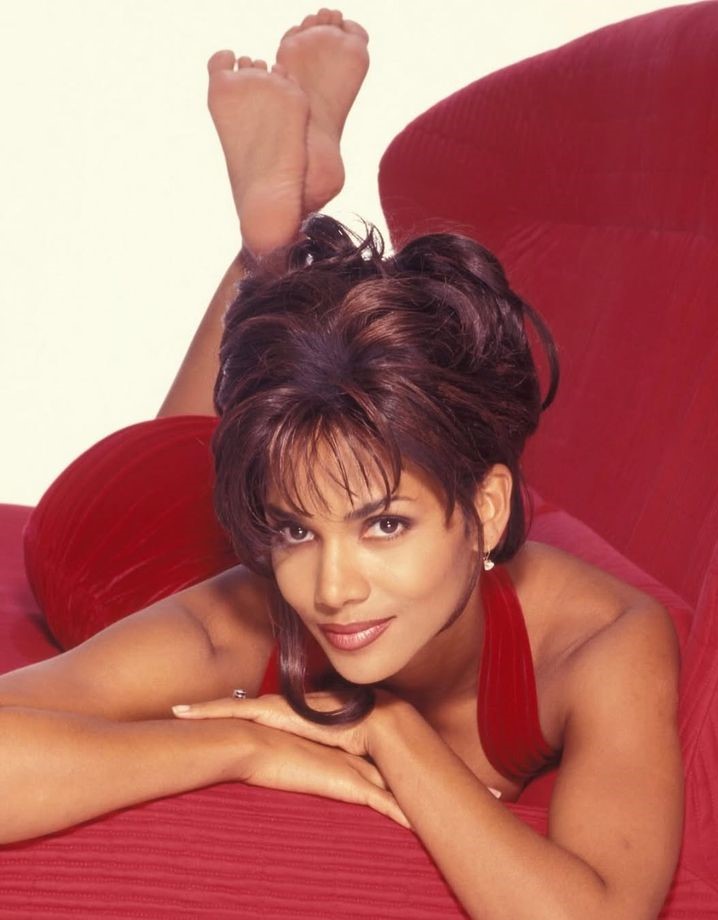
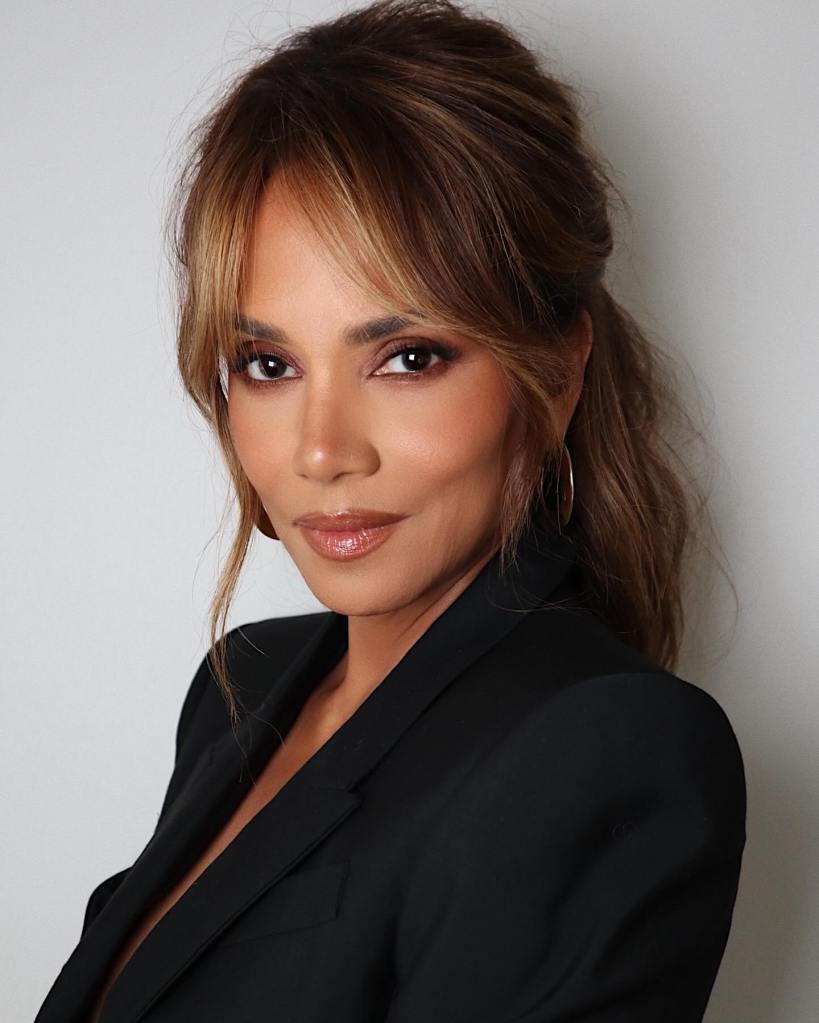
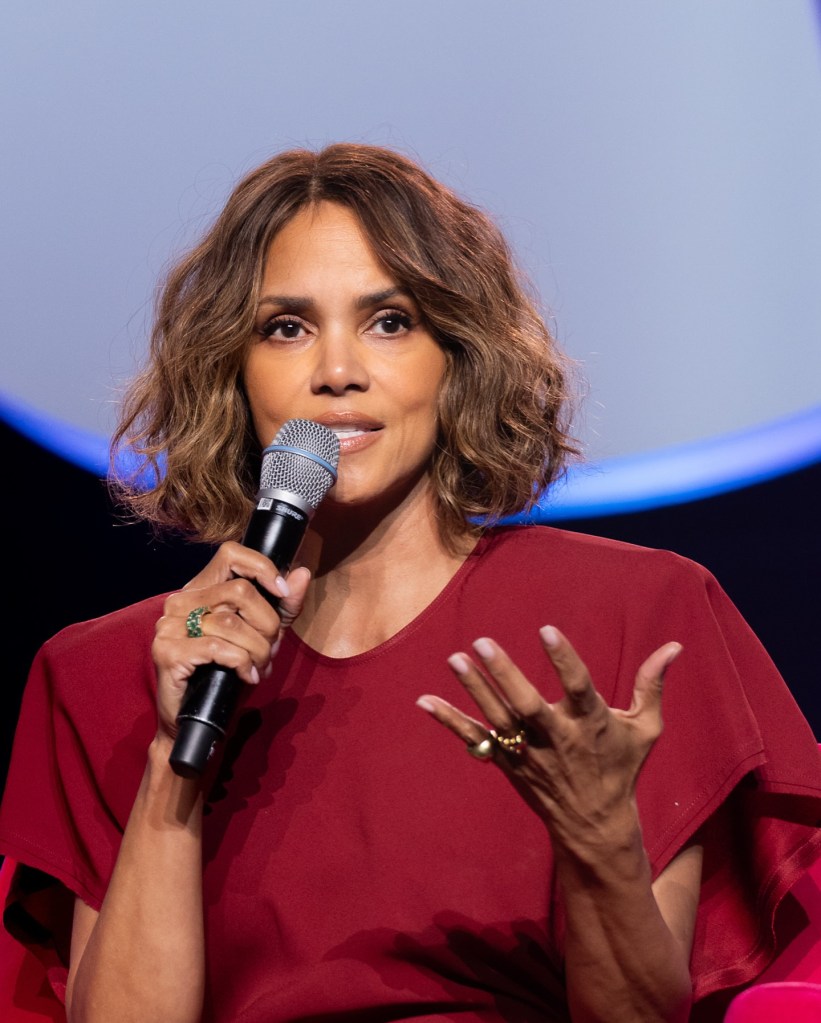
The Ebony Dolls: Halle Berry

Many have said that Halle Berry is the most beautiful woman in the world, making her a living icon of beauty and timeless elegance.

In the early 1990s, after the release of Strictly Business (1991), Halle Berry captivated Hollywood and the world with her magnetic screen presence and extraordinary beauty. The film served as her breakout role, introducing audiences to a new kind of Black leading lady—radiant, confident, and effortlessly alluring. Her appearance in Strictly Business marked a cultural turning point, as Berry’s blend of sophistication and sensuality transcended racial boundaries in an industry still grappling with representation. Television host Arsenio Hall famously declared her “the most beautiful woman in the world,” echoing the collective awe of audiences and critics alike who saw in Berry not just a starlet, but a genetic marvel – the complete package in terms of beauty whose elegance and charisma would redefine Hollywood’s standards of beauty for decades to come.

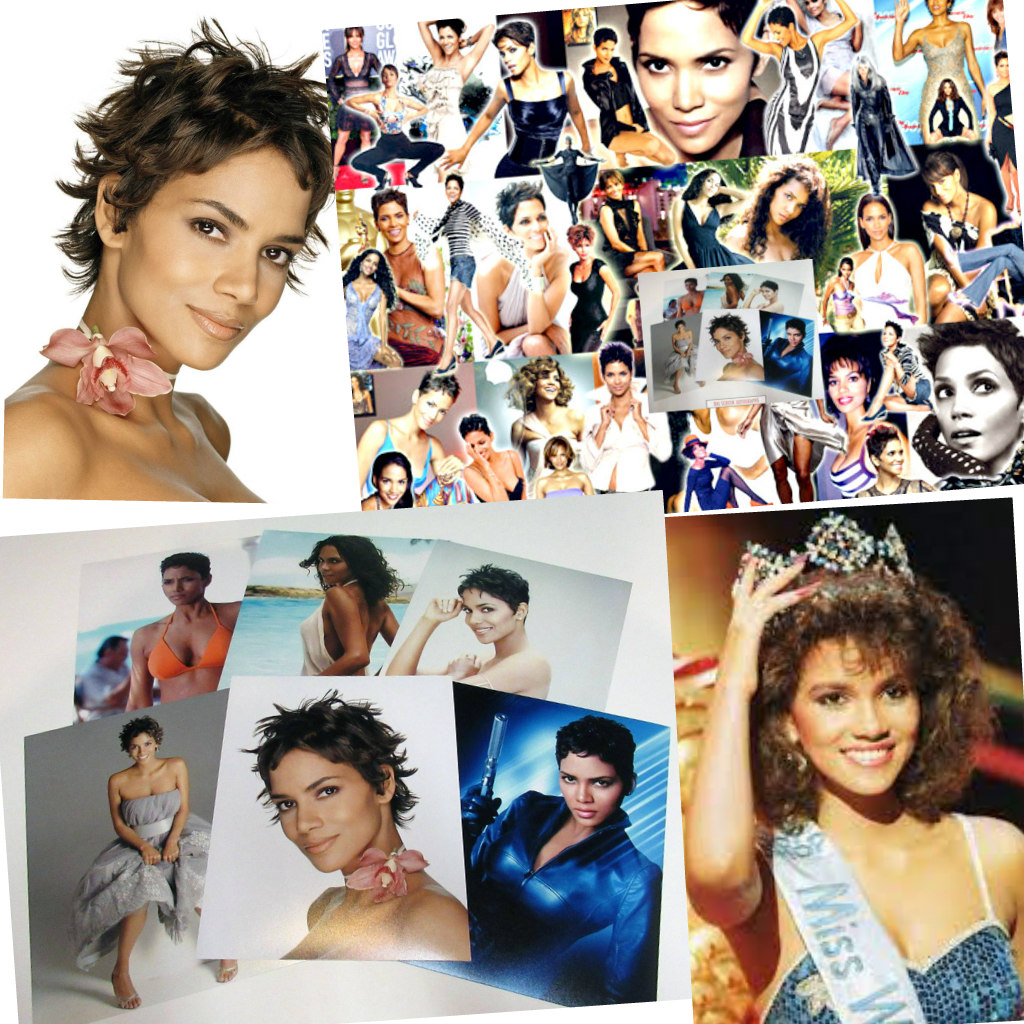
These photographs are the property of their respective owners. No copyright infringement intended.

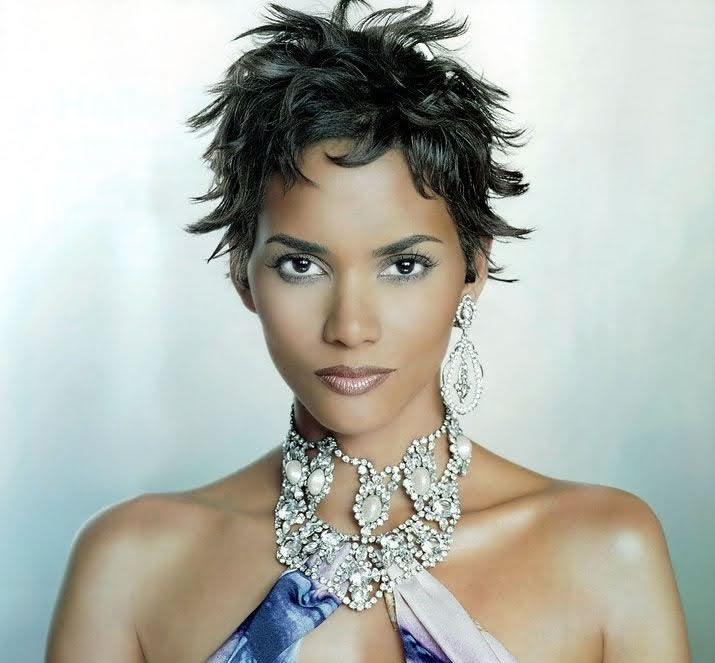
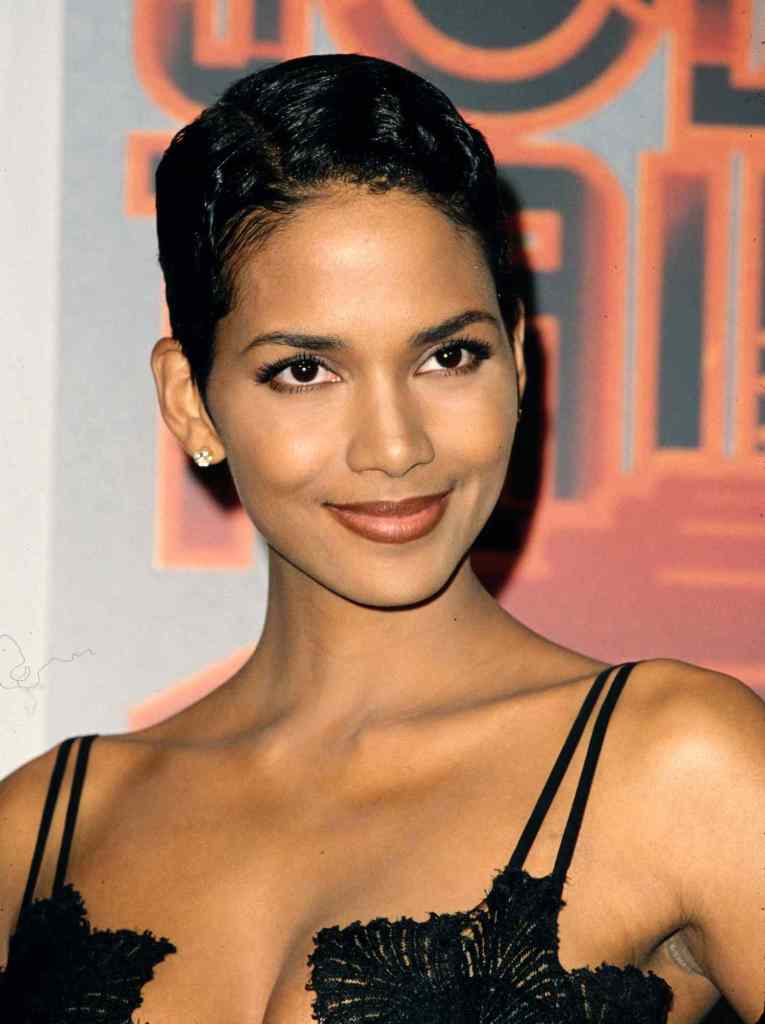
Halle Berry has long been celebrated as one of the most beautiful women in the world—a vision of timeless elegance, grace, and radiant femininity. Her symmetrical features, luminous skin, and captivating eyes embody a beauty that transcends race and age. With a sculpted jawline, flawless complexion, and confidence that radiates from within, she redefined the global perception of Black beauty. Whether walking a red carpet or appearing barefaced in interviews, Halle’s natural glow and poise reflect inner strength and divine self-assurance. Her presence commands attention—not merely for her looks, but for the spirit and perseverance behind them.

Born Maria Halle Berry on August 14, 1966, in Cleveland, Ohio, she was raised by her mother, Judith Ann, after her parents divorced when she was young. Her mother, a psychiatric nurse, taught her resilience, while her father, Jerome Berry, an African American hospital attendant, contributed to her rich biracial heritage. Halle’s early life was marked by challenges, including racial discrimination, but she turned adversity into motivation. Her drive and determination pushed her to excel academically and artistically.

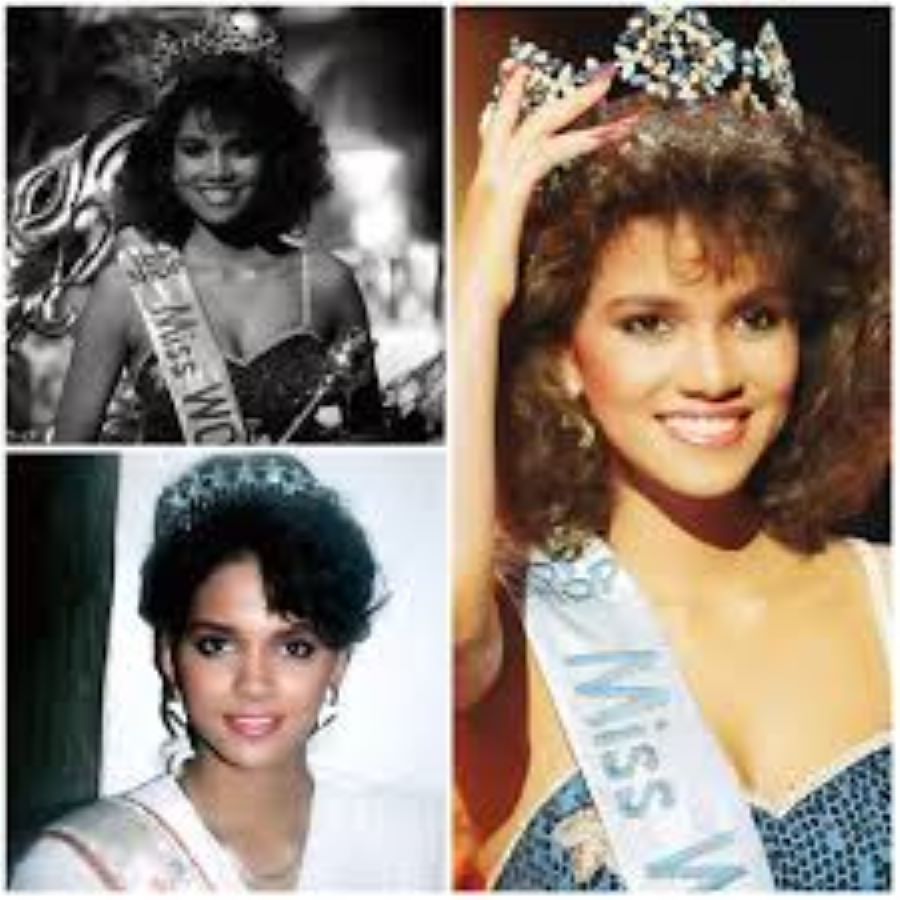
Before her rise to stardom, Halle Berry began her career in modeling and beauty pageants. In 1985, she won the title of Miss Teen All-American and later became the first runner-up in the 1986 Miss USA pageant. That same year, she represented the United States in the Miss World competition, where she placed sixth. Her pageant success opened doors to modeling and acting opportunities, giving her visibility in an industry where diversity was still limited.

These photographs are the property of their respective owners. No copyright infringement intended.

Halle’s modeling career flourished throughout the 1980s, appearing in high-profile campaigns and fashion spreads that highlighted her natural beauty and grace. She was a muse for photographers who saw in her the perfect balance between strength and softness. But it wasn’t just her looks that set her apart—it was her professionalism, intelligence, and ability to carry herself with royal composure.

Her transition to acting began with small television roles, including Living Dolls in 1989. However, her breakthrough came in Spike Lee’s Jungle Fever (1991), where she portrayed a crack addict named Vivian. This role proved that she was more than just a beauty queen—she was an actress capable of depth, vulnerability, and emotional truth. Halle’s early film choices often centered around complex female characters navigating identity, love, and survival.

This photograph is the property of its respective owner. No copyright infringement intended.

As her career expanded, Berry starred in a wide range of films that showcased her versatility. She appeared in Boomerang (1992) alongside Eddie Murphy, The Flintstones (1994), Bulworth (1998), and the critically acclaimed Introducing Dorothy Dandridge (1999). Her portrayal of the legendary actress Dorothy Dandridge earned her an Emmy, a Golden Globe, and a Screen Actors Guild Award. This performance was especially meaningful, as Dandridge had been the first Black woman nominated for an Academy Award for Best Actress—a barrier Berry herself would later break.

In 2002, Halle Berry made history when she became the first Black woman to win the Academy Award for Best Actress for her role in Monster’s Ball (2001). In her emotional acceptance speech, she dedicated the moment to “every nameless, faceless woman of color who now has a chance because this door tonight has been opened.” Her performance in the film, as a struggling widow seeking redemption, cemented her place among Hollywood’s elite and broke racial boundaries in the industry.

This photograph is the property of its respective owner. No copyright infringement intended.

Beyond her Oscar, Berry’s trophy case includes a Golden Globe, multiple NAACP Image Awards, and recognition from the BET Honors and Essence Black Women in Hollywood Awards. She also received a star on the Hollywood Walk of Fame in 2007, a testament to her enduring influence and body of work.

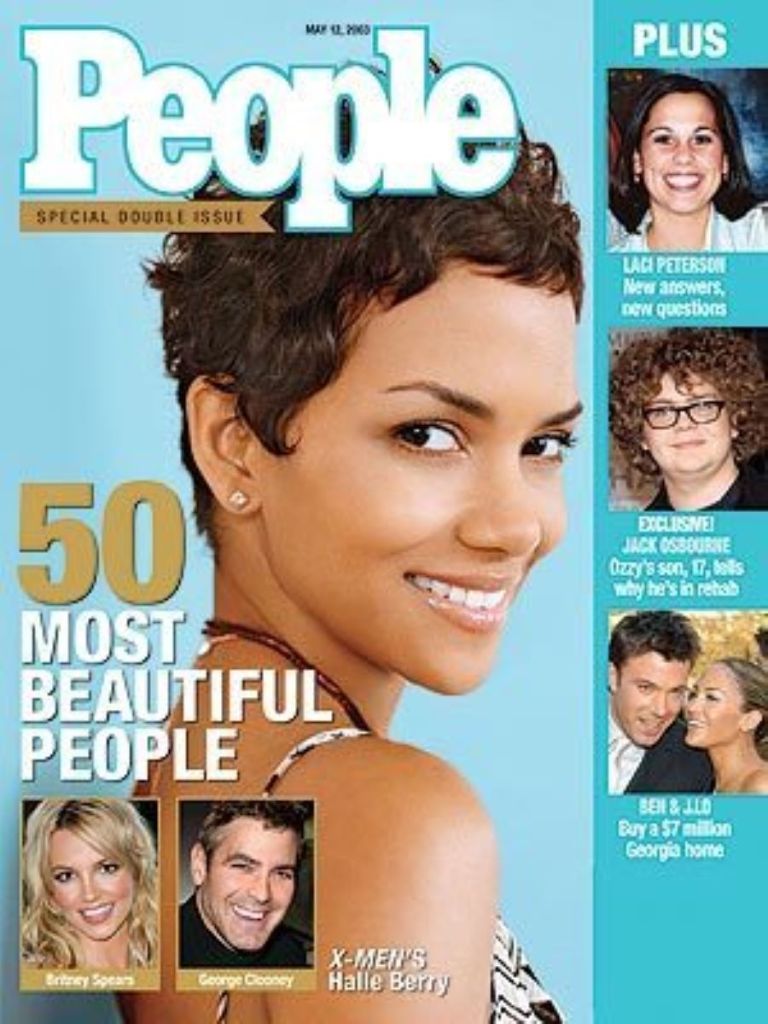
People Magazine

Halle’s beauty has often been celebrated alongside her talent. She was named People magazine’s “Most Beautiful Woman in the World” in 2003 and has graced the cover multiple times since. Her appeal lies not just in physical perfection but in authenticity and confidence. She embodies the kind of beauty that grows richer with time—a combination of fitness, spiritual balance, and self-love.

Her beauty regimen has always emphasized simplicity and consistency. Berry advocates for hydration, clean eating, regular exercise, and a focus on inner wellness. She follows a ketogenic diet, practices yoga, and prioritizes mental health. In interviews, she often states that “beauty begins with the soul,” emphasizing peace, faith, and gratitude as key components of lasting radiance.

Health has been a lifelong priority for Halle, especially after being diagnosed with type 1 diabetes at age 22. This diagnosis changed her relationship with food, fitness, and discipline. She became an advocate for holistic wellness, encouraging others to take control of their health through natural living and balance. Her fitness routine includes strength training, cardio, martial arts, and meditation.

This photograph is the property of its respective owner. No copyright infringement intended.

As Halle matured in her career, she took on new roles that reflected her growth as both a woman and an artist. Films like Gothika (2003), Catwoman (2004), Cloud Atlas (2012), and Bruised (2020)—which she also directed—demonstrated her fearlessness in exploring challenging roles. Her ability to reinvent herself in each decade of her career shows a rare kind of endurance and artistic evolution.

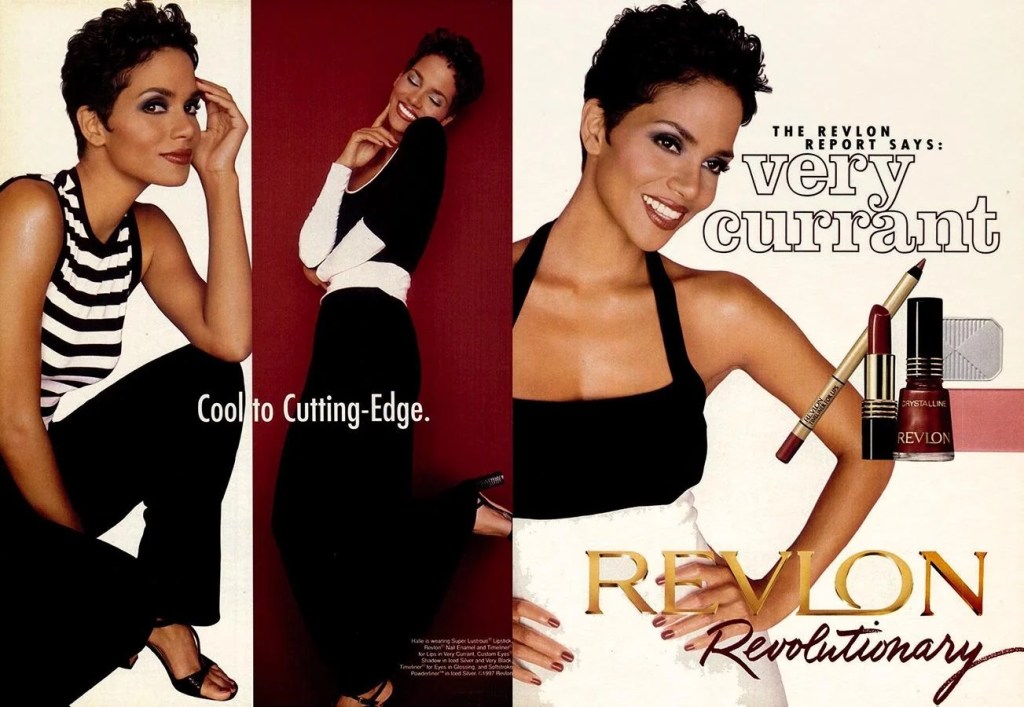
Revlon Cosmetics

Halle Berry’s enduring beauty and cinematic prestige have made her one of the most sought-after celebrity endorsers in Hollywood. Her long-term partnership with Revlon, beginning in 1996, established her as a global ambassador and symbol of timeless glamour. Berry also became a collaborative partner and campaign face for Finishing Touch Flawless, a beauty-tech brand emphasizing women’s self-care and confidence, and launched her own fragrance line with Coty in 2009, showcasing her elegance and entrepreneurial vision. Her flawless complexion, sculpted bone structure, and magnetic screen presence—paired with her historic Academy Award win as the first Black woman to receive Best Actress—solidified her appeal as the epitome of sophistication and modern femininity, aligning perfectly with brands seeking a face that transcends race and radiates universal beauty.

Her personal life has also been under public scrutiny, particularly her high-profile marriages and relationships. Berry was married to baseball player David Justice (1993–1997), musician Eric Benét (2001–2005), and actor Olivier Martinez (2013–2016). Despite the challenges, she has maintained dignity and optimism, focusing on her children and her work. Her transparency about heartbreak and healing has made her relatable to women worldwide. After these marriages, she entered a committed relationship in 2020 with Grammy-winning musician Van Hunt. Hunt proposed to Berry, though she has stated she doesn’t need marriage to validate their relationship. People.com

As a mother to two children, Nahla and Maceo, Halle has spoken openly about balancing motherhood and career. She has emphasized the importance of teaching her children about self-worth, resilience, and faith. Her nurturing yet disciplined nature mirrors the Proverbs 31 woman—strong, wise, and compassionate.

This photograph is the property of its respective owner. No copyright infringement intended.

Berry’s activism extends beyond entertainment. She is a passionate advocate for women’s rights, domestic violence survivors, and health awareness. In recent years, she has become an outspoken voice for menopause education, challenging the stigma surrounding it. Halle uses her platform to empower women to embrace their changing bodies and find beauty in every stage of life.

In discussing menopause, Berry highlights the importance of embracing transformation with grace. She rejects the notion that aging diminishes worth or attractiveness. Instead, she champions the idea that true beauty deepens with experience, wisdom, and peace of mind. Her advocacy reflects her mission to redefine womanhood in Hollywood and beyond.

This photograph is the property of its respective owner. No copyright infringement intended.

Today, Halle Berry continues to inspire not only through her performances but through her authenticity. She has proven that beauty, talent, and intelligence can coexist powerfully. Her influence reaches far beyond film; she has become a symbol of endurance, elegance, and empowerment for generations of women. She has become the face and co-founder of Re•Spin Menopause, a wellness brand that seeks to redefine and destigmatize the conversation around menopause. Through her platform, Berry advocates for education, empowerment, and holistic health during midlife, encouraging women to embrace this transition with confidence and self-love. Her candid discussions about her own journey with perimenopause have inspired millions, highlighting the importance of open dialogue about women’s health. Berry’s mission with Re•Spin and her partnership with Pendulum Therapeutics mark a cultural shift toward celebrating aging as strength, not decline.

Her legacy as an “Ebony Doll” represents more than physical beauty—it is a celebration of Black excellence, resilience, and divine femininity. Halle Berry’s journey reminds the world that true allure is found not in perfection but in purpose, perseverance, and self-love. She remains a beacon of light, defying age, stereotypes, and limitations.

References

Beauty in the Eyes of Truth: Debunking Satoshi Kanazawa’s Racist “Study” on Black Women.

When Satoshi Kanazawa published his article, “Why Are Black Women Less Physically Attractive Than Other Women?” in 2011 on Psychology Today’s blog The Scientific Fundamentalist, he set off a firestorm of global outrage. His so-called “research” claimed that Black women were “objectively less attractive” than women of other races based on statistical data. What he called “scientific evidence” was, in reality, a misuse of data, steeped in racial bias, colonial beauty standards, and poor methodology.

Kanazawa drew from a database called the Add Health survey, which included self-reported ratings of physical attractiveness by interviewers. However, these interviewers were not trained in objective aesthetic assessment — they were individuals influenced by their own biases, cultural norms, and Eurocentric ideals of beauty. Instead of acknowledging this obvious flaw, Kanazawa treated subjective opinions as biological fact, thereby perpetuating pseudoscience.

The title alone — “Why Are Black Women Less Physically Attractive” — betrayed a racist premise. It positioned Black women as a scientific question to be explained rather than human beings deserving of dignity. This type of racial pseudoscience has roots in 19th-century eugenics, which sought to justify white supremacy through “biology.” In Kanazawa’s case, the problem wasn’t science — it was the misuse of science to validate prejudice.

The article provoked an immediate global backlash. Black women scholars, writers, and readers flooded Psychology Today with demands for its removal. Within days, the post was taken down and disavowed by the publication. The London School of Economics publicly condemned Kanazawa’s statements, suspended him from teaching duties, and launched an investigation into his conduct. Psychology Today later issued an apology for publishing the article at all, acknowledging that it failed editorial standards and promoted harmful racial stereotypes.

Satoshi Kanazawa was not a random internet blogger — he was a university lecturer and evolutionary psychologist who often courted controversy. He had previously published inflammatory posts suggesting that African nations were “less intelligent” due to genetics, and that men were “more rational” than women. His work consistently displayed a pattern of racial and gender bias disguised as evolutionary psychology, leading many experts to label his theories as “scientific racism.”

But why did he specifically target Black women? Because Black women have historically been positioned at the intersection of both racism and sexism — where both systems of oppression overlap. Kanazawa’s post reflected a broader societal narrative that devalues Black womanhood while glorifying Eurocentric beauty. From slavery-era stereotypes of the “mammy” and “jezebel” to modern media’s glorification of lighter skin and straighter hair, his article fed into a centuries-old lie: that whiteness equals beauty, and Blackness does not.

Yet the truth is exactly the opposite. The concept of beauty is not objective, and it certainly cannot be reduced to statistical averages. Beauty is in the eye of the beholder, as Proverbs 31:30 (KJV) reminds us: “Favour is deceitful, and beauty is vain: but a woman that feareth the Lord, she shall be praised.” The Most High never created one standard of beauty — He created diversity as a reflection of His glory.

The melanin-rich skin of Black women is a divine masterpiece of strength and radiance. Scientifically, melanin protects against ultraviolet radiation, delays aging, and carries powerful antioxidant properties. Spiritually, melanin symbolizes resilience and divine design — “I am black, but comely,” declares the Shulamite woman in Song of Solomon 1:5 (KJV), affirming that her dark skin is beautiful in the eyes of God.

Kanazawa’s so-called “findings” crumble under both scientific and spiritual truth. Studies since then have proven that perceptions of beauty are culturally constructed and heavily influenced by exposure, familiarity, and societal power dynamics. When media and academia have long centered white features as the norm, it’s no surprise that biases emerge in subjective surveys. The real issue is not the appearance of Black women — it’s the conditioning of the observers.

The damage from Kanazawa’s article, however, was not purely academic. It caused emotional harm to millions of Black women and girls who saw themselves being demeaned in the name of science. But out of that pain came power — Black women writers, scholars, and activists began challenging not just Kanazawa, but the entire structure of racialized beauty standards. Movements like #BlackGirlMagic and The Melanin Movement emerged to celebrate the uniqueness, intelligence, and glory of Black femininity.

The Bible teaches that every human is “fearfully and wonderfully made” (Psalm 139:14, KJV). There is no hierarchy in God’s creation, only purpose. The notion that any race of women could be “less attractive” defies both the natural order and divine truth. God does not rank beauty — He defines it by character, spirit, and righteousness.

Satoshi Kanazawa’s downfall serves as a lesson in accountability. His attempt to use science to degrade a people group backfired and exposed how racism still lurks in academic institutions. The removal of his article and suspension from LSE marked an important moment in the fight against institutional racism disguised as research.

To this day, Psychology Today has never republished the post, and Kanazawa’s reputation remains stained by his unethical approach. His legacy is a warning: intelligence without morality becomes manipulation. Data without empathy becomes oppression.

The truth is simple — Black women do not need validation from biased scientists or manipulated statistics. Their worth is intrinsic, God-given, and undeniable. Their features — full lips, textured hair, radiant skin — are not deviations from beauty but divine blueprints of creation.

In a world still influenced by Eurocentric ideals, it is critical to remember that beauty is not comparative — it is collective. Every shade and feature tells the story of a God who delights in variety.

Satoshi Kanazawa’s article was not science; it was prejudice cloaked in data. Its removal was an act of justice. And its legacy reminds us that truth and beauty cannot be measured by biased eyes — only by the Creator who made all flesh in His image.

Black Women Are Divine: The Truth About Melanin and Beauty Beyond Eurocentrism

For centuries, the beauty of the Black woman has been misunderstood, misrepresented, and mischaracterized. Western ideals — rooted in colonialism and white supremacy — have attempted to distort what God Himself called “good.” Yet, the truth remains: the Black woman is not an accident of biology, nor a deviation from beauty’s standard. She is divine design — formed with intention, wrapped in melanin, and crowned with resilience.

The Eurocentric gaze has long defined beauty through a narrow lens — lighter skin, straight hair, delicate features. But this standard was born not of truth, but of hierarchy. It emerged during colonization when European men sought to establish dominance by devaluing darker skin. To elevate whiteness, they had to diminish Blackness. And so, the war against Black womanhood became not just physical, but psychological.

But the Most High made no mistake. Genesis 2:7 (KJV) says, “And the LORD God formed man of the dust of the ground, and breathed into his nostrils the breath of life.” The dust of the ground is brown — the color of earth, rich in nutrients and minerals. In the same way, the skin of the Black woman carries the essence of creation itself. Her melanin is not a flaw; it is the fingerprint of God’s first masterpiece.

Melanin is the biological evidence of divine wisdom. It absorbs light, protects from radiation, preserves youth, and enhances the body’s connection to natural energy. Spiritually, it symbolizes endurance and divine covering. Isaiah 60:2 (KJV) proclaims, “For, behold, the darkness shall cover the earth… but the LORD shall arise upon thee, and his glory shall be seen upon thee.” The darkness that covers the Black woman is not a curse — it is glory manifested.

Every curl, every coil, every shade of brown tells a sacred story. Black hair, often stigmatized under European ideals, is in fact a marvel of design — coiled to protect the scalp, regulate heat, and retain moisture in tropical climates. It grows toward the heavens as a living symbol of strength and connection to the divine. 1 Corinthians 11:15 (KJV) declares, “If a woman have long hair, it is a glory to her.” Black hair, in all its natural forms, is an expression of that glory.

The lie of Eurocentric beauty has long told Black women they must alter themselves to be accepted — straighten their hair, lighten their skin, shrink their bodies, and quiet their voices. But these are not acts of self-love; they are symptoms of systemic programming. Romans 12:2 (KJV) warns, “And be not conformed to this world: but be ye transformed by the renewing of your mind.” To renew the mind is to remember divine truth: that you were already perfect in the eyes of your Creator.

Science, when freed from bias, testifies to the same truth. Melanin not only defines skin tone but also enhances vision, strengthens the immune system, and synchronizes the body’s natural rhythm with the sun. It is, quite literally, life-giving carbon — the same element found in stars, soil, and all living things. To possess melanin is to carry the universe within.

The Black woman’s lips, full and expressive, symbolize nourishment and truth. Her hips, wide and strong, represent creation and continuation of life. Her eyes, deep and radiant, reflect wisdom and empathy. Her skin, luminous and resilient, tells the story of survival through centuries of oppression — yet still she glows. Isaiah 61:3 (KJV) calls her a woman “to give unto them beauty for ashes.” She has walked through fire, yet she remains gold.

Historically, European colonialism labeled African features as “primitive” while simultaneously fetishizing them. This hypocrisy continues in modern media, where non-Black women are praised for features that originate in Black beauty — full lips, curvy bodies, sun-kissed skin. Yet when the Black woman bears them naturally, she is too often told she is “too much.” This contradiction exposes the world’s envy of what it cannot reproduce: divine authenticity.

To understand the sacredness of melanin is to understand covenant. Deuteronomy 7:6 (KJV) declares, “For thou art an holy people unto the LORD thy God: the LORD thy God hath chosen thee to be a special people unto himself.” The melanin in the Black woman is more than pigment — it is purpose. It connects her to the elements of the earth and the energy of creation. She embodies both survival and sanctity.

The Black woman is also the cradle of civilization. Archaeological and genetic evidence affirms that humanity’s maternal ancestry traces back to Africa — to the very women whose descendants are still walking the earth. The mitochondrial DNA of all humans today originates from an African mother scientists call “Mitochondrial Eve.” Long before Eurocentric ideals existed, the Black woman was the standard — the mother of nations.

Yet despite being the mother of humanity, she has been vilified, hypersexualized, and devalued. But God always restores what man destroys. Psalm 113:7 (KJV) reminds us, “He raiseth up the poor out of the dust, and lifteth the needy out of the dunghill.” The modern awakening of Black womanhood — in faith, culture, and scholarship — is that divine lifting in action.

To the Black woman, you are not defined by social metrics or colonial constructs. You are defined by the Word of God and the truth of creation. Your strength does not make you hard; your beauty does not make you vain; your melanin does not make you less. It makes you chosen.

Black woman, your skin is anointed with the same carbon that fuels the stars. Your heart beats with the rhythm of ancient drums. Your voice carries the tone of prophets and poets. Your presence testifies that the Creator’s design is intentional, balanced, and breathtaking.

Let no man or magazine define you. Let no algorithm rank you. Let no false science demean you. For you were not created to fit into the mold of European fantasy — you were shaped by divine reality. You are living evidence of God’s brilliance and endurance.

In a world obsessed with imitation, your authenticity is rebellion. In a society obsessed with whiteness, your blackness is truth. And in a culture obsessed with erasure, your existence is resistance. You are, and always will be, the living expression of the Most High’s creativity.

As Psalm 45:13 (KJV) says, “The king’s daughter is all glorious within: her clothing is of wrought gold.” Black woman, your skin is that gold. It shines not because others approve of it, but because Heaven does.

The world’s definition of beauty is fleeting, but yours is eternal. Your melanin, your essence, your truth — all are divine signatures. You are not less than. You are the blueprint.

KJV References:
Genesis 2:7; Isaiah 60:2; 1 Corinthians 11:15; Romans 12:2; Psalm 139:14; Song of Solomon 1:5; Deuteronomy 7:6; Psalm 113:7; Isaiah 61:3; Psalm 45:13; Proverbs 31:30; Revelation 7:9. Genesis 1:27; Psalm 139:14; Song of Solomon 1:5; Proverbs 31:30; Romans 2:11; James 2:1; 1 Samuel 16:7; Galatians 3:28; Revelation 7:9.