Category Archives: The Brown Girl Experience

The Glow Up

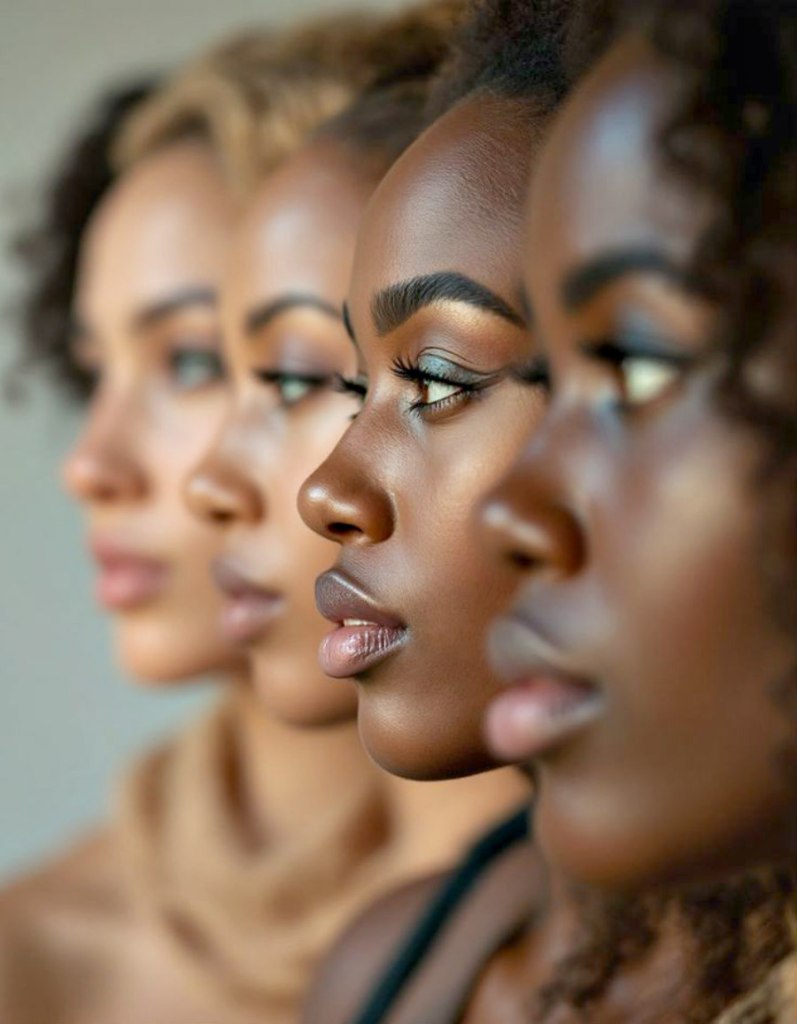
A “glow up” is more than a change in appearance—it is a holistic transformation of mind, body, style, and spirit. It represents intentional growth, self-discovery, and refinement. While society often equates glowing up with external beauty, the most profound transformations begin internally. True glow-ups combine emotional maturity, spiritual grounding, physical wellness, and stylistic expression, creating an authentic radiance that shines from within.

At the heart of a glow-up is self-awareness. Understanding who you are, your values, and your goals provides clarity for how to present yourself to the world. Self-awareness informs choices about personal style, grooming, wellness routines, and even relationships. Without it, attempts to “upgrade” are superficial and temporary. Psychology shows that reflective self-awareness improves decision-making, resilience, and emotional regulation (Brown, 2012).

A spiritual foundation amplifies a glow-up. Many find that confidence, peace, and purpose are rooted in a relationship with God. Scripture teaches, “But the fruit of the Spirit is love, joy, peace, longsuffering, gentleness, goodness, faith” (Galatians 5:22, KJV). Spiritual growth brings clarity, patience, and balance, which naturally enhance beauty, poise, and overall presence.

Physical health is another pillar. Glow-ups are reflected in skin, hair, posture, and energy. Proper nutrition, hydration, exercise, and rest not only improve physical appearance but also elevate mental and emotional well-being. Studies show that self-care routines increase confidence and life satisfaction (Snyder et al., 2012). The body becomes a visible testament to care and discipline.

Skin care is central to modern glow-ups. Healthy skin communicates vitality, youthfulness, and self-respect. A consistent skincare regimen tailored to one’s skin type reflects discipline and investment in oneself. Beyond aesthetics, skin care routines encourage mindfulness and self-love.

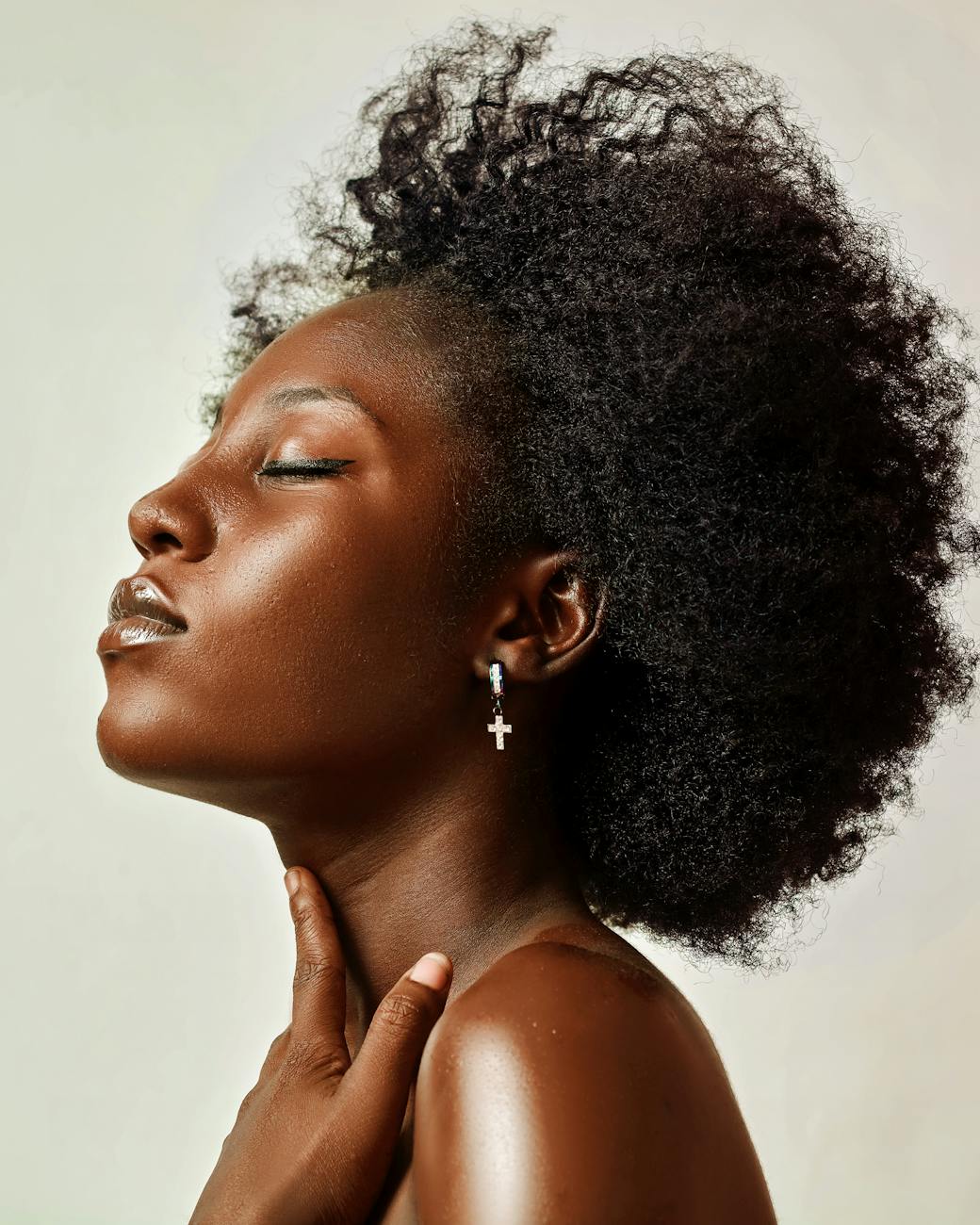
Hair care also contributes to transformation. Hair is often a key aspect of identity, especially for Black women whose natural hair textures are culturally significant. Styling, protection, and regular maintenance create confidence and visibility. Hair becomes both a fashion statement and a symbol of heritage and pride.

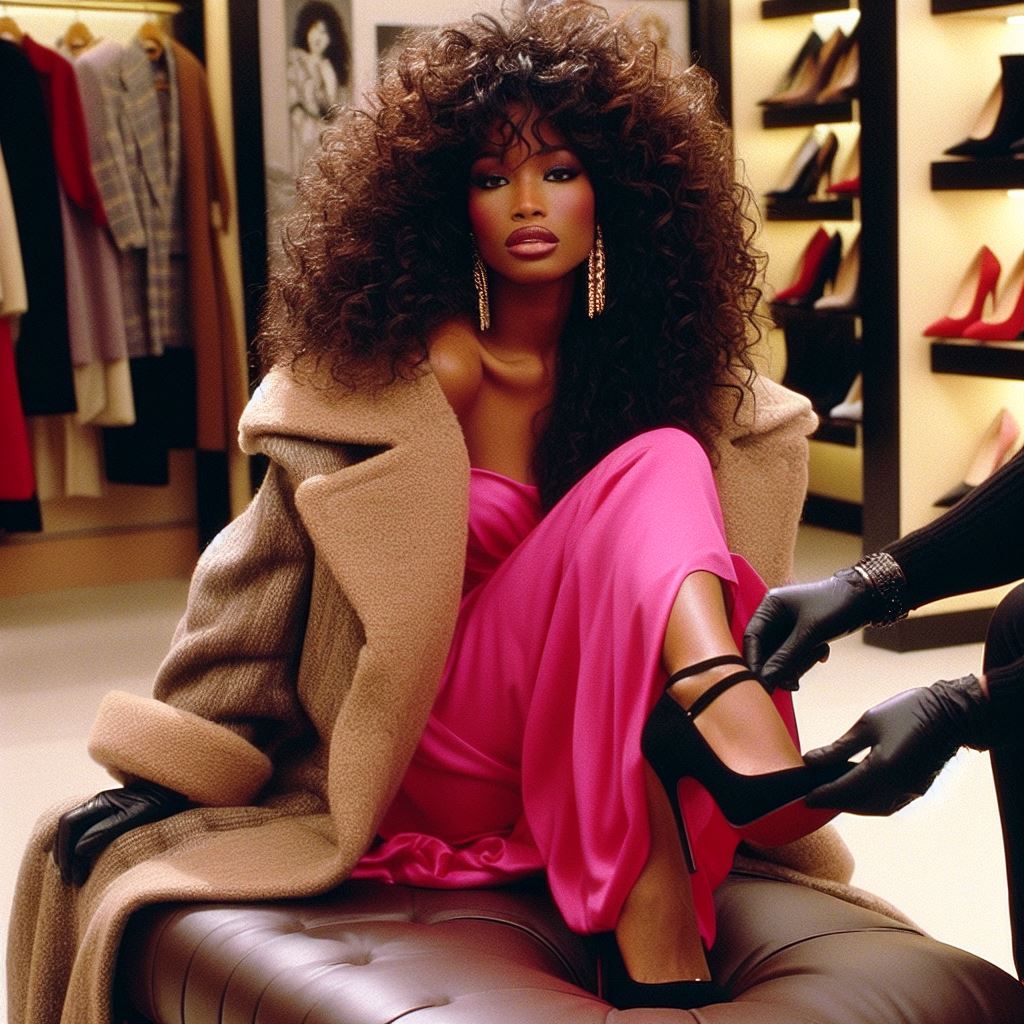
Style and wardrobe transformation is another visible component. Fashion-forward choices, tailored fits, and curated color palettes reflect personal identity and creativity. Minimalist, bold, or trend-conscious aesthetics can all be part of a glow-up, provided they align with the individual’s values and self-expression. The wardrobe becomes a canvas for intentional communication.

Confidence is the glue that unites inner and outer transformation. Psychology research emphasizes that posture, eye contact, and body language impact how others perceive us and how we perceive ourselves (Carney et al., 2010). A confident person carries a glow that transcends material changes. Confidence rooted in competence and self-respect produces authentic magnetism.

A glow-up also involves emotional intelligence. The ability to regulate emotions, communicate effectively, and form healthy relationships adds depth to outer beauty. Emotional maturity enables graceful navigation of challenges and enhances interactions, which further contributes to a radiant presence.

Mindset plays a crucial role. Individuals who embrace growth, resilience, and gratitude often experience deeper glow-ups. A positive mindset fosters persistence through setbacks, encourages self-improvement, and nurtures humility alongside ambition. Joy, patience, and gratitude enhance radiance more than cosmetics alone ever could.

Goal setting is an actionable aspect of glow-ups. Intentional planning for personal, professional, and spiritual growth ensures consistent progress. Small, deliberate steps—like learning a new skill, adopting healthier habits, or refining a wardrobe—compound over time, leading to transformative results.

Glow-ups are not purely external. Inner beauty, character, and integrity matter greatly. Scripture instructs, “Whose adorning let it not be that outward adorning of plaiting the hair, and of wearing of gold, or of putting on of apparel; But let it be the hidden man of the heart” (1 Peter 3:3–4, KJV). Inner refinement complements outward aesthetics, creating holistic radiance.

Social influence and mentorship can accelerate transformation. Surrounding oneself with supportive, inspiring, and like-minded individuals encourages growth. Peer influence, when positive, reinforces discipline, style choices, and spiritual or emotional development.

Self-expression through creativity also contributes. Art, music, writing, and other forms of personal expression allow individuals to explore identity, values, and emotions. Creativity not only enhances mental well-being but also communicates personality, enhancing one’s public presence.

Balance is essential in a glow-up. Overemphasis on appearance without internal growth leads to superficiality. Conversely, focusing solely on character without attending to health, style, and presentation may limit opportunities and visibility. A well-rounded glow-up harmonizes inner and outer cultivation.

Resilience strengthens the glow-up journey. Setbacks, failures, and criticism are inevitable, but perseverance deepens transformation. Learning from challenges and adjusting strategies ensures sustainable improvement in personal, spiritual, and aesthetic domains.

Reflection is a key practice. Periodically evaluating progress helps refine goals, adjust strategies, and celebrate achievements. Journaling, meditation, and spiritual practices encourage continuous self-assessment and growth.

Gratitude enhances the glow-up experience. Appreciating one’s journey, accomplishments, and blessings reinforces confidence, humility, and joy. Gratitude nurtures a positive internal state that radiates externally, enriching all aspects of personal transformation.

Finally, a glow-up is ongoing. It is not a single event but a continual process of refinement, learning, and self-expression. Each season of life provides new opportunities for growth, whether in character, style, spiritual depth, or personal achievements. The glow evolves as the individual evolves, reflecting intentional living.

Ultimately, the glow-up reflects harmony between the internal and external, the spiritual and physical, and the timeless and contemporary. A woman who invests in herself, honors her body, nurtures her spirit, and expresses her creativity becomes a living testament to transformation and empowerment.


References

Brown, B. (2012). Daring greatly: How the courage to be vulnerable transforms the way we live, love, parent, and lead. Gotham Books.

Carney, D. R., Cuddy, A. J. C., & Yap, A. J. (2010). Power posing: Brief nonverbal displays affect neuroendocrine levels and risk tolerance. Psychological Science, 21(10), 1363–1368.

Galatians 5:22, KJV. Holy Bible, King James Version. (2017). Thomas Nelson. (Original work published 1611)

Snyder, C. R., Lopez, S. J., & Pedrotti, J. T. (2012). Positive psychology: The scientific and practical explorations of human strengths (3rd ed.). SAGE Publications.

1 Peter 3:3–4, KJV. Holy Bible, King James Version. (2017). Thomas Nelson. (Original work published 1611)

Acts 16:25, KJV. Holy Bible, King James Version. (2017). Thomas Nelson. (Original work published 1611)

Csikszentmihalyi, M. (1990). Flow: The psychology of optimal experience. Harper & Row.

Fredrickson, B. L. (2001). The role of positive emotions in positive psychology: The broaden-and-build theory of positive emotions. American Psychologist, 56(3), 218–226.

Davis, K., & Shuster, S. (2019). The science of glow: How lifestyle and mindset influence appearance. Routledge.

Watts, R. (2014). Joy as a theological category: An exploration of joy in Christian life. Journal of Christian Studies, 12(1), 45–62.

Brown Girl Blues: “Brown Girls Are Loud,” They Say….

Photo by Polina Tankilevitch on Pexels.com

The assertion that “Brown girls are loud” functions as both a stereotype and a silencing mechanism. This phrase, often uttered casually or as social commentary, conceals a deeper historical bias against women of color who assert themselves vocally or emotionally. The term “loud” becomes a racialized label that delegitimizes self-expression while maintaining Eurocentric standards of femininity and decorum (Collins, 2000).

For centuries, the voices of Black and brown women have been controlled, muted, or mocked. Under slavery, colonization, and segregation, their words were often dismissed as irrational or impertinent. Today, these historical prejudices persist through modern stereotypes like the “angry Black woman” or the “fiery Latina,” both of which frame passionate communication as emotional instability (Walley-Jean, 2009). Thus, “loudness” becomes a weaponized term used to reassert social hierarchies.

To be called “loud” is rarely about volume; it is about visibility. When women of color speak confidently or express emotion, they challenge the systems designed to keep them silent. This so-called loudness is, in essence, a refusal to disappear. It is the sound of resistance echoing across generations who were denied speech.

The racialization of voice and tone stems from colonial constructs of civility. Western norms associated femininity with quietness, politeness, and restraint — ideals rooted in white, patriarchal structures (hooks, 1981). Any deviation from this mold was deemed unruly or primitive. For brown women, whose cultural communication styles are often rich in rhythm, gesture, and emotion, this framework was particularly limiting.

The result is tone-policing: a subtle but pervasive form of control where the manner of a woman’s speech overshadows the content of her message. In classrooms, workplaces, and media, brown women are often told to “calm down,” “lower their voices,” or “speak professionally.” These directives disguise racial discomfort as etiquette (Pittman, 2012).

In educational spaces, this dynamic begins early. Studies show that Black girls are more likely to be disciplined for “disruptive behavior” even when engaging in classroom discussion (Morris, 2016). What is interpreted as rudeness or defiance is often simple participation, filtered through racial bias. The message received is clear: intellectual curiosity and emotional expression are dangerous when spoken in a brown voice.

Over time, many young women of color internalize this message. They learn to perform quietness as a form of protection — softening their tone, diluting their opinions, and practicing invisibility to avoid social punishment. This self-censorship comes at the cost of authenticity and mental well-being (Jones & Norwood, 2017).

The workplace continues this narrative of containment. Brown women who are assertive in leadership are often labeled “intimidating” or “difficult.” The corporate world rewards those who fit neatly within the norms of “professionalism,” which are historically white and male-centered (Wingfield, 2010). Thus, emotional expressiveness and cultural authenticity are misread as unprofessionalism rather than strength.

Yet the so-called “loudness” of brown women has fueled some of the most transformative movements in history. From Sojourner Truth’s “Ain’t I a Woman?” speech to Fannie Lou Hamer’s testimony during the Civil Rights Movement, loudness has always been synonymous with liberation (Guy-Sheftall, 1995). The voice has functioned as both weapon and witness.

In artistic and spiritual traditions, voice is sacred. Within African and Afro-diasporic communities, song and speech have long served as vessels for memory and survival. From the griots of West Africa to the blues singers of the American South, the act of speaking — or singing — truth aloud is a form of cultural continuity (Gates, 1988).

Brown women’s expressiveness must therefore be understood within this historical continuum. Their tone is not aggression but ancestral resonance. The cadence, warmth, and emotionality of their voices carry centuries of resilience. To misinterpret that as loudness is to mishear history itself.

Media representations, however, continue to distort this narrative. Television and film often portray brown women as “sassy,” “overly dramatic,” or “ghetto,” reinforcing the myth that they lack emotional control (Gray, 2013). These depictions not only shape public perception but also influence how brown women see themselves.

Representation, as bell hooks (1992) reminds us, is a site of struggle. When brown women are consistently portrayed as one-dimensional caricatures, the world forgets that their “loudness” has context — a response to generations of silence and misrepresentation.

Nevertheless, modern movements in art and media are reclaiming the narrative. Figures like Issa Rae, Viola Davis, and Michaela Coel embody unapologetic authenticity, turning what was once labeled as “too much” into a badge of power. Their presence affirms that loudness and grace can coexist.

Community also plays a crucial role in healing the internal wounds caused by tone-policing. Safe spaces where brown women can speak freely — whether through sister circles, creative writing, or therapy — allow them to rediscover the sound of their unfiltered voices. These spaces become sanctuaries of affirmation.

Spiritual traditions, especially within the African diaspora, have long affirmed the power of voice. In the Black church, for example, “call and response” reflects communal validation — a sacred rhythm where one voice calls forth another. This cultural form rejects Western silence and instead celebrates collective expression (Lincoln & Mamiya, 1990).

The intersection of race, gender, and expression requires a reimagining of what it means to communicate effectively. Emotional expression should not be pathologized but valued as an indicator of passion, creativity, and humanity (Lord, 2000).

Moreover, educators and employers must practice cultural humility — learning to interpret communication through a multicultural lens rather than penalizing difference. This shift from tolerance to understanding is essential to dismantling linguistic bias.

For brown girls and women, unlearning internalized shame takes courage. It involves reclaiming the parts of oneself that were silenced, mocked, or misunderstood. It is a journey toward self-definition, where voice becomes both therapy and testimony.

Healing means allowing oneself to be “too much” in a world that demands less. It means crying loudly, laughing deeply, and speaking boldly — not for validation but liberation.

Cultural pride also strengthens this reclamation. By reconnecting with heritage, language, and tradition, brown women remember that expressiveness is not a flaw but a legacy. Their voices echo the resilience of ancestors who refused silence even when the cost was life itself.

When society tells brown women to quiet down, it is not requesting peace but compliance. Loudness, then, becomes a form of protest — an assertion of life in the face of erasure.

The “Brown Girl Blues” encapsulates the emotional dissonance of being seen yet unheard. It is the ache of visibility without validation, of expression met with resistance. Yet it also symbolizes beauty — the soulful rhythm of survival set to the melody of truth.

To be called “loud” is to be told that your presence disrupts. But disruption births change. In reclaiming the label, brown women transform insult into empowerment, noise into narrative, and stereotype into song.

Today’s brown girls stand on the shoulders of those who dared to speak when speaking was forbidden. Their loudness is not rebellion — it is inheritance.

The world must learn to listen differently. To hear not volume, but value. To perceive not threat, but truth.

For when brown girls speak, they do not merely raise their voices; they raise history. Their sound reverberates through time as proof that silence never saved anyone.

So, the next time the world says, “Brown girls are loud,” the answer should be unapologetic: “Yes, we are — and the world is finally listening.”


References

Collins, P. H. (2000). Black feminist thought: Knowledge, consciousness, and the politics of empowerment. Routledge.

Gates, H. L. (1988). The signifying monkey: A theory of African-American literary criticism. Oxford University Press.

Gray, H. (2013). Cultural moves: African Americans and the politics of representation. University of California Press.

Guy-Sheftall, B. (Ed.). (1995). Words of fire: An anthology of African-American feminist thought. The New Press.

hooks, b. (1981). Ain’t I a woman: Black women and feminism. South End Press.

hooks, b. (1992). Black looks: Race and representation. South End Press.

Jones, C., & Norwood, K. (2017). Aggressive, angry, and affirming: Black women’s labor, speech, and resistance. Communication and Critical/Cultural Studies, 14(3), 253–273.

Lincoln, C. E., & Mamiya, L. H. (1990). The Black church in the African American experience. Duke University Press.

Lord, A. (2000). Sister outsider: Essays and speeches. Crossing Press.

Morris, M. W. (2016). Pushout: The criminalization of Black girls in schools. The New Press.

Pittman, C. T. (2012). Racial microaggressions: The narratives of African American women in the workplace. The Journal of Black Psychology, 38(2), 185–205.

Walley-Jean, J. C. (2009). Debunking the myth of the “angry Black woman”: An exploration of anger in young African American women. Black Women, Gender + Families, 3(2), 68–86.

Wingfield, A. H. (2010). Are some emotions marked “whites only”? Racialized feeling rules in professional workplaces. Social Problems, 57(2), 251–268.

The Weight She Carries, the Grace She Wears

The Black woman stands at the intersection of history and hope, burden and brilliance. Her story is not merely a narrative of survival but a testament to a grace that refuses to die. “The Weight She Carries, the Grace She Wears” is more than a title—it is a reflection of the spiritual, emotional, and generational load she bears with a strength that confounds the world.

Her weight begins with history. From the chains of the transatlantic slave trade to the ongoing echoes of structural racism, Black women have been positioned at the crossroads of inequality. Yet, despite this, they have carried their families, communities, and faith through the wilderness with a dignity that defies explanation.

Spiritually, the Black woman’s strength mirrors biblical archetypes—Deborah’s courage, Ruth’s loyalty, Esther’s wisdom, and Mary’s faithfulness. But her journey is not only rooted in scripture; it is lived daily as she navigates systems that underestimate her while demanding her labor, compassion, and excellence.

The emotional weight she carries often remains unseen. She is expected to be strong, even when she is breaking. She wipes her own tears because the world frequently overlooks them. Still, she rises each day wrapped in a grace that comforts others even as she longs to be comforted.

Her grace is not passive. It is an active, intentional form of resilience. Black women have learned to turn pain into poetry, pressure into purpose, and silence into strength. This grace becomes her shield in a world that too often devalues her body, her voice, and her brilliance.

Identity plays a central role in her journey. She must negotiate a sense of self in a culture that stereotypes her—labeling her angry, intimidating, or “too much.” Yet she understands that authenticity is her liberation. Her identity becomes an act of resistance, a declaration that she will not shrink to make others comfortable.

The weight she carries includes the expectations of family. Many Black women become the backbone of their households, holding everyone together emotionally and spiritually. They nurture while often receiving no nurturing in return. Still, they love deeply, passionately, and sacrificially.

Economically, she bears the weight of wage gaps, limited opportunities, and the constant pressure to outperform to be seen as equal. Despite this, she continues to ascend—educating herself, building businesses, owning property, and creating generational wealth.

Her weight also includes the complexities of beauty. She is judged, compared, imitated, and criticized, yet she remains the blueprint. Society borrows from her style while denying her credit. Still, she walks with elegance, redefining beauty on her own terms.

Mentally, she balances the demands of work, relationships, self-care, and spirituality. She carries generational trauma while trying to build generational healing. The pressure to be “strong” often limits her ability to be vulnerable, yet her vulnerability is part of her transformative power.

In relationships, she gives deeply. Yet at times, she finds herself loving men still learning to love themselves. Her heart becomes both sanctuary and battlefield. Even in heartbreak, she wears her grace like a garment, believing that love—real love—is still worth waiting for.

Spiritually, she is the prayer warrior of her family, the intercessor who calls heaven down in the midnight hour. Her weight includes the responsibility to hold onto faith for everyone who has forgotten how to believe. And she does this not for applause, but because she knows God sustains her.

The grace she wears is not perfection—it is perseverance. It is her ability to keep moving forward even when she is exhausted. Her grace is her ability to forgive, to heal, to rebuild, and to hope again.

She navigates the world with a quiet intelligence, an instinctive wisdom passed down through generations of women who survived storms she will never see. Her grace becomes an inheritance, a legacy, a spiritual garment sewn with threads of sacrifice and love.

Her weight is also joy. Black women carry a capacity for laughter, creativity, and connection that fuels communities. She creates music, art, hair culture, language, and movements that shape cultures globally. Under her weight is a fire that no oppression can extinguish.

Psychologically, she navigates complex terrain—battling microaggressions, stereotypes, workplace politics, and the chronic stress of racism. Yet she cultivates coping strategies rooted in faith, community, sisterhood, and self-affirmation.

The grace she wears shows up in motherhood, whether she has biological children, spiritual children, or community children. She becomes a teacher, a mentor, a guide, shaping futures simply through her presence, her words, and her wisdom.

Her weight is also her purpose. She understands that her life is not random; it is intentional. Her gifts are needed, her voice is needed, her leadership is needed. Everything she carries prepares her for everything she is becoming.

Ultimately, the Black woman remains one of humanity’s greatest miracles. The weight she carries would break many, yet the grace she wears teaches the world what resilience truly looks like. She is not defined by her burdens but by her ability to rise above them.

Her story will always be one of power, beauty, faith, and transformation. For everything she carries, she continues to shine. And for every weight she bears, she wears a grace the world cannot comprehend.


References

Beauboeuf-Lafontant, T. (2009). Behind the mask of the strong Black woman: Voice and the embodiment of a costly performance. Temple University Press.

Collins, P. H. (2000). Black feminist thought: Knowledge, consciousness, and the politics of empowerment (2nd ed.). Routledge.

Gillum, T. (2019). Exploring Black women’s emotional labor and resilience in contemporary society. Journal of Black Psychology, 45(3), 179–197.

Harris-Perry, M. (2011). Sister citizen: Shame, stereotypes, and Black women in America. Yale University Press.

hooks, b. (2000). All about love: New visions. William Morrow.

Jones, C. (2021). The psychological burdens of strength: Black women and emotional wellness. Journal of Women’s Health, 30(6), 867–873.

What Is Refinement in Beauty?

Refinement in beauty is more than elegance, symmetry, or polished presentation—it is the intentional shaping of one’s appearance, character, and presence to reflect depth, maturity, and inner harmony. While physical beauty may capture attention, refinement elevates beauty into something thoughtful, cultivated, and enduring.

Historically, refinement referred to the process of purifying something—gold, silver, or even language. When applied to beauty, refinement becomes the act of removing distractions so the essence can shine. It is beauty distilled, clarified, and made meaningful (Eco, 2004).

Refined beauty is not about perfection; it is about balance. It values moderation, subtlety, and intentionality. Rather than exaggeration, refinement emphasizes proportion, coherence, and purposeful choices.

Culturally, refined beauty carries different expressions. In some traditions, refinement emphasizes grace and softness; in others, intellect, modesty, or craftsmanship. Despite these differences, refinement universally signals attentiveness and thoughtfulness in self-presentation (Bourdieu, 1984).

Refinement begins with self-awareness. A person who understands their features, personality, and presence can refine their beauty in a way that feels authentic rather than imitative. It is not about fitting into a standard—it is about highlighting one’s unique strengths.

Refinement also includes emotional discipline. A refined presence is calm rather than chaotic, thoughtful rather than impulsive. The emotional steadiness one carries becomes a form of beauty in itself, communicating maturity and inner peace (Goleman, 1995).

A refined aesthetic embraces quality over excess. Whether in clothing, hair, or makeup, refinement values intentional choices that elevate rather than overwhelm. This simplicity enhances natural beauty rather than hiding it.

Grace is an essential component of refined beauty. Grace manifests in posture, tone, movement, and expression. It is the quiet confidence that draws attention not through loudness but through presence.

Refinement also involves intellectual beauty. The way a person speaks, listens, and engages with ideas contributes to how they are perceived. Intelligence paired with kindness becomes a powerful form of beauty (hooks, 2000).

Spiritual grounding influences refinement as well. Many cultures associate refinement with virtue—patience, humility, discernment. This inner richness radiates outward, affecting how others experience one’s presence (Lewis, 2013).

Beauty refined is not boastful. It does not seek validation through comparison. Instead, it rests in self-assurance, knowing that true beauty is recognized by those with perception and depth.

In fashion, refinement favors timeless silhouettes, clean lines, and well-chosen accents. These choices convey discipline and intentionality, suggesting that beauty is curated rather than accidental.

Refinement enhances natural features rather than transforming them. Instead of altering identity, it reveals identity. This approach encourages authenticity in a world often dominated by filters and artificial enhancements (Jones, 2011).

Social media has challenged and reshaped notions of refined beauty. While trends encourage exaggeration—extreme contouring, bold aesthetics—refinement resists by promoting understatement and elegance.

Refinement is also tied to etiquette. Kindness, respect, and consideration for others elevate beauty by reflecting inner character. A person’s behavior can reinforce or undermine their external refinement (Martin, 2016).

In relationships, refinement shows in how one communicates—thoughtfully, respectfully, and with emotional intelligence. This interpersonal beauty strengthens bonds and fosters trust.

Refined beauty values growth. It evolves as a person matures, shedding youthful insecurity for a more rooted, stable expression of self. It becomes not just how one looks, but how one lives.

Refinement recognizes that beauty is experienced through the senses—how a person smells, speaks, moves, and carries themselves. These subtle cues create a holistic aesthetic that goes beyond surface appearance.

Ultimately, refinement in beauty is the marriage of inner and outer harmony. It is the art of presenting oneself with intention, elegance, and authenticity. It is beauty that whispers rather than shouts, yet leaves a lasting impression.

Refinement teaches us that true beauty is not found in excess but in clarity—clarity of self, purpose, values, and expression. In this way, refinement transforms beauty into a deeper, more soulful encounter.


References

  • Bourdieu, P. (1984). Distinction: A social critique of the judgement of taste. Harvard University Press.
  • Eco, U. (2004). On beauty: A history of a western idea. Secker & Warburg.
  • Goleman, D. (1995). Emotional intelligence. Bantam Books.
  • hooks, bell. (2000). All about love: New visions. William Morrow.
  • Jones, M. (2011). Beauty imagined: A history of the global beauty industry. Oxford University Press.
  • Lewis, C. S. (2013). The weight of glory. HarperOne.
  • Martin, J. (2016). The power of etiquette: How manners shape identity. Social Behavior Review, 12(3), 220–234.

The Storms of Life — Blame it on the Rain

Life’s storms are universal—unpredictable seasons that shake foundations, test faith, and reveal character. No one escapes them, and yet they shape each of us in uniquely profound ways. Scripture reminds us, “Man is born unto trouble, as the sparks fly upward” (Job 5:7, KJV). Hardship is not abnormal; it is part of the human experience.

Storms serve as great teachers. They unveil truths about ourselves that calm seasons hide. When everything feels steady, we assume we are strong. But trials expose what is weak, fragile, or built on sand. Jesus warned that only the house built on the rock withstands the rain, floods, and winds (Matthew 7:24–27, KJV).

These storms also humble us. They remind us that life is not controlled by our will alone. Circumstances can shift in a moment—illness strikes, relationships break, finances collapse, grief visits unexpectedly. In these moments, we echo the psalmist: “From the end of the earth will I cry unto thee, when my heart is overwhelmed” (Psalm 61:2, KJV).

Storms create patience. Waiting for breakthrough often takes longer than we desire. Yet Scripture teaches, “Tribulation worketh patience; and patience, experience; and experience, hope” (Romans 5:3–4, KJV). Growth is often slow, but it is steady.

They bring clarity. Storms strip away distractions, revealing what is truly important. Many discover that people they trusted cannot weather storms with them. But God reassures, “I will never leave thee, nor forsake thee” (Hebrews 13:5, KJV). Real priorities rise to the surface when life shakes.

Storms challenge identity. They force us to confront who we are apart from titles, accomplishments, and comfort. The question becomes not “Why me?” but “Who is God shaping me to become?” Scripture reminds us that trials refine: “I have refined thee… I have chosen thee in the furnace of affliction” (Isaiah 48:10, KJV).

Storms test faith. Belief becomes more than words; it becomes endurance. When answers delay, faith must deepen. Peter wrote that our trials purify faith like gold in fire (1 Peter 1:7, KJV). Storms separate shallow belief from surrender.

They increase empathy. People who have suffered tend to love more deeply. Pain creates compassion. Paul said God comforts us so we can comfort others (2 Corinthians 1:4, KJV). Suffering softens the heart when we allow it to.

Storms build resilience. Each time we survive a storm, we gain strength for the next one. David wrote, “It is good for me that I have been afflicted; that I might learn thy statutes” (Psalm 119:71, KJV). Victory teaches us how strong God already made us.

Storms also reveal hidden wounds. Sometimes God allows shaking so buried pain can finally surface. Healing often begins with disruption. Jesus frequently led people into uncomfortable truths before transformation occurred (John 4, KJV).

They expose false foundations. Some relationships, plans, or dreams collapse quickly under pressure because they were weak from the beginning. This is not meant to destroy but to protect. God removes what cannot hold us so He can replace it with what will.

Storms highlight the necessity of community. Even Moses needed Aaron and Hur to hold up his arms (Exodus 17:12, KJV). No one was created to endure alone. Support becomes sacred in seasons of struggle.

Storms teach surrender. When we reach the limits of our strength, control, and understanding, surrender becomes a spiritual release. Jesus Himself prayed, “Not my will, but thine, be done” (Luke 22:42, KJV). Surrender aligns us with divine wisdom.

Storms redirect destiny. Many life-changing purposes emerge from hard seasons. Joseph’s imprisonment positioned him for influence. What was meant for evil became good (Genesis 50:20, KJV). Painful paths often lead to powerful futures.

Storms are temporary. No matter how heavy, they pass. Scripture assures us, “Weeping may endure for a night, but joy cometh in the morning” (Psalm 30:5, KJV). Hope returns. Light breaks. Seasons shift.

Storms produce testimonies. Surviving becomes a story that blesses others. Scripture emphasizes that believers overcome “by the word of their testimony” (Revelation 12:11, KJV). Your storm becomes someone else’s survival guide.

Storms cultivate spiritual maturity. They deepen prayer life, sharpen discernment, and strengthen trust. James wrote, “The trying of your faith worketh patience” (James 1:3, KJV). Growth requires pressure.

Storms reveal hidden strength. God often shows us who we are through what we endure. He tells us, “My strength is made perfect in weakness” (2 Corinthians 12:9, KJV). Storms introduce us to the warrior within.

And finally, storms remind us that God is in control—even when life seems out of control. He speaks to winds and waves (Mark 4:39, KJV). He commands storms to cease. And even when He allows them, He sustains us through every moment. When the storms pass, we realize we didn’t just survive—we transformed.


📚 References

American Psychological Association. (2020). Publication manual of the American Psychological Association (7th ed.). APA.

Frankl, V. E. (2006). Man’s search for meaning. Beacon Press.

Harvey, J. H., & Miller, E. D. (2017). Loss and trauma: General and close relationship perspectives. Journal of Social and Personal Relationships, 24(6), 983–990.

Neff, K. (2011). Self-compassion: The proven power of being kind to yourself. HarperCollins.

Seligman, M. E. (2011). Flourish: A visionary new understanding of happiness and well-being. Free Press.

Taylor, S. E. (2012). Health psychology (8th ed.). McGraw-Hill.

Chains of Complexion: How History Shaped the Modern Brown Identity.

This photograph is the property of its respective owner. No copyright infringement intended.

Color is more than skin deep—it is history etched into flesh. Every shade of brown tells a story of migration, enslavement, colonization, and resistance. The complexion of the African diaspora is both a map and a mirror, reflecting the global journey of a people who endured fragmentation yet remained whole in spirit. To understand the modern brown identity, one must first confront the historical chains that bound it—chains not only of iron but of ideology.

The origins of color-based hierarchy began with colonization. As European empires expanded, they encountered people with darker skin across Africa, Asia, and the Americas. Instead of celebrating difference, they weaponized it. Color became the currency of control—an outward symbol of who was to rule and who was to serve. The darker the hue, the lower the worth assigned. Thus, the global structure of colorism was born—not from truth, but from the convenience of power.

In the transatlantic slave trade, complexion became both identifier and punishment. Enslaved Africans were categorized by skin tone—those with lighter complexions, often the offspring of white masters and Black mothers, were sometimes granted minor privileges within the plantation hierarchy. This created an internalized schism within the enslaved community, one that would persist for centuries: the illusion that proximity to whiteness meant elevation.

The colonial powers extended this pigmentocracy beyond the Americas. In India, the British reinforced pre-existing caste notions through their preference for lighter skin. In the Caribbean, Spanish and French colonizers created entire systems of racial classification—mulatto, quadroon, octoroon—each reflecting how deeply skin tone was tied to social mobility. The hierarchy of color became global, shaping not just how others saw us, but how we saw ourselves.

Psychologically, this division created generational trauma. People of color internalized shame toward their own reflection. Light skin became aspiration; dark skin became condemnation. This self-hatred was nurtured through education, religion, and beauty standards that praised the pale while vilifying the deep brown. The chains of complexion were mental as much as material.

Even after emancipation, the residue of these systems lingered. In post-slavery America, organizations like the “Blue Vein Societies” admitted only those whose skin was light enough to reveal blue veins beneath. Meanwhile, darker-skinned individuals faced exclusion not only from white spaces but from within their own communities. Colorism became an invisible whip that outlasted the plantation.

The entertainment and beauty industries deepened this divide. For decades, Hollywood and advertising glorified lighter-skinned Black actors and models as the standard of beauty. The “brown paper bag test” haunted social circles, while bleaching creams became symbols of internalized oppression. The damage was generational—entire lineages raised to equate lightness with desirability and darkness with deficiency.

Yet, despite this oppression, resistance rose. The Black Power Movement of the 1960s ignited a revolution of self-love. Phrases like “Black is Beautiful” challenged centuries of conditioning. Dark-skinned men and women began to see themselves as embodiments of royal lineage rather than colonial inferiority. The celebration of afros, natural features, and brown skin was not vanity—it was vindication.

The legacy of colorism, however, remains. Today, social media exposes how deeply color bias persists even among people of African descent. Lighter tones often receive more visibility and validation, while darker tones are marginalized or fetishized. The struggle is no longer about survival alone—it is about recognition and restoration. The modern brown identity must therefore wrestle with both pride and pain.

Historically, the Bible has been misused to justify racial hierarchies. European colonizers reimagined biblical figures as white, erasing their Afro-Asiatic origins. This spiritual bleaching further detached brown people from divine identity. But scripture tells another story—one of people from lands “black as the tents of Kedar” (Song of Solomon 1:5, KJV). Reclaiming that truth is central to healing the psychological scars of color-based oppression.

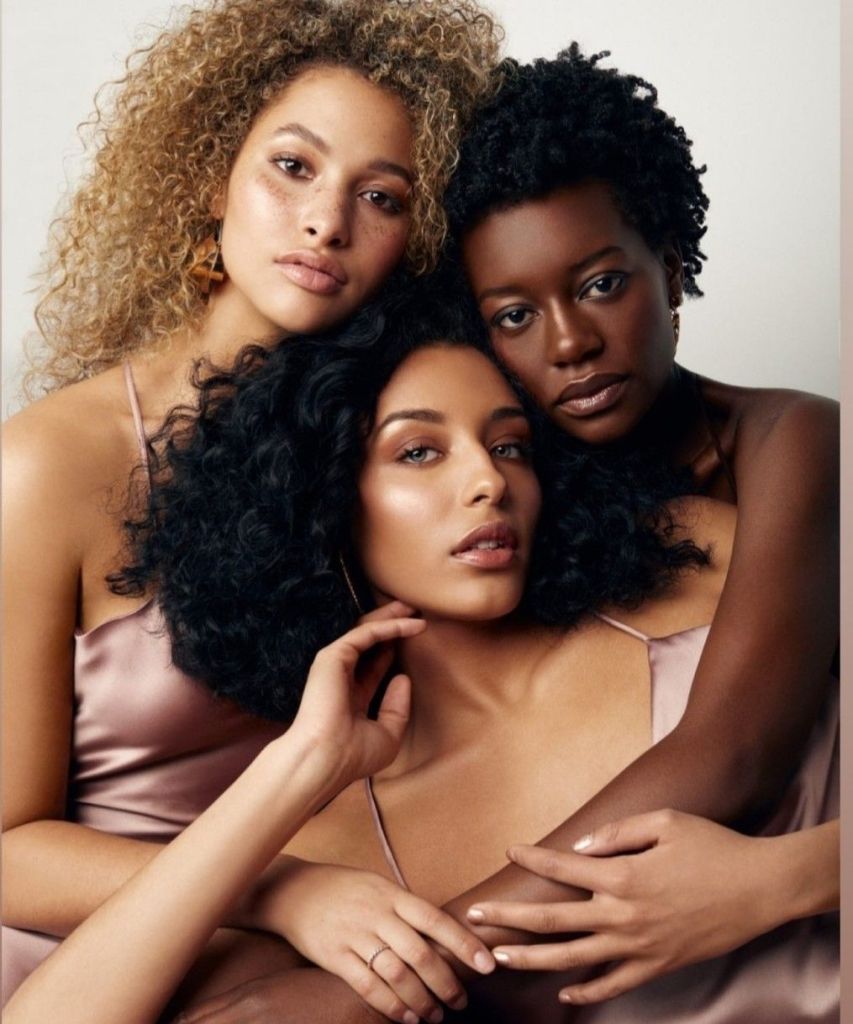
Sociologically, the “brown identity” today exists as both unity and complexity. Across the globe, people of African, Latin, Indigenous, and South Asian descent share the struggle against colorism. The brown identity is no longer regional—it is diasporic. It symbolizes the shared inheritance of colonial trauma and the collective awakening to self-worth.

Culturally, music, film, and literature have become tools of reclamation. Artists like Nina Simone, Toni Morrison, and Kendrick Lamar have used their platforms to affirm the depth and beauty of brownness. Through art, the brown identity becomes more than skin—it becomes song, rhythm, and revolution. It speaks to both the pain of being unseen and the power of being undeniable.

Psychologically, decolonizing beauty remains the next frontier. It requires that we dismantle the subconscious hierarchies implanted by colonialism. That means redefining professionalism, beauty, and intelligence beyond Eurocentric standards. It means teaching children that melanin is not a mark of shame but a medal of divine craftsmanship. Healing begins when brown becomes holy again.

Spiritually, melanin carries symbolism that transcends science. It absorbs light, transforms energy, and protects life. In that sense, it mirrors the spiritual essence of the brown-skinned people—absorbing pain, transforming it into art, faith, and resilience. The ability to survive centuries of oppression while radiating strength is itself a form of divine alchemy.

The future of the brown identity depends on solidarity. Bridging the internal divides between light and dark, between Afro-Latino and African American, between African and Caribbean, is crucial. The enemy was never one another—it was the system that taught us to distrust our own reflection. True liberation means seeing beauty in every shade of our spectrum.

Education plays a vital role in this transformation. Schools must teach the real history of how complexion was politicized. When young people learn that colorism was engineered to divide and conquer, they gain the power to reject it. Knowledge becomes liberation; truth becomes therapy.

Economically, representation still matters. When brands, corporations, and media campaigns embrace all shades of brown authentically—not tokenistically—they contribute to cultural healing. Every dark-skinned model, every brown-skinned CEO, every melanated hero on screen chips away at centuries of erasure. Visibility becomes victory.

Ultimately, the modern brown identity is an act of reclamation. It is the conscious decision to love the skin that history taught us to hate. It is choosing pride over pain, unity over division, and truth over imitation. It is the realization that every shade of brown carries the fingerprint of God and the legacy of survival.

The chains of complexion may have shaped our past, but they do not define our future. Today’s brown identity stands as both memory and movement—a declaration that what was once weaponized can now be worshiped. In embracing our full spectrum, we unshackle not just our image but our spirit. The brown identity, once bound by hierarchy, now rises as heritage—unbroken, unashamed, and undeniably divine.

References

  • The Holy Bible, King James Version (Song of Solomon 1:5).
  • hooks, b. (1992). Black Looks: Race and Representation. South End Press.
  • Russell, K., Wilson, M., & Hall, R. (1992). The Color Complex: The Politics of Skin Color Among African Americans. Doubleday.
  • Hall, S. (1997). Representation: Cultural Representations and Signifying Practices. Sage.
  • Davis, A. (1981). Women, Race, & Class. Random House.
  • Hill Collins, P. (2000). Black Feminist Thought. Routledge.
  • Morrison, T. (1992). Playing in the Dark: Whiteness and the Literary Imagination. Vintage.
  • Tate, S. (2009). Black Beauty: Aesthetics, Stylization, Politics. Routledge.
  • Craig, M. L. (2002). Ain’t I a Beauty Queen?: Black Women, Beauty, and the Politics of Race. Oxford University Press.
  • West, C. (1993). Race Matters. Beacon Press.

Echoes of Brown: Truths Untold

Photo by Fortune Comfort on Pexels.com

Brown skin carries the history of empires, the memory of chains, and the rhythm of survival. It is a tone that has been both romanticized and ridiculed, embraced and erased. Within its hue lies a story of resilience and rejection, of being seen too much and not enough. To be brown in a world obsessed with polarities—light or dark, good or bad—is to live in the space between admiration and invisibility. It is to echo the voices of ancestors whose worth was often measured by shade rather than soul.

The shade of brown has long been a canvas for projection. In colonial eyes, it was a signifier of “almost,” a liminal identity neither exalted nor despised, but tolerated. This ideology carved its way into modern consciousness, fragmenting self-perception among people of color. The brown individual became both bridge and battleground, carrying the psychological weight of representation while yearning for acceptance without conditions.

Media portrayal reinforces these complexities, often privileging the “safe brown”—the tone that fits diversity’s aesthetic without challenging Eurocentric comfort. Lighter-brown figures are elevated as symbols of progress, while darker tones are shadowed in narratives of struggle or aggression. Such portrayals perpetuate a hierarchy of hue that seeps into social and romantic relationships, employment, and even self-worth.

Colorism, born from colonialism and nurtured by capitalism, is not merely a preference—it is a power structure. It dictates opportunity and desirability in subtle ways. The echoes of “fairness” creams and “brightening” filters reveal an inherited inferiority complex, repackaged as beauty culture. The brown woman, for instance, is told she must lighten to be loved or darken to be “authentic”—a paradoxical performance of identity.

Yet, brown skin tells a truth that transcends bias. It reflects the earth, the sun, and the sacred balance of melanin—a divine calibration that connects all people of African descent to the elements of creation. Its variations are a testament to geography and genetics, from the copper tones of the Sahara to the deep siennas of the Congo. Each shade narrates migration, adaptation, and endurance.

For men, brownness holds another story—one of strength misread as threat, masculinity misinterpreted as menace. The brown man is often trapped in a visual stereotype, seen as protector but seldom protected, desired yet dehumanized. His shade becomes armor and target, beauty and burden all at once.

Social psychology reveals how shade bias impacts self-esteem and group dynamics within Black and Brown communities (Hunter, 2007). Studies show lighter-skinned individuals often receive preferential treatment in employment, education, and dating contexts (Keith & Herring, 1991). This internalized division fractures collective progress, perpetuating a colonial residue that whispers: “lighter is better.”

But the truth untold is that brownness, in all its forms, is not a deficit—it is divine design. It absorbs light, endures heat, and radiates richness. It tells the story of adaptation, survival, and sacred symmetry. In its deepest form, it mirrors the soil that sustains life—the very ground from which humanity rose.

When brown bodies are honored, not compared, healing begins. Art, film, and literature are reclaiming this narrative—elevating figures like Lupita Nyong’o, Viola Davis, and Mahershala Ali, whose presence challenges the false hierarchy of hue. Their beauty is not a rebellion; it is restoration.

In theology, melanin has even been interpreted as a symbol of divine favor—a natural armor against the sun’s intensity, reminding humanity of its Edenic origins (Gibson, 2020). Within this lens, brown skin becomes not merely aesthetic but sacred. It is pigment with purpose.

The echoes of brown extend into language and love. Terms like “caramel,” “mocha,” and “chocolate” have evolved from euphemisms of shame into declarations of pride. But linguistic liberation must be matched by systemic change—policies that confront bias in casting, hiring, and education.

The classroom, too, must echo truth. Children should see their shades reflected in textbooks and heroes. Representation at a young age shapes belonging. When a brown child sees beauty in her reflection, she learns to resist the world’s distortion.

Culturally, the reclamation of brownness is an act of revolution. It demands that the world see beyond hue to humanity. The “brown girl” and “brown boy” narratives circulating on social media are more than hashtags—they are healing spaces where individuals redefine worth and community through affirmation.

Economically, colorism’s influence remains potent in advertising and employment. The global skin-lightening industry, projected to surpass $20 billion by 2030, profits from pain (Statista, 2024). The darker the shade, the more the market suggests correction—a colonial lie turned commercial empire.

Psychologically, internalized shadeism manifests in subtle ways—self-doubt, social comparison, and selective pride. Healing requires both personal and communal reclamation: therapy, storytelling, and faith-based restoration.

Spiritually, the color brown carries symbolic weight across cultures—representing grounding, humility, and balance. In biblical interpretation, it evokes the imagery of dust and clay—the essence of creation itself (Genesis 2:7, KJV). Humanity was molded from earth, not ivory; thus, brown is the color of origin.

As society evolves, the challenge is not to erase color but to embrace its full spectrum. Diversity must go beyond token representation to dismantle structural bias. True equity honors every shade as sacred, not strategic.

Ultimately, the untold truth of brown is that it holds the blueprint of beauty and belonging. Its richness cannot be measured by comparison, for it is the color of history and hope intertwined. The echo of brown is not an apology—it is an anthem.

References

Gibson, T. (2020). The Melanin Mandate: Faith, Science, and the Theology of Skin. Journal of African Biblical Studies, 12(3), 45–58.
Hunter, M. L. (2007). The persistent problem of colorism: Skin tone, status, and inequality. Sociology Compass, 1(1), 237–254.
Keith, V. M., & Herring, C. (1991). Skin tone and stratification in the Black community. American Journal of Sociology, 97(3), 760–778.
Statista. (2024). Global skin lightening products market size from 2020 to 2030. Statista Research Department.

The Unchosen Shade: Colorism and the Crisis of Self-Worth

This photograph is the property of its respective owner. No copyright infringement intended.

Colorism—prejudice or discrimination based on skin tone within the same racial or ethnic group—is one of the most insidious legacies of colonialism and slavery. Unlike racism, which operates across racial lines, colorism operates within them, fracturing communities from the inside. The dilemma of colorism lies in how it distorts identity and self-worth, privileging lighter skin as beautiful, desirable, and superior while marking darker skin as less valuable or “other.”

The roots of colorism reach deep into history. During slavery, lighter-skinned Black people were often given preferential treatment, working inside plantation houses while darker-skinned people labored in the fields. This racial hierarchy was not accidental—it was engineered to divide and control. The closer one appeared to whiteness, the more “human” they were perceived to be (Hunter, 2007). This system embedded a psychological wound that continues to shape beauty ideals, social mobility, and self-esteem in communities of color.

In the post-slavery era, colorism was perpetuated through social institutions and cultural practices. Exclusive clubs and fraternities in the early 20th century used the infamous “paper bag test” to determine admission: if one’s skin was darker than a brown paper bag, they were denied entry. These acts codified self-rejection, turning proximity to whiteness into a false badge of honor (Russell, Wilson, & Hall, 1992).

Colorism’s effects are particularly damaging among women. Dark-skinned women often face compounded discrimination—both racism and colorism—resulting in fewer opportunities in entertainment, employment, and even dating. Media and beauty industries have historically promoted Eurocentric ideals: straight hair, narrow noses, and fair skin. As a result, darker-skinned women have often been portrayed as aggressive, unattractive, or less feminine compared to their lighter counterparts (Hill, 2002).

The crisis of self-worth begins early. Studies have shown that even young children associate lighter skin with beauty and intelligence. The infamous “doll test,” conducted by psychologists Kenneth and Mamie Clark in the 1940s, revealed that Black children preferred white dolls over Black ones, describing them as “good” and “pretty” (Clark & Clark, 1947). This heartbreaking evidence demonstrated how internalized racism and colorism warp self-perception from childhood.

For men, colorism manifests differently but no less destructively. Light-skinned men are often viewed as more approachable or “safe,” while dark-skinned men are stereotyped as intimidating or dangerous. These perceptions influence job prospects, policing, and romantic desirability. The darker the skin, the more one becomes the object of fear or fetishization rather than acceptance (Hunter, 2005).

Hollywood and global media have long reinforced this bias. From the early days of cinema to modern advertising, lighter skin has been synonymous with success and desirability. Black actresses like Lupita Nyong’o and Viola Davis have spoken openly about the struggle to be recognized as beautiful in an industry that has long celebrated lighter tones. Their success represents not just personal triumph but cultural healing—a redefining of beauty that honors the fullness of Blackness.

Colonialism globalized colorism. Across Africa, Asia, and the Caribbean, lighter skin is still marketed as an advantage. Skin-whitening creams, a billion-dollar industry, prey upon insecurities cultivated by centuries of Eurocentric dominance. In countries like India and Nigeria, “fairness” is often advertised as a prerequisite for marriage, employment, and respect. The colonial message persists: to ascend, one must become less of oneself (Glenn, 2008).

Colorism also thrives in the digital age. Filters, editing apps, and social media trends subtly lighten complexions, reinforcing subconscious biases. The aesthetic algorithms of beauty—crafted largely by Western designers—often favor lighter features, excluding darker skin tones from digital visibility and validation. The new colonizer is not a person, but a pixel.

Spiritually, colorism distorts divine identity. When people internalize inferiority based on skin tone, they reject the image of God within themselves. In biblical context, melanin—the pigment that gives darker skin its color—can be seen as a divine design, a testament to strength, protection, and resilience. As Psalm 139:14 declares, “I am fearfully and wonderfully made.” This verse challenges every ideology that devalues dark skin.

The psychological impact of colorism can lead to anxiety, depression, and chronic insecurity. For many, the quest to be “lighter” becomes a quest for acceptance. But this pursuit only deepens self-alienation, as it demands rejecting the very heritage and beauty that define one’s identity. Healing begins when individuals and communities confront the internalized lies that whiteness equals worth.

Education and representation are key to dismantling colorism. Schools must teach not only about racism but also about the hierarchy of shade that perpetuates inequality. Media must elevate diverse representations of Blackness, from deep ebony to golden brown, as equally beautiful. Each shade tells a story of resilience and identity that deserves visibility and validation.

Colorism also fractures solidarity. When internal prejudice divides the oppressed, the struggle for liberation weakens. True unity within the Black diaspora—and across communities of color—requires acknowledging and addressing this inherited bias. Liberation must include the healing of the mind as well as the body.

Artists, activists, and scholars are reclaiming the narrative. Campaigns like “Dark Is Beautiful” and “Melanin Magic” have redefined global conversations about shade and self-love. Poets, filmmakers, and painters now celebrate the hues once despised, restoring dignity to complexions that history sought to erase. The rise of figures like model Duckie Thot, actress Lupita Nyong’o, and activist Rashida Strober signals a cultural reckoning.

Social healing also demands accountability from within. Families must stop perpetuating colorist language—phrases like “don’t get too dark” or “you’re pretty for a dark-skinned girl.” Churches and communities must replace shame with celebration. Healing begins when love replaces comparison and appreciation replaces envy.

The crisis of self-worth cannot be healed by cosmetics but by consciousness. True beauty emerges when identity aligns with purpose. Dark skin, radiant under the sun, carries the memory of continents and the story of survival. To reject it is to reject ancestry. To embrace it is to reclaim sovereignty.

Colorism’s undoing requires cultural courage—to confront painful truths and to teach new generations that worth is not measured by shade but by soul. As Toni Morrison wrote, “The function of freedom is to free someone else.” In this light, freedom begins when we learn to see beauty where the world taught us to see blemish.

Ultimately, “The Unchosen Shade” is not a curse but a crown. It represents endurance through centuries of erasure, beauty unbought and unaltered. The unchosen shade is chosen by God—crafted in divine melanin, unafraid of the sun, and unapologetically radiant. When we learn to love the unchosen shade, we begin the work of restoring not just self-worth, but collective wholeness.


References

Clark, K., & Clark, M. (1947). Racial Identification and Preference in Negro Children. Journal of Negro Education, 19(3), 341–350.
Glenn, E. N. (2008). Yearning for Lightness: Transnational Circuits in the Marketing and Consumption of Skin Lighteners. Gender & Society, 22(3), 281–302.
Hill, M. E. (2002). Skin Color and the Perception of Attractiveness Among African Americans: Does Gender Make a Difference? Social Psychology Quarterly, 65(1), 77–91.
Hunter, M. (2005). Race, Gender, and the Politics of Skin Tone. Routledge.
Hunter, M. (2007). The Persistent Problem of Colorism: Skin Tone, Status, and Inequality. Sociology Compass, 1(1), 237–254.
Russell, K., Wilson, M., & Hall, R. E. (1992). The Color Complex: The Politics of Skin Color Among African Americans. Harcourt Brace Jovanovich.

Sacred Femininity: A Woman’s Becoming

This photograph is the property of its respective owner. No copyright infringement intended.

Sacred femininity is not merely an aesthetic—it is a divine revelation. It speaks of the eternal essence that God placed within woman when He formed her from man’s rib and breathed into her the breath of life (Genesis 2:21–23, KJV). This sacredness is not defined by worldly ideals but by divine purpose. It is the glory of creation’s balance, the embodiment of wisdom, compassion, and strength hidden in softness.

The becoming of a woman is both spiritual and ancestral. It is the long pilgrimage from brokenness to wholeness, from survival to sovereignty. For the Black woman, this journey carries generational echoes—cries from foremothers who birthed nations in chains yet sang freedom into existence. Her becoming is not a new story, but a continuation of an ancient one written on papyrus, in the sands of Kemet, and in the margins of a slave Bible.

To become sacred is to remember. The modern world has taught women to perform, to compete, and to commodify their beauty, yet sacred femininity calls her to return—to the Edenic origin where she was not objectified but ordained. She is not the temptation; she is the temple. Her beauty is not vanity—it is divinity made visible.

In a culture that profits from insecurity, sacred femininity is resistance. When a woman reclaims her worth beyond her body, she dismantles a billion-dollar industry of comparison and control. Her holiness becomes protest; her modesty becomes power. The act of self-love becomes an altar where she meets God.

The Black woman’s becoming cannot be divorced from the historical dehumanization of her image. From the Jezebel stereotype that sexualized her body to the Mammy caricature that muted her soul, she has had to rebuild her identity from ashes. Yet like the phoenix, she rises—clothed not in the garments of oppression but in the robe of righteousness (Isaiah 61:10, KJV).

Becoming sacred means understanding that pain has purpose. Every trial, heartbreak, and injustice becomes a teacher. Through tears, she learns the language of faith. Through struggle, she births endurance. Through silence, she finds her voice. The womb of womanhood is not only physical—it is spiritual, birthing dreams, nations, and legacies.

Sacred femininity is not submission to man—it is submission to God. When a woman walks in divine order, her power multiplies, not diminishes. Submission, in its biblical sense, is alignment—a woman aligned with God’s purpose becomes a mirror of His grace. Her femininity is not fragile; it is fortified by faith.

This becoming is also a healing—a spiritual reclamation of what was stolen. For centuries, the Black woman’s body was a battlefield, her womb exploited, her image distorted. But through divine awakening, she begins to see herself as God sees her: fearfully and wonderfully made (Psalm 139:14, KJV). Her melanin is no longer a mark of marginalization but a manifestation of majesty.

The sacred woman knows that beauty is both physical and metaphysical. Her glow is not from cosmetics but from consecration. Her elegance is not performed but possessed. Proverbs 31 describes her not as a passive figure but as an enterprising, wise, and fearless force—a woman whose value is far above rubies.

To become sacred is to unlearn survival and embrace sovereignty. Many women have learned to endure, but few have learned to reign. Sacred femininity teaches her to sit on her throne, not as an idol of vanity, but as a vessel of virtue. It is the spiritual homecoming of the daughter of Zion.

The woman’s becoming is deeply tied to her community. She is both nurturer and nation-builder. From Harriet Tubman guiding souls to freedom, to contemporary queens leading boardrooms and ministries, her divine assignment remains the same: to restore what was broken, to heal what was wounded, and to give life where death was declared.

Sacred femininity also redefines strength. It is not the hardness that the world celebrates but the softness that sustains. It is the ability to forgive without forgetting, to love without losing oneself, and to stand without shouting. Strength, in its purest form, is sanctified gentleness.

Her becoming is also prophetic. Each generation of women births a new revelation of what it means to walk in God’s image. Eve introduced life, Ruth embodied loyalty, Esther demonstrated courage, Mary carried divinity, and today’s woman carries their collective anointing—an inheritance of faith and fire.

In the modern age, sacred femininity stands as a rebuke to artificial empowerment. The world tells women that power is found in dominance and detachment, but the sacred woman knows that true power flows from humility, holiness, and harmony. Her authority is not granted by man but ordained by heaven.

For Black women, this sacred identity also means rejecting colorism, texturism, and the colonial beauty codes that fractured sisterhood. Each shade of melanin, each curl pattern, each ancestral feature reflects a facet of God’s creative genius. Her hair is her crown; her complexion, her covenant.

Sacred femininity restores balance between the masculine and feminine principles of creation. It honors the divine order in relationships, family, and leadership—without erasing individuality or equality. It calls men and women to walk in spiritual unity, where love becomes leadership and service becomes strength.

The woman’s becoming is both internal and eternal. It is a daily practice of prayer, purpose, and purification. She must shed the old self like snakeskin—ego, shame, and fear—to step into her divine assignment. In doing so, she becomes both priestess and prophet of her destiny.

Sacred femininity is also communal; it cannot thrive in isolation. Women heal when they gather—when sisters speak life into one another instead of competing for validation. The circle of sisterhood is an altar where collective healing takes place, a sacred echo of the matriarchal wisdom that once guided nations.

Ultimately, A Woman’s Becoming is not a final arrival but an eternal evolution. To become sacred is to live in constant renewal—to be water and fire, gentle yet unyielding. Every season of her life, from maiden to matriarch, reveals a deeper reflection of God’s glory within her.

In her becoming, she learns that holiness is not perfection but presence—the awareness of God within her. She is both the daughter and the dwelling place, the reflection and the revelation. And when she finally sees herself through divine eyes, she becomes what she was always meant to be: sacred, sovereign, and whole.


References

  • The Holy Bible, King James Version. (n.d.).
  • hooks, b. (2000). All About Love: New Visions. William Morrow.
  • Cooper, B. C. (2018). Eloquent Rage: A Black Feminist Discovers Her Superpower. St. Martin’s Press.
  • Lorde, A. (1984). Sister Outsider: Essays and Speeches. Crossing Press.
  • Walker, A. (1983). In Search of Our Mothers’ Gardens: Womanist Prose. Harcourt.
  • Collins, P. H. (2000). Black Feminist Thought: Knowledge, Consciousness, and the Politics of Empowerment. Routledge.

Chasing Sunlight: A Brown Girl’s Story

Sarah’s story begins in the quiet corners of classrooms and office hallways, where her brown skin often made her feel invisible. From an early age, she learned that the world had unspoken hierarchies: the lighter you were, the more likely you were to be seen, heard, and admired. Her rich, cocoa-toned complexion, which her family celebrated as beautiful, was often met with dismissal or subtle derision outside the home.

In school, Sarah noticed how teachers and peers unconsciously prioritized lighter-skinned girls. Compliments, opportunities to lead projects, and social inclusion seemed to favor those with golden undertones. Brown-skinned girls like her were praised for effort, rather than natural beauty or intelligence. It was the first seed of a lesson she would carry into adulthood: that society often measures worth by proximity to whiteness.

As she grew older, Sarah’s experiences in dating mirrored her school years. Men often overlooked her, gravitating toward lighter-skinned women. Subtle remarks—“You’d be prettier if your skin were lighter” or “I just prefer fair skin”—eroded her confidence. She began to internalize these biases, wondering if she was less lovable, less desirable, less enough, simply because of the hue of her skin.

The workplace proved no less challenging. Despite her qualifications and professional accomplishments, Sarah frequently encountered barriers she suspected were tied to appearance. Promotions, recognition, and networking opportunities often seemed to favor colleagues with lighter skin, more Eurocentric features, or “more approachable” aesthetics according to managers’ biases. Every overlooked achievement reinforced the cruel lesson that brown skin could be a subtle yet persistent disadvantage.

Media representation compounded the pressure. Television, films, and advertisements consistently highlighted lighter-skinned women as ideal. Sarah rarely saw women who looked like her celebrated for beauty, intellect, or power. When she did, such as Lupita Nyong’o or Viola Davis on a red carpet, it felt aspirational but also bittersweet: a reminder of how rare recognition could be.

Family and friends offered support, but society’s lens was difficult to escape. Sarah developed resilience, learning to navigate environments where her skin tone was often an unspoken barrier. She refined her personal style, cultivated skills, and asserted herself in conversations, slowly building an internal shield against pervasive colorism.

Romantic relationships were especially fraught. Potential partners, influenced by societal standards, sometimes preferred lighter-skinned women or treated her with hesitation. Comments that were casual to others—“You’d be more attractive if…”—cut deeply, shaping her perception of worth and desirability. Her heartbreaks were compounded by the realization that attraction could be clouded by prejudice rather than genuine connection.

Despite these challenges, Sarah discovered her own definition of beauty. She learned to see her brown skin as radiant, her features as distinctive and regal. High cheekbones, full lips, and rich skin tone became her markers of resilience and identity, rather than limitations. Each day of self-affirmation chipped away at the weight of societal judgment.

In her career, Sarah faced systemic hurdles but refused to let bias dictate her trajectory. She sought mentors who recognized talent beyond appearance, joined professional networks that celebrated diversity, and used setbacks as fuel for growth. Over time, her skills, intelligence, and authenticity began to command respect and recognition, proving the falsehood of superficial standards.

The journey was not linear. There were moments of doubt, tears, and frustration when mirrors and mirrors of society seemed to reflect inadequacy. Yet Sarah learned that the sunlight she chased was not external validation but self-acceptance. Beauty, competence, and worth were inherent, not conditional on societal preference for lighter skin.

Friendships with other brown and dark-skinned women became a source of strength. Shared experiences of colorism, overlooked potential, and romantic challenges created bonds of solidarity. Through community, Sarah realized she was not alone in navigating a world that often underestimated women of her shade.

Social media became both a battleground and a lifeline. While she saw persistent stereotypes online, she also found movements celebrating melanin-rich beauty, such as #MelaninPoppin and #BrownGirlMagic. These communities reinforced pride in her skin tone and offered examples of women succeeding despite systemic biases.

Sarah’s story illuminates the intersection of colorism, gender, and societal expectation. It reflects how beauty hierarchies—rooted in colonial history, media representation, and cultural bias—continue to shape opportunities in love, career, and self-perception. Her journey underscores the psychological toll of being devalued for traits intrinsic to identity.

Yet the narrative is not one of defeat. Sarah’s resilience embodies the reclamation of self-worth. Each accomplishment, each affirmation, each refusal to conform to superficial expectations represents a triumph over systemic and interpersonal bias. Her story exemplifies how internalized beauty standards can be challenged and redefined.

In love, Sarah learned to prioritize partners who saw her fully—not as an abstraction of societal ideals, but as a woman of complexity, intelligence, and radiance. Her romantic experiences shifted from seeking validation to demanding respect and authenticity. She discovered that relationships founded on bias could never satisfy the soul.

Career-wise, she became an advocate for equity, mentoring younger women and challenging organizational biases. Her brown skin, once perceived as a barrier, became a symbol of perseverance and excellence. Through her visibility and advocacy, she contributed to changing perceptions, one professional space at a time.

Sarah’s experience reflects broader societal patterns. Research shows that colorism affects hiring, promotion, dating preference, and social perception for brown and dark-skinned women globally (Hunter, 2011; Lewis & Lockwood, 2018). Her story is both personal and emblematic of structural inequities tied to historical beauty hierarchies.

The psychological impact of colorism is profound. Feelings of inadequacy, internalized bias, and social anxiety are common among women whose skin tones fall outside dominant beauty ideals (Banks, 2018). Sarah’s journey exemplifies both the challenge and the potential for reclamation through self-knowledge and supportive communities.

Over time, Sarah cultivated rituals of self-care and self-affirmation that reinforced pride in her appearance. She learned to embrace hair texture, skin tone, and facial features as elements of identity and heritage, resisting the pervasive pressure to conform to Eurocentric ideals.

The story of Sarah also illustrates intergenerational transmission of beauty values. She observed how her mother and grandmother navigated similar biases, offering lessons in resilience, self-respect, and dignity despite societal prejudice. Cultural heritage became a source of strength and grounding.

Sarah’s narrative challenges the notion that beauty is universal. It demonstrates that social standards, often influenced by race, history, and power, determine who is valued and why. Yet individual agency allows women like Sarah to define beauty on their own terms, asserting worth independent of external validation.

Community recognition, professional achievement, and personal love became Sarah’s metrics of worth. She discovered that external approval—once seen as essential—was secondary to self-respect and cultural pride. Her journey represents a broader reclamation of aesthetics for women historically devalued for melanin-rich skin.

Through advocacy, mentorship, and storytelling, Sarah contributes to reshaping societal perceptions. By publicly affirming the beauty and value of brown-skinned women, she creates space for others to see themselves as worthy, attractive, and powerful, challenging entrenched hierarchies of desirability.

Sarah’s story is also a call for systemic change. Organizations, media, and institutions must interrogate implicit bias in hiring, marketing, and representation to dismantle color-based inequities. Her journey demonstrates how personal resilience intersects with structural reform in the pursuit of equity.

Her brown skin, once a source of marginalization, becomes her signature, her identity, and her power. Every compliment, achievement, and acknowledgment she receives is now rooted in authenticity, not conditional acceptance. Sarah’s story transforms pain into pride.

In conclusion, Chasing Sunlight: A Brown Girl’s Story reflects the intersection of colorism, gender, and societal hierarchy. Sarah’s journey from feeling overlooked to embracing her worth illuminates the resilience, beauty, and power of brown-skinned women. Her story is a testament to the enduring strength of identity, culture, and self-love.


References

  • Banks, Ingrid. (2018). The Melanin Millennium: African Aesthetics in the Modern World.
  • Hunter, Margaret L. (2011). Buying Racial Capital: Skin-Bleaching and Cosmetic Surgery in Black and African Communities. Social Text.
  • Lewis, J., & Lockwood, E. (2018). Colorism, Beauty, and Media: Social Perceptions of Black Women. Journal of African American Studies.
  • Byrd, Ayana D., & Tharps, Lori L. (2014). Hair Story: Untangling the Roots of Black Hair in America. St. Martin’s Press.
  • Collins, Patricia Hill. (2000). Black Feminist Thought: Knowledge, Consciousness, and the Politics of Empowerment. Routledge.
  • hooks, bell. (1992). Black Looks: Race and Representation. South End Press.