Category Archives: the brown girl dilemma book

Chains of Complexion: How History Shaped the Modern Brown Identity.

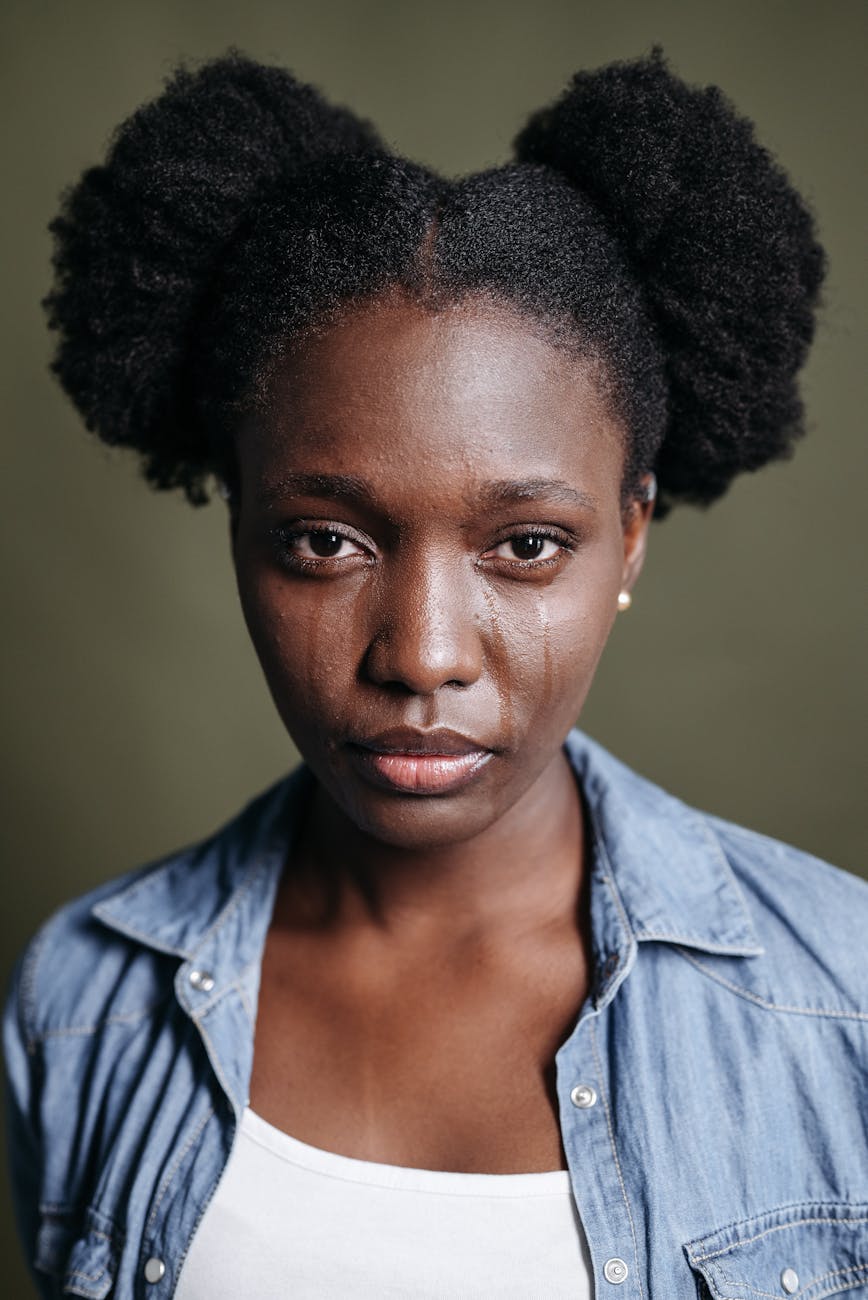
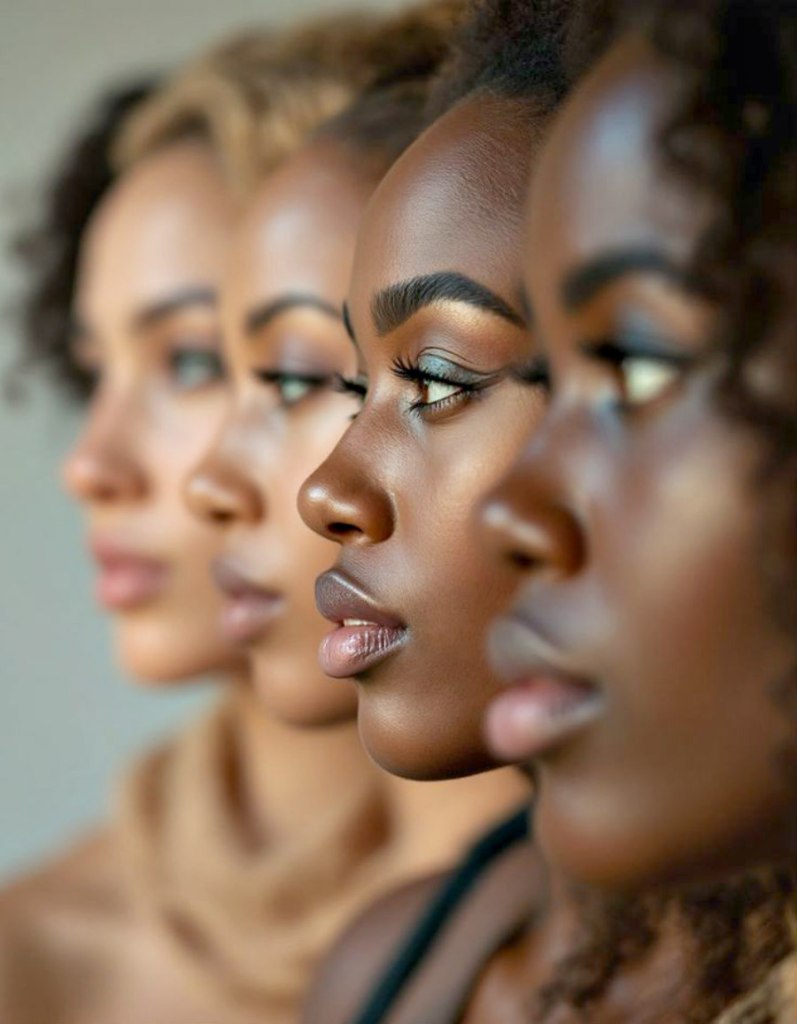
This photograph is the property of its respective owner. No copyright infringement intended.

Color is more than skin deep—it is history etched into flesh. Every shade of brown tells a story of migration, enslavement, colonization, and resistance. The complexion of the African diaspora is both a map and a mirror, reflecting the global journey of a people who endured fragmentation yet remained whole in spirit. To understand the modern brown identity, one must first confront the historical chains that bound it—chains not only of iron but of ideology.

The origins of color-based hierarchy began with colonization. As European empires expanded, they encountered people with darker skin across Africa, Asia, and the Americas. Instead of celebrating difference, they weaponized it. Color became the currency of control—an outward symbol of who was to rule and who was to serve. The darker the hue, the lower the worth assigned. Thus, the global structure of colorism was born—not from truth, but from the convenience of power.

In the transatlantic slave trade, complexion became both identifier and punishment. Enslaved Africans were categorized by skin tone—those with lighter complexions, often the offspring of white masters and Black mothers, were sometimes granted minor privileges within the plantation hierarchy. This created an internalized schism within the enslaved community, one that would persist for centuries: the illusion that proximity to whiteness meant elevation.

The colonial powers extended this pigmentocracy beyond the Americas. In India, the British reinforced pre-existing caste notions through their preference for lighter skin. In the Caribbean, Spanish and French colonizers created entire systems of racial classification—mulatto, quadroon, octoroon—each reflecting how deeply skin tone was tied to social mobility. The hierarchy of color became global, shaping not just how others saw us, but how we saw ourselves.

Psychologically, this division created generational trauma. People of color internalized shame toward their own reflection. Light skin became aspiration; dark skin became condemnation. This self-hatred was nurtured through education, religion, and beauty standards that praised the pale while vilifying the deep brown. The chains of complexion were mental as much as material.

Even after emancipation, the residue of these systems lingered. In post-slavery America, organizations like the “Blue Vein Societies” admitted only those whose skin was light enough to reveal blue veins beneath. Meanwhile, darker-skinned individuals faced exclusion not only from white spaces but from within their own communities. Colorism became an invisible whip that outlasted the plantation.

The entertainment and beauty industries deepened this divide. For decades, Hollywood and advertising glorified lighter-skinned Black actors and models as the standard of beauty. The “brown paper bag test” haunted social circles, while bleaching creams became symbols of internalized oppression. The damage was generational—entire lineages raised to equate lightness with desirability and darkness with deficiency.

Yet, despite this oppression, resistance rose. The Black Power Movement of the 1960s ignited a revolution of self-love. Phrases like “Black is Beautiful” challenged centuries of conditioning. Dark-skinned men and women began to see themselves as embodiments of royal lineage rather than colonial inferiority. The celebration of afros, natural features, and brown skin was not vanity—it was vindication.

The legacy of colorism, however, remains. Today, social media exposes how deeply color bias persists even among people of African descent. Lighter tones often receive more visibility and validation, while darker tones are marginalized or fetishized. The struggle is no longer about survival alone—it is about recognition and restoration. The modern brown identity must therefore wrestle with both pride and pain.

Historically, the Bible has been misused to justify racial hierarchies. European colonizers reimagined biblical figures as white, erasing their Afro-Asiatic origins. This spiritual bleaching further detached brown people from divine identity. But scripture tells another story—one of people from lands “black as the tents of Kedar” (Song of Solomon 1:5, KJV). Reclaiming that truth is central to healing the psychological scars of color-based oppression.

Sociologically, the “brown identity” today exists as both unity and complexity. Across the globe, people of African, Latin, Indigenous, and South Asian descent share the struggle against colorism. The brown identity is no longer regional—it is diasporic. It symbolizes the shared inheritance of colonial trauma and the collective awakening to self-worth.

Culturally, music, film, and literature have become tools of reclamation. Artists like Nina Simone, Toni Morrison, and Kendrick Lamar have used their platforms to affirm the depth and beauty of brownness. Through art, the brown identity becomes more than skin—it becomes song, rhythm, and revolution. It speaks to both the pain of being unseen and the power of being undeniable.

Psychologically, decolonizing beauty remains the next frontier. It requires that we dismantle the subconscious hierarchies implanted by colonialism. That means redefining professionalism, beauty, and intelligence beyond Eurocentric standards. It means teaching children that melanin is not a mark of shame but a medal of divine craftsmanship. Healing begins when brown becomes holy again.

Spiritually, melanin carries symbolism that transcends science. It absorbs light, transforms energy, and protects life. In that sense, it mirrors the spiritual essence of the brown-skinned people—absorbing pain, transforming it into art, faith, and resilience. The ability to survive centuries of oppression while radiating strength is itself a form of divine alchemy.

The future of the brown identity depends on solidarity. Bridging the internal divides between light and dark, between Afro-Latino and African American, between African and Caribbean, is crucial. The enemy was never one another—it was the system that taught us to distrust our own reflection. True liberation means seeing beauty in every shade of our spectrum.

Education plays a vital role in this transformation. Schools must teach the real history of how complexion was politicized. When young people learn that colorism was engineered to divide and conquer, they gain the power to reject it. Knowledge becomes liberation; truth becomes therapy.

Economically, representation still matters. When brands, corporations, and media campaigns embrace all shades of brown authentically—not tokenistically—they contribute to cultural healing. Every dark-skinned model, every brown-skinned CEO, every melanated hero on screen chips away at centuries of erasure. Visibility becomes victory.

Ultimately, the modern brown identity is an act of reclamation. It is the conscious decision to love the skin that history taught us to hate. It is choosing pride over pain, unity over division, and truth over imitation. It is the realization that every shade of brown carries the fingerprint of God and the legacy of survival.

The chains of complexion may have shaped our past, but they do not define our future. Today’s brown identity stands as both memory and movement—a declaration that what was once weaponized can now be worshiped. In embracing our full spectrum, we unshackle not just our image but our spirit. The brown identity, once bound by hierarchy, now rises as heritage—unbroken, unashamed, and undeniably divine.

References

  • The Holy Bible, King James Version (Song of Solomon 1:5).
  • hooks, b. (1992). Black Looks: Race and Representation. South End Press.
  • Russell, K., Wilson, M., & Hall, R. (1992). The Color Complex: The Politics of Skin Color Among African Americans. Doubleday.
  • Hall, S. (1997). Representation: Cultural Representations and Signifying Practices. Sage.
  • Davis, A. (1981). Women, Race, & Class. Random House.
  • Hill Collins, P. (2000). Black Feminist Thought. Routledge.
  • Morrison, T. (1992). Playing in the Dark: Whiteness and the Literary Imagination. Vintage.
  • Tate, S. (2009). Black Beauty: Aesthetics, Stylization, Politics. Routledge.
  • Craig, M. L. (2002). Ain’t I a Beauty Queen?: Black Women, Beauty, and the Politics of Race. Oxford University Press.
  • West, C. (1993). Race Matters. Beacon Press.
The Brown Girl Renaissance: Reclaiming the Mirror of Beauty and Power.

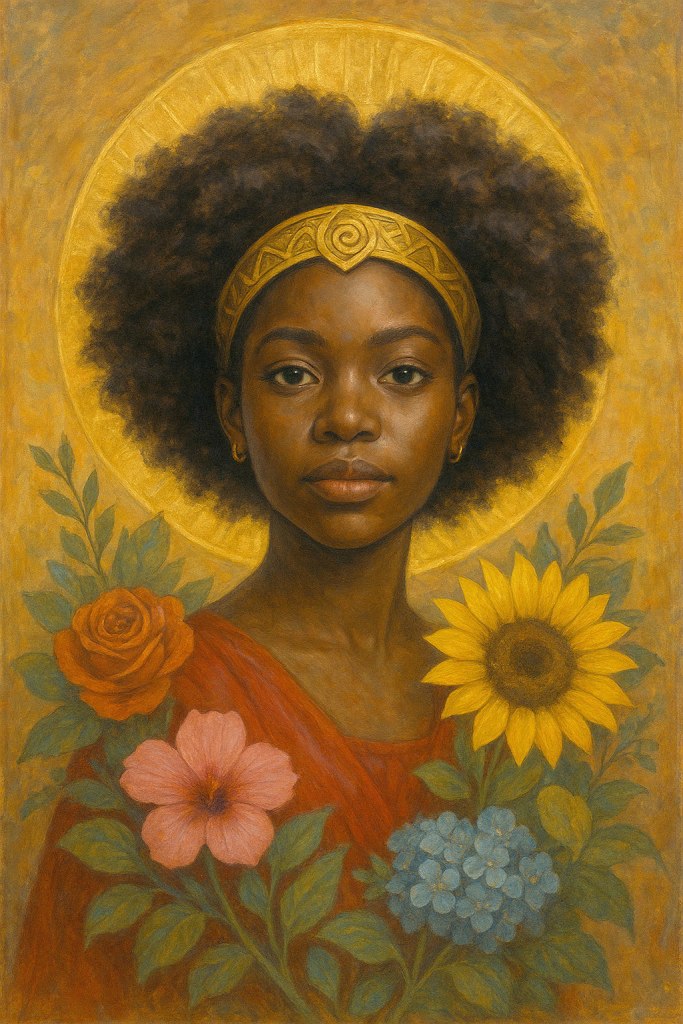
The dawn of a new era is unfolding—a Brown Girl Renaissance, where women of rich melanin hues are rediscovering their divine reflection in a world that once distorted their image. This renaissance is not merely aesthetic; it is spiritual, intellectual, and psychological. It is the reclamation of dignity from centuries of misrepresentation and the restoration of a beauty that was always divine, never diminished.

This awakening begins with remembrance. The brown girl’s story does not begin with slavery or struggle—it begins with sovereignty. Before colonization, African civilizations celebrated womanhood as sacred, powerful, and life-giving. Queens such as Hatshepsut, Nzinga, and Makeda embodied grace and authority. Their melanin was not marginalized; it was majestic. To reclaim this heritage is to re-anchor identity in truth, not trauma.

In today’s social climate, where Eurocentric standards still dominate media and marketing, the Brown Girl Renaissance is a necessary rebellion. It challenges the subtle conditioning that equates lighter skin and looser curls with desirability. Instead, it amplifies the allure of deep tones, full lips, and textured hair—features once ridiculed but now revered. This cultural shift signifies not just representation, but restoration.

Art and media have become crucial battlegrounds for this transformation. Filmmakers, photographers, and designers are intentionally showcasing brown women in all shades and styles, dismantling the myth of monolithic beauty. From Lupita Nyong’o’s radiant grace to Viola Davis’s commanding presence, visibility has become a form of healing. Every authentic portrayal whispers to the next generation: You are seen. You are beautiful. You are enough.

This renaissance is not fueled by vanity but by vision. It is about reclaiming narrative power. When a brown woman defines her own beauty, she liberates herself from the colonized gaze. She ceases to perform for approval and begins to live in alignment with her purpose. As bell hooks (1992) asserted, “Representation is a political act.” The act of loving one’s reflection becomes a declaration of freedom.

The mirror, once a site of doubt, now becomes a sanctuary. In it, the brown girl no longer sees flaws but features that tell stories—heritage encoded in hue, ancestry reflected in every curve. The act of self-acceptance transforms from self-indulgence into self-worship of the divine kind—the recognition that she is made in the image of God, whose palette includes every shade of creation.

This movement also redefines what it means to be feminine. For centuries, femininity was portrayed as fragile, dainty, and fair. The Brown Girl Renaissance reimagines it as resilient, radiant, and revolutionary. The softness of a brown woman does not negate her strength; it complements it. Her love, intellect, and leadership are all expressions of her spiritual femininity—a force that uplifts rather than conforms.

Social media has become a powerful altar for this awakening. Platforms like Instagram and TikTok, once breeding grounds for comparison, are now digital stages where brown women celebrate natural hair, melanin glow, and cultural fashion. Hashtags such as #MelaninPoppin and #BrownSkinGirl have transformed into global affirmations. This digital sisterhood amplifies collective healing, creating spaces where beauty is affirmed, not contested.

Education also plays a vital role in sustaining this renaissance. When schools teach African history, art, and literature that honor brown womanhood, they dismantle generational bias. Representation in textbooks and classrooms empowers young girls to see themselves as scholars, scientists, and saints. The more they see women who look like them celebrated in history, the more they believe in their own potential.

Faith remains the cornerstone of this restoration. Scripture declares, “Thou art all fair, my love; there is no spot in thee” (Song of Solomon 4:7, KJV). This divine affirmation transcends complexion. It calls every brown girl to walk in the confidence of her creation. When she internalizes that her worth is not defined by pigment but by purpose, she breaks the curse of comparison and walks in covenant with her Creator.

In theology, melanin is not a coincidence—it is intentional design. It symbolizes protection, endurance, and divine creativity. The melanin molecule itself absorbs light and transforms it into energy, a literal manifestation of resilience. Thus, the brown girl’s skin tells a spiritual story: she is light embodied, not light deprived.

Culturally, the Brown Girl Renaissance also addresses economic and social empowerment. Beauty brands owned by Black women, such as Fenty Beauty and Juvia’s Place, have revolutionized inclusivity in the industry. By creating products that honor deeper tones, they have transformed visibility into viability. Financial independence becomes a form of resistance—an act of reclaiming power from industries that once profited from exclusion.

This renaissance also honors the everyday brown woman—the teacher, the mother, the artist, the healer. Her beauty is not defined by celebrity, but by character. In her laughter, perseverance, and faith lies the true essence of womanhood. She is the unsung muse of her lineage, the living testament of survival and grace.

Psychologically, this movement is a response to generational trauma. Healing involves unlearning centuries of self-doubt and rediscovering cultural pride. Therapy, affirmations, and sisterhood circles have become sacred spaces for reclaiming mental and emotional wholeness. Healing is no longer a private struggle—it is a communal celebration of becoming whole again.

Art therapy and storytelling also play roles in this rebirth. Through poetry, film, and painting, brown women are rewriting history from their own voices. Their art becomes theology—visual sermons that preach self-love and divine affirmation. Each brushstroke, lyric, and lens captures what the world tried to erase.

Men, too, have a role in this renaissance. When they affirm, protect, and honor brown women, they restore balance to a fractured community. True kings recognize the sacredness of the queen’s hue. Together, they build a new cultural narrative where love is not color-coded but covenant-rooted.

The Brown Girl Renaissance also speaks to future generations. It tells little girls with coily hair and dark skin that their beauty is timeless, not trendy. It tells them that they are the daughters of queens, heirs of excellence. This renaissance is not fleeting—it is foundational, shaping how beauty, identity, and spirituality will be taught for centuries to come.

In essence, this is more than a movement—it is a resurrection. The brown girl, once hidden by history, now stands as the mirror of divine beauty and ancestral strength. Her reflection tells the truth: that she was never too dark, too loud, or too strong—she was perfectly designed for her purpose.

As Isaiah 61:3 (KJV) declares, God gives “beauty for ashes, the oil of joy for mourning.” The Brown Girl Renaissance is the fulfillment of that prophecy. Out of centuries of ashes rises a generation clothed in glory. They no longer ask, “Am I pretty enough?” for they have learned to answer their own reflection: I am the image of beauty itself.

References

  • The Holy Bible, King James Version (KJV)
  • hooks, b. (1992). Black Looks: Race and Representation. South End Press.
  • Davis, A. (1981). Women, Race, and Class. Vintage Books.
  • Lorde, A. (1984). Sister Outsider: Essays and Speeches. Crossing Press.
  • Hunter, M. (2007). The Persistent Problem of Colorism: Skin Tone, Status, and Inequality. Sociology Compass, 1(1), 237–254.
  • Russell, K., Wilson, M., & Hall, R. (1992). The Color Complex: The Politics of Skin Color Among African Americans. Doubleday.
  • Morrison, T. (1987). Beloved. Knopf.
  • Nyong’o, L. (2014). Lupita Nyong’o’s Speech on Beauty. Essence Black Women in Hollywood Awards.

When I See You, I Don’t See Black — And Other Microaggressions of Erasure”

Photo by Vitor Diniz on Pexels.com

It is a curious thing to be told, “When I see you, I don’t see Black.” On the surface, it sounds like a compliment — a supposed sign of acceptance. But beneath those words lies a deep and painful reality: erasure. To “not see Black” is to refuse to see a person fully. Blackness is not an insult that must be airbrushed away. It is a heritage, a culture, and a divine design that carries resilience, beauty, and history.

The phrase “What are you mixed with?” often accompanies this colorblind assertion. It suggests that the person’s beauty, intelligence, or refinement must have come from something other than pure African ancestry. This is the residue of white supremacy — the idea that to be fully Black is to be less than, and that any perceived excellence must be explained by proximity to whiteness (Bell, 1992).

These phrases are examples of racial microaggressions, subtle verbal slights that communicate bias, even when unintended (Sue et al., 2007). “I don’t see color” is often framed as a way to express equality, but research shows that colorblindness actually perpetuates racial inequality by ignoring structural racism (Neville et al., 2013). To deny race is to deny racism — and thus to deny the need for justice.

Biblically, God is not colorblind. Revelation 7:9 (KJV) paints a vision of heaven where “a great multitude… of all nations, and kindreds, and people, and tongues” stand before the throne. God sees color, ethnicity, and culture — and calls it good. To erase Blackness is to erase part of the divine mosaic of humanity.

For many Black people, hearing “When I see you, I don’t see Black” is a reminder that Blackness is still considered something one must look past in order to value someone. “It felt like they were saying, ‘I only respect you because you’re not like the others,’” said Renee, 28. “As if being Black is inherently negative.” This is a classic case of the “exceptional Negro” trope — praising an individual while degrading the group.

Similarly, “What are you mixed with?” is a coded way of expressing surprise that a Black person could be attractive or articulate. “People ask me that all the time,” said Marcus, 31. “When I tell them I’m just Black, they look confused, like I should apologize for not having some exotic backstory.” This curiosity reveals a hierarchy of desirability rooted in colorism — the privileging of light skin and mixed features over darker skin and African features (Hunter, 2007).

The historical roots of this hierarchy run deep. During slavery, lighter-skinned enslaved people — often the children of white masters — were sometimes given preferential treatment, fueling division within the Black community (Williamson, 1980). This legacy lingers, as seen in modern media where lighter-skinned actors, models, and musicians are often elevated as the “acceptable” face of Blackness.

Celebrities have spoken out about this painful phenomenon. Actress Lupita Nyong’o shared that she once prayed for lighter skin, believing it would make her beautiful. “I was teased and taunted about my dark skin,” she said in her powerful 2014 speech on beauty. “And my one prayer to God was that I would wake up lighter-skinned.” Nyong’o’s testimony underscores the damage caused by a culture that treats dark skin as undesirable.

Other celebrities have shared their personal experiences with these exact microaggressions. Meghan Markle has spoken openly about being asked repeatedly, “What are you?” growing up. In her interview with Oprah Winfrey, she revealed how her biracial identity was scrutinized both by the media and behind palace walls, with questions about how dark her son’s skin might be (Winfrey, 2021). Her story illustrates how curiosity about mixed heritage can carry undertones of fear and exclusion.

Zendaya has also used her platform to discuss colorism and the privilege of being a lighter-skinned Black woman in Hollywood. In interviews, she has admitted that her lighter complexion has allowed her access to roles and opportunities that darker-skinned actresses are often denied. “I have to be honest about my privilege,” she said, “and make sure I’m using my platform to showcase darker-skinned women too” (Robinson, 2018).

Colin Kaepernick, who is biracial, has shared how his identity was questioned from both sides. In his Netflix series Colin in Black & White, he recalls being constantly asked what he was “mixed with” and feeling like an outsider in both Black and white spaces. This experience reflects Du Bois’ (1903) concept of double-consciousness — the constant negotiation of identity in a society that categorizes by race.

The question “What are you mixed with?” can also exoticize and objectify. It turns identity into a guessing game, as if the person must justify their existence. “I’m not a math equation,” said Jasmine, 25. “I don’t owe anyone a breakdown of my ancestry so they can decide how to treat me.”

This line of questioning also erases the beauty of being fully African-descended. Psalm 68:31 (KJV) prophetically declares, “Princes shall come out of Egypt; Ethiopia shall soon stretch out her hands unto God.” African heritage is not a stain to be diluted but a glory to be embraced.

The deeper harm is that these statements normalize whiteness as the default and Blackness as the deviation. Saying “I don’t see you as Black” implies that Black is something negative to overcome. It also denies the lived reality of racism. As Dr. Beverly Daniel Tatum argues, to say you are colorblind is to close your eyes to injustice — and people who claim not to see race are less likely to notice or confront discrimination (Tatum, 2017).

Moreover, these phrases pressure Black individuals to perform a palatable version of Blackness. They subtly reward assimilation, encouraging people to soften their dialect, straighten their hair, or distance themselves from stereotypical “Blackness” to gain approval. This double-consciousness, as W.E.B. Du Bois (1903) called it, is the struggle to see oneself through both one’s own eyes and the eyes of a society that devalues you.

Some people genuinely believe they are being kind when they say these things. They intend to affirm equality, but true equality does not erase difference — it celebrates it. Paul’s words in 1 Corinthians 12:18 (KJV) remind us that “God set the members every one of them in the body, as it hath pleased him.” Diversity is divine design, not a problem to be solved.

The work of dismantling this erasure requires both education and empathy. Non-Black people must learn why colorblindness harms rather than heals. They must also recognize how fetishizing mixed heritage reinforces harmful hierarchies. Black people must reclaim their identity unapologetically, refusing to let others define their worth by proximity to whiteness.

Representation plays a crucial role here. When Blackness is portrayed in its full spectrum — from deep mahogany to golden brown — it challenges the idea that only certain shades are beautiful or acceptable. Campaigns like #MelaninPoppin and #BlackGirlMagic have helped shift cultural narratives, reminding the world that Blackness needs no qualifier to be celebrated.

Healing from these microaggressions is both personal and collective. It means telling children that their Blackness is not something to overcome but something to rejoice in. It means calling out subtle biases when they occur, with both grace and truth. It means creating spaces where Black identity can be expressed in all its complexity — natural hair, vernacular speech, cultural traditions — without apology.

The next time someone says, “I don’t see Black,” we must gently but firmly reply: “See me fully — my Blackness included.” To be truly seen is to be known, and to be known is to be loved. And when someone asks, “What are you mixed with?” we can answer with pride: “I am fearfully and wonderfully made — fully, beautifully, unapologetically who God created me to be.”


References

  • Bell, D. (1992). Faces at the bottom of the well: The permanence of racism. Basic Books.
  • Du Bois, W. E. B. (1903). The souls of Black folk. A.C. McClurg & Co.
  • Hunter, M. (2007). The persistent problem of colorism: Skin tone, status, and inequality. Sociology Compass, 1(1), 237–254.
  • Neville, H. A., Awad, G. H., Brooks, J. E., Flores, M. P., & Bluemel, J. (2013). Color-blind racial ideology: Theory, training, and measurement implications in psychology. American Psychologist, 68(6), 455–466.
  • Sue, D. W., Capodilupo, C. M., Torino, G. C., Bucceri, J. M., Holder, A. M. B., Nadal, K. L., & Esquilin, M. (2007). Racial microaggressions in everyday life: Implications for clinical practice. American Psychologist, 62(4), 271–286.
  • Tatum, B. D. (2017). Why are all the Black kids sitting together in the cafeteria? (Rev. ed.). Basic Books.
  • Williamson, J. (1980). New people: Miscegenation and mulattoes in the United States. Free Press.

A Thousand Posts, A Thousand Lessons, One Community💛✨💛✨💛✨💛✨

God is Guide

1,000 posts of sharing, learning, and growing together. To my sisters, brothers, and community—thank you for being part of this journey. Every like, comment, and share has been a step in building this space of inspiration, empowerment, and truth. Here’s to continuing to uplift, educate, and inspire for the next 1,000! 💛✨ #1000Strong #CommunityMatters #Gratitude #GrowthTogether”

Girl + Guy Talk Series: Things You’ll Need to Detox to Move Forward in a Relationship.

Photo by Justin Thompson on Pexels.com

Part I: Detox for Women

Moving forward in a relationship requires women to let go of emotional, spiritual, and mental toxins that weigh the heart down. Psalm 51:10 says, “Create in me a clean heart, O God; and renew a right spirit within me” (KJV). A cleansed heart makes room for healthy love and godly covenant.

Women must first detox from bitterness. Hebrews 12:15 warns, “Lest any root of bitterness springing up trouble you, and thereby many be defiled” (KJV). Bitterness clouds judgment and poisons relationships. Forgiveness allows healing and freedom (McMinn, 1996).

Unforgiveness is another toxin. Mark 11:25 instructs, “When ye stand praying, forgive, if ye have ought against any” (KJV). Carrying grudges binds women to the past, while releasing them opens the door for God’s blessing (Parrott & Parrott, 2006).

Detoxing from comparison is also essential. 2 Corinthians 10:12 warns against measuring ourselves against others. Women often compare beauty, success, or relationships, yet Psalm 139:14 reminds us, “I am fearfully and wonderfully made” (KJV). Embracing uniqueness leads to contentment (Brown, 2010).

Another toxin is insecurity. Proverbs 31:25 describes the virtuous woman as clothed in strength and dignity. A woman who detoxes insecurity learns to stand firmly in her identity in Christ.

Detoxing from toxic friendships is equally important. Proverbs 13:20 states, “He that walketh with wise men shall be wise: but a companion of fools shall be destroyed” (KJV). Women must evaluate their circles and align with those who uplift (Cloud & Townsend, 2010).

Fear of loneliness can also sabotage love. Isaiah 41:10 reminds us, “Fear thou not; for I am with thee” (KJV). A woman who clings to God’s presence can move forward without desperation.

Detoxing from misplaced validation is crucial. Galatians 1:10 asks, “Do I seek to please men? for if I yet pleased men, I should not be the servant of Christ” (KJV). A godly woman learns to seek God’s approval above man’s applause.

Finally, women must detox from unhealthy expectations. Relationships require grace, not perfection. Ecclesiastes 7:20 declares, “For there is not a just man upon earth, that doeth good, and sinneth not” (KJV). Letting go of unrealistic demands allows love to flourish.

In sum, a woman moving forward must detox bitterness, unforgiveness, comparison, insecurity, toxic influences, fear of loneliness, misplaced validation, and unrealistic expectations. Cleansing the heart prepares her to love freely, trust wisely, and wait on God’s perfect design.


Part II: Detox for Men

For men, moving forward in love requires detoxing the toxins that weaken spiritual authority, emotional maturity, and relational integrity. Psalm 119:9 asks, “Wherewithal shall a young man cleanse his way? by taking heed thereto according to thy word” (KJV).

One of the first toxins to release is pride. Proverbs 16:18 warns, “Pride goeth before destruction, and an haughty spirit before a fall” (KJV). Pride closes a man off from wisdom, while humility strengthens love (Lewis, 2018).

Men must also detox from anger. James 1:20 teaches, “The wrath of man worketh not the righteousness of God” (KJV). Anger erodes intimacy, but patience builds peace (Gottman & Silver, 2015).

Sexual sin is another toxin. 1 Thessalonians 4:3 commands abstinence from fornication. Pornography, lust, and fornication distort true intimacy, while purity honors God and a future spouse (Eldredge, 2001).

Financial irresponsibility must also be cleansed. Proverbs 13:22 says, “A good man leaveth an inheritance to his children’s children” (KJV). Stewardship builds trust and security (Ramsey, 2011).

Passivity is another hindrance. 1 Corinthians 16:13 instructs men to be strong and take responsibility. Avoidance weakens relationships, while godly leadership creates stability (Cloud & Townsend, 2010).

Selfishness must also go. Philippians 2:4 urges men to consider others. Sacrifice and service are the backbone of covenant love (Parrott & Parrott, 2006).

Dishonesty is a toxin to detox. Proverbs 12:22 warns that lying lips are an abomination to the Lord. Trust requires truth, both in small things and great (McMinn, 1996).

Men must also detox from comparison. Galatians 6:4 encourages each to prove his own work. Confidence rooted in God’s calling strengthens a man’s identity (Festinger, 1954).

Unresolved trauma is another toxin. Isaiah 61:1 promises healing for the brokenhearted. Men who confront pain can love without projection (van der Kolk, 2015).

Laziness, emotional detachment, toxic friendships, fear of commitment, arrogance in communication, spiritual neglect, greed, impatience, and unbelief are all additional toxins men must cleanse to prepare for love and covenant.

In sum, a man moving forward must detox pride, anger, lust, irresponsibility, passivity, selfishness, dishonesty, comparison, trauma, and spiritual neglect. This cleansing equips him to lead, love, and protect with godly strength.


Part III: Together Talk – Healing for Both

When men and women detox individually, relationships thrive collectively. 2 Corinthians 7:1 calls believers to “cleanse ourselves from all filthiness of the flesh and spirit, perfecting holiness in the fear of God” (KJV).

For women, detoxing insecurity and bitterness opens the heart to trust. For men, detoxing pride and lust creates space for faithfulness and integrity. Together, both genders create relationships rooted in honesty, faith, patience, and sacrificial love.

Moving forward in love means leaving behind the toxins of the past. It means embracing God’s vision for relationships: unity, covenant, and holiness. When both men and women submit their hearts to Christ’s cleansing, they prepare themselves for the kind of love that lasts.

Prayer:

Father, cleanse our hearts from every toxin that poisons love. Remove pride, bitterness, lust, comparison, and fear. Fill us with humility, purity, and faith. Teach us to love as You love, to forgive as You forgive, and to walk in covenant with wisdom and grace. Prepare us for relationships that honor You and reflect Your glory. In Jesus’ name, Amen.


References

  • Brown, B. (2010). The gifts of imperfection. Hazelden.
  • Cloud, H., & Townsend, J. (2010). Boundaries in dating. Zondervan.
  • Eldredge, J. (2001). Wild at heart. Thomas Nelson.
  • Festinger, L. (1954). A theory of social comparison processes. Human Relations, 7(2), 117–140.
  • Gottman, J., & Silver, N. (2015). The seven principles for making marriage work. Harmony.
  • Keller, T. (2011). The meaning of marriage. Dutton.
  • Lewis, R. (2018). The beauty of humility. Harvest House.
  • McMinn, M. (1996). Psychology, theology, and spirituality in Christian counseling. Tyndale.
  • Parrott, L., & Parrott, L. (2006). Love talk. Zondervan.
  • Ramsey, D. (2011). The total money makeover. Thomas Nelson.
  • Stanley, C. (2008). Living the extraordinary life: Nine principles to discover it. Thomas Nelson.
  • van der Kolk, B. (2015). The body keeps the score. Viking.

The Brown Girl Dilemma: Am I Not Pretty Enough? #thebrowngirldilemma

Photo by Pavel Danilyuk on Pexels.com

The question “Am I pretty enough?” echoes painfully in the hearts of many brown girls, shaped by centuries of colonialism, colorism, and the politics of beauty. This question, though personal, is deeply historical. It emerges from a social system that has long placed Eurocentric aesthetics above the natural beauty of African-descended women. The dilemma is not that brown girls lack beauty—it is that the world has refused to recognize it.

For generations, the definition of beauty has been filtered through a Eurocentric lens that idealizes fair skin, straight hair, and delicate features. Such imagery, perpetuated through media, advertising, and even religious iconography, has systematically marginalized darker complexions. The brown girl’s dilemma is thus not about self-hate, but about surviving within a framework that weaponizes aesthetics as a form of psychological control.

Colorism, a byproduct of slavery and colonial rule, created a hierarchy within the Black community itself, rewarding proximity to whiteness. Lighter skin often granted access to privilege, while darker tones were stigmatized. Scholars such as Hunter (2007) and Russell et al. (1992) have documented how skin tone discrimination persists in education, employment, and romantic relationships. The “brown girl”—situated between light and dark—often experiences a unique form of invisibility, neither exalted nor celebrated.

Psychologically, this produces what researchers term aesthetic trauma—the internalized belief that one’s natural appearance is inferior or undesirable. Brown girls grow up navigating dual consciousness: seeing themselves through their own cultural pride, yet perceiving rejection through society’s biased gaze. W. E. B. Du Bois described this tension as “double consciousness,” a feeling of “two-ness” that fractures identity.

The dilemma extends beyond beauty; it touches self-worth, femininity, and belonging. When darker shades are deemed “too strong” and lighter ones “more beautiful,” brown girls are often caught in an unspoken limbo. Their beauty is acknowledged only when diluted—when softened by makeup, filtered lighting, or proximity to Eurocentric features. Such conditional acceptance reinforces the idea that natural Black aesthetics must be modified to be marketable.

Media representation continues to play a defining role in shaping this bias. Studies by Dixon and Linz (2000) reveal that lighter-skinned Black women are more frequently cast in romantic or leading roles, while darker-skinned actresses are often stereotyped as aggressive or hypersexual. The absence of diverse shades in mainstream beauty campaigns reinforces a singular, exclusionary image of desirability.

The brown girl’s dilemma is further compounded by intra-community pressures. In some social circles, the preference for “light-skinned girls” or “mixed features” becomes normalized, creating internalized color hierarchies. This manifests in subtle forms—compliments like “You’re pretty for a dark girl,” or “You have good hair,” implying that beauty among Black women is exceptional rather than inherent.

Biblically, however, beauty has always been defined by divine design, not social hierarchy. “I will praise thee; for I am fearfully and wonderfully made” (Psalm 139:14, KJV). In this verse, the Creator’s craftsmanship affirms all shades of melanin as sacred. Spiritual truth dismantles the illusion that one hue holds higher value than another. Beauty, in divine law, reflects purpose, not pigment.

Historically, pre-colonial African societies celebrated deep skin tones as symbols of vitality, ancestry, and divinity. Statues, murals, and oral traditions across kingdoms such as Kush, Mali, and Benin exalted dark, radiant complexions. The notion that beauty must be fair-skinned is a colonial import, not an indigenous truth. When the brown girl reclaims this ancestral knowledge, she begins to heal the historical wounds of erasure.

In psychological terms, healing from colorism involves dismantling internalized oppression—the process by which marginalized individuals adopt the beliefs of the oppressor. Scholars like hooks (1992) and Fanon (1952) have emphasized that self-acceptance requires both personal and collective re-education. For the brown girl, this means redefining beauty on her own terms, rejecting the gaze that measures her worth by foreign standards.

The brown girl’s dilemma is also spiritual warfare. The enemy of identity thrives on confusion and comparison. When women compete for validation instead of recognizing their shared divinity, the entire community suffers. Scripture warns, “For we wrestle not against flesh and blood, but against principalities, against powers” (Ephesians 6:12, KJV). Beauty bias is not merely social—it is systemic and spiritual.

Modern beauty industries exploit this insecurity through marketing strategies that equate lightness with luxury and desirability. Skin-lightening products, often harmful, remain billion-dollar markets in parts of Africa, the Caribbean, and Asia. These products perpetuate a colonial logic: that to be lighter is to be better. Psychologists argue this is a form of self-objectification, where self-value is determined by external validation rather than internal affirmation.

The digital age offers both healing and harm. Social media has become a mirror where brown girls either find empowerment through representation or further isolation through comparison. Movements such as #MelaninMagic and #BlackGirlMagic have challenged dominant beauty narratives, fostering a collective celebration of color and confidence. Yet, even within these spaces, lighter tones sometimes dominate visibility, showing that the struggle is far from over.

Cultural reclamation is an act of resistance. When brown women wear their natural hair, embrace darker lip tones, or showcase deep skin in high fashion, they are not merely expressing style—they are restoring truth. They are rewriting the visual theology of beauty. Each unfiltered photo, each confident step, is an act of protest against centuries of misrepresentation.

Educational reform also plays a role in reshaping perception. Schools and curricula rarely teach the aesthetics of African beauty. Incorporating art, history, and literature that celebrate Black womanhood can help dismantle generational bias. As Lorde (1984) wrote, “The master’s tools will never dismantle the master’s house.” The redefinition of beauty must emerge from within, not from systems built to exclude.

Faith-based communities, too, must challenge colorism. Churches and ministries that elevate lighter features in leadership or imagery unconsciously reinforce worldly standards. The gospel calls believers to unity in diversity. “There is neither Jew nor Greek… for ye are all one in Christ Jesus” (Galatians 3:28, KJV). In spiritual terms, beauty reflects God’s infinite creativity, not man’s limited ideal.

Healing the brown girl’s dilemma requires visibility, validation, and voice. Visibility means more inclusive representation across media and art. Validation means recognizing beauty as intrinsic, not comparative. Voice means creating spaces where brown girls can articulate their experiences without shame. Each of these elements forms part of the collective restoration of self-image.

Ultimately, the brown girl’s dilemma can only be resolved by truth—truth that her beauty was never deficient, only denied. The revolution begins in the mirror, when she looks upon her reflection and sees royalty, not rejection. Her melanin is not a burden but a blessing, her hue not a hindrance but heritage.

The words of Solomon resonate prophetically: “I am black, but comely, O ye daughters of Jerusalem” (Song of Solomon 1:5, KJV). This verse stands as a divine affirmation across time, countering every lie told by colonizers, media, or misinformed culture. The brown girl was never “not pretty enough”—she was always more than enough, divinely sculpted, fearfully made, and chosen to reflect the richness of creation itself.

References

  • The Holy Bible, King James Version (KJV)
  • Du Bois, W. E. B. (1903). The Souls of Black Folk. Chicago: A. C. McClurg.
  • Fanon, F. (1952). Black Skin, White Masks. Grove Press.
  • hooks, b. (1992). Black Looks: Race and Representation. South End Press.
  • Hunter, M. (2007). The Persistent Problem of Colorism: Skin Tone, Status, and Inequality. Sociology Compass, 1(1), 237–254.
  • Lorde, A. (1984). Sister Outsider: Essays and Speeches. Crossing Press.
  • Russell, K., Wilson, M., & Hall, R. (1992). The Color Complex: The Politics of Skin Color Among African Americans. Doubleday.
  • Dixon, T. L., & Linz, D. (2000). Overrepresentation and Underrepresentation of African Americans and Latinos as Lawbreakers on Television News. Journal of Communication, 50(2), 131–154.

Brown Girl, What Do You See in the Mirror? #thebrowngirldilemma

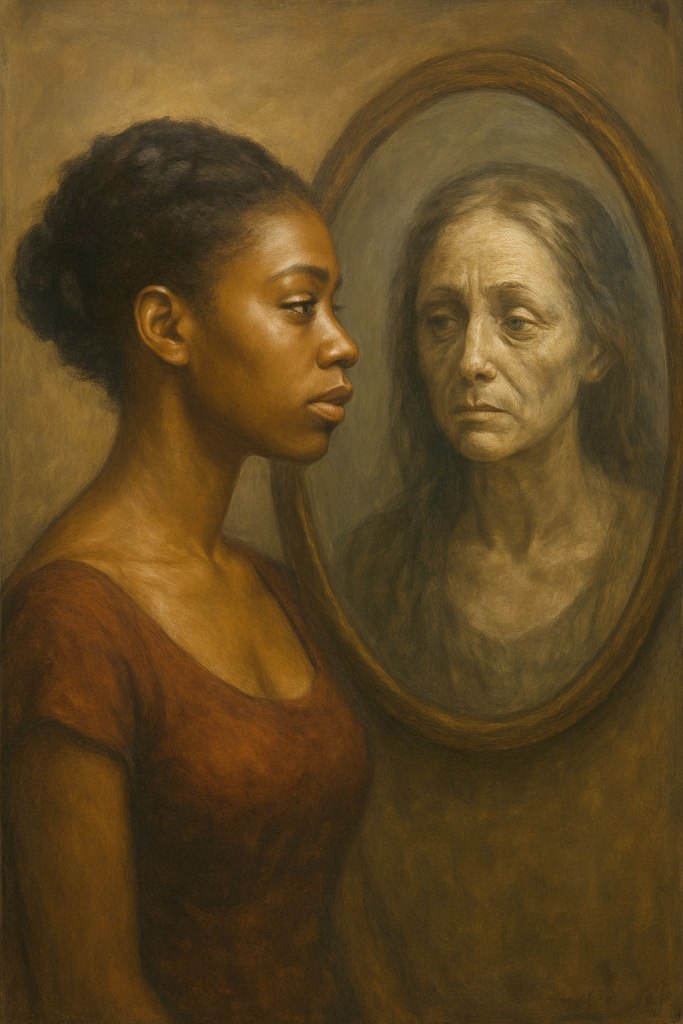
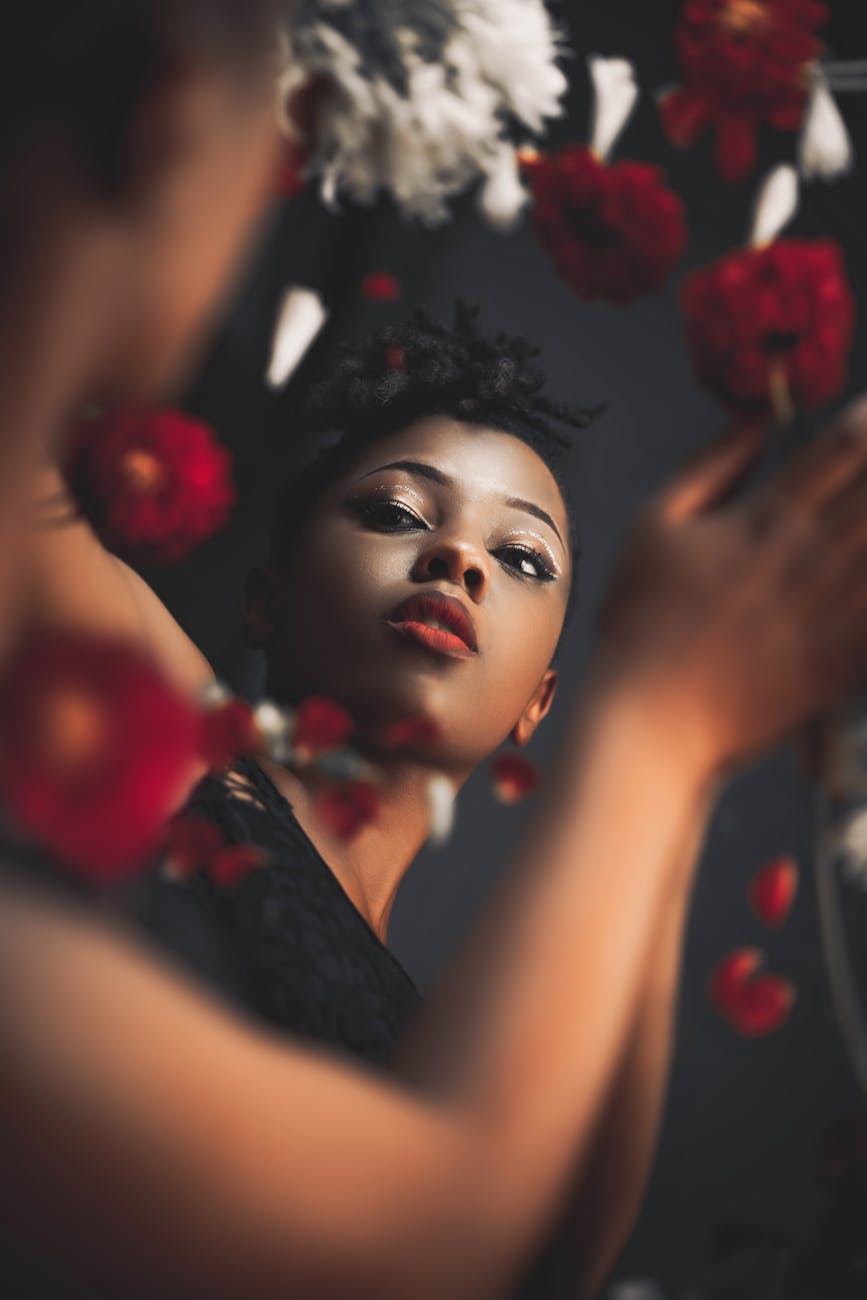
When a brown girl stands before the mirror, she is not merely gazing at her reflection — she is confronting centuries of history, identity, and perception layered upon her skin. Her reflection is more than flesh and bone; it is the embodiment of resilience, survival, and beauty shaped by ancestral struggle and divine design. Yet for many, the mirror has been weaponized, transformed into a site of doubt, comparison, and internalized pain. The question, “What do you see?” becomes both a challenge and a call to reclaim the sacredness of one’s image in a world that often denies its worth.

The mirror tells stories that society refuses to hear. Through colonial legacies, colorism, and Eurocentric beauty standards, the brown girl has been taught that her value is conditional — that lighter is better, straighter is prettier, and proximity to whiteness equals worth. These distorted messages have shaped her psyche, leaving many to struggle with self-acceptance. Yet, every reflection of melanin is a testimony of divine artistry — “I will praise thee; for I am fearfully and wonderfully made” (Psalm 139:14, KJV). The mirror, when reclaimed, becomes an altar of affirmation, not condemnation.

The brown girl’s image has often been policed, fetishized, or erased. From the historical denigration of African features to the commercialization of beauty that imitates them, she lives within a paradox of being both desired and devalued. The lips, hips, and skin once mocked are now monetized, while the original bearers of these traits are left fighting for recognition. This paradox breeds confusion and spiritual exhaustion, forcing her to navigate an identity that is both celebrated and shamed.

To look in the mirror and see beauty is therefore an act of rebellion. It is a spiritual reclamation that defies centuries of psychological conditioning. When a brown girl declares herself beautiful, she is not practicing vanity — she is practicing healing. She is rewriting the narrative imposed upon her, aligning her reflection with God’s original intention, not man’s limited imagination. “For man looketh on the outward appearance, but the LORD looketh on the heart” (1 Samuel 16:7, KJV).

From early childhood, brown girls receive messages that shape how they perceive themselves. Dolls, media, and social standards subtly reinforce a hierarchy of beauty where darker tones are placed at the bottom. This conditioning embeds itself into the subconscious, leading to internalized colorism and self-doubt. But through self-awareness and spiritual renewal, she can learn to see herself through God’s eyes — radiant, royal, and redeemed.

The mirror reflects more than appearance; it reveals internal wounds. A brown girl’s relationship with her reflection often mirrors her journey of healing from rejection, abandonment, and societal erasure. The mirror becomes a witness to her silent battles — with self-worth, comparison, and belonging. Yet, through grace and truth, she can transform that space into a sanctuary of empowerment. The woman in the mirror becomes a warrior, no longer a captive to lies about her worth.

In Scripture, mirrors are symbolic of reflection and revelation. James 1:23–24 (KJV) describes the one who hears the word but does not act as a man who “beholdeth his natural face in a glass” and forgets who he is. Likewise, when the brown girl forgets her divine origin, she risks adopting a counterfeit identity. But when she remembers that she was made in the image of God (Genesis 1:27), her reflection shifts from insecurity to sacredness.

The journey to self-love for the brown girl is not about arrogance but about restoration. It is about healing generational trauma and rejecting the lie that she must conform to be accepted. Her melanin, her texture, her features — all speak the language of creation’s diversity. She is the living canvas of God’s brilliance, carrying in her complexion the warmth of the earth and the fire of the sun.

The mirror also challenges her to ask: What kind of beauty do I chase? The world glorifies vanity, filters, and digital perfection, but godly beauty radiates from character, wisdom, and grace. “Favour is deceitful, and beauty is vain: but a woman that feareth the LORD, she shall be praised” (Proverbs 31:30, KJV). The brown girl’s glow is not cosmetic; it is spiritual. Her shine comes from within — from peace, purpose, and divine presence.

Society often fears the confident brown girl because she defies stereotypes. When she stands unapologetically in her power, she disrupts systems built on inferiority complexes. Her confidence is not arrogance — it is awareness of who she is and Whose she is. Every time she looks in the mirror and smiles, she is dismantling centuries of lies that told her she wasn’t enough.

Yet, this journey requires community. The brown girl must surround herself with affirming voices — sisters who reflect her light back to her when she forgets. Together, they create mirrors of truth, reminding one another that they are daughters of royalty, not remnants of oppression. This sisterhood of reflection becomes the foundation of healing and liberation.

Media and culture play a profound role in shaping how brown girls view themselves. Representation matters. When they see women of their hue and texture portrayed with dignity, it expands their vision of beauty. From Lupita Nyong’o’s grace to Viola Davis’s power, these reflections in media serve as counter-narratives to centuries of invisibility. The mirror begins to tell new stories — stories of visibility, pride, and victory.

Faith also redefines beauty for the brown girl. When she sees herself through the lens of scripture, she no longer measures herself against impossible standards. Instead, she embraces her divine essence, knowing that God’s definition of beauty transcends culture and trend. “Thou art all fair, my love; there is no spot in thee” (Song of Solomon 4:7, KJV) becomes not just poetry, but prophecy — a declaration over every brown girl who ever doubted her reflection.

Even in pain, her beauty persists. The brown girl’s reflection carries history — of mothers who survived, of daughters who dreamed, and of generations that refused to disappear. Her scars do not diminish her beauty; they sanctify it. The mirror becomes a sacred archive of endurance, showing that true beauty is not in flawlessness, but in faith that endures through adversity.

To teach brown girls to love themselves is to undo centuries of psychological bondage. It means equipping them with the spiritual and emotional tools to reject harmful narratives. It means teaching them to look into the mirror and see divinity — not deficiency. Through this, the next generation of brown girls will stand taller, speak louder, and shine brighter.

In relationships, careers, and faith, how the brown girl sees herself determines how she moves through the world. When she views herself as lesser, she settles; when she views herself as divine, she ascends. Her reflection dictates her standard. Therefore, self-knowledge becomes sacred — a form of worship, because knowing herself honors the God who made her.

The mirror, once a site of comparison, can become a place of communion. When the brown girl prays before her reflection, she reclaims that space as holy ground. She learns to affirm: “I am enough. I am loved. I am created with purpose.” These declarations become spiritual warfare, dismantling every lie whispered by a society afraid of her power.

Ultimately, the mirror reflects not what she sees, but what she believes. If her heart is rooted in God’s truth, her reflection will radiate confidence and peace. Her worth is not measured by societal approval but by divine affirmation. She is a masterpiece — not because of what she wears or how she looks, but because of the Spirit that dwells within her.

So, brown girl, when you look in the mirror, see not what the world says you are, but what God declares you to be: chosen, beloved, royal, and radiant. Let your reflection remind you of the light within. For the mirror does not define you — it only reveals the glory already placed inside you by the Creator.

References (KJV):

  • Psalm 139:14
  • 1 Samuel 16:7
  • Genesis 1:27
  • Proverbs 31:30
  • James 1:23–24
  • Song of Solomon 4:7
  • Ecclesiastes 3:11
  • 1 Peter 3:3–4
  • Romans 12:2
  • 2 Corinthians 3:18

The Middle Shade Myth: When You’re Not Light Enough or Dark Enough.

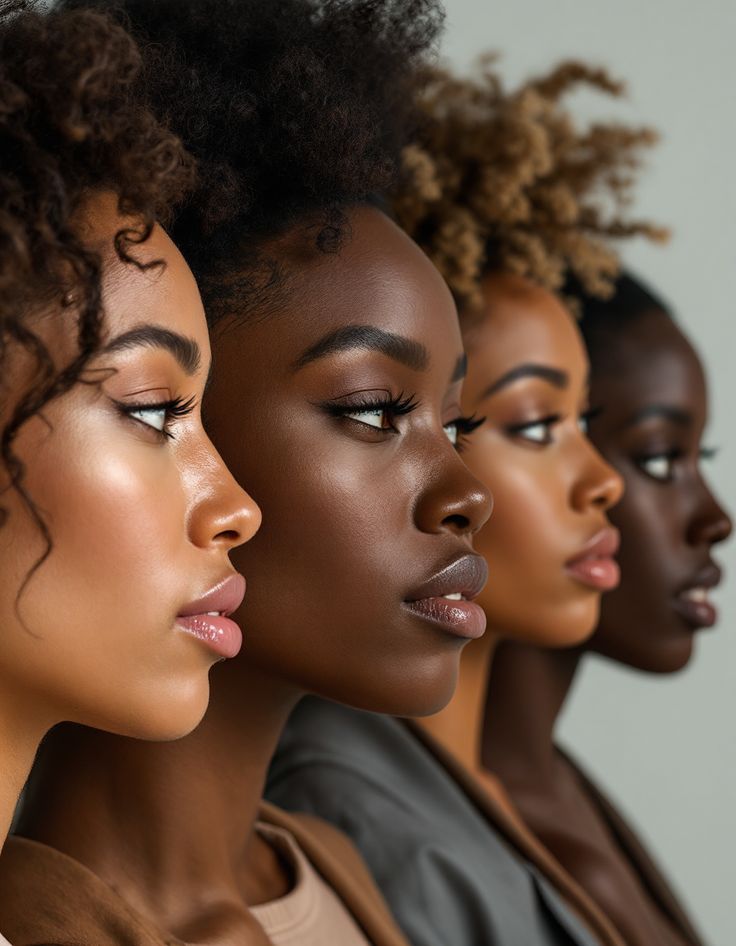
This photograph is the property of its respective owner. No copyright infringement intended.

In the complex spectrum of Black identity, there exists an often-overlooked struggle—the experience of those who occupy the middle shades of brown. Neither deemed “light enough” to receive societal privilege nor “dark enough” to be fully embraced in the movement of color pride, these individuals often live in a liminal space of identity. This is the middle shade myth: the illusion that existing between extremes should grant acceptance, when in truth, it often yields invisibility.

Colorism, a byproduct of colonialism, created hierarchies that divided the Black community by hue. Historically, lightness was rewarded for its proximity to whiteness, while darkness was punished as the visual mark of servitude. Yet those in the middle—honey, chestnut, bronze, caramel—found themselves in a paradoxical position. Their skin became a canvas of contradiction: sometimes praised, sometimes overlooked, but rarely celebrated in full context.

On the plantation, skin tone determined labor and treatment. Light-skinned enslaved people were often placed in domestic roles, while darker-skinned ones toiled in the fields. Those in between were shifted as needed, their value determined by convenience rather than identity. This created generations of individuals who learned to navigate acceptance as a matter of adaptability, not authenticity.

Post-slavery, the same dynamics lingered within Black society. The “Blue Vein Societies” and other elite groups of the 19th and early 20th centuries enforced color hierarchies that excluded darker tones but also imposed unspoken boundaries on those in the middle. Middle-toned individuals could sometimes “pass” in certain spaces, but their belonging was conditional—always dependent on how others perceived them.

In modern times, the middle shade myth manifests through subtle biases in media, beauty, and relationships. Hollywood frequently casts actors of medium complexion as “safe Black”—palatable enough to appeal to white audiences, yet brown enough to signify diversity. From Halle Berry to Zendaya, these roles symbolize representation filtered through comfort, not authenticity. The middle shade becomes the compromise between extremes, rather than the celebration of self.

In the realm of beauty, those in the middle often face dual scrutiny. They are sometimes told they are “lucky” to have a certain tone—“not too light, not too dark”—as though their worth lies in being digestible. Yet within their own communities, they may be deemed “not dark enough” to fully relate to darker-skinned struggles or “not light enough” to benefit from privilege. This tension breeds quiet confusion and emotional isolation.

Psychologically, this middle-ground experience can lead to identity fatigue. Constantly being compared to others’ shades creates an environment of self-surveillance—an internal questioning of where one fits in the racial mosaic. The middle shade myth teaches that belonging must be earned, not inherent. Such conditioning perpetuates insecurity even among the most self-assured.

Social media has amplified these dynamics. Online debates about “color preference” often reduce complex experiences to competition, forcing individuals to defend their shade as either oppressed or advantaged. In these spaces, middle-shade individuals may find themselves without a clear narrative—too light to claim darkness, too dark to claim lightness. Their stories fall between hashtags and headlines.

Spiritually, this liminality echoes a biblical truth: that identity confusion is the enemy of divine purpose. The Bible says, “A double-minded man is unstable in all his ways” (James 1:8, KJV). The middle shade myth thrives on double-mindedness—it divides individuals internally before society can divide them externally. Healing, therefore, begins with reclaiming wholeness beyond complexion.

Historically, colonial and Eurocentric systems defined value through binary oppositions—good versus bad, light versus dark, pure versus impure. The middle shade defies these categories; it represents fluidity, nuance, and intersection. That is precisely why it was destabilized. Systems of control thrive on division, not complexity. The middle, by nature, threatens those systems with ambiguity—and ambiguity is power.

From a sociological lens, middle-shade individuals embody the crossroads of cultural expectation. In Latin America, the term “mestizo” became synonymous with mixed heritage and middle hue—celebrated for diversity but marginalized for impurity. Similarly, in the United States, terms like “redbone” or “high yellow” were used to rank people along a color ladder, turning the middle into a balancing act between privilege and prejudice.

Culturally, the music industry has reflected this tension. Many R&B and soul artists have had their images molded to appeal to both Black and white audiences—skin tone subtly curated through lighting, makeup, and album art. Their sound and look had to straddle the color line to remain profitable. In this way, the middle shade became commodified as crossover currency.

Emotionally, those who live in this in-between space often develop acute racial empathy. They understand privilege and prejudice simultaneously, embodying the contradictions of color politics. This duality, though heavy, grants a unique sensitivity—an awareness of how race and complexion operate in layered ways. The challenge is transforming that sensitivity from burden into bridge.

The middle shade myth also has gendered dimensions. Middle-toned women are often fetishized as “exotic,” a label rooted in colonial fantasies. Middle-toned men, meanwhile, are alternately praised as “ideal” or overlooked in favor of lighter or darker extremes. Both experiences reinforce that complexion, rather than character, continues to shape desirability.

Breaking free from the middle shade myth requires confronting internalized colorism. Healing starts when we stop measuring beauty through contrast and begin celebrating it through connection. Every shade of brown exists on the same spectrum of divine design. There is no hierarchy in hue—only harmony.

Education plays a crucial role. Teaching children the historical roots of color bias empowers them to resist its modern manifestations. When we show them that colonial structures created the shade divide, they learn that these myths can—and must—be dismantled. Understanding history liberates identity.

Culturally, artists are leading the way toward healing. Painters, filmmakers, and photographers are capturing the full spectrum of Blackness with intentional diversity. By illuminating middle shades with the same reverence as deep or light tones, they reclaim what the colonial lens distorted. The visual narrative becomes whole again.

Theologically, the Creator’s palette has no hierarchy. Genesis declares, “And God saw everything that He had made, and, behold, it was very good” (Genesis 1:31, KJV). Every shade of melanin is a divine brushstroke—intentional, sacred, complete. The middle is not a mistake; it is the meeting point of balance and beauty.

Ultimately, the middle shade myth reveals how deeply society fears ambiguity. Yet in that ambiguity lies freedom—the power to transcend categories designed to divide. To be “not light enough” or “not dark enough” is to stand in the place of transformation. The middle shade is not the absence of identity; it is the bridge between worlds, carrying the truth that every tone, from ivory to ebony, reflects the same eternal light.

References

  • The Holy Bible, King James Version (James 1:8; Genesis 1:31).
  • hooks, b. (1992). Black Looks: Race and Representation. South End Press.
  • Russell, K., Wilson, M., & Hall, R. (1992). The Color Complex: The Politics of Skin Color Among African Americans. Doubleday.
  • Tate, S. (2009). Black Beauty: Aesthetics, Stylization, Politics. Routledge.
  • Hunter, M. (2007). The Persistent Problem of Colorism: Skin Tone, Status, and Inequality. Sociology Compass, 1(1), 237–254.
  • Hall, S. (1997). Representation: Cultural Representations and Signifying Practices. Sage.
  • Craig, M. L. (2002). Ain’t I a Beauty Queen?: Black Women, Beauty, and the Politics of Race. Oxford University Press.
  • Morrison, T. (1992). Playing in the Dark: Whiteness and the Literary Imagination. Vintage.
  • Hill Collins, P. (2000). Black Feminist Thought. Routledge.
  • hooks, b. (2000). All About Love: New Visions. William Morrow.

Spiritual Pride and Arrogance: The Silent Sin That Separates Man from God.

Photo by magapls . on Pexels.com

Spiritual pride and arrogance are among the most deceptive and destructive sins in the life of a believer. Unlike visible transgressions such as adultery or theft, this sin disguises itself as righteousness. It creeps into the heart of a person who believes they are walking in close fellowship with God, whispering lies of superiority and holiness. This inward corruption often takes root in those who have achieved spiritual maturity or influence, convincing them that their understanding or obedience elevates them above others. It is a silent cancer of the soul that blinds the believer to their own need for humility and grace.

The danger of spiritual pride lies in its subtlety. A person may begin with sincere devotion, fasting, praying, and studying scripture daily, yet unknowingly begin to exalt themselves in their mind. They may start to measure others’ faith by their own standards and assume that their relationship with God is deeper, purer, or more enlightened. In that deception, their heart slowly hardens, and humility—one of the greatest signs of true godliness—begins to fade. As Proverbs 16:18 (KJV) warns, “Pride goeth before destruction, and a haughty spirit before a fall.”

This sin is especially dangerous because it disguises itself as holiness. A spiritually proud person may think, “I am not like other Christians; I fast more, I pray more, I know more Scripture.” These are the very thoughts that separate them from the essence of Christ’s teaching, which is love, meekness, and servanthood. Even the most devoted believers are not exempt from this temptation. The closer one walks with God, the greater the temptation becomes to believe that closeness is earned rather than given by grace.

In the Gospels, Jesus repeatedly warned against such attitudes. The Pharisees are the ultimate biblical example of spiritual arrogance. They knew the Law, they prayed publicly, and they boasted in their knowledge of Scripture. Yet Jesus declared in Matthew 23:27 (KJV), “Woe unto you, scribes and Pharisees, hypocrites! for ye are like unto whited sepulchres, which indeed appear beautiful outward, but are within full of dead men’s bones.” Their pride blinded them from recognizing the very Messiah they had long awaited.

King Uzziah’s story provides a sobering example of how spiritual pride can destroy even the most anointed lives. Uzziah began as a godly king who sought the Lord, and as long as he did so, God caused him to prosper. But as his fame grew, his heart was lifted up in pride. He entered the temple to burn incense, a duty reserved for the priests, defying the sacred order of God. When the priests confronted him, his anger flared, and leprosy broke out on his forehead as judgment from the Lord (2 Chronicles 26:16–21, KJV). Uzziah’s downfall was not due to sexual sin or greed—it was pride.

This story illustrates how pride can lead even the righteous to overstep divine boundaries. Uzziah’s heart shifted from dependence to dominance; he mistook God’s favor for personal greatness. In the end, he was isolated, living as a leper until his death—a tragic picture of how pride isolates the soul from God and community.

Another often-overlooked example of spiritual pride appears in the apocryphal narrative of Eleazar ben Simon, a Jewish zealot leader during the siege of Jerusalem. Although not a canonical figure, his spirit reflects the same arrogance seen throughout Scripture. Eleazar, convinced of his divine favor, led rebellions that contributed to the fall of his people. He believed his zeal for purity made him holier than others, yet his pride blinded him to the cost of his actions. Like many today, he mistook his self-righteousness for God’s righteousness, leading to ruin.

The danger of pride lies not only in its ability to deceive but in its resistance to correction. A proud spirit rarely listens, even to the voice of God. Proverbs 11:2 (KJV) declares, “When pride cometh, then cometh shame: but with the lowly is wisdom.” A person walking in humility can be corrected, guided, and renewed; but a proud soul resists repentance, seeing themselves as already righteous.

Even Lucifer’s fall originated from spiritual pride. Isaiah 14:13–15 (KJV) records his heart’s arrogance: “For thou hast said in thine heart, I will ascend into heaven, I will exalt my throne above the stars of God.” His desire to be equal with God led to his eternal separation from divine presence. Thus, pride was the first sin ever committed, setting the precedent for all rebellion.

Pride also distorts one’s view of others. A spiritually arrogant person begins to judge rather than intercede. Instead of seeing others through the eyes of grace, they see them through a lens of spiritual hierarchy. They may secretly think, “If only others were as faithful as I am.” This judgmental mindset hardens the heart and creates division within the body of Christ, which directly opposes the spirit of unity and love that God commands (Ephesians 4:2–3, KJV).

The thoughts of a spiritually proud person are often self-elevating and comparative. They compare their devotion, purity, and obedience to others, feeling superior in their perceived closeness to God. This internal dialogue sounds spiritual but is rooted in the flesh. The devil uses these thoughts to distance the believer from grace, for as James 4:6 (KJV) says, “God resisteth the proud, but giveth grace unto the humble.”

Spiritual pride is far more dangerous than sexual sin because it blinds the soul to its need for repentance. A fornicator may know they are sinning, but a spiritually proud person believes they are righteous while actively rebelling against God in heart. This blindness makes pride a greater barrier to salvation than many outward sins. Jesus said in Luke 18:9–14 that the humble tax collector, who beat his chest and cried for mercy, was justified before God, while the self-righteous Pharisee, who boasted of his holiness, was not.

Many believers fall into this trap after spiritual breakthroughs. When one begins to receive revelations, prophetic gifts, or leadership roles, the temptation arises to think that their spirituality is unique or superior. Yet these gifts are not signs of personal greatness but of divine grace. Pride turns gifts into idols, making the believer worship their spiritual status rather than the Giver.

The Apostle Paul is a model of humility amidst great revelation. Despite his spiritual authority, he confessed in 2 Corinthians 12:7 (KJV) that a “thorn in the flesh” was given to him to keep him humble. He understood that without divine restraint, he could easily fall into pride. This admission demonstrates that even the holiest must guard their hearts from arrogance.

Another danger of spiritual pride is its impact on worship. When pride fills the heart, worship becomes performance. The focus shifts from glorifying God to displaying spiritual power or eloquence. True worship, however, flows from brokenness and humility, as seen in Psalm 51:17 (KJV): “The sacrifices of God are a broken spirit: a broken and a contrite heart, O God, thou wilt not despise.”

Pride also disrupts prayer. The self-righteous pray not to commune with God but to be seen or validated. Jesus condemned this in Matthew 6:5 (KJV): “And when thou prayest, thou shalt not be as the hypocrites are… for they love to pray standing in the synagogues… that they may be seen of men.” Prayer rooted in pride is noise to heaven, but prayer rooted in humility reaches the throne of grace.

Spiritual arrogance may even manifest in acts of service. A person may serve faithfully in ministry, but if their motive is recognition, their service becomes self-exaltation. True humility serves quietly, knowing that the only reward worth receiving comes from God alone (Matthew 6:1–4, KJV).

The greatest defense against spiritual pride is continual self-examination and repentance. 2 Corinthians 13:5 (KJV) instructs, “Examine yourselves, whether ye be in the faith.” The humble heart continually checks its motives and acknowledges its dependence on God’s mercy.

Even holy people like Moses, Elijah, and Peter had moments where pride tempted them to act independently of God. Peter, confident in his loyalty, declared that he would never deny Christ, but his pride led him into weakness. Yet through repentance, Peter was restored, showing that humility is the gateway to restoration.

Pride robs believers of intimacy with God. The Lord draws near to the humble but distances Himself from those who exalt themselves. Isaiah 57:15 (KJV) declares that God dwells “with him also that is of a contrite and humble spirit.” Humility invites God’s presence; pride drives it away.

In the end, spiritual pride destroys ministries, relationships, and souls. It blinds the eyes, deafens the ears, and hardens the heart. It can turn a prophet into a Pharisee, a teacher into a tyrant, and a believer into a stumbling block.

To overcome this sin, one must daily surrender to God, remembering that all righteousness comes through Christ alone. The more one beholds His holiness, the more they see their own need for mercy. True spirituality is not about being above others but serving others in love and humility, as Christ did when He washed His disciples’ feet (John 13:14–15, KJV).

Ultimately, spiritual pride is the devil’s masterpiece—a counterfeit of holiness. It convinces people that they are walking with God while they are walking in self-exaltation. The only antidote is a heart of repentance, gratitude, and surrender. For only when the believer humbles themselves under the mighty hand of God will He lift them up in due time (1 Peter 5:6, KJV).

References
Holy Bible, King James Version (KJV).
2 Chronicles 26:16–21; Isaiah 14:13–15; Matthew 6:5; Matthew 23:27; Luke 18:9–14; Proverbs 11:2; Proverbs 16:18; Ephesians 4:2–3; James 4:6; 2 Corinthians 12:7; 2 Corinthians 13:5; Psalm 51:17; Isaiah 57:15; John 13:14–15; 1 Peter 5:6.

Girl Talk Series: No Ring. No Rush. Just Purpose.

Photo by Bave Pictures on Pexels.com

Ladies, let’s have some real talk. I know waiting isn’t easy. You’ve prayed, cried, fasted, and wondered when your Boaz—your king—will come. You’ve watched others walk down the aisle, and sometimes that quiet ache whispers, “When will it be my turn?” But hear me when I say this: your wait is not wasted. The Most High is not ignoring you; He’s preparing you. While you’re waiting for him, God is shaping you into the woman who will be ready to stand beside the man He has chosen for you.

This season is not punishment—it’s preparation. Every prayer, every tear, every moment of solitude is building your spiritual strength, emotional stability, and godly wisdom. Ruth didn’t chase Boaz; she was found walking purposefully, faithful in her field. And in due time, the right man noticed the right woman, because divine timing always reveals divine pairing.

You don’t have to rush what God is still writing. Let Him be the Author of your love story. A real king doesn’t need to be chased—he’ll recognize a queen when he sees one who walks with grace, humility, and holiness. So use this time to fall deeper in love with the Most High. Strengthen your relationship with Him first, because the more you know your Creator, the clearer you’ll see your destiny.

So to every woman waiting on her Boaz: keep serving, keep praying, keep becoming. Your purpose will prepare you for the promise. And when the time is right, the man God designed for you will find you—not because you were looking, but because you were ready.

There’s a quiet strength in a woman who refuses to settle. Society often pressures women to define their worth by marital status—whether she’s single, engaged, or married—but God’s Word paints a much broader, richer picture of purpose. The phrase “No Ring. No Rush. Just Purpose.” is not an anthem of bitterness or independence detached from faith; it’s a declaration of alignment with divine timing. Proverbs 18:22 reminds us, “Whoso findeth a wife findeth a good thing, and obtaineth favour of the Lord” (KJV). Notice the verse doesn’t say a woman finds a husband—it says he finds her. That distinction matters because God designed the pursuit of marriage to be purposeful, not pressured.

Marriage, in God’s plan, was never meant to be a social achievement or a cure for loneliness. It was created as a covenant that reflects His relationship with His people (Ephesians 5:25–32). Adam did not go searching for Eve; God presented her at the right moment. The Lord saw that “it is not good that the man should be alone” (Genesis 2:18, KJV) and then fashioned Eve with intent and timing. She didn’t rush the process; she was formed in purpose.

When a woman understands this divine order, she learns that her season of singleness is not a punishment but preparation. Too many rush into relationships to fill emotional voids that only God can heal. Scripture teaches, “But seek ye first the kingdom of God, and his righteousness; and all these things shall be added unto you” (Matthew 6:33, KJV). Seeking purpose before partnership ensures that love becomes a ministry, not merely a moment.

A man who truly seeks God will also seek a wife according to divine principles. He’s not looking for perfection but for purpose alignment. A “wife” in Proverbs 18:22 is not just a woman with a title; she is a woman already walking in her calling. When she is discovered, she becomes a “good thing” because her presence adds favor, balance, and spiritual partnership to a man’s life.

Many women feel the ticking clock of time and the sting of comparison, especially when friends marry or family members ask, “When is it your turn?” Yet, Scripture gently reminds us, “To every thing there is a season, and a time to every purpose under the heaven” (Ecclesiastes 3:1, KJV). Purpose-driven waiting produces wisdom, patience, and discernment—qualities necessary for sustaining a godly marriage.

God’s plan for marriage is rooted in covenant, not convenience. It’s a sacred union meant to glorify Him, reproduce godly offspring, and model unconditional love (Malachi 2:15). When people marry for reasons other than purpose—lust, status, fear, or loneliness—they often reap turmoil instead of peace. Marriage is a mirror of Christ’s love for the Church, demanding sacrifice, forgiveness, and endurance.

Waiting in purpose also means understanding identity. Before Eve was given to Adam, she knew who she was—a creation made in God’s image. Modern women must reclaim that same confidence. Knowing your worth in Christ eliminates the need to chase validation through romance. As Psalm 139:14 says, “I will praise thee; for I am fearfully and wonderfully made.”

A woman rooted in purpose attracts a man who values purpose. The one God sends will not be confused or inconsistent; he will recognize divine favor when he sees it. Ruth didn’t chase Boaz—she simply worked faithfully in the field God placed her in. When Boaz saw her diligence and character, he moved intentionally. Purpose positioned her for partnership.

For men, the call to find a wife is not about possession but stewardship. To “find” means to discern what God has already ordained. A husband’s role is to love as Christ loved the Church (Ephesians 5:25), leading with humility and honor. A godly woman doesn’t need to rush into submission to the wrong man; she waits for one who follows Christ first.

Marriage under God’s design carries three primary purposes: companionship, reproduction, and reflection of His image. Genesis 1:27–28 confirms that humanity was created male and female to be fruitful and multiply—not just physically, but spiritually and emotionally. Their union was to reflect divine oneness and harmony.

When purpose governs your love life, desperation diminishes. Many failed marriages today result from skipping the season of spiritual preparation. Just as a house built on sand cannot withstand storms, a relationship built without God’s foundation will eventually collapse (Matthew 7:24–27). Purpose ensures your house stands firm.

Women of faith must learn to see singleness as sacred space. It’s the season where God refines your patience, strengthens your faith, and shapes your discernment. Proverbs 31 describes a virtuous woman as one who is clothed in strength and honor—not anxiety or fear. Her virtue shines long before her vows.

The purpose of marriage is not to complete you but to complement you. God never intended for two broken people to fix each other; He designed for two whole people to fulfill a shared mission. Wholeness before union ensures that love flows from overflow, not emptiness.

Purpose-driven love also brings clarity. It teaches that attraction alone cannot sustain a marriage—character does. Physical beauty fades, but integrity, kindness, and spiritual maturity endure. As Proverbs 31:30 (KJV) says, “Favour is deceitful, and beauty is vain: but a woman that feareth the Lord, she shall be praised.”

In God’s time, waiting transforms into witnessing. When you surrender your timeline to Him, He orchestrates divine introductions. Every disappointment, delay, and detour becomes a stepping stone toward destiny. Romans 8:28 promises that “all things work together for good to them that love God.”

A man that findeth a wife finds purpose alongside her. Together, they walk in unity, reflecting God’s covenant love. Their marriage becomes ministry—a living testimony of faith, endurance, and obedience. Marriage is not the goal; purpose is. The goal is to glorify God through whatever season you’re in.

For the woman still waiting, remember: no ring can validate what God already ordained. Rings represent covenant, but purpose represents calling. When you walk in calling, covenant will follow. God doesn’t delay; He prepares.

To rush ahead of purpose is to risk pain that could have been avoided. True love doesn’t fear waiting—it embraces it. Love rooted in Christ is patient, kind, and enduring (1 Corinthians 13:4–8). A purposeful woman knows that the right man won’t rush her—he’ll recognize her as part of God’s plan.

In conclusion, “No Ring. No Rush. Just Purpose.” is not just a phrase; it’s a lifestyle of faith, focus, and fulfillment. Let God write your love story. Wait with wisdom, walk in purpose, and watch Him exceed your expectations. As Isaiah 60:22 reminds us, “When the time is right, I, the Lord, will make it happen.”


References (KJV):

  • Proverbs 18:22
  • Genesis 2:18–24
  • Ephesians 5:25–32
  • Matthew 6:33
  • Ecclesiastes 3:1
  • Malachi 2:15
  • Psalm 139:14
  • Proverbs 31:10–31
  • Romans 8:28
  • 1 Corinthians 13:4–8
  • Isaiah 60:22