Category Archives: royalty

A Queen Worthy of the Crown

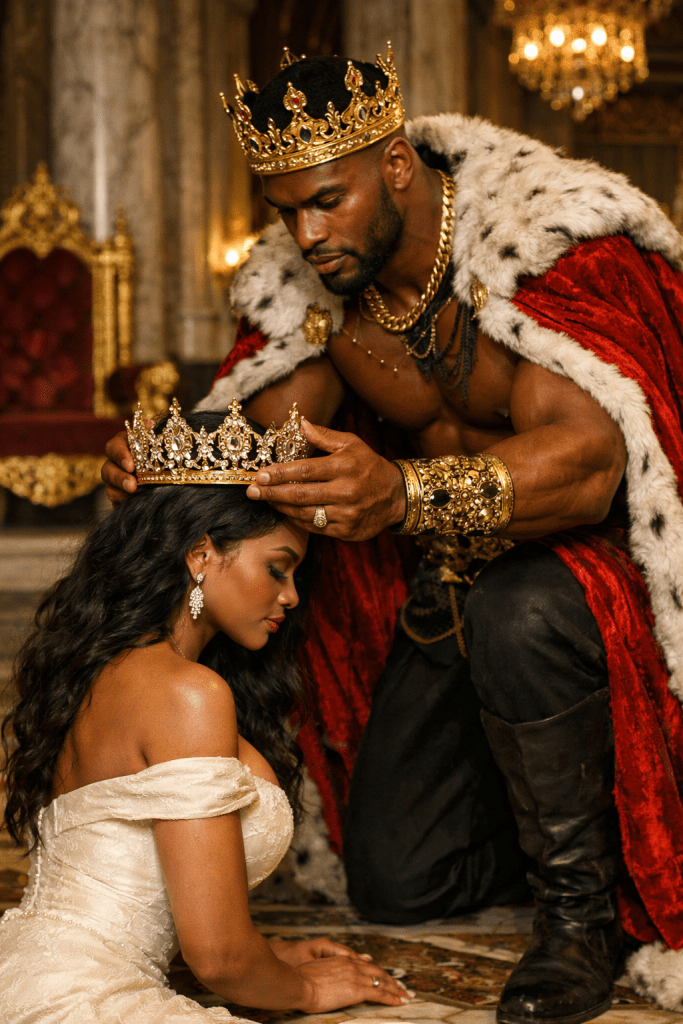
A queen worthy of the crown is not merely defined by outward beauty, status, or admiration from others; rather, her true identity is rooted in her relationship with God. Throughout Scripture, the imagery of crowns symbolizes honor, righteousness, and divine reward bestowed upon those who walk faithfully with the Lord. The spiritual crown is not earned through worldly prestige but through obedience, humility, and devotion to God. For the woman who desires to be a queen in God’s kingdom, the journey begins not with a man but with the King of Kings, whose guidance shapes her character and purpose.

The Bible teaches that believers will one day receive crowns as a reward for faithful living. The apostle Paul wrote that a “crown of righteousness” is laid up for those who love the appearing of Christ. This crown represents victory over sin, perseverance in faith, and steadfast commitment to God’s calling. Therefore, the woman who prepares herself spiritually is not merely preparing for earthly recognition but for eternal honor before God.

To be a queen in the kingdom of God requires a mindset that transcends cultural definitions of femininity. Society often encourages women to seek validation through relationships, social status, or physical appearance. However, a queen with God understands that her identity is secured in divine purpose. She sees herself as a daughter of the Most High, carrying dignity, wisdom, and grace in every aspect of her life.

Central to this identity is what may be called the “princess mentality.” This does not imply entitlement or arrogance, but rather a sacred awareness of one’s value before God. A princess mentality encourages a woman to treat herself with honor, protect her purity, and refuse environments that compromise her spiritual integrity. She understands that the way she carries herself reflects the kingdom she represents.

Seeking God daily is foundational to the life of a spiritual queen. Through prayer, meditation on Scripture, and worship, she cultivates intimacy with the Lord. This relationship becomes the source of her wisdom, strength, and peace. Rather than chasing worldly validation, she seeks the approval of God, knowing that divine affirmation surpasses human applause.

Fasting and prayer are also powerful disciplines that shape the heart of a queen. Biblical fasting is not simply abstaining from food but a spiritual practice that humbles the soul and sharpens spiritual sensitivity. Through fasting, a woman learns dependence upon God and gains clarity about her calling, relationships, and future direction.

Walking with God requires consistency and discipline. A queen worthy of the crown understands that spiritual maturity develops over time through obedience. She studies the Word, listens to the guidance of the Holy Spirit, and seeks wisdom from godly mentors. In doing so, she grows in character and becomes a reflection of divine wisdom.

Within God’s kingdom, queenship is closely tied to service and humility. Jesus Himself taught that greatness in the kingdom is measured by the willingness to serve others. A spiritual queen therefore uses her gifts to uplift her family, community, and church. Her influence is not domineering but nurturing, reflecting the compassionate nature of Christ.

Scripture offers a profound portrait of the virtuous woman in Proverbs 31. This woman is industrious, wise, compassionate, and deeply devoted to God. She manages her household with diligence, speaks with wisdom, and is clothed with strength and honor. Her worth is described as being far above rubies, emphasizing the rarity and value of such character.

Purity is another cornerstone of a queen’s spiritual preparation. The Bible encourages believers to honor God with their bodies and maintain holiness in their relationships. A woman committed to God guards her heart, understanding that intimacy is sacred and designed to flourish within the covenant of marriage.

Keeping oneself for marriage reflects both faith and patience. In a culture that often trivializes commitment, the woman who waits demonstrates profound trust in God’s timing. She recognizes that her body and heart are precious gifts, and she chooses to honor God by preserving them for a covenant relationship.

Waiting on God, however, does not mean living passively. During seasons of singleness, the queen continues to grow spiritually, intellectually, and emotionally. She invests in her purpose, builds meaningful relationships, and develops her talents. Her life remains fruitful even while she awaits the partner God may provide.

The Bible often emphasizes that a godly man finds a virtuous woman rather than the other way around. This principle suggests that the woman focuses primarily on becoming who God has called her to be. When the time is right, the godly king will recognize her character, faith, and dignity.

In the meantime, her devotion belongs first to the King of Kings. Christ becomes the center of her life, guiding her decisions and shaping her identity. Through this spiritual union, she experiences fulfillment that transcends romantic relationships.

Commitment to God also protects a woman from unhealthy relationships. When her standards are shaped by Scripture, she learns to discern character rather than charm. She values integrity, faith, and spiritual leadership above superficial attraction.

A queen worthy of the crown cultivates inner beauty. The apostle Peter wrote that the hidden person of the heart, characterized by a gentle and quiet spirit, is precious in the sight of God. Such beauty does not fade with time but grows stronger through faith and maturity.

Humility also defines the character of a spiritual queen. She recognizes that her gifts, beauty, and opportunities come from God’s grace. Rather than boasting, she expresses gratitude and uses her blessings to serve others.

Faith is essential during seasons of waiting and preparation. At times, a woman may feel overlooked or misunderstood, yet faith reminds her that God’s plans unfold according to divine wisdom. The crown prepared for her life will arrive in God’s perfect timing.

Ultimately, the promise of wearing a crown extends beyond earthly relationships. The faithful believer anticipates the eternal crown given by Christ to those who remain steadfast. This spiritual reward symbolizes victory, righteousness, and eternal fellowship with God.

Therefore, a queen worthy of the crown lives with purpose, purity, and devotion. She honors herself as a daughter of God, seeks the Lord through prayer and fasting, walks in wisdom, and patiently waits for God’s direction. Above all, she remains committed to the King of Kings, knowing that true royalty begins with a heart surrendered to God.

References

The Holy Bible, King James Version.
Clinton, J. R. (2012). The Making of a Leader. NavPress.
Foster, R. (2018). Celebration of Discipline: The Path to Spiritual Growth. HarperOne.
Stanley, C. (2010). How to Listen to God. Thomas Nelson.
Willard, D. (2014). The Spirit of the Disciplines. HarperOne.
The Representation of Black

The representation of Black people has never been neutral; it has been shaped by power, history, and ideology. From colonial narratives to modern media, images of Blackness have been constructed to serve political, economic, and psychological agendas rather than truth. Representation functions not merely as visibility, but as meaning-making—determining who is seen as human, valuable, intelligent, dangerous, beautiful, or disposable.

Historically, Western representation of Black people emerged through the lens of enslavement and colonial domination. Early depictions framed Africans as primitive, savage, and inferior, providing moral justification for conquest and exploitation. These narratives were not accidental but foundational to the racial hierarchy that undergirded the modern world-system (Fanon, 1952; Said, 1978).

During transatlantic slavery, Black bodies were represented as labor units rather than persons. Art, literature, and pseudoscience portrayed Black people as biologically suited for servitude, stripping them of complexity, spirituality, and intellect. These portrayals reinforced dehumanization and normalized violence against Black communities (Davis, 1981).

Biblical misrepresentation also played a role. Scripture was selectively interpreted to portray Blackness as cursed, despite no such racial designation existing in the biblical text. This theological distortion shaped Western Christian consciousness and cemented racialized representations that persist today (Haynes, 2002).

Post-emancipation representation did not immediately improve. Minstrelsy, caricatures, and early film continued to depict Black people as comic relief, criminals, or hypersexual figures. These images reassured white audiences of racial superiority while limiting Black social mobility (Bogle, 2016).

The rise of mass media in the twentieth century amplified these portrayals globally. Hollywood became a powerful tool for exporting distorted images of Black life, often disconnected from lived reality. Representation became repetition, and repetition hardened stereotype into assumed truth.

Black women faced a distinct burden within representation. Tropes such as the Jezebel, Mammy, Sapphire, and Welfare Queen confined Black womanhood to narrow, degrading roles. These images justified both sexual exploitation and social neglect while erasing vulnerability and dignity (Collins, 2000).

Black men were similarly constrained through representations of hypermasculinity, aggression, and criminality. Media narratives disproportionately linked Black male identity to violence and threat, shaping public perception and policy, including over-policing and mass incarceration (Alexander, 2010).

Representation also operates through absence. The exclusion of Black people from narratives of intellect, leadership, romance, and innocence communicates inferiority just as powerfully as negative imagery. What is not shown can be as damaging as what is shown.

In response, Black communities have consistently resisted imposed representations. From slave narratives to the Harlem Renaissance, Black creators reclaimed authorship and asserted humanity through literature, music, art, and theology. Representation became a site of survival and self-definition.

The Civil Rights and Black Power movements challenged not only legal inequality but symbolic domination. Slogans like “Black is Beautiful” directly confronted Eurocentric standards and re-centered Black aesthetics and self-worth. Representation shifted from apology to affirmation.

Contemporary media has seen increased Black visibility, yet representation remains contested. Tokenism, colorism, and commodified diversity often replace genuine inclusion. Visibility without power risks reproducing the same hierarchies under new language (hooks, 1992).

Colorism remains a critical issue within representation. Lighter skin, looser hair textures, and Eurocentric features continue to be privileged in media portrayals, reinforcing internalized anti-Blackness and stratification within Black communities (Hunter, 2007).

Social media has democratized representation, allowing Black individuals to tell their own stories outside institutional gatekeeping. However, it has also intensified surveillance, commodification, and performance pressures, complicating authenticity and agency.

Representation affects material outcomes. Studies show that media portrayals shape public opinion, educational expectations, employment opportunities, and criminal justice outcomes. Representation is not symbolic alone—it is structural (Entman & Rojecki, 2000).

Spiritual representation also matters. Depictions of God, holiness, and virtue overwhelmingly coded as white distort theological imagination and alienate Black believers. Reclaiming sacred representation is central to psychological and spiritual liberation.

Authentic representation requires more than inclusion; it demands narrative control. Who writes, directs, edits, funds, and distributes stories determines how Black life is framed and understood. Power behind the image is as important as the image itself.

True representation must reflect complexity—joy and pain, faith and doubt, intellect and emotion. Black people are not a monolith, and any representation that flattens diversity perpetuates harm, even when well-intentioned.

Decolonizing representation involves interrogating whose standards define excellence, beauty, and normalcy. It requires dismantling Eurocentric frameworks and honoring African diasporic histories, epistemologies, and aesthetics.

The future of Black representation depends on sustained cultural literacy, institutional accountability, and community self-definition. Representation must move from reaction to creation, from correction to sovereignty.

Ultimately, the representation of Black people is a moral issue. It reflects how society understands humanity itself. When Black life is represented truthfully and fully, it expands the moral imagination and affirms the dignity of all people.


References

Alexander, M. (2010). The new Jim Crow: Mass incarceration in the age of colorblindness. The New Press.

Bogle, D. (2016). Toms, coons, mulattoes, mammies, and bucks: An interpretive history of Blacks in American films. Bloomsbury.

Collins, P. H. (2000). Black feminist thought: Knowledge, consciousness, and the politics of empowerment. Routledge.

Davis, A. Y. (1981). Women, race & class. Vintage Books.

Entman, R. M., & Rojecki, A. (2000). The Black image in the white mind: Media and race in America. University of Chicago Press.

Fanon, F. (1952). Black skin, white masks. Grove Press.

Haynes, S. R. (2002). Noah’s curse: The biblical justification of American slavery. Oxford University Press.

hooks, b. (1992). Black looks: Race and representation. South End Press.

Hunter, M. (2007). The persistent problem of colorism. Sociology Compass, 1(1), 237–254.

Said, E. W. (1978). Orientalism. Pantheon Books.

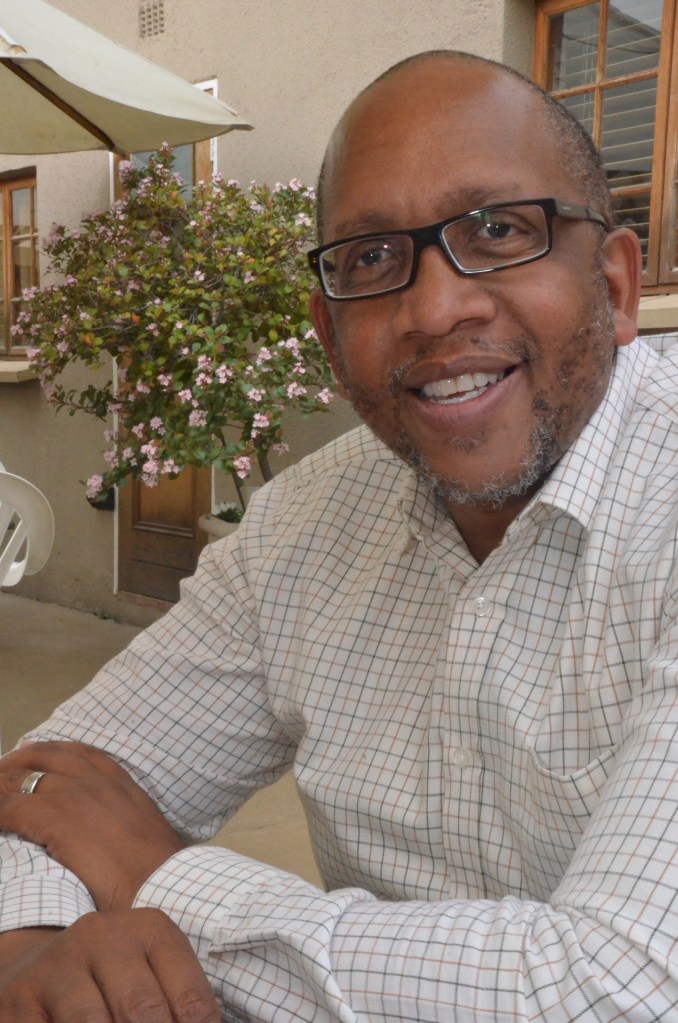
Black Royalty Series: Prince Seeiso

Prince Seeiso is a prominent African royal, humanitarian, and social impact leader from the Kingdom of Lesotho. He is best known internationally for his work in child welfare, education, and sustainable development, and for being a co-founder of one of Africa’s most influential philanthropic organizations focused on vulnerable children.

Prince Seeiso was born in 1980 into the royal family of Lesotho. He is the younger brother of King Letsie III, the current monarch of Lesotho, making him a senior prince within one of Africa’s few remaining traditional kingdoms. Lesotho itself is a small, landlocked nation completely surrounded by South Africa, known for its strong cultural identity and constitutional monarchy.

He received his early education in Lesotho before studying abroad in the United Kingdom. Like many modern African royals, Prince Seeiso was educated within both African and Western systems, giving him a global outlook while remaining deeply rooted in Basotho culture and tradition.

Prince Seeiso is best known as the co-founder of Sentebale, a major charitable organization he established in 2006 with Prince Harry, Duke of Sussex. The organization was created in memory of their mothers—Princess Diana and Queen Mamohato Bereng Seeiso—and focuses on supporting children affected by HIV/AIDS, poverty, and inequality in southern Africa.

Sentebale has become one of the most respected child-focused charities in Africa, operating primarily in Lesotho and Botswana. The organization provides healthcare, psychological support, leadership training, and educational programs for orphaned and marginalized youth.

In African royal tradition, Prince Seeiso holds the title of Principal Chief of Matsieng, one of the most important chieftaincies in Lesotho. This role gives him both cultural authority and political influence, as chiefs play a significant role in governance, land stewardship, and community leadership.

Unlike many ceremonial royals, Prince Seeiso is actively involved in grassroots development. He frequently visits rural villages, schools, and healthcare centers, advocating for youth empowerment, mental health awareness, and social justice within African communities.

He is particularly passionate about African leadership and self-determination. Prince Seeiso often speaks about the need for African solutions to African problems, emphasizing dignity, cultural pride, and sustainable systems over dependency on foreign aid.

Internationally, he represents a new generation of African royalty—one that blends traditional authority with modern activism. Rather than living solely in luxury or symbolic status, he uses his royal position as a platform for policy influence, philanthropy, and social reform.

Prince Seeiso is also a strong advocate for mental health, especially among African men and young people. He has publicly discussed the psychological toll of poverty, trauma, and historical inequality, calling for culturally grounded healing practices.

His work places him among a growing class of global Black leaders who challenge stereotypes about African royalty being disconnected from real social struggles. Instead, he embodies a model of servant leadership rooted in community uplift.

Culturally, Prince Seeiso represents continuity between pre-colonial African governance systems and modern constitutional leadership. Chiefs in Lesotho are not symbolic—they are mediators between people and state, tradition and law.

He is married and has children, though he keeps much of his family life private in accordance with Basotho royal customs, which prioritize dignity and collective identity over celebrity exposure.

Prince Seeiso’s global recognition increased through his association with Prince Harry, but within Africa, he is respected independently as a national figure and humanitarian leader in his own right.

His life reflects a broader truth often ignored in Western narratives: Africa still has living royal bloodlines, traditional governance systems, and indigenous leadership structures that predate European monarchies by centuries.

Prince Seeiso stands today as a modern example of a Black African prince making real impact in the world—not through conquest or inherited wealth alone, but through service, advocacy, and the restoration of human dignity.

In a global system still shaped by colonial hierarchies, Prince Seeiso represents the reclamation of African nobility as moral leadership, not just historical symbolism.

references

References

Royal Household of Lesotho. (n.d.). His Royal Highness Prince Seeiso. Government of Lesotho. Retrieved from https://www.gov.ls/royal-family

Sentebale. (2023). About Us: Our Founders. Sentebale. Retrieved from https://www.sentebale.org/about-us

BBC News. (2016). Prince Harry and Prince Seeiso: A Royal Partnership for Africa. BBC. Retrieved from https://www.bbc.com/news/uk-37711383

Mokoena, T. (2018). African Royals in the 21st Century: Leadership and Philanthropy. Johannesburg: South African Historical Press.

Peters, J. (2020). Modern African Monarchies: Tradition and Transformation. Cambridge University Press.

Harris, M. (2019). The Rise of Royal Humanitarianism in Southern Africa. African Affairs, 118(473), 112–131.

Black Royalty Series: King Letsie III of Lesotho – Monarch, Diplomat, and National Figure

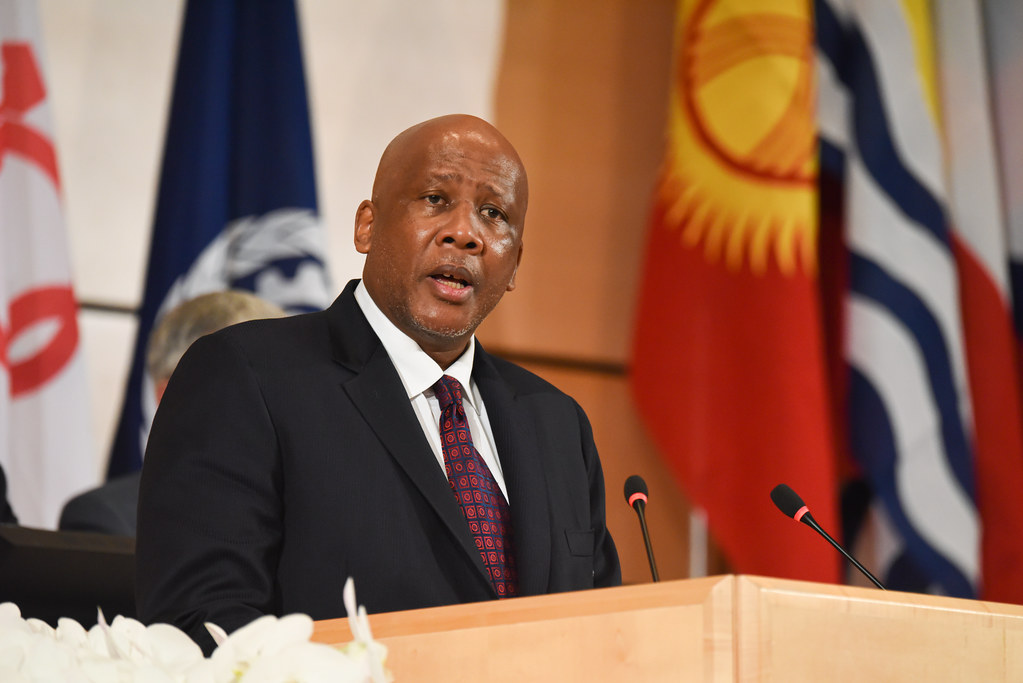
This photograph is the property of its respective owner. No copyright infringement intended.

King Letsie III is the current monarch of the Kingdom of Lesotho, a small, landlocked nation completely surrounded by South Africa. Born on July 17, 1963, as David Mohato Bereng Seeiso, he became a central figure in Lesotho’s constitutional monarchy, balancing ceremonial duties with political influence and international diplomacy.

Lesotho, historically known as Basutoland under colonial rule, gained independence from Britain in 1966. The nation is largely mountainous, with a population that maintains strong cultural traditions centered around the Basotho ethnic group. The monarchy in Lesotho plays a symbolic and unifying role, representing national identity while functioning within the framework of a constitutional democracy.

King Letsie III is the eldest son of King Moshoeshoe II and Queen ‘Mamohato Bereng Seeiso. His father, Moshoeshoe II, was a founding figure of Lesotho’s monarchy and a symbol of continuity during periods of political instability. King Letsie received his education in Lesotho, South Africa, and the United Kingdom, including legal and political studies that prepared him for both ceremonial and practical leadership roles.

He first ascended the throne on November 12, 1990, after King Moshoeshoe II was exiled amid political conflict. Letsie’s early reign coincided with a period of tension between the monarchy and elected governments, reflecting Lesotho’s struggle to balance traditional authority with democratic institutions. His father was later reinstated in 1995, after which Letsie abdicated, only to resume kingship following his father’s death in 1996.

As King, Letsie III serves primarily as a ceremonial head of state but also wields influence through moral authority and as a symbol of unity for the Basotho people. He participates in state functions, diplomatic engagements, and national ceremonies, promoting cultural heritage and national cohesion.

King Letsie III has been involved in various initiatives aimed at development and social welfare in Lesotho. He is particularly committed to public health, education, and HIV/AIDS awareness, aligning with organizations such as Sentebale, co-founded by his brother, Prince Seeiso, and Prince Harry, to support children affected by HIV/AIDS in southern Africa.

His monarchy emphasizes the integration of traditional leadership into modern governance. Lesotho’s chiefs and royal family members play a mediating role between communities and the state, supporting conflict resolution, land management, and cultural preservation. King Letsie is central to these efforts, leveraging his authority to stabilize governance and foster national dialogue.

The king is married to Queen ‘Masenate Mohato Seeiso, and together they have children, including Prince Lerotholi, who is in line for the throne. His family life remains largely private but is respected as a model of royal duty and cultural stewardship within Lesotho.

Internationally, King Letsie has cultivated diplomatic relationships with neighboring South Africa and other global partners. He participates in Commonwealth events, African Union engagements, and international forums where Lesotho’s development challenges and opportunities are highlighted.

This photograph is the property of its respective owner. No copyright infringement intended.

King Letsie III has received several honors and awards recognizing his service and leadership. These include appointments within the Orders of Lesotho, Commonwealth honors, and recognition for his contributions to HIV/AIDS advocacy and humanitarian initiatives across southern Africa.

Under his reign, Lesotho has maintained relative political stability compared to earlier decades marked by coups, civil unrest, and tensions between military and civilian governments. The king’s presence as a symbolic authority has often contributed to negotiation and conflict mediation, reinforcing social cohesion.

He actively promotes Lesotho’s culture and heritage, from traditional Basotho dress to local customs, music, and festivals. By elevating cultural identity, King Letsie strengthens national pride and counters cultural erasure in the region dominated by South Africa.

King Letsie III also serves as a patron for environmental initiatives and sustainable development in Lesotho, emphasizing protection of the highland ecosystem, water resources, and agriculture. His advocacy supports both ecological preservation and local livelihoods in rural communities.

His leadership is characterized by a blend of ceremonial duty, cultural representation, and modern engagement, highlighting the evolving role of African monarchs in the 21st century. King Letsie III represents continuity, diplomacy, and moral authority for Lesotho while fostering the international visibility of his nation.


References

Royal Household of Lesotho. (n.d.). His Majesty King Letsie III. Government of Lesotho. Retrieved from https://www.gov.ls/royal-family

BBC News. (2016). King Letsie III: Lesotho’s Constitutional Monarch. BBC. Retrieved from https://www.bbc.com/news/world-africa-37391177

Sentebale. (2023). Prince Seeiso and the Royal Family of Lesotho. Sentebale. Retrieved from https://www.sentebale.org

Peters, J. (2020). Modern African Monarchies: Tradition and Transformation. Cambridge University Press.

Mokoena, T. (2018). African Royals in the 21st Century: Leadership and Philanthropy. Johannesburg: South African Historical Press.

Harris, M. (2019). Royal Leadership in Southern Africa: Authority, Culture, and Social Impact. African Affairs, 118(473), 112–131.

How to Meet a Prince: The Modern Woman’s Guide to Love, Position, and Purpose.

In a world shaped by fairytales, romance films, and social media fantasies, many women quietly ask the same timeless question: How can I meet a prince? The image of a crown, a palace, and a grand love story still captures the imagination. Yet beneath the fantasy lies a deeper truth — meeting a “prince” in the real world is less about chance encounters and more about position, proximity, and preparation.

The modern prince does not always wear a crown. More often, he wears responsibility, discipline, leadership, and purpose. He is a man of character, emotional intelligence, spiritual grounding, and vision. Royalty today is defined not by bloodline, but by how a man builds his life and treats others.

Before searching outward, a woman must first redefine what she is truly seeking. A prince is not simply a wealthy man or a handsome man. He is a man who leads with integrity, protects with strength, provides with wisdom, and loves with intention. Such men are rare, not because they do not exist, but because they are usually focused on building, not browsing.

This brings us to the first practical reality: you meet high-caliber men in high-caliber environments. Exceptional men are rarely found in random spaces or casual settings. They are most often encountered in intentional environments — professional conferences, academic circles, entrepreneurial networks, cultural events, wellness spaces, and purpose-driven communities. For women rooted in faith, strong churches, leadership ministries, and spiritual retreats remain some of the most powerful places to encounter men of depth and moral clarity.

Where you go determines who you meet.
Environment shapes destiny.

However, location alone is not enough. The more important question is not where the prince is? But rather, who is the woman he would choose?

High-level men are drawn to women who carry peace, emotional maturity, discipline, and grace. They seek beautiful women, yes — but also grounded, self-aware, and purposeful. They are attracted to femininity that is soft yet strong, nurturing yet discerning. Not women who chase attention, but women who know how to receive love without begging for it.

This is where fantasy often collapses. Many women are taught to seek a prince, but few are taught how to become a queen.

Esther: The Blueprint for Preparation

The story of Esther gives one of the most powerful spiritual metaphors for this principle. Before Esther ever stood before King Ahasuerus, she underwent twelve months of preparation — six months with oil of myrrh and six months with sweet fragrances and purification (Esther 2:12, KJV).

She did not rush into the king’s presence.
She did not demand access.
She did not rely on beauty alone.

She was refined. Processed. Anointed. Prepared.

And it was only after preparation that she was granted favor.

This is not just a romantic lesson — it is a spiritual one.

In the same way, Esther could not approach an earthly king without purification, we cannot casually approach the Most High without preparation of the heart, mind, and spirit. Scripture repeatedly teaches that God is holy, and those who seek Him must come with reverence, humility, and a transformed heart.

Just as Esther prepared her body and character before meeting the king, believers are called to prepare their souls before approaching God through repentance, prayer, fasting, discipline, and the renewing of the mind.

Esther’s preparation mirrors spiritual preparation:
She purified herself → We cleanse our hearts.
She was anointed → We seek the anointing of the Spirit.
She was instructed → We seek wisdom through Scripture.
She waited → We learn patience and submission to divine timing.

Esther teaches us that access requires alignment.

You do not rush into royalty.
You prepare for it.

And this applies not only to love — but to destiny, purpose, and divine intimacy.

Ruth and Boaz: The Blueprint for Divine Positioning

The story of Ruth and Boaz offers another profound blueprint for divine alignment in love. Ruth did not pursue Boaz with desperation or seduction; she pursued purpose, loyalty, and obedience to God. As a widowed foreign woman, she committed herself to Naomi, worked diligently in the fields, and remained humble in her circumstances.

It was through her labor and faithfulness that Boaz noticed her character before her beauty. Scripture describes Boaz as a “mighty man of wealth” (Ruth 2:1, KJV), yet what drew him to Ruth was her virtue, not her availability.

Their union teaches that kingdom relationships are not formed through chasing, but through faithfulness, service, and divine positioning. Ruth met Boaz not while searching for a husband, but while building a life of purpose — and God aligned her with a man who covered, honored, and redeemed her.

Social Positioning and Divine Alignment

High-level relationships are rarely built through pursuit. They are built through alignment. Socially, most meaningful connections happen through networks — mutual friends, professional circles, mentors, community leaders, and trusted introductions. Royal love stories are not usually random. They are relational, strategic, and organic.

Your circle determines your options.
Your standards determine your outcomes.

From a biblical perspective, this pattern is consistent. Rebekah was found while serving. Ruth was found while working on purpose. Esther was found after preparation and refinement. The Proverbs 31 woman was already established in character, wisdom, and discipline. None of these women was chasing men. They were positioned by God while becoming.

“He that findeth a wife findeth a good thing…” — Proverbs 18:22 (KJV)

The man finds.
The woman prepares.

This principle shifts everything. A woman does not hunt a prince. She cultivates herself into a queen — spiritually, emotionally, intellectually, and physically. She refines her boundaries, her environment, her habits, and her inner world. She becomes selective, not desperate. Peaceful, not performative. Grounded, not anxious.

And something remarkable happens when this shift occurs: royal men begin to recognize royal women.

Not because of crowns.
But because of the presence.
Energy.
Standards.
Self-respect.
And spiritual alignment.

The Real Secret Behind Meeting a Prince

The true secret behind meeting a prince is not luck, beauty, or manifestation rituals. It is positioning, preparation, and proximity. It is upgrading your environment, elevating your standards, nurturing your purpose, and aligning your life with peace and intention.

Here are 10 steps to preparing for a king — emotionally, spiritually, mentally, and practically ( real-life “king energy” meaning a high-value, God-centered man):

  1. Strengthen your relationship with God first
    A true king is led by God, not ego. If you want a Godly man, you must be a Godly woman. Develop prayer, fasting, scripture reading, and spiritual discipline (Matthew 6:33).
  2. Heal your past wounds
    Kings don’t want to compete with your trauma. Heal from heartbreak, abandonment, or daddy issues so you don’t project pain onto a healthy man.
  3. Cultivate inner beauty and character
    A king looks for peace, not chaos. Work on patience, kindness, humility, emotional intelligence, and self-control (Proverbs 31:30).
  4. Refine your femininity
    Femininity is not weakness—it’s grace, softness, wisdom, and emotional strength. Learn how to communicate gently, receive love, and inspire rather than dominate.
  5. Develop self-respect and boundaries
    No fornication, no entertaining bare minimum men, no accepting inconsistency. A queen does not beg—she discerns.
  6. Educate yourself and grow intellectually
    Kings enjoy stimulating conversations. Read, study, build skills, understand finances, culture, and the world.
  7. Become physically healthy and well-groomed
    Not perfection—discipline. Take care of your body, style yourself with elegance, hygiene, fitness, and confidence.
  8. Learn how to be a peaceful partner
    Not argumentative, not combative. Learn conflict resolution, emotional regulation, and how to be a safe place.
  9. Develop your purpose and calling
    A king wants a woman with vision, not dependency. Have goals, a mission, and a life before him.
  10. Prepare to serve, not just be served
    Royal relationships are about partnership. Learn nurturing, hospitality, loyalty, and how to pour into a man who pours into you.

“She openeth her mouth with wisdom; and in her tongue is the law of kindness.” — Proverbs 31:26 (KJV)

In short:
You don’t attract a prince by chasing one — you attract him by becoming a queen. 👑

Fairytales are not built on magic.
They are built on becoming.

And the moment a woman truly becomes a queen in mindset, lifestyle, and spirit, she no longer needs to search for a prince.

Just like Esther, she is prepared for favor.
Just like Ruth, she is positioned for redemption.

And favor always finds the prepared. 👑

.
He will recognize her. 👑

Girl Talk Series: 👑 Choosing a King 👑

Photo by Oscar Rockr on Pexels.com

“Listen, ladies: first and foremost, the Word of God says, ‘Whoso findeth a wife findeth a good thing, and obtaineth favour of the Lord’ (Proverbs 18:22, KJV). That means a man is the one who finds you. Your responsibility is not to chase, but to choose wisely—with the guidance of the Most High.”

👑👑👑👑👑👑👑

Choosing a King (man) is one of the most important decisions you will ever make, because the man you join yourself to will not only shape your life but also your legacy. Too many women chase after men, ignoring the warning signs of their intuition, hoping that they can change him later. Yet the Word of God teaches us that it is better to wait on the Lord than to rush into the arms of the wrong man (Psalm 27:14, KJV). Purity, discernment, and patience are your strongest weapons. Never forget: you are the prize, and the right man will recognize your worth without you having to prove it.

👑 The Three Types of Men 👑

Type of ManTraitsPsychologyBiblical Lens (KJV)Result in a Relationship
Pimp / MisogynistLustful, controlling, manipulative, self-centeredNarcissistic, exploitative, uses women as objects“For all that is in the world, the lust of the flesh… is not of the Father” (1 John 2:16)Leaves you drained, broken, and dishonored
Simp / Weak ManPassive, insecure, lacks leadership, easily controlledCodependent, low self-esteem, avoids responsibility“A double minded man is unstable in all his ways” (James 1:8)Forces you to carry the weight he should bear, no covering
King / Godly ManFaithful, provider, protector, purposeful, pursues you with honorEmotionally intelligent, disciplined, secure, servant-leader“Husbands, love your wives, even as Christ also loved the church” (Ephesians 5:25)Brings peace, growth, and godly love — a true partner and covering

Takeaway: Only a King pursues with covenant, not conquest. Only a King provides covering that leads you closer to the Most High.

The Bible makes it clear that a woman should not chase a man but rather allow herself to be found. Proverbs 18:22 (KJV) declares, “Whoso findeth a wife findeth a good thing, and obtaineth favour of the Lord.” A godly man is the one who seeks, pursues, and wins you. He is not intimidated by the pursuit because he sees value in you. A woman lowering her standards to chase a man is settling for crumbs when the Lord desires to give her a banquet.

When considering what kind of man you should choose, remember that not all men are created equal in character. There are three types of men who will cross your path: the misogynist, the simp, and the king. Each reveals his nature through his actions, values, and treatment of women. Psychology teaches us that behavior speaks louder than words, and Scripture reminds us that “by their fruits ye shall know them” (Matthew 7:16, KJV).

The misogynist, or the pimp, is driven by lust, power, and control. He rules with his flesh, using women as objects for his pleasure rather than as partners to honor and cherish. This man thrives on conquest without covenant. He may charm you, but his heart is far from God. Psychology identifies such men as displaying narcissistic or exploitative tendencies—always taking, never giving. Choosing such a man will rob you of peace and dignity.

Then there is the simp, the weak man. This man may appear kind, but he lacks vision, leadership, and the ability to stand firm. He allows others to run over him, including women who use him, because he is desperate for acceptance. Though he is not abusive, he is not capable of being the covering God has called a husband to be (Ephesians 5:23, KJV). A woman yoked to a simp will end up carrying burdens that were meant for the man to shoulder.

Lastly, there is the king—the man after God’s own heart. This man is not perfect, but he seeks to please the Lord in his actions, words, and responsibilities. He is a provider, a protector, and a man who desires a wife, not a girlfriend. He does not want to be chased, because he understands that his role is to pursue. He values queens, not flings. Kings are not superficial; they look for substance, faith, and character. This is the man who will draw you closer to the Most High and love you as Christ loved the Church (Ephesians 5:25, KJV).

🌟 Top Qualities to Look for in a Man 🌟

Biblical Standards (KJV):

  • God-fearing – “The fear of the Lord is the beginning of wisdom” (Proverbs 9:10).
  • Provider – “If any provide not for his own… he hath denied the faith” (1 Timothy 5:8).
  • Protector – “Husbands, love your wives, even as Christ also loved the church” (Ephesians 5:25).
  • Faithful – “A faithful man shall abound with blessings” (Proverbs 28:20).
  • Self-controlled – “He that is slow to anger is better than the mighty” (Proverbs 16:32).
  • Truthful – “Lie not one to another, seeing that ye have put off the old man” (Colossians 3:9).
  • Leader – “For the husband is the head of the wife, even as Christ is the head of the church” (Ephesians 5:23).
  • Righteous in conduct – “By their fruits ye shall know them” (Matthew 7:16).

Psychological Standards:

  • Emotional intelligence – shows empathy, communicates effectively, and manages emotions well.
  • Consistency – reliable in words and actions; not hot and cold.
  • Integrity – honest and trustworthy; keeps commitments.
  • Discipline – able to delay gratification, make wise decisions.
  • Vision and purpose – has goals, direction, and plans for the future.
  • Respectful – honors boundaries, listens, and values your worth.
  • Secure masculinity – not intimidated by your strength, but confident in his role.
  • Supportive – encourages growth spiritually, emotionally, and mentally.

✨ In short: Choose a man after God’s own heart, who not only says he loves you, but proves it through protection, provision, and purpose.

Too often, women confuse attention with intention. Just because a man notices you does not mean he values you. Psychology calls this “confirmation bias”—when you only see what you hope to see, instead of the truth in front of you. Never confuse lust with love. Lust is temporary, but love is eternal, rooted in commitment and sacrifice.

Do not use sex as dating currency. The world teaches that intimacy can buy affection, but Scripture warns that fornication defiles both body and spirit (1 Corinthians 6:18-20, KJV). If a man’s interest depends on your willingness to give your body outside of covenant, he is not the one God has sent. A true king values purity and respects boundaries because he knows your worth.

Style should never outweigh substance. A man may look successful, handsome, and well-dressed, but appearances can deceive. Proverbs 31:30 (KJV) reminds us, “Favour is deceitful, and beauty is vain: but a woman that feareth the Lord, she shall be praised.” The same applies to men: what truly matters is not his style but his character, consistency, and his relationship with God.

The classical man—the faithful man who is husband material—does not want women to chase him. His masculinity is secure; he does not measure his worth by conquests but by covenant. Only pimps desire women to pursue them because they thrive on ego. A king, on the other hand, seeks to conquer not through seduction but through responsibility, love, and sacrifice.

When looking for a man, measure him by what Scripture and psychology affirm. A good man is disciplined, slow to anger, hardworking, and spiritually grounded (Proverbs 16:32; 1 Timothy 5:8, KJV). Psychologists highlight that good men demonstrate emotional intelligence, the ability to regulate emotions, communicate effectively, and show empathy. A man without these qualities may cause more harm than good.

Never ignore your intuition. The Holy Spirit gives discernment, and psychology confirms that gut feelings often stem from subconscious recognition of red flags. If something feels off, it probably is. Do not let loneliness silence the alarms within your spirit.

A godly man is also a provider. This does not mean you cannot work or contribute, but rather that he takes responsibility for the home. 1 Timothy 5:8 (KJV) says, “But if any provide not for his own… he hath denied the faith, and is worse than an infidel.” Provision is not only financial but emotional, spiritual, and physical.

Women must also guard against the temptation to compromise standards. Many women remain with men they know are pimps or simps because they fear being alone. But Scripture teaches that it is better to dwell alone with peace than in a house with strife (Proverbs 21:9, KJV). Waiting for a king requires patience and faith.

The top things you should look for in a man, both biblically and psychologically, include faith, consistency, integrity, discipline, leadership, empathy, and provision. A man with these traits will elevate you, not drain you. He will be your partner, not your project.

Choosing a man is ultimately choosing a covering. Who he is spiritually will directly affect your household, your children, and your destiny. You cannot afford to marry recklessly. Your choice should reflect your worth in God, not your fear of being overlooked.

A woman of God must remember that her value is not in her chase but in her presence. The right man will see your worth without you lowering yourself. He will pursue you with honor, not pressure you with lust. He will lead you closer to Christ, not further into sin.

Therefore, wait patiently for the king God has for you. Trust that the Lord is able to bring the right man in the right season. Until then, keep yourself pure, guard your heart, and never settle for less than God’s best.

Your destiny is too great, your calling too precious, and your soul too valuable to waste on a man who cannot cover, protect, and love you as Christ intended. You deserve a king, not a counterfeit. Let him win you, and never forget—you are the prize.


References

  • The Holy Bible, King James Version (KJV)
  • Gottman, J. M., & Silver, N. (2015). The Seven Principles for Making Marriage Work. Harmony Books.
  • Chapman, G. (2015). The Five Love Languages: The Secret to Love That Lasts. Northfield Publishing.
  • Cloud, H., & Townsend, J. (2017). Boundaries in Dating. Zondervan.
  • Goleman, D. (2006). Emotional Intelligence. Bantam.