Category Archives: hebrews

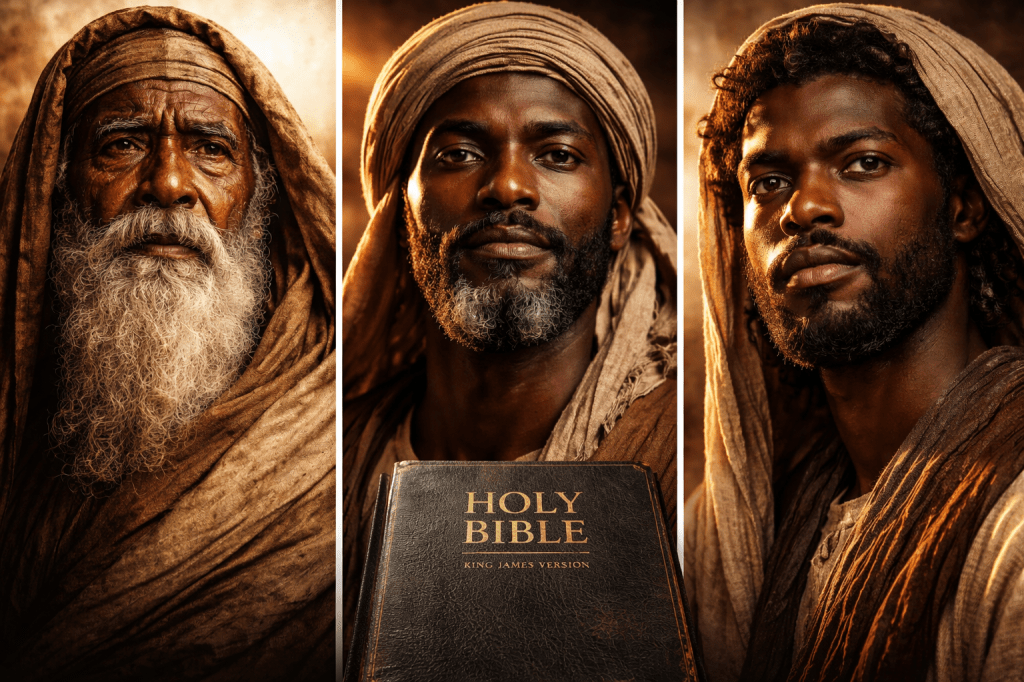
Hebrewism

Hebrewism is a multifaceted concept that encompasses the language, culture, spiritual worldview, and identity associated with the ancient Hebrews, often identified biblically as the children of Israel. Rooted in antiquity, Hebrewism extends beyond mere ethnicity; it embodies a covenantal relationship with God, a structured moral law, and a distinctive way of life preserved through sacred texts such as the Torah and the broader canon of Scripture.

At its linguistic core, Hebrewism refers to the Hebrew language, one of the oldest Semitic languages, which carries unique idioms, poetic structures, and symbolic expressions. Biblical Hebrew is rich in imagery and layered meanings, often conveying spiritual truths through metaphor and repetition. Understanding Hebrew linguistically allows deeper interpretation of scripture, as many meanings are lost in translation.

Culturally, Hebrewism reflects a communal and covenant-based society governed by divine law. Practices such as dietary restrictions, Sabbath observance, and ceremonial rituals defined the daily life of ancient Israelites. These customs were not arbitrary but were intended to set the people apart as holy and distinct among the nations.

Theologically, Hebrewism is grounded in monotheism—the belief in one God—and a covenantal framework established with key patriarchs such as Abraham, Isaac, and Jacob. This covenant outlined blessings for obedience and consequences for disobedience, forming the foundation of Israelite identity and destiny.

Historically, the Hebrews are traced through biblical narratives that span from Mesopotamia to Egypt and eventually to the land of Canaan. Key events such as the Exodus and the establishment of the kingdom of Israel shaped their national consciousness and spiritual identity. These events are central to understanding Hebrewism as both a faith and a historical experience.

The destruction of the First and Second Temples and subsequent dispersions contributed to what is often referred to as the Diaspora. This scattering led to the spread of Hebrew culture and religious practice across different regions, while also introducing challenges of maintaining identity in foreign lands.

In examining how Black people fit into Hebrewism, one encounters a range of perspectives, some of which are theological, historical, and cultural. Certain groups assert that people of African descent are descendants of the ancient Israelites, drawing connections between biblical prophecies and the historical experiences of Black populations, particularly in the Americas.

Loss of identity refers to a state in which an individual or group becomes disconnected from their true sense of self—culturally, spiritually, psychologically, or historically. It is the erosion or displacement of one’s original identity, often replaced by imposed beliefs, values, or labels.

At the individual level, loss of identity can occur through trauma, social pressure, or prolonged exposure to environments that discourage authenticity. A person may begin to question who they are, adopting behaviors or perspectives that do not align with their core self in order to survive or be accepted.

At the collective level—especially in the context of Black history—the loss of identity is deeply tied to historical processes such as slavery, colonisation, and systemic oppression. During the Transatlantic Slave Trade, Africans were stripped of their names, languages, spiritual systems, and cultural practices. This was not accidental—it was a deliberate attempt to erase identity and replace it with one that served the interests of a dominant सत्ता.

This erasure created generations disconnected from their ancestral roots. Cultural memory was fragmented, and in its place emerged imposed identities shaped by racial hierarchies. Over time, this led to internal conflicts about self-worth, belonging, and purpose—closely tied to what W. E. B. Du Bois described it as double consciousness.

Loss of identity can also manifest through assimilation, where individuals feel pressure to conform to dominant cultural norms at the expense of their own heritage. This often results in code-switching, self-censorship, and the suppression of cultural expression.

Psychologically, it may lead to confusion, low self-esteem, or a fractured sense of self. Spiritually, it can create a disconnection from purpose, heritage, and belief systems that once grounded a people. Socially, it may appear as a division within communities, where shared identity becomes unclear or contested.

Yet, loss of identity is not always permanent. It can also be the beginning of a reclamation process—a journey of rediscovery, where individuals and communities seek to reconnect with their history, culture, and truth.

Simple definition

Loss of identity = the disconnection from one’s true self, roots, or heritage—often caused by external forces like oppression, assimilation, or cultural erasure.

One frequently cited framework in this discussion is found in Deuteronomy 28, which outlines blessings and curses tied to covenantal obedience. Some interpret the curses—such as enslavement, oppression, and displacement—as paralleling the experiences of Africans during the Transatlantic Slave Trade.

This interpretive approach is often associated with movements collectively referred to as Hebrew Israelite traditions. These groups seek to reclaim a perceived lost identity by aligning their history with that of the biblical Israelites, emphasizing restoration, repentance, and adherence to biblical law.

The concept of identity loss is central to these interpretations. The stripping of names, languages, and spiritual systems during slavery is viewed as a severing of original identity, which Hebrewism seeks to restore. This aligns with broader discussions of cultural erasure and reclamation within the African diaspora.

Scholars such as W. E. B. Du Bois have explored the psychological impact of such disconnection, particularly through the lens of double consciousness. While not explicitly tied to Hebrewism, this framework helps explain the internal conflict experienced by those navigating multiple identities.

It is important to note that mainstream academic scholarship generally distinguishes between ancient Israelites of the Near East and modern populations, including those of African descent. Genetic, archaeological, and historical evidence is often used to trace these distinctions, though debates and alternative interpretations persist.

At the same time, Africa has long been connected to biblical narratives. Regions such as Cush (often associated with parts of modern-day Sudan and Ethiopia) and figures like the Ethiopian eunuch in the New Testament highlight the presence of African peoples within the biblical world. This demonstrates that African identity is not foreign to scripture.

Religious identity, particularly within Christianity, has also shaped how Black communities engage with Hebrewism. The Bible has served as both a tool of oppression and a source of liberation, with enslaved Africans drawing strength from stories of deliverance and divine justice.

Modern expressions of Hebrewism among Black communities often emphasise a return to biblical laws, names, and practices. This can include observing dietary laws, celebrating biblical feasts, and adopting Hebrew names as a means of reclaiming identity and spiritual heritage.

Critics of these movements argue that some interpretations lack historical and textual support, cautioning against conflating spiritual identity with ethnic lineage. Nonetheless, the emotional and cultural resonance of these beliefs underscores a deeper desire for belonging and historical continuity.

Hebrewism, therefore, operates on multiple levels: as an ancient tradition, a religious framework, and, for some, a pathway to identity restoration. Its meanings shift depending on context, reflecting both historical realities and contemporary interpretations.

The intersection of Hebrewism and Black identity highlights broader themes of displacement, resilience, and the search for truth. Whether viewed through a scholarly or faith-based lens, the conversation reveals the enduring impact of history on present identity.

Ultimately, Hebrewism invites a deeper exploration of who a people are, where they come from, and how they understand their place in the world. For many, it is not merely about the past but about shaping a future grounded in perceived truth and restored dignity.

As discussions continue, it is essential to approach the topic with both intellectual rigor and cultural sensitivity. The narratives surrounding Hebrewism and Black identity are complex, deeply personal, and often contested, requiring careful study and respectful dialogue.

References

The Holy Bible, King James Version. (1611).

Du Bois, W. E. B. (1903). The Souls of Black Folk. Chicago, IL: A. C. McClurg & Co.

Sanders, E. P. (1992). Judaism: Practice and Belief, 63 BCE–66 CE. London, UK: SCM Press.

Finkelstein, I., & Silberman, N. A. (2001). The Bible Unearthed: Archaeology’s New Vision of Ancient Israel and the Origin of Its Sacred Texts. New York, NY: Free Press.

Goldenberg, D. M. (2003). The Curse of Ham: Race and Slavery in Early Judaism, Christianity, and Islam. Princeton, NJ: Princeton University Press.
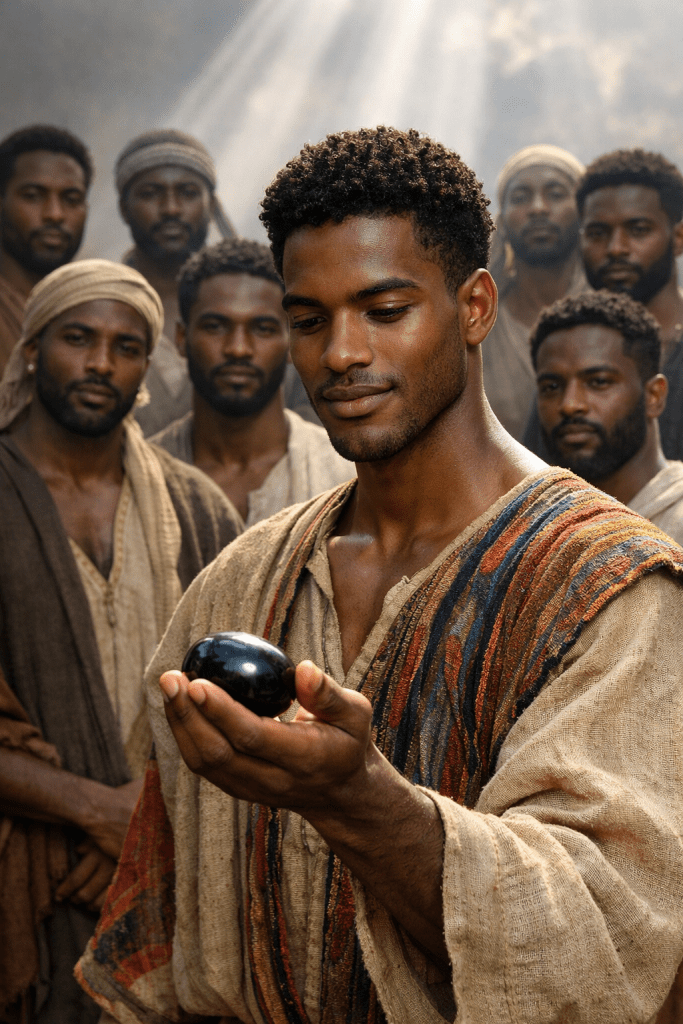

The Onyx Stone: A Family Affair — Joseph and His Brothers.

Onyx, dark as the midnight sky yet polished with hidden light,
a stone of mystery shaped by time and pressure,
a gem that carries both beauty and burden,
whispering of destinies forged through suffering,
and of souls refined in the fire of betrayal.

Onyx holds deep symbolic meaning in the biblical tradition, representing endurance, spiritual depth, and divine remembrance. In Scripture, onyx is one of the stones set in the high priest’s breastplate, engraved with the names of the tribes of Israel, signifying that each tribe was carried before God in sacred memory.

Joseph, the eleventh son of Jacob and the firstborn of Rachel, stands as one of the most compelling figures among the twelve tribes of Israel. His life narrative is not merely historical but theological, illustrating divine providence, generational conflict, and the mystery of chosenness within a fractured family system.

According to rabbinic and later symbolic traditions, Joseph is associated with the onyx stone, reflecting both his dark trials and radiant destiny. Onyx becomes a metaphor for Joseph’s life—polished through suffering, yet ultimately exalted through divine purpose.

Joseph’s story begins with favor, as he is given the coat of many colors by his father, a garment symbolizing distinction, authority, and emotional preference. This visible sign of love ignites jealousy among his brothers, sowing the seeds of betrayal long before the act itself unfolds.

The dreams Joseph receives intensify this conflict. In his visions, the sun, moon, and stars bow before him, along with sheaves of grain belonging to his brothers. These dreams are not merely youthful imagination but prophetic revelations that foreshadow his future role as a ruler and preserver of life.

Yet divine insight does not shield Joseph from human cruelty. His brothers, consumed by envy, conspire against him, stripping him of his garment and casting him into a pit before selling him to Midianite traders for silver, effectively turning family into traffickers and blood into profit.

This act of betrayal reflects one of the Bible’s deepest moral tensions: how God’s purpose often unfolds through human sin. Joseph is innocent, yet he becomes the vessel through which divine redemption will later flow, revealing the paradox of suffering as preparation.

Joseph’s descent into Egypt marks the beginning of his transformation. Though enslaved, he maintains integrity, resisting moral compromise even when falsely accused and imprisoned. His righteousness becomes a quiet rebellion against despair.

In prison, Joseph’s gift of dream interpretation resurfaces, proving that divine calling cannot be silenced by circumstance. His spiritual insight becomes the very instrument that elevates him from prisoner to prince.

Pharaoh’s dreams of famine and abundance position Joseph as a savior figure, entrusted with authority over Egypt’s economy. He rises not by lineage but by wisdom, embodying the principle that divine favor transcends social status.

Joseph’s beauty is also noted in Scripture, described as fair in form and appearance, making him both desired and tested. His physical attractiveness parallels his spiritual calling, showing how outward beauty can coexist with inner discipline.

When famine strikes, Joseph’s brothers unknowingly come before him in search of food, fulfilling the very dreams they once mocked. Their bowing becomes not an act of submission to a man, but to the divine orchestration behind his life.

Joseph’s emotional response reveals the complexity of forgiveness. He weeps privately, torn between memory and mercy, justice and compassion. His power is not in revenge, but in restraint.

The moment of reconciliation becomes one of the Bible’s most profound theological revelations. Joseph declares that what his brothers meant for evil, God intended for good, reframing trauma as testimony.

This declaration does not erase the pain of betrayal but redeems it. Joseph becomes the preserver of the family that once sought his destruction, turning the wound into a wellspring of survival.

Onyx, in this context, becomes more than a gemstone; it is a symbol of Joseph himself—darkened by suffering, refined by pressure, and set in divine memory as part of Israel’s eternal identity.

The family affair of Joseph is not merely about sibling rivalry but about generational inheritance, divine election, and moral responsibility. His story challenges the illusion of fairness and exposes the deeper logic of providence.

Joseph’s life reveals that destiny is not destroyed by betrayal, but often activated by it. The pit becomes the passageway, the prison becomes the platform, and the wound becomes the witness.

Through Joseph, the tribe associated with onyx emerges as a testament to spiritual endurance. He becomes a living stone in the architecture of Israel’s story, bearing both the scars of rejection and the seal of divine favor.

Onyx thus stands as a sacred metaphor for Joseph’s journey, reminding readers that God often engraves glory upon the darkest surfaces, and that what is polished by suffering may one day shine in sovereignty.


References
The Holy Bible, King James Version. (2017). Hendrickson Publishers. (Original work published 1611).
Exodus 28:9–12, 28:20 (KJV).
Genesis 37–50 (KJV).
Alter, R. (2018). The Hebrew Bible: A translation with commentary. W. W. Norton & Company.
Sarna, N. M. (1989). Genesis: The traditional Hebrew text with the new JPS translation. Jewish Publication Society.
Brown, F., Driver, S. R., & Briggs, C. A. (2001). The Brown-Driver-Briggs Hebrew and English lexicon. Hendrickson.

Seed of the Promise: How DNA and the Bible Reveal a Chosen People.

Photo by Yan Krukau on Pexels.com

From the beginning of Genesis, the concept of “seed” carries profound meaning. God’s promises to Abraham were not vague blessings, but covenantal assurances tied to his descendants: “And I will establish my covenant between me and thee and thy seed after thee in their generations for an everlasting covenant” (Genesis 17:7, KJV). The “seed of the promise” became a recurring theme throughout Scripture, linking identity, inheritance, and destiny. Today, science provides new tools to understand that promise, as genetics reveals the enduring bloodlines of peoples who have carried covenantal identity across millennia.

DNA, with its intricate coding of ancestry, functions almost like a modern “book of generations.” Haplogroups—clusters of genetic signatures inherited through paternal (Y-DNA) and maternal (mtDNA) lines—trace the migrations of peoples and preserve the record of dispersion. For many within the African diaspora, haplogroups such as E1b1a (E-M2) on the paternal side and L2/L3 on the maternal side establish direct connections to West and Central Africa, regions heavily impacted by the transatlantic slave trade (Tishkoff et al., 2009). Yet beyond geography, these markers symbolize continuity: a seed that could not be extinguished despite enslavement, exile, and systemic oppression.

This intertwining of genetics and Scripture challenges the narrative of erasure. Deuteronomy 28 speaks prophetically of a scattered people, yet Isaiah 44:3 declares, “I will pour my spirit upon thy seed, and my blessing upon thine offspring.” Just as the genetic record testifies to survival through dispersion, the biblical record testifies to divine preservation. The seed remains alive—not only biologically through DNA, but spiritually through covenant.

The revelation here is twofold: science provides evidence of origin, while the Bible provides evidence of purpose. Together they affirm that identity is not an accident of history, but a fulfillment of prophecy. The seed of the promise is both biological and spiritual, pointing toward a chosen people who, though scattered, remain bound by covenant and destined for restoration.


📖 References

  • Holy Bible, King James Version.
  • Tishkoff, S. A., Reed, F. A., Friedlaender, F. R., Ehret, C., Ranciaro, A., Froment, A., … & Williams, S. M. (2009). The genetic structure and history of Africans and African Americans. Science, 324(5930), 1035–1044.

Genetics of a People: Deuteronomy 28 and the Diaspora.

Photo by Innocent Khumbuza on Pexels.com

The story of a people is written not only in sacred texts and historical records, but also in the very code of their DNA. For descendants of the African diaspora, the intersection of Scripture and science reveals a profound truth: identity cannot be erased, no matter the depth of dispersion or oppression. Deuteronomy 28, one of the most sobering chapters of the Hebrew Scriptures, outlines blessings for obedience and curses for disobedience. Many have drawn parallels between its prophetic warnings and the lived experiences of Africans scattered through the transatlantic slave trade.

The Bible declares, “And the LORD shall scatter thee among all people, from the one end of the earth even unto the other” (Deuteronomy 28:64, KJV). Historically, this scattering is vividly mirrored in the forced displacement of millions of Africans from West and Central Africa to the Americas, Europe, and beyond. Genetic studies confirm these origins: Y-DNA haplogroup E1b1a (E-M2) and mtDNA lineages such as L2 and L3 are dominant among African Americans and Afro-Caribbean populations, directly tying them to regions historically involved in the slave trade (Salas et al., 2002; Tishkoff et al., 2009).

What is striking is how prophecy, history, and genetics intersect. Deuteronomy 28:68 warns of a return to Egypt “with ships,” a verse many connect with the Middle Passage. Ships became the vessels of bondage, scattering families and bloodlines across continents. Yet even in this rupture, the genetic markers remain unbroken—silent witnesses of survival. Each haplogroup is a testimony that no empire, chain, or auction block could erase God’s covenantal design.

The diaspora, then, is not simply a tragic result of history; it is a prophetic unfolding. Genetics confirms dispersion, but Scripture provides meaning. In the double helix of DNA, one sees both the curse of scattering and the promise of eventual regathering. As Isaiah declares, “He shall set up an ensign for the nations, and shall assemble the outcasts of Israel” (Isaiah 11:12, KJV). The science of ancestry maps the scattering; the Word of God points toward the gathering.


📖 References

  • Holy Bible, King James Version.
  • Salas, A., Richards, M., De la Fe, T., Lareu, M. V., Sobrino, B., Sánchez-Diz, P., … & Carracedo, Á. (2002). The making of the African mtDNA landscape. American Journal of Human Genetics, 71(5), 1082–1111.
  • Tishkoff, S. A., Reed, F. A., Friedlaender, F. R., Ehret, C., Ranciaro, A., Froment, A., … & Williams, S. M. (2009). The genetic structure and history of Africans and African Americans. Science, 324(5930), 1035–1044.

The Seeds of the Promise.

This artwork is the property of its respective owner. No copyright infringement intended.

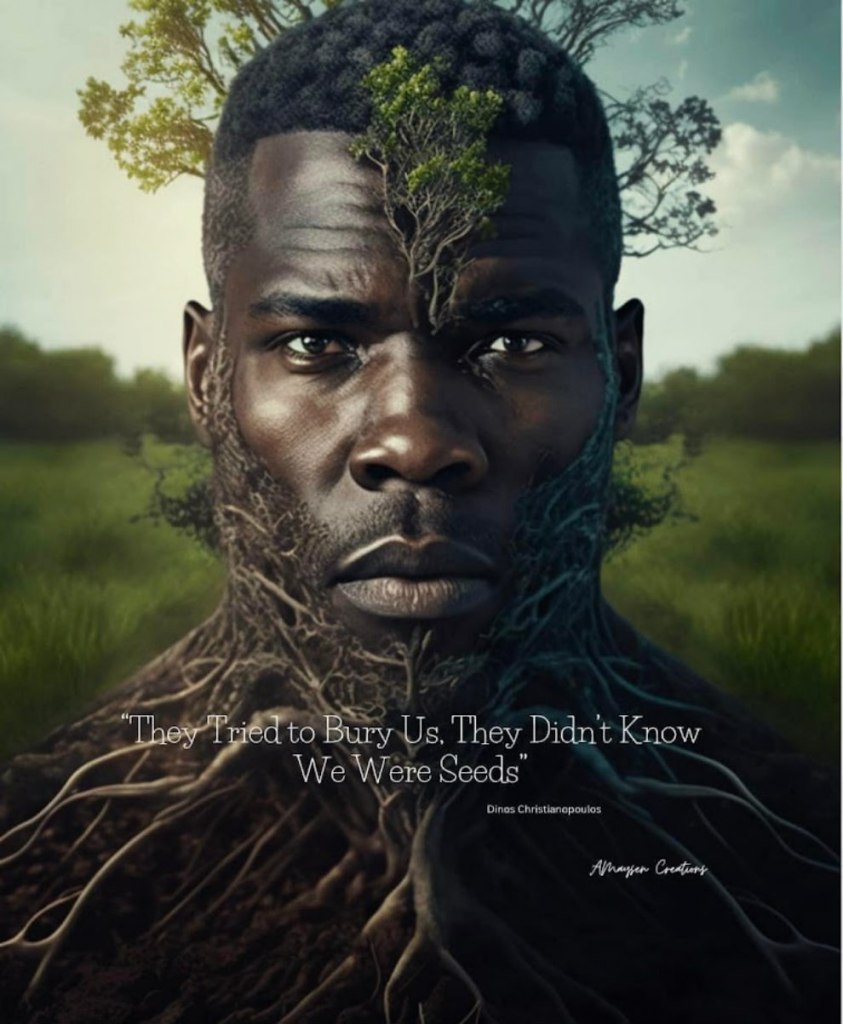
The story of God’s chosen people is deeply rooted in Scripture, prophecy, and history. Deuteronomy 28 (KJV) outlines blessings for obedience and curses for disobedience, serving as both a covenant promise and a prophetic warning. Many within the African diaspora identify their struggles and resilience with these verses, seeing themselves as the “seeds of the promise,” scattered across the earth yet preserved by God’s hand. Like trees planted by rivers of living water, they endure oppression, displacement, and hardship while continuing to grow, flourish, and bear fruit.

The Seeds and the Promise
Seeds carry potential and continuity. Spiritually, the descendants of Israel are seeds of the covenant God made with Abraham (Genesis 17:7, KJV). Psychologically, seeds represent identity and generational transmission. Black people, despite systemic oppression, have carried cultural, spiritual, and intellectual seeds across continents, preserving language, rhythm, faith, and resilience. These seeds testify to survival against all odds.

Deuteronomy 28 and the Black Experience
The curses in Deuteronomy 28:15–68 resonate profoundly with the history of Black people. Enslavement, scattering across nations, oppression by enemies, and loss of identity parallel the transatlantic slave trade and subsequent struggles of the African diaspora. Verse 68 speaks of returning to Egypt “again with ships,” a striking image that mirrors the ships that carried millions into bondage. Many interpret these prophecies as evidence that Black people are part of God’s chosen covenant people.

Trees Planted by Living Water
Psalm 1:3 (KJV) describes the blessed man as being “like a tree planted by the rivers of water, that bringeth forth his fruit in his season.” This metaphor speaks to endurance and divine sustenance. Despite centuries of slavery, segregation, and systemic oppression, Black communities have remained rooted in faith, producing leaders, artists, scholars, and prophets who have blessed the world. The psychology of Black resilience reveals a deep wellspring of spiritual and cultural resources that mirror this biblical imagery.

Psychologically, Black people have carried generational trauma from enslavement, colonization, and racism. Yet, alongside trauma exists resilience—expressed through music, oral tradition, communal bonds, and faith in God. Na’im Akbar (1984) noted that African-descended people maintain strength by reclaiming identity, resisting oppression, and drawing on spirituality. This resilience is evidence of the “living water” that sustains God’s chosen, nourishing them in the face of systemic attempts to uproot them.

The history of Black people stretches far beyond the African continent. Evidence of African presence is found in ancient Israel, Mesopotamia, and early Christian communities. African contributions shaped global civilizations through science, mathematics, philosophy, and theology. From the Kingdom of Kush to the Moors in Spain, Black history reveals a legacy of leadership and brilliance that extends into the Americas, the Caribbean, and beyond. These contributions reveal a scattered yet resilient people, reflecting the biblical narrative of God’s chosen seed dispersed among nations.

Being chosen does not mean privilege without responsibility; it means bearing the covenant of obedience. Deuteronomy 7:6 (KJV) declares, “For thou art an holy people unto the LORD thy God: the LORD thy God hath chosen thee to be a special people unto himself, above all people that are upon the face of the earth.” This chosenness is marked not only by blessings but also by trials meant to refine and bring the people back to God. Black people’s journey through slavery, segregation, and systemic oppression mirrors this refining fire.

The transatlantic slave trade attempted to erase identity, yet language, song, and spirituality preserved the covenant consciousness of the people. Spirituals like “Go Down, Moses” encoded biblical identity, likening the plight of enslaved Africans to the Israelites in Egypt. This connection shows how deeply the promise of God was embedded in the psychology of Black communities, even in the darkest times.

Conclusion
The seeds of the promise remain alive in God’s chosen. Though scattered, bruised, and oppressed, they continue to grow like trees planted by the rivers of water, sustained by the living Word of God. Black history—beyond Africa and into the Americas, Europe, and beyond—bears witness to the fulfillment of prophecy and the preservation of a covenant people. To live as God’s chosen is to embrace both identity and responsibility, walking in obedience, resilience, and faith. The story of the seeds of the promise is not only a history lesson—it is a living testimony of God’s hand upon His people.


References

  • Akbar, N. (1984). Africentric Social Sciences for Human Liberation. Journal of Black Studies.
  • The Holy Bible, King James Version (KJV).

Beauty Personified: The History of the Black Aesthetic.

This photograph is the property of its respective owner. No copyright infringement is intended.

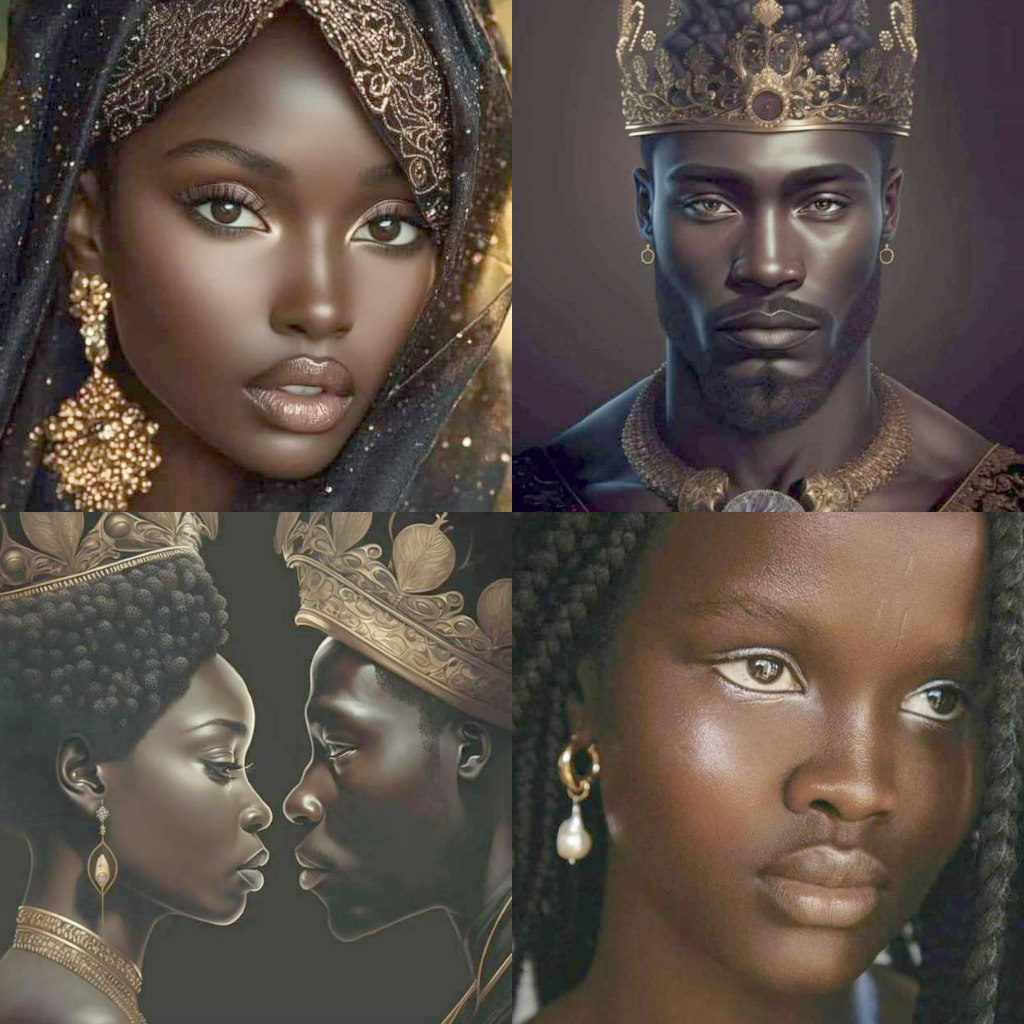
Black beauty has always been a reflection of resilience, identity, and cultural heritage. Long before colonial influence and Eurocentric beauty ideals, African peoples celebrated diverse features, skin tones, and hair textures as markers of pride and identity (Byrd & Tharps, 2014). Beauty was never simply aesthetic; it was political, spiritual, and social.

In ancient Africa, beauty standards varied across regions but consistently emphasized harmony with nature and individuality. Facial symmetry, body proportions, and elaborate adornments were expressions of status, spirituality, and lineage. Scarification, body paint, and jewelry communicated wealth, maturity, and tribal identity (Banks, 2000).

Biblically, beauty carries spiritual significance. In 1 Samuel 16:7 (KJV), God instructs, “For the LORD seeth not as man seeth; for man looketh on the outward appearance, but the LORD looketh on the heart.” This verse underscores that Black beauty is multidimensional: outwardly expressive yet inwardly spiritual.

Hairstyles have historically been central to Black beauty. Cornrows, braids, and locs served as both artistic expression and social communication, reflecting age, marital status, and even spiritual allegiance (Roach, 2018). Hair was, and remains, an essential component of identity and aesthetic.

Skin tone was celebrated within African societies, with varying hues symbolizing status, tribe, or seasonal adaptation. While European colonization attempted to devalue darker skin, pre-colonial Africa embraced a spectrum of melanated beauty (Thompson, 2009).

Facial features such as full lips, wide noses, and high cheekbones were considered attractive and emblematic of lineage and strength. Sculptures, masks, and paintings from ancient African civilizations, including Egypt and Mali, reflect admiration for these traits (Diop, 1987).

Adornment and clothing further expressed beauty. Beaded jewelry, headwraps, and patterned textiles were not only aesthetic but signified intelligence, creativity, and societal role. A well-adorned individual reflected personal and communal pride.

With the advent of slavery, Black beauty faced systemic devaluation. Enslavers imposed European standards, ridiculing African features and promoting straight hair, lighter skin, and narrower noses as ideals. This caused intergenerational psychological and social trauma (Byrd & Tharps, 2014).

Despite this, enslaved Africans maintained beauty practices as a form of resistance. Braiding patterns preserved African heritage, and adornments symbolized hope, dignity, and communal identity (Painter, 2006). Beauty became an act of defiance.

The Harlem Renaissance marked a renaissance of Black beauty and culture. Artists, writers, and performers celebrated Black features, skin tones, and hair textures as central to American identity, countering racist narratives (Huggins, 1971).

In the 1960s and 1970s, the natural hair and “Black is Beautiful” movements elevated African features as symbols of pride and resistance. Afros, locs, and braids became political statements, asserting self-love and cultural reclamation (Craig, 2002).

Black women and men used fashion, makeup, and hair to reclaim aesthetic sovereignty. Iconic figures like Cicely Tyson, Nina Simone, and Angela Davis redefined mainstream perceptions of beauty, highlighting authenticity and heritage over assimilation.

Hollywood and the media often misrepresented Black beauty, favoring Eurocentric standards. Nevertheless, contemporary artists, models, and public figures have increasingly embraced and normalized natural textures, darker skin, and African features in global spaces (Banks, 2000).

Cosmetic entrepreneurship has played a vital role in celebrating Black beauty. Madam C.J. Walker, Annie Malone, and modern beauty brands empower communities while creating products specifically for Black skin and hair, affirming beauty in its natural form (Walker, 1910).

Colorism, a residual effect of colonialism, remains a challenge. Preferences for lighter skin and European features still influence perceptions of attractiveness within Black communities, revealing the ongoing negotiation of identity and self-esteem (Hunter, 2007).

Social media has reshaped beauty discourse, enabling Black creators to challenge standards, share hair and skin care tips, and celebrate diverse aesthetics. Platforms have become modern-day salons and classrooms, fostering education and empowerment (Twine, 2010).

Beauty intersects with spirituality in Black communities. Proverbs 31:30 (KJV) states, “Favor is deceitful, and beauty is vain: but a woman that feareth the LORD, she shall be praised.” Black beauty is thus not only physical; it is entwined with moral character, resilience, and divine favor.

The global influence of Black beauty is evident in fashion, music, and popular culture. African features inspire designers, musicians, and artists worldwide, reshaping perceptions of elegance, style, and power (Henderson, 2008).

In conclusion, Black beauty is multidimensional—historically rooted, culturally expressive, and spiritually significant. From pre-colonial Africa to contemporary global spaces, Black people have navigated oppression while reclaiming, redefining, and celebrating their natural features. Beauty is not merely skin deep; it is identity, resilience, and glory personified.


References

  • Banks, I. (2000). Hair matters: Beauty, power, and Black women’s consciousness. NYU Press.
  • Byrd, A., & Tharps, L. (2014). Hair story: Untangling the roots of Black hair in America. St. Martin’s Press.
  • Craig, M. L. (2002). Ain’t I a beauty queen?: Black women, beauty, and the politics of race. Oxford University Press.
  • Diop, C. A. (1987). The African origin of civilization: Myth or reality. Chicago Review Press.
  • Henderson, C. (2008). Black aesthetics and culture: The evolution of African American beauty standards. Journal of African Cultural Studies, 20(2), 115–134.
  • Huggins, N. (1971). Harlem Renaissance. Oxford University Press.
  • Hunter, M. (2007). The persistent problem of colorism: Skin tone, status, and inequality. Sociology Compass, 1(1), 237–254.
  • Painter, N. I. (2006). Exodusters: Black migration to Kansas after Reconstruction. Knopf.
  • Roach, M. (2018). Hair and identity in the African diaspora. Journal of Black Studies, 49(5), 435–456.
  • Thompson, C. (2009). Black women, beauty, and hair: How hair matters in identity formation. Women’s Studies Quarterly, 37(3/4), 101–123.
  • Twine, F. (2010). A white side of Black Britain: Skin tone, identity politics, and the “good” vs. “bad” Black girl narrative. Sociology, 44(5), 903–920.
  • Walker, M. C. J. (1910). Secrets of success. Independent Business Publisher.

The Bible Series: “”Joseph”” The Faithful Dreamer and His Eternal Legacy.

This photograph is the property of its respective owner. No copyright infringement intended.

Joseph, the eleventh son of Jacob, was born to Rachel, Jacob’s beloved wife, and immediately marked as a child of promise (Genesis 30:22–24, KJV). From his earliest years, he demonstrated a spirit favored by God and recognized by his father, who bestowed upon him the coat of many colors, a garment symbolizing both love and divine favor (Genesis 37:3, KJV). Yet this symbol of distinction also stirred deep envy among his brothers, planting seeds of rivalry that would shape Joseph’s early trials.

Each of the twelve sons of Jacob, founders of Israel’s tribes, had a corresponding precious stone on the High Priest’s breastplate, representing God’s covenant with them. Joseph’s stone was onyx, described in Exodus 28:20: “And the fourth row a beryl, and an onyx, and a jasper: they shall be set in gold in their inclosings” (KJV). Onyx symbolizes resilience, layered strength, and divine protection, foreshadowing Joseph’s ability to endure hardship while preserving his faith and integrity. The stone’s complex beauty reflects his life: layered with trials yet polished by God’s providence.

Joseph’s early life was defined by extraordinary dreams, foretelling that he would rise above his family: “Behold, I have dreamed a dream more; and, behold, the sun and the moon and the eleven stars made obeisance to me” (Genesis 37:9, KJV). These dreams fueled his brothers’ jealousy, motivating them to betray him. They initially plotted to kill him, but ultimately sold him into slavery to Midianite traders, demonstrating the destructive power of envy (Genesis 37:18–28, KJV).

Sold to Potiphar, an officer of Pharaoh, Joseph’s character quickly distinguished him. Despite being a foreigner and a slave, he found favor in Potiphar’s sight, “and the Lord was with Joseph, and he was a prosperous man” (Genesis 39:2, KJV). Joseph’s diligence and faithfulness exemplify how God’s presence can elevate and sustain His servants even in adversity.

Potiphar’s wife tested Joseph’s moral integrity, attempting to seduce him. Joseph resisted, declaring, “How then can I do this great wickedness, and sin against God?” (Genesis 39:9, KJV). His refusal highlights the principle that consecration is not only about obedience but also about protecting the sanctity of the body and the soul from defilement.

False accusations led to Joseph’s imprisonment, yet even there God’s favor remained. “But the Lord was with Joseph, and shewed him mercy, and gave him favour in the sight of the keeper of the prison” (Genesis 39:21–23, KJV). Joseph’s life demonstrates that God’s providence can operate through trials, shaping character, wisdom, and resilience.

Joseph’s God-given gift of dream interpretation became central to his rise. He accurately interpreted the dreams of Pharaoh’s servants in prison (Genesis 40:8, KJV), and later Pharaoh’s troubling dreams of seven years of plenty followed by seven years of famine (Genesis 41:15–32, KJV). This prophetic insight elevated him to second-in-command over Egypt, entrusted with the nation’s resources during a time of impending crisis.

His administration during the famine revealed extraordinary wisdom, foresight, and humility. “Thou shalt be over my house, and according unto thy word shall all my people be ruled” (Genesis 41:40, KJV). Joseph’s leadership saved Egypt and positioned him to fulfill God’s covenant promises to his family, demonstrating that consecrated service benefits both the individual and God’s broader plan.

The famine brought Joseph’s brothers to Egypt seeking sustenance. Initially unrecognized, Joseph tested their hearts to discern repentance (Genesis 42–44, KJV). His careful discernment, mercy, and wisdom underscore the spiritual maturity cultivated through suffering.

Ultimately, Joseph revealed his identity, saying, “I am Joseph; doth my father yet live?” (Genesis 45:3, KJV). His forgiveness reconciled his family, turning their envy and betrayal into instruments of divine providence. Joseph exemplified how God can transform human malice into salvation and blessing.

Joseph’s personal gifts—wisdom, discernment, humility, and prophetic insight—were manifestations of God’s Spirit (Genesis 41:16, KJV). These gifts allowed him to preserve nations, restore his family, and serve as a model of faithfulness. His consecrated life demonstrates that spiritual gifts function best when aligned with obedience and trust in God.

His marriage to Asenath and the birth of Ephraim and Manasseh ensured his lineage and the continuation of God’s covenant through his descendants (Genesis 41:45; 41:50–52, KJV). The tribes of Ephraim and Manasseh inherited prominence in Israel, reflecting the enduring blessing of Joseph’s faithfulness and the symbolic double portion often associated with the firstborn.

Joseph’s onyx stone reflects his layered resilience. Like the stone, his life endured pressures of betrayal, slavery, and false accusation, emerging strengthened and polished. Onyx symbolizes moral fortitude, protection, and divine favor, qualities that Joseph embodied throughout his trials.

The tribes of Ephraim and Manasseh illustrate Joseph’s enduring legacy. Ephraim, often a leading tribe, and Manasseh, settled east of the Jordan, both carried forward Joseph’s influence, demonstrating how God multiplies the faithfulness of one servant into blessings for generations.

Spiritually, Joseph’s life reveals the principle of refinement through adversity. God used suffering to cultivate patience, wisdom, and discernment in him. His faithfulness in small matters, like serving in Potiphar’s house and prison, prepared him for enormous responsibilities, showing that consecration is a process shaped by trials.

Forgiveness and reconciliation were central to Joseph’s legacy. By forgiving his brothers, he preserved covenantal unity, demonstrating that divine leadership is rooted not only in authority but in mercy and relational wisdom (Genesis 50:17, KJV).

Joseph’s prophetic dreams, from youth through adulthood, symbolized God’s sovereign plan. While initially misunderstood and resented, these dreams guided him toward his destiny, revealing that God’s guidance often unfolds gradually and through trials (Genesis 37:5–11, KJV).

The onyx stone, embedded in the High Priest’s breastplate, represents the visible presence of God’s covenant, mirrored in Joseph’s life as a conduit of divine providence. Just as the stone endures layers of pressure and emerges brilliant, Joseph’s integrity and faithfulness shone through adversity, blessing nations and securing his family’s survival.

Joseph’s trials and triumphs exemplify God’s providential care. Romans 8:28 parallels his story: “And we know that all things work together for good to them that love God, to them who are the called according to his purpose” (KJV). Every betrayal and hardship in Joseph’s life served a higher purpose, demonstrating God’s sovereignty.

In conclusion, Joseph’s life, marked by divine favor, prophetic insight, moral integrity, and leadership, serves as a model of faithfulness and consecration. His onyx stone symbolizes resilience, divine protection, and layered beauty revealed through trials. Through his sons, Ephraim and Manasseh, his legacy endured, blessing Israel for generations. Joseph exemplifies how God transforms adversity into purpose, and how consecrated obedience produces enduring spiritual fruit.

The Aesthetic of Black Beauty: Genetics, Psychology, and Divine Design.

Black beauty is not a single expression but a spectrum of genetic diversity that manifests in facial features, body composition, skin tone, hair texture, and overall presence. From African roots to diasporic populations across the globe, these features convey strength, resilience, and divine artistry. Understanding this beauty requires an exploration of genetics, psychology, history, and spirituality.

Melanin-rich skin is one of the most defining features of Black beauty. High melanin content provides natural protection against ultraviolet radiation, contributes to a radiant glow, and displays a spectrum of shades from deep ebony to golden brown. The Bible celebrates skin as a divine creation: “Thou art all fair, my love; there is no spot in thee” (Song of Solomon 4:7, KJV). This scripture underscores the inherent perfection of pigmentation.

Facial structure in Black populations varies widely but often includes high cheekbones, broad noses, and full lips, reflecting African and Egyptian ancestry. These features have evolved over millennia to adapt to environmental factors, providing functional benefits such as enhanced oxygenation and protection from the sun. Anthropologists note that these structures also contribute to facial symmetry, a key element of perceived beauty (Rhodes, 2006).

The eyes, often large and expressive, are framed by naturally arched brows and long eyelashes. Psychologically, eye contact conveys dominance, confidence, and emotional depth. “The eyes of the LORD are in every place, beholding the evil and the good” (Proverbs 15:3, KJV) reminds us that vision, both literal and figurative, carries spiritual significance.

Nose shapes within the Black diaspora range from wide and rounded to straight and sculpted, reflecting genetic variation and admixture. Broad noses historically helped with humid climates and enhanced nasal airflow. Full lips, often prominent, serve not only as markers of identity but are aesthetically celebrated in global beauty paradigms.

Hair is one of the most versatile and culturally significant features. Excessively curly or coiled hair, typical in many African-descended populations, reflects high genetic diversity in hair follicle shape (Powell et al., 2012). Hair texture has symbolic importance: it represents ancestry, resilience, and adaptability. In the Bible, hair often signifies strength and identity, as in Samson’s story (Judges 16:17, KJV).

The jawline and chin provide structural strength and character. Strong jawlines in Black populations are often linked to evolutionary pressures for durability and facial symmetry. This contributes to psychological perceptions of leadership, power, and assertiveness (Little et al., 2011).

Skin elasticity and body composition vary, with many Black populations exhibiting mesomorphic or athletic builds. Muscle density, bone strength, and proportionality have both functional and aesthetic implications, highlighting physical resilience and adaptability. Scripture recognizes the body as God’s creation: “I praise thee; for I am fearfully and wonderfully made” (Psalm 139:14, KJV).

Neck and shoulder structures contribute to posture and perceived presence. Broad shoulders and muscular necks convey strength and authority, signaling both evolutionary fitness and cultural ideals of masculinity.

Hand and finger morphology, often graceful yet strong, plays roles in artistry, physical labor, and nonverbal communication. In African cultures, hands are celebrated for their expressive and functional capacities, bridging work and identity.

Torso structure varies across African and diasporic populations. A well-proportioned torso, often associated with endurance and physical capability, is both aesthetically admired and functionally advantageous. The body becomes a living testament to evolutionary adaptation and divine engineering.

Legs and lower body features display powerful musculature and athleticism, reflective of both lifestyle and genetic adaptation. Longer limbs relative to the torso, common in certain African populations, facilitate agility and endurance. Psychologically, these features contribute to perceptions of vitality and grace.

Visual “Feature Map” of Black Beauty

1. Skin Tone (Melanin Spectrum)

  • Deep ebony
  • Brown
  • Golden caramel
  • Tan/olive
    (Illustrates melanin diversity and natural protection)

2. Hair Texture

  • Coily / kinky (Type 4)
  • Curly (Type 3)
  • Wavy (Type 2)
    (Shows versatility and genetic variation across African and diasporic populations)

3. Facial Features

  • High cheekbones
  • Broad to medium noses
  • Full lips
  • Almond-shaped or rounded eyes
  • Defined jawline and chin
    (Highlights evolutionary adaptation, aesthetic symmetry, and Egyptian influence)

4. Body Proportions

  • Mesomorphic build (muscular, athletic)
  • Broad shoulders, strong neck
  • Proportional torso
  • Long, strong legs
    (Represents strength, endurance, and functional beauty)

5. Cultural and Historical Notes

  • Egyptian elongation of faces and noses
  • African sculpted features
  • Diaspora adaptations across Caribbean, Americas, and Europe

6. Psychological & Spiritual Layer

  • Confidence and presence linked to symmetry
  • Expressive eyes signaling emotional depth
  • Biblical affirmation: Psalm 139:13-14 (KJV)

Genetic diversity across the African continent explains the variation in features globally. From the Nilotic peoples of East Africa to West African populations and Egyptian descendants, phenotypes differ due to historical migration, environmental adaptation, and admixture. Melanin-rich skin, hair texture, and facial structure are markers of evolutionary resilience and aesthetic value.

Egyptian features, often admired historically and across cultures, include elongated faces, almond-shaped eyes, and slender noses. Art and sculpture from ancient Egypt preserve these features, which influenced Mediterranean and African aesthetics. The spread of Egyptian traits across Africa reflects both migration and intermixing of populations.

Beyond physiology, the psychology of Black beauty is tied to self-perception and societal validation. Internalized biases from colonialism and slavery have historically devalued African features, creating psychological stress and colorism. Embracing ancestral aesthetics restores dignity and affirms identity (Hunter, 2007).

Cultural adornments, including hair styling, body art, and jewelry, enhance perceived beauty while preserving heritage. Hairstyles such as braids, locs, and twists are both aesthetic expressions and cultural statements, linking identity to ancestry.

The symmetry of facial features plays a key role in attractiveness. Across populations, symmetrical faces are psychologically associated with health, genetic fitness, and beauty. African-descended populations often display facial symmetry enhanced by pronounced features, which contributes to aesthetic appeal (Rhodes, 2006).

Height and overall proportions vary widely, yet commonality lies in the harmony of features. Balanced proportions, combined with melanin-rich skin and expressive facial characteristics, create a sense of visual coherence and presence.

Eyes and facial expression are central to perceived beauty. Expressiveness conveys emotion, intelligence, and social engagement. Psychological studies show that expressive eyes increase interpersonal attraction and perceived trustworthiness.

Ultimately, Black beauty reflects a combination of genetics, evolutionary adaptation, cultural heritage, and divine design. As the Bible reminds us, each individual is crafted with intentionality and wonder: “Thou hast possessed my reins: thou hast covered me in my mother’s womb. I will praise thee; for I am fearfully and wonderfully made” (Psalm 139:13-14, KJV). Recognizing, celebrating, and understanding these features fosters pride, identity, and self-worth across the diaspora.


References

Clark, K., & Clark, M. (1947). Racial identification and preference in Negro children. Journal of Negro Education, 16(3), 169–175.

Hunter, M. (2007). The persistent problem of colorism: Skin tone, status, and inequality. Sociology Compass, 1(1), 237–254. https://doi.org/10.1111/j.1751-9020.2007.00006.x

Little, A. C., Jones, B. C., & DeBruine, L. M. (2011). Facial attractiveness: Evolutionary based research. Philosophical Transactions of the Royal Society B: Biological Sciences, 366(1571), 1638–1659. https://doi.org/10.1098/rstb.2010.0404

Powell, B., Shriver, M. D., & Parra, E. J. (2012). Genetic variation and the evolution of African hair texture. American Journal of Physical Anthropology, 149(1), 1–14. https://doi.org/10.1002/ajpa.22195

Rhodes, G. (2006). The evolutionary psychology of facial beauty. Annual Review of Psychology, 57, 199–226. https://doi.org/10.1146/annurev.psych.57.102904.190208

The Holy Bible, King James Version. (1611). Thomas Nelson.

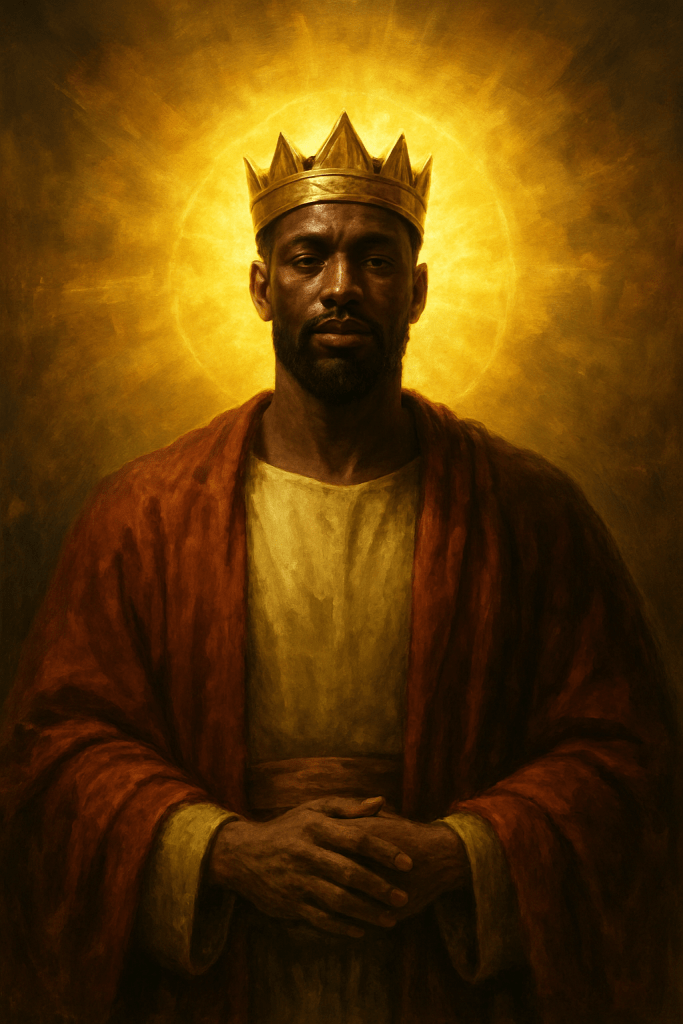
The Male Files: The Soul of a King

In a world that often diminishes the spiritual authority and divine design of manhood, the soul of a king stands as both a mystery and a mandate. The King, in biblical and spiritual context, represents more than status—he embodies stewardship, wisdom, and submission to the will of God. To understand the soul of a king is to look beyond the crown and into the inner workings of purpose, identity, and divine responsibility. Scripture reminds us that true kingship is not measured by dominance or wealth, but by righteousness and humility. As Proverbs 16:12 declares, “It is an abomination to kings to commit wickedness: for the throne is established by righteousness” (KJV).

A king’s soul must be anchored in divine order. He is not self-appointed but chosen by God for leadership, both in his home and his community. David, the shepherd who became Israel’s greatest king, was anointed long before he ascended the throne. His kingship began in obscurity, formed through worship and warfare in the fields (1 Samuel 16:13). This reveals a spiritual truth: kings are forged in secret before they are revealed in public. The soul of a king must first learn servanthood before exercising dominion.

The greatest danger to any man’s kingship is pride. When the soul exalts itself above God, authority becomes corrupted. King Saul’s fall serves as a solemn warning that disobedience and ego can strip a man of divine favor. As 1 Samuel 15:23 states, “For rebellion is as the sin of witchcraft, and stubbornness is as iniquity and idolatry” (KJV). The soul of a king must therefore remain teachable, repentant, and obedient to the voice of God, lest his throne become his prison.

A true king governs not only others but himself. He rules over his emotions, his impulses, and his tongue. Proverbs 25:28 warns, “He that hath no rule over his own spirit is like a city that is broken down, and without walls” (KJV). The disciplined soul becomes a fortress of stability in a chaotic world. Kingship without self-control leads to ruin, but kingship with restraint establishes peace within and around.

The soul of a king is also a soul of service. Christ, the King of Kings, modeled leadership through humility and sacrifice. In Matthew 20:28, He declared, “The Son of man came not to be ministered unto, but to minister, and to give his life a ransom for many” (KJV). The essence of spiritual royalty lies in serving others with love, compassion, and justice. A king who refuses to serve cannot sustain his rule, for service is the foundation of divine leadership.

A king’s wisdom is his crown. Solomon prayed not for riches or victory, but for understanding. His request pleased the Lord, who granted him both wisdom and prosperity (1 Kings 3:9–13). This teaches that a king’s greatness flows from his ability to discern the will of God. The soul of a king listens more than it speaks, meditates before it acts, and seeks counsel before making decisions.

The heart of a king must also be tender toward the people. David’s compassion for his soldiers and his grief over Absalom’s rebellion show that true kingship carries emotional weight. The soul of a king is not hardened by power but softened by empathy. He feels deeply, yet governs wisely. His strength lies in his balance—firm in justice, but rich in mercy, reflecting God’s own heart.

Righteous kingship demands spiritual warfare. Every true king faces opposition, not only from the external world but from the unseen realm. The adversary seeks to dethrone men from their spiritual position through temptation, lust, and pride. Yet the armor of God remains his defense. As Ephesians 6:11 instructs, “Put on the whole armour of God, that ye may be able to stand against the wiles of the devil” (KJV). The soul of a king must be battle-ready, clothed in faith and truth.

The anointed man’s path is often lonely. Isolation refines the king’s character and tests his endurance. In moments of solitude, he learns to hear the whisper of the Spirit, as Elijah did in the wilderness (1 Kings 19:12). The king’s solitude is not abandonment but preparation. God hides His chosen ones before revealing their destiny.

Kingship is not inherited by blood alone but by covenant. Every man who walks in faith becomes part of a royal priesthood (1 Peter 2:9). This means that kingship is not about title or throne, but about alignment with God’s will. The modern man, therefore, is called to rule with integrity in his sphere—whether as father, husband, leader, or mentor. His throne is wherever his obedience to God establishes dominion.

The soul of a king must be anchored in humility. The world teaches men to boast, but Scripture reminds them to kneel. In Micah 6:8, the prophet writes, “What doth the Lord require of thee, but to do justly, and to love mercy, and to walk humbly with thy God?” (KJV). The posture of humility attracts divine favor and guards the king from self-destruction.

Every king must also confront his inner wounds. Generational trauma, fatherlessness, and societal rejection often leave men broken beneath their crowns. Yet healing is the key to righteous rule. Psalm 34:18 declares, “The Lord is nigh unto them that are of a broken heart; and saveth such as be of a contrite spirit” (KJV). A healed soul becomes a vessel of restoration for others.

A true king leads his family with love and spiritual vision. His leadership begins in the home, where his example shapes generations. Ephesians 5:23 affirms, “For the husband is the head of the wife, even as Christ is the head of the church” (KJV). Yet this headship is not tyranny; it is sacrificial love, mirroring Christ’s devotion to the Church.

The king’s relationship with God defines his reign. His prayer life is his strategy, his worship is his weapon, and his faith is his fortress. Without intimacy with God, his crown becomes heavy and his vision fades. Psalm 27:4 captures the king’s longing: “One thing have I desired of the Lord… that I may dwell in the house of the Lord all the days of my life” (KJV).

The soul of a king must also learn forgiveness. Unforgiveness poisons authority and corrupts purpose. Joseph, though betrayed by his brothers, forgave and ruled with compassion (Genesis 50:20). Forgiveness is the hallmark of a matured king—it signifies mastery over bitterness and alignment with divine mercy.

A righteous king uplifts the poor and defends the oppressed. His rule extends justice, not exploitation. Proverbs 29:14 teaches, “The king that faithfully judgeth the poor, his throne shall be established forever” (KJV). The true measure of a man’s kingship lies not in his wealth but in his compassion.

The soul of a king must remain teachable under divine authority. Even King David, though anointed, sought the counsel of prophets and priests. This humility preserved his throne and renewed his heart. Every king who submits to God’s Word ensures that his rule endures beyond his lifetime.

Kingship also demands accountability. A man’s power must be checked by moral principle and spiritual discipline. Without accountability, authority becomes abuse. Nathan’s rebuke of David (2 Samuel 12:7) illustrates that even kings must be corrected. True strength lies not in being above reproach, but in receiving it with wisdom.

The soul of a king is eternal. Earthly crowns tarnish, but spiritual legacy endures. When a man governs with love, integrity, and truth, he becomes a reflection of the eternal King, Christ Himself. His rule transcends generations, shaping destinies long after his physical reign has ended.

Ultimately, the soul of a king is a heart surrendered to God. His purpose is not to be worshipped, but to worship; not to rule alone, but to reflect divine rulership on earth. The world needs such kings—men of valor, humility, and faith—who will rise in righteousness and restore the moral order of nations. For as Revelation 19:16 declares, “He hath on his vesture and on his thigh a name written, KING OF KINGS, AND LORD OF LORDS” (KJV).


References (KJV Bible)
1 Samuel 15:23; 1 Samuel 16:13; 1 Kings 3:9–13; 1 Kings 19:12; 2 Samuel 12:7; Ephesians 5:23; Ephesians 6:11; Genesis 50:20; Micah 6:8; Matthew 20:28; Psalm 27:4; Psalm 34:18; Proverbs 16:12; Proverbs 25:28; Proverbs 29:14; Revelation 19:16; 1 Peter 2:9.

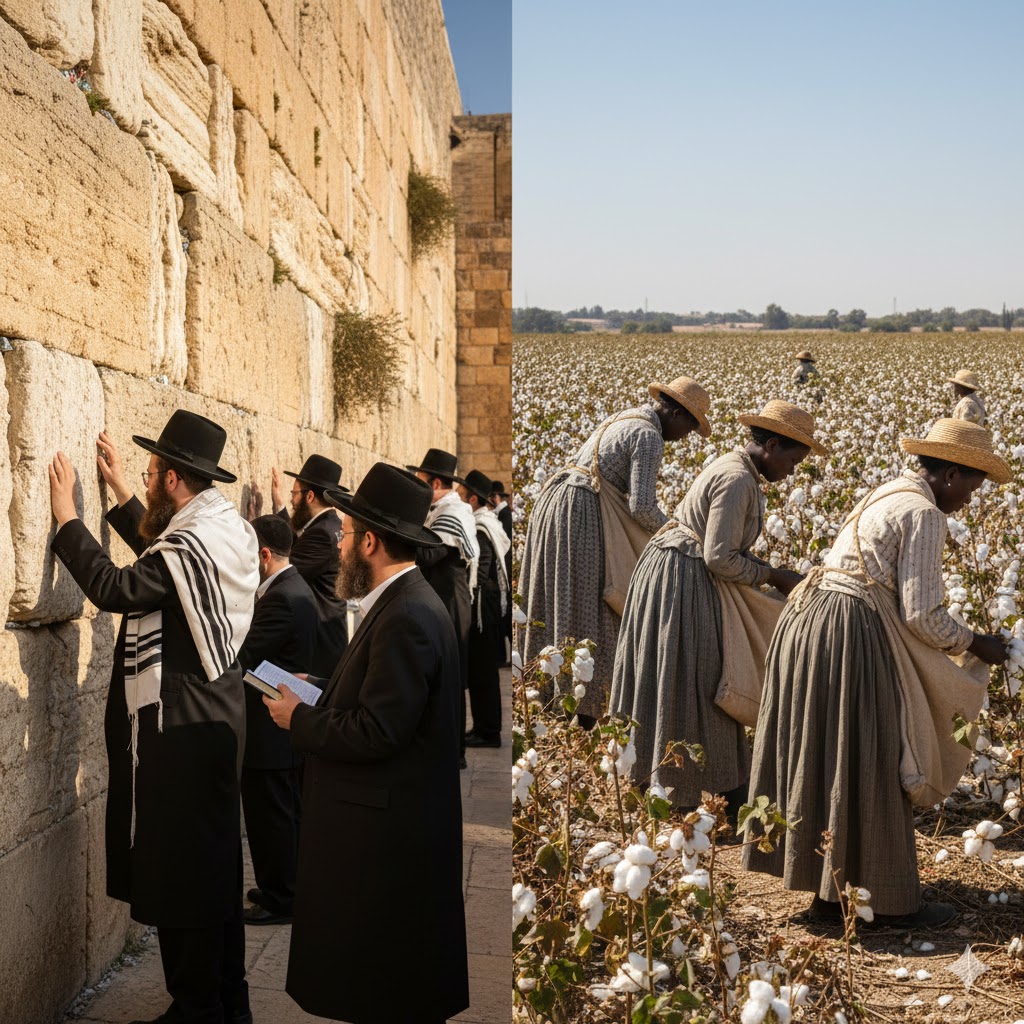
Modern Zionism is built on a false claim

Modern Zionism, as a political ideology, emerged in the late nineteenth century as a movement seeking to establish a Jewish homeland in the ancient land of Palestine. While its cultural and religious motivations often point to biblical narratives, the modern political project was shaped far more by European nationalism, colonial power structures, and the trauma of antisemitism than by any verifiable lineage-linked claim to ancient Israelites. The idea that European Jews, particularly Ashkenazim, are the direct descendants of the biblical Hebrews has been widely debated by historians, geneticists, and sociologists, raising serious questions about the authenticity of the core claim that modern Zionism rests upon.

White supremacy and modern Zionism intersect where racial hierarchy, colonial power, and political domination converge. Modern Zionism emerged in a European colonial era, shaped by Western racial ideologies that positioned European identity—whether Christian or Jewish—as superior to non-European peoples. Although Zionism presented itself as a liberation movement, it often adopted the logic and structures of white supremacy: land seizure, racial stratification, and the belief that a European-descended population had a divine or historical right to rule over an indigenous non-European population. This framing aligned Zionism with broader colonial projects, treating Palestinians as inferior, primitive, or expendable, thereby justifying displacement, segregation, and militarized control.

White supremacy also reinforces modern Zionism through geopolitical alliances. Western nations—rooted in histories of racial hierarchy—have long supported Israel as a strategic extension of their own political power, often valuing a European-aligned state over the rights of Middle Eastern or African populations. In this dynamic, Palestinians are racialized as threats, savages, or terrorists, while Israeli identity—particularly Ashkenazi identity—is coded as Western, civilized, and deserving of protection. Thus, white supremacy operates not merely as personal prejudice but as a global structure that elevates one group’s claim to land and power while systematically dehumanizing and dispossessing another.

Biblically: Zion is a Place, Not a People

In Scripture, Zion first referred to a location:

  • Originally: The ancient fortress David captured (2 Samuel 5:7).
  • Later: Jerusalem as a whole.
  • Symbolically: The dwelling place of God, the seat of His rule, and the future center of His restored kingdom.

Zion was never originally an ethnic label—it was the sacred mountain-city where God chose to place His name.


Spiritually: Zion = God’s Chosen People Who Keep His Covenant

While Zion is a place, Scripture also uses it symbolically to describe:

  • The people who obey God.
  • The remnant who remain faithful.
  • Those who keep His covenant and walk in His statutes.

Examples:
These people have I formed for myself” (Isaiah 43:21).
Out of Zion shall go forth the law” (Isaiah 2:3).
The Lord loveth the gates of Zion more than all the dwellings of Jacob” (Psalm 87:2).

This means Zion is both a location and a covenant community.


Historically: Zion Referred to the Israelites, Not Europeans

Before the modern political movement of Zionism:

  • Zion = the land of Israel
  • Zion = the ancient Israelites, a Semitic Afro-Asiatic people
  • Zion = Jerusalem’s holy center

Zion was intimately tied to the original Hebrew people, not to converts, settlers, or later European identities.


In Hebraic Black Scholarship: Zion Refers to the Scattered True Israelites

Many scholars, theologians, and researchers argue that:

  • The true descendants of ancient Israel are predominantly found among the peoples who endured the transatlantic slave trade.
  • Zion, therefore, symbolizes the scattered, oppressed, covenant people described in Deuteronomy 28.
  • These communities often maintained spiritual memory, oral tradition, and cultural markers that align with biblical Israel.

Thus, in this theological worldview:

  • Zion = the children of Israel scattered to the four corners of the earth.
  • Zion = the people God will gather again (Isaiah 11:11–12).
  • Zion = those who bear the covenant signs, not political claims.

Politically: Modern Zionism Redefined “Zion”

Modern political Zionism (late 1800s) shifted the meaning:

  • It turned Zion into a European nationalist project.
  • It claimed Ashkenazi Jews—often of mixed or European origin—were the rightful “Zion.”
  • It used ancient biblical language to justify a modern state-building effort.

This political redefinition does not match biblical, genetic, or historical lineage.


So—Who Is the Real Zion?

Biblically

Zion = The holy mountain and the people who keep God’s covenant.

Historically

Zion = The original Israelites of the ancient Near East.

Spiritually

Zion = God’s faithful remnant.

Prophetically (Isaiah, Jeremiah, Revelation)

Zion = The scattered children of Israel, whom God will regather at the end.

According to many Black Hebraic scholars

Zion = The descendants of the lost tribes found in the African diaspora, especially those taken into slavery—those whose history matches the curses and prophecies of Deuteronomy 28.


The real Zion is not a political state, a modern ideology, or a European nationalist project.
The real Zion is the covenant people of God—those descended from ancient Israel and those who remain faithful to His commandments.

One of the primary arguments supporting Zionism is the belief in a continuous, unbroken ethnic and genealogical connection between today’s Jewish populations and ancient Israelites. However, numerous scholars argue that Jewish identity across history has not been a single, pure genetic line, but an evolving, diverse, and often converted population. Groups such as the Ashkenazi, Sephardi, Mizrahi, Ethiopian Beta Israel, and others have distinct origins, many of which do not trace exclusively to ancient Judea.

Ashkenazi populations, who form the majority of global Jewry and historically shaped Zionist leadership, have been shown in many genetic studies to possess strong European admixture. Some research posits that a significant portion of their ancestry is linked to the Khazar Empire, a medieval Turkic people who converted to Judaism between the 8th and 10th centuries. This possibility undermines the idea that all modern Jews are “returning” to a land to which they share direct bloodline ties.

Furthermore, the cultural Judaism practiced across Europe evolved separately from the Hebraic practices of the ancient Israelites. The Yiddish language, for example, developed from Middle High German, Slavic, and Hebrew elements—demonstrating an identity shaped by Europe rather than the Middle East. The constructed narrative of a singular Jewish lineage has been used politically to justify territorial claims, often overshadowing the nuanced and diverse history of Jewish communities.

Modern Zionism also relies on the interpretation that biblical promises apply directly to modern political entities. This conflation of ancient religious texts with contemporary geopolitics is highly contested. Many theologians and scholars argue that biblical covenants were spiritual in nature and never intended to justify political conquest or displacement. The attempt to merge scripture with nationalism turns a theological dialogue into a political weapon.

A major critique of Zionism is its reliance on selective historical memory. While the movement highlights episodes of Jewish presence in ancient Israel, it minimizes or erases the continuous presence of Palestinian Arabs—Muslims, Christians, and Jews—who lived in the region for centuries. Prior to Zionist settlement, Palestine was a multiethnic and multireligious society with its own traditions, governance, and identity.

The claim of “a land without a people for a people without a land,” widely circulated by early Zionists, has been thoroughly discredited. Palestine was far from empty; it was home to thriving agricultural villages, bustling towns, and established families who traced their lineage in the land for generations. To claim otherwise is to rewrite history.

European powers played a major role in shaping and validating Zionism, not because of ancestral truths, but because of colonial interests. The Balfour Declaration of 1917 promised a “national home for the Jewish people” in Palestine without consulting its indigenous Arab population, revealing how Zionism functioned within British imperial strategy rather than ancient heritage.

The displacement of over 700,000 Palestinians in 1948—known as the Nakba—demonstrates the real-world consequences of building a nation-state on a contested historical claim. Entire villages were depopulated or destroyed to make room for a modern Zionist state. For Palestinians, the narrative of ancestral return became, in practice, an instrument of dispossession.

Many Jewish scholars have also criticized the racialized ideology embedded in Zionism. The notion of a chosen lineage returning to its promissory homeland can inadvertently elevate one ethnic identity over others. Such exclusionary nationalism clashes with Jewish ethical teachings that emphasize justice, compassion, and the protection of the oppressed.

Additionally, modern genetic research on Middle Eastern populations shows that Palestinians, Bedouins, Samaritans, and other Levantine groups share strong genetic ties to the ancient Israelites. Ironically, many Palestinians may be more genetically linked to the people of the Bible than some populations claiming ancestral return.

Modern Zionism’s most controversial claim is that ancient biblical texts justify contemporary political borders. Sacred texts, however, are theological documents—not land deeds. Many religious scholars argue that Zionism’s use of scripture is a misinterpretation that conflates divine promise with political entitlement.

The belief that all Jewish people originated from a single geographic and ethnic source has been rejected by numerous anthropologists. Jewish identity historically spread through conversion, intermarriage, and cultural assimilation, forming what scholars call a “religio-ethnic tapestry” rather than a singular bloodline.

The modern State of Israel’s identity politics also raise questions about who qualifies as a Jew and who does not. The constant debates over conversion standards, matrilineal descent, and “who is Jewish enough” reveal internal recognition that lineage claims are not as straightforward as political rhetoric suggests.

For many critics, the foundational claim of Zionism functions less as a historical truth and more as a political myth—one that legitimizes land acquisition and nation-building at the expense of another people’s ancestral rights. In this way, Zionism resembles other nationalist movements that reframe or romanticize history to construct a unified ethnic identity.

This does not negate the real suffering of Jewish communities throughout history, nor does it diminish their right to safety. But it does raise critical questions about how historical narratives are used to justify territorial claims, warfare, settlement expansion, and apartheid-like conditions for the Palestinian population.

The ongoing conflict in the region is inseparable from the foundational narrative that modern Zionism promotes. When a political ideology depends on a singular interpretation of ancient identity, it becomes resistant to dialogue, compromise, and historical truth. Critical examination is necessary to understand how mistaken historical claims have shaped decades of violence and displacement.

Many Jewish voices, including rabbis, historians, and activists, have warned that the misuse of ancestry risks corrupting Jewish values and causing harm in the name of heritage. They argue that the true essence of Jewish identity lies in ethics, community, and spirituality—not in territorial entitlement rooted in questionable genealogy.

Ultimately, the claim that modern Zionism is built on ancient, exclusive bloodline ties to the land of Palestine is not supported by the weight of historical, genetic, or anthropological evidence. Rather, modern Zionism is a political project shaped by European nationalism, colonial alliances, and collective trauma.

Understanding this distinction is essential for meaningful dialogue, justice, and reconciliation. When we separate myth from historical reality, we gain clarity about the roots of the conflict and the paths toward a future not driven by racialized claims, but by human dignity and mutual recognition.

References

Belfer, E. (2018). Nationalism and the politics of ancient claims. Oxford University Press.
Elhaik, E. (2013). The missing link of Jewish European ancestry: Investigating the Khazar hypothesis. Genome Biology and Evolution, 5(1), 61–74.
Khalidi, R. (2020). The hundred years’ war on Palestine. Metropolitan Books.
Pappé, I. (2006). The ethnic cleansing of Palestine. Oneworld.
Sand, S. (2009). The invention of the Jewish people. Verso Books.
Tolan, S. (2020). The biblical claim and the politics of memory. Cambridge University Press.