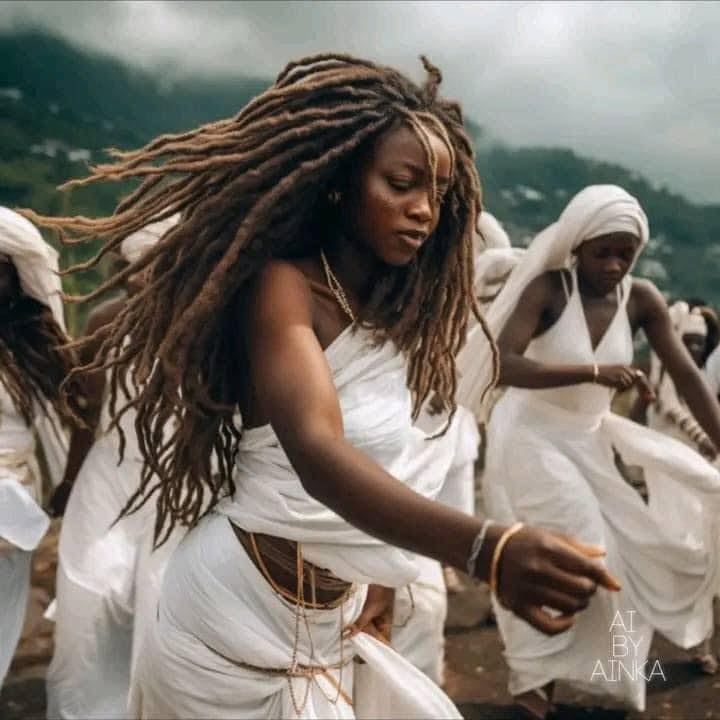
Category Archives: black beauty standards

Good-Looking Black People and Representation.

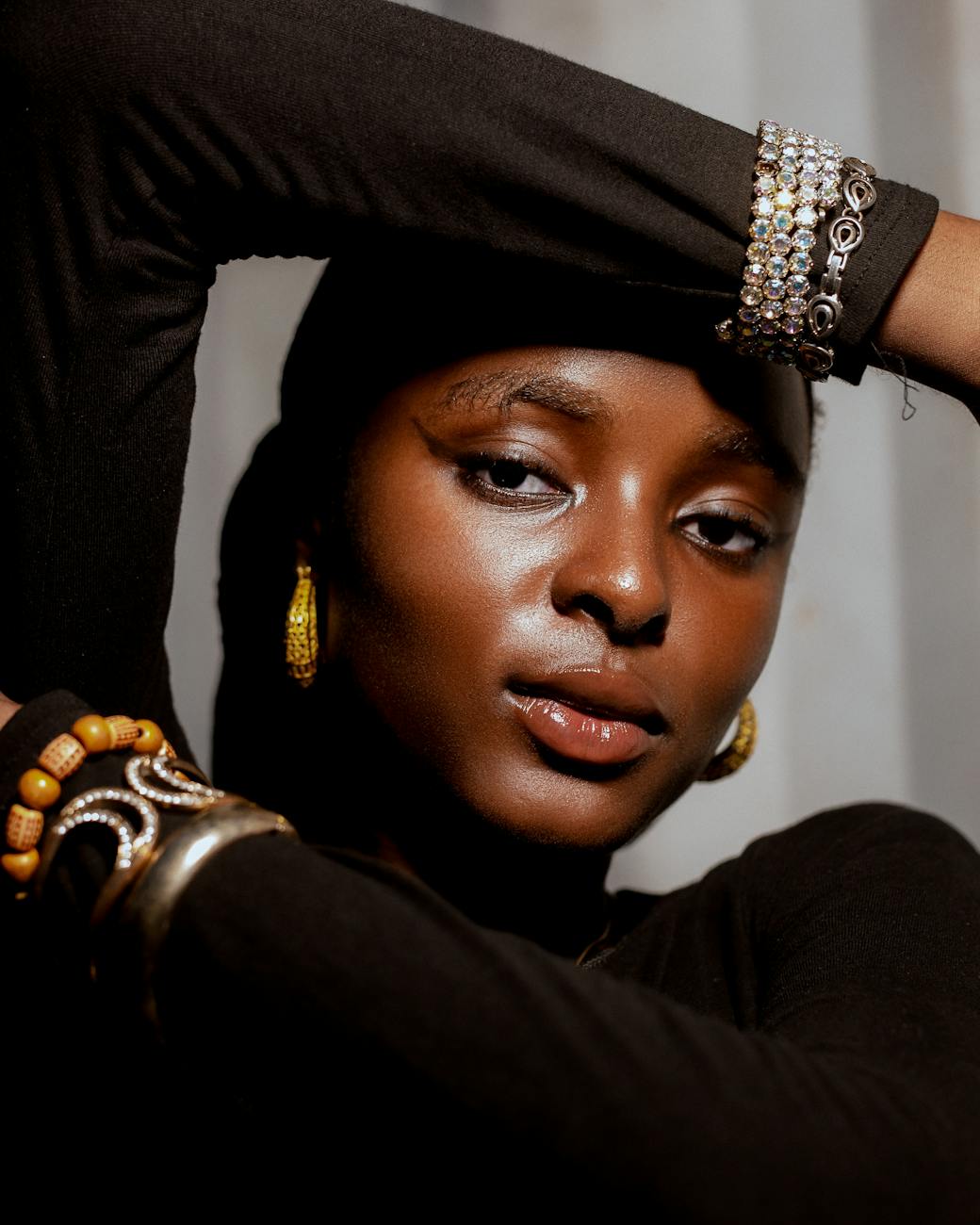
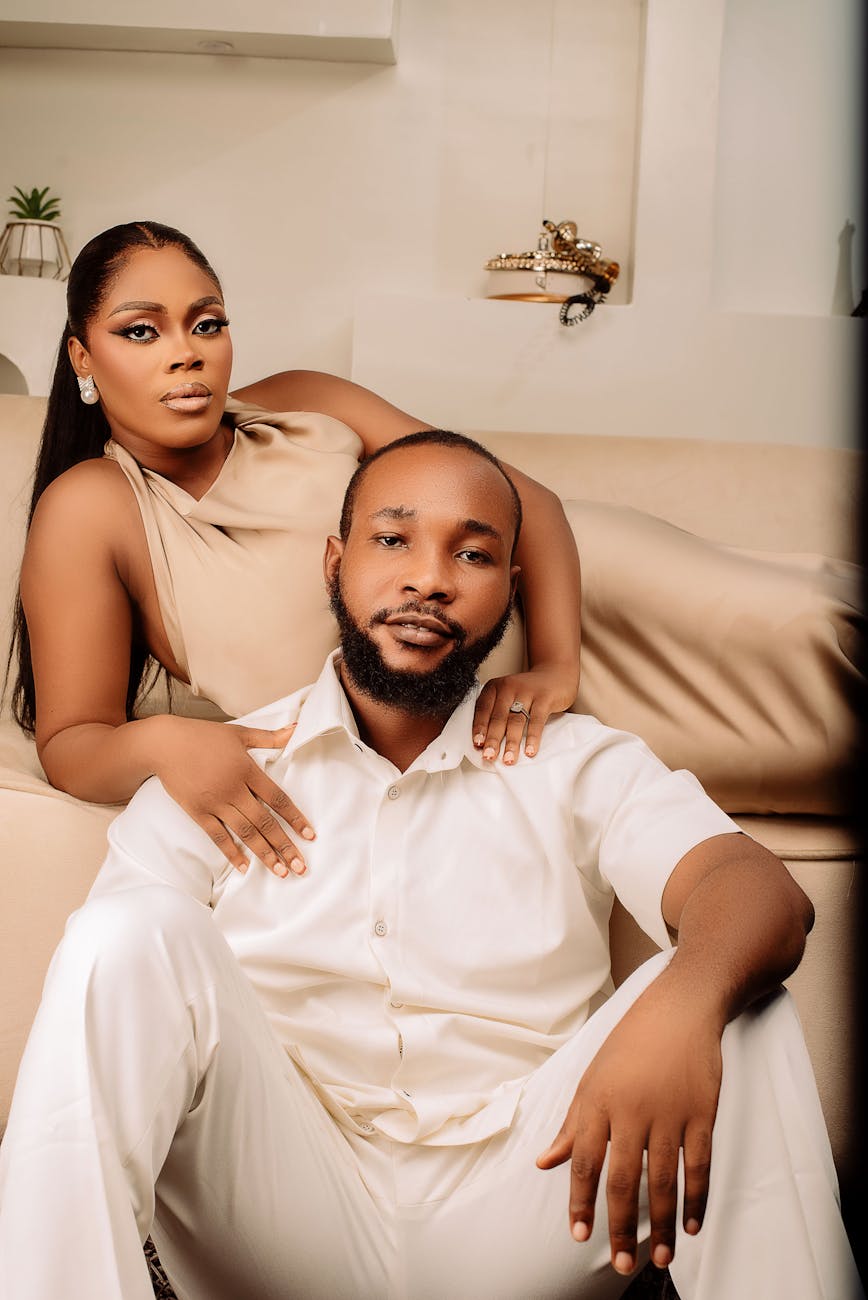
Photo by Chinedu Offor on Pexels.com

The concept of beauty has always been shaped by cultural narratives, economic power, and historical context. When we discuss good-looking Black people, we are not merely speaking about aesthetics but about visibility, identity, and resistance. The image of Black beauty has long been distorted by Western ideals that equate attractiveness with proximity to whiteness. Yet, in the twenty-first century, representation of beautiful Black people in media, art, and fashion is reshaping how the world perceives Blackness itself (hooks, 1992).

Historically, Eurocentric beauty standards dominated global consciousness, positioning straight hair, lighter skin, and narrow facial features as the epitome of beauty. This framework marginalized darker-skinned people, especially Black individuals whose features deviated from these ideals. The absence of Black beauty in mainstream culture contributed to generations of internalized inferiority and self-rejection (Craig, 2006).

In response, the visibility of good-looking Black people in popular media has become an act of reclamation. Every time a dark-skinned model, actor, or influencer graces the cover of a magazine or headlines a major campaign, it challenges the longstanding myth that beauty belongs exclusively to whiteness. Representation, in this sense, is not about vanity—it is about validation and empowerment.

The struggle for representation began long before modern media. During the Harlem Renaissance, artists and intellectuals like Langston Hughes and Zora Neale Hurston celebrated Black beauty as divine and dignified, countering racist depictions that dehumanized African features. Their work laid the foundation for a cultural revolution that continues to this day (Lewis, 1997).

In contemporary culture, figures such as Lupita Nyong’o, Halle Berry, and Idris Elba have redefined the parameters of beauty. Lupita’s global rise, particularly after her Oscar win, symbolized the triumph of authentic Black beauty in a world accustomed to Eurocentric images. Her dark skin and natural hair became revolutionary symbols of pride, challenging the narrative that darker tones are less desirable (Tate, 2009).

Yet, representation is not simply about presence—it is also about the context of that presence. Too often, the visibility of good-looking Black people is tokenized, reduced to diversity quotas rather than genuine inclusion. When Black beauty is commercialized without cultural understanding, it risks becoming aesthetic appropriation rather than affirmation (Russell, Wilson, & Hall, 2013).

Fashion and film industries have both played complex roles in this transformation. The modeling world, once dominated by Eurocentric ideals, is gradually opening space for diverse complexions and textures. Icons like Naomi Campbell, Tyra Banks, and more recently Adut Akech and Duckie Thot, have proven that African beauty is not niche—it is universal. Their success transcends race and challenges global beauty hierarchies.

In cinema, Black actors have long battled typecasting. Good-looking Black men, for instance, have been portrayed either as hypersexualized threats or desexualized side characters. Similarly, beautiful Black women were often cast as maids, temptresses, or comic relief. The emergence of multifaceted, empowered roles for Black leads marks progress in dismantling these harmful stereotypes (Bogle, 2016).

Television and streaming media have become powerful tools for this cultural shift. Shows like Insecure, Black Panther, and Queen Sugar have showcased Black beauty in its full range—dark and light, natural and polished, urban and regal. The celebration of melanin on screen resonates deeply with audiences who finally see reflections of themselves that are dignified, complex, and desirable.

However, the fight for authentic representation remains ongoing. Even within the Black community, colorism continues to dictate which forms of beauty are celebrated. Lighter-skinned individuals often receive more media visibility, perpetuating internal hierarchies that mirror colonial ideologies (Hunter, 2005). True representation must embrace all shades, hair textures, and body types—not just those that align with marketable ideals.

Social media has become both a battlefield and a beacon. Platforms like Instagram and TikTok amplify diverse expressions of beauty, giving power back to individuals. Hashtags like #BlackIsBeautiful and #MelaninMagic have become movements, celebrating features once ridiculed. Yet, digital spaces also reproduce biases—filters that lighten skin or algorithms that prioritize Eurocentric faces show that the algorithm itself can be an instrument of oppression (Noble, 2018).

Representation is also spiritual. When Black people embrace their God-given appearance, they honor divine intention. Psalm 139:14 declares, “I will praise thee; for I am fearfully and wonderfully made.” This affirmation transcends aesthetics—it reclaims identity as sacred. To see oneself as beautiful, despite centuries of indoctrination, is an act of faith and liberation.

Moreover, Black beauty challenges the notion that attractiveness is static. It evolves through rhythm, resilience, and resistance. From the sculpted cheekbones of African queens to the modern artistry of Afrofuturism, beauty becomes both heritage and prophecy. The good-looking Black person is not merely admired but remembered as a symbol of survival and power (Asante, 2003).

The conversation about beauty also extends to masculinity. Good-looking Black men have had to navigate stereotypes of aggression and hypermasculinity. Figures like Idris Elba, Chadwick Boseman, and Shemar Moore have reshaped this image, merging strength with sophistication and sensitivity. Their visibility encourages young Black men to see beauty not as vanity, but as confidence rooted in self-respect.

In literature and music, the aesthetics of Blackness continue to inspire global admiration. Artists like Erykah Badu, Jill Scott, and Kendrick Lamar weave visual and lyrical narratives that celebrate Black beauty as divine expression. Their work rejects artificial conformity, instead embracing Afrocentric identity as a source of creative power.

The representation of good-looking Black people matters because visibility is validation. For centuries, Black faces were excluded from billboards, film screens, and fashion spreads. Today, each appearance—whether in a global campaign or a local classroom—challenges the world to see beauty beyond prejudice. It tells every young Black child that their reflection is enough.

Still, the work is unfinished. The beauty industry must continue to diversify leadership and decision-making. Representation cannot stop at faces—it must include the voices and visions behind the camera, the designers behind the clothes, and the editors behind the magazines. Equity in representation requires structural change, not symbolic gestures.

Ultimately, good-looking Black people embody more than visual appeal—they represent resilience, divinity, and depth. Their beauty tells a story of overcoming centuries of erasure and reclaiming the narrative of worth. Each smile, each portrait, each performance becomes a testimony that Black is not just beautiful—it is essential.

As Galatians 3:28 reminds us, “There is neither Jew nor Greek, bond nor free, male nor female: for ye are all one in Christ Jesus.” Beauty, therefore, is not a hierarchy but a harmony. When representation reflects this truth, humanity itself becomes more whole.

The recognition of good-looking Black people is not about validation from others but liberation from false standards. It is the realization that every shade, texture, and feature reflects divine creativity. When Black beauty stands unapologetically in the light, it does more than inspire—it transforms the very definition of beauty itself.


References

Asante, M. K. (2003). Afrocentricity: The Theory of Social Change. African American Images.
Bogle, D. (2016). Toms, Coons, Mulattoes, Mammies, and Bucks: An Interpretive History of Blacks in American Films. Bloomsbury Publishing.
Craig, M. L. (2006). Race, beauty, and the tangled knot of a guilty pleasure. Feminist Theory, 7(2), 159–177.
hooks, b. (1992). Black Looks: Race and Representation. South End Press.
Hunter, M. L. (2005). Race, Gender, and the Politics of Skin Tone. Routledge.
Lewis, D. L. (1997). When Harlem Was in Vogue. Penguin Books.
Noble, S. U. (2018). Algorithms of Oppression: How Search Engines Reinforce Racism. NYU Press.
Russell, K., Wilson, M., & Hall, R. (2013). The Color Complex (Revised): The Politics of Skin Color Among African Americans. Anchor.
Tate, S. A. (2009). Black Beauty: Aesthetics, Stylization, Politics. Ashgate Publishing.
The Holy Bible, King James Version (KJV). (1611).
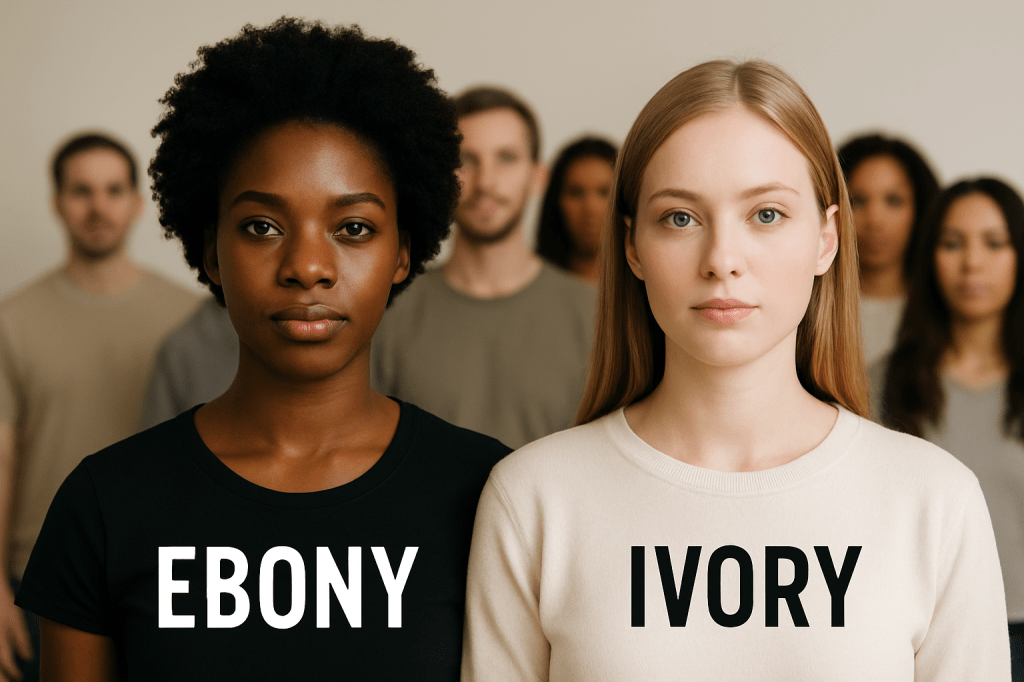
Ebony and Ivory: Two Shades, One Standard of Beauty.

From the dawn of civilization, beauty has been both a mirror and a weapon—reflecting ideals shaped by power and privilege, and wielded to define worth within social hierarchies. Within the globalized gaze of modernity, the politics of skin color continue to influence how femininity and desirability are perceived, especially among women of African descent. The notion of “Ebony and Ivory” evokes more than just color; it symbolizes the ongoing dialogue between light and dark, between acceptance and exclusion, and between the internalized and externalized standards of beauty that shape identity (hooks, 1992).

The idea of “two shades, one standard” captures the paradox of colorism: the simultaneous elevation and devaluation of Blackness within the same racial group. While “ivory” tones have historically been exalted as closer to Western ideals, “ebony” skin has often been marginalized, caricatured, or fetishized. Both ends of the spectrum, however, are measured against the same Eurocentric barometer that privileges whiteness as the ultimate aesthetic reference (Hunter, 2005).

This phenomenon, deeply rooted in colonialism, reveals how beauty became a tool of control. During the transatlantic slave trade, lighter-skinned enslaved individuals were often granted domestic positions and social proximity to white power structures, breeding intra-racial hierarchies that persist today. These legacies still echo in media representation, where lighter skin is frequently coded as “refined,” while darker tones are portrayed as “exotic” or “primitive” (Craig, 2006).

For many women of color, navigating these coded perceptions can be exhausting. The “brown girl dilemma” emerges when one feels too dark to be celebrated and too light to be considered authentically Black. This liminal existence is both a burden and a revelation—proof that beauty, as defined by Western constructs, remains an unattainable illusion that fractures rather than unites.

Beauty standards, much like colonial borders, were imposed rather than chosen. From the powdered faces of the Victorian era to the filtered glow of Instagram, the valuation of lightness has remained a constant aesthetic undercurrent. Yet, even within African and Afro-diasporic communities, this colonial inheritance continues to dictate preferences in partners, media icons, and even professional opportunities (Glenn, 2008).

In popular culture, colorism is often masked by phrases like “preference” or “type.” However, these preferences are rarely organic—they are sociologically constructed through centuries of imagery that equate lightness with purity and success, and darkness with defiance and struggle. The entertainment industry’s casting choices often reinforce these biases, rewarding lighter skin with visibility while relegating darker complexions to supporting or stereotypical roles (Russell, Wilson, & Hall, 2013).

This bias extends beyond film and television. In the global beauty market, skin-lightening creams generate billions annually, a grim testament to the internalization of Eurocentric ideals (Glenn, 2008). The psychological effects of such products are profound, suggesting that beauty is not only skin-deep but soul-deep, affecting one’s perception of self-worth and belonging.

For Black women, beauty is an act of survival. To adorn oneself becomes an assertion of existence in a world that often demands invisibility. From the regal hairstyles of precolonial Africa to the natural hair movement, Black women have continuously redefined and reclaimed their beauty on their own terms (Byrd & Tharps, 2014).

Yet, this reclamation is not without struggle. Within the Black community itself, hierarchies persist. The glorification of lighter women as more “marriageable” or “acceptable” continues to fracture solidarity. It is an unspoken inheritance of slavery’s psychological residue, perpetuated by both men and women who unconsciously valorize proximity to whiteness.

The darker-skinned woman often bears the weight of invisibility and hypervisibility simultaneously—ignored in spaces of admiration, yet scrutinized as the embodiment of resistance or rebellion. This double-bind mirrors W.E.B. Du Bois’ concept of “double consciousness,” wherein one is forced to see oneself through the lens of a world that refuses full recognition (Du Bois, 1903).

Light-skinned women, conversely, navigate their own complexities. While society may privilege them aesthetically, they are often accused of benefiting from colorism or being “not Black enough.” Thus, both ebony and ivory tones bear distinct forms of cultural alienation, tied together by an oppressive standard neither created (Monk, 2014).

In this context, beauty becomes not celebration but negotiation. Every compliment, every criticism, every casting call, and every social media post reinforces the invisible hierarchy of shade. The struggle is not between dark and light, but against the system that pits them against each other.

Media representation plays a critical role in dismantling or reinforcing these divides. When dark-skinned actresses like Lupita Nyong’o or Viola Davis are celebrated, it signals progress—but also exposes how rare such representation remains. Likewise, the inclusion of mixed-race models in campaigns may appear inclusive, yet often centers features still aligned with Eurocentric beauty (Tate, 2009).

To heal from this color divide, we must first acknowledge that beauty is not a monolith. It is plural, diverse, and spiritually rooted. In the biblical sense, humanity was created “in the image of God” (Genesis 1:27, KJV), meaning all shades reflect divine artistry. The rejection of any hue is, therefore, a rejection of the Creator’s design.

Moreover, Proverbs 31:30 reminds us that “favor is deceitful, and beauty is vain: but a woman that feareth the Lord, she shall be praised.” This verse redirects the gaze from the external to the eternal, urging women to seek validation not from comparison but from divine purpose.

Ebony and ivory are not opposites but complements, each contributing to the symphony of creation. Just as piano keys of contrasting colors produce harmony, so too can diverse complexions coexist in mutual admiration and respect. The beauty of one does not diminish the beauty of the other; together, they reveal the fullness of God’s palette.

True beauty transcends complexion—it emanates from character, compassion, and conviction. In a world obsessed with appearances, spiritual and cultural consciousness must redefine the standard. Beauty should not divide but dignify, not exclude but exalt.

To love one’s shade is to reclaim agency over identity. When Black women, in all their hues, embrace their reflection without apology, they dismantle centuries of aesthetic oppression. “Ebony and Ivory” then becomes more than a contrast—it becomes a covenant of self-acceptance and collective healing.

As we move forward, let beauty be measured not by shade but by soul. For when light and dark come together, they create balance, harmony, and wholeness—the true reflection of divine beauty.


References

Byrd, A. D., & Tharps, L. L. (2014). Hair Story: Untangling the Roots of Black Hair in America. St. Martin’s Press.
Craig, M. L. (2006). Race, beauty, and the tangled knot of a guilty pleasure. Feminist Theory, 7(2), 159–177.
Du Bois, W. E. B. (1903). The Souls of Black Folk. Chicago: A.C. McClurg.
Glenn, E. N. (2008). Yearning for lightness: Transnational circuits in the marketing and consumption of skin lighteners. Gender & Society, 22(3), 281–302.
hooks, b. (1992). Black Looks: Race and Representation. South End Press.
Hunter, M. L. (2005). Race, gender, and the politics of skin tone. Routledge.
Monk, E. P. (2014). Skin tone stratification among Black Americans, 2001–2003. Social Psychology Quarterly, 77(4), 360–379.
Russell, K., Wilson, M., & Hall, R. (2013). The Color Complex (Revised): The Politics of Skin Color Among African Americans. Anchor.
Tate, S. A. (2009). Black Beauty: Aesthetics, Stylization, Politics. Ashgate Publishing.
The Holy Bible, King James Version (KJV). (1611).
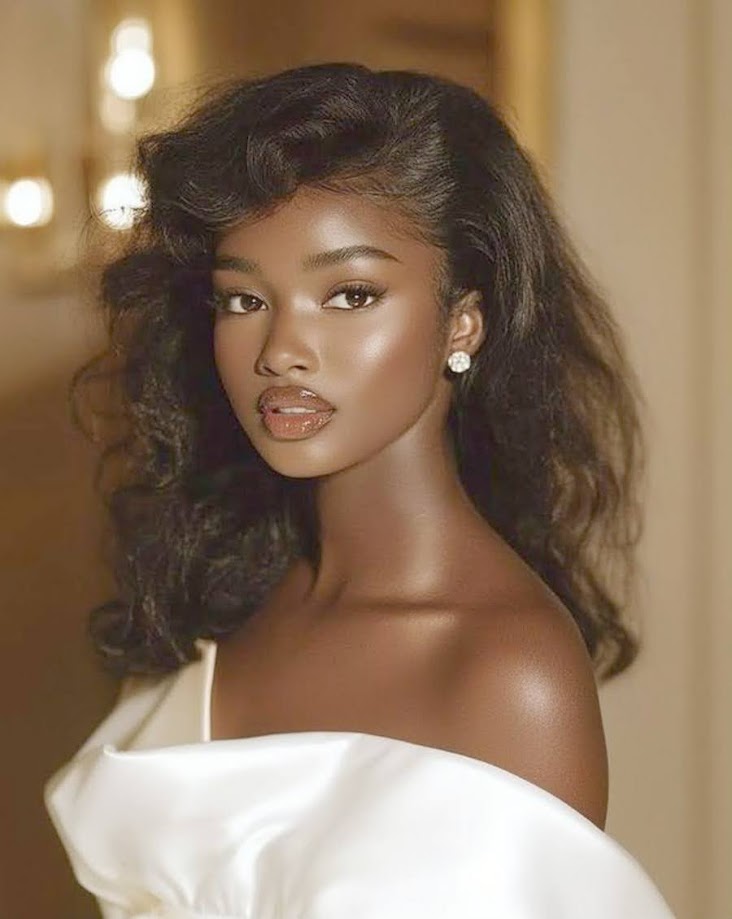
The Cost of Being Beautiful: Exploitation, Validation, and Visibility.

This photograph is the property of its respective owner. No copyright infringement intended.

Beauty has long been a currency in human society—admired, desired, and exploited. For women, especially women of color, beauty has functioned both as power and prison. The cost of being beautiful extends beyond vanity; it is the psychological, emotional, and even spiritual toll exacted by a world that defines worth through appearance. Beauty becomes both an asset and a liability, offering validation but demanding visibility on terms not of one’s own making.

From childhood, individuals—particularly girls—are taught that beauty opens doors. Compliments, attention, and social privileges reinforce a belief that attractiveness equates to value. Yet, this same system exploits that very beauty, commodifying it through media, marketing, and male desire. The pursuit of beauty thus becomes a performance sustained by approval, not authenticity (Wolf, 1991).

In modern culture, beauty is no longer natural—it is manufactured. Billions are spent annually on cosmetics, plastic surgery, and digital enhancement. Social media platforms like Instagram and TikTok amplify this obsession, turning faces and bodies into brands. The line between identity and image blurs, leaving many women trapped between their true selves and the perfected versions projected online (Gill, 2007).

Beauty’s validation often comes through the male gaze. Women are socialized to see themselves as objects of desire rather than subjects of their own narratives. This gaze not only dictates standards but defines visibility—who is seen, who is desirable, and who is invisible. To be beautiful is to be watched; to be watched is to be controlled (Mulvey, 1975).

For Black women, beauty carries a distinct complexity. Eurocentric standards historically excluded them from being perceived as beautiful, relegating them to stereotypes of strength or hypersexuality. The struggle for validation becomes an act of resistance—a reclaiming of aesthetics, identity, and self-worth against centuries of misrepresentation (Hooks, 1992).

The beauty industry profits from insecurity. Advertisements subtly tell women they are never enough—never young enough, thin enough, light enough. This manufactured dissatisfaction fuels perpetual consumption. Beauty, in capitalist culture, is not about empowerment but about profit, built upon cycles of comparison and competition (Bordo, 2003).

Exploitation hides beneath the surface of glamour. Models, influencers, and entertainers often face objectification disguised as opportunity. Their visibility is contingent upon maintaining desirability, which can breed anxiety, eating disorders, and burnout. The emotional labor of beauty—the pressure to be flawless at all times—is invisible yet exhausting.

In the realm of Hollywood and fashion, women of color face the dual burden of representation and tokenism. Their inclusion often serves as aesthetic diversity rather than genuine equity. The “exotic” label objectifies rather than honors their heritage, turning cultural identity into spectacle (Craig, 2002).

Historically, beauty has also been weaponized as social currency. During slavery and segregation, lighter-skinned Black women were often favored in domestic work or entertainment, reinforcing colorism within the community. Beauty became not only personal but political—a marker of proximity to whiteness and privilege (Hunter, 2005).

Psychologically, the constant pursuit of beauty erodes self-esteem. When identity becomes contingent on appearance, the individual lives under the tyranny of external validation. This fragile self-worth can fracture when youth fades or trends shift, revealing the emptiness behind conditional love and approval.

Religiously and spiritually, beauty holds deeper implications. Scripture reminds us that “favor is deceitful, and beauty is vain” (Proverbs 31:30, KJV). True beauty, in divine terms, is moral and internal, not material. Yet society reverses this order, idolizing outward appearance and neglecting inner substance—a form of modern idolatry masked as self-care.

The commodification of beauty also intersects with racial capitalism. Global markets exploit African, Asian, and Latin American women’s bodies through skin-lightening products, hair extensions, and Eurocentric fashion ideals. What is marketed as “choice” often conceals economic coercion and cultural colonization (Glenn, 2008).

Visibility, while often framed as empowerment, carries its own cost. Women in the public eye face surveillance and criticism that erode privacy and authenticity. The more visible a woman becomes, the less control she has over how she is seen. Visibility thus becomes exposure—a light that illuminates and burns simultaneously.

In relationships, beauty can distort power dynamics. Attractive women may receive attention but not respect; love offered for appearance rather than character is shallow and fleeting. Men conditioned by visual culture may desire beauty but fear its autonomy, leading to control, jealousy, or emotional abuse (Fredrickson & Roberts, 1997).

The digital age amplifies these dynamics. Filters, edits, and algorithms dictate what is beautiful, rewarding conformity and punishing difference. The result is a homogenized global aesthetic where individuality is lost. Even empowerment movements risk becoming commodified slogans that sell beauty under the guise of “self-love.”

Yet, beauty is not inherently evil—it is divine when redefined. When women reclaim beauty as expression rather than validation, it transforms from exploitation to empowerment. True beauty becomes a mirror of spirit, creativity, and cultural identity. It ceases to be about approval and becomes an act of liberation.

Cultural redefinition requires dismantling Eurocentric beauty norms and celebrating diversity of complexion, texture, and form. Movements such as “Black Girl Magic” and natural hair advocacy challenge oppressive aesthetics, restoring pride to what was once marginalized. Beauty, reimagined through cultural authenticity, becomes resistance and restoration.

The cost of being beautiful can only be paid back through truth—by acknowledging the pain behind the polish. Women must reclaim the narrative of beauty, detaching it from consumption and control. Beauty must once again serve humanity, not hierarchy.

Ultimately, beauty’s truest form lies in freedom: the freedom to exist beyond the gaze, to define oneself without permission, and to embody a worth that no mirror can measure. When beauty ceases to be a burden and becomes a birthright, visibility transforms into vision—and validation becomes self-love.


References

Bordo, S. (2003). Unbearable weight: Feminism, Western culture, and the body. University of California Press.

Craig, M. L. (2002). Ain’t I a beauty queen? Black women, beauty, and the politics of race. Oxford University Press.

Fredrickson, B. L., & Roberts, T.-A. (1997). Objectification theory: Toward understanding women’s lived experiences and mental health risks. Psychology of Women Quarterly, 21(2), 173–206.

Gill, R. (2007). Gender and the media. Polity Press.

Glenn, E. N. (2008). Yearning for lightness: Transnational circuits in the marketing and consumption of skin lighteners. Gender & Society, 22(3), 281–302.

Hooks, B. (1992). Black looks: Race and representation. South End Press.

Hunter, M. (2005). Race, gender, and the politics of skin tone. Routledge.

Mulvey, L. (1975). Visual pleasure and narrative cinema. Screen, 16(3), 6–18.

Wolf, N. (1991). The beauty myth: How images of beauty are used against women. HarperCollins.

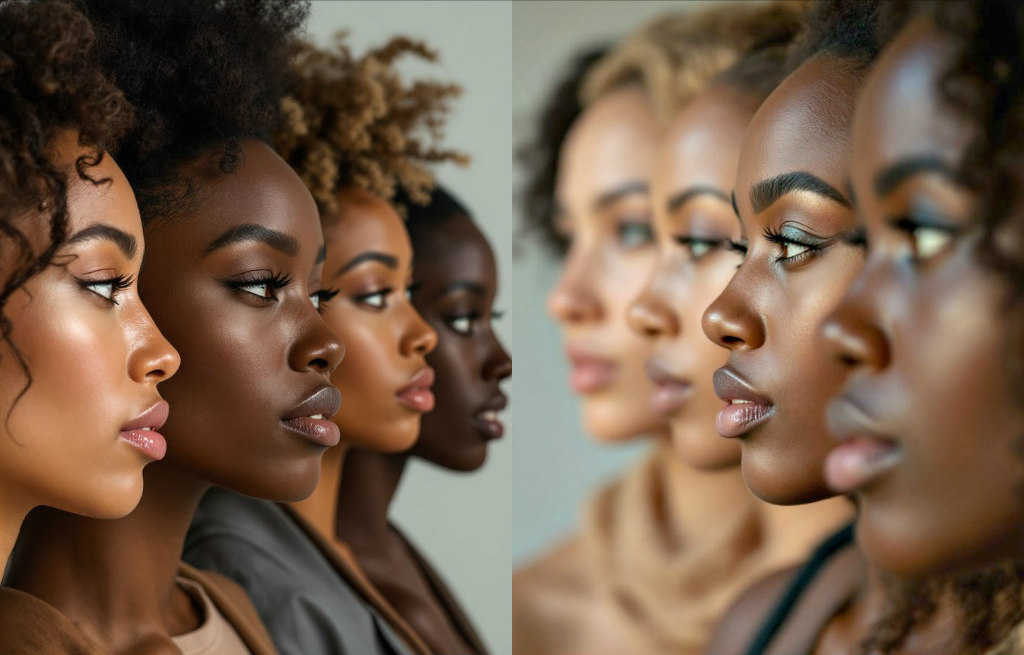
Beauty: Is it your Skin Color or your Facial Features that make you beautiful?

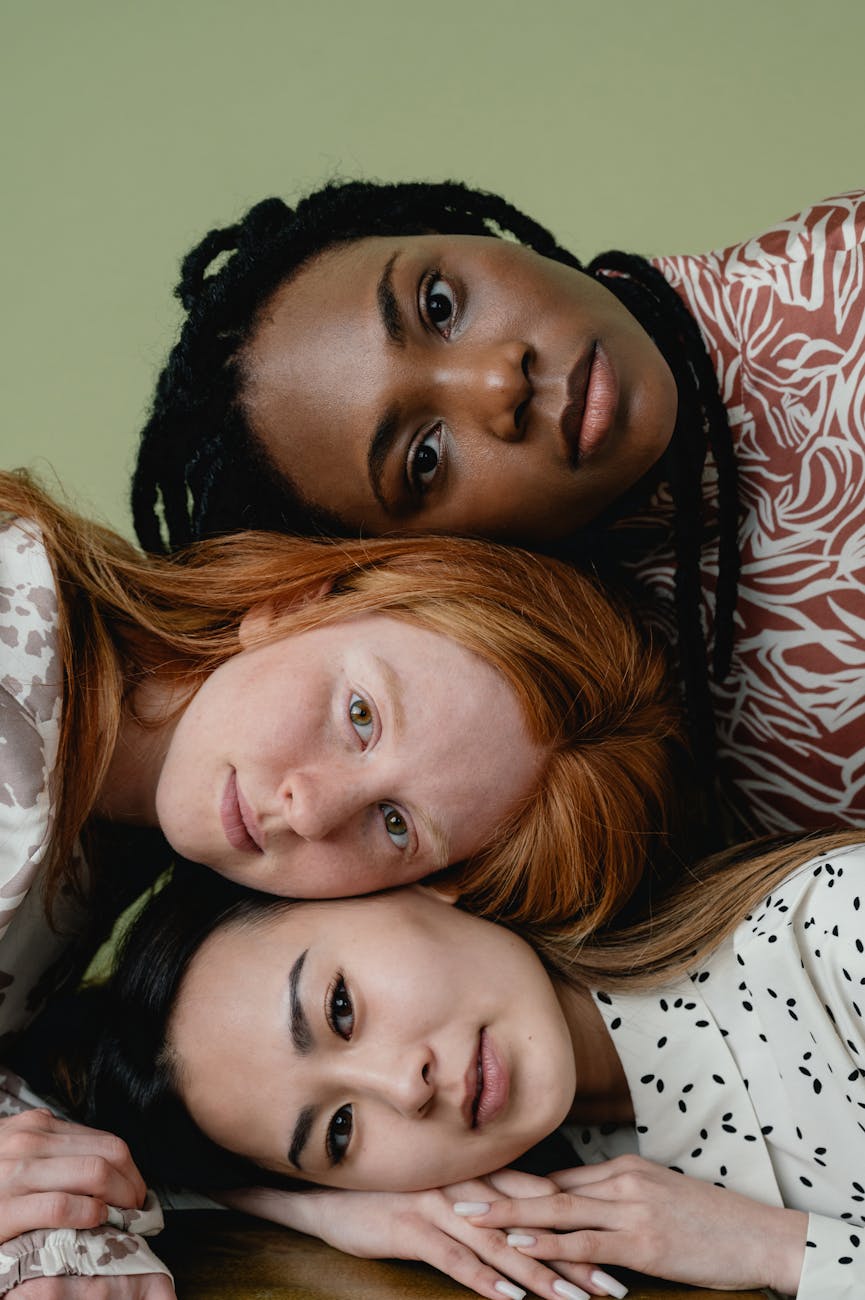
These photographs are the property of their respective owners. No copyright infringement intended.

I was oblivious to skin color. People always told me I was beautiful, and I always believed it was my features and not my light café-au-lait skin tone. Growing up, beauty seemed more about the symmetry of one’s face, the way one’s eyes aligned, or how one’s smile illuminated a room. But as I matured and began to understand the social and psychological layers of race and aesthetics, I realized that the question of beauty—particularly for people of African descent—was neither simple nor purely biological. It was a complex interplay between genetics, societal conditioning, colonization, and personal perception.

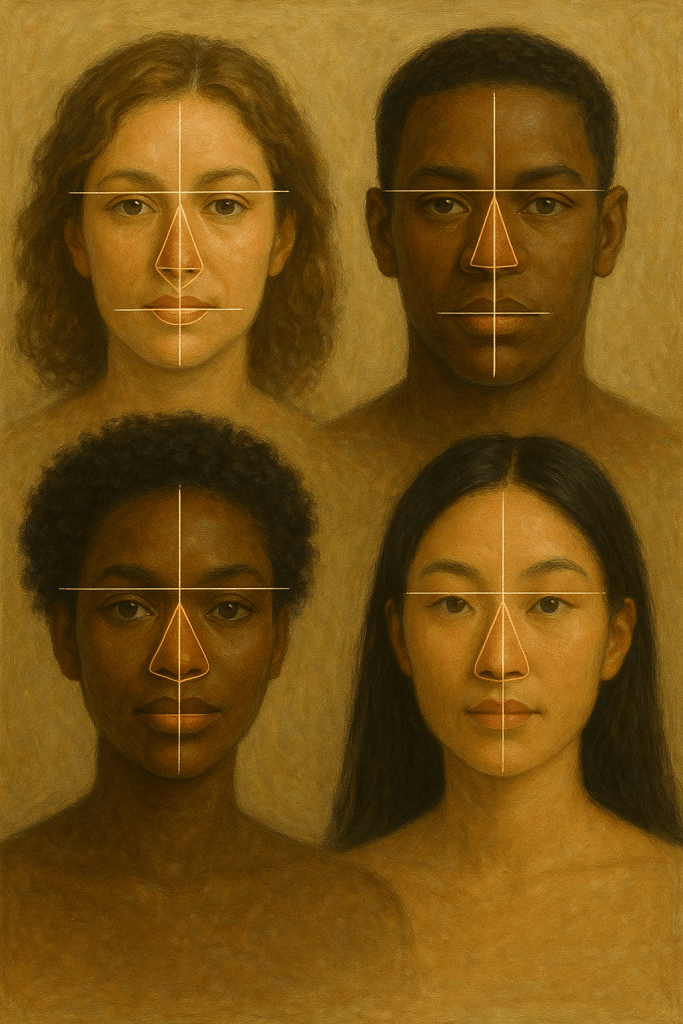
The science of beauty has long sought to define attractiveness through objective measurements. The Marquardt facial mask, developed by Dr. Stephen Marquardt, is one such tool that uses the golden ratio (phi, approximately 1.618) to map ideal facial proportions (Marquardt, 2002). This mathematical construct suggests that beauty lies in balance and symmetry. Yet, while symmetry contributes to perceived attractiveness across cultures (Rhodes, 2006), it cannot fully explain why certain faces—like Halle Berry’s or Idris Elba’s—transcend mathematical formulas to captivate the world.

Genetically, facial features are an orchestra of inherited traits determined by the complex interactions of multiple genes (Jones & Little, 2012). Skin tone, lip shape, and eye spacing are phenotypic expressions influenced by ancestral environments. For instance, fuller lips and broader noses evolved as adaptive features in warmer climates, aiding in temperature regulation (Jablonski & Chaplin, 2000). Yet colonialism rebranded these traits as “undesirable,” constructing Eurocentric beauty standards that favored narrow noses, thin lips, and lighter skin.

This colonial gaze reshaped entire generations’ perception of beauty. During and after slavery, the closer one’s appearance aligned with European features, the more “beautiful” or “acceptable” one was considered. This false hierarchy of aesthetics—rooted in power and racial politics—continues to shape modern beauty ideals, especially in the global media (Hunter, 2005). Thus, many women and men of color wrestle with a dual consciousness: one that recognizes their innate beauty while subconsciously measuring it against Western standards.

When we look at Halle Berry, we see a blend of symmetry, balance, and soft femininity that aligns with global ideals of beauty. Yet what makes her distinct is her expressive eyes, proportionate bone structure, and emotive presence—traits that transcend complexion. Lupita Nyong’o, in contrast, represents a radical reclamation of deep-toned beauty. Her skin radiates with depth and grace, and her high cheekbones and luminous eyes challenge Eurocentric molds, celebrating the richness of African features as equally divine.

Vanessa L. Williams’s beauty carries a classical appeal—a combination of facial symmetry, expressive eyes, and harmony of proportions. Her presence in the entertainment industry during the 1980s broke barriers, representing both elegance and controversy in a time when America still struggled to accept a Black woman crowned “Miss America.” Her beauty was seen through both admiration and prejudice—a reflection of how colorism complicates acceptance even within communities of color.

Among men, Shemar Moore’s charm lies in his smooth facial symmetry, strong jawline, and warm, approachable smile—qualities that align with scientific definitions of attractiveness. Yet, Idris Elba’s beauty feels more elemental. His deep-set eyes, strong features, and commanding presence convey power, charisma, and confidence. His allure, like Lupita’s, resists Eurocentricity; it draws instead on ancestral strength and authenticity.

But what about those whose features don’t fit the “mask”? Beauty in the human experience is not only mathematical but also psychological and cultural. Studies show that individuals are more likely to find faces from their own ethnic group more attractive due to familiarity and cultural exposure (Little et al., 2011). Thus, what one finds beautiful often depends on one’s cultural conditioning, not universal law.

Beauty is, therefore, both objective and subjective. Science can measure facial harmony, but culture shapes what harmony looks like. Western beauty often celebrates sharpness—defined cheekbones, narrow noses—while African aesthetics celebrate fullness, balance, and expression. These differing ideals are not hierarchies but reflections of varied cultural philosophies about life and identity.

The psychological phenomenon of “beauty bias” reinforces societal privilege for those deemed more attractive. This bias influences job prospects, relationships, and self-esteem (Langlois et al., 2000). For people of color, beauty bias intersects with colorism, leading to internalized hierarchies where lighter skin and Eurocentric features are unconsciously prioritized. This is why even those confident in their looks may still feel their beauty questioned by social norms.

Colonization didn’t only enslave bodies—it colonized aesthetics. From missionary schools to Hollywood casting rooms, the European ideal of beauty became synonymous with civilization, purity, and desirability. African features, once revered within indigenous societies as markers of lineage and strength, were ridiculed and suppressed. The result was centuries of aesthetic erasure that many are only now beginning to reverse.

The return to natural hair, deeper skin tones in media, and diverse representation mark a cultural renaissance. This redefinition of beauty reconnects the diaspora to its authentic self. It celebrates faces like Lupita’s not as exceptions but as exemplars of divine variation. It honors dark skin not as “different” but as glorious.

Still, one must ask: if beauty is in the eye of the beholder, who is holding the mirror? Media corporations, advertisers, and colonial institutions have long acted as the beholders, dictating taste and value. But the shift toward self-definition—especially among Black creators, photographers, and scholars—marks a new chapter in aesthetic sovereignty.

Scientifically, certain features—clear skin, bilateral symmetry, facial averageness—are universally preferred because they signal health and genetic fitness (Perrett et al., 1999). However, features like high cheekbones, full lips, or wide noses can be just as aesthetically pleasing when embraced through a culturally affirming lens. The issue is not the feature itself but the framework through which it’s judged.

In psychological terms, humans are drawn to faces that mirror their identity. This “familiarity principle” (Zajonc, 1968) explains why beauty can never be entirely objective. It is influenced by cultural memory and social environment. Thus, the perception of beauty among African-descended peoples carries historical trauma—beauty has been both weaponized and denied.

Genetics, then, provides the blueprint, but society writes the interpretation. One person’s admiration of Halle Berry’s elegance or Lupita’s radiance is not merely about structure—it’s about what those faces symbolize. They represent visibility, validation, and the defiance of centuries of aesthetic marginalization.

To be beautiful in a colonized world is to exist in resistance. Each melanated face, each natural curl, each unapologetic feature, is an act of restoration—reclaiming what history attempted to distort. Beauty, in this sense, becomes a form of protest and prophecy, not vanity.

When I reflect on my own journey, I realize that what I believed to be “just my features” was shaped by more than DNA—it was shaped by social constructs, ancestral memories, and cultural expectations. My beauty was never just mine; it was inherited from generations who carried grace through oppression and dignity through erasure.

So, is it your skin color or your features that make you beautiful? The answer is both—and neither. True beauty transcends the surface. It lives in the harmony of authenticity, confidence, and self-recognition. It is not measured by the golden ratio but by the light you emit when you embrace who you truly are.


References
Hunter, M. L. (2005). Race, gender, and the politics of skin tone. Routledge.
Jablonski, N. G., & Chaplin, G. (2000). The evolution of human skin coloration. Journal of Human Evolution, 39(1), 57–106.
Jones, B. C., & Little, A. C. (2012). The role of facial attractiveness in mate choice. Trends in Cognitive Sciences, 16(1), 33–38.
Langlois, J. H., et al. (2000). Maxims or myths of beauty? A meta-analytic and theoretical review. Psychological Bulletin, 126(3), 390–423.
Little, A. C., Jones, B. C., & DeBruine, L. M. (2011). Facial attractiveness: Evolutionary based research. Philosophical Transactions of the Royal Society B, 366(1571), 1638–1659.
Marquardt, S. (2002). The golden ratio: The beauty mask and the science of human aesthetics. Marquardt Beauty Analysis.
Perrett, D. I., et al. (1999). Symmetry and human facial attractiveness. Evolution and Human Behavior, 20(5), 295–307.
Rhodes, G. (2006). The evolutionary psychology of facial beauty. Annual Review of Psychology, 57, 199–226.
Zajonc, R. B. (1968). Attitudinal effects of mere exposure. Journal of Personality and Social Psychology, 9(2p2), 1–27.

Post-Slavery Beauty: The Evolution of the Brown Woman’s Image.

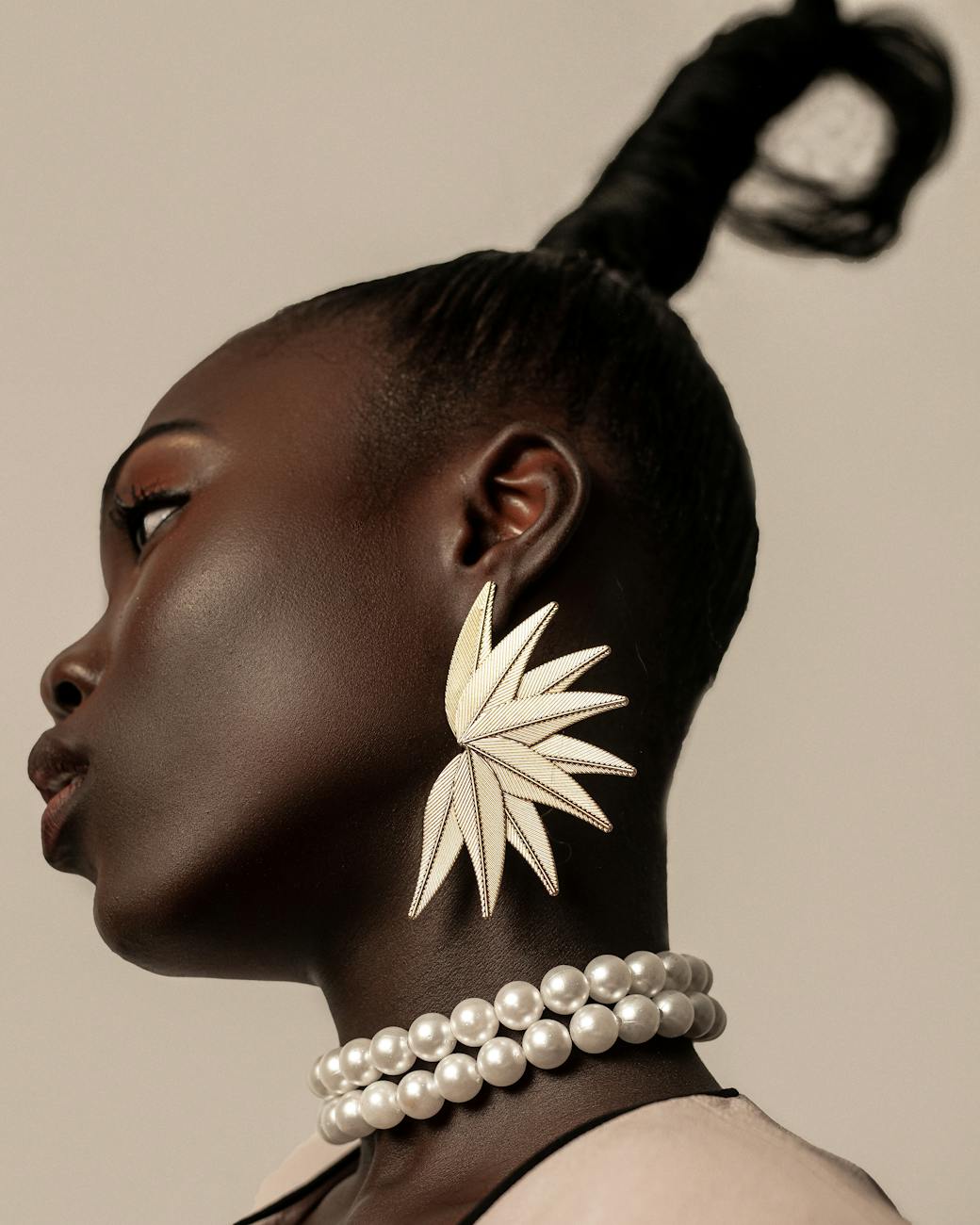
Photo by Fotoboy on Pexels.com

The legacy of slavery in the Americas left an indelible mark not only on the socio-economic status of Black people but also on the perception of beauty within Black communities. For the brown-skinned woman, this history produced a complex interplay of identity, aesthetics, and social hierarchies that continues to influence modern conceptions of attractiveness, desirability, and self-worth. The post-slavery era, spanning Reconstruction, the Jim Crow period, and the civil rights movement, marked a profound shift in how brown women were represented and how they navigated the legacy of European beauty standards imposed during enslavement.

Historical Context and Color Hierarchies

During slavery, enslaved women were often valued primarily for labor or reproductive potential, yet even within these oppressive systems, colorism emerged as a potent force. Lighter-skinned women, often the offspring of European men and enslaved African women, were afforded relative privileges, such as domestic work instead of field labor, access to education, or social proximity to white families. This intra-community stratification created early foundations for a hierarchy of beauty based on skin tone and European features (Hunter, 2007).

The Post-Emancipation Image

After emancipation, brown women began asserting new forms of identity and beauty, yet they were constrained by persistent Eurocentric ideals in media, fashion, and literature. Images in magazines, film, and advertisements rarely celebrated the natural features of brown-skinned women. Instead, the cultural imagination valorized whiteness, straight hair, lighter eyes, and delicate features, leaving brown women in a liminal space of desirability—a spectrum neither fully embraced by white standards nor entirely centered within Black communities (Russell, 2012).

Colorism and Social Mobility

Post-slavery America saw colorism intensify as a social determinant. Brown women were often perceived as more “marketable” in professional and social arenas due to their proximity to whiteness, creating a duality of privilege and pressure. The “paper bag test,” prevalent in Black social institutions, reinforced the preference for lighter skin within African American society itself (Thompson, 2009). Consequently, beauty became both a site of opportunity and of internalized oppression, shaping the brown woman’s self-perception and her social navigation strategies.

Media Representations and the Entertainment Industry

The 20th century brought more public visibility to brown women, particularly in film, television, and music. Stars such as Dorothy Dandridge, Lena Horne, and later Vanessa Williams and Halle Berry, exemplified a brown beauty that was palatable to mainstream audiences. These women negotiated a delicate balance: embracing their Black identity while often conforming to Eurocentric standards of hair, makeup, and body shape (Coleman, 2014). The entertainment industry, though providing representation, also cemented narrow ideals of brown beauty—slender noses, smooth skin, and straightened hair—further complicating the evolution of self-image among brown women.

The Brown Woman and Resistance

Despite systemic pressures, brown women resisted marginalization by reclaiming their aesthetics. From the Harlem Renaissance to contemporary movements such as natural hair advocacy and the celebration of melanin-rich beauty, brown women have asserted agency over their representation. Artistic, literary, and political spaces became platforms to challenge stereotypes, celebrate diversity within the spectrum of brown skin, and redefine standards of beauty on their own terms (Banks, 2000).

Intersectionality and Modern Implications

Modern scholarship on the brown woman’s image underscores the intersectionality of race, gender, and class. Brown women continue to navigate a world that valorizes whiteness and lightness, yet the increasing visibility of diverse Black aesthetics in social media, fashion, and film challenges historical hierarchies. Movements such as #MelaninMagic and campaigns highlighting dark-skinned models broaden the public imagination of beauty and invite brown women to embrace the totality of their heritage and features (Patton, 2010).

Conclusion

The post-slavery evolution of the brown woman’s image reflects a narrative of resilience, adaptation, and reclamation. From the imposed hierarchies of slavery and colorism to the contemporary celebration of melanin and Afrocentric aesthetics, brown women have negotiated identity and beauty in ways that resist historical oppression while asserting pride and individuality. The journey of the brown woman is not merely about surviving imposed standards but transforming them—creating a legacy of empowerment and redefining what beauty means within and beyond the Black community.

References

  • Banks, I. (2000). Hair Matters: Beauty, Power, and Black Women’s Consciousness. New York: NYU Press.
  • Coleman, R. (2014). Fashioning Blackness: Clothing, Race, and Identity in American Culture. Routledge.
  • Hunter, M. (2007). The persistent problem of colorism: Skin tone, status, and inequality. Sociology Compass, 1(1), 237–254.
  • Patton, T. O. (2010). Beauty and Black Identity: African American Women’s Experiences and Aesthetics. Praeger.
  • Russell, K. (2012). Color Me Beautiful: African American Women and the Politics of Skin Color. University of North Carolina Press.
  • Thompson, M. (2009). Shades of Privilege: The Social Construction of Color and Identity in Black America. University of Illinois Press.

In the Middle: The Brown-Skinned Battle

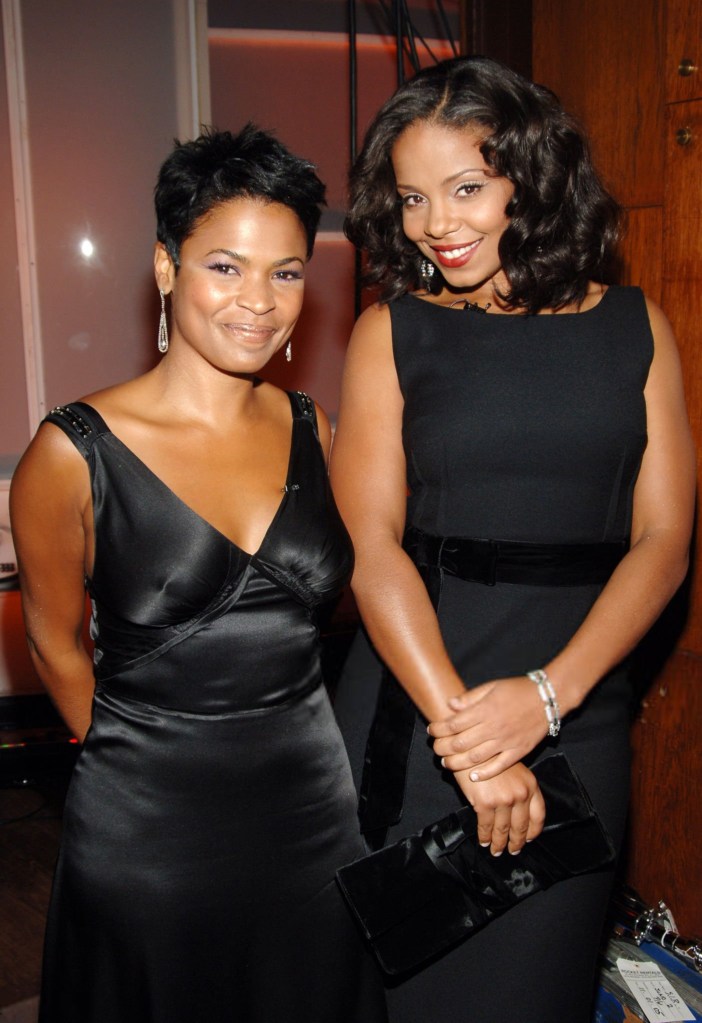
This photograph is the property of its respective owners. No copyright infringement intended

There are the light-skin and the dark-skin battles, but what about the beauties who stand in the middle? The brown-skinned woman often finds herself overlooked in discourses of colorism, as society tends to highlight either the lighter-skinned “acceptable” beauty or the darker-skinned woman who has become a symbol of resilience and resistance. Yet women like Nia Long, Sanaa Lathan, Regina Hall, Regina King, and Gabrielle Union embody a milk chocolate or dark caramel hue that represents a vast population of Black women whose struggles and triumphs within color politics deserve closer attention. These women symbolize the “in-between” battle, caught in a racialized beauty hierarchy that often denies them full recognition, even as they embody both elegance and resilience.

The politics of skin tone within the Black community are not new. Historically, slavery introduced a hierarchy in which lighter skin was associated with privilege, while darker skin was associated with field labor and hardship (Hunter, 2007). Brown-skinned women were often placed ambiguously within this dynamic, neither deemed “light enough” for preferential treatment nor “dark enough” to embody radical cultural pride. This liminal positioning has created a unique psychological and cultural battle for brown-skinned women, one that continues in modern media and social interaction.

The biblical record acknowledges the beauty of darker hues. In Song of Solomon 1:5 (KJV), the Shulamite woman declares, “I am black, but comely, O ye daughters of Jerusalem.” This passage not only affirms dark and brown skin as beautiful, but also challenges cultural stigmas that denigrate melanin-rich hues. For the brown-skinned woman, such scriptural validation becomes a source of strength when society questions her worth or diminishes her presence within the spectrum of desirability.

Psychology affirms that colorism can create deep wounds in identity formation. According to Hill (2002), intra-racial skin tone bias affects self-esteem, peer acceptance, and perceived attractiveness. Brown-skinned women often feel invisible, struggling with the pressure to compete against both lighter-skinned women who are elevated as “ideal” and darker-skinned women who are celebrated in the context of social justice movements. This sense of invisibility has been termed the “middle battle” of skin tone politics.

Celebrities like Gabrielle Union often use their platforms to articulate this struggle. Union has spoken candidly about her experiences navigating Hollywood, where casting directors sometimes overlook her for roles favoring lighter or darker actresses (Union, 2017). Similarly, Nia Long’s career has thrived, yet she is often remembered more for her relatability than as a cultural “standard of beauty,” highlighting how the brown-skinned woman is subtly typecast as “safe” but not necessarily the pinnacle of desirability.

This cultural coding connects to psychological theories of “relative deprivation,” where individuals perceive their worth not in isolation, but in relation to others (Runciman, 1966). Brown-skinned women often feel “stuck” in comparison, not fully celebrated in either camp. This phenomenon contributes to stress, anxiety, and strained self-concept, particularly in formative years of adolescence when appearance is tied to identity.

The issue also emerges in romantic preferences. Research shows that within Black dating patterns, lighter-skinned women are often perceived as more attractive or marriageable (Keith & Herring, 1991). Conversely, darker-skinned women are sometimes eroticized as exotic or “strong.” Brown-skinned women, positioned in between, may be stereotyped as “average” or overlooked. This contributes to feelings of displacement within the Black female collective.

Yet brown-skinned women embody a rich cultural beauty that cannot be ignored. Regina King’s award-winning acting, coupled with her political voice, reflects strength and poise. Sanaa Lathan’s roles often portray a relatable, girl-next-door character who bridges relatability with sensuality. These women serve as cultural icons of balance, occupying the middle ground between two extremes.

The “brown-skinned battle” is therefore not simply about aesthetics—it is also about identity, belonging, and representation. Psychology suggests that when individuals feel excluded from representation, their sense of social worth diminishes (Tajfel & Turner, 1986). Representation matters, and the under-discussion of brown-skinned women in colorism discourse perpetuates their invisibility.

The Bible continually affirms equality in God’s creation. Genesis 1:27 (KJV) proclaims, “So God created man in his own image.” This truth dismantles hierarchical thinking that places one hue above another. From a theological perspective, brown skin—like all shades—is a manifestation of divine artistry. The struggle of brown-skinned women, therefore, is not a reflection of God’s truth, but of man-made systems of prejudice.

Historically, the “brown battle” appeared in African American literature as well. Writers like Zora Neale Hurston and Alice Walker often explored nuances of complexion within Black womanhood. Hurston’s characters frequently embodied the brown-skin aesthetic, neither elevated to the pedestal of “light” privilege nor anchored fully in the rhetoric of “dark” pride. This reflects the long-standing ambiguity attached to brown hues in cultural imagination.

Hollywood has played a role in perpetuating the divide. Spike Lee’s School Daze (1988) illustrated colorism tensions between light- and dark-skinned women, but brown-skinned women were largely blended into the ensemble, rarely positioned as the central debate. This absence mirrors broader social silences surrounding their struggles.

Psychologically, such invisibility parallels the concept of “liminality,” where individuals exist on the threshold of categories but belong fully to neither (Turner, 1969). Brown-skinned women embody this liminality—caught between extremes, always present but rarely spotlighted.

The brown battle is also spiritual. In a society that continually asks brown-skinned women to define themselves in relation to others, the biblical call is to find identity in Christ. Romans 8:16-17 (KJV) affirms that believers are “heirs of God, and joint-heirs with Christ.” This inheritance transcends complexion hierarchies, grounding worth in divine kinship rather than human prejudice.

Nevertheless, practical strategies are necessary for healing. Psychology highlights the importance of “self-affirmation” practices, where individuals reframe narratives of exclusion by affirming intrinsic worth (Steele, 1988). For brown-skinned women, cultivating spaces of affirmation—whether through literature, sisterhood, or faith—becomes a radical act of self-preservation.

Cultural icons like Lauryn Hill, whose song “Brown Skin Lady” (1996) celebrated the richness of mid-tones, demonstrate the need for artistic affirmation. Such affirmations counter societal messages that overlook brown beauty, restoring dignity to the middle ground.

The generational impact of colorism must also be considered. Brown-skinned girls often inherit subtle messaging about their worth, sometimes hearing remarks that they are “not light enough” or “not dark enough.” These remarks shape their self-perception well into adulthood, underscoring the need for intentional cultural and spiritual interventions.

The brown-skinned battle, therefore, calls for both scholarly acknowledgment and spiritual restoration. It is not enough to focus only on light-skin privilege or dark-skin pride—brown-skinned women must be centered in the dialogue. Their beauty, resilience, and complexity embody a truth that society must embrace.

Ultimately, the middle ground is not a place of lack, but of balance. The milk chocolate and caramel hues reflect harmony, warmth, and depth. Brown-skinned women, from Nia Long to Regina King, remind us that beauty is not confined to extremes but flourishes most richly in the spectrum’s center. In affirming them, we affirm the fullness of Blackness and dismantle the false hierarchies that divide us.


References

  • Hill, M. E. (2002). Skin color and the perception of attractiveness among African Americans: Does gender make a difference? Social Psychology Quarterly, 65(1), 77–91.
  • Hunter, M. (2007). The persistent problem of colorism: Skin tone, status, and inequality. Sociology Compass, 1(1), 237–254.
  • Keith, V. M., & Herring, C. (1991). Skin tone and stratification in the Black community. American Journal of Sociology, 97(3), 760–778.
  • Runciman, W. G. (1966). Relative deprivation and social justice. University of California Press.
  • Steele, C. M. (1988). The psychology of self-affirmation: Sustaining the integrity of the self. Advances in Experimental Social Psychology, 21, 261–302.
  • Tajfel, H., & Turner, J. (1986). The social identity theory of intergroup behavior. In S. Worchel & L. W. Austin (Eds.), Psychology of intergroup relations (pp. 7–24). Nelson-Hall.
  • Turner, V. (1969). The ritual process: Structure and anti-structure. Aldine.
  • Union, G. (2017). We’re going to need more wine: Stories that are funny, complicated, and true. Dey Street Books.
  • The Holy Bible, King James Version.

Pretty Privilege Series: Beauty Without Borders — Restoring the Full Spectrum of Blackness.

This photograph is the property of its respective owner. No copyright Infringement intended.

Beauty has always been contested ground, a terrain where power, culture, and identity collide. For people of African descent, the question of beauty is deeply entangled with histories of slavery, colonialism, and white supremacy. The privileging of light skin and Eurocentric features has long marginalized darker-skinned men and women, creating a hierarchy within the Black community itself. “Pretty privilege” is often granted selectively, leaving the richness of Blackness fragmented instead of embraced in its fullness.

The phrase Beauty Without Borders calls us to dismantle these false boundaries. It challenges the lie that only certain shades, hair textures, or facial features are beautiful, while others are devalued. God created the “full spectrum of Blackness,” from the deepest ebony to the lightest brown, from tight coils to loose curls, each carrying divine intention. Scripture affirms, “I will praise thee; for I am fearfully and wonderfully made” (Psalm 139:14, KJV). Any system that denies this truth is a distortion of God’s design.

Historically, pretty privilege in the Black community is a colonial residue. During slavery, lighter-skinned enslaved people were often given roles inside the house, while darker-skinned people were forced to labor in the fields. This artificial division sowed seeds of mistrust and envy that still linger. What began as a tool of control has evolved into a system of internalized bias that shapes dating, employment, and self-esteem.

Psychology recognizes the damaging impact of colorism. Research shows that darker-skinned individuals often face harsher judgments, fewer opportunities, and lower levels of perceived attractiveness compared to lighter-skinned peers (Hunter, 2007). These biases function even within communities of color, revealing how deeply internalized oppression becomes. Beauty, once a gift of identity, is turned into a weapon of division.

At the heart of pretty privilege is authenticity lost. When Blackness is reduced to a narrow ideal, the wide heritage of African beauty is erased. The straightened hair, bleached skin, or surgically altered features testify to a world that demands conformity to white aesthetics. Yet, “Can the Ethiopian change his skin, or the leopard his spots?” (Jeremiah 13:23, KJV). God did not make a mistake in creating Blackness. To deny one’s natural self is to deny a portion of His craftsmanship.

The restoration of Black beauty requires breaking free from envy and competition. Too often, darker-skinned women are told they are “less desirable,” while lighter-skinned women are accused of being “privileged frauds.” Both are victims of the same oppressive system. Instead of fighting each other, the call is to unite, affirming that “the eye cannot say unto the hand, I have no need of thee” (1 Corinthians 12:21, KJV). All shades and textures are essential to the wholeness of Black identity.

Black men also suffer under pretty privilege. Those with darker complexions are often stereotyped as dangerous or hyper-masculine, while lighter-skinned men may be viewed as “softer” or less authentic. These caricatures rob men of individuality and humanity. True liberation allows every man to embrace his God-given identity without the burden of imposed stereotypes.

Another layer is media representation. The entertainment industry frequently elevates a single “acceptable” type of Black beauty, often lighter and closer to European standards. This limited visibility reinforces the idea that only one look is marketable. The body of Christ, however, rejects such favoritism: “But if ye have respect to persons, ye commit sin” (James 2:9, KJV). Favoring one shade over another is a spiritual as well as cultural injustice.

Pretty privilege also intersects with economic systems. Beauty standards often dictate who is hired, promoted, or endorsed. Studies show that skin tone can influence income levels, with lighter-skinned individuals sometimes earning more than darker-skinned peers with similar qualifications (Monk, 2014). In this sense, beauty bias becomes structural racism in disguise.

Theological reflection reveals a deeper wound. When people internalize the belief that only certain forms of Blackness are valuable, they align more with Pharaoh than with God. Pharaoh sought to oppress, to divide, and to strip identity. God, by contrast, affirms freedom, dignity, and beauty. The Song of Solomon reminds us of the beloved who declares: “I am black, but comely” (Song of Solomon 1:5, KJV). Her words reject shame and affirm worth.

Restoring beauty without borders requires healing from envy. Jealousy fuels division, making one sister resent another’s complexion or one brother mock another’s features. But envy corrodes love. Scripture warns: “Wrath is cruel, and anger is outrageous; but who is able to stand before envy?” (Proverbs 27:4, KJV). The fight is not with each other but with the system that taught us to hate ourselves.

It also requires courage to stand against assimilation. To wear natural hair in a workplace, to reject skin-lightening creams, or to affirm dark skin in a culture that worships lightness is a radical act. This courage reflects the biblical call to resist conformity: “Be not conformed to this world: but be ye transformed by the renewing of your mind” (Romans 12:2, KJV).

Education plays a role in this restoration. Children must be taught from a young age that their beauty is not conditional. Dolls, storybooks, and media must reflect the full range of Blackness. Without this affirmation, young girls and boys may grow up doubting their worth, seeking validation in destructive ways.

Community is equally vital. A supportive community celebrates every shade, affirms natural beauty, and challenges colorist jokes or biases. Churches especially have a responsibility to dismantle these patterns, modeling inclusivity and love. After all, the kingdom of God is not divided by shade but united by spirit.

Psychology teaches that affirmations and representation can rewire negative beliefs. Exposure to diverse images of beauty can disrupt the internalized hierarchy of skin tone (Burke, 2019). This aligns with Scripture’s command to renew the mind, for transformation begins with thought.

In practice, restoring beauty without borders means celebrating African features globally. Broad noses, full lips, kinky hair, and dark skin should not only be accepted but exalted as beautiful. These features tell stories of resilience, heritage, and divine artistry. They are markers of identity, not liabilities.

The movement also calls for accountability in industries that perpetuate bias. Fashion, film, and advertising must be challenged to widen their representation. Token inclusion is not enough. Full restoration means full spectrum visibility.

Ultimately, pretty privilege is dismantled not just by redefining beauty but by grounding it in God’s truth. “Man looketh on the outward appearance, but the Lord looketh on the heart” (1 Samuel 16:7, KJV). True beauty radiates from character, integrity, and love. External features, no matter how celebrated or scorned, are only temporary.

The vision of Beauty Without Borders is both cultural and spiritual. It is a call to honor the artistry of God in the Black body. It is a challenge to uproot envy, favoritism, and bias. And it is a promise that restoration comes when we see each other fully, without restriction.

When the spectrum of Blackness is embraced, the community heals. Daughters will grow up knowing they are beautiful as they are. Sons will walk without the burden of stereotypes. And the entire community will reflect the glory of a God who makes no mistakes.

In this way, beauty without borders is not just a concept but a prophetic vision. It restores dignity, dismantles lies, and brings honor back to the full spectrum of Blackness—a beauty that was always complete in God’s eyes.


References

  • Burke, M. (2019). Colorism and the Politics of Skin Tone in the Black Community. Sociology Compass, 13(6), e12693.
  • Hunter, M. (2007). The Persistent Problem of Colorism: Skin Tone, Status, and Inequality. Sociology Compass, 1(1), 237–254.
  • Monk, E. P. (2014). Skin Tone Stratification among Black Americans, 2001–2003. Social Forces, 92(4), 1313–1337.
  • Holy Bible, King James Version.

The Beauty Con Game: How Society Manipulated Black Beauty.

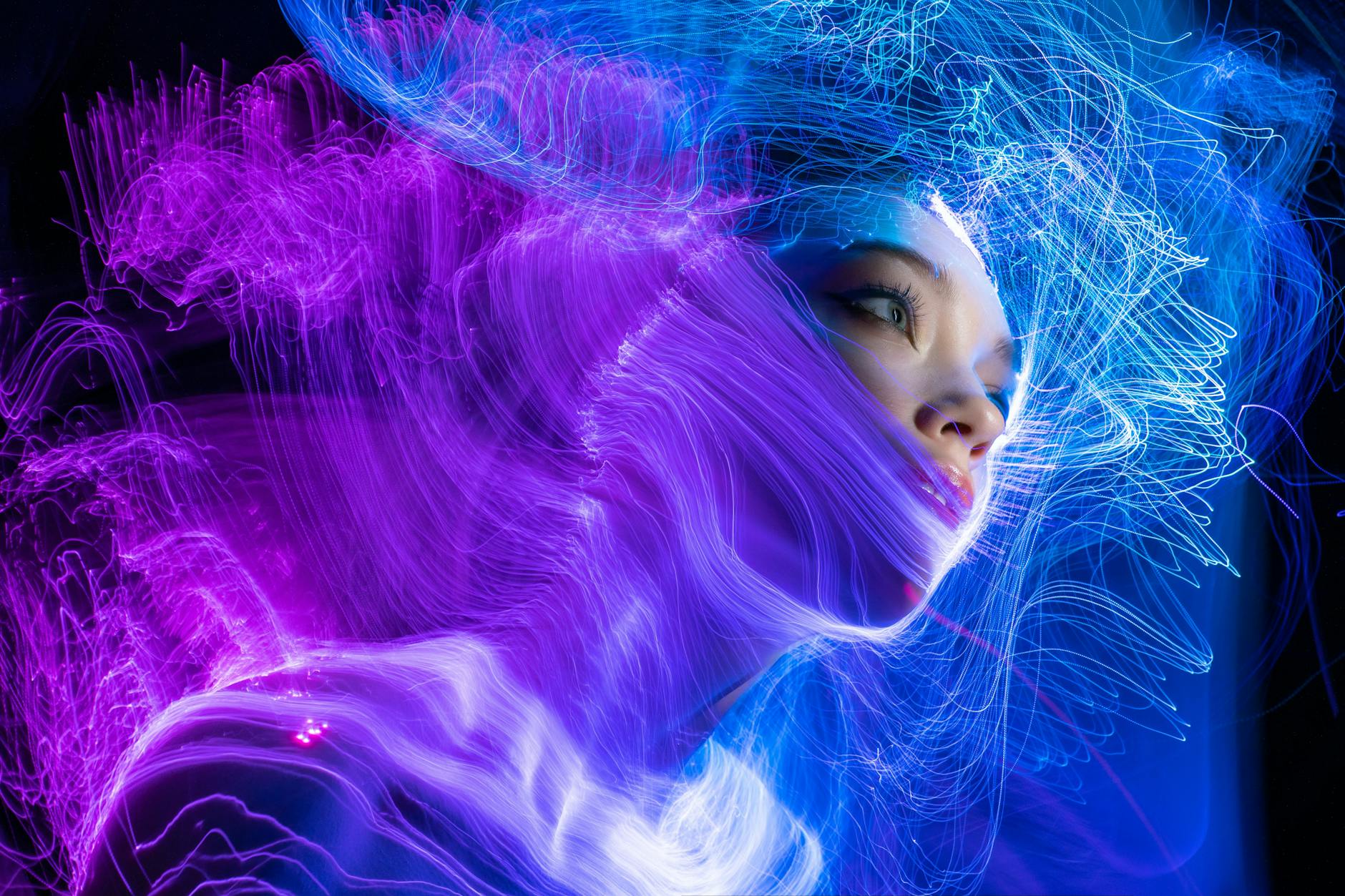
Photo by Merlin Lightpainting on Pexels.com

Beauty is one of the most powerful social currencies, yet it has been weaponized against Black women for centuries. Society has dictated what is considered beautiful, often elevating Eurocentric features as the standard while degrading African aesthetics.

From slavery onward, Black bodies were dehumanized, exoticized, and stripped of dignity. Enslaved women were compared to animals, their hair labeled “woolly” and their features mocked (White, 2012). The colonizers’ standard of beauty placed whiteness as the ideal — pale skin, thin noses, and straight hair became the aspirational model. This early propaganda created a deep generational wound, convincing many Black women that their natural state was inferior.

Scripture reminds us that all creation is made in God’s image (Genesis 1:27, KJV). The denigration of Black beauty is therefore not just a social injustice but a spiritual assault — an attempt to distort the Creator’s handiwork and cause people to despise what God called “very good” (Genesis 1:31, KJV).

Psychology supports this understanding, noting that beauty ideals strongly influence self-esteem and identity formation (Cash & Pruzinsky, 2002). When a community is repeatedly told they are ugly, unworthy, or undesirable, it fosters internalized racism, self-hatred, and colorism. Black girls often grow up wishing to look like the models in magazines, who historically were overwhelmingly white.

The con game becomes clear when we see how the beauty industry profits from this insecurity. Billions of dollars are spent annually by Black women on hair relaxers, skin-lightening creams, and wigs designed to mimic Eurocentric features (Hunter, 2011). The market is built on the false premise that Black women must “fix” themselves to be acceptable.

Straight hair became a symbol of respectability during the early 20th century. Madam C.J. Walker, while celebrated for empowering Black women economically, also sold products that encouraged them to conform to Eurocentric ideals. Sociologists argue that this was a survival strategy — assimilating to dominant beauty norms in order to access jobs, education, and social mobility (Gill, 2010).

Colorism — the preference for lighter skin — further divided the Black community. During slavery, lighter-skinned enslaved people were often favored and given domestic work, while darker-skinned people labored in the fields. This legacy persists, with research showing lighter-skinned Black women still receive better treatment in dating, hiring, and media representation (Wilder, 2010).

Scripture, however, affirms the beauty of melanin-rich skin. The Shulamite woman in Song of Solomon boldly declares, “I am black, but comely” (Song of Solomon 1:5, KJV). Her words push back against shame and affirm that dark skin is beautiful and worthy of celebration.

In recent decades, Black celebrities and activists have fought back against this con game. Icons like Nina Simone, Lauryn Hill, Lupita Nyong’o, Viola Davis, and Michaela Coel have publicly affirmed natural hair, dark skin, and African features. Lupita Nyong’o’s speech at Essence’s Black Women in Hollywood awards described learning to see her dark skin as beautiful — a testimony that inspired a generation.

The natural hair movement is one of the most powerful acts of resistance. Black women worldwide have embraced afros, locs, braids, and twists as symbols of cultural pride. This movement rejects the lie that straight hair is “better” and instead celebrates hair in its God-given form. Laws like the CROWN Act (Creating a Respectful and Open Workplace for Natural Hair) are dismantling workplace discrimination against natural styles.

Social media has also amplified representation. Influencers and content creators showcase Black beauty in all its shades, from the deepest ebony to the fairest brown, proving that beauty is not monolithic. This democratization of media allows Black women to define beauty on their own terms rather than through Eurocentric gatekeepers.

Psychologists warn, however, that dismantling centuries of programming takes time. Internalized racism and colorism can linger even within progressive spaces. Healing requires intentional unlearning, affirmations, and re-exposure to positive images of Blackness (Hall, 2010).

Biblically, the call is to renew the mind. Romans 12:2 (KJV) commands believers not to conform to the world but to be transformed by the renewing of the mind. This applies to rejecting false beauty standards and embracing God’s definition of worth. Beauty becomes an inner quality, as 1 Peter 3:3-4 reminds us: “Whose adorning let it not be that outward adorning… but let it be the hidden man of the heart.”

Black women are also reclaiming beauty in fashion and pageantry. The historic moment when Zozibini Tunzi of South Africa won Miss Universe 2019, wearing her natural hair challenged decades of Eurocentric pageant norms. She stated, “I grew up in a world where a woman who looks like me… was never considered beautiful.” Her victory was a global affirmation that the standard is shifting.

Despite these advances, the beauty con game continues through subtle pressures. Media algorithms still over-represent lighter-skinned models. Cosmetic companies still push skin-whitening creams in African and Asian markets. These realities remind us that liberation is an ongoing struggle.

The followers of Christ have a responsibility to participate in this healing by teaching that every shade of melanin reflects the creativity of God. Psalm 139:14 (KJV) declares, “I will praise thee; for I am fearfully and wonderfully made.” Teaching this truth to young girls builds resilience against media lies.

Psychology shows that positive representation can rewire self-perception. Exposure to affirming images of Black beauty has been linked to improved self-esteem and body satisfaction (Frisby, 2004). Representation is not superficial — it is a tool of psychological liberation.

Another critical step is economic empowerment. Supporting Black-owned beauty brands allows women to invest in products that celebrate, not erase, their natural beauty. This shift keeps wealth circulating in the community and challenges global conglomerates that exploit insecurities.

Parents, educators, and mentors must be intentional about teaching children to love their natural features early. Displaying books, dolls, and media with diverse representations of Black beauty helps inoculate children against the lie that they must look different to be worthy.

It is also important to resist idolizing beauty altogether. Proverbs 31:30 (KJV) reminds us, “Favour is deceitful, and beauty is vain: but a woman that feareth the LORD, she shall be praised.” True empowerment comes when beauty is seen as one part of identity, not the sum total of worth.

Healing from the beauty con game is both personal and collective. It requires rejecting lies, affirming truth, and celebrating every expression of African identity. It means speaking life into one another, reminding sisters that they are wonderfully made and worthy of honor.

Ultimately, God has the final word on beauty. His word teaches that we are His workmanship (Ephesians 2:10, KJV). Every curl, coil, and shade of melanin was intentionally designed. Restoring Black women’s self-image is not merely a social project — it is a spiritual act of reclaiming what God has declared good.


References

  • Cash, T. F., & Pruzinsky, T. (2002). Body image: A handbook of theory, research, and clinical practice. Guilford Press.
  • Frisby, C. M. (2004). Does race matter? Effects of idealized images on African American women’s perceptions of body esteem. Journal of Black Studies, 34(3), 323–347.
  • Gill, T. M. (2010). Beauty shop politics: African American women’s activism in the beauty industry. University of Illinois Press.
  • Hall, R. E. (2010). The melanin millennium: Skin color as 21st century international discourse. Springer.
  • Hunter, M. (2011). Buying racial capital: Skin-bleaching and cosmetic surgery in a globalized world. Journal of Pan African Studies, 4(4), 142–164.
  • White, D. G. (2012). Ar’n’t I a Woman?: Female slaves in the plantation South. W.W. Norton & Company.
  • The Holy Bible, King James Version.

The Universal Standard of Beauty vs. the Black Standard of Beauty.

Photo by SHVETS production on Pexels.com

Beauty is one of the most powerful social currencies across cultures. Yet, it is not universal in practice. What is often called the “universal standard of beauty” tends to reflect Eurocentric ideals—light skin, straight or loosely wavy hair, slim but not too thin figures, sharp noses, and symmetry rooted in Western canons. By contrast, the “Black standard of beauty” celebrates features like deep melanin, textured hair, fuller lips, wider hips, and natural curves—features historically marginalized yet increasingly recognized as both beautiful and powerful. The tension between these two standards creates both cultural conflicts and psychological struggles, especially for women navigating global and racialized definitions of beauty.

The universal standard is heavily influenced by colonial history, globalized media, and Western power structures. Fashion runways, Hollywood, and advertising have long promoted whiteness and European features as the ideal. This creates a narrow box for women worldwide, making lightness of skin and straightness of hair aspirational. The problem is not simply preference but the fact that these standards are presented as “neutral” or “natural,” when in reality they are culturally specific and historically constructed.

In contrast, the Black standard of beauty emerges from African heritage, cultural pride, and the resilience of communities resisting erasure. Features like natural hair, darker complexions, broad noses, and fuller bodies reflect an embrace of authenticity and connection to ancestry. While this standard has not always been celebrated in mainstream culture, movements like Black is Beautiful, Black Girl Magic, and the natural hair revolution have shifted the cultural landscape, creating new appreciation for traits once ridiculed or suppressed.

The problem with universal standards is that they often erase diversity. By elevating one aesthetic above all others, they invalidate the beauty of women who do not conform. Black women, in particular, face colorism, hair discrimination, and media exclusion, leading to lower self-esteem, body image struggles, and even the desire for surgical alterations to “fit in.” The psychological toll is compounded by constant comparisons, where Black beauty is deemed desirable only when exoticized or appropriated.

The Black standard, however, also faces challenges. Within Black communities, colorism and texturism can replicate the very hierarchies imposed by Eurocentric ideals. For instance, lighter-skinned Black women or those with looser curls may be celebrated more readily, leaving darker-skinned women with kinkier textures marginalized even within their own cultural space. Thus, the Black standard of beauty, though liberating, is not free from internal tensions.

Psychology helps explain why the universal standard is so dominant. Humans are naturally drawn to symmetry, proportionality, and what evolutionary psychology calls “averageness.” Yet, culture shapes the interpretation of these features. For example, fuller lips may be universally attractive from a biological standpoint, but in Western contexts, they were historically devalued when associated with Blackness. When white celebrities adopt these features—through surgery or makeup—they suddenly become fashionable. This reveals that the problem is not biology but cultural bias.

So, which standard is better? From a cultural and ethical standpoint, the Black standard of beauty is healthier because it embraces diversity, authenticity, and ancestral pride. The universal standard, by contrast, operates under the illusion of neutrality while enforcing a narrow, exclusionary ideal. However, both standards have their flaws. The truest “universal” standard would recognize and celebrate multiple expressions of beauty, free from hierarchy and colonial residue.

The contrast between Charlize Theron and Kenya Moore illustrates these competing standards. Charlize Theron, a South African-born white actress, embodies the Eurocentric ideal: light skin, blonde hair, sharp facial structure, tall and slender physique. Kenya Moore, an American actress, model, and former Miss USA, embodies the Black standard: rich melanin, high cheekbones, full lips, almond-shaped eyes, and natural curves. Both women are undeniably beautiful, but society’s gaze often places them differently.

Psychologically, Theron represents what Western culture has historically defined as “timeless” beauty—symmetry, slenderness, and lightness. She fits seamlessly into Hollywood’s Eurocentric mold and is often cast as elegant, glamorous, or refined. Kenya Moore, while celebrated in Black communities and crowned in pageantry, faces the double bind of being exoticized by some and dismissed by others because her beauty falls outside Western defaults.

When comparing their features, Charlize’s sharp jawline, narrow nose, and fair skin align with universal standards. Kenya’s full lips, brown skin, hourglass figure, and thick hair align with Black standards. Both share high cheekbones and symmetry, which psychology identifies as universally appealing. However, society esteems Theron more highly because she reflects the Eurocentric beauty hierarchy that dominates mainstream culture.

This hierarchy is evident in global branding. Theron is a face for luxury brands like Dior, while Moore’s opportunities are more culturally specific, tied to Black entertainment or niche markets. This reveals how beauty standards translate directly into economic capital and visibility. Theron benefits from a system that rewards Eurocentric features, while Moore must navigate a world where her beauty is simultaneously celebrated and contested.

Yet, in cultural spaces that embrace Black identity, Kenya Moore’s beauty reigns supreme. Pageants like Miss USA crowned her not only for her physical features but also for her confidence and charisma. In Black communities, her melanin, curves, and boldness embody aspirational beauty. Here, Moore’s beauty challenges universal standards and affirms the richness of the Black aesthetic.

The problem, then, is not that one woman is more beautiful than the other but that society attaches higher value to whiteness. This creates a distorted lens where Theron is elevated globally while Moore is compartmentalized. Psychology calls this halo effect—positive qualities are attributed to those who fit dominant beauty standards, giving them advantages in career, relationships, and social status.

Ultimately, beauty should not be a competition between standards but an expansion of them. The universal standard must evolve to truly include the Black standard, recognizing that beauty is not singular but plural. If society continues to privilege one aesthetic over another, it perpetuates inequality and denies humanity the richness of diversity.

Beauty Standards Comparison Chart

CategoryUniversal (Eurocentric) Standard of BeautyBlack Standard of Beauty
Skin ToneLight, fair, porcelain, often associated with “purity” and elegance.Deep melanin, radiant dark or brown skin, celebrated as strength, richness, and natural glow.
HairStraight, wavy, or silky blonde/brunette textures. Long and smooth styles valued.Kinky, coily, curly, locs, or natural Afro textures. Volume, versatility, and protective styles celebrated.
Facial StructureNarrow nose, sharp jawline, thin lips, angular features.Broad nose, full lips, strong cheekbones, almond eyes.
Body TypeSlim, tall, lean physique; curves downplayed unless subtle.Curvaceous, hourglass shape with fuller hips, thighs, and bust.
SymmetryHigh value placed on geometric symmetry, “delicate” features.Symmetry also prized, but combined with bold and distinctive features.
Cultural AssociationsElegance, luxury, global acceptability, high fashion.Strength, resilience, authenticity, pride in heritage.
Psychological EffectFits dominant media ideals; often boosts confidence through validation.Often marginalized, but growing in pride; empowerment movements (“Black is Beautiful,” “Black Girl Magic”).
Celebrity ExamplesCharlize Theron, Scarlett Johansson, Margot Robbie, Natalie Portman.Kenya Moore, Lupita Nyong’o, Angela Bassett, Kelly Rowland.

Example: Charlize Theron vs. Kenya Moore

  • Charlize Theron: Represents Eurocentric ideals—blonde, fair-skinned, sharp jawline, tall and slim. Universally marketed as elegant and glamorous, especially in luxury beauty industries.
  • Kenya Moore: Represents the Black standard—rich brown complexion, high cheekbones, full lips, voluminous hair, and curvaceous figure. Celebrated in Black spaces as stunning, but less globally esteemed due to systemic beauty hierarchies.

In conclusion, Charlize Theron and Kenya Moore are both stunning examples of beauty, but the esteem they receive reflects systemic bias rather than objective truth. The universal standard favors Theron, while the Black standard affirms Moore. True liberation comes when both women can be equally celebrated without hierarchy, proving that beauty, like humanity, is multifaceted and boundless.


📖 References

  • Etcoff, N. (1999). Survival of the prettiest: The science of beauty. Anchor Books.
  • Hunter, M. L. (2007). The persistent problem of colorism: Skin tone, status, and inequality. Sociology Compass, 1(1), 237–254.
  • Jones, T. (2000). Shades of brown: The law of skin color. Duke Law Journal, 49(6), 1487–1557.
  • The Holy Bible, King James Version. (1769/2017). Cambridge University Press.

Black Beauty: A Curse or a Blessing?

Photo by Adedamola Adetoyi on Pexels.com

The question of whether Black beauty is a curse or a blessing has haunted generations. For centuries, it has been both revered and reviled, celebrated and scorned. To grapple with this paradox is to acknowledge the deep history of how the world perceives Black bodies and how those perceptions have shaped the lived experience of Black people. What society has too often treated as a curse, Scripture and science reveal as a profound blessing.

Historically, the beauty of Black people has been weaponized against them. During slavery, enslaved Black women were simultaneously sexualized and dehumanized. Their features — full lips, wide noses, dark skin, and coiled hair — were ridiculed as evidence of inferiority while being exploited for labor and reproduction (Collins, 2000). This duality created a legacy of shame, where traits of Black beauty were framed as a curse, even while secretly desired.

From a sociological standpoint, the dominance of Eurocentric beauty standards reinforced this distortion. Pale skin, straight hair, and narrow features were upheld as the “universal” ideal, marginalizing African aesthetics. Black people were pressured to straighten their hair, lighten their skin, or alter their features to fit in. This erasure implied that natural Black beauty was somehow less worthy. Yet, these same features, when adopted by non-Black women through tanning, lip fillers, or curly hair perms, were suddenly praised. This contradiction reveals that the problem was never Black beauty itself, but society’s biased lens.

Psychologically, this tension has left deep scars. Colorism, a byproduct of racism, continues to divide communities, privileging lighter skin over darker tones (Hunter, 2007). Dark-skinned women often face harsher discrimination in dating, work, and media representation, while lighter-skinned women are deemed more “acceptable.” Black men, too, experience a contradictory dynamic: their athletic bodies and masculine strength are admired in sports and entertainment, yet feared in daily life. These contradictions fuel the perception that Black beauty is a burden, something to carry rather than something to celebrate.

Yet, when we turn to Scripture, a different narrative emerges. God’s Word affirms the value of every feature He created. In Genesis 1:27, it says: “So God created man in his own image, in the image of God created he him; male and female created he them” (KJV). Black beauty, like all human beauty, reflects the divine image. Song of Solomon 1:5 offers an even more direct affirmation, where the Shulamite woman proclaims, “I am black, but comely, O ye daughters of Jerusalem” (KJV). Her words echo across centuries as a declaration that Blackness and beauty are inseparable, divinely designed.

Biologically, Black beauty is also a blessing. Melanin, often celebrated as “Black gold,” is more than skin deep. It provides protection against the sun’s harmful rays, slows aging, and contributes to unique variations in skin tone, eye color, and hair texture (Jablonski, 2014). Strong bone density, muscular builds, and symmetrical facial features — often found in African-descended populations — align with what science recognizes as markers of physical health and attractiveness (Little et al., 2011). These genetic gifts are not curses but blessings of adaptation and survival.

The cultural reclamation of Black beauty further affirms its blessing. The natural hair movement, the rise of melanin-positive campaigns, and the increasing global embrace of African aesthetics reflect a turning tide. Traits once despised are now celebrated as fashionable and aspirational. What was once shamed is now crowned. Black beauty has become a movement of self-love and resistance against centuries of erasure.

Still, the struggles remain. The media often continues to underrepresent darker-skinned women, and when represented, they are frequently portrayed through stereotypes. Black men’s physiques are admired in sports but criminalized in society. These double standards illustrate how the world continues to twist Black beauty into something threatening or undesirable. The real curse, then, is not in Black beauty itself, but in the systems that refuse to honor it.

Spiritually, the enemy has always sought to distort what God made good. The same way sin corrupted creation, racism and colorism distort beauty. But Romans 8:28 reminds us that God works all things for good for those who love Him. Even in the face of rejection, Black beauty has been a source of resilience, creativity, and community pride. From gospel music to fashion to visual art, Black aesthetics have shaped global culture, often without due credit. What the world tried to curse, God turned into blessing.

To answer the question — Black beauty is not a curse, though it has been treated as one. It is a blessing, intricately woven into God’s creation, carrying strength, resilience, and elegance. The so-called curse lies in society’s refusal to embrace diversity, in the oppressive systems that shame what they do not understand.

For women, Black beauty is a crown that does not need the approval of Western standards. For men, it is the strength of kings and warriors written into their DNA. For children, it is a heritage to be celebrated, not hidden. The more we reclaim and affirm it, the more the illusion of the curse fades, and the truth of the blessing shines.

Psychology affirms this too. Studies show that self-acceptance and positive racial identity are linked to higher self-esteem and resilience among Black individuals (Mandara & Murray, 2000). Choosing to embrace one’s beauty is both an act of healing and defiance. Where society once defined Black beauty as “less than,” psychology and faith remind us it is more than enough.

In closing, the question itself reveals the depth of the struggle: to see oneself through the eyes of God rather than the eyes of a broken world. Black beauty is not a curse — it is a divine blessing, radiant with purpose. As the psalmist declares, “I will praise thee; for I am fearfully and wonderfully made” (Psalm 139:14, KJV). Black beauty is living proof of this truth.


References

  • Collins, P. H. (2000). Black feminist thought: Knowledge, consciousness, and the politics of empowerment. Routledge.
  • Hunter, M. (2007). The persistent problem of colorism: Skin tone, status, and inequality. Sociology Compass, 1(1), 237–254.
  • Jablonski, N. G. (2014). Living color: The biological and social meaning of skin color. University of California Press.
  • Little, A. C., Jones, B. C., & DeBruine, L. M. (2011). Facial attractiveness: Evolutionary based research. Philosophical Transactions of the Royal Society B, 366(1571), 1638–1659.
  • Mandara, J., & Murray, C. B. (2000). Effects of parental marital status, income, and education on the self-esteem of African American adolescents. Journal of Family Psychology, 14(3), 475–490.