All posts by The Brown Girl Dilemma

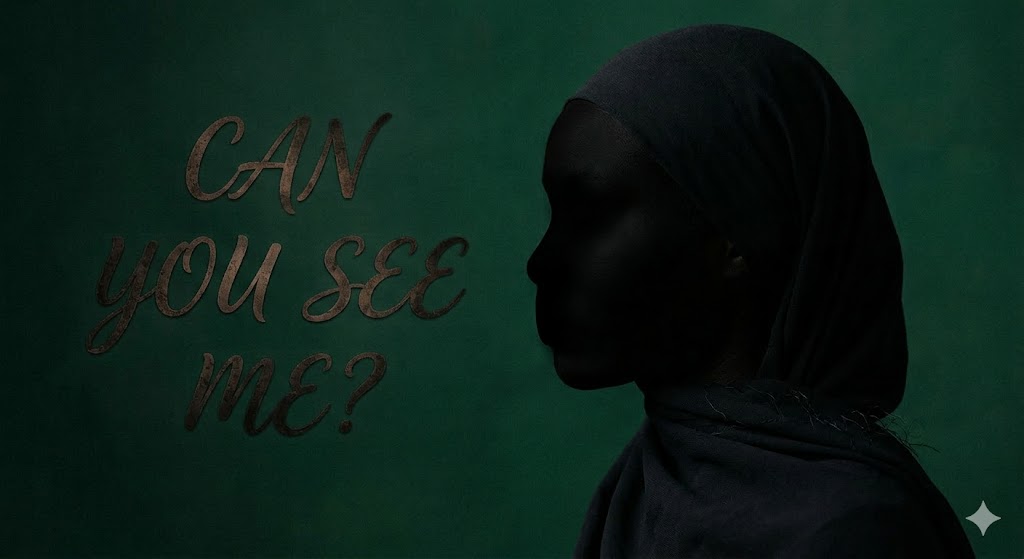
I welcome everyone— women and men of all nationalities—to read, reflect, and gather insight across the many topics about black people explored here. To the Brown girl and the Brown boy who walk into rooms already carrying history, beauty, and burden—this space is for you. You stand at the intersection of visibility and erasure, desirability and disregard, reverence and resistance, often praised, questioned, desired, dismissed, and debated all at once. In a world that studies your skin more than your soul and distorts what God designed with intention, may truth, healing, and divine purpose meet you here. This is a conversation created to name your journey without silencing your truth, to restore what society has tried to redefine, and to remind you that your worth was never the problem—only the world’s inability to honor it.

Forged in Fire: The Resilience and Identity of the Black Man in America.

The identity of the Black man in America has been shaped by a historical crucible of oppression, resistance, and transformation. From the earliest days of forced migration during the Transatlantic Slave Trade to contemporary struggles with systemic inequality, the Black man’s journey reflects both the brutality of racial subjugation and the enduring strength of cultural and spiritual resilience. His story is not merely one of survival, but of continual redefinition in the face of adversity.

The institution of chattel slavery stripped Black men of autonomy, identity, and familial authority. Enslaved African men were commodified, their labor exploited to build the economic infrastructure of a nation that simultaneously denied their humanity. This paradox—being essential yet devalued—formed the foundation of a fractured identity that would echo across generations.

Following the formal abolition of slavery, Black men entered a period marked by false promises and systemic betrayal. Reconstruction briefly offered hope, but the rise of Jim Crow Laws reinstated a rigid racial hierarchy. Black men were systematically disenfranchised, criminalized, and excluded from civic participation, reinforcing narratives of inferiority and danger.

The criminalization of Black masculinity became a central tool of social control. Stereotypes portraying Black men as inherently violent or hypersexual were propagated through media, politics, and pseudo-scientific discourse. These narratives justified discriminatory practices and contributed to the disproportionate targeting of Black men within the criminal justice system.

The emergence of the Civil Rights Movement marked a pivotal moment in redefining Black male identity. Leaders such as Martin Luther King Jr. advocated for nonviolent resistance, while Malcolm X emphasized self-defense and Black empowerment. Together, these figures embodied the complexity and diversity of Black masculinity.

Despite legislative victories, including the Civil Rights Act and Voting Rights Act, structural inequalities persisted. Black men continued to face barriers in employment, education, and housing, limiting opportunities for upward mobility. The promise of equality remained elusive, as systemic racism adapted to new social and political contexts.

The concept of “the Black male crisis” gained prominence in sociological discourse, often focusing on issues such as unemployment, incarceration, and educational disparities. However, this framing frequently overlooks the systemic roots of these challenges, placing undue responsibility on individuals rather than institutions.

Mass incarceration has emerged as one of the most significant threats to Black male identity in the modern era. Policies such as the War on Drugs disproportionately impacted Black communities, leading to the overrepresentation of Black men in prisons. Scholars like Michelle Alexander have described this phenomenon as a contemporary system of racial control.

Economic disenfranchisement further compounds these challenges. The decline of industrial jobs and the persistence of wage gaps have limited economic opportunities for many Black men. Without access to stable employment, the ability to fulfill traditional roles associated with masculinity—provider, protector, leader—becomes increasingly constrained.

Education systems also reflect and reinforce inequality. Black boys are more likely to face disciplinary action, be placed in special education programs, or attend underfunded schools. These disparities contribute to lower graduation rates and reduced access to higher education, perpetuating cycles of disadvantage.

Media representations play a critical role in shaping public perceptions of Black men. Often depicted through narrow and negative stereotypes, Black men are rarely afforded the complexity and humanity granted to other groups. These portrayals influence societal attitudes and inform policy decisions.

Yet, amidst these challenges, the resilience of Black men remains evident. Cultural expressions—music, art, literature—serve as powerful tools of resistance and identity formation. From hip-hop to spoken word poetry, Black men have used creative platforms to articulate their experiences and assert their humanity.

Family and community structures provide additional sources of strength. Despite systemic pressures, many Black men continue to prioritize fatherhood, mentorship, and communal responsibility. These roles challenge dominant narratives and highlight the importance of relational identity.

Faith and spirituality have historically been central to the Black male experience. The church has functioned as both a refuge and a site of resistance, offering moral guidance and collective empowerment. Biblical narratives of suffering and redemption resonate deeply within this context.

The intersection of race and masculinity creates unique psychological pressures. Black men must navigate a society that simultaneously fears and marginalizes them, leading to heightened stress and mental health challenges. Yet, stigma surrounding mental health often prevents open dialogue and access to care.

Contemporary movements have sought to reclaim and redefine Black male identity. Initiatives focused on mentorship, education, and entrepreneurship aim to empower Black men and address systemic barriers. These efforts reflect a broader commitment to self-determination and community uplift.

The role of allyship and policy reform cannot be overlooked. Addressing systemic inequality requires collective action, including equitable legislation, institutional accountability, and cultural change. Without these measures, progress remains limited.

The narrative of the Black man in America is not monolithic. It encompasses a wide range of experiences, identities, and perspectives. Recognizing this diversity is essential to understanding the full scope of Black masculinity.

Resilience, while often celebrated, should not be romanticized as a substitute for justice. The ability of Black men to endure hardship does not absolve society of its responsibility to address the root causes of inequality.

Ultimately, the identity of the Black man in America is forged not only through struggle but through resistance, creativity, and hope. His story is a testament to the enduring human spirit and a call to reimagine a society grounded in equity and dignity.


References

Alexander, M. (2010). The New Jim Crow: Mass incarceration in the age of colorblindness. The New Press.

Anderson, E. (1999). Code of the street: Decency, violence, and the moral life of the inner city. W.W. Norton.

Du Bois, W. E. B. (1903). The souls of Black folk. A.C. McClurg & Co.

Foner, E. (2014). Reconstruction: America’s unfinished revolution, 1863–1877. Harper & Row.

hooks, b. (2004). We real cool: Black men and masculinity. Routledge.

Kendi, I. X. (2016). Stamped from the beginning: The definitive history of racist ideas in America. Nation Books.

Massey, D. S., & Denton, N. A. (1993). American apartheid: Segregation and the making of the underclass. Harvard University Press.

Muhammad, K. G. (2010). The condemnation of Blackness: Race, crime, and the making of modern urban America. Harvard University Press.

Staples, R. (1982). Black masculinity: The Black male’s role in American society. Black Scholar Press.
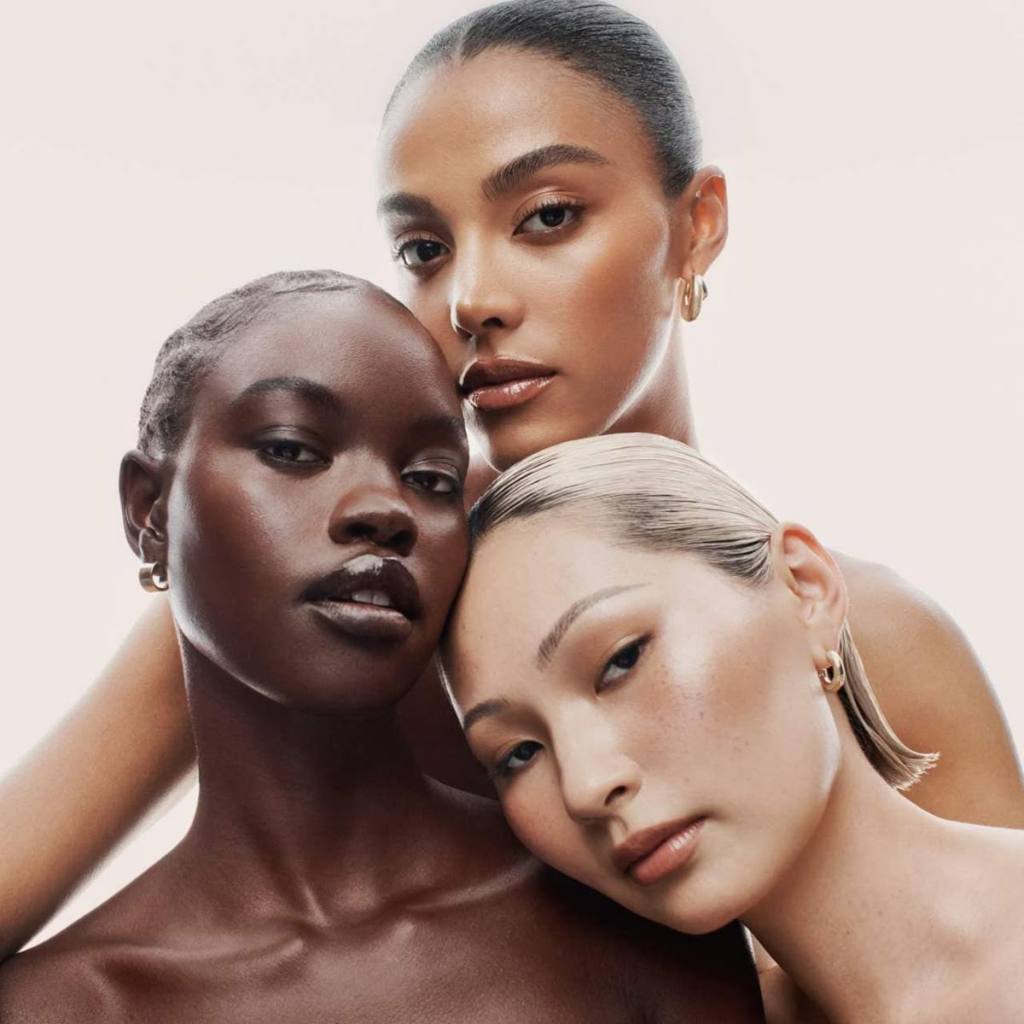

Global Reflections: How Women Around the World See Black Women.

This photograph is the property of its respective owner. No copyright infringement intended.

The perceptions of Black women around the world are diverse and complex, shaped by history, culture, media, and personal experiences. While generalizations are never universal, patterns emerge in how Black women are viewed globally. Here’s a nuanced overview:


Beauty and Physical Features

Globally, Black women are often admired for their distinctive beauty—dark skin, natural hair textures, curvaceous figures, and bold features. In many African and Caribbean countries, this beauty is celebrated as a connection to heritage and identity.

However, Eurocentric beauty standards prevalent in Western media often marginalize these traits, promoting lighter skin, straighter hair, and thinner bodies as the “ideal.” This has led to colorism both within and outside Black communities, where lighter-skinned women may be more widely accepted or idealized in certain societies (Hunter, 2007; Rooks, 2021).


Strength and Resilience

Across cultures, Black women are frequently recognized for their resilience. Historical struggles with slavery, colonialism, systemic racism, and sexism have cultivated an image of Black women as strong, resourceful, and independent. Many women worldwide see Black women as role models of endurance and courage, though this sometimes becomes a stereotype that overlooks vulnerability and emotional needs (Collins, 2000).


Intelligence and Leadership

Black women are increasingly acknowledged for their brilliance, creativity, and leadership. From scholars, politicians, and entrepreneurs to artists and activists, women globally recognize Black women as innovators and change-makers. Still, racial and gender biases sometimes undermine or overlook their accomplishments, particularly in predominantly white or male-dominated spaces.


Cultural Influence

Black women have immense influence in music, fashion, and popular culture worldwide. From Beyoncé and Lupita Nyong’o to Rihanna and Naomi Campbell, women globally admire Black women’s style, artistry, and confidence. In many regions, this cultural impact elevates Black women as trendsetters and symbols of empowerment.


Stereotypes and Misconceptions

Unfortunately, global perceptions are not always positive. Common stereotypes persist: the “angry Black woman,” the hypersexualized Black woman, or the overly strong and independent figure who needs no support. Such narratives are perpetuated by media, literature, and historical bias, often overshadowing the nuanced realities of Black women’s experiences (West, 1995).


Intersection of Race and Gender

Women around the world understand that Black women navigate both racism and sexism, making their experiences unique. In multicultural settings, Black women are often lauded for their strength, yet simultaneously face discrimination that challenges their professional, social, and personal lives.


Admiration and Solidarity

Many women, especially women of color, express admiration for Black women’s courage, beauty, and achievements. There is a growing movement of global solidarity, celebrating Black womanhood through media, literature, and social campaigns like #BlackGirlMagic, which highlights the brilliance, resilience, and creativity of Black women.

Global Voices on Black Womanhood

Africa

  • Perception: Black women are celebrated for their beauty, heritage, and cultural pride. Natural hair, traditional attire, and skin tone are often embraced as symbols of identity.
  • Quote: “In my community, a woman’s strength and ability to hold family and society together is admired. Her beauty is in her resilience and her wisdom.” – Nigerian woman, Lagos.
  • Observation: African societies often value community-oriented leadership and motherhood, with Black women seen as pillars of family and social structure.

Caribbean

  • Perception: Black women are recognized for confidence, style, and creative expression. Their bodies, music, and fashion sense are celebrated globally.
  • Quote: “Black women here are queens. We have rhythm, grace, and strength in everything we do.” – Jamaican woman, Kingston.
  • Observation: Caribbean women often emphasize self-expression through dance, music, and art, reinforcing the global influence of Black culture.

United States

  • Perception: Black women are admired for resilience and achievements in education, politics, and culture. Yet, stereotypes like the “angry Black woman” or hypersexualization persist.
  • Quote: “We are often seen as strong, but people forget we need support too. Our strength doesn’t make us invincible.” – African American woman, Atlanta.
  • Observation: Movements like #BlackGirlMagic and campaigns celebrating Black women’s accomplishments highlight empowerment and counter negative stereotypes.

Europe

  • Perception: Black women are increasingly recognized for beauty and cultural contribution, but they often face systemic racism and exoticization.
  • Quote: “People admire our fashion and skin tone, but sometimes it feels like they only see us as different, not equal.” – British woman of African descent, London.
  • Observation: European societies tend to appreciate aesthetic traits but often struggle with fully valuing Black women’s intellect, leadership, and humanity.

Latin America

  • Perception: Black women’s beauty is celebrated in some regions, but colorism is highly prevalent, favoring lighter skin and European features.
  • Quote: “Our dark skin is beautiful, but society still values lighter women more. It’s a constant struggle for recognition.” – Afro-Brazilian woman, Salvador.
  • Observation: While Afro-Latin culture embraces African roots, historical legacies of colonialism and slavery influence societal perceptions and opportunities for dark-skinned women.

Asia

  • Perception: Black women are admired for fashion, confidence, and cultural uniqueness but are often exoticized or misunderstood.
  • Quote: “They think we are mysterious or strong, but they rarely understand the depth of our experiences.” – Black woman in Japan.
  • Observation: Media representation of Black women is limited, leading to fascination with physical traits rather than acknowledgment of intellect or character.

Global Trends

  • Admiration: Across the world, Black women are increasingly celebrated for beauty, creativity, resilience, and leadership.
  • Challenges: Persistent stereotypes, colorism, exoticization, and structural inequalities remain.
  • Empowerment Movements: #BlackGirlMagic, Afrofuturism, natural hair movements, and global social campaigns amplify Black women’s voices, accomplishments, and culture.

Summary Insight:
Women globally recognize Black women as strong, beautiful, and influential, yet societal biases affect perception and opportunities. Celebrations of culture, resilience, and achievement are growing, empowering Black women to reclaim narratives and redefine global beauty, leadership, and identity standards.


References

Collins, P. H. (2000). Black feminist thought: Knowledge, consciousness, and the politics of empowerment (2nd ed.). New York, NY: Routledge.

Hunter, M. L. (2007). The persistent problem of colorism: Skin tone, status, and inequality. Sociology Compass, 1(1), 237–254. https://doi.org/10.1111/j.1751-9020.2007.00006.x

Rooks, N. (2021). Hair politics: Beauty, culture, and Black identity. New York, NY: Beacon Press.

West, C. M. (1995). Mammy, Sapphire, and Jezebel: Historical images of Black women and their implications for psychotherapy. Psychotherapy: Theory, Research, Practice, Training, 32(3), 458–466. https://doi.org/10.1037/0033-3204.32.3.458

How to Manage the Clock in New Relationships.

Time is one of the most valuable resources in any relationship, especially during the early stages when emotions are fresh, intentions are being clarified, and boundaries are still forming. Managing the “clock” in a new relationship means knowing when to slow down, when to speed up, when to pause, and when to walk away. It requires emotional maturity, spiritual grounding, and an honest understanding of what you want—and what God requires. When handled correctly, time becomes a tool that protects your heart and strengthens your discernment rather than a trap that pulls you into confusion or unnecessary soul ties.

New relationships often feel exciting, leaving many people tempted to rush the natural process. But Scripture teaches that wisdom is found in patience: “To everything there is a season, and a time to every purpose under heaven” (Ecclesiastes 3:1, KJV). The problem emerges when people try to accelerate a season God intended to unfold slowly. Managing the clock means pacing your emotions, remaining sober-minded, and allowing consistency—not chemistry—to reveal a person’s true intentions. Time exposes character more clearly than words ever will.

One of the foundations of managing early relationship time is practicing sexual restraint. Fornication blurs discernment, damages clarity, and binds people to relationships God never endorsed. Scripture is explicit: “Flee fornication” (1 Corinthians 6:18, KJV). When intimacy arrives too early, the emotional and spiritual clock becomes distorted. You begin to bond deeply with someone you barely know, making it harder to evaluate whether they truly align with your values, goals, or spiritual walk. Managing the clock means protecting your body, mind, and spirit from premature bonding.

Another essential aspect is learning not to force what is not working. Many relationships linger long after they have expired because people don’t know when to let go. Holding onto something dead steals time that could be used for healing, growth, or preparation for God’s best. Proverbs 4:23 reminds us, “Keep thy heart with all diligence; for out of it are the issues of life.” Letting go is not a failure—it is wisdom, and it is stewardship over your emotional future.

Managing the clock also means not taking things personally during the exploratory stage. Early relationship dynamics often reveal differences in communication, expectations, and emotional readiness. Giving things time allows both people to adjust naturally without pressure. If someone pulls back, it may have nothing to do with your worth. Emotional patience prevents unnecessary insecurity and helps you see the situation realistically rather than reactively.

A healthy relational clock also comes with boundaries—emotional, spiritual, and practical. Boundaries keep you centered, prevent overinvestment, and give the relationship space to develop authentically. Healthy timing means not calling too much, not planning too far ahead, and not giving access to parts of your life that should be earned gradually. Love grows stronger when it is not rushed.

Discernment is sharpened when time is respected. Red flags become visible, values become clearer, and intentions reveal themselves. Never try to outrun what time is trying to show you. God often uses time as a filter—removing people who were never meant to stay and magnifying the presence of those who genuinely belong.

The clock also teaches humility. You cannot rush another person’s healing, faith journey, or emotional readiness. Managing time well means allowing someone the space to grow without demanding unrealistic perfection. It means extending grace while maintaining self-respect.

Furthermore, the relational clock protects from fantasy bonding—the desire to fall in love with someone’s potential instead of their reality. Giving time allows you to distinguish between who someone promises to be and who they consistently show up as. This prevents heartbreak rooted in illusion rather than truth.

Managing the clock also requires prayer. Spiritual clarity should govern your relational decisions. Ask God to reveal true intentions, expose hidden motives, and protect your heart. James 1:5 encourages believers to seek divine wisdom: “If any of you lack wisdom, let him ask of God.” A relationship rooted in prayer moves at God’s timing, not emotional impulse.

Knowing when to let go is one of the most important forms of time management. When the relationship no longer bears fruit, causes spiritual compromise, or produces confusion instead of peace, the season has ended. Staying beyond the expiration date only disrupts your purpose. Letting go frees you for what is healthier, holier, and aligned with your destiny.

Giving a new relationship time also prevents misplaced expectations. Unrealistic pacing can create pressure that crushes the natural growth of connection. Allow friendship to form. Allow trust to build. Allow the relationship to unfold into something solid before assigning labels or expectations prematurely. Strong foundations require time to settle.

Managing the clock is ultimately an act of self-love and self-respect. It means valuing your emotional peace, honoring your spiritual convictions, and prioritizing your long-term future over short-term excitement. It means refusing to bend your standards to accommodate someone’s inconsistency.

For those committed to biblical values, managing the clock also means honoring God above your desires. Spiritual obedience safeguards relationships from pitfalls that come from rushing or compromising. It ensures that your relational decisions align with divine timing rather than cultural pressure.

Patience also reveals emotional compatibility—how someone handles stress, disappointments, communication difficulties, or misunderstandings. These observations take time and cannot be discovered through attraction alone.

Managing the clock in new relationships ensures you avoid unnecessary heartbreak caused by ignoring signs, settling, or moving too quickly. It gives you space to assess whether this person adds value to your destiny or distracts from it. Time is one of the greatest truth tellers.

When approached with wisdom, patience, and spiritual guidance, time becomes your ally—not your enemy. Managing the clock empowers you to embrace relationships that are healthy, godly, and emotionally sustainable. It teaches you to pace your heart, protect your purpose, and allow love to develop in its rightful season.

Ultimately, relationships thrive when they are guided not by pressure or impulse but by intentionality and discernment. Managing the clock is not about delaying love—it is about preparing for the right kind of love.

References

Holy Bible, King James Version.
Cloud, H., & Townsend, J. (2017). Boundaries in dating: How healthy choices grow healthy relationships. Zondervan.
Neff, K. (2011). Self-compassion: The proven power of being kind to yourself. William Morrow.
Stanley, S. M., & Markman, H. J. (2020). Relationship pacing and commitment theory. Journal of Family Psychology, 34(3), 319–330.

The Unseen Black Woman

The unseen Black woman lives at the intersection of power and pain, shaped by histories that sought to silence her and a world that often refuses to acknowledge her presence. Her story is one of resilience, complexity, and unshakable dignity—a story too often misinterpreted or completely ignored. From the days of enslavement to contemporary society, the Black woman remains both foundational and marginalized, desired yet devalued, visible only when convenient yet erased when truth is required. She is the cultural womb of nations, and yet she continues to battle the shadows of invisibility.

Historically, Black women have been overlooked and unprotected by social structures that elevate others while dismissing their humanity. During slavery, their labor and bodies were exploited without recognition or care, laying the foundation for stereotypes that still persist today. This invisibility is not accidental but systematically produced through institutions that benefit from her silence. Scholars have long noted that the Black woman is rarely seen as the standard of beauty, intelligence, or femininity in mainstream society, despite her profound contributions (Collins, 2000).

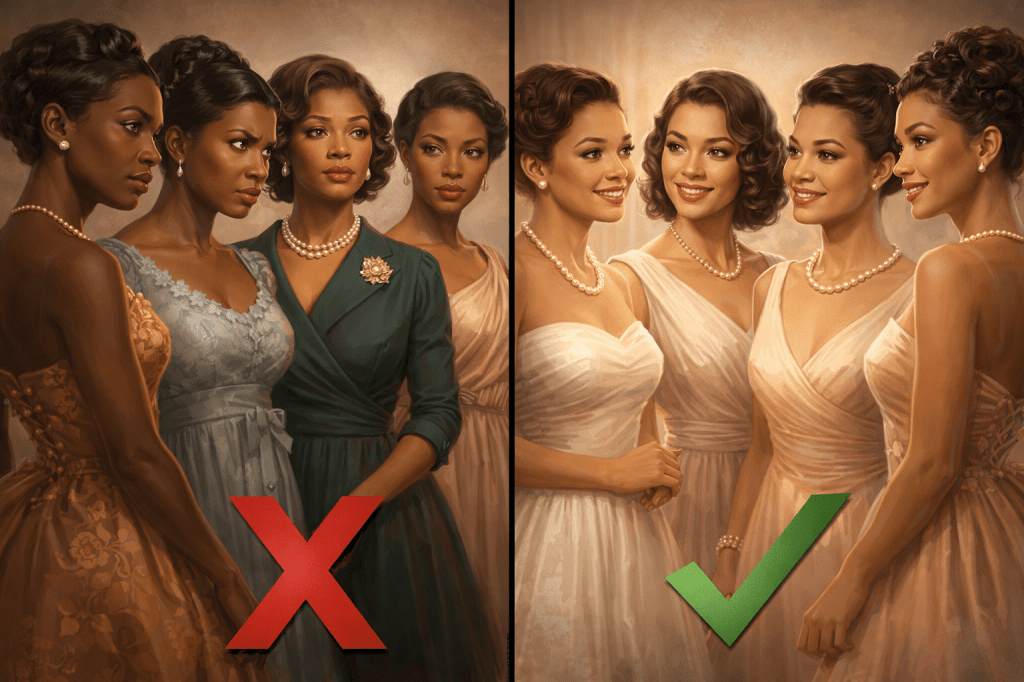
Rejection by other races, particularly within a white-dominated beauty and social hierarchy, has created layers of psychological warfare against the Black woman’s self-worth. Colorism—rooted in colonialism—has placed lighter skin on a pedestal while disregarding darker-skinned women. Media representation has amplified this hierarchy, rewarding proximity to whiteness and punishing features deeply tied to African ancestry. The Black woman’s rejection is not just personal; it is structural, echoing across fashion, film, workplace settings, and even healthcare outcomes.

Yet perhaps even more painful is the rejection she often experiences within her own community. Internalized racism and colorism, taught across generations, have led some Black men and women to subconsciously prefer lighter skin or Eurocentric features. This is not natural or innate—it is learned behavior shaped by centuries of conditioning. Enslavers strategically favored lighter-skinned enslaved people for domestic labor and created hierarchies among the enslaved that persist today. These psychological wounds have evolved but not disappeared.

Despite this, the Black woman’s beauty remains unmatched and deeply rooted in cultural, genetic, and ancestral strength. Her beauty defies narrow Western standards and emerges in endless forms—in tightly coiled hair, deep brown hues, high cheekbones, full lips, and regal posture. Studies on global beauty standards are increasingly recognizing the universality of features traditionally associated with African women, challenging outdated paradigms (Wade, 2017). Black beauty has not only survived exclusion; it has reshaped global culture, influencing art, fashion, language, and music.

The unseen Black woman is the backbone of movements, families, and spiritual communities, often leading without acknowledgment. She nurtured children who weren’t her own during slavery. She pioneered movements for civil rights while others received the spotlight. She protected her community, advocated for justice, and birthed cultural revolutions only to be written out of the narrative. Even today, Black women are the most educated demographic in America yet remain underpaid and under-promoted (NCES, 2022). This contradiction shows a society eager to benefit from her labor but unwilling to reward her leadership.

Her invisibility also appears in modern love dynamics. Many Black women face rejection on dating apps, in media pairings, and in social perceptions. Studies reveal that Black women are the most marginalized demographic in online dating algorithms (Hobbs et al., 2019). The social myth that Black women are “too strong,” “too independent,” or “undesirable” is not only untrue but dehumanizing. These narratives shape how the world interacts with Black women and how Black women learn to navigate relationships, often feeling unseen or undervalued.

But the unseen Black woman is not just a victim of rejection. She is a survivor who has learned to adapt, rebuild, and reimagine herself. She creates communities of healing—sister circles, natural hair movements, maternal health activism, and artistic spaces where she can breathe freely. She redefines beauty on her own terms, crafts new languages of empowerment, and challenges the structures that diminish her. She is not waiting for validation from society because she recognizes her worth internally.

Her spirituality has long been a source of strength. From traditional African religions to Christianity and modern spiritual practices, the Black woman’s connection to the divine has given her clarity and purpose. She understands suffering and redemption not as abstract concepts but lived realities. Her prayers have carried families, her faith has sustained movements, and her moral compass has shaped entire communities.

Black women have also served as cultural innovators, setting trends that the world imitates yet rarely credits. Hairstyles, fashion, vernacular, music, and social movements all bear the imprint of Black womanhood. The global appropriation of Black culture, without acknowledgment or respect, further demonstrates how she can be hyper-visible in influence yet invisible in recognition.

The unseen Black woman continues to face stereotypes—angry, loud, aggressive—labels manufactured to control her. These stereotypes mask her real emotions, preventing her from expressing pain, frustration, or vulnerability. They create barriers in workplaces, where she must work twice as hard while navigating biases that others do not face. They silence her in medical settings, where her pain is dismissed, leading to disproportionate maternal mortality rates.

Yet she persists. She continues to rise in academic fields, corporate leadership, entrepreneurship, and political influence. From Kamala Harris to Viola Davis, from everyday mothers to grassroots organizers, Black women are shaping the future. They are rewriting the narrative in real time, proving that invisibility is not destiny but a condition imposed by others.

Despite rejection from society, Black women remain deeply connected to one another. The solidarity found among Black women is powerful, nurturing, and healing. Within these bonds, they see each other fully. They uplift, affirm, and celebrate what the world ignores. In those circles, the unseen Black woman becomes seen again.

This invisibility has generational roots, but modern generations are actively dismantling it. Social media has allowed Black women to tell their own stories, challenge Eurocentric standards, and build platforms that center their experiences. From beauty influencers to scholars, Black women now control narratives once dictated by others.

The unseen Black woman is learning to rest, prioritize her mental health, and unlearn survival mode. She is healing from generational trauma, redefining femininity, and embracing softness without fear. She is discovering that her worth is inherent, not earned through suffering or sacrifice.

She is also demanding accountability—from media, corporations, governments, healthcare, and within her own communities. Black women are no longer silent about colorism, misogynoir, or the ways they have been mistreated. This new era is one of self-advocacy and bold truth-telling.

The unseen Black woman is not unseen because she lacks brilliance or beauty—she is unseen because society refuses to acknowledge what it cannot control. But she is rising, reclaiming her power, name by name, voice by voice. She carries the legacy of ancestors who walked through fire and still birthed nations. Her story is not one of defeat but victory.

Ultimately, the unseen Black woman is becoming the most visible she has ever been. She is taking her place in history and demanding that the world recognize her. Her resilience, beauty, intellect, and spiritual depth are undeniable. She is no longer waiting to be seen—she is choosing to be seen, loudly and unapologetically. And in doing so, she transforms not only her world but the world around her.

References

Collins, P. H. (2000). Black feminist thought: Knowledge, consciousness, and the politics of empowerment. Routledge.
Hobbs, L., Owen, J., & Gerstenberger, K. (2019). Online dating preferences and racial biases. Journal of Social and Personal Relationships, 36(7), 1992–2013.
National Center for Education Statistics. (2022). Status and trends in the education of racial and ethnic groups.
Wade, L. (2017). Beauty standards and race: A sociocultural analysis. Sociology Compass, 11(6), e12482.

Dilemma: Brother Against Brother

The crisis of “brother against brother” has become one of the most painful and complex truths within the Black community. It reflects a deep wound shaped by centuries of trauma, broken family structures, systemic oppression, and internalized self-hatred. Black men—once kings, protectors, innovators, and spiritual pillars of ancient civilizations—now often find themselves positioned as enemies to one another. Instead of building together, many are trapped in cycles of competition, conflict, and destruction. This tragedy is not born from nature but from historical engineering, social influence, and unresolved generational pain.

The issue of Black men killing other Black men continues to devastate families and communities across America. Although crime exists in every racial group, the concentrated violence within predominantly Black neighborhoods stems from systemic disenfranchisement, redlining, poverty, and the deliberate flooding of drugs and guns into urban communities. When resources are scarce and hope feels distant, men begin to see one another not as brothers but as threats. What should be unity becomes rivalry. What should be communal responsibility becomes survival warfare shaped by external design.

Gang culture emerged partly from these conditions. Although some early gangs were formed for protection, many evolved into organizations that perpetuate cycles of retaliation and territorial conflict. The desire to belong—to claim identity, power, or respect—becomes distorted into violence. Instead of competing against the systems that oppress them, young Black men too often compete against each other, losing years of potential to incarceration, injury, or death. This is not a moral failing but the outcome of generational instability and targeted neglect.

The internal conflict is not only physical but also psychological. The media often magnifies images of Black men as hyper-aggressive, criminal, or emotionally unavailable. These portrayals condition society and Black men themselves to see each other through a lens of suspicion rather than solidarity. The result is mistrust, emotional distance, and the belief that vulnerability is weakness. Without emotional literacy or safe spaces for healing, anger becomes the language many men know best.

Adding to this, modern culture pressures Black men to “one-up” each other—financially, socially, and sometimes violently. Masculinity becomes defined by domination rather than compassion, competition rather than collaboration. Whether through bravado, materialism, or street credibility, envy, worth is measured by comparison rather than character. This competitive mindset fractures relationships, weakens unity, and fuels an environment where brotherhood struggles to thrive.

Another layer of this crisis lies in the public rhetoric of some Black male celebrities and influencers who speak harshly against Black women. Instead of uplifting their sisters, they often demean them publicly, reinforcing stereotypes birthed during slavery when Black families were torn apart. This divisive speech harms the community by creating gender wars—brother against sister—and diverting attention from the real systems that undermine Black families. When Black men publicly dishonor Black women, it fractures the very foundation of the community.

Many of these behaviors stem from unresolved trauma. Generations of Black men have carried burdens of discrimination, economic instability, police brutality, and lack of emotional support. Without healthy mentorship or mental health access, pain can easily transform into aggression. Hurt men hurt other men. The cycle continues because healing is rarely prioritized or taught, especially in spaces where survival takes precedence over self-reflection.

There is also the crisis of absent or strained fatherhood, not by choice but because of mass incarceration, economic challenges, and systemic separation of Black families. When young boys do not see healthy examples of love, leadership, and conflict resolution, they mimic what they are exposed to—chaos, hyper-masculinity, or antisocial behavior. Brotherhood cannot flourish when foundational guidance is interrupted.

Educational inequality contributes as well. Underfunded schools, low expectations, and lack of representation limit opportunities for young Black men. When society signals that success is unattainable, alternative paths—often dangerous ones—become appealing. The lack of academic and vocational support creates breeding grounds for conflict, resentment, and hopelessness.

Music and entertainment industries also play a role. While many Black artists use music for storytelling and healing, corporations often elevate content that glorifies violence, rivalry, and disrespect. Young men absorb these messages and normalize them, believing that masculinity is proven through aggression. This corporate exploitation of Black male identity fuels division and devalues life itself.

Moreover, societal institutions consistently pit Black men against one another. Whether through limited job opportunities, biased criminal justice systems, or exploitative sports industries, the message is clear: only one can win. Only one can succeed. Only one can shine. This scarcity mindset erodes unity and fosters envy.

Yet, despite these challenges, many Black men are actively choosing a different path. Across the country, mentors, pastors, coaches, and community leaders are working to restore brotherhood. Programs focused on emotional intelligence, conflict resolution, and empowerment are helping young men unlearn destructive patterns. Healing spaces are emerging where men can be vulnerable without shame, reclaim their identity, and reconnect with each other.

Black men are also reshaping the narrative by celebrating one another’s success instead of competing. Social media movements like #BlackMenSmile and #BlackBoyJoy highlight the beauty, softness, brilliance, and strength of Black manhood beyond stereotypes. These images promote unity and challenge the belief that Black men must perform masculinity through violence or domination.

Reconciliation between Black men and Black women is also essential. Brotherhood cannot thrive when the relationship with Black women is fractured. Both sides must heal the wounds caused by patriarchy, colorism, and internalized racism. True healing requires accountability, empathy, and partnership—not blame.

Spiritual restoration remains a critical component. Many Black men are returning to faith, prayer, and community fellowship as grounding forces. Scripture emphasizes unity: “Behold, how good and how pleasant it is for brethren to dwell together in unity!” (Psalm 133:1, KJV). Reconnecting with God and identity helps to break cycles of destruction and renew purpose.

Additionally, economic empowerment is strengthening brotherhood. Entrepreneurship, cooperative economics, and financial literacy programs are teaching Black men to build together rather than tear each other down. Shared success creates shared loyalty.

Healing also requires emotional honesty. Black men must confront their pain—grief, abandonment, rejection, societal pressure—rather than hiding behind aggression. Vulnerability is not weakness but liberation. When men heal individually, they strengthen the collective.

To end the epidemic of “brother against brother,” society must address the systemic roots while Black men commit to rebuilding each other with accountability and love. The future of Black families, culture, and generations depends on restored unity, emotional healing, and community transformation. Brotherhood can rise again when men recognize that their brothers are not their enemies but their reflections.

References

Alexander, M. (2010). The new Jim Crow: Mass incarceration in the age of colorblindness. The New Press.
Anderson, E. (1999). Code of the street: Decency, violence, and the moral life of the inner city. W.W. Norton.
hooks, b. (2004). We real cool: Black men and masculinity. Routledge.
Majors, R., & Billson, J. (1992). Cool pose: The dilemmas of Black manhood in America. Simon & Schuster.
Staples, R. (1982). Black masculinity. Black Scholar Press.

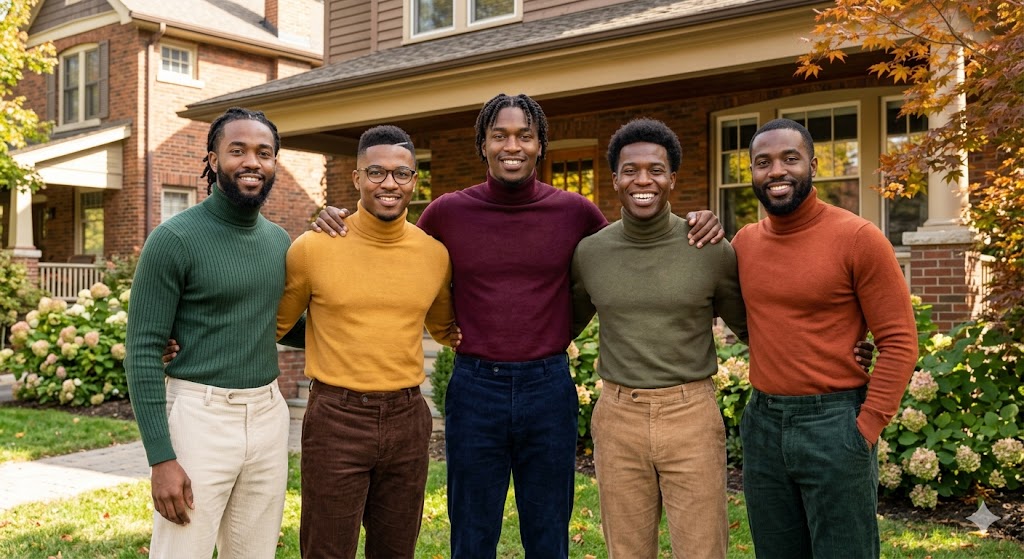
The Strength of a Black Man

This photograph is the property of its respective owner.

The strength of a Black man is not measured solely in physical ability, wealth, or social influence. True strength encompasses character, resilience, spiritual grounding, emotional intelligence, and responsibility. It is forged through trials, adversity, and a deliberate commitment to purpose.

Historically, Black men have endured systemic oppression, slavery, and societal devaluation. Yet, strength is reflected in their endurance, leadership, and preservation of culture. From African kings like Mansa Musa to civil rights leaders such as Martin Luther King Jr., Black men have demonstrated resilience, wisdom, and vision that transcend generations.

Biblical strength is both moral and spiritual. In 1 Corinthians 16:13 (KJV), Paul exhorts, “Watch ye, stand fast in the faith, quit you like men, be strong.” Here, strength is equated with faithfulness, courage in adversity, and steadfastness in moral convictions.

Emotional strength is critical. A strong Black man processes emotions constructively, maintains integrity, and leads with compassion. Proverbs 20:7 (KJV) emphasizes, “The just man walketh in his integrity: his children are blessed after him.” Legacy, therefore, is part of strength.

Responsibility defines a strong man. Providing for family, protecting community, and honoring God are essential expressions of manhood. Strength without responsibility is incomplete and unsustainable.

Spiritual grounding anchors strength. Prayer, scripture, and devotion provide clarity, perseverance, and wisdom. Psalm 1:3 (KJV) compares a righteous man to a tree planted by rivers of water, symbolizing growth, fruitfulness, and enduring impact.

Resilience is forged through adversity. Black men navigate systemic pressures, stereotypes, and societal challenges, yet resilience transforms hardship into growth, echoing James 1:2-4 (KJV), which teaches that trials develop perseverance and mature character.

Cultural strength strengthens identity. Awareness of African heritage and ancestral achievements provides a foundation of pride and purpose, enhancing personal and communal strength.

Mentorship and leadership reflect true strength. Proverbs 27:17 (KJV) says, “Iron sharpeneth iron; so a man sharpeneth the countenance of his friend.” A strong man uplifts others, multiplies influence, and builds lasting impact through guidance and support.

Relational strength is equally important. Loving and nurturing family, friends, and partners demonstrates balance, emotional intelligence, and integrity. Ephesians 5:25 (KJV) highlights sacrificial love as the model for godly men.

Financial and intellectual strength are tools, not goals. Knowledge, strategic thinking, and financial literacy empower men to protect, provide, and lead effectively (Proverbs 22:7, KJV).

Physical strength matters only when disciplined and guided by wisdom. Aggression without moral grounding undermines true strength. Physical ability should serve purpose, protection, and community well-being.

Legacy is the ultimate measure of strength. A Black man’s influence on family, community, and culture reflects his character, faith, and resilience. Strength ensures future generations inherit wisdom, courage, and integrity.

Understanding identity is vital. Men grounded in history, faith, and self-awareness navigate life confidently, resisting societal narratives that seek to diminish their value. Knowledge of self and purpose fosters unshakeable strength.

Moral courage distinguishes true strength. Standing firm in conviction despite opposition, fear, or marginalization reflects biblical examples such as Daniel in the lion’s den.

Forgiveness and emotional mastery demonstrate strength. Matthew 5:44 (KJV) teaches, “But I say unto you, Love your enemies, bless them that curse you.” Restraint, patience, and understanding are marks of mature strength.

Ultimately, the strength of a Black man is an offering—to God, family, and community. It is a holistic cultivation of character, faith, resilience, and wisdom, impacting generations and fulfilling divine purpose.


Fake Strength vs True Strength

Fake StrengthTrue Strength
Physical power without disciplineMoral, emotional, and spiritual power guided by integrity
Wealth used for self-gratificationFinancial acumen used to provide, protect, and empower others
Dominance or aggression over othersLeadership through service, mentorship, and compassion
Pride without purposeHumility rooted in faith and responsibility
Ignoring emotional growthEmotional intelligence, self-awareness, and vulnerability
Short-term gains and imageLong-term legacy and generational impact
Influence based on fear or intimidationInfluence based on respect, wisdom, and example
Avoiding challengesResilience and perseverance through trials
Isolation from communityBuilding relationships, mentorship, and communal uplift
Neglecting faith or purposeSpiritual grounding and alignment with God’s calling

References

Holy Bible, King James Version. (1611). Thomas Nelson.

Guthrie, D. (1994). The NIV application commentary: Proverbs. Grand Rapids, MI: Zondervan.

Wright, C. J. H. (2002). Old Testament ethics for the people of God. Downers Grove, IL: InterVarsity Press.

Aune, D. E. (2013). Reconsidering the role of men in the Bible: Biblical theology for contemporary men. New York, NY: Continuum.

Harrison, J. (2020). Black masculinity, resilience, and leadership in historical perspective. Chicago, IL: University of Chicago Press.

The Politics of Lightism in the Black Community: Power, Perception, and the Legacy of Color Hierarchies.

Lightism, often referred to as colorism, is a deeply embedded social hierarchy within the Black community that privileges lighter skin tones over darker ones. While racism operates externally, colorism functions internally, shaping perceptions of beauty, worth, and social mobility. This phenomenon is not accidental but is rooted in historical systems of oppression that date back to slavery and colonialism.

The origins of lightism can be traced to the institution of slavery in the United States, where lighter-skinned enslaved individuals—often the mixed-race children of enslaved Black women and white slave owners—were sometimes given preferential treatment. They were more likely to work in the house rather than the fields, creating a visible hierarchy tied to proximity to whiteness. This early distinction laid the groundwork for enduring social divisions within the Black community.

During the post-slavery era, these divisions were reinforced through social institutions such as the “paper bag test,” which informally determined access to certain social clubs, churches, and educational opportunities. Individuals whose skin tone was lighter than a brown paper bag were often granted entry, while darker-skinned individuals were excluded. This practice institutionalized color-based discrimination within Black spaces themselves.

Lightism has also been perpetuated through media representation, where lighter-skinned Black individuals are more frequently depicted as desirable, successful, or socially acceptable. Film, television, and advertising industries have historically favored Eurocentric features, reinforcing the notion that beauty is aligned with proximity to whiteness. This has had lasting psychological effects on both light- and dark-skinned individuals.

Scholars such as Alice Walker have been instrumental in bringing attention to colorism. Walker is credited with popularizing the term “colorism,” defining it as prejudicial or preferential treatment of same-race people based solely on their skin color. Her work illuminated how internalized racism manifests within marginalized communities.

Psychologically, lightism can contribute to issues of self-esteem, identity conflict, and internalized inferiority among darker-skinned individuals. Studies have shown that darker-skinned Black women, in particular, often face compounded discrimination based on both race and skin tone, affecting their opportunities in employment, relationships, and media visibility.

Conversely, lighter-skinned individuals may experience unearned privilege within the community, though this privilege is often complicated by questions of identity and authenticity. This dynamic creates tension and division, as individuals navigate a system that simultaneously elevates and scrutinizes them.

The politics of lightism extend into economic outcomes as well. Research indicates that lighter-skinned individuals, on average, earn higher incomes and receive more educational and professional opportunities than their darker-skinned counterparts. These disparities mirror broader systemic inequalities while also reflecting intra-community biases.

In the realm of beauty and fashion, lightism has historically dictated standards that marginalize darker skin tones. From foundation shades to magazine covers, the underrepresentation of dark-skinned beauty has reinforced narrow definitions of attractiveness. However, recent movements have begun to challenge these norms, advocating for greater inclusivity.

Social media has played a dual role in the conversation around lightism. On one hand, it has amplified harmful stereotypes and colorist rhetoric; on the other, it has provided a platform for dark-skinned voices to reclaim narratives of beauty and empowerment. Hashtags and digital activism have become tools for resistance and awareness.

The legacy of colonialism also plays a significant role in shaping global perceptions of skin color. In many parts of the world, lighter skin is associated with wealth, education, and modernity, while darker skin is unfairly linked to poverty and labor. These associations are remnants of colonial power structures that continue to influence contemporary societies.

Religious and cultural narratives have sometimes been misinterpreted to justify color hierarchies, further entrenching lightism within communities. These interpretations often distort historical and biblical contexts, contributing to harmful ideologies that equate lightness with purity and darkness with inferiority.

Education is a critical tool in dismantling lightism. By teaching accurate histories of slavery, colonialism, and racial formation, individuals can better understand the origins of color-based bias. Awareness fosters critical thinking and challenges internalized beliefs that perpetuate division.

Representation matters deeply in shifting perceptions. The increased visibility of dark-skinned actors, models, and public figures has begun to redefine beauty standards and challenge longstanding biases. This cultural shift is essential in promoting equity and self-acceptance.

Community dialogue is equally important. Open conversations about colorism allow individuals to share experiences, confront biases, and build solidarity. These discussions can be uncomfortable but are necessary for collective healing and growth.

The intersection of gender and colorism reveals that Black women are disproportionately affected by lightism. Beauty standards, dating preferences, and professional opportunities often place darker-skinned women at a disadvantage, highlighting the need for intersectional analysis.

Resistance to lightism can be seen in movements that celebrate melanin-rich skin and African features. Campaigns, art, and literature have emerged to affirm the beauty and value of darker skin, countering centuries of negative messaging.

Ultimately, the politics of lightism are about power—who holds it, who is denied it, and how it is maintained. Challenging this system requires both individual introspection and collective action to dismantle deeply ingrained biases.

The journey toward equity within the Black community involves recognizing and addressing the harm caused by colorism. It calls for a redefinition of beauty, value, and identity that is not based on proximity to whiteness but rooted in authenticity and diversity.

By confronting lightism, the Black community can move toward greater unity and empowerment, honoring the full spectrum of its beauty and strength. This work is not only social but deeply psychological and cultural, requiring sustained commitment across generations.

References

Hunter, M. (2007). The persistent problem of colorism: Skin tone, status, and inequality. Sociology Compass, 1(1), 237–254. https://doi.org/10.1111/j.1751-9020.2007.00006.x

Keith, V. M., & Herring, C. (1991). Skin tone and stratification in the Black community. American Journal of Sociology, 97(3), 760–778.

Walker, A. (1983). In Search of Our Mothers’ Gardens: Womanist Prose. Harcourt Brace Jovanovich.

Wilder, J. (2015). Color Stories: Black Women and Colorism in the 21st Century. Temple University Press.

Do light-skinned black women think they look better than dark-skinned black women?

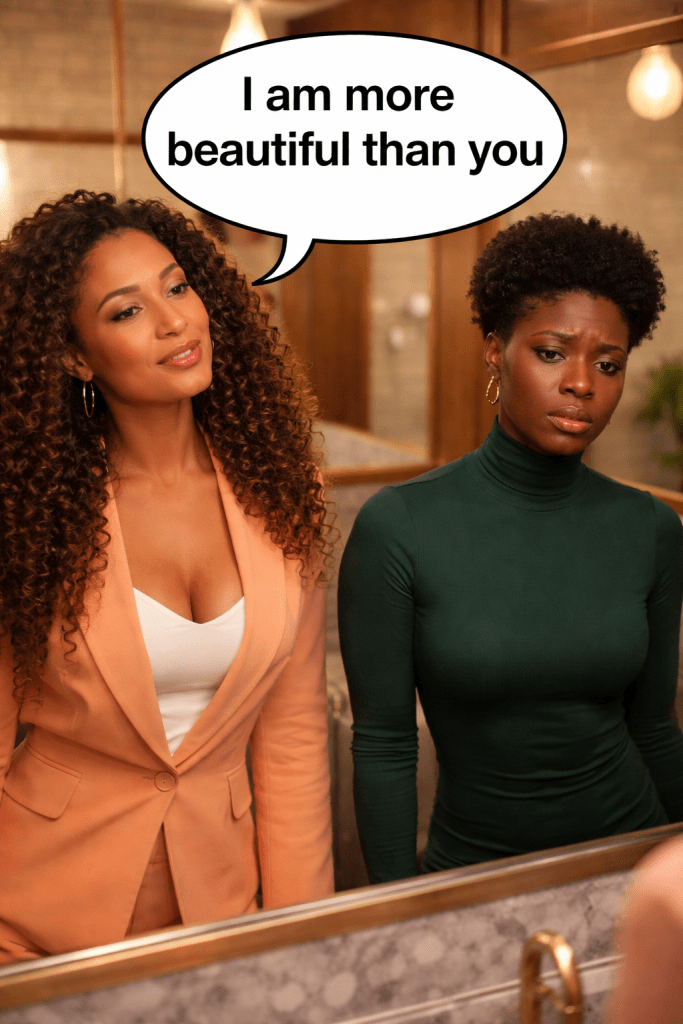
As a light-skinned Black woman, I write this not from distance but from lived experience and responsibility. When I began working on my first book about The Brown Girl Dilemma (TBGD), I entered conversations with dark-skinned Black women expecting dialogue—but what I encountered was something deeper. Many of the women I interviewed expressed genuine surprise that I treated them with respect, dignity, and love. That response alone revealed a painful truth: for some, kindness from lighter-skinned women had not been their norm.

Their words stayed with me. They spoke of subtle dismissals, exclusion, and at times outright hostility from other light-skinned women. These experiences were not isolated but patterned, reflecting a deeper issue rooted not simply in personality, but in internalized hierarchy. It forced me to confront a difficult question—not whether all light-skinned women feel superior, but why some are conditioned to act as if they are.

The answer is complex. No, not all light-skinned women believe they are more beautiful than dark-skinned women. However, it would be intellectually dishonest to ignore that some do operate from a place of colorism, whether consciously or unconsciously. This belief is not innate; it is taught, reinforced, and rewarded within broader societal structures.

Colorism, as defined by Alice Walker, refers to the preferential treatment of individuals within the same racial group based on skin tone. Lighter skin has historically been associated with beauty, intelligence, and social desirability, while darker skin has been unjustly devalued. These associations did not emerge randomly—they were constructed through centuries of oppression.

The roots of this hierarchy can be traced back to slavery. Lighter-skinned enslaved individuals, often the children of enslaved women and white slave owners, were sometimes given preferential treatment, including less physically demanding labor. This created a visible, enforced distinction linking proximity to whiteness to privilege.

After slavery, these divisions did not disappear—they evolved. Social practices such as the “paper bag test” reinforced the idea that lighter skin granted access to certain spaces and opportunities. Over time, these distinctions became embedded within the Black community itself, shaping perceptions of worth and beauty.

Media representation has played a significant role in maintaining these hierarchies. Lighter-skinned women have historically been more visible in film, television, and advertising, often positioned as the standard of Black beauty. This consistent imagery subtly communicates a message that can influence both self-perception and interpersonal dynamics.

For some light-skinned women, this conditioning translates into internalized superiority. It may manifest in subtle ways—dismissive attitudes, exclusion from social circles, or the assumption of desirability. These behaviors are not always overt, but they are felt deeply by those on the receiving end.

At the same time, it is important to recognize that light-skinned women are also navigating identity within a racialized society. While they may benefit from colorism, they are not exempt from racism. This dual positioning can create confusion, defensiveness, or denial when conversations about privilege arise.

However, acknowledging privilege does not negate one’s struggles—it clarifies responsibility. Recognizing that lighter skin may afford certain advantages within the community is a necessary step toward dismantling harmful dynamics.

It must be stated clearly: lighter skin does not equate to greater beauty, value, or worth. Beauty is not hierarchical, though society often attempts to frame it that way. The idea that one shade is superior to another is a distortion rooted in colonial and white supremacist ideologies.

Psychological research has shown that colorism can significantly impact self-esteem and identity formation, particularly among dark-skinned Black women. Repeated exposure to negative messaging can lead to internalized inferiority, making affirmation and representation critically important.

Conversely, unearned validation can reinforce entitlement. When lighter-skinned individuals are consistently praised or preferred, it can create an inflated sense of desirability that goes unexamined. Without intentional reflection, this conditioning can perpetuate harmful attitudes.

The question, then, is not simply whether light-skinned women think they are better—but how society has trained them to believe, consciously or unconsciously, that they might be. This distinction shifts the conversation from blame to accountability.

In recent years, there has been a cultural shift. Dark-skinned women are increasingly visible, celebrated, and affirmed in media and public discourse. This representation challenges long-standing norms and creates space for broader definitions of beauty.

Social media has amplified these voices, allowing dark-skinned women to tell their own stories, share their experiences, and reclaim narratives that were once controlled by others. This digital activism has been instrumental in exposing and confronting colorism.

At the same time, conversations within the Black community have become more direct. Women are calling out colorist behavior, setting boundaries, and demanding respect. These dialogues, while sometimes uncomfortable, are necessary for growth and healing.

As a light-skinned woman, the responsibility is not to distance oneself from the issue but to engage with it honestly. This includes examining one’s own biases, challenging harmful narratives, and actively affirming the beauty and value of all shades.

Love must replace hierarchy. Respect must replace comparison. And unity must replace division. The legacy of colorism is heavy, but it is not immutable.

Ultimately, the answer is both yes and no. Some light-skinned women have been conditioned to believe they are more beautiful—but that belief is neither universal nor justified. It is a learned perspective that can be unlearned.

The work moving forward is collective. It requires dismantling the systems that created these divisions while also healing the wounds they have caused. Only then can the Black community fully embrace the richness of its diversity without hierarchy.

Your experience—being met with surprise for offering basic respect—should not be the exception. It should be the standard. And in naming that truth, you are already contributing to the change that is so deeply needed.

References

Hunter, M. (2007). The persistent problem of colorism: Skin tone, status, and inequality. Sociology Compass, 1(1), 237–254. https://doi.org/10.1111/j.1751-9020.2007.00006.x

Keith, V. M., & Herring, C. (1991). Skin tone and stratification in the Black community. American Journal of Sociology, 97(3), 760–778.

Alice Walker. (1983). In Search of Our Mothers’ Gardens: Womanist Prose. Harcourt Brace Jovanovich.

Wilder, J. (2015). Color Stories: Black Women and Colorism in the 21st Century. Temple University Press.

The Ebony Dolls: Irene Cara

Beauty in Motion, Talent in Song

This photograph is the property of its respective owner.

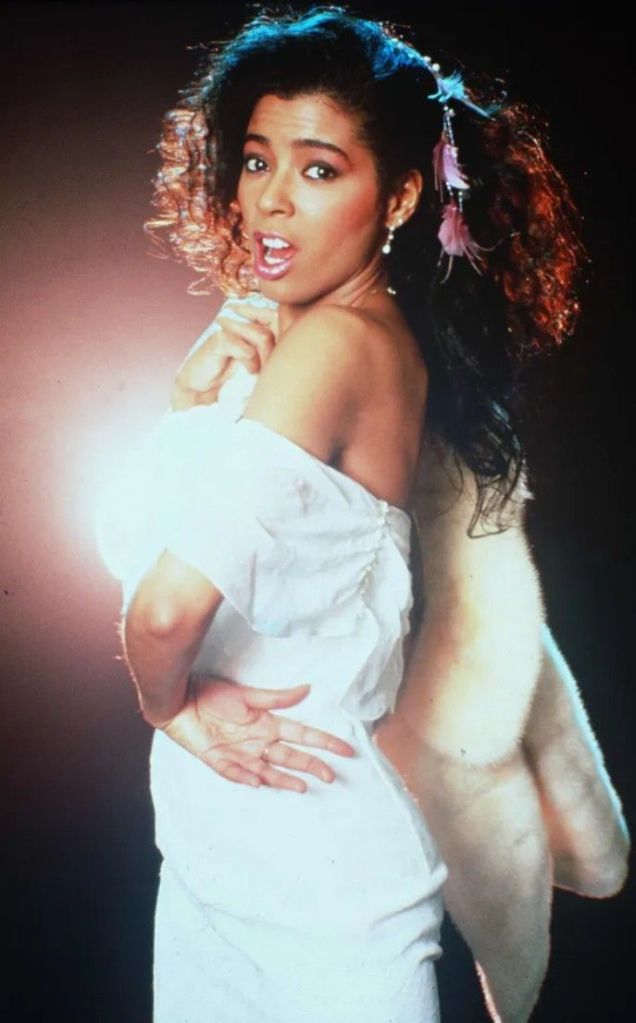
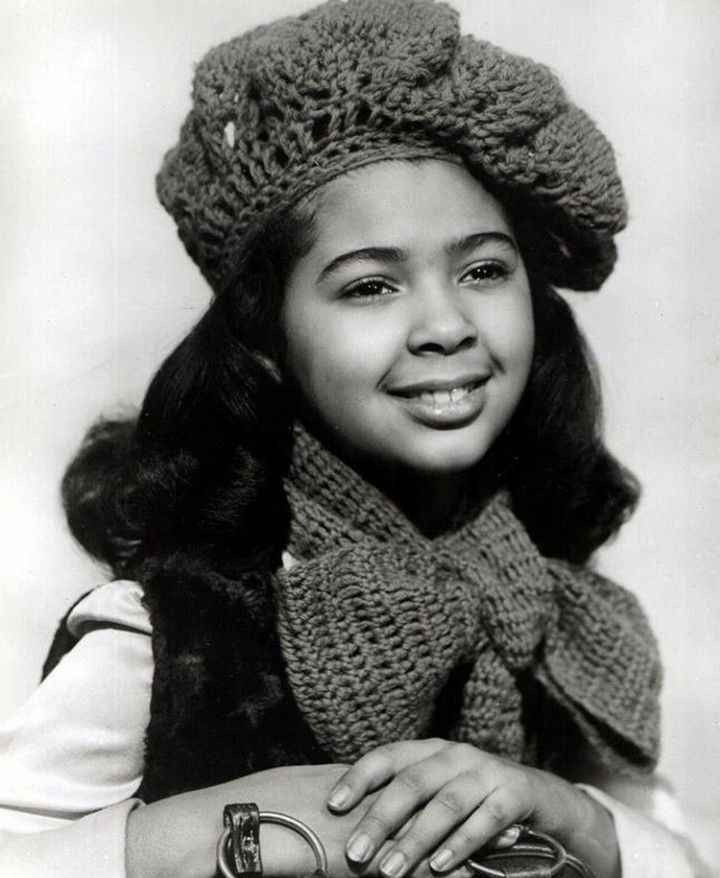
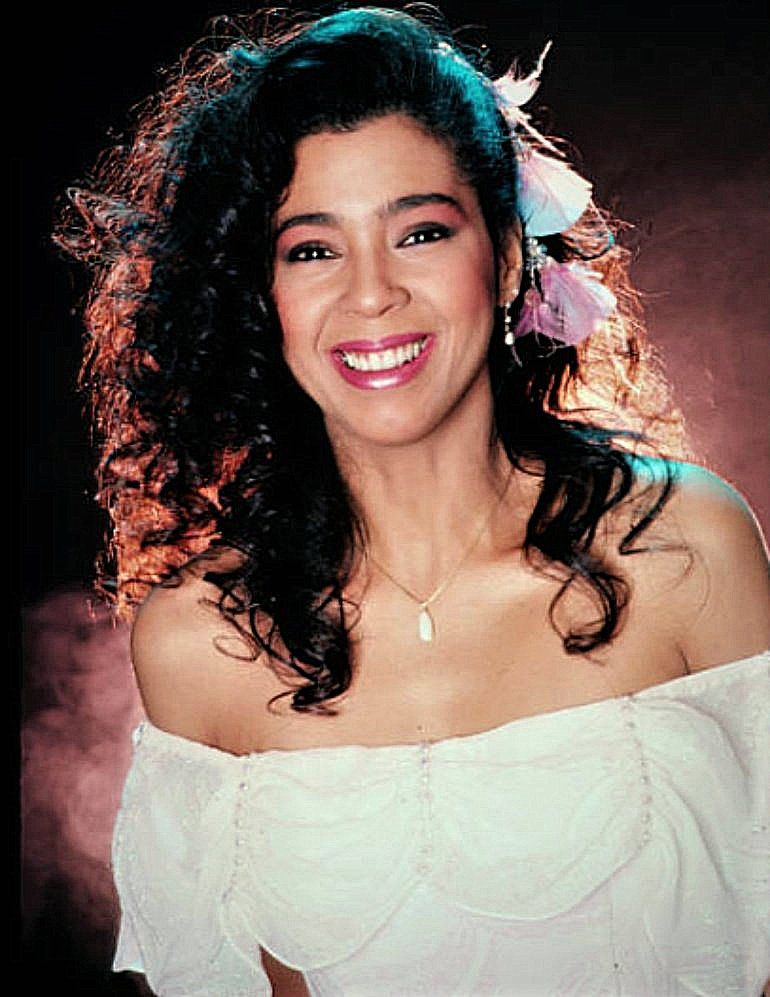
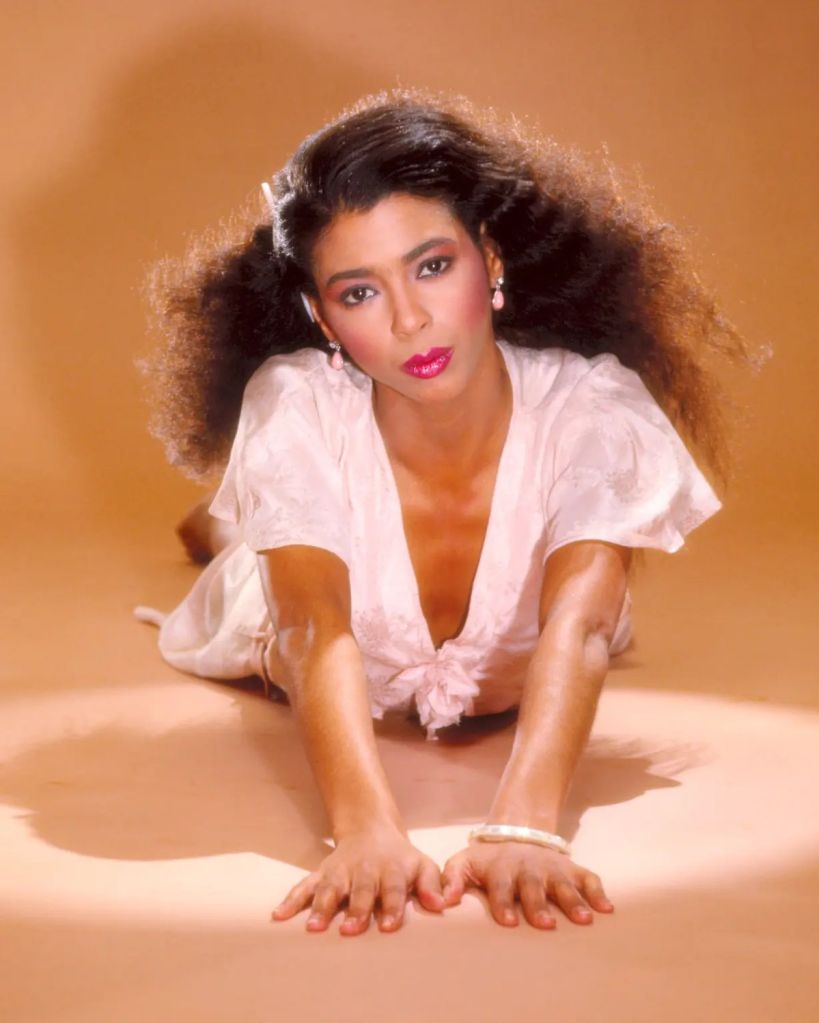
In the world of music and film, few women have embodied the combination of radiant talent, striking beauty, and cultural impact like Irene Cara. With her glowing skin, expressive features, and charismatic presence, Cara became a symbol of inspiration and elegance for young Black women during the late 1970s and 1980s. Her accomplishments as a singer, songwriter, and actress earned her a place as an “Ebony Doll”—a figure whose beauty, poise, and artistry appear almost sculpted, leaving an enduring mark on entertainment and popular culture.

This photograph is the property of its respective owner.

Irene Cara Escalera was born on March 18, 1959, in New York City. was of mixed racial heritage, primarily Afro-Puerto Rican. Her father, Irene Cara Sr., was Puerto Rican, and her mother, Lillie Margaret Escalera, was African American. Growing up in this multicultural household, Cara was exposed to a rich blend of musical, cultural, and artistic influences, which shaped both her musical talent and her cosmopolitan sense of style. Raised in a family that encouraged musical expression, she developed her artistic skills from an early age. She studied dance, acting, and music, eventually attending the High School of Performing Arts, where her talent began to flourish. Her early immersion in performing arts laid the foundation for a career that would span film, stage, and music.

This photograph is the property of its respective owner.

Cara’s beauty was immediately noticeable. Her radiant skin, symmetrical features, and bright smile captured attention both on stage and on camera. Her statuesque frame and graceful movements gave her a commanding presence that complemented her vocal and acting abilities. As an “Ebony Doll,” Cara’s appearance projected both strength and elegance, inspiring admiration from fans and peers alike.

She first gained major public recognition through her work on Broadway and in television musicals. One of her earliest successes was starring in the musical Sparkle (1976), where her combination of acting, singing, and dance skills showcased her versatility as a performer. The role allowed Cara to project youthful beauty, talent, and confidence in a way that resonated with audiences.

This photograph is the property of its respective owner.

Cara’s career reached its peak in the early 1980s with her starring role in the film Fame (1980). She portrayed Coco Hernandez, an ambitious young performer attending a New York City performing arts high school. The role highlighted her dramatic range, dance skills, and vocal talent, while also emphasizing her radiant, statuesque presence on screen. Her performance earned widespread acclaim and became iconic in the history of musical films.

The film’s theme song, Fame, performed by Cara, became a global sensation. Her voice, full of energy and passion, helped cement the song as an anthem for aspiring artists around the world. Her success with this song, combined with her on-screen charisma, made her a role model for young women pursuing careers in music and performance.

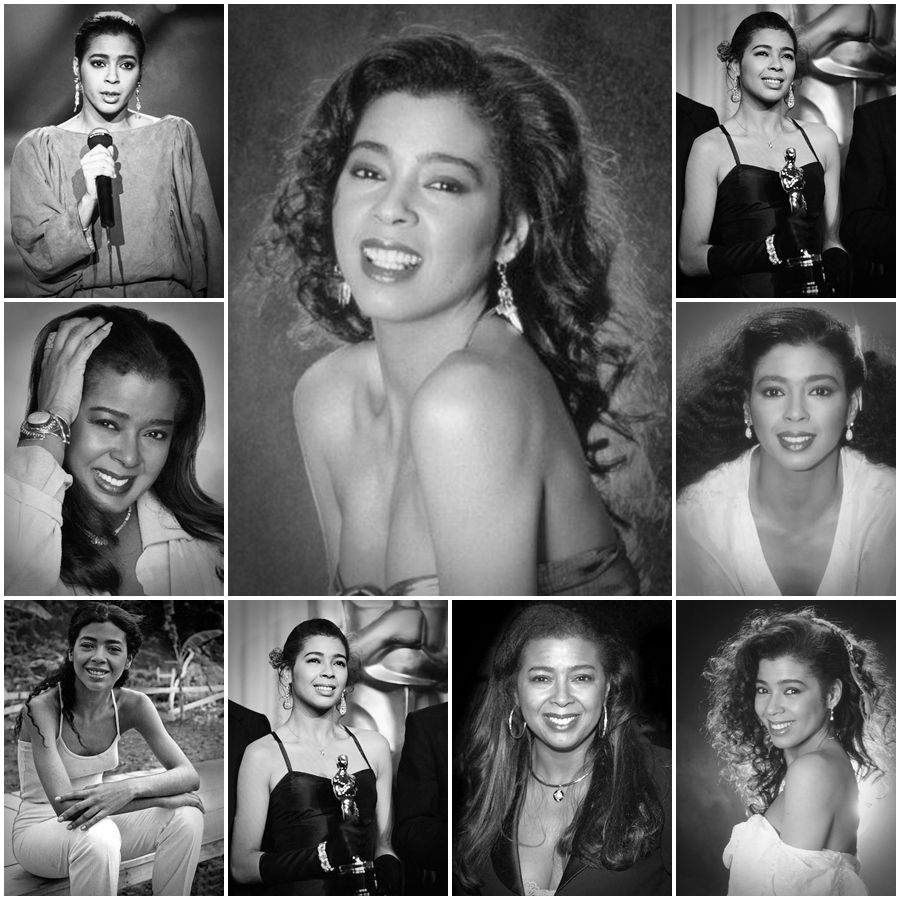
Following Fame, Cara achieved further acclaim with the hit single Flashdance… What a Feeling (1983) from the film Flashdance. She co-wrote the song, which went on to win both an Academy Award for Best Original Song and a Grammy Award for Best Female Pop Vocal Performance. The success of this track not only demonstrated her musical genius but also reinforced her position as an iconic figure of beauty and talent.

This photograph is the property of its respective owner.

Cara’s combination of vocal power, on-screen presence, and expressive movements contributed to her “Ebony Doll” status. Her performances radiated elegance, energy, and confidence, qualities that fans admired and the media celebrated. She served as a representation of Black female beauty that was glamorous, athletic, and inspiring.

Throughout her career, Cara also remained connected to live performance, touring internationally and appearing on stage in musical productions. Her work in music and theater allowed her to maintain her artistry while continuing to inspire new audiences.

Her impact on fashion and style was also notable. Cara’s distinctive hairstyles, radiant skin, and elegant wardrobe choices in performances and public appearances helped define the aesthetic of early-1980s pop culture for Black women. She represented a modern, glamorous vision of Black femininity that combined sophistication with youthful energy.

Beyond her artistry, Cara’s life and career demonstrated resilience. She navigated a challenging music industry while maintaining her integrity as a performer and songwriter. Her ability to blend artistry with poise exemplifies the qualities of an “Ebony Doll”: beauty, talent, and self-possession.

These photographs are the property of their respective owners.

Even decades after her peak fame, Irene Cara remained a cultural touchstone for her contributions to music and film. Her performances in Fame and Flashdance continue to inspire aspiring artists, and her elegant, radiant image remains celebrated in retrospectives and media coverage.

What makes Cara an “Ebony Doll” is the fusion of her physical beauty, artistic talent, and inspiring presence. She embodied the ideal of Black glamour in a way that is both authentic and aspirational, representing strength, confidence, and elegance across multiple disciplines.

Ultimately, Irene Cara’s story was one of brilliance, artistry, and timeless beauty. She was and remains a symbol of excellence in performance, style, and cultural influence, embodying the “Ebony Doll” ethos for generations of admirers.


References

Cara, I. (Interviews and public statements).

IMDb. (2026). Irene Cara Filmography. IMDb Database.

Britannica. (2026). Irene Cara. Encyclopaedia Britannica.

Smith, S. (2018). Black Women in Television and Film: A Cultural History. New York University Press.

PopMatters. (2020). Remembering Irene Cara: Fame, Flashdance, and the Voice of a Generation.

Milk & Honey Conversations

Photo by Ninthgrid on Pexels.com

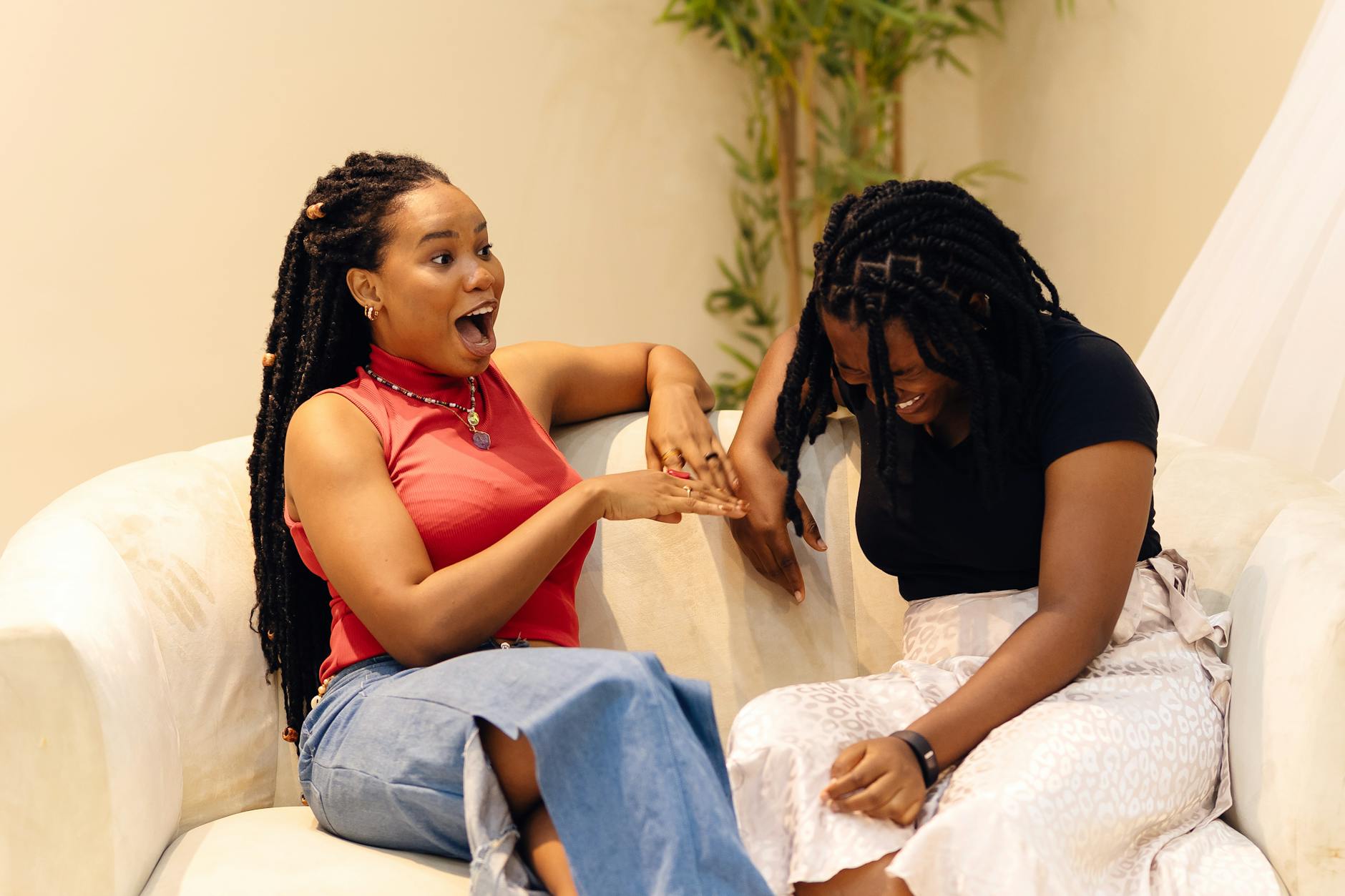
Milk and honey are not just metaphors in Scripture; they symbolize abundance, blessing, and the fulfillment of God’s promises. For Black women, conversations grounded in these principles—honesty, faith, and nurturing dialogue—become spaces where wisdom, empowerment, and healing flow freely. Just as the Israelites were promised a land flowing with milk and honey (Exodus 3:8, KJV), so too can women cultivate communities rich in guidance, support, and spiritual nourishment.

The act of conversation carries profound power. Proverbs 25:11 (KJV) teaches, “A word fitly spoken is like apples of gold in pictures of silver.” Words exchanged in safe, faith-centred spaces can uplift, challenge, and transform. Milk & Honey Conversations are intentional dialogues where women affirm one another, share insights, and confront life’s complexities without judgment.

Creating such spaces begins with intentional listening. James 1:19 (KJV) instructs, “Wherefore, my beloved brethren, let every man be swift to hear, slow to speak, slow to wrath.” By prioritizing listening over responding, women validate experiences, honor emotions, and establish trust, allowing for authentic exchanges that nourish the spirit.

Vulnerability is central to Milk & Honey Conversations. Sharing struggles, triumphs, and lessons learned encourages authenticity. 2 Corinthians 1:4 (KJV) reminds us, “Who comforteth us in all our tribulation, that we may be able to comfort them which are in any trouble…” Through openness, women create a ripple effect of healing, guidance, and encouragement.

These conversations also bridge generational wisdom. Older sisters impart life lessons grounded in faith and experience, while younger women bring fresh perspectives and energy. Titus 2:3-4 (KJV) highlights this exchange: “The aged women likewise, that they be in behaviour as becometh holiness…that they may teach the young women to be sober, to love their husbands, to love their children.” Such dialogue strengthens bonds across age, experience, and circumstance.

Milk & Honey Conversations are not limited to personal struggles; they address cultural, spiritual, and professional realities. From navigating systemic barriers to celebrating milestones, these discussions equip women with tools to flourish in multiple dimensions of life. Proverbs 15:23 (KJV) reminds us, “A man hath joy by the answer of his mouth: and a word spoken in due season, how good is it!” Timely, faith-informed dialogue produces guidance that is both practical and divine.

Spiritual grounding is essential. Prayer, scripture, and reflection underpin these conversations, ensuring they are anchored in God’s wisdom. Colossians 3:16 (KJV) encourages, “Let the word of Christ dwell in you richly in all wisdom; teaching and admonishing one another in psalms and hymns and spiritual songs, singing with grace in your hearts to the Lord.” This spiritual foundation distinguishes Milk & Honey Conversations from ordinary exchanges.

Accountability is another pillar. Sisters who engage in honest dialogue hold one another to standards of integrity, faith, and personal growth. Galatians 6:2 (KJV) exhorts, “Bear ye one another’s burdens, and so fulfill the law of Christ.” By gently challenging one another, women cultivate character, resilience, and spiritual maturity.

The environment matters. Conversations flourish in spaces that are safe, welcoming, and free from judgment. Proverbs 27:17 (KJV) states, “Iron sharpeneth iron; so a man sharpeneth the countenance of his friend.” A supportive environment ensures dialogue is enriching, rather than depleting, fostering strength, insight, and spiritual clarity.

Milk & Honey Conversations also celebrate identity and heritage. They provide a space to honor culture, history, and shared experiences, acknowledging the unique journey of Black women. Lamentations 3:22-23 (KJV) reminds us of God’s steadfast love and mercy, “It is of the Lord’s mercies that we are not consumed, because his compassions fail not. They are new every morning…” Recognizing this allows women to reclaim narratives of resilience and triumph.

These conversations cultivate emotional intelligence. By sharing feelings, fears, and victories, women learn empathy, patience, and compassion. Proverbs 16:24 (KJV) notes, “Pleasant words are as a honeycomb, sweet to the soul, and health to the bones.” Emotional depth strengthens connection, enhancing relational and spiritual growth.

Milk & Honey Conversations encourage boldness. Women are empowered to speak truths, share visions, and assert boundaries in loving yet assertive ways. 2 Timothy 1:7 (KJV) declares, “For God hath not given us the spirit of fear; but of power, and of love, and of a sound mind.” Courageous dialogue fosters confidence, clarity, and divine alignment.

Reflection is a key practice. After each conversation, taking time to meditate, journal, or pray on shared insights deepens understanding and embeds lessons into daily life. Psalm 1:2-3 (KJV) illustrates the power of reflection: “But his delight is in the law of the Lord; and in his law doth he meditate day and night. And he shall be like a tree planted by the rivers of water…” Spiritual reflection transforms dialogue into actionable wisdom.

Mentorship naturally flows from these conversations. Women who speak openly inspire others to lead, nurture, and guide. Exodus 18:21 (KJV) highlights this principle, “Moreover thou shalt provide out of all the people able men, such as fear God, men of truth, hating covetousness; and place such over them, to be rulers…” Mentorship ensures knowledge and wisdom are shared, strengthening communities.

Conversations also normalize struggle and perseverance. Sharing challenges reminds women that they are not alone, reducing shame and isolation. Romans 5:3-4 (KJV) teaches, “Tribulation worketh patience; and patience, experience; and experience, hope.” Understanding that difficulty is part of growth encourages resilience and hope.

Celebration is equally important. Milestones, victories, and answered prayers are acknowledged and honoured within these sacred spaces. 1 Thessalonians 5:11 (KJV) exhorts, “Wherefore comfort yourselves together, and edify one another, even as also ye do.” Joy strengthens bonds and amplifies collective gratitude.

Milk & Honey Conversations can also serve as spiritual discernment sessions. Through prayerful dialogue, women discern God’s will for decisions, relationships, and personal growth. James 1:5 (KJV) reminds, “If any of you lack wisdom, let him ask of God…” Seeking God’s guidance ensures that choices are aligned with divine purpose.

Boundaries are reinforced through these dialogues. Women learn to protect their time, energy, and spiritual health while still engaging meaningfully. Proverbs 4:23 (KJV) teaches, “Keep thy heart with all diligence; for out of it are the issues of life.” Healthy boundaries ensure that abundance flows without depletion.

These conversations create generational impact. Wisdom shared today equips the next generation of women to navigate life with faith, grace, and confidence. Deuteronomy 6:6-7 (KJV) emphasizes teaching the young: “And these words, which I command thee this day, shall be in thine heart: and thou shalt teach them diligently unto thy children.” Sharing knowledge ensures continuity of strength, culture, and spiritual alignment.

Finally, Milk & Honey Conversations are a lifestyle. They are intentional, faith-based, and nurturing, offering women a framework to grow emotionally, spiritually, and relationally. They celebrate authenticity, embrace vulnerability, and cultivate empowerment. In creating these sacred spaces, women embody the fullness of God’s blessing—flowing, abundant, and transformative.


References:

  • Holy Bible, King James Version. (1611). Exodus 3:8; Proverbs 25:11; James 1:19; 2 Corinthians 1:4; Titus 2:3-4; Proverbs 15:23; Colossians 3:16; Galatians 6:2; Proverbs 27:17; Lamentations 3:22-23; Proverbs 16:24; 2 Timothy 1:7; Psalm 1:2-3; Exodus 18:21; Romans 5:3-4; 1 Thessalonians 5:11; James 1:5; Proverbs 4:23; Deuteronomy 6:6-7.