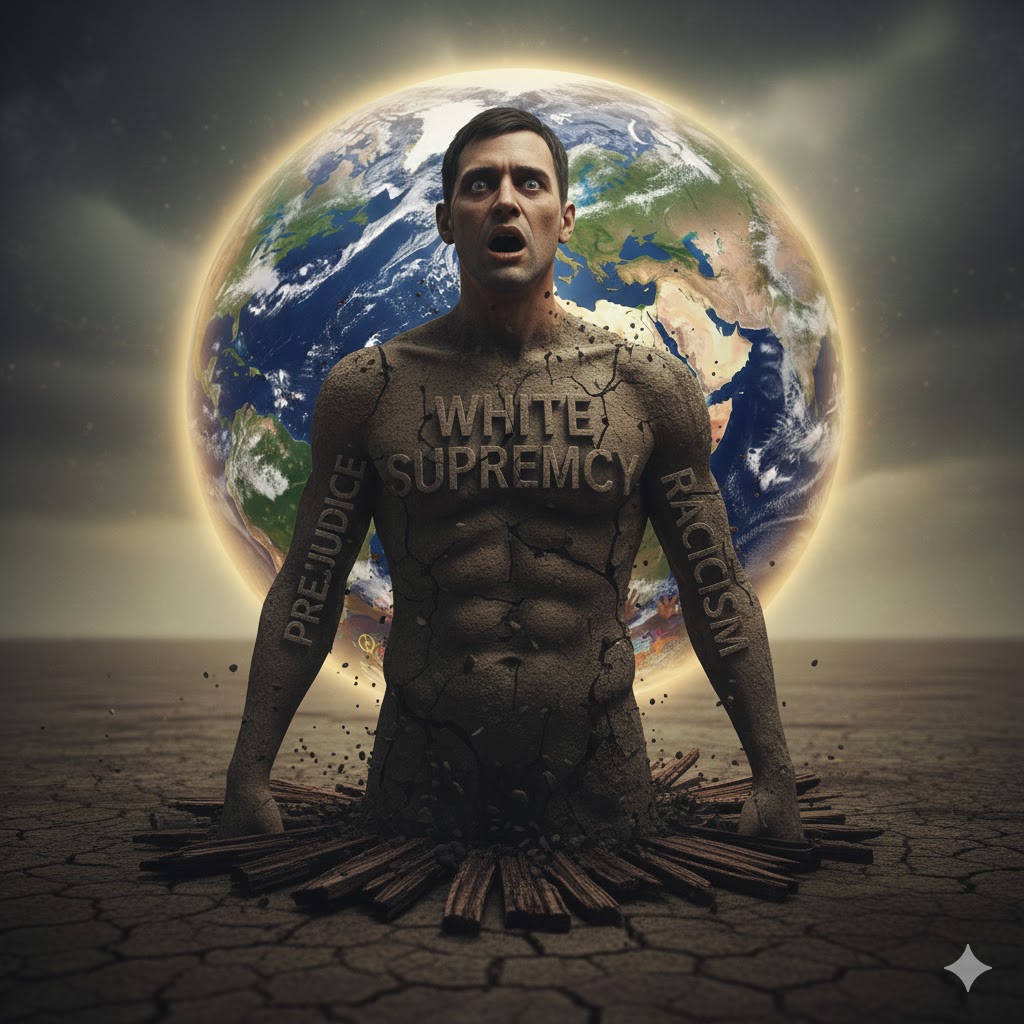
White supremacy, long considered a dominant social and political force, is showing clear signs of decay across the globe. Once entrenched in colonial empires, economic systems, and cultural narratives, its structures are increasingly being challenged by movements for justice, equality, and truth. The ideology that once justified the subjugation of entire populations is now under scrutiny, as history, evidence, and activism expose the falsehoods it relied upon. Across nations, societies are awakening to the moral and ethical failures of racial hierarchy, revealing that supremacy built on fear and deception cannot endure indefinitely.
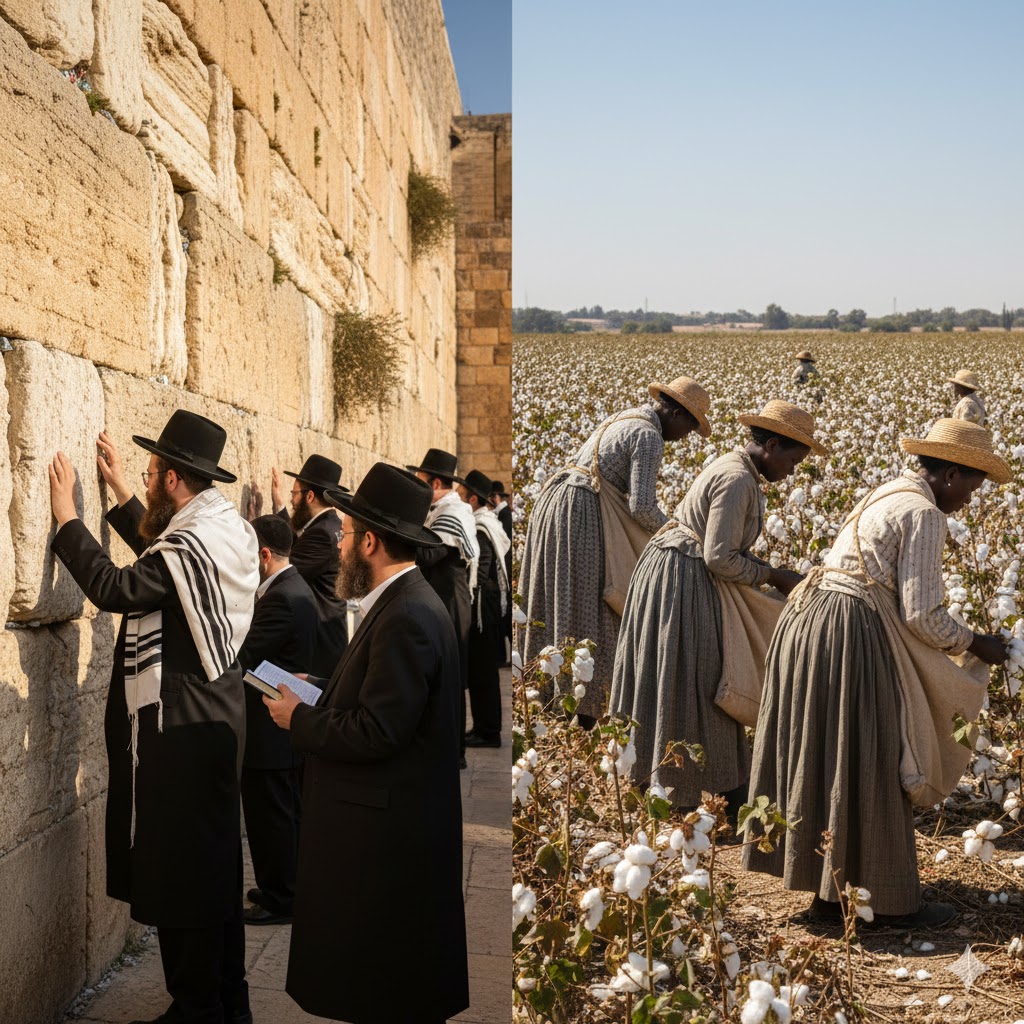
Historically, white supremacy was reinforced through law, religion, and education. Colonial powers justified slavery, land theft, and systemic oppression by promoting narratives of European superiority. Pseudo-science, distorted biblical interpretation, and manipulated history textbooks all served to normalize racial hierarchy. These systems were not natural; they were constructed to concentrate wealth, power, and control in the hands of a few while dehumanizing others. Today, this constructed system faces resistance at every level, from academic scholarship to grassroots activism.
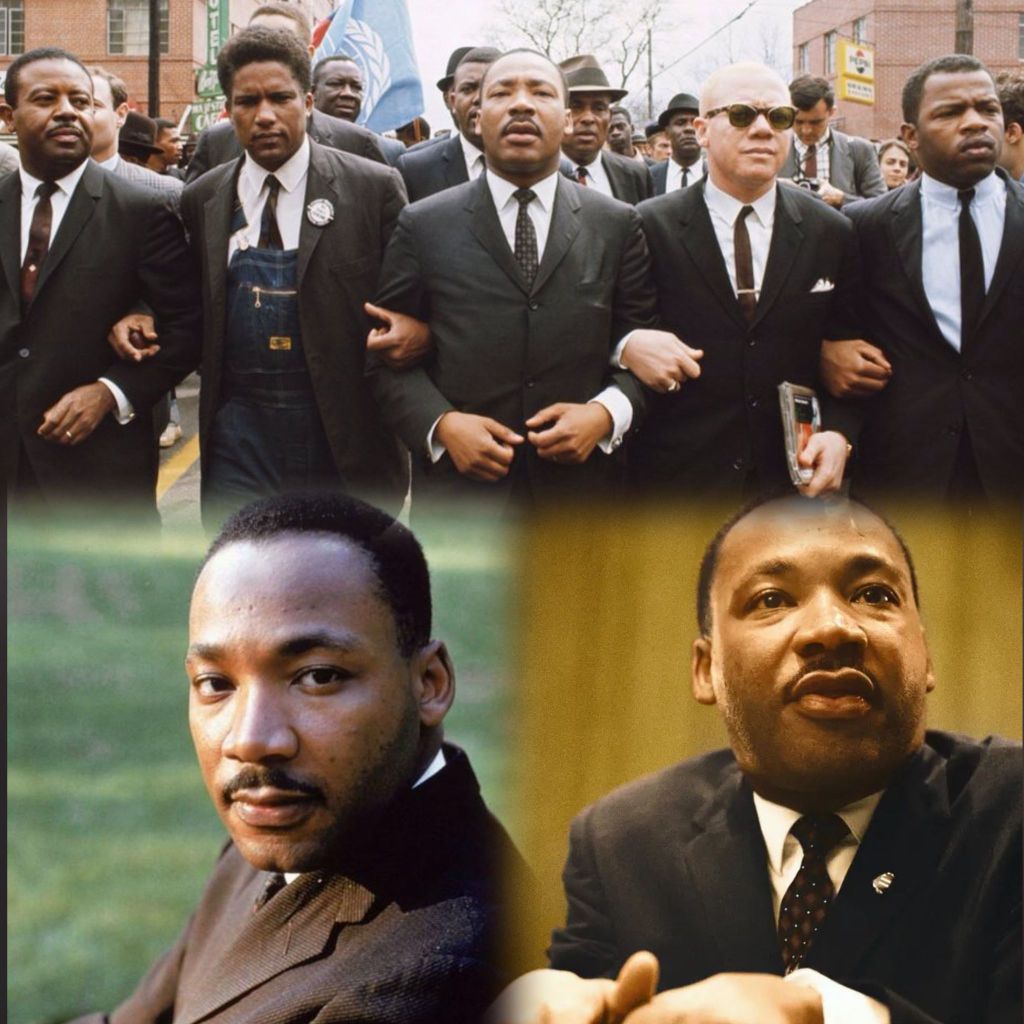
The civil rights movements of the twentieth century marked an early wave of resistance. In the United States, South Africa, and other nations, oppressed populations began reclaiming their rights, asserting their humanity, and demanding systemic change. Leaders such as Martin Luther King Jr., Nelson Mandela, and countless others challenged both the laws and the ideologies that sustained racial oppression. These movements demonstrated that white supremacy relies on silence, ignorance, and fear, all of which are being steadily dismantled.
Globalization and access to information have accelerated the collapse of white supremacist narratives. The internet, social media, and independent media platforms allow oppressed and marginalized communities to share their truths widely. Historical injustices—slavery, colonialism, apartheid, and indigenous dispossession—can no longer be hidden or misrepresented. When truth spreads, the moral authority of supremacy erodes, revealing the system as an artificial construct maintained through propaganda and institutional control.
Education is another arena where white supremacy is being challenged. Curricula that once glorified European conquest and minimized the experiences of colonized peoples are being rewritten. African, Indigenous, Asian, and Latin American histories are increasingly taught with accuracy, highlighting the contributions, resilience, and humanity of non-European peoples. Knowledge empowers people to recognize that racial hierarchies are neither natural nor divinely ordained, challenging centuries of indoctrination.
Economic structures, too, are under scrutiny. Institutions that perpetuated systemic inequality are facing calls for reform and accountability. Wealth disparities rooted in centuries of exploitation are increasingly highlighted by scholars, journalists, and activists. Efforts to implement reparative justice, equitable access to resources, and anti-discrimination policies challenge the economic pillars that have historically sustained white dominance.
Cultural representation has also shifted. Media, film, literature, and art increasingly amplify the voices of historically marginalized communities. Stories of Black, Indigenous, and people of color challenge stereotypes, humanize lived experiences, and reclaim narratives previously controlled by dominant groups. Representation dismantles the psychological underpinnings of supremacy, proving that humanity cannot be defined by skin color.
Religious institutions are confronting the misuse of faith to justify racial oppression. Historically, distorted interpretations of Scripture and theology were used to validate slavery, colonialism, and apartheid. Modern theologians and faith leaders are rejecting these corrupt narratives, emphasizing equality, justice, and human dignity. Biblical truths, when correctly interpreted, expose the lies upon which white supremacy rests.
Political systems built to enforce racial hierarchy are also facing pressure. Voting rights movements, anti-discrimination legislation, and judicial scrutiny are challenging the legal mechanisms that preserved supremacy. Even in countries where inequality persists, public awareness and activism are creating conditions for reform. The principle that all humans are created in God’s image, as emphasized in Scripture, underpins many of these movements for justice.
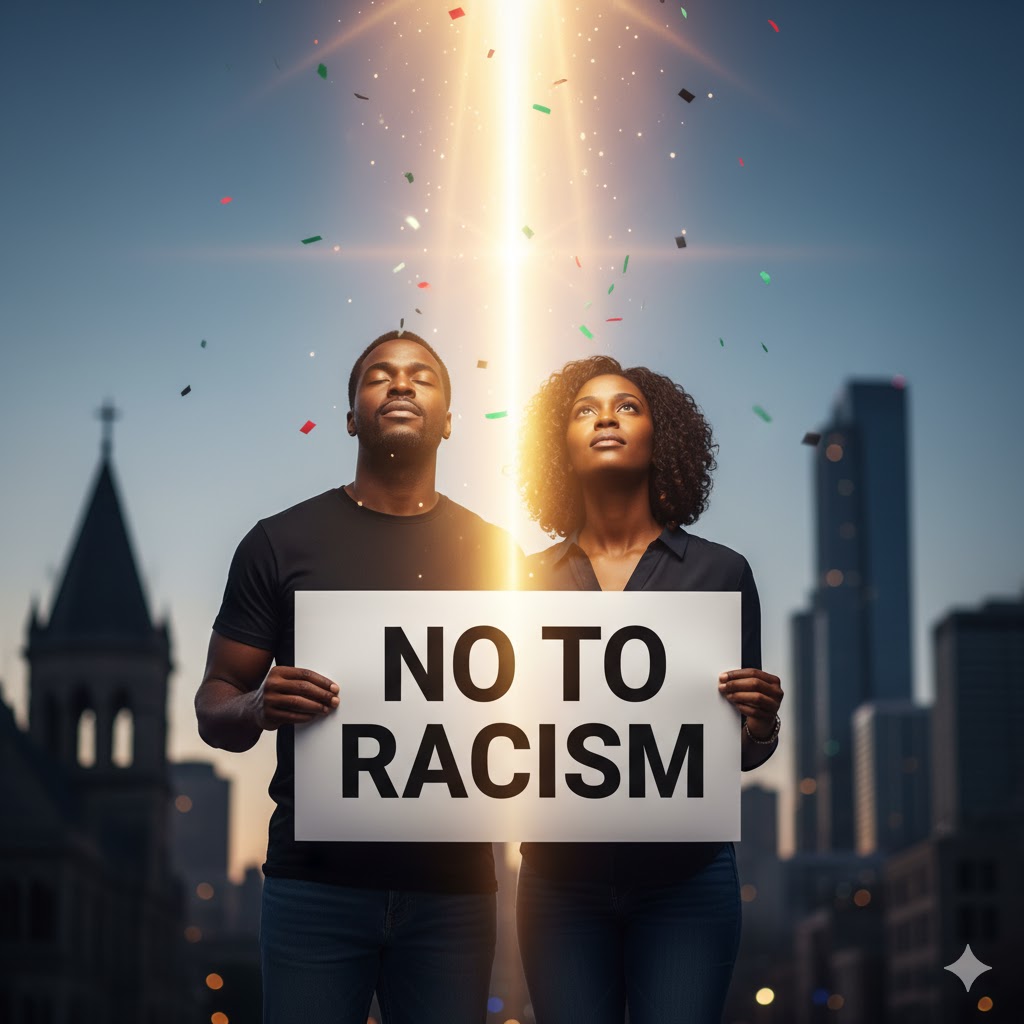
Social consciousness is rising globally. Movements such as Black Lives Matter, Indigenous rights campaigns, and anti-apartheid organizations demonstrate collective resistance to systemic oppression. Awareness of historical injustices informs modern advocacy, fostering solidarity across racial and national lines. White supremacy thrives on isolation and ignorance; interconnected activism erodes its foundation.
White supremacy is also crumbling internally. The ideology depends on fear, competition, and the dehumanization of others. As societies evolve, its psychological and social control weakens. Younger generations, educated and globally connected, are less likely to accept racial hierarchies as truth. Moral and intellectual critique exposes its contradictions and immorality, accelerating its decline.
The arts and literature play a critical role in dismantling supremacy. Writers, musicians, filmmakers, and visual artists expose oppression, reclaim history, and celebrate the beauty and resilience of marginalized communities. Cultural production creates shared narratives that challenge the assumptions of supremacy, fostering empathy and social transformation.
Media exposure and investigative journalism have further undermined white supremacy. Exposing systemic racism, corruption, and oppression holds institutions accountable. Public awareness campaigns challenge normalized inequities, demanding transparency and reform. In an era where information is widely accessible, attempts to maintain supremacy through ignorance are failing.
Global collaboration is another factor. International human rights organizations, treaties, and advocacy groups challenge racial oppression worldwide. Nations are being held accountable for injustices through global scrutiny. The interconnected world makes isolationist supremacy impossible, as the truth of oppression spreads across borders.
Technology has also shifted power dynamics. Digital platforms allow communities to organize, educate, and resist in ways previously impossible. Supremacist ideologies, once reinforced locally and nationally, now face global critique. The democratization of information undermines traditional structures that perpetuated racial dominance.
Education, activism, and awareness are complemented by historical reckoning. Truth-telling about slavery, colonialism, and indigenous genocide creates accountability. Museums, documentaries, and scholarly research provide evidence that cannot be ignored. White supremacy’s historical foundations are exposed as morally corrupt and factually unsound.
The collapse of white supremacy is evident in demographic and political changes. Multicultural societies, increased immigration, and shifts in population dynamics challenge notions of racial hierarchy. As diversity becomes normalized, the old narratives of supremacy lose credibility and social relevance.
Legal challenges continue to dismantle systemic structures. Civil rights laws, anti-discrimination policies, and judicial interventions restrict the ability of supremacy to operate openly. Legal frameworks that were once complicit in oppression are now tools of accountability, signaling systemic transformation.
Psychologically, white supremacy loses influence as people internalize equality. Recognition of shared humanity diminishes fear, hate, and the belief in racial superiority. Education, social interaction, and media exposure cultivate empathy and understanding, directly opposing the ideology of supremacy.
White supremacy’s decline is also spiritual. Biblical principles affirm the equality of all humanity before God, emphasizing justice, mercy, and humility. James 2:1–4 warns against favoritism based on wealth or appearance, teaching that partiality is inconsistent with faith. Revelation 7:9 envisions a multitude from every nation worshiping God together, symbolizing the ultimate rejection of racial hierarchy.
The global dismantling of white supremacy is a reminder of God’s justice. While oppressive systems once seemed invincible, truth, righteousness, and divine order prevail. Societies are increasingly recognizing the immorality of supremacy, embracing equality, and restoring dignity to those who were dehumanized. The fall of white supremacy, though uneven, is already underway.
The assertion is bold, yet the evidence is mounting: the decaying structures of White Supremacy are crumbling across the globe. This is not merely a political or sociological observation, but a profound spiritual truth. For decades and centuries, this hateful ideology has operated as a destructive force, attempting to enforce a false hierarchy and deny the intrinsic dignity of countless millions. Today, however, the deep fissures and cracks are visible everywhere, indicating that a fundamental shift is underway—a shift driven by an immutable moral law that ultimately defeats oppression.
We hold fast to this central, unwavering thesis: The steady, irreversible decline of supremacist power is not an accident of history but the active manifestation of divine justice. Our God, the Creator of all humanity, the One who demands righteousness and equity, is engaged in this fight alongside those who seek liberation. The unraveling of this oppressive system is the inevitable consequence of a universe designed for truth and a divine will that is eternally committed to justice for the marginalized and the creation of a world where all bear the imago Dei.
To understand why this system is failing, we must first define the lie: White Supremacy is fundamentally an ideology of fear, exclusion, and power, rooted in historical oppression. It systematically denies the full personhood of those who do not fit its prescribed racial profile, seeking to justify theft, enslavement, and violence through corrupt theological and philosophical reasoning. This manufactured doctrine stands in direct opposition to the core tenets of faith—love of neighbor, humility, and the universal brotherhood of humankind.
Therefore, the struggle against this injustice is more than a socio-political contest; it is a spiritual warfare against the forces of division and hatred. When we observe activists marching, policymakers reforming, and communities unifying across racial lines, we are witnessing the hands of believers and people of conscience aligning with the divine purpose. We take courage, knowing that every act of resistance, every call for justice, and every tear shed for the oppressed is heard by a God who champions the cause of the poor and the prisoner, fighting for us in ways seen and unseen.
Historical Roots and Inevitable Cracks
The inevitability of this decline is rooted in the fact that supremacy is built upon a fundamental and unsustainable lie. No system of power that requires the constant degradation and dehumanization of others can ever truly endure. Historically, its maintenance has required continuous violence and denial of reality. But as education spreads, global connections deepen, and the voices of the oppressed grow louder, the fragility of the entire structure is exposed, leading to a steady erosion of its institutional power and moral authority.
The history of the fight for equality is, in essence, a chronicle of divine intervention against injustice. From the struggle of the Israelites against Pharaoh to the American Abolitionist Movement and the monumental Civil Rights era, every major victory against oppression serves as a testament to God’s alignment with the oppressed. These movements were not merely political skirmishes; they were spiritual earthquakes, cracking the foundations of institutionalized sin and demonstrating that no human system, however entrenched, can ultimately thwart the divine will for human freedom and dignity.
Today, the erosion of supremacy is being accelerated by global interconnectedness and demographic reality. The internet has dismantled the narrative control that once shielded oppressive systems, allowing stories of injustice to travel worldwide and galvanize international solidarity. Furthermore, the changing face of nations refutes the myth of a homogeneous racial ideal. As power shifts and diversity becomes the undeniable norm, the antiquated structure of White Supremacy finds itself increasingly isolated and irrelevant on the world stage.
This structural failure is accompanied by a profound shift in global consciousness. Younger generations, often raised with greater exposure to diverse cultures and histories, are showing a decreasing tolerance for bigotry. Social media movements and public discourse have accelerated accountability, making it far more difficult for racist attitudes and actions to hide in the shadows. This moral awakening signals that the human heart, guided by the innate sense of right and wrong instilled by the Creator, is actively rejecting the poison of hate.
The ideology of White Supremacy is further cursed by its internal fatal flaws: fear, division, and exclusion. It is a system built on perpetual anxiety—the fear of “the other” and the constant dread of losing perceived privilege. This internal poison denies its adherents true community, joy, and peace. By definition, a system that thrives on making enemies cannot build a sustainable future; it is inherently self-destructive and destined to crumble under the weight of its own paranoia and moral bankruptcy.
The Christian faith provides the clearest blueprint for this victory, because we worship a God of absolute Justice. When God declares, “Let justice roll down like waters, and righteousness like an ever-flowing stream,” He establishes the moral standard for all of creation. He is not neutral; He is eternally, unequivocally on the side of the marginalized. Our faith provides the foundational certainty that the fight against oppression is not just noble—it is guaranteed to succeed because the very character of the Almighty is fighting for us.
The Role of Faith and Divine Justice
Throughout history, the most effective movements against oppression have been led by prophets and activists who speak God’s truth to earthly power. Much like the ancient prophets who stood before kings to denounce injustice and idolatry, modern faith leaders and social justice advocates are fulfilling a divine mandate. They are the instruments through which the call for repentance and radical change is delivered, reminding society that systemic sin—like racism—must be dismantled from the ground up, not merely managed or contained.
This understanding places an urgent imperative on the faith community itself. The Church cannot be a passive observer; it must actively dismantle the vestiges of racism within its own walls and in the wider world. True discipleship demands seeing every human being as a full reflection of the imago Dei (the Image of God), rendering all forms of racial hierarchy utterly blasphemous. Our houses of worship must become training grounds for equity and reconciliation, living proof that unity in diversity is not a political aspiration but a spiritual reality.
From a spiritual perspective, divine judgment is the inevitable harvest of injustice. The biblical principle of “reaping what is sown” applies not just to individuals but to nations and systems. When power structures are built on the exploitation of the weak, the universe itself begins to correct the imbalance. The current crumbling of supremacist institutions—their loss of moral legitimacy, their internal fracturing, and their economic decline—is a manifestation of this profound, inescapable truth: systems rooted in lies cannot thrive indefinitely under the watchful eye of a just God.
Yet, the knowledge that God is fighting for us is the ultimate source of hope and endurance in the struggle. This commitment allows activists and advocates to press on, even when the work feels exhausting or the resistance seems overwhelming. Hope is not passive wishing; it is the active certainty that the arc of the moral universe bends toward justice, because a divine hand is guiding it. This sustained faith is the spiritual fuel that ensures the fight will continue until liberation is complete.
Today, the resurgence of extremist rhetoric and public hate groups should be understood as the final, desperate lashing out of a dying ideology. When a system loses its broad institutional power, it often retreats into noisy, violent extremism. These acts are not signs of renewed strength, but rather the frantic efforts of a minority unwilling to accept its imminent failure. This final, ugly phase is the death rattle of White Supremacy, confirming that the mainstream culture, informed by a growing moral consensus, has moved past its destructive logic.
The Path Forward and Conclusion
Our purpose now is not just to witness the decline of the old system, but to be the active architects of the new—building the beloved community, the new Kingdom of God on Earth. This involves intentionally crafting inclusive spaces, restructuring economic systems to ensure equitable access, and cultivating institutions that celebrate the worth of every person regardless of their heritage. We must move beyond simply reacting to hate and begin creating a positive, vibrant, multi-ethnic future that reflects the full, glorious diversity intended by the Creator.
The final phase of this spiritual war requires a call to personal action and profound self-examination. We must confront the subtle ways that systems of superiority may still reside within our own hearts and communities. This is the work of repentance and internal transformation, where we actively dismantle the unconscious biases and learned prejudices that are relics of the dying age. The most effective warriors for justice are those who have first found moral clarity and humility within themselves.
Furthermore, we are called to communal action through advocacy, policy, and unwavering solidarity. True faith demands that we lobby for laws that protect the vulnerable, support organizations that champion civil rights, and stand shoulder-to-shoulder with our neighbors who are targeted by hate. Our prayer is action, and our devotion is demonstrated by the fierce commitment to ensuring justice is done in the courts, on the streets, and in the halls of power.
Let this be our unshakeable affirmation of ultimate victory: The triumph of justice over oppression is not a utopian dream but a divine guarantee. The God who liberated slaves from bondage and raised the defeated from the dust is the same God who fights for us today. The ideology of White Supremacy is a spiritual corpse, sustained only by the breath of fear and inertia. Its end is certain, because its existence is incompatible with the character of the Almighty.
Therefore, we press on with unconquerable hope and boundless strength. Let the truth resonate in every corner of the world: The fight is hard, but the outcome is not in doubt. We are on the side of creation, love, and righteousness. Be encouraged, remain steadfast, and know that every step you take toward justice is a step taken with the Spirit of God marching right alongside you. Our God is fighting for us, and the victory is already assured.
📖 References
Cone, J. H. (2011). The cross and the lynching tree. Orbis Books.
Fredrickson, G. M. (2002). Racism: A short history. Princeton University Press.
Fanon, F. (1963). The wretched of the earth. Grove Press.
Finkelstein, N. G. (2003). Image and reality of the Israel–Palestine conflict (2nd ed.). Verso.
Khalidi, R. (2020). The hundred years’ war on Palestine: A history of settler colonialism and resistance, 1917–2017. Metropolitan Books.
Mamdani, M. (2001). When victims become killers: Colonialism, nativism, and the genocide in Rwanda. Princeton University Press.
Pappe, I. (2010). The ethnic cleansing of Palestine (2nd ed.). Oneworld Publications.
Said, E. W. (1979). The question of Palestine. Vintage Books.
Holy Bible, King James Version. (1611/2017). Cambridge University Press.
- The Holy Bible. (2011). New International Version. Biblica. (Original work published 1978).
- Branch, T. (1988). Parting the waters: America in the King years 1954-63. Simon & Schuster.
- Cone, J. H. (1990). A black theology of liberation (2nd ed.). Orbis Books.
- Kendi, I. X. (2016). Stamped from the beginning: The definitive history of racist ideas in America. Nation Books.
- King, M. L., Jr. (1963). Letter from Birmingham jail.
- King, M. L., Jr. (1968). Where do we go from here: Chaos or community? Harper & Row.
- Pew Research Center. (n.d.). Demographics and population trends. [Various reports would be cited depending on the specific data used].
- Southern Poverty Law Center. (n.d.). Hate map and extremism reports. [Specific reports would be cited depending on the data used].
- Wallis, J. (2005). God’s politics: A new vision for faith and family in America. HarperOne.






 THE BROWN GIRL DILEMMA