Tag Archives: the brown girl dilemma

Dating Apps Horror Stories.

Photo by Julio Lopez on Pexels.com

Online dating is the practice of meeting potential romantic partners through digital platforms, such as websites or apps, where users create profiles, share photos, and chat before deciding whether to meet in person. Some of the most popular platforms include Tinder, Bumble, Hinge, Match, and Christian Mingle. Online dating can be helpful for busy people or those seeking a specific type of relationship (faith-based, long-distance, etc.), but it also opens the door for risks such as catfishing (fake identities), scams, and emotional or physical harm.

Unlike traditional dating, online dating allows people to present a curated version of themselves—sometimes truthful, sometimes deceptive. That is why wisdom, discernment, and accountability are crucial when using these platforms.

Real Life Horror Stories from Dating Apps

  • The “Tinder Swindler” (Simon Leviev) used Tinder to meet women, pretended to be the heir to a diamond fortune, created a lavish lifestyle (private jets, bodyguards etc.) to build trust, then asked for money under false pretenses (claiming threats, stolen cards, etc.). He defrauded women across Europe of about $10 million. Wikipedia+1
  • In Bengaluru, India, a 25-year-old man met someone via the dating app Happn. They moved their communication to WhatsApp, engaged in video calling, and during one call the person persuaded him to undress. Unknown to him, the call was being recorded. Then he was blackmailed: first for Rs 30,000, then forced to pay Rs 70,000 under threat that the video would be exposed on social media. The Times of India
  • The app Tea (a women-focused dating/safety/advice app) had a huge data breach: about 72,000 images (including selfies and verification IDs) plus other user‐images and messages were accessed. While the app was supposed to let women anonymously post reviews or comments about dates (for safety), this leak showed that even safety-oriented platforms can fail at protecting privacy. People.com+3Reuters+3AP News+3
  • In Queensland, Australia, multiple incidents were reported where dating apps (Tinder, Grindr, Plenty of Fish, SugarDaddyMeet etc.) were misused: theft, stalking, sexual assault, image distribution, violence. Some men lured people via apps into ambushes. In one case, a registered sex offender used a sex chat app and breached reporting obligations. Courier Mail
  • According to research from Brigham Young University, people with mental illness are especially vulnerable. The study found that sexual predators use dating apps, target people who disclose mental health issues, and that many victims were already survivors of assault. Predators often use flattery, isolation, other manipulative tactics. KUER

Dangers to Look For

From these stories plus broader research, here are some of the dangers you should be especially alert to:

  • Romance scams / financial fraud: Someone builds emotional trust and then makes requests for money (for a crisis, for travel, for helping them with some emergency).
  • Blackmail / sextortion: When intimate media is shared (pics, video) with someone met online, and later victim is threatened that it will be exposed unless they pay or comply.
  • Catfishing / fake identities: People pretending to be someone else (fake photos, false status, lying about career, wealth, family).
  • Privacy breaches: Data leaks, exposure of personal images, location info. Even safety apps might not protect you fully.
  • Physical danger / violence: Meeting someone in person who turns out to be violent—assault, abduction, murder.
  • Emotional damage: Betrayal, manipulation, isolation, or gaslighting. Feeling used, shame, guilt.
  • Mental health vulnerabilities exploited**: Predators often prey on people’s emotional needs, loneliness, or self-esteem issues.

🛡 Online Dating Safety Checklist (Biblical + Practical)

1. Guard Your Heart and Intentions

Before creating a profile or engaging with anyone, pray and ask yourself:
“Am I seeking companionship in a way that honors God?”
Proverbs 4:23 (KJV) says, “Keep thy heart with all diligence; for out of it are the issues of life.”
📝 Practical Tip: Write down your intentions for dating — marriage, friendship, companionship — so you don’t get sidetracked by flattery or lust.


2. Vet Their Identity Carefully

Predators thrive on secrecy and false appearances.
1 John 4:1 reminds us to “try the spirits whether they are of God.”
📝 Practical Tip:

  • Reverse image search profile pictures.
  • Look for consistency in their story (job, location, timeline).
  • Video call before meeting in person — predators often avoid showing their real face live.

3. Watch for Red Flags

Here are common warning signs of online predators:

  • Love bombing – excessive compliments, “I love you” very early.
  • Pressure – rushing intimacy, asking for personal details quickly.
  • Isolation – discouraging you from talking to friends/family.
  • Financial Requests – asking for money, crypto, gift cards, or favors.
  • Secrecy – refusing to meet in public, dodging questions about their life.
  • Guilt Trips or Manipulation – making you feel bad if you set boundaries.

Proverbs 22:3 warns, “A prudent man foreseeth the evil, and hideth himself: but the simple pass on, and are punished.”


4. Protect Your Body and Purity

God calls us to honor Him with our bodies.
Romans 12:1 (KJV) says, “Present your bodies a living sacrifice, holy, acceptable unto God.”
📝 Practical Tip:

  • Avoid sexting, sending nudes, or anything that can be used to blackmail you.
  • Don’t drink excessively or meet in private places on the first few dates.

5. Meet Safely

When you do meet, follow safety protocols:

  • Choose a public location.
  • Tell a trusted friend where you’re going and share your live location.
  • Arrange your own transportation (don’t let them pick you up at home).
  • Keep your phone charged and within reach.

6. Listen to Your Discernment

The Holy Spirit often gives us a sense of warning or peace.
Colossians 3:15 says, “Let the peace of God rule in your hearts.”
📝 Practical Tip: If you feel uneasy, pressured, or unsafe, end communication immediately. Block and report the user if necessary.


7. Don’t Ignore Background Checks

If the relationship gets serious, it’s wise to verify the person’s history.
📝 Practical Tip:

  • Use reputable background check services.
  • Search their name on social media.
  • If you find violent criminal records, restraining orders, or inconsistencies, take it seriously.

8. Involve Godly Counsel

Share your dating journey with a pastor, mentor, or trusted family member.
Proverbs 11:14 says, “In the multitude of counsellors there is safety.”
This keeps you accountable and gives you outside perspective.


9. Maintain Emotional Boundaries

Don’t give away deep emotional secrets early on. Predators weaponize vulnerabilities.
Proverbs 25:28 warns, “He that hath no rule over his own spirit is like a city that is broken down, and without walls.”


✅ Key Takeaway

Online dating can be done safely if you combine wisdom, prayer, and practical steps. The goal is to glorify God, protect your heart, and wait for someone whose character reflects Christ. Be slow to trust, quick to pray, and willing to walk away at the first sign of danger.


References & Statistics

  • Survey by Aura: nearly half of dating-app users report encountering fraudulent behavior. Many lose money. PR Newswire
  • FTC reports that in 2023, Americans lost ~$1.14 billion to romance scams through dating apps. DatingAdvice.com
  • BYU study: people who self–disclose mental illness are more likely to be targeted by sexual predators via dating apps; many victims already have histories of trauma. KUER
  • Pew Research data: many users have been subject to unwanted explicit messages, harassment, or pressure through dating apps—especially younger women. Pew Research Center

Biblical Perspective on Online Dating and Predators

The Bible does not directly mention online dating, but it gives timeless principles about guarding your heart, staying pure, and seeking God’s wisdom before entering relationships.

  • Guarding Your Heart: Proverbs 4:23 says, “Keep thy heart with all diligence; for out of it are the issues of life” (KJV). This means protecting your emotions, desires, and spiritual health from harmful influences.
  • Avoiding Deception: 1 John 4:1 warns, “Beloved, believe not every spirit, but try the spirits whether they are of God.” This applies to vetting people’s intentions—do not blindly trust someone just because they seem charming online.
  • Avoiding Sexual Sin: 1 Thessalonians 4:3-4 instructs, “For this is the will of God, even your sanctification, that ye should abstain from fornication: That every one of you should know how to possess his vessel in sanctification and honour.” This calls us to purity and self-control even when temptation is high.
  • Avoiding Evil Companions: 1 Corinthians 15:33 says, “Be not deceived: evil communications corrupt good manners.” Engaging with the wrong kind of person can lead you into sin or danger.
  • Seeking Wisdom: James 1:5 encourages, “If any of you lack wisdom, let him ask of God, that giveth to all men liberally… and it shall be given him.” Pray before meeting or dating anyone.

Spiritual Lessons for Safety

Online dating is not inherently sinful, but it must be done with discernment. The enemy uses lust, deception, and loneliness to trap people into compromising situations. Jesus teaches His followers to be “wise as serpents, and harmless as doves” (Matthew 10:16). That means using caution, asking questions, meeting in public places, and not rushing intimacy.

Understanding the Mother Wound.

Photo by Barbara Olsen on Pexels.com

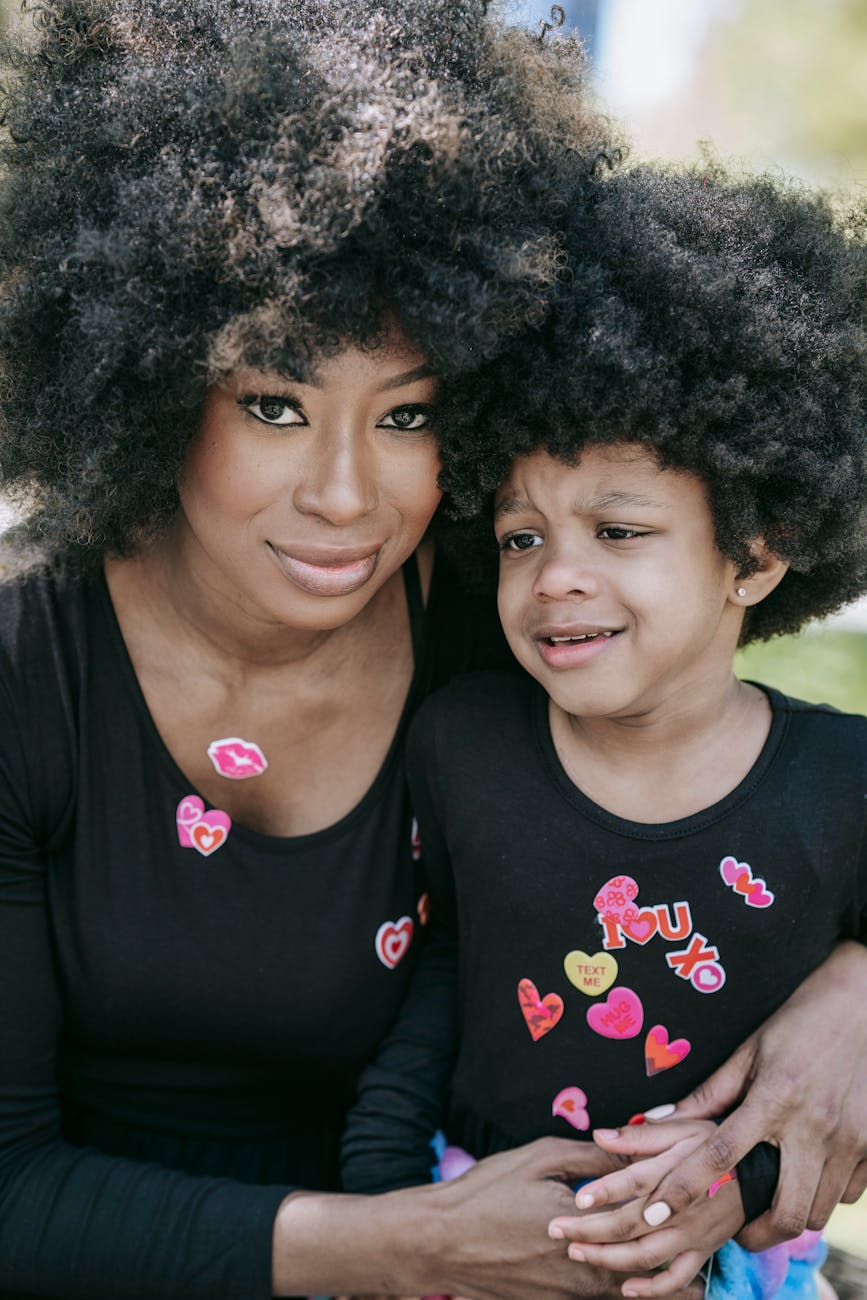
The “mother wound” is a term used in psychology to describe the emotional pain, unmet needs, and lasting effects that come from a strained or harmful relationship with one’s mother. This wound can form when a mother is absent, overly critical, emotionally unavailable, abusive, or unable to give nurturing love. It leaves a deep imprint on a child’s developing identity and often affects adulthood relationships, self-esteem, and the way one sees God. In many ways, the mother wound is the pain of not receiving the warmth, affirmation, and safety that children need from the woman who gave them life.

Psychologists note that children naturally bond with their mothers as their first source of safety and comfort. When that bond is disrupted, children may grow up feeling rejected, unworthy, or unlovable. This can lead to perfectionism, people-pleasing, or difficulty trusting others later in life. Some may struggle with anger, resentment, or fear of abandonment. The mother wound is not always the result of malicious intent—sometimes mothers simply repeat the patterns they learned from their own mothers. Yet the pain remains very real and can show up in adulthood as anxiety, depression, or an empty longing for approval.

The Bible acknowledges the power of a mother’s role and the pain that comes when it is lacking. Proverbs 31 celebrates a mother who nurtures and instructs, saying, “Her children arise up, and call her blessed” (Proverbs 31:28, KJV). Conversely, passages like Isaiah 49:15 remind us that even if a mother forgets her child, the Lord will not forget: “Can a woman forget her sucking child, that she should not have compassion on the son of her womb? yea, they may forget, yet will I not forget thee.” This scripture comforts those who feel abandoned, showing that God Himself steps in to mother and nurture His children when earthly mothers fail.

Psychologically, the mother wound often results in inner conflict. Adults may crave closeness with their mothers but also feel deep hurt or resentment toward them. This ambivalence can create guilt, shame, or anger. Therapists encourage people to recognize and name these feelings rather than suppress them. Suppression often leads to bitterness, which Scripture warns against: “Looking diligently lest any man fail of the grace of God; lest any root of bitterness springing up trouble you, and thereby many be defiled” (Hebrews 12:15, KJV). Healing requires courage to face the truth of what was lost or damaged.

Part of the solution is learning to re-parent yourself through God’s love. Psalm 27:10 declares, “When my father and my mother forsake me, then the Lord will take me up.” This verse is a promise that God Himself will provide the nurturing and affirmation you missed. Through prayer, meditation on God’s Word, and fellowship with healthy believers, you can learn to receive love in a secure way and build a new foundation of identity rooted in Christ.

Forgiveness is also a key step toward healing. Forgiveness does not excuse harmful behavior, but it frees you from carrying the weight of resentment. Jesus teaches, “For if ye forgive men their trespasses, your heavenly Father will also forgive you” (Matthew 6:14, KJV). Forgiving a mother who wounded you can be one of the most difficult acts of obedience, yet it can bring incredible peace and break generational cycles of pain.

Counseling or support groups can be helpful in processing the mother wound. Christian therapy combines psychological insight with biblical truth to address patterns of codependency, perfectionism, and unhealthy attachment styles. Journaling, prayer, and honest conversations with trusted mentors can also allow you to express your grief safely and invite God’s healing presence into those places of pain.

Ultimately, the solution to the mother wound is to let God rewrite your story. The Lord can transform sorrow into strength and teach you how to relate to others with healthier boundaries and deeper compassion. The process may be slow, but His promise is sure: “He healeth the broken in heart, and bindeth up their wounds” (Psalm 147:3, KJV). As you walk this journey, you will discover that your identity is not limited by what you lacked as a child. In Christ, you are whole, beloved, and capable of building a new legacy of love for future generations.

References

Biblical References (KJV):

  • Proverbs 31:28 – “Her children arise up, and call her blessed; her husband also, and he praiseth her.”
  • Isaiah 49:15 – “Can a woman forget her sucking child, that she should not have compassion on the son of her womb? yea, they may forget, yet will I not forget thee.”
  • Hebrews 12:15 – “Looking diligently lest any man fail of the grace of God; lest any root of bitterness springing up trouble you, and thereby many be defiled.”
  • Psalm 27:10 – “When my father and my mother forsake me, then the Lord will take me up.”
  • Matthew 6:14 – “For if ye forgive men their trespasses, your heavenly Father will also forgive you.”
  • Psalm 147:3 – “He healeth the broken in heart, and bindeth up their wounds.”

Psychological & Scholarly References:

  • Woodman, B. (2015). The Mother Wound: Understanding and Healing the Impact of Unavailable Mothers. Psychology Today.
  • Willson, J., & Toman, C. (2021). Intergenerational trauma and the “mother wound”: Exploring the psychological effects of maternal emotional unavailability. Journal of Family Therapy, 43(3), 356–373.
  • Bowlby, J. (1988). A Secure Base: Parent-Child Attachment and Healthy Human Development. Basic Books.
  • Neff, K. D. (2011). Self-Compassion: The Proven Power of Being Kind to Yourself. William Morrow.
  • Cloud, H., & Townsend, J. (1992). Boundaries: When to Say Yes, How to Say No to Take Control of Your Life. Zondervan.

Girl Talk Series: The Types of Clothing a Godly Woman Should Never Wear.

A Call to Modesty

Photo by Monstera Production on Pexels.com

Ladies, I write to you with love and sincerity: are you offering your body as a living sacrifice to the Lord, or are we causing men to stumble into lust because of what we wear? (Romans 12:1, KJV). As you stand in front of your closet each morning, ask yourself: Would this garment be pleasing to the Most High? Would it glorify Him, or would it stir temptation in another’s heart? Does it honor the temple of the Holy Spirit (1 Corinthians 6:19-20) or make it harder for others to see Christ in me? When we dress, we preach a sermon without speaking a word—does your appearance proclaim holiness, or does it mirror the fashion of the world (1 John 2:15-16)?

The Call to Modesty

Photo by RDNE Stock project on Pexels.com


True modesty is not about shame but about reverence—choosing to dress in a way that reflects humility, dignity, and respect for the body God has given you. Paul exhorts women to “adorn themselves in modest apparel, with shamefacedness and sobriety” (1 Timothy 2:9-10, KJV). Modesty is an act of worship. When we cover ourselves appropriately, we declare, my worth is not in my curves or my skin, but in Christ who redeemed me.

What Not to Wear

  • Leggings worn as pants without a long tunic or dress covering hips/thighs
  • Short shorts or micro-miniskirts that expose thighs or buttocks
  • Deep plunging necklines or tops that expose cleavage
  • See-through tops or failing to wear proper undergarments
  • No bra / visible nipples through clothing
  • Revealing swimsuits or bikinis (especially thongs or high-cut suits)
  • Skin-tight jeans or dresses that outline every curve
  • Backless or strapless tops worn in public settings
  • Crop tops showing midriff
  • Extremely high slits in skirts or dresses

Instead, choose clothing that covers your body respectfully, is not form-fitting to the point of outlining every curve, and reflects purity and dignity.

The Psychology of Seduction
Psychologists have long studied how visual stimuli affect the male brain. Men are generally more visually stimulated than women, and revealing clothing can activate the brain’s reward centers linked to sexual arousal (Geary, 2021). When we wear plunging necklines, overly tight jeans, or leggings that leave little to the imagination, we unknowingly participate in what researchers call “sexual signaling”—subconscious cues that draw sexual attention. While we cannot control someone else’s sin, we are called not to place stumbling blocks before others (Romans 14:13).

Fashion vs. Holiness
Culture pushes women toward extremes—bikinis, crop tops, micro-shorts, and skin-tight dresses—under the banner of empowerment. But Scripture warns, “Be not conformed to this world: but be ye transformed by the renewing of your mind” (Romans 12:2, KJV). Following trends blindly can desensitize us to holiness. God’s daughters are set apart, called to shine as lights (Matthew 5:14-16), not blend into a culture obsessed with sexual display.

The Influence of Social Media
Platforms like Instagram and TikTok have normalized provocative clothing and sensual posing, feeding comparison and vanity. Studies show that constant exposure to sexualized images increases body-objectification and can fuel discontent (APA, 2018). As godly women, we must resist the urge to display ourselves for likes and views, remembering that “favor is deceitful, and beauty is vain: but a woman that feareth the Lord, she shall be praised” (Proverbs 31:30, KJV).

The Heart Behind the Wardrobe
Modesty begins in the heart. A woman can wear a long skirt and still seek ungodly attention if her heart desires lustful validation. Likewise, a woman who loves Christ will aim to dress in a way that draws attention to her character and good works (1 Peter 3:3-4). Ask yourself: Am I seeking to attract godly admiration or worldly attention? The Holy Spirit convicts us to choose clothing that exalts Christ over the flesh.

Protecting the Brothers
Some argue, “Men should just control themselves,” and while this is true, we are also called to help—not hinder—them. Jesus warns, “Whosoever shall offend one of these little ones which believe in me, it were better for him that a millstone were hanged about his neck” (Matthew 18:6, KJV). Dressing modestly is an act of love, helping our brothers fight temptation and pursue purity.

Honoring the Temple
Our bodies are temples of the Holy Spirit. When we wear clothing that is see-through, skin-tight, or designed to reveal every curve, we profane what is holy (1 Corinthians 3:16-17). Modesty is not about hiding beauty but stewarding it—displaying beauty with discretion, as Proverbs 11:22 says, “As a jewel of gold in a swine’s snout, so is a fair woman which is without discretion.”

The Beauty of Modesty
Modesty is liberating, not restricting. It frees us from the pressure of competing with the world’s standards and anchors us in God’s definition of beauty—quiet strength, dignity, and virtue. When we clothe ourselves with modesty, we become living testimonies, reflecting Christ’s light in a dark world (Philippians 2:15).


Clothing That Does Not Honor God

Avoid wearing leggings as pants without a longer tunic or dress to cover the hips and thighs. Refrain from short shorts or micro-skirts that expose the thighs and buttocks. Say no to deep plunging necklines or tops that display cleavage. Do not wear see-through blouses or go without proper undergarments where your shape and nipples are visible. Steer clear of revealing swimsuits, bikinis, and thong-style swimwear. Leave behind the skin-tight jeans or body-hugging dresses that show every curve. Avoid backless or strapless tops that draw unnecessary attention, crop tops that expose the midriff, and skirts or dresses with extremely high slits.

Instead, choose clothing that drapes gracefully, covers respectfully, and points the glory back to God rather than to your flesh.

Key References

  • Bible (KJV): 1 Timothy 2:9-10, 1 Corinthians 6:19-20, Proverbs 31:30, 1 Peter 3:3-4, Romans 12:1-2, Matthew 5:14-16
  • Psychological Studies:
    • Geary, D. C. (2021). Male, Female: The Evolution of Human Sex Differences (4th ed.). American Psychological Association.
    • American Psychological Association (2018). Report of the APA Task Force on the Sexualization of Girls.
  • Cultural Analysis: APA research on sexualized media and objectification shows strong links between revealing dress, increased sexual attention, and reduced perception of women’s competence.

10 Types of Family Members the Bible Tells Us to Avoid: Setting Boundaries for Faith and Peace.

Photo by August de Richelieu on Pexels.com

Family is one of God’s greatest gifts, yet Scripture warns that not every relative is a safe or godly influence. Jesus Himself taught that following Him may bring division even within a household (Luke 12:51–53), and Proverbs 13:20 cautions, “He that walketh with wise men shall be wise: but a companion of fools shall be destroyed.” The Bible calls believers to honor family (Exodus 20:12) but also to set wise boundaries when relatives abuse, oppress, or turn us away from God. This essay explores ten types of family members the Bible warns us to avoid, offering scriptural examples and psychological insight for preserving faith, mental health, and spiritual peace.

1. The Abusive Oppressor (Verbal or Physical)
Family members who verbally or physically harm others violate God’s command to love. Scripture condemns violence: “The Lord trieth the righteous: but the wicked and him that loveth violence his soul hateth” (Psalm 11:5). Abuse — whether physical, verbal, or emotional — damages trust and leaves lasting psychological scars. Modern psychology confirms that toxic, abusive family environments lead to trauma, anxiety, and depression. God does not call us to stay in harm’s way; creating physical distance and seeking safety is a biblical and healthy response.

2. The Blasphemer and Scoffer
Some relatives speak against God, mock faith, or belittle Christian values. Proverbs 14:9 states, “Fools make a mock at sin.” When family members ridicule faith, they attempt to weaken spiritual confidence. In psychology, such behavior can create cognitive dissonance and spiritual shame, undermining a person’s sense of belonging. Scripture advises, “Be not deceived: evil communications corrupt good manners” (1 Corinthians 15:33).

3. The Tempter Who Encourages Sin
Whether through substance abuse, sexual immorality, or gossip, some family members actively tempt others to sin. Proverbs 1:10 warns, “My son, if sinners entice thee, consent thou not.” Toxic relatives who celebrate sin invite judgment and spiritual compromise. Establishing boundaries and refusing participation is an act of obedience to God.

4. The Mocking Cynic
Some relatives laugh in your face or dismiss your convictions. In Genesis 19:14, Lot’s sons-in-law mocked his warning about God’s judgment, ultimately leading to their destruction. Mockery is often a defense mechanism — psychologically, it minimizes another person’s seriousness to avoid confronting one’s own guilt. The Bible instructs believers not to “cast your pearls before swine” (Matthew 7:6), meaning we should protect what is sacred from those who scorn it.

5. The Narcissistic Family Member
Narcissistic relatives use manipulation, guilt, and emotional abuse to control others. Scripture calls this prideful and destructive: “Pride goeth before destruction, and an haughty spirit before a fall” (Proverbs 16:18). Modern psychology links narcissism with exploitation and lack of empathy, which corrodes family bonds. Healthy distance, prayer, and godly counsel are crucial for emotional protection.

6. The Divider and Conflict-Stirrer
Some family members thrive on drama, gossip, or conflict. Proverbs 6:16–19 lists “he that soweth discord among brethren” as one of the seven abominations the Lord hates. Psychological studies show that constant exposure to conflict creates stress and damages mental health. Christians are called to pursue peace (Romans 12:18) and may need to withdraw from chronic troublemakers.

7. The Controller and Manipulator
Controlling relatives attempt to dominate decisions, limit freedom, or use emotional blackmail. The Bible condemns oppressive leadership: “Neither as being lords over God’s heritage” (1 Peter 5:3). Manipulation is a form of witchcraft (Galatians 5:20), because it seeks to override another’s free will. Setting boundaries is not rebellion — it is stewardship of one’s life and calling.

8. The Family Member Who Pulls You from God
Some relatives discourage church attendance, Bible reading, or prayer, subtly or directly pulling believers away from God. Deuteronomy 13:6–8 warns that if even a close relative entices you to serve other gods, you must not yield. Spiritually, such influence is dangerous because it competes with loyalty to Christ.

9. The Faith-Mocker and Bible-Doubter
These are relatives who openly challenge or ridicule Scripture, planting seeds of doubt. In 2 Peter 3:3–4, scoffers are foretold: “Knowing this first, that there shall come in the last days scoffers, walking after their own lusts.” While healthy discussion is allowed, constant ridicule can erode faith. Psychology shows that repeated negative messaging can rewire thought patterns, making it vital to limit exposure.

10. The Family Member Who Refuses Reconciliation
Finally, some relatives remain hostile and unrepentant despite multiple attempts at peace. Romans 16:17 instructs believers to “mark them which cause divisions and offences contrary to the doctrine which ye have learned; and avoid them.” For mental and spiritual health, forgiveness may still be extended, but reconciliation is not always possible without repentance.

In conclusion, the Bible recognizes that family relationships can be both life-giving and destructive. Christians are called to love relatives but not at the expense of their spiritual health. Setting boundaries with abusive, divisive, or faith-undermining relatives is not disobedience — it is walking in wisdom (Proverbs 4:23). Psychology affirms what Scripture teaches: that maintaining emotional and spiritual safety is essential for flourishing. When family members refuse to honor God, believers must choose obedience to Christ first, trusting that prayer and healthy distance can lead to peace and possibly repentance in the future.


References (APA Style)

  • American Psychological Association. (2023). Trauma and family abuse: Effects and coping strategies. APA.
  • Brown, B. (2015). Rising Strong: The Reckoning, the Rumble, the Revolution. Spiegel & Grau.
  • Cloud, H., & Townsend, J. (2017). Boundaries: When to Say Yes, How to Say No to Take Control of Your Life. Zondervan.
  • The Holy Bible, King James Version. (1769/2023). (Exodus 20:12; Proverbs 4:23; Proverbs 6:16–19; Proverbs 16:18; Deuteronomy 13:6–8; 1 Corinthians 15:33; Romans 12:18; Romans 16:17; Luke 12:51–53; Genesis 19:14; 2 Peter 3:3–4).

Your Story Matters: The Power of Testimony in Transforming Lives.

Photo by Tima Miroshnichenko on Pexels.com

Every person carries a unique story — a tapestry of pain, triumph, lessons, and redemption — that is not only valuable but necessary for the healing and encouragement of others. In both psychology and Scripture, the power of storytelling is recognized as a tool for connection, empathy, and transformation. When we share our stories, we offer proof that adversity can be overcome, that growth is possible, and that God is faithful. The Bible reminds us, “And they overcame him by the blood of the Lamb, and by the word of their testimony” (Revelation 12:11, KJV). This verse highlights that personal testimony is not merely a narrative; it is a weapon of victory that defeats fear, shame, and the enemy’s lies.

From a psychological standpoint, sharing one’s personal narrative has measurable benefits for mental health. Narrative therapy, a widely recognized counseling approach, encourages individuals to re-author their lives by framing their experiences in ways that highlight resilience and agency (White & Epston, 1990). Telling one’s story helps process trauma, make meaning out of suffering, and reduce feelings of isolation. Research shows that when people share testimonies of overcoming challenges, listeners often experience increased hope and motivation (Adler et al., 2016). This underscores that storytelling not only heals the speaker but inspires the hearer.

The Bible is full of testimonies that were recorded to instruct, comfort, and strengthen future generations. Joseph’s story of betrayal, slavery, and eventual elevation to power (Genesis 37–50) demonstrates how one person’s journey can preserve a nation. The Apostle Paul frequently shared his conversion experience — from persecutor to preacher — to validate the transformative power of Christ (Acts 22:1–21). These biblical examples show that God intends our personal journeys to be a blessing to others, not just private experiences.

Sharing our stories also dismantles shame. Many people hide their struggles out of fear of judgment, yet James 5:16 commands, “Confess your faults one to another, and pray one for another, that ye may be healed.” Vulnerability in testimony allows others to see that they are not alone in their pain and invites communal healing. Psychology supports this, showing that shame loses power when it is spoken and met with empathy (Brown, 2015).

Moreover, sharing testimonies is an act of stewardship. The experiences we endure are not random; they are lessons entrusted to us so that we may serve others. Second Corinthians 1:3–4 reminds us that God “comforteth us in all our tribulation, that we may be able to comfort them which are in any trouble.” When we withhold our stories, we withhold the comfort someone else might desperately need.

Real-life testimonies illustrate this principle powerfully. Survivors of addiction who speak openly about recovery often encourage others to seek treatment. Individuals who share stories of grief, loss, or illness offer hope to those walking through similar valleys. Churches frequently use testimony time as a means of edification, allowing members to witness the faithfulness of God in action.

Finally, sharing your story affirms your own worth and significance. Many people struggle with feelings of insignificance or invisibility, but telling one’s story is an act of reclaiming identity. Psalm 139:14 declares, “I will praise thee; for I am fearfully and wonderfully made.” Your life, with all its complexity, is a masterpiece that reflects God’s glory. To remain silent is to hide that masterpiece under a bushel (Matthew 5:15).

In conclusion, our stories are not accidents; they are instruments for change. Whether in a counseling session, small group, pulpit, or conversation over coffee, our testimonies have the power to heal, inspire, and transform lives. Sharing them honors God, strengthens others, and reminds us of our own resilience and importance. Your story matters — and someone else’s breakthrough may depend on your willingness to tell it.


References

  • Adler, J. M., Lodi-Smith, J., Philippe, F. L., & Houle, I. (2016). The incremental validity of narrative identity in predicting well-being: A review of the field and recommendations for the future. Personality and Social Psychology Review, 20(2), 142–175.
  • Brown, B. (2015). Daring Greatly: How the Courage to Be Vulnerable Transforms the Way We Live, Love, Parent, and Lead. Gotham Books.
  • White, M., & Epston, D. (1990). Narrative Means to Therapeutic Ends. Norton & Company.
  • The Holy Bible, King James Version. (1769/2023). Thomas Nelson. (Revelation 12:11; James 5:16; 2 Corinthians 1:3–4; Psalm 139:14; Matthew 5:15).

Unmasking the Serpents: Toxic Personalities.

Photo by Liza Summer on Pexels.com

Toxic interpersonal patterns are not new; they appear throughout human history and across religious texts. Contemporary psychology provides language and empirical frameworks for identifying and treating such behaviors—ranging from formally diagnosable personality disorders to non-diagnostic but harmful relational styles. At the same time, the King James Version of the Bible and classical commentaries offer moral and pastoral categories for recognizing and responding to persons whose conduct undermines the flourishing of others. This paper examines eight archetypal toxic profiles—the narcissist, the energy vampire, the drama magnet, the controller, the compulsive liar, the green-eyed monster (jealous/envious person), and the deflector—through psychological theory, empirical research, and scriptural illustration.


Psychological Foundations: Personality, Defense, and Social Dynamics

Psychological science locates many toxic patterns within personality structures (e.g., Cluster B disorders), maladaptive defense mechanisms (projection, denial), and interpersonal reinforcement cycles (attention-maintaining behaviors). Narcissistic and histrionic features belong to the Cluster B domain (dramatic, emotional, and erratic), which are associated with interpersonal exploitation, attention seeking, and emotional dysregulation (American Psychiatric Association; clinical overviews). Defense mechanisms such as projection and externalization are central to deflection and blame-shifting behaviors and have been extensively mapped in clinical literature (defense mechanism hierarchies and measurement). Empirical studies into pathological lying, jealousy, and energy-draining interaction styles identify cognitive, neurobiological, and social reinforcement pathways that perpetuate these behaviors (e.g., lying linked to particular neural patterns; jealousy ranging from normative emotions to delusional syndromes). PMC+3NCBI+3NCBI+3


The Narcissist: Grandiosity, Entitlement, and Biblical Pride

In psychological terms, narcissistic personality disorder (NPD) is marked by pervasive grandiosity, need for admiration, and lack of empathy—traits that damage relationships through exploitation and emotional invalidation (DSM-derived descriptions and clinical summaries). Narcissism’s interpersonal cost includes manipulation, gaslighting, and chronic boundary violations (clinical overviews). The KJV repeatedly condemns pride: “Pride goeth before destruction, and an haughty spirit before a fall” (Proverbs 16:18, KJV), and Daniel’s account of Nebuchadnezzar’s humiliation illustrates pride’s narrative consequences (Daniel 4). Nebuchadnezzar’s exalted self-regard and subsequent “fall” serve as a theological counterpoint to clinical descriptions of grandiosity—both highlight the social and spiritual hazards of unchecked pride. NCBI+2American Psychiatric Association+2


The Energy Vampire: Emotional Drain and Boundary Violation

“Emotional vampires” is a colloquial label psychologists and journalists use to describe people who repeatedly drain others’ emotional resources—through chronic complaining, victimhood, or incessant demands—without reciprocal empathy (popular psychology literature and investigative features). Such individuals may not meet criteria for a formal disorder but create persistent dysregulation in close relationships and workplace groups. Clinicians emphasize identification and boundary-setting as primary interventions: regulating exposure, transactional clarity, and redirecting care toward healthier reciprocity. Biblical wisdom counsels prudence in relationships with the wrathful or overly dependent, suggesting limits on intimacy with those who repeatedly harm (e.g., Proverbs warnings). Psychology Today+1


The Drama Magnet (Histrionic Patterns): Attention-Seeking and Social Instability

Drama-seeking aligns with concepts in clinical psychology—most notably histrionic personality features—characterized by exaggerated affect, attention-seeking, and shallow relationships (clinical overviews). Drama magnets maintain social centrality by generating crises, thereby monopolizing communal resources and attention. From a biblical perspective, figures who stirred conflict (e.g., narrative depictions often cited by commentators) are cautioned against; Proverbs (and prophetic literature) condemns sowers of discord and those who “stir” the community for personal gain (Proverbs 6:16–19). Interventions include skills-based therapies that enhance emotion regulation and social cognition while supporting communities to avoid reinforcement cycles that reward dramatizing behavior. NCBI+1


The Controller: Coercion, Power, and Freedom

Controllers operate through coercive control, micromanagement, or manipulative leadership. Psychologically, controlling behavior can reflect authoritarian personality tendencies, insecure attachment, or anxiety-driven attempts to reduce uncertainty by dominating others. Biblically, tyrannical leadership is frequently critiqued; pastoral literature emphasizes servant leadership as the antidote (“Neither as being lords over God’s heritage, but being ensamples to the flock,” 1 Peter 5:3, KJV). Historical biblical instances of oppressive rulers (e.g., Pharaoh’s enslavement of Israel) serve as cautionary templates for communities, underscoring the need to resist or remediate systems that enable domination. Clinically and pastorally, empowering targets of control, instituting institutional checks, and fostering autonomy are primary strategies. Bible Hub+1


The Compulsive Liar: Trust Erosion and Social Confusion

Pathological or compulsive lying entails frequent, often unnecessary deception that damages trust and social coordination. While not a distinct DSM diagnosis, pathological lying is extensively described in clinical research and has been associated with several personality pathologies and particular neurobiological findings in exploratory studies. The biblical record treats falsehood severely: “Lying lips are abomination to the Lord” (Proverbs 12:22, KJV), and narratives like Ananias and Sapphira (Acts 5) illustrate communal and divine consequences attributed to dishonesty. Therapeutic approaches emphasize cognitive-behavioral interventions, accountability structures, and when necessary, separation to protect communities. PMC+1


The Green-Eyed Monster: Jealousy, Envy, and Relational Destruction

Jealousy and envy fall along a spectrum: from normative protective jealousy to obsessive or delusional forms that lead to severe dysfunction. Psychological reviews trace cognitive appraisals, insecurity, and social comparison as core mechanisms driving envy and its behavioral sequelae (sabotage, aggression, rumination). The Bible’s Cain-and-Abel narrative (Genesis 4) is a paradigmatic example of envy escalating to murder; James and Proverbs also warn about strife born of envy. Clinically, addressing jealousy involves improving self-concept, cognitive restructuring of comparison processes, and relational repair when possible. PMC+1


The Deflector: Projection, Denial, and Avoidance of Responsibility

Deflection commonly employs projection—attributing one’s unacceptable impulses or failures to others—to evade accountability. Defense-mechanism research situates projection among primary ego-protective strategies that, when chronically used, impede insight and relational repair. Biblical precedent—Adam’s blaming of Eve (Genesis 3)—has long been read as an archetype of deflection; pastoral counsel emphasizes confession, restoration, and covenantal accountability as pathways to healing. Clinically, interventions that increase self-awareness, empathy training, and structured feedback can reduce the reliance on projection and promote responsibility-taking. PMC+1


Clinical, Pastoral, and Community Responses

An integrated response draws on psychotherapy, pastoral care, and community-level prevention. Key components include:

  1. Assessment and diagnosis: Use validated clinical frameworks when personality disorder criteria might apply, while recognizing many toxic behaviors are subclinical and relational. NCBI+1
  2. Boundary-setting and safety: Teach and model clear boundaries—temporal, emotional, and material—to limit harm from energy vampires, controllers, and compulsive liars.
  3. Therapeutic interventions: Evidence-based therapies (CBT, DBT for emotion regulation, schema therapy for long-standing patterns) target underlying cognitive-affective mechanisms. PMC+1
  4. Pastoral care: Scripturally grounded counsel emphasizes truth-telling, repentance, and restoration when appropriate, while protecting the vulnerable and prescribing separation where abuse persists (e.g., 2 Corinthians 6 and Matthew 10’s counsel to be wise). Bible Hub
  5. Community policies: Workplaces, congregations, and families benefit from accountability structures—clear grievance processes, restorative justice options, and education about personality-based harm.

Signs of Toxic People

  1. Constant Criticism and Belittling
    Toxic individuals often criticize, demean, or belittle others frequently—pointing out faults, downplaying achievements, or making “jokes” that are insulting. This undermines self-esteem and establishes a power imbalance.
    BetterUp+3Psychology Today+3highexistence.com+3
  2. Gaslighting and Manipulation
    They may distort reality, deny events, recount history differently, or make the victim doubt their memory, feelings, or sanity. This serves to maintain control or avoid responsibility.
    Psychology Today+3BetterUp+3highexistence.com+3
  3. Lack of Empathy
    They are often unable or unwilling to understand or care about how their actions affect others. Emotional responses from others are minimized or dismissed.
    highexistence.com+2Psychology Today+2
  4. Boundary Violations
    Repeatedly ignoring established limits—emotional, physical, time, privacy—and pushing you to do things you are uncomfortable with. They may disrespect personal space or push you to give more than you’re willing.
    Oxford CBT+2Psych Central+2
  5. Control and Power Dynamics
    A toxic person often wants things done their way, controls decision-making, micromanages, isolates, or coercively influences relationships. They may impose their will on others in manipulative ways.
    highexistence.com+3Simply Psychology+3Oxford CBT+3
  6. Victim Mentality / Playing the Victim
    They portray themselves as wronged, misunderstood, or suffering, sometimes even manufacturing or exaggerating problems to gain sympathy or absolve responsibility.
    Oxford CBT+2highexistence.com+2
  7. Dishonesty and Lying
    Frequent lying, omitting truth, or twisting facts. They may use deception to avoid accountability, manipulate or gaslight.
    highexistence.com+2BetterUp+2
  8. Inconsistent or Unpredictable Behavior
    Mood swings, one-moment charm then cruelty, or oscillating between affection and coldness. This keeps others off balance and often anxious.
    Simply Psychology+2Psychology Today+2
  9. Walking on Eggshells / Fear of Triggering Them
    You frequently modify your behavior to avoid conflict or upset, feeling like you must anticipate their mood or reactions.
    Simply Psychology+2Psych Central+2
  10. Emotional Drain / You Feel Depleted After Contact
    Spending time or interacting with them leaves you emotionally exhausted, anxious, or worse rather than uplifted or supported.
    Jordan Harbinger+2Psychology Today+2
  11. Neglected Needs / Lack of Reciprocity
    Your needs (emotional, physical, social) are repeatedly overlooked or minimized; the relationship feels one-sided.
    Simply Psychology+2BetterUp+2
  12. Deflection of Responsibility / Blame-Shifting
    They rarely admit fault, often shift blame onto others, make excuses, or reframe their mistakes so others look at them as the wrongdoer.
    BetterUp+2highexistence.com+2
  13. Triangulation or Recruiting Others
    They may involve third parties to validate their version of events, create alliances, pit people against each other, or spread rumors to manipulate perceptions.
    Psychology Today+1
  14. Entitlement / Superiority Attitude
    They believe they deserve special treatment, think rules don’t apply to them, or expect deference from others. They often regard themselves as superior.
    highexistence.com+2WebMD+2
  15. Constant Drama / Creating Conflict
    They may stir up conflict, exaggerate issues, amplify minor incidents, or create crises to maintain attention or control.
    BetterUp+2Psychology Today+2

Conclusion

Toxic personalities manifest through recognizable psychological patterns that clinical science can describe and, to varying degrees, treat. Biblical narratives and wisdom literature provide ethical frames and pastoral insight that enrich psychological understanding—especially regarding human responsibility, repentance, and communal care. Practical responses must be multipronged: rigorous clinical assessment when warranted, robust boundary enforcement to protect well-being, therapeutic work for those who seek change, and pastoral guidance that balances truth and mercy. Ultimately, communities flourish when they combine psychological knowledge with spiritual discernment to unmask destructive patterns and promote restoration where genuine transformation is possible.

References

American Psychiatric Association. (2013/2022). Diagnostic and Statistical Manual of Mental Disorders (DSM-5-TR). (See clinical overviews summarizing NPD and Cluster B features). NCBI+1

  • StatPearls. (2024). Narcissistic Personality Disorder. National Center for Biotechnology Information (NCBI). NCBI
  • StatPearls. (2024). Histrionic Personality Disorder. National Center for Biotechnology Information (NCBI). NCBI
  • Park, H., et al. (2022). Pathological Lying: Theoretical and Empirical Support for a New Diagnosis [Review]. Frontiers/PubMed Central. PMC+1
  • Psychology Today. (2011). The 5 Types of Emotional Vampires. Psychology Today
  • S. Jesus & A. R. Costa. (2024). The Green-Eyed Monster: A Brief Exploration of the Jealousy Spectrum. Journal/PMC. PMC
  • Research reviews on jealousy, envy, and small-group dynamics. (2018). Attack of the green-eyed monster: a review of jealousy and envy in small groups. ResearchGate
  • Defense mechanism reviews and DMRS research. (2021). Hierarchy of Defense Mechanisms. PMC. PMC
  • Bible (King James Version). Proverbs 16:18; Proverbs 12:22; Genesis 4; Daniel 4; Acts 5; 1 Peter 5:3; Proverbs 6:16–19. (KJV citations used in text). (See Matthew Henry commentary for classical theological exposition). Bible Hub+2Bible Hub+2
  • The Guardian. (2024). How to recognise — and escape — an emotional vampire. (journalistic analysis of modern relational dynamics). The Guardian

Sacred Shades: A Theological Look at the Brown Girl Dilemma.

Photo by Christopher Boyd on Pexels.com

The brown girl dilemma is not only cultural or psychological—it is spiritual. At its core lies a tension between society’s distorted beauty standards and God’s divine affirmation of human worth. To take a theological look at this dilemma is to explore how Scripture, faith, and history inform the experience of brown-skinned women. Their skin, often rejected by the world, carries a sacredness rooted in creation, covenant, and divine design. The shades of brown are not incidental; they are sacred reflections of God’s handiwork.

Creation and the Divine Image

The book of Genesis declares that humankind was made in the image of God (Genesis 1:27). This foundational truth dismantles any hierarchy of skin tone. To be created in God’s image means that every shade, from the lightest to the darkest, is imbued with divine dignity. Yet, the brown girl dilemma emerges when society refuses to honor what God declared “very good.” Theology reminds us that brownness is not accidental but intentional, a manifestation of divine artistry.

Dust and Divine Design

The Bible teaches that Adam was formed from the dust of the ground (Genesis 2:7). Scholars note that this dust was rich, dark earth—the very soil that sustains life. Brownness, then, is not a flaw but a return to the origin of humanity. The hues of brown skin echo the fertile soil from which humanity was created, connecting brown women to the very beginning of human existence. The theological truth here is clear: brownness is sacred, not stigmatized.

Song of Solomon and the Beauty of Darkness

Few passages speak more directly to the brown girl dilemma than Song of Solomon 1:5, where the Shulamite woman proclaims, “I am black, but comely.” In this declaration, beauty and blackness are inseparable. She does not apologize for her shade; she affirms it. The fact that this verse is canonized in Scripture indicates that dark skin was not only acknowledged but celebrated. Theology therefore challenges the lie that melanin diminishes beauty.

Bias as Sin, Not Truth

Theologically, bias against brown skin is a distortion of God’s truth. Racism and colorism are manifestations of sin—perversions of justice, love, and equality. James 2:9 warns, “But if ye have respect to persons, ye commit sin.” Bias, therefore, is not divine; it is human error. To stigmatize brownness is to rebel against God’s creation, replacing divine order with human prejudice.

Jesus and Brownness

The humanity of Jesus Himself disrupts Eurocentric beauty standards. While often depicted with pale skin and light eyes, biblical and historical evidence suggests that Jesus, a Middle Eastern Jew, would have had dark features (Reinhartz, 2019). To see Christ through a realistic lens is to affirm that salvation entered the world clothed not in whiteness but in shades closer to brown. This theological truth dismantles false associations of holiness with paleness.

Women of Color in Scripture

The Bible is filled with women whose experiences mirror aspects of the brown girl dilemma. Hagar, an Egyptian servant, endured marginalization yet was seen by God as the one to whom He revealed Himself as “El Roi”—the God who sees (Genesis 16:13). Ruth, a Moabite woman, was integrated into Israel’s covenant line despite cultural biases. These stories affirm that women marked as outsiders in human eyes were central in God’s plan. Theology affirms the visibility and worth of brown women when society renders them invisible.

Spiritual Warfare and Identity

The brown girl dilemma is not merely social but spiritual warfare. Ephesians 6:12 reminds us that the struggle is “not against flesh and blood, but against… the powers of this dark world.” Lies about beauty and worth are weapons of oppression, designed to strip brown women of confidence and identity. Theological reflection reveals that affirming sacred shades is an act of spiritual resistance, reclaiming what God has declared good.

Faith as a Healing Balm

Faith offers a healing balm for wounds inflicted by colorism and racism. Where society says “too dark,” God says “fearfully and wonderfully made” (Psalm 139:14). Where media silences, faith speaks affirmation. Theological reflection transforms beauty from a battlefield into a sanctuary, where brown women find rest in the assurance that their worth is anchored in God, not in bias.

Melanin as a Divine Gift

Science recognizes that melanin protects against UV radiation and aging. Theologically, one might interpret this as evidence of divine provision. Brown skin, with its resilience and richness, testifies to God’s foresight in creation. To demonize melanin is to reject a gift that sustains life. Sacred shades are not burdens but blessings, carrying health, strength, and symbolic connection to the Creator.

The Church and the Dilemma

Unfortunately, the church has often mirrored society’s biases rather than challenged them. From colorist divisions in Black congregations to Eurocentric depictions of biblical figures, the church has sometimes failed to affirm sacred shades. A theological corrective requires churches to re-teach the biblical truth of equality, dismantle internal colorism, and embrace the full spectrum of God’s people.

Theology of Liberation

Liberation theology provides an important framework for addressing the brown girl dilemma. It insists that God is on the side of the oppressed and calls for justice where inequities persist. For brown women, liberation theology proclaims that their shades are not shameful but holy, worthy of celebration and central to God’s work of redemption in the world (Cone, 1997).

Ancestral Spirituality and Continuity

Beyond Christianity, ancestral African traditions celebrated brownness as sacred. Sculptures, rituals, and oral histories elevated melanin as a sign of fertility, vitality, and divinity. For women navigating the brown girl dilemma, theological reflection includes honoring ancestral continuity, integrating African spirituality with biblical truths to affirm that sacred shades transcend cultures and centuries.

Intersection of Theology and Psychology

The brown girl dilemma cannot be understood apart from psychology. Theological affirmation provides spiritual healing, but psychological awareness provides practical tools for resilience. Together, they address both the soul and the mind. Recognizing bias as sin and internalized racism as trauma allows brown women to heal holistically—body, mind, and spirit.

Intergenerational Healing

The dilemma is passed down generationally, as mothers who internalized bias often unknowingly transfer it to daughters. Theology calls for breaking this cycle through intentional affirmation. Proverbs 31:30 teaches, “Favour is deceitful, and beauty is vain: but a woman that feareth the Lord, she shall be praised.” This verse shifts the focus from external bias to spiritual reverence, equipping mothers to pass faith, not fear, to the next generation.

Representation as Sacred Witness

Representation of brown women in media and society becomes a form of sacred witness. When women like Lupita Nyong’o or Michelle Obama shine in public spaces, they testify to the truth that sacred shades can thrive against bias. Their presence affirms God’s creative diversity and challenges systems that seek to erase it. Theology interprets such visibility as not only cultural progress but divine revelation.

The Eschatological Vision of Equality

Revelation 7:9 describes a great multitude before God’s throne, made up of every nation, tribe, people, and language. This eschatological vision affirms that sacred shades will not be erased in eternity but celebrated. The brown girl dilemma is temporary; in God’s kingdom, melanin-rich skin is part of the eternal tapestry of worship. This vision offers hope beyond present bias.

Community as Sanctuary

Healing the dilemma also requires community. The church, when faithful to its calling, can serve as sanctuary where brown women are affirmed and uplifted. By preaching equality, celebrating diversity, and dismantling colorist practices, faith communities can become spaces of restoration. Theology teaches that sacred shades flourish most in communities that reflect God’s inclusive love.

Sacred Resistance

To embrace sacred shades is an act of resistance. It is to say no to systems that profit from insecurity and yes to God’s truth of divine beauty. Sacred resistance involves rewriting narratives, reclaiming biblical affirmations, and living unapologetically in brownness. In this way, theology transforms the dilemma into a declaration.

Conclusion: Shades Made Sacred

The brown girl dilemma may be rooted in history, bias, and oppression, but theology reframes it through divine truth. Brown skin, far from being a deficit, is a sacred mark of creation, continuity, and resilience. To look at brown women theologically is to see reflections of God’s image, testimonies of survival, and bearers of divine light. In the end, sacred shades remind the world that beauty is not found in bias but in the Creator’s design—where every hue carries holiness.


References

  • Cone, J. H. (1997). God of the oppressed. Orbis Books.
  • Painter, N. I. (2010). The history of White people. W.W. Norton & Company.
  • Reinhartz, A. (2019). Jesus of Hollywood. Oxford University Press.
  • Thompson, C. (1996). Black women, beauty, and hair as a matter of being. Women’s Studies, 25(6), 667–678.
  • The Holy Bible, King James Version.

Black, Brown, and Brilliant: Celebrating Diverse Complexions in Media.

Photo by Darina Belonogova on Pexels.com

Representation in media is more than entertainment—it shapes perception, identity, and self-worth. For decades, Black and brown complexions were underrepresented or misrepresented in film, television, advertising, and fashion. This lack of visibility reinforced narrow standards of beauty, contributing to societal biases and internalized colorism. Today, however, a new wave of media celebrates diverse skin tones, offering inspiration, empowerment, and validation for communities long denied visibility.

The Power of Representation

Seeing oneself reflected in media matters psychologically. Representation validates identity and reinforces confidence, especially for young viewers developing self-image (Hunter, 2007). Diverse portrayals of Black and brown individuals challenge monolithic beauty standards and affirm that every shade is worthy of recognition. From deep espresso to light caramel, seeing a spectrum of complexions on screen signals inclusion, possibility, and brilliance.

Trailblazers and Visibility

Actors, models, and influencers are at the forefront of this celebration. Figures like Lupita Nyong’o, Viola Davis, Adut Akech, Michaela Coel, and Zendaya have not only achieved global recognition but also embraced their natural complexions, challenging traditional beauty norms. Their visibility communicates that Black and brown skin is elegant, powerful, and versatile—worthy of leading roles, magazine covers, and high fashion campaigns.

Black, Brown, and Brilliant: A Visual Guide to Diverse Complexions in Media

1. Deep Espresso

  • Description: Rich, dark brown skin, exuding depth and elegance.
  • Notable Figures: Lupita Nyong’o, Viola Davis, Idris Elba
  • Impact: Challenges Eurocentric beauty norms, exemplifies strength, talent, and sophistication.

2. Chocolate Brown

  • Description: Warm, velvety brown tones, versatile and radiant.
  • Notable Figures: Naomi Campbell, Gabrielle Union, Morris Chestnut
  • Impact: Redefines glamour and high fashion, highlights the allure of melanin-rich skin.

3. Caramel Glow

  • Description: Medium brown with golden undertones, radiant and luminous.
  • Notable Figures: Saana Lathan, Kerry Washington, Janelle Monáe
  • Impact: Bridges cultural representation, symbolizing versatility and modern elegance.

4. Light Café au Lait

  • Description: Subtle, warm beige-brown tones, soft and luminous.
  • Notable Figures: Rihanna, Halle Berry, Tracee Ellis Ross
  • Impact: Celebrates lighter brown shades often underrepresented, emphasizing diversity within brown skin.

5. Almond Radiance

  • Description: Light brown with subtle golden hues, delicate yet striking.
  • Notable Figures: Michaela Coel, Lupita Tsimba, Issa Rae
  • Impact: Highlights understated beauty, inspiring confidence and self-love in lighter brown skin tones.

Impact on Audience and Society

Media representation shapes both self-perception and societal perception. Studies show that positive portrayals of darker complexions reduce internalized colorism and foster pride (Russell, Wilson, & Hall, 1992). Furthermore, diverse media challenges audiences to reconsider ingrained biases, broadening definitions of beauty beyond Eurocentric ideals. This cultural shift benefits not only Black and brown communities but society as a whole, promoting inclusivity and equity.

Challenges and Progress

Despite improvements, challenges remain. Colorism persists in casting, advertising, and editorial choices, often privileging lighter brown skin over deeper tones. Moreover, stereotypical roles continue to limit the portrayal of multidimensional Black and brown characters. Continued advocacy, visibility, and media literacy are crucial for sustaining progress and celebrating every shade authentically.

Cultural and Psychological Significance

Celebrating diverse complexions is also a celebration of heritage, history, and resilience. Skin tone carries ancestral significance and embodies cultural pride. Psychologically, embracing one’s natural complexion fosters confidence, reduces anxiety related to appearance, and strengthens identity (Hunter, 2007). Media that reflects these truths reinforces self-love, empowerment, and a sense of belonging.

Conclusion

Black, brown, and brilliant: these words are more than descriptors—they are declarations. Media that celebrates diverse complexions not only empowers individuals but reshapes cultural narratives about beauty, value, and potential. Every shade represents resilience, creativity, and brilliance. By honoring and amplifying these voices, stories, and faces, media becomes a platform for empowerment, inspiration, and societal transformation.


References

  • Hunter, M. (2007). The Persistent Problem of Colorism: Skin Tone, Status, and Inequality. Sociology Compass, 1(1), 237–254.
  • Russell, K., Wilson, M., & Hall, R. E. (1992). The Color Complex: The Politics of Skin Color in a New Millennium. Anchor Books.

Colorism in the Black Diaspora: Comparing Black Males and Black Females.

Photo by Bave Pictures on Pexels.com

Historical-Political Lens

Colorism in the Black diaspora emerged as a direct consequence of colonialism and slavery. European colonizers and slaveholders favored lighter-skinned individuals, often granting them slightly better treatment, opportunities, or status. This created a hierarchy within Black communities that elevated proximity to whiteness.

For Black women, colorism historically affected beauty, marriage prospects, and social acceptance. Lighter-skinned women were more likely to be considered attractive and were sometimes granted preferential treatment within social and domestic hierarchies.

For Black men, the impact of colorism was less about beauty and more about perceived competence, masculinity, and threat. Lighter-skinned men were occasionally afforded better economic or social opportunities, while darker-skinned men were disproportionately subjected to hard labor, criminalization, and surveillance.

These historical hierarchies persisted into post-slavery eras. Jim Crow laws, discriminatory labor practices, and educational restrictions reinforced color-based disparities for both men and women, embedding systemic inequities across generations.


Psychological-Social Lens

Psychologically, colorism affects self-esteem, identity formation, and social interactions. For Black women, lighter skin often translates into greater social validation, while darker skin may be associated with marginalization, rejection, or internalized stigma (Hunter, 2007).

Black men, by contrast, experience psychological pressure from stereotypes linking dark skin to aggression, criminality, or hypermasculinity. These perceptions influence self-concept, behavior, and relational dynamics. Darker-skinned men may overcompensate with displays of toughness, achievement, or hyper-masculine behavior to counteract bias.

Colorism also shapes intra-community dynamics. Among women, lighter skin is often associated with higher social desirability, romantic attention, and leadership visibility. Among men, lighter skin can confer perceived intelligence, professional credibility, and safety, while darker skin can create social obstacles and relational challenges.

Internalized colorism is common across genders, but the manifestations differ. Women internalize societal beauty standards, affecting body image and desirability, while men internalize expectations around masculinity, competence, and social threat.


Faith-Based Lens

Faith and spirituality provide a counter-narrative to colorism for both Black men and women. Scripture affirms that worth and identity are not defined by skin tone: “So God created man in his own image… male and female created he them” (Genesis 1:27, KJV).

For Black women, faith encourages self-worth beyond beauty and societal judgment, affirming intrinsic dignity. For Black men, faith emphasizes character, integrity, and purpose beyond external stereotypes of skin tone or perceived threat.

Churches historically offered both genders mentorship, support, and social capital. Spiritual communities affirmed resilience and value while fostering cultural pride. Religious teachings highlight unity, love, and equality, offering guidance to counteract internalized biases and societal hierarchies (1 Samuel 16:7, KJV).


Contemporary Lens

Today, colorism manifests differently in media, social spaces, and professional contexts for men and women.

  • Women: Lighter-skinned Black women dominate mainstream beauty representation. Darker-skinned women often face underrepresentation, bias in modeling, media, and advertising, and scrutiny over appearance. Social media amplifies these disparities, where lighter skin may garner more attention, likes, and opportunities.
  • Men: Darker-skinned Black men are often stereotyped in media as threatening or hyper-masculine, while lighter-skinned men are portrayed as professionals, leaders, or romantic leads. Social media reinforces these disparities, influencing self-perception, relational dynamics, and professional opportunities.

Economic consequences are also gendered. For women, lighter skin may influence marriage markets, social desirability, and cultural capital. For men, lighter skin can facilitate employment, promotions, and leadership visibility, while darker skin may exacerbate scrutiny or discrimination.


Restorative Lens

Addressing colorism requires multi-layered strategies for both genders. Education about historical roots helps individuals understand the socially constructed nature of color hierarchies. This awareness reduces internalized bias and fosters critical engagement with societal pressures.

Community-based initiatives are essential. Mentorship, dialogue, and representation can empower Black men and women to resist harmful stereotypes. Celebrating diversity in skin tone within families, neighborhoods, and media strengthens communal identity and psychological resilience.

Faith and spiritual grounding provide restoration. For both men and women, affirming worth in God’s eyes counters societal hierarchies and promotes self-acceptance. Spiritual teachings highlight unity, equality, and service as measures of value beyond appearance.

Policy interventions and systemic reform are also critical. Media representation, equitable employment practices, and leadership inclusion reduce institutionalized color-based bias. Social structures must be reimagined to affirm competence, beauty, and leadership irrespective of skin tone.

Culturally, reclamation of heritage is vital. Afrocentric education, historical awareness, and pride in African features help both men and women resist assimilation pressures and internalized colorism.

Ultimately, while colorism affects Black men and women differently—beauty and desirability for women, competence and threat perception for men—the root causes and consequences are interconnected. Both genders experience psychological, social, and structural impacts, and solutions must address both personal and systemic dimensions.

omainBlack FemalesBlack Males
Historical ImpactLighter-skinned women were often privileged in domestic or social roles; darker-skinned women faced marginalization.Lighter-skinned men occasionally received slightly better labor or social opportunities; darker-skinned men were subjected to harsher labor and criminalization.
Beauty & AppearanceSkin tone heavily tied to perceived attractiveness, social desirability, and marriage prospects.Less emphasis on beauty; skin tone influences perceived masculinity, competence, and threat.
StereotypesDark skin associated with “unattractive,” “less desirable,” or “too ethnic.”Dark skin linked to aggression, hypermasculinity, and criminality; lighter skin associated with intelligence, safety, and professionalism.
Psychological ImpactInternalized colorism affects self-esteem, body image, and social validation.Internalized colorism affects self-concept, behavior, and social positioning; may lead to hypervigilance or overcompensation.
Media RepresentationLighter-skinned women dominate mainstream media, modeling, and advertising; darker-skinned women underrepresented.Darker-skinned men portrayed as threatening or hypermasculine; lighter-skinned men shown as leaders, professionals, or romantic leads.
Economic & Social MobilityLighter-skinned women may have advantages in social capital and visibility; darker-skinned women face bias in beauty industries and social spheres.Lighter-skinned men have better access to employment, promotions, and leadership opportunities; darker-skinned men face workplace bias and social suspicion.
Community DynamicsColorism can cause competition, rivalry, or exclusion based on skin tone.Colorism can influence perceptions of authority, respect, and social acceptance within communities.
Restorative PathwaysCultural affirmation, historical education, media representation, spiritual grounding, and mentorship.Cultural affirmation, historical education, media representation, spiritual grounding, mentorship, and advocacy for systemic reform.

By combining historical awareness, psychological support, spiritual grounding, community affirmation, and systemic change, Black communities can dismantle color-based hierarchies and cultivate environments of equity, dignity, and pride.


📖 References

  • Hunter, M. (2007). The persistent problem of colorism: Skin tone, status, and inequality. Sociology Compass, 1(1), 237–254.
  • Herring, C., Keith, V., & Horton, C. (2004). Skin deep: How race and complexion matter in the “color-blind” era. Politics & Society, 32(1), 111–146.
  • Pyke, K. D. (2010). What is internalized racial oppression and why don’t we study it? Sociological Perspectives, 53(4), 551–572.
  • Holy Bible, King James Version.

Colorism in the Black Male Experience.

Photo by Ivan Samkov on Pexels.com

Cultural and Societal Expectations

  • Black Women: Colorism often ties directly to beauty standards, desirability, and marriage prospects. Lighter-skinned women are often idealized in media and society, which can affect self-esteem, social mobility, and romantic relationships. Darker-skinned women may face social marginalization and pressure to alter their appearance.
  • Black Men: Colorism is less about beauty in the traditional sense and more tied to perceptions of masculinity, competence, and threat. Lighter-skinned Black men are sometimes perceived as more intelligent, professional, or “safe,” while darker-skinned men may be stereotyped as aggressive, criminal, or hyper-masculine.

2. Stereotypes and Biases

  • Women: Dark skin is often linked to negative beauty stereotypes (“unattractive,” “too ethnic”), while lighter skin is associated with success, refinement, and desirability.
  • Men: Dark skin often amplifies negative societal stereotypes about violence or criminality. Light skin can be an advantage in professional or social contexts, but less connected to romantic desirability compared to women.

3. Psychological Impact

  • Women: Colorism can deeply affect self-esteem, body image, and social inclusion. It can also drive internalized biases against darker-skinned women within Black communities.
  • Men: Colorism influences self-perception, career advancement, and social treatment. Darker-skinned men may experience stress, hyper-vigilance, or feelings of marginalization due to persistent stereotyping.

4. Media Representation

  • Women: Light-skinned actresses, models, and influencers dominate mainstream beauty representation, reinforcing a preference for lighter skin.
  • Men: Media often depicts darker-skinned men in roles associated with aggression or criminality, while lighter-skinned men are more likely to appear as professionals, romantic leads, or “safe” characters.

5. Community Dynamics

  • Women: Colorism can create divisions within families and communities around marriage, social acceptance, or status.
  • Men: It can influence professional networking, mentorship opportunities, and perceptions of leadership or credibility.

In short, colorism is gendered: for Black women, it centers more on beauty and social desirability; for Black men, it centers more on perceived competence, threat, and social legitimacy. The psychological and social consequences differ, but both experiences stem from the same racialized hierarchy that elevates proximity to whiteness.

Historical-Political Lens

Colorism among Black males has roots in colonialism and slavery. European slaveholders often favored lighter-skinned enslaved people, sometimes assigning them less physically demanding work or placing them in supervisory roles. This created a hierarchy based on skin tone, privileging proximity to whiteness even within oppressed populations (Hunter, 2007).

The privileging of lighter skin reinforced systemic oppression. Lighter-skinned men could access slightly better opportunities, while darker-skinned men were subjected to the harshest labor, social marginalization, and heightened surveillance. These historical conditions cemented color-based hierarchies within Black communities, influencing perceptions of competence, value, and masculinity.

Stereotypes of dark-skinned Black men as aggressive or criminal were reinforced through legal and social structures, from the criminalization of African men during slavery to discriminatory policing in the Jim Crow and post-Civil Rights era. These biases persist in contemporary law enforcement and criminal justice systems.

The political and social consequences of these hierarchies continue to shape the experiences of Black men today. From employment discrimination to media representation, historical colorism has become institutionalized, producing lasting psychological and economic disparities.


Psychological-Social Lens

Colorism affects Black men’s self-concept and social interactions. Darker-skinned men often experience internalized stigma, leading to reduced self-esteem, hypervigilance, and stress (Pyke, 2010). Lighter-skinned men, by contrast, may receive social or professional advantages, sometimes creating tension or rivalry within the community.

Stereotypes linking dark skin with aggression or criminality amplify these psychological burdens. Black males may feel pressure to overcompensate through displays of toughness, financial success, or physical presence, influencing behavior and emotional health.

Colorism also impacts relationships and dating. Social preferences often favor lighter-skinned men for perceived attractiveness, status, or “safety,” which can strain intimacy, self-worth, and community cohesion. These biases are internalized across generations, shaping cultural perceptions of masculinity and value.

Peer, family, and community feedback further reinforce color-based hierarchies. Praise for lighter-skinned males and criticism of darker-skinned males perpetuate internalized bias, creating cycles of comparison, resentment, or self-doubt.


Faith-Based Lens

Faith and spirituality offer a counter-narrative to colorism. Scripture affirms that God values all individuals equally, regardless of skin tone: “So God created man in his own image… male and female created he them” (Genesis 1:27, KJV). Skin tone is never a measure of worth, character, or divine favor.

Churches and religious communities have historically played a role in reinforcing dignity among Black men, offering mentorship, moral guidance, and communal support. Faith-based teachings provide a psychological anchor, encouraging self-worth beyond societal perceptions or superficial hierarchies.

Colorism can also be addressed through spiritual principles such as unity, love, and service. Scripture emphasizes that true leadership and respect arise from character, integrity, and obedience to God rather than appearance or social privilege (1 Samuel 16:7, KJV).

Faith encourages reconciliation with self and community. By grounding identity in divine truth rather than social hierarchies, Black men can resist internalized biases, affirm their intrinsic worth, and cultivate resilience against culturally imposed standards of value.


Contemporary Lens

Today, colorism manifests in media representation, employment, and social interactions. Darker-skinned Black men are more likely to be portrayed in films, TV, and news as threatening, criminal, or hypermasculine, while lighter-skinned men are more often cast as professionals, leaders, or romantic interests.

Social media amplifies colorism by highlighting beauty, status, and perceived desirability. Influencers and public figures with lighter skin may receive disproportionate attention or engagement, reinforcing implicit hierarchies. This shapes self-perception and social aspirations within Black male communities.

Economic opportunities are also influenced by colorism. Studies show that lighter-skinned individuals often receive higher wages, more promotions, and better professional opportunities, while darker-skinned men experience bias in hiring and workplace treatment (Herring et al., 2004).

Even within Black communities, colorism persists. Light-skinned men may be afforded greater social mobility, leadership opportunities, or romantic desirability. Darker-skinned men face stereotypes, microaggressions, and implicit social penalties, perpetuating cycles of inequity.


Restorative Lens

Healing from colorism involves addressing both personal and systemic dimensions. Education about historical roots helps Black men understand that color-based hierarchies were imposed and are socially constructed, not reflections of inherent worth.

Community-based mentorship and dialogue are crucial for reducing internalized bias. By celebrating diverse skin tones, modeling positive behaviors, and affirming value beyond appearance, communities can counteract the psychological effects of colorism.

Faith and spiritual grounding support restoration. Emphasizing identity in God’s image and rejecting societal hierarchies provides resilience against internalized and externalized oppression. Churches and faith-based programs can nurture pride, self-respect, and communal solidarity.

Policy reform and representation also matter. Advocating for equitable hiring, media inclusivity, and leadership opportunities reduces systemic reinforcement of color-based hierarchies. Social structures must be reshaped to affirm that worth and competence are unrelated to skin tone.

Ultimately, addressing colorism among Black males requires a holistic approach. Combining historical awareness, psychological support, spiritual affirmation, community solidarity, and systemic reform empowers Black men to resist imposed hierarchies, reclaim identity, and foster self-respect.


📖 References

  • Hunter, M. (2007). The persistent problem of colorism: Skin tone, status, and inequality. Sociology Compass, 1(1), 237–254.
  • Herring, C., Keith, V., & Horton, C. (2004). Skin deep: How race and complexion matter in the “color-blind” era. Politics & Society, 32(1), 111–146.
  • Pyke, K. D. (2010). What is internalized racial oppression and why don’t we study it? Sociological Perspectives, 53(4), 551–572.
  • Holy Bible, King James Version.