Tag Archives: the brown boy dilemma

Who Benefits When the Curriculum is Sanitized, and the History is Whitewashed?

When education omits uncomfortable truths or sanitizes history, it does more than distort knowledge—it shapes identities and values in ways that serve the powerful. A whitewashed curriculum often conceals oppression, marginalization, and systemic injustice, leaving students with a skewed perception of reality.

Sanitizing history benefits those who wish to maintain societal dominance. By minimizing the moral failures of the powerful and glorifying selective narratives, the truth about injustice is obscured. Proverbs 18:13 warns, “He that answereth a matter before he heareth it, it is folly and shame unto him.” Without hearing the full account, society cannot respond with justice.

Whitewashing history perpetuates ignorance. Students grow up unaware of the struggles and resilience of oppressed peoples, creating a populace less likely to recognize injustice in the present. Knowledge of history is a form of power, and withholding it sustains inequity.

This sanitized narrative also undermines moral development. Encountering the realities of human sin is essential for cultivating discernment. Romans 1:18–20 states, “For the wrath of God is revealed from heaven against all ungodliness and unrighteousness of men, who hold the truth in unrighteousness.” Suppressing truth allows unrighteousness to flourish.

Those most harmed by whitewashing are communities whose histories are erased or distorted. Cultural and spiritual identity are shaped by knowledge of one’s past. Deuteronomy 32:7 teaches, “Remember the days of old, consider the years of many generations: ask thy father, and he will shew thee; thy elders, and they will tell thee.” History forms the backbone of identity, and its erasure impoverishes future generations.

Sanitized curricula also obscure the mechanisms of systemic oppression. Understanding slavery, colonization, segregation, and exploitation is essential to preventing their recurrence. Ignorance of these realities benefits the descendants of oppressors, who inherit both unexamined privilege and historical myths.

Economic and social power is often maintained through control of narratives. Ecclesiastes 8:11 reminds us, “Because sentence against an evil work is not executed speedily, therefore the heart of the sons of men is fully set in them to do evil.” Delay or denial of historical accountability allows injustices to continue unnoticed.

Whitewashing history also influences psychological and social development. When young people are taught incomplete or sanitized histories, they may internalize inferiority or fail to appreciate their heritage. Understanding one’s ancestry builds resilience and pride.

Sanitized education can manipulate national or cultural identity. By presenting selective histories, institutions foster loyalty to ideologies that serve dominant groups, rather than encouraging critical thinking or moral responsibility. Proverbs 23:23 states, “Buy the truth, and sell it not; also wisdom, and instruction, and understanding.” Truth must be sought and taught, even when uncomfortable.

In contrast, confronting history honestly fosters justice. Awareness of past wrongs equips society to correct present inequities and cultivate empathy. Psalm 82:3–4 exhorts, “Defend the poor and fatherless: do justice to the afflicted and needy. Deliver the poor and needy: rid them out of the hand of the wicked.” Education that recognizes oppression is a tool for justice.

Those in power benefit materially and socially from sanitized curricula. Wealth and influence are preserved, and social hierarchies remain unchallenged. Historical truths that might provoke moral or political reform are hidden.

Religious texts emphasize the importance of remembering and teaching truth. Proverbs 4:7 teaches, “Wisdom is the principal thing; therefore get wisdom: and with all thy getting get understanding.” Knowledge of history is part of this wisdom.

The erasure of marginalized histories also diminishes collective memory. When atrocities or injustices are minimized, lessons from the past are lost, and societies are more likely to repeat mistakes.

Furthermore, sanitized curricula often valorize the oppressor’s narrative, embedding it as a universal truth. This skews morality and erodes empathy, teaching young people to admire figures or institutions without critical evaluation.

A society that ignores historical suffering undermines the spiritual imperative to pursue justice. Isaiah 1:17 instructs, “Learn to do well; seek judgment, relieve the oppressed, judge the fatherless, plead for the widow.” Ignorance of oppression prevents action aligned with divine justice.

The consequences of whitewashed education are multi-generational. When children grow up unaware of historical realities, social inequalities persist, and systemic injustices are perpetuated silently.

Reclaiming historical truth empowers oppressed communities. Knowledge of ancestral struggles and victories fosters resilience, identity, and social cohesion. Deuteronomy 4:9 emphasizes the importance of remembering and teaching what one has learned: “Take ye therefore good heed unto yourselves; for ye saw no manner of similitude on the day that the LORD spake unto you in Horeb out of the midst of the fire.” Awareness preserves wisdom across generations.

In conclusion, sanitized curricula and whitewashed history benefit the powerful by preserving privilege and suppressing accountability. Yet, God commands the pursuit of truth, justice, and understanding, calling societies to confront their past and act rightly.

True education must confront reality fully. Only through honesty in teaching history can justice, empathy, and spiritual discernment flourish. Societies that conceal history cheat themselves of moral and spiritual growth, while those who face it with courage honor God and humanity alike.


References (KJV Bible):

  • Proverbs 18:13
  • Romans 1:18–20
  • Psalm 82:3–4
  • Deuteronomy 32:7
  • Ecclesiastes 8:11
  • Proverbs 23:23
  • Proverbs 4:7
  • Isaiah 1:17
  • Deuteronomy 4:9

Truth & Ink

Body art, particularly tattoos, has become a powerful medium for self-expression, identity formation, and cultural commentary. Across communities, tattoos function as markers of personal narrative, aesthetic preference, and social affiliation. They communicate individuality, heritage, and values, allowing the body to serve as a living canvas. Yet, while tattoos can signify empowerment and creativity, there is a spiritual and ethical dimension to consider: the Most High commands respect for the body as His temple and explicitly discourages permanent markings on it.

Historically, tattoos have held diverse meanings. In many Indigenous and African cultures, body markings were symbolic of status, lineage, spiritual protection, or rites of passage (DeMello, 2000; Sanders, 1989). Each symbol and placement carried intentionality, reflecting communal values as much as personal identity. In contemporary contexts, tattoos often serve similar functions: they preserve memory, communicate affiliation, or declare personal beliefs. They can also serve as aesthetic statements, reflecting the wearer’s taste, artistic sensibility, and engagement with cultural trends.

Psychologically, tattoos contribute to self-concept and personal empowerment. Koch, Roberts, Armstrong, and Owen (2010) found that individuals use body art to externalize internal identity, bolster self-esteem, and assert autonomy over social presentation. Tattoos can signal resilience, commemorate life experiences, and foster a sense of belonging within subcultures or communities. From a social perspective, tattooed individuals navigate both admiration and stigma; perceptions are influenced by cultural context, aesthetics, and social norms (Irwin, 2001; Fischer & Gullage, 2020).

In Black communities, tattooing intersects with racialized aesthetics and identity. Young (2011) observes that tattoos are a medium for negotiating authenticity, heritage, and self-presentation. They provide visibility and narrative control in a society that often marginalizes Black bodies. Tattoos can honor ancestral lineage, spiritual beliefs, or cultural symbolism, allowing individuals to claim and display their stories visually.

Despite the expressive potential of tattoos, the Bible addresses the spiritual and ethical considerations of marking the body. Leviticus 19:28 instructs, “Ye shall not make any cuttings in your flesh for the dead, nor print any marks upon you: I am the LORD.” This directive emphasizes that the body is sacred, created by God as a temple for the spirit (1 Corinthians 6:19–20). Altering it permanently through inked symbols may violate the intention to preserve the sanctity and integrity of the physical vessel entrusted to humanity by the Most High.

The tension between aesthetic freedom and spiritual obedience is central to “Truth & Ink.” While tattoos can empower and express individuality, they may simultaneously obscure the principle that the body belongs to God and should remain unmarked. Cultural admiration for body art must be weighed against spiritual directives and the understanding that true honor arises not from external embellishment but from character, obedience, and righteous living.

Sociologically, tattoos continue to navigate complex social perceptions. They can confer identity, group affiliation, and social visibility, yet they are often associated with deviance or nonconformity in mainstream contexts (Sweetman, 1999; Velliquette, Murray, & Creyer, 1998). The aesthetic value of tattoos is frequently mediated by societal norms, race, gender, and cultural capital, demonstrating that even seemingly personal choices are deeply entangled with collective perception.

Media and popular culture amplify tattoo visibility, shaping norms and desirability. Films, music, and social media present body art as markers of creativity, rebellion, or prestige. While this fosters cultural acceptance and artistic innovation, it can inadvertently downplay spiritual and ethical concerns, encouraging the perception that physical adornment is equivalent to personal or moral expression.

The Most High’s guidance offers a counter-narrative: while outward adornment may appeal to human aesthetics, the ultimate value lies in holiness, integrity, and stewardship of the body. Tattoos, while culturally and personally meaningful, risk drawing attention away from spiritual devotion and the acknowledgment that the human form is a sacred vessel.

Educational efforts and spiritual reflection can help individuals navigate the tension between cultural trends and divine instruction. Understanding the historical significance of tattoos, the social implications of aesthetic choices, and the biblical guidance on bodily sanctity fosters a holistic perspective on self-expression. Communities and families can teach younger generations about the spiritual importance of respecting the body while honoring cultural heritage through non-permanent or symbolic forms of expression.

In conclusion, “Truth & Ink” explores the duality of tattoo culture: its capacity to empower, memorialize, and express identity, and its potential conflict with divine instruction regarding the body. Tattoos are more than decorative symbols; they are cultural, psychological, and social statements that carry meaning for both the wearer and the community. Yet, the Most High reminds humanity that the ultimate expression of honor and beauty lies in stewardship of the body, moral integrity, and obedience to His commands. True adornment flows not from ink upon the skin but from a life marked by righteousness, wisdom, and spiritual devotion.


References

Atkinson, M. (2003). Tattooed: The sociogenesis of a body art. University of Toronto Press.

DeMello, M. (2000). Bodies of inscription: A cultural history of the modern tattoo community. Duke University Press.

Fischer, A. R., & Gullage, A. (2020). The social meaning of tattoos: Identity, deviance, and personal expression. Journal of Social Psychology, 160(4), 450–463. https://doi.org/10.1080/00224545.2019.1640432

Irwin, K. (2001). Legitimacy and the tattoo: Resistance, self-expression, and social negotiation. Sociological Review, 49(3), 495–514. https://doi.org/10.1111/1467-954X.00386

Koch, J. R., Roberts, A., Armstrong, M. L., & Owen, D. C. (2010). Tattooing as a window into the self: Personality, self-esteem, and the motivation for body art. Psychology of Aesthetics, Creativity, and the Arts, 4(2), 129–138. https://doi.org/10.1037/a0018622

Pitts, V. (2003). In the flesh: The cultural politics of body modification. Palgrave Macmillan.

Sanders, C. R. (1989). Customizing the body: The art and culture of tattooing. Philadelphia: Temple University Press.

Sweetman, P. (1999). Anchoring the (postmodern) self? Body modification, fashion and identity. Body & Society, 5(2–3), 51–76. https://doi.org/10.1177/1357034X99005002003

Velliquette, A., Murray, J. B., & Creyer, E. H. (1998). The tattoo renaissance: An ethnographic exploration. Advances in Consumer Research, 25, 357–362.

Young, J. L. (2011). Tattoos and identity in Black communities: Negotiating aesthetics, authenticity, and social meaning. Journal of Black Studies, 42(8), 1223–1244. https://doi.org/10.1177/0021934711411246

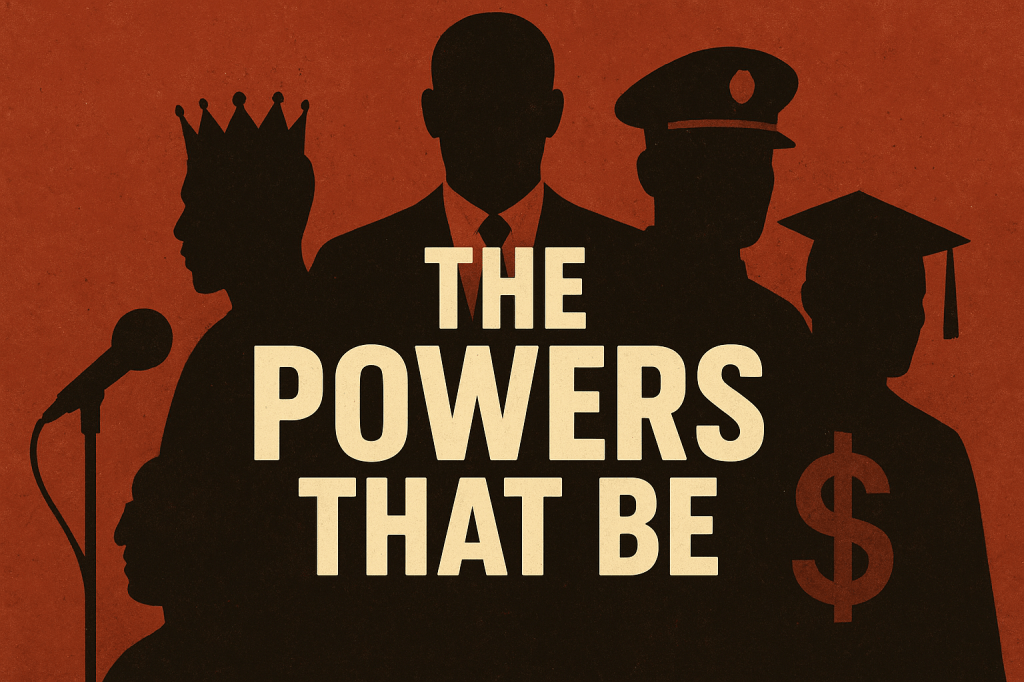
Who Are the Powers That Be?

The question “Who are the powers that be?” stretches beyond casual curiosity; it is a theological, historical, and sociopolitical inquiry that reveals how authority functions in the seen and unseen realms. Throughout Scripture and human history, “the powers that be” refer to those forces—spiritual and earthly—that shape societies, influence human behavior, and govern the direction of nations. Understanding these powers is essential for discerning justice, oppression, liberation movements, and the spiritual battles believers face daily.

In the biblical world, authority is never viewed as random or accidental. Romans 13:1 teaches that “the powers that be are ordained of God,” signaling that all structure in the world, whether righteous or corrupted, sits under divine sovereignty. Yet Scripture also warns that earthly authority can become distorted when leaders reject righteousness. Pharaoh, Nebuchadnezzar, and Herod stand as reminders that political power can be manipulated for the harm of the vulnerable. These opposing realities—divine order and human corruption—frame the ongoing tension around who truly holds power.

Afrocentric & Hebraic–Israelite Perspective)

The question “Who are the powers that be?” resonates deeply within the collective memory of African-descended people and the biblical heritage of the scattered Israelites. It is more than a political inquiry—it is a spiritual and historical decoding of how ruling forces have shaped the destiny, identity, and suffering of Black people across generations. Through an Afrocentric and Hebraic-Israelite lens, the “powers that be” refer not only to governments and institutions but also to empires, spiritual hierarchies, colonial systems, and prophetic cycles that influence the lives of the chosen people.

Scripture presents authority as both divine and contested. Romans 13:1 states that “the powers that be are ordained of God,” indicating that rulers operate within the boundaries of divine sovereignty. Yet throughout the Bible, oppressive rulers—from Pharaoh to Nebuchadnezzar—were permitted to rise as instruments of judgment or refinement for Israel. This pattern echoes across African diaspora history, where colonial powers, enslavers, and Western institutions wielded authority that reshaped nations and scattered peoples. In this reading, oppression becomes a sign not of abandonment but of prophecy unfolding.

A Hebraic-Israelite interpretation identifies the descendants of the transatlantic slave trade as the children of Israel under the curses of Deuteronomy 28. Here, “the powers that be” become the nations that rose to dominance through slavery, colonization, and exploitation of African bodies and labor. Their economic and political power reflected the biblical warning that Israel would become “a proverb and a byword” among all nations (Deut. 28:37). The systems that oppressed Black people were not random; they were part of a prophesied cycle of captivity that marked Israel’s disobedience and exile.

From an Afrocentric perspective, the phrase “powers that be” includes empires that rewrote African history, erased indigenous spiritual knowledge, and dismantled pre-colonial civilizations. West African societies such as Mali, Ghana, Songhai, and Dahomey once possessed enormous wealth, governance systems, and spiritual sophistication. Yet Western powers wielded military technology, religious propaganda, and economic manipulation to dominate African nations. This manufactured dominance became codified into racist ideologies, leading to centuries of systemic oppression that still persists today.

The Bible reveals that human rulers rarely operate alone; they are influenced by spiritual principalities. Ephesians 6:12 identifies an unseen hierarchy—principalities, powers, rulers of darkness—that governs nations and institutions. Hebraic-Israelite thinkers see these spiritual forces working behind political systems that uphold white supremacy, capitalism, and global inequality. These powers influence legislation, policing, education, media, and economic policy. Their purpose is to perpetuate cycles of captivity and confusion among Israel, preventing awakening, unity, and cultural restoration.

Modern institutions—banks, corporations, governments, and entertainment industries—become extensions of these powers. They shape reality, dictate beauty standards, control narratives, and reinforce hyper-consumerism. For Black people, these institutions have historically limited access to wealth and visibility while exploiting creative labor, natural resources, and cultural expression. This manipulation mirrors ancient Israel’s frequent confrontation with foreign empires—Egypt, Assyria, Babylon, Rome—whose political dominance flowed from spiritual corruption and divine timing.

Understanding who the powers that be truly are also requires revisiting the question of identity. Since the transatlantic slave trade, Western systems have deliberately obscured Black people’s heritage, stripping them of language, history, and spiritual lineage. The power to define identity is one of the greatest tools of domination. Hebraic-Israelite thought argues that reclaiming biblical identity is an act of liberation from these powers. It breaks psychological chains and restores dignity, purpose, and covenant consciousness.

Yet spiritual awakening does not eliminate the reality of earthly oppression. Even in Scripture, Israel endured captivity while maintaining divine identity. Daniel served in Babylon, Joseph in Egypt, and Esther under Persia. Each navigated hostile systems while remaining loyal to their heritage and God’s law. These examples suggest that the children of Israel can survive and even flourish within oppressive structures without losing sight of their calling.

Afrocentric and Hebraic readings converge on one truth: the powers that be are temporary. Empires rise and crumble, and spiritual forces eventually face divine judgment. Psalm 2 depicts earthly rulers plotting in vain against God’s anointed. Isaiah 14 describes the fall of oppressive kings. Revelation portrays the collapse of global systems that exploit nations and traffic in human souls. These texts speak directly to the suffering of Black people and signal the approaching reversal of centuries of oppression.

Discernment becomes essential. People who understand the powers that be can resist manipulation, challenge false narratives, and restore cultural and spiritual identity. Hebraic-Israelite consciousness empowers individuals to see their history as prophecy, not coincidence, and to recognize their place in a divine timeline where suffering is followed by restoration.

Ultimately, “the powers that be” include earthly rulers, spiritual hierarchies, and societal systems that shape global order. But the highest power remains Yah, the Most High, who sets up kings and removes them. For the children of Israel, awakening to this truth brings clarity and courage. It affirms that while earthly powers influence circumstances, they do not define destiny. The Most High determines the rise and fall of nations, the liberation of His people, and the restoration of their identity.

This understanding transforms how Afrocentric and Israelite communities interpret history, engage society, and prepare for the future. It calls for unity, spiritual discipline, and cultural reclamation. And it reminds the dispersed descendants of Israel that although they live under the powers that be, they are ultimately governed by the Power who will be.

Historically, “the powers that be” include monarchies, empires, colonial rulers, slaveholders, corporate elites, political structures, and Western institutions that have shaped global culture. For Black communities across the African diaspora, the phrase carries a specific resonance: it evokes memories of transatlantic slavery, segregation, racial hierarchy, and the global systems that still dictate access to wealth, resources, education, and justice. The legacy of these powers still influences economic inequality, policing, healthcare disparities, and the psychological narrative of inferiority imposed upon people of African descent.

In the spiritual realm, Scripture reveals that “principalities, powers, and the rulers of the darkness of this world” (Ephesians 6:12) exert influence over nations and institutions. These are unseen forces—spiritual systems—that inspire human rebellion, pride, violence, and the oppression of the vulnerable. Thus, “the powers that be” cannot be understood solely by looking at governments or corporations; one must also acknowledge the spiritual forces working behind them. The Bible presents a cosmic hierarchy that affects the social one.

Christians are reminded that earthly power is temporary. empires rise and fall, yet God’s kingdom remains unmoved. This is why believers are commanded to use discernment when interacting with the world’s systems. Scripture calls followers to “test the spirits” (1 John 4:1), recognize injustice, and speak truth to power like the prophets of old. Jeremiah, Isaiah, Amos, and Micah consistently challenged kings and rulers whose policies harmed the poor and distorted justice. Their example teaches that righteous authority protects, while corrupt authority oppresses.

In a modern context, “the powers that be” show up in quieter but equally impactful ways: media conglomerates that shape public opinion, financial institutions that determine generational wealth, political systems that allocate justice unevenly, and cultural forces that define beauty, morality, and success. These powers manifest in boardrooms, legislative chambers, digital algorithms, and economic structures that influence billions daily. They are not always elected, visible, or accountable—yet they hold extraordinary influence over human behavior.

For Black communities, the question of power is also a question of identity. Who holds the authority to define history, culture, and truth? For centuries, Western powers controlled the narrative—portraying African civilizations as primitive, erasing contributions to science and theology, and distorting biblical imagery. Recovering historical truth becomes an act of resistance against such powers. This reclamation aligns with biblical themes of remembering one’s heritage and refusing to accept distorted versions of identity imposed by oppressive systems.

Yet Scripture consistently points to a higher truth: while human powers influence the world, they do not define destiny. Even in times of captivity—whether Babylonian exile or transatlantic slavery—God preserved remnants, elevated leaders, and overturned systems. Moses confronted Pharaoh. Esther confronted Haman. Daniel outlasted empires. Christ confronted the religious and political powers of His day. Each represents divine disruption against unjust authority.

Understanding “the powers that be” also requires humility, because human beings—even the righteous—can misuse authority. Power tests character. It magnifies motives. It exposes hidden pride. This is why Jesus taught that true greatness is found in service, not domination (Mark 10:42–45). Power divorced from righteousness becomes tyranny, but power rooted in God’s truth becomes protection, leadership, and justice.

Ultimately, “the powers that be” include three interconnected realms: spiritual authority, human governance, and cultural influence. These realms interact constantly, shaping laws, social norms, and moral direction. The believer’s task is not to fear these powers but to understand and navigate them wisely. Knowledge of spiritual warfare, historical truth, political awareness, and personal discernment empowers individuals to stand firm in a world influenced by both visible and invisible forces.

Christ’s resurrection demonstrates that no earthly or spiritual power can override God’s authority. His victory disarmed principalities (Colossians 2:15) and established a kingdom that outlasts every empire. This kingdom invites believers to walk in purpose, justice, and spiritual clarity even while living within earthly systems. Thus, the answer to the question “Who are the powers that be?” is layered, complex, and deeply spiritual. It reminds us that while power shapes the world, God shapes destiny.

The believer must remain watchful, prayerful, discerning, and courageous. Understanding the powers that be allows one to resist manipulation, recognize injustice, reclaim identity, and align with the higher authority of God’s kingdom. In every generation, those who understand power can transform communities and challenge systems that were designed to oppress. And ultimately, true power belongs not to governments or institutions, but to the One who reigns over heaven and earth.


References

Holy Bible, King James Version. (1769/2017). Cambridge University Press.

Paul, R. (2010). The politics of power and authority in biblical literature. Journal of Ancient Studies, 22(3), 145–162.

Sloan, T. (2018). Spiritual warfare and the unseen realm: A theological exploration. Christian Academic Press.

Williams, C. (2016). Race, empire, and systems of power: Understanding historical oppression. Diaspora Research Review, 14(2), 89–112.

Wright, J. (2020). The powers that be: Government, empire, and the kingdom of God. Theological Horizons, 7(1), 33–57.


Divided Shades: The Truth About Mixed Race Identity, Color Hierarchies, and Biblical Unity.

This photograph is the property of its respective owner. No copyright infringement intended.

The conversation surrounding mixed-race identity—especially within the African diaspora—is layered with history, psychology, and theology. To understand its roots, one must trace the origins of racial mixing to colonialism and slavery. During the transatlantic slave trade, European men often exploited enslaved African women, creating generations of mixed-race offspring who were caught between two worlds—belonging fully to neither. These children were used to reinforce racial hierarchies, as their lighter skin often afforded them privileges denied to darker-skinned Africans. The complex legacy of this division continues to shape how mixed-race individuals view themselves and how they are perceived within Black communities.

The origin of mixed-race identity in the Black context is deeply tied to oppression rather than equality. Colonial societies created rigid racial classifications such as “mulatto,” “quadroon,” and “octoroon,” assigning social worth based on proximity to whiteness. This system, known as colorism, weaponized phenotype to maintain control and discord among African-descended people. The lighter one’s skin, the closer they were deemed to “civilization.” Such hierarchies fractured unity among the enslaved, fulfilling the divide-and-rule tactics of white supremacy.

This historical divide evolved into a psychological wound. Many mixed-race individuals internalized superiority due to their European features, while darker-skinned individuals were conditioned to associate beauty, intelligence, and worth with lightness. This perpetuated a silent competition within the Black community, where acceptance often hinged on color rather than character. The psychological scars of colonial classification still bleed into modern Black relationships, culture, and self-perception.

The Bible, however, dismantles all forms of racial hierarchy. Acts 17:26 declares, “And hath made of one blood all nations of men for to dwell on all the face of the earth” (KJV). Scripture affirms that all humanity shares a divine origin—therefore, racial superiority or inferiority is antithetical to God’s design. The divisions birthed from slavery and colonialism are not of God but of man’s rebellion and pride.

Mixed-race identity, while historically exploited, also symbolizes resilience. Despite the injustices of their conception, mixed descendants are living testimonies of survival. Yet, the question remains: how do mixed-race individuals navigate a world that often demands they “choose a side”? Many experience rejection from both Black and white communities—too light for one, too dark for the other. This dual rejection can lead to identity confusion and emotional isolation, especially when racial loyalty becomes politicized.

The treatment of darker-skinned Black people by some mixed-race individuals reflects internalized colonial psychology. Proximity to whiteness can unconsciously breed bias, leading to elitism, exclusion, or disdain toward darker skin tones. This phenomenon, known as color stratification, still affects employment, dating, and media representation. It is a modern manifestation of an ancient wound. James 2:9 warns, “But if ye have respect to persons, ye commit sin, and are convinced of the law as transgressors” (KJV). Partiality based on appearance, therefore, is sin before God.

The internal division among Black people undermines collective progress. While society benefits from multiculturalism, the unresolved trauma surrounding mixed identity can perpetuate division rather than unity. Instead of bridging gaps, colorism often reinforces hierarchies of beauty and worth. This spiritual fracture hinders the restoration of Black dignity and solidarity.

Interracial marriage—another byproduct of global migration and cultural exchange—has long sparked theological debate. Some interpret biblical passages as forbidding such unions, yet the KJV Bible does not condemn marriage between races. Rather, it forbids unions that lead believers into idolatry or disobedience to God’s law (Deuteronomy 7:3–4). The issue is not color but covenant. When two people of different races unite under Christ, their marriage honors God’s design for love and unity, transcending the artificial barriers of race.

Nevertheless, interracial relationships carry historical complexities. In societies still healing from racism, these unions can trigger deep emotions, from resentment to fascination. For some Black individuals, seeing interracial relationships—particularly between Black men and white women—can resurrect feelings of rejection and devaluation. This stems not from hate but from historical pain: the centuries-long erasure of Black women’s beauty and humanity.

The modern glorification of mixed-race aesthetics—curly hair, light skin, ambiguous features—continues to marginalize darker-skinned individuals. Media representation often reinforces this bias, promoting “safe” versions of Blackness that appeal to white audiences. This selective visibility diminishes the diversity of Black beauty. Psalm 139:14 reminds us, “I will praise thee; for I am fearfully and wonderfully made.” God crafted all shades of melanin with divine intent; none are superior or inferior in His sight.

Spiritually, division based on color mirrors the sin of pride. Lucifer himself was cast down for exalting his image above God’s (Isaiah 14:12–15). When human beings exalt lighter skin as “better,” they mirror that same rebellion—valuing creation over Creator. True healing requires repentance from color-based idolatry and a return to divine order, where love, not lightness, defines worth.

The social consequences of colorism within the Black community are profound. Darker-skinned individuals often experience higher rates of discrimination, lower marriage rates, and underrepresentation in leadership. Meanwhile, mixed-race or lighter-skinned individuals may face resentment, misunderstanding, or pressure to “prove” their Blackness. This dynamic fosters tension rather than unity, perpetuating what psychologist Beverly Tatum (1997) calls “intra-racial racism.”

Yet, the gospel calls for reconciliation. Galatians 3:28 declares, “There is neither Jew nor Greek… for ye are all one in Christ Jesus.” The identity of the believer transcends color and heritage. The Church must model this unity, teaching that racial hierarchy is sin and diversity is divine. The mixed-race believer, in particular, carries a sacred opportunity to embody this unity—to be a living testimony that God’s kingdom is multiethnic, yet singular in spirit.

Understanding mixed-race identity through a biblical lens helps dismantle shame and confusion. The enemy thrives in division, but Christ restores wholeness. He redeems what history distorted. The color of one’s skin should never define one’s closeness to God or one’s acceptance among brethren. As 1 Samuel 16:7 teaches, “Man looketh on the outward appearance, but the Lord looketh on the heart.”

Interracial marriages, when rooted in faith, symbolize the redemption of divided bloodlines. What once resulted from oppression can now become a covenant of healing. When two races unite under Christ, they testify that love conquers hatred and unity conquers prejudice. Such unions must, however, remain spiritually grounded to resist cultural pressures and ancestral wounds.

It is vital for mixed-race individuals and interracial couples to understand their spiritual assignment. They are not just participants in diversity—they are vessels of reconciliation. Their existence challenges centuries of division and calls all people back to the biblical truth of shared creation. Their journey, however, requires humility, empathy, and active rejection of color-based superiority.

The Black community must also embrace healing by confronting internalized colorism. This begins with education, love, and scriptural truth. The hierarchy of skin tone must be replaced with the hierarchy of virtue. Proverbs 22:2 reminds us, “The rich and poor meet together: the Lord is the maker of them all.” Similarly, light and dark meet in the Creator’s palette, both radiant in His image.

Ultimately, the evolution of mixed-race identity is a spiritual parable. What began in exploitation can end in redemption. What once divided can now unite. The challenge lies in uprooting the psychological residue of slavery and reestablishing identity upon divine truth.

In God’s kingdom, there are no “half” identities—only whole souls. Every shade, feature, and lineage is crafted for His glory. The world divides by pigment, but Heaven unites by purpose. Revelation 7:9 envisions a multitude “of all nations, and kindreds, and people, and tongues, stood before the throne.” This is the divine end of racial confusion—oneness in the presence of the Creator, where all colors reflect His light perfectly.


References (KJV Bible)
Acts 17:26; Deuteronomy 7:3–4; 1 Samuel 16:7; Proverbs 22:2; Psalm 139:14; Isaiah 14:12–15; James 2:9; Galatians 3:28; Romans 10:12; 1 Corinthians 12:13; Revelation 7:9.

Scholarly References
Tatum, B. D. (1997). Why Are All the Black Kids Sitting Together in the Cafeteria? Basic Books.
Hunter, M. (2007). The Persistent Problem of Colorism: Skin Tone, Status, and Inequality. Sociology Compass, 1(1), 237–254.
Russell, K., Wilson, M., & Hall, R. (1992). The Color Complex: The Politics of Skin Color Among African Americans. Anchor Books.
Ifekwunigwe, J. (2004). Mixed Race Studies: A Reader. Routledge.

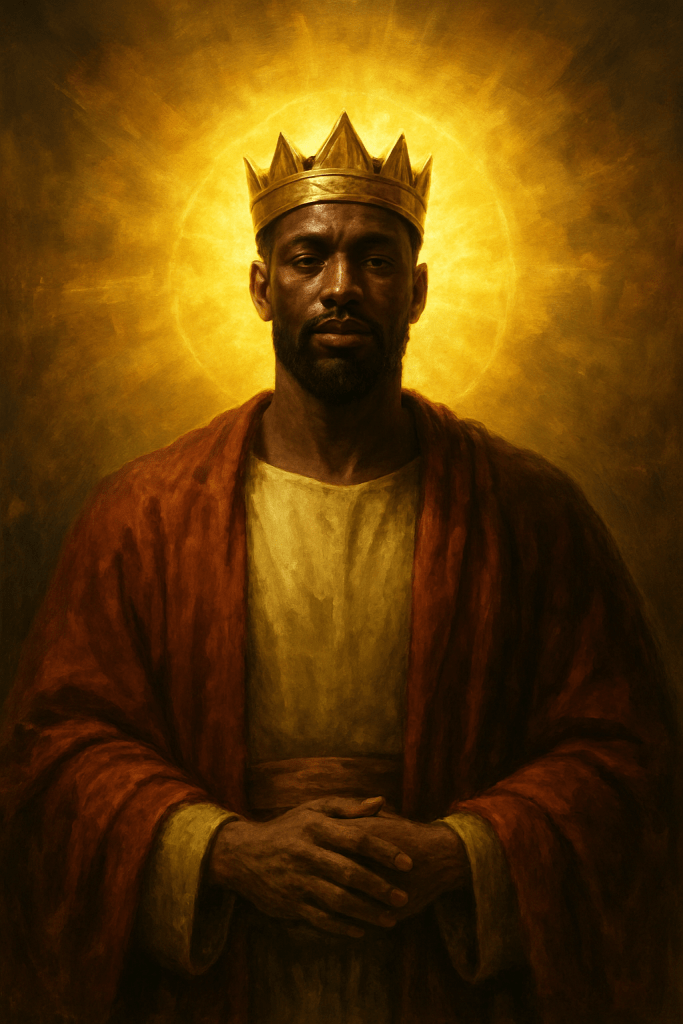
The Male Files: The Soul of a King

In a world that often diminishes the spiritual authority and divine design of manhood, the soul of a king stands as both a mystery and a mandate. The King, in biblical and spiritual context, represents more than status—he embodies stewardship, wisdom, and submission to the will of God. To understand the soul of a king is to look beyond the crown and into the inner workings of purpose, identity, and divine responsibility. Scripture reminds us that true kingship is not measured by dominance or wealth, but by righteousness and humility. As Proverbs 16:12 declares, “It is an abomination to kings to commit wickedness: for the throne is established by righteousness” (KJV).

A king’s soul must be anchored in divine order. He is not self-appointed but chosen by God for leadership, both in his home and his community. David, the shepherd who became Israel’s greatest king, was anointed long before he ascended the throne. His kingship began in obscurity, formed through worship and warfare in the fields (1 Samuel 16:13). This reveals a spiritual truth: kings are forged in secret before they are revealed in public. The soul of a king must first learn servanthood before exercising dominion.

The greatest danger to any man’s kingship is pride. When the soul exalts itself above God, authority becomes corrupted. King Saul’s fall serves as a solemn warning that disobedience and ego can strip a man of divine favor. As 1 Samuel 15:23 states, “For rebellion is as the sin of witchcraft, and stubbornness is as iniquity and idolatry” (KJV). The soul of a king must therefore remain teachable, repentant, and obedient to the voice of God, lest his throne become his prison.

A true king governs not only others but himself. He rules over his emotions, his impulses, and his tongue. Proverbs 25:28 warns, “He that hath no rule over his own spirit is like a city that is broken down, and without walls” (KJV). The disciplined soul becomes a fortress of stability in a chaotic world. Kingship without self-control leads to ruin, but kingship with restraint establishes peace within and around.

The soul of a king is also a soul of service. Christ, the King of Kings, modeled leadership through humility and sacrifice. In Matthew 20:28, He declared, “The Son of man came not to be ministered unto, but to minister, and to give his life a ransom for many” (KJV). The essence of spiritual royalty lies in serving others with love, compassion, and justice. A king who refuses to serve cannot sustain his rule, for service is the foundation of divine leadership.

A king’s wisdom is his crown. Solomon prayed not for riches or victory, but for understanding. His request pleased the Lord, who granted him both wisdom and prosperity (1 Kings 3:9–13). This teaches that a king’s greatness flows from his ability to discern the will of God. The soul of a king listens more than it speaks, meditates before it acts, and seeks counsel before making decisions.

The heart of a king must also be tender toward the people. David’s compassion for his soldiers and his grief over Absalom’s rebellion show that true kingship carries emotional weight. The soul of a king is not hardened by power but softened by empathy. He feels deeply, yet governs wisely. His strength lies in his balance—firm in justice, but rich in mercy, reflecting God’s own heart.

Righteous kingship demands spiritual warfare. Every true king faces opposition, not only from the external world but from the unseen realm. The adversary seeks to dethrone men from their spiritual position through temptation, lust, and pride. Yet the armor of God remains his defense. As Ephesians 6:11 instructs, “Put on the whole armour of God, that ye may be able to stand against the wiles of the devil” (KJV). The soul of a king must be battle-ready, clothed in faith and truth.

The anointed man’s path is often lonely. Isolation refines the king’s character and tests his endurance. In moments of solitude, he learns to hear the whisper of the Spirit, as Elijah did in the wilderness (1 Kings 19:12). The king’s solitude is not abandonment but preparation. God hides His chosen ones before revealing their destiny.

Kingship is not inherited by blood alone but by covenant. Every man who walks in faith becomes part of a royal priesthood (1 Peter 2:9). This means that kingship is not about title or throne, but about alignment with God’s will. The modern man, therefore, is called to rule with integrity in his sphere—whether as father, husband, leader, or mentor. His throne is wherever his obedience to God establishes dominion.

The soul of a king must be anchored in humility. The world teaches men to boast, but Scripture reminds them to kneel. In Micah 6:8, the prophet writes, “What doth the Lord require of thee, but to do justly, and to love mercy, and to walk humbly with thy God?” (KJV). The posture of humility attracts divine favor and guards the king from self-destruction.

Every king must also confront his inner wounds. Generational trauma, fatherlessness, and societal rejection often leave men broken beneath their crowns. Yet healing is the key to righteous rule. Psalm 34:18 declares, “The Lord is nigh unto them that are of a broken heart; and saveth such as be of a contrite spirit” (KJV). A healed soul becomes a vessel of restoration for others.

A true king leads his family with love and spiritual vision. His leadership begins in the home, where his example shapes generations. Ephesians 5:23 affirms, “For the husband is the head of the wife, even as Christ is the head of the church” (KJV). Yet this headship is not tyranny; it is sacrificial love, mirroring Christ’s devotion to the Church.

The king’s relationship with God defines his reign. His prayer life is his strategy, his worship is his weapon, and his faith is his fortress. Without intimacy with God, his crown becomes heavy and his vision fades. Psalm 27:4 captures the king’s longing: “One thing have I desired of the Lord… that I may dwell in the house of the Lord all the days of my life” (KJV).

The soul of a king must also learn forgiveness. Unforgiveness poisons authority and corrupts purpose. Joseph, though betrayed by his brothers, forgave and ruled with compassion (Genesis 50:20). Forgiveness is the hallmark of a matured king—it signifies mastery over bitterness and alignment with divine mercy.

A righteous king uplifts the poor and defends the oppressed. His rule extends justice, not exploitation. Proverbs 29:14 teaches, “The king that faithfully judgeth the poor, his throne shall be established forever” (KJV). The true measure of a man’s kingship lies not in his wealth but in his compassion.

The soul of a king must remain teachable under divine authority. Even King David, though anointed, sought the counsel of prophets and priests. This humility preserved his throne and renewed his heart. Every king who submits to God’s Word ensures that his rule endures beyond his lifetime.

Kingship also demands accountability. A man’s power must be checked by moral principle and spiritual discipline. Without accountability, authority becomes abuse. Nathan’s rebuke of David (2 Samuel 12:7) illustrates that even kings must be corrected. True strength lies not in being above reproach, but in receiving it with wisdom.

The soul of a king is eternal. Earthly crowns tarnish, but spiritual legacy endures. When a man governs with love, integrity, and truth, he becomes a reflection of the eternal King, Christ Himself. His rule transcends generations, shaping destinies long after his physical reign has ended.

Ultimately, the soul of a king is a heart surrendered to God. His purpose is not to be worshipped, but to worship; not to rule alone, but to reflect divine rulership on earth. The world needs such kings—men of valor, humility, and faith—who will rise in righteousness and restore the moral order of nations. For as Revelation 19:16 declares, “He hath on his vesture and on his thigh a name written, KING OF KINGS, AND LORD OF LORDS” (KJV).


References (KJV Bible)
1 Samuel 15:23; 1 Samuel 16:13; 1 Kings 3:9–13; 1 Kings 19:12; 2 Samuel 12:7; Ephesians 5:23; Ephesians 6:11; Genesis 50:20; Micah 6:8; Matthew 20:28; Psalm 27:4; Psalm 34:18; Proverbs 16:12; Proverbs 25:28; Proverbs 29:14; Revelation 19:16; 1 Peter 2:9.

Choosing Us: The Revival of Black Marriage.

Black marriage has long stood at the crossroads of love, resistance, and survival. From the earliest days of forced separation under chattel slavery to modern pressures of economic instability and cultural fragmentation, the Black marital union has endured extraordinary strain. Yet within that history lies an unbroken desire to choose one another intentionally, to build family in the face of systems designed to dismantle it.

Choosing us is not merely a romantic sentiment; it is a conscious decision rooted in self-worth, discipline, and vision. For Black couples, marriage has never existed in a vacuum. It has always been a complex blend of politics, spirituality, and community. To choose marriage is to choose stability in a world that often profits from Black disunity.

Historically, Black marriages were disrupted by laws that denied enslaved people legal recognition of their unions. Families were torn apart, spouses sold away, and children separated, creating generational trauma that still echoes today. The legacy of these disruptions continues to influence trust, attachment, and expectations within modern relationships.

Despite these historical assaults, Black love persisted. Enslaved people formed unions through ritual, prayer, and communal witness, proving that marriage is more than paperwork. It is a covenant. That same spirit of covenant remains essential for the revival of Black marriage in the present day.

The modern decline in marriage rates among Black Americans is often discussed without adequate historical context. Economic disenfranchisement, mass incarceration, educational inequality, and media narratives that devalue Black family life have all contributed to relational instability. These are not moral failures but structural realities.

Still, revival is possible because Black marriage has always adapted. Revival begins when couples reject deficit narratives and instead center healing, communication, and accountability. Choosing us means refusing to internalize stereotypes that portray Black men as absent or Black women as unlovable or overly independent.

At its core, marriage thrives on intentionality. Intentional Black marriage requires emotional literacy, financial transparency, and spiritual grounding. It asks partners to confront personal wounds rather than project them onto one another. Healing the self becomes an act of love toward the union.

Faith traditions have historically played a vital role in sustaining Black marriages. Biblical teachings frame marriage as a covenant rather than a contract, emphasizing commitment, sacrifice, and mutual respect. Scriptures such as Ecclesiastes 4:12 highlight strength in unity, reinforcing the spiritual dimension of partnership.

The revival of Black marriage also requires redefining gender roles beyond oppression and resentment. Healthy unions are not built on domination but on cooperation. When leadership is understood as service and submission as mutual respect, marriages become spaces of safety rather than a power struggle.

Economic collaboration remains a cornerstone of marital stability. Historically, Black couples pooled resources to survive exclusion from wealth-building opportunities. Today, financial literacy, shared goals, and cooperative economics remain essential tools for sustaining long-term partnerships.

Communication is another critical pillar. Many couples inherit silence as a coping mechanism, passed down from generations that endured trauma without space to process it. Revival demands emotional honesty, active listening, and the courage to address conflict constructively.

Community support further strengthens marriages. In earlier generations, extended family, churches, and neighborhoods reinforced accountability and offered guidance. Rebuilding communal investment in marriage helps counter isolation and provides models of healthy partnership.

Media representation also matters. The overexposure of dysfunctional relationships distorts expectations and normalizes instability. Highlighting examples of enduring Black love restores hope and provides cultural counter-narratives rooted in reality rather than spectacle.

The revival of Black marriage is inseparable from healing masculinity and femininity. Black men must be allowed space to express vulnerability without shame, and Black women must be freed from narratives that demand strength at the expense of softness. Balance nurtures intimacy.

Choosing us also means choosing patience. Many couples rush into commitment without preparation, while others avoid commitment out of fear. Revival calls for intentional courtship, premarital counseling, and spiritual discernment before union.

Marriage is not a cure-all, but it is a stabilizing force when entered wisely. Research consistently links healthy marriages to improved outcomes for children, including emotional security and academic achievement. These benefits ripple across generations.

The children of strong Black marriages witness cooperation, respect, and resilience modeled daily. They learn conflict resolution not through chaos but through example. In this way, marriage becomes both personal and revolutionary.

Revival does not mean returning to outdated ideals that ignored abuse or silenced women. True revival embraces justice, safety, and mutual flourishing. Love that harms is not covenant; love that heals is.

Ultimately, choosing us is an act of faith. It is believed that Black love is worthy of protection, investment, and celebration. It is choosing partnership over fear and unity over fragmentation.

The revival of Black marriage begins one couple at a time. When two people choose healing, accountability, and covenant, they defy history’s wounds and create new legacies. In choosing us, Black couples choose a future rooted in love, stability, and hope.


References

Cherlin, A. J. (2010). The marriage-go-round: The state of marriage and the family in America today. Knopf.

Coates, T.-N. (2015). Between the world and me. Spiegel & Grau.

Frazier, E. F. (1939). The Negro family in the United States. University of Chicago Press.

Hill, R. B. (1999). The strengths of Black families (2nd ed.). University Press of America.

Pew Research Center. (2020). Marriage and cohabitation in the U.S.

Stanley, S. M., Markman, H. J., & Whitton, S. W. (2002). Communication, conflict, and commitment: Insights on the foundations of relationship success. Journal of Family Psychology, 16(4), 659–675.

The Holy Bible, King James Version. (1611/1987). Cambridge University Press.

Wilcox, W. B., & Wolfinger, N. H. (2016). Soul mates: Religion, sex, love, and marriage among African Americans and Latinos. Oxford University Press.

Black Thought Collective

The intellectual and cultural contributions of Black people, when examined collectively, form a rich tapestry of thought that spans centuries, continents, and disciplines. The Black Thought Collective is not merely an academic exercise—it is a recognition of the shared consciousness, resilience, and creative genius of people of African descent. It encompasses reflections on freedom, justice, identity, spirituality, culture, and social responsibility, offering a lens through which the world can better understand the Black experience.

Historical Foundations of Black Thought

Black intellectual thought has deep roots, stretching from African kingdoms and philosophical traditions to the African diaspora. Scholars such as W. E. B. Du Bois articulated the dual consciousness of being Black in a world dominated by Eurocentric norms, highlighting the tensions of identity, freedom, and self-perception (Du Bois, 1903). Similarly, Carter G. Woodson emphasized the importance of education and historical knowledge in combating systemic oppression (Woodson, 1933). These early foundations established the principle that Black people’s collective reflection is not only valid but essential for social transformation.

Resistance and Liberation in Thought

Black thought is often forged in the crucible of struggle. From the era of slavery to the modern civil rights movement, Black intellectuals and activists have confronted oppression with innovative strategies and visionary ideas. The writings of Du Bois (1999) on Reconstruction, the activism of Frederick Douglass, and the political philosophy embedded in contemporary movements like #BlackLivesMatter (Taylor, 2016) all demonstrate that Black thought functions as both critique and guide for collective liberation.

Cultural and Artistic Contributions

Art, music, literature, and philosophy serve as essential vessels of Black collective consciousness. Jazz, hip-hop, African oral traditions, and literary works by Toni Morrison, James Baldwin, and bell hooks articulate both the pain and the triumph of Black life. These cultural productions are not merely aesthetic; they are intellectual interventions, shaping social understanding and advancing discourse on identity, equity, and justice (hooks, 2000; Coates, 2015).

Contemporary Intellectual Discourse

Modern Black thought encompasses sociology, political theory, education, and philosophy. Scholars like Cornel West (2001) and Charles Mills (1997) interrogate the persistent effects of racial hierarchies, systemic injustice, and epistemic exclusion. Collectively, Black intellectuals challenge dominant paradigms, demanding recognition of structural inequities while proposing pathways to equity and collective flourishing (Glaude, 2016).

Spiritual and Moral Dimensions

Faith and spirituality have historically played a central role in shaping Black thought. The moral imperatives embedded in religious traditions—from African spiritual systems to Christianity—inform principles of justice, communal responsibility, and ethical leadership. Black thought consistently integrates the spiritual with the practical, emphasizing that liberation encompasses mind, body, and soul.

Intersectionality and Inclusivity

The Black Thought Collective is inherently intersectional. Gender, class, sexuality, and geographic location intersect with race to produce diverse perspectives within the collective. The insights of Black women intellectuals, including bell hooks and Kimberlé Crenshaw, underscore how multiple axes of oppression and identity inform nuanced understandings of justice and empowerment (hooks, 2000; Taylor, 2016).

Global Perspective

Black thought is not confined to the United States; it resonates across the African diaspora. Intellectuals from the Caribbean, Latin America, Europe, and Africa have contributed perspectives on colonization, migration, cultural identity, and global solidarity. Figures such as Frantz Fanon, Ngũgĩ wa Thiong’o, and Chimamanda Ngozi Adichie highlight the universal and adaptable nature of Black thought, bridging local experience with global consciousness.

Education and Knowledge Production

Education has been both a site of oppression and liberation. Black scholars have emphasized the production and dissemination of knowledge that centers Black experience, countering narratives imposed by colonial and Eurocentric institutions. Woodson’s advocacy for historically accurate education and contemporary calls for decolonized curricula continue this legacy (Woodson, 1933; Painter, 2010).

The Collective Mindset

The strength of Black thought lies in its collective nature. While individual thinkers contribute distinct perspectives, the synthesis of voices creates a holistic understanding of Black life, culture, and aspiration. This collective intelligence fosters resilience, innovation, and strategies for social, political, and cultural advancement.

Future Directions

Looking forward, the Black Thought Collective will continue to evolve. Emerging scholars, activists, and cultural creators are expanding the discourse to include technology, environmental justice, global health, and other contemporary challenges. By integrating historical insight with modern innovation, Black thought remains dynamic, relevant, and transformative.

Conclusion

The Black Thought Collective is a living testament to the intellectual, cultural, and spiritual vitality of Black people. It demonstrates that collective reflection is not merely academic but a vital tool for liberation, empowerment, and social change. Understanding and valuing these contributions is essential for a more just, equitable, and inclusive world. The collective wisdom of Black people offers profound insights into humanity, justice, and the ongoing pursuit of freedom.


References

Alexander, M. (2012). The new Jim Crow: Mass incarceration in the age of colorblindness. The New Press.

Coates, T.-N. (2015). Between the world and me. Spiegel & Grau.

Du Bois, W. E. B. (1903). The souls of Black folk. A. C. McClurg & Co.

Du Bois, W. E. B. (1999). Black reconstruction in America, 1860–1880. Free Press. (Original work published 1935)

Glaude, E. S., Jr. (2016). Democracy in Black: How race still enslaves the American soul. Crown Publishing Group.

hooks, b. (2000). Where we stand: Class matters. Routledge.

Mills, C. W. (1997). The racial contract. Cornell University Press.

Painter, N. I. (2010). The history of White people. W. W. Norton & Company.

Taylor, K.-Y. (2016). From #BlackLivesMatter to Black liberation. Haymarket Books.

West, C. (2001). Race matters. Beacon Press.

Woodson, C. G. (1933). The mis-education of the Negro. Associated Publishers.

Yancy, G. (2018). Black bodies, white gazes: The continuing significance of race in America. Rowman & Littlefield.

Narcissism Series: Workplace

Recognizing Toxic Leadership

Photo by fauxels on Pexels.com

Workplaces are meant to be spaces of collaboration, growth, and mutual respect. However, when narcissistic leaders dominate, these environments become breeding grounds for stress, manipulation, and fear. Narcissistic leaders often prioritize self-interest, control, and admiration over the well-being of their employees, undermining productivity and morale. Understanding how narcissism manifests in the workplace is essential for both employees and organizations.

Defining Workplace Narcissism

Workplace narcissism is characterized by leaders who display arrogance, entitlement, and a lack of empathy. These leaders manipulate, exploit, and often take credit for others’ work to reinforce their self-image. Narcissistic behavior in leadership can harm employees psychologically and emotionally, creating a toxic work culture.

The Traits of Narcissistic Leaders

Common traits include: excessive need for admiration, overconfidence, defensiveness, inability to accept criticism, and disregard for others’ contributions. They may micromanage, belittle employees, and make unilateral decisions to maintain control.

Psychological Impact on Employees

Employees under narcissistic leadership often experience anxiety, depression, burnout, and reduced job satisfaction. Trauma from chronic manipulation can lead to diminished self-esteem and impaired decision-making, impacting both professional and personal life.

Tactics Used by Narcissistic Leaders

Tactics include gaslighting, triangulation, favoritism, public humiliation, and setting unrealistic expectations. These behaviors create fear-based compliance rather than genuine motivation, eroding trust and cohesion within teams.

Gaslighting in the Workplace

Gaslighting occurs when leaders manipulate employees into questioning their own perceptions, memory, or judgment. This can cause confusion, self-doubt, and decreased productivity, while increasing the leader’s control over the narrative.

Triangulation Among Employees

Narcissistic leaders often pit employees against each other, creating rivalry and competition. By fostering tension, the leader maintains a central position of power and distracts from their own shortcomings or mistakes.

The Role of Favoritism

Favoritism reinforces the narcissist’s authority and divides employees. Selected individuals receive praise, promotions, or privileges, while others are marginalized. This dynamic undermines team morale and fuels resentment.

Recognizing Red Flags Early

Signs include lack of transparency, excessive self-promotion, blame-shifting, and inconsistent policies. Early recognition allows employees to protect themselves and seek support before emotional harm accumulates.

Biblical Perspective on Toxic Leadership

The Bible warns about leaders who are unjust or self-serving. Proverbs 29:2 (KJV) states, “When the righteous are in authority, the people rejoice: but when the wicked beareth rule, the people mourn.” Narcissistic leaders exemplify the dangers of selfish leadership that prioritizes pride over justice.

Impact on Workplace Culture

Toxic leadership creates a culture of fear, compliance, and secrecy. Employees may hide mistakes, avoid collaboration, and disengage, leading to reduced innovation, efficiency, and overall organizational health.

Dealing with Narcissistic Leaders

Employees must maintain professionalism while setting clear boundaries. Documenting interactions, limiting personal disclosures, and seeking support from HR or mentors can help protect emotional and professional well-being.

Therapeutic and Organizational Support

Counseling can help employees process workplace trauma and build resilience. Organizations should provide training on toxic leadership, establish reporting mechanisms, and enforce accountability to protect staff from abuse.

The Role of Emotional Intelligence

Developing emotional intelligence allows employees to navigate narcissistic leadership effectively. Recognizing manipulation, regulating emotions, and maintaining objectivity reduce vulnerability to psychological abuse.

Self-Care and Mental Health

Prioritizing mental health is critical. Practices such as mindfulness, exercise, therapy, and spiritual grounding help mitigate the stress caused by toxic leadership. Proverbs 17:22 (KJV) reminds us, “A merry heart doeth good like a medicine,” highlighting the importance of emotional well-being.

Exiting a Toxic Workplace

When boundaries and interventions fail, leaving the environment may be necessary. Career transitions should be planned strategically to ensure financial stability and emotional safety.

Educating Employees About Narcissism

Awareness is a powerful tool. Training employees to recognize narcissistic traits, manipulation tactics, and the effects of trauma bonding empowers them to make informed decisions and advocate for themselves.

Building Supportive Networks

Cultivating professional support networks provides validation, guidance, and protection. Trusted mentors, colleagues, and peer groups offer a buffer against the isolating tactics of narcissistic leaders.

Long-Term Healing and Professional Growth

Recovering from exposure to narcissistic leadership involves reflection, therapy, and rebuilding confidence. Employees can learn to establish healthier boundaries and seek environments that value collaboration, empathy, and integrity.

Conclusion

Narcissistic leaders inflict psychological, emotional, and organizational damage. Recognizing toxic behaviors, establishing boundaries, seeking support, and leaning on biblical wisdom are essential strategies for maintaining mental health and professional growth. By understanding these dynamics, individuals and organizations can foster workplaces rooted in respect, fairness, and accountability.


References

  • Määttä, M., & Uusiautti, S. (2020). Psychological manipulation and emotional abuse in narcissistic relationships. Journal of Human Behavior in the Social Environment, 30(4), 409–422.
  • Campbell, W. K., & Miller, J. D. (2011). The Handbook of Narcissism and Narcissistic Personality Disorder. Wiley.
  • King James Bible (1769). Authorized Version.
  • Forward, S. (1997). Emotional Blackmail: When the People in Your Life Use Fear, Obligation, and Guilt to Manipulate You. HarperCollins.
  • Carnes, P. (2019). Betrayal Bond: Breaking Free of Exploitive Relationships. Health Communications Inc.

Narcissism Series: The Silent Treatment — Psychological Starvation and Emotional Control.

Photo by Timur Weber on Pexels.com

The silent treatment is one of the most insidious and emotionally devastating tactics in the narcissist’s arsenal. It is a weapon of control, punishment, and psychological starvation that leaves its victims confused, anxious, and spiritually depleted. Whether in romantic relationships, family structures, or workplace dynamics, the silent treatment functions as a tool of dominance—one designed to manipulate emotions, induce guilt, and reinforce the narcissist’s superiority. This essay explores the silent treatment from both psychological and biblical perspectives, unveiling how silence can speak volumes in the language of emotional abuse.


The Psychology of Narcissistic Silence

The silent treatment is a calculated act of emotional withdrawal. It occurs when the narcissist deliberately ignores, avoids, or refuses communication with the target to punish or manipulate. According to Wachtel (2019), emotional withdrawal is a “form of psychological aggression that deprives the victim of validation and induces self-doubt.” Narcissists use silence not as a conflict-resolution strategy but as a means to control. It destabilizes the victim’s sense of security, making them desperate for reconciliation and approval.

For the narcissist, silence communicates supremacy. By withholding attention, they assert dominance, forcing the victim into emotional submission. This dynamic transforms relationships into psychological battlegrounds where love and approval must be earned through obedience.


Psychological Starvation: The Withholding of Emotional Nourishment

Human beings require emotional connection as much as physical sustenance. Just as starvation weakens the body, emotional deprivation weakens the spirit. The narcissist’s silence functions like starvation—it withholds affection, validation, and communication to reduce the victim to dependence.

In romantic relationships, this silence follows a cycle of love-bombing and devaluation. After flooding their partner with affection, the narcissist suddenly withdraws all warmth. This abrupt detachment creates a withdrawal effect similar to addiction, as described by Dutton and Painter (1981) in their study on traumatic bonding. Victims chase after the lost affection, believing they did something wrong, while the narcissist enjoys total emotional control.


The Power Play Behind Silence

The silent treatment is not passive; it is active aggression disguised as indifference. It conveys contempt, punishment, and rejection while allowing the narcissist to deny accountability. Kernberg (1975) explains that narcissists use devaluation and withdrawal to avoid vulnerability. Silence, then, becomes a form of power—a psychological message that says: “You are unworthy of my attention.”

In family or workplace settings, this behavior manifests through ostracism, exclusion, or ignoring others in meetings or social gatherings. It’s a form of psychological exile that attacks a person’s sense of belonging.


Spiritual Implications of the Silent Treatment

Biblically, silence can be holy when used for reflection or reverence before God (Psalm 46:10), but when wielded to harm, it becomes an act of pride and cruelty. Proverbs 18:19 (KJV) declares:

“A brother offended is harder to be won than a strong city: and their contentions are like the bars of a castle.”

The narcissist’s silence erects emotional barriers that mirror these “bars,” imprisoning relationships in division. Their silence mocks the very essence of love described in 1 Corinthians 13:4-5, which “is kind” and “seeketh not her own.”

In contrast, the narcissist’s silence “seeketh their own”—it weaponizes communication for self-glorification.


The Cycle of Silent Punishment

After a perceived slight, the narcissist retreats into silence, forcing the victim to obsess over what went wrong. This is followed by sudden re-engagement once the victim has apologized or submitted. The reappearance serves as “relief” and reinforces the power imbalance.

This intermittent reinforcement pattern—alternating silence with affection—creates emotional addiction (Skinner, 1953). The victim learns that peace depends on compliance, eroding their boundaries and self-respect.


The Silent Treatment in Romantic Relationships

In intimate partnerships, silence becomes an invisible leash. It begins subtly—missed calls, ignored texts, emotional coldness—and escalates to full emotional exile. The narcissist uses this withdrawal to provoke insecurity, jealousy, or guilt. Over time, the victim internalizes silence as a measure of worth, believing they must “earn” communication.

The emotional toll is devastating: anxiety, insomnia, and even physical illness can arise as the body responds to perceived abandonment (Porges, 2011). The narcissist’s silence thus becomes both emotional and physiological abuse.


The Silent Treatment in Families

Within families, narcissistic parents or siblings use silence to enforce control. A narcissistic mother may refuse to speak to her child for days after being questioned, or a manipulative sibling may ostracize another to turn relatives against them. The silence fractures familial bonds, creating anxiety and division that can last generations.

Scripture warns against such cruelty: Ephesians 6:4 (KJV) commands,

“Fathers, provoke not your children to wrath: but bring them up in the nurture and admonition of the Lord.”

The narcissist’s silence provokes wrath and despair—it nurtures confusion instead of love.


The Silent Treatment in the Workplace

In professional settings, narcissistic supervisors or coworkers may weaponize silence through exclusion, ignoring contributions, or withholding feedback. This behavior erodes morale and creates a hostile environment. It reflects the toxic hierarchy that defines narcissistic systems—where power depends on emotional control rather than competence.


The Manipulative Message Behind Silence

The unspoken message of the narcissist’s silence is: “I control when you exist in my world.” It is psychological erasure. The victim feels invisible and insignificant, which feeds the narcissist’s ego. This manipulation mirrors the serpent’s tactics in Genesis 3, where silence and deceit were used to confuse and isolate.

By refusing communication, the narcissist rewrites the moral landscape: wrong becomes right, and silence becomes superiority.


Biblical Contrast: God’s Silence vs. Narcissistic Silence

While God may allow silence for growth or testing (as with Job), His silence is never manipulative. It refines faith. The narcissist’s silence, in contrast, destroys faith—both in self and in others. Psalm 147:3 (KJV) assures,

“He healeth the broken in heart, and bindeth up their wounds.”

Detaching from narcissistic silence opens the door for divine healing, replacing toxic quiet with God’s stillness—one that restores rather than punishes.


The Emotional Fallout of the Silent Treatment

Victims of prolonged silent treatment experience psychological disorientation. They question their worth, replay events obsessively, and often develop symptoms akin to post-traumatic stress disorder (PTSD). Emotional starvation leads to cognitive dissonance—holding two contradictory beliefs: “They love me” and “They’re destroying me.”

This dissonance traps the mind in confusion, the very environment where the narcissist thrives.


Breaking Free: Recognizing Silence as Abuse

The first step in healing is naming the abuse. Society often dismisses the silent treatment as petty or immature, but research shows it to be a form of emotional violence (Williams, 2007). Recognizing this truth helps victims detach from guilt and see silence not as deserved punishment but as manipulation.


Reclaiming Emotional Power

Once identified, the victim must respond with detached strength—not pleading, not retaliating, but remaining emotionally grounded. Emotional detachment denies the narcissist their supply. Scripture encourages this stance: Proverbs 26:4 (KJV) warns,

“Answer not a fool according to his folly, lest thou also be like unto him.”

Refusing to engage is not surrender—it is wisdom.


The Role of Forgiveness and Boundaries

Forgiveness frees the soul, but boundaries protect it. True healing requires both. Forgiving the narcissist releases the internal poison of resentment, but re-engagement without boundaries reopens the wound. Matthew 10:16 (KJV) teaches,

“Be ye therefore wise as serpents, and harmless as doves.”

Wisdom discerns that silence can be deadly when used by the wrong hands.


Healing After the Silent Treatment

Healing requires re-establishing one’s voice and identity. Therapy, journaling, and spiritual reflection can help victims process pain and rediscover self-worth. The aim is not revenge but recovery—the restoration of inner peace stolen by psychological manipulation.

As survivors reconnect with their emotions, they begin to recognize that their worth is not dependent on anyone’s attention but rooted in divine affirmation (Psalm 139:14).


Emotional and Spiritual Restoration

Breaking the power of narcissistic silence means embracing God’s restorative stillness. Where the narcissist’s silence isolates, God’s silence invites intimacy. Through prayer, meditation, and Scripture, survivors learn to differentiate between human punishment and divine peace.

Isaiah 30:15 (KJV) proclaims,

“In quietness and in confidence shall be your strength.”

This “quietness” is not fear-driven silence—it is empowered calm born of healing and wisdom.


Conclusion: Silence Reclaimed

The narcissist’s silent treatment is psychological warfare disguised as detachment. It seeks to dominate by withholding love and communication. Yet, when victims learn to see silence through spiritual eyes, they reclaim it as sacred—not destructive.

To break free from narcissistic silence is to step into divine stillness, where peace replaces punishment, and truth dissolves confusion. In that holy quiet, the soul learns again to hear the voice of God, not the echo of manipulation.


References

  • Campbell, W. K., & Miller, J. D. (2011). The Handbook of Narcissism and Narcissistic Personality Disorder. John Wiley & Sons.
  • Dutton, D. G., & Painter, S. L. (1981). Traumatic Bonding: The Development of Emotional Attachments in Battered Women and Other Relationships of Intermittent Abuse. Victimology: An International Journal, 6(1–4), 139–155.
  • Kernberg, O. F. (1975). Borderline Conditions and Pathological Narcissism. Jason Aronson.
  • Porges, S. W. (2011). The Polyvagal Theory: Neurophysiological Foundations of Emotions, Attachment, Communication, and Self-Regulation. W.W. Norton & Company.
  • Skinner, B. F. (1953). Science and Human Behavior. Macmillan.
  • Wachtel, E. (2019). The Manipulative Silence: Understanding Psychological Withdrawal as Emotional Abuse. Psychology Today.
  • Williams, K. D. (2007). Ostracism: The Kiss of Social Death. Social and Personality Psychology Compass, 1(1), 236–247.
  • The Holy Bible, King James Version.

Dilemma: Police Harassment

Police harassment of Black Americans remains a pressing moral, social, and structural crisis in the United States. It is not limited to isolated incidents, but reflects recurring patterns of enforcement, disrespect, and disproportionate force, tied intimately to racialised histories and institutional practices. Understanding why this occurs demands engagement with racism, power, training, neighbourhood conditions, and the embedded culture of policing.

One reason police harassment happens with such frequency and racial skew is the legacy of racialised policing practices—rooted in slave patrols, segregation era policing, and the enforcement of racial hierarchy. These historical antecedents help explain why Black people are often treated as suspects, targets, or threats rather than equal citizens. The institutional memory of policing still carries layers of the “othering” of Black bodies.

Data show the disparity clearly. According to the Prison Policy Initiative, in 2022, Black people were over three times as likely as white people to experience the threat or use of force in their most recent police encounter. Prison Policy Initiative. The same dataset found that Black people reported higher rates of being handcuffed, searched, or having weapons used against them, even when controlling for initiation.

Another survey revealed that 42 % of African Americans said they personally experienced unfair treatment by police—being stopped, searched, questioned, physically threatened, or abused. Among those, 22 % reported such mistreatment in the past year. Equity in America. A separate poll found that 24 % of young Black adults reported being harassed by police, compared to significantly lower rates among whites. PBS

More dramatically, research from the Harvard T.H. Chan School of Public Health shows that Black Americans are approximately 3.23 times more likely than white Americans to be killed during a police encounter. Harvard Public Health. Meanwhile, a database from Statista indicates that in 2024 to November, there were 277 Black people killed by police in the U.S., at a rate of 6.2 per million, compared to 2.4 per million for white Americans. Statista

Why do so many officers harass Black people or treat them more harshly? There are several interacting factors: implicit and explicit racial bias, discretionary power in stops/searches/enforcement, law enforcement cultures that valorise control and suspicion, and the spatial realities of policing in predominantly Black communities. Research using smartphone data showed police presence is higher in Black neighbourhoods after controlling for density and crime—thus exposure alone increases the chance of harassment. arXiv

Police discretion plays a major role: when an officer stops an individual, the decision to search, question, or use force is shaped by perceptions of threat, compliance, demeanour—and research suggests that for Black individuals, this threshold is lower. A large‑scale study of state patrol stops found that Black drivers were stopped, searched, and arrested at higher rates than white drivers, controlling for many variables. arXiv

The institutional placement of many police forces in neighbourhoods with concentrated disadvantage and racial segregation exacerbates the dynamic. Black communities have historically been over‑policed, under‑resourced, and subject to environmental stressors—thus law enforcement becomes a vector of control rather than a partner of community safety. The deployment patterns, stop frequencies and local enforcement priorities all contribute to disparate harassment outcomes.

The role of racism is foundational. Racism doesn’t mean every officer consciously hates Black people, but it means the system of policing—and the broader criminal‐legal system—is structured in ways that devalue Black lives, normalise suspicion of Black persons, and grant officers broad latitude to treat Black bodies as less deserving of dignity. The repeated pattern of harassment, stops, searches, and use of force underscores this structural dimension.

Harassment is not just about physical force—it includes psychological stress, demeaning interaction, being treated like a criminal before any crime is committed, being over‐policed for minor infractions, and being more likely to have force used or threatened. The cumulative effect of multiple daily exposures to disrespect and coercion produces what some scholars call “racialised trauma”.

Consider the case of George Floyd. On May 25, 2020, George Floyd, a 46‑year‑old Black man, was arrested by the Minneapolis Police Department after being accused of using a counterfeit $20 bill. Officer Derek Chauvin, who is white, pressed his knee into Floyd’s neck for over nine minutes while Floyd was handcuffed and lying face down. Floyd repeatedly said he could not breathe. Al Jazeera+2PBS+2

Chauvin was found guilty on all charges—second‑degree unintentional murder, third‐degree murder, and second‐degree manslaughter—on April 20, 2021. PBS+1 He was later sentenced to 22.5 years in prison. Al Jazeera The case became a global symbol of police violence against Black people and sparked huge protests through the Black Lives Matter movement and beyond.

The Floyd case illustrates many of the themes of harassment: an officer treating a Black man as a threat, using excessive force, ignoring pleas of distress, and being held accountable only after overwhelming public outrage and video evidence. It reminds us that even when overt hatred may not be the driver, the system allows and legitimates harassment.

In analysing harassment, one must note that harassment in policing doesn’t just occur in fatal encounters. The bulk of harassment consists of non‑fatal stops, handcuffing, searches, threats of force, shouting and demeaning conduct. The 2022 Survey by the Bureau of Justice Statistics (via Prison Policy Initiative summary) found that Black people experienced enforcement actions in 18 % of street stops (versus 15 % for whites) and 8 % were searched or arrested (versus 6 % for whites). Prison Policy Initiative

Educationally and economically, the toll of police harassment is severe. Black individuals facing repeated policing are more likely to experience stress, distrust of legal institutions, disruption in job search or mobility, and negative health outcomes—including heightened risk of hypertension, mental‑health disorders and premature mortality. The linkage from harassment to broader life outcomes is increasingly recognised in social science.

From a theological perspective, the dignity of Black persons is undermined when harassment becomes routine. The imago Dei (Genesis 1:27) is ignored when state agents treat Black bodies as disposable or suspect. The prophetic tradition calling for justice (Isaiah 1, Amos 5) demands that the church and polity recognise and resist the systemic dehumanisation of Black people through police harassment.

In practical terms, addressing police harassment requires multi‑layered reform: changing officer training and culture; limiting discretionary stops, searches and use of force; increasing accountability and transparency; reducing over‑policing of Black neighbourhoods; empowering community oversight; and de‑racialising perceptions of threat. Structural changes must accompany individual reform.

The dilemma remains deeply stubborn because the system of policing is woven into larger economic, social, and racial structures: poverty, residential segregation, educational inequality and criminal‐legal system entanglement. Reform of policing alone, without addressing these root conditions will not fully dismantle the pattern of harassment.

In sum, police harassment of Black Americans is not an occasional anomaly but a predictable outcome of racialised policing, discretion, structural inequality, and institutional culture. The data confirm what lived experience tells us: Black people are more likely to be stopped, searched, threatened, handcuffed, and killed by police than white people—simply because they are Black. The case of George Floyd underscores the severity of the consequences when the system fails utterly. Recognition, repentance, systemic reform, and reparative action are necessary if we are to move toward justice.

References