Tag Archives: parenting

Kingdom Love: Raising Black Kings and Queens Together 👑🤎

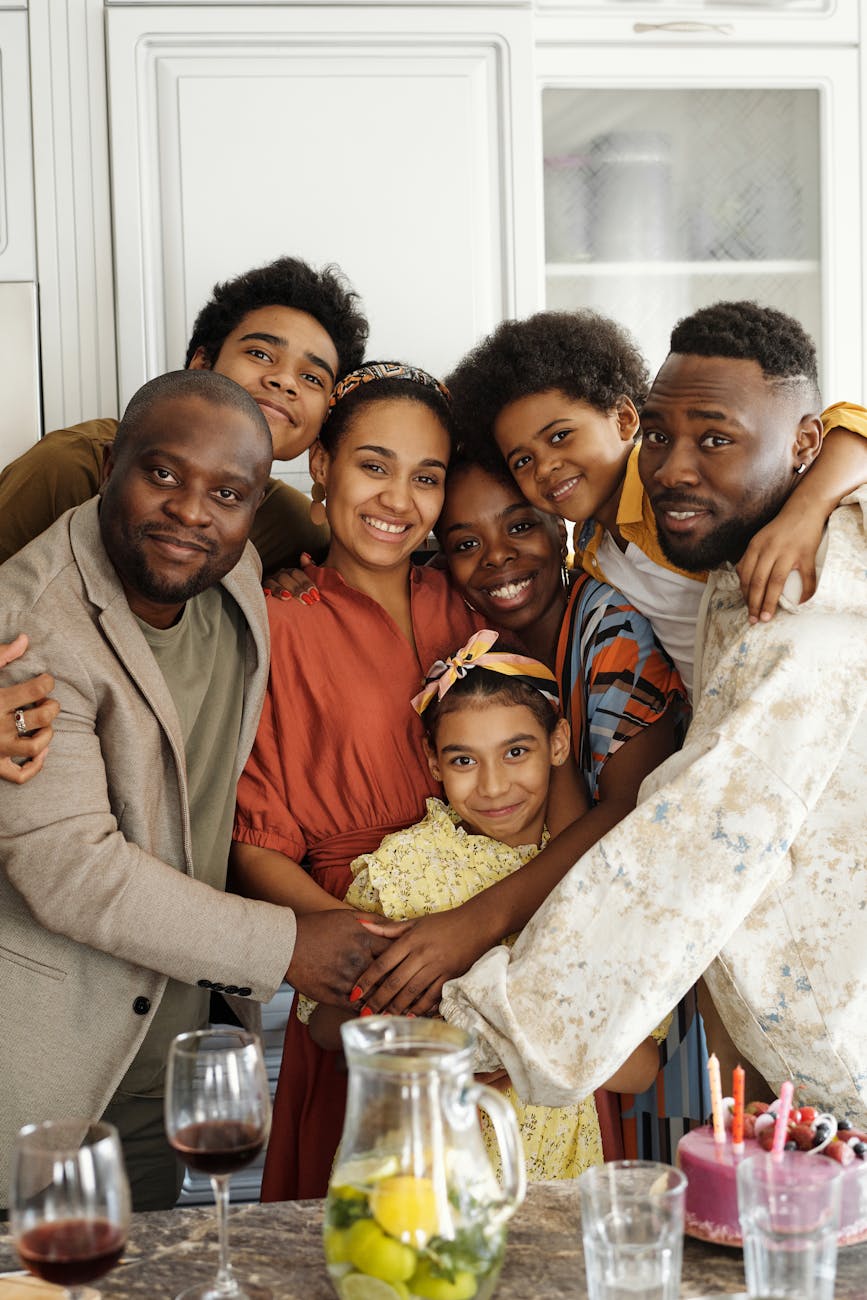
Photo by August de Richelieu on Pexels.com

Raising children in the Black community is a sacred responsibility, one that shapes not only individuals but also the legacy of generations. Kingdom Love emphasizes the importance of nurturing Black boys and girls as future kings and queens—instilling values of faith, integrity, and resilience.

The foundation of kingdom love begins in the home. Ephesians 6:4 (KJV) instructs, “And ye fathers, provoke not your children to wrath: but bring them up in the nurture and admonition of the Lord.” Both parents, or guardians, play a crucial role in teaching obedience, love, and wisdom while fostering emotional security.

Spiritual grounding is essential. Teaching children about God’s love, purpose, and divine design cultivates identity and self-worth. Proverbs 22:6 reminds us that training a child in the way he should go ensures that when he is older, he will not depart from it. Faith is the compass that guides young kings and queens.

Black history provides role models. From Mansa Musa of Mali to Queen Amanirenas of Kush, historical figures demonstrate intelligence, courage, and leadership. Exposing children to these examples cultivates pride, ambition, and cultural affirmation (Bradbury, 1998; Levtzion, 2000).

Education and literacy are tools of empowerment. Parents who prioritize learning equip children to navigate systemic barriers, build generational wealth, and claim spaces of influence in society. Knowledge is a weapon against oppression.

Emotional intelligence is equally vital. Teaching children to manage feelings, communicate effectively, and resolve conflict fosters relational maturity. Emotional awareness prevents cycles of anger, low self-esteem, and relational dysfunction that often plague communities affected by trauma.

Discipline must be balanced with love. Firm guidance combined with nurturing support teaches responsibility while affirming worth. Discipline without love can provoke resentment, while love without boundaries can foster entitlement or insecurity.

Community plays a supportive role. Mentorship programs, faith-based organizations, and peer networks provide guidance, accountability, and encouragement. Children thrive when they see multiple examples of success, integrity, and relational health.

Cultural identity strengthens self-esteem. Celebrating African traditions, music, art, and ancestry instills pride and resilience. Understanding one’s roots reinforces the dignity of Blackness and prepares children to navigate a world that often devalues them. 🌍🎶

Marriage and partnership model kingdom love. Children who witness healthy, faith-centered unions learn about respect, fidelity, and cooperation. Couples who navigate life together provide a blueprint for relational stability and Godly partnership.

Economic literacy is a form of kingdom love. Teaching children to manage money, save, invest, and plan for the future equips them for independence and leadership, reducing susceptibility to systemic traps like debt and financial instability. 💼💰

Encouraging ambition and purpose empowers children. Every Black boy and girl deserves to envision themselves as a leader, innovator, or creator. Supporting dreams and celebrating achievements builds confidence and perseverance.

Faithful parenting includes prayer and spiritual mentorship. Praying over children, reading scripture together, and teaching moral discernment create a spiritual foundation that guides decisions, relationships, and character.

Forgiveness and grace are crucial. Children will make mistakes; guiding them with patience and teaching repentance mirrors God’s mercy. This instills humility, responsibility, and resilience.

Ultimately, Kingdom Love is a holistic approach to parenting that combines faith, culture, education, and emotional intelligence. Raising Black kings and queens together ensures a legacy of strength, wisdom, and divine purpose. Families rooted in God’s principles cultivate leaders, heal generational wounds, and celebrate the majesty of Black identity. 👑🤎


References

  • Bradbury, R. (1998). The Nubian queens: Ancient African women and power. Oxford University Press.
  • Levtzion, N. (2000). Ancient Ghana and Mali. Africana Publishing.
  • Proverbs 22:6, King James Version.
  • Ephesians 6:4, King James Version.
  • The Holy Bible, King James Version.

Echoes of Masculinity: The Psychology and Politics of the Manosphere

The evolving digital landscape has given rise to new subcultures that shape how men understand themselves, their identities, and their place in the world. Among these digital communities, the “manosphere” emerges as one of the most influential—yet controversial—phenomena of the 21st century. It is a constellation of blogs, forums, influencers, and ideological hubs that discuss men’s issues, masculinity, dating, politics, and gender relations. Its echo chambers reveal both the anxieties and aspirations of modern men navigating cultural change.

Psychologically, the manosphere reflects a crisis of identity. Men facing economic uncertainty, shifting gender roles, and declining social structures often seek online spaces where their frustrations are validated. Researchers note that these communities appeal to men who feel culturally displaced or socially invisible (Ging, 2019). Many participants express feelings of betrayal, loneliness, or rejection—emotional wounds that make them susceptible to simplistic or extremist solutions.

The manosphere encompasses diverse factions, from moderate men’s rights advocates to more extreme corners like incels, pick-up artists (PUAs), and hyper-traditional patriarchal groups. Each subculture draws from different grievances, yet all share an intense focus on gender power dynamics. The movement’s psychological pull lies in its promise of clarity: clear rules for masculinity, clear villains for male suffering, and clear communities for belonging.

Politically, the manosphere has evolved into a potent force. Its narratives intersect with broader ideological concerns, including nationalism, anti-feminism, and traditionalism. Papadamou et al. (2020) show that these communities can act as radicalization pipelines, funneling disaffected men toward far-right beliefs. This shift reflects how gender identity becomes not only personal but also political—shaping voting behaviors, policy views, and cultural attitudes.

One of the central themes within the manosphere is the concept of male hierarchy. Alpha, beta, and sigma labels create a simplistic taxonomy that reduces masculinity to dominance or detachment. This worldview rejects vulnerability and compassion, reinforcing rigid notions of what a “real man” should be. Psychologists argue that such ideas deepen male distress by discouraging emotional expression and relational connection (Connell & Messerschmidt, 2005).

Platforms within the manosphere also promote transactional understandings of relationships. PUAs and red-pill ideologues often treat intimacy as a competitive marketplace. Women become opponents rather than partners; dating becomes strategy rather than connection. This mindset distorts emotional development and creates cycles of resentment, especially for young men struggling socially or romantically.

Yet it would be inaccurate to assume the manosphere is exclusively harmful. Some spaces focus on mental health, fatherhood, fitness, financial stability, and personal accountability. These communities emphasize resilience, discipline, and healing—traits essential for masculine well-being. However, even positive messages can be overshadowed by adjacent radical voices, making healthy navigation difficult for vulnerable men.

Relationally, the manosphere amplifies gender polarization. Feminists become enemies, women become predators or obstacles, and the idea of partnership becomes suspect. Scholars like Banet-Weiser (2018) emphasize that this adversarial framing fuels broader cultural conflict, turning personal pain into ideological warfare. What begins as emotional grievance often hardens into political identity.

Spiritually and emotionally, the manosphere reveals profound longing—longing for purpose, stability, respect, and connection. Masculine identity today is fragmented: some men cling to traditional roles; others seek entirely new scripts. Without supportive community structures, men turn to online voices to interpret their struggles. The manosphere fills the vacuum left by mentorship, family breakdown, and societal confusion about manhood.

The political implications are significant. Manosphere narratives increasingly influence elections, public discourse, and lawmaking. The rhetoric around “male disenfranchisement” and “feminist overreach” shapes debates about reproductive rights, social services, education, and criminal justice. Politicians have learned to tap into male resentment as a mobilizing force—fusing gender grievance with populist messaging.

Psychologically, the manosphere also reveals the vulnerabilities in modern masculinity. Depression, suicidality, social isolation, and identity instability are recurring themes among participants. Studies show that men drawn to extremist corners often struggle with belonging, trauma, or developmental disruptions (Baele et al., 2019). The manosphere becomes both an outlet for pain and a source of deeper wounds.

The movement’s echo chambers magnify emotional experiences. Algorithms reward outrage, leading men deeper into ideological certainty and relational disconnection. The resulting worldview is often binary: men vs. women, winners vs. losers, dominant vs. submissive. This cognitive rigidity reduces the rich complexity of human experience to a battlefield of oppositions.

At its core, the manosphere is not simply about gender—it is about power. Power over self, power in relationships, and power within society. Its narratives reveal conflict between the desire for agency and the fear of irrelevance. For many men, the manosphere offers a sense of identity when other pathways—family, faith, community—have weakened or disappeared.

However, healthier models of masculinity do exist. Scholars and therapists increasingly promote relational masculinity, which emphasizes emotional intelligence, accountability, compassion, and mutual respect. This model rejects weakness and cruelty, not masculinity itself. It offers a path for men to grow without dehumanizing others.

The challenge moving forward is addressing the underlying wounds that drive men into harmful manosphere spaces. Solutions include mentorship, mental-health support, community engagement, and positive cultural representations of men. When men heal, their ideologies shift. When men feel valued, they no longer need to seek identity in extremity.

Ultimately, “Echoes of Masculinity” reveals that the manosphere is not merely an online trend—it is a psychological landscape and political engine shaped by fear, desire, trauma, and longing. Understanding it requires compassion as much as critique. The future of masculinity depends not on abandoning manhood but on redefining it with responsibility, truth, and emotional depth. When men are offered healthier scripts, the echo chambers lose their power.

References
Baele, S. J., Brace, L., & Coan, T. G. (2019). From “incels” to “saints”: Transitions in online extremist subcultures. Terrorism and Political Violence.
Banet-Weiser, S. (2018). Empowered: Popular Feminism and Popular Misogyny. Duke University Press.
Connell, R. W., & Messerschmidt, J. (2005). Hegemonic masculinity: Rethinking the concept. Gender & Society, 19(6), 829–859.
Ging, D. (2019). Alphas, betas, and incels: The manosphere landscape. Men and Masculinities, 22(4), 638–657.
Papadamou, K., et al. (2020). A large-scale analysis of extremist platforms and radicalization pathways. Proceedings of the International AAAI Conference on Web and Social Media.

Shades of Innocence: Understanding Child Colorism.

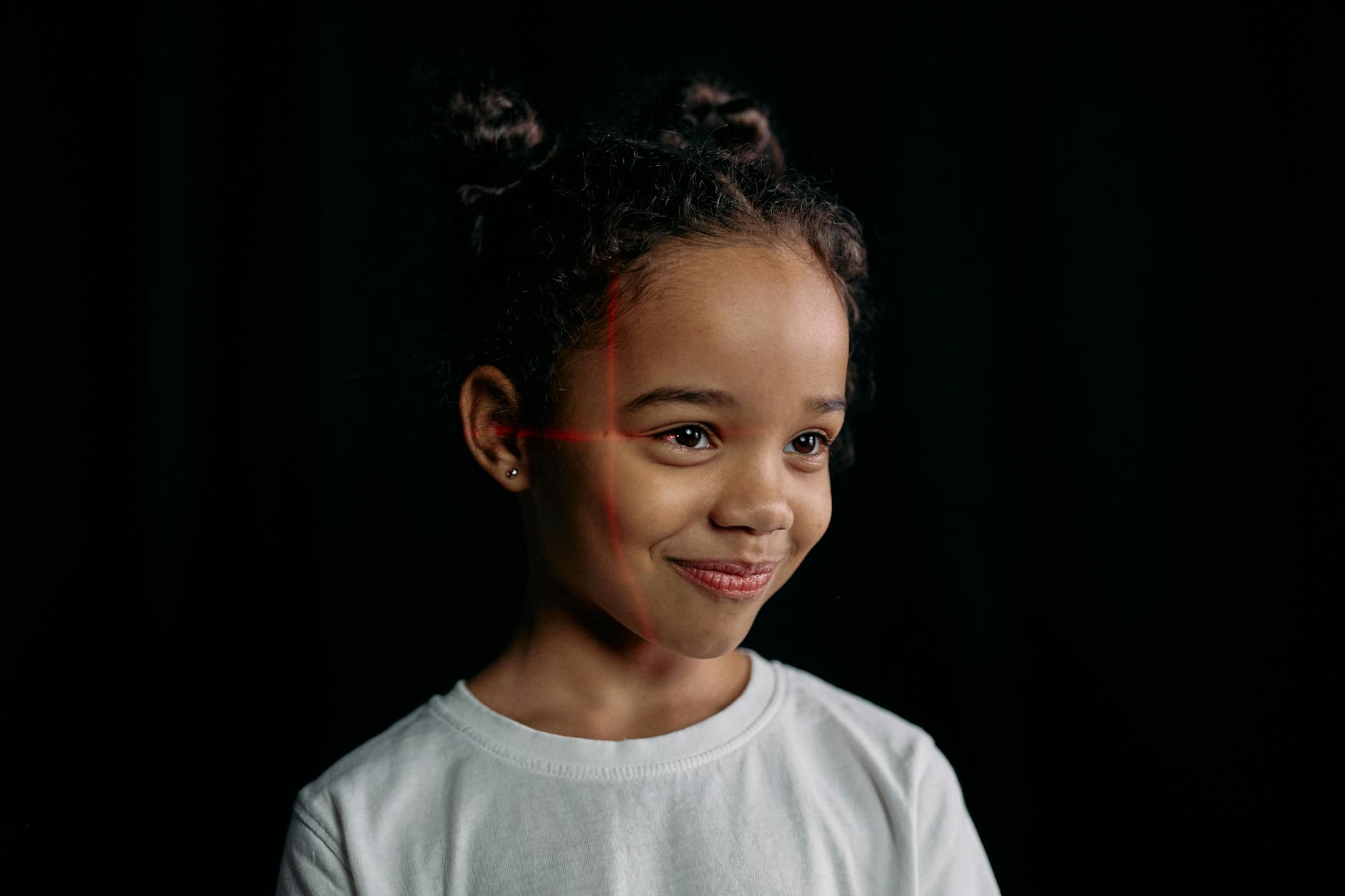
Photo by cottonbro studio on Pexels.com

Child colorism is a pervasive yet often overlooked form of discrimination, rooted in the preferential treatment of lighter-skinned individuals over those with darker skin tones. While colorism affects adults in multiple domains such as employment, media representation, and social perception, its influence on children is particularly damaging, shaping self-esteem, social development, and identity from a young age.

Historically, colorism has been reinforced by colonialism, slavery, and societal hierarchies, which associated lighter skin with power, wealth, and beauty. In many communities, these historical legacies persist, subtly teaching children that lighter skin is more desirable or socially acceptable. This early exposure establishes a foundation for self-perception that can last a lifetime.

Within families, colorism often manifests unconsciously. Parents may praise lighter-skinned children for their appearance or intelligence, while offering less affirmation to darker-skinned siblings. Even casual comments like “You look so pretty for your skin tone” or “Why aren’t you lighter?” reinforce the idea that darker skin is less valued. Over time, these interactions can significantly influence a child’s sense of self-worth.

Peer interactions are another critical arena in which child colorism emerges. Schools and playgrounds, meant to foster equality and socialization, often replicate societal biases. Darker-skinned children may face teasing, exclusion, or derogatory nicknames from classmates, while lighter-skinned peers are more readily accepted and praised. These experiences can contribute to social anxiety and withdrawal.

Media representation amplifies these biases. From early childhood, children encounter cartoons, storybooks, toys, and television shows that overwhelmingly feature lighter-skinned characters or protagonists. The underrepresentation of darker-skinned children sends a subtle message that their appearance is less desirable, affecting both self-esteem and aspirations.

Colorism also intersects with gender, disproportionately affecting girls. Studies show that darker-skinned girls are often deemed less attractive, both by peers and within their own families, compared to lighter-skinned girls. This disparity can lead to a lifelong struggle with self-image and body confidence, beginning in formative years.

Psychologically, the effects of colorism on children are profound. Children internalize the societal preference for lighter skin, which may lead to feelings of inadequacy, low self-esteem, and identity confusion. These internalized beliefs often manifest in behaviors such as wishing for lighter skin or avoiding situations where their appearance is judged.

Academic performance may also be indirectly influenced by child colorism. Teachers’ expectations can be shaped, consciously or unconsciously, by a child’s skin tone. Research indicates that lighter-skinned children are sometimes presumed to be more intelligent or capable, which can translate into more attention, encouragement, and opportunities in educational settings.

Child colorism is not limited to any one culture or region. In African American communities, the preference for lighter skin has been documented extensively, affecting children’s perceptions of beauty and worth. Similarly, in India, fairness remains a dominant standard of attractiveness, influencing children’s social experiences and familial treatment.

In Latin American contexts, colonial histories have created complex racial hierarchies in which lighter-skinned children are more likely to receive social approval and affirmation. These global patterns demonstrate that child colorism is a structural and cultural issue, rather than isolated incidents.

Family interventions are crucial in mitigating child colorism. Parents can foster a positive environment by avoiding comparisons based on skin tone, actively celebrating all skin shades, and emphasizing qualities unrelated to appearance. Open conversations about beauty standards and societal bias help children critically engage with colorism from an early age.

Schools and educators also play a significant role in addressing child colorism. Anti-bullying programs should explicitly include color-based teasing, and curriculum materials should reflect the diversity of skin tones and experiences. Representation in educational content helps children see themselves positively and develop pride in their identity.

Media representation must be broadened to include diverse skin tones. Television shows, storybooks, toys, and online content that highlight darker-skinned children as heroes, protagonists, or leaders help counteract the subliminal messages of inferiority. Such representation fosters a sense of inclusion and affirmation.

Psychological support is another essential component. Counseling or therapeutic interventions can help children cope with the effects of colorism, develop resilience, and challenge internalized biases. Early support mitigates the long-term emotional and social consequences of discriminatory experiences.

Community engagement can further reinforce positive messaging. Cultural programs, storytelling, and community celebrations that honor darker skin tones promote pride and belonging. Engaging children in spaces where their appearance is valued and celebrated combats the negative societal messaging they encounter elsewhere.

Religious and spiritual communities can also address child colorism. Faith-based teachings that emphasize the intrinsic value of all people, regardless of skin tone, provide moral frameworks that challenge societal biases. Scriptural affirmations about human dignity and equality can strengthen a child’s self-image in contexts where colorism is prevalent.

Child colorism intersects with other forms of discrimination, including racism and socioeconomic bias. Darker-skinned children from lower-income families may experience compounded disadvantages, highlighting the structural dimensions of color bias. Understanding these intersections is critical for effective interventions.

Awareness campaigns and advocacy are vital in addressing child colorism on a societal level. Parents, educators, and media creators must recognize the impact of early exposure to color bias and take deliberate action to counteract these messages. Policies that encourage diversity and inclusion benefit children across racial and ethnic communities.

Ultimately, child colorism is not merely a cosmetic or social concern—it is a form of prejudice that shapes children’s emotional, cognitive, and social development. Left unaddressed, it perpetuates cycles of inequality and internalized oppression that extend into adulthood.

Addressing child colorism requires a multi-layered approach: family education, school policies, media representation, psychological support, and community engagement. By actively challenging color biases and celebrating all skin tones, society can create environments where children develop self-worth, confidence, and pride in their natural appearance.

Child colorism is a reflection of deeper societal hierarchies, but it is not immutable. With awareness, intentional action, and supportive environments, children of all skin tones can grow free from the damaging effects of prejudice, realizing their full potential and embracing their inherent beauty.

📚 Academic Articles and Research Studies

  1. Landor, A. M. (2013). Exploring the Impact of Skin Tone on Family Dynamics and Child Development. Journal of Family Psychology, 27(3), 397–407. Link
  2. Major, J. (2023). Colorism Among Black Youth in the United States. Psychology from the Margins, 1(1), Article 1033. Link
  3. Crutchfield, J. (2022). A Scoping Review of Colorism in Schools: Academic, Social, and Emotional Impacts on Students of Color. International Journal of Environmental Research and Public Health, 11(1), 15. Link
  4. Calzada, E. J. (2019). Skin Color as a Predictor of Mental Health in Young Latinx Children. Journal of Abnormal Child Psychology, 47(3), 473–485. Link
  5. Spann, M. S. (2023). The Effects of Colorism on the Self-esteem and Academic Achievement of African American Children. Journal of Research in Education, 33(2), 112–128. Link
  6. Thibault, O. (2020). The Impact of Colorism on Early Childhood Learners. SOAR (State University of New York at Albany) Theses and Dissertations. Link
  7. Moore, K. R. (2020). Disparities by Skin Color among Young African-American Children: Implications for Public Health Research. Journal of Health Disparities Research and Practice, 13(4), Article 5. Link
  8. Kim, Y. (2018). Skin Color and Academic Achievement in Young, Latino Children. Journal of Educational Psychology, 110(5), 725–738. Link
  9. Brown, C. S., & Bigler, R. S. (2005). Children’s Perceptions of Discrimination: A Developmental Model. Child Development, 76(3), 533–553. Link
  10. Craddock, N. (2018). Colourism: A Global Adolescent Health Concern. Current Opinion in Pediatrics, 30(4), 497–502. Link

🎥 Documentaries and Media

  1. Berry, D. C., & Duke, B. (2011). Dark Girls. [Film]. Link
  2. Nyong’o, L. (2019). Sulwe. [Children’s Book]. Link

🧠 Psychological and Sociocultural Insights

  1. Spradley, L. (2025). African American Girls Navigating the Complexities of Colorism. Women of Color and Library Services. Link
  2. Fergus, E. (2015). “What’s ‘Colorism’?”: Understanding Skin Tone Bias in Latino High School Students. Learning for Justice. Link
  3. Wilder, C. R., & Cain, H. (2011). The Role of Black Families in Developing Skin Tone Bias. Journal of Family Psychology, 25(5), 746–754. Link