Tag Archives: mental-health

The Cost of Being Beautiful: Exploitation, Validation, and Visibility.

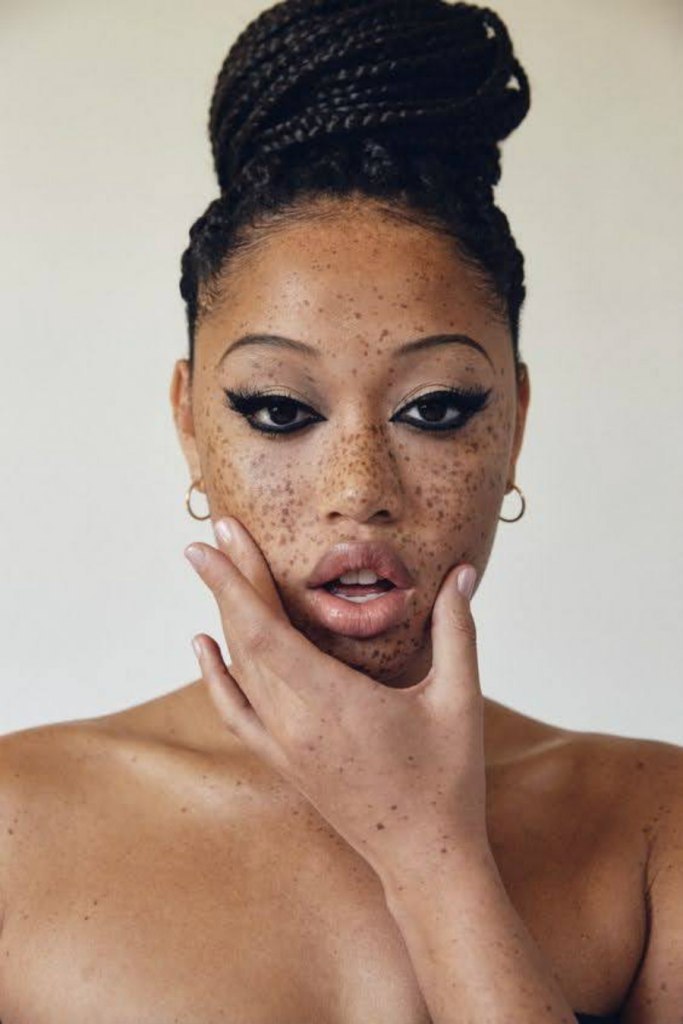
This photograph is the property of its respective owner. No copyright infringement intended.

Beauty has long been a currency in human society—admired, desired, and exploited. For women, especially women of color, beauty has functioned both as power and prison. The cost of being beautiful extends beyond vanity; it is the psychological, emotional, and even spiritual toll exacted by a world that defines worth through appearance. Beauty becomes both an asset and a liability, offering validation but demanding visibility on terms not of one’s own making.

From childhood, individuals—particularly girls—are taught that beauty opens doors. Compliments, attention, and social privileges reinforce a belief that attractiveness equates to value. Yet, this same system exploits that very beauty, commodifying it through media, marketing, and male desire. The pursuit of beauty thus becomes a performance sustained by approval, not authenticity (Wolf, 1991).

In modern culture, beauty is no longer natural—it is manufactured. Billions are spent annually on cosmetics, plastic surgery, and digital enhancement. Social media platforms like Instagram and TikTok amplify this obsession, turning faces and bodies into brands. The line between identity and image blurs, leaving many women trapped between their true selves and the perfected versions projected online (Gill, 2007).

Beauty’s validation often comes through the male gaze. Women are socialized to see themselves as objects of desire rather than subjects of their own narratives. This gaze not only dictates standards but defines visibility—who is seen, who is desirable, and who is invisible. To be beautiful is to be watched; to be watched is to be controlled (Mulvey, 1975).

For Black women, beauty carries a distinct complexity. Eurocentric standards historically excluded them from being perceived as beautiful, relegating them to stereotypes of strength or hypersexuality. The struggle for validation becomes an act of resistance—a reclaiming of aesthetics, identity, and self-worth against centuries of misrepresentation (Hooks, 1992).

The beauty industry profits from insecurity. Advertisements subtly tell women they are never enough—never young enough, thin enough, light enough. This manufactured dissatisfaction fuels perpetual consumption. Beauty, in capitalist culture, is not about empowerment but about profit, built upon cycles of comparison and competition (Bordo, 2003).

Exploitation hides beneath the surface of glamour. Models, influencers, and entertainers often face objectification disguised as opportunity. Their visibility is contingent upon maintaining desirability, which can breed anxiety, eating disorders, and burnout. The emotional labor of beauty—the pressure to be flawless at all times—is invisible yet exhausting.

In the realm of Hollywood and fashion, women of color face the dual burden of representation and tokenism. Their inclusion often serves as aesthetic diversity rather than genuine equity. The “exotic” label objectifies rather than honors their heritage, turning cultural identity into spectacle (Craig, 2002).

Historically, beauty has also been weaponized as social currency. During slavery and segregation, lighter-skinned Black women were often favored in domestic work or entertainment, reinforcing colorism within the community. Beauty became not only personal but political—a marker of proximity to whiteness and privilege (Hunter, 2005).

Psychologically, the constant pursuit of beauty erodes self-esteem. When identity becomes contingent on appearance, the individual lives under the tyranny of external validation. This fragile self-worth can fracture when youth fades or trends shift, revealing the emptiness behind conditional love and approval.

Religiously and spiritually, beauty holds deeper implications. Scripture reminds us that “favor is deceitful, and beauty is vain” (Proverbs 31:30, KJV). True beauty, in divine terms, is moral and internal, not material. Yet society reverses this order, idolizing outward appearance and neglecting inner substance—a form of modern idolatry masked as self-care.

The commodification of beauty also intersects with racial capitalism. Global markets exploit African, Asian, and Latin American women’s bodies through skin-lightening products, hair extensions, and Eurocentric fashion ideals. What is marketed as “choice” often conceals economic coercion and cultural colonization (Glenn, 2008).

Visibility, while often framed as empowerment, carries its own cost. Women in the public eye face surveillance and criticism that erode privacy and authenticity. The more visible a woman becomes, the less control she has over how she is seen. Visibility thus becomes exposure—a light that illuminates and burns simultaneously.

In relationships, beauty can distort power dynamics. Attractive women may receive attention but not respect; love offered for appearance rather than character is shallow and fleeting. Men conditioned by visual culture may desire beauty but fear its autonomy, leading to control, jealousy, or emotional abuse (Fredrickson & Roberts, 1997).

The digital age amplifies these dynamics. Filters, edits, and algorithms dictate what is beautiful, rewarding conformity and punishing difference. The result is a homogenized global aesthetic where individuality is lost. Even empowerment movements risk becoming commodified slogans that sell beauty under the guise of “self-love.”

Yet, beauty is not inherently evil—it is divine when redefined. When women reclaim beauty as expression rather than validation, it transforms from exploitation to empowerment. True beauty becomes a mirror of spirit, creativity, and cultural identity. It ceases to be about approval and becomes an act of liberation.

Cultural redefinition requires dismantling Eurocentric beauty norms and celebrating diversity of complexion, texture, and form. Movements such as “Black Girl Magic” and natural hair advocacy challenge oppressive aesthetics, restoring pride to what was once marginalized. Beauty, reimagined through cultural authenticity, becomes resistance and restoration.

The cost of being beautiful can only be paid back through truth—by acknowledging the pain behind the polish. Women must reclaim the narrative of beauty, detaching it from consumption and control. Beauty must once again serve humanity, not hierarchy.

Ultimately, beauty’s truest form lies in freedom: the freedom to exist beyond the gaze, to define oneself without permission, and to embody a worth that no mirror can measure. When beauty ceases to be a burden and becomes a birthright, visibility transforms into vision—and validation becomes self-love.


References

Bordo, S. (2003). Unbearable weight: Feminism, Western culture, and the body. University of California Press.

Craig, M. L. (2002). Ain’t I a beauty queen? Black women, beauty, and the politics of race. Oxford University Press.

Fredrickson, B. L., & Roberts, T.-A. (1997). Objectification theory: Toward understanding women’s lived experiences and mental health risks. Psychology of Women Quarterly, 21(2), 173–206.

Gill, R. (2007). Gender and the media. Polity Press.

Glenn, E. N. (2008). Yearning for lightness: Transnational circuits in the marketing and consumption of skin lighteners. Gender & Society, 22(3), 281–302.

Hooks, B. (1992). Black looks: Race and representation. South End Press.

Hunter, M. (2005). Race, gender, and the politics of skin tone. Routledge.

Mulvey, L. (1975). Visual pleasure and narrative cinema. Screen, 16(3), 6–18.

Wolf, N. (1991). The beauty myth: How images of beauty are used against women. HarperCollins.

Complexion Confessions: The Psychology of Skin and Self-Perception.

Photo by Thirdman on Pexels.com

The psychology of complexion is not only skin-deep—it is embedded in the consciousness of how individuals see themselves and how the world sees them. Skin color, often perceived as a biological characteristic, has become one of the most psychologically charged markers of identity. Within Black and brown communities, complexion functions as both a mirror and a memory, shaping self-esteem, belonging, and even spirituality. Beneath the melanin lies a narrative of struggle and survival that stretches across continents and centuries.

Self-perception begins with the gaze—the way others reflect our image back to us. For people of African descent, this gaze has historically been distorted by colonialism, slavery, and media representations that privilege whiteness. The colonized mind was taught to view dark skin as a deficiency rather than divinity. Consequently, psychological trauma became intertwined with beauty and identity. When one’s reflection is filtered through systems of racial bias, self-perception becomes an act of resistance rather than vanity.

From early childhood, messages about beauty and worth are absorbed subconsciously. Studies reveal that Black children often internalize negative associations with darker skin tones due to social conditioning and lack of positive representation (Clark & Clark, 1947). This phenomenon, known as internalized colorism, impacts not only how individuals feel about themselves but also how they navigate social hierarchies. The skin becomes a psychological boundary—one that dictates access to opportunity, love, and acceptance.

In the post-slavery era, the politics of pigmentation became an unspoken hierarchy. Lighter skin was associated with privilege, education, and refinement, while darker skin was unjustly linked to labor and inferiority. This psychological conditioning created divisions within Black communities that persist today. These hierarchies were reinforced through institutions, social clubs, and even churches that practiced exclusion based on complexion. The result was a fractured identity where one’s skin tone determined perceived value.

Modern psychology describes this phenomenon as “color-based identity threat”—a condition where individuals feel judged or limited by their skin tone. The internal dialogue that emerges is complex: “Am I enough?” “Am I too dark?” “Am I too light to belong?” This psychological tension erodes self-worth and feeds cycles of comparison and insecurity. The media amplifies this through Eurocentric beauty standards, subtly teaching that proximity to whiteness equals success.

Yet, the human psyche yearns for balance between external validation and internal truth. The journey toward self-acceptance begins when one acknowledges how deeply these biases have been ingrained. For many, healing requires unlearning centuries of propaganda. It means challenging the myth that beauty exists on a spectrum where darkness is deficiency. It is the rediscovery of divine design within melanin—the acceptance that God’s artistry is diverse, deliberate, and dignified.

The concept of the “color complex,” explored by Hall (1995), refers to the internal conflict experienced by individuals navigating the psychological effects of colorism. This conflict is often inherited through family dynamics, where elders unconsciously pass down preferences or prejudices about skin tone. Generations of children have grown up hearing phrases like “stay out of the sun” or “you’re pretty for a dark girl,” which reinforce conditional acceptance. These seemingly harmless comments plant seeds of lifelong insecurity.

Social media has both challenged and perpetuated these issues. Platforms like Instagram and TikTok have created new spaces for visibility, yet they often reward Eurocentric beauty algorithms—favoring lighter skin and straighter features. Filters, lighting, and editing tools have become digital manifestations of colorism, allowing users to “lighten” themselves subconsciously to meet online beauty expectations. In this sense, the psychology of complexion has evolved but not disappeared—it has been rebranded for the digital age.

Conversely, movements such as #MelaninMagic and #BlackIsBeautiful have helped counteract these damaging narratives. They provide communal validation for shades once deemed undesirable. When individuals post unfiltered photos celebrating their dark skin, they engage in a psychological rebellion. The act of self-celebration becomes a therapeutic ritual—a public affirmation that dismantles centuries of silent shame. Representation, therefore, becomes a psychological lifeline.

Faith and spirituality also play crucial roles in reshaping self-perception. When people rediscover themselves through the lens of divine creation, they transcend colonial beauty paradigms. The Bible declares, “I will praise thee; for I am fearfully and wonderfully made” (Psalm 139:14, KJV). For many, this scripture is not merely poetic—it is liberating. It restores the belief that their reflection mirrors God’s intention, not society’s distortion. Such theological validation heals both the heart and the mirror.

Psychologists argue that self-perception is inseparable from social context. The human brain seeks affirmation through patterns of belonging. When entire societies reward lighter skin with privilege, darker-skinned individuals must work twice as hard to maintain self-esteem. This creates a psychological paradox: the desire to belong to a world that often rejects one’s appearance. Overcoming this paradox requires redefining beauty not as conformity but as authenticity.

In educational environments, the psychology of complexion manifests in subtle ways. Teachers, peers, and institutions often display implicit bias—praising lighter-skinned students as “well-spoken” or “articulate,” while darker-skinned peers are unfairly labeled as aggressive or defiant. These microaggressions compound over time, shaping academic identity and confidence. Awareness training and representation within curricula can disrupt these biases, allowing students to see their reflection in both literature and leadership.

The entertainment industry remains a powerful force in shaping collective self-perception. When casting directors consistently favor light-skinned actors for romantic or heroic roles, they reinforce harmful hierarchies. Darker-skinned characters are too often relegated to secondary or suffering positions. Each image broadcast on screen becomes a psychological suggestion, subtly influencing what audiences—and even children—deem desirable. Representation, therefore, is not just cultural but clinical in its effect on the psyche.

In relationships, complexion can unconsciously influence attraction and compatibility. Psychological studies show that colorism affects dating patterns, with lighter skin often being perceived as more socially desirable (Burke, 2018). This reflects a deeper conditioning rather than genuine preference. True love requires deconstructing these inherited biases—learning to see beyond hue into the humanity of the heart. Healing from color-based attraction biases demands vulnerability, awareness, and spiritual renewal.

Therapeutic approaches to colorism emphasize self-compassion and cognitive reframing. Cognitive-behavioral therapy (CBT) helps individuals challenge distorted beliefs about their appearance. By replacing self-critical thoughts with affirming truths, people begin to detach their worth from external validation. Healing from colorism is not merely emotional—it is neurological. Each new thought of self-acceptance rewires the brain toward liberation.

Art, poetry, and storytelling remain powerful vehicles for healing the complexion psyche. When artists depict melanin as sacred and strong, they reconstruct cultural consciousness. Visual representations of dark beauty remind communities of their inherent value. This cultural reimagining is more than aesthetic—it is psychological warfare against centuries of whitewashed imagery. Beauty, in this sense, becomes a political and spiritual reclamation.

At the community level, intergenerational dialogues are vital. Grandmothers, mothers, and daughters must speak truth to the color narratives passed down. Conversations about self-worth and complexion must occur openly, replacing shame with understanding. When families affirm diverse shades within their lineage, they plant seeds of wholeness. Each word of affirmation dismantles a lie once whispered by oppression.

The psychology of skin is not only about individual healing but collective transformation. When communities reject colorism, they dismantle an invisible hierarchy that has long divided them. Education, art, faith, and activism converge to create a new psychological narrative—one that honors melanin as majesty, not margin. Beneath the surface of every shade lies a shared resilience, a history of divine endurance.

Ultimately, self-perception becomes the final frontier of freedom. When individuals look into the mirror and see not shame but strength, not comparison but creation, they fulfill the psychological prophecy of liberation. Skin becomes no longer a site of struggle but of sovereignty. The mind and the mirror align, revealing that true beauty is not in shade but in self-recognition.

To confess the truth of complexion is to reclaim the right to define oneself. The psychology of skin is the story of rebirth—of learning to see with healed eyes and love with healed hearts. When the spirit governs the perception of the flesh, the reflection becomes holy. Self-perception, then, is no longer a battleground but a blessing—a declaration that every hue of humanity is a reflection of divine artistry.


References

Burke, M. (2018). Colorism and romantic relationships: Perceptions of beauty and desirability. Journal of Black Psychology, 44(5), 399–417. https://doi.org/10.1177/0095798418763212

Clark, K. B., & Clark, M. P. (1947). Racial identification and preference in Negro children. In T. M. Newcomb & E. L. Hartley (Eds.), Readings in social psychology (pp. 169–178). Holt.

Hall, R. E. (1995). The bleaching syndrome: African Americans’ response to cultural domination vis-à-vis skin color. Journal of Black Studies, 26(2), 172–184. https://doi.org/10.1177/002193479502600203

Hunter, M. (2007). The persistent problem of colorism: Skin tone, status, and inequality. Sociology Compass, 1(1), 237–254. https://doi.org/10.1111/j.1751-9020.2007.00006.x

Thompson, C. (2019). Skin deep: The psychological impact of colorism in modern society. Cultural Psychology Review, 12(3), 214–231. https://doi.org/10.1080/21507619.2019.1678913

Wilkerson, I. (2020). Caste: The origins of our discontents. Random House.

The Slave Files: Anarcha Westcott

The Forgotten Mother of Modern Gynecology

Anarcha Westcott was an enslaved African American woman who became one of the most historically significant yet long-overlooked figures in the history of medicine. Born around 1828 in Alabama, Anarcha was enslaved on a plantation and subjected to one of the most infamous episodes of unethical medical experimentation in the nineteenth century. Her story is deeply intertwined with that of Dr. J. Marion Sims, a physician often referred to as “the father of modern gynecology,” whose surgical breakthroughs came at the cost of the suffering and exploitation of enslaved Black women.

During her teenage years, Anarcha suffered from a vesicovaginal fistula, a devastating childbirth injury that caused incontinence and severe pain. At the time, there were no effective surgical treatments for this condition. Her owner, seeking medical help, sent her to Dr. Sims, who was experimenting with ways to repair the injury. Between 1845 and 1849, Sims performed at least thirty experimental surgeries on Anarcha without anesthesia, as the procedure was extremely painful and invasive (Washington, 2006).

Anarcha was not alone in her ordeal. Sims also experimented on other enslaved women, including Lucy and Betsey. Together, they were forced to endure repeated procedures, often under brutal conditions, while being denied consent and bodily autonomy. Their pain and endurance became the foundation for the advancement of gynecological surgery, yet for more than a century, their names were erased from mainstream medical narratives (Owens & Fett, 2019).

Anarcha’s body became a site of scientific curiosity and racial exploitation. In an era when Black women were viewed as biologically inferior and more tolerant of pain—a racist myth perpetuated to justify medical abuse—Anarcha’s humanity was denied (Hoberman, 2012). Sims justified his actions by claiming that the women consented, but historians have made clear that true consent was impossible within the system of slavery (Gamble, 1997).

After enduring years of painful experimentation, Sims eventually claimed to have perfected the surgical technique for repairing fistulas—an advancement that would transform women’s health worldwide. Once his method succeeded, Sims shifted to performing surgeries on white women, this time using anesthesia. This contrast underscores the racial double standard embedded in nineteenth-century medicine (Washington, 2006).

Little is known about Anarcha’s later life. Historical records indicate that she may have been returned to her owner after Sims deemed his experiments successful. Some accounts suggest that she lived into adulthood and may have later been emancipated, but her ultimate fate remains undocumented (Spettel & White, 2011). The erasure of her life’s details speaks to the broader historical silencing of enslaved Black women whose bodies were exploited in the name of science.

Anarcha’s story resurfaced in the late twentieth and early twenty-first centuries as scholars began to reevaluate the ethical legacy of J. Marion Sims. Feminist and Black historians, such as Harriet A. Washington and Deirdre Cooper Owens, reframed Sims’s “pioneering work” as an example of racial and gendered medical violence rather than mere innovation. Their research has brought Anarcha, Lucy, and Betsey into the light as the true, unacknowledged mothers of modern gynecology.

In recent years, there has been a push to honor Anarcha’s legacy and to confront the medical racism embedded in her story. In 2018, the statue of J. Marion Sims that once stood in Central Park, New York, was removed following public outcry. Activists and historians argued that memorializing Sims without acknowledging his victims perpetuated racial injustice (New York City Public Design Commission, 2018).

In the place of glorifying Sims, memorial projects now seek to center the women who endured his experiments. The Mothers of Gynecology Monument in Montgomery, Alabama, unveiled in 2021, features statues of Anarcha, Lucy, and Betsey. Created by artist Michelle Browder, the monument serves as a visual reclamation of their dignity and humanity. It acknowledges their suffering but also celebrates their resilience and historical significance (Browder, 2021).

Anarcha Westcott’s life represents both a tragedy and a triumph of historical recovery. Her name, once buried under medical myth and racial bias, has become a symbol of resistance against systemic exploitation in medicine. She stands as a testament to the countless unnamed enslaved women whose suffering contributed to medical progress from which they themselves were excluded.

Her legacy compels the medical community to confront its past and to build an ethical framework grounded in consent, respect, and equity. Anarcha’s story also calls for the inclusion of marginalized voices in the telling of medical history, ensuring that the contributions and sacrifices of Black women are never again silenced.

Though Anarcha did not choose her role, her involuntary participation reshaped the landscape of women’s health. Today, her story inspires new generations of Black women in medicine to reclaim agency, visibility, and justice. Anarcha Westcott’s name, once a footnote in Sims’s biography, now rightfully stands as an emblem of both suffering and scientific inheritance—a reminder that progress built on exploitation must be critically examined.

Her rediscovery marks a broader movement within history and medicine toward truth-telling and moral accountability. Anarcha Westcott’s life reveals not only the cruelty of slavery’s medical dimensions but also the enduring strength of the human spirit when subjected to dehumanization. Her pain became the foundation for healing; her silence now speaks volumes in the call for medical justice and remembrance.

In remembering Anarcha, we also acknowledge the humanity of those who were reduced to subjects in the name of progress. Her story embodies both the horror of enslavement and the ongoing struggle to reconcile medicine with morality. She is no longer just a victim of experimentation—she is a historical witness whose endurance reshaped the course of women’s healthcare.

Anarcha Westcott’s history demands not only remembrance but reform. Her life urges medical practitioners and scholars to examine the ethics of research, power, and representation. To honor her is to commit to a medicine that heals rather than exploits, that listens rather than silences, and that restores dignity to those history sought to erase.


References

Browder, M. (2021). The Mothers of Gynecology Monument. Montgomery, AL: More Up Campus.
Gamble, V. N. (1997). Under the shadow of Tuskegee: African Americans and health care. American Journal of Public Health, 87(11), 1773–1778.
Hoberman, J. (2012). Black and blue: The origins and consequences of medical racism. University of California Press.
New York City Public Design Commission. (2018). Statement on the removal of the J. Marion Sims statue. New York, NY.
Owens, D. C., & Fett, S. M. (2019). Black maternal and infant health: Historical legacies of slavery. American Journal of Public Health, 109(10), 1342–1345.
Spettel, S., & White, M. D. (2011). The portrayal of J. Marion Sims’ controversial surgical legacy. Journal of Urology, 185(6), 2424–2427.
Washington, H. A. (2006). Medical apartheid: The dark history of medical experimentation on Black Americans from colonial times to the present. Doubleday.

Narcissism Series: Narcissistic Pseudo-Spirituality.

Photo by yugdas manandhar on Pexels.com

In an age where self-love, manifestation, and “energy alignment” dominate digital discourse, spirituality has increasingly become intertwined with narcissistic ideology. Narcissistic pseudo-spirituality refers to the performative and self-centered use of spiritual language and practices to elevate one’s ego rather than foster humility, compassion, or divine connection. The modern self-help movement, influenced by individualism and consumerism, often distorts sacred wisdom into tools for self-aggrandizement. This phenomenon reflects what psychologists term spiritual bypassing—using spirituality to avoid confronting one’s ego, wounds, or moral responsibility (Masters, 2010).

At its core, pseudo-spiritual narcissism masks itself as enlightenment. It cloaks self-worship in affirmations of “self-awareness” and “divine energy.” Rather than true humility before the Creator, it promotes the self as god-like—an ultimate authority of truth and morality. This distortion is not new; scriptural warnings against “false prophets” and “wolves in sheep’s clothing” (Matthew 7:15, KJV) reveal that even in ancient times, spiritual manipulation was a tool for self-exaltation. The contemporary expression of this deception has found a fertile home in social media, where attention functions as a modern currency of divinity.

Psychologically, narcissistic pseudo-spirituality fulfills the ego’s craving for validation under the guise of enlightenment. The narcissist’s grandiose self-concept seeks constant affirmation, and spirituality becomes another arena for self-display. Phrases like “I’m vibrating too high for you” or “You’re just not on my frequency” reveal how spiritual elitism replaces empathy and accountability with superiority. According to Campbell and Miller (2011), narcissistic individuals reinterpret interpersonal and moral experiences to maintain self-importance and avoid vulnerability. Spiritual language simply provides a convenient justification.

This phenomenon is particularly visible in influencer culture, where “gurus” market spiritual products, courses, or rituals as pathways to transcendence. Instead of emphasizing surrender or repentance, they promise success, beauty, and abundance. Thus, pseudo-spirituality commodifies transcendence into lifestyle aesthetics. As Fromm (1976) argued, modern capitalism transforms even spiritual pursuits into commodities to be consumed rather than internalized. The narcissist thrives in this context, where self-promotion masquerades as sacred wisdom.

In contrast, authentic spirituality centers on humility, service, and alignment with transcendent truth. The narcissistic counterfeit reverses this order—making the self the center of worship. The biblical model of humility, demonstrated by Christ washing the feet of His disciples (John 13:5, KJV), is antithetical to the performative spirituality that seeks followers, likes, or fame. The narcissistic spiritualist cannot grasp true surrender, for surrender implies the dissolution of the false self that narcissism depends upon.

Social media platforms like Instagram and TikTok have amplified the visibility of spiritual narcissism. Through polished aesthetics and poetic affirmations, influencers project an image of “divine perfection” that often belies inner emptiness. Lasch (1979) foresaw this cultural shift, describing the “culture of narcissism” as one in which individuals perform their identities for validation. In the digital temple of self-image, spirituality becomes another brand—curated, commodified, and devoid of accountability.

Spiritually, this pseudo-enlightenment represents a counterfeit awakening. It borrows sacred language—“light,” “vibration,” “manifestation,” “awakening”—but severs them from moral and divine context. The self becomes both priest and god. Such distortions align with ancient warnings: “professing themselves to be wise, they became fools” (Romans 1:22, KJV). The narcissist’s enlightenment is intellectual but not transformative; it lacks repentance and reverence.

Pseudo-spiritual narcissism also exploits vulnerability. Many seekers, disillusioned by organized religion, turn to spirituality for healing and identity. Narcissistic leaders prey on this hunger, offering emotional intimacy while subtly cultivating dependency. Studies on spiritual abuse reveal patterns of manipulation, gaslighting, and exploitation under the guise of divine authority (Ward, 2011). The narcissist thrives where boundaries blur between spiritual guidance and personal control.

At a societal level, this trend reflects the merging of secular individualism and spiritual relativism. Postmodern thought dismantled absolute truth, making every belief a matter of personal perspective. While this allows for diversity of thought, it also opens the door for narcissistic self-deification. When truth becomes subjective, the narcissist’s self-perception faces no challenge. As McAdams and Pals (2006) note, narcissists construct grand narratives to sustain coherence in their inflated identities. Spiritual language becomes one such narrative framework.

In gender dynamics, narcissistic pseudo-spirituality often manifests differently. Male spiritual narcissists may present as prophetic or visionary figures, commanding loyalty through charisma and authority. Female counterparts often embody the “divine feminine” archetype, using sensuality and self-worship to symbolize empowerment. While empowerment itself is not problematic, its distortion into self-idolatry echoes Isaiah’s lament: “For thou hast said in thine heart, I will ascend into heaven… I will be like the Most High” (Isaiah 14:13–14, KJV).

The emotional tone of pseudo-spiritual narcissism is often one of detachment masked as peace. It claims transcendence while avoiding emotional intimacy. True spiritual maturity, however, embraces both love and accountability. Narcissistic spirituality lacks empathy; it recycles spiritual jargon without genuine compassion. According to Pargament (1997), authentic spirituality promotes connection—to others, to the divine, and to moral purpose. Narcissism severs these connections, isolating the self in its own illusion of divinity.

There is also a racial and cultural dimension to consider. In Black and diasporic communities, where spirituality has long been tied to resistance and healing, pseudo-spiritual narcissism can distort ancestral practices into self-serving spectacle. The ancestral altar becomes a fashion accessory; traditional rituals are repackaged for clout. This commodification dilutes sacred heritage, replacing communal faith with performative identity. True spirituality in these contexts historically aimed toward liberation and collective empowerment, not self-promotion.

Biblically, narcissistic pseudo-spirituality is a form of idolatry—the worship of self as god. This mirrors the sin of Lucifer, who sought glory that belonged to the Creator alone. Paul’s warning to Timothy captures the essence of this age: “For men shall be lovers of their own selves… having a form of godliness, but denying the power thereof” (2 Timothy 3:2, 5, KJV). The form of godliness is maintained through language, crystals, and candles, yet the power of transformation—repentance, humility, obedience—is absent.

Psychologically, narcissistic pseudo-spirituality can lead to cognitive dissonance and spiritual burnout. Because the individual’s sense of enlightenment is externally validated, any criticism or doubt threatens their fragile identity. This leads to defensiveness, projection, or spiritual gaslighting (“you’re just not awakened enough to understand”). As Ellis (2020) observes, this cycle creates a feedback loop where narcissists reinterpret failure or conflict as proof of their higher consciousness.

Healing from this distortion requires confronting the ego’s shadow. Jung (1959) taught that individuation—the integration of the shadow self—is essential for authentic spiritual growth. The narcissist resists this process, as it demands vulnerability and humility. Only through confronting one’s flaws can the spirit evolve beyond illusion. The pseudo-spiritual narcissist, however, denies imperfection, mistaking image for essence.

True spirituality involves death of the ego—a concept echoed in multiple traditions. In Christianity, it is the call to “die daily” (1 Corinthians 15:31, KJV). In psychology, it is the transcendence of the false self. The narcissistic counterfeit, however, glorifies the ego while pretending to transcend it. This paradox creates an illusion of progress without transformation. Spiritual symbols become costumes, and enlightenment becomes performance.

In communities of faith, discernment is critical. Believers are urged to “test the spirits” (1 John 4:1, KJV), discerning authenticity from deception. Not all who speak of love, light, or awakening are aligned with truth. The mark of true spirituality is humility, service, and fruitfulness. As Christ taught, “Ye shall know them by their fruits” (Matthew 7:16, KJV). The fruits of narcissistic pseudo-spirituality are division, pride, and confusion.

Educators, counselors, and clergy must recognize this dynamic in spiritual communities and therapeutic spaces. Integrating psychology and theology allows for holistic discernment of authentic growth versus narcissistic inflation. Interventions must balance empathy with accountability, guiding individuals from illusion toward self-awareness and moral responsibility (Miller & Campbell, 2008).

Ultimately, the antidote to narcissistic pseudo-spirituality is surrender—an act the narcissistic self fears most. Surrender acknowledges that enlightenment does not originate from the self but from divine grace. The path of humility restores balance to the spirit, dismantling the illusion of self-deification. Only by emptying oneself of pride can true spiritual fullness emerge. As Christ declared, “He that humbleth himself shall be exalted” (Luke 14:11, KJV).

In the end, pseudo-spiritual narcissism reveals both the hunger and the distortion of the modern soul. It seeks transcendence but fears submission. The journey back to truth begins with the simple act of remembering that spirituality is not about becoming gods but becoming whole through God. The mirror of narcissism must shatter for the spirit to see clearly.


References

Campbell, W. K., & Miller, J. D. (2011). The handbook of narcissism and narcissistic personality disorder: Theoretical approaches, empirical findings, and treatments. Wiley.
Ellis, A. (2020). Ego and enlightenment: The paradox of spiritual narcissism. Journal of Transpersonal Psychology, 52(1), 45–59.
Fromm, E. (1976). To have or to be? Harper & Row.
Jung, C. G. (1959). Aion: Researches into the phenomenology of the self. Princeton University Press.
Lasch, C. (1979). The culture of narcissism: American life in an age of diminishing expectations. Norton.
Masters, R. A. (2010). Spiritual bypassing: When spirituality disconnects us from what really matters. North Atlantic Books.
McAdams, D. P., & Pals, J. L. (2006). A new Big Five: Fundamental principles for an integrative science of personality. American Psychologist, 61(3), 204–217.
Miller, J. D., & Campbell, W. K. (2008). Comparing clinical and social-personality conceptualizations of narcissism. Journal of Personality, 76(3), 449–476.
Pargament, K. I. (1997). The psychology of religion and coping: Theory, research, practice. Guilford Press.
Ward, T. (2011). The subtle power of spiritual abuse. Bethany House.

Narcissism Series: Grooming

Photo by Antoni Shkraba Studio on Pexels.com

Narcissistic grooming is a calculated process of psychological manipulation used by narcissists to gain trust, control, and influence over their victims. It is often subtle, disguised as affection, mentorship, or admiration, before evolving into emotional domination. Grooming operates as the foundation of narcissistic abuse, where the abuser carefully studies their target’s vulnerabilities and uses those weaknesses to build dependency and compliance (Campbell & Miller, 2011).

This grooming process begins with idealization, where the narcissist showers their target with excessive praise, gifts, and attention. They appear to be everything the victim ever wanted — kind, generous, and emotionally available. This phase creates an emotional high, making the victim feel special and uniquely chosen (Brown, 2009). Yet, beneath the surface, the narcissist is collecting data to exploit later.

Narcissistic grooming often occurs in romantic relationships, workplaces, religious institutions, and even within families. In romantic settings, it can mimic “love bombing,” while in professional environments, it manifests as mentorship or favoritism. The goal is always the same: to gain psychological leverage over the target (Pincus & Lukowitsky, 2010).

Unlike genuine affection, narcissistic grooming is strategic. Every compliment, gesture, or act of kindness is part of a long-term plan to manipulate perception and gain control. Victims are led to believe they are in a mutually beneficial relationship, when in reality, they are being conditioned for exploitation (Simon, 2016).

Once trust is established, the narcissist introduces subtle tests of loyalty and obedience. They might ask the target to keep secrets, violate boundaries, or compromise values in small ways. These “tests” measure how far the narcissist can push before resistance arises, shaping the next phase of manipulation (Freeman & Rosen, 2018).

The grooming stage can last weeks, months, or even years. During this period, the narcissist maintains an illusion of harmony, often positioning themselves as the victim’s savior or soulmate. This false intimacy builds emotional dependency, causing the victim to ignore red flags or rationalize toxic behavior (Herman, 1992).

One of the most dangerous aspects of grooming is that it conditions the victim to accept abuse as normal or even deserved. Because the narcissist initially showered them with affection, victims often blame themselves when the dynamic shifts into criticism, gaslighting, or neglect (Stines, 2019).

When the narcissist feels secure in their control, the devaluation phase begins. The same qualities that were once admired become sources of criticism. The victim is left confused, desperate to regain the narcissist’s approval. This emotional whiplash keeps them trapped in the cycle of abuse (Campbell, Brunell, & Finkel, 2006).

In many cases, narcissistic grooming leaves long-term psychological scars. Victims may develop anxiety, depression, trauma bonding, or complex post-traumatic stress disorder (C-PTSD). These effects can persist long after the relationship ends, as the victim struggles to distinguish genuine love from manipulation (Carnes, 2019).

To fully understand narcissistic grooming, it is crucial to recognize the narcissist’s underlying motivations. Most narcissists crave validation and power; they fear abandonment and shame. Grooming provides a means of ensuring control while maintaining a façade of superiority (Miller et al., 2010).


Case Study: The Story of “Maria and David”

Maria, a 32-year-old professional, met David, a charismatic entrepreneur, at a business conference. His charm was immediate and intoxicating. Within weeks, he sent her expensive gifts, praised her intelligence, and introduced her to influential colleagues. Maria believed she had met her dream partner and mentor.

David positioned himself as her protector, offering to help her advance her career. He flattered her constantly, telling her she was unlike any woman he had ever met. Maria’s self-esteem soared, and she began to depend on his approval for confidence in her work and personal life.

Gradually, David began introducing subtle control tactics. He criticized her friends, implying they were jealous and untrustworthy. He questioned her loyalty when she didn’t respond to his messages quickly. When Maria expressed discomfort, he accused her of being “ungrateful” and reminded her of all he had done for her.

The emotional dependency deepened. Maria found herself apologizing often, doubting her instincts, and isolating from her support network. David’s mood swings became unpredictable—one day affectionate, the next cold and distant. This instability reinforced her emotional reliance on him.

Eventually, David began undermining Maria’s professional credibility. He took credit for her work in meetings and made condescending remarks in public. When she confronted him, he gaslighted her, claiming she was “too sensitive” and imagining things. By this stage, Maria’s self-worth was shattered.

It wasn’t until Maria confided in a therapist that she began to see the pattern. Through counseling, she recognized that she had been groomed into emotional dependence by a narcissist. The therapist introduced her to concepts of gaslighting, trauma bonding, and emotional abuse, helping her regain perspective.

Maria’s recovery was gradual. She implemented strict boundaries, blocked communication with David, and began rebuilding her social connections. Therapy and education about narcissistic abuse empowered her to reclaim her voice and autonomy. Her story became a cautionary example for others in her workplace.

This case underscores how narcissistic grooming can occur under the guise of romance, mentorship, or support. It demonstrates that grooming is not about love or mentorship—it is about control. Victims like Maria are not weak; they are often empathic, trusting, and emotionally generous individuals targeted for those very traits (Brown, 2009).

Understanding grooming is essential for prevention and healing. Awareness empowers potential victims to recognize red flags early, such as excessive flattery, isolation tactics, or emotional coercion. Professional intervention—through therapy or support groups—can break the trauma bond and restore self-worth (Herman, 1992).

In conclusion, narcissistic grooming is a deliberate, psychological strategy of ensnaring victims through false affection and control. Recognizing its signs is vital for emotional safety. Education, counseling, and awareness campaigns are powerful tools to dismantle the cycles of narcissistic manipulation and to empower survivors toward recovery and resilience.


References

Brown, A. (2009). Women Who Love Psychopaths: Inside the Relationships of Inevitable Harm with Psychopaths, Sociopaths, and Narcissists. Mask Publishing.

Campbell, W. K., Brunell, A. B., & Finkel, E. J. (2006). Narcissism, interpersonal self-regulation, and romantic relationships: An agency model approach. Advances in Experimental Social Psychology, 38, 297–346.

Campbell, W. K., & Miller, J. D. (Eds.). (2011). The Handbook of Narcissism and Narcissistic Personality Disorder: Theoretical Approaches, Empirical Findings, and Treatments. John Wiley & Sons.

Carnes, P. (2019). The Betrayal Bond: Breaking Free of Exploitive Relationships. Health Communications, Inc.

Freeman, J., & Rosen, K. (2018). The Invisible Chains: Overcoming Coercive Control in Your Intimate Relationship. New Harbinger Publications.

Herman, J. L. (1992). Trauma and Recovery: The Aftermath of Violence—from Domestic Abuse to Political Terror. Basic Books.

Miller, J. D., Lynam, D. R., Hyatt, C. S., & Campbell, W. K. (2010). Controversies in narcissism. Annual Review of Clinical Psychology, 6, 421–446.

Pincus, A. L., & Lukowitsky, M. R. (2010). Pathological narcissism and narcissistic personality disorder. Annual Review of Clinical Psychology, 6, 421–446.

Simon, G. (2016). In Sheep’s Clothing: Understanding and Dealing with Manipulative People. Parkhurst Brothers Publishers.

Stines, S. (2019). Healing from Narcissistic Abuse: A Journey of Recovery, Empowerment, and Self-Discovery. Taylor Trade Publishing.

The Dark History of Having Pretty Privilege as a Light-Skinned Person.

The concept of “pretty privilege” refers to the societal advantages afforded to individuals deemed conventionally attractive. Within communities of color, this privilege is often compounded by colorism—the preferential treatment of lighter-skinned individuals over their darker-skinned counterparts. Historically, light-skinned individuals have navigated a complex landscape where their appearance has afforded them certain privileges, yet also subjected them to unique challenges and scrutiny.

Historical Roots of Colorism

Colorism traces its origins to colonial and slavery-era practices, where lighter-skinned individuals, often of mixed heritage, were granted privileges such as domestic roles or education, while darker-skinned individuals were relegated to labor-intensive tasks. This hierarchy established a precedent for valuing lighter skin within the community. The “brown paper bag test,” a practice where individuals lighter than a brown paper bag were granted entry into social clubs, exemplifies this internalized discrimination. Wikipedia

Cultural Reinforcement Through Media

Media representations have historically favored lighter-skinned individuals, reinforcing the notion that beauty and desirability are linked to lighter skin tones. This portrayal not only marginalizes darker-skinned individuals but also places pressure on light-skinned individuals to conform to these beauty standards. Films, advertisements, and television shows often depict light-skinned characters as more attractive, intelligent, and successful, perpetuating colorist ideals.

The Intersection of Pretty Privilege and Colorism

While light-skinned individuals may experience certain advantages, they are not immune to the complexities of colorism. They may face challenges such as being perceived as less authentically Black or being tokenized in spaces that seek diversity. Furthermore, the internalization of colorist ideals can lead to self-esteem issues and a sense of inadequacy, as individuals navigate the expectations placed upon them due to their appearance.

Example:

Halle Berry and the Intersection of Pretty Privilege and Colorism

Halle Berry’s career trajectory and public image exemplify the complex interplay between beauty standards, colorism, and the concept of “pretty privilege.” As a biracial woman with lighter skin, Berry has often been celebrated for her beauty, yet she has also faced challenges related to her racial identity and the expectations placed upon her.

Beauty and Career Advancement

Berry’s striking appearance has undoubtedly played a role in her ascent within Hollywood. Her success in beauty pageants, including being named Miss Ohio in 1986 and placing as the first runner-up in the Miss USA pageant the same year, highlights the industry’s preference for certain beauty ideals. These accolades likely opened doors for her in modeling and acting, leading to roles in films such as Boomerang (1992) and The Flintstones (1994). Her portrayal of Storm in the X-Men series further cemented her status as a leading actress.

The Impact of Pretty Privilege

While Berry’s beauty has afforded her opportunities, she has also acknowledged the limitations of being valued primarily for her appearance. In a 2024 interview with Marie Claire, Berry described beauty as a “hollow win,” emphasizing that she had no control over her looks and expressing a desire to be recognized for her talents and contributions beyond her physical appearance Marie Claire.

Colorism and Racial Identity

Berry’s biracial heritage has placed her at the intersection of colorism and racial identity. In the entertainment industry, lighter-skinned individuals often receive more favorable treatment, a phenomenon rooted in historical preferences for Eurocentric features. Berry has openly discussed the complexities of her identity, noting that she identifies as Black because that is how she is perceived, despite her mixed-race background Wikipedia.

Public Perception and Criticism

Berry’s experiences reflect broader societal issues related to beauty standards and racial identity. Discussions on platforms like Lipstick Alley have highlighted how her lighter skin may have contributed to her being perceived as more conventionally attractive, raising questions about the role of colorism in shaping public perceptions Lipstick Alley.

Advocacy and Empowerment

Beyond her acting career, Berry has used her platform to advocate for women’s empowerment and challenge societal norms. In 2025, she shared a makeup-free photo in a sheer dress to promote menopause awareness, encouraging women to embrace aging and defy conventional beauty standards InStyle. Her wellness brand, Re-spin, further reflects her commitment to supporting women through various life stages.

Halle Berry’s journey underscores the multifaceted nature of beauty, privilege, and identity. While her appearance has opened doors and afforded her opportunities, she remains a vocal advocate for being recognized for her abilities and character. Her experiences shed light on the complexities faced by individuals navigating the intersections of race, beauty, and societal expectations.

Social Dynamics and Interpersonal Relationships

Within communities of color, light-skinned individuals may experience strained relationships due to perceptions of favoritism or resentment. These dynamics can manifest in both subtle and overt ways, affecting friendships, family bonds, and community cohesion. The pressure to align with certain beauty standards can lead to identity conflicts and a sense of alienation.

Economic Implications

Studies have shown that lighter-skinned individuals often receive higher wages and better job opportunities compared to their darker-skinned counterparts. This economic disparity underscores the tangible benefits associated with lighter skin, highlighting the pervasive nature of colorism in professional settings. However, these advantages can also lead to feelings of guilt or discomfort among light-skinned individuals, who may recognize the inequities present within their communities.

Psychological Effects

The awareness of receiving preferential treatment can lead to cognitive dissonance for light-skinned individuals, as they grapple with the unfairness experienced by darker-skinned peers. This internal conflict can result in stress, anxiety, and a diminished sense of self-worth. Additionally, the constant scrutiny and expectations placed upon them can lead to burnout and emotional fatigue.

Educational Disparities

In educational institutions, light-skinned students often receive more favorable treatment from educators, leading to better academic outcomes. This bias can affect grading, disciplinary actions, and teacher-student relationships, contributing to a cycle where lighter-skinned students are more likely to succeed academically. Conversely, darker-skinned students may face harsher treatment and lower expectations, perpetuating educational inequalities.

Impact on Identity Formation

For light-skinned individuals, especially those of mixed heritage, navigating their identity can be complex. They may struggle with feelings of not fully belonging to either the Black or white communities, leading to identity crises and a lack of cultural grounding. This sense of liminality can affect their self-perception and their relationships with others.

Resistance and Advocacy

Despite the challenges, many light-skinned individuals have used their experiences to advocate for racial equity and challenge colorist norms. By acknowledging their privilege and working to dismantle colorist structures, they contribute to broader efforts aimed at achieving racial justice. Their advocacy highlights the importance of solidarity and collective action in addressing systemic issues.

Conclusion

The history of light-skinned individuals experiencing “pretty privilege” is intertwined with the broader narrative of colorism. While they may benefit from certain societal advantages, these privileges come with their own set of challenges and responsibilities. Understanding the complexities of this dynamic is crucial in the ongoing efforts to combat colorism and promote inclusivity within communities of color.

References

Shades of Innocence: Understanding Child Colorism.

Photo by cottonbro studio on Pexels.com

Child colorism is a pervasive yet often overlooked form of discrimination, rooted in the preferential treatment of lighter-skinned individuals over those with darker skin tones. While colorism affects adults in multiple domains such as employment, media representation, and social perception, its influence on children is particularly damaging, shaping self-esteem, social development, and identity from a young age.

Historically, colorism has been reinforced by colonialism, slavery, and societal hierarchies, which associated lighter skin with power, wealth, and beauty. In many communities, these historical legacies persist, subtly teaching children that lighter skin is more desirable or socially acceptable. This early exposure establishes a foundation for self-perception that can last a lifetime.

Within families, colorism often manifests unconsciously. Parents may praise lighter-skinned children for their appearance or intelligence, while offering less affirmation to darker-skinned siblings. Even casual comments like “You look so pretty for your skin tone” or “Why aren’t you lighter?” reinforce the idea that darker skin is less valued. Over time, these interactions can significantly influence a child’s sense of self-worth.

Peer interactions are another critical arena in which child colorism emerges. Schools and playgrounds, meant to foster equality and socialization, often replicate societal biases. Darker-skinned children may face teasing, exclusion, or derogatory nicknames from classmates, while lighter-skinned peers are more readily accepted and praised. These experiences can contribute to social anxiety and withdrawal.

Media representation amplifies these biases. From early childhood, children encounter cartoons, storybooks, toys, and television shows that overwhelmingly feature lighter-skinned characters or protagonists. The underrepresentation of darker-skinned children sends a subtle message that their appearance is less desirable, affecting both self-esteem and aspirations.

Colorism also intersects with gender, disproportionately affecting girls. Studies show that darker-skinned girls are often deemed less attractive, both by peers and within their own families, compared to lighter-skinned girls. This disparity can lead to a lifelong struggle with self-image and body confidence, beginning in formative years.

Psychologically, the effects of colorism on children are profound. Children internalize the societal preference for lighter skin, which may lead to feelings of inadequacy, low self-esteem, and identity confusion. These internalized beliefs often manifest in behaviors such as wishing for lighter skin or avoiding situations where their appearance is judged.

Academic performance may also be indirectly influenced by child colorism. Teachers’ expectations can be shaped, consciously or unconsciously, by a child’s skin tone. Research indicates that lighter-skinned children are sometimes presumed to be more intelligent or capable, which can translate into more attention, encouragement, and opportunities in educational settings.

Child colorism is not limited to any one culture or region. In African American communities, the preference for lighter skin has been documented extensively, affecting children’s perceptions of beauty and worth. Similarly, in India, fairness remains a dominant standard of attractiveness, influencing children’s social experiences and familial treatment.

In Latin American contexts, colonial histories have created complex racial hierarchies in which lighter-skinned children are more likely to receive social approval and affirmation. These global patterns demonstrate that child colorism is a structural and cultural issue, rather than isolated incidents.

Family interventions are crucial in mitigating child colorism. Parents can foster a positive environment by avoiding comparisons based on skin tone, actively celebrating all skin shades, and emphasizing qualities unrelated to appearance. Open conversations about beauty standards and societal bias help children critically engage with colorism from an early age.

Schools and educators also play a significant role in addressing child colorism. Anti-bullying programs should explicitly include color-based teasing, and curriculum materials should reflect the diversity of skin tones and experiences. Representation in educational content helps children see themselves positively and develop pride in their identity.

Media representation must be broadened to include diverse skin tones. Television shows, storybooks, toys, and online content that highlight darker-skinned children as heroes, protagonists, or leaders help counteract the subliminal messages of inferiority. Such representation fosters a sense of inclusion and affirmation.

Psychological support is another essential component. Counseling or therapeutic interventions can help children cope with the effects of colorism, develop resilience, and challenge internalized biases. Early support mitigates the long-term emotional and social consequences of discriminatory experiences.

Community engagement can further reinforce positive messaging. Cultural programs, storytelling, and community celebrations that honor darker skin tones promote pride and belonging. Engaging children in spaces where their appearance is valued and celebrated combats the negative societal messaging they encounter elsewhere.

Religious and spiritual communities can also address child colorism. Faith-based teachings that emphasize the intrinsic value of all people, regardless of skin tone, provide moral frameworks that challenge societal biases. Scriptural affirmations about human dignity and equality can strengthen a child’s self-image in contexts where colorism is prevalent.

Child colorism intersects with other forms of discrimination, including racism and socioeconomic bias. Darker-skinned children from lower-income families may experience compounded disadvantages, highlighting the structural dimensions of color bias. Understanding these intersections is critical for effective interventions.

Awareness campaigns and advocacy are vital in addressing child colorism on a societal level. Parents, educators, and media creators must recognize the impact of early exposure to color bias and take deliberate action to counteract these messages. Policies that encourage diversity and inclusion benefit children across racial and ethnic communities.

Ultimately, child colorism is not merely a cosmetic or social concern—it is a form of prejudice that shapes children’s emotional, cognitive, and social development. Left unaddressed, it perpetuates cycles of inequality and internalized oppression that extend into adulthood.

Addressing child colorism requires a multi-layered approach: family education, school policies, media representation, psychological support, and community engagement. By actively challenging color biases and celebrating all skin tones, society can create environments where children develop self-worth, confidence, and pride in their natural appearance.

Child colorism is a reflection of deeper societal hierarchies, but it is not immutable. With awareness, intentional action, and supportive environments, children of all skin tones can grow free from the damaging effects of prejudice, realizing their full potential and embracing their inherent beauty.

📚 Academic Articles and Research Studies

  1. Landor, A. M. (2013). Exploring the Impact of Skin Tone on Family Dynamics and Child Development. Journal of Family Psychology, 27(3), 397–407. Link
  2. Major, J. (2023). Colorism Among Black Youth in the United States. Psychology from the Margins, 1(1), Article 1033. Link
  3. Crutchfield, J. (2022). A Scoping Review of Colorism in Schools: Academic, Social, and Emotional Impacts on Students of Color. International Journal of Environmental Research and Public Health, 11(1), 15. Link
  4. Calzada, E. J. (2019). Skin Color as a Predictor of Mental Health in Young Latinx Children. Journal of Abnormal Child Psychology, 47(3), 473–485. Link
  5. Spann, M. S. (2023). The Effects of Colorism on the Self-esteem and Academic Achievement of African American Children. Journal of Research in Education, 33(2), 112–128. Link
  6. Thibault, O. (2020). The Impact of Colorism on Early Childhood Learners. SOAR (State University of New York at Albany) Theses and Dissertations. Link
  7. Moore, K. R. (2020). Disparities by Skin Color among Young African-American Children: Implications for Public Health Research. Journal of Health Disparities Research and Practice, 13(4), Article 5. Link
  8. Kim, Y. (2018). Skin Color and Academic Achievement in Young, Latino Children. Journal of Educational Psychology, 110(5), 725–738. Link
  9. Brown, C. S., & Bigler, R. S. (2005). Children’s Perceptions of Discrimination: A Developmental Model. Child Development, 76(3), 533–553. Link
  10. Craddock, N. (2018). Colourism: A Global Adolescent Health Concern. Current Opinion in Pediatrics, 30(4), 497–502. Link

🎥 Documentaries and Media

  1. Berry, D. C., & Duke, B. (2011). Dark Girls. [Film]. Link
  2. Nyong’o, L. (2019). Sulwe. [Children’s Book]. Link

🧠 Psychological and Sociocultural Insights

  1. Spradley, L. (2025). African American Girls Navigating the Complexities of Colorism. Women of Color and Library Services. Link
  2. Fergus, E. (2015). “What’s ‘Colorism’?”: Understanding Skin Tone Bias in Latino High School Students. Learning for Justice. Link
  3. Wilder, C. R., & Cain, H. (2011). The Role of Black Families in Developing Skin Tone Bias. Journal of Family Psychology, 25(5), 746–754. Link

Narcissism Series: Why Am I the ONLY ONE Who Sees the Narcissist’s Behavior?

Photo by DeeVisuals on Pexels.com

“When someone shows you who they are, believe them the first time.”Maya Angelou

Maya Angelou’s timeless words cut to the heart of discernment. Narcissists often reveal themselves in subtle ways—through patterns of manipulation, entitlement, or false humility. Yet, because of their charisma or apparent goodness, people frequently excuse, deny, or overlook those red flags. Angelou’s wisdom reminds us not to rewrite what someone has already revealed. If their actions consistently show selfishness, pride, or lack of empathy, believe it. Don’t wait for more proof at the expense of your peace.

Narcissism is one of the most misunderstood and overlooked personality patterns. While most people assume narcissists are easy to identify because of arrogance or vanity, the reality is far more subtle and complex. Narcissists can wear many masks, blending into communities and relationships while hiding their true motives. This leaves many victims feeling confused, isolated, and asking, “Why am I the only one who sees the narcissist’s behavior?”

Psychology defines narcissism as a personality style characterized by excessive self-focus, a sense of entitlement, and a lack of empathy for others (American Psychiatric Association, 2013). At its extreme, it is diagnosed as Narcissistic Personality Disorder (NPD), but even without a formal diagnosis, many individuals display narcissistic traits that deeply wound others.

There are different types of narcissism, two of the most deceptive being grandiose narcissism and communal narcissism. Both forms can trick entire social circles into admiration, while leaving their closest victims invisible and unheard.

Grandiose narcissists thrive on dominance, power, and admiration. They are often extroverted, charismatic, and confident, making them appear as leaders or influencers. Campbell and Miller (2011) describe grandiose narcissists as individuals who crave recognition, inflate their achievements, and feel entitled to special treatment. They frequently come across as the “life of the party,” drawing others into their orbit.

Communal narcissists, on the other hand, mask their self-centeredness under the guise of helpfulness and morality. They portray themselves as caring, self-sacrificial, and deeply committed to serving others. However, their motivation is not genuine compassion but the desire to be praised as the “most generous” or “most righteous” person in the room (Gebauer et al., 2012). They weaponize kindness to secure admiration.

Both forms of narcissism trick people easily. Grandiose narcissists blind audiences with charm, humor, and energy, while communal narcissists disarm skeptics with apparent kindness and community service. To outsiders, these individuals look admirable, even exemplary. Only those closest to them—partners, children, siblings, or coworkers—see the cruelty, manipulation, and lack of empathy that happen in private.

A major reason people don’t recognize narcissism is cognitive dissonance. Most people cannot reconcile the charming public persona with the abusive private behavior. It is easier to believe the narcissist is genuinely good than to face the painful reality that someone admired by many could be harmful. Victims who speak up are often dismissed or doubted.

Another reason is impression management. Narcissists are masters of curating how others see them. They know how to use body language, tone, and stories to appear credible and admirable. Psychology refers to this as self-presentation (Leary & Kowalski, 1990). While others see a polished performance, only a few see the manipulator behind the curtain.

For example, a grandiose narcissist may boast about career success, throwing lavish parties to celebrate achievements. Friends and colleagues admire their drive and generosity. Meanwhile, their partner may know they are deeply insecure, abusive in arguments, and dismissive of others’ needs. But because the public sees only the confident performer, they dismiss complaints as exaggeration.

Similarly, a communal narcissist might volunteer at church or community events, always stepping into leadership roles. To the group, they look like the model servant. But at home, they may belittle their family, reminding them constantly of the “sacrifices” they’ve made, and using guilt as a weapon. Outsiders applaud them as saints, while insiders carry the scars of their cruelty.

These contrasting masks create gaslighting. Victims are told directly or indirectly that what they are experiencing isn’t real. Because the narcissist’s public image is so admired, victims start doubting their own perceptions. This leads to confusion, silence, and often isolation.

Grandiose narcissists hurt others by exploiting relationships for attention and dominance. They interrupt conversations, minimize others’ achievements, and demand constant praise. Over time, this erodes the self-esteem of those around them, creating resentment and exhaustion.

Communal narcissists hurt others by using “goodness” as a weapon. Their generosity often comes with strings attached—expecting admiration, loyalty, or public recognition. When others fail to meet these unspoken demands, they punish them with guilt, shame, or withdrawal of affection.

A painful reality is that many people unconsciously enable narcissists. Crowds feed the charm of grandiose narcissists, while communities applaud the works of communal narcissists. This reinforcement strengthens the mask, making it even harder for victims to be heard.

People also overlook narcissism because it benefits them. Friends of the grandiose narcissist enjoy the parties, connections, and status. Supporters of the communal narcissist benefit from their service, projects, or donations. To challenge the narcissist would mean losing those perks. Thus, they choose blindness.

Narcissists hurt deeply because they are incapable of true empathy. Their relationships are transactional, based on what others can provide—admiration, validation, or utility. This leaves their victims feeling unseen, unloved, and depleted.

Victims often internalize the question: “Why doesn’t anyone else see it?” But the truth is that narcissists design their image to confuse and mislead. Like wolves in sheep’s clothing, they thrive on blending in while devouring the vulnerable (Matthew 7:15, KJV).

The Bible warns against people who exalt themselves at the expense of others: “For men shall be lovers of their own selves, covetous, boasters, proud, blasphemers, disobedient to parents, unthankful, unholy” (2 Timothy 3:2, KJV). This description aligns strikingly with narcissistic traits—pride, entitlement, and lack of gratitude.

Victims are not “crazy” for seeing what others don’t. They are discerning. Just as prophets in Scripture often saw hidden corruption others ignored, victims of narcissists often see beneath the mask. Yet, like Jeremiah, who was mocked for exposing false prophets, they may feel alone in their awareness.

Psychology calls this pluralistic ignorance—when people privately see something wrong but assume they are alone, so they stay silent (Miller & McFarland, 1987). Victims feel isolated not because they are wrong, but because others are complicit in silence.

Over time, exposure to narcissists damages mental health. Victims may experience anxiety, depression, and symptoms of trauma. Constant invalidation erodes self-trust, leaving them vulnerable to further abuse. Yet recognizing the pattern is the first step toward freedom and healing.

Narcissists hurt entire communities, not just individuals. When their deception goes unchecked, they rise to positions of power, influence, and leadership, spreading harm on a larger scale. History is full of leaders whose charm concealed their cruelty until it was too late.

Grandiose vs. Communal Narcissists

CategoryGrandiose NarcissistCommunal Narcissist
Core TraitsArrogant, entitled, attention-seeking, dominantSelf-righteous, “helper complex,” moral superiority, attention-seeking through service
Public PersonaCharismatic, “life of the party,” confident leader, admired achieverKind, generous, overly helpful, “saintly,” always volunteering
MotivationCraves power, admiration, and statusCraves admiration for being “the most caring” or “most selfless”
How They Trick PeopleUse charm, humor, wealth, or achievements to gain admirationUse acts of service, generosity, and public “good deeds” to gain admiration
Speech StyleBrags about success, interrupts others, dominates conversationsHumble-brags about their sacrifices, constantly reminds others of their “goodness”
RelationshipsTreat others as an audience or stepping-stones to goalsTreat others as props to display their own generosity
How They Hurt OthersBelittle, dismiss, or exploit people for personal gainGuilt-trip, emotionally manipulate, or shame others when recognition isn’t given
Impact on VictimsErodes self-esteem, makes others feel invisible or inadequateCreates guilt, pressure, and emotional exhaustion in close relationships
Biblical ParallelPharisee who prays loudly to be seen by men (Matthew 6:5)Pharisee who boasts of fasting and tithing to look righteous (Luke 18:11-12)
Psychological Label“Exhibitionist narcissism” — thrives on attention (Campbell & Miller, 2011)“Communal narcissism” — thrives on moral admiration (Gebauer et al., 2012)

So why are you the only one who sees it? Because not everyone is meant to. Some people are blinded by charisma or comfort, while others prefer denial. But discernment is a gift. Recognizing manipulation protects you from deeper harm and gives you the courage to set boundaries.


References

  • American Psychiatric Association. (2013). Diagnostic and statistical manual of mental disorders (5th ed.).
  • Campbell, W. K., & Miller, J. D. (2011). The handbook of narcissism and narcissistic personality disorder. Wiley.
  • Gebauer, J. E., Sedikides, C., Verplanken, B., & Maio, G. R. (2012). Communal narcissism. Journal of Personality and Social Psychology, 103(5), 854–878.
  • Leary, M. R., & Kowalski, R. M. (1990). Impression management. Psychological Bulletin, 107(1), 34–47.
  • Miller, D. T., & McFarland, C. (1987). Pluralistic ignorance. Journal of Personality and Social Psychology, 53(2), 298–305.

When Melanin Becomes a Measure: The Psychology of Skin Tone.

This photograph is the property of its respective owner. No copyright infringement intended.

Melanin is more than pigment; it is a living testament of ancestry, survival, and culture. In societies shaped by slavery, colonialism, and systemic white supremacy, skin tone has been weaponized as a marker of value, beauty, and social mobility. For Black people, colorism — the preferential treatment of lighter skin over darker skin — is a persistent psychological burden that affects identity, self-esteem, and opportunities. Understanding this phenomenon requires examining its historical roots, psychological mechanisms, and strategies for healing.

During slavery, skin tone was a tool of division. Lighter-skinned enslaved individuals were often assigned domestic work inside the master’s house, while darker-skinned Africans labored in the fields. This hierarchy, dictated by proximity to whiteness, created a lasting psychological imprint of internalized oppression (Hunter, 2007). Being lighter was subtly equated with safety, status, and relative privilege.

Colorism persisted after emancipation. Institutions such as Black fraternities, churches, and social clubs sometimes implemented color-based exclusions, exemplified by the “brown paper bag test.” This internalized hierarchy caused a psychological rift within the Black community, as self-worth became linked to skin tone rather than character or talent.

Research confirms the mental health consequences of colorism. Darker-skinned individuals often report lower self-esteem, depressive symptoms, and higher anxiety compared to lighter-skinned peers (Monk, 2014). Early exposure to color preference, as demonstrated in Clark and Clark’s (1947) famous doll studies, showed that Black children internalized societal biases favoring lighter skin, demonstrating that colorism affects identity from childhood.

Media and popular culture continue to reinforce Eurocentric beauty standards. Lighter-skinned actors, models, and influencers are often celebrated, while darker-skinned individuals are marginalized or stereotyped. The underrepresentation of dark skin in media contributes to a sense of invisibility and inadequacy.

The psychology of colorism also affects interpersonal relationships. Studies have shown that lighter-skinned Black women often receive more favorable treatment in dating, employment, and social networks compared to darker-skinned women, a pattern that mirrors historical social hierarchies (Hunter, 2007). Men too experience bias, though differently, often being hypersexualized or criminalized based on skin tone.

The global skin-lightening industry illustrates how deep this issue runs. Products promising “fairer” skin are marketed as pathways to success, attractiveness, and social acceptance. Many consumers engage in dangerous bleaching practices, risking long-term health issues to conform to beauty norms imposed by colonial histories (Charles, 2011).

Colorism can also foster divisions within families and communities. Lighter-skinned individuals may be unconsciously favored, creating tension and jealousy. Psychological theories suggest that this intra-group discrimination exacerbates feelings of inadequacy among darker-skinned individuals (Hunter, 2007).

On a spiritual level, colorism challenges the understanding of divine design. Psalm 139:14 (KJV) declares, “I will praise thee; for I am fearfully and wonderfully made.” Every shade of melanin reflects intentionality and purpose. Internalizing this truth is crucial to healing identity wounds caused by centuries of bias.

Social identity theory offers insight into these dynamics. People categorize themselves and others into groups, which can lead to in-group favoritism and out-group bias. Within the Black community, lighter skin can create a perceived “in-group” of privilege, leaving darker-skinned members feeling marginalized (Tajfel & Turner, 1979).

Psychologists have identified the phenomenon of “colorism stress,” where individuals experience chronic stress due to color-based discrimination. This stress can manifest as anxiety, depression, or identity confusion, impacting academic performance, professional success, and interpersonal relationships (Monk, 2014).

Addressing colorism requires interventions at multiple levels. Psychologically, therapy and counseling can help individuals unpack internalized bias and reclaim self-worth. Group support programs, mentorship, and discussion circles provide safe spaces to challenge color hierarchies and affirm dark skin as beautiful.

Culturally, representation matters. Media, literature, and fashion should celebrate all shades of Blackness. Highlighting dark-skinned leaders, role models, and celebrities combats stereotypes and reinforces positive identity formation.

Educational interventions are also vital. Teaching children about the history of colorism, its roots in slavery and colonialism, and the value of all skin tones can prevent internalized bias from forming in the first place (Hunter, 2007).

Faith-based communities can play a transformative role. Scriptures that affirm God’s intentional creation (Genesis 1:27, Psalm 139:14, KJV) offer a theological counter-narrative to societal bias. Spiritual teaching and community reinforcement of dignity and worth can buffer the psychological impact of colorism.

Interpersonal strategies are also important. Black men and women can practice solidarity and advocacy within their communities, intentionally uplifting those who are darker-skinned. Proverbs 31:8-9 (KJV) reminds believers to speak up for the oppressed and defend the vulnerable.

Self-affirmation practices have psychological benefits. Encouraging young Black people to celebrate their natural skin tone, hairstyles, and features can mitigate the harmful effects of internalized bias. Social media campaigns that normalize dark skin and challenge Eurocentric beauty norms are proving effective.

Mentorship is key for breaking cycles of self-rejection. Older Black adults who embrace their identity can model confidence for younger generations, teaching pride in melanin and heritage. Titus 2:2,6 (KJV) emphasizes the importance of teaching younger members of the community to be sober, sound-minded, and grounded.

Public policy can help combat structural colorism. Anti-discrimination laws, equitable hiring practices, and inclusive beauty standards in advertising reduce systemic bias, giving all shades of Black individuals equal opportunities in professional and social spheres.

Intersectionality must also be considered. Colorism interacts with gender, class, and geography to shape experiences uniquely. Dark-skinned women often face compounded biases, whereas lighter-skinned men may experience complex privileges and burdens simultaneously.

The psychology of skin tone ultimately intersects with identity, opportunity, and spiritual well-being. Healing requires intentional cultural, psychological, and spiritual work to dismantle centuries-old hierarchies and affirm the worth of all Black people, regardless of shade.

In conclusion, melanin should never be a measure of value. Understanding the psychology of skin tone — its historical roots, mental health impacts, and spiritual implications — is essential for reclaiming identity and dignity. By combining therapy, mentorship, representation, spiritual guidance, and advocacy, the Black community can move toward unity, pride, and healing.


References (APA)

Charles, C. A. D. (2011). Skin bleaching, self-hate, and black identity in Jamaica. Journal of Black Studies, 42(1), 43–61. https://doi.org/10.1177/0021934710386749

Clark, K., & Clark, M. (1947). Racial identification and preference in Negro children. Journal of Negro Education, 16(3), 169–175.

Hunter, M. (2007). The persistent problem of colorism: Skin tone, status, and inequality. Sociology Compass, 1(1), 237–254. https://doi.org/10.1111/j.1751-9020.2007.00006.x

Monk, E. P. (2014). The color of punishment: African Americans, skin tone, and the criminal justice system. Sociological Inquiry, 84(3), 401–430. https://doi.org/10.1111/soin.12053

Tajfel, H., & Turner, J. C. (1979). An integrative theory of intergroup conflict. In W. G. Austin & S. Worchel (Eds.), The social psychology of intergroup relations (pp. 33–47). Brooks/Cole.

The Holy Bible, King James Version. (1611). Thomas Nelson.

Toxic Admiration: When Praise Becomes Poison.

Photo by Jonathan Borba on Pexels.com

Admiration is a natural part of human relationships. It can inspire, motivate, and foster connection. However, admiration becomes toxic when it distorts reality, creates unhealthy dependencies, and fuels destructive behaviors. Toxic admiration is not just excessive praise—it is the type of admiration that blinds people to truth, empowers harmful traits, and even draws them into idolatry. Both Scripture and psychology warn against placing human beings on pedestals or allowing admiration to control our decisions.

“Toxic admiration” is when admiration becomes harmful—either to the person giving it or the person receiving it. On the surface, admiration is usually positive: it motivates, inspires, and validates. But admiration becomes toxic when it crosses into obsession, idolization, or manipulation. Here are some ways it can show up:

1. Idolizing Someone to Your Own Detriment

  • Putting someone on a pedestal so high that you ignore their flaws or excuse their bad behavior.
  • Losing your own sense of self because you want to be like them.
  • Example: A fan supporting a celebrity no matter what—even when they hurt others—because they “can do no wrong.”

2. Admiring Harmful Traits

  • Praising qualities that are destructive, like ruthlessness, manipulation, or greed.
  • Example: Admiring a boss for being “cutthroat” even though it means they exploit employees.

3. Manipulative Admiration

  • When someone showers you with praise not because they genuinely admire you, but to gain influence or control over you (flattery as a weapon).
  • Example: A narcissist “love-bombing” someone to draw them into a toxic relationship.

4. Social Comparison & Envy

  • Admiration that secretly turns into jealousy or resentment.
  • Feeling inferior because you constantly measure yourself against the person you admire.
  • Example: Admiring a friend’s success but secretly hating yourself for not being at their level.

5. Spiritual & Psychological Consequences

  • In a biblical sense, toxic admiration can become idolatry—worshipping a person, image, or idea more than God (Exodus 20:3-4).
  • Psychologically, it can create dependency, codependency, and a loss of healthy boundaries.

The Nature of Toxic Admiration

Healthy admiration encourages growth; toxic admiration fosters obsession, manipulation, and self-neglect. In psychology, toxic admiration often appears in relationships with narcissistic individuals, who thrive on being excessively idealized (Campbell & Miller, 2011). This is often seen in the “love-bombing” phase of narcissistic relationships, where one person receives intense praise and attention designed to make them dependent (Karaś et al., 2021). Similarly, a person may admire another so strongly that they excuse unethical behavior, losing their ability to set boundaries.

Admiring Harmful Traits

One subtle danger of toxic admiration is that it can normalize harmful qualities. People sometimes admire power, manipulation, or ruthlessness, especially when those traits lead to worldly success. Scripture warns against this misplaced admiration, cautioning believers not to envy sinners but to “be thou in the fear of the Lord all the day long” (Proverbs 23:17, KJV). Admiring unethical behavior legitimizes it, perpetuating cycles of harm in relationships, workplaces, and communities.

Spiritual Dimension: Idolatry and Worship

From a biblical perspective, toxic admiration is a form of idolatry when it elevates a person or idea above God. Exodus 20:3-4 (KJV) clearly commands, “Thou shalt have no other gods before me. Thou shalt not make unto thee any graven image.” When someone’s praise or opinion becomes the foundation for self-worth, it displaces God’s role as the ultimate source of validation. The Apostle Paul warned against this tendency when he said, “For do I now persuade men, or God? … if I yet pleased men, I should not be the servant of Christ” (Galatians 1:10, KJV).

Psychological Impact

Toxic admiration often leads to social comparison, which has been shown to reduce self-esteem and increase anxiety (Vogel et al., 2014). Individuals who over-admire others may internalize feelings of inadequacy, leading to envy or even resentment. Furthermore, admiration directed toward toxic individuals can contribute to trauma bonds, making it difficult for victims to leave abusive dynamics (Carnes, 2019).

Protecting Against Toxic Admiration

The antidote to toxic admiration is discernment, self-awareness, and a God-centered perspective. Scripture advises believers to “prove all things; hold fast that which is good” (1 Thessalonians 5:21, KJV). Practically, this means evaluating whom we admire and why. Admiration should inspire growth and righteousness, not blind devotion. Developing emotional boundaries is key to preventing manipulation and maintaining spiritual and psychological health (Cloud & Townsend, 1992).

Conclusion

Toxic admiration is dangerous because it erodes discernment, creates unhealthy attachments, and may lead to spiritual idolatry. Both Scripture and psychology point to the importance of moderation, boundaries, and aligning admiration with virtue rather than vanity. By redirecting our deepest admiration toward God and practicing wise discernment, we protect our hearts, our relationships, and our faith.


References

  • Campbell, W. K., & Miller, J. D. (2011). The handbook of narcissism and narcissistic personality disorder: Theoretical approaches, empirical findings, and treatments. John Wiley & Sons.
  • Carnes, P. (2019). The betrayal bond: Breaking free of exploitive relationships. Health Communications, Inc.
  • Cloud, H., & Townsend, J. (1992). Boundaries: When to say yes, how to say no to take control of your life. Zondervan.
  • Karaś, D., Cieciuch, J., Keyes, C. L., & Schmutte, P. S. (2021). Love bombing as a predictor of relationship dependency: A longitudinal study. Journal of Social and Personal Relationships, 38(10), 2736–2753.
  • Vogel, E. A., Rose, J. P., Roberts, L. R., & Eckles, K. (2014). Social comparison, social media, and self-esteem. Psychology of Popular Media Culture, 3(4), 206–222.
  • The Holy Bible, King James Version.