Tag Archives: melanin

The Ebony Dolls: Lupita Nyong’o

The Ebony Doll, who redefined Beauty, is a melanated masterpiece and one of the most beautiful women on the planet.
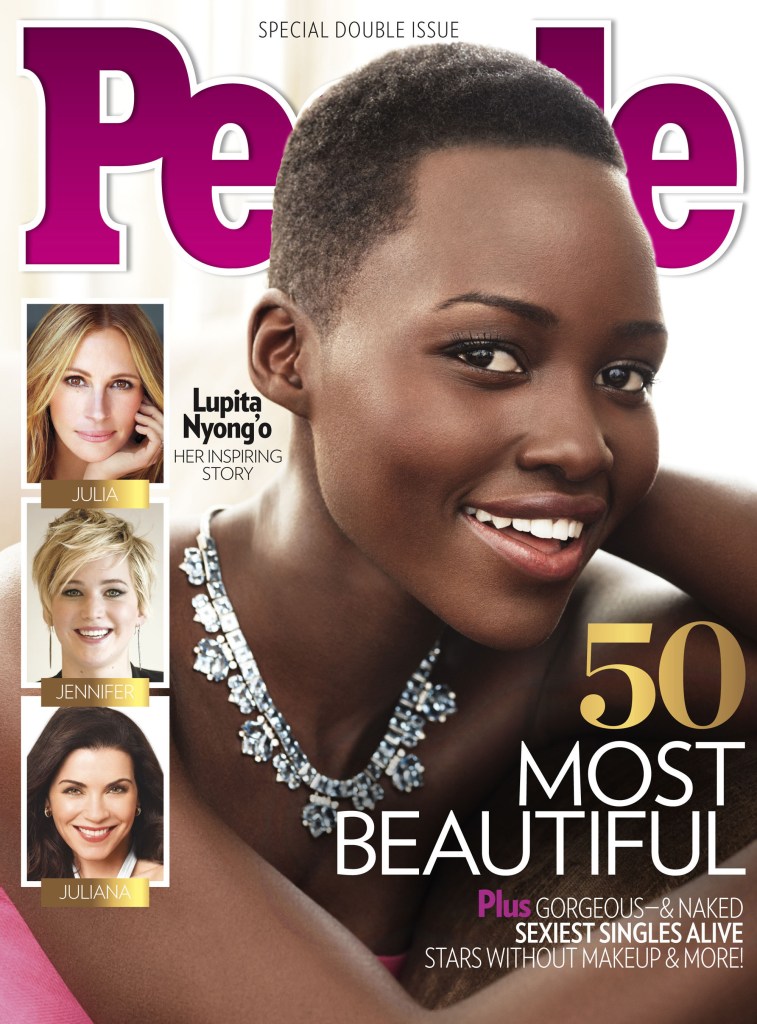
Creator: People | Credit: AP

In a world where beauty standards have long been defined by Eurocentric ideals, the majestic beauty of Lupita Nyong’o emerged as a stunning and revolutionary figure who redefined global perceptions of beauty. With her rich, radiant chocolate skin, statuesque features, and undeniable elegance, Nyong’o stands as a powerful symbol of melanin excellence. Her presence in Hollywood and global fashion has not only elevated the aesthetic appreciation of darker-skinned women but has also created a cultural shift that challenges outdated and oppressive beauty norms. Ranked a near-perfect 10 by science (www.theperfecthumanface.com), Nyong’o is more than just beautiful—she is an embodiment of grace, intellect, and ancestral glory.

Born on March 1, 1983, in Mexico City to Kenyan parents and raised in Nairobi, Kenya, Lupita is a proud representative of the Luo ethnic group. She is the daughter of Peter Anyang’ Nyong’o, a renowned Kenyan politician and university professor. Her upbringing was immersed in culture, intellect, and activism, and this foundation would later shape her perspective as an artist. Lupita holds a Master of Fine Arts in Acting from the prestigious Yale School of Drama, where she honed her craft with a deep sense of discipline and passion.

Lancome Paris

Lupita’s career soared when she delivered a powerful performance as Patsey in the 2013 historical drama 12 Years a Slave, directed by Steve McQueen. Her role, marked by depth and raw emotion, earned her the Academy Award for Best Supporting Actress—making her the first Kenyan and the sixth Black woman in history to receive this honor. Following her Oscar win, Nyong’o became an international sensation, starring in critically acclaimed films such as Black Panther, Us, and Queen of Katwe. Her roles consistently highlight the strength, vulnerability, and complexity of Black characters, making her a champion of representation in Hollywood.

What sets Lupita apart is not merely her acting talent but her ability to embody the fullness of Black womanhood with poise and dignity. In 2014, she was named “The Most Beautiful Woman in the World” by People Magazine—a title that shattered the long-standing exclusivity of beauty in mainstream media. Her image adorned billboards and magazine covers, and her dark skin tone became a canvas of celebration rather than concealment. She proudly embraced her African heritage, stating, “My complexion is beautiful. I am enough as I am.” Her statement, though simple, resonated deeply with Black women and girls around the world who rarely saw themselves reflected in global beauty narratives.

Nyong’o has become a symbol of Black beauty, winning numerous awards, including the NAACP Image Award, the BET Award, and recognition from Essence, Time, and Elle magazines. She also made history as the first Black woman to serve as a global ambassador for Lancôme, a role that challenged the cosmetics industry to acknowledge and cater to diverse skin tones. Through her advocacy and image, Lupita has redefined what the universal standard of beauty looks like, asserting that beauty is not confined to one hue, texture, or origin.

This photograph is the property of its respective owner. No copyright infringement intended.

Black men across the globe have publicly celebrated Lupita’s beauty. Quotes from admirers online include, “Lupita Nyong’o is the kind of beauty that makes you pause, reflect, and thank God for melanin,” and “She doesn’t just walk into a room—she redefines it.” Her beauty is not only admired but revered, not merely for its aesthetic quality but for what it symbolizes: resilience, royalty, and cultural pride.

Lupita attributes her luminous skin and inner glow to natural African remedies such as shea butter, natural oils, and a minimalist skincare routine. However, her true beauty secret lies in her self-love and spiritual grounding. Her confidence, intellect, and humility illuminate her public persona and make her beauty multi-dimensional. In many interviews, she emphasizes emotional wellness and authenticity as central to her beauty and wellness philosophy.

Her beauty and presence go beyond physical attributes. She has become an important cultural icon, speaking out about colorism, self-image, and representation. Her book Sulwe, a children’s story about a young girl who learns to embrace her dark skin, has become a beloved text for families seeking to teach their children about self-love and racial pride. Through her creative work, public statements, and carefully chosen roles, Lupita has consistently elevated the narrative surrounding Black identity.

In conclusion, Lupita Nyong’o is not just a celebrated actress—she is a cultural force. As the Black Beauty of the Week, she represents a shift in global consciousness around race, beauty, and Black femininity. Her impact goes beyond red carpets and photo shoots; she is a living testament to the majesty of Blackness. With a nearly perfect beauty score of 9.98, she is proof that melanin is not only magical—it is divine. She inspires Black women to be seen, heard, and celebrated in their fullness. Lupita Nyong’o is, and always will be, a masterclass in elegance, excellence, and unapologetic Black beauty.


References

McQueen, S. (Director). (2013). 12 Years a Slave [Film]. Fox Searchlight Pictures.
People Magazine. (2014). World’s Most Beautiful Woman: Lupita Nyong’o.
Essence Magazine. (2020). Black Women in Hollywood Honoree: Lupita Nyong’o.
Time Magazine. (2014). 100 Most Influential People: Lupita Nyong’o.
Lancôme. (2014). Lupita Nyong’o Named Global Ambassador.
Nyong’o, L. (2014). Black Women in Hollywood Speech. Essence Network.
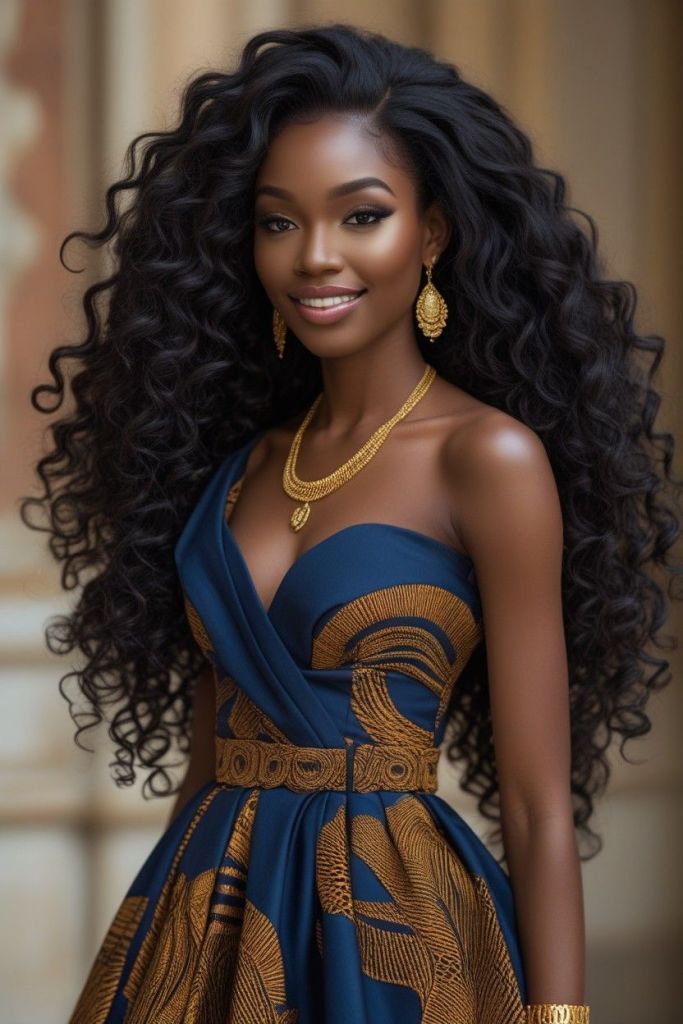
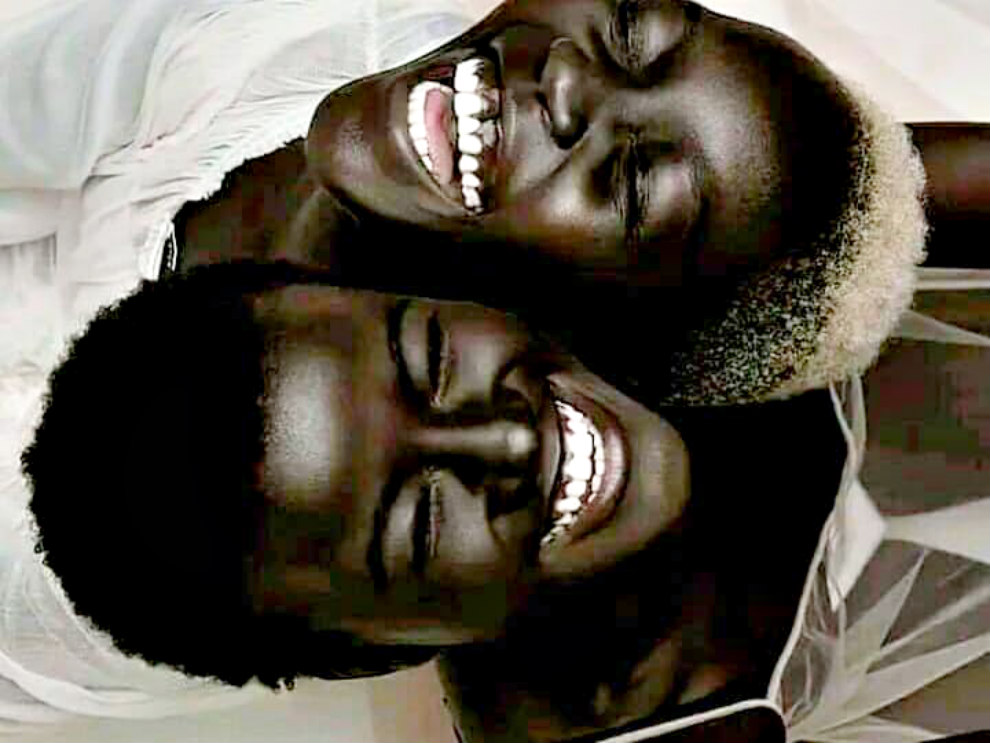
The Rebirth of Brown: From Marginalized to Magnificent.

This photo is the property of its respective owners. No copyright infringement intended.

Throughout history, the concept of beauty has been manipulated, racialized, and hierarchized, leaving brown-skinned women in a liminal space between admiration and exclusion. The “rebirth of brown” signifies a profound cultural awakening—an emergence from centuries of internalized inferiority toward unapologetic self-celebration. This renaissance is not just aesthetic; it is spiritual, intellectual, and political. It represents the reclamation of a divine identity once diminished by colonial narratives and white supremacist beauty standards.

Colorism, the preferential treatment of lighter skin tones within communities of color, is one of the most insidious remnants of slavery and colonial rule. For generations, brown and dark-skinned women have been marginalized in favor of those with Eurocentric features. This marginalization extended into media, religion, and economics, shaping how entire populations viewed themselves (Hunter, 2007). Yet today, there is a growing movement of resistance, one that elevates the brown complexion as a symbol of resilience, heritage, and power.

The rebirth of brown begins with unlearning. For centuries, Black and brown girls were taught to see their features as flaws. They were told their skin was “too dark,” their hair “too coarse,” and their lips “too full.” Such language was not mere critique—it was psychological warfare designed to sever people of African descent from their sense of divine creation. The process of rebirth, therefore, is an act of healing—a spiritual resurrection of self-worth that challenges centuries of lies.

Representation has played a pivotal role in this transformation. When actresses like Lupita Nyong’o and Viola Davis graced magazine covers and red carpets, they did more than represent diversity; they shattered barriers that had long confined Black beauty to narrow ideals. Their success redefined global perceptions of elegance, creating space for brown girls worldwide to see themselves as inherently valuable.

The spiritual aspect of this rebirth cannot be ignored. In the Bible, the Song of Solomon declares, “I am black, but comely” (Song of Solomon 1:5, KJV). This verse has long been misinterpreted, yet in its true form, it celebrates melanin-rich beauty as divine. The reclamation of this scriptural affirmation reconnects brown women to their God-given identity—one that is not defined by colonial impositions but by divine design.

Historically, systems of oppression weaponized beauty as a means of control. During slavery and segregation, lighter skin often meant better treatment, education, or social mobility (Russell, Wilson, & Hall, 1992). This created divisions within the Black community that persist today. However, the rebirth movement dismantles this internalized oppression, asserting that beauty cannot be ranked or quantified—it is a reflection of culture, ancestry, and divine creativity.

The global reach of colorism—from Africa to Asia to Latin America—reveals how deeply colonial beauty ideals have been ingrained. Yet across the diaspora, brown women are reclaiming their narratives through art, film, fashion, and scholarship. Social media campaigns like #MelaninMagic and #UnfairAndLovely highlight this revolution of self-acceptance and solidarity. These movements remind the world that brown is not a compromise—it is completeness.

Education and visibility are key to sustaining this transformation. When school curriculums include diverse histories and celebrate African civilizations such as Kush, Nubia, and Mali, young brown students learn to associate their skin tone with greatness, not shame. The rebirth of brown, therefore, begins in the mind and blossoms through awareness and pride.

Media portrayal also plays a major role. For decades, films and advertisements favored fair-skinned women as love interests or symbols of sophistication. The “brown girl” was often cast as the friend, the sidekick, or the struggle narrative. Today, this trend is shifting. Black-owned media outlets and independent creators are producing content that centers brown-skinned women as protagonists—complex, desirable, and multidimensional.

The psychological effects of colorism run deep. Studies show that skin tone can influence self-esteem, social mobility, and even mental health (Hall, 2010). Overcoming this requires intentional affirmations of worth and systemic change in industries that profit from insecurity. The beauty industry, for example, must diversify its marketing and stop equating fairness with flawlessness.

Fashion has also become a battlefield of representation. Designers now celebrate brown hues as luxury tones, naming them “mocha,” “espresso,” and “caramel.” While this may seem commercial, it subtly repositions brownness as aspirational. The same tones once mocked are now coveted—a cultural reversal that illustrates the power of visibility.

Yet, this rebirth is not without tension. Some accuse movements of “melanin pride” of reversing discrimination or fostering exclusion. However, self-love among the historically oppressed is not supremacy—it is survival. As theologian Howard Thurman (1949) emphasized, affirming one’s dignity in a dehumanizing world is an act of divine resistance.

The economic implications of this renaissance are equally significant. Black-owned beauty and fashion brands—such as Fenty Beauty and The Lip Bar—have revolutionized inclusivity, proving that authenticity and diversity are profitable. The rebirth of brown extends beyond empowerment; it is also about reclaiming financial power in industries that once excluded us.

In literature, authors like Toni Morrison and Alice Walker have long chronicled the pain and power of brown womanhood. Their works remind readers that the journey toward self-acceptance is both personal and political. Morrison’s The Bluest Eye remains a haunting portrayal of how colorism can destroy the psyche, yet its continued relevance shows how necessary rebirth remains.

Religious imagery has also shifted. The traditional portrayal of a white Jesus, for instance, contributed to subconscious color bias in spiritual spaces. Reclaiming Afrocentric biblical imagery aligns theology with truth, reinforcing the sacredness of brownness. When faith affirms melanin, healing becomes holistic.

Social activism continues to be a driving force. Brown women at the forefront of movements like #BlackLivesMatter and #SayHerName demonstrate that visibility is not vanity—it is liberation. Their courage transforms pain into purpose, proving that brown women are not passive victims but powerful change-makers.

Healing generational trauma requires both community and consciousness. Support groups, cultural programs, and mentorship initiatives create safe spaces for brown girls to discuss self-image and identity without judgment. Collective affirmation rebuilds what centuries of oppression tried to destroy.

The rebirth of brown is not merely about complexion—it symbolizes the resurrection of truth. It is about remembering that brown women carry the DNA of queens, warriors, and scholars. Their existence defies erasure and reclaims glory. This awakening represents the intersection of beauty, history, and divine purpose.

In the future, the rebirth of brown will inspire a new cultural standard—one rooted in authenticity and pride. The next generation of brown girls will grow up seeing reflections of themselves in every field, from politics to entertainment, knowing they are magnificent by design.

From marginalized to magnificent, the brown woman’s story is one of redemption. She is no longer the shadow, but the light—radiant, regal, and reborn.


References

  • Hall, R. E. (2010). An Historical Analysis of Skin Color Discrimination in America: Victimism in the Color Complex. Springer.
  • Hunter, M. (2007). The Persistent Problem of Colorism: Skin Tone, Status, and Inequality. Sociology Compass, 1(1), 237–254.
  • Russell, K., Wilson, M., & Hall, R. (1992). The Color Complex: The Politics of Skin Color Among African Americans. Anchor Books.
  • Thurman, H. (1949). Jesus and the Disinherited. Beacon Press.
  • The Holy Bible, King James Version (KJV).

The Color of Success: Melanin, Skin Tone, and Social Perception in Black Communities.

This photograph is the property of its respective owner. No copyright infringement intended.

Skin tone has long been a significant factor in shaping social dynamics within Black communities. The phenomenon of colorism—discrimination based on skin tone—has profound implications for individuals’ experiences and opportunities. This paper explores how melanin levels influence social perceptions, opportunities, and interpersonal relationships among Black individuals.Verywell Mind


Historical Context of Colorism

Colorism has roots in colonial and slavery-era ideologies that privileged lighter skin as a marker of European ancestry and higher social status. Practices like the “brown paper bag test” in Black social institutions exemplify how these biases were institutionalized within the community. Such historical precedents have perpetuated a hierarchy of skin tones, influencing societal perceptions and interactions.Verywell Mind+1Wikipedia


Skin Tone and Social Perception

Research indicates that lighter-skinned Black individuals often receive preferential treatment in various social contexts. For instance, studies have shown that lighter-skinned Black women tend to have advantages in employment and educational settings. Conversely, darker-skinned individuals may face biases that affect their social mobility and access to resources.


Psychosocial Impact of Colorism

The internalization of colorist ideals can lead to significant psychological effects. Darker-skinned individuals may experience lower self-esteem and increased susceptibility to mental health issues due to societal devaluation. Conversely, lighter-skinned individuals might grapple with identity conflicts and the pressure to conform to Eurocentric beauty standards.


Colorism in Media and Representation

Media portrayals often reinforce colorist biases by favoring lighter-skinned actors and models, thereby marginalizing darker-skinned individuals. This lack of representation can perpetuate stereotypes and limit opportunities for darker-skinned Black individuals in the entertainment industry.


Case Studies:

Colorism, the preferential treatment of lighter skin within Black communities, impacts both public figures and everyday individuals, shaping perceptions, opportunities, and self-esteem. A powerful example is Academy Award-winning actress Lupita Nyong’o, who has openly discussed her experiences growing up in Kenya with dark skin. From a young age, Nyong’o internalized societal and community biases, praying for lighter skin and believing that it would make her more beautiful and accepted. Her perspective began to shift when she encountered role models such as supermodel Alek Wek, whose prominence in the fashion industry challenged Eurocentric beauty standards. Nyong’o’s rise to global acclaim through films like 12 Years a Slave (2013) and Black Panther (2018) not only validated her personal worth but also sent a powerful message to dark-skinned individuals worldwide. She further leveraged her platform to advocate against skin bleaching and promote self-acceptance through her children’s book Sulwe (2019), providing younger generations with tools to resist internalized colorism and embrace their natural beauty.

Similarly, colorism deeply affects the daily lives of non-celebrities, as illustrated by the experiences of Maya Thompson, a 27-year-old African American woman from Atlanta. Growing up in a predominantly Black neighborhood, Thompson observed that lighter-skinned peers often received praise and attention from teachers and community members, while darker-skinned students, including herself, faced stereotypes associating their complexion with negative traits. These early experiences contributed to self-consciousness and internalized bias. As an adult, Thompson encountered subtle forms of colorism in professional settings, noticing that lighter-skinned colleagues were more likely to be promoted and treated favorably by clients. The psychological toll of these biases led her to pursue therapy and participate in mentorship and community programs designed to combat colorism and build self-esteem. By engaging in cultural initiatives celebrating darker skin tones and advocating for inclusive representation, Thompson gradually reclaimed her sense of identity and confidence.

Together, the experiences of Nyong’o and Thompson demonstrate the pervasive and multifaceted nature of colorism. While Nyong’o’s celebrity status provides visibility that can inspire broad societal change, Thompson’s story highlights the everyday psychological, social, and professional challenges faced by countless dark-skinned individuals. Both narratives underscore the importance of representation, mentorship, community support, and self-acceptance in confronting colorist attitudes and fostering resilience within Black communities.

Economic Implications of Skin Tone

Skin tone can influence economic opportunities and outcomes. Lighter-skinned individuals may have better job prospects and higher salaries, while darker-skinned individuals might face discrimination that hinders their economic advancement. These disparities contribute to the broader socioeconomic inequalities within Black communities.


Combating Colorism: Strategies and Initiatives

Efforts to address colorism include promoting diverse representation in media, implementing anti-discrimination policies, and fostering community dialogues about the impact of skin tone biases. Educational programs that challenge colorist attitudes and celebrate all shades of Blackness are essential in dismantling these ingrained prejudices.Verywell Mind


Conclusion

Colorism remains a pervasive issue within Black communities, affecting various aspects of life, from personal relationships to professional opportunities. Addressing colorism requires a multifaceted approach that includes education, representation, and systemic change. By confronting these biases, society can move towards greater equity and inclusivity for all Black individuals, regardless of skin tone.


References

  1. Assari, S., & Caldwell, C. H. (2022). How Skin Tone Influences Relationships Between Discrimination and Health: A Study of Black Adolescents. PMC. Retrieved from https://pmc.ncbi.nlm.nih.gov/articles/PMC9683503/
  2. Maddox, K. B., & Gray, S. A. (2002). Cognitive Representations of Black Americans: Re-examining the Role of Skin Tone. Personality and Social Psychology Bulletin, 28(2), 250-259.
  3. Hall, R. E. (2010). An Historical Analysis of Skin Color Discrimination. Journal of Black Studies, 40(1), 5-24.
  4. Dixon, T. L. (2017). Racism in the United States: Implications for Media Representation. Journal of Social Issues, 73(1), 1-17.
  5. Hall, R. E. (1995). Dark Skin and the Cultural Ideal of Masculinity. Journal of African American Studies, 1(3), 37-62.
  6. Hall, R. E. (1992). Bias Among African Americans Regarding Skin Color: Implications for Social Work Practice. Research on Social Work Practice, 2(4), 479-486.
  7. Hall, R. E. (2010). An Historical Analysis of Skin Color Discrimination. Journal of Black Studies, 40(1), 5-24.
  8. Hall, R. E. (1995). Dark Skin and the Cultural Ideal of Masculinity. Journal of African American Studies, 1(3), 37-62.
  9. Hall, R. E. (1992). Bias Among African Americans Regarding Skin Color: Implications for Social Work Practice. Research on Social Work Practice, 2(4), 479-486.
  10. Hall, R. E. (2010). An Historical Analysis of Skin Color Discrimination. Journal of Black Studies, 40(1), 5-24.

Essence. (2014, March 4). Lupita Nyong’o’s inspiring speech on beauty that everyone should hear. Retrieved from https://www.essence.com

Nyong’o, L. (2019). Sulwe. New York: Simon & Schuster Books for Young Readers.

Hall, R. E. (2010). An historical analysis of skin color discrimination. Journal of Black Studies, 40(1), 5–24.

Hunter, M. (2007). The persistent problem of colorism: Skin tone, status, and inequality. Sociology Compass, 1(1), 237–254.

  • Essence. (2014, March 4). Lupita Nyong’o’s inspiring speech on beauty that everyone should hear. Retrieved from https://www.essence.com
  • Nyong’o, L. (2019). Sulwe. New York: Simon & Schuster Books for Young Readers.
  • Keith, V., & Herring, C. (1991). Skin tone and stratification in the Black community. American Journal of Sociology, 97(3), 760–778.
  • Glenn, E. N. (2009). Yearning for lightness: Transnational circuits in the marketing and consumption of skin lighteners. Gender & Society, 23(3), 281–302.

Pretty Privilege Series: Beyond the Complexion — Redefining Worth for Every Shade.

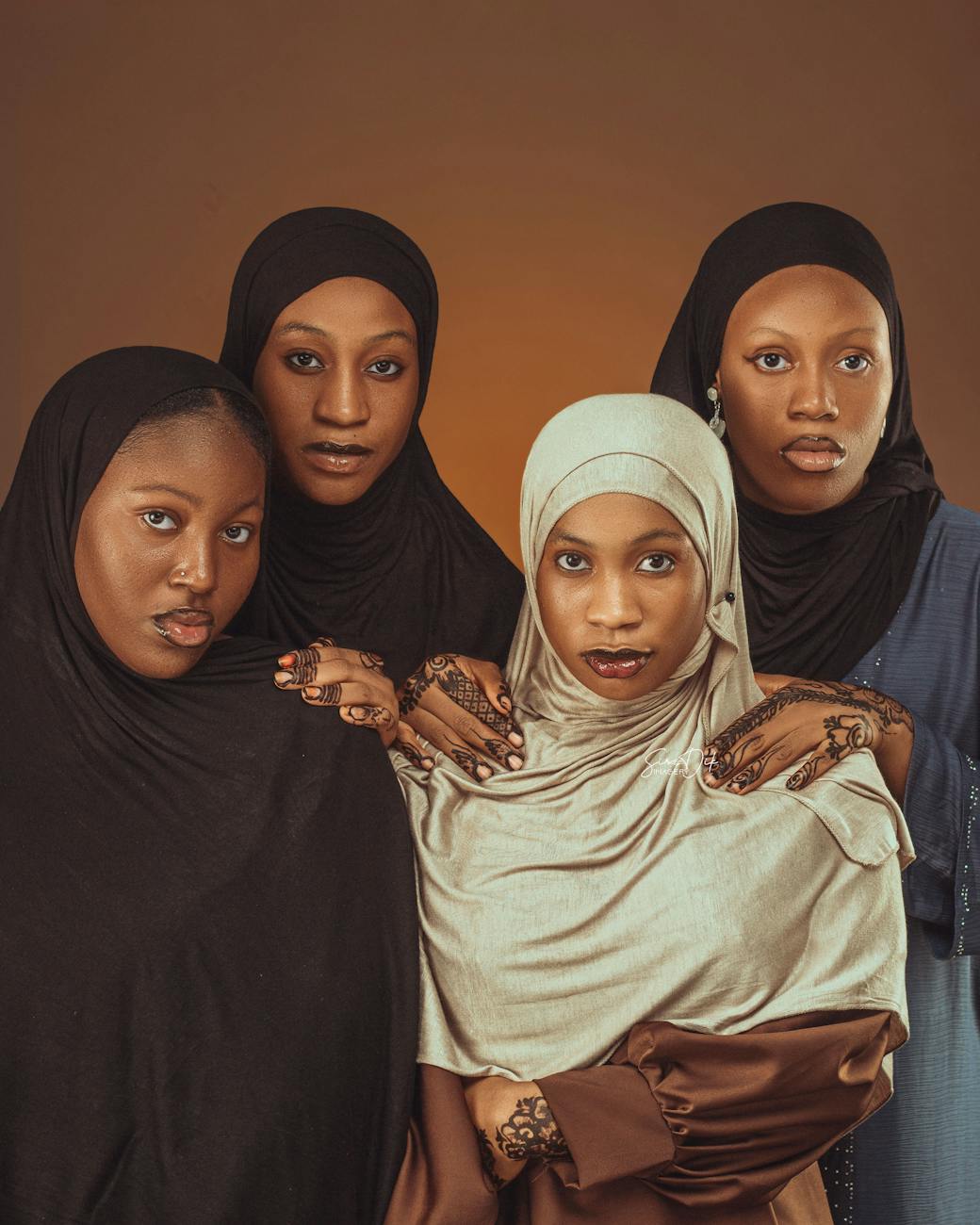
Photo by sirdik Imagery on Pexels.com

Colorism has left wounds that run deep within our communities, shaping perceptions of beauty, identity, and worth. For too long, shade has been used as a measuring stick for acceptance, desirability, and opportunity. To move forward, we must redefine worth for every shade, lifting the veil on “pretty privilege” and affirming the divine value of Blackness in all its richness.

Skin Deep Wounds — Healing the Hidden Scars of Colorism

The wounds of colorism are not only external but internal. Skin tone bias is not simply about how the world perceives us; it is about how we learn to perceive ourselves. Words like “too dark” or “light but not bright” cut into the soul, shaping childhood self-image in ways that echo into adulthood. Proverbs 18:21 (KJV) reminds us, “Death and life are in the power of the tongue.” When words diminish God’s creation, they leave hidden scars.

These scars are visible in the struggles of young Black girls who avoid the sun to keep their skin light, or young boys teased for being “too dark.” The trauma festers silently, becoming insecurities that limit confidence and self-expression. Healing begins with honesty—acknowledging that colorism has been a battleground for many of our souls.

The healing process requires dismantling internalized lies. Psalm 139:14 (KJV) declares, “I will praise thee; for I am fearfully and wonderfully made.” Every shade of melanin carries God’s fingerprint, a mark of intentional design. To heal from colorism is to return to this truth, replacing shame with sacred affirmation.

Shattered Reflections — When Beauty Becomes a Battleground

The beauty industry has long profited from fractured reflections, perpetuating the idea that lighter skin is superior. From skin-lightening creams in Jamaica to casting choices in Hollywood, darker shades are often treated as obstacles rather than assets (Charles, 2003). This battle over beauty has forced many women into comparison wars, where worth is tied to shade rather than substance.

Consider how media representations reinforce these divisions. Lighter-skinned women often receive leading roles or are marketed as universal beauties, while darker-skinned women are typecast as strong but rarely romantic leads. This reinforces a dangerous hierarchy that fractures self-worth and perpetuates insecurity.

But beauty should never be a battlefield. Ecclesiastes 3:11 (KJV) reminds us, “He hath made every thing beautiful in his time.” God’s design leaves no shade excluded, no complexion unworthy. The real battle is against lies that seek to limit the spectrum of Black beauty.

Examples of Worthy Black Women in All Shades of Color

Across history and culture, Black women of every shade have embodied brilliance, resilience, and beauty. Their lives demonstrate that worth is not confined to complexion but rooted in character and calling.

Lupita Nyong’o, a dark-skinned actress and activist, has become a global voice for self-love and natural beauty. Her 2014 Oscar speech about embracing her skin inspired countless young women to reject colorist lies.

Viola Davis, another darker-skinned icon, has broken barriers in Hollywood, becoming the first Black woman to win an Emmy, Tony, and Oscar. Her success proves that talent, not tone, defines greatness.

Zendaya, of a lighter complexion, uses her platform to challenge the privileges afforded to her shade. She consistently advocates for darker-skinned representation in film and fashion, showing that lighter-skinned women can use their privilege responsibly to uplift others.

Beyoncé, with her golden-brown complexion, has redefined global pop culture. Yet she also openly addresses her Blackness in works like Lemonade, highlighting the beauty and struggles of being a Black woman in all shades.

Michelle Obama, of a rich brown hue, served as First Lady of the United States with grace, intellect, and strength. She became a living reminder that leadership, class, and beauty transcend skin tone.

Serena and Venus Williams, both deep brown-toned athletes, dominated tennis, a sport historically closed to Black women. Their resilience against racism and colorism within sports symbolizes how power and melanin coexist unapologetically.

Each of these women stands as proof that every shade holds worth. Their legacies dismantle the myths of colorism and expand the spectrum of representation.

Redefining Worth for Every Shade

Redefining worth means moving beyond complexion as a qualifier. It is choosing to affirm that Black beauty is not conditional but universal. John 8:32 (KJV) assures, “And ye shall know the truth, and the truth shall make you free.” The truth is that worth is God-given, not man-defined.

Communities must intentionally affirm children across shades, teaching them that their melanin is not a burden but a blessing. Schools, churches, and families must create spaces where darker and lighter-skinned children see themselves equally celebrated.

Media industries must diversify representation, rejecting tokenism in favor of authentic inclusivity. This means casting darker-skinned women in roles of love and softness, not just strength, and celebrating lighter-skinned women without placing them on pedestals of exclusivity.

Spiritually, churches must reject shade-based biases. The gospel is clear: “Of a truth I perceive that God is no respecter of persons” (Acts 10:34, KJV). If heaven is filled with every shade, then earth should reflect that same truth.

Ultimately, the battle of complexion is not about beauty but about identity. When Black people stop fighting one another over melanin and begin celebrating the divine artistry of every hue, the chains of colorism will break.

The healing of these hidden scars requires both personal and collective action. Individually, it means reclaiming self-love. Collectively, it means dismantling systems and mindsets that perpetuate shade hierarchies. Together, we can move beyond complexion to redefine worth for every shade.


References

  • Charles, C. A. D. (2003). Skin bleachers’ representations of skin color in Jamaica. Journal of Black Studies, 33(6), 711–728.
  • Hunter, M. (2007). The persistent problem of colorism: Skin tone, status, and inequality. Sociology Compass, 1(1), 237–254.
  • Keith, V. M., & Herring, C. (1991). Skin tone and stratification in the Black community. American Journal of Sociology, 97(3), 760–778.
  • Russell, K., Wilson, M., & Hall, R. (1992). The Color Complex: The Politics of Skin Color Among African Americans. Anchor Books.
  • The Holy Bible, King James Version.

Dilemma: Black Skin

The dilemma of Black skin is not biological—it is psychological, historical, and inherited through trauma. A pigment that should signify life, lineage, and divine creativity was weaponized into a mark of subjugation and dehumanization, though scripture never framed hue as inferiority. “I am black, but comely” (Song of Sol. 1:5, KJV).

Slavery altered more than labor systems; it attempted to rewrite identity itself. Black skin became a symbol falsely associated with divine rejection, though the Bible affirms that God formed all mankind intentionally. “The Lord hath made all things for himself” (Prov. 16:4, KJV).

The transatlantic slave trade kidnapped the body, but racism imprisoned the mind. Europeans repainted the theology of beauty with whiteness centered at the altar, planting a spiritual lie that melanated bodies were errors, not divine authorship. Yet God is the original designer. “Thine eyes did see my substance, yet being unperfect” (Psa. 139:16, KJV).

Negativity surrounding Black skin was not seeded in scripture but in propaganda. Colonizers inverted Ham’s lineage in Genesis into a false theology of skin-based curses, though the Bible speaks no such thing. The curse in Genesis was upon Canaan’s servitude, not complexion (Gen. 9:25, KJV).

Africa was the first cradle of human expansion. Ham’s sons—Cush, Mizraim, Put—are founders of African nations (Gen. 10:6, KJV). This means Black presence was at creation, migration, and worship’s dawn, not its aftermath.

Racism engineered theology into hierarchy. Whiteness monopolized the image of God, angels, and salvation, even though scripture gives cosmic freedom in who God calls by name. “Princes shall come out of Egypt; Ethiopia shall soon stretch out her hands unto God” (Psa. 68:31, KJV).

Colorism is racism’s domestic offspring. When a system wounds a nation long enough, the wounded begin competing in hue rather than healing in humanity. But God’s salvation is soul-deep, not skin-deep. “For man looketh on the outward appearance, but the Lord looketh on the heart” (1 Sam. 16:7, KJV).

Dark skin was mislabeled as labor-grade, not beauty-laced. The marketplace economy of slavery placed price tags on phenotype: lighter brought economic advantage, darker brought harsher labor assignment. This distortion still echoes in modern Black cultural psychology.

Black children grew up watching the world praise fairness while punishing richness. This interior conflict creates a dilemma: loving the color you wear while living in a society that still worships the opposite.

Racism convinces Black women that beauty requires editing Blackness itself. From skin bleaching to hair humiliation, the world teaches Black women to apologize for melanin instead of honoring it. Yet scripture reverses the shame of appearance. “He hath made every thing beautiful in his time” (Eccl. 3:11, KJV).

Black men carry the burden of being feared because of their shade and frame. Their complexion was interpreted socially as aggression rather than image-bearer dignity, though the Bible describes strength without equating it to moral corruption. “Be strong and of a good courage” (Josh. 1:9, KJV).

Negativity surrounding Black skin created a spiritual orphaning. Many Blacks converted into religions that used the Bible to comfort them but never used theology to defend their identity’s sacred legitimacy.

Melanin became a theological insecurity rather than a cultural crown. Black skin was reinterpreted into a social problem instead of a sacred narrative of ancestral resilience, divine endurance, and survival.

Scripture affirms that God stands with the suffering and oppressed, not the complexion they are suffering in. “He shall judge the poor of the people, he shall save the children of the needy” (Psa. 72:4, KJV) makes it clear that injustice draws God’s advocacy, not His agreement.

Christianity as preached on plantations tried to pacify revolt while ignoring identity theft. But scripture tells another story: God delivers the oppressed into restored dignity, not silent submission. “Let my people go” (Exo. 5:1, KJV).

Black skin was the canvas on which oppression attempted to permanently paint shame. But the Bible shows that suffering does not rewrite chosenness. “If ye endure chastening, God dealeth with you as sons” (Heb. 12:7, KJV).

Colorism wounded Black women into ranks of attractiveness based on gradients. The dilemma of pigmentation hierarchy taught Black mothers to desire lighter children, reflecting trauma rather than preference.

Racism built entire institutions to oppose Black elevation. Still, scripture promises divine reversal in seasons of suffering. “And the Lord thy God will turn thy captivity… and have compassion upon thee” (Deut. 30:3, KJV).

Black skin is now undergoing reclamation. The dilemma remains, but so does restoration theology. “Be renewed in the spirit of your mind” (Eph. 4:23, KJV) suggests transformation is mental liberation first.

The world tried to make Blackness symbolic of sin, foolishness, servitude, and ugliness. But scripture gives voice to beauty where culture denied it. “I will make mention of Rahab and Babylon to them that know me: behold Philistia, and Tyre, with Ethiopia; this man was born there” (Psa. 87:4, KJV).

The dilemma of Black skin is therefore a theological confrontation: rejecting the doctrine of racial inferiority, dismantling internalized oppression, calling melanin beautiful without apology, and reclaiming skin not as dilemma but testimony.

Black identity was not born in chains, curse, or erasure—it was born under heaven’s architecture, exiled through suffering, yet promised redemption. “For I know the thoughts that I think toward you, saith the Lord, thoughts of peace, and not of evil” (Jer. 29:11, KJV).

The final transformation is from shame to sacred remembrance. The original mark of identity was not color—but creation intent. And creation intent cannot be rewritten by captivity. “The gifts and calling of God are without repentance” (Rom. 11:29, KJV).


References

The Holy Bible, King James Version. (1611). Cambridge University Press.
Douglass, F. (1845). Narrative of the Life of Frederick Douglass, an American Slave. Anti-Slavery Office.
Hunter, M. (2007). “The Persistent Problem of Colorism.” Sociology Compass, 1(1), 237-254.
Walker, A. (1983). In Search of Our Mothers’ Gardens. Harcourt.

Melanin Memories: The Story of Ursula

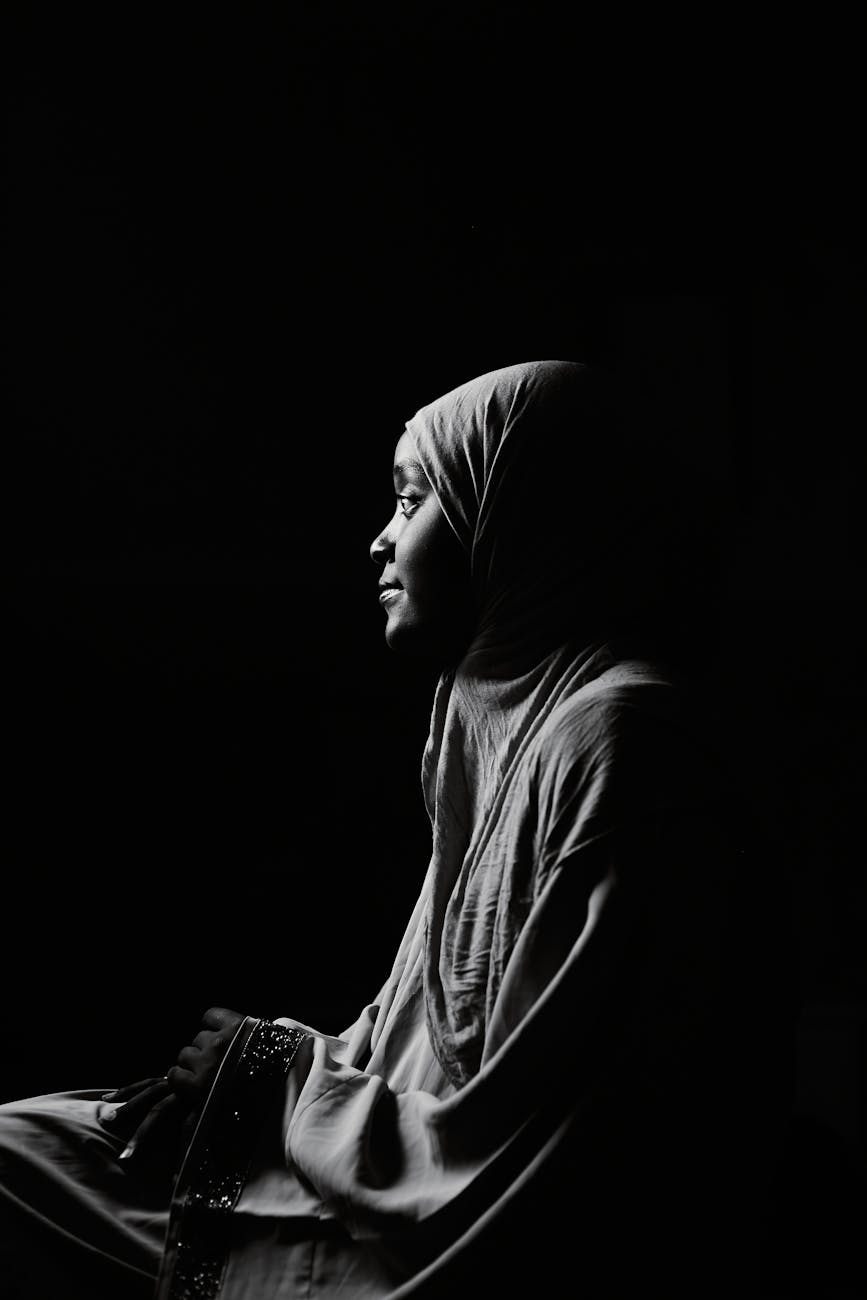
Photo by TRIPLE LENS PHOTOGRAPHY on Pexels.com

Ursula was forty-four years old, a teacher whose spirit was shaped by resilience and heartbreak. Her skin, rich and deep like polished mahogany, mirrored the hue of Viola Davis—strong, elegant, and undeniably beautiful. Yet, the world had never allowed her to believe it. From childhood to womanhood, her life was a collection of moments where love was something she had to chase, beg for, and sometimes bury.

She had learned early that being dark-skinned came with unspoken lessons—ones that no classroom could ever teach. Her mother, burdened by her own generational wounds, told her she was “too dark to be beautiful,” that no man would ever love her. Those words, sharp as glass, carved deep into Ursula’s developing self-image.

At school, light-skinned girls were treated like princesses. They were the ones chosen first, admired, and adored. Ursula was teased for her tightly coiled hair, her full lips, and her broad nose. They called her names—“tar baby,” “burnt toast,” “midnight”—each insult becoming a shadow that followed her for decades.

She remembered the day she stopped looking in mirrors. It wasn’t out of vanity but protection. Every reflection felt like a reminder of what the world had told her she was not—beautiful, wanted, worthy. Yet deep within, she longed for a love that could see her the way God saw her: radiant and whole.

As an adult, she became a teacher, pouring her heart into students who reminded her of herself—especially the dark-skinned girls who sat quietly at the back, afraid to raise their hands. She made sure to call them “beautiful” every day, hoping to plant in them the seeds no one had planted in her.

Still, the loneliness lingered. Every man she’d loved eventually left her for someone lighter. One boyfriend said, “You’re amazing, but my mom likes girls with softer features.” Another told her, “You’d be perfect if your skin wasn’t so dark.” Those words crushed her spirit, each one confirming the internalized message that her complexion was a curse.

In her thirties, she tried to change herself. She straightened her hair, wore lighter makeup, and dressed in colors that others said would “brighten her up.” But inside, she still felt dimmed—muted by a world that worshiped proximity to whiteness.

At work, she faced the same discrimination in professional form. She was overlooked for promotions, despite being more qualified than her peers. “You’re great with the kids,” her supervisor said, “but we’re looking for someone who represents a more ‘polished’ image.” She knew what that meant. It meant lighter. Softer. Whiter.

Ursula started to write late at night, her journal becoming her confessional. She wrote about beauty and pain, about wanting to be seen—not through pity, but through love. Her pen became her healing, each page a quiet rebellion against the colorist world that had silenced her.

Her mother’s voice still echoed in her head, but it was softer now, drowned out by Ursula’s growing realization that her mother’s cruelty was inherited pain. Her mother, too, had been told she wasn’t enough because of her hue. Hurt people hurt people, and colorism was the wound that passed from generation to generation like a curse disguised as advice.

Despite everything, Ursula’s heart still believed in love. She watched couples holding hands and wondered what it would feel like to be adored openly, without apology. She prayed for a man who would see her soul first and her shade second.

One day, a new teacher joined the school—a kind man with deep brown skin and a smile that reminded her of peace. He admired Ursula’s intellect, her compassion, and her fire. But when she caught feelings, fear crept in. “He’ll probably find someone lighter,” she whispered to herself. Years of rejection had made her afraid to hope.

But this time was different. He saw her. Not the world’s version of her, but her. When he told her she was beautiful, she didn’t believe him at first. “You don’t have to say that,” she replied. He smiled and said, “I’m not saying it because I have to. I’m saying it because I see it.”

Slowly, Ursula began to heal. She started wearing her natural hair again, letting her coils crown her with pride. Her students noticed. “Ms. Green, your hair is so pretty!” they’d say, and she’d smile, realizing how far she’d come from that little girl who once hated her reflection.

She never forgot the pain of her past, but she learned to turn it into purpose. She became an advocate for colorism awareness, speaking at schools and community centers about self-love and healing. Her words touched the hearts of many who had walked the same road.

By forty-four, Ursula hadn’t just survived—she had transformed. Her story was no longer one of rejection but redemption. Her melanin, once mocked, became her testimony. She discovered that beauty wasn’t about being chosen—it was about choosing yourself.

And though she still had scars, she wore them like medals. For every time she was overlooked, she had grown stronger. For every insult, she had built resilience. For every heartbreak, she had learned to love herself a little more.

Ursula’s story is the story of countless women—Black women who have been told their worth is determined by shade. Yet through pain, they rise, reclaiming their beauty one truth at a time.

In the end, Ursula realized that she didn’t need to fight to be loved. She only needed to remember she was already love itself—deep, rich, and divine.

The Psychology of Melanin: Why Brown Skin is Beautiful.

This photograph is the property of its respective owner. No copyright infringement intended.

Brown skin, a living shield of light,
Absorbing sun, yet shining bright.
Ancestral stories etched in hue,
Strength enduring, ever true.

Not a mark of shame, but crown,
Royal tones from gold to brown.
Scripture whispers, “comely, fair,”
A beauty deep beyond compare.

Brown skin, in its radiant spectrum of hues, carries both a scientific brilliance and a profound cultural meaning. At its foundation lies melanin, the pigment that not only determines the complexion of human skin but also provides biological advantages, cultural identity, and psychological resilience. To understand the beauty of brown skin, one must examine the science of melanin, the psychology of color, the history of racialized beauty standards, and the spiritual affirmations that honor melanated people.

The Science of Melanin

Melanin is a natural polymer responsible for pigmentation in skin, eyes, and hair. It functions as a biological shield, absorbing ultraviolet radiation and protecting against DNA damage (Jablonski & Chaplin, 2010). Higher concentrations of melanin are associated with slower aging, reduced risk of certain skin cancers, and the famed saying, “Black don’t crack.” The resilience of melanated skin is thus not only aesthetic but deeply physiological, reinforcing health, vitality, and longevity.

Shades of Brown and Identity

Brown skin exists in a spectrum ranging from golden caramel to deep mahogany. These shades tell ancestral stories of adaptation to diverse climates and environments. The psychology of shade is crucial, as social hierarchies have historically privileged lighter tones while devaluing darker ones—a phenomenon known as colorism (Hunter, 2007). Despite this legacy, there has been a global reclaiming of darker skin tones as symbols of pride, resilience, and beauty.

Cultural and Psychological Impact

Brown skin has often been unjustly stigmatized through Eurocentric beauty ideals that elevate whiteness as the standard. Such biases have led to internalized racism and psychological harm among darker-skinned populations (Burke, 2008). Yet, psychological studies also demonstrate that affirmations of cultural identity and positive representation can restore self-esteem and foster collective pride (Cross & Vandiver, 2001). For many, embracing melanin becomes an act of resistance and self-love.

The Global Praise of Brown Skin

Across cultures, melanated beauty has long been admired. Ancient African, Indian, and Indigenous traditions revered darker complexions as markers of nobility, fertility, and divine favor. Even in literature, metaphors likening dark skin to bronze, ebony, and gold highlight its aesthetic richness. Contemporary fashion and modeling—exemplified by icons like Naomi Campbell and Adut Akech—continue this global appreciation, showcasing the elegance of brown skin on international stages.

Biblical Affirmations of Brown Skin

The King James Bible contains references that affirm the beauty of melanated people. In Song of Solomon 1:5–6, the Shulamite woman declares: “I am black, but comely”, affirming dark skin as both divine and desirable. Jeremiah 8:21 describes the suffering of a “black people” with dignity, further signifying presence and importance within sacred texts. These passages refute any notion of inferiority and ground beauty in spiritual identity.

Psychological Strength in Melanin

The psychology of brown skin transcends surface appearance—it is linked to survival, adaptability, and communal pride. Psychologists argue that beauty is not merely physical but tied to resilience and confidence (Swami & Tovée, 2004). For people of African descent, melanin embodies endurance against centuries of oppression, serving as a visible reminder of strength. In this sense, melanin is both a biological armor and a psychological crown.

The Beauty Narrative Reclaimed

Today, movements such as “Melanin Magic” and “Black is Beautiful” are reshaping narratives. Social media platforms amplify voices that celebrate brown skin in all its variations, shifting beauty hierarchies away from Eurocentrism. This reclamation of beauty is not superficial but deeply psychological, affirming identity while dismantling internalized shame.

Conclusion

Brown skin is beautiful not simply because of pigmentation, but because it represents a convergence of science, history, psychology, and spirituality. It carries biological brilliance, cultural symbolism, and ancestral resilience. To celebrate melanin is to affirm life, survival, and dignity in the face of systems that once sought to devalue it. As the Bible reminds, “I am fearfully and wonderfully made” (Psalm 139:14, KJV)—a truth that underscores why brown skin, in all its hues, remains eternally beautiful.


References

  • Burke, M. A. (2008). Colorism as racism: Garvey, Fanon, and the evolution of Black consciousness. Journal of African American Studies, 12(4), 498–515.
  • Cross, W. E., & Vandiver, B. J. (2001). Nigrescence theory and measurement. Handbook of multicultural counseling, 371–393.
  • Hunter, M. (2007). The persistent problem of colorism: Skin tone, status, and inequality. Sociology Compass, 1(1), 237–254.
  • Jablonski, N. G., & Chaplin, G. (2010). Human skin pigmentation as an adaptation to UV radiation. Proceedings of the National Academy of Sciences, 107(Supplement 2), 8962–8968.
  • Swami, V., & Tovée, M. J. (2004). The influence of body weight and shape in determining female and male physical attractiveness. Body Image, 1(2), 129–137.

Melanin: The Golden Fleece

This photograph is the property of its respective owner. No copyright infringement intended.

Melanin has long been viewed through a social, aesthetic, and at times oppressive lens, yet beneath surface narratives lies profound biological, historical, and spiritual significance. Melanin is not merely pigment—it is a biochemical treasure, a molecular shield, and a marker of resilience. To speak of melanin is to enter a conversation about identity, memory, divinity, and survival.

Biologically, melanin is a natural polymer responsible for skin, hair, and eye color. It exists in eumelanin, pheomelanin, and neuromelanin forms, each with precise biological functions (Simon et al., 2009). Eumelanin produces rich brown and black hues, functioning as the body’s natural armor against ultraviolet radiation. Those richly endowed with melanin possess enhanced protection from sun damage and oxidative stress.

The molecular properties of melanin have led many scholars and thinkers to call it a biochemical jewel. It absorbs and transforms light, protects DNA, neutralizes free radicals, and supports cellular stability (Hill, 1992). It is a biological blessing—an evolutionary adaptation honed to thrive under intense sunlight. In this way, melanin becomes symbolic of ancestral endurance in equatorial regions, where ancient civilizations flourished.

Neuromelanin—found in the brain—invites deeper conversation. It is concentrated in regions associated with movement, memory, and emotional regulation (Zecca et al., 2008). The presence of melanin in neural structures has fueled scientific curiosity and cultural pride. Though still under study, neuromelanin may play a role in neurological health, stress resilience, and cognitive processes.

The historical framing of melanin diverges sharply from its biological brilliance. Colonial narratives weaponized skin tone, divorcing melanin from its scientific majesty. People with higher melanin content were cast into artificial hierarchies designed to devalue their humanity and legacy. Yet the very trait used to marginalize Black people is one of nature’s greatest evolutionary triumphs.

Melanin’s perceived mystical value predates colonial discourse. Ancient African civilizations viewed dark skin as a sign of divine power, lineage, and sacred connection to the sun. In Kemet (Egypt), the term Khem symbolized Blackness, fertility, and sacred life (Diop, 1974). To be melanated was to be spiritually potent and cosmically aligned.

Thus arises the metaphor of melanin as “the Golden Fleece.” In Greek mythology, the Golden Fleece symbolized royalty, cosmic blessing, and divine right. To liken melanin to the Golden Fleece is to reclaim the narrative—it is a crown, not a curse. This metaphor challenges societies to re-evaluate the value systems that commodified white aesthetics and vilified Black embodiment.

Spiritually, melanin carries a symbolic weight in Black consciousness movements. The Bible proclaims, “I am black, but comely” (Song of Solomon 1:5, KJV), affirming beauty and dignity in dark skin. Scripture often references dark skin in contexts of royalty, ancestral lineage, and divine intimacy. Spiritual identity and physical identity intertwine.

Social narratives around melanin continue to evolve. The reclamation of Black beauty, culture, and identity represents a collective unshackling from Eurocentric paradigms. Melanin becomes not simply a biological trait, but a cultural banner—a reminder of ancestral legacy and global influence. It is an emblem of survival in systems designed to erase it.

Psychologically, embracing melanin strengthens self-concept and mental resilience. When individuals internalize pride in their natural features—skin, hair, facial structure—they reclaim agency from colorist and racist conditioning (Banks, 2010). The mind becomes liberated when the body is no longer viewed as inferior.

Colorism remains a lingering shadow over melanin discourse. Preference for lighter skin persists globally, rooted in colonial history and social stratification. Yet the global shift toward celebrating dark skin disrupts this narrative, signaling a cultural renaissance. The body becomes a site of revolution and rebirth.

Social media contributes to this awakening. While it has perpetuated beauty hierarchies, it has also become a platform for melanated celebration. Campaigns honoring dark skin tones challenge historical erasure and elevate diverse aesthetics. Visibility becomes liberation.

Scientifically, melanin may hold future technological and medical promise. Research explores melanin’s potential in radiation shielding, bioelectronics, and regenerative medicine (Kim et al., 2019). The same pigment marginalized socially may become a key to future innovation. Such irony underscores the disconnect between perception and reality.

Economically, “melanin markets” emerge in beauty and media spaces. The world profits from Black style, culture, and features even as Black bodies fight for recognition and safety. To claim melanin’s value is to demand equity, representation, and ownership in industries enriched by Black aesthetics.

The spiritual dimension remains profound. Melanin symbolizes creation, depth, and cosmic mystery. It evokes earth, night, and universe—the fertile darkness from which life emerges. In Genesis, creation begins in darkness before light. Darkness is not absence; it is origin.

To honor melanin is not to elevate one group above another, but to correct historical lies. It is a restoration of dignity and truth. Melanin becomes metaphor, biology, legacy, and prophecy—a reminder that identity is both physical and sacred.

The Golden Fleece metaphor anchors melanin as treasure, not because others lack value, but because Blackness has been historically undervalued. To value melanin is to heal collective wounds and uplift future generations. The world flourishes when every hue is honored.

Ultimately, melanin embodies resilience and radiance. It reflects sunlight, history, struggle, and triumph. Those who carry it inherit a story of survival and sacredness. Melanin is memory written into flesh.

To know melanin is to honor the past and walk boldly into the future. It is a science, a symbol, and a song. It is the Golden Fleece—rare, royal, radiant.


References

Banks, K. H. (2010). African American college students’ experiences with racial discrimination and the role of racism socialization. Journal of Applied Social Psychology, 40(6).
Diop, C. A. (1974). The African origin of civilization: Myth or reality. Lawrence Hill Books.
Hill, H. Z. (1992). The function of melanin or six blind people examine an elephant. BioEssays, 14(1).
Kim, Y. J., et al. (2019). Melanin’s applications in bioelectronics and medicine. Biomaterials, 214.
Simon, J. D., Peles, D., & Wakamatsu, K. (2009). Current challenges in understanding melanogenesis. Pigment Cell & Melanoma Research, 22(5).
Zecca, L., et al. (2008). The role of neuromelanin in neurological disorders. Journal of Neural Transmission, 115(11).

Melanin Manuscript: The Story Written in Brown Skin

The construct of “self” is multidimensional, but within melanated populations, selfhood is often somatically indexed—experienced and interpreted through embodied markers such as skin pigmentation, hair texture, and phenotypic inheritance. These markers operate both as identity anchors and sociopolitical targets within racialized hierarchies (Cross, 1991).

Human pigmentation is a product of evolutionary epigenetics, wherein melanin concentration reflects adaptive responses to ultraviolet radiation exposure across geographic lineages. The result is not a genetic defect or deviation from beauty, but a biological brilliance that protects DNA integrity and resists photodamage (Jablonski & Chaplin, 2010).

Despite its biological advantages, brownness has historically endured semiotic distortion, recoded within colonial discourse as inferior, primitive, or occupationally servant-bound. This manufactured semiology exemplifies the psychology of domination, where identity scriptwriting becomes an instrument of societal control (DiAngelo, 2018; Fanon, 1952/2008).

In developmental psychology, the internalization of color narratives begins early. The Clarks’ doll studies revealed that children within oppressed groups are psychologically conditioned to prefer dominant-group aesthetics, demonstrating the emotional and cognitive consequences of white supremacist value systems on self-image formation (Clark & Clark, 1947).

The psychological burden of being “othered” is especially pronounced for brown-skinned women, who frequently navigate contradictions between heritage-based belonging and global media infrastructures that elevate whiteness as normative femininity. This is not a deficit in brown women, but an indictment on systems that reward proximity to whiteness and punish distance from it (Hunter, 2007).

From a theological standpoint, Scripture presents a counter-archive to colonial identity distortion. Genesis records humanity being formed from the dust, rooting creation in the brownness of origin. Thus, melanated skin aligns ontologically with the earth-tone prototype of the first human form (Genesis 2:7, KJV).

Further, Psalmic anthropology affirms that God views His craftsmanship not through societal metrics but divine intentionality; melanation is not incidental but God-coded precision (Psalm 139:14, KJV).

Song of Solomon introduces a pivotal exegetical disruption to colorist beauty politics. The Bride self-identifies as “black, but comely,” confronting complexion prejudice with confidence, divine desirability, and aesthetic dignity long before modern identity theory conceptualized affirmation frameworks (Song of Solomon 1:5, KJV).

Melanin also operates symbolically as an ancestral quill, recording collective survival strategies, familial memory, spiritual inheritance, and psychological resistance. It is both ink and armor—a text written on and a shield defending the carriers of the narrative (DeGruy, 2005).

Psychological resilience literature contends that adversity generates identity expansion through adaptive compensation, emotional complexity, spiritual dependency, and cognitive reorganization. In this way, hardship becomes psychological weight-training for destiny (Masten, 2014; Duckworth, 2016).

Scripturally, identity outgrowth follows a death-to-self pattern. Paul’s theology of self-graduation instructs believers to put off the “old man,” implying transformation as identity departure, not identity addition (Ephesians 4:22-24, KJV; Colossians 3:9-10, KJV).

This reflects a divine psychology of change: growth is not the improvement of the old self but burial of it, so God-authentication can govern new existence (Galatians 2:20, KJV).

Cognitive psychology reveals that belief systems operate as identity scaffolding; replacing former mental strongholds reconstructs future self-behavior. Scripture preempts this through meditation and spoken-word cognition, showing that cognitive reframing is not new science but old Scripture (Joshua 1:8, KJV; Proverbs 23:7, KJV).

The racialization of skin tone also created intragroup class stratifications where enslaved Africans were divided by labor assignment and social access. Those in the field received the sun’s unfiltered glare, while those in the house received comparative visual proximity to whiteness, birthing the psychological pathology now called colorism (Byrd & Tharps, 2014).

Modern psychological literature affirms that colorism operates differently than racism, functioning intragroup and extracting value based on gradation rather than race membership itself, producing unique intimacy-based identity harm (Hunter, 2007).

Brown-skinned identity outgrowth constitutes psychological rebellion against narrated misreadings, external hierarchies, aesthetic excommunication, and internalized doubt.

Faith-based identity reclamation exemplifies the psychology of self-authorship; what is spoken over the self repeatedly becomes believed by the self eventually (Romans 10:17, KJV; Beck, 1976).

Suffering, identity contamination, and hiddenness often precede purpose unveiling in Scripture—Joseph was pit-pressed before palace-positioned, Job was stripped before doubled, Christ was crucified before coronated (Genesis 41, KJV; Job 42:10, KJV; Philippians 2:8-11, KJV).

Thus, brownness is both testimony and teleology. The biological ink is ancient, but the story is ongoing, edited by God, interrupted by glory, fortified by hardship, and reclaimed through divine language (Romans 8:28-18, KJV).

The manuscript of melanin cannot be erased—it can only be read, misread, or reclaimed. But the Author Himself is God, and He calls His work “very good” (Genesis 1:31, KJV).


References

Beck, A. T. (1976). Cognitive Therapy and Emotional Disorders. International Universities Press.

Byrd, A. D., & Tharps, L. L. (2014). Hair Story: Untangling the Roots of Black Hair in America. St. Martin’s Press.

Clark, K. B., & Clark, M. P. (1947). Racial identification and preference in Negro children. In T. M. Newcomb & E. L. Hartley (Eds.), Readings in Social Psychology (pp. 169–178). Holt.

Cross, W. E. (1991). Shades of Black: Diversity in African-American Identity. Temple University Press.

DeGruy, J. (2005). Post-Traumatic Slave Syndrome. Uptone Press.

Duckworth, A. L. (2016). Grit: The Power of Passion and Perseverance. Scribner.

Fanon, F. (2008). Black Skin, White Masks. Grove Press. (Original work published 1952)

Hunter, M. (2007). The persistent problem of colorism: Skin tone, status, and inequality. Sociology Compass, 1(1), 237–254.

Jablonski, N. G., & Chaplin, G. (2010). Human skin pigmentation as an adaptation to UV radiation. Journal of Human Evolution, 58(5), 390–397.

The Holy Bible: King James Version (Authorized 1611/1769).

Negroid Type: From Pseudoscience to Sacred Heritage

The term Negroid has long been one of the most controversial concepts in the study of human variation. Once used by anthropologists to categorize people of African descent, it has since become emblematic of the pseudo-scientific ideologies that underpinned racism, colonialism, and slavery. Yet, beyond its misuse, the study of African physical diversity, genetics, and spirituality reveals a deeper truth: the African phenotype represents the foundation of humanity itself.

Origins of the Term
The classification “Negroid” emerged in the late eighteenth and nineteenth centuries as part of the typological system developed by European naturalists such as Johann Friedrich Blumenbach. Blumenbach (1779) divided humankind into five “races”: Caucasoid, Mongoloid, Malayan, American, and Negroid. These categories, though influential, were based on superficial physical traits such as skin color, hair texture, and cranial measurements—not on actual biological lineage.

Scientific Racism and Colonial Expansion
Throughout the nineteenth century, the concept of the Negroid type became weaponized to justify slavery, imperialism, and racial hierarchy. Scientists like Samuel George Morton and Josiah C. Nott collected skulls and measured crania, falsely concluding that Africans had smaller brains and thus lesser intelligence. These ideas, later termed “scientific racism,” provided a veneer of legitimacy to the transatlantic slave trade and segregationist ideologies (Gould, 1996).

The Myth of Racial Purity
Racial typologies assumed that human groups were biologically distinct and hierarchically ordered. However, modern genetics has decisively refuted the notion of “pure races.” The Human Genome Project revealed that all humans share over 99.9% of their DNA, and that genetic variation within Africa is greater than that found between all other continents combined (Tishkoff et al., 2009). Thus, Africa is not a singular type, but the cradle of all human diversity.

Anthropological Evolution
Contemporary anthropology has moved away from fixed racial typologies toward an understanding of clinal variation—continuous, overlapping patterns of traits shaped by environment and adaptation. Features once associated with the so-called Negroid type—broad noses, full lips, dark skin, and tightly curled hair—are now recognized as adaptive responses to tropical climates, offering protection against ultraviolet radiation and dehydration (Jablonski, 2004).

Reclaiming the African Image
Despite its colonial misuse, many Afrocentric scholars have sought to reclaim the imagery associated with African phenotypes. The so-called Negroid features are not markers of inferiority but signatures of ancestral distinction and beauty. From the pyramids of Kemet to the kingdoms of Mali, Songhai, and Benin, these features have been celebrated in sculpture, iconography, and divine representation (Diop, 1974).

Theological Dimensions
In biblical interpretation, several theologians and Hebraic scholars suggest that many of the ancient Israelites and patriarchal figures were people of African or Afro-Asiatic descent (Hotep, 2012). Scriptures such as Jeremiah 8:21 and Song of Solomon 1:5 (“I am black but comely”) reflect an awareness of dark skin within sacred contexts. The “Negroid” image thus becomes not merely anthropological but theological—a reflection of divine creation in melanin.

The Melanin Doctrine
Melanin, the pigment responsible for skin color, has become central to Afrocentric spirituality and scientific theology. It is viewed not only as a biological substance but as a symbol of resilience, energy absorption, and divine intelligence. Modern science supports its importance as a natural protector against solar radiation and free radicals, granting both physiological and psychological strength (Barnes, 1998).

The Role of Genetics
Genetic anthropology has revealed that haplogroups such as E1B1A, prevalent among West and Central Africans, trace back tens of thousands of years and connect to ancient migrations across the Nile Valley and the Levant. This lineage further challenges Eurocentric narratives by demonstrating that African ancestry is central to the genesis of civilization, language, and spirituality (Keita & Boyce, 2005).

African Beauty and the Divine Aesthetic
Throughout art, history, and media, features once denigrated under “Negroid typology” have reemerged as powerful symbols of divine beauty. Full lips, coiled hair, and rich melanin have become icons of aesthetic authenticity. Artists, scholars, and theologians alike now celebrate these traits as reflections of the Imago Dei—the image of God expressed through African physiognomy.

The Psychological Aftermath of Typology
The lasting effects of racial classification systems manifest in colorism, internalized racism, and self-rejection among people of African descent. The colonial distortion of beauty and worth has caused generational trauma. However, through education, cultural pride, and spiritual renewal, many communities are redefining blackness as a state of sacred dignity rather than inherited shame (hooks, 1992).

Decolonizing Anthropology
To move forward, anthropology must continue to deconstruct Eurocentric frameworks and amplify African epistemologies. Decolonized scholarship acknowledges that Africa is not a peripheral contributor to human evolution—it is the epicenter. This perspective redefines the so-called Negroid type not as a scientific label but as an ancestral spectrum of human origin and identity.

The Biblical Lineage of Nations
Several biblical genealogies align with African migrations. Ham, the progenitor of Cush, Mizraim, and Canaan, is traditionally associated with African civilizations. Afro-Hebraic interpretations propose that the original Israelites shared ancestral links with these Afro-Asiatic peoples, connecting scriptural heritage to African identity (Ben-Yehuda, 2018).

Africa as Mother of Civilization
Civilizations such as ancient Nubia, Egypt, and Ethiopia challenge Western assumptions of white antiquity. These empires exhibited complex governance, literacy, architecture, and theology millennia before Europe’s Renaissance. Thus, the “Negroid” type, once portrayed as primitive, is historically proven to be the architect of civilization itself (Diop, 1974).

The Curse Narrative Debunked
The misuse of the biblical “curse of Ham” narrative historically justified slavery and segregation. However, critical exegesis reveals no divine condemnation of blackness; rather, this interpretation was fabricated to sustain white supremacy (Goldenberg, 2003). Modern theology restores the African presence in scripture as one of blessing, innovation, and covenantal purpose.

The Beauty of Diversity Within Africa
The African continent hosts immense phenotypic and cultural diversity—from the tall Nilotic peoples to the compact Bantu and the ancient Khoisan. Such variety proves the inadequacy of “Negroid” as a unifying label. Instead, Africa embodies a mosaic of adaptation, creativity, and divine design, representing the full expression of human potential.

The Modern Genetic Synthesis
Modern population genetics reinforces that all non-African peoples descend from small groups of Africans who migrated out of the continent roughly 60,000 years ago. Thus, every human phenotype, whether European or Asian, carries ancestral African DNA. Humanity, in essence, is a global expression of African origin (Stringer, 2016).

Cultural Redemption and Reeducation
To reclaim African identity, education must confront the falsehoods of racial hierarchy. Cultural and genetic literacy can restore self-worth among diasporic peoples. The truth that humanity originated in Africa dismantles the lie of inferiority and honors the spiritual narrative of creation found in Genesis: “And God formed man of the dust of the ground.”

Spiritual Anthropology
Beyond science, spiritual anthropology recognizes that the human form is a vessel of divine wisdom. The so-called Negroid type, with its radiant melanin and ancestral features, becomes a living testimony to divine craftsmanship. Through faith, knowledge, and cultural restoration, African descendants rediscover their sacred lineage as both biological and spiritual heirs of humanity.

Conclusion
The term Negroid type should no longer signify a scientific category but a journey—from misclassification to reclamation, from pseudoscience to sacred truth. Africa is not merely the continent of blackness; it is the womb of the world. By reinterpreting the narrative through historical critique, Afrocentric pride, and theological revelation, we affirm that to study the African face is to gaze upon the mirror of creation itself.


References (APA 7th Edition)

Barnes, J. (1998). Melanin: The key to freedom. Black Classic Press.
Ben-Yehuda, Y. (2018). Hebrew Israelites and the African connection: An Afrocentric biblical interpretation. Africana Studies Review, 12(3), 45–62.
Blumenbach, J. F. (1779). On the natural varieties of mankind. Göttingen.
Diop, C. A. (1974). The African origin of civilization: Myth or reality. Lawrence Hill Books.
Goldenberg, D. M. (2003). The curse of Ham: Race and slavery in early Judaism, Christianity, and Islam. Princeton University Press.
Gould, S. J. (1996). The mismeasure of man. W. W. Norton & Company.
hooks, b. (1992). Black looks: Race and representation. South End Press.
Hotep, U. (2012). The African origins of the Hebrew people. Kemet University Journal of African Spirituality, 8(2), 33–58.
Jablonski, N. G. (2004). The evolution of human skin and skin color. Annual Review of Anthropology, 33, 585–623.
Keita, S. O. Y., & Boyce, A. J. (2005). Genetics, history, and identity: The case of the African peoples. American Anthropologist, 107(1), 12–23.
Stringer, C. (2016). The origin of our species. Penguin Books.
Tishkoff, S. A., et al. (2009). The genetic structure and history of Africans and African Americans. Science, 324(5930), 1035–1044.