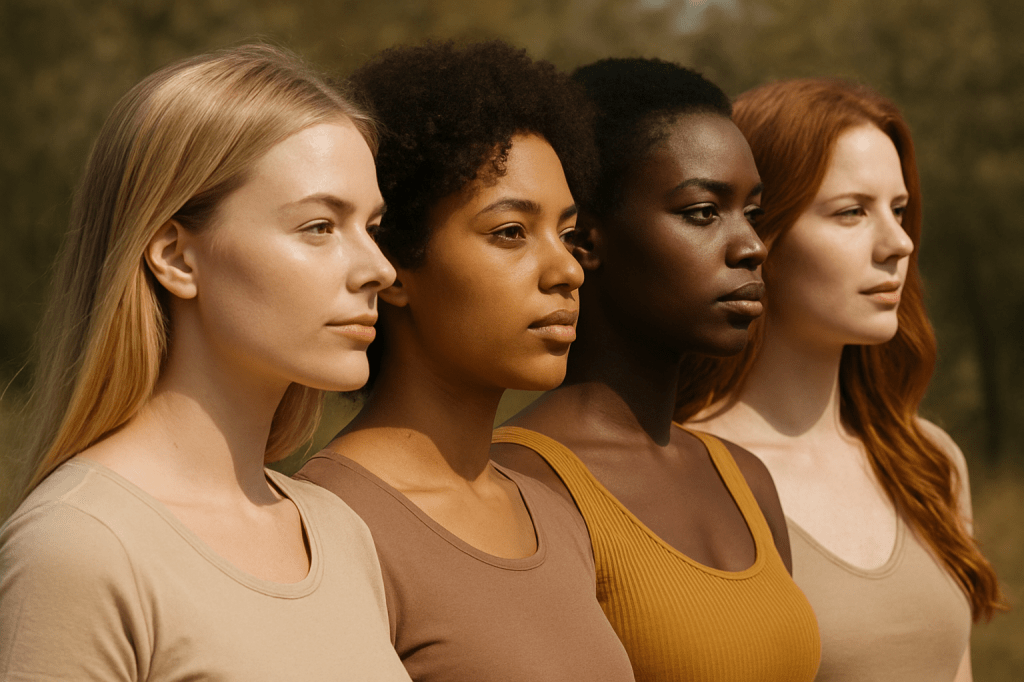
Colorism, the preferential treatment of lighter skin over darker tones within the same racial or ethnic group, remains one of the most persistent and insidious social issues in the world today. While many assume racism is the only barrier to equality, colorism operates subtly within communities, shaping perceptions of beauty, value, and worth. In the 21st century, beauty standards continue to be influenced by colonial history, media representation, and internalized biases that favor light skin as a marker of status and desirability.
Historically, colorism emerged during slavery and colonization when lighter skin was associated with proximity to whiteness and privilege. In many societies, lighter-skinned individuals were granted better jobs, education, and marriage prospects. This hierarchy, deeply rooted in systemic racism, was intentionally designed to divide and control populations. Even after the abolition of slavery, this ideology persisted, mutating into cultural preferences and unspoken norms.
In modern beauty industries, colorism manifests through the marketing of skin-lightening products, selective casting in film and fashion, and the underrepresentation of darker-skinned models and actresses. Major beauty campaigns often celebrate “diversity” yet center women with fairer complexions, looser curls, and Eurocentric features. This sends a message that beauty is conditional — that dark skin is beautiful only when it is softened, filtered, or lightened.
Social media has amplified both progress and prejudice in beauty standards. Platforms like Instagram and TikTok have allowed people of all skin tones to share their beauty, but they also perpetuate colorism through filters, lighting tricks, and algorithms that favor lighter complexions. Even within hashtags like #BlackGirlMagic or #MelaninQueen, lighter-skinned women often receive more visibility and engagement, reinforcing subtle hierarchies of attractiveness.
The psychological effects of colorism are profound. Studies show that darker-skinned individuals, especially women, often experience lower self-esteem, body dysmorphia, and social exclusion. Children are not immune — research indicates that skin tone bias can shape identity formation as early as preschool age. This conditioning creates long-term emotional scars and perpetuates cycles of insecurity and comparison.
Colorism is not confined to the Black community. In South Asia, particularly in India, Pakistan, and Bangladesh, fair skin remains a standard of beauty, reinforced by billion-dollar industries that promote whitening creams. Similarly, in East Asia, lighter skin is linked to purity and class, while in Latin America and the Caribbean, the colonial legacy has deeply influenced racial hierarchies. The global pervasiveness of colorism demonstrates that it is not merely a personal bias but a cultural institution.
In Western media, the lack of representation for dark-skinned women has long been a concern. Only recently have actresses like Lupita Nyong’o, Viola Davis, and Michaela Coel begun to reshape global perceptions of dark beauty. Their visibility challenges the Eurocentric narrative and offers a counterbalance to the longstanding idolization of light skin in Hollywood and fashion.
Yet, even within the Black community, internalized colorism persists. Lighter-skinned individuals are often stereotyped as more attractive or “refined,” while darker-skinned individuals may be perceived as “intimidating” or “less approachable.” These perceptions, though unspoken, influence everything from dating preferences to employment opportunities.
The music and entertainment industries have historically reinforced colorism. From casting light-skinned women as love interests in music videos to promoting rappers and singers who conform to Eurocentric beauty ideals, the industry perpetuates an uneven playing field. Artists like Beyoncé, Rihanna, and Nicki Minaj have faced both privilege and criticism related to their lighter complexions, while darker artists have had to fight for mainstream acceptance.
Education and awareness are crucial in dismantling colorism. Conversations about skin tone bias must extend beyond racial lines, addressing how colonization and white supremacy created this hierarchy. Schools, churches, and families play vital roles in teaching young people that beauty is not measured by lightness but by confidence, character, and identity.
The natural hair movement and the rise of melanin-positive campaigns have made significant progress in redefining beauty standards. Movements celebrating darker complexions have created new spaces of empowerment, allowing Black women to embrace their skin without shame. However, the persistence of bleaching products and aesthetic surgeries reveals that society still struggles with internalized inferiority.
Social justice movements like Black Lives Matter have also brought renewed attention to colorism’s impact on justice and equality. Studies show that darker-skinned individuals often receive harsher sentences in the criminal justice system and face higher unemployment rates. These inequalities prove that colorism extends far beyond vanity — it has material, life-altering consequences.
In Africa, colorism has also taken root despite being a continent of diverse melanin tones. The popularity of skin-bleaching products in countries like Nigeria, Ghana, and South Africa demonstrates how colonial legacies have reshaped beauty ideals. Many people associate lighter skin with success, education, and marriageability — a mindset that reflects centuries of psychological conditioning.
In Latin America, nations like Brazil, the Dominican Republic, and Cuba grapple with racial hierarchies rooted in colonization and slavery. Media in these regions continues to favor mestizo or light-skinned actors, while Afro-Latino communities struggle for recognition and representation. Colorism thus remains intertwined with both classism and racism.
Men are not exempt from colorism. Darker-skinned men often face stereotypes of aggression or hypermasculinity, while lighter-skinned men are seen as more desirable or “safe.” These stereotypes influence romantic dynamics, casting choices, and even perceptions of intelligence and professionalism.
The cosmetics industry plays a dual role in both perpetuating and challenging colorism. Brands like Fenty Beauty, founded by Rihanna, have revolutionized makeup inclusivity by offering wide shade ranges. Yet many global companies continue to promote “brightening” and “whitening” products, especially in non-Western markets, highlighting the tension between progress and profit.
Faith-based perspectives can also challenge colorism. Biblical teachings, for example, emphasize that all people are made in God’s image, regardless of complexion. Scriptures like Song of Solomon 1:5 (“I am black, but comely”) affirm dark beauty and dignity. The spiritual lens reframes beauty as divine creation rather than social hierarchy.
Ultimately, colorism is still a problem because it remains embedded in cultural consciousness. It has evolved, becoming less overt yet equally harmful. Whether through biased algorithms, selective admiration, or self-loathing industries, colorism continues to define who gets to be seen as “beautiful.”
Healing from colorism requires both unlearning and reimagining. It demands honest conversations, media accountability, and collective empowerment. True beauty celebrates all shades as reflections of human diversity — radiant, equal, and worthy of love. Until society dismantles its fixation with lightness, colorism will persist as an invisible barrier to self-acceptance and unity.
References
Bailey, M. (2018). Misogynoir transformed: Black women’s digital resistance. New York University Press. Glenn, E. N. (2009). Shades of difference: Why skin color matters. Stanford University Press. Hunter, M. (2007). The persistent problem of colorism: Skin tone, status, and inequality. Sociology Compass, 1(1), 237–254. Russell, K., Wilson, M., & Hall, R. (2013). The color complex: The politics of skin color in a new millennium. Anchor Books. Tharps, L. L. (2016). Same family, different colors: Confronting colorism in America’s diverse families. Beacon Press. Wilder, J. (2015). Color stories: Black women and colorism in the 21st century. Praeger.
The concept of “pretty privilege” is often tied to Eurocentric beauty standards, where lighter skin is unconsciously, and sometimes consciously, elevated above darker complexions. In the Black community, this privilege traces back to the historical context of colonization and slavery. Being light-skinned often meant proximity to whiteness, and by extension, to power, resources, and favor. This historical backdrop created a social hierarchy that continues to influence Black experiences and perceptions of beauty today (Hunter, 2007).
During the transatlantic slave trade, many light-skinned children were the offspring of enslaved African women and their European masters. These children were frequently given preferential treatment—sometimes educated, occasionally freed, and often placed in domestic roles rather than forced into field labor (Williams, 1987). This division sowed discord between darker and lighter enslaved Africans, setting the stage for intraracial tension that persists to this day.
The privileges of lighter skin became institutionalized during slavery and Reconstruction. Light-skinned Black people often formed elite social clubs, fraternities, and sororities that were closed to darker-skinned individuals. These groups developed a “paper bag test,” which only allowed members whose skin was lighter than a brown paper bag (Russell, Wilson, & Hall, 2013). This practice not only excluded darker-skinned individuals but also perpetuated an internalized belief that lighter meant better.
In the early 20th century, colorism influenced career opportunities for Black entertainers. Many early Black actors and actresses in Hollywood were light-skinned because they were considered more “palatable” to white audiences. Actresses like Lena Horne openly discussed how Hollywood would cast her as an exotic beauty but deny roles to darker-skinned women who were equally talented (Horne, 1965). This further reinforced the idea that lighter skin was a ticket to visibility and success.
Music history reflects a similar pattern. Jazz clubs in the Harlem Renaissance often hired “high yellow” performers, favoring those who had more European features. Billie Holiday and other artists faced discrimination based on skin tone, shaping the narrative of who could be considered beautiful and worthy of fame. This stratification reinforced a hierarchy even within the cultural spaces designed to uplift African Americans (Neal, 2013).
Psychologically, light-skinned privilege has been a double-edged sword. While it offered access to education, jobs, and status in certain contexts, it also came with suspicion and accusations of betrayal from within the Black community. Lighter-skinned individuals were sometimes perceived as “not Black enough,” straddling the line between two worlds but never fully accepted in either (Hall, 1992).
Post-slavery, light-skinned individuals often became the leaders of the Black elite. This phenomenon can be seen in the development of HBCUs, where early presidents and administrators were disproportionately lighter-skinned. This was not simply coincidence—it reflected the biases of the time, as lighter-skinned leaders were seen as more acceptable to white donors and society at large (Brown, 2005).
The dark history of being light-skinned also intersects with colorism in romantic relationships. Studies show that lighter-skinned women are often perceived as more attractive, desirable, and “marriageable” (Wilder, 2010). This dynamic has led to social tensions, with darker-skinned women sometimes excluded from spaces of desirability and intimacy.
Black men have historically been pressured, subtly or overtly, to choose lighter-skinned partners as a way to “improve the race”—a concept rooted in both colonialism and eugenics. This phrase reflected a misguided belief that lighter offspring would face fewer barriers in a racist society, inadvertently perpetuating the cycle of color preference (Maddox & Gray, 2002).
The media plays a critical role in continuing the privilege of light skin. Magazine covers, music videos, and advertisements have overwhelmingly featured light-skinned Black women as the standard of beauty. Today, celebrities like Beyoncé, Zendaya, and Meghan Markle are frequently celebrated as representations of “Black excellence,” but their acceptance often comes in part because their lighter complexions are perceived as more universal or “marketable.” In contrast, actresses like Lupita Nyong’o and Viola Davis have had to fight for recognition, proving that darker-skinned women can embody beauty and sophistication.
Biblically, this issue can be framed as a distortion of God’s creation. Scripture reminds believers that all people are “fearfully and wonderfully made” (Psalm 139:14, KJV). Elevating one skin tone over another disrupts the divine equality intended by the Creator. Such preferences echo James 2:9, which warns that showing partiality is sin. Colorism thus becomes not only a social issue but also a moral and spiritual one.
Despite its privileges, being light-skinned has also meant being fetishized. Light-skinned women, in particular, have been hypersexualized, seen as exotic, and used as a bridge between Blackness and whiteness in the American imagination. This exoticism places a burden on light-skinned women to constantly validate their Black identity while resisting objectification (Bryant, 2017).
The “tragic mulatto” stereotype, popularized in literature and film, portrays light-skinned individuals as doomed to suffer because of their mixed heritage. This trope further complicates the psychology of being light-skinned, suggesting that privilege comes at the cost of belonging and peace (Bogle, 2016).
Economic data reveals that lighter-skinned Black individuals still earn more on average than darker-skinned peers, even when education and experience are held constant (Goldsmith, Hamilton, & Darity, 2006). This statistic highlights that light-skinned privilege remains an active force in contemporary society, not just a relic of the past.
Nevertheless, the “privilege” is not without its psychological price. Many light-skinned individuals express guilt over benefits they did not ask for but still receive. This creates an internal struggle, where identity becomes fraught with questions of authenticity and complicity (Monk, 2014).
Conversations about pretty privilege must also address skin bleaching, a dangerous practice that underscores the global preference for lighter skin. In Africa, celebrities like Dencia have been criticized for promoting skin-lightening creams, while artists like Burna Boy have openly condemned the practice, calling for pride in natural melanin. This shows the tension between profit and empowerment (Charles, 2003).
Today, the natural hair movement and campaigns like #MelaninPoppin and #BlackGirlMagic have sought to reclaim and celebrate darker skin tones, challenging centuries-old hierarchies. Lupita Nyong’o’s children’s book Sulwe is an example of using art to teach young girls that dark skin is beautiful and worthy of love (Tate, 2016).
Education is key to deconstructing these hierarchies. When Black history is taught in its fullness—including the painful legacies of colorism—communities can begin to heal. Documentaries like Dark Girls and Light Girls have opened dialogue around these issues, allowing space for honesty and empathy.
Ultimately, the dark history of being light-skinned calls for a return to valuing all Blackness equally. Healing will require repentance for internalized biases and an intentional effort to dismantle the false hierarchies that have divided the community for centuries. Only then can pretty privilege lose its power and allow for true equity and solidarity among all shades of Blackness.
References
Bogle, D. (2016). Toms, Coons, Mulattoes, Mammies, and Bucks: An Interpretive History of Blacks in American Films. Bloomsbury.
Brown, N. (2005). The Brown Paper Bag Test: The History of Colorism in America. Routledge.
Bryant, C. (2017). Fetishization and Identity: Mixed Race Women in Popular Culture. Journal of Black Studies, 48(3), 215–229.
Charles, C. (2003). Skin Bleaching, Self-Hate, and Black Identity in Jamaica. Journal of Black Studies, 33(6), 711–728.
Goldsmith, A., Hamilton, D., & Darity, W. (2006). Shades of Discrimination: Skin Tone and Wages. American Economic Review, 96(2), 242–245.
Hall, R. E. (1992). Bias Among African Americans Regarding Skin Color: Implications for Social Work Practice. Research on Social Work Practice, 2(4), 479–486.
Hill, M. (2002). Skin Color and the Perception of Attractiveness Among African Americans. Social Psychology Quarterly, 65(1), 77–91.
Horne, L. (1965). In Person: Lena Horne. Stein and Day.
Hunter, M. (2007). The Persistent Problem of Colorism: Skin Tone, Status, and Inequality. Sociology Compass, 1(1), 237–254.
Maddox, K., & Gray, S. (2002). Cognitive Representations of Black Americans: Reexploring the Role of Skin Tone. Personality and Social Psychology Bulletin, 28(2), 250–259.
Monk, E. P. (2014). Skin Tone Stratification among Black Americans, 2001–2003. Social Forces, 92(4), 1313–1337.
Neal, M. A. (2013). What the Music Said: Black Popular Music and Black Public Culture. Routledge.
Russell, K., Wilson, M., & Hall, R. (2013). The Color Complex: The Politics of Skin Color Among African Americans. Anchor Books.
Tate, S. (2016). Black Beauty: Aesthetics, Stylization, Politics. Routledge.
Wilder, J. (2010). Revisiting “Color Names and Color Notions”: A Contemporary Examination of the Language and Attitudes of Skin Color among Young Black Women. Journal of Black Studies, 41(1), 184–206.
Williams, E. (1987). Capitalism and Slavery. UNC Press.
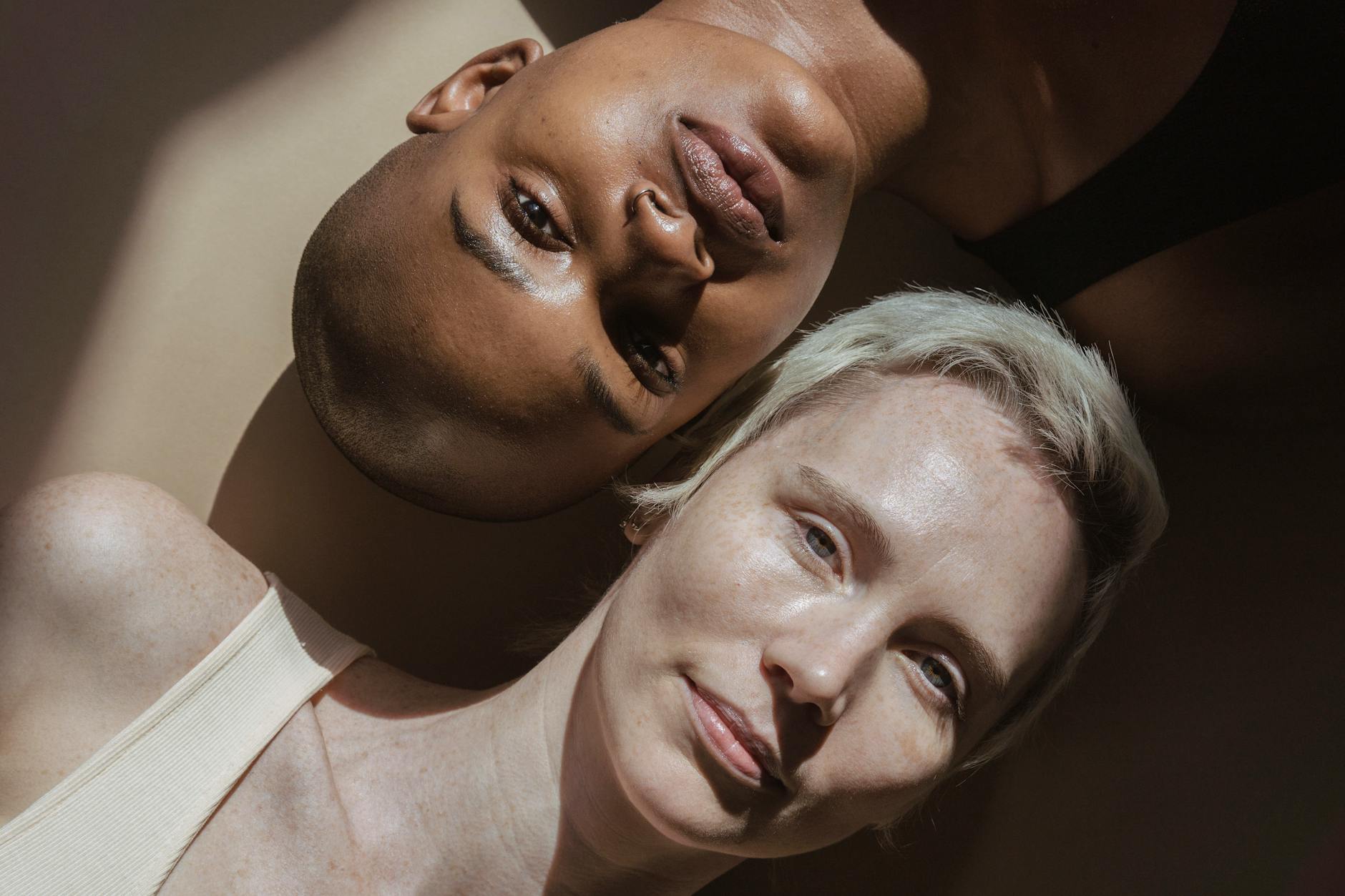
This photograph is the property of its respective owner. No copyright infringement intended.
Melanin is more than pigment; it is a living testament of ancestry, survival, and culture. In societies shaped by slavery, colonialism, and systemic white supremacy, skin tone has been weaponized as a marker of value, beauty, and social mobility. For Black people, colorism — the preferential treatment of lighter skin over darker skin — is a persistent psychological burden that affects identity, self-esteem, and opportunities. Understanding this phenomenon requires examining its historical roots, psychological mechanisms, and strategies for healing.
During slavery, skin tone was a tool of division. Lighter-skinned enslaved individuals were often assigned domestic work inside the master’s house, while darker-skinned Africans labored in the fields. This hierarchy, dictated by proximity to whiteness, created a lasting psychological imprint of internalized oppression (Hunter, 2007). Being lighter was subtly equated with safety, status, and relative privilege.
Colorism persisted after emancipation. Institutions such as Black fraternities, churches, and social clubs sometimes implemented color-based exclusions, exemplified by the “brown paper bag test.” This internalized hierarchy caused a psychological rift within the Black community, as self-worth became linked to skin tone rather than character or talent.
Research confirms the mental health consequences of colorism. Darker-skinned individuals often report lower self-esteem, depressive symptoms, and higher anxiety compared to lighter-skinned peers (Monk, 2014). Early exposure to color preference, as demonstrated in Clark and Clark’s (1947) famous doll studies, showed that Black children internalized societal biases favoring lighter skin, demonstrating that colorism affects identity from childhood.
Media and popular culture continue to reinforce Eurocentric beauty standards. Lighter-skinned actors, models, and influencers are often celebrated, while darker-skinned individuals are marginalized or stereotyped. The underrepresentation of dark skin in media contributes to a sense of invisibility and inadequacy.
The psychology of colorism also affects interpersonal relationships. Studies have shown that lighter-skinned Black women often receive more favorable treatment in dating, employment, and social networks compared to darker-skinned women, a pattern that mirrors historical social hierarchies (Hunter, 2007). Men too experience bias, though differently, often being hypersexualized or criminalized based on skin tone.
The global skin-lightening industry illustrates how deep this issue runs. Products promising “fairer” skin are marketed as pathways to success, attractiveness, and social acceptance. Many consumers engage in dangerous bleaching practices, risking long-term health issues to conform to beauty norms imposed by colonial histories (Charles, 2011).
Colorism can also foster divisions within families and communities. Lighter-skinned individuals may be unconsciously favored, creating tension and jealousy. Psychological theories suggest that this intra-group discrimination exacerbates feelings of inadequacy among darker-skinned individuals (Hunter, 2007).
On a spiritual level, colorism challenges the understanding of divine design. Psalm 139:14 (KJV) declares, “I will praise thee; for I am fearfully and wonderfully made.” Every shade of melanin reflects intentionality and purpose. Internalizing this truth is crucial to healing identity wounds caused by centuries of bias.
Social identity theory offers insight into these dynamics. People categorize themselves and others into groups, which can lead to in-group favoritism and out-group bias. Within the Black community, lighter skin can create a perceived “in-group” of privilege, leaving darker-skinned members feeling marginalized (Tajfel & Turner, 1979).
Psychologists have identified the phenomenon of “colorism stress,” where individuals experience chronic stress due to color-based discrimination. This stress can manifest as anxiety, depression, or identity confusion, impacting academic performance, professional success, and interpersonal relationships (Monk, 2014).
Addressing colorism requires interventions at multiple levels. Psychologically, therapy and counseling can help individuals unpack internalized bias and reclaim self-worth. Group support programs, mentorship, and discussion circles provide safe spaces to challenge color hierarchies and affirm dark skin as beautiful.
Culturally, representation matters. Media, literature, and fashion should celebrate all shades of Blackness. Highlighting dark-skinned leaders, role models, and celebrities combats stereotypes and reinforces positive identity formation.
Educational interventions are also vital. Teaching children about the history of colorism, its roots in slavery and colonialism, and the value of all skin tones can prevent internalized bias from forming in the first place (Hunter, 2007).
Faith-based communities can play a transformative role. Scriptures that affirm God’s intentional creation (Genesis 1:27, Psalm 139:14, KJV) offer a theological counter-narrative to societal bias. Spiritual teaching and community reinforcement of dignity and worth can buffer the psychological impact of colorism.
Interpersonal strategies are also important. Black men and women can practice solidarity and advocacy within their communities, intentionally uplifting those who are darker-skinned. Proverbs 31:8-9 (KJV) reminds believers to speak up for the oppressed and defend the vulnerable.
Self-affirmation practices have psychological benefits. Encouraging young Black people to celebrate their natural skin tone, hairstyles, and features can mitigate the harmful effects of internalized bias. Social media campaigns that normalize dark skin and challenge Eurocentric beauty norms are proving effective.
Mentorship is key for breaking cycles of self-rejection. Older Black adults who embrace their identity can model confidence for younger generations, teaching pride in melanin and heritage. Titus 2:2,6 (KJV) emphasizes the importance of teaching younger members of the community to be sober, sound-minded, and grounded.
Public policy can help combat structural colorism. Anti-discrimination laws, equitable hiring practices, and inclusive beauty standards in advertising reduce systemic bias, giving all shades of Black individuals equal opportunities in professional and social spheres.
Intersectionality must also be considered. Colorism interacts with gender, class, and geography to shape experiences uniquely. Dark-skinned women often face compounded biases, whereas lighter-skinned men may experience complex privileges and burdens simultaneously.
The psychology of skin tone ultimately intersects with identity, opportunity, and spiritual well-being. Healing requires intentional cultural, psychological, and spiritual work to dismantle centuries-old hierarchies and affirm the worth of all Black people, regardless of shade.
In conclusion, melanin should never be a measure of value. Understanding the psychology of skin tone — its historical roots, mental health impacts, and spiritual implications — is essential for reclaiming identity and dignity. By combining therapy, mentorship, representation, spiritual guidance, and advocacy, the Black community can move toward unity, pride, and healing.
References (APA)
Charles, C. A. D. (2011). Skin bleaching, self-hate, and black identity in Jamaica. Journal of Black Studies, 42(1), 43–61. https://doi.org/10.1177/0021934710386749
Clark, K., & Clark, M. (1947). Racial identification and preference in Negro children. Journal of Negro Education, 16(3), 169–175.
Monk, E. P. (2014). The color of punishment: African Americans, skin tone, and the criminal justice system. Sociological Inquiry, 84(3), 401–430. https://doi.org/10.1111/soin.12053
Tajfel, H., & Turner, J. C. (1979). An integrative theory of intergroup conflict. In W. G. Austin & S. Worchel (Eds.), The social psychology of intergroup relations (pp. 33–47). Brooks/Cole.
The Holy Bible, King James Version. (1611). Thomas Nelson.
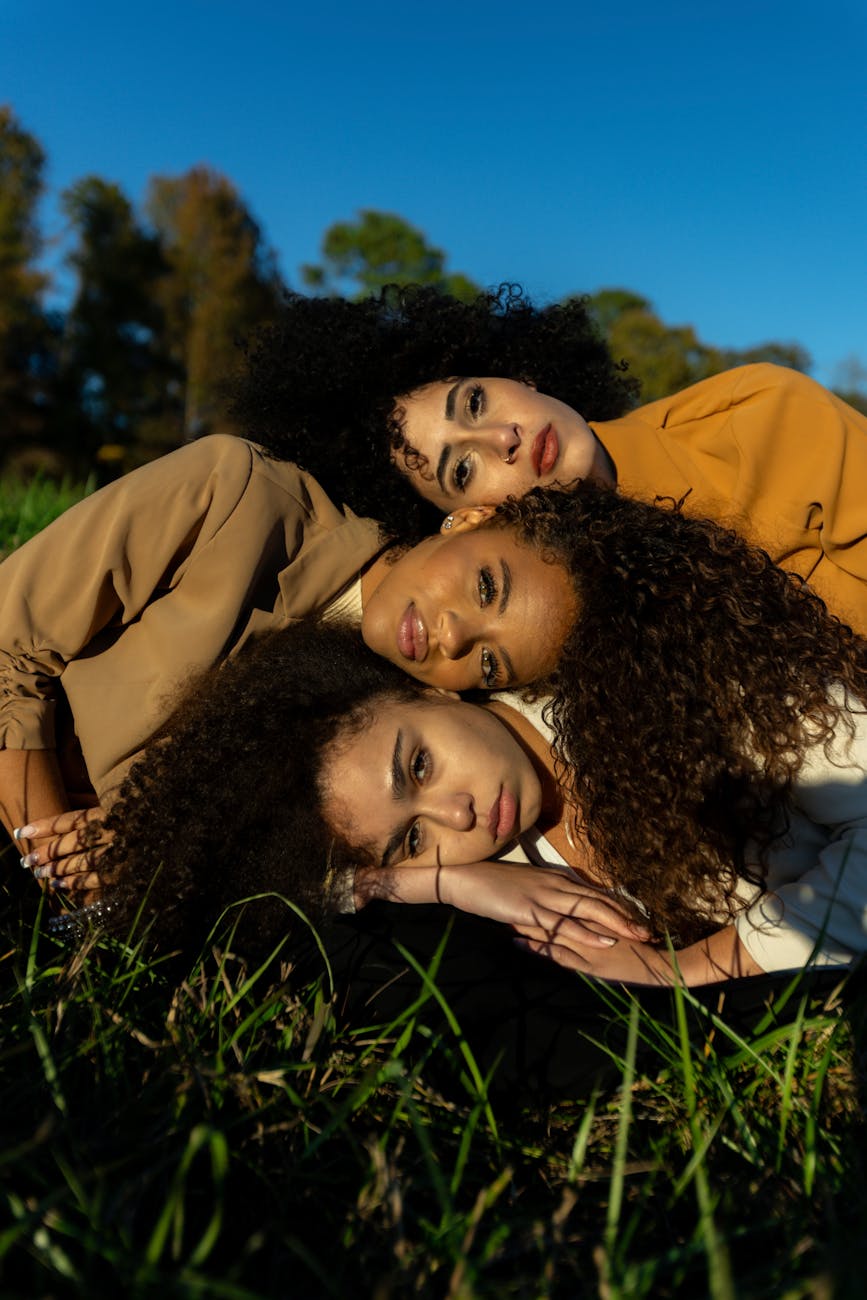
Brown skin carries with it a rich history, cultural significance, and an enduring legacy of resilience. For centuries, women of color have navigated societies that devalue their features and privilege lighter complexions, yet they have also cultivated beauty traditions, artistry, and cultural pride that transcend these limitations. Embracing brown skin is not just an aesthetic choice—it is an act of honoring ancestry, reclaiming identity, and asserting worth in the face of systemic colorism.
The Historical Context of Brown Skin
Colorism, a byproduct of colonialism and slavery, created hierarchies that valued lighter skin while marginalizing darker complexions (Hunter, 2007). These social constructs infiltrated media, employment, and even interpersonal relationships, perpetuating the notion that beauty is synonymous with fairness. Despite these historical pressures, women of brown skin have contributed significantly to art, literature, science, and culture, asserting their presence and redefining societal standards of beauty.
Cultural Pride and Beauty Traditions
Across Africa, the Caribbean, South Asia, and Latin America, brown skin has been celebrated through rituals, adornments, and fashion that reflect heritage and creativity. From intricate hairstyles to vibrant fabrics, jewelry, and skincare practices, these traditions affirm identity and beauty in culturally meaningful ways. Such practices highlight the connection between aesthetics and ancestry, showing that embracing brown skin is simultaneously an act of self-love and cultural preservation.
Representation in Media and Fashion
Modern media plays a critical role in shaping perceptions of beauty. Historically, mainstream platforms prioritized Eurocentric features, marginalizing brown skin in advertising, television, and film. However, today, more Brown women are taking control of narratives through modeling, acting, and digital platforms, challenging stereotypes and increasing representation. Public figures like Lupita Nyong’o, Adut Akech, and Tracee Ellis Ross exemplify the beauty, versatility, and influence of brown skin, inspiring younger generations to embrace their own tones.
The Science of Melanin and Health
Beyond cultural and aesthetic significance, brown skin has biological advantages. Higher melanin content provides natural protection against ultraviolet (UV) radiation, reduces the risk of skin cancer, and contributes to skin elasticity, often resulting in slower aging (Brenner & Hearing, 2008). Understanding the science of melanin not only reinforces appreciation for brown skin but also empowers individuals to care for it in informed and intentional ways.
12 Tips for Brown Girls to Celebrate and Care for Their Skin
Embrace Your Natural Tone – Wear your skin proudly without trying to lighten it. Celebrate the unique shades that make you who you are.
Practice Daily Skincare – Use moisturizers, sunscreens, and gentle cleansers suited for melanin-rich skin to maintain health and glow.
Highlight, Don’t Hide – Use makeup or fashion to enhance your natural features rather than masking your complexion.
Wear Color That Compliments Your Hue – Jewel tones, earth tones, and vibrant colors often enhance brown skin beautifully.
Protect Against UV Damage – Even though melanin provides some protection, always apply sunscreen to prevent hyperpigmentation and premature aging.
Celebrate Hair and Texture – Embrace natural hairstyles, braids, curls, or twists as expressions of cultural pride.
Consume Affirming Media – Follow influencers, celebrities, and content creators who celebrate brown skin and diversity in beauty.
Engage in Skin-Positive Communities – Join groups online or offline that promote self-love and reject colorist standards.
Educate Yourself on Skin Health – Understand the biology of melanin and how to care for it; knowledge empowers self-confidence.
Reject Colorist Products and Messages – Avoid products or media that suggest lighter skin is superior; affirm your natural beauty instead.
Affirm Your Worth Daily – Use positive self-talk and reminders such as: “I am beautiful, I am resilient, I am enough.”
Turn Compliments Into Inspiration – Celebrate others’ beauty while embracing your own; upliftment reinforces self-esteem and community pride.
Psychological Impact of Affirming Brown Skin
Affirming one’s brown skin is crucial for mental health and self-esteem. Social comparison theory explains how constant exposure to lighter-skinned ideals can negatively impact confidence (Festinger, 1954). By celebrating brown skin, women counteract these influences, develop resilience, and cultivate positive identity formation. Affirmation can take many forms, from consuming media that celebrates melanin-rich beauty to participating in online movements like #MelaninMagic or #BrownSkinPoppin.
Reclaiming Beauty as Empowerment
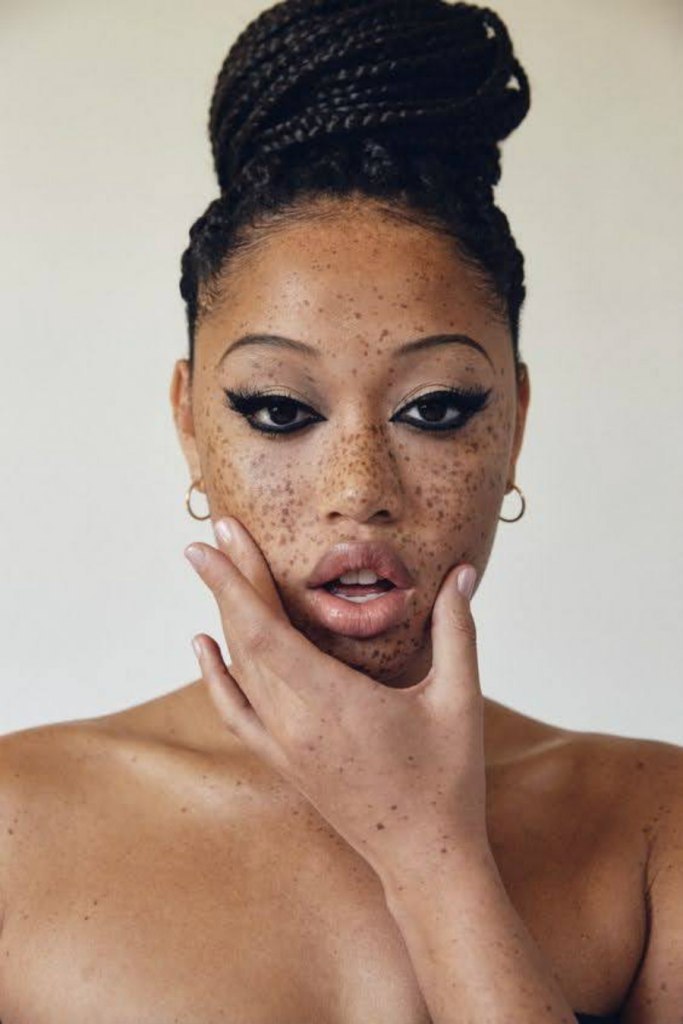
Embracing brown skin is also a form of resistance against colorism and systemic oppression. Each act of self-love—wearing natural hair proudly, rejecting skin-lightening products, or sharing authentic images online—challenges dominant narratives and empowers others. Brown skin becomes not just a physical attribute, but a symbol of cultural pride, historical resilience, and empowerment for future generations.
Conclusion
Heritage in every hue is a celebration of history, identity, and resilience. Brown skin embodies centuries of culture, artistry, and strength, and embracing it affirms both personal and collective legacy. By honoring the beauty of brown skin, women reclaim narratives, challenge colorism, and inspire confidence in themselves and others. In doing so, they ensure that the legacy of brown skin is recognized, celebrated, and preserved for generations to come.
References
Brenner, M., & Hearing, V. (2008). The protective role of melanin against UV radiation. Photochemistry and Photobiology, 84(3), 539–549.
Festinger, L. (1954). A theory of social comparison processes. Human Relations, 7(2), 117–140.
Hunter, M. (2007). The persistent problem of colorism: Skin tone, status, and inequality. Sociology Compass, 1(1), 237–254.
Despite widespread awareness of the toxic ingredients—especially mercury and hydroquinone—in many skin whitening creams, millions continue to use these products globally. This practice raises the question: What is the real obsession with light skin? To answer this, one must revisit history, colonial influence, media representation, and socioeconomic power structures that have long equated whiteness with beauty, status, and success.
A Historical and Colonial Inheritance
The global preference for lighter skin is not innate, but rather deeply rooted in colonialism and Eurocentric ideals. During the European colonization of Africa, Asia, and the Americas, white Europeans imposed their language, culture, and beauty standards on the colonized populations. Skin color became a social marker of class and power: the lighter one’s skin, the closer they were perceived to be to the colonizer—and thus, to power.
During the Renaissance period in Europe, white skin was also considered a marker of nobility and purity. Aristocratic women often powdered their skin to appear pale, using lead-based cosmetics that were toxic but symbolized high status and delicacy. These ideals were immortalized through art, literature, and sculpture, and later exported globally through colonization.
📖 Fanon, Frantz (1952). Black Skin, White Masks – Discusses the psychological effects of colonialism on Black identity, especially the internalized desire to emulate the colonizer’s physical traits.
Media and Modern-Day Messaging
In the 20th and 21st centuries, this historical legacy was amplified by global media, advertising, and entertainment. From magazine covers and beauty campaigns to social media influencers and K-pop stars, light-skinned models and celebrities dominate the beauty landscape. This repetitive imagery reinforces the idea that “fair is beautiful,” leaving darker-skinned individuals feeling invisible or unattractive.
📖 Hunter, M. (2007). “The Persistent Problem of Colorism: Skin Tone, Status, and Inequality.” Sociology Compass – Explains how lighter skin is often associated with higher economic and social mobility in non-white communities.
Skin Lightening: Practices and Products
Skin whitening, lightening, or bleaching refers to the use of chemical substances—such as mercury, hydroquinone, corticosteroids, and glutathione—to reduce melanin production and achieve a lighter skin tone. These products are often sold as creams, pills, injections, and even IV drips in some countries.
⚠️ Health Effects:
Kidney damage and neurological disorders from mercury exposure
Skin thinning, acne, and permanent discoloration from corticosteroids
Ochronosis (bluish-black skin patches) from long-term hydroquinone use
Increased risk of skin cancer due to the removal of natural melanin protection
📖 World Health Organization (WHO, 2011): “Mercury in Skin Lightening Products” – Describes the toxic effects and global regulations related to mercury use in cosmetics.
Global Prevalence and Economic Scale
Skin lightening is most prevalent in parts of:
Africa – Countries like Nigeria, Ghana, South Africa, and Kenya report high usage.
Asia – India, Pakistan, the Philippines, Thailand, South Korea, and China have massive markets for skin whitening.
The Caribbean and Latin America – Where lighter skin is often tied to colonial legacies and social mobility.
Middle East – Light skin is frequently idealized in beauty culture.
According to a report by Global Industry Analysts Inc., the global skin lightening market was valued at USD $8.6 billion in 2020, and is projected to reach over $12.3 billion by 2027.
📖 Statista (2022): “Skin Whitening Products Market Value Worldwide” 📖 WHO, 2019: Up to 77% of Nigerian women use skin lightening products, one of the highest rates globally.
The Psychology Behind Skin Lightening: Internalized Colorism
Skin bleaching is not merely a cosmetic choice; it reflects a deep-seated psychological and social dilemma. The practice is fueled by internalized racism and colorism, where individuals believe lighter skin increases their chances of being perceived as beautiful, professional, or worthy.
📖 Apiah, K. A. (1992). In My Father’s House: Africa in the Philosophy of Culture – Discusses identity struggles among Africans and the influence of European ideals.
📖 Jones, T. (2000). “Shades of Brown: The Law of Skin Color.” Duke Law Journal – Explores how colorism affects legal and social outcomes.
Conclusion: A Call for Change
The global obsession with light skin is a socially constructed preference that traces back to colonial domination, cultural imperialism, and modern capitalism. It is sustained by global beauty industries and media that glorify whiteness while marginalizing darker tones.
Combating this phenomenon requires:
Media reform that embraces diversity in all shades
Education about the dangers of skin bleaching
Cultural movements that redefine beauty standards from within communities
Policy enforcement to ban harmful chemicals in cosmetics
It is time to unlearn inherited biases and recognize the beauty, dignity, and health risks tied to this often-destructive pursuit of light skin.
References
Fanon, F. (1952). Black Skin, White Masks. Grove Press.
Hunter, M. (2007). “The Persistent Problem of Colorism.” Sociology Compass, 1(1), 237-254.
World Health Organization (2011). “Mercury in Skin Lightening Products.” WHO.int
Statista (2022). “Market value of skin whitening products worldwide.”
Global Industry Analysts Inc. (2021). “Global Skin Lighteners Market Report.”
Jones, T. (2000). “Shades of Brown.” Duke Law Journal.
Apiah, K. A. (1992). In My Father’s House: Africa in the Philosophy of Culture.
The Global Obsession with Light Skin: A The Global Obsession with Light Skin: A Legacy of Colonialism, Media, and Market Forces
Despite widespread awareness of the toxic ingredients—especially mercury and hydroquinone—in many skin whitening creams, millions continue to use these products globally. This practice raises the question: What is the real obsession with light skin? To answer this, one must revisit history, colonial influence, media representation, and socioeconomic power structures that have long equated whiteness with beauty, status, and success.
A Historical and Colonial Inheritance
The global preference for lighter skin is not innate, but rather deeply rooted in colonialism and Eurocentric ideals. During the European colonization of Africa, Asia, and the Americas, white Europeans imposed their language, culture, and beauty standards on the colonized populations. Skin color became a social marker of class and power: the lighter one’s skin, the closer they were perceived to be to the colonizer—and thus, to power.
During the Renaissance period in Europe, white skin was also considered a marker of nobility and purity. Aristocratic women often powdered their skin to appear pale, using lead-based cosmetics that were toxic but symbolized high status and delicacy. These ideals were immortalized through art, literature, and sculpture, and later exported globally through colonization.
📖 Fanon, Frantz (1952). Black Skin, White Masks – Discusses the psychological effects of colonialism on Black identity, especially the internalized desire to emulate the colonizer’s physical traits.
Media and Modern-Day Messaging
In the 20th and 21st centuries, this historical legacy was amplified by global media, advertising, and entertainment. From magazine covers and beauty campaigns to social media influencers and K-pop stars, light-skinned models and celebrities dominate the beauty landscape. This repetitive imagery reinforces the idea that “fair is beautiful,” leaving darker-skinned individuals feeling invisible or unattractive.
📖 Hunter, M. (2007). “The Persistent Problem of Colorism: Skin Tone, Status, and Inequality.” Sociology Compass – Explains how lighter skin is often associated with higher economic and social mobility in non-white communities.
Skin Lightening: Practices and Products
Skin whitening, lightening, or bleaching refers to the use of chemical substances—such as mercury, hydroquinone, corticosteroids, and glutathione—to reduce melanin production and achieve a lighter skin tone. These products are often sold as creams, pills, injections, and even IV drips in some countries.
⚠️ Health Effects:
Kidney damage and neurological disorders from mercury exposure
Skin thinning, acne, and permanent discoloration from corticosteroids
Ochronosis (bluish-black skin patches) from long-term hydroquinone use
Increased risk of skin cancer due to the removal of natural melanin protection
📖 World Health Organization (WHO, 2011): “Mercury in Skin Lightening Products” – Describes the toxic effects and global regulations related to mercury use in cosmetics.
Global Prevalence and Economic Scale
Skin lightening is most prevalent in parts of:
Africa – Countries like Nigeria, Ghana, South Africa, and Kenya report high usage.
Asia – India, Pakistan, the Philippines, Thailand, South Korea, and China have massive markets for skin whitening.
The Caribbean and Latin America – Where lighter skin is often tied to colonial legacies and social mobility.
Middle East – Light skin is frequently idealized in beauty culture.
According to a report by Global Industry Analysts Inc., the global skin lightening market was valued at USD $8.6 billion in 2020, and is projected to reach over $12.3 billion by 2027.
📖 Statista (2022): “Skin Whitening Products Market Value Worldwide” 📖 WHO, 2019: Up to 77% of Nigerian women use skin lightening products, one of the highest rates globally.
The Psychology Behind Skin Lightening: Internalized Colorism
Skin bleaching is not merely a cosmetic choice; it reflects a deep-seated psychological and social dilemma. The practice is fueled by internalized racism and colorism, where individuals believe lighter skin increases their chances of being perceived as beautiful, professional, or worthy.
📖 Apiah, K. A. (1992). In My Father’s House: Africa in the Philosophy of Culture – Discusses identity struggles among Africans and the influence of European ideals.
📖 Jones, T. (2000). “Shades of Brown: The Law of Skin Color.” Duke Law Journal – Explores how colorism affects legal and social outcomes.
Conclusion: A Call for Change
The global obsession with light skin is a socially constructed preference that traces back to colonial domination, cultural imperialism, and modern capitalism. It is sustained by global beauty industries and media that glorify whiteness while marginalizing darker tones.
Combating this phenomenon requires:
Media reform that embraces diversity in all shades
Education about the dangers of skin bleaching
Cultural movements that redefine beauty standards from within communities
Policy enforcement to ban harmful chemicals in cosmetics
It is time to unlearn inherited biases and recognize the beauty, dignity, and health risks tied to this often-destructive pursuit of light skin.
References
Apiah, K. A. (1992). In My Father’s House: Africa in the Philosophy of Culture.
Fanon, F. (1952). Black Skin, White Masks. Grove Press.
Hunter, M. (2007). “The Persistent Problem of Colorism.” Sociology Compass, 1(1), 237-254.
World Health Organization (2011). “Mercury in Skin Lightening Products.” WHO.int
Statista (2022). “Market value of skin whitening products worldwide.”
Global Industry Analysts Inc. (2021). “Global Skin Lighteners Market Report.”
Jones, T. (2000). “Shades of Brown.” Duke Law Journal.
Despite widespread awareness of the toxic ingredients—especially mercury and hydroquinone—in many skin whitening creams, millions continue to use these products globally. This practice raises the question: What is the real obsession with light skin? To answer this, one must revisit history, colonial influence, media representation, and socioeconomic power structures that have long equated whiteness with beauty, status, and success.
A Historical and Colonial Inheritance
The global preference for lighter skin is not innate, but rather deeply rooted in colonialism and Eurocentric ideals. During the European colonization of Africa, Asia, and the Americas, white Europeans imposed their language, culture, and beauty standards on the colonized populations. Skin color became a social marker of class and power: the lighter one’s skin, the closer they were perceived to be to the colonizer—and thus, to power.
During the Renaissance period in Europe, white skin was also considered a marker of nobility and purity. Aristocratic women often powdered their skin to appear pale, using lead-based cosmetics that were toxic but symbolized high status and delicacy. These ideals were immortalized through art, literature, and sculpture, and later exported globally through colonization.
📖 Fanon, Frantz (1952). Black Skin, White Masks – Discusses the psychological effects of colonialism on Black identity, especially the internalized desire to emulate the colonizer’s physical traits.
Media and Modern-Day Messaging
In the 20th and 21st centuries, this historical legacy was amplified by global media, advertising, and entertainment. From magazine covers and beauty campaigns to social media influencers and K-pop stars, light-skinned models and celebrities dominate the beauty landscape. This repetitive imagery reinforces the idea that “fair is beautiful,” leaving darker-skinned individuals feeling invisible or unattractive.
📖 Hunter, M. (2007). “The Persistent Problem of Colorism: Skin Tone, Status, and Inequality.” Sociology Compass – Explains how lighter skin is often associated with higher economic and social mobility in non-white communities.
Skin Lightening: Practices and Products
Skin whitening, lightening, or bleaching refers to the use of chemical substances—such as mercury, hydroquinone, corticosteroids, and glutathione—to reduce melanin production and achieve a lighter skin tone. These products are often sold as creams, pills, injections, and even IV drips in some countries.
⚠️ Health Effects:
Kidney damage and neurological disorders from mercury exposure
Skin thinning, acne, and permanent discoloration from corticosteroids
Ochronosis (bluish-black skin patches) from long-term hydroquinone use
Increased risk of skin cancer due to the removal of natural melanin protection
📖 World Health Organization (WHO, 2011): “Mercury in Skin Lightening Products” – Describes the toxic effects and global regulations related to mercury use in cosmetics.
Global Prevalence and Economic Scale
Skin lightening is most prevalent in parts of:
Africa – Countries like Nigeria, Ghana, South Africa, and Kenya report high usage.
Asia – India, Pakistan, the Philippines, Thailand, South Korea, and China have massive markets for skin whitening.
The Caribbean and Latin America – Where lighter skin is often tied to colonial legacies and social mobility.
Middle East – Light skin is frequently idealized in beauty culture.
According to a report by Global Industry Analysts Inc., the global skin lightening market was valued at USD $8.6 billion in 2020, and is projected to reach over $12.3 billion by 2027.
📖 Statista (2022): “Skin Whitening Products Market Value Worldwide” 📖 WHO, 2019: Up to 77% of Nigerian women use skin lightening products, one of the highest rates globally.
The Psychology Behind Skin Lightening: Internalized Colorism
Skin bleaching is not merely a cosmetic choice; it reflects a deep-seated psychological and social dilemma. The practice is fueled by internalized racism and colorism, where individuals believe lighter skin increases their chances of being perceived as beautiful, professional, or worthy.
📖 Apiah, K. A. (1992). In My Father’s House: Africa in the Philosophy of Culture – Discusses identity struggles among Africans and the influence of European ideals.
📖 Jones, T. (2000). “Shades of Brown: The Law of Skin Color.” Duke Law Journal – Explores how colorism affects legal and social outcomes.
Conclusion: A Call for Change
The global obsession with light skin is a socially constructed preference that traces back to colonial domination, cultural imperialism, and modern capitalism. It is sustained by global beauty industries and media that glorify whiteness while marginalizing darker tones.
Combating this phenomenon requires:
Media reform that embraces diversity in all shades
Education about the dangers of skin bleaching
Cultural movements that redefine beauty standards from within communities
Policy enforcement to ban harmful chemicals in cosmetics
It is time to unlearn inherited biases and recognize the beauty, dignity, and health risks tied to this often-destructive pursuit of light skin.
References
Fanon, F. (1952). Black Skin, White Masks. Grove Press.
Hunter, M. (2007). “The Persistent Problem of Colorism.” Sociology Compass, 1(1), 237-254.
World Health Organization (2011). “Mercury in Skin Lightening Products.” WHO.int
Statista (2022). “Market value of skin whitening products worldwide.”
Global Industry Analysts Inc. (2021). “Global Skin Lighteners Market Report.”
Jones, T. (2000). “Shades of Brown.” Duke Law Journal.
Apiah, K. A. (1992). In My Father’s House: Africa in the Philosophy of Culture.
Where faith, history, and truth illuminate the Black experience.

 THE BROWN GIRL DILEMMA