The “Barbie Doll Effect” describes the psychological, social, and cultural pressure placed on Black women to conform to an ideal of beauty that was never designed with them in mind. For generations, society upheld Eurocentric features—straight hair, narrow noses, light skin, thin frames—as the universal standard for femininity. Black women, in turn, were expected to mold themselves into this unattainable blueprint just to be seen as worthy, beautiful, or acceptable.
For many Black girls, the first doll they ever received didn’t look like them. Her hair swung in the wind, her eyes were light, her skin was pale, and her beauty was packaged as the “default.” This early conditioning planted seeds: To be beautiful is to be anything but yourself. The Barbie Doll Effect begins in childhood, but its impact often extends well into adulthood.
As Black women grow, society continues to whisper the same message through media, beauty industries, and Hollywood casting: straighten your hair, lighten your complexion, shrink your body, soften your presence, and quiet your voice. The closer you appear to the “Barbie ideal,” the more you are rewarded—professionally, socially, and romantically. The farther you are from it, the more you must fight unseen battles just to be acknowledged.
This creates a crisis of identity. Black women find themselves torn between self-love and societal acceptance, between honoring their ancestry and performing a version of femininity that dismisses their natural essence. This conflict isn’t superficial; it is deeply emotional. It shapes self-esteem, mental health, dating experiences, and even career opportunities.
In contemporary society, the concept of beauty is often dictated by narrow, Eurocentric standards that dominate media, fashion, and entertainment. Among these ideals, the “Barbie Doll Effect” has emerged as a prominent cultural phenomenon, shaping perceptions of attractiveness, self-worth, and femininity, particularly for Black women. This term describes the social and psychological pressures to embody perfection: flawless skin, slender physique, symmetrical features, and overall “marketable” beauty. While Barbie herself is a toy, her symbolic influence transcends playtime, impacting how young girls and women internalize their value.
Unrealistic Beauty and Colorism
For Black women, the Barbie Doll Effect is compounded by colorism—a preference for lighter skin within communities of color, perpetuated by societal and media portrayals. Darker-skinned Black women often face marginalization and exclusion from mainstream representations of beauty. In contrast, women with lighter complexions or features closer to Eurocentric ideals may be elevated, reinforcing internalized hierarchies of attractiveness. This phenomenon fosters self-doubt and a heightened focus on appearance, even as it undermines authentic identity.
Psychological Implications
The constant exposure to unrealistic images can lead to low self-esteem, body dysmorphia, and disordered eating habits. Research indicates that girls who internalize unattainable beauty standards often experience heightened anxiety, depression, and diminished self-worth (Grabe, Ward, & Hyde, 2008). The Barbie Doll Effect also conditions women to equate their value with their appearance, diverting attention from talents, intellect, and personal growth. For Black women navigating systemic bias, these pressures intersect with societal oppression, magnifying the psychological toll.
Media and Representation
Television, film, and social media amplify the Barbie Doll Effect by repeatedly showcasing idealized versions of Black femininity. Celebrities, influencers, and fashion icons are frequently curated to fit a specific aesthetic: smooth skin, exaggerated features, and slim bodies. While some Black women celebrate their beauty and achieve visibility, the overall narrative reinforces a narrow, homogenized ideal, often excluding darker skin tones, natural hair textures, or fuller body types. This limited representation affects how Black women perceive themselves and how society validates their beauty.
Beauty Standards vs. Authenticity
The pressure to conform to these ideals often leads Black women to alter their natural features through skin-lightening, hair straightening, cosmetic surgery, or extreme makeup routines. While personal choice plays a role, the underlying motivation is frequently social approval rather than self-expression. Rejecting the Barbie Doll Effect requires intentional cultivation of self-love, celebrating natural beauty, and fostering spaces where Black women see themselves represented authentically and holistically.
Societal Shifts and Empowerment
Despite pervasive pressures, there is a growing movement of empowerment. Black women are embracing natural hair, diverse body types, and culturally resonant fashion, challenging Eurocentric dominance in beauty standards. Organizations, social media campaigns, and influencers are redefining what beauty looks like, emphasizing resilience, intellect, and heritage alongside appearance. The message is clear: beauty is multifaceted, and self-worth cannot be measured solely by conformity to a doll’s proportions or societal ideals.
Conclusion
The Barbie Doll Effect illustrates the complex interplay between media, societal expectations, and personal identity. For Black women, it highlights the intersection of beauty standards, colorism, and systemic pressures. Breaking free from this effect requires acknowledgment of these pressures, intentional self-celebration, and a cultural shift that embraces diverse forms of beauty. By reclaiming narratives of worth, Black women can transcend superficial ideals and cultivate confidence rooted in authenticity, heritage, and individuality.
The Barbie Doll Effect also perpetuates colorism, where lighter skin is praised and darker skin is scrutinized. It fosters a beauty hierarchy that wounds Black women emotionally, dividing them into categories—“pretty for a dark-skinned girl,” “exotic,” “acceptable,” “too Black,” or “too ethnic.” These labels are weapons, not compliments, and they echo the painful legacy of colonization and slavery.
But despite these pressures, Black women continue to redefine beauty in their own image. From natural hair movements to melanin-positive campaigns, from darker-skinned models on magazine covers to actresses proudly wearing locs on red carpets, Black women are slowly reclaiming visibility and rewriting the standard. The world is watching—and following.
The Barbie Doll Effect is losing its power, not because the world suddenly changed, but because Black women refused to. They refused to shrink themselves to fit narrow beauty boxes. They refused to mask their features, mute their culture, or bleach away their heritage. Instead, they created their own lane—bold, regal, and authentically divine.
Today, the Black woman is not chasing the Barbie ideal; she is the standard. Her features have been copied, commercialized, and coveted. Full lips, curves, coils, melanin—everything once mocked is now monetized. But the true power lies not in being imitated, but in being unapologetically yourself.
The Barbie Doll Effect taught Black women to compare themselves to a plastic fantasy. But this generation is teaching the world that true beauty is not manufactured—it is inherited. It is ancestral. It is complex. It is alive.
Beauty and perceived unattractiveness carry profound psychological, social, and cultural weight. Society often equates “pretty” with influence, privilege, and opportunity, while “ugly” is associated with invisibility, rejection, or undervaluation. Yet the power inherent in both concepts is more complex than surface appearances. True understanding of attractiveness requires examining self-perception, societal expectations, and spiritual truths.
Being “pretty” often opens doors. Research shows that physically attractive individuals are perceived as more competent, sociable, and persuasive—a phenomenon known as the “halo effect” (Dion, Berscheid, & Walster, 1972). Pretty faces and polished appearances can yield advantages in personal relationships, careers, and social networks. Confidence and self-esteem often accompany beauty when nurtured properly, further amplifying influence.
Yet beauty also comes with burdens. Societal fixation on appearance can create pressure, anxiety, and comparison. Being “pretty” does not guarantee happiness or moral virtue. Those who are aesthetically admired may face jealousy, unrealistic expectations, or superficial relationships. In this way, pretty individuals can experience limitations despite the social privileges beauty provides.
“Ugly,” or being perceived as unattractive, carries its own power. It fosters resilience, creativity, and depth of character. Individuals judged as less conventionally attractive often develop skills, intelligence, and interpersonal sensitivity that compensate for societal bias. Ugly, in this context, becomes a crucible for inner strength and authentic self-expression.
Self-perception mediates the power of appearance. Confidence, poise, and self-acceptance can elevate someone beyond conventional standards of beauty. A person deemed “ugly” who carries themselves with dignity may inspire, lead, and captivate others more than someone labeled “pretty” who lacks authenticity. True power is often rooted in inner qualities rather than outer appearance.
Beauty and spirituality intersect profoundly. Scripture teaches that external appearance is transient and that the condition of the heart carries eternal significance: “But the Lord said unto Samuel, Look not on his countenance, or on the height of his stature; because I have refused him: for the Lord seeth not as man seeth; for man looketh on the outward appearance, but the Lord looketh on the heart” (1 Samuel 16:7, KJV). God’s perspective elevates the unseen qualities above fleeting beauty.
Society’s obsession with pretty versus ugly shapes identity. Media, advertising, and social networks amplify standards that are often unattainable or culturally narrow. Young people, especially, internalize these ideals, impacting self-esteem, mental health, and interpersonal dynamics. Awareness of this influence is critical for developing self-worth independent of external validation.
Psychology provides insights into how perceptions of attractiveness affect behavior. Attractive individuals often experience more social opportunities, while those deemed less attractive may encounter discrimination. However, studies also show that confidence, charisma, and competence frequently outweigh physical appearance in long-term influence and relationship success (Langlois et al., 2000).
The power of “ugly” is also social. It challenges norms, creates opportunities for originality, and encourages authenticity. Those who embrace their unique looks often cultivate boldness, resilience, and creativity, carving spaces for leadership and influence where conformity fails. Embracing perceived imperfections can be revolutionary in societies that overvalue appearance.
Pretty and ugly both carry relational implications. Pretty individuals may experience envy, competition, or objectification, while those considered unattractive may develop deeper empathy, listening skills, and emotional intelligence. These qualities can foster authentic connections, mentorship, and impactful influence.
Self-expression mediates the power of appearance. Clothing, hairstyle, posture, and demeanor allow individuals to amplify strengths or challenge stereotypes. A person deemed conventionally unattractive may appear striking when style, confidence, and attitude align. Conversely, a pretty person may lose impact if the presentation lacks authenticity or purpose.
Culture shapes the definitions of pretty and ugly. Standards of beauty vary across geography, history, and subcultures. What is considered attractive in one era may be dismissed in another. Awareness of this relativity encourages humility and creativity, allowing individuals to define beauty on their own terms rather than bowing to narrow societal ideals.
Spirituality reframes the conversation. Emphasizing virtues such as kindness, humility, generosity, and faith shifts focus from surface appearance to enduring impact. Inner beauty produces lasting influence, while outer beauty without character is transient. Proverbs 31 exemplifies this balance: “Favor is deceitful, and beauty is vain: but a woman that feareth the LORD, she shall be praised” (Proverbs 31:30, KJV).
Psychological research supports the value of cultivating internal attributes. Emotional intelligence, resilience, and self-efficacy often predict long-term life satisfaction and social influence more than physical attractiveness (Goleman, 1995). Inner growth allows both “pretty” and “ugly” individuals to maximize personal and professional potential.
Pretty and ugly both possess narrative power. Stories of transformation, resilience, and authenticity inspire communities. Individuals who challenge assumptions about beauty redefine influence, demonstrating that perception can be leveraged to inspire, teach, or lead. Appearance becomes a starting point rather than a determinant.
The power of pretty and ugly extends to communication. Confidence, tone, and presence communicate authority and credibility beyond appearance. Charisma, style, and verbal skill enhance social capital, allowing individuals to assert influence regardless of conventional beauty standards.
Social media magnifies both the power and pitfalls of pretty and ugly. Filters, editing, and algorithmic emphasis on appearance intensify beauty standards while also offering platforms for unique, unconventional aesthetics to thrive. Navigating this landscape requires self-awareness, discernment, and resilience.
Personal choice determines how one wields the power of appearance. Pretty and ugly alike can cultivate humility, empathy, and generosity to positively impact others. How one carries their appearance—through character, behavior, and service—ultimately defines influence more than physical attributes alone.
Finally, the ultimate power is found in aligning identity with purpose and values. Outer beauty may open doors, while inner beauty sustains influence. Embracing self-knowledge, spirituality, and authenticity allows all individuals to convert societal perceptions—whether pretty or ugly—into tools for personal empowerment, leadership, and lasting impact.
References
Dion, K., Berscheid, E., & Walster, E. (1972). What is beautiful is good. Journal of Personality and Social Psychology, 24(3), 285–290.
Goleman, D. (1995). Emotional intelligence: Why it can matter more than IQ. Bantam Books.
Langlois, J. H., Kalakanis, L., Rubenstein, A. J., Larson, A., Hallam, M., & Smoot, M. (2000). Maxims or myths of beauty? A meta-analytic and theoretical review. Psychological Bulletin, 126(3), 390–423.
1 Samuel 16:7, KJV. Holy Bible, King James Version. (2017). Thomas Nelson. (Original work published 1611)
Proverbs 31:30, KJV. Holy Bible, King James Version. (2017). Thomas Nelson. (Original work published 1611)
Fredrickson, B. L., & Roberts, T. (1997). Objectification theory: Toward understanding women’s lived experiences and mental health risks. Psychology of Women Quarterly, 21(2), 173–206.
Csikszentmihalyi, M. (1990). Flow: The psychology of optimal experience. Harper & Row.
Refinement in beauty is more than elegance, symmetry, or polished presentation—it is the intentional shaping of one’s appearance, character, and presence to reflect depth, maturity, and inner harmony. While physical beauty may capture attention, refinement elevates beauty into something thoughtful, cultivated, and enduring.
Historically, refinement referred to the process of purifying something—gold, silver, or even language. When applied to beauty, refinement becomes the act of removing distractions so the essence can shine. It is beauty distilled, clarified, and made meaningful (Eco, 2004).
Refined beauty is not about perfection; it is about balance. It values moderation, subtlety, and intentionality. Rather than exaggeration, refinement emphasizes proportion, coherence, and purposeful choices.
Culturally, refined beauty carries different expressions. In some traditions, refinement emphasizes grace and softness; in others, intellect, modesty, or craftsmanship. Despite these differences, refinement universally signals attentiveness and thoughtfulness in self-presentation (Bourdieu, 1984).
Refinement begins with self-awareness. A person who understands their features, personality, and presence can refine their beauty in a way that feels authentic rather than imitative. It is not about fitting into a standard—it is about highlighting one’s unique strengths.
Refinement also includes emotional discipline. A refined presence is calm rather than chaotic, thoughtful rather than impulsive. The emotional steadiness one carries becomes a form of beauty in itself, communicating maturity and inner peace (Goleman, 1995).
A refined aesthetic embraces quality over excess. Whether in clothing, hair, or makeup, refinement values intentional choices that elevate rather than overwhelm. This simplicity enhances natural beauty rather than hiding it.
Grace is an essential component of refined beauty. Grace manifests in posture, tone, movement, and expression. It is the quiet confidence that draws attention not through loudness but through presence.
Refinement also involves intellectual beauty. The way a person speaks, listens, and engages with ideas contributes to how they are perceived. Intelligence paired with kindness becomes a powerful form of beauty (hooks, 2000).
Spiritual grounding influences refinement as well. Many cultures associate refinement with virtue—patience, humility, discernment. This inner richness radiates outward, affecting how others experience one’s presence (Lewis, 2013).
Beauty refined is not boastful. It does not seek validation through comparison. Instead, it rests in self-assurance, knowing that true beauty is recognized by those with perception and depth.
In fashion, refinement favors timeless silhouettes, clean lines, and well-chosen accents. These choices convey discipline and intentionality, suggesting that beauty is curated rather than accidental.
Refinement enhances natural features rather than transforming them. Instead of altering identity, it reveals identity. This approach encourages authenticity in a world often dominated by filters and artificial enhancements (Jones, 2011).
Social media has challenged and reshaped notions of refined beauty. While trends encourage exaggeration—extreme contouring, bold aesthetics—refinement resists by promoting understatement and elegance.
Refinement is also tied to etiquette. Kindness, respect, and consideration for others elevate beauty by reflecting inner character. A person’s behavior can reinforce or undermine their external refinement (Martin, 2016).
In relationships, refinement shows in how one communicates—thoughtfully, respectfully, and with emotional intelligence. This interpersonal beauty strengthens bonds and fosters trust.
Refined beauty values growth. It evolves as a person matures, shedding youthful insecurity for a more rooted, stable expression of self. It becomes not just how one looks, but how one lives.
Refinement recognizes that beauty is experienced through the senses—how a person smells, speaks, moves, and carries themselves. These subtle cues create a holistic aesthetic that goes beyond surface appearance.
Ultimately, refinement in beauty is the marriage of inner and outer harmony. It is the art of presenting oneself with intention, elegance, and authenticity. It is beauty that whispers rather than shouts, yet leaves a lasting impression.
Refinement teaches us that true beauty is not found in excess but in clarity—clarity of self, purpose, values, and expression. In this way, refinement transforms beauty into a deeper, more soulful encounter.
References
Bourdieu, P. (1984). Distinction: A social critique of the judgement of taste. Harvard University Press.
Eco, U. (2004). On beauty: A history of a western idea. Secker & Warburg.
Goleman, D. (1995). Emotional intelligence. Bantam Books.
hooks, bell. (2000). All about love: New visions. William Morrow.
Jones, M. (2011). Beauty imagined: A history of the global beauty industry. Oxford University Press.
Lewis, C. S. (2013). The weight of glory. HarperOne.
Martin, J. (2016). The power of etiquette: How manners shape identity. Social Behavior Review, 12(3), 220–234.
Beauty has long been discussed, defined, redefined, and marketed, but its truest form can never be reduced to external features alone. “The Radiance Within” speaks to the inner light—the character, spirit, and emotional depth—that transcends physical appearance. While society often prioritizes surface-level aesthetics, inner beauty continues to shape how we connect, how we influence others, and how we see ourselves. True radiance is not a matter of bone structure, complexion, or perfect symmetry, but a reflection of one’s heart, values, and presence.
Inner beauty is rooted in authenticity. When individuals live truthfully—embracing their strengths, flaws, and growth—they emit a kind of confidence that cannot be artificially reproduced. Authentic people are grounded, and this grounding allows their presence to feel peaceful, trustworthy, and magnetic. In contrast, performative beauty is fragile because it depends on constant validation. Inner radiance thrives independently of public approval.
Character is a major component of true beauty. Traits such as integrity, compassion, patience, and humility create a spiritual glow that outer beauty cannot match. Someone who consistently treats others with respect builds a reputation that lasts beyond first impressions. Their beauty is experienced—not merely seen. In a world obsessed with image, character-based beauty remains timeless.
Another dimension of inner radiance is emotional intelligence. Individuals who understand their own emotions—and respond thoughtfully to the emotions of others—possess a maturity that adds depth to their presence. Their ability to empathize, resolve conflict, and communicate with clarity enhances both personal and professional relationships. Emotional intelligence transforms beauty from something decorative into something deeply functional.
Inner beauty also manifests through kindness. Acts of kindness can uplift others in a way that leaves a lasting impact. People rarely remember the outfits or hairstyles we wear, but they never forget how we made them feel. When kindness becomes habitual, it shapes reputation, relationships, and one’s overall aura. It becomes the face of one’s humanity.
Spiritual grounding is another essential part of inner radiance. Whether through faith, meditation, or personal reflection, individuals who nurture their spirits often carry a calming presence. Their beauty is not chaotic or performative—it is steady. Spiritual beauty reveals itself in wisdom, discernment, and the ability to endure challenges with grace.
Purpose is also connected to beauty. People who walk in their purpose exhibit passion, clarity, and drive. Their sense of direction becomes magnetic. When someone is aligned with their calling, others can sense it. Purpose adds life to the eyes, conviction to speech, and meaning to every step taken. This is a beauty that grows richer with time.
Confidence rooted in self-worth—not ego—also enhances inner radiance. When individuals understand their value, they no longer rely on external validation. They become self-assured without being arrogant. This quiet confidence is compelling because it invites admiration without demanding it.
Resilience contributes greatly to inner beauty. Those who have endured hardship and grown stronger from it carry a depth that cannot be imitated. Their beauty becomes a testimony—an inner light forged through endurance, healing, and wisdom. Resilience adds honor and dignity to one’s presence.
Compassion and service also elevate inner beauty. People who use their gifts to uplift others radiate a beauty that is both generous and healing. Service transforms beauty into a legacy. Through kindness, mentorship, and encouragement, individuals plant seeds of goodness that continue long after they are gone.
Humility is another attribute that enriches inner radiance. Humble individuals do not think less of themselves; they think of themselves less often. They elevate others and contribute positively to their environments without seeking praise. Humility makes beauty approachable rather than intimidating.
Gratitude enhances inner beauty by shifting perspective. People who practice gratitude experience life with appreciation rather than entitlement. This attitude produces joy, contentment, and emotional balance, all of which radiate outward. Gratitude-based beauty is warm, steady, and enduring.
Inner beauty also manifests in the ability to love deeply and genuinely. Love—expressed through patience, loyalty, thoughtfulness, and understanding—is one of the most powerful forms of radiance. When someone loves well, their presence becomes healing, comforting, and inspiring.
Wisdom enriches beauty by adding depth and discernment. Wise individuals bring clarity to chaos and insight to confusion. Their perspective becomes valuable, and their words carry weight. Wisdom beautifies the mind and soul, creating a radiance that draws others inward.
Creativity is another expression of inner beauty. Creative individuals bring color, imagination, and innovation into the world. Their ideas inspire others and contribute to art, culture, and transformation. Creativity reveals inner radiance through expression and originality.
Emotional vulnerability also adds to beauty. Vulnerable individuals are not weak—they are brave. They allow themselves to feel, to heal, and to be seen authentically. Vulnerability creates intimate connections and teaches others that imperfection is a part of the human experience.
Self-love is foundational to inner radiance. When individuals treat themselves with dignity and compassion, they develop healthier relationships and stronger emotional boundaries. Self-love beautifies the spirit by creating internal harmony. It teaches us that we are worthy of love, respect, and peace.
Growth and teachability make beauty dynamic rather than static. Individuals willing to learn, evolve, and confront their flaws demonstrate a rare form of beauty rooted in humility and courage. Growth ensures that inner radiance continues to expand.
Peacefulness is another dimension of inner beauty. Those who maintain emotional and spiritual peace despite external chaos bring calmness wherever they go. Their presence feels safe, steady, and refreshing. Peace is beauty at rest.
Ultimately, “The Radiance Within” teaches that beauty is not something we chase—it is something we cultivate. External beauty may open doors, but inner beauty builds legacies. It influences generations, strengthens communities, and transforms lives. True beauty does not fade, wrinkle, or age; it expands, deepens, and shines brighter with time.
References
Brown, B. (2012). Daring greatly: How the courage to be vulnerable transforms the way we live, love, parent, and lead. Gotham Books.
Goleman, D. (2006). Emotional intelligence. Bantam.
Hooks, B. (2000). All about love: New visions. William Morrow.
Seligman, M. E. P. (2011). Flourish: A visionary new understanding of happiness and well-being. Free Press.
Thurman, H. (1998). Meditations of the heart. Beacon Press.
Van Tongeren, D. R., & Showalter Van Tongeren, S. A. (2020). The courage to suffer: A new clinical framework for life’s greatest crises. Templeton Press.
Fashion has always been a reflection of society’s values, culture, and technological advancements. From the early 1900s to the present day, clothing styles, fabric choices, and aesthetics have continually evolved to mirror the social, political, and economic climate of the time. In the early 20th century, fashion was formal and conservative. Women wore long skirts, corsets, and structured garments that emphasized modesty and social status, while men wore tailored suits with hats and polished shoes. Fabrics were primarily natural, such as cotton, wool, and silk, reflecting both availability and the limitations of textile technology.
The 1920s brought a dramatic shift with the emergence of the flapper style. Women’s clothing became more relaxed, shorter hemlines appeared, and dresses allowed greater freedom of movement. This change reflected a broader societal shift as women gained more independence following World War I. Designers like Coco Chanel revolutionized fashion by introducing practical, elegant, and comfortable clothing, while popularizing jersey fabrics. Men’s fashion became less rigid, with slimmer suits and more casual styles starting to appear.
During the 1930s and 1940s, fashion was heavily influenced by economic hardship and wartime scarcity. Utility clothing became common, emphasizing functionality over excess. Silhouettes were elegant but conservative, and fabric rationing led to inventive design solutions. Hollywood glamour, however, also influenced trends, with movie stars like Rita Hayworth setting aspirational standards for evening wear and hairstyles.
The 1950s introduced a return to opulence and structure following World War II. Christian Dior’s “New Look” emphasized cinched waists, full skirts, and a feminine silhouette. Designers began exploring more luxurious fabrics, embellishments, and tailored details, appealing to an aspirational consumer base. Men’s fashion leaned toward refined suits, often accented with accessories like pocket squares and hats. Fashion became a marker of status, and the industry’s influence on culture intensified.
The 1960s marked a radical departure from tradition, reflecting youth culture, rebellion, and the civil rights movement. Mini skirts, bold patterns, and mod styles dominated women’s fashion, while men embraced slimmer cuts, turtlenecks, and colorful patterns. Designers like Yves Saint Laurent introduced ready-to-wear collections that made high fashion more accessible. Materials like synthetic fibers and new textiles allowed experimentation with bold colors, shapes, and textures.
By the 1970s, fashion became synonymous with individuality and counterculture. The hippie movement introduced flowing fabrics, bell-bottom pants, tie-dye patterns, and ethnic-inspired prints. Disco culture brought glitter, sequins, and extravagant evening wear. Designers began incorporating international influences, including African textiles and Asian motifs, broadening the global aesthetic palette. Men’s fashion became more relaxed, embracing flamboyance, color, and personal expression.
The 1980s celebrated excess and power dressing. Bold silhouettes, shoulder pads, neon colors, and designer logos became status symbols. Fashion became a statement of wealth, ambition, and cultural influence. Iconic designers like Gianni Versace, Giorgio Armani, and Ralph Lauren dominated the landscape, and celebrity influence began shaping trends. Menswear embraced sharp tailoring, power suits, and luxury branding, aligning fashion with professional success.
In the 1990s, fashion shifted toward minimalism and casual wear. Supermodels like Naomi Campbell, Kate Moss, and Cindy Crawford defined beauty standards with their tall, skinny frames, influencing the perception of the “ideal” model. Streetwear also emerged, blending hip-hop culture with high fashion. Designers began experimenting with gender-neutral aesthetics, grunge-inspired looks, and bold contrasts between luxury and casual wear.
The early 2000s saw the rise of fast fashion and brand collaboration. Fashion became more democratized, with high-end styles replicated by affordable retailers. Celebrities influenced trends, and designer handbags, such as Louis Vuitton and Gucci, became cultural symbols. Fabrics ranged from traditional natural textiles to innovative blends and synthetics that allowed intricate detailing. Black designers like Dapper Dan began gaining recognition for their work in streetwear and luxury collaborations, challenging longstanding Eurocentric dominance in fashion.
By the 2010s, the industry began embracing diversity, body positivity, and inclusivity. Fashion campaigns started featuring models of varying sizes, ages, and ethnicities. Designers like Kerby Jean-Raymond of Pyer Moss brought social consciousness to the runway, emphasizing storytelling and heritage. Black designers gained more visibility, though challenges remained in a historically Eurocentric industry. The fashion world also embraced sustainability, rethinking materials and production processes to address environmental concerns.
Social media transformed fashion dramatically. Platforms like Instagram, TikTok, and YouTube allowed influencers to dictate trends, bypass traditional gatekeepers, and connect directly with audiences. Influencers like Chiara Ferragni, Aimee Song, and Camila Coelho became tastemakers, blending high fashion with personal branding. Social media gave rise to micro-influencers who shaped niche fashion communities, promoting brands and styles that might otherwise have been ignored by mainstream media.
Handbags, particularly luxury items like the Hermès Birkin, became symbols of status and investment. The exclusivity, craftsmanship, and limited availability of such bags drive demand, and social media exposure amplifies their desirability. Fashion houses like Chanel, Louis Vuitton, and Gucci dominate this market, and ownership remains concentrated among multinational corporations, often led by conglomerates like LVMH or Kering. These companies leverage branding, heritage, and marketing to maintain prestige.
Fashion houses now frequently extend their influence into beauty products. Makeup lines, fragrances, and skincare collections complement apparel, allowing brands to capture a larger share of consumer spending and reinforce brand identity. Dior, Chanel, and Fenty Beauty exemplify how fashion and beauty converge, creating a holistic lifestyle brand. The synergy between apparel and cosmetics enhances brand loyalty and global recognition.
Globalization has also highlighted labor practices. Many fashion houses rely on overseas production, sometimes under exploitative conditions in sweatshops. This has led to increased scrutiny and calls for ethical labor standards. Brands are increasingly under pressure to provide transparency, ensure fair wages, and address sustainability. Consumers, empowered by social media, demand accountability in addition to aesthetics.
Quality has become more valued than quantity among discerning consumers. Fast fashion may offer variety at low cost, but luxury brands emphasize durability, craftsmanship, and timeless design. Investing in fewer, high-quality pieces ensures longevity and reduces waste, reflecting a shift toward conscious consumerism. The appreciation of quality over trendiness aligns with a growing awareness of environmental impact and ethical responsibility.
Diversity in design has increased over the decades. Black designers, Asian designers, and other underrepresented creators are gaining visibility, contributing unique perspectives and celebrating heritage. Platforms like New York Fashion Week, Paris Fashion Week, and digital showcases highlight these voices, challenging traditional Eurocentric dominance and inspiring global audiences.
Texture and fabric innovation have also evolved. Designers experiment with sequins, satin, leather, neoprene, and technical fabrics that merge fashion with functionality. Fabrics now serve multiple purposes: aesthetic, comfort, sustainability, and performance. This evolution reflects changing consumer demands and technological advances in material science.
The modeling industry has also shifted significantly. Whereas thin, young, Eurocentric models dominated runways in the 1990s, today’s fashion shows feature older models, curvy models, and models of diverse ethnic backgrounds. Campaigns celebrate individuality, authenticity, and representation, reflecting broader social values.
Digital marketing has reshaped the fashion hierarchy. Instagram “drops,” TikTok trends, and influencer collaborations accelerate consumer adoption, sometimes outpacing traditional seasonal collections. This immediacy challenges the traditional fashion calendar while increasing the democratization of style. Influencers like Kendall Jenner, Bella Hadid, and Virgil Abloh (during his tenure at Louis Vuitton) exemplify this cultural shift, blending celebrity, social media reach, and design credibility.
Luxury handbag sales remain a dominant revenue source for fashion houses. Hermès consistently leads in sales, particularly with its Birkin and Kelly bags, due to scarcity, craftsmanship, and brand prestige. Chanel’s classic bags also hold value and investment potential, demonstrating that exclusivity and quality drive consumer desire.
Fashion brands now often operate across multiple industries—apparel, footwear, cosmetics, fragrances, and even home goods. This diversification maximizes revenue streams and strengthens brand influence. Louis Vuitton and Gucci, for example, have leveraged cross-industry expansion to maintain market dominance while attracting younger, digitally savvy consumers.
Black designers continue to gain recognition, though challenges remain. Pyer Moss, LaQuan Smith, and Kerby Jean-Raymond merge storytelling with luxury, creating designs that resonate culturally and socially. Their work challenges traditional norms and emphasizes fashion as a vehicle for social commentary. Representation in fashion not only fosters inclusivity but also expands the industry’s creative palette.
The rise of streetwear and casual luxury has changed global fashion. Sneakers, hoodies, and casual ensembles are now central to high-fashion collections, reflecting a shift in cultural influence and consumer priorities. This democratization of luxury aligns with social media-driven trends and youth culture, bridging accessibility with prestige.
Fashion houses are largely owned by conglomerates like LVMH, Kering, and Richemont, which oversee multiple brands while maintaining distinct identities. These corporate structures allow for global expansion, strategic acquisitions, and control over intellectual property. Despite their size, individual designers within these houses retain creative influence, though they operate within corporate strategy.
Handbags, particularly luxury lines, serve both as fashion statements and investment pieces. Scarcity, quality craftsmanship, and brand heritage drive demand. The Hermès Birkin, Chanel Classic Flap, and Louis Vuitton Neverfull exemplify this dual function. Consumers now weigh investment potential alongside aesthetics when purchasing high-end bags.
Fast fashion remains a controversial part of the industry. While it democratizes access to trends, it often relies on sweatshop labor in developing countries. The conditions in these facilities raise ethical concerns, pushing some brands to adopt sustainability practices and improve labor standards. Socially conscious consumers are increasingly influential, demanding transparency and accountability.
Social media has elevated influencers to new levels of power in fashion. They dictate trends, collaborate with brands, and shape public perception. TikTok and Instagram are especially powerful platforms where influencers like Chiara Ferragni, Aimee Song, and Camila Coelho have global reach, directly impacting brand success and consumer behavior.
Celebrity influence continues to intertwine with fashion. Collaborations, capsule collections, and co-branded products merge fame with design credibility. Rihanna’s Fenty brand and Beyoncé’s Ivy Park exemplify this synergy, blending lifestyle, music, and apparel into highly influential fashion narratives.
Quality over quantity has become a guiding principle for conscious consumers. While fast fashion encourages disposability, luxury consumers prioritize durability, craftsmanship, and long-term value. Investing in fewer, well-made pieces ensures satisfaction and reflects a sustainable approach to style.
Digital commerce has transformed the industry. Fashion houses leverage online platforms to reach global audiences, offer exclusive products, and integrate virtual try-ons. Technology has also enabled transparency in supply chains, helping brands address ethical and environmental concerns while maintaining consumer trust.
Fashion Evolution Timeline (1900s–2025)
Early 1900s (1900–1910): Birth of Modern Fashion
At the turn of the century, women’s fashion was still very structured: corsets, long skirts, tailored blouses. Men wore formal suits, waistcoats, and hats. This reflects the social conventions and strict gender roles of the time. Timetoast+1
Charles Frederick Worth, often considered the first “fashion designer,” had already established haute couture houses—he put labels on garments, helping found the idea of branded fashion. Timetoast
1920s: The Roaring Twenties and the Flapper
This decade saw a seismic shift: the flapper look emerged with shorter hemlines, dropped waistlines, and looser silhouettes. Luxury and freedom collided. Timetoast+1
Coco Chanel rose to prominence, popularizing jersey fabrics, comfortable cuts, and the iconic “little black dress,” fundamentally changing how women dressed. Timetoast+1
1930s–1940s: War, Utility, and Glamour
The Great Depression and World War II forced fashion toward utility: less fabric, functional cuts, and practical clothing. Designers had to operate under wartime rationing while still creating style. Fashion ABC
Despite hardship, Hollywood’s Golden Age glamor influenced evening wear, and elegance remained aspirational even amid economic constraint.
1950s: Post-War Elegance and the “New Look”
After the war, fashion turned back to structure, femininity, and opulence. Christian Dior’s “New Look” (though introduced in 1947) dominated with cinched waists and full skirts, expressing abundance and aspiration in the postwar years. Lifelong Learning Collaborative
This era also elevated luxury accessories, structured tailoring, and refined social style.
1960s: Youth Revolution and Mod Aesthetic
The 1960s introduced mod style: geometric prints, bright colors, miniskirts, and bold experimentation. Fashion became a sign of generational change.
Designers like Yves Saint Laurent helped democratize high fashion with ready-to-wear collections, making style more accessible and reflective of youth culture.
1970s: Counterculture, Disco, and Global Influences
Fashion diversified: hippie styles, ethnic prints, bell bottoms, and flowing fabrics represented youth rebellion, spiritual exploration, and cross-cultural exchange.
Disco brought sparkles and glamour back; clothes became louder, more expressive, and more daring.
1980s: Power Dressing & Logos
The ’80s are often remembered for bold silhouettes: big shoulders, power suits, bold branding, and a “more is more” aesthetic.
Logos became status symbols—designer labels were not just about style but also about wealth and identity.
1990s: Minimalism, Grunge, and Streetwear Rise
A backlash to ’80s maximalism came in the form of minimalism: clean lines, neutral colors, and understated design.
Simultaneously, grunge and streetwear gained traction. Supermodels like Kate Moss popularized the ultra-thin aesthetic, influencing how beauty and fashion were marketed. Timetoast
Hip-hop culture and urban fashion started to merge with luxury.
2000s: Fast Fashion, Celebrity Culture, and Logos Everywhere
The rise of fast fashion (cheap, rapidly produced clothing) democratized trendy style but also introduced ethical concerns.
Celebrity influence grew: stars launched fashion lines, became walking billboards, and drove brand visibility.
Luxury handbags (Louis Vuitton, Gucci) became powerful cultural symbols. Materials and synthetic blends grew more common, allowing for more variety and accessibility.
2010s: Diversity, Inclusivity, and Sustainability
The fashion industry began to more intentionally include models of different sizes, ages, and ethnicities.
Black designers (e.g., Kerby Jean-Raymond of Pyer Moss) gained visibility, integrating activism, heritage, and social justice into their fashion narratives. Wikipedia
Sustainability became a conversation: brands and consumers began confronting their environmental footprint.
Digital platforms, social media, and e-commerce reshaped brand-to-consumer relationships and access.
2020s (to 2025): Digital Couture, Influencers & Cross-Industry Brands
Fashion continues to be disrupted by social media influencers, digital marketing, and “drops” rather than traditional seasonal collections.
Fashion brands are branching into beauty (makeup, skincare), blurring the line between wardrobe and lifestyle.
Luxury handbag demand remains strong: limited-edition bags (like Birkin, Kelly) retain value; craftsmanship and brand heritage are central.
Corporate ownership: many luxury houses are owned by conglomerates (e.g., LVMH, Kering), while some, like Hermès, remain more independent.
Ethical labor and transparency in production are under heavier scrutiny; brands are being pushed to reform sweatshop practices.
Fabric innovation continues: technical textiles, sustainable materials, and cross-functional design are rising.
Modeling reflects society more than ever: older models, new body types, and diverse racial representation appear on runways and campaigns.
Digital couture or virtual fashion is emerging in some corners, leveraging technology and virtual experiences.
Key Designers & Their Impact
Coco Chanel (Gabrielle Bonheur Chanel, 1883–1971)
Impact: Revolutionized women’s fashion in the 20th century with practical, elegant, and timeless designs. She popularized trousers for women, the little black dress, and tweed suits. Chanel introduced luxury ready-to-wear and redefined modern femininity.
Signature: Simplicity, comfort, and elegance fused with luxury. Chanel No. 5 perfume became iconic.
Legacy: Her brand remains a global symbol of sophistication and innovation in women’s fashion.
2. Christian Dior (1905–1957)
Impact: Creator of the “New Look” in 1947, which emphasized a cinched waist, full skirts, and an ultra-feminine silhouette, reviving French haute couture after World War II.
Signature: Luxury, opulence, and sculptural tailoring.
Legacy: Dior remains a top luxury house influencing global fashion trends, especially in women’s formalwear and haute couture.
3. Karl Lagerfeld (1933–2019)
Impact: Longtime creative director of Chanel and Fendi, Lagerfeld blended classic couture with modern, edgy designs. He was known for reinventing fashion houses while respecting their heritage.
Signature: Sharp tailoring, dramatic accessories, and innovative runway presentations.
Legacy: Credited with modernizing luxury brands and making them relevant for new generations.
4. Giorgio Armani (b. 1934)
Impact: Revolutionized menswear in the 1980s with soft tailoring, neutral palettes, and unstructured suits. Armani brought casual elegance to formalwear and expanded into luxury lifestyle branding.
Signature: Minimalism, understated elegance, and precision tailoring.
Legacy: Defined power dressing and remains a staple for business and luxury wardrobes worldwide.
5. Ralph Lauren (b. 1939)
Impact: Created a distinctly American style, blending classic British influences with casual preppy aesthetics. He popularized lifestyle branding in fashion, turning clothing into an aspirational symbol of wealth and culture.
Signature: Polo shirts, tailored blazers, and luxury leisurewear.
Legacy: A global fashion empire emphasizing heritage, elegance, and accessible luxury.
6. Donatella Versace (b. 1955)
Impact: Took over Versace after Gianni Versace’s death and pushed bold, sexy, and glamorous designs, making the brand synonymous with luxury, high drama, and celebrity culture.
Signature: Bright colors, bold prints, and body-conscious silhouettes.
Legacy: Influenced modern red-carpet fashion and the fusion of fashion with celebrity culture.
7. Tom Ford (b. 1961)
Impact: Revitalized Gucci in the 1990s, introducing provocative glamour and sleek tailoring. Later, he launched his own luxury brand, emphasizing high-end menswear, womenswear, and beauty.
Signature: Sleek silhouettes, sensual aesthetics, and modern luxury.
Legacy: Elevated fashion marketing, bridging Hollywood glamour with runway appeal.
8. Alexander McQueen (1969–2010)
Impact: Known for theatrical runway shows, avant-garde designs, and mastery of tailoring. McQueen combined dark romanticism with British sartorial tradition.
Signature: Dramatic silhouettes, intricate details, and conceptual storytelling.
Legacy: Left a lasting imprint on runway theatrics and modern fashion narrative; continues through the McQueen brand.
Jay Jaxon — One of the first Black couturiers in Paris, breaking racial barriers in haute couture. Wikipedia
Arthur McGee — A trailblazer: his studio in New York’s garment district became one of the first Black-led design houses. Wikipedia
Wesley Tann — Designed for both high society and Black glamour icons; significant in the 1960s. Wikipedia
Kerby Jean-Raymond / Pyer Moss — Uses fashion as art + activism; highlights social justice, history, and culture. Wikipedia
LaQuan Smith — Known for bold, sexy, modern designs that have dressed celebrities and broken into high-tier fashion. Wikipedia
Social & Economic Dynamics
Fashion cycles are not random — there is social signaling, elite competition, and counter-cultural resistance. arXiv
As fashion houses became more global, conglomerates (like LVMH and Kering) began to control many of the most powerful luxury brands.
Social media influencers have redefined how trends are created and consumed. Designers and brands increasingly collaborate with influencers to reach younger, digital-first audiences.
Luxury brands expand into beauty lines because lifestyle branding is more profitable: clothing plus cosmetics builds a more complete identity for consumers.
Sustainability, ethical labor, and transparency have become more than buzzwords — they are central to fashion’s future relevance.
Year / Era
Designer
Key Contributions
Impact on Handbags & Accessories
Legacy / Notes
1920s–1930s
Coco Chanel
Introduced little black dress, tweed suits, practical elegance for women
Chanel 2.55 bag (classic quilted handbag) became iconic
Redefined femininity, set standard for luxury handbags and practical fashion
1940s
Christian Dior
“New Look” (cinched waist, full skirt)
Introduced Dior handbags to match couture lines
Rebuilt post-WWII French fashion; emphasized luxury, femininity
1950s–1960s
Givenchy (Hubert de Givenchy)
Elegant gowns, Audrey Hepburn collaborations
Le Sac (classic handbag styles)
Popularized film-influenced haute couture; luxury branding tied to celebrity culture
1960s–1970s
Yves Saint Laurent
Ready-to-wear collections, tuxedo jacket for women
Introduced iconic Saint Laurent handbags
Democratized fashion; elevated ready-to-wear as a luxury market
Challenging traditional fashion gatekeeping; redefining luxury for diverse audiences
In conclusion, fashion has evolved dramatically from 1900 to 2025. From structured, formal garments to inclusive, diverse, and technologically innovative styles, the industry reflects society’s shifting values. Social media, influencers, and luxury branding have reshaped consumption patterns, while ethical considerations, quality, and sustainability are increasingly central. Black designers are gaining visibility, handbags dominate cultural and financial discourse, and consumer priorities now balance aesthetics, identity, and conscience. The evolution of fashion is not just about clothes—it is about culture, power, innovation, and the ways in which individuals express identity across time.
References
Century of Change: Fashion in the 20th Century. Fashion ABC
Colorism is one of the most quiet yet devastating forces shaping the self-worth of countless Brown and dark-skinned Black girls. It is a wound carried in silence, often inherited before a child even understands language. This system of shade-based hierarchy teaches girls that the deeper their melanin, the more they must fight to be seen, valued, or affirmed. The pain is subtle, but its impact echoes across generations.
From early childhood, many Brown girls absorb social cues that their beauty is conditional. Compliments often drift toward lighter-skinned peers while darker-skinned children hear words coded with pity or backhanded surprise. In playgrounds and classrooms, they learn that beauty is not simply a matter of opinion—it is a currency, unevenly distributed.
These lessons deepen as girls enter adolescence, a stage already marked by insecurity. In these years, beauty becomes entwined with belonging. But for Brown girls, their melanin can become a barrier to social acceptance. They witness the attention others receive—affection, praise, desirability—and begin to question their own worthiness. The silence around their beauty becomes a form of erasure.
Media amplifies these insecurities. Television, film, music videos, and social media frequently showcase lighter complexions as the standard of attractiveness, softness, innocence, or feminine ideal. When representation exists for darker-skinned women, it is too often caricatured, masculinized, or overshadowed by stereotypes. Brown girls internalize these images long before they can verbalize their impact.
Family environments, although meant to nurture, can sometimes reinforce these hierarchies. Casual comments about staying out of the sun, praising lighter relatives, or dismissing darker features as burdens plant seeds of self-doubt. The children who hear these remarks learn to associate their complexion with inadequacy rather than inheritance.
School environments can also intensify the pressure. Peer groups form around beauty trends shaped by mainstream standards, leaving Brown girls to navigate subtle exclusions. When crushes favor lighter companions or boys make teasing remarks about dark skin, the message is clear: some girls are deemed desirable, while others must work harder to be noticed.
Romantic dynamics further complicate the issue. Many Brown girls grow up hearing men boldly declare their preference for “light-skinned women,” often in ways that degrade darker women. These declarations become cultural scripts, encouraging girls to believe that their skin tone reduces their chances for love, admiration, or partnership.
Over time, colorism creates a psychological split within many Brown girls. Outwardly they grow strong, talented, and intelligent. Inwardly they wrestle with a sense of invisibility—feeling unseen, muted, or overshadowed. The emotional labor required to appear confident despite this silent burden can be exhausting.
Social media, while offering community, can also intensify comparison. Filters, trends, and curated beauty aesthetics favor lighter tones and Eurocentric features. Brown girls scrolling through these platforms may find themselves caught between admiration and envy, trying to reconcile their natural beauty with digitally constructed ideals.
In some cultural spaces, lighter skin is linked to opportunity. Whether in entertainment, corporate settings, or social circles, the unspoken assumption persists that lightness equates to professionalism, softness, or superiority. Brown girls learn to question whether their achievements will be recognized or overshadowed by biases beyond their control.
Colorism also impacts self-expression. Some Brown girls hesitate to wear bright colors, bold makeup, or certain hairstyles out of fear of drawing negative attention. They are taught that their beauty requires restraint, while lighter peers are granted freedom to experiment without judgment.
Friendships can become complicated terrain. Brown girls may notice that lighter friends receive favoritism, invitations, or visibility that they do not. While the affection is real, the inequity can create quiet resentment or feelings of inadequacy that are hard to articulate.
In some cases, Brown girls may feel pressure to overachieve academically or professionally to compensate for perceived deficits in beauty or social privilege. Their value becomes tied to performance rather than inherent worth. This perfectionism, though applauded, can mask internal wounds.
Colorism also infiltrates spirituality and identity. Girls raised in faith-based environments may struggle to reconcile divine love with a world that subtly devalues their physical presence. They question why God made them dark if society treats their melanin as an obstacle.
Despite the pain colorism causes, Brown girls possess remarkable resilience. Many develop a deep inner strength, self-awareness, and empathy forged through adversity. They learn to name the systems that harmed them and begin the process of reclaiming their image.
Representation is slowly improving, with more dark-skinned women in media, business, pageantry, and leadership. These images matter. When Brown girls see women who look like them celebrated for their excellence, beauty, and brilliance, a new narrative begins to form—one where their skin becomes a crown, not a curse.
Community healing is essential. Open conversations within families, churches, and social groups can dismantle generational biases. When adults acknowledge past harm and intentionally uplift Brown girls, cycles of insecurity begin to break. Healing starts with honesty.
Self-love, though often spoken as a cliché, becomes revolutionary for Brown girls. Learning to admire their complexion, their features, their heritage, and their presence is an act of defiance against systems built to diminish them. When they embrace their reflection, they reclaim their power.
Sisterhood plays a critical role in restoring confidence. When Brown girls affirm one another—celebrating beauty, talent, uniqueness, and strength—they create safe spaces where melanin is honored, not diminished. These connections reinforce identity and belonging.
Ultimately, colorism breeds self-doubt by convincing Brown girls that they are inferior. But as awareness grows and communities challenge these biases, a new truth emerges: Brown girls are radiant, deserving, worthy, and powerful. Their beauty is not muted—it is magnificent. And when they step into that truth, the silence breaks and confidence rises where insecurity once lived.
References
Bailey, T. (2021). The psychological impact of colorism on Black girls and women. Journal of Black Studies, 52(4), 335–352.
Bryant, M. (2013). Shades of difference: Why skin color matters. Stanford University Press.
Crenshaw, K. (1991). Mapping the margins: Intersectionality, identity politics, and violence against women of color. Stanford Law Review, 43(6), 1241–1299.
Hall, R. E. (2017). The melanin millennium: Skin color as the real global issue. Springer.
Hunter, M. (2007). The persistent problem of colorism: Skin tone, status, and inequality. Sociology Compass, 1(1), 237–254.
Maxwell, M. (2020). Colorism in media and popular culture: The borders of beauty. Routledge.
Monk, E. P. (2015). The cost of color: Skin color, discrimination, and health among African Americans. American Journal of Sociology, 121(2), 396–444.
Russell, K., Wilson, M., & Hall, R. (2000). The color complex: The politics of skin color among African Americans (Revised ed.). Anchor Books.
Thompson, C. (2009). Black beauty: Aesthetics, stylization, politics. Duke University Press.
Walker, A. (1982). If the present looks like the past, what does the future look like? In Search of Our Mothers’ Gardens. Harcourt, Brace, Jovanovich.
Wilder, J., & Cain, C. (2011). Teaching and learning color consciousness in Black families: Exploring family processes and women’s experiences with colorism. Journal of Family Issues, 32(5), 577–604.
Wilder, J., & Perry, S. (2020). Shades of Blackness: The effects of skin tone in the workplace. Sociology of Race and Ethnicity, 6(2), 182–197.
This photograph is the property of its respective owner. No copyright infringement intended.
Beauty has long been defined through Eurocentric standards that valorize lighter skin, straight hair, and European facial features, marginalizing the diverse aesthetics inherent to African-descended peoples. Yet, in recent decades, there has been a resurgence of cultural pride that positions melanin—not as a marker of difference or inferiority—but as a symbol of magnificence, resilience, and heritage. This essay explores how Black communities are redefining beauty, reclaiming agency over self-image, and challenging the historical legacies of colonial aesthetics (Banks, 2019; Hunter, 2007).
This photograph is the property of its respective owner. No copyright infringement intended.
Historical Marginalization of Black Features The privileging of European aesthetics originates in colonialism and the transatlantic slave trade, which systematically devalued African physical features. Skin tone hierarchies, hair texture biases, and facial feature preferences were not merely social preferences but tools of oppression, used to enforce racialized social stratification (Painter, 2010). Literature, early photography, and art often depicted lighter-skinned individuals with Eurocentric features as “civilized” or “desirable,” while darker-skinned individuals were framed as “other,” reinforcing internalized notions of inadequacy (Hall, 1997).
Psychological Implications of Eurocentric Standards Internalization of Eurocentric beauty ideals has deep psychological consequences for Black communities. Studies show that colorism—favoring lighter skin over darker—affects self-esteem, social mobility, and mental health (Hunter, 2007). Children exposed to media that elevates European features may develop implicit biases against their own natural traits, associating their darker skin, full lips, or textured hair with undesirability or incompetence (Jones, 2018). This internalized bias contributes to identity conflict and social anxiety, perpetuating the very hierarchies these standards sought to enforce.
The Role of Media and Popular Culture Modern media continues to reflect and reinforce Eurocentric beauty norms. Film, fashion, and advertising often present European features as aspirational, subtly pressuring Black individuals to conform through hair straightening, skin lightening, or cosmetic alteration (Hunter, 2011). Social media amplifies this effect, with algorithmic promotion frequently privileging lighter-skinned, Eurocentric beauty, generating both admiration and self-critique among viewers. Yet, these platforms also offer spaces for resistance and representation.
Reclaiming Beauty Through a Black Lens Resistance to Eurocentric standards has been growing. Movements celebrating natural hair, darker skin tones, and Afrocentric aesthetics actively redefine beauty through a Black lens. Campaigns like #BlackGirlMagic and #MelaninPoppin celebrate traits historically marginalized, fostering psychological resilience, cultural pride, and communal affirmation (Thompson, 2020). Black-owned media outlets, fashion brands, and artistic platforms contribute to a paradigm shift that centers Blackness as inherently beautiful, powerful, and diverse.
The Significance of Melanin Melanin—the pigment that gives skin its color—has become a symbol of magnificence, resilience, and heritage. Beyond its biological function, melanin represents historical survival against oppression, a legacy of strength, and an aesthetic of authenticity. Celebrating melanin challenges centuries of devaluation and reframes Black beauty not as an imitation of European ideals but as a unique, dignified, and powerful standard in its own right (Banks, 2019).
Global and Cultural Impact Redefining beauty through a Black lens has implications beyond individual self-perception. It challenges global beauty industries to diversify representation, prompts policymakers to address hair and skin discrimination, and inspires cross-cultural appreciation of African aesthetics. The reclamation of beauty is both personal and political, confronting colonial legacies while fostering pride and inclusion in contemporary society (Hunter, 2011).
Conclusion Melanin and magnificence are not merely aesthetic concepts—they are acts of reclamation, resistance, and empowerment. By redefining beauty through a Black lens, communities can dismantle centuries-old hierarchies that devalued their features and assert the inherent dignity, elegance, and diversity of Blackness. The celebration of melanin is a cultural, psychological, and spiritual affirmation: a declaration that Black beauty is magnificent, sovereign, and unassailable.
References
Banks, I. (2019). Hair matters: Beauty, power, and Black women’s identity. NYU Press.
Hall, S. (1997). Representation: Cultural representations and signifying practices. Sage.
Hunter, M. L. (2007). The persistent problem of colorism: Skin tone, status, and inequality. Sociology Compass, 1(1), 237–254.
Hunter, M. L. (2011). Race, gender, and the politics of skin tone. Routledge.
Jones, A. (2018). Colorism and psychological effects in youth. Journal of Black Psychology, 44(2), 123–145.
Painter, N. I. (2010). The history of White people. W. W. Norton & Company.
Thompson, C. (2020). Afrocentric beauty and social media activism. Cultural Studies Review, 26(3), 55–74.
In the shimmering constellation of Hollywood’s most handsome and talented men, few stars shine as brightly as Shemar Moore, Morris Chestnut, and Travis Cure. These men represent a rare fusion of strength, style, and sophistication — the embodiment of masculine perfection. With chiseled physiques, radiant skin tones that range from golden bronze to deep mahogany, and charisma that commands the screen, each of them has carved a distinct path in the entertainment industry. Beyond their striking looks, they possess the discipline, intelligence, and heart that make them more than just leading men — they are icons of modern Black excellence and representations of divine craftsmanship in human form.
Shemar Moore: The Golden Standard of Handsome
This photograph is the property of its respective owner. No copyright infringement intended.
Shemar Franklin Moore, born April 20, 1970, in Oakland, California, is the epitome of Hollywood charm and physical perfection. With his golden-brown complexion, sculpted physique, and infectious smile, Moore has long been celebrated as one of the most handsome men in the entertainment world. A model-turned-actor, he began his career in the early 1990s, quickly rising to fame for his role as Malcolm Winters on The Young and the Restless (1994–2005). His portrayal earned him a Daytime Emmy Award and solidified his reputation as a heartthrob.
Moore’s magnetism extended beyond daytime television when he joined the cast of the hit crime drama Criminal Minds (2005–2016) as Derek Morgan, a role that highlighted his toughness, empathy, and leadership. He currently stars as Sergeant Daniel “Hondo” Harrelson in the CBS action drama S.W.A.T., where his commanding presence and flawless physique continue to capture audiences.
Off-screen, Moore’s life mirrors his confidence and charisma. He is also the founder of Baby Girl LLC, a clothing line that raises awareness for multiple sclerosis in honor of his late mother. Despite being one of Hollywood’s most desired bachelors for years, Moore welcomed his first child with model Jesiree Dizon in 2023, marking a new chapter in his life. His career is a testament to endurance, talent, and timeless allure — Shemar Moore remains a perfect 10 in every sense.
Morris Chestnut: The Definition of Majestic “Hot Chocolate”
This photograph is the property of its respective owner. No copyright infringement intended.
Morris Lamont Chestnut, born January 1, 1969, in Cerritos, California, has long reigned as the cinematic archetype of the ideal man. With his deep, chocolate-brown skin and mesmerizing eyes, Chestnut embodies what many describe as “Black handsomeness in motion.” His film debut in John Singleton’s Boyz n the Hood (1991) as Ricky Baker launched him into stardom, and since then, he has maintained a reputation as one of the most attractive and respected actors in Hollywood.
Throughout his illustrious career, Chestnut has starred in classics such as The Best Man (1999), The Brothers (2001), Think Like a Man (2012), and The Perfect Guy (2015). His performances are distinguished not only by his physical presence but also by his emotional depth and versatility. In 2015, he received a NAACP Image Award for Outstanding Actor for his role in The Best Man Holiday (2013).
Known for his grace, humility, and commitment to family, Morris Chestnut has been married to Pam Byse since 1995, proving that real love still thrives in Hollywood. His success in film and television, coupled with his flawless physique and gentlemanly demeanor, makes him every woman’s dream man and a living symbol of enduring Black masculinity. For decades, he has been the poster child of male perfection — handsome, intelligent, and irresistibly charming.
Travis Cure: The Rising Star of Modern Masculinity
This photograph is the property of its respective owners. No copyright infringement intended
Travis Cure is one of Hollywood’s most captivating new faces — a blend of classic good looks and raw, emerging talent. With a physique that seems sculpted by divine hands and features that exude confidence and power, Cure is the personification of modern Black male beauty. Born and raised in Miami, Florida, Cure’s journey to stardom began through modeling and fitness. His perfectly symmetrical face, commanding frame, and piercing gaze quickly caught the attention of industry professionals, propelling him into acting.
He gained recognition for his roles in Tyler Perry’s The Oval, where he showcased not only his physical appeal but also his natural acting ability. Cure has also appeared in the film Deadly Sexy (2018), and his career continues to ascend as he takes on more dynamic and challenging roles.
Known for his discipline, fitness lifestyle, and strong work ethic, Travis Cure has become a symbol of determination and masculine beauty. His flawless complexion, toned body, and calm confidence make him one of the most striking men in entertainment today. Though he is still rising, Cure has already earned a devoted fanbase and the admiration of audiences worldwide. He represents the new generation of Black Hollywood — powerful, polished, and purpose-driven.
Conclusion
Shemar Moore, Morris Chestnut, and Travis Cure stand as embodiments of the artistry of masculine beauty — golden, rich, and radiant in their own ways. Their presence on and off the screen redefines what it means to be both strong and graceful, handsome and humble. Each has carved his legacy through talent, discipline, and divine design, representing the finest aspects of Black excellence. In the ever-evolving landscape of Hollywood, they remain timeless — men whose beauty and brilliance will forever be celebrated.
References
CBS. (2024). S.W.A.T. [Television series]. CBS Studios.
Human fascination with beauty is universal, transcending cultures and centuries. The human face, as the most expressive and recognizable feature, has been the subject of both scientific study and artistic admiration. While societal standards influence perceptions of attractiveness, research in psychology, anatomy, and genetics reveals measurable factors that shape our judgments of beauty. Faith reminds us, however, that every face reflects God’s divine design.
1. Symmetry and Attraction
Facial symmetry is one of the most robust predictors of perceived attractiveness. Symmetrical faces are often rated as healthier, more balanced, and more appealing. Evolutionary psychology suggests that symmetry signals genetic fitness and developmental stability (Rhodes, 2006).
2. The Golden Ratio
The “golden ratio” (Phi, approximately 1.618) defines proportional relationships considered aesthetically pleasing. Applied to facial features, the distance between the eyes, the width of the nose, and the placement of the lips often reflect this ratio. Cultures unconsciously prefer faces that approximate these proportions.
3. Skin Tone and Texture
Even, clear skin signals health and youth, which are universally attractive traits. Cultural perceptions of skin tone are shaped by historical and social factors, often resulting in colorism. While lighter or more uniform skin may be preferred in some societies, all skin tones reflect the divine image of God (Psalm 139:14).
4. Hormonal Influences
Facial features often reflect hormonal markers of fertility and vitality. High cheekbones, a defined jawline, and full lips may indicate estrogen levels in women, while strong jawlines and brow ridges suggest testosterone in men. These cues are subconsciously interpreted as indicators of reproductive health.
5. Age and Youthfulness
Youthful features—smooth skin, full lips, and bright eyes—are often rated as more attractive. Research suggests this preference is linked to evolutionary drives, but spiritually, youthfulness is not the only measure of beauty. Wisdom and grace, as cultivated over time, reflect God’s design.
6. Facial Expression and Microexpressions
Beauty extends beyond physical features. Emotional expression, such as smiling or engaging eyes, enhances attractiveness. Microexpressions convey kindness, warmth, and empathy, making a face appear more appealing. Faith affirms that inner beauty radiates outward (1 Peter 3:3-4).
7. Cultural Influences
Beauty standards vary widely across cultures and epochs. Media and fashion often amplify narrow ideals, frequently favoring Eurocentric features. However, cultural diversity demonstrates that beauty is multifaceted, and global studies highlight varying preferences in facial features and expressions.
8. Colorism and Social Bias
Skin tone preferences can influence social outcomes, including dating, employment, and representation in media. Colorism, a form of bias privileging lighter skin within the same ethnic group, perpetuates inequality. Scientific understanding can help dismantle these prejudices while affirming the divine worth of all skin tones.
9. Facial Proportions and Cognitive Perception
The human brain evaluates faces holistically, integrating symmetry, proportion, and feature spacing. Neuroscience shows that certain facial ratios trigger reward pathways in the brain, creating a sense of visual pleasure.
10. Genetics and Heredity
Genetic inheritance plays a significant role in facial structure and features. Traits such as eye shape, nose width, and cheekbone prominence are influenced by ancestry. Recognizing this highlights the diversity of beauty and its roots in God’s creation.
11. The Role of Health Indicators
Perceived beauty often correlates with visible health markers: skin clarity, hair quality, and eye brightness. These indicators are evolutionarily significant but also remind us that self-care reflects stewardship of God’s gift of the body.
12. Symmetry vs. Individuality
While symmetry is appealing, perfectly symmetrical faces are rare. Unique features—freckles, dimples, and small asymmetries—often contribute to perceived attractiveness, demonstrating that God’s creativity celebrates individuality.
13. Psychological Effects of Beauty
Physical attractiveness influences social perception, confidence, and interpersonal outcomes. People often associate beauty with positive traits such as intelligence and kindness, though these assumptions are not always accurate. Awareness of these biases allows for more equitable social interactions.
14. Media, Technology, and Altered Perceptions
Social media, photography, and filters can distort beauty standards, creating unrealistic expectations. While science studies human perception, faith reminds us that true beauty is not defined by comparison but by alignment with God’s image.
15. Inner Beauty and Spirituality
Psychological research confirms that inner qualities—kindness, empathy, and integrity—significantly enhance perceived attractiveness. Scripture emphasizes that God values the heart over outward appearance (1 Samuel 16:7).
16. Cross-Cultural Variation
Studies across continents show differing preferences for features such as nose width, eye shape, and lip fullness. These variations underscore that beauty is not absolute but interpreted through cultural, social, and psychological lenses.
17. Beauty Across the Lifespan
While youth is often idealized, beauty in maturity reflects wisdom, experience, and grace. Aging gracefully embodies a different form of aesthetic appeal, aligned with spiritual depth.
18. Overcoming Bias Through Awareness
Understanding the science of beauty empowers individuals to challenge stereotypes, reduce lookism, and appreciate diversity. Faith-based perspectives reinforce that all people are made in God’s image, deserving honor and respect.
19. Integrating Science and Faith
Scientific insights explain perception, symmetry, and preference, but faith affirms intrinsic value. Beauty is not merely external; it integrates moral character, spiritual integrity, and divine design.
20. Conclusion
The science behind the face reveals measurable aspects of beauty: symmetry, proportion, skin quality, and expression. Yet, true beauty transcends these factors, rooted in the divine blueprint and reflected in the soul. Recognizing both the scientific and spiritual dimensions of beauty allows us to appreciate God’s creation fully. Every face—unique, fearfully, and wonderfully made—is a testament to His glory (Psalm 139:14).
In a world that increasingly prioritizes aesthetics, lookism—discrimination based on physical appearance—has emerged as a subtle yet powerful social ill. Unlike overt forms of prejudice, lookism operates quietly, influencing hiring practices, social interactions, and access to opportunities. Society often equates attractiveness with competence, likability, and even moral character, creating systemic advantages for those deemed “good-looking” and profound disadvantages for those who do not meet conventional beauty standards (Langlois et al., 2000).
The roots of lookism are both cultural and biological. Evolutionary psychology suggests humans have historically relied on physical cues to assess health, fertility, and social dominance. Yet, while some preference for symmetry or health markers may have biological origins, contemporary standards are deeply cultural, shaped by media, fashion, and globalized beauty ideals. This creates a hierarchy where certain facial features, body types, and skin tones are valorized, while others are marginalized.
Research consistently shows that physical appearance influences professional outcomes. Attractive individuals are more likely to be hired, earn higher salaries, and receive positive performance evaluations, regardless of skill or experience. This phenomenon, sometimes called “beauty premium,” highlights the insidious economic consequences of lookism. Those who fall outside idealized beauty norms experience not only diminished opportunities but also the psychological burden of feeling undervalued or invisible (Hamermesh & Biddle, 1994).
Lookism intersects with race, gender, and class, compounding disadvantage. For example, women of color often face both racialized and beauty-based discrimination, navigating a society that celebrates Eurocentric features as ideal. Black women, in particular, contend with colorism, hair politics, and features historically stigmatized, intensifying the harm of lookism within their communities and society at large.
Social media has intensified lookism by elevating curated images and digital standards of beauty. Platforms like Instagram and TikTok prioritize visual appeal, rewarding those with aesthetically pleasing appearances while marginalizing others. This “algorithmic bias” perpetuates unrealistic beauty ideals, fostering low self-esteem, body dysmorphia, and a relentless comparison culture (Fardouly et al., 2015).
Lookism also operates in interpersonal relationships. Attractive individuals often receive more attention, affection, and social favor, while those deemed less attractive are frequently dismissed, underestimated, or socially excluded. This bias extends beyond conscious prejudice; implicit cognition studies reveal that humans subconsciously associate beauty with positive traits such as intelligence, morality, and sociability (Dion et al., 1972).
Educational environments are not immune. Teachers may unknowingly favor attractive students, granting them more attention, encouragement, or leniency. This early bias can shape self-perception and academic outcomes, reinforcing societal inequities and perpetuating cycles of privilege and marginalization (Ritts et al., 1992).
The psychological toll of lookism is significant. Individuals who are judged harshly for their appearance are at increased risk of depression, anxiety, and social withdrawal. Persistent exposure to appearance-based discrimination erodes self-worth and fosters internalized bias, where individuals adopt society’s negative judgments as personal truths. These effects are particularly acute during adolescence, when identity and self-esteem are most malleable.
Lookism’s influence extends to healthcare. Research demonstrates that patients perceived as attractive are more likely to receive attentive care, quicker diagnoses, and greater empathy from healthcare providers, whereas those considered unattractive may experience neglect or misdiagnosis. Such disparities reflect the deep, often unconscious, ways physical appearance shapes life outcomes (Hamermesh & Biddle, 1994).
Media representation reinforces lookism through selective portrayal. Television, film, and advertising disproportionately feature individuals who conform to narrow standards of beauty, marginalizing diverse bodies, skin tones, and facial features. These representations not only validate societal bias but also communicate implicit messages about worth, desirability, and success.
Even in romantic relationships, lookism exerts influence. Cultural narratives and dating algorithms often prioritize conventional attractiveness, reinforcing the notion that beauty is synonymous with value. This commodification of physical appearance can overshadow qualities like character, intellect, and emotional compatibility, perpetuating superficial standards of partnership.
Workplace lookism has legal and ethical implications. Although anti-discrimination laws protect against race, gender, and age biases, physical appearance is not universally protected, leaving “appearance discrimination” largely unchecked. Employees who deviate from conventional attractiveness norms face subtle penalties—missed promotions, social exclusion, or biased performance evaluations.
Despite its pervasive nature, interventions against lookism are possible. Awareness campaigns, diversity initiatives, and inclusive media representation can challenge ingrained perceptions of beauty. Organizations that prioritize skill, character, and diversity over appearance foster equitable opportunities and reduce the hidden costs of aesthetic bias.
Cultural critique also plays a role in mitigating lookism. Scholars and activists have highlighted the intersectionality of appearance-based bias with race, gender, and socioeconomic status, emphasizing the need to dismantle systems that equate beauty with virtue or competence. These critiques encourage society to value individuals holistically rather than superficially.
Psychological resilience can counteract the personal effects of lookism. Encouraging self-compassion, emphasizing skill development, and cultivating communities that value diverse appearances help mitigate the internalization of appearance-based discrimination. Programs that celebrate body positivity and aesthetic diversity have shown positive effects on self-esteem and mental health outcomes.
Historically, beauty standards have been mutable, illustrating that what is considered attractive is socially constructed rather than inherent. Renaissance, Victorian, and modern ideals vary dramatically, underscoring the arbitrary nature of lookism and the potential for cultural change. Understanding this fluidity empowers individuals to question and resist oppressive aesthetic norms.
Social media literacy is increasingly critical. Users must recognize curated imagery, filters, and digital enhancements as non-representative of reality. Educating young people on the mechanics of social media influence can reduce the internalization of unattainable beauty ideals and mitigate the mental health consequences of lookism.
It is also essential to address intra-community lookism, such as colorism or hair politics, which reinforce discriminatory hierarchies within marginalized groups. These forms of appearance-based bias perpetuate inequality and hinder collective empowerment, demonstrating that the effects of lookism are both broad and intimate.
Finally, combating lookism requires systemic change alongside personal resilience. Policies promoting inclusion, media representation of diverse appearances, and education that challenges aesthetic hierarchies are crucial for reducing the hidden costs of judging by the flesh. Without intentional action, society risks perpetuating inequities that undermine social cohesion, self-worth, and justice.
In conclusion, lookism is a pervasive, often invisible form of discrimination that shapes opportunities, relationships, and self-perception. Recognizing its impact and implementing cultural, institutional, and individual interventions are essential steps toward a more equitable society. As society becomes increasingly conscious of bias in all forms, addressing lookism is critical for cultivating justice, dignity, and authentic human value.
References
Dion, K., Berscheid, E., & Walster, E. (1972). What is beautiful is good. Journal of Personality and Social Psychology, 24(3), 285–290.
Fardouly, J., Diedrichs, P. C., Vartanian, L. R., & Halliwell, E. (2015). Social comparisons on social media: The impact of Facebook on young women’s body image concerns and mood. Body Image, 13, 38–45.
Hamermesh, D. S., & Biddle, J. E. (1994). Beauty and the labor market. American Economic Review, 84(5), 1174–1194.
Langlois, J. H., Kalakanis, L., Rubenstein, A. J., Larson, A., Hallam, M., & Smoot, M. (2000). Maxims or myths of beauty? A meta-analytic and theoretical review. Psychological Bulletin, 126(3), 390–423.
Ritts, V., Patterson, M., & Tubbs, M. (1992). Expectations, impressions, and judgments of physically attractive students: A review. Review of Educational Research, 62(4), 413–426.
Where faith, history, and truth illuminate the Black experience.

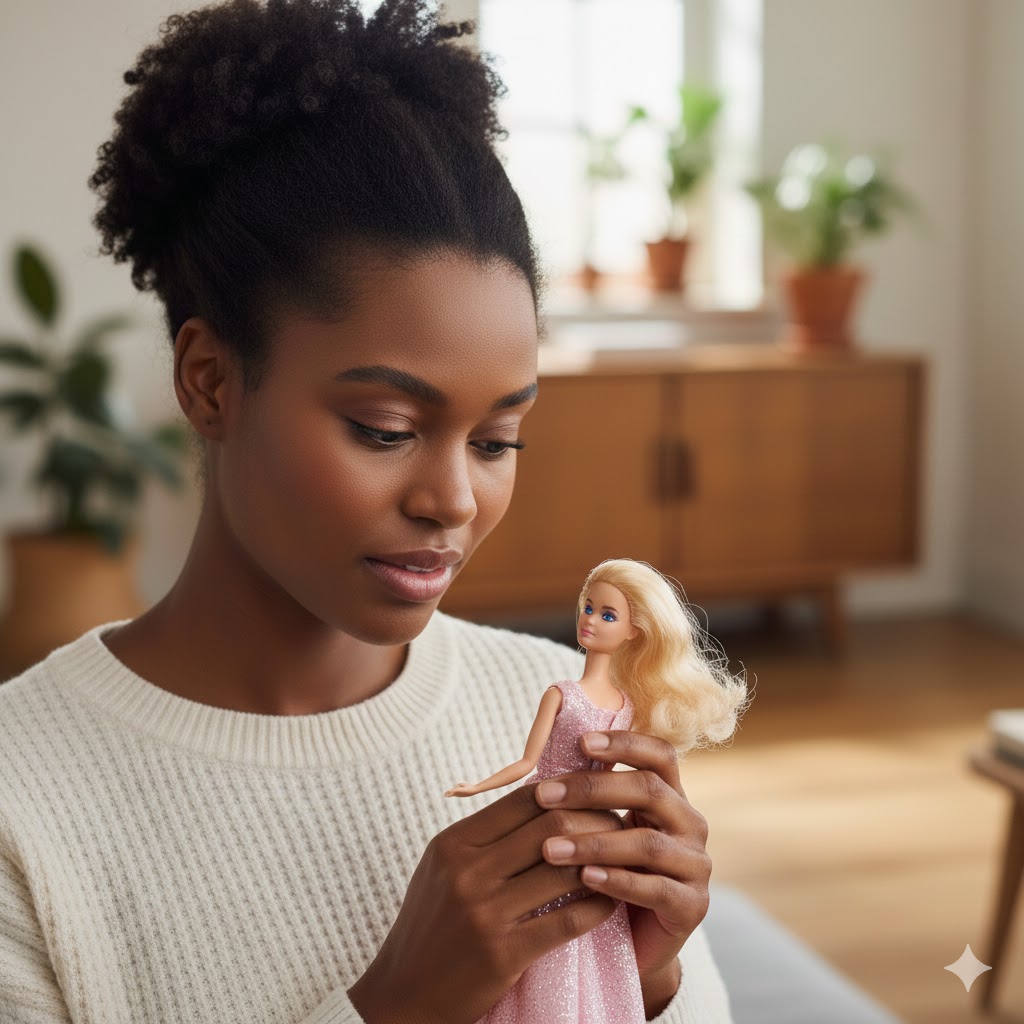
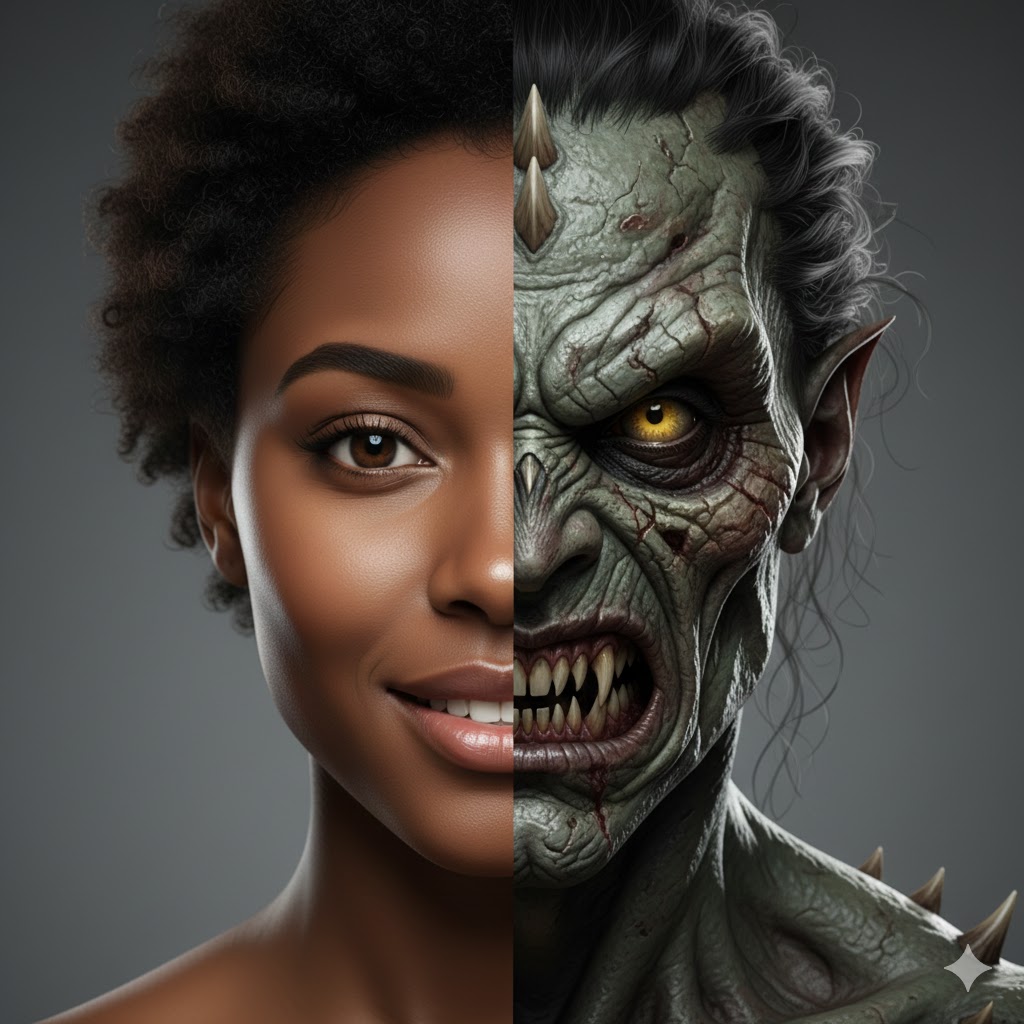
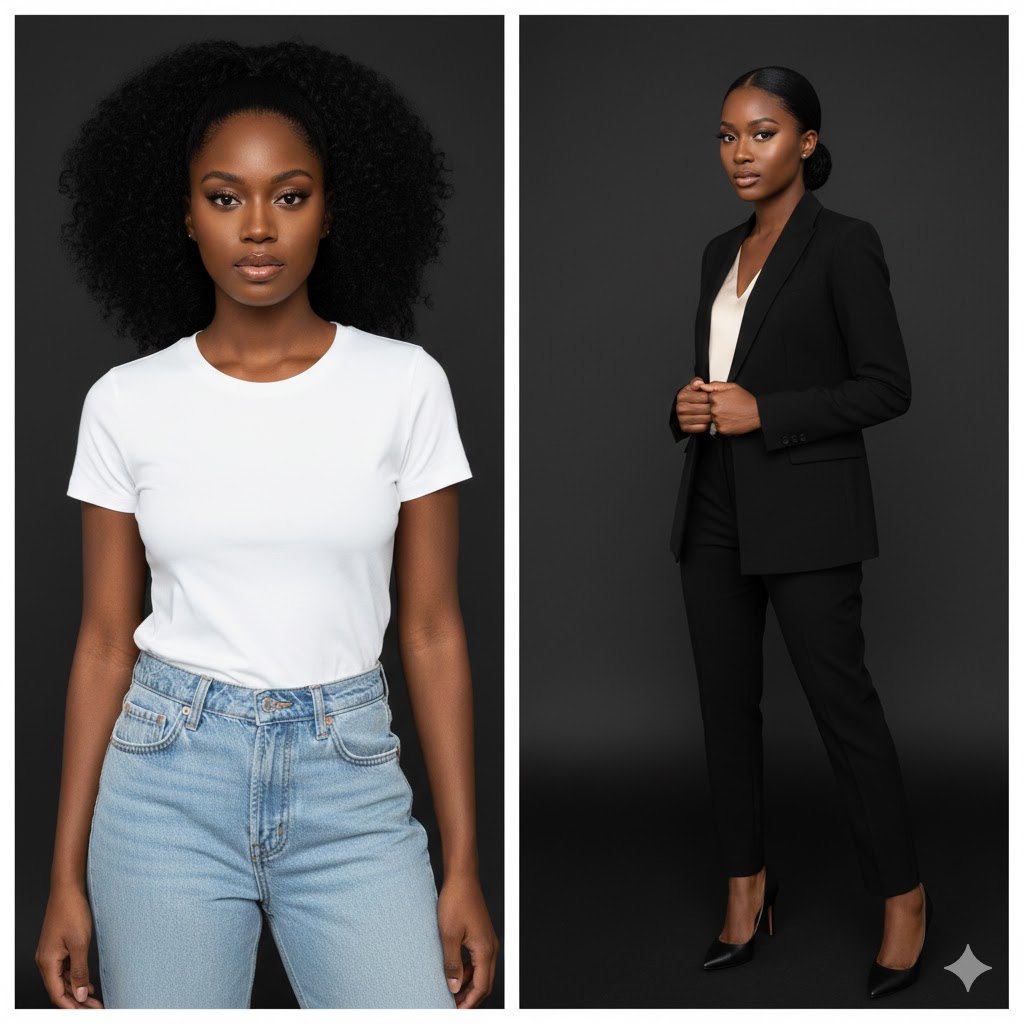
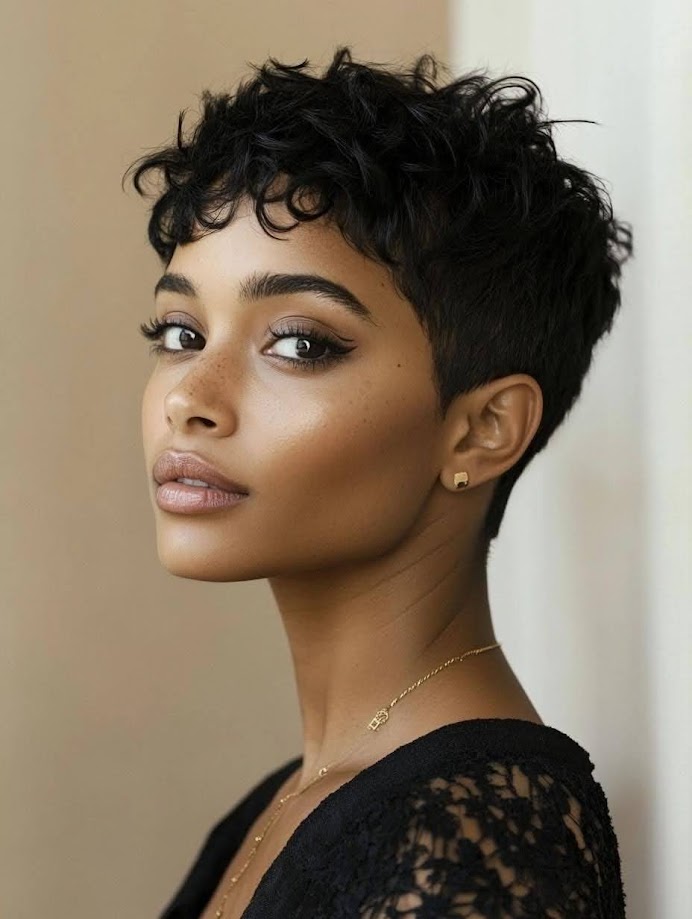
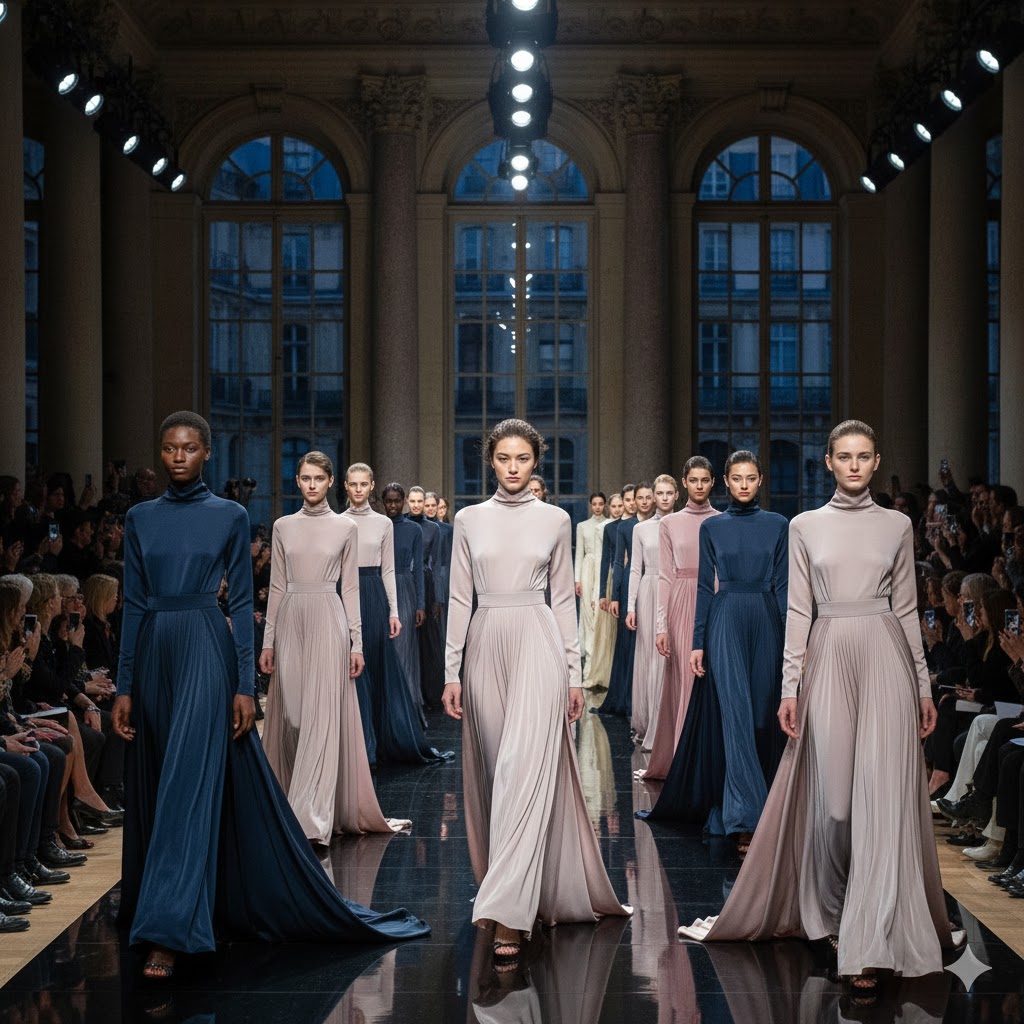
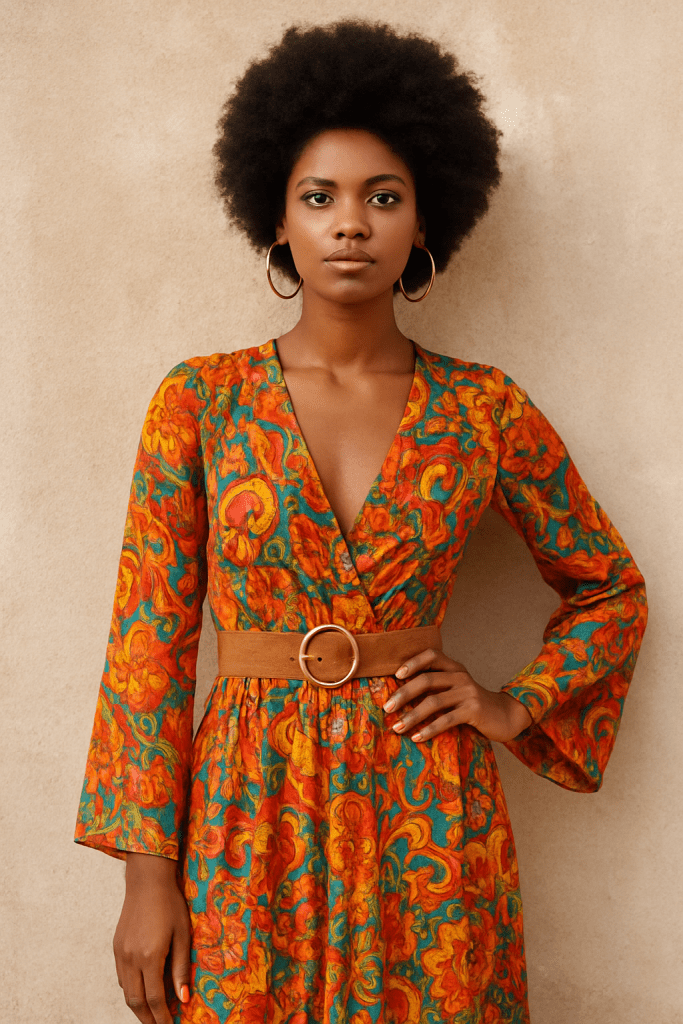
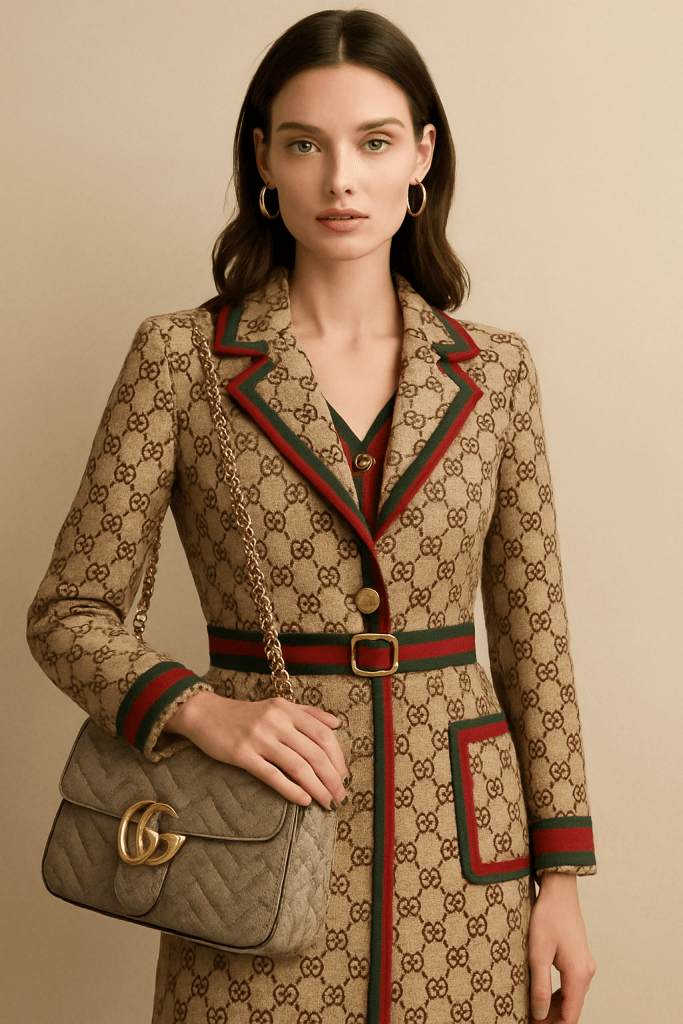
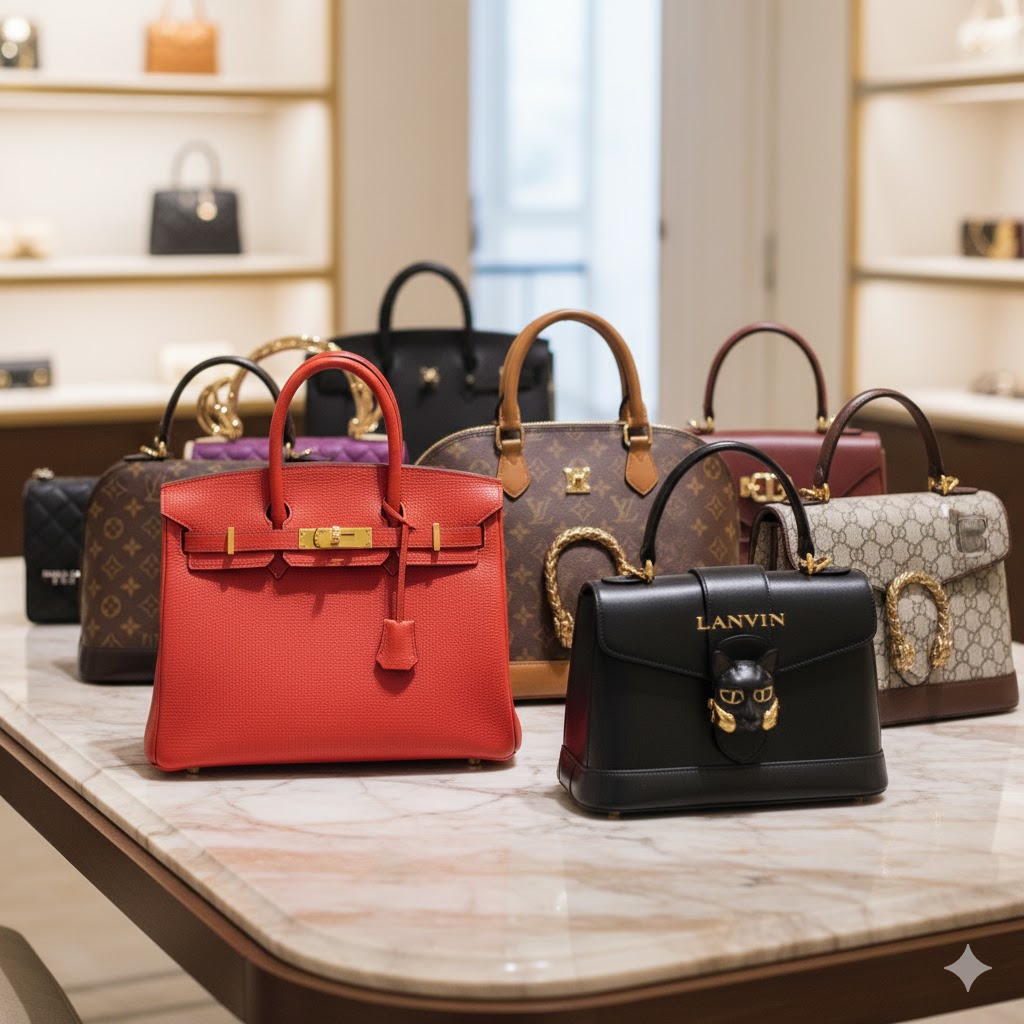
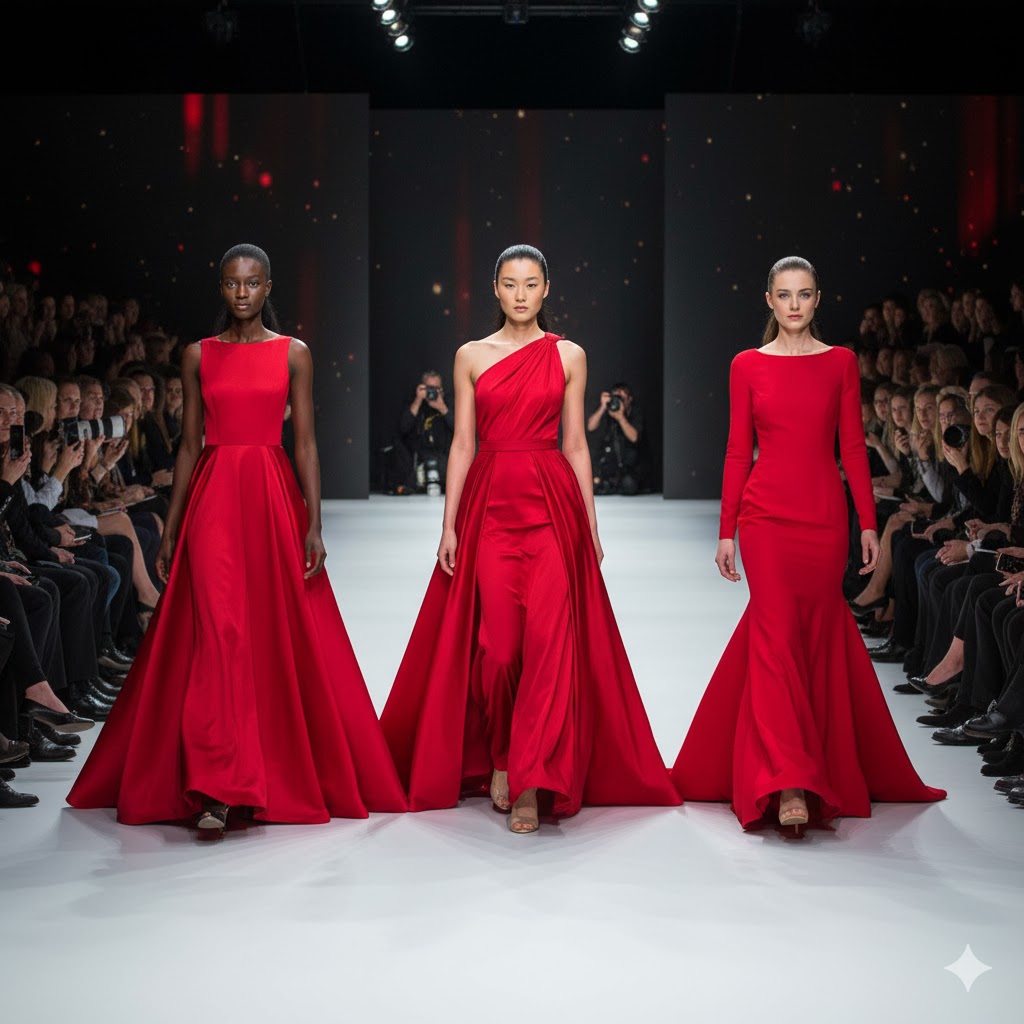
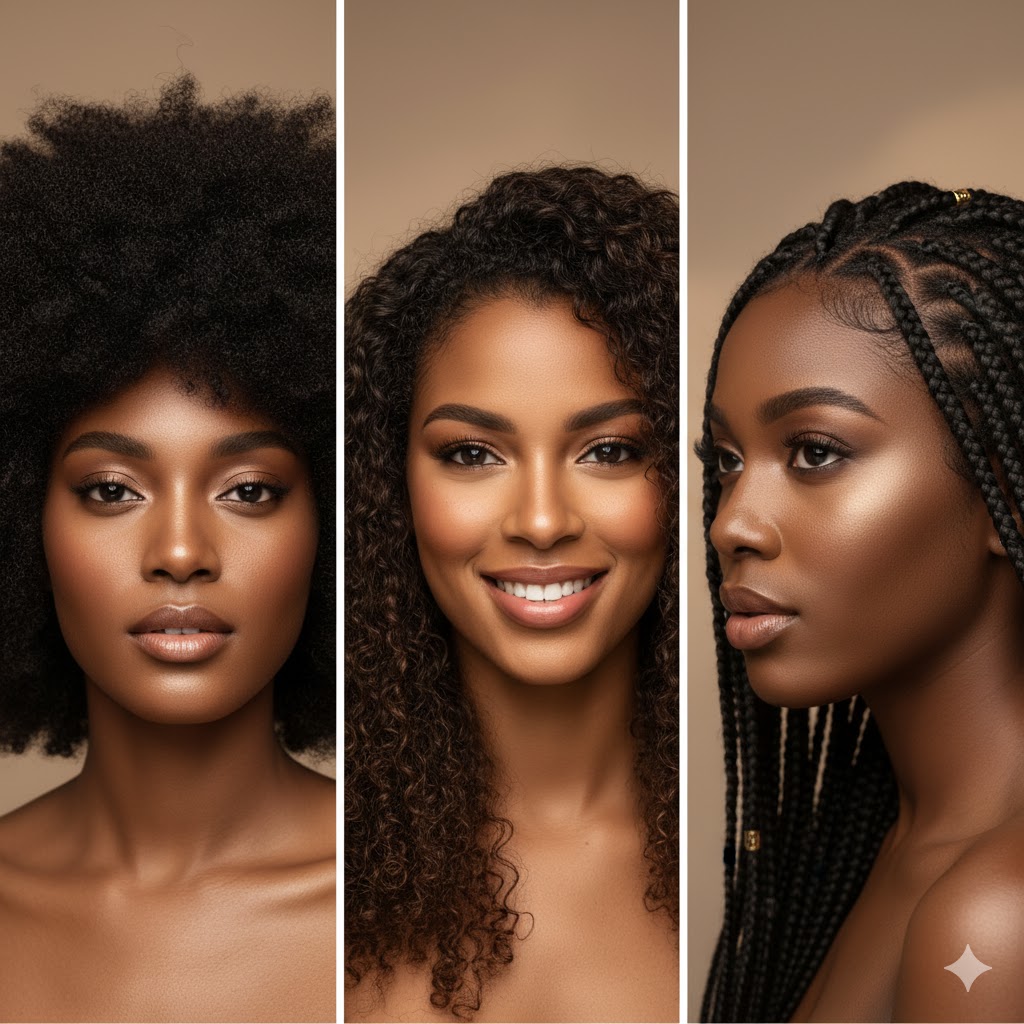
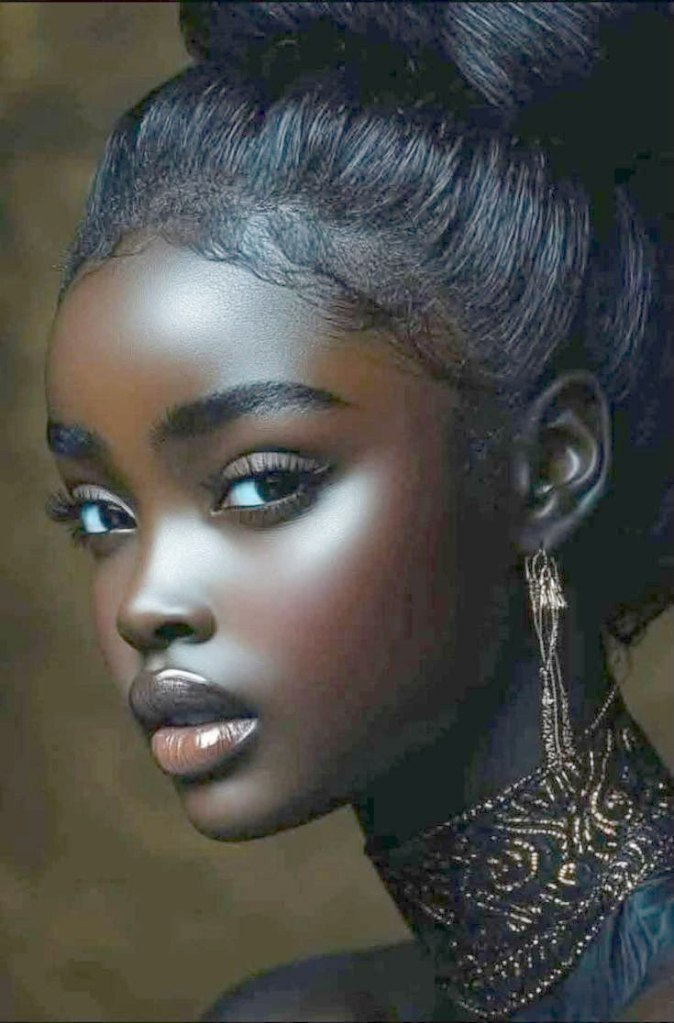
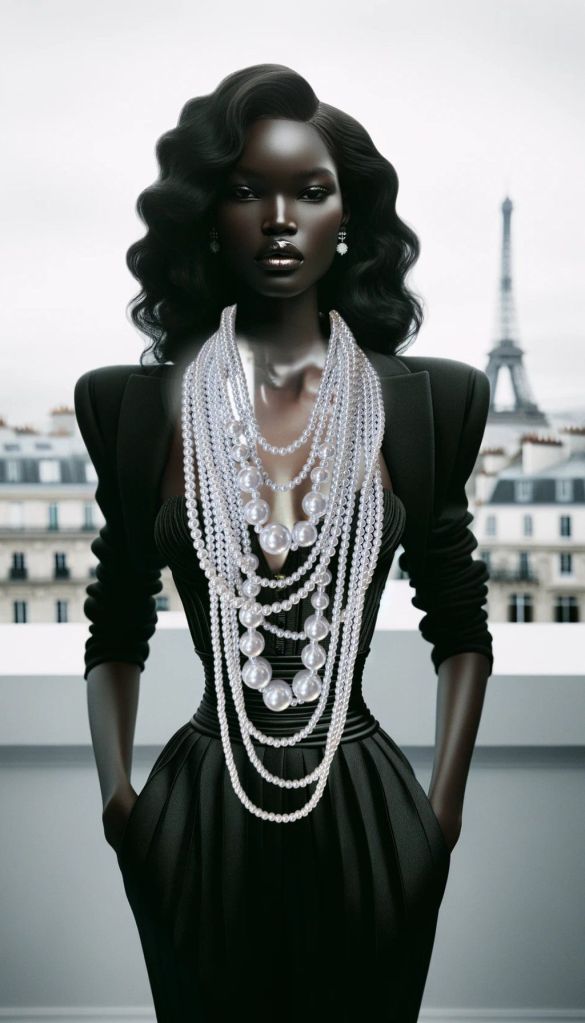
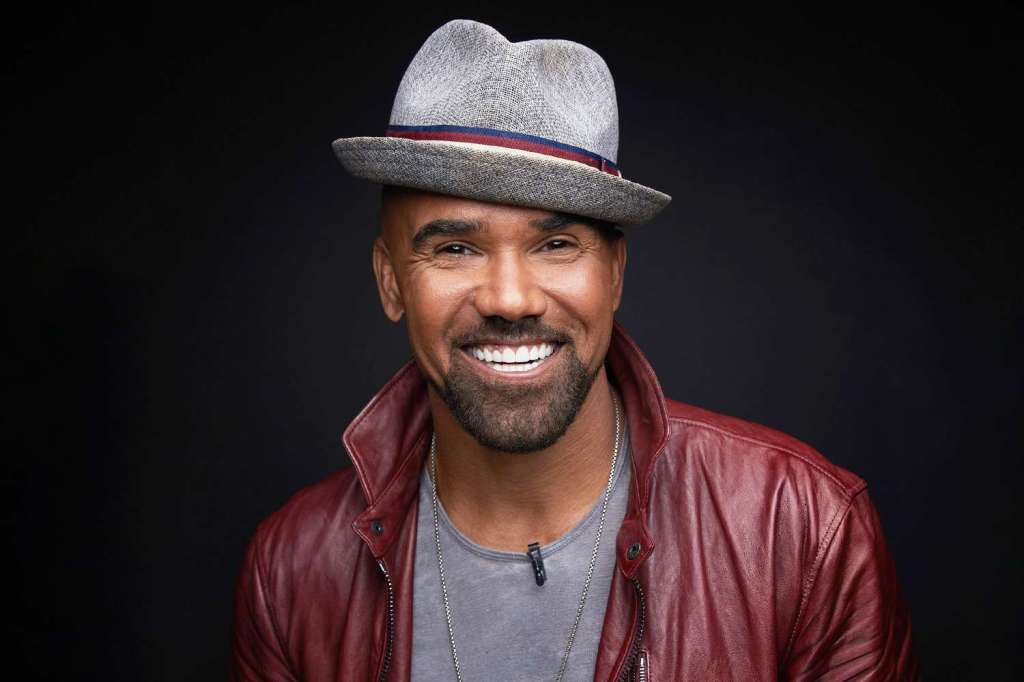
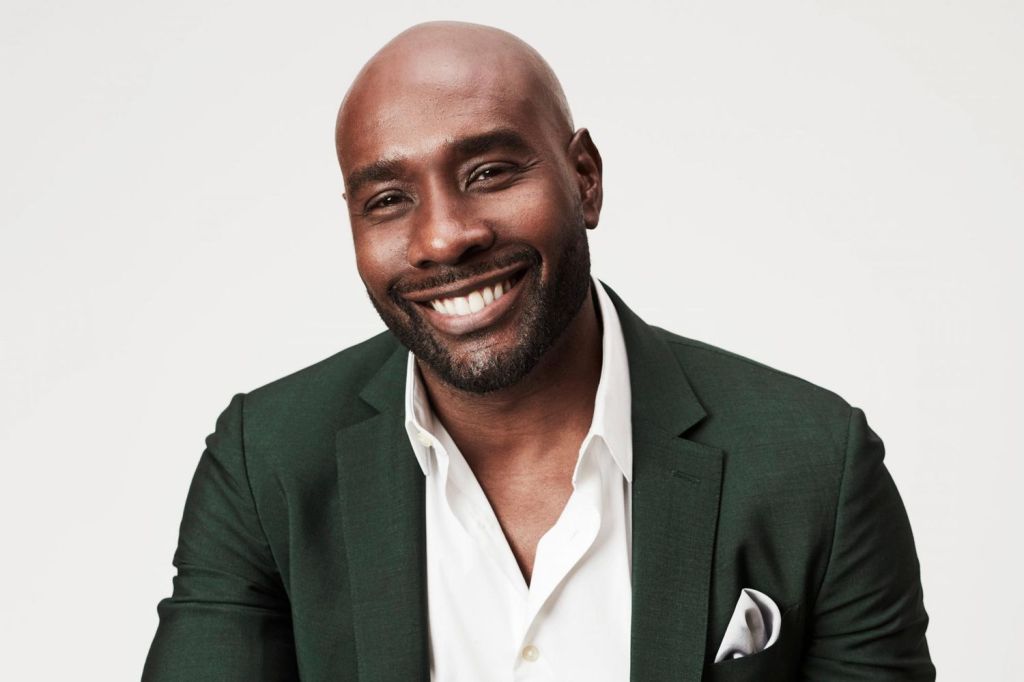

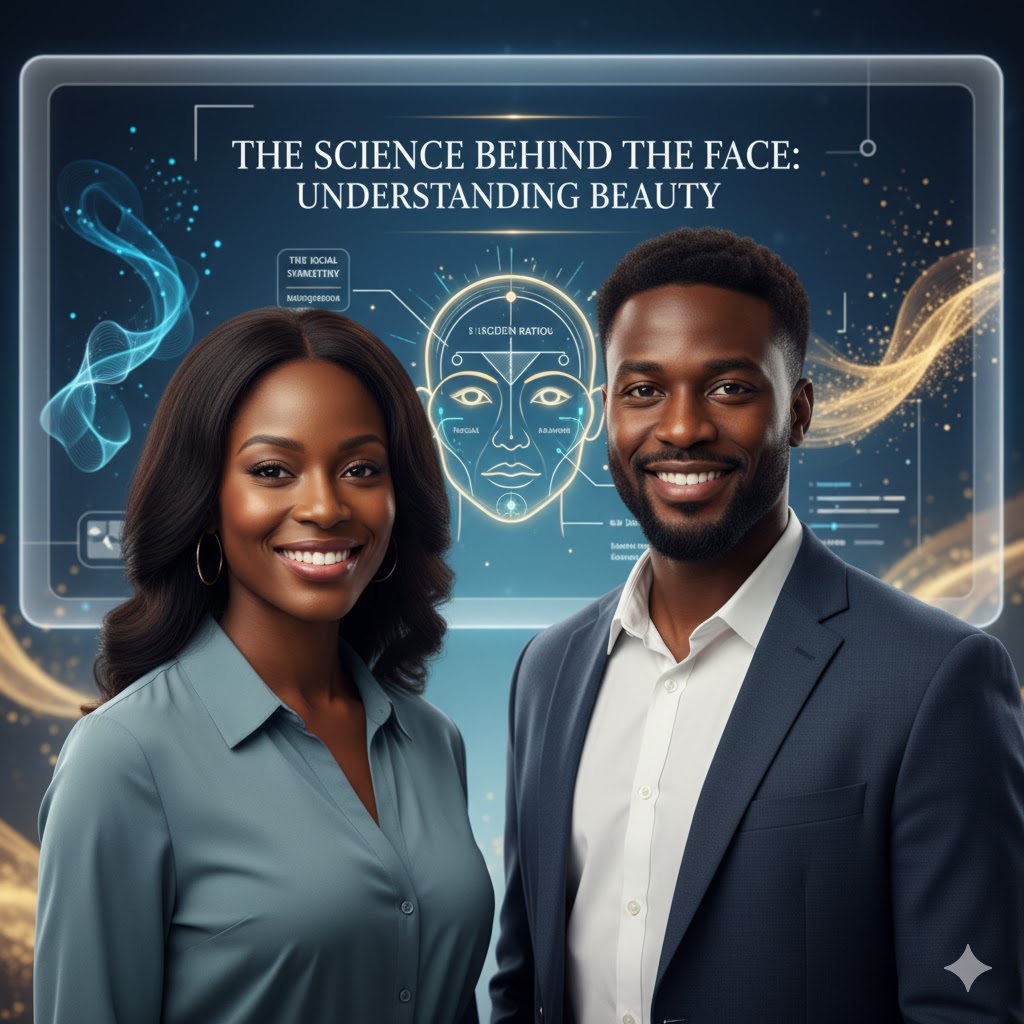
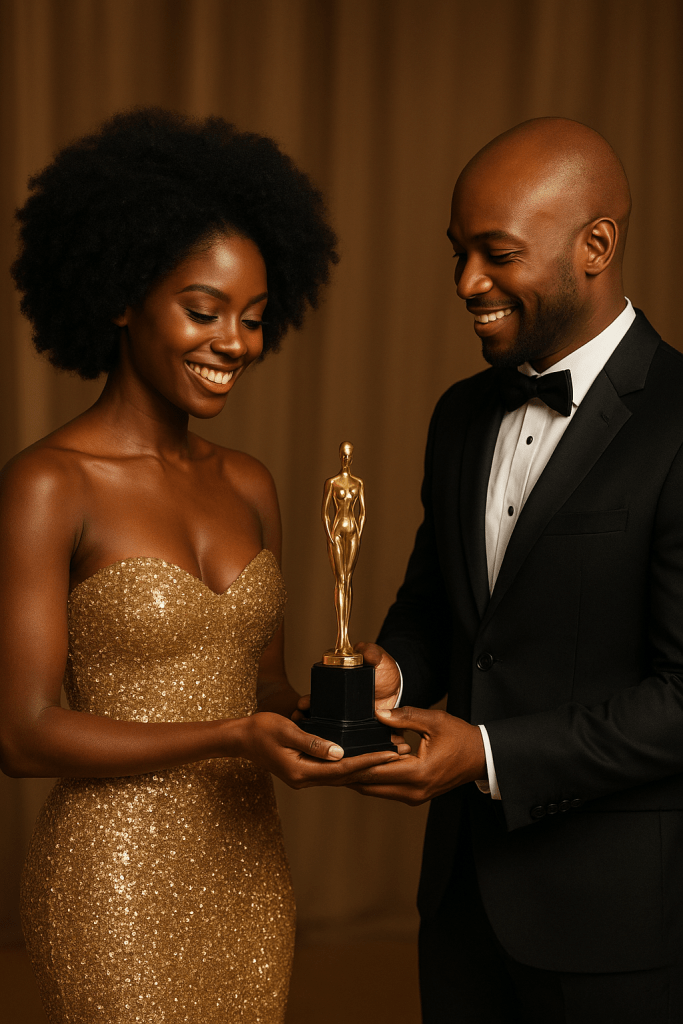
 THE BROWN GIRL DILEMMA