Tag Archives: hebrews

Beyond Beautiful: How Black Women’s Beauty Evolved Over Time.

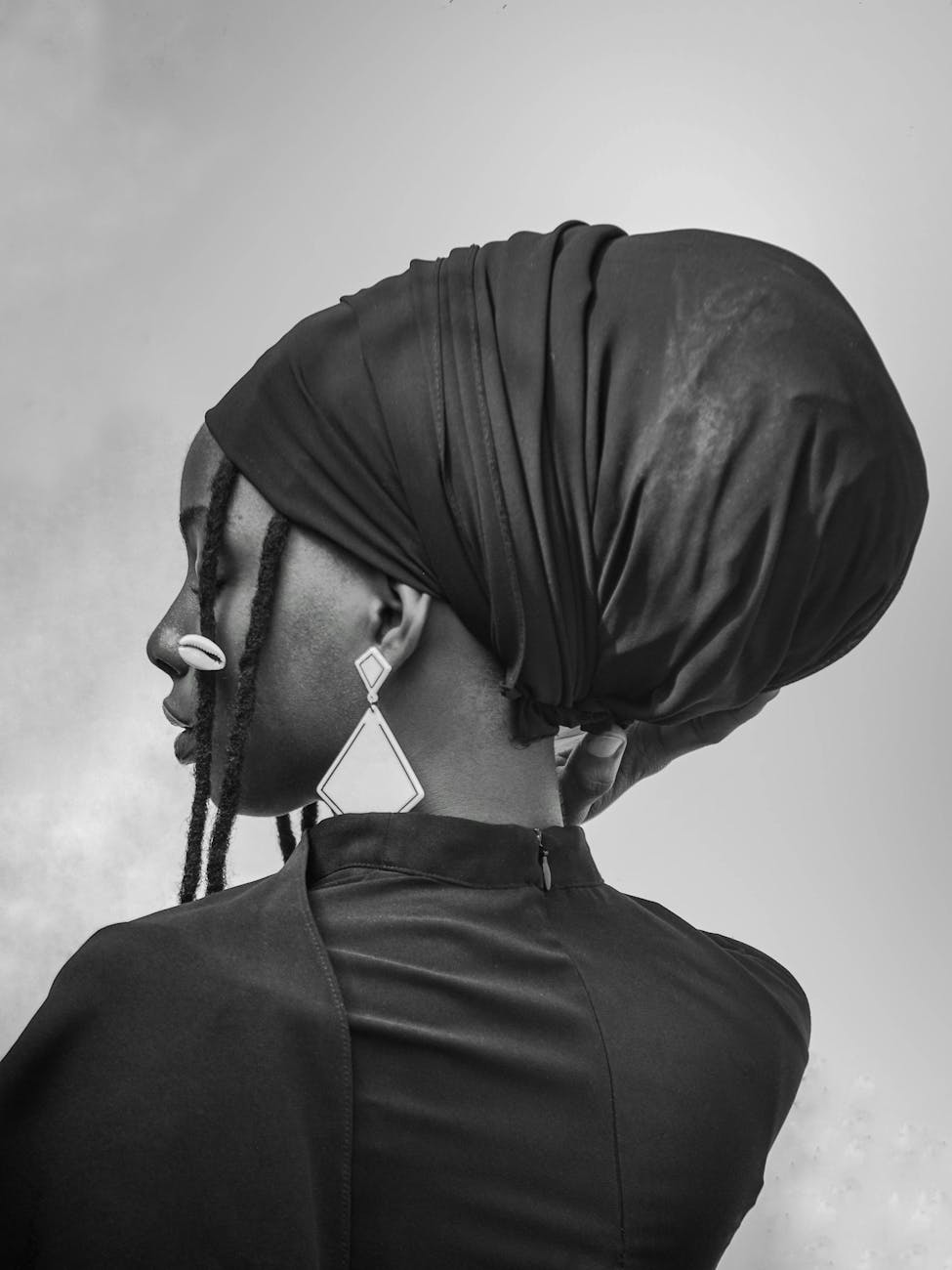
Photo by Theresa Ude on Pexels.com

Black women’s beauty has long been celebrated, contested, and politicized, shaped by a combination of historical, social, and cultural forces. Across centuries, perceptions of Black female beauty have evolved, reflecting both the resilience of Black women and the oppressive systems attempting to define them. Understanding this evolution requires tracing beauty from African societies to the global stage today.

In many pre-colonial African societies, Black women’s beauty was deeply tied to heritage, spirituality, and social status. In kingdoms such as Mali, Benin, and Nubia, physical adornment signified not only personal aesthetic but also political and cultural identity. Jewelry, intricate hairstyles, body markings, and textiles celebrated individuality and social hierarchy. Fuller body types, darker skin tones, and natural hair textures were symbols of health, fertility, and royal lineage. Beauty was not separated from character, lineage, or social role—it was holistic.

Hairstyles, in particular, were culturally significant. Cornrows, braids, and elaborate hair sculptures communicated age, marital status, social rank, and tribal affiliation. Hair was both an artistic medium and a declaration of identity, signaling pride in lineage and community. African queens and noblewomen often wore elaborate headdresses and ornaments, creating an enduring visual language of beauty that transcended mere appearance.

Skin tone also carried meaning within African cultures. While different regions celebrated a spectrum of complexions, melanin-rich skin was associated with vitality and resilience. Unlike later Eurocentric ideals, darker skin was not stigmatized; rather, it was revered and affirmed as part of cultural identity. Beauty standards were therefore inclusive, reflecting the natural diversity of African women.

The transatlantic slave trade disrupted these cultural ideals. Millions of African women were forcibly transported to the Americas, subjected to brutal labor, and stripped of cultural practices. European colonial powers imposed Eurocentric standards, privileging lighter skin, straighter hair, and narrow facial features. These imposed ideals devalued the physical characteristics of Black women, creating long-lasting psychological and social consequences.

Enslaved women were often fetishized, exploited, and objectified. Their bodies became symbols of labor, reproduction, and sexual control, stripping autonomy and self-worth. These experiences embedded systemic devaluation of Black women’s beauty into both society and the collective consciousness of the diaspora, contributing to internalized oppression.

After emancipation, Black women continued to navigate oppressive beauty standards. In the United States, the rise of minstrel shows and stereotyped imagery reinforced negative perceptions of Black female appearance. Colorism became entrenched, privileging lighter-skinned women over darker-skinned women for employment, social acceptance, and marriage prospects (Hunter, 2007). These internalized hierarchies complicated notions of self-worth and community cohesion.

Despite these challenges, Black women resisted and redefined beauty on their own terms. During the Harlem Renaissance, cultural pride was expressed through fashion, natural hairstyles, and art. Women celebrated African heritage through bold dress, artistic expression, and intellectual engagement. Icons like Josephine Baker used performance and personal style to challenge Eurocentric standards and assert agency over their bodies and image.

Hollywood, historically dominated by Eurocentric beauty ideals, often excluded Black women or relegated them to stereotypical roles. Yet some actresses broke barriers, using visibility to reshape mainstream notions of beauty. Lena Horne, Dorothy Dandridge, and later Halle Berry and Lupita Nyong’o exemplified how Black women could embody elegance, talent, and cultural pride while challenging narrow standards.

The late 20th century saw the emergence of natural hair movements. Women began rejecting chemical straightening in favor of embracing natural textures, braids, twists, and afros. These movements were both aesthetic and political, reclaiming autonomy over appearance and rejecting assimilation to white beauty ideals. Hair became a form of activism, signaling pride in identity and heritage.

Makeup, fashion, and body positivity movements further expanded expressions of Black beauty. Dark-skinned women began asserting visibility in media, challenging biases in magazines, advertisements, and runway shows. Representation of diverse skin tones and body types countered the persistent narrative that Black women must conform to Eurocentric ideals.

Colorism remains a persistent challenge, shaping personal perceptions and social hierarchies within Black communities. Research demonstrates that lighter-skinned women often experience preferential treatment, while darker-skinned women face greater discrimination in employment, media, and social acceptance (Herring et al., 2004). Yet cultural movements continue to celebrate all skin tones, emphasizing the value and beauty of melanin-rich skin.

Contemporary media, including social platforms like Instagram and TikTok, has amplified Black women’s voices and creativity. Influencers, makeup artists, and beauty entrepreneurs have created spaces for celebrating natural hair, traditional attire, and melanin-rich skin. Digital platforms allow women to challenge mainstream narratives, democratizing beauty standards and providing visibility for previously marginalized identities.

Globalization has also elevated African-inspired aesthetics worldwide. Fashion, hairstyles, and jewelry rooted in African culture have influenced international trends, allowing Black women to reclaim cultural ownership of beauty expressions that were once appropriated without acknowledgment.

Black women’s beauty has also been redefined through entrepreneurship. Cosmetic brands like Fenty Beauty, SheaMoisture, and Juvia’s Place have prioritized inclusivity, catering to diverse skin tones and hair textures. These innovations affirm that Black women’s beauty is expansive, multifaceted, and commercially significant.

The intersection of culture, history, and identity has made beauty a site of both struggle and empowerment. Black women’s ability to redefine aesthetics despite oppression demonstrates resilience and creativity. Beauty is not solely physical; it encompasses intelligence, artistry, heritage, and self-expression.

Psychologically, embracing authentic beauty contributes to empowerment and self-worth. Rejecting oppressive standards fosters confidence, encourages community solidarity, and affirms the intrinsic value of Black women. As Audre Lorde famously stated, “I am my best work—an authentic representation of myself” (Lorde, 1984).

The spiritual dimension of beauty has also played a role. In many African cultures and faith traditions, beauty is intertwined with virtue, character, and divine purpose. Spiritual teachings continue to affirm that true beauty is holistic, encompassing body, mind, and soul.

Today, Black women are not only reshaping beauty standards but also influencing global perceptions. From fashion runways to film screens, their visibility challenges narrow conceptions of beauty and celebrates diversity in skin tone, hair texture, and body form. Black women lead movements that redefine what it means to be beautiful on their own terms.

Ultimately, the evolution of Black women’s beauty is a story of resistance, creativity, and reclamation. From African queens to modern influencers, Black women have consistently asserted the value of their features, heritage, and identity. Beauty is a living testimony of resilience and cultural pride.

In conclusion, Black women’s beauty has evolved over time, shaped by history, oppression, resistance, and empowerment. It is both personal and political, aesthetic and cultural, rooted in identity and heritage. Beyond the surface, it tells a story of survival, creativity, and enduring strength—a beauty that transcends time, norms, and societal limitations.


📖 References

  • Hunter, M. (2007). The persistent problem of colorism: Skin tone, status, and inequality. Sociology Compass, 1(1), 237–254.
  • Herring, C., Keith, V., & Horton, C. (2004). Skin deep: How race and complexion matter in the “color-blind” era. Politics & Society, 32(1), 111–146.
  • Lorde, A. (1984). Sister Outsider: Essays and Speeches. Crossing Press.

Weaponizing Scripture: How the Bible Was Used to Justify Enslavement

This photograph is the property of its respective owner. No copyright infringement intended

Weaponizing Scripture was one of the most devastating tools used to sustain the transatlantic slave system. The Bible, a text meant to proclaim liberation, justice, and the dignity of humanity, was distorted into an instrument of control. Enslavers did not merely use chains and whips; they used theology, selectively interpreted and strategically taught, to shape belief, obedience, and identity.

European slaveholders understood that physical domination alone was insufficient. To maintain long-term control, they needed mental and spiritual submission. Christianity, when stripped of its liberatory core, became a mechanism for conditioning enslaved Africans to accept suffering as divinely ordained rather than violently imposed.

One of the most common tactics was the selective reading of Scripture. Enslavers emphasized verses that appeared to support servitude while suppressing passages that spoke of freedom, justice, and God’s judgment against oppression. This manipulation created a counterfeit Christianity that served the empire rather than God.

A frequently cited passage was Ephesians 6:5, “Servants, be obedient to them that are your masters” (KJV). This verse was taught without context, stripped of its historical setting, and severed from the broader biblical narrative. Enslavers ignored that the same chapter commands masters to act justly and warns that God shows no partiality.

Similarly, Colossians 3:22 and 1 Peter 2:18 were weaponized to portray submission to abuse as holy obedience. These verses were never intended to endorse racialized, chattel slavery, yet they were recast to sanctify lifelong bondage based on skin color, a concept entirely foreign to the biblical world.

At the same time, enslavers deliberately removed or discouraged engagement with texts that threatened their power. The book of Exodus, which narrates God’s deliverance of an enslaved people, was often censored or reframed. Moses was rarely preached as a liberator, and Pharaoh’s defeat was downplayed or spiritualized to avoid political implications.

In many plantations, enslaved Africans were given a heavily edited text known as the “Slave Bible.” This version removed large portions of the Old Testament and New Testament passages that emphasized freedom, equality, or divine justice. What remained was a hollowed-out gospel engineered for compliance.

This theological distortion extended beyond omission into outright deception. Enslavers taught that Black people were cursed by God, often invoking a twisted interpretation of the so-called “Curse of Ham” in Genesis 9. This lie ignores the text itself, which never condemns Ham’s descendants to perpetual slavery and never mentions race.

By redefining God as a white authoritarian figure aligned with European power, enslavers reshaped spiritual imagination. Blackness became associated with sin, inferiority, and divine disfavor, while whiteness was falsely aligned with righteousness and authority. This inversion was not biblical; it was ideological.

Such misuse of Scripture produced mental slavery, a condition where the enslaved internalized the oppressor’s theology. Over time, some came to believe their suffering was God’s will, that resistance was rebellion against heaven, and that liberation was spiritually dangerous.

Yet even under these conditions, enslaved Africans demonstrated remarkable theological resistance. Through spirituals, coded language, and communal worship, they reclaimed biblical themes of deliverance, judgment, and hope. Songs about crossing Jordan, escaping Egypt, and seeing the promised land were not metaphorical escapism; they were theological protest.

The Bible itself consistently condemns man-stealing, the foundation of chattel slavery. Exodus 21:16 declares that kidnapping a human being and selling them is a capital crime. This verse alone dismantles the moral legitimacy of the slave trade, yet it was systematically ignored.

The prophets repeatedly denounce exploitation of the poor and vulnerable. Isaiah, Jeremiah, and Amos all portray God as hostile toward nations that enrich themselves through oppression. These texts reveal that the God of Scripture sides with the crushed, not the conqueror.

Jesus’ ministry further exposes the lie of slaveholding theology. Christ announced His mission as one to “preach deliverance to the captives” and to set the oppressed free (Luke 4:18). Any theology that sanctifies captivity directly contradicts the words of Christ Himself.

The apostolic message affirms spiritual equality among believers. Galatians 3:28 declares that there is neither slave nor free in Christ, undermining any doctrine that elevates one group over another. While early Christians lived within existing social systems, the gospel planted seeds that inevitably challenged them.

Weaponized Scripture also served to fracture Black identity. African spiritual systems were demonized, ancestral memory was erased, and biblical literacy was restricted. This was not evangelism; it was cultural warfare masquerading as salvation.

The long-term consequences of this distortion persist today. Many descendants of the enslaved wrestle with inherited religious trauma, mistrust of Christianity, or internalized inferiority rooted in centuries of theological abuse. This is one of slavery’s most enduring scars.

Yet the Bible itself is not the enemy. The problem has never been Scripture, but who interprets it, how it is taught, and whose interests it serves. When read holistically, the Bible exposes slavery as sin and oppression as rebellion against God.

Reclaiming Scripture requires restoring context, history, and truth. It demands confronting how Christianity was used as a colonial tool while also recognizing how Black faith communities preserved the liberating heart of the gospel against all odds.

Weaponized Scripture enslaved bodies for centuries, but redeemed Scripture continues to awaken minds. When the Bible is freed from manipulation, it testifies not to chains, but to justice, dignity, and divine judgment against every system built on human suffering.


References

Cone, J. H. (1975). God of the oppressed. New York, NY: Seabury Press.

Douglas, K. B. (1994). The black Christ. Maryknoll, NY: Orbis Books.

Haynes, S. R. (2002). Noah’s curse: The biblical justification of American slavery. Oxford, UK: Oxford University Press.

Raboteau, A. J. (2004). Slave religion: The “invisible institution” in the antebellum South. New York, NY: Oxford University Press.

The Holy Bible, King James Version. (1769/2017). Cambridge Edition.

Wilmore, G. S. (1998). Black religion and Black radicalism (3rd ed.). Maryknoll, NY: Orbis Books.

The Seeds of the Promise.

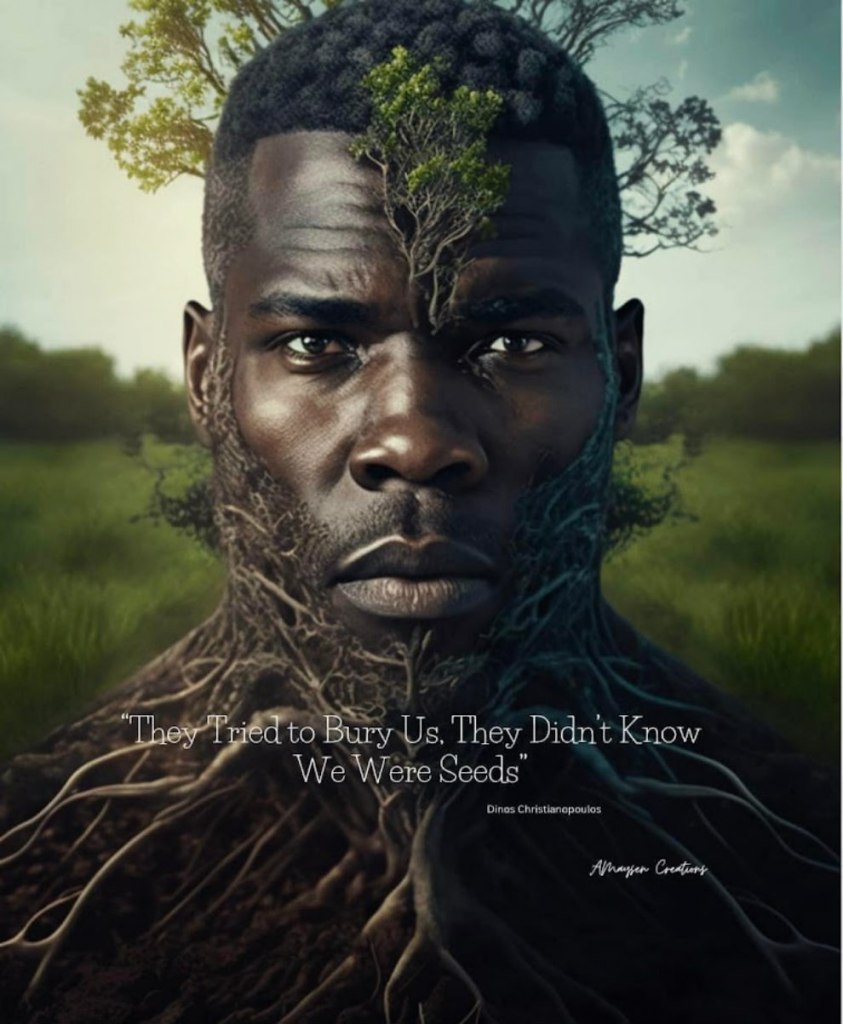
This artwork is the property of its respective owner. No copyright infringement intended.

The story of God’s chosen people is deeply rooted in Scripture, prophecy, and history. Deuteronomy 28 (KJV) outlines blessings for obedience and curses for disobedience, serving as both a covenant promise and a prophetic warning. Many within the African diaspora identify their struggles and resilience with these verses, seeing themselves as the “seeds of the promise,” scattered across the earth yet preserved by God’s hand. Like trees planted by rivers of living water, they endure oppression, displacement, and hardship while continuing to grow, flourish, and bear fruit.

The Seeds and the Promise
Seeds carry potential and continuity. Spiritually, the descendants of Israel are seeds of the covenant God made with Abraham (Genesis 17:7, KJV). Psychologically, seeds represent identity and generational transmission. Black people, despite systemic oppression, have carried cultural, spiritual, and intellectual seeds across continents, preserving language, rhythm, faith, and resilience. These seeds testify to survival against all odds.

Deuteronomy 28 and the Black Experience
The curses in Deuteronomy 28:15–68 resonate profoundly with the history of Black people. Enslavement, scattering across nations, oppression by enemies, and loss of identity parallel the transatlantic slave trade and subsequent struggles of the African diaspora. Verse 68 speaks of returning to Egypt “again with ships,” a striking image that mirrors the ships that carried millions into bondage. Many interpret these prophecies as evidence that Black people are part of God’s chosen covenant people.

Trees Planted by Living Water
Psalm 1:3 (KJV) describes the blessed man as being “like a tree planted by the rivers of water, that bringeth forth his fruit in his season.” This metaphor speaks to endurance and divine sustenance. Despite centuries of slavery, segregation, and systemic oppression, Black communities have remained rooted in faith, producing leaders, artists, scholars, and prophets who have blessed the world. The psychology of Black resilience reveals a deep wellspring of spiritual and cultural resources that mirror this biblical imagery.

Psychologically, Black people have carried generational trauma from enslavement, colonization, and racism. Yet, alongside trauma exists resilience—expressed through music, oral tradition, communal bonds, and faith in God. Na’im Akbar (1984) noted that African-descended people maintain strength by reclaiming identity, resisting oppression, and drawing on spirituality. This resilience is evidence of the “living water” that sustains God’s chosen, nourishing them in the face of systemic attempts to uproot them.

The history of Black people stretches far beyond the African continent. Evidence of African presence is found in ancient Israel, Mesopotamia, and early Christian communities. African contributions shaped global civilizations through science, mathematics, philosophy, and theology. From the Kingdom of Kush to the Moors in Spain, Black history reveals a legacy of leadership and brilliance that extends into the Americas, the Caribbean, and beyond. These contributions reveal a scattered yet resilient people, reflecting the biblical narrative of God’s chosen seed dispersed among nations.

Being chosen does not mean privilege without responsibility; it means bearing the covenant of obedience. Deuteronomy 7:6 (KJV) declares, “For thou art an holy people unto the LORD thy God: the LORD thy God hath chosen thee to be a special people unto himself, above all people that are upon the face of the earth.” This chosenness is marked not only by blessings but also by trials meant to refine and bring the people back to God. Black people’s journey through slavery, segregation, and systemic oppression mirrors this refining fire.

The transatlantic slave trade attempted to erase identity, yet language, song, and spirituality preserved the covenant consciousness of the people. Spirituals like “Go Down, Moses” encoded biblical identity, likening the plight of enslaved Africans to the Israelites in Egypt. This connection shows how deeply the promise of God was embedded in the psychology of Black communities, even in the darkest times.

Conclusion
The seeds of the promise remain alive in God’s chosen. Though scattered, bruised, and oppressed, they continue to grow like trees planted by the rivers of water, sustained by the living Word of God. Black history—beyond Africa and into the Americas, Europe, and beyond—bears witness to the fulfillment of prophecy and the preservation of a covenant people. To live as God’s chosen is to embrace both identity and responsibility, walking in obedience, resilience, and faith. The story of the seeds of the promise is not only a history lesson—it is a living testimony of God’s hand upon His people.


References

  • Akbar, N. (1984). Africentric Social Sciences for Human Liberation. Journal of Black Studies.
  • The Holy Bible, King James Version (KJV).

Holy Relationship Goals

Holy relationship goals are not rooted in trends, aesthetics, or social media admiration, but in divine order and obedience to God. A relationship that honors the Most High is intentional, disciplined, and purpose-driven. Scripture reminds us that unless the Lord builds the house, all labor is in vain (Psalm 127:1, KJV). Marriage begins long before the wedding day—it begins in spiritual preparation.

The foundation of a holy relationship is a shared commitment to God. Two individuals must first be submitted to Christ before they can walk in unity with one another. Spiritual alignment is not optional; it is essential. “Be ye not unequally yoked together with unbelievers” (2 Corinthians 6:14, KJV). Agreement in faith produces stability in love.

Purity is a central goal in any God-honoring relationship. Sexual discipline before marriage reflects reverence for God and respect for one another. Scripture commands believers to flee fornication, recognizing that the body is the temple of the Holy Ghost (1 Corinthians 6:18–19, KJV). Purity is not merely abstinence; it is holiness in thought, intention, and action.

Marriage in God’s design is a covenant, not a contract. It is a lifelong union established by God Himself. “What therefore God hath joined together, let not man put asunder” (Matthew 19:6, KJV). Holy relationship goals emphasize permanence, faithfulness, and accountability rather than convenience or emotional escape.

Preparation for marriage requires personal maturity. Each individual must develop character, self-control, and responsibility before seeking a partnership. Proverbs teaches that wisdom builds a house, while understanding establishes it (Proverbs 24:3, KJV). A strong marriage is built by whole individuals, not broken expectations.

Financial stewardship is a critical component of holy relationship goals. God expects couples to manage resources wisely, avoiding debt, greed, and financial secrecy. “The borrower is servant to the lender” (Proverbs 22:7, KJV). Financial unity requires honesty, planning, and shared values regarding money.

Men are called to be providers, in income and leadership, protection, and provision of stability. Scripture declares that a man who does not provide for his household has denied the faith (1 Timothy 5:8, KJV). Biblical provision includes spiritual leadership, emotional covering, and responsible decision-making.

A woman’s role as a helpmeet is not inferior but a divine assignment. God created the woman as a suitable helper, corresponding in strength and wisdom (Genesis 2:18, KJV). A godly woman supports, encourages, and partners with her husband in fulfilling God’s purpose for the family.

Mutual respect is essential in holy relationship goals. Husbands are commanded to love their wives sacrificially, as Christ loved the church (Ephesians 5:25, KJV). Wives are instructed to respect their husbands, recognizing God’s order within marriage (Ephesians 5:33, KJV). Love and respect work together to create harmony.

Prayer must be central in a holy relationship. Couples who pray together invite God into their decisions, struggles, and future plans. “If two of you shall agree on earth as touching any thing that they shall ask, it shall be done” (Matthew 18:19, KJV). Prayer aligns hearts with heaven.

Communication rooted in truth and grace strengthens relationships. Scripture warns that careless words bring destruction, while wise speech brings healing (Proverbs 12:18, KJV). Holy relationship goals include learning to speak with patience, humility, and love, even during conflict.

Forgiveness is another essential goal. No marriage thrives without grace. The Bible commands believers to forgive as Christ forgave them (Colossians 3:13, KJV). Forgiveness prevents bitterness from taking root and allows love to endure trials.

A holy relationship is also disciplined in boundaries. Emotional, physical, and relational boundaries protect the covenant from compromise. “Abstain from all appearance of evil” (1 Thessalonians 5:22, KJV). Boundaries honor God and preserve trust.

Purpose-driven marriage looks beyond romance to legacy. Godly couples consider how their union will glorify God, raise righteous children, and impact generations. “But as for me and my house, we will serve the LORD” (Joshua 24:15, KJV). Marriage is a ministry within the home.

Patience is necessary when pursuing God’s design. Rushing ahead of God often leads to regret. Scripture teaches that waiting on the Lord renews strength and clarity (Isaiah 40:31, KJV). Holy relationship goals include trusting God’s timing rather than forcing outcomes.

Commitment to growth is vital. Marriage requires continual learning, humility, and self-examination. “Iron sharpeneth iron; so a man sharpeneth the countenance of his friend” (Proverbs 27:17, KJV). Growth-minded couples mature together rather than apart.

Faithfulness guards the heart and honors the covenant. Adultery, whether physical or emotional, destroys trust and invites judgment. “Thou shalt not commit adultery” (Exodus 20:14, KJV). Holy relationships are marked by loyalty in action and thought.

Joy is a byproduct of obedience, not indulgence. God desires marriage to be joyful, peaceful, and fulfilling when done His way. “Whoso findeth a wife findeth a good thing, and obtaineth favour of the LORD” (Proverbs 18:22, KJV). Joy flows from righteousness.

A holy relationship reflects Christ to the world. Marriage becomes a testimony of God’s love, order, and redemption. “Let your light so shine before men” (Matthew 5:16, KJV). Godly unions preach without words.

Holy relationship goals ultimately lead to a marriage that honors God above all else. Through purity, preparation, provision, partnership, and prayer, couples align themselves with divine purpose. What God establishes in righteousness, He sustains in power—and such a relationship becomes both a blessing and a legacy.


References (KJV Bible)
The Holy Bible, King James Version. Scriptures cited from Genesis, Exodus, Psalms, Proverbs, Isaiah, Matthew, Corinthians, Ephesians, Colossians, Thessalonians, Timothy, Joshua, and related passages.

Proverbs 31 Woman

The Proverbs 31 woman is an enduring biblical archetype of strength, wisdom, and godly character. Her influence extends beyond her household into her community, reflecting the integration of faith, diligence, and compassion in everyday life. She embodies what it means to be a woman after God’s heart.

She is virtuous and capable. “Who can find a virtuous woman? for her price is far above rubies” (Proverbs 31:10, KJV). Her value is not measured by beauty alone but by integrity, wisdom, and the impact she has on those around her.

Hard work defines her character. She rises early and labors diligently to care for her household, manage resources, and contribute to her family’s well-being. “She riseth also while it is yet night, and giveth meat to her household” (Proverbs 31:15, KJV).

The Proverbs 31 woman is financially wise. She invests thoughtfully, engages in trade or business, and ensures stability and provision. “She considereth a field, and buyeth it: with the fruit of her hands she planteth a vineyard” (Proverbs 31:16, KJV).

Strength and honor are her clothing. She faces challenges with courage and confidence, embodying dignity and resilience. “Strength and honour are her clothing; and she shall rejoice in time to come” (Proverbs 31:25, KJV).

Her wisdom guides her household. She instructs her children in faith and morality, and she manages her home with discernment and order. “She openeth her mouth with wisdom; and in her tongue is the law of kindness” (Proverbs 31:26, KJV).

She is compassionate and generous. The Proverbs 31 woman extends care to the poor, the marginalized, and those in need, reflecting God’s heart through action. “She stretcheth out her hand to the poor; yea, she reacheth forth her hands to the needy” (Proverbs 31:20, KJV).

Faith anchors her life. Her trust in God shapes her decisions, her interactions, and her priorities. She fears the Lord above all else, understanding that reverence is the foundation of her strength. “The heart of her husband doth safely trust in her” (Proverbs 31:11, KJV).

She exemplifies dignity in speech. Her words uplift, guide, and encourage. She does not engage in gossip or empty talk but speaks with purpose and grace. “She openeth her mouth with wisdom; and in her tongue is the law of kindness” (Proverbs 31:26, KJV).

Time management and diligence are her allies. She balances responsibilities with precision, ensuring her household, work, and spiritual life are aligned. “She looketh well to the ways of her household, and eateth not the bread of idleness” (Proverbs 31:27, KJV).

Her beauty is both internal and external. While she takes care of her appearance, her inner strength, humility, and godliness shine brighter than jewels. “Her price is far above rubies” (Proverbs 31:10, KJV).

She earns respect from her family and community. Her consistent character, reliability, and integrity make her a role model for younger women and an anchor for her household.

Her husband benefits from her wisdom and partnership. He can trust her guidance, counsel, and judgment in managing household and financial matters. “The heart of her husband doth safely trust in her” (Proverbs 31:11, KJV).

She demonstrates courage in business and decision-making. She is proactive, discerning, and bold when investing in resources or taking steps to grow her household.

Her faith inspires joy. Even in trials, she maintains hope, laughter, and optimism, influencing her family and community positively.

She is adaptable. Life’s challenges do not overwhelm her; she adjusts strategies, manages crises, and continues forward with resilience.

The Proverbs 31 woman practices humility. Though capable and accomplished, she acknowledges God as the source of her strength and success. “She is not afraid of the snow for her household: for all her household are clothed with scarlet” (Proverbs 31:21, KJV).

She nurtures relationships. Family, friends, and community members experience her care, wisdom, and generosity. Her life demonstrates the balance between ambition and empathy.

She leaves a lasting legacy. Her children and community witness a model of virtue, strength, and faith that continues through generations. “Many daughters have done virtuously, but thou excellest them all” (Proverbs 31:29, KJV).

Ultimately, the Proverbs 31 woman embodies the ideal of godly womanhood. She is strong, compassionate, wise, and diligent, with faith guiding her every decision. Modern women can aspire to this standard, not for perfection, but to walk faithfully, serve others, and honor God in every area of life.


References

The Holy Bible, King James Version. (1769/2017). Cambridge University Press.

Collins, P. H. (2000). Black feminist thought: Knowledge, consciousness, and the politics of empowerment. Routledge.

Brown, T. N., & Taylor, S. (2019). Faith and feminine strength: Applying Proverbs 31 in contemporary life. Journal of Biblical Studies, 23(2), 145–162.

Hobbs, R. (2018). Women of virtue: Lessons from Proverbs 31. HarperCollins.

Girl Talk Series: The Male Files – The Secrets You Need to Know.

Understanding Male Emotions and Communication Styles

This artwork is the property of its respective owner. No copyright infringement intended.

Men often experience and express emotions differently than women, not because they feel less, but because of socialization, cultural expectations, and biological factors. From a young age, many boys are taught to “toughen up,” suppress tears, or hide vulnerability. This can lead to a gap in emotional expression that women sometimes interpret as indifference or detachment.

Psychologically, men often process feelings internally before verbalizing them. Research in gender studies shows that men may exhibit emotions through actions rather than words — fixing things, giving gifts, or providing support instead of verbal affirmation. Understanding this is key: their silence does not always mean a lack of feeling.

Communication styles also differ. Men often favor solution-focused communication, seeking to solve problems rather than share feelings in detail. Women, by contrast, often communicate to process emotions and seek empathy. Misunderstandings arise when men interpret questions as requests for advice and women interpret silence as disinterest.

Body language is a significant part of male communication. Posture, gestures, and tone often reveal more than words. A man who avoids eye contact might be struggling internally, while someone who withdraws physically may need space to process emotions. Observing actions alongside words provides a fuller picture of what he feels.

Cultural factors can compound these patterns. In many Black communities, historical and social pressures encourage men to project strength and stoicism. Scripture reminds men to lead with integrity and strength, yet also with sensitivity: “Be strong and of a good courage, fear not, nor be afraid of them: for the Lord thy God, he it is that doth go with thee” (Deuteronomy 31:6, KJV). Strength does not preclude emotional expression.

Emotional literacy is crucial for men. Teaching men to identify, name, and express their emotions can prevent destructive patterns like anger outbursts, withdrawal, or unhealthy coping mechanisms such as substance use. Proverbs 15:1 (KJV) highlights the power of gentle communication: “A soft answer turneth away wrath: but grievous words stir up anger.”

Practical Tips for Understanding Men’s Emotions:

  • Observe actions alongside words
  • Ask open-ended questions gently
  • Avoid judgment or criticism
  • Create safe spaces for vulnerability
  • Encourage emotional literacy and self-expression
  • Recognize cultural and social pressures influencing behavior
  • Integrate faith-based encouragement for holistic growth

Trust plays a major role in emotional openness. Many men do not share their feelings until they feel safe and respected. Women seeking emotional connection should foster environments of trust, patience, and non-judgment, encouraging honest dialogue.

Listening without immediate correction or advice is another key strategy. Men often need to articulate feelings without being problem-solved immediately. Reflective statements like “I hear you” or “I understand” validate their emotions and open deeper communication channels.

Men may also experience pressure around masculinity and societal expectations, which influences emotional expression. Addressing toxic masculinity and promoting vulnerability as a strength allows men to connect authentically. 1 Peter 3:8 (KJV) emphasizes unity and compassion: “Finally, be ye all of one mind, having compassion one of another.”

A Biblical Perspective

Men often experience and express emotions differently than women. This is not because they feel less deeply, but because God created men with unique emotional wiring and societal pressures often teach them to suppress vulnerability. From a young age, men are frequently taught to “be strong,” avoid crying, or hide sensitivity — behaviors that can hinder emotional connection.

The Bible acknowledges the emotional depth of men. King David, for example, openly expressed grief, fear, and joy. In Psalm 6:6 (KJV), he says, “I am weary with my groaning; all the night make I my bed to swim; I water my couch with my tears.” This demonstrates that men are capable of deep emotional expression, and tears are not a weakness but a form of release.

God designed men to lead their families with both strength and compassion. Ephesians 5:25 (KJV) instructs, “Husbands, love your wives, even as Christ also loved the church, and gave himself for it.” Emotional awareness is essential for this sacrificial love, because understanding feelings — their own and their spouse’s — enables men to lead with sensitivity and wisdom.

Men often communicate through actions more than words. Proverbs 20:11 (KJV) says, “Even a child is known by his doings, whether his work be pure, and whether it be right.” This principle applies to men of all ages: actions reflect emotional reality, even when verbal expression is limited. Fixing problems, providing support, or offering protection are often expressions of care.

Biblical masculinity balances strength and vulnerability. Deuteronomy 31:6 (KJV) reminds men, “Be strong and of a good courage, fear not, nor be afraid of them: for the LORD thy God, he it is that doth go with thee; he will not fail thee, nor forsake thee.” Strength is commanded, but God’s presence invites men to lean on Him — emotionally, spiritually, and relationally.

Communication differences are often shaped by culture. Men may be solution-focused, while women often process emotions verbally. Understanding this distinction prevents misinterpretation. Proverbs 15:1 (KJV) teaches, “A soft answer turneth away wrath: but grievous words stir up anger.” Gentle, patient communication helps men feel safe in expressing their hearts.

Trust is critical. Many men struggle to share emotions because of fear of judgment or appearing weak. Proverbs 3:5-6 (KJV) reminds believers, “Trust in the LORD with all thine heart; and lean not unto thine own understanding. In all thy ways acknowledge him, and he shall direct thy paths.” Men can be encouraged to trust God and, by extension, the safe spaces God places around them to express emotions.

The Bible models healthy emotional expression. Jesus wept at Lazarus’ tomb (John 11:35, KJV) and expressed anger in the temple (Matthew 21:12-13, KJV). Both demonstrate that emotional expression, even strong emotions, is appropriate when aligned with righteousness and truth.

Men’s emotional struggles may also stem from societal pressure to perform masculinity without fault. Addressing toxic expectations through mentorship and biblical teaching is key. 1 Peter 3:8 (KJV) teaches, “Finally, be ye all of one mind, having compassion one of another, love as brethren, be pitiful, be courteous.” Compassion and empathy are markers of spiritual and emotional maturity.

Encouraging men to cultivate emotional literacy — naming, expressing, and processing feelings — aligns with biblical principles of self-awareness and integrity. James 1:19 (KJV) instructs, “Wherefore, my beloved brethren, let every man be swift to hear, slow to speak, slow to wrath.” Listening and reflection are essential for healthy communication.

Practical strategies for understanding male emotions include: observing actions, creating safe spaces for dialogue, encouraging journaling, prayer, or mentorship, and modeling vulnerability. Ecclesiastes 4:9-10 (KJV) reminds us, “Two are better than one; because they have a good reward for their labour. For if they fall, the one will lift up his fellow.” Supportive relationships strengthen emotional expression.

Men’s emotional growth is not just for their own benefit — it strengthens families and communities. Proverbs 20:7 (KJV) says, “The just man walketh in his integrity: his children are blessed after him.” Emotionally aware men model integrity, teach healthy relationships, and break cycles of emotional suppression.

Healing from past emotional trauma, including generational trauma, is also essential. Counseling, prayer, and mentorship can help men process grief, shame, and suppressed emotions. Psalm 34:18 (KJV) reassures, “The LORD is nigh unto them that are of a broken heart; and saveth such as be of a contrite spirit.”

Men are capable of balancing strength with sensitivity when guided by God’s Word and empowered through faith. Colossians 3:12-13 (KJV) exhorts, “Put on therefore, as the elect of God, holy and beloved, bowels of mercies, kindness, humbleness of mind, meekness, longsuffering; Forbearing one another, and forgiving one another…” Emotional maturity reflects spiritual growth.

In romantic relationships, understanding male emotions improves intimacy and trust. Women who recognize nonverbal cues, respect need for space, and affirm men’s feelings foster healthier partnerships. Song of Solomon 2:16 (KJV) shows mutual delight and appreciation, affirming emotional connection in love.

Male mentorship programs, brotherhood groups, and faith-based counseling provide men spaces to explore vulnerability without judgment. Titus 2:2,6 (KJV) teaches older men to be sober, reverent, and mentors for younger men, modeling godly emotional behavior.

Emotional intelligence is also critical in leadership. Proverbs 16:32 (KJV) states, “He that is slow to anger is better than the mighty; and he that ruleth his spirit than he that taketh a city.” Men who master emotions lead families, communities, and workplaces with wisdom and stability.

Finally, women can play a supportive role by encouraging prayer, honest dialogue, and reflection. Galatians 6:2 (KJV) reminds us, “Bear ye one another’s burdens, and so fulfil the law of Christ.” Supporting men emotionally fulfills the biblical call to love and mutual care.


Key Takeaways

  • Men express emotions differently — often through actions, silence, or problem-solving.
  • Emotional literacy, mentorship, and faith-based guidance empower men to process feelings.
  • Scripture affirms that emotional depth, vulnerability, and empathy are marks of godly manhood.
  • Healthy communication strengthens relationships, families, and communities.

Finally, patience is essential. Changing communication patterns takes time, especially when emotions have been repressed for years. Encouraging men to journal, talk to mentors, or seek counseling can support emotional growth and healthier relationships.

References

The Holy Bible, King James Version. (1611). Thomas Nelson.

Clark, K., & Clark, M. (1947). Racial identification and preference in Negro children. Journal of Negro Education, 16(3), 169–175.

Hunter, M. (2007). The persistent problem of colorism: Skin tone, status, and inequality. Sociology Compass, 1(1), 237–254. https://doi.org/10.1111/j.1751-9020.2007.00006.x

Tajfel, H., & Turner, J. C. (1979). An integrative theory of intergroup conflict. In W. G. Austin & S. Worchel (Eds.), The social psychology of intergroup relations (pp. 33–47). Brooks/Cole.

Akbar, N. (1996). Breaking the chains of psychological slavery. Mind Productions.

The Aesthetic of Black Beauty: Genetics, Psychology, and Divine Design.

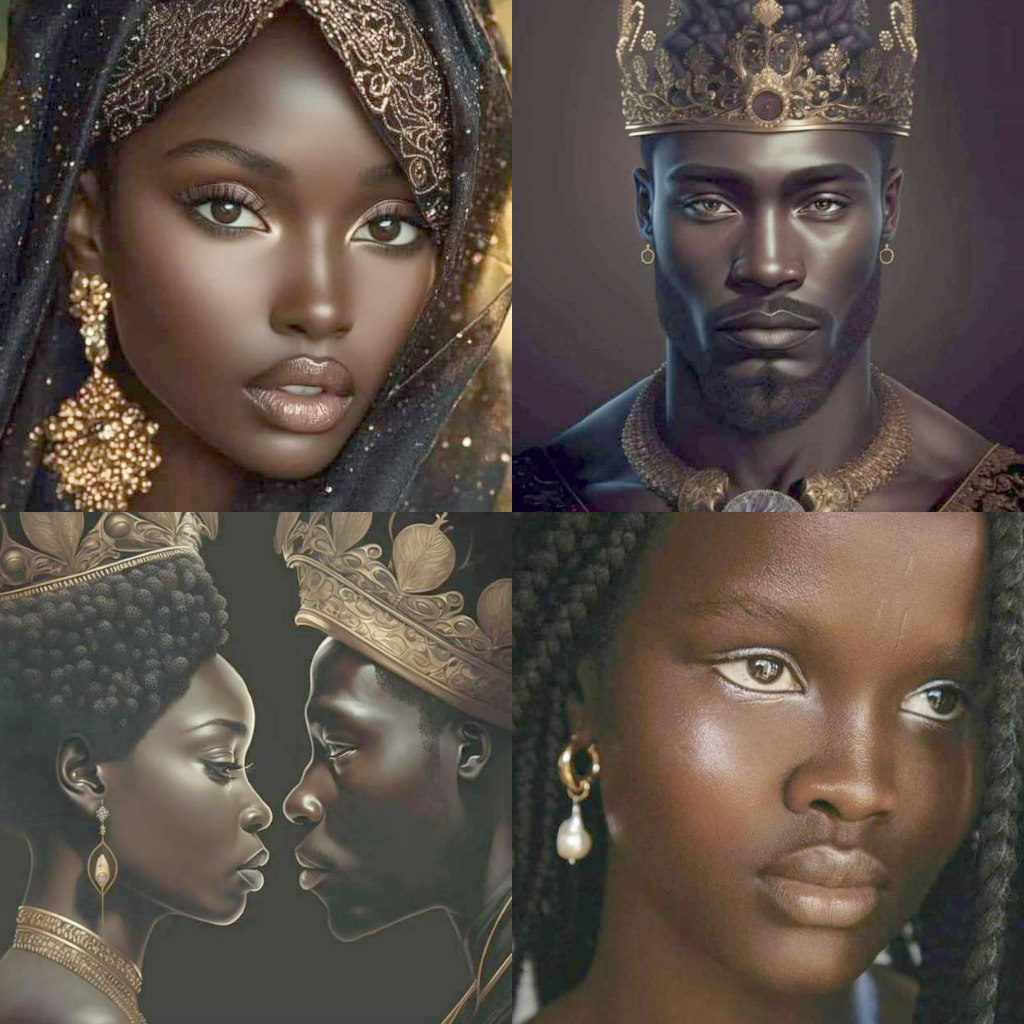
Black beauty is not a single expression but a spectrum of genetic diversity that manifests in facial features, body composition, skin tone, hair texture, and overall presence. From African roots to diasporic populations across the globe, these features convey strength, resilience, and divine artistry. Understanding this beauty requires an exploration of genetics, psychology, history, and spirituality.

Melanin-rich skin is one of the most defining features of Black beauty. High melanin content provides natural protection against ultraviolet radiation, contributes to a radiant glow, and displays a spectrum of shades from deep ebony to golden brown. The Bible celebrates skin as a divine creation: “Thou art all fair, my love; there is no spot in thee” (Song of Solomon 4:7, KJV). This scripture underscores the inherent perfection of pigmentation.

Facial structure in Black populations varies widely but often includes high cheekbones, broad noses, and full lips, reflecting African and Egyptian ancestry. These features have evolved over millennia to adapt to environmental factors, providing functional benefits such as enhanced oxygenation and protection from the sun. Anthropologists note that these structures also contribute to facial symmetry, a key element of perceived beauty (Rhodes, 2006).

The eyes, often large and expressive, are framed by naturally arched brows and long eyelashes. Psychologically, eye contact conveys dominance, confidence, and emotional depth. “The eyes of the LORD are in every place, beholding the evil and the good” (Proverbs 15:3, KJV) reminds us that vision, both literal and figurative, carries spiritual significance.

Nose shapes within the Black diaspora range from wide and rounded to straight and sculpted, reflecting genetic variation and admixture. Broad noses historically helped with humid climates and enhanced nasal airflow. Full lips, often prominent, serve not only as markers of identity but are aesthetically celebrated in global beauty paradigms.

Hair is one of the most versatile and culturally significant features. Excessively curly or coiled hair, typical in many African-descended populations, reflects high genetic diversity in hair follicle shape (Powell et al., 2012). Hair texture has symbolic importance: it represents ancestry, resilience, and adaptability. In the Bible, hair often signifies strength and identity, as in Samson’s story (Judges 16:17, KJV).

The jawline and chin provide structural strength and character. Strong jawlines in Black populations are often linked to evolutionary pressures for durability and facial symmetry. This contributes to psychological perceptions of leadership, power, and assertiveness (Little et al., 2011).

Skin elasticity and body composition vary, with many Black populations exhibiting mesomorphic or athletic builds. Muscle density, bone strength, and proportionality have both functional and aesthetic implications, highlighting physical resilience and adaptability. Scripture recognizes the body as God’s creation: “I praise thee; for I am fearfully and wonderfully made” (Psalm 139:14, KJV).

Neck and shoulder structures contribute to posture and perceived presence. Broad shoulders and muscular necks convey strength and authority, signaling both evolutionary fitness and cultural ideals of masculinity.

Hand and finger morphology, often graceful yet strong, plays roles in artistry, physical labor, and nonverbal communication. In African cultures, hands are celebrated for their expressive and functional capacities, bridging work and identity.

Torso structure varies across African and diasporic populations. A well-proportioned torso, often associated with endurance and physical capability, is both aesthetically admired and functionally advantageous. The body becomes a living testament to evolutionary adaptation and divine engineering.

Legs and lower body features display powerful musculature and athleticism, reflective of both lifestyle and genetic adaptation. Longer limbs relative to the torso, common in certain African populations, facilitate agility and endurance. Psychologically, these features contribute to perceptions of vitality and grace.

Visual “Feature Map” of Black Beauty

1. Skin Tone (Melanin Spectrum)

  • Deep ebony
  • Brown
  • Golden caramel
  • Tan/olive
    (Illustrates melanin diversity and natural protection)

2. Hair Texture

  • Coily / kinky (Type 4)
  • Curly (Type 3)
  • Wavy (Type 2)
    (Shows versatility and genetic variation across African and diasporic populations)

3. Facial Features

  • High cheekbones
  • Broad to medium noses
  • Full lips
  • Almond-shaped or rounded eyes
  • Defined jawline and chin
    (Highlights evolutionary adaptation, aesthetic symmetry, and Egyptian influence)

4. Body Proportions

  • Mesomorphic build (muscular, athletic)
  • Broad shoulders, strong neck
  • Proportional torso
  • Long, strong legs
    (Represents strength, endurance, and functional beauty)

5. Cultural and Historical Notes

  • Egyptian elongation of faces and noses
  • African sculpted features
  • Diaspora adaptations across Caribbean, Americas, and Europe

6. Psychological & Spiritual Layer

  • Confidence and presence linked to symmetry
  • Expressive eyes signaling emotional depth
  • Biblical affirmation: Psalm 139:13-14 (KJV)

Genetic diversity across the African continent explains the variation in features globally. From the Nilotic peoples of East Africa to West African populations and Egyptian descendants, phenotypes differ due to historical migration, environmental adaptation, and admixture. Melanin-rich skin, hair texture, and facial structure are markers of evolutionary resilience and aesthetic value.

Egyptian features, often admired historically and across cultures, include elongated faces, almond-shaped eyes, and slender noses. Art and sculpture from ancient Egypt preserve these features, which influenced Mediterranean and African aesthetics. The spread of Egyptian traits across Africa reflects both migration and intermixing of populations.

Beyond physiology, the psychology of Black beauty is tied to self-perception and societal validation. Internalized biases from colonialism and slavery have historically devalued African features, creating psychological stress and colorism. Embracing ancestral aesthetics restores dignity and affirms identity (Hunter, 2007).

Cultural adornments, including hair styling, body art, and jewelry, enhance perceived beauty while preserving heritage. Hairstyles such as braids, locs, and twists are both aesthetic expressions and cultural statements, linking identity to ancestry.

The symmetry of facial features plays a key role in attractiveness. Across populations, symmetrical faces are psychologically associated with health, genetic fitness, and beauty. African-descended populations often display facial symmetry enhanced by pronounced features, which contributes to aesthetic appeal (Rhodes, 2006).

Height and overall proportions vary widely, yet commonality lies in the harmony of features. Balanced proportions, combined with melanin-rich skin and expressive facial characteristics, create a sense of visual coherence and presence.

Eyes and facial expression are central to perceived beauty. Expressiveness conveys emotion, intelligence, and social engagement. Psychological studies show that expressive eyes increase interpersonal attraction and perceived trustworthiness.

Ultimately, Black beauty reflects a combination of genetics, evolutionary adaptation, cultural heritage, and divine design. As the Bible reminds us, each individual is crafted with intentionality and wonder: “Thou hast possessed my reins: thou hast covered me in my mother’s womb. I will praise thee; for I am fearfully and wonderfully made” (Psalm 139:13-14, KJV). Recognizing, celebrating, and understanding these features fosters pride, identity, and self-worth across the diaspora.


References

Clark, K., & Clark, M. (1947). Racial identification and preference in Negro children. Journal of Negro Education, 16(3), 169–175.

Hunter, M. (2007). The persistent problem of colorism: Skin tone, status, and inequality. Sociology Compass, 1(1), 237–254. https://doi.org/10.1111/j.1751-9020.2007.00006.x

Little, A. C., Jones, B. C., & DeBruine, L. M. (2011). Facial attractiveness: Evolutionary based research. Philosophical Transactions of the Royal Society B: Biological Sciences, 366(1571), 1638–1659. https://doi.org/10.1098/rstb.2010.0404

Powell, B., Shriver, M. D., & Parra, E. J. (2012). Genetic variation and the evolution of African hair texture. American Journal of Physical Anthropology, 149(1), 1–14. https://doi.org/10.1002/ajpa.22195

Rhodes, G. (2006). The evolutionary psychology of facial beauty. Annual Review of Psychology, 57, 199–226. https://doi.org/10.1146/annurev.psych.57.102904.190208

The Holy Bible, King James Version. (1611). Thomas Nelson.

E1B1A: The DNA of Greatness — Tracing the Seed of Israel.

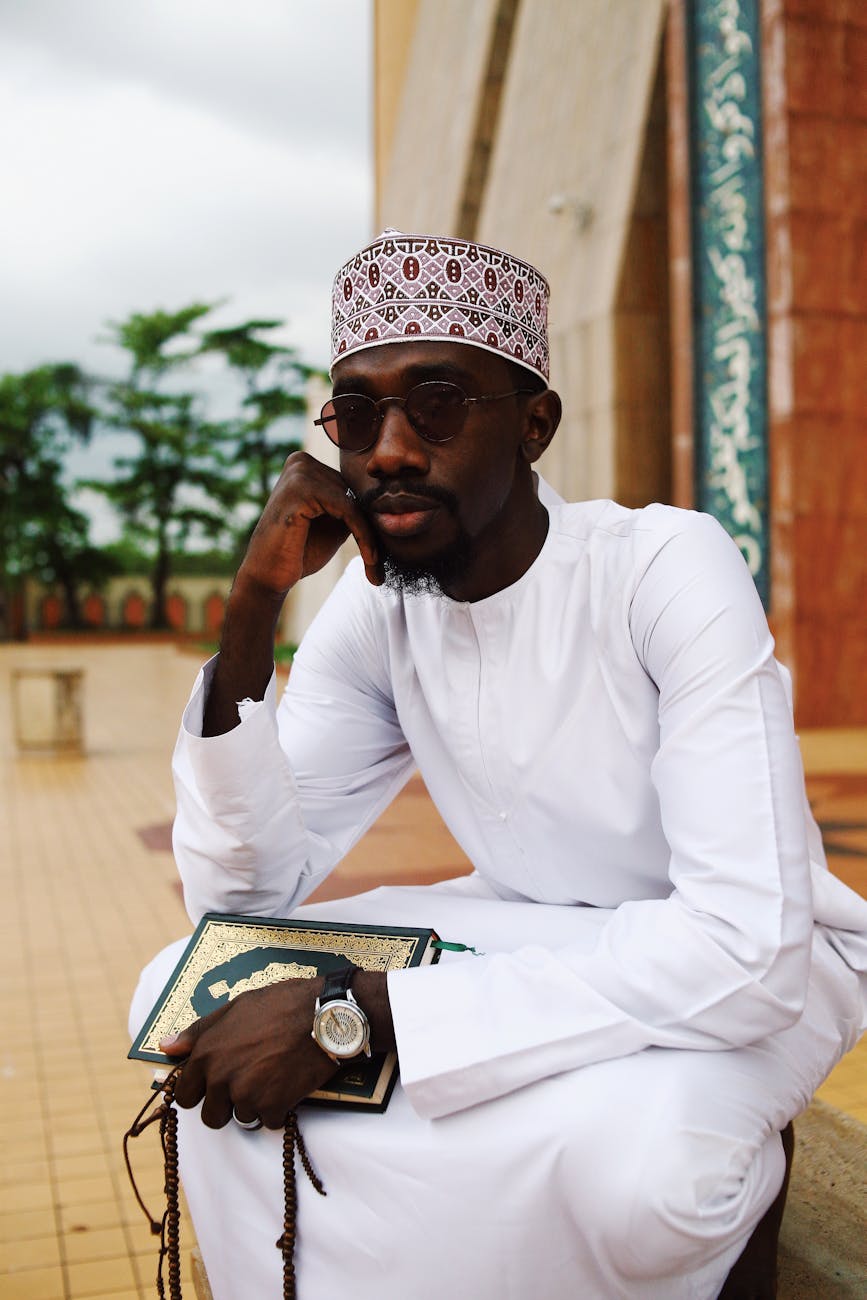
Photo by Muhammad-Taha Ibrahim on Pexels.com

The Y-DNA haplogroup E1B1A is one of the most significant genetic markers in the study of human ancestry, particularly among African populations. Its prevalence in sub-Saharan Africa, especially among West and Central Africans, points to deep historical roots that connect modern descendants to ancient African civilizations. Understanding E1B1A provides insight into the lineage often associated with the biblical Seed of Israel.

Genetic studies indicate that E1B1A likely originated in East Africa and spread westward thousands of years ago. This haplogroup is notably dominant among people of the African diaspora, particularly those whose ancestors were forcibly brought to the Americas during the transatlantic slave trade (Henn et al., 2008). Its prevalence underscores the continuity of African ancestry across continents and centuries.

From a biblical perspective, the Seed of Israel carries promises of covenant, blessing, and nationhood. Scriptures emphasize that God’s covenantal blessings were passed down through the lineages of Abraham, Isaac, and Jacob (Genesis 17:7). Genetic markers like E1B1A offer a modern framework for tracing this lineage in historical and contemporary populations.

The dispersion of E1B1A aligns with historical accounts of migration and conquest. African kingdoms such as Ghana, Mali, and Songhai housed populations with high frequencies of this haplogroup. Their social, economic, and cultural achievements demonstrate a continuity of intelligence, leadership, and resilience—qualities associated biblically with the Israelites (Deuteronomy 28:1–14).

The biblical narrative situates the Israelites as a chosen people, set apart for divine purpose. The connection of E1B1A to African populations reinforces the argument that the original Israelites were of African descent. Psalm 105:6–11 recounts God’s covenant with Abraham and his seed, highlighting the enduring lineage that extends into modern African-descended populations (KJV).

Historically, the transatlantic slave trade severed cultural and genealogical continuity, obscuring the direct lineage of African descendants in the Americas. Despite this disruption, genetic markers like E1B1A provide scientific evidence of enduring heritage and ancestral connection, affirming the biblical promise of the preservation of Israel’s seed (Jeremiah 31:35–37).

Anthropological studies of E1B1A reveal patterns of societal structure, migration, and adaptation. Populations with this haplogroup historically established powerful kingdoms, engaged in sophisticated trade networks, and developed rich cultural traditions. These accomplishments reflect the divine favor and resilience described in Deuteronomy 28:12–13.

The association between E1B1A and leadership traits is notable. Historically, men with this lineage often held positions of authority, governance, and military command. This aligns with the biblical depiction of Israelite men as leaders, judges, and warriors chosen to uphold God’s law and protect their communities (Joshua 1:6–9).

E1B1A also connects to spiritual heritage. The Israelites were entrusted with God’s laws, ethical codes, and covenantal responsibilities. The resilience of African-descended populations, despite centuries of oppression, slavery, and displacement, mirrors the biblical narrative of enduring faith and divine preservation (Psalm 105:8).

Culturally, E1B1A populations have preserved elements of African identity, including language, music, and communal structures, even across diasporic contexts. These cultural continuities serve as living testimony to the endurance of the Seed of Israel, reflecting values emphasized in biblical instruction (Exodus 12:14).

Genetics and scripture intersect in demonstrating continuity and purpose. While DNA provides biological evidence, the Bible provides spiritual and moral context, framing the lineage as not only preserved but chosen and blessed by God (Genesis 28:13–15). Together, these perspectives illuminate the depth of African heritage.

The study of E1B1A challenges Eurocentric historical narratives that have often obscured African achievements. Recognizing the genetic, cultural, and spiritual legacies of E1B1A populations restores historical truth and affirms the presence of the Israelites in Africa (Deuteronomy 28:68).

The distribution of E1B1A among diasporic populations underscores the persistence of identity despite adversity. African-descended people in the Americas, Caribbean, and Europe carry markers of ancient lineage, testifying to the survival of Israel’s seed against historical forces of erasure (Isaiah 49:15–16).

Spiritual reflection on E1B1A emphasizes responsibility and calling. Those who carry this lineage are encouraged to embody principles of justice, wisdom, and leadership, reflecting the covenantal blessings promised to Israel (Proverbs 4:7). The DNA serves not merely as inheritance but as a blueprint for purpose.

Education and awareness of genetic heritage foster empowerment. Understanding the connection between E1B1A and biblical Israel allows African-descended populations to reclaim narratives of dignity, history, and destiny, reinforcing self-worth and communal pride (Jeremiah 33:3).

Modern research on E1B1A includes advanced genetic mapping and population studies. These studies reveal migration patterns, admixture, and historical continuity, providing scientific validation for long-held ancestral knowledge and oral traditions (Henn et al., 2012).

The resilience of E1B1A populations in the face of slavery, colonialism, and systemic oppression demonstrates a living manifestation of biblical promises. Their endurance exemplifies faithfulness and divine protection, echoing Deuteronomy 31:6.

Understanding E1B1A also highlights the intersection of biology, history, and theology. DNA does not exist in isolation—it interacts with culture, belief, and community. Recognizing this interplay enriches both scientific and spiritual understanding of human identity.

Mentorship and intergenerational transmission of knowledge are vital. Passing down awareness of lineage, cultural heritage, and spiritual responsibility ensures that the lessons embedded in E1B1A continue to guide descendants of Israel (Proverbs 22:6).

In conclusion, E1B1A is more than a genetic marker; it is a testament to endurance, heritage, and divine purpose. Tracing this lineage illuminates the biblical Seed of Israel, connecting modern African-descended populations to their ancestral covenant. Recognizing and embracing this inheritance empowers individuals and communities to embody the greatness, resilience, and responsibility embedded in their DNA.


References

Henn, B. M., Botigué, L. R., Gravel, S., Wang, W., Brisbin, A., Byrnes, J. K., … & Bustamante, C. D. (2012). Genomic ancestry of North Africans supports back-to-Africa migrations. PLOS Genetics, 8(1), e1002397. https://doi.org/10.1371/journal.pgen.1002397

Henn, B. M., Cavalli-Sforza, L. L., & Feldman, M. W. (2008). The great human expansion. Proceedings of the National Academy of Sciences, 105(36), 13471–13476. https://doi.org/10.1073/pnas.0805312105

Hunter, M. (2007). The persistent problem of colorism: Skin tone, status, and inequality. Sociology Compass, 1(1), 237–254. https://doi.org/10.1111/j.1751-9020.2007.00014.x

The Holy Bible, King James Version. (n.d.). Genesis 17:7; 28:13–15; Exodus 12:14; Deuteronomy 28:1–14, 28:68, 31:6; Psalm 105:6–11; Isaiah 49:15–16; Proverbs 4:7; 22:6. King James Bible Online. https://www.kingjamesbibleonline.org

The Impact of Viral Culture on Identity and Confidence.

Photo by Godisable Jacob on Pexels.com

Viral culture is one of the most defining features of the digital age, reshaping how individuals understand themselves and how societies negotiate visibility, power, and belonging. It operates through algorithms, platforms, and public participation, transforming ordinary content into global phenomena. For many, the pursuit of virality has become synonymous with the pursuit of relevance. Yet, this culture has profound consequences for identity and confidence, particularly among communities whose histories of misrepresentation and marginalization complicate their online presence.

At its core, viral culture thrives on rapid dissemination and collective engagement. Unlike traditional media that required gatekeepers, virality democratizes visibility: anyone with a smartphone has the potential to reach millions within hours. This democratization has empowered voices once silenced, offering platforms for expression and identity affirmation. However, it has also tethered self-worth to visibility metrics—likes, shares, and followers—that can fluctuate wildly and leave individuals vulnerable to cycles of validation and rejection (Marwick, 2015).

From a psychological perspective, Festinger’s (1954) social comparison theory helps explain how viral culture affects confidence. Individuals often evaluate their identity through comparisons with others, and in digital spaces, these comparisons are amplified. Viral fame creates an unattainable benchmark, leading many to feel inadequate if their content does not achieve similar traction. For those who do go viral, the initial boost in confidence may be followed by anxiety and pressure to maintain relevance—a fragile cycle where identity is negotiated through external validation rather than intrinsic self-worth.

The impact is particularly pronounced among younger generations. Adolescents and young adults, who are in critical stages of identity formation, often equate online visibility with social value. Studies reveal that teenagers who seek virality experience higher rates of body dissatisfaction, anxiety, and diminished self-esteem when their posts underperform (Perloff, 2014). Viral culture thus becomes not only a stage for performance but also a mirror that distorts, reflecting back images filtered by algorithms, aesthetics, and consumer appeal rather than authentic self-expression.

For Black communities, viral culture presents both opportunities and challenges. On one hand, viral hashtags such as #BlackLivesMatter, #BlackGirlMagic, and #SayHerName have mobilized global awareness, affirming cultural identity and collective confidence. These digital movements provide visibility where mainstream media often erases or distorts Black voices, reinforcing solidarity and pride (Florini, 2019). Viral content has also allowed Black creativity—through dance, fashion, language, and humor—to reach international audiences, shaping global trends.

Yet, the commodification of Black culture within viral spaces cannot be ignored. Black dances, slang, and aesthetics often go viral only to be appropriated by non-Black creators who gain profit and visibility, while the originators remain uncredited. This dynamic mirrors historical exploitation, where Black identity is celebrated in fragments but denied in wholeness. Such exploitation can harm confidence, as cultural production becomes stripped of ownership and individuals witness their creativity detached from their identity (Nissenbaum & Shifman, 2017).

Viral shaming further complicates identity. Just as positive content can boost confidence, negative virality can destroy reputations and self-esteem. Black women, in particular, face heightened vulnerability: viral culture often amplifies misogynoir—content that combines racism and sexism—through ridicule, body-shaming, or stereotyping. This digital violence reinforces historical narratives of devaluation, leaving psychological scars even as communities attempt to reclaim narratives of strength and resilience (Bailey, 2021).

On the other hand, viral culture has created unexpected spaces of empowerment. Figures such as Tabitha Brown, whose viral videos centered on kindness and authenticity, demonstrate that virality can affirm identity by amplifying voices grounded in values of compassion and faith. These examples reveal that confidence gained through viral culture need not be shallow or performative; it can be deeply rooted in authentic identity when creators resist the pressures of conformity.

Faith provides a critical anchor in navigating viral culture. The Bible reminds believers that identity is not contingent on public approval but on divine purpose. Romans 12:2 (KJV) urges, “Be not conformed to this world: but be ye transformed by the renewing of your mind.” Viral culture thrives on conformity to trends, aesthetics, and digital clout, but scripture re-centers confidence in God’s unchanging truth. For Black communities, whose history includes resilience against erasure, faith becomes not only a source of individual grounding but also a collective shield against the volatility of online validation.

Historically, confidence among marginalized communities was cultivated through family, community, and spiritual institutions rather than fleeting moments of recognition. Viral culture disrupts these traditional anchors, shifting the measure of self-worth into digital spaces. Yet, by merging digital engagement with cultural pride and spiritual affirmation, individuals can resist the erosion of identity. Movements such as #ChurchTikTok or gospel-infused viral moments illustrate how faith traditions can intersect with viral culture to sustain confidence rather than undermine it.

The paradox of viral culture lies in its ability to both affirm and destabilize identity. On one side, it democratizes influence, amplifies marginalized voices, and builds global solidarity. On the other, it commodifies culture, fosters harmful comparisons, and reduces confidence to numbers on a screen. The key is cultivating critical engagement: using viral culture as a tool rather than a measure of worth. Individuals and communities must learn to navigate these spaces with discernment, grounding identity in values, traditions, and truths that transcend the volatility of virality.

In conclusion, viral culture has become an inescapable force that shapes identity and confidence in the modern world. It creates opportunities for visibility, empowerment, and cultural pride, while simultaneously fostering cycles of comparison, appropriation, and insecurity. For Black communities, the stakes are higher, as viral culture can both amplify resistance and reproduce exploitation. Ultimately, sustainable confidence must rest not on fleeting virality but on authentic identity, cultural grounding, and spiritual truth. When rooted in these foundations, individuals can engage with viral culture without losing themselves in the process.


References

  • Bailey, M. (2021). Misogynoir transformed: Black women’s digital resistance. New York University Press.
  • Festinger, L. (1954). A theory of social comparison processes. Human Relations, 7(2), 117–140.
  • Florini, S. (2019). Blackness, memes, and memory: The digital politics of cultural visibility. Communication and Critical/Cultural Studies, 16(4), 268–284.
  • Marwick, A. (2015). Instafame: Luxury selfies in the attention economy. Public Culture, 27(1), 137–160.
  • Nissenbaum, A., & Shifman, L. (2017). Internet memes as contested cultural capital: The case of 4chan’s /b/ board. New Media & Society, 19(4), 483–501.
  • Perloff, R. M. (2014). Social media effects on young women’s body image concerns: Theoretical perspectives and an agenda for research. Sex Roles, 71(11-12), 363–377.

The Psychology of Melanin: Why Brown Skin is Beautiful.

This photograph is the property of its respective owner. No copyright infringement intended.

Brown skin, a living shield of light,
Absorbing sun, yet shining bright.
Ancestral stories etched in hue,
Strength enduring, ever true.

Not a mark of shame, but crown,
Royal tones from gold to brown.
Scripture whispers, “comely, fair,”
A beauty deep beyond compare.

Brown skin, in its radiant spectrum of hues, carries both a scientific brilliance and a profound cultural meaning. At its foundation lies melanin, the pigment that not only determines the complexion of human skin but also provides biological advantages, cultural identity, and psychological resilience. To understand the beauty of brown skin, one must examine the science of melanin, the psychology of color, the history of racialized beauty standards, and the spiritual affirmations that honor melanated people.

The Science of Melanin

Melanin is a natural polymer responsible for pigmentation in skin, eyes, and hair. It functions as a biological shield, absorbing ultraviolet radiation and protecting against DNA damage (Jablonski & Chaplin, 2010). Higher concentrations of melanin are associated with slower aging, reduced risk of certain skin cancers, and the famed saying, “Black don’t crack.” The resilience of melanated skin is thus not only aesthetic but deeply physiological, reinforcing health, vitality, and longevity.

Shades of Brown and Identity

Brown skin exists in a spectrum ranging from golden caramel to deep mahogany. These shades tell ancestral stories of adaptation to diverse climates and environments. The psychology of shade is crucial, as social hierarchies have historically privileged lighter tones while devaluing darker ones—a phenomenon known as colorism (Hunter, 2007). Despite this legacy, there has been a global reclaiming of darker skin tones as symbols of pride, resilience, and beauty.

Cultural and Psychological Impact

Brown skin has often been unjustly stigmatized through Eurocentric beauty ideals that elevate whiteness as the standard. Such biases have led to internalized racism and psychological harm among darker-skinned populations (Burke, 2008). Yet, psychological studies also demonstrate that affirmations of cultural identity and positive representation can restore self-esteem and foster collective pride (Cross & Vandiver, 2001). For many, embracing melanin becomes an act of resistance and self-love.

The Global Praise of Brown Skin

Across cultures, melanated beauty has long been admired. Ancient African, Indian, and Indigenous traditions revered darker complexions as markers of nobility, fertility, and divine favor. Even in literature, metaphors likening dark skin to bronze, ebony, and gold highlight its aesthetic richness. Contemporary fashion and modeling—exemplified by icons like Naomi Campbell and Adut Akech—continue this global appreciation, showcasing the elegance of brown skin on international stages.

Biblical Affirmations of Brown Skin

The King James Bible contains references that affirm the beauty of melanated people. In Song of Solomon 1:5–6, the Shulamite woman declares: “I am black, but comely”, affirming dark skin as both divine and desirable. Jeremiah 8:21 describes the suffering of a “black people” with dignity, further signifying presence and importance within sacred texts. These passages refute any notion of inferiority and ground beauty in spiritual identity.

Psychological Strength in Melanin

The psychology of brown skin transcends surface appearance—it is linked to survival, adaptability, and communal pride. Psychologists argue that beauty is not merely physical but tied to resilience and confidence (Swami & Tovée, 2004). For people of African descent, melanin embodies endurance against centuries of oppression, serving as a visible reminder of strength. In this sense, melanin is both a biological armor and a psychological crown.

The Beauty Narrative Reclaimed

Today, movements such as “Melanin Magic” and “Black is Beautiful” are reshaping narratives. Social media platforms amplify voices that celebrate brown skin in all its variations, shifting beauty hierarchies away from Eurocentrism. This reclamation of beauty is not superficial but deeply psychological, affirming identity while dismantling internalized shame.

Conclusion

Brown skin is beautiful not simply because of pigmentation, but because it represents a convergence of science, history, psychology, and spirituality. It carries biological brilliance, cultural symbolism, and ancestral resilience. To celebrate melanin is to affirm life, survival, and dignity in the face of systems that once sought to devalue it. As the Bible reminds, “I am fearfully and wonderfully made” (Psalm 139:14, KJV)—a truth that underscores why brown skin, in all its hues, remains eternally beautiful.


References

  • Burke, M. A. (2008). Colorism as racism: Garvey, Fanon, and the evolution of Black consciousness. Journal of African American Studies, 12(4), 498–515.
  • Cross, W. E., & Vandiver, B. J. (2001). Nigrescence theory and measurement. Handbook of multicultural counseling, 371–393.
  • Hunter, M. (2007). The persistent problem of colorism: Skin tone, status, and inequality. Sociology Compass, 1(1), 237–254.
  • Jablonski, N. G., & Chaplin, G. (2010). Human skin pigmentation as an adaptation to UV radiation. Proceedings of the National Academy of Sciences, 107(Supplement 2), 8962–8968.
  • Swami, V., & Tovée, M. J. (2004). The influence of body weight and shape in determining female and male physical attractiveness. Body Image, 1(2), 129–137.