Tag Archives: hebrews

Hebrewism

Hebrewism is a multifaceted concept that encompasses the language, culture, spiritual worldview, and identity associated with the ancient Hebrews, often identified biblically as the children of Israel. Rooted in antiquity, Hebrewism extends beyond mere ethnicity; it embodies a covenantal relationship with God, a structured moral law, and a distinctive way of life preserved through sacred texts such as the Torah and the broader canon of Scripture.

At its linguistic core, Hebrewism refers to the Hebrew language, one of the oldest Semitic languages, which carries unique idioms, poetic structures, and symbolic expressions. Biblical Hebrew is rich in imagery and layered meanings, often conveying spiritual truths through metaphor and repetition. Understanding Hebrew linguistically allows deeper interpretation of scripture, as many meanings are lost in translation.

Culturally, Hebrewism reflects a communal and covenant-based society governed by divine law. Practices such as dietary restrictions, Sabbath observance, and ceremonial rituals defined the daily life of ancient Israelites. These customs were not arbitrary but were intended to set the people apart as holy and distinct among the nations.

Theologically, Hebrewism is grounded in monotheism—the belief in one God—and a covenantal framework established with key patriarchs such as Abraham, Isaac, and Jacob. This covenant outlined blessings for obedience and consequences for disobedience, forming the foundation of Israelite identity and destiny.

Historically, the Hebrews are traced through biblical narratives that span from Mesopotamia to Egypt and eventually to the land of Canaan. Key events such as the Exodus and the establishment of the kingdom of Israel shaped their national consciousness and spiritual identity. These events are central to understanding Hebrewism as both a faith and a historical experience.

The destruction of the First and Second Temples and subsequent dispersions contributed to what is often referred to as the Diaspora. This scattering led to the spread of Hebrew culture and religious practice across different regions, while also introducing challenges of maintaining identity in foreign lands.

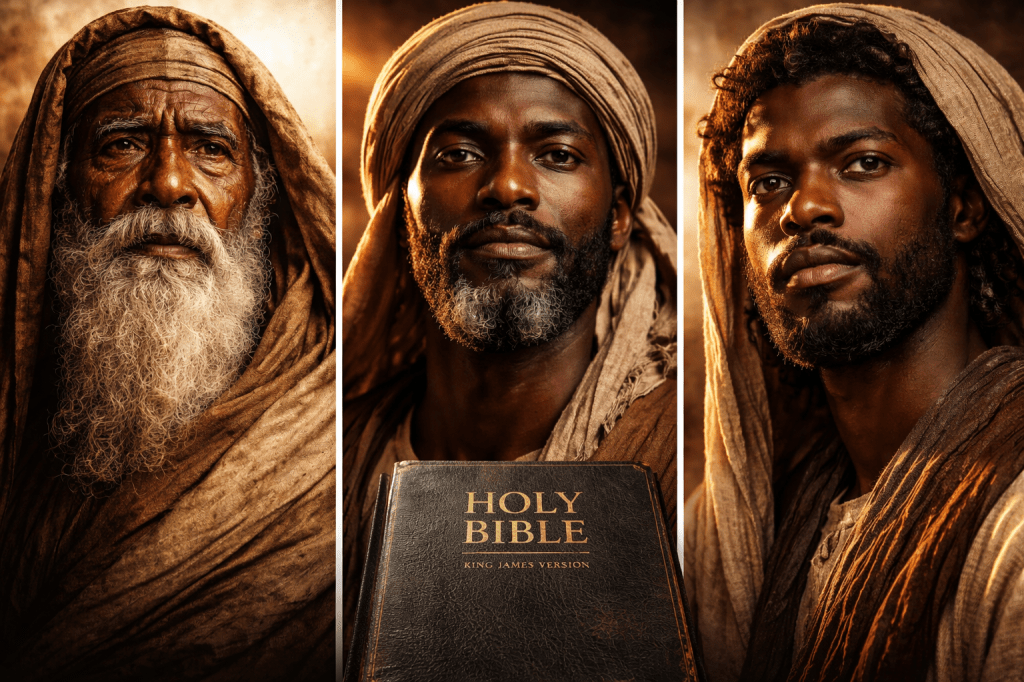
In examining how Black people fit into Hebrewism, one encounters a range of perspectives, some of which are theological, historical, and cultural. Certain groups assert that people of African descent are descendants of the ancient Israelites, drawing connections between biblical prophecies and the historical experiences of Black populations, particularly in the Americas.

Loss of identity refers to a state in which an individual or group becomes disconnected from their true sense of self—culturally, spiritually, psychologically, or historically. It is the erosion or displacement of one’s original identity, often replaced by imposed beliefs, values, or labels.

At the individual level, loss of identity can occur through trauma, social pressure, or prolonged exposure to environments that discourage authenticity. A person may begin to question who they are, adopting behaviors or perspectives that do not align with their core self in order to survive or be accepted.

At the collective level—especially in the context of Black history—the loss of identity is deeply tied to historical processes such as slavery, colonisation, and systemic oppression. During the Transatlantic Slave Trade, Africans were stripped of their names, languages, spiritual systems, and cultural practices. This was not accidental—it was a deliberate attempt to erase identity and replace it with one that served the interests of a dominant सत्ता.

This erasure created generations disconnected from their ancestral roots. Cultural memory was fragmented, and in its place emerged imposed identities shaped by racial hierarchies. Over time, this led to internal conflicts about self-worth, belonging, and purpose—closely tied to what W. E. B. Du Bois described it as double consciousness.

Loss of identity can also manifest through assimilation, where individuals feel pressure to conform to dominant cultural norms at the expense of their own heritage. This often results in code-switching, self-censorship, and the suppression of cultural expression.

Psychologically, it may lead to confusion, low self-esteem, or a fractured sense of self. Spiritually, it can create a disconnection from purpose, heritage, and belief systems that once grounded a people. Socially, it may appear as a division within communities, where shared identity becomes unclear or contested.

Yet, loss of identity is not always permanent. It can also be the beginning of a reclamation process—a journey of rediscovery, where individuals and communities seek to reconnect with their history, culture, and truth.

Simple definition

Loss of identity = the disconnection from one’s true self, roots, or heritage—often caused by external forces like oppression, assimilation, or cultural erasure.

One frequently cited framework in this discussion is found in Deuteronomy 28, which outlines blessings and curses tied to covenantal obedience. Some interpret the curses—such as enslavement, oppression, and displacement—as paralleling the experiences of Africans during the Transatlantic Slave Trade.

This interpretive approach is often associated with movements collectively referred to as Hebrew Israelite traditions. These groups seek to reclaim a perceived lost identity by aligning their history with that of the biblical Israelites, emphasizing restoration, repentance, and adherence to biblical law.

The concept of identity loss is central to these interpretations. The stripping of names, languages, and spiritual systems during slavery is viewed as a severing of original identity, which Hebrewism seeks to restore. This aligns with broader discussions of cultural erasure and reclamation within the African diaspora.

Scholars such as W. E. B. Du Bois have explored the psychological impact of such disconnection, particularly through the lens of double consciousness. While not explicitly tied to Hebrewism, this framework helps explain the internal conflict experienced by those navigating multiple identities.

It is important to note that mainstream academic scholarship generally distinguishes between ancient Israelites of the Near East and modern populations, including those of African descent. Genetic, archaeological, and historical evidence is often used to trace these distinctions, though debates and alternative interpretations persist.

At the same time, Africa has long been connected to biblical narratives. Regions such as Cush (often associated with parts of modern-day Sudan and Ethiopia) and figures like the Ethiopian eunuch in the New Testament highlight the presence of African peoples within the biblical world. This demonstrates that African identity is not foreign to scripture.

Religious identity, particularly within Christianity, has also shaped how Black communities engage with Hebrewism. The Bible has served as both a tool of oppression and a source of liberation, with enslaved Africans drawing strength from stories of deliverance and divine justice.

Modern expressions of Hebrewism among Black communities often emphasise a return to biblical laws, names, and practices. This can include observing dietary laws, celebrating biblical feasts, and adopting Hebrew names as a means of reclaiming identity and spiritual heritage.

Critics of these movements argue that some interpretations lack historical and textual support, cautioning against conflating spiritual identity with ethnic lineage. Nonetheless, the emotional and cultural resonance of these beliefs underscores a deeper desire for belonging and historical continuity.

Hebrewism, therefore, operates on multiple levels: as an ancient tradition, a religious framework, and, for some, a pathway to identity restoration. Its meanings shift depending on context, reflecting both historical realities and contemporary interpretations.

The intersection of Hebrewism and Black identity highlights broader themes of displacement, resilience, and the search for truth. Whether viewed through a scholarly or faith-based lens, the conversation reveals the enduring impact of history on present identity.

Ultimately, Hebrewism invites a deeper exploration of who a people are, where they come from, and how they understand their place in the world. For many, it is not merely about the past but about shaping a future grounded in perceived truth and restored dignity.

As discussions continue, it is essential to approach the topic with both intellectual rigor and cultural sensitivity. The narratives surrounding Hebrewism and Black identity are complex, deeply personal, and often contested, requiring careful study and respectful dialogue.

References

The Holy Bible, King James Version. (1611).

Du Bois, W. E. B. (1903). The Souls of Black Folk. Chicago, IL: A. C. McClurg & Co.

Sanders, E. P. (1992). Judaism: Practice and Belief, 63 BCE–66 CE. London, UK: SCM Press.

Finkelstein, I., & Silberman, N. A. (2001). The Bible Unearthed: Archaeology’s New Vision of Ancient Israel and the Origin of Its Sacred Texts. New York, NY: Free Press.

Goldenberg, D. M. (2003). The Curse of Ham: Race and Slavery in Early Judaism, Christianity, and Islam. Princeton, NJ: Princeton University Press.


Dilemma: Brother Against Brother

The crisis of “brother against brother” has become one of the most painful and complex truths within the Black community. It reflects a deep wound shaped by centuries of trauma, broken family structures, systemic oppression, and internalized self-hatred. Black men—once kings, protectors, innovators, and spiritual pillars of ancient civilizations—now often find themselves positioned as enemies to one another. Instead of building together, many are trapped in cycles of competition, conflict, and destruction. This tragedy is not born from nature but from historical engineering, social influence, and unresolved generational pain.

The issue of Black men killing other Black men continues to devastate families and communities across America. Although crime exists in every racial group, the concentrated violence within predominantly Black neighborhoods stems from systemic disenfranchisement, redlining, poverty, and the deliberate flooding of drugs and guns into urban communities. When resources are scarce and hope feels distant, men begin to see one another not as brothers but as threats. What should be unity becomes rivalry. What should be communal responsibility becomes survival warfare shaped by external design.

Gang culture emerged partly from these conditions. Although some early gangs were formed for protection, many evolved into organizations that perpetuate cycles of retaliation and territorial conflict. The desire to belong—to claim identity, power, or respect—becomes distorted into violence. Instead of competing against the systems that oppress them, young Black men too often compete against each other, losing years of potential to incarceration, injury, or death. This is not a moral failing but the outcome of generational instability and targeted neglect.

The internal conflict is not only physical but also psychological. The media often magnifies images of Black men as hyper-aggressive, criminal, or emotionally unavailable. These portrayals condition society and Black men themselves to see each other through a lens of suspicion rather than solidarity. The result is mistrust, emotional distance, and the belief that vulnerability is weakness. Without emotional literacy or safe spaces for healing, anger becomes the language many men know best.

Adding to this, modern culture pressures Black men to “one-up” each other—financially, socially, and sometimes violently. Masculinity becomes defined by domination rather than compassion, competition rather than collaboration. Whether through bravado, materialism, or street credibility, envy, worth is measured by comparison rather than character. This competitive mindset fractures relationships, weakens unity, and fuels an environment where brotherhood struggles to thrive.

Another layer of this crisis lies in the public rhetoric of some Black male celebrities and influencers who speak harshly against Black women. Instead of uplifting their sisters, they often demean them publicly, reinforcing stereotypes birthed during slavery when Black families were torn apart. This divisive speech harms the community by creating gender wars—brother against sister—and diverting attention from the real systems that undermine Black families. When Black men publicly dishonor Black women, it fractures the very foundation of the community.

Many of these behaviors stem from unresolved trauma. Generations of Black men have carried burdens of discrimination, economic instability, police brutality, and lack of emotional support. Without healthy mentorship or mental health access, pain can easily transform into aggression. Hurt men hurt other men. The cycle continues because healing is rarely prioritized or taught, especially in spaces where survival takes precedence over self-reflection.

There is also the crisis of absent or strained fatherhood, not by choice but because of mass incarceration, economic challenges, and systemic separation of Black families. When young boys do not see healthy examples of love, leadership, and conflict resolution, they mimic what they are exposed to—chaos, hyper-masculinity, or antisocial behavior. Brotherhood cannot flourish when foundational guidance is interrupted.

Educational inequality contributes as well. Underfunded schools, low expectations, and lack of representation limit opportunities for young Black men. When society signals that success is unattainable, alternative paths—often dangerous ones—become appealing. The lack of academic and vocational support creates breeding grounds for conflict, resentment, and hopelessness.

Music and entertainment industries also play a role. While many Black artists use music for storytelling and healing, corporations often elevate content that glorifies violence, rivalry, and disrespect. Young men absorb these messages and normalize them, believing that masculinity is proven through aggression. This corporate exploitation of Black male identity fuels division and devalues life itself.

Moreover, societal institutions consistently pit Black men against one another. Whether through limited job opportunities, biased criminal justice systems, or exploitative sports industries, the message is clear: only one can win. Only one can succeed. Only one can shine. This scarcity mindset erodes unity and fosters envy.

Yet, despite these challenges, many Black men are actively choosing a different path. Across the country, mentors, pastors, coaches, and community leaders are working to restore brotherhood. Programs focused on emotional intelligence, conflict resolution, and empowerment are helping young men unlearn destructive patterns. Healing spaces are emerging where men can be vulnerable without shame, reclaim their identity, and reconnect with each other.

Black men are also reshaping the narrative by celebrating one another’s success instead of competing. Social media movements like #BlackMenSmile and #BlackBoyJoy highlight the beauty, softness, brilliance, and strength of Black manhood beyond stereotypes. These images promote unity and challenge the belief that Black men must perform masculinity through violence or domination.

Reconciliation between Black men and Black women is also essential. Brotherhood cannot thrive when the relationship with Black women is fractured. Both sides must heal the wounds caused by patriarchy, colorism, and internalized racism. True healing requires accountability, empathy, and partnership—not blame.

Spiritual restoration remains a critical component. Many Black men are returning to faith, prayer, and community fellowship as grounding forces. Scripture emphasizes unity: “Behold, how good and how pleasant it is for brethren to dwell together in unity!” (Psalm 133:1, KJV). Reconnecting with God and identity helps to break cycles of destruction and renew purpose.

Additionally, economic empowerment is strengthening brotherhood. Entrepreneurship, cooperative economics, and financial literacy programs are teaching Black men to build together rather than tear each other down. Shared success creates shared loyalty.

Healing also requires emotional honesty. Black men must confront their pain—grief, abandonment, rejection, societal pressure—rather than hiding behind aggression. Vulnerability is not weakness but liberation. When men heal individually, they strengthen the collective.

To end the epidemic of “brother against brother,” society must address the systemic roots while Black men commit to rebuilding each other with accountability and love. The future of Black families, culture, and generations depends on restored unity, emotional healing, and community transformation. Brotherhood can rise again when men recognize that their brothers are not their enemies but their reflections.

References

Alexander, M. (2010). The new Jim Crow: Mass incarceration in the age of colorblindness. The New Press.
Anderson, E. (1999). Code of the street: Decency, violence, and the moral life of the inner city. W.W. Norton.
hooks, b. (2004). We real cool: Black men and masculinity. Routledge.
Majors, R., & Billson, J. (1992). Cool pose: The dilemmas of Black manhood in America. Simon & Schuster.
Staples, R. (1982). Black masculinity. Black Scholar Press.

The Strength of a Black Man

This photograph is the property of its respective owner.

The strength of a Black man is not measured solely in physical ability, wealth, or social influence. True strength encompasses character, resilience, spiritual grounding, emotional intelligence, and responsibility. It is forged through trials, adversity, and a deliberate commitment to purpose.

Historically, Black men have endured systemic oppression, slavery, and societal devaluation. Yet, strength is reflected in their endurance, leadership, and preservation of culture. From African kings like Mansa Musa to civil rights leaders such as Martin Luther King Jr., Black men have demonstrated resilience, wisdom, and vision that transcend generations.

Biblical strength is both moral and spiritual. In 1 Corinthians 16:13 (KJV), Paul exhorts, “Watch ye, stand fast in the faith, quit you like men, be strong.” Here, strength is equated with faithfulness, courage in adversity, and steadfastness in moral convictions.

Emotional strength is critical. A strong Black man processes emotions constructively, maintains integrity, and leads with compassion. Proverbs 20:7 (KJV) emphasizes, “The just man walketh in his integrity: his children are blessed after him.” Legacy, therefore, is part of strength.

Responsibility defines a strong man. Providing for family, protecting community, and honoring God are essential expressions of manhood. Strength without responsibility is incomplete and unsustainable.

Spiritual grounding anchors strength. Prayer, scripture, and devotion provide clarity, perseverance, and wisdom. Psalm 1:3 (KJV) compares a righteous man to a tree planted by rivers of water, symbolizing growth, fruitfulness, and enduring impact.

Resilience is forged through adversity. Black men navigate systemic pressures, stereotypes, and societal challenges, yet resilience transforms hardship into growth, echoing James 1:2-4 (KJV), which teaches that trials develop perseverance and mature character.

Cultural strength strengthens identity. Awareness of African heritage and ancestral achievements provides a foundation of pride and purpose, enhancing personal and communal strength.

Mentorship and leadership reflect true strength. Proverbs 27:17 (KJV) says, “Iron sharpeneth iron; so a man sharpeneth the countenance of his friend.” A strong man uplifts others, multiplies influence, and builds lasting impact through guidance and support.

Relational strength is equally important. Loving and nurturing family, friends, and partners demonstrates balance, emotional intelligence, and integrity. Ephesians 5:25 (KJV) highlights sacrificial love as the model for godly men.

Financial and intellectual strength are tools, not goals. Knowledge, strategic thinking, and financial literacy empower men to protect, provide, and lead effectively (Proverbs 22:7, KJV).

Physical strength matters only when disciplined and guided by wisdom. Aggression without moral grounding undermines true strength. Physical ability should serve purpose, protection, and community well-being.

Legacy is the ultimate measure of strength. A Black man’s influence on family, community, and culture reflects his character, faith, and resilience. Strength ensures future generations inherit wisdom, courage, and integrity.

Understanding identity is vital. Men grounded in history, faith, and self-awareness navigate life confidently, resisting societal narratives that seek to diminish their value. Knowledge of self and purpose fosters unshakeable strength.

Moral courage distinguishes true strength. Standing firm in conviction despite opposition, fear, or marginalization reflects biblical examples such as Daniel in the lion’s den.

Forgiveness and emotional mastery demonstrate strength. Matthew 5:44 (KJV) teaches, “But I say unto you, Love your enemies, bless them that curse you.” Restraint, patience, and understanding are marks of mature strength.

Ultimately, the strength of a Black man is an offering—to God, family, and community. It is a holistic cultivation of character, faith, resilience, and wisdom, impacting generations and fulfilling divine purpose.


Fake Strength vs True Strength

Fake StrengthTrue Strength
Physical power without disciplineMoral, emotional, and spiritual power guided by integrity
Wealth used for self-gratificationFinancial acumen used to provide, protect, and empower others
Dominance or aggression over othersLeadership through service, mentorship, and compassion
Pride without purposeHumility rooted in faith and responsibility
Ignoring emotional growthEmotional intelligence, self-awareness, and vulnerability
Short-term gains and imageLong-term legacy and generational impact
Influence based on fear or intimidationInfluence based on respect, wisdom, and example
Avoiding challengesResilience and perseverance through trials
Isolation from communityBuilding relationships, mentorship, and communal uplift
Neglecting faith or purposeSpiritual grounding and alignment with God’s calling

References

Holy Bible, King James Version. (1611). Thomas Nelson.

Guthrie, D. (1994). The NIV application commentary: Proverbs. Grand Rapids, MI: Zondervan.

Wright, C. J. H. (2002). Old Testament ethics for the people of God. Downers Grove, IL: InterVarsity Press.

Aune, D. E. (2013). Reconsidering the role of men in the Bible: Biblical theology for contemporary men. New York, NY: Continuum.

Harrison, J. (2020). Black masculinity, resilience, and leadership in historical perspective. Chicago, IL: University of Chicago Press.

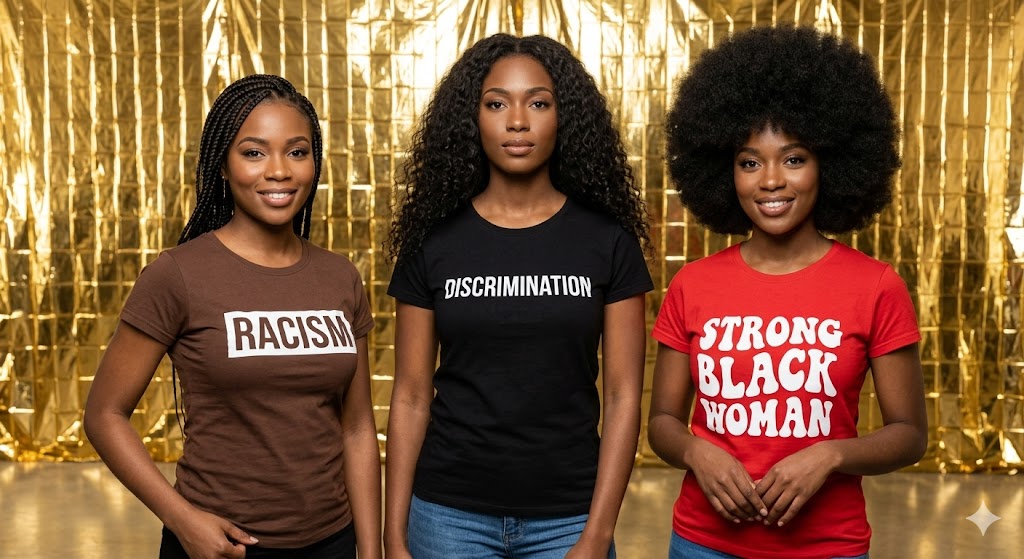
Beyond Stereotypes: The Social and Structural Challenges Affecting Black Women.

“The biggest problem with Black women” is extremely broad, and scholars caution against framing issues in a way that blames an entire group. Most research instead examines systemic challenges and social pressures that disproportionately affect Black women in the United States. These issues are rooted in historical inequalities, structural racism, gender bias, and economic disparities.

Intersectional Discrimination

One of the most widely discussed issues is intersectional discrimination, a concept introduced by legal scholar Kimberlé Crenshaw. Intersectionality explains how Black women often face discrimination that combines both racism and sexism simultaneously. This dual burden can affect employment opportunities, healthcare experiences, legal protections, and social perceptions.


The “Strong Black Woman” Stereotype

Another major concern is the cultural expectation often described as the “Strong Black Woman” stereotype. While strength and resilience are positive qualities, scholars note that this stereotype can pressure Black women to suppress vulnerability, emotional needs, or mental health struggles. The expectation to remain strong in the face of adversity sometimes leads to untreated stress and burnout.


Economic Inequality

Black women are also disproportionately affected by economic inequality. According to data from the U.S. Bureau of Labor Statistics, Black women historically earn less than both white men and white women in the United States. This wage gap reflects broader systemic issues such as occupational segregation, hiring discrimination, and unequal access to high-paying industries.


Health Disparities

Public health research shows significant disparities affecting Black women’s health outcomes. For example, maternal mortality rates among Black women are significantly higher than those of other racial groups. Studies by the Centers for Disease Control and Prevention attribute this disparity to factors including unequal healthcare access, medical bias, and chronic stress related to systemic racism.


Colorism and Beauty Standards

Colorism—the preferential treatment of lighter skin tones within communities of color—also impacts Black women socially and professionally. Darker-skinned women often report facing bias in media representation, employment opportunities, and dating dynamics. These issues are widely examined within sociology and cultural studies.


Media Representation

Black women have historically been portrayed through limited stereotypes in film and television, including tropes such as the “mammy,” the “angry Black woman,” or hypersexualized depictions. Media scholars argue that these portrayals influence public perception and contribute to bias in social institutions.


Educational and Professional Barriers

Despite significant educational achievements—Black women are among the fastest-growing groups earning college degrees—many still face barriers to leadership positions in corporate and political spaces. Structural inequality and workplace bias often limit advancement opportunities.


Relationship and Family Dynamics

Sociologists also examine how historical factors such as mass incarceration, economic inequality, and employment instability affect family structures within Black communities. These broader systemic issues influence relationship dynamics, marriage rates, and household stability.


Mental Health Stigma

Mental health stigma within many communities can discourage individuals from seeking professional help. Black women may feel pressure to maintain emotional strength while dealing with racism, sexism, and economic stressors. This can delay treatment for anxiety, depression, or trauma-related conditions.


Structural Inequality

Ultimately, many scholars argue that the biggest challenges facing Black women are not individual flaws but structural inequalities embedded within social systems. These include disparities in housing, healthcare, employment, and education that developed over centuries of discrimination.


Resilience and Leadership

Despite these challenges, Black women have historically demonstrated remarkable resilience and leadership. Figures such as Harriet Tubman, Ida B. Wells, and Shirley Chisholm played critical roles in social justice movements, civil rights advocacy, and political progress in the United States.


Conclusion

Rather than identifying a single “problem” with Black women, most scholars emphasize examining the structural conditions that shape their experiences. Addressing disparities in healthcare, economic opportunity, education, and representation can help reduce inequalities and support the well-being of Black women in society.


References

Crenshaw, K. (1989). Demarginalizing the intersection of race and sex. University of Chicago Legal Forum.

Collins, P. H. (2000). Black feminist thought: Knowledge, consciousness, and the politics of empowerment. Routledge.

Centers for Disease Control and Prevention. Maternal mortality and racial disparities in the United States.

Jones, C. P. (2000). Levels of racism: A theoretical framework. American Journal of Public Health.

U.S. Bureau of Labor Statistics. (2023). Labor force statistics by race and gender.

Alters of Lust: Fornication

Soul Ties, and the Sacredness of the Body

The human body is often described in Scripture as sacred, a dwelling place for spiritual purposes and divine order. In the Bible, the body is repeatedly referred to as a temple meant to honor God rather than indulge uncontrolled desires. Within this theological framework, sexual intimacy is not merely a physical act but a deeply spiritual covenant designed for marriage. When this sacred design is ignored, Scripture warns that individuals may unknowingly build “altars of lust,” places where desire replaces discipline and temporary pleasure replaces spiritual integrity.

Fornication is one of the central moral warnings throughout the Bible. The term traditionally refers to sexual relations outside the covenant of marriage between a man and a woman. In the First Corinthians 6:18 (KJV), the apostle Paul writes, “Flee fornication. Every sin that a man doeth is without the body; but he that committeth fornication sinneth against his own body.” This statement highlights the unique spiritual and psychological consequences that Scripture associates with sexual immorality.

Biblical teaching presents sexual intimacy as a covenantal act intended exclusively for marriage. In Genesis 2:24, the text explains that a man shall leave his father and mother and “cleave unto his wife: and they shall be one flesh.” This union is not merely symbolic; it represents a spiritual joining that binds two individuals physically, emotionally, and spiritually.

Because sexual intimacy creates this profound union, many theological traditions refer to the concept of “soul ties.” Although the phrase itself does not appear explicitly in Scripture, it is often used to describe the emotional and spiritual bonds formed through sexual relationships. These bonds can make separation difficult, particularly when intimacy occurs outside of commitment or covenant.

Lust functions psychologically as a powerful motivational force rooted in desire, imagination, and biological impulse. While attraction itself is natural, lust involves the intentional pursuit of sexual gratification without regard for moral or spiritual boundaries. Scripture addresses this internal struggle in Matthew 5:28, where Jesus Christ teaches that even looking at someone with lustful intent can be considered a form of adultery within the heart.

The Bible consistently calls believers to discipline their desires. In First Thessalonians 4:3–4 (KJV), the text states, “For this is the will of God, even your sanctification, that ye should abstain from fornication.” This passage frames sexual restraint not as repression but as spiritual maturity and obedience.

One of the most practical commands given in Scripture regarding sexual temptation is the instruction to flee. Unlike other temptations where believers are encouraged to resist or stand firm, sexual immorality is something the Bible instructs people to physically and emotionally avoid. Fleeing means removing oneself from environments, conversations, or relationships that encourage sexual compromise.

Relationships themselves can become catalysts for temptation. Scripture warns that companionship with people who normalize or encourage sexual immorality can erode moral discipline over time. Both men and women may experience pressures from peers, romantic partners, or media influences that promote casual intimacy rather than covenant commitment.

Lustful behavior often thrives in environments where boundaries are weak. Cultural influences such as pornography, hypersexualized entertainment, and casual dating norms can normalize behaviors that conflict with biblical teachings. These influences can gradually shape attitudes toward intimacy and commitment.

From a theological perspective, God designed sex to be a sacred expression of unity within marriage. The biblical model consistently describes marriage as a covenant between a man and a woman, a union intended to reflect fidelity, love, and mutual responsibility. Within this framework, sexual intimacy becomes an act of trust and covenant rather than impulse.

Biblical law also includes prohibitions against behaviors considered outside this divine design. In passages such as Leviticus 18 and Romans 1, the text addresses various forms of sexual conduct, including homosexual acts and bestiality, presenting them as violations of the moral boundaries established in biblical law.

Beyond spiritual consequences, modern psychological research suggests that sexual intimacy can create emotional attachment through the release of bonding hormones such as oxytocin and vasopressin. These biochemical processes can strengthen emotional bonds between partners, even in relationships that lack long-term commitment.

When relationships formed through sexual intimacy end, individuals may experience feelings of loss, confusion, or shame. These emotional responses are sometimes intensified when intimacy occurs outside a context of trust or commitment. In such cases, the emotional residue of past relationships can affect future bonds.

Shame is another powerful psychological consequence often associated with sexual behavior that conflicts with personal or spiritual values. Individuals who feel they have violated their beliefs may struggle with guilt or diminished self-worth, particularly if they perceive their actions as irreversible.

However, the message of Scripture also emphasizes redemption and forgiveness. In First John 1:9 (KJV), believers are reminded that “If we confess our sins, he is faithful and just to forgive us our sins.” This passage highlights the theological principle that repentance opens the path to restoration.

Breaking free from patterns of sexual temptation often requires intentional steps. These may include establishing clear boundaries, seeking supportive community, avoiding triggering environments, and cultivating spiritual practices such as prayer and meditation on Scripture.

Here are practical and spiritual steps to break free from fornication, combining biblical guidance (KJV) with psychological discipline and lifestyle changes. These steps focus on self-control, spiritual renewal, and healthy boundaries.


1. Flee Sexual Temptation Immediately

The Bible does not say to fight sexual temptation—it says to run from it. In First Corinthians 6:18 (KJV), Paul the Apostle writes, “Flee fornication.”
If a situation, person, or environment encourages sexual sin, physically and emotionally distance yourself from it.


2. Repent and Confess to God

Repentance means sincerely turning away from sin. In First John 1:9 (KJV), Scripture teaches that God forgives those who confess their sins.
True repentance involves acknowledging wrongdoing and making a commitment to change.


3. Set Clear Physical Boundaries

Avoid situations that can easily lead to sexual activity, such as:

  • Being alone late at night with someone you are attracted to
  • Sleeping in the same bed
  • Visiting private spaces like bedrooms

Boundaries help protect emotional and spiritual discipline.


4. Separate from People Who Encourage Lust

If someone pressures you into sexual activity, they are not supporting your spiritual well-being. Healthy relationships respect your convictions and boundaries.


5. Avoid Sexualized Media

Pornography, explicit music, and hypersexualized entertainment stimulate the brain’s reward system and increase sexual urges. Limiting exposure helps retrain the mind toward discipline.


6. Renew Your Mind with Scripture

Regular reading of Scripture can reshape thinking patterns. Verses about purity, self-control, and holiness strengthen spiritual awareness and conviction.


7. Practice Self-Control and Discipline

Self-control is described as a spiritual virtue in Galatians 5:22–23.
Develop habits that strengthen discipline, such as:

  • Exercise
  • Structured routines
  • Goal setting

8. Understand the Emotional Consequences of Casual Sex

Sex creates emotional bonding through brain chemicals like oxytocin. When intimacy occurs outside commitment, it can produce emotional confusion, attachment, or heartbreak.

Recognizing this can strengthen motivation to abstain.


9. Pray for Strength and Wisdom

Prayer allows individuals to seek spiritual guidance when temptation arises. Many believers use prayer as a way to redirect thoughts and regain emotional balance.


10. Surround Yourself with Supportive Community

Healthy friendships, mentors, or faith communities can help reinforce values of discipline and accountability.


11. Focus on Purpose and Personal Growth

When life goals, education, career ambitions, and spiritual growth become priorities, impulsive behaviors often lose their power.


12. Replace Temptation with Healthy Activities

Idle time often increases temptation. Productive activities such as studying, exercising, volunteering, or creative work redirect energy into constructive outlets.


13. Guard Your Thoughts

Lust often begins in the mind before it becomes action. Monitoring thoughts and redirecting them when they become sexualized can prevent behavior from escalating.


14. Date with Intentionality

If you choose to date, focus on long-term compatibility and character, not only physical attraction. This reduces the likelihood of relationships driven purely by sexual desire.


15. Remember the Sacredness of Your Body

Scripture teaches that the body is a temple in First Corinthians 6:19.
Viewing the body as sacred encourages respect for oneself and others.


16. Forgive Yourself and Start Again

Breaking habits can take time. If someone falls into sexual sin again, the biblical message emphasizes grace and renewal rather than permanent condemnation.


17. Avoid Situations That Trigger Desire

Common triggers include:

  • Alcohol or drugs lowering inhibition
  • Sexual conversations
  • Physical affection that escalates intimacy

Learning personal triggers helps prevent relapse.


18. Cultivate Patience While Waiting for Marriage

Waiting until marriage can strengthen emotional maturity, self-respect, and trust within future relationships.


19. Strengthen Spiritual Identity

When individuals see themselves as people created with purpose and dignity, they are more likely to protect their values and boundaries.


20. Seek Counseling or Mentorship if Needed

For some individuals, repeated patterns of sexual behavior may involve deeper emotional issues such as loneliness, trauma, or low self-esteem. Professional counseling or pastoral guidance can help address these roots.


Key Principle:
Breaking free from fornication involves changing environments, strengthening spiritual discipline, and renewing the mind. It is a process of growth rather than a single moment of perfection.

Personal transformation also involves renewing one’s understanding of identity and purpose. When individuals view their bodies as sacred rather than disposable, their perspective on intimacy can shift from impulsive gratification to thoughtful stewardship.

For many believers, waiting until marriage becomes an act of discipline and faith. Rather than being framed as deprivation, abstinence can be understood as a conscious decision to honor the spiritual and emotional significance of sexual union.

The biblical narrative ultimately presents sexuality not as shameful but as sacred when practiced within its intended covenantal context. Marriage becomes the space where intimacy is celebrated without fear, secrecy, or guilt.

In this sense, resisting lust and avoiding fornication are not merely moral restrictions but invitations to experience relationships rooted in commitment, trust, and spiritual alignment. By honoring the sacredness of the body and the covenant of marriage, individuals seek to protect both their spiritual integrity and emotional well-being.


References

American Psychological Association. (2018). Human sexuality and attachment research.

Holy Bible. (1611/King James Version).

Laaser, M. (2004). Healing the wounds of sexual addiction. Zondervan.

Stanley, S. M., & Markman, H. J. (1992). Assessing commitment in personal relationships. Journal of Marriage and Family.

Strong, J., & Cohen, T. (2014). The marriage and family experience. Cengage Learning.

Wheat, E. (2010). Intended for pleasure: Sex technique and sexual fulfillment in Christian marriage. Revell.

The Chosen Ones Series: The Battles That The Most High God told You to Avoid.

For those who believe they are called, appointed, or set apart by God, life often comes with a heightened awareness of spiritual responsibility. Many individuals who walk a faith-centered path feel compelled to intervene in every conflict, defend every injustice, and solve every problem they encounter. Yet scripture repeatedly teaches that not every battle belongs to us. Some conflicts are spiritual tests of restraint, humility, and trust in divine justice.

The Bible reminds believers that God Himself is the ultimate judge and avenger. In a world filled with offense, betrayal, and misunderstanding, the temptation to retaliate or defend one’s honor can be powerful. However, spiritual maturity requires the discipline to release personal revenge and allow God to act according to His perfect will and timing.

Personal revenge may feel justified when someone has been wronged, but scripture clearly warns against it. The human desire to settle scores can easily lead to bitterness, anger, and destructive cycles of retaliation. The Apostle Paul instructed believers to resist this urge and instead trust that God sees every injustice.

In Romans 12:19, the Apostle Paul writes, “Dearly beloved, avenge not yourselves, but rather give place unto wrath: for it is written, Vengeance is mine; I will repay, saith the Lord.” This passage reminds believers that retaliation is not their responsibility. Divine justice operates beyond human perception, and God ultimately restores balance in ways people cannot.

Many spiritual people exhaust themselves trying to prove their worth to others. Seeking approval, admiration, or validation from people can become a quiet spiritual trap. When individuals base their identity on the opinions of others, they become emotionally dependent on external affirmation.

The desire for admiration often stems from a deeper need for acceptance and belonging. Social media culture, public recognition, and societal pressures encourage people to measure their value through applause and popularity. Yet spiritual identity is not determined by human approval but by divine purpose.

Jesus Himself warned against living for public admiration. In Matthew 6:1, He cautioned His followers to avoid performing acts of righteousness merely to be seen by others. Faith, according to Christ, is meant to be genuine and sincere, not a performance for applause.

People pleasing can quietly drain the spirit. When a person constantly adjusts their behavior to keep everyone happy, they sacrifice their own emotional and spiritual well-being. This cycle creates exhaustion because no human being can satisfy every expectation placed upon them.

Those who feel spiritually chosen often believe they must carry everyone’s burdens. They feel responsible for fixing every broken situation, mediating every conflict, and rescuing others from their problems. While compassion is a noble quality, assuming the role of savior for everyone is neither healthy nor biblical.

Scripture teaches that God alone is the ultimate burden bearer. Believers are called to help others, but they are not responsible for solving every problem. Attempting to carry burdens that belong to God often leads to burnout, anxiety, and spiritual fatigue.

Jesus invites believers to release their burdens in Matthew 11:28 when He says, “Come unto me, all ye that labour and are heavy laden, and I will give you rest.” This invitation reflects a central principle of faith: God does not expect His followers to carry the weight of the world alone.

The battle of self often proves more difficult than conflicts with others. Internal struggles such as pride, insecurity, and the need for validation can become spiritual obstacles. These inner battles require humility and self-reflection rather than confrontation with others.

Many conflicts that people engage in are rooted in ego rather than righteousness. The need to prove oneself right, defend reputation, or win arguments often disguises itself as moral courage. In reality, these battles can distract believers from their spiritual calling.

Wisdom involves discerning which battles are worth fighting. The Book of Proverbs frequently emphasizes restraint, teaching that wise individuals avoid unnecessary conflict. Silence, patience, and humility can often be more powerful than confrontation.

In Proverbs 20:3, scripture declares, “It is an honour for a man to cease from strife: but every fool will be meddling.” This verse highlights the virtue of restraint. Walking away from certain conflicts is not weakness but wisdom.

Another draining battle is the constant need to explain oneself. People often feel pressured to justify their decisions, beliefs, or boundaries to everyone around them. Yet spiritually grounded individuals understand that not everyone will understand their path.

Jesus Himself faced misunderstanding and criticism throughout His ministry. Despite this, He did not spend His time trying to win over every skeptic or satisfy every critic. Instead, He remained focused on His mission.

When individuals attempt to gain universal approval, they often lose sight of their purpose. The Apostle Paul acknowledged this tension in Galatians 1:10 when he wrote that seeking the approval of people rather than God would make him a servant of men rather than a servant of Christ.

Another hidden battle is the pressure to always be strong for others. People who are viewed as spiritually mature or emotionally resilient are often expected to carry the emotional weight of everyone around them. This expectation can become overwhelming.

Even the strongest spiritual leaders needed rest and solitude. Throughout the Gospels, Jesus frequently withdrew from crowds to pray and restore His strength. These moments reveal that spiritual renewal requires intentional withdrawal from constant demands.

Trying to fight battles that do not belong to you can drain both emotional energy and spiritual clarity. When individuals become entangled in every conflict around them, they lose the ability to focus on their own spiritual growth.

Boundaries are essential for spiritual health. Recognizing which battles belong to you and which belong to God requires discernment and humility. Not every injustice requires your intervention.

There are moments when silence is more powerful than argument. Walking away from conflict allows God to intervene in ways that human confrontation cannot achieve.

Spiritual wisdom involves trusting God’s timing. Immediate retaliation may feel satisfying, but divine justice often unfolds in ways that require patience and faith.

When believers release the need for revenge, validation, and approval, they experience freedom. Their identity becomes rooted in God rather than the shifting opinions of others.

Learning to surrender battles to God requires faith. It involves trusting that God sees every injustice, hears every prayer, and understands every hidden struggle.

The process of surrender is not passive; it is an act of spiritual discipline. It requires resisting the urge to intervene where God has instructed patience.

When individuals stop fighting unnecessary battles, they conserve their strength for the battles that truly matter—those involving justice, truth, faith, and righteousness.

Peace often arrives when people release the need to control outcomes. By allowing God to carry burdens that were never meant for human shoulders, believers experience spiritual clarity and emotional relief.

Ultimately, the chosen path is not about fighting every battle but about discerning the ones God has called you to face. Some battles are meant to be fought with courage, while others are meant to be surrendered in faith.

The wisdom of the faithful lies in knowing the difference.


References

The Holy Bible, King James Version.

Cloud, H., & Townsend, J. (2017). Boundaries: When to Say Yes, How to Say No to Take Control of Your Life. Zondervan.

Peterson, E. H. (2002). The Message: The Bible in Contemporary Language. NavPress.

Willard, D. (1998). The Divine Conspiracy: Rediscovering Our Hidden Life in God. HarperOne.

Smedes, L. B. (1996). Forgive and Forget: Healing the Hurts We Don’t Deserve. HarperOne.

The Biblical Battle of the Sexes

The relationship between men and women has always been a subject of divine attention, from the creation narrative to modern marriage. Scripture lays out the roles, responsibilities, and relational dynamics meant to honor God and preserve order in society. Yet human misinterpretation, pride, and selfishness often create conflict between the sexes. Understanding the biblical framework is essential for harmony and spiritual alignment.

From the very beginning, God established the distinction of man and woman. Genesis 2:18 (KJV) declares, “It is not good that the man should be alone; I will make him an help meet for him.” Women were created not as inferior but as companions, complementing men’s strengths and weaknesses. This original design was meant to foster unity, not conflict.

Despite this, the fall introduced discord into male-female relationships. Genesis 3:16 (KJV) prophesies, “Unto the woman he said…thy desire shall be to thy husband, and he shall rule over thee.” The dynamic of desire and authority became a source of tension, not because of God’s design, but due to sin and the distortion of divine order. This tension is still evident today in relational struggles.

Throughout the Old Testament, women demonstrated influence, courage, and wisdom. Figures like Deborah, Esther, and Ruth exemplify godly leadership. Yet men, at times, misused their authority or failed to recognize women’s spiritual capacity, leading to imbalance. This highlights that the battle of the sexes is not about supremacy but proper alignment to God’s purpose.

Ephesians 5:22–33 (KJV) provides clarity on marital roles. Wives are called to submit in love, while husbands are commanded to love sacrificially. The interplay of love and submission creates a harmonious relational structure. Misunderstanding or neglect of these principles often fuels conflict and resentment.

The battle is not limited to marriage. Workplace, community, and spiritual contexts also reflect gender tension. Men sometimes assert dominance, women sometimes resist authority, and both can act from pride rather than humility. Proverbs 16:18 (KJV) warns that pride precedes destruction, emphasizing the need for godly posture in all relationships.

Communication failure is a major contributor to the biblical battle of the sexes. James 1:19 (KJV) instructs, “Let every man be swift to hear, slow to speak, slow to wrath.” Many conflicts arise from misunderstanding, assumptions, and reactive behavior. Listening with patience and empathy mitigates unnecessary tension.

Emotional intelligence is also rooted in Scripture. Men are encouraged to exercise gentleness and self-control, while women are exhorted to nurture and teach with wisdom. Galatians 5:22–23 (KJV) identifies the fruit of the Spirit as essential for relational health, including love, patience, and kindness, which counteract the destructive impulses of the flesh.

Sexual desire and temptation are central to the battle of the sexes. 1 Corinthians 7:3–5 (KJV) emphasizes mutual fulfillment and consent within marriage, warning against neglect or selfishness. Misaligned sexual expectations create relational strife, highlighting the need for communication, restraint, and mutual respect. Flee Fornication.

Power dynamics must be rooted in servanthood rather than domination. Matthew 20:26–28 (KJV) teaches that greatness is found in serving others. The battle of the sexes is often fueled by the misuse of power, yet true biblical leadership models humility and care, promoting peace rather than conflict.

Cultural influences exacerbate these struggles. Societal pressures, media narratives, and secular ideologies often distort gender roles, encouraging competition rather than cooperation. Romans 12:2 (KJV) calls believers to resist conformity to the world, instead embracing God’s wisdom in relational conduct.

Forgiveness is key in resolving conflict. Colossians 3:13 (KJV) reminds us to “forgive one another, even as Christ forgave you.” Men and women alike must release grudges and pride to restore harmony. The failure to forgive amplifies resentment, perpetuating the biblical battle of the sexes across generations.

Godly mentorship and counsel are essential. Proverbs 11:14 (KJV) states, “Where no counsel is, the people fall: but in the multitude of counsellors there is safety.” Seeking guidance from spiritually mature leaders can prevent misunderstandings and promote alignment with God’s design.

The role of prayer cannot be overstated. 1 Thessalonians 5:17 (KJV) instructs believers to pray without ceasing. Men and women must seek God’s guidance in their interactions, asking for wisdom, patience, and clarity to navigate relational complexities.

Self-examination is equally important. Psalm 139:23–24 (KJV) encourages introspection, asking God to reveal our faults and motives. Recognizing one’s contributions to conflict fosters accountability and opens the door for reconciliation and spiritual growth.

Financial stewardship also impacts relational health. Mismanagement of resources often leads to stress and disagreement between men and women. Proverbs 21:20 (KJV) underscores the value of prudent saving and wise spending, creating stability that mitigates relational tension.

The battle is sometimes spiritual. Ephesians 6:12 (KJV) reminds believers that the struggle is not against flesh and blood but against spiritual forces. Satan exploits pride, lust, and insecurity to pit men and women against each other. Recognizing the spiritual dimension shifts the focus from blame to collaboration and prayerful resistance.

Education and knowledge empower both sexes. Women and men equipped with a biblical understanding of their roles can navigate challenges with wisdom. Titus 2:3–5 (KJV) exhorts women to teach and encourage, while men are called to lead with discernment and integrity, balancing responsibility and compassion.

Embracing diversity within gender strengths fosters cooperation. Romans 12:4–5 (KJV) reminds us that the body has many members, each valuable. Recognizing and honoring complementary gifts reduces tension and encourages unity in purpose and function.

The ultimate solution to the battle of the sexes is submission to God’s Word. Matthew 6:33 (KJV) instructs believers to seek first the kingdom of God and His righteousness. When both men and women prioritize God above ego, cultural expectation, or pride, relational battles diminish, and divine alignment increases.

Finally, hope remains central. Jeremiah 29:11 (KJV) promises a future and hope. Men and women who commit to God’s guidance, apply biblical wisdom, and cultivate humility can overcome relational conflict, fostering partnerships that glorify God and demonstrate His love to the world.


References

Collins, P. H. (2000). Black feminist thought: Knowledge, consciousness, and the politics of empowerment (2nd ed.). Routledge.

Grudem, W. (2004). Systematic theology: An introduction to biblical doctrine. Inter-Varsity Press.

hooks, b. (2004). We real cool: Black men and masculinity. Routledge.

The Holy Bible, King James Version. (1769/2017). Cambridge University Press.

Majors, R., & Billson, J. M. (1992). Cool pose: The dilemmas of Black manhood in America. Lexington Books.

Franklin, A. J. (2004). From brotherhood to manhood: How Black men rescue their relationships and dreams from the invisibility syndrome. Wiley.

Give Me the Keys, Let me Drive!?

Biblical Dating and Gender Roles

Modern dating culture often raises an important question: who should lead in relationships? In a world that increasingly blurs traditional gender roles, many believers return to biblical teachings for guidance. The question “Give me the keys, let me drive” metaphorically reflects a deeper inquiry about leadership, responsibility, and order in relationships. Within a biblical framework, dating is not merely recreational companionship but a preparatory stage for covenant marriage, requiring wisdom, discipline, and spiritual alignment.

Biblical dating differs from modern dating norms because it is rooted in the purpose of marriage rather than casual experimentation. Scripture emphasizes intentional relationships guided by moral character, faith, and spiritual maturity. While the Bible does not provide an explicit manual for modern dating, it offers principles concerning leadership, respect, modesty, and responsibility that shape how men and women interact during courtship.

In biblical tradition, leadership within the family structure is generally associated with the man. This concept stems from passages such as Ephesians 5:23, which describes the husband as the head of the wife, reflecting a model of sacrificial leadership patterned after Christ’s relationship with the church. This leadership is not meant to be authoritarian but rather protective, responsible, and loving.

For this reason, many theological interpretations suggest that during dating or courtship, men should demonstrate initiative and direction. A man who intends to pursue marriage is expected to show stability, discipline, and the capacity to lead a household. Leadership in this context involves emotional maturity, financial responsibility, and spiritual guidance.

The question then arises: should women lead in dating relationships? While women possess leadership abilities in many aspects of life, biblical teaching traditionally frames romantic pursuit differently. In many scriptural narratives, men initiate the pursuit of marriage while women respond with discernment and wisdom. This pattern reflects cultural traditions present in ancient Israelite society.

Women are often encouraged in biblical teachings to exercise discernment rather than aggressive pursuit. Proverbs 31, for example, describes a virtuous woman as wise, industrious, and honorable. Her character attracts respect and admiration, suggesting that virtue and dignity play a significant role in attracting a suitable partner.

The concept of modesty also appears frequently in biblical discussions about relationships. First Timothy 2:9 encourages women to adorn themselves with modesty and self-control rather than focusing solely on outward appearance. Modesty in this sense refers not only to clothing but also to demeanor, humility, and respect.

In the context of dating, modest behavior can involve maintaining boundaries that reflect personal values and spiritual convictions. These boundaries may include emotional restraint, respectful communication, and a commitment to sexual purity. Such practices are intended to protect both individuals from actions that could harm their spiritual or emotional well-being.

Another important question concerns whether women should actively search for a man. While modern culture often encourages women to aggressively pursue romantic interests, biblical perspectives generally emphasize patience and discernment. Proverbs 18:22 states that “he who finds a wife finds a good thing,” suggesting that the act of seeking traditionally belongs to the man.

This does not imply passivity or lack of agency for women. Instead, biblical wisdom literature encourages women to cultivate character, wisdom, and spiritual strength. These qualities not only contribute to personal fulfillment but also help ensure that a woman chooses a partner who shares her values.

Character remains central to biblical dating. Both men and women are encouraged to prioritize integrity, honesty, and faithfulness when evaluating potential partners. External attraction may spark initial interest, but enduring relationships depend on trust and shared moral commitments.

One of the greatest challenges in modern dating culture is the prevalence of sexual permissiveness. Many biblical teachings warn against fornication, emphasizing that sexual intimacy is designed for marriage. First Corinthians 6:18 instructs believers to flee sexual immorality, highlighting the spiritual and emotional consequences associated with such behavior.

Within biblical dating frameworks, sexual boundaries serve to protect the sacred nature of marriage. Couples are encouraged to focus on spiritual compatibility, emotional connection, and shared purpose rather than physical gratification. These boundaries help ensure that relationships develop on foundations of respect and commitment.

Leadership in dating also involves responsibility for the emotional and spiritual direction of the relationship. A man who seeks to lead should demonstrate patience, kindness, and humility. Rather than controlling his partner, he should prioritize her well-being and encourage her spiritual growth.

Women, in turn, are encouraged to evaluate whether a man exhibits qualities consistent with biblical leadership. A man who lacks discipline, integrity, or respect may not be prepared for the responsibilities of marriage. Discernment helps women avoid relationships that could lead to instability or emotional harm.

Mutual respect is another essential element of biblical dating. While the Bible describes complementary roles for men and women, it also emphasizes the equal value of both. Galatians 3:28 affirms that all believers are one in Christ, underscoring the spiritual equality shared by men and women.

Communication plays a crucial role in developing healthy relationships. Honest dialogue about expectations, values, and goals helps couples determine compatibility. Without open communication, misunderstandings can arise that weaken the foundation of the relationship.

Faith is often considered the most important factor in biblical dating. Couples who share spiritual beliefs and practices may find it easier to navigate challenges together. Prayer, scripture study, and shared worship can strengthen emotional bonds and reinforce shared purpose.

Patience is another virtue emphasized throughout scripture. Rather than rushing into relationships based solely on attraction, individuals are encouraged to seek divine guidance. Waiting allows individuals to develop maturity and clarity about their desires and responsibilities.

Ultimately, the question “who drives the relationship?” may oversimplify the complexity of biblical partnership. While men are often encouraged to lead, healthy relationships require cooperation, humility, and mutual support. Leadership is most effective when grounded in love and service rather than dominance.

Biblical dating, therefore, encourages individuals to pursue relationships with intention, integrity, and faith. By prioritizing spiritual values and moral character, couples can build partnerships that reflect both personal fulfillment and divine purpose.


References

The Holy Bible, King James Version. (1769/2017). Cambridge University Press.

Blomberg, C. L. (2014). Christians in an age of wealth: A biblical theology of stewardship. Grand Rapids, MI: Zondervan.

Cloud, H., & Townsend, J. (2005). Boundaries in dating. Grand Rapids, MI: Zondervan.

Köstenberger, A. J., & Jones, D. W. (2010). God, marriage, and family: Rebuilding the biblical foundation. Wheaton, IL: Crossway.

Stanley, S. M., Rhoades, G. K., & Markman, H. J. (2006). Sliding versus deciding: Inertia and the premarital cohabitation effect. Family Relations, 55(4), 499–509. https://doi.org/10.1111/j.1741-3729.2006.00418.x

Girl Talk Series: What Love Is—and Isn’t

Love is one of the most misused words in modern culture. It is often confused with desire, attention, chemistry, or access to someone’s body. This confusion has caused many women to mistake emotional intensity for commitment and physical intimacy for proof of care. This conversation exists to clarify—not to shame, romanticize, or encourage—but to protect.

Before discussing what love is, it is necessary to warn women about what love is not. Love is not urgent. When a man pressures you to rush intimacy, commitment, or decisions, he is revealing impatience, not devotion. True love respects timing, boundaries, and the weight of consequences.

Sleeping with you is not love. Physical access is not a declaration of commitment, nor is it evidence of emotional investment. Desire is biological; love is intentional. Many men are willing to enjoy intimacy without responsibility, which is why actions must always outweigh words.

Love is not manipulation disguised as passion. Excessive flattery, future promises without follow-through, jealousy framed as protection, and guilt used to bypass your standards are all warning signs. Love does not coerce or corner; it invites and honors choice.

A man who truly loves you is willing to wait. Waiting for sex until marriage is not repression; it is restraint. It demonstrates discipline, foresight, and respect for the covenant. A man who can govern his desires is more likely to govern his character.

Biblically, love is patient. Patience is not passive—it is active self-control. A man waiting until marriage shows that he values your soul, your future, and the sacredness of union more than momentary pleasure. That kind of waiting is evidence of reverence, not weakness.

Love does not require you to prove yourself physically. You are not auditioning for commitment through intimacy. If access to your body becomes the price of staying, the relationship is transactional, not loving.

Love is consistent. It does not disappear when boundaries are enforced. A man who withdraws affection, attention, or kindness because you will not sleep with him has revealed his true motivation. Love does not punish purity.

Love is protective, not possessive. A man who loves you will care about your spiritual health, emotional well-being, and long-term stability. He will not place you in situations that compromise your values or peace.

Love involves responsibility. A man serious about love is also serious about provision, leadership, accountability, and legacy. Sex without covenant creates emotional and spiritual vulnerability without security. Love never asks you to accept risk alone.

Love is honest. It does not keep you confused or guessing. If a man says he loves you but avoids commitment, avoids clarity, or avoids future planning, his behavior contradicts his words. Love does not thrive in ambiguity.

Waiting until marriage is not about perfection; it is about alignment. It aligns intimacy with commitment, passion with protection, and desire with destiny. This alignment safeguards women emotionally, spiritually, and psychologically.

Psychological research supports what Scripture has long taught: delayed sexual involvement is associated with higher relationship satisfaction, stronger commitment, and lower rates of regret and emotional distress. Boundaries are not barriers to love; they are frameworks that support it.

Love does not exploit trauma. Men who rush intimacy often target emotional vulnerability, loneliness, or insecurity. Healing should precede bonding. Love contributes to healing; it does not capitalize on wounds.

Love allows room for growth without pressure. It does not rush milestones to secure control. It respects process, seasons, and readiness. What is built slowly is often built to last.

Marriage-centered love understands covenant. Sex within marriage is not merely physical—it is a spiritual union, trust, and responsibility. Love that leads toward marriage honors this reality rather than dismissing it.

A man who waits communicates long-term vision. He sees you as a wife, not an experience. He is willing to sacrifice immediate gratification for lasting union. That sacrifice is a form of love many women have been taught to undervalue.

Love does not ask women to lower their standards to be chosen. It rises to meet standards. If your boundaries repel someone, that person was not aligned with your future.

Women must be cautious not to romanticize struggle or confusion as passion. Peace, safety, and clarity are signs of healthy love. Chaos is not chemistry.

This conversation is not meant to encourage dating or desire but discernment. Love is serious. It is sacred. And it requires wisdom to recognize before intimacy clouds judgment.

Love is patient, disciplined, respectful, and accountable. Anything less—no matter how intense—falls short of what love truly is.


References

Holy Bible, King James Version. (1611/1769).

Gottman, J. M., & Silver, N. (2015). The seven principles for making marriage work. Harmony Books.

Stanley, S. M., Rhoades, G. K., & Markman, H. J. (2006). Sliding versus deciding: Inertia and the premarital cohabitation effect. Family Relations, 55(4), 499–509.

Regnerus, M. (2017). Cheap sex: The transformation of men, marriage, and monogamy. Oxford University Press.

Wilcox, W. B., & Dew, J. (2016). The social and cultural predictors of generosity in marriage. Journal of Family Issues, 37(2), 251–271.

Peplau, L. A., & Fingerhut, A. W. (2007). The close relationships of lesbians and gay men. Annual Review of Psychology, 58, 405–424.

The Representation of Black

The representation of Black people has never been neutral; it has been shaped by power, history, and ideology. From colonial narratives to modern media, images of Blackness have been constructed to serve political, economic, and psychological agendas rather than truth. Representation functions not merely as visibility, but as meaning-making—determining who is seen as human, valuable, intelligent, dangerous, beautiful, or disposable.

Historically, Western representation of Black people emerged through the lens of enslavement and colonial domination. Early depictions framed Africans as primitive, savage, and inferior, providing moral justification for conquest and exploitation. These narratives were not accidental but foundational to the racial hierarchy that undergirded the modern world-system (Fanon, 1952; Said, 1978).

During transatlantic slavery, Black bodies were represented as labor units rather than persons. Art, literature, and pseudoscience portrayed Black people as biologically suited for servitude, stripping them of complexity, spirituality, and intellect. These portrayals reinforced dehumanization and normalized violence against Black communities (Davis, 1981).

Biblical misrepresentation also played a role. Scripture was selectively interpreted to portray Blackness as cursed, despite no such racial designation existing in the biblical text. This theological distortion shaped Western Christian consciousness and cemented racialized representations that persist today (Haynes, 2002).

Post-emancipation representation did not immediately improve. Minstrelsy, caricatures, and early film continued to depict Black people as comic relief, criminals, or hypersexual figures. These images reassured white audiences of racial superiority while limiting Black social mobility (Bogle, 2016).

The rise of mass media in the twentieth century amplified these portrayals globally. Hollywood became a powerful tool for exporting distorted images of Black life, often disconnected from lived reality. Representation became repetition, and repetition hardened stereotype into assumed truth.

Black women faced a distinct burden within representation. Tropes such as the Jezebel, Mammy, Sapphire, and Welfare Queen confined Black womanhood to narrow, degrading roles. These images justified both sexual exploitation and social neglect while erasing vulnerability and dignity (Collins, 2000).

Black men were similarly constrained through representations of hypermasculinity, aggression, and criminality. Media narratives disproportionately linked Black male identity to violence and threat, shaping public perception and policy, including over-policing and mass incarceration (Alexander, 2010).

Representation also operates through absence. The exclusion of Black people from narratives of intellect, leadership, romance, and innocence communicates inferiority just as powerfully as negative imagery. What is not shown can be as damaging as what is shown.

In response, Black communities have consistently resisted imposed representations. From slave narratives to the Harlem Renaissance, Black creators reclaimed authorship and asserted humanity through literature, music, art, and theology. Representation became a site of survival and self-definition.

The Civil Rights and Black Power movements challenged not only legal inequality but symbolic domination. Slogans like “Black is Beautiful” directly confronted Eurocentric standards and re-centered Black aesthetics and self-worth. Representation shifted from apology to affirmation.

Contemporary media has seen increased Black visibility, yet representation remains contested. Tokenism, colorism, and commodified diversity often replace genuine inclusion. Visibility without power risks reproducing the same hierarchies under new language (hooks, 1992).

Colorism remains a critical issue within representation. Lighter skin, looser hair textures, and Eurocentric features continue to be privileged in media portrayals, reinforcing internalized anti-Blackness and stratification within Black communities (Hunter, 2007).

Social media has democratized representation, allowing Black individuals to tell their own stories outside institutional gatekeeping. However, it has also intensified surveillance, commodification, and performance pressures, complicating authenticity and agency.

Representation affects material outcomes. Studies show that media portrayals shape public opinion, educational expectations, employment opportunities, and criminal justice outcomes. Representation is not symbolic alone—it is structural (Entman & Rojecki, 2000).

Spiritual representation also matters. Depictions of God, holiness, and virtue overwhelmingly coded as white distort theological imagination and alienate Black believers. Reclaiming sacred representation is central to psychological and spiritual liberation.

Authentic representation requires more than inclusion; it demands narrative control. Who writes, directs, edits, funds, and distributes stories determines how Black life is framed and understood. Power behind the image is as important as the image itself.

True representation must reflect complexity—joy and pain, faith and doubt, intellect and emotion. Black people are not a monolith, and any representation that flattens diversity perpetuates harm, even when well-intentioned.

Decolonizing representation involves interrogating whose standards define excellence, beauty, and normalcy. It requires dismantling Eurocentric frameworks and honoring African diasporic histories, epistemologies, and aesthetics.

The future of Black representation depends on sustained cultural literacy, institutional accountability, and community self-definition. Representation must move from reaction to creation, from correction to sovereignty.

Ultimately, the representation of Black people is a moral issue. It reflects how society understands humanity itself. When Black life is represented truthfully and fully, it expands the moral imagination and affirms the dignity of all people.


References

Alexander, M. (2010). The new Jim Crow: Mass incarceration in the age of colorblindness. The New Press.

Bogle, D. (2016). Toms, coons, mulattoes, mammies, and bucks: An interpretive history of Blacks in American films. Bloomsbury.

Collins, P. H. (2000). Black feminist thought: Knowledge, consciousness, and the politics of empowerment. Routledge.

Davis, A. Y. (1981). Women, race & class. Vintage Books.

Entman, R. M., & Rojecki, A. (2000). The Black image in the white mind: Media and race in America. University of Chicago Press.

Fanon, F. (1952). Black skin, white masks. Grove Press.

Haynes, S. R. (2002). Noah’s curse: The biblical justification of American slavery. Oxford University Press.

hooks, b. (1992). Black looks: Race and representation. South End Press.

Hunter, M. (2007). The persistent problem of colorism. Sociology Compass, 1(1), 237–254.

Said, E. W. (1978). Orientalism. Pantheon Books.