Tag Archives: crown

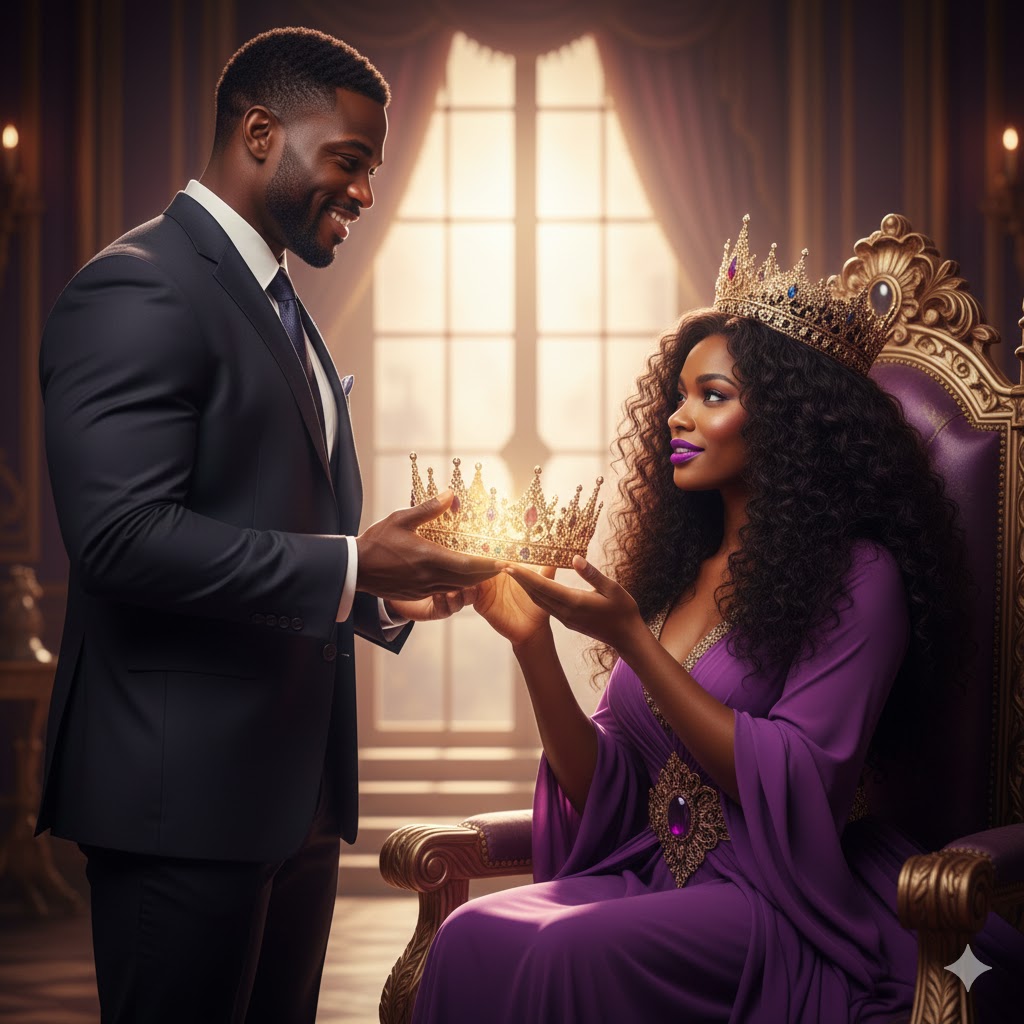
Crowned Before the World Touched Her

She was crowned before the world touched her, before language named her skin, before systems decided her worth. Her existence was intentional, authored by God and formed in divine wisdom, not accident or afterthought. Long before society imposed hierarchies, she bore dignity by design (Psalm 139:14, KJV).

The crown she carried was not fashioned of gold, but of purpose. It rested quietly in her spirit, unseen yet immovable. The world would later try to convince her that crowns are earned through suffering, but Scripture reveals that she was crowned at creation (Genesis 1:27, KJV).

Before the gaze of empire found her, she belonged wholly to God. Her identity was not a reaction to oppression but a reflection of divine image. This truth disrupts narratives that define Black womanhood through pain alone.

The world touched her with names that were never hers. It called her excessive, aggressive, invisible, or unworthy, projecting fear and desire onto her body. Yet none of these labels altered the crown she was given before words were weaponized (Isaiah 62:3, KJV).

Colonial beauty standards attempted to dethrone her by redefining beauty through whiteness. Hair, skin, and features became sites of contestation. But Scripture never outsourced beauty to empire; God declared His work “very good” before colonizers existed (Genesis 1:31, KJV).

She learned early that the world polices what it cannot control. Her body became public property in narrative, law, and image. Still, her crown remained untouched, because it was not placed by human hands.

The Bible is filled with women who were crowned before circumstances hardened them. Hagar was seen in the wilderness before society erased her (Genesis 16:13, KJV). Her encounter affirms that divine recognition precedes social rejection.

Like Esther, she was prepared in secret before being revealed in public. Her season of refinement was not punishment, but positioning. The crown comes before the calling, not after the trial (Esther 2:17, KJV).

The world taught her to armor herself, mistaking hardness for strength. Yet God honors softness guarded by wisdom. Meekness, in Scripture, is not weakness but disciplined power (Matthew 5:5, KJV).

She was told survival was her highest calling. But God called her to dominion, stewardship, and rest. Her worth was never dependent on endurance alone (Genesis 1:28, KJV).

The crown signifies authority over self before authority over circumstance. It is a reminder that she governs her mind, body, and spirit under God’s sovereignty. No system can rule what God has already crowned.

Her crown also represents inheritance. She did not begin in lack but in legacy. What was stolen historically does not erase what was granted eternally (Joel 2:25–26, KJV).

The world touched her through trauma, but trauma did not author her. Scripture makes clear that suffering is an experience, not an identity (Romans 8:18, KJV).

Spiritual warfare often targets crowned heads first. When identity is attacked, it is because destiny is present. The enemy never assaults what has no value (Ephesians 6:12, KJV).

To be crowned before the world touched her means she does not need validation from structures that were designed to exploit her. Her worth is pre-social and pre-political.

Her restoration is not about becoming something new, but remembering what she was before distortion. Repentance, healing, and self-love are acts of remembrance.

God crowns not to decorate, but to commission. The crown signals responsibility, vision, and alignment with heaven. She carries not ego, but assignment (Psalm 8:5, KJV).

In reclaiming her crown, she disrupts narratives of deficiency. She stands as evidence that Black womanhood is not an exception to divine favor, but an expression of it.

She is not crowned because she survived. She survived because she was crowned. That order matters.

Crowned before the world touched her, she walks not in apology, but in authority—restored, rooted, and radiant in the knowledge that God finished His work before the world began its lies.


References (KJV)

Genesis 1:27, 28, 31
Genesis 16:13
Esther 2:17
Psalm 8:5
Psalm 139:14
Isaiah 62:3
Matthew 5:5
Joel 2:25–26
Romans 8:18
Ephesians 6:12

📜 The Male Files: Kings Without Crowns

A king without a crown is not a man without power—he is a man without placement. In the digital age, masculinity is promoted as territory to seize, not a role to steward. Scripture defines the male purpose differently: “The steps of a good man are ordered by the LORD” (Psa. 37:23, KJV). A man becomes a king only when God becomes the one ordering his direction—not popularity, ideology, or trend.

Many men know the language of kingship, but few understand the theology of crowning. Crowns in scripture are given, not taken. “I have found David… a man after mine own heart, which shall fulfil all my will” (Acts 13:22, KJV). His kingship began the moment God found him, not the moment humans favored him. Modern masculinity movements reverse this order.

The manosphere tells men to master women, wealth, and dominion, yet scripture calls men to master themselves first. “He that ruleth his spirit is better than he that taketh a city” (Prov. 16:32, KJV). Internal governance is the biblical inauguration of kings, long before social influence ever recognizes them.

A generation of men now seek crowns through controversy, commentary, or charisma. Amplified voices have replaced consecrated ones. Online platforms reward dominance performance more than devotional grounding, shaping men into rhetoricians, not patriarchs (Ging, 2019). This produces kings in vocabulary, but orphans in covenant.

The deepest masculine wound is not irrelevance—it is fatherlessness. Even when fathers are present physically, many sons remain unfathered spiritually and emotionally. Scripture reveals the necessity of generational anchoring: “One generation shall praise thy works to another” (Psa. 145:4, KJV). But inheritance cannot flow where identity was never affirmed.

Many young men trade intimacy with God for brotherhood with echo chambers. These communities offer belonging, but not becoming. Digital masculine networks thrive on social identity formation through grievance-based solidarity (Ribeiro et al., 2020). A man may gain community and still lose self.

The rejection of vulnerability is another missing piece of the crown. The world shames wounded men for bleeding, yet God draws near to men who break without abandoning Him. “The LORD is nigh unto them that are of a broken heart” (Psa. 34:18, KJV). Healing is not a disqualification from kingship—it is often the prerequisite for it.

Without a crown, many men adopt hardness as a throne. They equate emotional restraint with authority and detachment with discipline. Yet scripture rejects emotional amputation as strength. God never calls men to bury emotion—He calls them to submit it.

The social narrative also labels men by dominance rank—alpha, sigma, beta—as though personality category determines divine assignment. Scripture disrupts the taxonomy entirely: “Man looketh on the outward appearance, but the LORD looketh on the heart” (1 Sam. 16:7, KJV). A man may be “quiet” socially and crowned spiritually, or “viral” digitally and bankrupt internally.

Men without covenant begin to idolize conquest as coronation—money, physiques, sexual access, and endorsement from other unhealed men. But crowns in scripture are moral, not muscular. “He crowneth thee with lovingkindness and tender mercies” (Psa. 103:4, KJV). The biblical masculine crown is a heart posture, not a public one.

Modern masculinity movements are also monetized emotional ecosystems. They capitalize on male loneliness, insecurity, identity confusion, and resentment, offering ideology as a prosthetic for unhealed trauma (Marwick & Caplan, 2018). When pain becomes a marketplace, purpose becomes product packaging, not priesthood.

Kingship in scripture is inseparable from service. A man crowned by God eventually carries responsibility toward others, not leverage over them. True biblical masculinity is Christ-modeled servant leadership (hooks, 2004). Jesus never destroyed women to validate manhood, nor discarded disciples to preserve authority.

Many “lost sons” become “loud prophets” online—preaching dominion but rejecting discipleship, declaring kingship but refusing kings, demanding crowns but avoiding correction. Yet scripture insists: “For whom the LORD loveth he correcteth” (Heb. 12:6, KJV). If there is no correction, there is no crowning.

A man without a crown can still become one, but not by digital decree. It happens through surrender, internal rulership, covenantal obedience, father-anchored identity, spiritual accountability, and a re-ordered heart. Kings are formed under covenant, not comment sections.

The tragedy is not that men lack crowns—it is that many no longer recognize the God who gives them. They seek kingdoms without the King who assigns them, becoming sovereigns of self rather than sons under spirit. Biblical kings are not autonomous—they are anointed.

A crowned man is not a perfect man, but an obedient one. He does not rise because he never fell—he rises because God raised him. “Humble yourselves… and he shall lift you up” (James 4:10, KJV). When God lifts a man, no algorithm can replace the mantle.


📚 References

Ging, D. (2019). Manosphere cultures and the rise of digital masculine identity movements. Social Media + Society, 5(2), 1–14.

Marwick, A., & Caplan, R. (2018). Drinking male rage: The monetization of patriarchy on social platforms. Data & Society Research Institute.

Ribeiro, M., Ottoni, R., West, R., Almeida, V., & Meira Jr., W. (2020). The evolution of grievance masculinity networks across the web. Proceedings of the International AAAI Conference on Web and Social Media, 14, 196–207.

hooks, b. (2004). The Will to Change: Men, Masculinity, and Love. Washington Square Press.

American Psychological Association. (2017). Guidelines for Psychological Practice with Boys and Men.

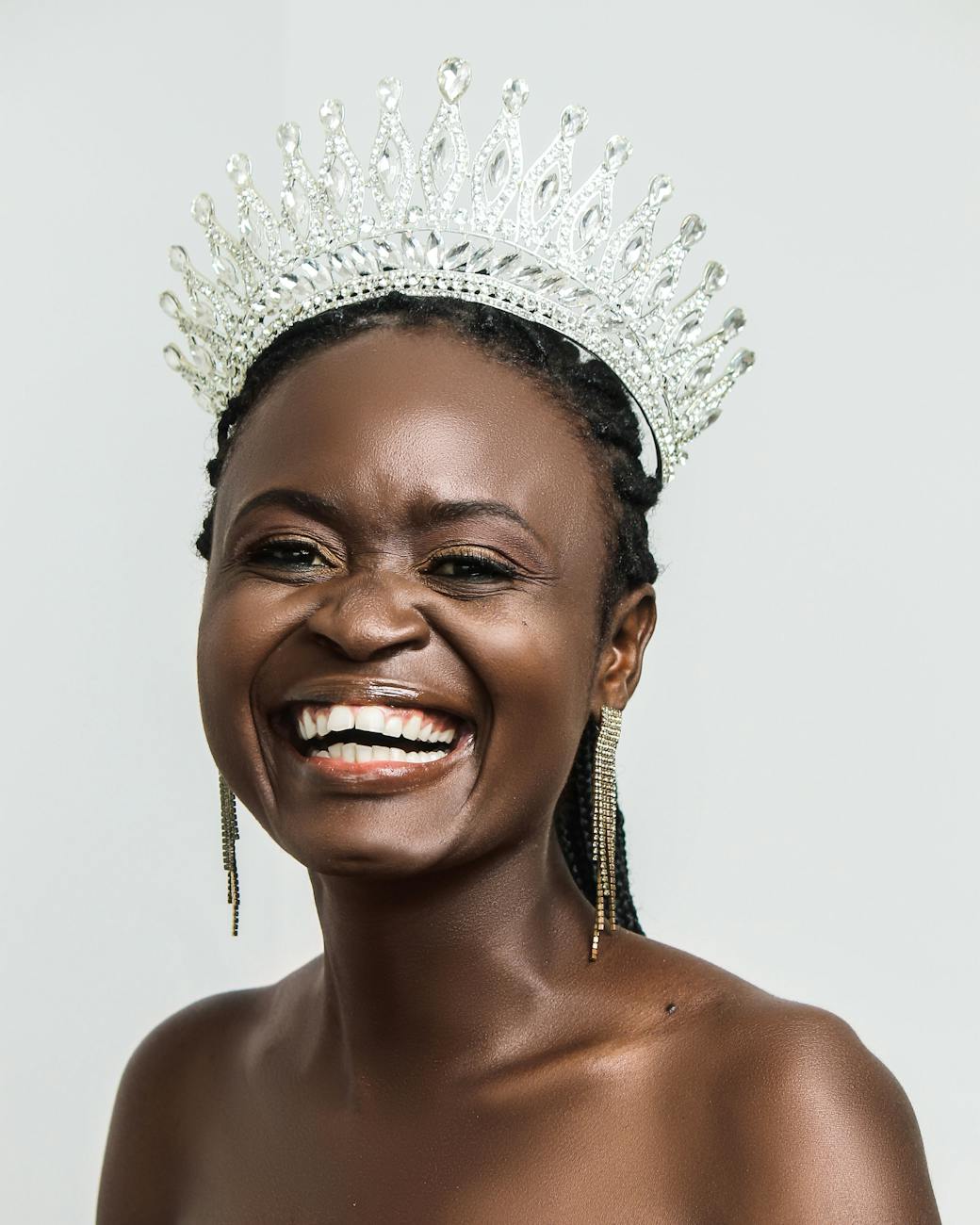
Brown Skin, Heavy Crown: The Weight of Representation. #TheBrownGirlDilemma

Photo by Antu00f3nio Ribeiro on Pexels.com

Representation is never neutral. For brown-skinned women, every appearance in media, politics, or public life carries symbolic weight far beyond personal identity. Their faces, bodies, and voices are scrutinized not only as individuals but as representatives of entire communities. The phrase “heavy is the head that wears the crown” captures the pressure of leadership, but for women with brown skin, the crown is not always given—it is fought for, earned against bias, and carried under the burden of societal expectations. This essay explores the weight of representation as it relates to brown women across history, psychology, spirituality, and modern media.

The Historical Crown of Brown Womanhood

The weight of representation begins in history. During slavery and colonization, brown-skinned women were stripped of agency and forced into stereotypical roles: the Mammy, the Jezebel, or the Sapphire. Each caricature denied complexity and dignity while shaping how society viewed brown women (Collins, 2000). To step outside those imposed roles was an act of defiance. Representation, therefore, has always been both a battlefield and a crown.

The Burden of Stereotypes

Even today, brown women in leadership, artistry, or public life face the double bind of being visible yet misrepresented. Michelle Obama, for instance, was celebrated as a First Lady but also subjected to racist caricatures questioning her femininity and beauty. Such experiences reveal how representation is not simply a platform for influence but also a site of heavy scrutiny, where one misstep can be weaponized against an entire group.

The Crown of Visibility

Visibility is both gift and burden. On one hand, representation in media and politics disrupts centuries of invisibility; on the other hand, it pressures brown women to embody perfection. Stars like Viola Davis, Issa Rae, and Lupita Nyong’o have expanded the palette of beauty and identity, yet they also carry the responsibility of “getting it right” for those who see themselves in their faces. The crown becomes heavy when one person must stand in for millions.

Psychological Toll of Representation

The psychological impact of representation cannot be underestimated. Studies show that underrepresentation or misrepresentation negatively affects self-esteem and identity formation among Black and brown girls (Ward, 2004). Conversely, positive representation can foster empowerment and resilience. Yet when representation is limited to tokenism, the crown becomes a trap, forcing women to embody ideals rather than authentic selves.

Media and the Beauty Hierarchy

Media often constructs a hierarchy of beauty that privileges light skin and Eurocentric features, leaving brown-skinned women at the margins. Even within Black media, colorism can determine who becomes a cover model or leading lady. The crown of representation is heavy when it is given only conditionally—when beauty, desirability, or relatability must first pass through a Eurocentric filter.

Representation in Politics and Leadership

In political life, brown women carry the additional burden of respectability. Figures like Shirley Chisholm, Kamala Harris, and Ayanna Pressley symbolize progress, but their crowns come with heavy costs: navigating racism, sexism, and colorism simultaneously. Their presence is not merely personal achievement but proof of possibility for future generations. Yet every critique they endure is magnified as commentary on the capability of all brown women.

The Spiritual Dimensions of Representation

The crown also carries spiritual significance. In biblical texts, crowns often symbolize both victory and responsibility. James 1:12 promises a “crown of life” to those who endure trials. For brown women, enduring societal trials of bias and exclusion parallels this spiritual crown-bearing. Their representation becomes a living testimony of perseverance, embodying Proverbs 31 strength while challenging worldly definitions of beauty and worth.

The Crown as Double Burden

Representation often forces brown women to live in two worlds. They must embody authenticity for their communities while also navigating the expectations of dominant culture. This dual burden is mentally exhausting, leading to what psychologists term “code-switching fatigue” (Jones & Shorter-Gooden, 2003). The crown is not only heavy but sometimes crushing.

Resistance Through Representation

Despite the burden, representation also fuels resistance. Campaigns like #BlackGirlMagic and #MelaninPoppin challenge dominant narratives by celebrating brown skin as regal and divine. These movements reclaim the crown as a symbol of heritage and pride rather than a weight of scrutiny. Representation becomes not just survival but revolution.

The Global Crown of Brownness

The weight of representation extends globally. In South Asia, the Middle East, and Latin America, brown-skinned women confront similar struggles of colorism and bias. The multibillion-dollar skin-lightening industry testifies to the global reach of these ideals (Glenn, 2008). The crown of brownness, then, is a shared global inheritance, both heavy with oppression and radiant with resilience.

Hair, Fashion, and Aesthetic Crowns

For brown women, representation is also policed through aesthetics. Hairstyles, clothing, and bodily expressions become battlegrounds of respectability. When Zendaya wore locs to the Oscars, she was praised by some but mocked by others. Each choice becomes symbolic, turning personal expression into public discourse. The crown of aesthetics is thus both a celebration and a cage.

Representation and the Next Generation

Young brown girls often look to role models for cues on beauty and possibility. When they see themselves reflected in positive ways, they learn to wear their crowns proudly. But when absence or distortion dominates, they inherit insecurity. Representation is not only about the present but about shaping future generations who must decide whether their crowns will be hidden or exalted.

The Theology of Crown-Bearing

From a theological perspective, the weight of representation echoes Christ’s crown of thorns. His crown symbolized both suffering and redemption. Likewise, the brown woman’s crown is carried through struggle but also testifies to divine strength. Psalm 8:5 declares that humanity is “crowned with glory and honor.” For brown women, embracing this truth dismantles external hierarchies and affirms a God-given identity beyond societal bias.

Collective Crowns and Community

Representation becomes lighter when crowns are shared collectively. The burden eases when brown women see diverse portrayals that allow for multiplicity rather than singular perfection. Community platforms, literature, and grassroots movements democratize representation so that no single woman bears the weight of symbolizing all.

Representation as Healing

Positive representation also functions as healing. When brown women are celebrated for their beauty, intelligence, and humanity, it counters centuries of erasure. Representation thus becomes restorative, mending psychological scars left by bias and validating identities that have long been marginalized.

Representation and Resistance to White Supremacy

Ultimately, the crown is heavy because it resists white supremacy. To wear brown skin proudly in a world that devalues it is a political act. Each time a brown woman ascends to visibility—whether in a film, a boardroom, or a pulpit—she disrupts narratives that suggest her inferiority. Representation is therefore not symbolic alone but revolutionary in its impact.

The Crown as Calling

Rather than a burden alone, the crown of representation can be reframed as a calling. To embody strength, intelligence, and grace while confronting bias reflects a prophetic role. Brown women stand as cultural and spiritual witnesses, bearing crowns that point to possibilities of justice and equality.

Toward Lighter Crowns

The goal of representation should not be to perpetuate heavy crowns but to create a world where no one woman carries the weight of all. Diversifying media, dismantling colorism, and affirming brown beauty at every level can redistribute the symbolic crown. In such a world, brown women are free to be human, not merely representatives.

Conclusion

Brown skin carries a heavy crown, but it also shines with unmatched radiance. Representation, while burdened with scrutiny, also births transformation, resistance, and pride. The task before us is to lighten the weight by ensuring that brown women no longer stand alone as symbols but thrive as individuals celebrated in their fullness. The crown is heavy, yes, but it is also sacred—a reminder that within brown skin lies the strength to endure, inspire, and redefine what beauty and leadership mean for generations to come.


References

  • Collins, P. H. (2000). Black feminist thought: Knowledge, consciousness, and the politics of empowerment. Routledge.
  • Glenn, E. N. (2008). Yearning for lightness: Transnational circuits in the marketing and consumption of skin lighteners. Gender & Society, 22(3), 281–302.
  • Jones, C., & Shorter-Gooden, K. (2003). Shifting: The double lives of Black women in America. HarperCollins.
  • Ward, L. M. (2004). Wading through the stereotypes: Positive and negative associations between media use and Black adolescents’ conceptions of self. Developmental Psychology, 40(2), 284–294.
  • The Holy Bible, King James Version.
Hair, Politics, and Respectability: The Crown We Never Asked For

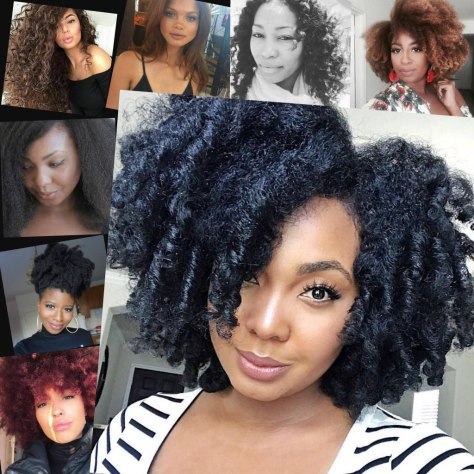
Hair has never been “just hair” for Black people. In societies shaped by colonialism and racism, Black hair—especially its natural textures—has been politicized, stigmatized, and controlled. The title Hair, Politics, and Respectability: The Crown We Never Asked For captures this tension: while hair is a natural inheritance, it has become a symbol of identity, resistance, and discrimination. From biblical reflections to modern psychology, the struggle over Black hair reveals both the resilience of a people and the weight of systemic oppression.


Hair and Politics: Why Texture Became a Battleground

During slavery, Black hair was ridiculed as “woolly,” “unkempt,” or “inferior” compared to European textures. Enslaved women were often forced to cover their hair with scarves, stripping them of cultural expression. In the twentieth century, straightening became associated with “respectability,” as Eurocentric beauty standards were used to determine professionalism, employability, and social acceptance (Byrd & Tharps, 2014). Hair became political because it signified whether one conformed to dominant norms or resisted them.

Even today, workplace and school policies ban natural styles such as locs, afros, and braids, framing them as “unprofessional.” This reveals how deeply Eurocentric aesthetics are embedded in institutional power structures. Black hair is not bad—it is the perception of it, shaped by systemic racism, that weaponizes it against Black people.


Media Examples of Hair Discrimination

  • Gabrielle Union (2019): The actress revealed that she was criticized on America’s Got Talent for her hairstyles being “too Black” for mainstream audiences.
  • Zendaya (2015): At the Oscars, a TV host insulted her locs, suggesting they made her smell like “weed or patchouli oil,” perpetuating stereotypes about natural Black hair.
  • Ayanna Pressley (2020): The U.S. Congresswoman openly discussed the politics of her hair after revealing her alopecia, highlighting the burden Black women face regarding appearance.
  • Students Nationwide: Numerous cases have emerged of Black children suspended or excluded from schools for wearing natural hairstyles—demonstrating how hair policing begins in childhood.

These examples show that hair is treated not as personal expression but as a battleground of social acceptance.


Why Is Black Hair Considered “Bad”?

  1. Colonial Legacies: European colonizers ranked African features as inferior to justify slavery and subjugation. Hair texture became part of this false hierarchy.
  2. Respectability Politics: Within Black communities, straightened hair was sometimes encouraged as a survival strategy, signaling assimilation to reduce discrimination.
  3. Media Reinforcement: Advertisements and entertainment long centered straight hair as the default “beautiful,” erasing the diversity of Black textures.
  4. Psychological Control: By stigmatizing natural hair, systems of power sought to strip Black people of cultural pride and self-love.

Psychological Dimensions of Hair Politics

Hair discrimination carries profound psychological effects. Research shows that Black women who feel pressure to conform to Eurocentric hairstyles report higher stress levels, body image struggles, and identity conflict (Robinson, 2011). Natural hair movements—such as the resurgence of afros in the 1970s and the current embrace of locs, twists, and braids—function as acts of resistance and self-acceptance. For Black children, representation is vital: being punished for natural hair fosters shame and internalized racism, while affirmation builds resilience and pride.


Biblical Reflections on Hair and Identity

The Bible addresses hair as both symbolic and spiritual.

  • Glory and Crown: “But if a woman have long hair, it is a glory to her: for her hair is given her for a covering” (1 Corinthians 11:15, KJV). Here, Paul acknowledges hair as a natural crown of dignity.
  • Consecration: In Numbers 6:5, Nazirites such as Samson were commanded not to cut their hair as a sign of holiness and covenant with God. This shows that hair was more than appearance—it was identity and consecration.
  • Diversity in Creation: Scripture affirms that humanity is “fearfully and wonderfully made” (Psalm 139:14). Black hair textures, in all their variety, are part of God’s intentional design, not a flaw.

These biblical insights reject the notion that natural hair is “bad.” Instead, hair is a crown—sometimes even a sacred symbol of identity and strength.


Toward Liberation: Reclaiming the Crown

To break free from the burden of hair politics, society must dismantle Eurocentric beauty hierarchies and embrace inclusivity. Policies such as the CROWN Act (Creating a Respectful and Open World for Natural Hair) in the U.S. represent legal recognition of this struggle. On a personal and cultural level, embracing natural hair affirms resilience: a refusal to bow to imposed norms. For Black women and men, reclaiming their hair is reclaiming their God-given identity, their psychological well-being, and their cultural pride.


Conclusion

Hair, Politics, and Respectability: The Crown We Never Asked For underscores that Black hair has been politicized against its wearers, weaponized as a marker of inferiority. Yet, both psychology and scripture affirm that Black hair is beautiful, intentional, and sacred. It is not a flaw to be corrected but a crown to be celebrated. In embracing their natural hair, Black people reject imposed shame and walk boldly in resilience, dignity, and divine purpose.


References

  • Byrd, A., & Tharps, L. L. (2014). Hair story: Untangling the roots of Black hair in America. St. Martin’s Press.
  • Robinson, C. (2011). Hair as race: Why “good hair” may be bad for Black females. Howard Journal of Communications, 22(4), 358–376.
  • The Holy Bible, King James Version.