Tag Archives: Caste System

Passing Series: The Secret History of Howard University.

Founded in 1867 in Washington, D.C., Howard University emerged in the immediate aftermath of the American Civil War as one of the most important institutions dedicated to educating formerly enslaved African Americans. Established with the support of the Freedmen’s Bureau and named after Union General Oliver Otis Howard, the university was created to provide intellectual opportunity for newly emancipated Black citizens who had long been denied access to formal education under slavery.

The early mission of Howard University was expansive and ambitious. It was not simply a school but a symbol of racial uplift and reconstruction. The institution admitted students regardless of race or gender—an unusually progressive policy for the nineteenth century. In its earliest years, Howard enrolled formerly enslaved individuals, free Black people, and a small number of white students who believed in the cause of Reconstruction and education for all.

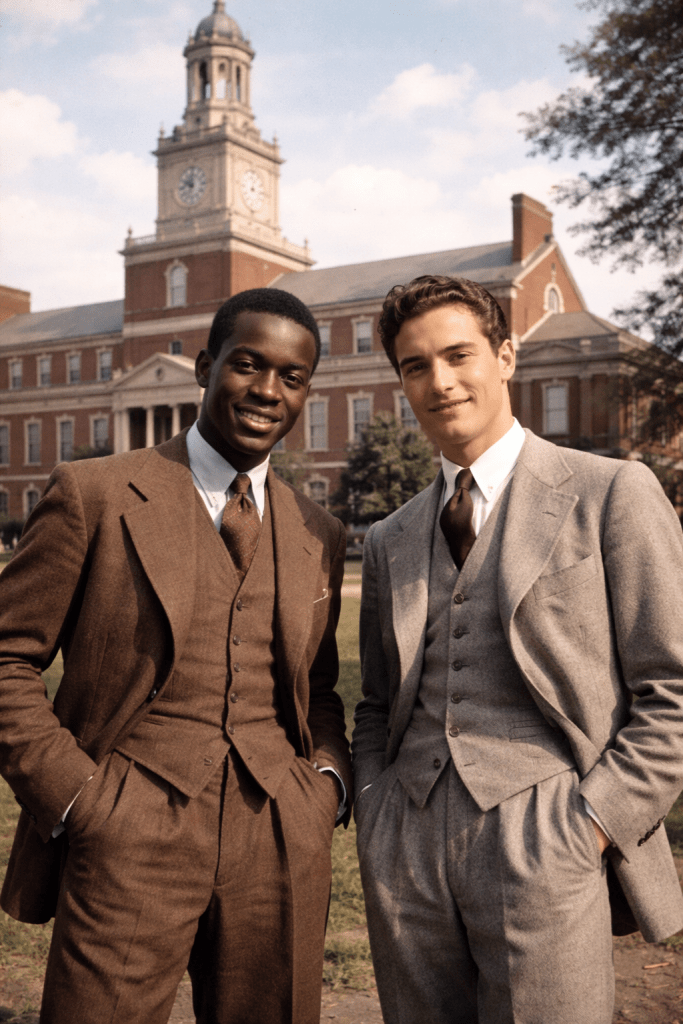
Within this diverse student body, a visible presence emerged that reflected one of the most complicated legacies of American slavery: mixed-race students. Many students at Howard in the late nineteenth century were individuals historically described by society as “mulatto,” meaning people of mixed African and European ancestry. Their existence was tied directly to the violent social realities of slavery, during which enslaved Black women were frequently subjected to sexual exploitation by slaveholders and other white men.

The legacy of these unions produced generations of mixed-race individuals whose appearance sometimes reflected European ancestry in ways that complicated America’s rigid racial categories. At Howard University, this reality was visible among students whose skin tones, hair textures, and facial features ranged across the full spectrum of the African diaspora. Some students appeared unmistakably African, while others possessed features that could allow them to move within white society unnoticed.

During the late nineteenth and early twentieth centuries, racial classification in the United States was governed by the ideology that later became known as the “one-drop rule.” Under this social doctrine, any individual with even a trace of African ancestry was legally considered Black. This legal and cultural definition meant that individuals who looked white could still be classified as Black if their ancestry was known.

The phrase “legally Black” thus emerged as a defining element of American racial identity. It referred to individuals who, under law or social recognition, were categorized as Black regardless of their physical appearance. This concept was reinforced through segregation laws, marriage restrictions, and social customs designed to maintain a rigid racial hierarchy that privileged whiteness.

For some light-skinned African Americans during the late nineteenth and early twentieth centuries, the ability to visually pass as white created a complicated social dilemma. Passing—meaning living as a white person despite Black ancestry—offered access to opportunities otherwise denied under segregation. Employment, housing, safety, and social mobility were often significantly easier to obtain for those perceived as white.

Howard University became a unique intellectual space where these realities were openly discussed among students and faculty. While the institution celebrated Black identity and advancement, it also housed students who could, if they chose, disappear into white society. This tension between racial pride and social survival reflected the broader contradictions of American racial life.

One story frequently discussed in early twentieth-century accounts involves a Howard student reportedly named Johnson, who attended the university during the early 1900s. Johnson’s appearance was so light that he could easily move within white spaces without suspicion. His classmates were aware of this ability, and his presence highlighted the paradox of racial identity during the Jim Crow era.

Johnson’s situation was not unique. Many students at Howard and other historically Black colleges possessed complex family histories shaped by generations of interracial ancestry. Some came from communities where mixed heritage was common, particularly in regions where slavery had produced significant populations of people of blended African and European descent.

In the early twentieth century, the ability to look white carried tangible advantages. Doors in employment, education, and housing frequently opened more readily to individuals whose appearance aligned with white norms. In a segregated society, whiteness functioned as a form of social capital, determining access to resources and protection from discrimination.

However, the decision to pass for white often came with profound psychological and emotional consequences. Individuals who crossed the color line frequently had to sever ties with family members and communities who were legally and socially classified as Black. The act of passing, therefore, required a form of identity erasure to maintain the illusion of whiteness.

Within Howard University, debates about identity, race, and loyalty sometimes surfaced among students. For many, the institution represented a sanctuary where Black intellect, culture, and leadership could flourish. To leave that community and enter white society as an impostor could be viewed as a betrayal of collective struggle.

At the same time, the pressures of racism were immense. The early twentieth century was a period marked by strict segregation laws, racial violence, and limited economic opportunity for African Americans. For some individuals who could visually blend into white society, passing appeared to offer a path toward security and upward mobility.

The broader history of mixed-race people in America cannot be separated from the institution of slavery. Throughout the eighteenth and nineteenth centuries, large populations of people of mixed African and European ancestry emerged across the South and in urban centers. Their existence challenged rigid racial categories while simultaneously reinforcing the hierarchy that privileged whiteness.

Institutions like Howard University became intellectual centers where these histories were examined and debated. Scholars and students explored the complex genealogies that connected African Americans to multiple continents, multiple cultures, and multiple historical experiences.

In this environment, Howard cultivated a new generation of Black thinkers who would later challenge racial inequality across the United States. The university produced influential scholars, lawyers, doctors, and activists who shaped the twentieth-century struggle for civil rights and social justice.

The presence of mixed-race students within Howard also contributed to broader discussions about colorism—the preferential treatment often given to lighter-skinned individuals within both white and Black communities. These conversations forced students to confront how slavery had embedded racial hierarchy not only in law but also in social perception.

Looking white during the Jim Crow era, therefore, carried both privilege and peril. While lighter skin sometimes opened doors, it could also create suspicion, isolation, and internal conflict about belonging. Identity became a negotiation between appearance, ancestry, and community loyalty.

Ultimately, the story of passing and mixed heritage at Howard University reflects the larger contradictions of American racial history. The institution stood as a beacon of Black advancement while simultaneously revealing how fluid and socially constructed racial categories could be.

Today, Howard University remains one of the most prestigious historically Black universities in the United States. Its early history—shaped by Reconstruction, slavery’s legacy, and complex racial identities—offers a powerful lens through which to understand the enduring impact of race, color, and identity in American society.


References

Andrews, W. L. (2019). The Oxford handbook of African American citizenship, 1865–present. Oxford University Press.

Foner, E. (1988). Reconstruction: America’s unfinished revolution, 1863–1877. Harper & Row.

Graham, H. D. (1990). The civil rights era: Origins and development of national policy, 1960–1972. Oxford University Press.

Hobbs, A. (2014). A chosen exile: A history of racial passing in American life. Harvard University Press.

Logan, R. W. (1980). Howard University: The first hundred years, 1867–1967. New York University Press.

Nash, G. B. (1999). Forbidden love: The hidden history of mixed-race America. Henry Holt.

Painter, N. I. (2010). The history of white people. W. W. Norton.

Williams, H. A. (2005). Self-taught: African American education in slavery and freedom. University of North Carolina Press.

Pretty Privilege Series: The Shade Hierarchy — Breaking Free from the Color Caste System.

Photo by King Cyril Kalu on Pexels.com

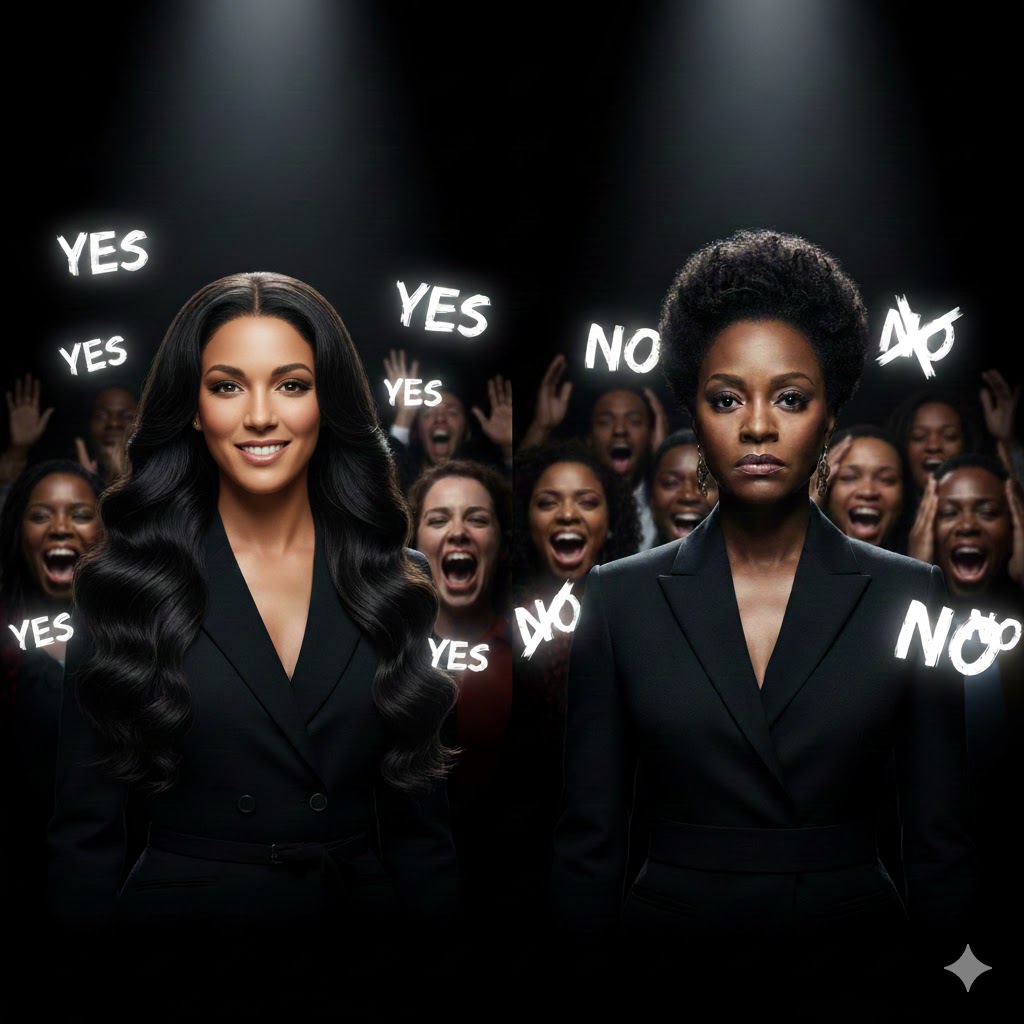
Colorism, often described as prejudice or discrimination based on skin tone, creates a hierarchy within the Black community that values lighter skin over darker shades. This “shade hierarchy” functions like an internal caste system, influencing beauty standards, social acceptance, and economic opportunities (Hunter, 2007).

The origins of this hierarchy are deeply entwined with colonialism and slavery. European colonizers created a system where proximity to whiteness equaled privilege. Lighter-skinned enslaved Africans were often assigned domestic work and given preferential treatment, while darker-skinned individuals labored in the fields, cementing a perception that lighter skin was inherently superior (Williams, 1987).

Media and pop culture perpetuated these notions over centuries. Hollywood films frequently cast light-skinned Black women in romantic or leading roles while relegating darker-skinned women to subservient, villainous, or hypersexualized stereotypes. This not only shaped public perception but also influenced self-image among Black women (Bogle, 2016).

The psychological impact of the shade hierarchy is profound. Dark-skinned individuals often experience lower self-esteem, body image dissatisfaction, and internalized racism. Being told, explicitly or implicitly, that one’s skin is “too dark” to be desirable produces lasting trauma (Hill, 2002).

Dating preferences also reveal the pervasiveness of this hierarchy. Studies show that lighter-skinned Black women are often perceived as more attractive and desirable for relationships, while darker-skinned women are marginalized in the dating market (Wilder, 2010). Men’s internalization of colorist standards reinforces systemic bias.

Colorism extends into education and professional opportunities. Research demonstrates that darker-skinned Black men and women earn less than lighter-skinned peers, even when controlling for education and experience. This colorism wage gap mirrors the historical privileging of lighter skin (Goldsmith, Hamilton, & Darity, 2006).

Schools are microcosms where colorism manifests early. Dark-skinned children are often subject to teasing, social exclusion, or disproportionate disciplinary actions. This reinforces societal hierarchies and internalized biases before adulthood (Monk, 2014).

Family and community can either reinforce or challenge the shade hierarchy. Favoring lighter-skinned relatives in compliments, marriage prospects, or inheritance decisions perpetuates the caste system. Conversely, affirming all shades equally fosters resilience and pride in melanin-rich identities (Russell, Wilson, & Hall, 2013).

Language plays a crucial role in perpetuating colorism. Terms like “redbone,” “high yellow,” and backhanded compliments such as “pretty for a dark-skinned girl” normalize hierarchy and shape self-perception. Challenging and changing this language is essential for liberation (Charles, 2003).

Social media has emerged as both a challenge and a solution. While platforms sometimes reinforce colorism through algorithmic biases and influencer culture, they also provide spaces for celebrating dark-skinned beauty, such as #MelaninPoppin and #DarkSkinIsBeautiful campaigns. These initiatives help counter harmful narratives and create visible representation.

Religious and spiritual frameworks can aid in dismantling the shade hierarchy. Scriptures such as Song of Solomon 1:5 — “I am black, but comely” — affirm that melanin is not a flaw but a feature worthy of pride. Church communities can preach against favoritism and celebrate beauty in all skin tones (James 2:1-4).

Media literacy is another tool. Teaching children and adults to critically assess representations in television, film, and advertising reduces the internalization of harmful beauty norms. Awareness of how light-skinned individuals are often elevated helps viewers resist accepting a biased standard unconsciously.

Empowerment programs targeting youth can directly counter colorism. Workshops that teach self-esteem, beauty appreciation, and historical knowledge about African ancestry encourage young people to embrace their skin tone with pride (Hall, 1992).

Feminist scholars emphasize that dismantling the shade hierarchy is not just about aesthetics; it is about power. Colorism intersects with sexism and racism, creating compounded oppression for dark-skinned women. Addressing these structural inequalities is critical for holistic liberation (Hunter, 2007).

Representation in professional and artistic spaces also matters. Featuring dark-skinned Black men and women in leadership roles, creative industries, and political office challenges societal hierarchies and normalizes their presence in positions of influence.

Black men’s participation is key in dismantling the hierarchy. By affirming dark-skinned women as desirable partners, celebrating them publicly, and rejecting societal pressure to prefer lighter skin, men can help erode internalized colorist standards in the community (Harris, 2015).

Economic interventions are also necessary. Organizations should prioritize diversity in hiring and promotion, ensuring that darker-skinned candidates are not overlooked due to unconscious bias. Equitable opportunities disrupt the cycle of privilege attached to lighter skin.

Education and mentorship programs should include historical context about colorism and practical strategies for resistance. Teaching children about African history, melanin-rich heroes, and cultural pride counteracts centuries of negative messaging about dark skin (Smedley, 1999).

Personal reflection and therapy can help individuals confront internalized colorism. Journaling, counseling, and group discussions offer spaces to unlearn harmful messages and rebuild self-worth, allowing people to embrace their natural complexion fully.

Breaking free from the color caste system requires sustained effort across generations. By challenging social norms, affirming diverse beauty, and creating supportive spaces, the Black community can replace hierarchical thinking with pride, dignity, and unity.


References

  • Bogle, D. (2016). Toms, Coons, Mulattoes, Mammies, and Bucks: An Interpretive History of Blacks in American Films. Bloomsbury.
  • Charles, C. (2003). Skin Bleaching, Self-Hate, and Black Identity in Jamaica. Journal of Black Studies, 33(6), 711–728.
  • Goldsmith, A., Hamilton, D., & Darity, W. (2006). Shades of Discrimination: Skin Tone and Wages. American Economic Review, 96(2), 242–245.
  • Hall, R. E. (1992). Bias Among African Americans Regarding Skin Color: Implications for Social Work Practice. Research on Social Work Practice, 2(4), 479–486.
  • Harris, A. (2015). The Influence of Fathers on the Self-Esteem of African American Daughters. Journal of Black Psychology, 41(3), 257–276.
  • Hunter, M. (2007). The Persistent Problem of Colorism: Skin Tone, Status, and Inequality. Sociology Compass, 1(1), 237–254.
  • Monk, E. P. (2014). Skin Tone Stratification among Black Americans, 2001–2003. Social Forces, 92(4), 1313–1337.
  • Russell, K., Wilson, M., & Hall, R. (2013). The Color Complex: The Politics of Skin Color Among African Americans. Anchor Books.
  • Smedley, A. (1999). Race in North America: Origin and Evolution of a Worldview. Westview Press.
  • Williams, E. (1987). Capitalism and Slavery. UNC Press.
  • Wilder, J. (2010). Revisiting “Color Names and Color Notions”: A Contemporary Examination of the Language and Attitudes of Skin Color among Young Black Women. Journal of Black Studies, 41(1), 184–206.

Colorism in Asia

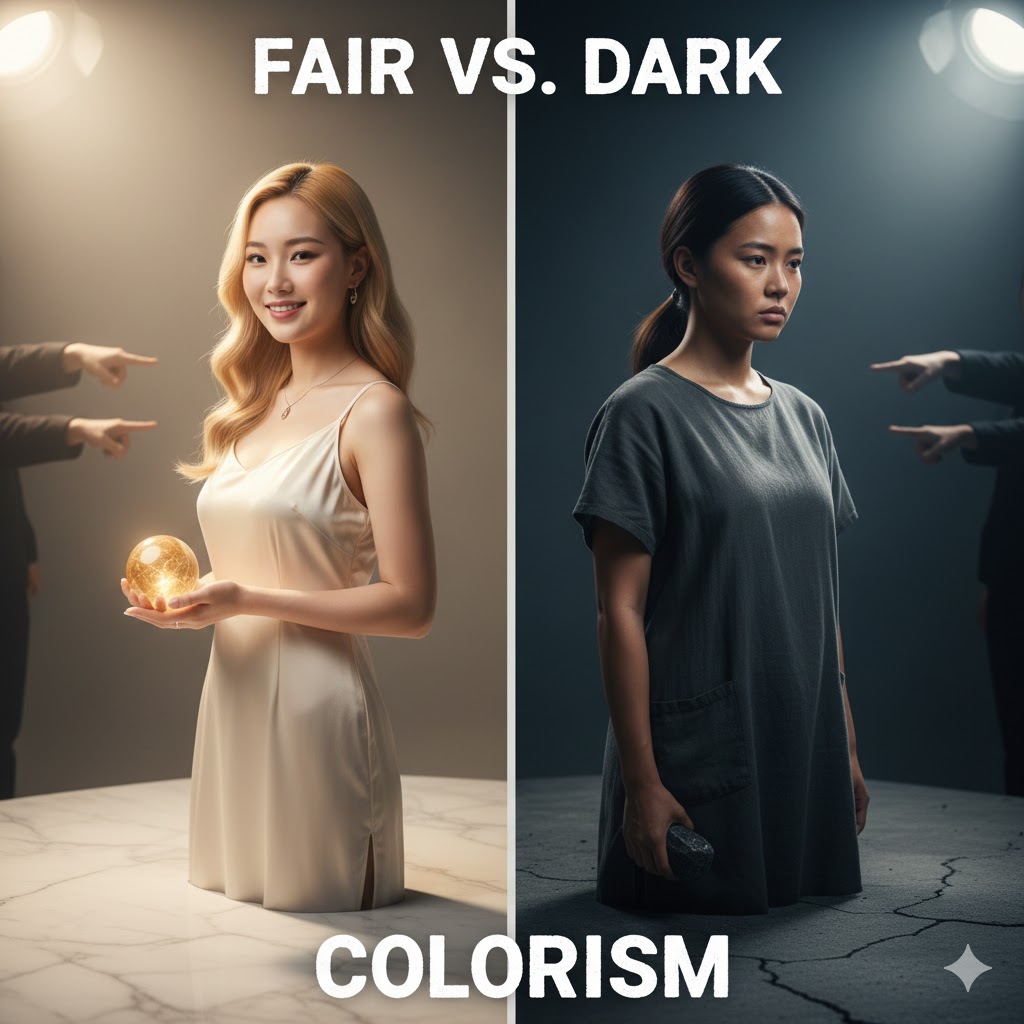
Colorism in Asia is a pervasive social phenomenon in which lighter skin is culturally valued over darker skin, creating systemic advantages for those perceived as fairer. Unlike racism, which often categorizes by ethnicity, colorism operates within racial and ethnic groups, privileging lighter tones as a symbol of wealth, status, and beauty. Its impact spans social, economic, and psychological domains, influencing marriage, employment, media representation, and daily interactions.

The roots of colorism in Asia are complex, intertwining pre-colonial class distinctions with European colonial influence. Historically, fair skin was associated with the elite or ruling classes who worked indoors, while darker skin indicated labor-intensive outdoor work. European colonialism reinforced and codified these associations, idealizing whiteness as superior and desirable.

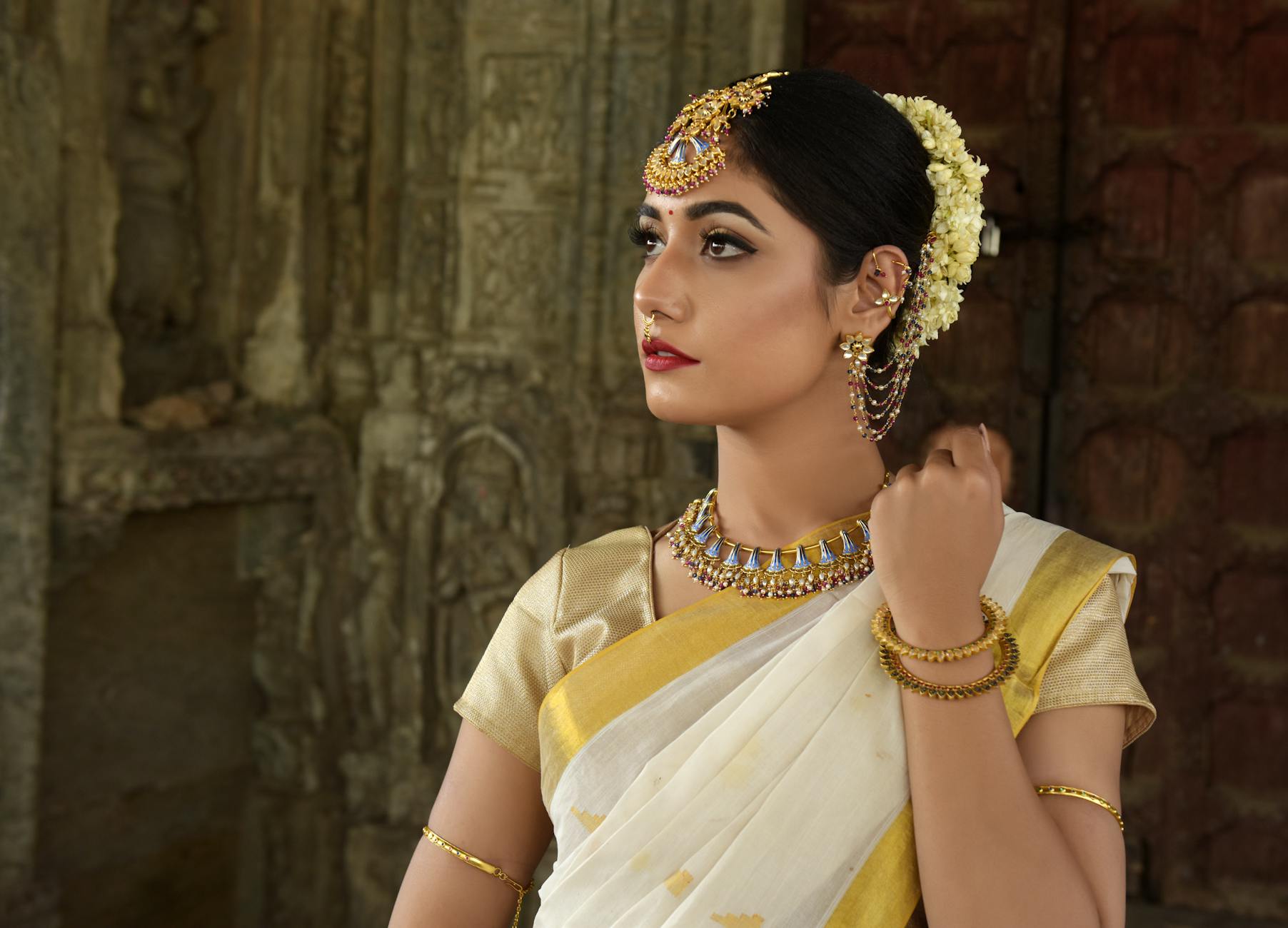
In India, colorism is deeply entrenched. Fair skin has long been linked to beauty, marriageability, and social status. Advertisements promoting skin-lightening products are widespread, and matrimonial ads often specify preference for fair-skinned partners. Caste and colonial legacy amplify this preference, embedding it in social and cultural norms (Ludhianvi, 2020).

Pakistan similarly exhibits strong colorist tendencies. Lighter skin is associated with higher social class and greater marital prospects. The skin-lightening industry thrives, with consumers believing fairness equates to upward mobility, attractiveness, and professional credibility. Media, film, and advertising reinforce these ideals.

In Southeast Asia, countries like the Philippines, Thailand, and Indonesia exhibit pervasive colorism due to colonial history and media influence. In the Philippines, Spanish colonization and American media created ideals of beauty that favor lighter skin, influencing both professional opportunities and romantic desirability. Fair skin continues to be a marker of privilege and social mobility.

Thailand has a cultural preference for lighter skin, evident in beauty advertisements, television, and social expectations. The legacy of colonial trade and the association of light skin with urban elites amplify this hierarchy. Skin-whitening products dominate the market, signaling the perceived necessity of fair skin for social acceptance.

In China and East Asia, colorism is widespread, though nuanced. Lighter skin is historically associated with refinement, status, and scholarly pursuits, contrasting with rural laborers. Modern media, fashion, and entertainment reinforce these ideals, sustaining societal bias and shaping self-perception from a young age (Li & Min, 2014).

Japan and South Korea also reflect colorism influenced by historical class structures and Western beauty ideals. In South Korea, skin whitening and cosmetic surgery are widespread, with lighter skin seen as a standard of beauty and sophistication. In Japan, light skin is tied to elegance, status, and femininity, although contemporary media sometimes diversifies representation.

The worst-affected countries in Asia tend to be those with both colonial history and rigid social hierarchies. India, Pakistan, the Philippines, and Thailand experience intense societal pressure to conform to fair-skinned beauty ideals, reinforced through marriage markets, media, and professional spaces. The combination of historical caste or class divisions and globalized beauty standards intensifies the penalty for darker skin.

Colorism in Asia intersects with gender, disproportionately affecting women. Women are judged more harshly by skin tone, and their social, marital, and professional opportunities are more tightly linked to appearance. This leads to heightened use of skin-lightening products, cosmetic procedures, and restrictive beauty practices.

Economically, colorism affects career prospects. In India and Southeast Asia, lighter-skinned individuals are more likely to be hired for front-facing roles, leadership positions, and customer-oriented professions. Appearance is often equated with competence and professionalism, creating systemic advantage.

Marriage markets are heavily influenced by colorism. Matrimonial advertisements frequently specify preference for fair-skinned partners, reflecting the perception that lighter skin signals social status, family wealth, and desirability. Darker-skinned individuals are marginalized, even when other qualities are equal.

Media representation reinforces colorism by prioritizing lighter-skinned actors, models, and influencers. Television, film, and advertisements overwhelmingly feature fair-skinned individuals in roles of power, romance, and beauty, while darker-skinned people are underrepresented or typecast. This perpetuates bias in both perception and aspiration.

The skin-lightening industry is a multi-billion-dollar sector in Asia, indicating both the intensity of societal preference for fair skin and the psychological impact of colorism. Consumers internalize the message that lighter skin equates to opportunity, attractiveness, and social capital, sustaining demand and normalizing bias.

Colorism also has psychological consequences, contributing to low self-esteem, anxiety, and body image dissatisfaction. Individuals internalize societal preferences, leading to shame, identity conflict, and social comparison, particularly among women and youth.

Education is not immune. Teachers and peers may implicitly favor lighter-skinned students, assuming greater intelligence, discipline, or refinement. These biases influence expectations, opportunities, and social inclusion, reinforcing systemic inequality from early childhood.

Social mobility in Asia is intertwined with skin tone. Lighter skin is often equated with urbanity, cosmopolitanism, and modernity, while darker skin signals rural labor, poverty, or lower status. This creates a persistent cycle where appearance directly affects life trajectory.

Historically, colorism was reinforced by colonial hierarchies and caste systems. In India, fair skin was associated with higher castes, while darker skin correlated with servitude or laboring classes. European colonization globally reinforced these associations, elevating whiteness as aspirational and moralized.

To challenge colorism in Asia, cultural, institutional, and personal efforts are required. Media representation must diversify, educational systems must address bias, and beauty industries must be held accountable for perpetuating harmful standards. Individual awareness and advocacy play key roles in dismantling internalized preference.

Overcoming colorism involves redefining beauty, valuing diverse appearances, and affirming dignity independent of skin tone. Societies must confront historical roots, economic incentives, and cultural reinforcement to create equitable spaces where color does not determine opportunity, respect, or love.


References

Ludhianvi, R. (2020). Skin-deep bias: The politics of complexion in India. Journal of South Asian Studies, 43(2), 215–232.

Hunter, M. (2007). The persistent problem of colorism: Skin tone, status, and inequality. Sociology Compass, 1(1), 237–254.

Li, W., & Min, S. (2014). Cultural beauty standards in East Asia: Colorism and social perception. Asian Journal of Social Psychology, 17(3), 192–201.

Hamermesh, D. S., & Biddle, J. E. (1994). Beauty and the labor market. American Economic Review, 84(5), 1174–1194.

Hosoda, M., Stone-Romero, E. F., & Coats, G. (2003). The effects of physical attractiveness on job-related outcomes: A meta-analysis of experimental studies. Personnel Psychology, 56(2), 431–462.

Eagly, A. H., Ashmore, R. D., Makhijani, M. G., & Longo, L. C. (1991). What is beautiful is good, but…: A meta-analytic review of research on the physical attractiveness stereotype. Psychological Bulletin, 110(1), 109–128.

Frisby, C. M. (2004). Does race or gender matter? Effects of media images on self-perception. Journal of Broadcasting & Electronic Media, 48(2), 301–317.

Shades of Power: How Colorism Functions as a Hidden Caste System

Colorism operates as an unspoken caste system within racialized communities, privileging proximity to whiteness while punishing darker skin. Unlike racism, which is imposed externally, colorism thrives internally, making it both more difficult to confront and more psychologically destructive. It functions quietly, shaping social outcomes while masquerading as “preference” or “aesthetic.”

Historically, colorism was engineered during slavery, where lighter-skinned enslaved people were granted marginal advantages such as indoor labor or literacy access. These privileges were not benevolence but strategy—designed to fracture solidarity and create internal hierarchies that mirrored white supremacy. Over generations, these imposed distinctions calcified into social norms.

The Bible warns against such partiality, stating, “But if ye have respect to persons, ye commit sin” (James 2:9, KJV). Colorism is precisely this sin—assigning value based on appearance rather than character or righteousness. When communities internalize this hierarchy, they replicate the logic of their oppressors.

Psychologically, colorism distorts self-concept. Darker-skinned individuals often internalize shame, while lighter-skinned individuals may experience conditional acceptance tied to appearance rather than identity. This dynamic reinforces anxiety, comparison, and alienation, aligning with Fanon’s analysis of racialized inferiority complexes (Fanon, 1952).

Sociologically, colorism influences hiring, sentencing, marriage markets, and media representation. Studies consistently show that lighter skin correlates with higher income and social mobility within Black populations (Hunter, 2007). These outcomes expose colorism as structural, not merely personal bias.

Spiritually, colorism contradicts the doctrine of creation. Scripture affirms that humanity is made in God’s image, not graded by shade (Genesis 1:27, KJV). Any hierarchy of skin tone is therefore a theological error, not a cultural quirk.

Until colorism is named as a system—rather than an attitude—it will continue to operate invisibly. Liberation requires dismantling not only white supremacy, but its internalized offspring.

References

The Holy Bible, King James Version.
Fanon, F. (1952). Black skin, white masks.
Hunter, M. (2007). “The persistent problem of colorism.” Sociology Compass.

The History of Colorism in India

Photo by Manjeet Singh Yadav on Pexels.com

Colorism, or the preferential treatment of lighter skin over darker skin within the same racial or ethnic group, is deeply entrenched in India’s historical, cultural, and social fabric. While the phenomenon is often discussed in relation to Western racial hierarchies, in India, it has evolved through a unique interplay of caste, colonialism, religion, and media representation. The roots of colorism stretch back thousands of years, but its persistence today reflects a continued legacy of inequality and internalized prejudice.

Historically, colorism in India predates European colonial rule. Ancient Sanskrit texts and Vedic scriptures often associated fairness with purity, beauty, and divinity, while darkness was symbolically linked to impurity or lower social standing. The “varna” system, which literally translates to “color,” was initially used to classify social groups in early Hindu society. The higher castes, particularly the Brahmins, were described as fair-skinned, while the lower castes, including the Shudras and Dalits, were often portrayed as darker, creating an early sociocultural hierarchy based on complexion (Jha, 2020).

The intertwining of skin color and caste identity became a foundational aspect of Indian society. This early form of discrimination did not function identically to modern racism but set the groundwork for valuing lighter skin as a marker of social status and spiritual purity. The ancient texts like the Rigveda describe the Aryans, who were fair-skinned, as defeating the darker-skinned indigenous Dasas or Dasyus, symbolically reinforcing the supremacy of light over dark (Thapar, 2002).

The arrival of foreign rulers further intensified these divisions. During the medieval period, the invasions by Persian, Turkic, and Mughal empires brought with them aesthetic ideals that favored fairer skin. The Mughals, who often had Central Asian ancestry, were depicted in art and literature as possessing lighter complexions, which became associated with nobility, beauty, and power. This aesthetic preference filtered down through society, where fairness became increasingly idealized among both men and women (Natrajan & Greenough, 2012).

However, it was under British colonial rule that colorism took on its modern, racialized form. The British, steeped in their own racist ideologies of white superiority, reinforced the association between fairness and intelligence, civility, and modernity. British administrators and missionaries often portrayed darker-skinned Indians as primitive, lazy, or morally inferior. The colonial administration’s favoring of lighter-skinned Indians for clerical and bureaucratic jobs helped institutionalize color bias (Chatterjee, 2019).

The rise of Western education and the influence of British culture led to widespread internalization of these ideas. Indians began to perceive fairness not just as a physical trait but as a social asset. Being fair-skinned came to signify upward mobility and access to privilege, while darker skin was stigmatized as a sign of backwardness or lower caste origins. Thus, colorism became both a social aspiration and a psychological burden, cutting across caste, region, and religion.

In post-independence India, the ideology of fairness did not fade. Instead, it was reinforced by the burgeoning film industry and consumer capitalism. Bollywood, India’s largest cultural export, played a major role in perpetuating color bias. Leading actors and actresses were overwhelmingly fair-skinned, often from North Indian or lighter-complexioned backgrounds, while darker-skinned actors were relegated to villainous, comic, or servile roles (Parameswaran & Cardoza, 2009).

Advertising and media amplified these stereotypes. Beginning in the 1970s, fairness creams such as Fair & Lovely (now rebranded as Glow & Lovely) became household names. The marketing campaigns explicitly portrayed fair skin as the key to success, marriage, and social acceptance. This commercialization of colorism normalized the pursuit of lighter skin as a sign of beauty and desirability, particularly among women (Hunter, 2011).

Sociologically, colorism in India also intersects with gender. Women face disproportionate pressure to conform to fairness ideals, as marriage markets and beauty standards emphasize lighter skin. Matrimonial advertisements routinely specify “fair bride wanted,” a practice that underscores the deeply ingrained nature of complexion-based discrimination. The notion that a woman’s value is tied to her skin tone reflects a patriarchal and colonial hangover that continues to shape modern Indian identity (Puri, 2016).

The globalized beauty industry further exacerbates this issue. The influence of Western beauty ideals and the rise of social media have intensified the demand for skin-lightening products. In recent years, even men have become targets of this marketing, as fairness is rebranded as a symbol of confidence and masculinity. Despite increased awareness, India remains one of the largest markets for skin-lightening cosmetics (Glenn, 2008).

Colorism also intersects with regional and linguistic identities. Northern Indians, who tend to have lighter complexions, often perceive themselves as more “Aryan,” while southern Indians, who are generally darker, are stigmatized in popular culture and interregional interactions. This has created deep cultural divides, perpetuated through jokes, cinema, and everyday discrimination (Jha, 2020).

In recent years, however, a growing movement challenging colorism has emerged. Activists, scholars, and artists have begun to call out the unfair beauty standards perpetuated by media and advertising. Campaigns such as “Dark Is Beautiful” and “Unfair & Lovely” have gained traction, sparking national conversations about beauty, identity, and colonial legacy (Kumar, 2021).

Social media has become a critical tool in dismantling colorist narratives. Influencers and celebrities are increasingly embracing their natural skin tones, rejecting filters and editing tools that lighten their appearance. These digital movements signify a generational shift in how Indians perceive beauty and self-worth, challenging the psychological scars of colonialism.

Yet, despite this progress, the remnants of colorism remain pervasive in Indian society. Skin tone continues to influence marriage prospects, job opportunities, and even perceptions of intelligence and trustworthiness. The psychological damage of colorism, including low self-esteem and body image issues, particularly among darker-skinned individuals, underscores its continuing impact (Parameswaran & Cardoza, 2009).

Religious imagery also continues to play a subtle role. While Hindu deities like Krishna and Kali are often described as dark-skinned, modern depictions frequently lighten their features. This reinterpretation reflects an unconscious bias that equates divinity with fairness, reinforcing the same colonial-era assumptions that lighter is superior.

Education and representation remain powerful tools for change. The inclusion of darker-skinned actors, models, and public figures in mainstream Indian culture marks a slow but significant shift toward inclusivity. Schools and media platforms that teach the history of colorism can help future generations recognize and reject internalized bias (Natrajan & Greenough, 2012).

Ultimately, the history of colorism in India is a story of how ancient caste ideologies merged with colonial racial hierarchies to produce a deep-seated form of social prejudice. Its persistence reflects the challenges of decolonizing not only institutions but also minds. True liberation requires confronting the psychological remnants of these systems and reimagining beauty, worth, and identity beyond complexion.

The fight against colorism in India is not just about aesthetics—it is about justice, dignity, and equality. As India continues to evolve in a globalized world, confronting its color bias is essential to creating a society that values character over complexion, and humanity over hue.


References (APA Style)

Chatterjee, S. (2019). Colonial Shadows: Skin Color and Class in British India. Oxford University Press.

Glenn, E. N. (2008). Yearning for lightness: Transnational circuits in the marketing and consumption of skin lighteners. Gender & Society, 22(3), 281–302.

Hunter, M. L. (2011). Buying racial capital: Skin-bleaching and cosmetic surgery in a globalized world. The Journal of Pan African Studies, 4(4), 142–164.

Jha, M. (2020). The Colour of Inequality: Understanding Skin Colour Discrimination in India. Penguin Random House.

Kumar, S. (2021). Fairness rebranded: The politics of colorism and beauty in India’s digital age. Asian Journal of Communication, 31(5), 420–437.

Natrajan, B., & Greenough, P. (2012). Against Stigma: Studies in Caste, Race, and Color Discrimination in India. Orient Blackswan.

Parameswaran, R., & Cardoza, K. (2009). Melanin on the margins: Advertising and the cultural politics of fair/light/white beauty in India. Journalism & Communication Monographs, 11(3), 213–274.

Puri, J. (2016). Woman, Body, Desire in Post-Colonial India: Narratives of Gender and Sexuality. Routledge.

Thapar, R. (2002). Early India: From the Origins to AD 1300. University of California Press.