Tag Archives: Blackness

The Beautiful Burden of Being Black

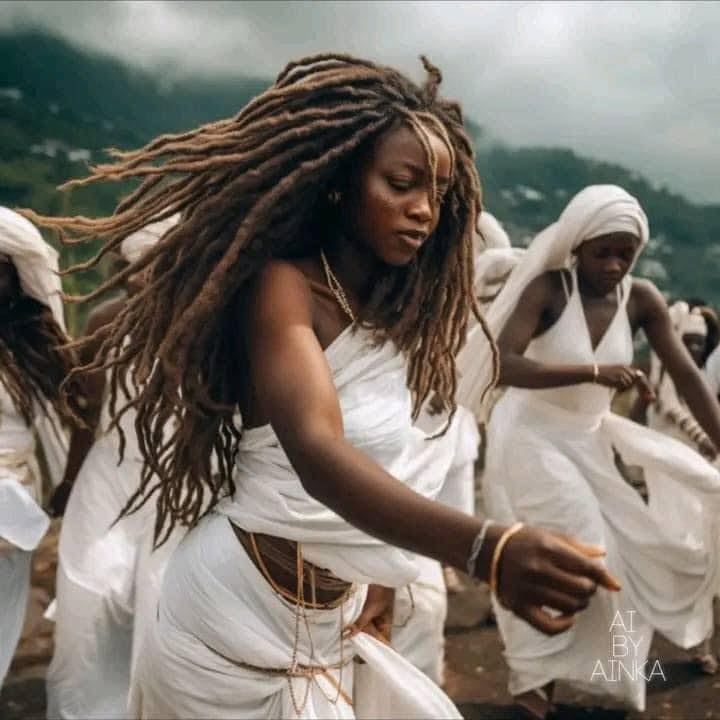
The beautiful burden of being Black is a paradox the world rarely understands. It is to carry a history lined with wounds and still walk with a grace that defies logic. It is to bear the weight of collective memory while radiating a joy that refuses to die. This burden is heavy, yet it glows—because Blackness, with all its complexity, is both a cross and a crown.

The burden is beautiful because it begins in brilliance. Before oppression, before colonization, before forced migration, there were nations of power: Kush, Axum, Kemet, Mali, Songhai, and countless others. These civilizations remind the descendants of Africa that their story started with royalty, scholarship, architecture, and spiritual depth. The weight of this legacy is not a hindrance; it is a gift.

Yet the burden became heavier as the transatlantic slave trade ripped families apart and scattered a people across continents. The trauma was immeasurable, the loss irreparable. Still, the burden did not break them. Even within the darkness of the Middle Passage, survival itself became a form of defiance. The beauty lies in the unimaginable strength it took for a people to endure what should have destroyed them.

The burden of being Black in America means carrying the memory of ancestors who labored without recognition, whose brilliance was masked by oppression, and whose identities were reduced to numbers on auction blocks. Yet the descendants of these same people walk with dignity, build communities, shape culture, and preserve faith. This resilience is sacred.

There is beauty in the burden because it forged a spiritual fortitude that becomes evident in every generation. Enslaved Africans found in the Bible a God who saw them, heard them, and walked with them through affliction. They clung to stories of Moses, David, Job, and Christ, discovering divine solidarity in suffering. Their theology, born in the shadows, would one day spark movements of liberation.

The burden is felt in every stereotype overcome, every barrier broken, every expectation exceeded. The world often expects Black people to shrink, yet they expand. They excel. They innovate. This persistent rising—whether in education, art, music, ministry, or activism—is a testimony that hardship cannot extinguish destiny. The beauty emerges in the excellence developed under pressure.

The burden also comes wrapped in the responsibility of representation. To be Black is often to be seen not as an individual but as a symbol—expected to stand strong, be flawless, succeed despite obstacles, and carry the weight of entire communities. This expectation is heavy. Yet the beauty is that Black people continue to rise to the moment, redefining greatness on their own terms.

The burden carries an inherited sorrow, a quiet ache passed down through generations. It lives in stories told around dinner tables, in photographs of relatives who lived through segregation, in the coded warnings parents give their children about how to move safely in the world. Yet even this sorrow is paired with joy—the laughter that fills family gatherings, the resilience that turns pain into poetry, and the hope that refuses to fade.

The beautiful burden is evident in art. From the spirituals of the enslaved to the blues of the Delta, from the jazz of Harlem to the soul of Motown, from hip-hop’s global influence to today’s cinematic masterpieces—Black creativity has always transformed pain into beauty. Art becomes a refuge, a witness, a rebellion, a healing balm.

The burden is felt in the fight for justice, where Black people have long stood at the front lines of movements for equality—not only for themselves but for the world. The Civil Rights Movement, the anti-lynching campaigns, the push for voting rights, and modern racial justice activism all reveal a people deeply committed to righteousness and human dignity. This burden is heavy, yet profoundly beautiful.

There is a burden in knowing that one’s history has been distorted or erased, that one’s ancestors are often misrepresented in textbooks or omitted altogether. Yet the beauty lies in the reclaiming. Black scholars, writers, theologians, and community leaders are restoring the narrative, gathering the fragments of history, and piecing together the truth with authority and pride.

The beautiful burden is carried in the body—melanin rich, historically politicized, culturally celebrated, spiritually significant. Blackness is admired, imitated, criticized, and commodified, often at the same time. The burden is navigating a world that covets Black culture but not Black people. Yet the beauty is in wearing one’s identity with pride in the face of contradiction.

The burden shows up in the constant need to explain, educate, and advocate, even when exhausted. Yet the beauty manifests in the strength of community: generations pouring into each other, sharing wisdom, building networks, and creating safe spaces where identity is affirmed and celebrated.

There is a burden in the existential fear passed down since slavery—the awareness that safety is never guaranteed. Yet the beauty is in the collective determination to protect, nurture, and advocate for life. Black families, churches, and communities become sanctuaries of healing, strength, and love.

The beautiful burden also includes the call to dream. To dream in a world that once outlawed Black literacy, Black autonomy, and Black mobility is revolutionary. Every Black achievement becomes both a personal triumph and a generational victory. Dreams carry the weight of ancestors but also the wings of possibility.

Ultimately, the beautiful burden of being Black is a paradox of power and pain. It is a story soaked in suffering yet overflowing with strength. It is an inheritance shaped by injustice yet crowned with glory. It is a testimony of a people who refused to be broken, whose voices echo across centuries, whose presence transforms nations, and whose identity shines with divine purpose.

The burden is beautiful because it proves that Blackness is not merely a category—it is a calling. A calling to endure. To rise. To create. To liberate. To love fiercely. To shine unapologetically. And to walk in the legacy of ancestors whose sacrifices laid the foundation for every step forward.

The beautiful burden of being Black is, ultimately, a sacred responsibility: to remember, to honor, to rise, and to continue telling a story too powerful for the world to ignore.

References:
Genesis 15:13–14 (KJV); Psalm 68:31; Isaiah 61:1–4; Deuteronomy 32:10–12; Franklin, J. H. From Slavery to Freedom; Diop, C. A. The African Origin of Civilization; Anderson, C. White Rage; Raboteau, A. Slave Religion; Hooks, B. Ain’t I a Woman?; Gates, H. L. The African Americans: Many Rivers to Cross.

Dilemma: Blackness

Photo by Wavy_ revolution on Pexels.com

The concept of Blackness embodies both divine purpose and societal marginalization. This paper explores the paradoxical experience of Black people: exalted by God yet diminished by the world. Drawing from Scripture, African historical scholarship, and sociocultural studies, the paper examines how Black identity has been misrepresented, appropriated, and simultaneously celebrated. The discussion addresses historical, psychological, and spiritual dimensions of Blackness, highlighting resilience, chosenness, and divine destiny.


Blackness represents more than a physical characteristic; it is a spiritual, cultural, and historical identity that has shaped civilizations, contributed to global progress, and faced systemic oppression. Historically, African civilizations such as Kemet, Mali, and Ethiopia exemplified innovation, scholarship, and governance, demonstrating Black excellence prior to European colonial interventions (Diop, 1974). Yet, contemporary social structures often fail to acknowledge this legacy, producing tension between inherent value and societal perception. This tension can be conceptualized as the “dilemma of Blackness”: exalted by God, yet diminished by human systems.


Divine Identity and Chosenness

Scripture affirms the divine purpose inherent in Black identity. “Ye are a chosen generation, a royal priesthood” (1 Peter 2:9, KJV). The Bible situates African peoples as integral to God’s plan, as evidenced in references to Cush, Ethiopia, and Egypt (Psalm 68:31, KJV; Acts 8:27, KJV). This divine chosenness establishes a spiritual framework for resilience, dignity, and legacy.


Historical Context of Oppression

Despite divine design, Black people have endured centuries of systemic oppression. Enslavement, colonialism, and institutionalized racism sought to erase cultural memory, distort identity, and suppress potential (Muhammad, 2010; Du Bois, 1903). Enslaved Africans were denied literacy, property, and familial autonomy, yet preserved spiritual practices and communal solidarity, demonstrating both resistance and divine fidelity (Fanon, 1967).


Cultural Appropriation and Misrepresentation

A critical facet of the dilemma is the simultaneous appropriation and marginalization of Black culture. Music, fashion, language, and spirituality have been widely adopted by global societies while the creators remain undervalued (Asante, 1988; hooks, 1995). This contradiction reinforces the paradoxical experience of Black identity: celebrated superficially but denied authentic acknowledgment.


Psychological Dimensions

The internalization of societal bias has produced psychological tension, as theorized by Du Bois (1903) in the concept of double consciousness. Black individuals navigate dual realities: embracing inherent worth while confronting misperceptions and prejudice. Psychological resilience emerges through community, faith, and cultural continuity, facilitating coping mechanisms in the face of persistent marginalization.


The Role of Faith

Faith has historically anchored Black identity. Spirituality and religion provided a lens for understanding suffering and endurance. The enslaved relied on faith-based songs, prayers, and scripture to sustain hope (“Let my people go”, Exodus 5:1, KJV). Contemporary Black communities continue to rely on biblical principles to navigate systemic inequities, affirming God as the ultimate arbiter of worth (Isaiah 54:17, KJV).


Resistance and Resilience

Blackness embodies resilience. Resistance has manifested through education, civil rights activism, entrepreneurship, and cultural preservation (Bell, 1992; Woodson, 1933). This resilience aligns with prophetic scripture: “No weapon that is formed against thee shall prosper” (Isaiah 54:17, KJV). Through trials, Black communities have transformed oppression into cultural, intellectual, and spiritual advancement.


Identity and Modern Society

In contemporary contexts, Black identity is often commodified. Social media, entertainment, and consumer culture showcase Black excellence aesthetically while minimizing structural support or historical context (Karenga, 2002). This commodification reflects a persistent societal discomfort with authentic Black power, echoing historical patterns of marginalization.


The Dilemma of Recognition

The tension between visibility and invisibility characterizes the dilemma. Black contributions are integral to global progress, yet Black people remain underrepresented in leadership, academia, and economic control (Muhammad, 2010; Asante, 1988). Recognition is partial, conditional, and often superficial, reinforcing the ongoing paradox.


The Spiritual Imperative

Spirituality provides a counter-narrative to worldly diminishment. By centering God as the source of identity, Black people navigate societal misunderstanding with divine perspective. “The steps of a good man are ordered by the Lord” (Psalm 37:23, KJV). Blackness is reframed not as a social liability but as a divine blessing and instrument of purpose.


Conclusion

Blackness represents both a historical challenge and a divine calling. The dilemma lies not in identity but in the world’s inability to reconcile with it. Black people embody resilience, creativity, and divinely ordained worth. The reconciliation of societal misperception with spiritual truth is ongoing. As the world struggles to comprehend Black excellence, faith and historical awareness provide the foundation for self-definition, legacy, and empowerment.


References

Asante, M. K. (1988). Afrocentricity: The theory of social change. African American Images.

Bell, D. (1992). Faces at the bottom of the well: The permanence of racism. Basic Books.

Diop, C. A. (1974). The African origin of civilization: Myth or reality. Lawrence Hill Books.

Du Bois, W. E. B. (1903). The souls of Black folk. A. C. McClurg & Co.

Fanon, F. (1967). Black skin, white masks. Grove Press.

hooks, b. (1995). Killing rage: Ending racism. Henry Holt and Co.

Karenga, M. (2002). Introduction to Black studies (3rd ed.). University of Sankore Press.

Muhammad, K. G. (2010). The condemnation of Blackness: Race, crime, and the making of modern urban America. Harvard University Press.

Woodson, C. G. (1933). The mis-education of the Negro. Associated Publishers.

Holy Bible, King James Version (KJV).

The Mirror and the Myth: Somali Identity, Colorism, and the Question of Blackness

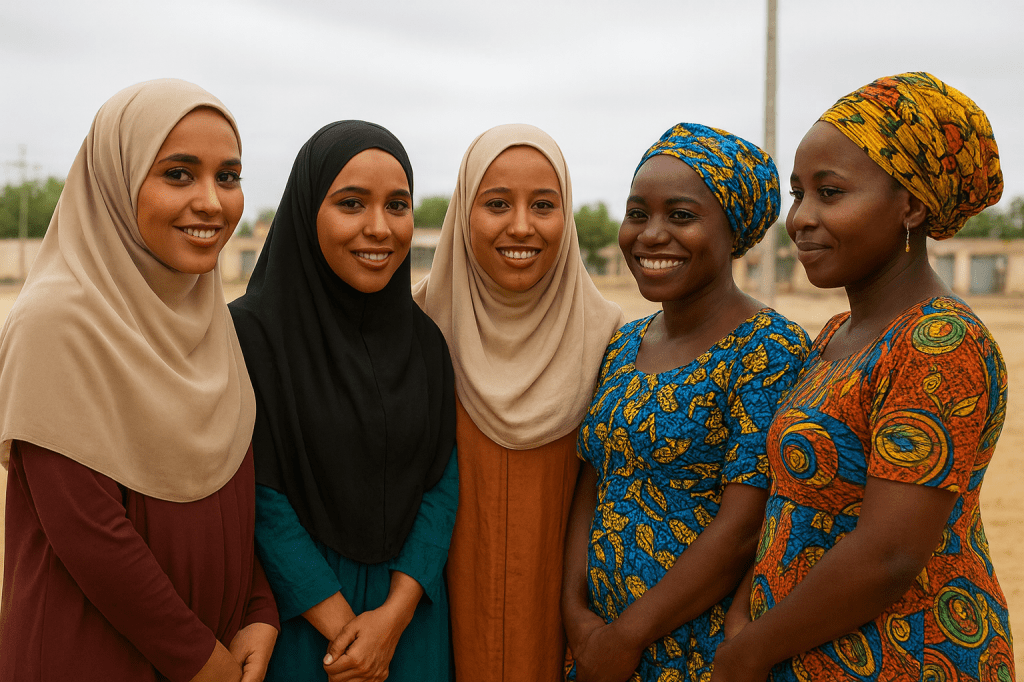
Somali identity sits at the crossroads of Africa, the Middle East, and the Indian Ocean world, shaped by centuries of migration, trade, and cultural blending. Because of this complex history, conversations about how some Somalis perceive Black people—and even how they perceive themselves—carry emotional, historical, and sociological weight. While it is inaccurate to claim that all Somalis dislike Black people, anti-Black attitudes indeed exist in parts of Somali society, much like in many cultures around the world influenced by colonialism and colorism.

The foundational issue is identity. Many Somalis see themselves not simply as “Black Africans,” but as Cushitic people, a linguistic and cultural group indigenous to the Horn of Africa. This Cushitic identity predates modern racial categories and often separates Somalis from other African ethnic groups in their own cultural memory. For some, this difference becomes a way to claim uniqueness rather than sameness.

Another layer is the historical Arabian connection. For over a thousand years, the Horn of Africa was tied to the Arabian Peninsula through trade, religion, and intermarriage. Somali clans trace parts of their lineage to Arab traders and Islamic scholars, especially after the spread of Islam in the 7th century. While genetic studies show that Somalis are overwhelmingly East African, the presence of some Arabian ancestry became culturally emphasized over time.

This emphasis contributed to a racial hierarchy that elevated proximity to Arab identity. Arab societies historically developed their own colorist and caste-like distinctions, and these ideas traveled back across the Red Sea. Within this framework, darker-skinned Africans were placed at the bottom, while “Arab-adjacent” identities were seen as more respectable. These beliefs influenced Somali beauty standards and self-perception.

Another contributing factor is colonialism. Italian and British powers reinforced racial categories that separated Somalis from other African groups. The more colonizers insisted Somalis were “not like other Africans,” the more some Somali elites embraced this distinction. Colonialism often amplifies preexisting anxieties, and racial hierarchy became a painful legacy that survived long after independence.

In many Somali communities, especially among diaspora youth, the tension around Black identity emerges from confusion rather than malice. Many grow up hearing conflicting narratives: that they are African, but not “Black”; that they are different, but not superior; that they should distance themselves from Blackness, yet they are racially profiled as Black everywhere they go outside Somalia. This creates an identity crisis.

Colorism further complicates the story. Lighter skin is often praised in Somali society, while darker skin may be stigmatized. These views are not unique to Somalis—they appear throughout Africa, the Middle East, and Asia due to global beauty standards shaped by colonialism, slavery, and media. In this system, “beauty” becomes racialized, and some people internalize the idea that proximity to Arab or Eurasian features is more desirable.

Because of these influences, some Somalis adopt an anti-Black worldview even while they themselves are viewed as Black in Western racial structures. This contradiction produces internalized tension and sometimes open prejudice. Yet, at the same time, there are many Somalis who identify proudly as Black, who celebrate African culture, and who reject colorism entirely. Somali societies are not monolithic.

Another significant factor is clan and ethnic hierarchy. Somali culture is deeply clan-oriented, and these hierarchies sometimes extend into attitudes toward neighboring African groups. Historically, pastoral communities often viewed agricultural or hunter-gatherer groups as socially inferior. Over time, these attitudes sometimes merged with racial ideas introduced through Arab societies and colonial rule.

The diaspora experience reshapes Somali identity in new ways. Young Somalis in the West often become more aware of race because they face the same racism as African Americans and other Black people. Many begin to question the old narratives and reject anti-Blackness, choosing instead to embrace broader Black solidarity. Others, however, cling to ideas of distinction as a coping mechanism for racism.

When people ask why some Somalis “think they are beautiful,” the deeper issue is that global beauty standards themselves are warped. Many societies have been conditioned to associate beauty with specific features—lighter skin, looser hair, narrow noses—because these were historically tied to social status and power. In Somali communities, beauty is often associated with a blend of Cushitic, Afro-Arab, and East African phenotypes. This has nothing to do with superiority and everything to do with cultural conditioning.

Moreover, Somali beauty is frequently celebrated within the global modeling and fashion world. This external validation reinforces cultural pride but can also unintentionally deepen colorist tendencies. When beauty becomes linked to specific features rather than the full spectrum of Somali diversity, it fuels exclusion and competition.

The question of “what is going on with them?” cannot be answered with a single explanation. Instead, Somali attitudes toward Blackness are shaped by layers of history—Arab influences, colonial classifications, clan structures, colorism, migration, and modern media. These forces shape self-perception, sometimes in harmful ways, but they are not fixed or universal.

There are many Somalis who actively challenge anti-Blackness, educate their communities, and advocate for unity with the broader African diaspora. Activists, scholars, and artists within Somali communities speak openly about dismantling these internalized biases. They argue that Black identity is not something to avoid, but something to honor and embrace.

At the same time, it is important to recognize that conversations about Somali identity must be nuanced. No ethnic group is uniformly prejudiced or uniformly enlightened. Just as some Somali individuals hold anti-Black beliefs, many others are deeply committed to solidarity, justice, and cross-cultural understanding.

It is also essential to avoid narratives that paint Somalis as uniquely problematic. Anti-Blackness is a global phenomenon—found in Arab countries, Asian countries, Latin America, Europe, and even among some Africans. Somali society reflects this global influence, not an inherent flaw.

Ultimately, the relationship between Somalis and Black identity is a story of internal conflict shaped by external forces. It reflects a broader truth: colonization, racial hierarchy, and colorism have left deep scars across the world. Healing requires honest dialogue, historical literacy, and intentional unlearning.

When Somalis embrace the fullness of their East African heritage, they challenge the myth of separation. When they reject colonial beauty hierarchies, they dismantle the internalized shame that feeds colorism. When they stand in solidarity with other Black communities, they reclaim a shared history of resilience, faith, and cultural pride.

In the end, identity is not just what one inherits—it is also what one chooses. And many Somalis today are choosing a narrative of unity rather than division, truth rather than myth, and empowerment rather than stigma.


References

Abdi, C. M. (2015). Elusive Jannah: The Somali Diaspora and Borderless Muslim Identity. University of Minnesota Press.
Lewis, I. M. (2002). A Modern History of the Somali. James Currey.
Samatar, A. I. (1994). The Somali Challenge: From Catastrophe to Renewal? Lynne Rienner.
Hassan, M. (2017). “Anti-Blackness in the Arab and Horn Regions.” Journal of African Studies, 44(2), 215–231.
Harper, K. (2019). Colorism and the Horn of Africa: Historical Roots and Modern Realities. Routledge.
Ali, N. (2021). “Somali Identity in the Diaspora: Negotiating Blackness, Islam, and Migration.” Diaspora Studies, 14(1), 55–73.

Dilemma: Black Skin

The dilemma of Black skin is not biological—it is psychological, historical, and inherited through trauma. A pigment that should signify life, lineage, and divine creativity was weaponized into a mark of subjugation and dehumanization, though scripture never framed hue as inferiority. “I am black, but comely” (Song of Sol. 1:5, KJV).

Slavery altered more than labor systems; it attempted to rewrite identity itself. Black skin became a symbol falsely associated with divine rejection, though the Bible affirms that God formed all mankind intentionally. “The Lord hath made all things for himself” (Prov. 16:4, KJV).

The transatlantic slave trade kidnapped the body, but racism imprisoned the mind. Europeans repainted the theology of beauty with whiteness centered at the altar, planting a spiritual lie that melanated bodies were errors, not divine authorship. Yet God is the original designer. “Thine eyes did see my substance, yet being unperfect” (Psa. 139:16, KJV).

Negativity surrounding Black skin was not seeded in scripture but in propaganda. Colonizers inverted Ham’s lineage in Genesis into a false theology of skin-based curses, though the Bible speaks no such thing. The curse in Genesis was upon Canaan’s servitude, not complexion (Gen. 9:25, KJV).

Africa was the first cradle of human expansion. Ham’s sons—Cush, Mizraim, Put—are founders of African nations (Gen. 10:6, KJV). This means Black presence was at creation, migration, and worship’s dawn, not its aftermath.

Racism engineered theology into hierarchy. Whiteness monopolized the image of God, angels, and salvation, even though scripture gives cosmic freedom in who God calls by name. “Princes shall come out of Egypt; Ethiopia shall soon stretch out her hands unto God” (Psa. 68:31, KJV).

Colorism is racism’s domestic offspring. When a system wounds a nation long enough, the wounded begin competing in hue rather than healing in humanity. But God’s salvation is soul-deep, not skin-deep. “For man looketh on the outward appearance, but the Lord looketh on the heart” (1 Sam. 16:7, KJV).

Dark skin was mislabeled as labor-grade, not beauty-laced. The marketplace economy of slavery placed price tags on phenotype: lighter brought economic advantage, darker brought harsher labor assignment. This distortion still echoes in modern Black cultural psychology.

Black children grew up watching the world praise fairness while punishing richness. This interior conflict creates a dilemma: loving the color you wear while living in a society that still worships the opposite.

Racism convinces Black women that beauty requires editing Blackness itself. From skin bleaching to hair humiliation, the world teaches Black women to apologize for melanin instead of honoring it. Yet scripture reverses the shame of appearance. “He hath made every thing beautiful in his time” (Eccl. 3:11, KJV).

Black men carry the burden of being feared because of their shade and frame. Their complexion was interpreted socially as aggression rather than image-bearer dignity, though the Bible describes strength without equating it to moral corruption. “Be strong and of a good courage” (Josh. 1:9, KJV).

Negativity surrounding Black skin created a spiritual orphaning. Many Blacks converted into religions that used the Bible to comfort them but never used theology to defend their identity’s sacred legitimacy.

Melanin became a theological insecurity rather than a cultural crown. Black skin was reinterpreted into a social problem instead of a sacred narrative of ancestral resilience, divine endurance, and survival.

Scripture affirms that God stands with the suffering and oppressed, not the complexion they are suffering in. “He shall judge the poor of the people, he shall save the children of the needy” (Psa. 72:4, KJV) makes it clear that injustice draws God’s advocacy, not His agreement.

Christianity as preached on plantations tried to pacify revolt while ignoring identity theft. But scripture tells another story: God delivers the oppressed into restored dignity, not silent submission. “Let my people go” (Exo. 5:1, KJV).

Black skin was the canvas on which oppression attempted to permanently paint shame. But the Bible shows that suffering does not rewrite chosenness. “If ye endure chastening, God dealeth with you as sons” (Heb. 12:7, KJV).

Colorism wounded Black women into ranks of attractiveness based on gradients. The dilemma of pigmentation hierarchy taught Black mothers to desire lighter children, reflecting trauma rather than preference.

Racism built entire institutions to oppose Black elevation. Still, scripture promises divine reversal in seasons of suffering. “And the Lord thy God will turn thy captivity… and have compassion upon thee” (Deut. 30:3, KJV).

Black skin is now undergoing reclamation. The dilemma remains, but so does restoration theology. “Be renewed in the spirit of your mind” (Eph. 4:23, KJV) suggests transformation is mental liberation first.

The world tried to make Blackness symbolic of sin, foolishness, servitude, and ugliness. But scripture gives voice to beauty where culture denied it. “I will make mention of Rahab and Babylon to them that know me: behold Philistia, and Tyre, with Ethiopia; this man was born there” (Psa. 87:4, KJV).

The dilemma of Black skin is therefore a theological confrontation: rejecting the doctrine of racial inferiority, dismantling internalized oppression, calling melanin beautiful without apology, and reclaiming skin not as dilemma but testimony.

Black identity was not born in chains, curse, or erasure—it was born under heaven’s architecture, exiled through suffering, yet promised redemption. “For I know the thoughts that I think toward you, saith the Lord, thoughts of peace, and not of evil” (Jer. 29:11, KJV).

The final transformation is from shame to sacred remembrance. The original mark of identity was not color—but creation intent. And creation intent cannot be rewritten by captivity. “The gifts and calling of God are without repentance” (Rom. 11:29, KJV).


References

The Holy Bible, King James Version. (1611). Cambridge University Press.
Douglass, F. (1845). Narrative of the Life of Frederick Douglass, an American Slave. Anti-Slavery Office.
Hunter, M. (2007). “The Persistent Problem of Colorism.” Sociology Compass, 1(1), 237-254.
Walker, A. (1983). In Search of Our Mothers’ Gardens. Harcourt.

The Phenomenon of Blackness

Blackness is not merely a skin color; it is a lived experience, a cultural identity, a historical journey, and a spiritual inheritance. It carries the weight of ancestry, the rhythm of heritage, and the resilience of a people who have endured centuries of oppression and still flourish.

The phenomenon of Blackness is both visible and invisible. It is seen in skin, hair, and features, but its essence is found in culture, knowledge, spirituality, and shared memory. Blackness embodies history and identity simultaneously.

Historically, Blackness has been racialized and criminalized, shaped by the transatlantic slave trade, colonialism, and systemic oppression. Yet, despite these forces, Black people have maintained a sense of collective self and cultural continuity.

Blackness is an expression of resistance. From revolts on slave ships to the civil rights movement, it has embodied the refusal to be erased. Its power lies in the persistent assertion of dignity, intellect, and humanity in the face of dehumanization.

Spiritually, Blackness has been a vehicle of survival. Enslaved Africans and their descendants transformed suffering into faith. Spirituals, hymns, and religious gatherings sustained the soul, creating a framework of hope that transcended the physical hardships of bondage.

The phenomenon of Blackness is artistic. Music, dance, literature, and visual arts have always been vessels for expression, protest, and storytelling. Jazz, blues, hip-hop, and African diasporic art forms are not merely entertainment—they are cultural testimony.

Blackness also carries a linguistic richness. From African languages adapted in the diaspora to African American Vernacular English, speech has been a tool of identity, solidarity, and resistance. Language preserves memory, encodes history, and signals belonging.

Culturally, Blackness fosters community. Families, neighborhoods, and churches have historically been sanctuaries of support and education. The collective ethos emphasizes survival, teaching, mentorship, and protection, which has enabled Black communities to flourish despite systemic obstacles.

Blackness intersects with science and genetics. Studies of Y-DNA haplogroups, such as E1B1A, trace the lineage and migrations of African peoples, revealing resilience in continuity and adaptation across continents and centuries. Biological identity reinforces cultural and historical identity.

The phenomenon of Blackness is political. Black communities have historically mobilized to secure rights, challenge oppression, and redefine narratives. Leaders like Marcus Garvey, Malcolm X, and Fannie Lou Hamer exemplify the political consciousness inherent in Black identity.

Blackness is also intellectual. Black scholars, scientists, and thinkers have made profound contributions to global knowledge. Despite educational barriers, Black intellectualism has persisted, forming a continuous legacy of inquiry, creativity, and excellence.

Colorism, within and outside of the Black community, has complicated the perception of Blackness. Shades of skin carry social meanings shaped by colonial hierarchies, but true Black identity transcends pigment, existing as an internalized consciousness of heritage and self-worth.

Blackness manifests in spirituality beyond organized religion. African spiritual traditions, rituals, and cosmologies survived the Middle Passage and influenced diasporic religious practices. These systems provided moral, ethical, and cosmological frameworks that sustained communities.

Blackness is global. From the Americas to Europe, the Caribbean, and Africa, the Black experience is interconnected. The diaspora carries shared histories of struggle, resistance, and triumph that transcend national borders.

The phenomenon of Blackness is generational. Ancestral memory, oral traditions, and historical knowledge link generations. African Americans and Africans alike draw strength from the wisdom and resilience of forebears, creating a bridge between past and future.

Blackness is also aesthetic. Beauty standards, fashion, hairstyles, and adornment reflect cultural pride and identity. These expressions communicate dignity, creativity, and self-affirmation, challenging Eurocentric ideals.

Economically, Blackness has navigated systemic barriers to achieve entrepreneurship, wealth creation, and innovation. From Black Wall Street to contemporary Black-owned businesses, economic resilience is central to the ongoing expression of Black identity.

Blackness is emotional and psychological. The legacy of trauma intersects with pride, hope, and joy. This duality—pain tempered by celebration—reflects a complex consciousness that is both historical and present, personal and collective.

The phenomenon of Blackness continues to evolve. Migration, globalization, and digital media have expanded the expression of culture, creating new avenues for cultural exchange, identity formation, and social influence. Blackness remains dynamic, resilient, and adaptive.

Ultimately, Blackness is a testament to endurance, creativity, and divine purpose. It embodies a spiritual, cultural, and historical continuum that cannot be erased. To study Blackness is to witness resilience, intelligence, artistry, and faith manifested over centuries.


References

Diop, C. A. (1989). The African origin of civilization: Myth or reality. Lawrence Hill Books.

Gates, H. L. (2011). In search of our roots: How 19 extraordinary African Americans reclaimed their past. Crown.

Graves, J. L. (2017). The emperor’s new clothes: Biological theories of race at the millennium. Rutgers University Press.

Hine, D. C., McCluskey, A. T., & McDaniel, A. (2012). The African American odyssey. Pearson.

Woodson, C. G. (2021). The mis-education of the Negro. Dover.

West, C. (2017). Race matters. Beacon Press.

Pretty Privilege Series: Beauty Without Borders — Restoring the Full Spectrum of Blackness.

This photograph is the property of its respective owner. No copyright Infringement intended.

Beauty has always been contested ground, a terrain where power, culture, and identity collide. For people of African descent, the question of beauty is deeply entangled with histories of slavery, colonialism, and white supremacy. The privileging of light skin and Eurocentric features has long marginalized darker-skinned men and women, creating a hierarchy within the Black community itself. “Pretty privilege” is often granted selectively, leaving the richness of Blackness fragmented instead of embraced in its fullness.

The phrase Beauty Without Borders calls us to dismantle these false boundaries. It challenges the lie that only certain shades, hair textures, or facial features are beautiful, while others are devalued. God created the “full spectrum of Blackness,” from the deepest ebony to the lightest brown, from tight coils to loose curls, each carrying divine intention. Scripture affirms, “I will praise thee; for I am fearfully and wonderfully made” (Psalm 139:14, KJV). Any system that denies this truth is a distortion of God’s design.

Historically, pretty privilege in the Black community is a colonial residue. During slavery, lighter-skinned enslaved people were often given roles inside the house, while darker-skinned people were forced to labor in the fields. This artificial division sowed seeds of mistrust and envy that still linger. What began as a tool of control has evolved into a system of internalized bias that shapes dating, employment, and self-esteem.

Psychology recognizes the damaging impact of colorism. Research shows that darker-skinned individuals often face harsher judgments, fewer opportunities, and lower levels of perceived attractiveness compared to lighter-skinned peers (Hunter, 2007). These biases function even within communities of color, revealing how deeply internalized oppression becomes. Beauty, once a gift of identity, is turned into a weapon of division.

At the heart of pretty privilege is authenticity lost. When Blackness is reduced to a narrow ideal, the wide heritage of African beauty is erased. The straightened hair, bleached skin, or surgically altered features testify to a world that demands conformity to white aesthetics. Yet, “Can the Ethiopian change his skin, or the leopard his spots?” (Jeremiah 13:23, KJV). God did not make a mistake in creating Blackness. To deny one’s natural self is to deny a portion of His craftsmanship.

The restoration of Black beauty requires breaking free from envy and competition. Too often, darker-skinned women are told they are “less desirable,” while lighter-skinned women are accused of being “privileged frauds.” Both are victims of the same oppressive system. Instead of fighting each other, the call is to unite, affirming that “the eye cannot say unto the hand, I have no need of thee” (1 Corinthians 12:21, KJV). All shades and textures are essential to the wholeness of Black identity.

Black men also suffer under pretty privilege. Those with darker complexions are often stereotyped as dangerous or hyper-masculine, while lighter-skinned men may be viewed as “softer” or less authentic. These caricatures rob men of individuality and humanity. True liberation allows every man to embrace his God-given identity without the burden of imposed stereotypes.

Another layer is media representation. The entertainment industry frequently elevates a single “acceptable” type of Black beauty, often lighter and closer to European standards. This limited visibility reinforces the idea that only one look is marketable. The body of Christ, however, rejects such favoritism: “But if ye have respect to persons, ye commit sin” (James 2:9, KJV). Favoring one shade over another is a spiritual as well as cultural injustice.

Pretty privilege also intersects with economic systems. Beauty standards often dictate who is hired, promoted, or endorsed. Studies show that skin tone can influence income levels, with lighter-skinned individuals sometimes earning more than darker-skinned peers with similar qualifications (Monk, 2014). In this sense, beauty bias becomes structural racism in disguise.

Theological reflection reveals a deeper wound. When people internalize the belief that only certain forms of Blackness are valuable, they align more with Pharaoh than with God. Pharaoh sought to oppress, to divide, and to strip identity. God, by contrast, affirms freedom, dignity, and beauty. The Song of Solomon reminds us of the beloved who declares: “I am black, but comely” (Song of Solomon 1:5, KJV). Her words reject shame and affirm worth.

Restoring beauty without borders requires healing from envy. Jealousy fuels division, making one sister resent another’s complexion or one brother mock another’s features. But envy corrodes love. Scripture warns: “Wrath is cruel, and anger is outrageous; but who is able to stand before envy?” (Proverbs 27:4, KJV). The fight is not with each other but with the system that taught us to hate ourselves.

It also requires courage to stand against assimilation. To wear natural hair in a workplace, to reject skin-lightening creams, or to affirm dark skin in a culture that worships lightness is a radical act. This courage reflects the biblical call to resist conformity: “Be not conformed to this world: but be ye transformed by the renewing of your mind” (Romans 12:2, KJV).

Education plays a role in this restoration. Children must be taught from a young age that their beauty is not conditional. Dolls, storybooks, and media must reflect the full range of Blackness. Without this affirmation, young girls and boys may grow up doubting their worth, seeking validation in destructive ways.

Community is equally vital. A supportive community celebrates every shade, affirms natural beauty, and challenges colorist jokes or biases. Churches especially have a responsibility to dismantle these patterns, modeling inclusivity and love. After all, the kingdom of God is not divided by shade but united by spirit.

Psychology teaches that affirmations and representation can rewire negative beliefs. Exposure to diverse images of beauty can disrupt the internalized hierarchy of skin tone (Burke, 2019). This aligns with Scripture’s command to renew the mind, for transformation begins with thought.

In practice, restoring beauty without borders means celebrating African features globally. Broad noses, full lips, kinky hair, and dark skin should not only be accepted but exalted as beautiful. These features tell stories of resilience, heritage, and divine artistry. They are markers of identity, not liabilities.

The movement also calls for accountability in industries that perpetuate bias. Fashion, film, and advertising must be challenged to widen their representation. Token inclusion is not enough. Full restoration means full spectrum visibility.

Ultimately, pretty privilege is dismantled not just by redefining beauty but by grounding it in God’s truth. “Man looketh on the outward appearance, but the Lord looketh on the heart” (1 Samuel 16:7, KJV). True beauty radiates from character, integrity, and love. External features, no matter how celebrated or scorned, are only temporary.

The vision of Beauty Without Borders is both cultural and spiritual. It is a call to honor the artistry of God in the Black body. It is a challenge to uproot envy, favoritism, and bias. And it is a promise that restoration comes when we see each other fully, without restriction.

When the spectrum of Blackness is embraced, the community heals. Daughters will grow up knowing they are beautiful as they are. Sons will walk without the burden of stereotypes. And the entire community will reflect the glory of a God who makes no mistakes.

In this way, beauty without borders is not just a concept but a prophetic vision. It restores dignity, dismantles lies, and brings honor back to the full spectrum of Blackness—a beauty that was always complete in God’s eyes.


References

  • Burke, M. (2019). Colorism and the Politics of Skin Tone in the Black Community. Sociology Compass, 13(6), e12693.
  • Hunter, M. (2007). The Persistent Problem of Colorism: Skin Tone, Status, and Inequality. Sociology Compass, 1(1), 237–254.
  • Monk, E. P. (2014). Skin Tone Stratification among Black Americans, 2001–2003. Social Forces, 92(4), 1313–1337.
  • Holy Bible, King James Version.

Unapologetic Blackness

This photograph is the property of its respective owners. No copyright infringement intended.

Unapologetic Blackness is the affirmation of Black identity, culture, and dignity without shame, compromise, or the need for validation from dominant cultural narratives. To be unapologetically Black is to embrace one’s heritage, history, and uniqueness with confidence, while resisting the systems of racism, colorism, and assimilation that attempt to diminish or erase Blackness. It is both a cultural and spiritual declaration of self-worth, resilience, and God-given identity.

At its core, unapologetic Blackness is about living authentically as a Black person without shrinking in spaces where whiteness is centered or where stereotypes attempt to dictate how Black people should behave. It means refusing to apologize for natural hair, darker skin tones, African heritage, vernacular, or cultural expression. As Psalm 139:14 (KJV) reminds us, “I will praise thee; for I am fearfully and wonderfully made.” Blackness is not something to erase—it is part of God’s intentional creation.

Living Unapologetically Black
Living this out requires self-love, cultural pride, and resistance to societal pressures of assimilation. It means celebrating natural hairstyles, speaking boldly about injustice, supporting Black-owned businesses, and affirming Black excellence in academics, arts, science, and faith. It is also about spiritual resilience—seeing oneself as part of God’s chosen work in history. Deuteronomy 7:6 (KJV) declares, “For thou art an holy people unto the LORD thy God: the LORD thy God hath chosen thee to be a special people unto himself, above all people that are upon the face of the earth.”

Examples of Unapologetic Blackness
Examples can be found in leaders like Malcolm X and Angela Davis, who resisted systems of oppression; in artists like Nina Simone, who used music as protest; and in everyday Black women and men who choose authenticity in hostile environments. Unapologetic Blackness also appears in cultural movements such as Black Lives Matter, Afrocentric fashion, or natural hair advocacy, all of which assert the beauty and value of Blackness on its own terms.

The Psychology of Black People
Psychologically, Black people have endured centuries of systemic trauma from slavery, segregation, and racism. Yet, they have also demonstrated profound resilience, developing adaptive coping mechanisms through community, faith, music, and storytelling (Akbar, 1984). Being unapologetically Black helps undo the psychological damage of internalized racism by affirming identity rather than hiding it. In psychological terms, it promotes positive racial identity development and strengthens mental health.

Societal and Global Effects
Globally, unapologetic Blackness challenges anti-Blackness that exists across nations. In Latin America, India, and parts of Asia, anti-Blackness manifests in colorism and discrimination against African-descended people. When Black individuals and communities live unapologetically, they shift global consciousness, proving that Blackness is not a deficit but a strength. This creates ripple effects in representation, policy, and social justice movements worldwide.

The Psychological Impact of Being Unapologetically Black
The psychological impact is liberating. Black individuals who embrace their identity often experience higher self-esteem, stronger community bonds, and reduced anxiety related to assimilation pressures. Conversely, denying or suppressing Black identity can cause internal conflict and psychological distress. Romans 12:2 (KJV) reminds believers not to be “conformed to this world” but to be transformed by God’s truth—a principle that aligns with resisting oppressive systems.

Black people are special not only because of cultural richness, creativity, and resilience but also because of their historical and biblical significance. Many scholars connect the African diaspora to biblical Israelite heritage, emphasizing endurance through suffering and deliverance by God’s hand. In addition, the global influence of Black culture—in music, fashion, language, and art—shows the unique contribution of Black people to humanity as a whole.

Conclusion: What It Means to Be Unapologetically Black
To be unapologetically Black means to live in the fullness of one’s God-given identity, refusing to allow racism, colonialism, or assimilation to dictate worth. It is about celebrating melanin, honoring ancestral struggles, embracing cultural roots, and walking boldly in faith. As Galatians 5:1 (KJV) declares, “Stand fast therefore in the liberty wherewith Christ hath made us free, and be not entangled again with the yoke of bondage.” Unapologetic Blackness is freedom—spiritual, psychological, and cultural. It is both a declaration of survival and a proclamation of divine purpose.


References

  • Akbar, N. (1984). Africentric Social Sciences for Human Liberation. Journal of Black Studies.
  • Hunter, M. (2007). The Persistent Problem of Colorism: Skin Tone, Status, and Inequality. Sociology Compass.
  • The Holy Bible, King James Version (KJV).

Dilemma: White Supremacy

Photo by David Henry on Pexels.com

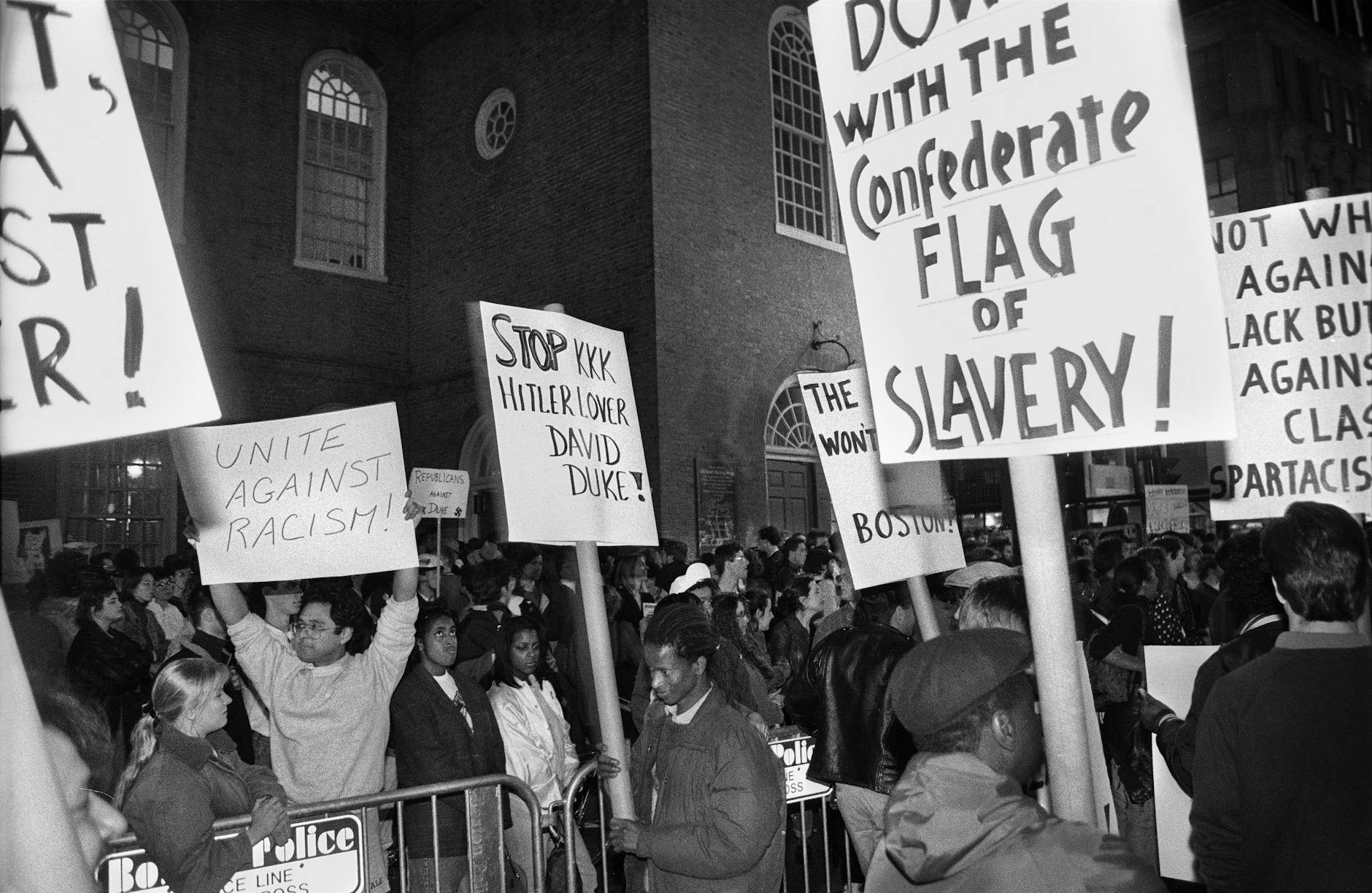
“The white race is the dominant race in America, and the black race is inferior.” — David Duke, former Grand Wizard of the Ku Klux Klan .Southern Poverty Law Center

White supremacy is a deeply ingrained ideology asserting the inherent superiority of white people over all other races. This belief system has been central to the social, political, and economic structures of many societies, particularly in the United States. Its origins can be traced back to the colonial era, where European powers justified the enslavement and subjugation of African peoples through pseudo-scientific and theological rationales.


Historical Origins and the Role of the Ku Klux Klan

The formalization of white supremacy in the United States was significantly influenced by the founding of the Ku Klux Klan (KKK) in 1865. Established by six Confederate veterans in Pulaski, Tennessee, the Klan aimed to restore white dominance in the post-Civil War South through terror and intimidation. The KKK’s activities included lynchings, arson, and other forms of violence directed at Black individuals and their allies.TIMEWikipedia+1

While the Klan was officially disbanded in the 1870s, its ideology persisted and resurfaced in various forms throughout American history, including during the Civil Rights Movement of the 1960s and in contemporary white nationalist groups.


The Premise of White Supremacy

At its core, white supremacy posits that white people are inherently superior to people of all other races and therefore should dominate society. This belief has been perpetuated through various means, including legislation, cultural norms, and institutional practices that privilege white individuals while marginalizing others.

The premise of white supremacy is often supported by distorted interpretations of religious texts and pseudo-scientific theories that dehumanize non-white populations. For instance, the “Curse of Ham” narrative was historically used to justify the enslavement of Black people by misinterpreting biblical passages .The Banner


Manifestations in Contemporary Society

In modern times, white supremacy manifests in various aspects of life, including employment, education, housing, and criminal justice. Black individuals often face systemic barriers such as discriminatory hiring practices, unequal educational opportunities, and over-policing, which hinder their ability to achieve economic stability and social mobility.

Psychologically, the pervasive nature of white supremacy can lead to internalized racism among Black individuals, affecting their self-esteem and mental health. Studies have shown that exposure to racial discrimination is associated with increased stress and adverse health outcomes .American Psychological Association


Biblical Perspectives and Misinterpretations

The Bible does not support the notion of racial superiority. In fact, passages such as Galatians 3:28 emphasize the equality of all people in Christ: “There is neither Jew nor Greek, slave nor free, male nor female, for you are all one in Christ Jesus.” However, throughout history, certain groups have misused scripture to justify racial hierarchies, citing misinterpretations like the “Curse of Ham” to rationalize the enslavement and oppression of Black people .GotQuestions.blogThe Banner


Psychological Impact on Black Americans

The psychological effects of white supremacy on Black Americans are profound and multifaceted. Chronic exposure to racism can lead to mental health issues such as anxiety, depression, and post-traumatic stress disorder (PTSD). Moreover, the constant need to navigate a society that devalues their existence can result in a diminished sense of self-worth and identity .


Global Perspectives on White Supremacy

While white supremacy is most prominently associated with the United States, it is not confined to its borders. Countries like Israel, Myanmar, and South Korea have faced criticism for racial discrimination and human rights violations against minority groups . These global instances highlight the pervasive nature of racial hierarchies and the need for international efforts to combat them.U.S. News & World Report


Steps of White Supremacy

White supremacy operates through several key mechanisms:

  1. Ideological Justification: Promoting beliefs and narratives that dehumanize non-white populations.
  2. Institutionalization: Embedding discriminatory practices within societal institutions such as schools, workplaces, and the legal system.
  3. Cultural Reinforcement: Perpetuating stereotypes and biases through media and cultural representations.
  4. Violence and Intimidation: Employing physical force and threats to maintain dominance and suppress resistance.

Accountability and Responsibility

Responsibility for perpetuating white supremacy lies not only with overt hate groups but also with institutions and individuals who uphold and benefit from systemic racism. This includes policymakers, educators, and media figures who perpetuate or fail to challenge discriminatory practices and narratives.


Personal Narratives and Experiences

Individuals who have experienced white supremacy often recount stories of exclusion, discrimination, and violence. For example, during the Civil Rights Movement, activists like Rosa Parks and Martin Luther King Jr. faced systemic oppression and personal threats as they challenged racial injustices. Their resilience underscores the profound impact of white supremacy on personal lives and the collective struggle for equality.


The Esteem of Whiteness

The elevation of whiteness can be attributed to historical power dynamics where white individuals established and maintained control over resources, institutions, and narratives. This dominance was reinforced through laws, social norms, and economic systems that privileged white people and marginalized others.


Global Impact and Worst Offenders

Globally, white supremacy manifests in various forms, including colonialism, apartheid, and neo-imperialism. Countries with histories of colonial exploitation, such as Belgium in the Congo and the United Kingdom in India, have legacies of racial hierarchies that continue to affect post-colonial societies.


Conclusion

White supremacy is a pervasive ideology with deep historical roots and widespread contemporary implications. Its impact on Black Americans is profound, affecting their psychological well-being, social mobility, and sense of identity. Addressing white supremacy requires a concerted effort to dismantle systemic racism, promote equity, and foster a culture of inclusion and respect for all individuals, regardless of race.

References

  • Southern Poverty Law Center. (n.d.). David Duke. Retrieved from
  • History.com Editors. (2020, June 25). Ku Klux Klan: Origin, Members & Facts. HISTORY. Retrieved from
  • American Psychological Association. (n.d.). Racism and Mental Health. Retrieved from
  • Bible Odyssey. (n.d.). The Legacy of the Bible in Justifying Slavery. Retrieved from
  • Boston Review. (2019, November 14). Toward a Global History of White Supremacy. Retrieved from
  • Southern Poverty Law Center. (2018, August 14). White Shadow: David Duke’s Lasting Influence on American White Supremacy. Retrieved from
  • Wikipedia contributors. (2023, December 24). Ku Klux Klan. In Wikipedia, The Free Encyclopedia. Retrieved from
  • Wikipedia contributors. (2023, December 24). White supremacy. In Wikipedia, The Free Encyclopedia. Retrieved from

Media Mirrors: How Hollywood Shapes the World’s View of Blackness

Photo by Paul Deetman on Pexels.com

Hollywood doesn’t just entertain—it educates, influences, and often distorts global understanding of what it means to be Black. Through both its celebrated icons and its systemic blind spots, the film industry plays a profound role in shaping identity, aspiration, and prejudice. Drawing on reflections from Halle Berry, Denzel Washington, Viola Davis, and Blair Underwood, this article examines how media representation reverberates across borders—and what that means for Black communities everywhere.


1. The Power of Representation: Breaking Ground and Limiting Legacies

Halle Berry, the first—and still only—woman of color to win the Academy Award for Best Actress (for Monster’s Ball, 2002), reflects on her victory with tempered hope. She hoped it would open doors—but nearly two decades later, remains the lone woman of color honored in that category. Despite incremental changes, Berry describes Hollywood’s progress as slow and calls for more honest storytelling that reflects the real diversity of culture and experience.Vanity FairGlamour

Denzel Washington recently shared a deeply emotional response upon watching Black Panther, saying “he ‘cried a little bit’… felt like the baton had been passed” to a younger generation of Black actors. His joy reflects both pride and readiness for broader representation.People.com

These testimonies affirm how rare and symbolic truly groundbreaking achievements remain—and how they resonate internationally.

Icons, Audiences, and Global Resonance

Actors like Halle Berry, Denzel Washington, Viola Davis, Blair Underwood, and others, have become globally recognized symbols of Black excellence. Their talent and accolades draw admiration worldwide, yet their individual experiences reveal systemic limitations.

In the upcoming documentary Number One on the Call Sheet, actors—including Washington, Berry, Murphy, Union, Davis, Jordan, Kaluuya, and Erivo—reflect on how being a leading name in Hollywood remains a powerful statement of representation and a symbol of Black presence at the highest level of storytelling.People.com

These icons show that global admiration exists—but it’s also conditional, often tied to rare breakthroughs rather than sustained structural inclusion.


Spike Lee: A Filmmaker as Cultural Provocateur

As a towering figure in Black cinema, Spike Lee offers a vivid case study of Hollywood’s influence—and its contradictions.

  • Origins & Self-Made Drive
    Lee’s breakthrough came with She’s Gotta Have It, funded through handwritten letters and collecting cans—“Kickstarter before there was Kickstarter.”The Guardian This underlines both the ingenuity and the necessity of self-reliance for Black creators.
  • Demanding Authentic Storytelling
    When Lee directed Malcolm X, he insisted on a Black director, stating: “White Americans will never know what it feels like to be an African-American in this country.”Los Angeles Times
    This insistence enabled unmatched authenticity—allowing access to Malcolm’s inner circle, Mecca, and narrative frameworks that a white director likely couldn’t achieve.
  • Challenging Stereotypes through Satire
    In Bamboozled, Spike Lee dissected and satirized media’s racist stereotypes—portraying Black actors in minstrel roles to expose Hollywood’s complicity. Though a box-office failure, it later gained cult status and was added to the U.S. National Film Registry for its cultural significance.Wikipedia The world now recognizes its sharp critique of Black portrayal, years ahead of its time.
  • Global Perception: The Provocateur as Brand
    Lee’s reputation as an outspoken figure—”rabble-rouser,” publicity-loving, provocative—is part of his brand identity. He once remarked: “Spike Lee is a brand.”Vulture Over time, his voice has resonated globally, especially as his films (e.g., BlacKkKlansman) awakened international audiences to persistent racial injustices.TIME
  • Standing Up for Structural Change
    Lee has long criticized the lack of diversity among industry gatekeepers, arguing that genuine representation means having Black people with green-light power in studios and networks—not just actors on-screen.The Washington Times

On platforms like Reddit, fans express how Spike Lee’s films shaped their conscience:

“Do the Right Thing was brilliant in how it held a mirror up to the viewer’s biases… Spike Lee’s genius is in eliciting the tension and discomfort that Americans… still will not confront in themselves.”Reddit

Others celebrate how he carved a space when none existed:

“He carved out a place for himself, and employed many amazing actors.”Reddit

These reflections highlight how representation resonates not just on screens, but in global cultural awareness.

Hollywood’s “media mirrors” reflect both achievement and limitation. While Berry, Washington, Davis, Underwood, and Lee have become global icons—people the world admires—their journeys reveal how rare visibility can be.

Spike Lee’s legacy shows how embracing fullness—demanding authenticity, satirizing stereotypes, and insisting Black stories be told by Black voices—pushes the world’s mirror closer to our truth. Yet the work continues: true representation means expanding beyond iconic individuals to empowerment across the creative landscape.

When Hollywood mirrors the full breadth of Black humanity—complex, joyful, painful, triumphant—global perceptions can evolve. That is the profound power of representation, and the responsibility we must continue to claim.


2. Confronting Stereotypes and the Burden of Tokenism

Hollywood’s history is riddled with tropes: the “mammy,” the criminal, the sidekick—persistent caricatures that reinforce limited, dehumanizing views of Black identity. Viola Davis, reflecting on her role in The Help, expressed deep discomfort with the enduring “mammy” trope and challenged filmmakers to humanize Black characters beyond stereotypes.Wikipedia

Blair Underwood, who became one of the first regular Black faces on L.A. Law in the late 1980s, described the scarcity of Black representation: “You know Denzel… It was very rare to see any of us on the big screen… usually… pimps or thugs… Hollywood wanted to promote and project.”inklCinemablend His presence signified a shift, but his words underscore the uphill battle against tokenism and cliché.


3. Behind-the-Scenes Power—The Real Battleground

Representation isn’t just about who’s on screen—it’s about who’s telling the story. A 2022 NAACP report revealed that studio leadership remains almost exclusively white—over 90% of CEOs, senior executives, and unit heads.Psych Central Similarly, McKinsey data shows Black creators — writers, producers, directors — remain vastly underrepresented. Only about 6% of films and TV shows have Black directors, and fewer than 5% of showrunners are Black.McKinsey & Company+1

These facts underscore why stereotypical scripts persist, and why progress often stalls: creative power remains concentrated outside Black hands.


4. Authenticity Matters—Shifting Narratives, Shifting Minds

Research shows inclusive content doesn’t just entertain—it reshapes perception. A recent machine-learning study of over 300,000 images in popular culture found that non-inclusive media reinforces stereotypes, while diverse visibility helps reduce biases.arXiv

Moreover, voices from within the community reflect the profound impact of authentic storytelling. As one commenter quoting Viola Davis said:

“The audience is a huge part of our work, and they need to see themselves.”
Another actor added:
“We put asses in seats.”Reddit

These candid remarks highlight the transformative power of representation—and the financial as well as cultural stakes.


5. Global Perceptions and the Empathy Gap

Hollywood’s global reach means its portrayals become many people’s primary lens into Black lives. When narratives are skewed or limited, entire cultures risk being misunderstood. A Vanity Fair piece calls on audiences—especially white viewers—to support genuine Black stories, pointing out how false universality reinforces bias: Black-led stories are often underfunded and under-marketed, even though they perform well with investment.Vanity Fair

Viola Davis and others have amplified that need: authentic, diverse stories bridge that empathy gap and reshape how the world sees—and values—Black humanity.


Conclusion: The Reflections, the Responsibility, the Future.Global Perceptions and Admiration… But Through What Lens?

Internationally, the global audience often respects and admires Black talent, but such visibility is frequently restricted to a few celebrated faces—Washington, Berry, Davis, and so on. Behind the public facade, systemic barriers remain:

  • A 2022 NAACP report emphasized how rare Black creatives are in executive and production roles.Vanity FairVogue
  • Vogue notes that Black suffering dominates narratives—reinforcing empathy, yes, but also reinforcing a one-dimensional view.Vogue
  • Research continues to show that equitable representation isn’t just ethical—it shifts perceptions, builds empathy, and challenges stereotypes.Vanity F

Hollywood holds up a mirror—and the reflection it offers shapes how Blackness is perceived across the world. Icons like Berry, Washington, Davis, and Underwood have broken barriers and challenged assumptions. Their experiences illustrate both progress and the limits of representation when control remains marginalized.

True transformation demands power behind the camera—so that stories aren’t merely performed, but lived, with depth, nuance, and dignity. As research and international success demonstrate, inclusive storytelling isn’t just morally right—it’s universally compelling.

In a world where media frames empathy and identity, the mirror Hollywood holds up must reflect the full spectrum of Black lives. Only then can global perceptions evolve beyond stereotypes—toward understanding, respect, and uplift.