Tag Archives: Beauty

The “It Girl” Series: Robin Givens

With luminous skin, sculpted cheekbones, and an unmistakable blend of elegance and intellect, Robin Givens emerged in the late twentieth century as one of Hollywood’s most captivating actresses—an “It Girl” whose beauty, confidence, and talent commanded attention both on screen and in popular culture.
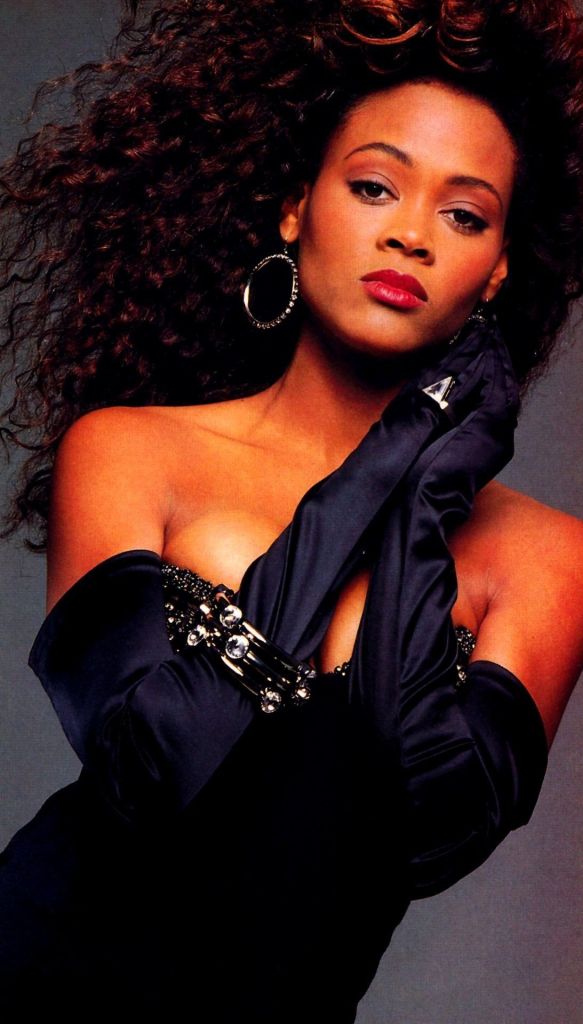
This photograph is the property of its respective owner.

Robin Givens was born on November 27, 1964, in New York City, to Ruth Roper Givens and Reuben Givens. Her parents divorced when she was young, and she was raised primarily by her mother alongside her sister, Stephanie, in the suburban communities of Mount Vernon and New Rochelle, New York. Ruth Roper Givens, a nurse and educator, strongly encouraged academic achievement and artistic exploration in her daughters. From an early age, Robin demonstrated intellectual curiosity and creative ability, balancing academic excellence with a growing interest in performance. Her mother enrolled her in acting classes at the American Academy of Dramatic Arts when she was only ten years old, planting the seeds for a future career in entertainment.
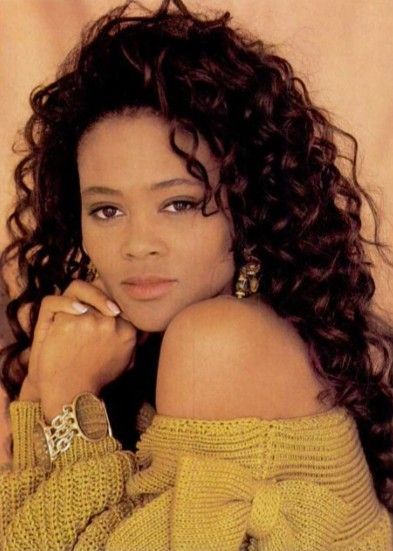
This photograph is the property of its respective owner.

Givens’s beauty was immediately noticeable even in her youth. She possessed a petite, refined frame, radiant complexion, and sharply defined cheekbones that photographers and casting directors found striking. During her teenage years, she began working as a model, appearing in popular fashion and youth magazines such as Seventeen and Mademoiselle. Modeling introduced her to the entertainment industry and helped her develop the poised public persona that would later become central to her career. Her look embodied a distinctive mixture of sophistication and youthful charm, making her a natural fit for the fashion and television worlds of the 1980s.

Despite her growing presence in entertainment, Givens was also an exceptionally serious student. Demonstrating remarkable academic ability, she enrolled at Sarah Lawrence College at only fifteen years old, one of the youngest students in the institution’s history. At Sarah Lawrence, she pursued pre-medical studies while continuing to audition for acting roles. She graduated in 1984 at the age of nineteen, an accomplishment that reflected both her intellectual discipline and ambition. For a period, she expressed interest in becoming a doctor and even spoke publicly about attending Harvard Medical School; however, records later confirmed that she did not enroll in the program. Nevertheless, her education at Sarah Lawrence distinguished her among many young actresses in Hollywood.

Givens’s entrance into television came through small guest appearances on several popular shows during the mid-1980s. One of her early roles was a guest spot on The Cosby Show, where the legendary comedian Bill Cosby reportedly encouraged her to pursue acting professionally. That encouragement proved significant, as it helped solidify her decision to fully commit to an acting career rather than medical school. Shortly afterward, she began receiving additional television roles, gradually establishing herself within the industry.

Her breakthrough arrived in 1986 when she was cast in the ABC sitcom Head of the Class. On the show, she portrayed Darlene Merriman, an intelligent and confident student attending a program for gifted high schoolers. The series ran from 1986 to 1991, and Givens appeared throughout its entire run. Her character’s sharp wit, stylish demeanor, and self-assured personality resonated with audiences, making her one of the most recognizable young actresses on television at the time. The role also demonstrated her natural comedic timing and helped establish her reputation as both glamorous and intellectually sophisticated.

While television made her famous, Givens soon expanded into film. One of her most memorable roles came in the 1991 crime drama A Rage in Harlem, in which she portrayed the seductive and mysterious Imabelle opposite Forest Whitaker. Her performance displayed a different dimension of her talent, blending beauty with dramatic intensity. The following year, she appeared in the romantic comedy Boomerang alongside Eddie Murphy, a film that became a cultural touchstone of early 1990s Black Hollywood. Even in supporting roles, Givens’s screen presence stood out, reinforcing her reputation as a striking and charismatic performer.

During the early 1990s, she also appeared in films such as Blankman and continued working in television movies and series. Beyond screen acting, Givens demonstrated versatility as a stage performer. In 2006, she appeared on Broadway in the musical Chicago, portraying the iconic character Roxie Hart. Theater critics praised her for successfully transitioning from television and film to live performance, further proving her range as an actress.
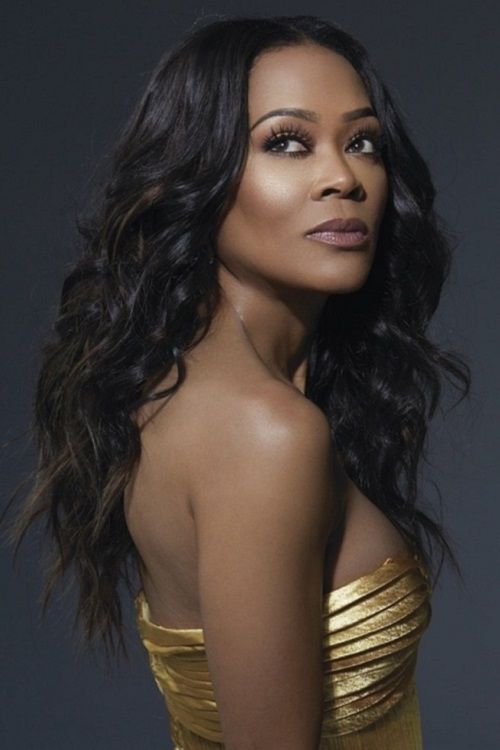
This photograph is the property of its respective owner.

Although acting remained her primary profession, Givens maintained connections to the fashion world throughout her career. Her early modeling work for magazines such as Seventeen and Mademoiselle introduced her to a wide audience, and her elegant appearance made her a frequent subject of fashion editorials and publicity photography. In 1994, she posed for Playboy, an experience she later described as a personal decision to reclaim her narrative after years of intense tabloid scrutiny. Her beauty and public presence were widely recognized when Empire magazine ranked her among its “100 Sexiest Stars in Film History” in 1995.

Givens’s personal life often attracted as much attention as her professional work. In 1987, she met the world-famous heavyweight boxing champion, Mike Tyson. The pair married on February 7, 1988, creating one of the most widely publicized celebrity unions of the era. Unfortunately, the relationship deteriorated quickly and became the subject of intense media coverage. Givens later described experiences of domestic abuse during the marriage, and the couple divorced on February 14, 1989, after only a year together. The highly public nature of the relationship placed Givens at the center of media controversy, shaping public perception of her for years afterward.

Later in her life, she married tennis instructor Svetozar Marinković in 1997, although the marriage ended in divorce the following year. Givens is the mother of two sons, Michael “Buddy” Givens and William Givens Jensen. She has spoken openly about the importance of motherhood and how raising her children helped ground her amid the pressures of Hollywood.

Over the years, various rumors circulated regarding her dating life, including stories connecting her romantically with Brad Pitt. While pop culture gossip occasionally referenced an alleged relationship, reliable biographical sources do not confirm a documented romantic partnership between the two actors. As with many high-profile celebrities, speculation about her personal life often exceeded verified information.

Although she has not accumulated a large number of major acting awards, Givens has received recognition within the entertainment industry. In 1991, she was honored with the ShoWest Female Star of Tomorrow Award, acknowledging her rising prominence in film. She also received a Black Reel Award nomination for Best Supporting Actress in 2004, highlighting her continued contributions to film and television. Beyond awards, her influence is reflected in the longevity of her career and her visibility across multiple decades of entertainment.
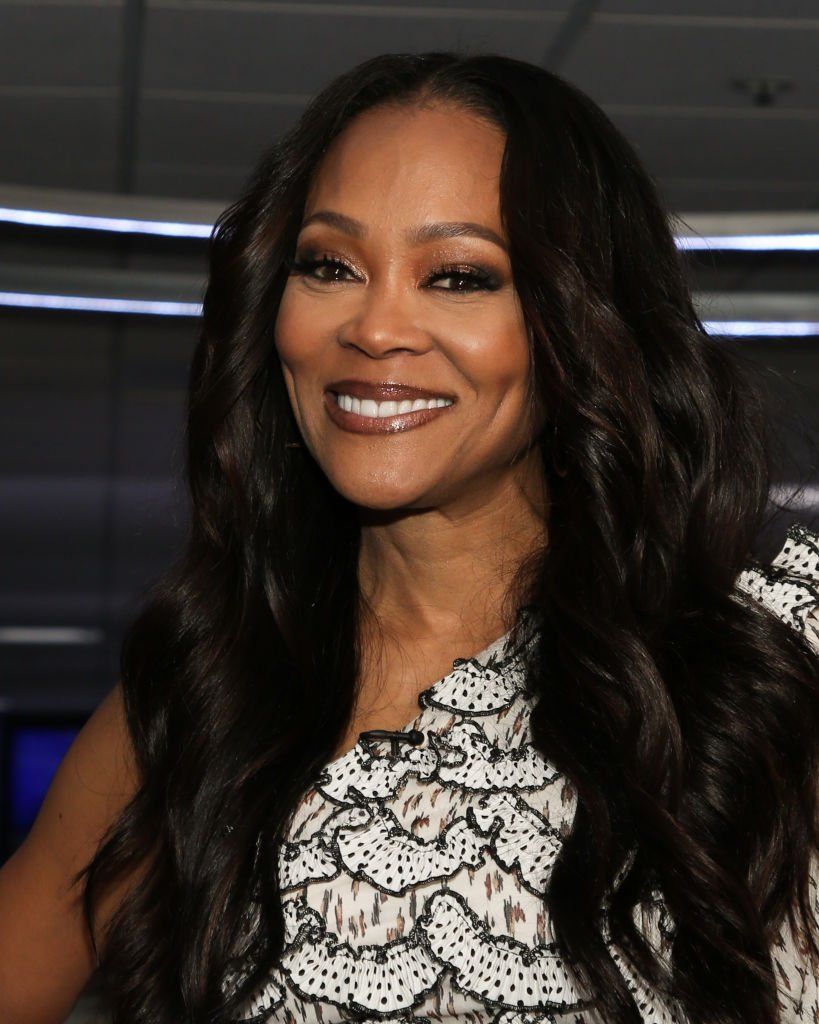
This photograph is the property of its respective owner.

Robin Givens is often described as an “It Girl” because she embodied a rare combination of attributes that captured the public imagination. She possessed striking physical beauty, intellectual credibility, and fearless confidence, qualities that distinguished her from many contemporaries. At a time when Black actresses were often confined to limited roles, she projected sophistication, ambition, and glamour on mainstream television. Her visibility on Head of the Class, her appearances in prominent films, and her highly publicized personal life made her one of the most talked-about women in Hollywood during the late 1980s and early 1990s.

Even decades later, Givens remains a recognizable cultural figure. She has continued acting in television series, directing projects, and mentoring younger performers entering the entertainment industry. Her resilience—navigating fame, controversy, and reinvention—has allowed her career to endure long after many of her contemporaries faded from public view. In this sense, her legacy as an “It Girl” extends beyond beauty or celebrity gossip; it reflects the enduring presence of a woman who combined elegance, intelligence, and determination to leave a lasting mark on American popular culture.


References

Biography.com. (2023). Robin Givens biography.
Empire Magazine. (1995). The 100 Sexiest Stars in Film History.
IMDb. (2024). Robin Givens filmography and biography.
NNDB. (2024). Robin Givens profile.
Rotten Tomatoes. (2024). Robin Givens – actor biography.
Wikipedia contributors. (2024). Robin Givens. Wikipedia.
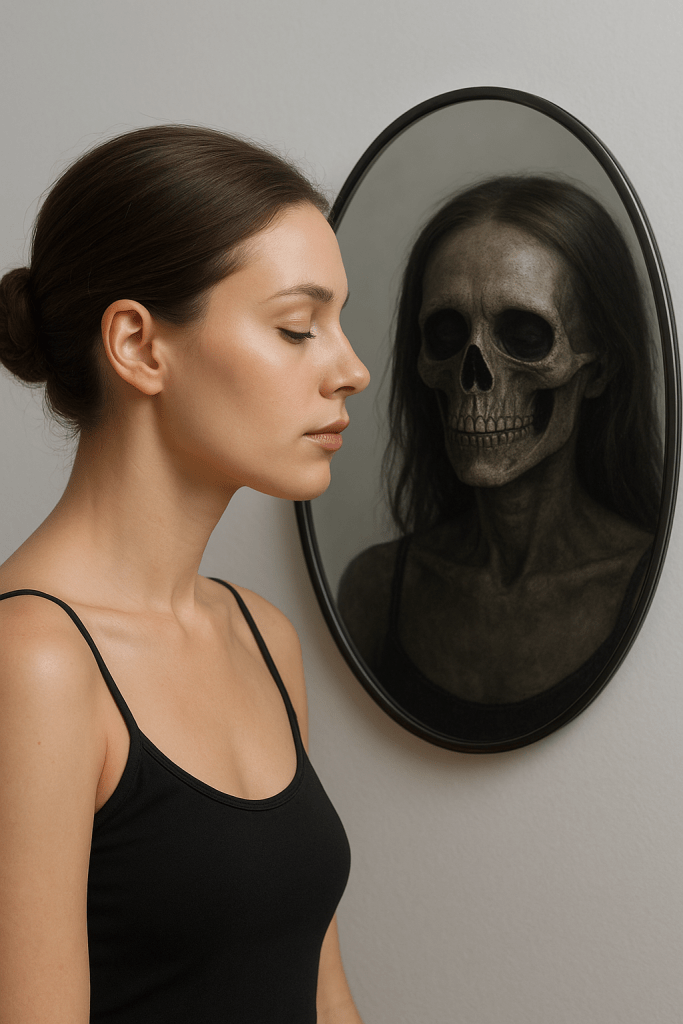
Beauty Is Only Skin Deep, but Ugliness Is to the Bone.

The proverb “Beauty is only skin deep, but ugliness is to the bone” is a powerful commentary on the distinction between outward appearance and inward character. It reflects the timeless truth that physical beauty, though alluring, is temporary, while moral corruption or spiritual ugliness reaches far deeper into the essence of a person’s being. Throughout human history, societies have wrestled with this tension between appearance and virtue, often failing to distinguish between them until consequences reveal the truth beneath the surface.

Physical beauty has always held social and psychological power. In nearly every culture, symmetry, youthfulness, and proportion are associated with attractiveness (Rhodes, 2006). Yet such traits are merely biological signals, not indicators of integrity or wisdom. The tendency to equate beauty with goodness—a phenomenon known as the “halo effect”—creates moral confusion, allowing deceitful individuals to thrive behind pleasant façades (Dion et al., 1972). This blindness has led to personal heartbreak, social injustice, and the rise of superficial value systems.

The Bible provides numerous examples illustrating that inner character outweighs external beauty. In 1 Samuel 16:7 (KJV), the Lord reminds Samuel that “man looketh on the outward appearance, but the Lord looketh on the heart.” This verse directly challenges humanity’s obsession with looks, urging discernment beyond aesthetics. It is a reminder that physical appeal can distract from spiritual deficiency, while inner beauty rooted in humility and righteousness holds eternal worth.

“Ugliness to the bone” does not refer to physical unattractiveness but to moral decay. This kind of ugliness is rooted in pride, cruelty, selfishness, and deceit—qualities that corrode the soul and manifest in one’s actions. Proverbs 6:16–19 lists traits that the Lord hates: arrogance, lying, and sowing discord among brethren. These inner deformities scar the spirit in ways that no cosmetic procedure can conceal.

In contrast, spiritual beauty radiates through kindness, empathy, and love. The Apostle Peter advised women to cultivate “the ornament of a meek and quiet spirit, which is in the sight of God of great price” (1 Peter 3:4, KJV). This principle extends to all believers, teaching that moral excellence beautifies the soul. Inner peace, generosity, and integrity illuminate the countenance more than any physical feature.

Society’s infatuation with surface beauty perpetuates deception. Celebrities and influencers project carefully curated images that often conceal deep insecurity or moral conflict. Naomi Wolf (1991) argued in The Beauty Myth that the pursuit of beauty has become a modern form of slavery, binding individuals—especially women—to impossible ideals. This pursuit masks internal emptiness and moral fatigue, producing a generation that values appearance over authenticity.

Psychological research supports this biblical and philosophical view. Studies reveal that excessive concern with appearance correlates with narcissism and low self-esteem (Campbell & Foster, 2007). Those who rely heavily on external validation often struggle with emotional instability and shallow relationships. This reveals how “skin-deep beauty” can lead to internal suffering, as identity becomes detached from spiritual grounding.

Conversely, people of modest appearance often exhibit profound inner strength and compassion. This paradox demonstrates that suffering and humility refine character in ways that privilege and beauty cannot. The poet Ralph Waldo Emerson once wrote, “Beauty without grace is the hook without the bait.” His metaphor suggests that charm without virtue is a trap, while true grace nourishes the soul.

The entertainment industry provides countless cautionary tales of those destroyed by their own image. Icons once idolized for their beauty—such as Marilyn Monroe or Elvis Presley—faced tragic downfalls, reminding the world that surface glamour cannot substitute for inner peace. Their stories echo Christ’s question in Matthew 16:26 (KJV): “For what is a man profited, if he shall gain the whole world, and lose his own soul?”

Social media has amplified the deception of beauty. Platforms like Instagram and TikTok have normalized digital distortion, where filters and enhancements redefine reality. This new form of idolatry reinforces the proverb’s warning—today’s flawless image may hide profound moral or emotional ugliness. The culture of performance erodes authenticity, leading many to forget who they truly are beneath the mask (Tiggemann & Slater, 2014).

Cultural beauty standards also perpetuate division. In a world that prizes Eurocentric ideals, people of color, especially women, often feel pressured to conform to norms that reject their natural beauty (Hunter, 2007). This internalized oppression damages collective self-worth and perpetuates spiritual “ugliness” in the form of self-hatred and comparison. True beauty begins with self-acceptance rooted in divine design, not societal approval.

Theologically, “ugliness to the bone” represents sin’s corruption of the human heart. Isaiah 1:6 describes Israel’s rebellion as a body covered in wounds “from the sole of the foot even unto the head.” Sin deforms the soul’s moral structure, making one spiritually grotesque despite physical charm. Repentance and renewal through God’s grace restore true beauty—the beauty of holiness (Psalm 29:2, KJV).

The lasting beauty of the righteous transcends death itself. Proverbs 10:7 declares, “The memory of the just is blessed.” This suggests that moral beauty leaves a legacy more enduring than physical form. Historical figures like Harriet Tubman and Martin Luther King Jr. may not have been praised for physical allure, yet their courage and compassion illuminate generations. Their “inner beauty” remains immortal.

Ultimately, beauty and ugliness exist not in the flesh but in the spirit. A beautiful soul can redeem a plain exterior, while a corrupt heart can poison the most exquisite visage. The proverb reminds humanity to look beyond the mirror—to measure worth by virtue, not vanity. When moral excellence becomes the standard of beauty, society reclaims its humanity.

In conclusion, “Beauty is only skin deep, but ugliness is to the bone” remains a timeless warning against superficial judgment. True beauty emanates from character, faith, and integrity. The body fades, but the soul endures. To cultivate inner virtue is to adorn oneself with eternal grace, reflecting the image of the Creator rather than the illusion of the world.


References

Campbell, W. K., & Foster, C. A. (2007). The narcissism epidemic: Living in the age of entitlement. Psychological Inquiry, 18(3), 197–215.
Dion, K., Berscheid, E., & Walster, E. (1972). What is beautiful is good. Journal of Personality and Social Psychology, 24(3), 285–290.
Hunter, M. (2007). The persistent problem of colorism: Skin tone, status, and inequality. Sociology Compass, 1(1), 237–254.
Rhodes, G. (2006). The evolutionary psychology of facial beauty. Annual Review of Psychology, 57, 199–226.
Tiggemann, M., & Slater, A. (2014). NetGirls: The Internet, Facebook, and body image concern in adolescent girls. International Journal of Eating Disorders, 47(6), 630–643.
Wolf, N. (1991). The Beauty Myth: How Images of Beauty Are Used Against Women. HarperCollins.

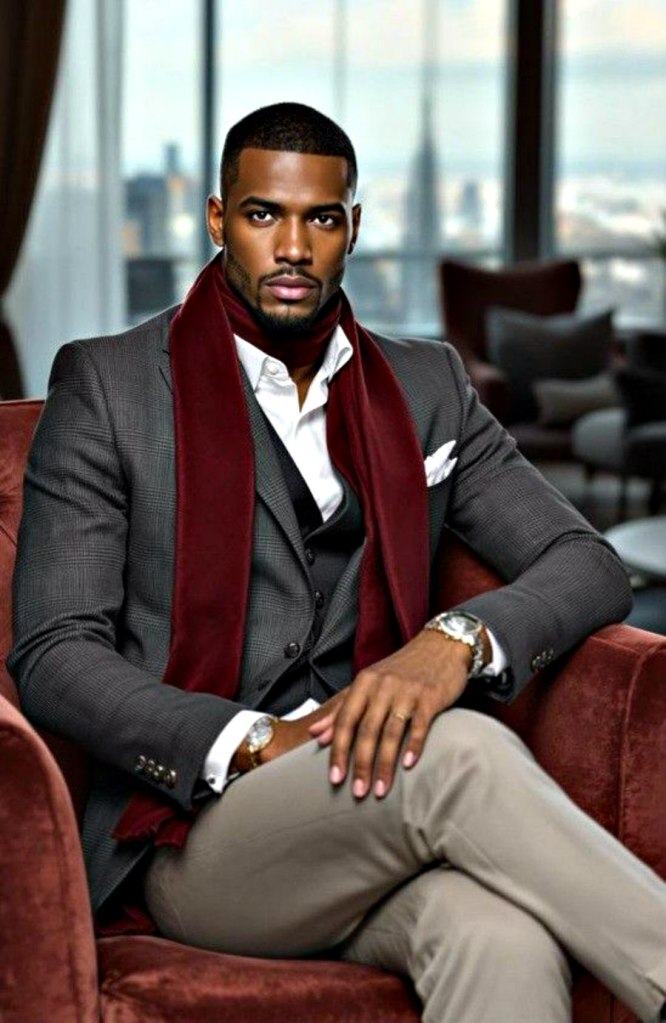
Beyond Muscles and Masculinity: The Psychology of Male Beauty.

This photograph is the property of its respective owner. No copyright infringement intended

Beauty has long been regarded as a feminine domain, while masculinity has been associated with power, dominance, and stoicism. Yet, as societal norms evolve, the concept of male beauty is emerging as a subject worthy of both admiration and analysis. The psychology of male beauty extends beyond the physical—it encompasses identity, confidence, self-worth, and cultural conditioning. To understand male beauty is to examine not only what the eye sees but what the mind perceives and the heart internalizes.

Historically, male beauty was revered in ancient civilizations. In classical Greece, statues such as the Doryphoros by Polykleitos celebrated the harmony between physical strength and aesthetic symmetry. The male body was seen as a vessel of divine proportion—a reflection of moral and physical perfection. However, in modern Western culture, this balance has shifted. The muscular ideal has overtaken the spiritual and intellectual aspects of beauty, reducing masculinity to performance rather than essence.

The modern man faces a paradox. He is told to be confident yet humble, strong yet sensitive, rugged yet refined. This psychological tension creates a quiet identity crisis, forcing men to constantly negotiate their worth through external validation. Studies have shown that men increasingly suffer from body image dissatisfaction, influenced by unrealistic media portrayals and fitness culture (Leit, Pope, & Gray, 2001). What was once considered natural masculinity has become a carefully constructed performance.

Social media has intensified this struggle. Platforms like Instagram promote curated images of muscular men with chiseled abs, perfect lighting, and designer wardrobes. These depictions reinforce narrow ideals of attractiveness, mirroring the same pressures once imposed on women. The male body, once celebrated for strength and functionality, is now commodified as spectacle. This shift reveals that beauty standards are not gender-exclusive—they are societal instruments of control.

The psychology behind male beauty is deeply tied to perception. Men, like women, internalize beauty expectations through social learning and cultural conditioning. Psychologist Albert Bandura’s theory of observational learning (1977) suggests that individuals model behaviors and self-concepts after what they repeatedly see rewarded or admired. When beauty is equated with muscularity or status, men subconsciously adopt these measures as prerequisites for self-worth.

However, physical appearance is only one layer of male beauty. True attraction and presence stem from confidence, integrity, and emotional intelligence. Research in evolutionary psychology indicates that while symmetry and strength play roles in attractiveness, traits such as kindness, humor, and authenticity hold equal if not greater weight in long-term relational appeal (Buss, 1989). Thus, male beauty should be understood as both an aesthetic and moral construct—an integration of outer form and inner character.

The danger of equating beauty solely with physique is that it narrows the definition of manhood. Many men who do not fit the stereotypical ideal—those who are thinner, shorter, or softer in demeanor—are made to feel invisible. This invisibility often leads to psychological distress, including depression and low self-esteem. In this way, patriarchy harms men as much as it controls women, enforcing emotional suppression and unattainable ideals.

To move beyond muscles, men must redefine masculinity in holistic terms. True masculine beauty is not found in dominance but in discipline, not in stoicism but in spiritual strength. Christ Himself embodied perfect manhood—not through physique or aggression but through humility, compassion, and sacrifice. Isaiah 53:2 (KJV) notes that there was “no beauty that we should desire him,” yet His spiritual beauty redeemed humanity. This suggests that divine beauty transcends the physical—it is rooted in purpose and love.

The cultural redefinition of male beauty also demands that society make room for diversity. Men of different races, body types, and aesthetics must be affirmed. The Western ideal often glorifies whiteness, angular features, and specific body types, while men of color are either fetishized or ignored. To celebrate the full range of male beauty is to challenge Eurocentric standards and affirm that grace, style, and strength manifest in every hue.

For Black and brown men, this journey of redefinition carries extra weight. They must navigate not only the pressure to appear strong but also the historical dehumanization that cast their bodies as threatening rather than beautiful. The dark-skinned man’s physique has been both hypersexualized and criminalized, stripping him of vulnerability and complexity. Reclaiming his beauty, therefore, is an act of resistance—a reassertion of his humanity and divine reflection.

In psychological terms, male beauty involves harmony between the ideal self and the real self. Carl Rogers’ theory of self-congruence explains that mental health flourishes when individuals accept themselves authentically rather than conforming to imposed ideals (Rogers, 1951). When a man embraces his unique appearance—his scars, his aging, his imperfections—he experiences liberation from comparison. Beauty, in this sense, becomes acceptance rather than aspiration.

This acceptance must also extend to aging. Society celebrates youth as the pinnacle of attractiveness, yet wisdom and maturity carry their own allure. The silver-haired man, marked by time and experience, embodies a different beauty—one defined by endurance and self-assurance. Proverbs 20:29 (KJV) reminds us, “The glory of young men is their strength: and the beauty of old men is the gray head.” Age, therefore, is not decline but refinement.

The psychological power of self-image also affects behavior and social success. Men who view themselves as attractive often exude more confidence, which in turn influences how others perceive them (Langlois et al., 2000). Yet, this confidence should not be mistaken for arrogance; it is the quiet assurance of a man who understands his worth beyond aesthetics. When inner confidence aligns with external presentation, a man becomes magnetic—not because of perfection, but because of authenticity.

Faith and spirituality further expand the definition of male beauty. The Psalms describe men of faith as “trees planted by rivers of water” (Psalm 1:3, KJV)—strong, rooted, and fruitful. This metaphor captures the essence of divine masculinity: grounded, life-giving, and steadfast. A man’s beauty is not fleeting like a muscle’s tone but enduring like his moral character and spiritual depth.

The relationship between beauty and ego must also be examined. In a culture obsessed with self-presentation, beauty can easily become vanity. Yet, there is a fine line between self-care and self-worship. When beauty becomes a means to glorify self rather than serve others, it loses sacredness. True masculine beauty reflects humility—the awareness that one’s gifts are divine, not self-made.

Emotional vulnerability enhances male beauty. A man unafraid to express love, to admit pain, or to cry demonstrates depth. Society often conditions men to suppress emotion, equating stoicism with strength. Yet, psychological studies affirm that emotional intelligence correlates with relational satisfaction and mental well-being (Salovey & Mayer, 1990). Vulnerability, therefore, is not weakness but wisdom—the courage to be fully human.

In modern times, the fashion and wellness industries are beginning to embrace this broader narrative. Campaigns that feature men of various sizes, ethnicities, and styles are helping dismantle rigid beauty standards. This inclusivity redefines attractiveness not as conformity to a mold but as confidence in authenticity. Male beauty is no longer the privilege of the few—it is the inheritance of all.

Beyond muscles and masculinity lies the truth that beauty is energy. It is how a man carries himself, how he treats others, and how he reflects purpose in his walk. His laughter, intellect, empathy, and faith radiate attractiveness more profoundly than any aesthetic standard. In the end, the most beautiful man is one who knows who he is and whom he serves.

In conclusion, the psychology of male beauty is a journey of self-acceptance, emotional liberation, and spiritual awakening. The truly beautiful man is not enslaved by mirrors or measurements; he is guided by balance and inner peace. When he transcends external validation and embraces authenticity, he redefines what it means to be a man in every sense—body, mind, and soul. Beyond muscles and masculinity, there exists a quiet power: the beauty of a heart aligned with purpose and a spirit anchored in truth.


References

Bandura, A. (1977). Social Learning Theory. Prentice Hall.
Buss, D. M. (1989). Sex differences in human mate preferences: Evolutionary hypotheses tested in 37 cultures. Behavioral and Brain Sciences, 12(1), 1–49.
Langlois, J. H., et al. (2000). Maxims or myths of beauty? A meta-analytic and theoretical review. Psychological Bulletin, 126(3), 390–423.
Leit, R. A., Pope, H. G., & Gray, J. J. (2001). Cultural expectations of muscularity in men: The evolution of body image. International Journal of Eating Disorders, 29(4), 442–448.
Rogers, C. R. (1951). Client-Centered Therapy. Houghton Mifflin.
Salovey, P., & Mayer, J. D. (1990). Emotional intelligence. Imagination, Cognition and Personality, 9(3), 185–211.*
Biblical references: Isaiah 53:2 (KJV); Proverbs 20:29 (KJV); Psalm 1:3 (KJV).

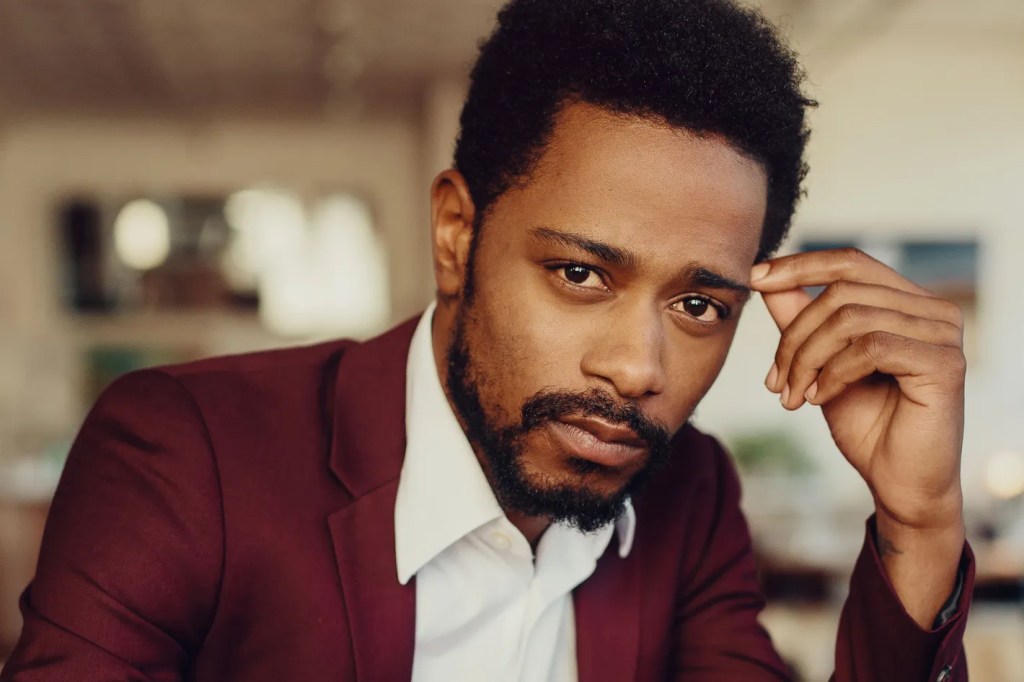
Masculine Perfection Series: LaKeith Stanfield, Ali Amin Carter & Louis Allen III

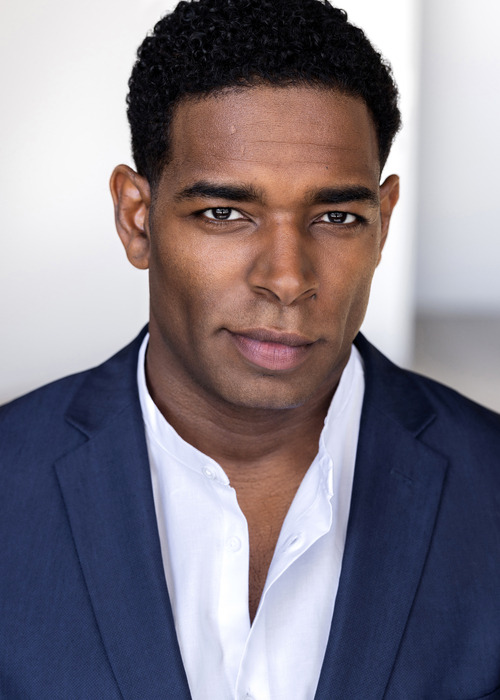
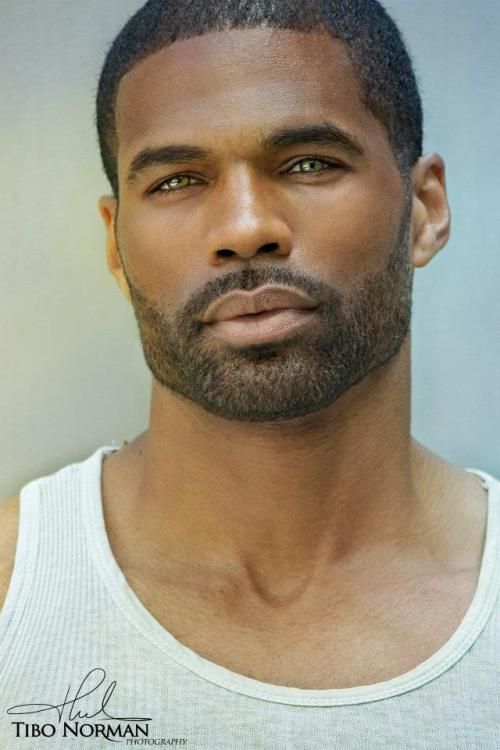
From the moment they enter a room, these three men command attention—LaKeith Stanfield with his piercing, soul-searching eyes that seem to look straight through you; Ali Amin Carter with his refined, boyish good looks that blend innocence and masculine poise; and Louis Allen III with his breathtaking green orbs and sculpted physique that define him as a genetic marvel. Their appearances alone make them unforgettable, but their talent, charisma, and artistic versatility elevate them into the realm of cinematic and modeling excellence.

LaKeith Stanfield

“The Enigmatic Soul: A gaze that speaks, a talent that transforms.”

LaKeith Stanfield stands as one of the most intriguing and enigmatic actors of his generation. Born in California, he began acting in high school before training at the John Casablancas Modeling & Career Center, where he developed the poise and facial precision that now define his screen presence. His breakout came with Short Term 12, which earned him an Independent Spirit Award nomination, and he continued rising with roles in Selma, Get Out, Sorry to Bother You, Knives Out, and Judas and the Black Messiah, for which he received an Academy Award nomination. Among his most captivating roles is his leading performance in The Photograph (2020), where his deep, expressive eyes created a magnetic intensity—particularly in the scene where he gazes at Issa Rae’s character with a mix of longing, vulnerability, and desire. The moment became iconic because Stanfield’s eyes communicate an entire emotional universe, piercing straight into the viewer’s heart just as they pierce Issa Rae’s.

On the personal front, Stanfield married model Kasmere Trice and together they welcomed a baby in 2023. He is also father to two daughters from previous relationships and describes fatherhood as “something that completely changes” you. His commitment to protecting the privacy of his family and framing the narrative of his own story underscores a grounded side to the actor’s life amid public visibility.

Ali Amin Carter

“Attractiveness in Motion: Where quiet masculinity meets undeniable screen presence.”

This photograph is the property of its respective owner. No copyright infringement intended.

Ali Amin Carter is a striking talent whose tall, elegant frame and natural good looks positioned him for success in both modeling and acting. Beginning his career on the runway, he eventually transitioned into theatre, earning recognition through the acclaimed stage production Ruined. His screen roles include appearances in Lovecraft Country and The Good Lord Bird, each showcasing his ability to blend emotional depth with quiet masculinity. More recently, Carter starred in the feature film Love Unexpected (2023/24), portraying Chase, a college-playboy figure whose world is challenged by love and transformation. His modeling roots gave him the visual confidence and stature that translate naturally to the screen, and he extended his reach further by starring in a music-video production by the singer Joe, demonstrating a versatility that spans modeling, film, and music.

Louis Allen III (LA3)

“The Green-Eyed Hunk: Athletic strength, masculine beauty, and unforgettable allure.”

Photo Credit: Tibo Norman

Louis Allen III, known professionally as LA3, emerged from New Jersey as a modeling force defined by his remarkable green eyes, warm brown complexion, and athletic physique honed from his earlier years in minor-league football. His modeling journey began in high school, and he quickly became known for his commanding appearance in editorial spreads and grooming campaigns. Allen’s features made him a favorite for “Eye Candy” showcases and brand ambassador roles, where he represents the fusion of masculine beauty, athletic power, and classic photogenic appeal. Although his acting portfolio is smaller, he continues to expand his influence in fashion, fitness, and men’s grooming culture.

Together, these three men represent different dimensions of modern Black male beauty—intense, elegant, and powerfully photogenic. Their stories show how physical presence, combined with talent and ambition, opens doors across film, modeling, and public life. Each of them brings a unique energy to the screen or lens: Stanfield with soulful complexity, Carter with polished charm, and Allen with athletic grandeur. They reflect a new era in representation where Black men can embody sensitivity, strength, mystery, and beauty simultaneously. Their careers not only highlight their personal evolution but also expand the cultural imagination of what masculine perfection looks like in the twenty-first century.


References
“Ali Amin Carter – Biography,” IMDb.
“Love Unexpected,” IMDb.
“LaKeith Stanfield – Personal Life,” Essential Magazine.
“LaKeith Stanfield – Biography,” Wikipedia.

IMDb. LaKeith Stanfield – Biography.
Time Magazine. LaKeith Stanfield: Contemporary Chameleon.
Empire Magazine. LaKeith Stanfield Profile.
IMDb. Ali Amin Carter – Biography.
Essence Magazine. Eye Candy: Louis Allen III.
Blinging Beauty. The Face of Blinging Beauty’s Manly Man is LA

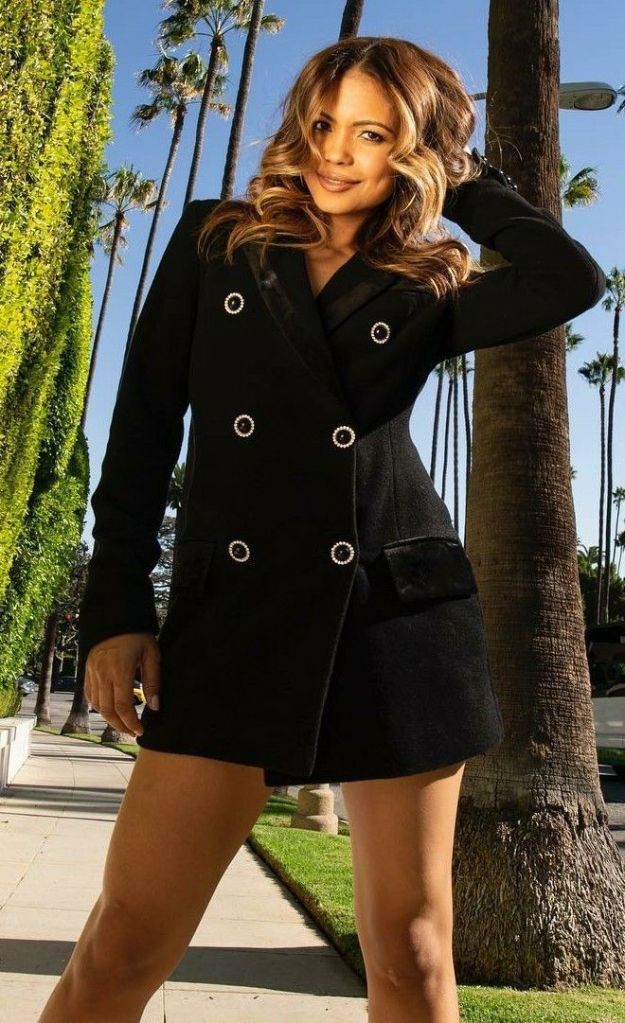
The “It Girl” Series: Jennifer Freeman

The sitcom sweetheart who grew into grace, resilience, and grown-woman reinvention.

This photograph is the property of its respective owner.

Jennifer Freeman represents a distinctive era of early 2000s Black television—where youthful beauty, comedic timing, and cultural relatability converged. With her soft features, almond-shaped eyes, and girl-next-door charm, Freeman quickly became one of the most recognizable young faces on prime-time Black sitcom television. Yet her story, like many child-to-adult stars, reflects both the glow of early fame and the complexities of personal growth under public scrutiny.

Born October 20, 1985, in Los Angeles, California, Freeman began acting at a young age, appearing in television series such as 7th Heaven and Even Stevens before landing her breakout role. Her defining career moment came in 2001 when she was cast as Claire Kyle on My Wife and Kids, starring opposite Damon Wayans and Tisha Campbell. As the stylish and often mischievous teenage daughter in the Kyle household, Freeman embodied the modern Black teen navigating family, identity, and humor. Her performance blended sass with innocence, making her a fan favorite and helping solidify the show’s place in early-2000s sitcom history.

After My Wife and Kids, Freeman transitioned into film and independent projects, including roles in You Got Served and Johnson Family Vacation. Though her mainstream visibility fluctuated, she remained active in television movies and urban cinema, gradually reintroducing herself to audiences as an adult actress.

This photograph is the property of its respective owner.

In 2022, Freeman joined the cast of The Black Hamptons, a drama series created by Carl Weber and streamed on BET+. The series explores generational wealth, class tension, and power struggles within an affluent Black coastal community. Freeman’s involvement marked a significant return to ensemble television, aligning her with contemporary narratives centered on Black prosperity and elite social circles. The show situates her within a more mature, dramatic space, contrasting sharply with her teenage sitcom origins.

Freeman’s personal life has also intersected with her public narrative. In 2009, she married former NBA player Earl Watson. The marriage ended in 2010 amid publicized allegations of domestic conflict, leading to a highly scrutinized divorce. Freeman later spoke about the emotional challenges of the relationship and her spiritual journey toward healing and self-restoration. The experience reframed her public image—from youthful sitcom star to a woman navigating trauma, faith, and personal rebuilding. Her openness about growth and accountability contributed to a broader cultural conversation about domestic relationships and emotional resilience.

While Freeman has not amassed a large collection of mainstream awards, her cultural recognition stems from generational impact. My Wife and Kids remains syndicated and streamed, continuously introducing her to new audiences. Within Black pop culture, she is often remembered as one of the quintessential “It Girls” of the early 2000s—an era when Black family sitcoms were central to network programming.

Jennifer Freeman’s legacy rests in evolution. She transitioned from teen star to adult actress, from public marital controversy to spiritual transparency, from sitcom daughter to dramatic ensemble player. Her story reflects not simply fame, but endurance—an arc familiar to many women in Hollywood who must reinvent themselves while the world watches.


References

BET+. (2022). The Black Hamptons series information.

IMDb. (n.d.). Jennifer Freeman filmography. Retrieved from https://www.imdb.com

People Magazine. (2010). Coverage of Jennifer Freeman and Earl Watson divorce.

Wayans, D. (Producer). (2001–2005). My Wife and Kids [TV series]. ABC.

How physical beauty is misleading?

Photo by Daryl Johnson on Pexels.com

Physical beauty, though often celebrated as a gift, has proven to be one of the most deceptive forms of power in human history. Society’s fixation on external appearance has created a hierarchy that equates attractiveness with moral worth, intelligence, and capability. However, this illusion blinds individuals to the deeper truths of human character. The ancient philosopher Plato warned of this in Phaedrus, teaching that beauty can inspire virtue or lead to moral corruption depending on how it is perceived and pursued (Plato, trans. 2002).

The tendency to overvalue beauty, known as the “halo effect,” has been extensively documented in psychology. According to Dion, Berscheid, and Walster (1972), physically attractive individuals are often presumed to possess positive personality traits such as kindness and honesty, even without evidence. This cognitive bias influences hiring practices, romantic relationships, and social trust. Yet such assumptions often collapse when beauty is separated from integrity.

Historically, beauty has also been weaponized as a form of manipulation and deception. In biblical narratives, figures such as Delilah and Jezebel used physical allure to sway powerful men and alter political outcomes (Judges 16:4–22; 1 Kings 21). These stories serve as moral parables that external attraction, when divorced from righteousness, can lead to destruction. The same is true in modern times, where seductive appearances are often exploited in advertising, media, and politics.

The media plays a significant role in sustaining the illusion of beauty as truth. From Hollywood films to social media influencers, appearance has become a currency of influence. Naomi Wolf (1991) argued in The Beauty Myth that beauty functions as a political weapon, maintaining control over women by convincing them that worth is conditional upon youth and physical perfection. This has created a generation of individuals chasing illusions, mistaking image for identity.

Furthermore, beauty can foster narcissism and moral decay when it becomes an idol of self-worship. The apostle Paul warned of those who are “lovers of their own selves” and “boasters” (2 Timothy 3:2, KJV), suggesting that an obsession with outward perfection reflects spiritual emptiness. Modern psychology echoes this sentiment, linking excessive concern with appearance to narcissistic personality traits (Campbell & Foster, 2007).

Physical beauty also distorts social justice by granting unearned privilege. Attractive individuals often receive lighter criminal sentences, better job opportunities, and greater trust from others—a phenomenon known as “lookism” (Hamermesh & Biddle, 1994). Such bias reflects the moral blindness of a culture that values aesthetics over ethics.

In relationships, physical attraction can cloud discernment. Proverbs 31:30 (KJV) reminds us that “favour is deceitful, and beauty is vain: but a woman that feareth the Lord, she shall be praised.” True beauty lies in moral and spiritual substance, not fleeting physical form. Yet many pursue partners based on appearance alone, only to find that emotional instability or selfishness ruins what seemed ideal.

The allure of beauty also conceals the pain of those who possess it. Attractive people often face objectification and unrealistic expectations. Many celebrities have spoken of feeling trapped by their looks, treated as commodities rather than human beings. Marilyn Monroe, one of the most celebrated beauties of the 20th century, famously lamented that people saw her as a fantasy, not as a person (Banner, 2011).

Moreover, beauty can isolate rather than empower. Those perceived as beautiful are often distrusted by peers of the same gender, or envied to the point of social exclusion (Cash, 1990). Thus, the privilege of attractiveness can paradoxically create loneliness, as one becomes a projection of others’ desires rather than a participant in genuine connection.

In spiritual contexts, beauty is meant to reflect divine harmony rather than human vanity. The book of Psalms declares that the Lord “shall beautify the meek with salvation” (Psalm 149:4, KJV), signifying that true beauty emerges from humility and godliness. Yet modern society reverses this order—worshipping the creation rather than the Creator (Romans 1:25). This inversion leads to moral disorientation and loss of sacred identity.

The deception of beauty is also evident in global culture, where Eurocentric ideals dominate aesthetic standards. Colonial history promoted light skin, straight hair, and Euro-featured symmetry as the universal symbols of attractiveness, marginalizing non-European identities (Hunter, 2007). Such conditioning distorts self-worth among people of color, perpetuating colorism and internalized racism.

Furthermore, beauty’s deception extends to consumerism. The cosmetic and fashion industries profit billions annually by selling insecurity. Advertising convinces individuals that happiness is attainable through external modification—whether through plastic surgery, designer brands, or digital filters. This creates a perpetual cycle of dissatisfaction (Tiggemann & Slater, 2014).

Theologically, physical beauty without moral grounding is likened to a “whited sepulchre,” appearing clean outside but full of corruption within (Matthew 23:27, KJV). This biblical metaphor captures the essence of aesthetic deception—beauty that conceals moral decay. When a culture prioritizes appearance over virtue, it inevitably declines in spiritual discernment.

Beauty’s ephemeral nature also makes it unreliable. Time, illness, and circumstance inevitably alter physical form. Ecclesiastes 3:11 teaches that God “hath made every thing beautiful in his time,” implying that beauty is transient and contextual, not absolute. To anchor one’s identity in the temporal body is to build on sand rather than stone.

Even in art and literature, beauty has been both muse and menace. The story of Dorian Gray in Oscar Wilde’s novel symbolizes the soul’s corruption beneath a flawless exterior. Wilde’s allegory exposes the danger of elevating beauty over morality—a warning still relevant in an age dominated by filtered perfection.

Scientific studies have shown that the brain’s pleasure centers respond to symmetry and proportionality (Rhodes, 2006), yet these biological preferences can be manipulated by media saturation. What begins as an instinctive appreciation for order can evolve into obsession when culture defines beauty narrowly.

The moral cost of this deception is profound. When society rewards appearance over virtue, character formation is neglected. The result is a generation trained to curate images rather than cultivate inner values. The Prophet Samuel’s declaration still stands true: “Man looketh on the outward appearance, but the Lord looketh on the heart” (1 Samuel 16:7, KJV).

In conclusion, physical beauty, though alluring, is a fragile and misleading measure of worth. Its seduction lies in its ability to disguise emptiness with charm. True wisdom requires seeing beyond the surface—to discern substance beneath shine, integrity behind image, and divinity within imperfection. When humanity learns to value inner virtue over external allure, it will finally see beauty as it was meant to be: a reflection of the soul, not a deception of the flesh.


References

Banner, L. W. (2011). Marilyn: The Passion and the Paradox. Bloomsbury.
Campbell, W. K., & Foster, C. A. (2007). The narcissism epidemic: Living in the age of entitlement. Psychological Inquiry, 18(3), 197–215.
Cash, T. F. (1990). The psychology of physical appearance: Aesthetics, attributes, and images. Body Image Research, 9(2), 51–80.
Dion, K., Berscheid, E., & Walster, E. (1972). What is beautiful is good. Journal of Personality and Social Psychology, 24(3), 285–290.
Hamermesh, D. S., & Biddle, J. E. (1994). Beauty and the labor market. American Economic Review, 84(5), 1174–1194.
Hunter, M. (2007). The persistent problem of colorism: Skin tone, status, and inequality. Sociology Compass, 1(1), 237–254.
Plato. (2002). Phaedrus (C. J. Rowe, Trans.). Penguin Classics.
Rhodes, G. (2006). The evolutionary psychology of facial beauty. Annual Review of Psychology, 57, 199–226.
Tiggemann, M., & Slater, A. (2014). NetGirls: The Internet, Facebook, and body image concern in adolescent girls. International Journal of Eating Disorders, 47(6), 630–643.
Wolf, N. (1991). The Beauty Myth: How Images of Beauty Are Used Against Women. HarperCollins.

Beauty: Is Colorism Still a Problem?

Colorism, the preferential treatment of lighter skin over darker tones within the same racial or ethnic group, remains one of the most persistent and insidious social issues in the world today. While many assume racism is the only barrier to equality, colorism operates subtly within communities, shaping perceptions of beauty, value, and worth. In the 21st century, beauty standards continue to be influenced by colonial history, media representation, and internalized biases that favor light skin as a marker of status and desirability.

Historically, colorism emerged during slavery and colonization when lighter skin was associated with proximity to whiteness and privilege. In many societies, lighter-skinned individuals were granted better jobs, education, and marriage prospects. This hierarchy, deeply rooted in systemic racism, was intentionally designed to divide and control populations. Even after the abolition of slavery, this ideology persisted, mutating into cultural preferences and unspoken norms.

In modern beauty industries, colorism manifests through the marketing of skin-lightening products, selective casting in film and fashion, and the underrepresentation of darker-skinned models and actresses. Major beauty campaigns often celebrate “diversity” yet center women with fairer complexions, looser curls, and Eurocentric features. This sends a message that beauty is conditional — that dark skin is beautiful only when it is softened, filtered, or lightened.

Social media has amplified both progress and prejudice in beauty standards. Platforms like Instagram and TikTok have allowed people of all skin tones to share their beauty, but they also perpetuate colorism through filters, lighting tricks, and algorithms that favor lighter complexions. Even within hashtags like #BlackGirlMagic or #MelaninQueen, lighter-skinned women often receive more visibility and engagement, reinforcing subtle hierarchies of attractiveness.

The psychological effects of colorism are profound. Studies show that darker-skinned individuals, especially women, often experience lower self-esteem, body dysmorphia, and social exclusion. Children are not immune — research indicates that skin tone bias can shape identity formation as early as preschool age. This conditioning creates long-term emotional scars and perpetuates cycles of insecurity and comparison.

Colorism is not confined to the Black community. In South Asia, particularly in India, Pakistan, and Bangladesh, fair skin remains a standard of beauty, reinforced by billion-dollar industries that promote whitening creams. Similarly, in East Asia, lighter skin is linked to purity and class, while in Latin America and the Caribbean, the colonial legacy has deeply influenced racial hierarchies. The global pervasiveness of colorism demonstrates that it is not merely a personal bias but a cultural institution.

In Western media, the lack of representation for dark-skinned women has long been a concern. Only recently have actresses like Lupita Nyong’o, Viola Davis, and Michaela Coel begun to reshape global perceptions of dark beauty. Their visibility challenges the Eurocentric narrative and offers a counterbalance to the longstanding idolization of light skin in Hollywood and fashion.

Yet, even within the Black community, internalized colorism persists. Lighter-skinned individuals are often stereotyped as more attractive or “refined,” while darker-skinned individuals may be perceived as “intimidating” or “less approachable.” These perceptions, though unspoken, influence everything from dating preferences to employment opportunities.

The music and entertainment industries have historically reinforced colorism. From casting light-skinned women as love interests in music videos to promoting rappers and singers who conform to Eurocentric beauty ideals, the industry perpetuates an uneven playing field. Artists like Beyoncé, Rihanna, and Nicki Minaj have faced both privilege and criticism related to their lighter complexions, while darker artists have had to fight for mainstream acceptance.

Education and awareness are crucial in dismantling colorism. Conversations about skin tone bias must extend beyond racial lines, addressing how colonization and white supremacy created this hierarchy. Schools, churches, and families play vital roles in teaching young people that beauty is not measured by lightness but by confidence, character, and identity.

The natural hair movement and the rise of melanin-positive campaigns have made significant progress in redefining beauty standards. Movements celebrating darker complexions have created new spaces of empowerment, allowing Black women to embrace their skin without shame. However, the persistence of bleaching products and aesthetic surgeries reveals that society still struggles with internalized inferiority.

Social justice movements like Black Lives Matter have also brought renewed attention to colorism’s impact on justice and equality. Studies show that darker-skinned individuals often receive harsher sentences in the criminal justice system and face higher unemployment rates. These inequalities prove that colorism extends far beyond vanity — it has material, life-altering consequences.

In Africa, colorism has also taken root despite being a continent of diverse melanin tones. The popularity of skin-bleaching products in countries like Nigeria, Ghana, and South Africa demonstrates how colonial legacies have reshaped beauty ideals. Many people associate lighter skin with success, education, and marriageability — a mindset that reflects centuries of psychological conditioning.

In Latin America, nations like Brazil, the Dominican Republic, and Cuba grapple with racial hierarchies rooted in colonization and slavery. Media in these regions continues to favor mestizo or light-skinned actors, while Afro-Latino communities struggle for recognition and representation. Colorism thus remains intertwined with both classism and racism.

Men are not exempt from colorism. Darker-skinned men often face stereotypes of aggression or hypermasculinity, while lighter-skinned men are seen as more desirable or “safe.” These stereotypes influence romantic dynamics, casting choices, and even perceptions of intelligence and professionalism.

The cosmetics industry plays a dual role in both perpetuating and challenging colorism. Brands like Fenty Beauty, founded by Rihanna, have revolutionized makeup inclusivity by offering wide shade ranges. Yet many global companies continue to promote “brightening” and “whitening” products, especially in non-Western markets, highlighting the tension between progress and profit.

Faith-based perspectives can also challenge colorism. Biblical teachings, for example, emphasize that all people are made in God’s image, regardless of complexion. Scriptures like Song of Solomon 1:5 (“I am black, but comely”) affirm dark beauty and dignity. The spiritual lens reframes beauty as divine creation rather than social hierarchy.

Ultimately, colorism is still a problem because it remains embedded in cultural consciousness. It has evolved, becoming less overt yet equally harmful. Whether through biased algorithms, selective admiration, or self-loathing industries, colorism continues to define who gets to be seen as “beautiful.”

Healing from colorism requires both unlearning and reimagining. It demands honest conversations, media accountability, and collective empowerment. True beauty celebrates all shades as reflections of human diversity — radiant, equal, and worthy of love. Until society dismantles its fixation with lightness, colorism will persist as an invisible barrier to self-acceptance and unity.


References

Bailey, M. (2018). Misogynoir transformed: Black women’s digital resistance. New York University Press.
Glenn, E. N. (2009). Shades of difference: Why skin color matters. Stanford University Press.
Hunter, M. (2007). The persistent problem of colorism: Skin tone, status, and inequality. Sociology Compass, 1(1), 237–254.
Russell, K., Wilson, M., & Hall, R. (2013). The color complex: The politics of skin color in a new millennium. Anchor Books.
Tharps, L. L. (2016). Same family, different colors: Confronting colorism in America’s diverse families. Beacon Press.
Wilder, J. (2015). Color stories: Black women and colorism in the 21st century. Praeger.

The Shade Spectrum

Photo by Bave Pictures on Pexels.com

The shade spectrum represents one of the most delicate and divisive realities within Black identity. From the earliest days of colonialism and slavery, skin tone became more than a biological trait—it became a marker of privilege, beauty, and perceived worth. Today, those hierarchies remain deeply embedded in culture, psychology, and social interaction. Understanding the shade spectrum requires examining not just its history but also its present effects and the biblical truth that dismantles it.

The transatlantic slave trade laid the foundation for shade divisions. Light-skinned enslaved people were often given preferential treatment, such as domestic work, while darker-skinned individuals endured harsher field labor (Hunter, 2007). These divisions created long-lasting hierarchies within the Black community, pitting skin tones against one another in a manufactured contest for worth.

Light skin came to symbolize proximity to whiteness, an idea deeply ingrained in Eurocentric beauty standards. Social psychology notes that this proximity often translated into economic and social advantages, from better marriage prospects to higher rates of employment (Keith & Herring, 1991). Within the shade spectrum, lightness was rewarded, reinforcing generational divisions.

Dark skin, conversely, was vilified under colonial ideologies. It was associated with savagery, hypersexuality, and labor, becoming a site of stigma and shame. Yet, over time, darker complexions have also become symbols of strength, pride, and authenticity, particularly during cultural movements like Black Power in the 1960s and the current “melanin magic” renaissance.

Brown skin occupies a complex middle ground within the shade spectrum. Women like Nia Long, Gabrielle Union, Regina King, and Sanaa Lathan embody this hue, which often goes uncelebrated. While not outright despised, middle hues are frequently overlooked, representing an “in-between” that lacks the societal benefits of lightness or the cultural symbolism of darkness.

Psychologically, the shade spectrum functions as a system of social stratification. Research in colorism shows that individuals with lighter skin often report higher self-esteem and greater access to resources, while darker-skinned individuals face more discrimination (Hill, 2002). Brown-skinned individuals fall somewhere in between, experiencing subtle invisibility and marginalization.

The concept of “passing” further complicates the shade spectrum. Historically, light-skinned individuals could sometimes cross into white society, benefiting from privileges denied to darker-skinned peers. This practice reinforced the perception that lightness was synonymous with safety and success, embedding generational trauma into the community.

Media has consistently reflected and reinforced these hierarchies. From Lena Horne in the 1940s to Halle Berry in the 1990s, light-skinned women were elevated as beauty icons. Dark-skinned women like Lupita Nyong’o and Viola Davis have only recently gained widespread recognition. Brown-skinned women, while present, often remain categorized as “relatable” rather than ideal.

Spike Lee’s School Daze dramatized these tensions, contrasting the “Wannabes” (light-skinned) with the “Jigaboos” (dark-skinned). Yet the film also revealed the absence of middle hues, showing how the shade spectrum often erases women who live between these extremes.

Biblical truth directly challenges the shade spectrum. Genesis 1:27 (KJV) declares that all humanity is made in God’s image, leaving no room for hierarchies based on complexion. Song of Solomon 1:5 (KJV) boldly affirms dark beauty: “I am black, but comely.” These scriptures dismantle the false narratives that tie worth to skin tone.

The psychology of belonging highlights the damage caused by shade hierarchies. Social identity theory (Tajfel & Turner, 1986) suggests that group belonging shapes self-worth. When shade divisions fracture community, individuals struggle with identity, often internalizing inferiority based on where they fall within the spectrum.

For many brown-skinned women, adolescence becomes a battleground. Not deemed “light enough” or “dark enough,” they often internalize invisibility. These experiences can lead to anxiety, depression, and confusion about self-worth. The middle hue’s challenge reveals the cruel subtlety of colorism.

Romantic relationships also reflect the shade spectrum. Studies show that lighter-skinned women are often preferred as partners, symbolizing prestige, while darker-skinned women encounter stereotypes of strength or difficulty (Maddox & Gray, 2002). Brown-skinned women often become “safe choices,” valued for balance rather than passion.

Yet, each part of the spectrum carries resilience. Light-skinned women must navigate assumptions of privilege or inauthenticity. Dark-skinned women turn stigma into power through pride movements. Brown-skinned women create identity through balance and perseverance. Each shade holds a unique story of survival and resistance.

Theologically, the shade spectrum can be viewed as a distortion of divine creation. God’s design of melanin reflects artistry and variation, not hierarchy. Acts 17:26 (KJV) reminds us that God “hath made of one blood all nations of men.” Division based on shade is a man-made system that directly opposes divine unity.

Healing begins when the community rejects these hierarchies. Psychological research suggests that collective affirmation, media representation, and open dialogue about colorism are essential for dismantling generational biases (Monk, 2014). Acknowledging the spectrum without ranking it is the first step toward healing.

Representation matters deeply. When actresses like Regina King or Lupita Nyong’o are celebrated not just for their talent but for their beauty, the spectrum shifts. Affirmation at every shade disrupts the old hierarchies and plants seeds of pride across the spectrum.

Intergenerational healing also requires deliberate teaching. Parents and mentors must affirm children of every shade, reinforcing that no complexion is more worthy than another. This breaks cycles of bias that often begin in family structures.

Spirituality offers a higher lens. Psalm 139:14 (KJV) declares: “I will praise thee; for I am fearfully and wonderfully made.” This truth dismantles the spectrum’s hierarchy, affirming that all shades reflect God’s wonder. Healing comes from grounding identity in God, not in societal categories.

Colorism is not only a gendered issue but also affects men. Dark-skinned men are often stereotyped as threatening, while lighter-skinned men may be perceived as less masculine. Brown-skinned men, like their female counterparts, often occupy a liminal, overlooked position.

Music has also addressed the shade spectrum. From India.Arie’s anthem Brown Skin to Beyoncé’s celebration of “brown-skinned girls,” artists have used their platforms to affirm beauty across the spectrum. These cultural shifts remind society that music and art can heal the wounds of division.

Despite progress, the shade spectrum persists. Workplace studies reveal that lighter-skinned individuals continue to earn more and are more likely to be promoted than darker-skinned peers (Hersch, 2006). Colorism is not just a personal struggle but a systemic injustice embedded in structures of power.

Educational systems also reflect the spectrum. Teachers may unconsciously favor lighter-skinned students, leading to disparities in discipline and academic encouragement (Ferguson, 2001). These biases perpetuate long-term inequalities, showing how colorism shapes opportunity.

Yet, the shade spectrum can also be reframed as a source of collective beauty. Rather than functioning as a hierarchy, the spectrum represents the richness of Black identity—light, brown, and dark together form a radiant tapestry. Healing requires shifting from competition to celebration.

Community initiatives, like shade-inclusive campaigns in fashion and beauty industries, represent tangible steps forward. By displaying models across the full spectrum, these industries challenge Eurocentric standards and affirm every shade as worthy of admiration.

The shade spectrum also demands a theological response within churches. Too often, Westernized Christianity absorbed colorist ideas, perpetuating silence or complicity. A biblical reclaiming of melanin as divine artistry restores dignity and affirms unity.

Ultimately, the shade spectrum reveals the destructive power of division but also the potential for healing. When light, brown, and dark are each honored, the community reflects the wholeness God intended. The spectrum becomes not a hierarchy but a rainbow of resilience.

In the end, the shade spectrum is not about superiority or inferiority but about the richness of human diversity. Black skin, in all its hues, is a testimony of survival, beauty, and divine creation. When society finally sees this truth, the spectrum will no longer divide but unite.


References

  • Ferguson, A. A. (2001). Bad boys: Public schools in the making of Black masculinity. University of Michigan Press.
  • Hersch, J. (2006). Skin tone effects among African Americans: Perceptions and reality. American Economic Review, 96(2), 251–255.
  • Hill, M. E. (2002). Skin color and the perception of attractiveness among African Americans: Does gender make a difference? Social Psychology Quarterly, 65(1), 77–91.
  • Hunter, M. (2007). The persistent problem of colorism: Skin tone, status, and inequality. Sociology Compass, 1(1), 237–254.
  • Keith, V. M., & Herring, C. (1991). Skin tone and stratification in the Black community. American Journal of Sociology, 97(3), 760–778.
  • Maddox, K. B., & Gray, S. A. (2002). Cognitive representations of Black Americans: Re-exploring the role of skin tone. Personality and Social Psychology Bulletin, 28(2), 250–259.
  • Monk, E. P. (2014). Skin tone stratification among Black Americans, 2001–2003. Social Forces, 92(4), 1313–1337.
  • Tajfel, H., & Turner, J. (1986). The social identity theory of intergroup behavior. In S. Worchel & L. W. Austin (Eds.), Psychology of intergroup relations (pp. 7–24). Nelson-Hall.
  • The Holy Bible, King James Version.

Pretty Privilege Series: Beauty Without Borders — Restoring the Full Spectrum of Blackness.

This photograph is the property of its respective owner. No copyright Infringement intended.

Beauty has always been contested ground, a terrain where power, culture, and identity collide. For people of African descent, the question of beauty is deeply entangled with histories of slavery, colonialism, and white supremacy. The privileging of light skin and Eurocentric features has long marginalized darker-skinned men and women, creating a hierarchy within the Black community itself. “Pretty privilege” is often granted selectively, leaving the richness of Blackness fragmented instead of embraced in its fullness.

The phrase Beauty Without Borders calls us to dismantle these false boundaries. It challenges the lie that only certain shades, hair textures, or facial features are beautiful, while others are devalued. God created the “full spectrum of Blackness,” from the deepest ebony to the lightest brown, from tight coils to loose curls, each carrying divine intention. Scripture affirms, “I will praise thee; for I am fearfully and wonderfully made” (Psalm 139:14, KJV). Any system that denies this truth is a distortion of God’s design.

Historically, pretty privilege in the Black community is a colonial residue. During slavery, lighter-skinned enslaved people were often given roles inside the house, while darker-skinned people were forced to labor in the fields. This artificial division sowed seeds of mistrust and envy that still linger. What began as a tool of control has evolved into a system of internalized bias that shapes dating, employment, and self-esteem.

Psychology recognizes the damaging impact of colorism. Research shows that darker-skinned individuals often face harsher judgments, fewer opportunities, and lower levels of perceived attractiveness compared to lighter-skinned peers (Hunter, 2007). These biases function even within communities of color, revealing how deeply internalized oppression becomes. Beauty, once a gift of identity, is turned into a weapon of division.

At the heart of pretty privilege is authenticity lost. When Blackness is reduced to a narrow ideal, the wide heritage of African beauty is erased. The straightened hair, bleached skin, or surgically altered features testify to a world that demands conformity to white aesthetics. Yet, “Can the Ethiopian change his skin, or the leopard his spots?” (Jeremiah 13:23, KJV). God did not make a mistake in creating Blackness. To deny one’s natural self is to deny a portion of His craftsmanship.

The restoration of Black beauty requires breaking free from envy and competition. Too often, darker-skinned women are told they are “less desirable,” while lighter-skinned women are accused of being “privileged frauds.” Both are victims of the same oppressive system. Instead of fighting each other, the call is to unite, affirming that “the eye cannot say unto the hand, I have no need of thee” (1 Corinthians 12:21, KJV). All shades and textures are essential to the wholeness of Black identity.

Black men also suffer under pretty privilege. Those with darker complexions are often stereotyped as dangerous or hyper-masculine, while lighter-skinned men may be viewed as “softer” or less authentic. These caricatures rob men of individuality and humanity. True liberation allows every man to embrace his God-given identity without the burden of imposed stereotypes.

Another layer is media representation. The entertainment industry frequently elevates a single “acceptable” type of Black beauty, often lighter and closer to European standards. This limited visibility reinforces the idea that only one look is marketable. The body of Christ, however, rejects such favoritism: “But if ye have respect to persons, ye commit sin” (James 2:9, KJV). Favoring one shade over another is a spiritual as well as cultural injustice.

Pretty privilege also intersects with economic systems. Beauty standards often dictate who is hired, promoted, or endorsed. Studies show that skin tone can influence income levels, with lighter-skinned individuals sometimes earning more than darker-skinned peers with similar qualifications (Monk, 2014). In this sense, beauty bias becomes structural racism in disguise.

Theological reflection reveals a deeper wound. When people internalize the belief that only certain forms of Blackness are valuable, they align more with Pharaoh than with God. Pharaoh sought to oppress, to divide, and to strip identity. God, by contrast, affirms freedom, dignity, and beauty. The Song of Solomon reminds us of the beloved who declares: “I am black, but comely” (Song of Solomon 1:5, KJV). Her words reject shame and affirm worth.

Restoring beauty without borders requires healing from envy. Jealousy fuels division, making one sister resent another’s complexion or one brother mock another’s features. But envy corrodes love. Scripture warns: “Wrath is cruel, and anger is outrageous; but who is able to stand before envy?” (Proverbs 27:4, KJV). The fight is not with each other but with the system that taught us to hate ourselves.

It also requires courage to stand against assimilation. To wear natural hair in a workplace, to reject skin-lightening creams, or to affirm dark skin in a culture that worships lightness is a radical act. This courage reflects the biblical call to resist conformity: “Be not conformed to this world: but be ye transformed by the renewing of your mind” (Romans 12:2, KJV).

Education plays a role in this restoration. Children must be taught from a young age that their beauty is not conditional. Dolls, storybooks, and media must reflect the full range of Blackness. Without this affirmation, young girls and boys may grow up doubting their worth, seeking validation in destructive ways.

Community is equally vital. A supportive community celebrates every shade, affirms natural beauty, and challenges colorist jokes or biases. Churches especially have a responsibility to dismantle these patterns, modeling inclusivity and love. After all, the kingdom of God is not divided by shade but united by spirit.

Psychology teaches that affirmations and representation can rewire negative beliefs. Exposure to diverse images of beauty can disrupt the internalized hierarchy of skin tone (Burke, 2019). This aligns with Scripture’s command to renew the mind, for transformation begins with thought.

In practice, restoring beauty without borders means celebrating African features globally. Broad noses, full lips, kinky hair, and dark skin should not only be accepted but exalted as beautiful. These features tell stories of resilience, heritage, and divine artistry. They are markers of identity, not liabilities.

The movement also calls for accountability in industries that perpetuate bias. Fashion, film, and advertising must be challenged to widen their representation. Token inclusion is not enough. Full restoration means full spectrum visibility.

Ultimately, pretty privilege is dismantled not just by redefining beauty but by grounding it in God’s truth. “Man looketh on the outward appearance, but the Lord looketh on the heart” (1 Samuel 16:7, KJV). True beauty radiates from character, integrity, and love. External features, no matter how celebrated or scorned, are only temporary.

The vision of Beauty Without Borders is both cultural and spiritual. It is a call to honor the artistry of God in the Black body. It is a challenge to uproot envy, favoritism, and bias. And it is a promise that restoration comes when we see each other fully, without restriction.

When the spectrum of Blackness is embraced, the community heals. Daughters will grow up knowing they are beautiful as they are. Sons will walk without the burden of stereotypes. And the entire community will reflect the glory of a God who makes no mistakes.

In this way, beauty without borders is not just a concept but a prophetic vision. It restores dignity, dismantles lies, and brings honor back to the full spectrum of Blackness—a beauty that was always complete in God’s eyes.


References

  • Burke, M. (2019). Colorism and the Politics of Skin Tone in the Black Community. Sociology Compass, 13(6), e12693.
  • Hunter, M. (2007). The Persistent Problem of Colorism: Skin Tone, Status, and Inequality. Sociology Compass, 1(1), 237–254.
  • Monk, E. P. (2014). Skin Tone Stratification among Black Americans, 2001–2003. Social Forces, 92(4), 1313–1337.
  • Holy Bible, King James Version.

Pretty Privilege Series: The Dark History of Being Dark-Skinned.

Photo by Abenezer Shewaga on Pexels.com

The experience of being dark-skinned carries a unique and often painful history that intersects with colonialism, racism, and internalized colorism. While lighter-skinned individuals historically benefited from proximity to whiteness, dark-skinned individuals often bore the brunt of systemic oppression, both from the outside world and within their own communities (Hunter, 2007). The narrative of dark skin has been shaped by centuries of stereotypes portraying it as undesirable, inferior, or threatening, creating a long-lasting psychological and social wound.

During the transatlantic slave trade, darker-skinned Africans were often subjected to the harshest labor. They were placed in the fields, working from sunrise to sunset, enduring grueling conditions. This division between “field slaves” and “house slaves” not only created social stratification within enslaved populations but also reinforced the idea that dark skin was associated with physical toil and subjugation (Williams, 1987).

Colonial propaganda deepened these associations by depicting dark skin as savage and uncivilized. European colonizers crafted pseudoscientific racial hierarchies in which darker skin was seen as a marker of primitivism. These ideas were spread globally through education, religion, and media, becoming ingrained in colonized societies and influencing beauty ideals for generations (Smedley, 1999).

The psychological toll of this history is profound. Dark-skinned children often face teasing and bullying from a young age, even within their own racial group. Terms like “blick,” “charcoal,” or “tar baby” have historically been used as insults, shaping children’s self-esteem and leading to what researchers call color-based trauma (Wilder, 2010). This trauma can result in internalized self-hate and a lifelong struggle to embrace one’s own beauty.

In the early 20th century, darker-skinned African Americans were excluded from certain social clubs, churches, and sororities that required passing the “paper bag test.” These exclusions further marginalized dark-skinned individuals, denying them access to elite Black spaces and perpetuating class and color divides (Russell, Wilson, & Hall, 2013).

In Hollywood and the entertainment industry, darker-skinned actors and actresses were often given subservient, villainous, or hypersexualized roles. The “mammy,” “brute,” and “jezebel” stereotypes became staples in film, associating dark skin with servitude, aggression, and moral looseness (Bogle, 2016). This limited representation reinforced negative societal perceptions and deprived darker-skinned individuals of complex, heroic portrayals.

Music videos, fashion magazines, and advertising have historically elevated lighter-skinned models while sidelining their darker counterparts. Even in hip-hop culture, where Blackness is celebrated, the phrase “redbone” became synonymous with desirable women, leaving dark-skinned women out of the narrative or objectified as exotic rarities (Neal, 2013).

The economic cost of being dark-skinned is measurable. Research shows that darker-skinned Black men and women often receive lower wages, harsher prison sentences, and fewer job opportunities than lighter-skinned peers with similar qualifications (Goldsmith, Hamilton, & Darity, 2006). This phenomenon, known as colorism wage disparity, shows that discrimination operates on a spectrum, not just a binary of Black and white.

Dark-skinned women in particular face what sociologists call “double discrimination”—experiencing both racism and colorism, and often sexism as well. This triple burden affects dating, hiring, and representation in ways that make their fight for recognition uniquely challenging (Hill, 2002).

Psychologically, the message that “lighter is better” leads some dark-skinned individuals to attempt to lighten their skin using bleaching creams. This dangerous practice is still common in parts of Africa, the Caribbean, and Asia, and is marketed as a way to achieve success and beauty (Charles, 2003). The very existence of a multibillion-dollar skin-lightening industry demonstrates how deep this bias runs.

Biblically, dark skin is not a curse but part of God’s design. Passages like Song of Solomon 1:5 (“I am black, but comely…”) celebrate dark beauty, reminding believers that melanin is not a mark of shame but of divine artistry. Scripture affirms that all are created in God’s image (Genesis 1:27), directly opposing the colonial lie that whiteness equates to godliness.

Dark-skinned men often face criminalization in ways that lighter-skinned men do not. Studies show they are more likely to be perceived as threatening, face higher rates of police brutality, and receive harsher punishments for the same crimes (Monk, 2014). This contributes to overrepresentation in prisons and a cycle of generational trauma.

In romantic relationships, dark-skinned women often face exclusion. Social experiments reveal that dating apps and social spaces show a bias toward lighter-skinned Black women, while darker-skinned women are frequently ranked as the least desirable group (Wilder, 2010). This leads to pain, frustration, and a struggle for self-worth in the context of intimacy and partnership.

Popular culture has slowly begun to challenge these narratives. The rise of actresses like Lupita Nyong’o, Danai Gurira, and Viola Davis has shifted the beauty conversation, showing the world that dark-skinned women can be glamorous, powerful, and leading ladies. Lupita’s Oscar-winning performance and her vocal advocacy for dark-skinned representation have been particularly transformative (Tate, 2016).

The natural hair movement and hashtags like #MelaninPoppin have helped reframe dark skin as a symbol of pride and resilience. Social media has created a platform where dark-skinned influencers and activists can celebrate their beauty without waiting for mainstream approval.

Despite these strides, the work is far from over. Dark-skinned children still report feeling excluded in classrooms, underrepresented in dolls and storybooks, and pressured to aspire to lighter ideals of beauty. Representation in media and education must continue to evolve to normalize and affirm all shades of Blackness.

Healing from the dark history of being dark-skinned requires both systemic and personal change. Communities must confront internalized colorism, reject harmful jokes and language, and uplift dark-skinned individuals in leadership, media, and relationships.

Spiritually, the process of healing calls for a renewal of the mind (Romans 12:2). Believers must learn to see beauty as God sees it—beyond colonial standards and rooted in dignity. Churches can play a role by affirming Black beauty from the pulpit and resisting Eurocentric portrayals of holiness.

Ultimately, the dark history of being dark-skinned is a story of survival and defiance. Despite centuries of marginalization, dark-skinned people have continued to create culture, lead movements, and inspire revolutions. The future demands that we not only acknowledge the pain but also celebrate the power of melanin as part of our collective liberation.


References

  • Bogle, D. (2016). Toms, Coons, Mulattoes, Mammies, and Bucks: An Interpretive History of Blacks in American Films. Bloomsbury.
  • Charles, C. (2003). Skin Bleaching, Self-Hate, and Black Identity in Jamaica. Journal of Black Studies, 33(6), 711–728.
  • Goldsmith, A., Hamilton, D., & Darity, W. (2006). Shades of Discrimination: Skin Tone and Wages. American Economic Review, 96(2), 242–245.
  • Hall, R. E. (1992). Bias Among African Americans Regarding Skin Color: Implications for Social Work Practice. Research on Social Work Practice, 2(4), 479–486.
  • Hill, M. (2002). Skin Color and the Perception of Attractiveness Among African Americans. Social Psychology Quarterly, 65(1), 77–91.
  • Hunter, M. (2007). The Persistent Problem of Colorism: Skin Tone, Status, and Inequality. Sociology Compass, 1(1), 237–254.
  • Monk, E. P. (2014). Skin Tone Stratification among Black Americans, 2001–2003. Social Forces, 92(4), 1313–1337.
  • Neal, M. A. (2013). What the Music Said: Black Popular Music and Black Public Culture. Routledge.
  • Russell, K., Wilson, M., & Hall, R. (2013). The Color Complex: The Politics of Skin Color Among African Americans. Anchor Books.
  • Smedley, A. (1999). Race in North America: Origin and Evolution of a Worldview. Westview Press.
  • Tate, S. (2016). Black Beauty: Aesthetics, Stylization, Politics. Routledge.
  • Wilder, J. (2010). Revisiting “Color Names and Color Notions”: A Contemporary Examination of the Language and Attitudes of Skin Color among Young Black Women. Journal of Black Studies, 41(1), 184–206.
  • Williams, E. (1987). Capitalism and Slavery. UNC Press.